Tag Archives: Australian Birds

Birds of Cloudehill, Olinda

Within the Dandenong Ranges, about an hour east of Melbourne, is a stunning garden called Cloudehill. It is one of the three display garden nurseries of the Diggers Club. The other two gardens are the Garden of St Erth in Blackwood and Heronswood in Dromana. I think Cloudehill is one of the most beautiful gardens I have been to and as an added bonus it is usually full of birds.  While Mrs Gap Year wanders around and then hits the nursery shop or the cafe to read the paper I can go deeper into the gullies at the bottom of the gardens and look for birds. On this occasion I went to find the resident lyrebirds but for the first time I did not hear or see them. I did find a rather large and noisy flock of Yellow Tailed Black Cockatoos – shooting into the canopy was difficult but with Lightroom the images could be salvaged.

Yellow Tailed Black Cockatoo

Yellow Tailed Black Cockatoo

Yellow Tailed Black Cockatoo II - several were chewing on the bark of this tree.

Yellow Tailed Black Cockatoo II – several were chewing on the bark of this tree.

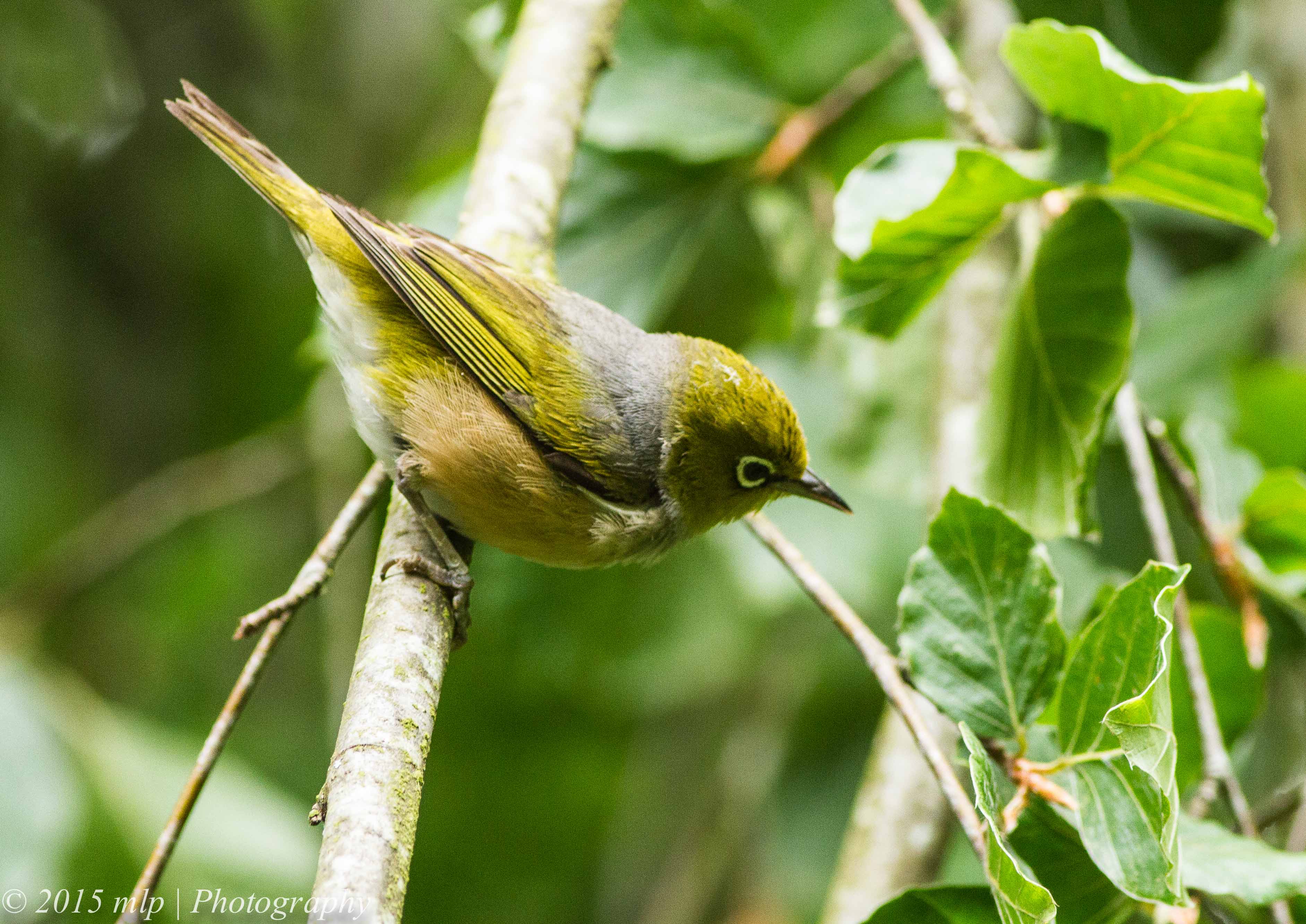
Silvereye

Silvereye

Juvenile Silvereye

Juvenile Silvereye

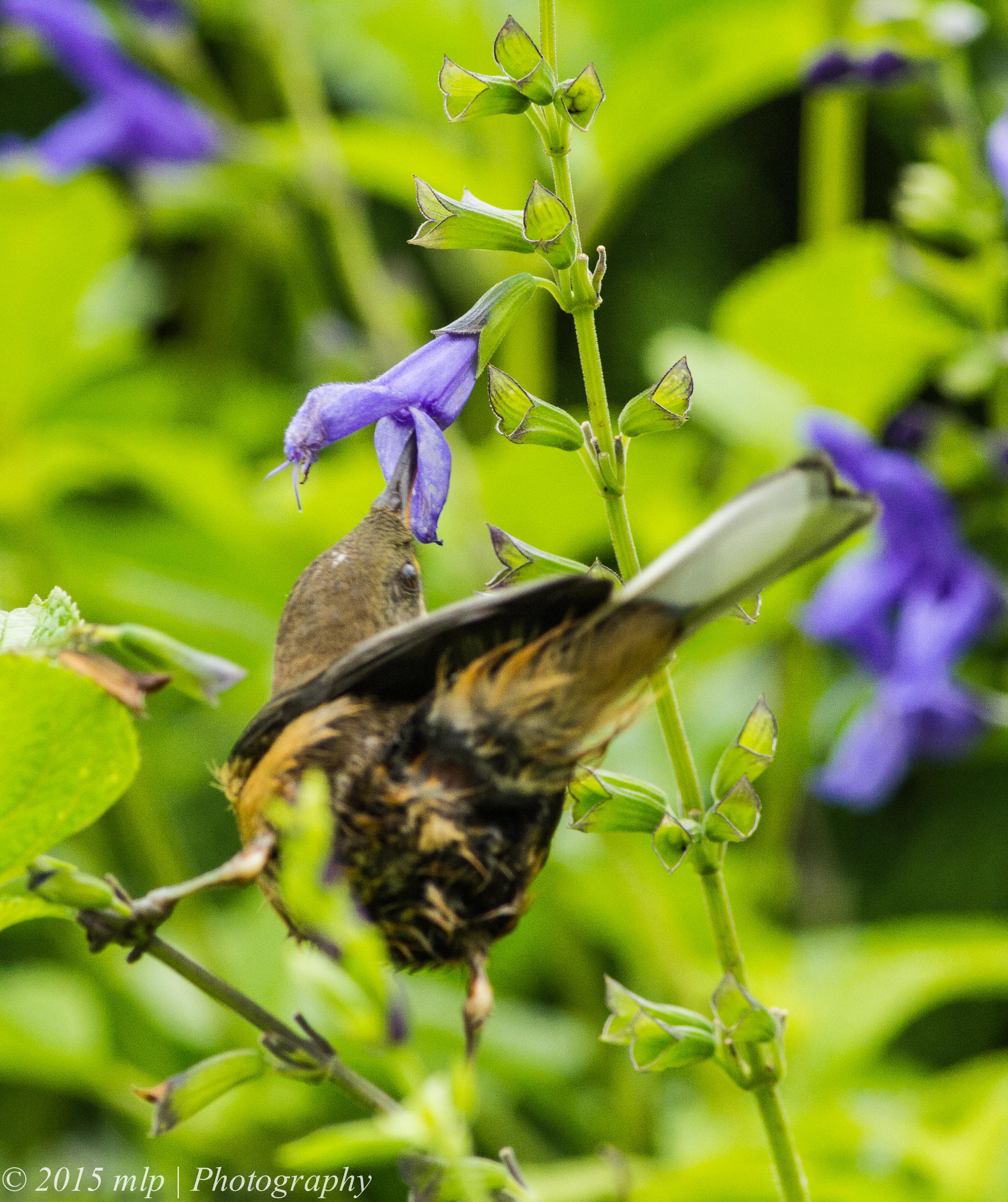
Juvenile Spinebill

Juvenile Spinebill

Juvenile Spinebill II

Juvenile Spinebill II

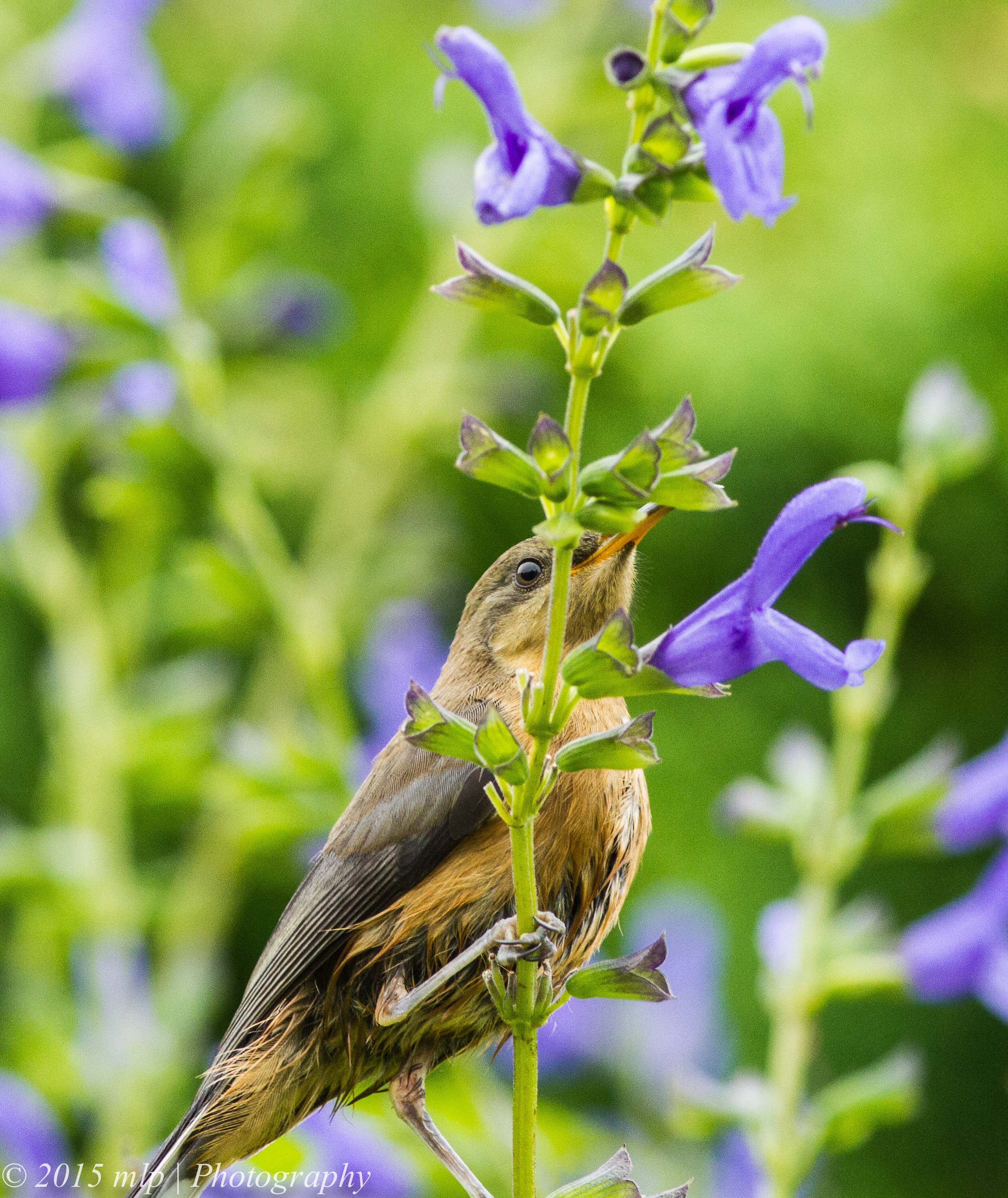
Juvenile Spinebill III

Juvenile Spinebill III

Juvenile Spinebill IV

Juvenile Spinebill IV

Part 2  – The Wonderful Gardens of Cloudehill

Coming Soon:

Part 3 – Colours of Cloudehill

Dandenong Valley Wetlands, Wheelers Hill

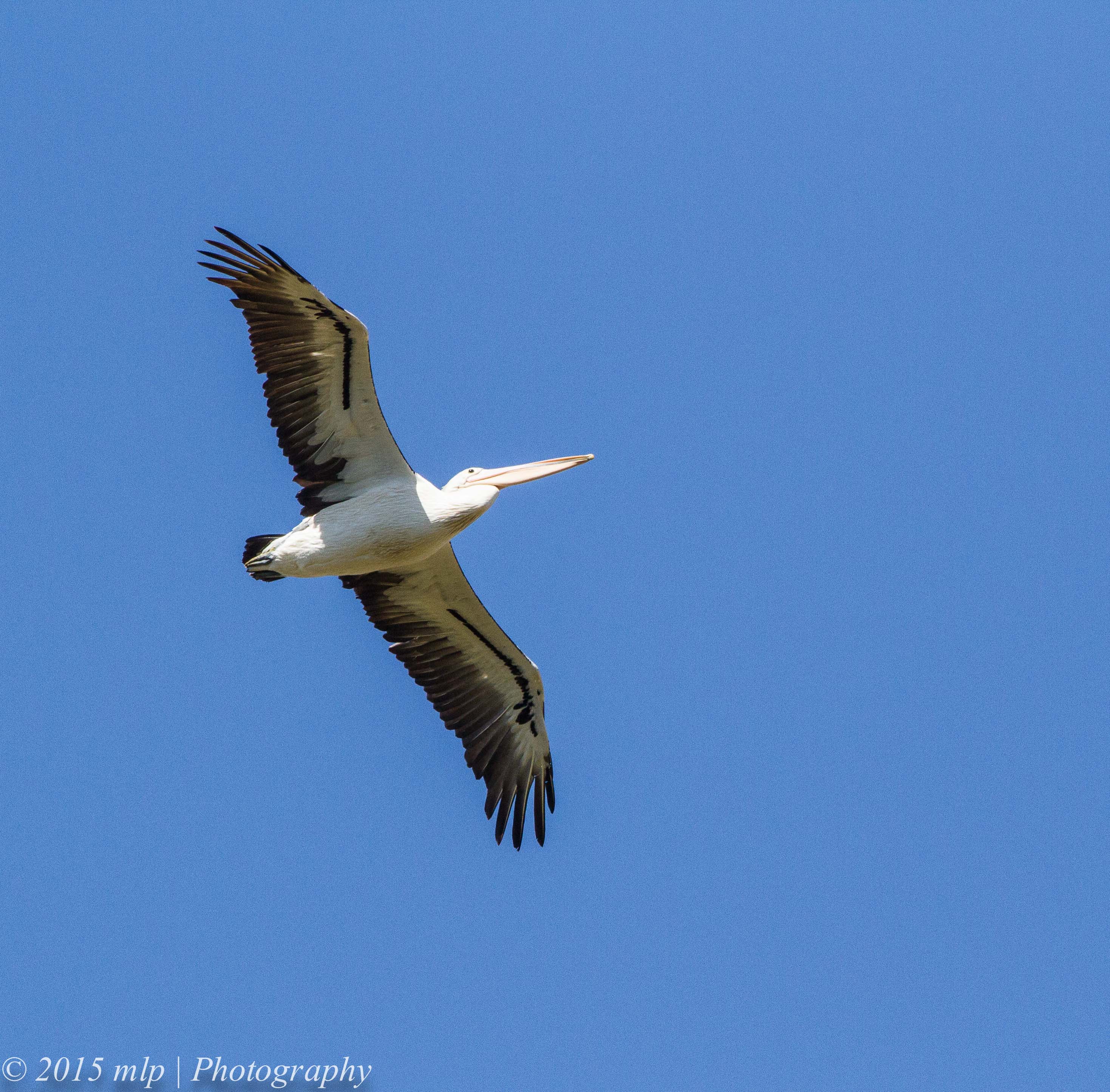
A late afternoon and evening walk around the Dandy Valley wetlands produced a good list of bird species (50+) and a few nice photo opportunities in the evening light. I met up with a birding mate, John, and we hunted for elusive Crakes and Rails. We did finally find two Spotted Crakes in a shaded patch of the reeds.  While waiting for John to arrive I explored the Dandenong Creek for a few kilometres and found a good number of smaller birds and bushland species. Overhead the sky continually had birds flying into or around the wetlands: Swamp Harriers, Pelicans, Ibis and various species of Ducks. It is an impressive place that has only recently been created to help purify the creeks before they run into important wetlands at the coast and Port Phillip Bay. Well worth a repeat visit.

Australian Pelican

Australian Pelican

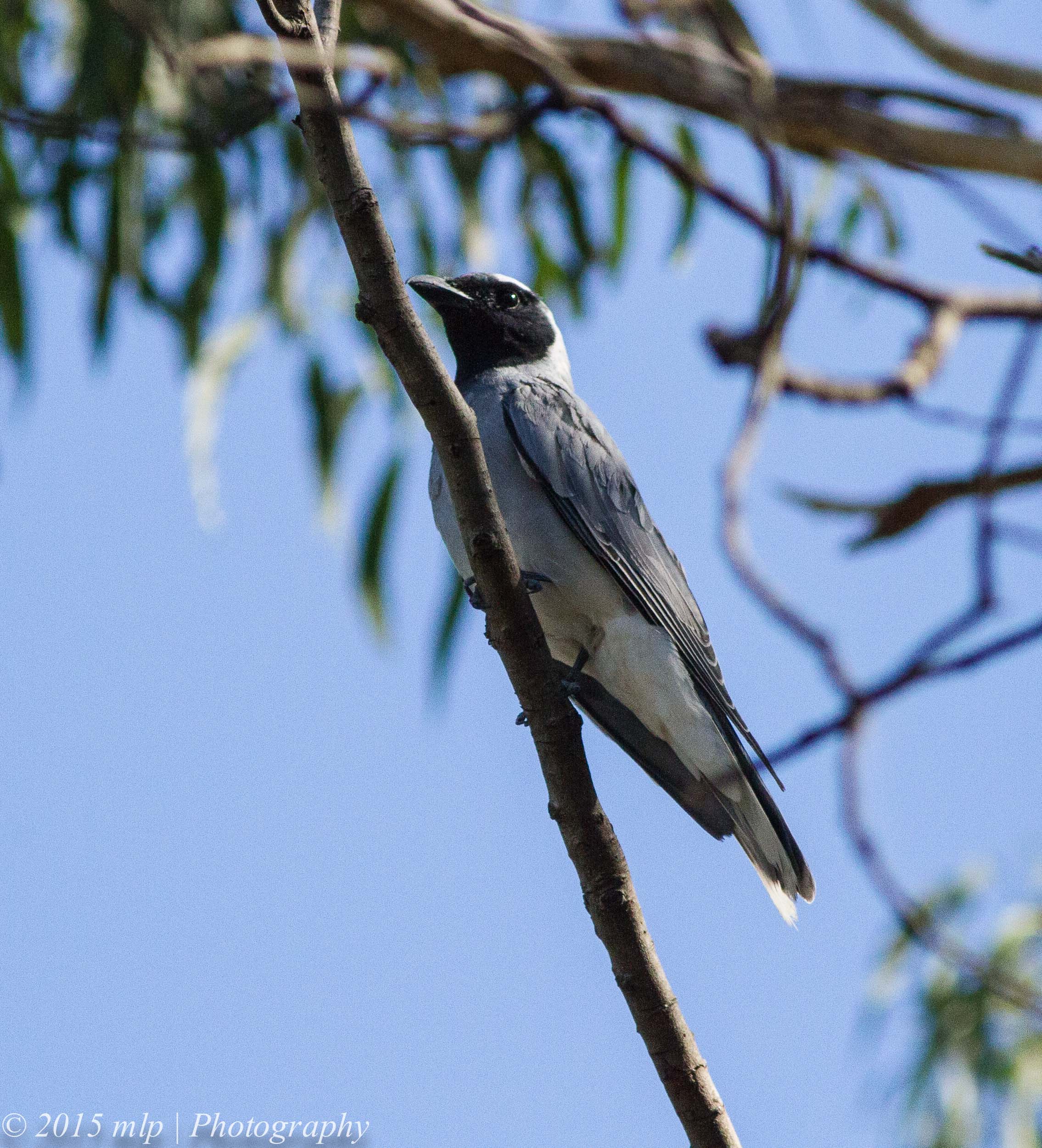
Black Faced Cuckoo-shrike

Black Faced Cuckoo-shrike

Dandenong Valley Wetlands

One of the lagoons of the Dandenong Valley Wetlands

Many of the lagoons are drying out and getting shallower which is perfect for the Sandpipers,  Crakes and Rails.

Wood Sandpiper

Wood Sandpiper

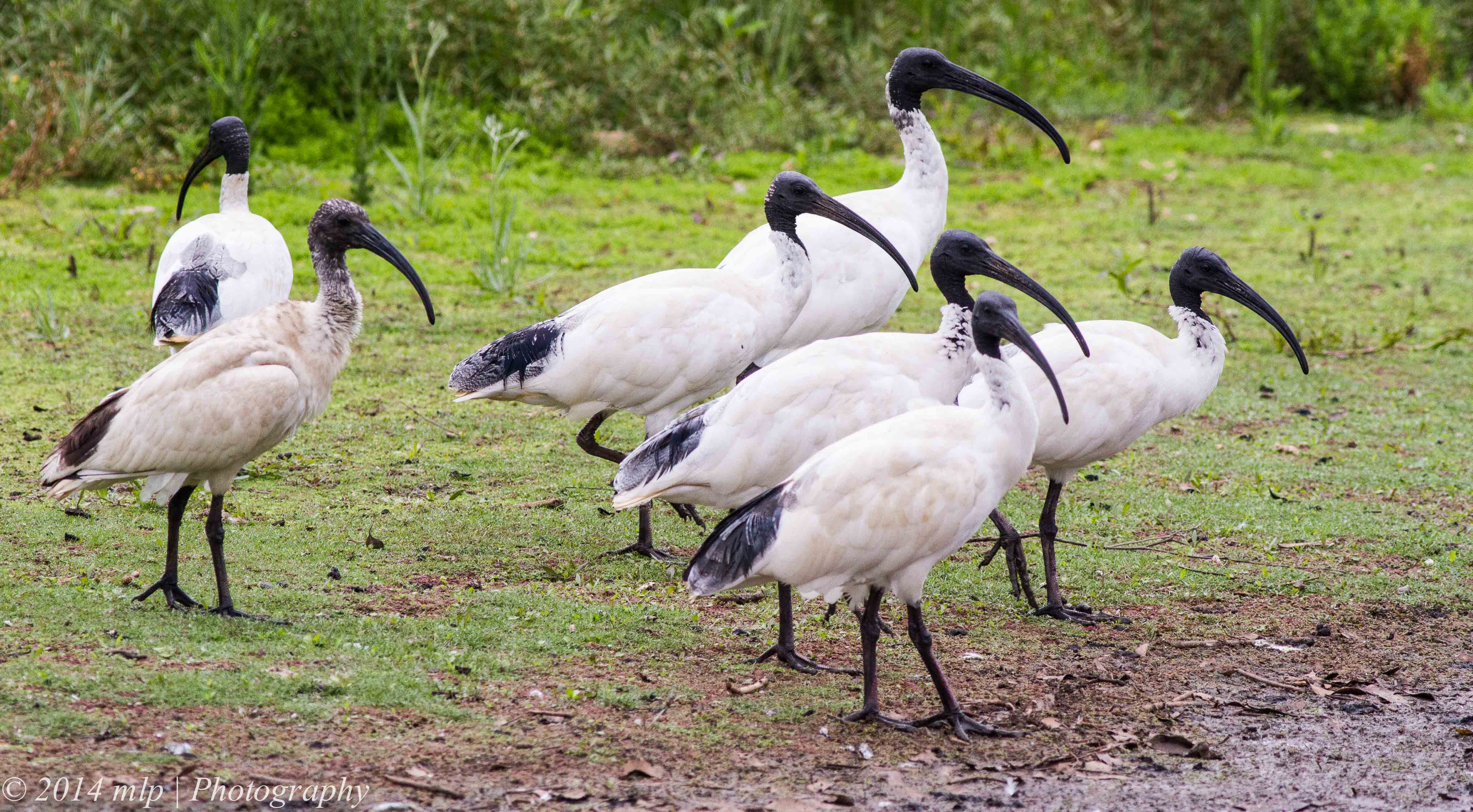
Australian White Ibis

Australian White Ibis

I practiced my flight shots with the Ibis and found on processing that there was a Royal Spoonbill in the mix (the bird with the straight bill below)

Australian White Ibis & Royal Spoonbill

Australian White Ibis & Royal Spoonbill

Australian White Ibis II

Australian White Ibis II

Australian White Ibis III

Australian White Ibis III

Hundreds of Ibis flew in over the last 30 mins before dark. They came in large  V formations and circled the park looking for appropriate landing areas to roost for the night.

Australian White Ibis IV

Australian White Ibis IV

Wetland vegetation

Wetland vegetation in late afternoon light

Moorooduc Quarry Flora and Fauna Reserve, Mt Eliza

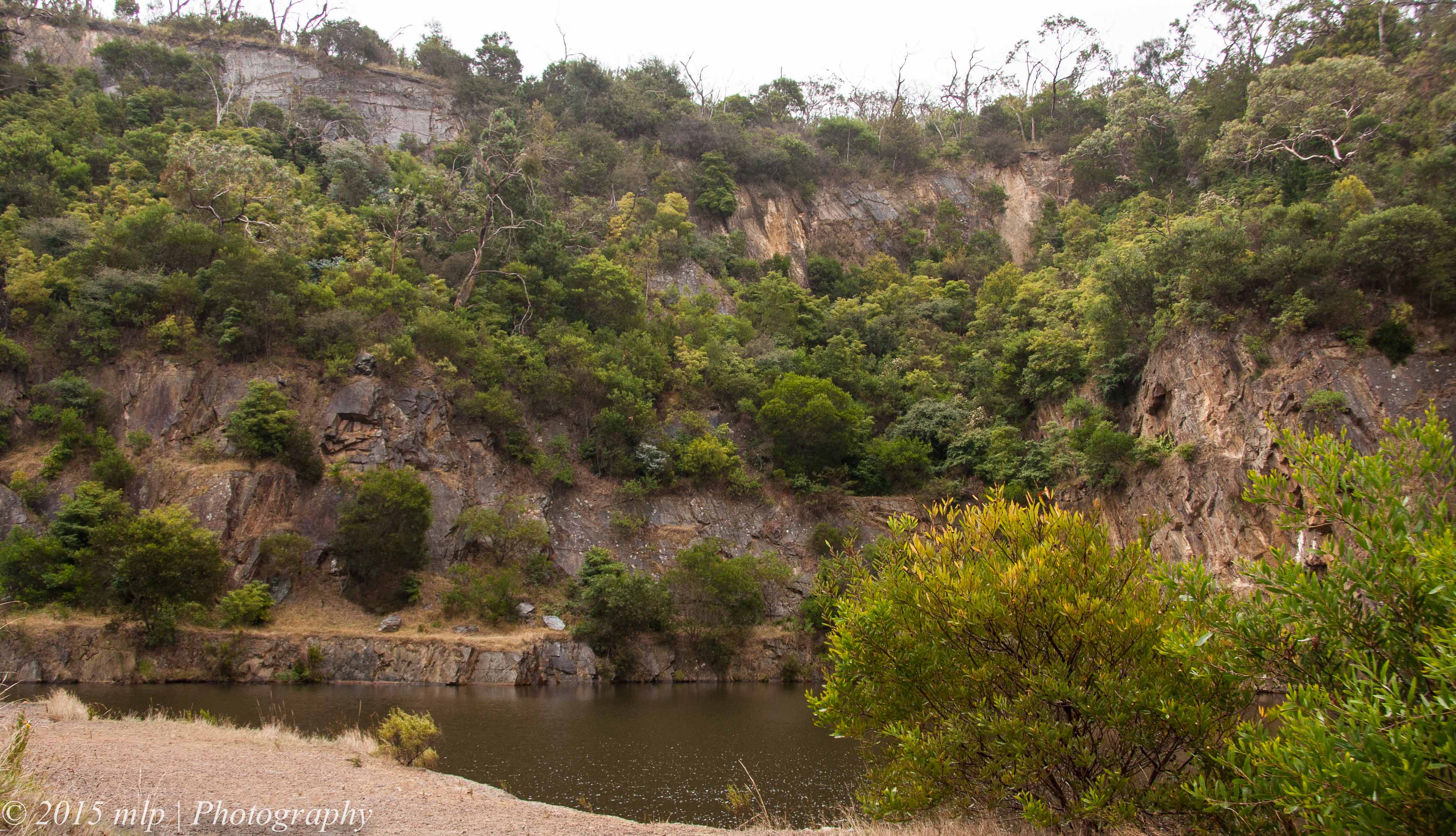
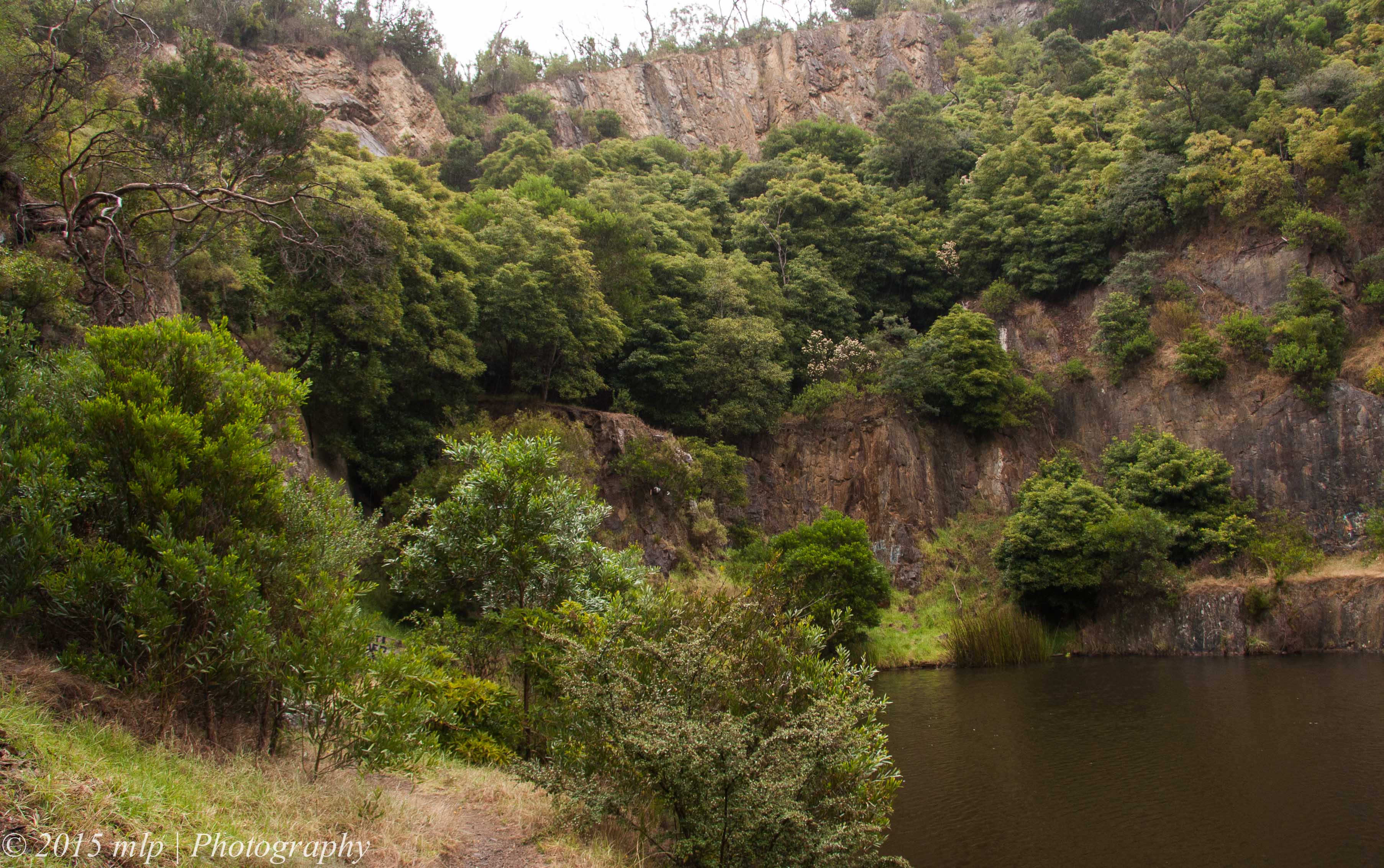
Along the Moorooduc Highway that heads down to the Mornington Peninsula is the Mt Eliza Regional Park. A section of this park is called the Moorooduc Flora and Fauna Reserve. It  is the site of an old (1887) stone and ballast quarry used for the railway sleeper beds for the Baxter to Mornington railway connection. The quarry is now flooded and has been converted to a Flora and Fauna Reserve and is particularly good for birds. The quarry is actually fenced off due to dangerous cliffs and rockfalls but holes in the fence have been created by locals wishing to access the water and quarry site. When I was there last week locals were walking dogs and fishing in the quarry. The high cliffs provide good nest sites for Peregrine Falcons to nest. Over the last few years I have seen several fledgelings learning to fly and hunt.

Old Moorooduc Quarry

Old Moorooduc Quarry

Old Moorooduc Quarry II

Old Moorooduc Quarry II

Walking from the carpark to the quarry I noticed a number of new fledglings being attended to by their parents.

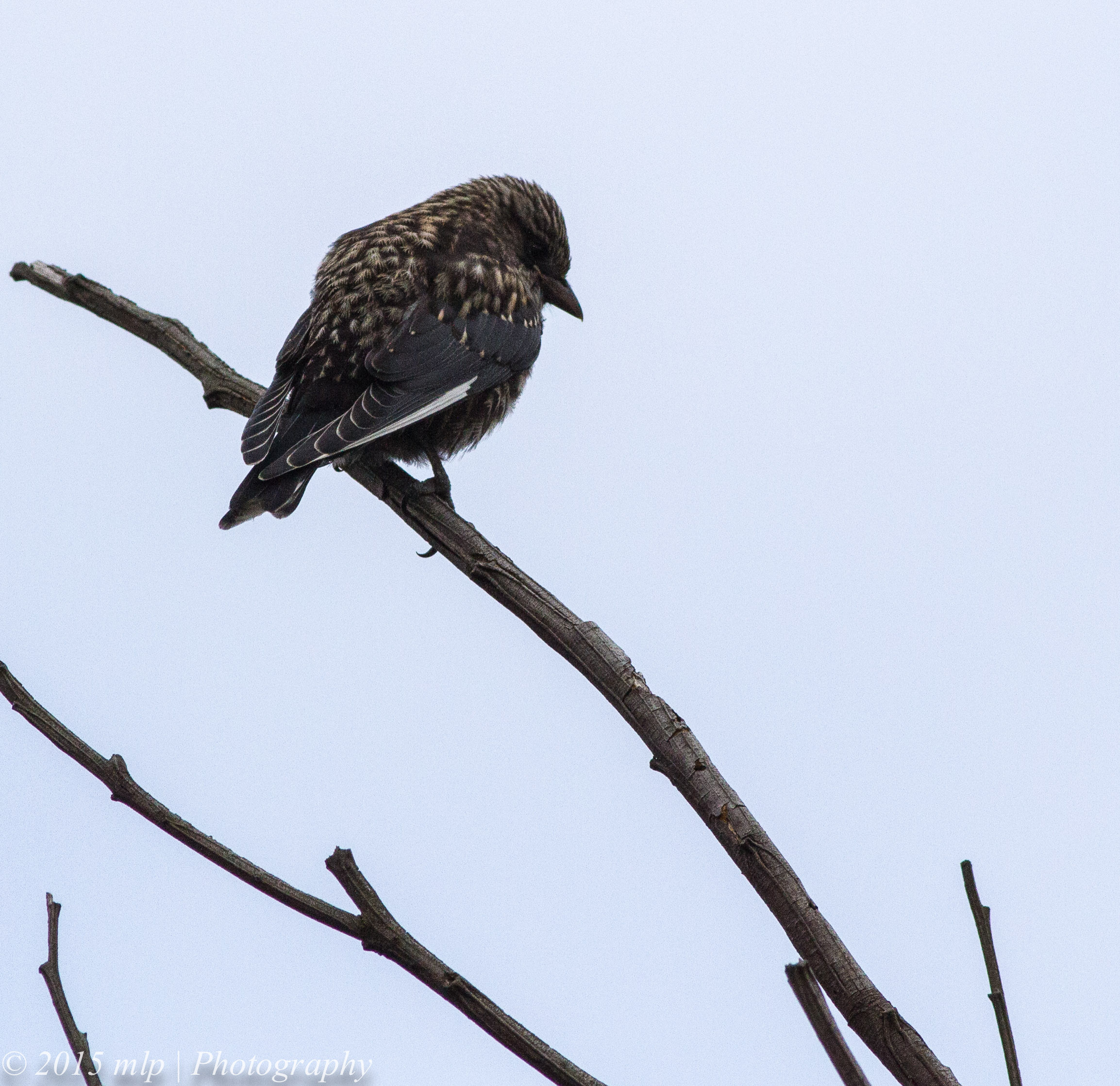
Juvenile Dusky Woodswallow

Juvenile Dusky Woodswallow

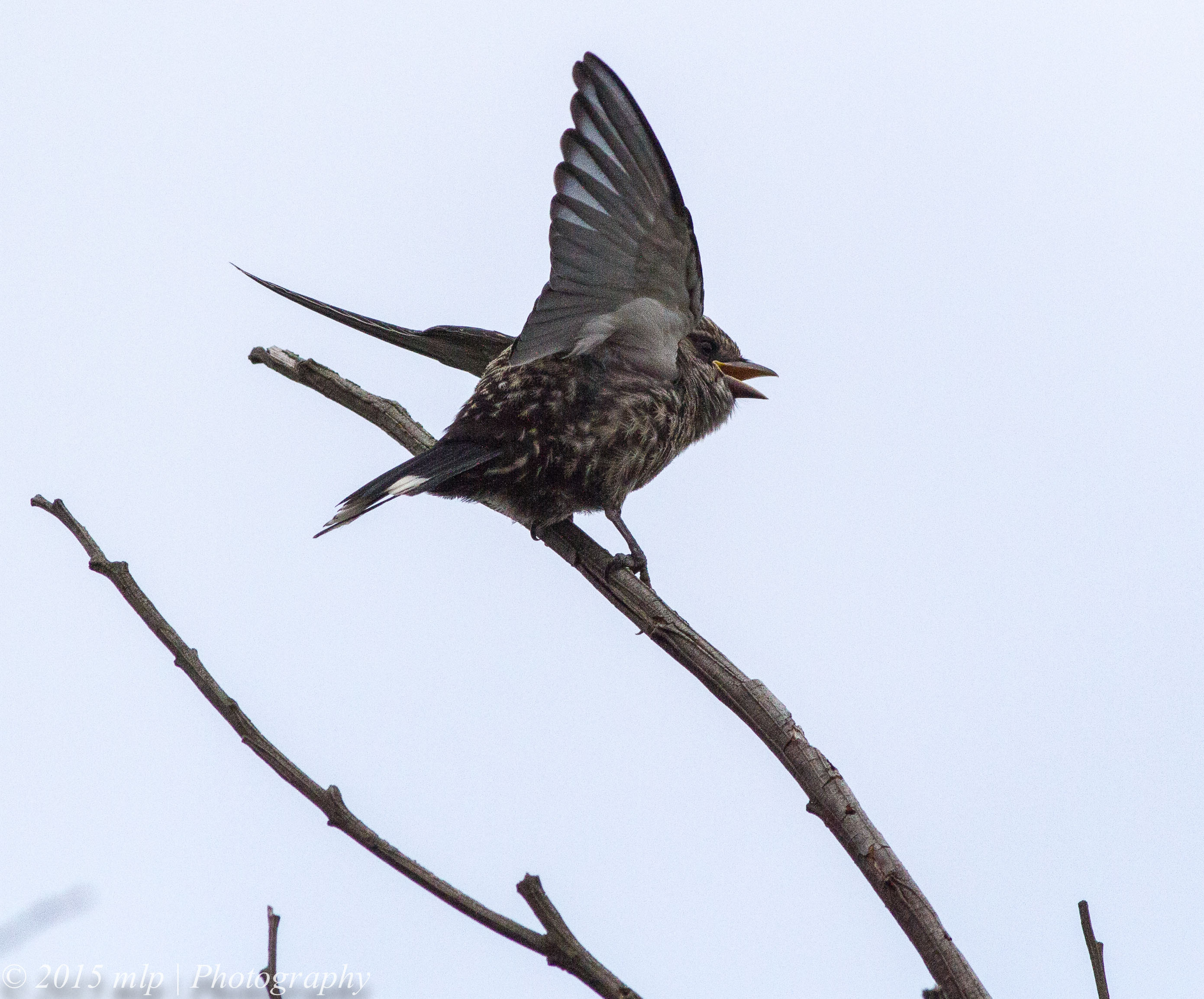
Juvenile Dusky Woodswallow II

Juvenile Dusky Woodswallow II – demanding food from a parent nearby

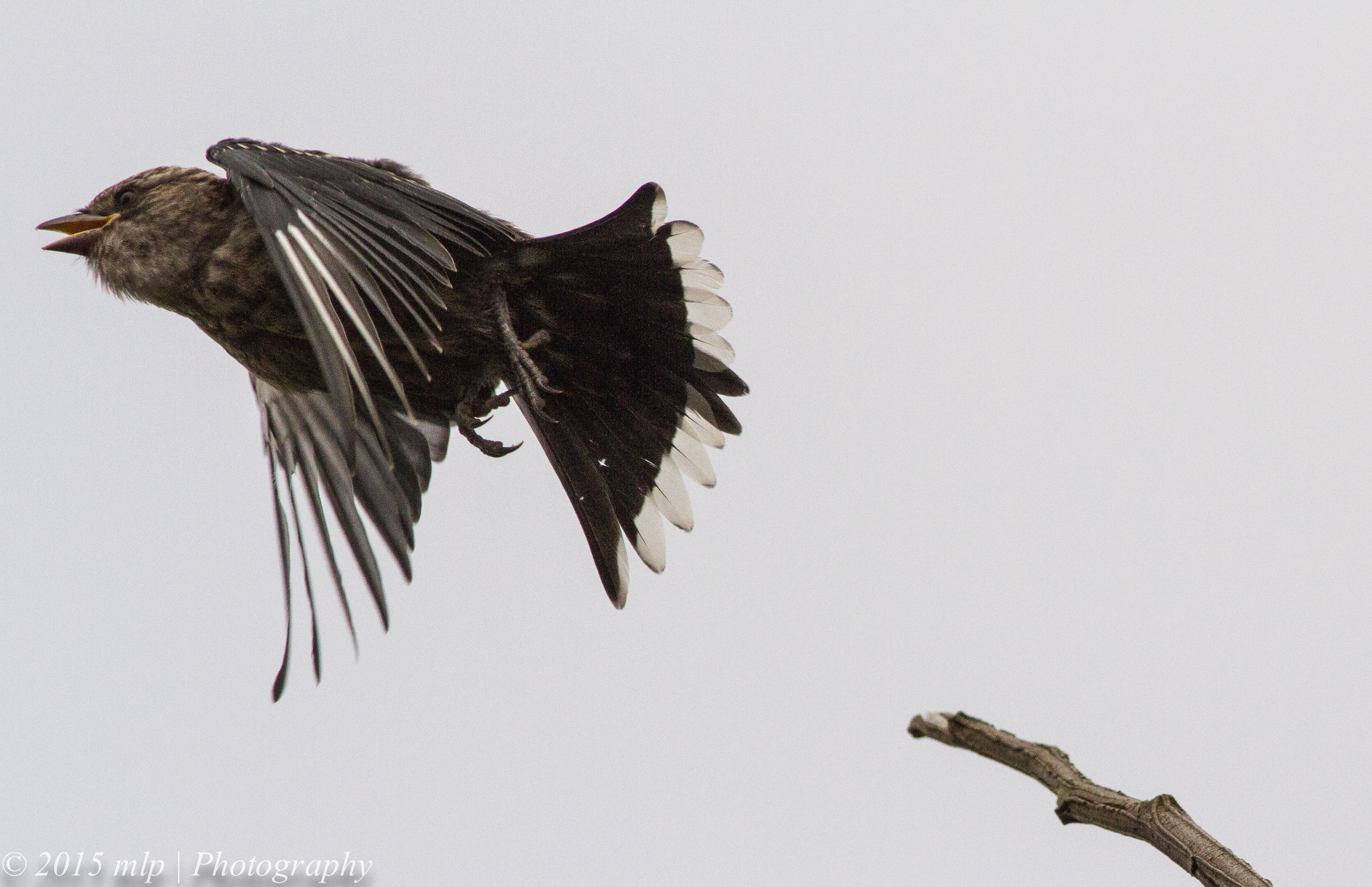
Juvenile Dusky Woodswallow III

Juvenile Dusky Woodswallow III

Dusky Woodswallow

Dusky Woodswallow

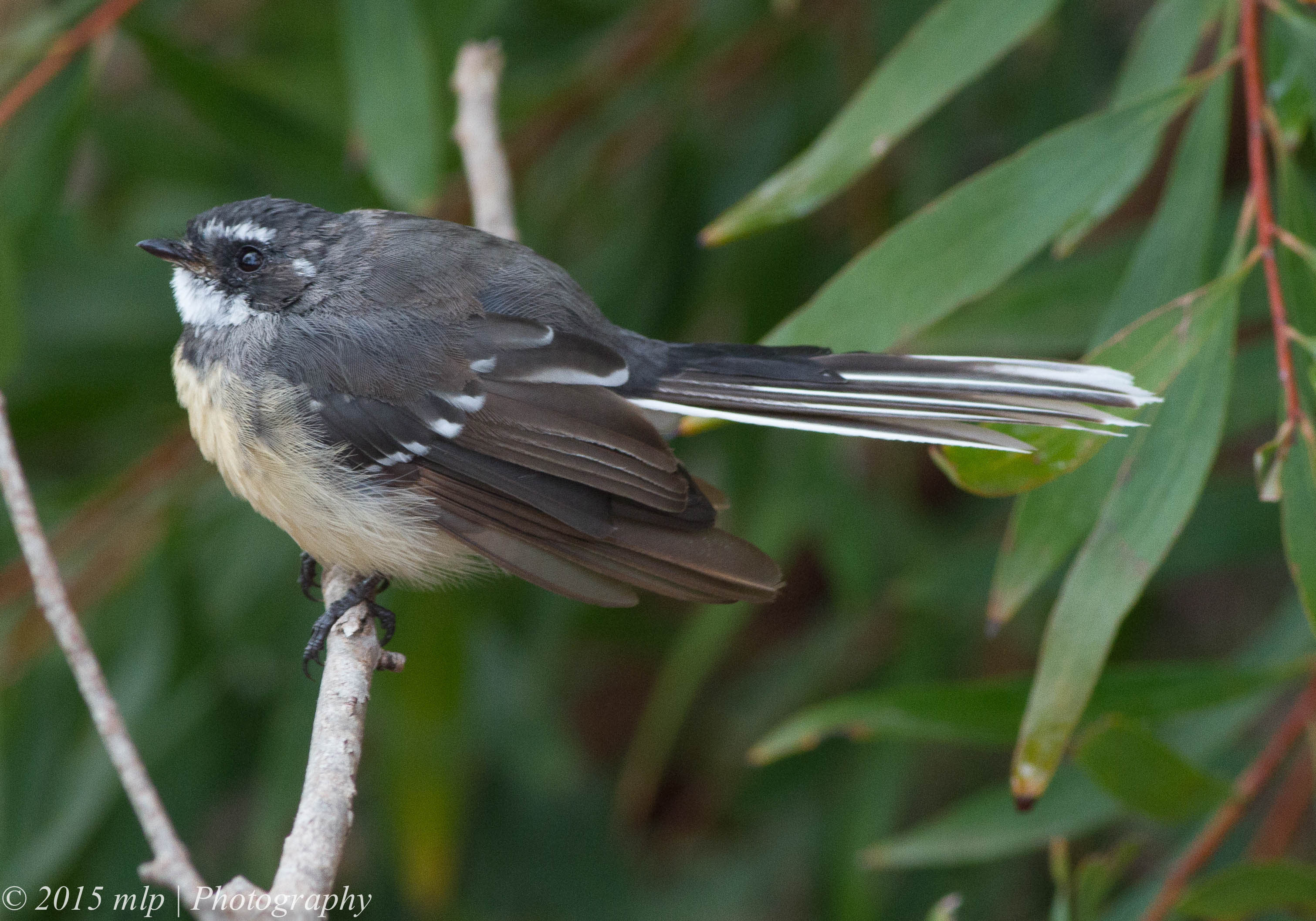
Young Grey Fantail

Young Grey Fantail – how could you not respond to those eyes?

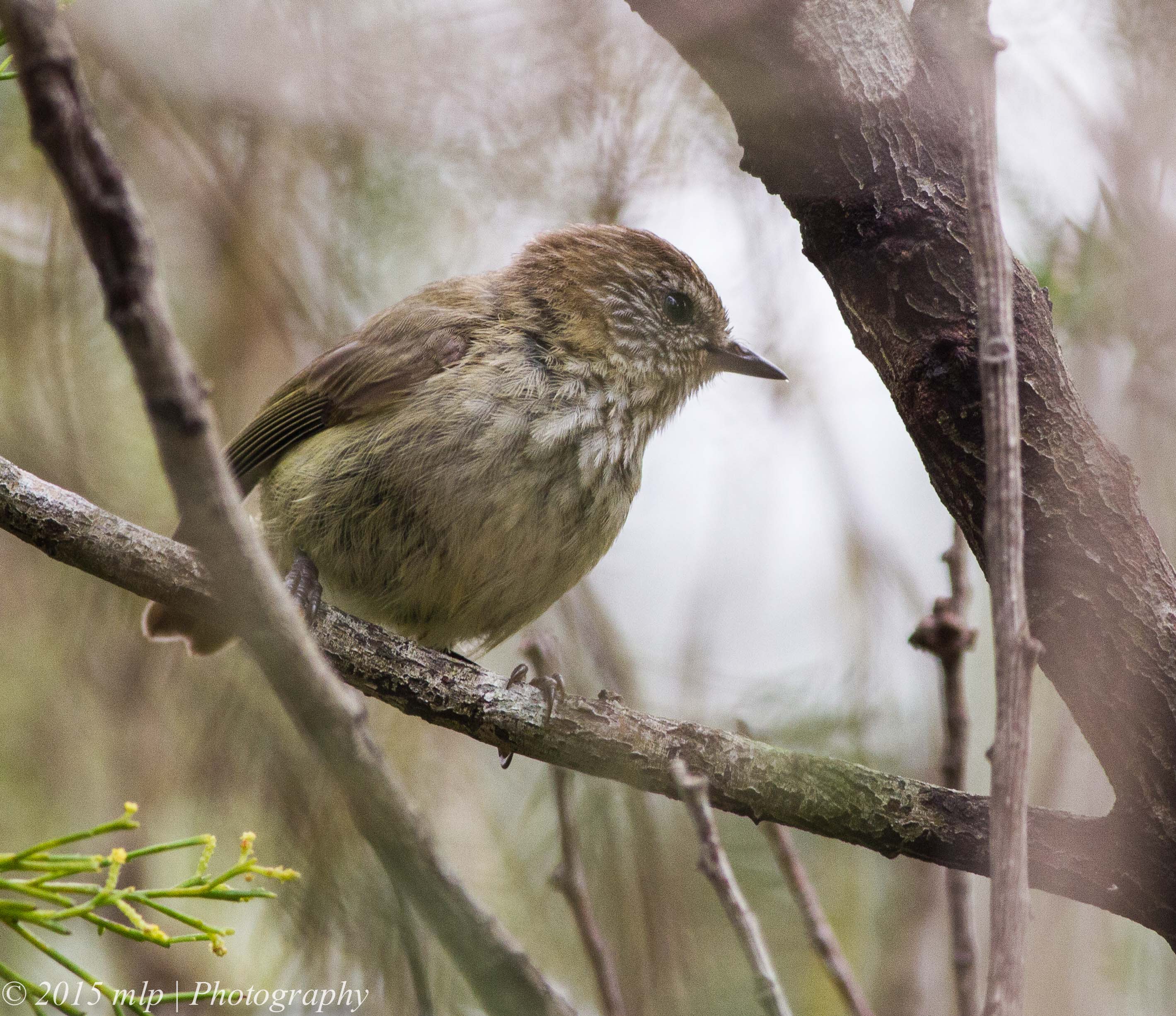
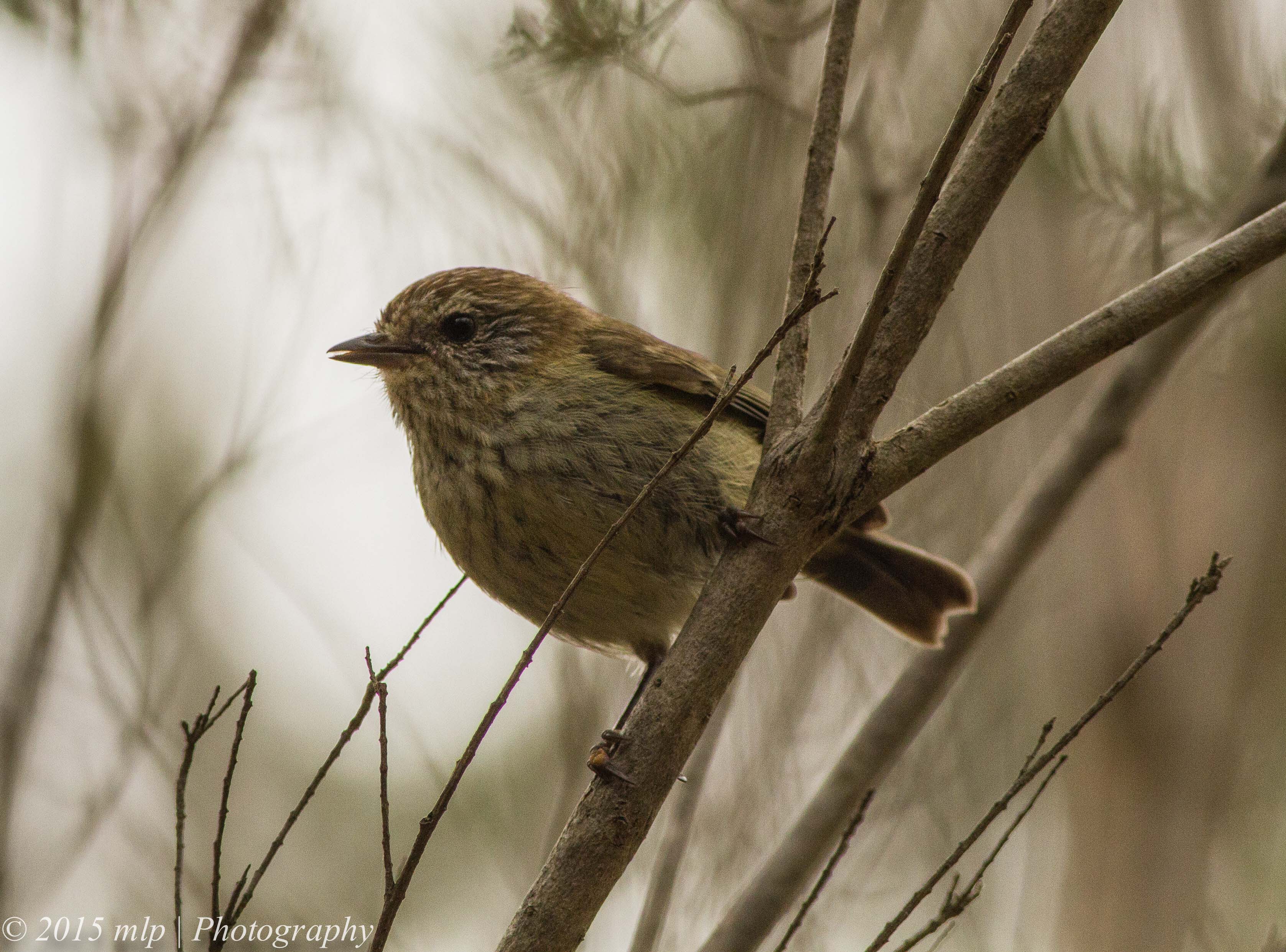
Striated Thornbill

Striated Thornbill

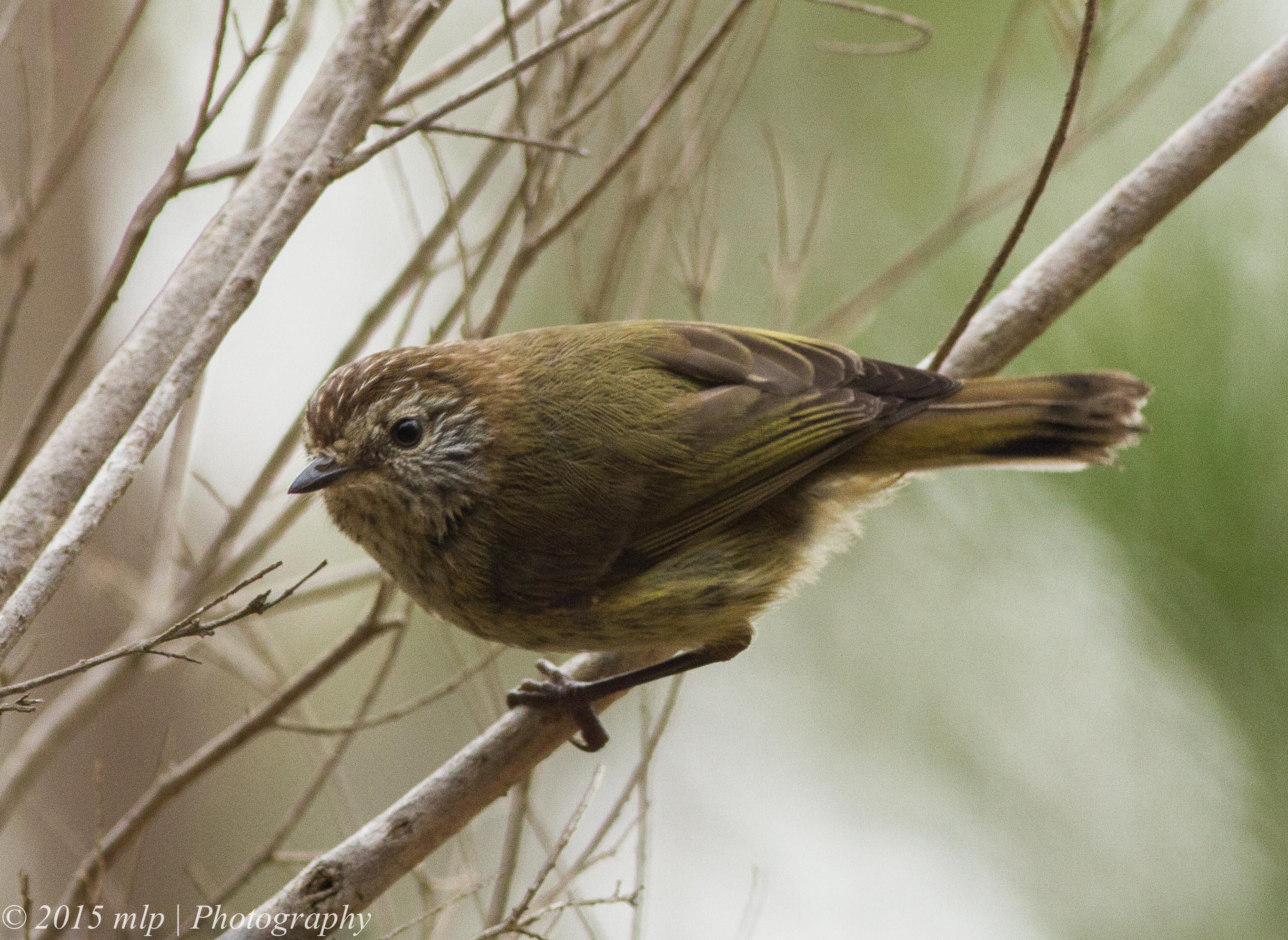
Striated Thornbill II

Striated Thornbill II

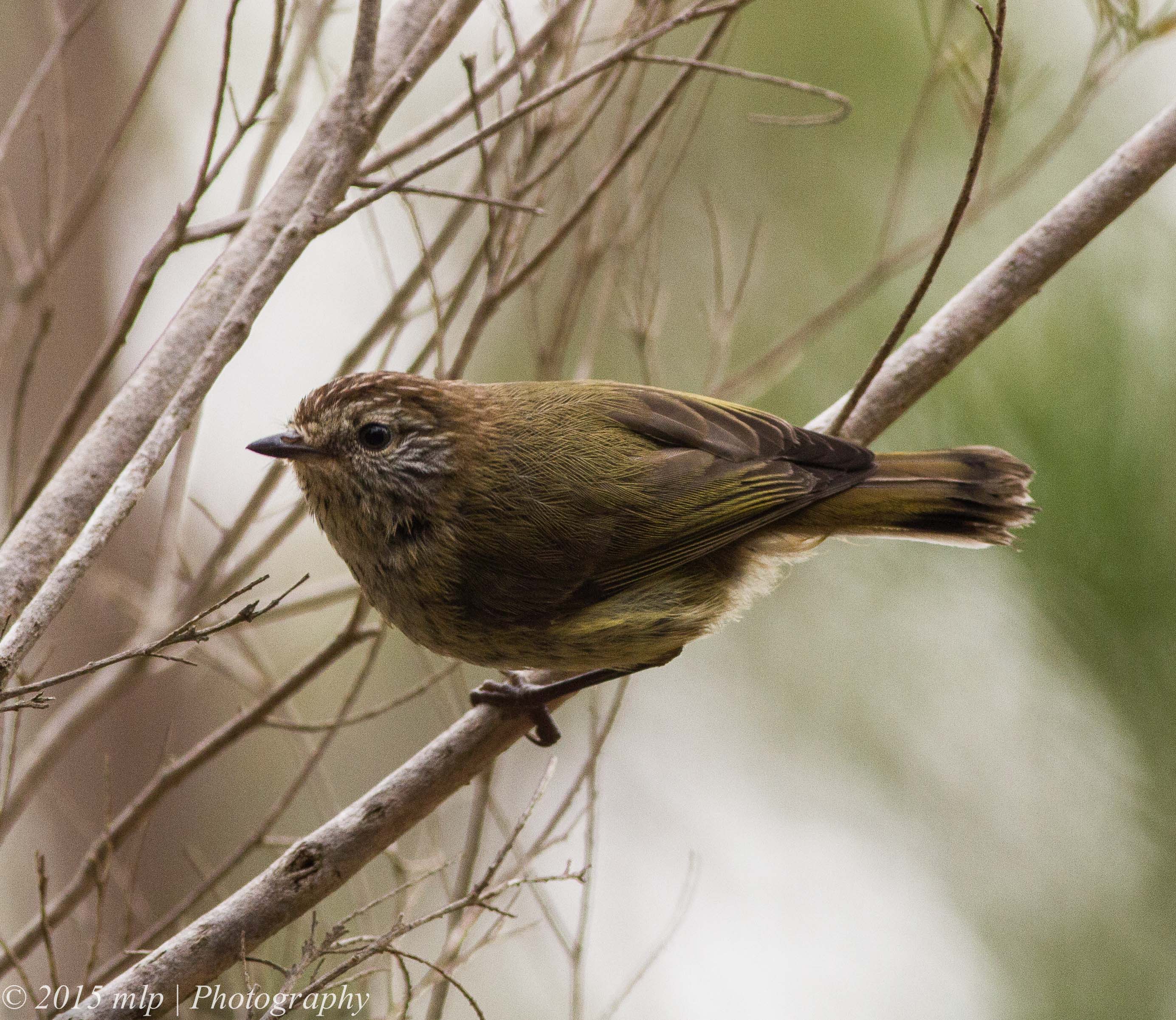
Striated Thornbill III

Striated Thornbill III

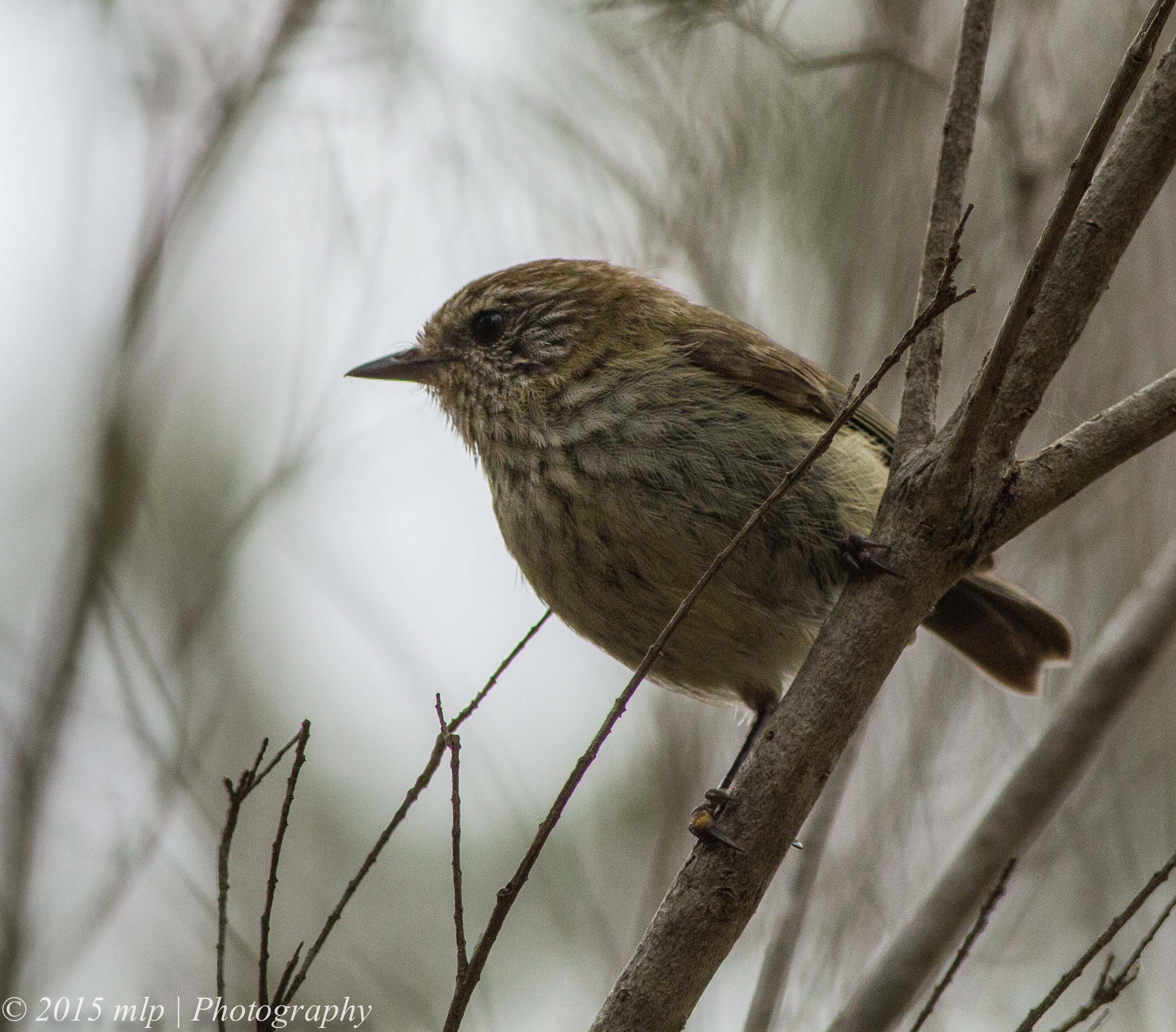
Striated Thornbill IV

Striated Thornbill IV

Striated Thornbill V

Striated Thornbill V

Striated Thornbill VI

Striated Thornbill VI

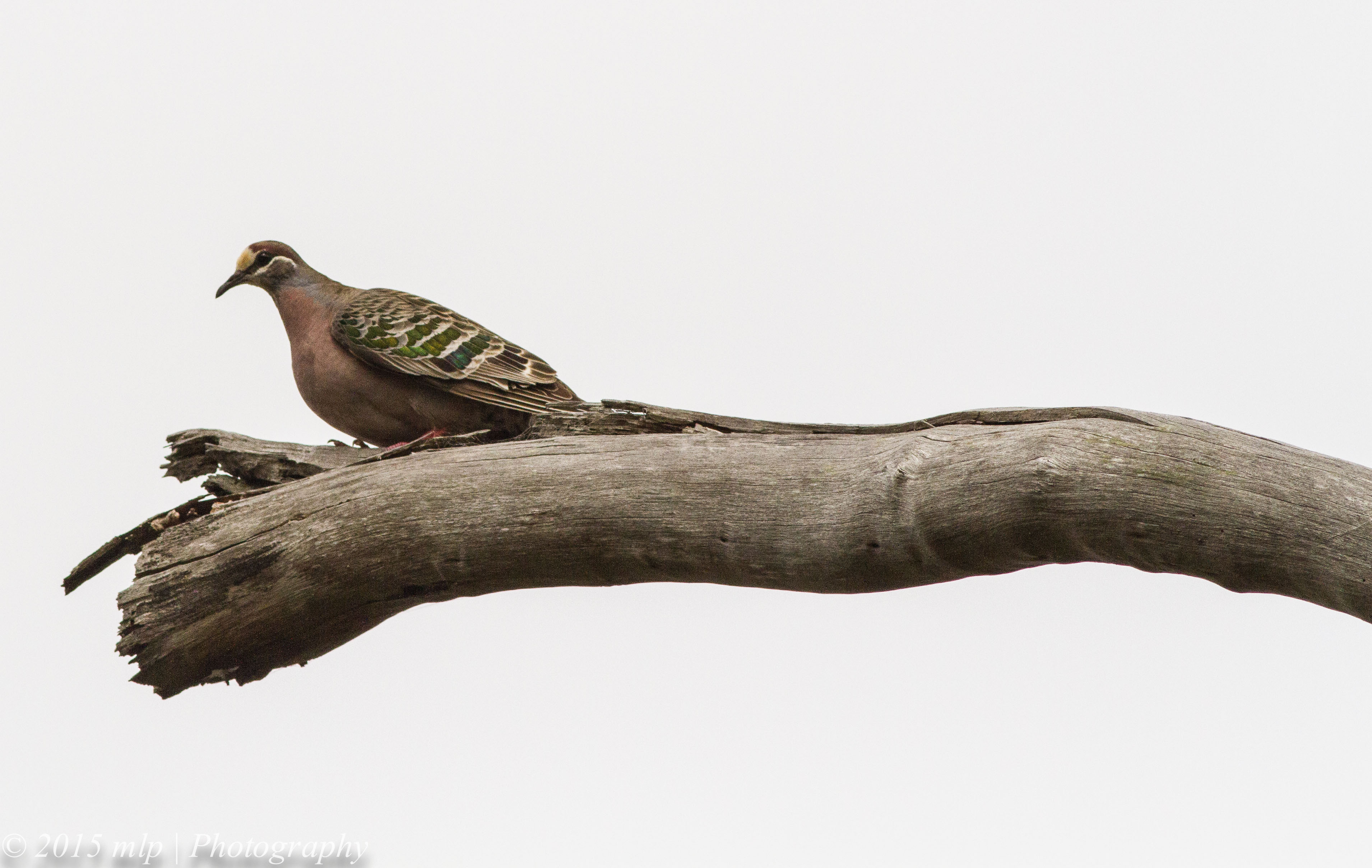
Common Bronzewing

Common Bronzewing

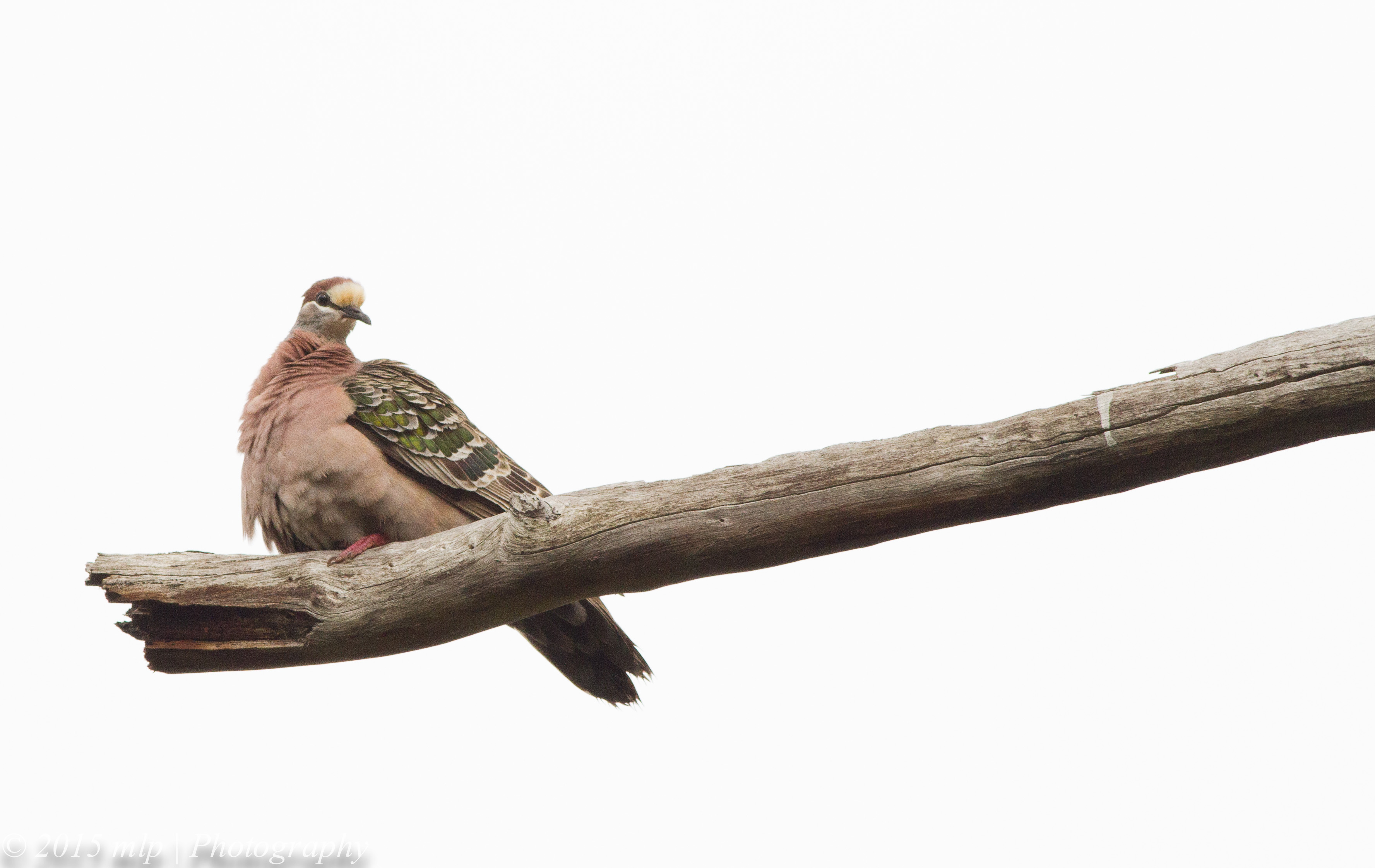
Common Bronzewing II

Common Bronzewing II

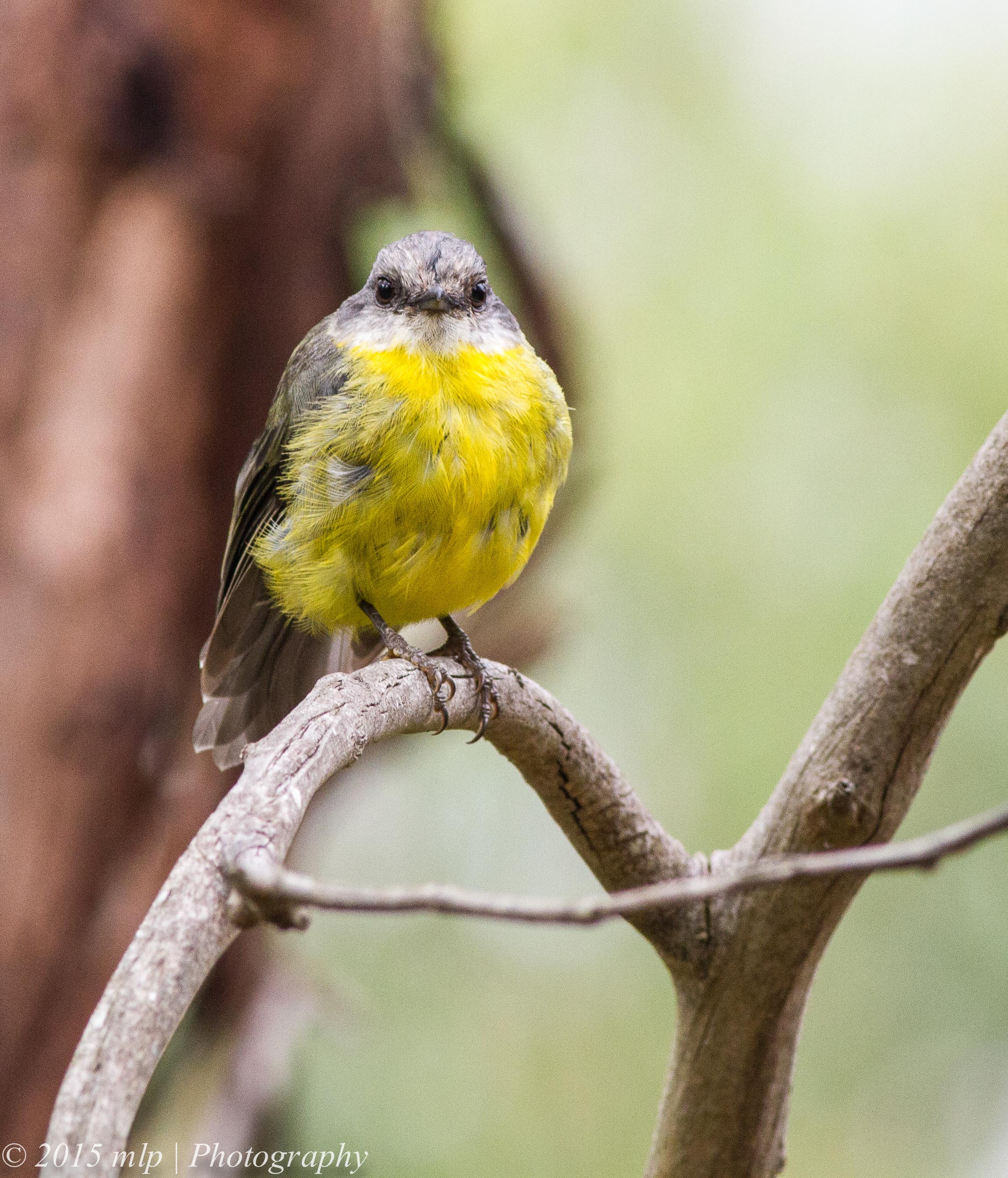
Eastern Yellow Robin - what you looking at?

Eastern Yellow Robin – what you looking at?

Eastern Yellow Robin II

Eastern Yellow Robin II

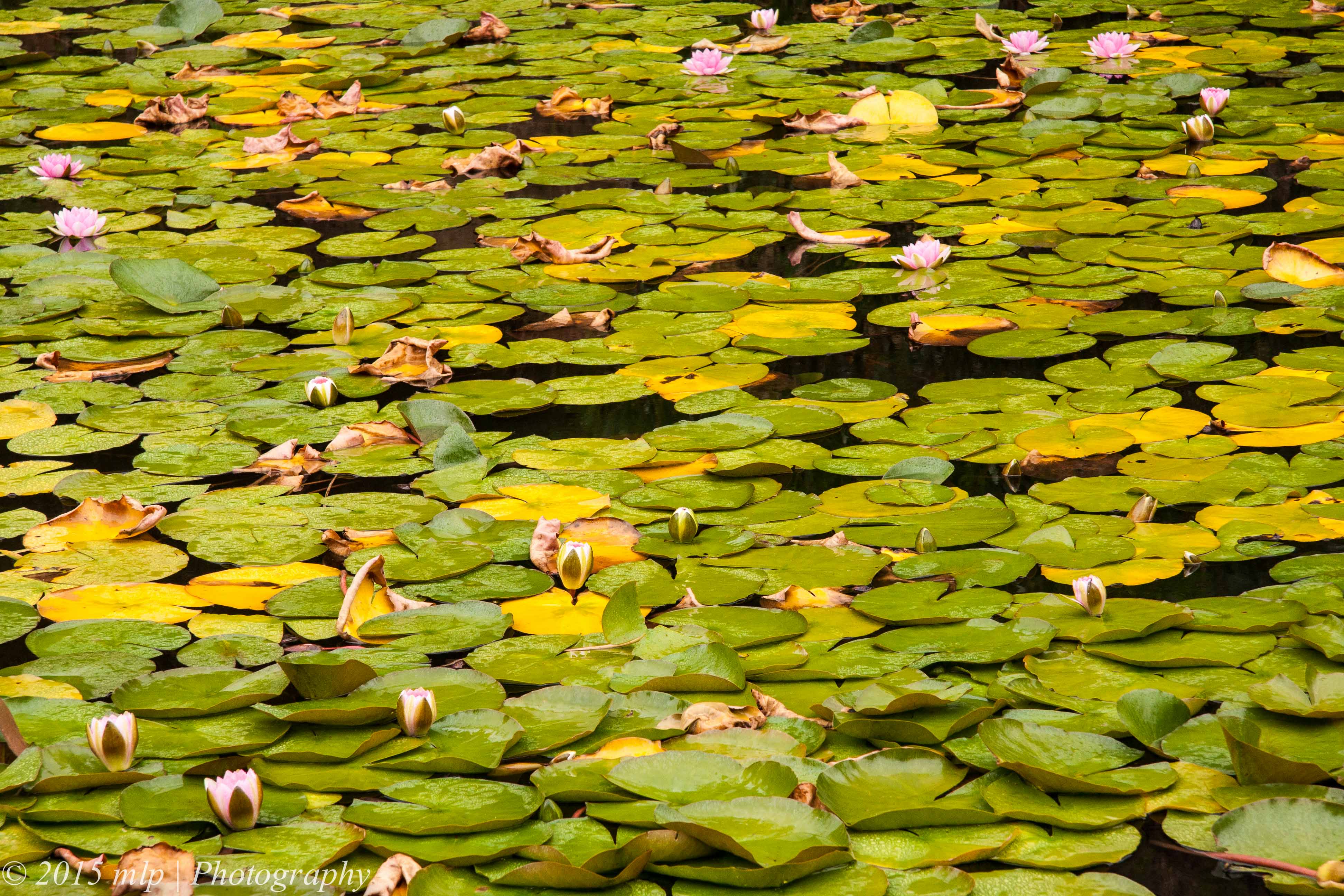
Flowering Water Lillies

Flowering Water Lillies in Moorooduc Quarry

The Garden of Scare Cow and Birdman

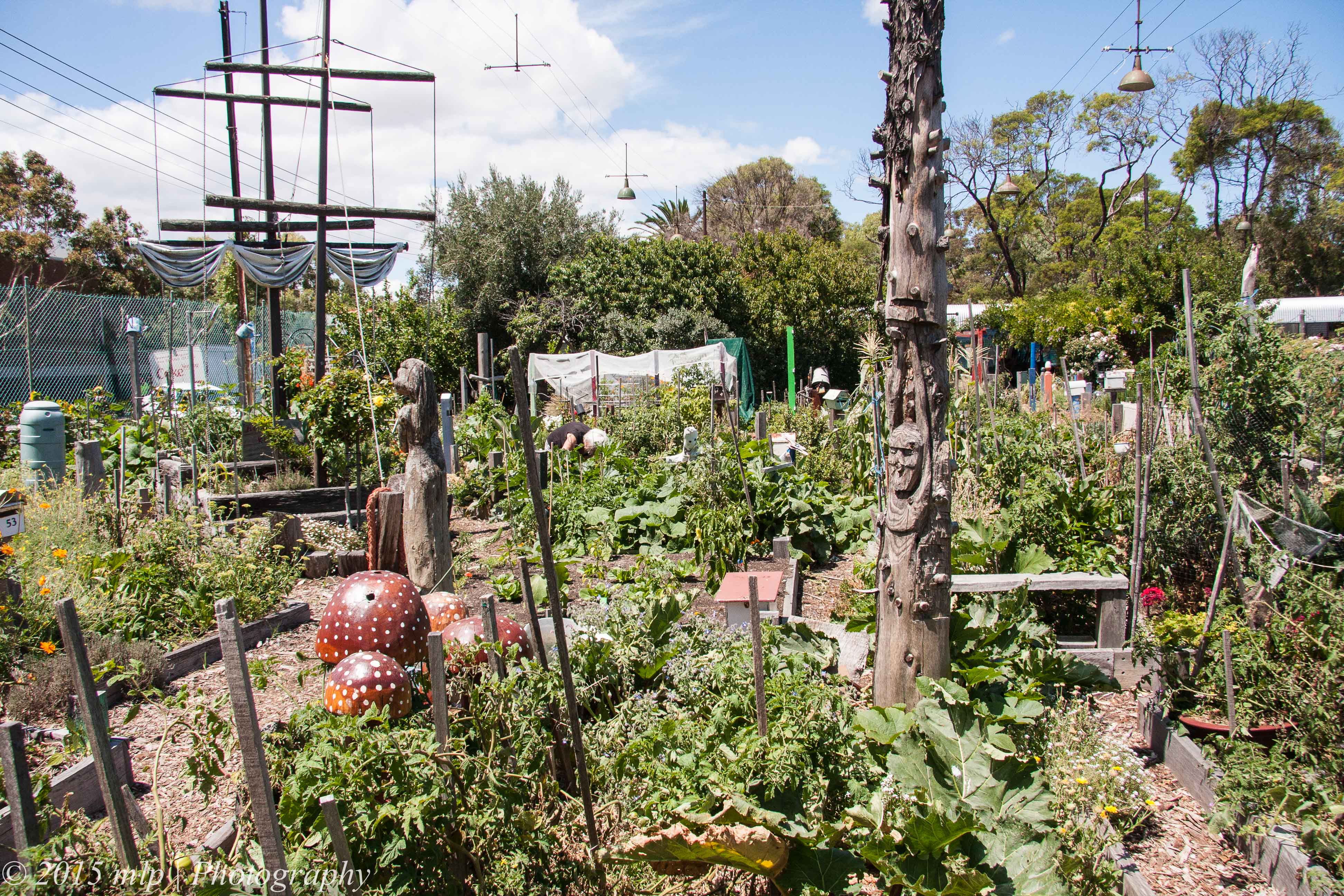
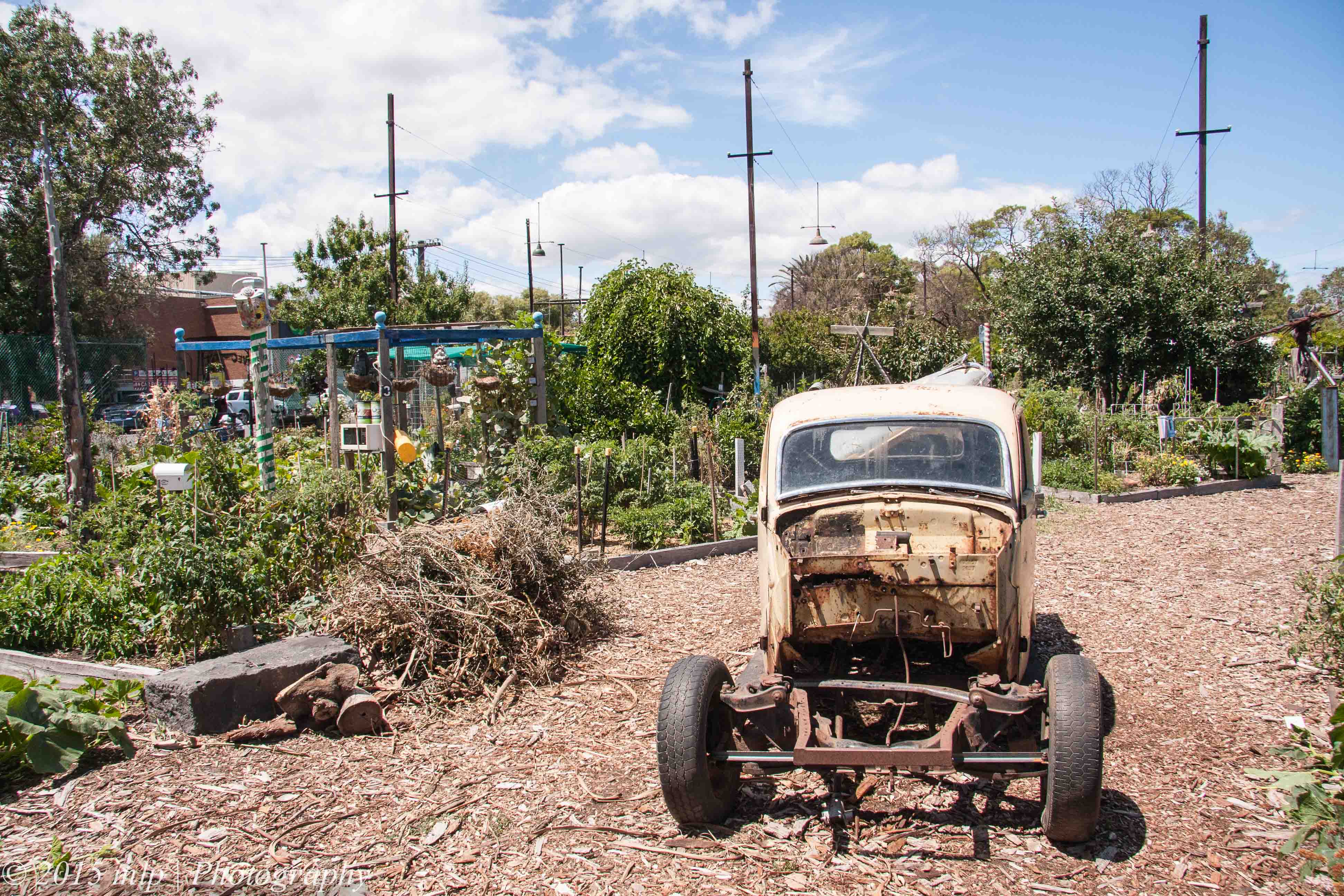
During a recent visit to St Kilda, I dropped into the Veg Out Community Garden. It is a community plot garden primarily for local apartment dwellers who do not have access to green space to grow veggies. The plots are located on what was once a lawn bowl club’s greens. The garden is clean, well maintained and supported. The garden rows and plots have a number of sculptures and artwork either made by the plot gardeners or the local artists working from studios located in the grounds. The artwork can be quite eclectic and eccentric. It is well worth the visit and a great place to have some takeaway lunch from the local delis and cafes in Acland St.

Veg Out Community Gardens

Veg Out Community Gardens – the old car will be incorporated into the design of the garden.

Veg Out Community Gardens II

Veg Out Community Gardens II

Veg Out Community Gardens III

Veg Out Community Gardens III

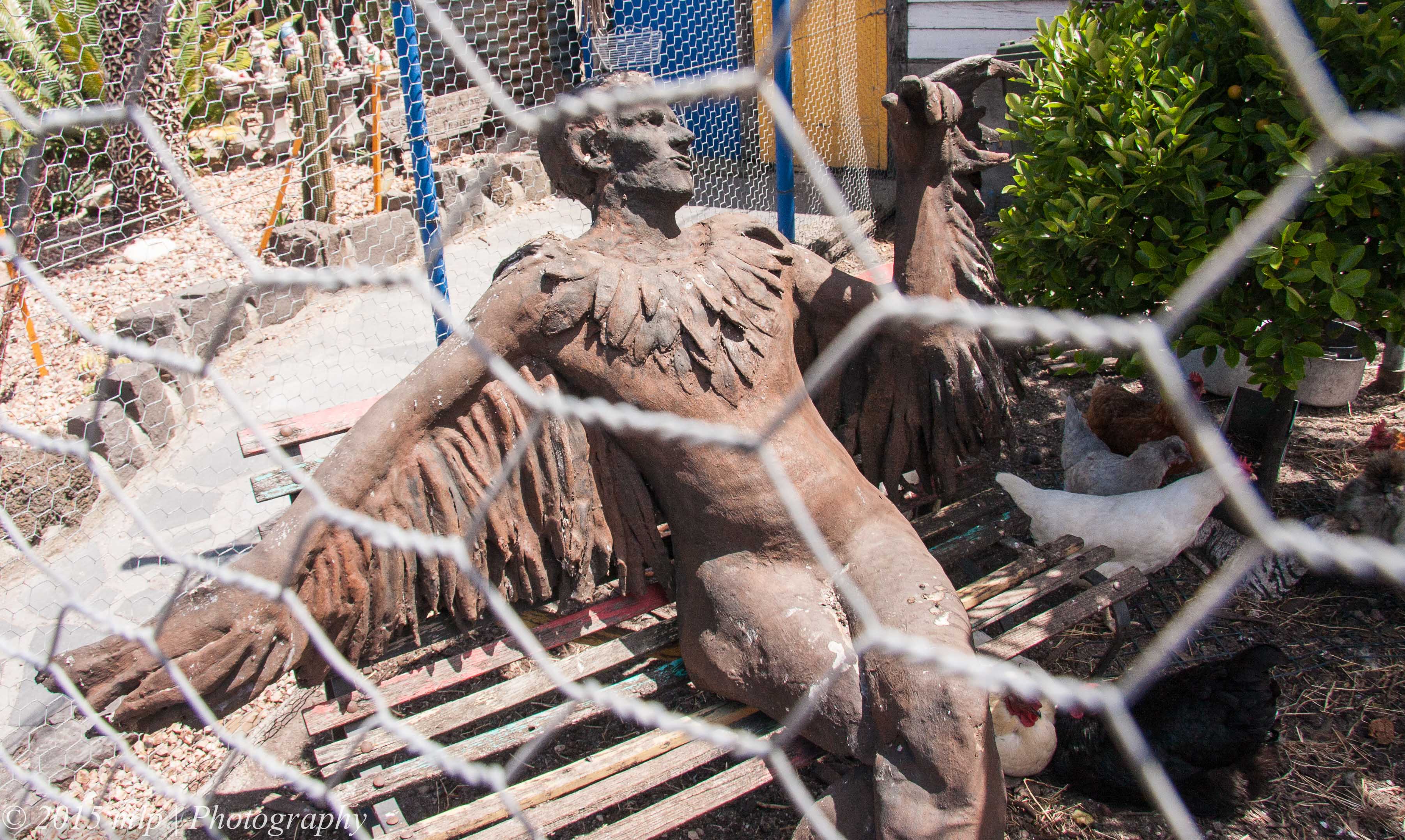
Rusty Eagle Sculpture

Rusty Eagle Sculpture

Rusty Eagle Sculpture II

Rusty Eagle Sculpture II

Birdman of the Chicken coop

Birdman of the Chicken coop

Scare Cow

Scare Cow – not sure whether the cow would scare off birds or not but it certainly had me looking twice as I walked past

Scare Cow II

Scare Cow II

Feral Pigeon, Veg Out Garden

Feral Pigeon, Veg Out Garden

The real Point Cook.

Until I went to have a look at the Cheetham Wetlands in Altona Meadows I never knew that there was actually a geographical landmark of Point Cook. I thought it was just an outer fringe suburb of South Western Melbourne.

There is an old homestead and cafe nearby and an easy to reach carpark. There is a path straight down to the beach and a short walk along the beach to Point Cook. Another path from the carpark meanders through the grass fields to the wetlands observation tower.

The Actual Point Cook

The Actual Point Cook

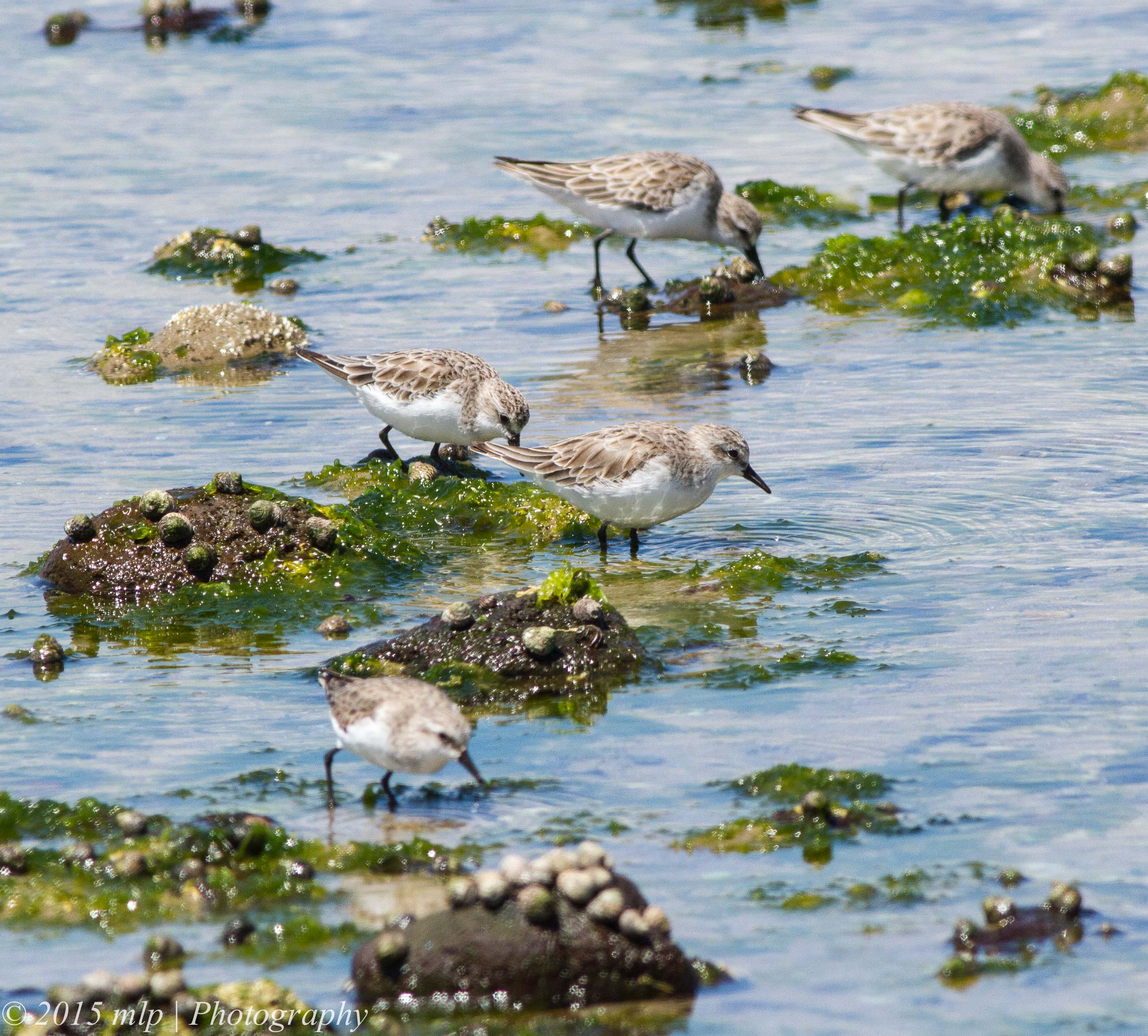
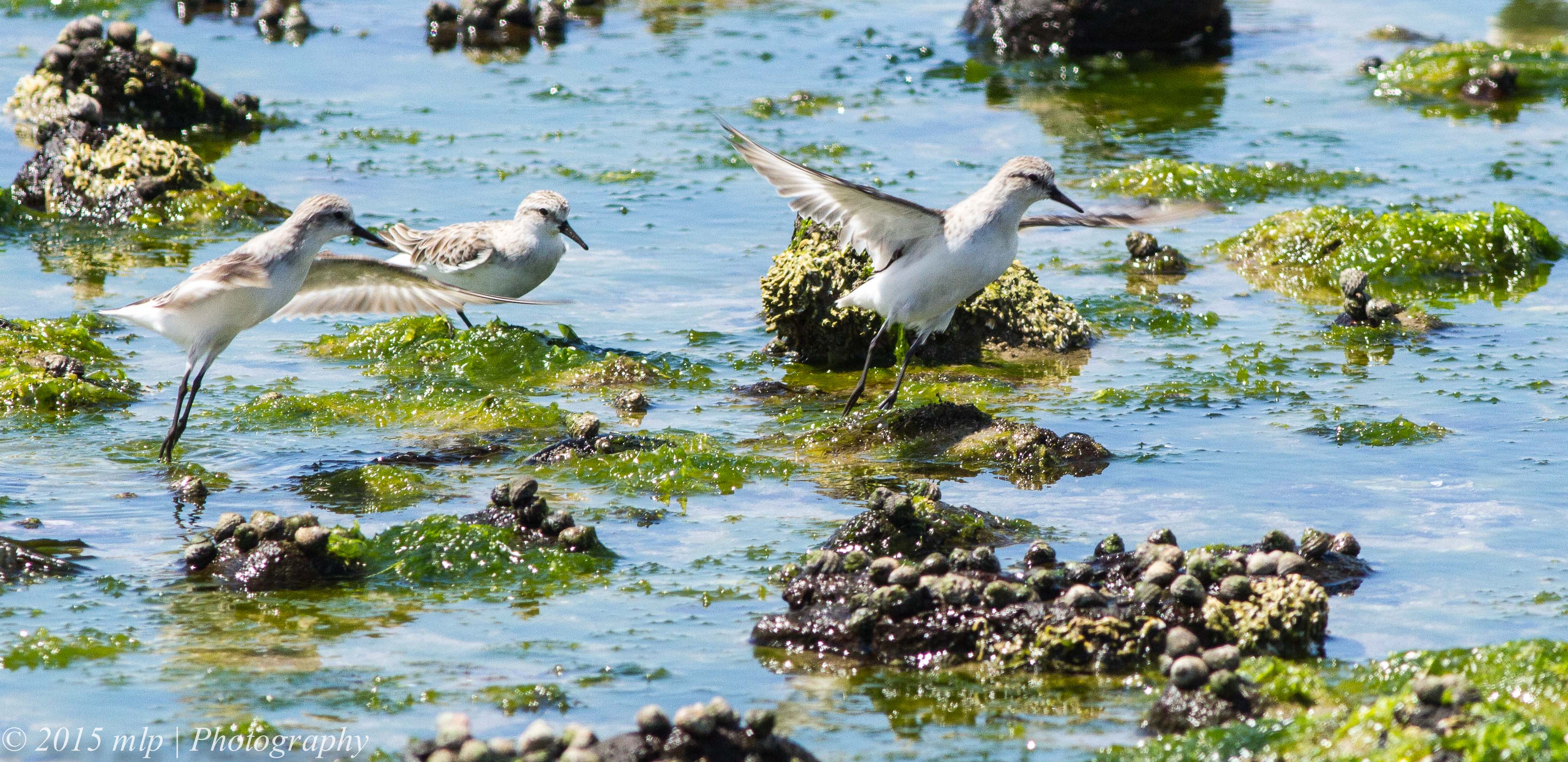
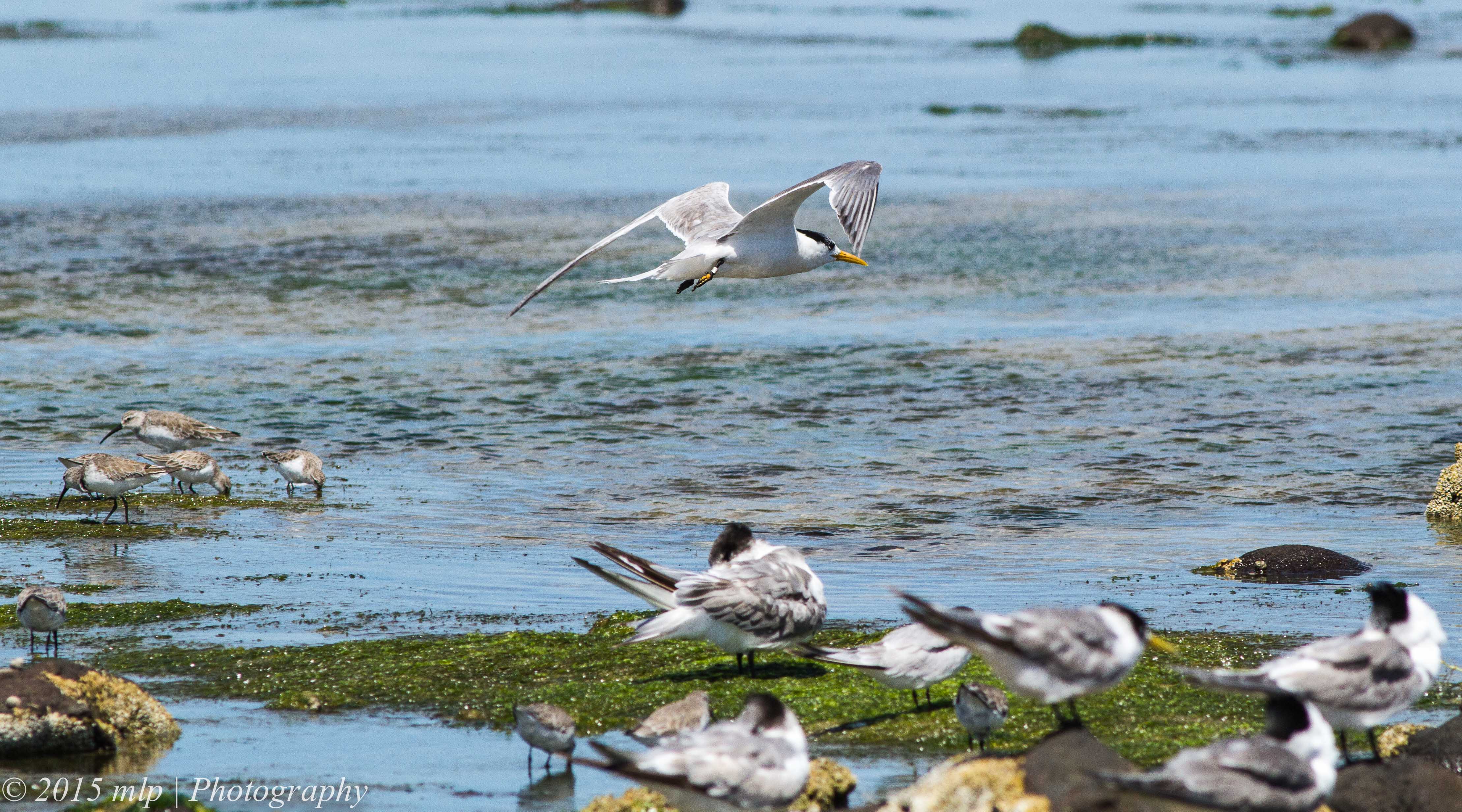
A quick visit to the Point at high tide produced quite a few shorebirds feeding along the edge or preening and resting on the rocks.

Red Necked Stints

Red Necked Stints

Red Necked Stints II

Red Necked Stints II

Red Necked Stint

Red Necked Stint

Crested Terns

Crested Terns

Crested Tern II

Crested Tern II – on processing I noticed the tern wore a silver band on his right leg

Crested Terns and Curlew Sandpipers

Crested Terns and Curlew Sandpipers

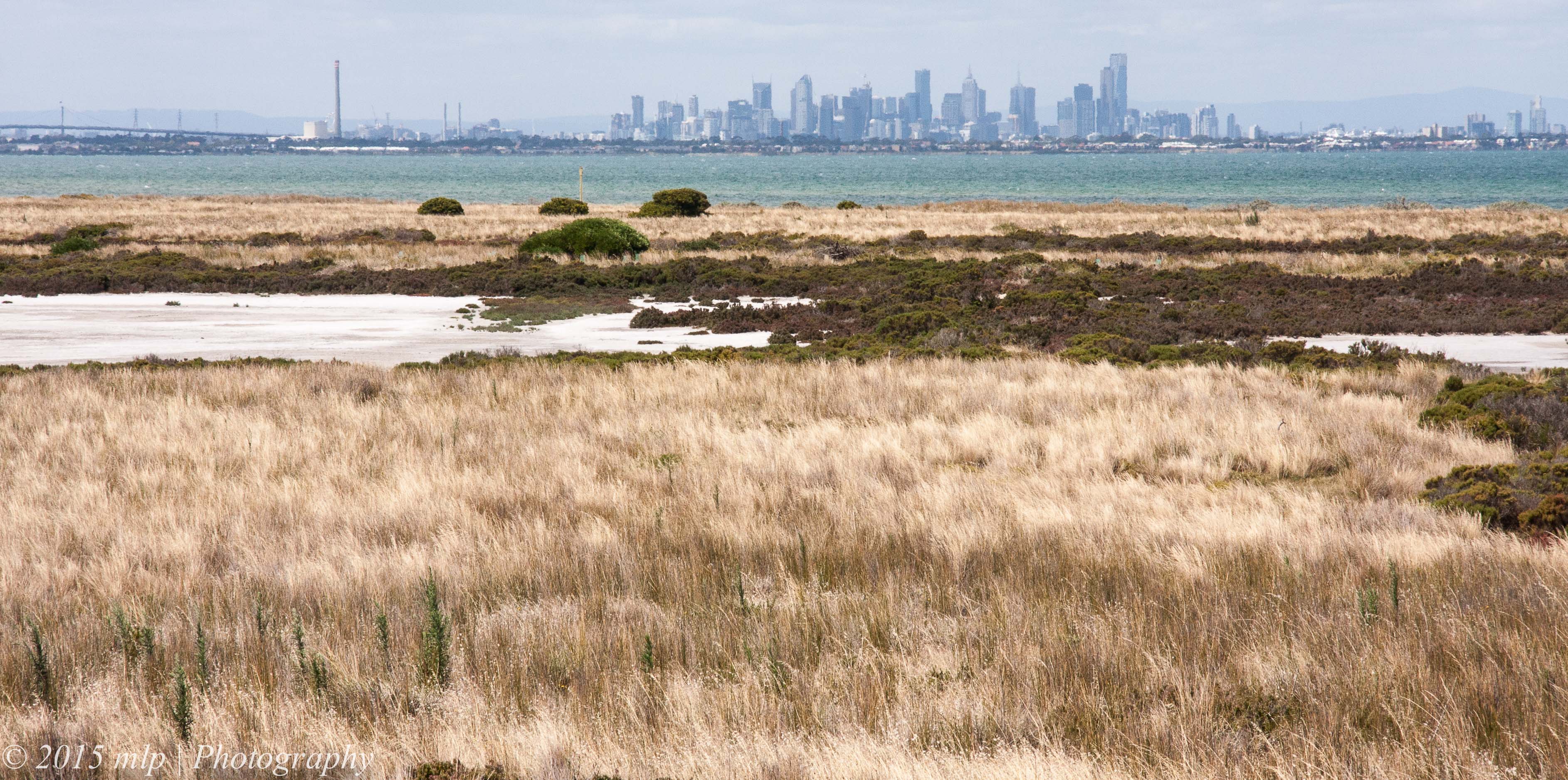
Melbourne CBD Skline from Pt Cook beach

Melbourne CBD skyline from Pt Cook beach

A walk along the beach and then following a vehicle track brought us to the tower with views of the city and over the wetlands. At this time of year (late Summer) the wetlands are quickly drying out. I assume that the creek below the tower is being fed by the suburban street runoff from recent rains.

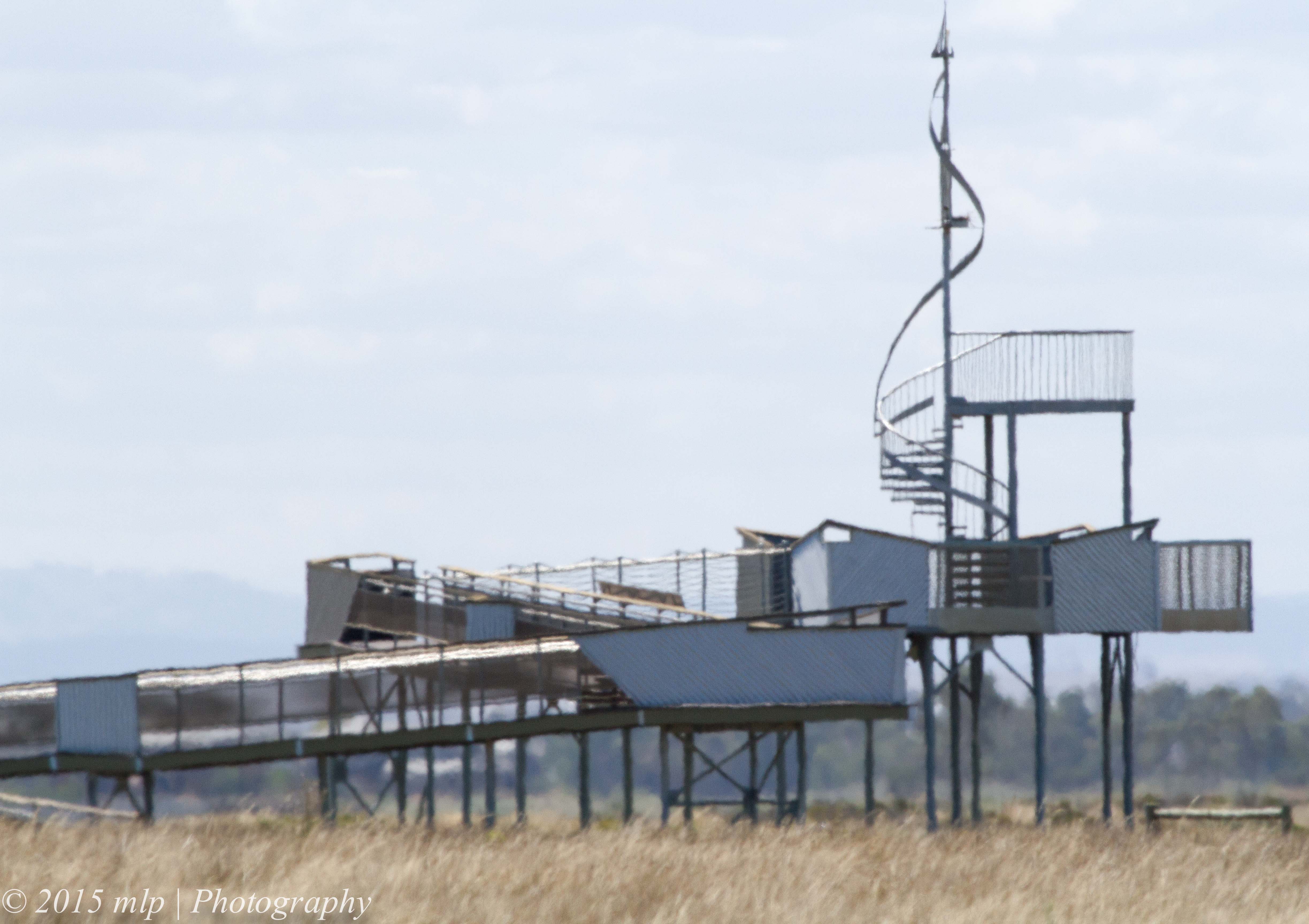
Cheetham Wetlands Observation Tower

Cheetham Wetlands Observation Tower – through the heat haze

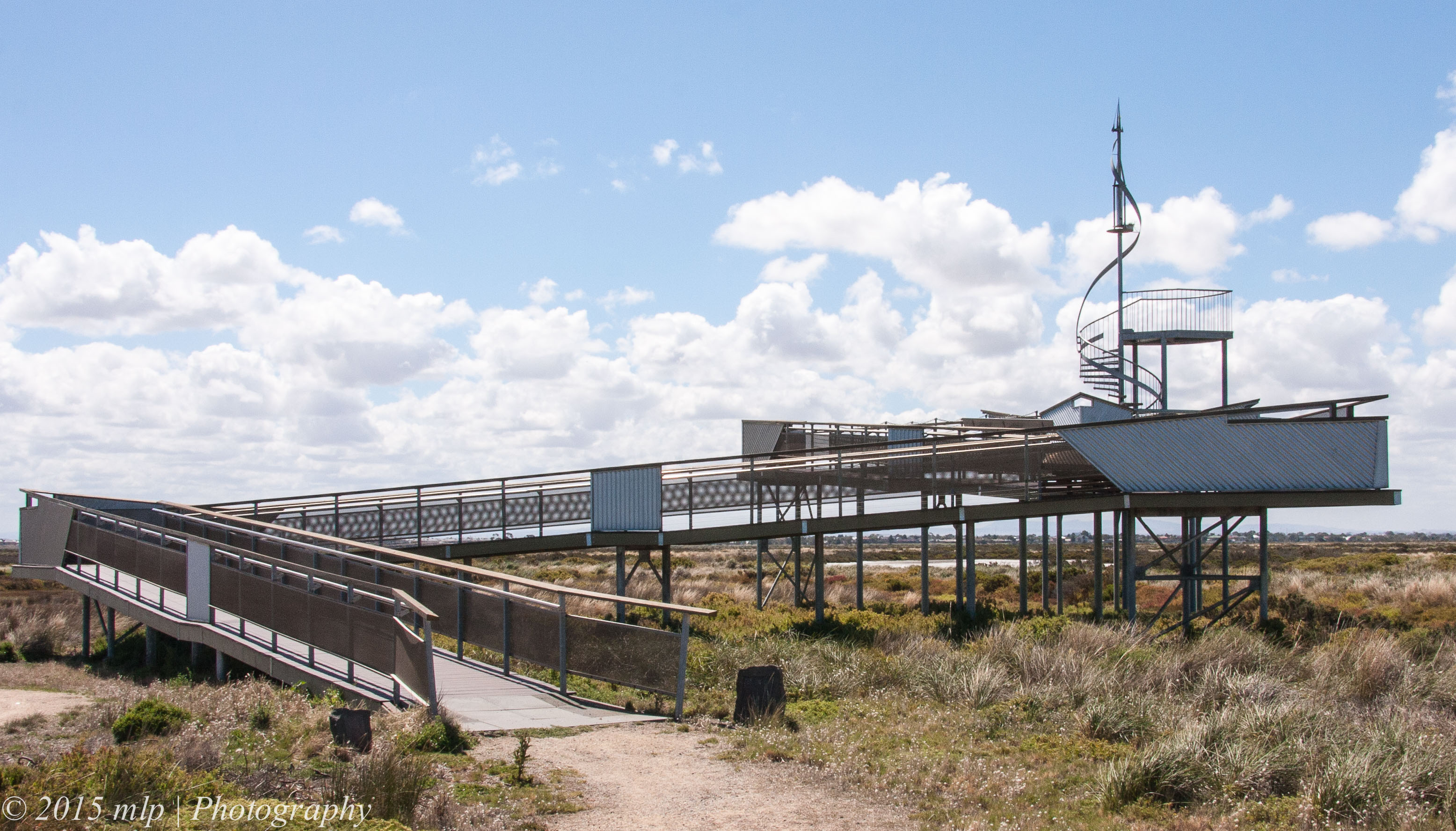
Cheetham Wetlands Observation Tower II - an interesting design - fanciest bird hide I have ever been to...

Cheetham Wetlands Observation Tower II – an interesting design – fanciest bird hide I have ever been to…

Cheetham Wetlands Observation Tower III

Cheetham Wetlands Observation Tower III

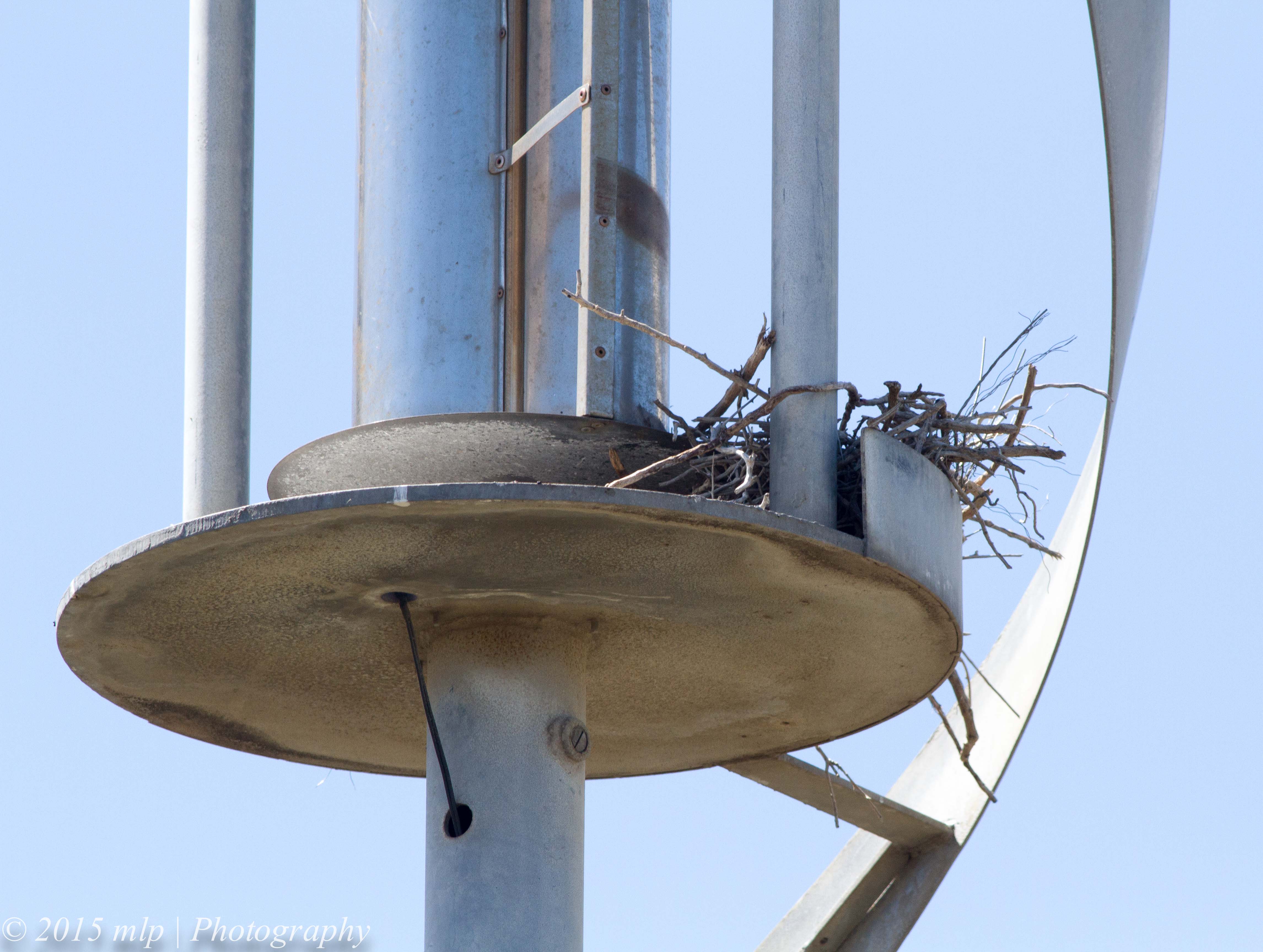
Cheetham Wetlands  Observation Tower old nest

Cheetham Wetlands Observation Tower with an old nest

Cheetham Wetlands from Observation Tower

Cheetham Wetlands from Observation Tower

Cheetham Wetlands from Observation Tower II

Cheetham Wetlands from Observation Tower II

Cheetham Wetlands from Observation Tower III

Cheetham Wetlands from Observation Tower III

St Kilda Pier – fishing, fashion, falling and feathers (but no rats!)

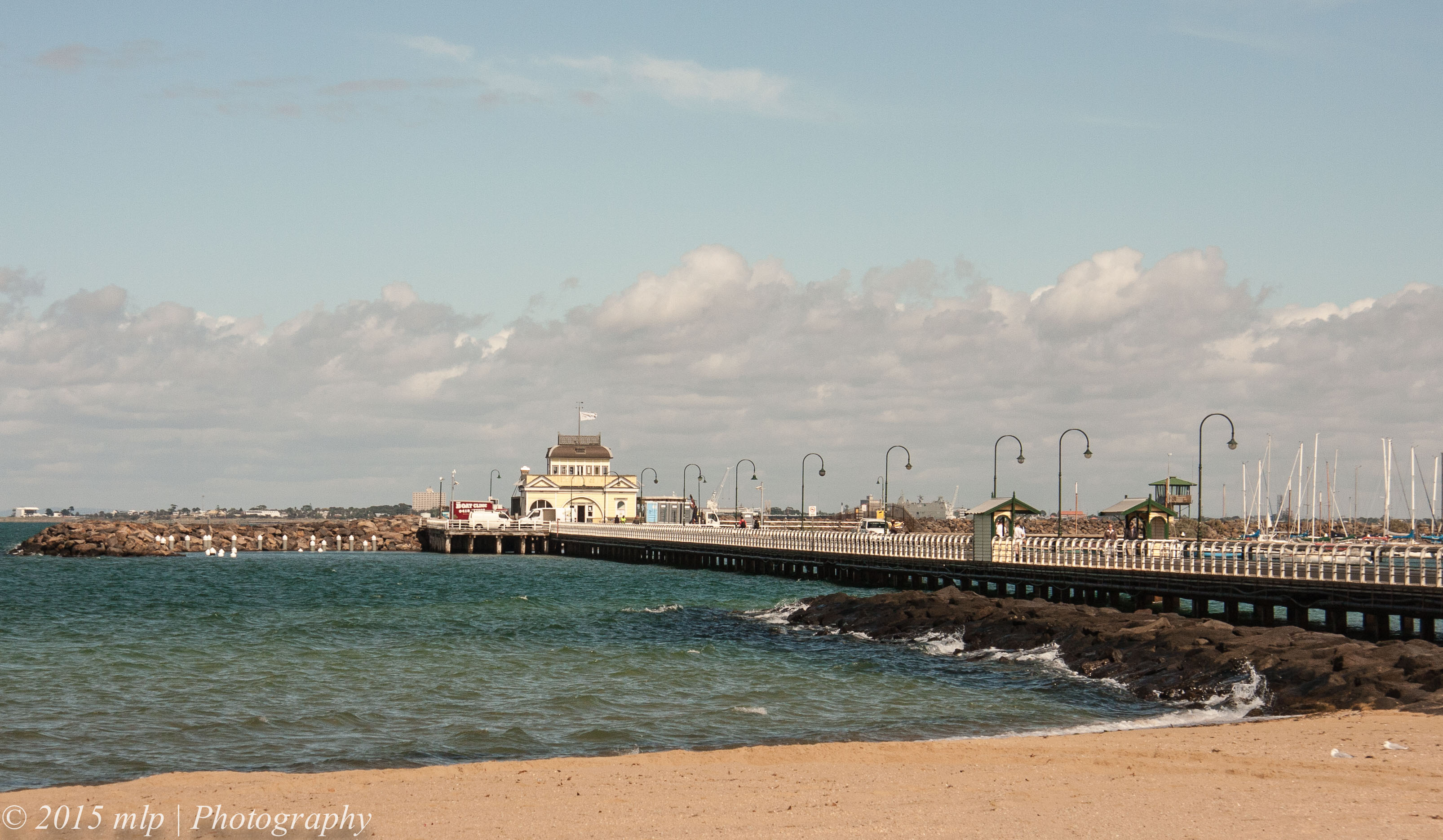
The St Kilda Pier has it all – a cafe, great views of the city, yachts, fishing, evening promenades, fashion, parachuting, Little Penguins and Rakalis.
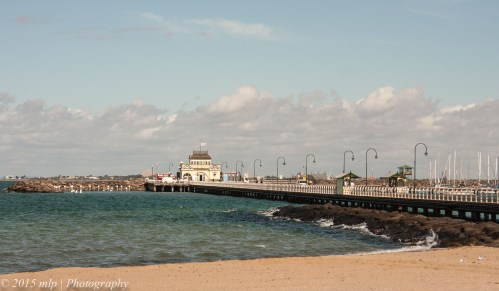
St Kilda Pier

St Kilda Pier

Melbourne City Skyline from St Kilda Pier

Melbourne City Skyline from St Kilda Pier

Melbourne City Skyline from St Kilda Pier II

Melbourne City Skyline from St Kilda Pier II

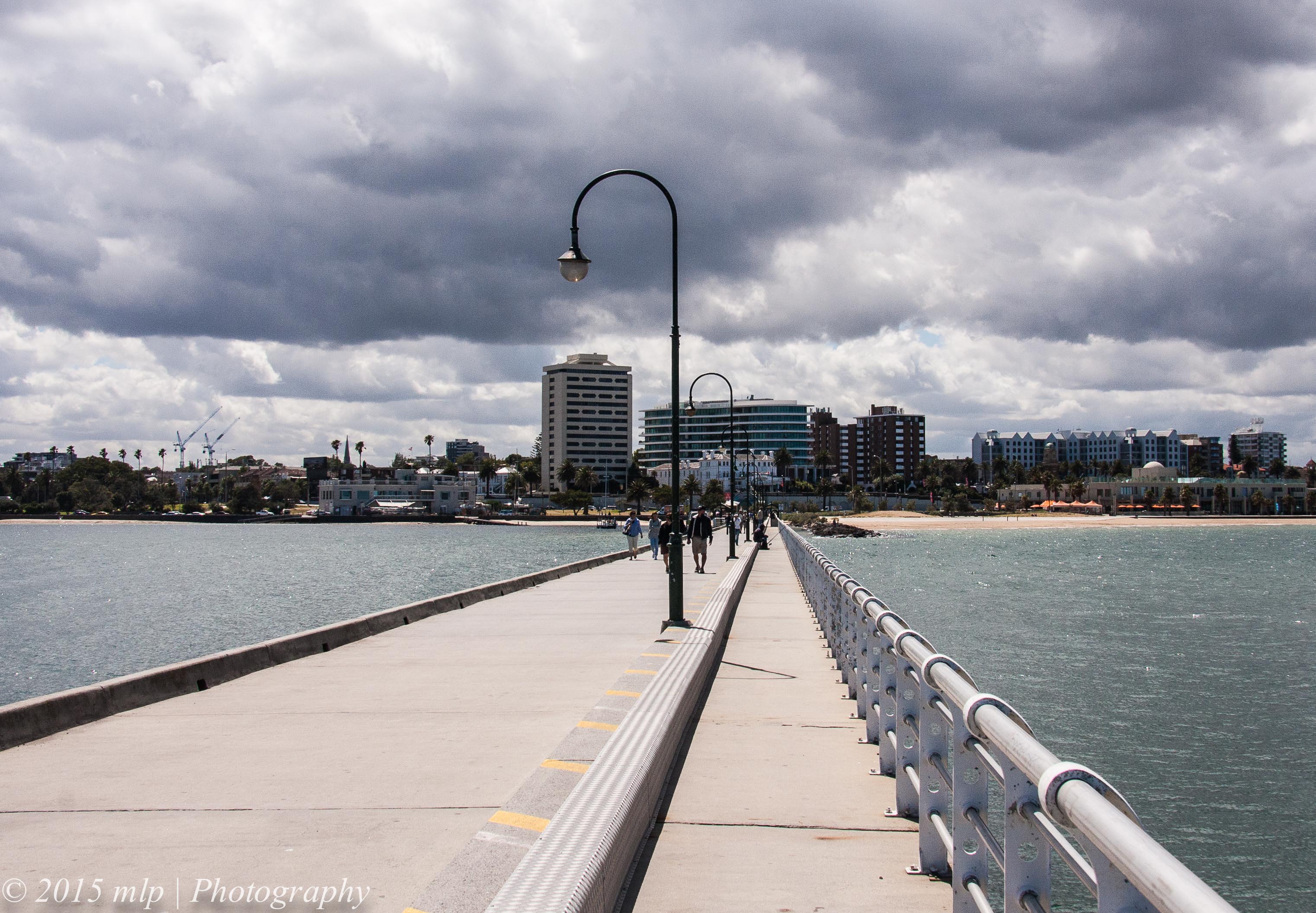
Looking back into St Kilda from St Kilda Pier

Looking back into St Kilda from St Kilda Pier

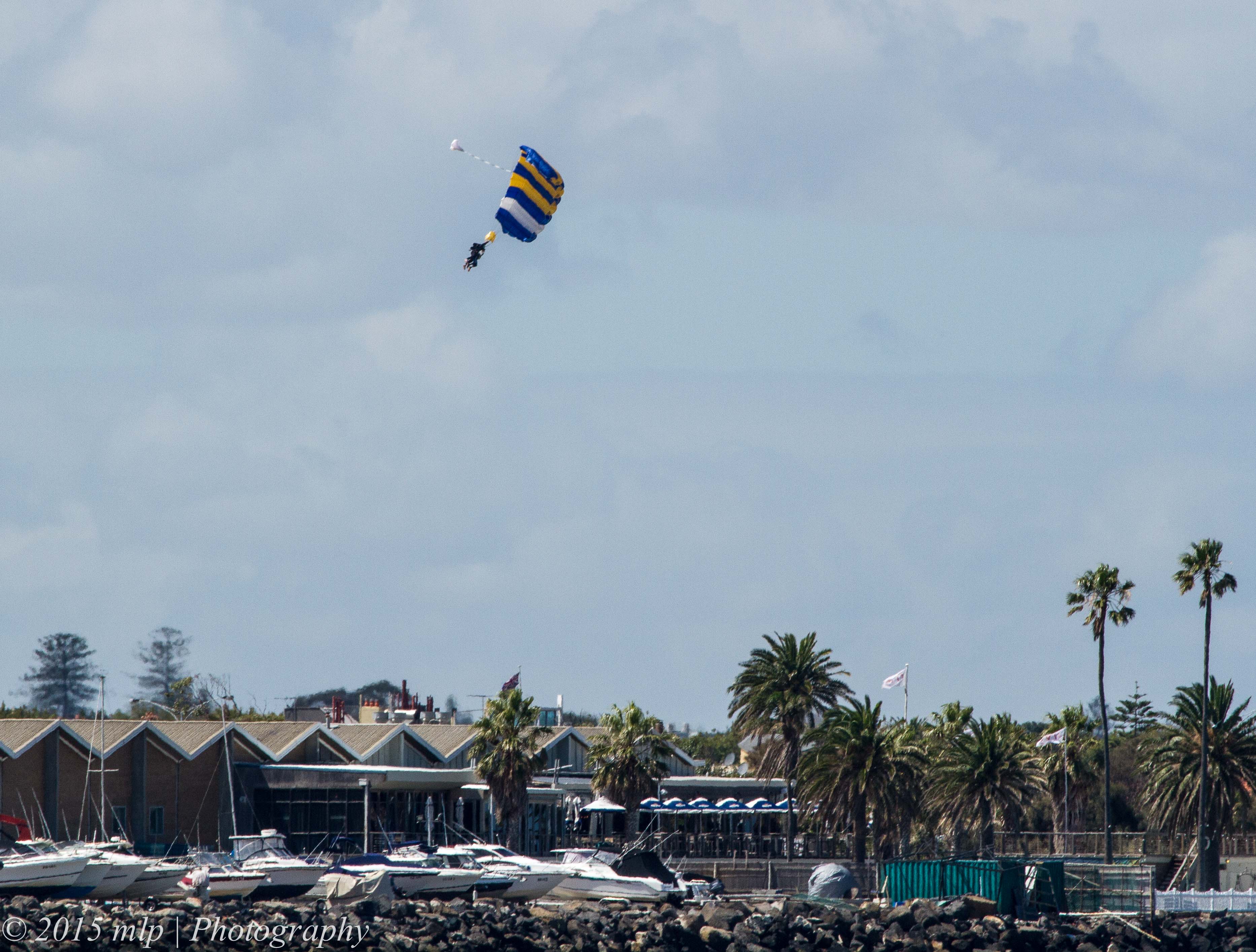
Paragliding, St Kilda Pier

Paragliding, St Kilda Pier

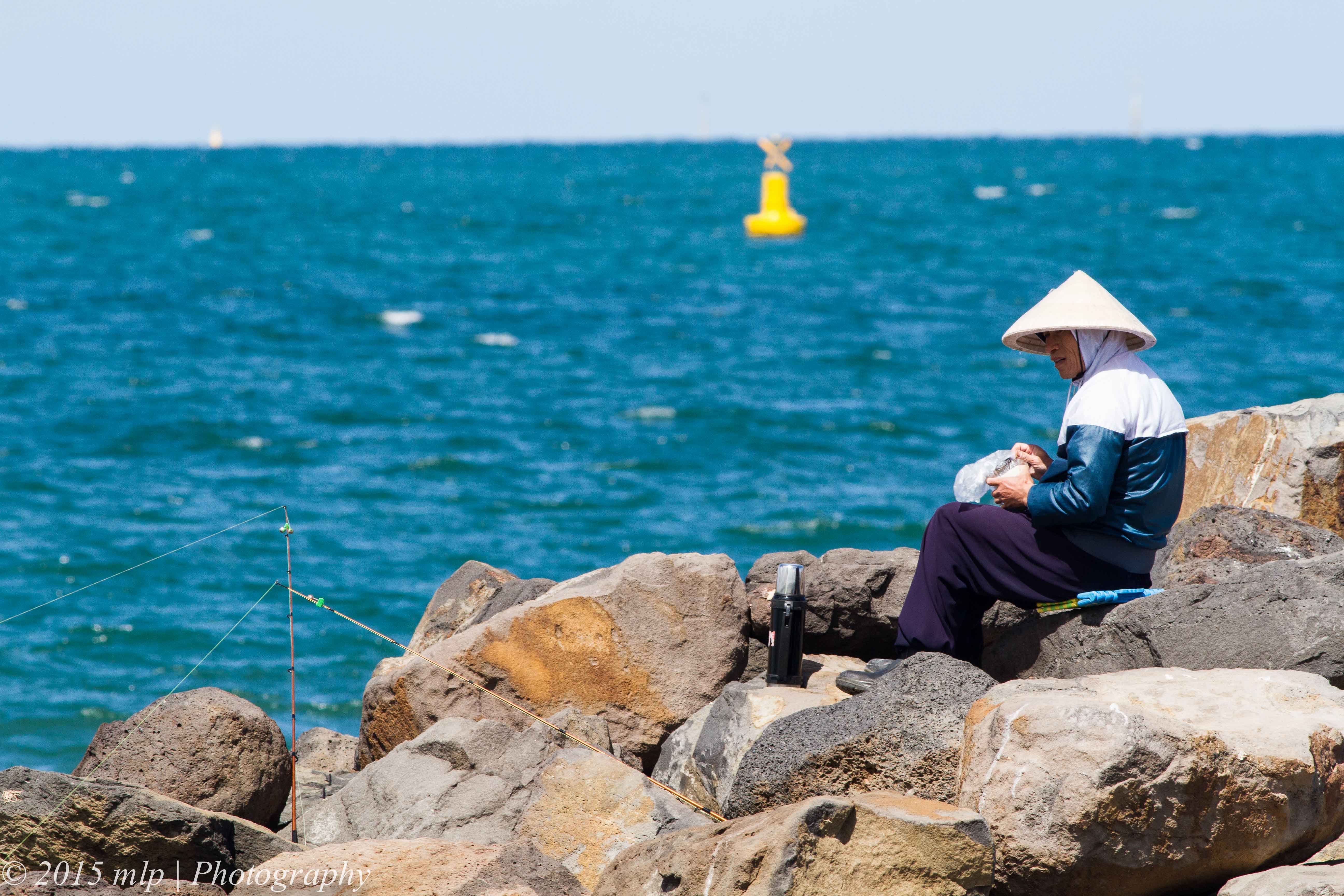
Fishing off the rocks - baseball caps are usually the norm around here but this hat might change the local fashion scene...

Fishing off the rocks – baseball caps are usually the norm around here but this hat might change the local fashion scene…

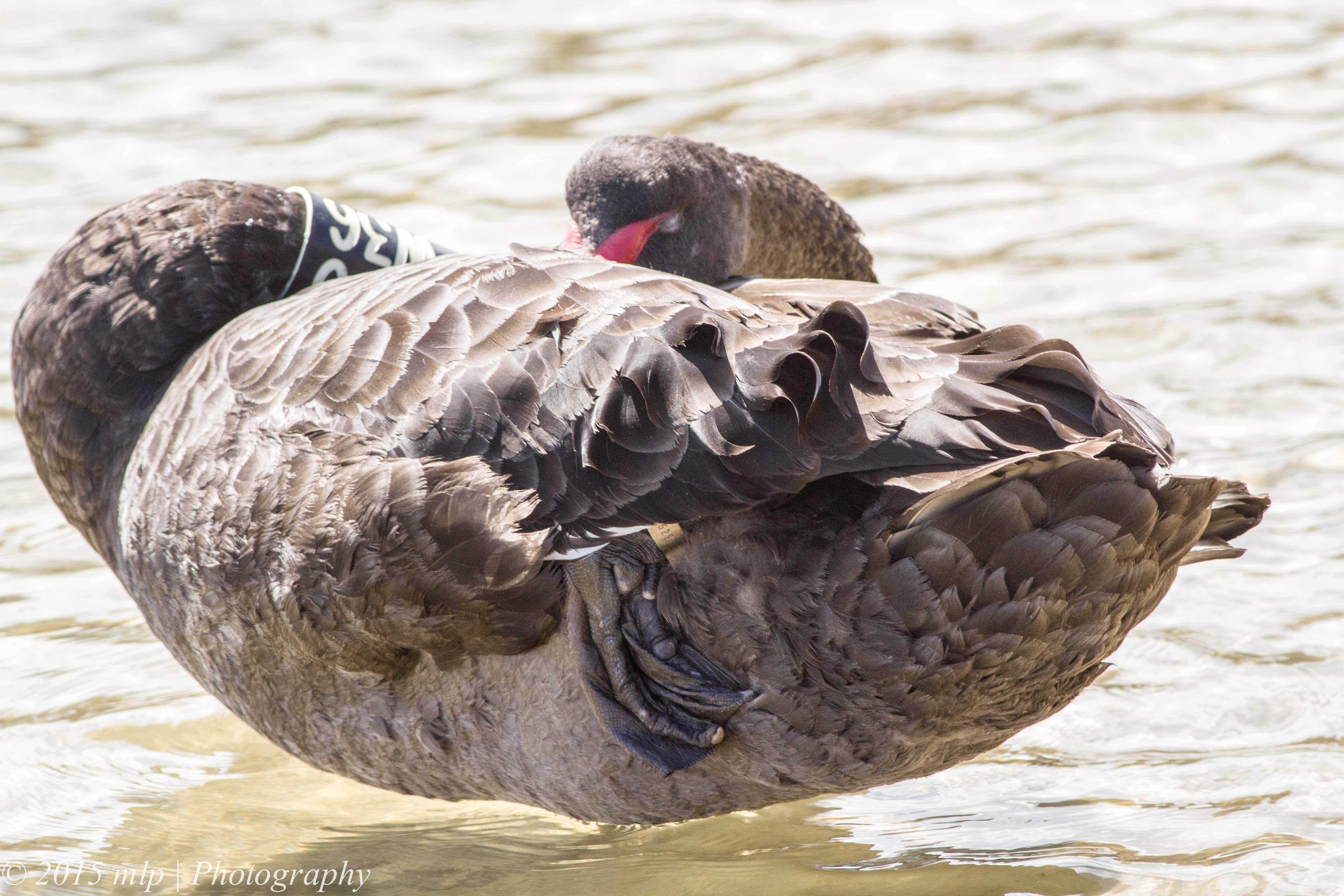
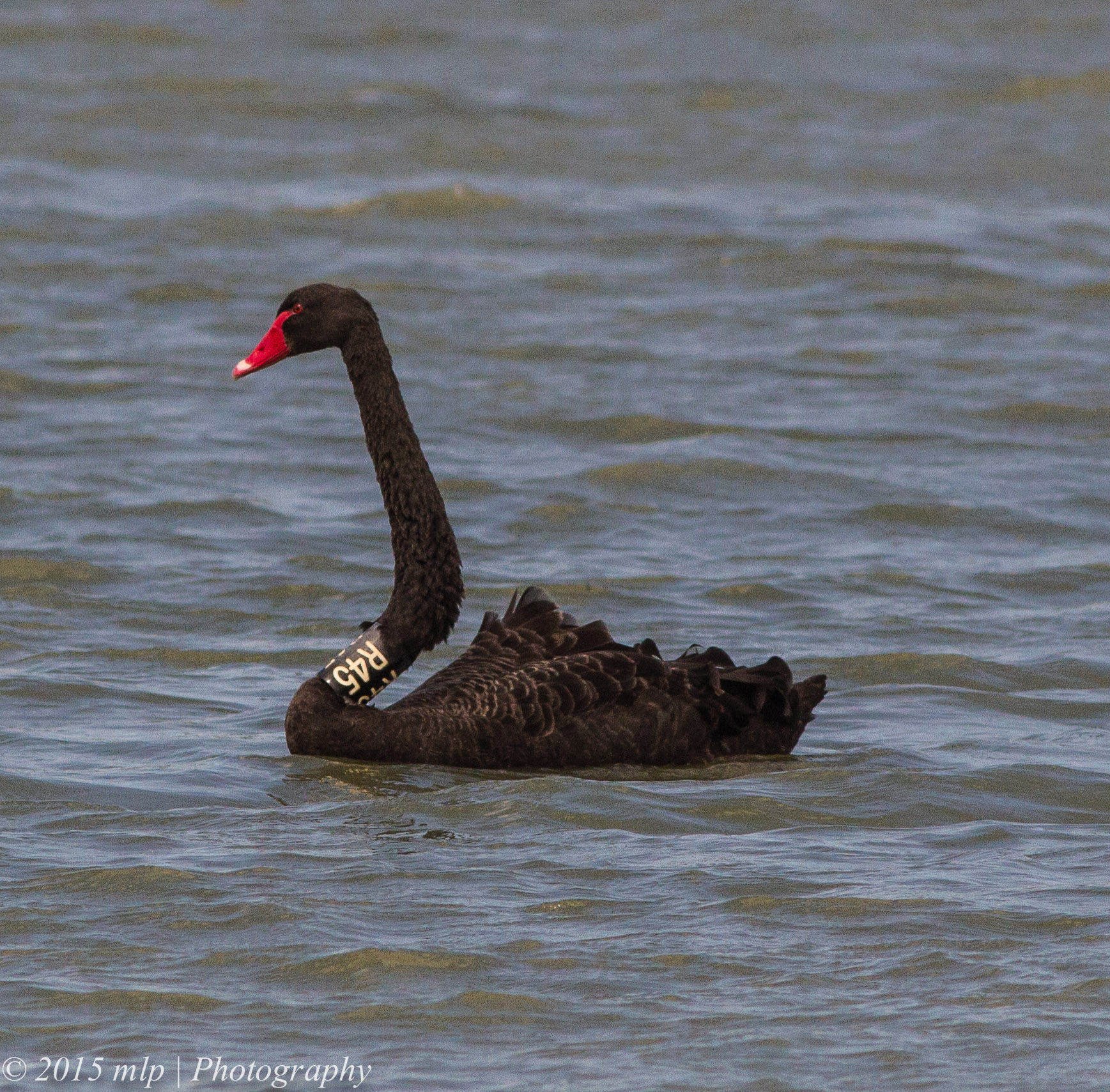
Black Swan W36

Black Swan W36 – see previous post on logging tagged Swans

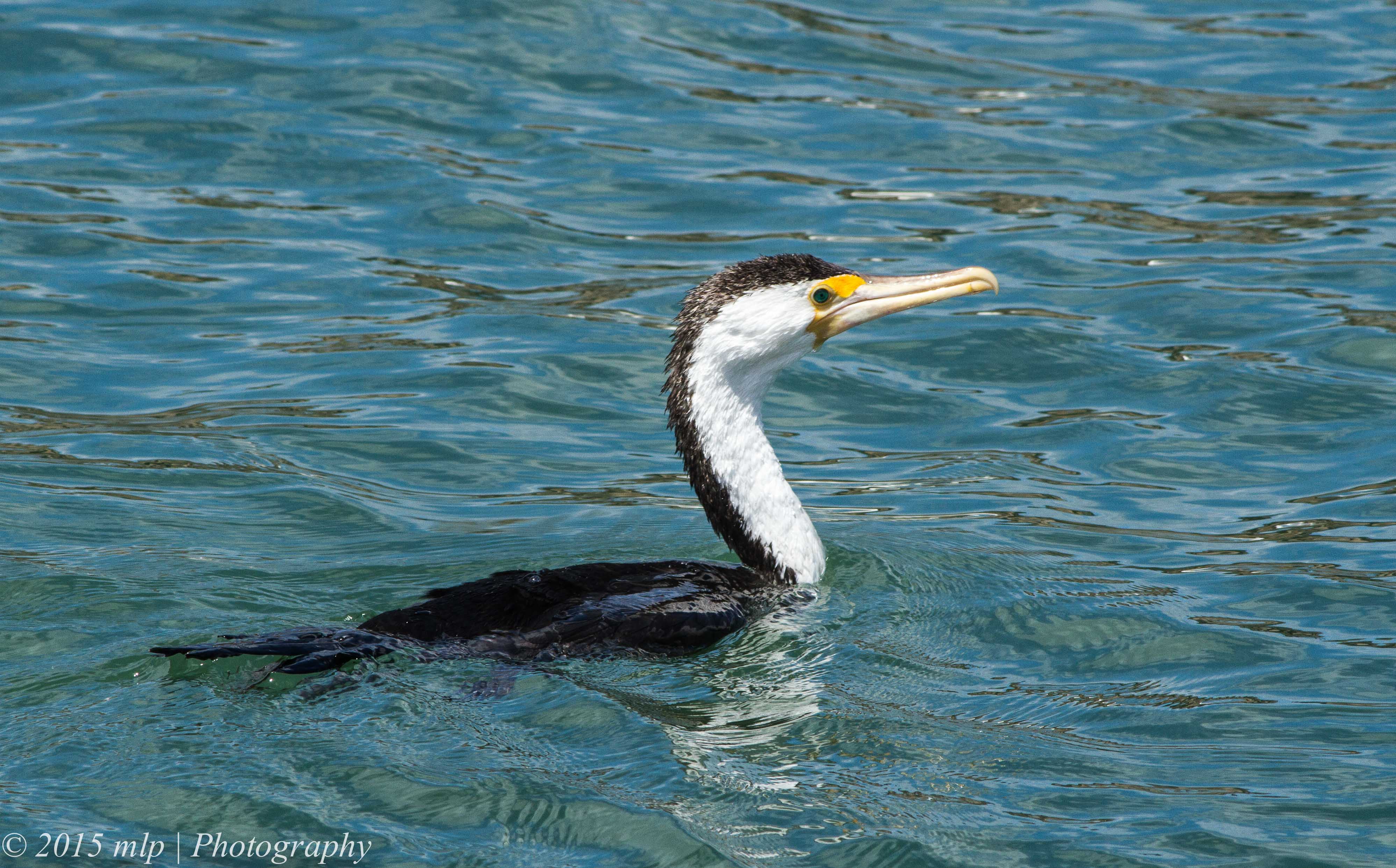
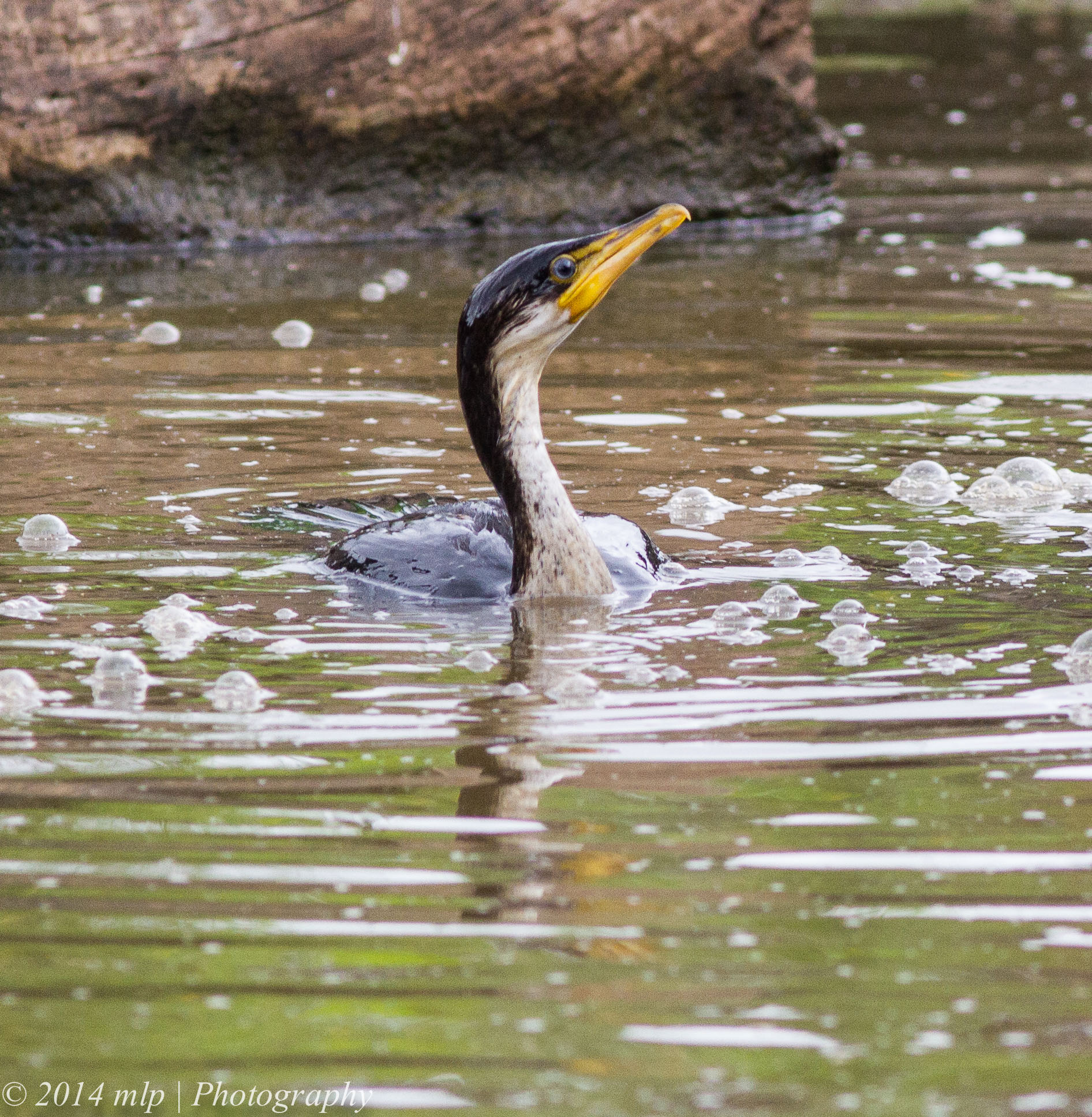
Pied Cormorant

Pied Cormorant

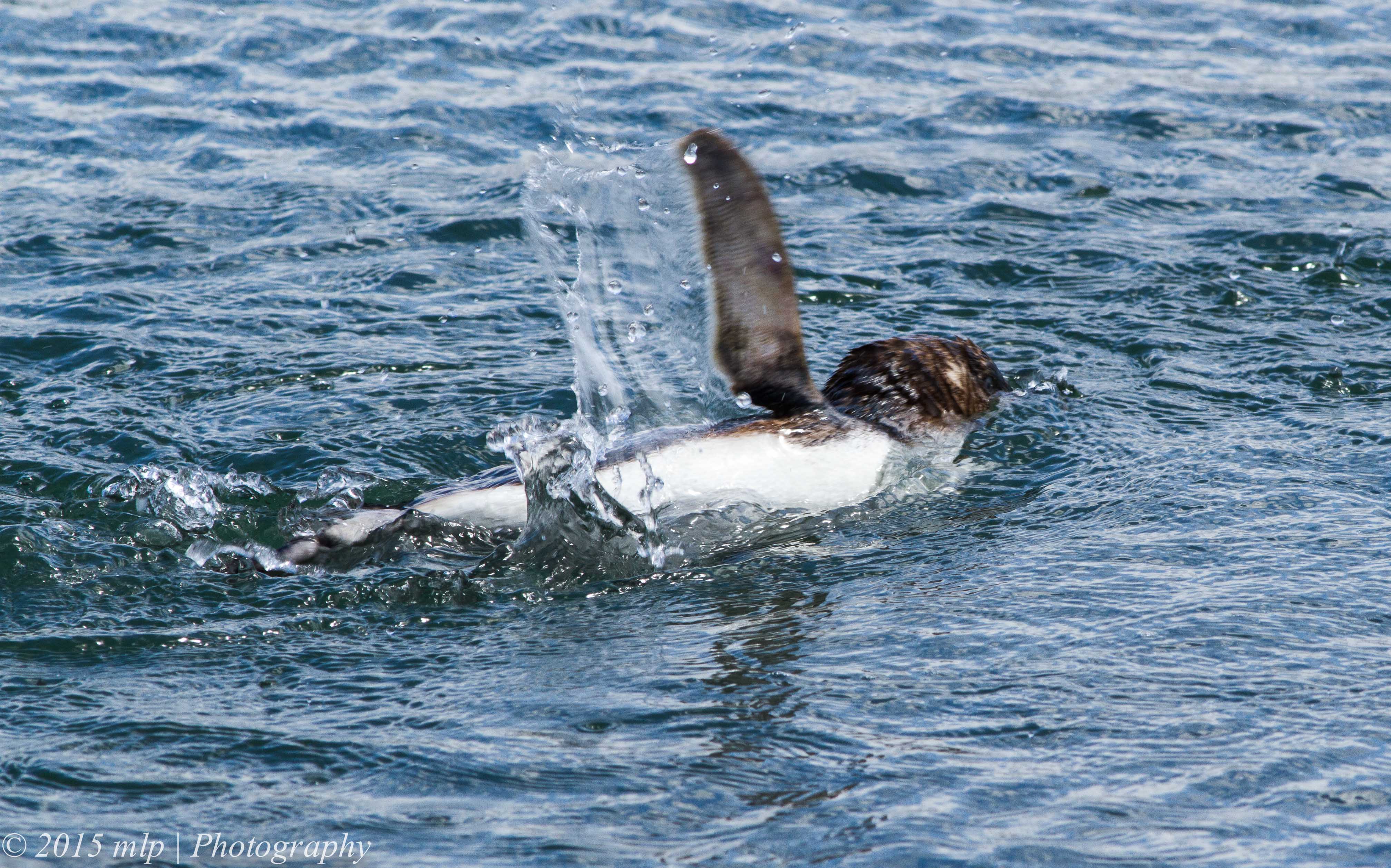
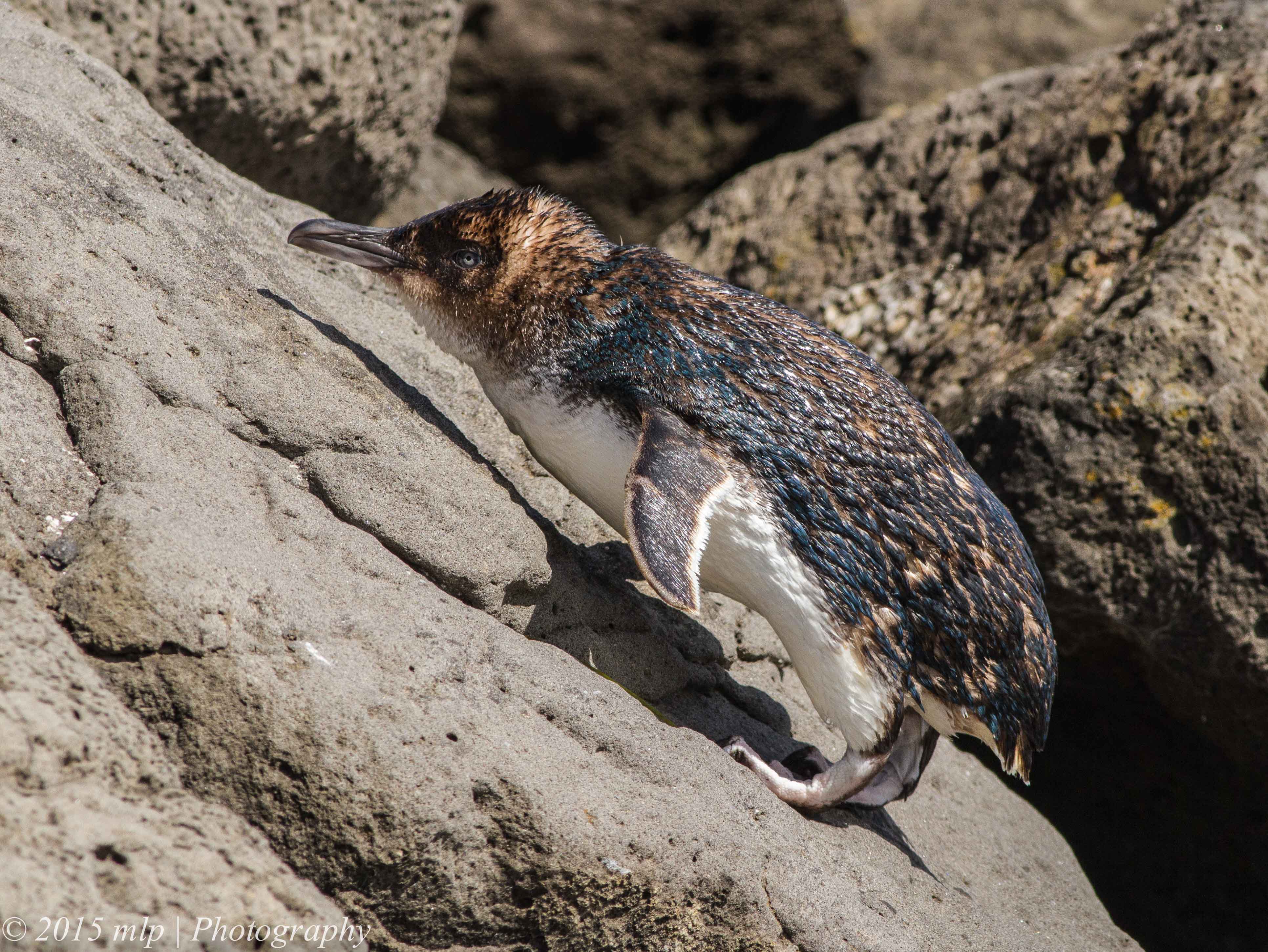
People visiting Melbourne often have on their lists a visit to Phillip Island to see the Little Penguins at the Parade. A nice local secret is that there is a colony of Little Penguins at the breakwater on the St Kilda Pier (only a few kilometres from Melbourne CBD). One can get very close to a penguin (a few feet) and get great photos for free anytime of the day. Eggs are laid, chicks raised and fed, swims taken, adults moult and sunbake…all within easy reach (with a camera). The site is monitored by the local Rangers as well as the local fishermen who are very happy to point out the best spots to see them and to advise of the required etiquette when getting close to the Penguins.

Penguin colony access from St Kilda Pier
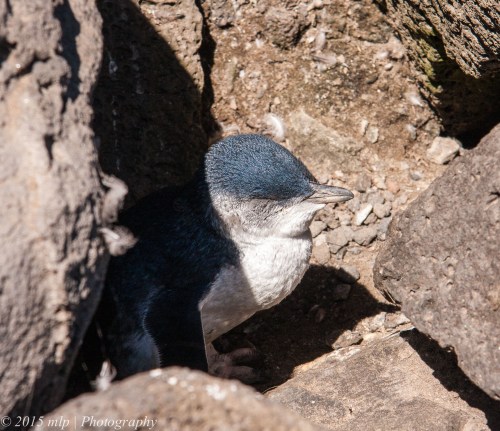
Penguin colony access from St Kilda Pier

Little Penguin napping
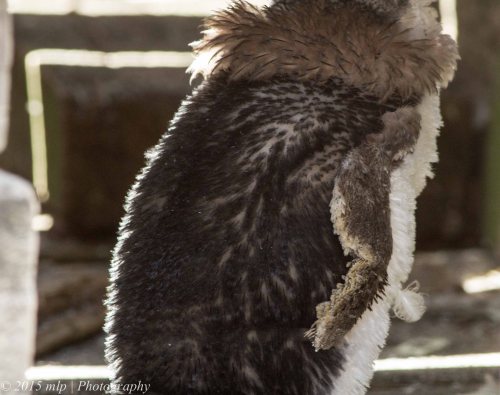
Little Penguin napping

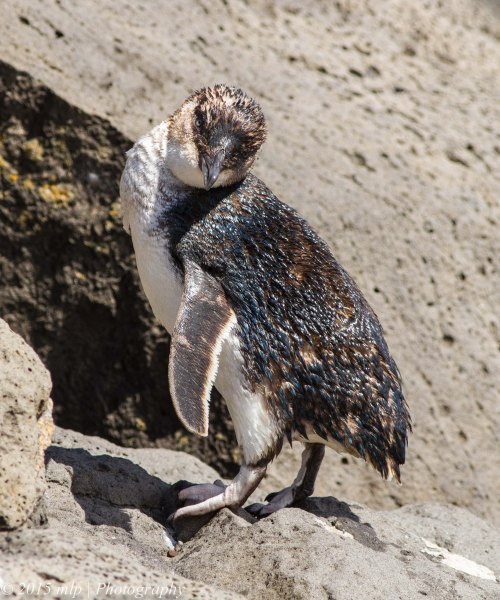
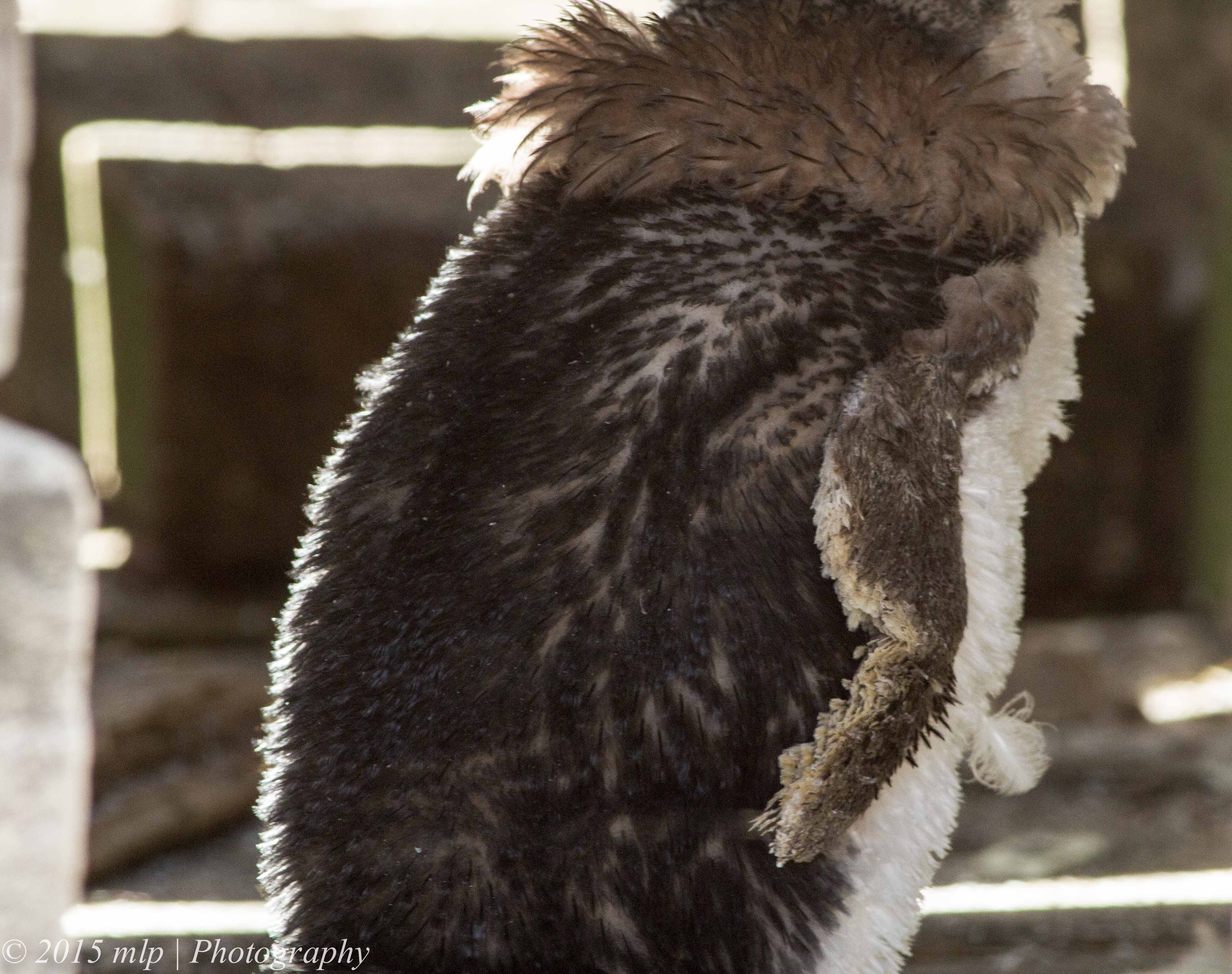
Little Penguin moulting - this guy looked quite uncomfortable, scratching with his wings and beak. He was under a wooden bench ignoring everyone .
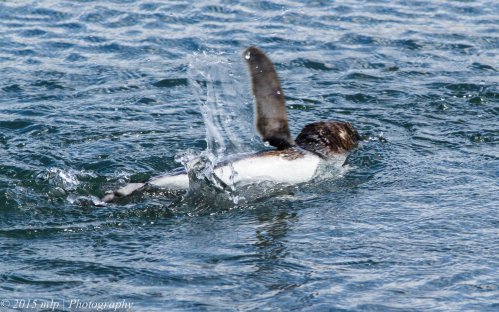
Little Penguin moulting – this guy looked quite uncomfortable, scratching with his wings and beak. He was under a wooden bench ignoring everyone .

Look at me, look at me!

Look at me, look at me!

Little Penguin rock climbing - he had just come out of the water and was climbing up to his regular roost/grooming rock

Little Penguin rock climbing – he had just come out of the water and was climbing up to his regular roost/grooming rock

 I think this is my best side...

I think this is my best side…

yes I am very cute aren't I?

Yes I am very cute aren’t I?

you had better think I am cute!

You had better think I am cute!

Like, whatever, I am out of here...

Like, whatever, I am out of here…

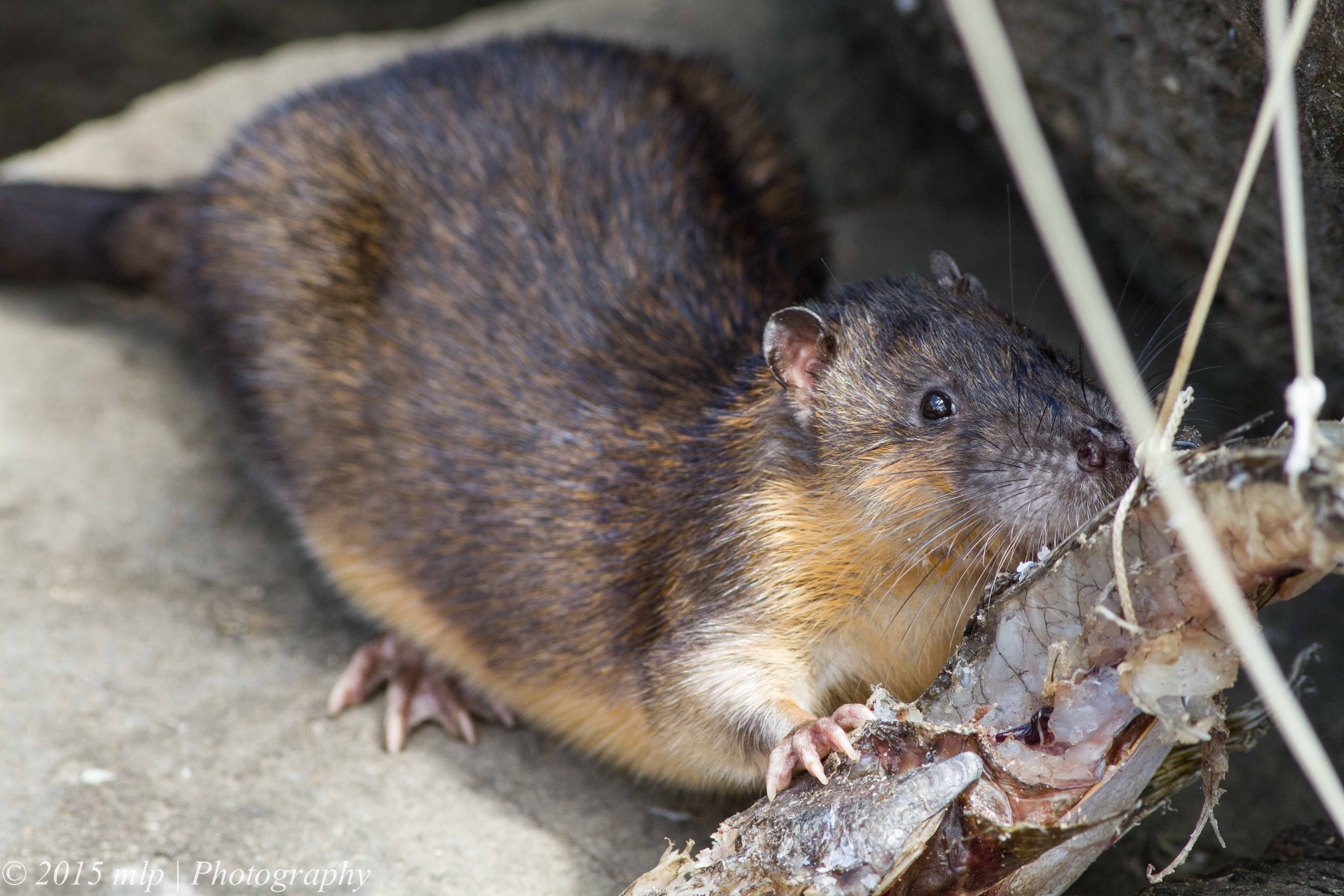
A bonus at the site is the regular appearance of the Rakali. The fishermen tie up a fish with string and a little marine mammal pops out for a snack. It is the spitting image of the biggest rat you have ever seen and scares the tourists when one pops out of the rocks. But size, fur colour and webbed feet give away what it actually is…The water rat has been renamed the Rakali to remove the rat name association and I think it works well. We have Rakalis along the canal behind our house in Elwood (a nearby suburb) but have not seen one for quite a while. There are local volunteers who will sit for a few hours each evening and wait for Rakalis to move past and count and observe them for the local Eco teams.

 I am not a rat, I am a Rakali...a native water mammal, a water ah um ....rat

I am not a rat, I am a Rakali…a native water mammal, a water ah um ….rat

Rakali - notice the webbed rear feet

Rakali – notice the webbed rear feet

Rakali III
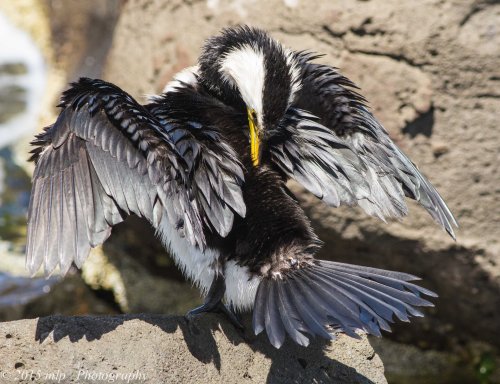
Rakali III

Little Pied Cormorant grooming and drying his feathers.

Little Pied Cormorant grooming and drying his feathers.

Jawbone Flora and Fauna Reserve, Williamstown

Jawbone  Reserve is an easy to reach Marine and Park reserve along the shoreline of Williamstown. It has many water and heathland birds and a good list of 50+ species can be gathered in a few hours. Some of the bird visitors are seasonal but most are there all year round. It is an excellent site for beginners (birders and photographers) as the birds are generally used to the passing traffic and will ignore anyone on the paths. If you walk along the edge and stop and use a camera or binoculars they can get a bit edgy and some species will fly off or move away. Careful observations (and quiet calm movement) will result in rewarding sightings and photos. At low tide the outer lagoon drops right down exposing sand and mud bars and thousands of waders can cover the area. A birding scope is needed to get clearer views further out.

Jawbone Flora and Fauna Reserve, Williamstown, Vic -  looking west towards Altona

Jawbone Flora and Fauna Reserve, Williamstown, Vic – looking west towards Altona

Jawbone Flora and Fauna Reserve, Williamstown, Vic - looking out into the Bay across the lagoons and tidal flats.

Jawbone Flora and Fauna Reserve, Williamstown, Vic – looking out into the Bay across the lagoons and tidal flats.

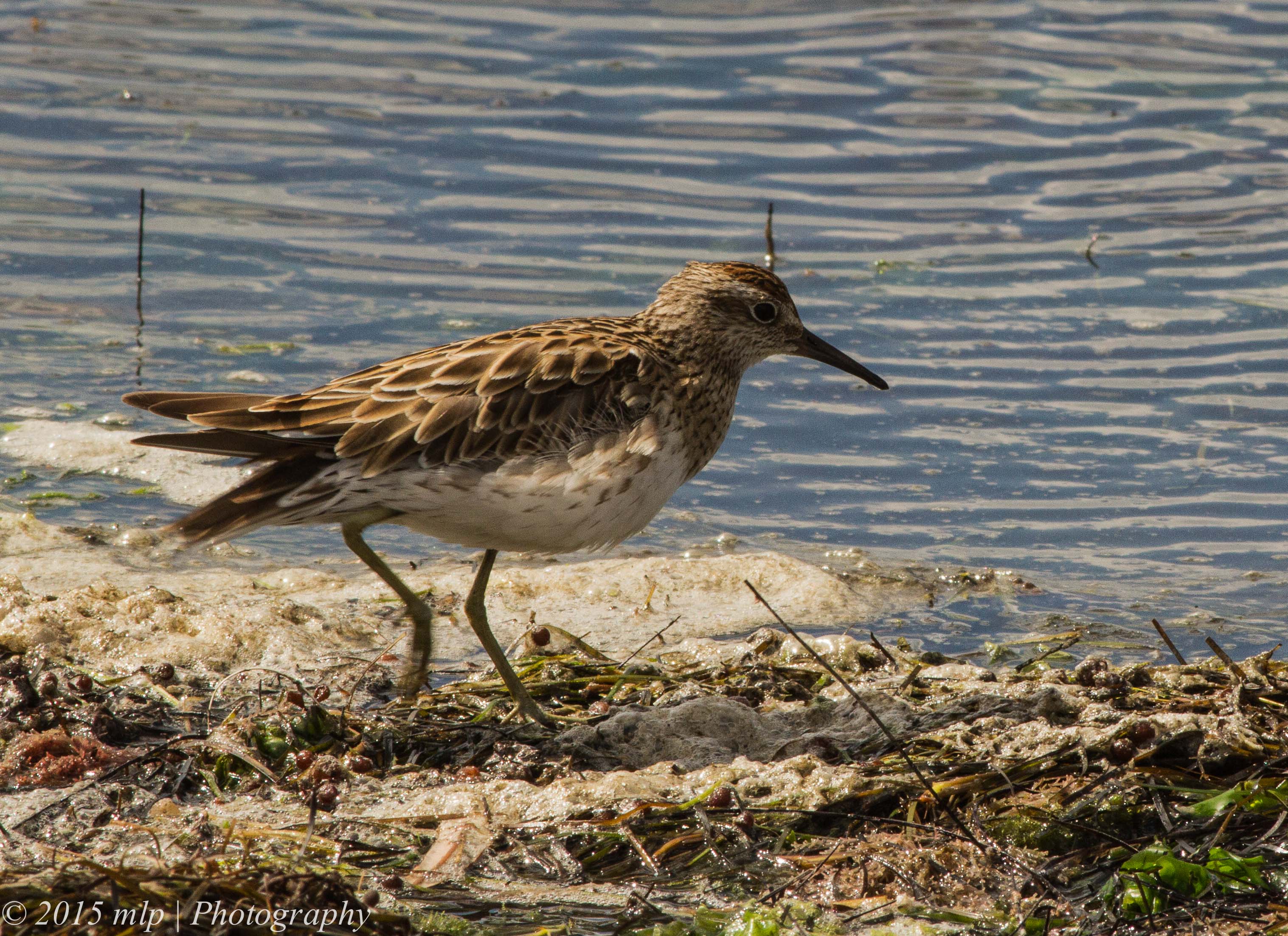
Sharp tailed Sandpiper

Sharp tailed Sandpiper

3 Shags on a Rock - Little Black, Little Pied and Pied Cormorants

3 Shags on a Rock – Little Black, Little Pied and Pied Cormorants

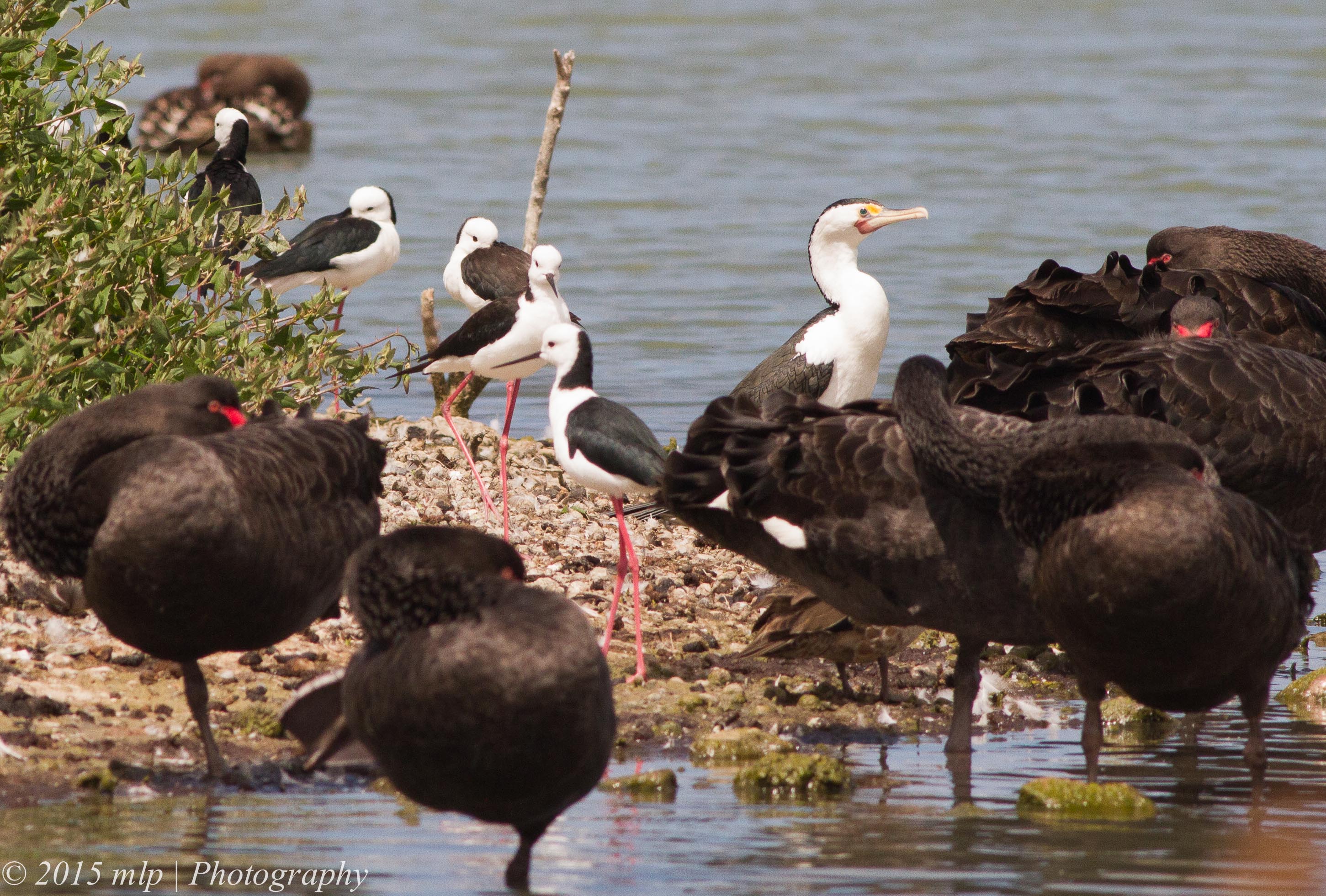
Mid Day Siesta - Swans, Stilts & Cormorant

Mid Day Siesta – Swans, Stilts & Cormorant

Royal Spoonbill

Royal Spoonbill

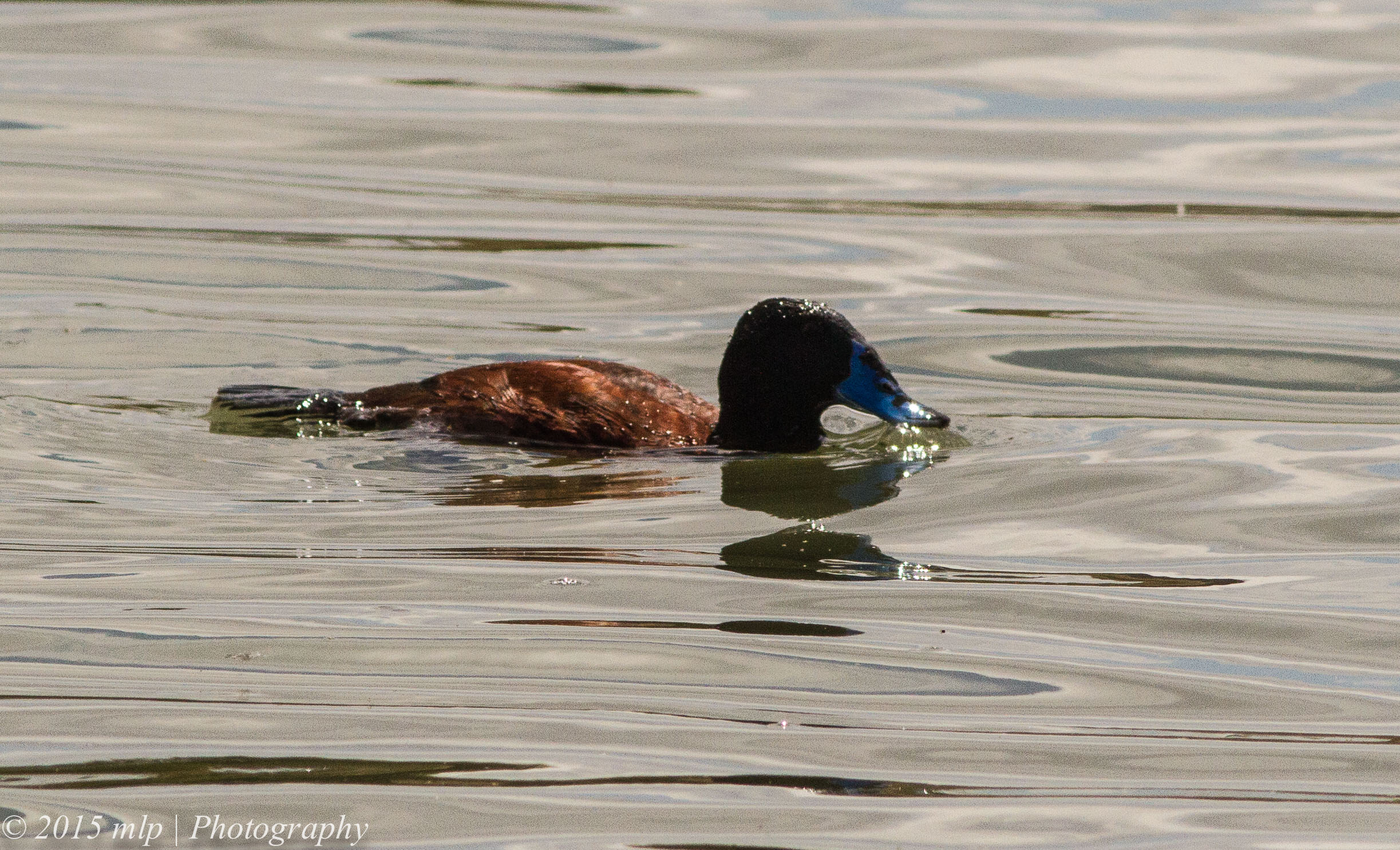
Blue Billed Duck

Blue Billed Duck – one of only a few true diving ducks amongst Australian duck species.

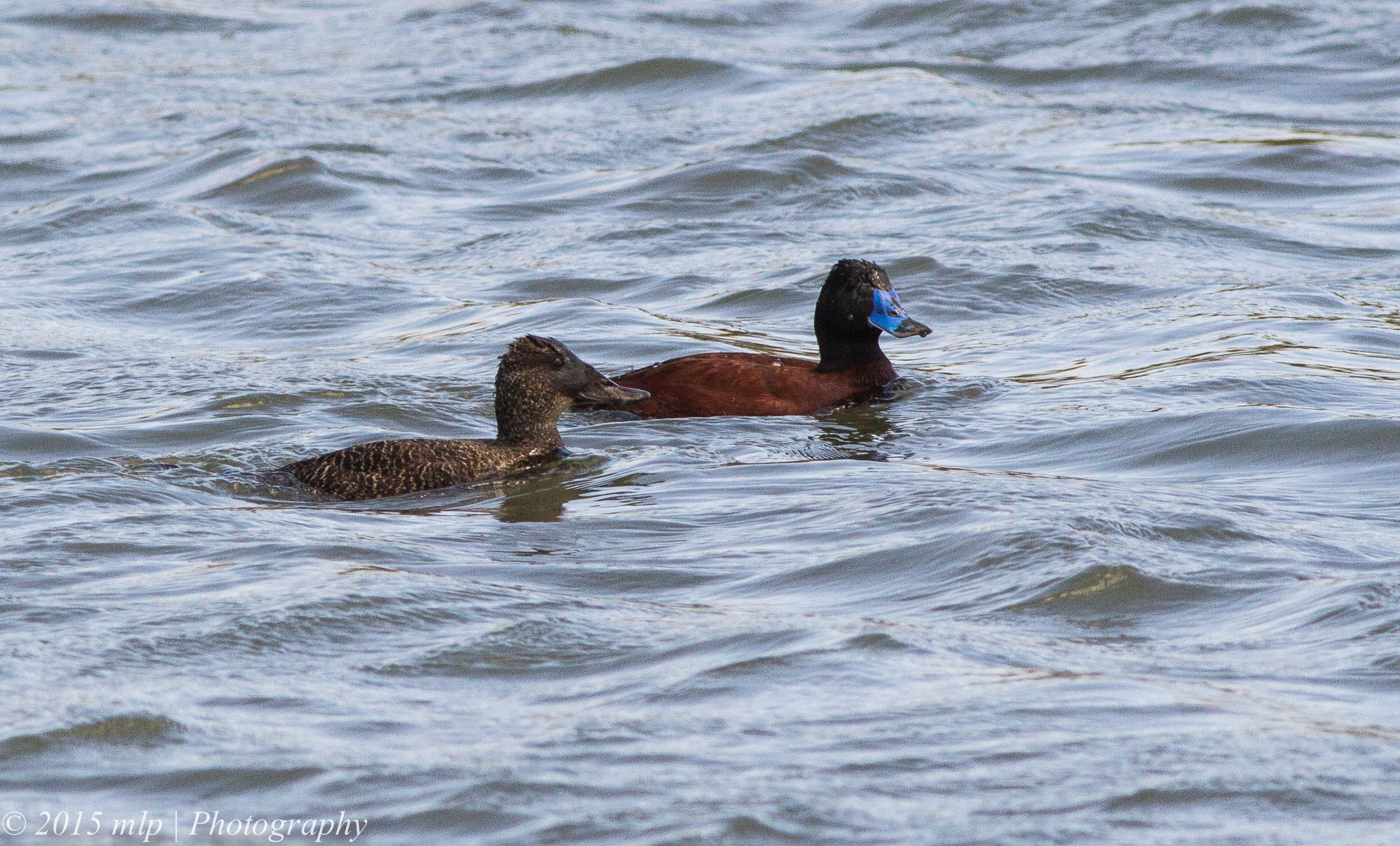
Blue Billed Duck - male with Blue Bill and the female. The female Blue Billed can often be mistaken for the rarer and endangered  Freckled duck.

Blue Billed Ducks – male with Blue Bill and the female. The female Blue Billed can often be mistaken for the rarer and endangered Freckled duck.

Great Crested Grebe

Great Crested Grebe

Black Winged Stilts - well named

Black Winged Stilts – well named. In the strong wind they did have a little difficulty in maintaining their balance. When scared or flying they make a sound like a small barking dog.

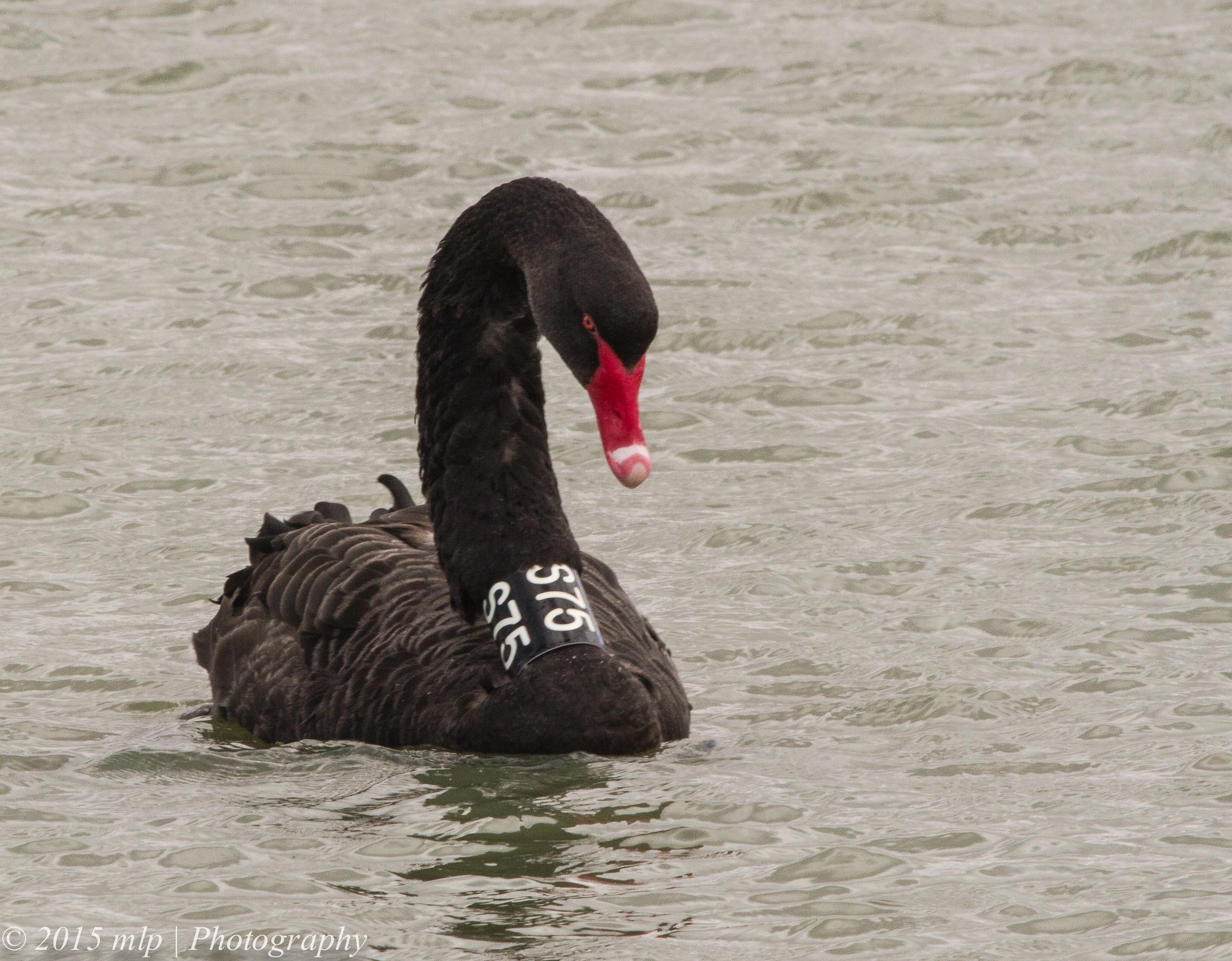
During high tide at Jawbone many of the water birds move onto the sheltered lagoons including hundreds of Swans. When I visited this last week, there were a number of swans with neck tags. Previously I have researched what the tagging meant. If you see a swan you can go to the http://www.myswan.org.au site and log the bird. It is part of a study and research program. Once you log the swan via its tag you can get a bit of a history of it and where it has been. I once asked a researcher about the tag as I thought it might be a bit cruel but was advised that it does not bother the swan and is actually quite loose. The swan’s neck is quite thin and half of it’s width is actually feathers so the tag fits well. I logged the swans below.

Black Swan P45

Black Swan P45

Black Swan S75

Black Swan S75

Black Swan R47

Black Swan R47

Black Swan R45

Black Swan R45

Black Swan F09

Black Swan F09

Chestnut Teal

Chestnut Teal

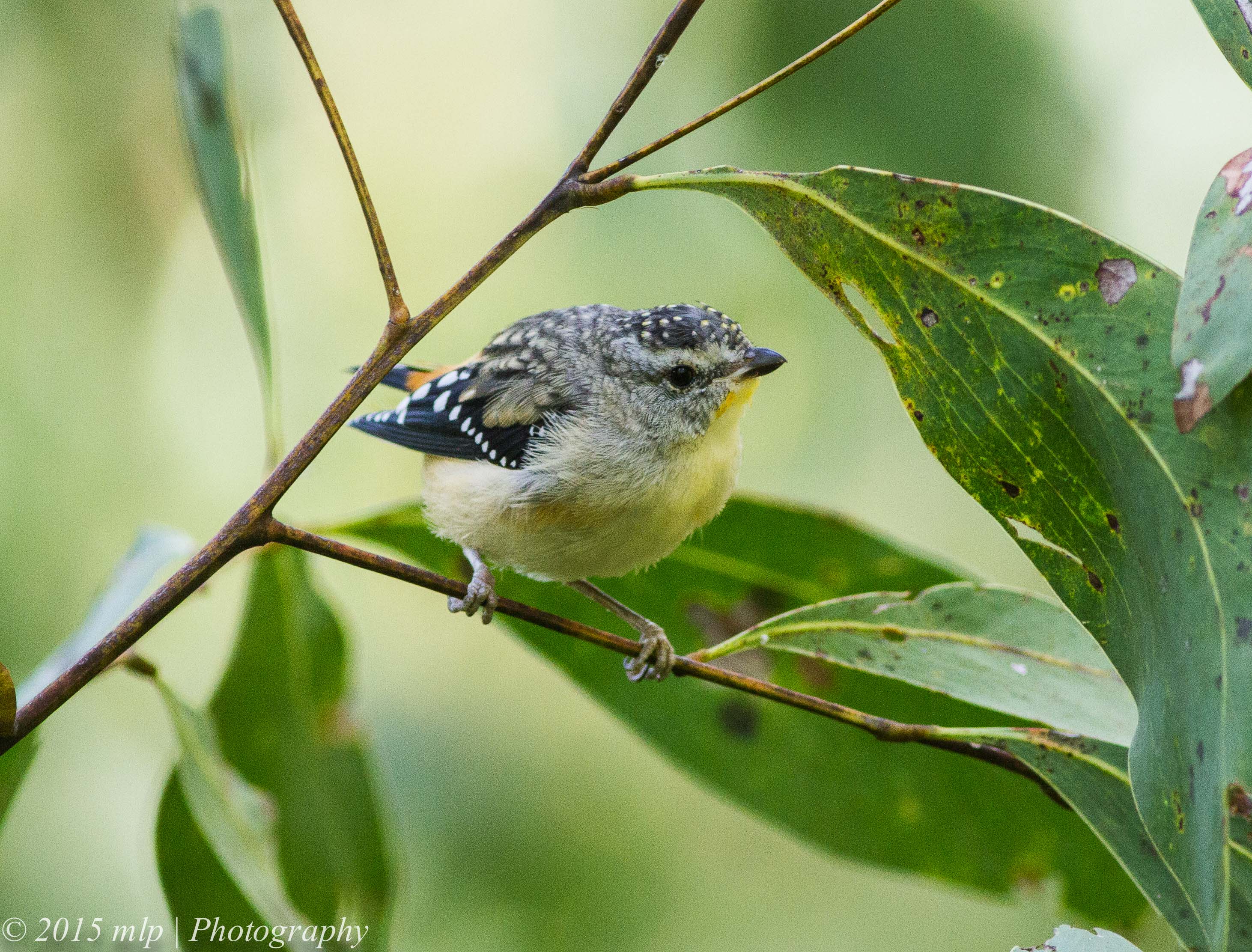
Bunyip State Forest – Spotted Pardalote

Spent a few hours exploring a different section of the Bunyip State Forest last week with John. Neither of us had been to the Eastern section before. We started pretty early so the light was not the best for photography but a few spots we visited were very good for small birds especially the Lawson Falls Trail. It was quite overgrown but with plenty of birds in the canopy and many more around us in the shrubs. I saw one Lyrebird as we got out of the car at the Lawson Falls picnic ground and another up the Trail doing his shaking feather dance on his display mound.  We will definitely visit that walk again.

ParkWeb map and notes

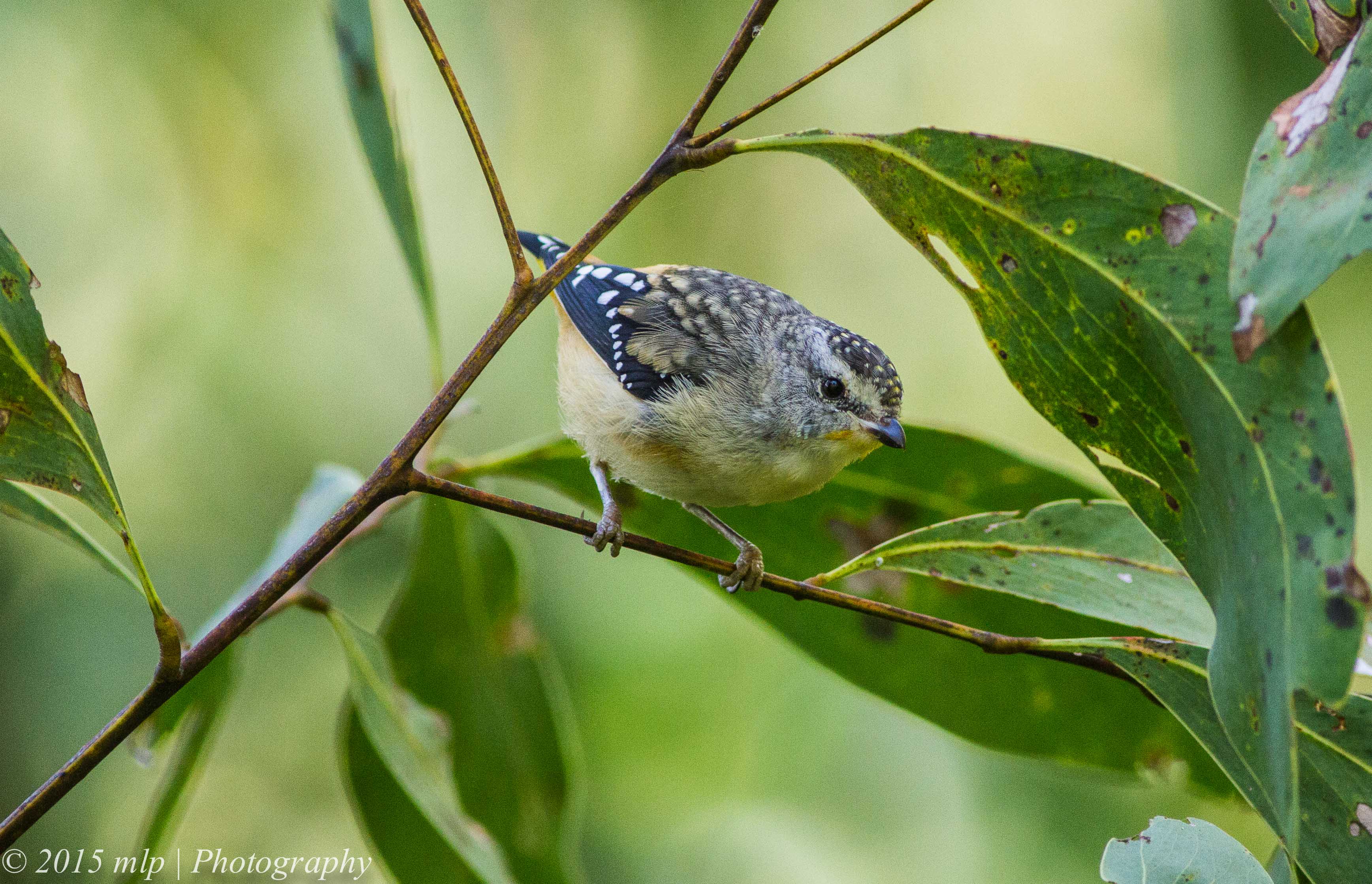
Female Spotted Pardalote,

Female Spotted Pardalote, Lawson Falls Trail

Female Spotted Pardalote II

Female Spotted Pardalote II

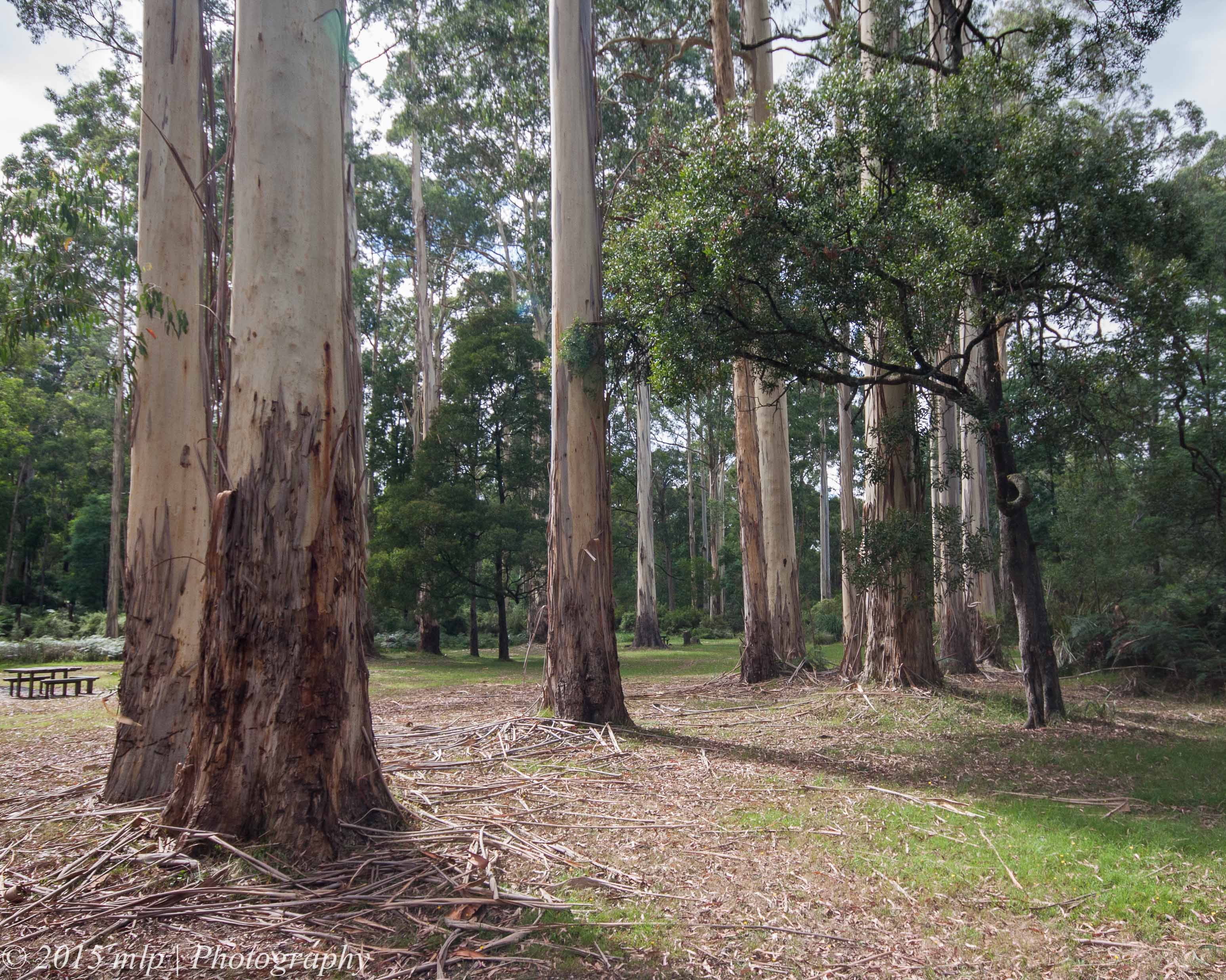
Young Vic Ash trees, Bunyip State Park Picnic grounds

Young Vic Mountain Ash trees, one of Bunyip State Park Picnic grounds – these trees are only quite young and will grow to become one of the worlds tallest trees.

Greens Bush – The Fox and the Cuckoo

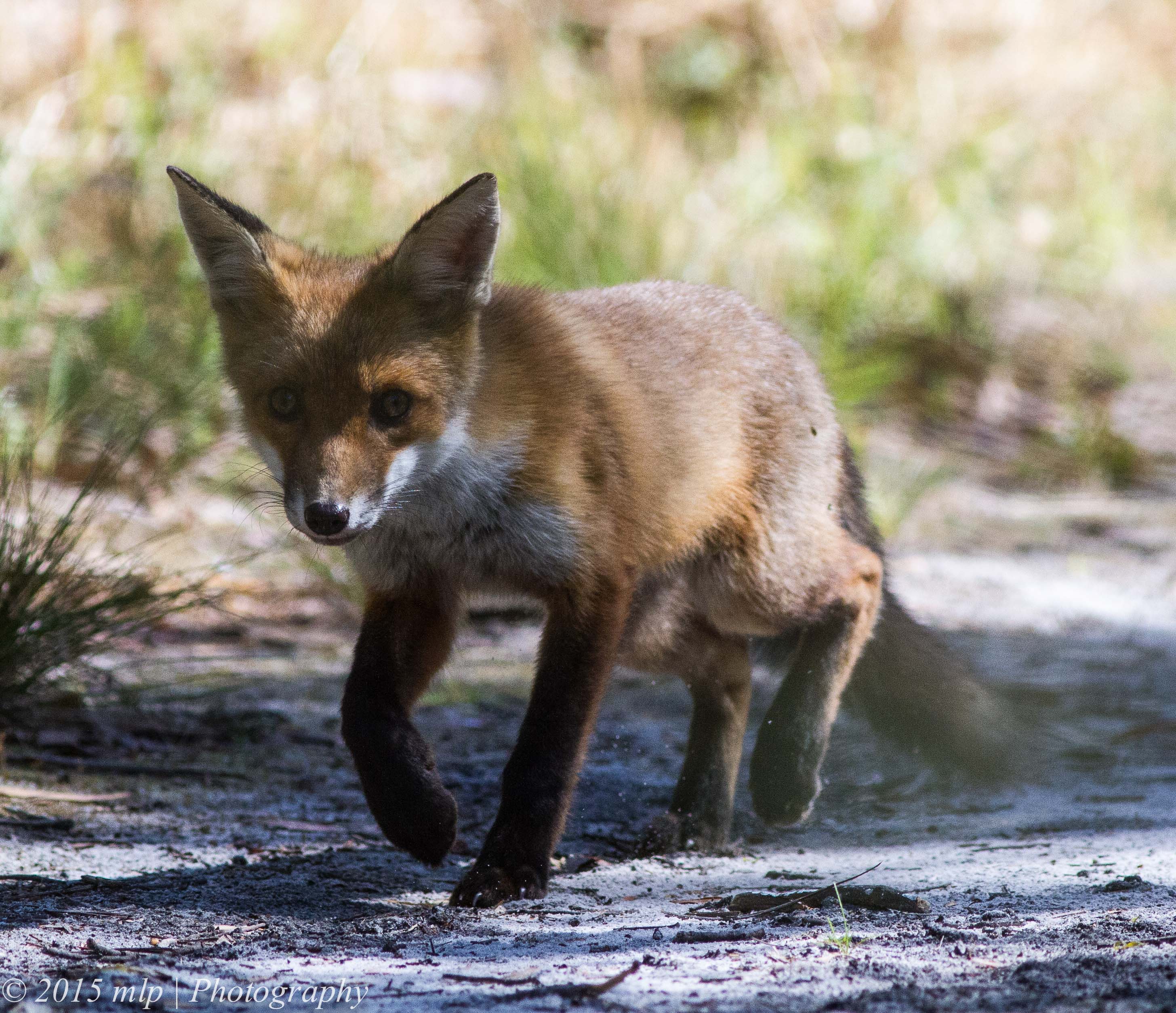
An early morning follow-up visit to Greens Bush produced a few interesting bird shots as well as a young fox exploring his neck of the woods.

The Eastern Spinebills were fighting with the New Holland Honeyeaters over the nectar in the flowering Mistletoe hanging from the local gum trees.

Young Eastern Spinebill

Young Eastern Spinebill

Black Faced Cuckoo-Shrike

Black Faced Cuckoo-Shrike with its distinctive look and call.

Brown Thornbill feeding a Shining Bronze Cuckoo

Brown Thornbill feeding a Shining Bronze Cuckoo chick – the adult female Cuckoo will lay a similar looking egg into a target bird’s nest. The host parents will raise the young cuckoo as their own and don’t seem to realise that it is not their own species – even when it looks and sounds very different and can be much bigger – as above. The Thornbill jumped over the young Cuckoo and fed it from the right hand side.

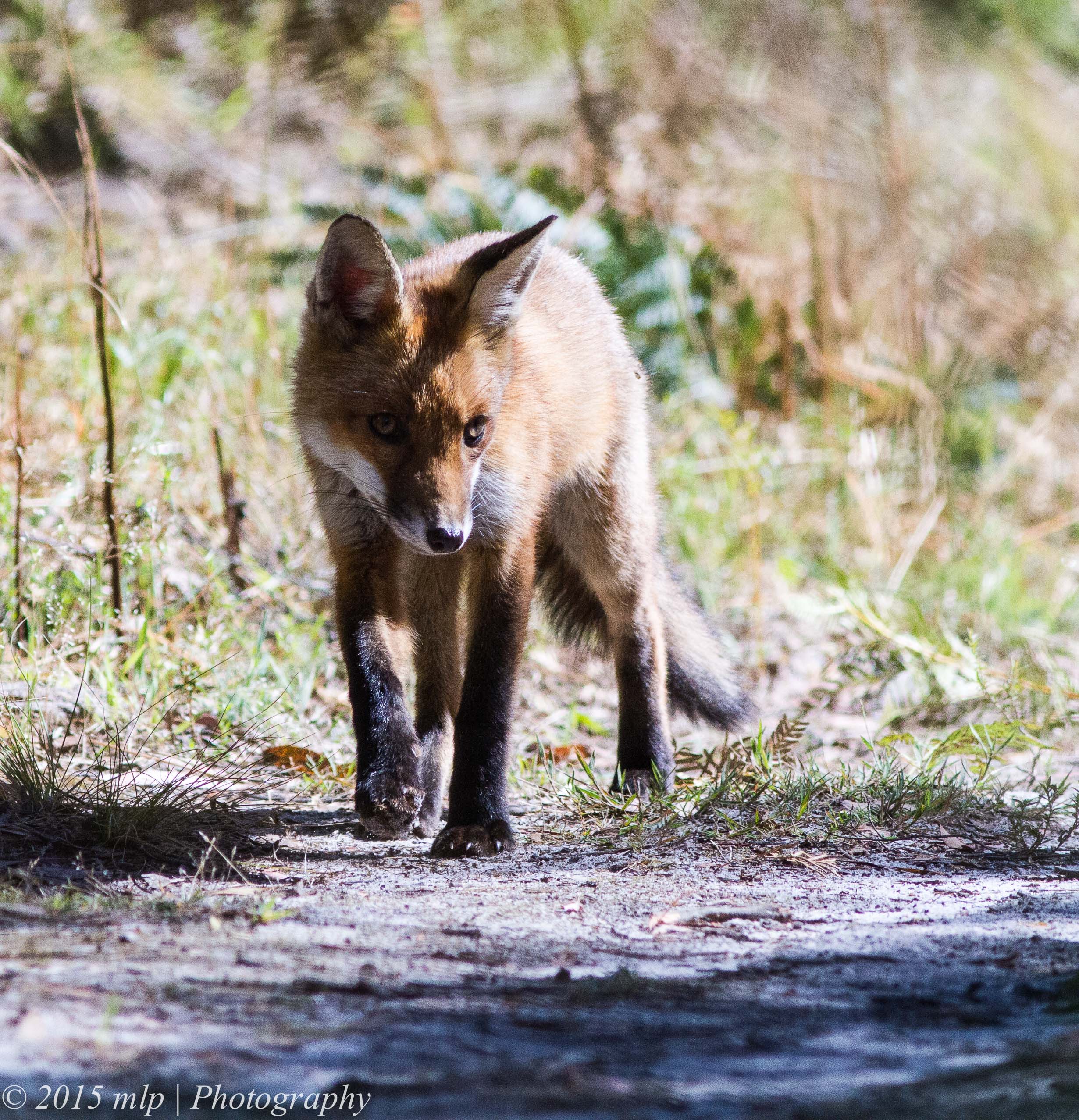
I have spent quite a bit time out and about this year and have seen a number of  foxes. This one was quite small and seemed to be on its own having a look around.

Young Fox out and about exploring

Young Fox out and about exploring

Hears the shutter click and starts to trot forward to investigate

Hears the shutter clicks and starts to trot forward to investigate

Slows down as he sees that something big is up ahead (me)

Slows down as he sees that something big is up ahead (me)

Finally sees me clearly, freezes and bolts back along the path...

Finally sees me clearly, freezes and bolts back along the path…

Flinders Ocean Beach Part 2 (aka the Crazy Fishermen)

As a follow up to my high tide visit to the Flinders Ocean Beach. My second visit to Flinders was at low tide. There were many more people around, exploring the rock pools, walking on the beach and fishing off the exposed reef. I found the Hooded Plover again further along the beach where piles of seaweed and kelp had washed up. There was no sign of the juvenile Hooded Plover and I hope he was hiding up in the grasses on the sand dunes away from all the activity.  A few more bird species were around at low tide.

The area looked incredibly different at low tide. The mushroom shape of Mushroom Reef was exposed. At high tide the waves can come right up to the wooded steps.

Mushroom Reef Marine Sanctuary - at low tide. At high tide the water comes up to the wooded steps

Mushroom Reef Marine Sanctuary – at low tide. At high tide the water comes up to the wooden steps

White Ibis feeding in the grasses along the beach edge

White Ibis feeding in the grasses along the beach edge – there was something they really liked as they just munched away on whatever was living in the grass.

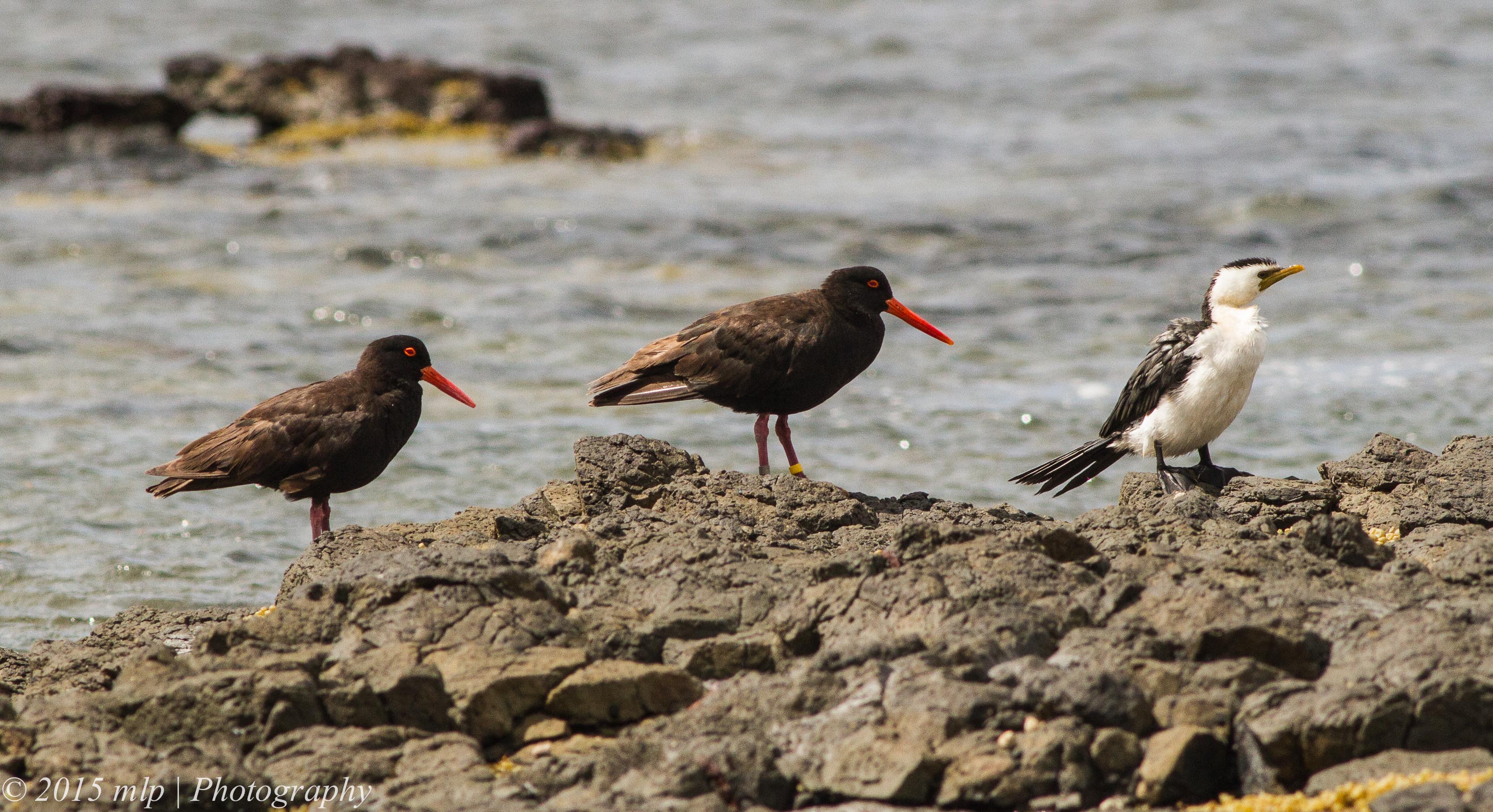
Sooty Oystercatchers and a Little Pied Cormorant

Sooty Oystercatchers and a Little Pied Cormorant – one of the Oystercatchers was Banded (yellow and silver rings)

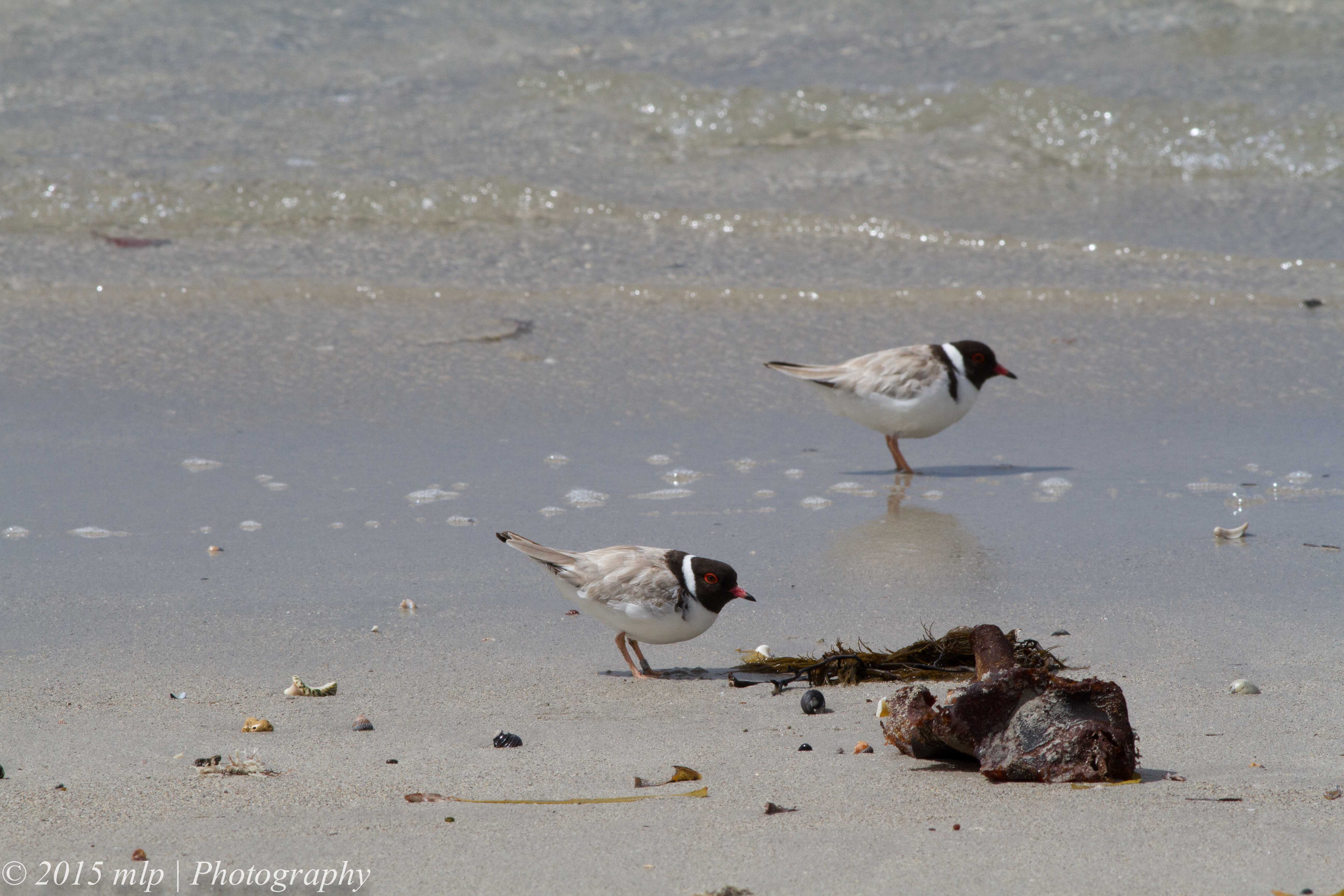
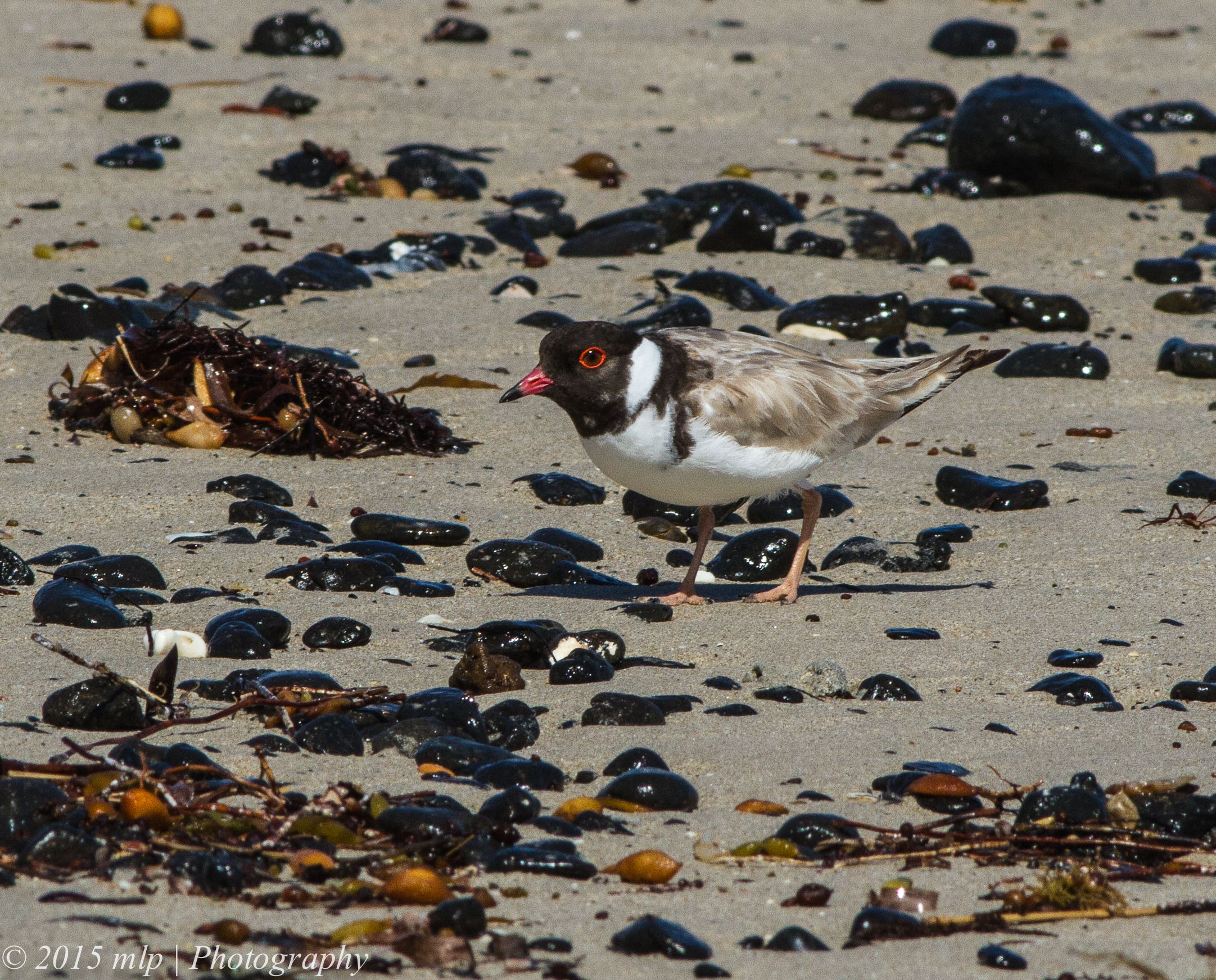
Hooded Plover

Hooded Plover

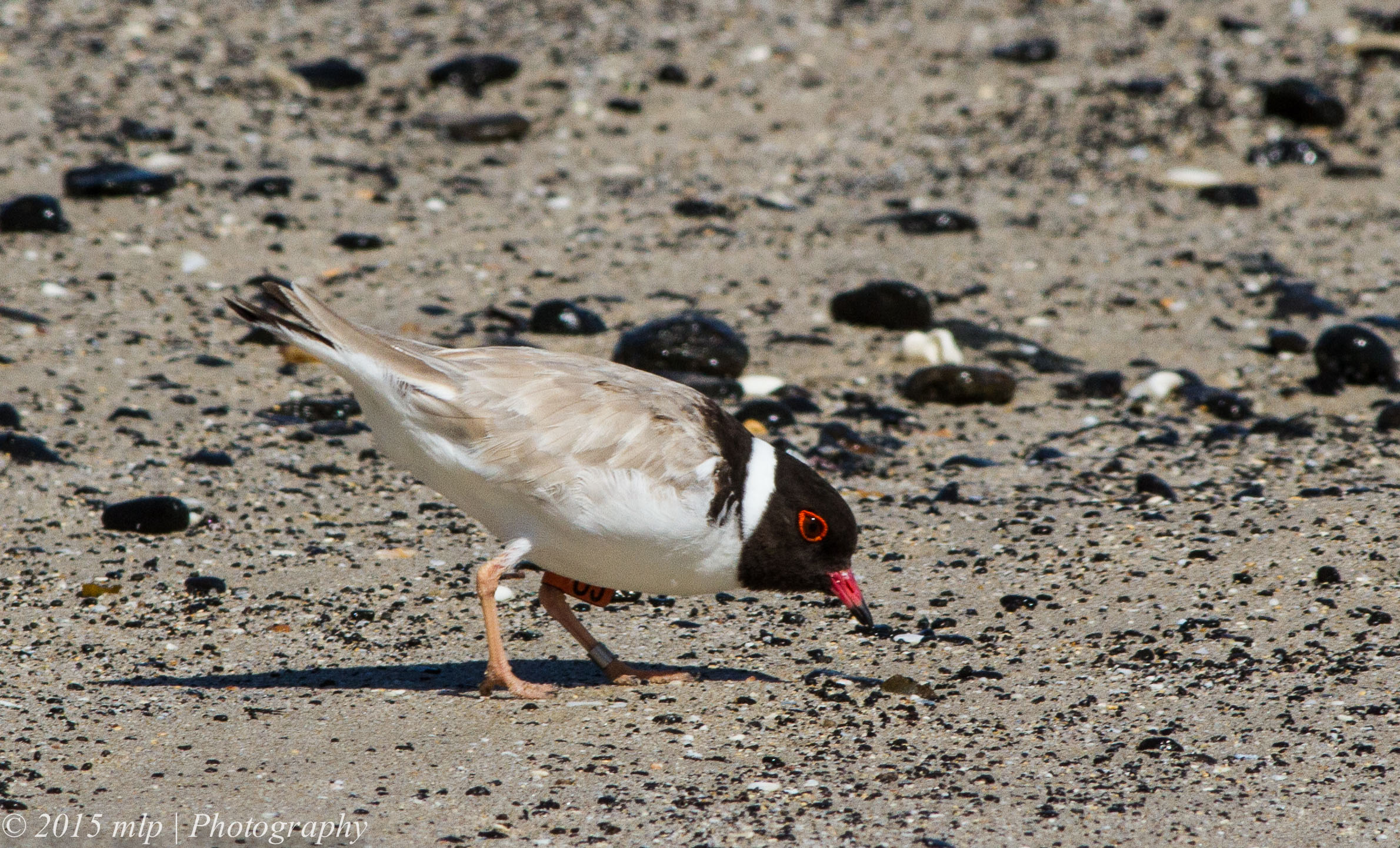
I noticed that one of the Plovers was banded. Their is an extensive banding program to monitor the Plovers across Southern Australia

I noticed that one of the Plovers was banded. There is an extensive banding program to monitor the Plovers across Southern Australia

Hooded Plover pair

Hooded Plover pair

Keeping low into the wind and catching anything that the waves bring in..

Keeping low into the wind and catching anything that the waves bring in..

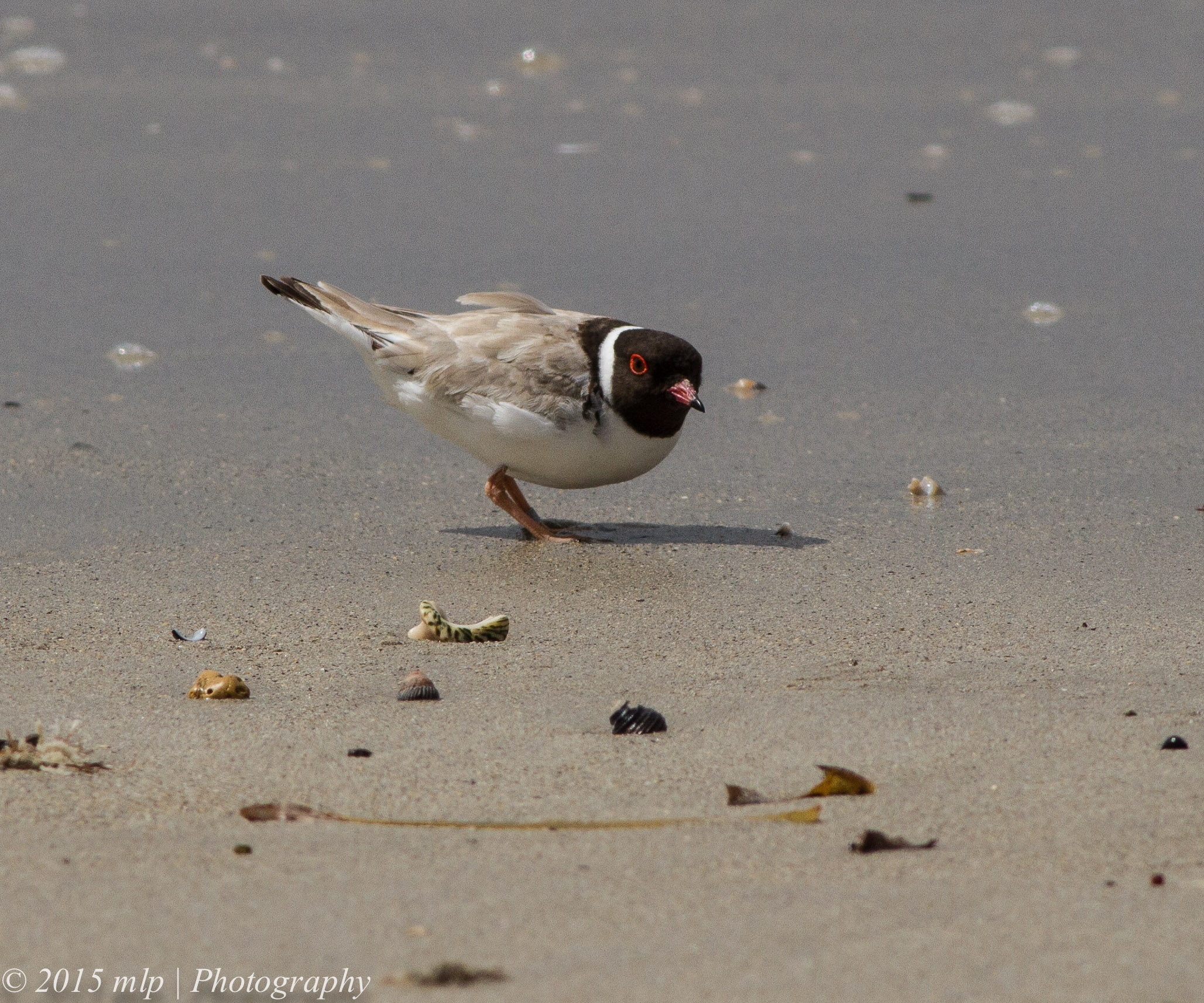
Hooded Plover - keeping low and facing into a string wind

Hooded Plover – keeping low and facing into a strong wind

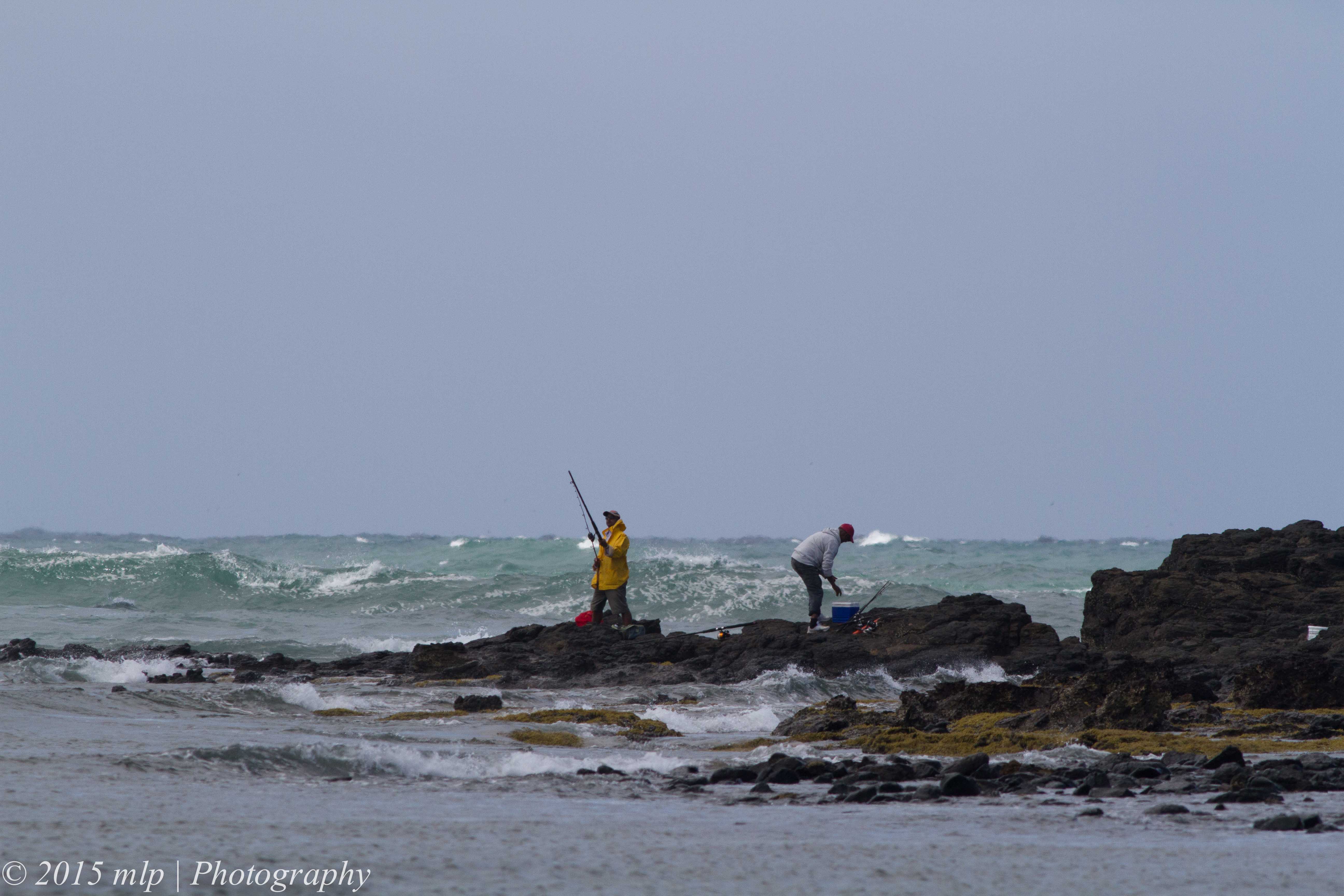
I was surprised to see blokes fishing way out on the last set of rocks at the edge of the reef. The waves were getting bigger and starting to crash near them and we have had bad weather and ocean warnings all week. They were at least packing up as I watched them and took some pics.

Crazy Fishermen

Crazy Fishermen

Flinders Ocean Beach Part 1

When I go to Greens Bush I like to drop in on Flinders back beach as well. There is a pair of resident Hooded Plovers on the beach that are surviving the conditions and the number of people that visit. It is a popular area, with the golf course above and the easy access to the beach at several points for locals and visitors. It is probably the closest point to Melbourne to find the Sooty Oystercatcher, the Hooded Plover and a good chance for the Black Faced Cormorant (though I have not seen them there yet).  I visited twice on the weekend, once at high tide and again at low tide. At high tide the birds rest and groom at the high water mark waiting for the tide to turn and occasionally run into the waters edge for anything juicy that may become exposed or washed up.

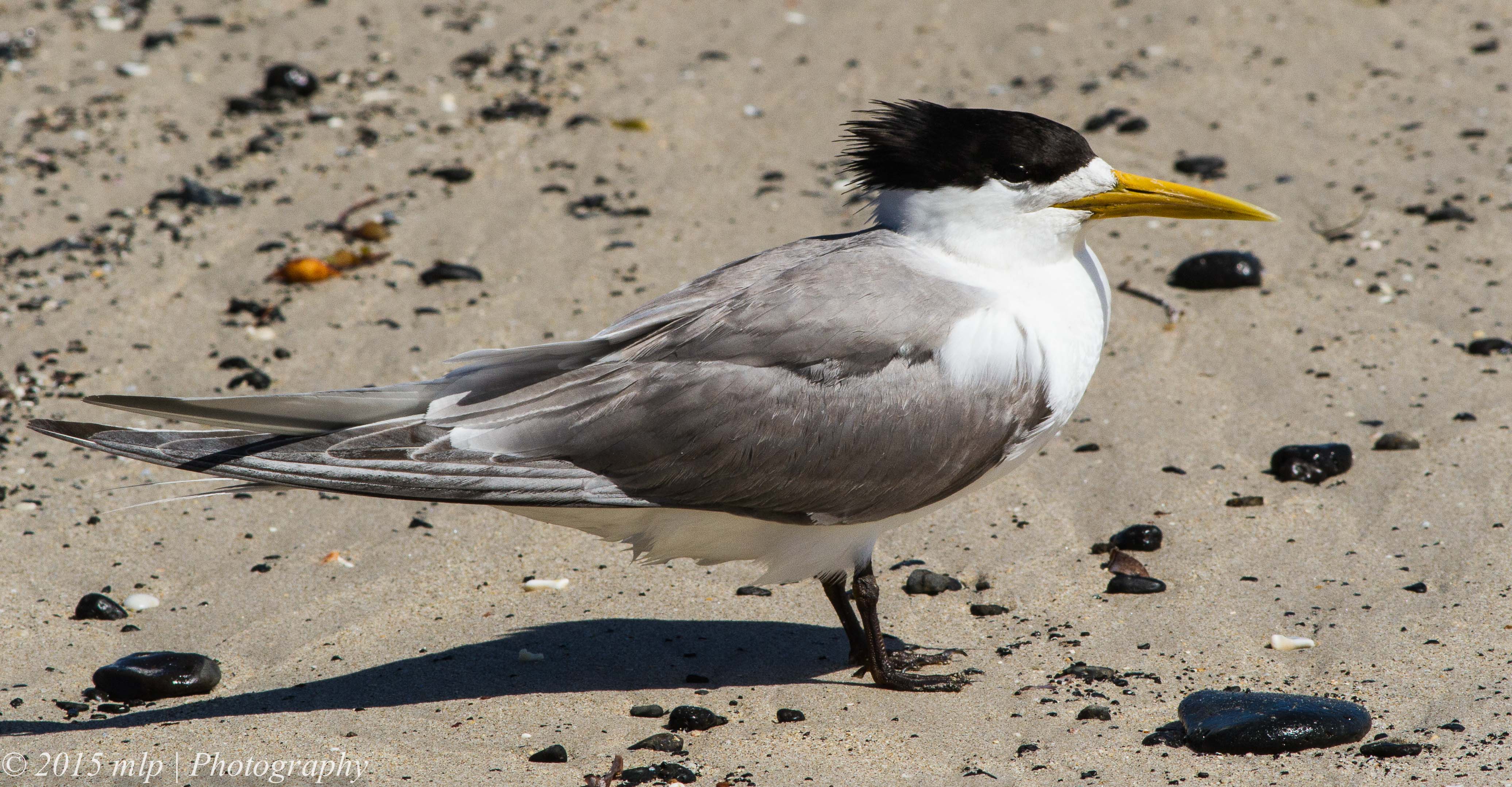
Crested Tern & Silver Gull

Crested Tern & Silver Gull

Crested Tern

Crested Tern

The Hooded Plover is a closely monitored bird. It is endangered in many areas along the Australian coastline due to housing and commercial development and land clearing.  It is particularly vulnerable to beach users especially dog owners. It lives and hunts on the sand and nests in scrapes amongst the sea weed at the high water mark or at the base of the dunes. It is hunted by cats, foxes and other predators and the nests are often disturbed or destroyed by walkers and dogs. Some councils will rope off areas when Plovers are nesting but so far I have only seen the Mallacoota council do this at Betka Beach. (On a busy day people did seem to stay clear of the ropes and the signs.) It is too bad that other councils don’t try it as well.
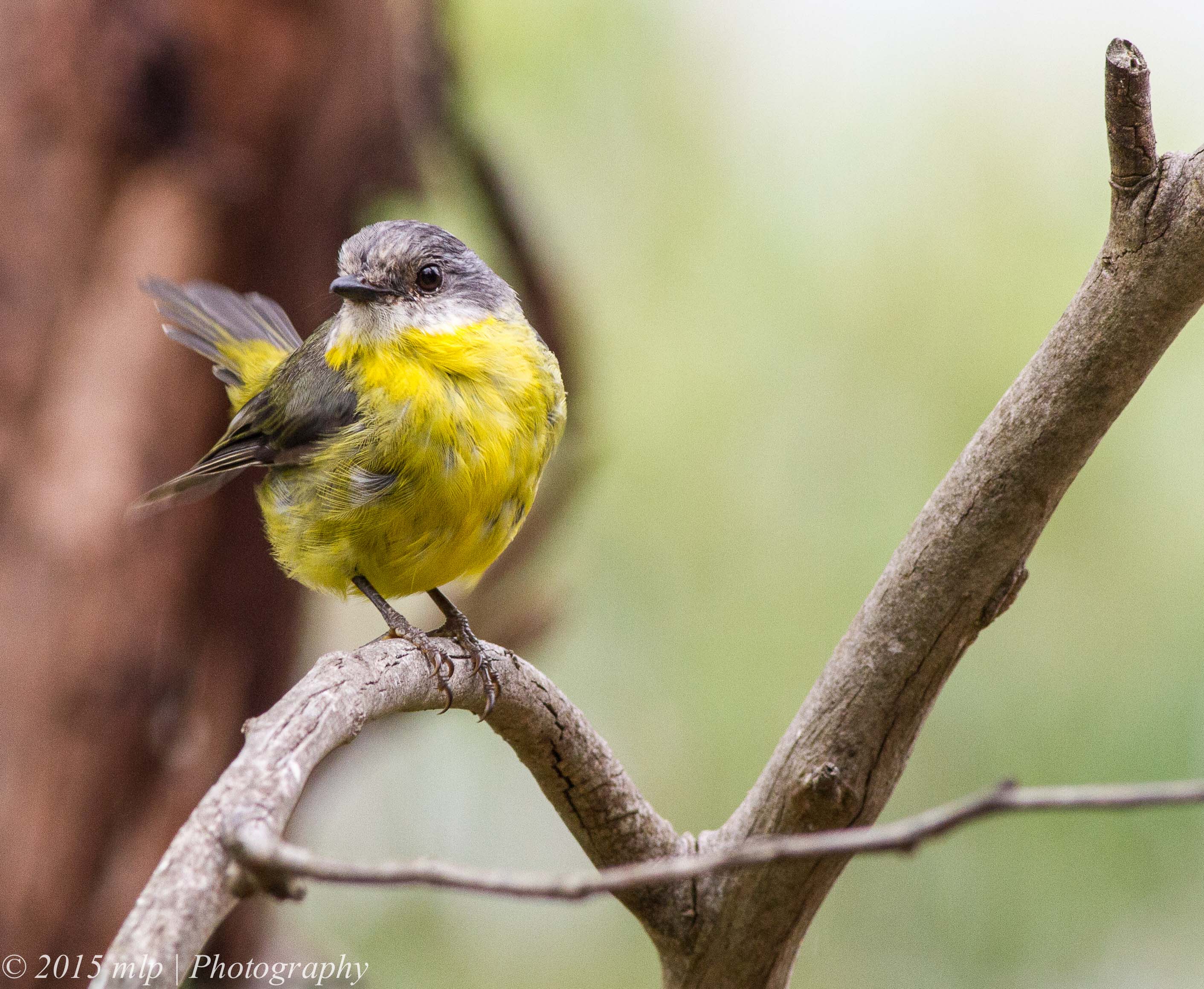
Hooded Plover

Hooded Plover

Hooded Plover II

Hooded Plover II – hunkered down against the wind with plumage that helps camouflage against predators.
Hooded Plover III

Hooded Plover III

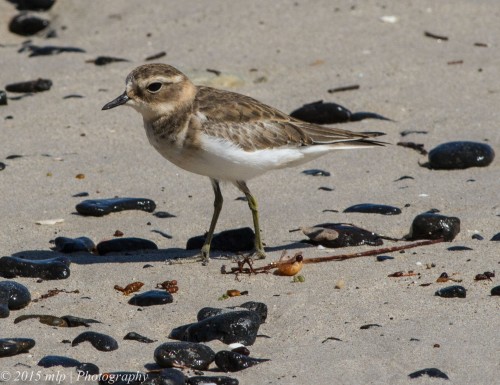
Associating closely with the Hooded Plover was a Double Banded Plover. Due to its size I had thought it was a Juvenile Hooded Plover but I am happy to be corrected.

Juvenile Hooded Plover

To Flinders Ocean Beach Part 2

Coolart Homestead and Wetlands

Another drive to the Mornington Peninsula to look for a few photogenic birds at my regular spots. Started off at Coolart Homestead and Wetlands. Coolart is a late Victorian mansion with formal and informal gardens built on the shores of  Westernport Bay. It has a significant wetlands area with several viewing observatories and hides. A good day of exploring the wetlands, gardens and woodlands can result in a list of 50+ bird species.
Coolart Homestead, Somers

Coolart Homestead, Somers

Australian White Ibis

Australian White Ibis

Little Pied Cormorant

Little Pied Cormorant

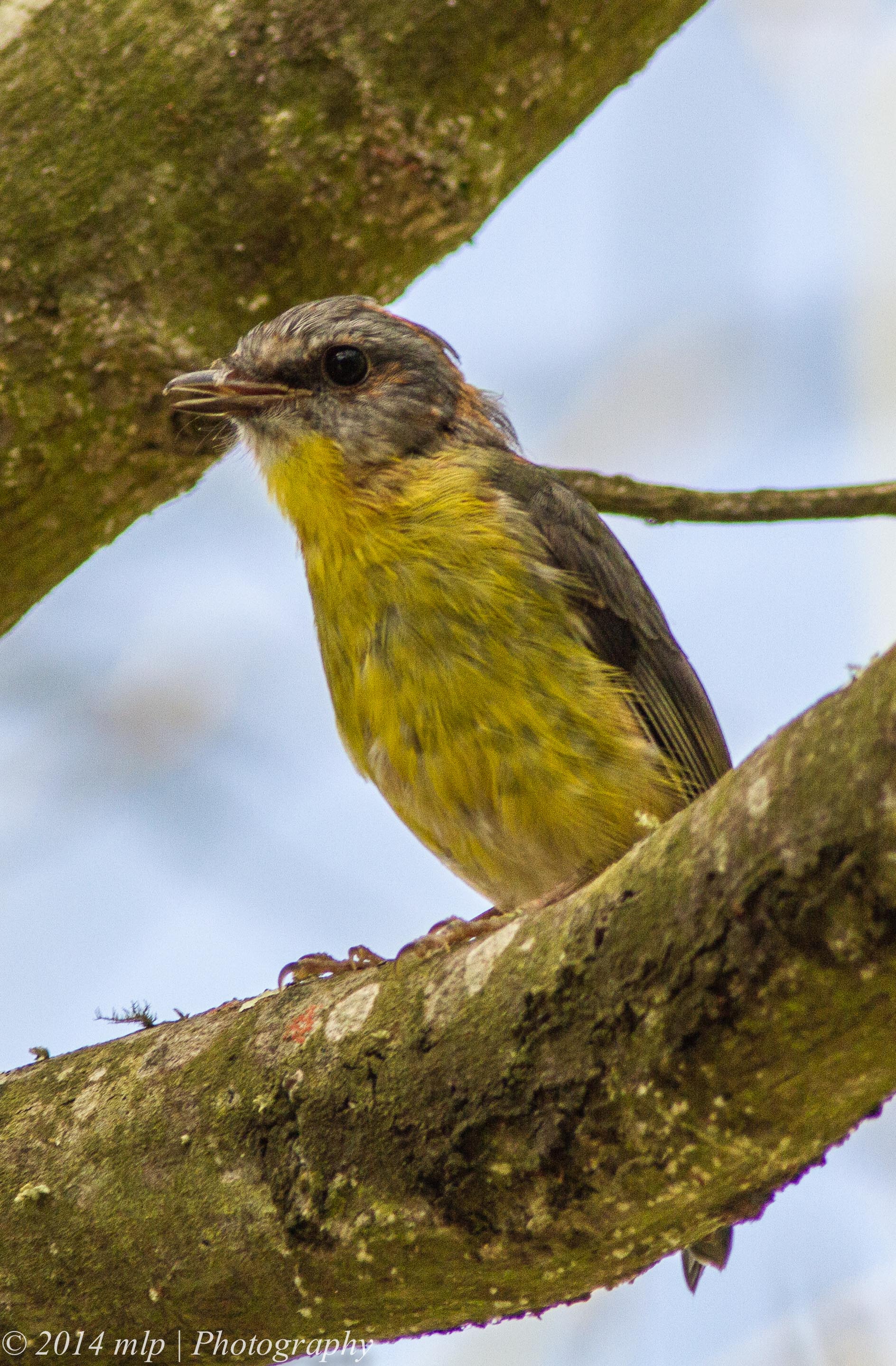
Juvenile Eastern Yellow Robin waiting for his breakfast

Juvenile Eastern Yellow Robin waiting for his breakfast

Eastern Yellow Robin

Eastern Yellow Robin

Eastern Spinebill

Eastern Spinebill


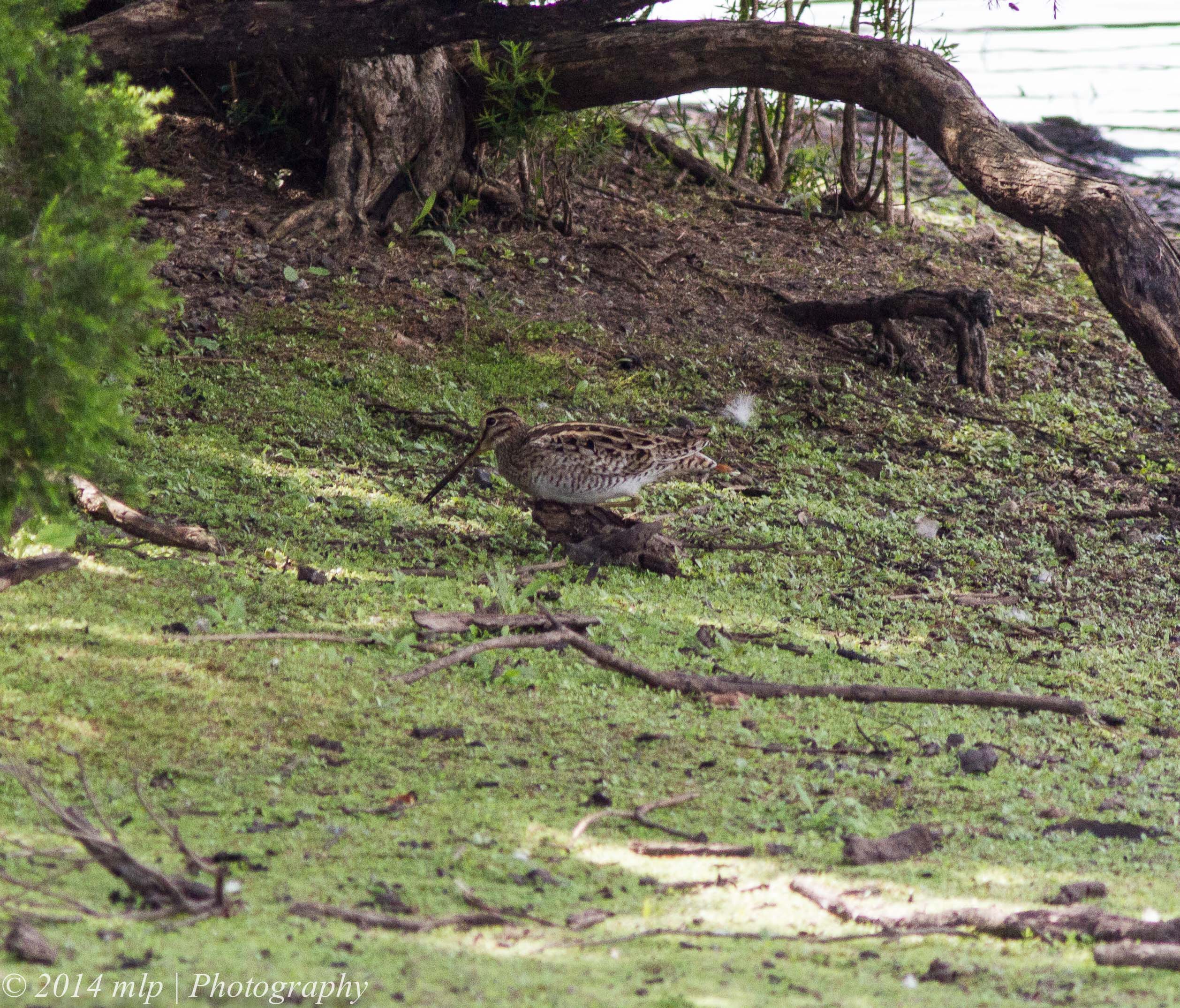
Lathams Snipe

Lathams Snipe – a secretive wader that migrates down from Japan for the Australian summer

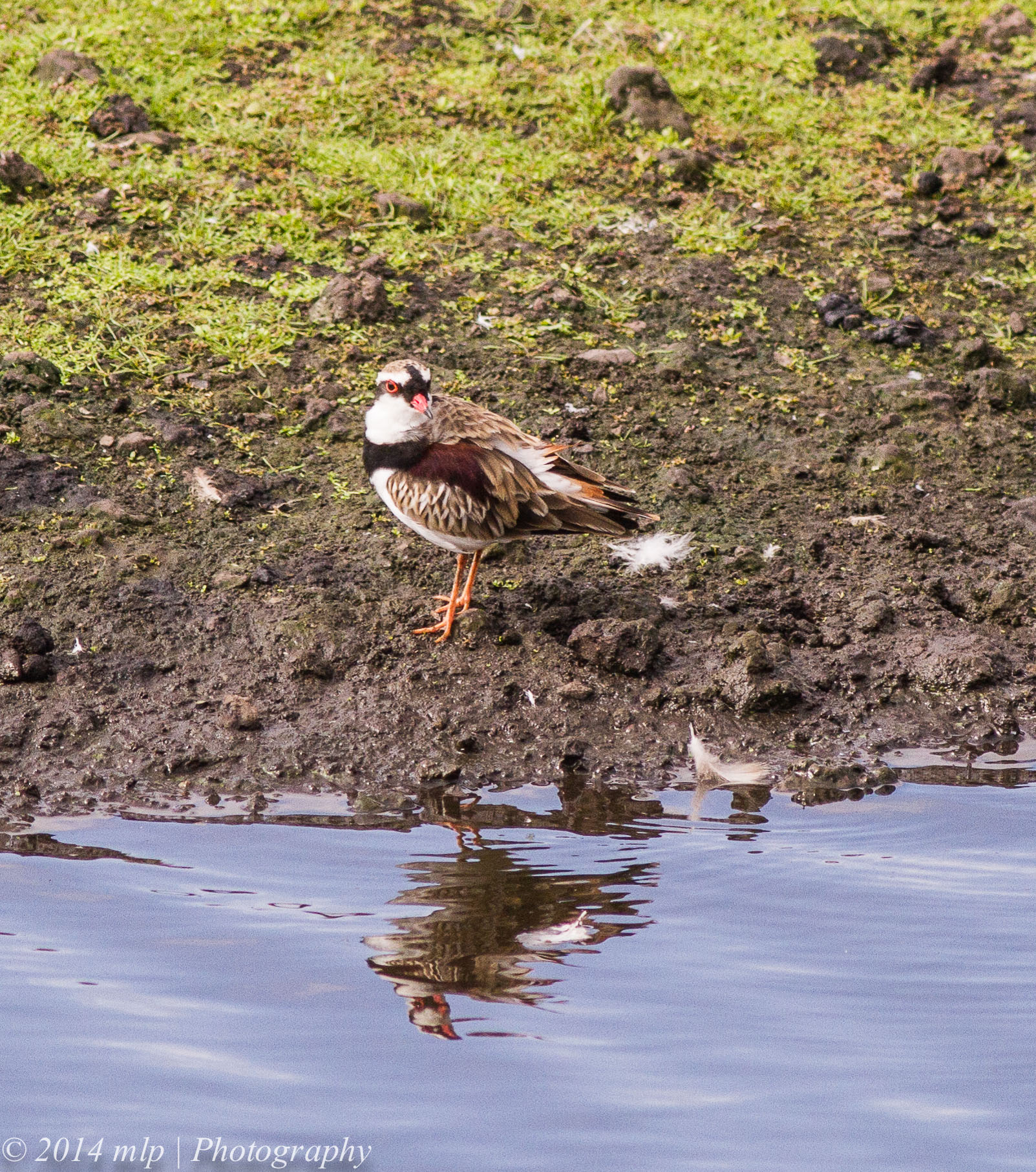
Black Fronted Dotteral

Black Fronted Dotteral

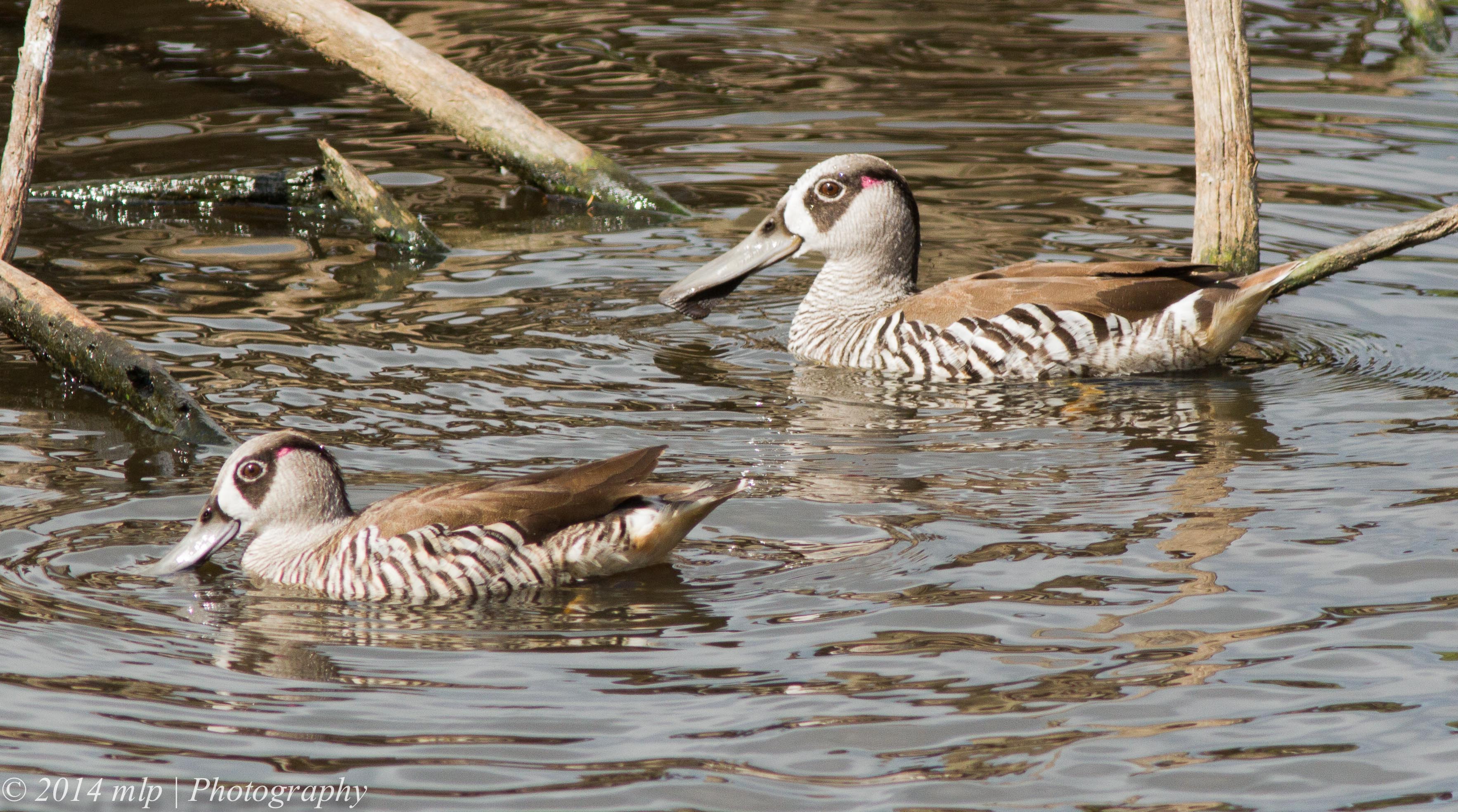
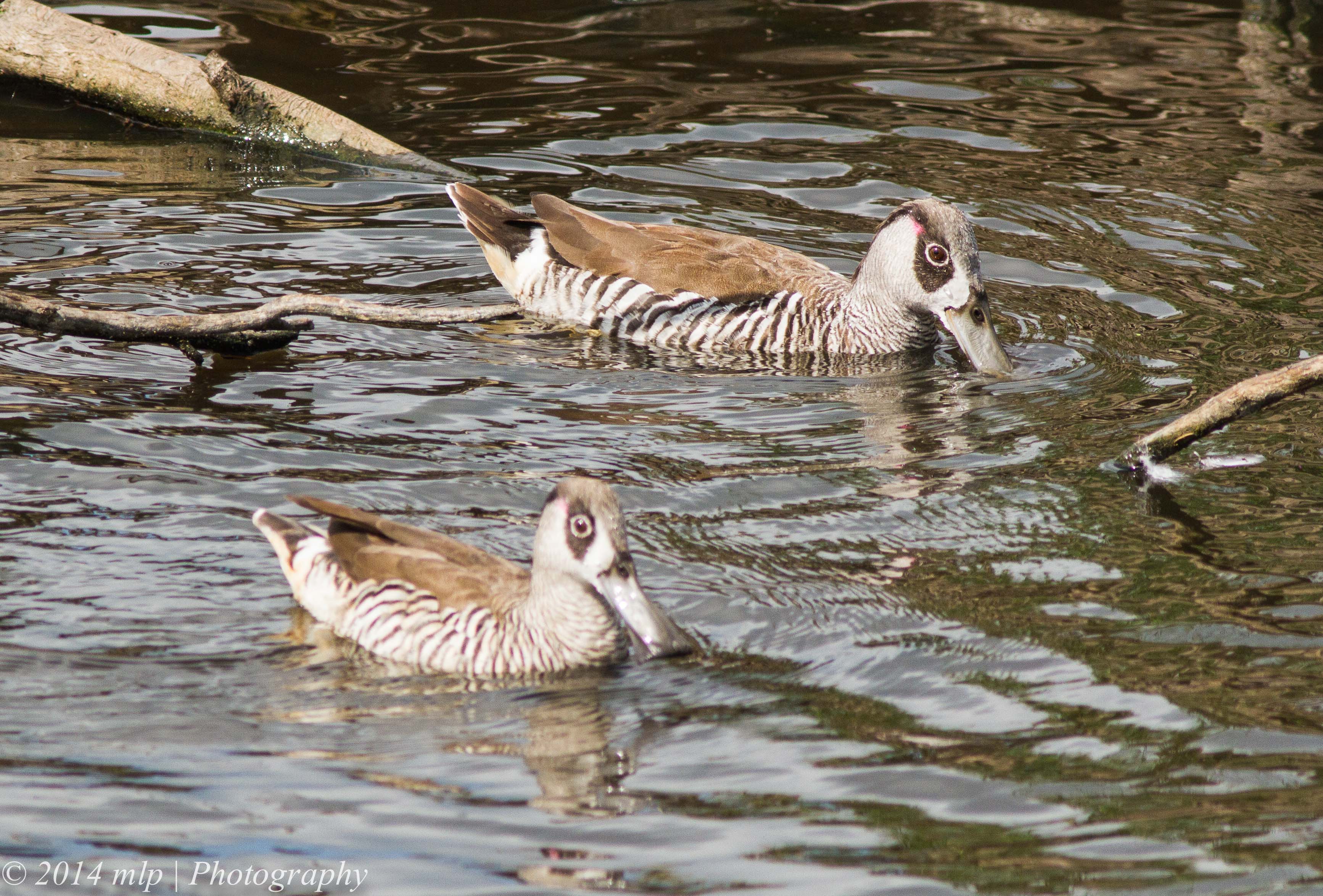
The Pink Eared Duck is a favourite that does not turn up all that often. I regularly  find a small flock here at Coolart. They are a communal species and love to preen and bicker. The pink ear can be hard to see as they are quite flighty when in large groups on open water (like at the Weribee Pooh Farm). Due to the bird hide near one of their sand bank roosts one can be close enough to see the markings quite clearly.

Pink Eared Duck

Pink Eared Duck

Pink Eared Duck II

Pink Eared Duck II

Welcome Swallow

Welcome Swallow

Braeside Park Drop In

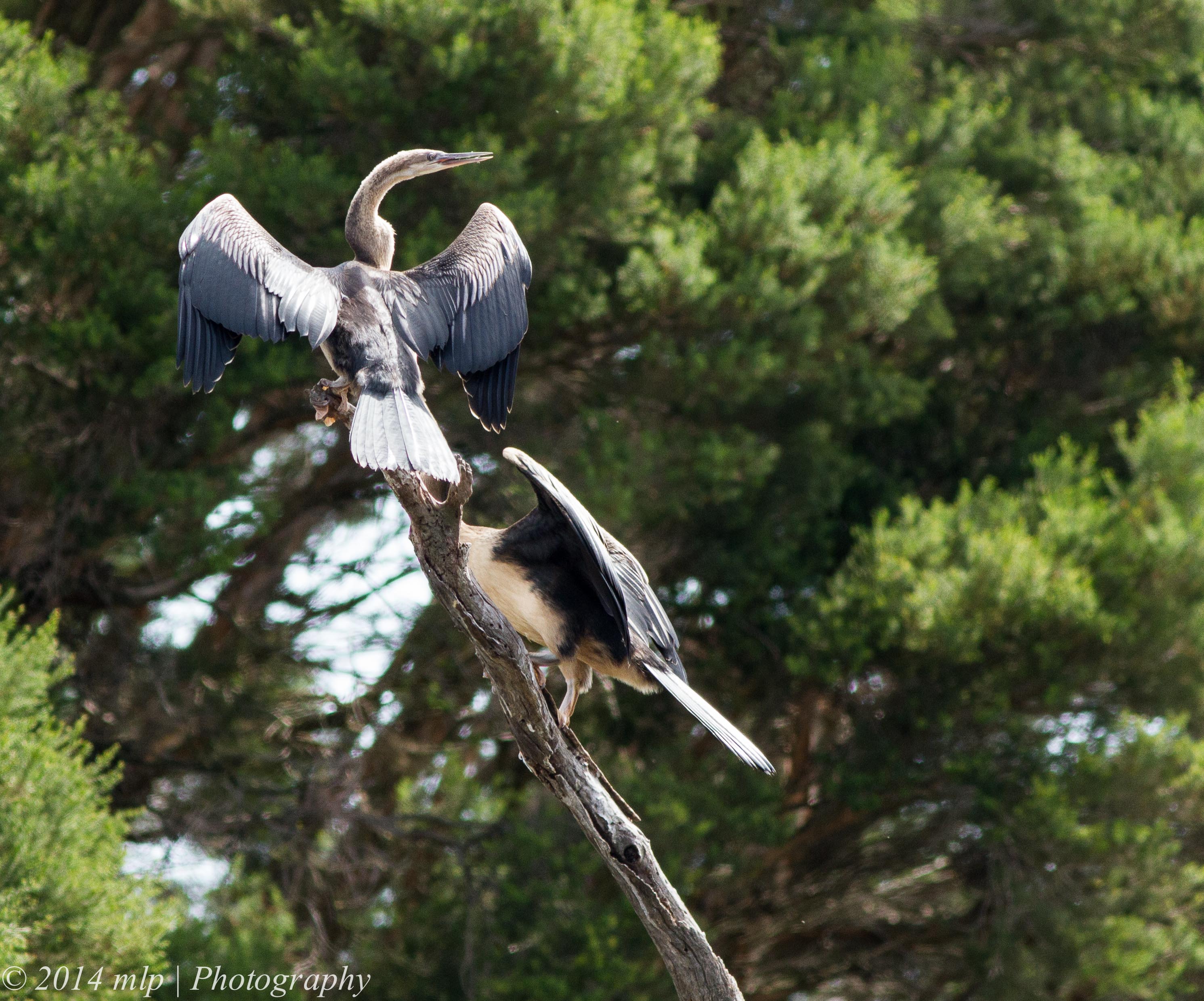
I thought I would have a quick look at the lake at Braeside Park, get my 2015 bird numbers up and practice with my Canon 1.4 Extender Lens. Using it means only shooting with manual focus – always a bit trickier and slower. I did add several birds to my year list and took a few pics, including juvenile darters drying their feathers after a morning swim/hunt.

Darter Juveniles

Darter Juveniles

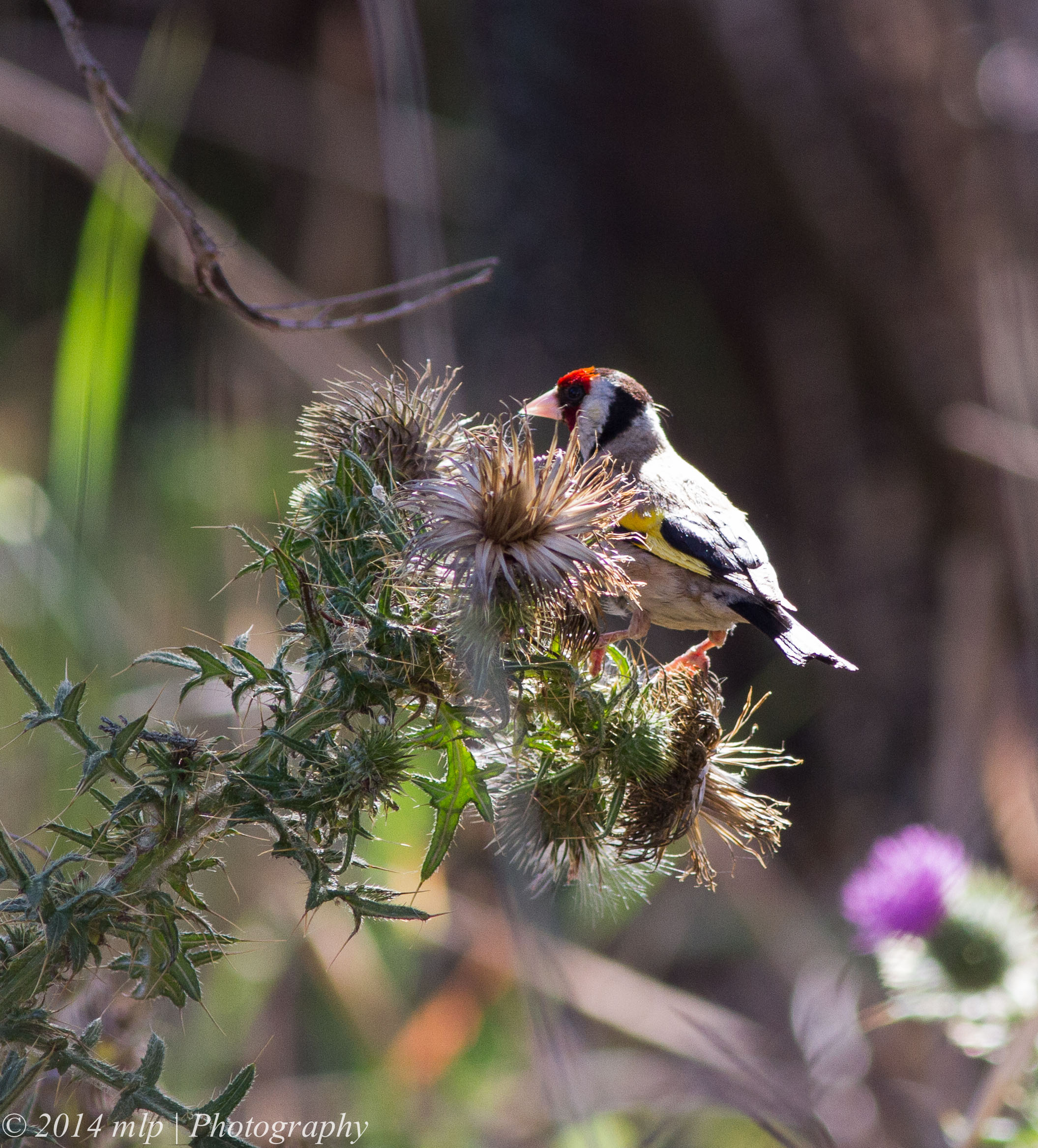
The Goldfinch, while an introduced species that I am suppose to hate, is a colourful bird that moves quickly in groups and has a distinctive call. I found a flock of adults and juveniles attacking mature Scotch Thistles – they were tearing at the seed heads. I am not sure if they were eating the seeds or collecting the soft material for nesting as they flew off with a mouthful of thistle down.

European Goldfinch

European Goldfinch

European Goldfinch II

European Goldfinch II

While at the bird hide adding Freckled and Blue Billed Ducks to my year list I saw this rabbit through the hide glass window and took a few pics. I then started to tap on the glass to see how long it took for it to assess the danger….it did eventually bound a few steps but stopped and started munching on the grass again not overly concerned. At the car-park when I first arrived I saw a few rabbits in the grass fringe, a common sight at this park even during the day. They don’t seem too  worried about people. Dogs are not allowed but I assumed that there were foxes that survived the annual cull so I am surprised at how tame the local rabbits have become. As I got my camera gear ready I saw a number of rabbits start to bolt in a pattern that indicated that something was coming that was only slightly threatening – they did not bolt very far. It turned out to be two young foxes having a play hunt. They were quite funny to watch and as I fumbled for my long lens to get a few shots they saw me and took off…foxes are at least scared of people even if the local rabbits are not…

Pesky Rabbit

Pesky Rabbit

An old Birder once told me that the best place to find birds is at the carpark. I always have a look around the carpark at Braeside Park to try and find the resident Tawny Frogmouths. I can often find them but this time the only odd lump I found in the nearby trees was this lone Ring Tailed Possum trying to get his sleep on….he watched me for a while then tucked his head back in and went back to sleep.

Ring Tailed Possum

Ring Tailed Possum

Elster Creek in Jan

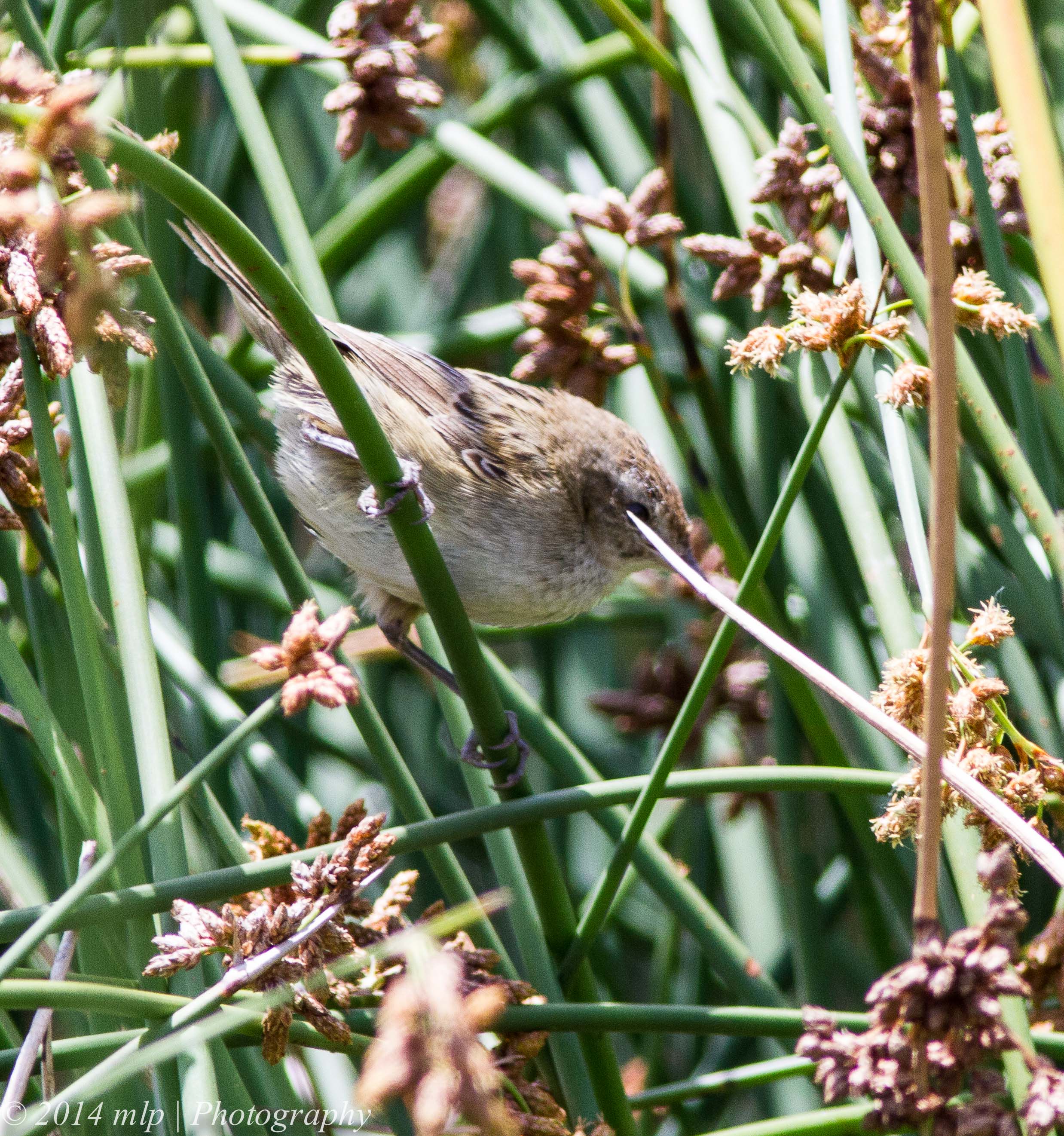
I had read in a “Friends of Elster Creek” newsletter that a little Grassbird had been seen at the Elster Creek golf course lake. I thought I would try to track it down and see what else was making the lake its home…The Grassbird is a secretive little bird that lives in tall reeds and lake side vegetation. Rarely seen but easily heard with a distinctive call that can be mimicked. I tried calling and it responded by flying over to the nearest reed bed and looking for the potential intruder. I think it was a juvenile as it did not have the strong colouring of an adult and did not make any calls of its own in defence of its new territory.

Little Grassbird

Little Grassbird

Little Grassbird II

Little Grassbird II

Many of the tall gums along the creek and at the golf course are flowering. The trees are full of birds – Rainbow and Musk Lorikeets and Red Wattlebirds. The Musk below took a while to find as I could hear him well (his call is quite different from the local Rainbow Lorikeet) but I could not see him. The Lorikeets are well camouflaged to help protect against predators.

Musk Lorikeet

Musk Lorikeet


A bird found in high numbers everywhere. Another gregarious species that can overwhelm a country town with their sheer numbers, noise and appetite. I found these guys digging up roots under large pine trees. Due to their numbers and generally easy going demeanor Galahs are a favourite of many raptors

Galahs

Galahs

Galah II

Galah II

Walking home I found a pair of spotted doves and took a shot of one to try and see the neck feathers a bit better.
Spotted Dove

Spotted Dove

Central Victoria – Blackwood (Garden of St Erth)

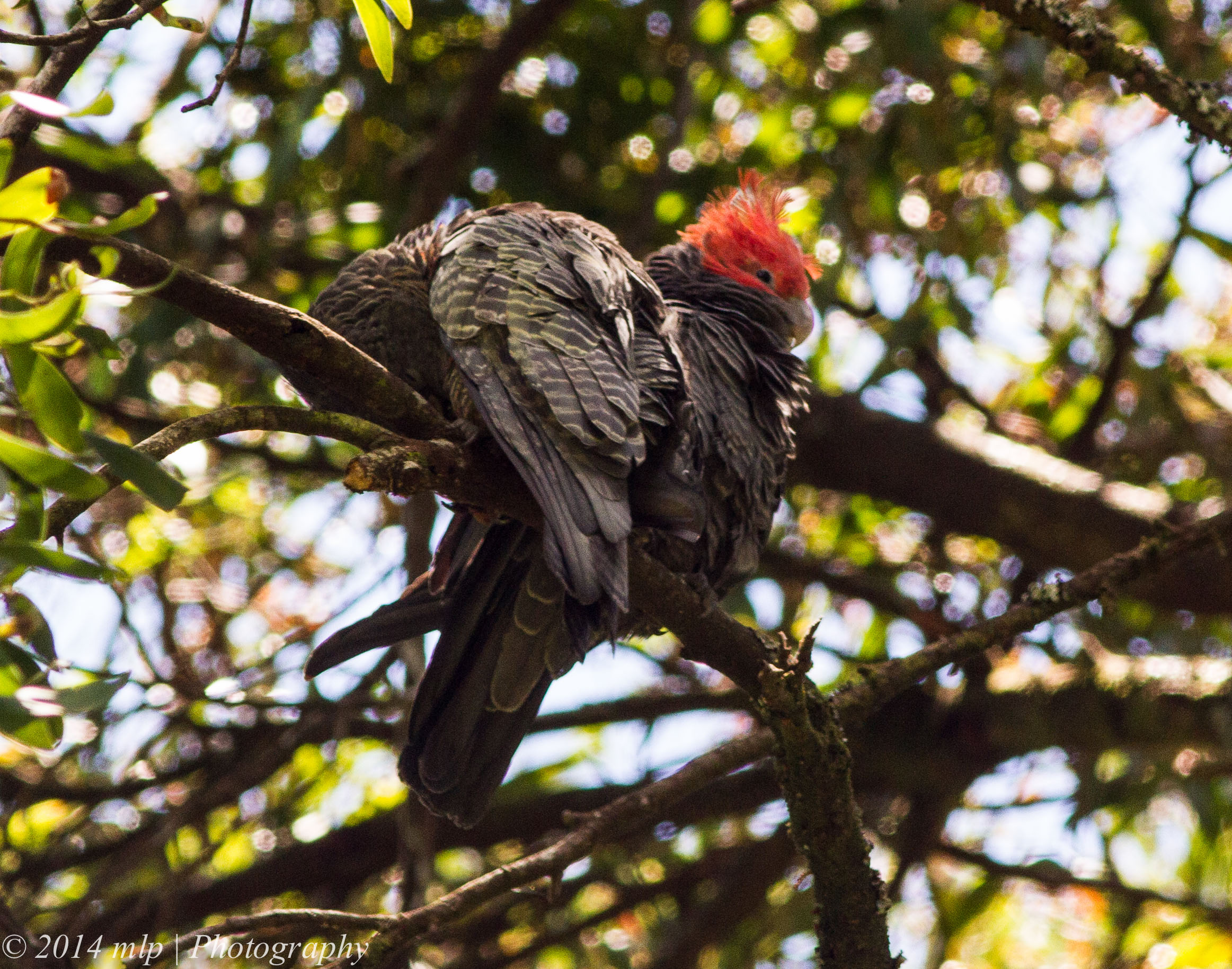
On the way home we decided to visit the Garden of St Erth, one of the Diggers Club Garden and Nursery sites – an open pollenated seed company specialising in heirloom species. Being out in the bush there is always a good chance of finding some good birds. I had to race back to the car to get binoculars and camera (after having promised to just look at gardening stuff) and to take some average canopy shots of two Gang Gang Cockatoos. An uncommon species that prefers higher altitudes and wetter forests.  It was only my third sighting of this species. As typical of cockatoos they are a generally long lived species, very smart and gregarious. The Gang Gangs don’t seem to live in the large colonies that the Corellas and Sulphur Crested Cockatoos live in. I have only seen them in pairs though this was a groups of two pairs. As I watched they bickered, groomed and teased each other. The male has the bright red head and their calls sound like a creaky gate.

Gang Gang III

Gang Gang III

Gang Gang II

Gang Gang II

Gang Gangs

Gang Gangs

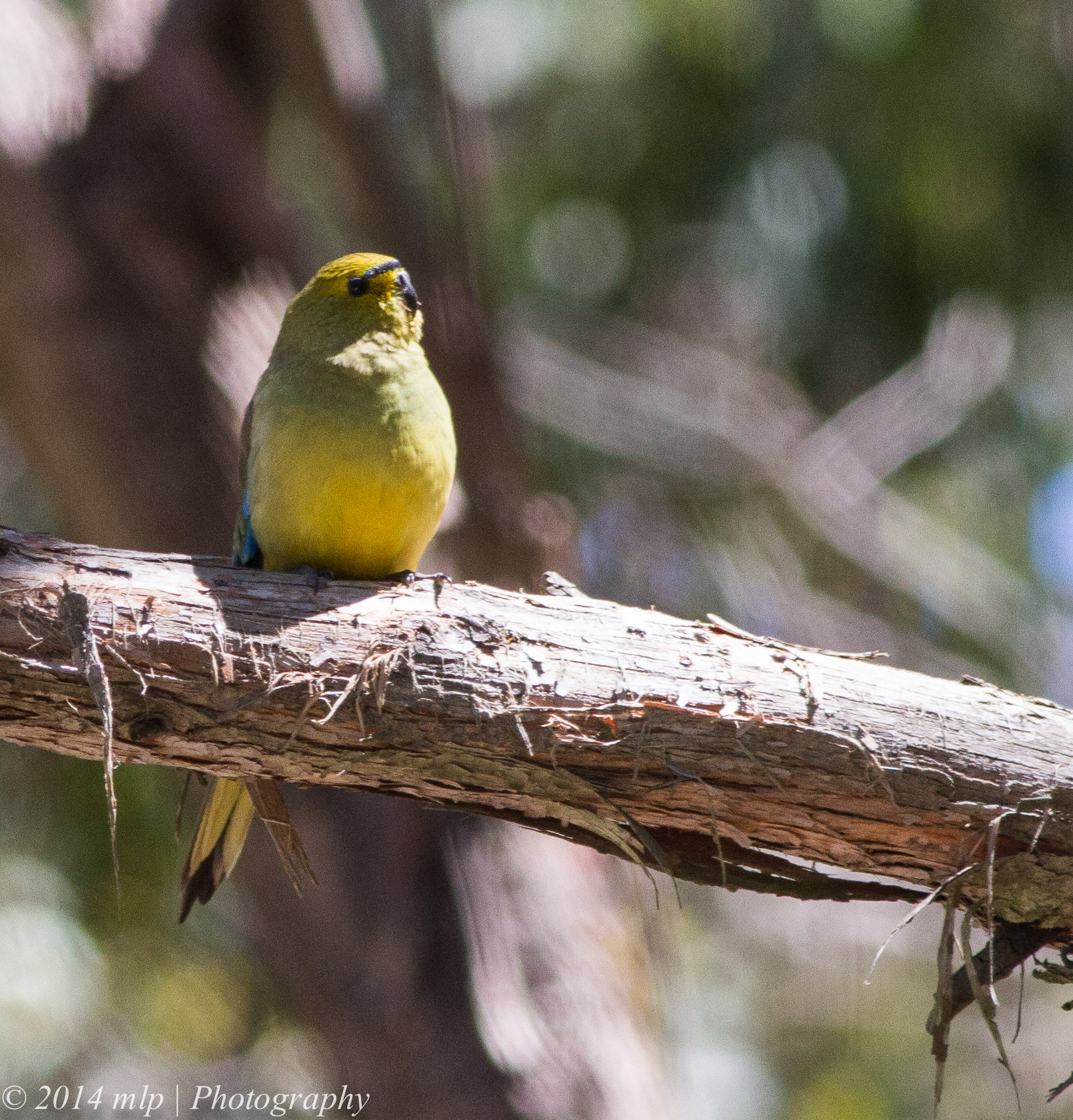
On the way home we drove through the Wombat State Forest (Lederderg Road) and spotted several young Blue Winged Parrots feeding on grass seeds along the roadside.

Blue Winged Parrot

Blue Winged Parrot