Tag Archives: Victoria

Its all in the name

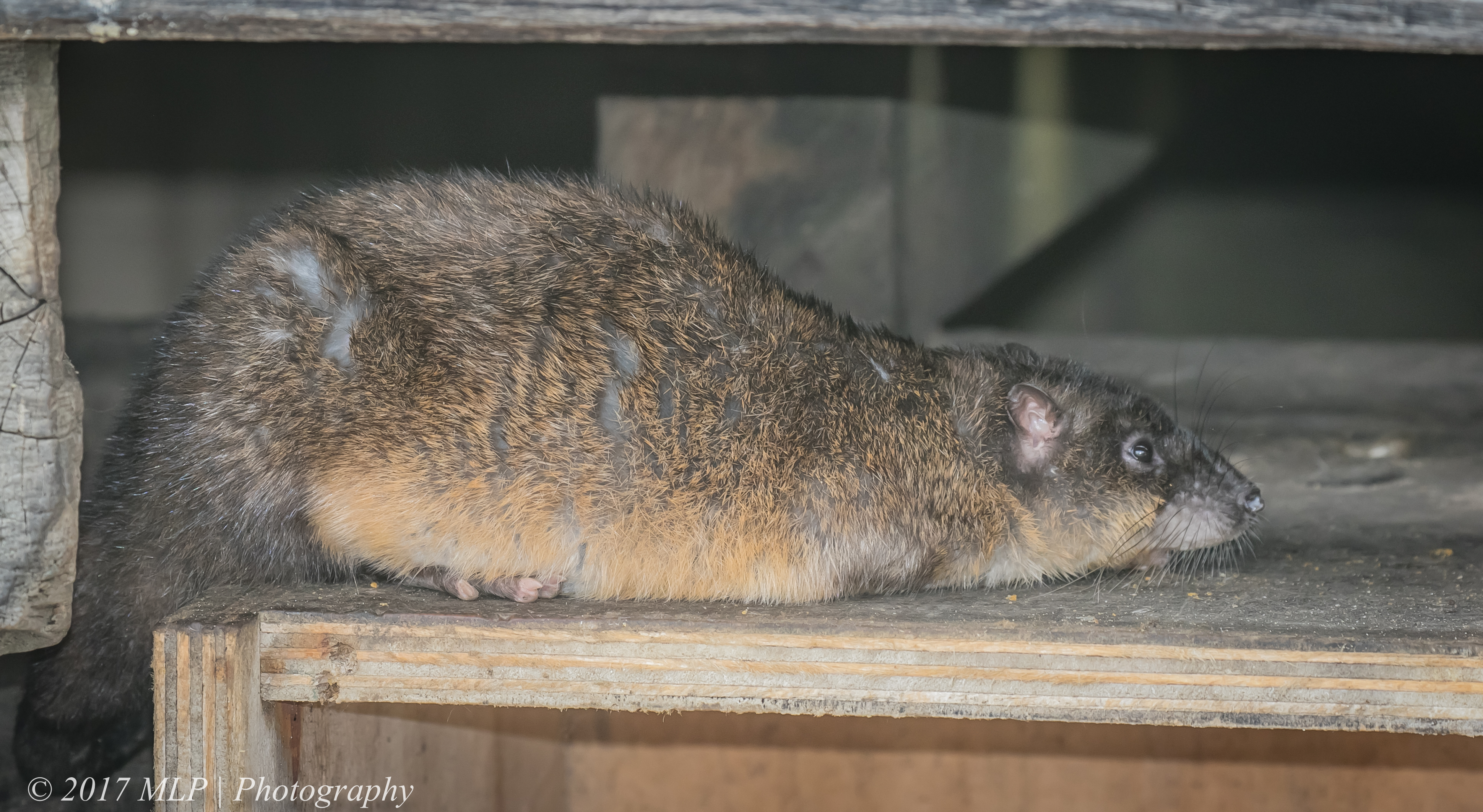
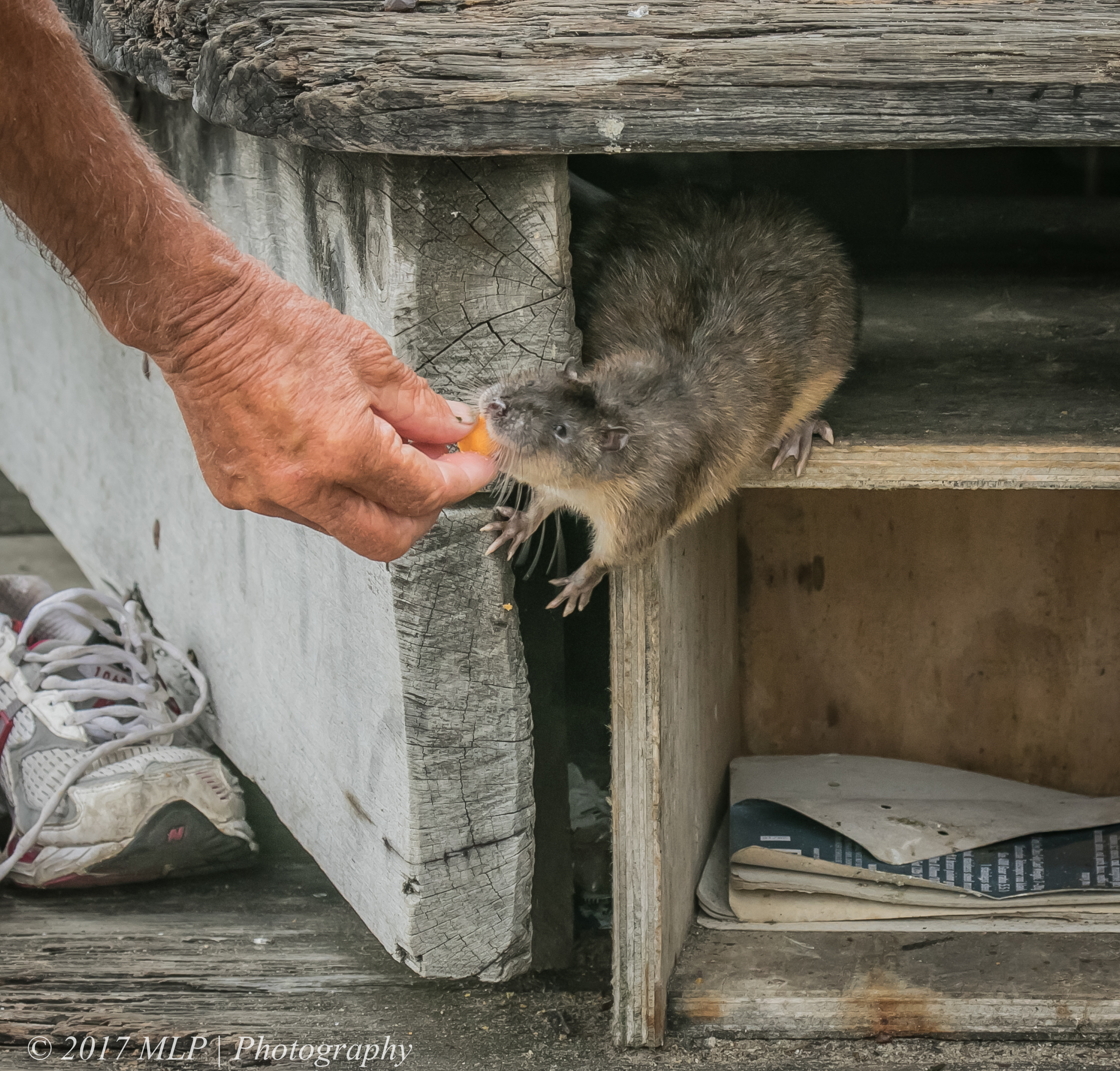
Rename a native rodent from water-rat to its aboriginal name “Rakali”, and you can change the public view on an ignored animal. A family of Rakalis on the St Kilda break water has been semi-tamed via a local fisherman feeding them bait, fish and little cheese snacks. The Rakali has a varied diet and can be quite aggressive in its hunting. I have seen one kill an injured Pink-eared duck at the Werribee Treatment Plant.

St Kilda pier and break water is a good place to get up close and personal with the Rakali family as well as the nesting and roosting Little Penguins. On this visit most were still out hunting and I only found one Penguin down a rock crevice burrow.
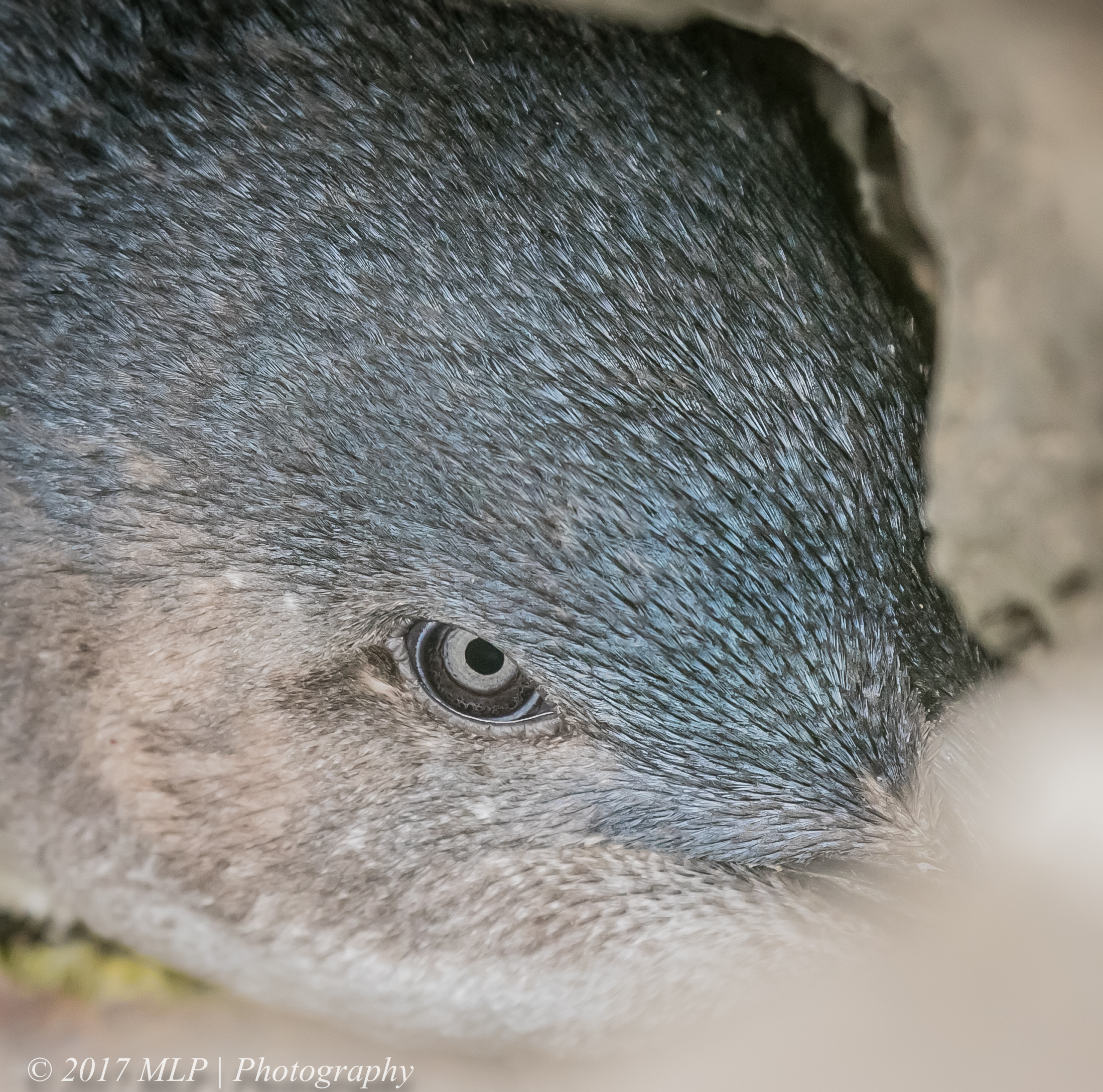
Little Penguin, St Kilda break water, Victoria 27 Dec 2016
Little Penguin, St Kilda break water, Victoria

Rakali, St Kilda break water, Victoria 27 Dec 2016

Rakali, St Kilda break water, being fed a snack (notice the rear web feet)
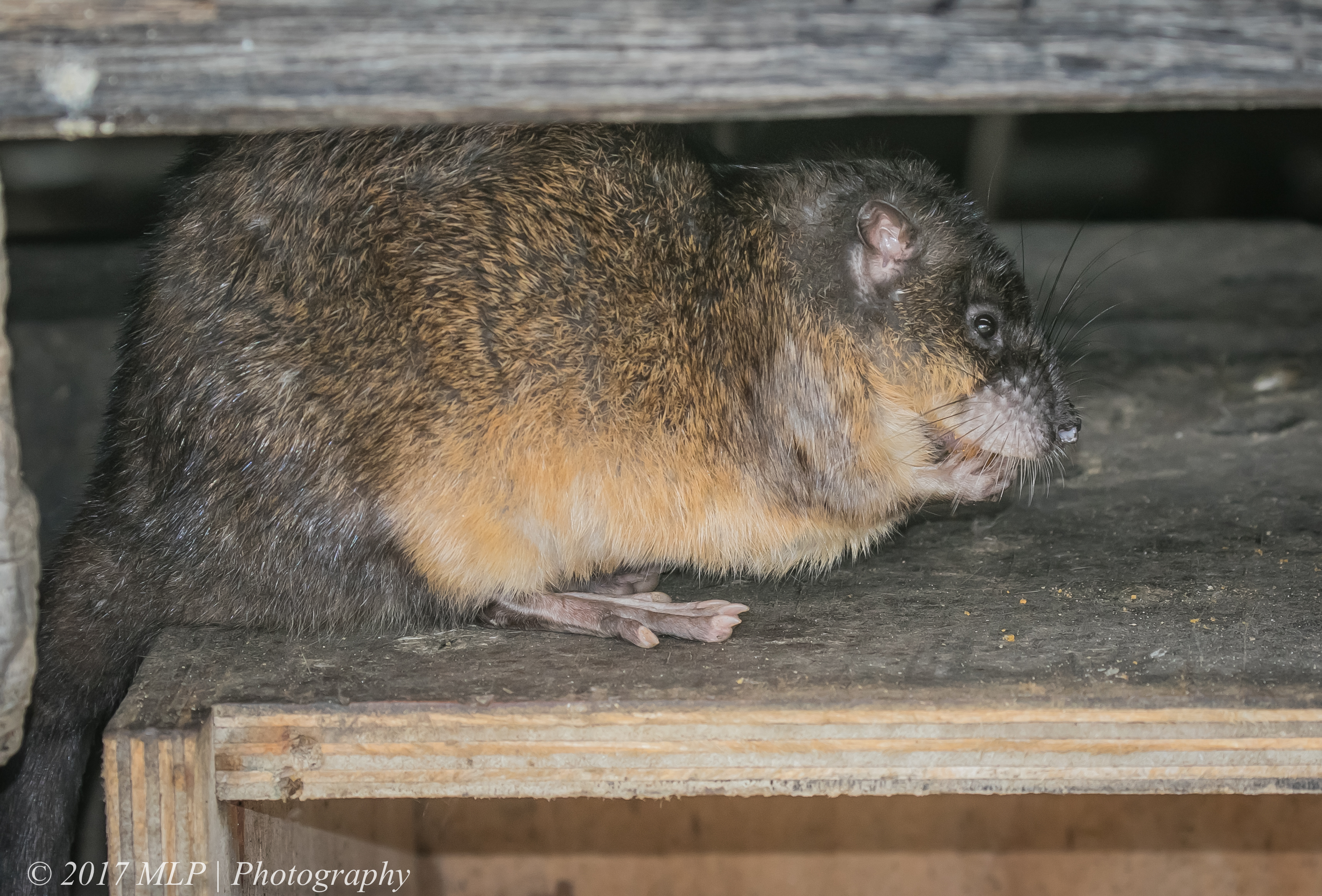
Rakali, St Kilda break water, Victoria 27 Dec 2016

II

Rakali, St Kilda break water, Victoria 27 Dec 2016

III

Karbeethong Regulars

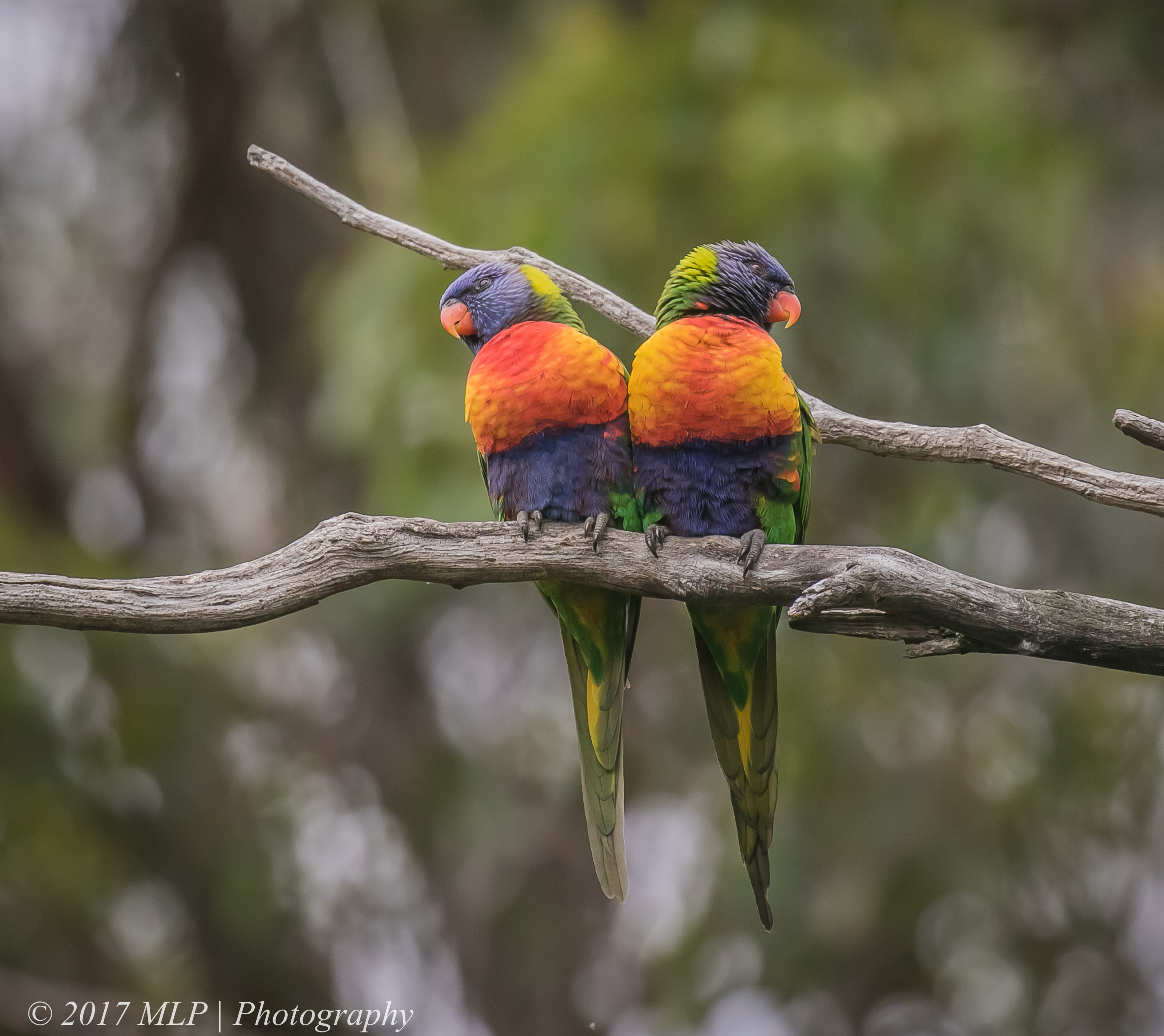
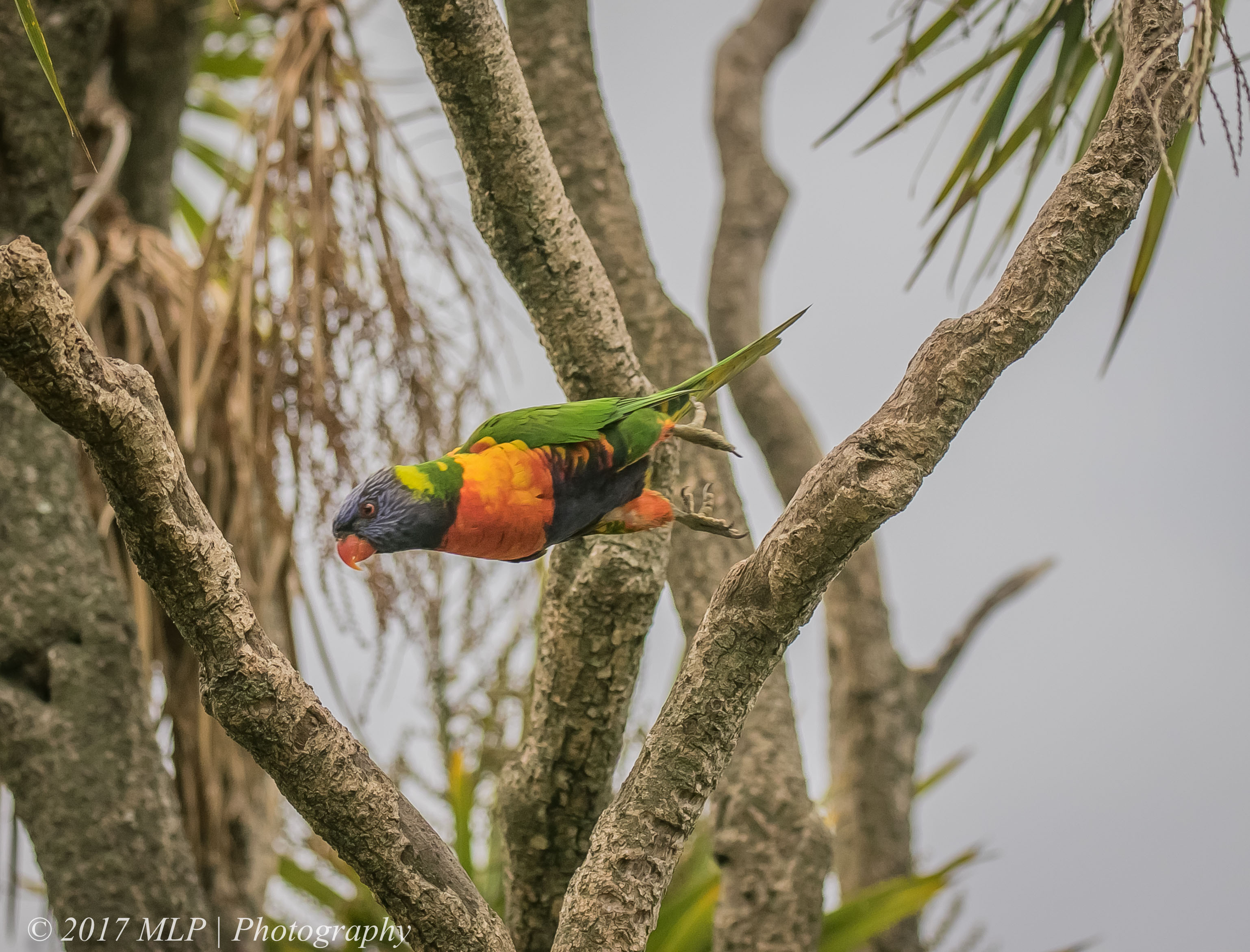
One of the areas to explore when staying in Mallacoota is around Karbeethong Ave and Road. It is a small enclave of lovely houses and BnBs. One of the bnbs is Adobe Mudbrick houses. While I have not stayed overnight I often pass through the grounds looking for one of the regulars to be found there – the White-headed Pigeon. I showed a fellow birder who was new to the area where Adobe was and what to expect and while talking to one of the staff about the birdlife, we watched the antics of the local Rainbow Lorikeets. We also found one of the target birds for the day – The White-headed Pigeon.

Rainbow Lorikeet,  Karbeethong, Victoria, 20 Dec 2016

Rainbow Lorikeets, Karbeethong

Rainbow Lorikeet,  Karbeethong, Victoria, 20 Dec 2016

II

Rainbow Lorikeet,  Karbeethong, Victoria, 20 Dec 2016

III
White-headed Pigeon, Karbeethong, Victoria, 20 Dec 2016

White-headed Pigeon, Adobe Mudbrick Flats

The Patient Hunter

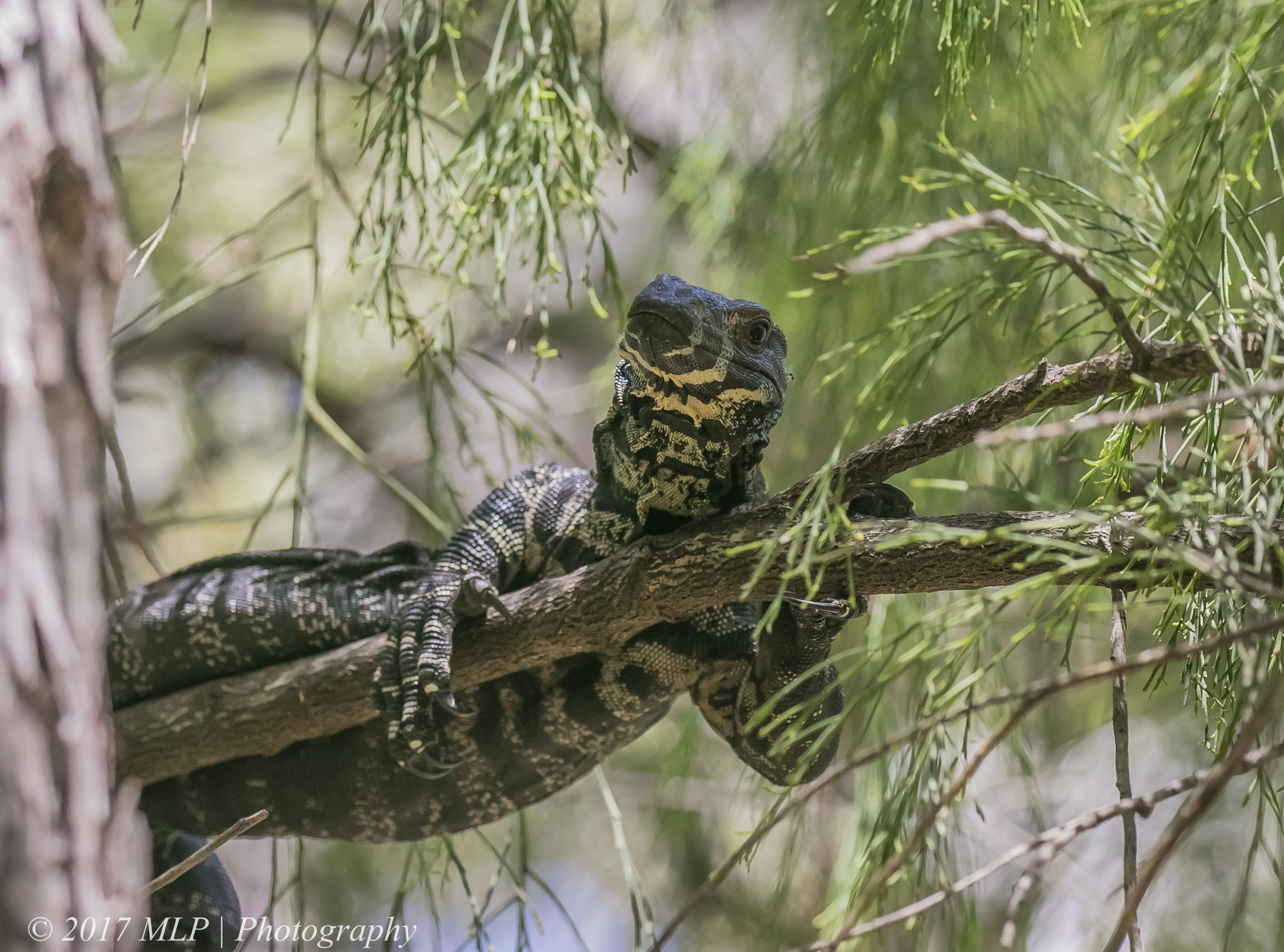
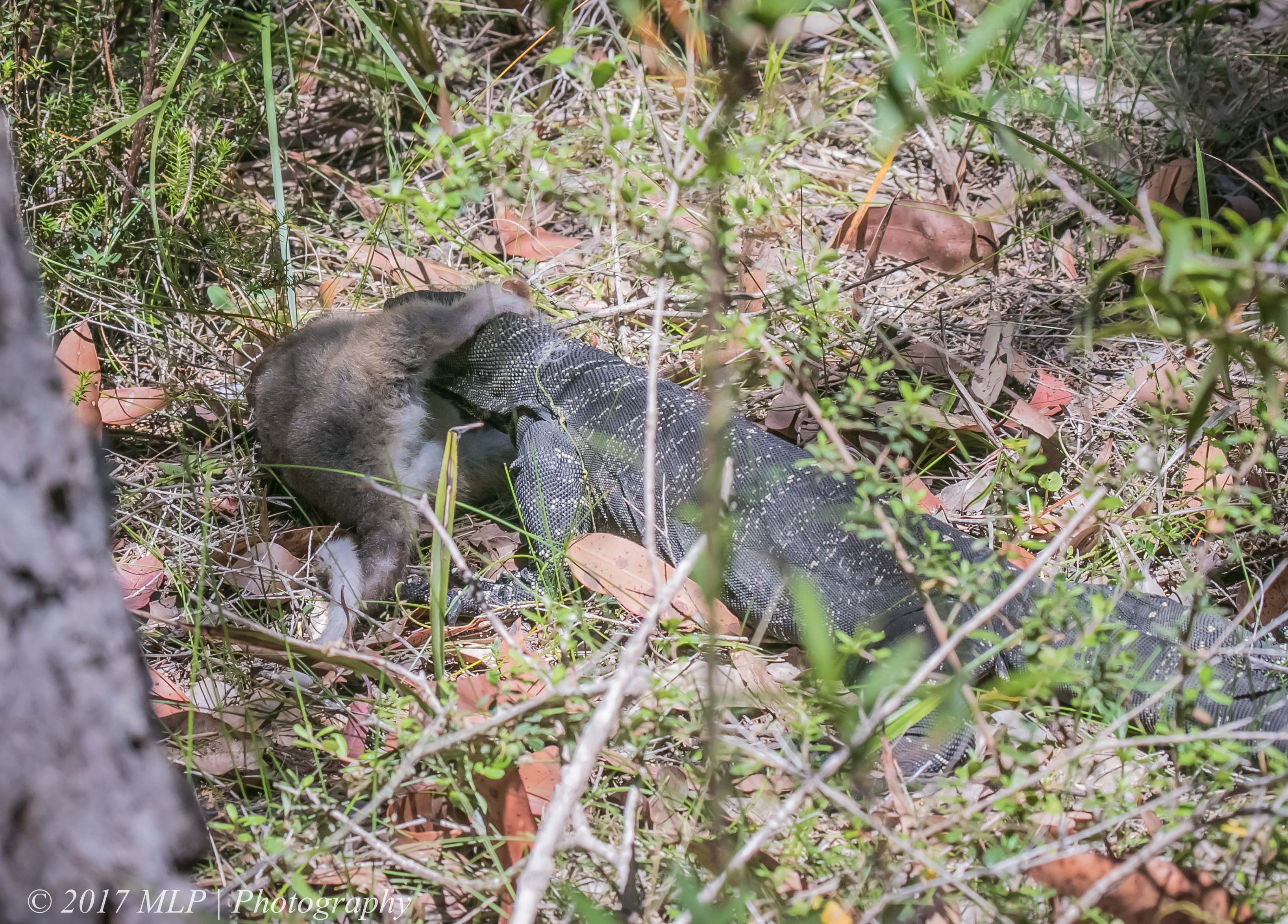
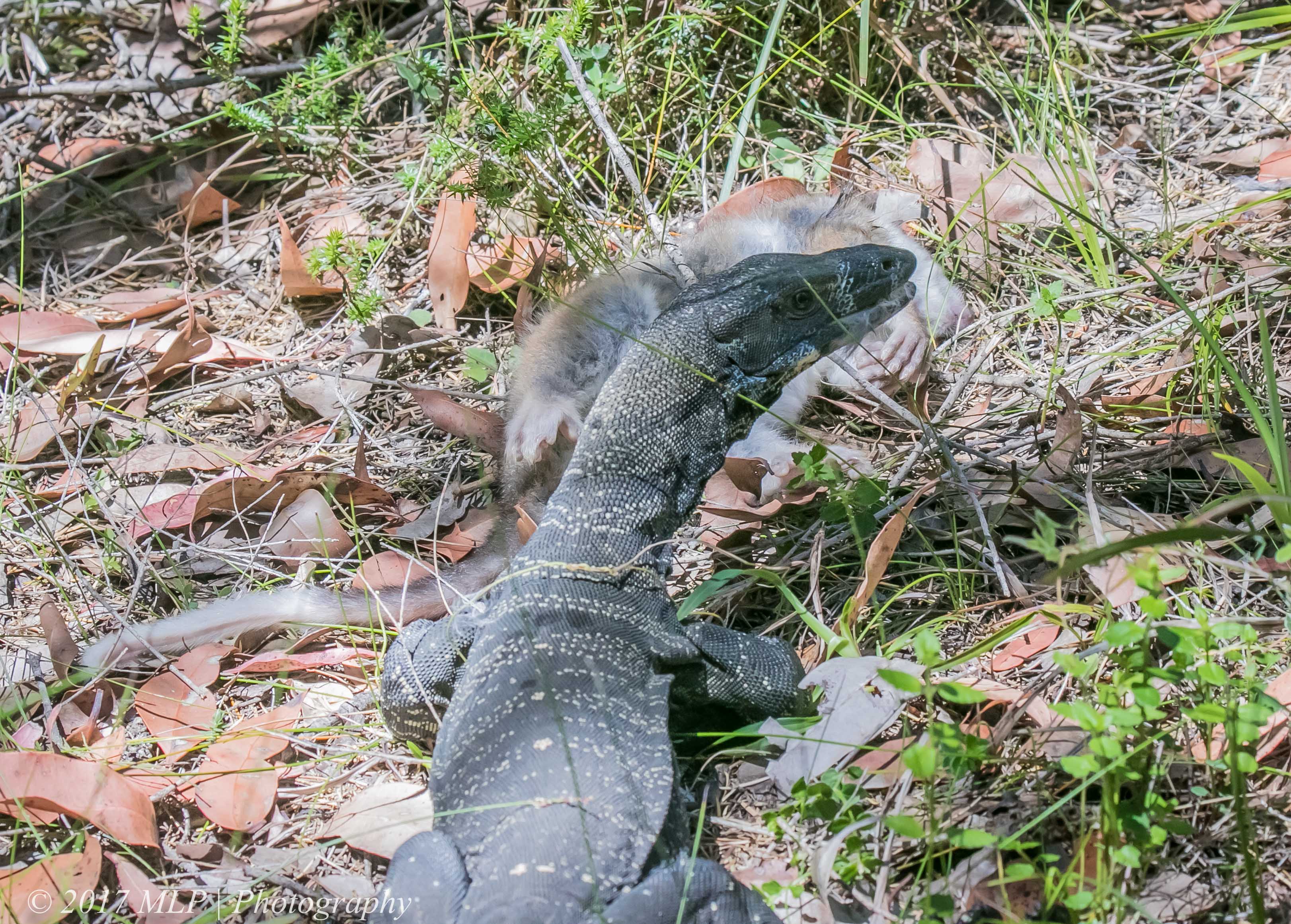
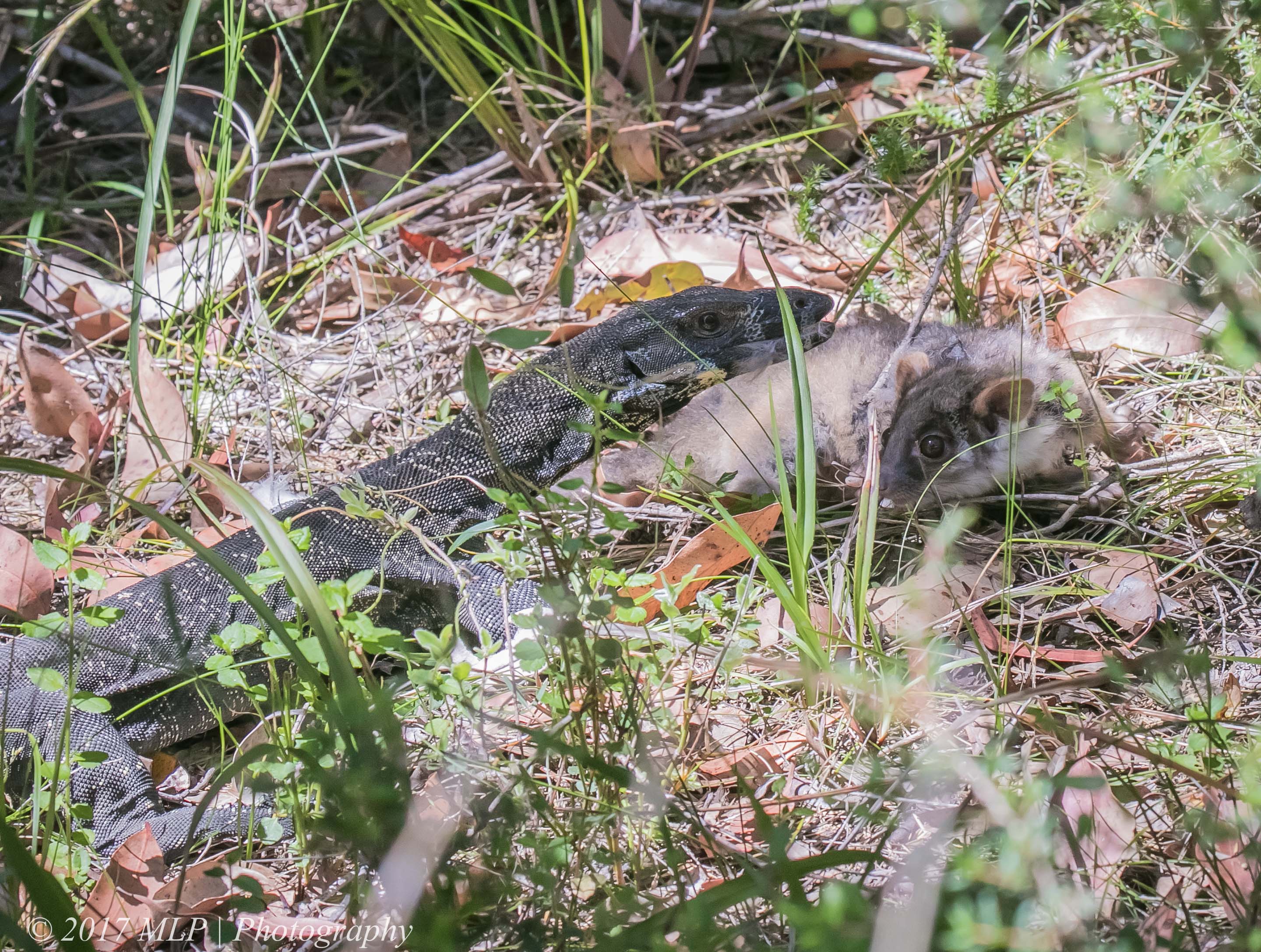
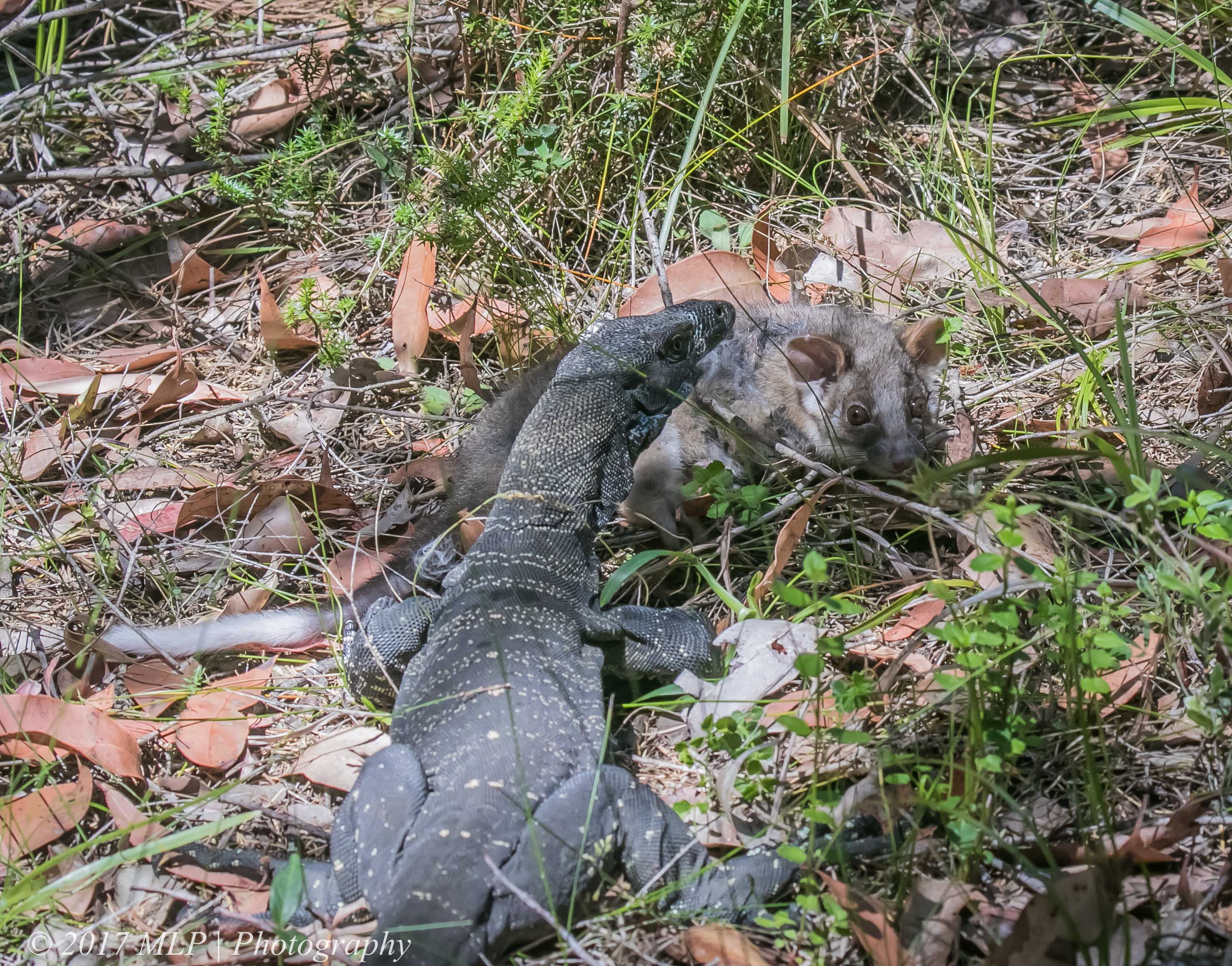
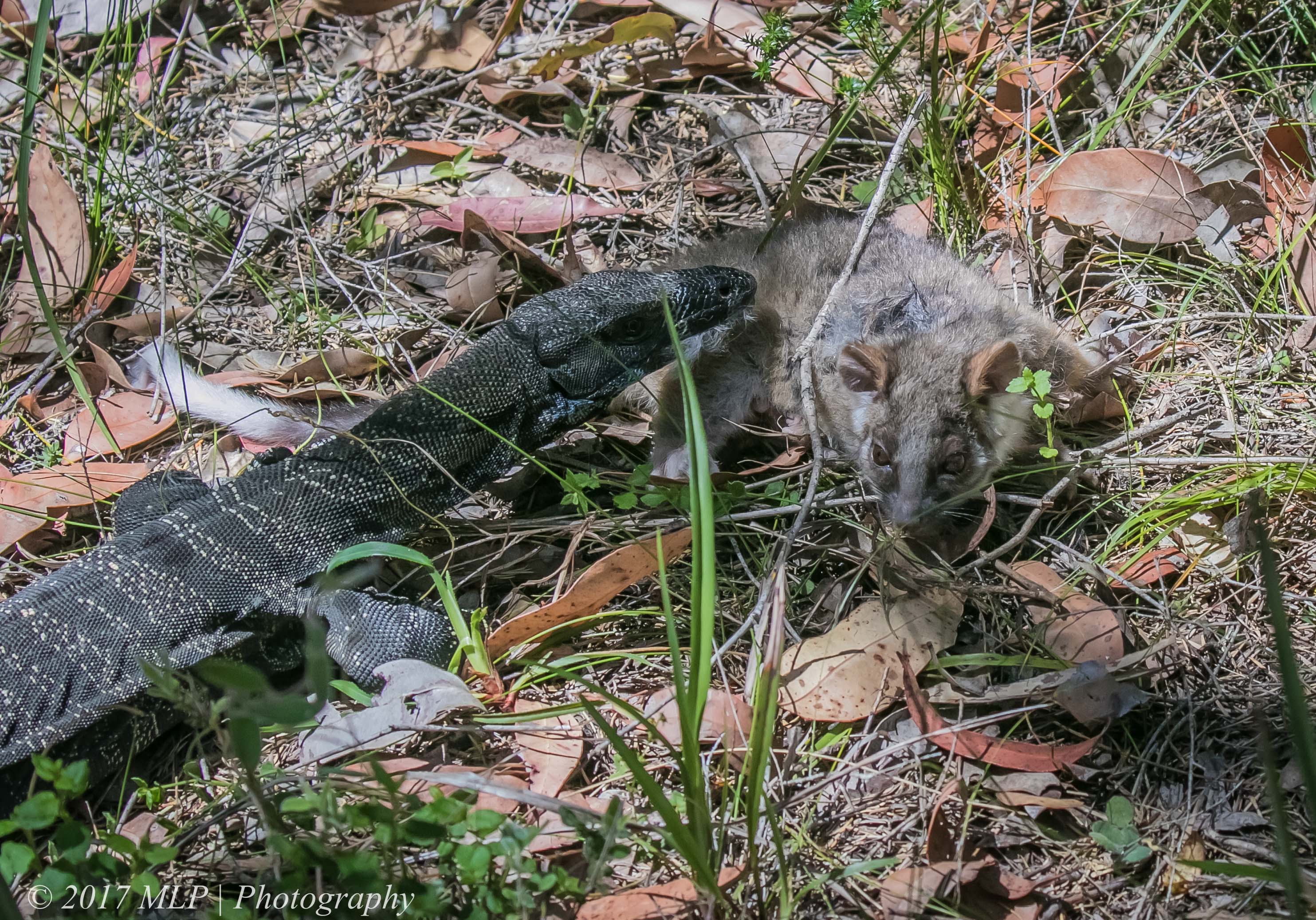
Spending time in the bush looking for birds makes you become more aware of sounds and small movements. If the birds are not being particularly vocal then you have to look for movement. Walking along a heathland walk just outside of town I saw movement on the ground and hoping to find a quail of some sort I instead stumbled onto a hunting scene. A Lace Monitor had caught a Ring-tailed Possum. I moved around the pair trying to keep a distance and found that the possum was still alive and weakly struggling. The large goanna became aware of me and broke off from the Possum and watched me a moment before dashing into thicker scrub. I gave the possum a nudge and it sat up, came out of a stupor, and scampered up a nearby tree and into its drey. I felt a little guilty disturbing the goanna in its hunt but being a mammal myself my guilt did not last too long…

Coming back along the track an hour later, I looked around the area for any sign of either combatant and found the goanna head height staring straight at me. It was in the same tree as the possum drey (nest) and I dont doubt that it would continue the hunt as soon as the possum re-appeared. My money would be on the reptilian patience.

Lace Monitor, Heathland walk, Mallacoota, 19 Dec 2016

Lace Monitor, Heathland walk, Mallacoota

Lace Monitor with Possum, Heathland walk, Mallacoota, 19 Dec 2016

Lace Monitor with Possum prey

Lace Monitor with Possum, Heathland walk, Mallacoota, 19 Dec 2016

II

Lace Monitor with Possum, Heathland walk, Mallacoota, 19 Dec 2016

III
Lace Monitor with Possum, Heathland walk, Mallacoota, 19 Dec 2016

IV

Lace Monitor with Possum, Heathland walk, Mallacoota, 19 Dec 2016

V

Lace Monitor with Possum, Heathland walk, Mallacoota, 19 Dec 2016

VI

Lace Monitor with Possum, Heathland walk, Mallacoota, 19 Dec 2016

VII

Lace Monitor, Heathland walk, Mallacoota, 19 Dec 2016

Lace Monitor back hunting his prey

Azure Kingfisher – great name, beautiful bird

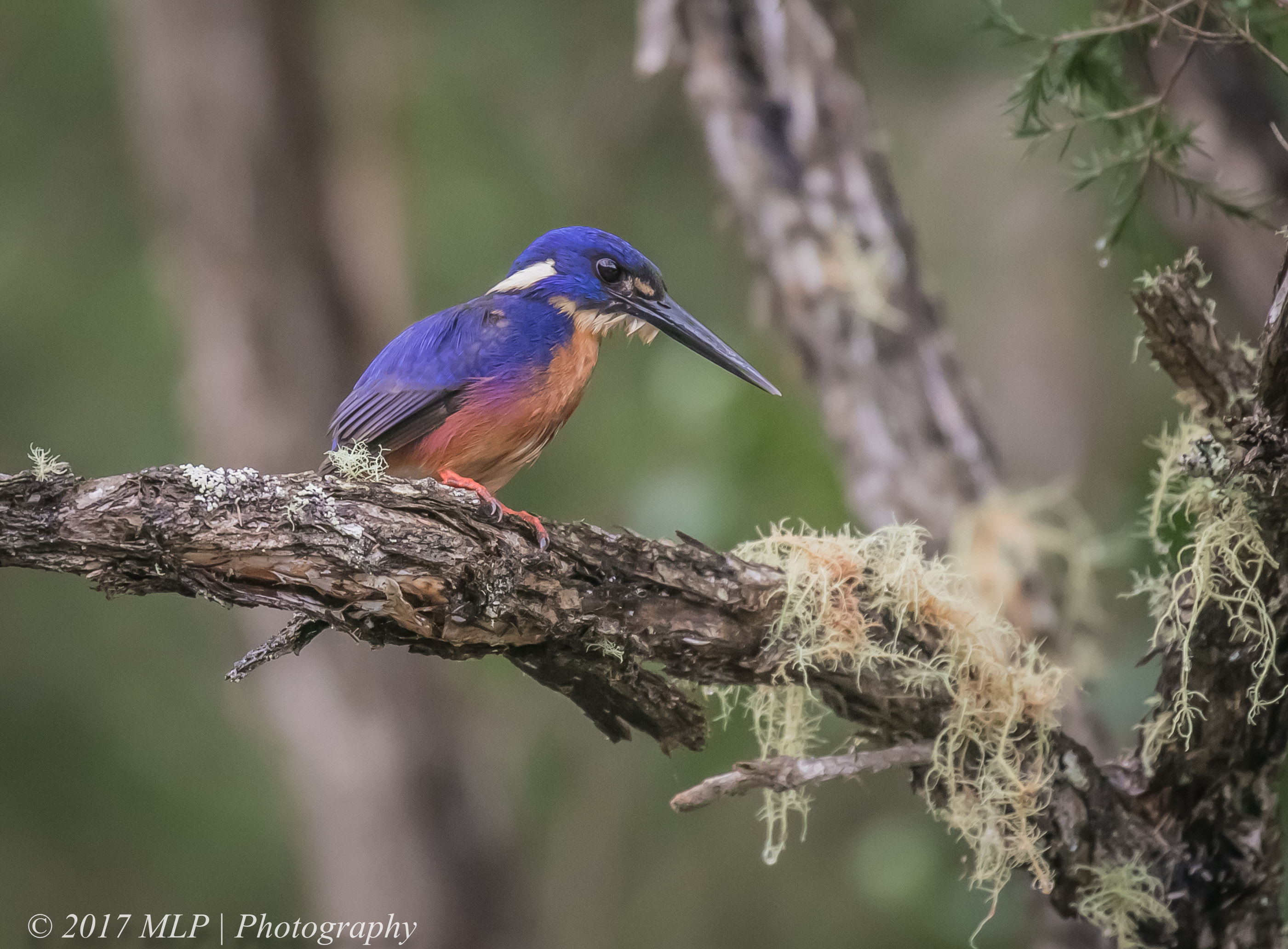
One of the main reasons to visit Gypsy Point, north of Mallacoota, is to go on the small boat cruise up the river to see the White Bellied Sea Eagles diving for fish. It is a great experience and something I do at least once on each trip to the far eastern districts. Along with the usual wetland and river birds that you can expect to see is the amazing Azure Kingfisher. It is a tiny bird, much smaller than expected and I am always surprised at its size, speed and hunting prowess. While the light was very dim I did manage to take a few high ISO shots of this colourful bird.

Azure Kingfisher, Gypsy point, Victoria, 20 Dec 2016

Azure Kingfisher, Gypsy Point – still damp from its last dive into the shallows for prey

Azure Kingfisher, Gypsy point, Victoria, 20 Dec 2016

II

Azure Kingfisher, Gypsy point, Victoria, 20 Dec 2016

III

Azure Kingfisher, Gypsy point, Victoria, 20 Dec 2016

IV

Azure Kingfisher, Gypsy point, Victoria, 20 Dec 2016

V

Azure Kingfisher, Gypsy point, Victoria, 20 Dec 2016

VI

White-bellied Sea-eagle, Gypsy Point, Victoria, 20 Dec 2016

White-bellied Sea-eagle, photographed from Captain John’s boat cruise along the river.

Grey Kangaroos, Gypsy Point, Victoria, 20 Dec 2016

Many Grey Kangaroos can be seen as well.

Sooty Oystercatchers

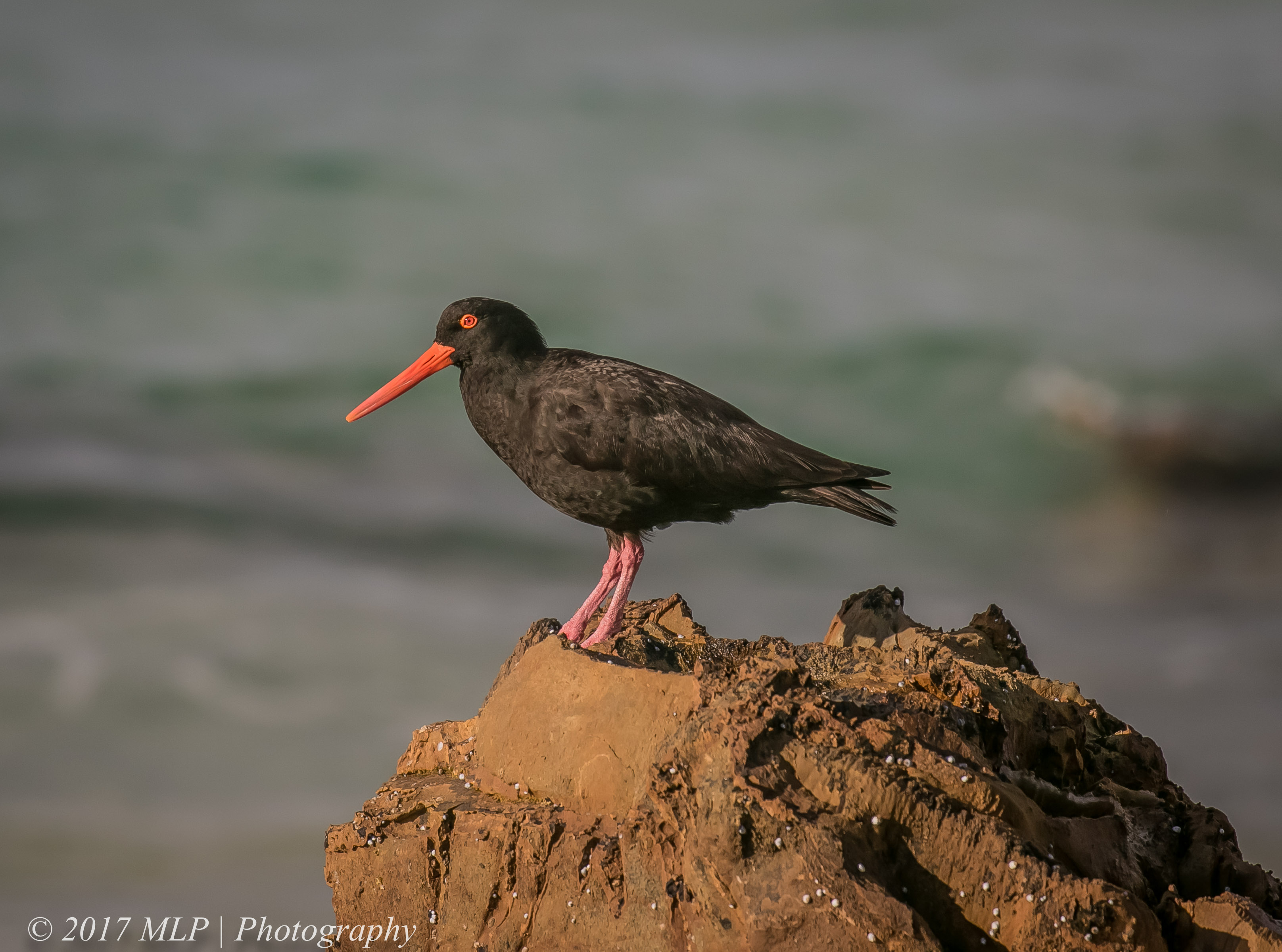
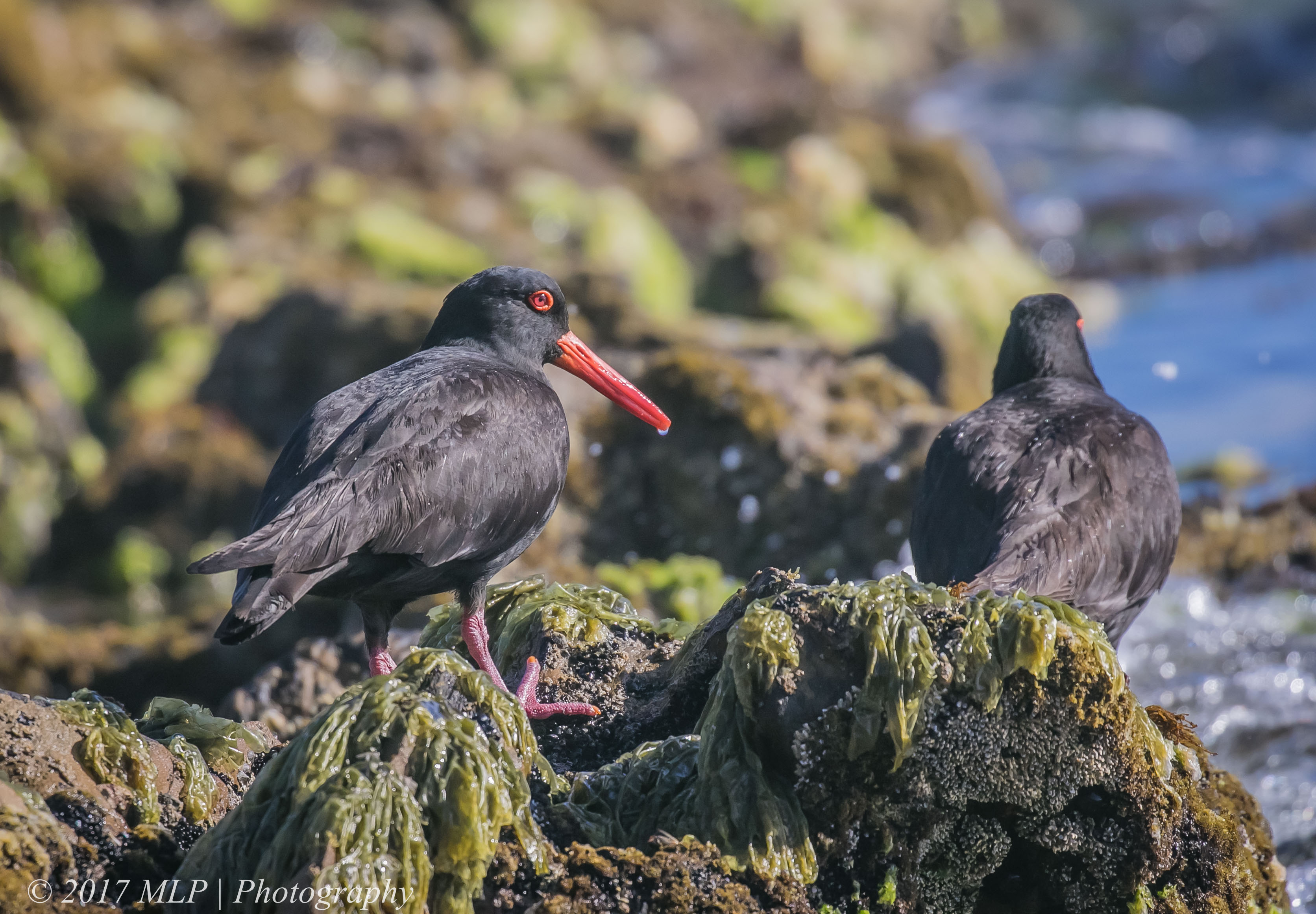
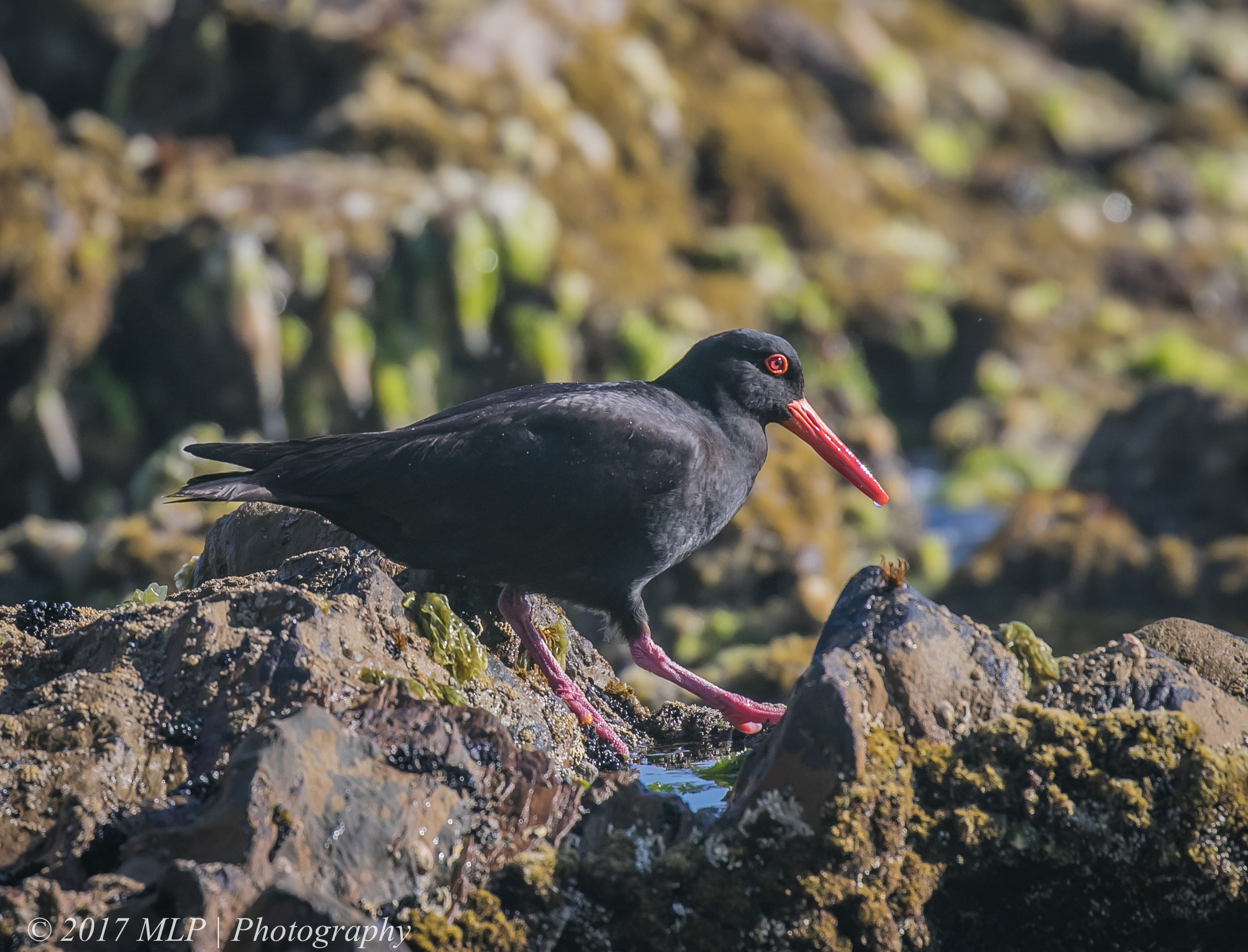
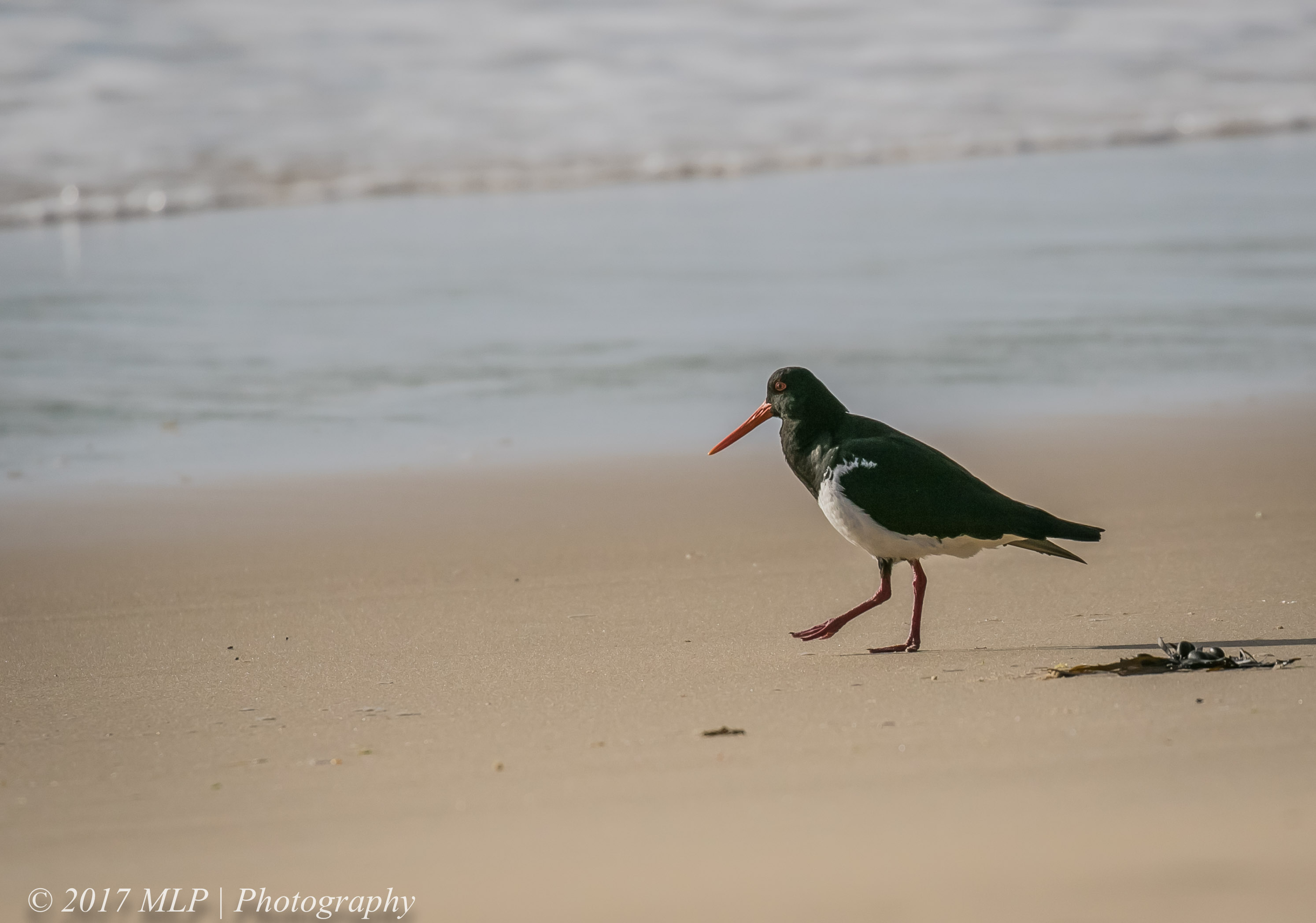
I visit Bastion Point each year to try and find the elusive Reef Egret. It has eluded me on 5 visits to Mallacoota. Many other birders seem to find and photograph the egret but I just keep missing it. I loop around the usual coastal spots where it likes to hunt in the rocks pools at the change of tides. While I miss the Egret I do quite often come across the Sooty Oystercatcher, a nice sized wader with all black plumage, bright orange/red eyes and bill and thick pink legs. The Pied Oystercatcher seems much more common than the Sooty and Bastion Point is a good location to find and photograph it (while waiting for my hoodoo bird to turn up)

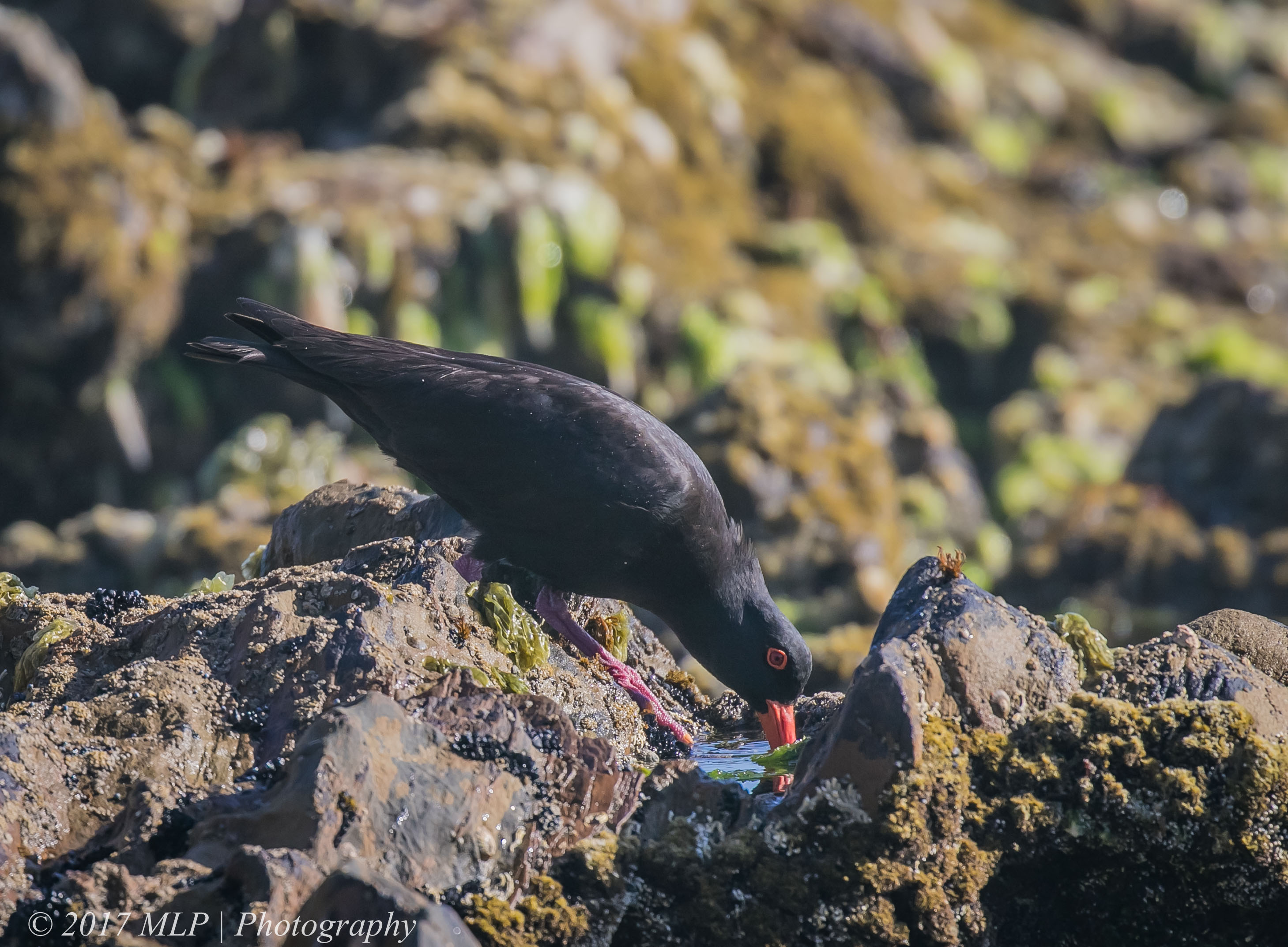
While the Pied hunts across inlets, bays and waterways and is often seen in large numbers, the Sooty Oystercatcher prefers ocean facing rocky outcrops where it pries off molluscs from the rocks and catches small crustaceans wading in shallow rock pools. I often find them in pairs even in non-breeding season. I am always keen to try and find and photograph the Sooty.

Sooty Oystercatcher, Bastian Point, Mallacoota, 20 Dec 2016

Sooty Oystercatcher, Bastion Point, Mallacoota

Bastian Point, Mallacoota, 17 Dec 2016

The ocean beach side of Bastion Point, Mallacoota

Sooty Oystercatcher, Bastian Point, Mallacoota, 20 Dec 2016

Sooty Oystercatcher feeling for prey in a rock pool

Sooty Oystercatcher, Bastian Point, Mallacoota, 20 Dec 2016

A pair of Sooty Oystercatchers

Sooty Oystercatcher, Bastian Point, Mallacoota, 20 Dec 2016

Sooty Oystercatcher

Pied Oystercatcher, Shipwreck Creek, Mallacoota, Vic, 18 Dec 2016

Pied Oystercatcher, Shipwreck Creek, Mallacoota


Small birds of the far eastern forests.

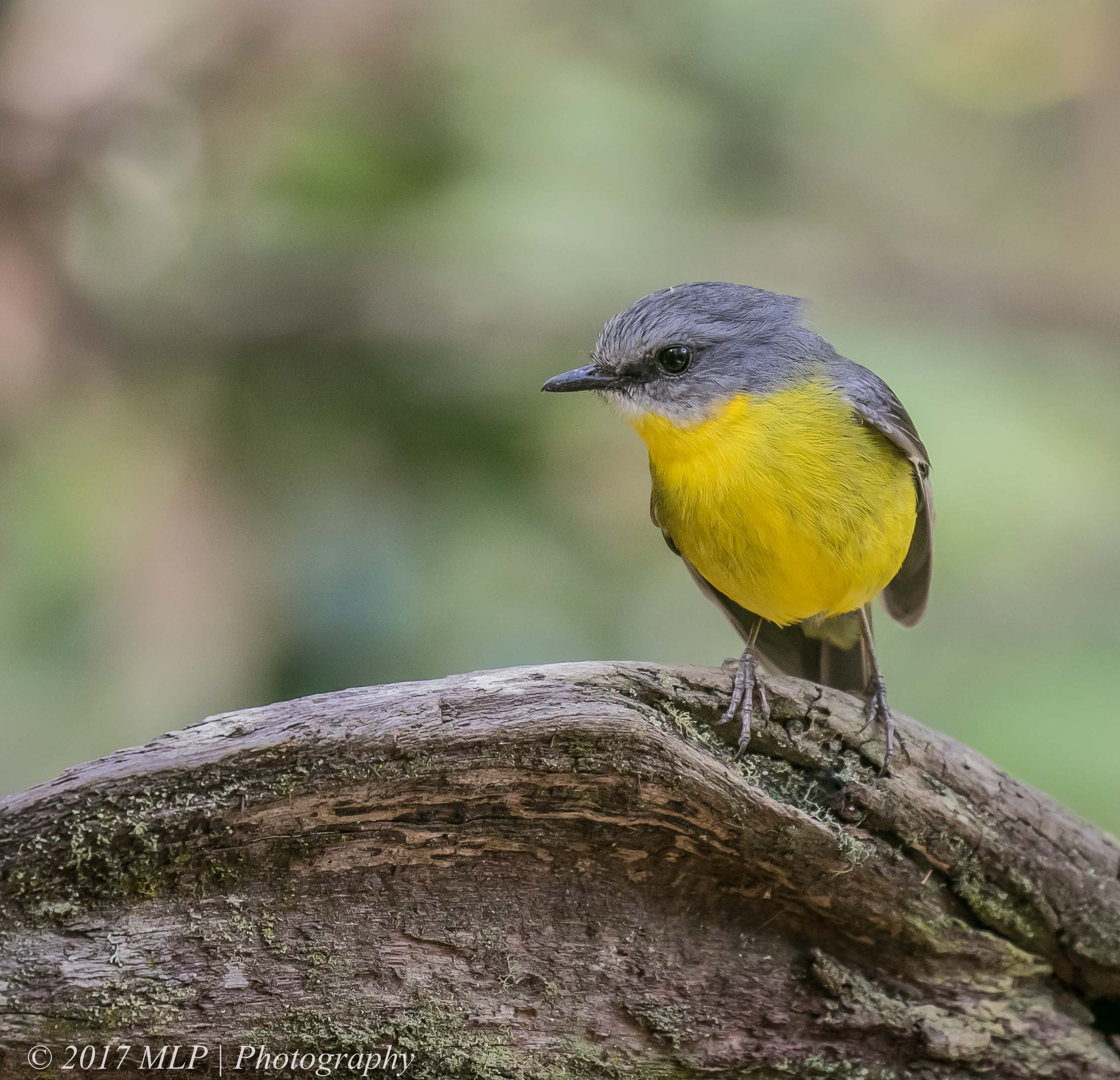
Mallacoota is surrounded by the Croajingolong National Park wilderness. The dry forests and pockets of rainforest have many species of small birds. It is often a challenge to find them in the heat and humidity of summer but walking quietly in the morning can be rewarding. I am often surprised by their vibrant colours but when facing in a certain direction they can be invisible and difficult to see.

Eastern yellow Robin, Shipwreck Creek, Mallacoota, Vic, 18 Dec 2016

Eastern yellow Robin, Shipwreck Creek

Female Leaden Flycatcher, Shipwreck Creek, Mallacoota, Vic, 18 Dec 2016

Female Leaden Flycatcher, Double Creek

Fan-tailed Cuckoo, Shipwreck Creek, Mallacoota, Vic, 18 Dec 2016

Fan-tailed Cuckoo, Shipwreck Creek trail

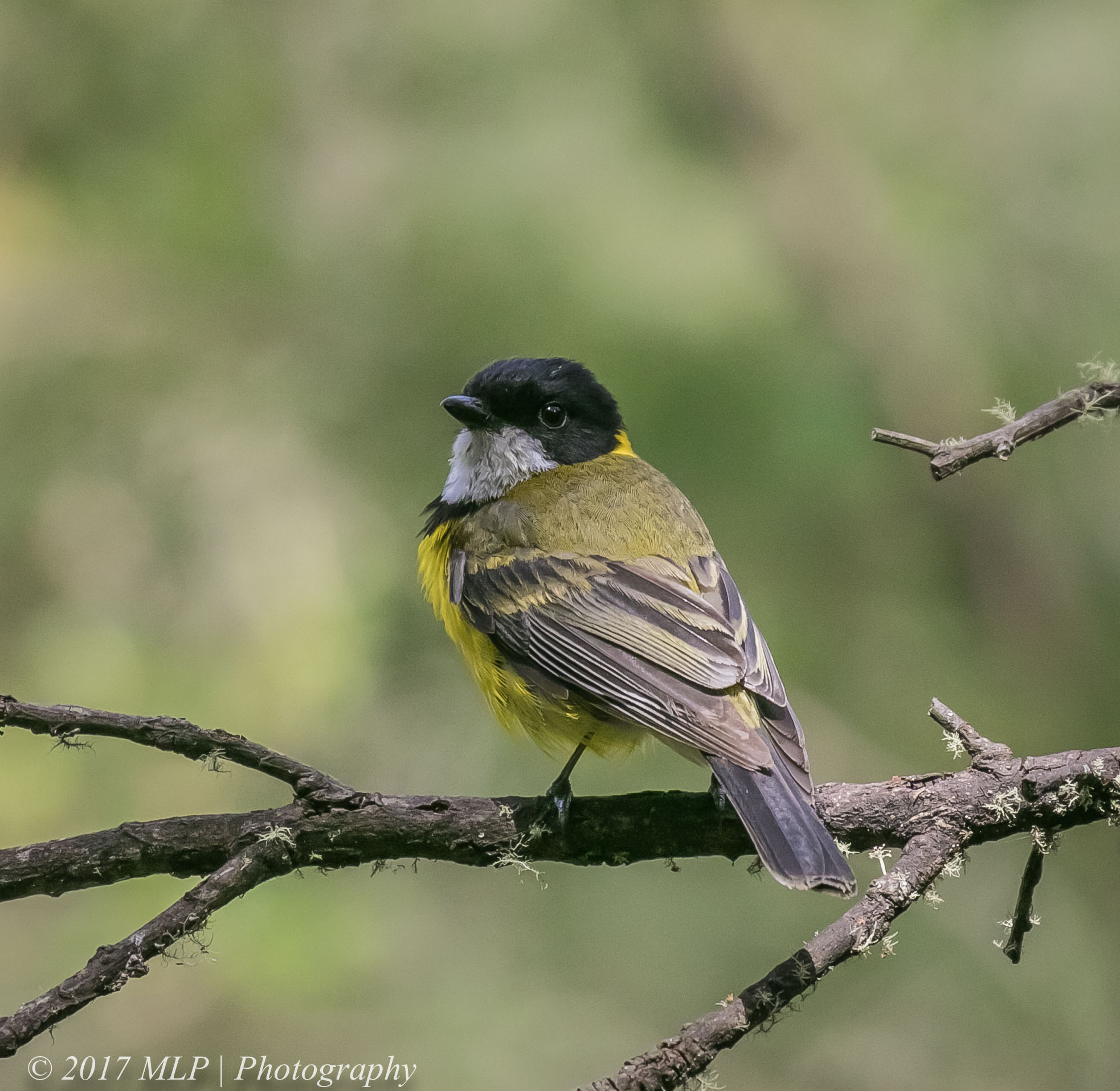
Golden Whistler, Shipwreck Creek, Mallacoota, Vic, 18 Dec 2016

Golden Whistler, Mallacoota

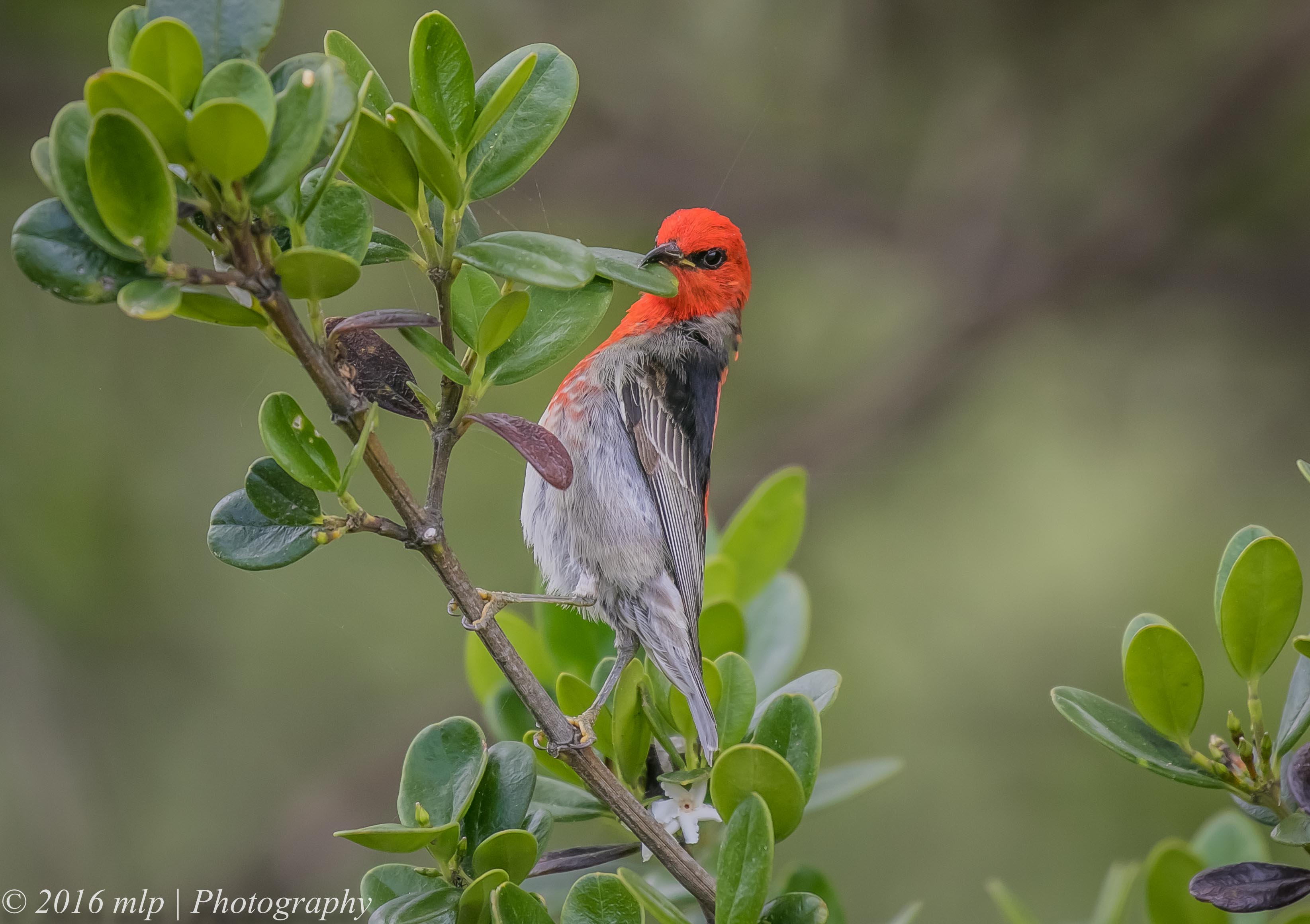
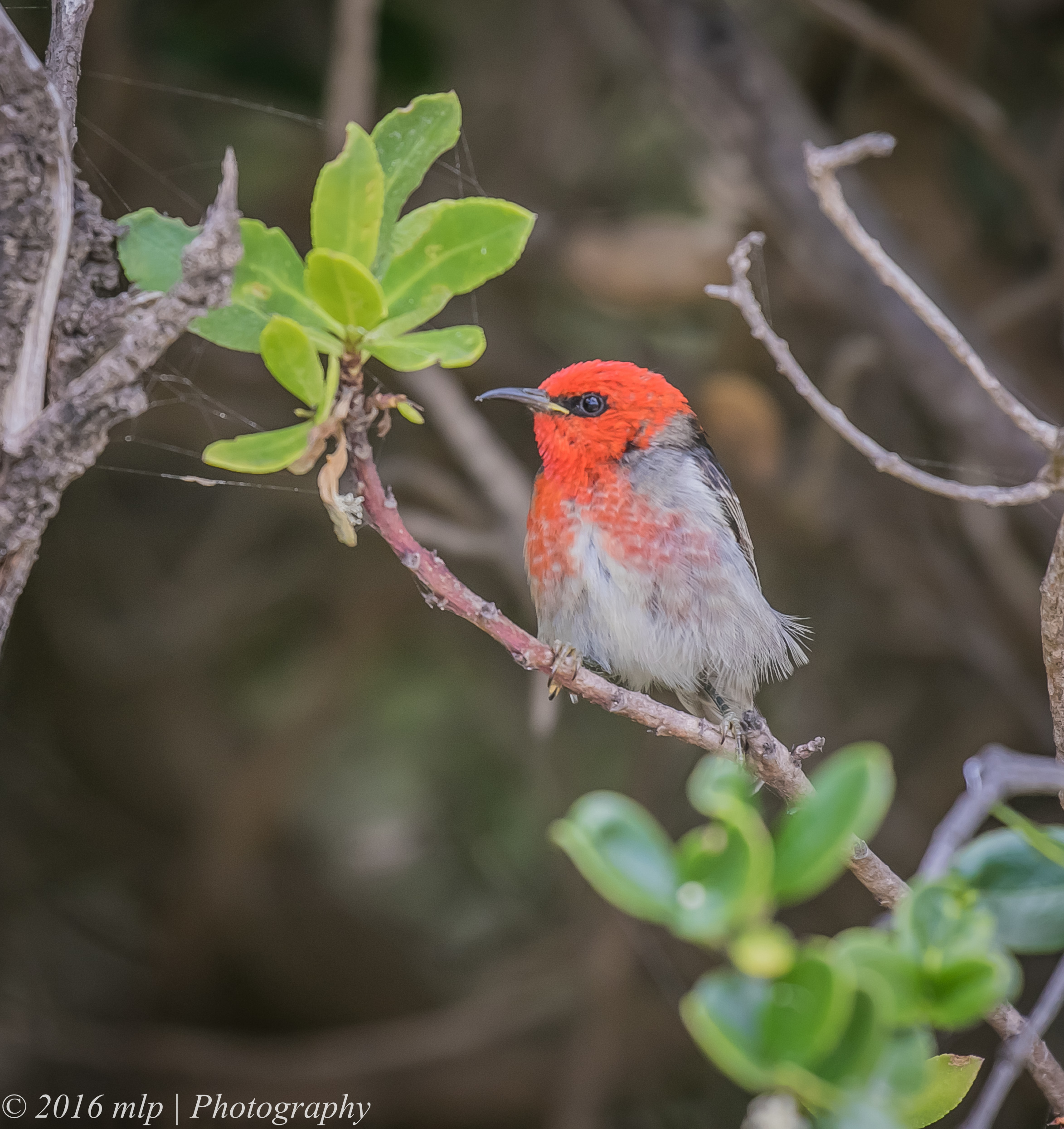
Scarlet Honeyeater, Bastian Point, Mallacoota, Vic, 18 Dec 2016

Scarlet Honeyeater, Mallacoota

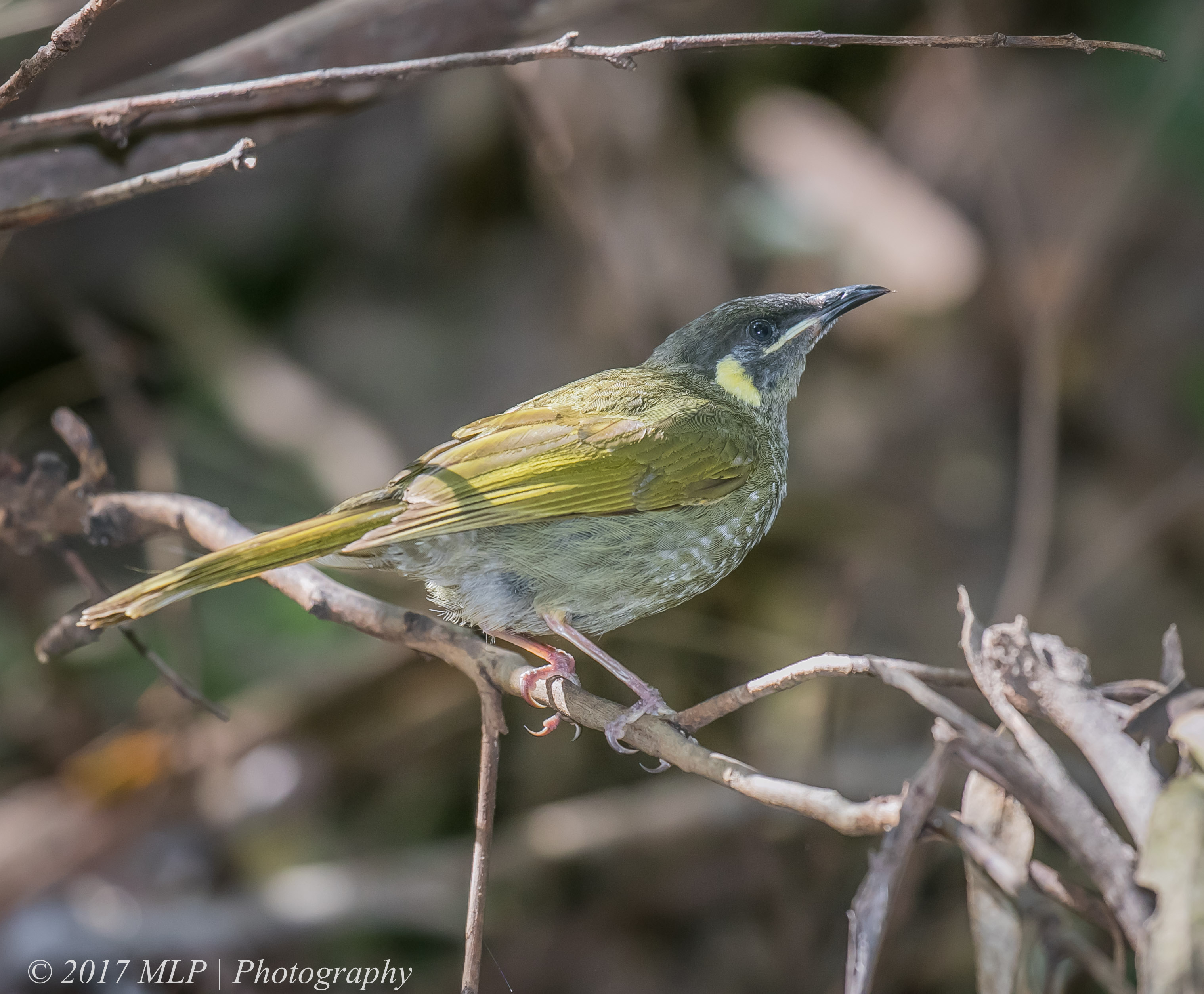
Lewins Honeyeater, Mallacoota, Vic, 21 Dec 2016

Lewins Honeyeater, Mallacoota

Silvereyes, Mallacoota, Vic, 19 Dec 2016

Silvereyes, Mallacoota

Basian Thrush, Mallacoota, Vic, 19 Dec 2016

Basian Thrush, Mallacoota

Rowdy Rainbow Lorikeets

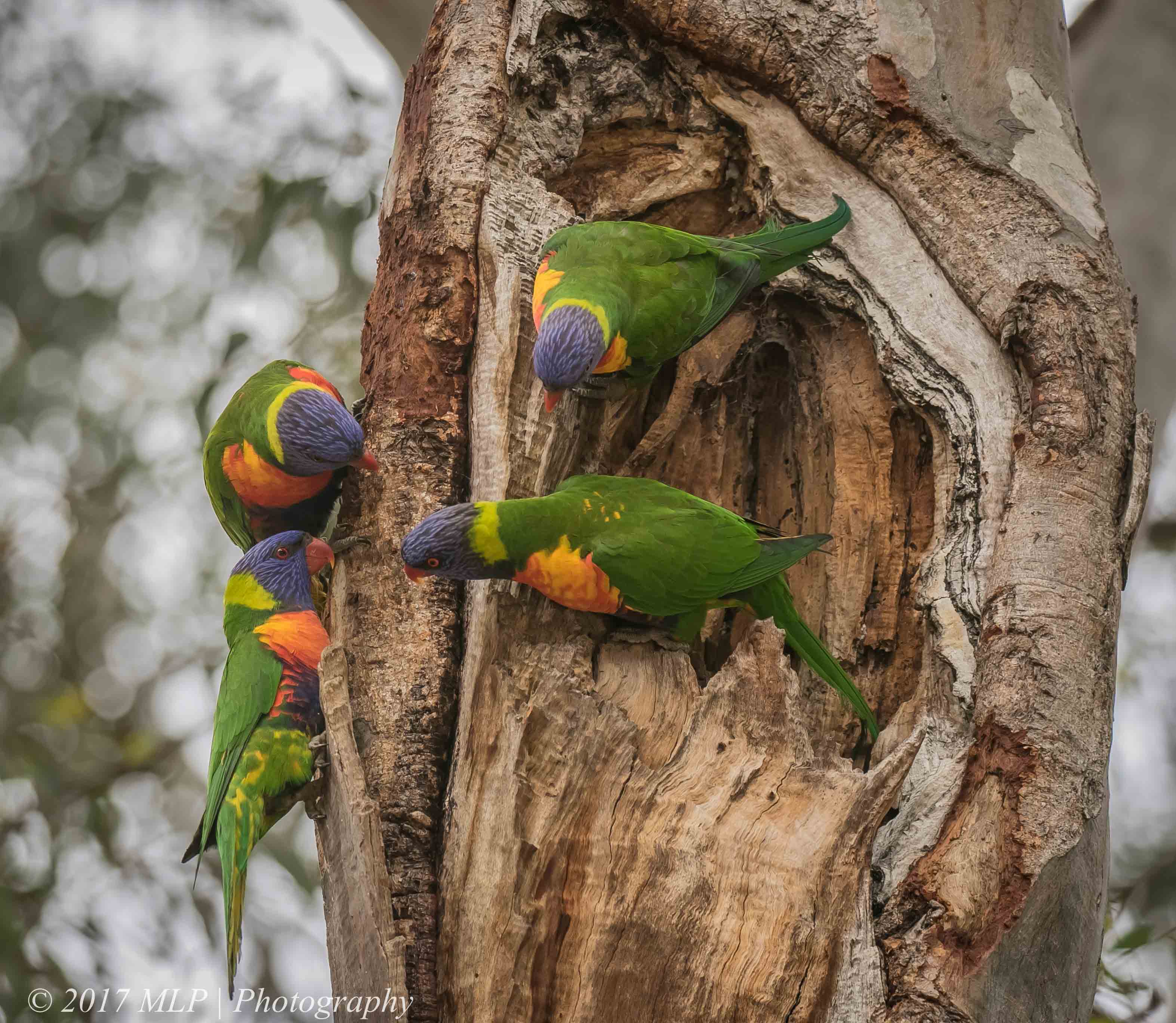
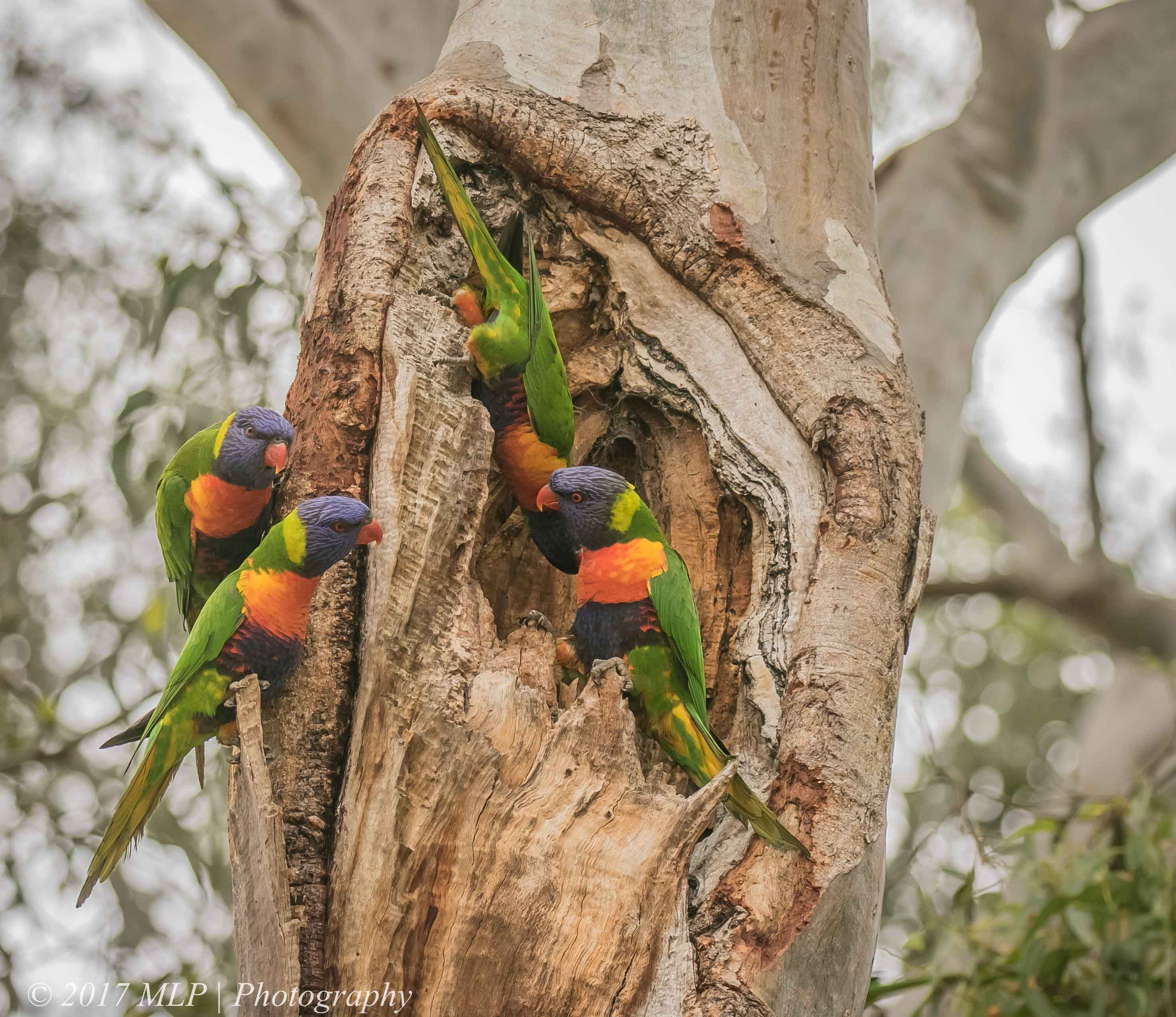
After leaving the car in the Boundary Road carpark at Braeside Park, I could hear quite a few parrots in one of the nearby trees. A great cacophony of squabbling and screeching. The group of four below seemed to be  investigating the tree hollow. I couldn’t tell why – maybe disputing over a potential nest site or food source. They were interesting to watch and photograph as they chewed and tested the dead wood of the hollow. They all seemed to be adults and none were demanding food.  Many more were in the branches above watching and preening.

Rainbow Lorikeets, Braeside Park, Victoria, 3 Jan 2017

Rainbow Lorikeets, Braeside Park, Victoria

Rainbow Lorikeets, Braeside Park, Victoria, 3 Jan 2017

II

Rainbow Lorikeets, Braeside Park, Victoria, 3 Jan 2017

III


Southern Emu-wren

One of the key bird species that can be often found along the track between Shipwreck Creek to Seal Creek in Mallacoota, is the Southern Emu-wren. I always get a kick out of finding this tiny, long tailed Heathland bird. They can be difficult to find and photograph during the day but good hearing, a keen eye and an early morning walk through the heath can produce the occasional image of this secretive bird. Being small winged it can’t escape danger through flight and the long tail inhibits anything other than small jump flights. It must hide in the scrub throughout the day and work its area for food. In the morning and late evening it will often climb a dead branch and make its territorial calls to the neighbouring tribes.

Southern Emu-wrens, Shipwreck Creek, Mallacoota, Victoria 21 Dec 2016

Southern Emu-wrens, Shipwreck Creek, Mallacoota, Victoria 21 Dec 2016

Southern Emu-wren, Shipwreck Creek, Mallacoota, Victoria 21 Dec 2016

Southern Emu-wren

Southern Emu-wren, Shipwreck Creek, Mallacoota, Victoria 21 Dec 2016

Displaying the delicate 5 tail feathers of a male Southern Emu-wren

Eastern Ground Parrot, the movie

Once I had taken a few shots of the Eastern Ground Parrot, I thought I would try and use a different camera (my Canon powershot 60) and see if I could get a bit of video. I took several short videos and this one shows just how difficult it can be to find and see these small, well camouflaged parrots in the low heathland scrub.

The video is at full zoom and handheld so becomes a little unstable in the windy conditions.

Scarlet Honeyeaters of Mallacoota

I have only seen a Scarlet Honeyeater once before and that was on a previous visit to Mallacoota a few years ago. On the latest trip to Mallacoota I saw many of them in a number of locations. After so much spring rain the local plants and trees are flowering and with the abundance of nectar and insects this has brought down many birds from the north. The Scarlet Honeyeater is a stunning tiny bird that rarely stays still and is often fighting with other local honeyeaters particularly the New Holland Honeyeaters.

Scarlet Honeyeater, Mallacoota, Victoria, 18 Dec 2016

Male Scarlet Honeyeater, Mallacoota, Victoria

Scarlet Honeyeater, Mallacoota, Victoria, 18 Dec 2016

II

Scarlet Honeyeater, Mallacoota, Victoria, 18 Dec 2016

III

Scarlet Honeyeater, Mallacoota, Victoria, 18 Dec 2016

IV

Scarlet Honeyeater, Mallacoota, Victoria, 18 Dec 2016

Female Scarlet Honeyeater 

Scarlet Honeyeater, Mallacoota, Victoria, 18 Dec 2016

Scarlet Honeyeater, Mallacoota, Victoria

Shipwreck Creek Rock Art

Recently I completed my annual pilgrimage to the wilderness areas around Mallacoota. It is a 6 hour drive east of Melbourne and close to the NSW border. Mallacoota is a small town surrounded by the Croagingolong National Park and Wilderness Areas. I visit for about a week and explore along the coast and nearby forests, looking for the locals birds and animals. One of my favourite bush walks is from Shipwreck Creek to Seal Creek. On the beach at Shipwreck Creek I found an area of rock cairns where visitors have made their mark with local weather -worn rocks. Over the last few years I have found a few of these temporary expressions of rock art including the Great Ocean Road and in New Zealand.

Rock Art of Shipwreck Creek, Mallacoota, 18 Dec 2016

Rock Art of Shipwreck Creek, Mallacoota

Rock Art of Shipwreck Creek, Mallacoota, 18 Dec 2016

II

Rock Art of Shipwreck Creek, Mallacoota, 18 Dec 2016

III

Rock Art of Shipwreck Creek, Mallacoota, 18 Dec 2016

IV

Rock Art of Shipwreck Creek, Mallacoota, 18 Dec 2016

V

Rock Art of Shipwreck Creek, Mallacoota, 18 Dec 2016

VI

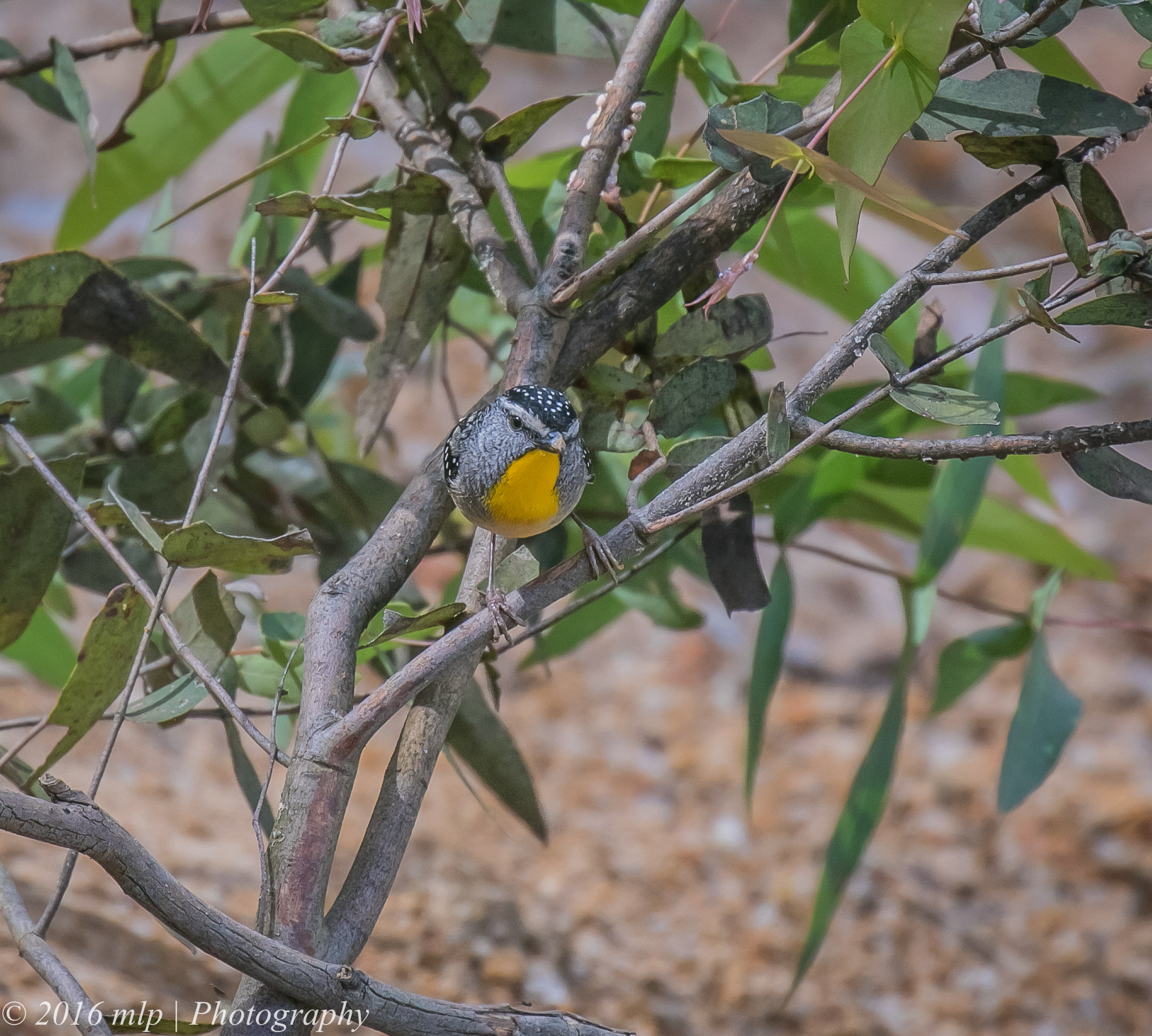
Silicon mine Spotted Pardalote

Along one of the fence lines of the Adams Creek Nature Conservation Reserve are several silicon sand mines used to produce silicon for glass manufacturing. The reserve is surrounded by large pits that are in use or have been filled by rainwater and are reverting to a more natural state. While counting waterbirds I heard the call of a small Spotted Pardalote that was so loud that it felt like it was on my head (or next to my ear). It turned out to be a male pardalote on a low branch several feet away from the cliff edge that I was standing on. The light was bright but the photos had an odd feel about them. When I moved away, the pardalote flew down to its cliff face burrow and kept watch. When it sounded its territorial call it made a 3 note call, a soft note followed by a louder higher two note call. When calling they extend their neck upwards and the call seems to come from the throat, I hardly saw it open its beak…

Spotted Pardalote, Adams Creek Reserve, Nyora, Victoria, 4 Dec 2016

Spotted Pardalote, Adams Creek Reserve, Nyora, Victoria, 4 Dec 2016

Spotted Pardalote, Adams Creek Reserve, Nyora, Victoria, 4 Dec 2016

II

Spotted Pardalote, Adams Creek Reserve, Nyora, Victoria, 4 Dec 2016

III

Spotted Pardalote, Adams Creek Reserve, Nyora, Victoria, 4 Dec 2016

Spotted Pardalote on watch near its cliff face burrow

Tracking the Rosellas

A friend has been tracking the Eastern Rosellas that have been nesting in the golf course along  Elster Creek. He is studying the plumage variations from newly fledged through to adult by photographing and observing three generations of local birds.  The Rosellas managed to raise 4 chicks and all seemed to fledge but in recent sightings only two are being regularly seen. The area has roaming foxes, cats and dogs and the birds often feed on the ground. The juveniles are inexperienced and too trusting of approaching danger. Over the last few days I have been looking for and photographing the Rosellas to see how they progressing. They have favourite roosting and feeding spots and make feeding calls to each other – a lovely piping sound. They are one of my favourite local birds.

Platycercus eximius  – meaning “excellent broad-tail”.

Eastern Rosella, Elster Creek, Elsternwick, Vic, 5 Dec 2016

Eastern Rosella, Elster Creek, Elsternwick, Vic, 5 Dec 2016

Eastern Rosella, Elster Creek, Elsternwick, Vic, 5 Dec 2016

II

Eastern Rosella, Elster Creek, Elsternwick, Vic, 5 Dec 2016

One of the juveniles, quite trusting on approach. 

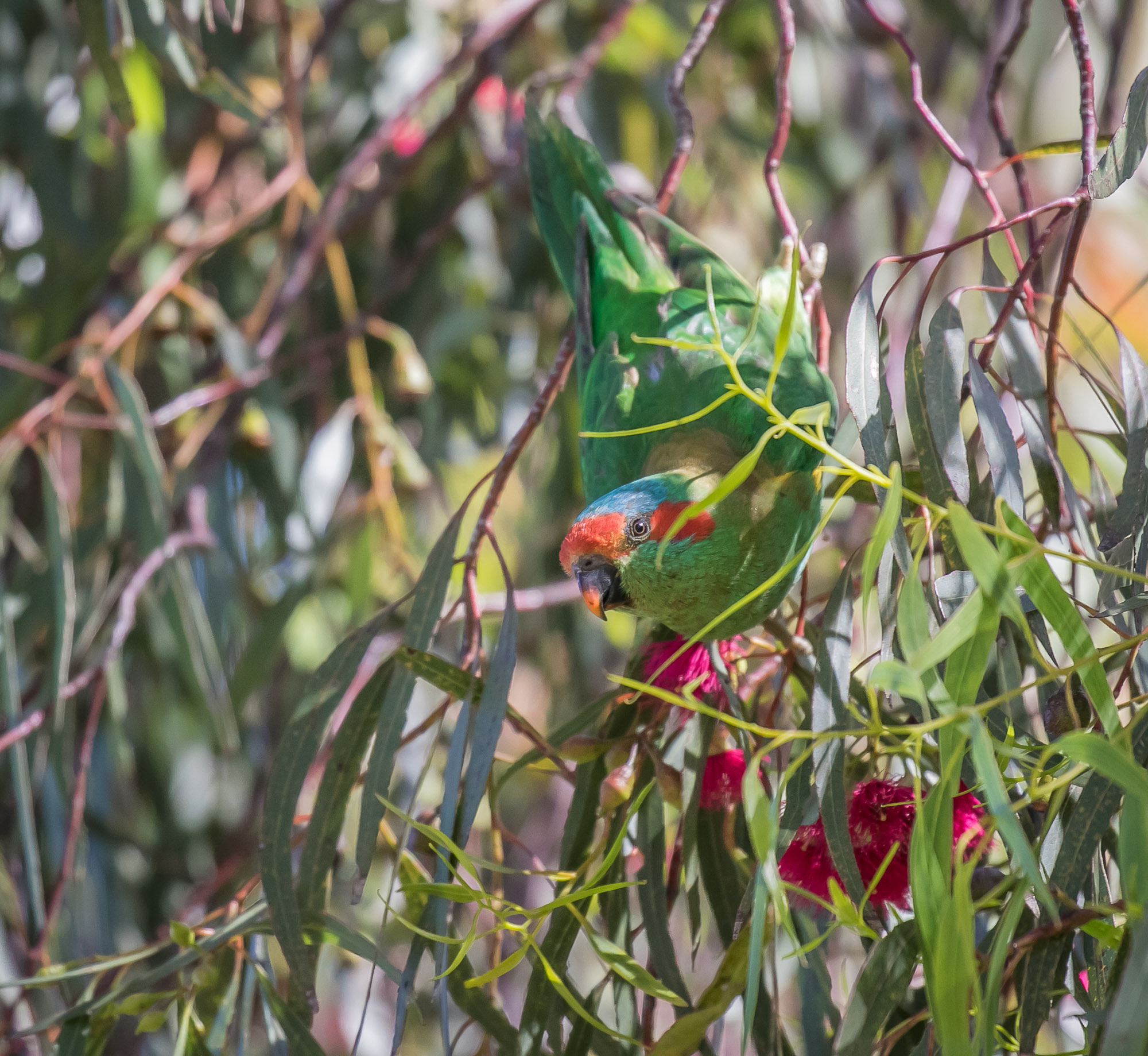
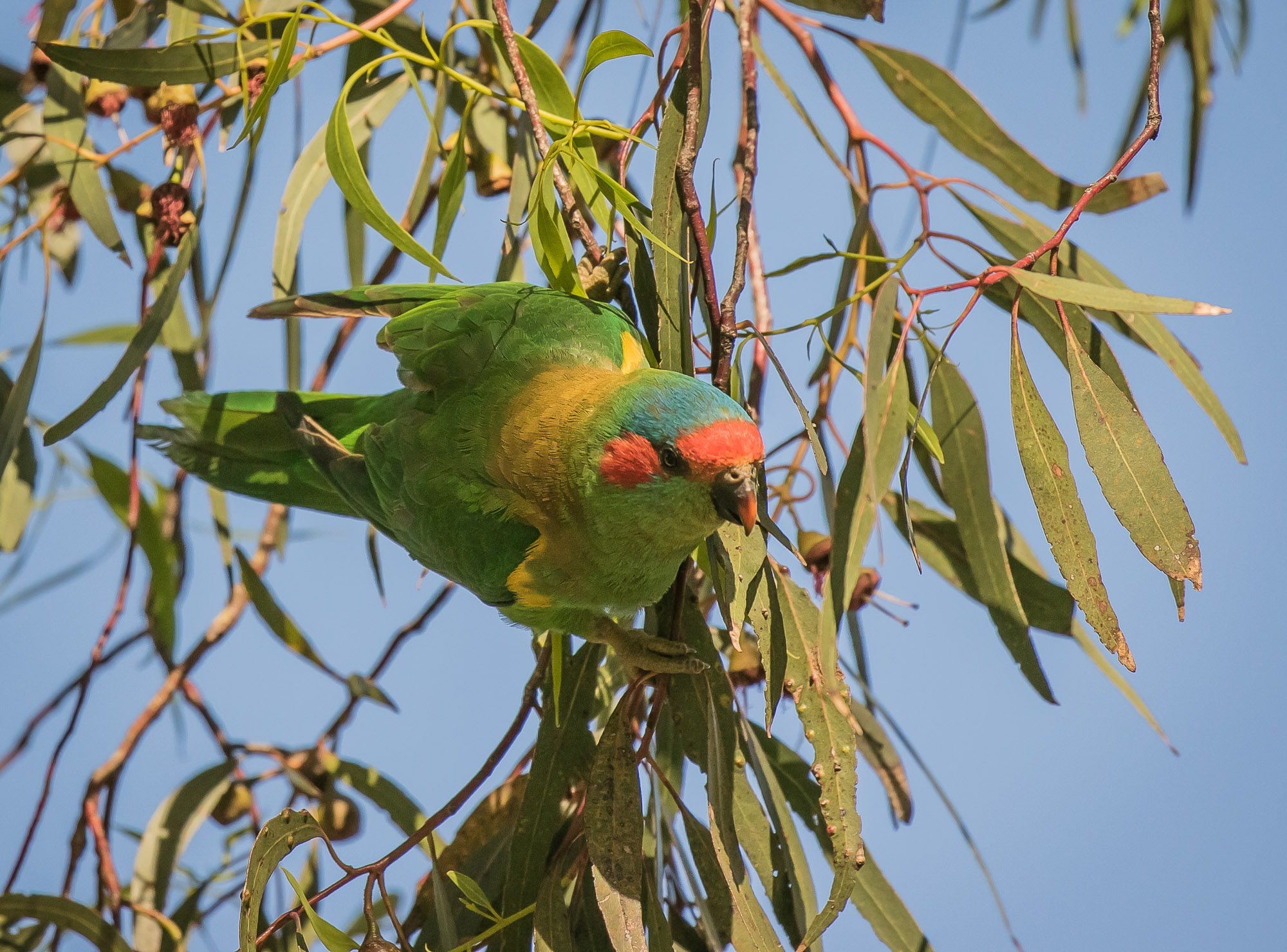
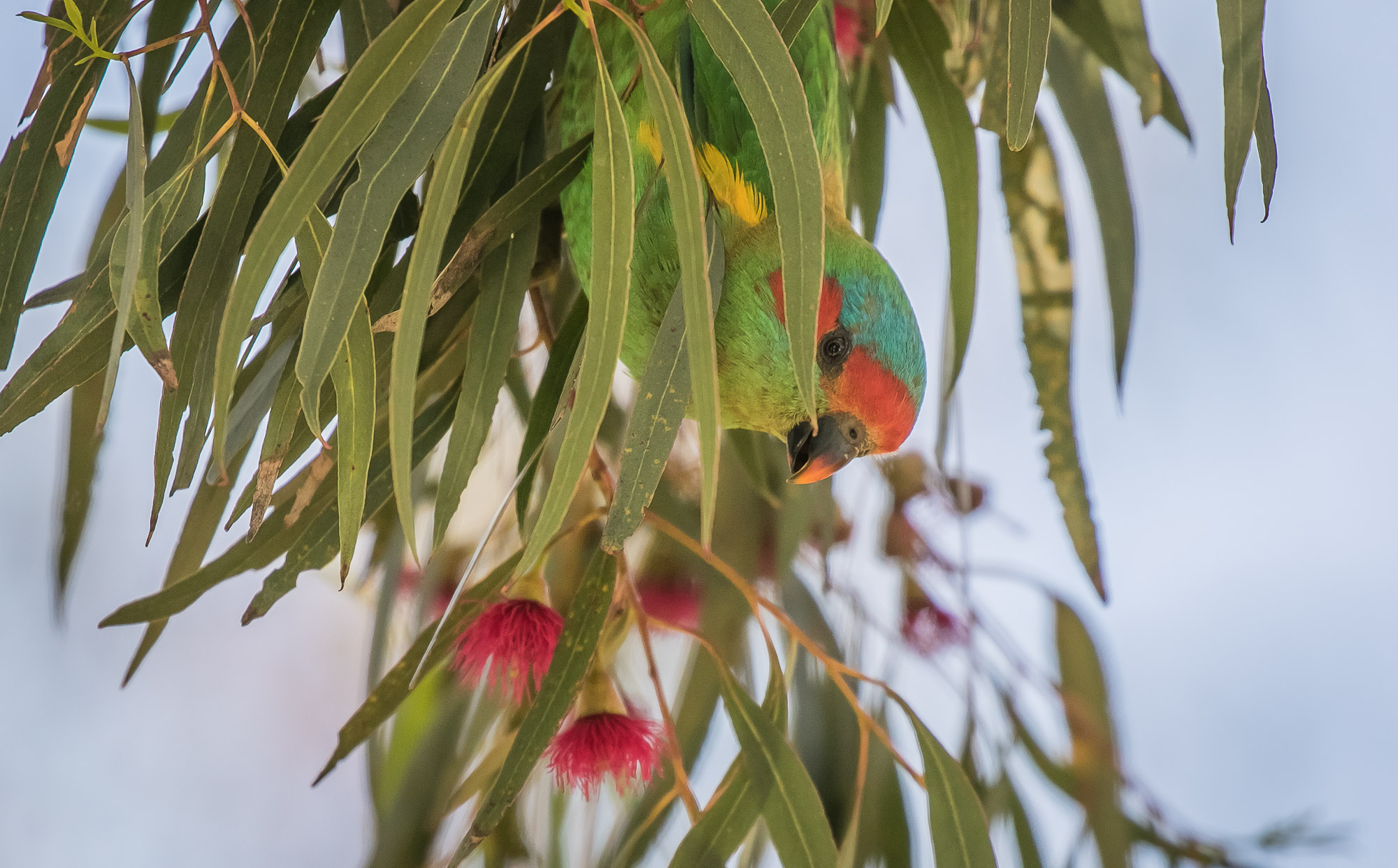
The Muskies are coming…

When the Eucalypts start flowering in summer the Musk Lorikeets start arriving in good numbers along Elster Creek and in the trees at Elsternwick Lake. Lorikeets are highly mobile and will follow flowering eucalypts all over the state.  The muskies have a distinctly different call to the locally common Rainbow Lorikeet.  I walked over to the lake on the weekend with a birding friend and we followed our ears to the red flowering gums. A few of the Muskies were low enough to photograph, most shots were of their typical pose – upside down and head into a flower.

Scientifically known as Glossopsitta concinna meaning “elegant tongue parrot” – due to the way it feeds on pollen and nectar rich flowers.

Musk Lorikeet, Elsternwick Park, Elsternwick, Vict, 3 Dec 2016

Musk Lorikeet, Elsternwick Park, Elsternwick

Musk Lorikeet, Elsternwick Park, Elsternwick, Vict, 3 Dec 2016

II

Musk Lorikeet, Elsternwick Park, Elsternwick, Vict, 3 Dec 2016

III

Musk Lorikeet, Elsternwick Park, Elsternwick, Vict, 3 Dec 2016

IV

Musk Lorikeet, Elsternwick Park, Elsternwick, Vict, 3 Dec 2016

V

Musk Lorikeet, Elsternwick Park, Elsternwick, Vict, 3 Dec 2016

VI

Musk Lorikeet, Elsternwick Park, Elsternwick, Vict, 3 Dec 2016

VII


Cockatoos and Corellas

A sunny late afternoon walk along the creek produced the usual array of local birds, many with new families. We watched a pair of Long-billed Corellas feeding on grass seeds and later found a snoozing Cockatoo. It turned out to be One-eye, the partner to an escaped or released Cockatoo still wearing  a cage leg ring. This couple has now bred in the same tree two years in a row and currently there are several chicks inside the big gum where we found One-eye.

Long billed Corella, Elster Creek, Elsternwick, Victoria 19 Nov 2016

Long billed Corella, Elster Creek, Elsternwick, Victoria 19 Nov 2016

Long billed Corella, Elster Creek, Elsternwick, Victoria 19 Nov 2016

II

Sulphur crested Cockatoo, Elster Creek, Elsternwick, Victoria 19 Nov 2016

Sulphur crested Cockatoo, Elster Creek, Elsternwick – the cockatoo was fast asleep, enjoying the evening sun. 

Sulphur crested Cockatoo, Elster Creek, Elsternwick, Victoria 19 Nov 2016

We have named this local Cockatoo, One Eye. 

Sulphur crested Cockatoo, Elster Creek, Elsternwick, Victoria 19 Nov 2016

III