Category Archives: Birds

Zebra Finches of Kirk’s Point

We often see Zebra Finches at the pooh farm, mostly in small groups perched on the wire fences. They quickly fly from the fence wires along the road another 10 metres and wait for the car to catch-up before flushing again. We rarely get decent photos. Last weekend we drove down to Kirk’s Point to look for Blue-winged Parrots and while watching the parrots and waiting for good opportunities for a photograph, my fellow birders discovered a good sized flock of Zebra Finches. We photographed the colony and watched them continue to build and reshape their nests. There are so few suitable trees in this flat sea side landscape that this colony chose a small bushy tree amongst a few stunted wind swept trees. They need dense prickly bushes to protect them from predators. We sat near the tree and photographed the birds go about setting up for the next generation.
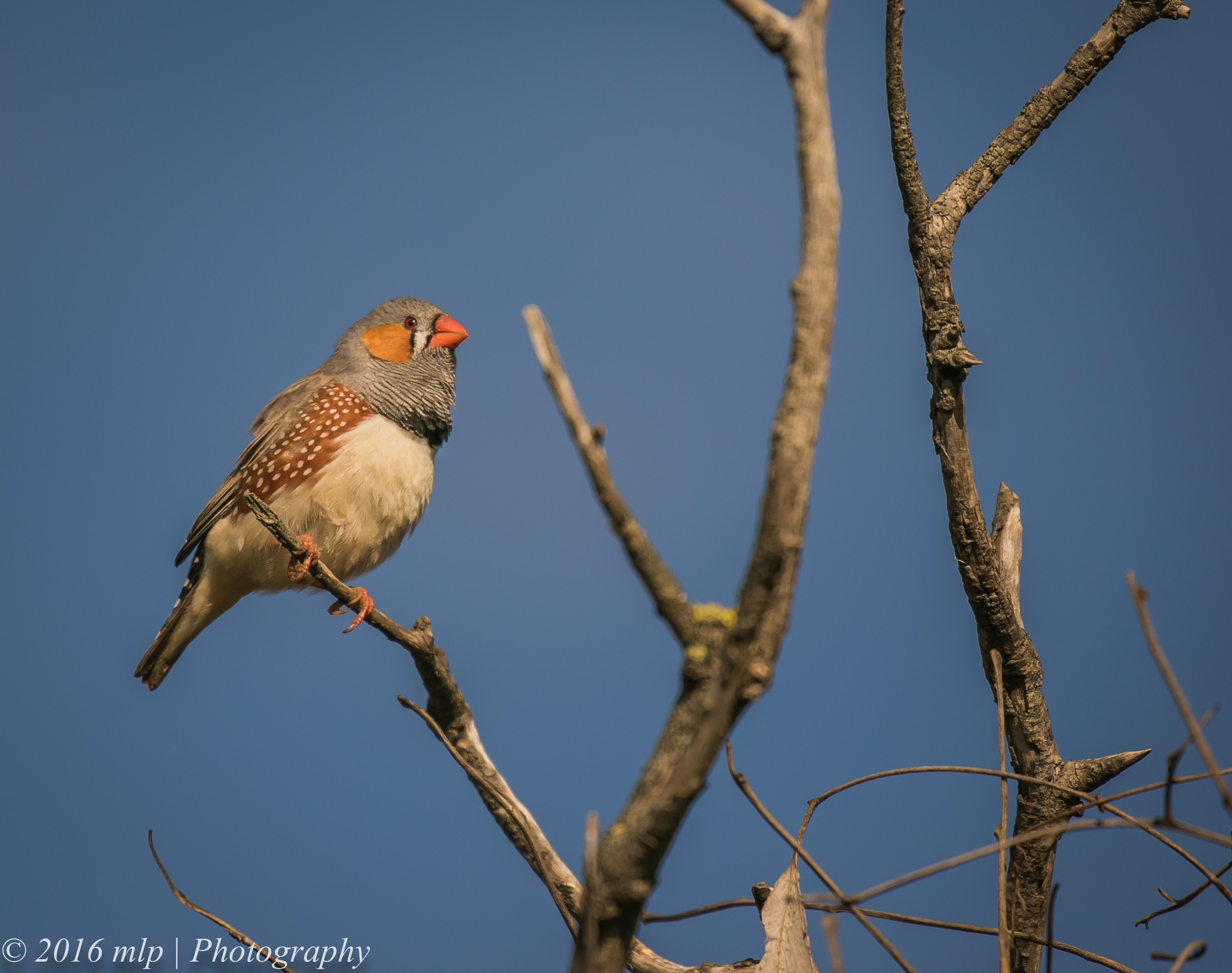
Zebra Finch, Western Treatment Plant, Werribee, Victoria

Male Zebra Finch, Western Treatment Plant, Werribee, Victoria

Zebra Finch, Western Treatment Plant, Werribee, Victoria

II

Zebra Finches, Western Treatment Plant, Werribee, Victoria

Male Finch with a female below

Zebra Finches, Western Treatment Plant, Werribee, Victoria

A par of finches near their nest site…

Zebra Finches, Western Treatment Plant, Werribee, Victoria

II

Zebra Finches, Western Treatment Plant, Werribee, Victoria

A bit of a nuzzle…

Zebra Finches nest, Western Treatment Plant, Werribee, Victoria

Zebra Finches nest, part of a small colony of nests in a stunted tree…

Zebra Finches nest tree, Western Treatment Plant, Werribee, Victoria

Zebra Finches nest tree at Kirks Point (You Yangs in the background) 

Zebra Finches, Western Treatment Plant, Werribee, Victoria

Zebra Finches, Western Treatment Plant, Werribee, Victoria

From the beach of the Stone-curlew

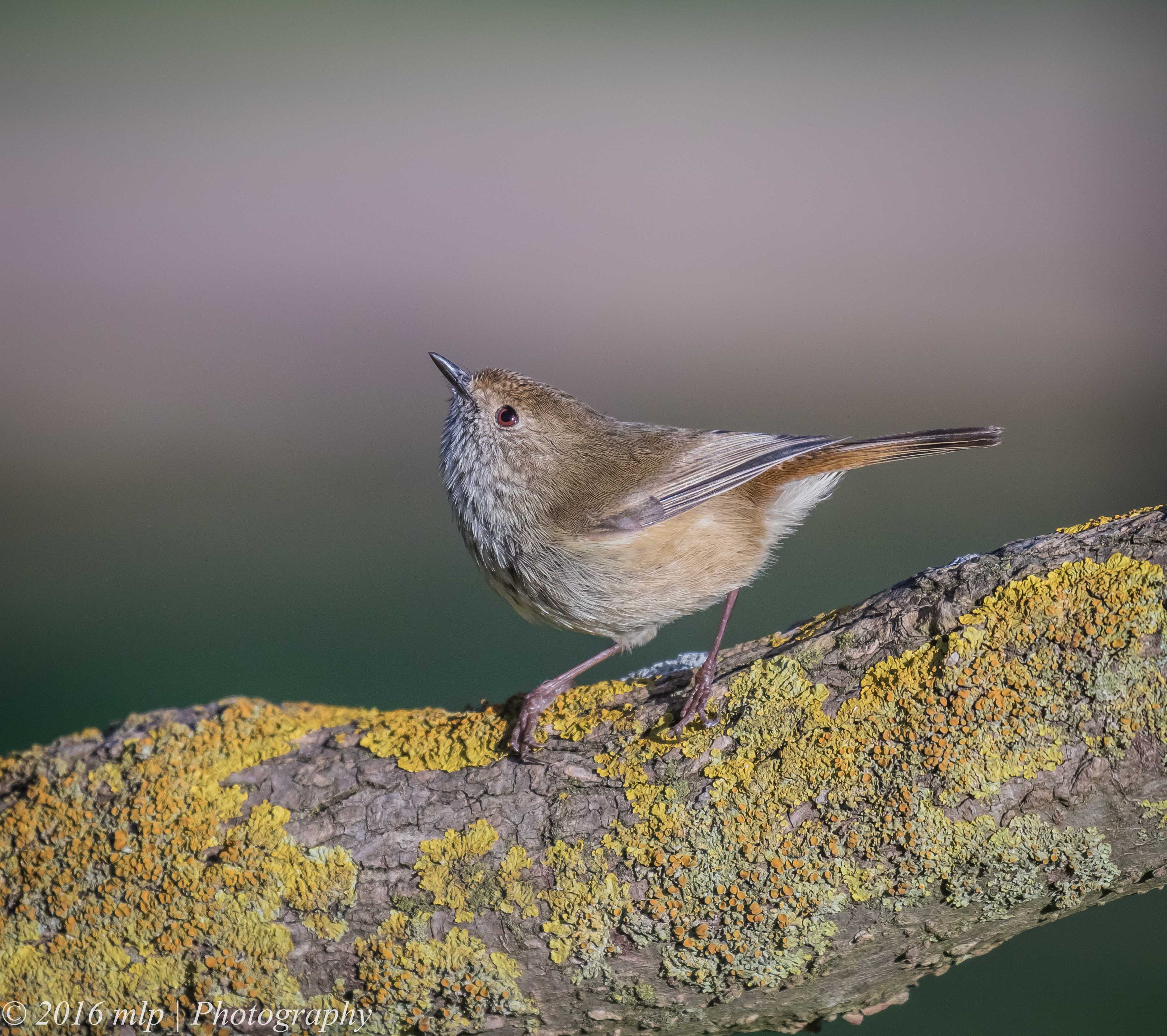
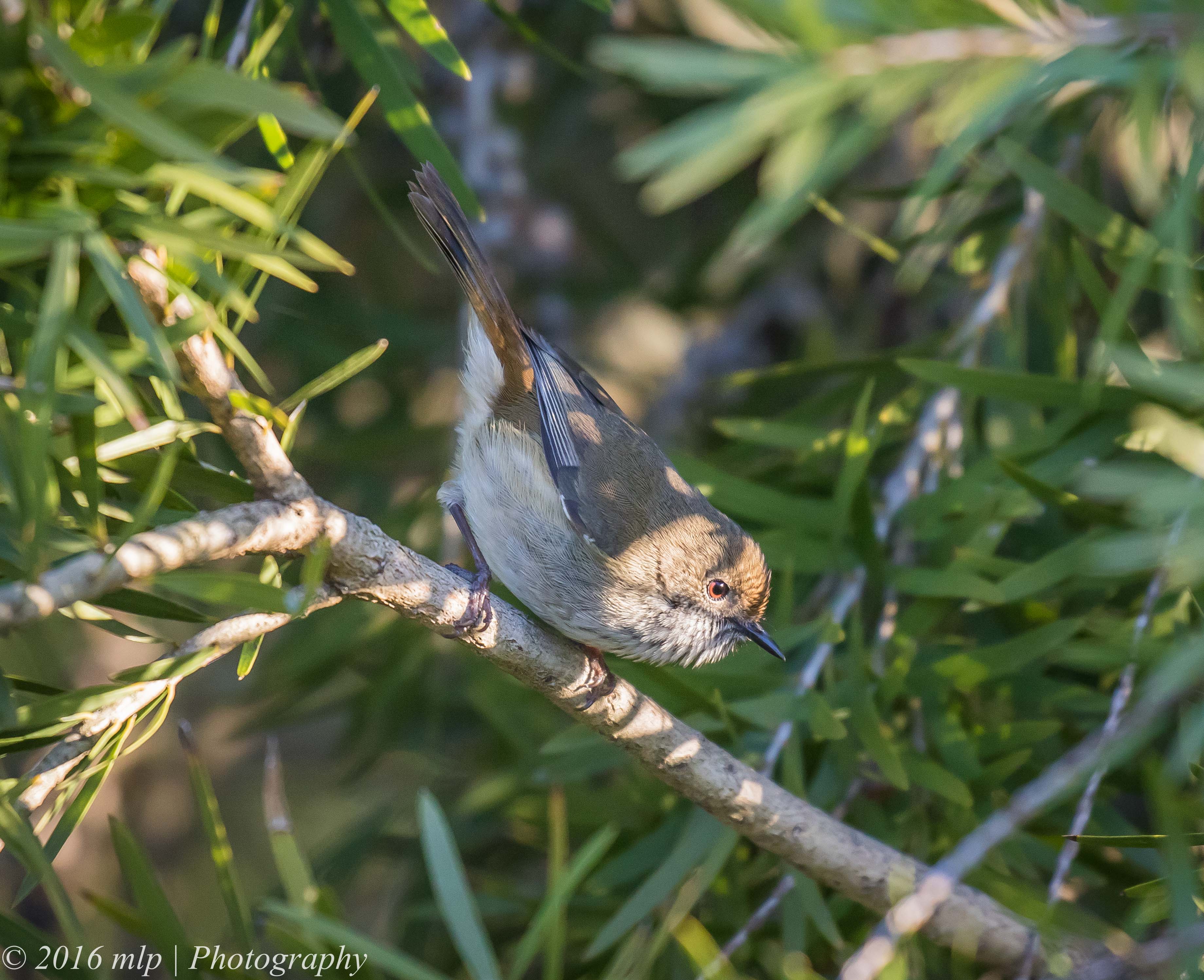
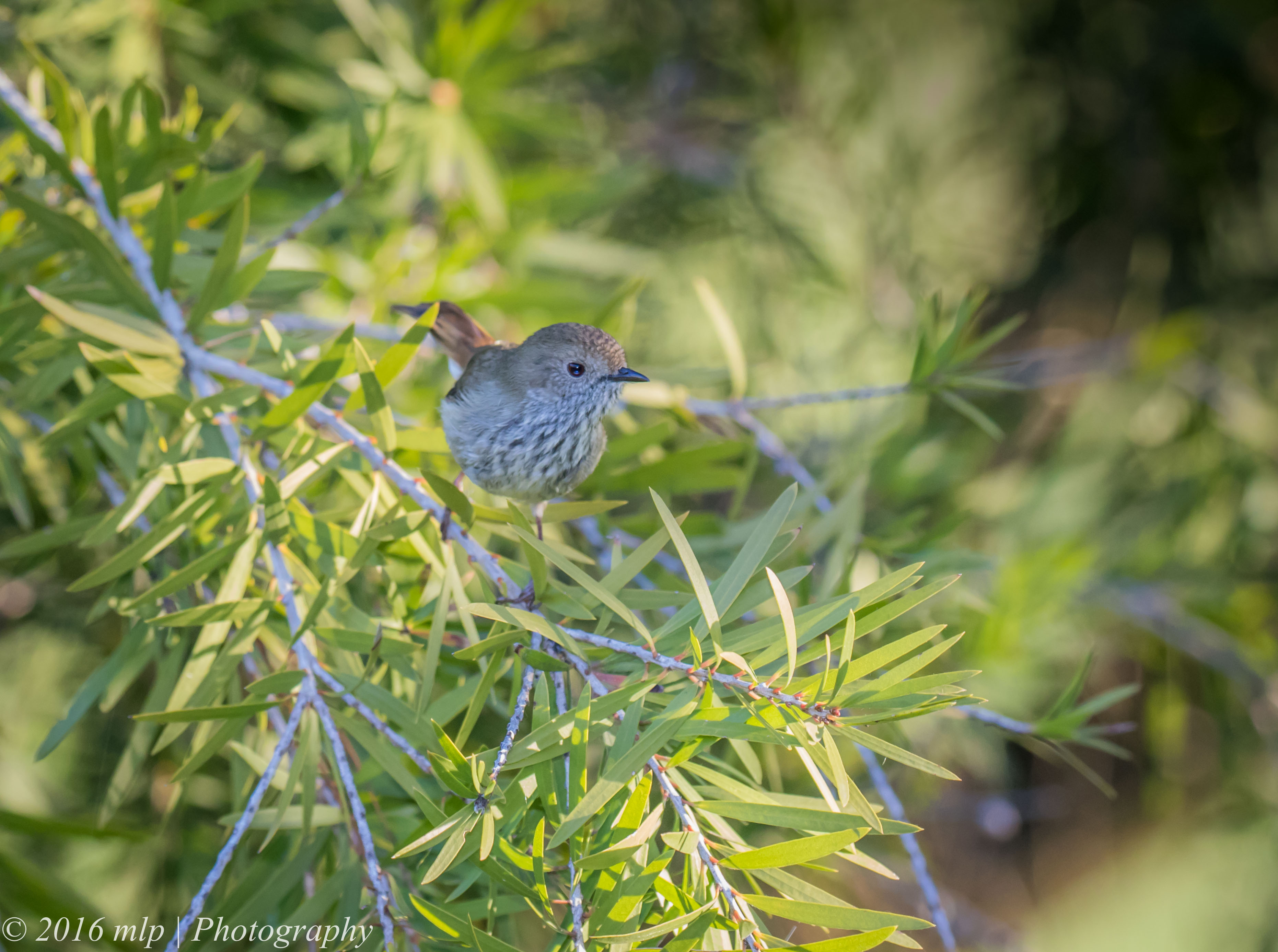
While photographing the Beach Stone-curlew on Inverloch Beach at the weekend, a number of other birds flew by including flocks of Ibis, pelicans, cormorants, and gulls. Several Pacific Gulls flew near to have a look at what we were up to. Considering the sheer number of crabs available I am not sure why more birds weren’t feasting – I daresay that the soldier crab may have an acquired taste that the Stone-curlew has no problems with. Back at the carpark we also found a small flock of curious Brown Thornbills.

Australian White Ibis, Inverloch Beach, Victoria

Australian White Ibis, Inverloch Beach, Victoria
Pacific Gull, Inverloch Beach, Victoria

Pacific Gull, Inverloch Beach, Victoria
Pacific Gull, Inverloch Beach, Victoria
II

Brown Thornbill, Inverloch Beach, Victoria
Brown Thornbill, Inverloch Beach, Victoria
Brown Thornbill, Inverloch Beach, Victoria
II

Brown Thornbill, Inverloch Beach, Victoria
III

Brown Thornbill, Inverloch Beach, Victoria
IV

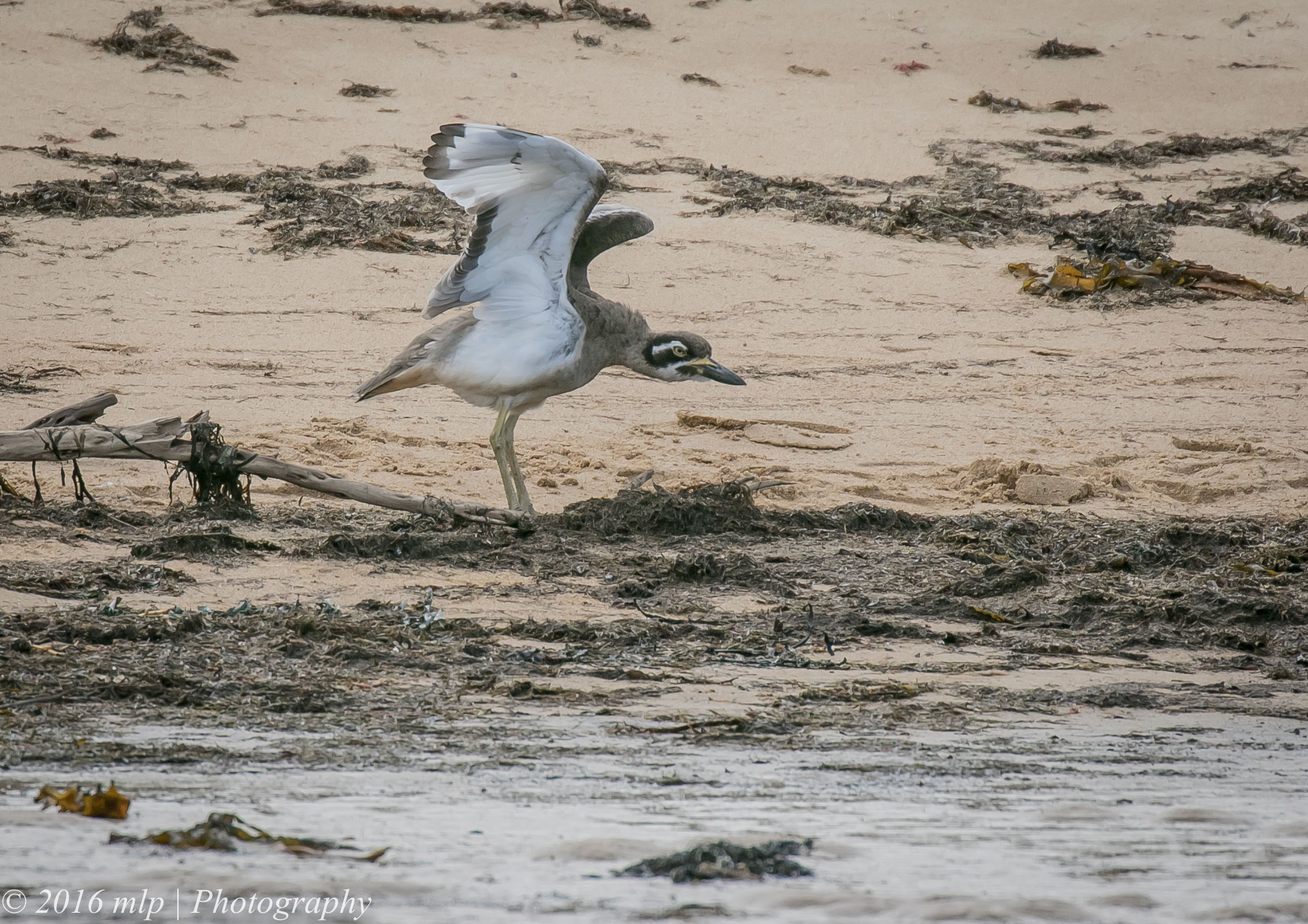
Lifer 333 – Beach Stone-curlew

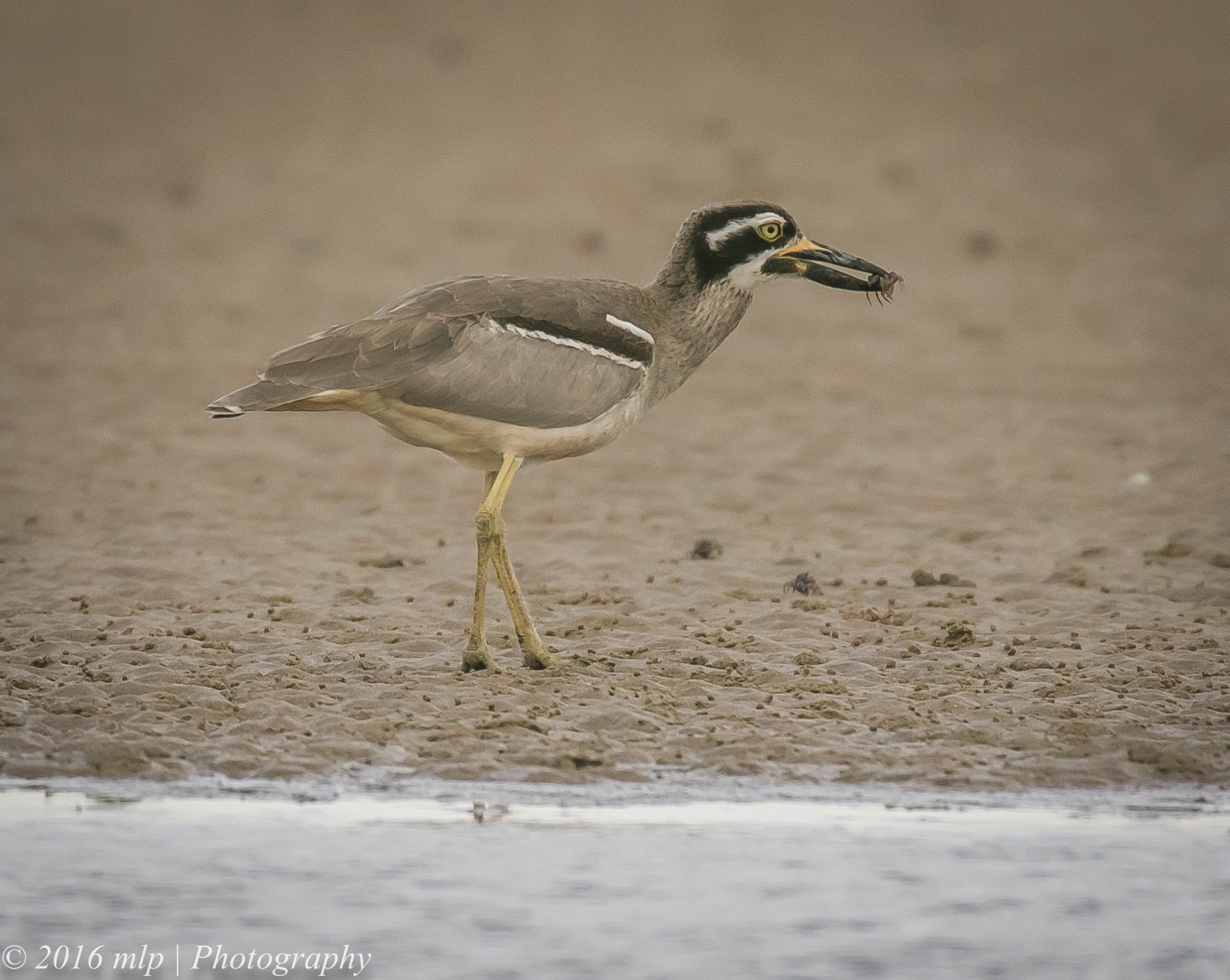
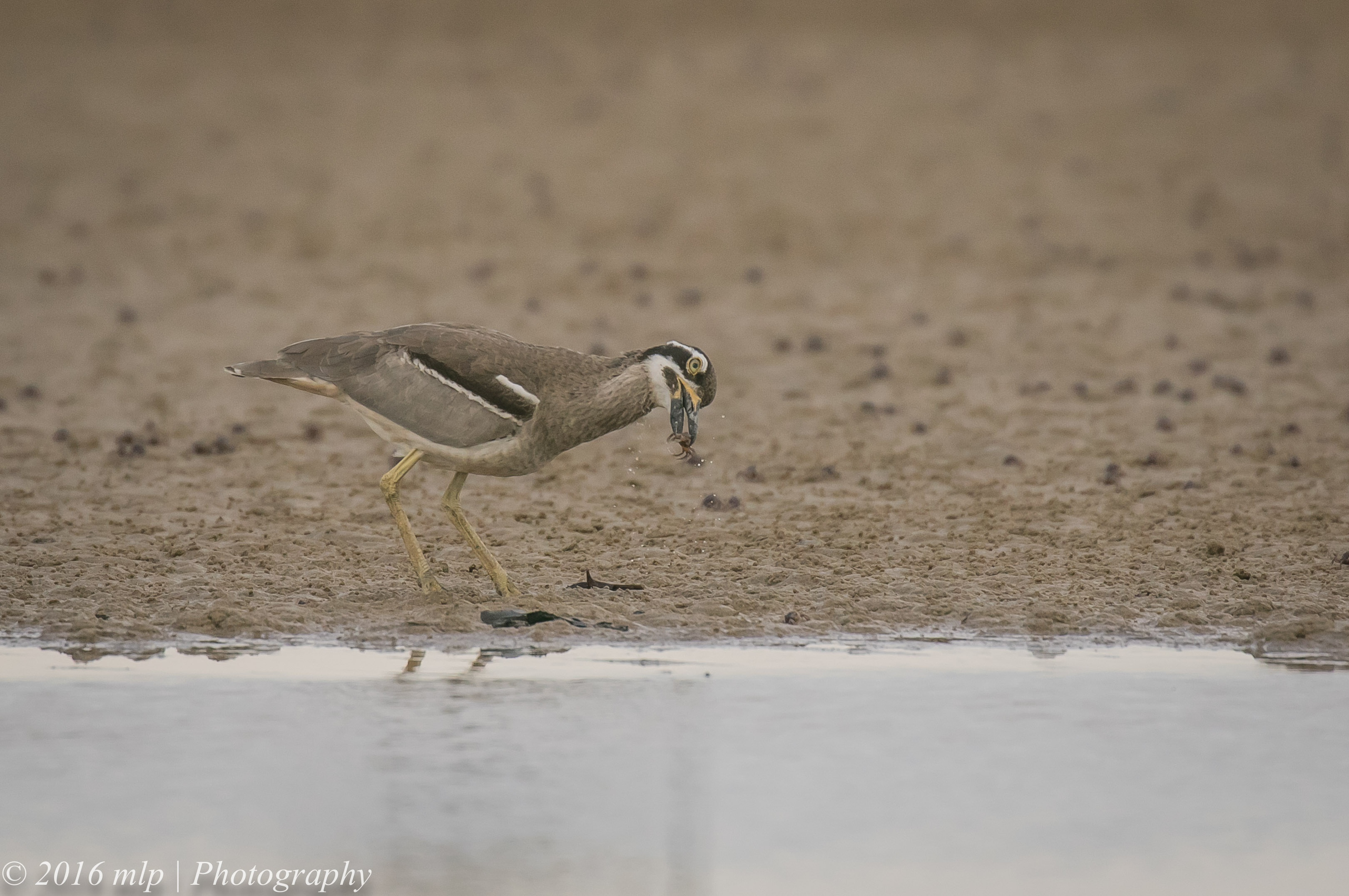
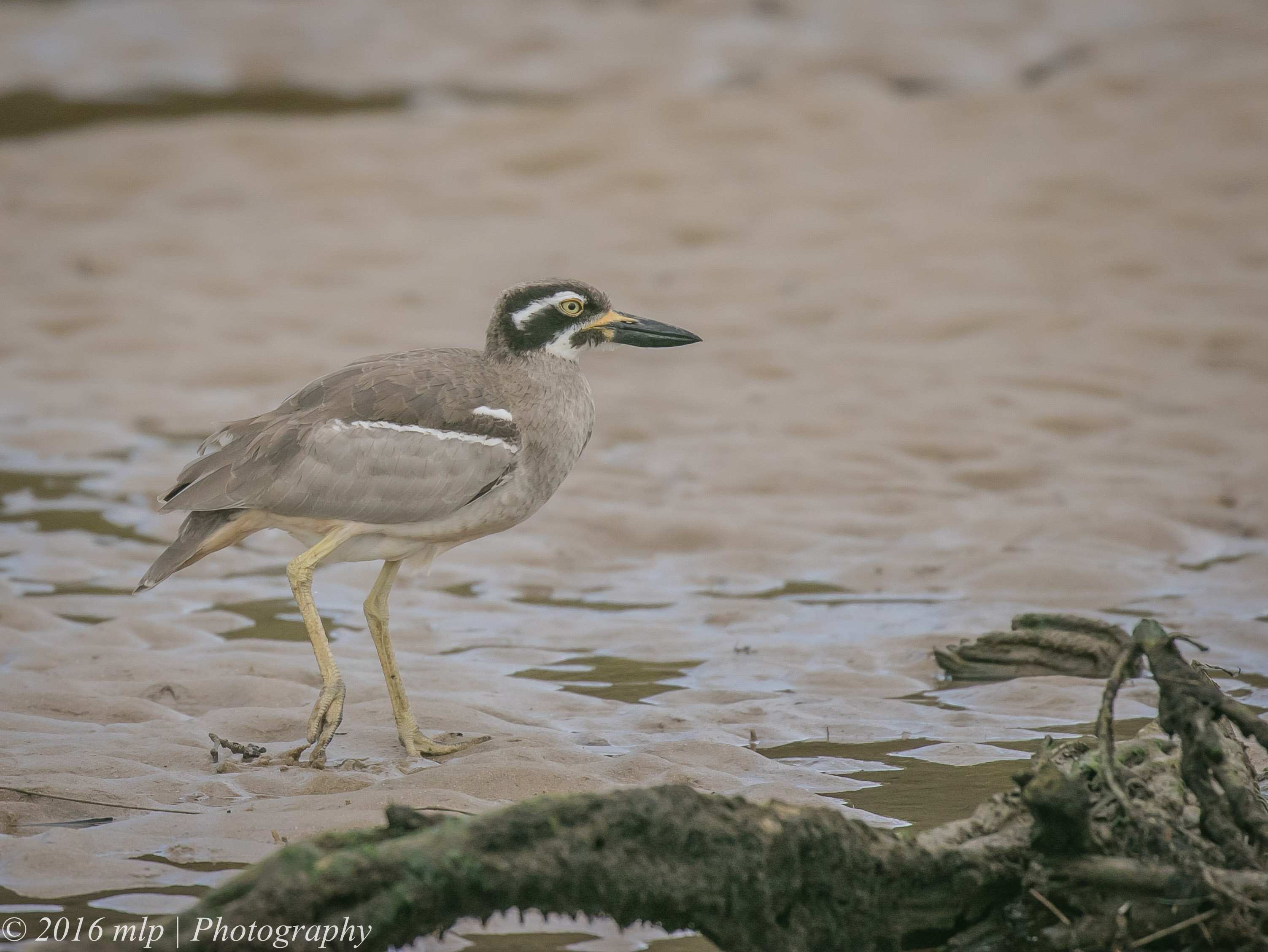
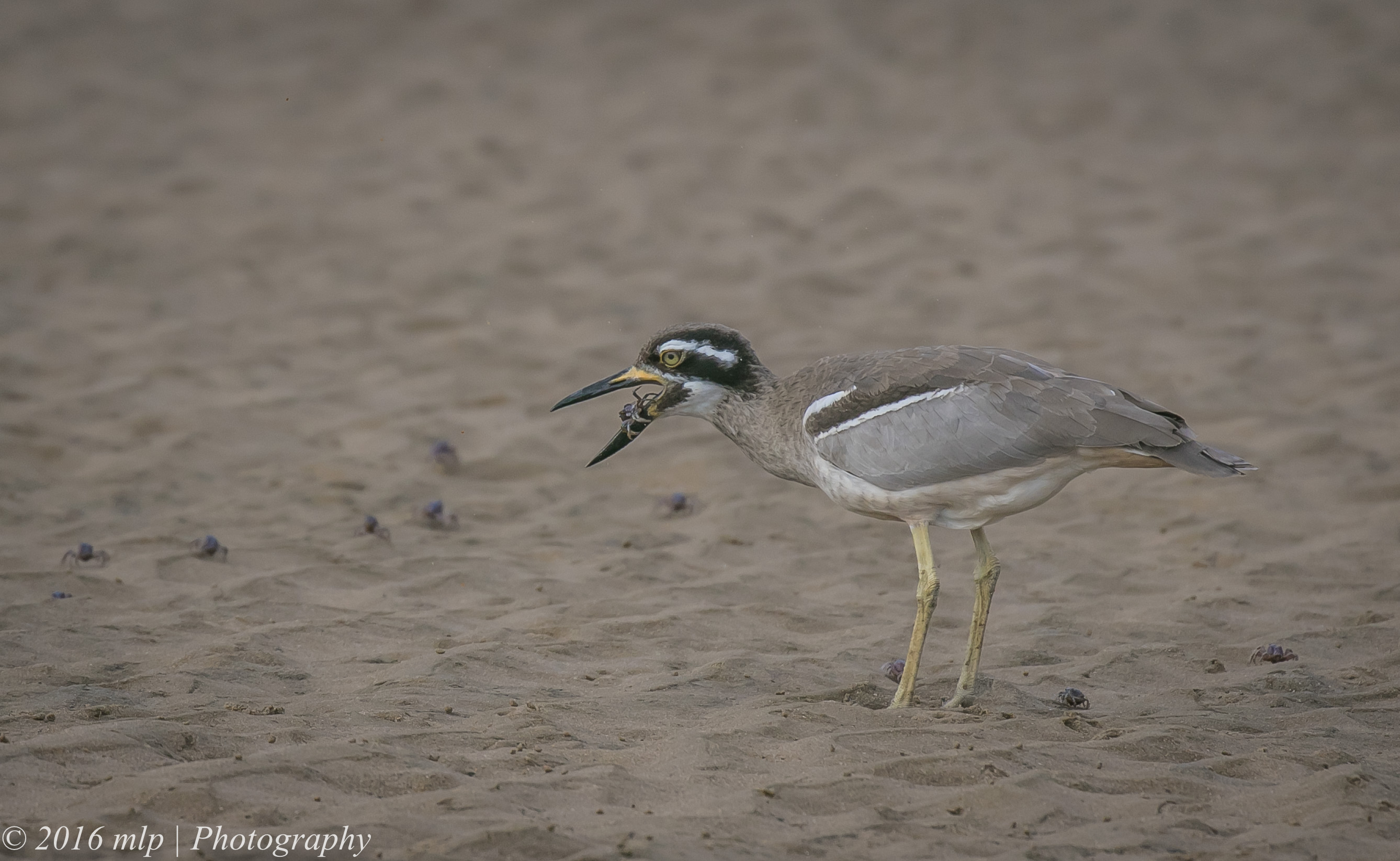
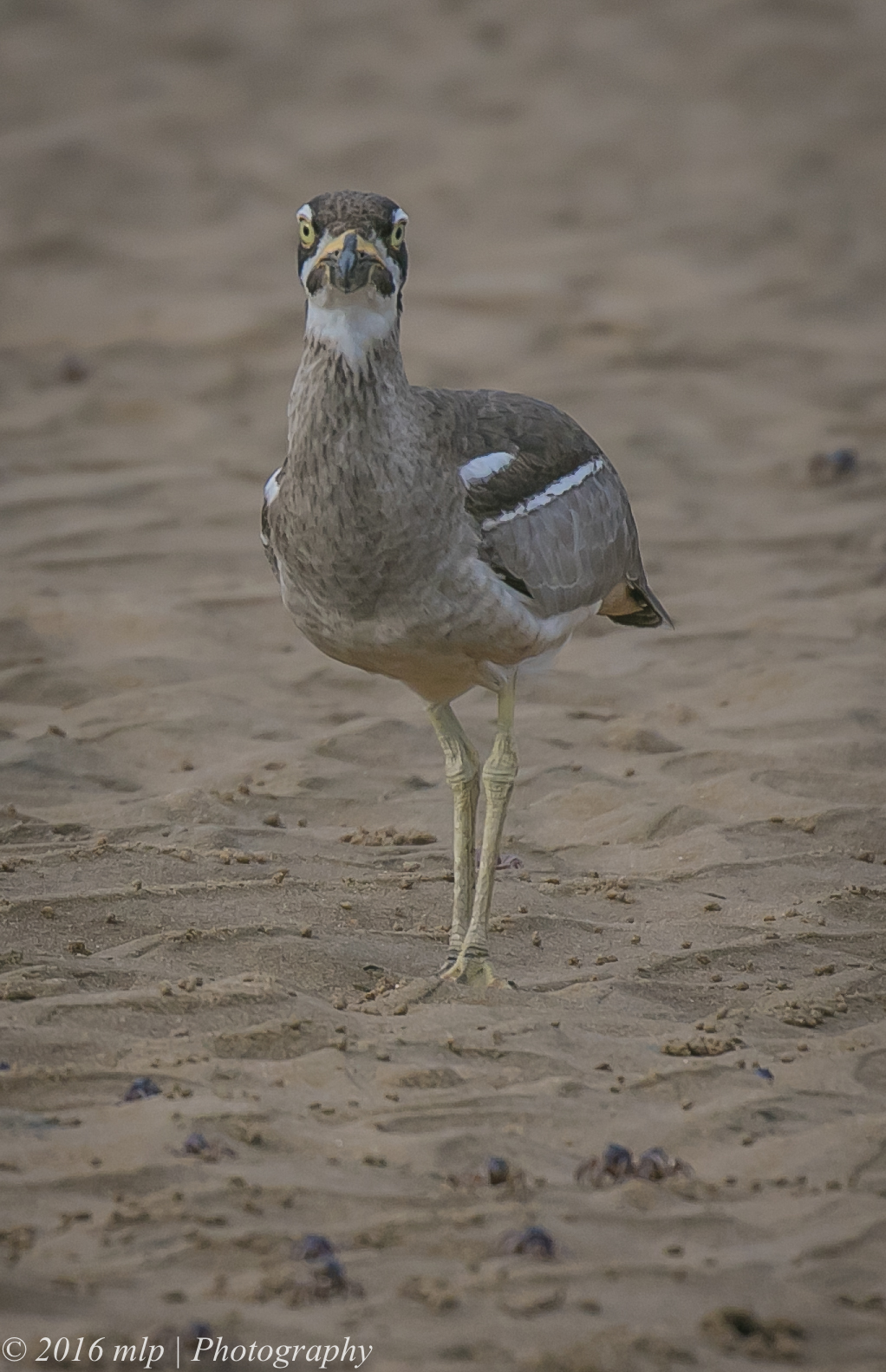
With the recent reports of a Beach Stone-curlew at the mouth of Screw Screek, Inverloch Beach, I decided to make the 2 hour drive down the coast with my local birder team (Dave, Ron and Gio) to look for and photograph the rare bird. There have not been too many reports of Beach Stone-curlews in Victoria – some sightings at Inverloch, Apollo Bay and at Marlo. They are often found found much further north from Brisbane upwards. We were pleased to find the bird resting on the beach. It eventually moved onto the sandflats and started to feed on the blue Soldier Crabs. There were thousands of crabs on the sand that were very easy for the bird to catch. It would eat half a dozen and then move further out or back towards the White Mangroves that line the mouth of the Screw Creek inlet. It did not seem to mind us too much as long as we moved slowly and crouched down. Its flush zone was much less that the waders we have studied and photographed before.

Beach Stone-curlew, Inverloch Beach, Victoria

Beach Stone-curlew – a stretch after a rest on the beach

Beach Stone-curlew, Inverloch Beach, Victoria
II

Beach Stone-curlew, Inverloch Beach, Victoria

Hunting crabs

Beach Stone-curlew, Inverloch Beach, Victoria

IV

Beach Stone-curlew, Inverloch Beach, Victoria
V

Beach Stone-curlew, Inverloch Beach, Victoria

VI

Beach Stone-curlew, Inverloch Beach, Victoria
VII

Beach Stone-curlew, Inverloch Beach, Victoria

A crunch of the big jaws and the crab is an easy meal

Beach Stone-curlew, Inverloch Beach, Victoria
The Stone-curlew used to be called the Beach Thick-knee for obvious reasons…

Beach Stone-curlew, Inverloch Beach, Victoria

X

Screw Creek White mangroves, Inverloch Beach, Victoria,

Screw Creek White mangroves, Inverloch Beach, Victoria,

Screw Creek White mangroves, Inverloch Beach, Victoria,

The Beach Stone-curlew, rests in the mangroves at high tide

Battle of the birdbath

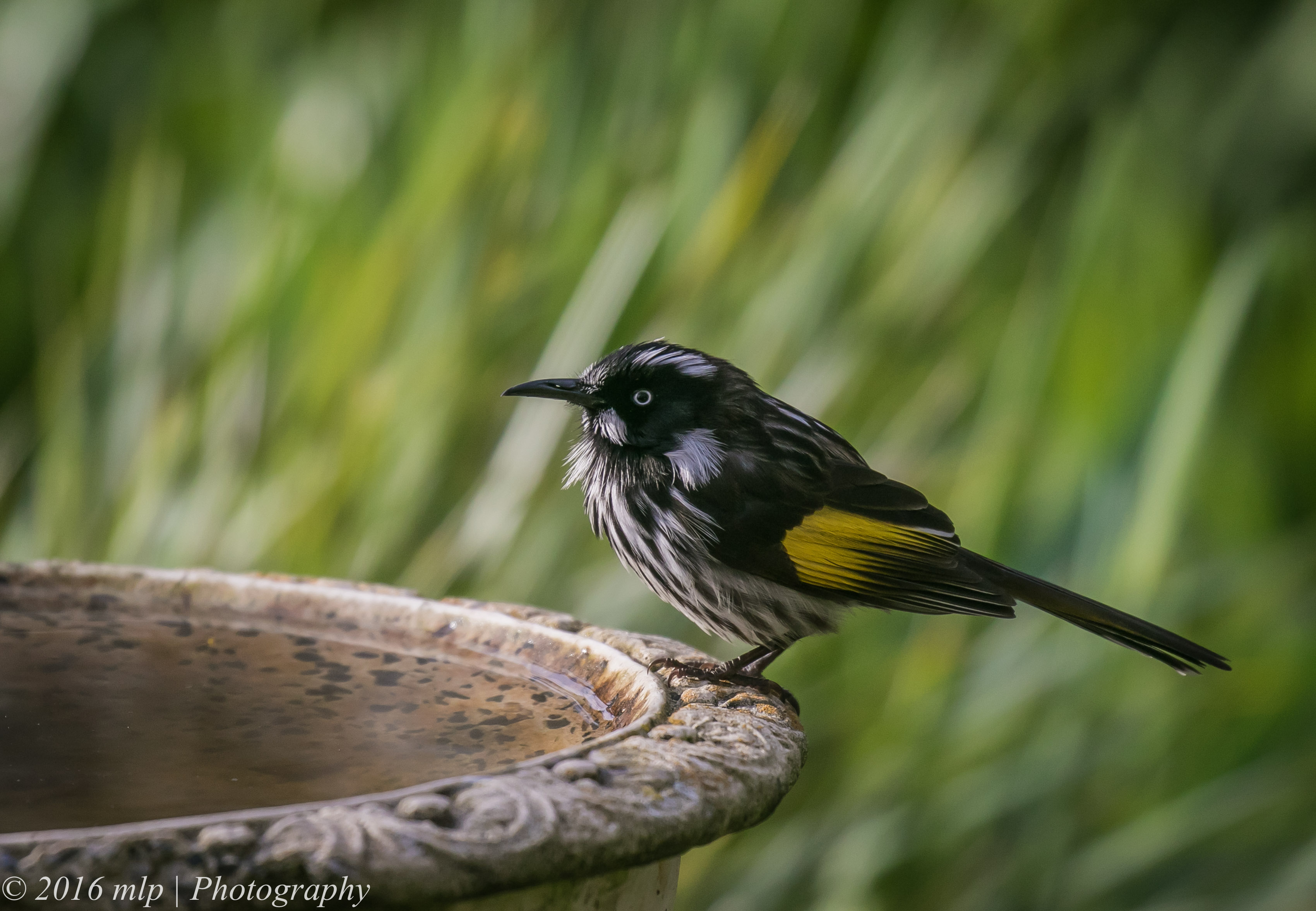
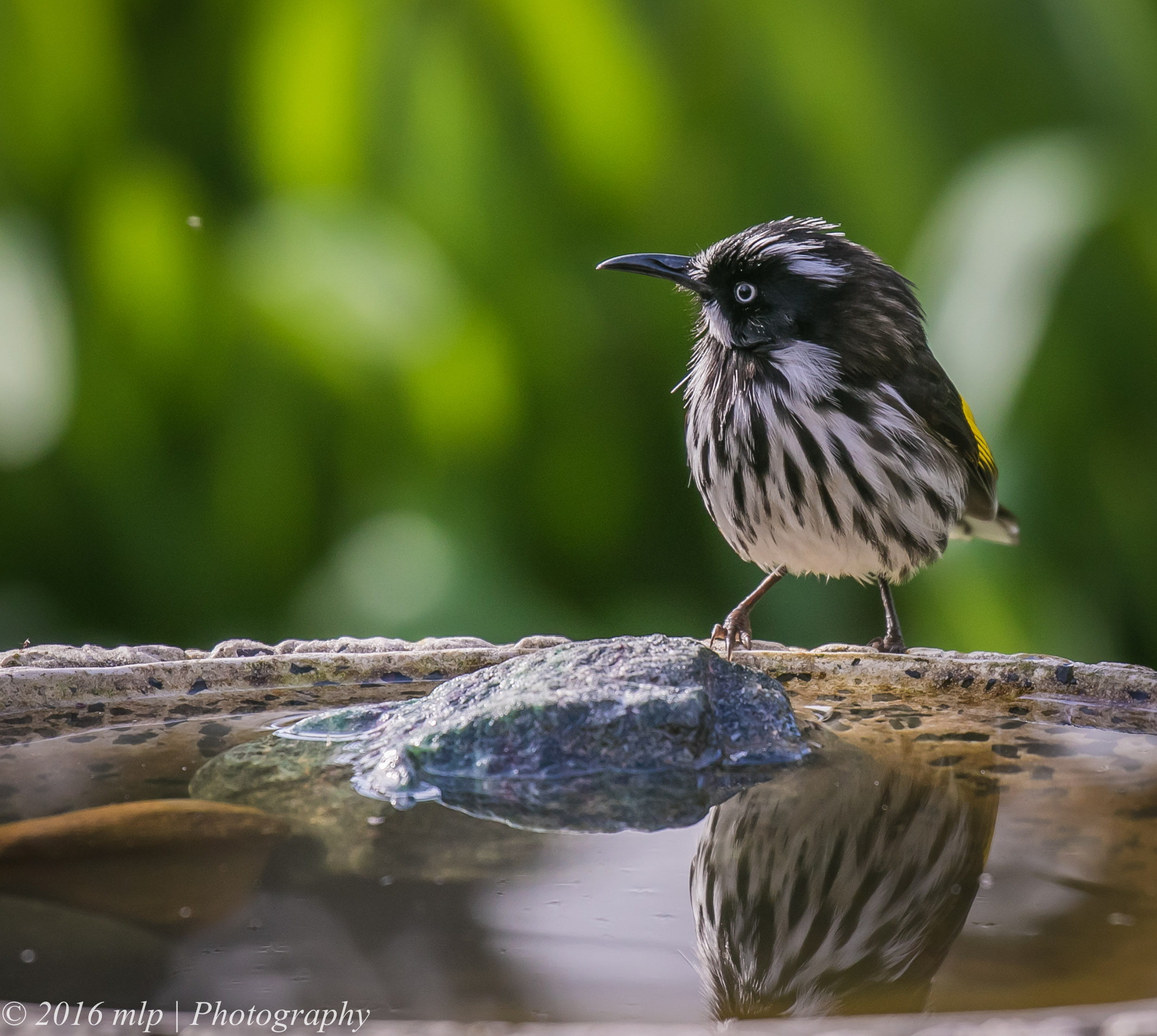
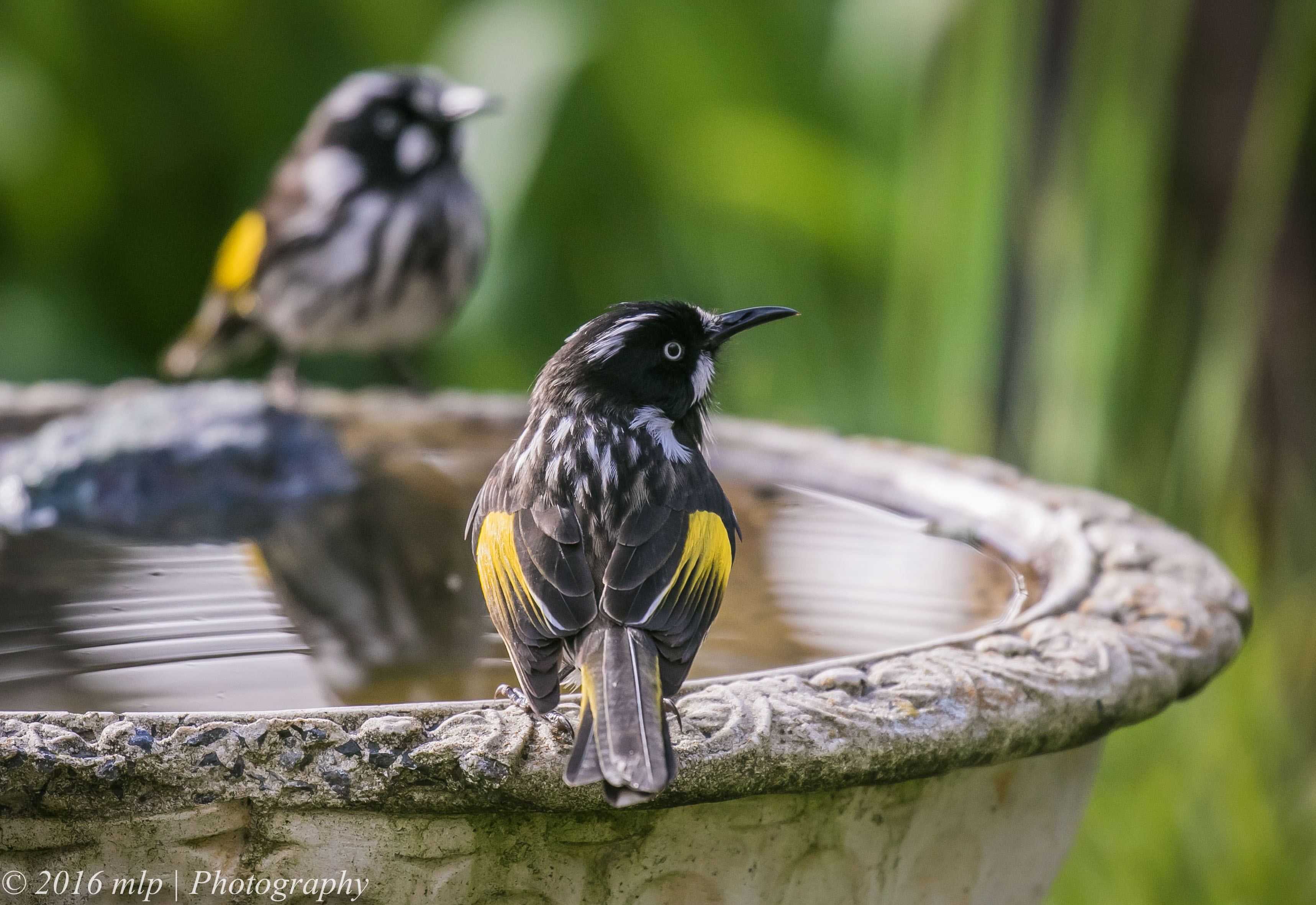
While visiting my folks on Willowind farm in Moorooduc,  I noticed that the New Holland Honeyeaters were spending quite a bit of time in the bare bushes around the birdbath near the back door. When an Eastern Spinebill, a few Brown Thornbills and a White-eared Honeyeater stopped by for a drink or a quick bath, they were chased off by the New Hollands. They can be an aggressive species often fighting with similar sized honeyeaters over a territory or a temporary food source but I have not seen them defend a water source before. There is a bit of water around the local area and even a dam nearby but the birds would have to travel through open unprotected areas. It shows the importance of supplying a protected clean water source for small birds. It also provides a great location to photograph the birds when they come into drink and bathe.

New Holland Honeyeater, Willowind Farm, Moorooduc, Victoria

New Holland Honeyeater, Willowind Farm, Moorooduc, Victoria

New Holland Honeyeater, Willowind Farm, Moorooduc, Victoria

II

New Holland Honeyeater, Willowind Farm, Moorooduc, Victoria

III

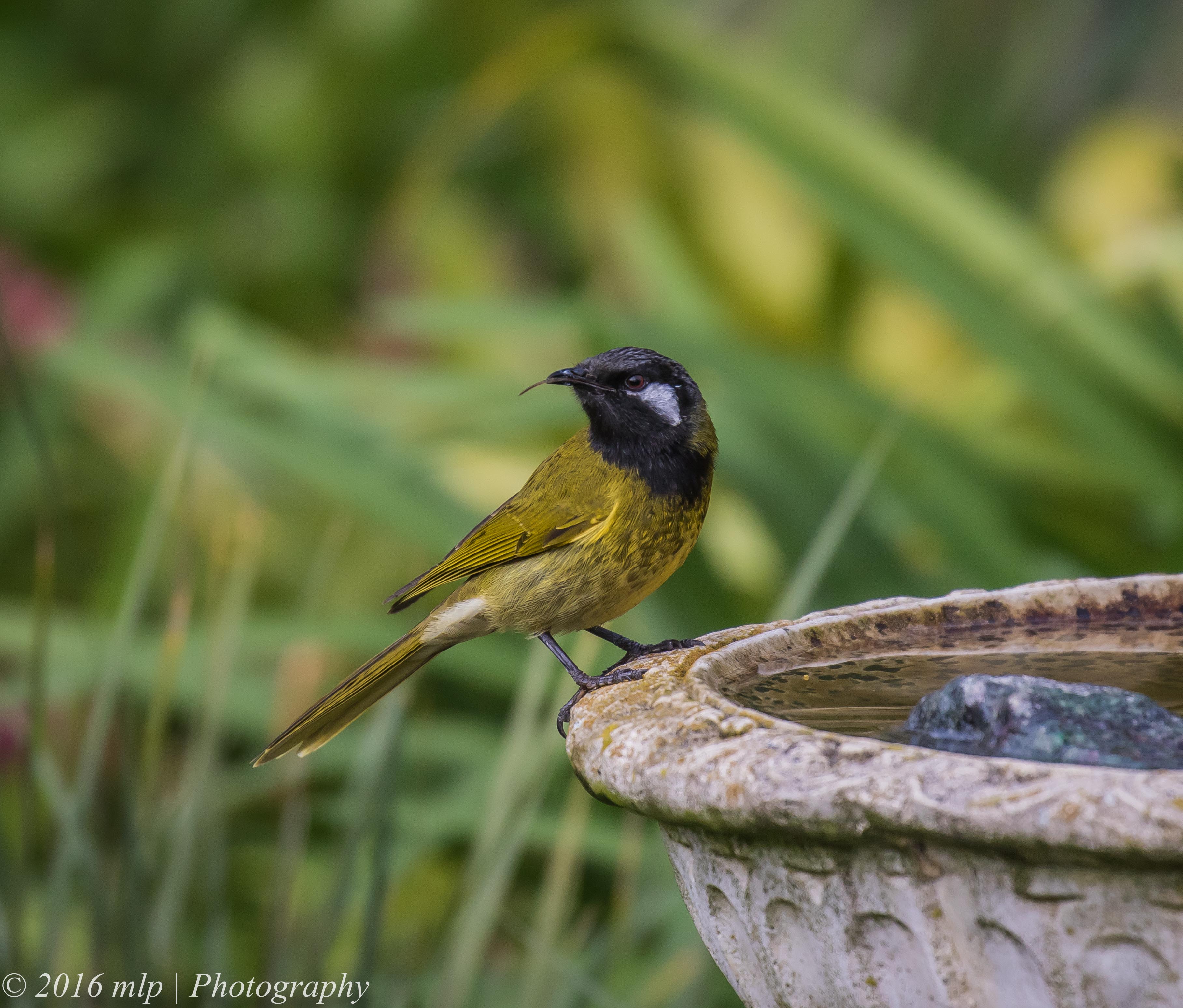
White-eared Honeyeater, Willowind Farm, Moorooduc, Victoria

White-eared Honeyeater – by placing a rock into a deeper birdbath it allows the bird to bathe from the rock. They need a way to hop out onto the edge again after quick dunk.

White-eared Honeyeater, Willowind Farm, Moorooduc, Victoria

A wary drink…

New Holland Honeyeater, Willowind Farm, Moorooduc, Victoria

Chasing off the other species…

New Holland Honeyeater, Willowind Farm, Moorooduc, Victoria

II


A very muddy quarry

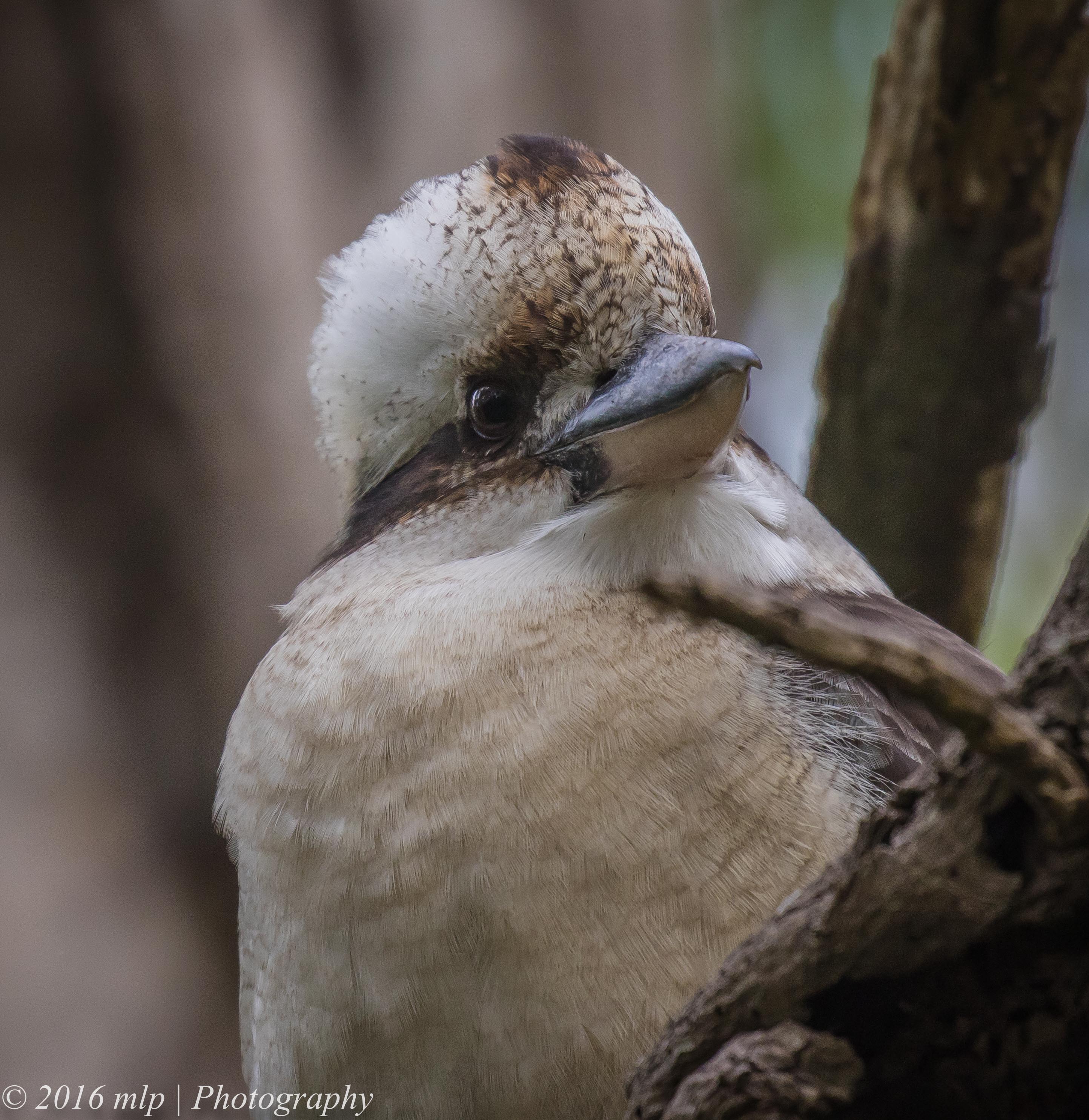
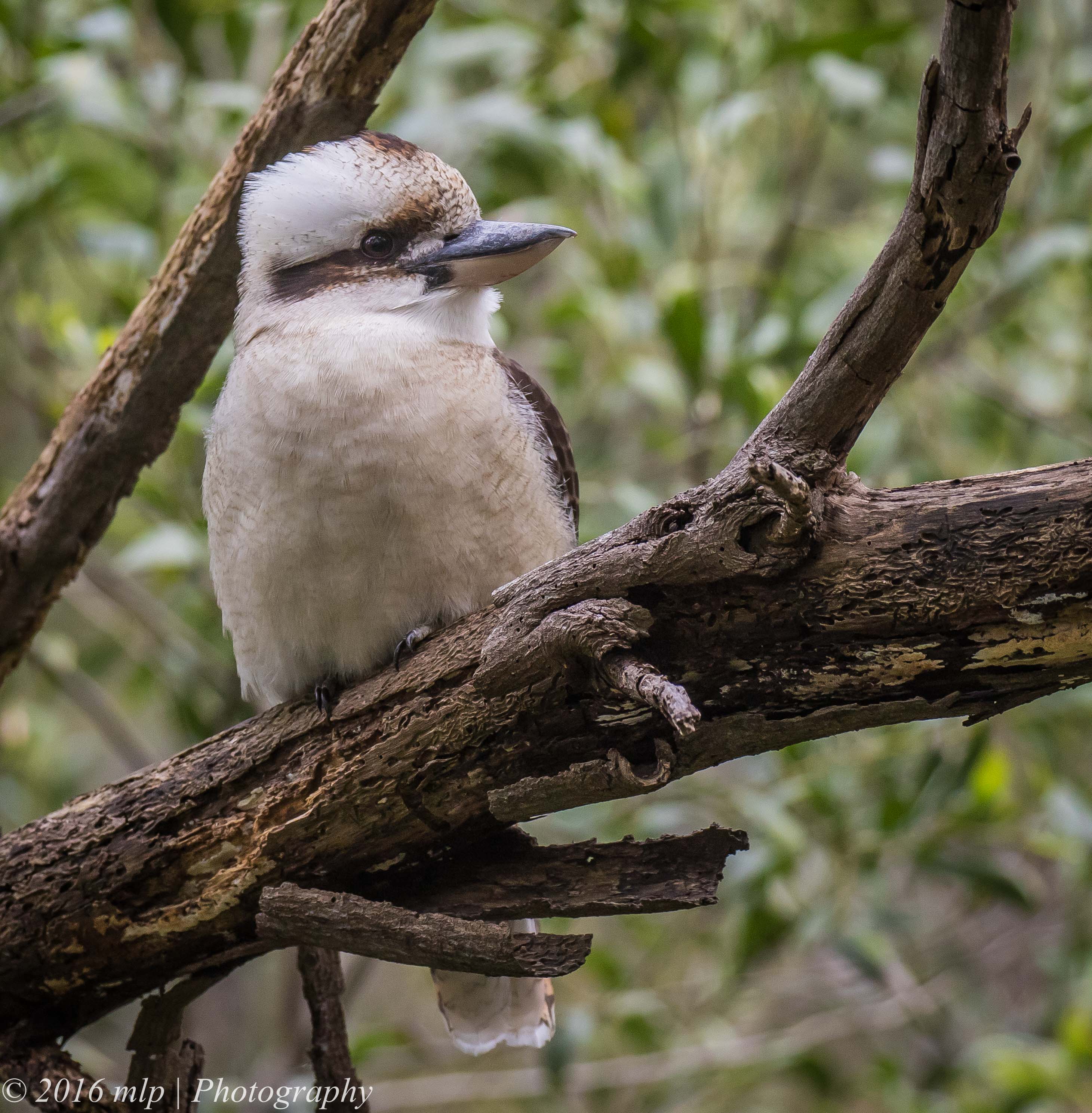
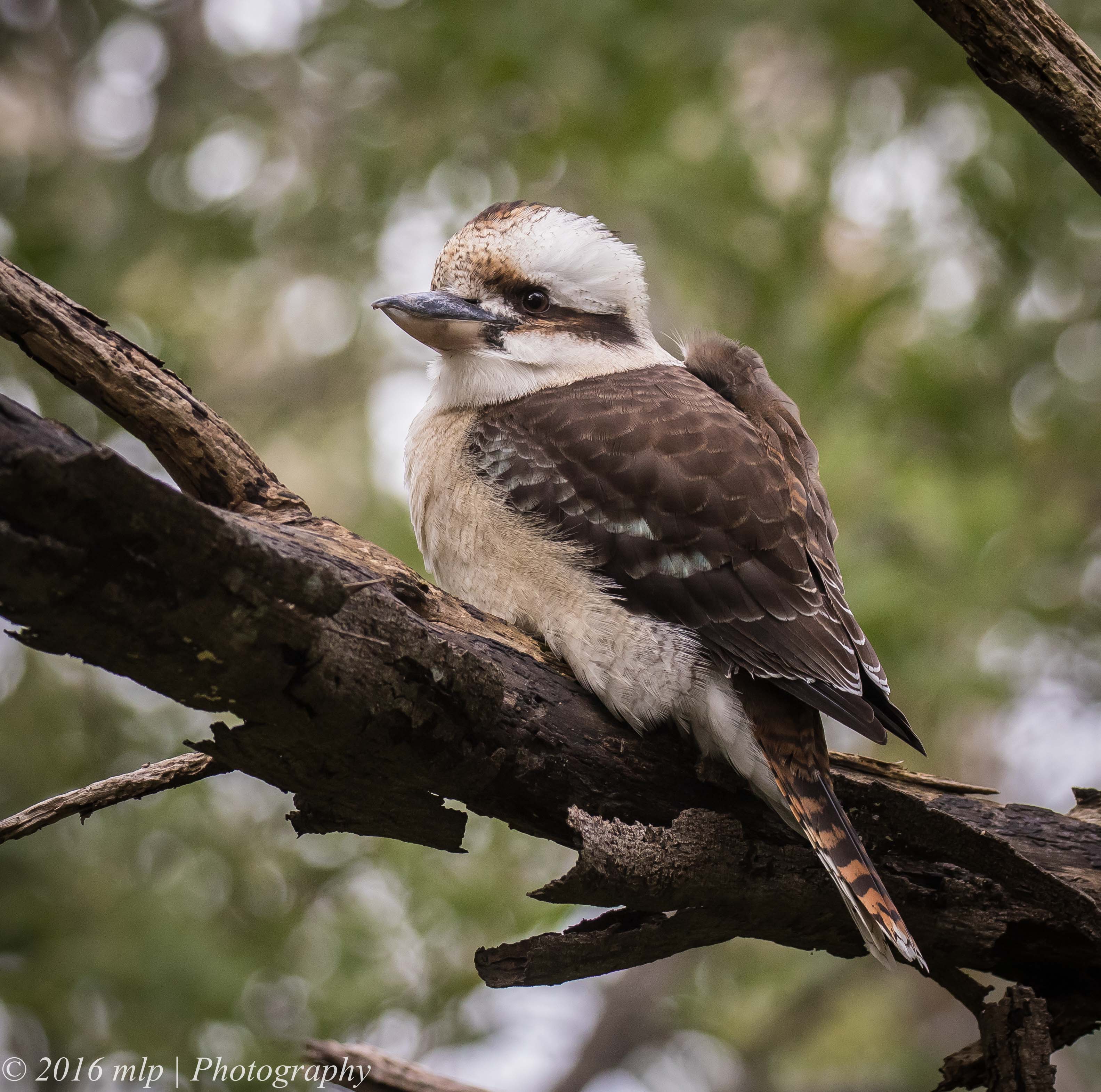
A drop in visit to the Moorooduc Quarry Flora and Fauna reserve after all the rain lately meant a slog through the mud and water along the paths to the Quarry. It was fairly quiet as the birds seemed to be in a bit of shell-shock only making a bit more noise and becoming more mobile when the sun made an appearance every now and again. I walked along a path where I regularly see Eastern Yellow Robins and while trying to photograph a pair hunting I noticed a young Kookaburra watching me with interest. He did not seem bothered at all by how close I was…

Kookaburra, Moorooduc Quarry, Victoria

Kookaburra, Moorooduc Quarry, Victoria

Kookaburra, Moorooduc Quarry, Victoria

II

Kookaburra, Moorooduc Quarry, Victoria

III

Peregrine Falcon, Moorooduc Quarry, Victoria

One of the resident Peregrine Falcons at the Quarry, keeping warm by puffing up the feathers with trapped air. 

A sunny Winter’s Day at Willowind Farm

I dropped by the folks’ farm in Moorooduc yesterday. They live on a 10 acre block with large pine trees down one side and a Eucalyptus woodlot along another edge. The long driveway is bordered by rows of Willow Trees. Next door is a free range egg farm guarded by several Mareema Sheepdogs that have been trained to guard the chickens from foxes. Given the number of chickens we find in the sheep yards they do miss a few visits by the local foxes. A few raptors also tend to regularly stop by and watch for chicken stragglers. I have counted 24 bird species so far at the farm. The property has a nice mix of native and introduced mature trees as well as some native bushes for the smaller birds. I  photographed a few below, along with some nicely coloured fungi.

Brown Thornbill, Willowind Farm, Moorooduc, Victoria

Brown Thornbill, Willowind Farm, Moorooduc, Victoria

Brown Thornbill, Willowind Farm, Moorooduc, Victoria

II

Brown Thornbill, Willowind Farm, Moorooduc, Victoria

III

Brown Thornbill, Willowind Farm, Moorooduc, Victoria

IV

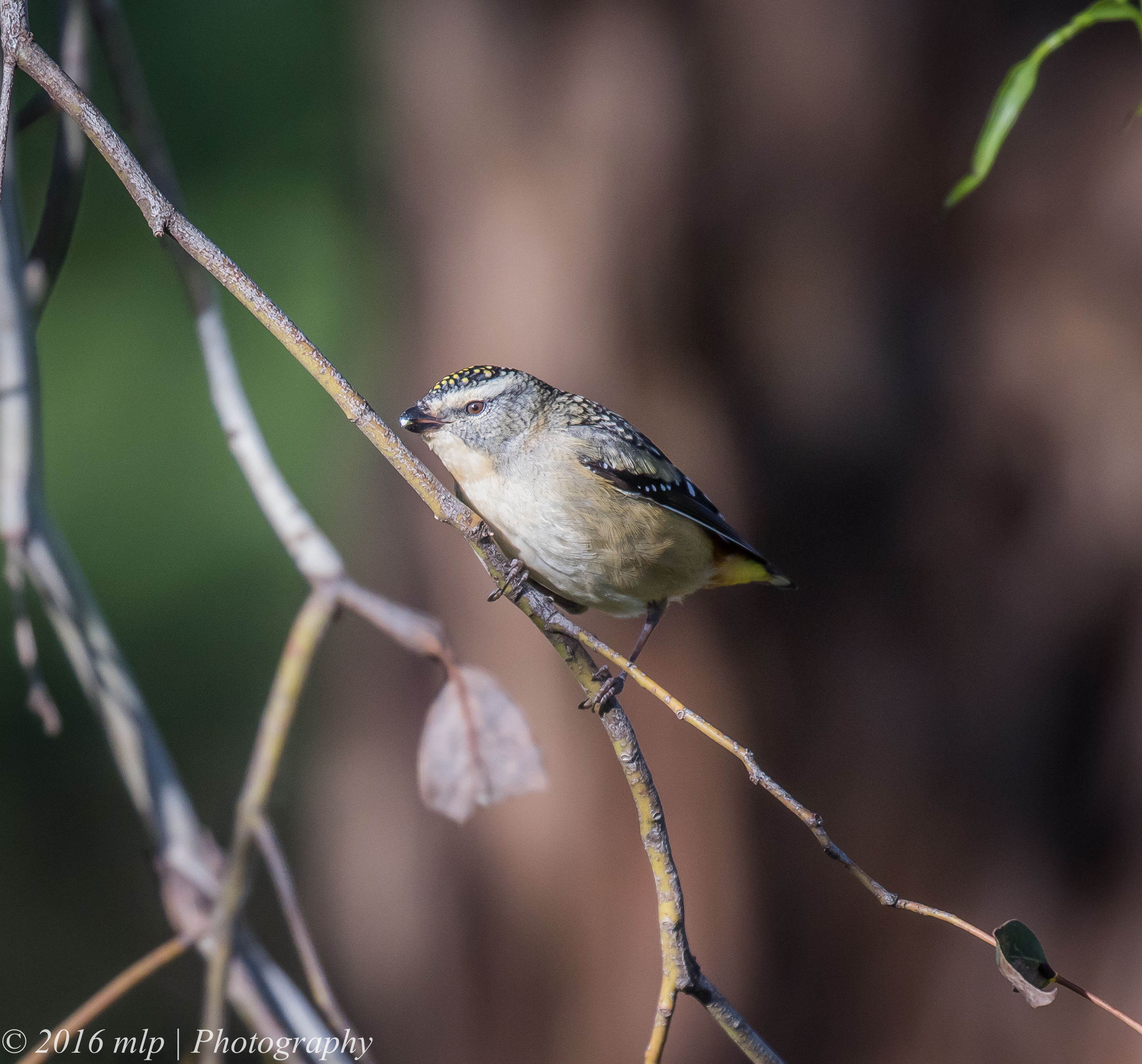
Spotted Pardalote, Willowind Farm, Moorooduc, Victoria

Female Spotted Pardalote, Willowind Farm

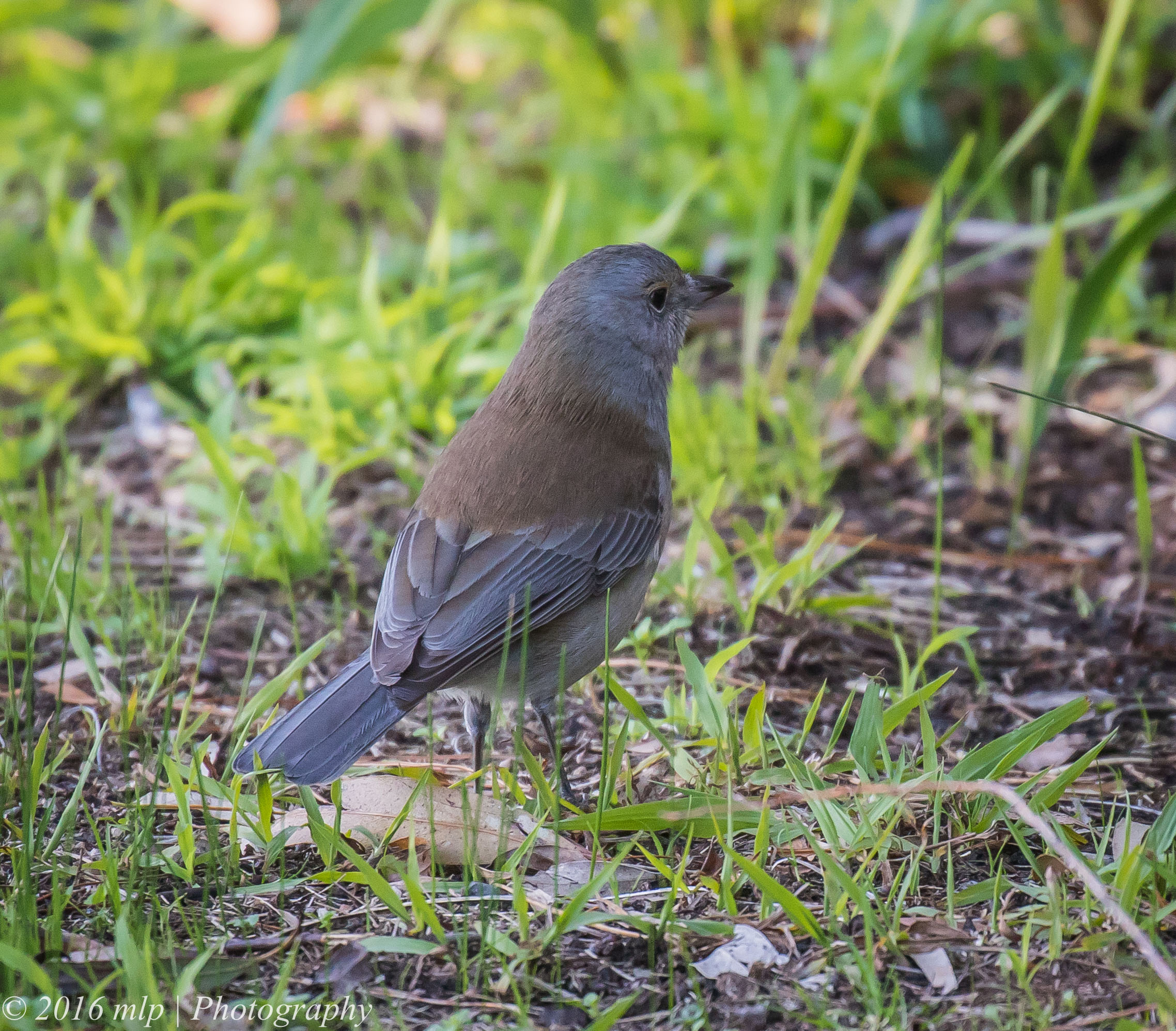
Grey Shrikethrush, Willowind Farm, Moorooduc, Victoria

Grey Shrikethrush, Willowind Farm

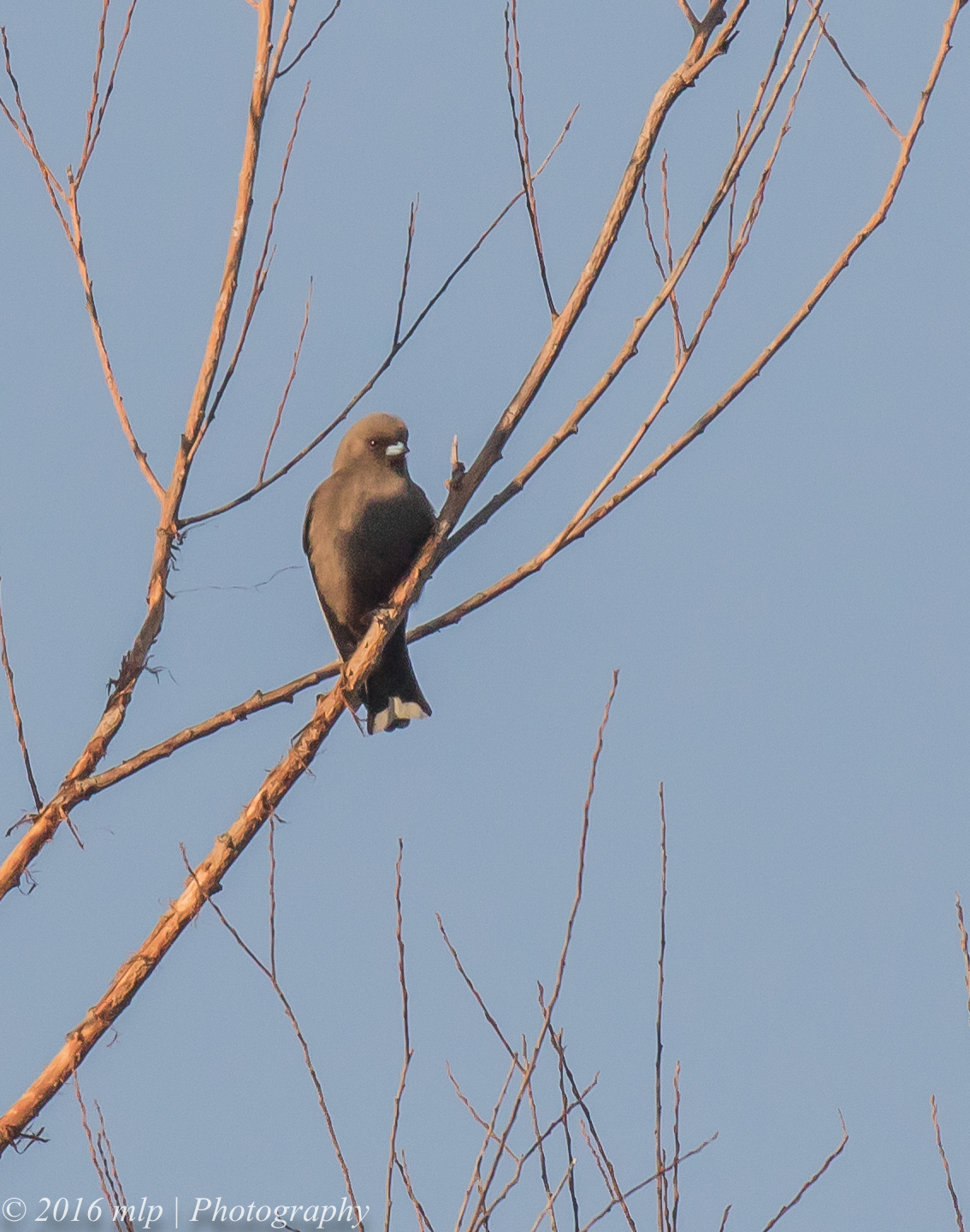
Dusky Woodswallow, Willowind Farm, Moorooduc, Victoria

One of four Dusky Woodswallows roosting in a local tree in the late afternoon sun.

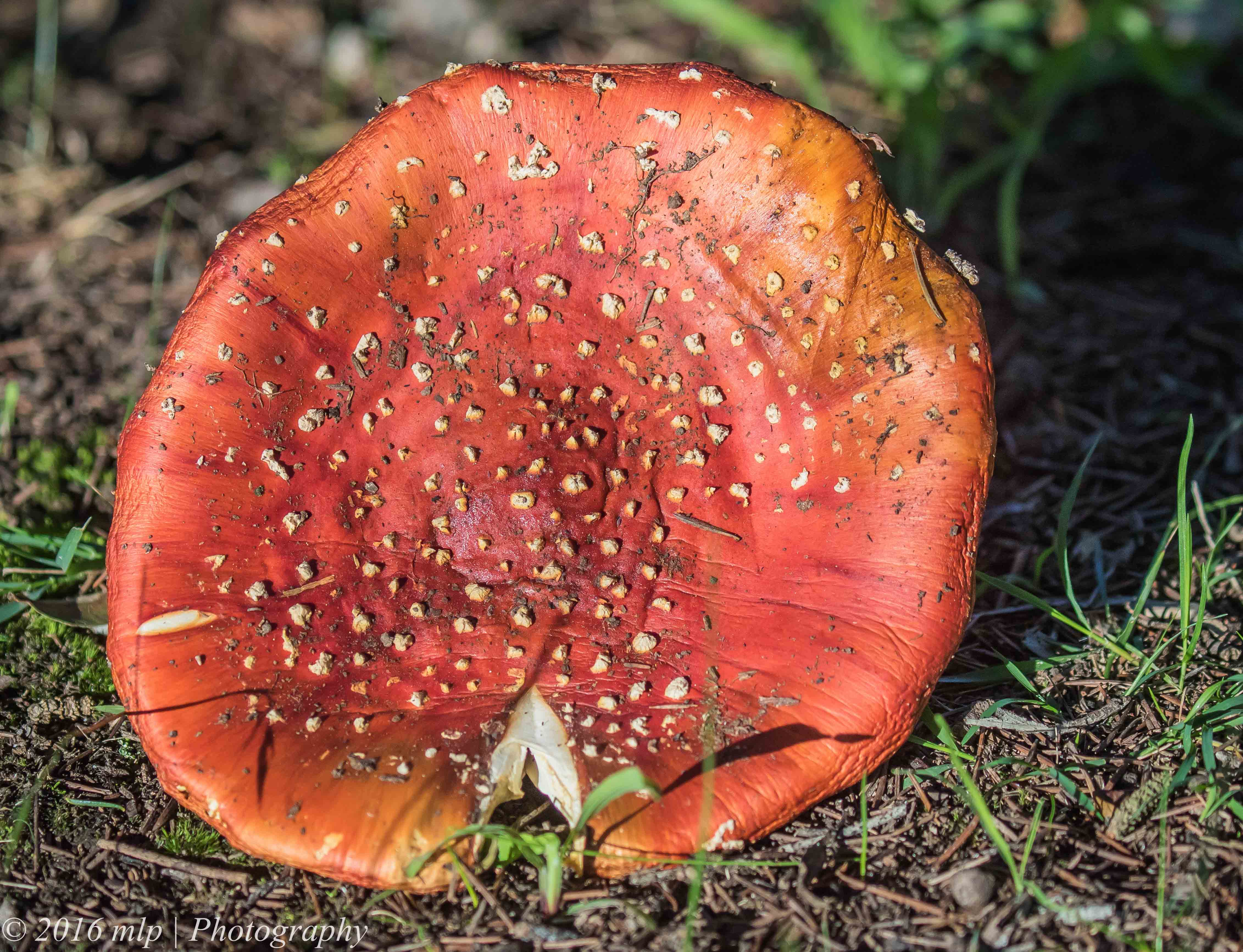
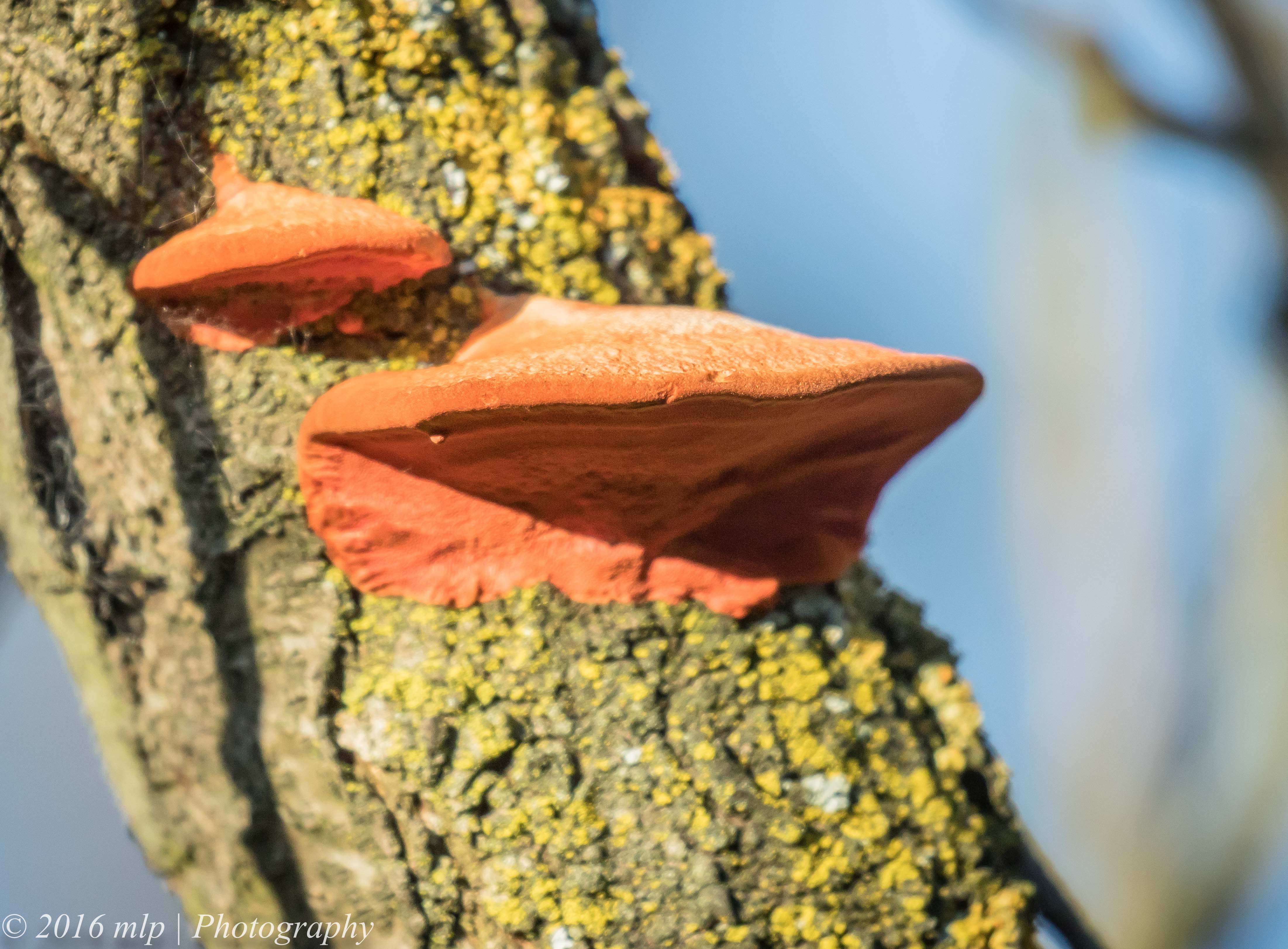
Large Fungi, Willowind Farm, Moorooduc, Victoria

Large Fungi, Willowind Farm, Moorooduc, Victoria

Apricot tree Fungi, Willowind Farm, Moorooduc, Victoria

Apricot tree Fungi, Willowind Farm, Moorooduc, Victoria

A great visit to the Pooh Farm…

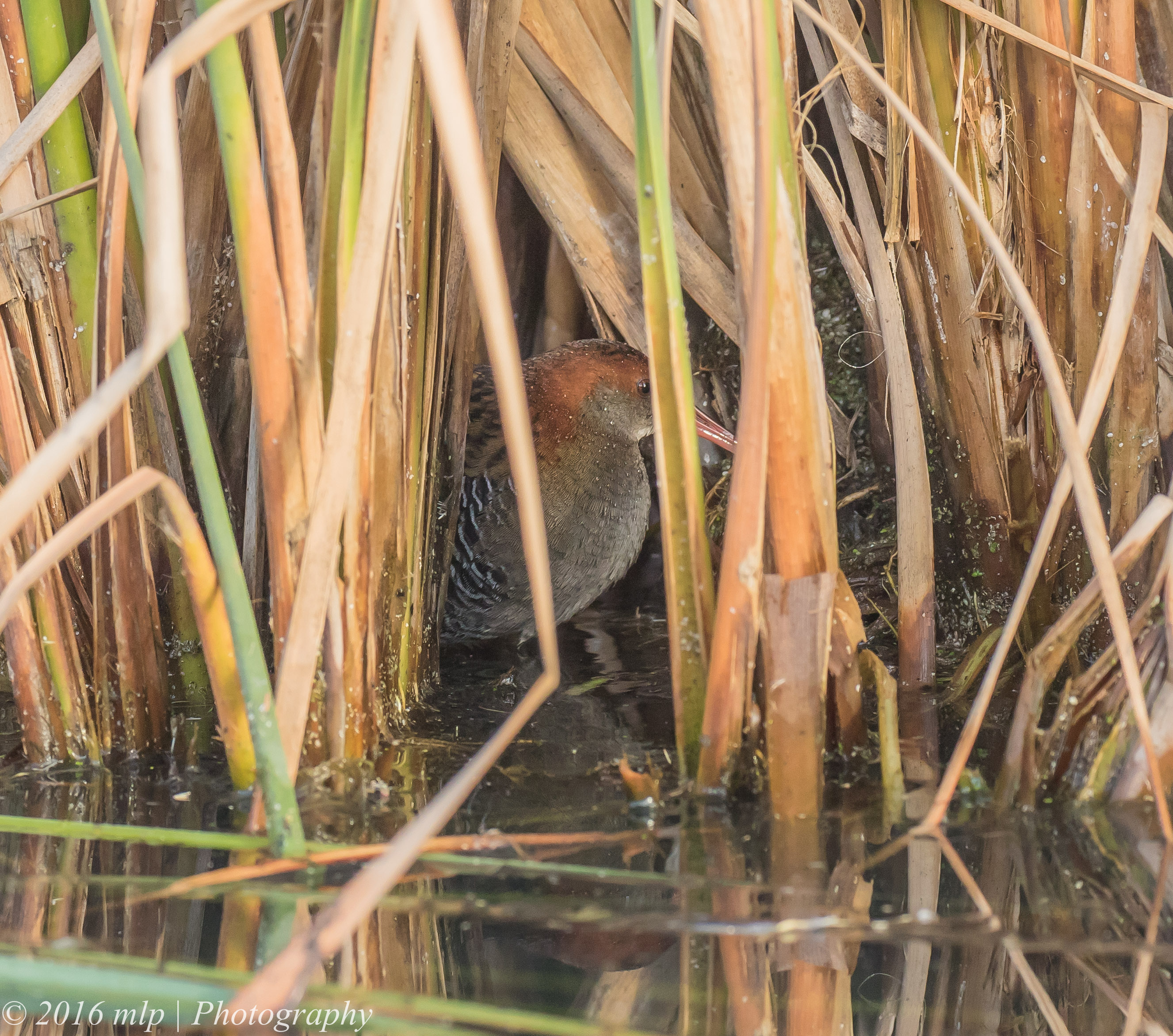
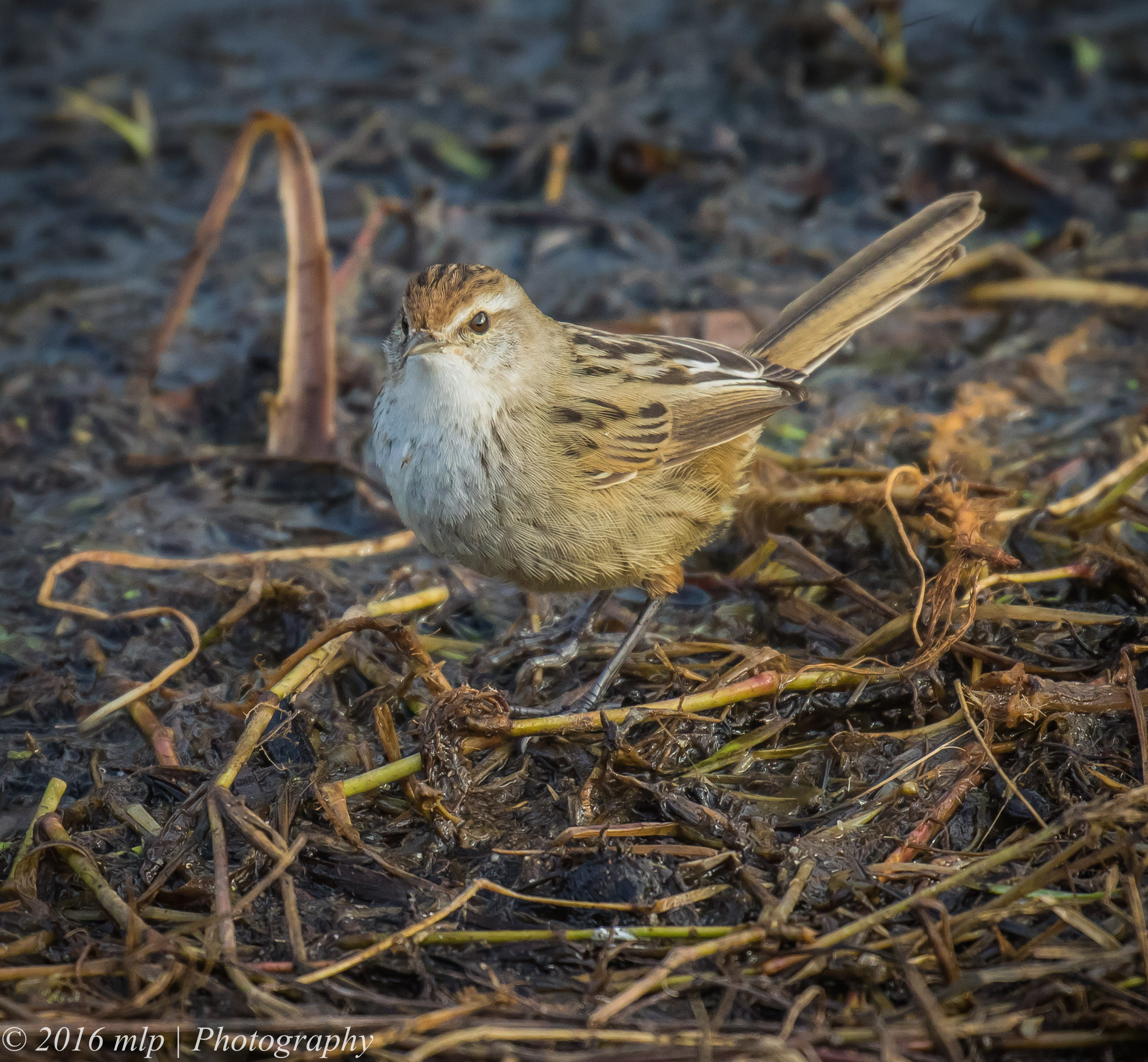
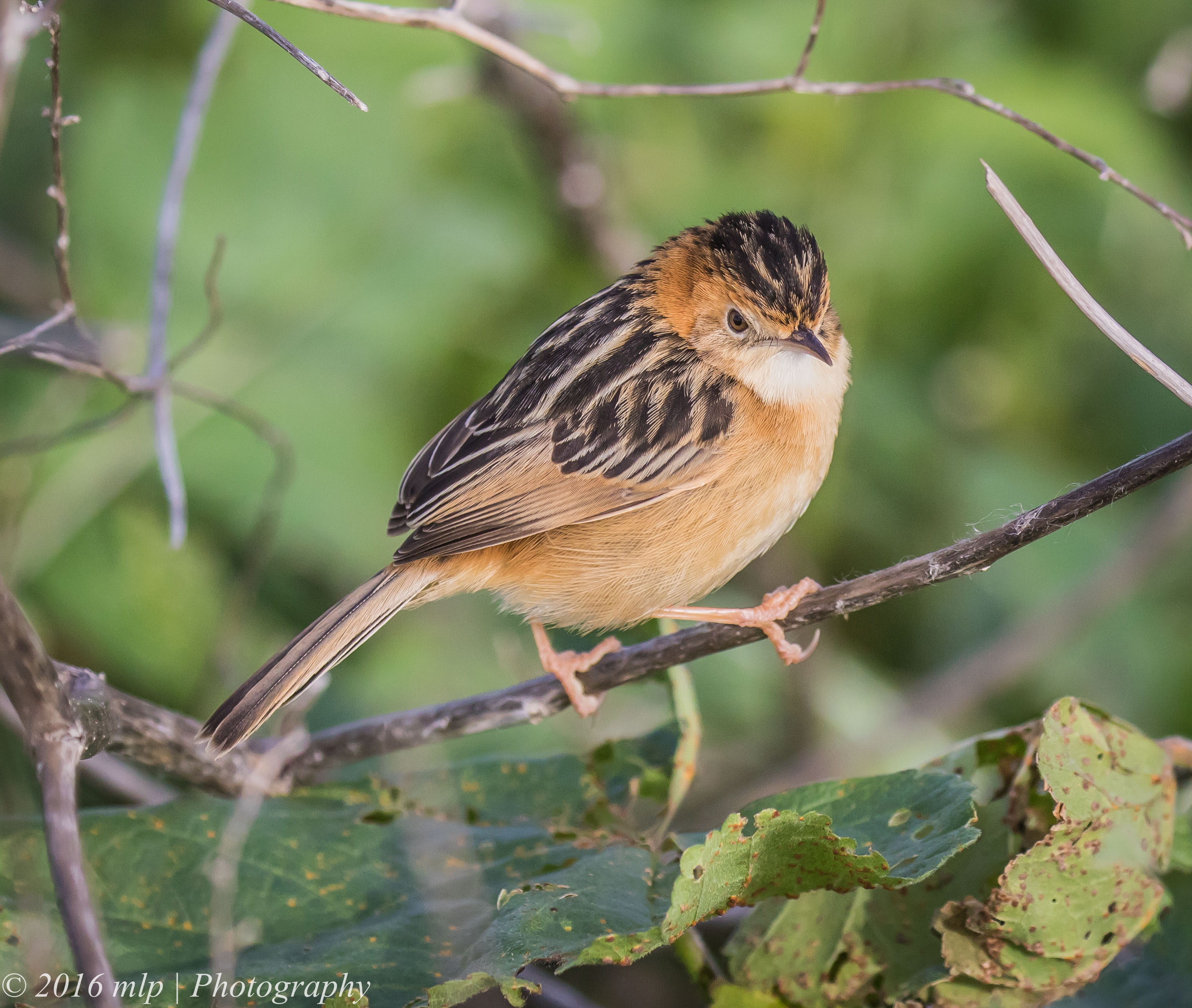
Its always a good visit when you see a rare bird (and even if only a glimpse), and get lucky with a few good close ups of a few favourites…I have only seen the Lewin’s Rail once before at the Coolart Wetlands and then this time at the Western treatment Plant.

Lewin's Rail,  Western Treatment Plant, Victoria

Lewin’s Rail, Western Treatment Plant, Victoria

Little Grassbird,  Western Treatment Plant, Victoria

Little Grassbird, Western Treatment Plant, Victoria

Golden-headed Cisticola,  Western Treatment Plant, Victoria

Golden-headed Cisticola, Western Treatment Plant, Victoria

Nightingale of the Pooh Farm

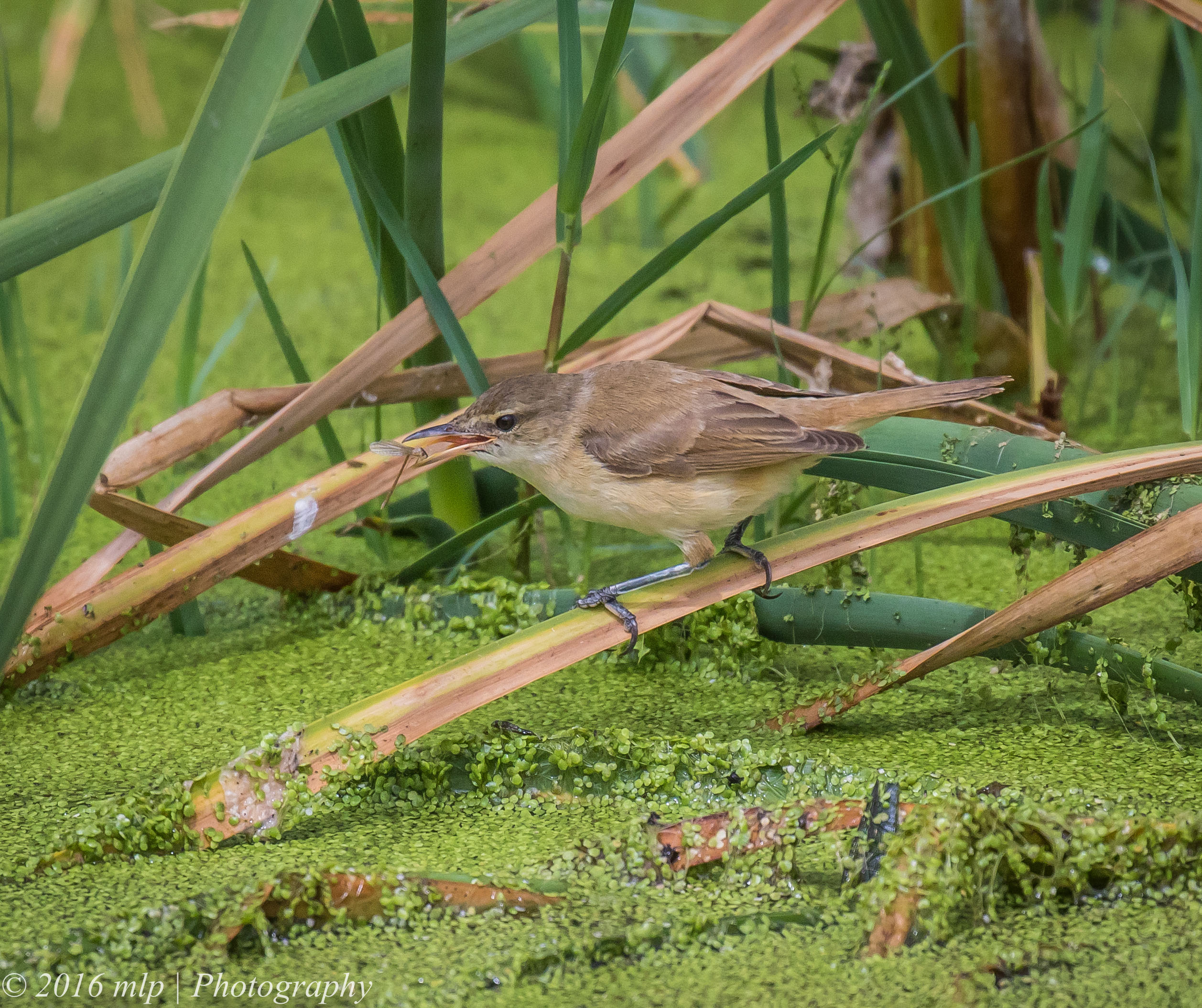
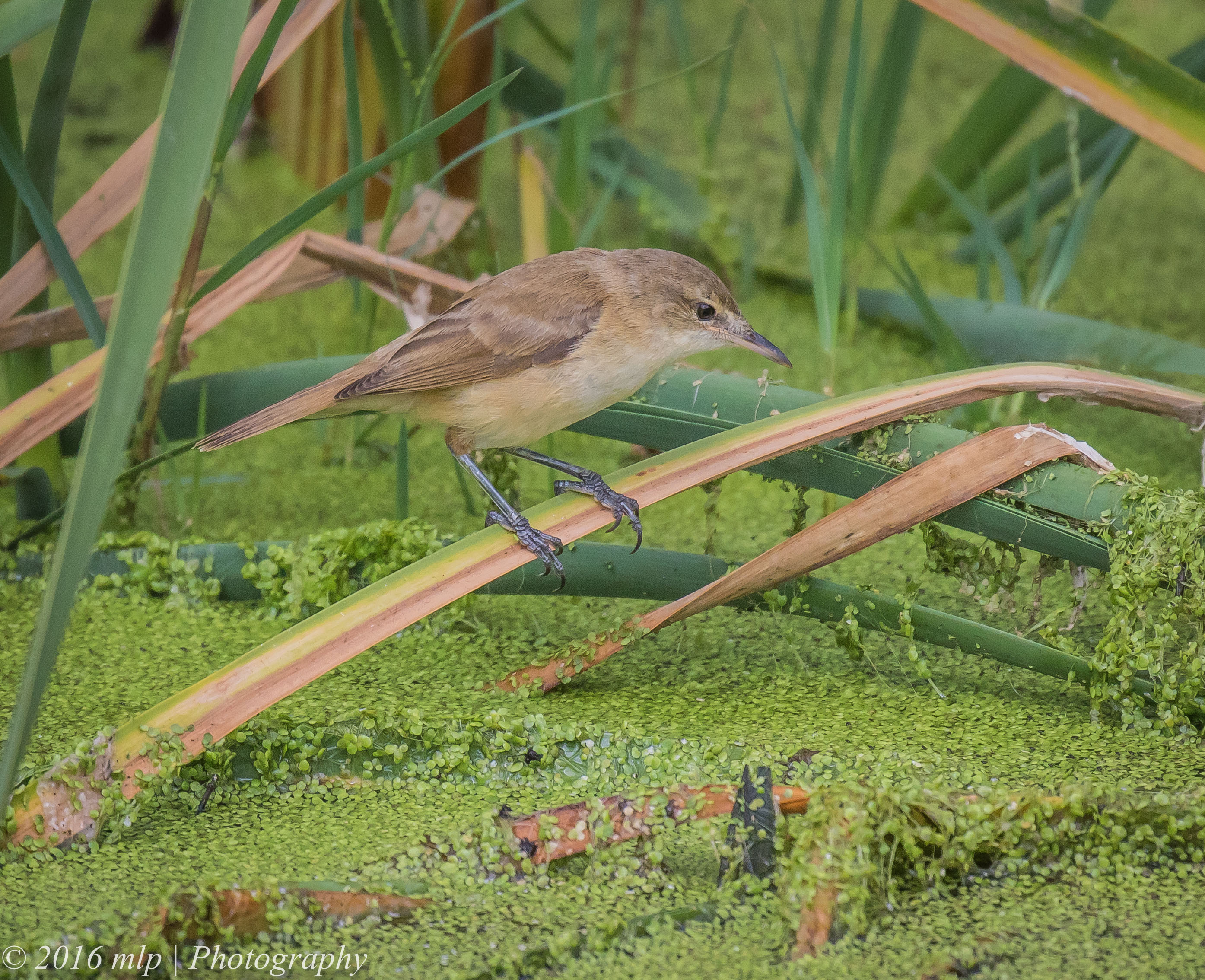
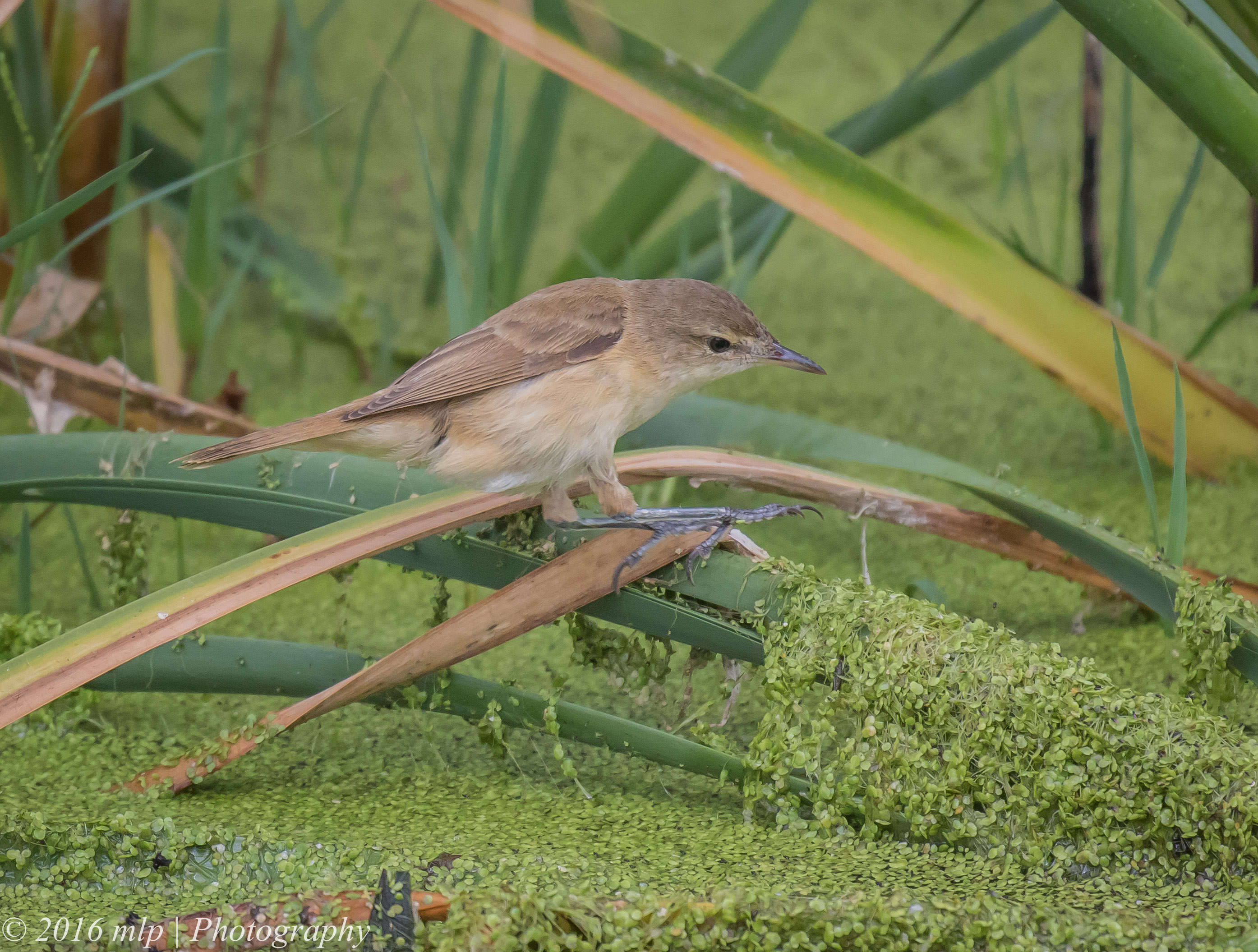
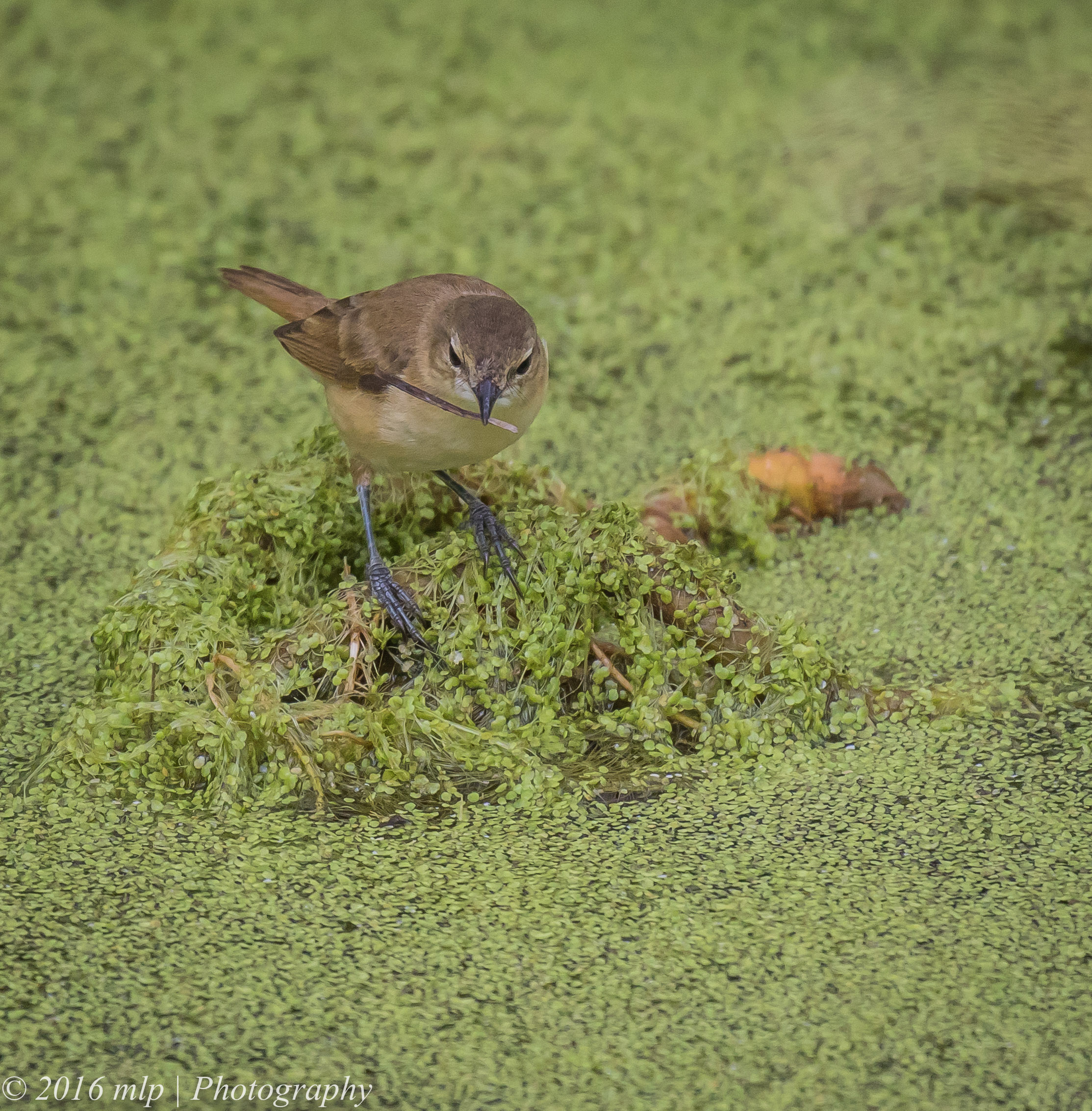
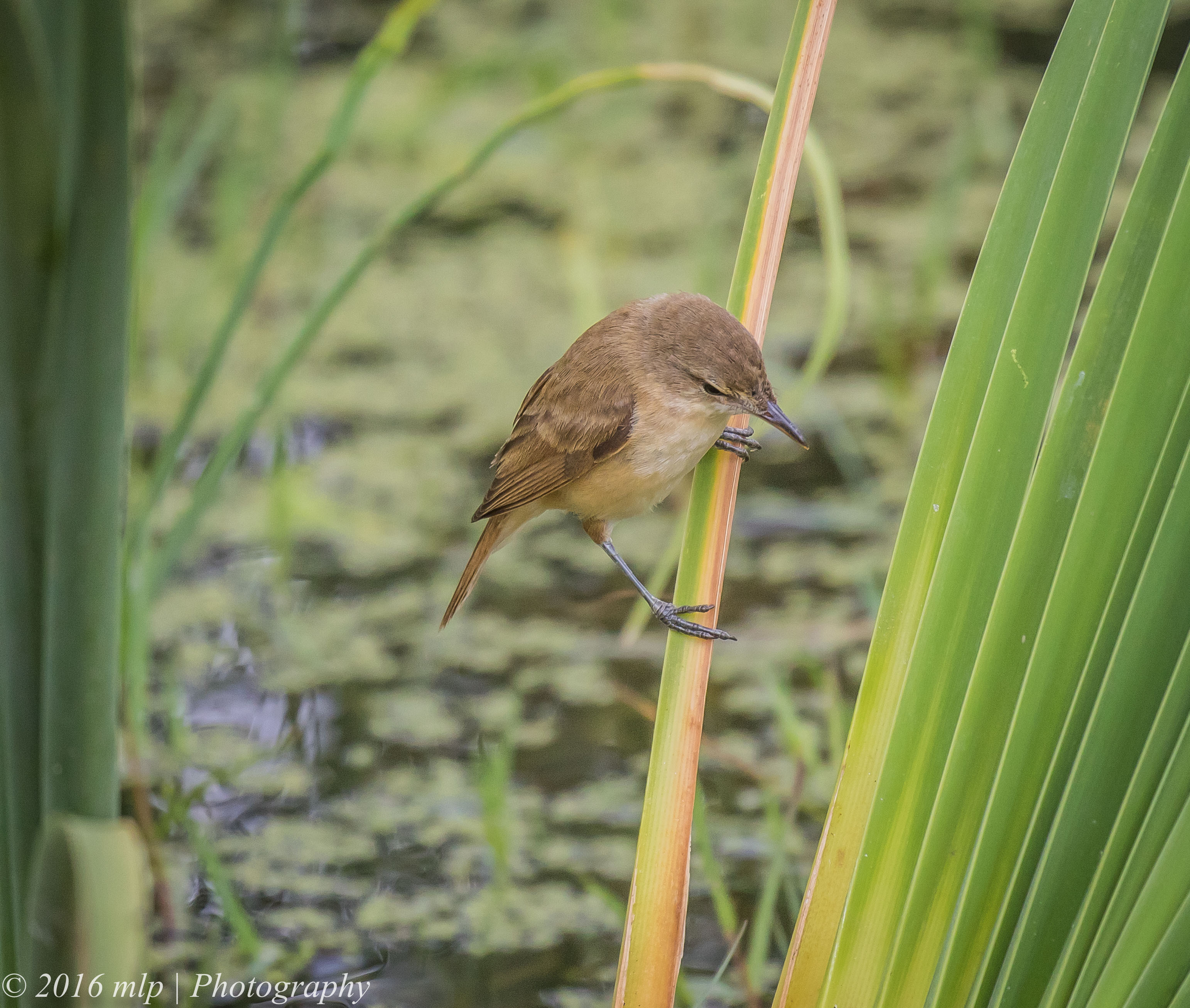
Another bird species that thrives in the reed beds of the Crake Pit at the Pooh Farm is the Australian Reed Warbler…it is more often heard than seen, generally only  glimpsed  as it flies between clumps of reeds in the lagoons, secretive but loud during Spring/Summer breeding seasons.

The reed warbler has a loud ringing song and has been described as being one of the most melodious singers hence one of its the informal names, Nightingale. Often heard in Spring and Summer in wetlands with good reed coverage. The warbler uses sustained singing to defend its territory amongst the reeds.  It migrates north during autumn for the winter and back for the spring.

Acrocephalus australis  – Acrocephalus, Greek for  ‘peak head’ and australis Latin for ‘southern’ . Also called Clamorous Reed Warbler, Great Reed Warbler, Reed-lark, Swamp Tit, Water Sparrow, Nightingale (HANZAB Volume 7b)

Australian Reed Warbler,  Western Treatment Plant, Victoria

Australian Reed Warbler, Western Treatment Plant, Victoria

Australian Reed Warbler,  Western Treatment Plant, Victoria

II

Australian Reed Warbler,  Western Treatment Plant, Victoria

…got the Damsel fly…

Australian Reed Warbler,  Western Treatment Plant, Victoria

IV

Australian Reed Warbler,  Western Treatment Plant, Victoria

…a quick leap to the next target…

Australian Reed Warbler,  Western Treatment Plant, Victoria

VI

Australian Reed Warbler,  Western Treatment Plant, Victoria

VII

Australian Reed Warbler,  Western Treatment Plant, Victoria

…typical pose when seen, hanging onto a reed ready to pounce on prey…

Baillon’s Crake’s migration mystery

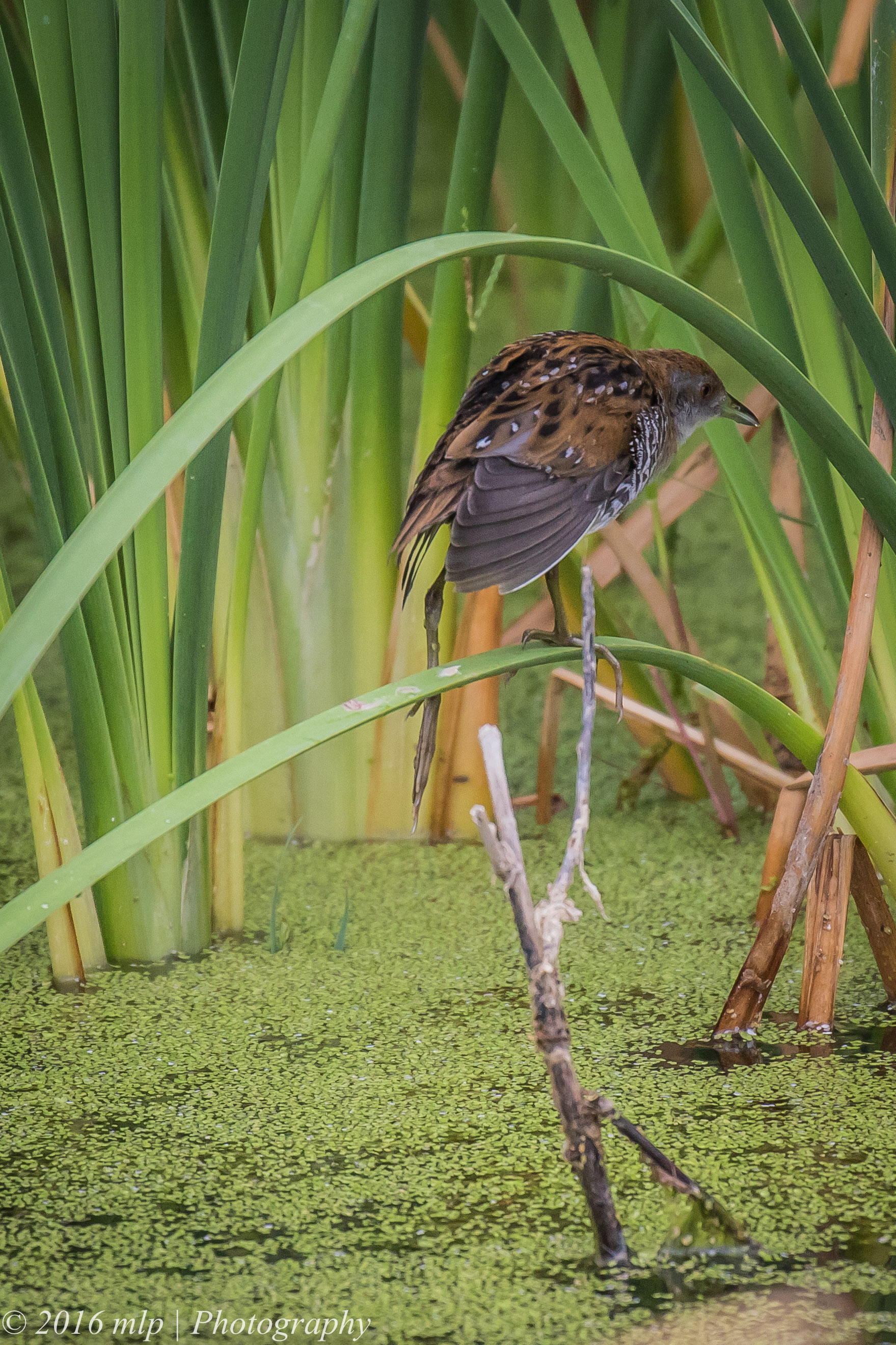
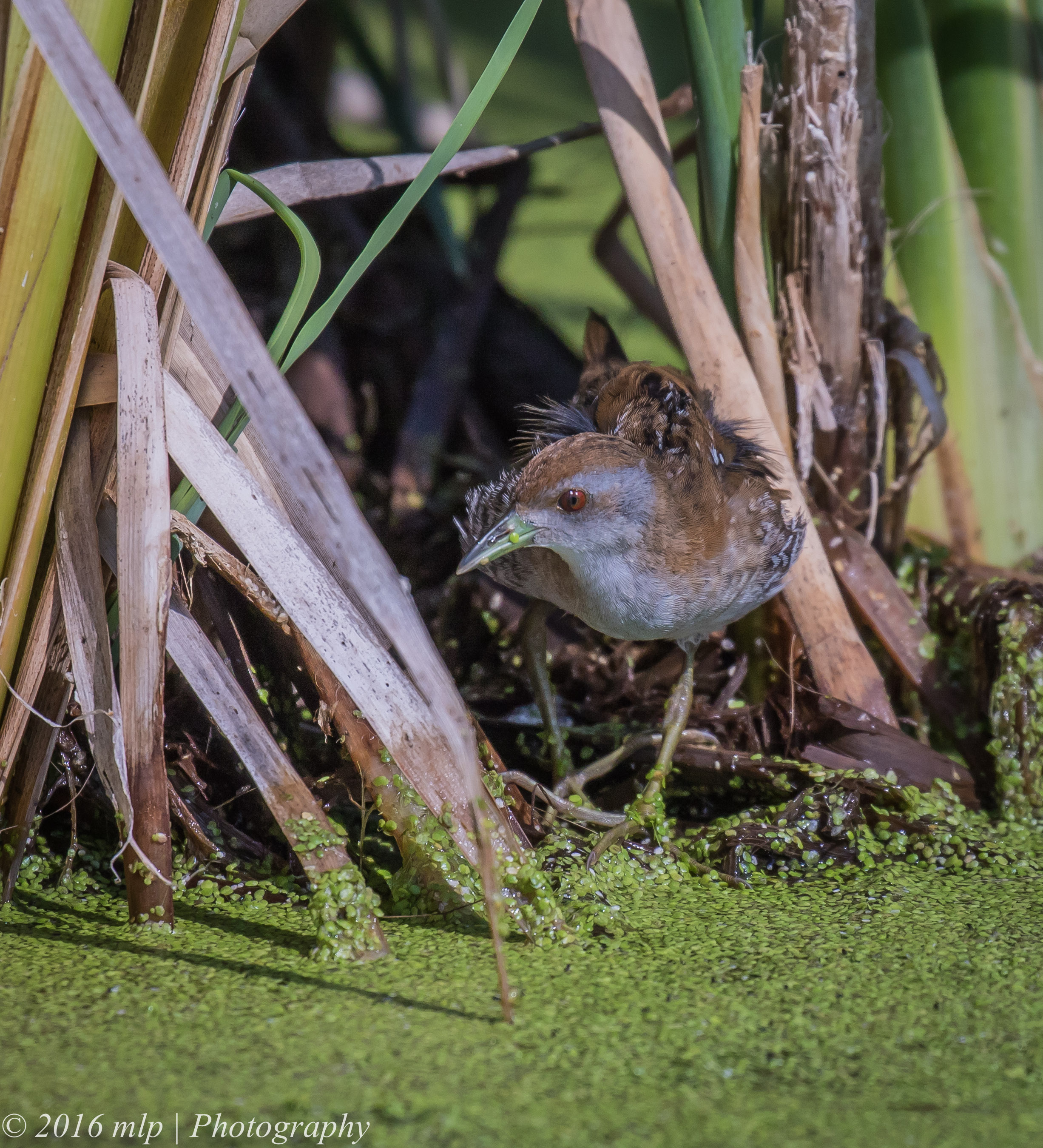
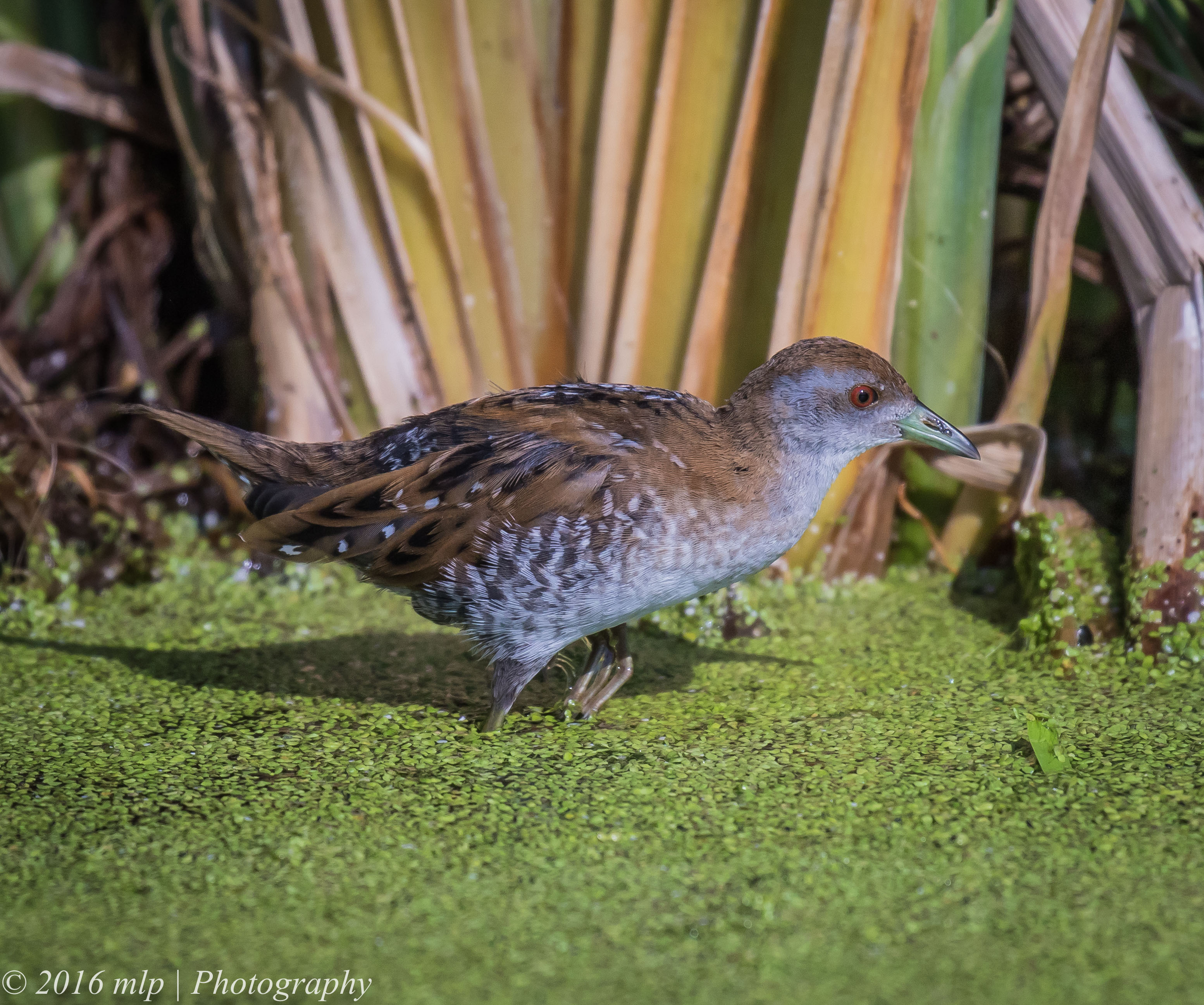
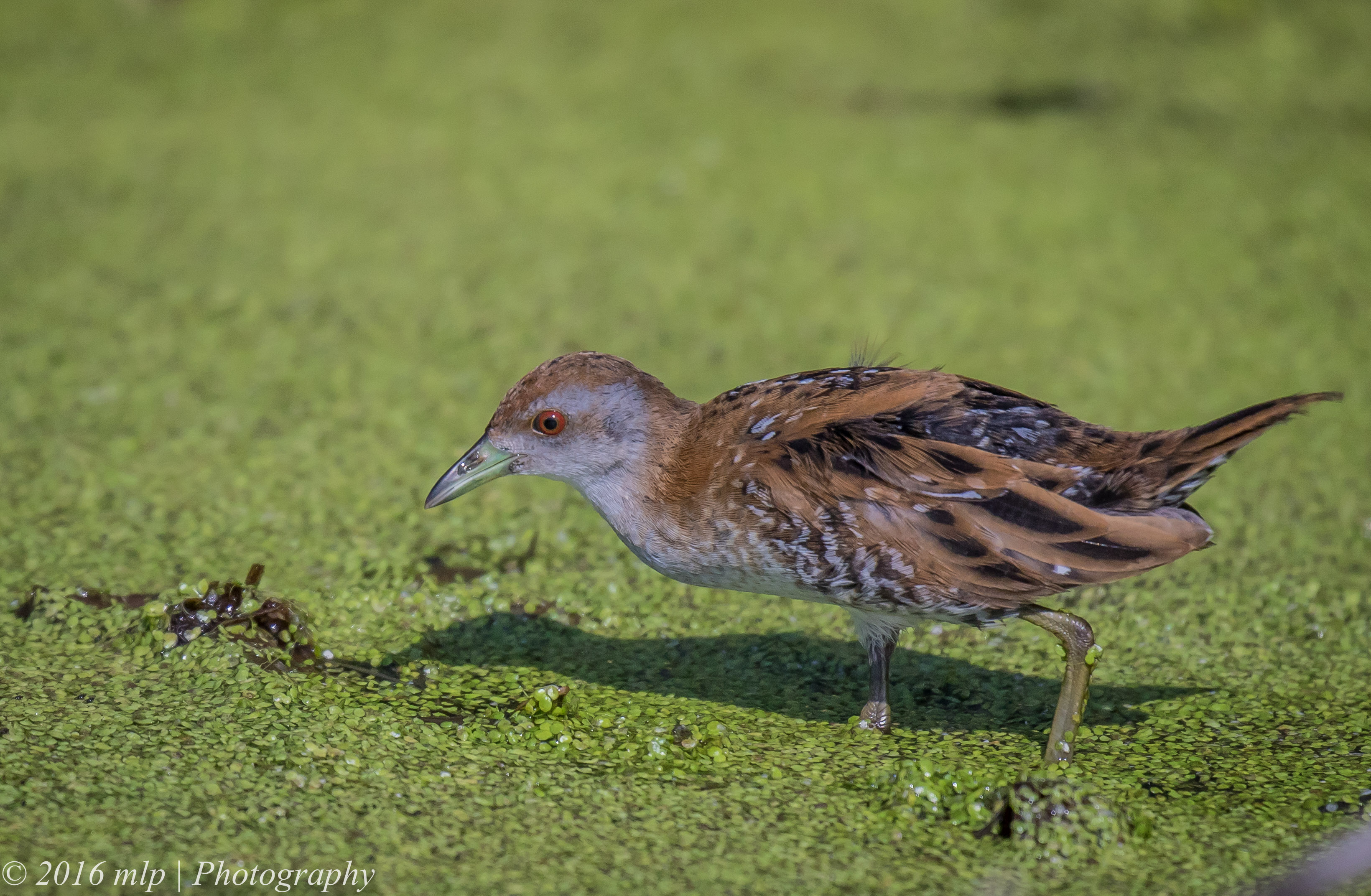
The only place I have regularly seen the Baillon’s Crake:adults and juveniles, is at the Crake Pit at the Western Treatment Plant. According to HANZAB (Handbook of Australian New Zealand Antarctic Birds) it is probably migratory but as it does not call in Winter it is hard to know for sure…however considering how many people are currently visiting the crake pit to look for and photograph the Lewin’s Rail it surely would be seen quite often. On our numerous trips over Summer and Autumn we saw quite a few Baillon’s and they did not appear to be overly shy, often coming right out from under cover. Given the lack of reporting lately I would guess that it does migrate to Northern Australian. It is a very small bird with long olive legs and large feet to help it move across the sodden vegetation.  It has small wings so a long flight north is an amazing feat of endurance.

Baillon’s Crake’s formal name is Porazana pusilla (Porzana:Italian dialect for ‘smaller crake’ and pusilla meaning ‘very small’ or ‘paltry’. It has also been called Lesser Spotted Crake, Tiny, Little, Little Water and Marsh Crake. 

Baillon's Crake,  Western Treatment Plant, Victoria

Baillon’s Crake, Western Treatment Plant, Victoria

Baillon's Crake,  Western Treatment Plant, Victoria

Baillon’s Crake, Western Treatment Plant, Victoria

Baillon's Crake,  Western Treatment Plant, Victoria

Baillon’s Crake, Western Treatment Plant, Victoria

Baillon's Crake,  Western Treatment Plant, Victoria

Baillon’s Crake, Western Treatment Plant, Victoria

Baillon's Crake,  Western Treatment Plant, Victoria

Baillon’s Crake, Western Treatment Plant, Victoria

Baillon's Crake,  Western Treatment Plant, Victoria

Baillon’s Crake, Western Treatment Plant, Victoria

Baillon's Crake,  Western Treatment Plant, Victoria

Baillon’s Crake, Western Treatment Plant, Victoria

Baillon's Crake,  Western Treatment Plant, Victoria

Baillon’s Crake, Western Treatment Plant, Victoria

Baillon's Crake,  Western Treatment Plant, Victoria

Baillon’s Crake, Western Treatment Plant, Victoria

Baillon's Crake,  Western Treatment Plant, Victoria

Baillon’s Crake, Western Treatment Plant, Victoria

Baillon's Crakes,  Western Treatment Plant, Victoria

Sun-baking and preening at a midday roost…

Hawking with the Swallows

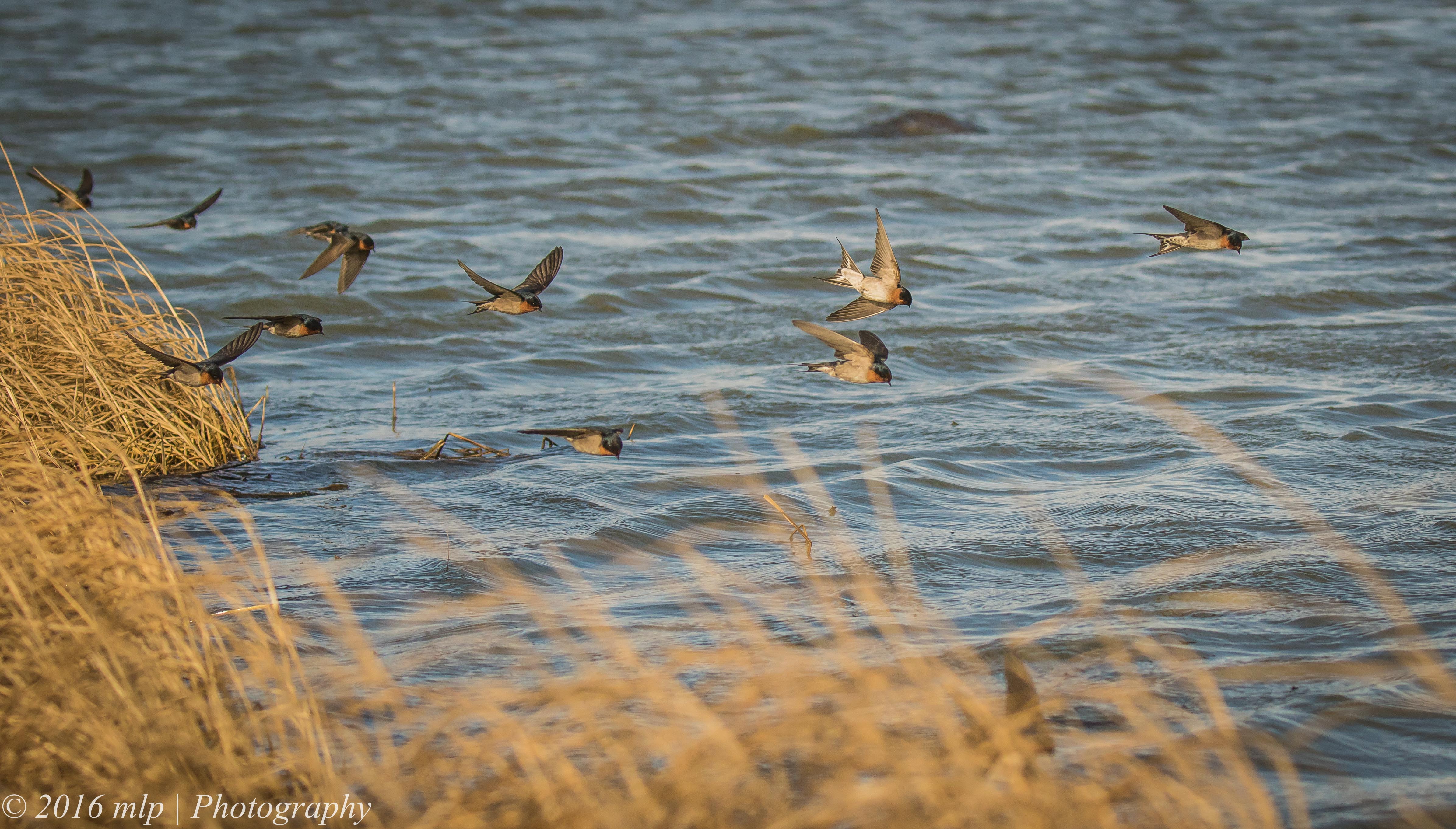
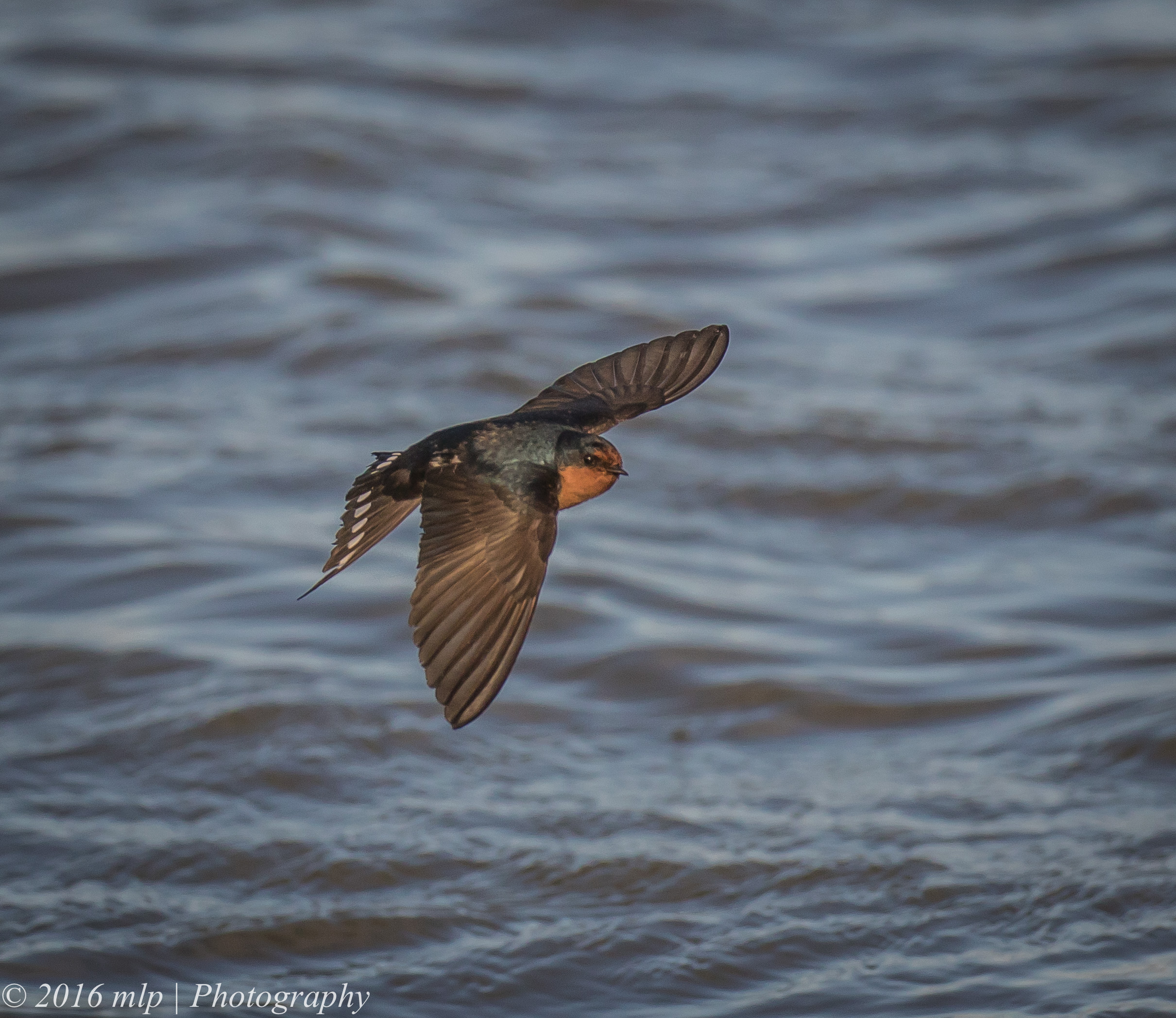
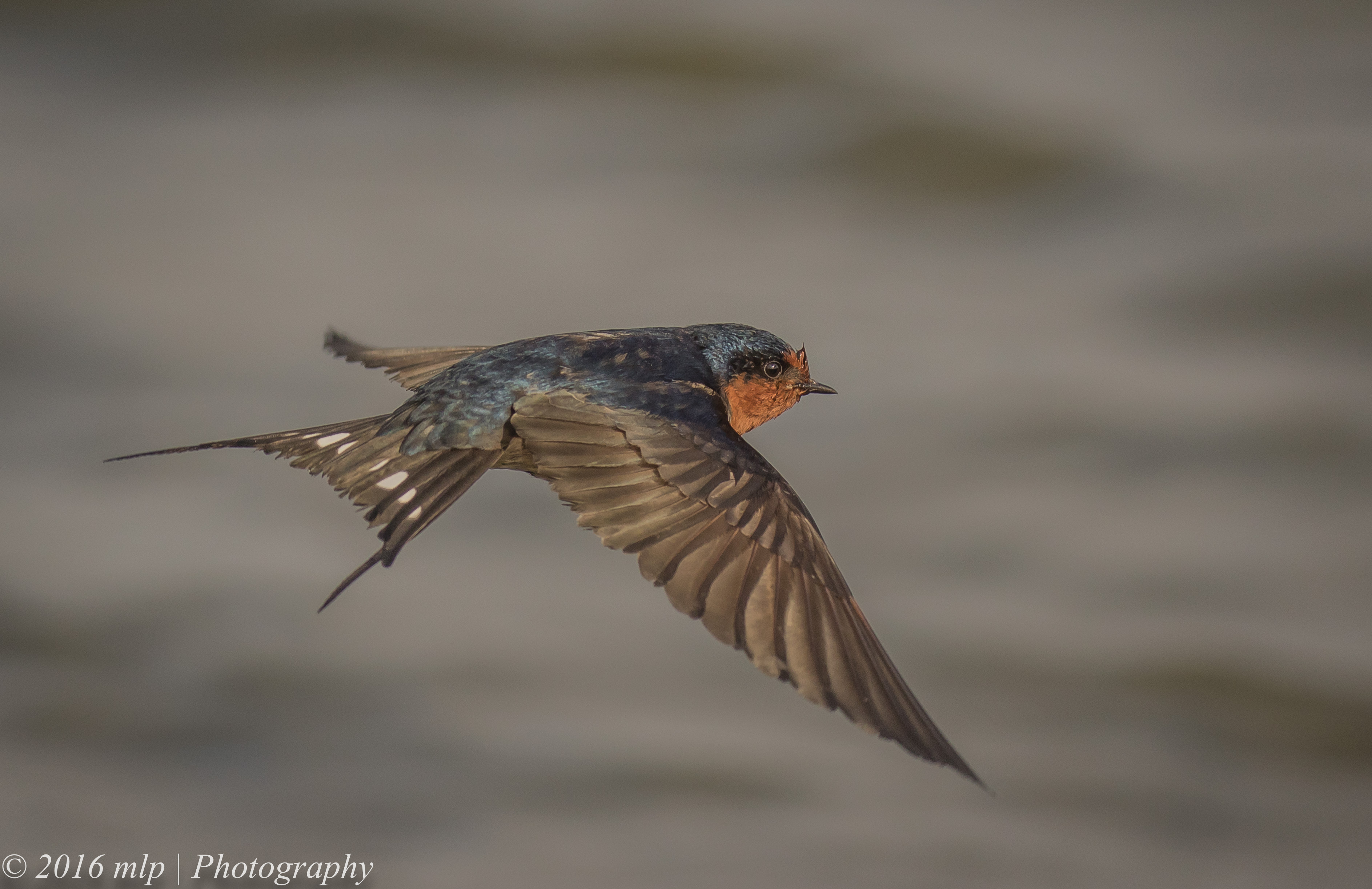
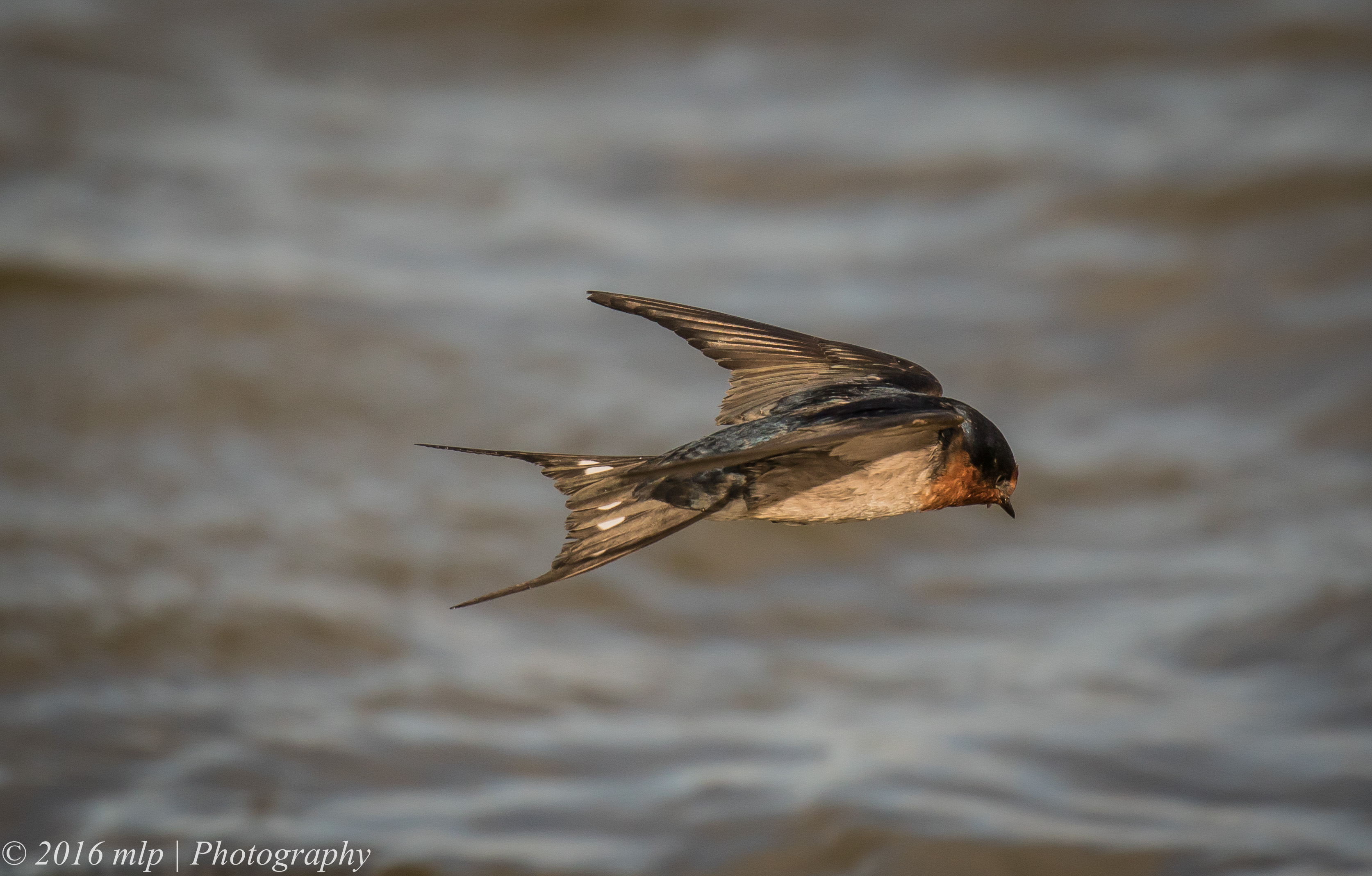
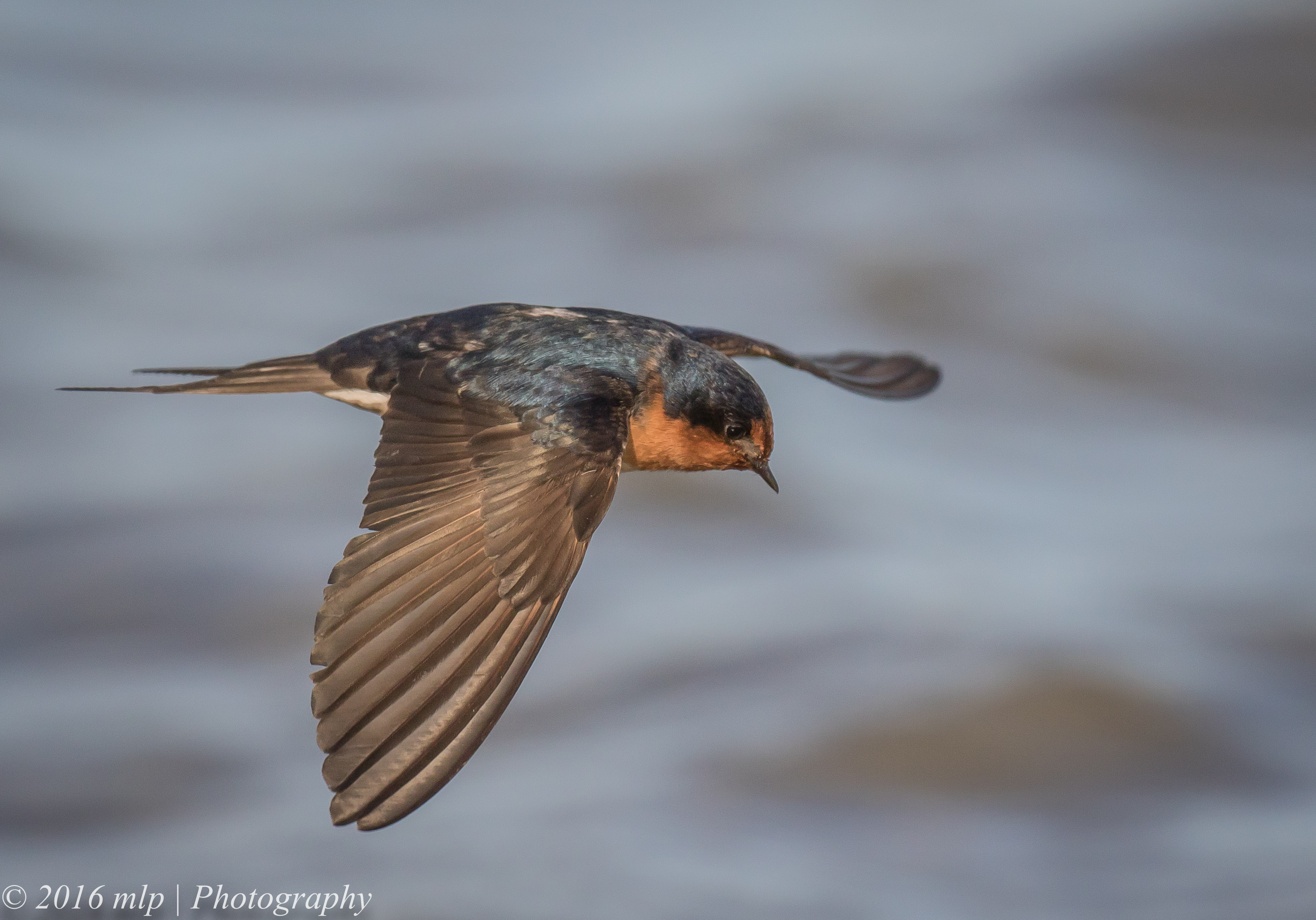
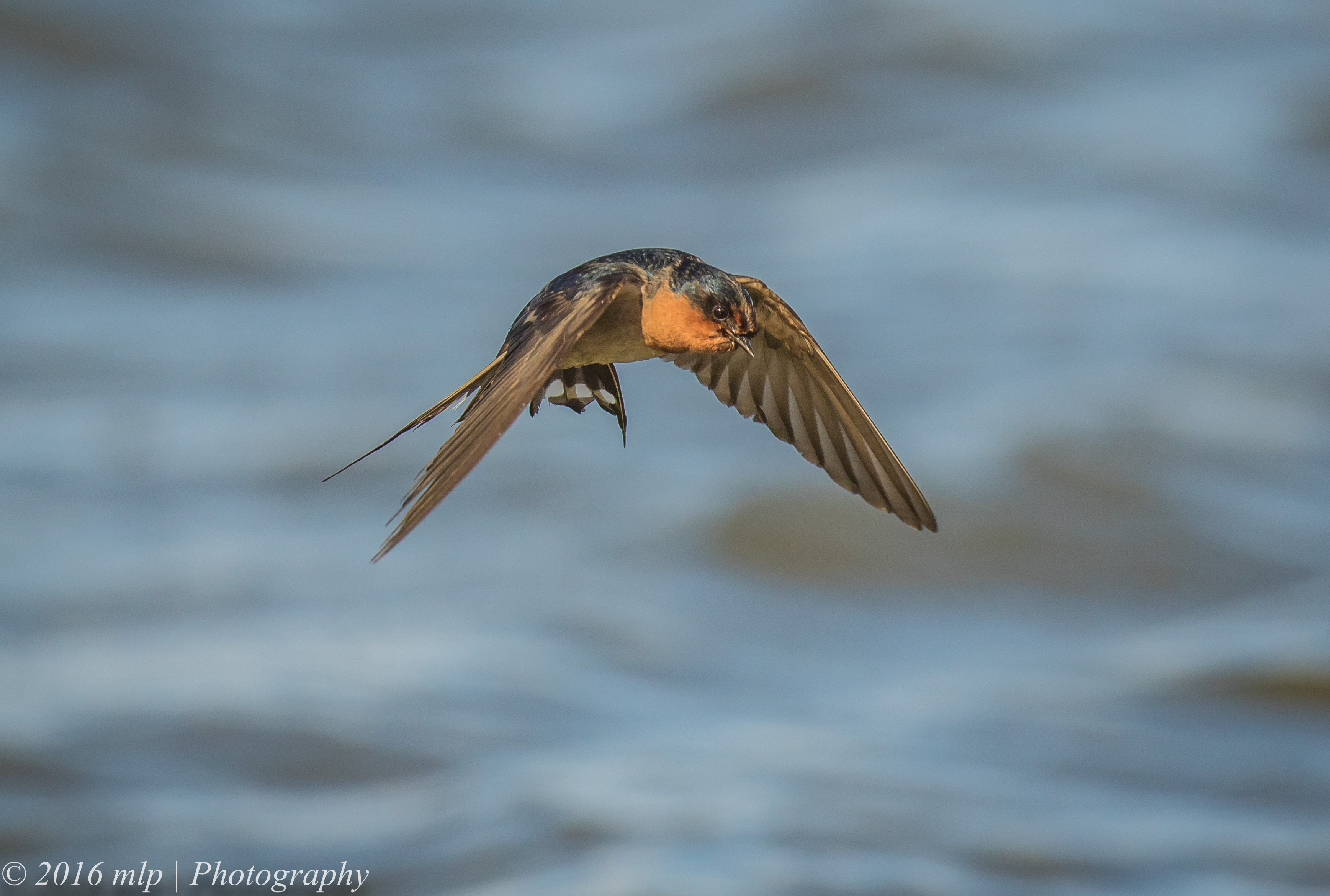
Another day at the Western Treatment Plant looking for Crakes and Rails, and in the next lagoon to the Crake Pit, we found a large flock of Welcome Swallows working a small section of the lagoon scooping small insects off the surface of the water. They stayed in a fairly small area and allowed us to get quite close to attempt some flight shots  – often quiet difficult with these fast moving birds.

Welcome Swallows, Western Treatment Plant, Victoria

Welcome Swallows, Western Treatment Plant, Victoria

Welcome Swallow, Western Treatment Plant, Victoria

Welcome Swallow, Western Treatment Plant, Victoria

Welcome Swallow, Western Treatment Plant, Victoria

II

Welcome Swallow, Western Treatment Plant, Victoria

III

Welcome Swallow, Western Treatment Plant, Victoria

IV

Welcome Swallow, Western Treatment Plant, Victoria

V

Welcome Swallow, Western Treatment Plant, Victoria

VI

Welcome Swallow, Western Treatment Plant, Victoria

VII

Spotlight on the Spotless Crake

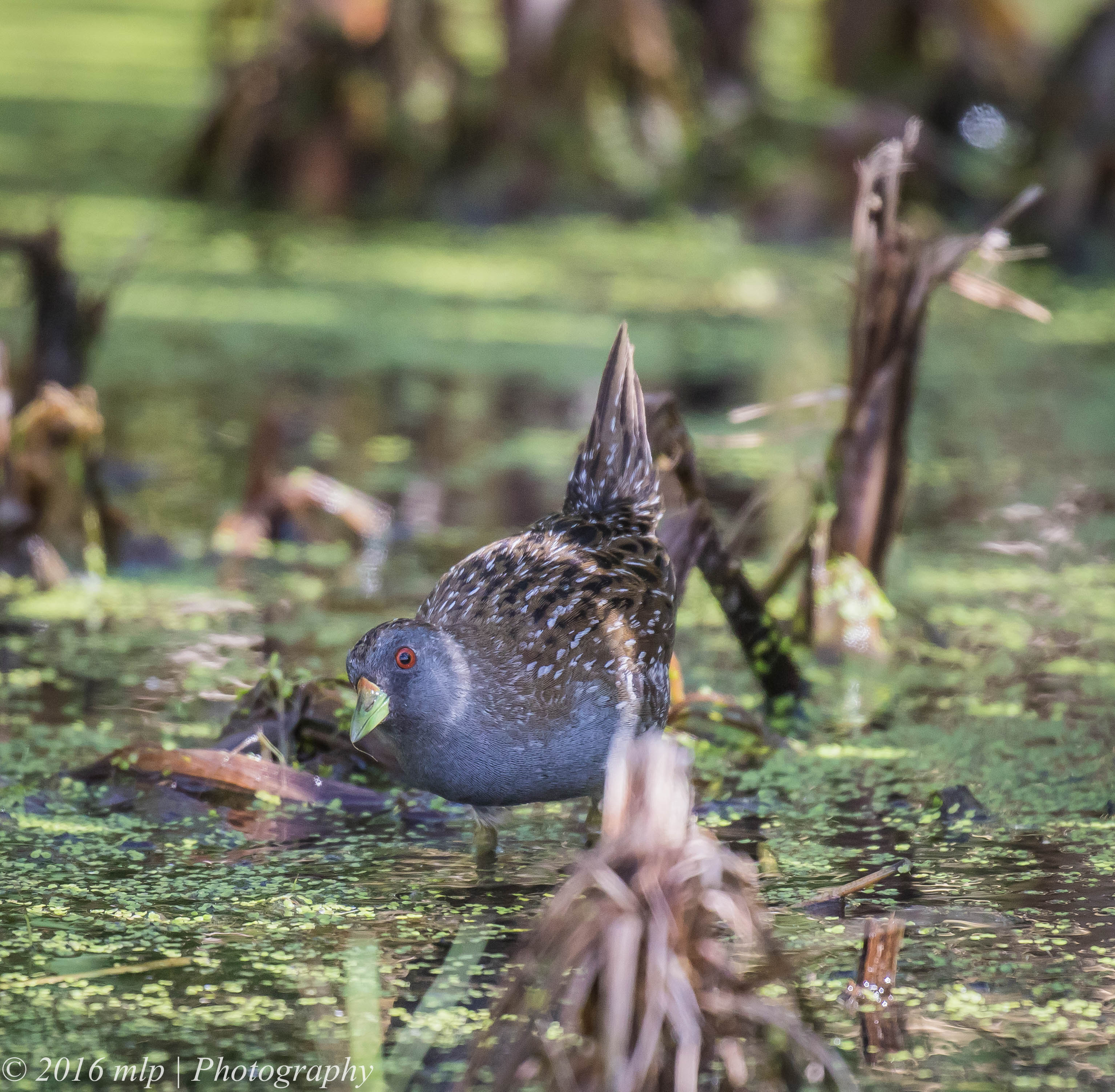
The Western Treatment Plant’s Crake Pit has been quite active with a number of crake species taking up residence over the Summer, through Autumn and on into the Winter. A few seem to have even bred and had chicks in the Pit. When visiting I have seen quite a few Spotted Crakes and Baillon’s Crakes but not too many Spotless Crakes. We were quite pleased to see one slowly poke its head through the reeds and then come out to feed. It even had an altercation with an aggressive Spotted Crake.

The Spotless Crake has a few names: formally Porzana tabuensis  – Porzana is the Italian (Venetian) name for smaller crake, and Tabuensis after the location of the first Spotless Crake described – Tongapatu, Kingdom of Tonga. Informally the crake has been called Leaden Crake, Spotless Water Crake, Little Swamphen, Swamp Rail and the Motor-car Bird – after one of the revving sounds it makes.

Spotless Crake,  Western Treatment Plant, Victoria

Spotless Crake, Western Treatment Plant, Victoria

Spotless Crake,  Western Treatment Plant, Victoria

II

Spotless Crake,  Western Treatment Plant, Victoria

a skulking Spotless Crake

Spotless Crake,  Western Treatment Plant, Victoria

IV

The Crake Pit,  Western Treatment Plant, Victoria

Part of the Crake Pit, Western Treatment Plant, Victoria

Spotted and Spotless Crakes,  Western Treatment Plant, Victoria

Spotted and Spotless Crakes – the Spotted moved around and behind the Spotted, who did not seem to notice

Spotted and Spotless Crakes,  Western Treatment Plant, Victoria

But once the Spotless started to glean insects from around the feet of the Spotted, the Spotted finally noticed it and exploded and attacked the bigger Spotless…

The Crake Pit, Western Treatment Plant, Victoria

The Crake Pit, Western Treatment Plant, Victoria

The Pooh Farm Crake Pit

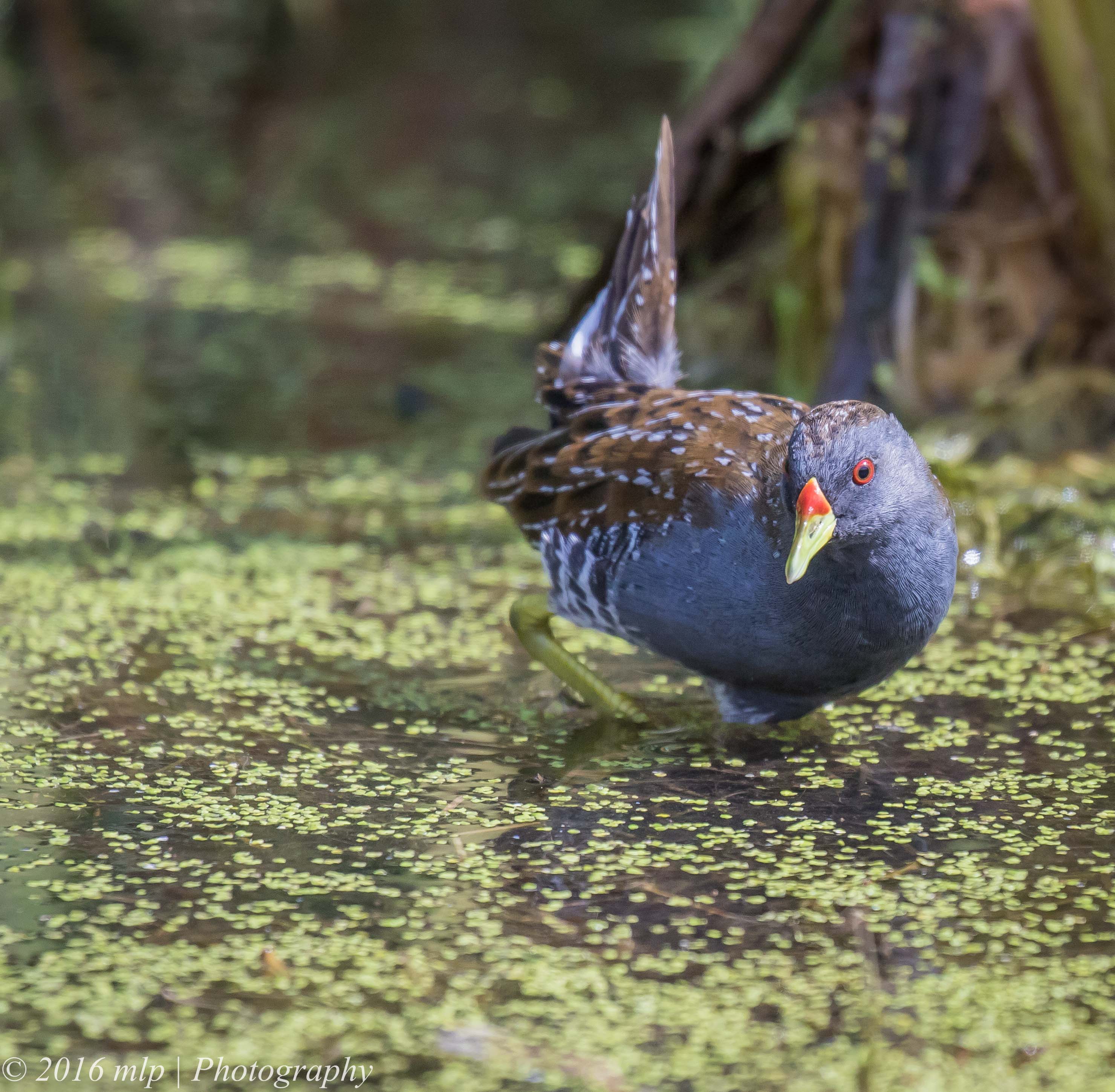
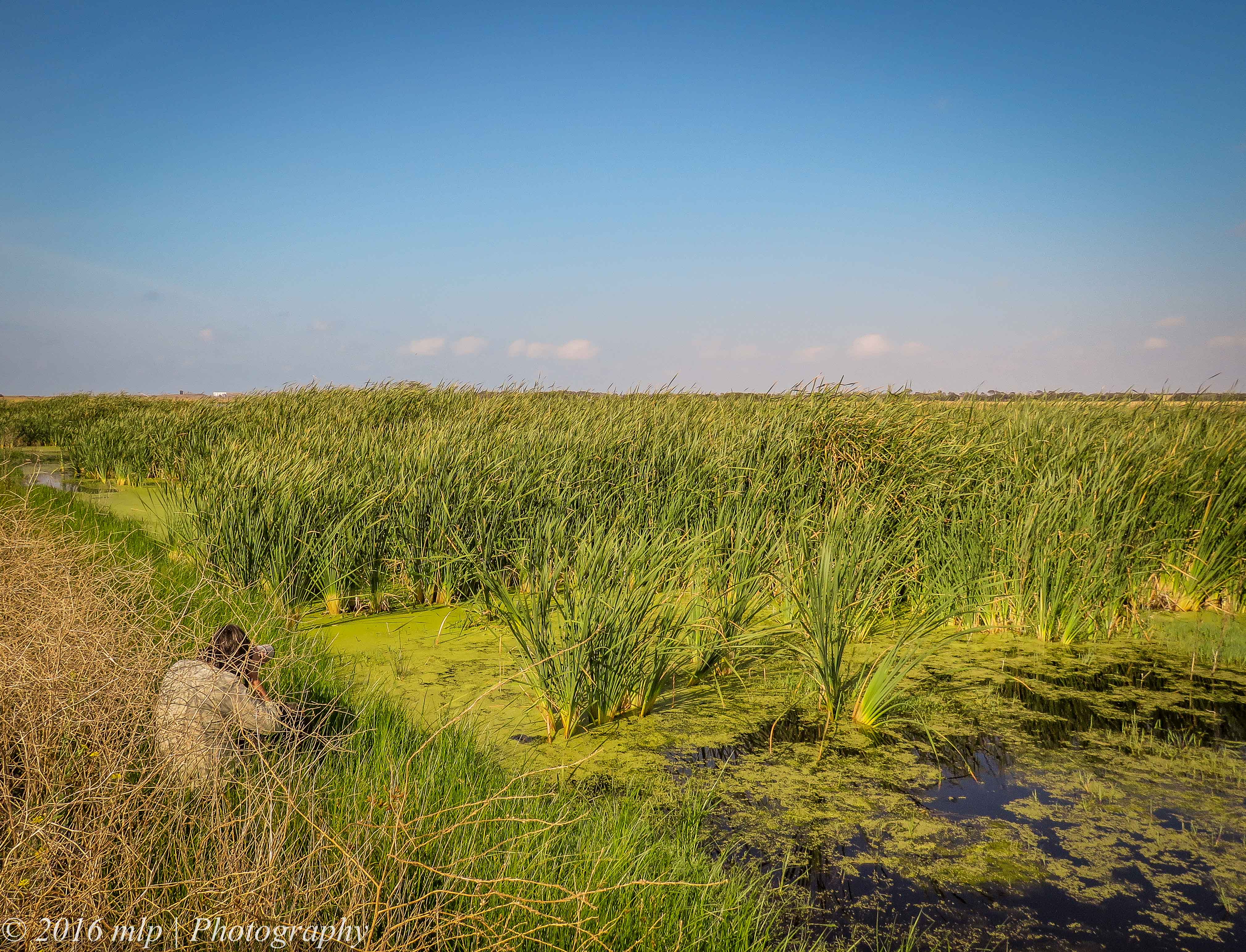
At the Western Treatment Plant and lagoons there is a spot within the T-Section informally called “the Crake Pit“. It is fantastic location for photographing small skulking species of birds that are not often seen – even by avid Birders. It is home to Crakes and Rails. So far at this location I have managed to photograph Baillon’s Crake, the Australian Spotted Crake (also called the Australian Crake or Water Crake) and the Spotless Crake. Also found in this spot are Buff-banded and Lewin’s Rails. Over a series of early morning visits, we managed to spend a few hours each time just sitting and waiting to see what would pop out into the sunlight and starting feeding on the many insects in the water and along the reed beds. It was a very different experience to actually stay in the one spot and wait rather than constantly move around the huge treatment plant lagoons looking for the many species of birds that live and feed here…it felt like a guilty pleasure to just sit and wait (yes, for a birder just sitting still in the middle of a sewerage plant and watching settling/filtering lagoons is a guilty pleasure….)

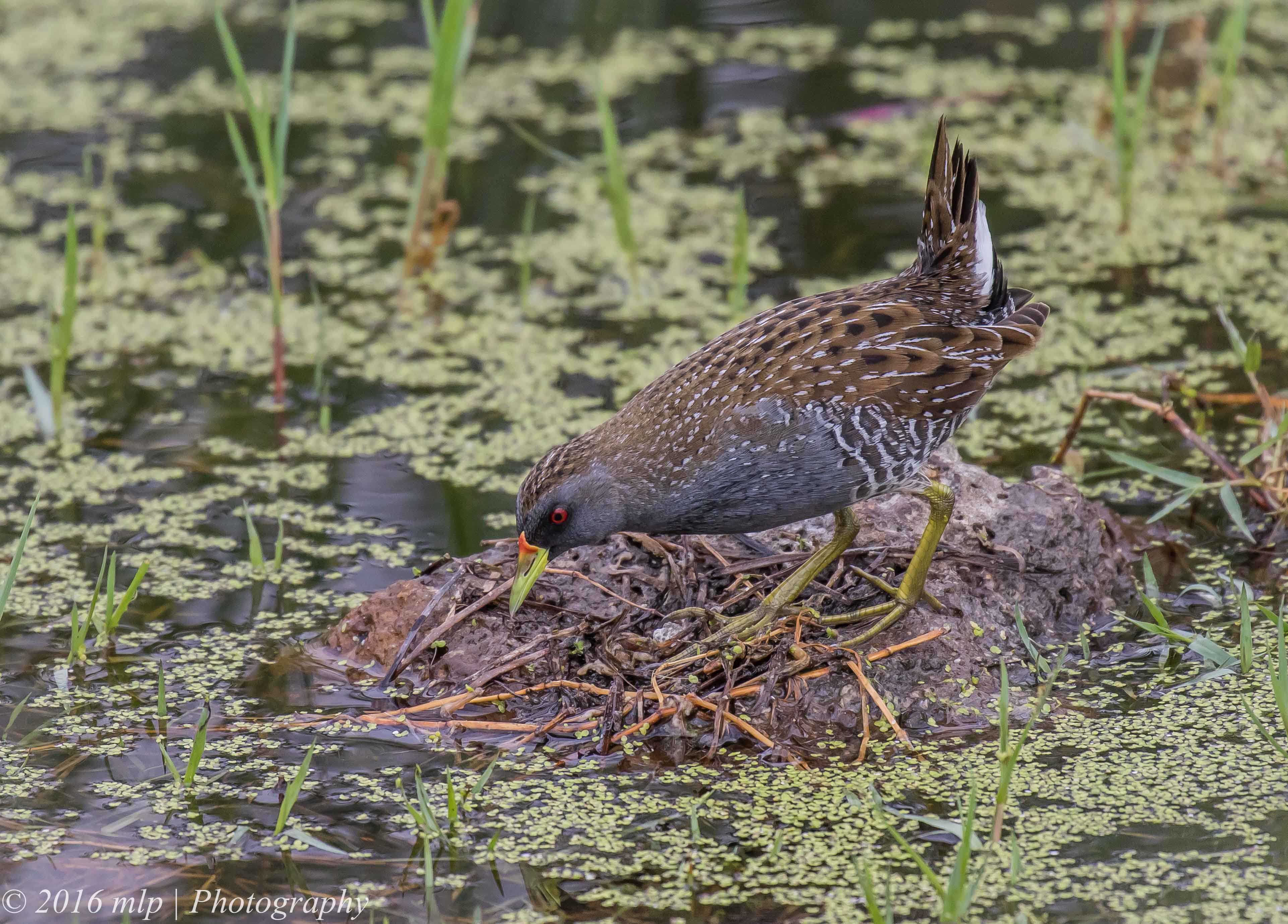
The photos below are of the Australian Crake also called the Australian Spotted Crake (Porzana fluminea) – Porzana is the Italian (Venetian) name for smaller crakes, and fluminea is Latin for ‘frequenting rivers’. 

Australian Spotted Crake, Western Treatment Plant, Victoria

Australian Spotted Crake, Western Treatment Plant, Victoria

The Crake Pit,  Western Treatment Plant, Victoria

The Crake Pit, Western Treatment Plant, Victoria

The Crake Pit,  Western Treatment Plant, Victoria

II

Australian Spotted Crake,  Western Treatment Plant, Victoria

Australian Spotted Crake, Western Treatment Plant, Victoria

Australian Spotted Crake, Western Treatment Plant, Victoria

II

Australian Spotted Crake, Western Treatment Plant, Victoria

III

Australian Spotted Crake, Western Treatment Plant, Victoria

IV

Boobook of the You Yangs

I am very happy when I get a lifer (a bird species that I have never seen before) – I am even happier when I get to photograph one like the beautiful Owlet-nightjar. That day became even better when I found another unexpected bird and also managed to photograph it. The Boobook Owl is more often seen at dusk and during the night when the light can be very tricky. The one below was found within a clump of smaller gum trees. I think it was trying to roost for the day but was being harassed by groups of White-plumed and New Holland Honeyeaters. Heard from a distance, the ruckus was enough for me to move around the trees looking to see whether there was a raptor causing trouble – I was surprised to find this quite alert Southern Boobook.

Boobook Owl, You Yangs Regional Park, Victoria

Southern Boobook Owl, You Yangs Regional Park, Victoria

Boobook Owl, You Yangs Regional Park, Victoria

II

Boobook Owl, You Yangs Regional Park, Victoria

III

Boobook Owl, You Yangs Regional Park, Victoria

IV

Boobook Owl, You Yangs Regional Park, Victoria

V

Lifer 332 – Australian Owlet-nightjar

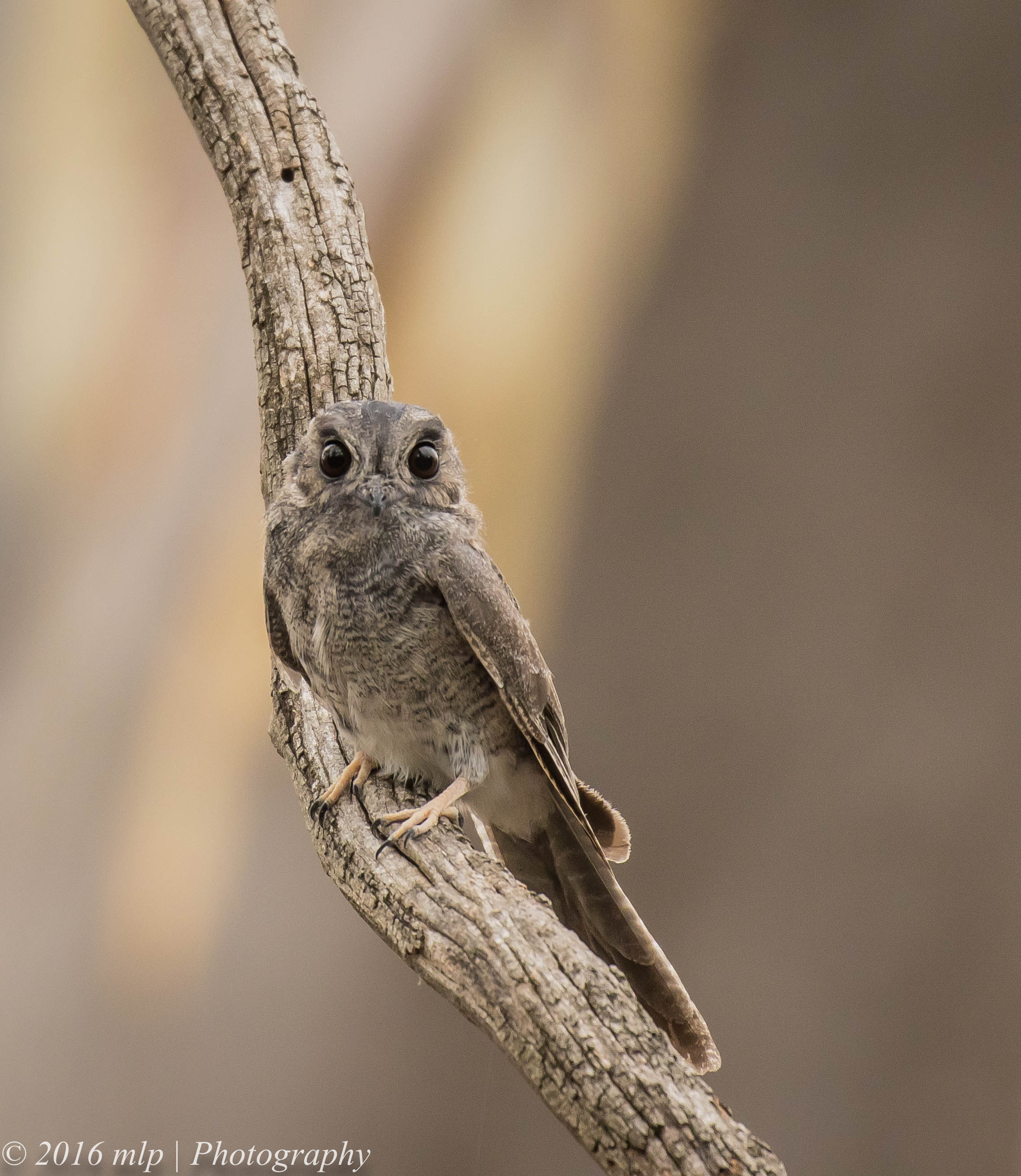
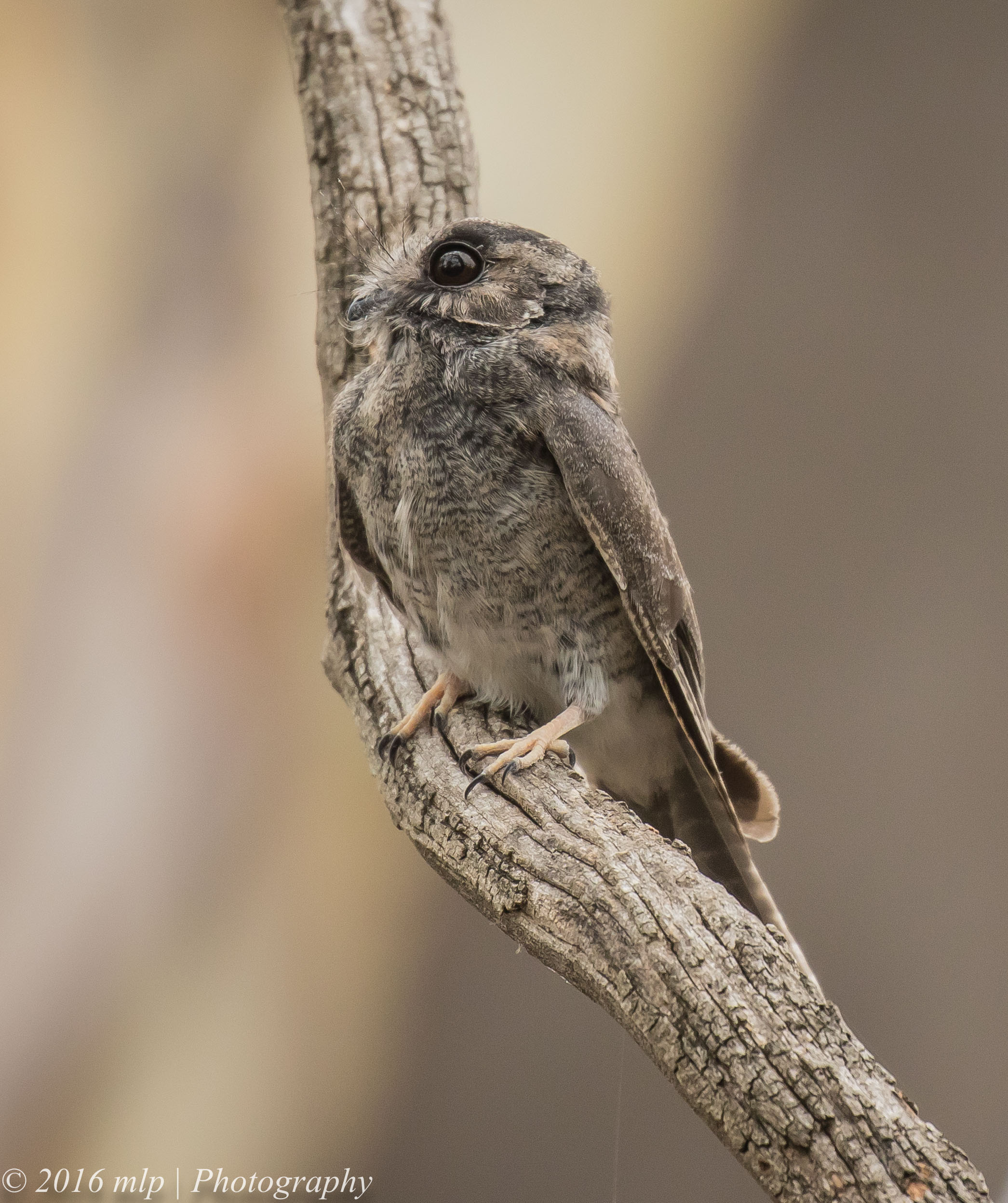
I have been looking for this bird species since I started birding a few years back. It can be found in most old growth and mature new growth forests with lots of tree hollows. It is often reported first thing in the morning sun-baking on the edge of its hollow. Over the last several years I have looked into every hollow in just about every tree I have walked past…while I have found many possums and one Boobook owl I have never found an Owlet-nightjar. On a recent trip to the You Yangs (about 45 mins west of Melbourne), I was exploring  the woodlands section below the ranger station with a friend when a nightjar burst out of an old dead tree stump and flew to a nearby branch.  It allowed us to get close and photograph it…it was much tinier than I expected  – probably a third the size of the other Nightjar species that I photograph quite frequently – the Tawny Frogmouth. The Owlet Nightjar has superb camouflage and huge black eyes for great night vision.

Australian Owlet-nightjar, You Yangs Regional Park, Victoria

Australian Owlet-nightjar, You Yangs Regional Park, Victoria

Australian Owlet-nightjar, You Yangs Regional Park, Victoria

II

Australian Owlet-nightjar, You Yangs Regional Park, Victoria

III

Australian Owlet-nightjar, You Yangs Regional Park, Victoria

IV

Australian Owlet-nightjar, You Yangs Regional Park, Victoria

Australian Owlet-nightjar, You Yangs Regional Park, Victoria

Day-trip to the Karmarooka Forest

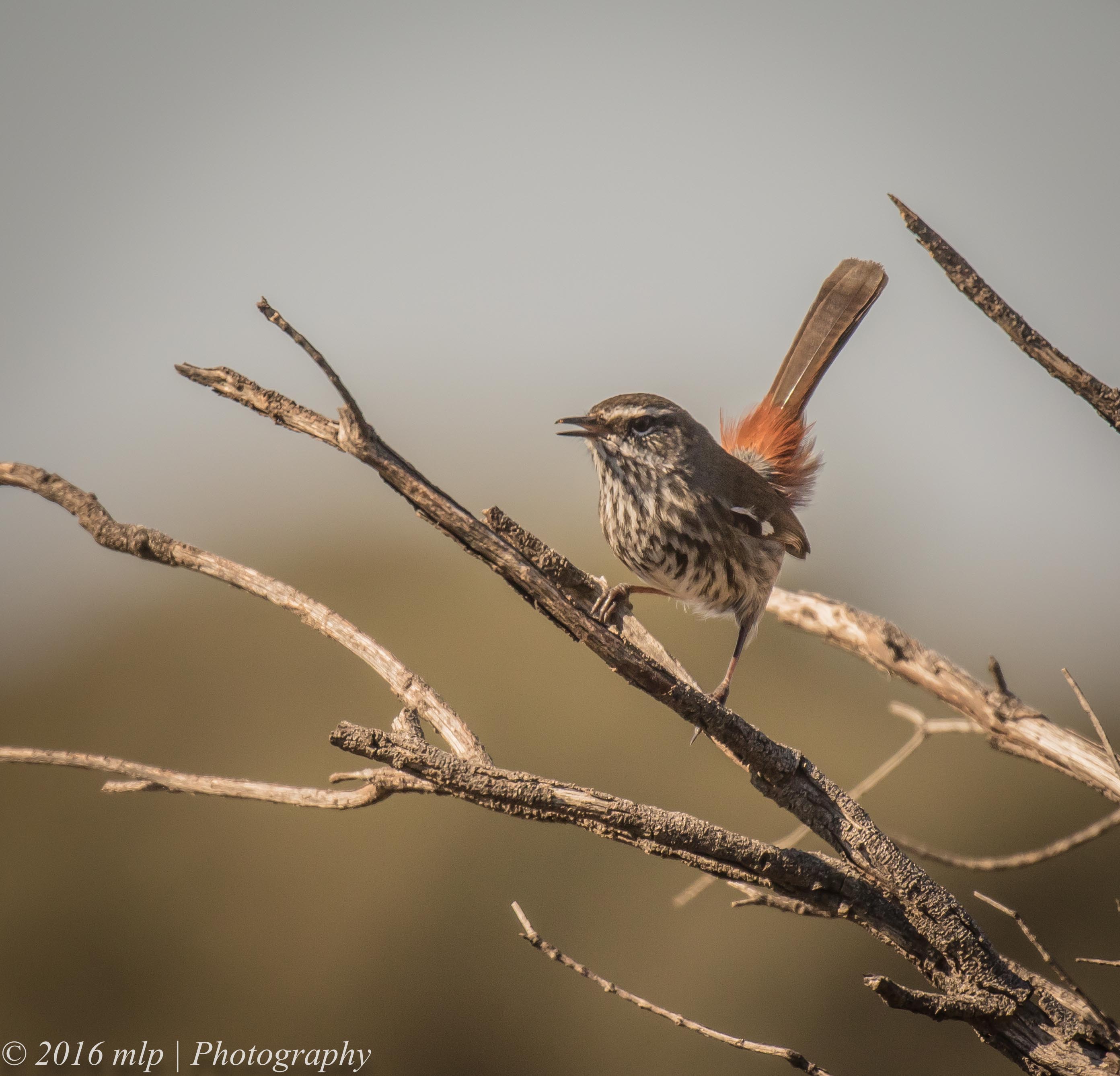
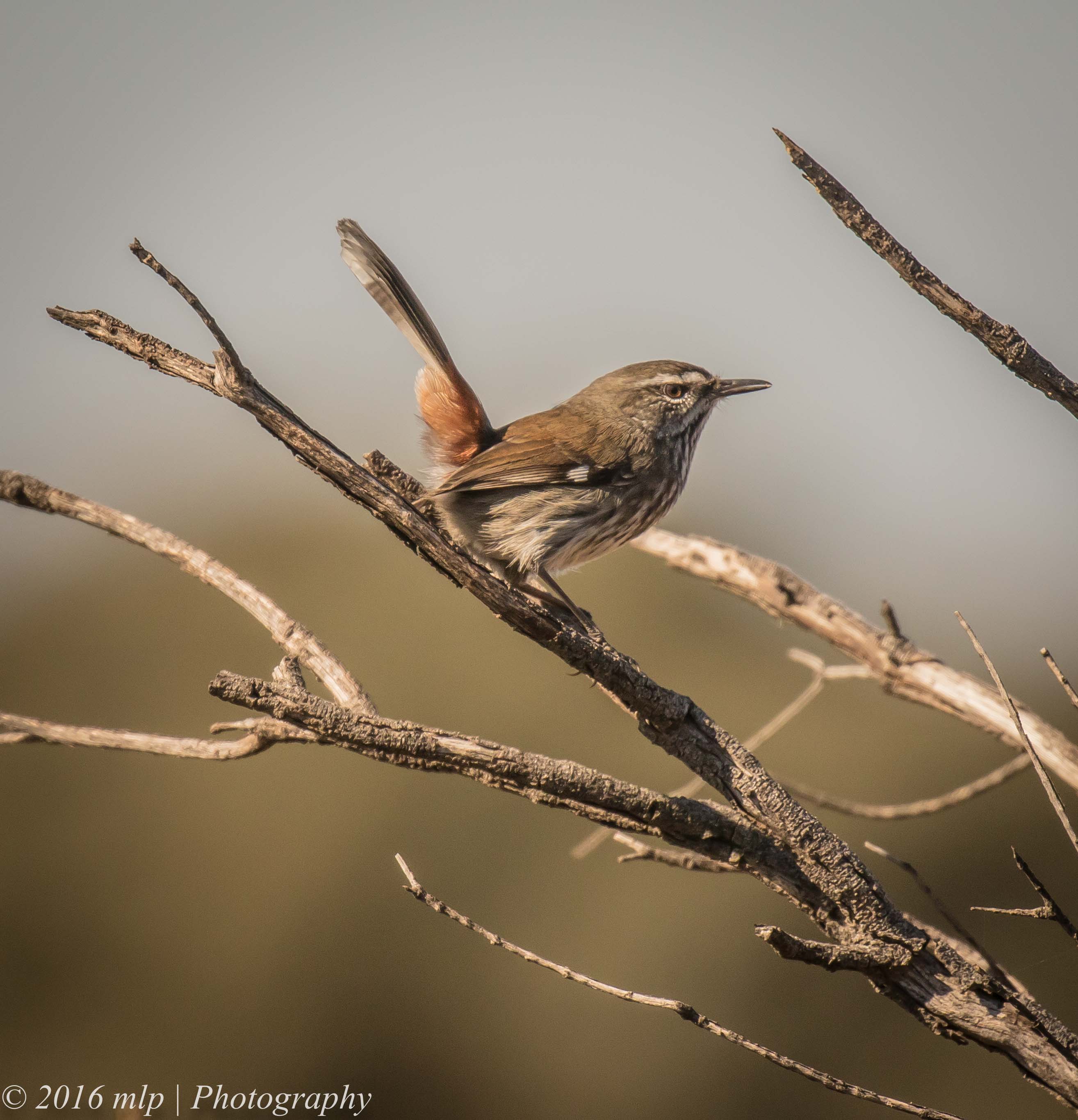
On a recent day trip into Central Victoria (2 hours North of Melbourne), we decided to explore the Northern section of the Greater Bendigo National Park. We drove around the various tracks of the Karmarooka Forest stopping at a few favourite spots to photograph some of the local species. The pick of day was the Shy Heathwren we found down one of the side tracks and a small family of Brown Headed Honeyeaters.

Shy Heathwren, Karmarooka Forest, Victoria,

Shy Heathwren, Karmarooka Forest, Victoria,

Shy Heathwren, Karmarooka Forest, Victoria,

II

Shy Heathwren, Karmarooka Forest, Victoria,

III

Shy Heathwren, Karmarooka Forest, Victoria,

IV

Brown Headed Honeyeater, Karmarooka Forest, Victoria

Brown Headed Honeyeater, Karmarooka Forest, Victoria