Tag Archives: Victoria

Shake your tail feathers…

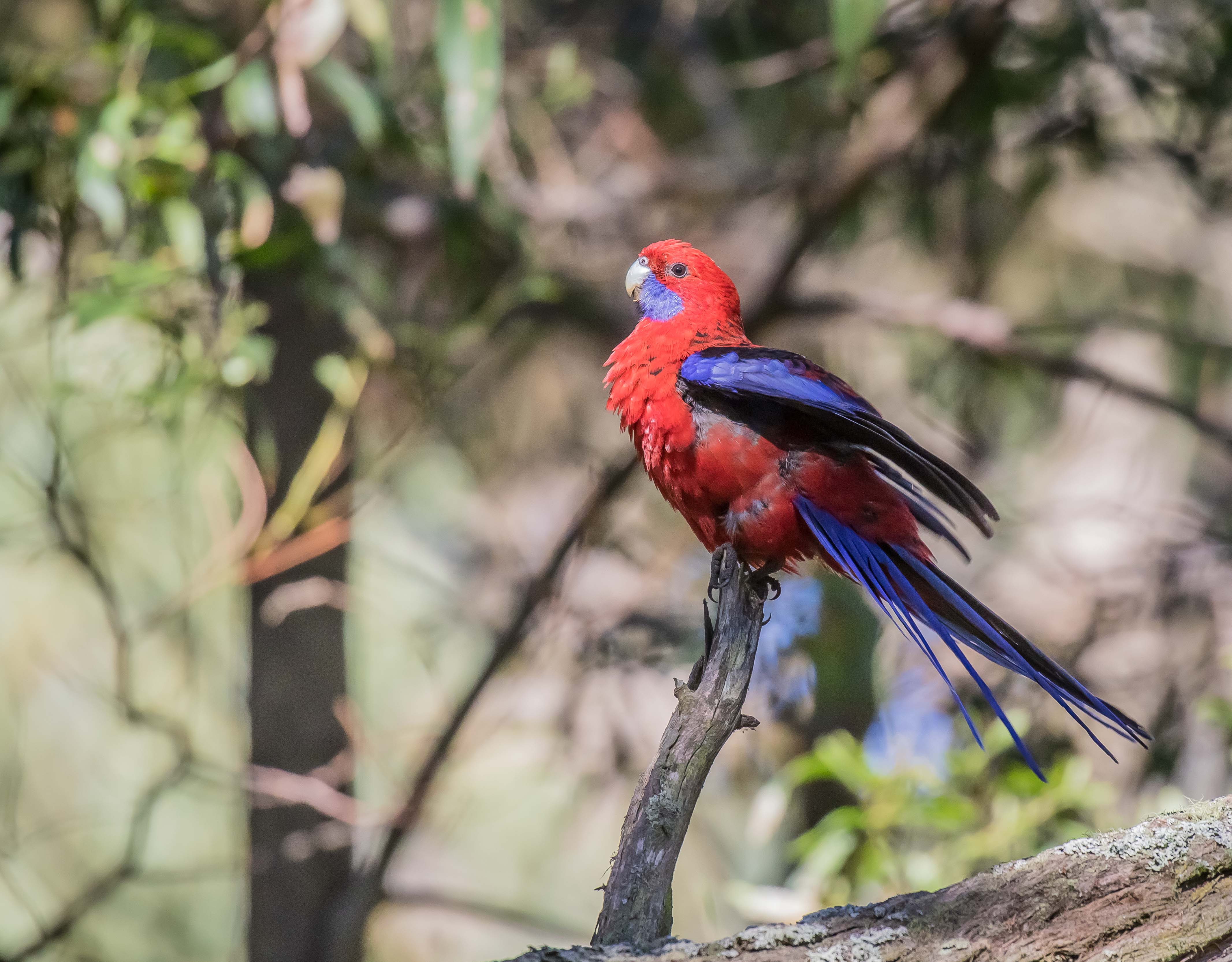
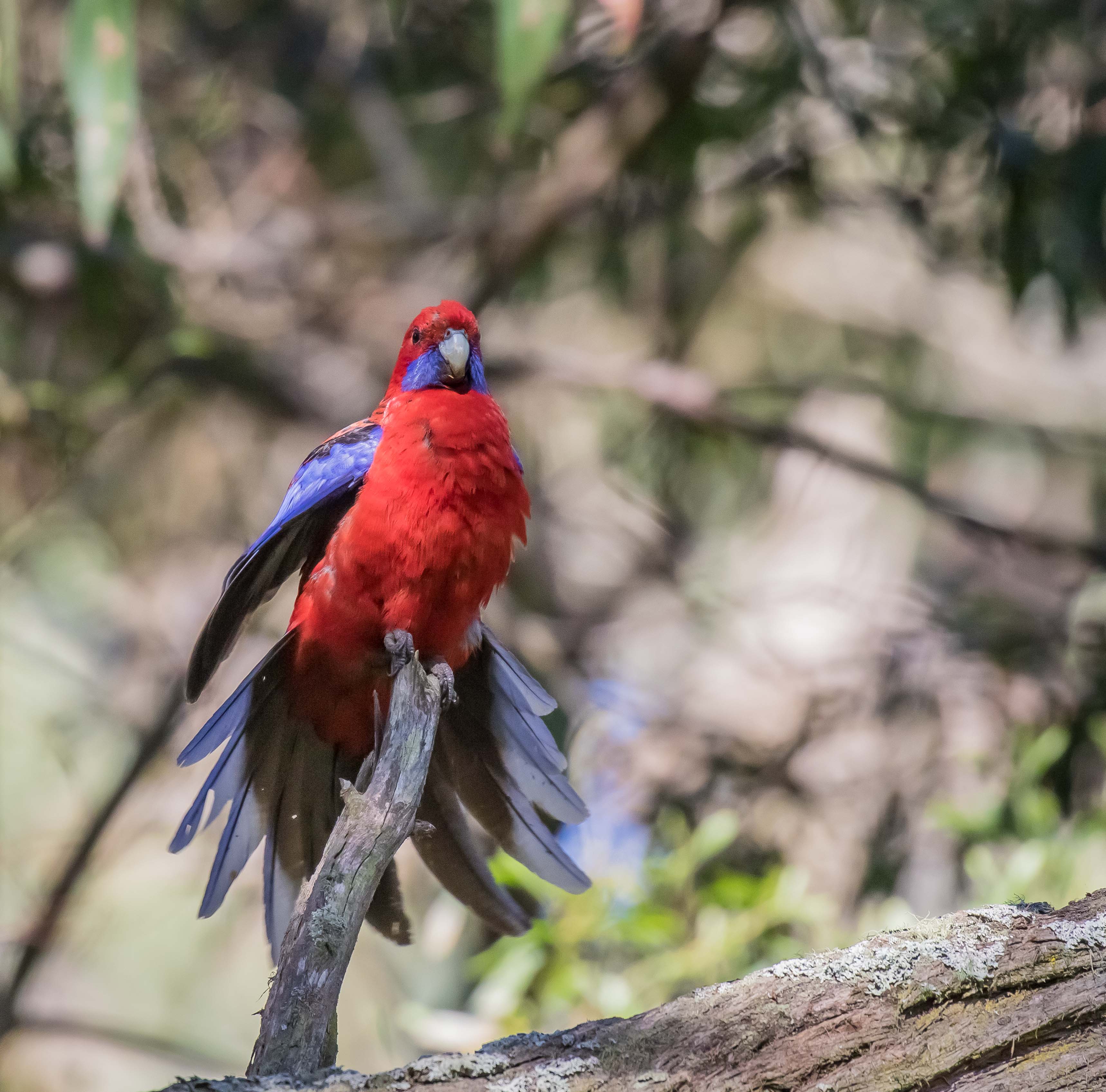
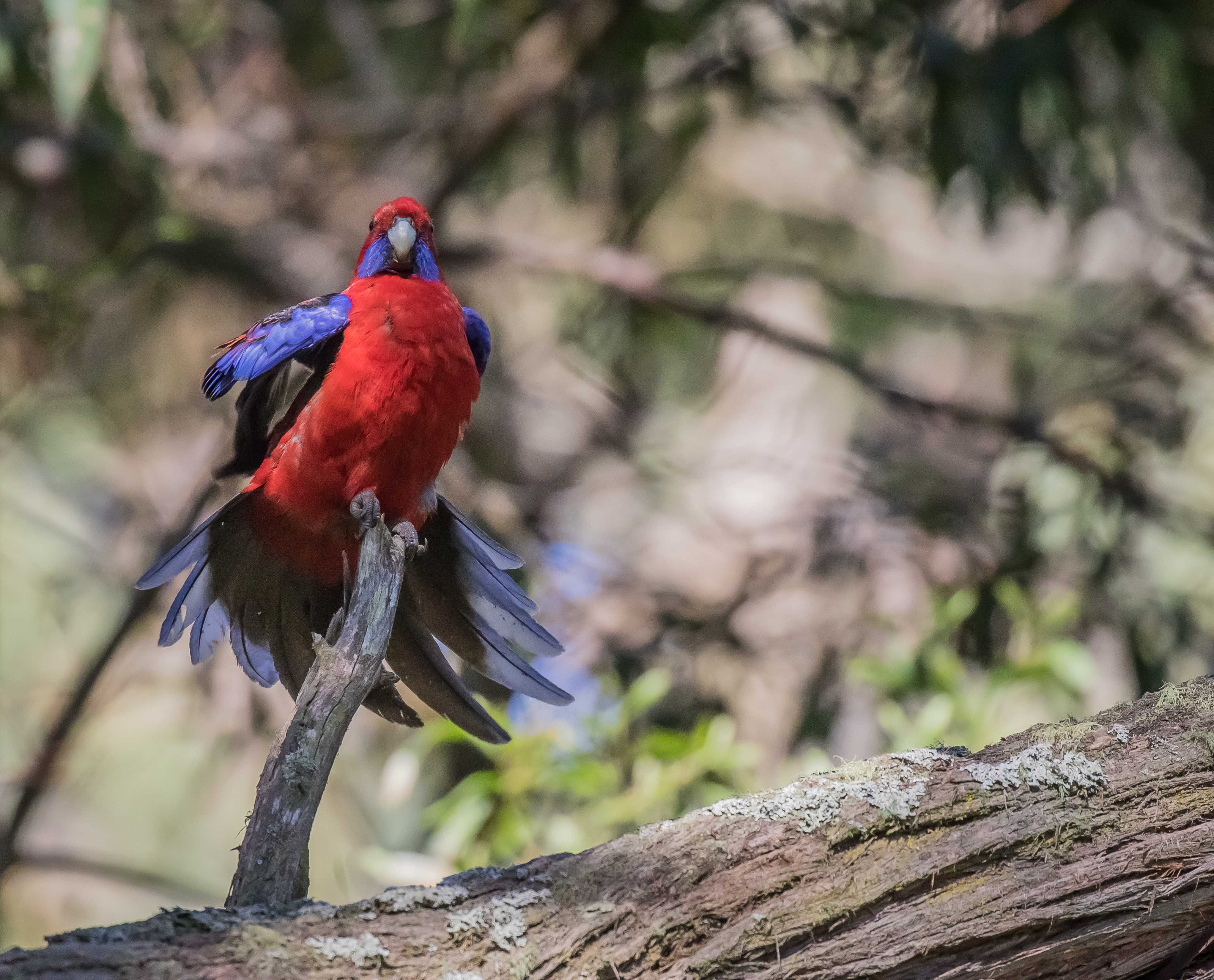
A brightly coloured Crimson Rosella flew down to a low branch next to the track I was walking along at Green’s Bush recently and started to preen. It finished with a vigorous  shake of his tail feathers. It was all over in about 10 seconds and he flew off. I was lucky enough to get off a few quick action shots during the waggle.

Crimson Rosella, Greens Bush, Mornington Peninsula National Park, Vict

Crimson Rosella, Greens Bush, Mornington Peninsula National Park, Vict

Crimson Rosella, Greens Bush, Mornington Peninsula National Park, Vict

II

Crimson Rosella, Greens Bush, Mornington Peninsula National Park, Vict

III

Crimson Rosella, Greens Bush, Mornington Peninsula National Park, Vict

IV

A home of grass and spider webs…

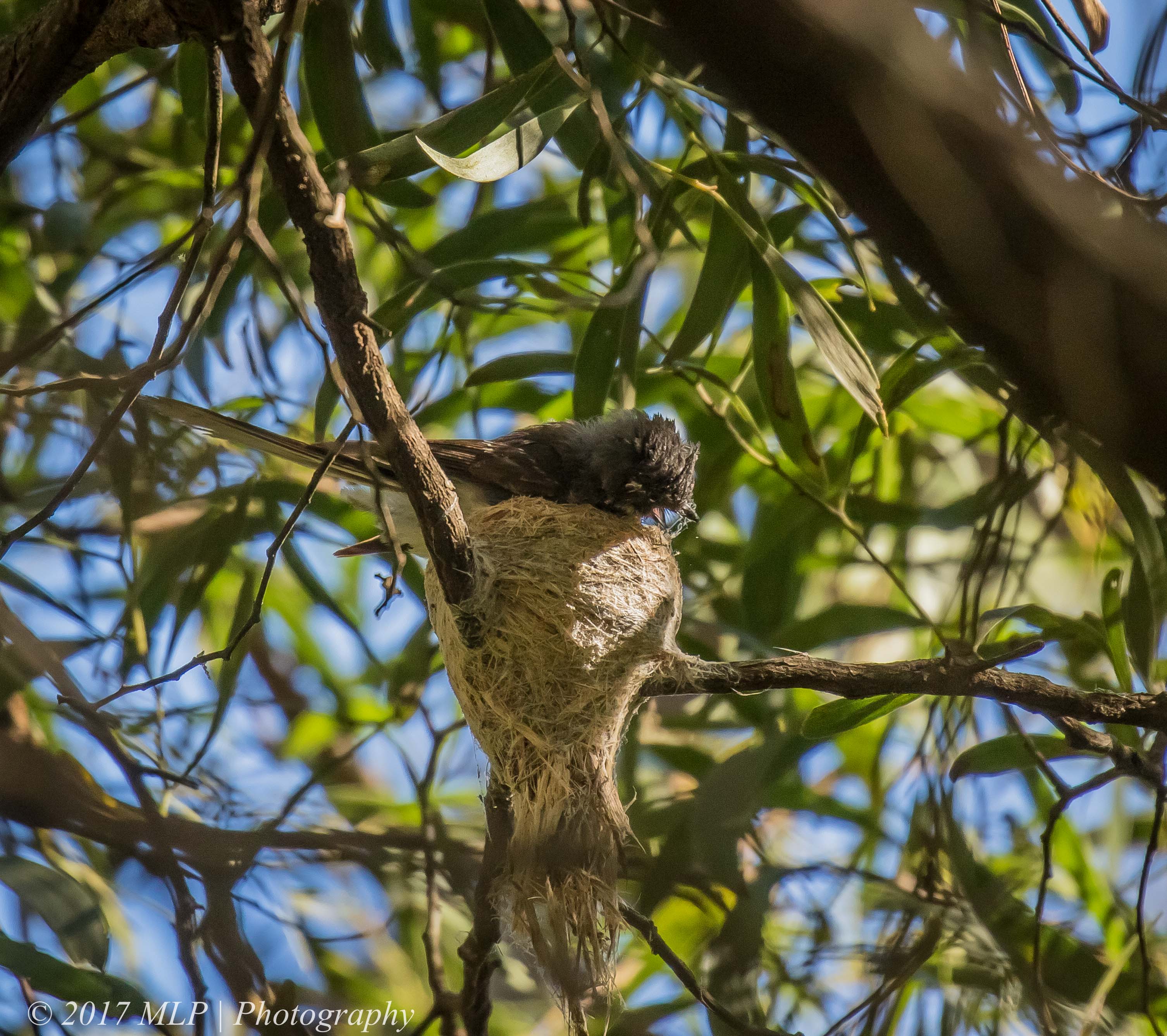
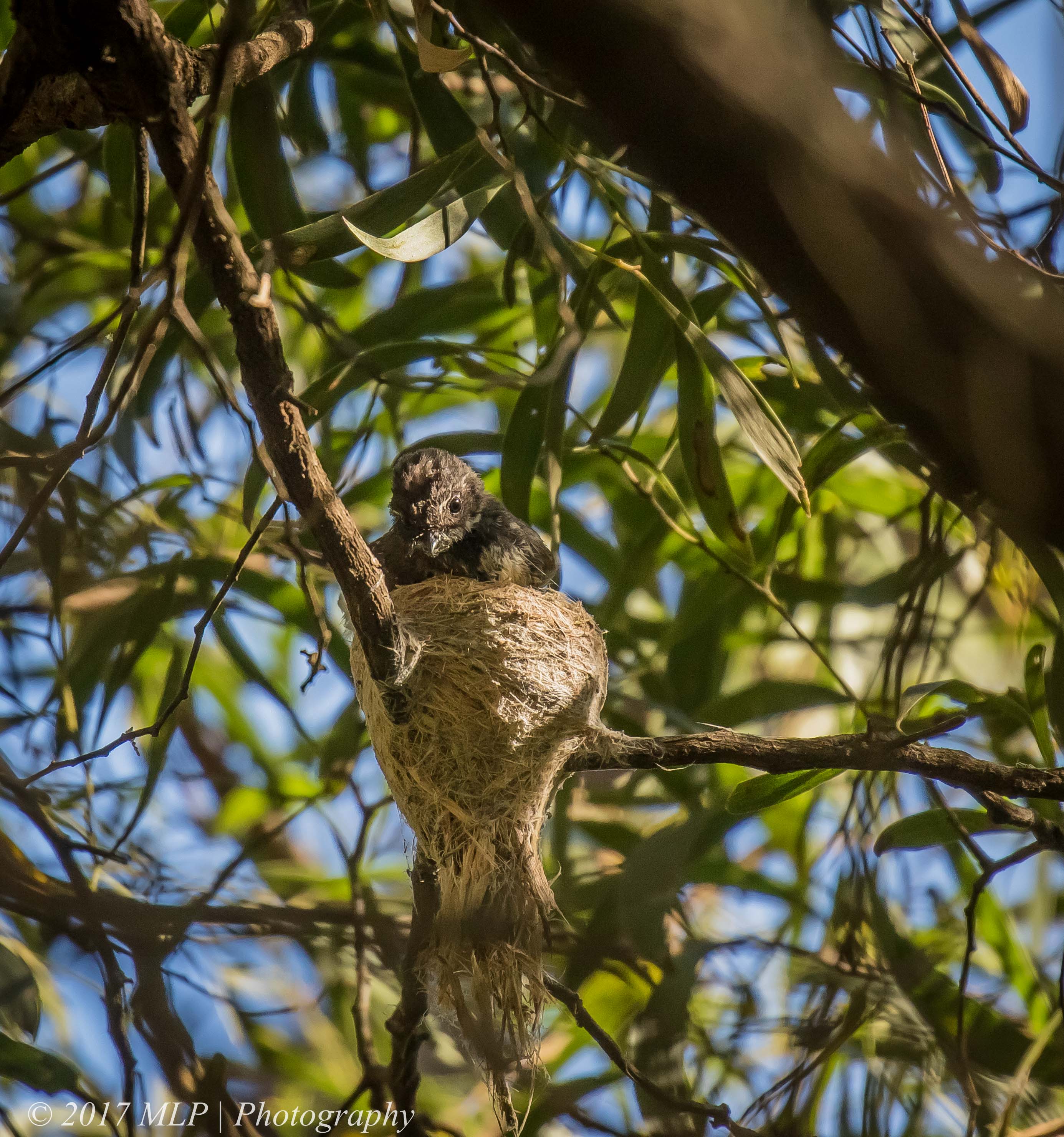
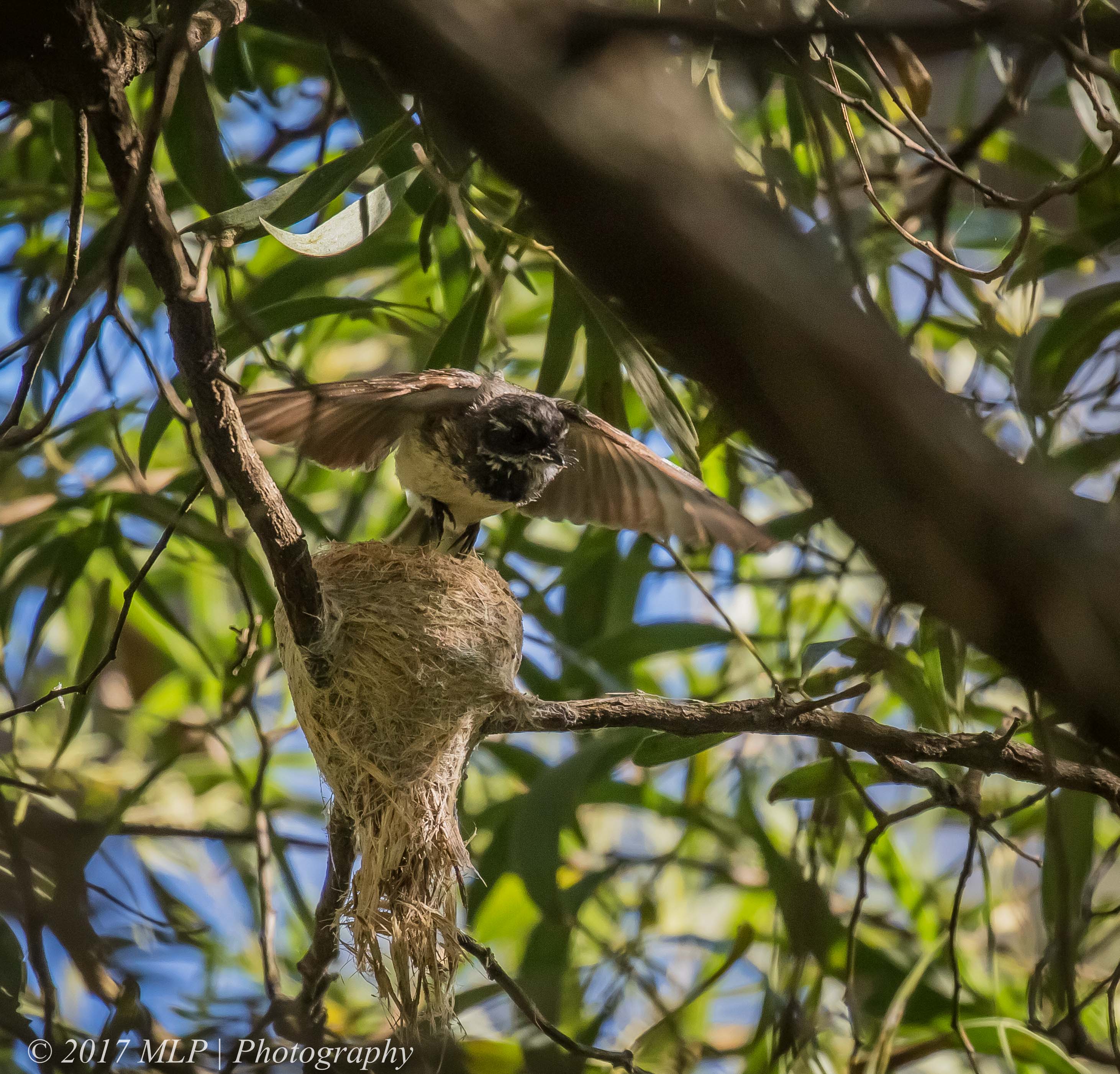
Taking a long slow walk around the Baldry Circuit at Green’s Bush, I am still finding many birds hard at work building nests and feeding young. Some of the early starters like the Pardalotes, Rosellas and the Eastern Yellow Robins are just about done with many new juveniles now flitting amongst the branches waiting for a free feed from their parents. Another group are just starting their breeding duties. A pair of busy Grey Fantails were flying in and out of the lower branches of an Acacia. The material they were collecting was a mix of finely shredded dried grass and spider webs interwoven into a small goblet shape that the Fantail could barely sit in. A fantastic little structure fit for purpose for just a few months and then will disappear.

Grey Fantail, Greens Bush, Mornington Penninsula National Park, Vic

Grey Fantail building a nest, Greens Bush, Mornington Penninsula National Park, Vic

Grey Fantail, Greens Bush, Mornington Penninsula National Park, Vic

II

Grey Fantail, Greens Bush, Mornington Penninsula National Park, Vic

III

Grey Fantail, Greens Bush, Mornington Penninsula National Park, Vic

IV

Grey Fantail, Greens Bush, Mornington Penninsula National Park, Vic

Off for more spider-web

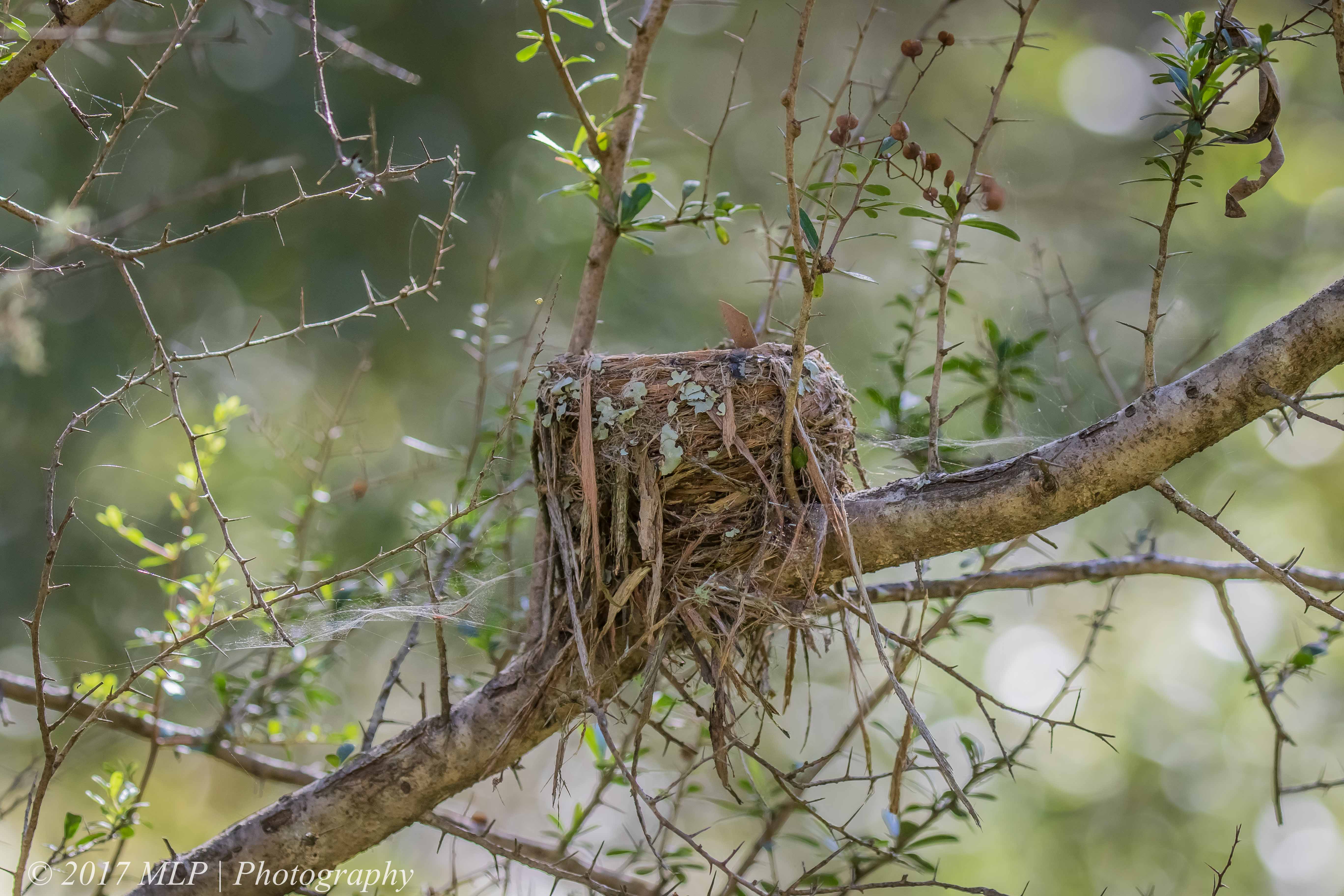
Further around the track I found another Eastern Yellow Robin’s nest that appeared to be done for the season. It was empty inside and I waited for a while nearby to see if any Robins visited but none appeared. It is also made up of finally stripped bark and spider webs as well as decorated with bits of moss and lichen – great camouflage. The nest was in plain sight (if you could recognise it) next to the the path in a low prickly bush.

Eastern Yellow Robin nest, Greens Bush, Mornington Penninsula National Park, Vic

Eastern Yellow Robin nest, Greens Bush, Mornington Penninsula National Park, Vic

Orioles and Kingfishers

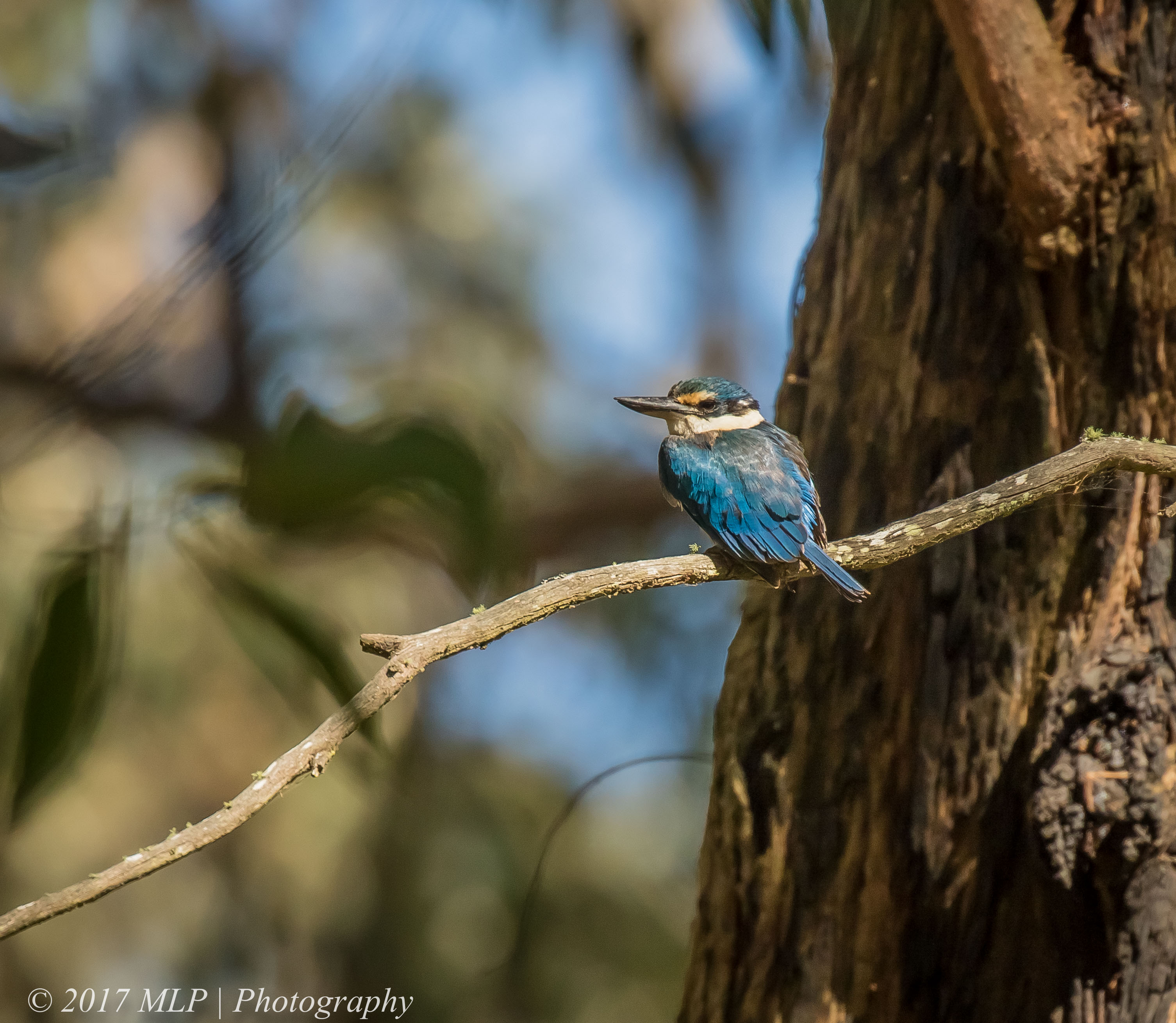
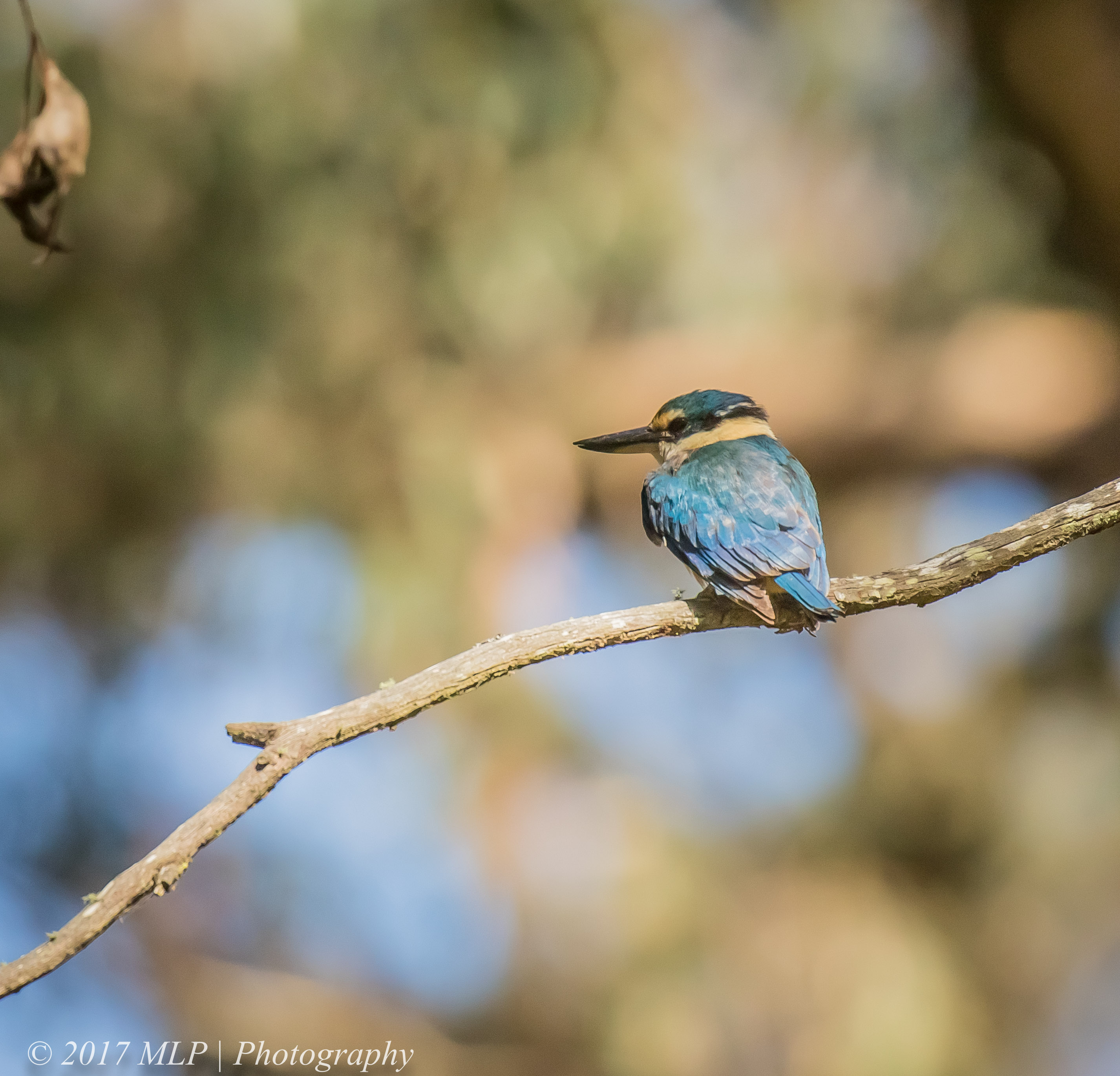
It was great weather on the weekend, warm, sunny and not too windy. I spent a few hours at Green’s Bush seeing what the warmer weather had brought into the forest.  At the car park I heard and found my first seasonal visitor: the Olive- backed Oriole. It was high up in a tall Eucalyptus calling and quite difficult to see with its camouflaged plumage.  Its very distinctive call helps to pinpoint it in the upper canopy. Towards the end of a nice long walk around the full Baldry Circuit at Greens Bush I found this Sacred Kingfisher intently watching the ground. I usually hear this species rather than see it: it makes a short sharp triple bark. It is a tiny bird, hunting insects and small lizards, pouncing from perches like the branch below. It is the first time I have seen one at Green’s Bush. I only found it because I was looking for birds nesting or roosting in tree hollows and saw the bright blue plumage against the dark tree bark. 

Sacred Kingfisher, Greens Bush, Mornington Penninsula National Park, Vic

Sacred Kingfisher, Greens Bush, Mornington Penninsula National Park, Vic

Sacred Kingfisher, Greens Bush, Mornington Penninsula National Park, Vic

II

Olive-backed Oriole, Greens Bush, Mornington Penninsula National Park, Vic

Camouflaged Olive-backed Oriole, Greens Bush

Ruffled Feathers

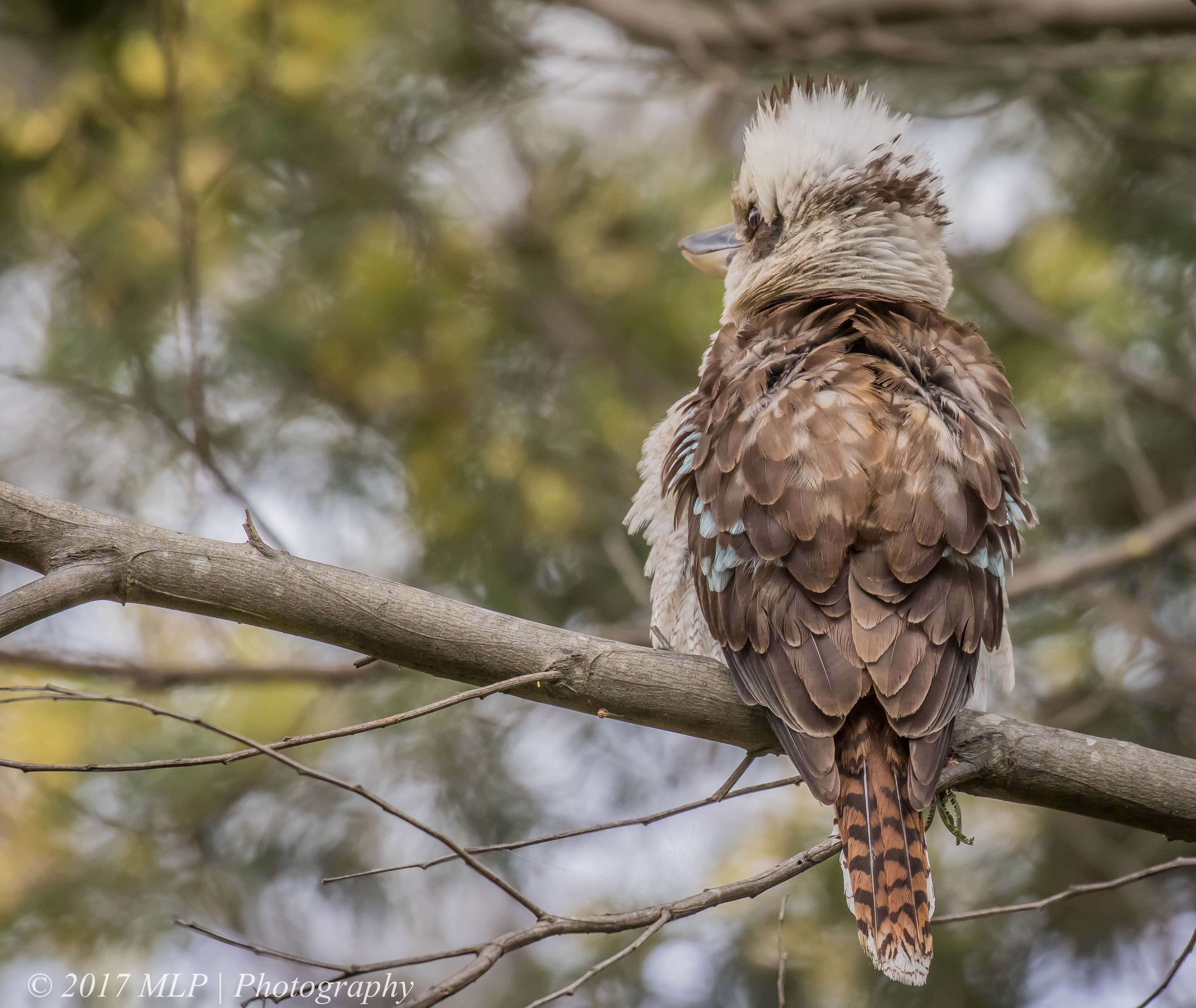
On the way back down the hill from the quarry and watching the Falcons I walked along the Pardalote Path to look for any new nesting activity. On an overhanging branch above the path I found a Kookaburra staring intently into the nearby bushes. He ignored me as I walked up and under the branch and as I turned around to see what he was looking at he was dive bombed by a pair of Red Wattlebirds. Maybe the Kookaburra was a bit too close to their nest and they were trying  to get him to move along. As they attacked, the Kookaburra would fluff up its feathers to appear larger and more fearsome. It didn’t really work with the Wattlebirds but did make for an interesting photo.

Kookaburra, Moorooduc Quarry, Mt Eliza, Vic

Kookaburra, Moorooduc Quarry, Mt Eliza, Vic

Kookaburra, Moorooduc Quarry, Mt Eliza, Vic

II

Family Falco Peregrinus

On my last visit to Moorooduc Quarry I watched as the Peregrines flew across the water and retrieved cached food. One of the falcons flew to a ledge where I suspected it had chicks. I returned to the quarry on Tuesday afternoon and immediately spotted two good size Falcons standing on the ledge watching me. At first I thought they were adults due to their size but on viewing with my binocs I saw the mottled colouring and realised that they were juvenile falcons. I spent some time watching them and then thought about where the parents might be. I turned around to look up at the quarry cliffs and the tall trees and behind me found an adult just staring at me. It soon lost interest as I was too far away to be a threat to it or its chicks. Looking further around the rim I found the other parent high up on a tall gum keeping guard. Four Peregrines in one site visit! – you can’t get much better than that…I am looking forward to dropping in again soon to watch their progress and early flights.

Juvenile Peregrine Falcons, Moorooduc Quarry, Mt Eliza, Vic

Juvenile Peregrine Falcons, Moorooduc Quarry, Mt Eliza, Vic

Juvenile Peregrine Falcons, Moorooduc Quarry, Mt Eliza, Vic

Juvenile Peregrine Falcons, Moorooduc Quarry, Mt Eliza, Vic

Peregrine Falcon, Moorooduc Quarry, Mt Eliza, Vic

Peregrine Falcon, Moorooduc Quarry, Mt Eliza, Vic

Peregrine Falcon, Moorooduc Quarry, Mt Eliza, Vic

Peregrine Falcon, Moorooduc Quarry, Mt Eliza, Vic

Murder mystery at Moorooduc

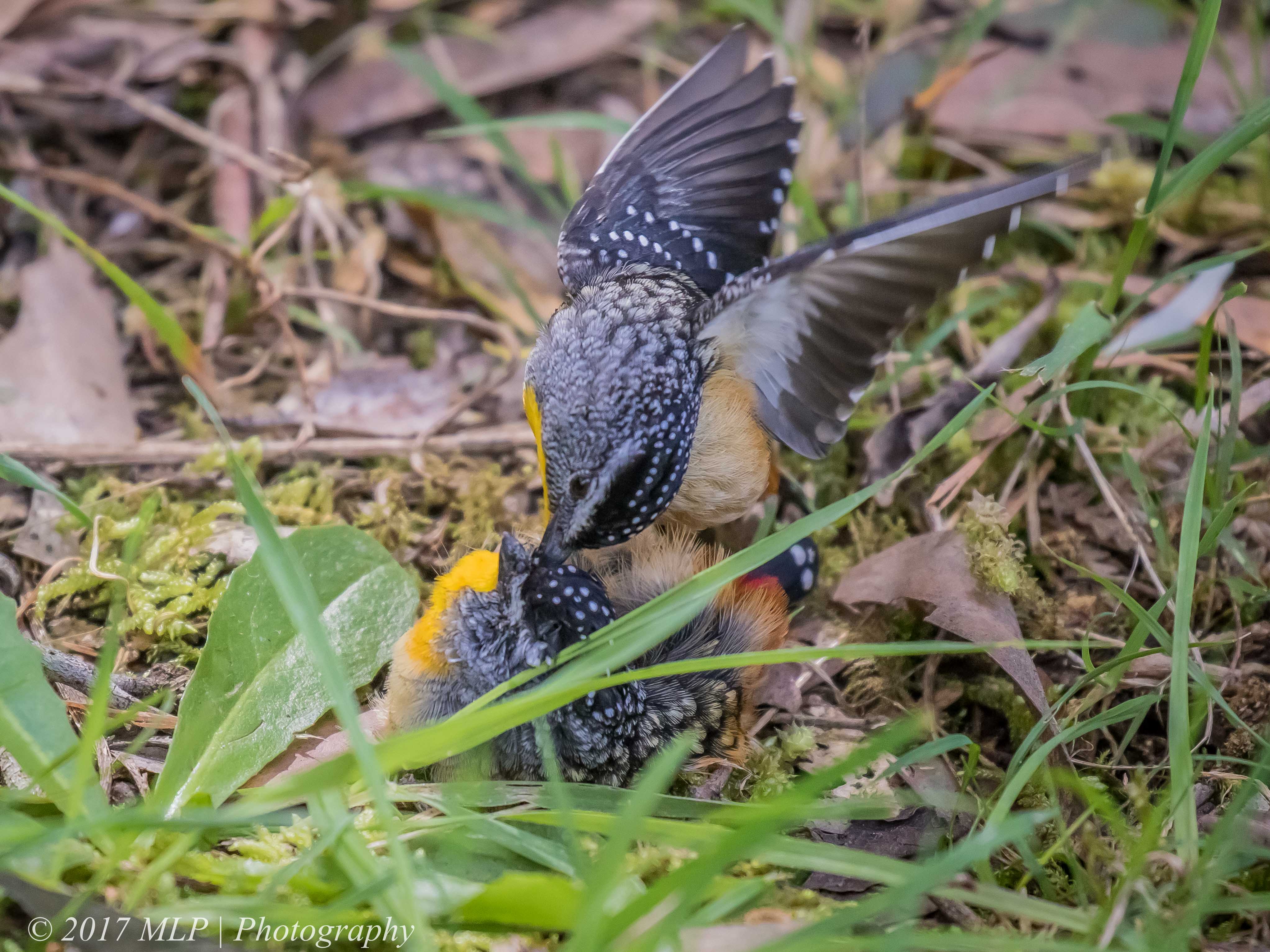
Its not everyday that you stumble onto a fight to the death between birds. I have seen many squabbles between ducks, coots and honeyeaters and of course one sided battles between birds of prey and their victims. But I have not seen a fight to the death between small beautiful songbirds.

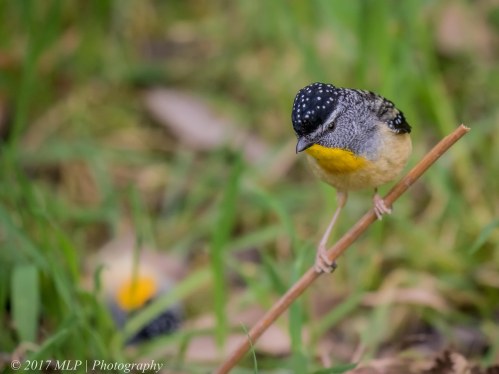
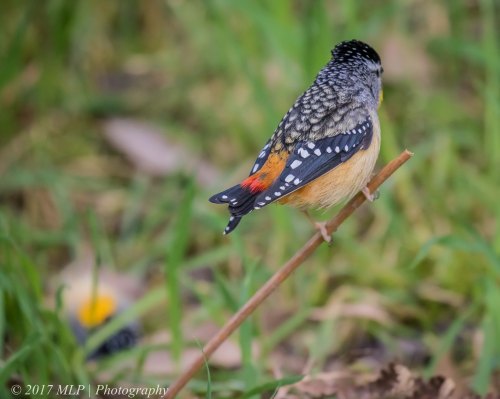
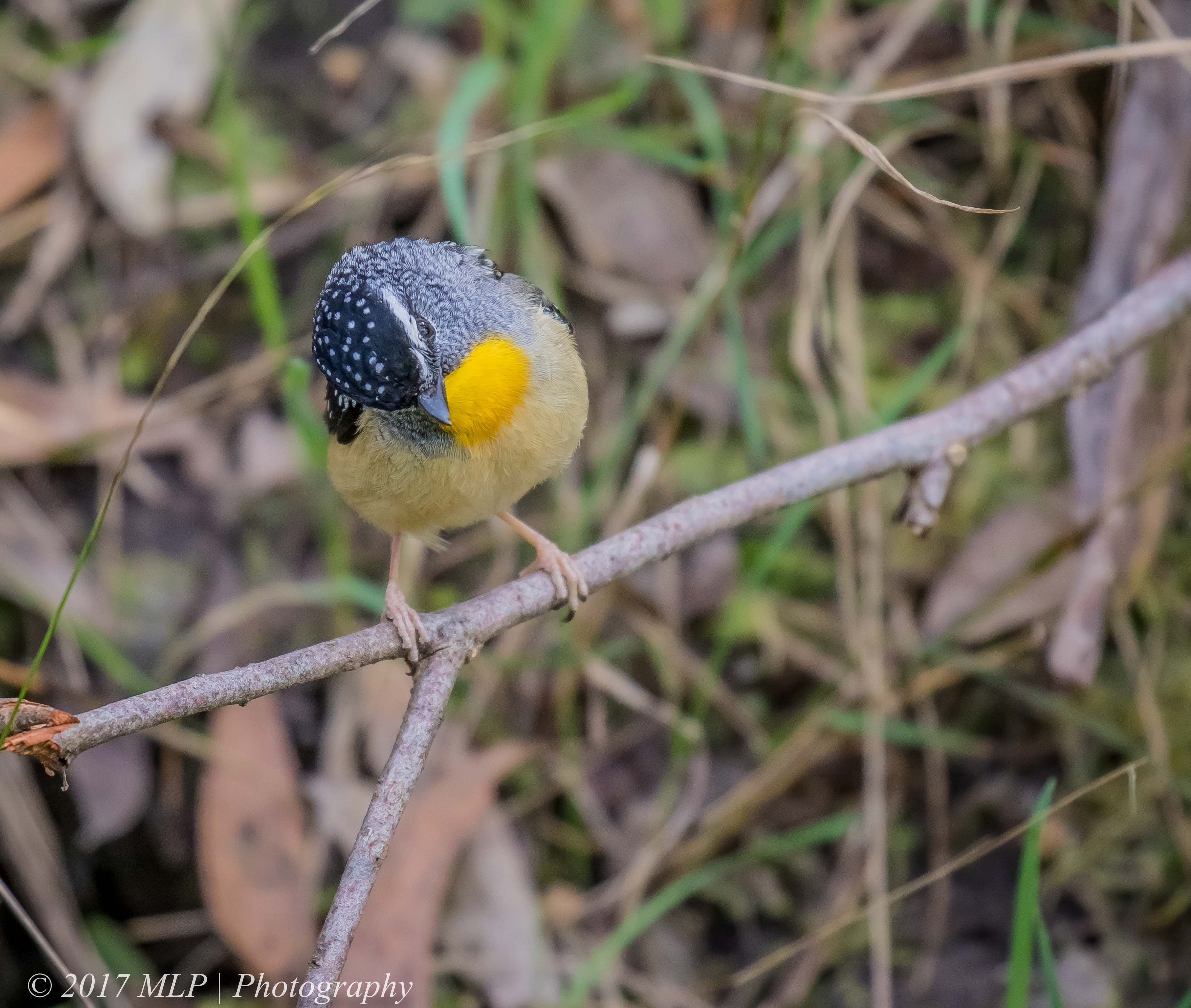
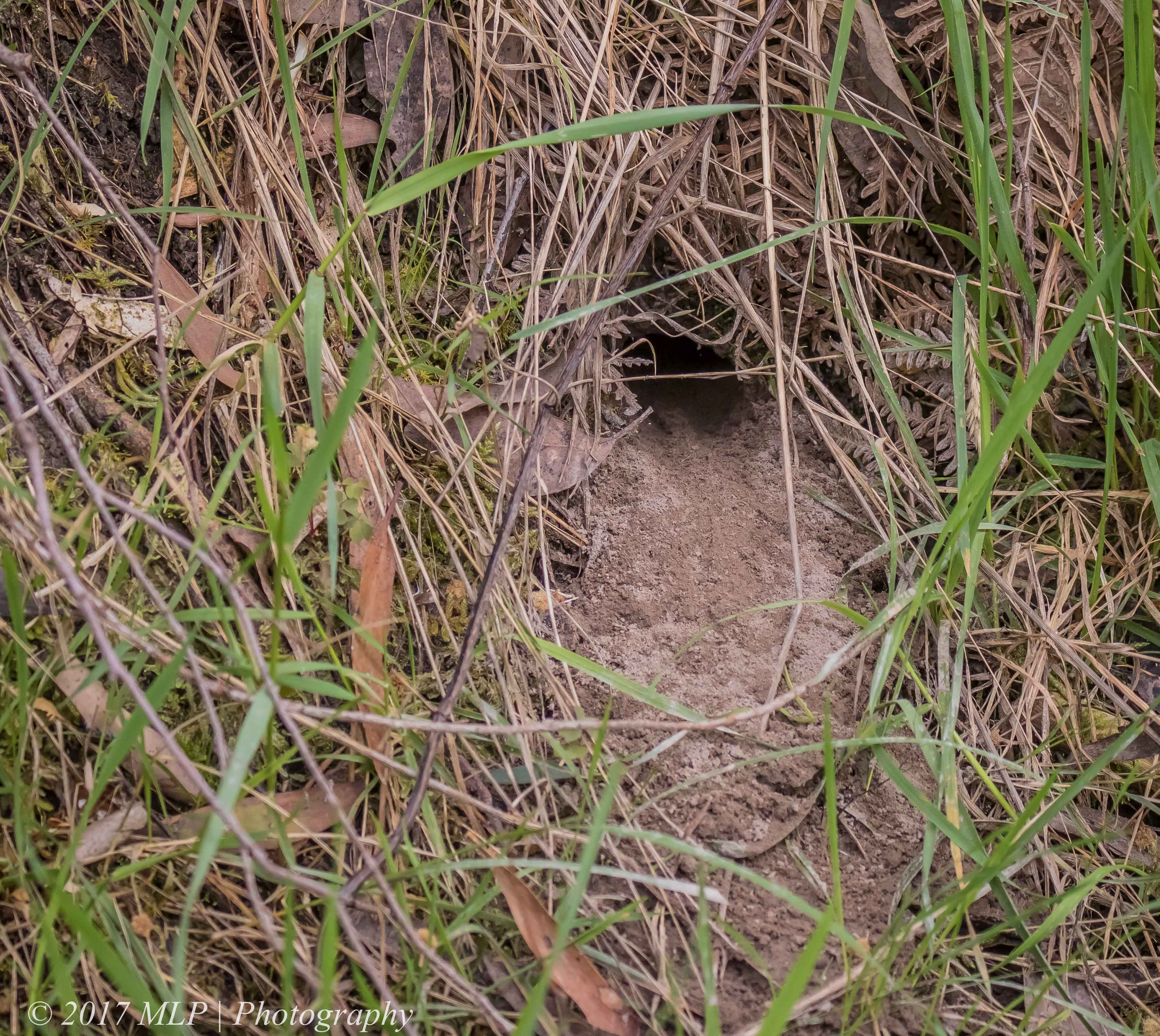
I often hear Spotted Pardalotes in the various forests that I explore.  I even get the occasional visitor in my inner city suburb. They have a distinctive call and I more often record them in my logs as heard rather than seen. During spring when they are building their nesting burrows and attending eggs and chicks they become much more visible at the lower levels of the forest. I have a good spot at Moorooduc Quarry  where I can find, observe and photograph the Pardalotes. On a recent visit I walked along my regular burrow track and found a two male pardalotes fighting on the ground. I couldn’t tell which one was the intruder or the burrow owner. The fight resulted in the death of one of them and the other continued to attack until I removed the pardalote when the victor had flown to a nearby branch. I wanted to check the dead bird for the injuries. There was no blood or obvious wounds except both eyes were missing. Once I removed the dead male pardalote and stood back I waited to see whether the other would return – I was still trying to figure who owned the burrow. Probably 5 min later the male returned to the area with a female closely behind. They moved around the area and finally the female ducked into the burrow. My guess is that the victor was the intruder and he brought his mate to inspect this prime position. I had no idea that this beautiful tiny bird had such ferocious fights to the death.

Spotted Pardalote, Moorooduc Quarry, Mt Eliza, Vic

Spotted Pardalote, Moorooduc Quarry, Mt Eliza, Vic

Spotted Pardalote, Moorooduc Quarry, Mt Eliza, Vic

II

Spotted Pardalote, Moorooduc Quarry, Mt Eliza, Vic

Spotted Pardalote battle

Spotted Pardalote, Moorooduc Quarry, Mt Eliza, Vic

IV

Spotted Pardalote, Moorooduc Quarry, Mt Eliza, Vic

V

Spotted Pardalote, Moorooduc Quarry, Mt Eliza, Vic

VI

Spotted Pardalote, Moorooduc Quarry, Mt Eliza, Vic

VII

Spotted Pardalote, Moorooduc Quarry, Mt Eliza, Vic

The victor looking at me like I was next on his hit list…

Pardalote nest, Moorooduc Quarry, Mt Eliza, Vic

Pardalote nest burrow

Pardalote nest track, Moorooduc Quarry, Mt Eliza, Vic

Pardalote nest track, Moorooduc Quarry Reserve, Mt Eliza, Vic

A late breakfast at the quarry

After the Peregrine Falcon took off from the cliff I watched it circle the quarry a few times and then land at the top of the cliff, under a bush on another side of the quarry. It came out a few seconds later with the remains of a kill in its beak, flew halfway across the quarry and while flying transferred the kill to its talons. It then  landed on a large tree branch for a late breakfast. This is the second time I have seen the falcons at this site retrieve cached food. The previous time the adult falcon used the cached food to entice a fledging to fly up to the branch for a feed.

Peregrine Falcon, Moorooduc Quarry, Mt Eliza, Vic
Peregrine Falcon, Moorooduc Quarry, Mt Eliza, Vic

Peregrine Falcon, Moorooduc Quarry, Mt Eliza, Vic

II

Peregrine Falcon, Moorooduc Quarry, Mt Eliza, Vic

III

Peregrine Falcon, Moorooduc Quarry, Mt Eliza, Vic
IV

Hunting the Hunter

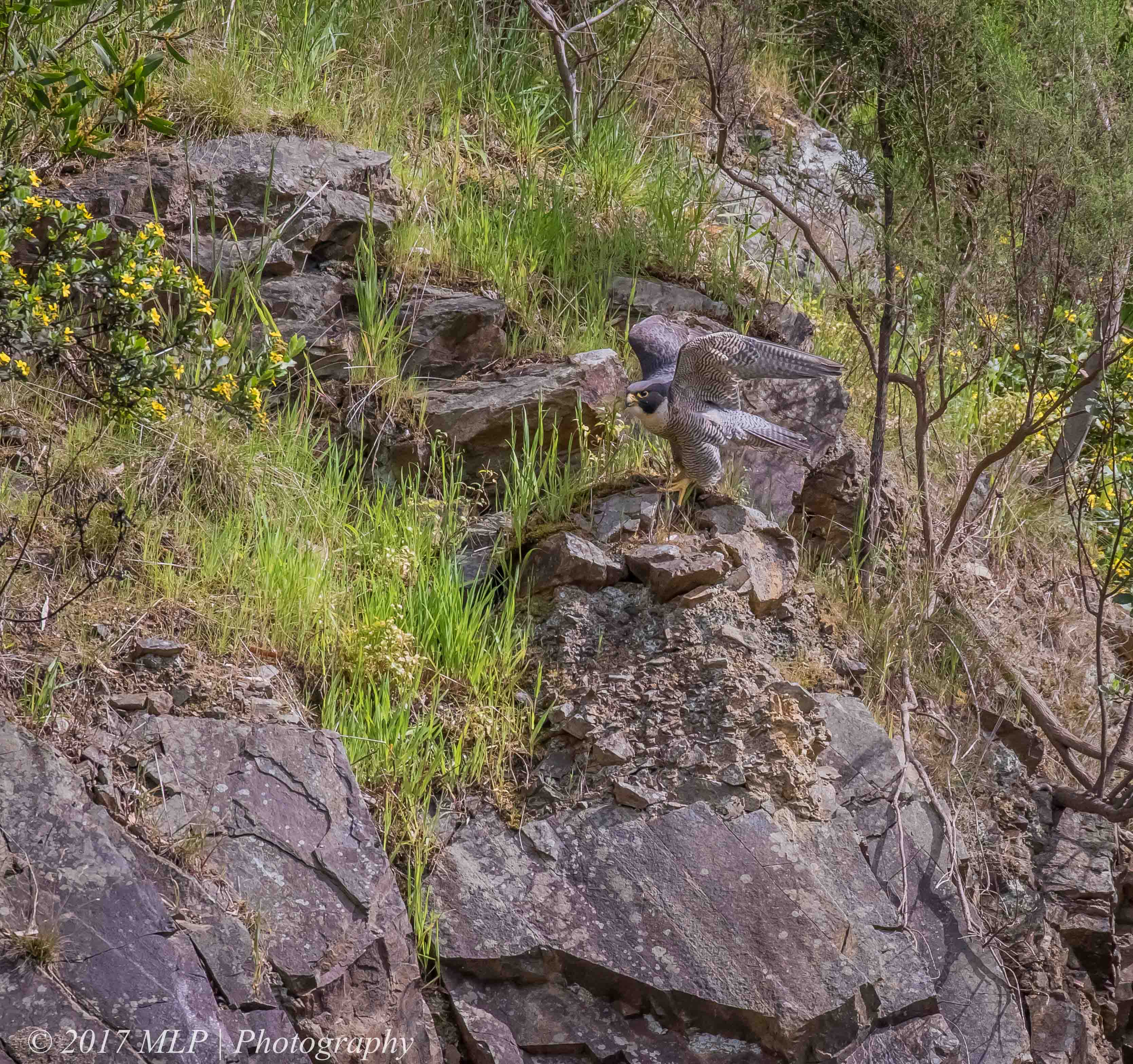
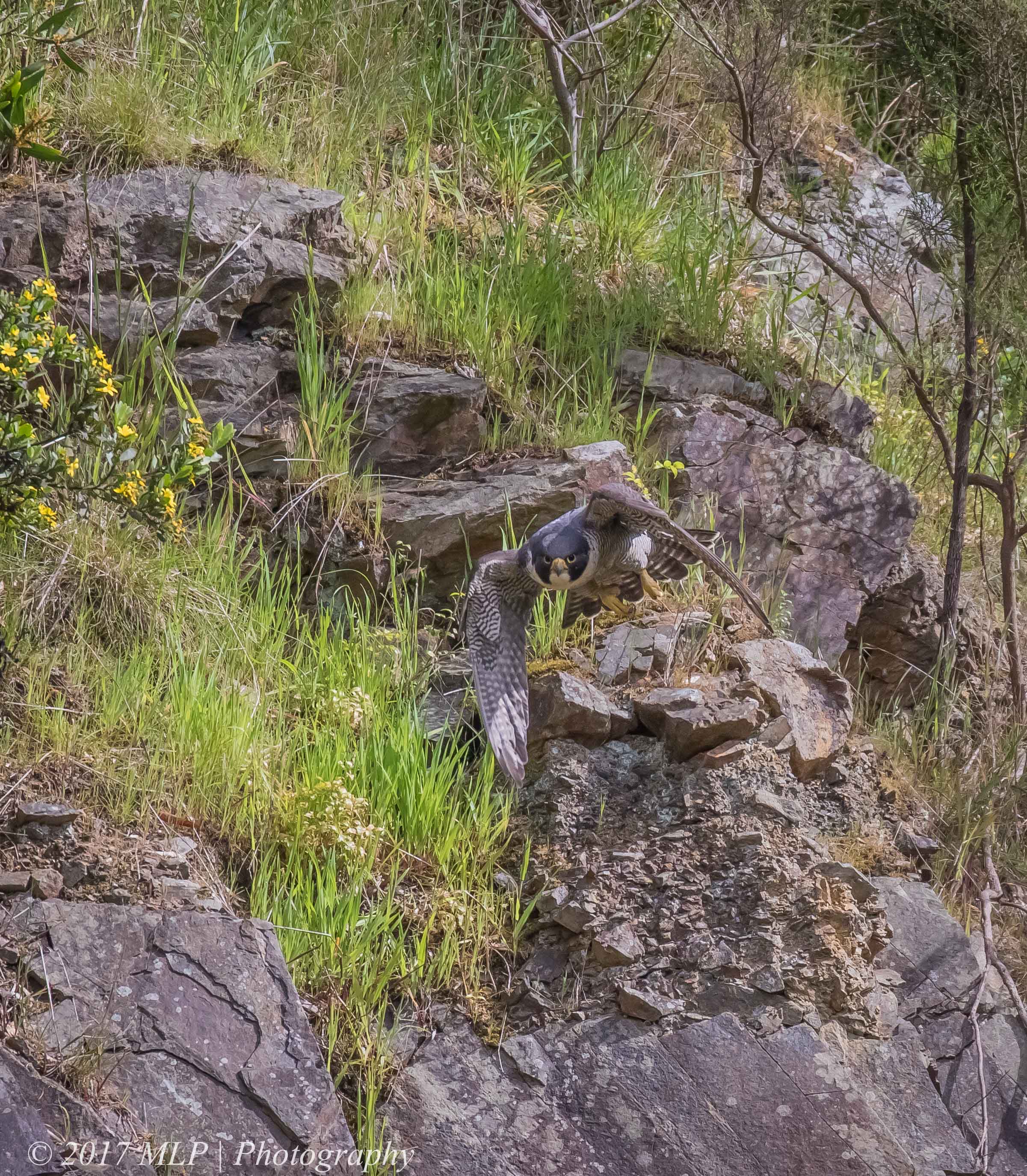
With every visit to Moorooduc Quarry in Mt Eliza, I expect to find the pair of Peregrine Falcons that have been calling the quarry home for years. It may take a little bit of time to dig out the falcons from the cliff faces or the over hanging trees but I am rarely disappointed. I find my own roost spot and just wait and keeping watching the cliffs and trees. On this occasion I thought I would not have the time to wait but as I was turning to go I saw a bit of movement on one of the cliffs and found the Falcon (below) as it was about to launch itself into the quarry.

Peregrine Falcon, Moorooduc Quarry, Mt Eliza, Vic

Peregrine Falcon, Moorooduc Quarry, Mt Eliza, Vic
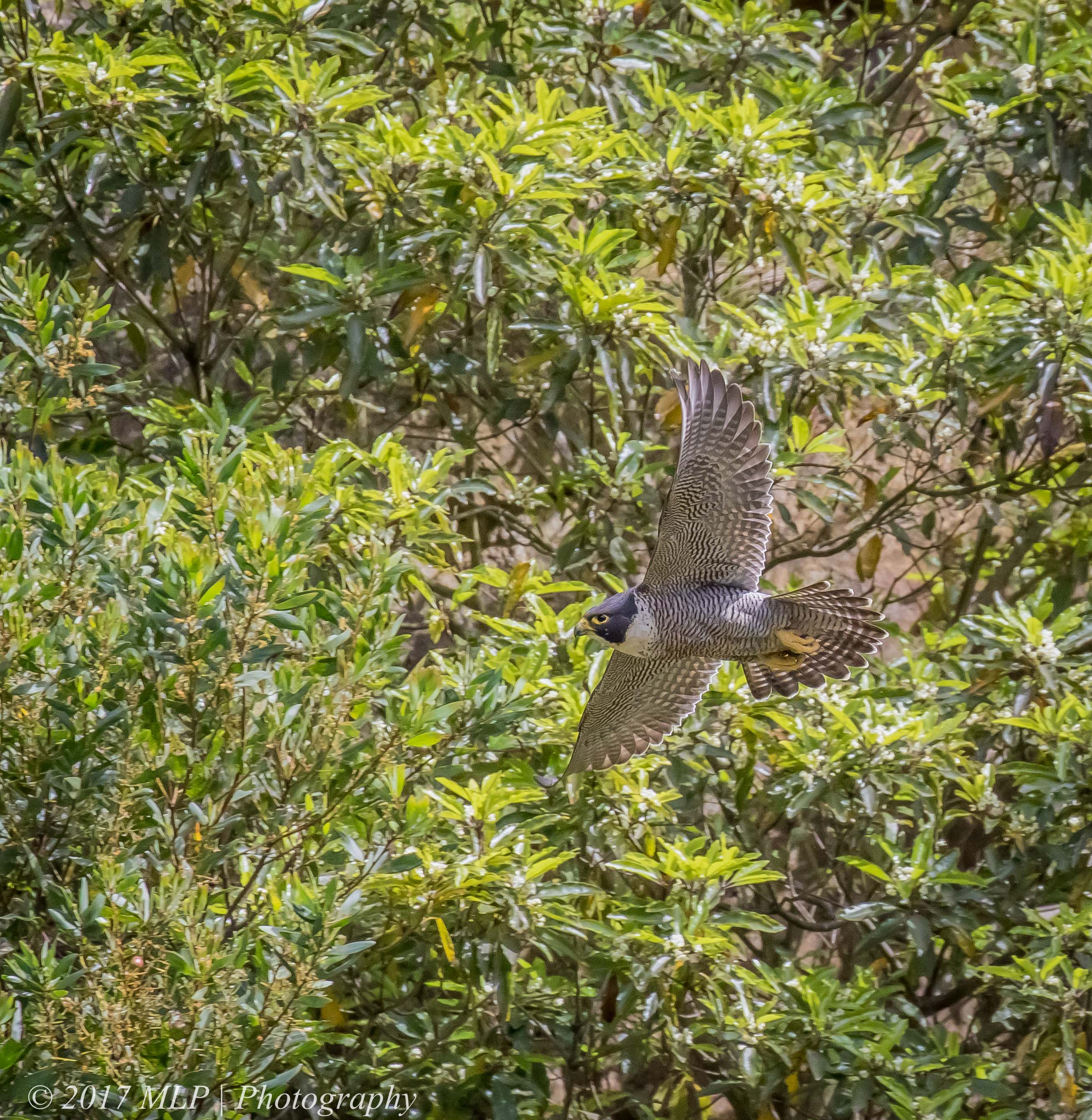
Peregrine Falcon, Moorooduc Quarry, Mt Eliza, Vic

The Peregrines colouring is very effective for blending into the blue stone cliffs.

Peregrine Falcon, Moorooduc Quarry, Mt Eliza, Vic

III

Peregrine Falcon, Moorooduc Quarry, Mt Eliza, Vic
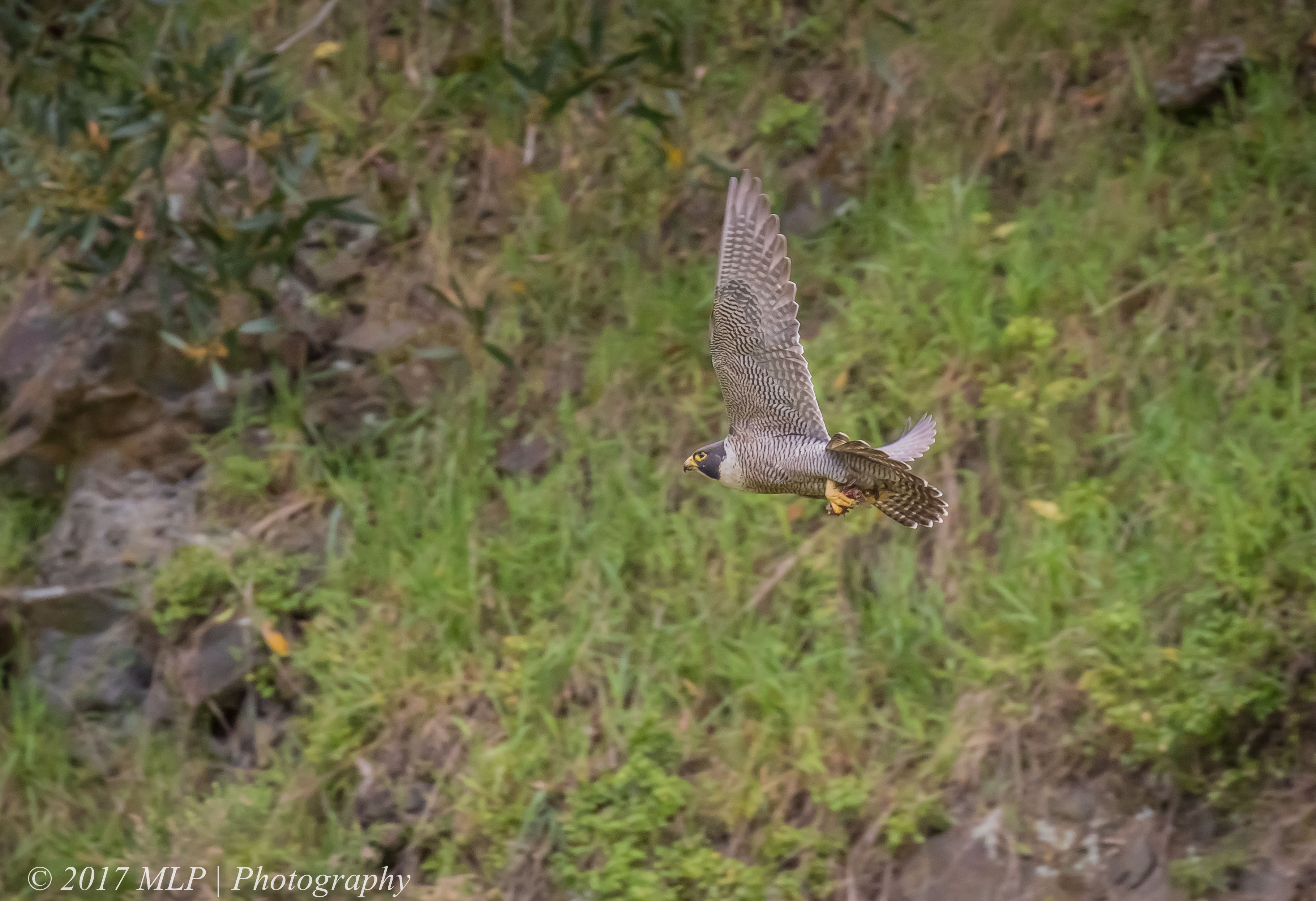
IV

A chorus of Corellas

On an evening walk along Elster Creek and into the golf course recently I came across this little band of Long-billed Corellas. They were searching for seeds and working the grass for roots. I love the sound of the Corellas and will search them out along the creek. I have to find the birds to clearly ID them as I can’t tell the difference between Little Corellas and Long-billed by the calls. Even in flight it can be difficult unless you can spot the red/pink chest splash and red around the eyes

Click to play a recording by Andrew Spencer


Long-billed Corellas, Elster Creek (golf course), Elsternwick, Vic
Long-billed Corellas, Elster Creek (golf course), Elsternwick, Vic

A Scarlet irruption at Green’s Bush…

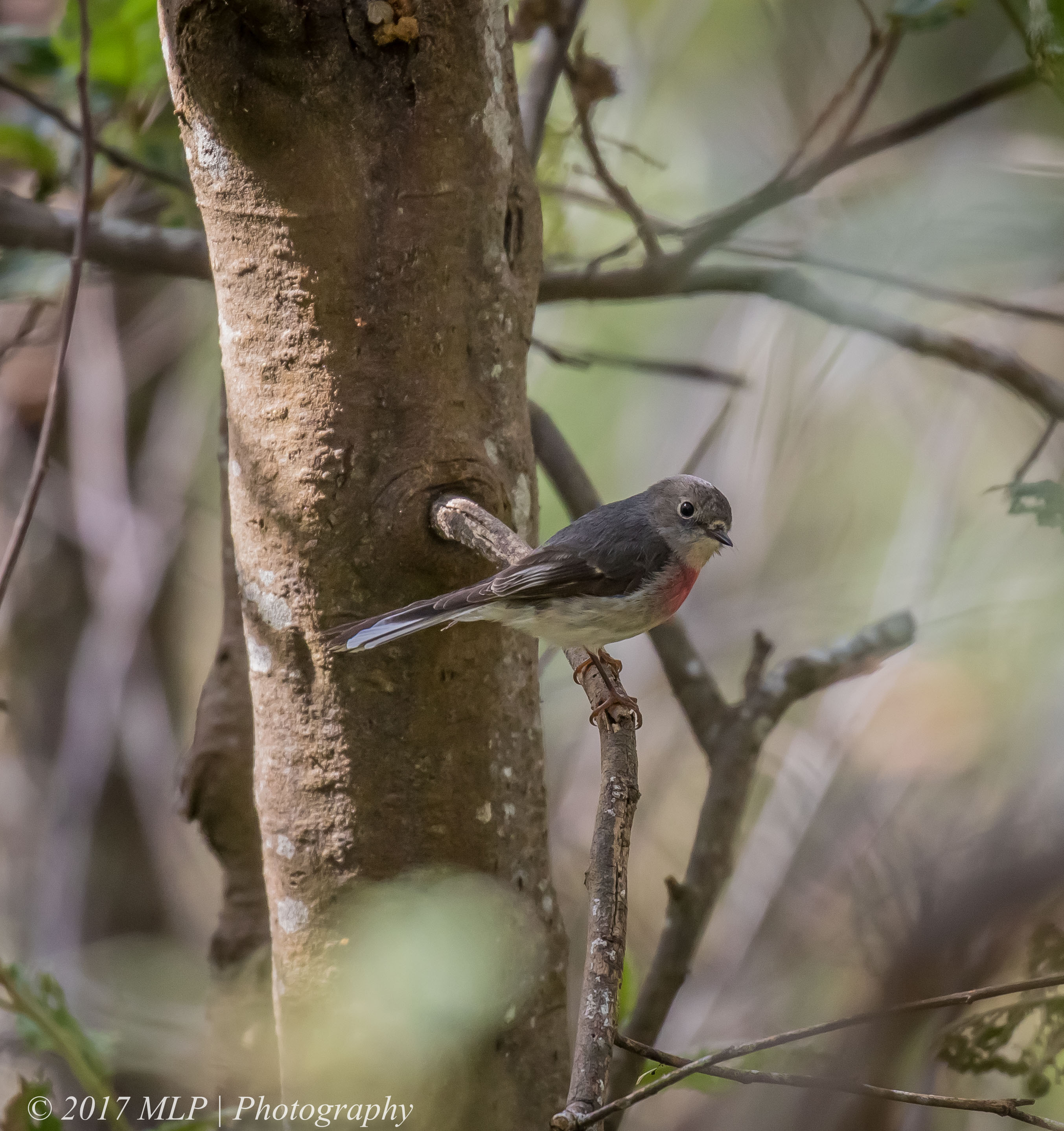
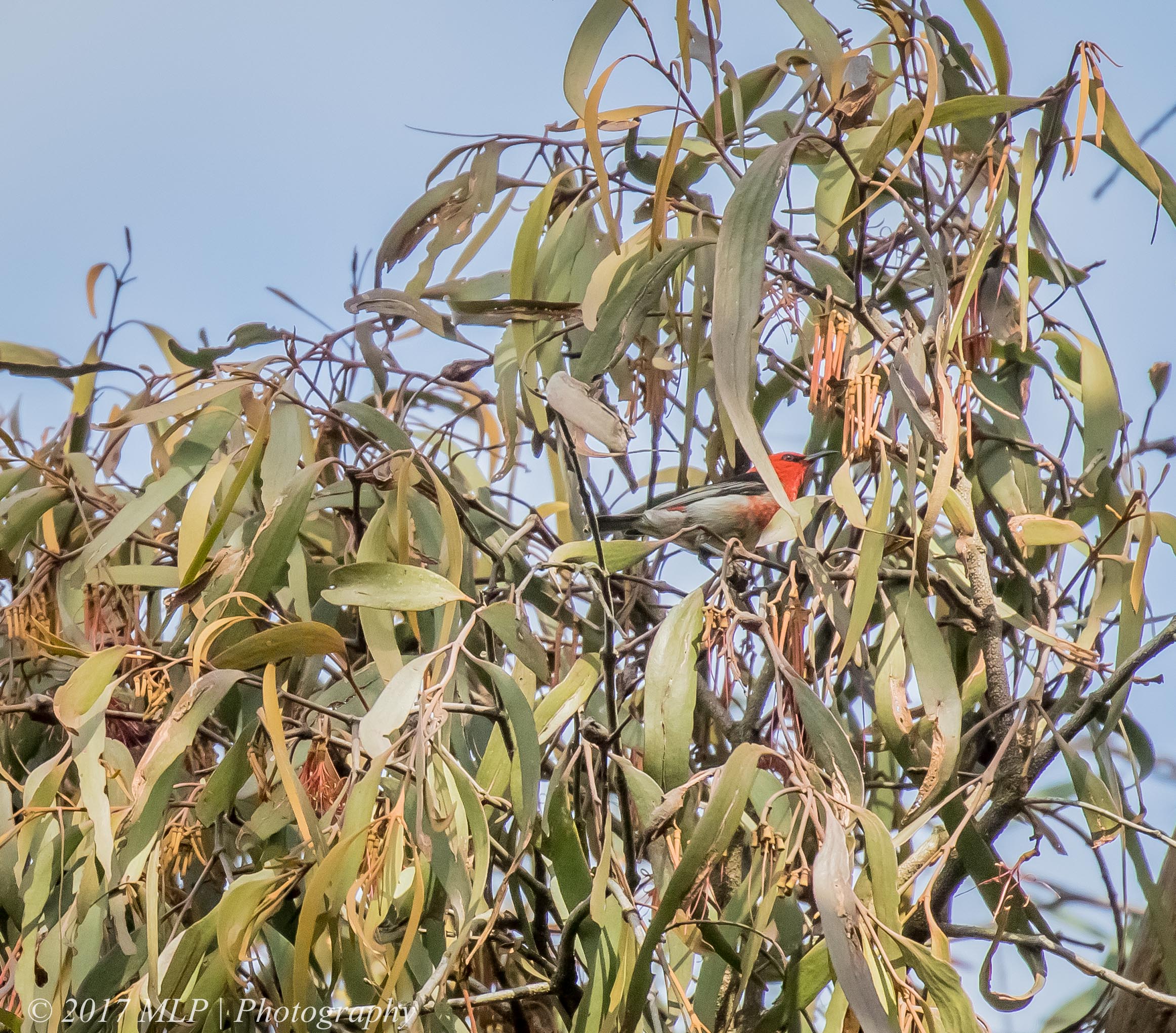
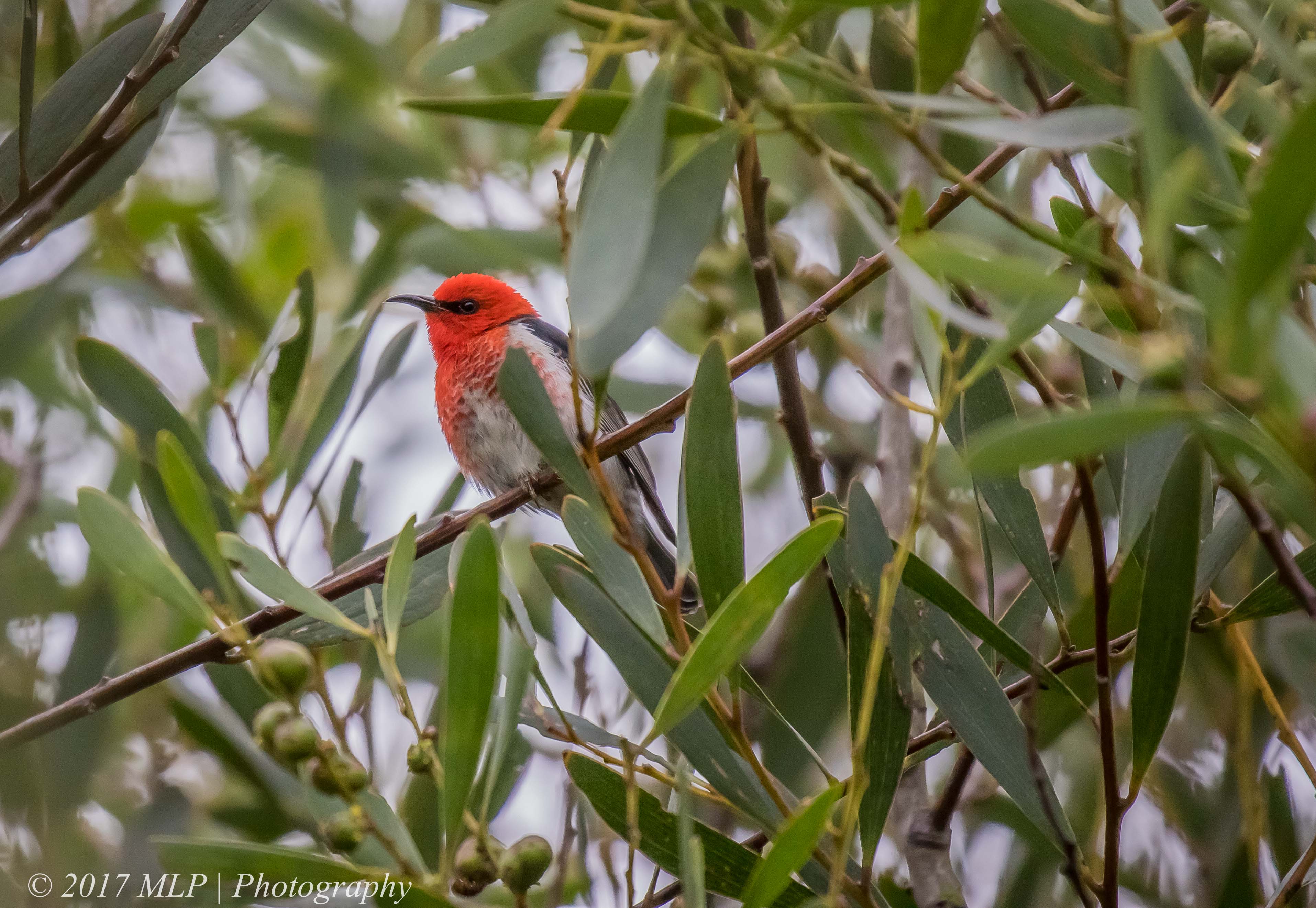
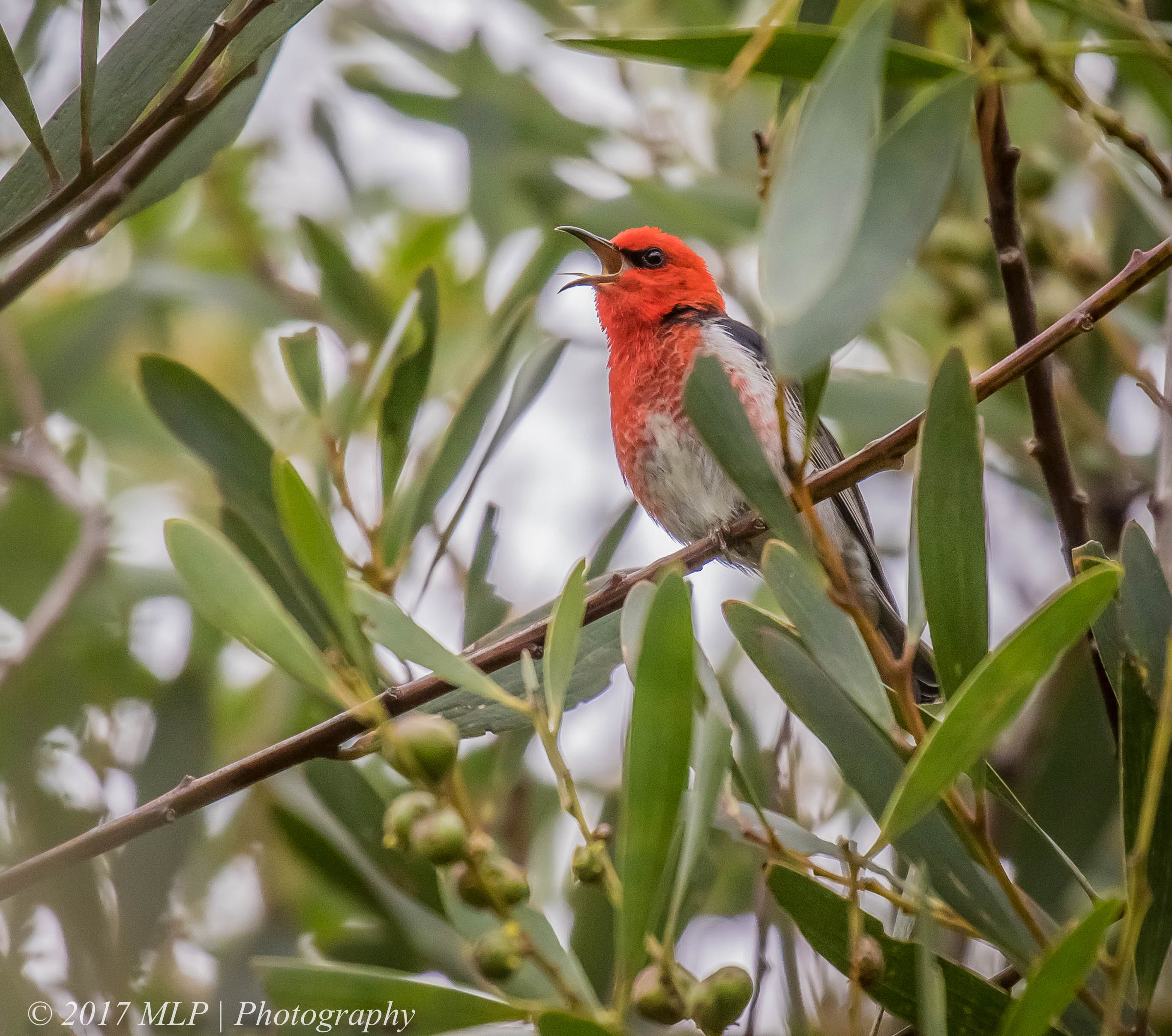
I have re-visted the new part of Green’s Bush a few times now, learning my way around and seeing what different birds are located in the various types of vegetation. While walking down from a higher ridge line I heard what I assumed was a Rose Robin. It sounded much like a Rose Robin just without the 2 note call at the end. I logged it as a Rose robin “heard” and hoped that I would be able to sight them before I moved away from the area. Half way around the circuit I heard the call with the 2 note ending and found a small family of Robins working the low branches of Sheoaks. After a few pics I moved onto another section with a large amount of flowering mistletoe hanging from the Eucalpyts with several bird species working the flowers  for nectar. I had already seen a few mistletoe birds so when I saw the flash of red I assumed another bright male mistletoebird. I was extremely surprised to see so much red on the bird….I could not think of anything else other than a Scarlet Honeyeater, a species I have only seen well on last year’s trip to Mallacoota near the NSW border in far east Victoria. I tracked the Honeyeaters across the Eucalypts for a while and as I had tuned into their call I released that the shortened Rose Robin call I had been hearing was actually the Scarlet Honeyeater. To my ear the calls were very similar. Later at home when reviewing the images and then checking the Facebook Bird Vic and eBird sites, I noticed that a number of people had been reporting sightings around Victoria. It seems we are in the midst of an irruption, an unusually high number of birds migrating to the extremes of their range. Last weekend I went back and saw more of the Scarlets, this time around the carpark enjoying the flowering Teatrees and overhanging mistletoe.
Rose Robin, Greens Bush (southern), Mornington Peninsula, Vic

Rose Robin, Greens Bush (southern), Mornington Peninsula, Vic

Rose Robin, Greens Bush (southern), Mornington Peninsula, Vic

Rose Robin II

Rose Robin, Greens Bush (southern), Mornington Peninsula, Vic

Having a scratch

Scarlet Honeyeater, Greens Bush (southern), Mornington Peninsula, Vic

I thought the flash of red in the flowering mistletoe was a male Mistletoebird.

Scarlet Honeyeater, Greens Bush (southern), Mornington Peninsula, Vic

Scarlet Honeyeater

Scarlet Honeyeater, Greens Bush (southern), Mornington Peninsula, Vic

II

Scarlet Honeyeater, Greens Bush (southern), Mornington Peninsula, Vic

Scarlet Honeyeater calling, with several others nearby responding.

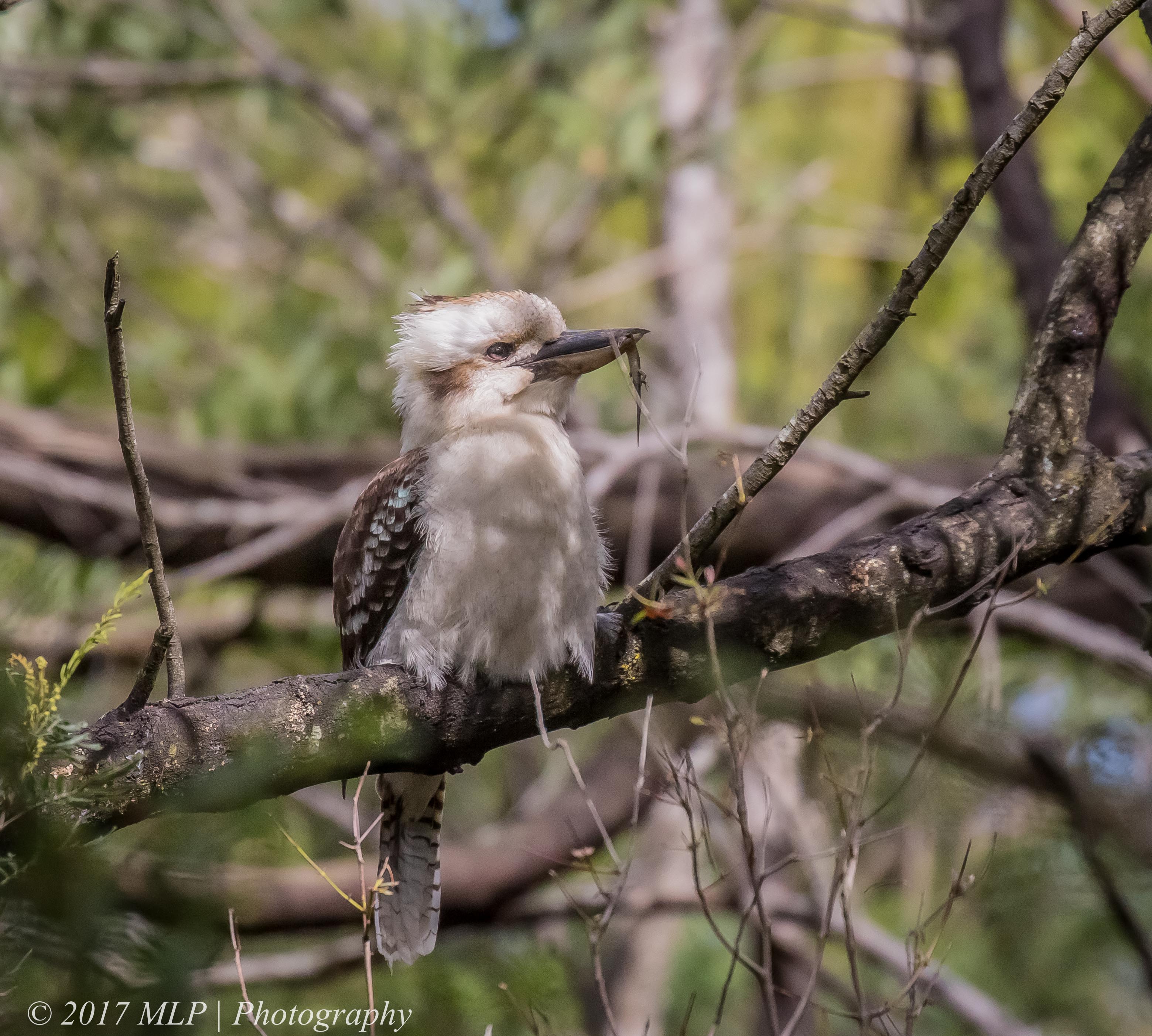
I got a lizard for lunch…

When visiting Ma and Pa Kettle at the family estate in Moorooduc,  I often stop by Moorooduc Quarry to check out a few of my favourite locals. At the moment the Eastern Yellow Robins, the Spotted Pardalotes and the Peregrine Falcons are nesting. On the way to the Pardalote spot where I like to watch the to’ing and fro’ing of the pair I found this Kookaburra softening up his lunch by giving it a few whacks on the branch. He was not concerned by me walking by and stopping to take a few shots. He just watched me for a bit and then continued to soften lunch.

Kookaburra, Moorooduc Quarry, Mt Eliza, Vic

Kookaburra, Moorooduc Quarry, Mt Eliza, Vic

Kookaburra, Moorooduc Quarry, Mt Eliza, Vic

II

Flying visit along the coast

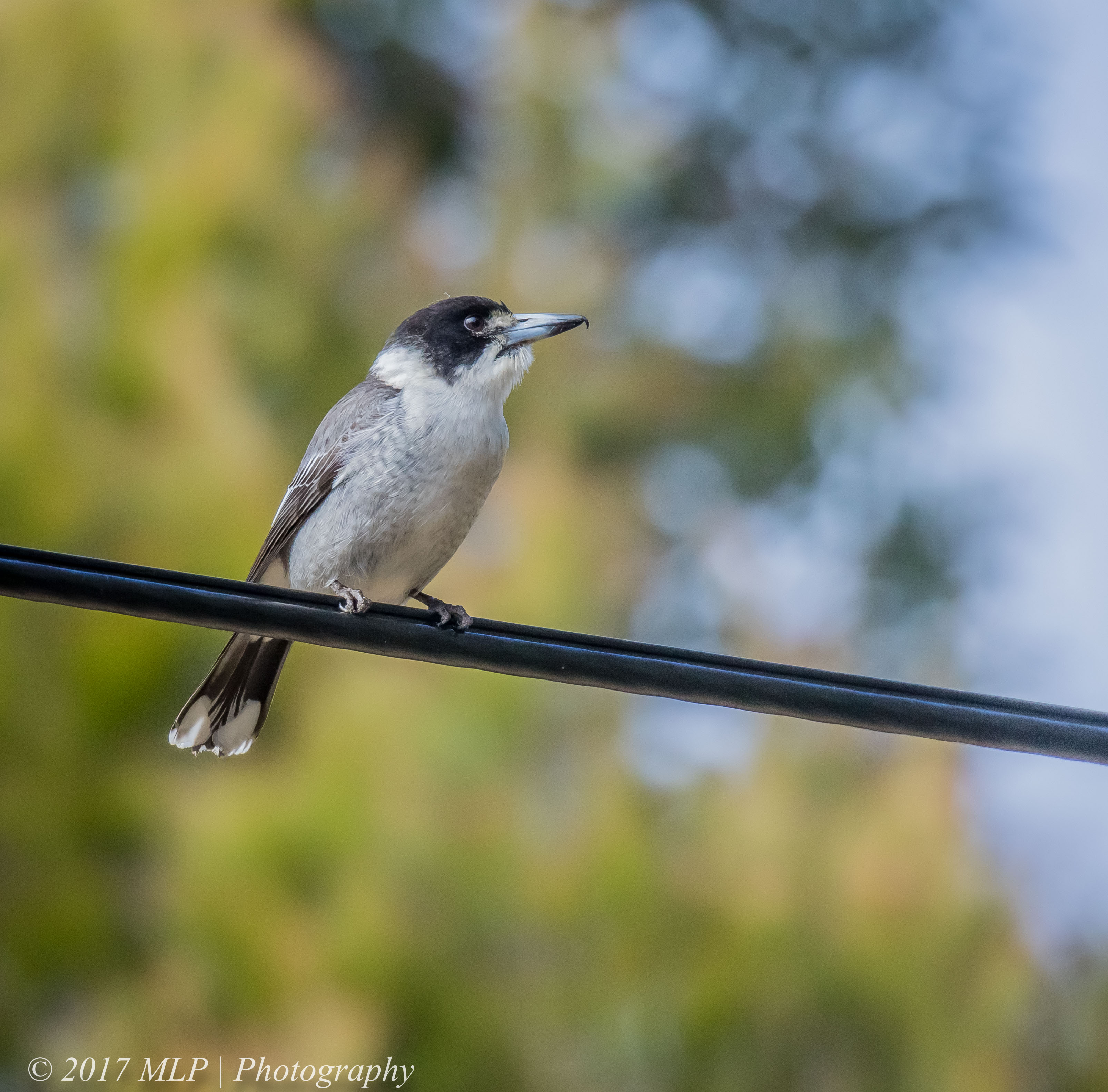
Over spring I have been working on a garden down the Mornington Peninsula, trying to rediscover and restore the original veggie and garden beds. On the way home I popped into a few new spots along the way –  Highfield in the National Park and the McClelland Sculpture Park in Langwarrin. The Superb Fairy-wren was displaying its near eclipse plumage (last of its breeding/summer plumage). As I parked my car at the Sculpture Garden, I heard a weird bird call that I did not recognise (of course I assumed I had discovered a new species or at least a lifer) and it turned out to be a begging young Butcherbird. I watched as a parent returned a few times with little morsels for the hungry beggar. Notice the deadly little bill hook that the Butcherbird will use as part of its bird hunting weaponry.

Superb Fairy-wren, Green's Bush (southern), Vict

Superb Fairy-wren, Mornington Peninsula National Park: Highfield, Vic

Juvenile Grey Butcherbird, McClelland Sculpture Park, Langwarrin, Vic

Juvenile Grey Butcherbird, McClelland Sculpture Park, Langwarrin, Vic

The Cuckoos are arriving

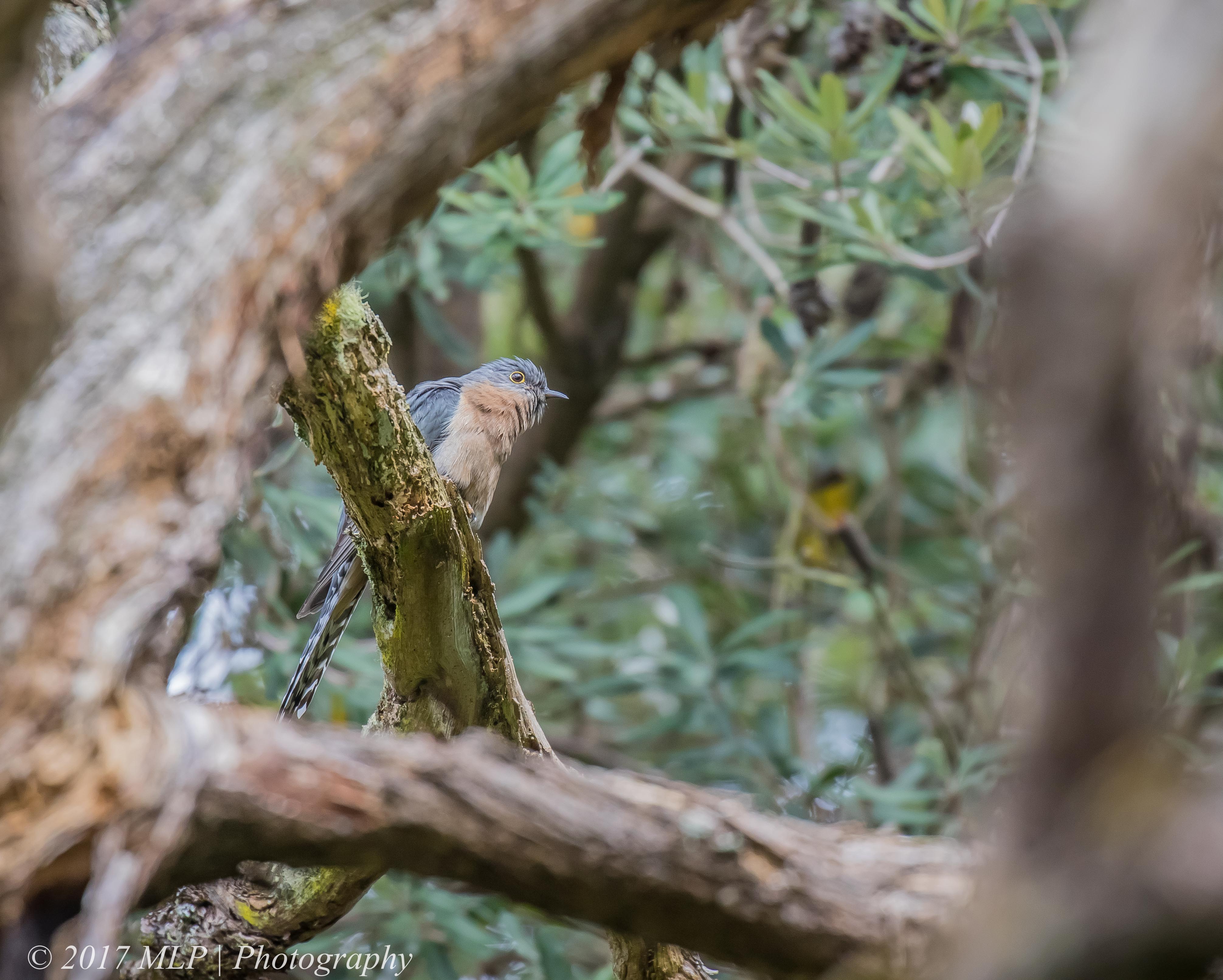
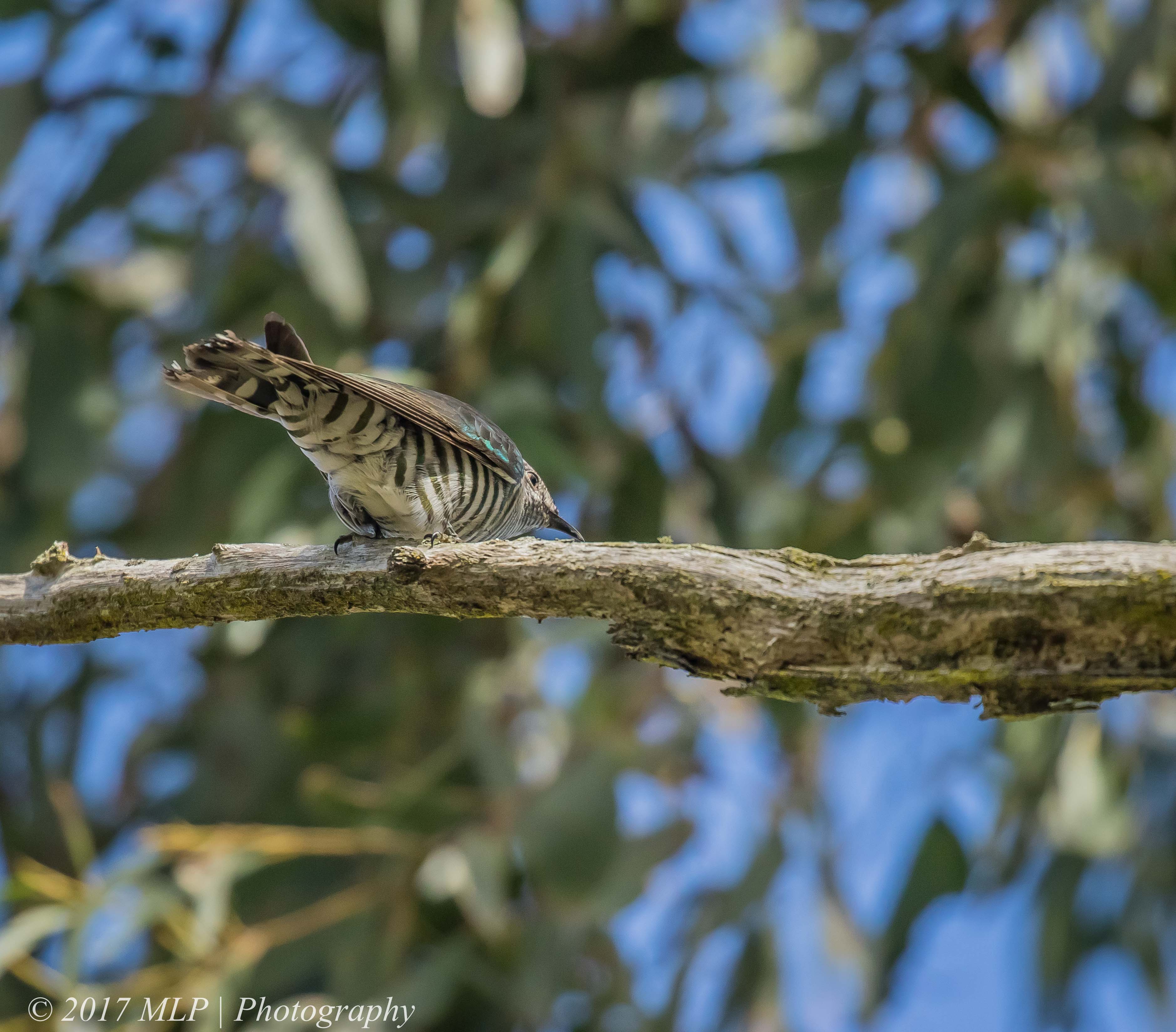
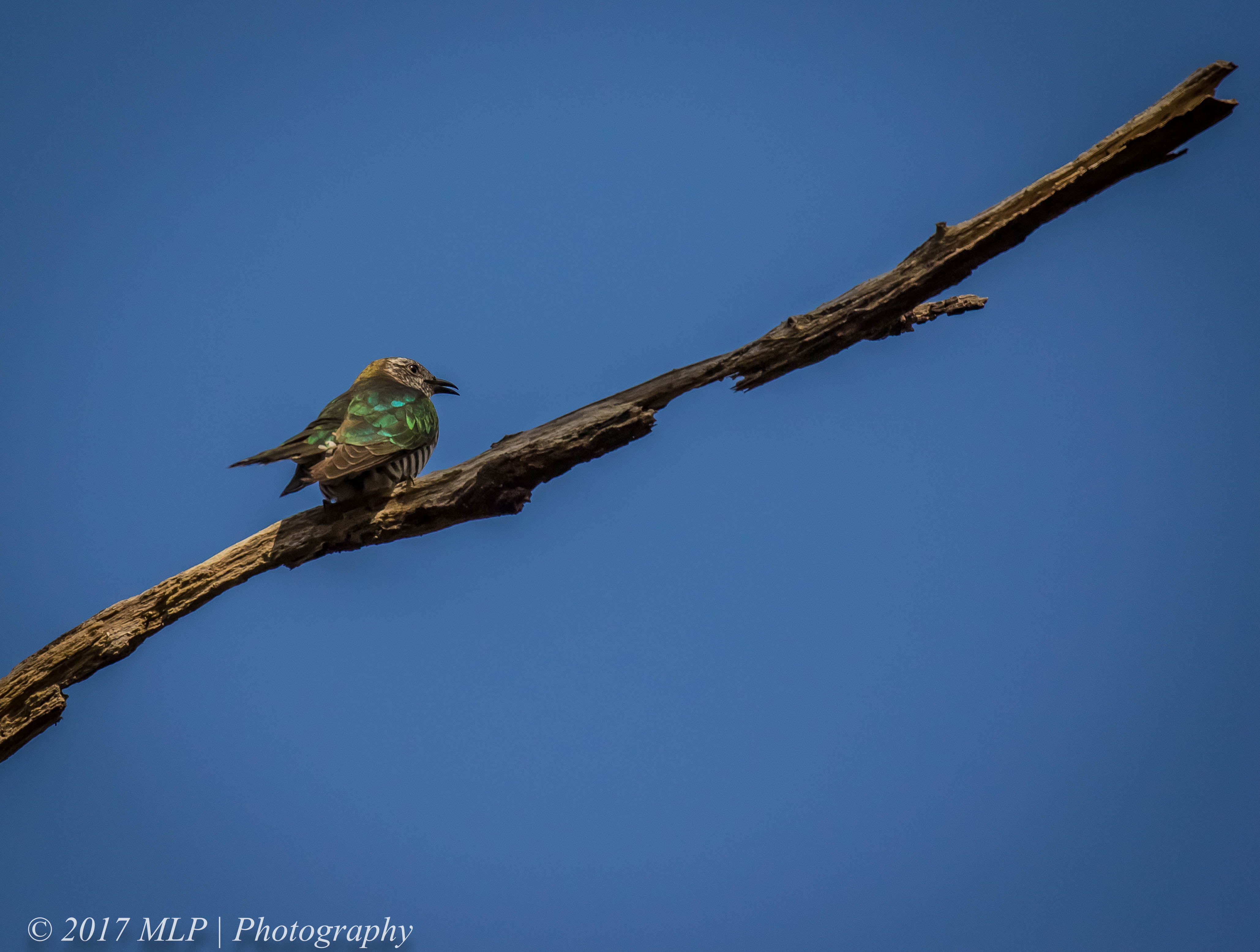
I have been hearing quite a few Cuckoos now that the smaller birds are nest building and laying eggs. I found the ones below in the southern part of the Green’s Bush via their calling. They have arrived from the northern warmer climates and are now ready to breed and lay eggs. The fan-tailed cuckoo will lay a single egg in the smaller bush bird’s nests after removing a host’s egg. It targets Thornbills, Scrubwrens and Fairy-wrens. The Shining Bronze-cuckoo also lays its eggs in the domed nests of Thornbills as well as the open nests of honeyeaters and robins

Fan-tail Cuckoo, Green's Bush (southern), Vict

Fan-tail Cuckoo, Green’s Bush (southern section), Vict

Fan-tail Cuckoo, Green's Bush (southern), Vict

II

Shining Bronze-cuckoo, Green's Bush (southern), Vict

Shining Bronze-cuckoo

Shining Bronze-cuckoo, Green's Bush (southern), Vict

Shining Bronze-cuckoo – named well

Shining Bronze-cuckoo, Green's Bush (southern), Vict

III

What ya doing Dad?

With the weather turning milder this week I thought a walk at the local Fitzroy Gardens might make a nice change to lurking in the Chinatown laneways looking for new street art. I did not expect much other than a nice walk and a short bird list. I did find the usual urban park birds and a few surprises, a kookaburra being an unexpected highlight and a pair of Pied Currawongs – adult and juvenile. Being around lunch time the adult Currawong was cleaning and preening itself along the small rainforest creek that runs down the centre of the park. I spent some time filming the Currawongs with my iPhone. The Currawong was using chunks of dirt and getting deep into its feathers for a good clean. It then would hop over to the creek and have a deep vigorous wash. After a drying preen on a nearby branch it would start again on a different area of its feathers. Meanwhile the young Currawong was making small calls and watching intensely trying to figure it all out. When the adult flew off it stayed and had a go at picking in the dirt but it seemed to think it was looking for food rather than good chunks to use for cleaning. I have seen birds washing, preening, sand bathing before but never selecting chunk of dirt to use as a scrub in those hard to reach places….

click image to watch video clip

A not so bashful Bassian Thrush

Over the winter and into spring I have been exploring new sites down the Mornington Peninsula, particularly around the National Park. I found an entrance to a Bushland Reserve not far from where I stay and it turned out to be the Southern section of Green’s Bush – a brand new part that I had never been to before. I spent a few hours walking a new circuit and found plenty of new views, tracks, trees and signs of more mammals than the northern section. I had planned just a quick 1 hour walk but it became 3 when I missed a turn off and ended up much further south than intended and had to backtrack. I will definitely being going back to explore further and see what the changing seasons will bring to this part of the park. I have also started to review more detailed maps of area to see what else is hidden. The Bassian Thrush below was quite curious when I flushed it off the path. Usually they fly off low and quickly into the bush, but I think this one was young and had not learnt to be afraid yet.

Bassian Thrush, Green's Bush, Vict

Bassian Thrush, Green’s Bush (south section), Mornington Peninsula Nat Park, Vic

Bassian Thrush, Green's Bush, Vict

Bassian Thrush II