Tag Archives: Australian Birds

Spring at Greens’ Bush

For various reasons I have not taken many/any photos on recent visits to Greens Bush. The weather has been cold and wet, it has been quite dark in the forest and most importantly not many birds have sat still long enough to take a decent image. I no longer blast away at any bird and hope that there is a shot in there somewhere. The hours post processing are not worth the result. I try to take only a few shots and get the setup right while stalking the target. This often results in failures and no shots but does save time at the computer. On Saturday I was determined to shoot something rather than just carry the heavy gear around. While the birdlife was abundant and the forest was quite noisy there were not many birds near enough to shoot. What I did find was three different species’ nests all within a few meters of where I had stopped for a breather. For nearly 30 mins I watched as a Golden Whistler returned to a particular bush with more nesting material. The female seemed to be doing all the collecting and building with the colourful male inspecting now and again and standing guard in the next tree. While just standing there I saw a pair of Spotted Pardalotes on a branch just above my head. It took a few moments to realise that they were not being friendly but getting a bit stressed because I was standing next to their burrow. I moved away and straight away they flew down and into the burrow. Turning around at a new bird call I saw a pair of Striated Thornbills flying into their nest, a tennis ball size clump of soft material and spider webs. Spring has started and nesting season is in full swing. I will re-visit in the coming weeks and hopefully see more progress and take a few pics.

Spotted Pardalote near nest entrance, Greens Bush, Vic

Spotted Pardalote near nest entrance

Spotted Pardalote nest entrance, Greens Bush, Vic

Spotted Pardalote nest entrance – a burrow

Striated Thornbill nest, Greens Bush, Vic

Striated Thornbill nest camouflaged inside an over-hanging Eucalyptus branch

Golden Whistler nest (just starting), Greens Bush, Vic

Golden Whistler nest (just starting) – will be more of a traditional cup type nest.

Return to Stockyard Point

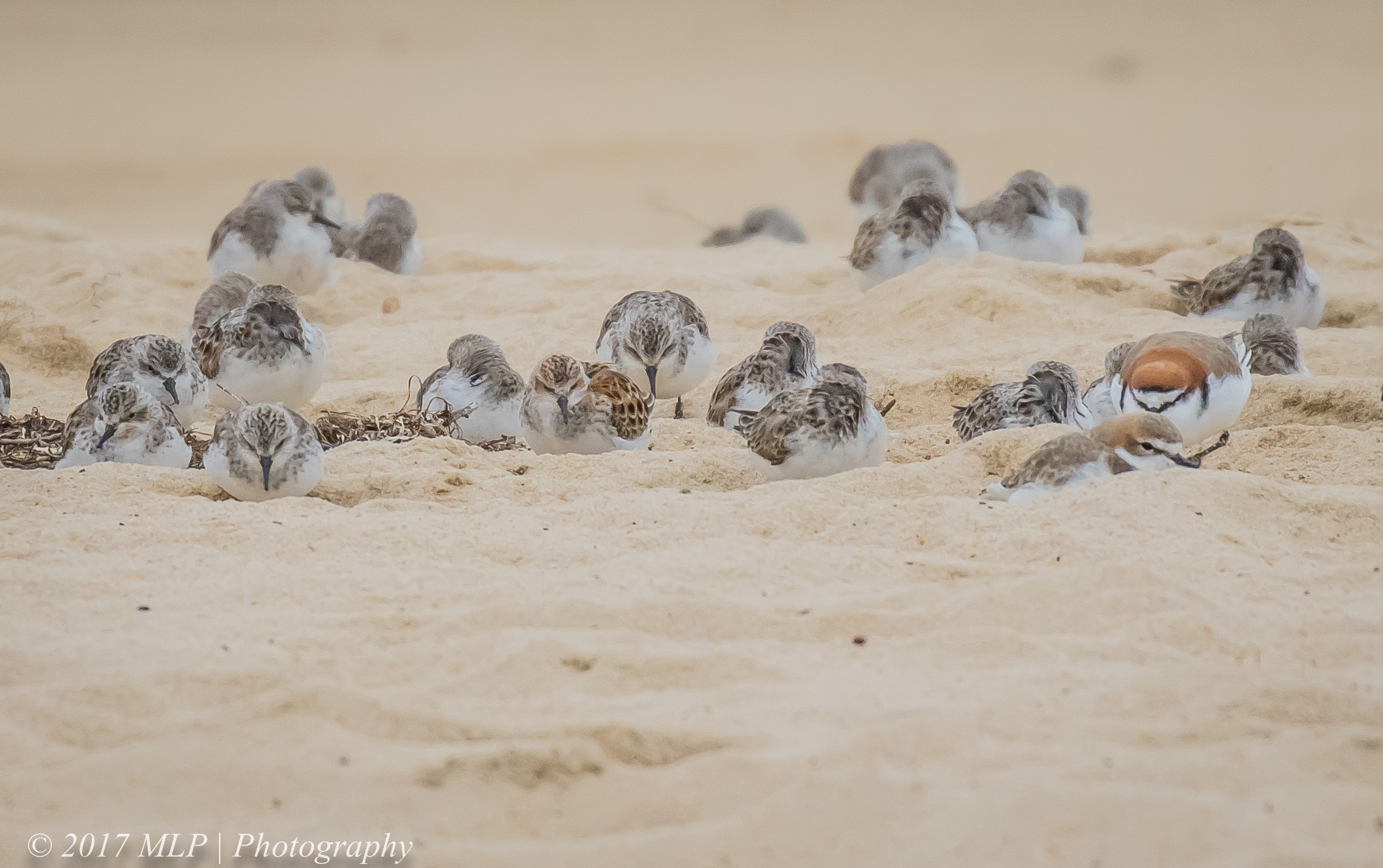
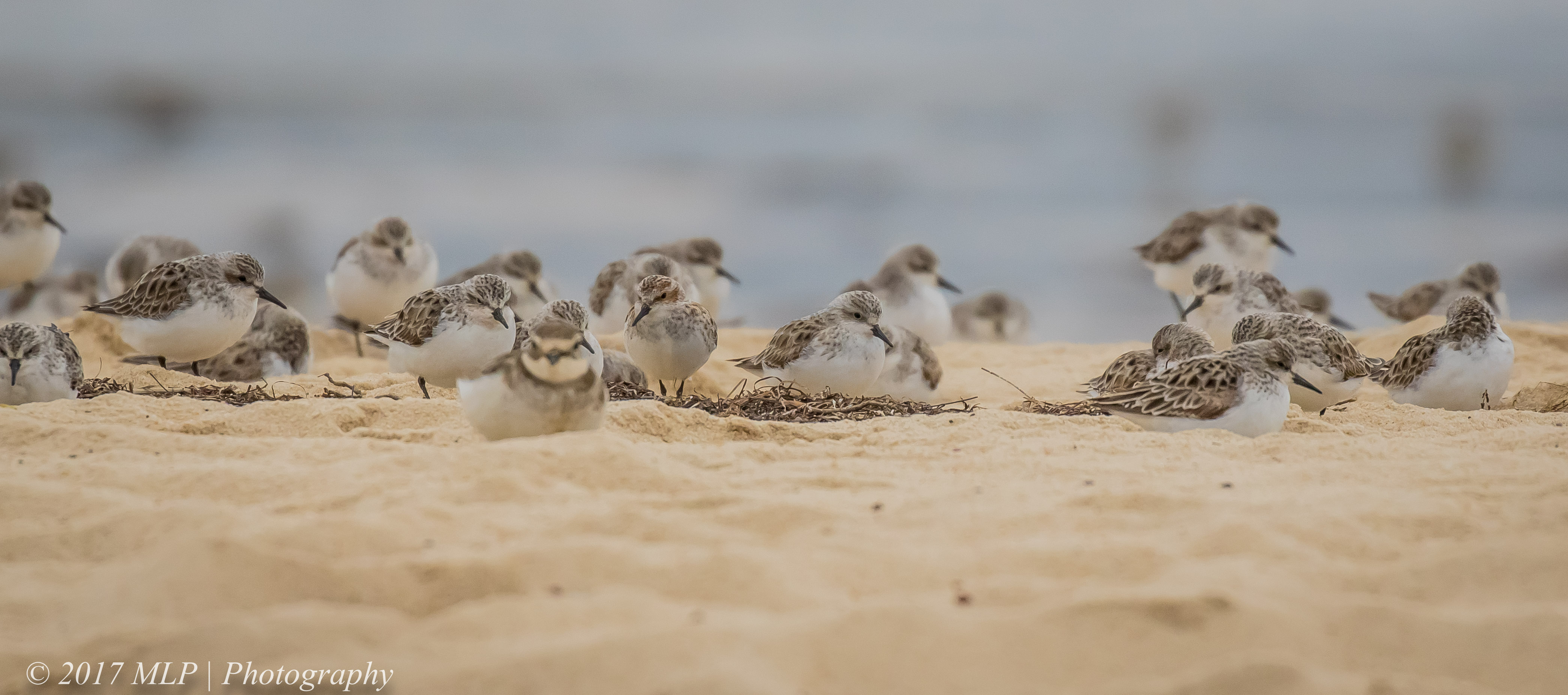
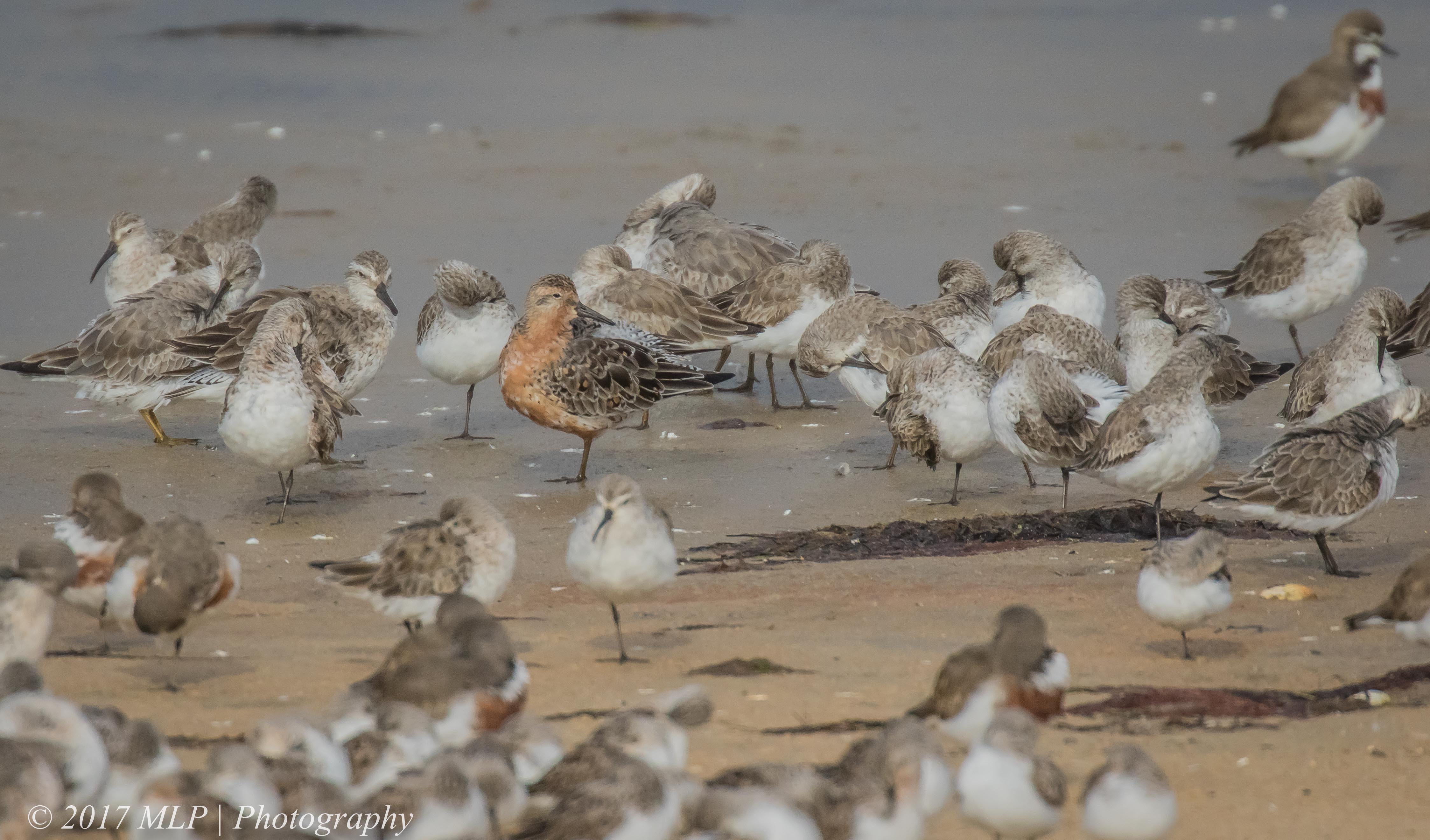
When I got home from the last twitch at Stockyard Point near Jam Jerrup, I saw a report for another rare vagrant to Victoria – the Little Stint. It was seen in the flock we had just left. Due to its brown/orange breeding plumage it stood out from the 100s of the plain grey over-wintering Red-necked Stints. Without the colour plumage it would have been identical to the others and no-one would have noticed it. We waited two weeks for another suitable weekend where the tide was high at a reasonable time. The weather, if possible, was even colder but at least newly purchased thermals helped keep me warm. It took a while to spot the little wader but an eagle-eyed and patient birder (Emma) finally found it  – Lifer 347. We spent the next four hours watching it move from the sand spit to a small sand bank out of the strong cold wind. Much of the time its head was tucked in as it napped at high tide. When it looked up a dozen cameras would snap away. Several times it flushed and we thought we had lost it but it always seemed to come back to the same sand divot.

Little Stint Twitch, Stockyard Point, Jam Jerrup, Vic

Little Stint Twitch, Stockyard Point, Jam Jerrup, Vic

Mixed wader flock, Stockyard Point, Jam Jerrup, Vic

Mixed wader flock, Stockyard Point, Jam Jerrup, Vic

Mixed wader flock, Stockyard Point, Jam Jerrup, Vic

Mixed wader flock

Little Stint and waders, Stockyard Point, Jam Jerrup, Vic

Little Stint and waders, Stockyard Point, Jam Jerrup, Vic

Little Stint and waders, Stockyard Point, Jam Jerrup, Vic

Little Stint and waders II

Little Stint and waders, Stockyard Point, Jam Jerrup, Vic

Little Stint III

Red Knot and waders, Stockyard Point, Jam Jerrup, Vic

Red Knot in bright breeding plumage and mixed waders

Twitching at Stockyard Point

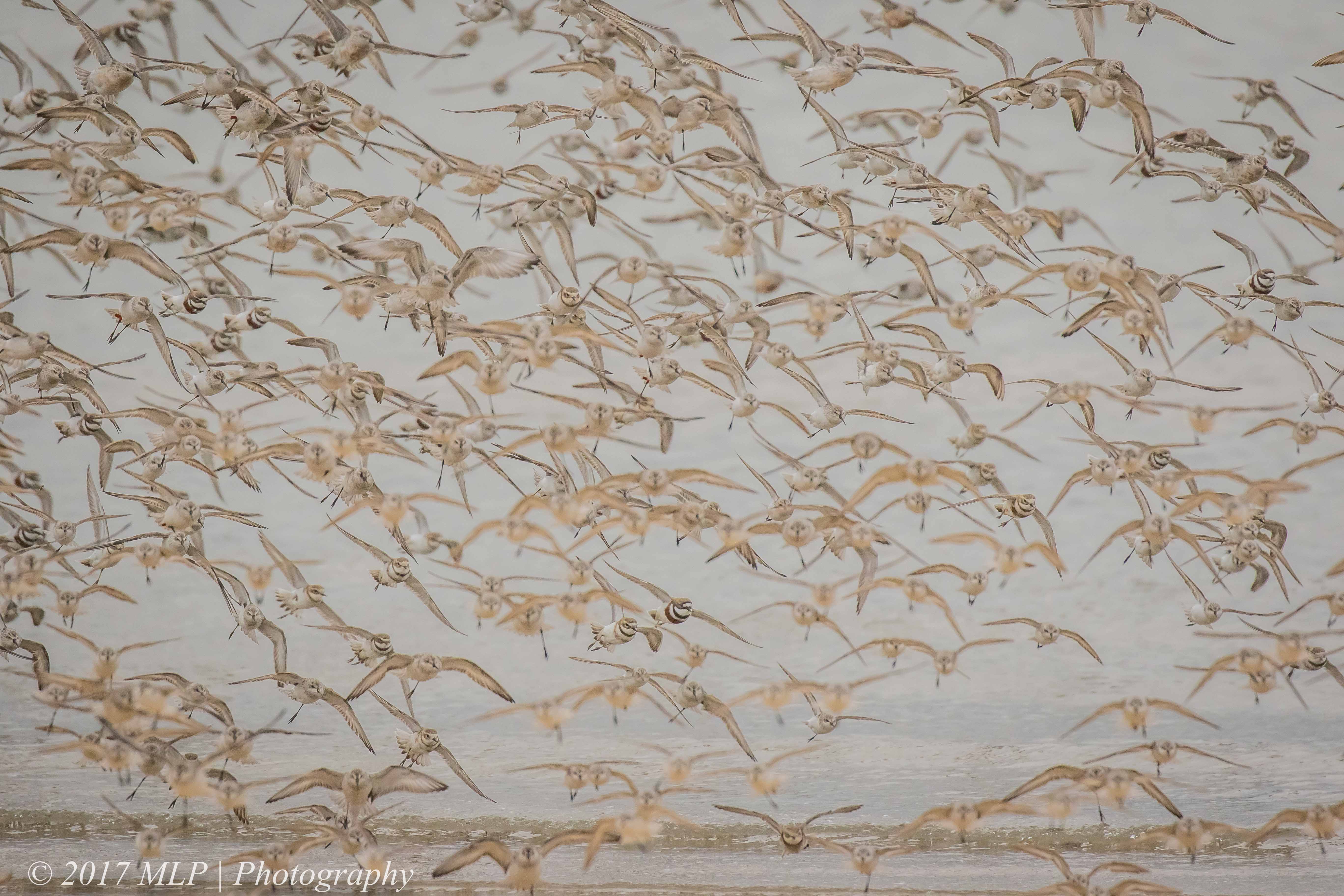
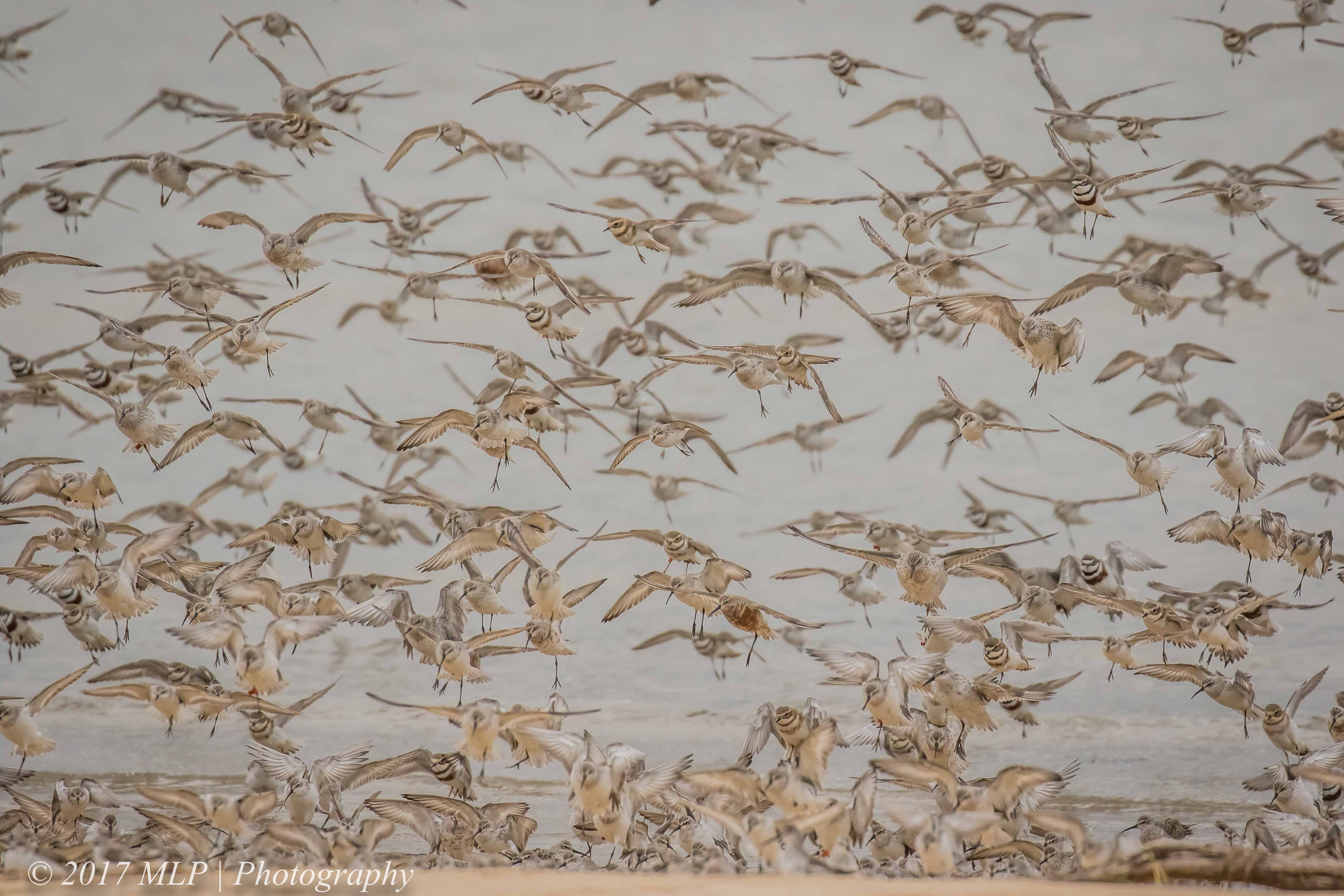
Stockyard Point near Jam Jerrup in Western Port Bay is a good spot for some high tide wader watching. Once the tide rises many of the waders move across from feeding on the exposed low tide mud flats to the sand spits for a bit preening and sleeping. One of the many species found here is the Australian Pied Oystercatcher, a fairly common bird found along the coast. Not so common and in fact not previously reported in Victoria is the (NZ) South Island Pied Oystercatcher. The SIPO is very similar looking to the Aussie version but with shorter legs, longer bill and different white plumage on the back and underwing. In late June a keen eyed birder spotted this NZ vagrant, and since then many birders have taken the long beach walk to the point to twitch for the SIPO.  On the day we trekked to the point, we spent many hours on the spit, met quite a few birders, found the South Island Oystercatcher (lifer 346) and photographed many other waders. In winter one does not expect to see many waders in Victoria but we were amazed at how many different species had over-wintered in the south rather than fly back to Siberia to breed. A few of the experienced birders suggested that it was due to a very good breeding season in the north in 2016 and that 1st year birds tend to over-winter rather than fly back north. It was long day, standing for 6 hours, exposed to bitingly cold southerly winds, at times wet, but it was one of the best days of birding I have seen.
Stockyard Point Twitch, Jam Jerrup, Vic

Stockyard Point Twitch, Jam Jerrup, Vic – a brief sunny respite from the cold and winds

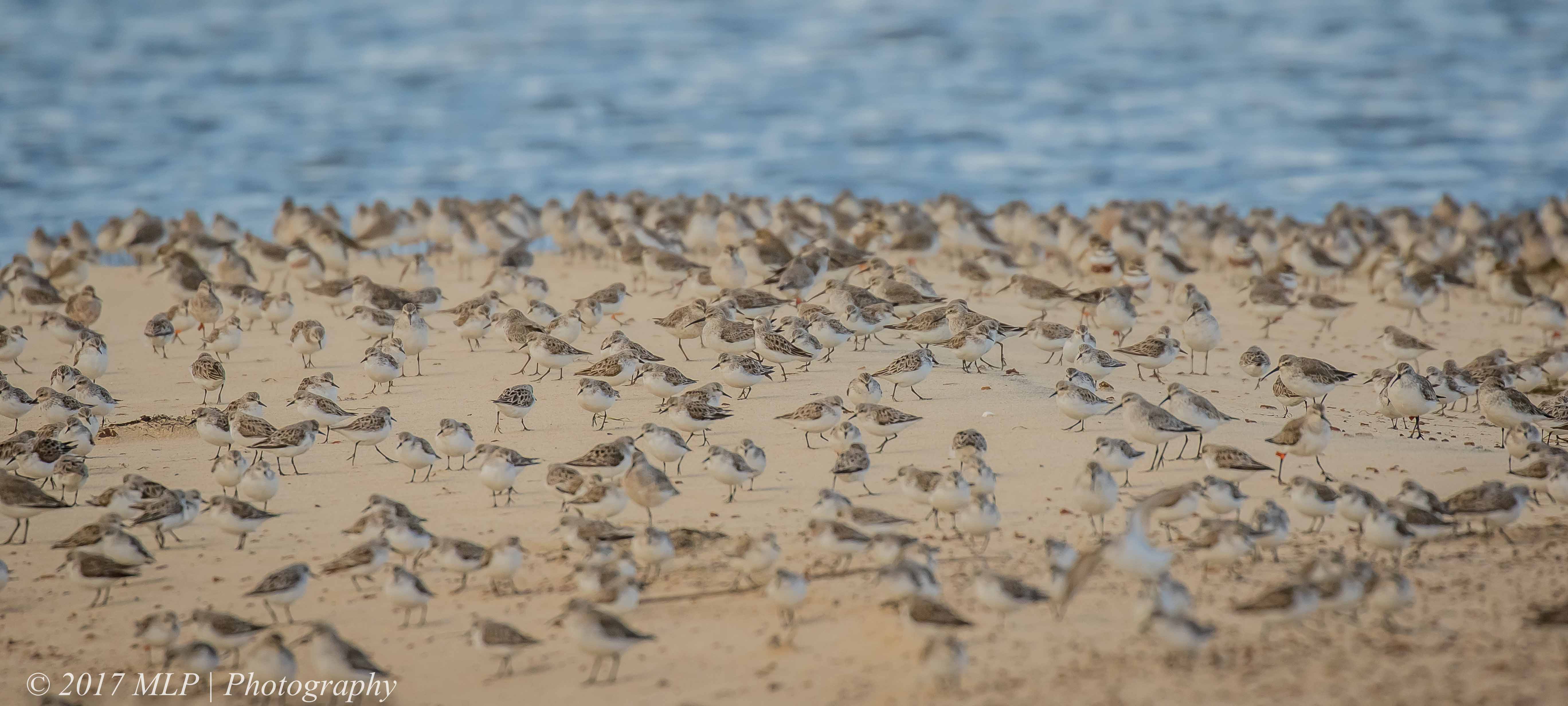
Waders at Stockyard Point, Jam Jerrup, Vic

Hundreds of over-wintering waders at Stockyard Point

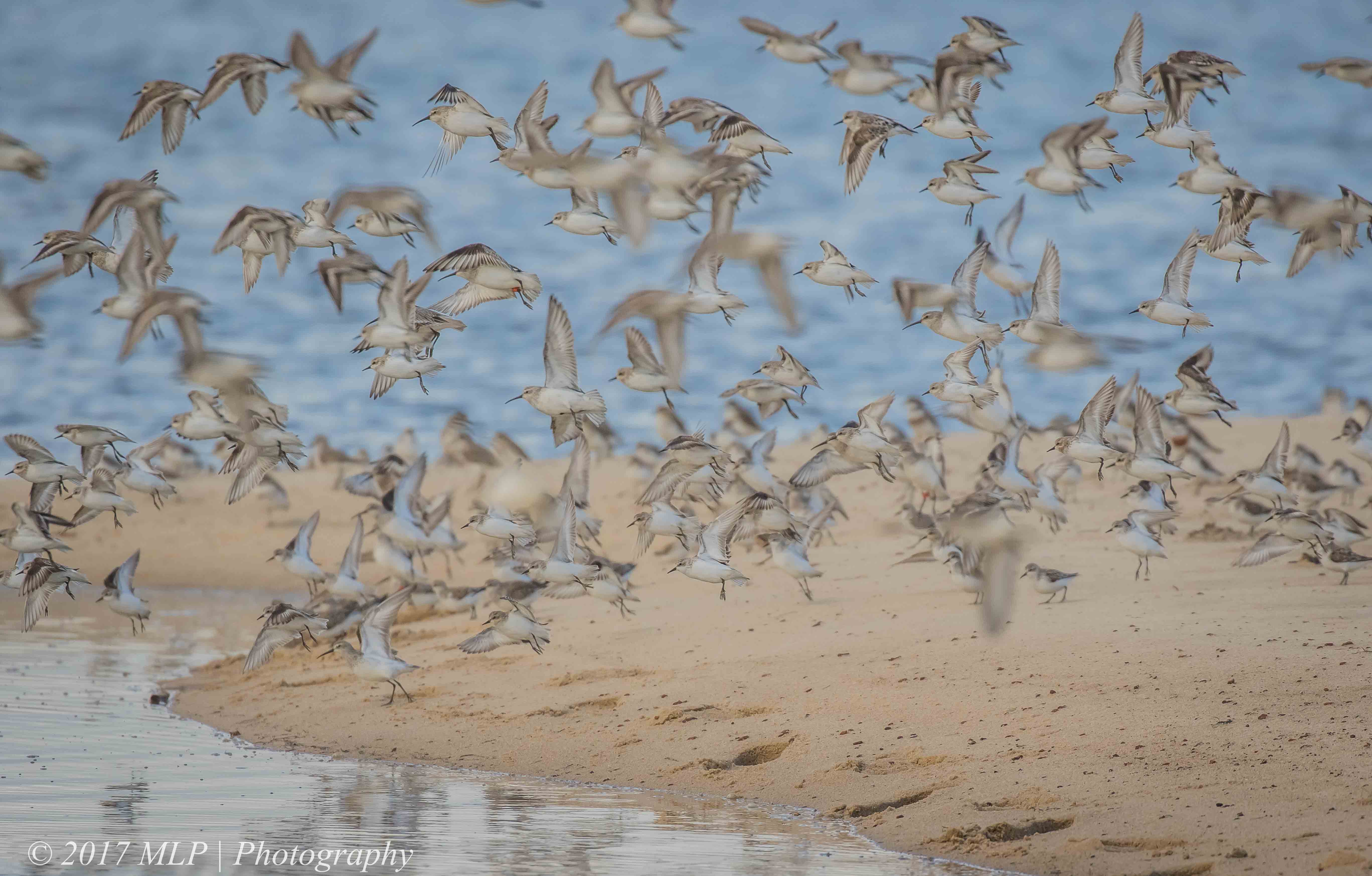
Waders at Stockyard Point, Jam Jerrup, Vic

II

Waders at Stockyard Point, Jam Jerrup, Vic

III

Eastern Curlews and Godwits at Stockyard Point, Jam Jerrup, Vic

Eastern Curlew and Bar-tailed Godwits

Eastern Curlews and Godwits at Stockyard Point, Jam Jerrup, Vic

II

Eastern Curlews and Godwits at Stockyard Point, Jam Jerrup, Vic

III

Eastern Curlews and Godwits at Stockyard Point, Jam Jerrup, Vic

IV

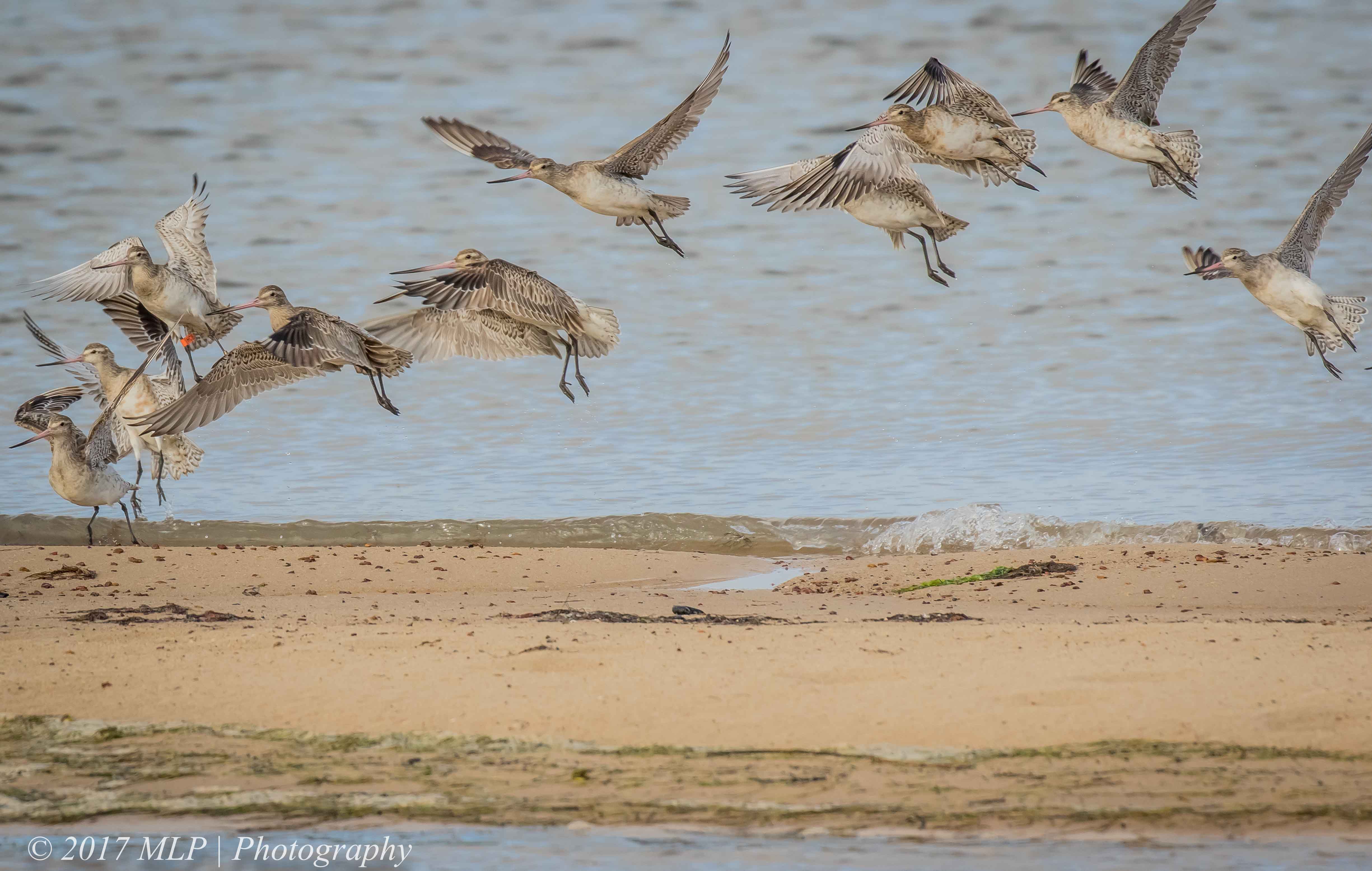
Godwits landing at Stockyard Point, Jam Jerrup, Vic

Bar-tailed godwits landing on a sand spit at high tide 

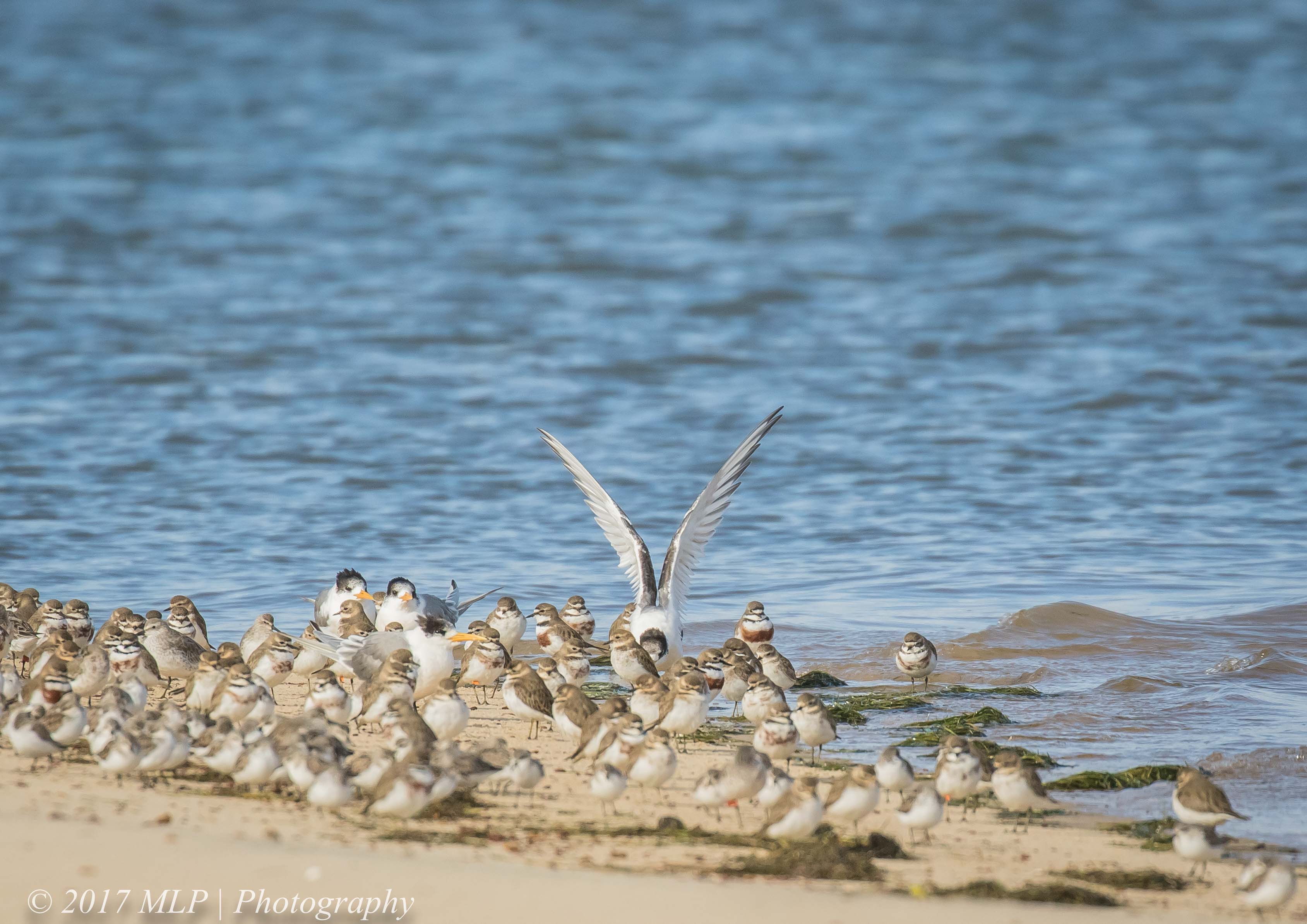
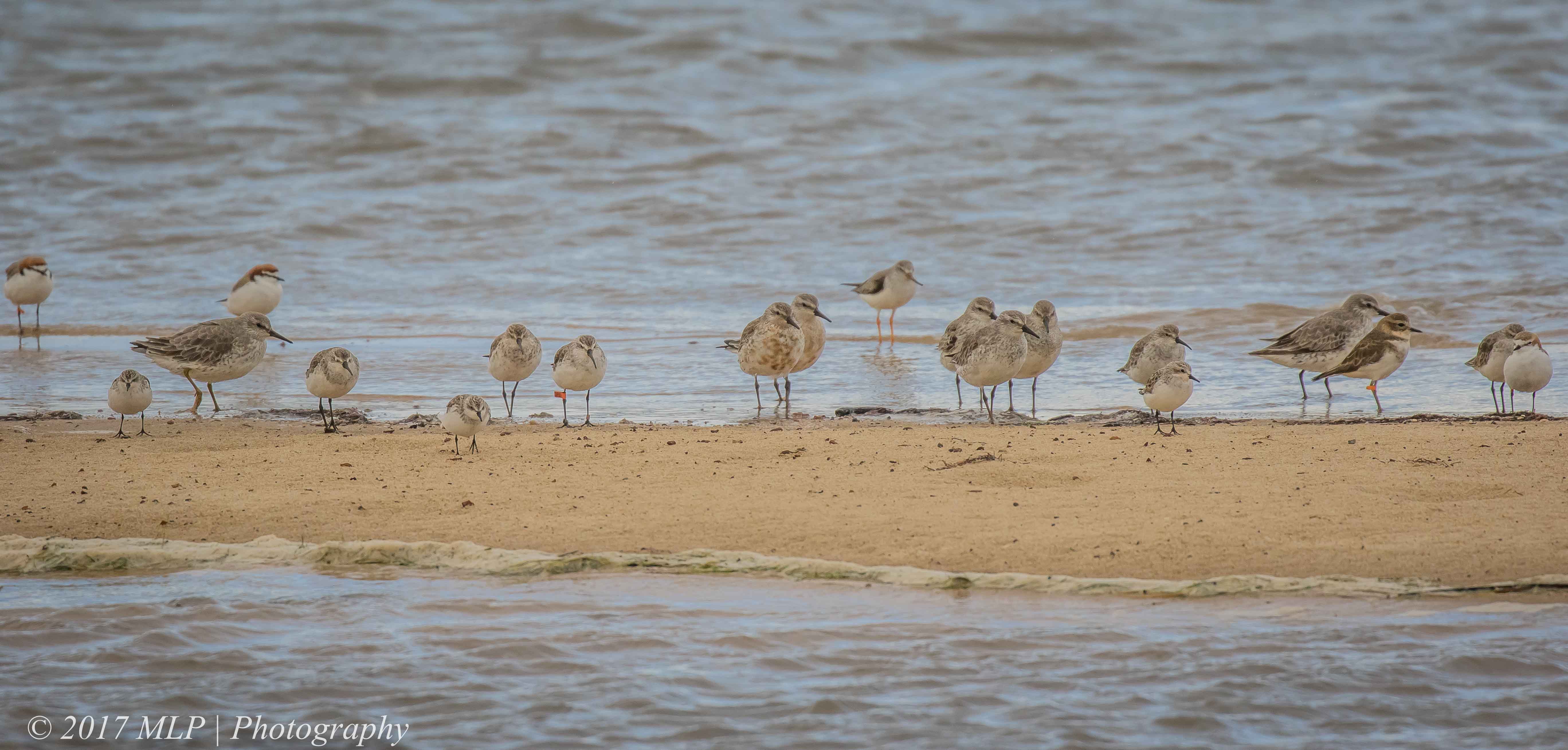
Waders at Stockyard Point, Jam Jerrup, Vic

6 species in this shot: Red-capped plover, Red knot, Curlew sandpiper, Red-necked stint, Terek sandpiper, Double-banded plover.

Oystercatchers_SIPO at Stockyard Point, Jam Jerrup, Vic

South Island Pied Oystercatcher (left) and Australian Pied Oystercatcher

Black Olives for Crimson Rosellas

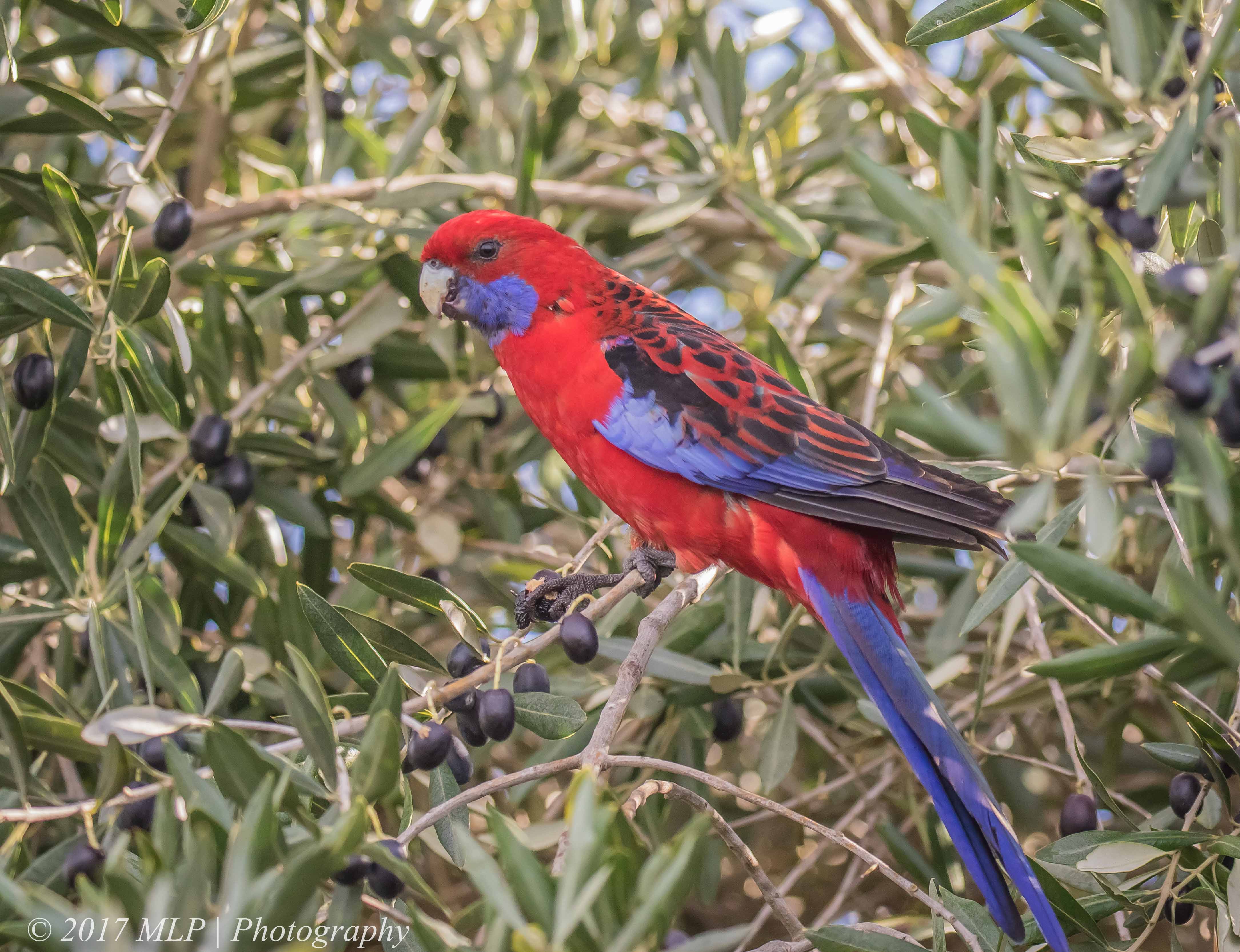
Once I harvested as many olives as I could process from our little front yard Olive Grove in Rosebud I left the rest for the birds. Previously I had not noticed many birds  feeding on the olives. This year a number of species have enjoyed the late season fruit. I have seen Sulphur-crested Cockatoos, Little Corellas, Silvereyes and now a pair of Crimson Rosellas. I was packing the back of my car only a few feet away and these guys just ignored me. The fruit is very ripe and starting to shrivel so must be quite edible even with their raw bitter flavour.

I have read that most parrots/cockatoos are left handed. The fellow below was right handed, grabbing and eating the olives using his right foot. It was windy at times and he did very well to hang on and feed at the same time.

Crimson Rosella, Rosebud, Victoria, 30 July 2017

Crimson Rosella, Rosebud, Victoria, 30 July 2017

Crimson Rosella, Rosebud, Victoria, 30 July 2017

II

Winter is moving on…

With a month still to go of winter, I am already seeing signs of the coming spring   and breeding season at Green’s Bush on the Mornington Peninsula. Each time I stay down the coast I visit one of my favourite spots and see what has changed or who is stopping by. This morning I saw good signs of an early spring – Australian Wood ducks flying around inside the forest with several landing on branches and looking into tree hollows for suitable nest-sites. These strange ducks nest in hollows in trees near water very early in the breeding season. I also found a Fan-tailed cuckoo exploring for potential nesting targets along a ridge line above a rainforest creek. It seemed to be following a mixed feeding flock of thornbills and fantails. I usually find the Fan-tailed cuckoo buy its very distinctive call but this one was very quiet and stayed above the foraging thornbills. I saw it several times as I moved along the trail. (another thought is that it is last season’s chick and it is still following its adopted parents hoping for a free feed  – I will have to do some research).

Fan-tailed Cuckoo, Greens Bush, Mornington Peninsula National Park, Vic

Fan-tailed Cuckoo, Greens Bush, Mornington Peninsula National Park, Vic

Fan-tailed Cuckoo, Greens Bush, Mornington Peninsula National Park, Vic

II

Fan-tailed Cuckoo, Greens Bush, Mornington Peninsula National Park, Vic

III

Flame Robin of Carrum Carrum Swamp

I visited a new site on the weekend. The Seaford Wetlands: a remnant of the old Carrum Carrum Swamp that extended from Mordialloc right around the bay to Frankston. What is left of the old swamp is still the largest natural wetlands left within the Port Phillip and Western Port catchments. I walked through the wetlands from the rear of the Seaford North Primary School and over to the other side where I found a small line of trees and bushes that had a number of birds working the grass area for seeds and insects. Amongst the birds using the fence line as a lookout for insects was a Flame Robin.

Flame Robin, Seaford Wetlands, Seaford, Vic

Flame Robin, Seaford Wetlands, Seaford, Vic

Flame Robin, Seaford Wetlands, Seaford, Vic

II

Flame Robin, Seaford Wetlands, Seaford, Vic

III

Tracking the Jawbone Thornbills

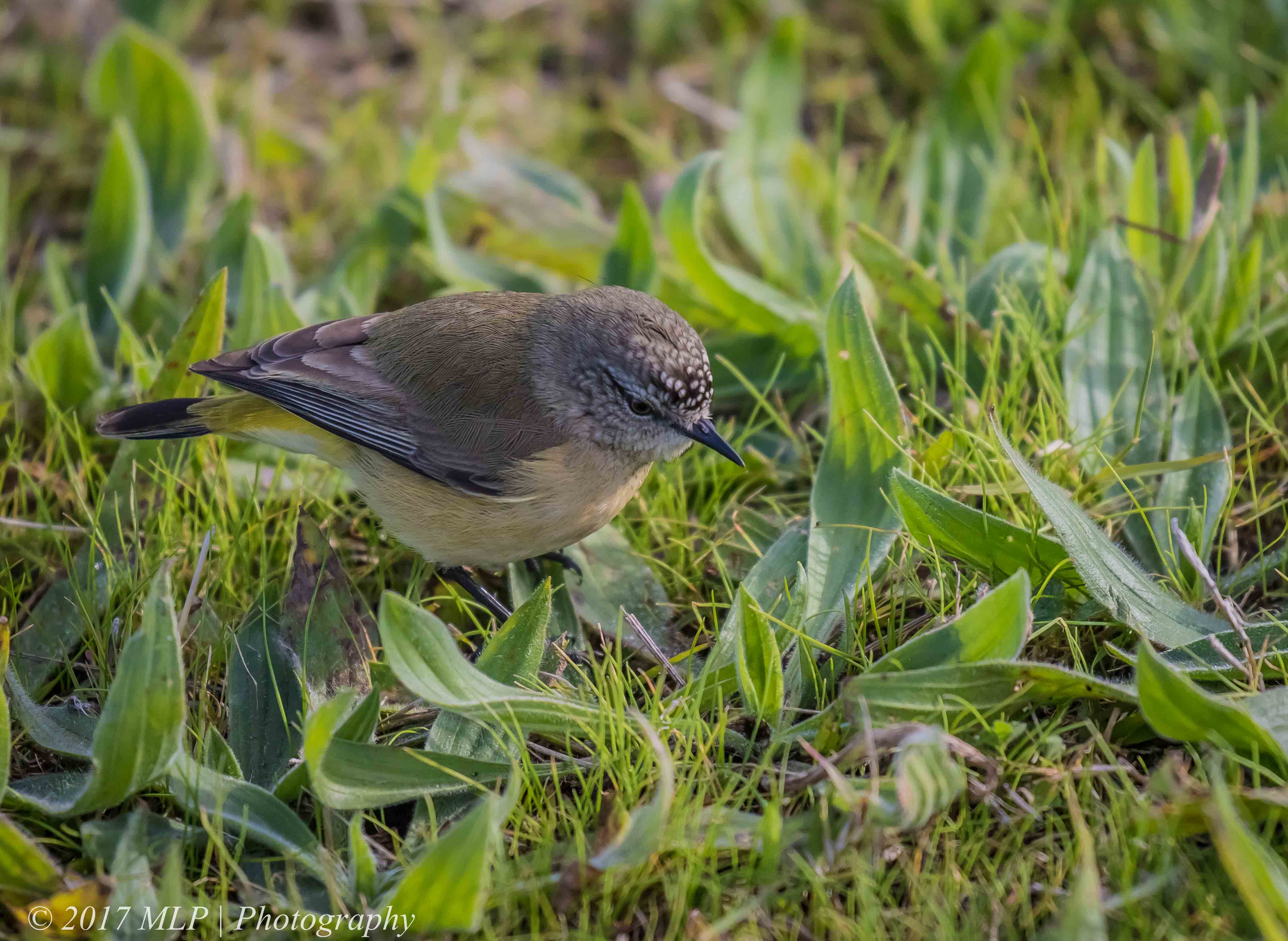
On the weekend I made a return visit to the Jawbone Reserve in Williamstown. It was cold and windy but at least a sunny winter’s morning. The highlight of the walk was photographing Yellow-rumped Thornbills. They can often be found feeding in a busy twittering mixed species flock working the mid and lower levels of the forest canopy. I also see them feeding on the ground picking at what I assume to be small insects in the grass. On this occasion a flock of nine Thornbills were moving along the grass fringe near the Jawbone lagoons. I kept trying to intercept but they just worked around me at a distance of 20 feet or so. They seems to be moving along with the wind direction so I moved around and in front and let them work up to me. I tried sitting but they moved away so I just stood still as I waited for them to drift toward me. This seemed to work and I was generally ignored. At one point they were only several feet away and did not seem bothered by me at all. This was the first time I have had such a close look at this species. Usually I just hear their chittering in the forest and see a flash of yellow rump as they fly away.

Yellow-rumped Thornbill, Jawbone Nature Reserve, Williamstown, Vic

Yellow-rumped Thornbill, Jawbone Nature Reserve, Williamstown, Vic

Yellow-rumped Thornbill, Jawbone Nature Reserve, Williamstown, Vic

II

Yellow-rumped Thornbill, Jawbone Nature Reserve, Williamstown, Vic

III

Yellow-rumped Thornbill, Jawbone Nature Reserve, Williamstown, Vic

IV

Yellow-rumped Thornbill, Jawbone Nature Reserve, Williamstown, Vic

V

Yellow-rumped Thornbill, Jawbone Nature Reserve, Williamstown, Vic

VI


Not so shy skulker

Usually a shy bird, the Grey Shrikethrush is a woodlands and forest skulker, feeding in the low to medium forest canopy. It is often heard and fleetingly seen. I do see and hear it quite often in the various reserves along the Peninsula but never long enough to get many images. At Cape Schanck several seem to have become semi-tame due to the picnic table leftovers.

Grey Shrikethrush, Cape Schanck, Mornington Peninsula National Park, Vic

Grey Shrikethrush, Cape Schanck, Mornington Peninsula National Park, Vic

Grey Shrikethrush, Cape Schanck, Mornington Peninsula National Park, Vic

Waiting for the tables to clear….

Grey Shrikethrush, Cape Schanck, Mornington Peninsula National Park, Vic

III

Singing at Cape Schanck

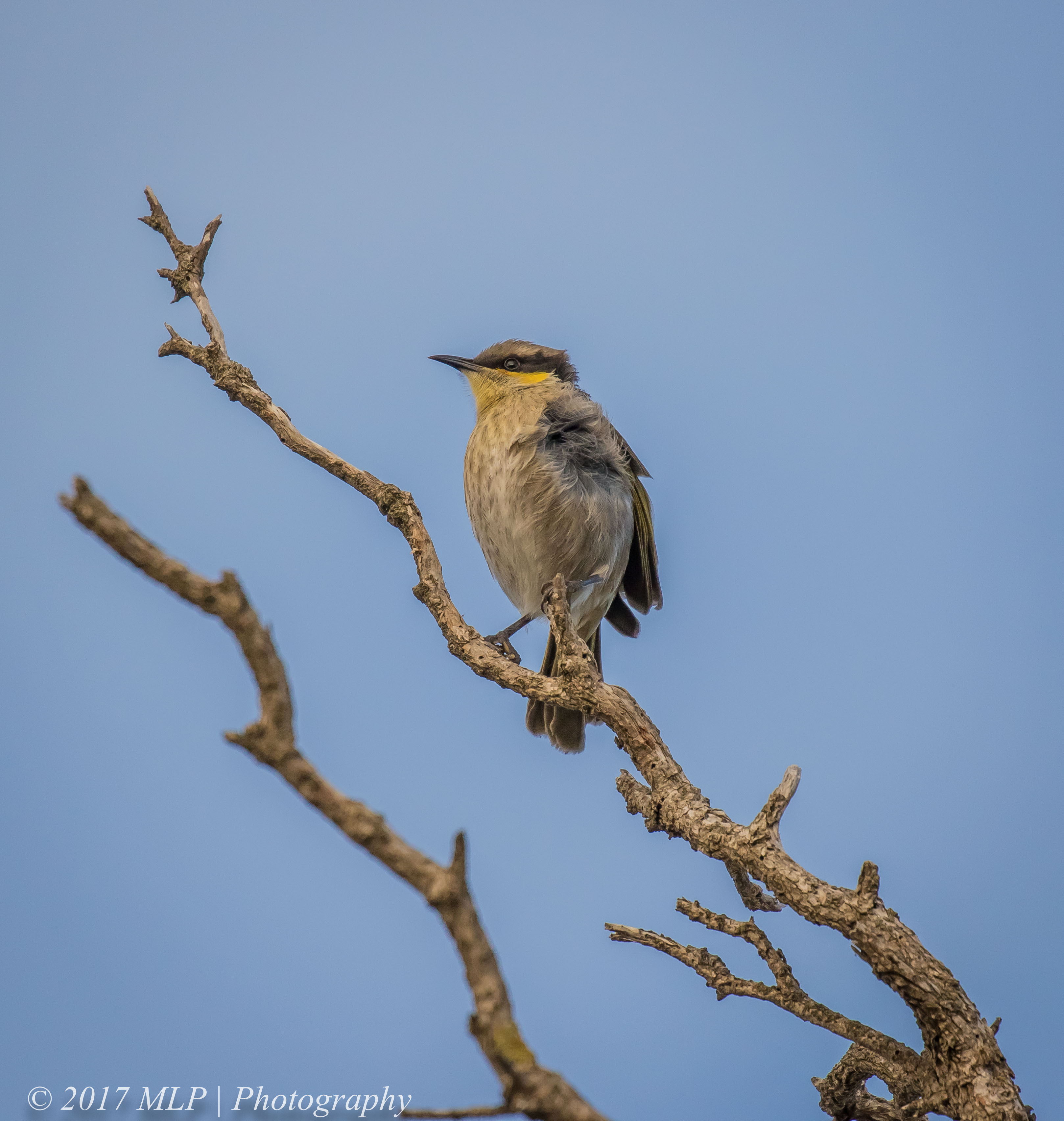
I have been spending a bit time down in Rosebud over the last few months and have started exploring different sections of the Mornington Peninsula National Park. Cape Schanck is the most southern point of the Peninsula and juts out as the meeting place of the wild Bass Strait and Western Port Bay. One of my favourite times visiting the site was during rough southerly conditions and watching Gannets, Shearwaters and Albatross fly by the coast. On this occasion it was fairly mild and many visitors were enjoying the sunny winter conditions. One of the bird species often found in the area is the Singing Honeyeater known for its beautiful and melodic songs.

Singing Honeyeater, Cape Schanck, Mornington Peninsula National Park, Vic

Singing Honeyeater, Cape Schanck, Mornington Peninsula National Park, Vic

Singing Honeyeater, Cape Schanck, Mornington Peninsula National Park, Vic

II

Cape Schanck boardwalk and lighthouse, Mornington Peninsula National park, Vic

Cape Schanck boardwalk and lighthouse, Mornington Peninsula National park, Vic

Coming in to land…

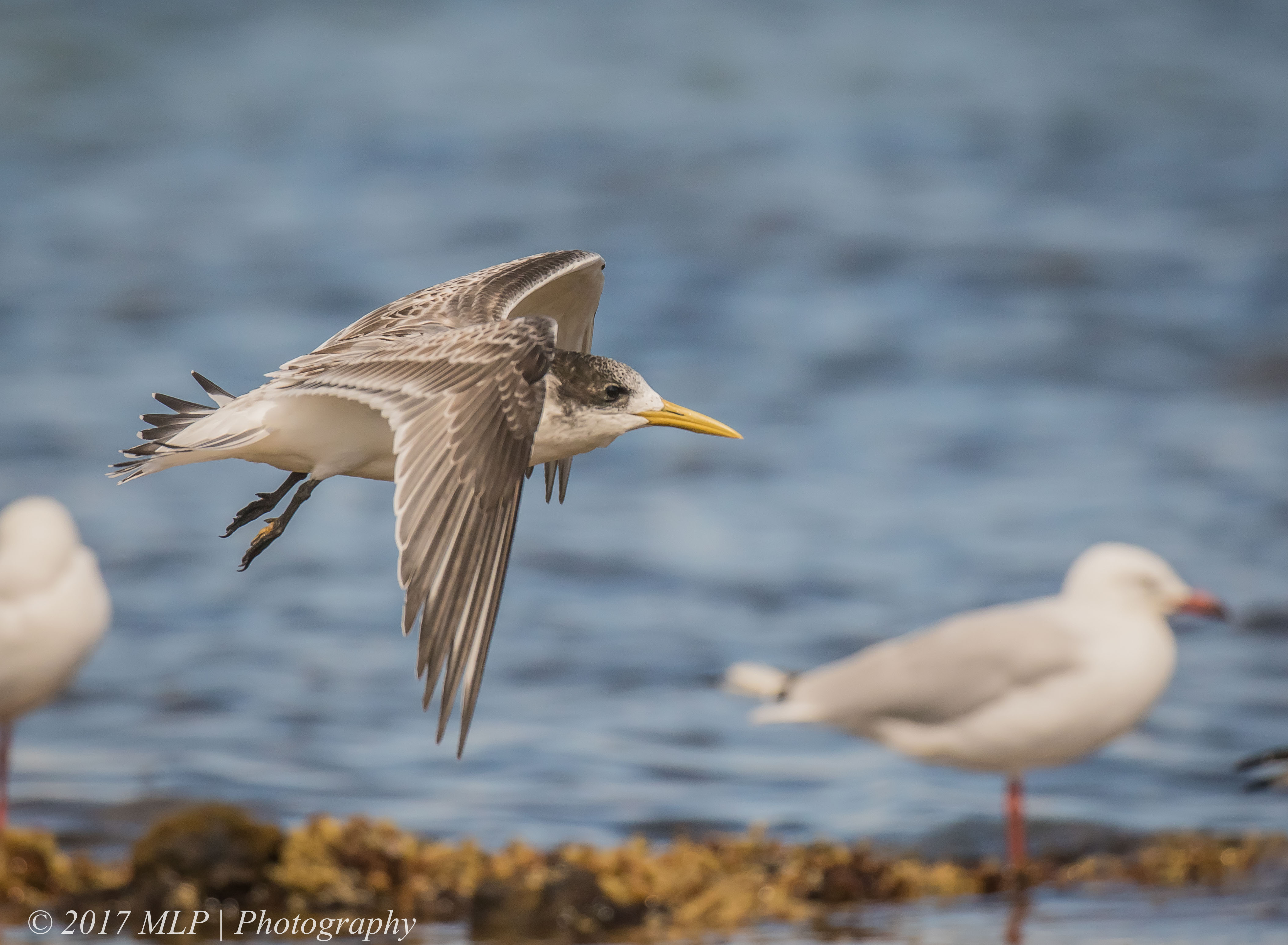
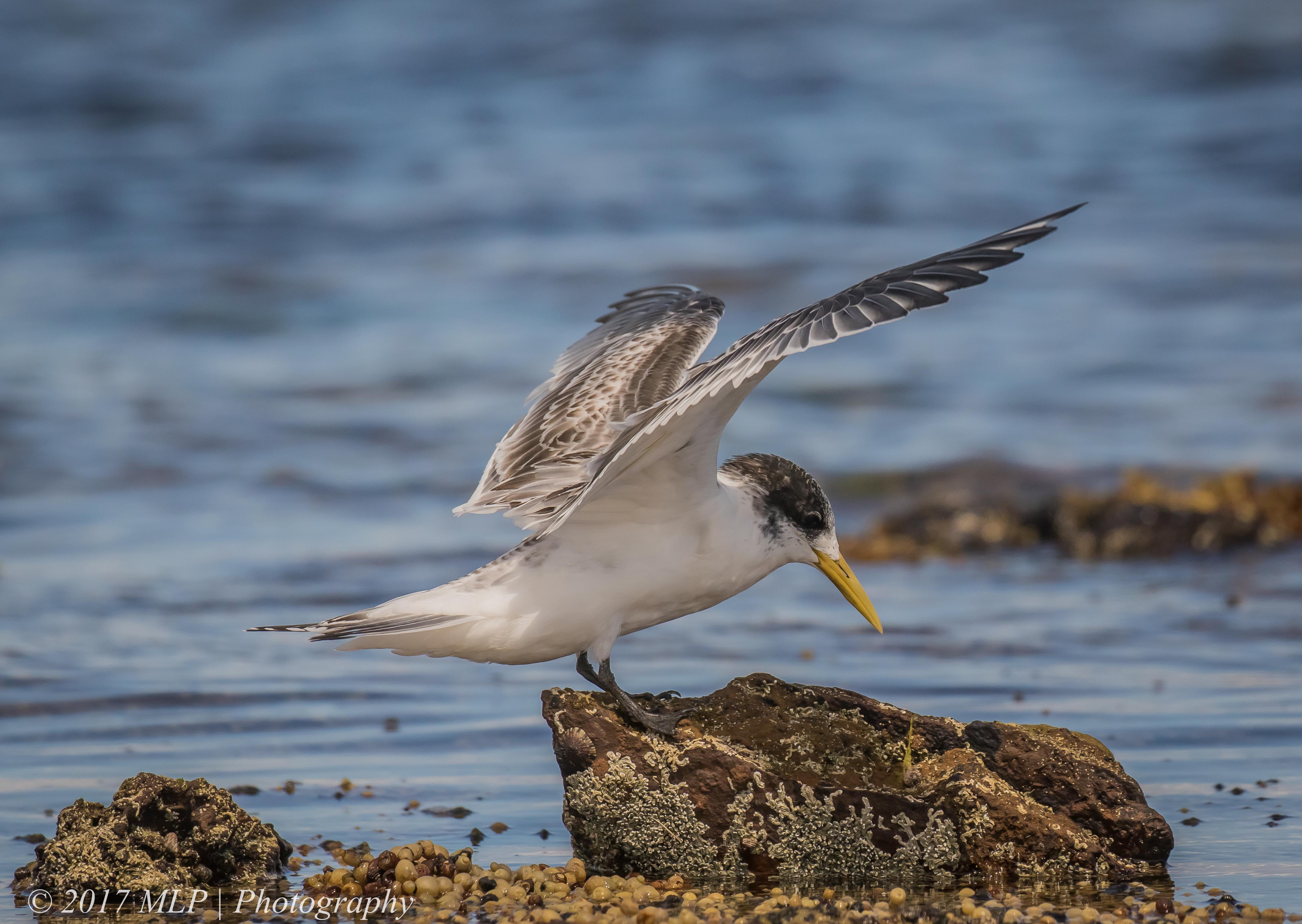
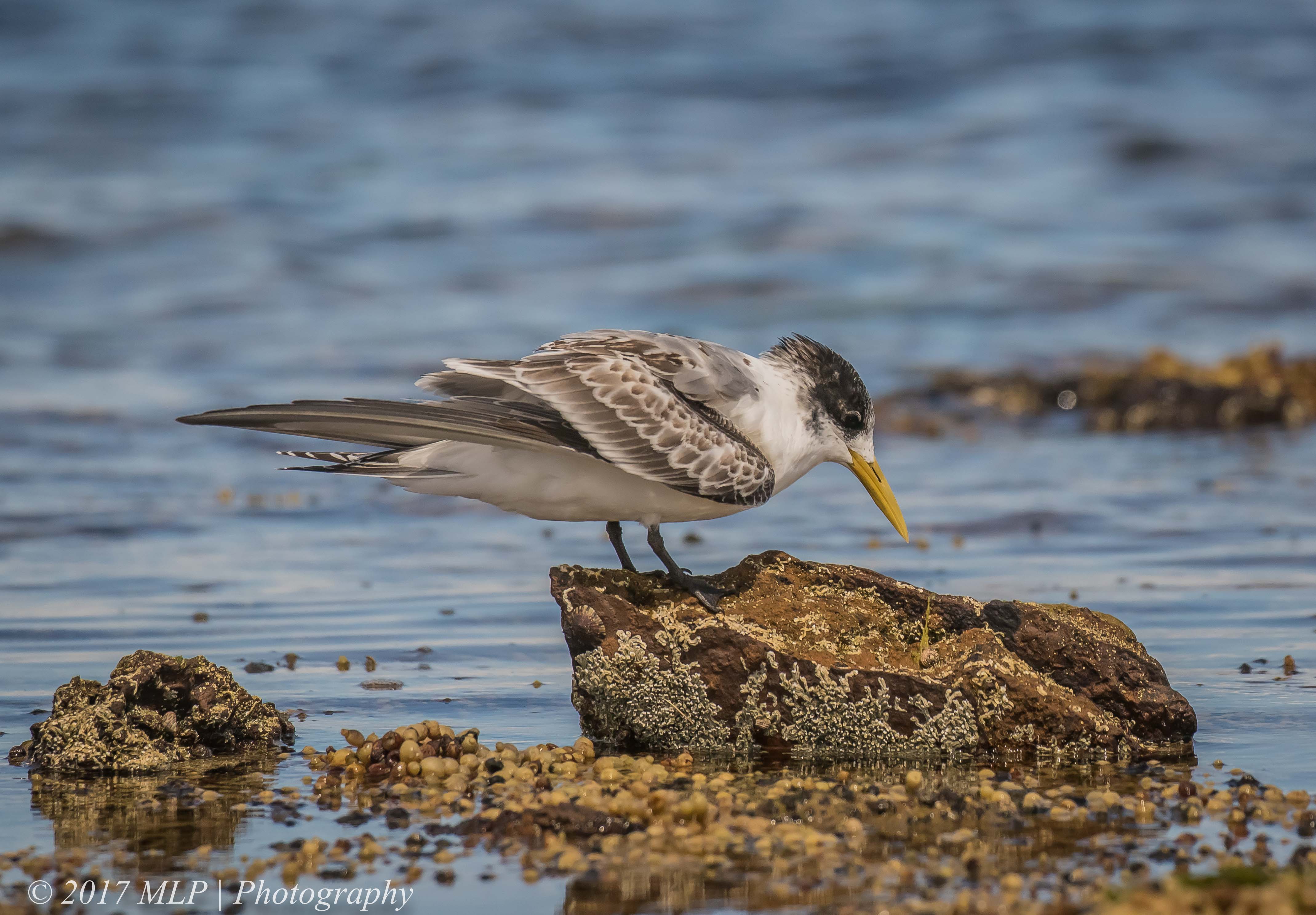
Juvenile Crested Tern, Rickett's Point, Beaumaris, Vic

Juvenile Crested Tern, Rickett’s Point, Beaumaris, Vic

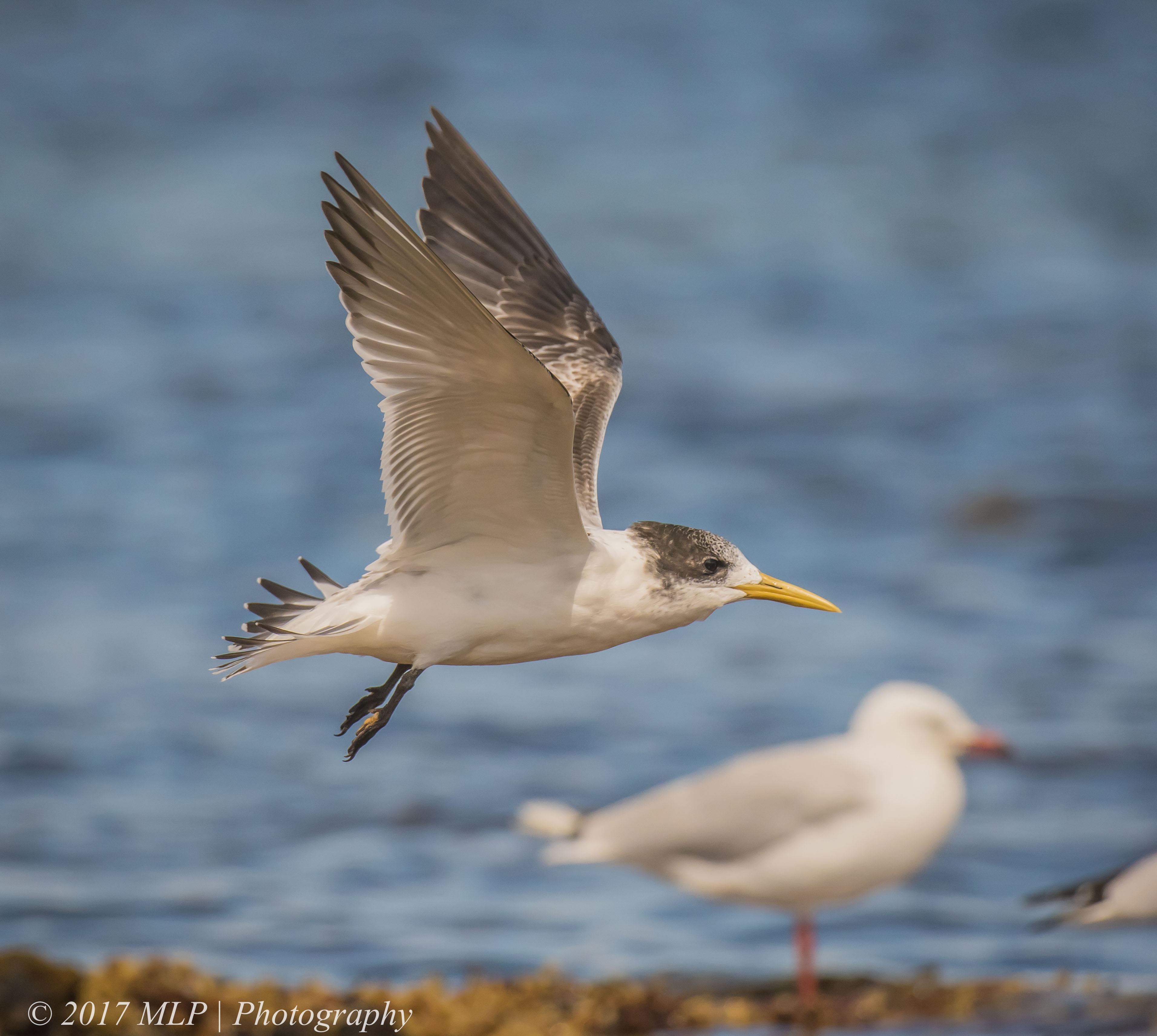
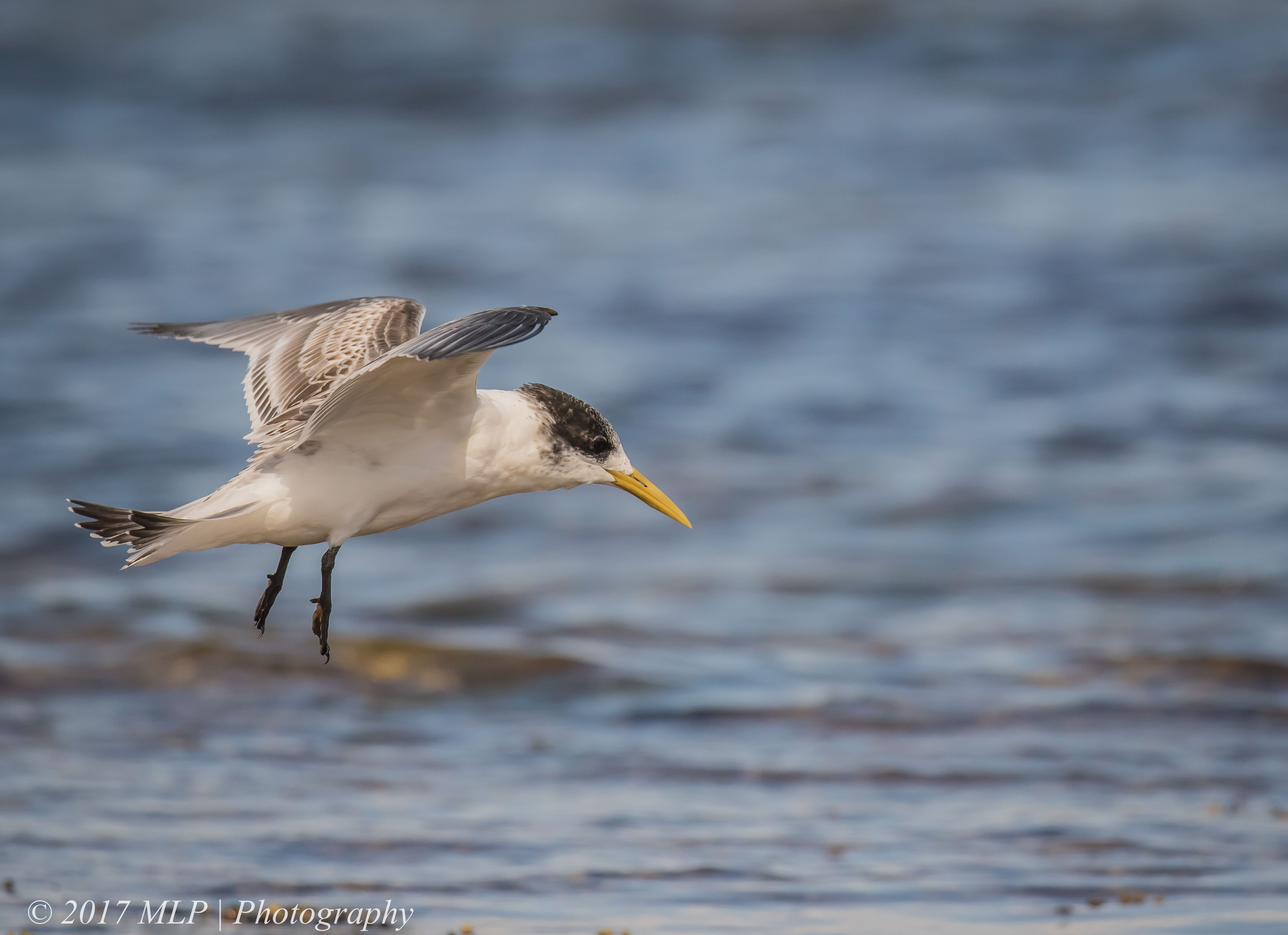
When the weather is fine I like to head down to Rickett’s Point along coastal Beaumaris in Port Philip Bay. At the Point on the rocks is a regular roosting spot for Crested Terns, Silver Gulls and the large Pacific Gulls. On this visit I sat on the rocks close to the colony and watched the juveniles preening and waiting for the adults to come back with food. The terns allowed me to crawl quite close and as  long as I sat down and kept still, they were quite calm and did not flush. As the tide got higher several moved to new rocks and I took the opportunity to practice my flight and tracking shots.    It can be quite difficult to get a clean sequence. A number of shots were not added due to being cut off at the top. To try and get clean shots my settings were 1/6400, F5.6, ISO640 313mm (full zoom of 400mm was too close for a complete image) – with the abundant sunlight I should have shot a much lower ISO but I wanted to crank up the speed to get the detail in the  feathers. I shot over 400 images in an hour of observation, which is always fun (not) to trawl through later and look for gems.

Juvenile Crested Tern, Rickett's Point, Beaumaris, Vic

Juvenile Crested Tern, Rickett’s Point, Beaumaris, Vic

Juvenile Crested Tern, Rickett's Point, Beaumaris, Vic

II

Juvenile Crested Tern, Rickett's Point, Beaumaris, Vic

III

Juvenile Crested Tern, Rickett's Point, Beaumaris, Vic

IV

Juvenile Crested Tern, Rickett's Point, Beaumaris, Vic

V

Juvenile Crested Tern, Rickett's Point, Beaumaris, Vic

VI

Juvenile Crested Tern, Rickett's Point, Beaumaris, Vic

VII

Juvenile Crested Tern, Rickett's Point, Beaumaris, Vic

VIII

Juvenile Crested Tern, Rickett's Point, Beaumaris, Vic

IX

Juvenile Crested Tern, Rickett's Point, Beaumaris, Vic

X

Juvenile Crested Tern, Rickett's Point, Beaumaris, Vic

XI

Enjoying Jawbone photography

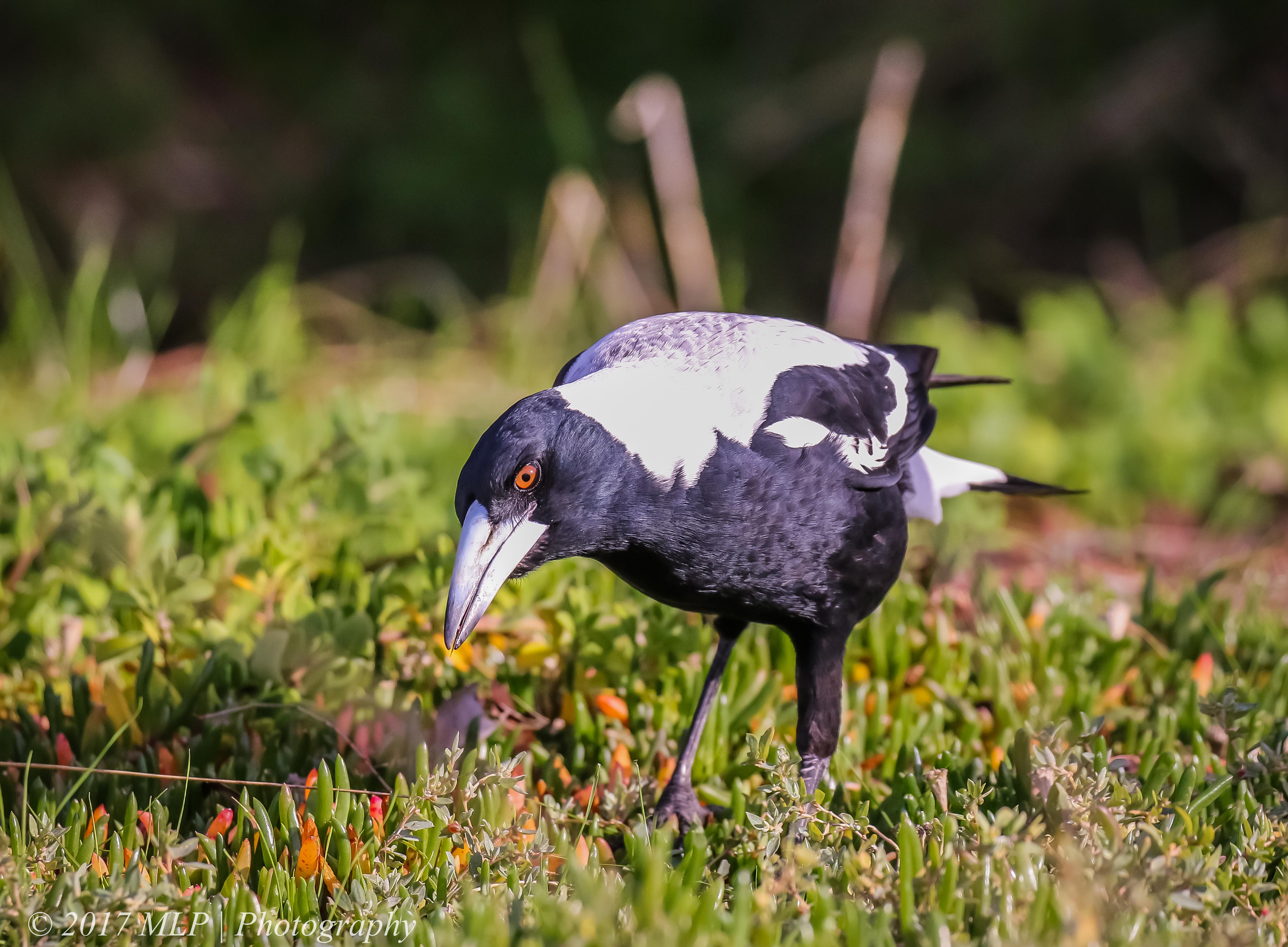
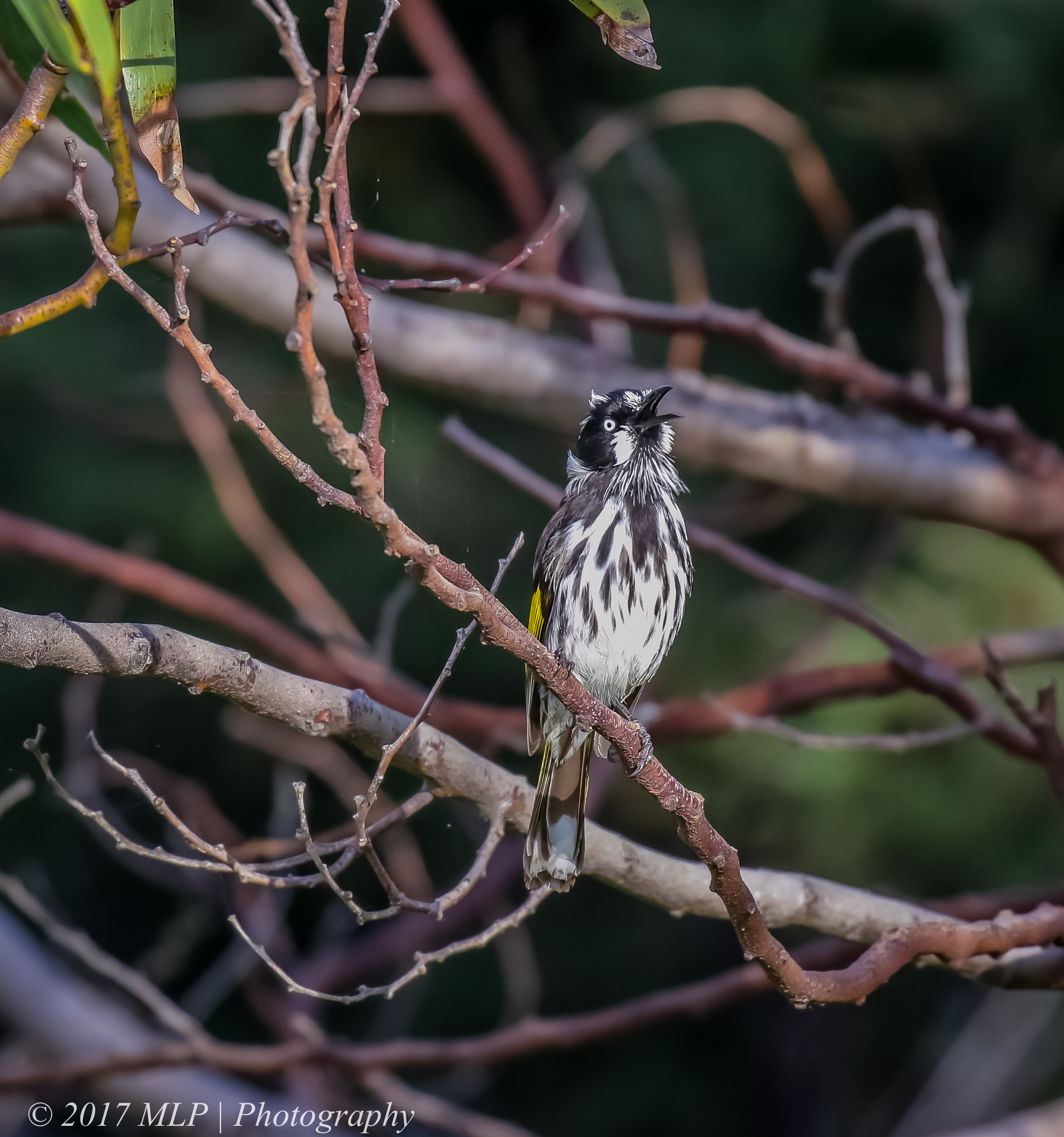
With an abundance of birds that are fairly used to people, Jawbone Flora and Fauna Reserve along the Williamstown coastline is a good place to practice bird photography.

Australian Magpie, Jawbone Flora and Fauna Reserve, Williamstown, Vic

Australian Magpie, Jawbone Flora and Fauna Reserve, Williamstown, Vic

New Holland Honeyeater, Jawbone Flora and Fauna Reserve, Williamstown, Vic

New Holland Honeyeater

New Holland Honeyeater, Jawbone Flora and Fauna Reserve, Williamstown, Vic

II

Hoary-headed Grebe, Jawbone Flora and Fauna Reserve, Williamstown, Vic

Hoary-headed Grebe

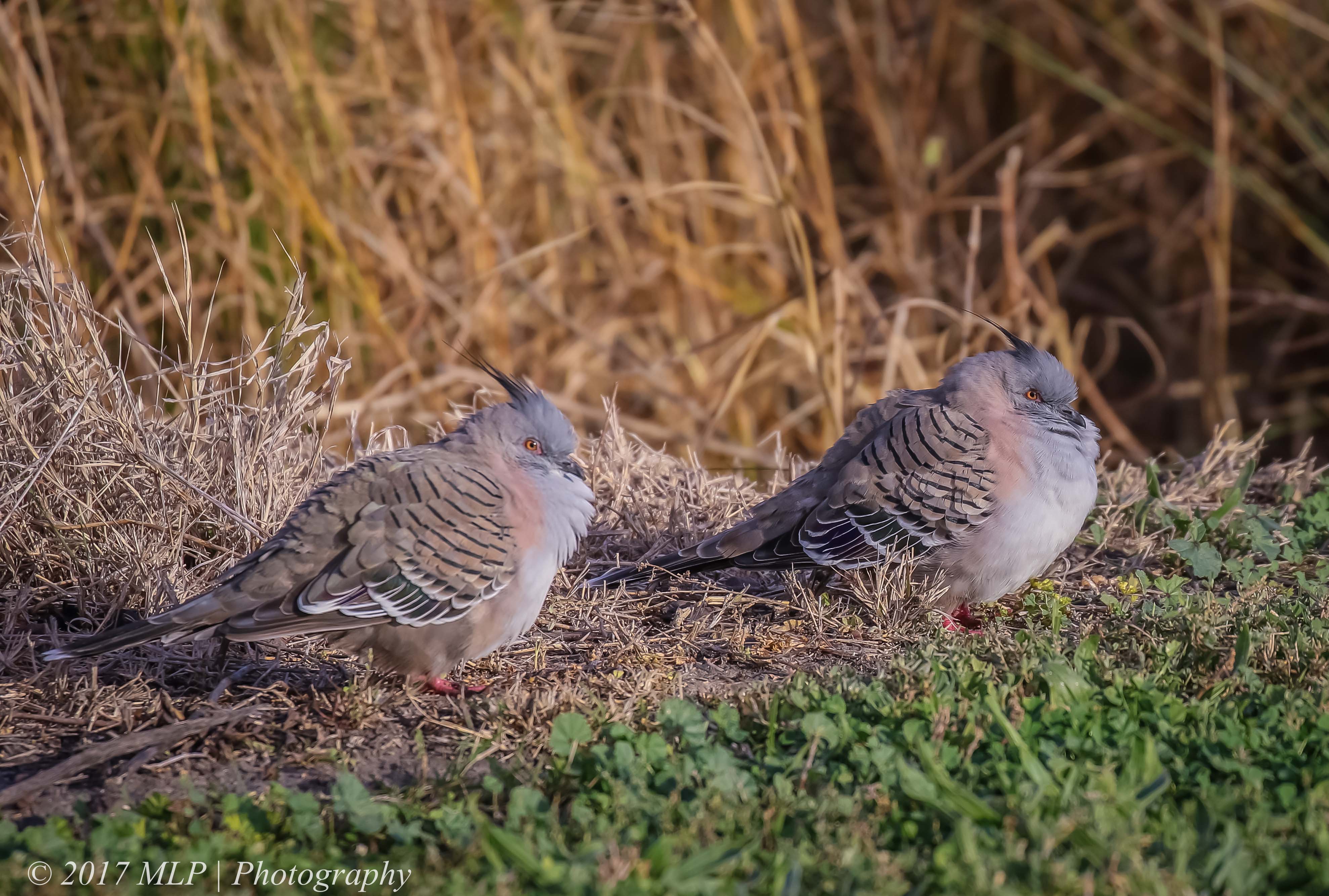
Crested Pigeons, Jawbone Flora and Fauna Reserve, Williamstown, Vic

Crested Pigeons feeling the early morning cold

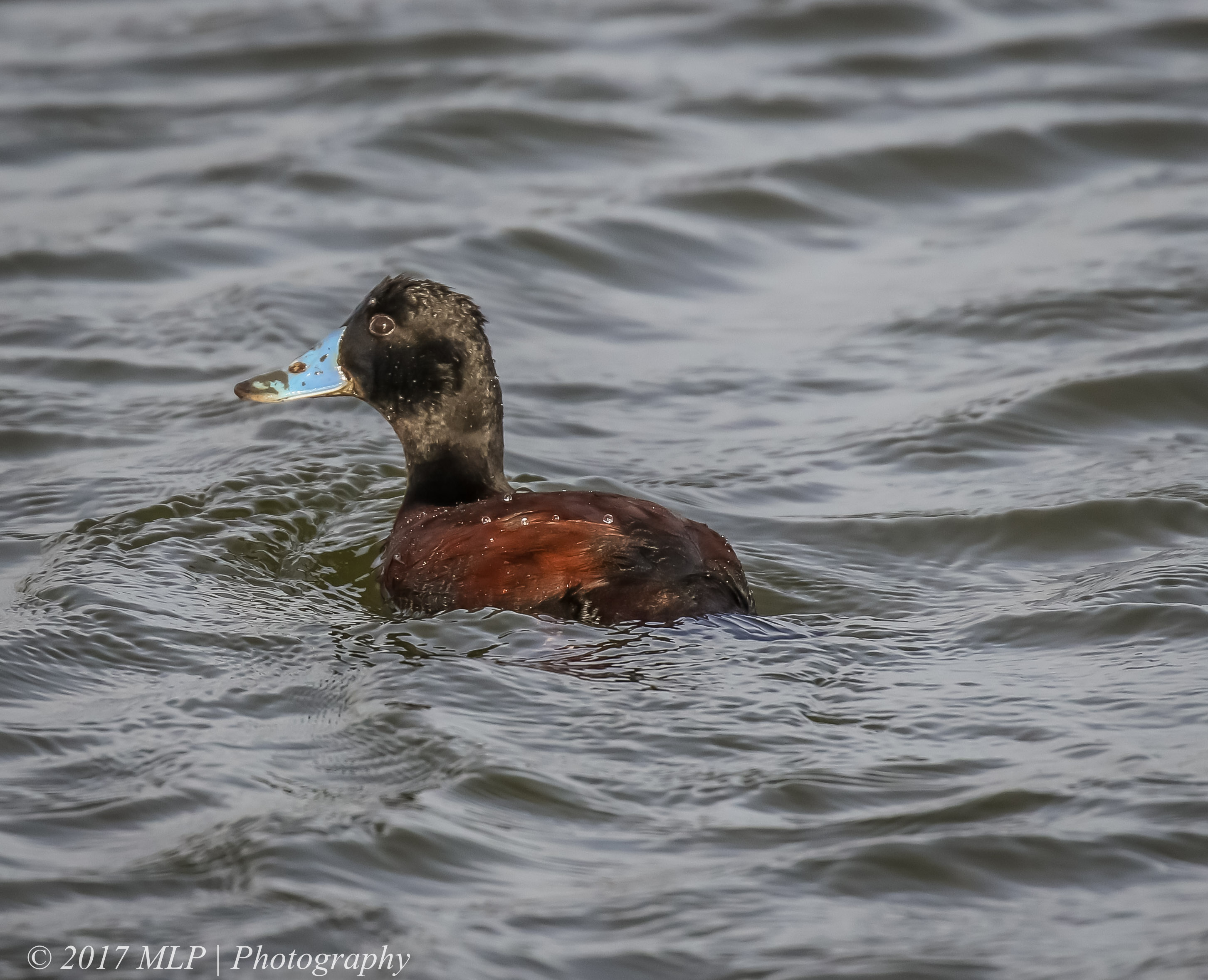
Blue-billed Duck, Jawbone Flora and Fauna Reserve, Williamstown, Vic

Blue-billed Duck

Kororoit Creek displays

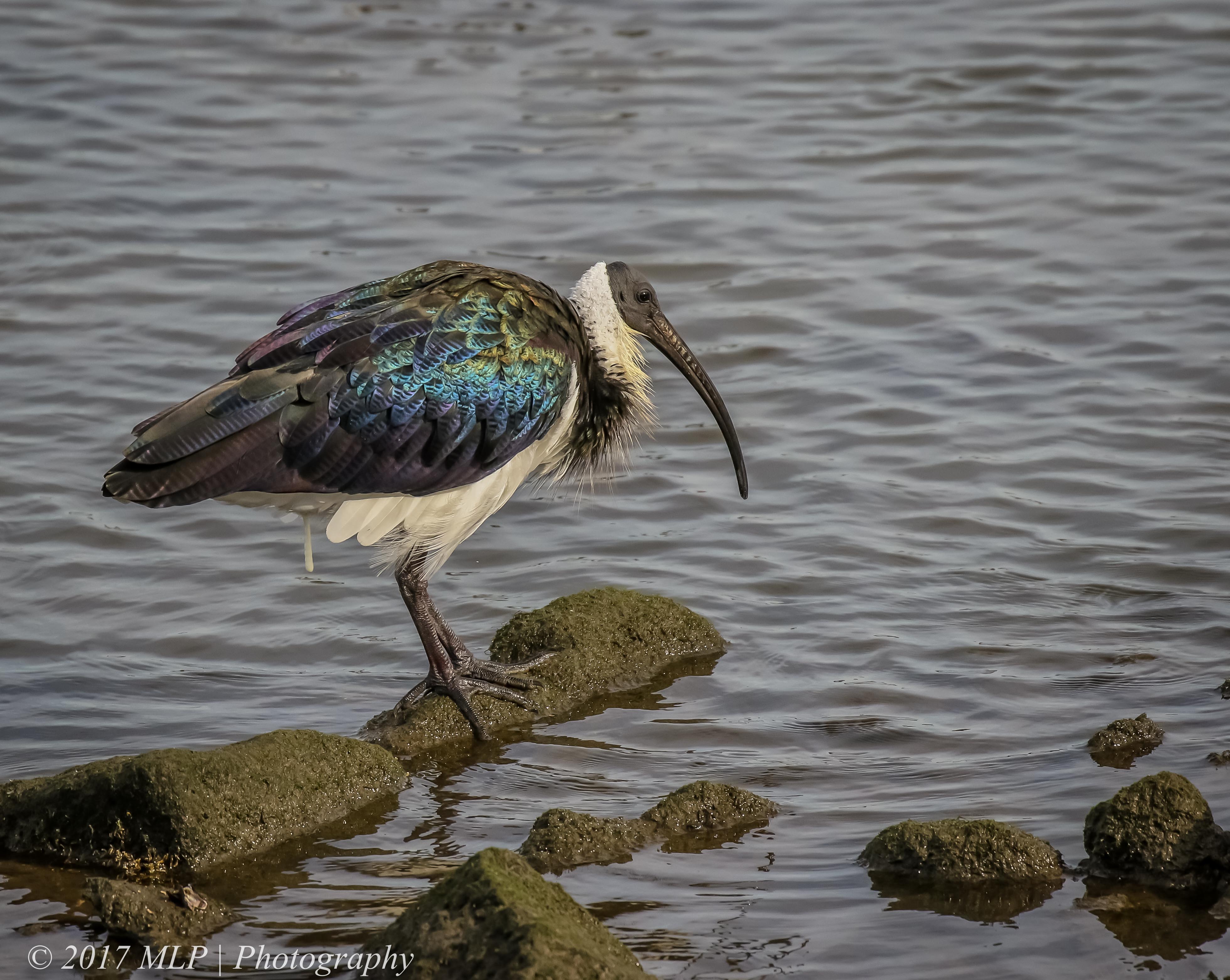
Near Jawbone Flora and Fauna Reserve is the Kororoit Creek mouth opening into the bay. Low tide exposes a lot of mud and the roots of the mangroves. It is a good spot to walk along and look for a few species that may not be found at Jawbone. The walking and bike path is placed higher than the creek so there are many opportunities to photograph birds from different angles. The spot where I turn-a-round and wander back to the car is a roosting spot for many birds during the day. I found Straw-necked and Australian White Ibis, as well as pelicans, swans, egrets and Australasian Darters and Cormorants drying their feathers after a morning hunt. The Straw-necked Ibis were preening and squabbling with each other while resting on the rocks in the creek.

Straw-necked Ibis, Kororoit Creek, Altona, Vic

Straw-necked Ibis, Kororoit Creek, Altona, Vic

Straw-necked Ibis, Kororoit Creek, Altona, Vic

II

Darter, Kororoit Creek, Altona, Vic

Darter, Kororoit Creek, Altona, Vic

Great Egret, Kororoit Creek, Altona, Vic

Great Egret, Kororoit Creek, Altona, Vic

A yapping Pink-eared Duck

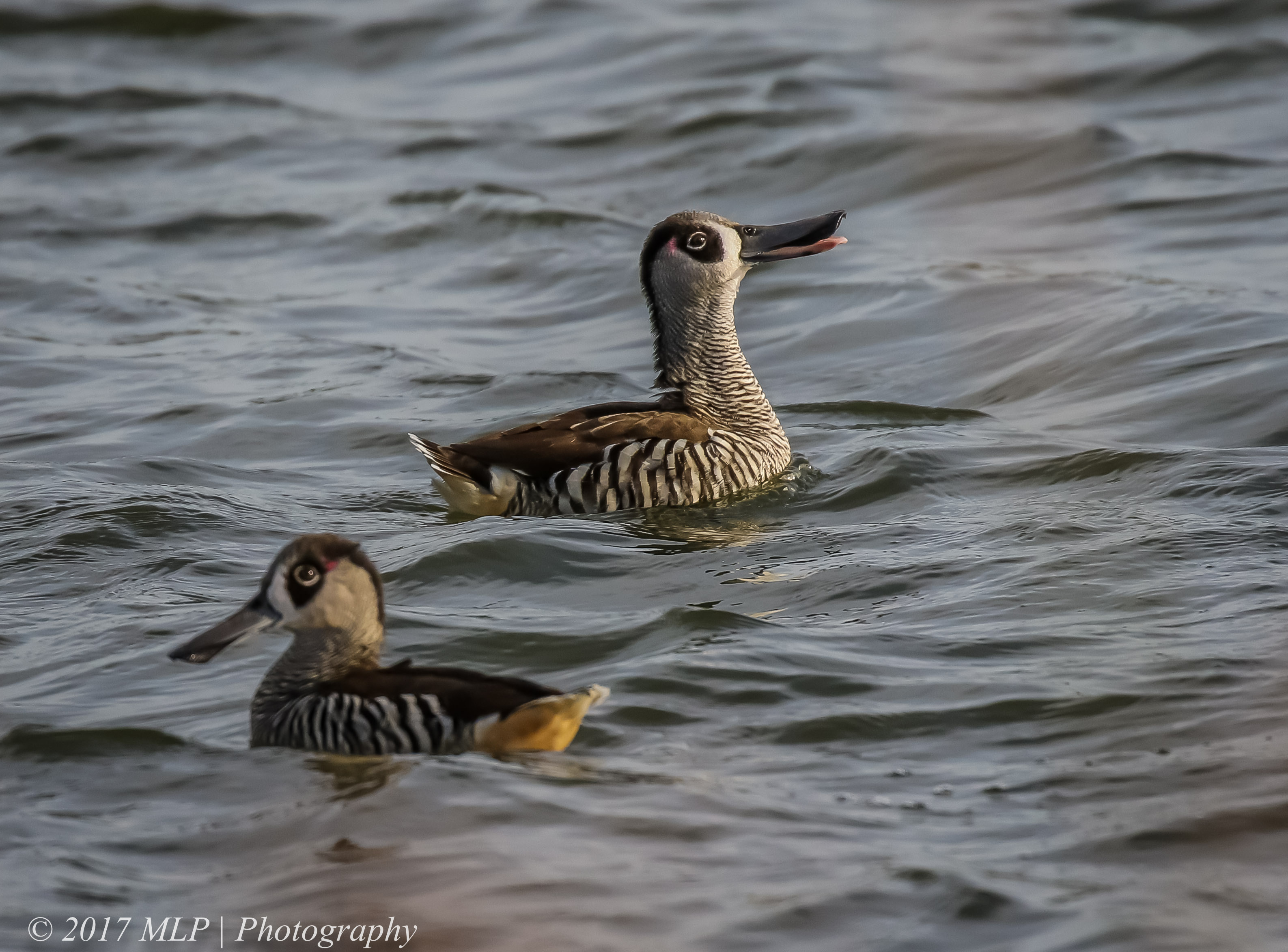
Also called a zebra duck, the Pink-eared Duck is a beautiful bird that sits low in the water, filter feeds with its distinctive bill, flies and gathers in very large flocks and yaps or whistles when disturbed or in flight. An added bonus are bright pink ear coverts made up of 9 pink feathers  – this pink patch becomes more pronounced and colourful as the bird matures.   The ones I watched seemed to have a light pink patch rather than the full dark pink so maybe they were testing each other in a youthful gathering. The duck are thought to mate for life. I often see many in huge flocks (10,000s+) at the pooh farm. There were 50+ at Jawbone on the weekend and due to the width of the lagoons I managed to get fairly close without spooking them too much – a very difficult thing to do at the pooh farm where they spook much more easily due to the number of raptors cruising for a meal. We noticed that as they yapped  they lifted their head as part of the display, making the fleshy part of the bill more visible. It is a very odd but beautiful duck – one of my favourites. (post edited after a bit more research and ref checking – see comments below)

Pink-eared Duck, Jawbone Flora and Fauna Reserve, Williamstown

Pink-eared Duck, Jawbone Flora and Fauna Reserve, Williamstown

Pink-eared Duck, Jawbone Flora and Fauna Reserve, Williamstown

II


Jawbone and Native-hens

I have not explored the Jawbone Flora and Fauna Reserve in Williamstown for some time. I dropped by on Saturday and went in search of a few birds that I had not seen in a while including the Black-tailed Native-hen. Amongst the Swamphens and Moorhens I found two Native-hens and for the first time got a few images. I have only seen them a few times before. They run to cover and seldom fly so I was surprised to see this one flying a short distance  – I realised that I had cut it off from the safety of the lake. The Native-hens are generally quite timid and these two ran back to the water when I paid them too much attention. All the birds feeding on the grass were happy to ignore the joggers, cyclists and dog walkers passing close by but as soon as you looked at the birds using binocs and cameras they spooked. Jawbone is an excellent site for a good variety of birds, great for beginners to get a close look at the various species and good for photography. Covering most of the park along the coastline I can easily pick up 50 species in a few hours. A good place to get your yearly lists going.

Black-tailed Native-hen, Jawbone Flora and Fauna Reserve, Williamstown

Black-tailed Native-hen, Jawbone Flora and Fauna Reserve, Williamstown

Black-tailed Native-hen, Jawbone Flora and Fauna Reserve, Williamstown

A jump and a skip….

Black-tailed Native-hen, Jawbone Flora and Fauna Reserve, Williamstown

…and into flight to get back to the water…

Eastern Yellow Robin

A small bird often found in most forested areas of Victoria is the Eastern yellow robin. It is a favourite of mine due to its vibrant colour, its preferred hunting method is to pounce from a low perch and that it is territorial: all very handy habits for a photographer.

Eastern Yellow Robin, Rise and Shine Bushland Reserve, Yandooit, Victoria

Eastern Yellow Robin, Rise and Shine Bushland Reserve, Yandooit, Victoria