Tag Archives: Australian Birds

The Tagged Tern of Stone Pier

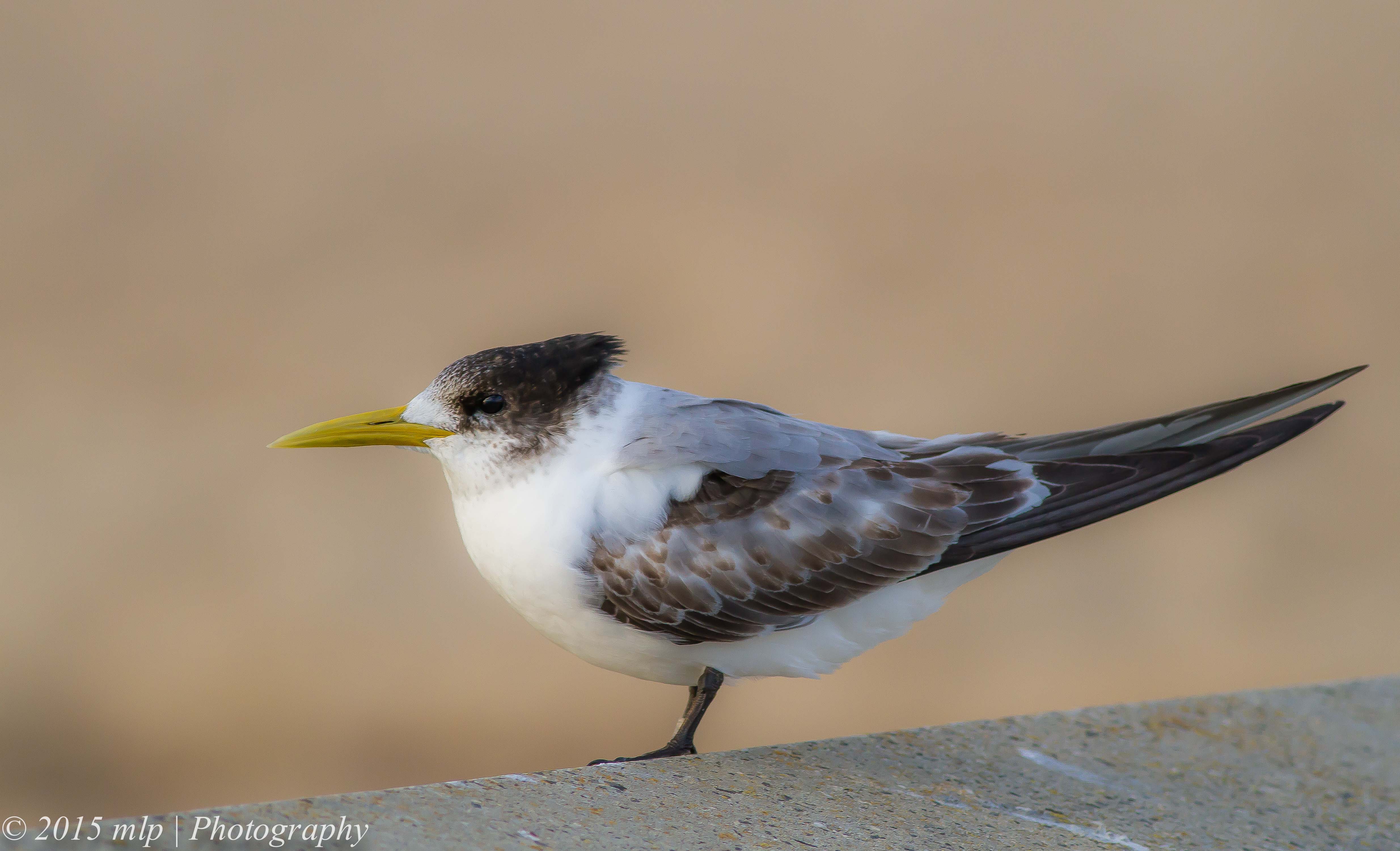
This Crested Tern appears to be a regular visitor to the Elwood Beach Stone Pier. I saw him when I visited the beach recently to take shots across Port Phillip Bay. The Tern is tagged with a metal band. It must be a good hunter – whenever it went up to look into the water for fish, several waiting Silver Gulls followed it very closely – hoping to steal his catch. I failed miserably to take any flight shots as he was just too close for my lens (and skill level) and I was shooting wildly, staggering around the pier like a drunken sailor. After a while he rested on the stone wall and waited in hope that a  fisherman would throw some bait his way.

Tagged Crested Tern,

Tagged Crested Tern, Elwood Beach, 18 April 2015

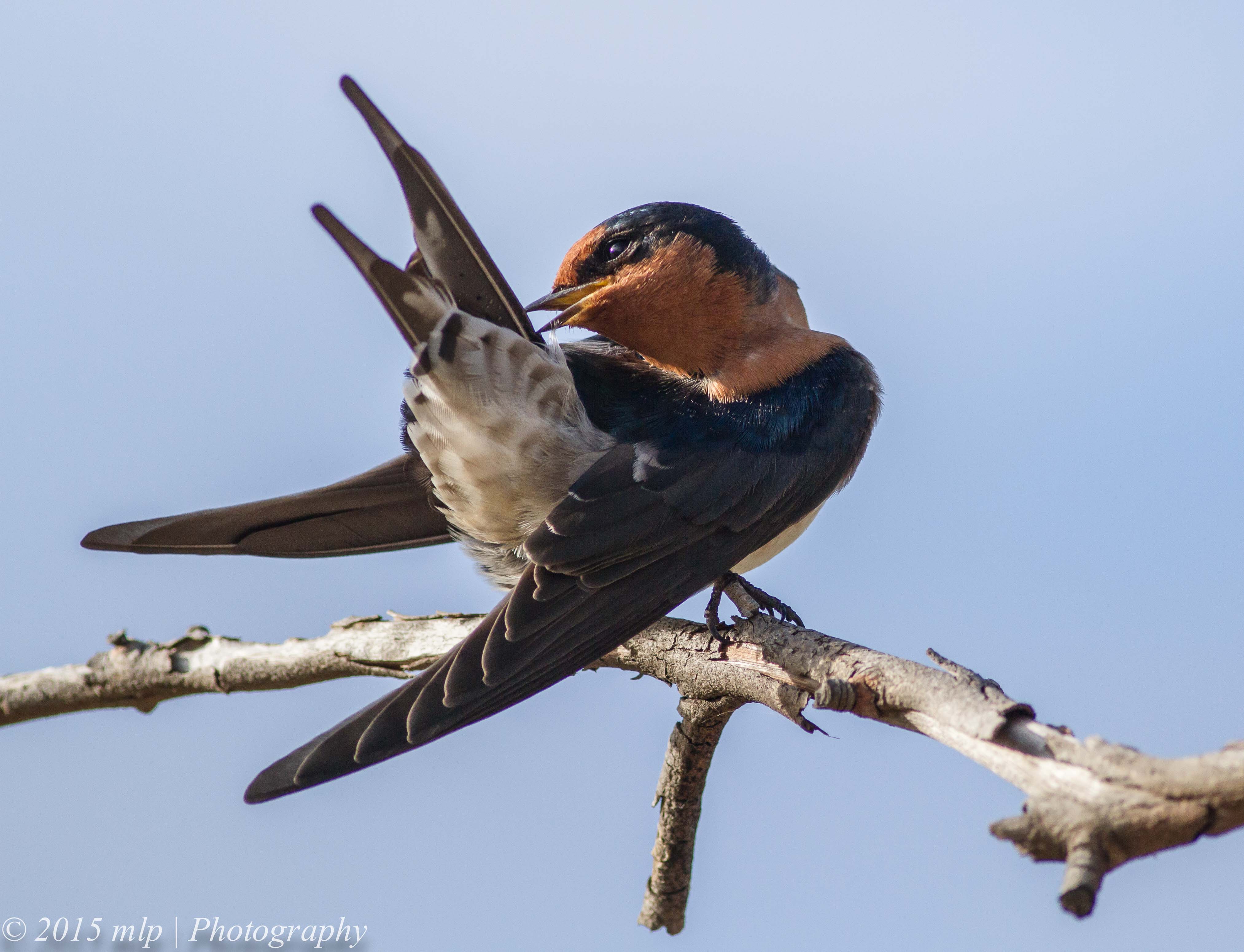
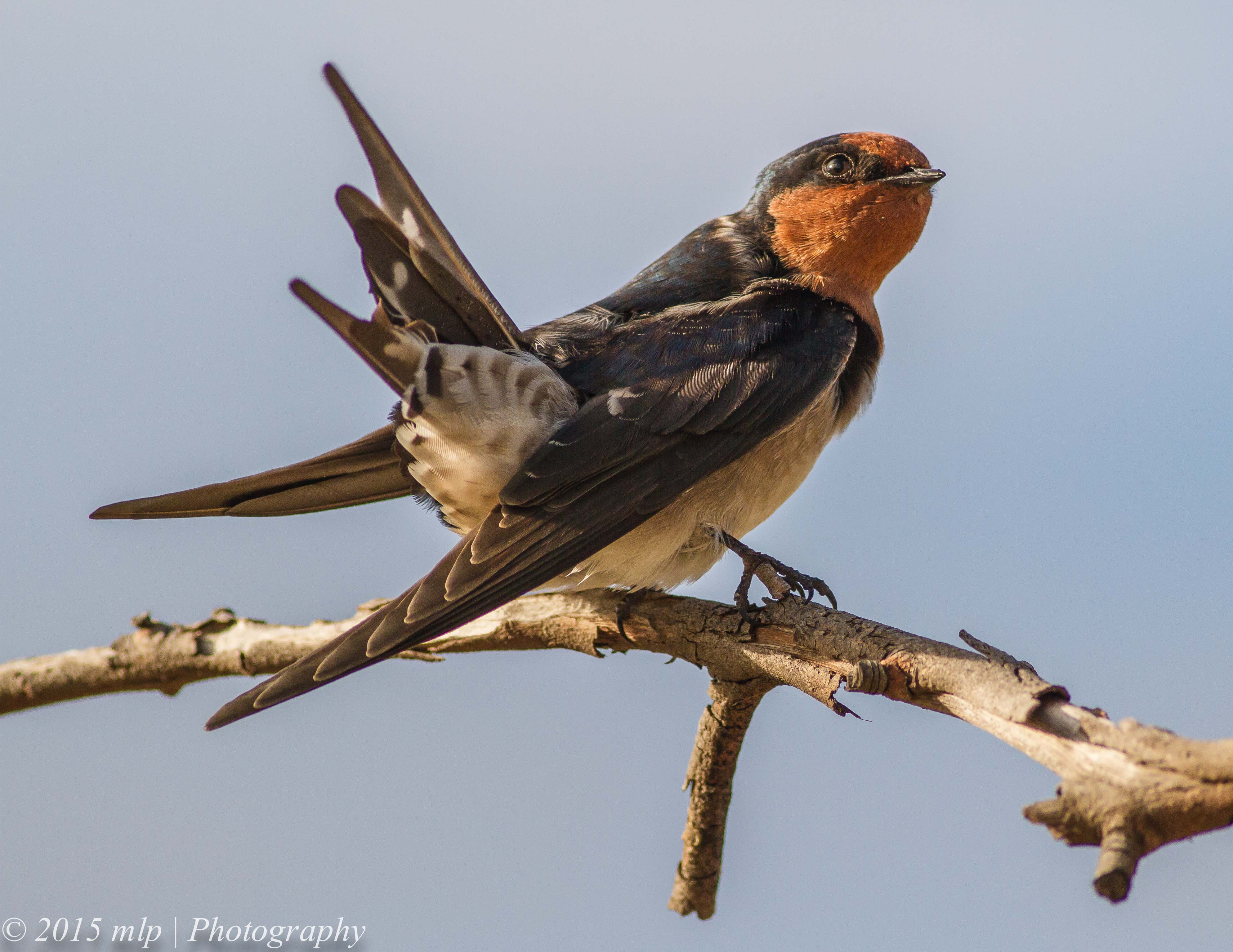
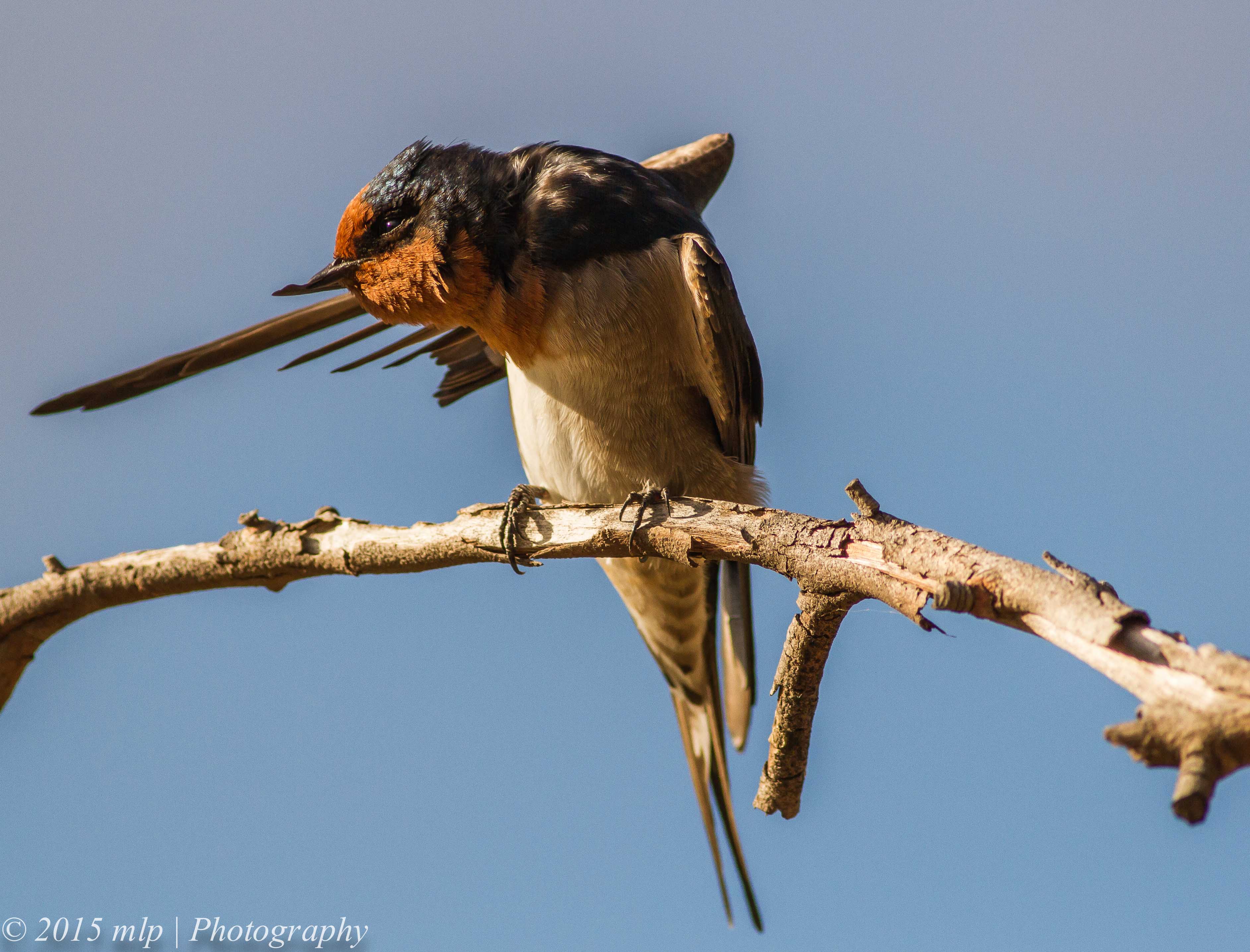
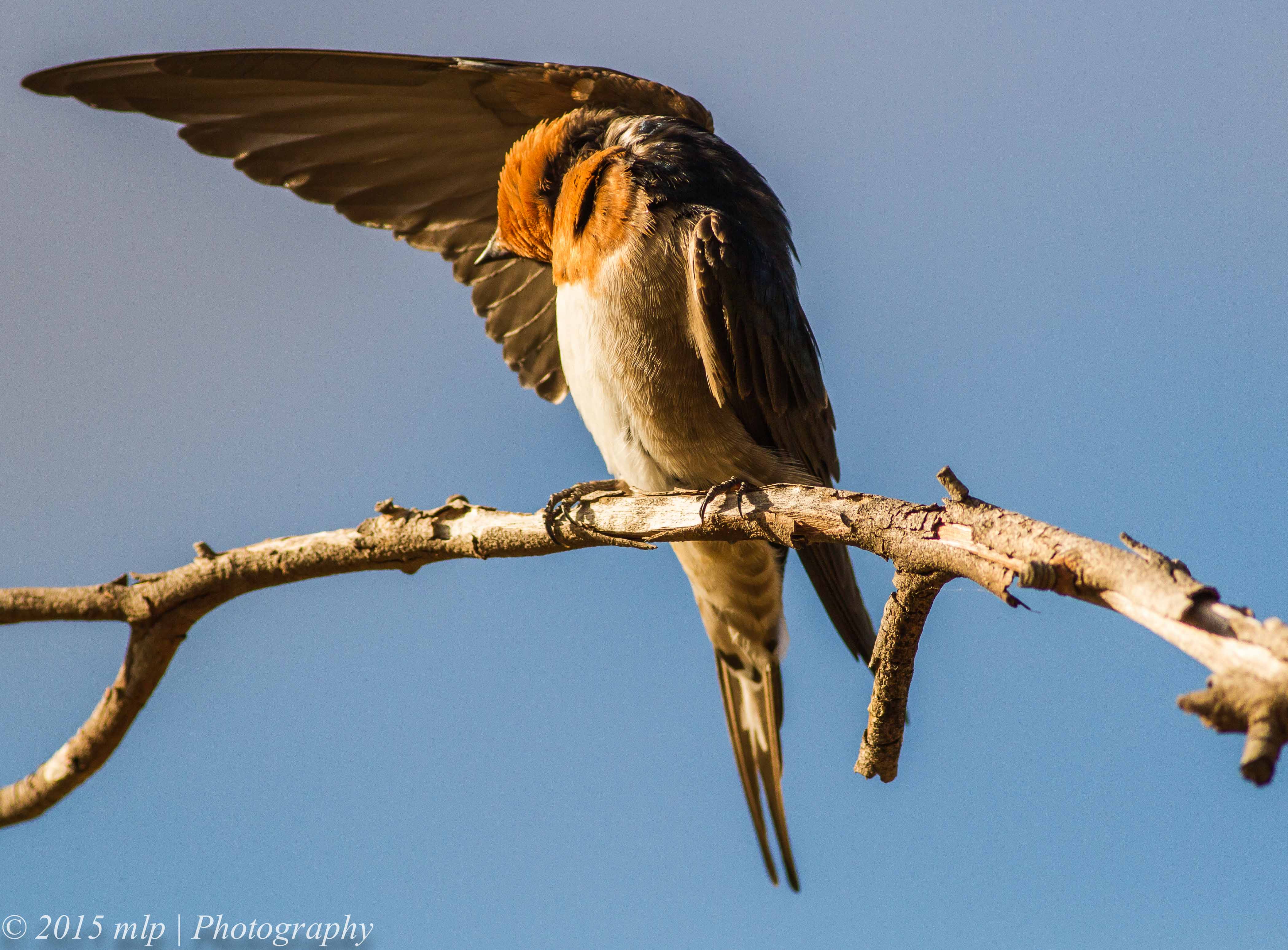
The wary ablutions of a Welcome Swallow

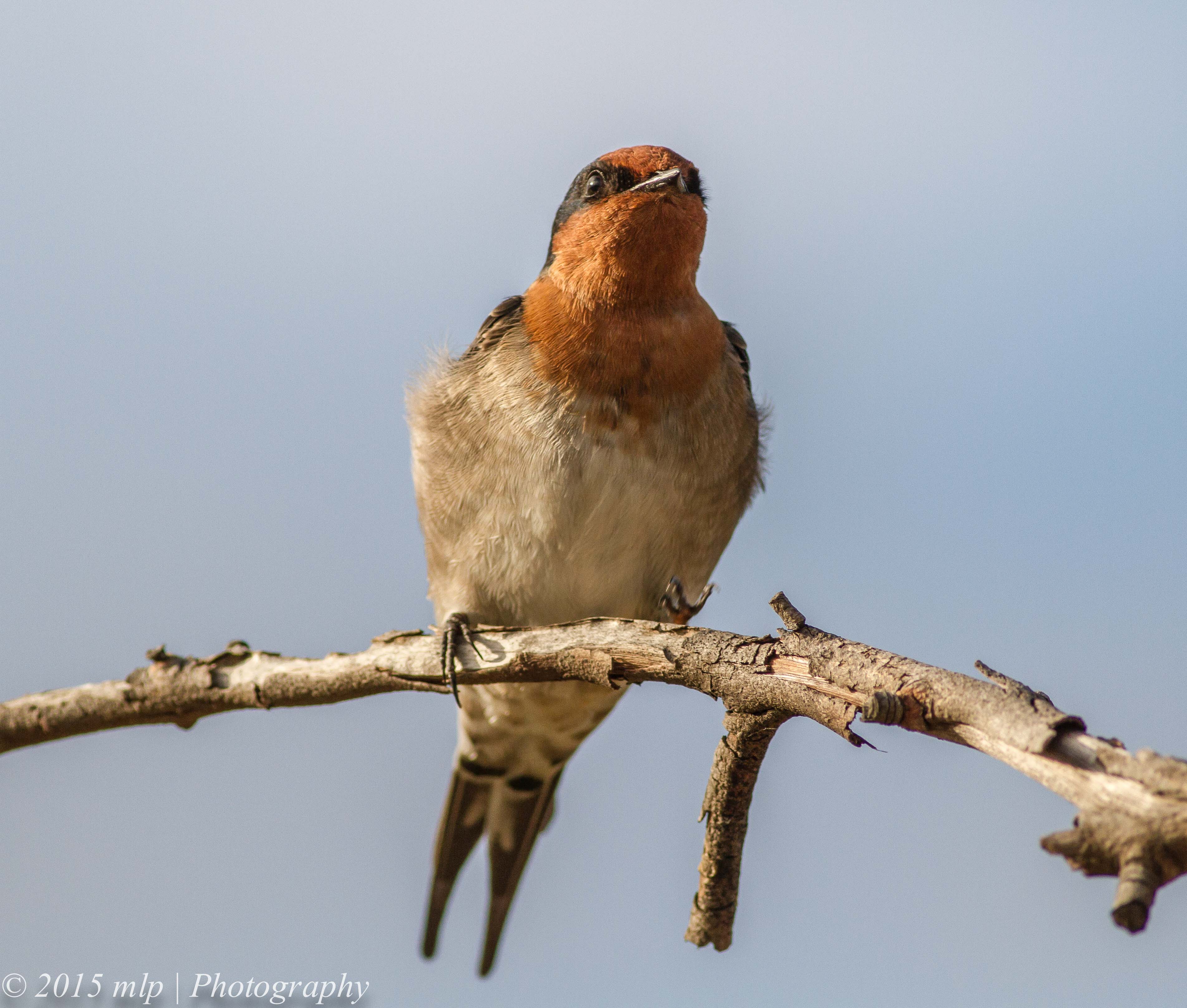
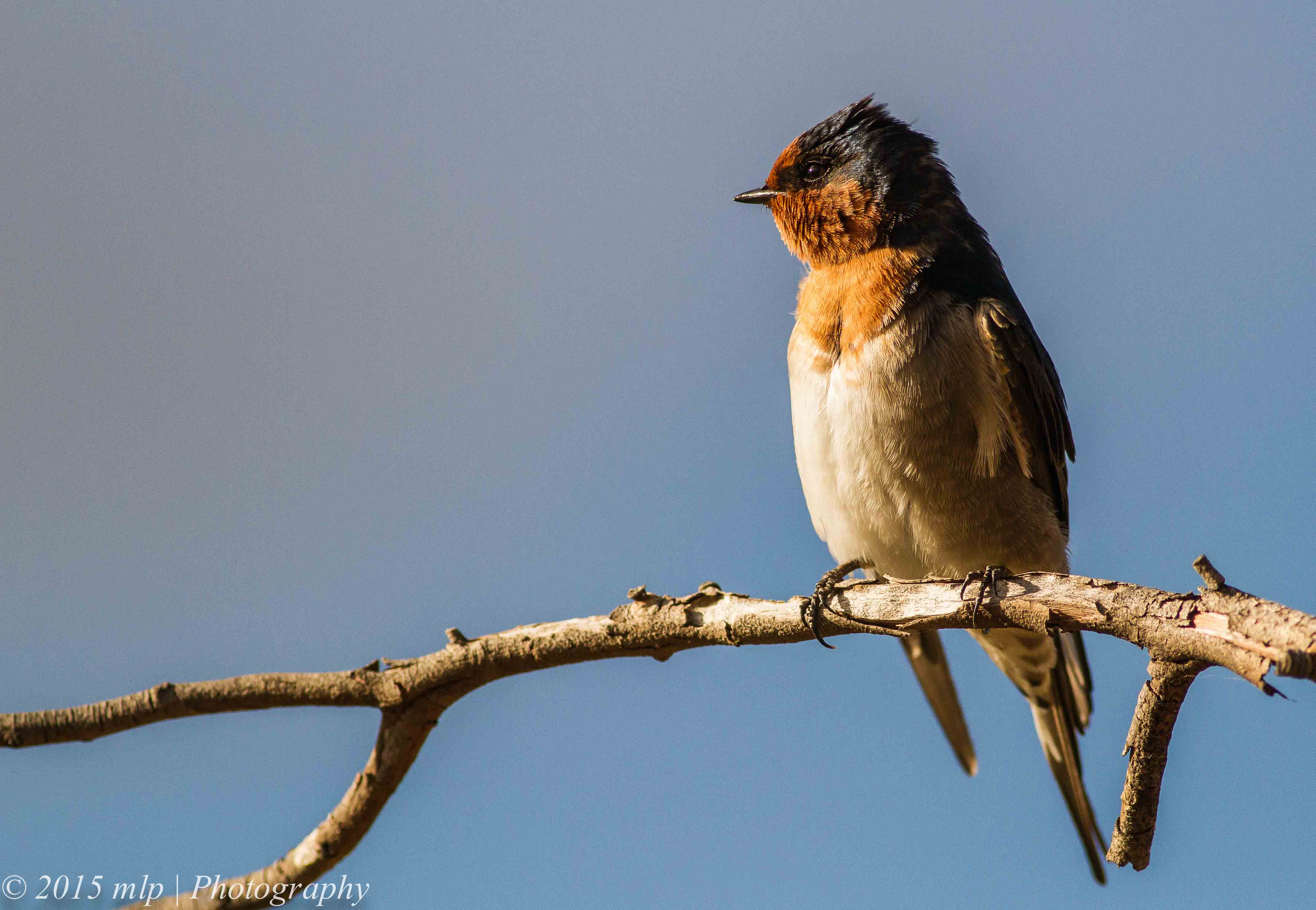
On a recent walk to the local lake I was walking along the edge for a while and watching for the Spotless Crake that has taken up residence on the small island in the lake.  Standing still for a while I happened to look up and on a branch of a dead tree overhanging the lake I noticed a Welcome Swallow. It had just landed  and was now grooming in the late afternoon sun-light. It made fast motions and was quite aware of everything around it including me. Butcherbirds were calling so it knew that a possible predator was in the area. The swallow would be very hard to catch in the air but possible to take when on a branch. I have not taken any decent shots of a Swallow in the air so took advantage of one that remained fairly still for a few minutes.

Welcome Swallow, Elsternwick Park Lake, Victoria, 6 April 2015

Welcome Swallow, Elsternwick Park Lake, Victoria, 6 April 2015

Welcome Swallow, Elsternwick Park Lake, Victoria, 6 April 2015

With fast grooming motions

Welcome Swallow, Elsternwick Park Lake, Victoria, 6 April 2015

it gave attention to every long feather

Welcome Swallow, Elsternwick Park Lake, Victoria, 6 April 2015

stopped for another quick look around for danger

Welcome Swallow, Elsternwick Park Lake, Victoria, 6 April 2015

waggled its tail feathers

Welcome Swallow, Elsternwick Park Lake, Victoria, 6 April 2015

gave special attention to the flight feathers

Welcome Swallow, Elsternwick Park Lake, Victoria, 6 April 2015

every feather inspected and put back into position

Welcome Swallow, Elsternwick Park Lake, Victoria, 6 April 2015

all done…and now another quick flight to catch a snack over the water…

Gang Gangs of Anglesea Heath

There is something special about Gang Gang Cockatoos. They are rarely seen, sound like creaky hinges and are not as raucous or as gregarious as other cockatoos. They are usually found higher up in the taller trees. I have only seen them a few times in my life and the first was when I was 19, camping on my own at the Cathedral Ranges north of the Black Spur. The male’s bright red head had always made an impression on me. It was many years before I saw another one.

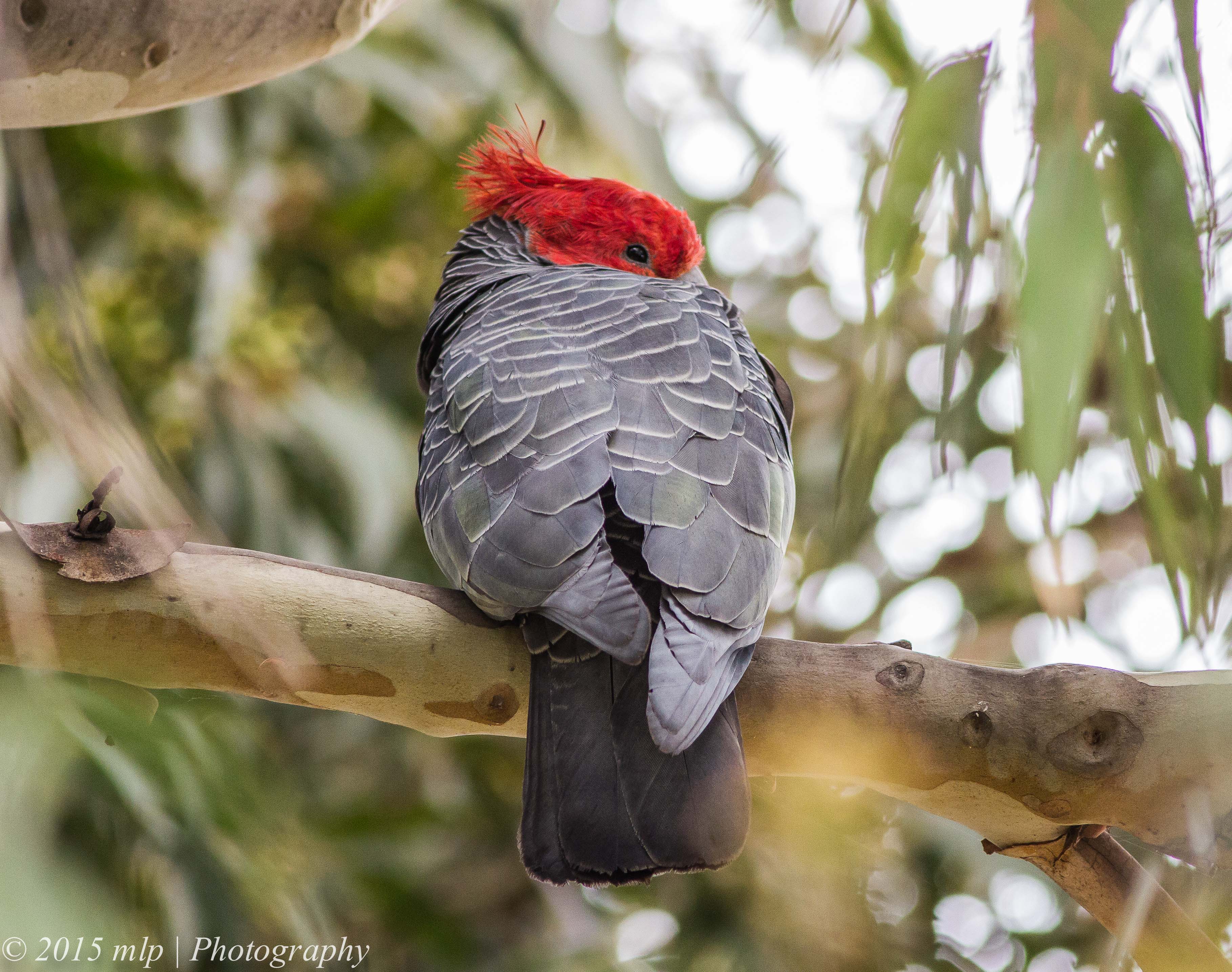
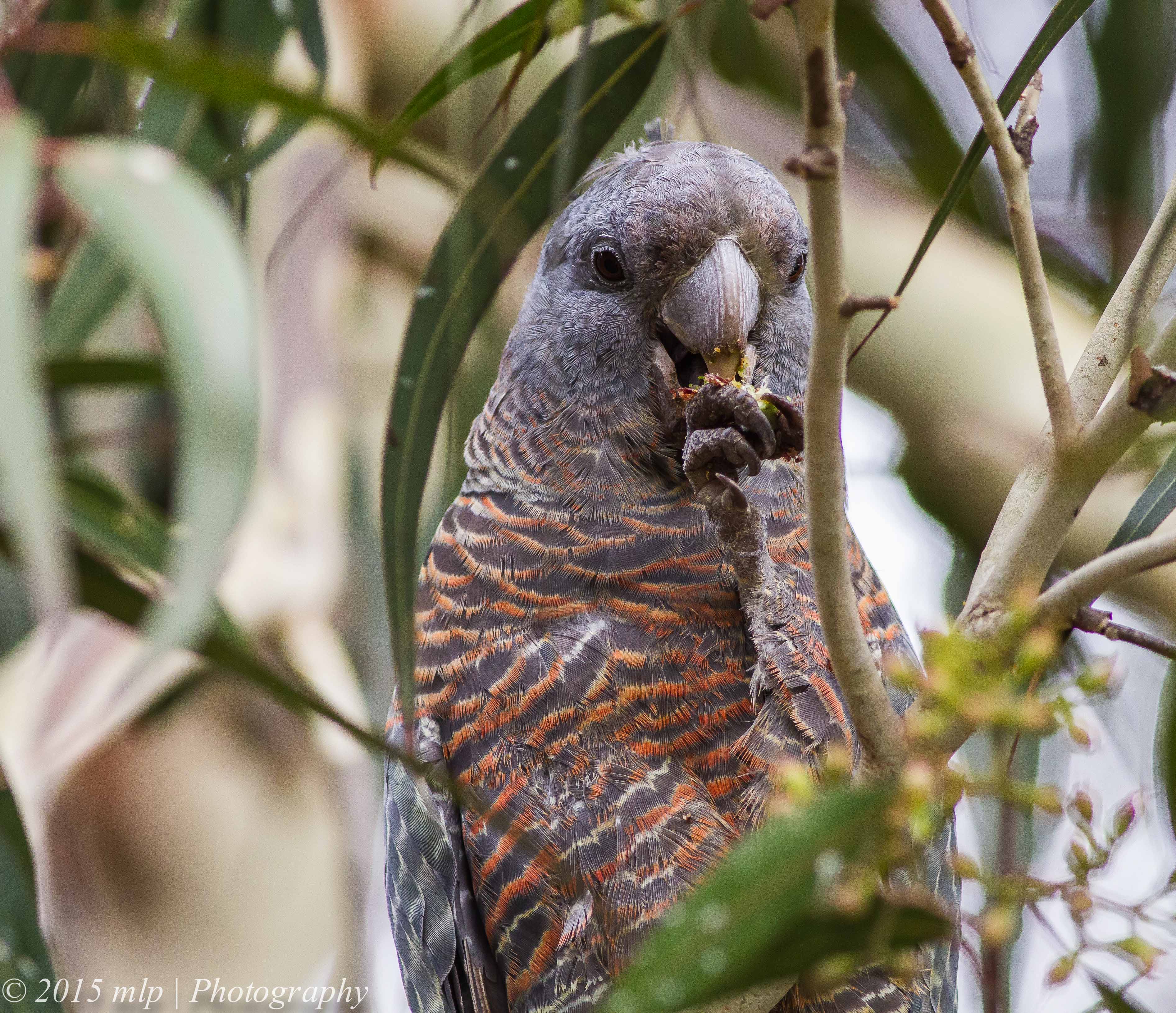
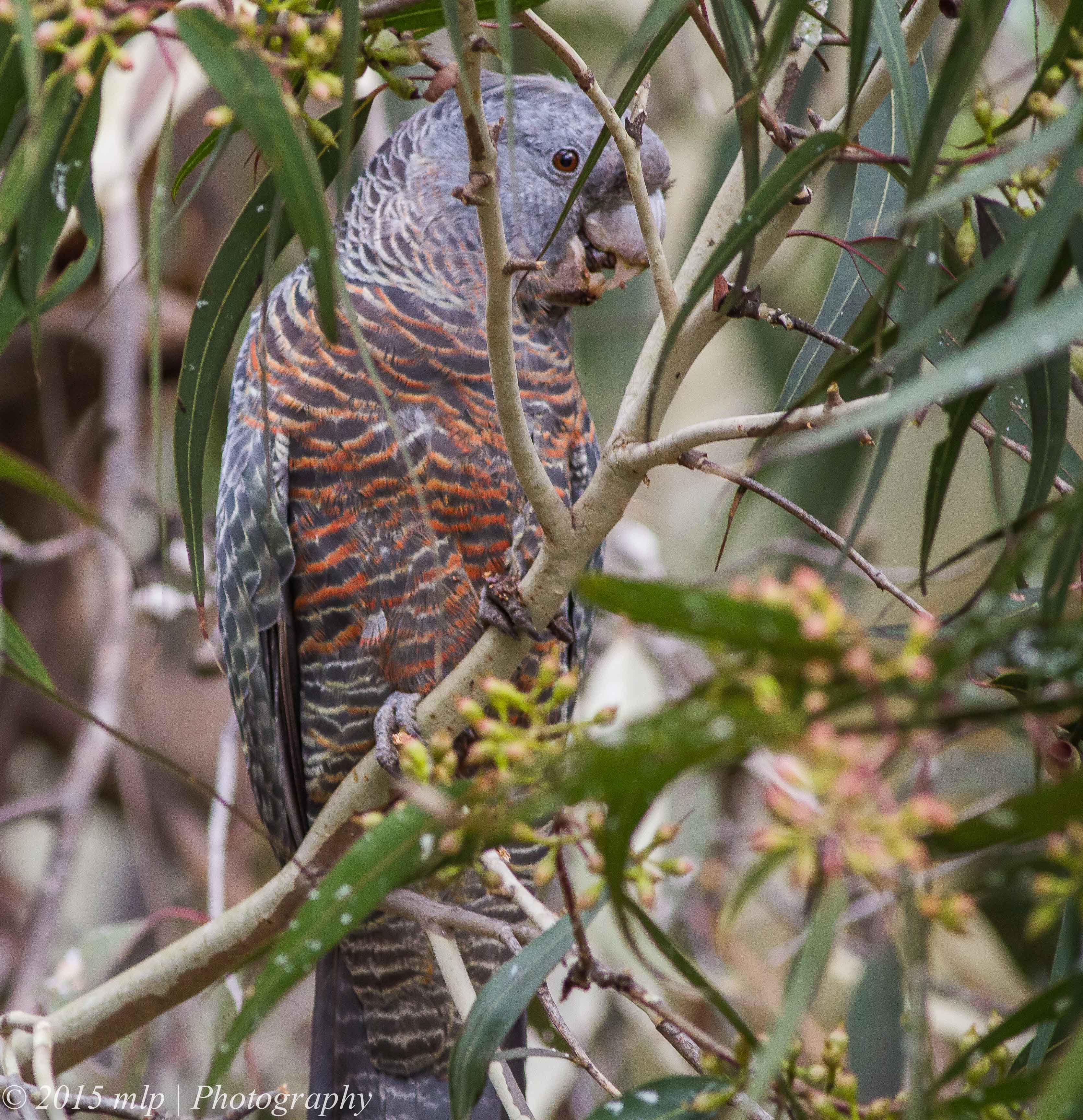
On the last day of birding on my recent Easter trip to the Bellarine region of Victoria, I got up early and drove down the coastline to Anglesea Heath. It is a vast region of heathland, scrub and trees. It has many tracks to explore and I gave the Liberty Outback a real bush bashing. In the middle of the park is a coal mine and a power station – quite strange to find and hear. Where I stopped the car to look at the power station and view a roadside sign and map, I noticed bits of seeds and leaves dropping onto me and the car. In the tree above me was a small flock of Gang Gang Cockatoos – several females and at least one brightly headed male. The male was taking a nap while the girls chewed on the gum nuts. They were not very far off the ground and I had a good chance to take a few pics between the branches. They were not bothered by me at all.

Gang Gang Cockatoo, Angelsea Heath, Victoria, 4 April 2015

Napping male Gang Gang Cockatoo, Anglesea Heath, Victoria, 4 April 2015

Gang Gang Cockatoo, Angelsea Heath, Victoria, 4 April 2015

Female Gang Gang Cockatoo, Anglesea Heath, Victoria, 4 April 2015

Female Gang Gang Cockatoo II, Angelsea Heath, Victoria, 4 April 2015

II

Female Gang Gang Cockatoo II, Angelsea Heath, Victoria, 4 April 2015

III

The Lonsdale Lakes of Bellarine

Over Easter I explored the Bellarine Peninsula, south of Melbourne and the  other side of the opening of Port Phillip Bay. I have not been down this way before for photography and birding so it was all new. I researched some tips from John (my birding mate) and hit a few sites over several days.

The first area was the Lonsdale Lakes starting at Lake Victoria. It is a flat area with wide mud banks and a fairly shallow lagoon. It is quickly drying out but obviously still has a good food supply for the various species I came across: Swans, Stilts, Red Necked Stints, Red Capped Plovers, White Faced Herons and Gulls.

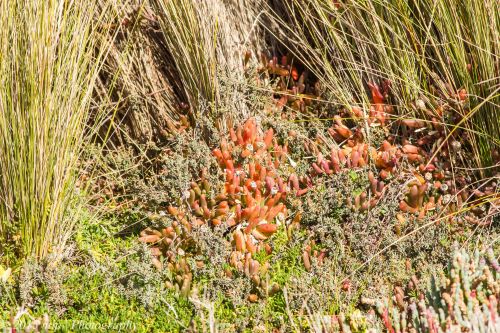
The vegetation long the lake side and paths is low scrub, shrubs, grasses and salt -bush and various succulent type plants -all very tough and hardy for dry, salty and windy conditions. It is quite attractive in the right light too with many shades of green…
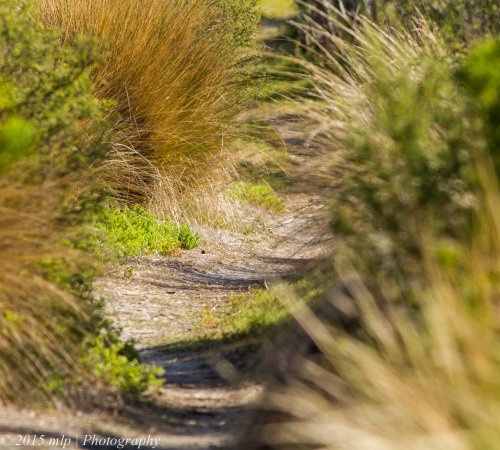
Lake side vegetation

The path along the lake’s edge

Lake side vegetation

Lake side vegetation

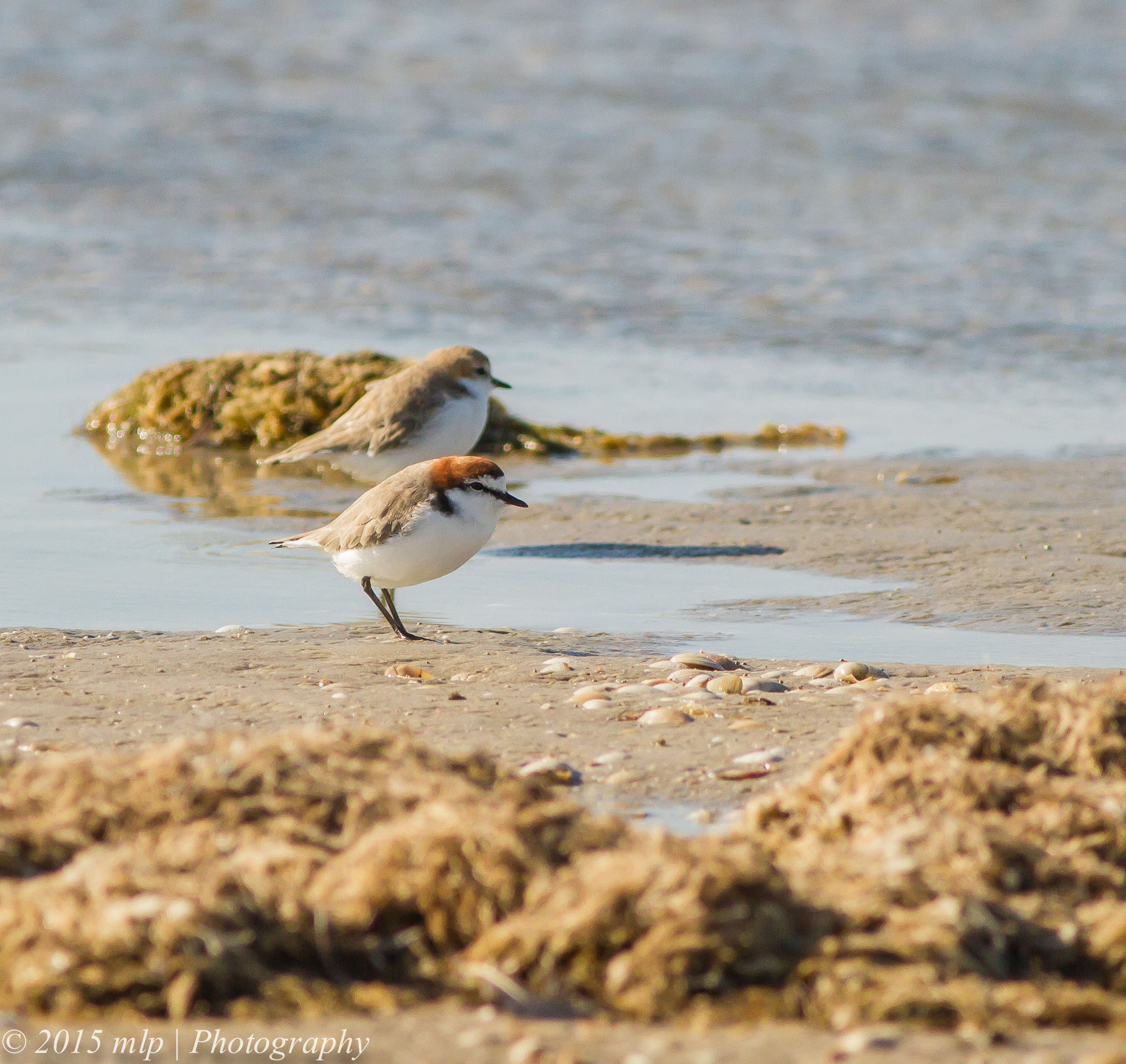
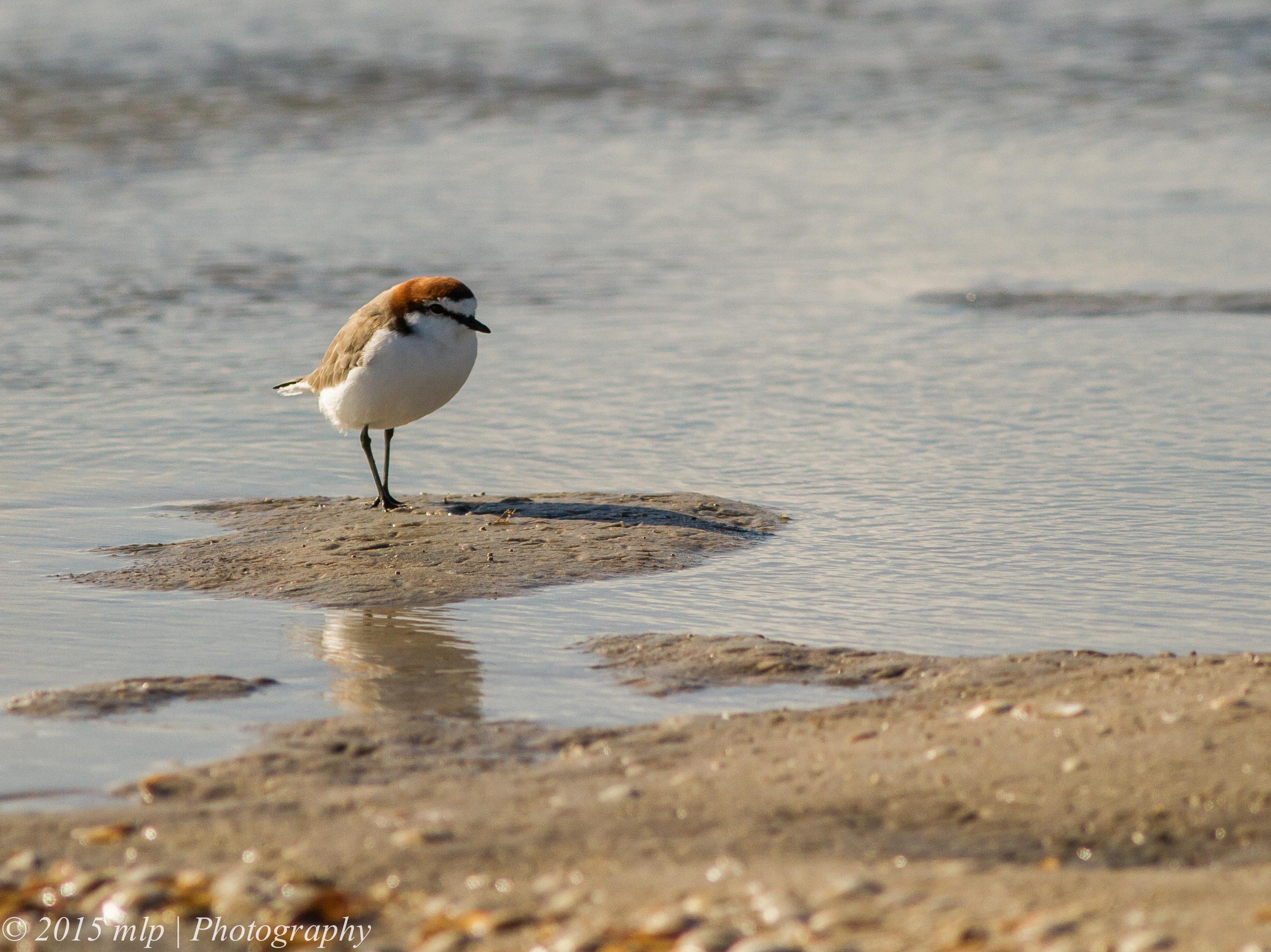
 Red Capped Plover

Red Capped Plover – a tiny young bird in a wide expanse, well camouflaged when hiding beside a small rock

 Red Capped Plover

Red Capped Plover

 Red Capped Plover

Red Capped Plover II

 Red Capped Plover

Red Capped Plovers

 Red Capped Plover

Red Capped Plover III

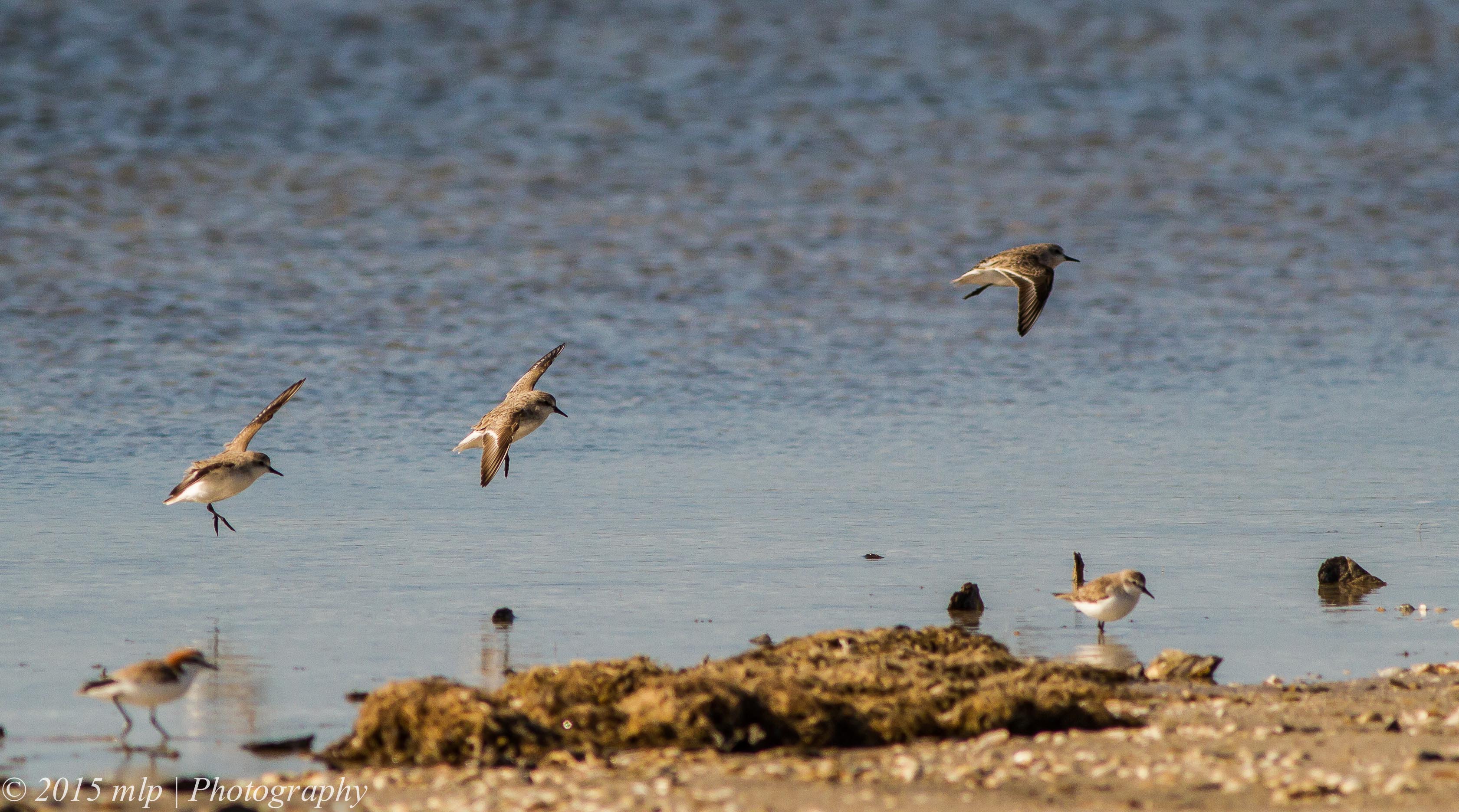
Red Necked Stints

Red Necked Stints flying in

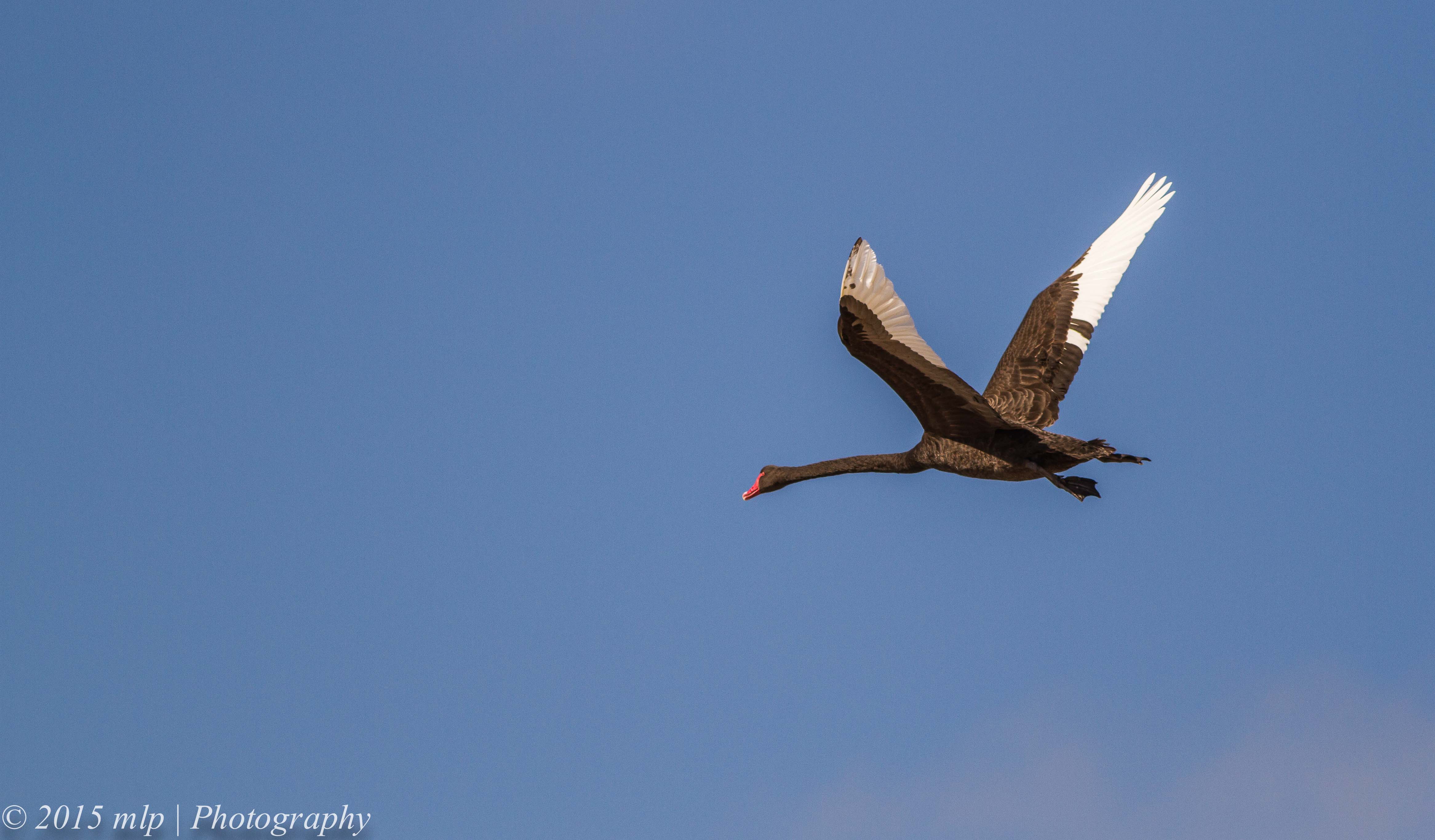
Swan

Many Black Swans were feeding in the shallow water and flying over to fresh feeding grounds

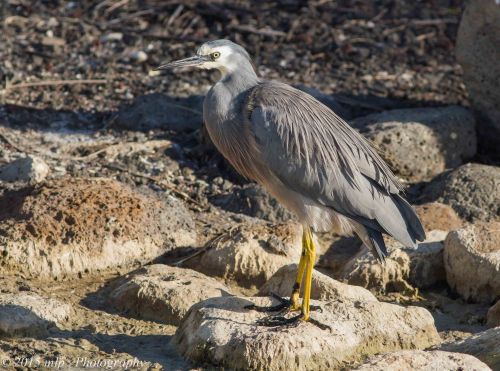
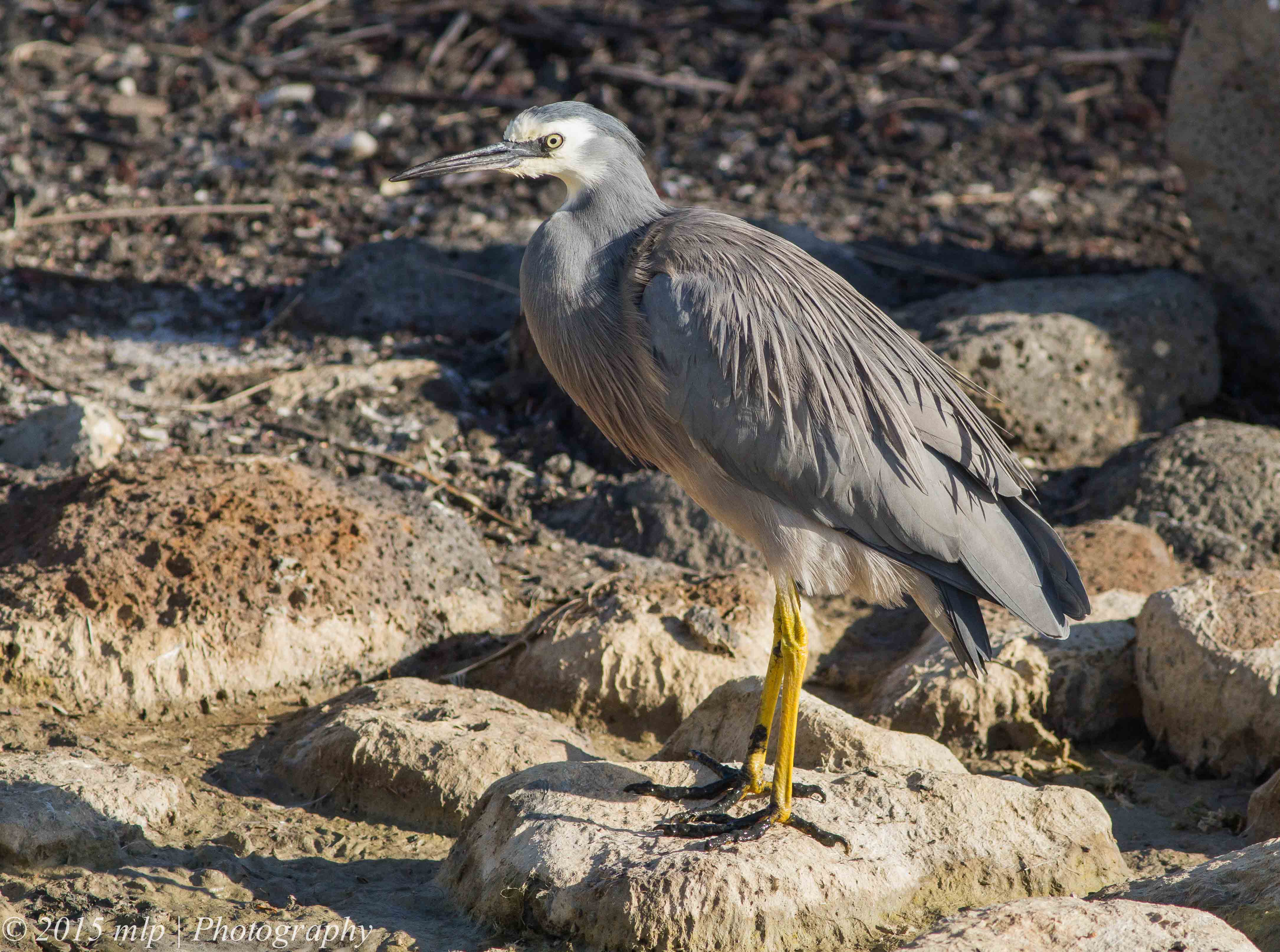
I watched this White Faced Heron for a while and took a few shots as it fed in the mud along a nearby creek. At one point it stood quite still, did a full body shake and then went back to feeding. It might be part of a grooming action or just bringing in more air under its feathers as the day got later and cooler.
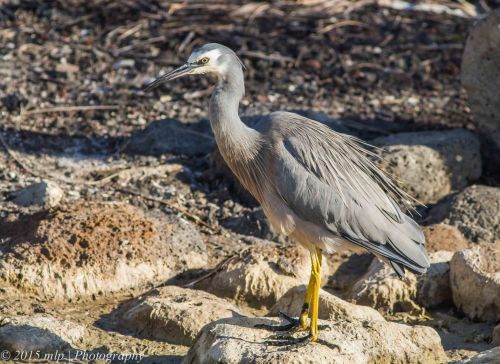
White faced Heron

White faced Heron

White faced Heron

White faced Heron II

White faced Heron

White faced Heron III

White faced Heron

White faced Heron IV

Colours are the smiles of nature….

Colours are the smiles of nature ~ Leigh Hunt

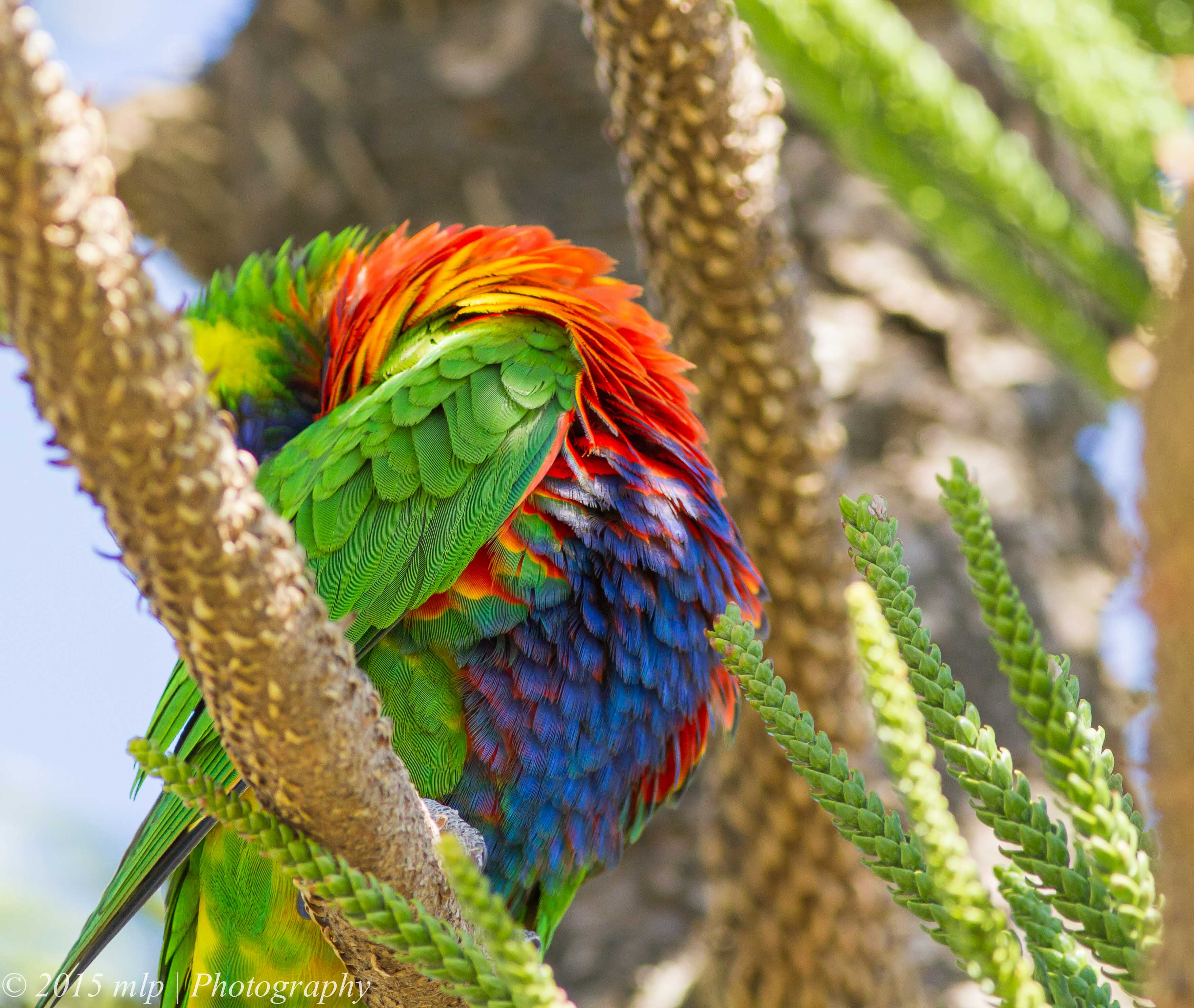
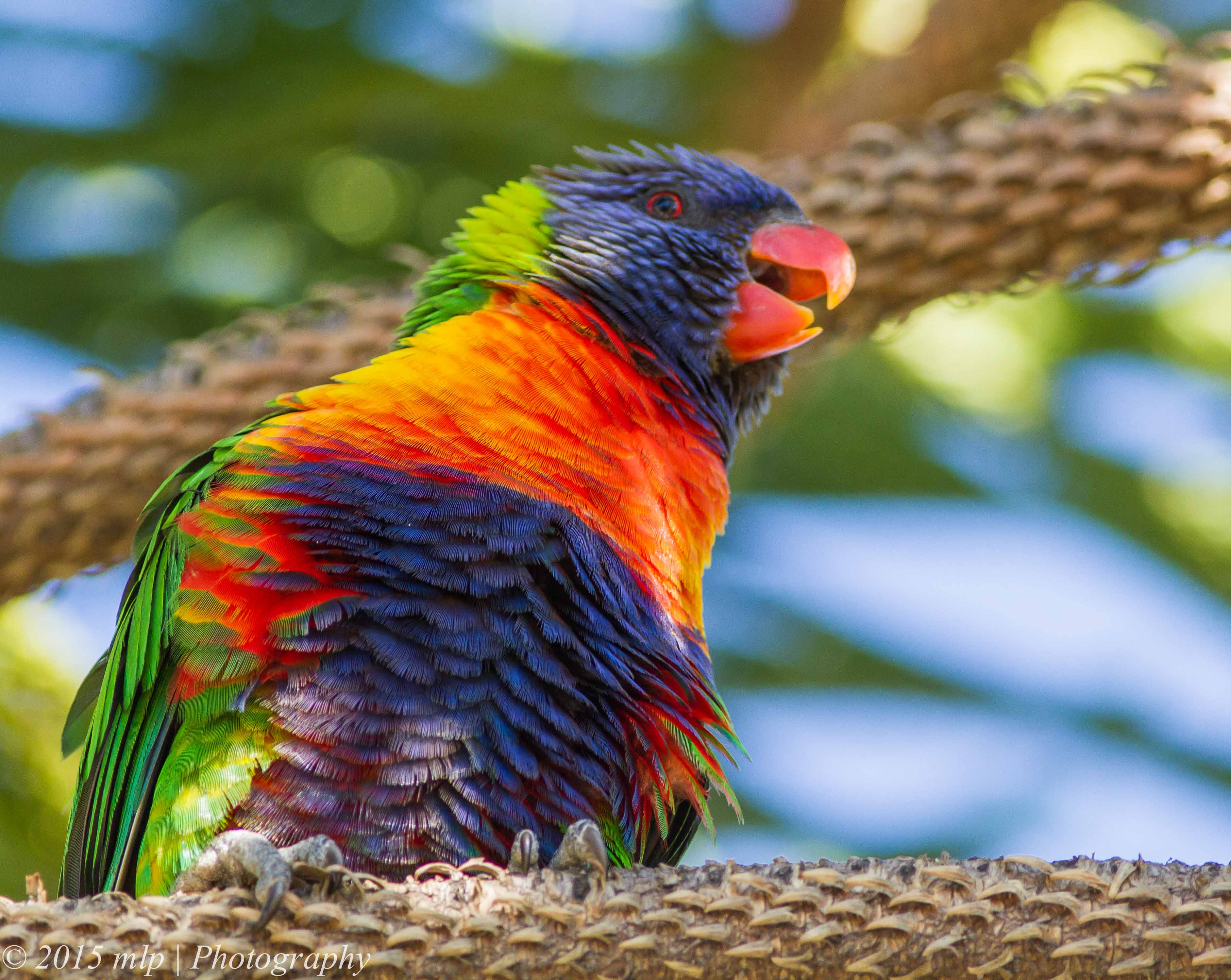
And when it comes to colourful birds there aren’t many, if any, in my area that can beat a Rainbow Lorikeet. They are a gregarious species that have become the main parrot of the Melbourne Suburbs. Not that many years ago they were found  further out in the country-side but the last big 12 year drought ended a few years ago and the result was an influx of birds and some decided to stay. The Rainbow Lorikeet has grown in numbers and now can be found in most areas. Even with all the colours, excitable chatter and feeding noises,  once they are quiet and sitting in a gum they are invisible. Their colours are rich underneath but from above are an almost uniform green: good for camouflage and hiding from raptors.

I found this pair in a road side Conifer along St Kilda/Elwood beach grooming and just enjoying themselves on a warm Autumn afternoon.

Rainbow Lorikeet

Rainbow Lorikeet

Rainbow Lorikeet

Rainbow Lorikeet – every nook and cranny is colourful

Rainbow Lorikeet

Rainbow Lorikeet with something to say

Rainbow Lorikeet

Rainbow Lorikeet

Rainbow Lorikeet

Rainbow Lorikeet – I think this is called photo bombing…

Rainbow Lorikeet

This is the end Beautiful friend, this is the end my friend (but a colourful rear end)


Thornbill and the Irregulars…

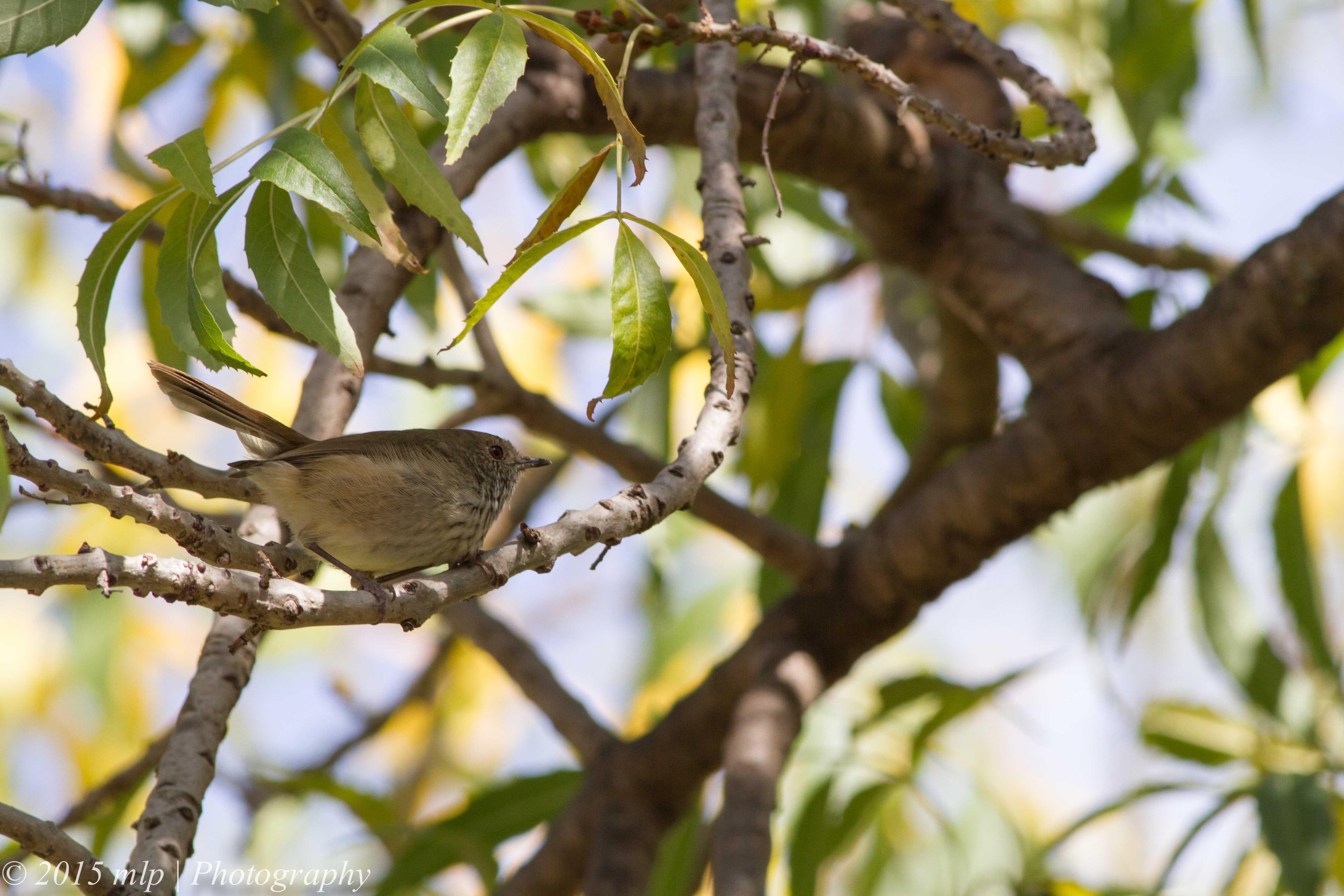
While waiting for a neighbour to come by so we could walk over to the lake and along Elster Creek I saw this little Brown Thornbill in a tree that overhangs my front garden. Not a very common bird in inner suburbia unless you have good undergrowth for it to escape the attention of other aggressive birds and the predator Butcherbird. I have seen the Thornbills for a couple of years now in the street so the cover must be improving.

Brown Thornbill

Brown Thornbill

After watching the Thornbill for few minutes we walked over to the Lake and saw a few birds, some regular and some not some common.

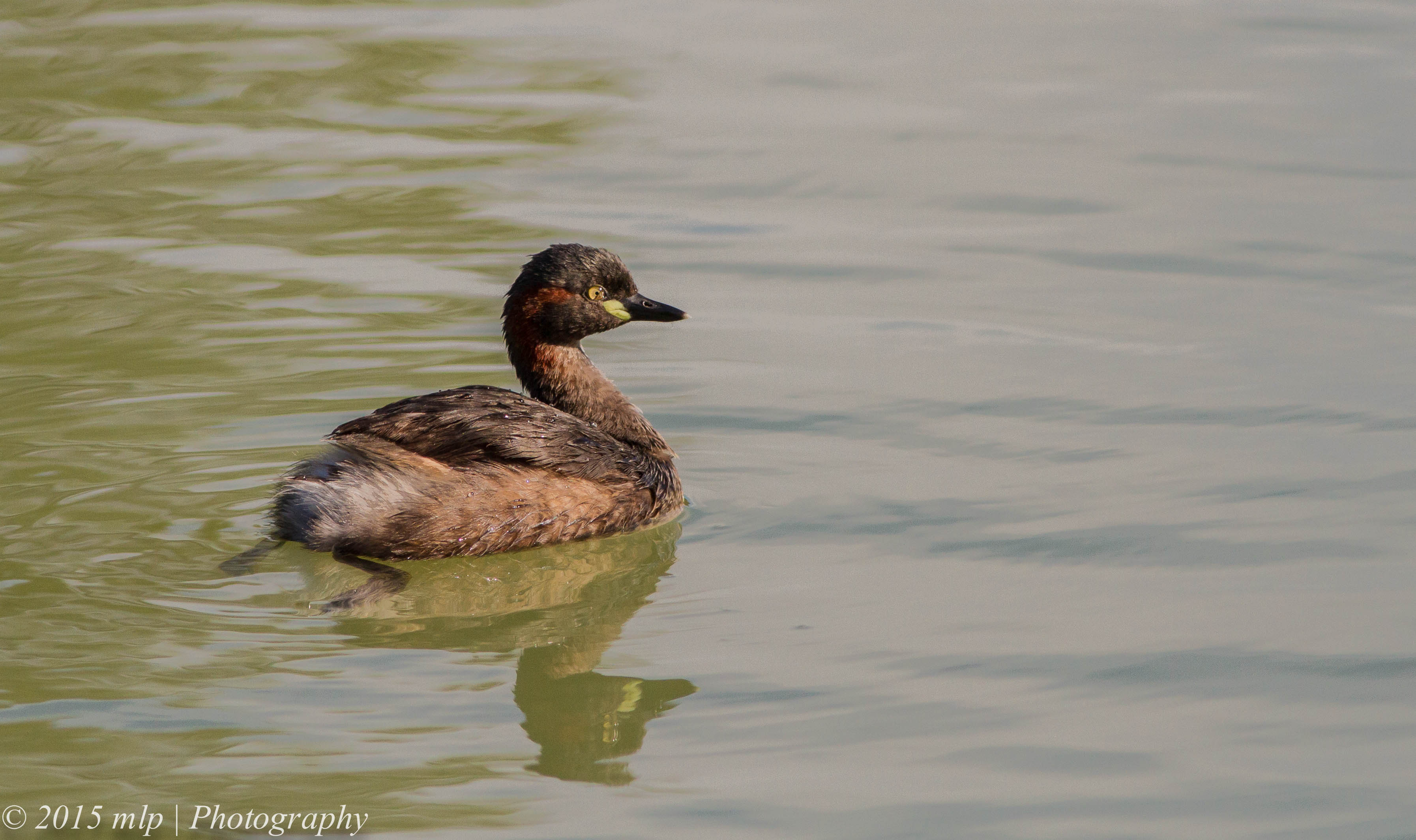
Australasian Grebe

Australasian Grebe in breeding plumage – one of the three Grebes we see in Victoria but not very often at the Lake

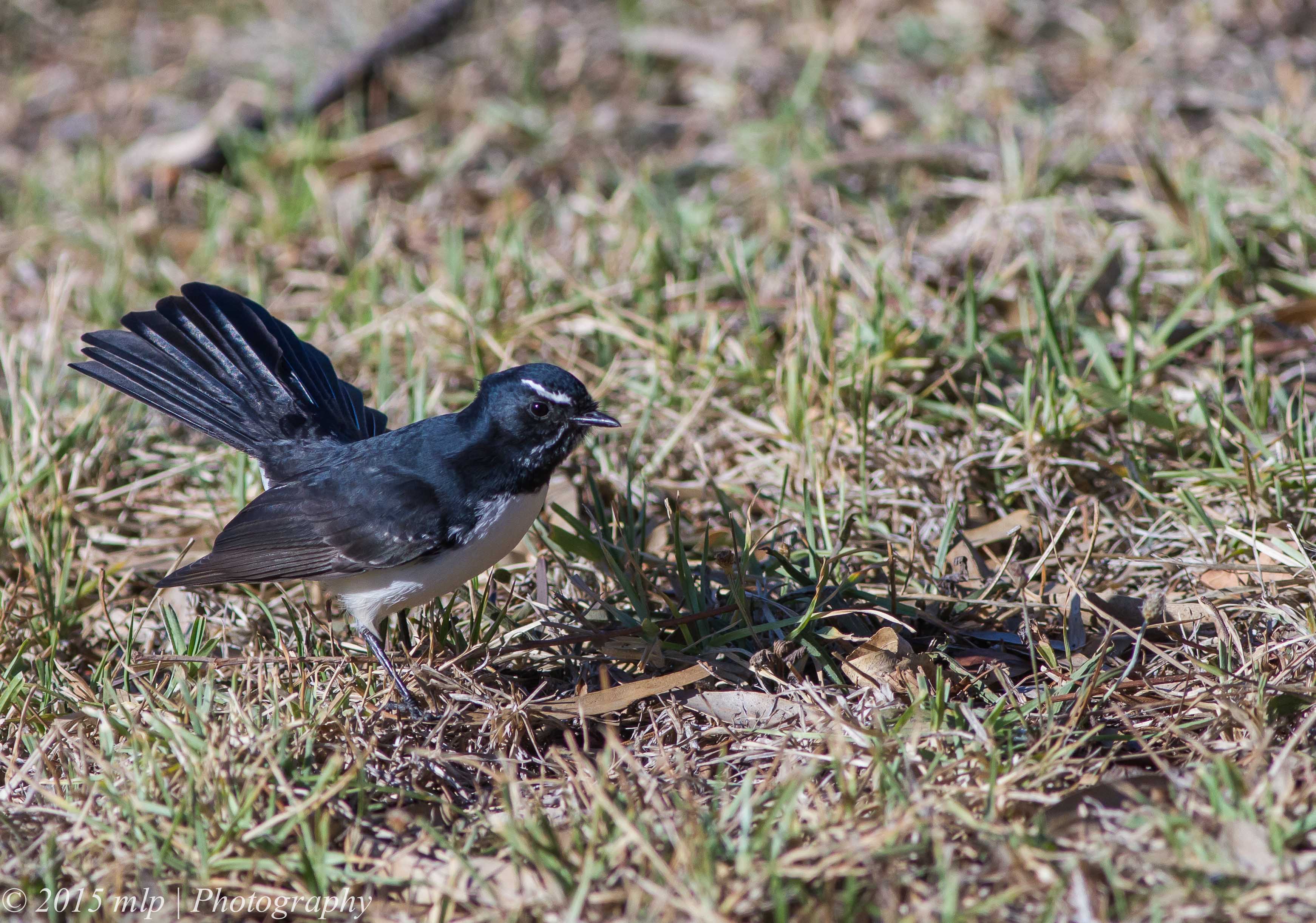
Willie Wagtail,

Willie Wagtail – a regular in low numbers

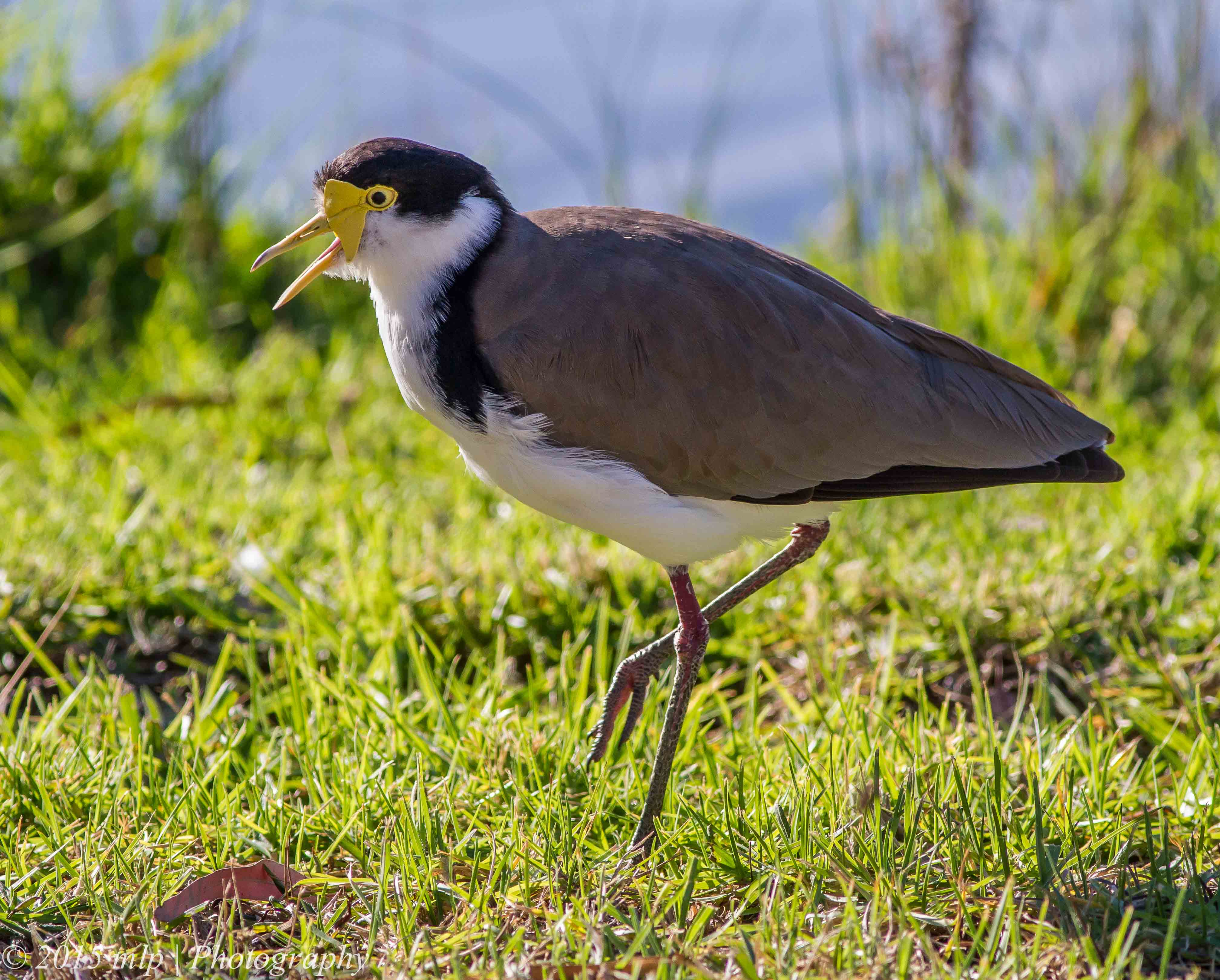
Masked Lapwing

Masked Lapwing – usually a few somewhere in the area and often heard during the night flying over the suburb squawking loudly all the way.

Magpie Lark

Male Magpie Lark – a crazy bird during breeding season – will attack any reflection of itself even in sunglasses on top of a woman’s head…

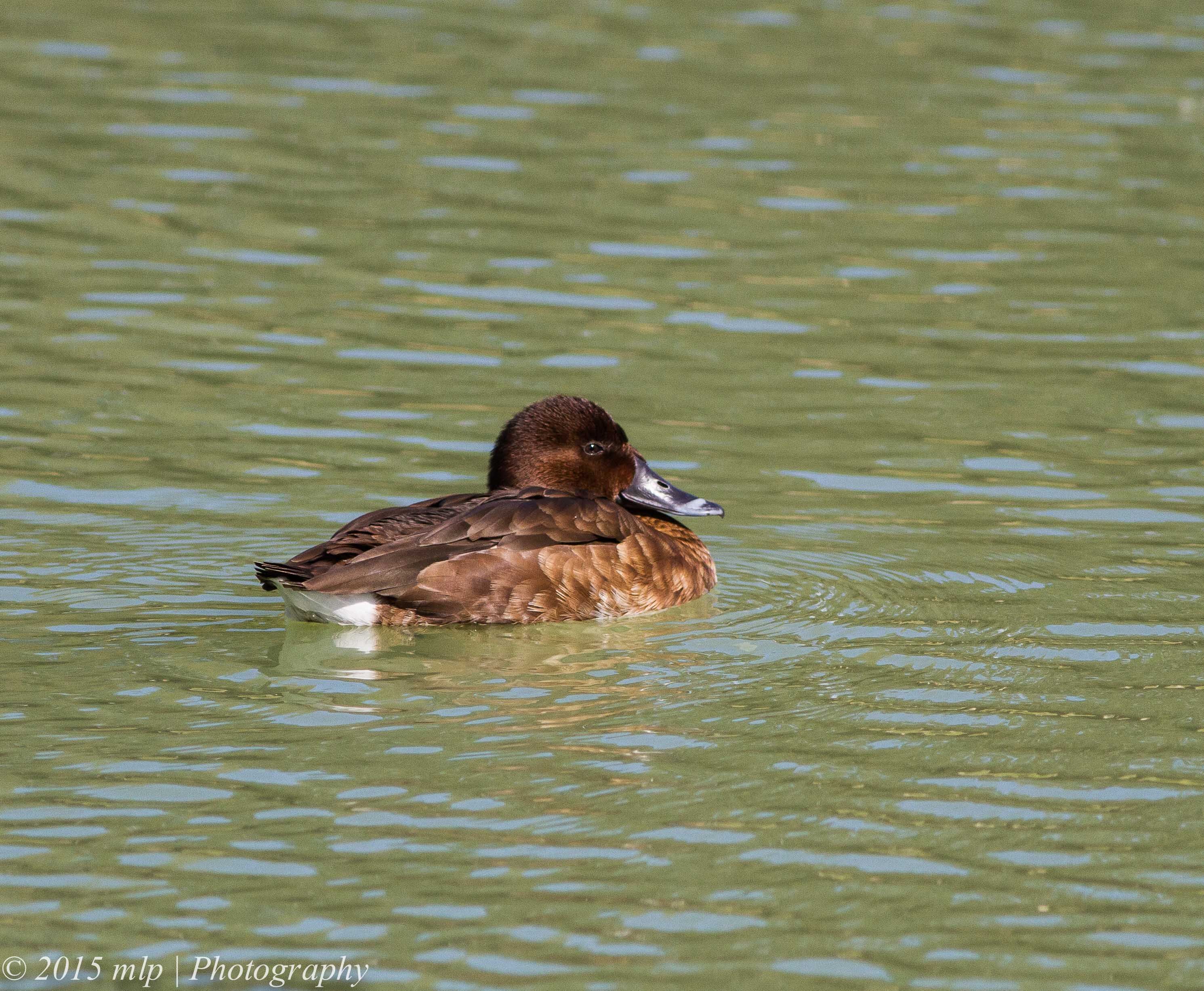
Hardhead

Female Hardhead – not that common here. Also called a White-eyed Duck due to the males white eye ring. Has found sanctuary here to escape the current Duck Season.

And One Chick became Two….

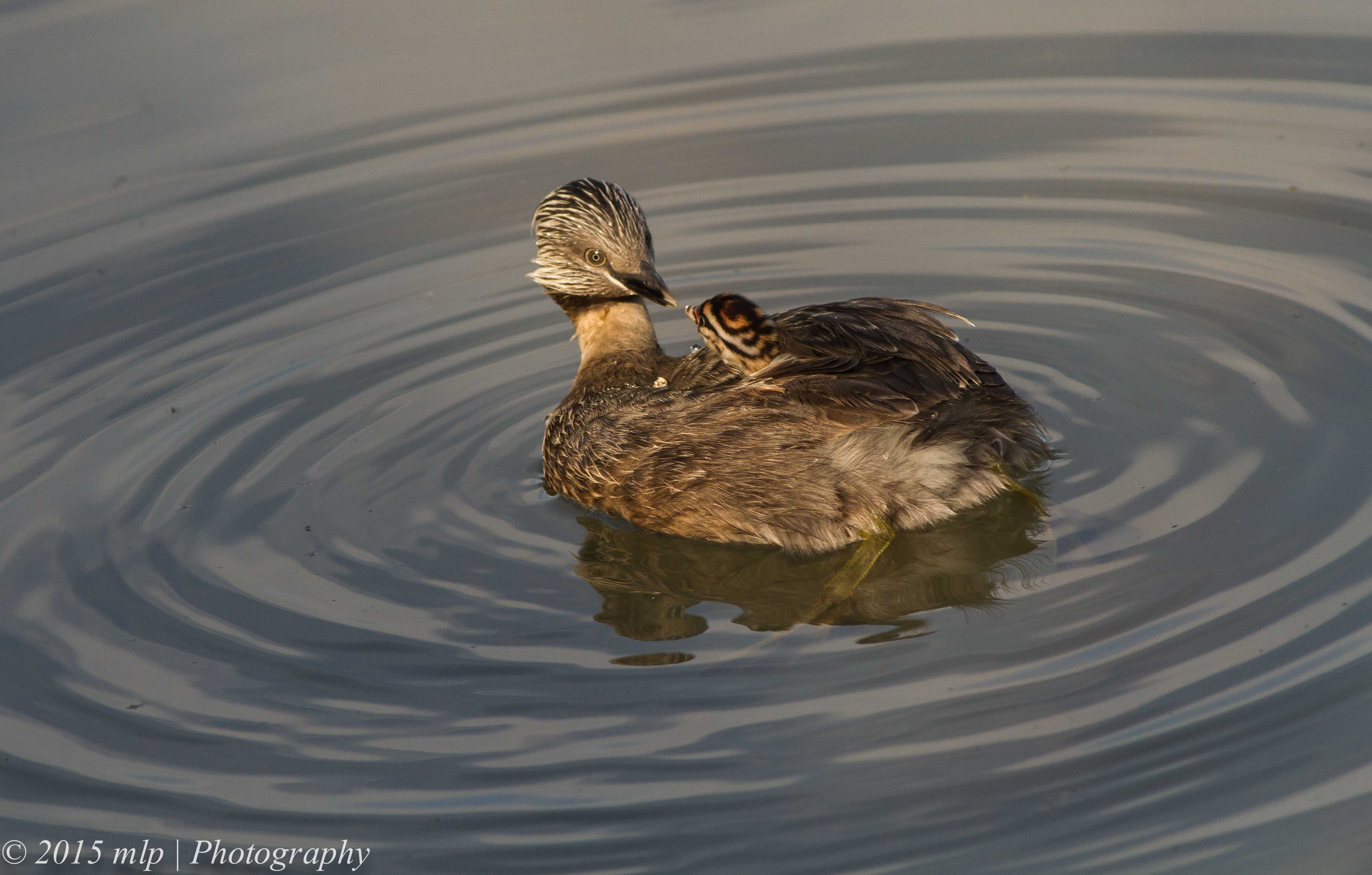
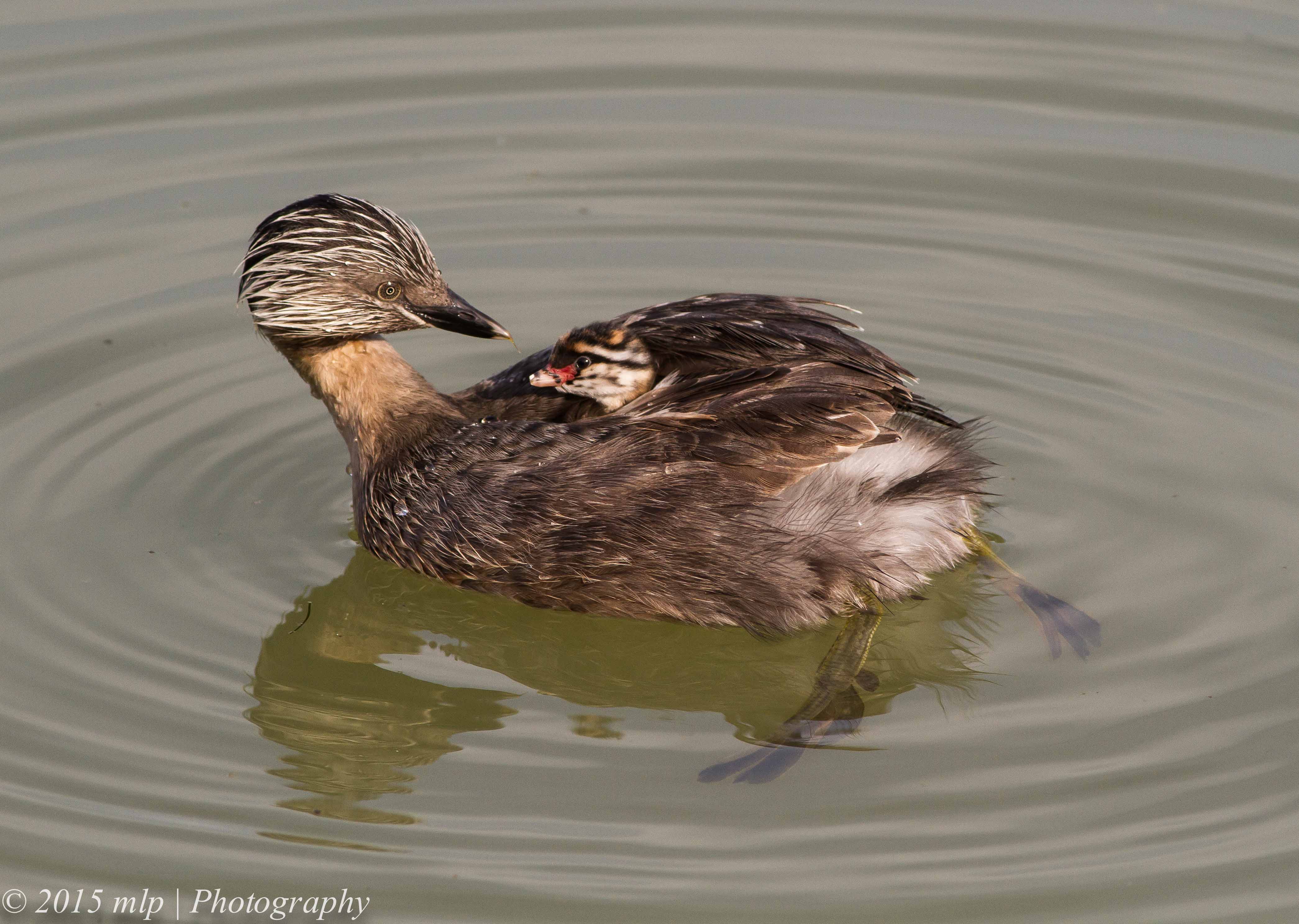
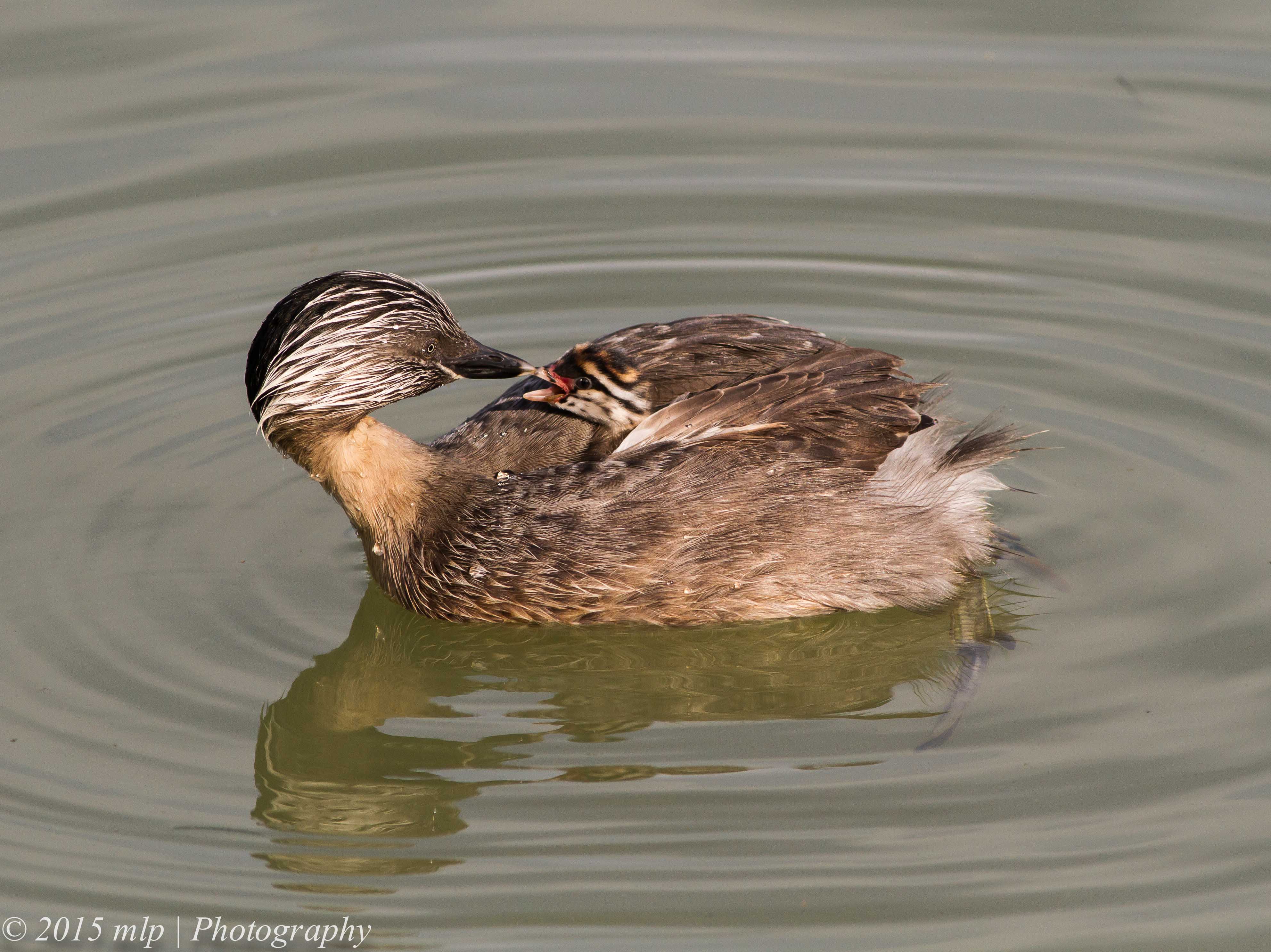
After my last visit to the lake to observe and photograph the Spotless Crake and the Grebes I went back a few days later and while watching the Grebe with the chick we noticed another little head… a second chick.

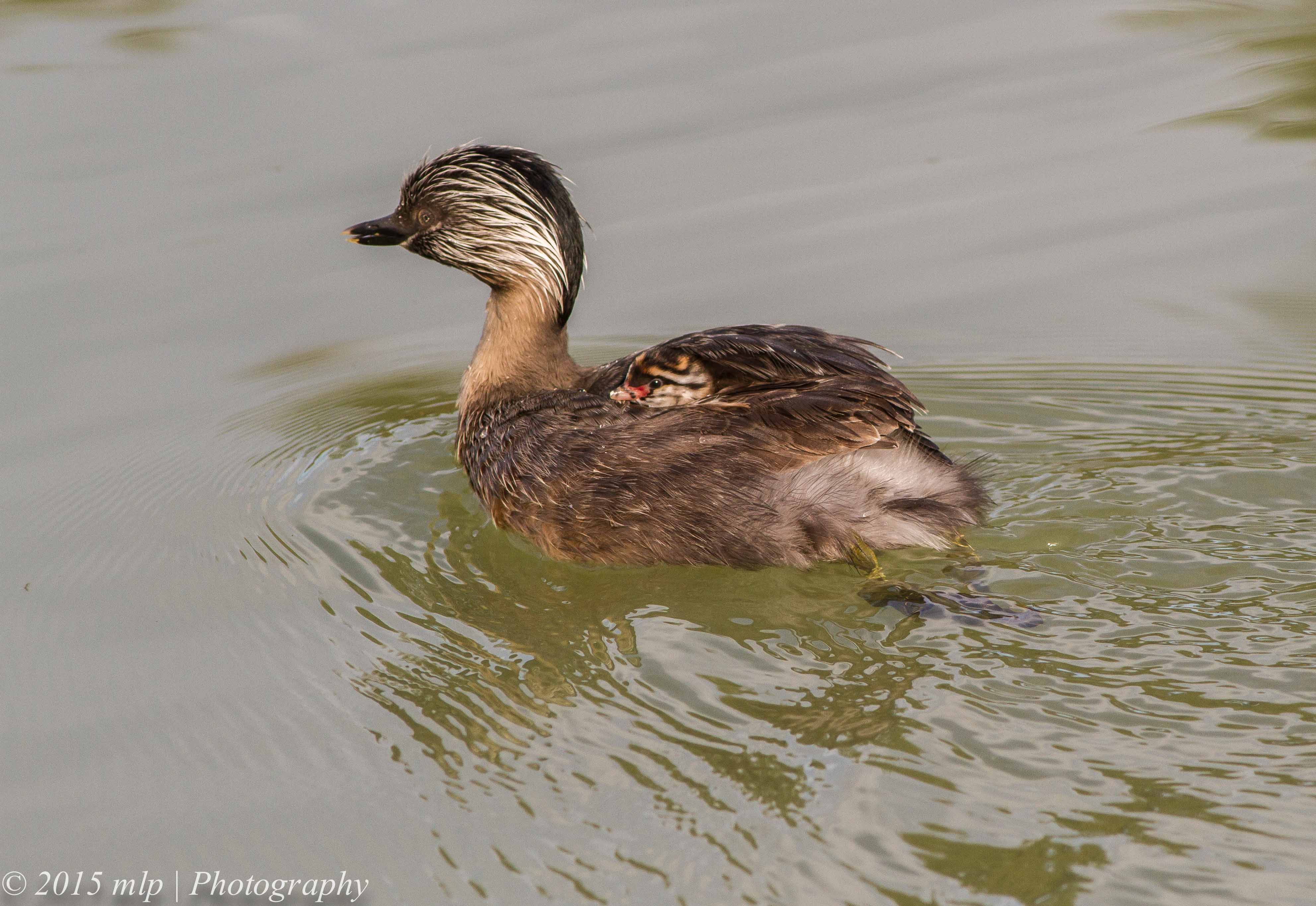
Previously we had seen the Grebe with one chick:

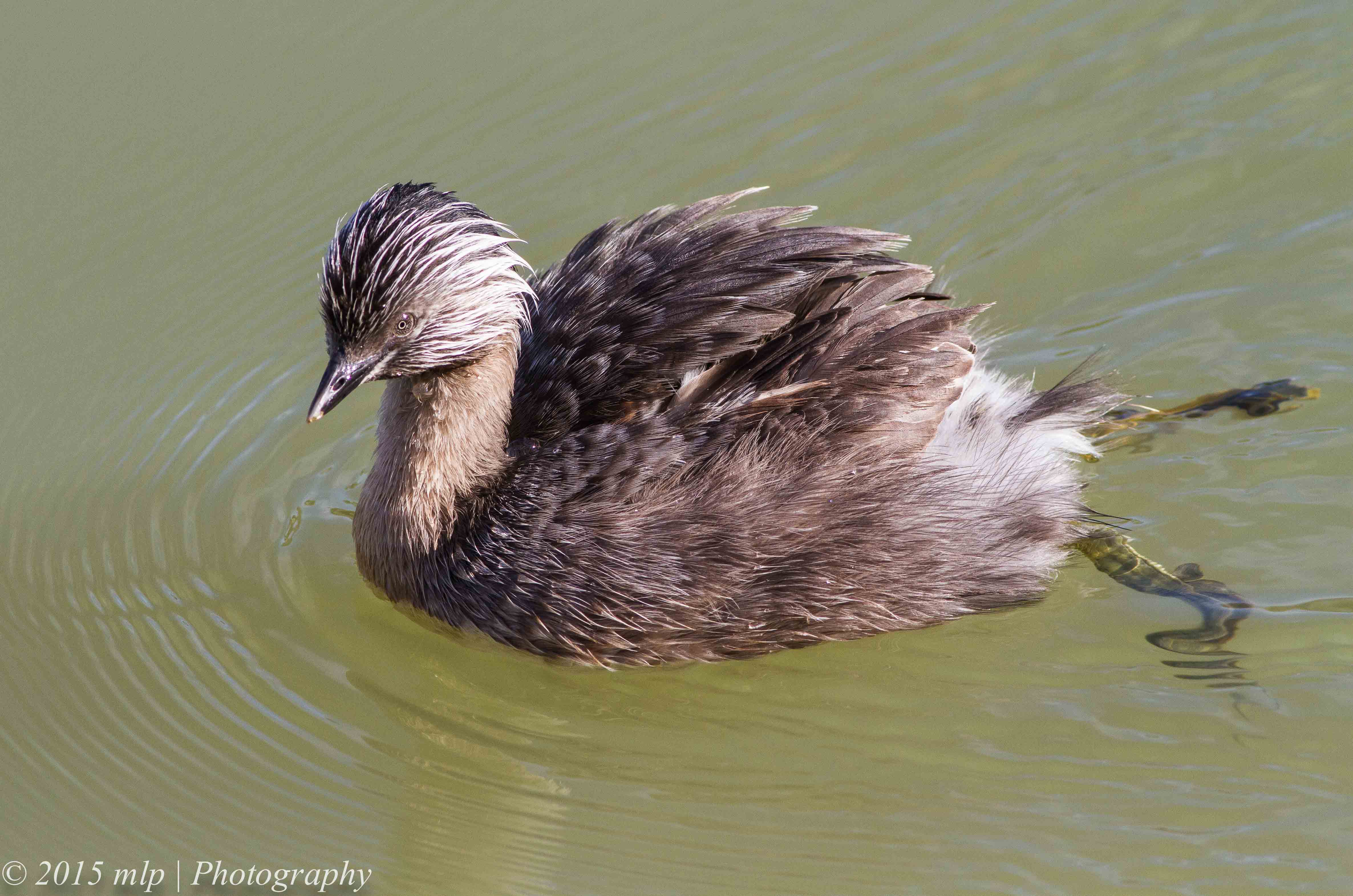
Hoary Headed Grebe

Hoary Headed Grebe with a passenger

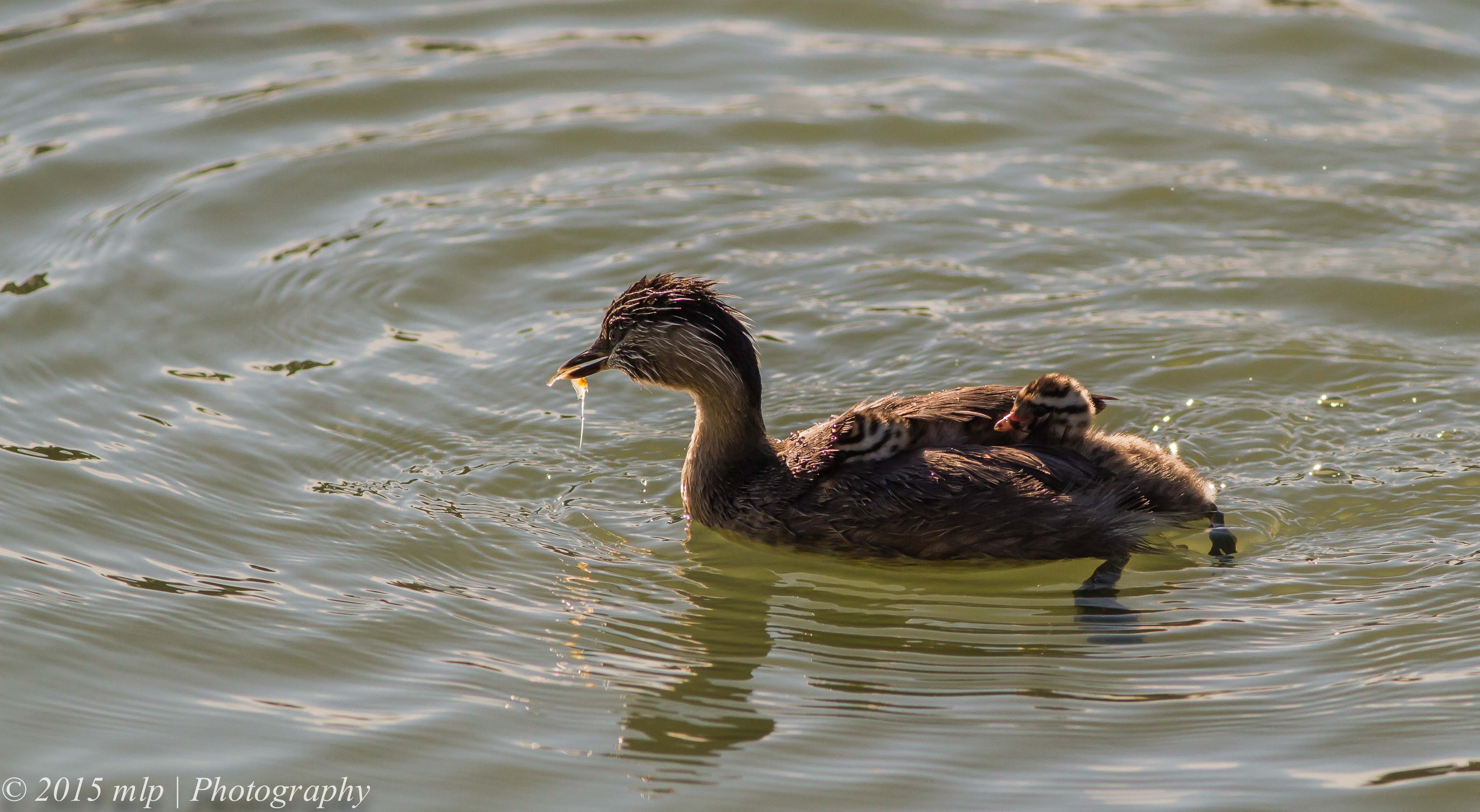
And then we saw the Grebe with two little passengers…

Hoary Headed Grebe and chicks

Hoary Headed Grebe and chicks

Hoary Headed Grebe and chicks

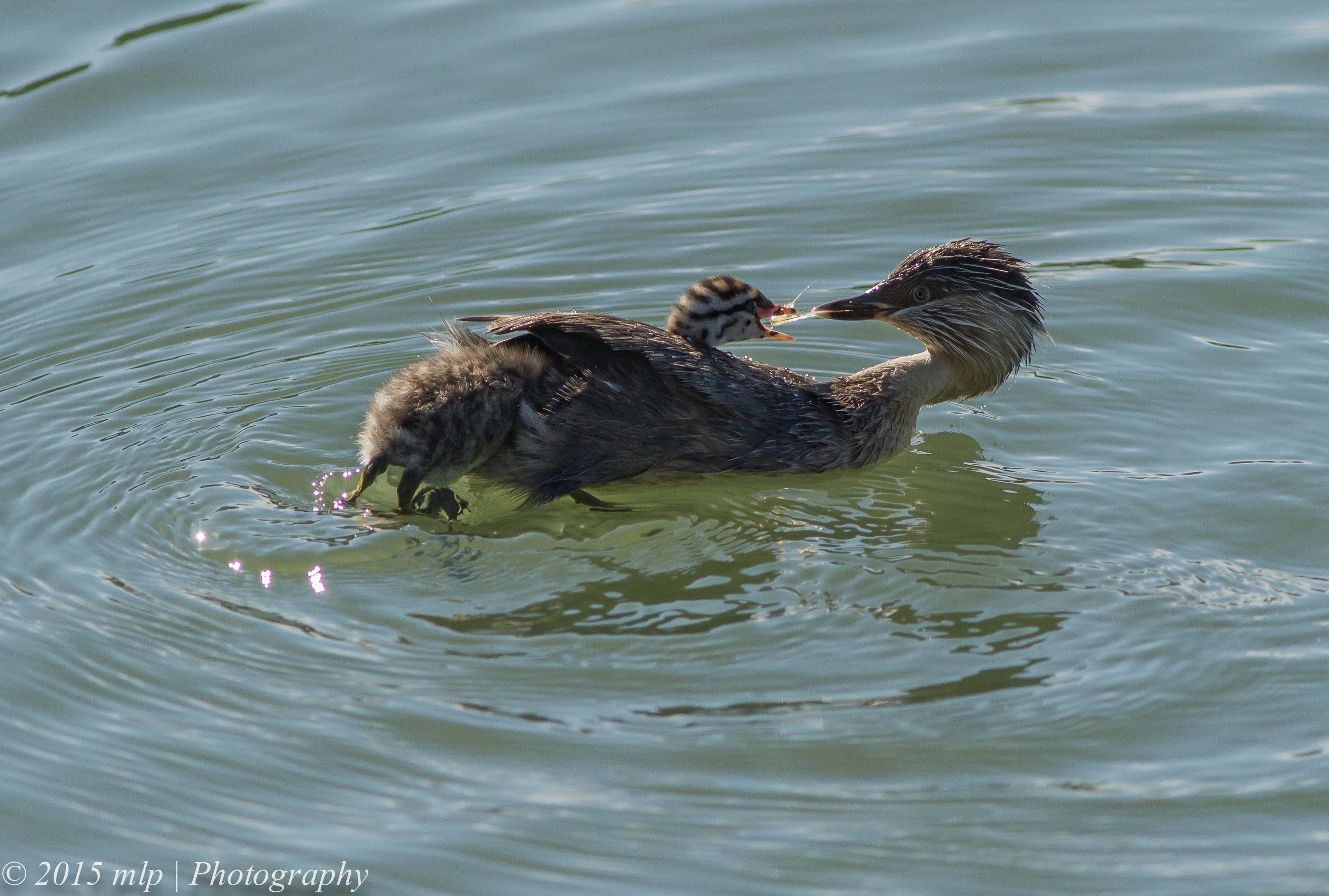
Hoary Headed Grebe and chicks – one at the front being fed a morsel while in the back seat the second chick tries to climb on board.

Hoary Headed Grebe and chicks

Hoary Headed Grebe and chicks – mum leaves the chicks on the surface and dives to the bottom for food

Hoary Headed Grebe and chicks

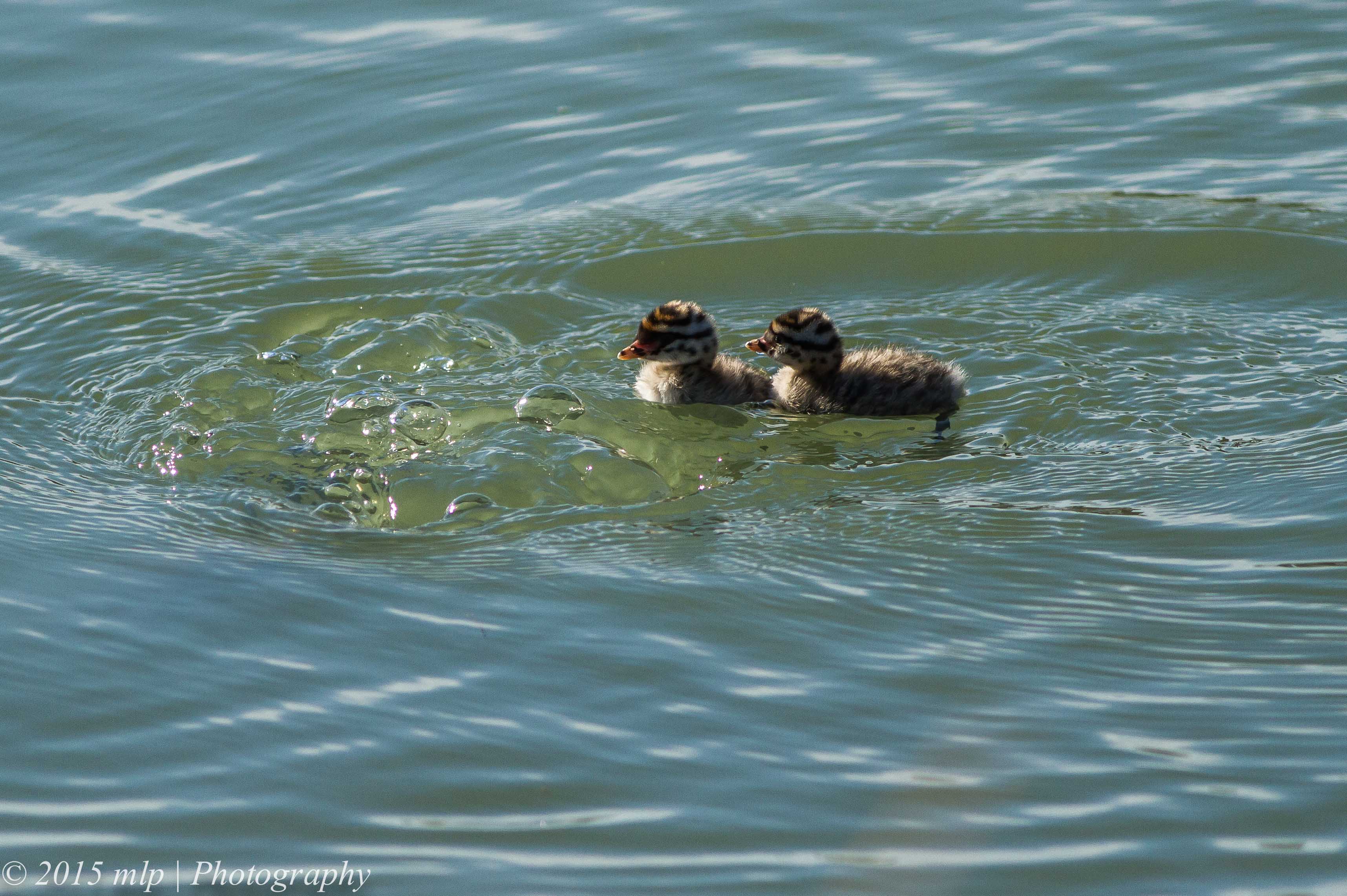
Hoary Headed Grebe chicks

Hoary Headed Grebe and chicks

Two tiny Grebe chicks barely heavy enough to break the water tension,

Hoary Headed Grebe and chicks

Hoary Headed Grebe and chicks – back with dinner.

Autumn along Elster Creek

After viewing the Spotless Crake and the Grebe for an hour or so and seeing what else turned up,  we wandered over to Elster Creek and the golf course to see what was happening in a different patch of the neighbourhood.

Autumn foliage

Autumn foliage along the Creek

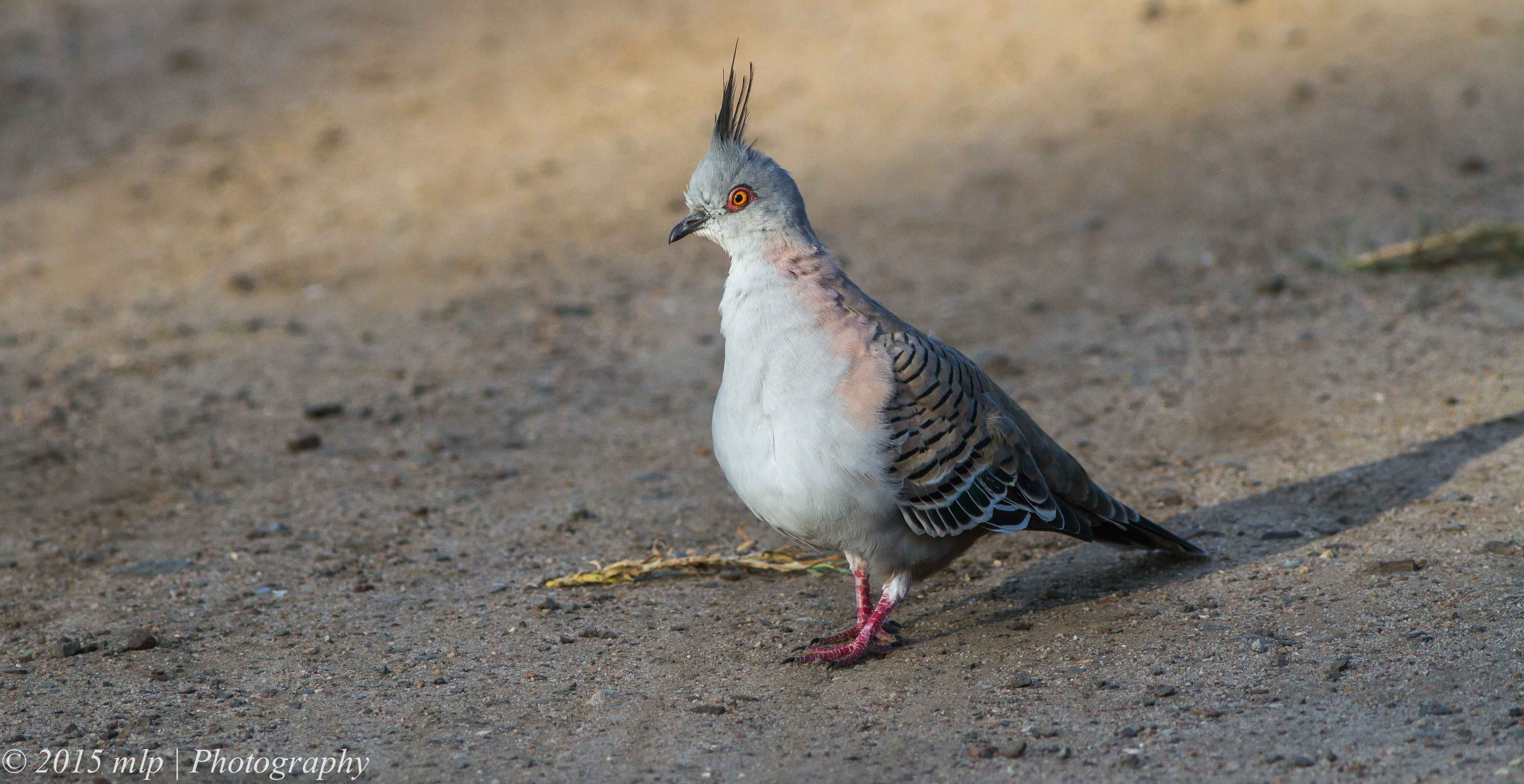
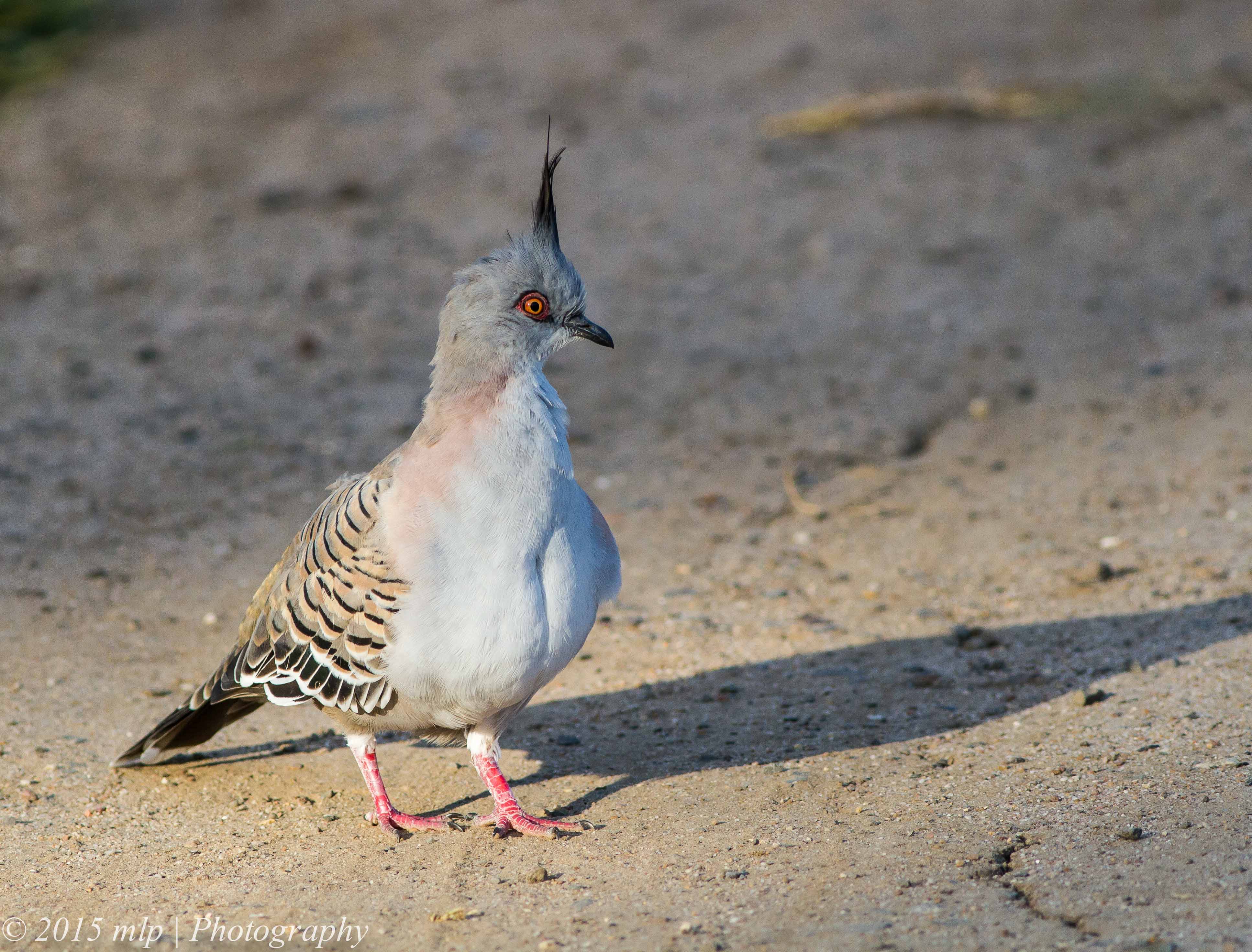
Crested Pigeons are nervous at the best of times but this one decided we were interesting (3 blokes carrying camera gear and pushing a bike) and flew down to within 20 feet or so and came strutting straight towards us. It stopped 10 feet away gave us a good looking over as I unslung my camera gear and then flew off in its usual style (mad panic). I am thinking this bird may need glasses….

Crested Pigeon

Crested Pigeon

Crested Pigeon

Crested Pigeon II

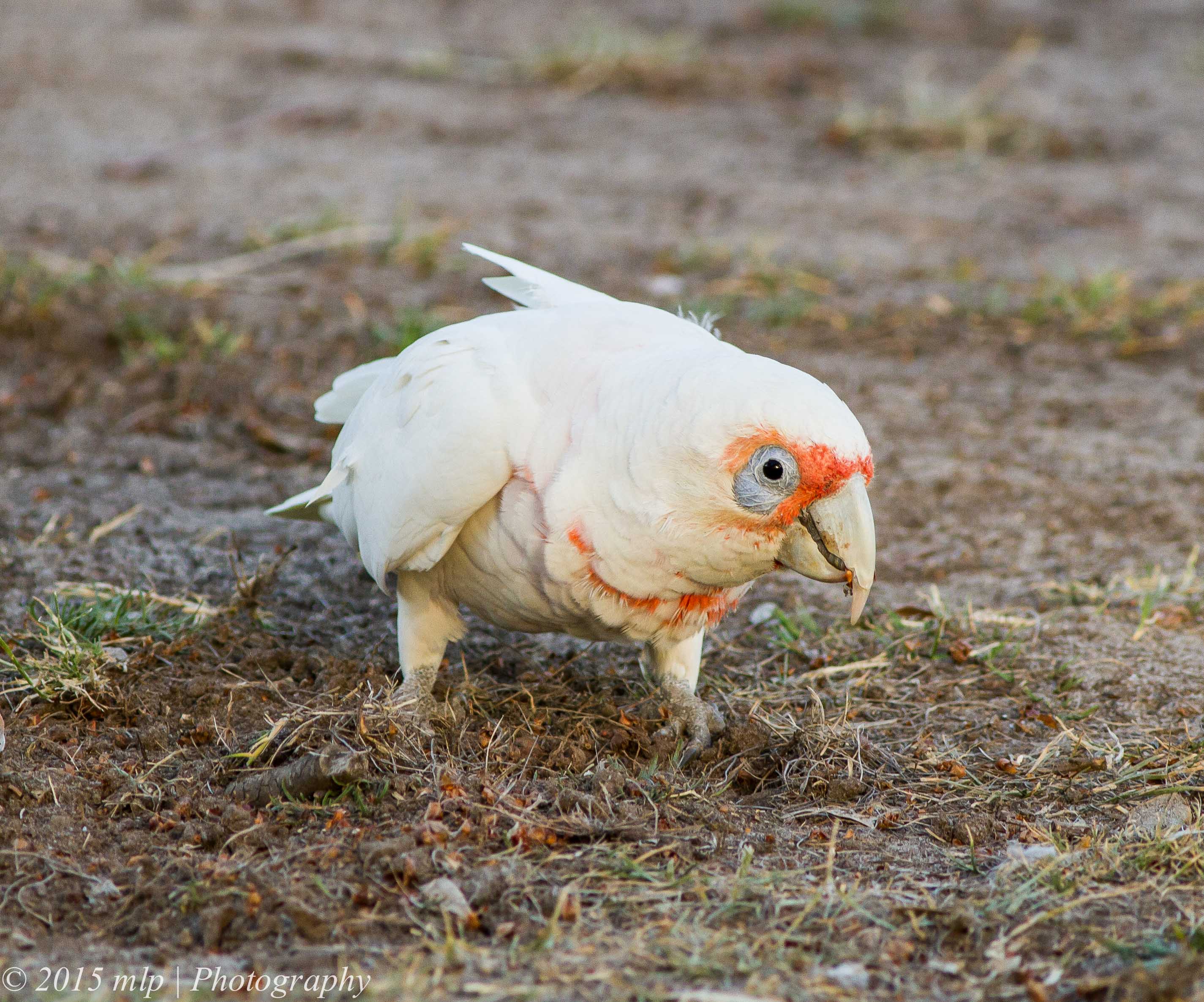
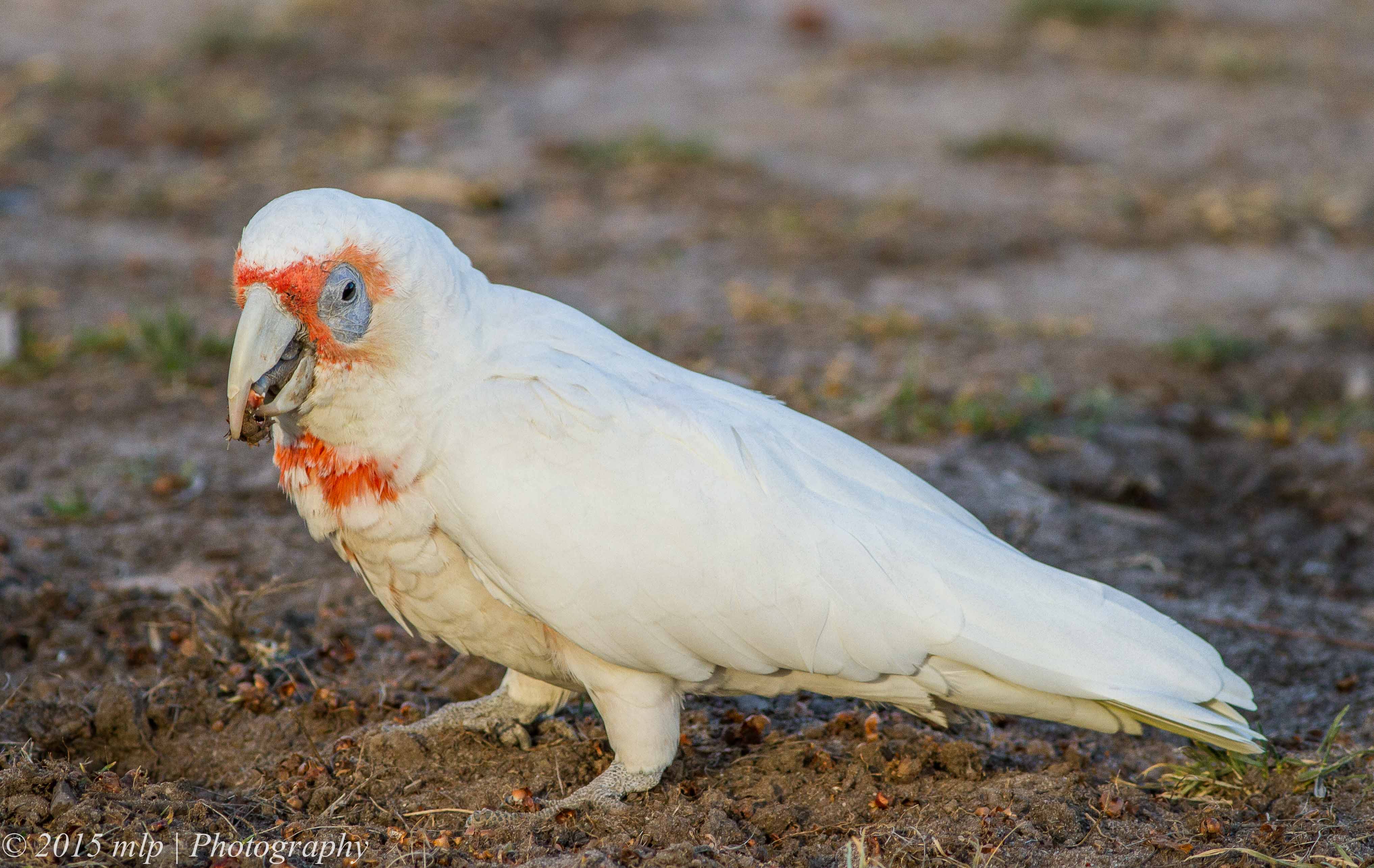
Talking of crazy birds – I spotted several Long Billed Corellas near the lake on one of the golf fairways. They were having a grand old time digging up the fairway looking for onion weed bulbs. Each one excavated a deep hole of several inches and grabbed a mouthful of bulbs and chewed them with obvious pleasure. Even walking up pretty close did not spook them. This was my first sighting of these birds in the area. Their cousins, the Little Corella seem to be more common here especially in the last few years with a flock of 400+ roosting in the local trees over winter.

Long Billed Corella

Long Billed Corella – not the greenskeepers best friend….

Long Billed Corella

Long Billed Corella

Long Billed Corella

Long Billed Corella – enjoying the bounty

It is Autumn but the Grebes think it is Spring.

While we were watching the Spotless Crake, I took a few shots of the Hoary Headed Grebe that had passed by just below the platform we were standing on. Usually Grebes don’t get too close to humans and will automatically dive under water if they feel threatened in anyway. Just looking at them directly can make them disappear. This one stayed nearby and did not dive at all, it just dibbled a bit under the surface. The young eagle-eyes of one of my fellow birders noticed a splash of orange/red on the grebe’s back and said that it might be injured. Meanwhile I just kept shooting…..

Hoary Headed Grebe

Hoary Headed Grebe

Hoary Headed Grebe

Hoary Headed Grebe with a little splash of colour in the centre of its back.


and then out popped a hitch-hiker….

Hoary Headed Grebe

Hoary Headed Grebe with very young chick

Hoary Headed Grebe

Hoary Headed Grebe – the grebe is a small bird and its chick is tiny…

Hoary Headed Grebe

Hoary Headed Grebe – feeding very small bits of weed

Hoary Headed Grebe

Hoary Headed Grebe – get along mummy….

Birds will continue to breed through Spring/Summer/Autumn if there is a stable food source and minimum threats.  The local birders have not seen Grebes breed at the Lake before and it is a good sign.

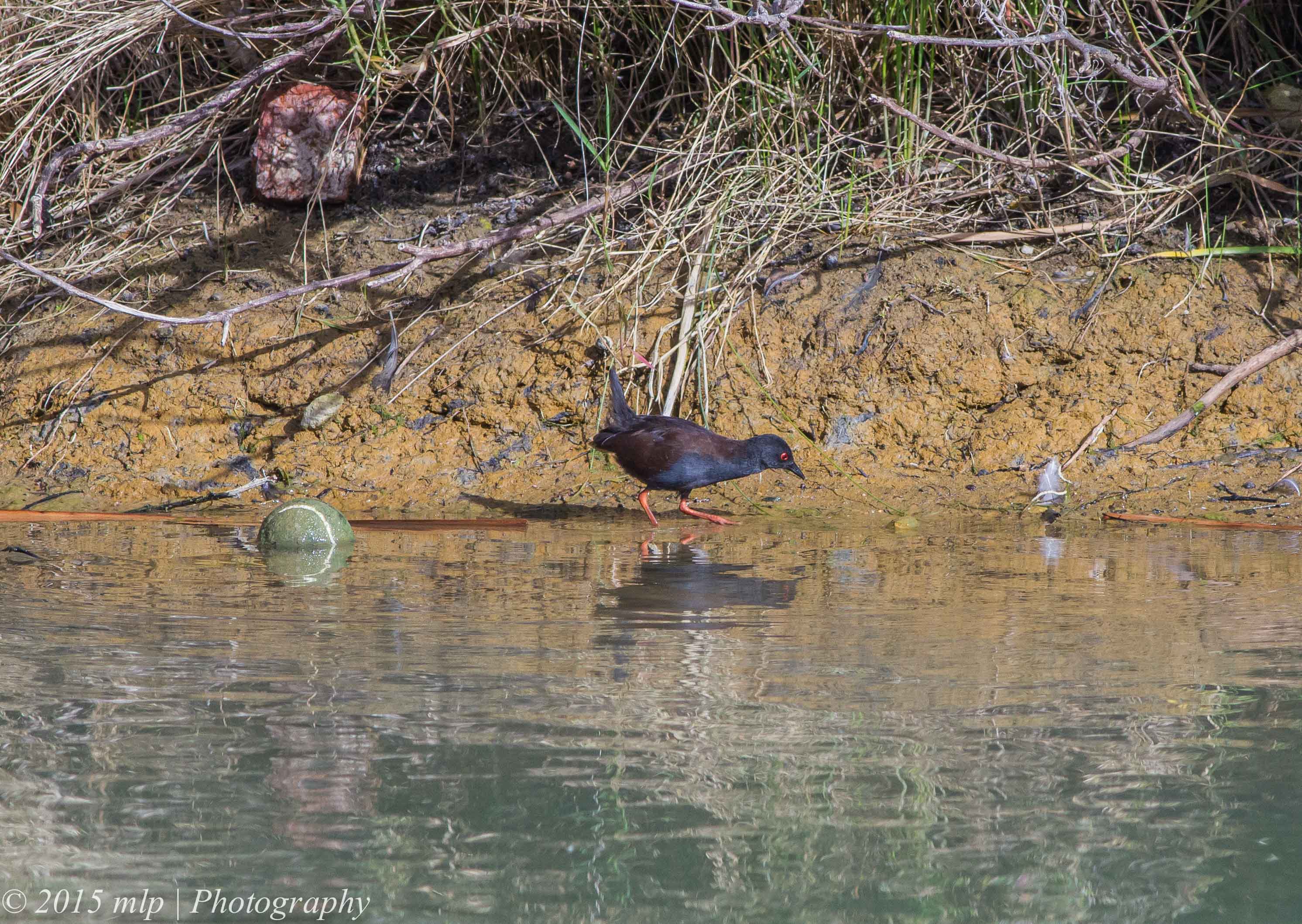
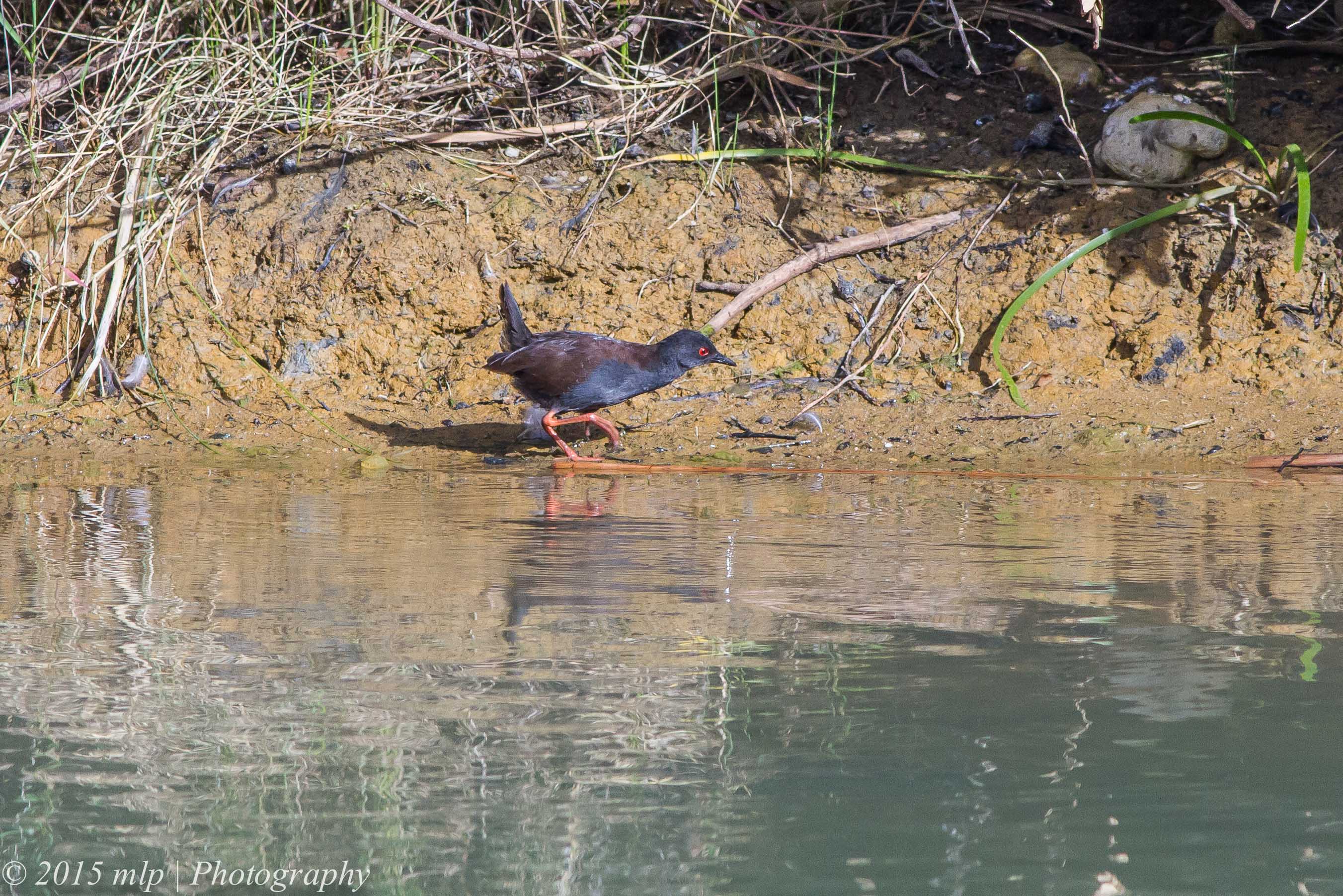
I spotted a Crake, a Spotless Crake

A fairly uncommon bird was seen at the local lake a few weeks ago and when I received the call from the local birder network, I quickly grabbed my gear and headed over to try my luck.

The Spotless Crake is a tiny wader that skulks in the reeds along muddy edges. I have not seen one locally and not many anywhere else. This little bird was quite adventurous and not timid at all. It occasionally bolted back into its little tunnels along the bank but soon came out again.

Spotless Crake

Spotless Crake – passing a tennis ball which gives an idea of its size.

Spotless Crake

Spotless Crake II

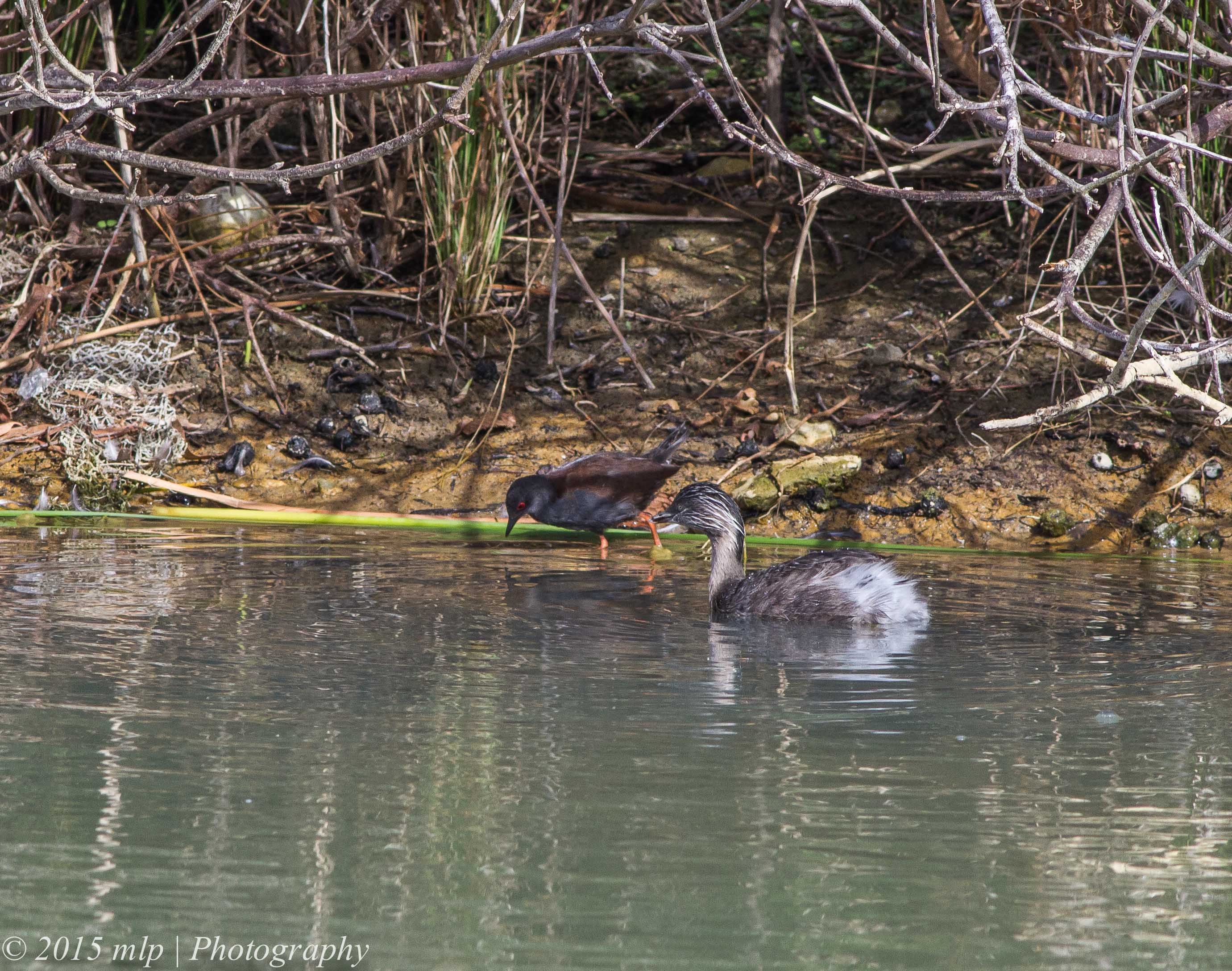
 Several other birds were nearby that did not seem to bother the Crake very much. The only bird that had a go and made the Crake jump a bit was an aggro Willie Wagtail and as soon as it moved on the Grebe popped back out again.

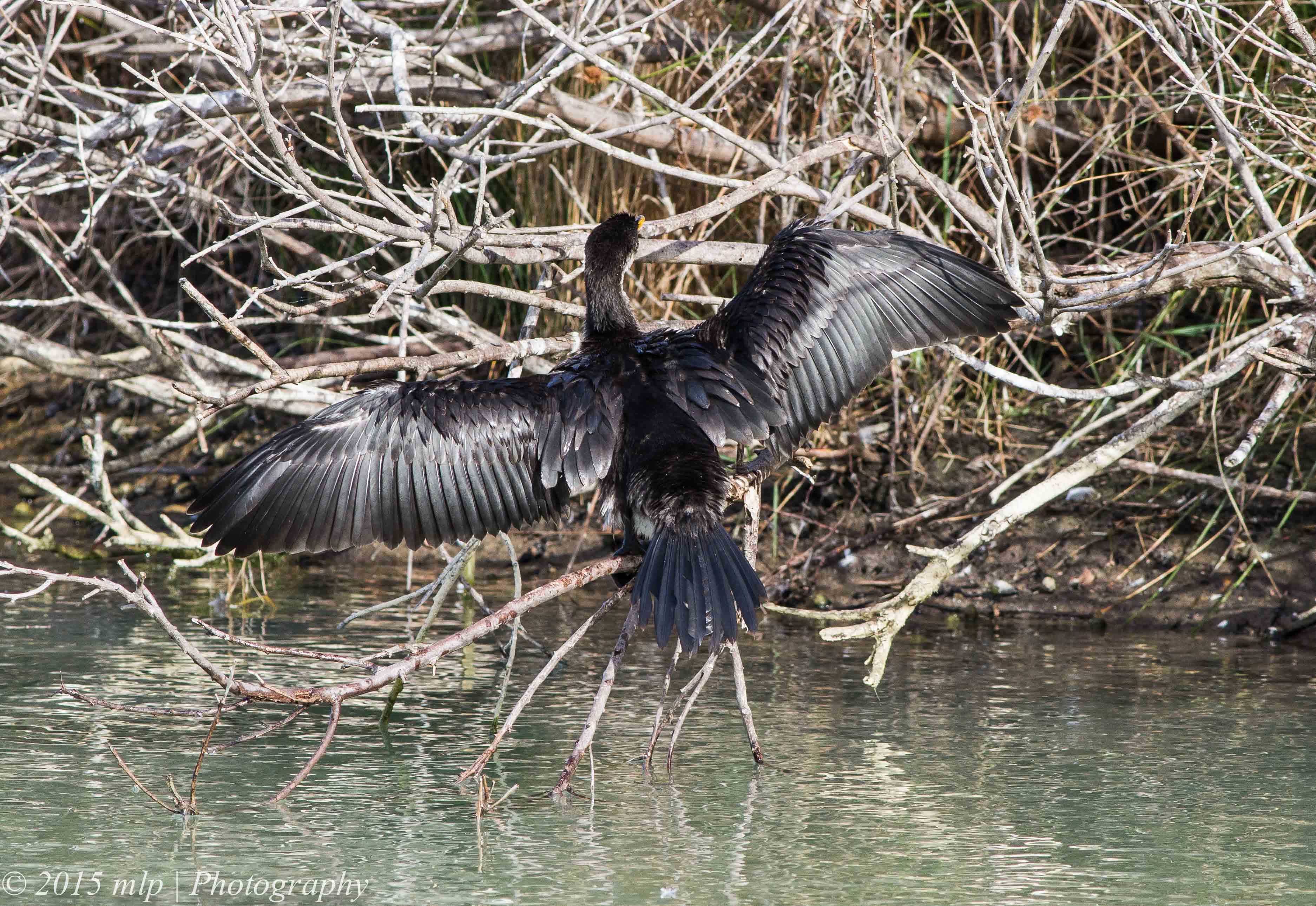
Little Pied Cormorant

Little Pied Cormorant – in the dead tree above the Crake

Little Pied Cormorant

Little Pied Cormorant – near the Crake.

Spotless Crake and Grebe

Spotless Crake and Grebe

Drop Bear and Robin

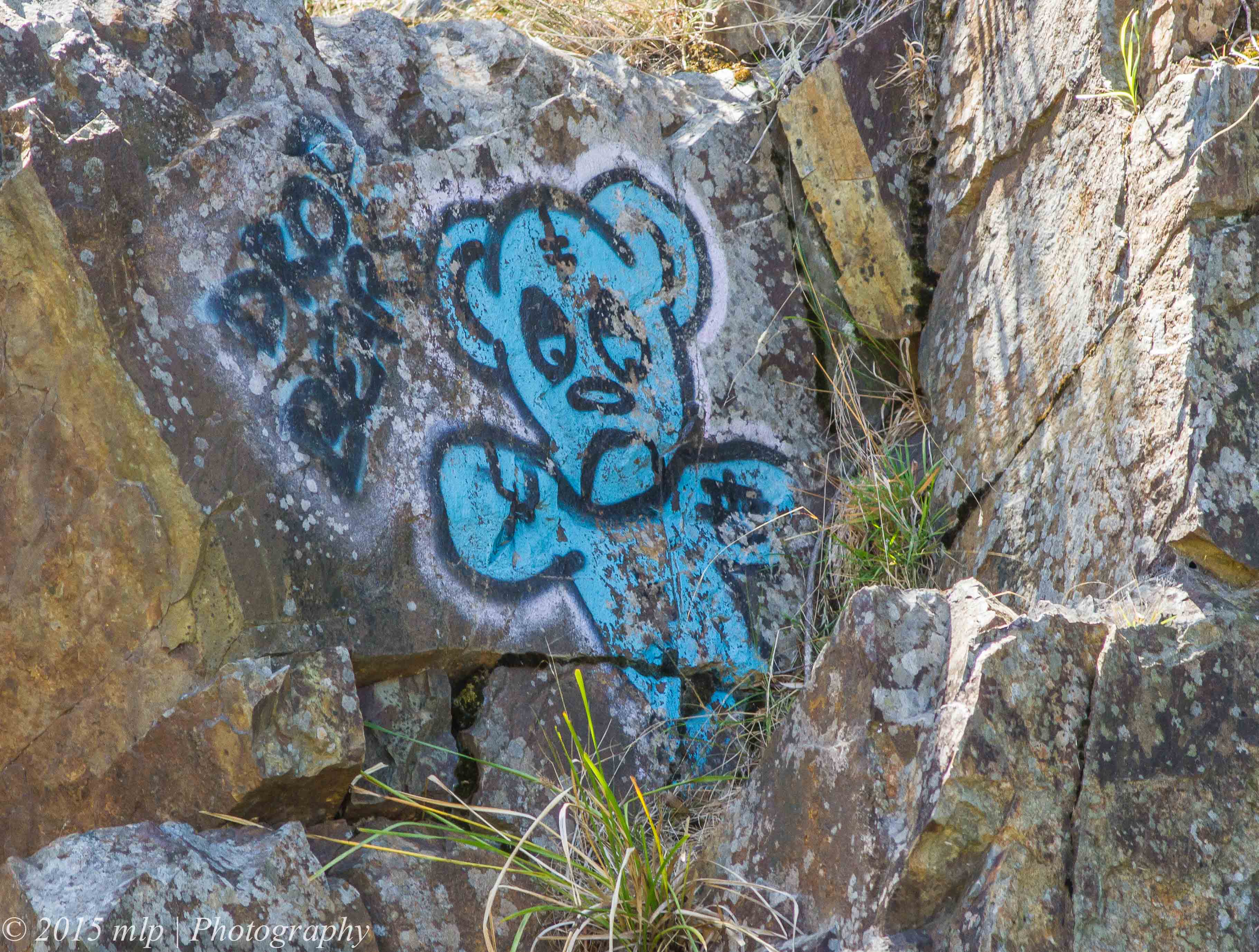
I recently visited the family farm for a few hours of stacking 2 tonne of firewood with Fanior Ann and Henry Martin. After the job was done and the payment of lunch was settled, I had plenty of time to pass by Moorooduc Quarry to see how the Peregrine Falcons were getting on. I only heard and glimpsed one of the resident falcons but I did have good views of a Wedgetail Eagle drifting over on the afternoon air currents – too far above for any good shots. I found a few of my regular sidekicks as well as an ancient(ish) rock drawing of the legendary and deadly Drop Bear….

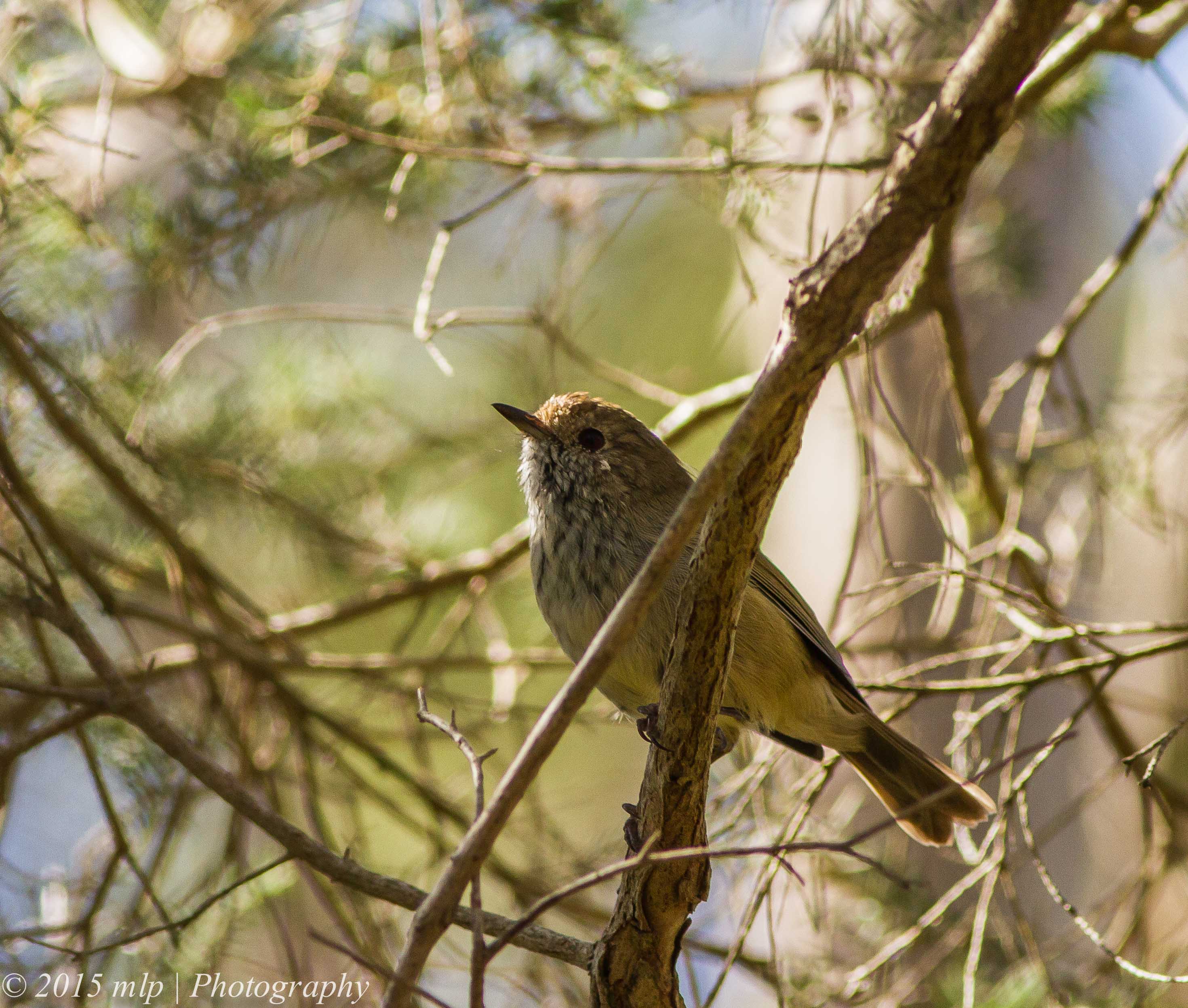
Brown Thornbill

Brown Thornbill

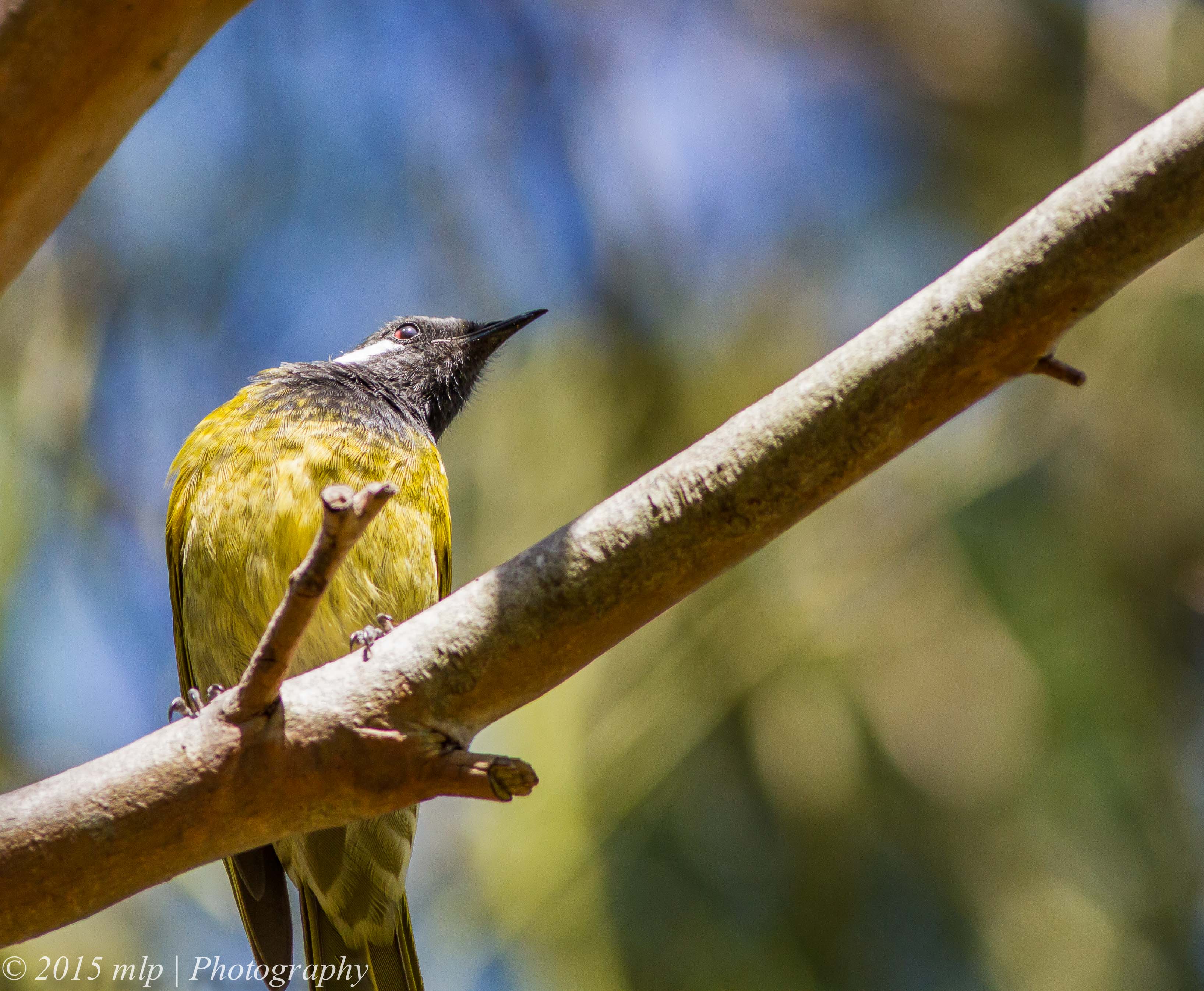
White Eared Honeyeater

White Eared Honeyeater

White Eared Honeyeater

White Eared Honeyeater II

Drop Bear

Drop Bear – on the other side of the quarry I noticed an old warning etched into the rocks – everyone has a different opinion on what a drop bear looks like – this is as good as any I have seen.

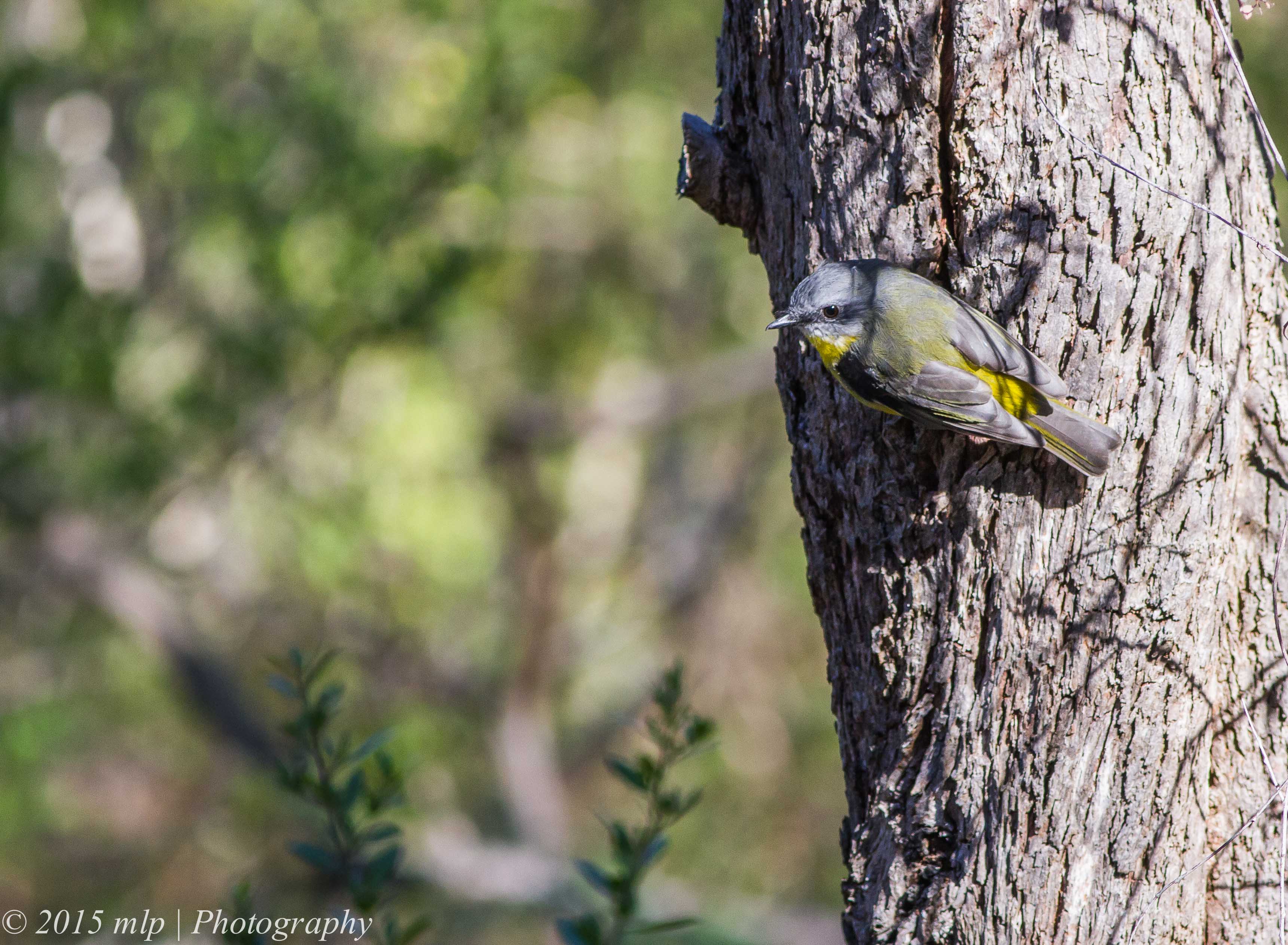
Eastern Yellow Robin

Eastern Yellow Robin

Eastern Yellow Robin

Eastern Yellow Robin in a typical hunting pose – about to launch down onto the ground after a meal…

Braeside Park in March

After our walk into the Woodlands Park wetlands we crossed over into the Braeside Parkland and had look around the usual spots. It was pretty quiet overall and the water has dropped considerably with many birds moving on until the lakes start to fill up again. I did mange to get a few interesting shots.

Great Egret

Great Egret on a dead tree roost in the middle of the evapourating lake.

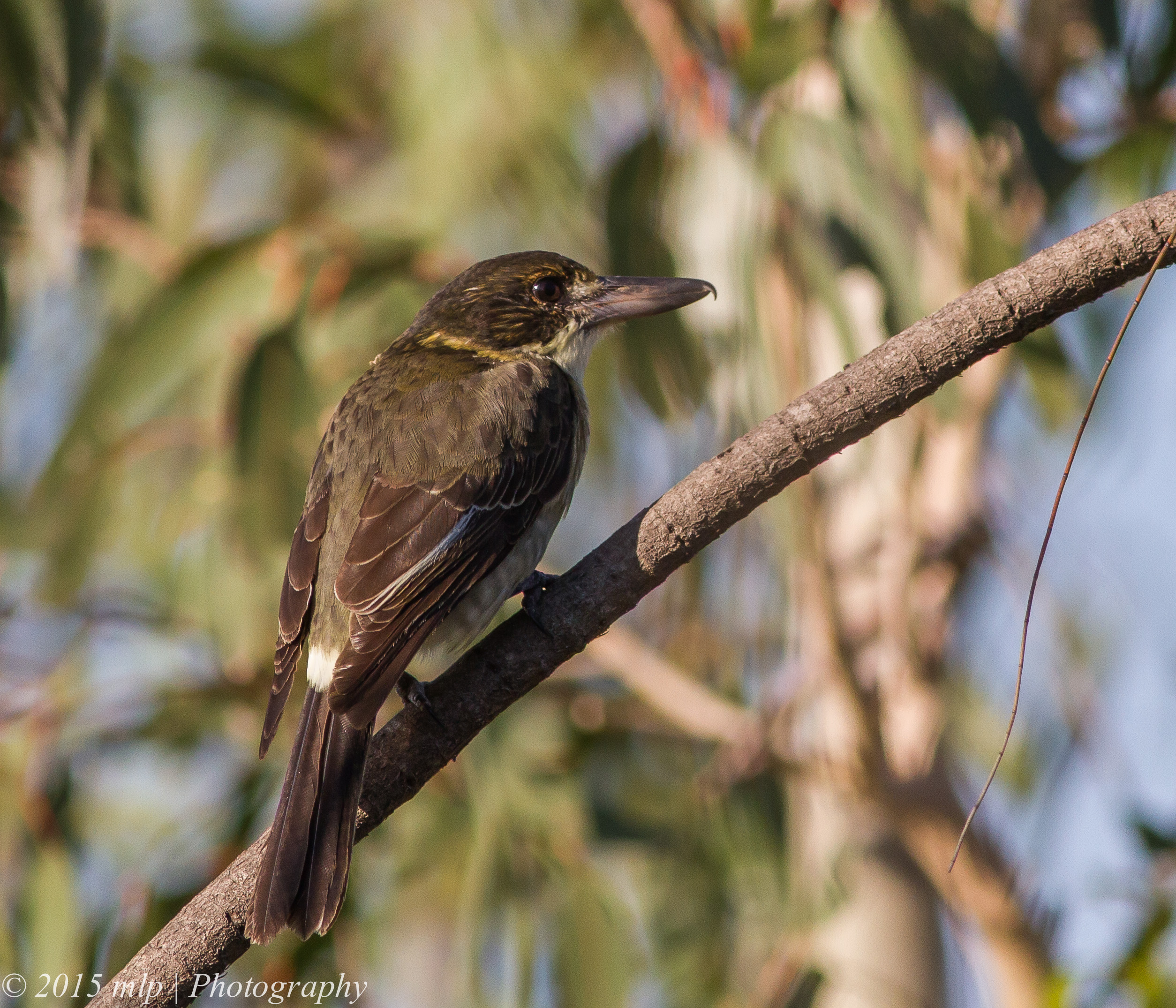
Juvenile Butcherbird

Juvenile Grey Butcherbird

Superb Fairy Wren

Superb Fairy Wren -shot taken from the inside of the Bird Hide through glass. The Wren’s frenetic hunting in the grass and the window glass made for a strange effect.

Straw necked Ibis

Straw necked Ibis – straw neck feathers on show and as well as the vibrant colours the wings.

Straw necked Ibis

Straw necked Ibis II

Woodlands Industrial Park – calls of childhood

After the early morning encounter with my little White-plumed Honeyeater friend and watching his gang take on a rival New Holland Honeyeater tribe we continued our walk into the wetlands and bordering scrub looking for more birds.

We found a Black Faced Cuckoo-shrike moving along the tree line above us being pestered by Magpie-larks.

Black Faced Cuckoo-shrike

Black Faced Cuckoo-shrike

One of the great sounds of bushland on the Melbourne fringe (and in my area of inner Melbourne) is the call of the Butcherbird. Along with the Currawong and Magpie, the butcherbird it is part of the soundscape of the outer Melbourne. For many childhood years I lived on the fringe of suburbia in different parts of Australia. I still regularly visit my folks who still live on the fringe. The sounds below were always there in the background.

Currawong call from Birds in Backyards site (press the audio button down the right hand side of the site)

Grey Butcherbird call

Australian Magpie call

The Butcherbird is an adept hunter of small birds, lizards and insects and gets its name from its habit of hanging up its prey in the branches. It has also been known to use wire mesh fences to store excess food. I have found them nesting in a tree on my property and watch them attempt to take a Welcome Swallow in flight at the Elsternwick Park Lake.

Juvenile Grey Butcherbird

Juvenile Grey Butcherbird – my first decent shot, the matures bird are much more nervous of humans but the juveniles do not yet have the same fears.

Juvenile Grey Butcherbird

Juvenile Grey Butcherbird II – wicked little hook visible on the tip of the bill.

Purple Swamphen

Purple Swamphen – interesting bird to photograph due to its size and vibrant colours.

Purple Swamphen

Purple Swamphen II

The culprit that started the obsession

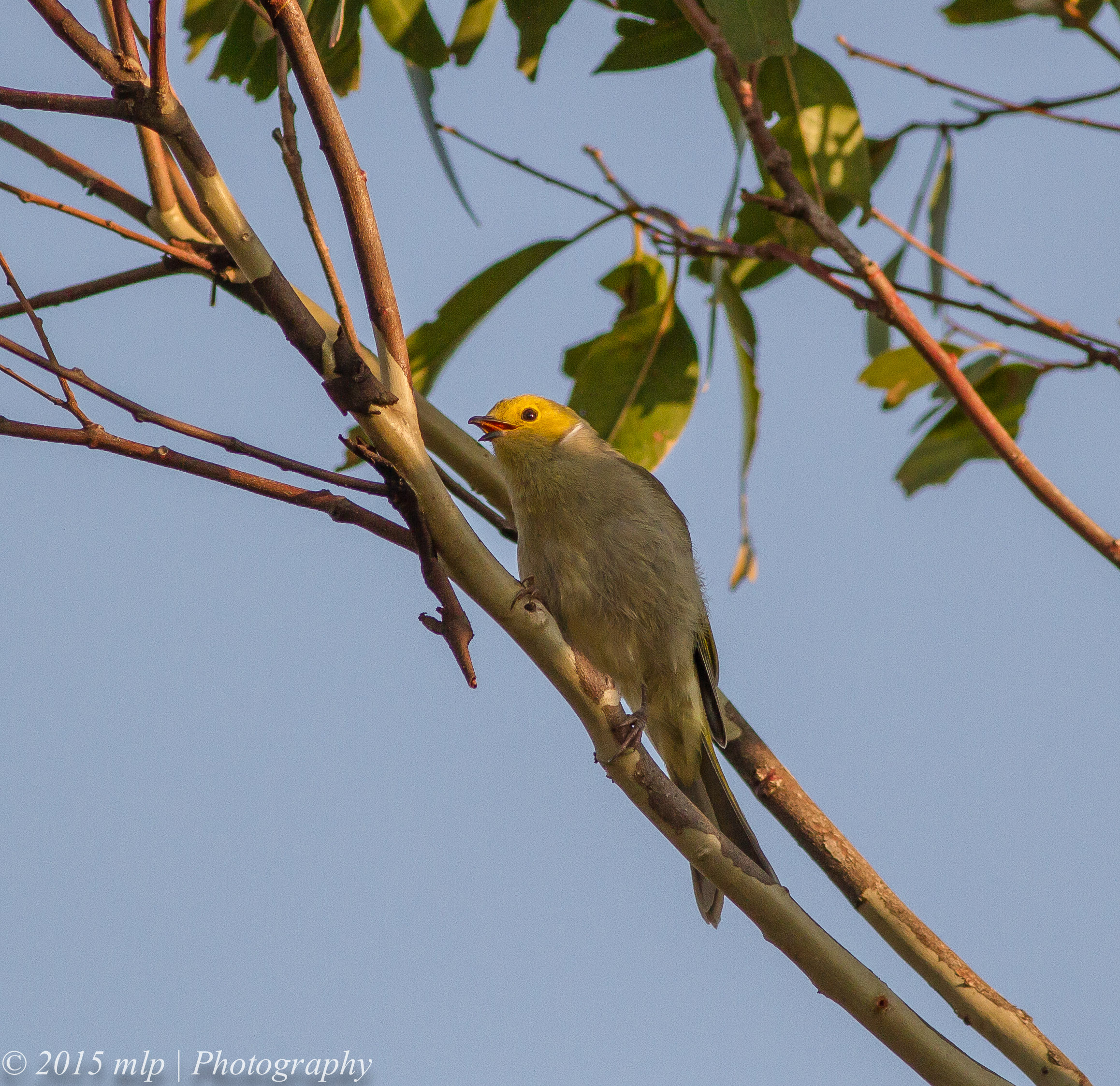
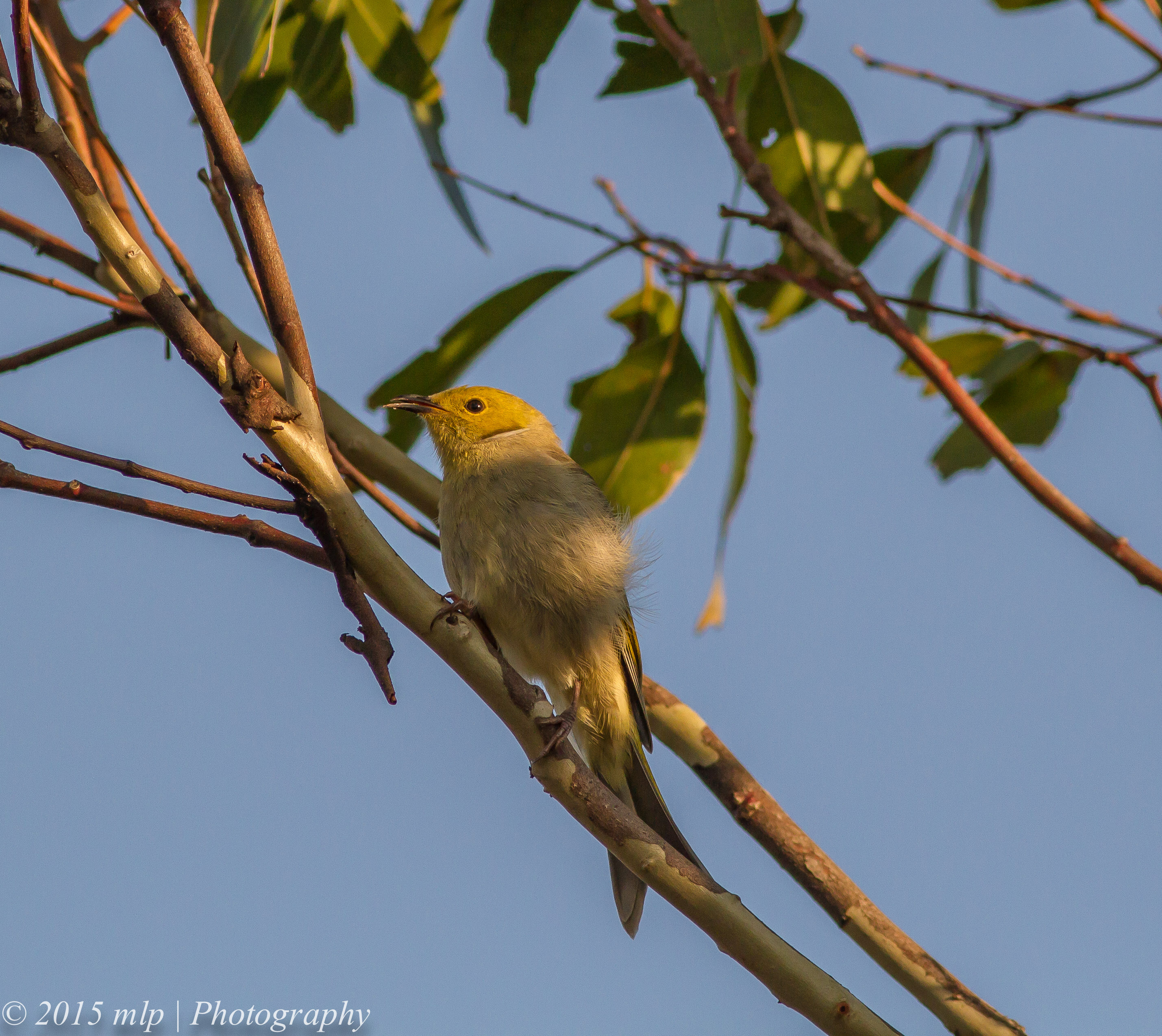
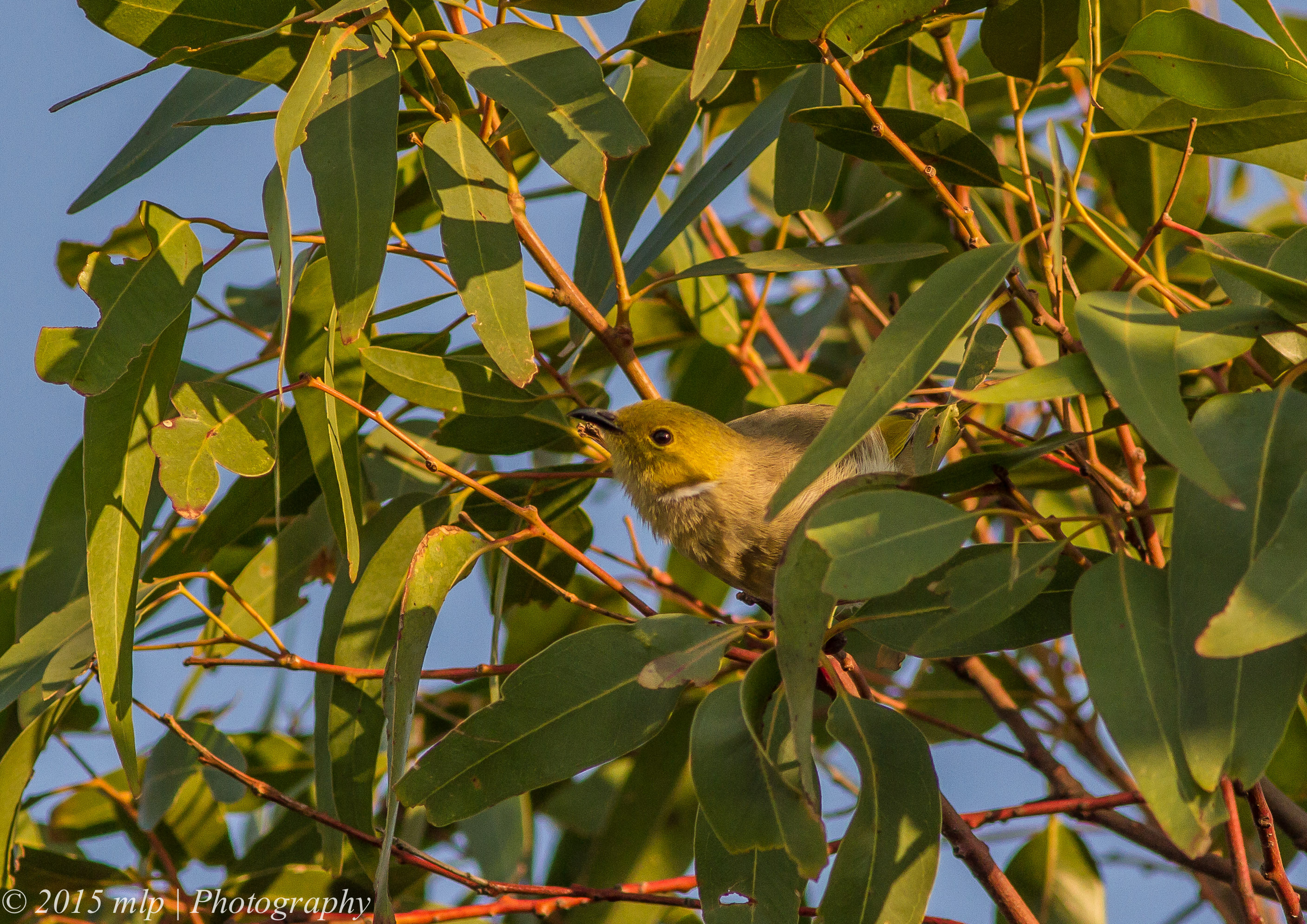
Several years ago I was watching a few birds roosting on the island in the middle of Elsternwick Lake and was trying to name the ones I recognized – cormorant, seagull, pigeon, magpie, swallow etc…I had never really thought about the others that were around that I couldn’t name. I saw a tiny olive coloured bird above me fighting with a Noisy Miner. I had no idea what it was and having my camera in my hand I took a few bad shots so I could look for it in an old bird book I had in my library. From that bit  of research started a new hobby/skill/adventure/obsession – birding.

My tough little friend fighting off the Miner was a White Plumed Honeyeater – a pugnacious honeyeater that will defend its food supply and territory. I have often seen them at Woodlands Industrial Estate fighting with an opposing and equally aggressive tribe of New Holland Honeyeaters.

The Woodlands Industrial Estate includes an area of native scrub and wetlands that is not controlled by the Parks Department and people seem to use the edges as a dumping ground and to walk their dogs off leash. It is right next to Braeside Park and I often walk between the sites looking for certain species. I went there a few weeks ago with my birding buddy John and found my epiphany bird in the early morning light feeding on insects and Lerp.

White Plumed Honeyeater

White Plumed Honeyeater

White Plumed Honeyeater

II

White Plumed Honeyeater

III

White Plumed Honeyeater

looking for insects and lerp in amongst the gum leaves

White Plumed Honeyeater

One of my favourite little birds

Watchful Mums and juicy moths

While I was trying to figure out what was happening with the Red-Capped Robins and their strange rituals I did notice that they would break off now and again and start to hunt for insects on the ground. The male would hunt and eat his prize while the female would fly off and into a dense bit of prickly scrub. I slowly followed her over to the scrub and stood next to a tree trying to blend in and look to see if she was returning to a nest. I found a little juvenile Red Capped Robin in the scrub. I watched the chick for a while and soon picked up that he knew when mum was coming back before I did. I kept the camera on the chick and waited for the usual reactions.

Female Red Capped Robin

Female Red Capped Robin hunting for insects in the leaves

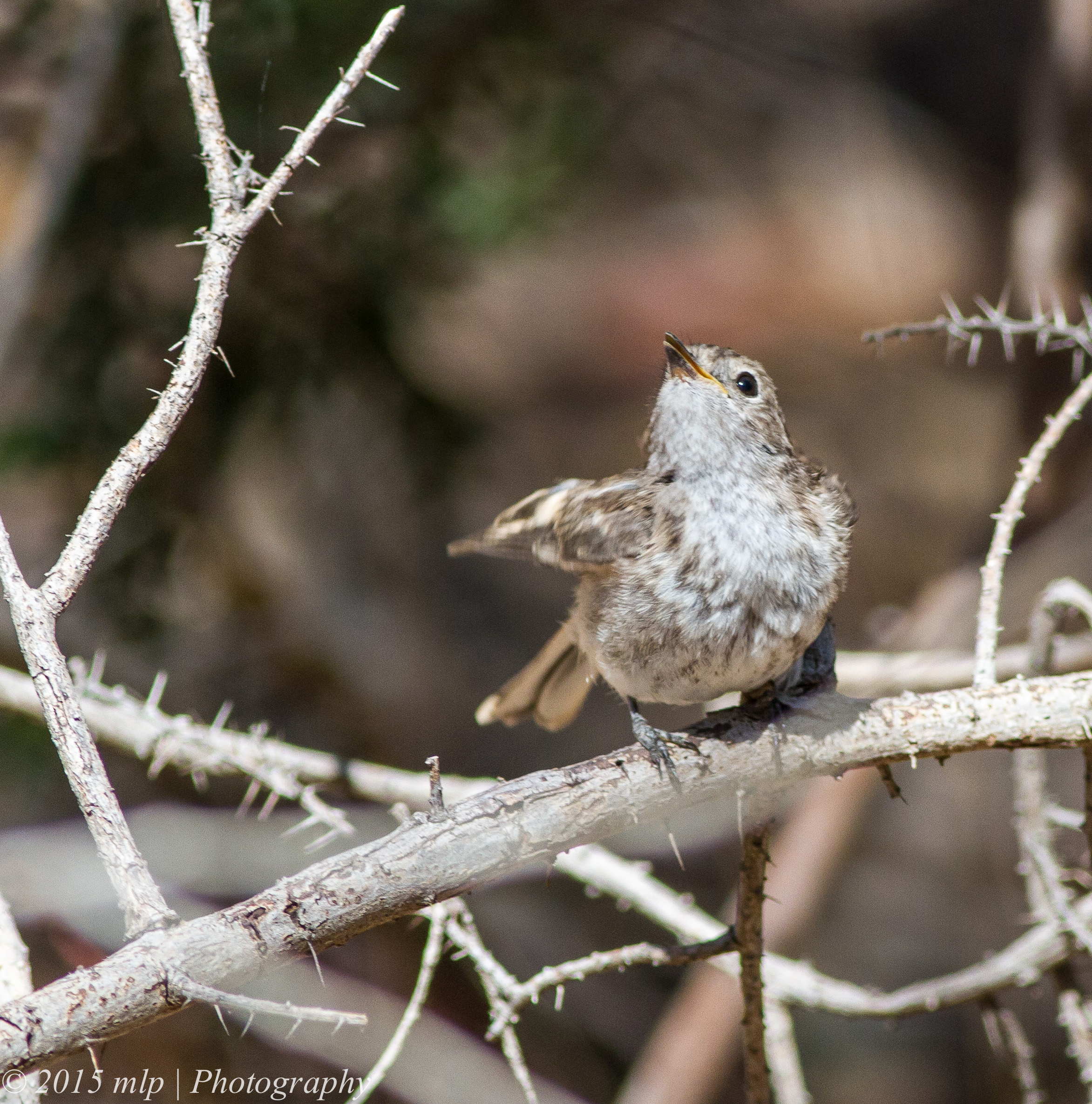
Juvenile Red Capped Robin

Juvenile Red Capped Robin – a bit of preening before the next snack, and displaying his camouflaged feather patterns – perfect for hiding in dry scrub. 

Juvenile Red Capped Robin

Keeping an eye out for mum…..

Juvenile Red Capped Robin

Here she comes…..

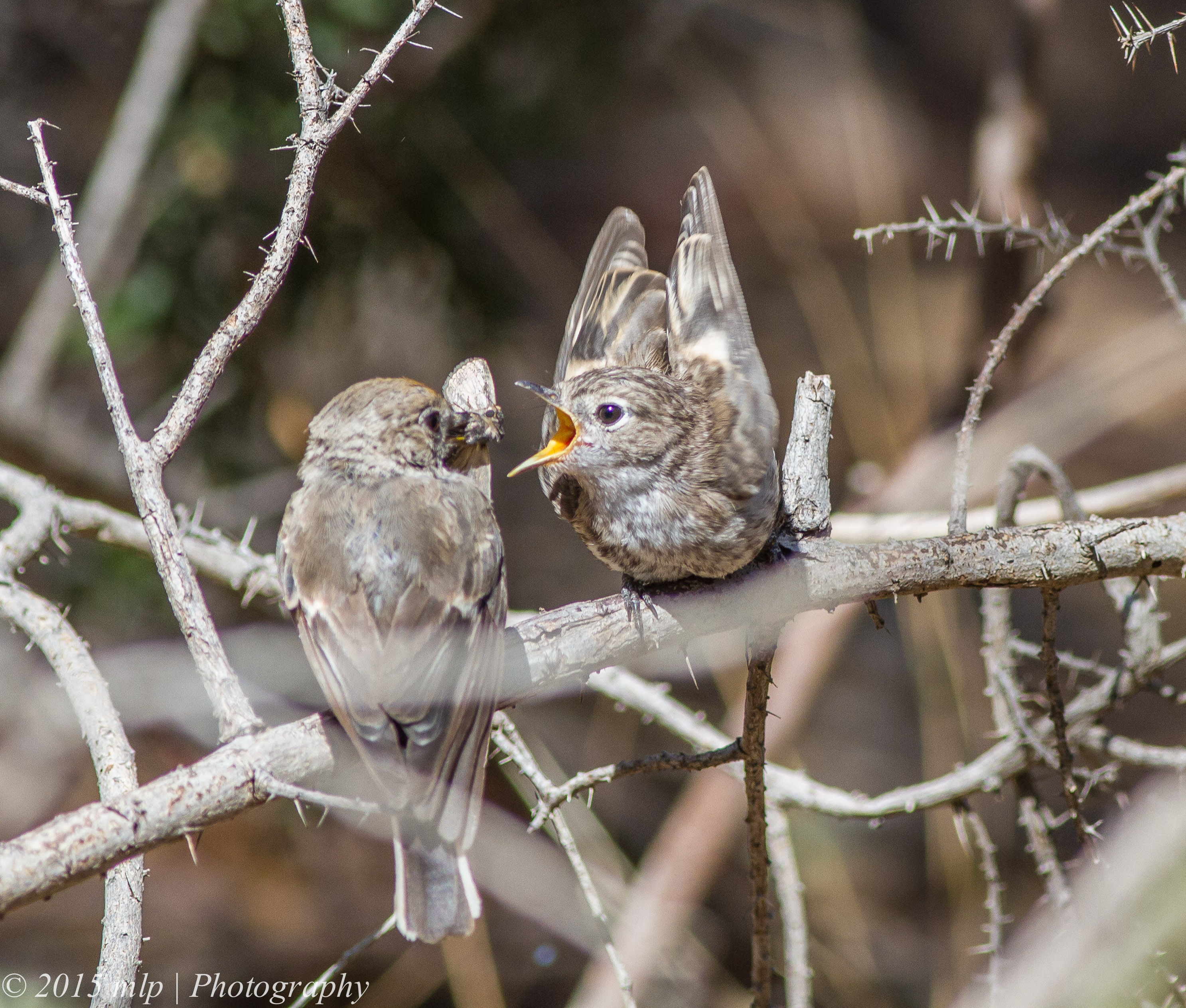
Juvenile Red Capped Robin

Begging stance activated…..I have seen many chicks of different species  assume this position to encourage an adult to feed it.

Juvenile Red Capped Robin

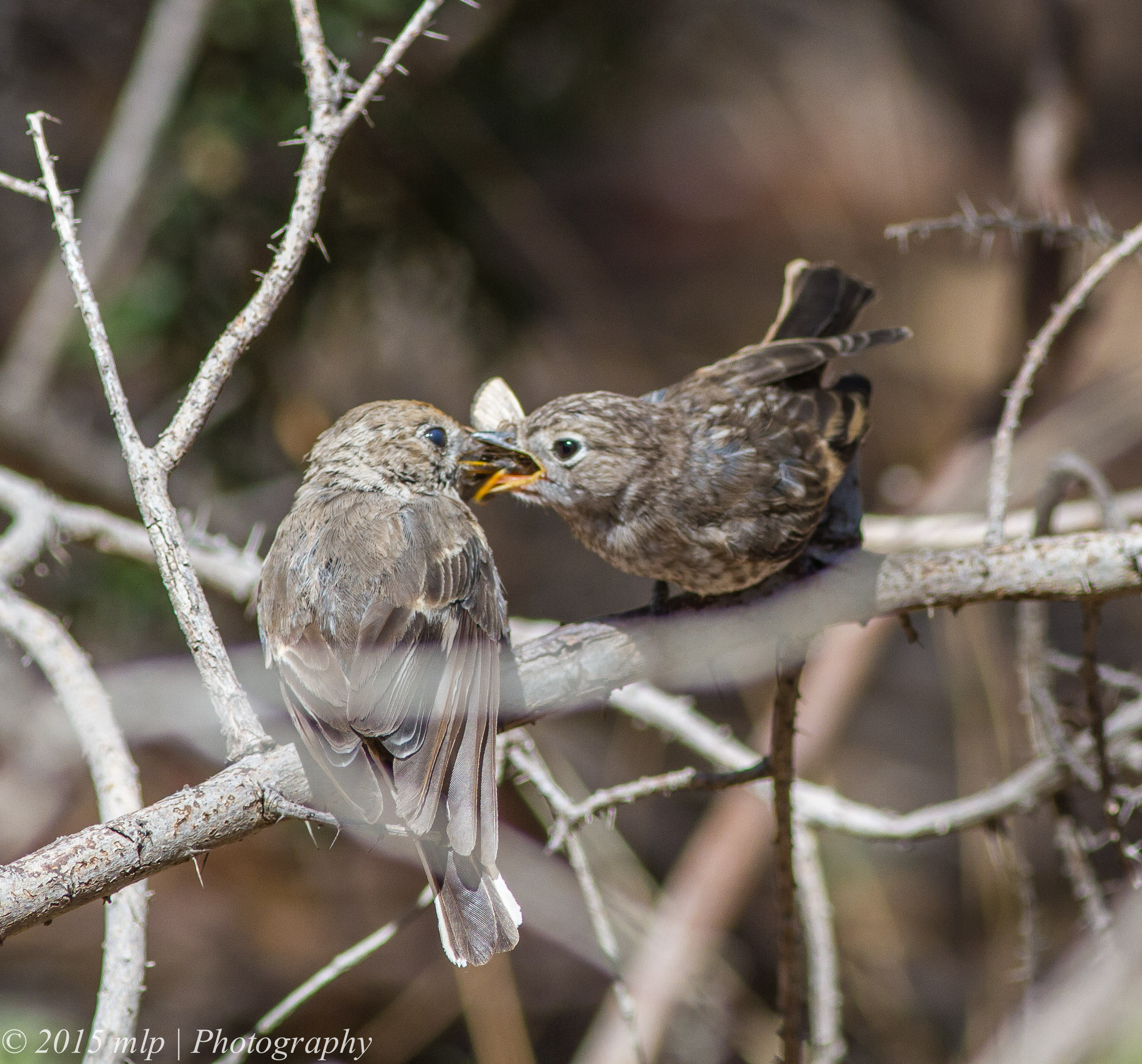
A juicy moth…..

Juvenile Red Capped Robin

Hmmmm….delicious…..

Juvenile Red Capped Robin

Now for a little nap between feeds…

I realised that the chick was not looking for visual clues that mum was nearby and must have been hearing a signal that she was on her way or nearby. I did not hear anything loud enough for me to detect from about 5 meters away. And by the angle of the chicks eyes when it knew mum was there, the mother was right above me in a tree.

After a few feeds from the female robin (no sign of or visits from the male – and maybe that was what the earlier stand-offs were about between the two adults), the female did not return for some time. I kept looking around for her and keeping an eye on the sleeping chick – who only opened his eyes when my camera shutter went off.

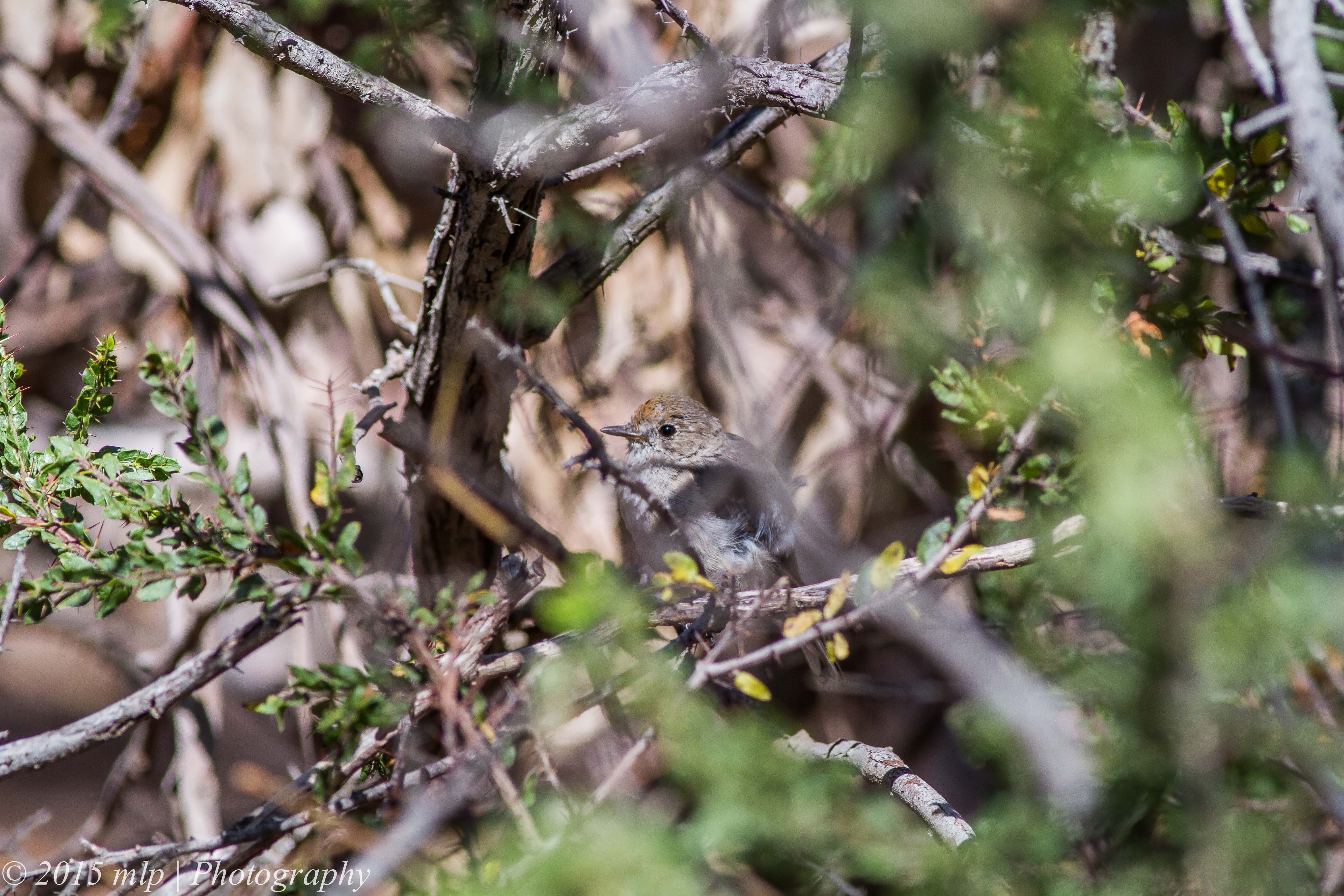
A few feet from the chick I finally saw her watching me and the chick. I think she wanted to be sure that I wasn’t a threat before went she off to hunt again. I thought it was time to leave them alone.

Female Red Capped Robin

Female Red Capped Robin – watching me and her chick through the prickle bush.