Tag Archives: Australian Birds

Bell Ringers of the Royal Gardens

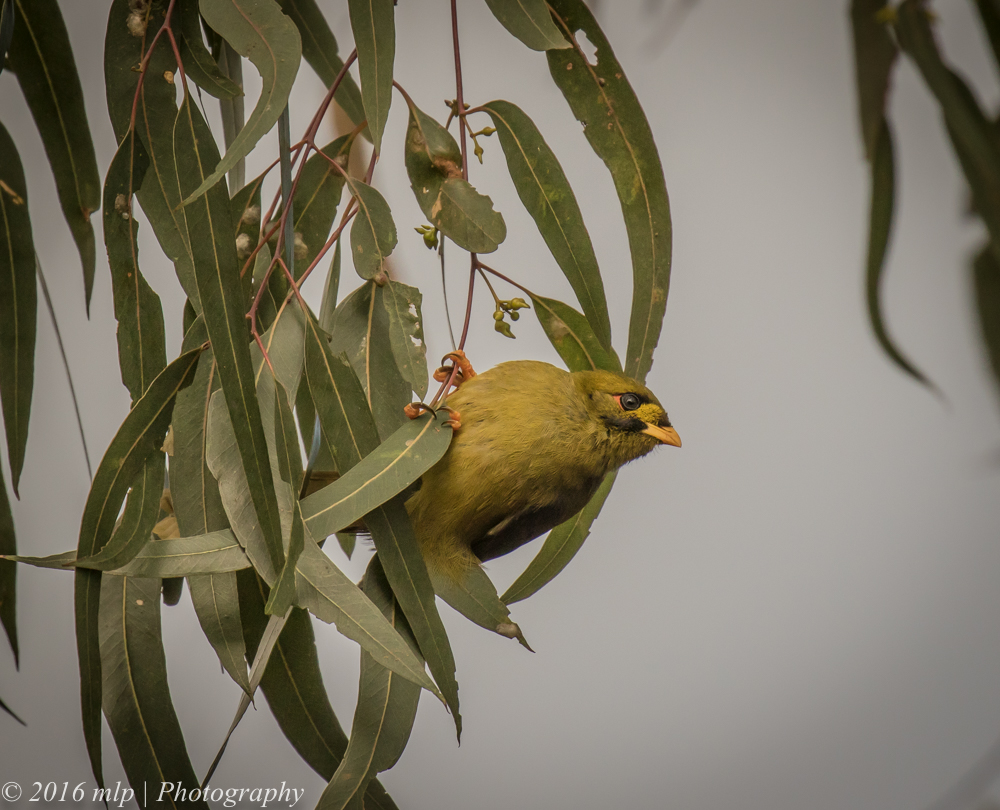
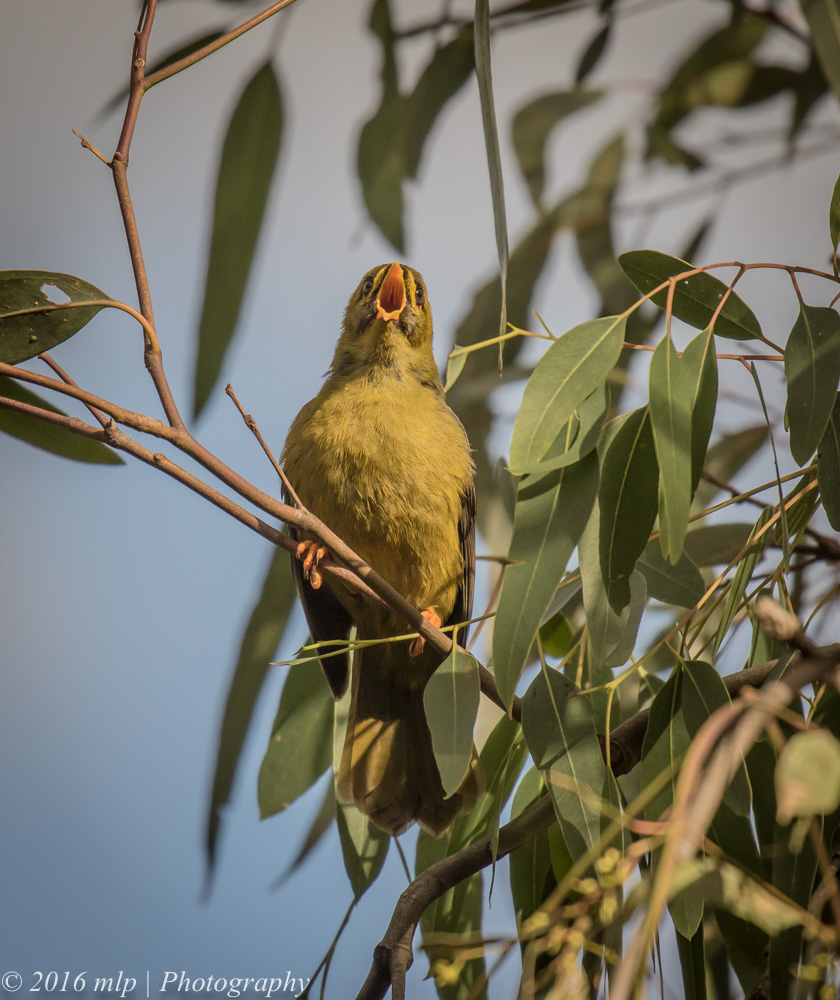
On the weekend a mate and I headed to the Royal Botanic Gardens of Melbourne. A Powerful Owl had been reported and we were keen to find it. While we wandered about we also walked through the Bell Miner Colony. The Bell Miner also called a Bellbird is a small honeyeater that lives in large social groups. They are very aggressive to other birds and will defend their food source which is “bell lerp”, a sugary secretion of a small insect that feeds on gum leaves. The bird has a very distinctive call, a bell chime or ping. The ping is a territorial call and extremely loud when ones chimes next to your ear. The red marking of the eye indicates a mature adult. The gardens are one of the few locations that the species can be easily seen. They are small, olive green and usually stay high in the trees. The birds at Botanic Gardens seem to be used to people and come down quite low and with a bit of time can be photographed (and recorded).

Play to hear the colony sound from the Gardens.
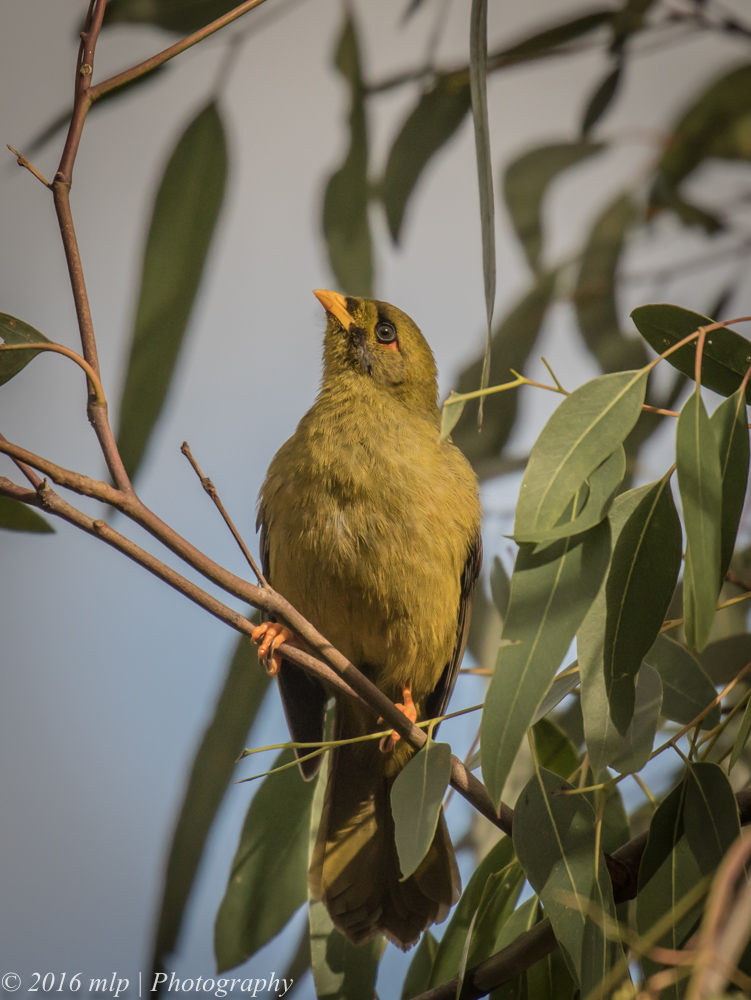
Bell Miner, Melbourne Botanic Gardens
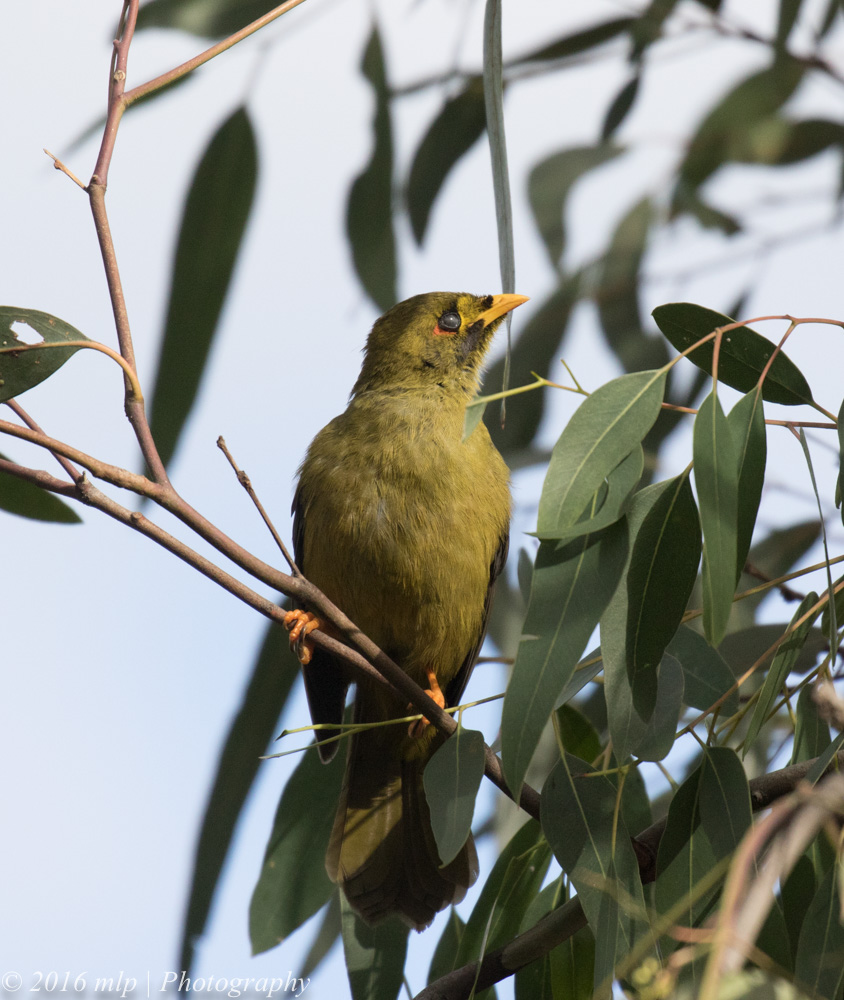
Bell Miner, Melbourne Botanic Gardens

Bell Miner, Melbourne Botanic Gardens

II
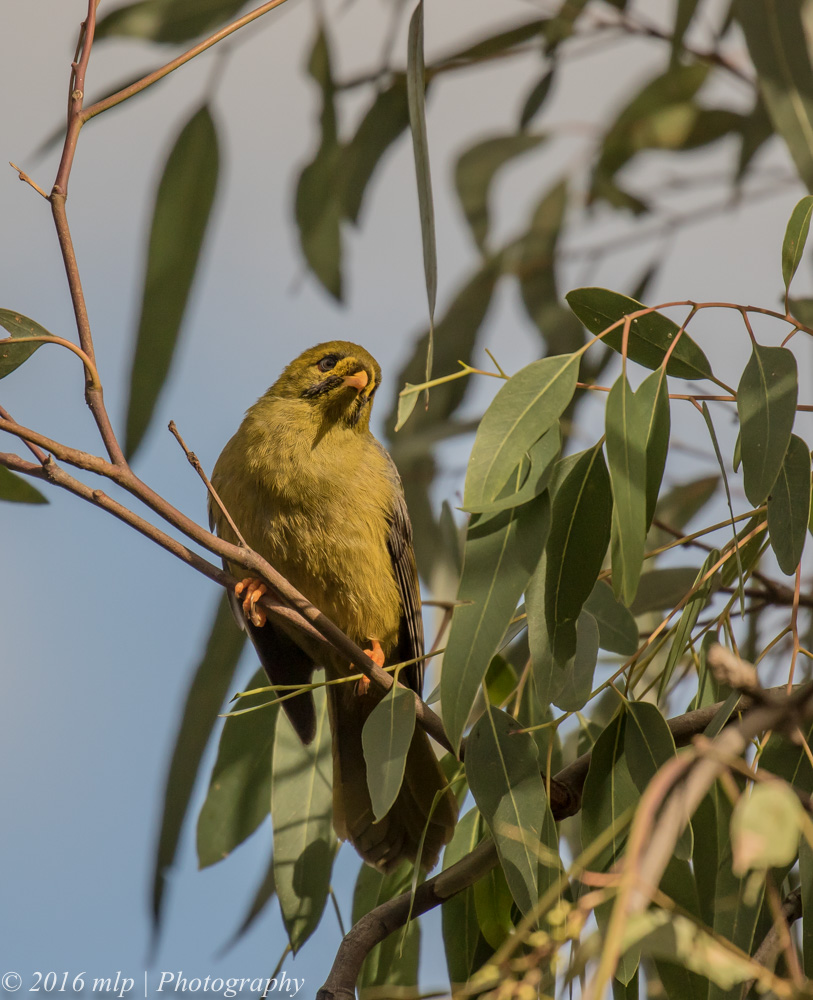
Bell Miner, Melbourne Botanic Gardens

III

Bell Miner, Melbourne Botanic Gardens

IV

Bell Miner, Melbourne Botanic Gardens

“ping”

Juvenile Bell Miner, Melbourne Botanic Gardens

Juvenile Bell Miner
The Roost Tree

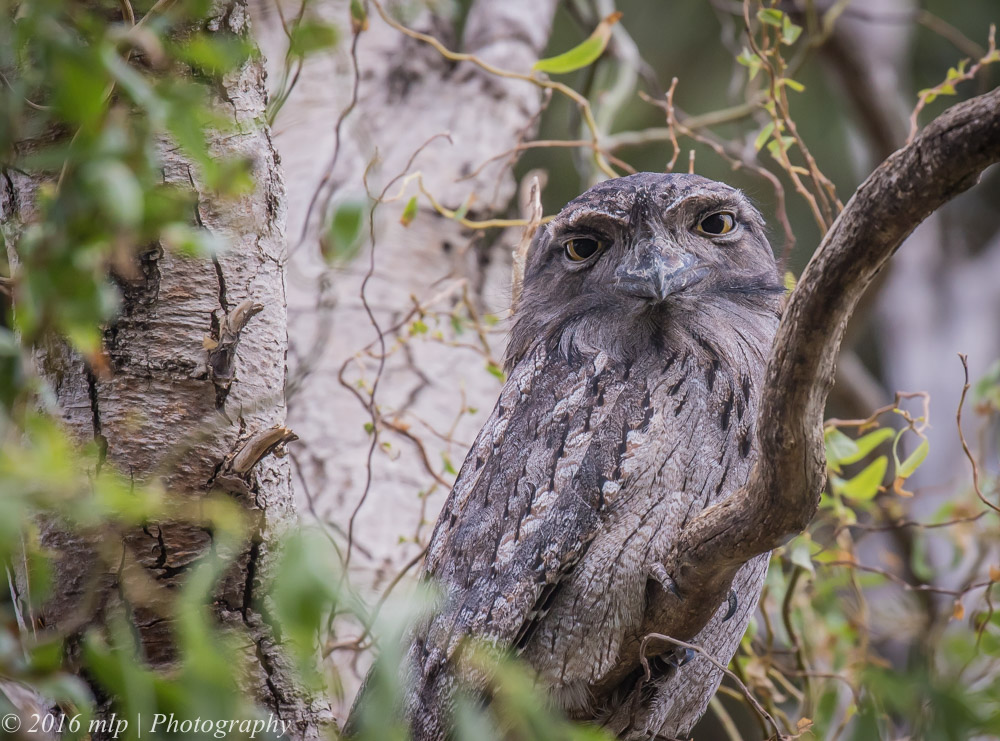
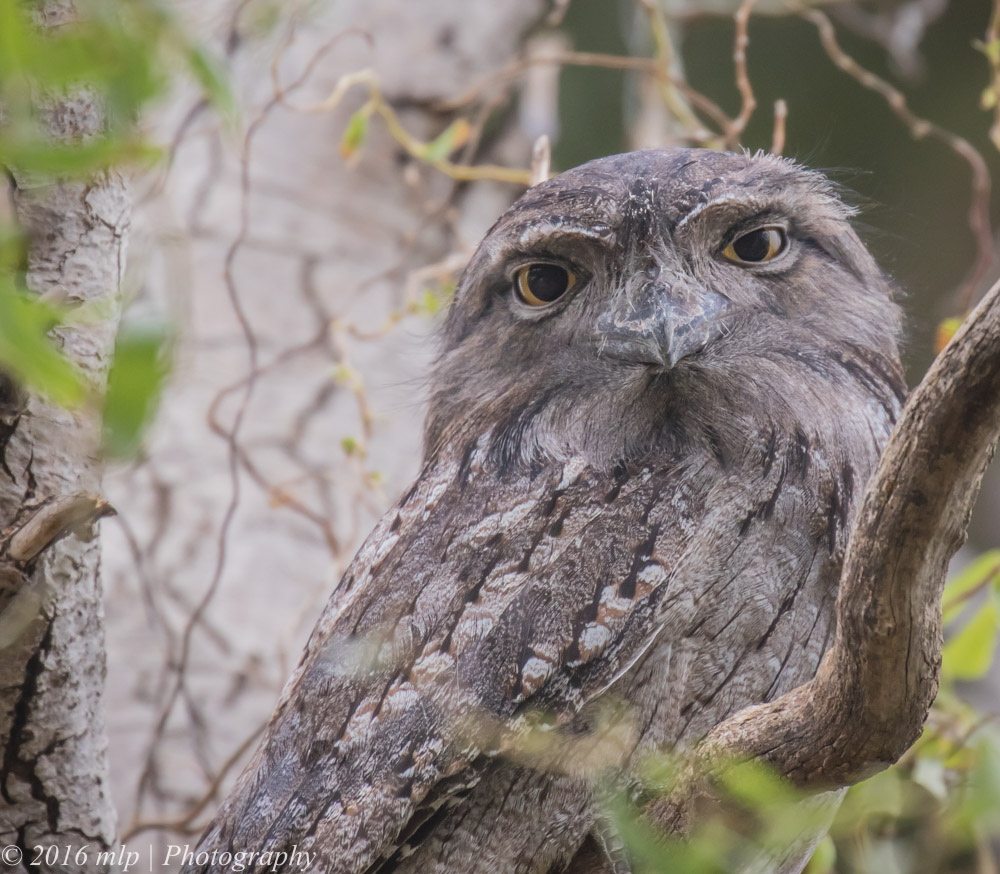
While heading downstream along my local creek I noticed a lump on a dead branch of a Willow Tree that did not quite look right. Moving closer I realised it was one of the local nocturnal Tawny Frogmouths on a daytime roost. It was difficult to photograph but I found a way to get closer by walking into the parking area of one of the apartment blocks nearby. As I moved around the tree I found the partner of the Frogmouth that I had seen from across the creek. It was tucked into a little branch shelter and just about invisible. This species are masters of camouflage and often roost in the open. They are rarely noticed and survive well in an urban space. Even when discovered that can just watch you or move into their camouflaged pose (I am just a branch stump) or just go back to sleep. They are territorial and will roost in a close-by series of trees in a neighbourhood.  It is surprising how many pairs there are in Elwood considering it is an inner city suburb. Always a welcome find…

Elster Creek Tawny Frogmouth, Elster Creek, Elwood, Victoria

An football sized object in the tree that did not quite blend in…

Elster Creek Tawny Frogmouth, Elster Creek, Elwood, Victoria

Elongated branch stump pose

Elster Creek Tawny Frogmouth, Elster Creek, Elwood, Victoria

II

Elster Creek Tawny Frogmouth, Elster Creek, Elwood, Victoria

III

Elster Creek Tawny Frogmouth, Elster Creek, Elwood, Victoria

IV

Elster Creek Tawny Frogmouth, Elster Creek, Elwood, Victoria

Expressive and curious eyes

Elster Creek Tawny Frogmouth, Elster Creek, Elwood, Victoria

The partner on the other side of the tree. 

Nervous Birds at the Pooh Farm

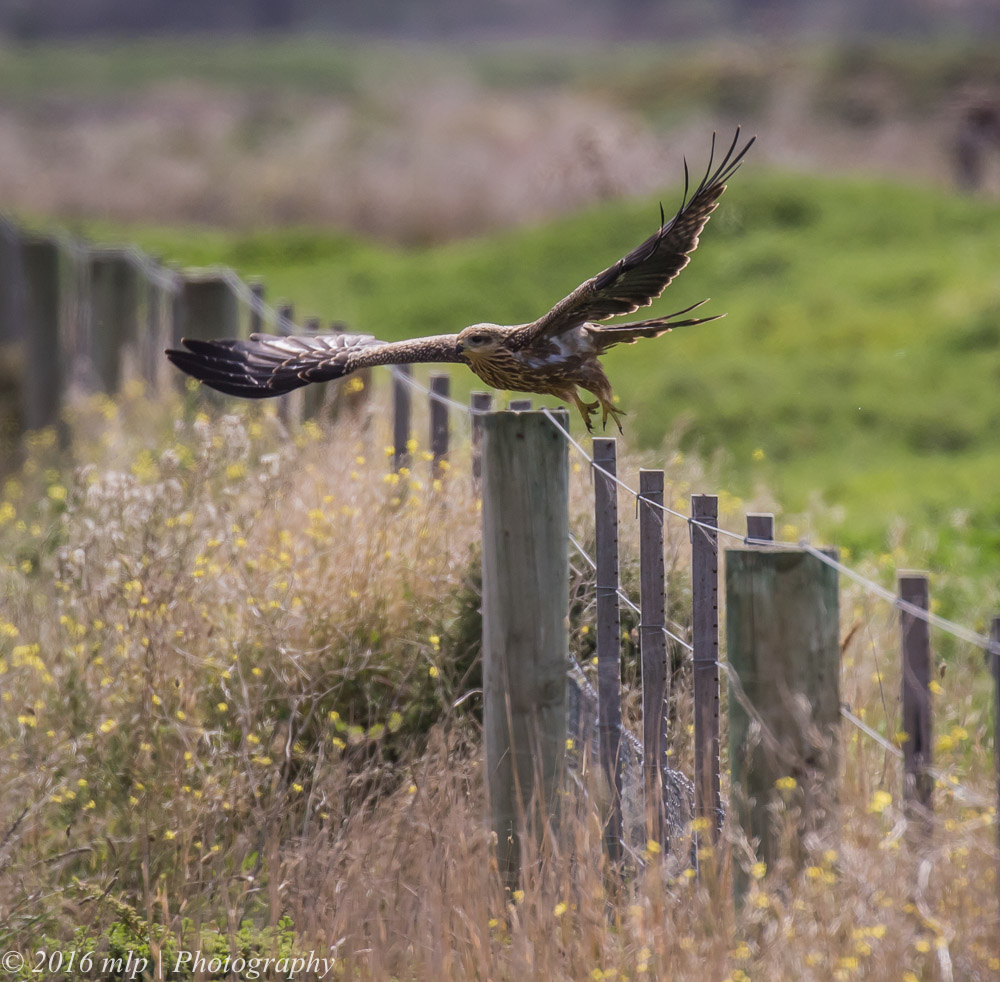
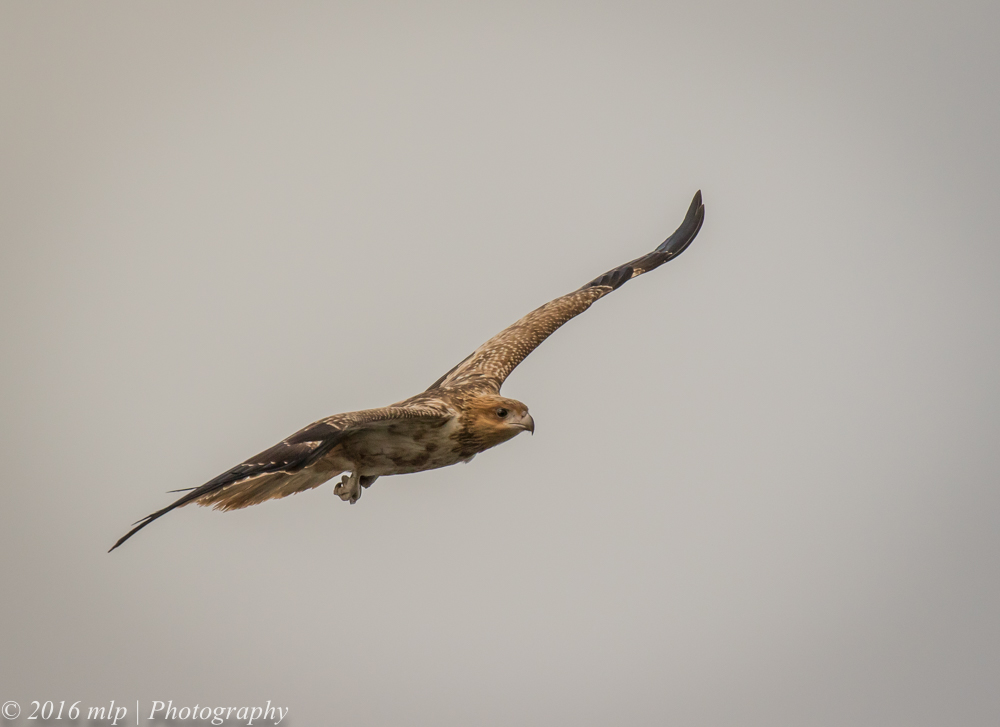
Over the last 3 months I have been making regular visits to the Western Treatment Plant in Werribee, near the Avalon Airport. The local fields, irrigated by the recycled and treated water have recently been harvested and ploughed. This has brought many Raptors to the   WTP particularly Whistling and Black Kites. These two species are regular visitors and resident at the lagoons and nearby fields anyway but huge numbers have come in including many juveniles. We also found a nice pair of Musk Ducks  – the male has a large bill lobe that becomes inflated in the mating season. The two below were happily sunning themselves in one of the overflow canals.

Juvenile Black Kite, WTP, Victoria

Juvenile Black Kite, WTP, Victoria

Whistling Kite, WTP, Victoria

One of dozens of Whistling Kites on the prowl

White Fronted Chat, WTP, Victoria

Nervous and very wary White Fronted Chat

Musk Ducks, WTP, Victoria

A female (left) and Male Musk Ducks

Female Musk Duck, WTP, Victoria

Female Musk Duck

Female Musk Duck, WTP, Victoria

II

A hungry Grey Currawong

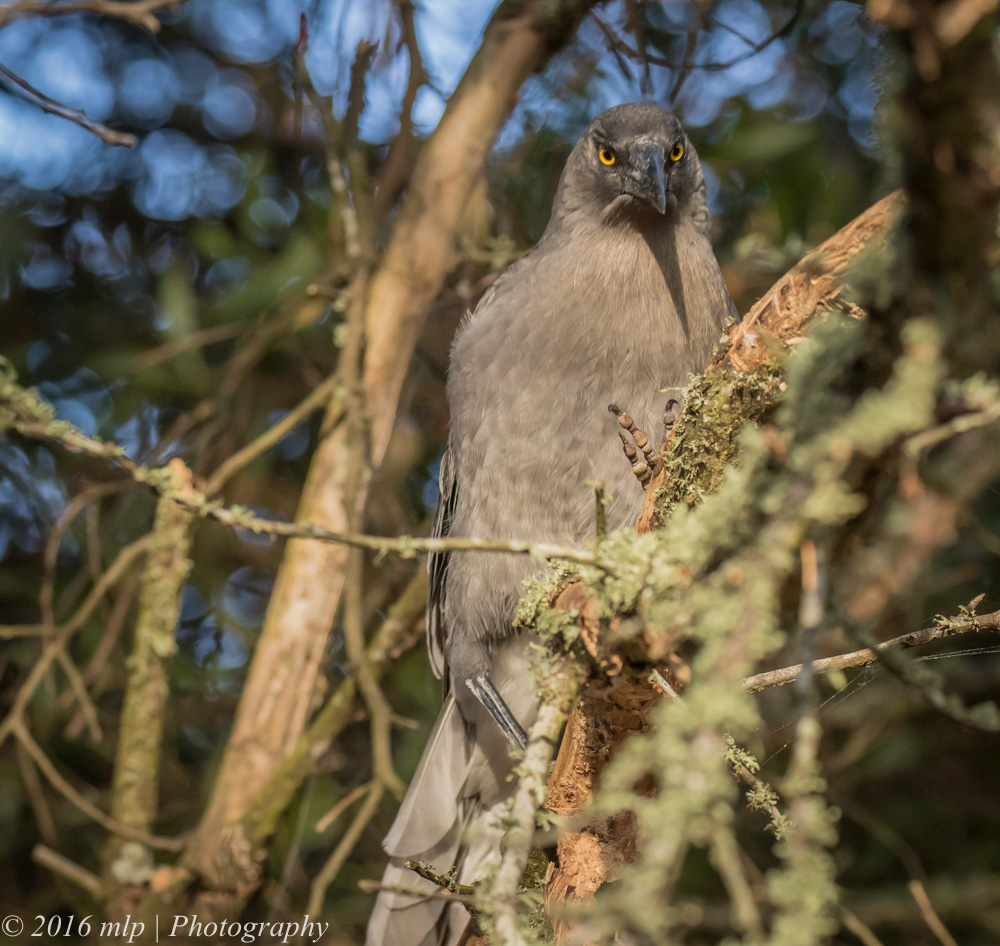
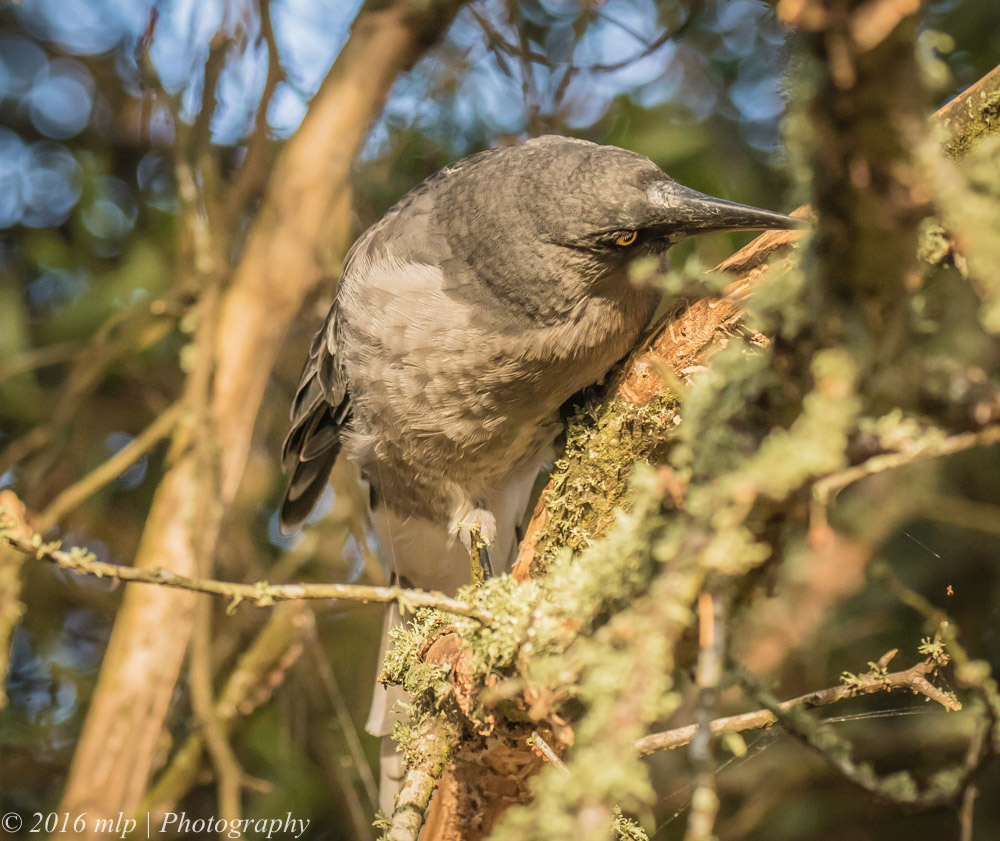
On a long weekend stay at Daylesford, I went for an early morning walk around the lake. I had been getting up early to try and find a Nankeen Night Heron still hunting. I did find one and enjoyed excellent views but it was too dim to take any decent pics. While walking back to the house I came across a Grey Currawong. I usually see Pied Currawongs around my own area but only see Greys when I go down the  Mornington Peninsula or into Central Victoria. The Grey has a very distinctive call quite different to the Pied. I watched this bird hunt for grubs under the bark of a dead tree. It was very determined and was quite happy to ignore me as I worked around the tree looking for better shots.

Grey Currawong, Daylesford Lake, Victoria

Grey Currawong, Daylesford Lake, Victoria

Grey Currawong, Daylesford Lake, Victoria

II

Grey Currawong, Daylesford Lake, Victoria

very determined to find grubs

Grey Currawong, Daylesford Lake, Victoria

IV

A master fisherman takes a break…

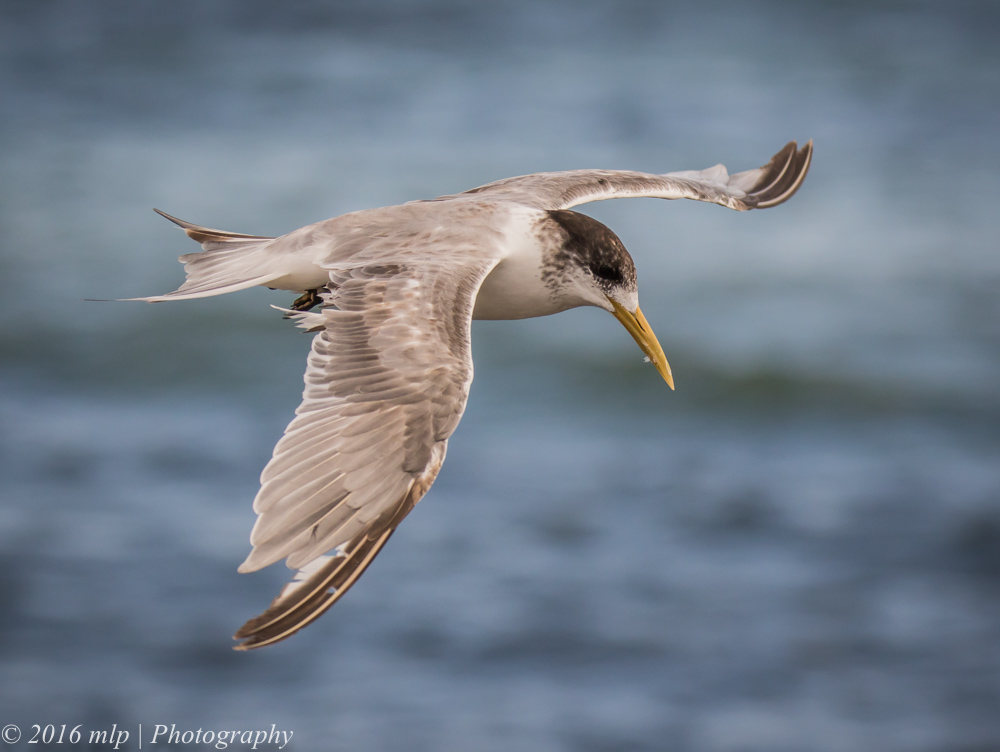
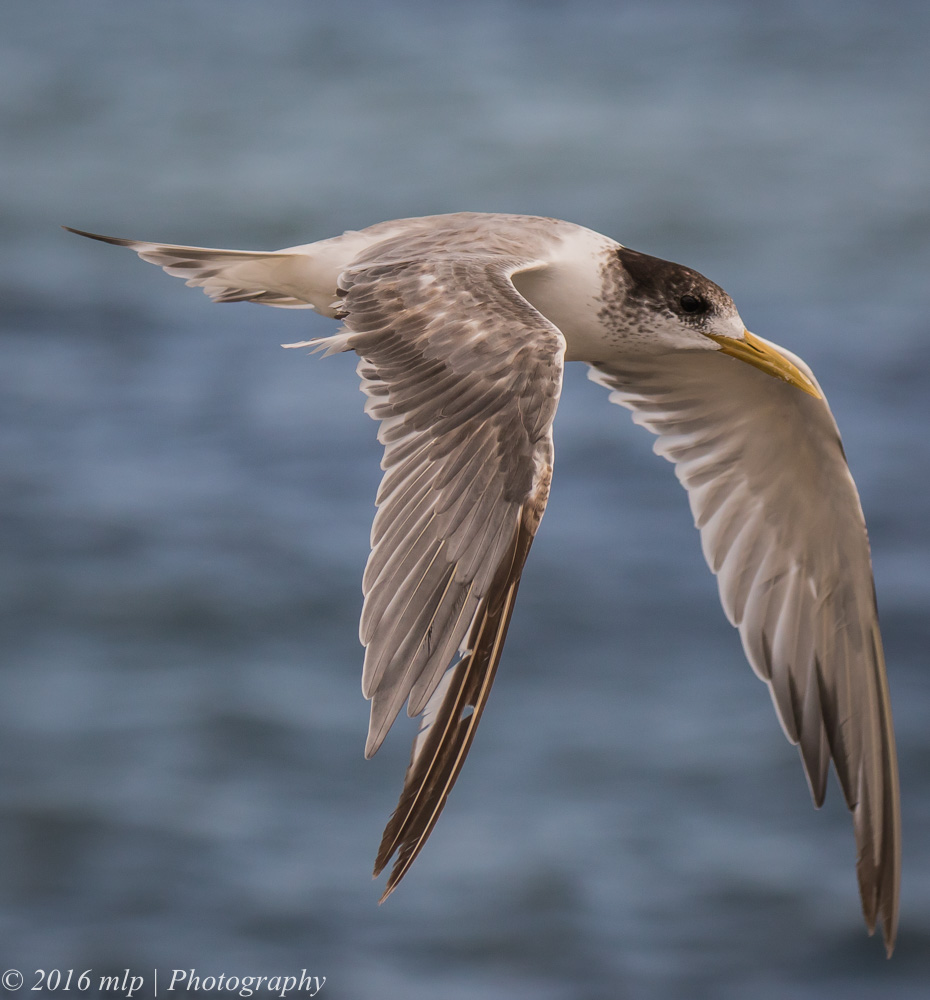
On a walk along the Elwood foreshore with a few photography/birding friends we found this Crested Tern on the stone pier. We have often seen Crested Terns here and this one was quite comfortable with us walking up quite close to take a few photos. Later when reviewing the images I noticed that it had been tagged. I have photographed another Crested Tern last year that was also tagged. The Tern’s scientific name is Thalasseus bergii  – Thalasseus from Greek “fisherman” and Bergius, a German museum specimen collector , from the early 1800’s.

Crested Tern, Elwood Beach, Victoria

Crested Tern, Elwood Beach, Victoria

Crested Tern, Elwood Beach, Victoria

II

Crested Tern, Elwood Beach, Victoria

III

Twitching with the twitchers…

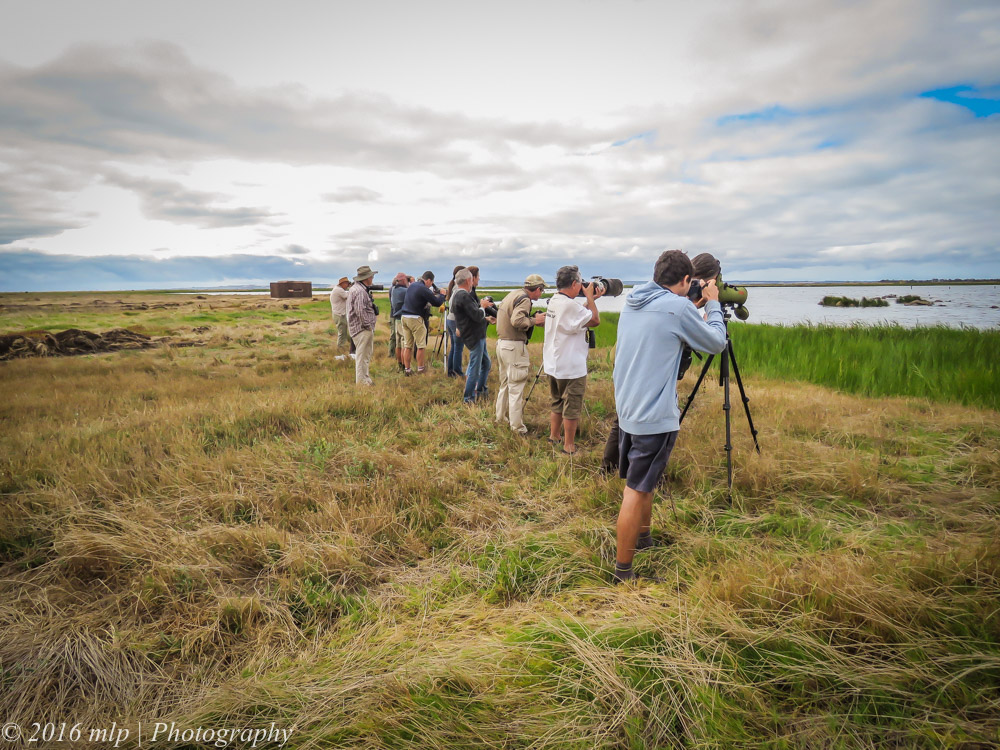
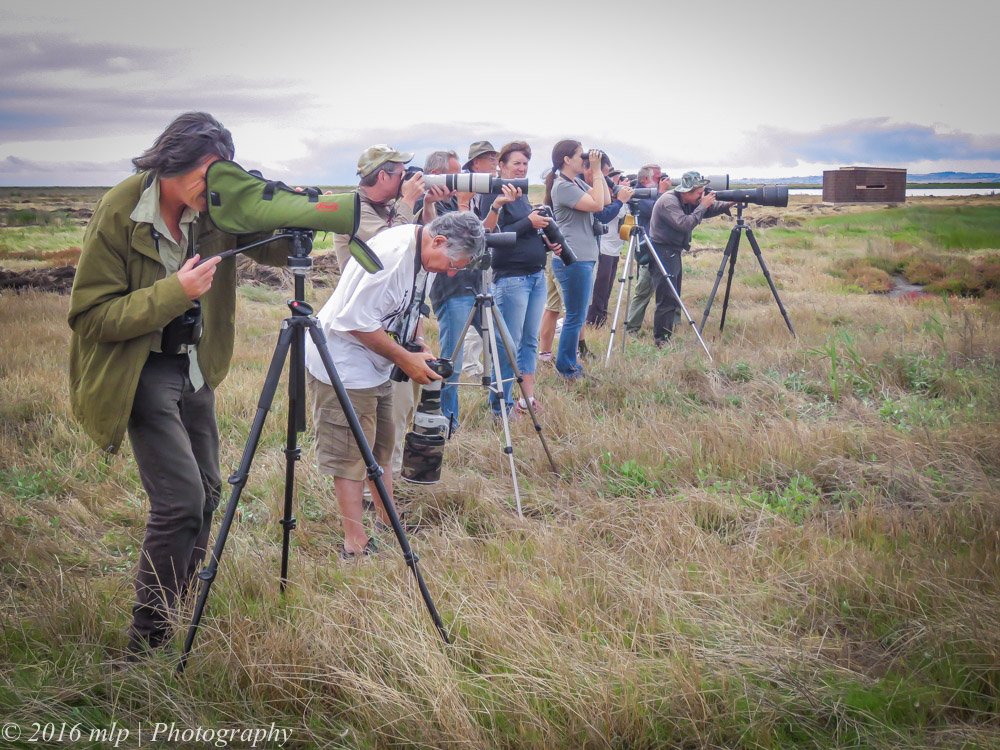
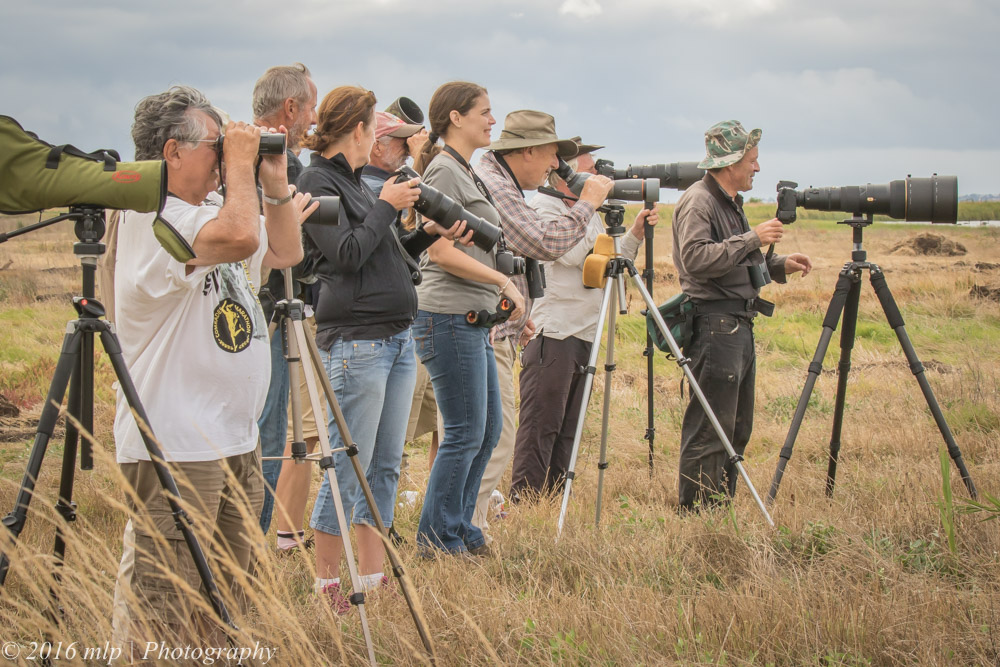
A rare bird was reported at the Western Treatment Plant a few months ago, a Red-necked Phalarope. It was quite far away in the middle of a large lagoon but I did get good views through my spotting scope and a few average photographs…and there was plenty of company to share my “lifer” (1st time seeing a new species of bird). A twitcher is someone who hunts out rare and vagrant birds to add ticks to their life lists. They can travel all over Australia and the Territories. While I am generally a birder – will view/study, photograph any bird, I will twitch a good Victorian sighting of a rare bird…like the Lake Tutchewop Long Billed Dowitcher. I can can proudly add the Red-necked Phalarope to my twitch and life lists.

Red Necked Phalarope Twitch

Sneaking up on the Twitchers in their natural element

Red Necked Phalarope Twitch

(psst…the man on the left, David E, was a contributor and reviewer to HANZAB for those that know the Aussie/NZ 7 volume Bird Bible) 

Red Necked Phalarope Twitch

Everyone is delighted to observe the rarity…

Red Necked Phalarope Twitch

Fellow obsessive Twitchers – Dave and Gio

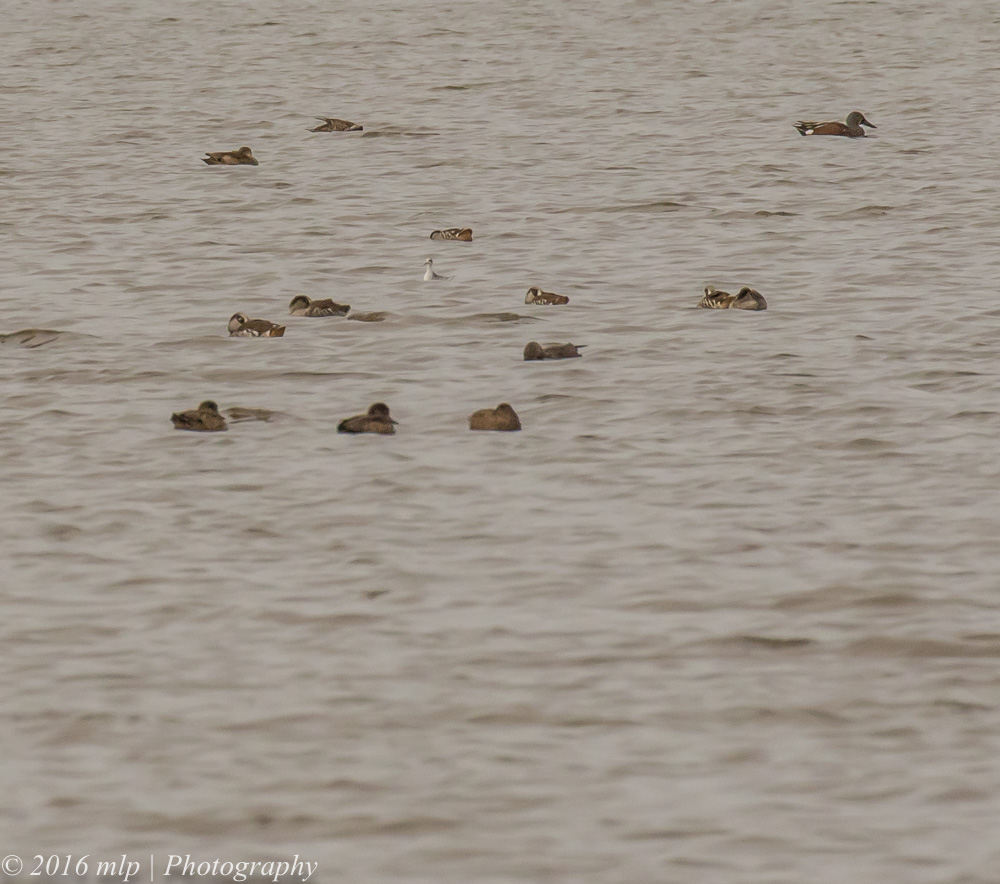
Red Necked Phalarope, WTP

The little white dot is a Red Necked Phalarope

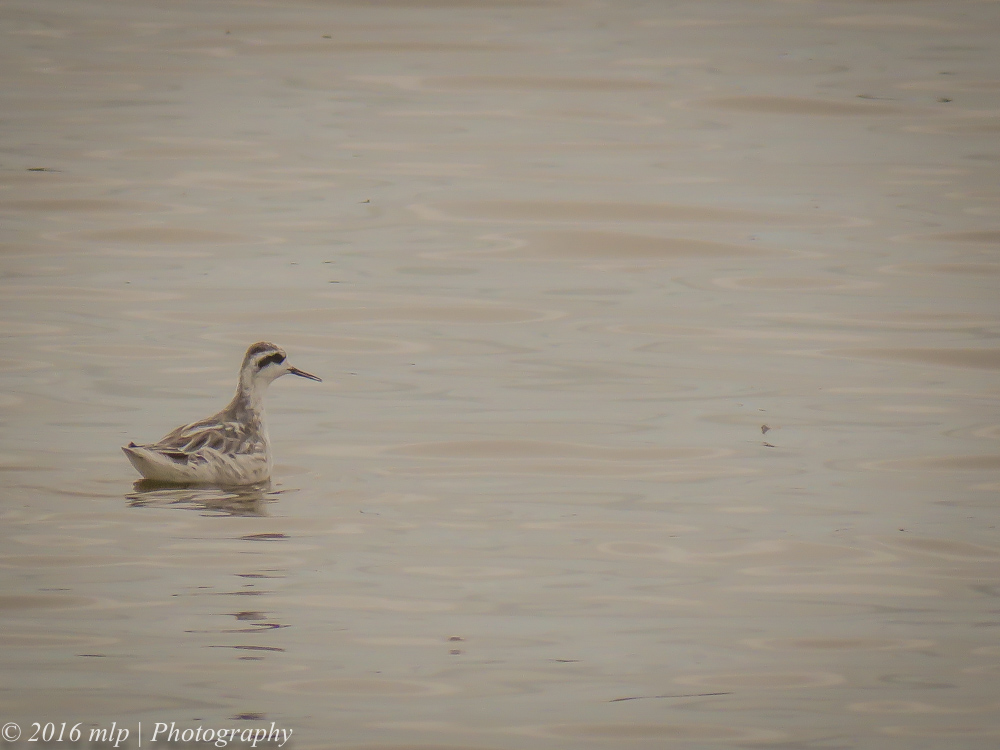
Red Necked Phalarope, WTP

Red Necked Phalarope – a  lonely little bird, a long way from home and lifer 330

Cape Barren Geese, WTP

Large Cape Barren Geese conducting a flyby and stirring up the twitchers…


Urban trees bringing in the country cousins….

Over February and March many of the large Sugar Gums and Red Flowering Gums along Elster Creek were in full bloom. This brought in many additional nectar loving birds to the area. Musk Lorikeets turned up in large numbers to join the local populations of Rainbow Lorikeets and around 10 Little Lorikeets joined in the flowering frenzy. Each species make distinctly different calls when flying and feeding. It was great to stand near the trees and learn and pick out the different calls.  I had never seen Littles in the area before and it was wonderful to be able to add the new species to my local lists and even photograph them (though that did take quite a few walks along the creek to finally get them).

Play to listen to Little Lorikeets. (plus a bit of Rainbow Lorikeet and a begging Noisy Minor chick)

Musk Lorikeet, Elster Creek, Elwood, Victoria

Musk Lorikeet, Elster Creek, Elwood, Victoria

Musk Lorikeet, Elster Creek, Elwood, Victoria

II

Musk Lorikeet, Elster Creek, Elwood, Victoria

Spot the second one?

Musk Lorikeet, Elster Creek, Elwood, Victoria

IV

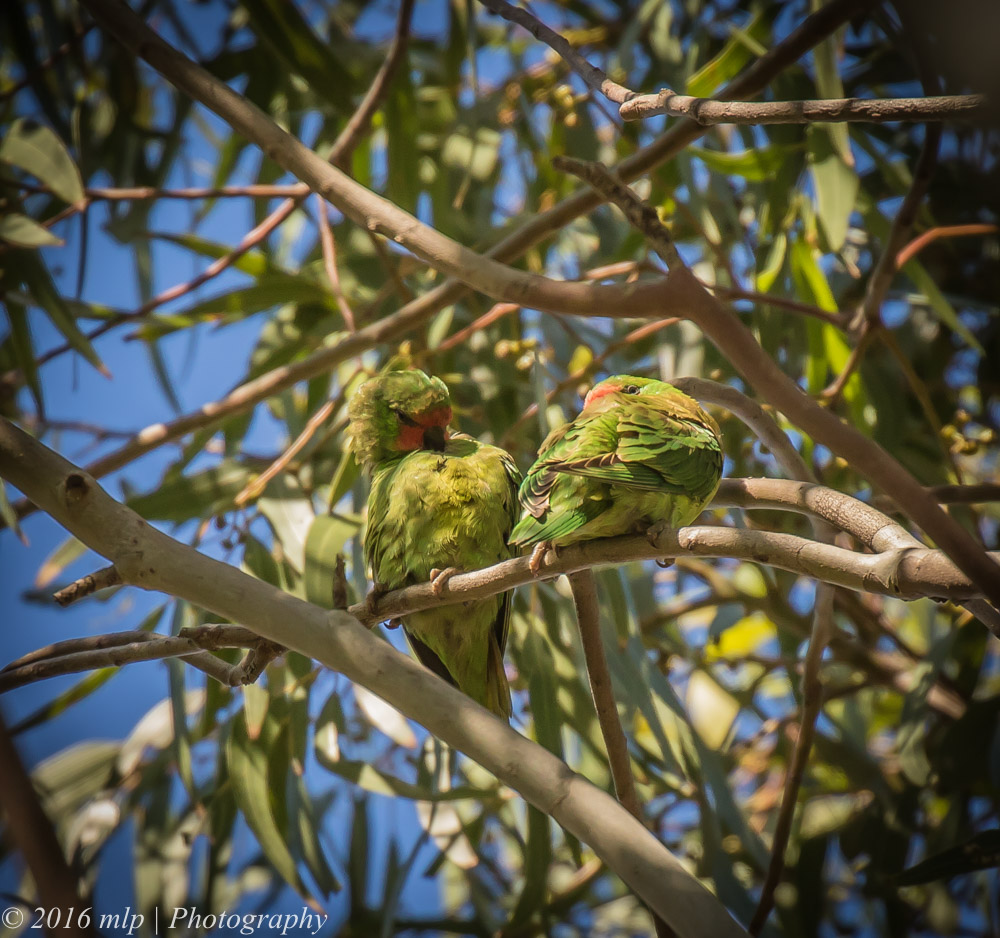
Little Lorikeet, Elster Creek, Elwood, Victoria

Little Lorikeet – a very small bird with fantastic camouflage and a bzzzt type call

Little Lorikeet, Elster Creek, Elwood, Victoria

Little Lorikeets  – well suited to life in the green foliage of gums, following flowering trees around Victoria – who knows how they realise trees are flowering so far from their usual haunts…

The Boss is back….

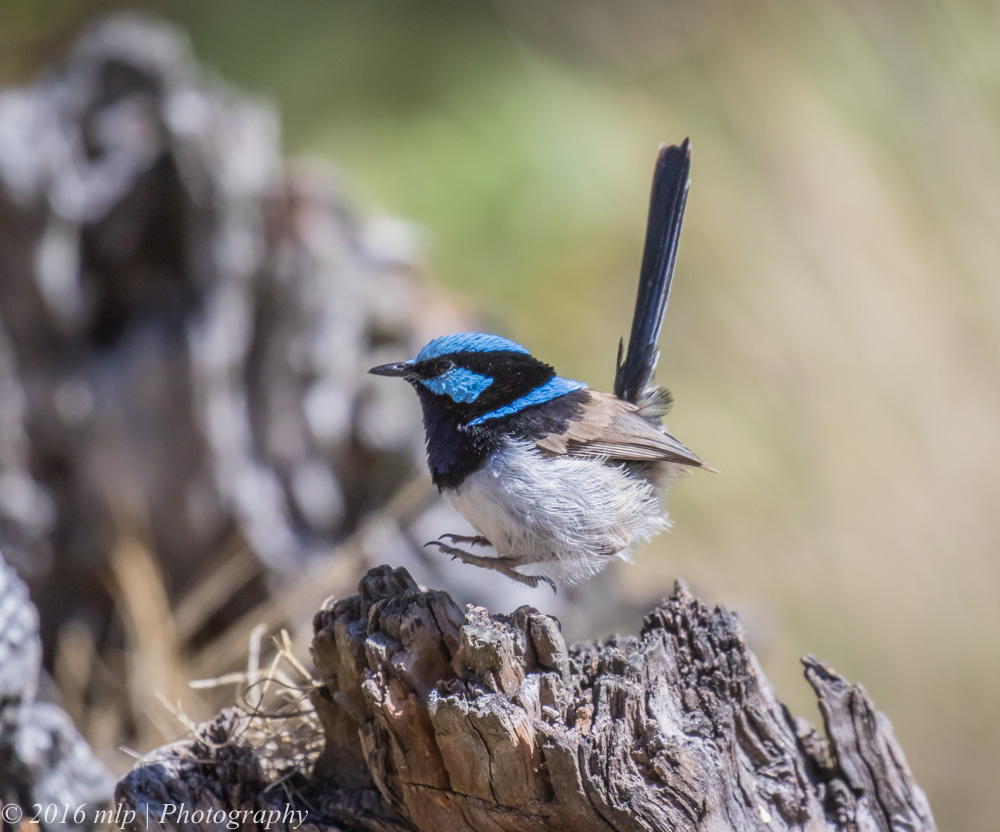
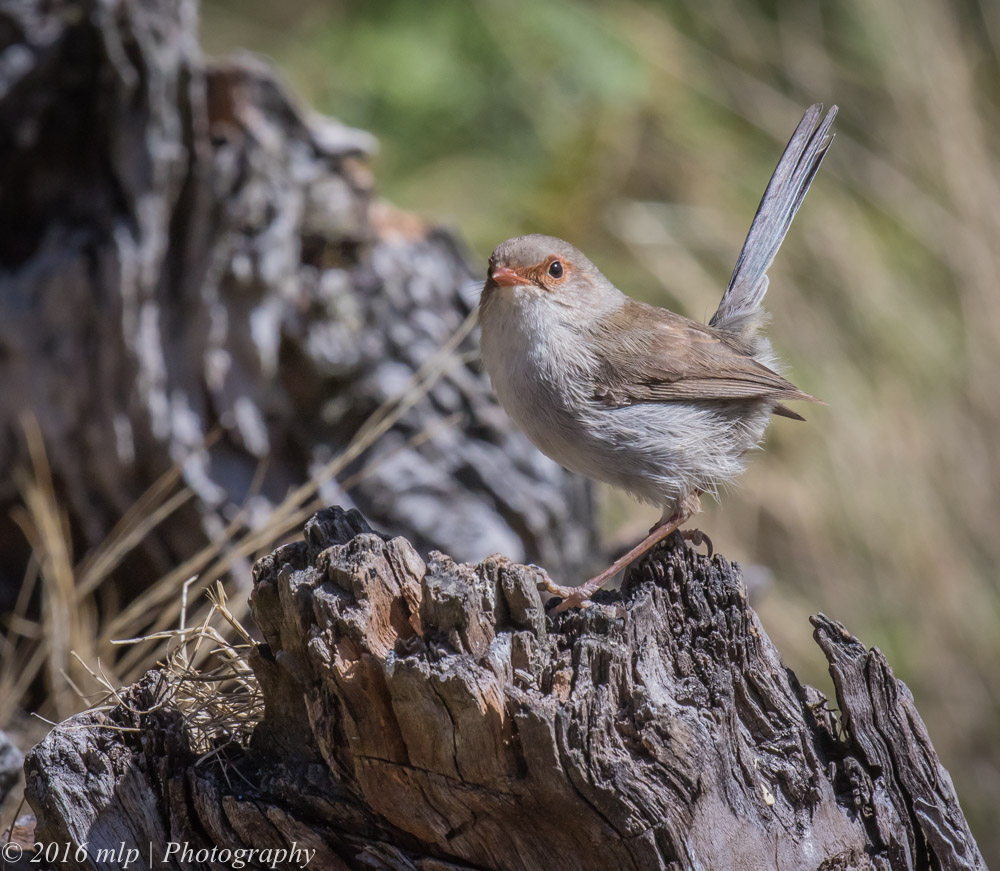
On a section of the Great South West Walk in the Lower Glenelg National Park, I stopped for a photography break and was soon joined by a pair of Superb Fairy Wrens, a male in beautiful blue breeding plumage and an adult female. The female is dominant in the pairing and may have a group of suitors in the area. The Fairy Wren certainly made sure the male knew she was in charge. Each time he jumped to the top of a stump she chased him off…it seemed to be a bit of a game between them…

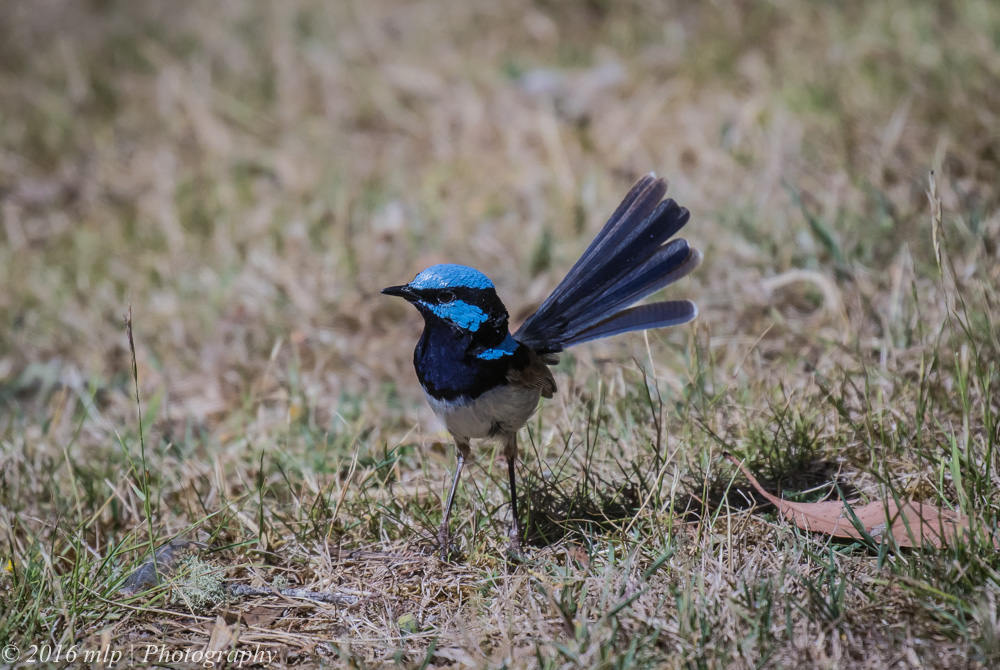
Male Superb Fairy Wren, Great South West Walk, Lower Glenelg National Park, Victoria

Male Superb Fairy Wren, Great South West Walk, Lower Glenelg National Park, Victoria

Female Superb Fairy Wren, Great South West Walk, Lower Glenelg National Park, Victoria

 The female Superb Fairy Wren keeping an eye on the local players…

Male Superb Fairy Wren, Great South West Walk, Lower Glenelg National Park, Victoria

Male Superb Fairy Wren keeping a lookout and claiming the stump..

Male Superb Fairy Wren, Great South West Walk, Lower Glenelg National Park, Victoria

A quick hop off the stump

Female Superb Fairy Wren, Great South West Walk, Lower Glenelg National Park, Victoria

The boss is back…

Kayaks and Cuckoos

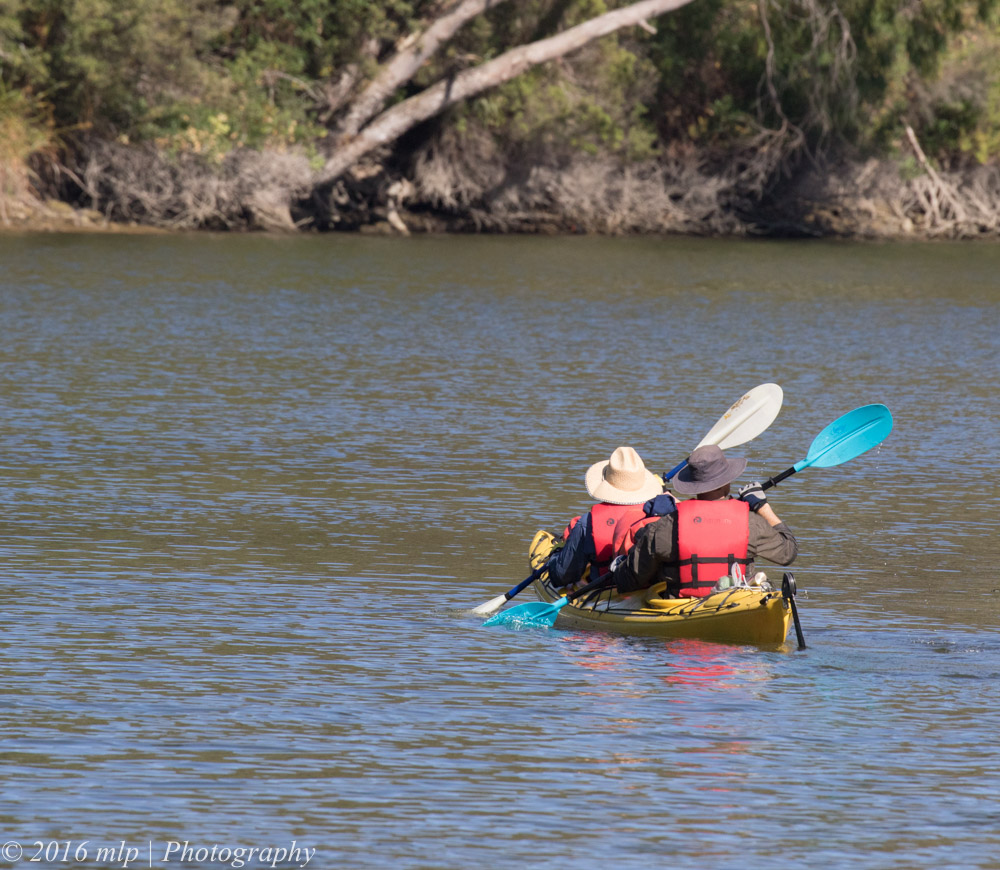
While walking part of the 252km Great South West Walk, in the Lower Glenelg National Park near the South Australian border, I found a Fan-tailed Cuckoo perched on a branch just off the track. I had stopped to watch a few kayakers work their way up the river and the cuckoo made it distinctive call right beside me.

Glenelg River, Lower Glenelg National Park, Victoria

Glenelg River, Lower Glenelg National Park, Victoria

Great South West Walk, Glenelg River, Lower Glenelg National Park, Victoria,

Great South West Walk, Glenelg River, Lower Glenelg National Park, Victoria,

Kayakers, Glenelg River, Lower Glenelg National Park, Victoria

Kayakers, Glenelg River, Lower Glenelg National Park, Victoria

Fan-tailed Cuckoo, Lower Glenelg National Park, Victoria

Fan-tailed Cuckoo, Lower Glenelg National Park, Victoria

Preening along the creek…

While walking along Elster Creek, I photographed a flock of Australian Wood Ducks that have been in the area over the summer. Wood Ducks breed in large numbers with parents and the occasional aunt raising up to 16 chicks. The one photographed below was grooming its finer down feathers. I thought the wind was blowing the feathers forward but as I photographed the duck it raised and lowered the feathers at will as it preened.

Australian Wood Duck, Elster Creek, Victoria
Australian Wood Duck, Elster Creek, Victoria


Cockatoos and Barbed Wire Emus

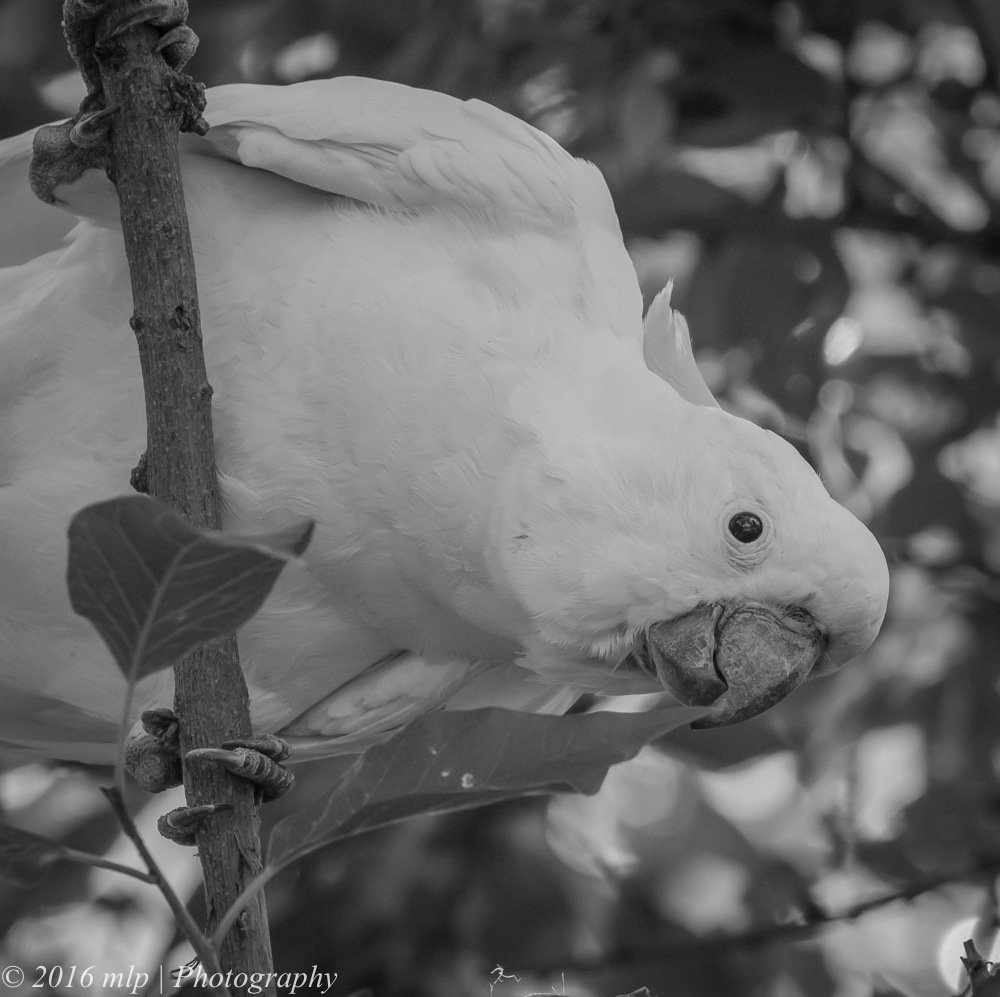
On a day trip with a few birder friends, we explored Eynesbury Forest in the western plains about half an hour from Melbourne. Eynesbury is a growing commuter suburb established in a rural setting with a 288 hectare Grey Box Forest. It has a good variety of birds and animals and has an open under-story with good foliage for the smaller birds. I have always enjoyed walking in the area. On this particular trip we found large groups of cockatoos and parrots. I found the group below feeding on salt bush seeds. Later we explored the old colonial homestead grounds and found the barbed wire Emu.

Sulphur Crested Cockatoo, Eynesbury Forest, Victoria

Sulphur Crested Cockatoos feeding on seeds, Eynesbury Forest

Sulphur Crested Cockatoo, Eynesbury Forest, Victoria

Sulphur Crested Cockatoo, Eynesbury Forest, Victoria

Barbed Wire Emu, Eynesbury Forest, Victoria, 20 Feb 2016

Barbed Wire Emu, Eynesbury Homestead, Victoria, 20 Feb 2016

Thornbill and the Magic Fantail

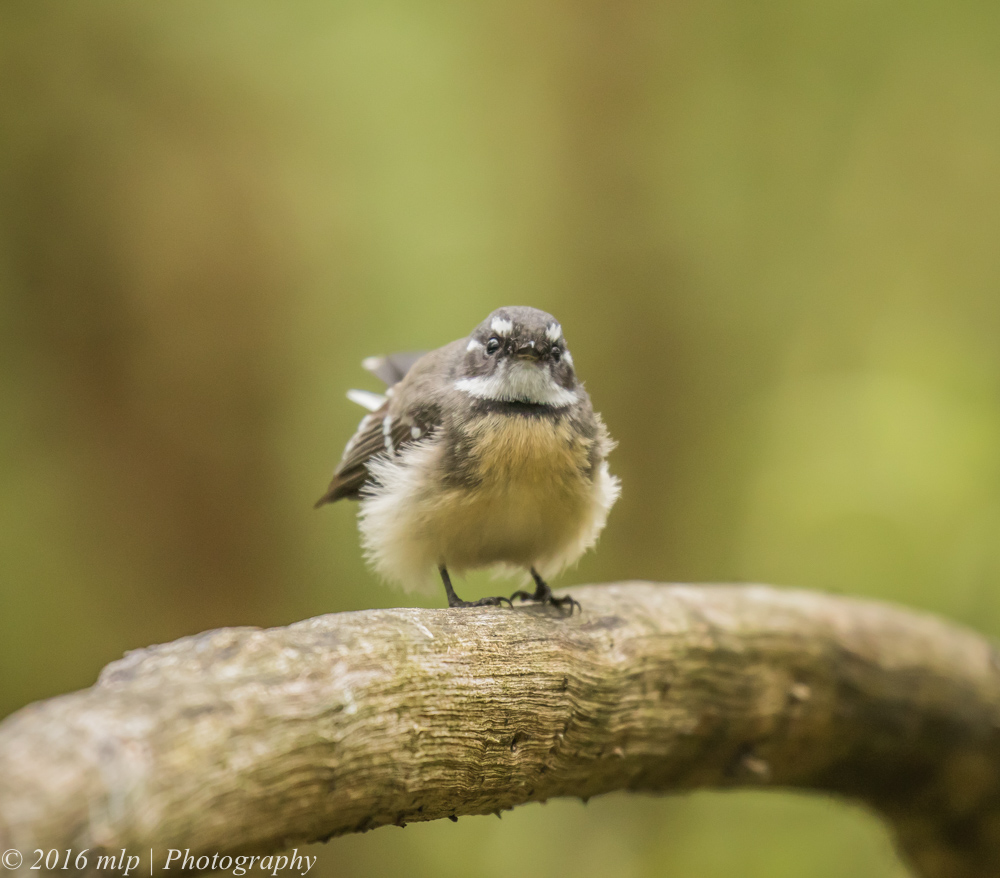
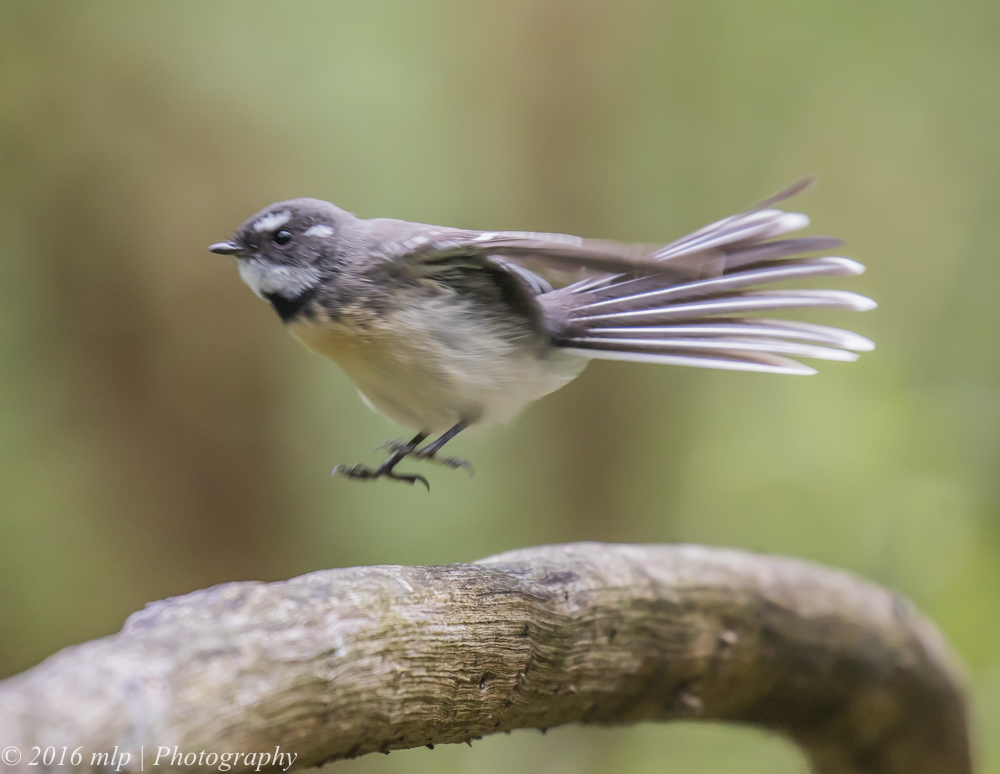
I travelled down the Western Port Bay coastline over the long weekend and camped at Balnarring Beach with some friends. On Sunday I met up with my mate John and explored a new site – a long forested gully called Wuchatsch Reserve in Nyora.  The site had an impressive list of forest birds including Crimson and Eastern Rosellas, Spinebills, Silvereyes and a good number of honeyeaters. While watching the honeyeaters we found a small flock of Striated Thornbills and a Grey Fantail hunting flies off a branch.

Striated Thornbill, Wuchatsch Reserve, Nyora, Victoria

Striated Thornbill, Wuchatsch Reserve, Nyora, Victoria

Striated Thornbill, Wuchatsch Reserve, Nyora, Victoria

II

Grey Fantail, Wuchatsch Reserve, Nyora, Victoria

Grey Fantail watching the watchers…

Grey Fantail, Wuchatsch Reserve, Nyora, Victoria

a quick jump in the air…

Not a Grey Fantai, Wuchatsch Reserve, Nyora, Victoria

and magic…

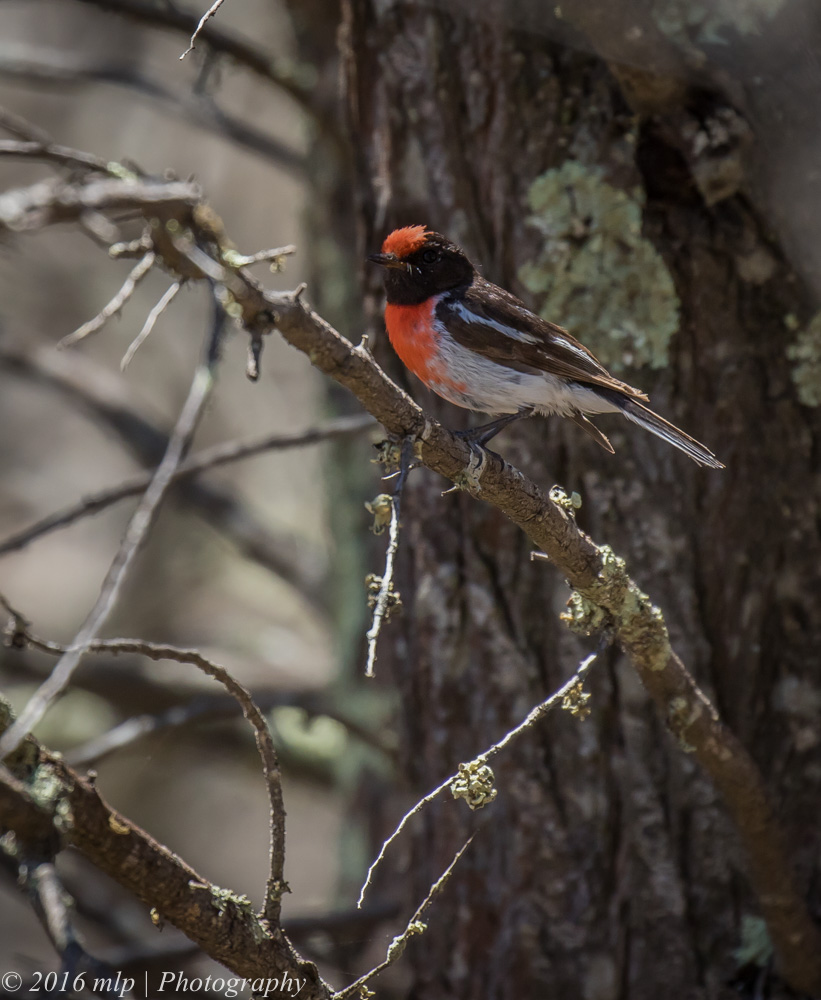
A bright red cap

On a drive around the Little Desert National Park as part of my compass tour of Vic,  I stopped and walked through a copse of pine trees looking for anything that might be out in the heat. I found a group of small robins and followed them for a while trying get a clear shot through the branches. A  male Red-capped Robin finally popped into view. The robins are like little raptors, they perch on a branch and when they spot something they pounce down and catch the prey. If you stand still for a while they just ignore you and you can get quite close.

Red-Capped Robin, Little Desert National Park Victoria

Red-Capped Robin, Little Desert National Park Victoria

Looking for desert rarities

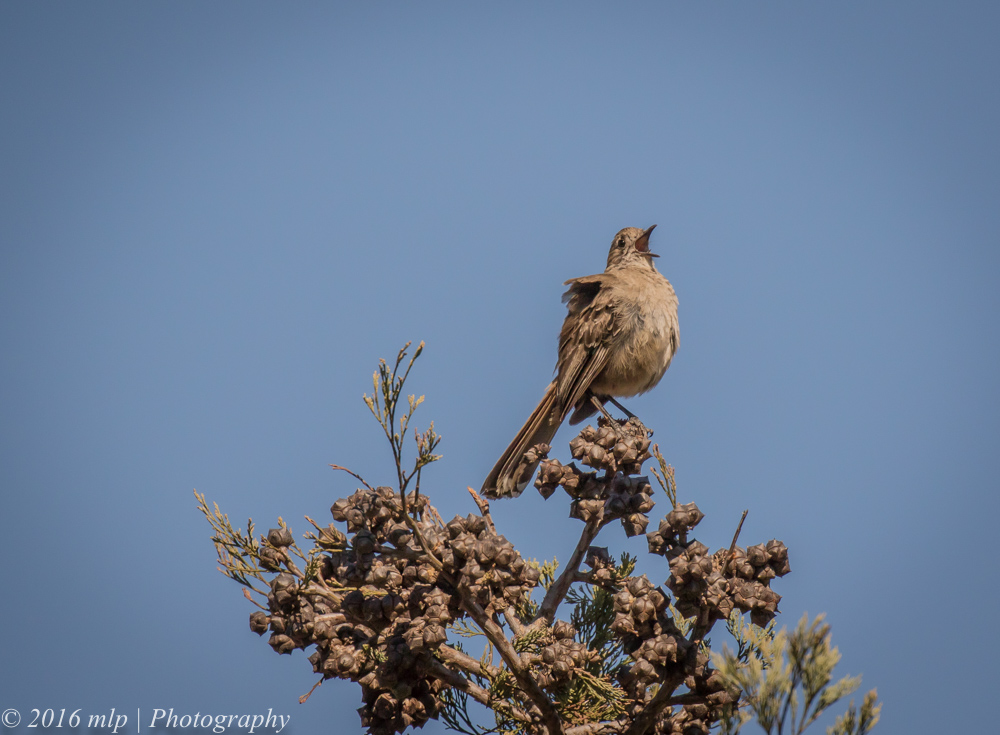
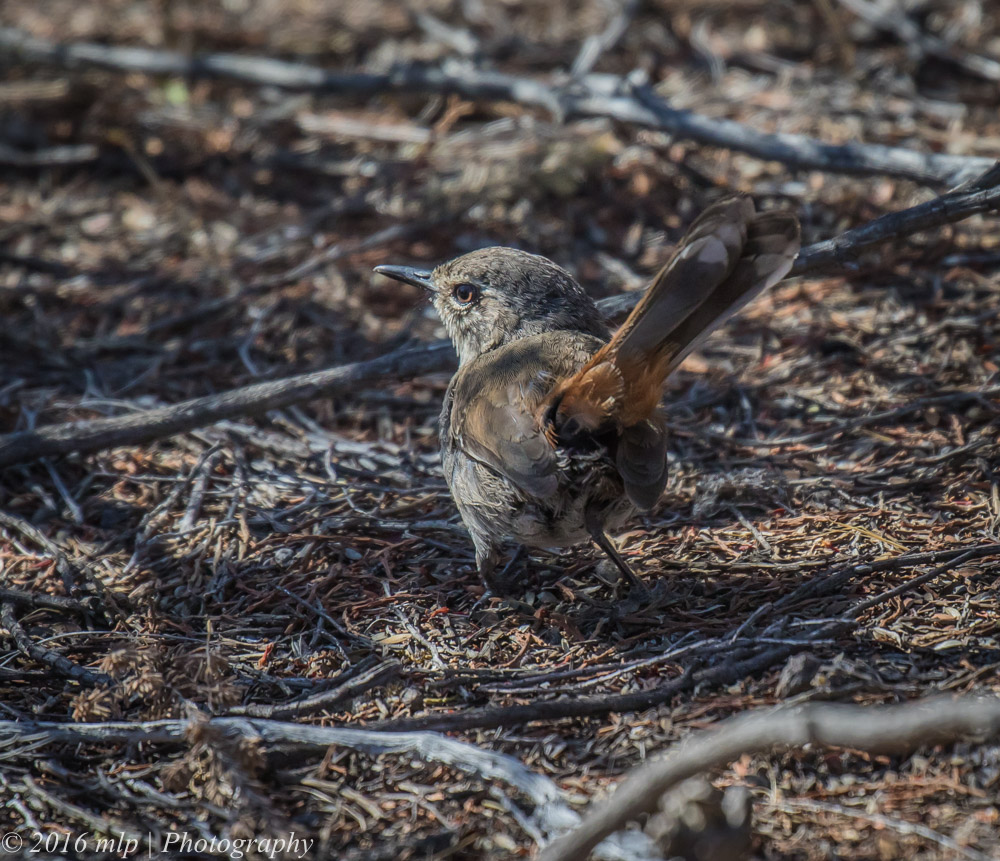
Over Summer I spent some time travelling and camping around Victoria. For a week I camped at Halls Gap which is a small tourist town surrounded by the Grampians, an ancient mountain range eroded over millions of years down to large forested hills. The Grampians form part of the Great Dividing Range that runs downs the east coast of Australia. While based at Halls Gap I explored the nearby regions looking for bushland reserves and national parks that I had not been to before. Nurcoung Bushland Reserve is a section of heathland and stunted Mallee scrub located to the west of the Grampians and near the Little Desert National Park. I was after a few target birds in this tough dry environment– The Southern Scrub-robin and the Shy Heathwren…

Southern Scrub-robin, Nurcoung Reserve, Victoria

Southern Scrub-robin, Nurcoung Reserve, Victoria

Southern Scrub-robin, Nurcoung Nature Reserve, Victoria

Morning song before the heat of the day…

Shy Heathwren, Nurcoung Nature Reserve, Victoria

Shy Heathwren, shy and well camouflaged…

Shy Heathwren, Nurcoung Nature Reserve, Victoria

Shy Heathwren, Nurcoung Nature Reserve, Victoria

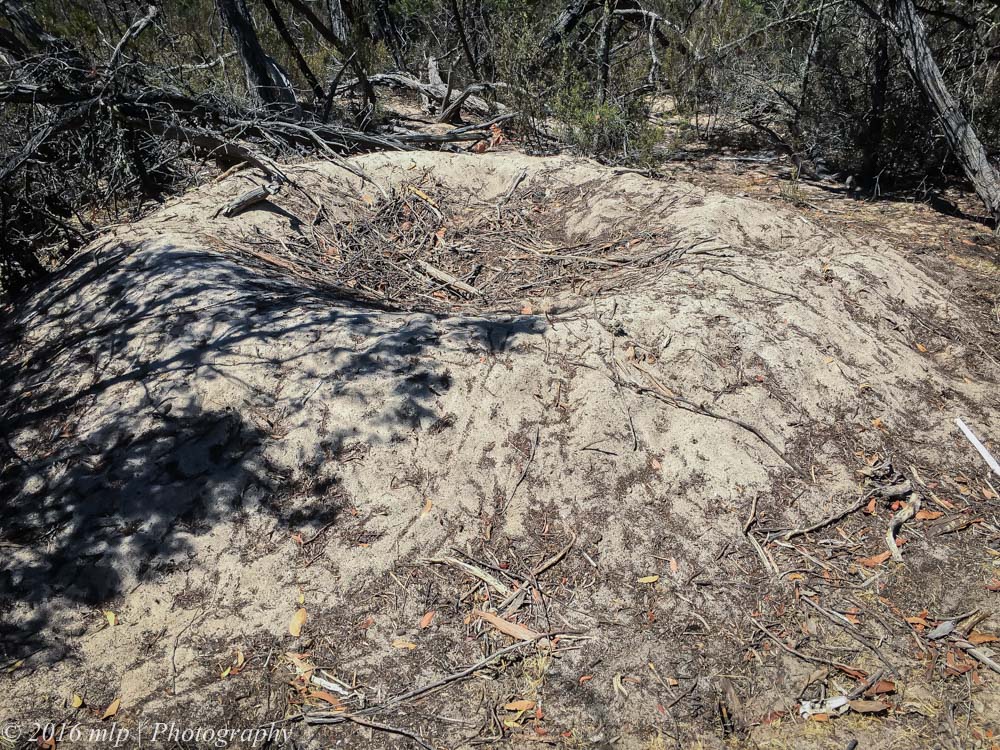
The reserve is surrounded by miles of dry farmland. The rough 4WD track I followed mostly worked its way along the boundaries of the park. I would stop and investigate at various points when I heard something interesting. On one of my stops I headed inland a bit following a small family group of busy White Browed Babblers, foraging quickly amongst the low scrub. When I returned to my car I found a local farmer checking out the car and looking around. Apparently he had been watching me from a distance and wanted to see what I was up to – they don’t get many visitors to the area. After explaining what I was doing and showing him a few photos of the Southern Scrub-robin he told me that  rare and endangered Mallee Fowl were in the reserve and that we were close to a nest that was used this year. I followed the farmer down a bush track and found the Mallee Fowl nest – a large mound of dirt and composting material, 2-3 meters at the base. No sign of the birds but hopefully it was a successful breeding season for them…

Mallee Fowl nest, Nurcoung Nature Reserve

Large Mallee Fowl nest, Nurcoung Reserve

Lifer 321

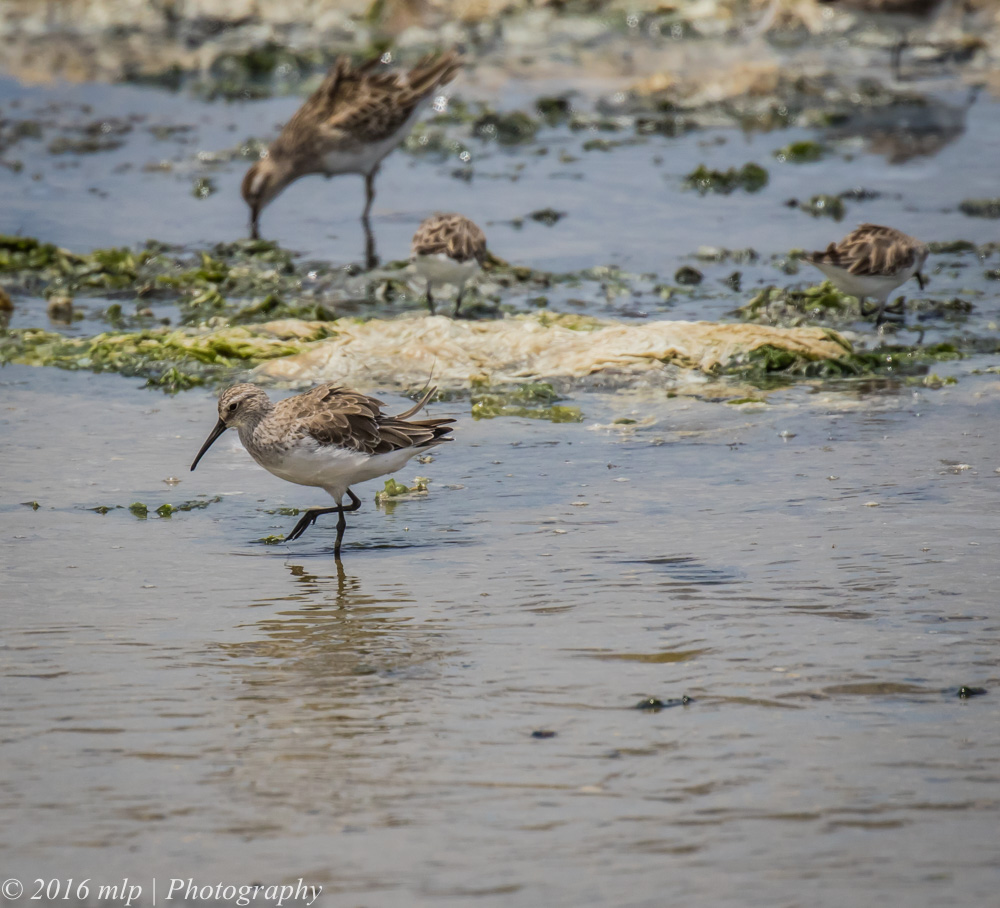
Over Summer the Western Treatment Plant, associated wetlands and conservation ponds are home to many thousands of migratory birds that spend the breeding season in the Northern Hemisphere: Northern China, the tundra of Arctic Siberia and along the eastern Eurasian Arctic. After the breeding season the shorebirds birds migrate down south of the equator and spread out over the Southern Hemisphere including Australia and New Zealand. The return to and introduce first year birds to their favourite feeding grounds. At the Pooh Farm there are thousands of Sharp-tailed Sandpipers and Red-necked Stints, and many Curlew Sandpipers, and a number of Common Greenshanks and Godwits .  Every now and again a rarer species turns up. This year we have had Pectoral Sandpipers, now becoming a regular in low numbers, a few Broad Billed Sandpipers and an exciting visit by a Red-necked Phalarope. A number of regular birders patrol the main shallow lagoons looking for a rare find. It can be difficult as many of the birds look the same, come in a variety of colours and plumage even within a species and may appear as a single slightly different bird amongst thousands.

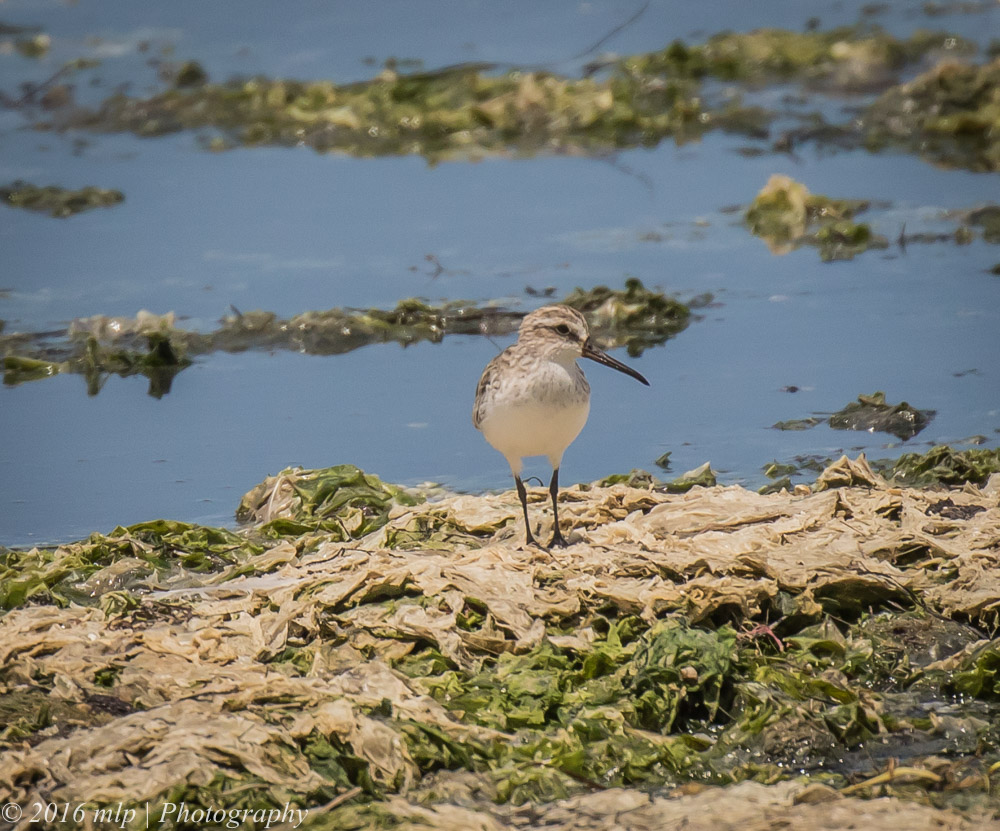
This Summer I visited with a few neighbourhood birders including Dave, an experienced birder who has specialised in various shorebirds over the years. He managed to spot the Broad-billed Sandpiper, a stint sized species with a long flat bill. On two separate occasions,  amongst thousands of birds,  Dave has managed to find this little bird based on its features and its habit. The Broad-billed Sandpiper became my  321st Lifer and my 318th State Tick.

Broad Billed Sandpiper, Western Treatment Plant

Broad-billed Sandpiper, Western Treatment Plant

Curlew Sandpiper, Western Treatment Plant

Curlew Sandpiper, Western Treatment Plant

Mixed Sandpiper stint flock, Western Treatment Plant

Mixed flock of Sharp-tailed Sandpipers, Curlew Sandpipers and Red-necked Stints.  Western Treatment Plant