Tag Archives: Australian Birds

Baillon’s Crake’s migration mystery

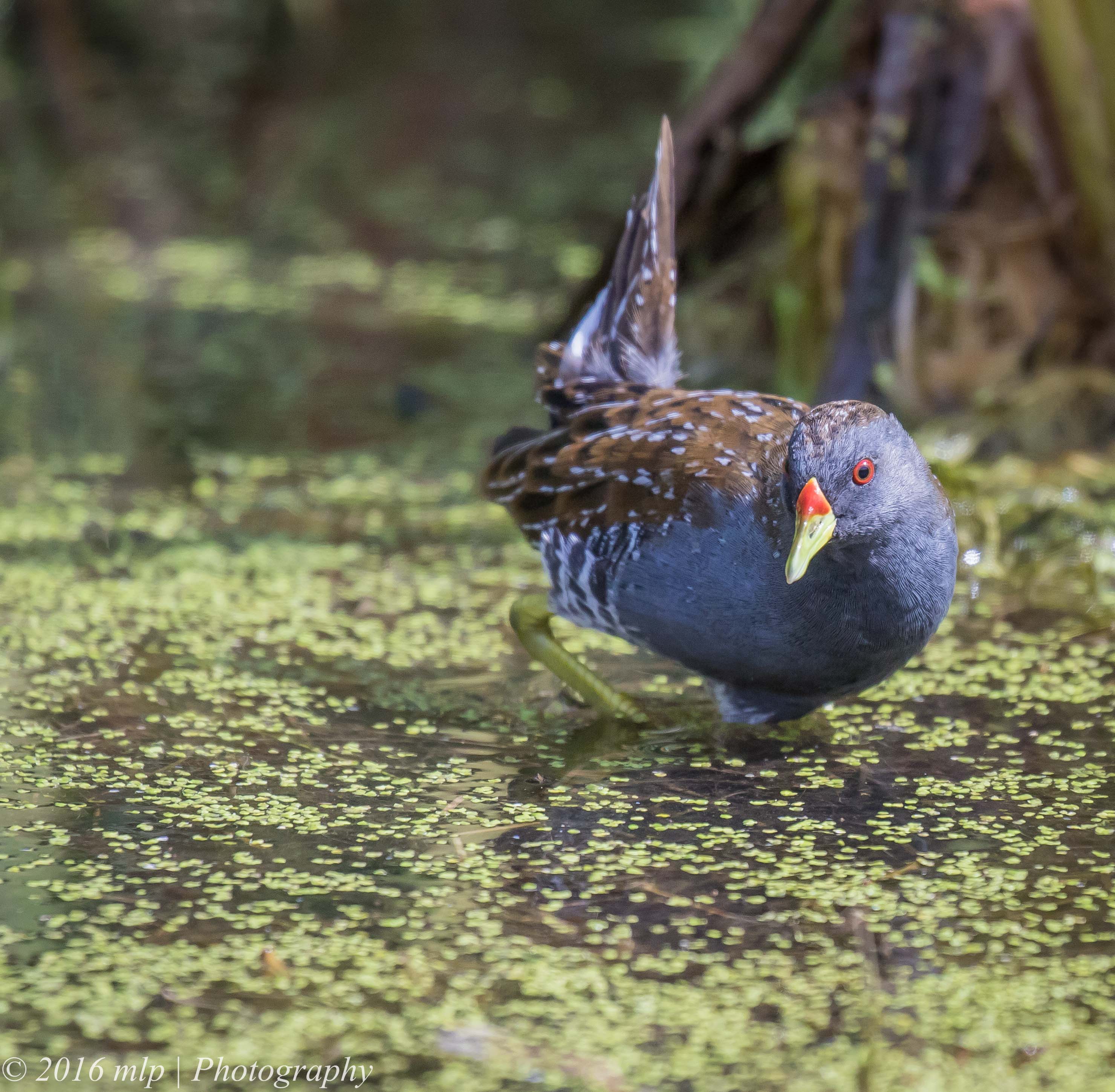
The only place I have regularly seen the Baillon’s Crake:adults and juveniles, is at the Crake Pit at the Western Treatment Plant. According to HANZAB (Handbook of Australian New Zealand Antarctic Birds) it is probably migratory but as it does not call in Winter it is hard to know for sure…however considering how many people are currently visiting the crake pit to look for and photograph the Lewin’s Rail it surely would be seen quite often. On our numerous trips over Summer and Autumn we saw quite a few Baillon’s and they did not appear to be overly shy, often coming right out from under cover. Given the lack of reporting lately I would guess that it does migrate to Northern Australian. It is a very small bird with long olive legs and large feet to help it move across the sodden vegetation.  It has small wings so a long flight north is an amazing feat of endurance.

Baillon’s Crake’s formal name is Porazana pusilla (Porzana:Italian dialect for ‘smaller crake’ and pusilla meaning ‘very small’ or ‘paltry’. It has also been called Lesser Spotted Crake, Tiny, Little, Little Water and Marsh Crake. 

Baillon's Crake,  Western Treatment Plant, Victoria

Baillon’s Crake, Western Treatment Plant, Victoria
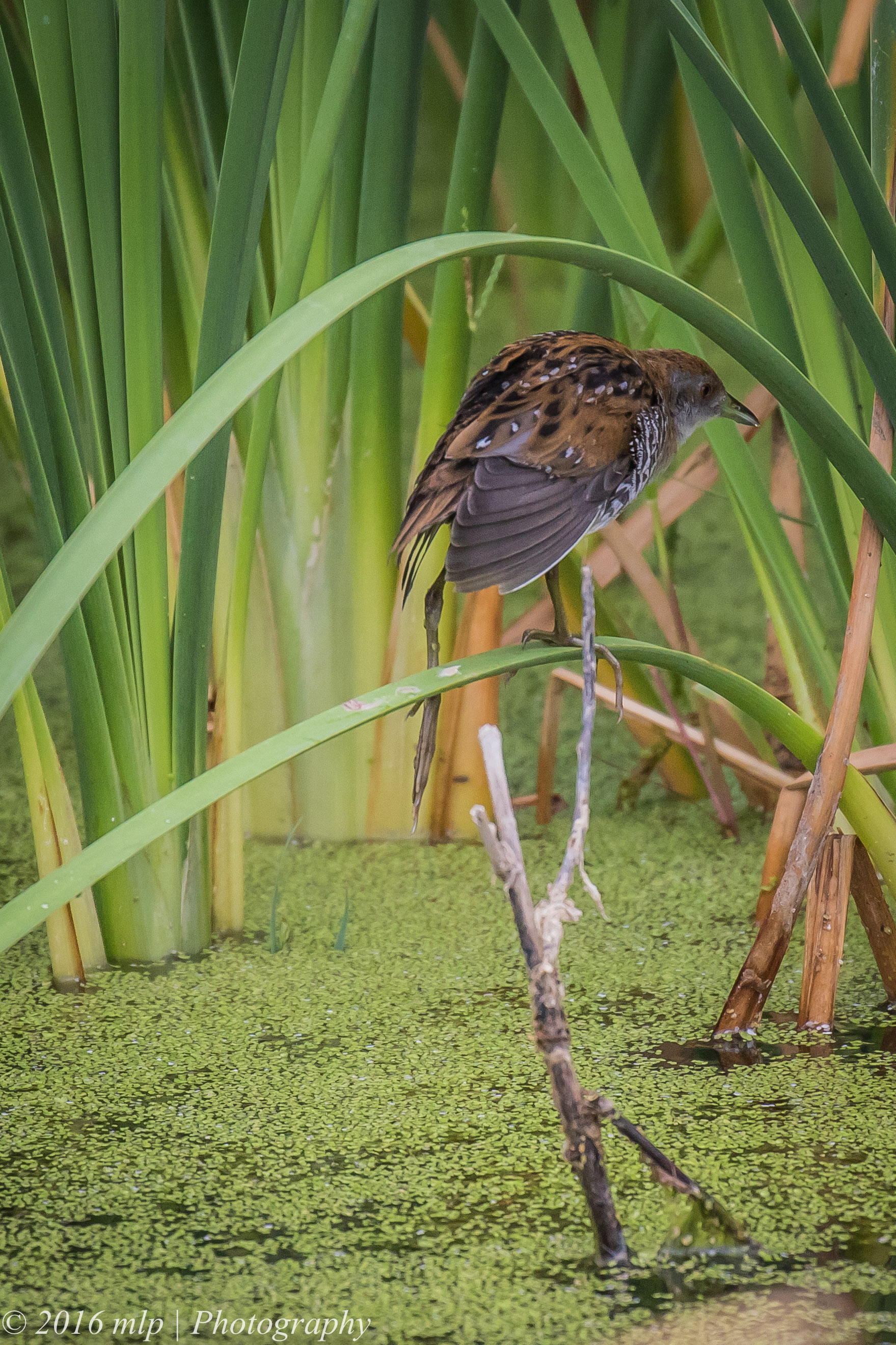
Baillon's Crake,  Western Treatment Plant, Victoria

Baillon’s Crake, Western Treatment Plant, Victoria

Baillon's Crake,  Western Treatment Plant, Victoria

Baillon’s Crake, Western Treatment Plant, Victoria

Baillon's Crake,  Western Treatment Plant, Victoria
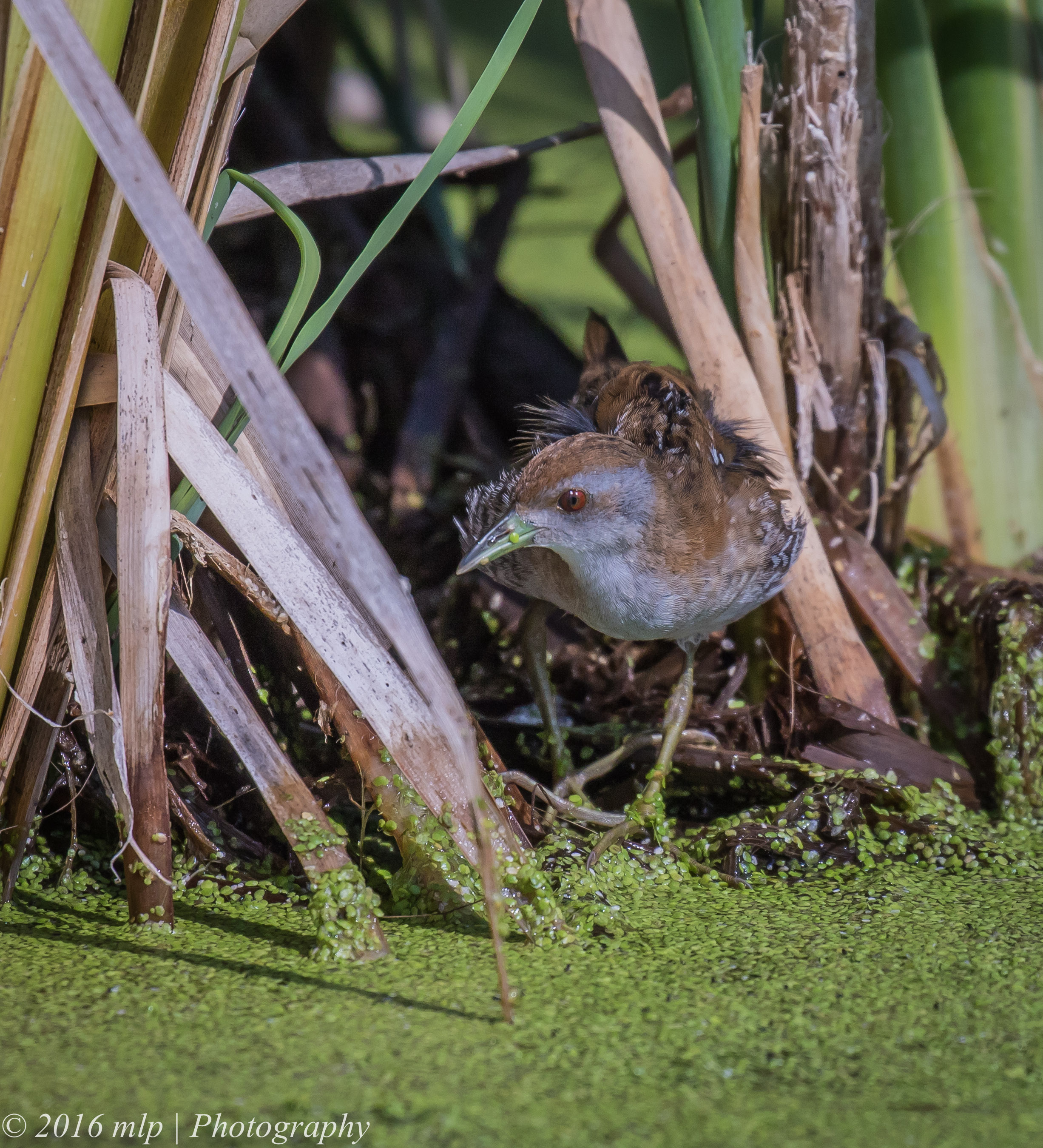
Baillon’s Crake, Western Treatment Plant, Victoria
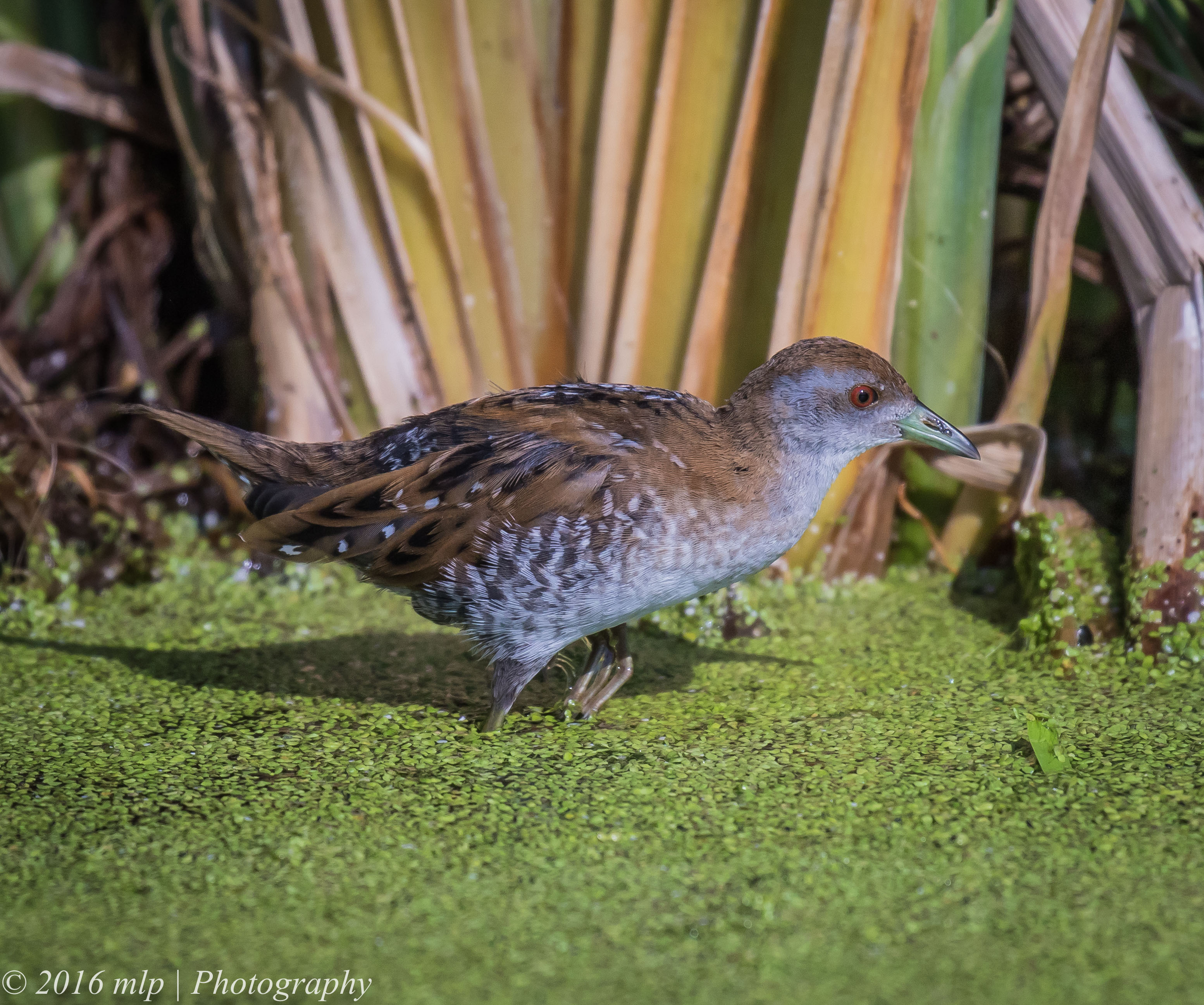
Baillon's Crake,  Western Treatment Plant, Victoria
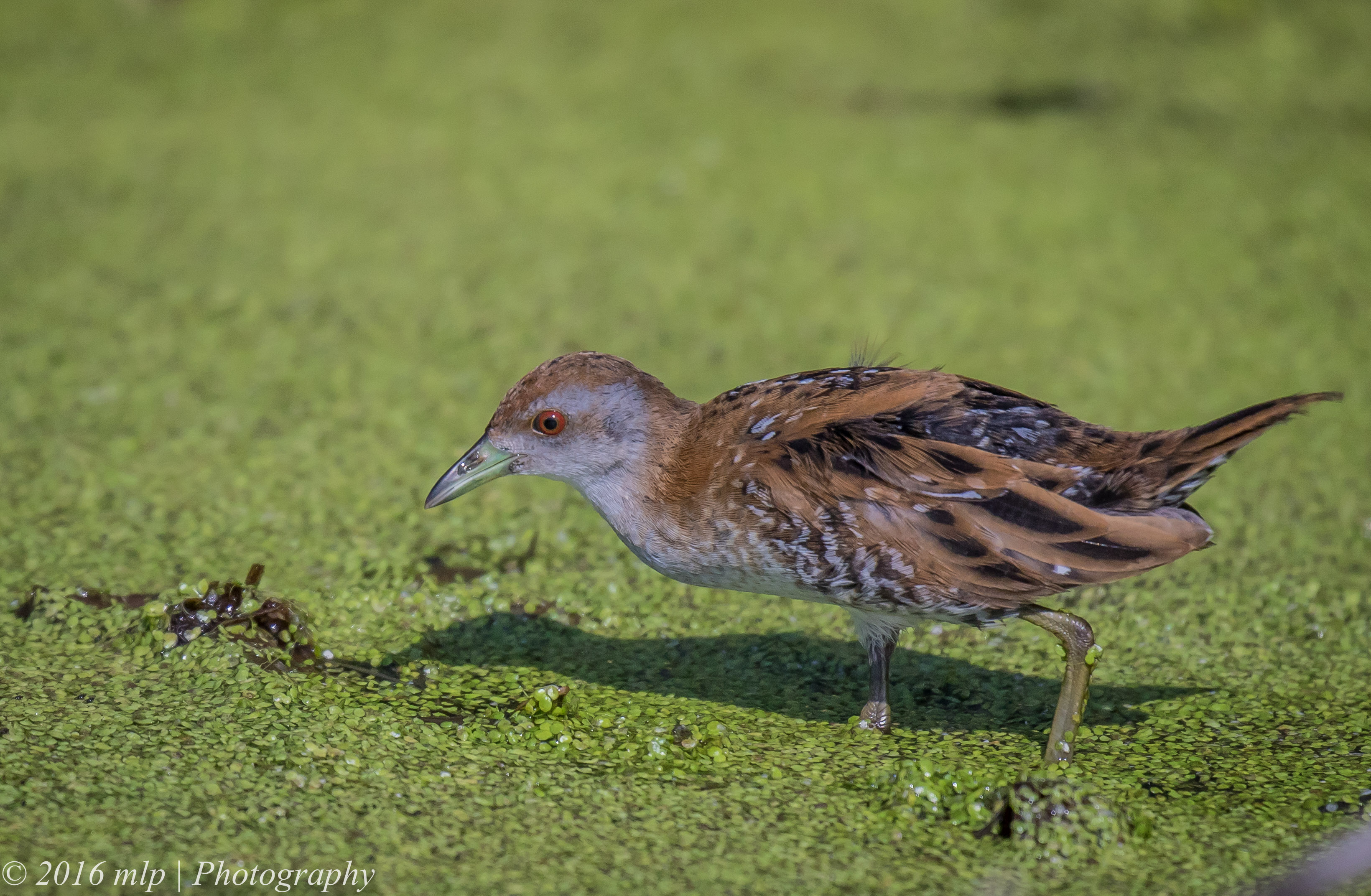
Baillon’s Crake, Western Treatment Plant, Victoria

Baillon's Crake,  Western Treatment Plant, Victoria

Baillon’s Crake, Western Treatment Plant, Victoria

Baillon's Crake,  Western Treatment Plant, Victoria

Baillon’s Crake, Western Treatment Plant, Victoria

Baillon's Crake,  Western Treatment Plant, Victoria

Baillon’s Crake, Western Treatment Plant, Victoria

Baillon's Crake,  Western Treatment Plant, Victoria

Baillon’s Crake, Western Treatment Plant, Victoria

Baillon's Crake,  Western Treatment Plant, Victoria

Baillon’s Crake, Western Treatment Plant, Victoria

Baillon's Crakes,  Western Treatment Plant, Victoria

Sun-baking and preening at a midday roost…
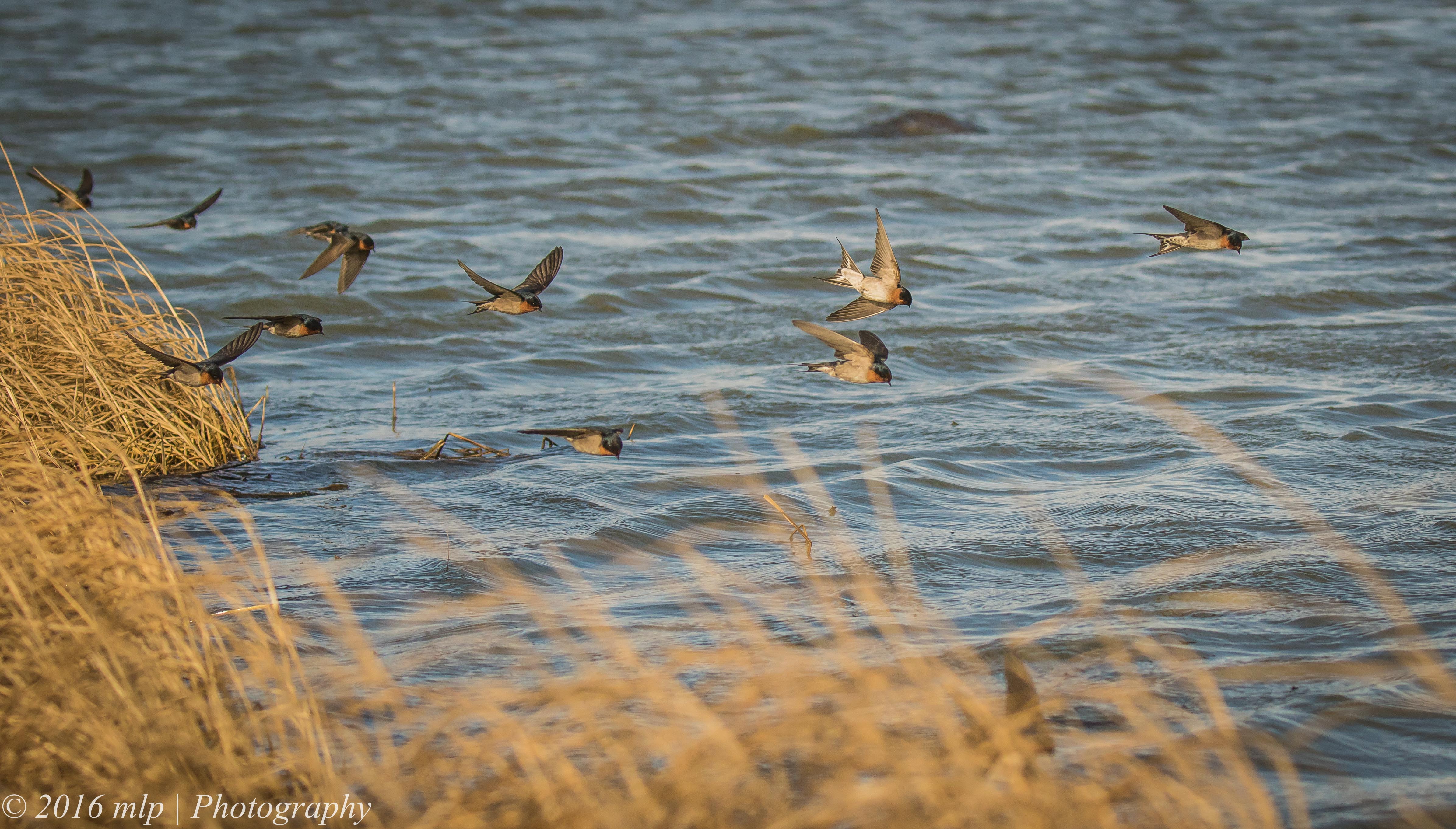
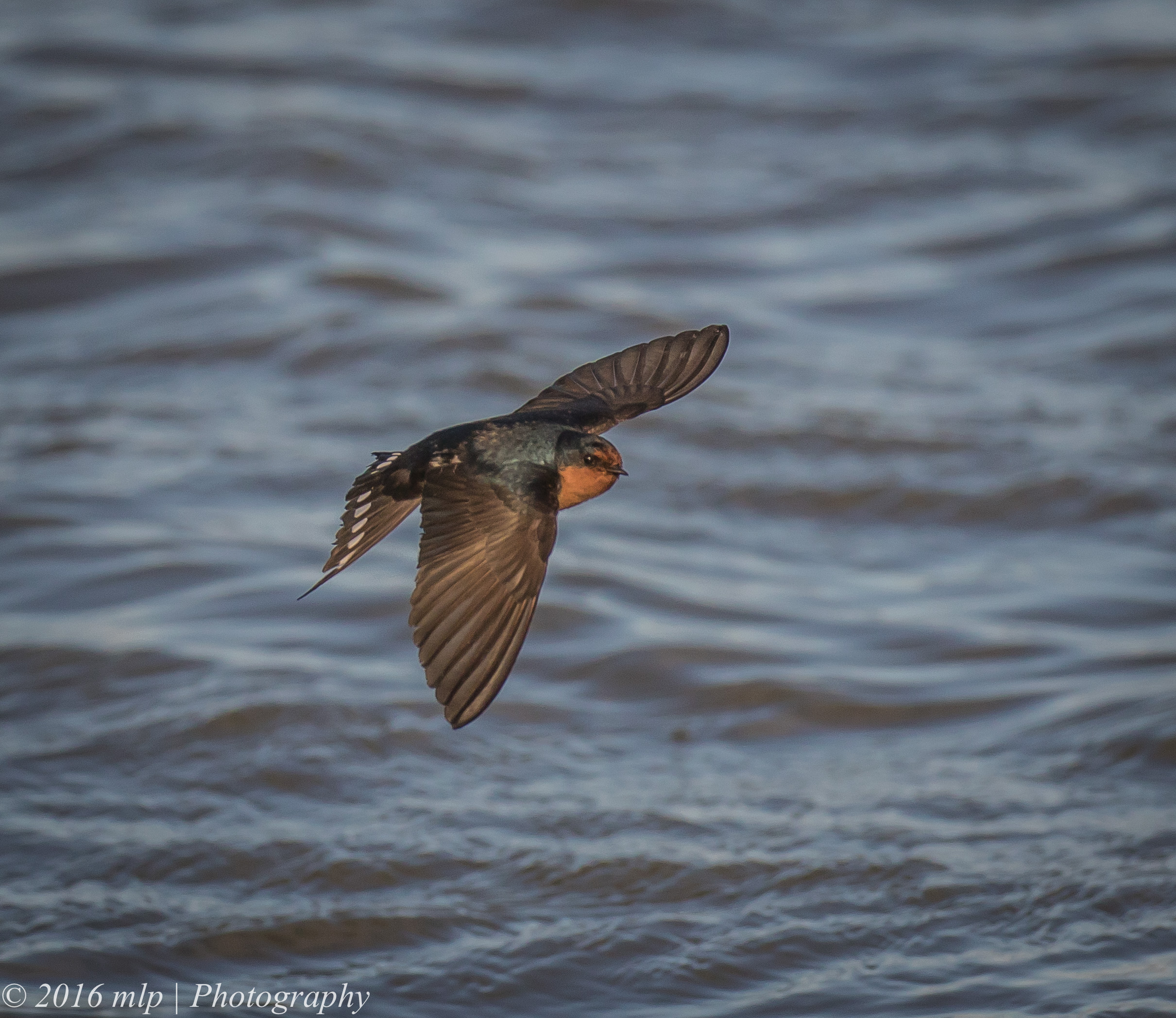
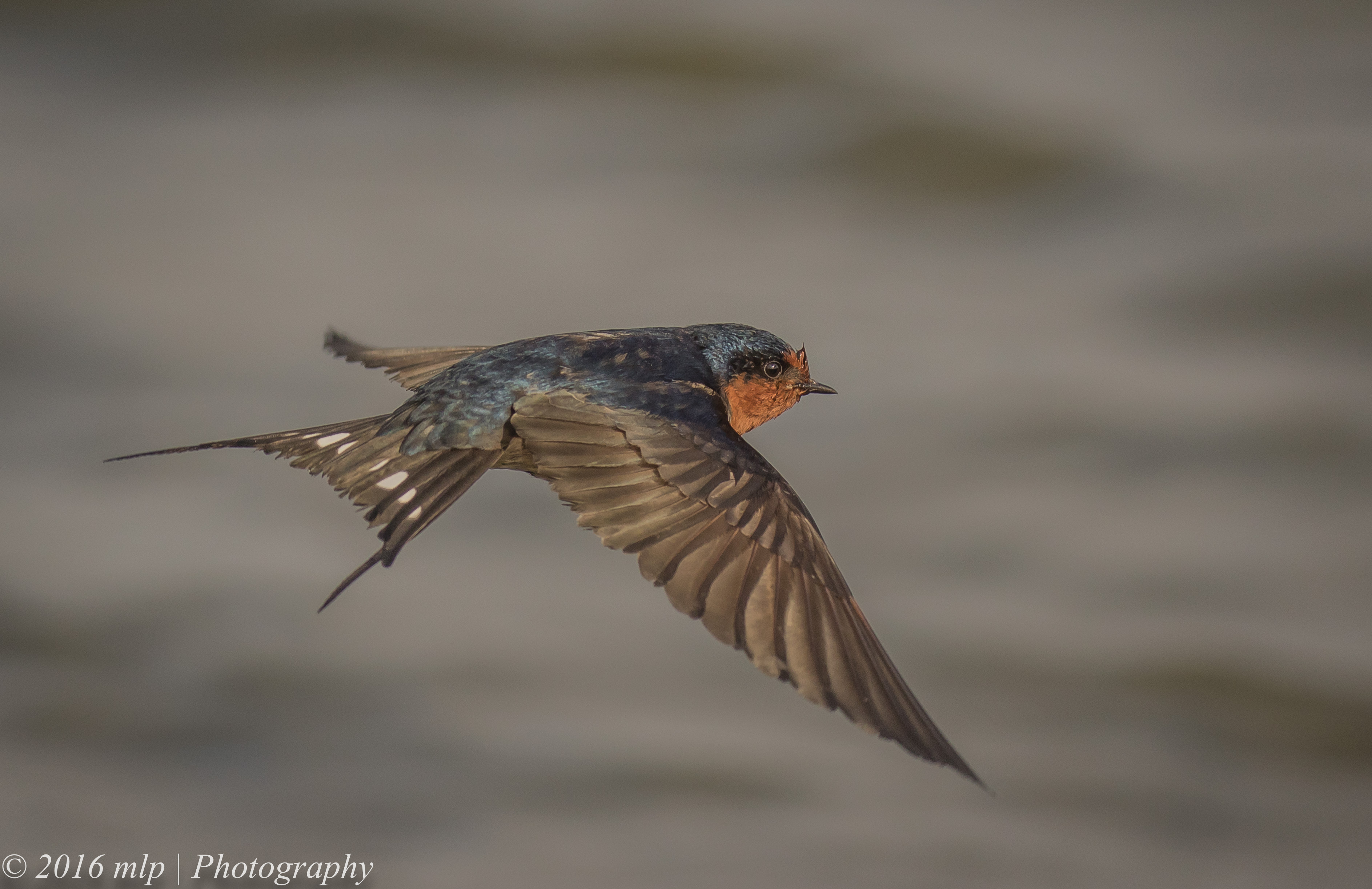
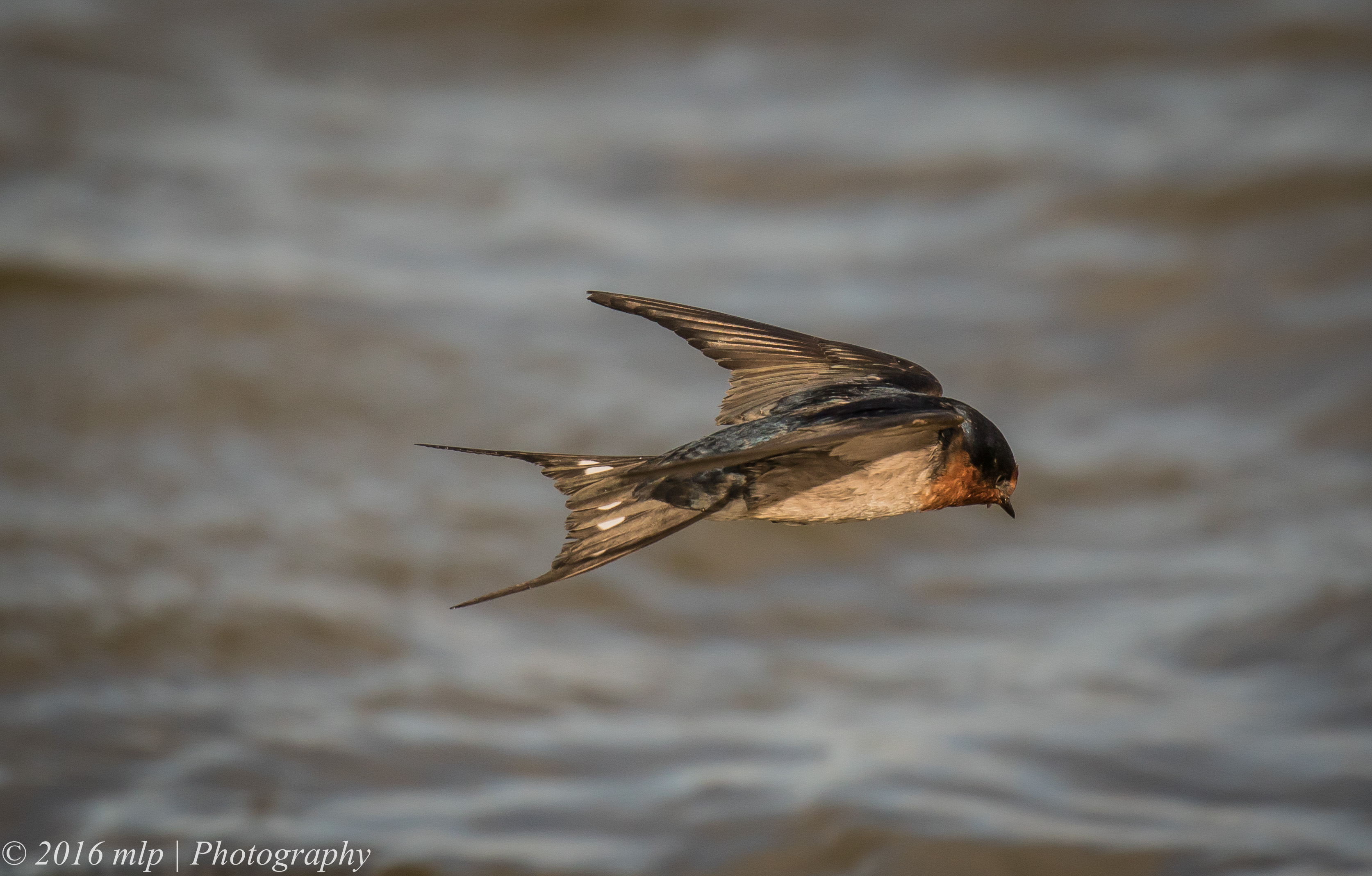
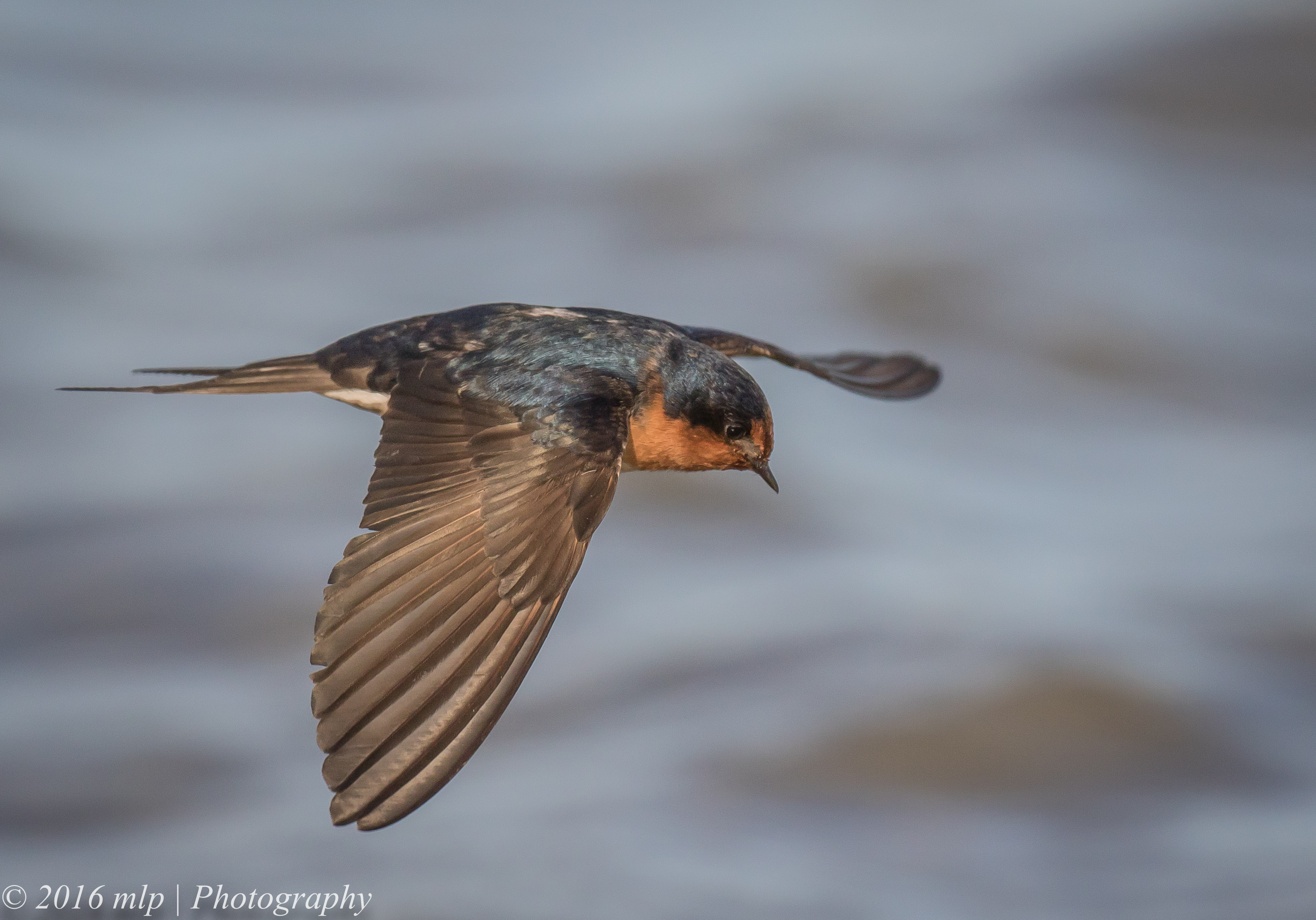
Hawking with the Swallows

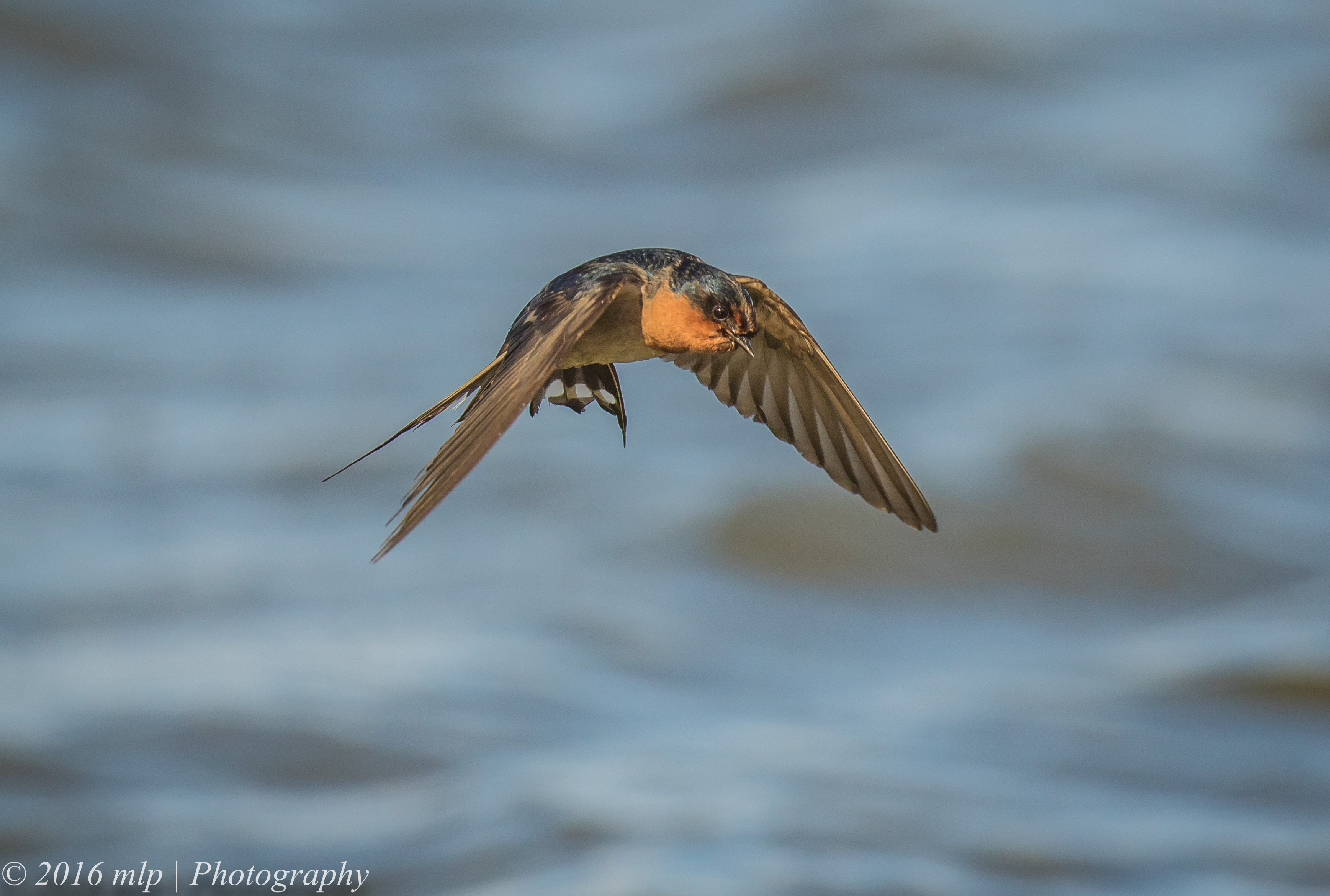
Another day at the Western Treatment Plant looking for Crakes and Rails, and in the next lagoon to the Crake Pit, we found a large flock of Welcome Swallows working a small section of the lagoon scooping small insects off the surface of the water. They stayed in a fairly small area and allowed us to get quite close to attempt some flight shots  – often quiet difficult with these fast moving birds.

Welcome Swallows, Western Treatment Plant, Victoria

Welcome Swallows, Western Treatment Plant, Victoria

Welcome Swallow, Western Treatment Plant, Victoria

Welcome Swallow, Western Treatment Plant, Victoria

Welcome Swallow, Western Treatment Plant, Victoria

II

Welcome Swallow, Western Treatment Plant, Victoria

III

Welcome Swallow, Western Treatment Plant, Victoria

IV

Welcome Swallow, Western Treatment Plant, Victoria

V

Welcome Swallow, Western Treatment Plant, Victoria

VI

Welcome Swallow, Western Treatment Plant, Victoria

VII

The Pooh Farm Crake Pit

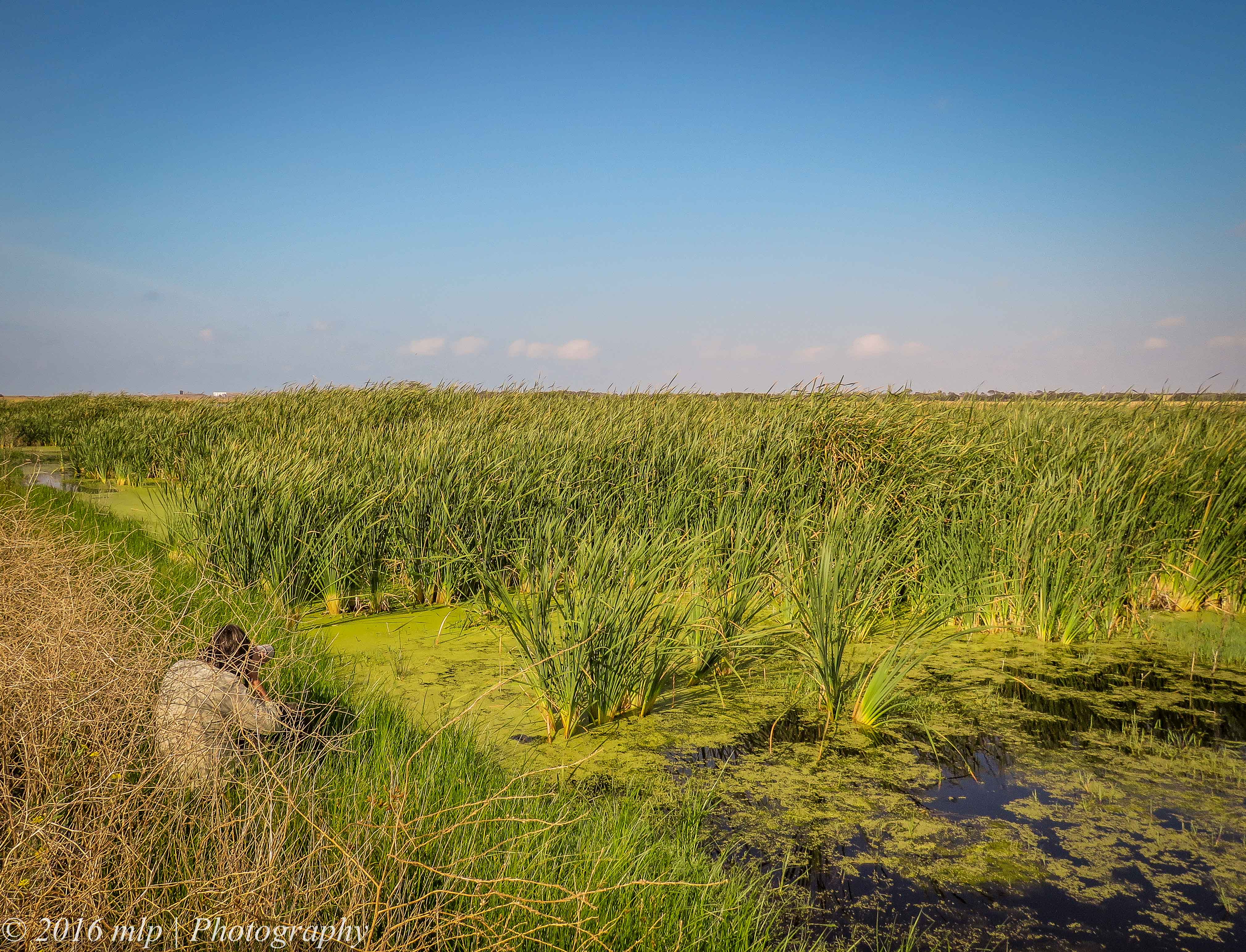
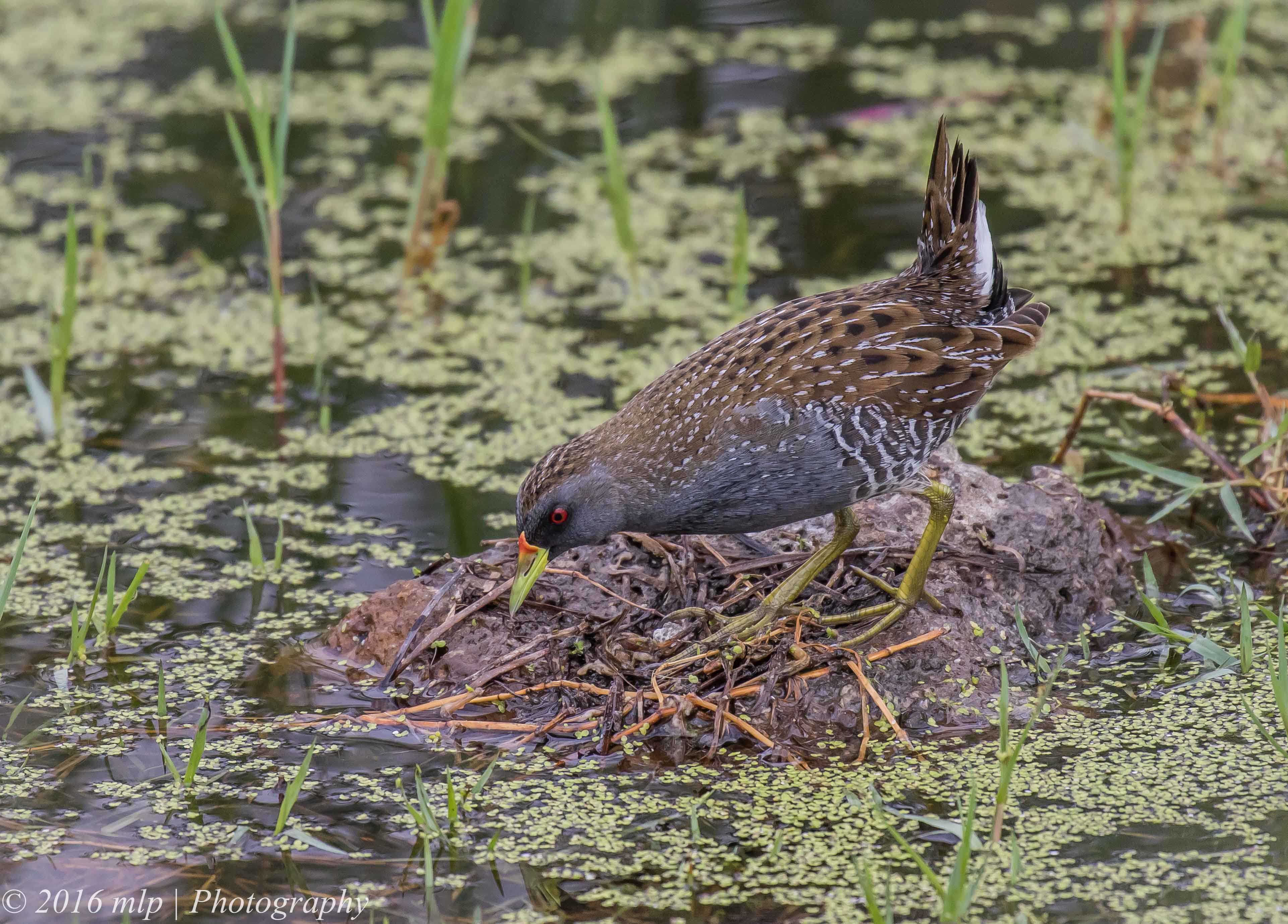
At the Western Treatment Plant and lagoons there is a spot within the T-Section informally called “the Crake Pit“. It is fantastic location for photographing small skulking species of birds that are not often seen – even by avid Birders. It is home to Crakes and Rails. So far at this location I have managed to photograph Baillon’s Crake, the Australian Spotted Crake (also called the Australian Crake or Water Crake) and the Spotless Crake. Also found in this spot are Buff-banded and Lewin’s Rails. Over a series of early morning visits, we managed to spend a few hours each time just sitting and waiting to see what would pop out into the sunlight and starting feeding on the many insects in the water and along the reed beds. It was a very different experience to actually stay in the one spot and wait rather than constantly move around the huge treatment plant lagoons looking for the many species of birds that live and feed here…it felt like a guilty pleasure to just sit and wait (yes, for a birder just sitting still in the middle of a sewerage plant and watching settling/filtering lagoons is a guilty pleasure….)

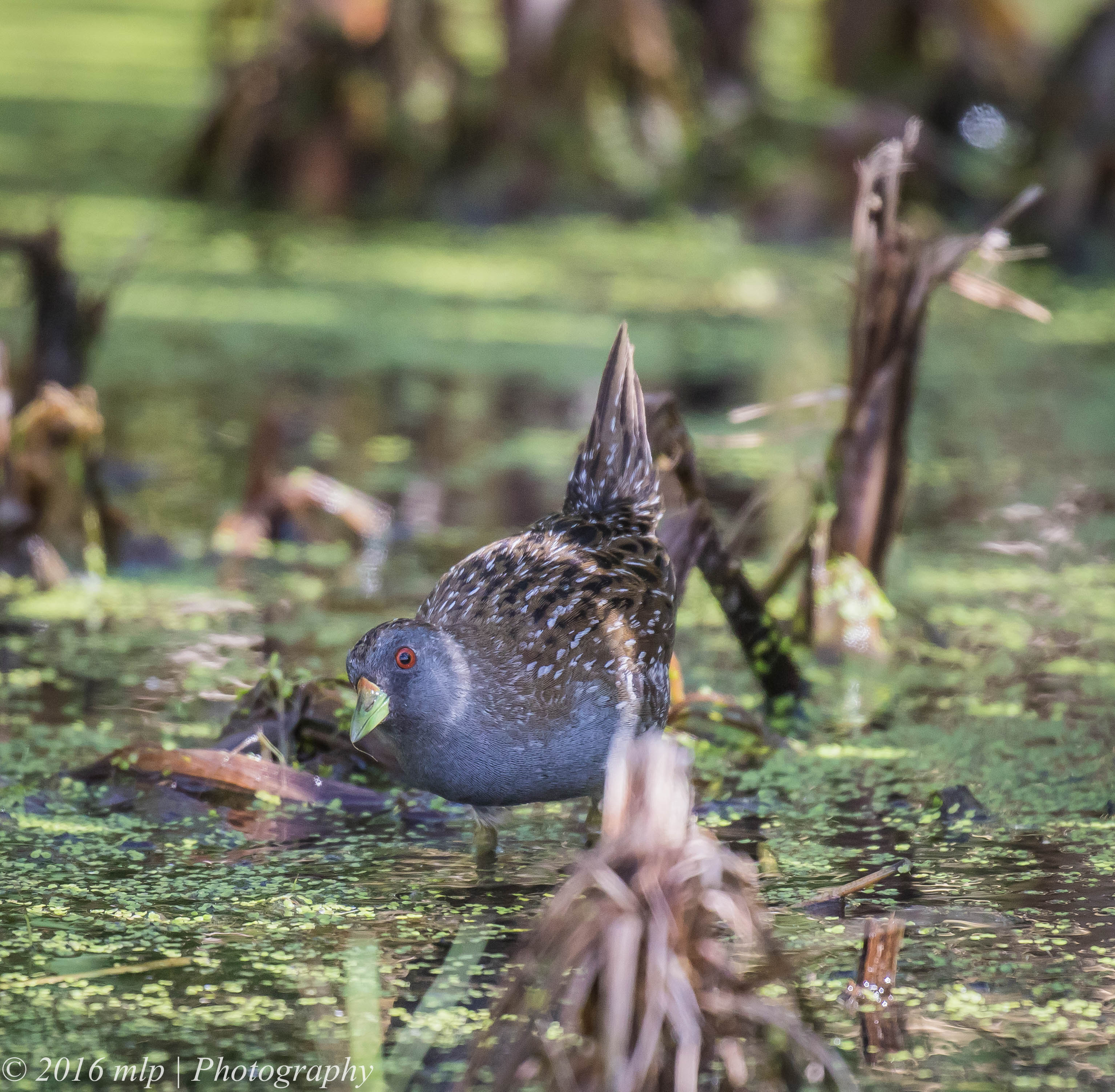
The photos below are of the Australian Crake also called the Australian Spotted Crake (Porzana fluminea) – Porzana is the Italian (Venetian) name for smaller crakes, and fluminea is Latin for ‘frequenting rivers’. 

Australian Spotted Crake, Western Treatment Plant, Victoria

Australian Spotted Crake, Western Treatment Plant, Victoria

The Crake Pit,  Western Treatment Plant, Victoria

The Crake Pit, Western Treatment Plant, Victoria

The Crake Pit,  Western Treatment Plant, Victoria

II

Australian Spotted Crake,  Western Treatment Plant, Victoria

Australian Spotted Crake, Western Treatment Plant, Victoria

Australian Spotted Crake, Western Treatment Plant, Victoria

II

Australian Spotted Crake, Western Treatment Plant, Victoria

III

Australian Spotted Crake, Western Treatment Plant, Victoria

IV

Boobook of the You Yangs

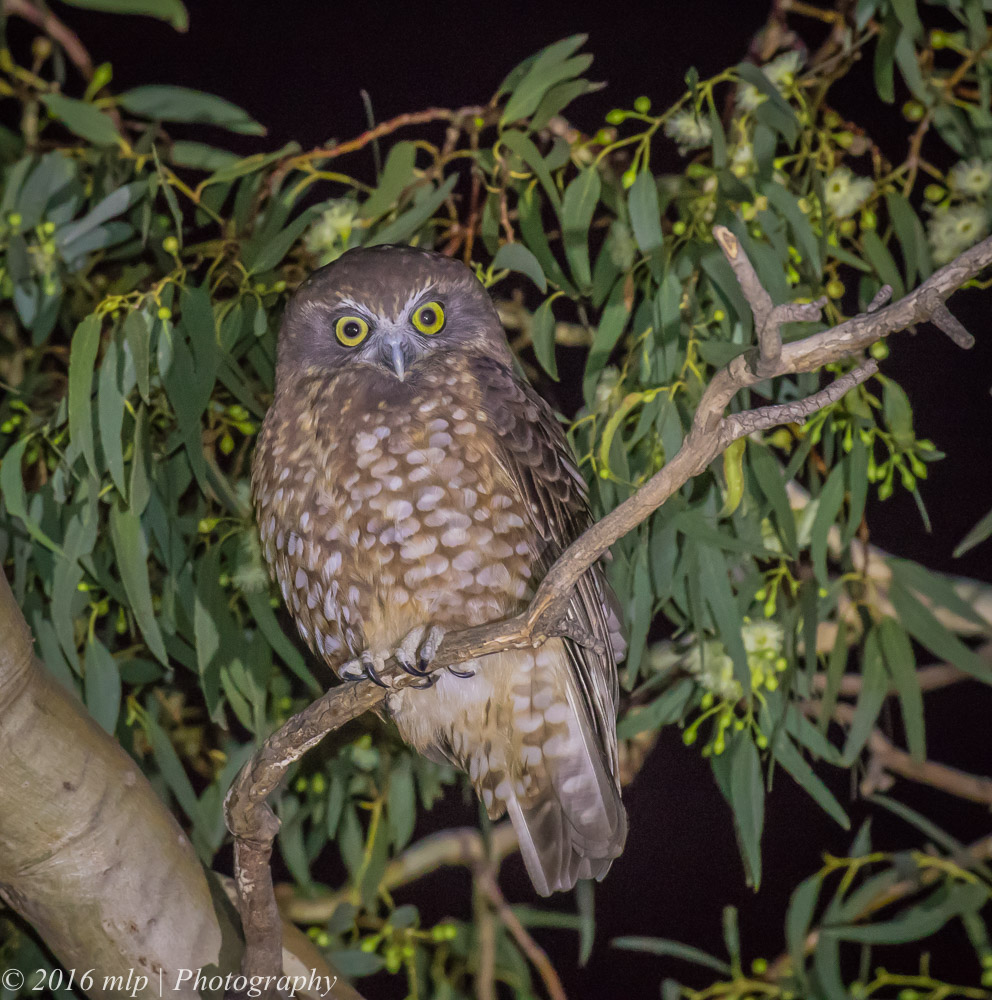
I am very happy when I get a lifer (a bird species that I have never seen before) – I am even happier when I get to photograph one like the beautiful Owlet-nightjar. That day became even better when I found another unexpected bird and also managed to photograph it. The Boobook Owl is more often seen at dusk and during the night when the light can be very tricky. The one below was found within a clump of smaller gum trees. I think it was trying to roost for the day but was being harassed by groups of White-plumed and New Holland Honeyeaters. Heard from a distance, the ruckus was enough for me to move around the trees looking to see whether there was a raptor causing trouble – I was surprised to find this quite alert Southern Boobook.

Boobook Owl, You Yangs Regional Park, Victoria

Southern Boobook Owl, You Yangs Regional Park, Victoria

Boobook Owl, You Yangs Regional Park, Victoria

II

Boobook Owl, You Yangs Regional Park, Victoria

III

Boobook Owl, You Yangs Regional Park, Victoria

IV

Boobook Owl, You Yangs Regional Park, Victoria

V

Lifer 332 – Australian Owlet-nightjar

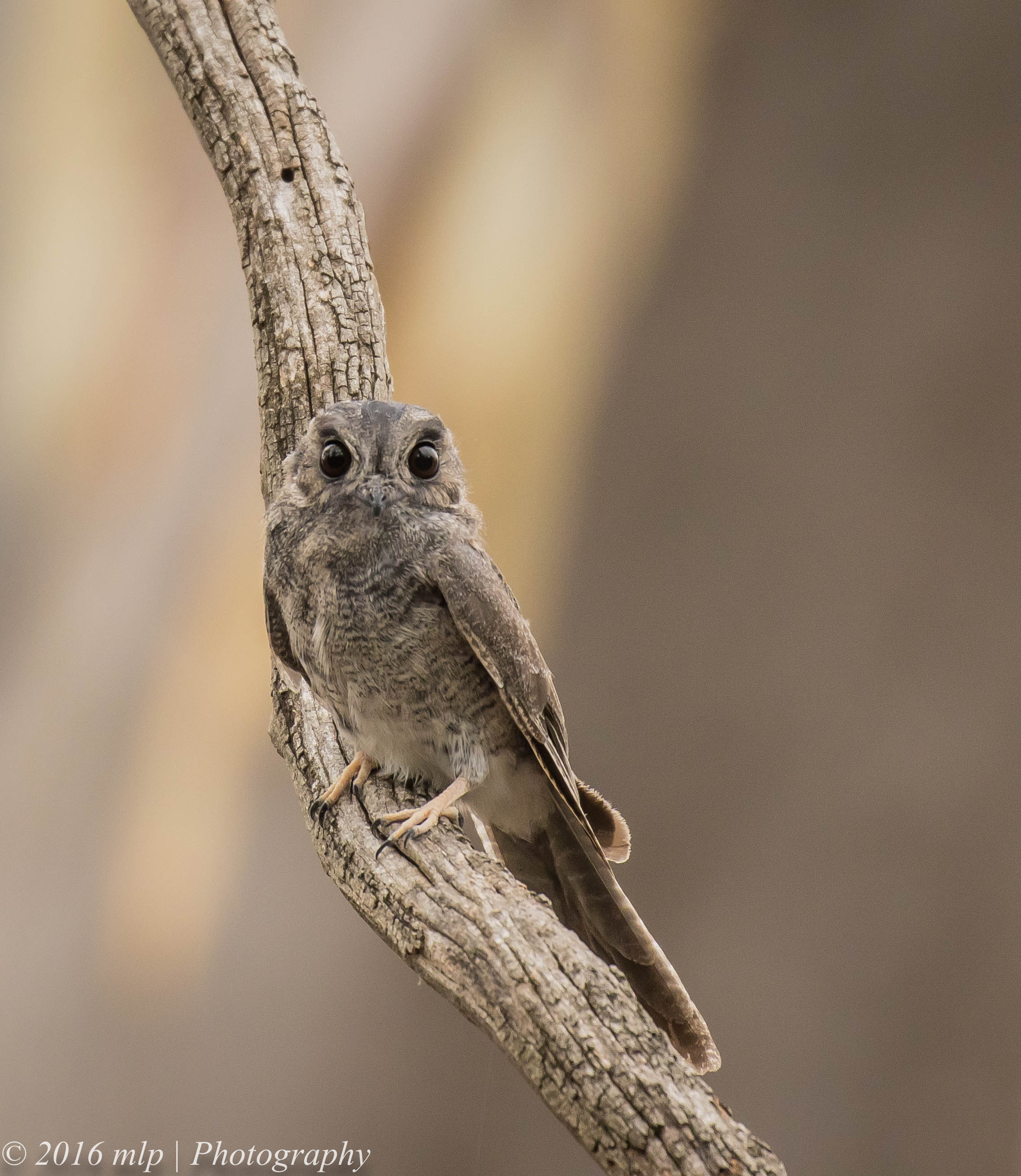
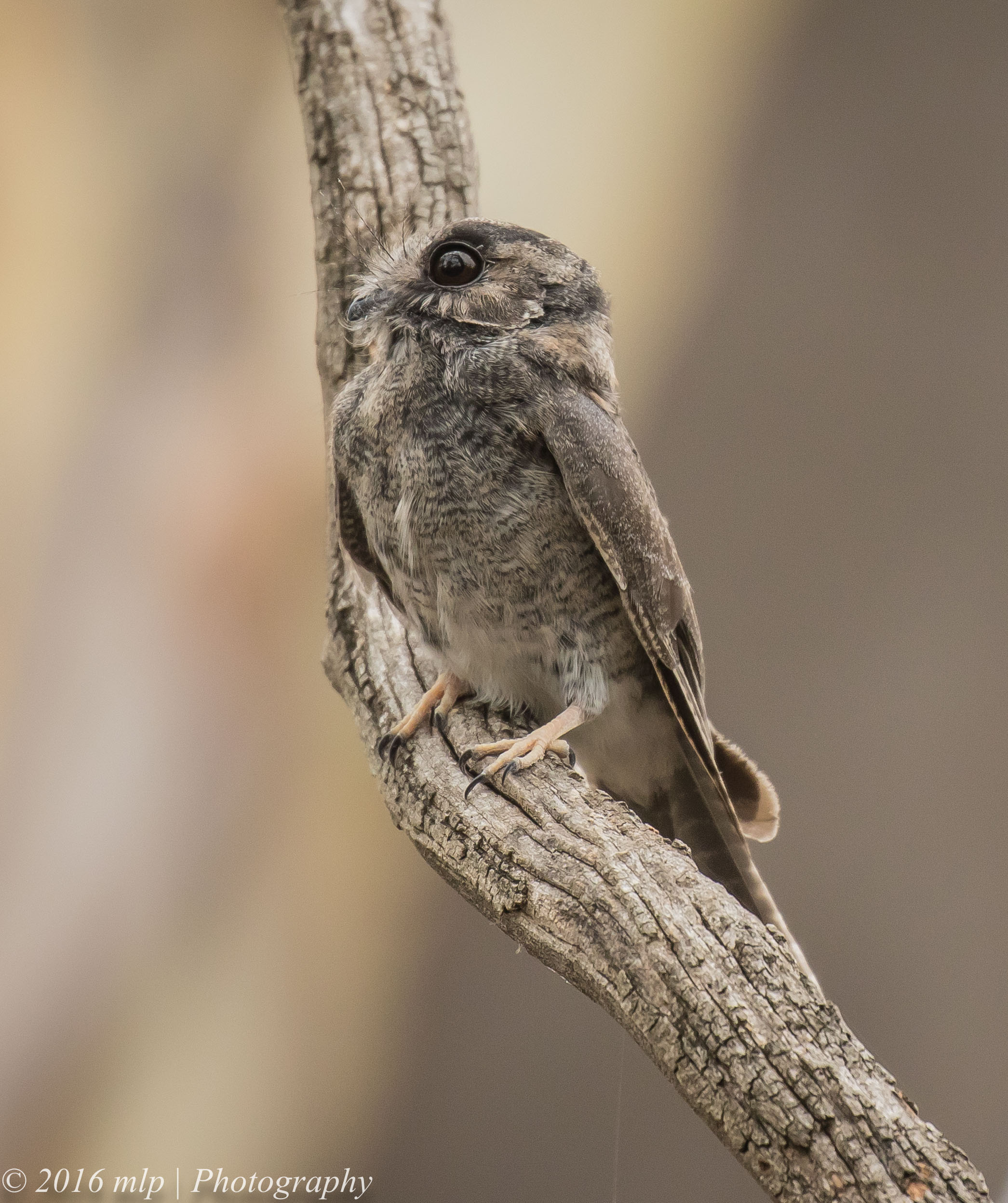
I have been looking for this bird species since I started birding a few years back. It can be found in most old growth and mature new growth forests with lots of tree hollows. It is often reported first thing in the morning sun-baking on the edge of its hollow. Over the last several years I have looked into every hollow in just about every tree I have walked past…while I have found many possums and one Boobook owl I have never found an Owlet-nightjar. On a recent trip to the You Yangs (about 45 mins west of Melbourne), I was exploring  the woodlands section below the ranger station with a friend when a nightjar burst out of an old dead tree stump and flew to a nearby branch.  It allowed us to get close and photograph it…it was much tinier than I expected  – probably a third the size of the other Nightjar species that I photograph quite frequently – the Tawny Frogmouth. The Owlet Nightjar has superb camouflage and huge black eyes for great night vision.

Australian Owlet-nightjar, You Yangs Regional Park, Victoria

Australian Owlet-nightjar, You Yangs Regional Park, Victoria

Australian Owlet-nightjar, You Yangs Regional Park, Victoria

II

Australian Owlet-nightjar, You Yangs Regional Park, Victoria

III

Australian Owlet-nightjar, You Yangs Regional Park, Victoria

IV

Australian Owlet-nightjar, You Yangs Regional Park, Victoria

Australian Owlet-nightjar, You Yangs Regional Park, Victoria

Day-trip to the Karmarooka Forest

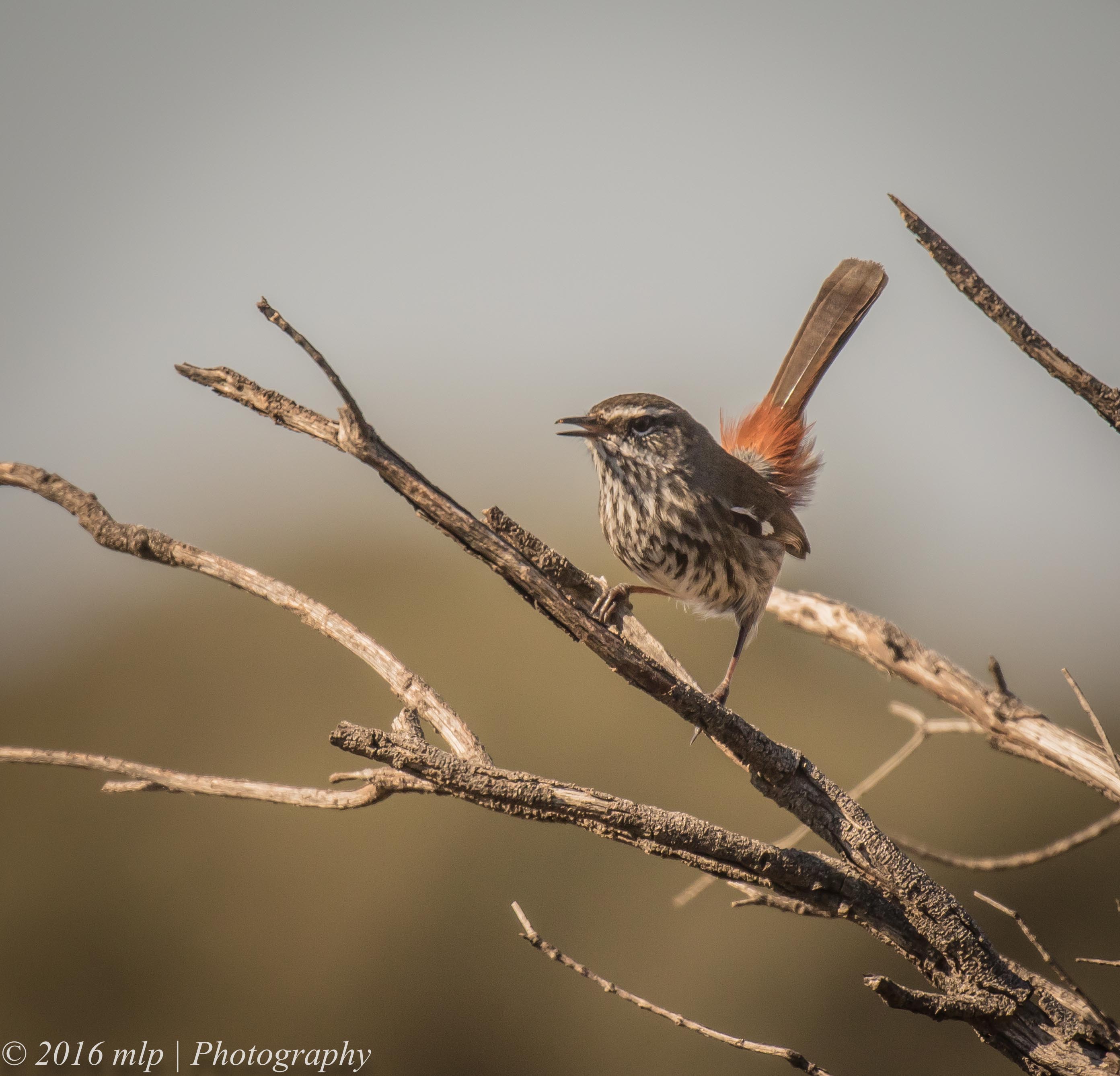
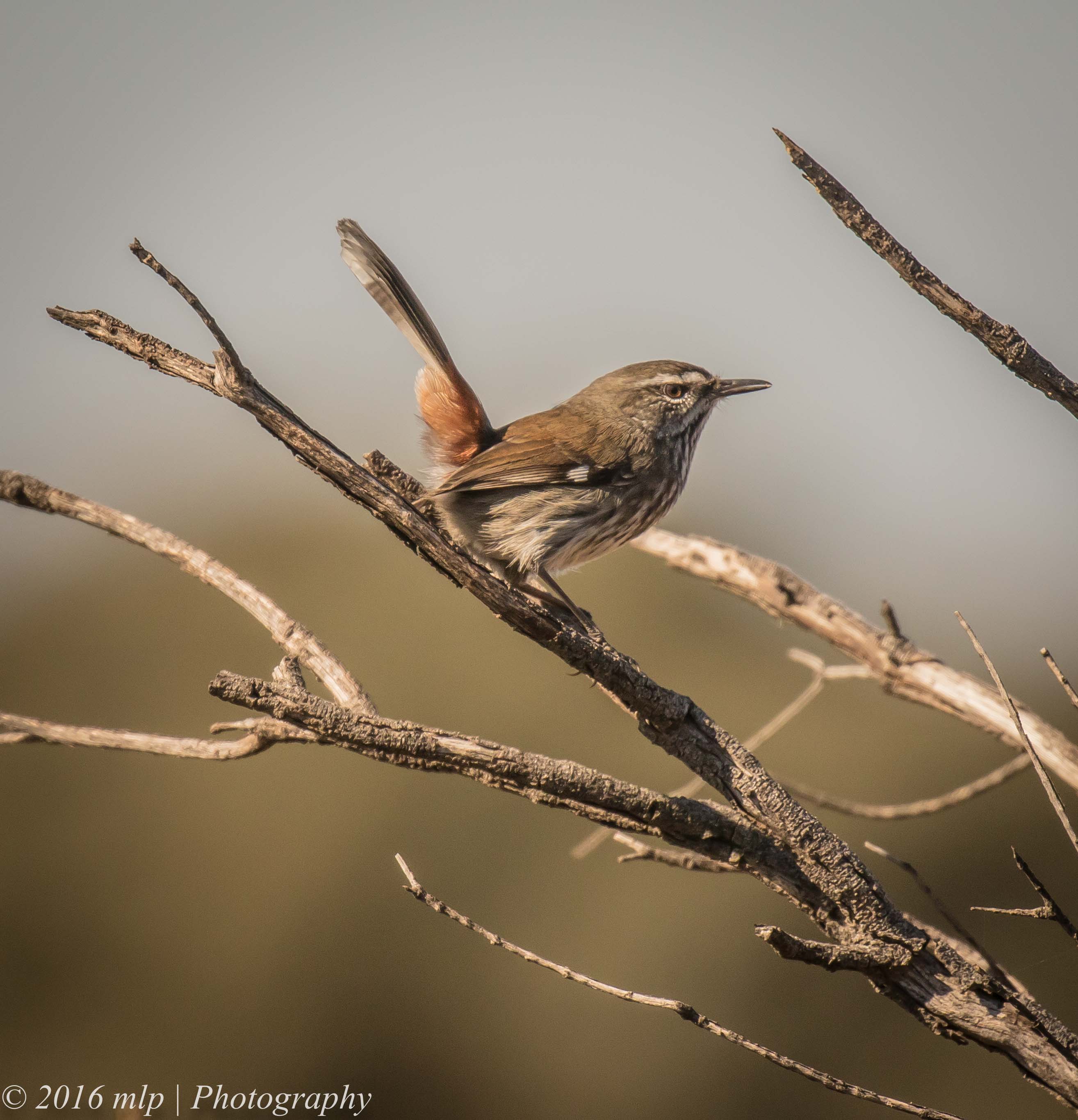
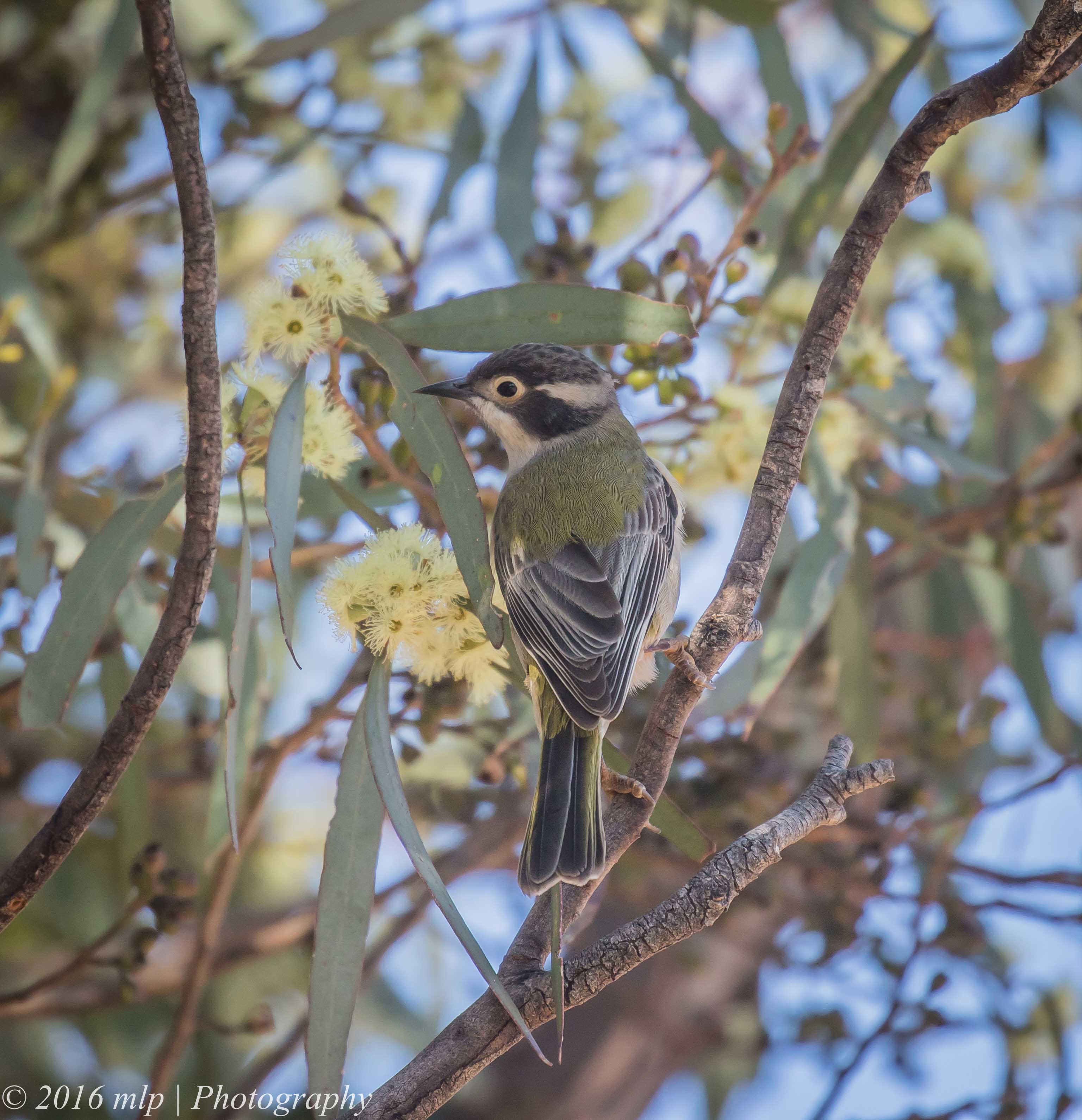
On a recent day trip into Central Victoria (2 hours North of Melbourne), we decided to explore the Northern section of the Greater Bendigo National Park. We drove around the various tracks of the Karmarooka Forest stopping at a few favourite spots to photograph some of the local species. The pick of day was the Shy Heathwren we found down one of the side tracks and a small family of Brown Headed Honeyeaters.

Shy Heathwren, Karmarooka Forest, Victoria,

Shy Heathwren, Karmarooka Forest, Victoria,

Shy Heathwren, Karmarooka Forest, Victoria,

II

Shy Heathwren, Karmarooka Forest, Victoria,

III

Shy Heathwren, Karmarooka Forest, Victoria,

IV

Brown Headed Honeyeater, Karmarooka Forest, Victoria

Brown Headed Honeyeater, Karmarooka Forest, Victoria

Striated Thornbills of the Iron Bark Track

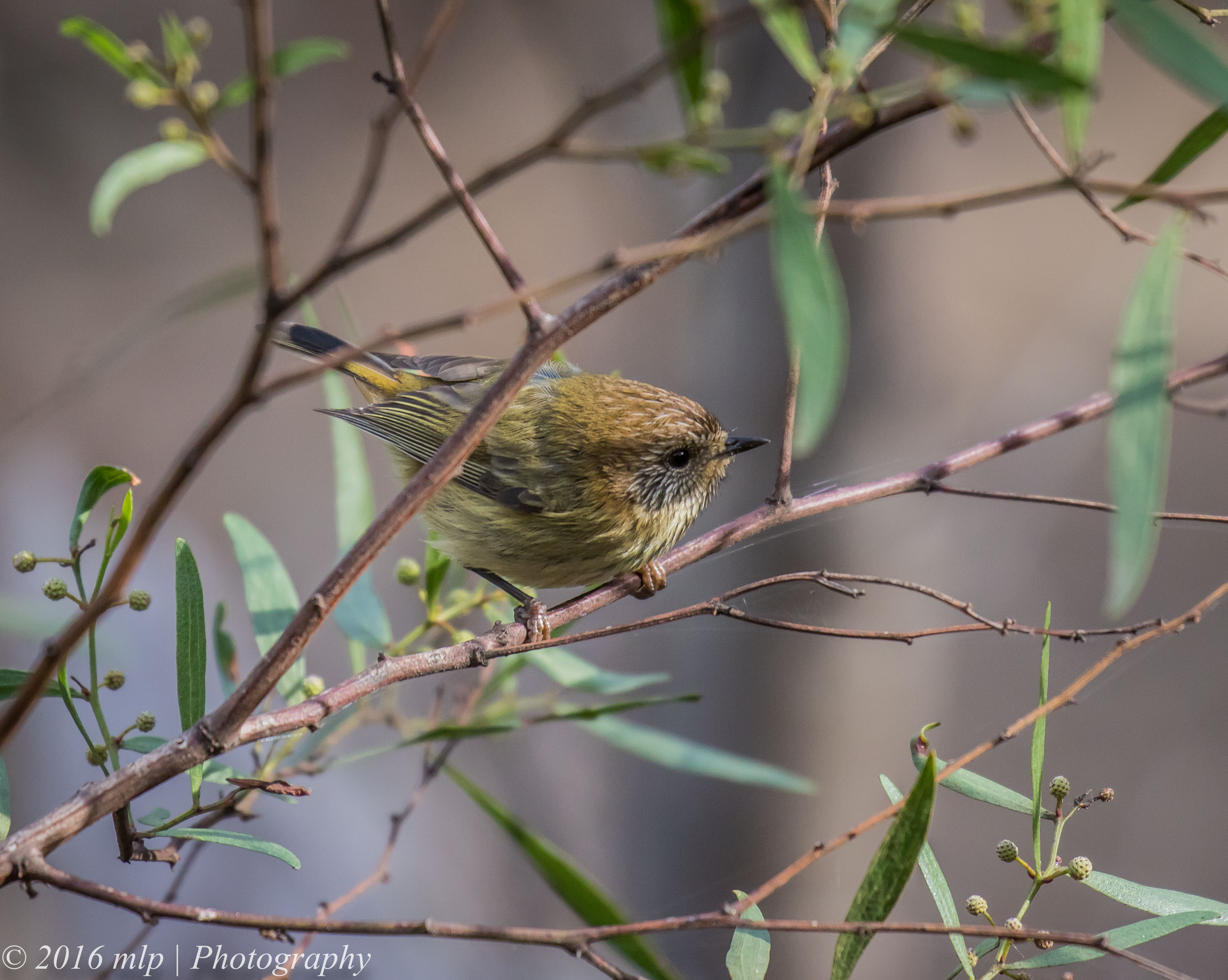
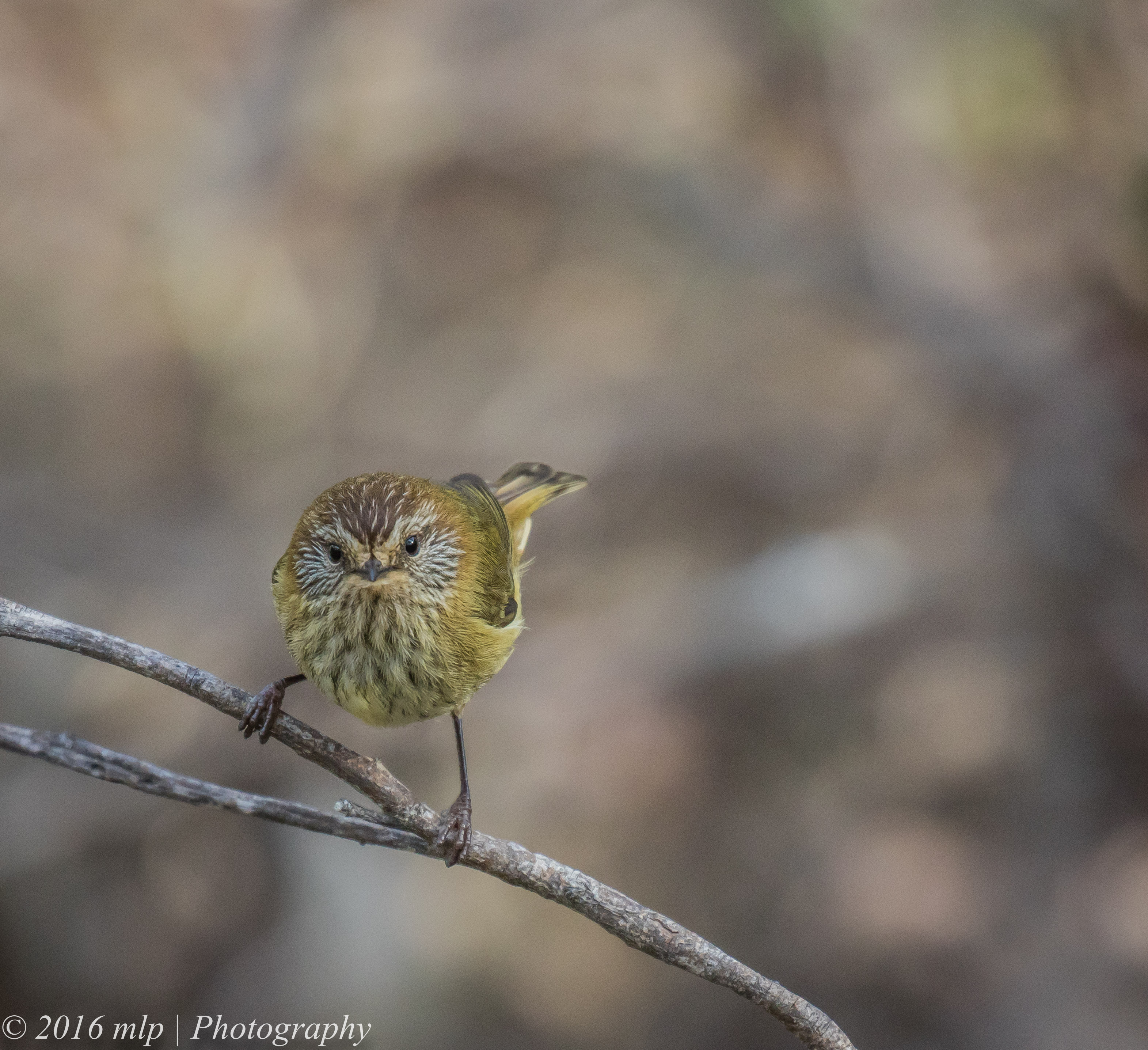
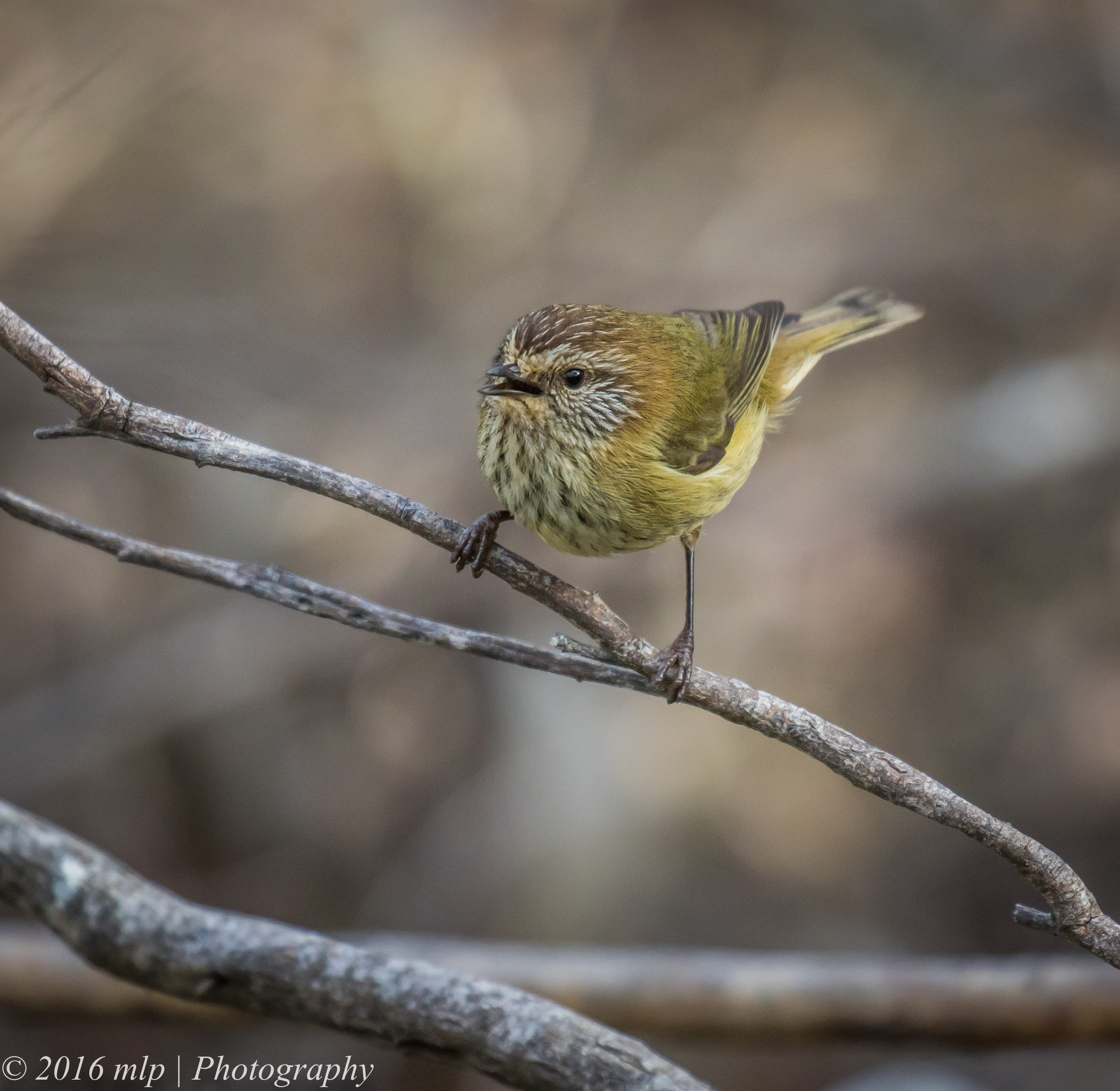
Near the turn off from the main highway (also called the Great Ocean Road) along the Point Addis Road is a small carpark and the start to a wonderful short walk around a mixed growth forest. At the moment the tall Iron Bark trees are flowering and while there may not be a huge number of species there are very good numbers of a few forest species. Walking around the forest track we came across the usual birds like Red Wattlebirds, Eastern Yellow Robins, New Holland Honeyeaters and Rainbow Lorikeets and a few rarer birds like the Gang Gang Cockatoo and Varied Sitella. While trying to find a Painted Button Quail that we could hear calling we became immersed in a small feeding flock of Striated Thornbills. Their cousins the Brown Thornbill are quite common in most forests and even in my own street in suburbia but striated seem to be a bit rarer and difficult to photograph – they are always on the go, hunting for insects and chasing each other. It is a real treat to find (usually by their calls) and photograph these tiny 10 cm birds.

Striated Thornbill, Point Addis Iron Bark Track, Victoria

Striated Thornbill, Point Addis Iron Bark Track, Victoria

Striated Thornbill, Point Addis Iron Bark Track, Victoria

II

Striated Thornbill, Point Addis Iron Bark Track, Victoria

III

A sunny Winter’s day in Half Moon Bay

Golden Hour light on cliffs, Black Rock Beach, Victoria

Golden Hour light on cliffs, Black Rock Beach, Victoria

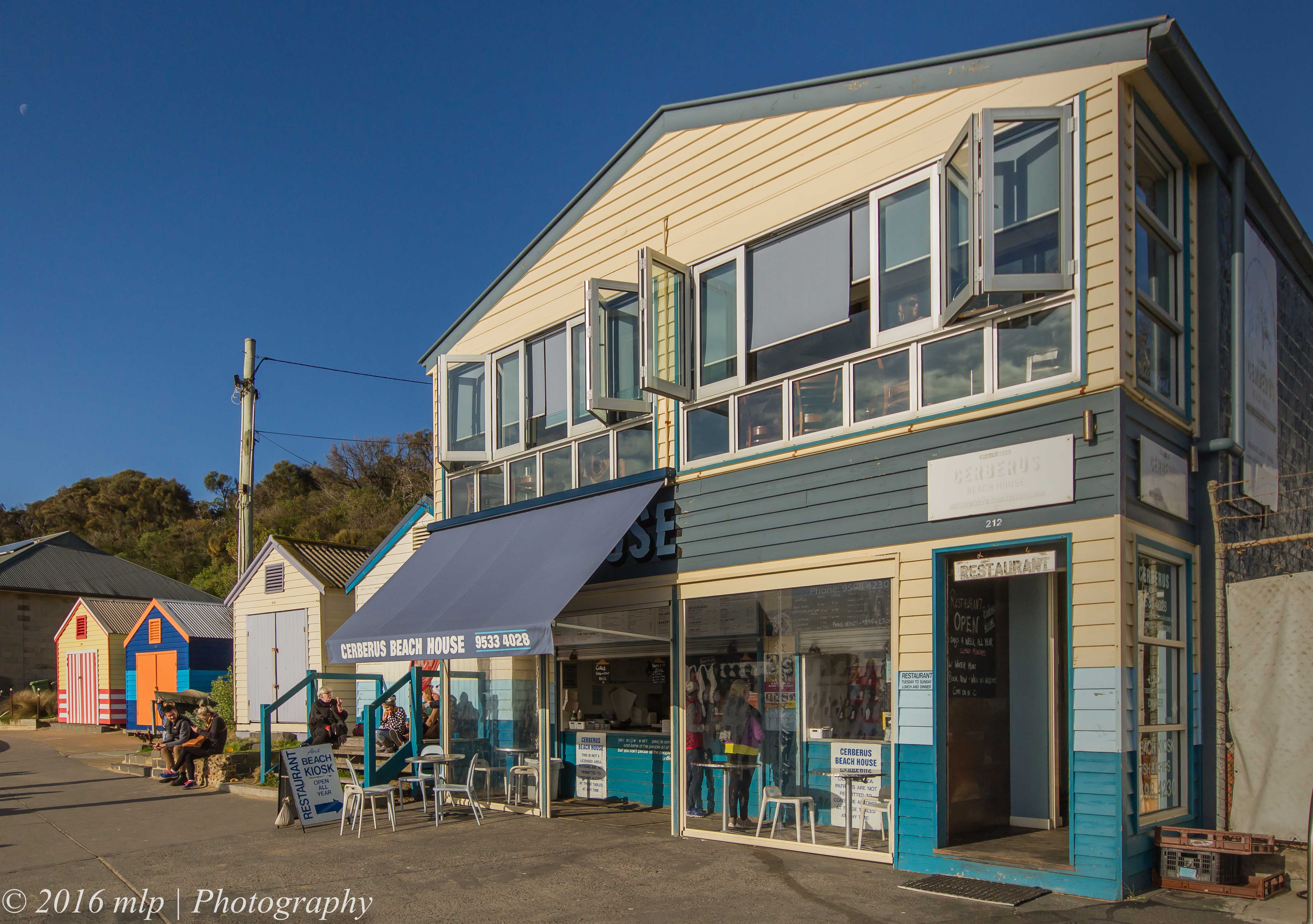
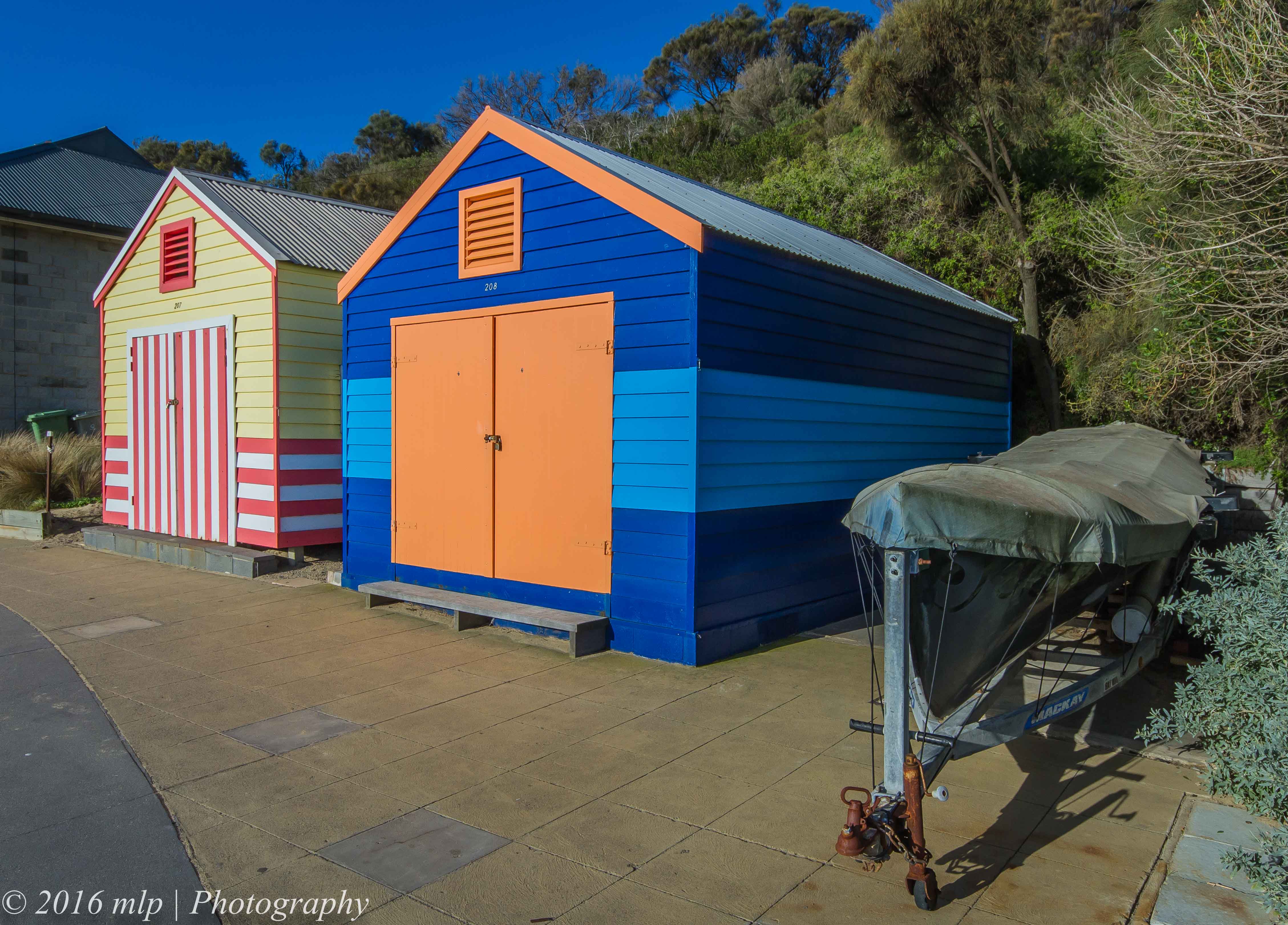
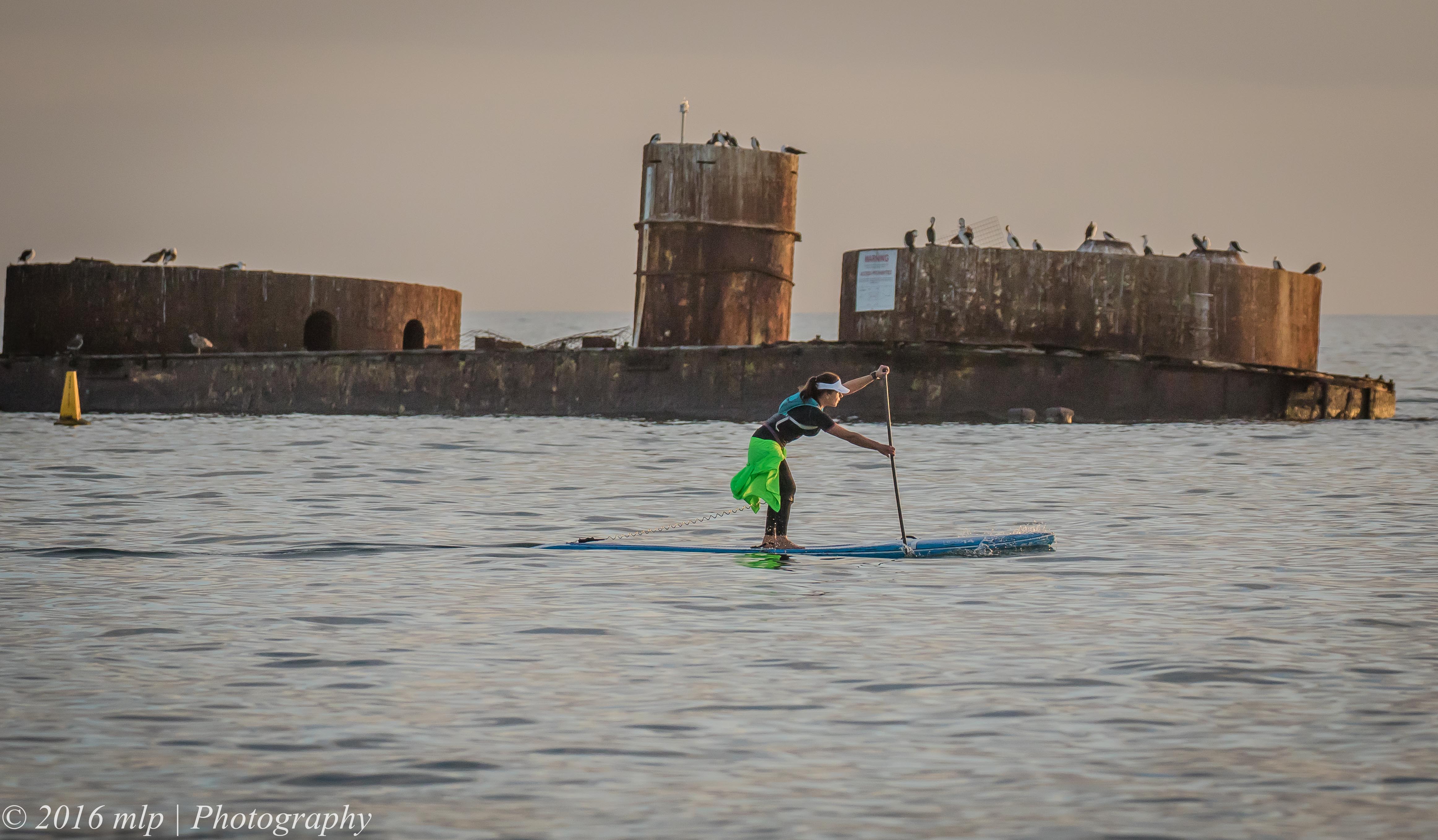
Recently I visited Black Rock and spent some time photographing this small  beach also known as Half Moon Bay, the old pre-WW1 ironclad ship sitting in shallow water offshore and the local cliffs that come alive with intense colours during the golden hour.

Cerberus Beach House, Black Rock beach, Victoria

Cerberus Beach House, Half Moon Bay, Victoria

Cerberus Beach Boat Houses, Black Rock beach, Victoria

Cerberus Beach colourful boat houses and sailing boat

Cerberus wreck, Black Rock, Victoria

Cerberus wreck in Half Moon Bay, Black Rock, Victoria – the remains of a very old ironclad ship

Board Paddler in front of Cerberus Wreck, Black Rock Beach, Victoria

Board Paddler in front of the Cerberus wreck

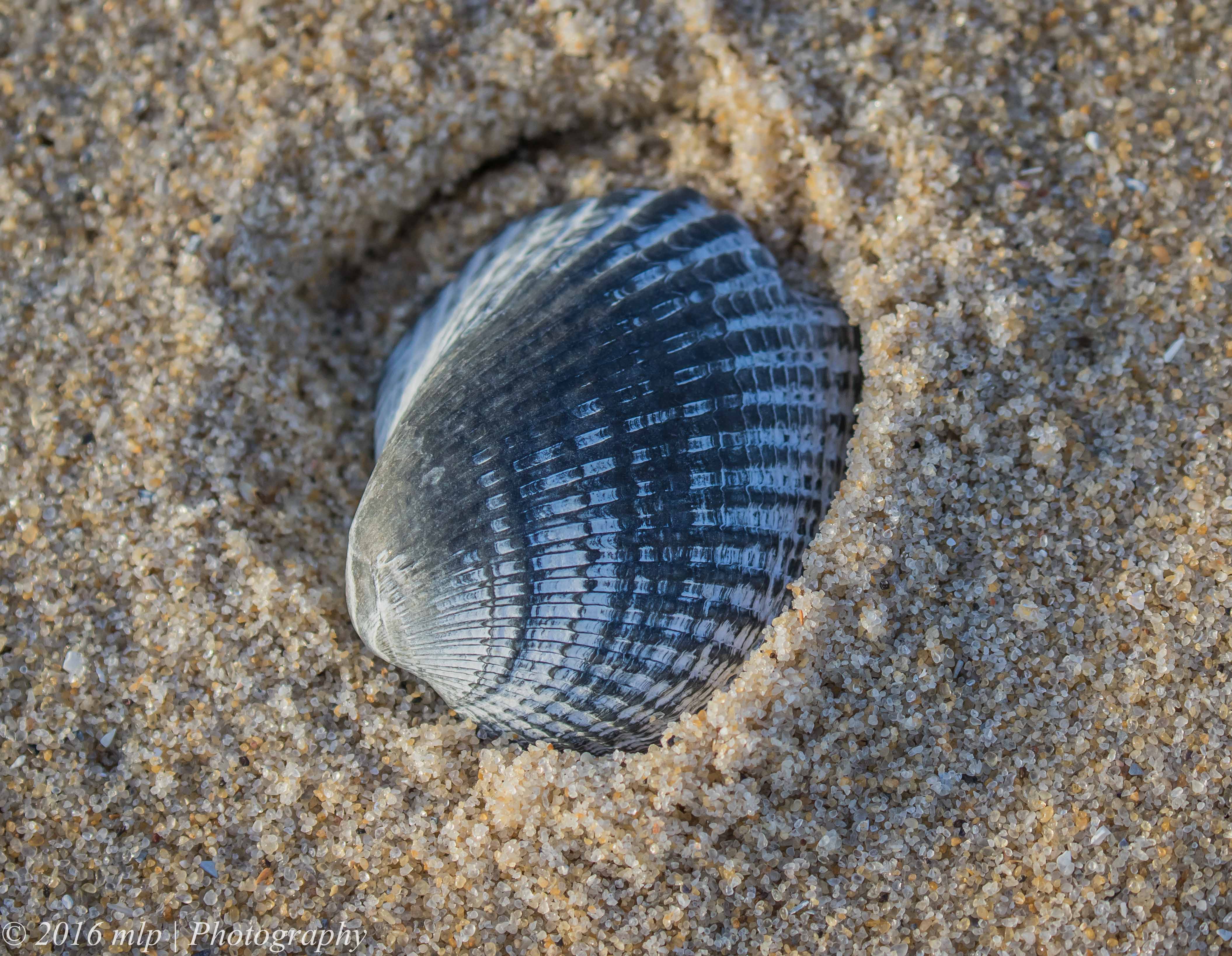
Black Rock Beach Shell, Victoria

Black Rock Beach Shell

Black Rock Beach Sunset, Victoria

Half Moon Bay Sunset, Victoria

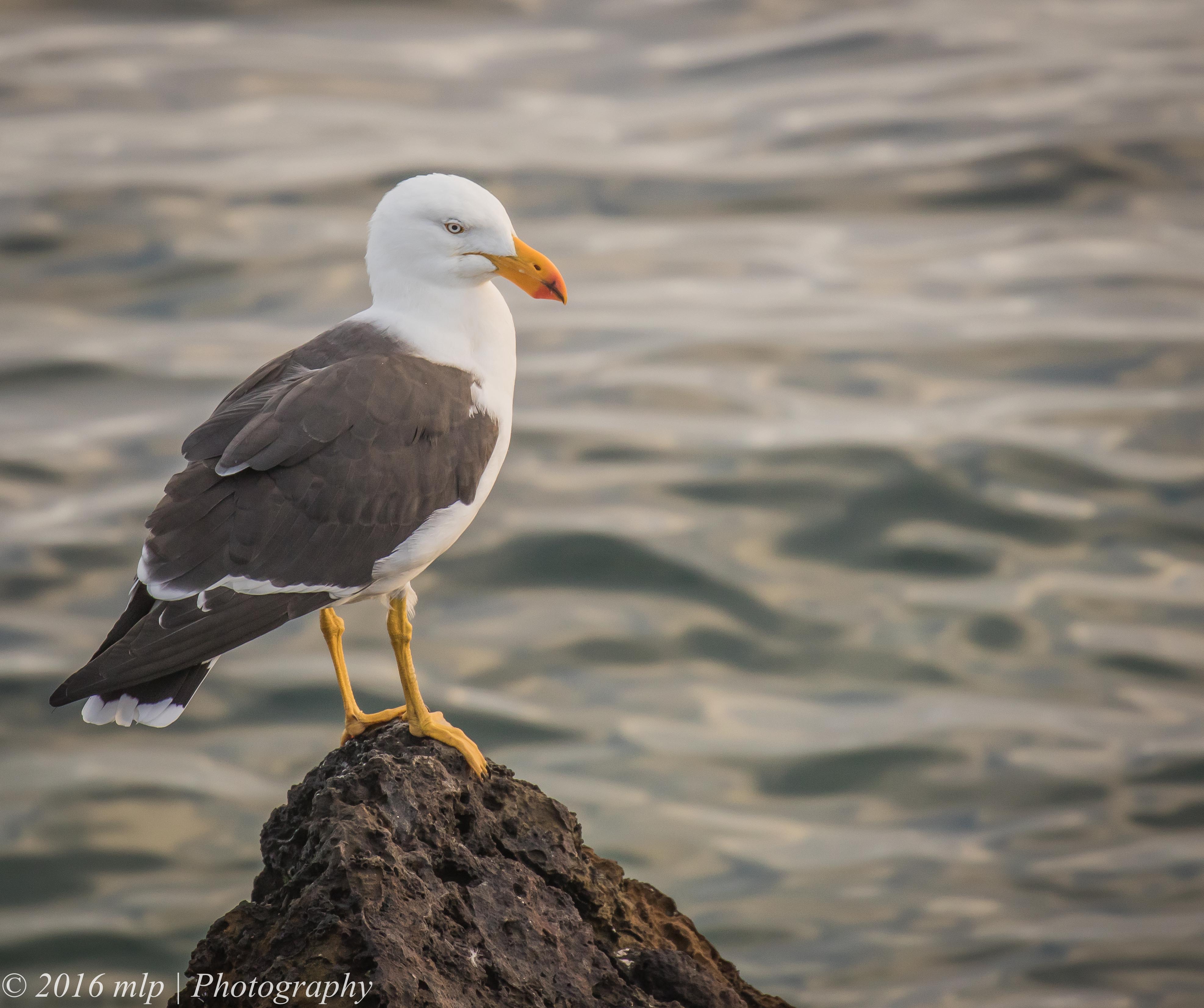
Pacific Gull, Black Rock Beach, Victoria

Better include a bird shot – Pacific Gull, Black Rock

Golden Hour light on cliffs, Black Rock Beach, Victoria

Golden Hour light on the local cliffs

Point Cook Coastal Park

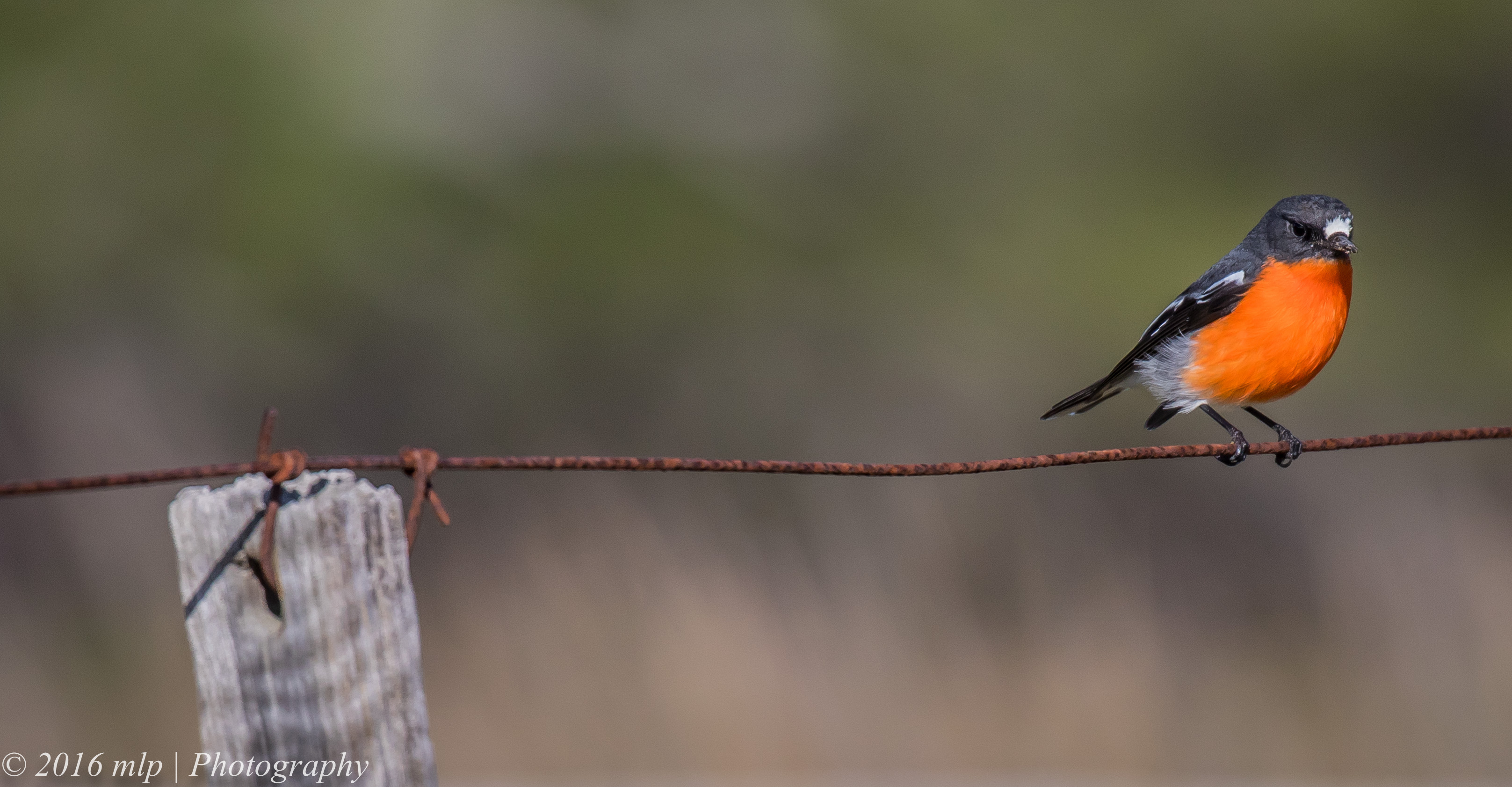
Over the long weekend, I visited the Point Cook Coastal Park to see what was around. At the gate leading to the beach track was a male Flame Robin. Like other robins he perches on a low vantage point and then pounces onto his prey. He did not spend much time on the ground and was quickly back to his lookout, scanning for the next juicy insect…
Flame Robin, Point Cook Coastal Park

Flame Robin, Point Cook Coastal Park

Flame Robin, Point Cook Coastal Park

Back on the lookout….

Hidden Bassian Thrush

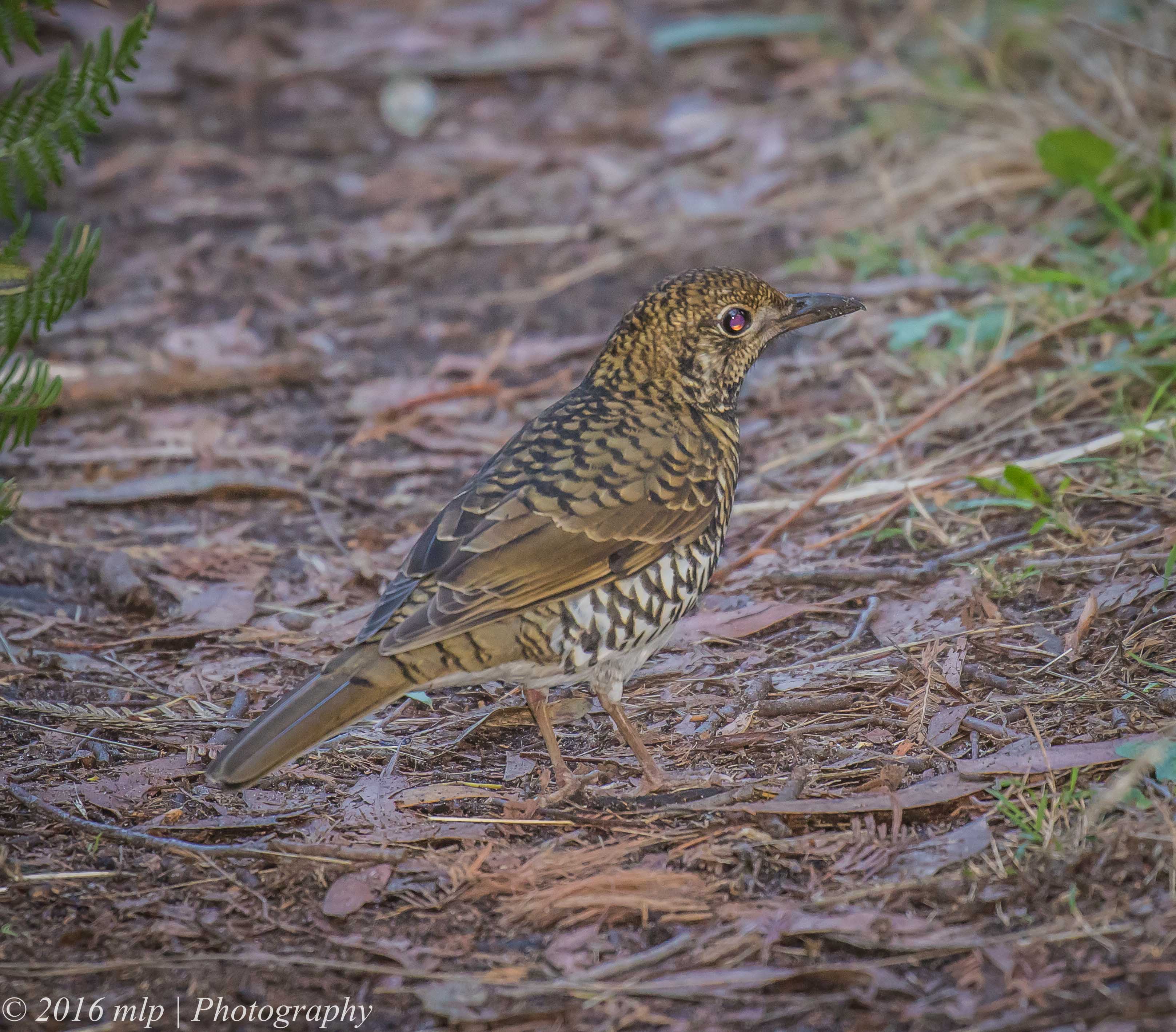
I have visited Greens Bush a few times recently. It is part of the Mornington Peninsula National Park. It is a good spot to visit between seasons as many bird species tend to migrate along the ridge lines heading North or South and I have a good chance of finding something interesting.  On this occasion I was looking out for Owls and Nightjars. I think it would be a superb spot for Powerful Owls as the vegetation is right (deep shaded cool gullies) and there seems to be plenty of preferred prey (possums and I am sure some  sugar-gliders). I saw many signs of Ring Tailed Possums including quite a few Dreys and even a tree that was packed with a colony with one hanging out…While walking along the track I flushed a Bassian Thrush. The Bassian has a similar habit as the Blackbird (but it a native and much more handsome). The Thrush skulks along paths and shoots off into the low scrub when scared. The one below kept just ahead of me and then flew to a low branch to watch me. I think it was a young bird as usually they are quite wary and fast to disappear.

Bassian Thrush, Greens Bush, Mornington Peninsula National Park, Victoria

Bassian Thrush, Greens Bush, Mornington Peninsula National Park, Victoria

Bassian Thrush, Greens Bush, Mornington Peninsula National Park, Victoria

Bassian Thrush – very well camouflaged on a bush track, hard to see until they flush

Bassian Thrush, Greens Bush, Mornington Peninsula National Park, Victoria

II

Ring Tailed Possum, Greens Bush, Mornington Peninsula National Park, Victoria

Ring Tailed Possum colony in a tree…
The local Botanic Gardens

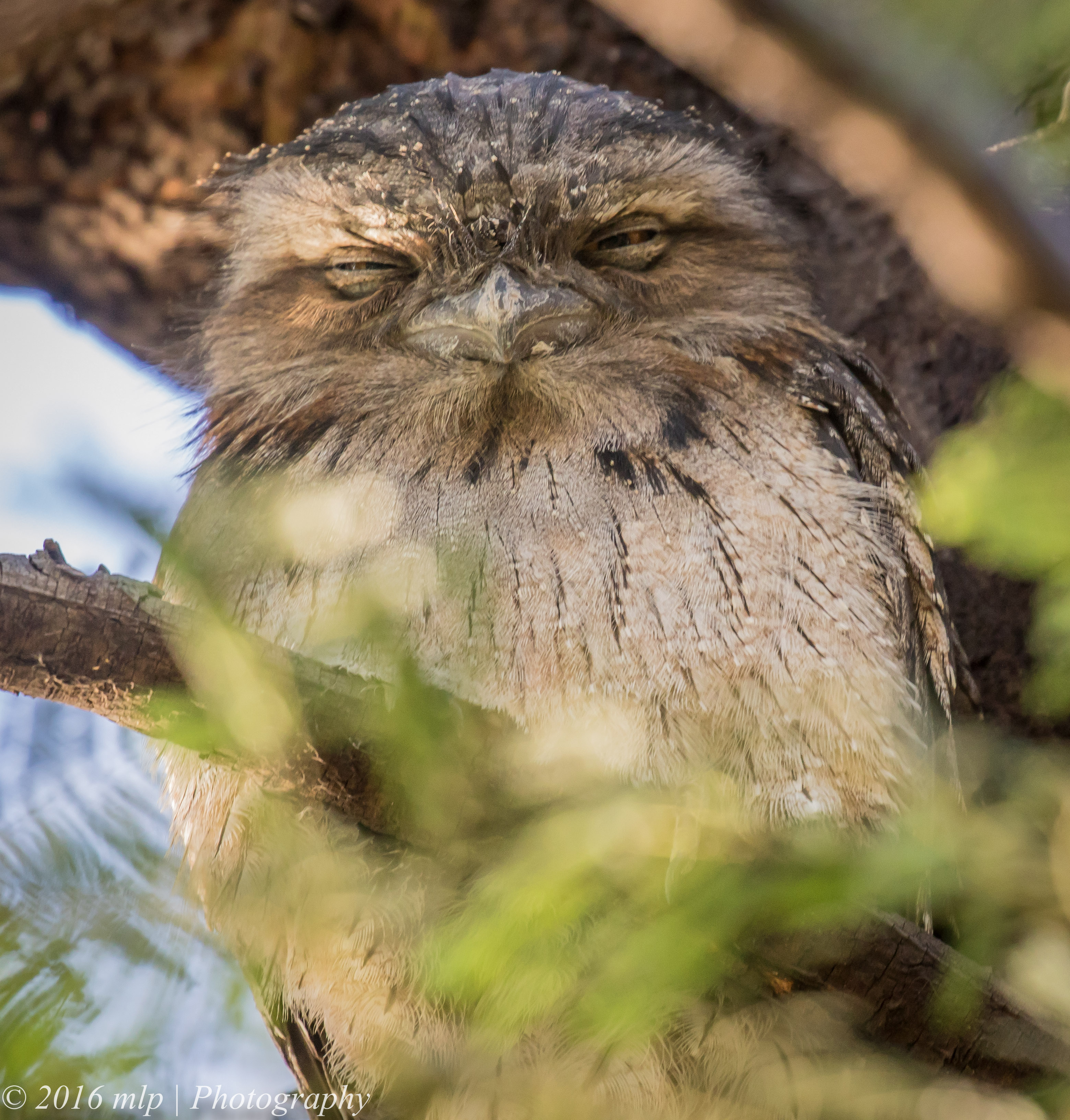
St Kilda is an old sea-side holiday destination of Melbourne city. Tourists would travel all day by horse and buggy and coach to go to St Kilda and areas of Elwood for a holiday at the beach. It had many old residential mansions and private hotels that are now sub-divided into units. As an old area that was a thriving holiday resort and had a vibrant local business scene, it was lucky enough to create and retain a beautiful Botanic Garden that is still going strong today. It has a good range of mature trees and enough feeding opportunities to maintain a local and resident population of bird species. As usual one of my favourites is a small family of Tawny Frogmouths.

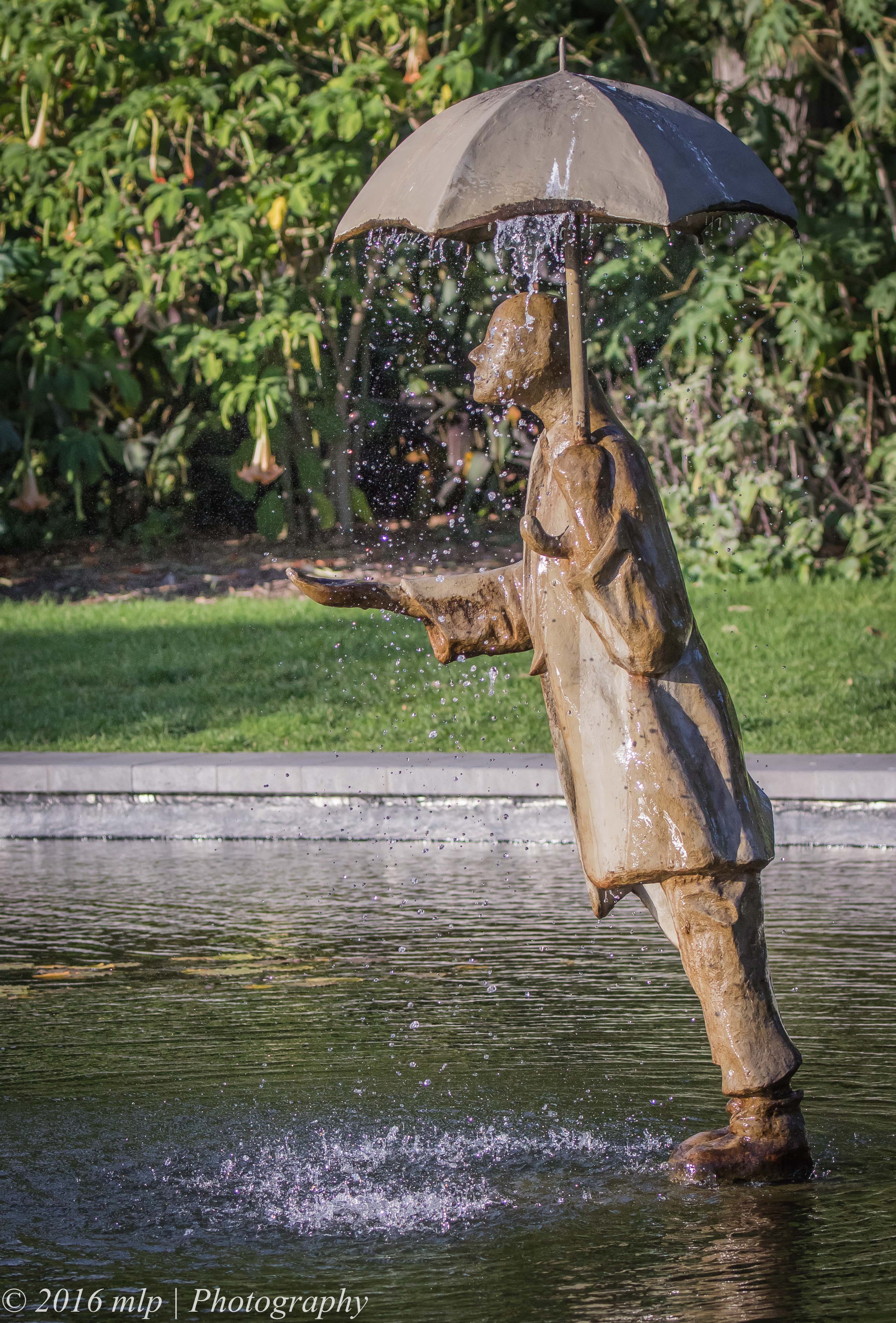
Rain Man, St Kilda Botanic Gardens

Rain Man, St Kilda Botanic Gardens

Red Flowering Gum, St Kilda Botanic Gardens

Red Flowering Gum, St Kilda Botanic Gardens

Tawny Forgmouths, St Kilda Botanic Gardens

Tawny Forgmouths, in the native section of the gardens

Tawny Forgmouths, St Kilda Botanic Gardens

Keeping an eye on the watchers…

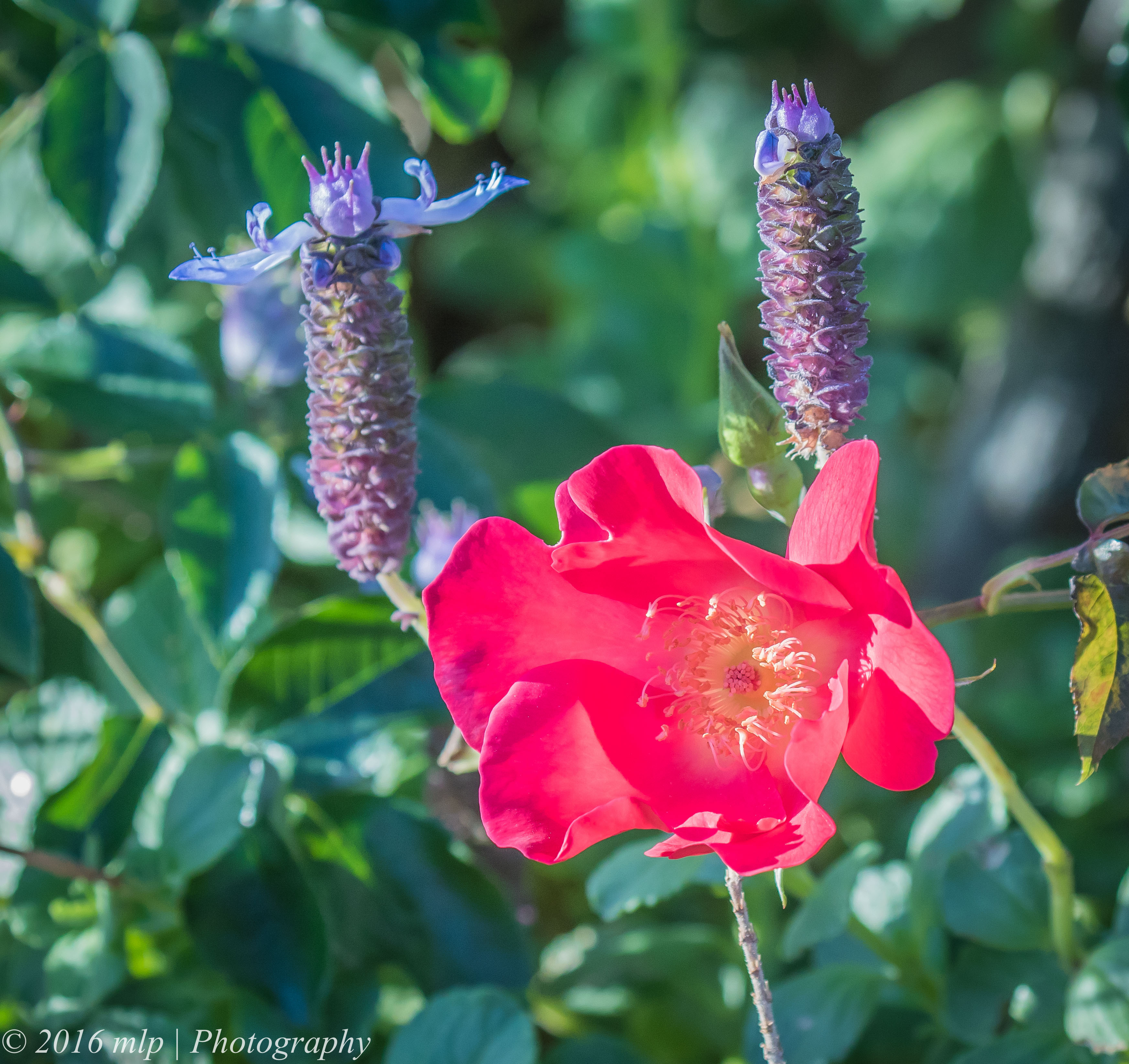
Flowers around the Rose Garden Rotunda, St KIlda Botanic Gardens 1

Flowers around the Rose Garden Rotunda, 

Alert but not alarmed…

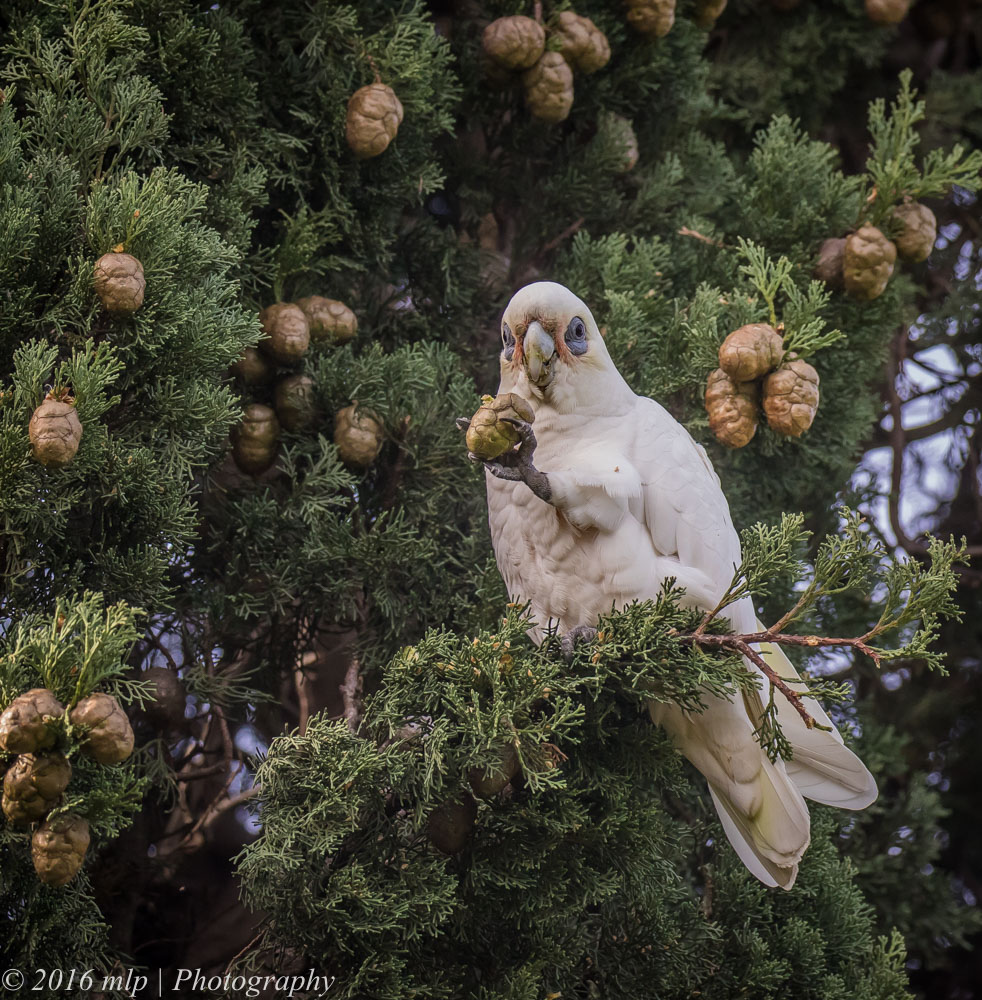
On the weekend I met up with my local “gang” of birders and we wandered up  Elster Creek to the Golf Course lake and had a look around…besides finding a turtle (my first Eastern Long Necked), we also watched the feeding antics of the local Little Corellas feeding on the ripe seed cones of a tall skinny conifer. They use their feet like we would use our hands. I noticed that when the Noisy Miners (a local, aggressive Honeyeater) screeched out their alarm calls the Corellas stopped feeding and quickly looked skyward but did not seem overly concerned (did the alert suggest a certain generally non-threatening predator?)…I have seen a number of bird species do this…I am convinced there is a common bird language.

Little Corella, Elster Creek, Victoria

Little Corella enjoying a seed cone from a Conifer…

Little Corella, Elster Creek, Victoria

Watching us watch him…

Little Corella, Elster Creek, Victoria

Looking skyward when the alarm call goes out from a different bird species…

Eastern Long necked turtle, Elster Creek, Victoria

Eastern Long necked turtle, Elster Creek, Victoria

Roadside stop with the Yellow-tailed Black Cockatoos

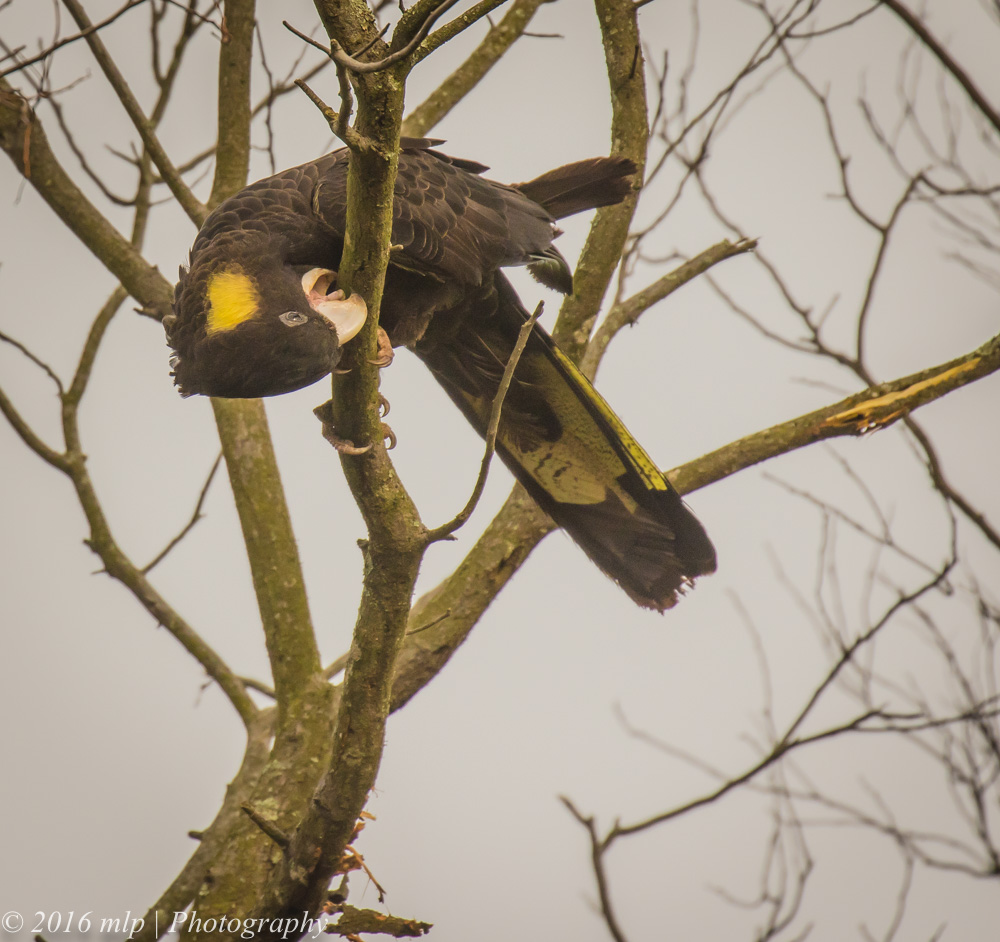
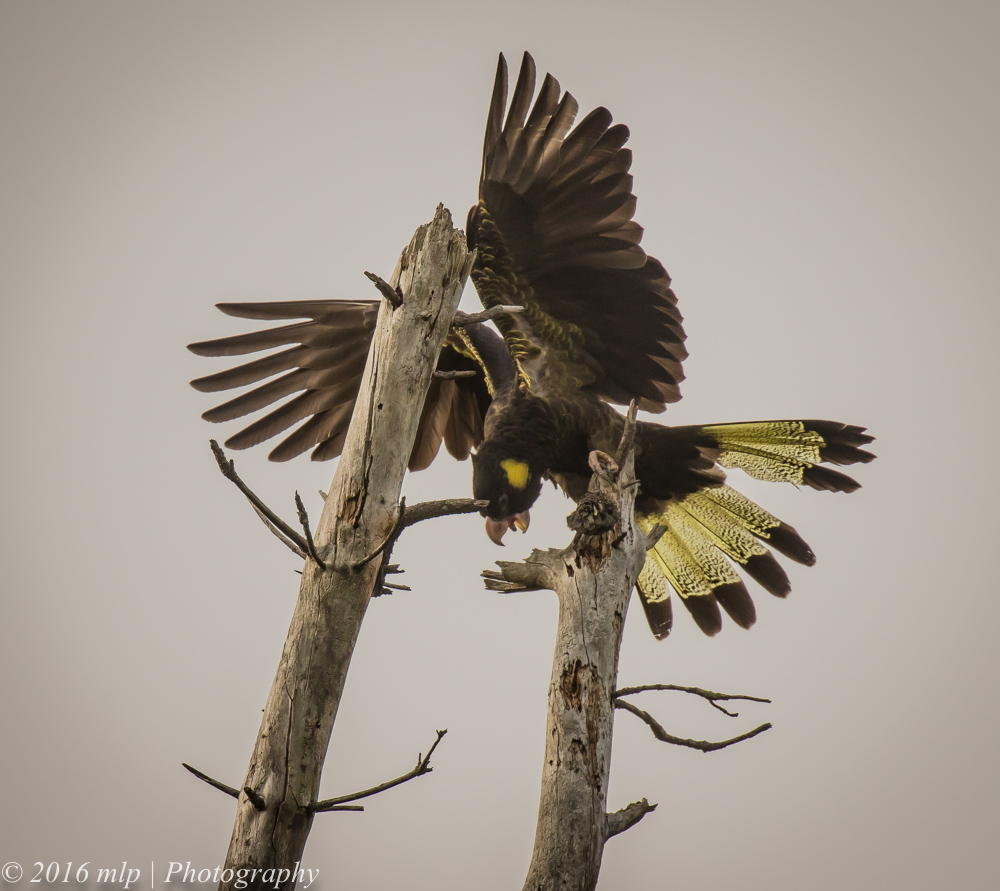
On the way down to the Mornington Peninsula with the Port Phillip Birders (Elwood/St Kilda Branches) to look for Black Faced Cormorants at Merricks Beach, and Albatross at Cape Schank, we stopped to watch the feeding antics of a family of Yellow-tailed Black Cockatoos. They were working a dead wattle tree that seemed to be full of wood borer grubs.

Yellow-tailed Black Cockatoo, Mornington Peninsula, Victoria

Yellow-tailed Black Cockatoo, Mornington Peninsula, Victoria

Yellow-tailed Black Cockatoo, Mornington Peninsula, Victoria

II

Yellow-tailed Black Cockatoo, Mornington Peninsula, Victoria

Finding a wood borer grub

Yellow-tailed Black Cockatoo, Mornington Peninsula, Victoria

Yellow-tailed Black Cockatoo

Yellow-tailed Black Cockatoo, Mornington Peninsula, Victoria

A pair of Yellow-tailed Black Cockatoo

Yellow-tailed Black Cockatoo, Mornington Peninsula, Victoria

Male Yellow-tailed Black Cockatoo (with pink eye rings), female or juvenile behind

Birders, Greens Bush, Mornington Peninsula, Victoria

The hard core team from Port Phillip Birder at Greens Bush, Mornington Peninsula, Victoria


A Boobook Owl hunting in the veggie garden

After an afternoon of wandering around Elster Creek and Elsternwick Lake with the local birding gang , I went home and was reviewing the images of the day when an sms came in from Gio (a local naturalist) that he had found a Southern Boobook Owl at the local school above their veggie patch. Postponing dinner, gearing up and heading out in a rush I found Gio, and soon after the Boobook high up in the Red Gum. I have seen a few owls and Tawny Frogmouths locally lately and will hopefully see many more. It is a good sign of a healthy environment.

Southern Boobook, Elster Creek, Elwood Victoria

Southern Boobook, Elster Creek, Elwood Victoria

Southern Boobook, Elster Creek, Elwood Victoria

II

“My” Powerful Owl

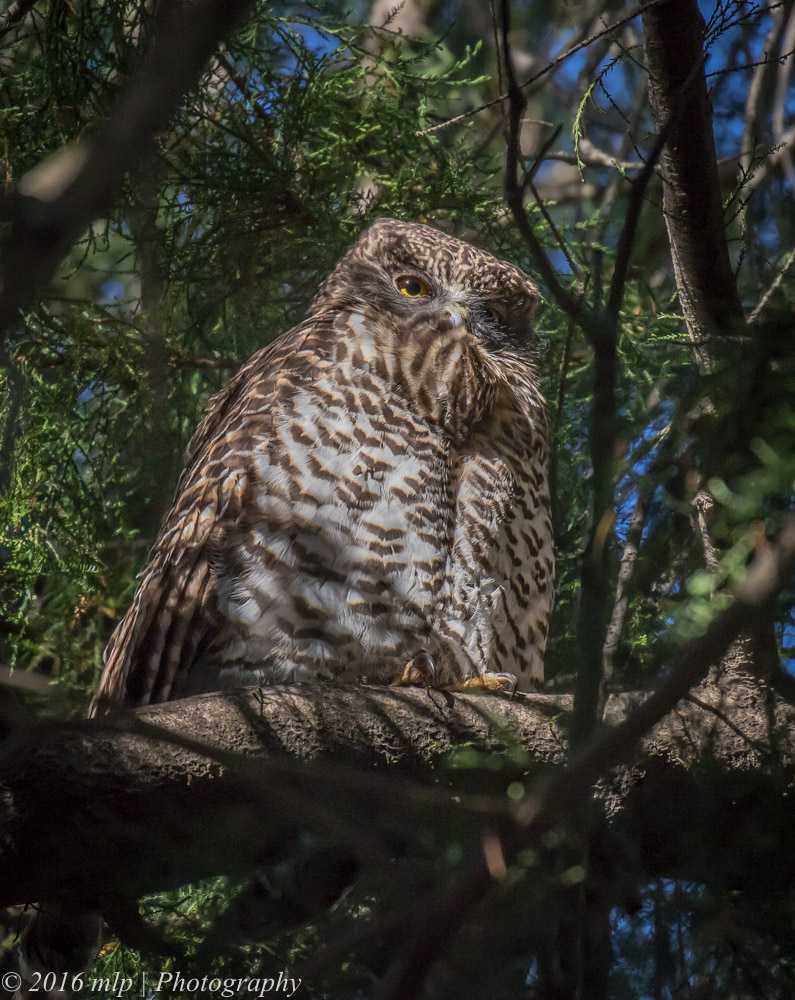
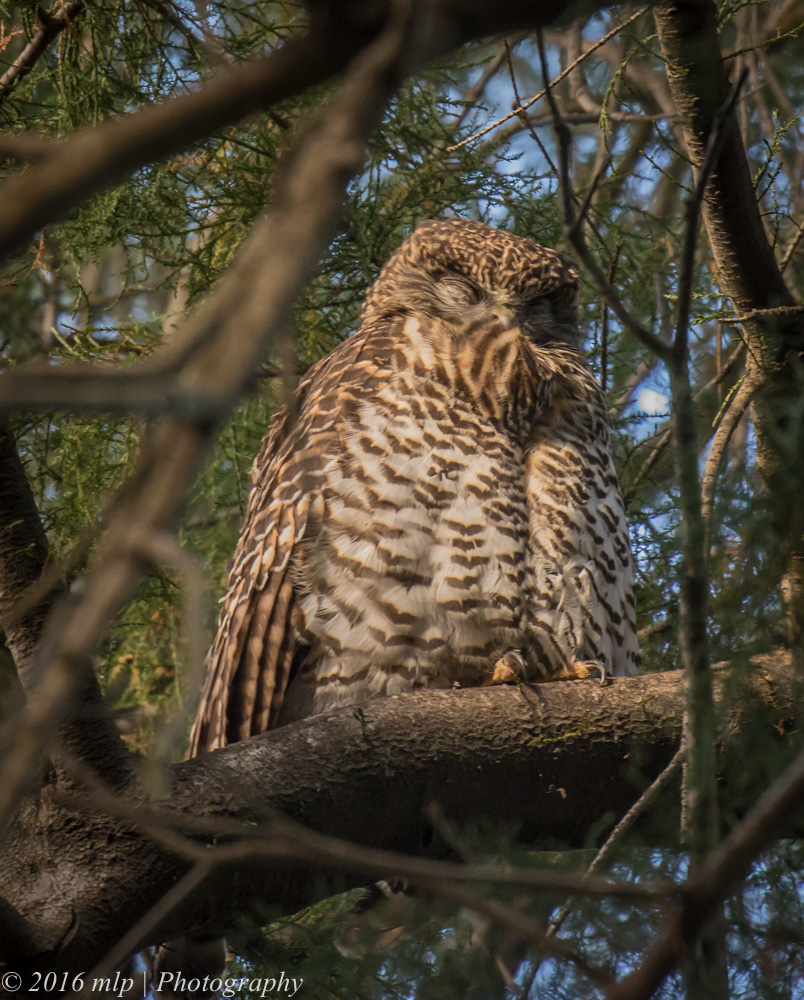
Our visit to the Botanical Gardens on the weekend was to search for the reported Powerful Owl. We found it at the southern end of the Fern Gully walk amongst the tall pines and conifers of the New Zealand section – high up and with a small window of cleared space that we could just photograph through without too many branches and twigs in the way. It was interesting to watch as various birders and garden visitors took turns owning the owl for the period of time they stood below and watched it. Once the birders who found it, before we entered the scene, left (very easy to find a rare bird when you see people with binocs looking up into a tree with interest), we were left there watching and taking photographs. Walkers-by were interested in what we were up to and asked…suddenly “our” bird was on display and we become the tour guides – educating visitors about the large Powerful Owl. While watching with my binocs and taking photos I spouted off my facts about the bird and then was surprised when I turned around and found  a large bunch of people listening and watching…seems I am a natural show off – I thoroughly enjoyed it…I only had a few good facts:

  1. largest nocturnal bird in Australia,
  2. can be quite urbanised if the right food and daytime roosts are around,
  3. eats other birds, large brush tailed and ring tailed possums and sugar gliders,
  4. nests in large old growth tree hollows which are scare and usually only located in untouched forests hence the issue with their rareness and growing endangered status in many areas of South Eastern Australia
  5. mates for life (sometime over 30 years)
  6. generally sedentary (territorial) – i.e. does not migrate like many species.
  7. roosts on a branch in deep shade during the day, often seen still clutching the previous night’s catch.
  8. decapitates its catch and then roosts for the day. Animal and bird heads, old bones and white bird poo splashes on the ground and on foliage below a tree is a good indicator of a regular roost spot.
  9. Hunts throughout the trees with excellent night vision and swoops on prey using its massive talons to catch prey.
  10. Young powerful owls are large and have quite a bit of white downy feathering


Powerful Owl, Melbourne Botanic Gardens

Powerful Owl, Melbourne Botanic Gardens

Powerful Owl, Melbourne Botanic Gardens

II

Powerful Owl, Melbourne Botanic Gardens

The owl’s attention was diverted when a small dog moved along the path towards us.

Powerful Owl, Melbourne Botanic Gardens

Back to sleep…