Shipwreck Creek Beach and Heathland

One of my favourite spots in the Mallacoota area is Shipwreck Creek. There is a 6km trail from Shipwreck Creek to Seal Creek that moves through banksia scrub, through heathland, dry forest, a small patch of rain forest and back through heath and beach scrub. Each area of vegetation holds it own species of animals and birds.
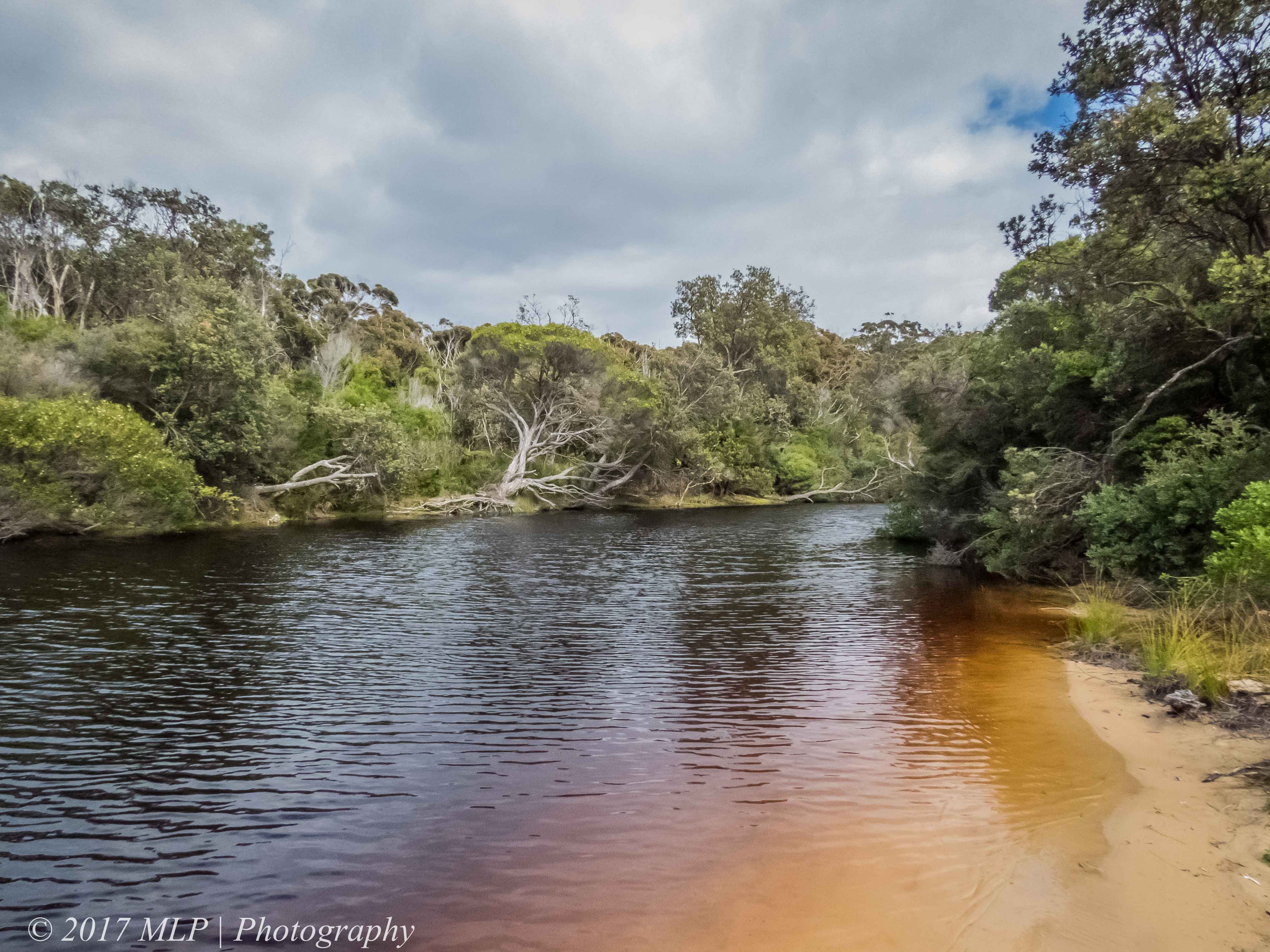
Shipwreck Creek, Mallacoota, Vic, 18 Dec 2016

The tanin stained waters of Shipwreck Creek, Mallacoota

Shipwreck Creek, Mallacoota, Vic, 18 Dec 2016

Shipwreck Creek meets the ocean

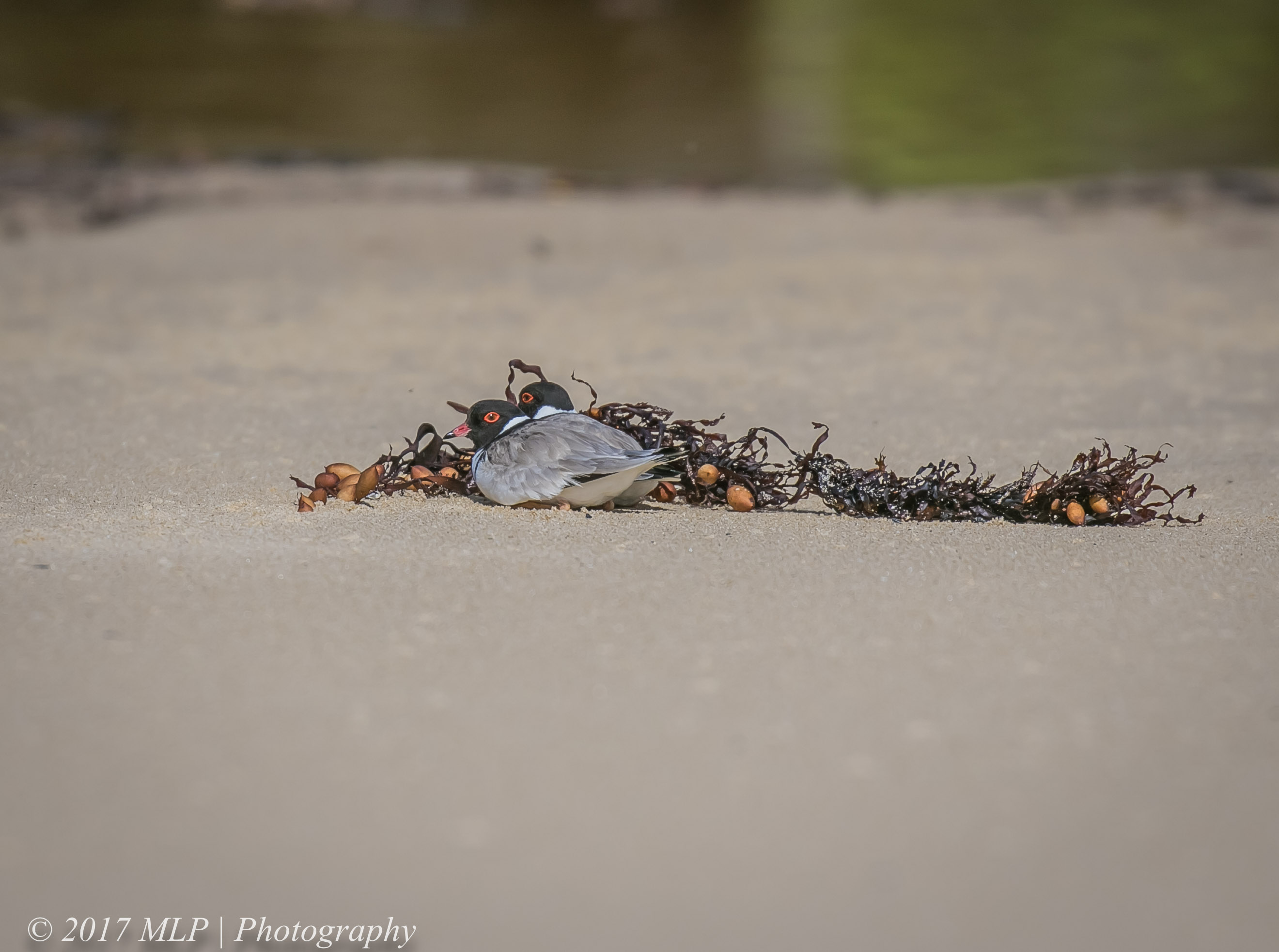
Hooded Plover, Shipwreck Creek, Mallacoota, Vic, 18 Dec 2016

Hooded Plovers, tiny endangered beach birds, keeping under the wind.
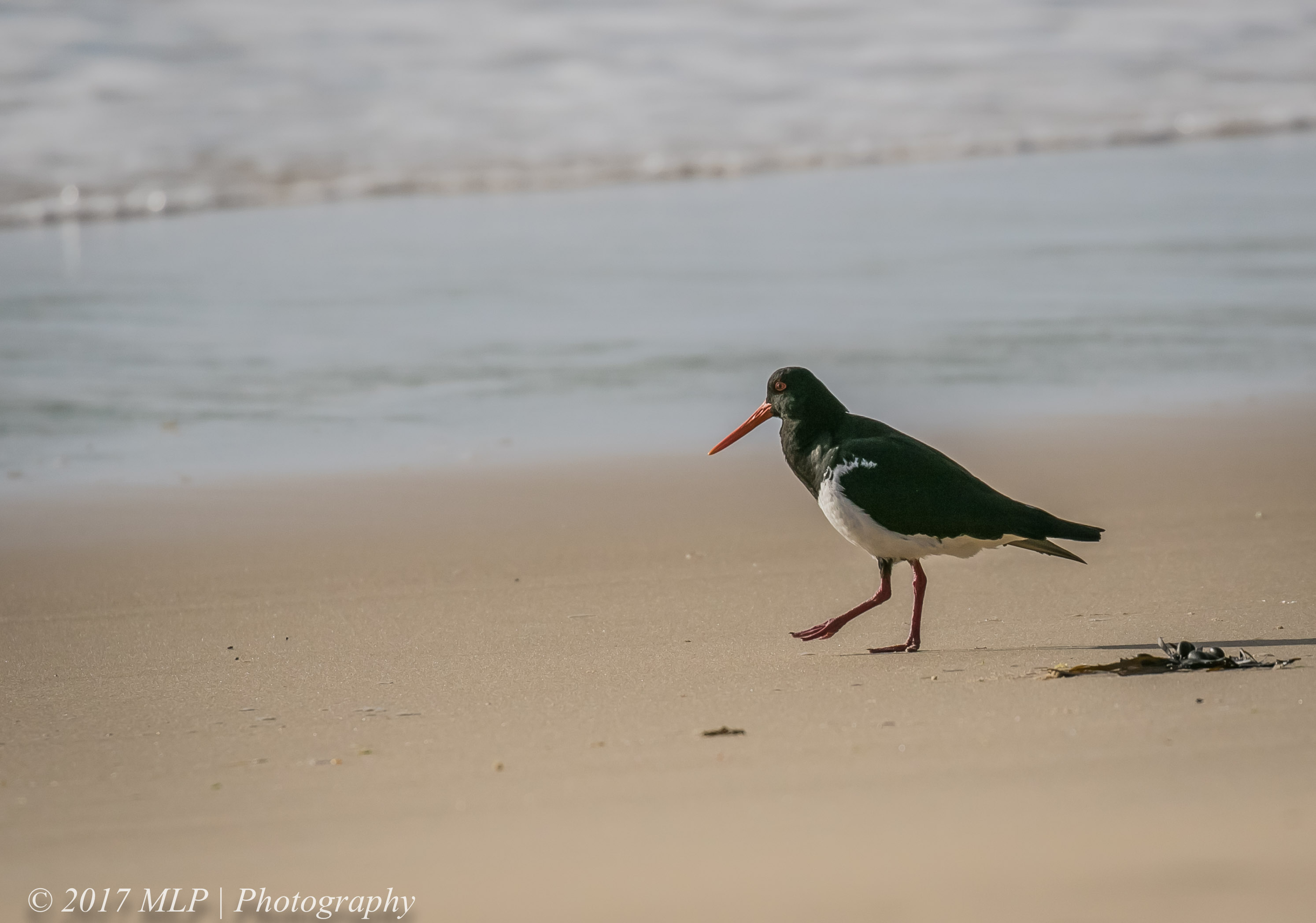
Pied Oystercatcher, Shipwreck Creek, Mallacoota, Vic, 18 Dec 2016

Pied Oystercatcher on the beach

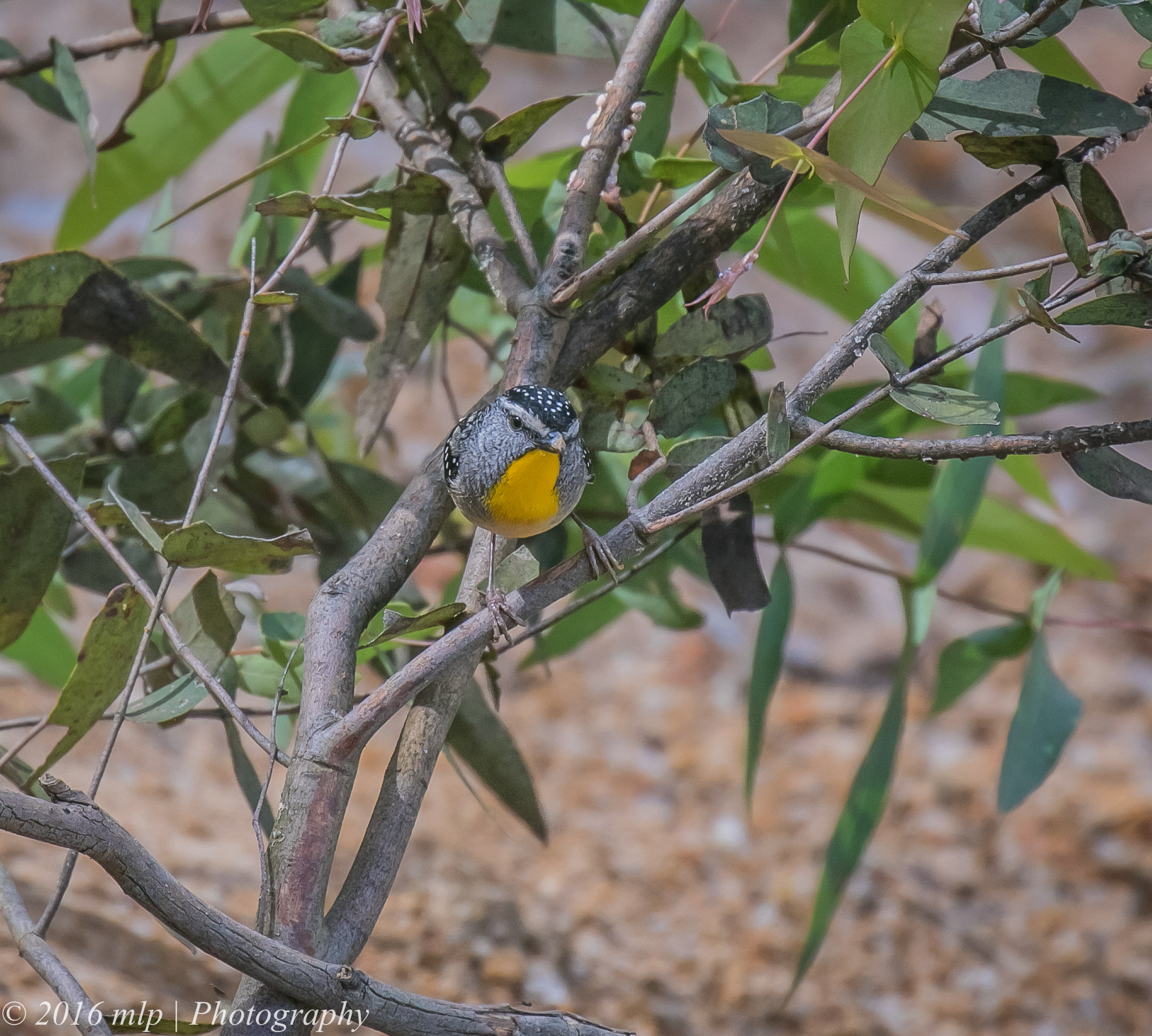
Tawny-crowned Honeyeater, Shipwreck Creek, Mallacoota, Vic, 18 Dec 2016

Tawny-crowned Honeyeater prefers the low scrub around heathlands

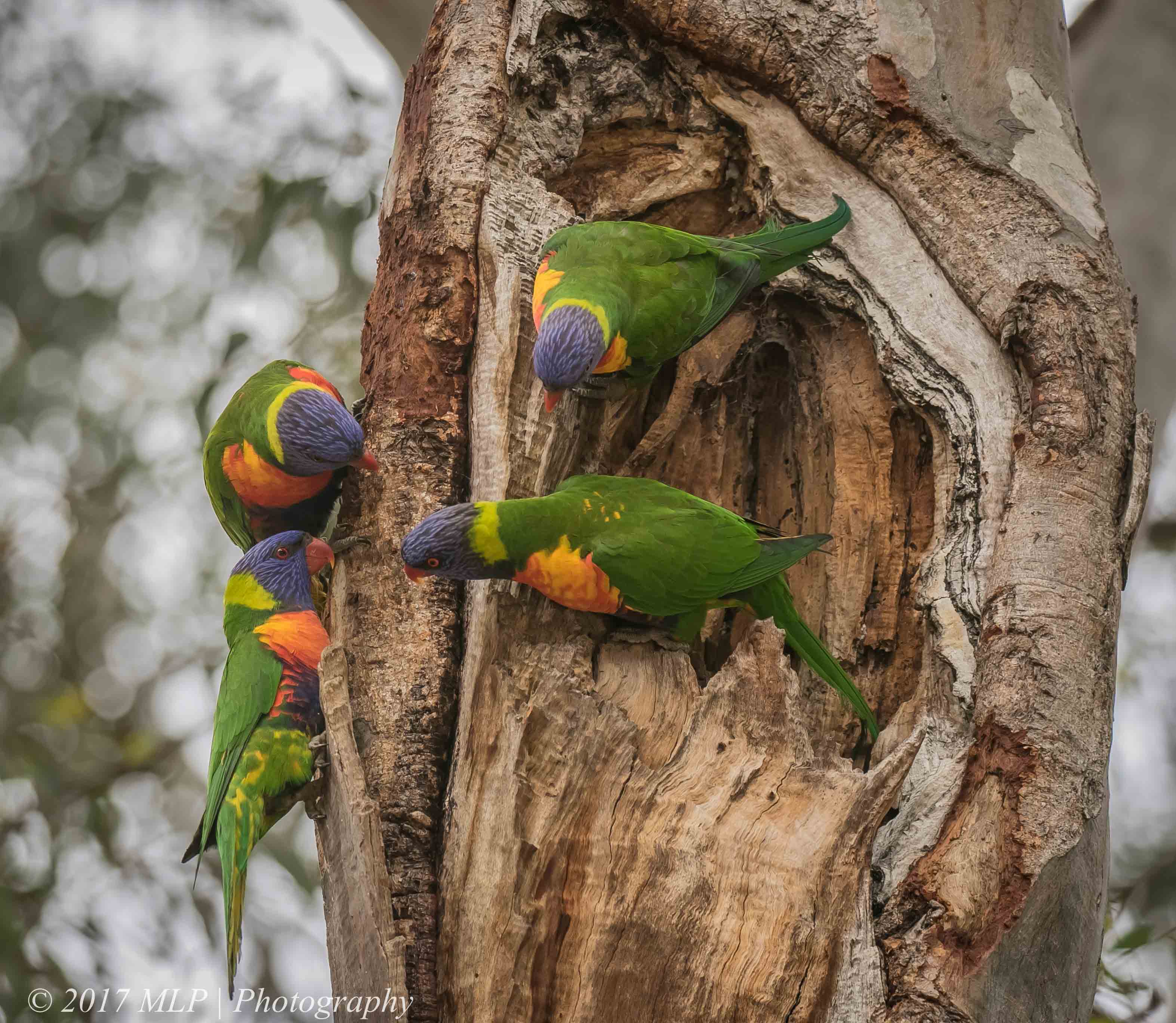
Rowdy Rainbow Lorikeets

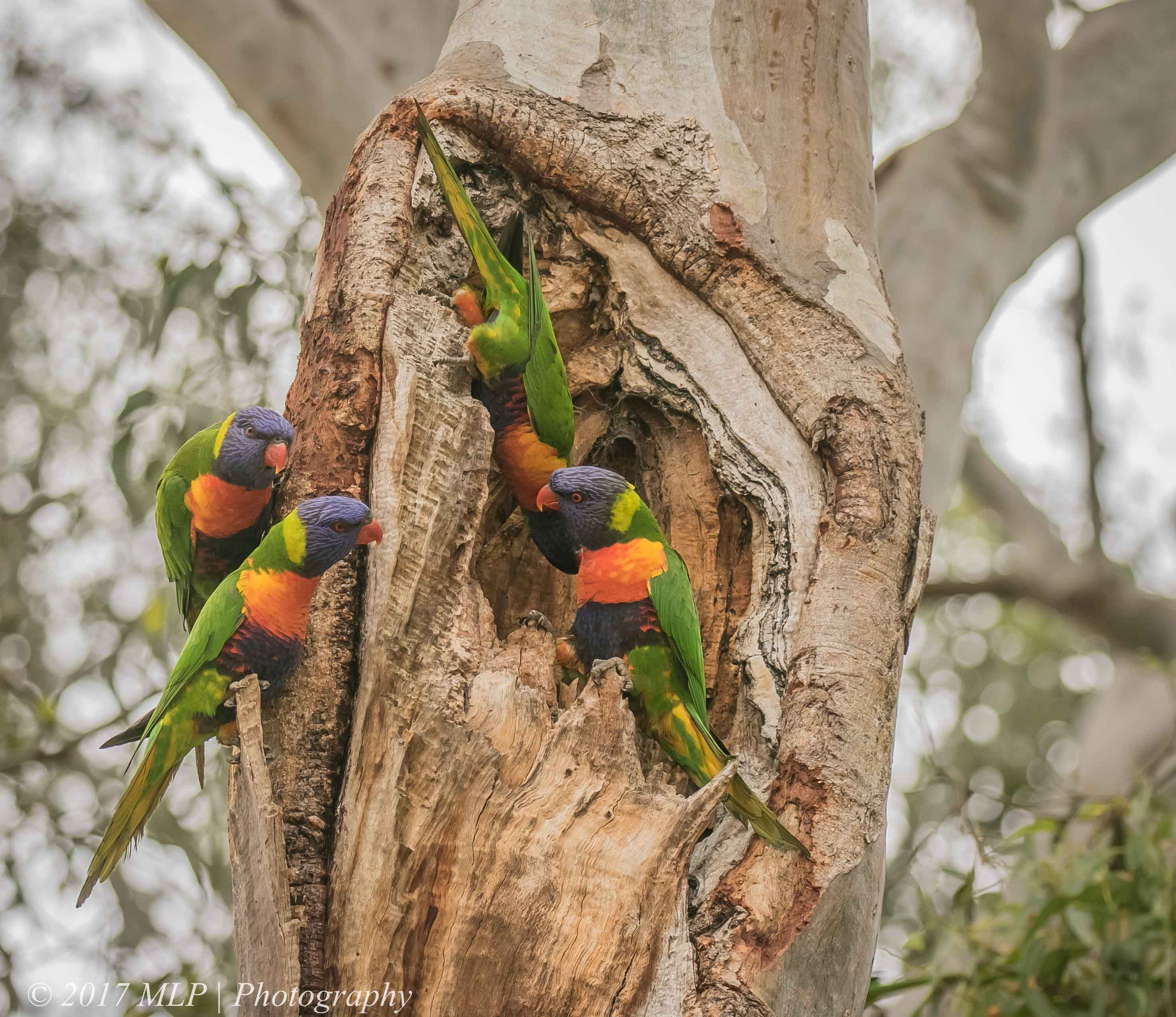
After leaving the car in the Boundary Road carpark at Braeside Park, I could hear quite a few parrots in one of the nearby trees. A great cacophony of squabbling and screeching. The group of four below seemed to be  investigating the tree hollow. I couldn’t tell why – maybe disputing over a potential nest site or food source. They were interesting to watch and photograph as they chewed and tested the dead wood of the hollow. They all seemed to be adults and none were demanding food.  Many more were in the branches above watching and preening.

Rainbow Lorikeets, Braeside Park, Victoria, 3 Jan 2017

Rainbow Lorikeets, Braeside Park, Victoria

Rainbow Lorikeets, Braeside Park, Victoria, 3 Jan 2017

II

Rainbow Lorikeets, Braeside Park, Victoria, 3 Jan 2017

III


Southern Emu-wren

One of the key bird species that can be often found along the track between Shipwreck Creek to Seal Creek in Mallacoota, is the Southern Emu-wren. I always get a kick out of finding this tiny, long tailed Heathland bird. They can be difficult to find and photograph during the day but good hearing, a keen eye and an early morning walk through the heath can produce the occasional image of this secretive bird. Being small winged it can’t escape danger through flight and the long tail inhibits anything other than small jump flights. It must hide in the scrub throughout the day and work its area for food. In the morning and late evening it will often climb a dead branch and make its territorial calls to the neighbouring tribes.

Southern Emu-wrens, Shipwreck Creek, Mallacoota, Victoria 21 Dec 2016

Southern Emu-wrens, Shipwreck Creek, Mallacoota, Victoria 21 Dec 2016

Southern Emu-wren, Shipwreck Creek, Mallacoota, Victoria 21 Dec 2016

Southern Emu-wren

Southern Emu-wren, Shipwreck Creek, Mallacoota, Victoria 21 Dec 2016

Displaying the delicate 5 tail feathers of a male Southern Emu-wren

Eastern Ground Parrot, the movie

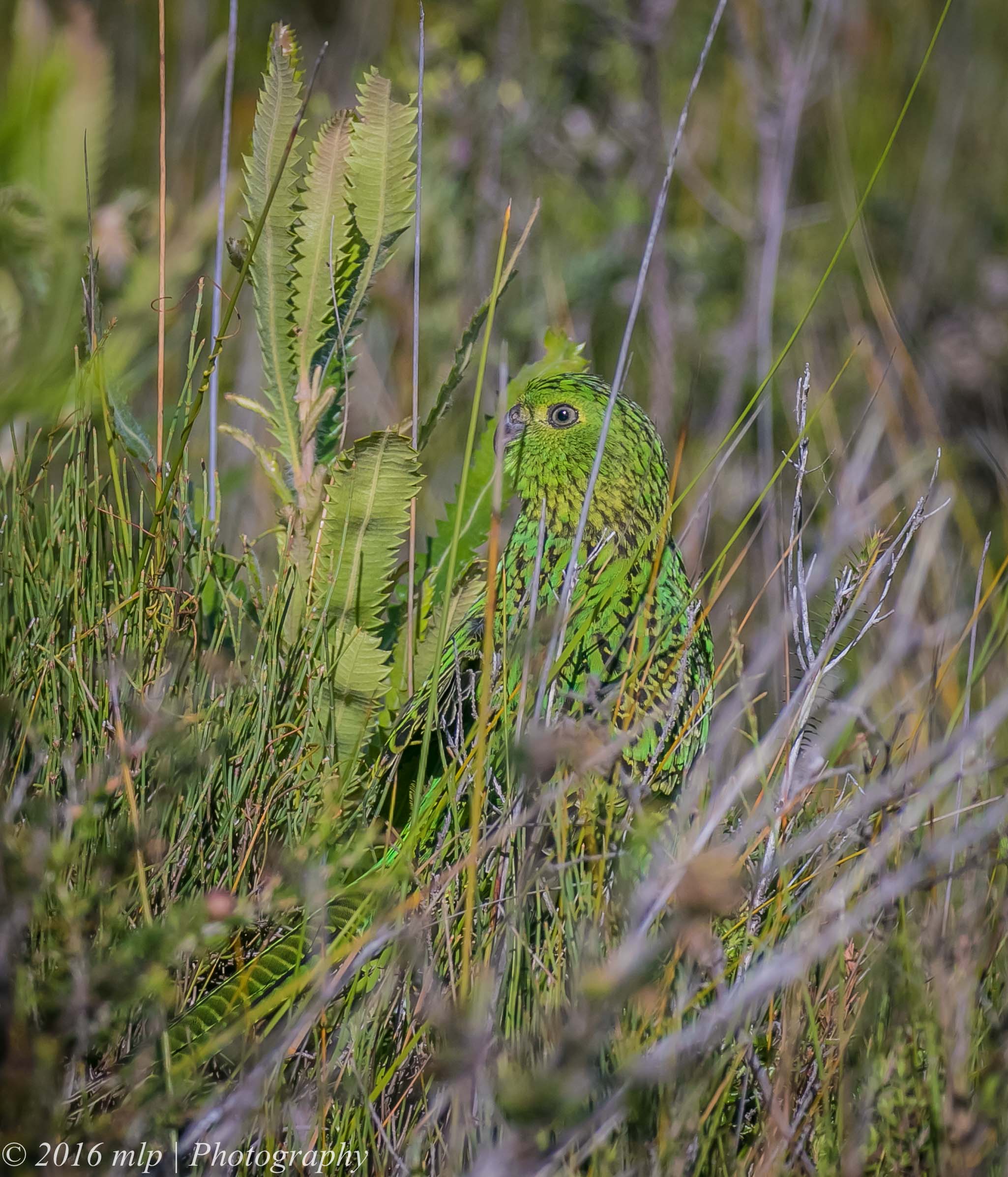
Once I had taken a few shots of the Eastern Ground Parrot, I thought I would try and use a different camera (my Canon powershot 60) and see if I could get a bit of video. I took several short videos and this one shows just how difficult it can be to find and see these small, well camouflaged parrots in the low heathland scrub.

The video is at full zoom and handheld so becomes a little unstable in the windy conditions.

Tough nut to crack…

I have been to Mallacoota each December for the last 4 years looking for birds that don’t often make it into Victoria or live anywhere near Melbourne. Some of the birds are resident in the Mallacoota area like the Southern Emu-wren, the Eastern Bristlebird and the Eastern Ground Parrot. I have seen the rare Ground Parrot several times early in the morning at Shipwreck Creek – about 15kms outside of Mallacoota. On previous occasions the bird/s flushed and were gone, and going off track into the snake infested heathland did not help me re-find them. On this trip I thought I would just go early every morning until I had a chance to photograph this rare and shy parrot. On the first attempt I stalked so slowly and carefully along the path that I startled a large deer that was only a few metres off the track behind a thick bush. I am not sure who was more frightened. I thought I had no chance of finding the parrot with all the noise the deer made taking off through the undergrowth but about 50m further on a parrot flushed from the opposite side of the track where I was expecting to see it and instead of trying to photograph it in a mad panic, I carefully watched where it flew and stalked it further into the scrub. Taking a lot of time and winding my way through all the heath I found a small over-grown track and whilst surveying the path for likely spots I found the small parrot just sitting on branch watching me. I took a series of shots and moved closer and around the parrot trying to get better angles. Eventually it ducked down onto the path and disappeared into the thick heath.

Eastern Ground Parrot, Shipwreck Creek, Mallacoota, Victoria, 18 Dec 2016.JPG

Eastern Ground Parrot, Shipwreck Creek, Mallacoota, Victoria

Eastern Ground Parrot, Shipwreck Creek, Mallacoota, Victoria, 18 Dec 2016.JPG

II

Eastern Ground Parrot, Shipwreck Creek, Mallacoota, Victoria, 18 Dec 2016.JPG

with a beautiful long tail almost hidden by the grass

Eastern Ground Parrot, Shipwreck Creek, Mallacoota, Victoria, 18 Dec 2016.JPG

IV

Eastern Ground Parrot, Shipwreck Creek, Mallacoota, Victoria, 18 Dec 2016.JPG

V

Eastern Ground Parrot, Shipwreck Creek, Mallacoota, Victoria, 18 Dec 2016.JPG

Eastern Ground Parrot camouflaged in the heath foliage…

Scarlet Honeyeaters of Mallacoota

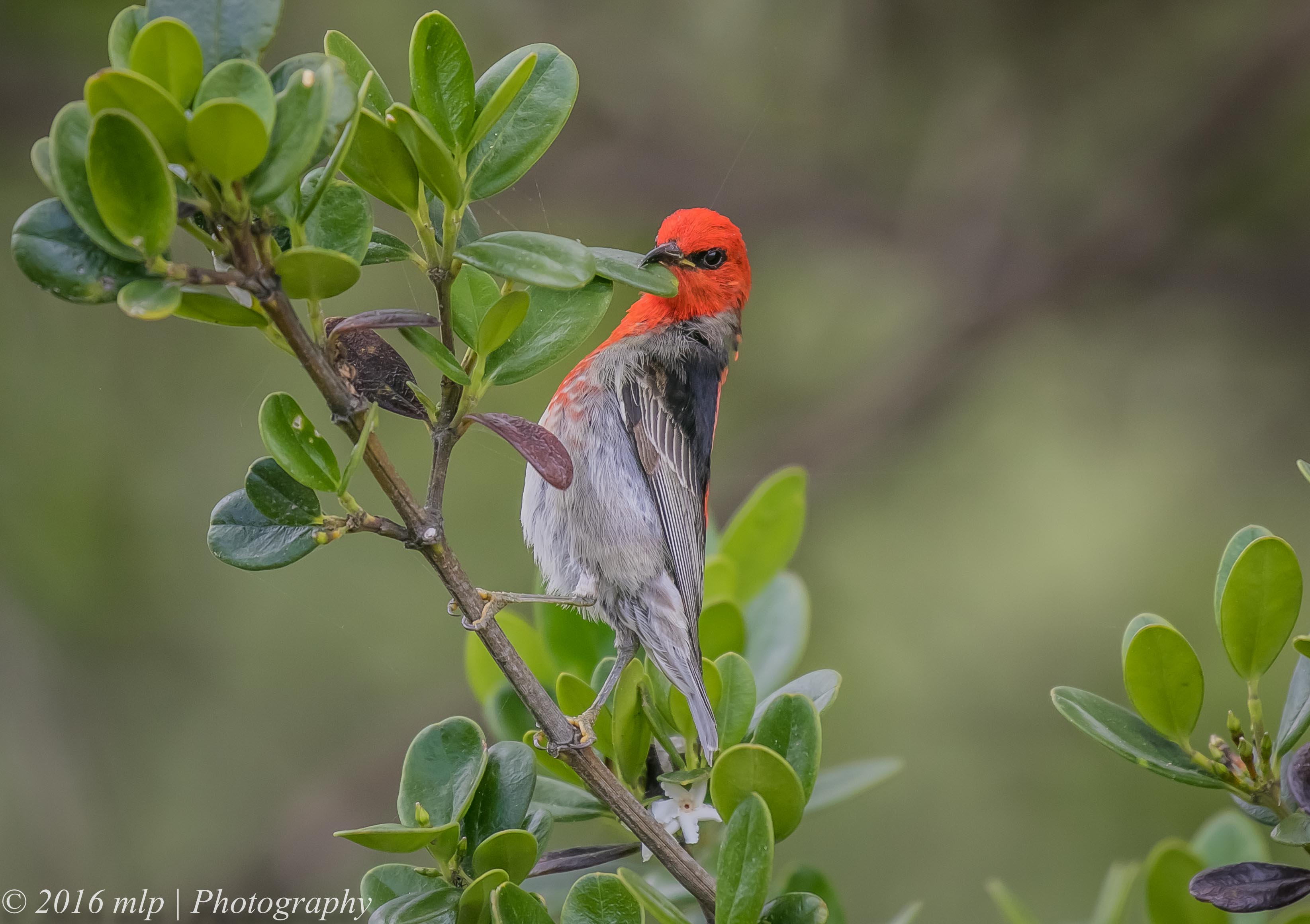
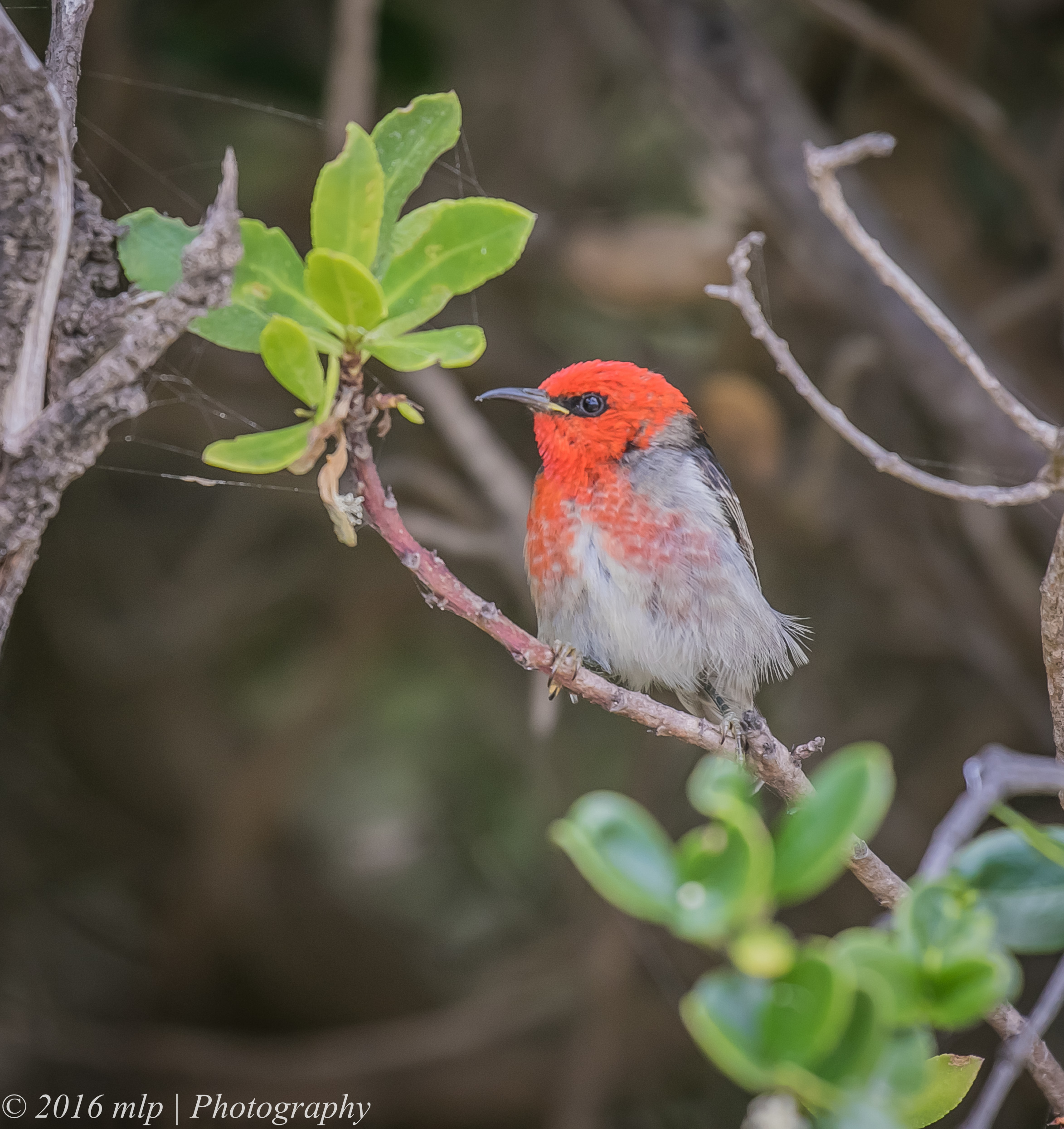
I have only seen a Scarlet Honeyeater once before and that was on a previous visit to Mallacoota a few years ago. On the latest trip to Mallacoota I saw many of them in a number of locations. After so much spring rain the local plants and trees are flowering and with the abundance of nectar and insects this has brought down many birds from the north. The Scarlet Honeyeater is a stunning tiny bird that rarely stays still and is often fighting with other local honeyeaters particularly the New Holland Honeyeaters.

Scarlet Honeyeater, Mallacoota, Victoria, 18 Dec 2016

Male Scarlet Honeyeater, Mallacoota, Victoria

Scarlet Honeyeater, Mallacoota, Victoria, 18 Dec 2016

II

Scarlet Honeyeater, Mallacoota, Victoria, 18 Dec 2016

III

Scarlet Honeyeater, Mallacoota, Victoria, 18 Dec 2016

IV

Scarlet Honeyeater, Mallacoota, Victoria, 18 Dec 2016

Female Scarlet Honeyeater 

Scarlet Honeyeater, Mallacoota, Victoria, 18 Dec 2016

Scarlet Honeyeater, Mallacoota, Victoria

Shipwreck Creek Rock Art

Recently I completed my annual pilgrimage to the wilderness areas around Mallacoota. It is a 6 hour drive east of Melbourne and close to the NSW border. Mallacoota is a small town surrounded by the Croagingolong National Park and Wilderness Areas. I visit for about a week and explore along the coast and nearby forests, looking for the locals birds and animals. One of my favourite bush walks is from Shipwreck Creek to Seal Creek. On the beach at Shipwreck Creek I found an area of rock cairns where visitors have made their mark with local weather -worn rocks. Over the last few years I have found a few of these temporary expressions of rock art including the Great Ocean Road and in New Zealand.

Rock Art of Shipwreck Creek, Mallacoota, 18 Dec 2016

Rock Art of Shipwreck Creek, Mallacoota

Rock Art of Shipwreck Creek, Mallacoota, 18 Dec 2016

II

Rock Art of Shipwreck Creek, Mallacoota, 18 Dec 2016

III

Rock Art of Shipwreck Creek, Mallacoota, 18 Dec 2016

IV

Rock Art of Shipwreck Creek, Mallacoota, 18 Dec 2016

V

Rock Art of Shipwreck Creek, Mallacoota, 18 Dec 2016

VI

Silicon mine Spotted Pardalote

Along one of the fence lines of the Adams Creek Nature Conservation Reserve are several silicon sand mines used to produce silicon for glass manufacturing. The reserve is surrounded by large pits that are in use or have been filled by rainwater and are reverting to a more natural state. While counting waterbirds I heard the call of a small Spotted Pardalote that was so loud that it felt like it was on my head (or next to my ear). It turned out to be a male pardalote on a low branch several feet away from the cliff edge that I was standing on. The light was bright but the photos had an odd feel about them. When I moved away, the pardalote flew down to its cliff face burrow and kept watch. When it sounded its territorial call it made a 3 note call, a soft note followed by a louder higher two note call. When calling they extend their neck upwards and the call seems to come from the throat, I hardly saw it open its beak…

Spotted Pardalote, Adams Creek Reserve, Nyora, Victoria, 4 Dec 2016

Spotted Pardalote, Adams Creek Reserve, Nyora, Victoria, 4 Dec 2016

Spotted Pardalote, Adams Creek Reserve, Nyora, Victoria, 4 Dec 2016

II

Spotted Pardalote, Adams Creek Reserve, Nyora, Victoria, 4 Dec 2016

III

Spotted Pardalote, Adams Creek Reserve, Nyora, Victoria, 4 Dec 2016

Spotted Pardalote on watch near its cliff face burrow

A new site explored – Adams Creek Nature Conservation Reserve

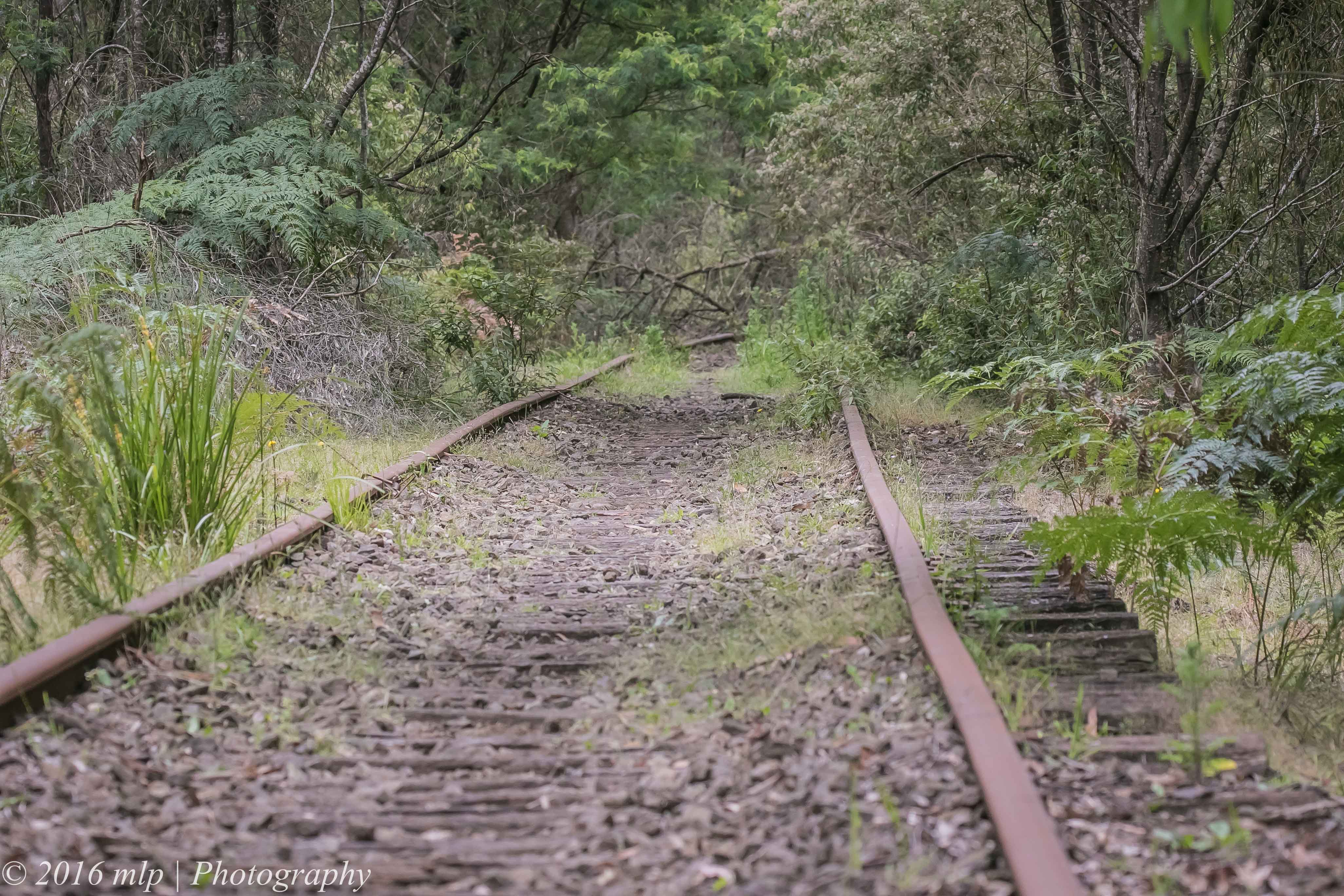
Along the South Gippsland highway past Cranbourne and heading to Wonthaggi is a Conservation Reserve called Adam’s Creek. A fellow birder had discovered it a while back and after an explorative visit together I went back the following week to spend more time. It is an impressive area and I am surprised that more people have not reported their bird sightings from there. It is a multi-use site shared by walkers and horse-riders. and while there are signs for motorbikes to keep out it seems to be heavily used by the local riders. One edge of the reserve is bordered by an old railway line that serviced the South Gippsland area. It stopped running 30 years ago.

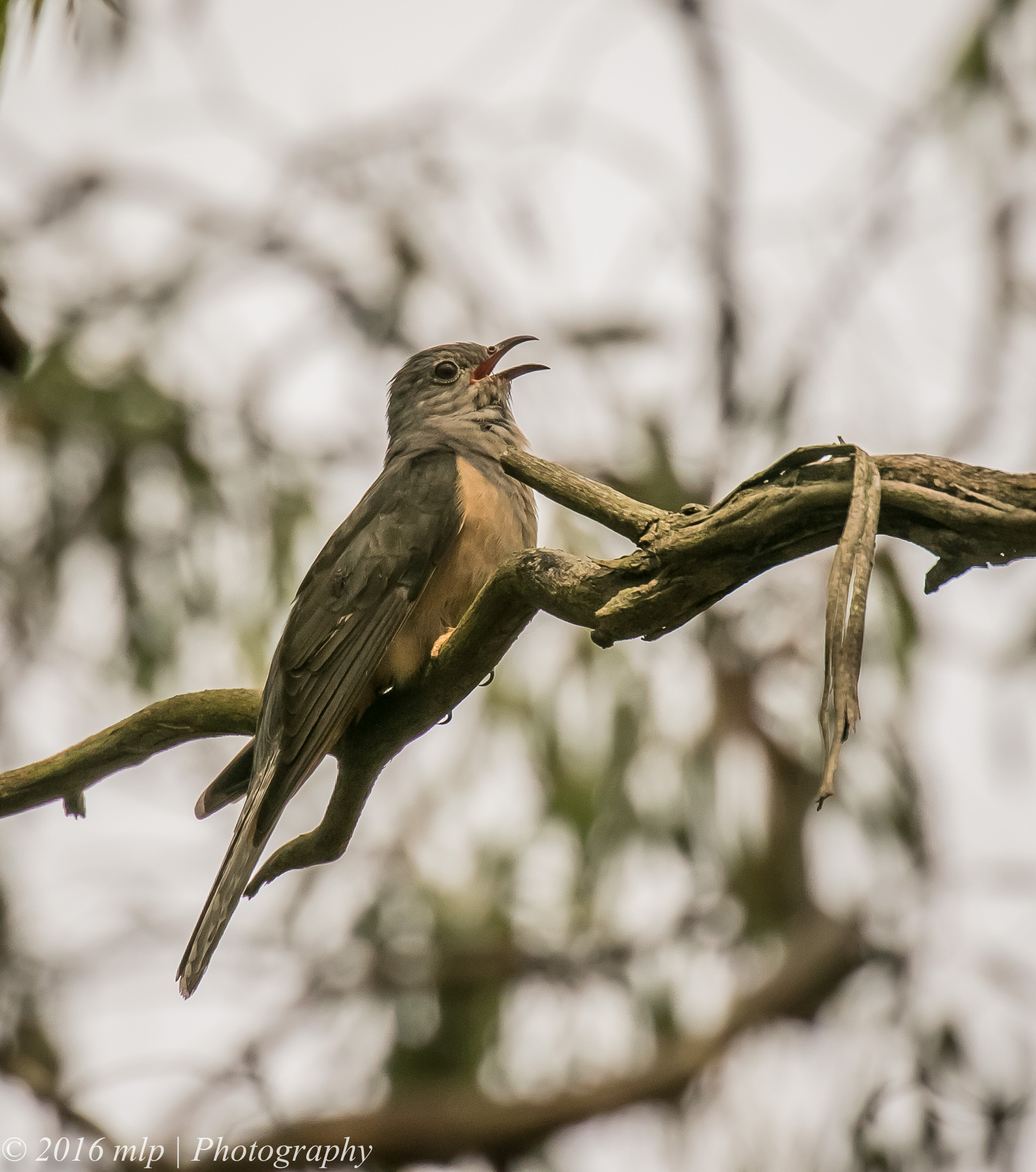
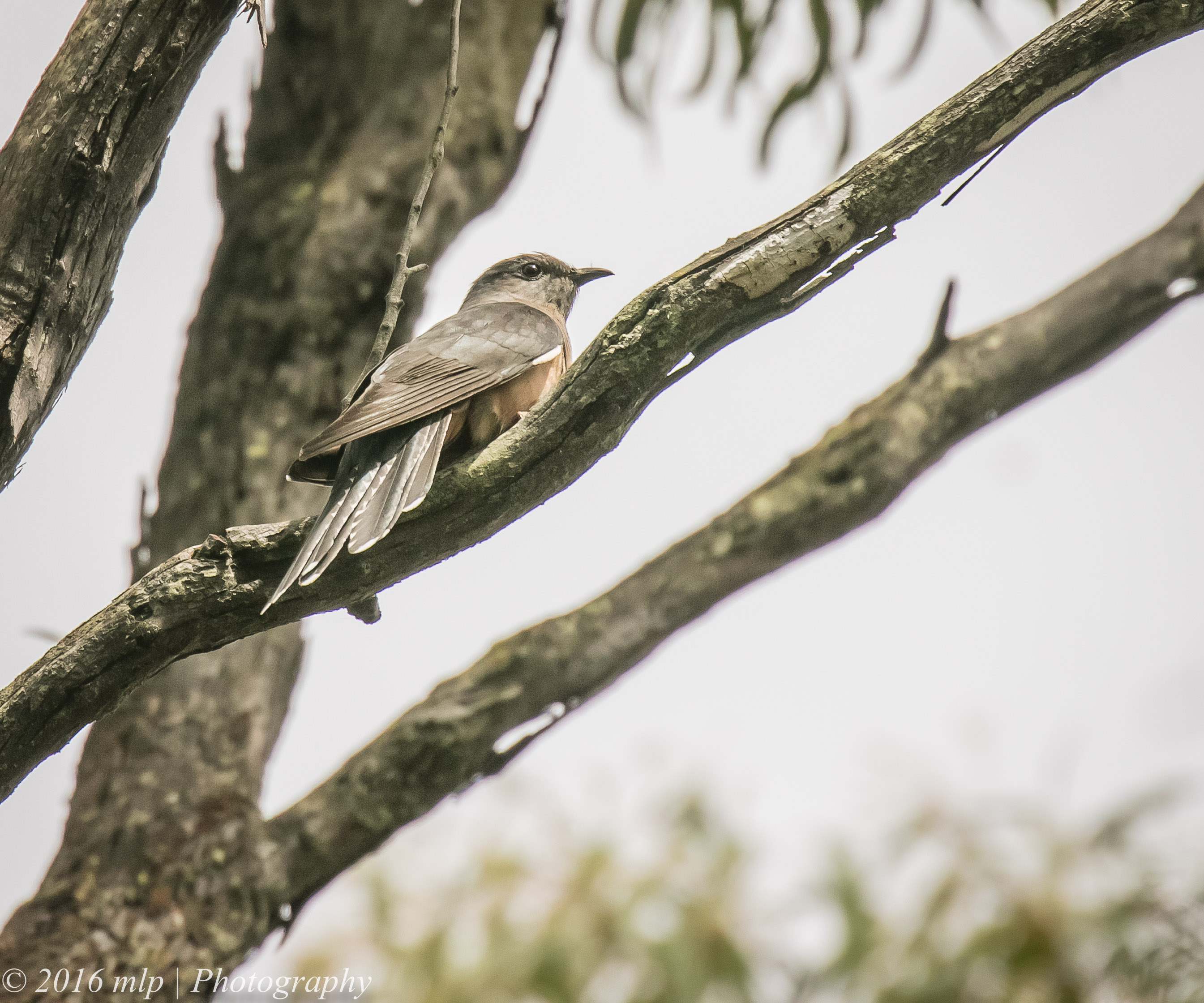
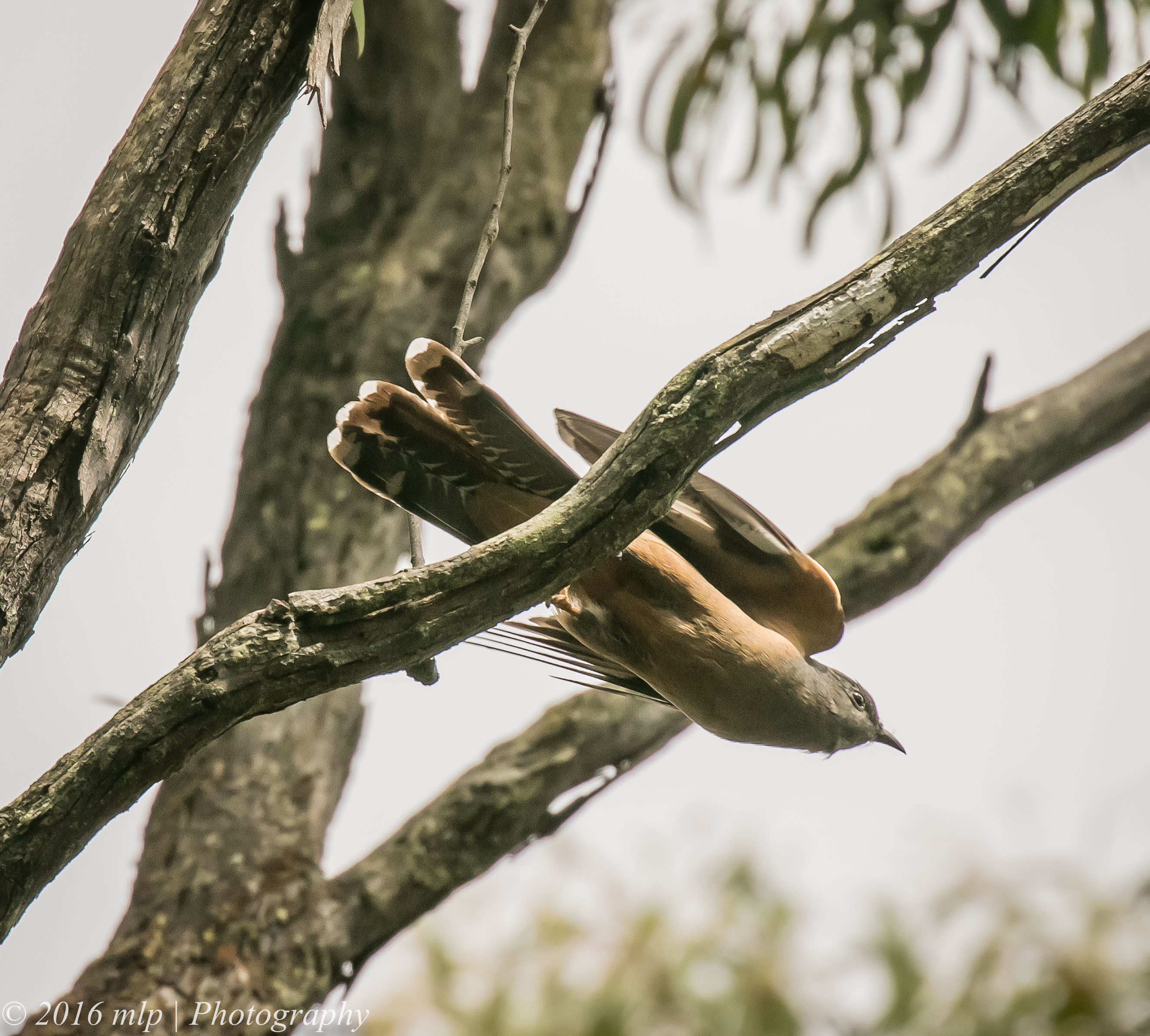
While exploring the reserve I heard and found a pair of Brush Cuckoos – my first time seeing and photographing this species.

Brush Cuckoo, Adams Creek Reserve, Nyora, Victoria, 4 Dec 2016

Brush Cuckoo, Adams Creek Reserve, Nyora

Old South Gippsland Rail-line, Adams Creek Reserve, Nyora, Victoria

Old South Gippsland Rail-line

Old South Gippsland Rail-line, Adams Creek Reserve, Nyora, Victoria

II

Old South Gippsland Rail-line, Adams Creek Reserve, Nyora, Victoria

III

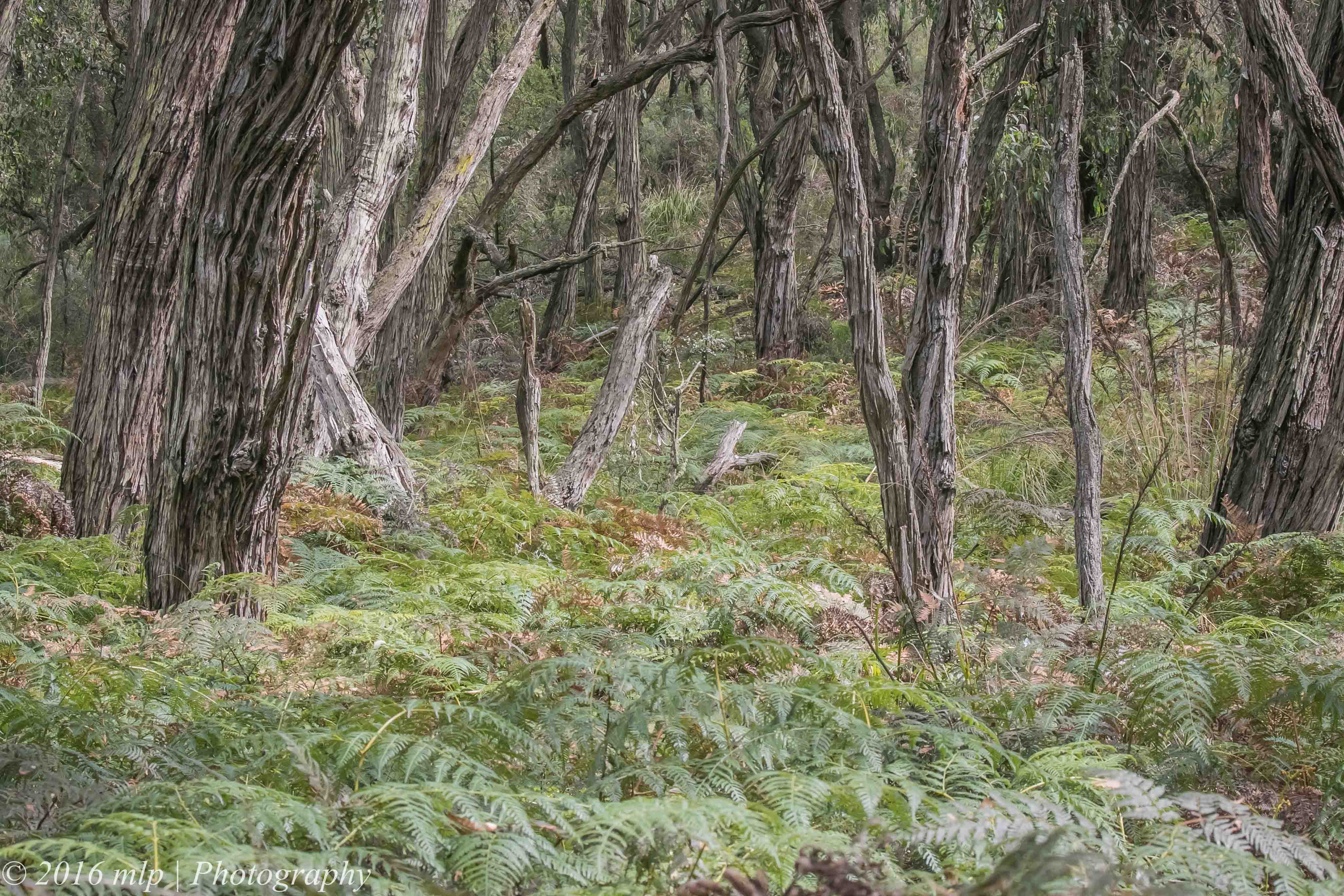
Under-story, Adams Creek Reserve, Nyora, Victoria, 4 Dec 2016

Under-story, Adams Creek Nature Conservation Reserve

Common Brown Butterfly, Adams Creek Reserve, Nyora, Victoria, 4 Dec 2016

Sword Grass Brown Butterfly

Eastern Whipbird, Adams Creek Reserve, Nyora, Victoria, 4 Dec 2016

Eastern Whipbird

Brush Cuckoo, Adams Creek Reserve, Nyora, Victoria, 4 Dec 2016

Brush Cuckoo

Brush Cuckoo, Adams Creek Reserve, Nyora, Victoria, 4 Dec 2016

II

Brush Cuckoo, Adams Creek Reserve, Nyora, Victoria, 4 Dec 2016

III

Tracking the Rosellas

A friend has been tracking the Eastern Rosellas that have been nesting in the golf course along  Elster Creek. He is studying the plumage variations from newly fledged through to adult by photographing and observing three generations of local birds.  The Rosellas managed to raise 4 chicks and all seemed to fledge but in recent sightings only two are being regularly seen. The area has roaming foxes, cats and dogs and the birds often feed on the ground. The juveniles are inexperienced and too trusting of approaching danger. Over the last few days I have been looking for and photographing the Rosellas to see how they progressing. They have favourite roosting and feeding spots and make feeding calls to each other – a lovely piping sound. They are one of my favourite local birds.

Platycercus eximius  – meaning “excellent broad-tail”.

Eastern Rosella, Elster Creek, Elsternwick, Vic, 5 Dec 2016

Eastern Rosella, Elster Creek, Elsternwick, Vic, 5 Dec 2016

Eastern Rosella, Elster Creek, Elsternwick, Vic, 5 Dec 2016

II

Eastern Rosella, Elster Creek, Elsternwick, Vic, 5 Dec 2016

One of the juveniles, quite trusting on approach. 

The Muskies are coming…

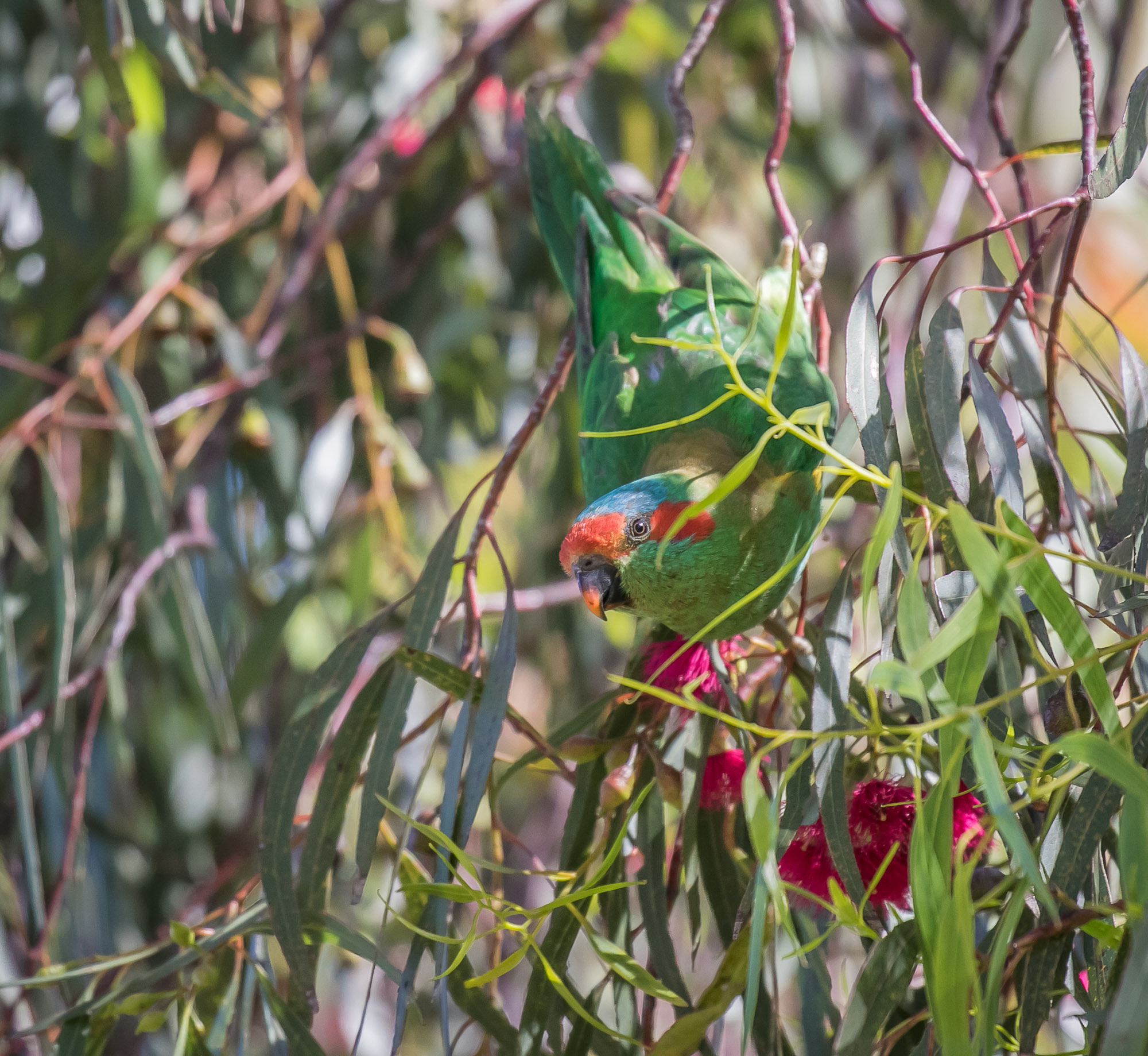
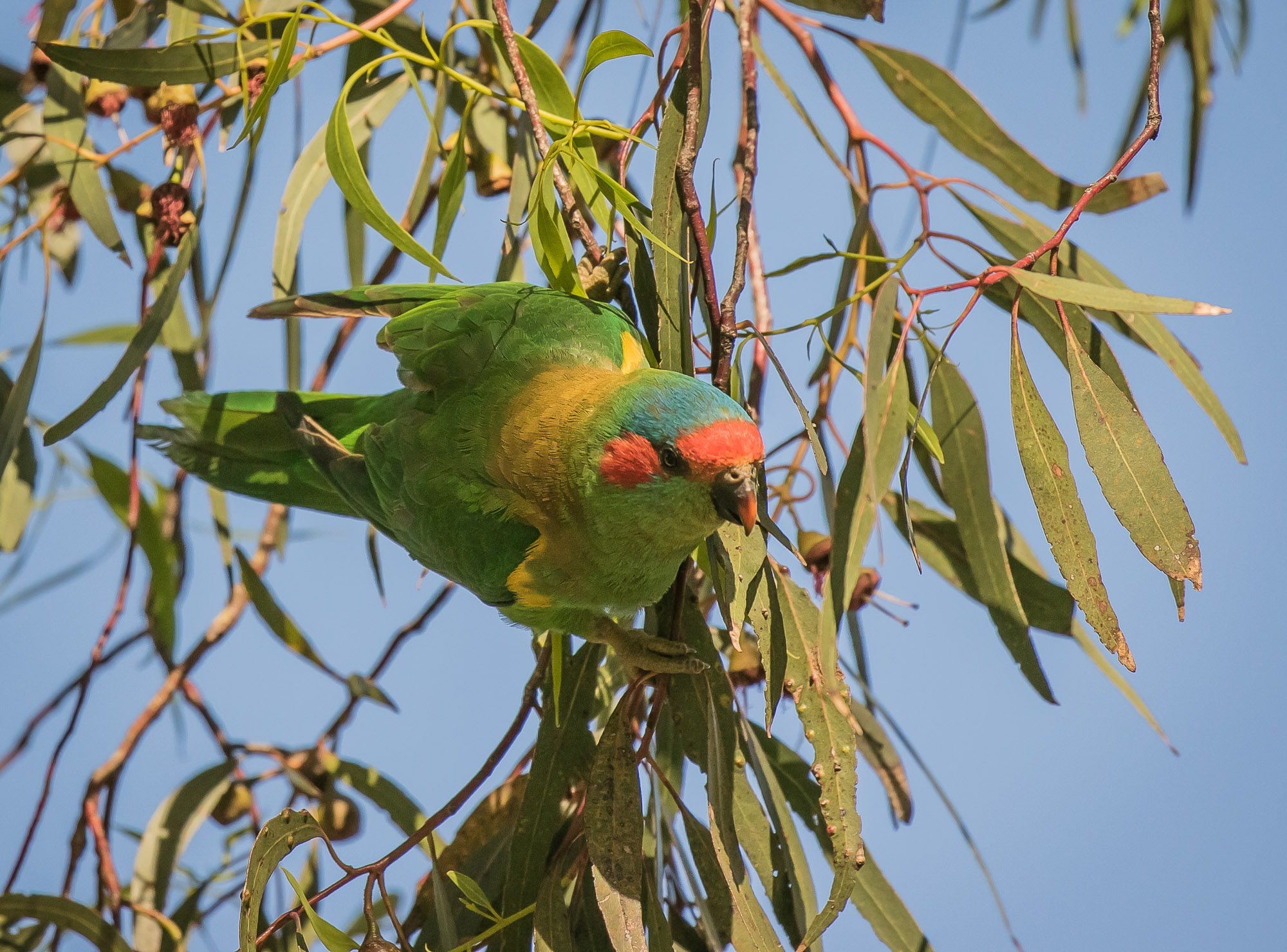
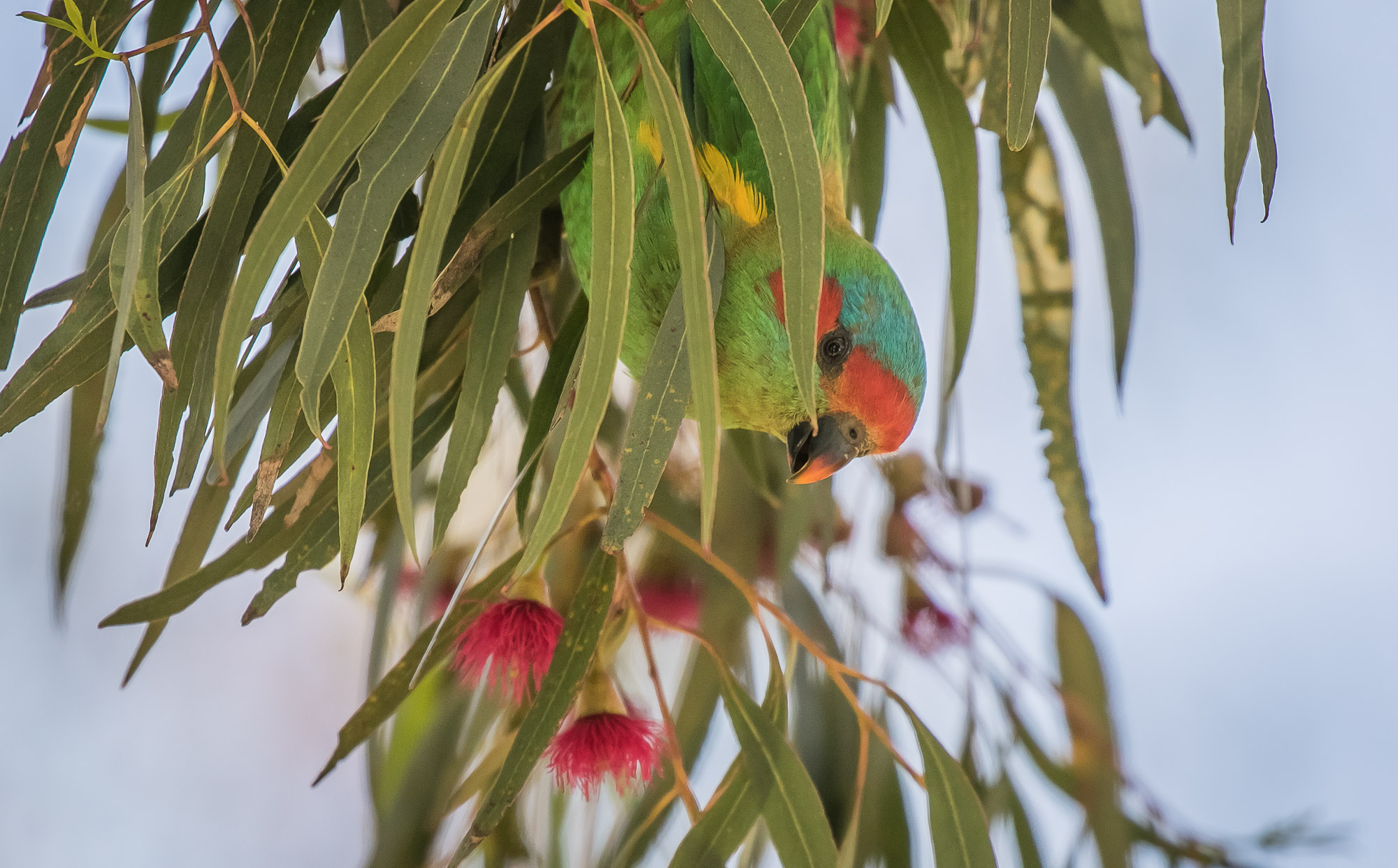
When the Eucalypts start flowering in summer the Musk Lorikeets start arriving in good numbers along Elster Creek and in the trees at Elsternwick Lake. Lorikeets are highly mobile and will follow flowering eucalypts all over the state.  The muskies have a distinctly different call to the locally common Rainbow Lorikeet.  I walked over to the lake on the weekend with a birding friend and we followed our ears to the red flowering gums. A few of the Muskies were low enough to photograph, most shots were of their typical pose – upside down and head into a flower.

Scientifically known as Glossopsitta concinna meaning “elegant tongue parrot” – due to the way it feeds on pollen and nectar rich flowers.

Musk Lorikeet, Elsternwick Park, Elsternwick, Vict, 3 Dec 2016

Musk Lorikeet, Elsternwick Park, Elsternwick

Musk Lorikeet, Elsternwick Park, Elsternwick, Vict, 3 Dec 2016

II

Musk Lorikeet, Elsternwick Park, Elsternwick, Vict, 3 Dec 2016

III

Musk Lorikeet, Elsternwick Park, Elsternwick, Vict, 3 Dec 2016

IV

Musk Lorikeet, Elsternwick Park, Elsternwick, Vict, 3 Dec 2016

V

Musk Lorikeet, Elsternwick Park, Elsternwick, Vict, 3 Dec 2016

VI

Musk Lorikeet, Elsternwick Park, Elsternwick, Vict, 3 Dec 2016

VII


Cockatoos and Corellas

A sunny late afternoon walk along the creek produced the usual array of local birds, many with new families. We watched a pair of Long-billed Corellas feeding on grass seeds and later found a snoozing Cockatoo. It turned out to be One-eye, the partner to an escaped or released Cockatoo still wearing  a cage leg ring. This couple has now bred in the same tree two years in a row and currently there are several chicks inside the big gum where we found One-eye.

Long billed Corella, Elster Creek, Elsternwick, Victoria 19 Nov 2016

Long billed Corella, Elster Creek, Elsternwick, Victoria 19 Nov 2016

Long billed Corella, Elster Creek, Elsternwick, Victoria 19 Nov 2016

II

Sulphur crested Cockatoo, Elster Creek, Elsternwick, Victoria 19 Nov 2016

Sulphur crested Cockatoo, Elster Creek, Elsternwick – the cockatoo was fast asleep, enjoying the evening sun. 

Sulphur crested Cockatoo, Elster Creek, Elsternwick, Victoria 19 Nov 2016

We have named this local Cockatoo, One Eye. 

Sulphur crested Cockatoo, Elster Creek, Elsternwick, Victoria 19 Nov 2016

III

Sparrow colony of Ormond Road

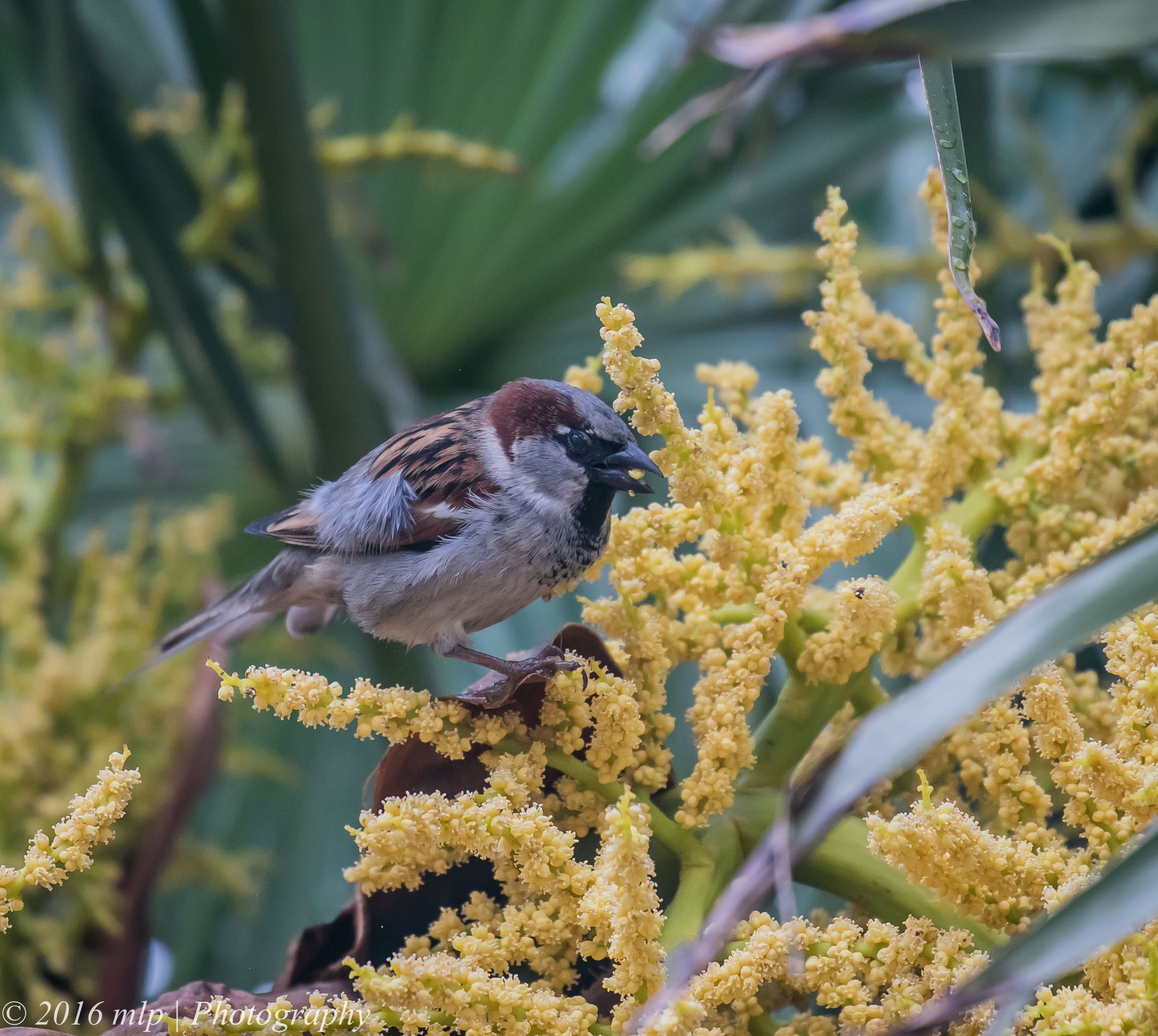
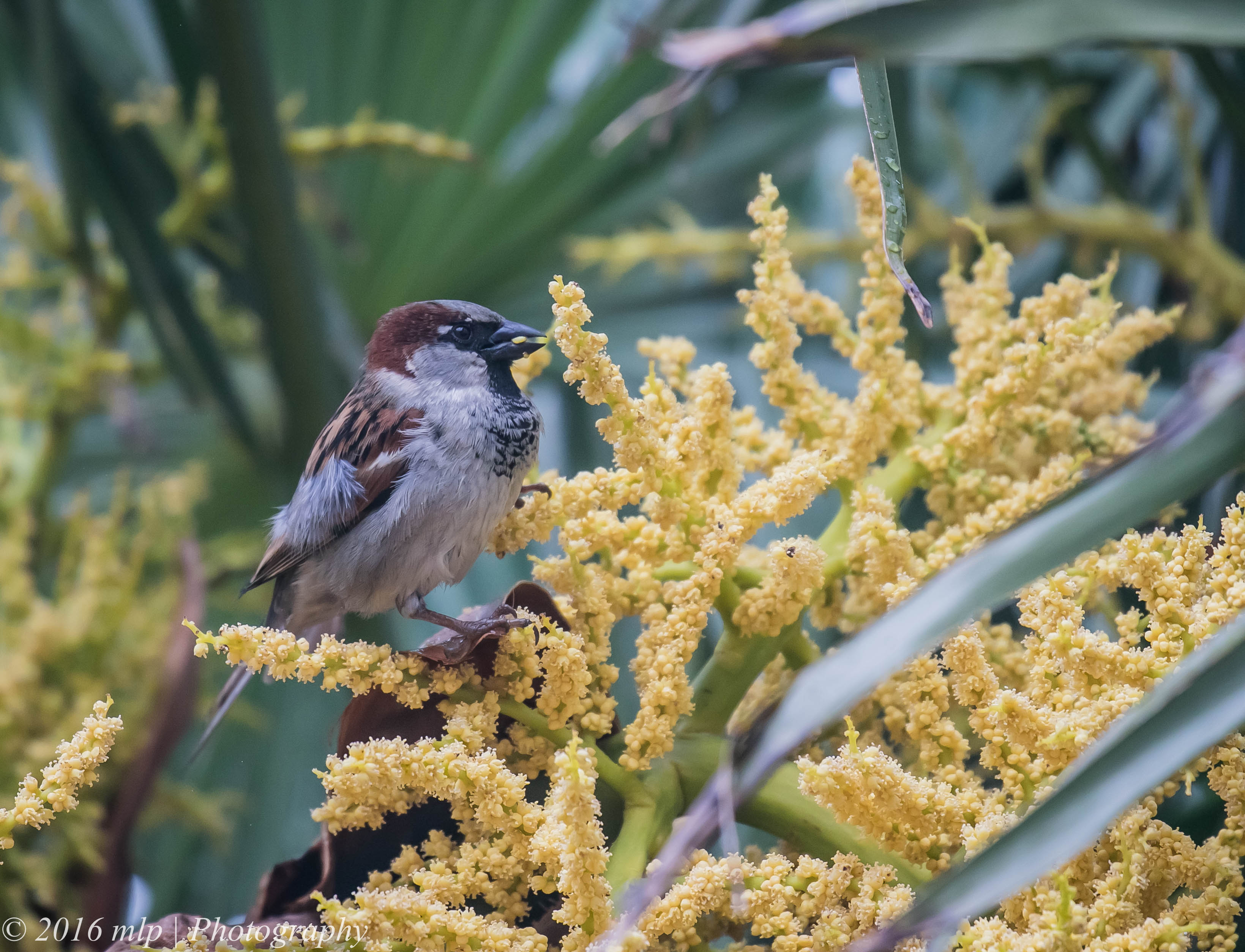
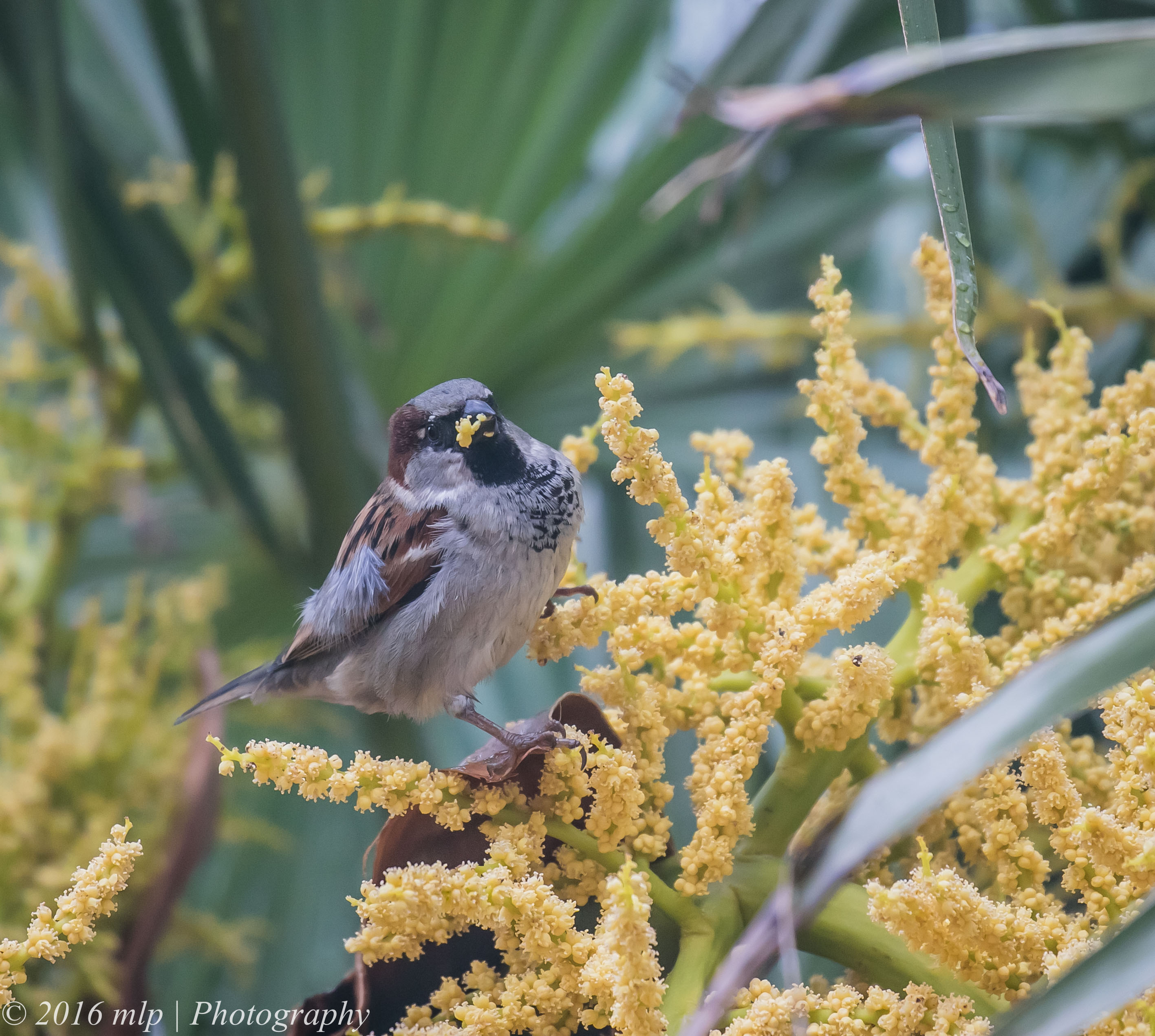
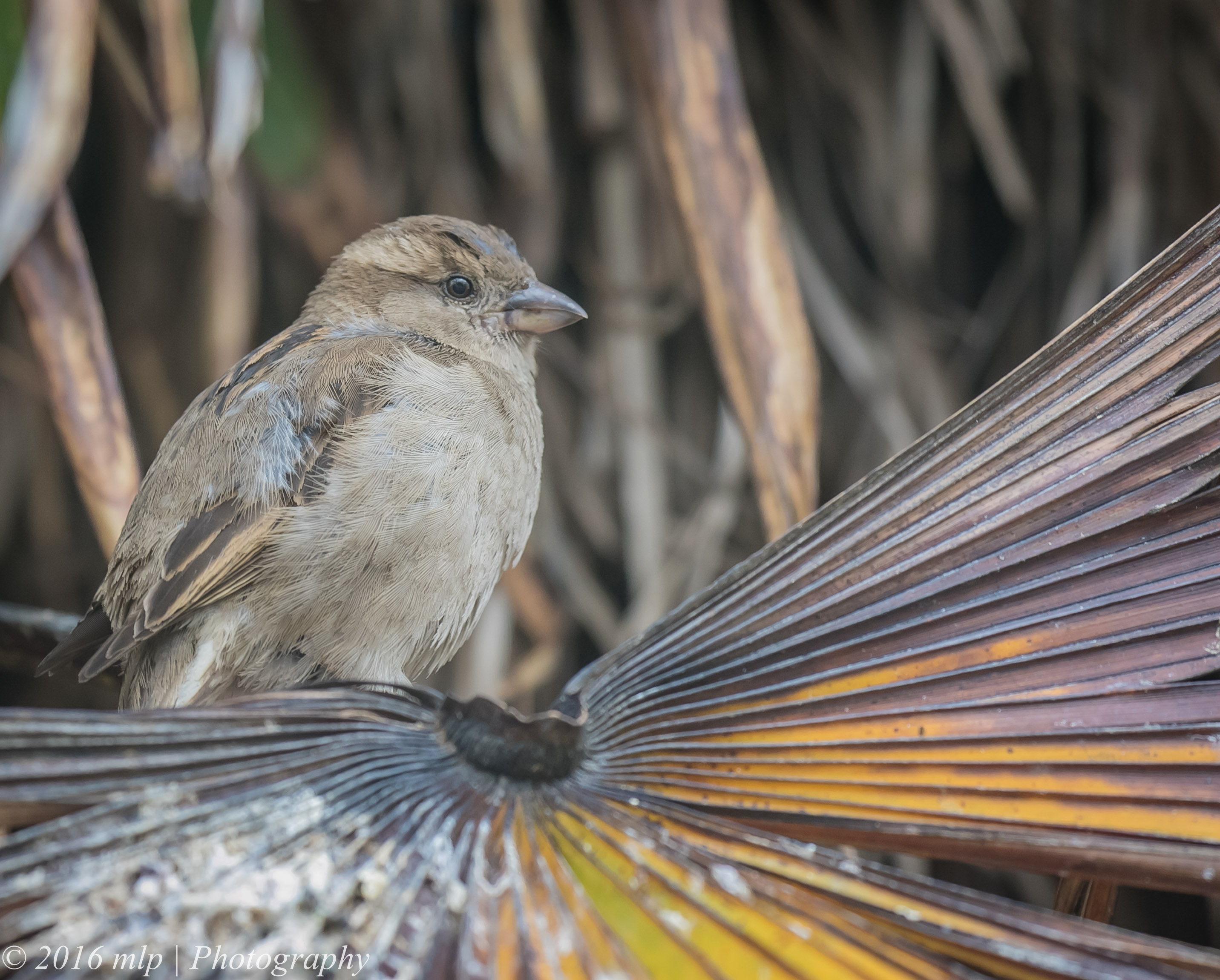
With the weather a bit too wild and wet for a walk along the beach, I went to find the local House Sparrow colony at the nearby shops. There are several palm trees that are flowering and the sparrows were enjoying a floral feast. A few fed while the rest waited for the rain to stop.

House Sparrow, Ormond Road, Elwood, Victoria, 1 Nov 2016

House Sparrow, Ormond Road, Elwood

House Sparrow, Ormond Road, Elwood, Victoria, 1 Nov 2016

Waiting out the rain

House Sparrow, Ormond Road, Elwood, Victoria, 1 Nov 2016

III

House Sparrow, Ormond Road, Elwood, Victoria, 1 Nov 2016

Enjoying the flowers and seeds of the palm trees

House Sparrow, Ormond Road, Elwood, Victoria, 1 Nov 2016

V

House Sparrow, Ormond Road, Elwood, Victoria, 1 Nov 2016

VI

House Sparrow, Ormond Road, Elwood, Victoria, 1 Nov 2016

VII

House Sparrow, Ormond Road, Elwood, Victoria, 1 Nov 2016

VIII

A Spring walk to the beach.

Nothing like a walk on a lovely spring’s day after so much bad weather. I am pretty lucky that I can walk out my back gate down the local creek and to the Elwood beach. Along the way I can find all sorts of interesting things to photograph. On this occasion I found a juvenile Little Raven waiting patiently to be fed, a Black-faced Cuckoo-shrike hunting for food in a large Plain Tree and a beautiful Silvereye at Point Ormond. I am so focussed on the birds that I often forget to take a few landscapes for the context…I promise I will next time…

Silvereye, Point Ormond, Elwood, Victoria, 1 Nov 2016

Silvereye, Point Ormond, Elwood

Black-faced Cuckoo-shrike, Elster Creek, Elwood, Victoria, 1 Nov 2016

Black-faced Cuckoo-shrike, Elster Creek, Elwood

Black-faced Cuckoo-shrike, Elster Creek, Elwood, Victoria, 1 Nov 2016

II

Black-faced Cuckoo-shrike, Elster Creek, Elwood, Victoria, 1 Nov 2016

III

Little Raven, Elster Creek, Elwood, Victoria, 1 Nov 2016

A young Little Raven waiting for a feed.


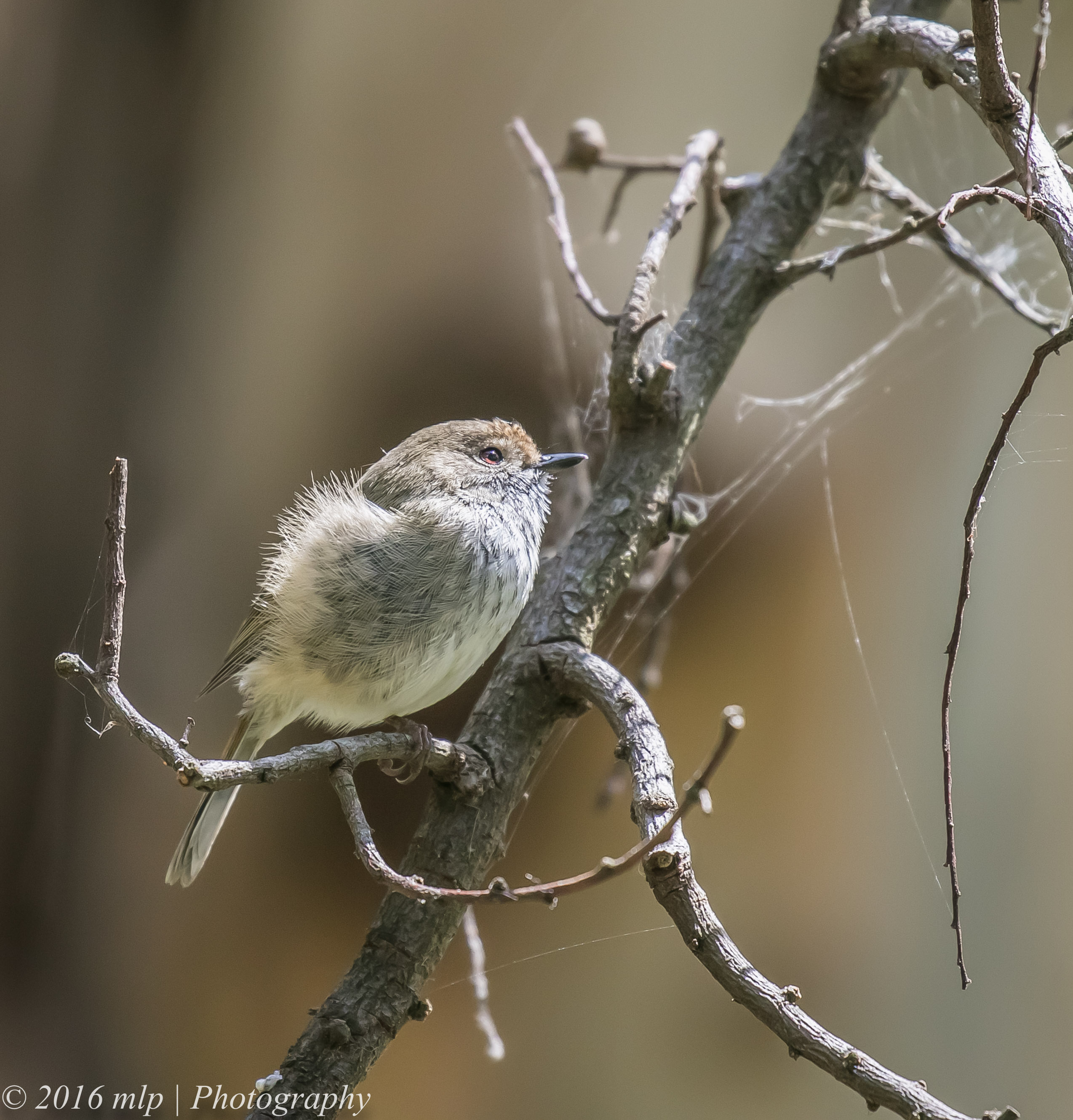
Brown Thornbill’s mid morning sun-bake

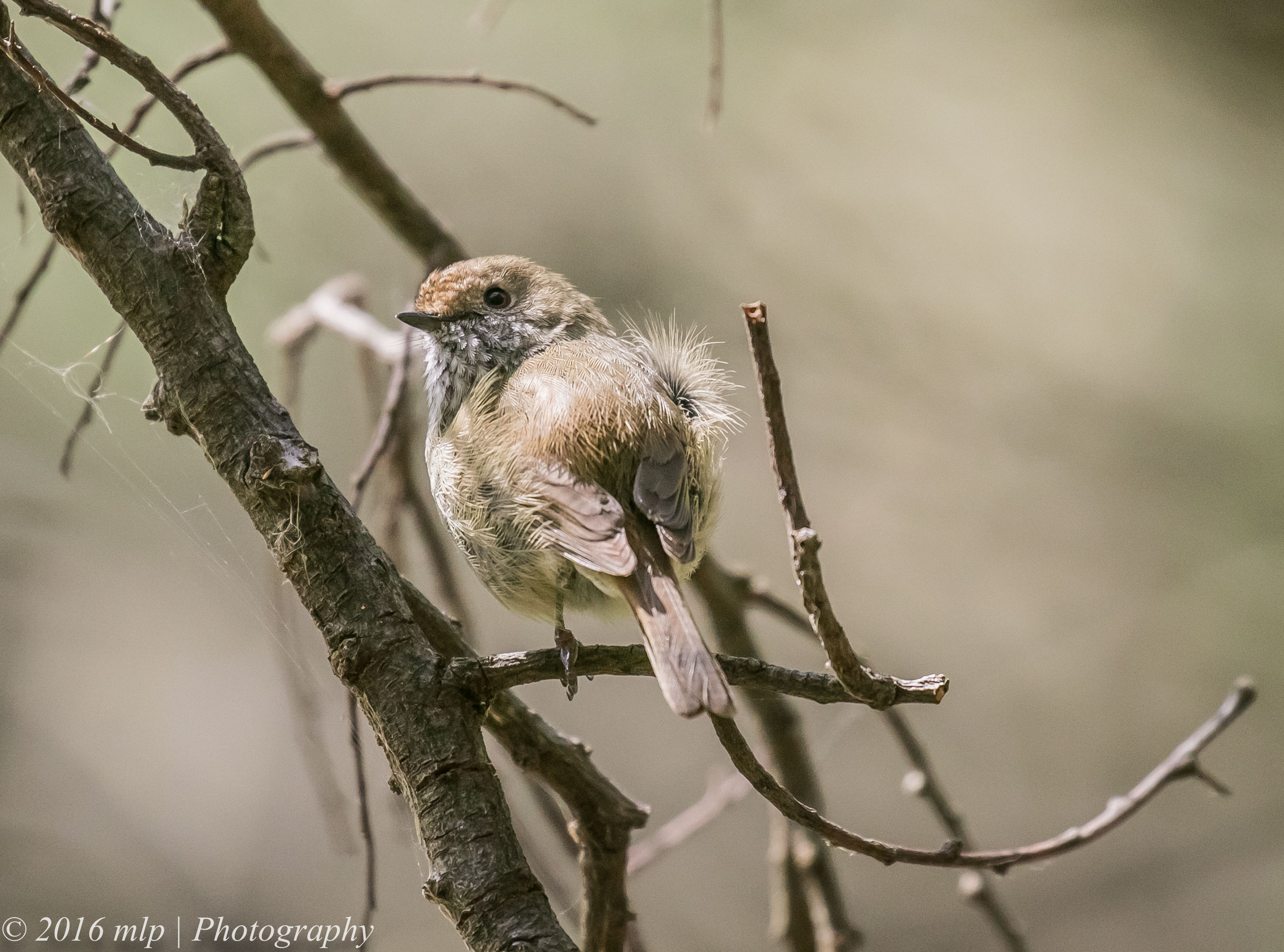
A return visit to Berwick to look for the Channel-billed Cuckoo, resulted in another failure. I did however enjoy another walk around the Wilson Botanic Park. On the boardwalk near the bird hide I found a young Brown Thornbill hunting for spiders and enjoying a little morning sun. He seemed quite young as I was only standing a few metres away and these little shy birds move quickly through the brush, never standing still or staying exposed in the open.

Brown Thornbill, Wilson Botanic Park, Berwick, Victoria, 6 Nov 2016

Brown Thornbill, Wilson Botanic Park, Berwick, Victoria

Brown Thornbill, Wilson Botanic Park, Berwick, Victoria, 6 Nov 2016

II

Brown Thornbill, Wilson Botanic Park, Berwick, Victoria, 6 Nov 2016

III

Brown Thornbill, Wilson Botanic Park, Berwick, Victoria, 6 Nov 2016

IV

Brown Thornbill, Wilson Botanic Park, Berwick, Victoria, 6 Nov 2016

V