Category Archives: Birds

Goschen! It was a good day to Twitch…

Late last year a sighting report came in for a Long Billed Dowitcher – a bird that usually heads down the American side of the Pacific on Summer migration from Siberia. This one seemed to have mistakenly come down the Australasian Migration Highway. It was the first time one had been seen in Australia let alone so far south and into Victoria. I got up early and with a birding mate made the 3 hour drive for my first real twitch to get a single bird onto my life list – one that may never been seen again in Australia. Within 15 mins of arriving at Lake Tutchewop we found the bird thanks to a line up of spotting scopes and photographers. It was cold and windy and after recent rains the lake’s wide sandy foreshore had turned to sticky slippery mud. I did not take any photos (other than two iPhone shots)  but had some nice clear views of the red/brown shorebird via my scope.
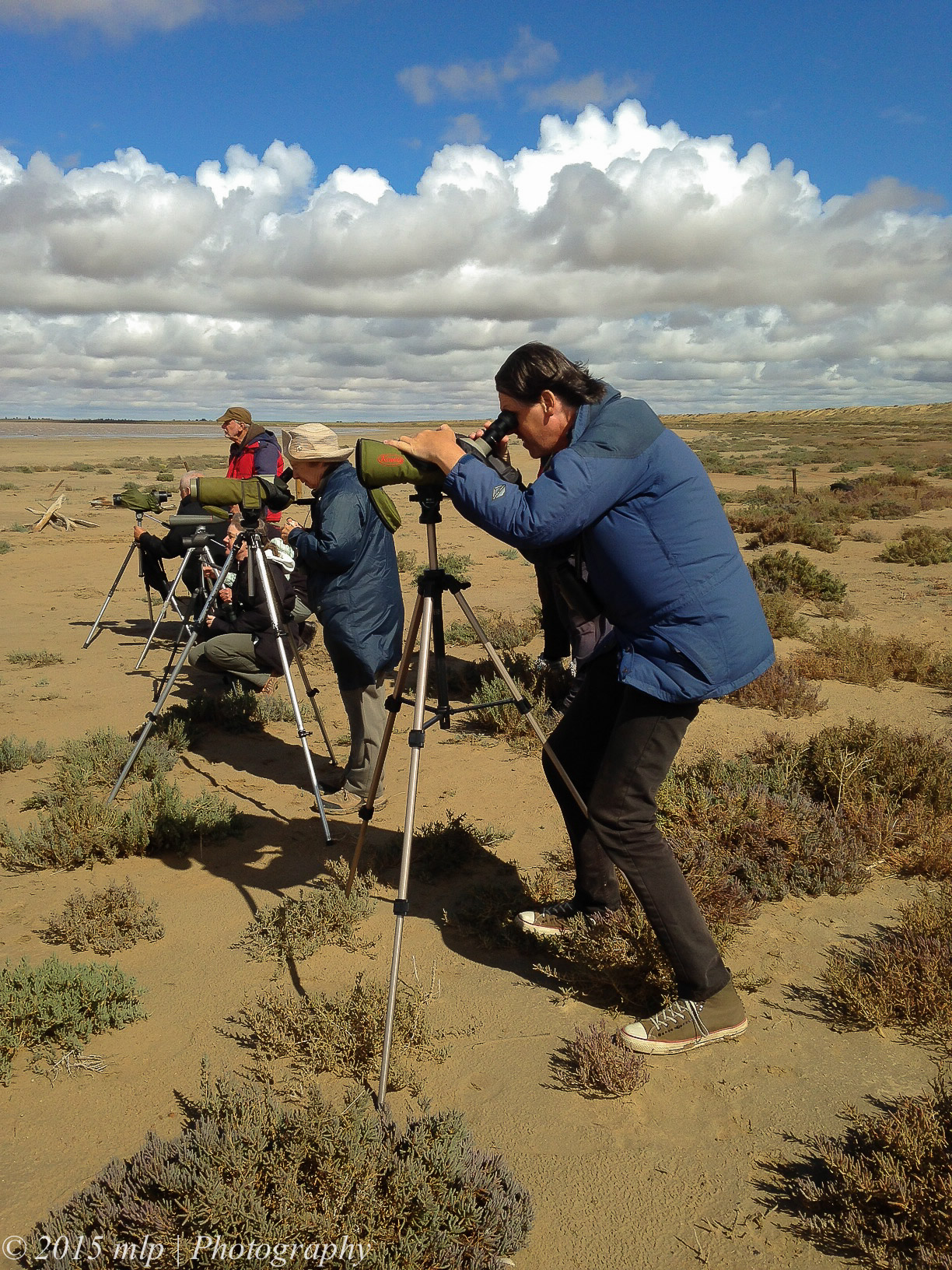
Spotting Scopes, Lake Tutchewop, Vic,

Spotting scopes lined up, Lake Tutchewop, Vic,
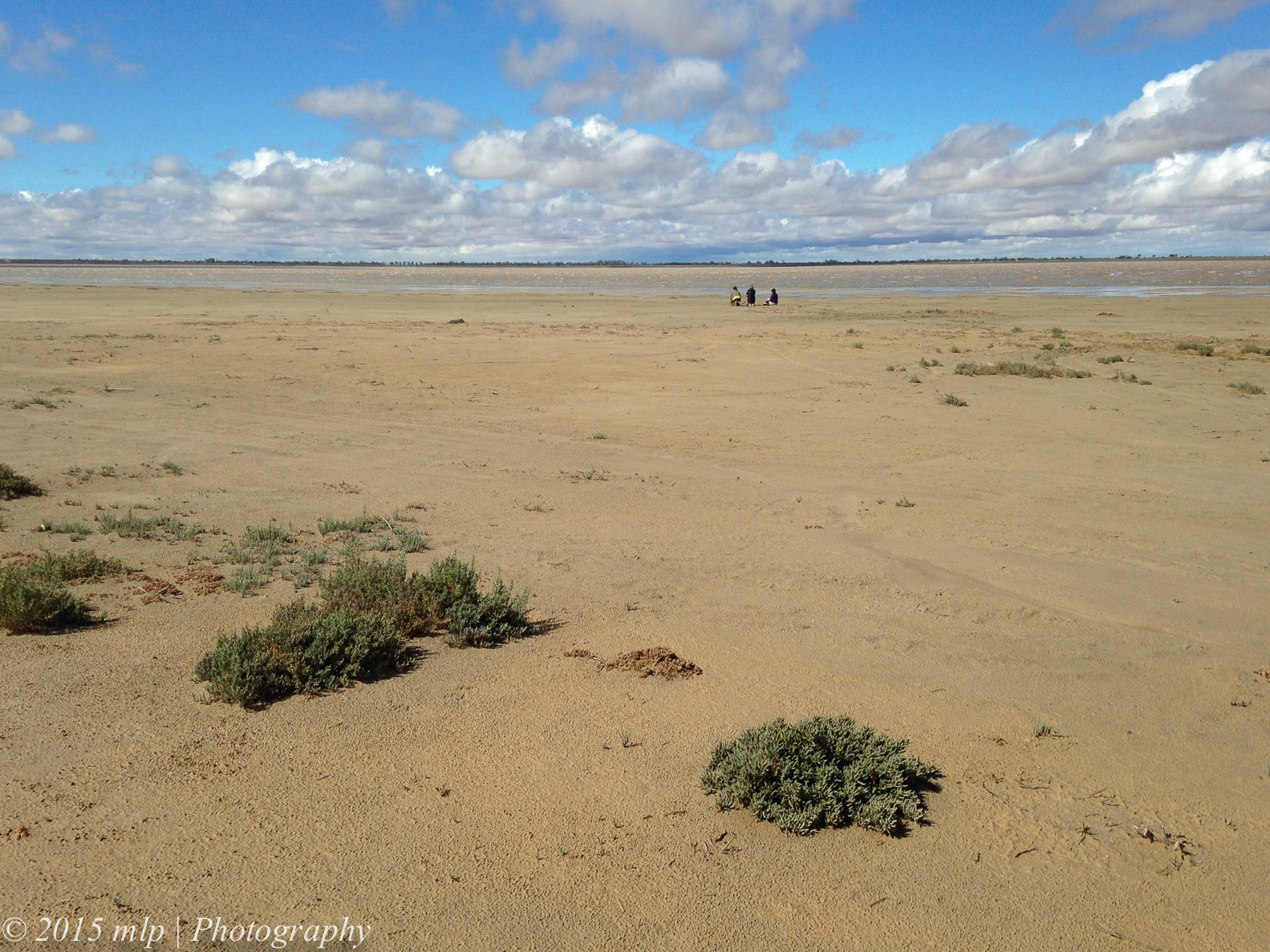
Lake Tutchewop, Vic,

Lake Tutchewop, Vic – to get close up images several keen photographers crawled forward of the main group and stayed low in the mud to make sure they did not spook the Dowitcher and the other waders in the water.

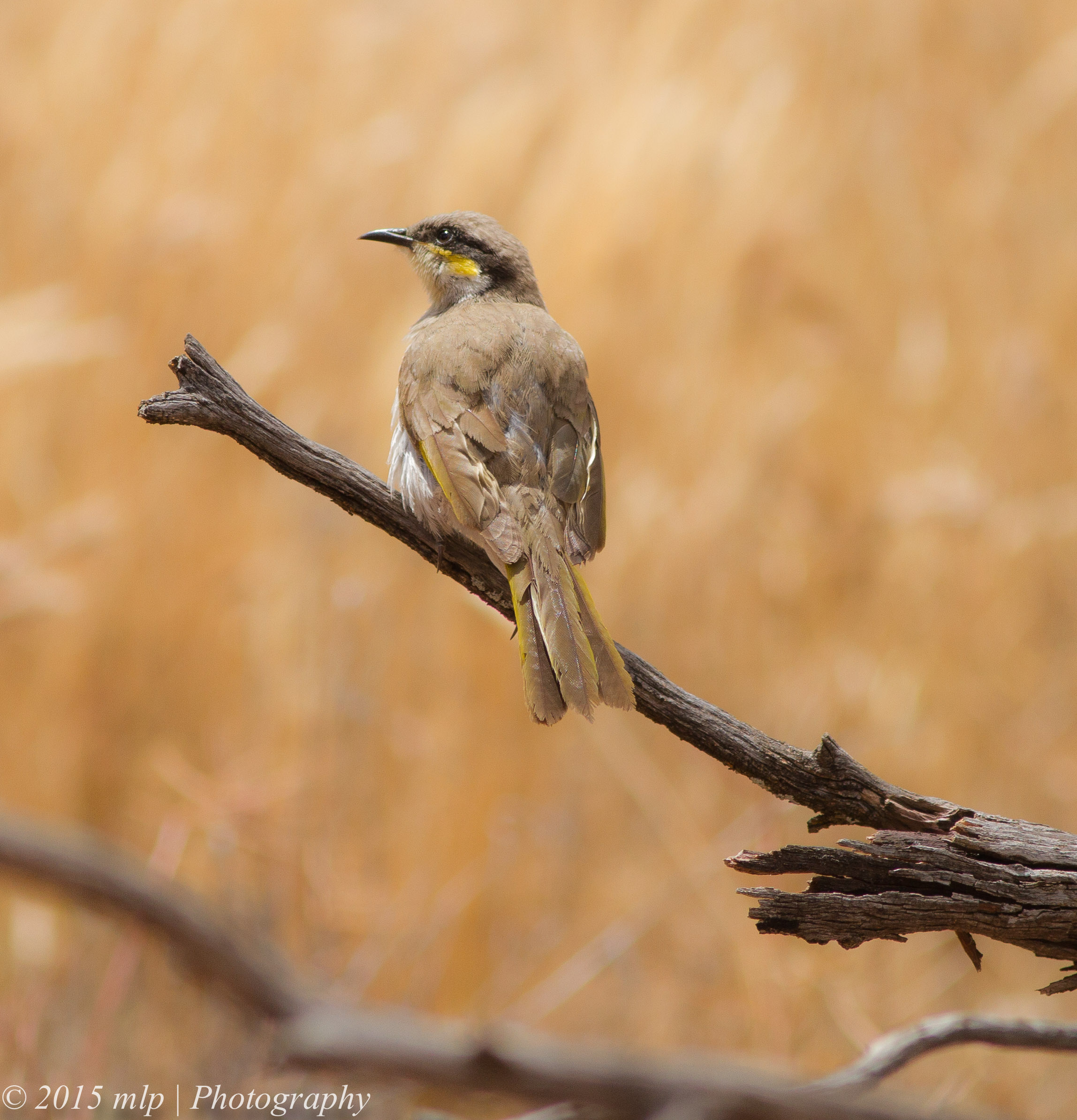
Having been very lucky and finding the bird so soon (many other twitchers making the long trip took hours or days to find it and several never saw it all due to it flying around the vast lake at different times of the day) we decided to make the most of the location and head over to Goschen Bushland Reserve, near Swan Hill. Goschen is a small grassy Mallee woodland remnant, site of a planned, partially built but abandoned town with an old hall, tennis courts and facilities – all now derelict. Several hours of exploring the area can produce a good list of mallee birds not generally found further south and some nice pictures.
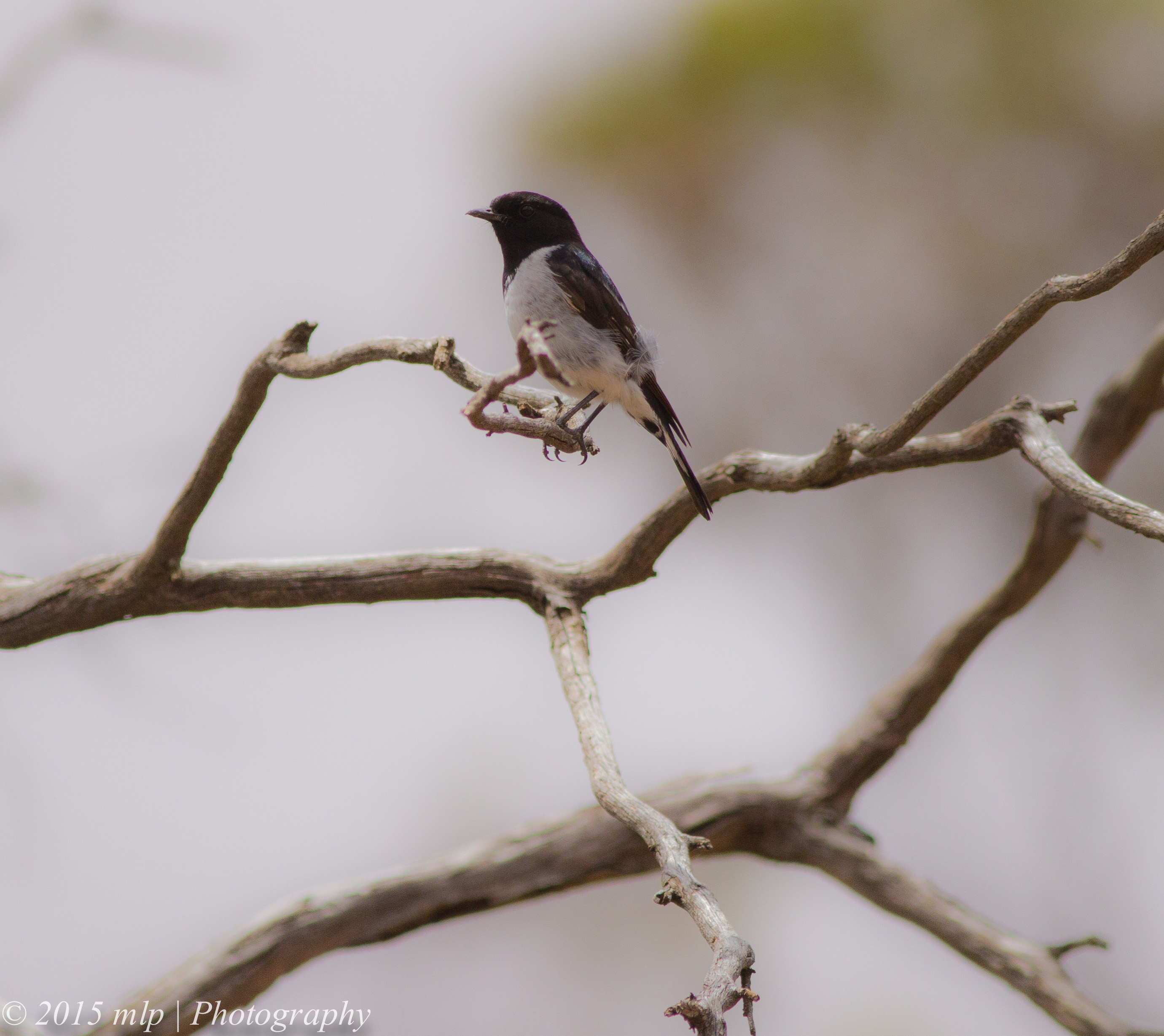
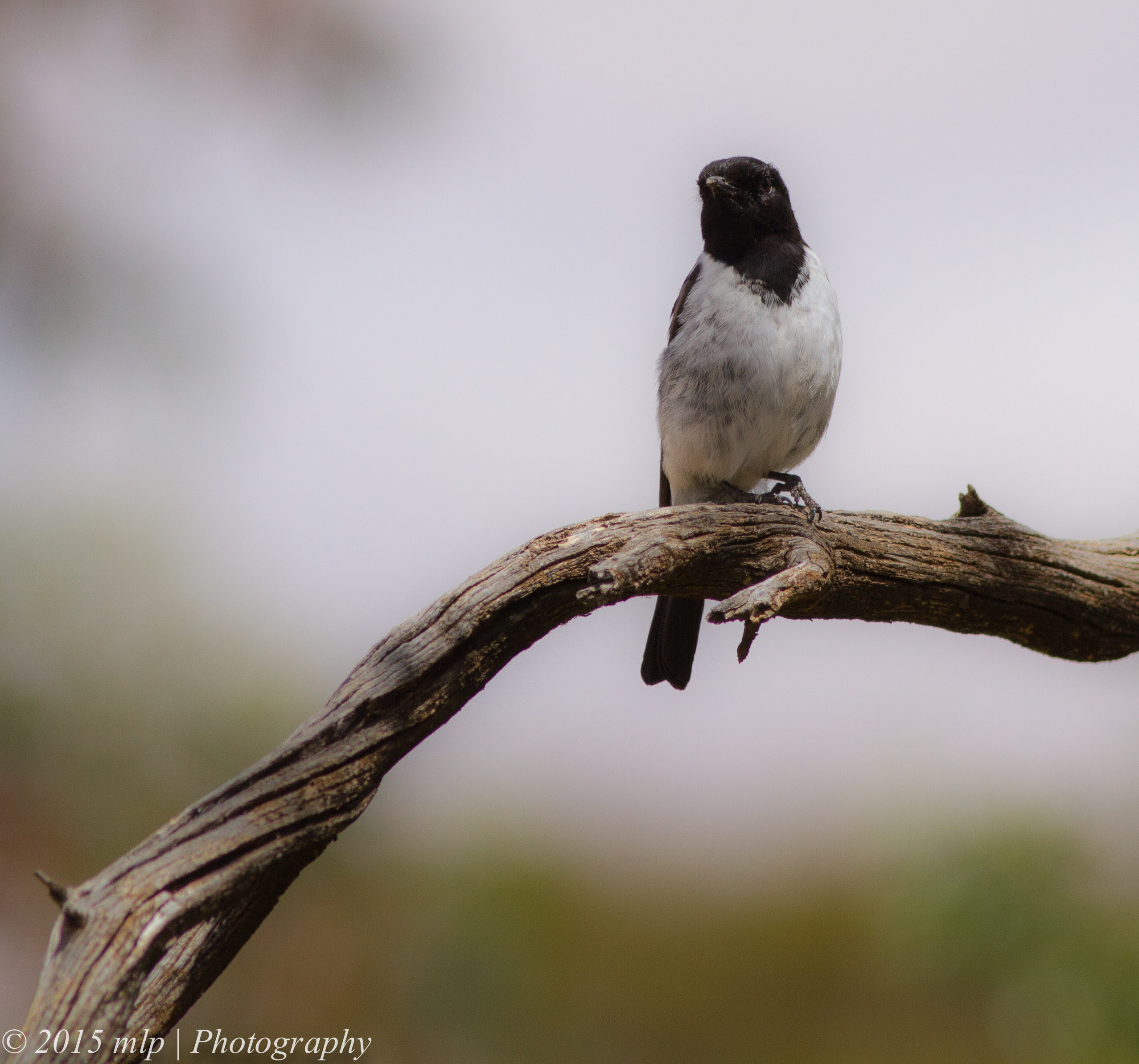
Hooded Robin, Goschen,

Hooded Robin, Goschen

Hooded Robin II, Goschen
Hooded Robin II, Goschen

Singing Honeyeater,

Singing Honeyeater

Singing Honeyeater,

Singing Honeyeater II

Singing Honeyeater,

Singing Honeyeater III

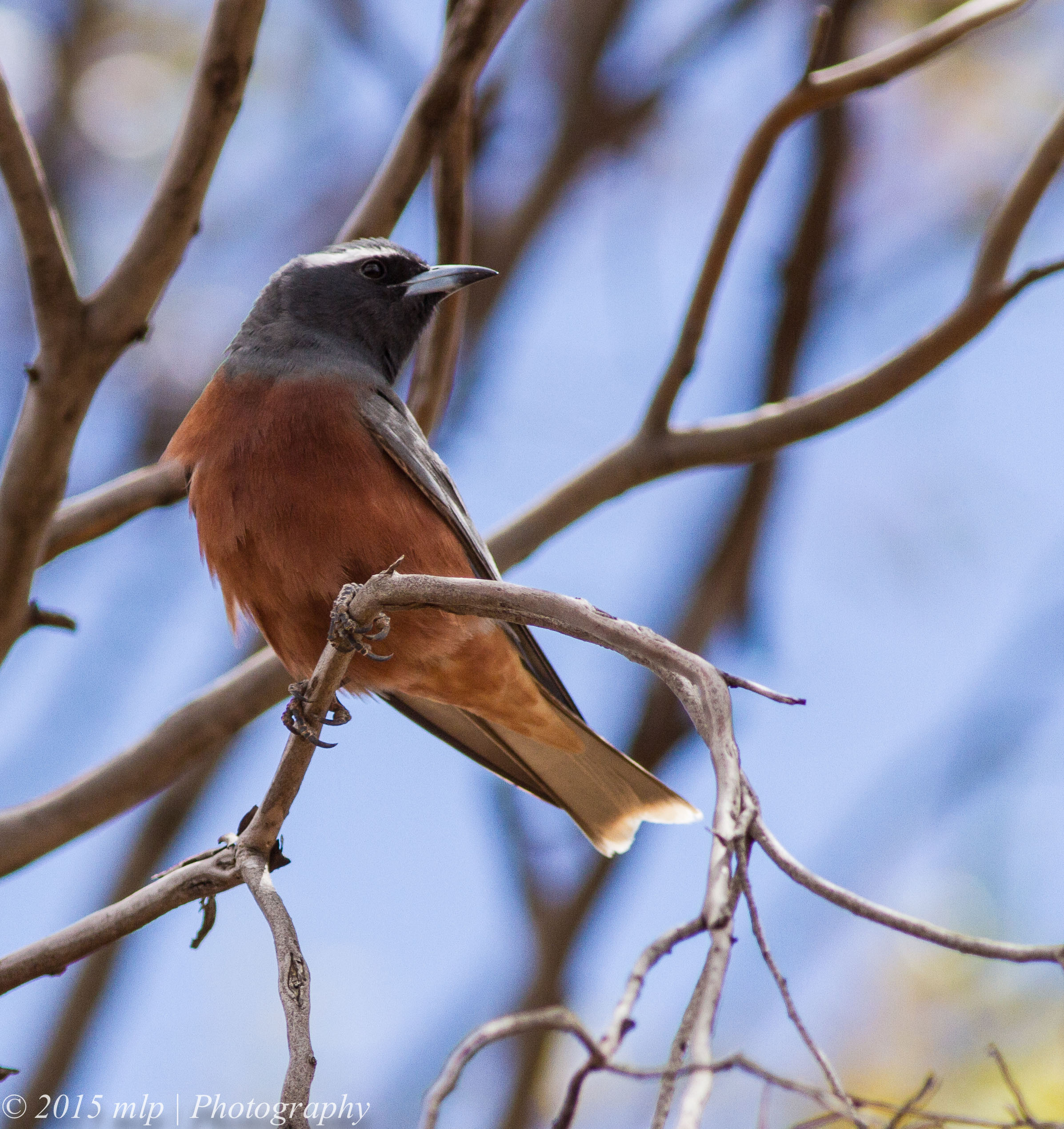
White Browed Woodswallow
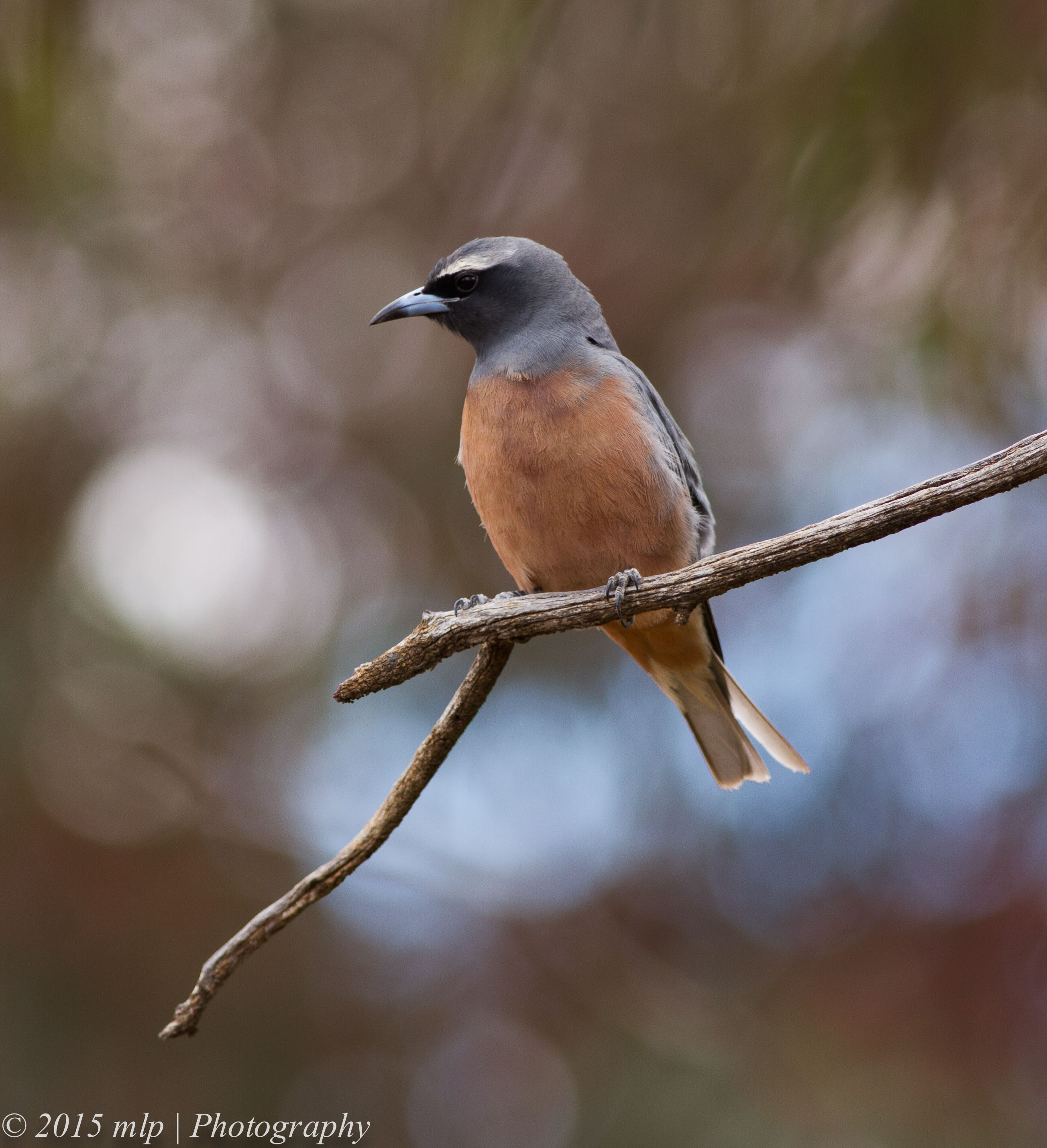
White Browed Woodswallow

White Browed Woodswallow

White Browed Woodswallow II

White Browed Woodswallow

White Browed Woodswallow III

On the way home we passed through Lake Boga and watched  White Breasted Woodswallows feeding their chicks.
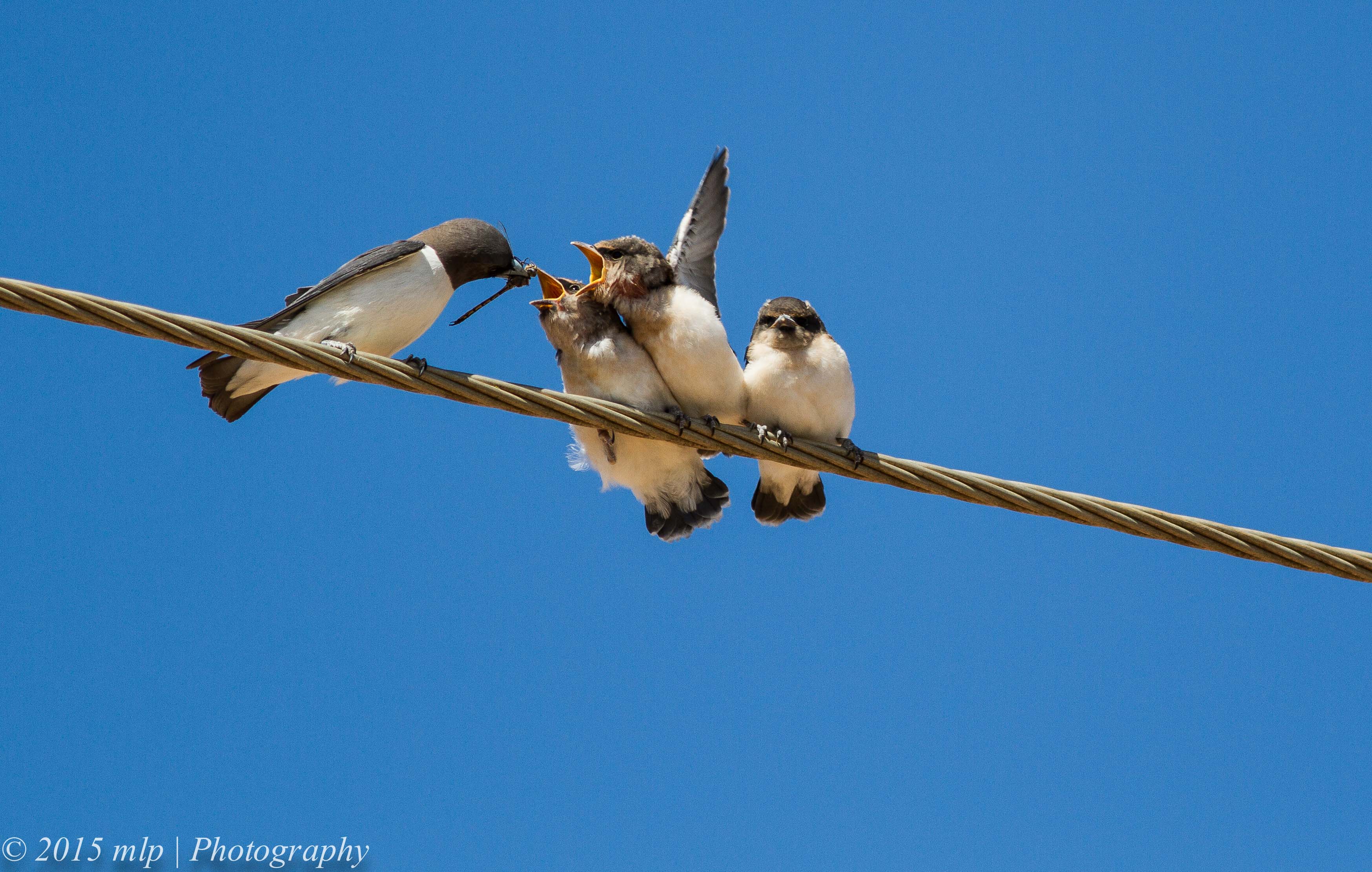
White Breasted Woodswallows, Lake Boga

White Breasted Woodswallows, Lake Boga – parent with a nice sized dragonfly

White Breasted Woodswallows, Lake Boga

White Breasted Woodswallows, Lake Boga

White Breasted Woodswallows, Lake Boga

White Breasted Woodswallows:  just like real estate – it is all about position – the chick in the middle kept missing out….bad position.
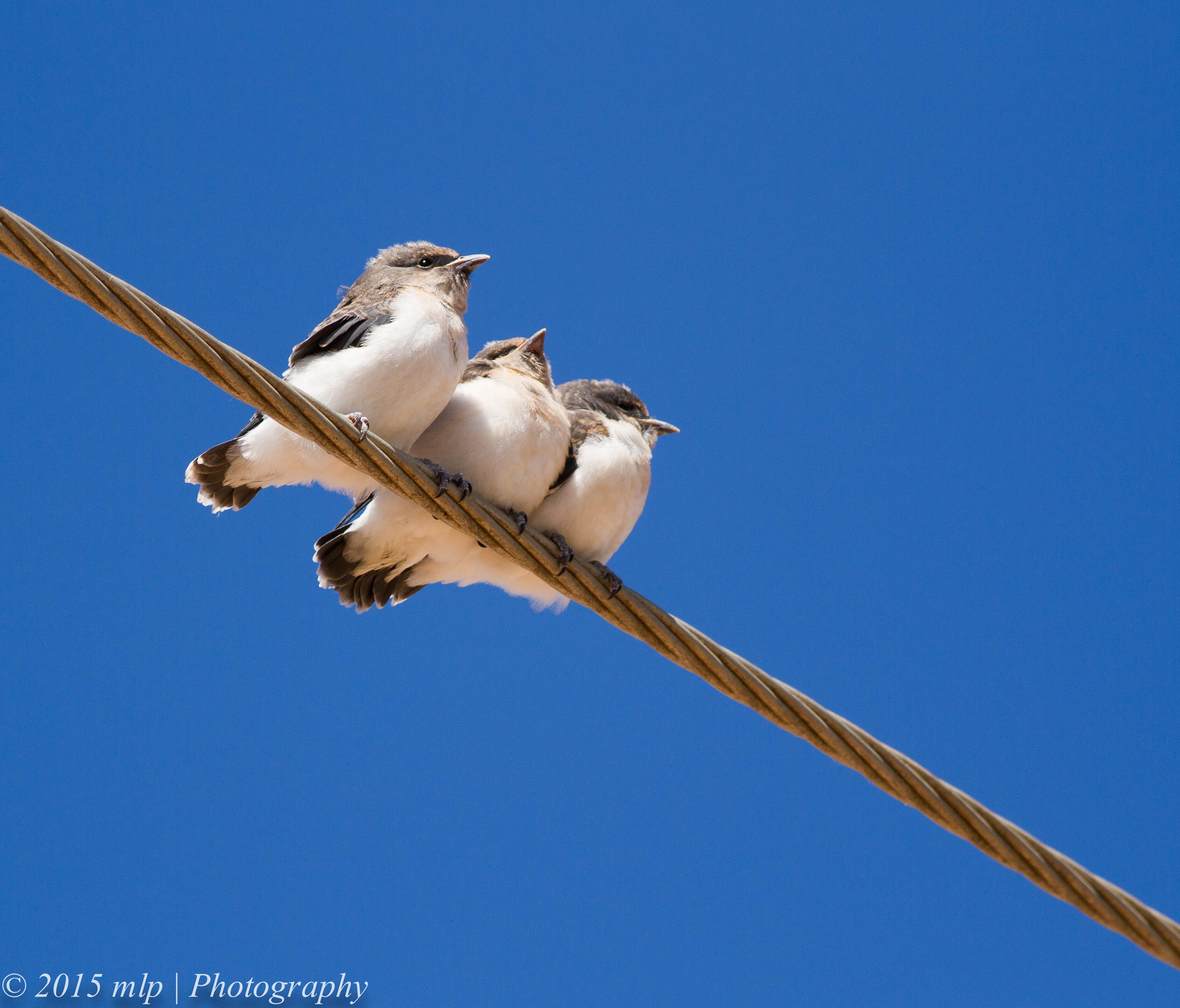
White Breasted Woodswallows, Lake Boga

White Breasted Woodswallow chicks waiting patiently for their next feed.

Ricketts Point – Pelican Bandits

Along Beach Rd at Beaumaris is a rocky platform that becomes exposed at low tide and is a favourite roosting spot for Silver Gulls, Crested Terns, Cormorants, Swans and Pelicans. Many other birds also stop by at times but these seem to be the main ones that are often here.

I always check the platform as I drive past and yesterday I noticed that it was visible with quite a few birds around. The carpark is only several meters from the edge of the rocks and screened by low salt bush so it is easy to get your gear ready and walk slowly onto the platform without spooking the birds. They are generally used to people and just move a bit further away. The best time to go is weekdays as the weekend and good warm weather guarantees lots of people visiting the area.

Ricketts Point, Beaumaris

Ricketts Point, Beaumaris – at the end of my visit, two skin divers set up their hunting gear at the point tower and finally spooked the birds.

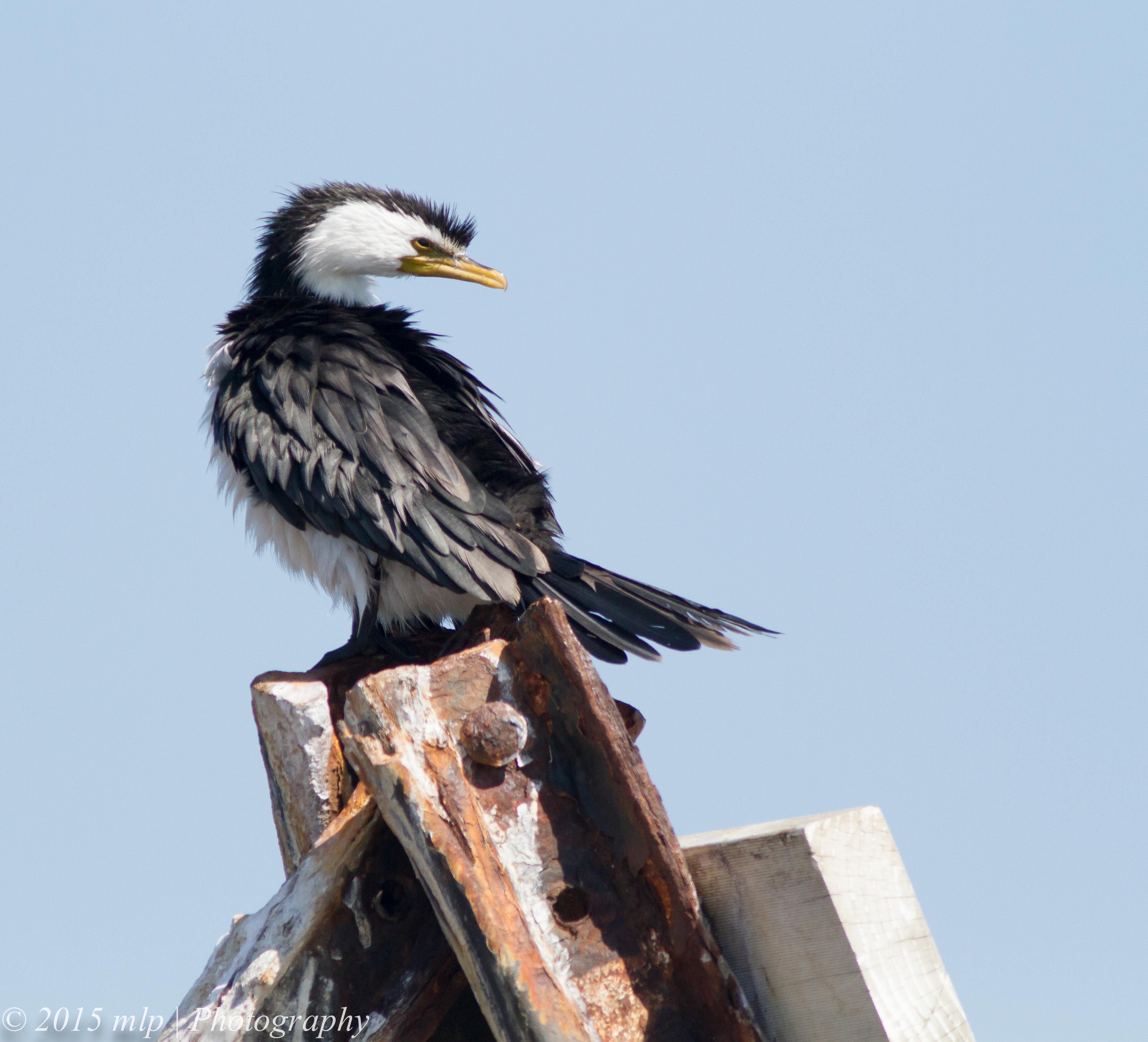
Little Pied Cormorant

Little Pied Cormorant drying off

Little Pied Cormorant II

Little Pied Cormorant II – dry and fluffed up after preening

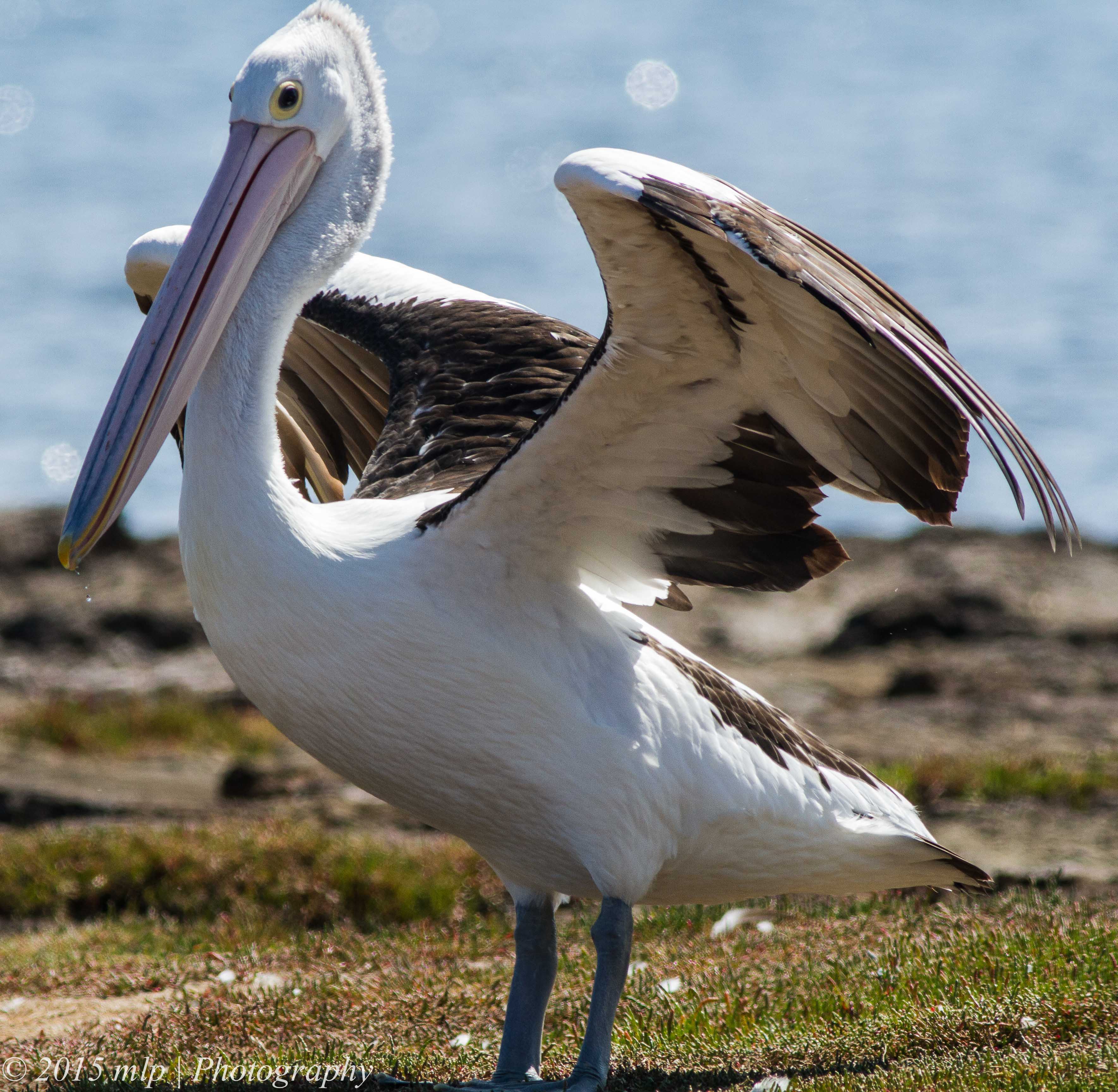
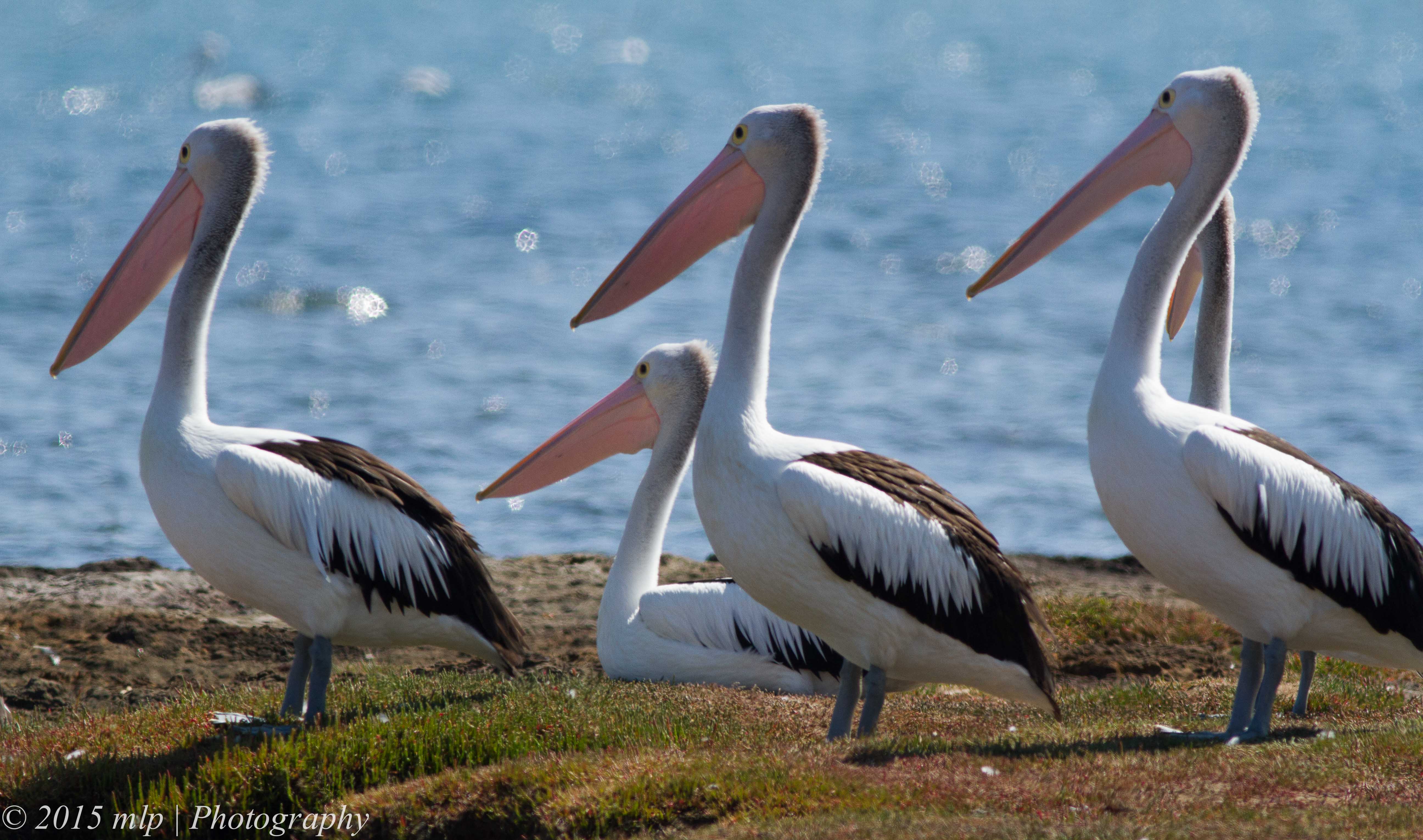
Pelican

Australian Pelican – the short and tall of it…a few of the pelicans seemed to favour the upright resting position – I have not seen this before.

Pelican

Pelican stretching or yawning

Pelican

Pelican – cooling down or drying off a bit

Tagged Crested Tern

Tagged Crested Tern – many of the Crested Terns on the rocks were tagged

Tagged Crested Tern

Tagged Adult Crested Tern

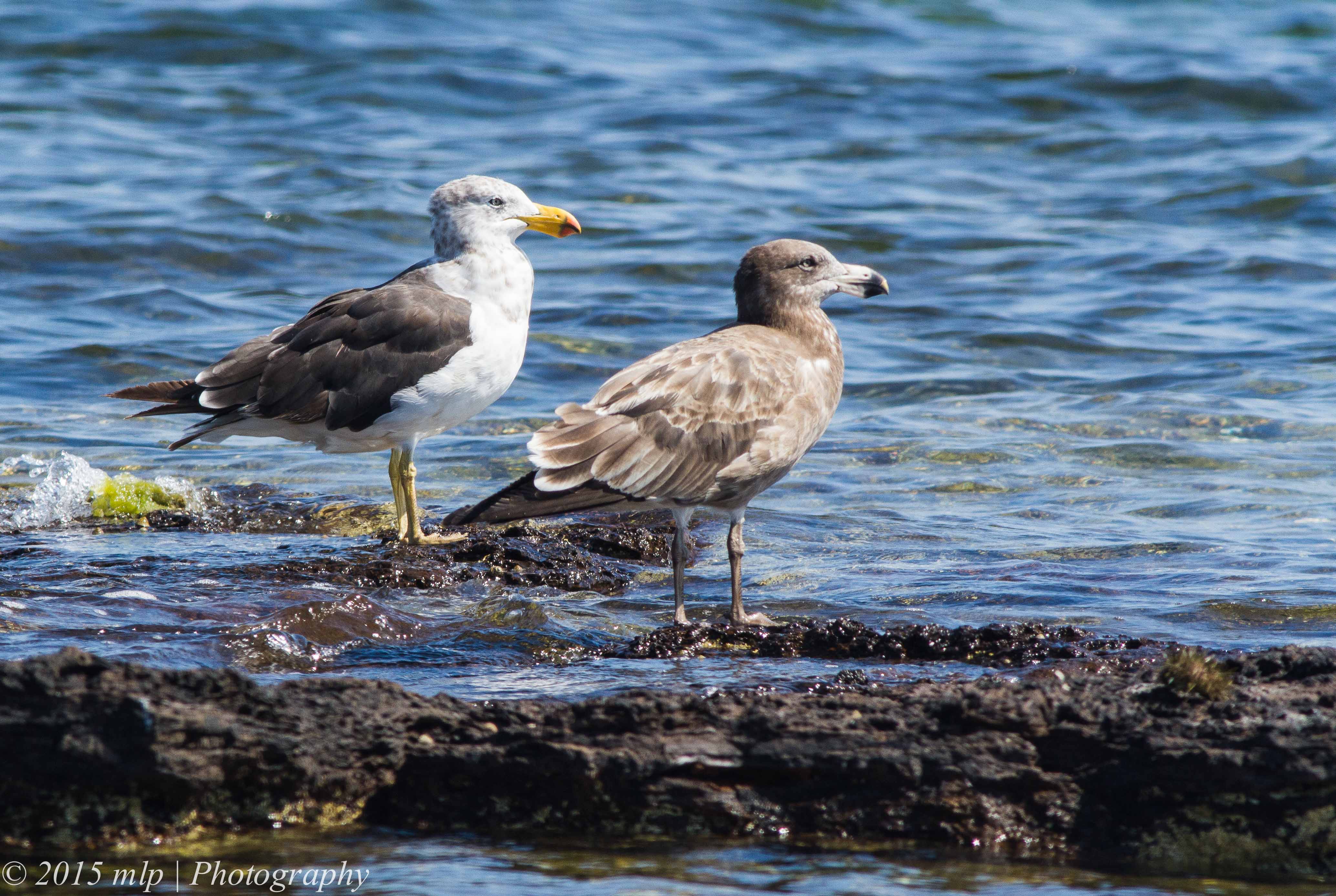
Pacific Gulls

Pacific Gulls – a grey/brown juvenile (1st year)  and a Gull with almost adult plumage. It can take several years to reach full adult plumage.

Fisherman in their boat off Ricketts Point

Fishermen in their boat off Ricketts Point

Pacific Gull

Pacific Gull

The Pelicans developed an intense interest off shore and all started to watch the 1st year Pacific Gull move towards the fishing boat. One of the fishermen threw some bait or a chunk of fish to the Gull which attempted to bring it back to the rocks to consume. Several of the pelicans took off with a just a few flaps and immediately hounded the Gull in the air until it dropped the prize and one of the pelicans dived down and retrieved it. I have not seen this type of behaviour before –  it is usually the other way round  – maybe they knew the Gull was young and took advantage.

Pelican

Pelicans with a sudden offshore interest.

Pelican

Pelican taking off with a just a few beats of its wings

Pelican

Pelican – off to harass the Gull.

A day at the Farm….the Pooh Farm!

I visited one of my favourite birding sites yesterday  – the Western Treatment Plant also known as the Pooh Farm. It is a 200 square kilometer site for the treatment of Melbourne’s waste products. Before the treated water is released into the Bay it moves through large areas of settling ponds and ocean side lagoons. Over the years it has become a major site for Bird species including many migratory birds that spend the Northern Winter in Southern Australia. It has become famous and has actually been named a world RAMSAR Wetlands. It is a great place to drive around and study the various shorebirds as well as the resident birds like the raptors. I made 23 trips there last year and it has become a regular spot for me when the conditions (temp, tide and winds) are right for a day visit – it is a very wind exposed site with limited tall vegetation and no facilities. People drive from hours away and interstate to visit a place that is only 35 mins away for me. A permit and key system is in place and to get full access to the 2 major areas one has to purchase permits and sit an induction process.

And a common question I get when people ask about the site – “What is the smell like?” There is no “off” smell, just the smell from the sea and the vegetation. There are heaps of insects but nothing that bites. It is the insects that help bring in such huge bird numbers.

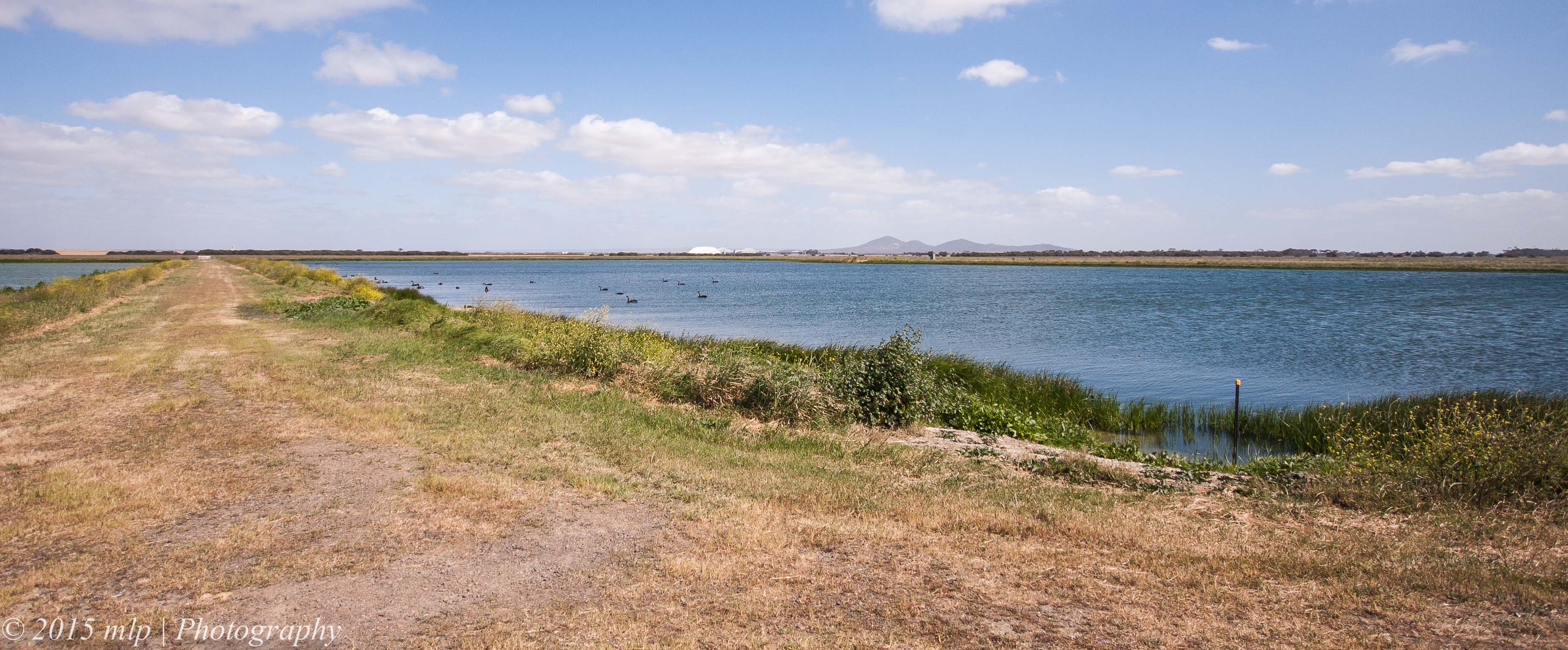
The Lagoons are adjusted by the Melbourne Water engineers and suit different birds at various times of the year. Each species has a food and water depth requirement. The photo below was taken in Nov and yesterday it was dried out. And yes I have often nearly driven into the water while trying to drive, use binoculars and take photos all at the same time.

Lagoons within the T section of the Western Treatment Plant - Avalon Airport and the You Yangs in the background

Lagoons within the T section of the Western Treatment Plant – Avalon Airport and the You Yangs in the background

If anyone wants to head out to the “farm” let me know….it is a great experience and I look for any excuse to go.

I found 75 species yesterday and attempted to take a few photos while driving the various roads…..

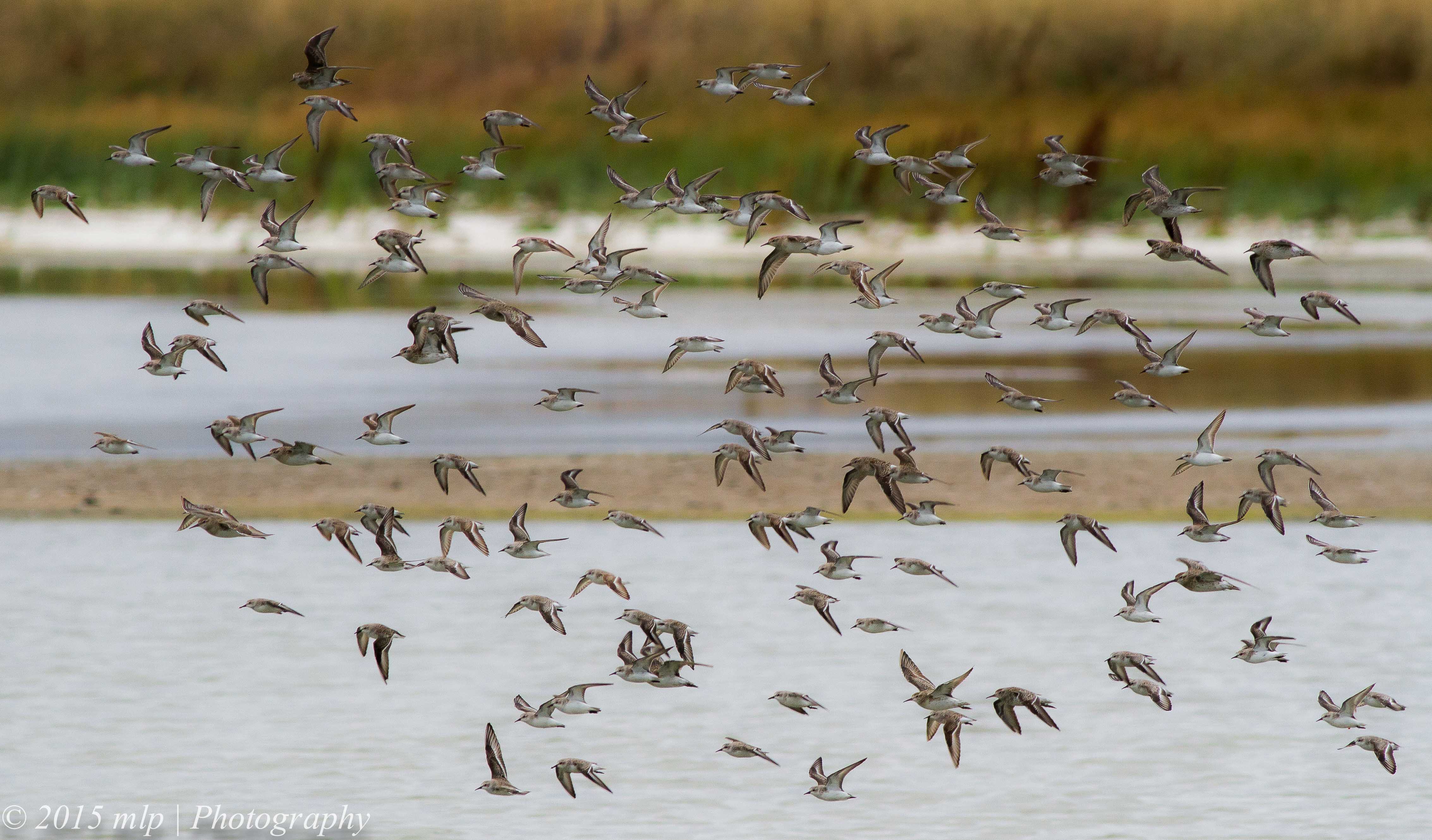
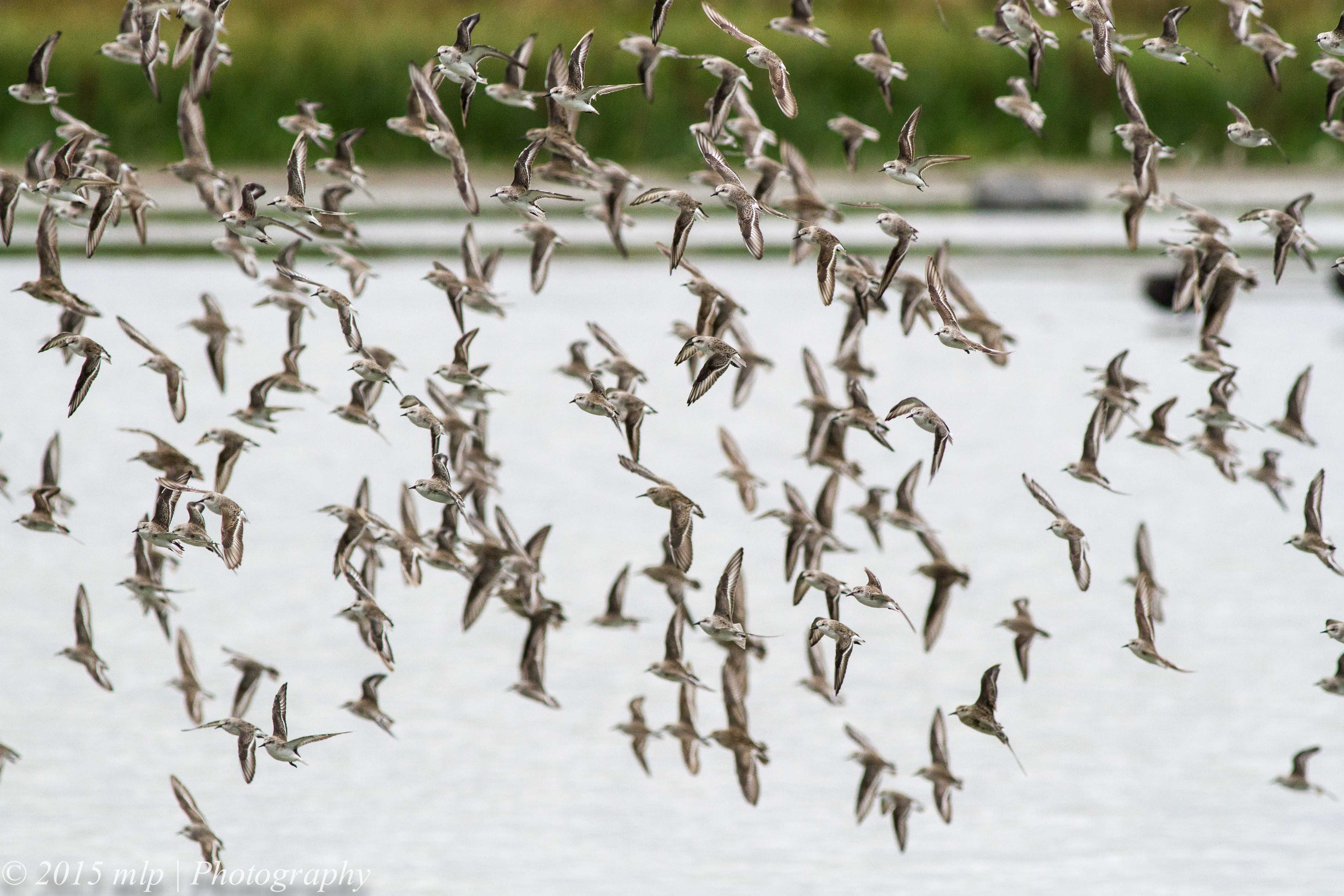
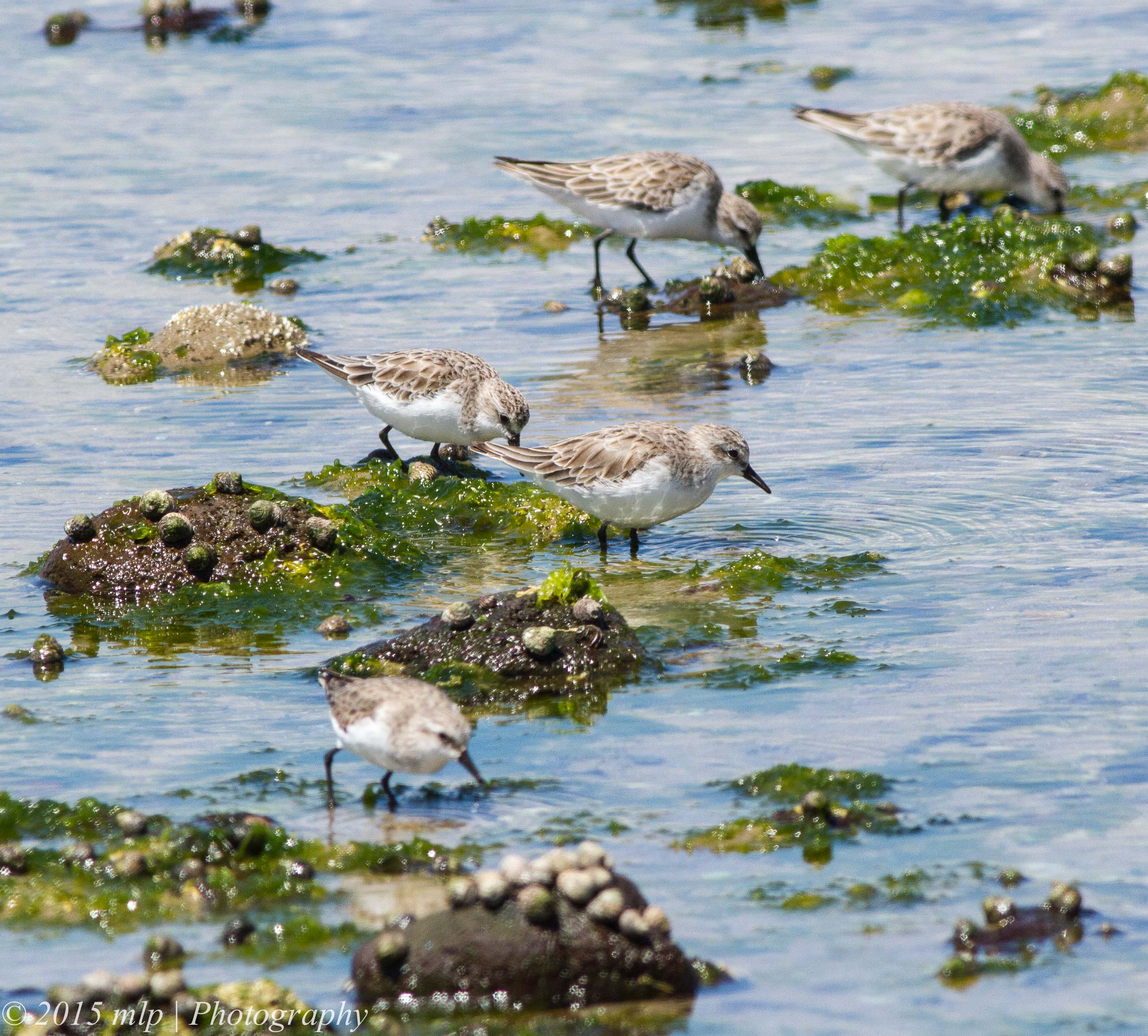
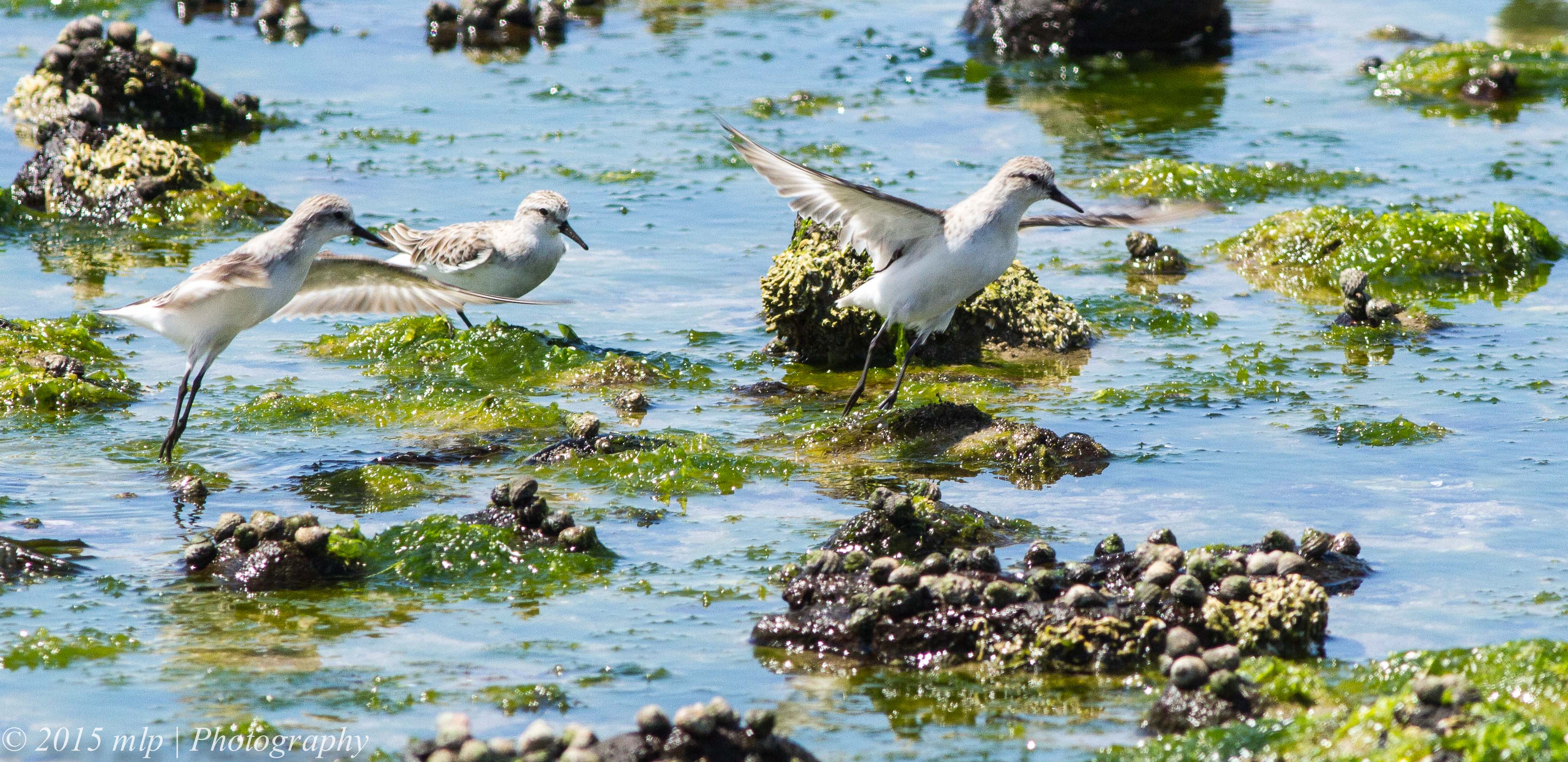
Shorebird flock, Western Treatment Plant

Shorebird flock, Western Treatment Plant – mostly Red Necked Stints and and Sharp Tailed Sandpipers

Shorebird flock II, Western Treatment Plant

Shorebird flock II, Western Treatment Plant

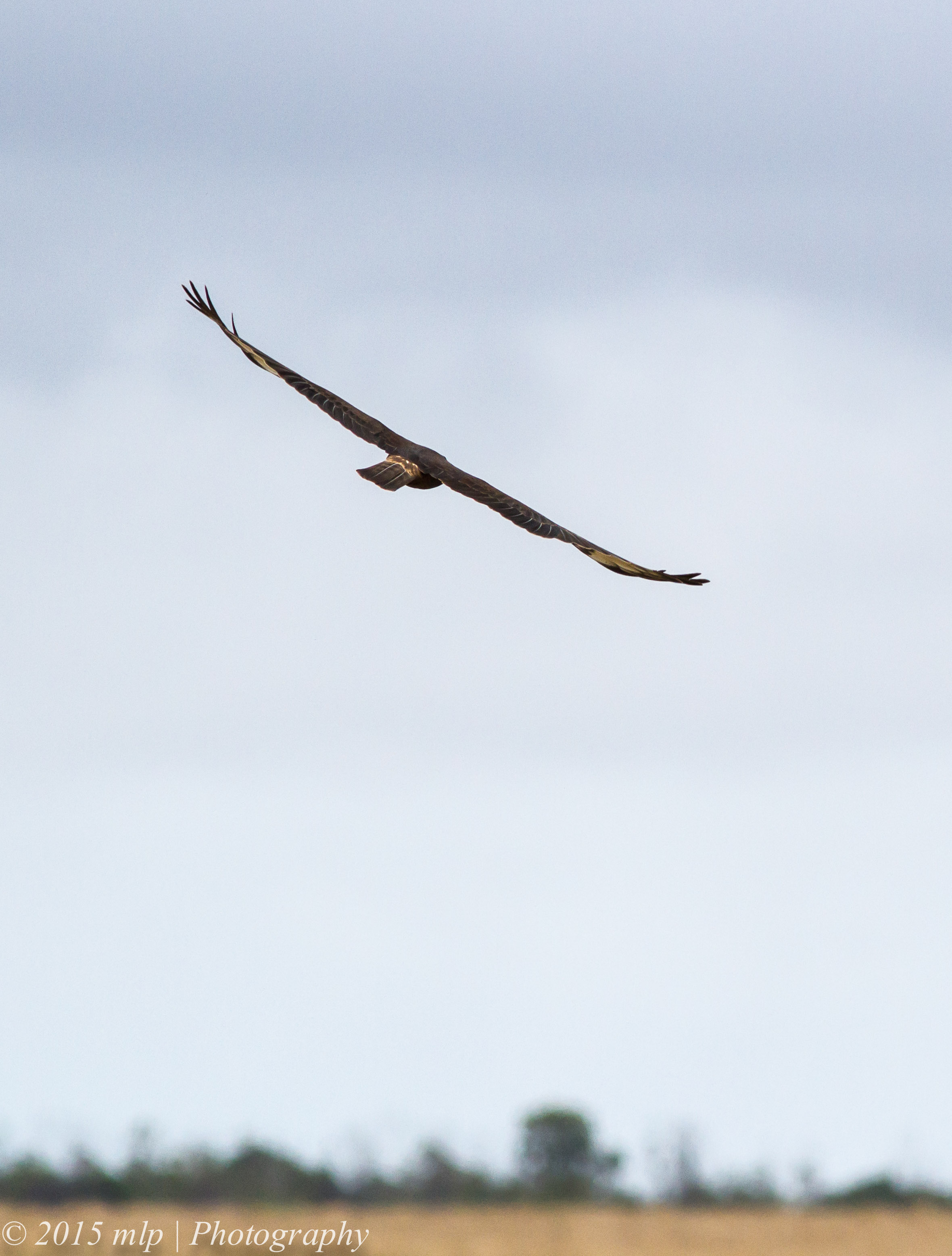
Swamp Harrier

Swamp Harrier

Swamp Harrier II - nice lines and effortless turns

Swamp Harrier II – nice lines and effortless turns

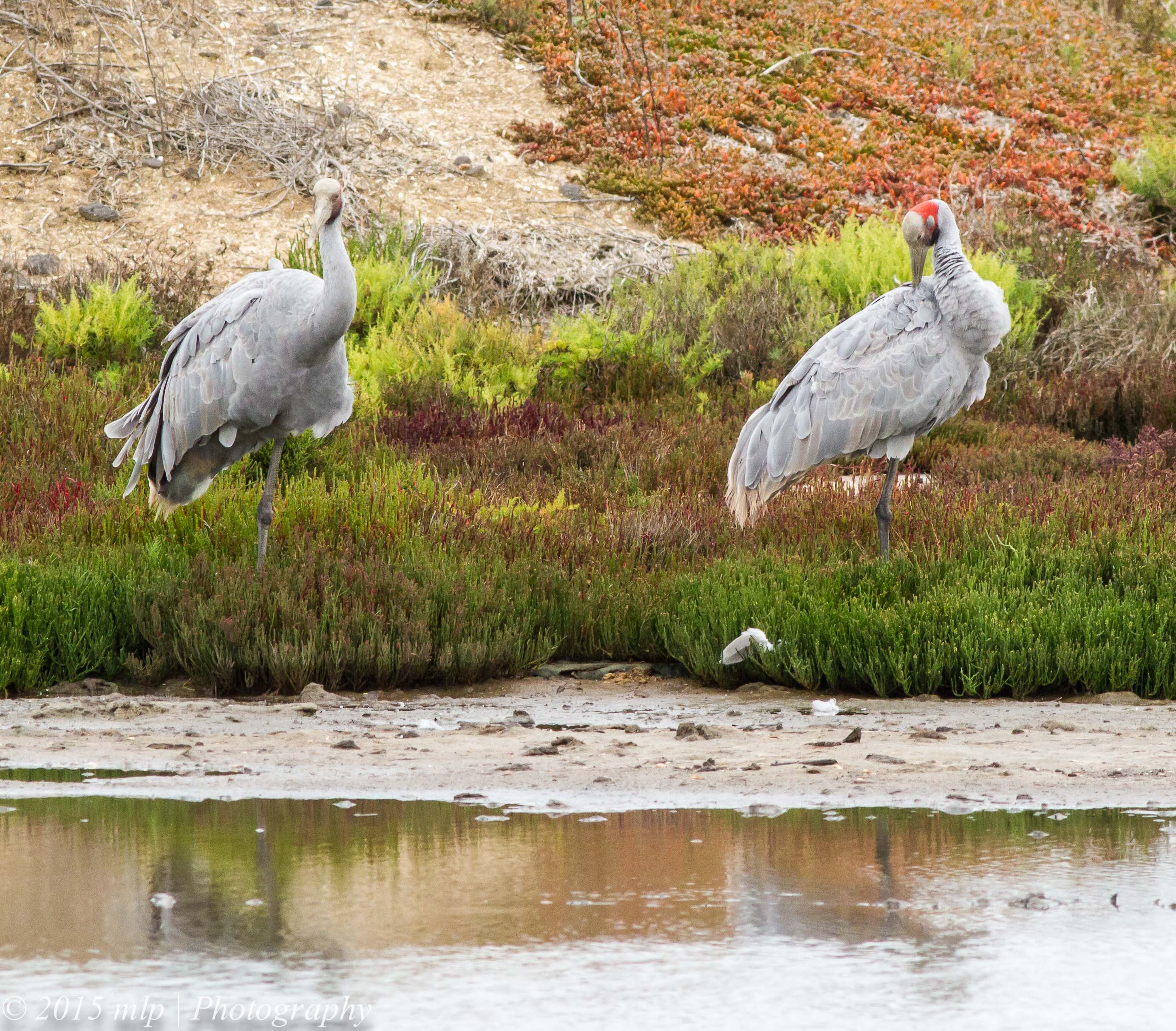
Brolgas,  Western Treatment Plant

Brolgas, Western Treatment Plant – always a treat to find these large rare birds.

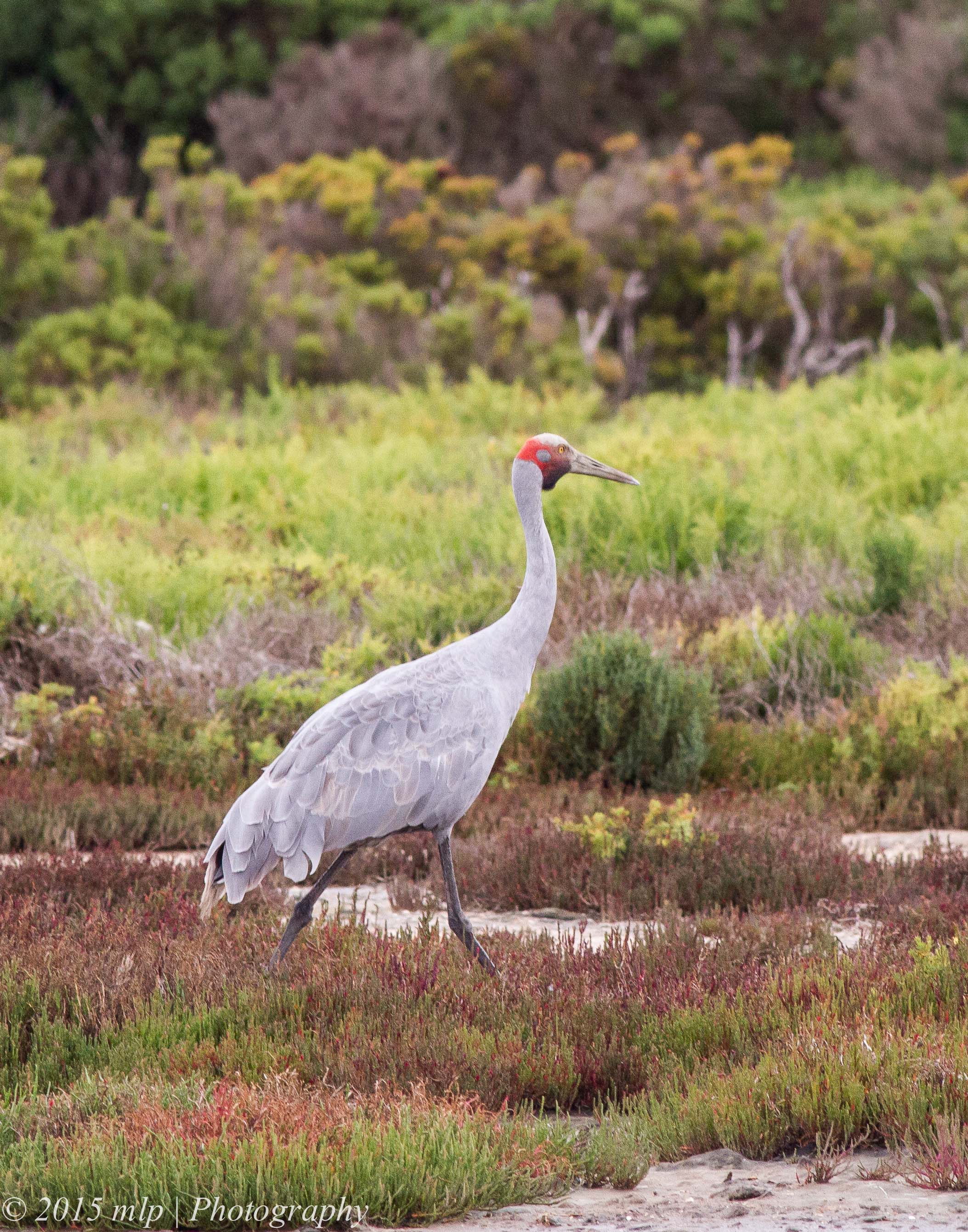
Brolga

Brolga

Red Necked Avocet,  Western Treatment Plant

Red Necked Avocet, Western Treatment Plant – a very easy to identify species, nothing else even remotely like it in Australia.

Common Greenshank,

Common Greenshank

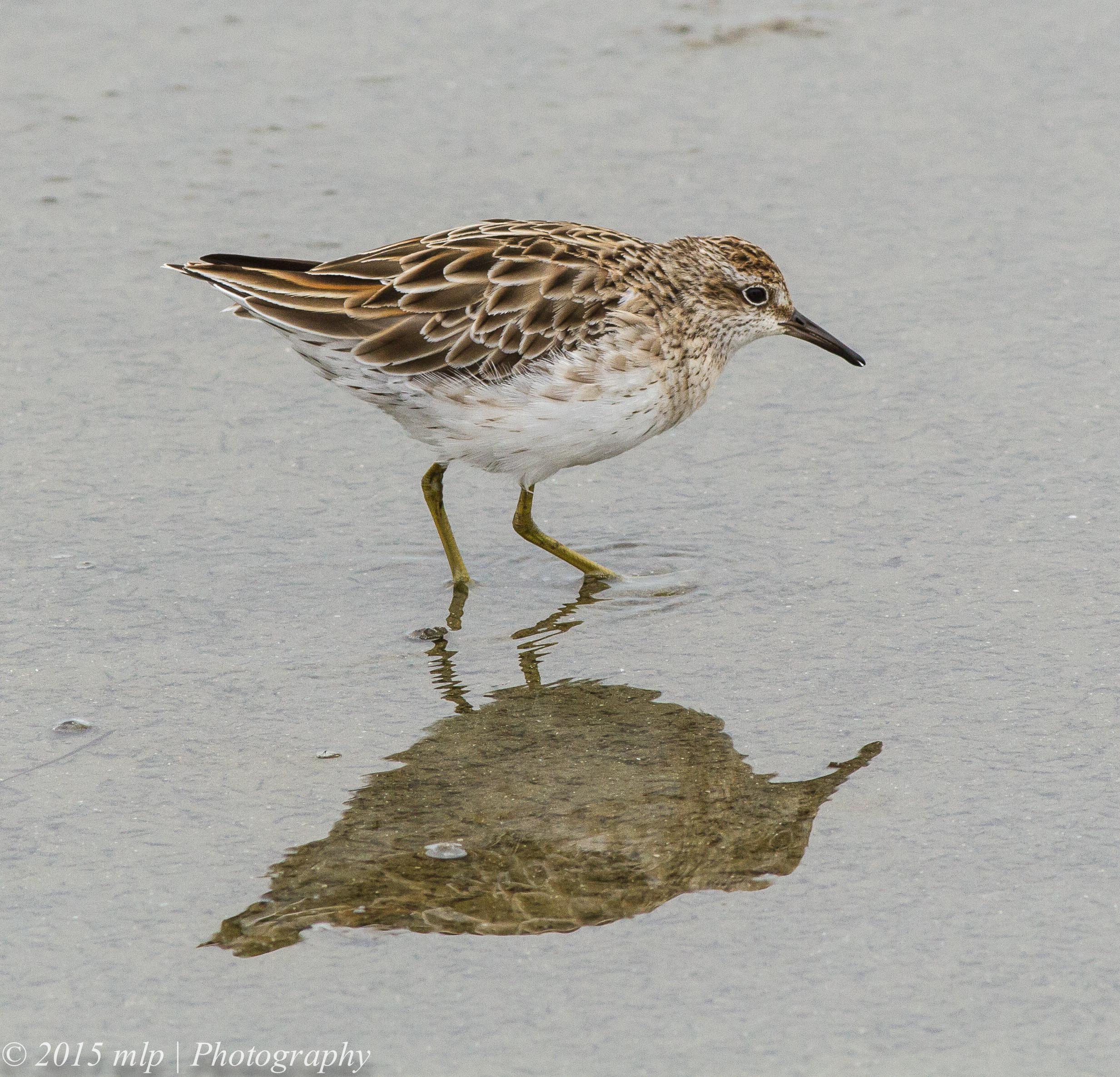
Sharp Tailed Sandpiper

Sharp Tailed Sandpiper

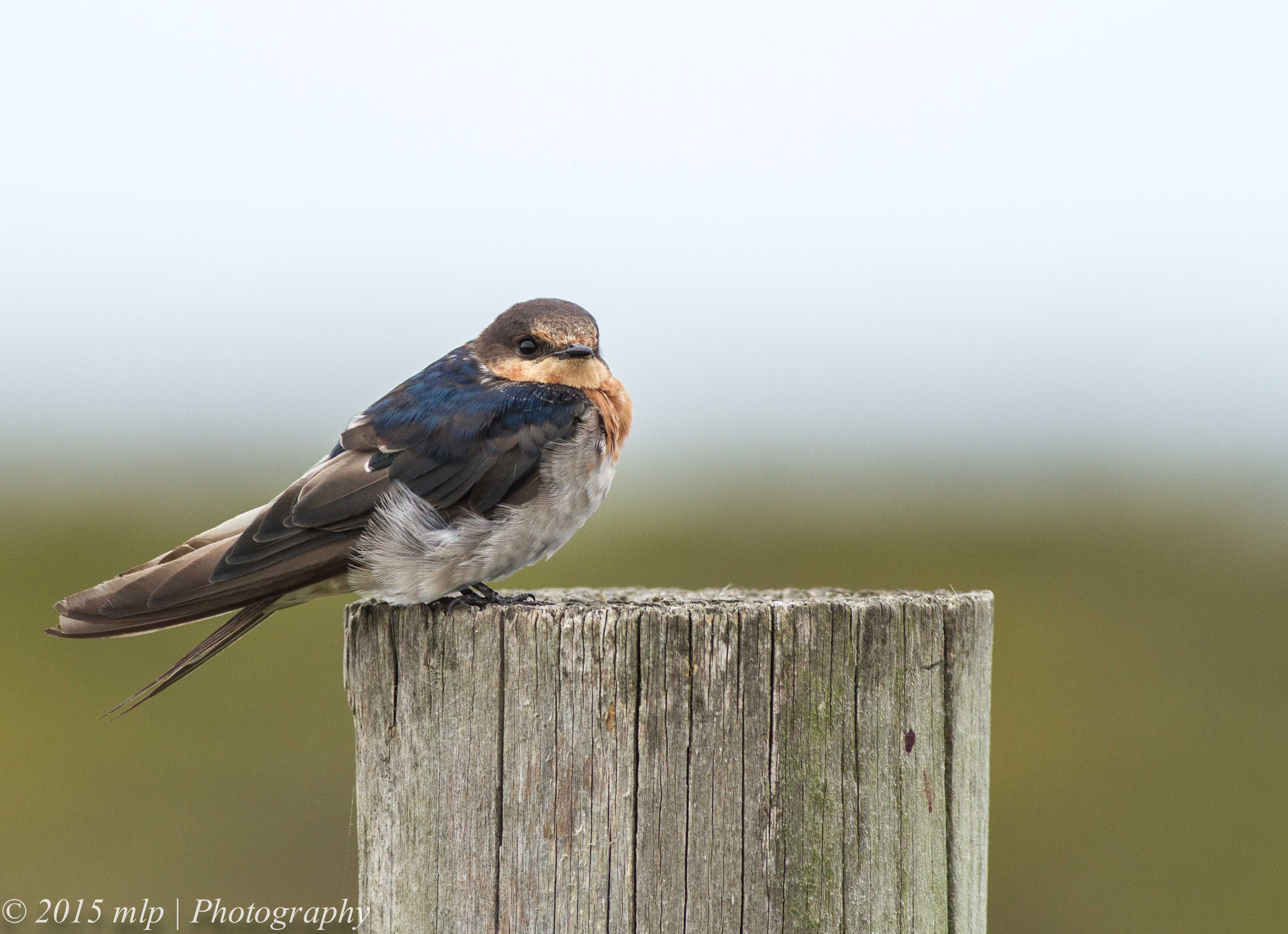
Welcome Swallow

Welcome Swallow

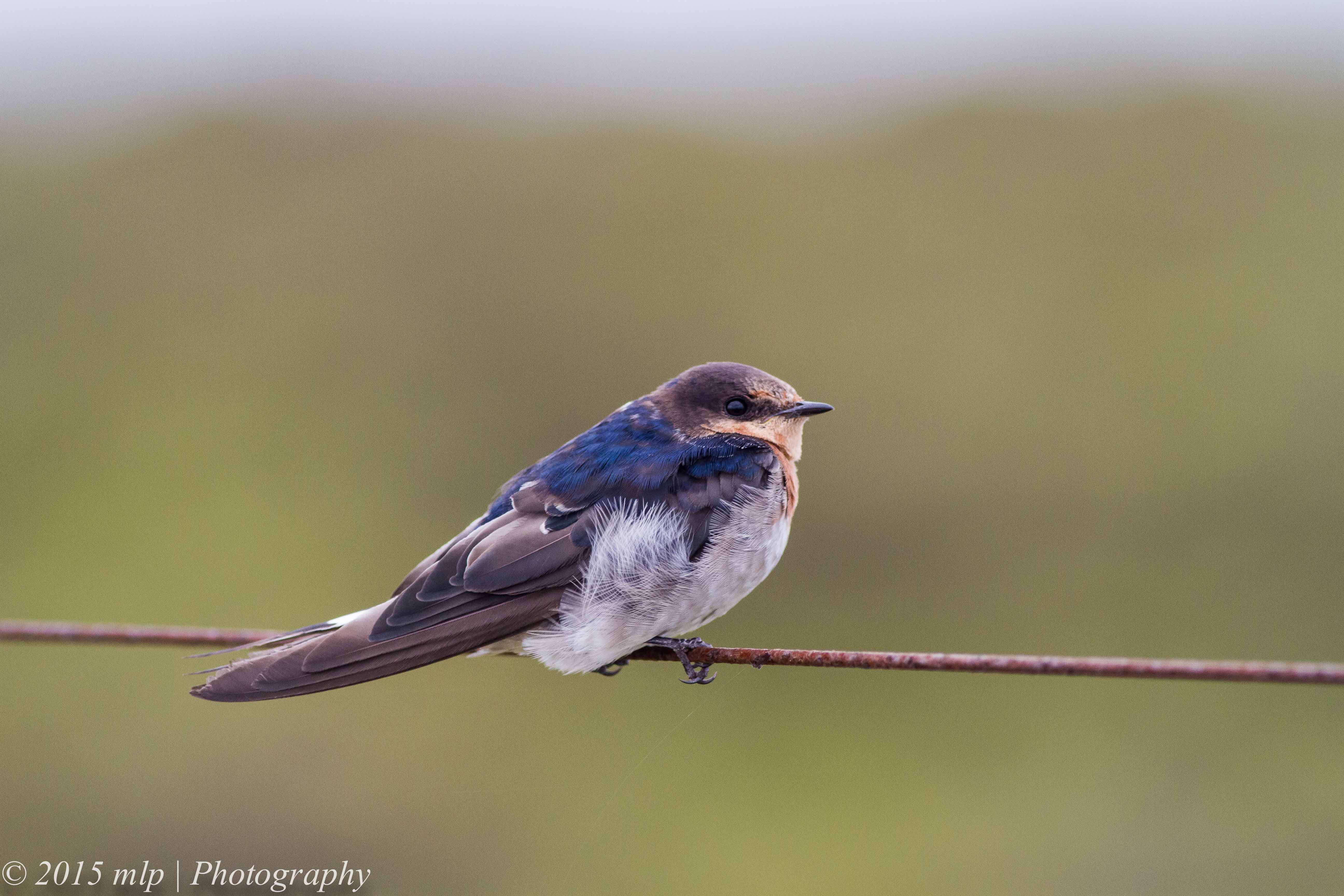
Welcome Swallow II

Welcome Swallow II

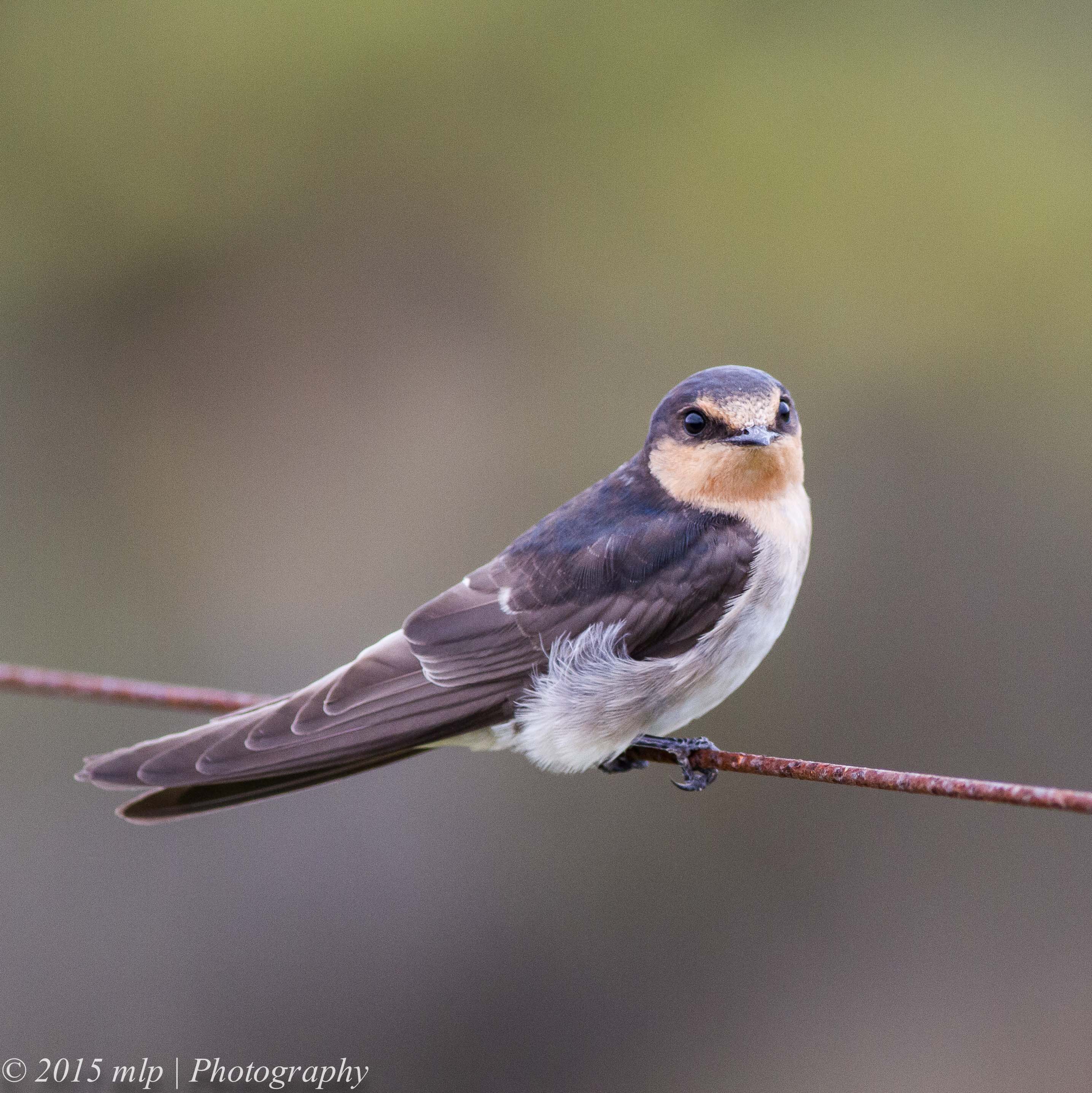
Juvenile Welcome Swallow

Juvenile Welcome Swallow

Chicks with big feet and an Angry Dad

Karkarook Park is an old sand quarry site in Heatherton that has been rehabilitated into wetlands, a large multipurpose lake and bushland. It is a good site for Birding (50+ species in a few hours) and photography. It is used by locals for exercise, fishing, dog walking and picnics. The wetlands are excellent for spotting the rarer waders like crakes and rails and often migrating birds will stop for a few days rest – Stilts, Dotterals and the very rare Little Bittern.

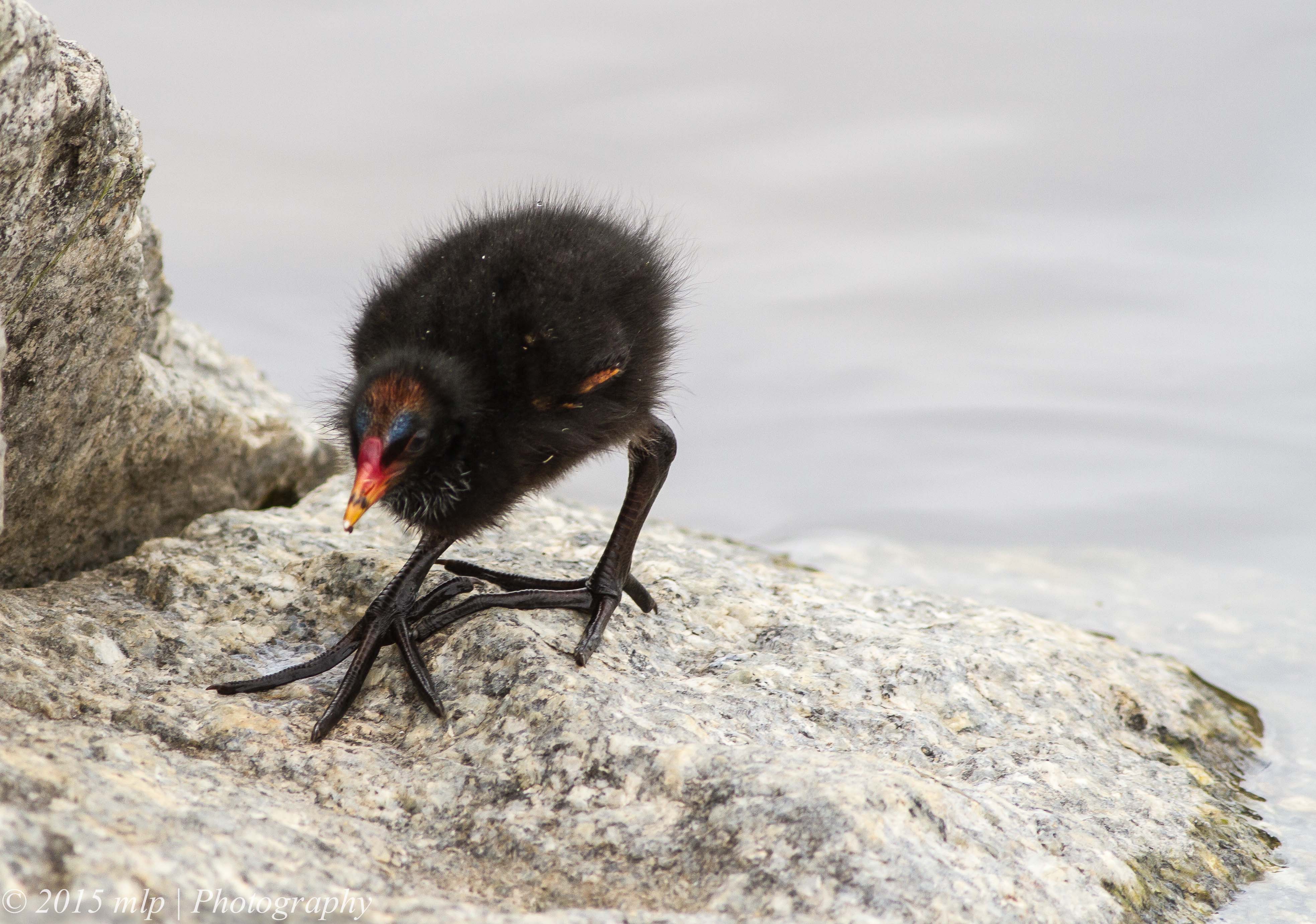
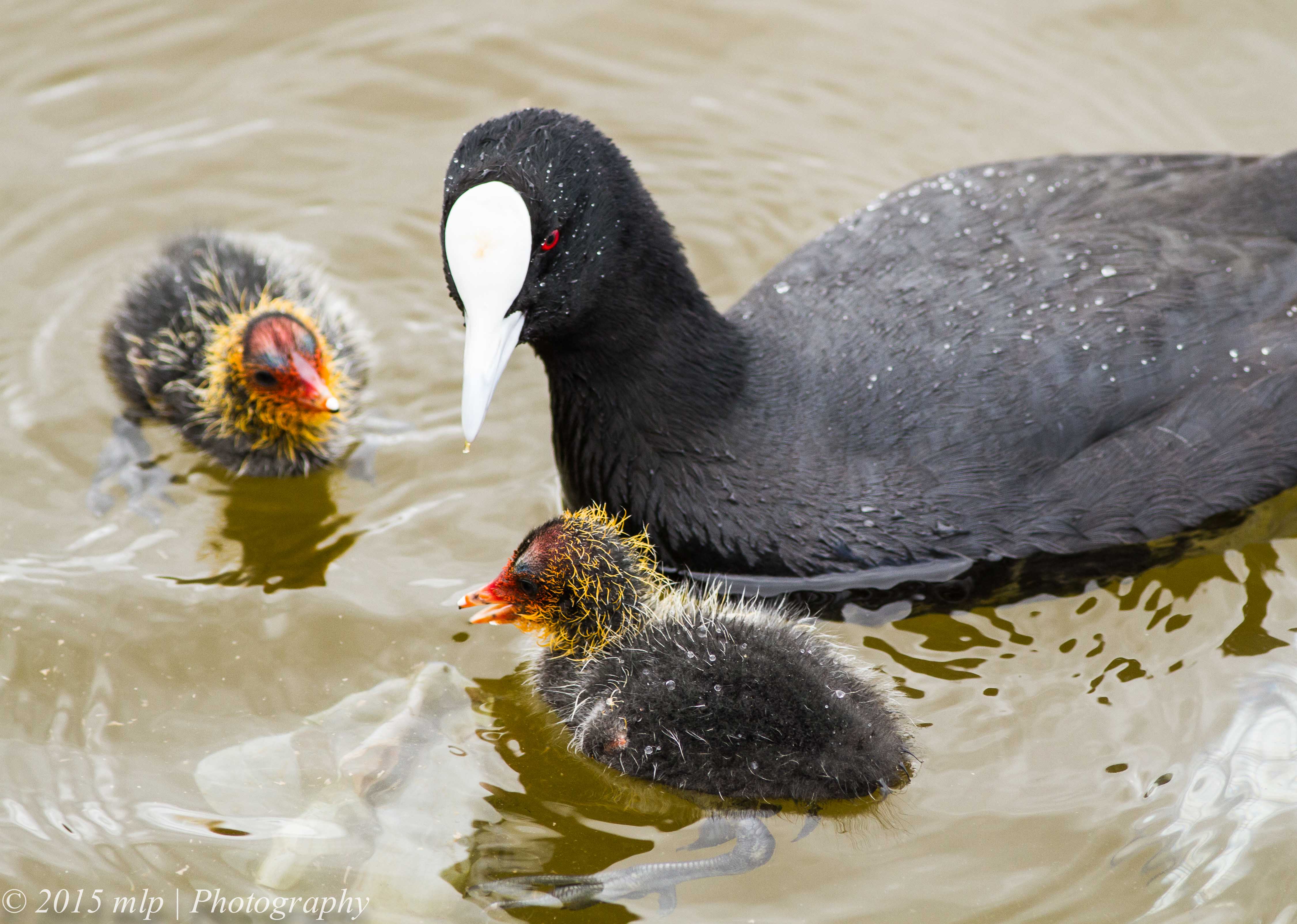
On my last visit I watched as some newly hatched Dusky Moorhen and Coot chicks took to the water and were fed by their parents. I was quite surprised by the size of their feet.

Dusky Moorhen Chick

Dusky Moorhen Chick

Dusky Moorhen Chick

Dusky Moorhen Chick II

Dusky Moorhen & Chick

Dusky Moorhen & Chick

Eurasian Coot and chick

Eurasian Coot feeding its chick small bits of water weed.

Eurasian Coot and chicks

Eurasian Coot and chicks

Eurasian Coot and chicks II,

Eurasian Coot and chicks II,

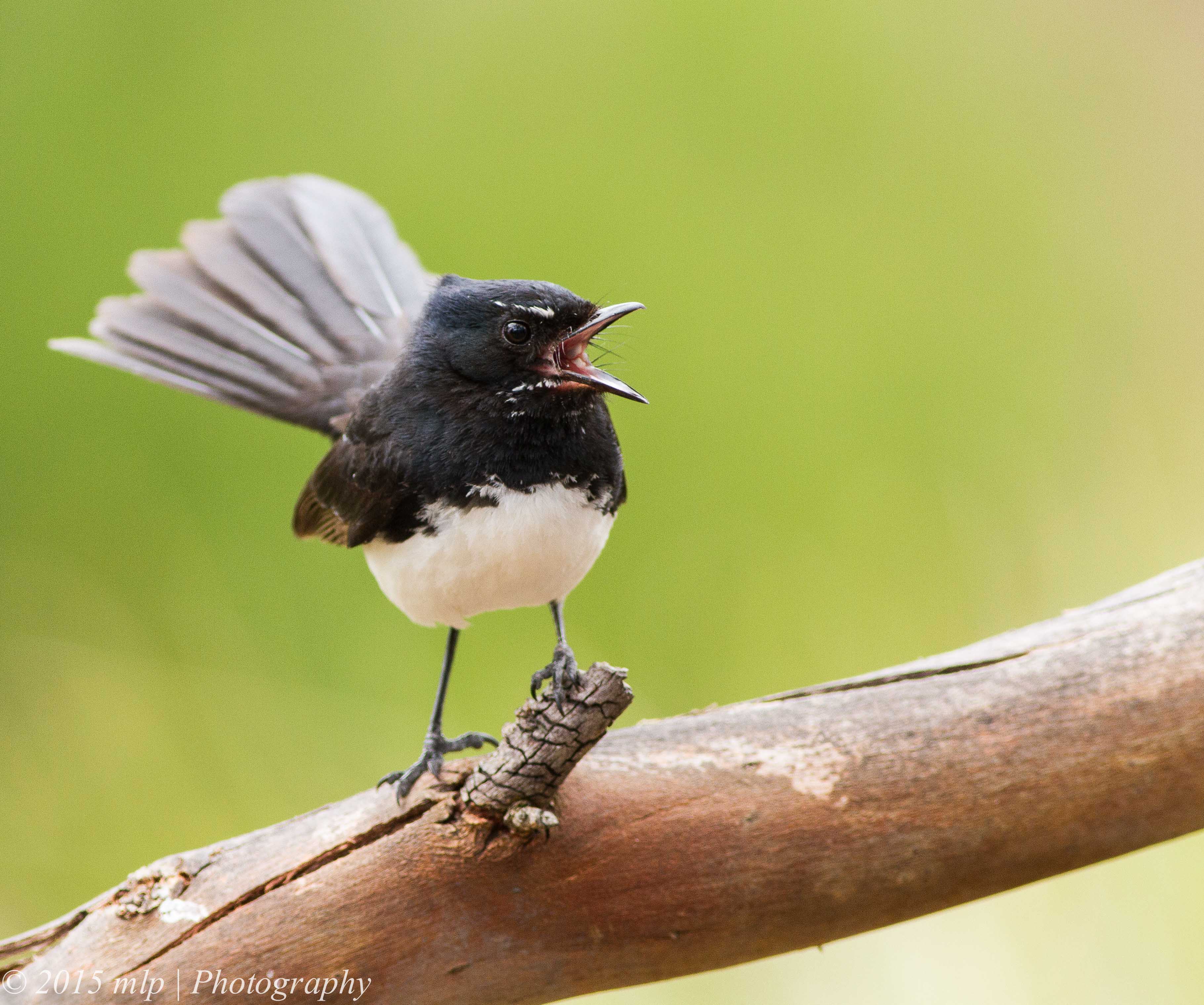
I was walking down one of the woodlands paths when I was buzzed by a Willie Wagtail that was clearly agitated. They can be quite aggressive with other birds and are a very good bush alarm giving a clear distinctive warning (chicka chicka) when something dangerous is nearby: snakes, foxes, large lizards etc. But they don’t usually worry too much about people. I stood still and had a look around and realized that just near my knees in a bit of scrub were 2 Wagtail chicks that must have just come out of the nest. They did not fly away and just watched the parent. I moved back a few metres and sat down next to a tree. The parent then ignored me and started to feed his chicks. The other parent was on the other side of the bush looking after a third chick.

Willie Wagtail

Angry Willie Wagtail

Willie Wagtail II

Willie Wagtail II

Willie Wagtail III

An Angry Dad giving me the stink eye…..

Willie Wagtail fledglings

Willie Wagtail fledglings – 3rd chick just visible to the right

Willie Wagtail fledglings II

Willie Wagtail fledglings II

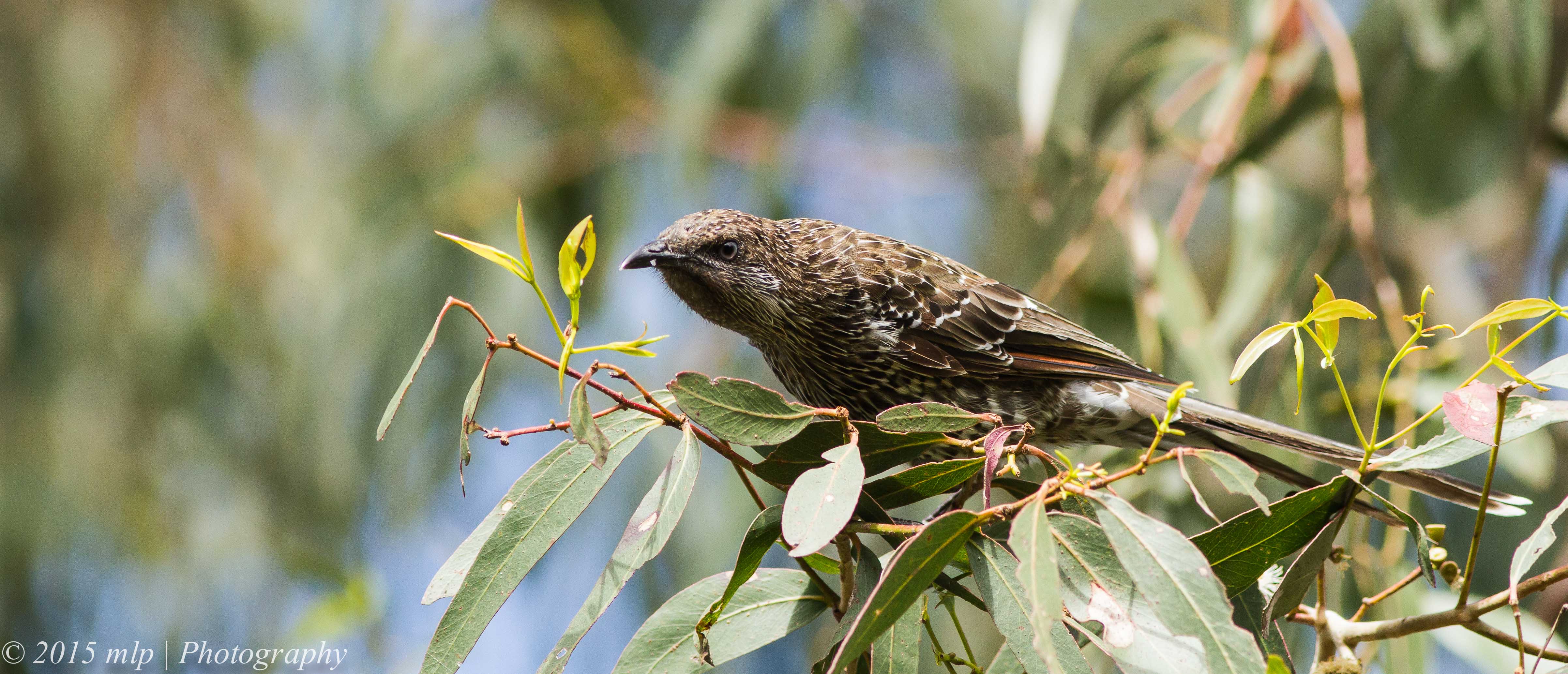
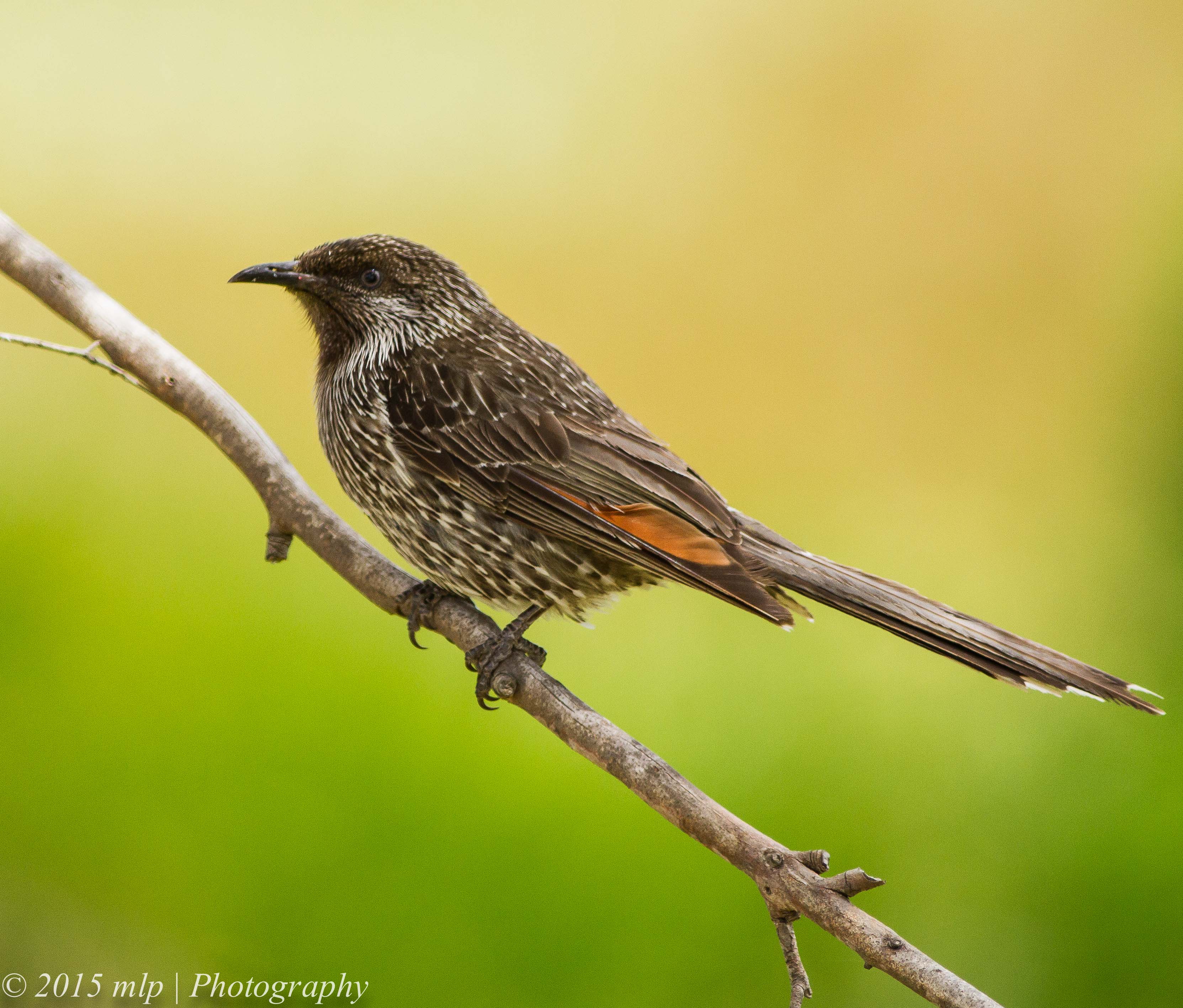
Little Wattlebird

Little Wattlebird

Little Wattlebird II

Little Wattlebird II

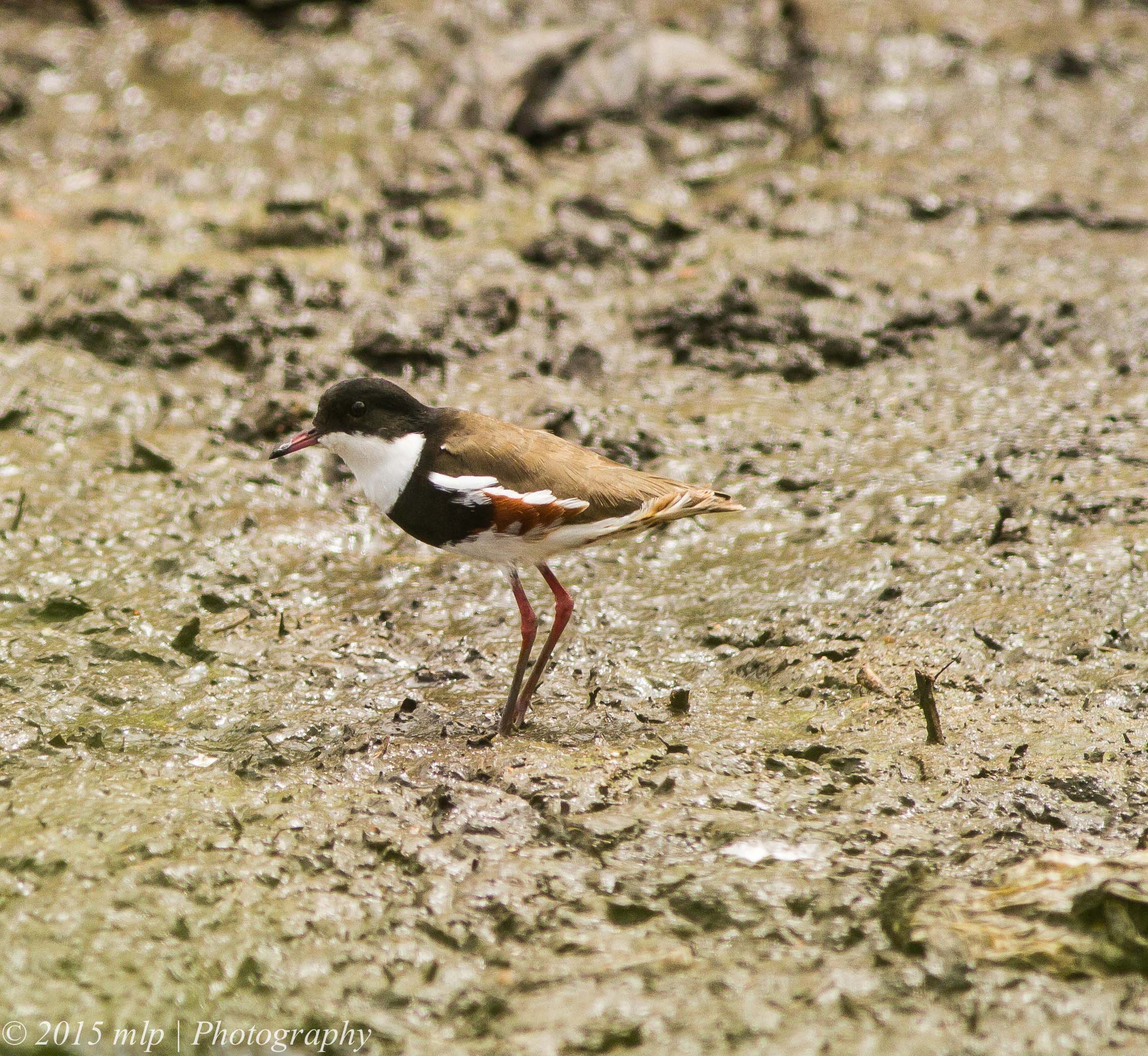
Red Kneed Dotteral

Any guess why this bird is called a Red Kneed Dotteral?

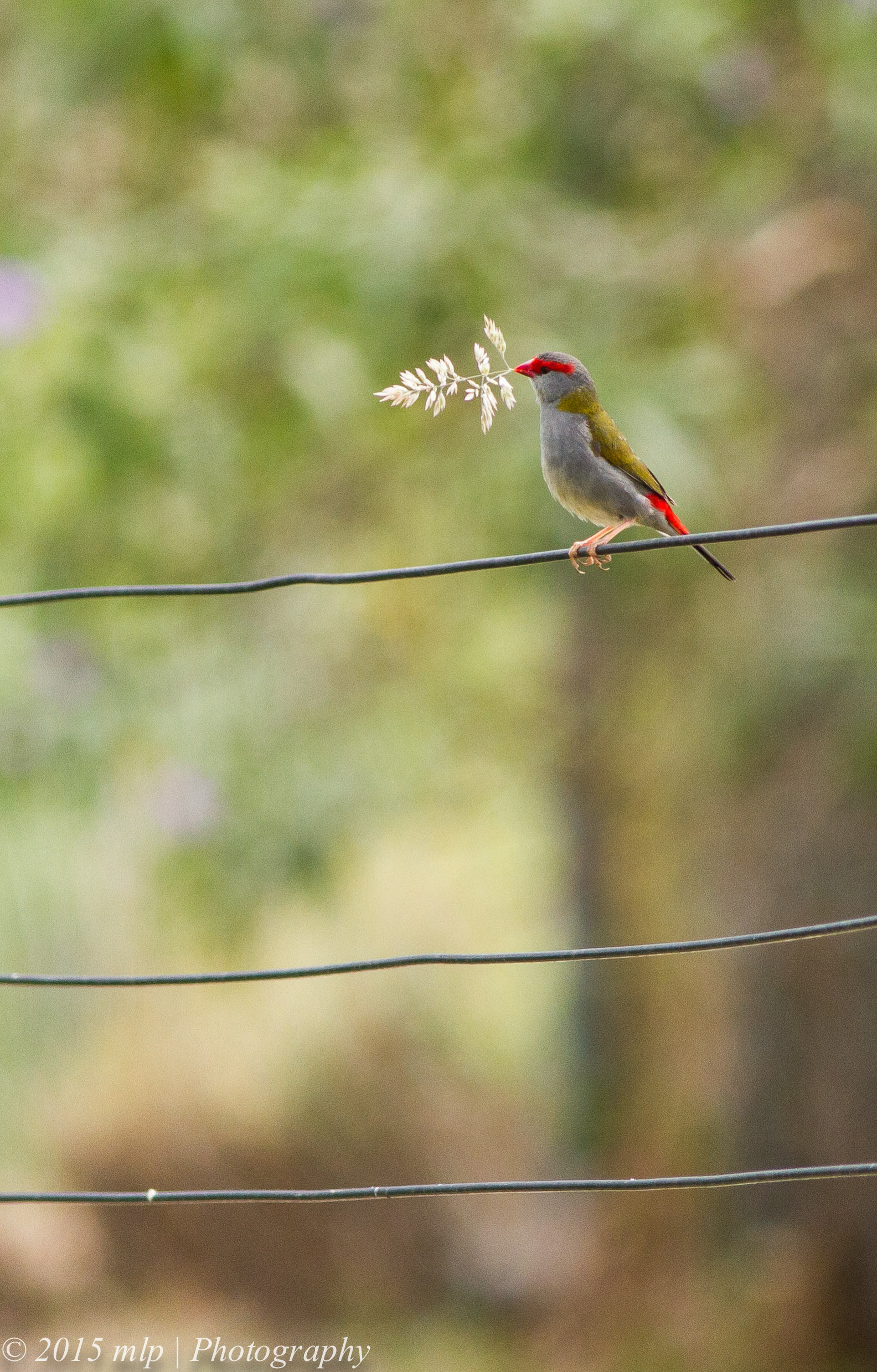
The Red Browed Finch caught my attention when it flew up to the top of a fence line and started to bop up and down with a delicate grass seed stem. He put on quite a show for a few minutes but when the female ignored him he dropped the seeds and flew off….

Red Browed Finch

Dancing Red Browed Finch

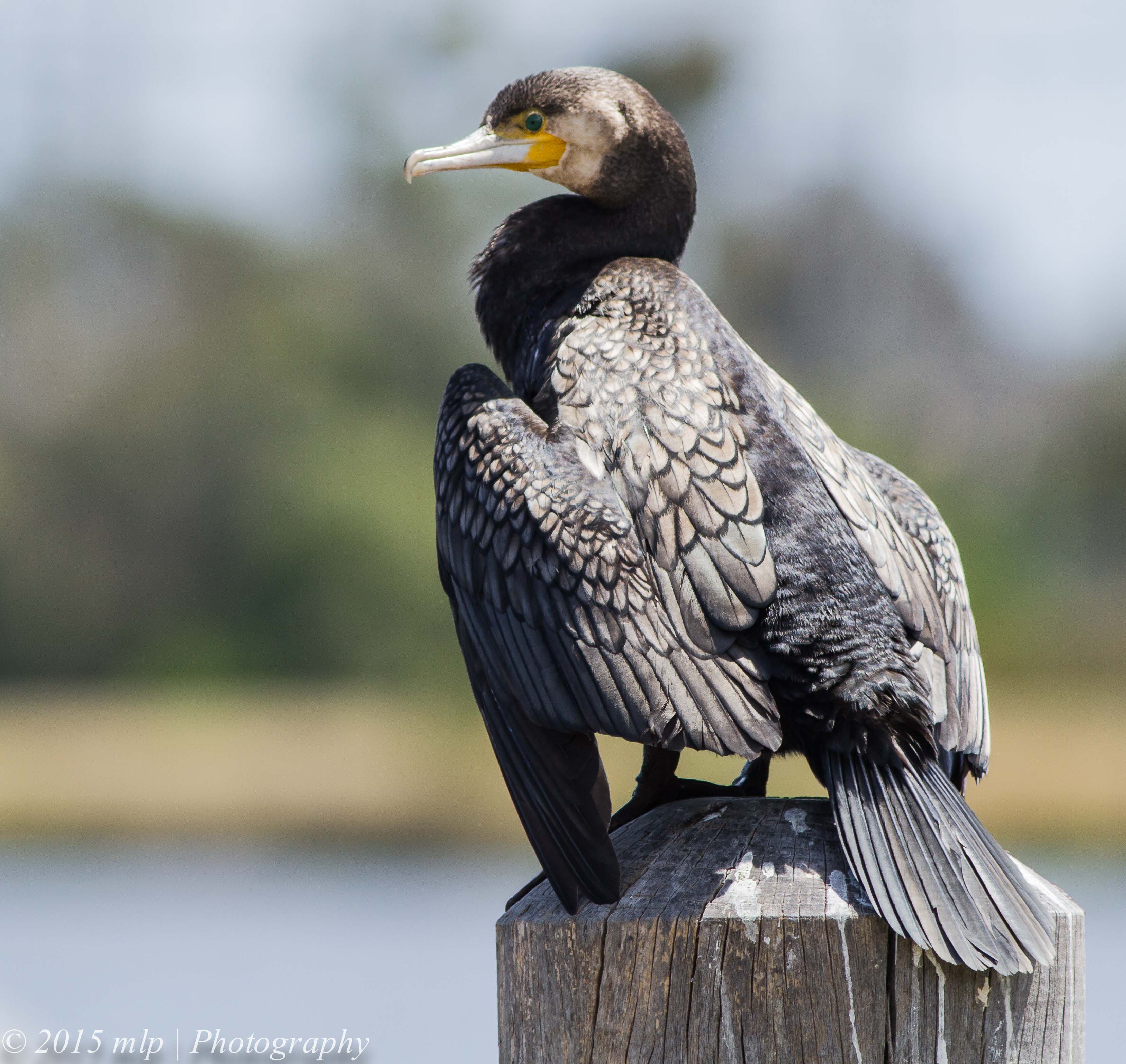
Great Cormorant

Great Cormorant drying out on a pier post – there are a number of Cormorants resident on the lake.

Dandenong Ranges National Park – Welch Track: The Powerful Owl

Another part of the Dandenong Ranges that I have explored briefly is a section near one of the Puffing Billy Steam Train Stations – Welch Track. It is a rather steep section of the Park with a good track leading down to a rainforest gully and then merging onto other tracks. I had seen a report of a few Large Billed Scrubwrens in the area and while I looked for them I found a few other interesting birds along the way.

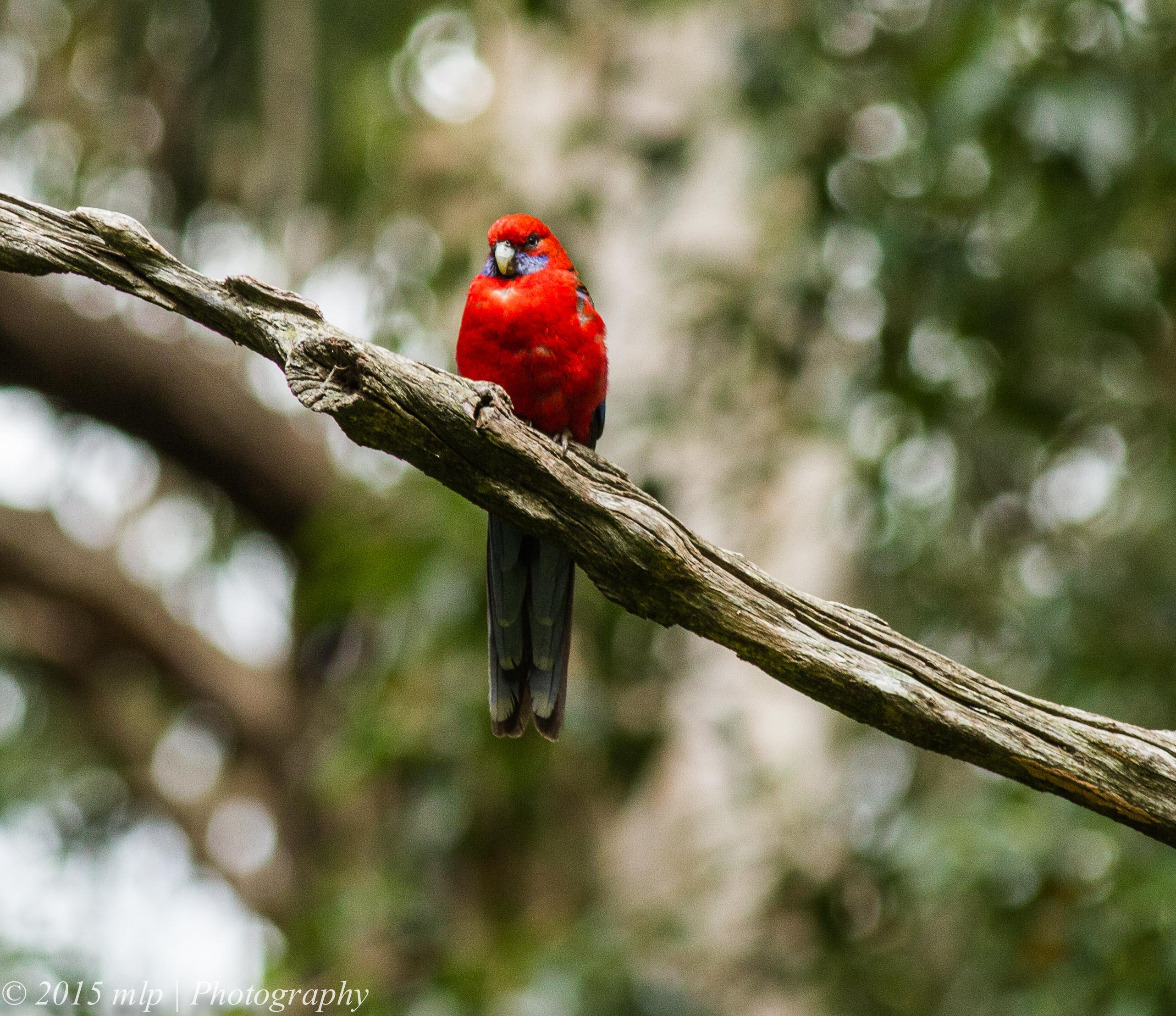
Crimson Rosella

Crimson Rosella

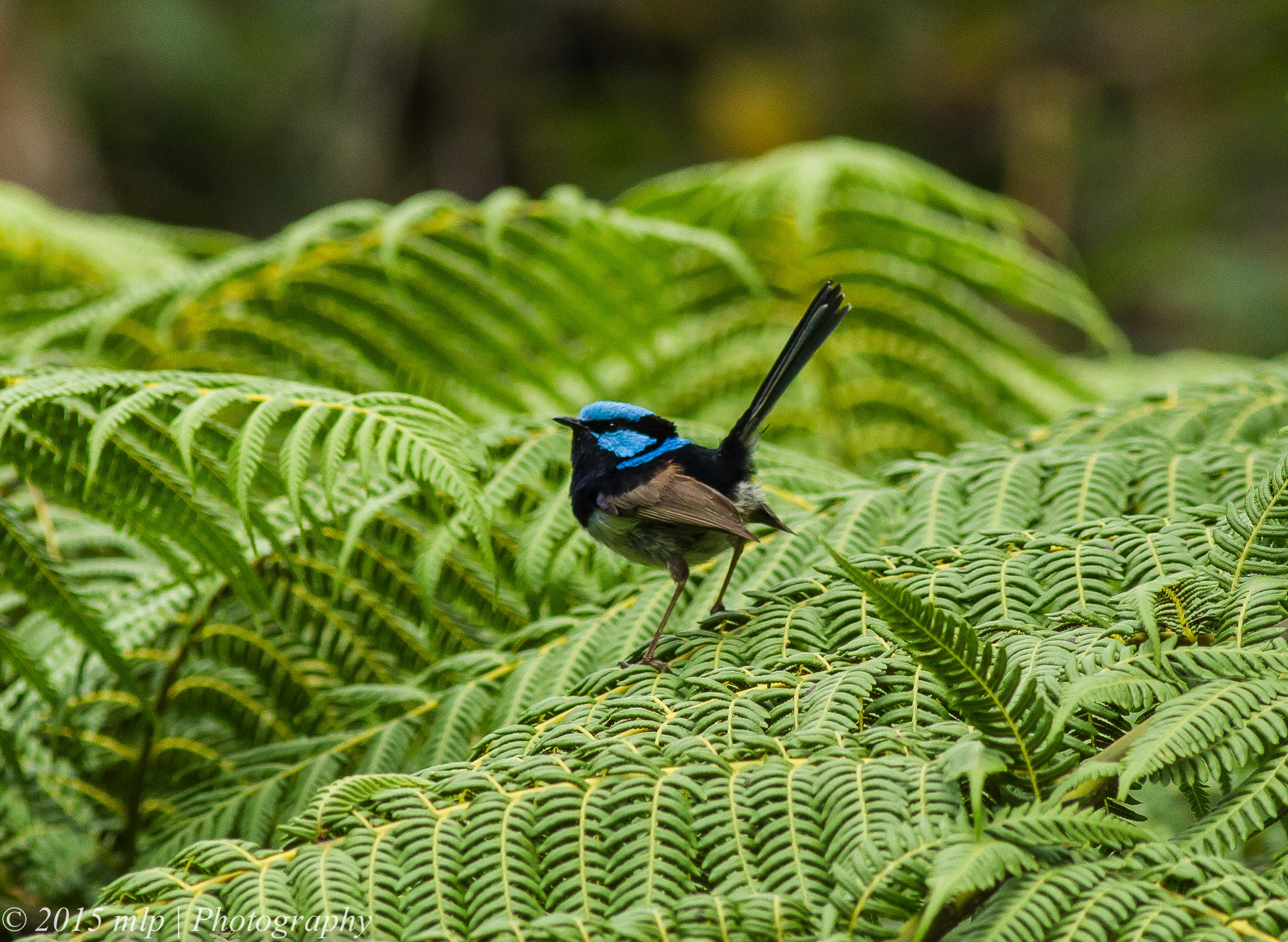
Male Superb Fairy Wren

Male Superb Fairy Wren

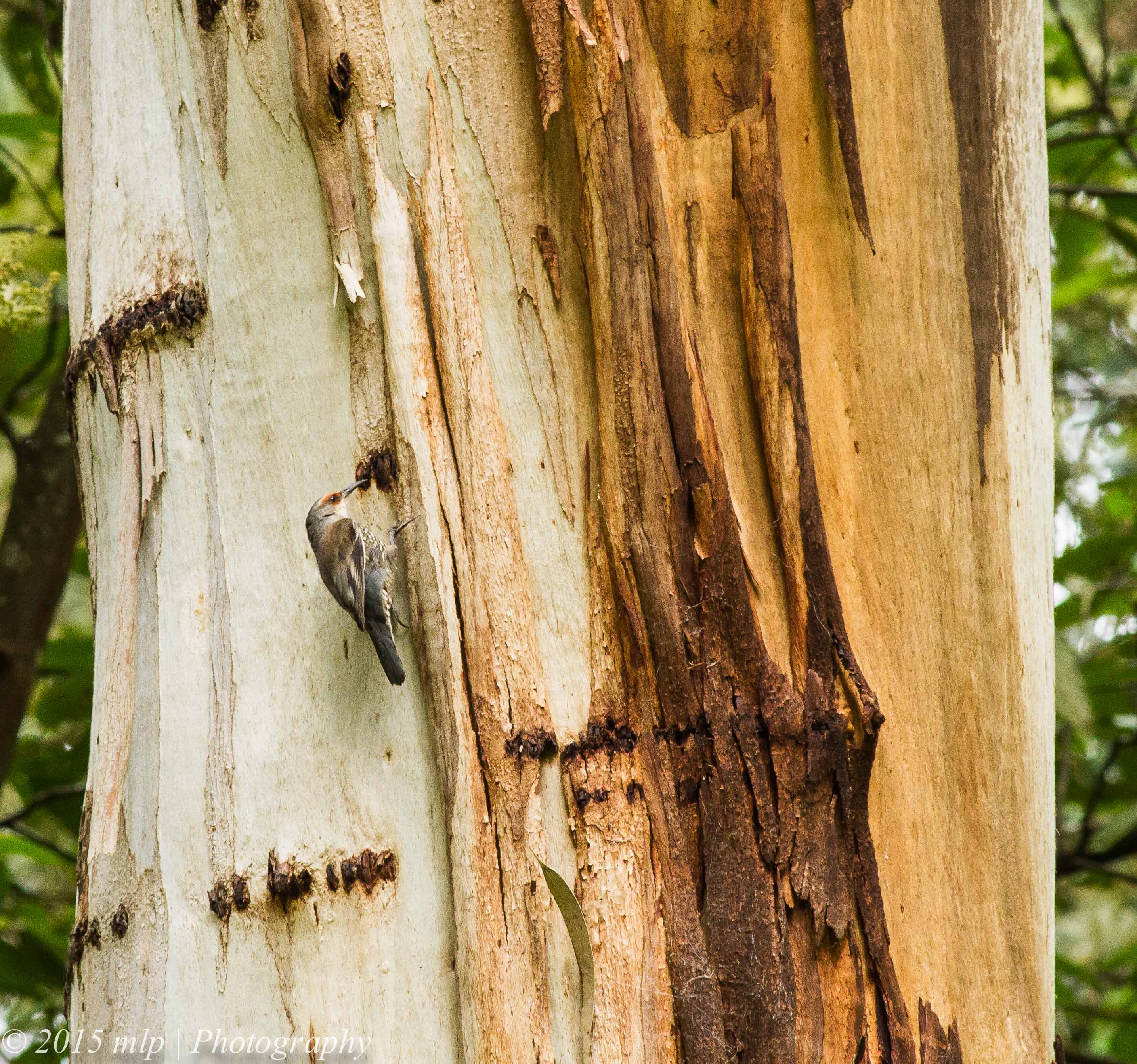
Red Browed Treecreeper

Red Browed Treecreeper – usually difficult to see as they stick to the higher canopies of very tall trees

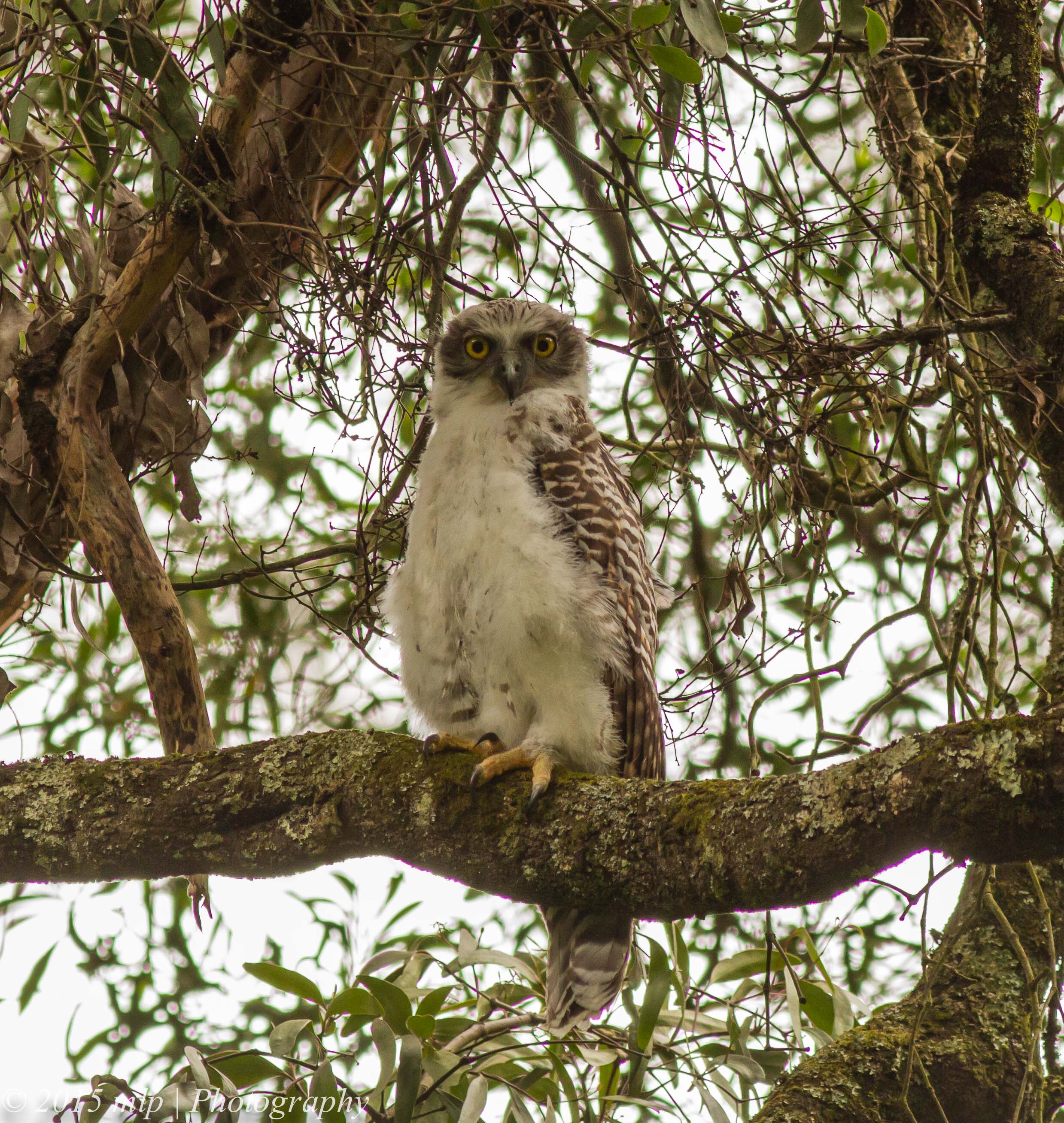
Juvenile Powerful Owl

Juvenile Powerful Owl – still with fledgling white chest feathers, and already with extremely large and lethal talons. The Powerful Owl is able to take much larger and heavier prey – a favourite being the brush tailed possum.

II

Even as a young Owl in daylight it had much better senses than I did – it knew when other people were coming down the track well before I did.
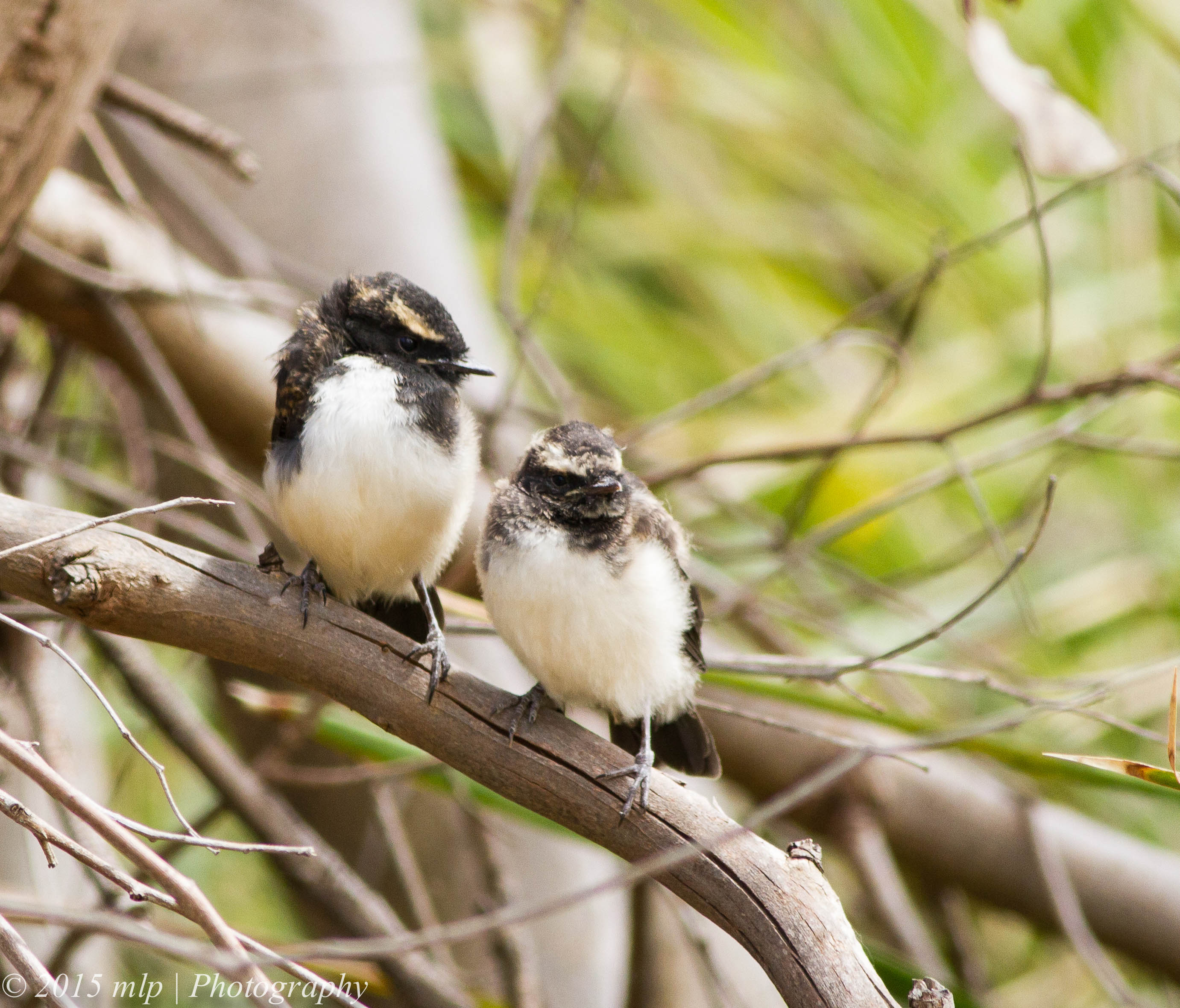
Welch Track Foliage and fallen tree

Welch Track Foliage and fallen tree

Langwarrin Flora and Fauna Reserve – a small bird haven

I explored a new bush park today, on the outskirts of Frankston, Langwarrin Flora and Fauna Reserve. It is a good sized reserve with many well managed and signposted tracks and a wide fire break running down the centre of the park. I spent a few hours investigating several of the Northern  trails and found quite a number of smaller birds. The bush is very thick and dense with the only access via the trails – it is too thick to get into. It is a haven for the smaller birds while the larger birds stick to the taller gums. A few uncommon birds seen were Grey Currawongs, a Collared Sparrowhawk and 2 Wedge Tail Eagles circling very high. Many of the gum trees were flowering and there seemed to be a good supply of Lerp on the leaves as well. The birds were quite aggressive towards other species and each other – a sign of a supply of food worth defending.
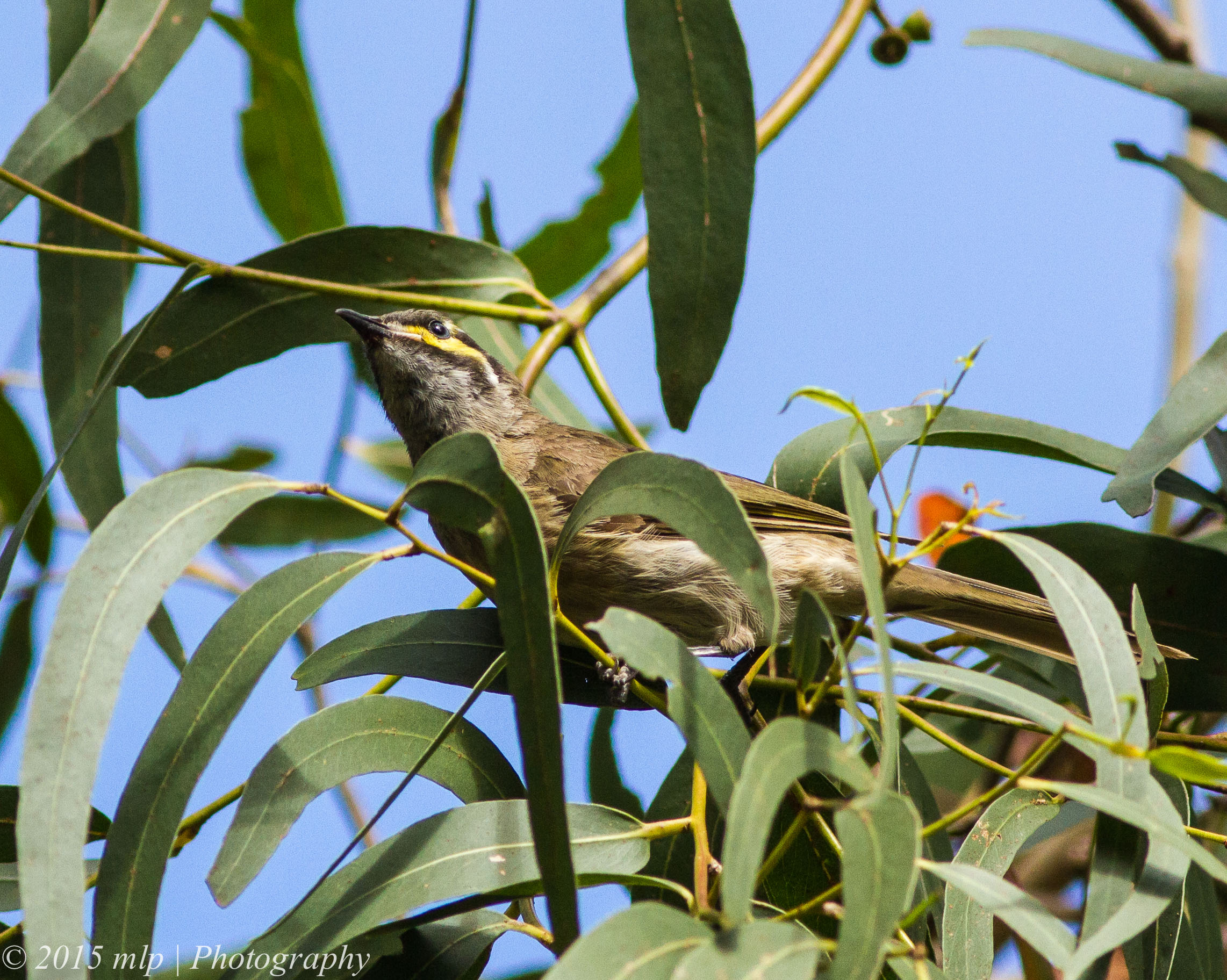
Yellow Faced Honeyeater

Yellow Faced Honeyeater

New Holland Honeyeater,

New Holland Honeyeater,

II

II

III

III

Little Wattlebird

Little Wattlebird

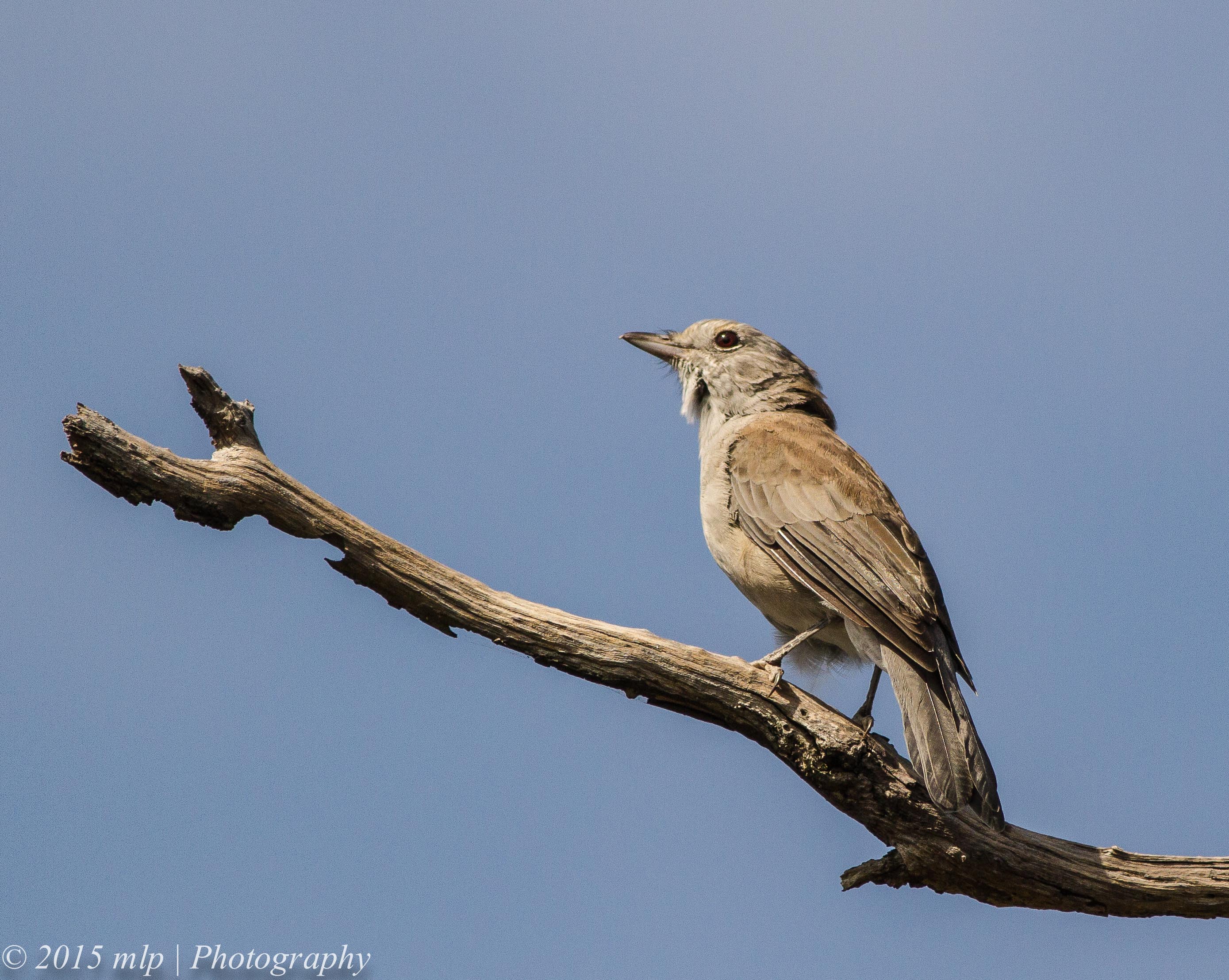
Grey Shrike Thrush

Grey Shrike Thrush

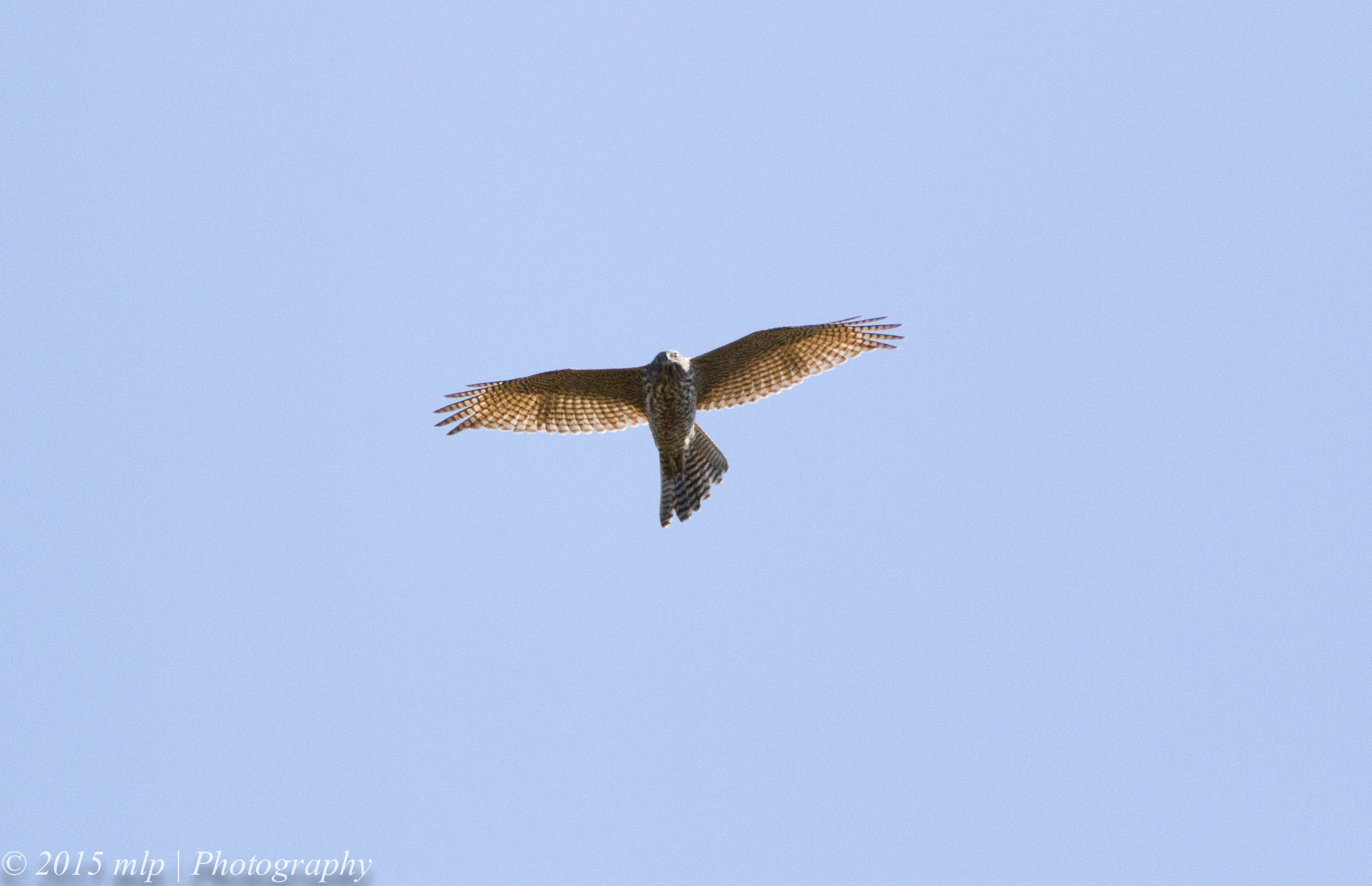
Collared Sparrowhawk

Collared Sparrowhawk

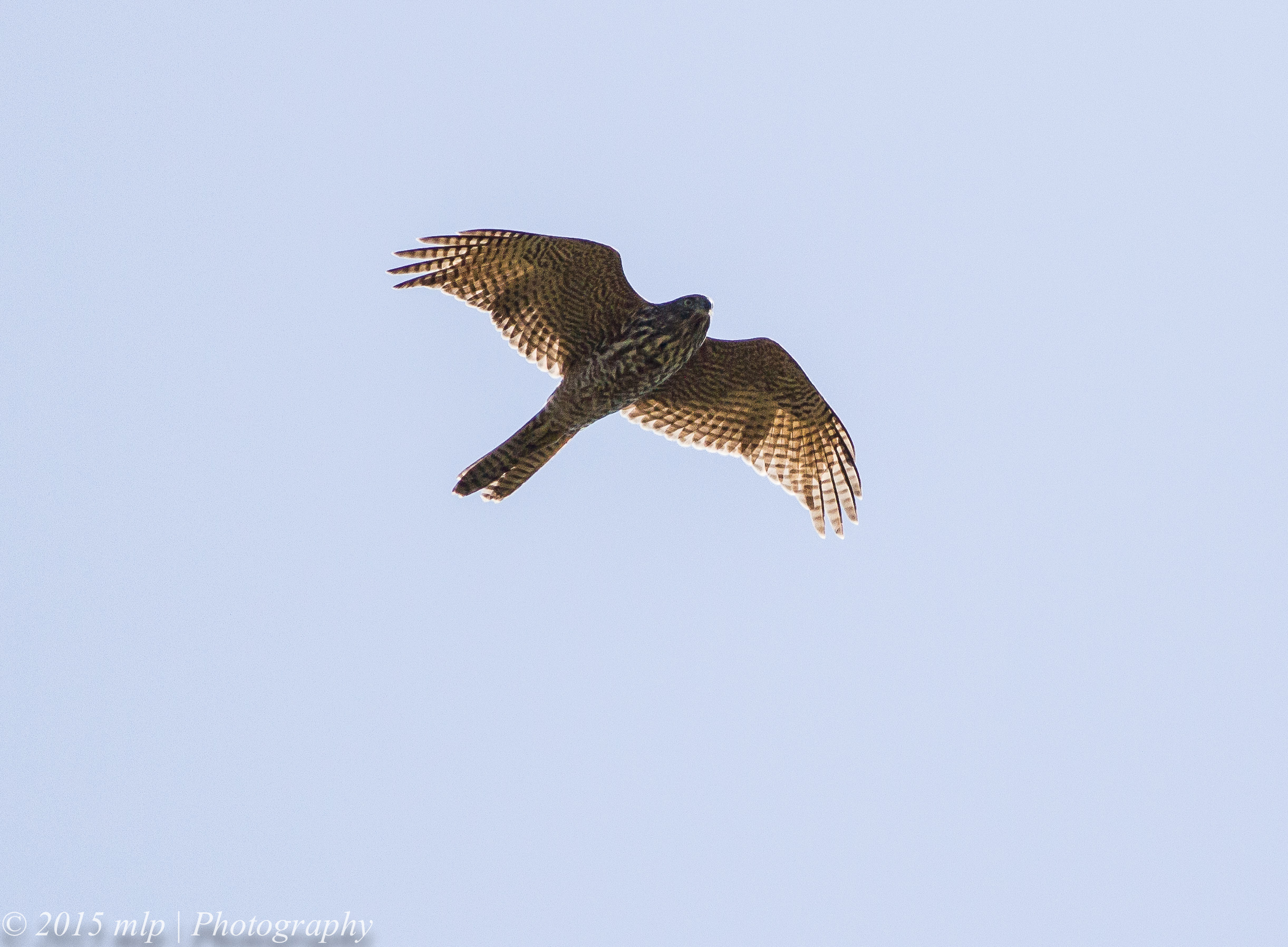
II

II

And my usual forest companion:

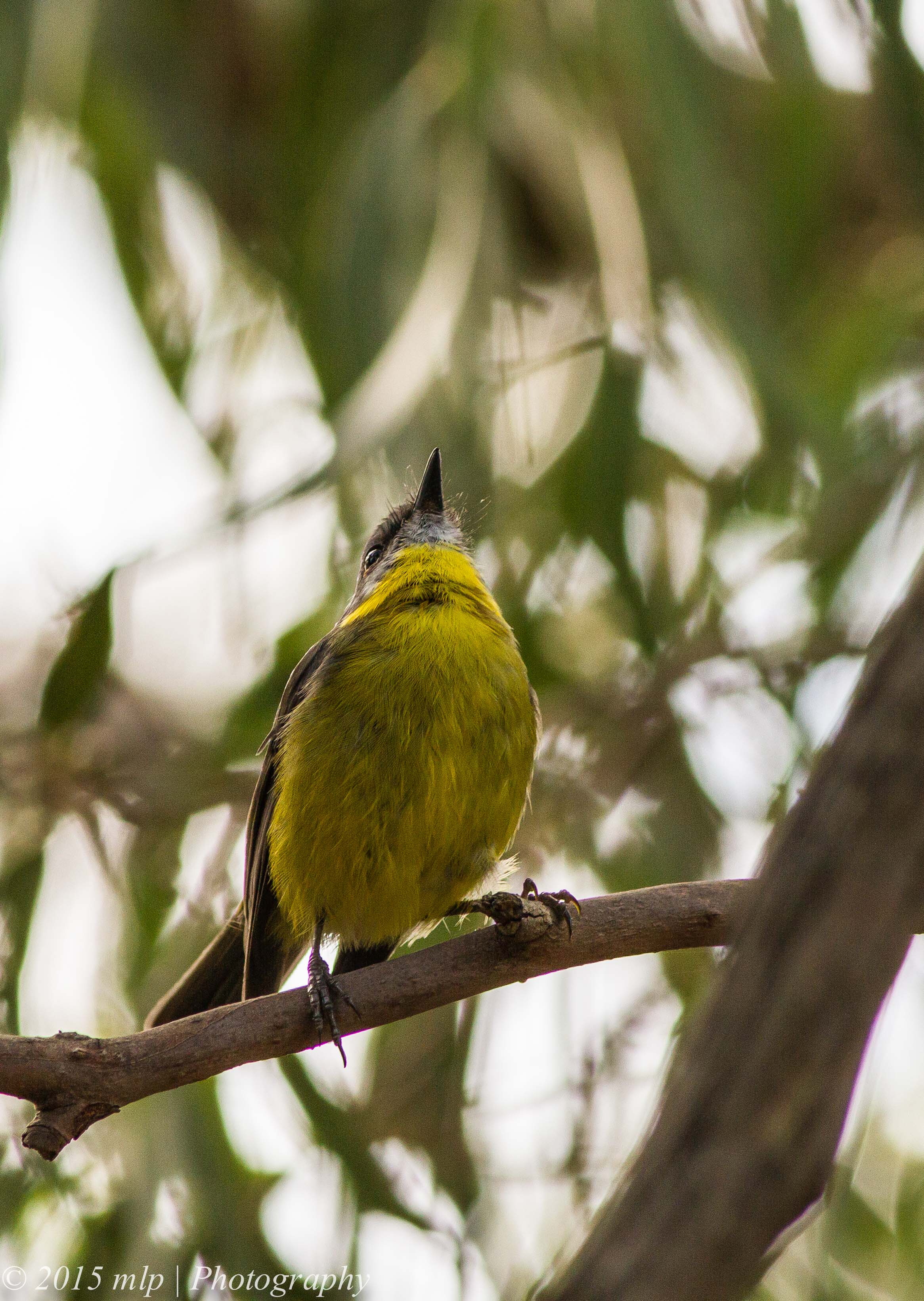
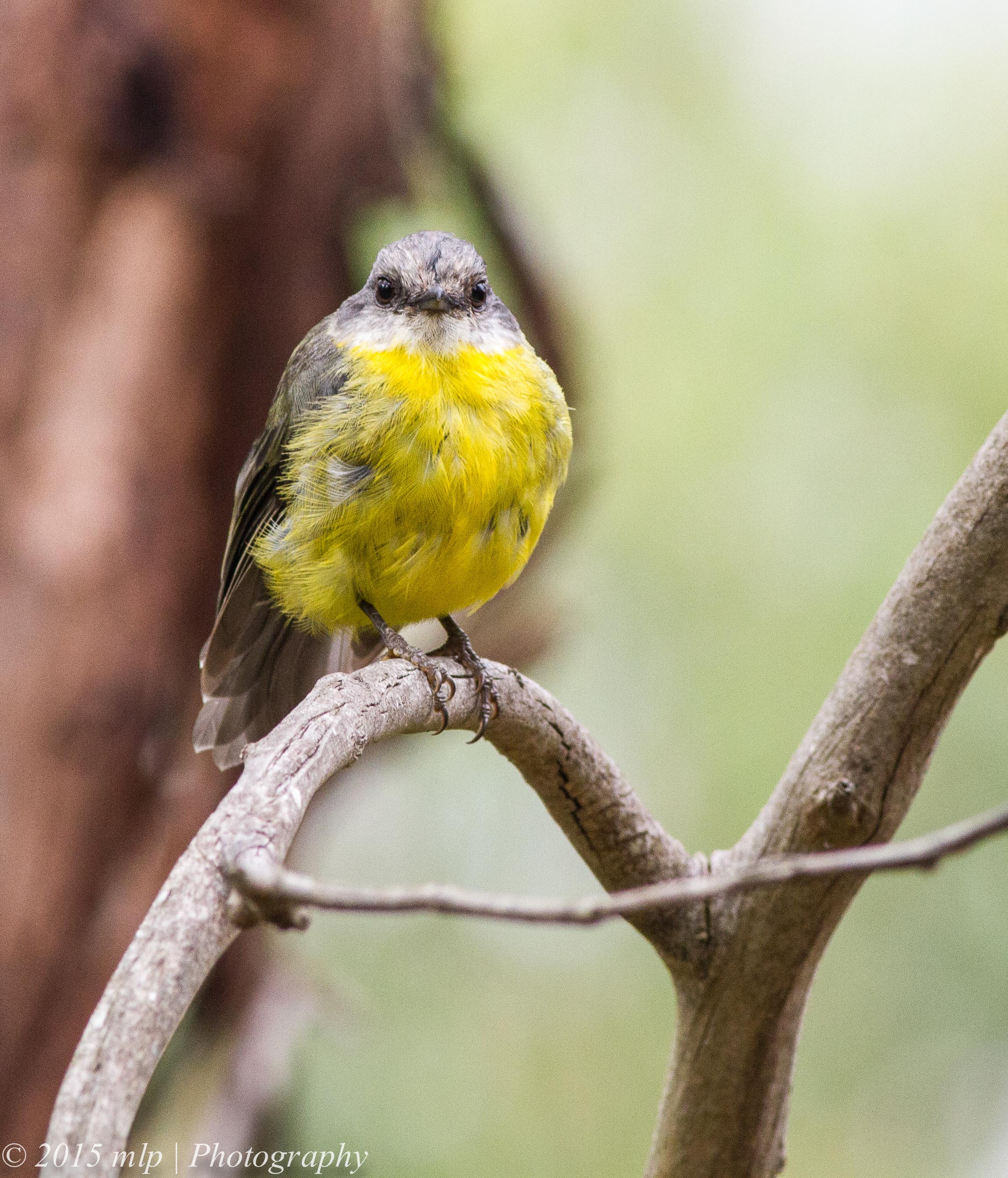
Eastern Yellow Robin

Eastern Yellow Robin

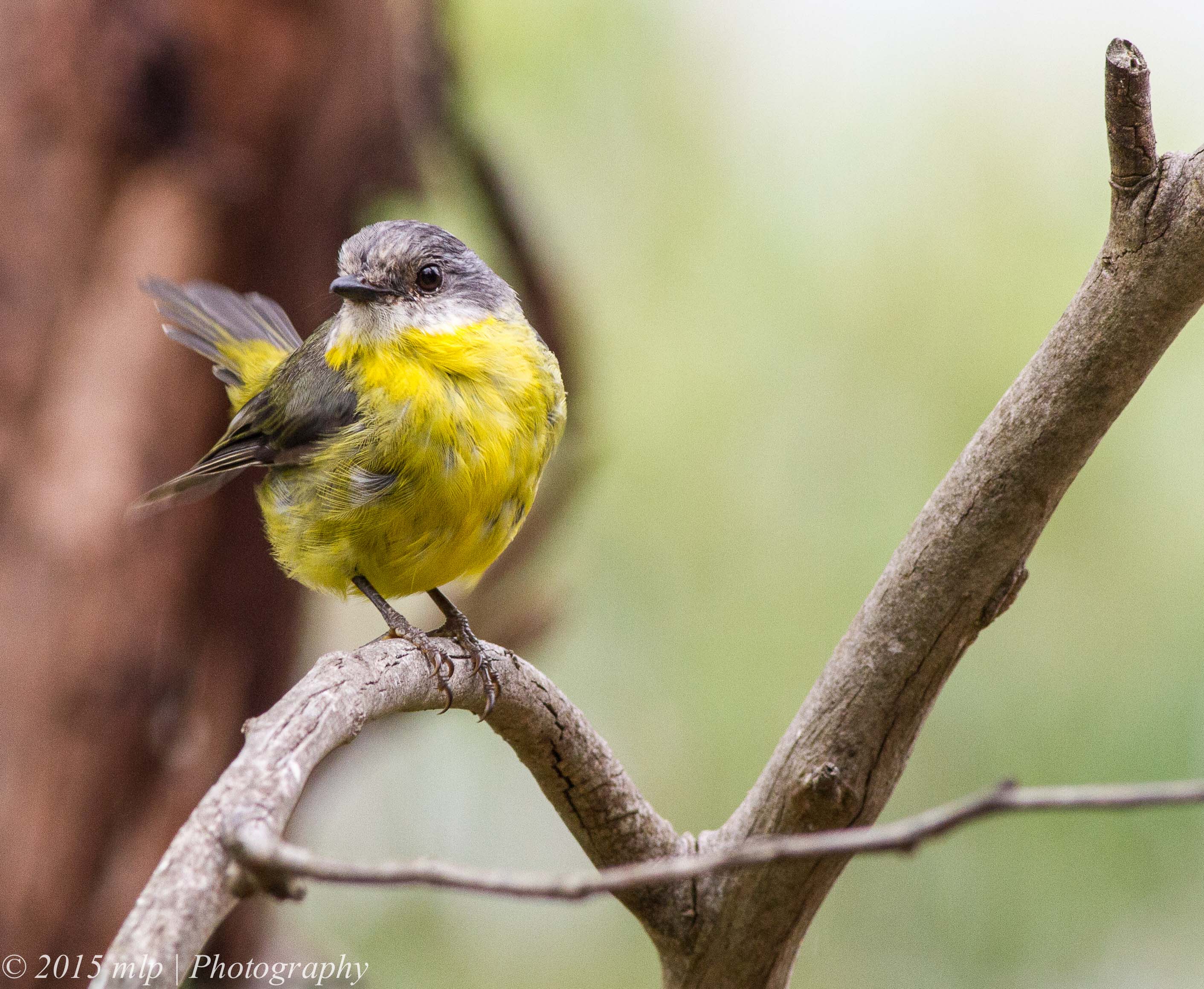
II

II

III

III

Birds of Cloudehill, Olinda

Within the Dandenong Ranges, about an hour east of Melbourne, is a stunning garden called Cloudehill. It is one of the three display garden nurseries of the Diggers Club. The other two gardens are the Garden of St Erth in Blackwood and Heronswood in Dromana. I think Cloudehill is one of the most beautiful gardens I have been to and as an added bonus it is usually full of birds.  While Mrs Gap Year wanders around and then hits the nursery shop or the cafe to read the paper I can go deeper into the gullies at the bottom of the gardens and look for birds. On this occasion I went to find the resident lyrebirds but for the first time I did not hear or see them. I did find a rather large and noisy flock of Yellow Tailed Black Cockatoos – shooting into the canopy was difficult but with Lightroom the images could be salvaged.
Yellow Tailed Black Cockatoo

Yellow Tailed Black Cockatoo

Yellow Tailed Black Cockatoo II - several were chewing on the bark of this tree.

Yellow Tailed Black Cockatoo II – several were chewing on the bark of this tree.

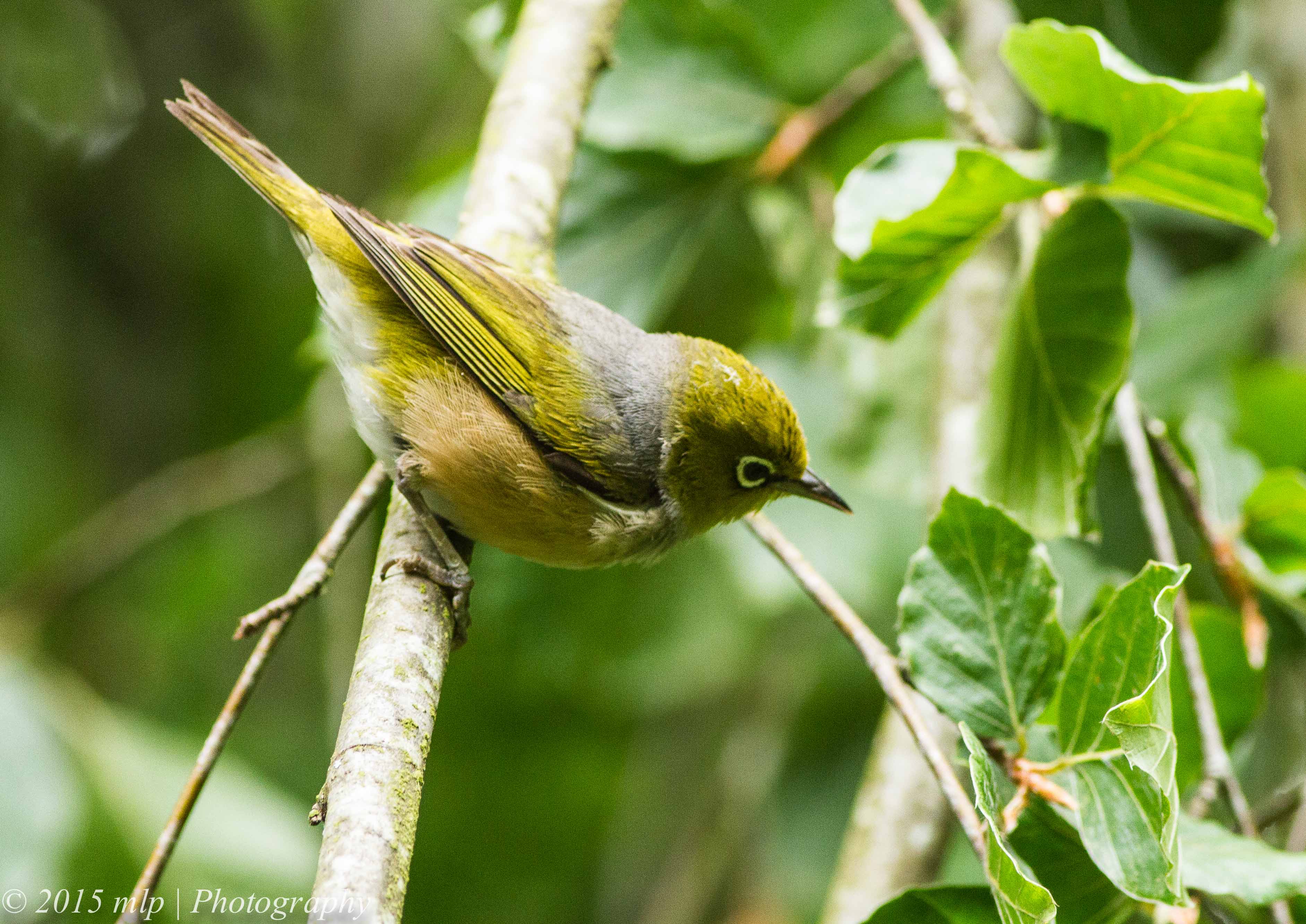
Silvereye

Silvereye

Juvenile Silvereye

Juvenile Silvereye

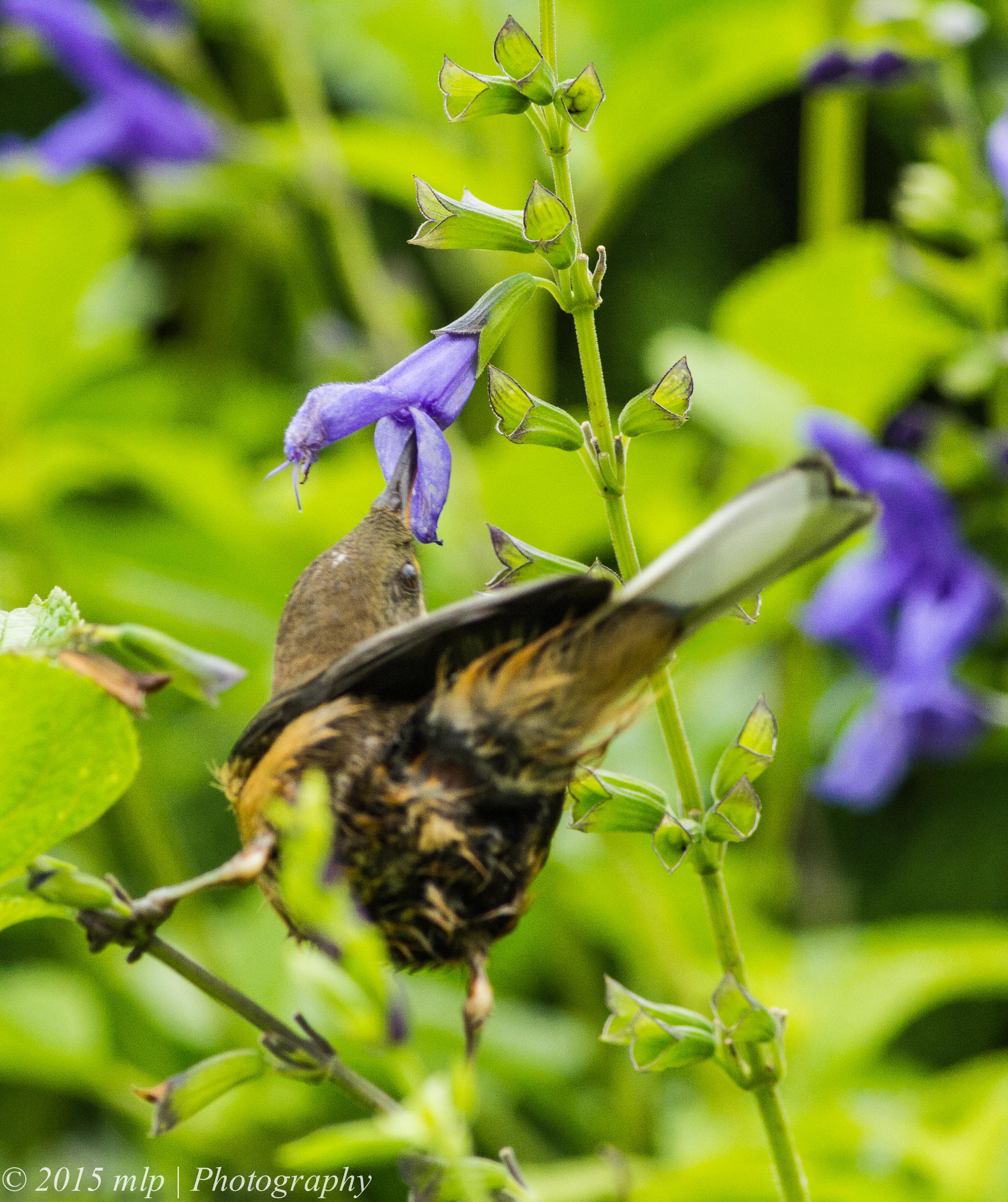
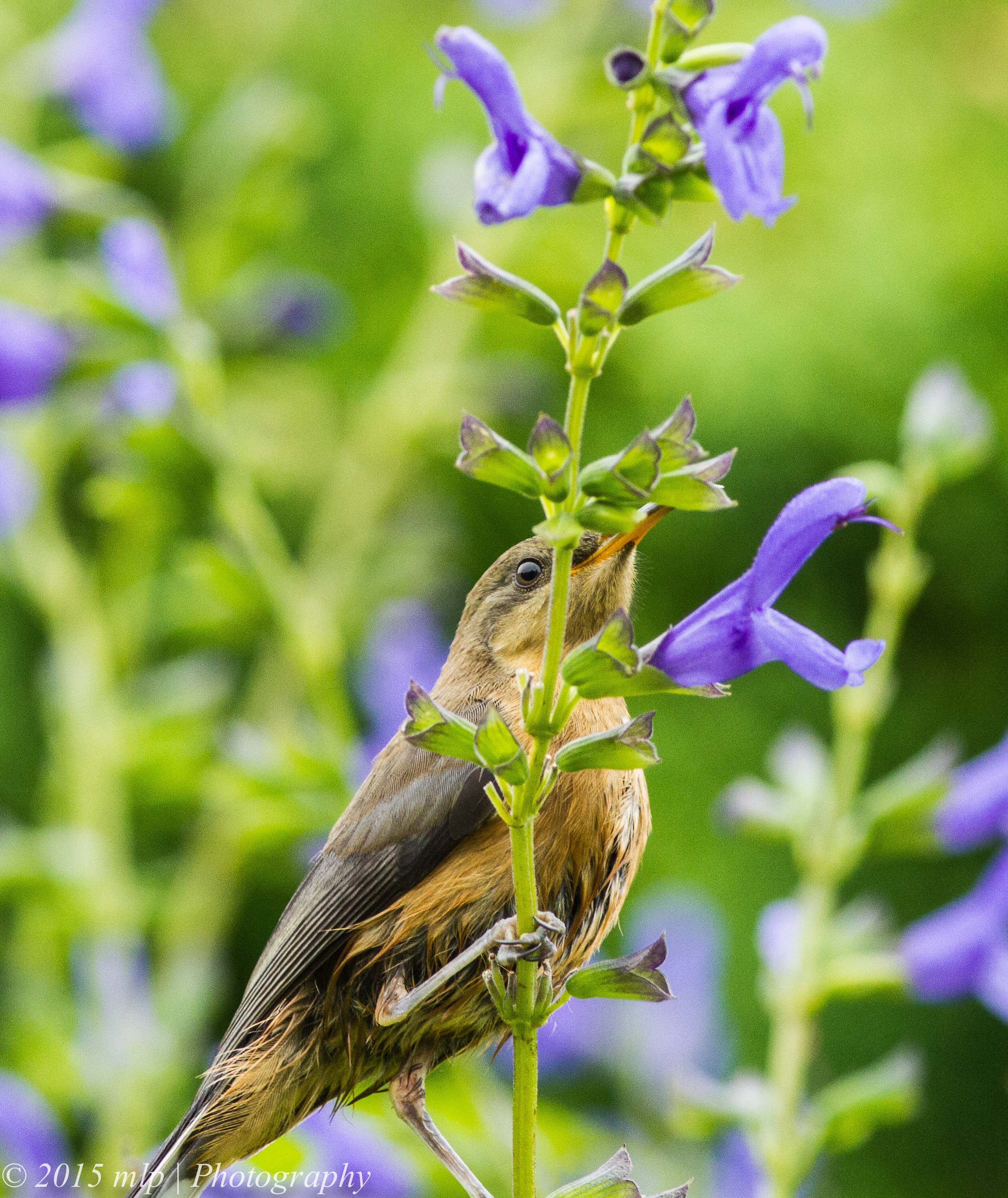
Juvenile Spinebill

Juvenile Spinebill

Juvenile Spinebill II

Juvenile Spinebill II

Juvenile Spinebill III

Juvenile Spinebill III

Juvenile Spinebill IV

Juvenile Spinebill IV

Part 2  – The Wonderful Gardens of Cloudehill

Coming Soon:

Part 3 – Colours of Cloudehill

Moorooduc Quarry Flora and Fauna Reserve, Mt Eliza

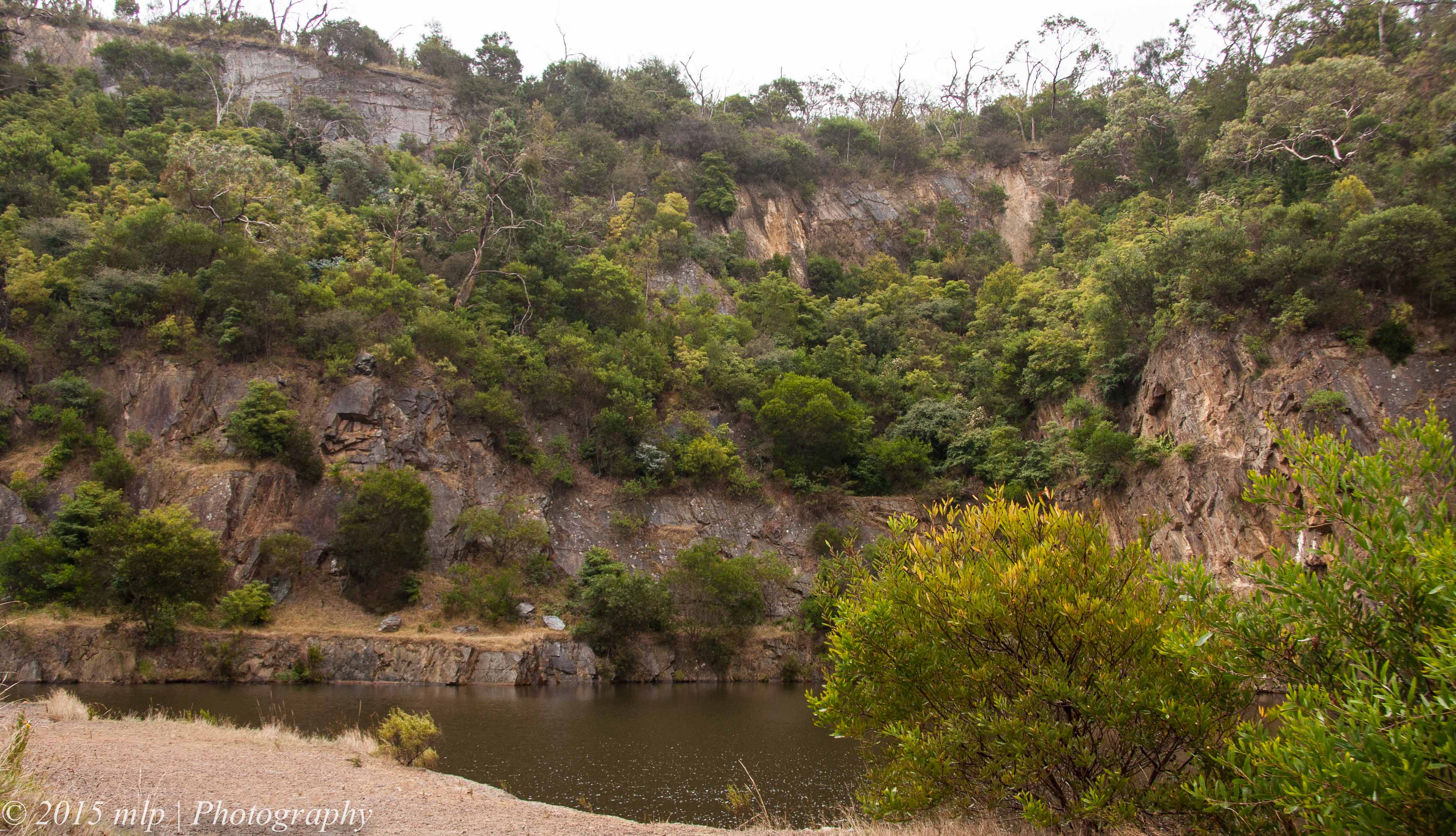
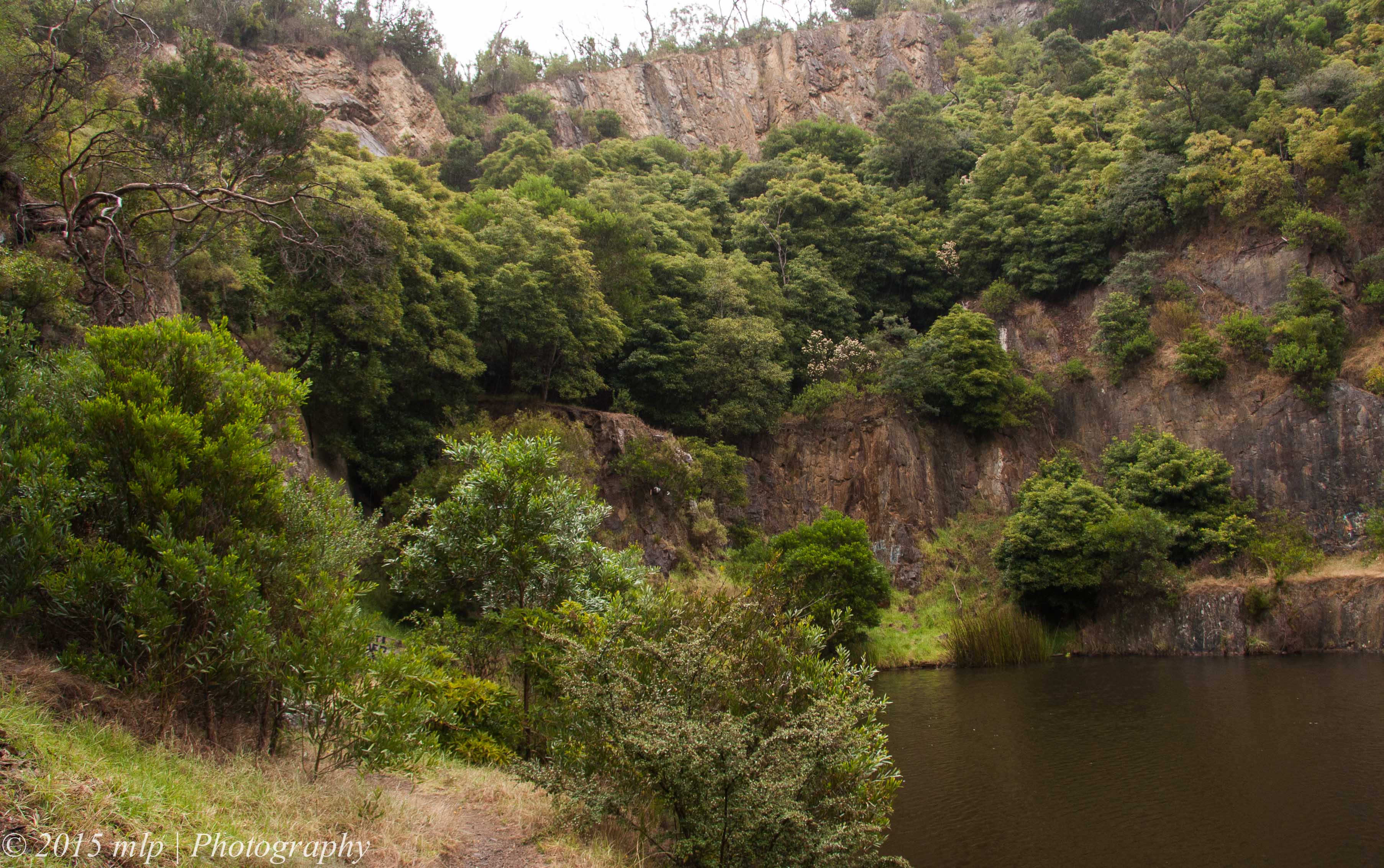
Along the Moorooduc Highway that heads down to the Mornington Peninsula is the Mt Eliza Regional Park. A section of this park is called the Moorooduc Flora and Fauna Reserve. It  is the site of an old (1887) stone and ballast quarry used for the railway sleeper beds for the Baxter to Mornington railway connection. The quarry is now flooded and has been converted to a Flora and Fauna Reserve and is particularly good for birds. The quarry is actually fenced off due to dangerous cliffs and rockfalls but holes in the fence have been created by locals wishing to access the water and quarry site. When I was there last week locals were walking dogs and fishing in the quarry. The high cliffs provide good nest sites for Peregrine Falcons to nest. Over the last few years I have seen several fledgelings learning to fly and hunt.

Old Moorooduc Quarry

Old Moorooduc Quarry

Old Moorooduc Quarry II

Old Moorooduc Quarry II

Walking from the carpark to the quarry I noticed a number of new fledglings being attended to by their parents.

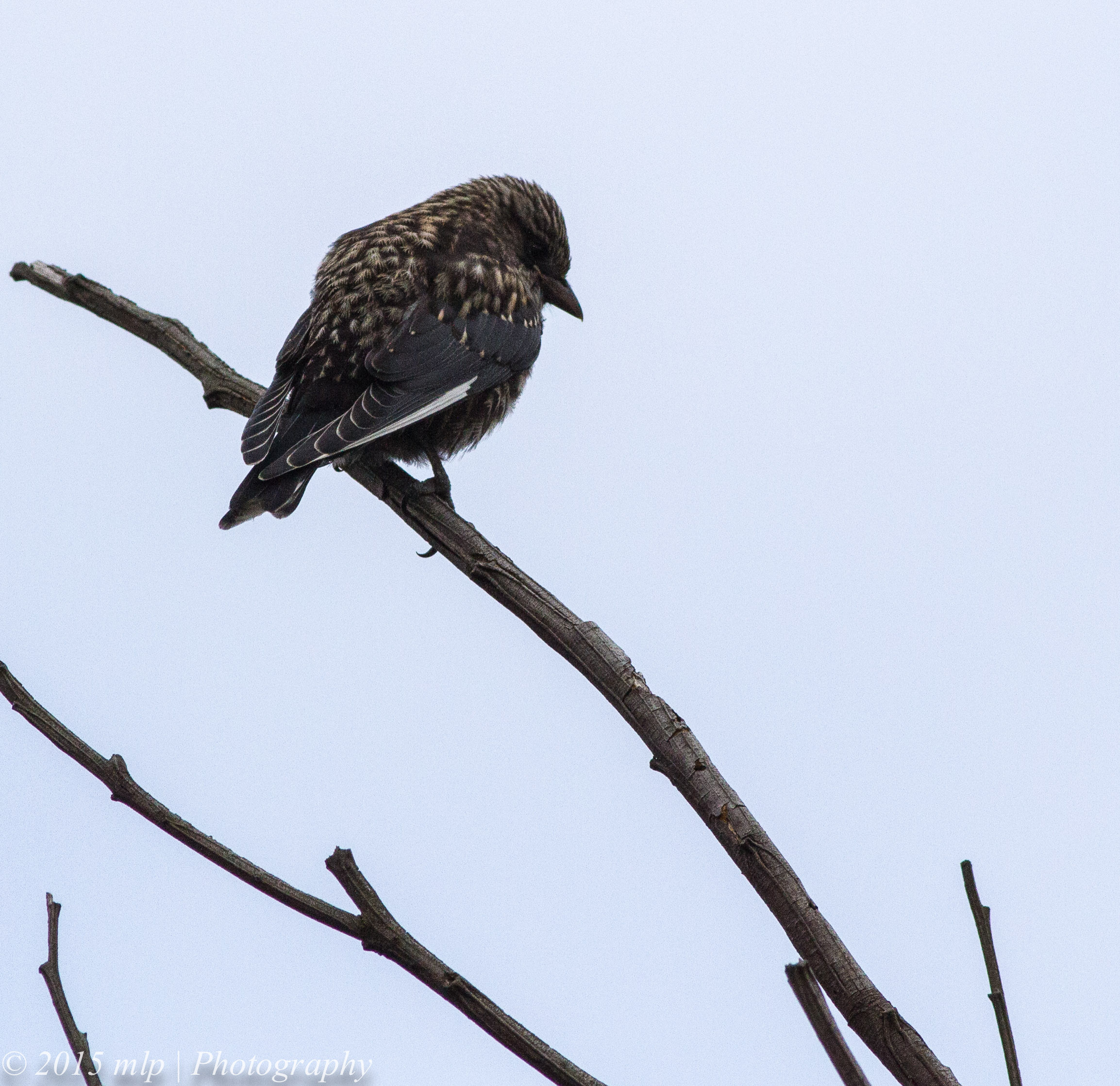
Juvenile Dusky Woodswallow

Juvenile Dusky Woodswallow

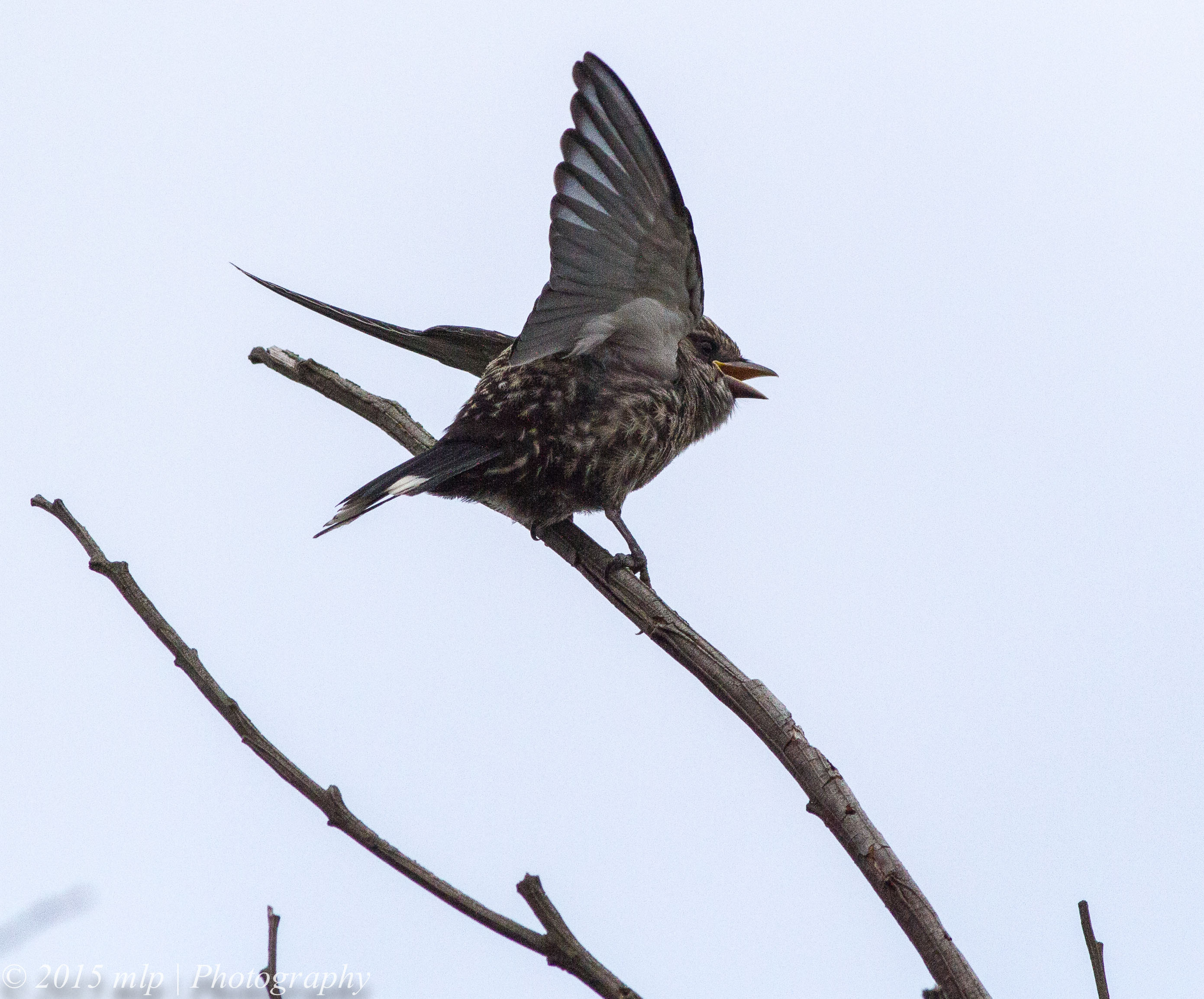
Juvenile Dusky Woodswallow II

Juvenile Dusky Woodswallow II – demanding food from a parent nearby

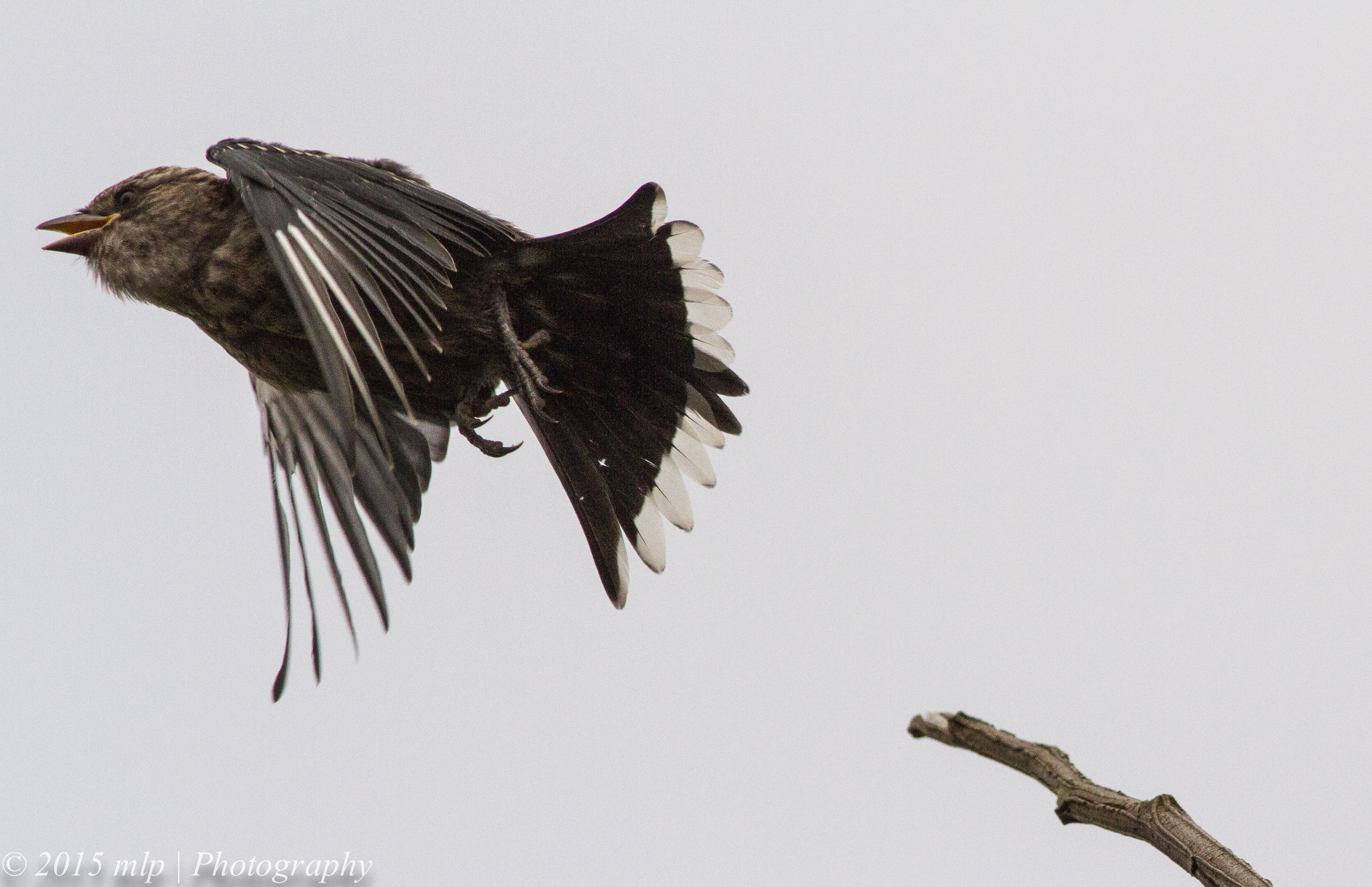
Juvenile Dusky Woodswallow III

Juvenile Dusky Woodswallow III

Dusky Woodswallow

Dusky Woodswallow

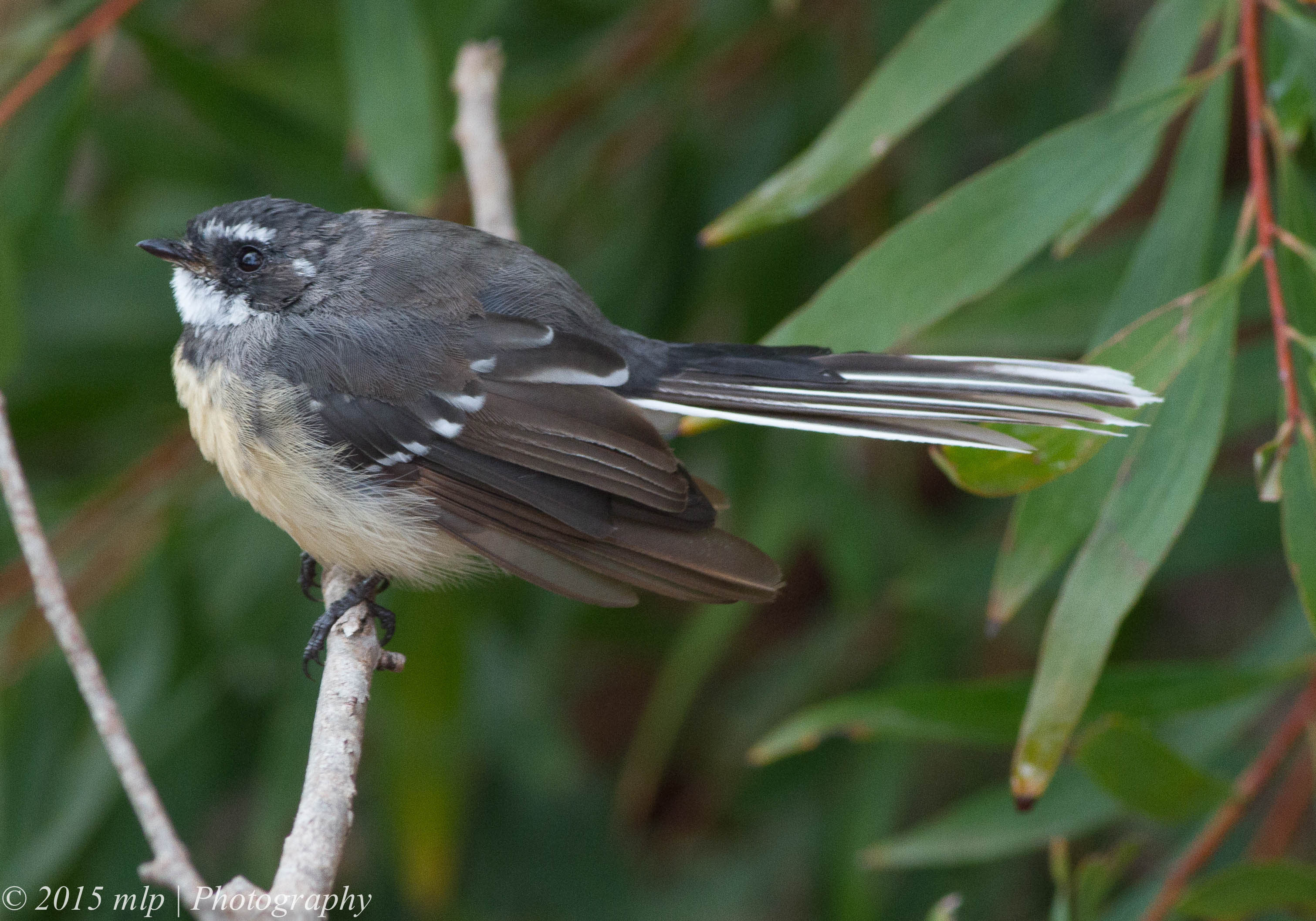
Young Grey Fantail

Young Grey Fantail – how could you not respond to those eyes?

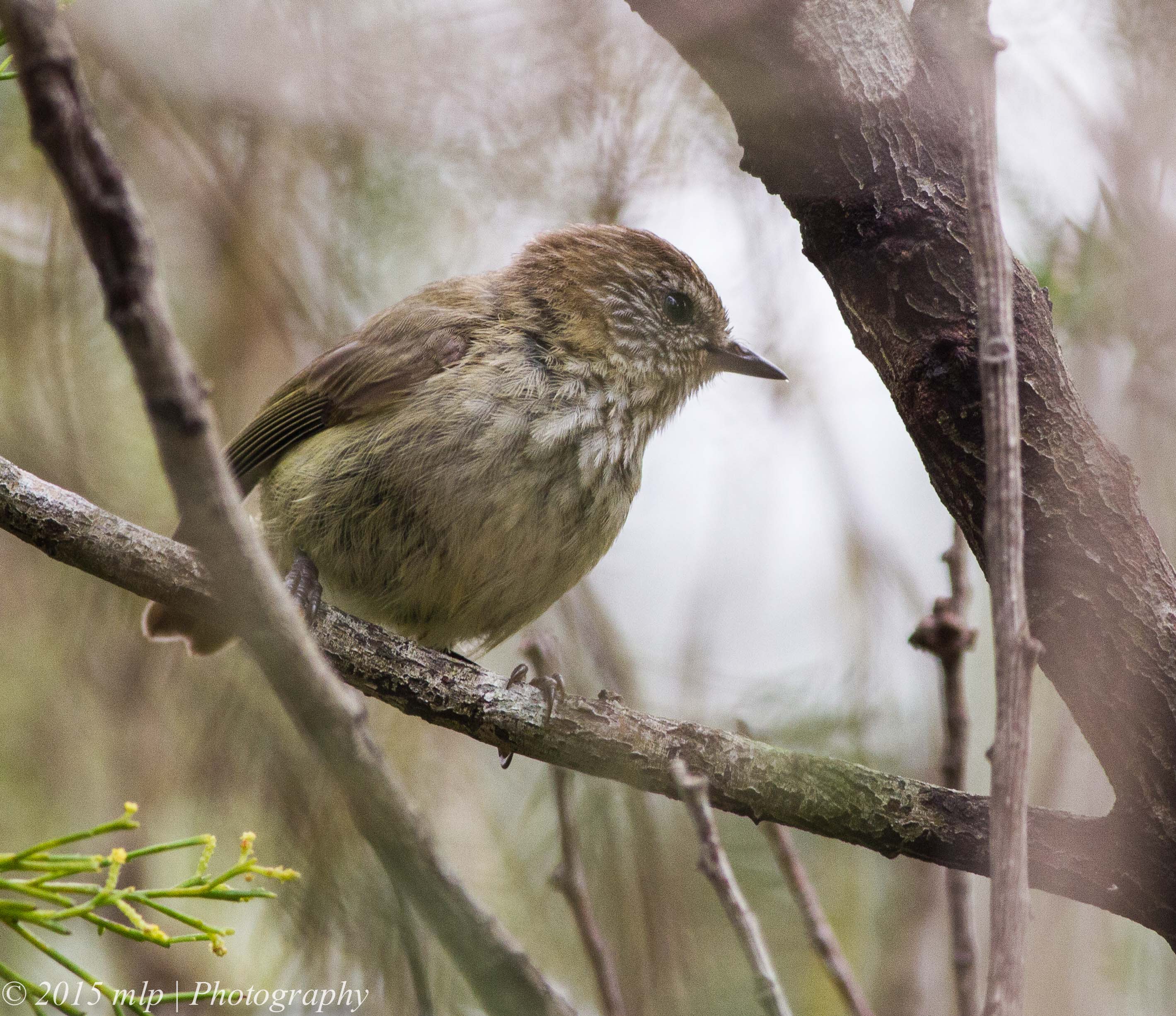
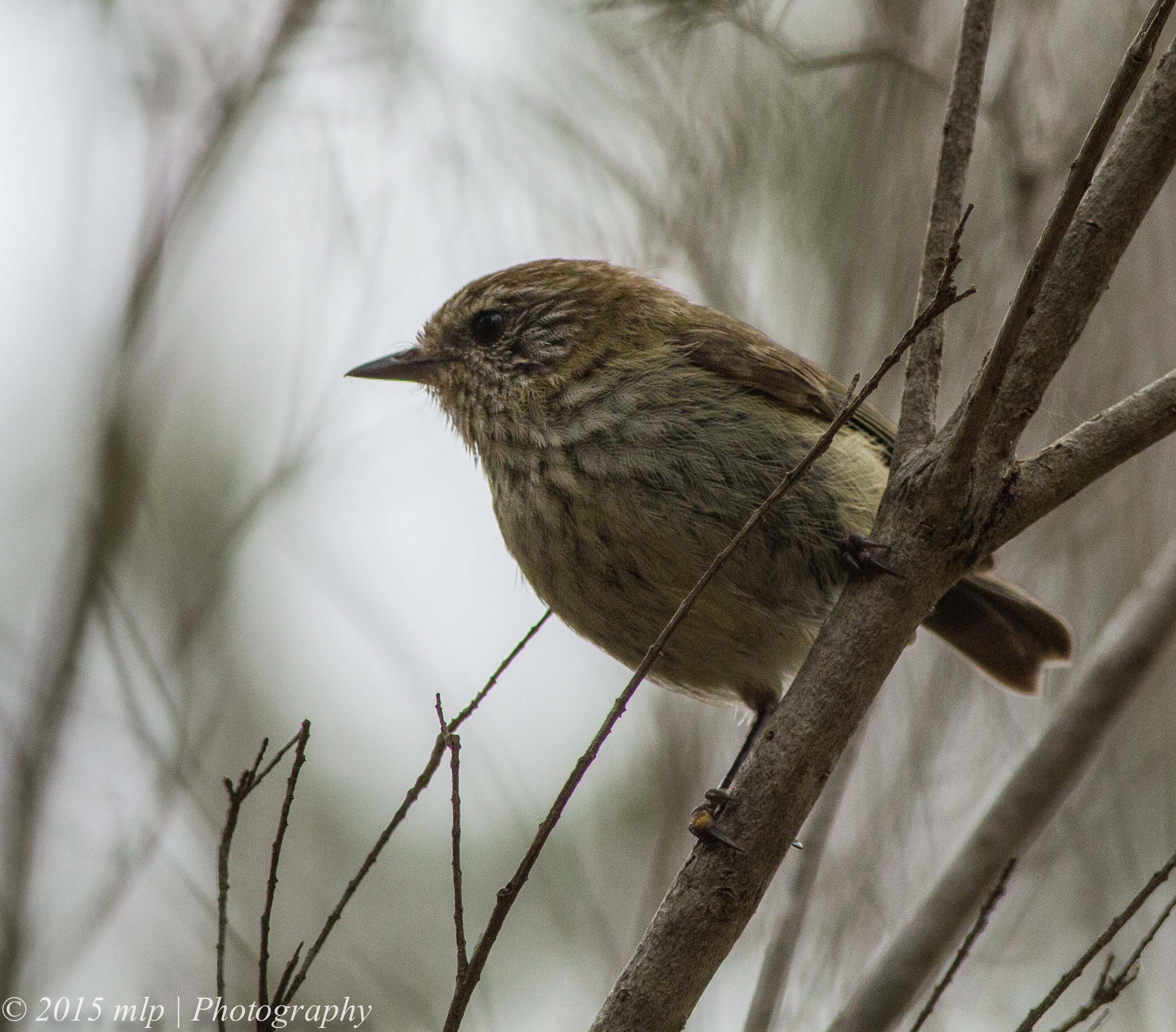
Striated Thornbill

Striated Thornbill

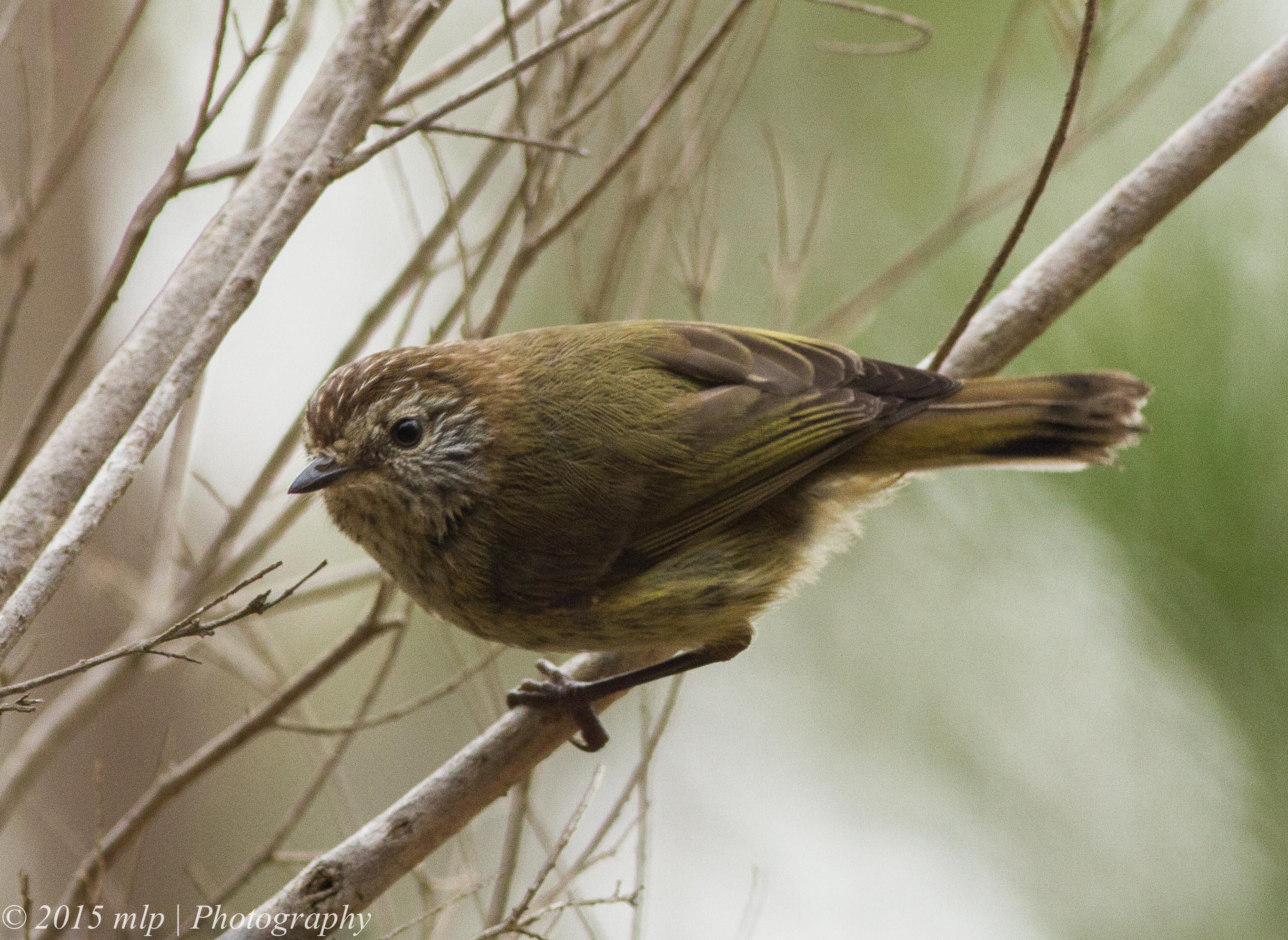
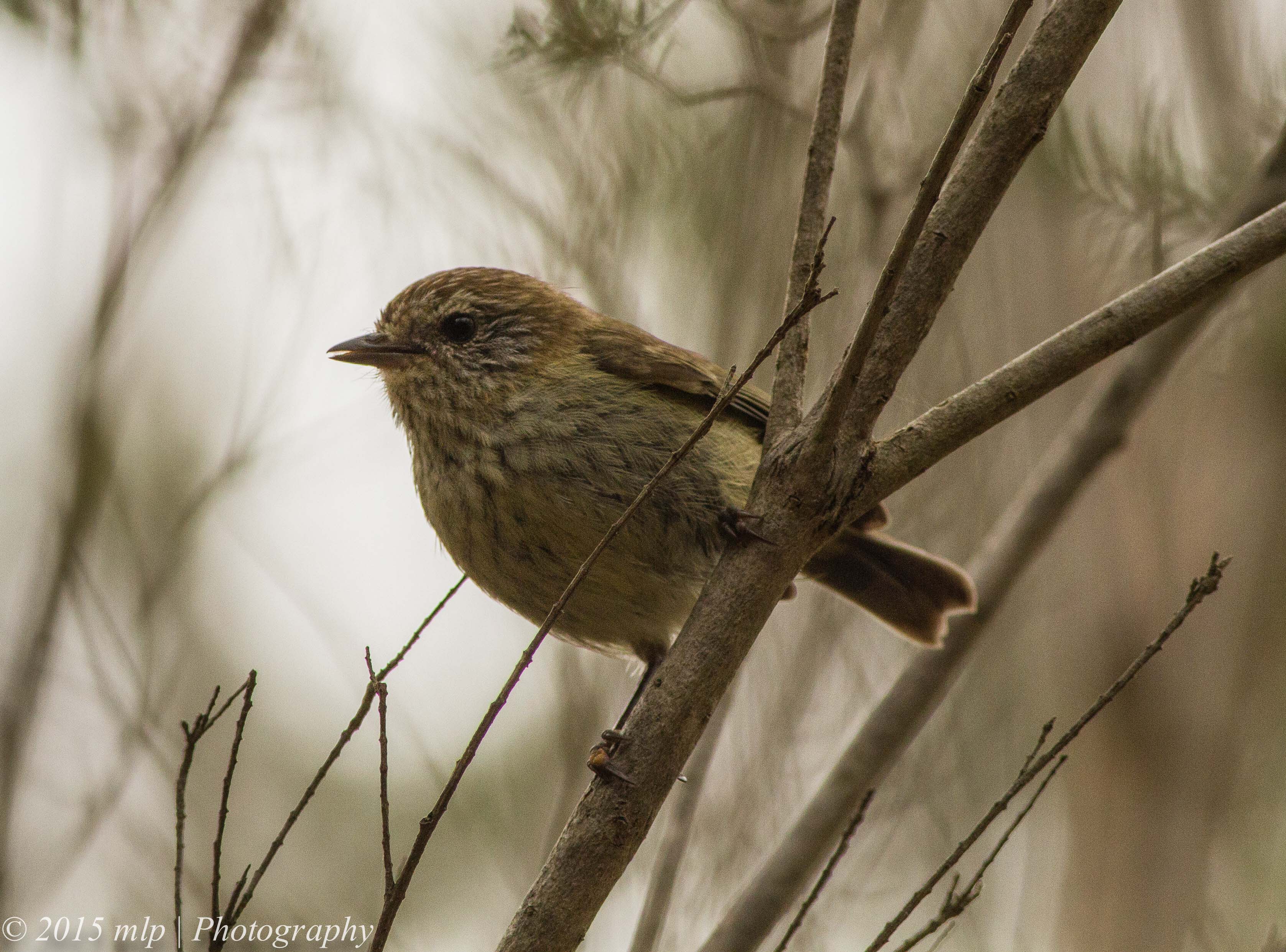
Striated Thornbill II

Striated Thornbill II

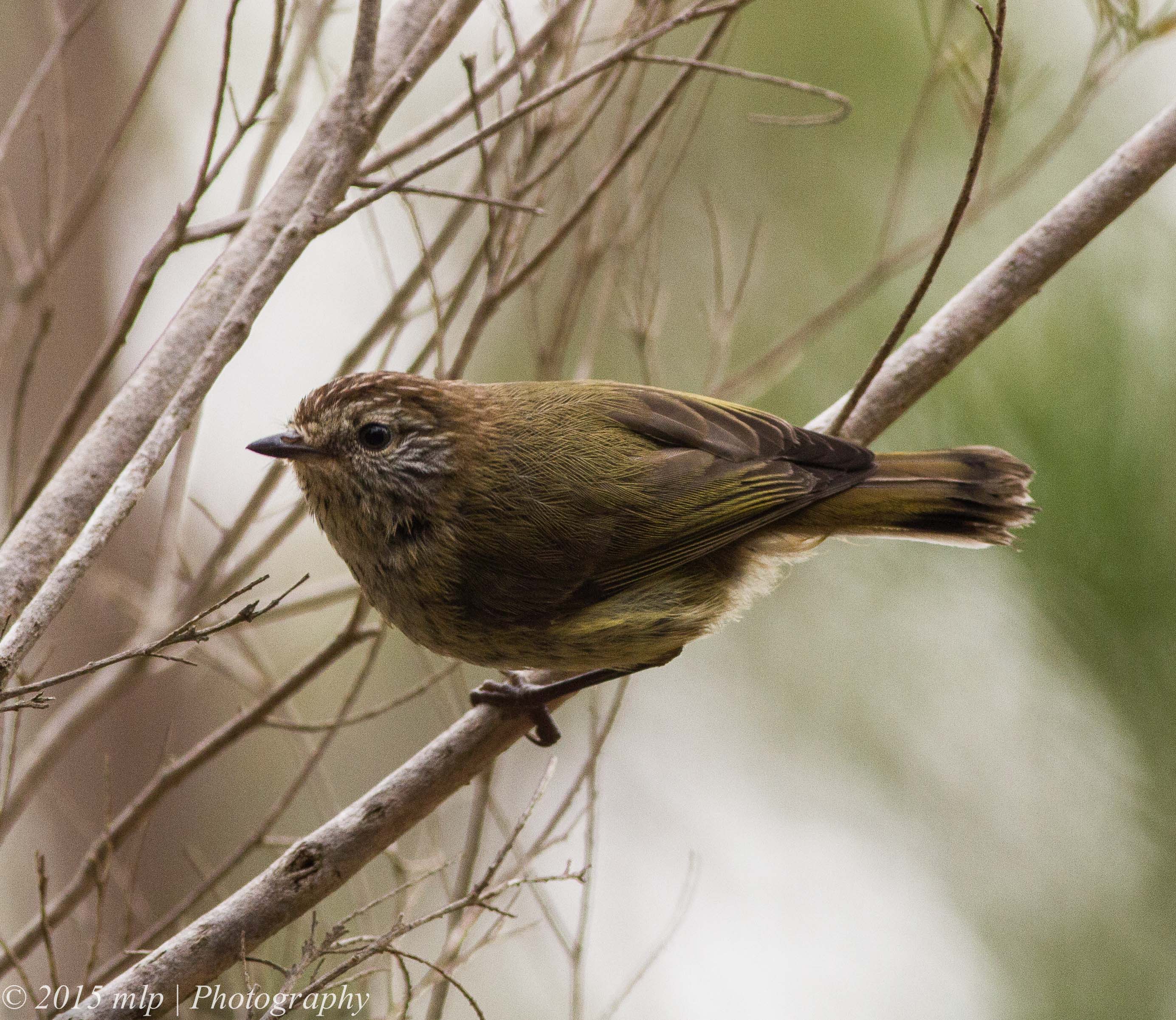
Striated Thornbill III

Striated Thornbill III

Striated Thornbill IV

Striated Thornbill IV

Striated Thornbill V

Striated Thornbill V

Striated Thornbill VI

Striated Thornbill VI

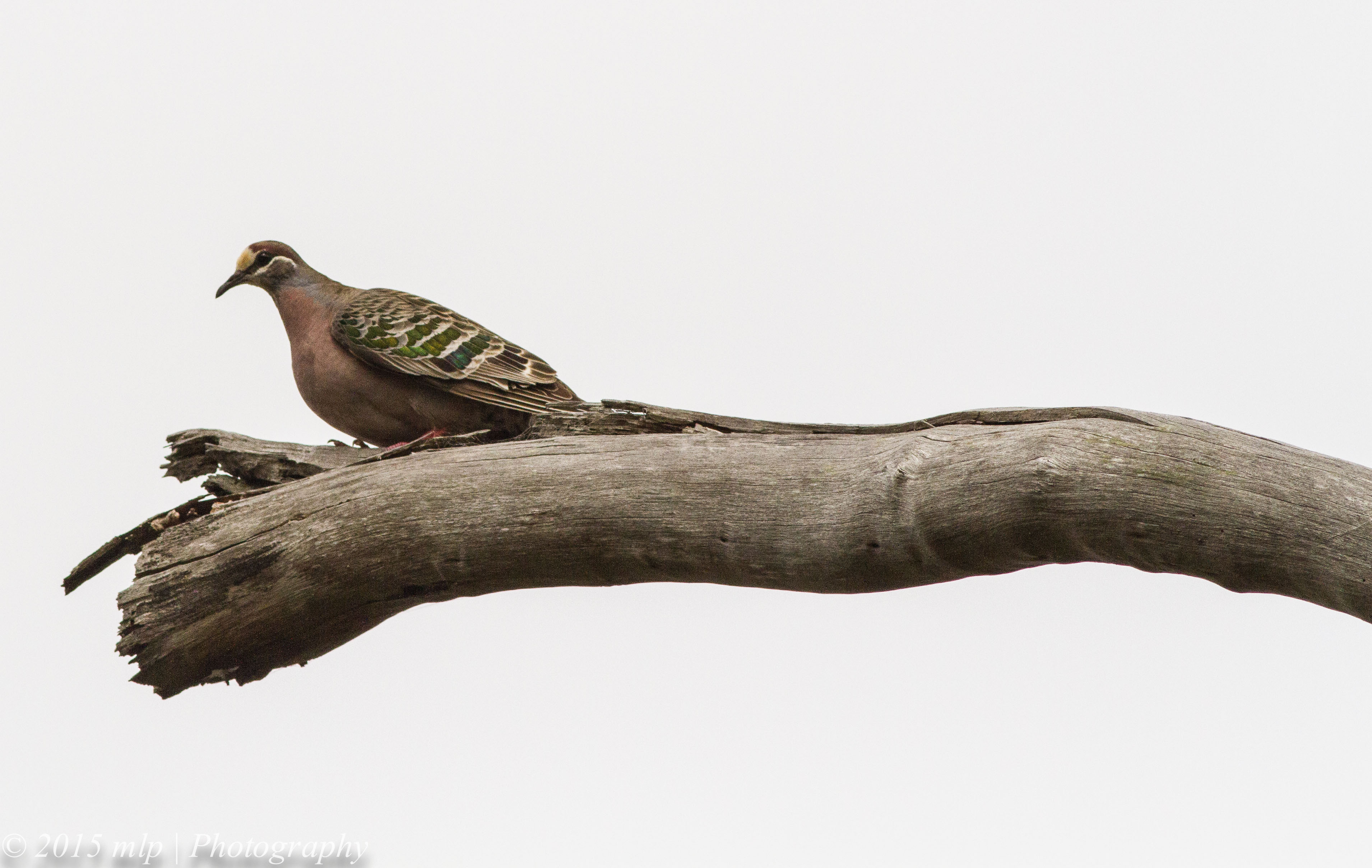
Common Bronzewing

Common Bronzewing

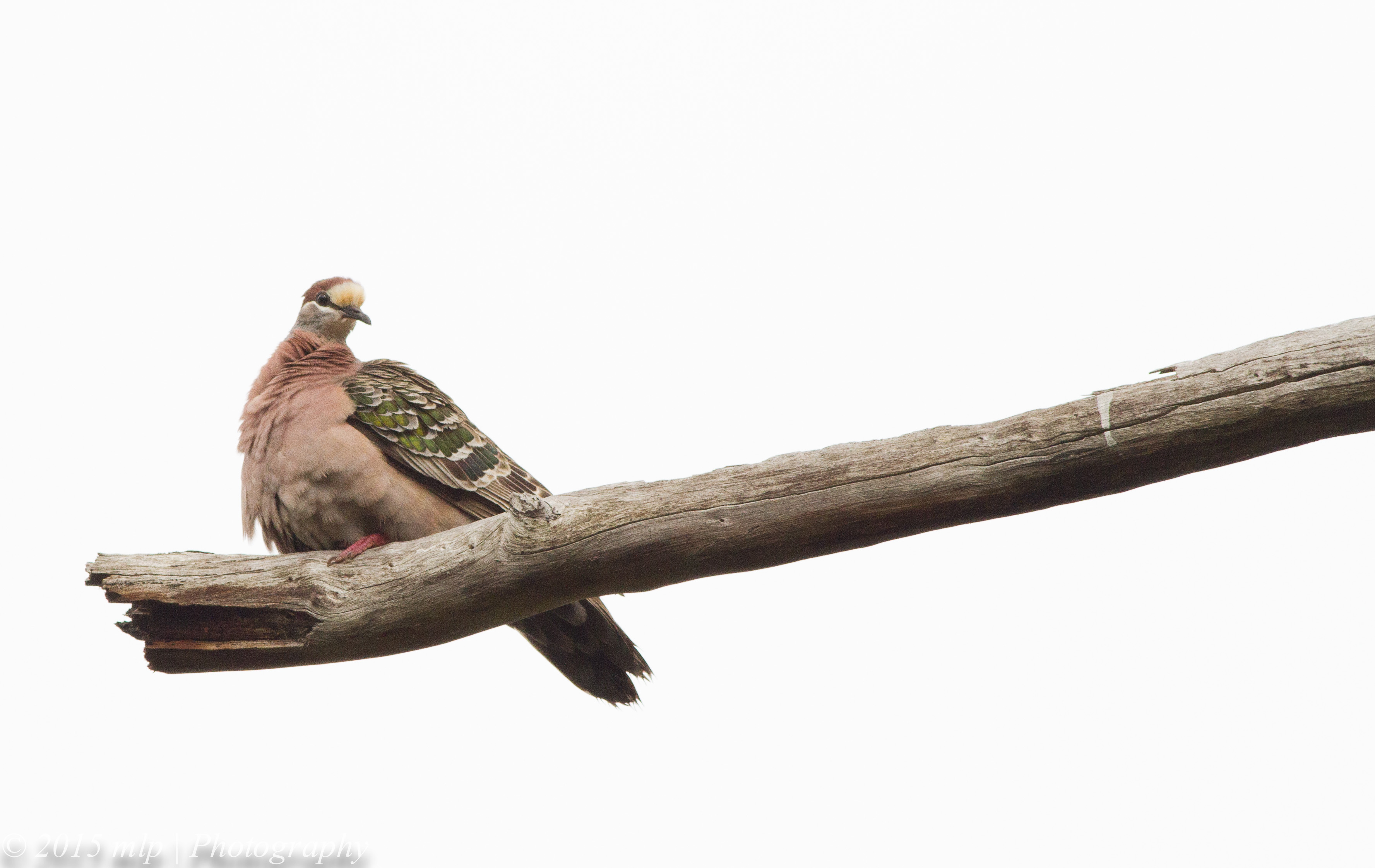
Common Bronzewing II

Common Bronzewing II

Eastern Yellow Robin - what you looking at?

Eastern Yellow Robin – what you looking at?

Eastern Yellow Robin II

Eastern Yellow Robin II

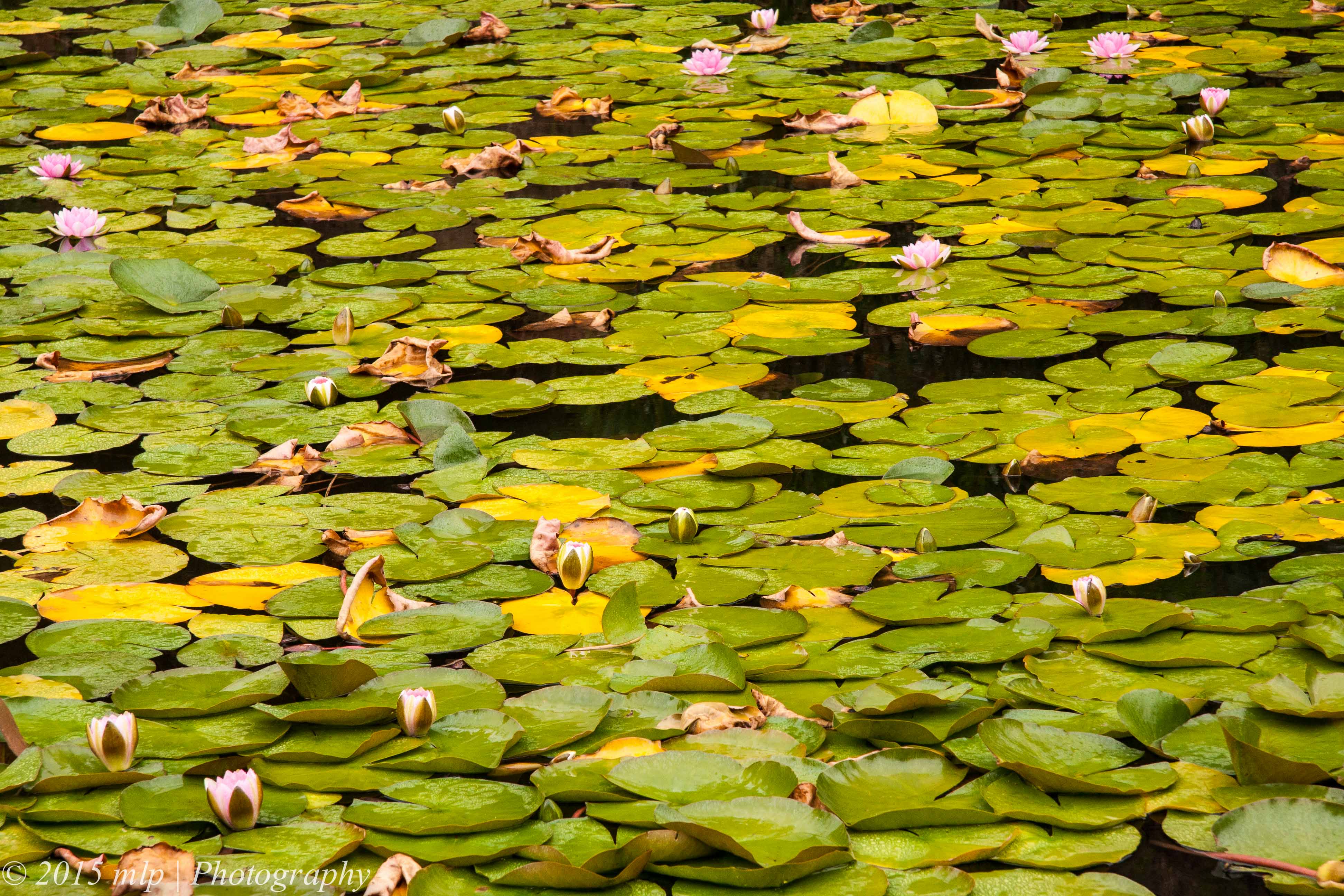
Flowering Water Lillies

Flowering Water Lillies in Moorooduc Quarry

The Garden of Scare Cow and Birdman

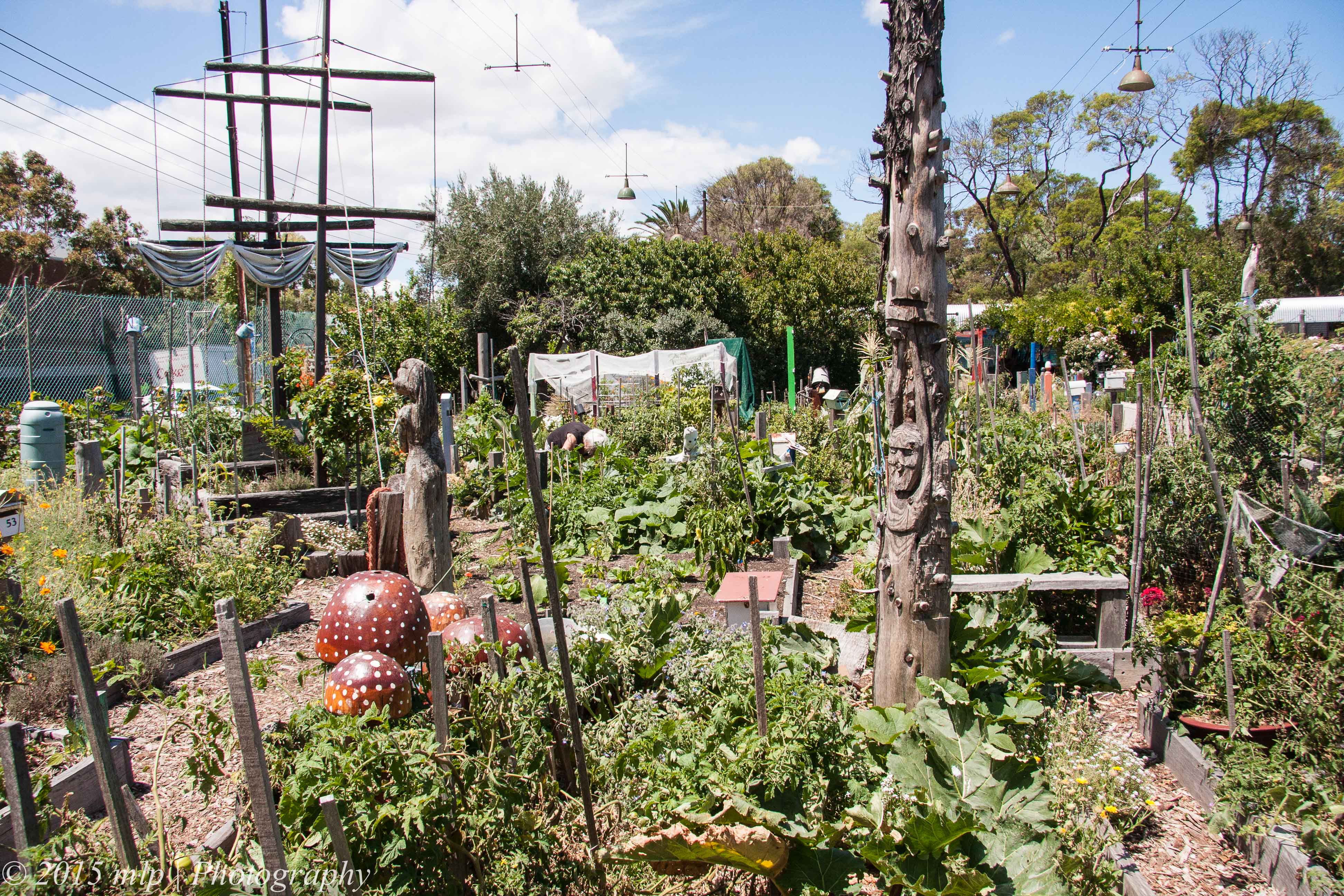
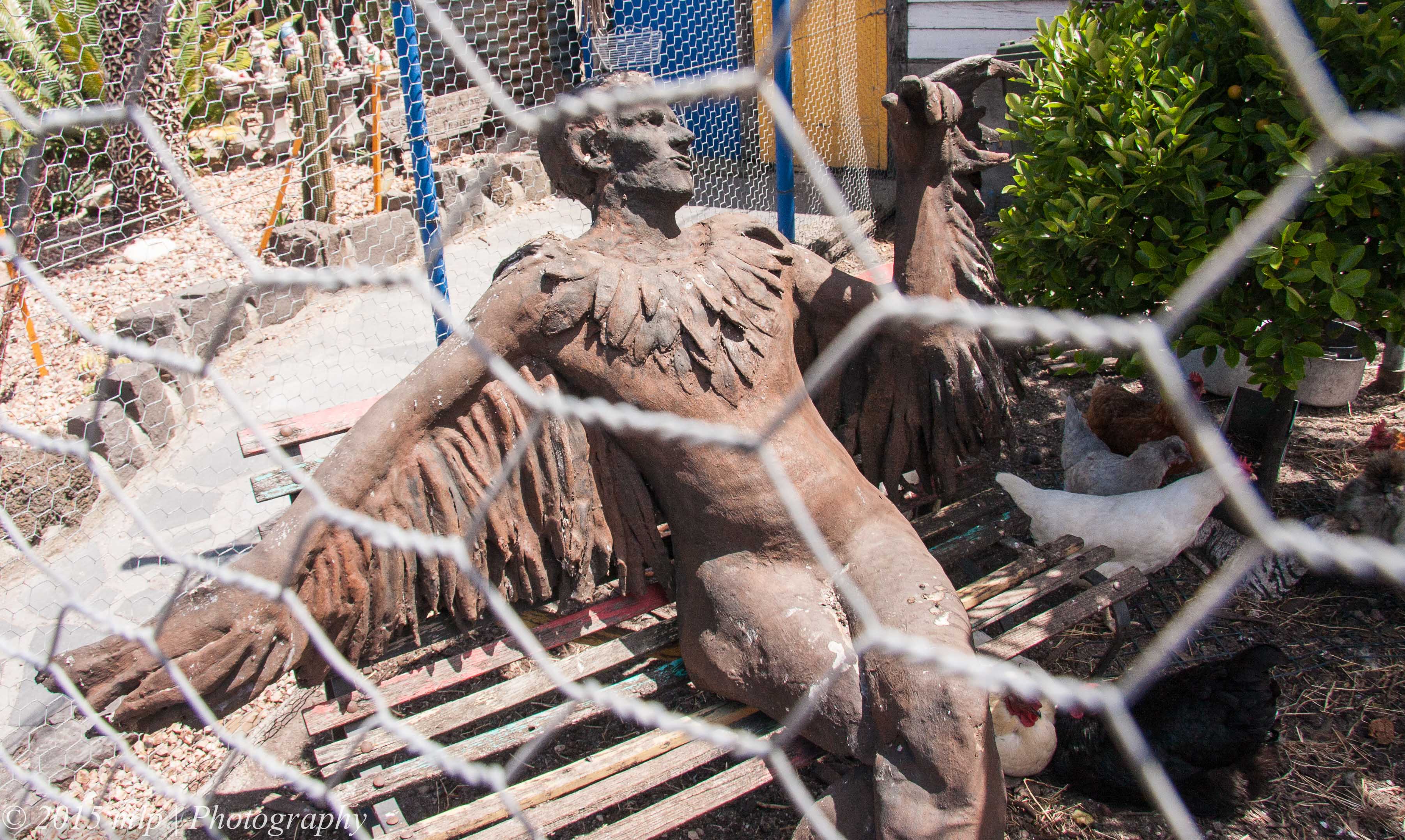
During a recent visit to St Kilda, I dropped into the Veg Out Community Garden. It is a community plot garden primarily for local apartment dwellers who do not have access to green space to grow veggies. The plots are located on what was once a lawn bowl club’s greens. The garden is clean, well maintained and supported. The garden rows and plots have a number of sculptures and artwork either made by the plot gardeners or the local artists working from studios located in the grounds. The artwork can be quite eclectic and eccentric. It is well worth the visit and a great place to have some takeaway lunch from the local delis and cafes in Acland St.
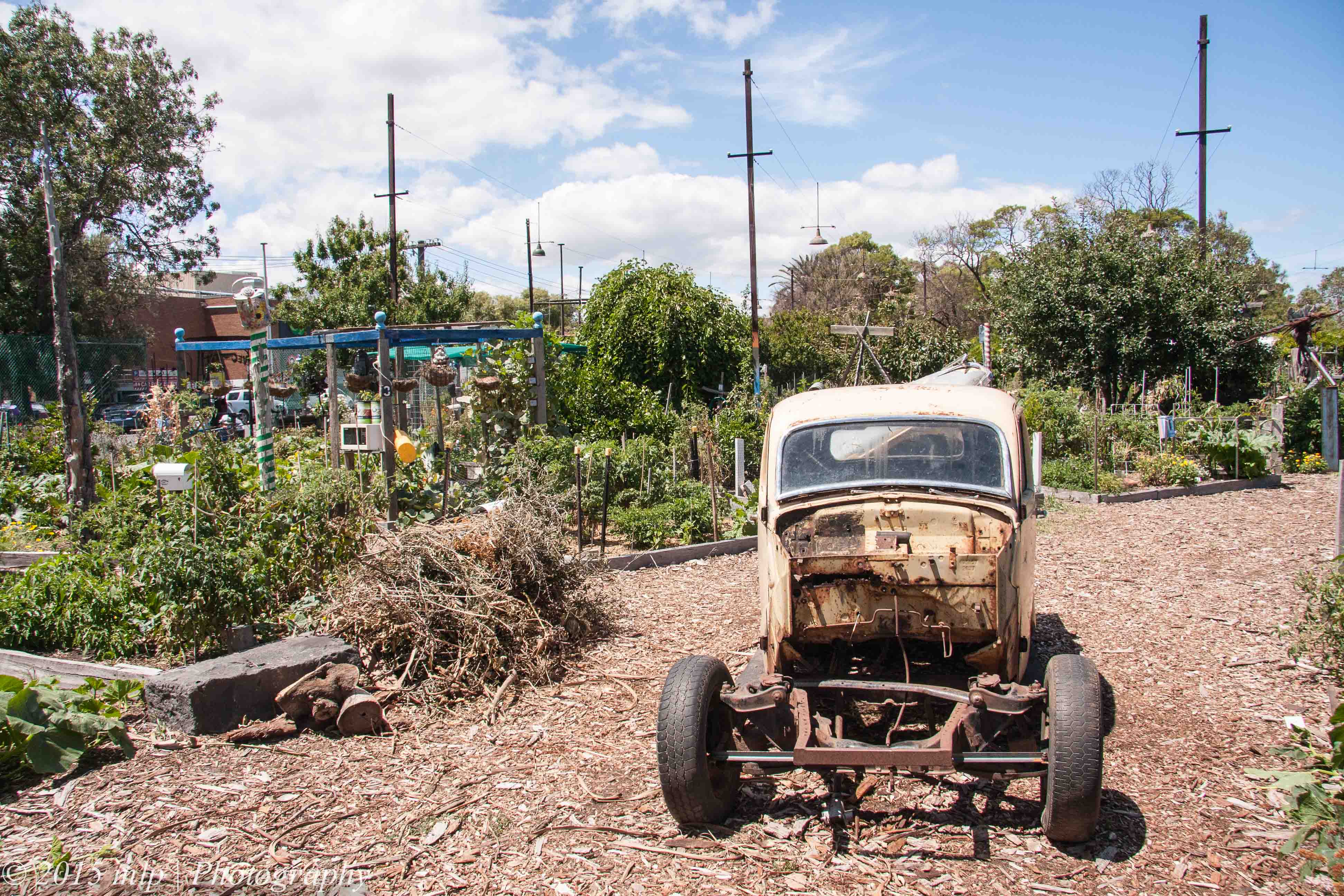
Veg Out Community Gardens

Veg Out Community Gardens – the old car will be incorporated into the design of the garden.

Veg Out Community Gardens II

Veg Out Community Gardens II

Veg Out Community Gardens III

Veg Out Community Gardens III

Rusty Eagle Sculpture

Rusty Eagle Sculpture

Rusty Eagle Sculpture II

Rusty Eagle Sculpture II

Birdman of the Chicken coop

Birdman of the Chicken coop

Scare Cow

Scare Cow – not sure whether the cow would scare off birds or not but it certainly had me looking twice as I walked past

Scare Cow II

Scare Cow II

Feral Pigeon, Veg Out Garden

Feral Pigeon, Veg Out Garden

The real Point Cook.

Until I went to have a look at the Cheetham Wetlands in Altona Meadows I never knew that there was actually a geographical landmark of Point Cook. I thought it was just an outer fringe suburb of South Western Melbourne.

There is an old homestead and cafe nearby and an easy to reach carpark. There is a path straight down to the beach and a short walk along the beach to Point Cook. Another path from the carpark meanders through the grass fields to the wetlands observation tower.

The Actual Point Cook

The Actual Point Cook

A quick visit to the Point at high tide produced quite a few shorebirds feeding along the edge or preening and resting on the rocks.

Red Necked Stints

Red Necked Stints

Red Necked Stints II

Red Necked Stints II

Red Necked Stint

Red Necked Stint

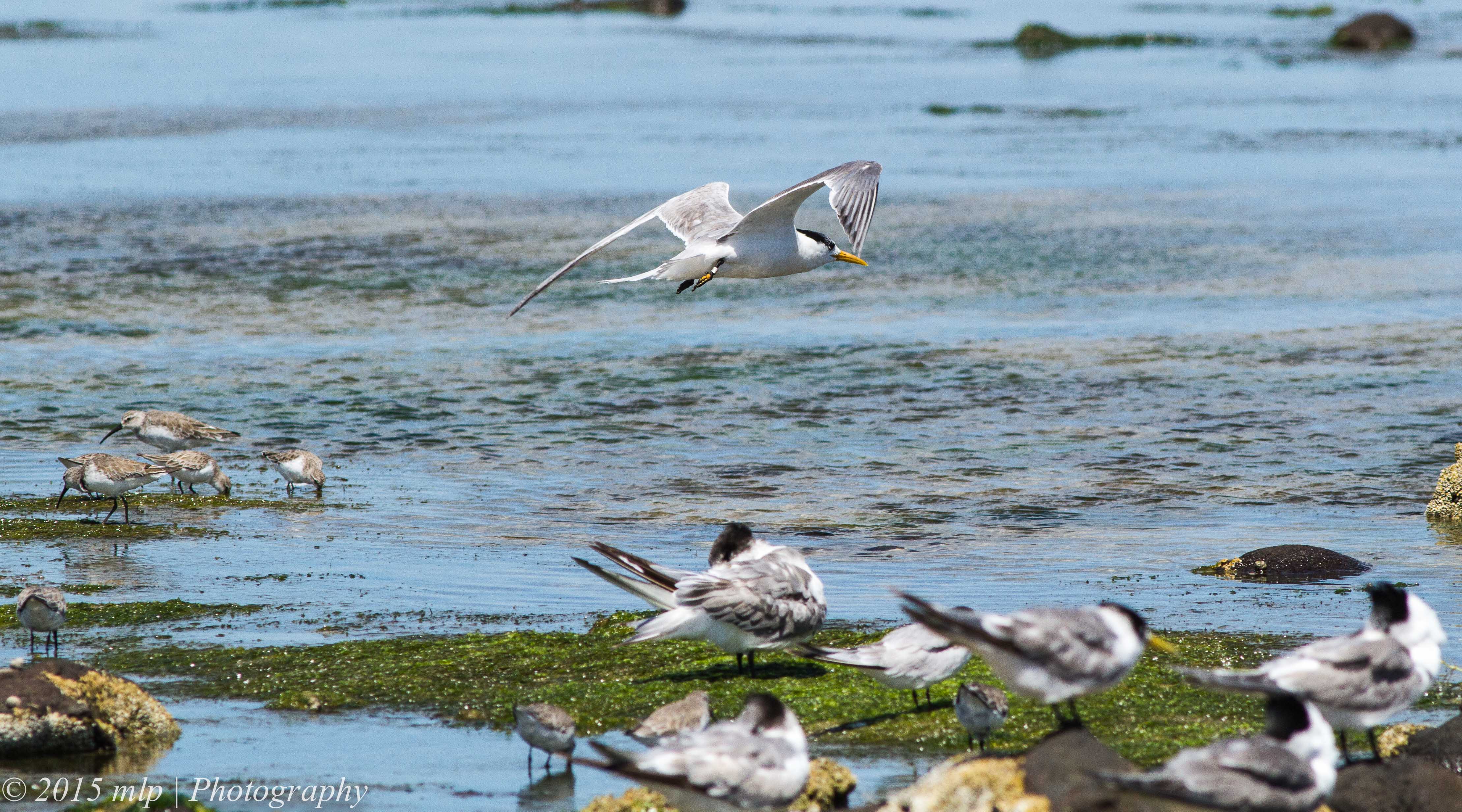
Crested Terns

Crested Terns

Crested Tern II

Crested Tern II – on processing I noticed the tern wore a silver band on his right leg

Crested Terns and Curlew Sandpipers

Crested Terns and Curlew Sandpipers

Melbourne CBD Skline from Pt Cook beach

Melbourne CBD skyline from Pt Cook beach

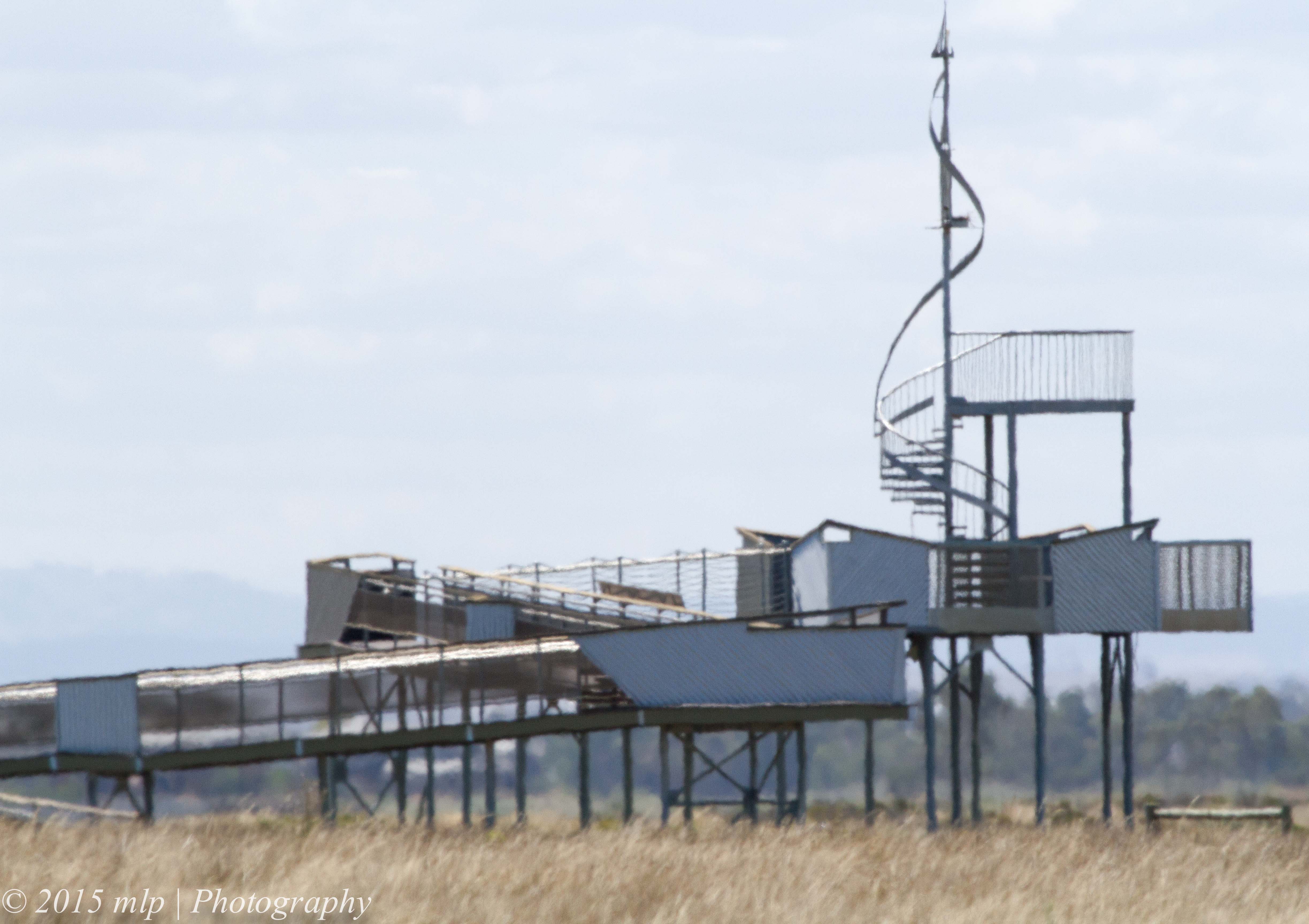
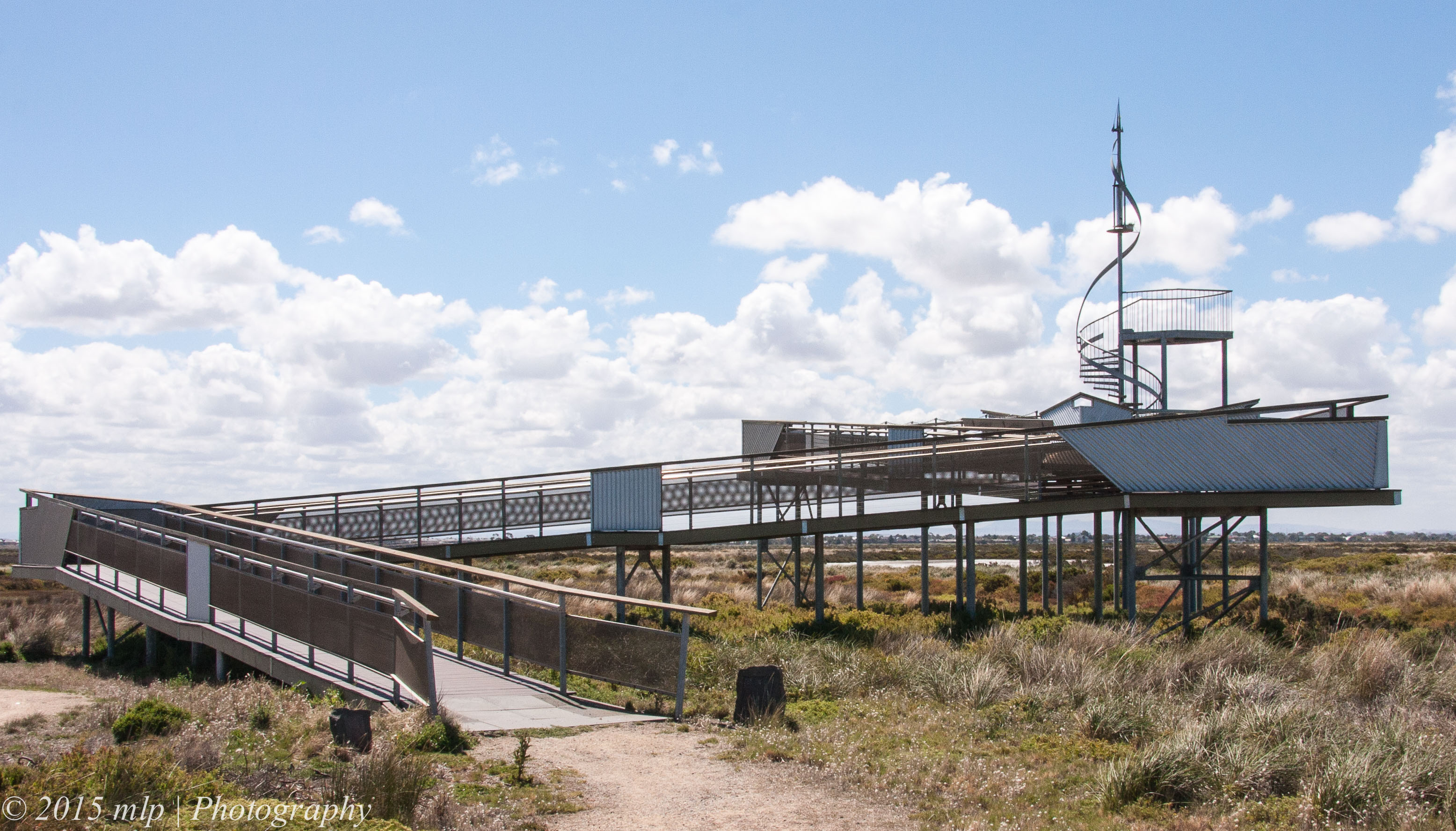
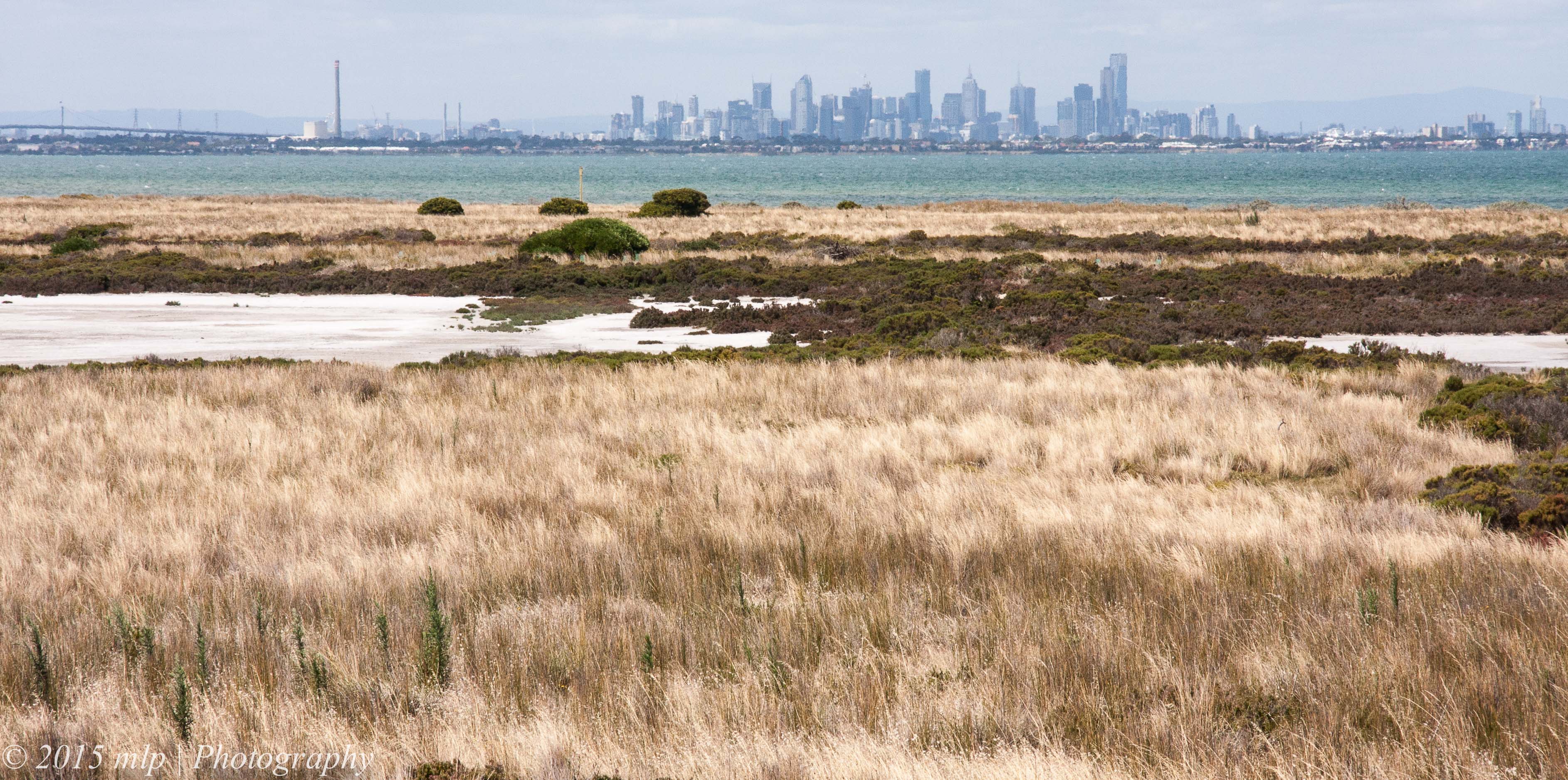
A walk along the beach and then following a vehicle track brought us to the tower with views of the city and over the wetlands. At this time of year (late Summer) the wetlands are quickly drying out. I assume that the creek below the tower is being fed by the suburban street runoff from recent rains.

Cheetham Wetlands Observation Tower

Cheetham Wetlands Observation Tower – through the heat haze

Cheetham Wetlands Observation Tower II - an interesting design - fanciest bird hide I have ever been to...

Cheetham Wetlands Observation Tower II – an interesting design – fanciest bird hide I have ever been to…

Cheetham Wetlands Observation Tower III

Cheetham Wetlands Observation Tower III

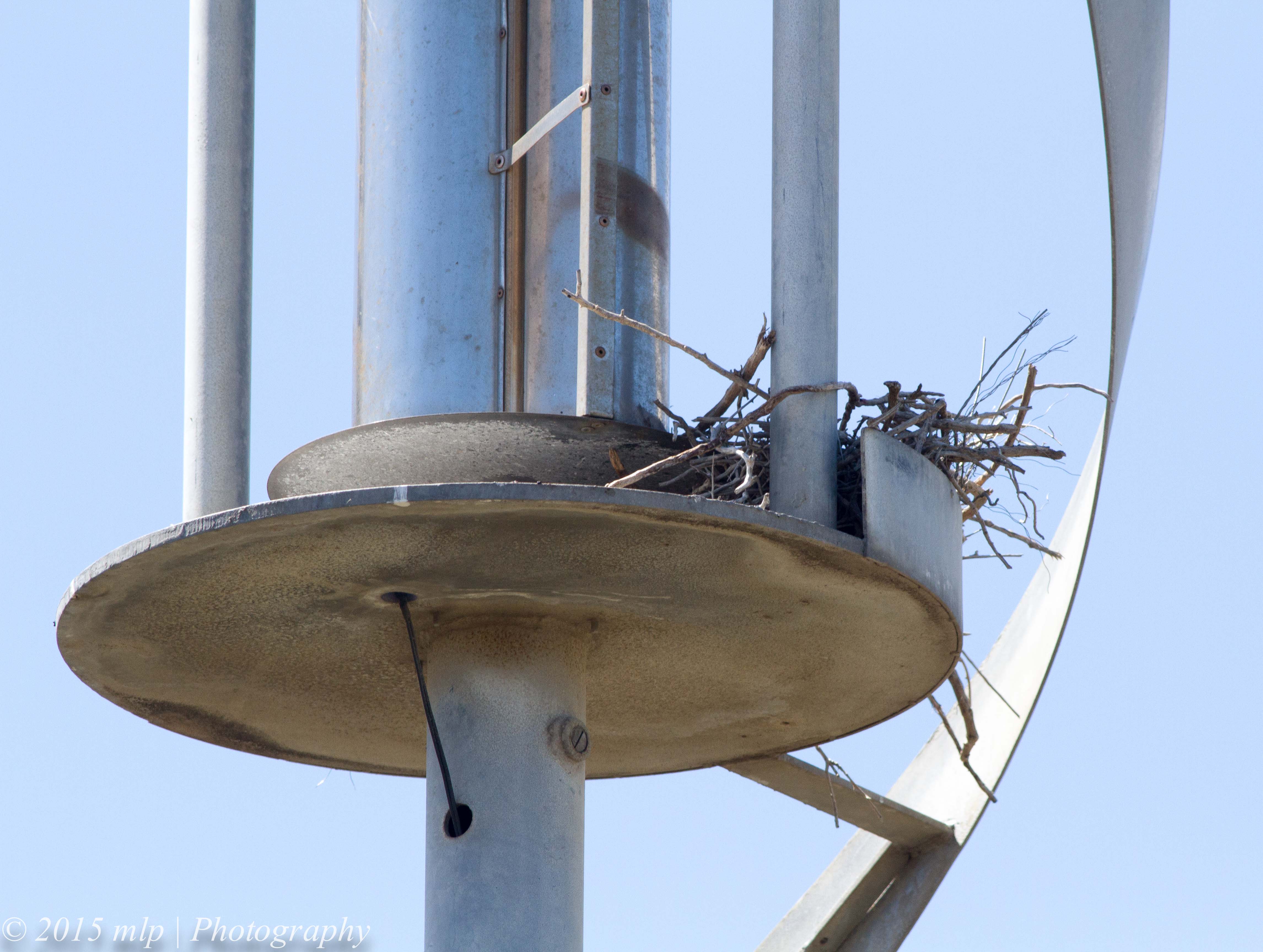
Cheetham Wetlands  Observation Tower old nest

Cheetham Wetlands Observation Tower with an old nest

Cheetham Wetlands from Observation Tower

Cheetham Wetlands from Observation Tower

Cheetham Wetlands from Observation Tower II

Cheetham Wetlands from Observation Tower II

Cheetham Wetlands from Observation Tower III

Cheetham Wetlands from Observation Tower III

St Kilda Pier – fishing, fashion, falling and feathers (but no rats!)

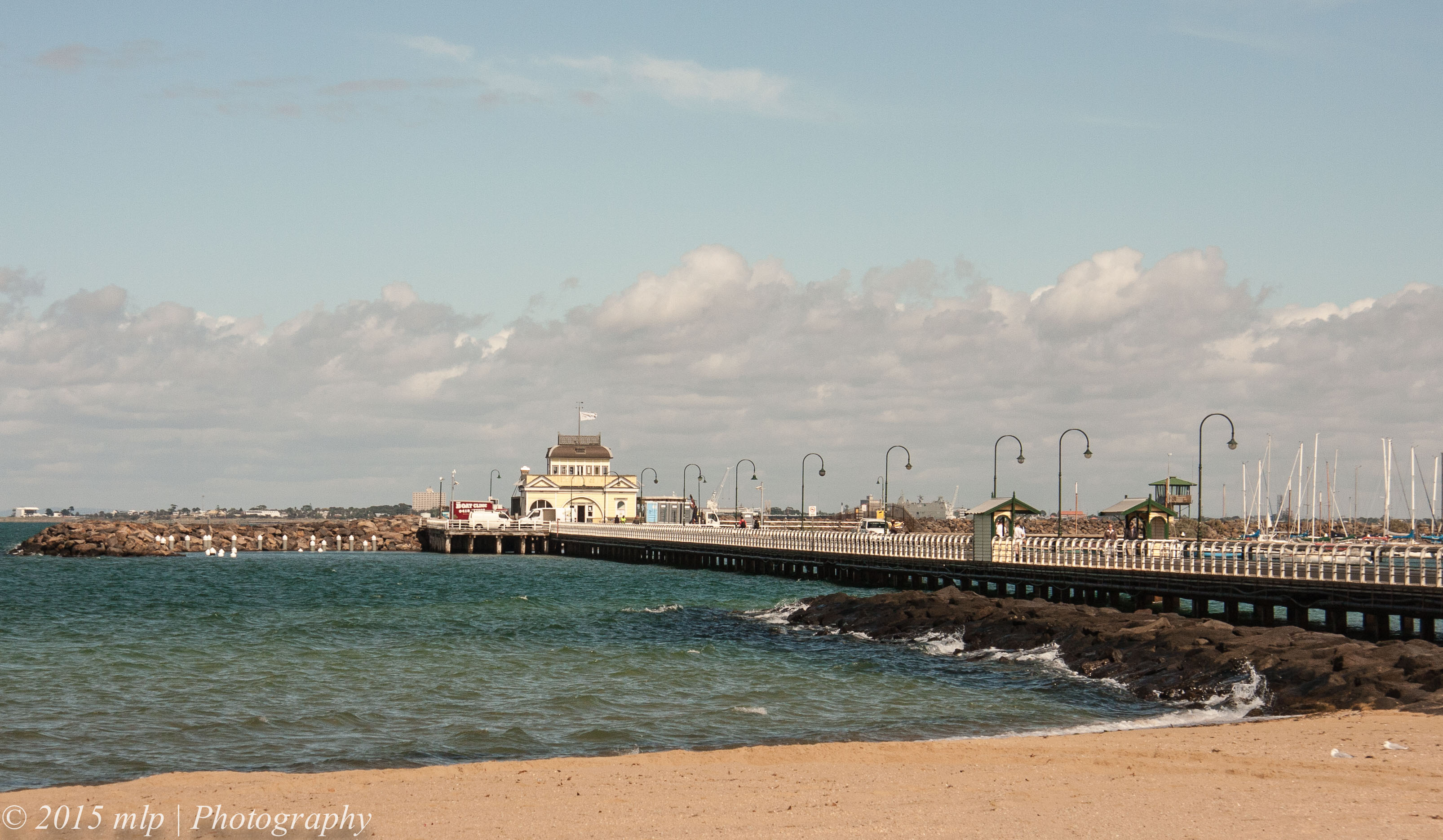
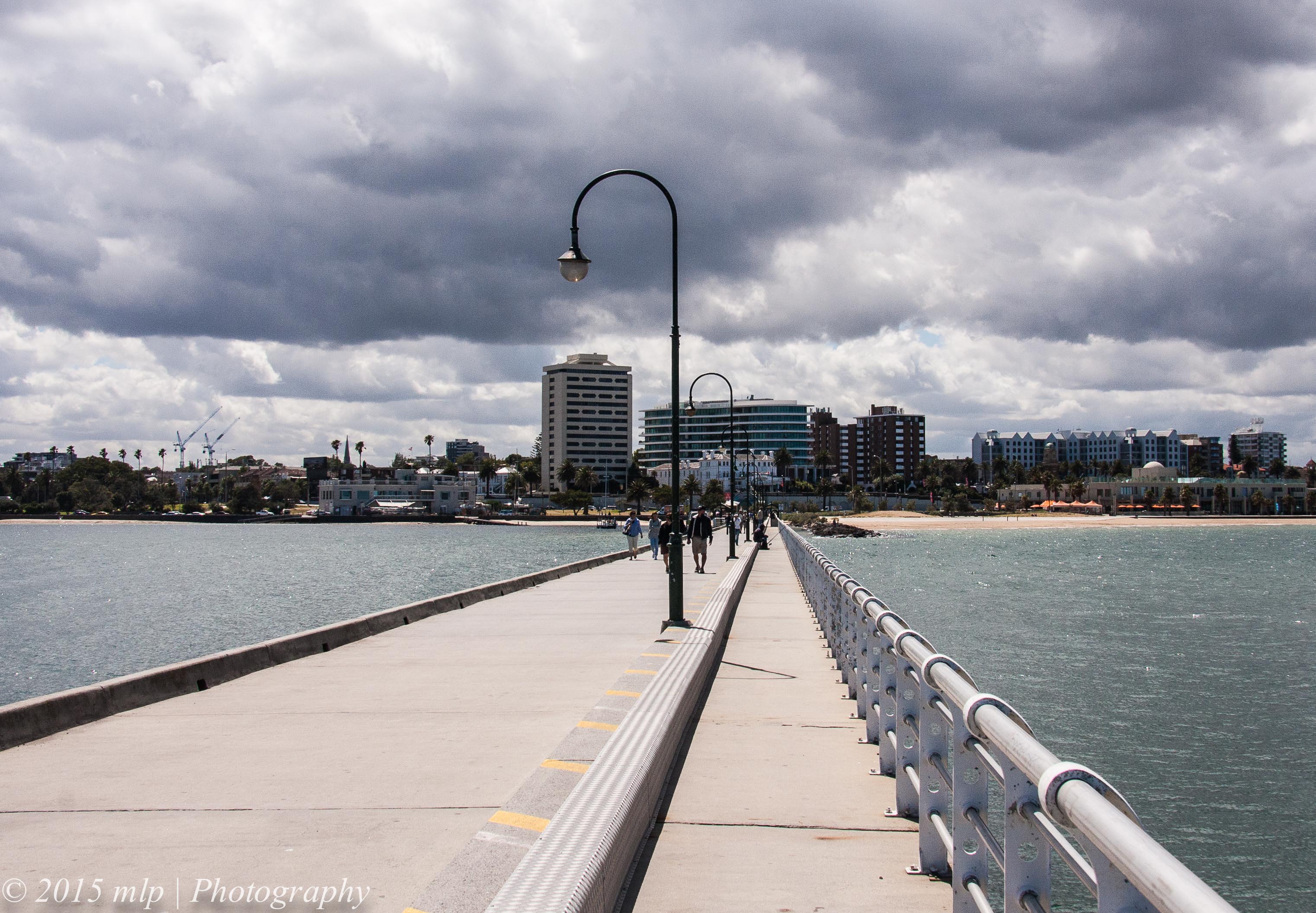
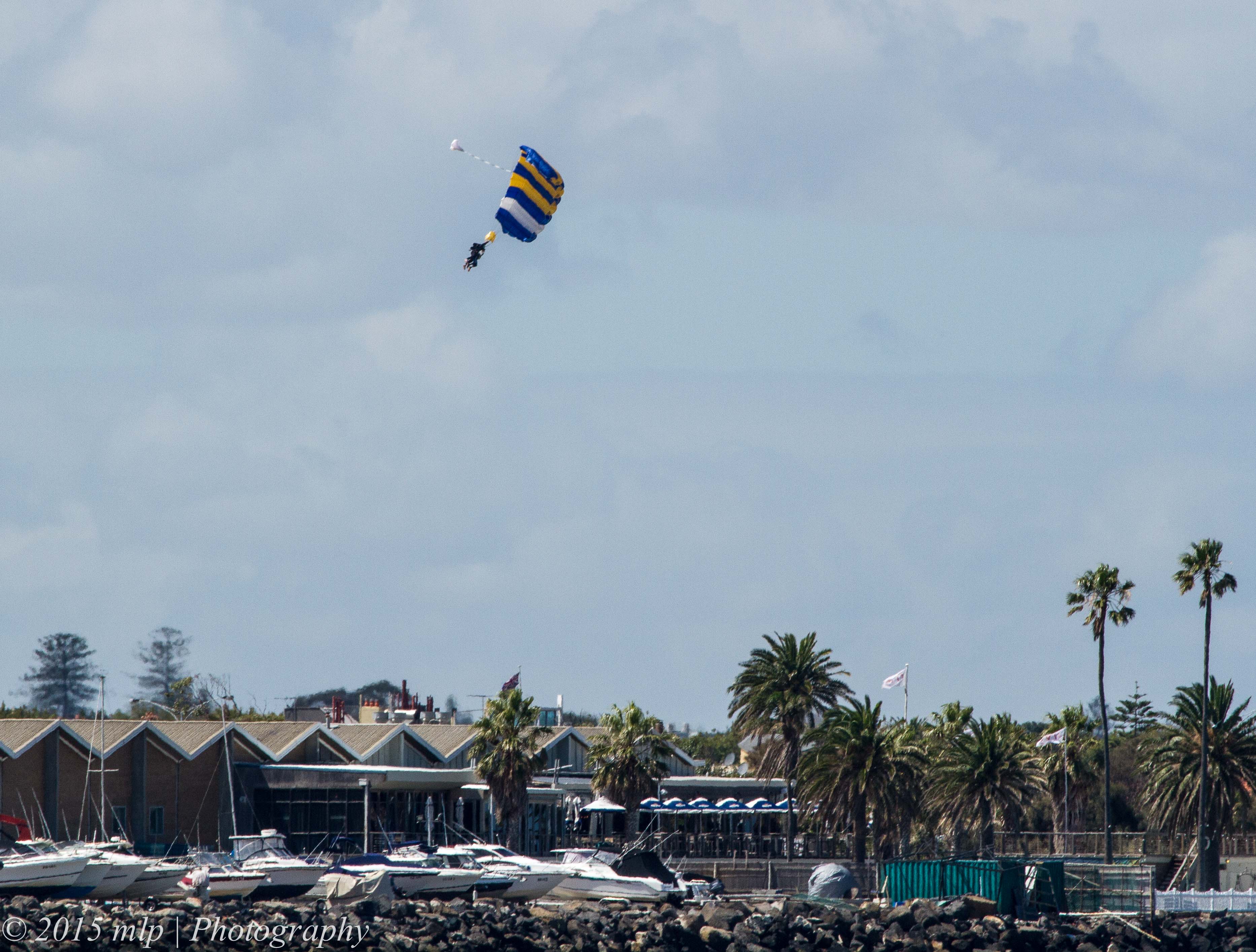
The St Kilda Pier has it all – a cafe, great views of the city, yachts, fishing, evening promenades, fashion, parachuting, Little Penguins and Rakalis.

St Kilda Pier

St Kilda Pier

Melbourne City Skyline from St Kilda Pier

Melbourne City Skyline from St Kilda Pier

Melbourne City Skyline from St Kilda Pier II

Melbourne City Skyline from St Kilda Pier II

Looking back into St Kilda from St Kilda Pier

Looking back into St Kilda from St Kilda Pier

Paragliding, St Kilda Pier

Paragliding, St Kilda Pier

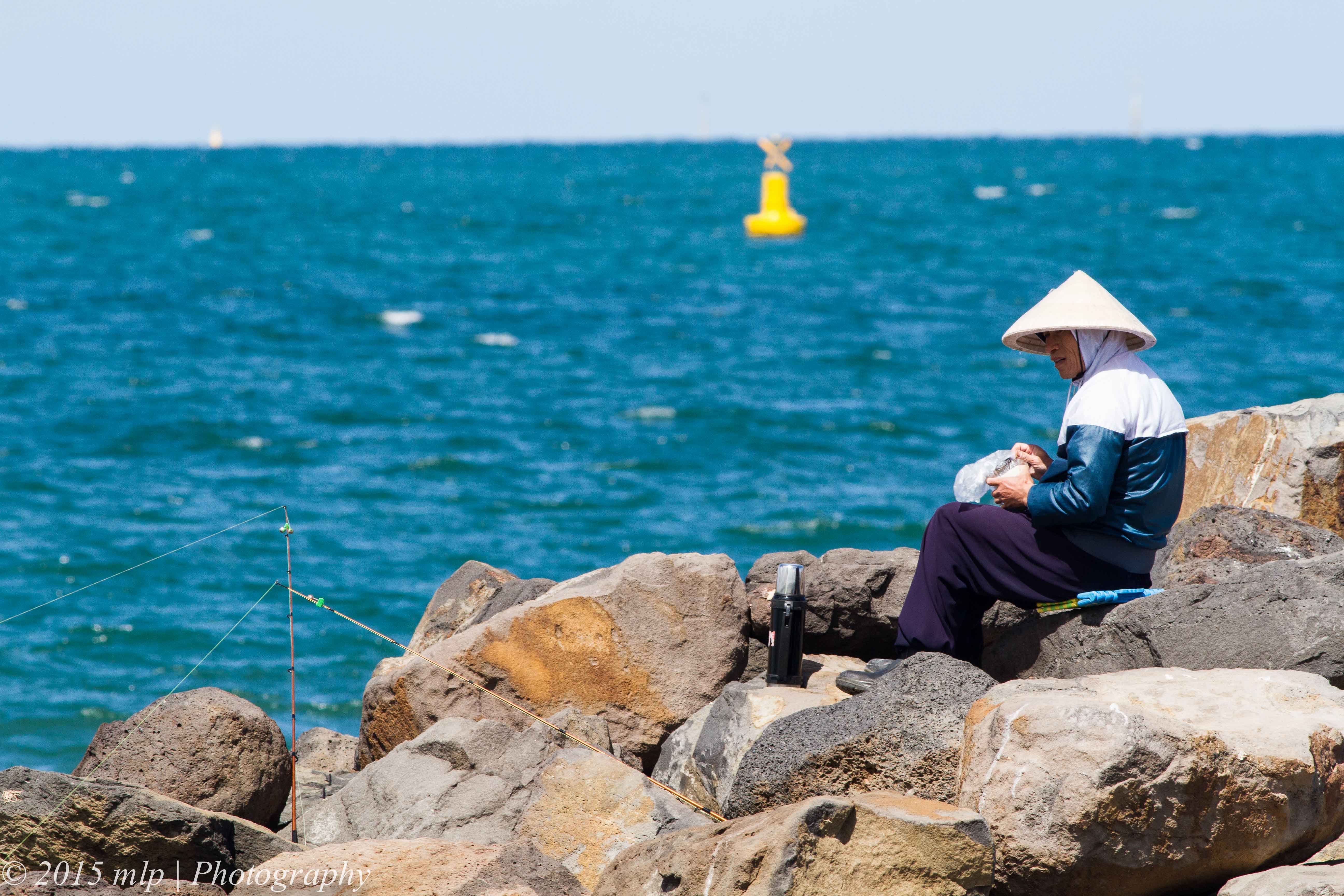
Fishing off the rocks - baseball caps are usually the norm around here but this hat might change the local fashion scene...

Fishing off the rocks – baseball caps are usually the norm around here but this hat might change the local fashion scene…

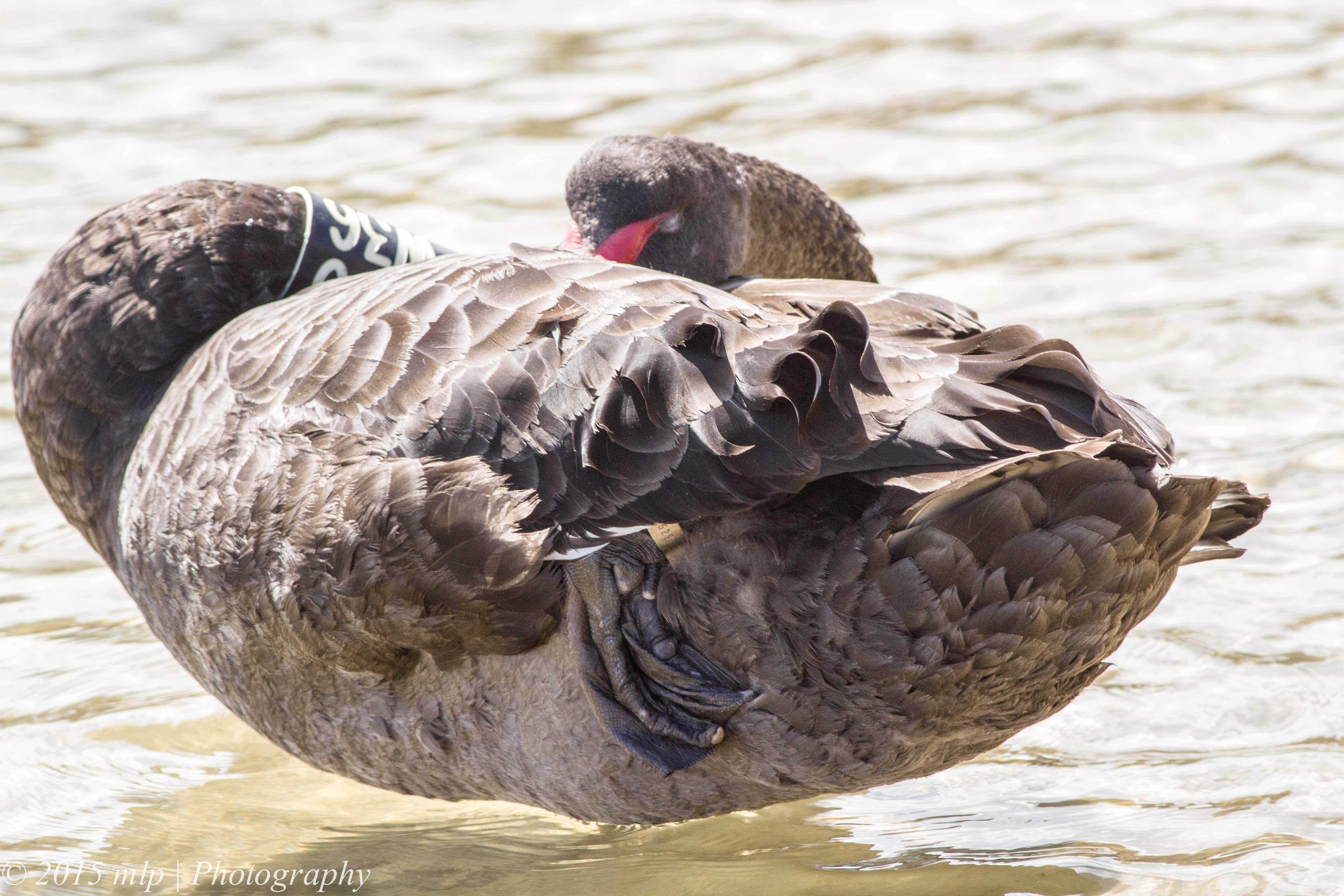
Black Swan W36

Black Swan W36 – see previous post on logging tagged Swans

Pied Cormorant

Pied Cormorant

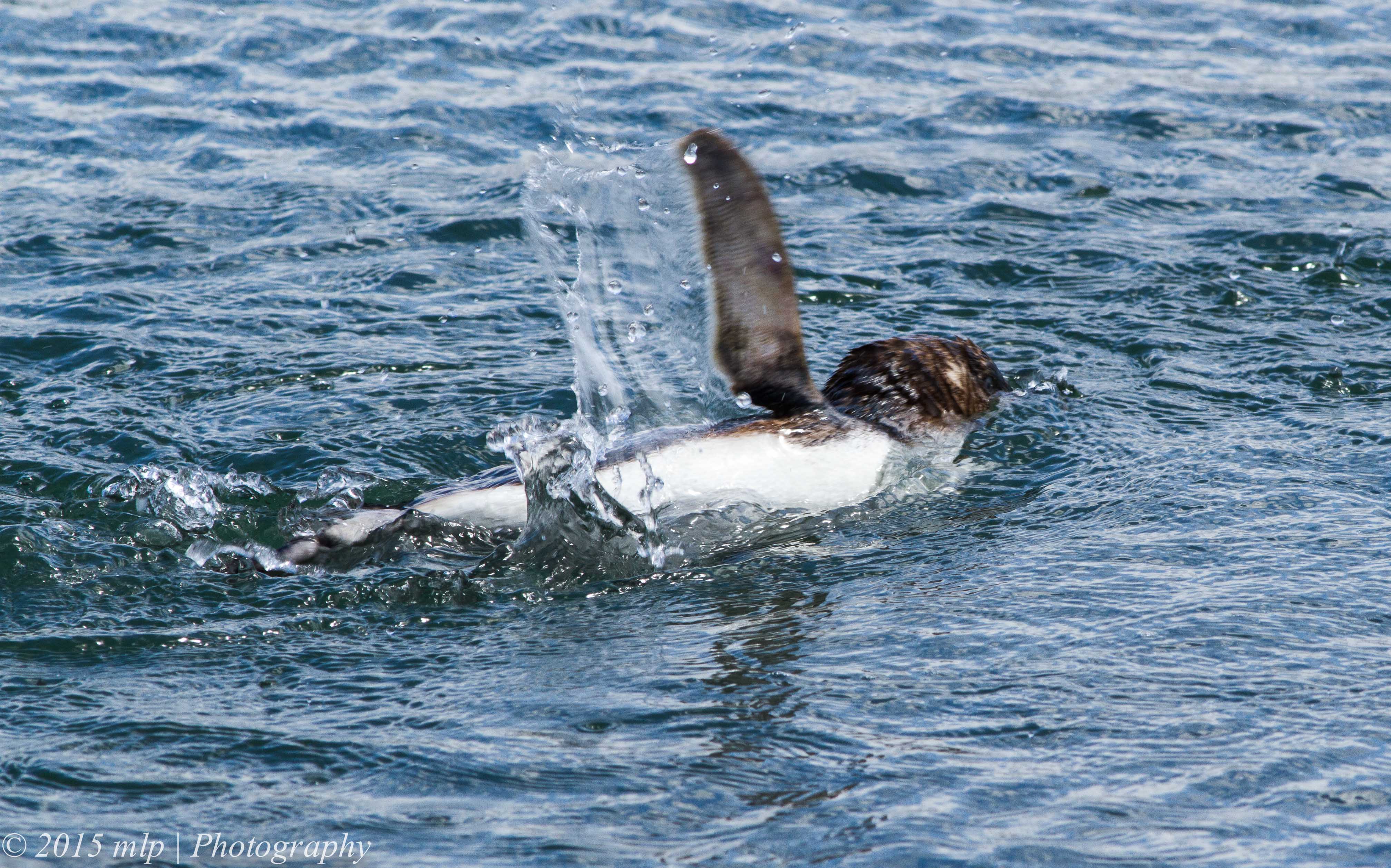
People visiting Melbourne often have on their lists a visit to Phillip Island to see the Little Penguins at the Parade. A nice local secret is that there is a colony of Little Penguins at the breakwater on the St Kilda Pier (only a few kilometres from Melbourne CBD). One can get very close to a penguin (a few feet) and get great photos for free anytime of the day. Eggs are laid, chicks raised and fed, swims taken, adults moult and sunbake…all within easy reach (with a camera). The site is monitored by the local Rangers as well as the local fishermen who are very happy to point out the best spots to see them and to advise of the required etiquette when getting close to the Penguins.

Penguin colony access from St Kilda Pier

Penguin colony access from St Kilda Pier

Little Penguin napping

Little Penguin napping

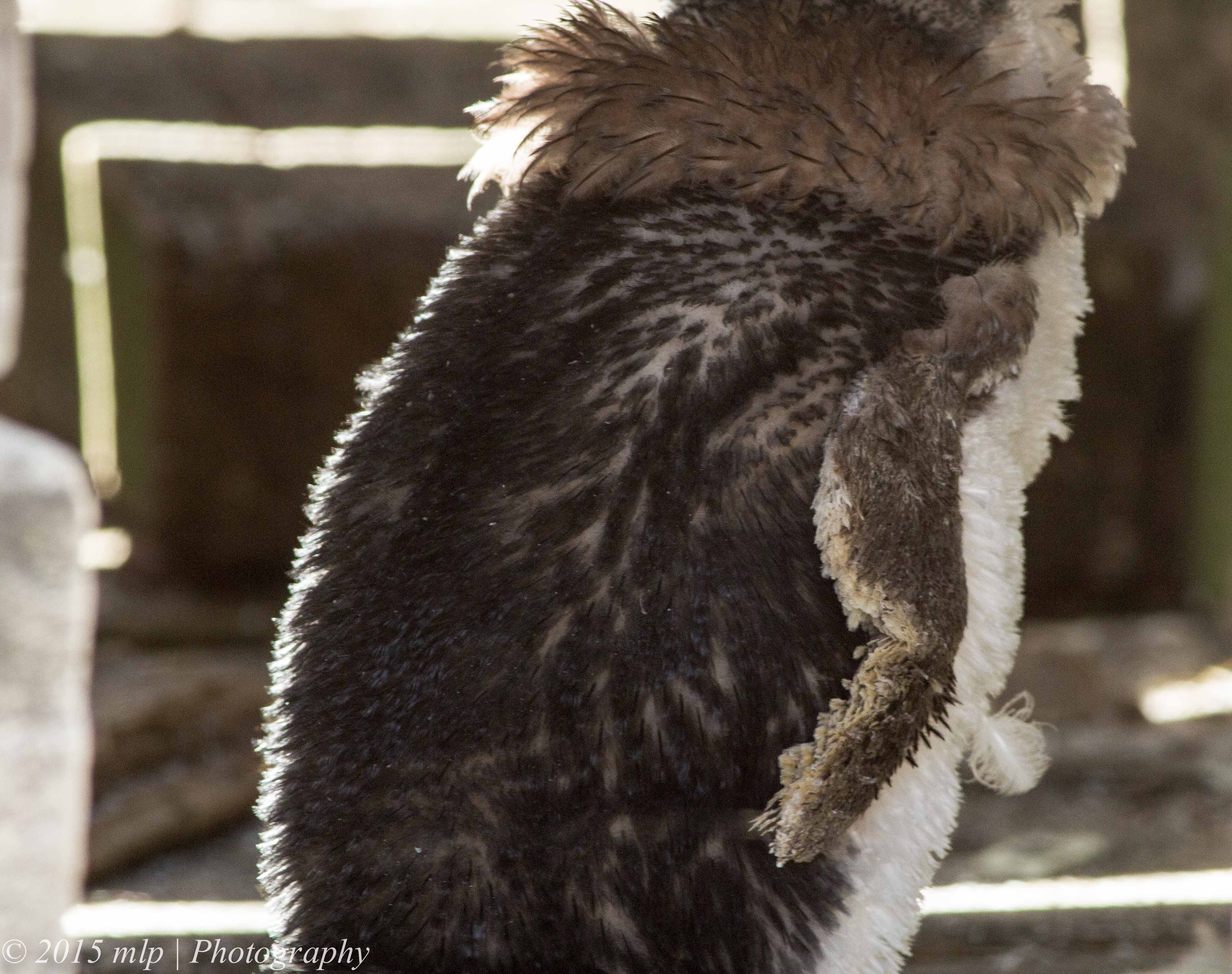
Little Penguin moulting - this guy looked quite uncomfortable, scratching with his wings and beak. He was under a wooden bench ignoring everyone .

Little Penguin moulting – this guy looked quite uncomfortable, scratching with his wings and beak. He was under a wooden bench ignoring everyone .

Look at me, look at me!

Look at me, look at me!

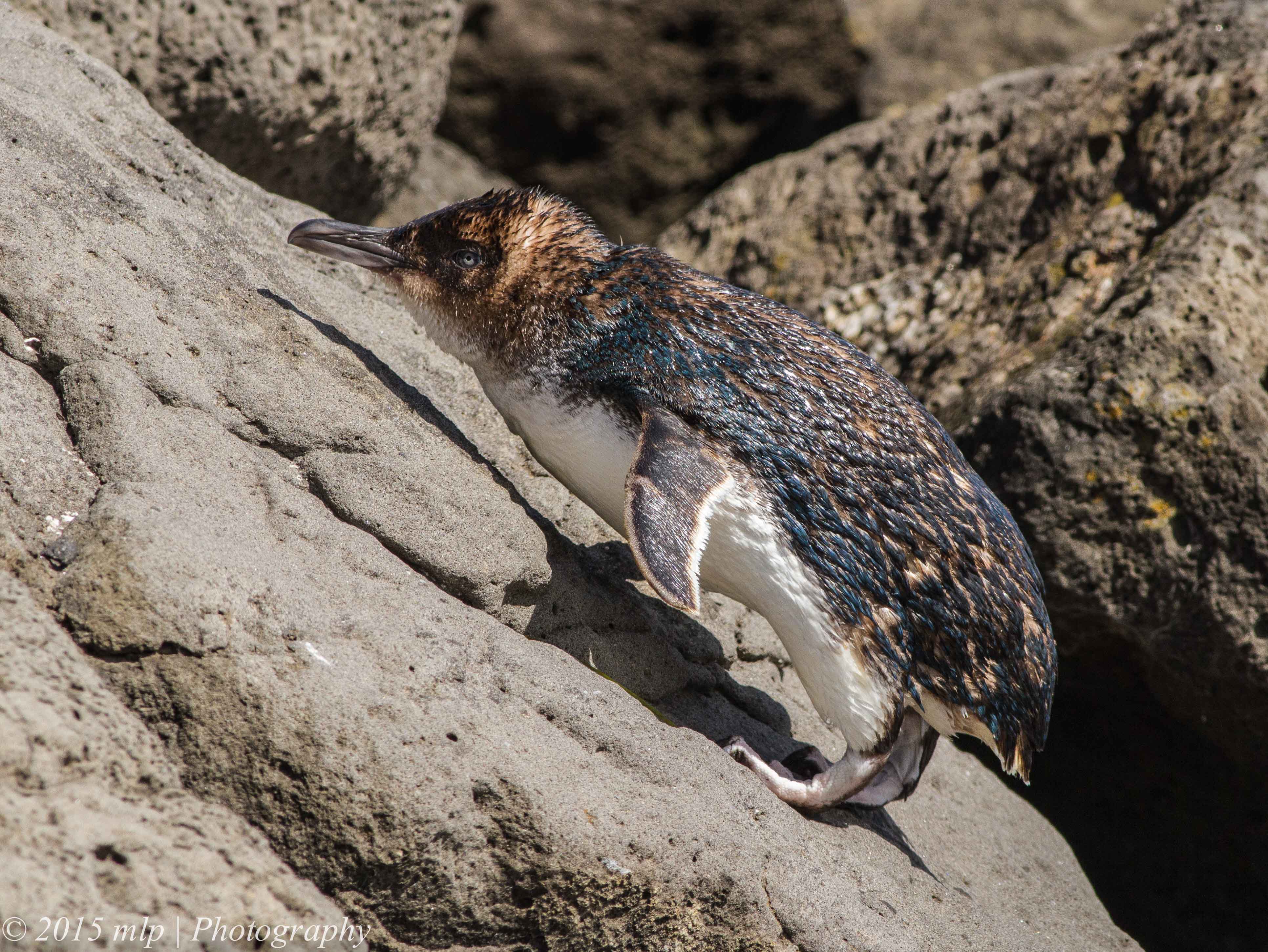
Little Penguin rock climbing - he had just come out of the water and was climbing up to his regular roost/grooming rock

Little Penguin rock climbing – he had just come out of the water and was climbing up to his regular roost/grooming rock

 I think this is my best side...

I think this is my best side…

yes I am very cute aren't I?

Yes I am very cute aren’t I?

you had better think I am cute!

You had better think I am cute!

Like, whatever, I am out of here...

Like, whatever, I am out of here…

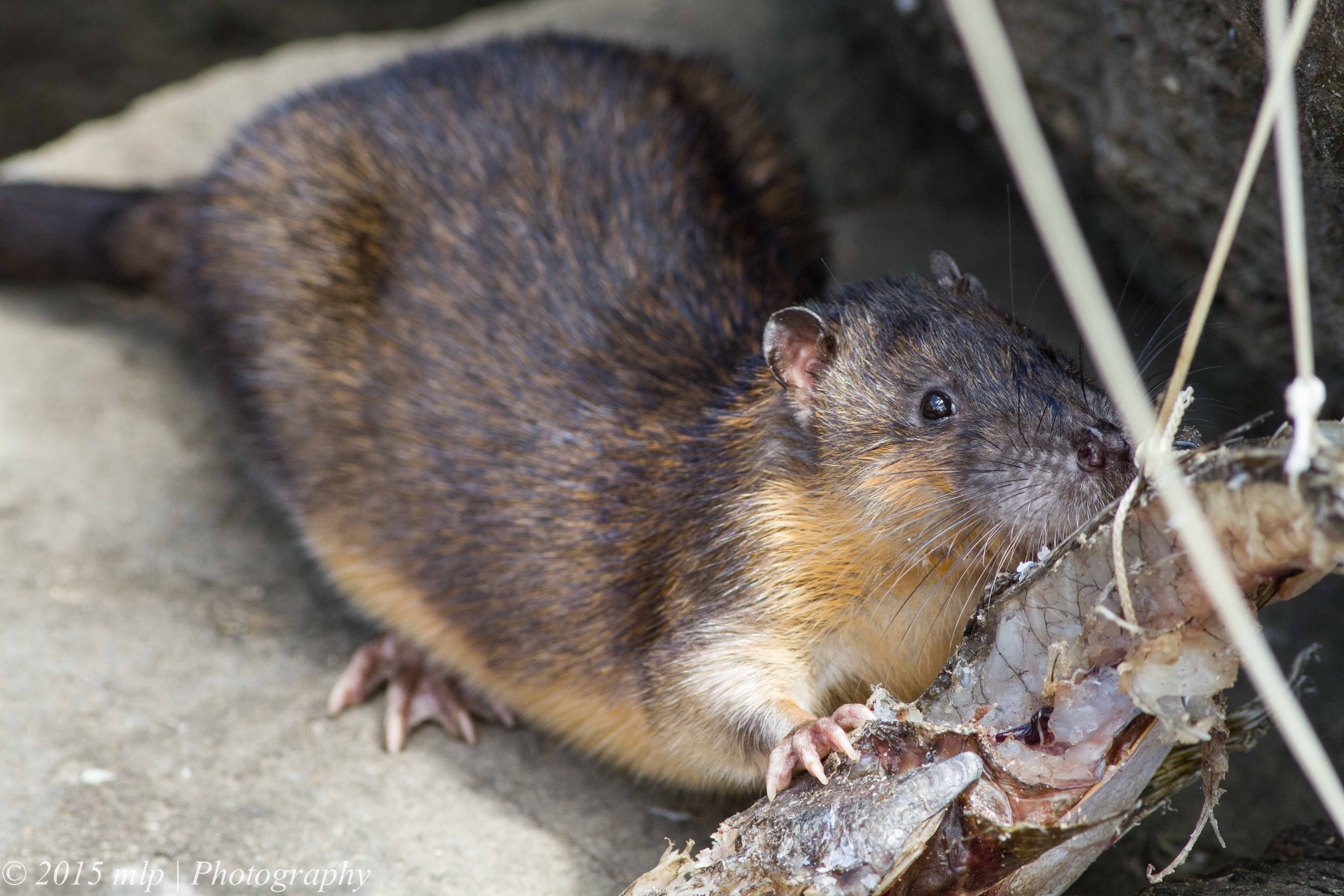
A bonus at the site is the regular appearance of the Rakali. The fishermen tie up a fish with string and a little marine mammal pops out for a snack. It is the spitting image of the biggest rat you have ever seen and scares the tourists when one pops out of the rocks. But size, fur colour and webbed feet give away what it actually is…The water rat has been renamed the Rakali to remove the rat name association and I think it works well. We have Rakalis along the canal behind our house in Elwood (a nearby suburb) but have not seen one for quite a while. There are local volunteers who will sit for a few hours each evening and wait for Rakalis to move past and count and observe them for the local Eco teams.

 I am not a rat, I am a Rakali...a native water mammal, a water ah um ....rat

I am not a rat, I am a Rakali…a native water mammal, a water ah um ….rat

Rakali - notice the webbed rear feet

Rakali – notice the webbed rear feet

Rakali III

Rakali III

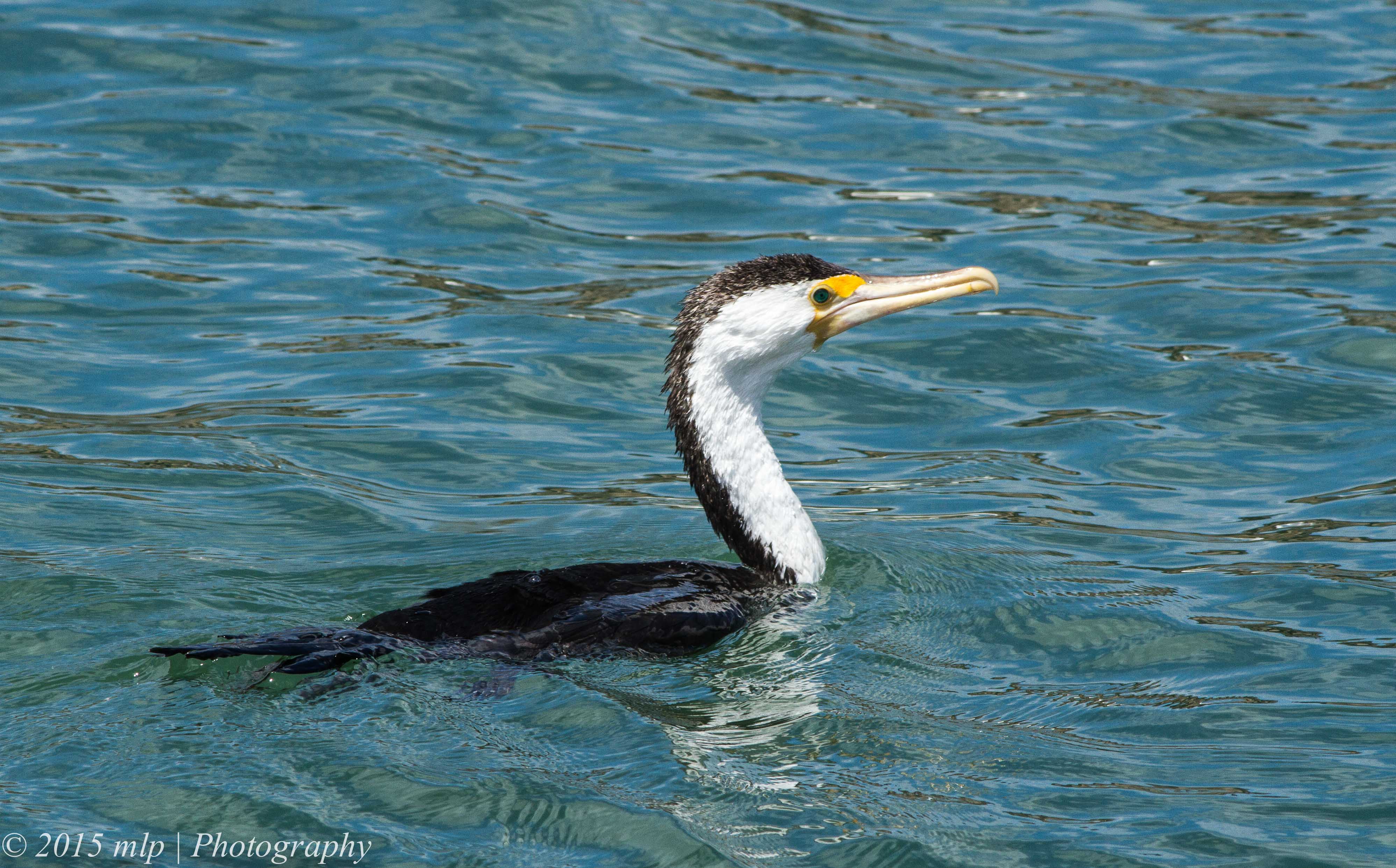
Little Pied Cormorant grooming and drying his feathers.

Little Pied Cormorant grooming and drying his feathers.

Jawbone Flora and Fauna Reserve, Williamstown

Jawbone  Reserve is an easy to reach Marine and Park reserve along the shoreline of Williamstown. It has many water and heathland birds and a good list of 50+ species can be gathered in a few hours. Some of the bird visitors are seasonal but most are there all year round. It is an excellent site for beginners (birders and photographers) as the birds are generally used to the passing traffic and will ignore anyone on the paths. If you walk along the edge and stop and use a camera or binoculars they can get a bit edgy and some species will fly off or move away. Careful observations (and quiet calm movement) will result in rewarding sightings and photos. At low tide the outer lagoon drops right down exposing sand and mud bars and thousands of waders can cover the area. A birding scope is needed to get clearer views further out.

Jawbone Flora and Fauna Reserve, Williamstown, Vic -  looking west towards Altona

Jawbone Flora and Fauna Reserve, Williamstown, Vic – looking west towards Altona

Jawbone Flora and Fauna Reserve, Williamstown, Vic - looking out into the Bay across the lagoons and tidal flats.

Jawbone Flora and Fauna Reserve, Williamstown, Vic – looking out into the Bay across the lagoons and tidal flats.

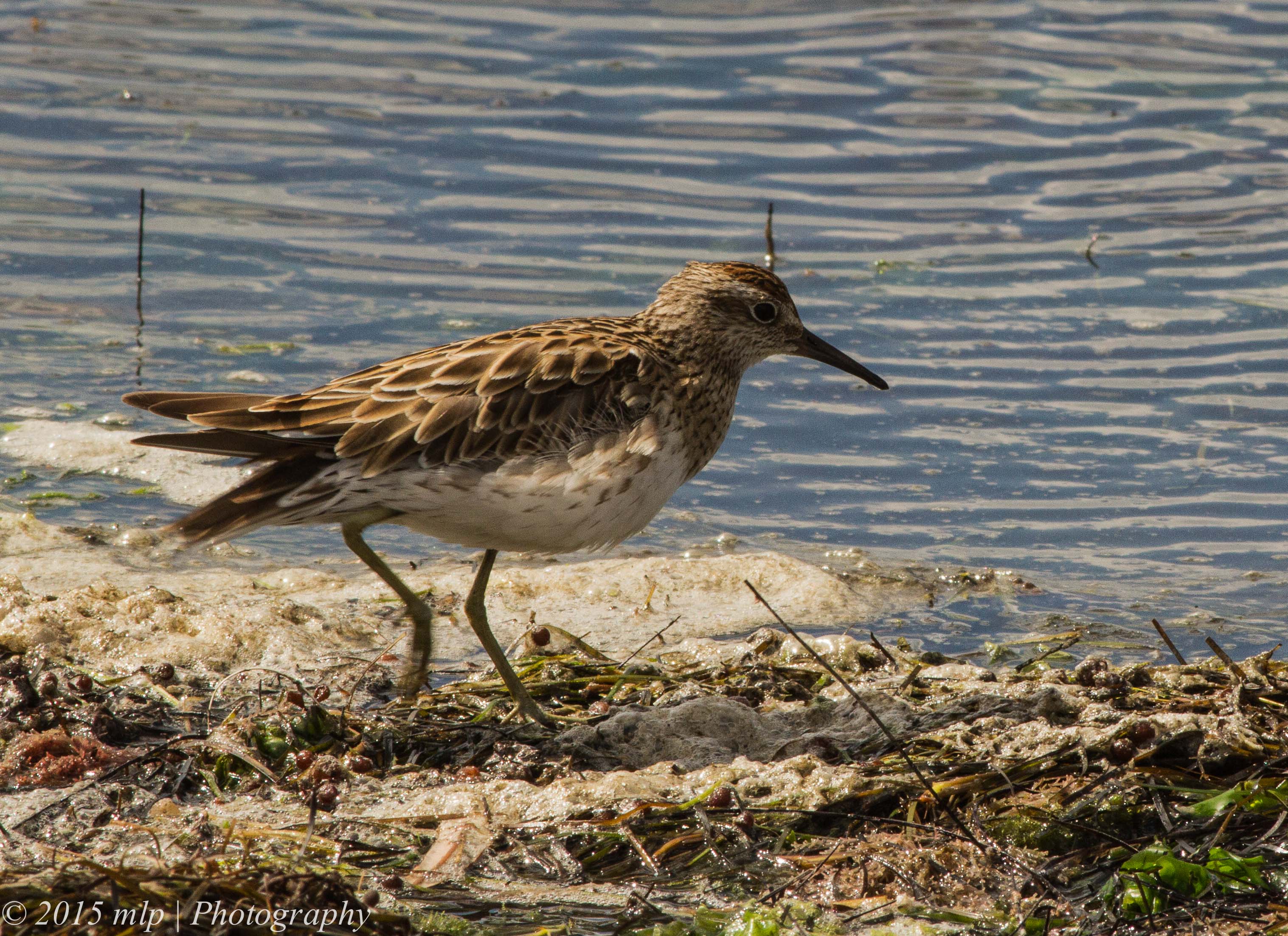
Sharp tailed Sandpiper

Sharp tailed Sandpiper

3 Shags on a Rock - Little Black, Little Pied and Pied Cormorants

3 Shags on a Rock – Little Black, Little Pied and Pied Cormorants

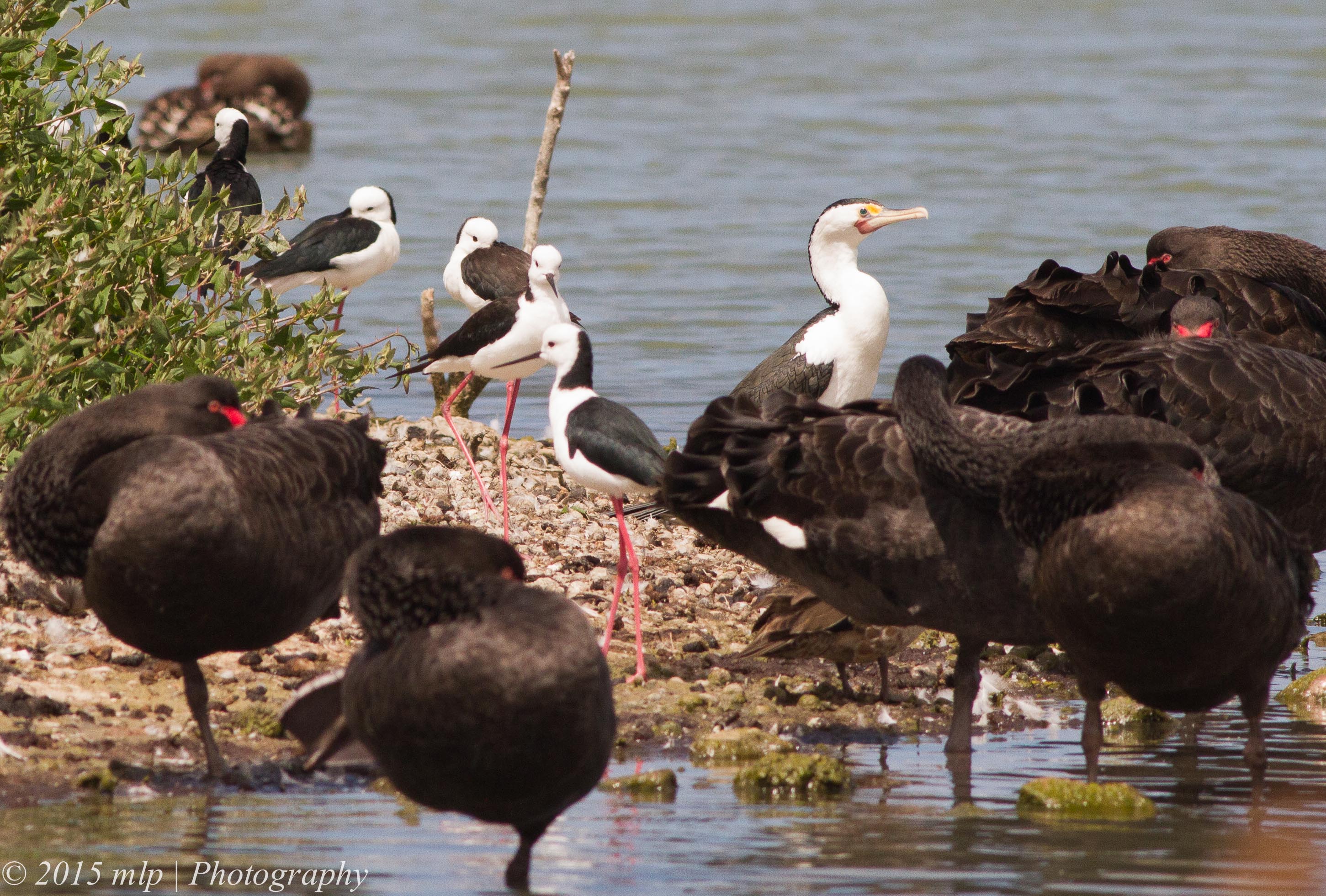
Mid Day Siesta - Swans, Stilts & Cormorant

Mid Day Siesta – Swans, Stilts & Cormorant

Royal Spoonbill

Royal Spoonbill

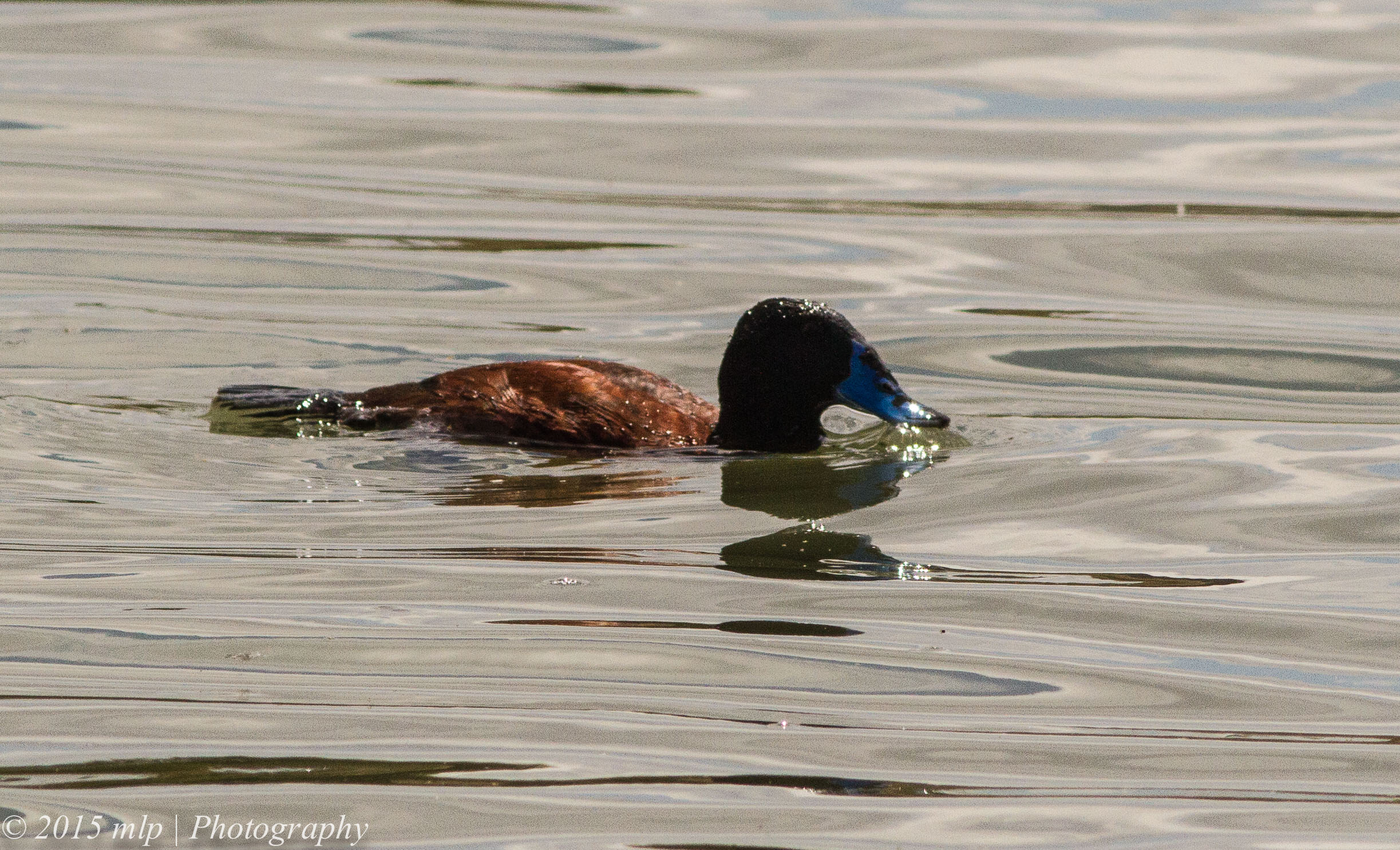
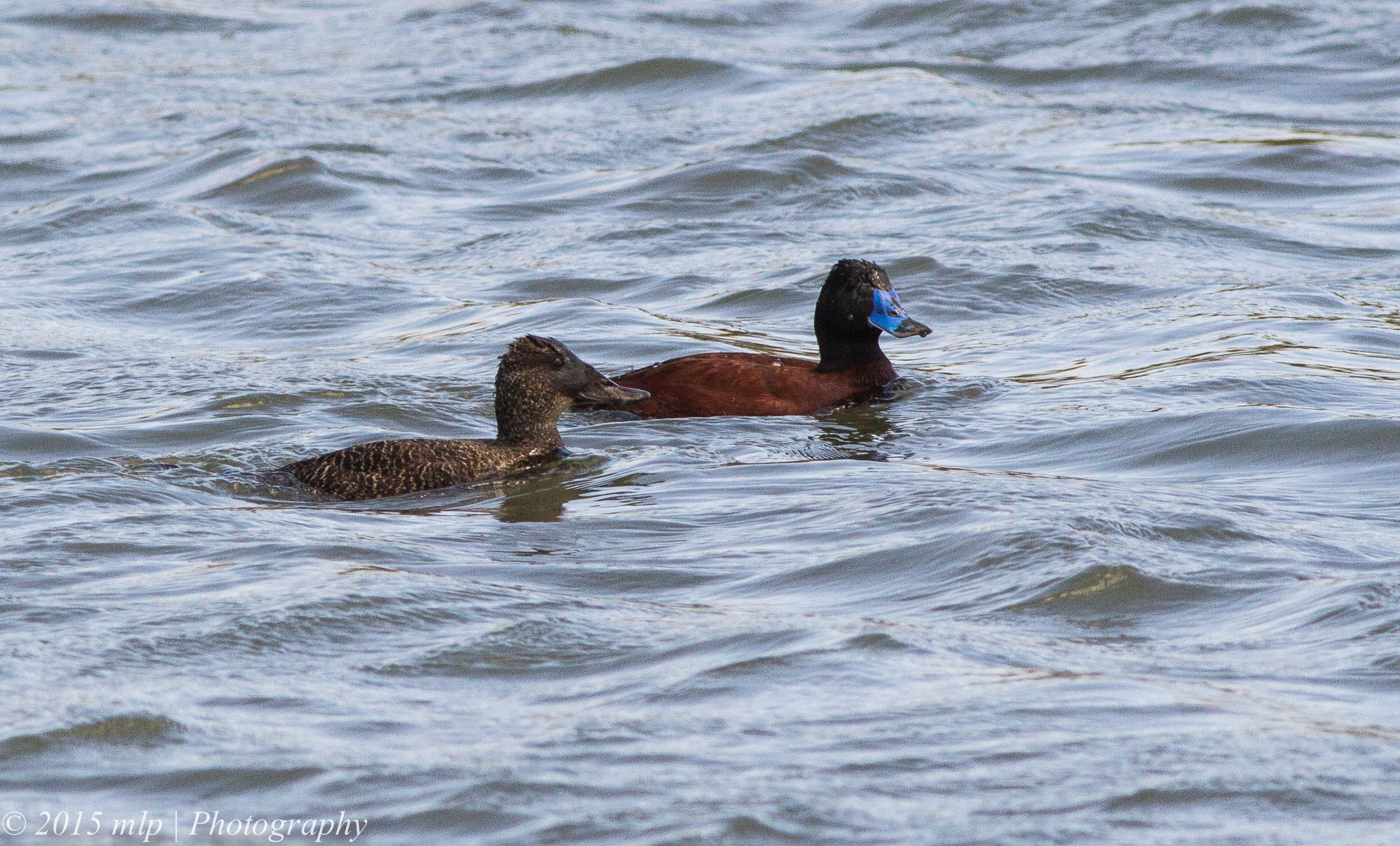
Blue Billed Duck

Blue Billed Duck – one of only a few true diving ducks amongst Australian duck species.

Blue Billed Duck - male with Blue Bill and the female. The female Blue Billed can often be mistaken for the rarer and endangered  Freckled duck.

Blue Billed Ducks – male with Blue Bill and the female. The female Blue Billed can often be mistaken for the rarer and endangered Freckled duck.

Great Crested Grebe

Great Crested Grebe

Black Winged Stilts - well named

Black Winged Stilts – well named. In the strong wind they did have a little difficulty in maintaining their balance. When scared or flying they make a sound like a small barking dog.

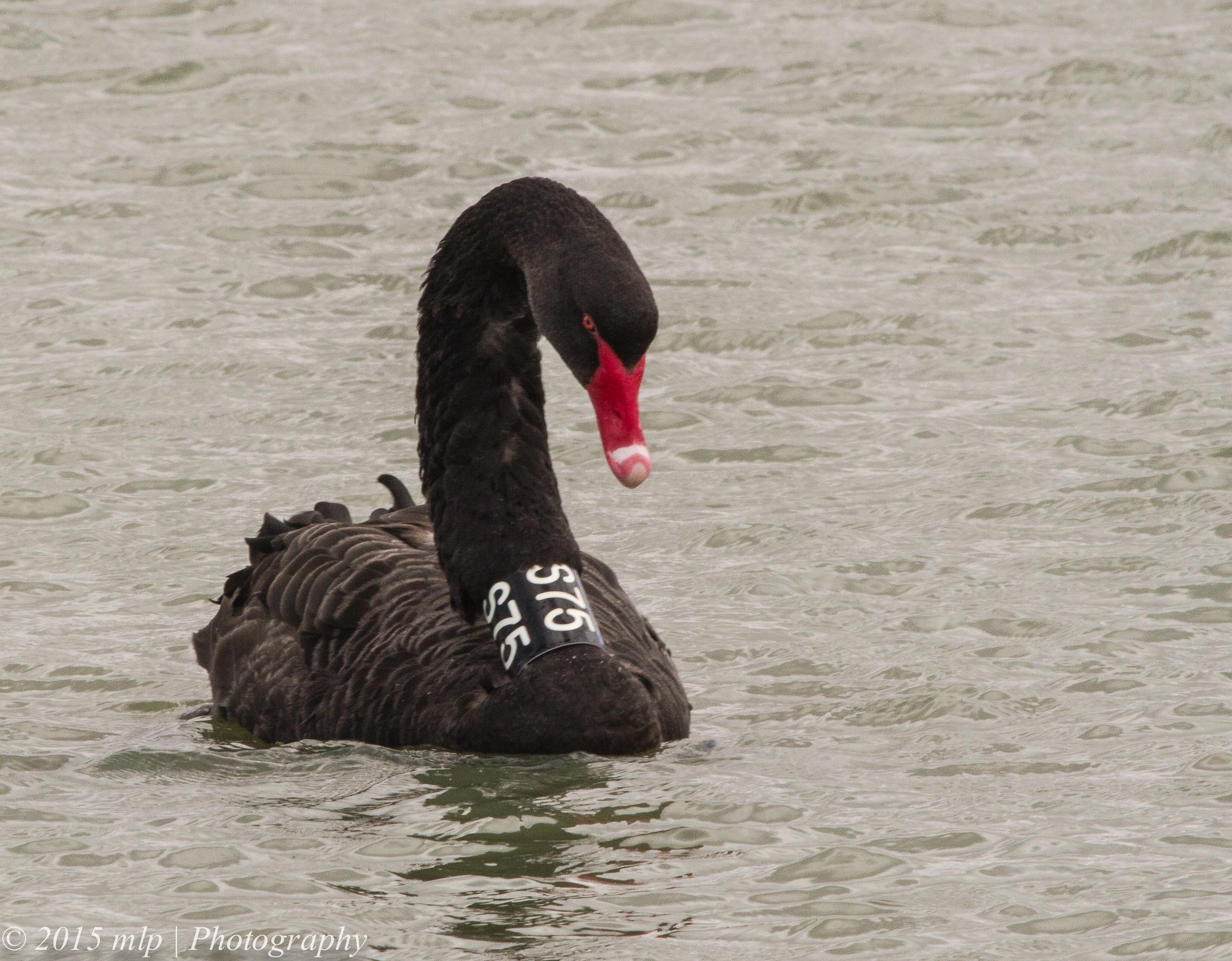
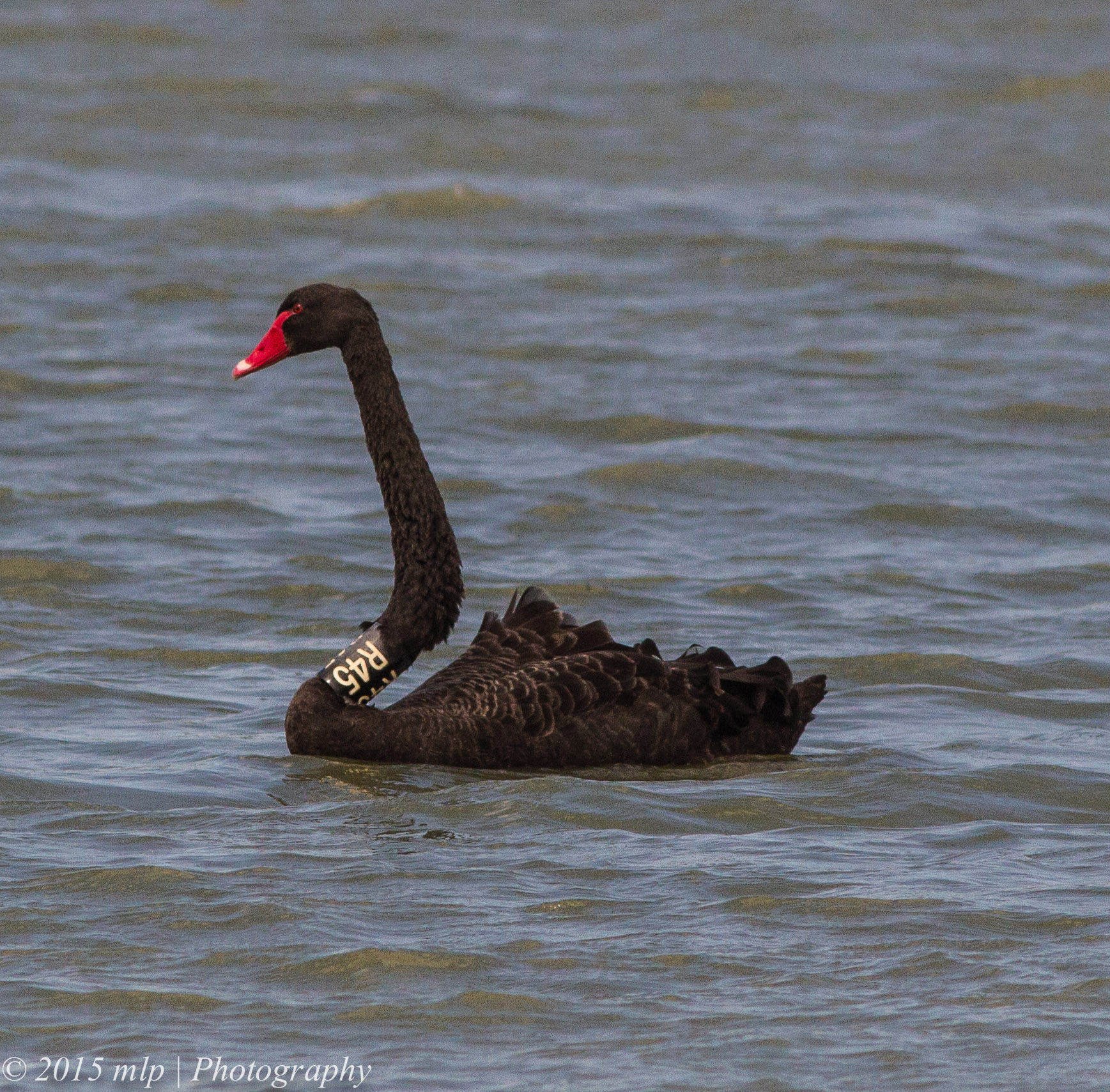
During high tide at Jawbone many of the water birds move onto the sheltered lagoons including hundreds of Swans. When I visited this last week, there were a number of swans with neck tags. Previously I have researched what the tagging meant. If you see a swan you can go to the http://www.myswan.org.au site and log the bird. It is part of a study and research program. Once you log the swan via its tag you can get a bit of a history of it and where it has been. I once asked a researcher about the tag as I thought it might be a bit cruel but was advised that it does not bother the swan and is actually quite loose. The swan’s neck is quite thin and half of it’s width is actually feathers so the tag fits well. I logged the swans below.

Black Swan P45

Black Swan P45

Black Swan S75

Black Swan S75

Black Swan R47

Black Swan R47

Black Swan R45

Black Swan R45

Black Swan F09

Black Swan F09

Chestnut Teal

Chestnut Teal

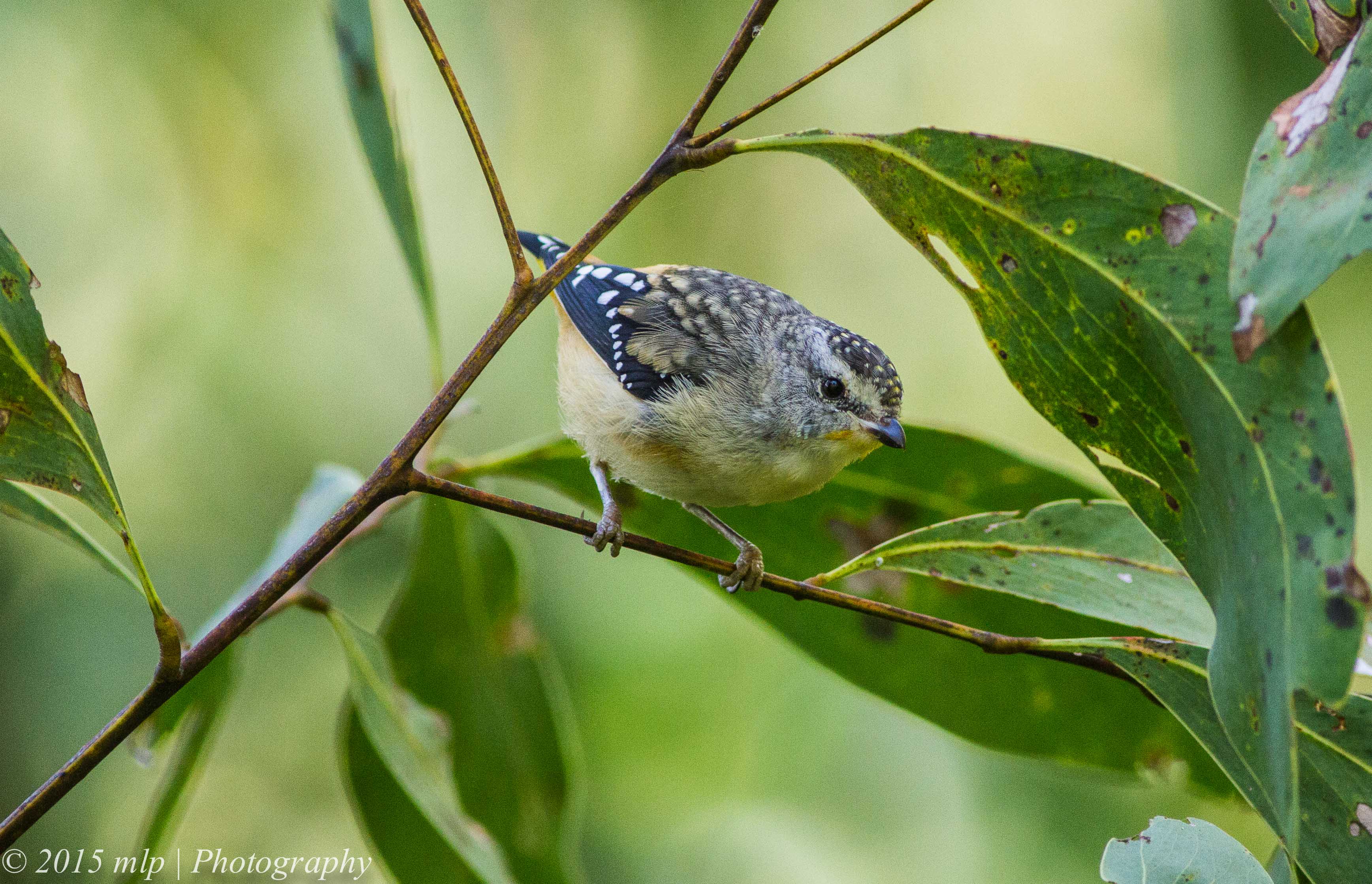
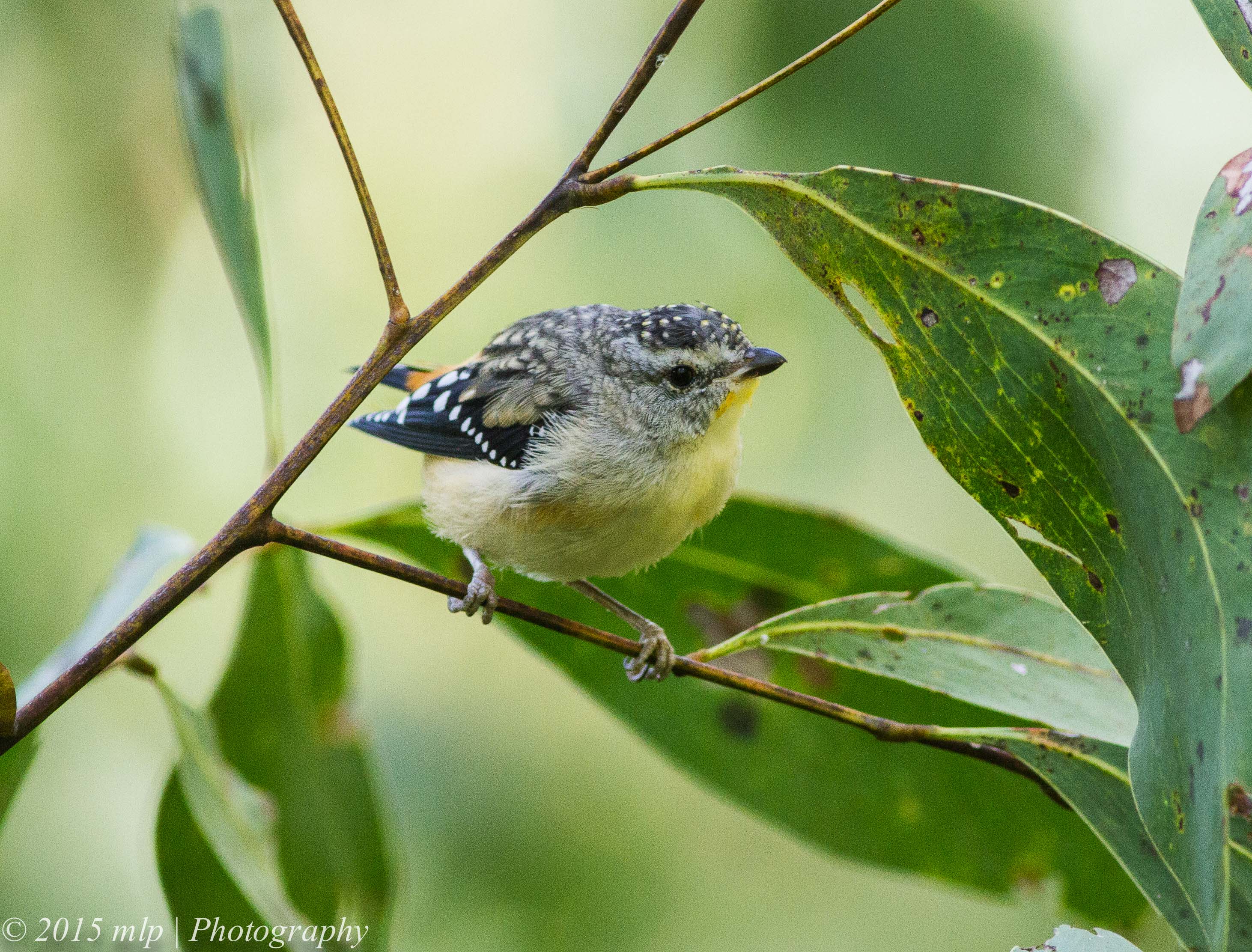
Bunyip State Forest – Spotted Pardalote

Spent a few hours exploring a different section of the Bunyip State Forest last week with John. Neither of us had been to the Eastern section before. We started pretty early so the light was not the best for photography but a few spots we visited were very good for small birds especially the Lawson Falls Trail. It was quite overgrown but with plenty of birds in the canopy and many more around us in the shrubs. I saw one Lyrebird as we got out of the car at the Lawson Falls picnic ground and another up the Trail doing his shaking feather dance on his display mound.  We will definitely visit that walk again.

ParkWeb map and notes

Female Spotted Pardalote,

Female Spotted Pardalote, Lawson Falls Trail

Female Spotted Pardalote II

Female Spotted Pardalote II

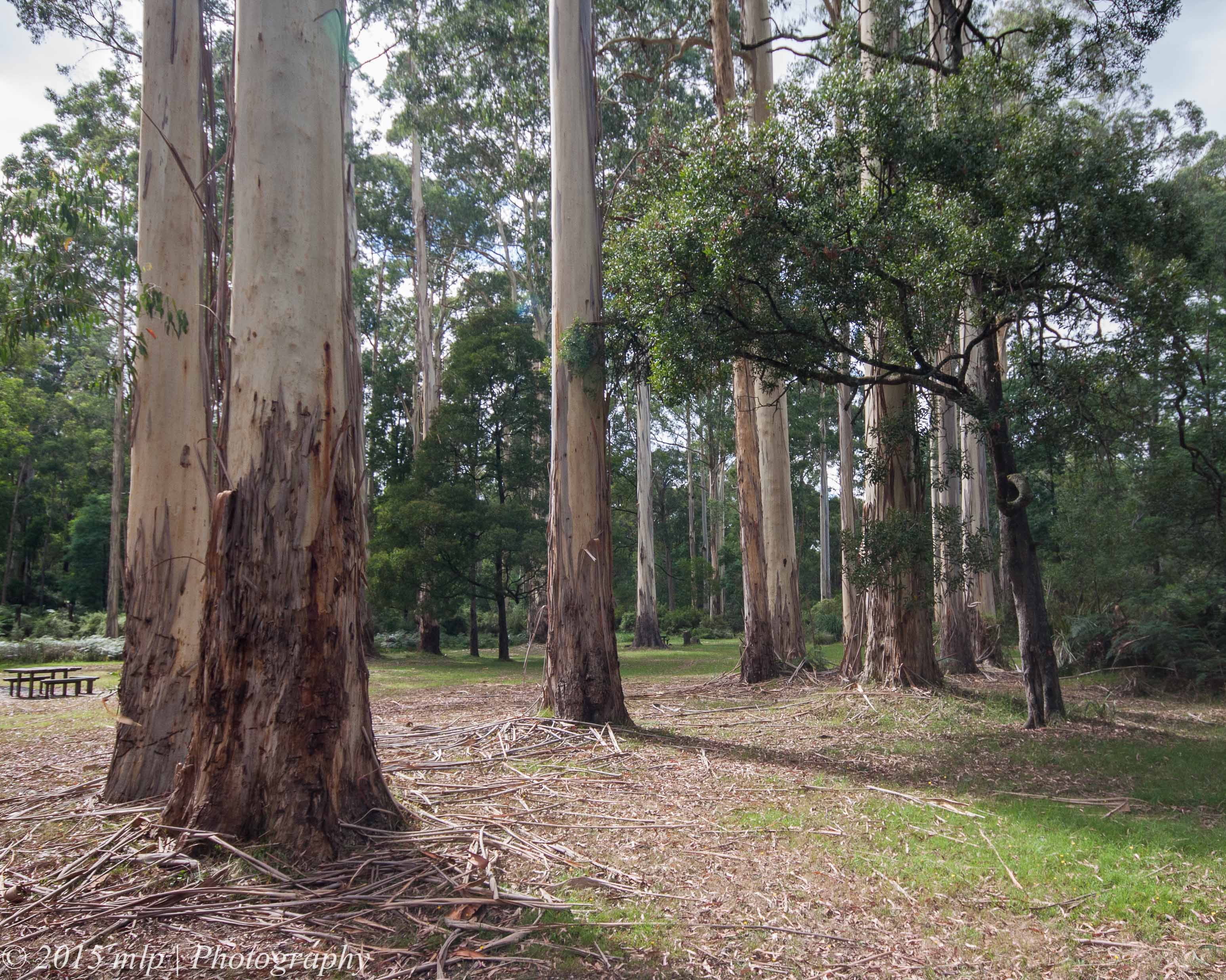
Young Vic Ash trees, Bunyip State Park Picnic grounds

Young Vic Mountain Ash trees, one of Bunyip State Park Picnic grounds – these trees are only quite young and will grow to become one of the worlds tallest trees.

Greens Bush – The Fox and the Cuckoo

An early morning follow-up visit to Greens Bush produced a few interesting bird shots as well as a young fox exploring his neck of the woods.

The Eastern Spinebills were fighting with the New Holland Honeyeaters over the nectar in the flowering Mistletoe hanging from the local gum trees.

Young Eastern Spinebill

Young Eastern Spinebill

Black Faced Cuckoo-Shrike

Black Faced Cuckoo-Shrike with its distinctive look and call.

Brown Thornbill feeding a Shining Bronze Cuckoo

Brown Thornbill feeding a Shining Bronze Cuckoo chick – the adult female Cuckoo will lay a similar looking egg into a target bird’s nest. The host parents will raise the young cuckoo as their own and don’t seem to realise that it is not their own species – even when it looks and sounds very different and can be much bigger – as above. The Thornbill jumped over the young Cuckoo and fed it from the right hand side.

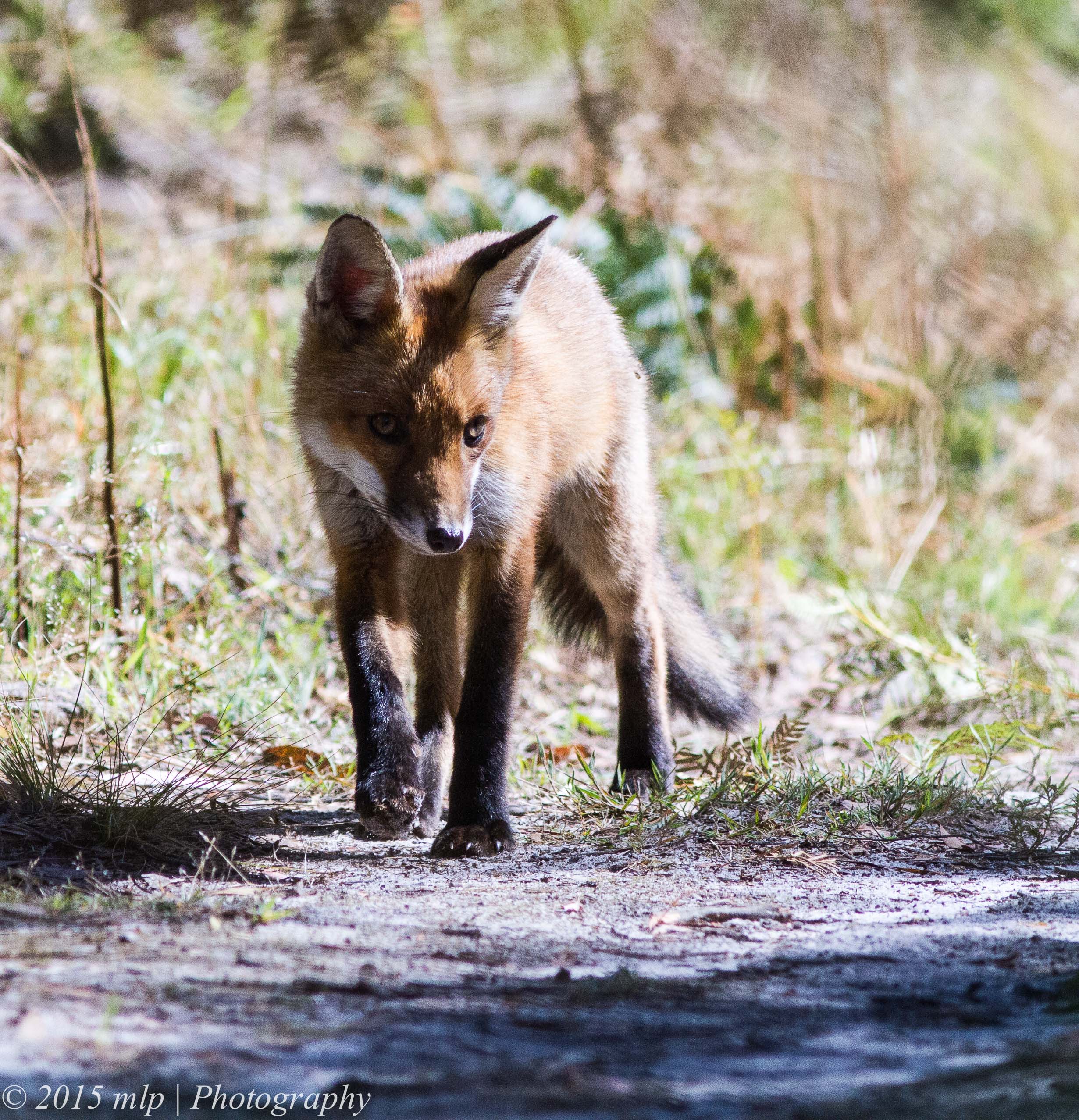
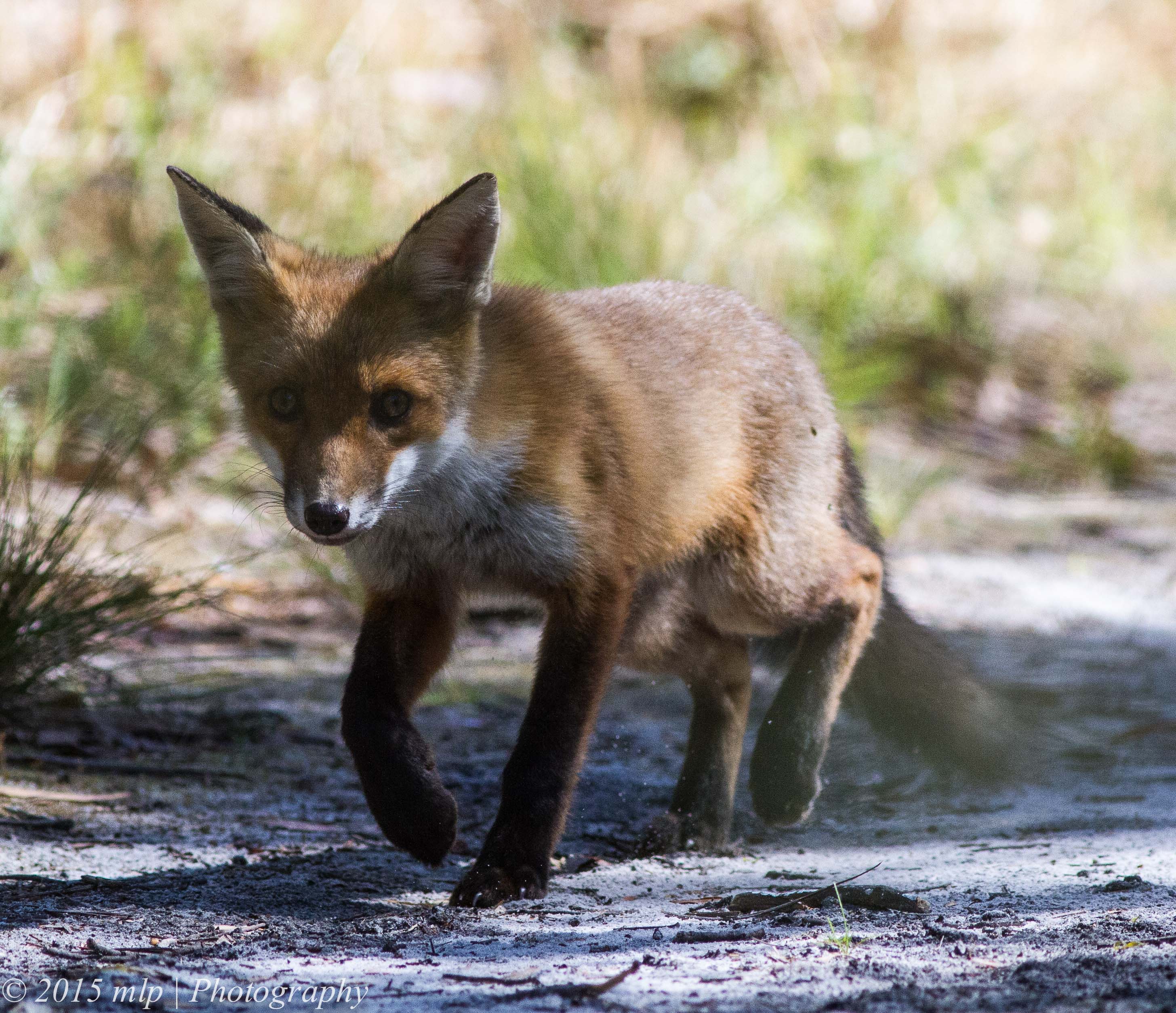
I have spent quite a bit time out and about this year and have seen a number of  foxes. This one was quite small and seemed to be on its own having a look around.

Young Fox out and about exploring

Young Fox out and about exploring

Hears the shutter click and starts to trot forward to investigate

Hears the shutter clicks and starts to trot forward to investigate

Slows down as he sees that something big is up ahead (me)

Slows down as he sees that something big is up ahead (me)

Finally sees me clearly, freezes and bolts back along the path...

Finally sees me clearly, freezes and bolts back along the path…

Flinders Ocean Beach Part 2 (aka the Crazy Fishermen)

As a follow up to my high tide visit to the Flinders Ocean Beach. My second visit to Flinders was at low tide. There were many more people around, exploring the rock pools, walking on the beach and fishing off the exposed reef. I found the Hooded Plover again further along the beach where piles of seaweed and kelp had washed up. There was no sign of the juvenile Hooded Plover and I hope he was hiding up in the grasses on the sand dunes away from all the activity.  A few more bird species were around at low tide.

The area looked incredibly different at low tide. The mushroom shape of Mushroom Reef was exposed. At high tide the waves can come right up to the wooded steps.

Mushroom Reef Marine Sanctuary - at low tide. At high tide the water comes up to the wooded steps

Mushroom Reef Marine Sanctuary – at low tide. At high tide the water comes up to the wooden steps

White Ibis feeding in the grasses along the beach edge

White Ibis feeding in the grasses along the beach edge – there was something they really liked as they just munched away on whatever was living in the grass.

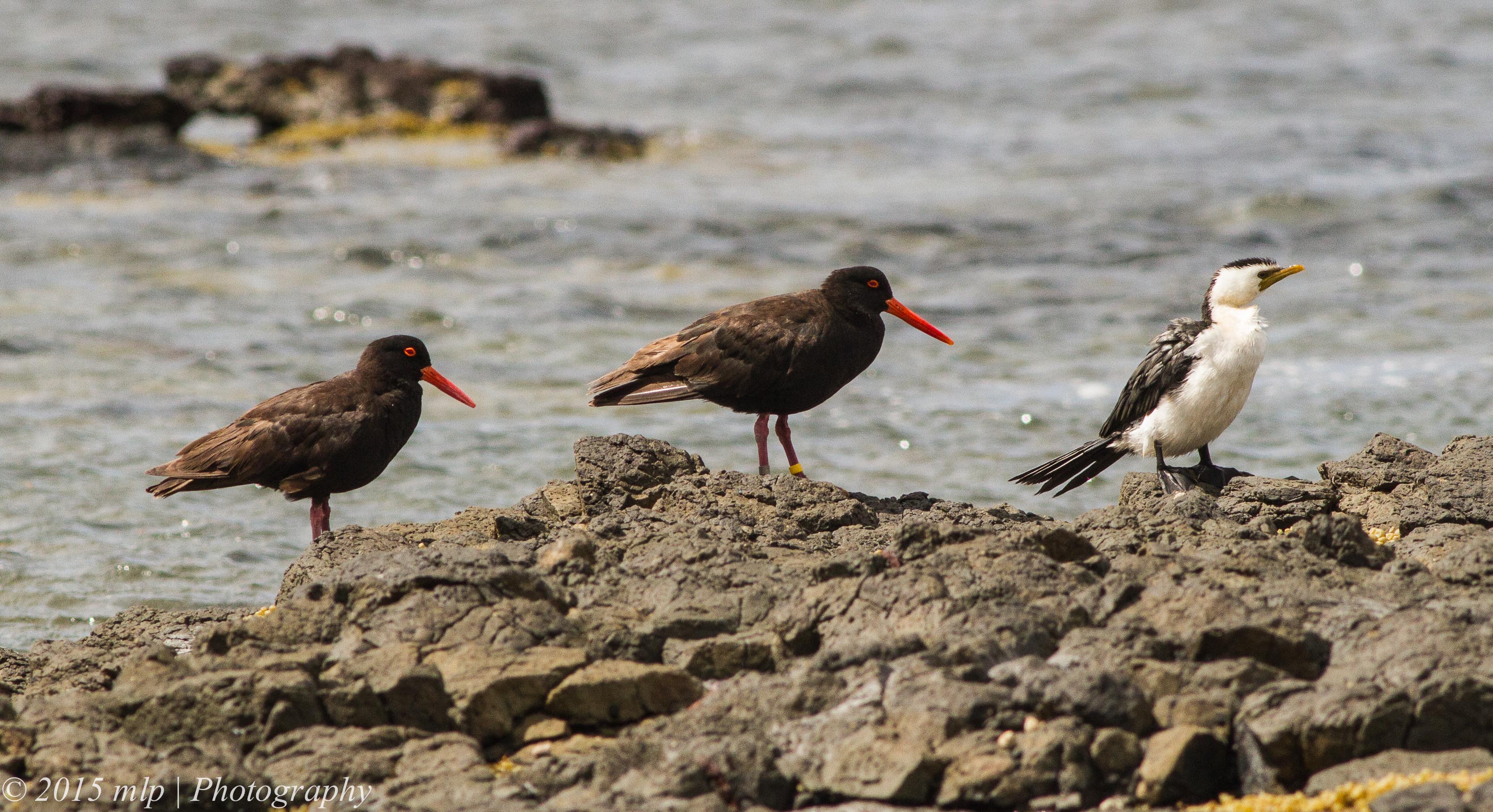
Sooty Oystercatchers and a Little Pied Cormorant

Sooty Oystercatchers and a Little Pied Cormorant – one of the Oystercatchers was Banded (yellow and silver rings)

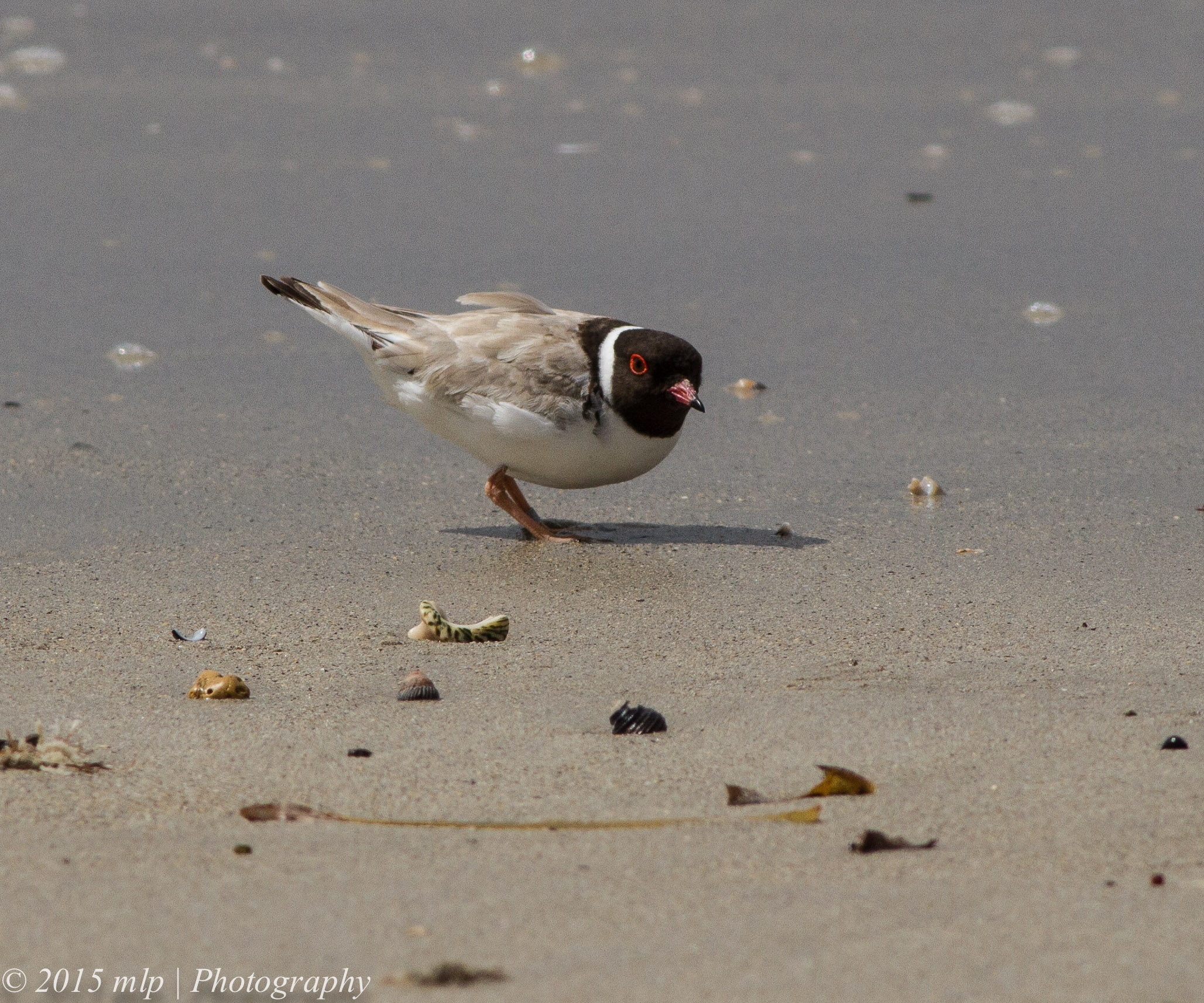
Hooded Plover

Hooded Plover

I noticed that one of the Plovers was banded. Their is an extensive banding program to monitor the Plovers across Southern Australia

I noticed that one of the Plovers was banded. There is an extensive banding program to monitor the Plovers across Southern Australia

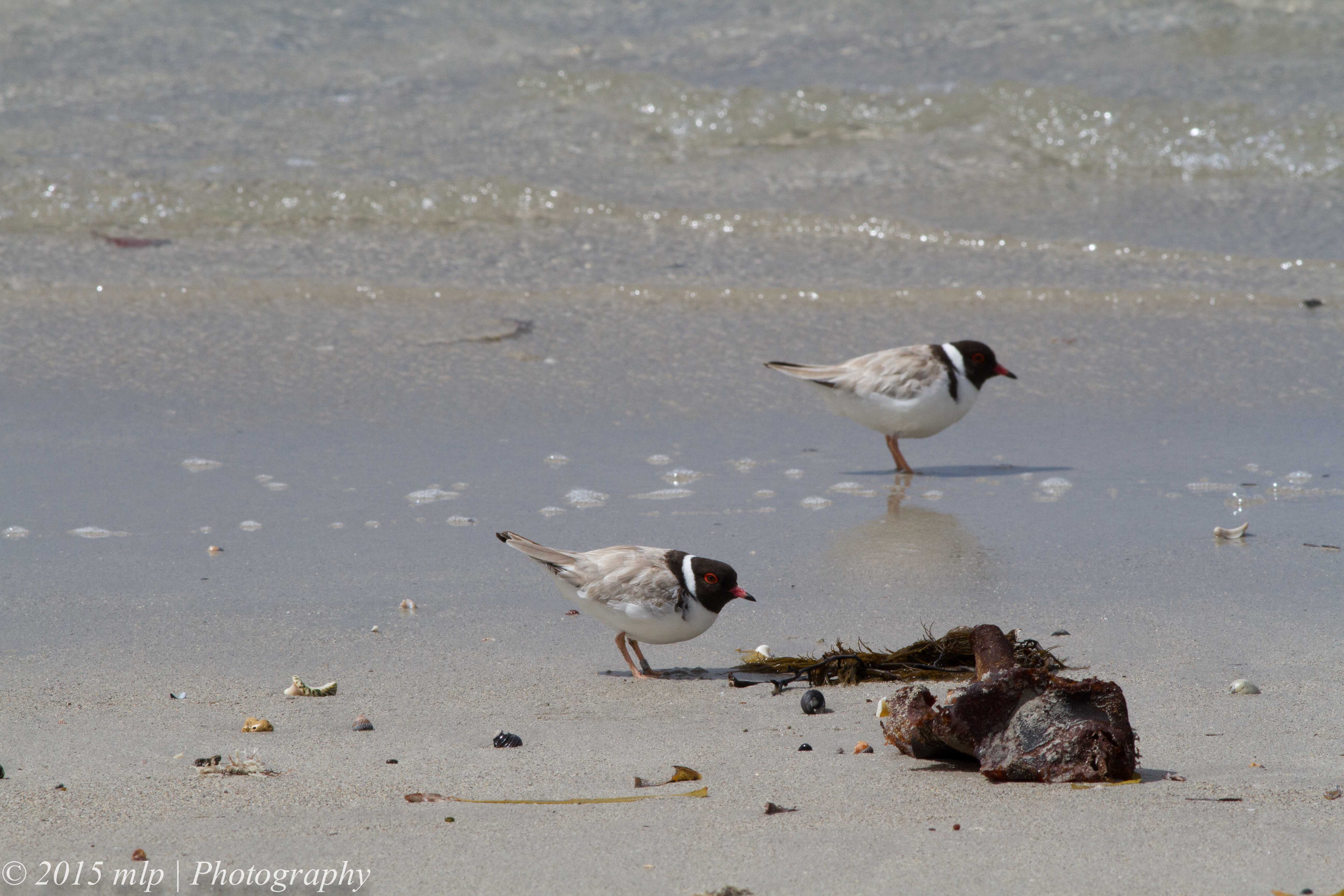
Hooded Plover pair

Hooded Plover pair

Keeping low into the wind and catching anything that the waves bring in..

Keeping low into the wind and catching anything that the waves bring in..

Hooded Plover - keeping low and facing into a string wind

Hooded Plover – keeping low and facing into a strong wind

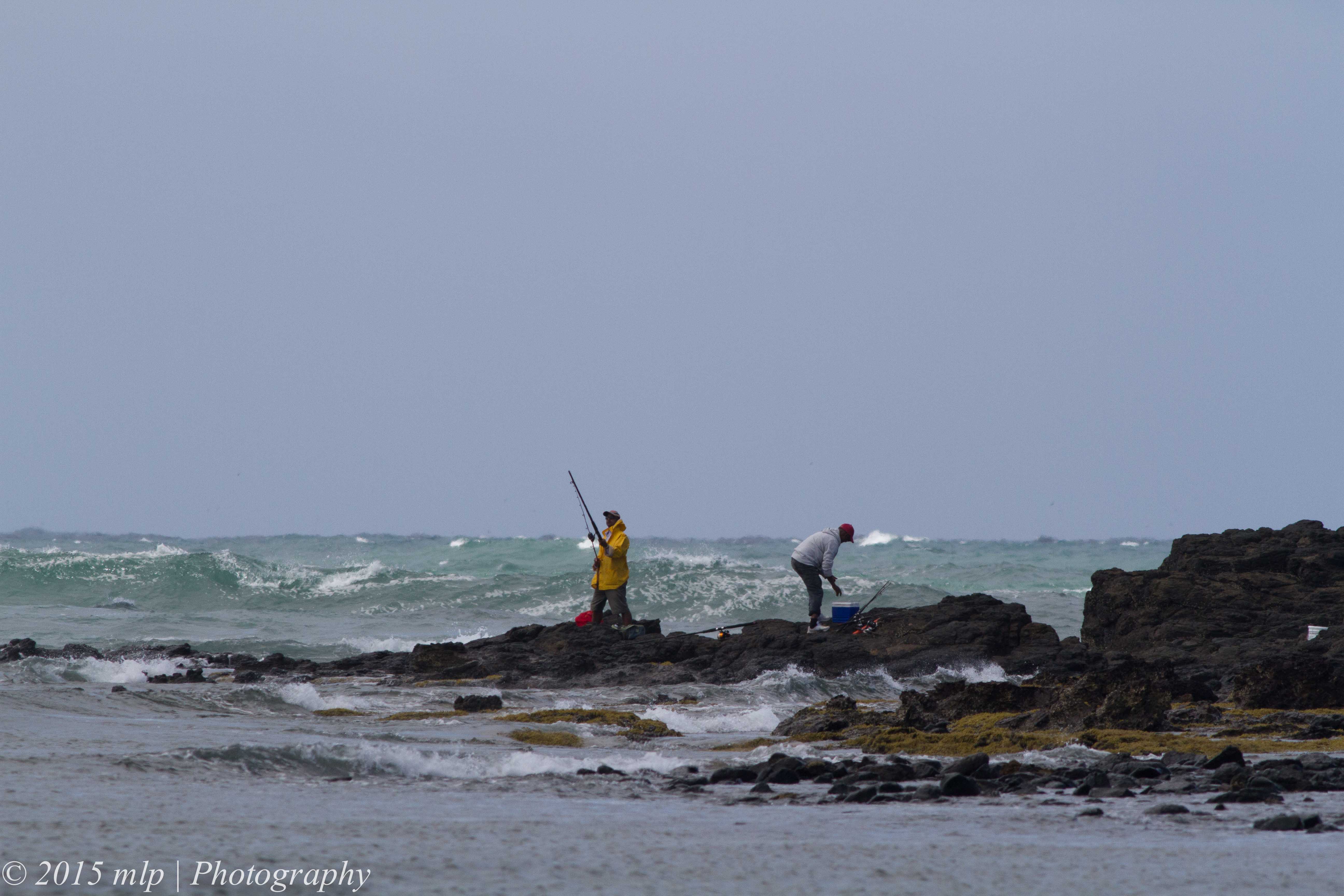
I was surprised to see blokes fishing way out on the last set of rocks at the edge of the reef. The waves were getting bigger and starting to crash near them and we have had bad weather and ocean warnings all week. They were at least packing up as I watched them and took some pics.

Crazy Fishermen

Crazy Fishermen