Old Faithful…

Recently I stopped by Braeside Park to look for the reported Long Toed Stint, a tiny, rare, migratory shorebird.  It was fairly easy to find with the help of other birders all  lined up with their scopes looking for it as well. Eventually we found it working the mudflat on the main lagoon with a few Sharp-tailed sandpipers, a Pectoral sandpiper (another rare shorebird) and a bunch of Red-kneed dotterells. The Stint became my 350th Lifer and 348th Vic Tick.

On the way back to my car I checked the car park area looking for the pair of Tawny Frogmouths that can usually be found in the trees around the cars. I found them on a low branch taking a bit of late afternoon sunshine. Always a favourite find in any location and a nice way to finish the successful twitch.

Tawny Frogmouth, Braeside Park, Vic

Tawny Frogmouth, practicing its “just a branch, nothing to see here” pose,
I knew they had to be there somewhere…

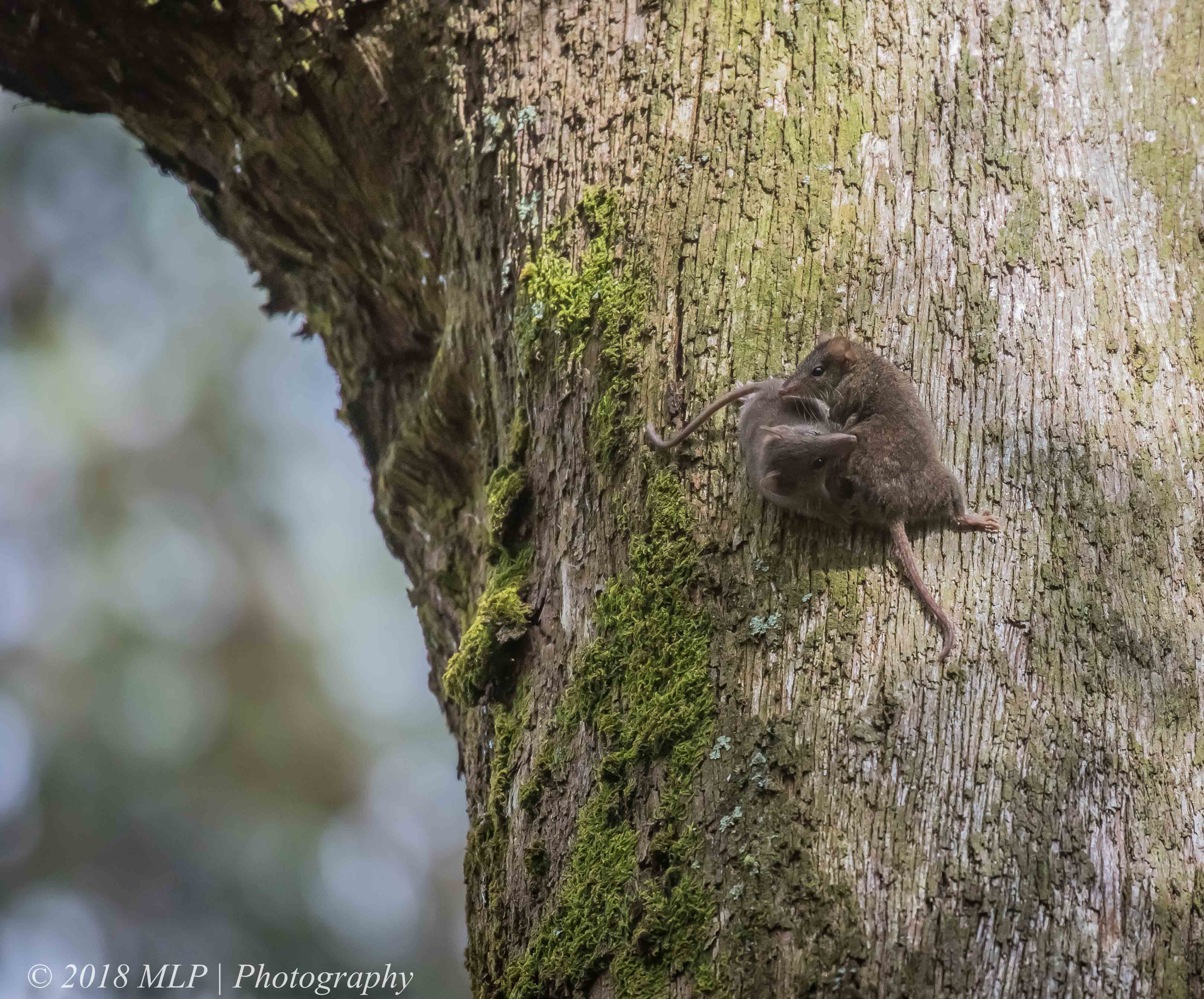
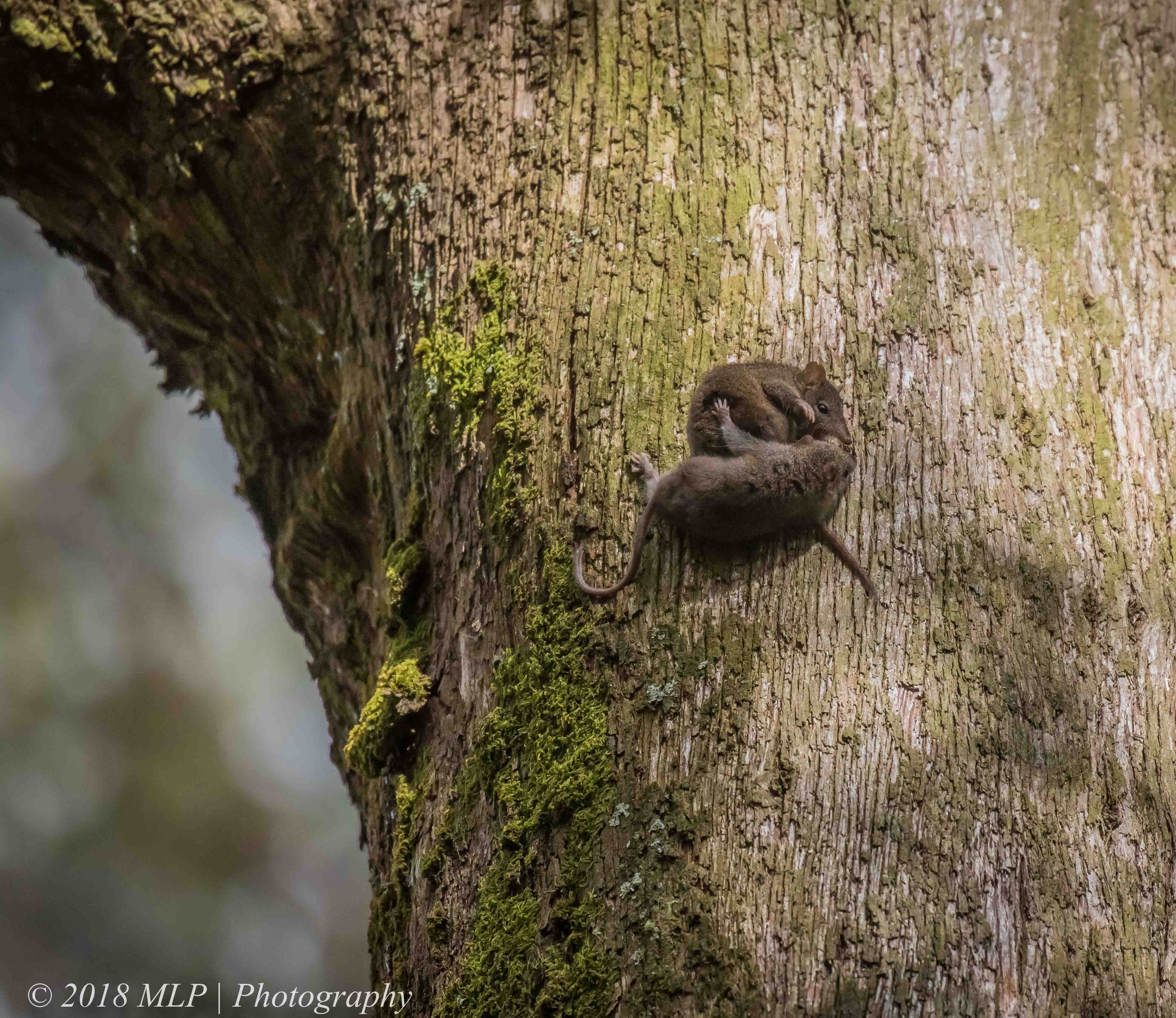
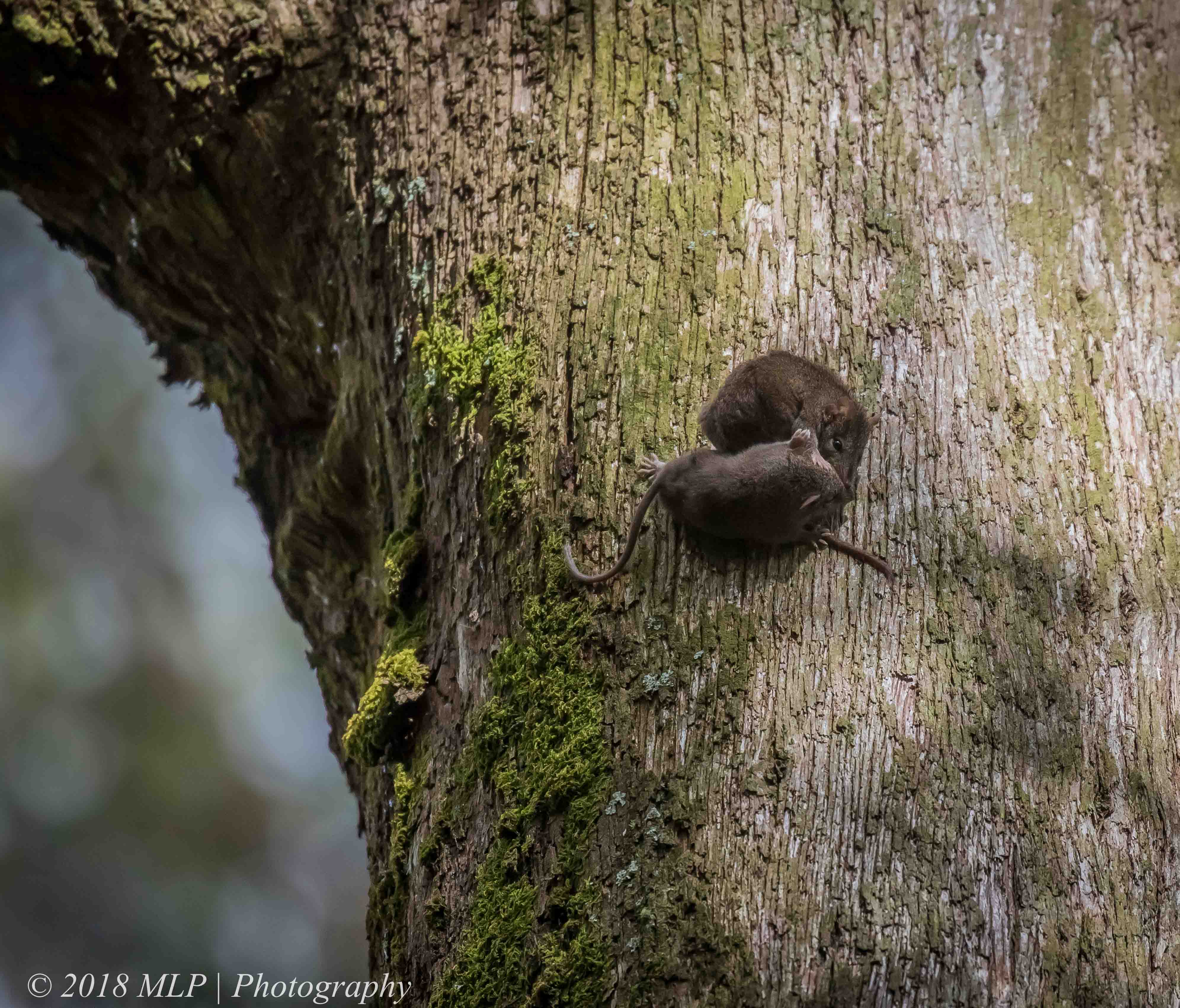
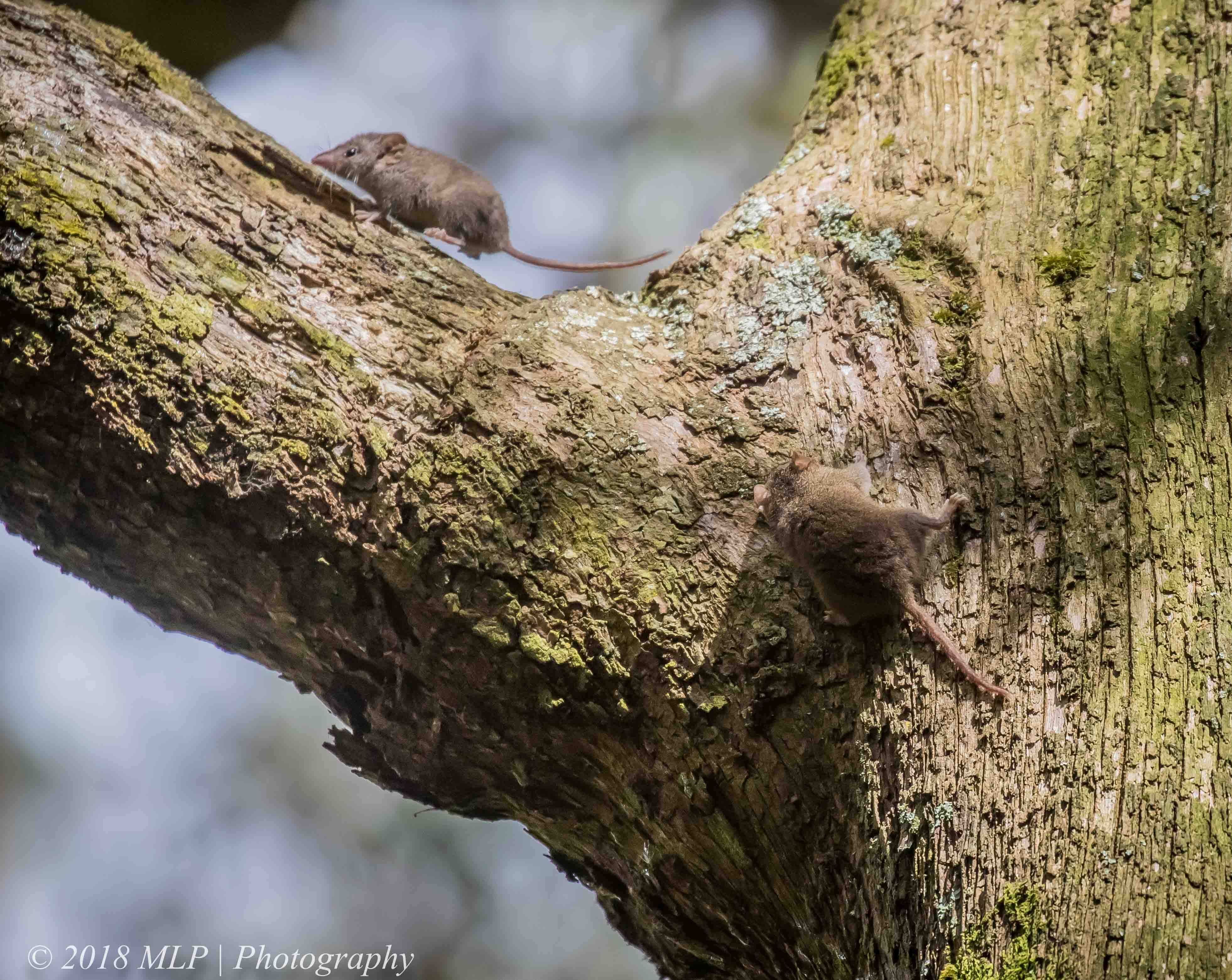
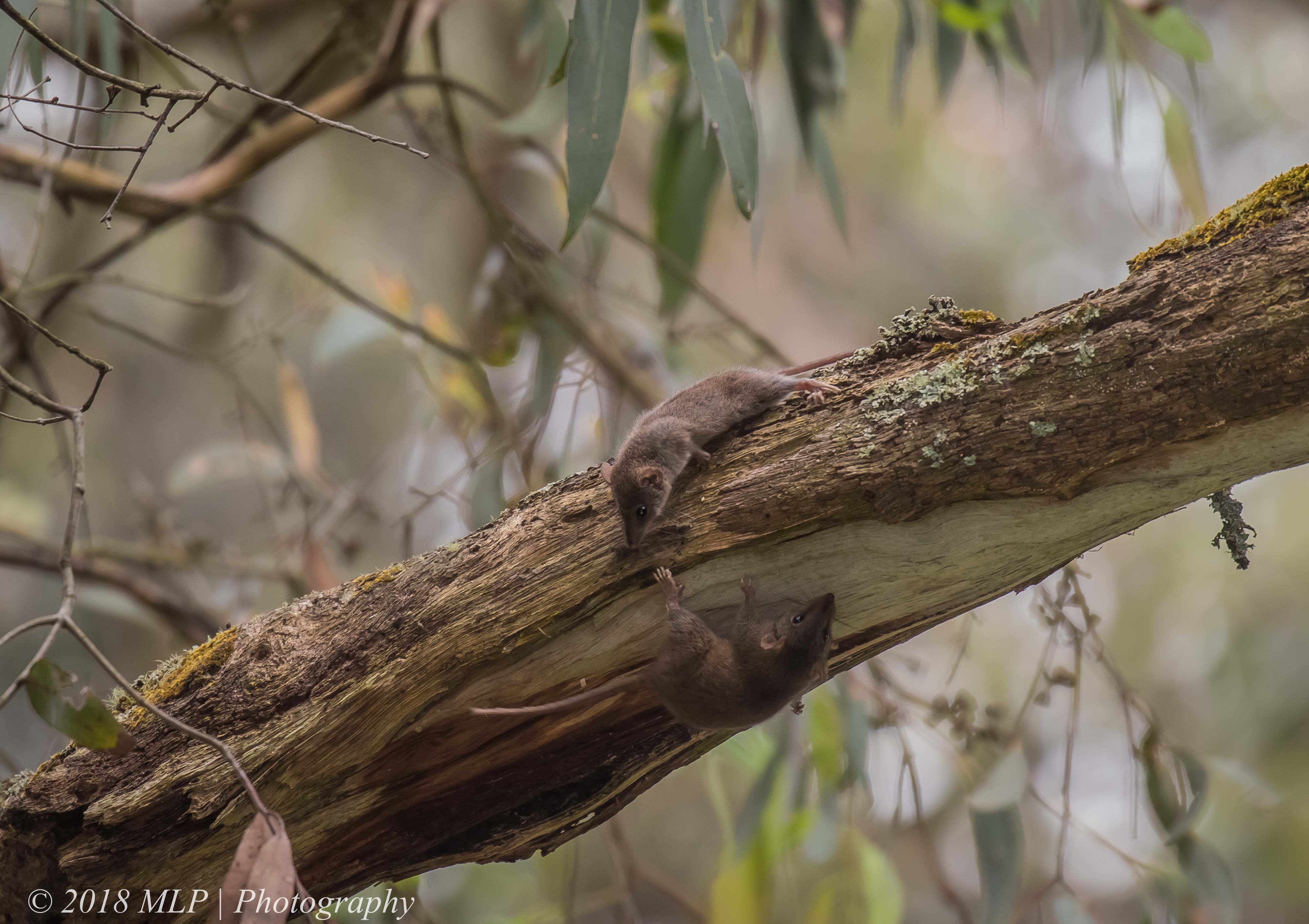
Greens Bush is a great habitat for many bird and animal species and I am building a good list of birds but only a few mammals: Swamp Wallaby, Grey Kangaroo and a lone koala. I felt sure that there would be Antechinus (small marsupial hunter) somewhere in the National Park and it took 5 years to finally see four in one day in a small section of the forest in mid-summer. The pair below were running and chasing each other up the trunk of an old tree and along a dead branch. At one point the larger of the two (female?) carried up small branches/grasses in its mouth to what I assume to be a nest. The female can live several years while the male does not live past his first breeding season having mated until organ failure. Watching the energy of these two chase and wrestling up the tree trunk I can see how it might not end well for the male.

Brown Antechinus, Greens Bush, Mornington Peninsula National Park, Vic

Brown Antechinus, Greens Bush, Mornington Peninsula National Park, Vic

Brown Antechinus, Greens Bush, Mornington Peninsula National Park, Vic

II

Brown Antechinus, Greens Bush, Mornington Peninsula National Park, Vic

III

Brown Antechinus, Greens Bush, Mornington Peninsula National Park, Vic

IV

Brown Antechinus, Greens Bush, Mornington Peninsula National Park, Vic

V

Brown Antechinus, Greens Bush, Mornington Peninsula National Park, Vic

VI

Greeted by a Golden-headed Cisticola

Greeting me as I opened the access gate (4) at the Treatment Plant recently was a little Golden-headed Cisticola. It is a small bird of the marshy grasslands surrounding a wetlands area. It has several calls including a very distinctive call that can be mimicked with a bit of effort and strong lips. In my earlier files I found a small video of another Cisticola at another entry gate, perched on a barbed wire fence along the T-section of the Treatment Plant. Towards the end of the file the distinctive call can be heard.

Golden-headed Cisticola, Western Treatment plant, Werribee, Vic
Golden-headed Cisticola, Western Treatment plant, Werribee, Vic


Spotted Crake with Didge music.

While at the Treatment Plant (aka Pooh Farm) on the weekend I found quite a few elusive Spotted Crakes along protected, muddy patches of various tidal and fresh water lagoons. In Western Lagoons I had stopped the car when I thought I had found one and waited for it to come out into the light again. I fiddled with my camera settings and ended up in movie mode so I thought I would try it out. The result wasn’t bad for a fully extended 100-400 zoom and 1.4 extender. The day was very windy and the wind sound came out on the video so I have added some music I like from a band called Outback (album Baka, song Airplay).

A hopeful encounter

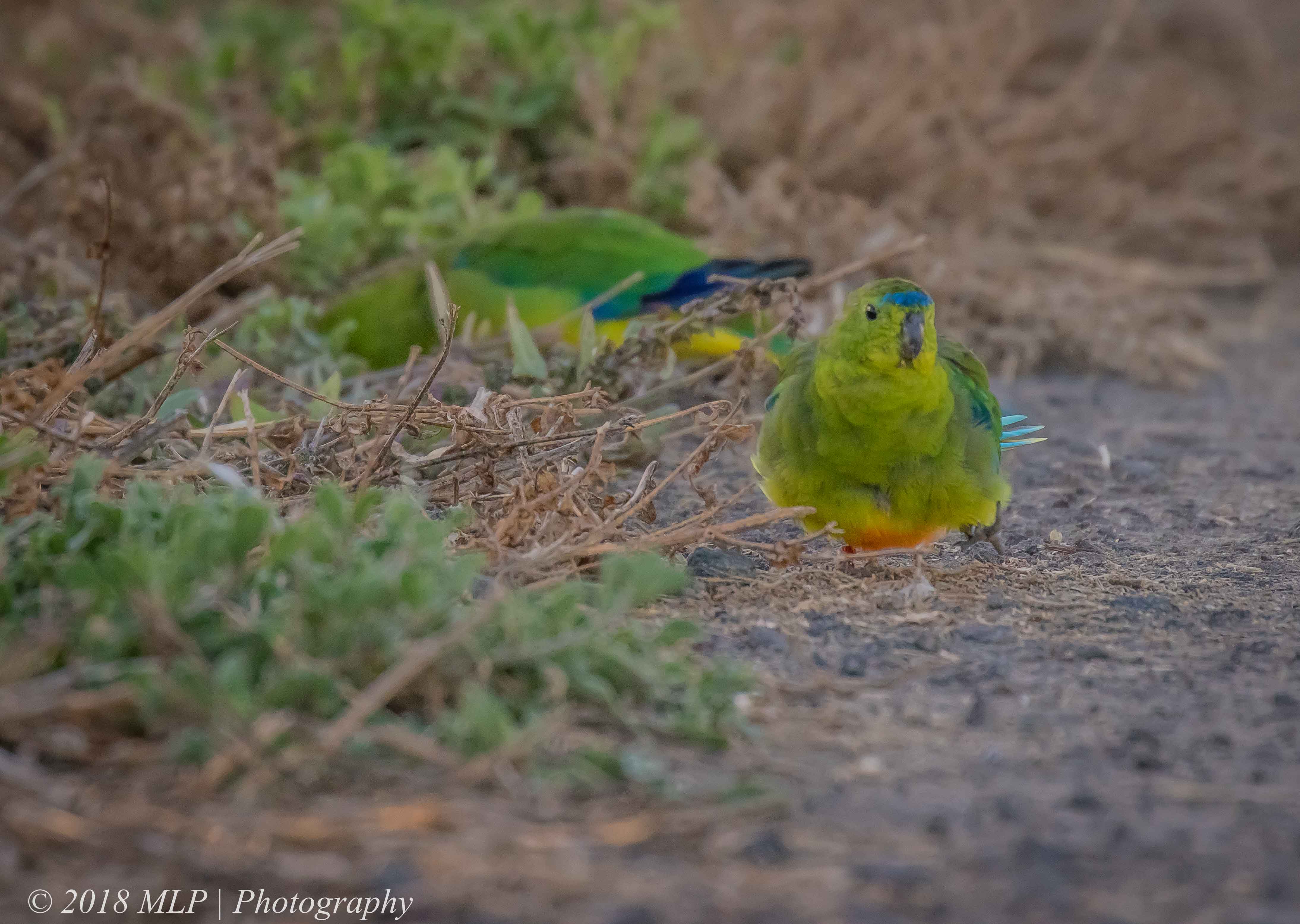
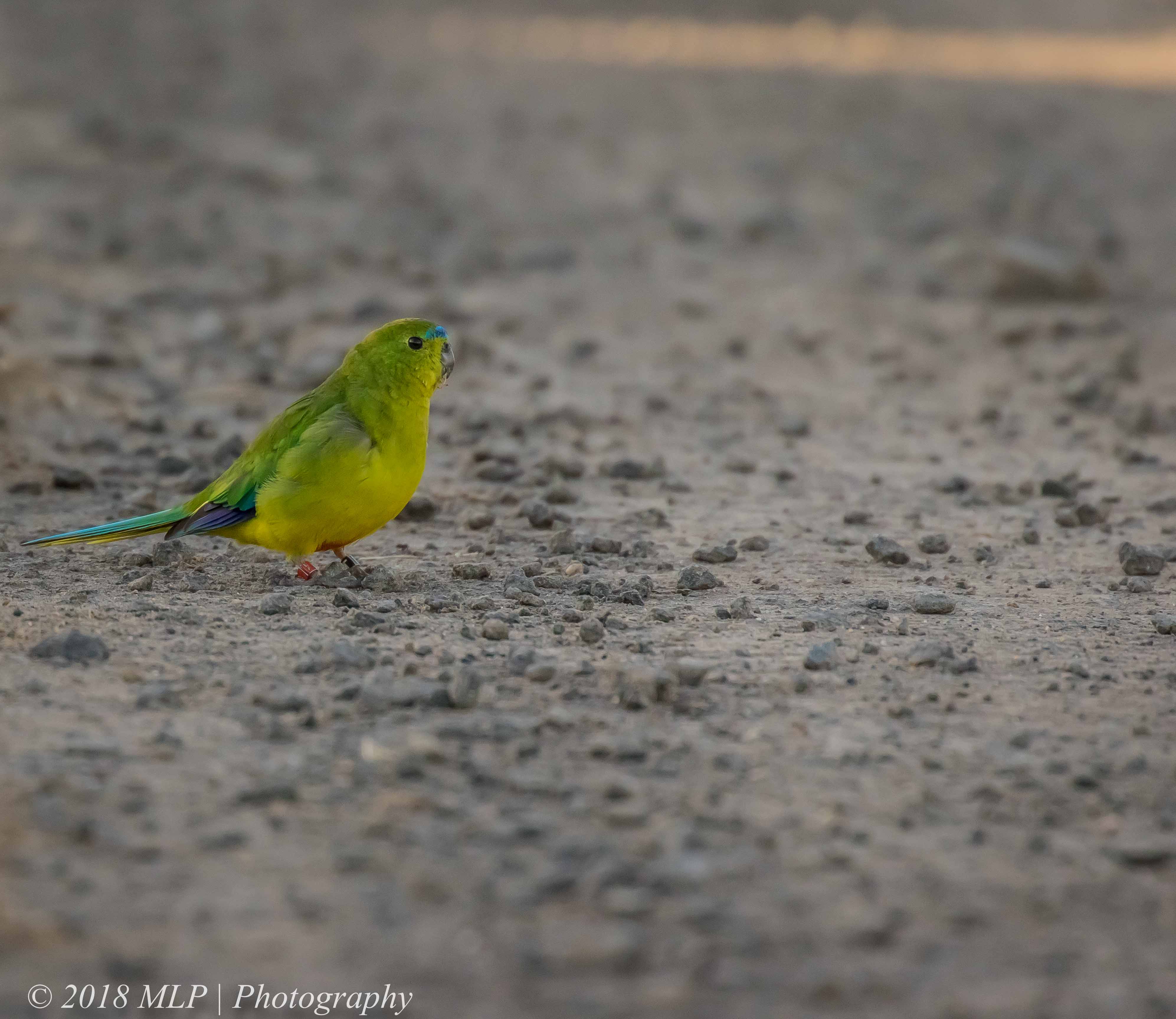
On Saturday I went to the Knife-makers Guild annual show in Attwood (as you do), and instead of fighting the freeway traffic back home, I decided to head south and drop by the Western Treatment Plant (the pooh farm). While driving out of the lagoons to leave I flushed what I thought were two Blue-winged Parrots off the track. I saw a flash of orange as they flew over the windscreen of the car and realised these must be a pair of the released Orange-bellied Parrots, a very rare and endangered species. They only flushed to the back of the car so I used the door for cover and took a few photos – bad light and shooting into the sun but got a few shots. They were smaller than I expected and made such a melodic buzzy call when flying. There has been a real push to try and breed up and release parrots to join the 50 wild birds that are estimated to be left (with only 340 in 10 captive/breeding recovery facilities). In the wild the tiny parrot migrates from its summer breeding grounds in Tasmania, flies over Bass Strait and into the coastal regions of Victoria –  a tough flight with very few intact feeding grounds at the end of the journey. I found out later that these two were males and part of the 2017 release program but had not joined the wild population yet. I am hopeful that this parrot does not die out in the wild during my lifetime.

Orange-bellied parrot, Western Treatment plant, Werribee

Orange-bellied parrot, Western Treatment Plant, Werribee

Orange-bellied parrot, Western Treatment plant, Werribee

A pair of male Orange-bellied parrots

Orange-bellied parrot, Western Treatment plant, Werribee

note the pair of leg bands.

Orange-bellied parrot, Western Treatment plant, Werribee

IV

Orange-bellied parrot, Western Treatment plant, Werribee

V

Searching for the Hooded

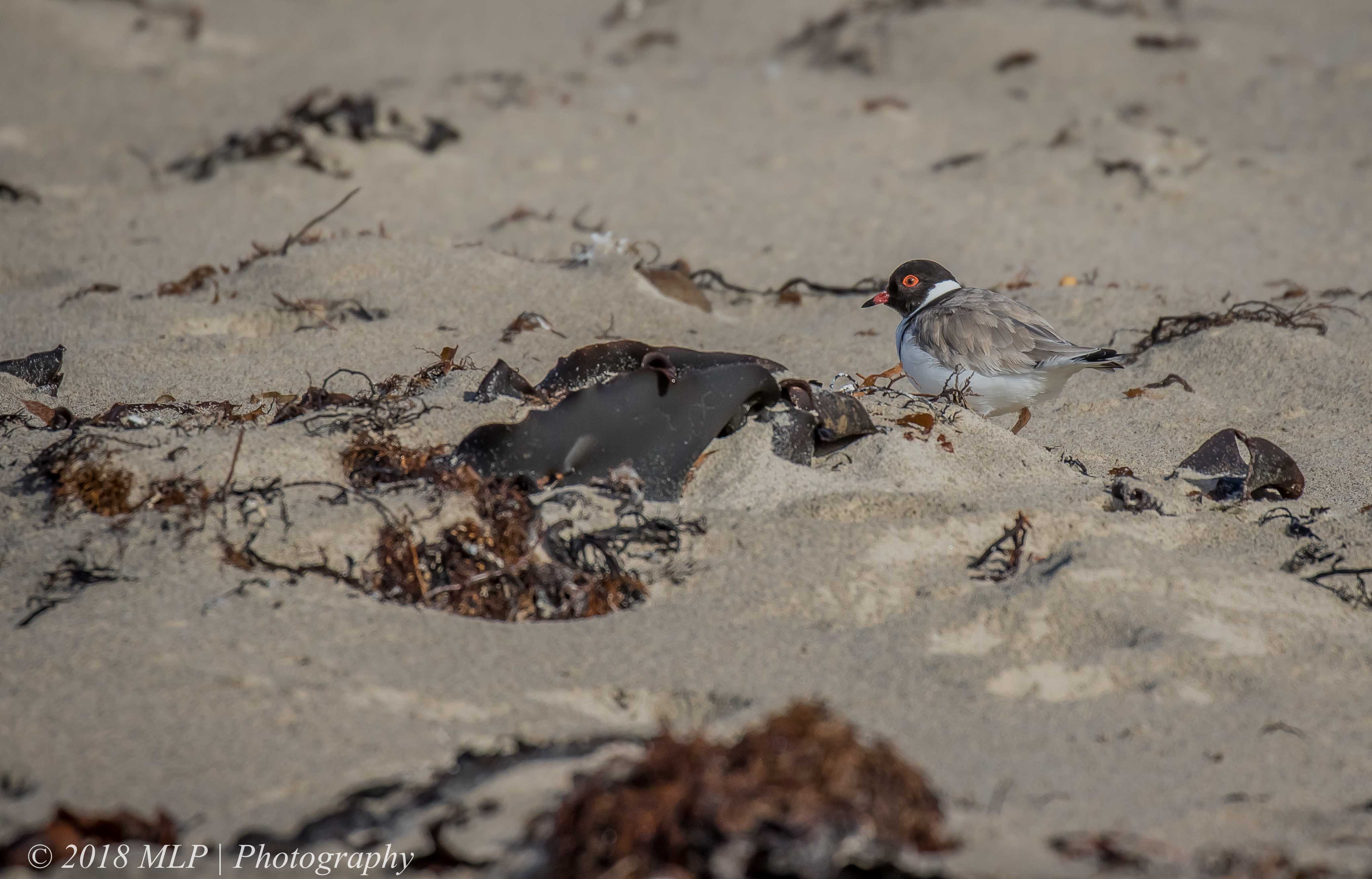
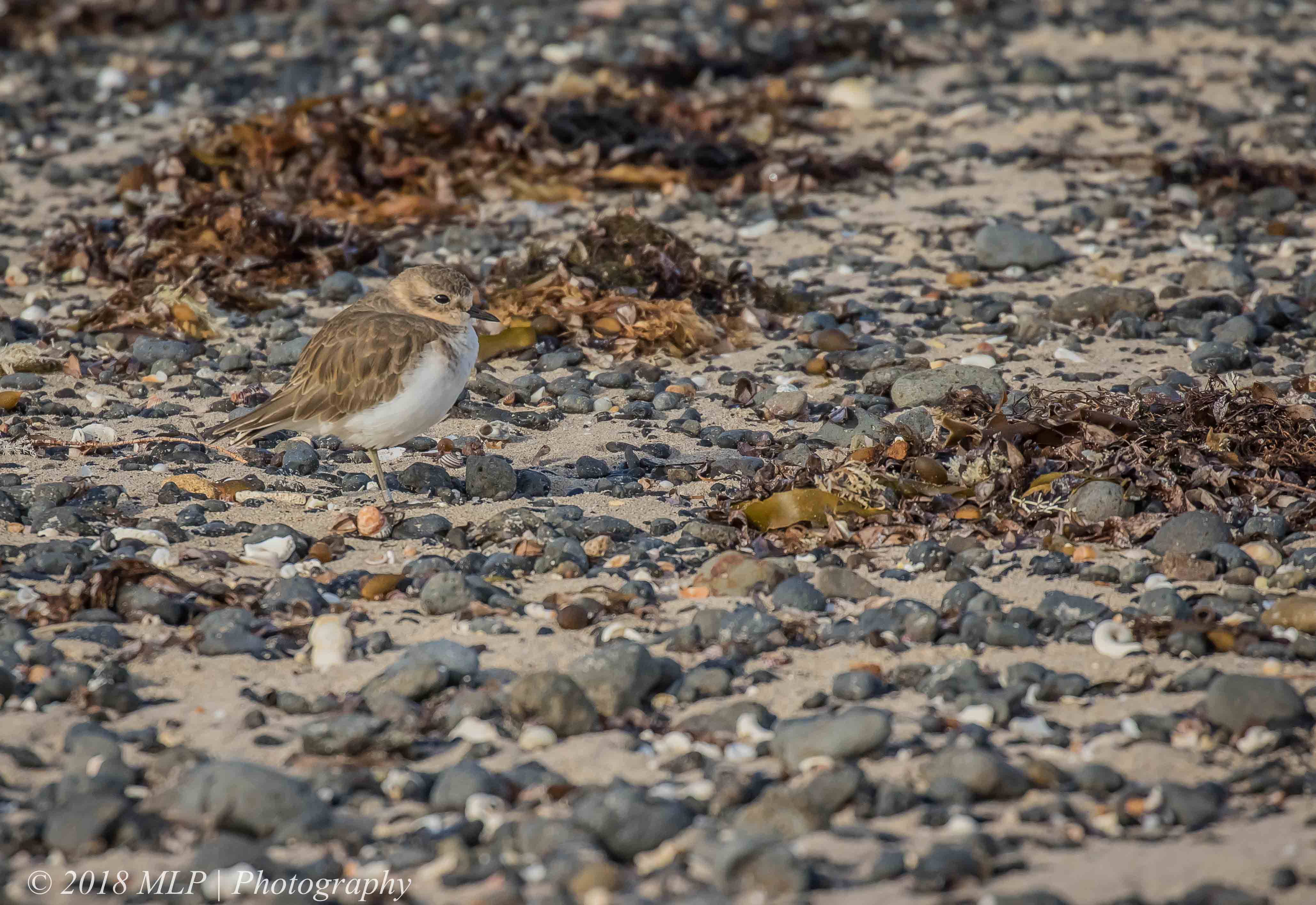
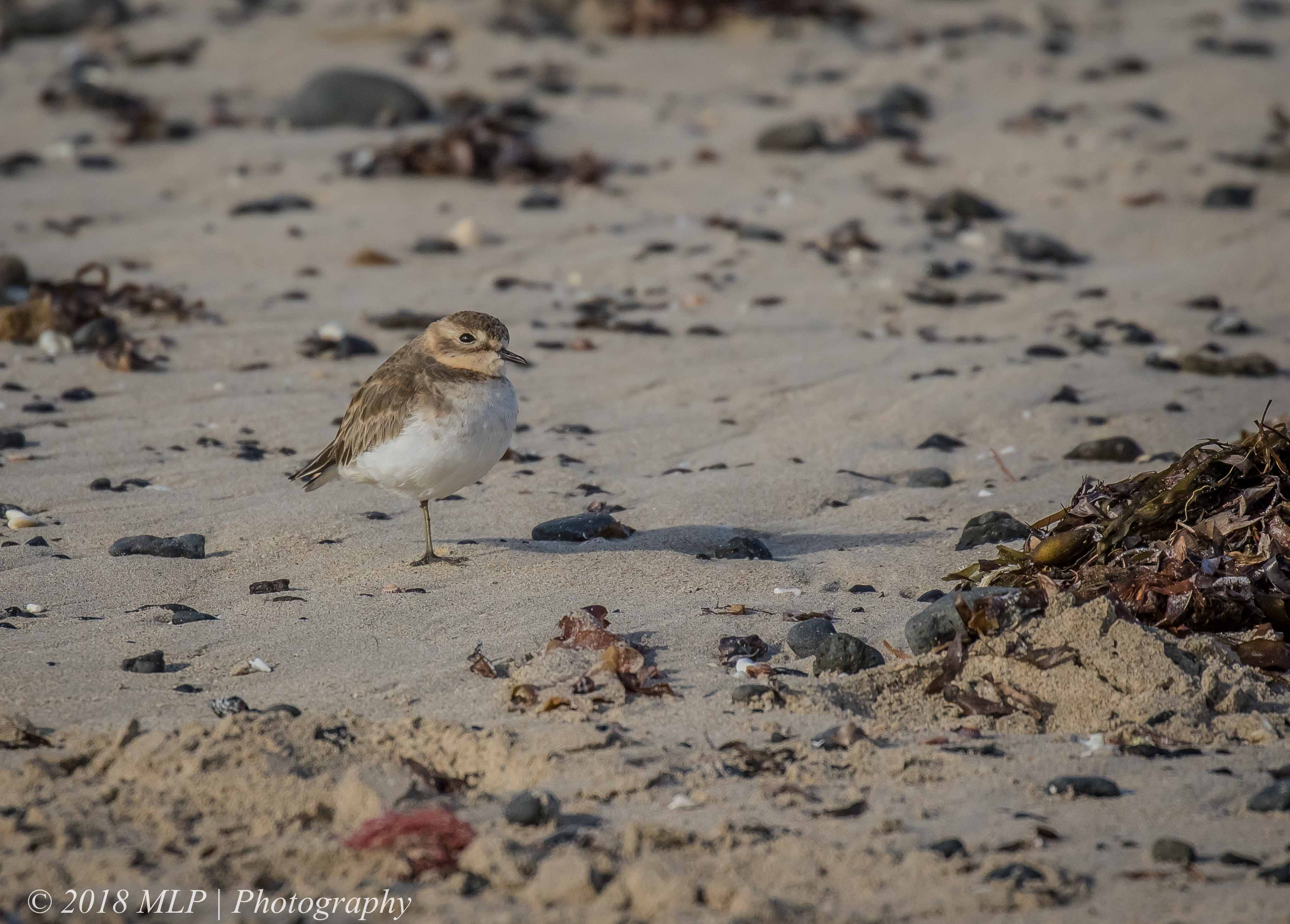
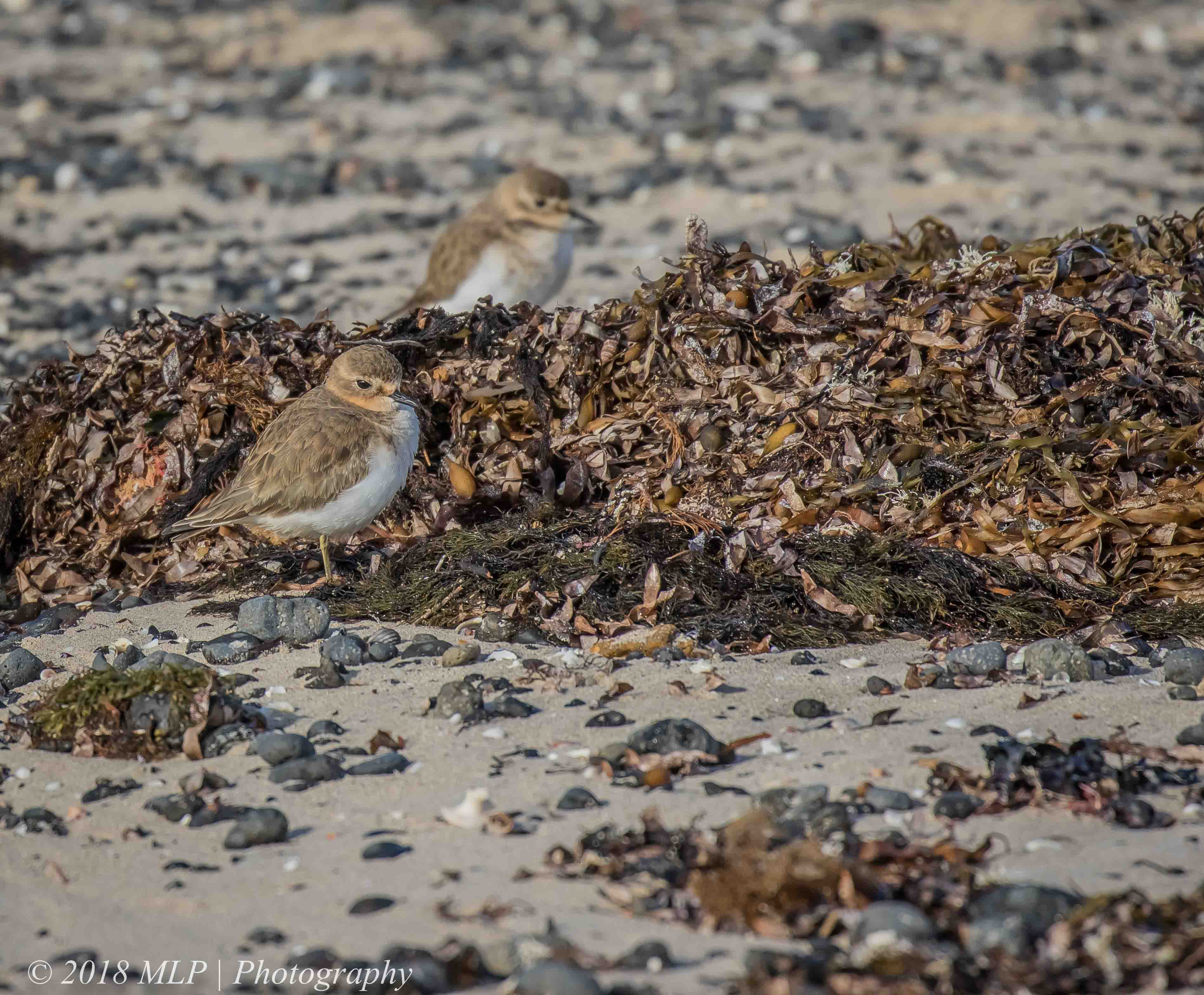
Recently I spent a few days down the coast working on the beehives and the garden. Each morning I visited a different spot on the Peninsula for a bit of bushwalking and checking on the local birds. On the third day I decided to revisit Flinders Back Beach – the scene of an old financial crime – I got my camera wet in strong winds and drizzly rain. $650 later my camera was repaired and a $40 camera rain cover purchased – lesson learnt. On this occasion it was again drizzly and the camera cover went straight into action. By the time I was on the beach it was sunny. Almost immediately I found a small mixed flock of Red-necked Stints and Double banded Plovers. After a while, watching, counting and photographing the flock, I walked  around the point looking for the resident Hooded Plovers – now becoming rare on many beaches in Victoria due to increased disturbance, natural predation and people walking their dogs off lead. I usually see a few Hoodeds but this time I only found one adult. I hoped that a few more were tucked down into the beached kelp out of the cool winds.

Hooded Plover, Flinders Ocean Beach, Flinders, Vic

Hooded Plover, Flinders Ocean Beach, Flinders, Vic

Flinders Ocean Beach, Flinders, Vic

Flinders Ocean Beach, Flinders, Vic (the hooded plover is in the pic)

Double banded Plover, Flinders Ocean Beach, Flinders, Vic

Double banded Plover – can be tricky to see until they move

Double banded Plover, Flinders Ocean Beach, Flinders, Vic

II

Double banded Plover, Flinders Ocean Beach, Flinders, Vic

III

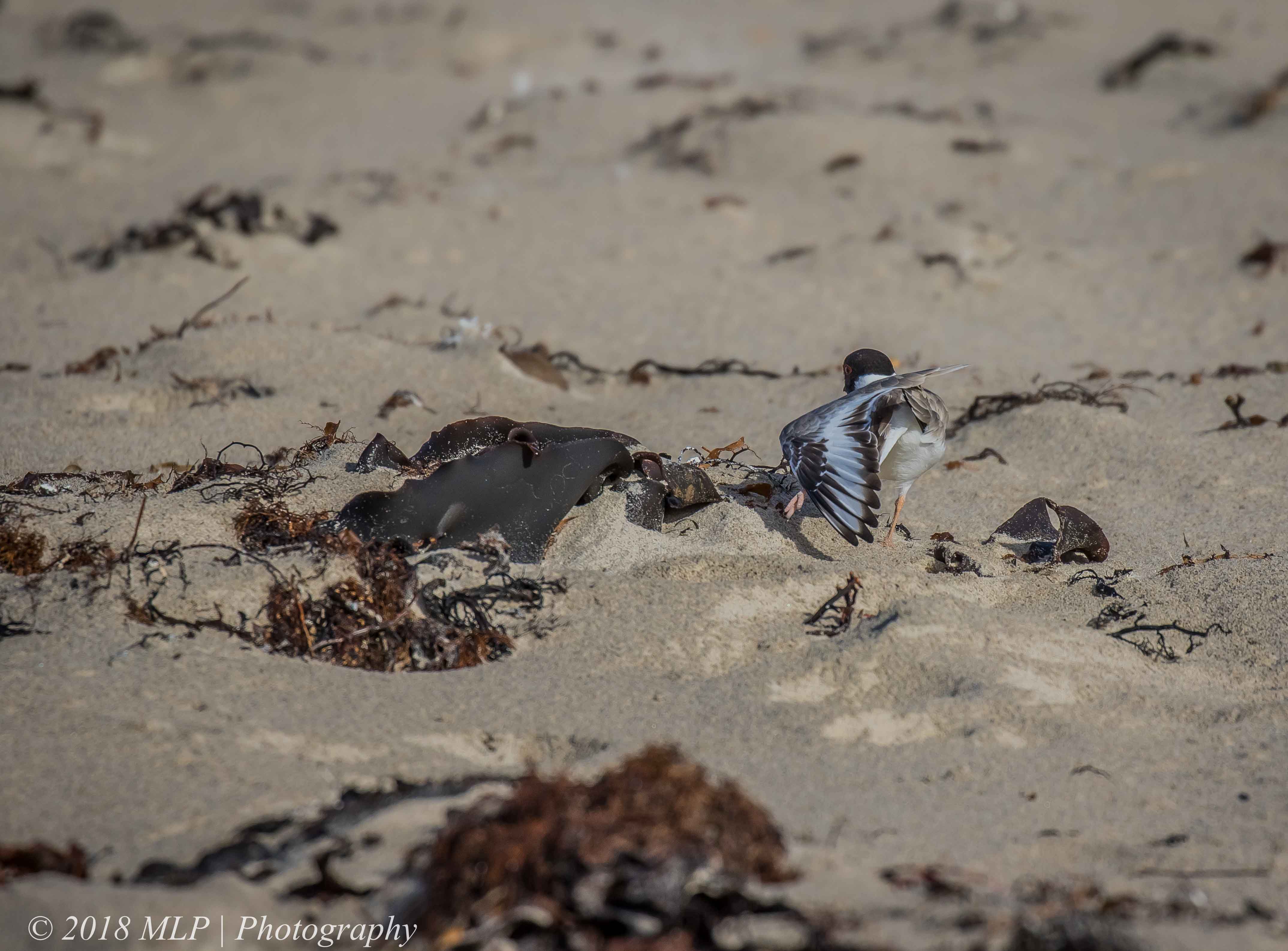
Hooded Plover, Flinders Ocean Beach, Flinders, Vic

Hooded Plover stretching its wings


A forest walking companion…

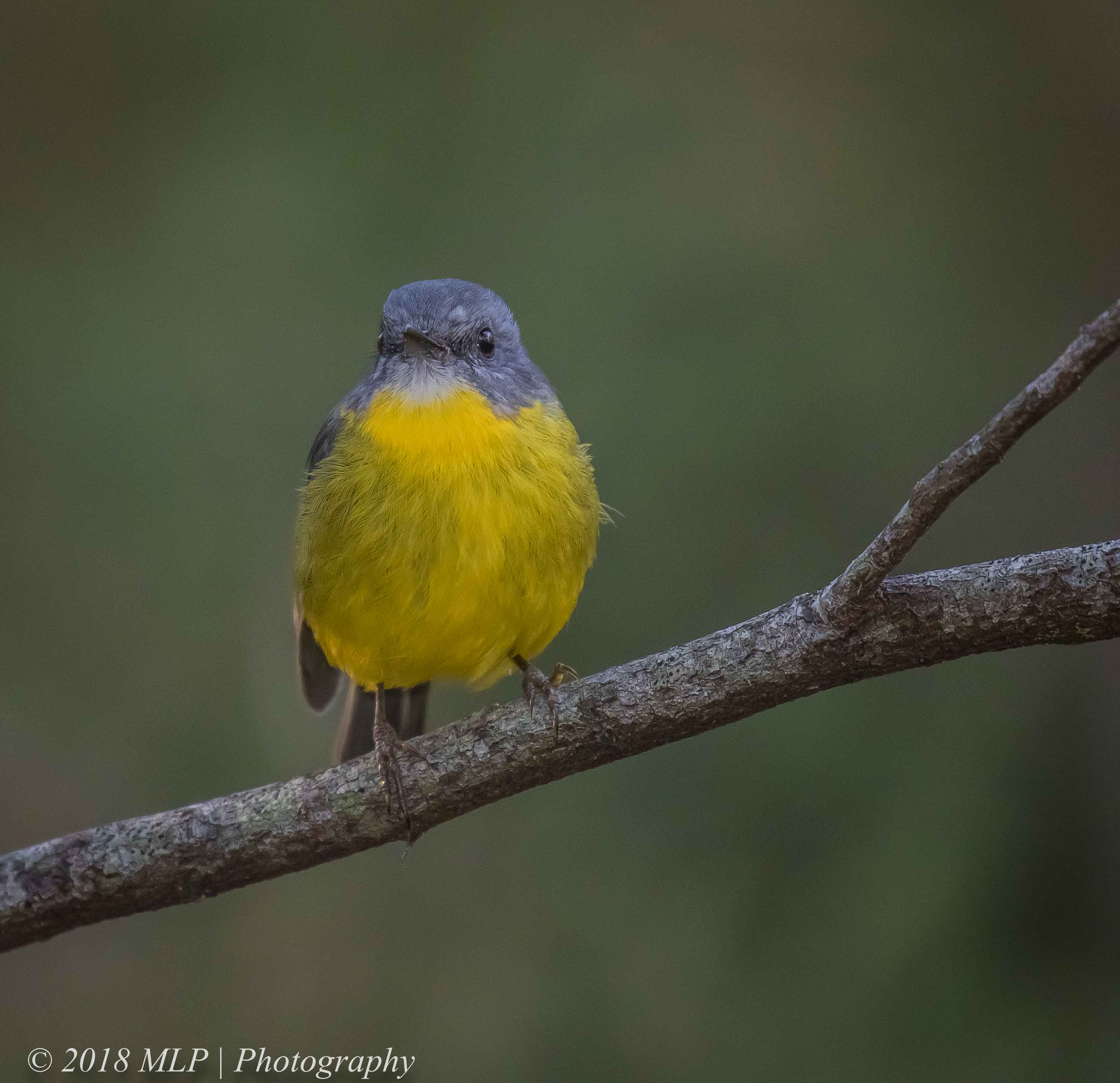
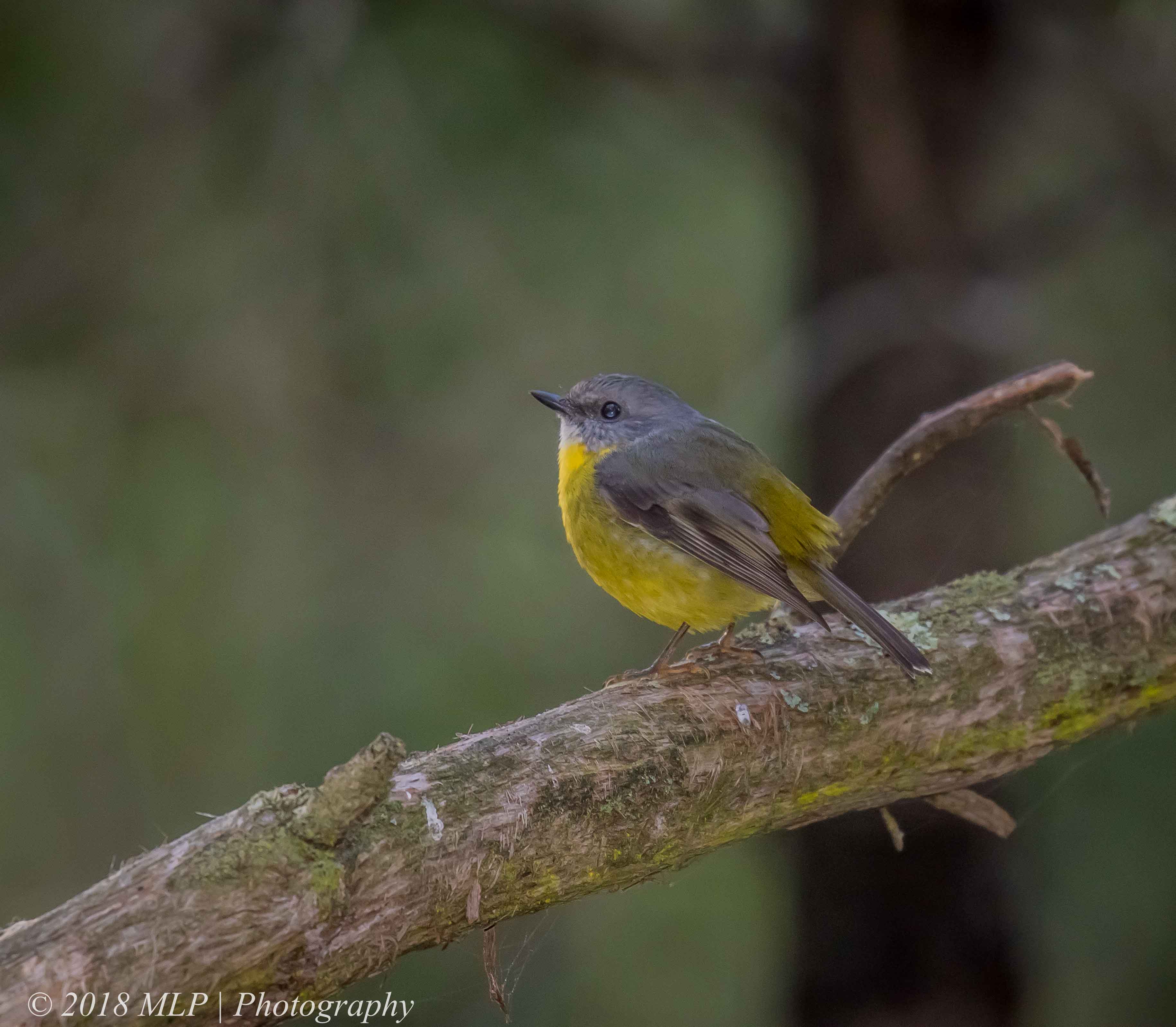
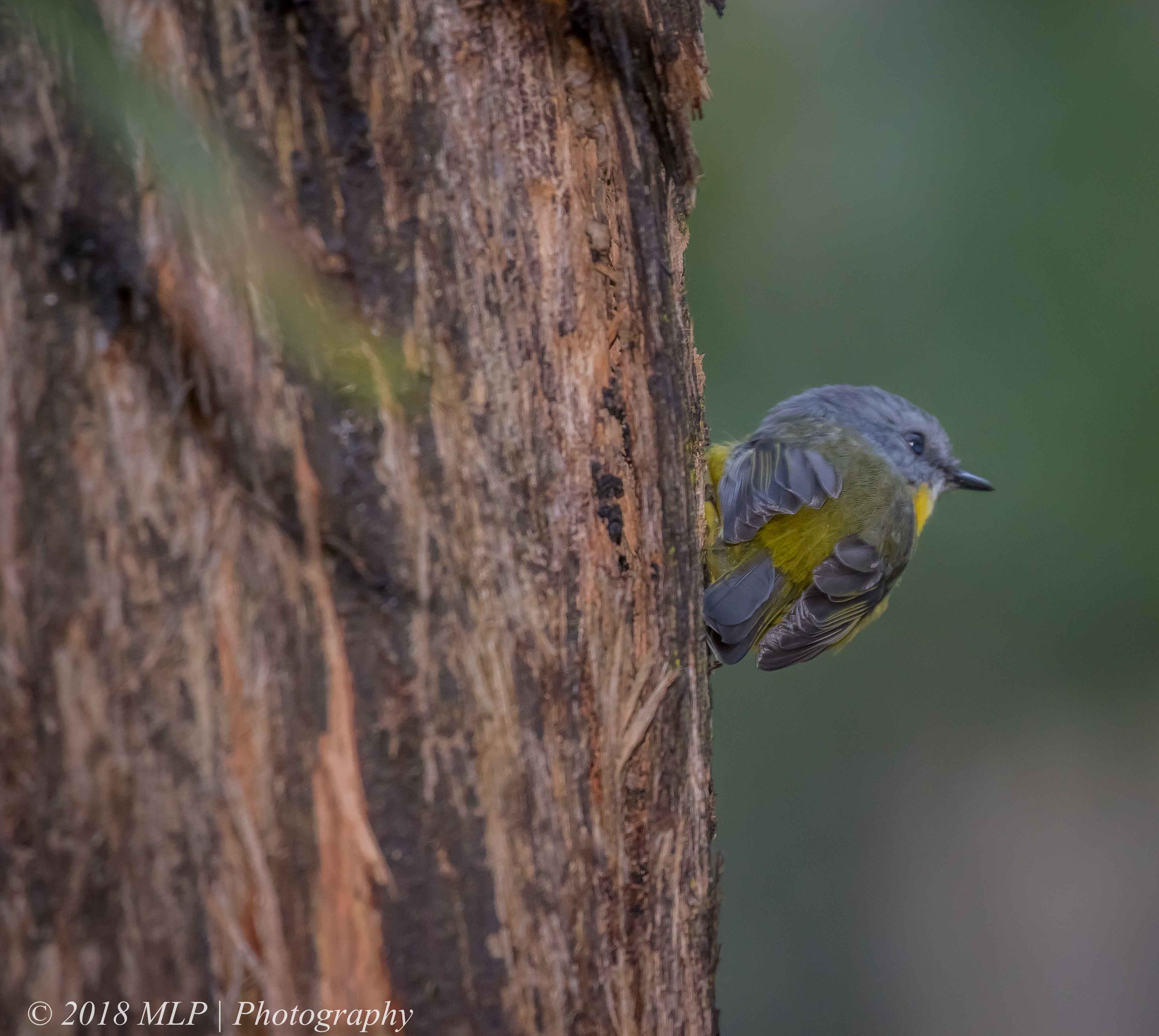
One of the first birds I see when I enter the forest at Green’s Bush is the Eastern yellow Robin. I watch it as it moves forward away from me down the track to the next tree trunk around head height. It keeps an eye on me and watches the ground for its next meal. It is an ambush hunter. From behind it is quite camouflaged and I often fail to see until it dashes forward but front on it is a beautiful vibrant yellow. I usually find them in pairs in territories around the track, my record for sightings is 14 along a 3.8 km circuit. At the moment there are quite a few juveniles coming into colour and moving around the forest.

Eastern yellow Robin, Greens Bush, Mornington Peninsula National Park, Vic

Eastern yellow Robin, Greens Bush, Mornington Peninsula National Park, Vic

Eastern yellow Robin, Greens Bush, Mornington Peninsula National Park, Vic

II

Eastern yellow Robin, Greens Bush, Mornington Peninsula National Park, Vic

III

Eastern yellow Robin, Greens Bush, Mornington Peninsula National Park, Vic

Eastern yellow Robin in its usual hunting pose…

Yellow-rumped Thornbills at Easter lunch.

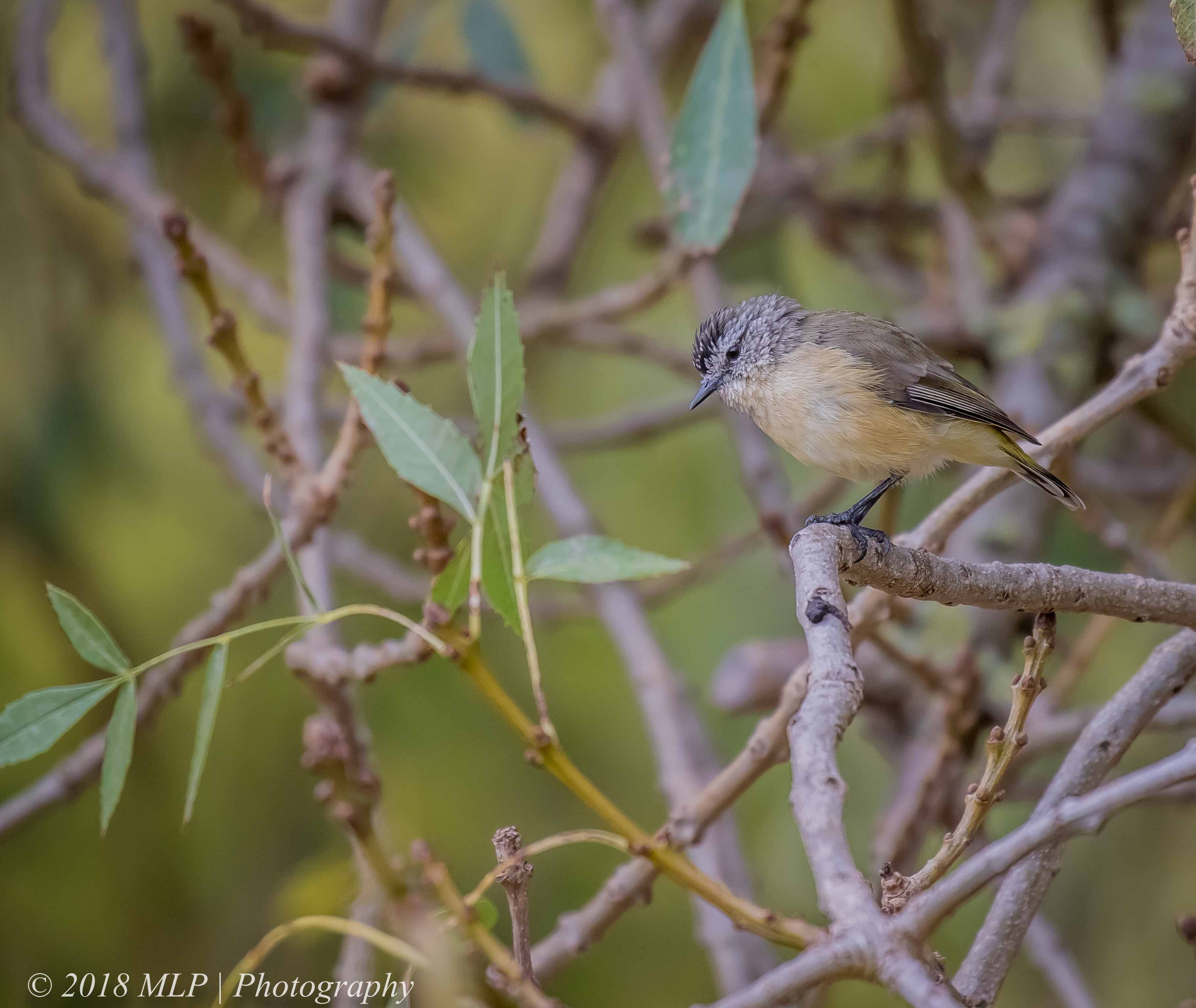
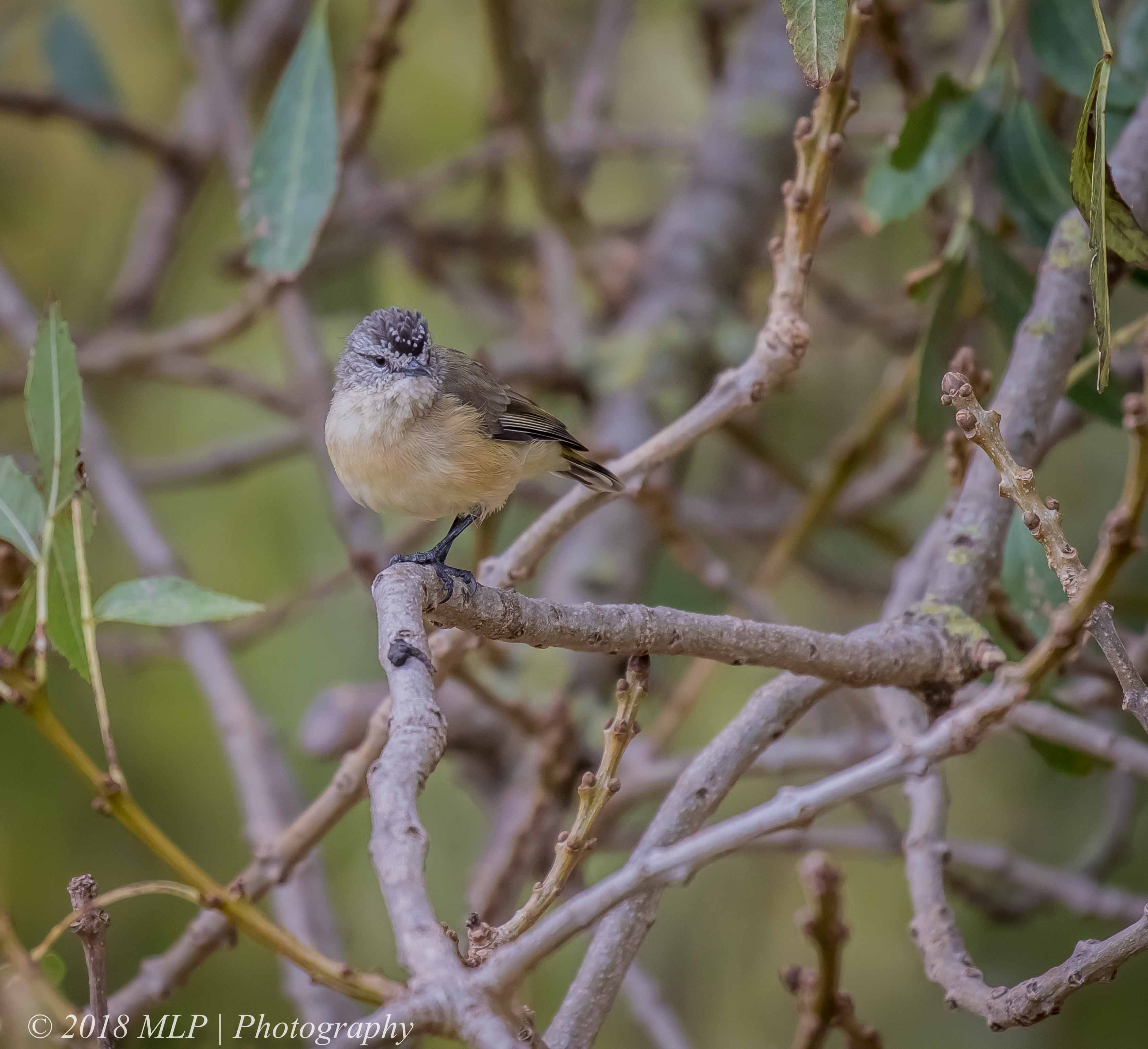
I spent Easter Sunday at my parents place in Moorooduc, an hour south of Melbourne. Between chainsawing fallen tree branches after the last wind storm and Easter lunch, I heard soft trill calls and noticed a feeding flock of small birds moving through a group of trees. I grabbed my camera gear from the car and stalked the little birds with the bright yellow rumps. I try and wander around the various sections of the farm looking for new species. The small farm is starting to build quite a bird list. I added two new species  – the Yellow-rumped Thornbills below and later a pair of Cape Barren Geese landed in a nearby paddock.

Yellow-rumped Thornbill, Willowind, Moorooduc, Vic

Yellow-rumped Thornbill, Willowind, Moorooduc, Vic

Yellow-rumped Thornbill, Willowind, Moorooduc, Vic

II

Yellow-rumped Thornbill, Willowind, Moorooduc, Vic

III

Yellow-rumped Thornbill, Willowind, Moorooduc, Vic

IV

Swamp Rat of Tootgarook

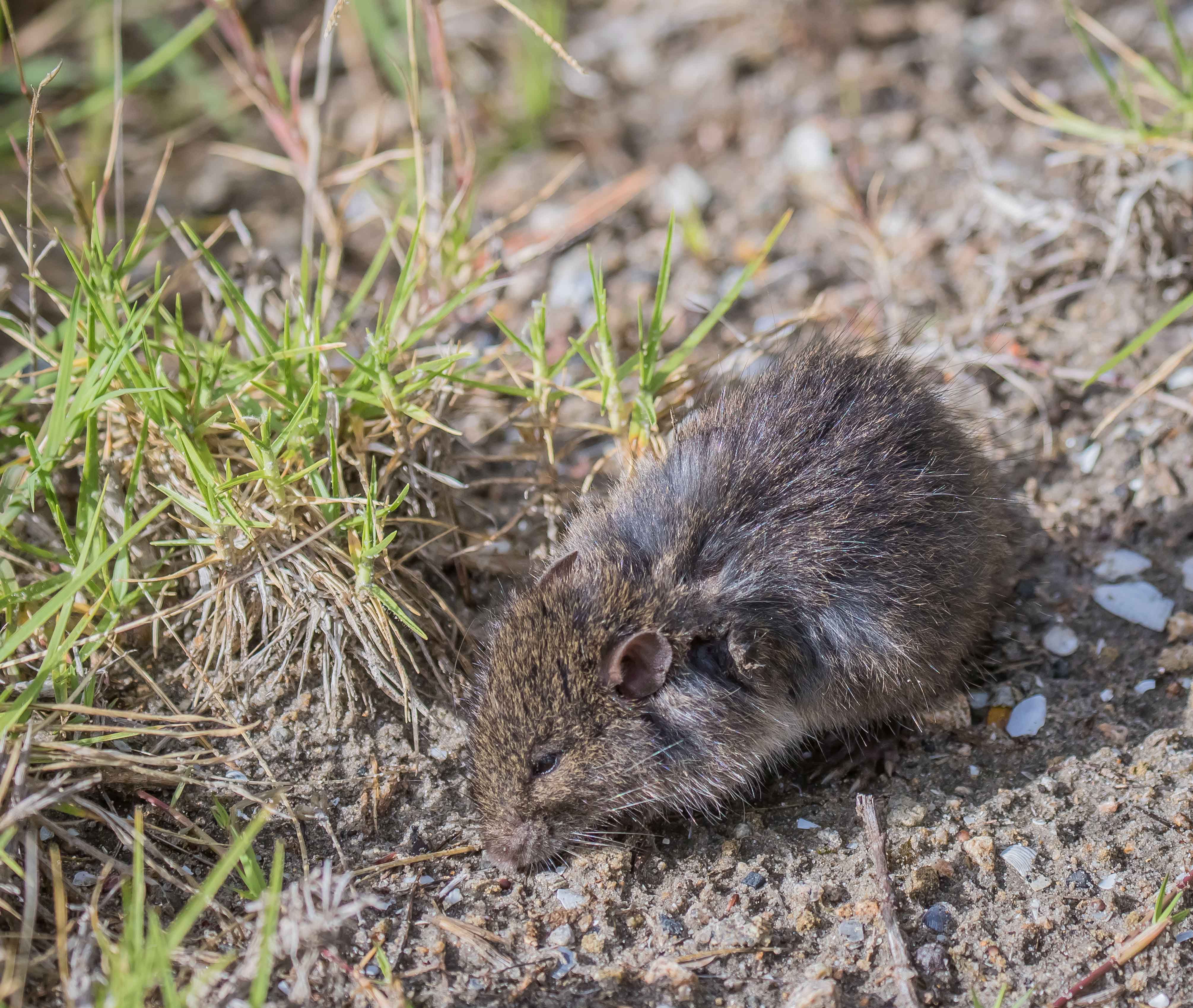
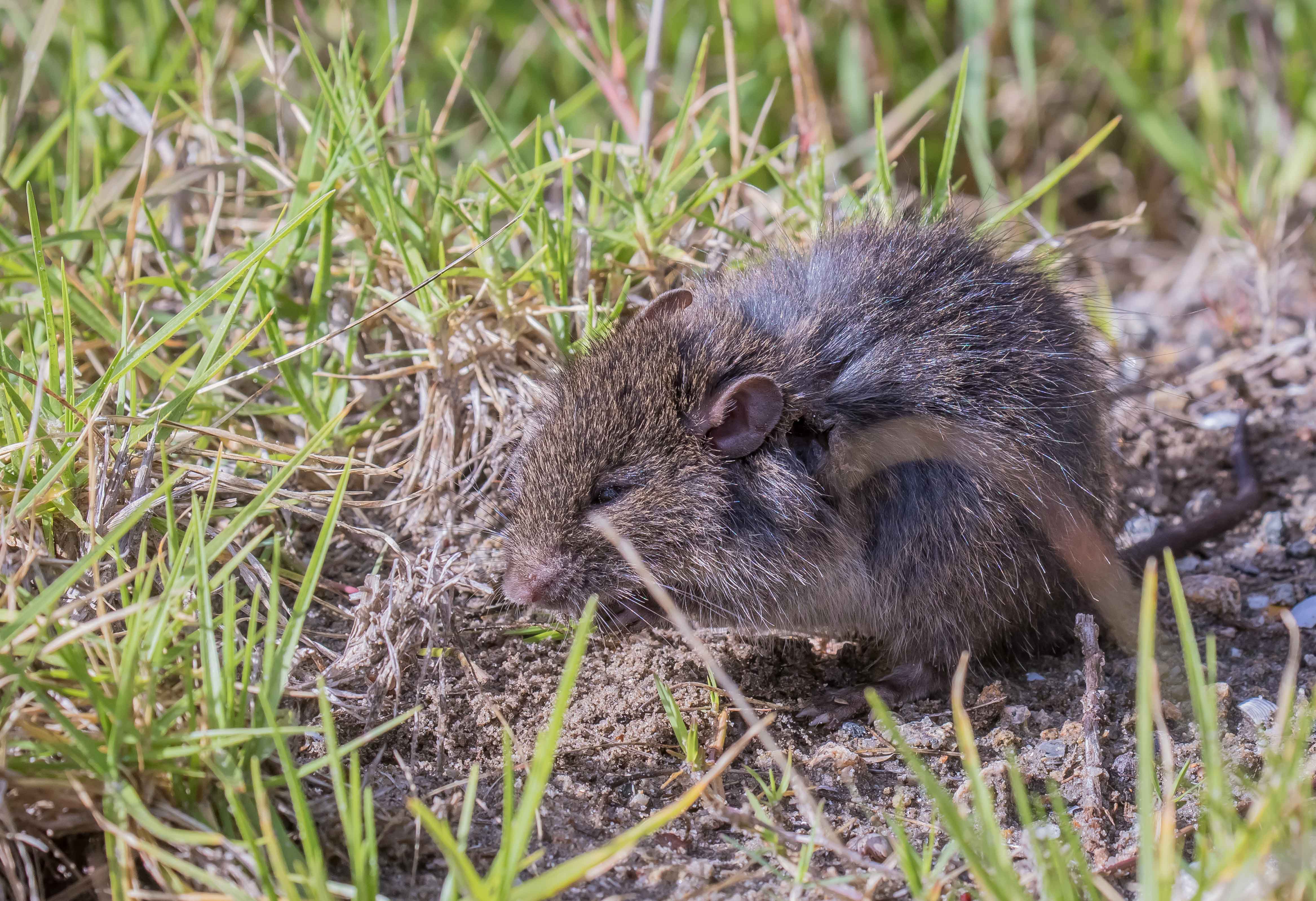
While returning from my exploration of the fringes around the Tootgarook Swamp and photographing Striated Fieldwrens and Golden-headed Cisticolas I stood at the edge of the track looking into the swamp and my eye caught some movement at my feet. It was a native rat – an Australian or Eastern Swamp Rat (Rattus lutreolus). It is the first time I have seen a native swamp rat. I have seen and photographed Rikalis (native water rats) a few times but never a swamp rat. It took me a little while to convince myself I was not looking at the standard European black or brown rat. Its behaviour was odd – it seemed to totally ignore me no matter how close  I got and only reacted when I made a decent noise (dropping to my knees with all my gear clanking around me). I saw that it had a deep wound on its side – it looked to be healing but may have resulted in unusual behaviours. With the raptors circling above I doubt it will live long coming into the open. While ignoring me it fed on small grass seeds and dug up roots at the base of the grass.

Swamp Rat, Tootgarook Wetlands, Tootgarook, Vic

Swamp Rat, Tootgarook Wetlands, Tootgarook, Vic

Swamp Rat, Tootgarook Wetlands, Tootgarook, Vic

II

Swamp Rat, Tootgarook Wetlands, Tootgarook, Vic

The tail is much shorter on a Swamp Rat compared to a Black Rat.

Swamp Rat, Tootgarook Wetlands, Tootgarook, Vic

IV

Tootgarook lookout

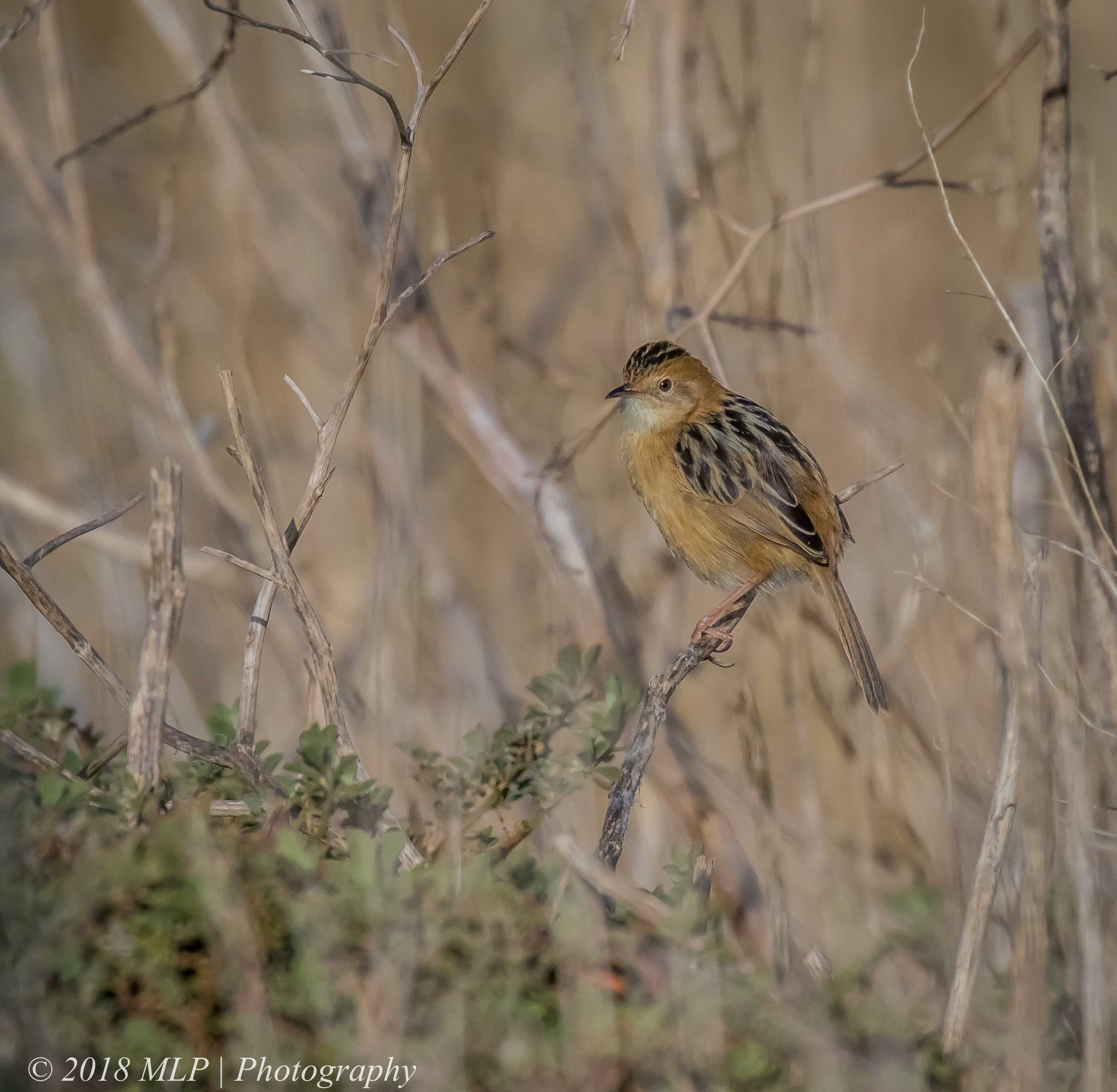
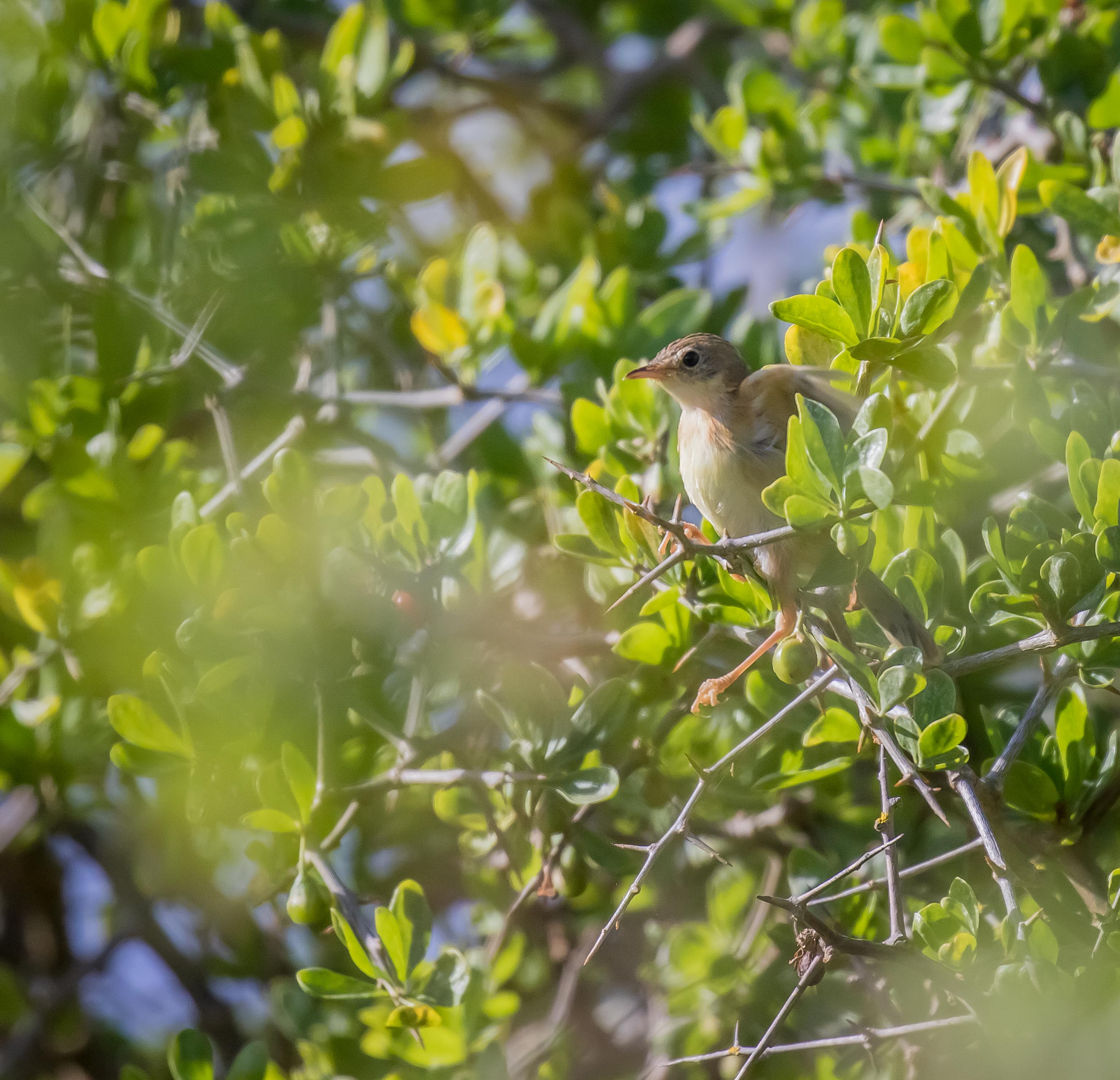
I saw a few bird species working the fruiting thorn bushes near the Tootgarook swamp. Along with the Striated Fieldwren and I found small groups of adults and juvenile Golden-headed Cisticolas feeding on insects and hiding in the thorn bushes. One would sit at the top of a bush and keep lookout while the rest would feed. The young one pictured further below must have been fresh out of the nest as it was quite clumsy in flight and when trying to land between the thorns.

Golden headed Cisticola, Tootgarook Wetlands, Tootgarook, Vic

Golden headed Cisticola look-out, Tootgarook Wetlands, Tootgarook, Vic

Juvenile Golden headed Cisticola, Tootgarook Wetlands, Tootgarook, Vic

Juvenile Golden headed Cisticola navigating the thorn bushes.

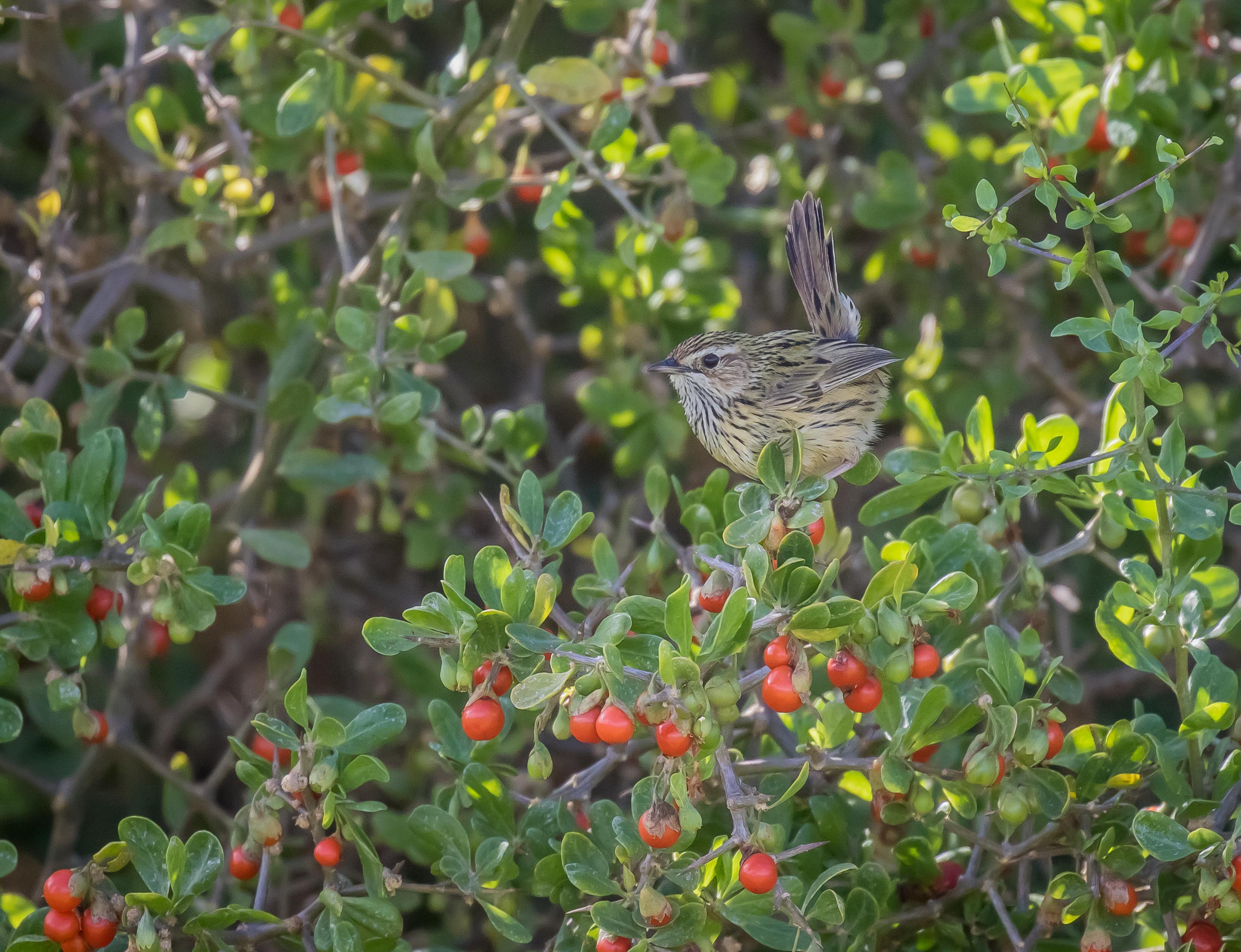
Striated Fieldwren – Tootgarook Swamp

Trying to get access into the Tootgarook Swamp and wetlands can be quite tricky. The swamp is located between Rosebud and Rye in Tootgarrok on the Mornington Penninsula. The proposed fresh water wetlands have been a battle ground between local environmentalists and developers trying to bulldoze the swamp and create yet more suburban housing. At this stage the local action groups are winning out and the developers are being delayed. Hopefully this will continue until the full community gets behind the creation of a protected wetlands. I have been visiting and exploring around the fringe of the swamp areas trying to find the best access spots. One of the higher vantage points is via a closed road that leads to an old dumping area that is located between the sports ovals and the swamp. I spent some time looking for the beautiful and melodic Striated Fieldwren and found a quite a few along the edge of the dumping ground.

Striated Fieldwren, Tootgarook Wetlands, Tootgarook, Vic

Striated Fieldwren, Tootgarook Wetlands, Tootgarook, Vic

Striated Fieldwren, Tootgarook Wetlands, Tootgarook, Vic

II

Striated Fieldwren, Tootgarook Wetlands, Tootgarook, Vic

III

Striated Fieldwren, Tootgarook Wetlands, Tootgarook, Vic

IV

Striated Fieldwren, Tootgarook Wetlands, Tootgarook, Vic

V

Striated Fieldwren, Tootgarook Wetlands, Tootgarook, Vic

Protest vote

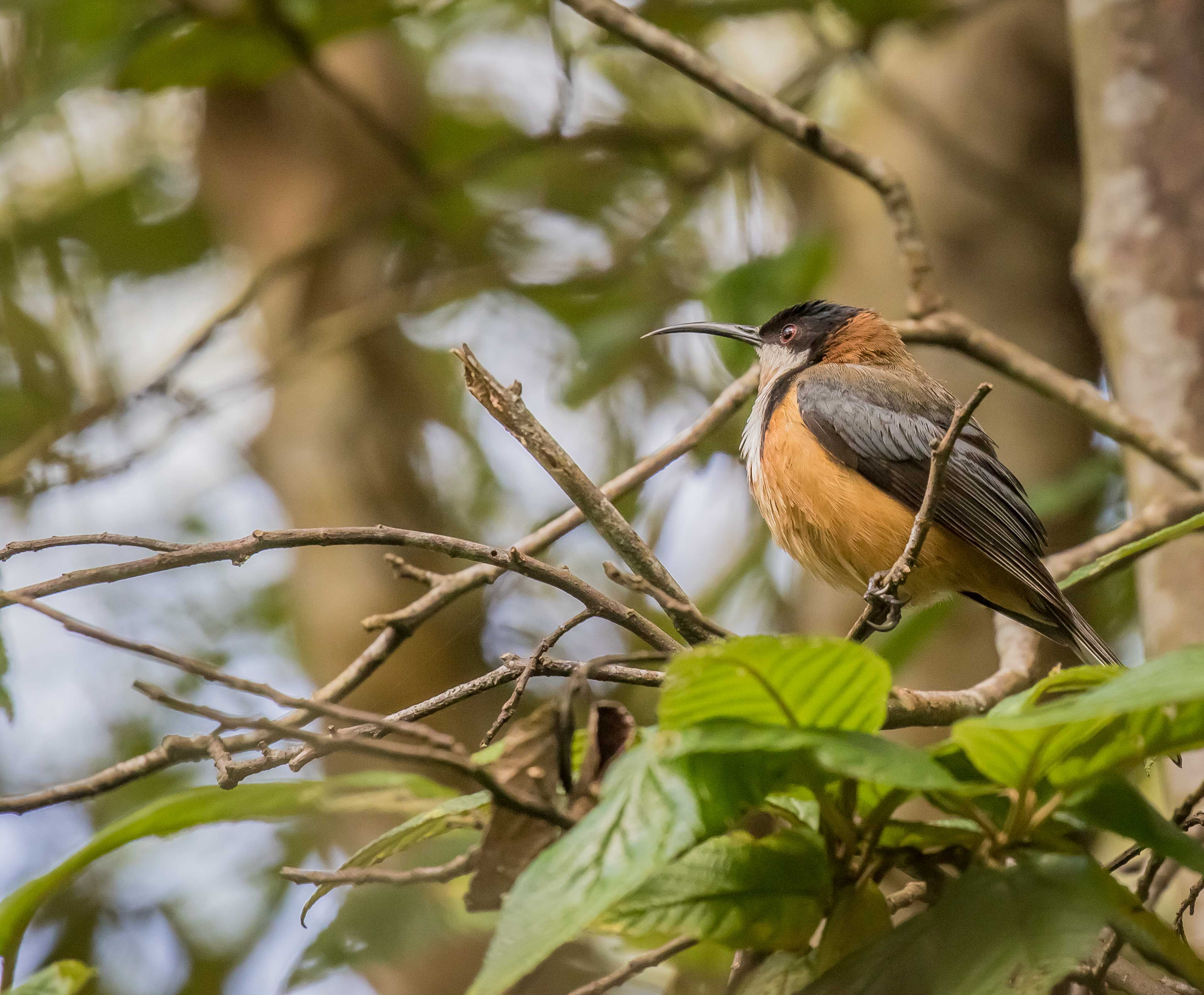
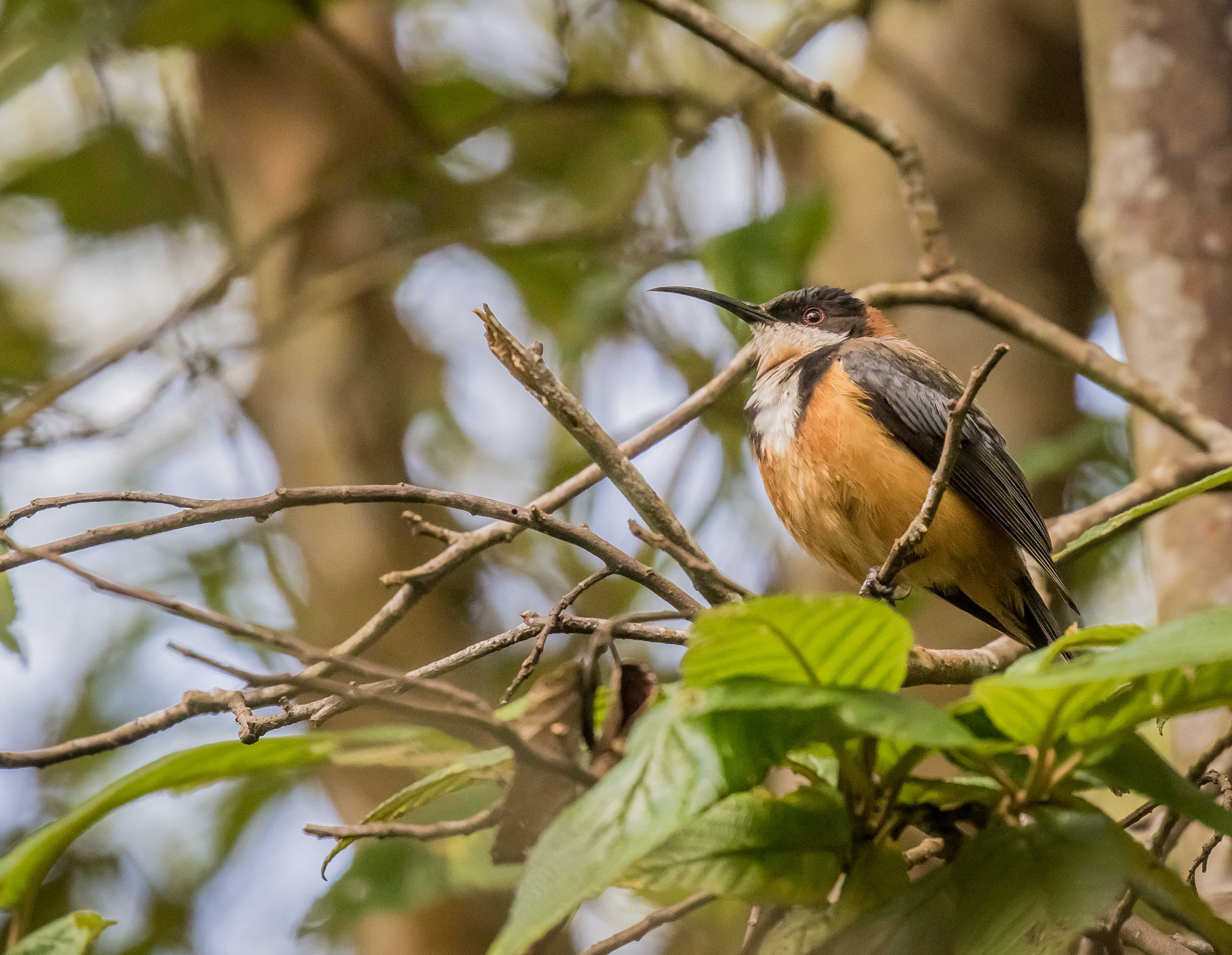
Green’s Bush Eastern Spinebill

During late Summer I have been spending most weekends walking around the various sections of Green’s Bush. Near the entrance to the Baldry Crossing Circuit I found this Eastern Spinebill feeding along the creek.

Eastern Spinebill, Greens Bush, Mornington Peninsula National park, Vic

Eastern Spinebill, Greens Bush, Mornington Peninsula National park, Vic

Eastern Spinebill, Greens Bush, Mornington Peninsula National park, Vic

Eastern Spinebill, Greens Bush, Mornington Peninsula National park, Vic

Scrubbers along the track

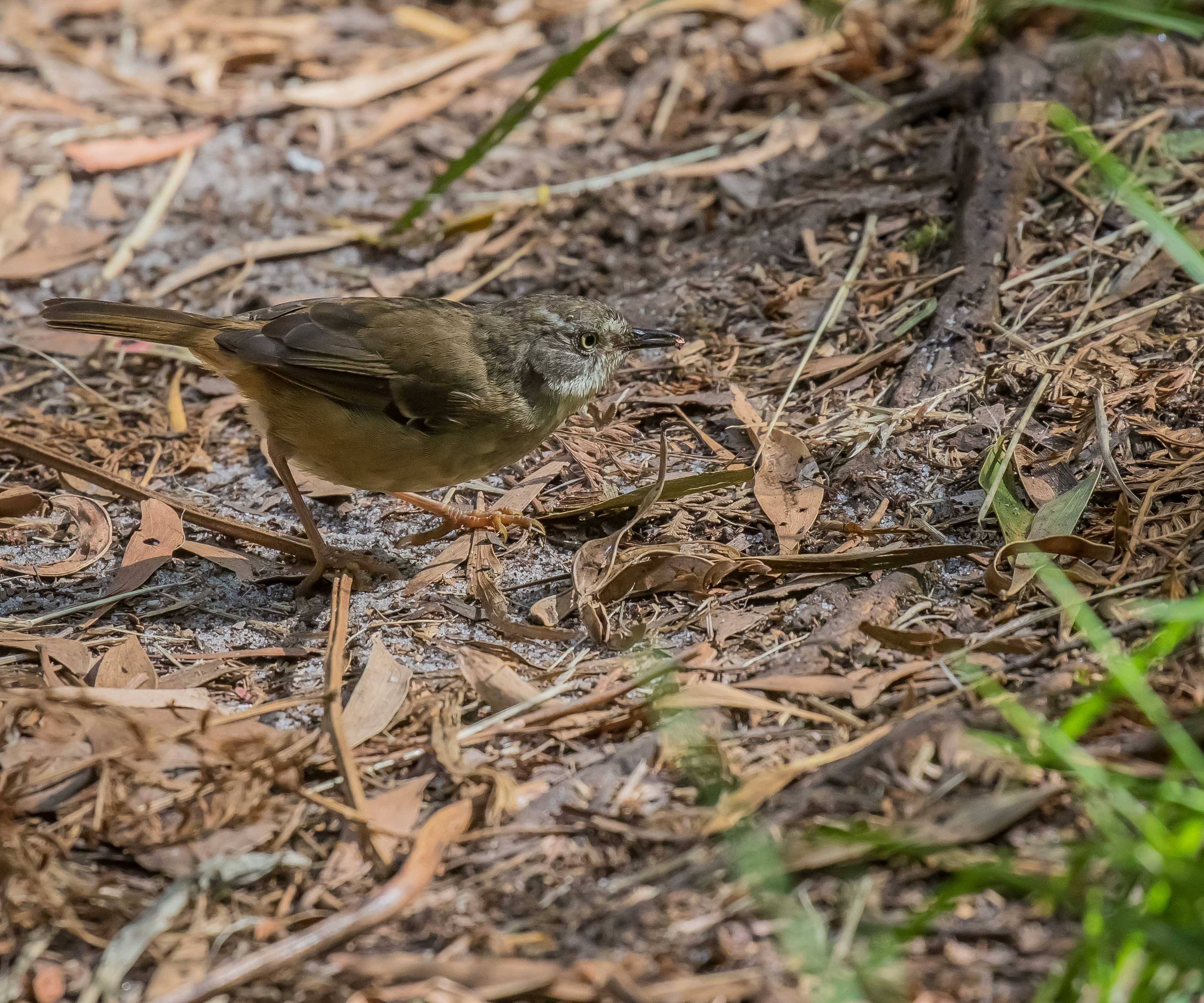
One of the regular birds I see along the tracks of Greens Bush is the White-browed Scrubwren. I see them often but dont often photograph them due to their constant movement and the shady and dark areas they lurk. When I find them I try to phish and psst to attract their attention. The one below was with a bunch of juveniles that were hunting in the mottled shadows and I managed to actually get a clear shot. I liked its intensity as it grabbed a spec of food and gave it to one of the juveniles.

White-browed Scrubwren, Greens Bush, Mornington Peninsula National park, Vic,

White-browed Scrubwren, Greens Bush, Mornington Peninsula National park, Vic,

Churchill National Park Fairywrens.

A friend took me to Churchill National Park a while back. I have been looking for new sites around the greater Melbourne with good photo opportunities. It was a the first time I had visited this site and it was pretty good. There are plenty of tracks and I found good range of forest bird species and a colony of Superb Fairywrens including this nicely coloured male below.

Male Superb Fairy-wren, Chrurchill National Park, Vic

Male Superb Fairywren, Churchill National Park, Vic

A challenging ID

Below is another of the young birds I have been finding while walking around Greens Bush down the Mornington Peninsula. To ID this one took some effort and fooled me a bit due to its rufous colouring – I was thinking Rufous Fantail or Rufous Whistler, or maybe something exotic. It was definitely a juvenile as it moved around a nearby bush in a deep rainforest glade along the track. It was quite curious and I tried to keep it interested by phishing and psstting so I could take a few images to check out later…any ideas? The previous juvenile to fool me was a young Eastern Yellow Robin.

Juvenile Golden Whistler, Greens Bush, Mornington Peninsula National Park, Vic

Mystery Bird, Greens Bush, Mornington Peninsula National Park, Vic

Juvenile Golden Whistler, Greens Bush, Mornington Peninsula National Park, Vic

II