
When I go to Greens Bush I like to drop in on Flinders back beach as well. There is a pair of resident Hooded Plovers on the beach that are surviving the conditions and the number of people that visit. It is a popular area, with the golf course above and the easy access to the beach at several points for locals and visitors. It is probably the closest point to Melbourne to find the Sooty Oystercatcher, the Hooded Plover and a good chance for the Black Faced Cormorant (though I have not seen them there yet). I visited twice on the weekend, once at high tide and again at low tide. At high tide the birds rest and groom at the high water mark waiting for the tide to turn and occasionally run into the waters edge for anything juicy that may become exposed or washed up.

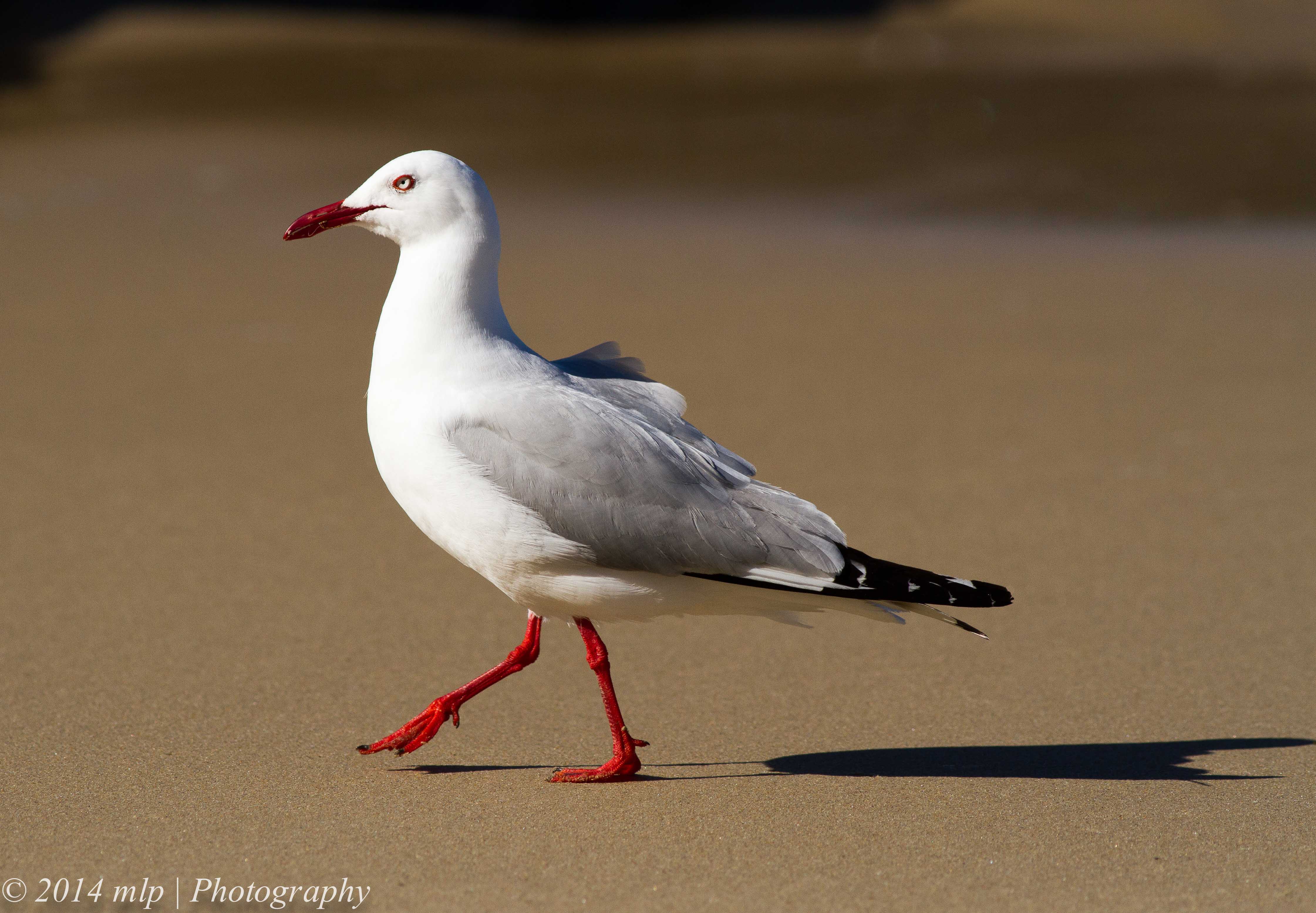
Crested Tern & Silver Gull
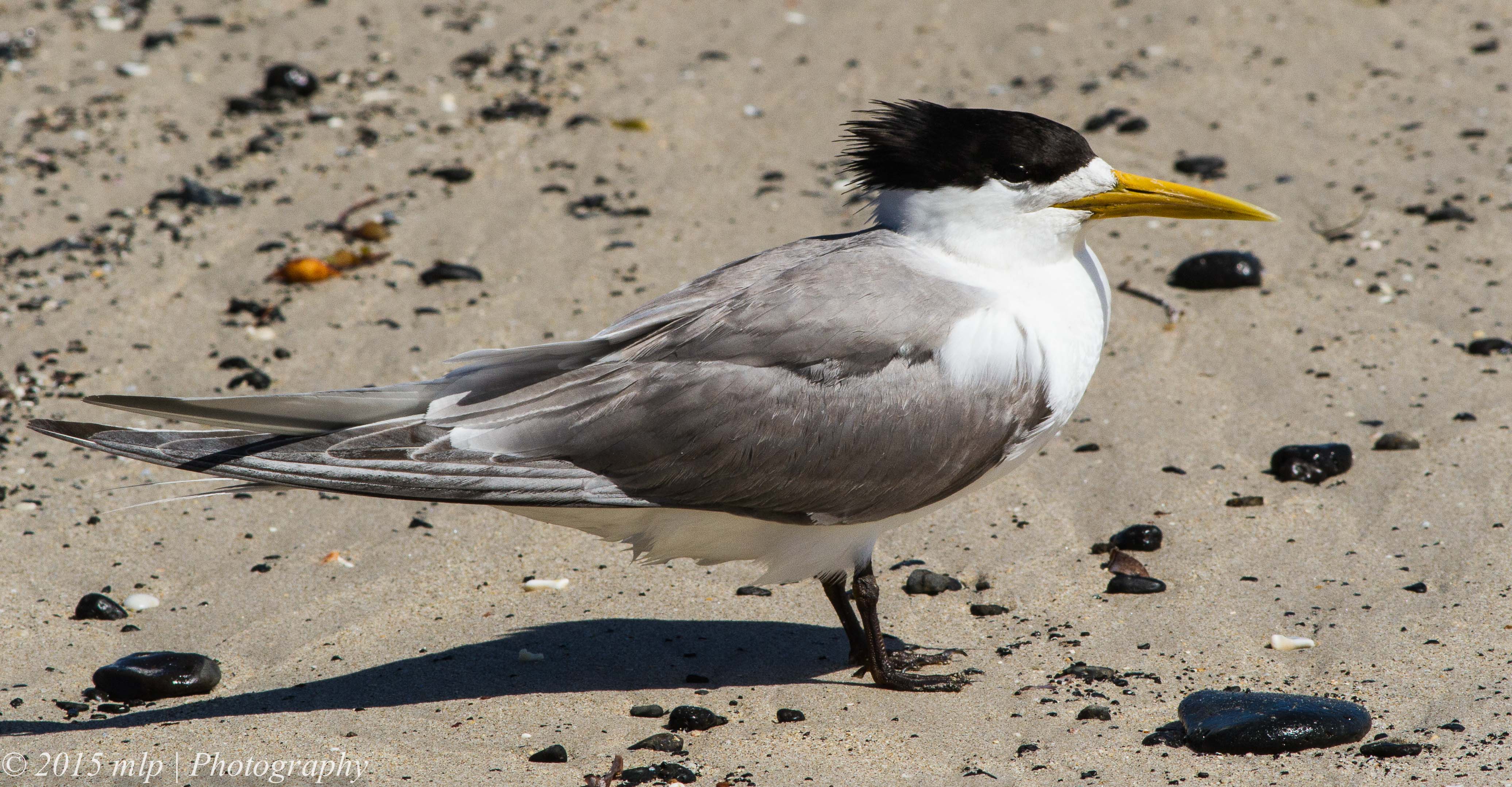
Crested Tern
The Hooded Plover is a closely monitored bird. It is endangered in many areas along the Australian coastline due to housing and commercial development and land clearing. It is particularly vulnerable to beach users especially dog owners. It lives and hunts on the sand and nests in scrapes amongst the sea weed at the high water mark or at the base of the dunes. It is hunted by cats, foxes and other predators and the nests are often disturbed or destroyed by walkers and dogs. Some councils will rope off areas when Plovers are nesting but so far I have only seen the Mallacoota council do this at Betka Beach. (On a busy day people did seem to stay clear of the ropes and the signs.) It is too bad that other councils don’t try it as well.
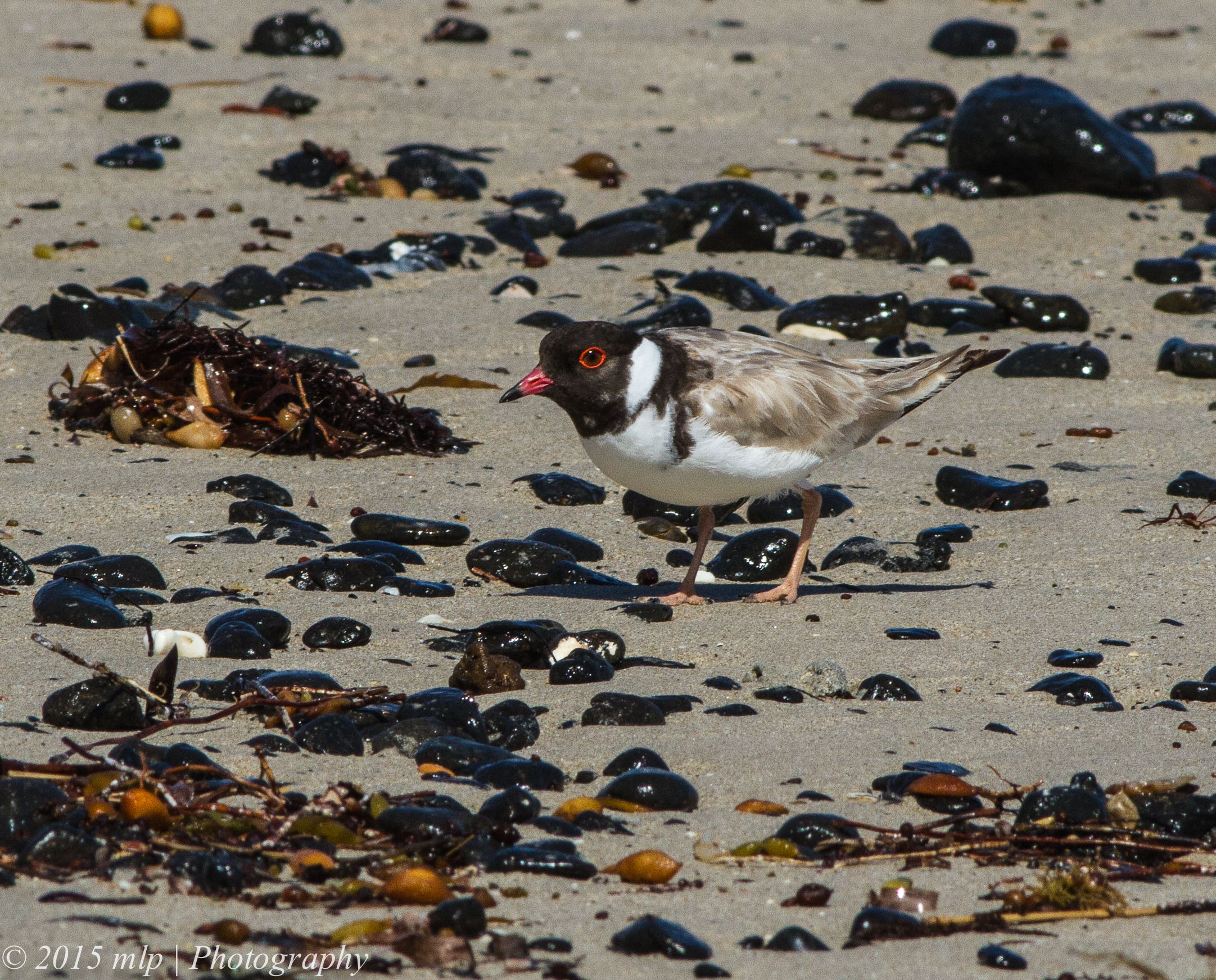
Hooded Plover

Hooded Plover II – hunkered down against the wind with plumage that helps camouflage against predators.
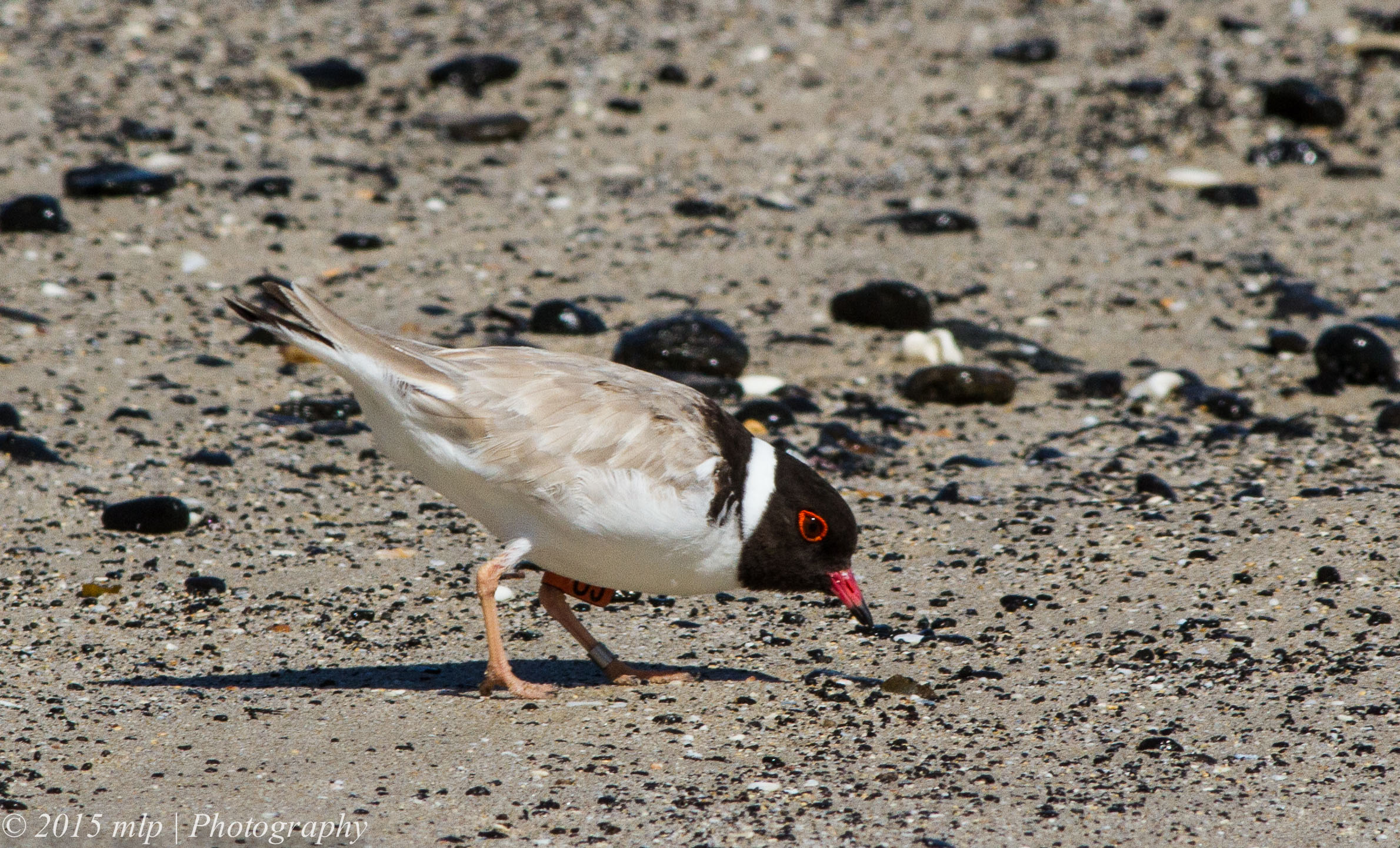
Hooded Plover III
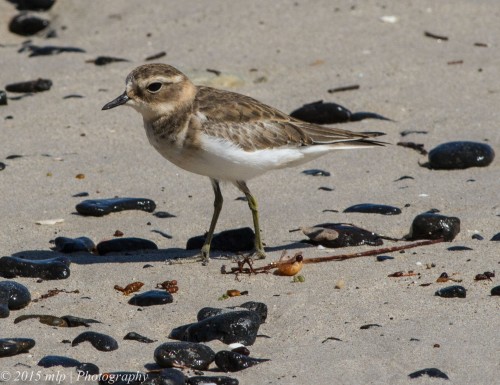
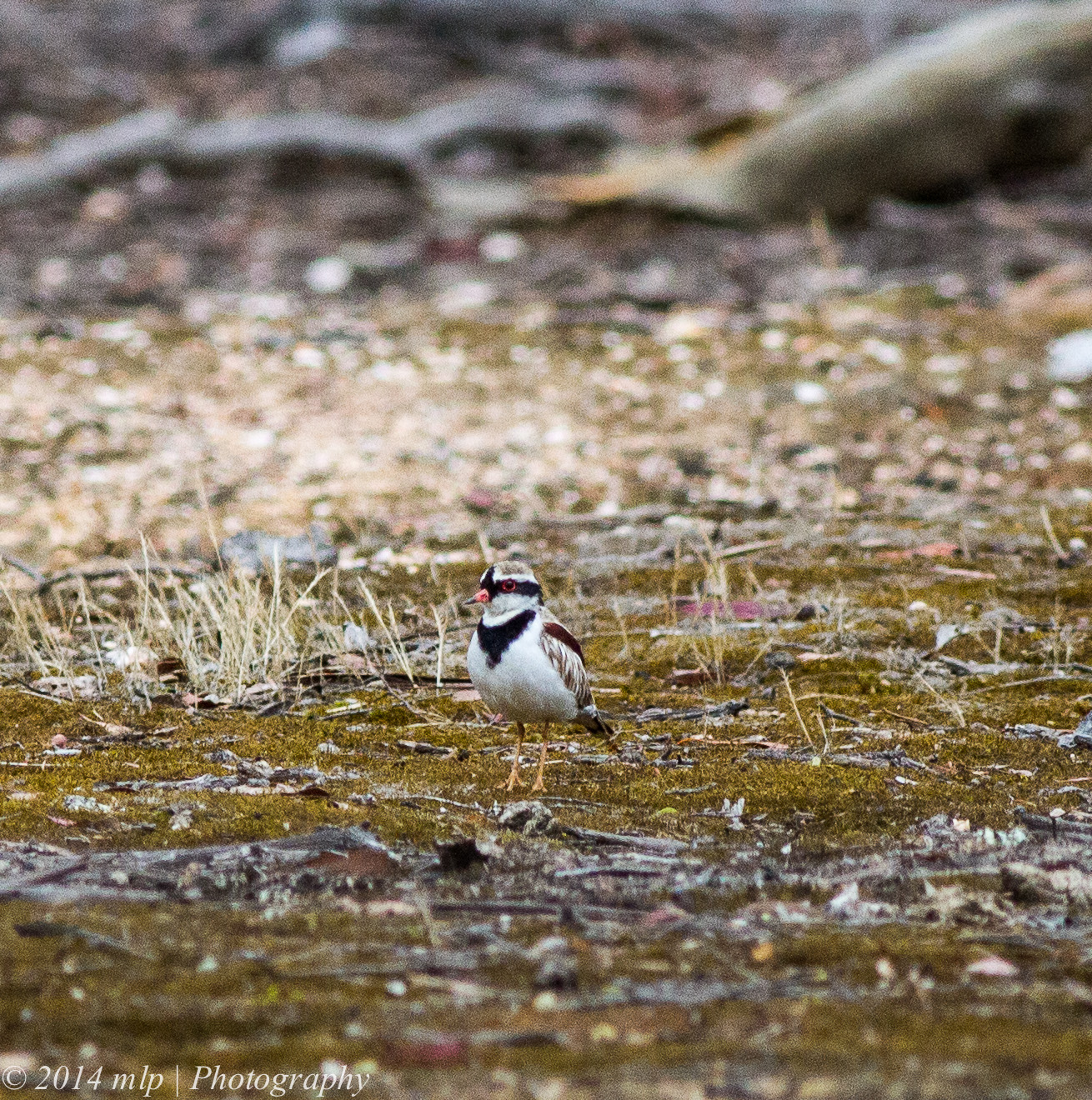
Associating closely with the Hooded Plover was a Double Banded Plover. Due to its size I had thought it was a Juvenile Hooded Plover but I am happy to be corrected.




































 The Gap Year and Beyond