Category Archives: Bird Behaviour

The White-browed Scrubwrens of Point Ormond

At Elwood’s Point Ormond is a section of old seaside vegetation. Much of the area has been cleared with just a few scraps of native vegetation left. In this small pocket beneath the Point and its navigation tower, live a few species of birds – Superb Fairy-wrens, Brown Thornbills and White-browed Scrubwrens, with many other species stopping by for a feed and rest while migrating elsewhere – Rainbow Lorikeets, Black Faced Cuckoo-shrikes, Pink Robins, Grey Fantails, Singing Honeyeaters and Silvereyes to name a few. On the last few visits we have been watching a nest of Scrubwrens and the busy parents feeding their chicks. A visit on the weekend seemed to indicate that the chicks had fledged and had moved from the nest but were still being fed by the parents.
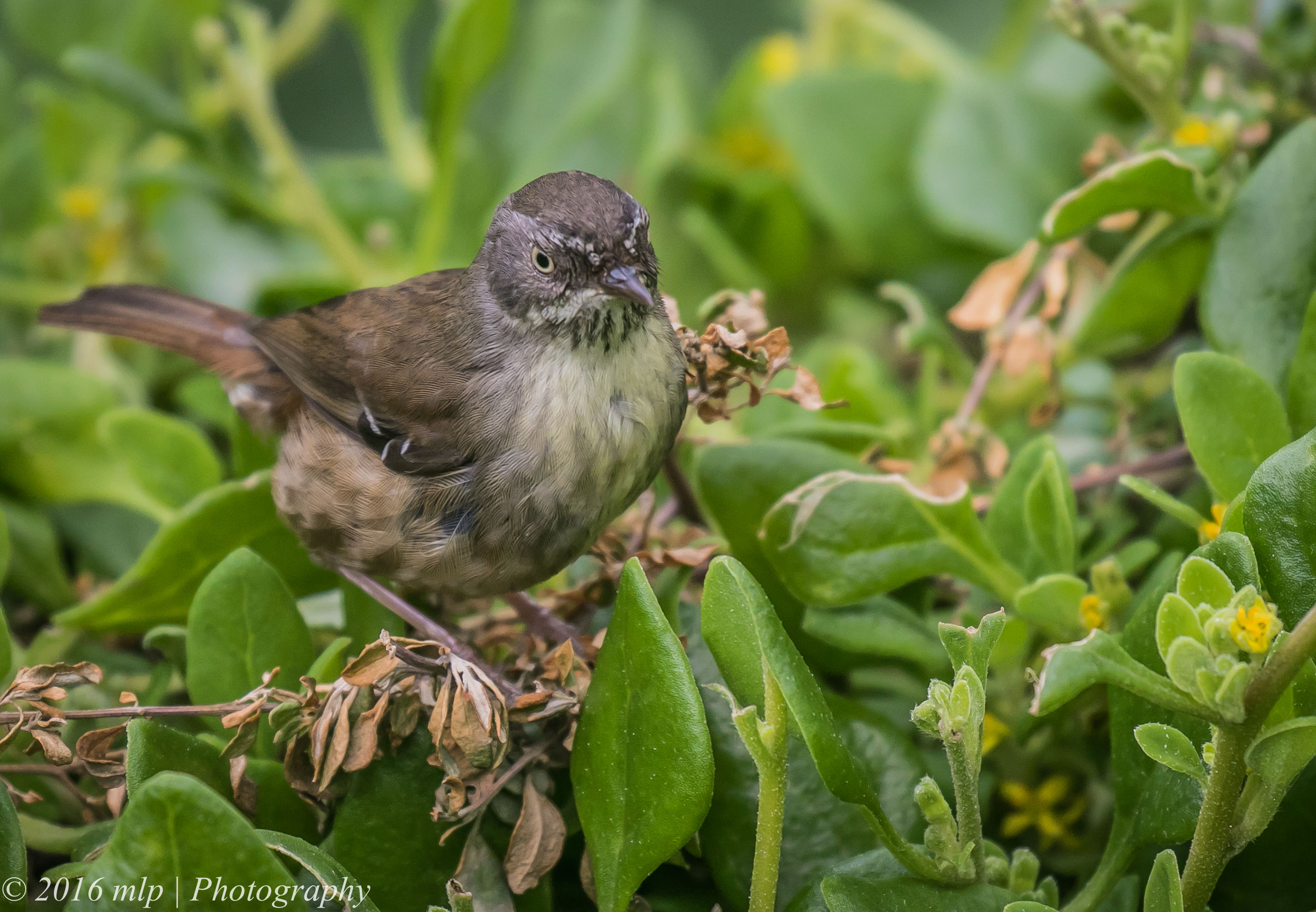
White-browed Scrubwren, Point Ormond scrub, Elwood, Victoria

White-browed Scrubwren – looking for juicy morsels for the chicks

White-browed Scrubwren, Point Ormond scrub, Elwood, Victoria

The Scrubwren returning a grub to its chicks..

Spring is fast approaching…

Many birds are busy at the moment. Potential nest sites explored, claimed and defended, nest mounds are being constructed and the recent mild weather has convinced several species to start the nesting cycle now.

The two mounds below were found in the first T-section lagoon at the Western Treatment Plant. I was surprised to see that they were fairly close to the road and in a large and fairly exposed lagoon.  Very happy to see the Brolgas nesting again at the Lagoons, though a little concerned that if it rained further then the nest could be swamped by the rising water levels. The swan’s nest was much higher from the water.

Nesting Brolga, T-section, Western treatmwent Plant, Werribee

Nesting Brolga, T-section, Western treatmwent Plant, Werribee

Brolga, T-section, Western treatmwent Plant, Werribee

Nesting Brolga’s mate nearby keeping a watch…

Nesting Swan, T-section, Western treatmwent Plant, Werribee

Nesting Swan, T-section, Western treatmwent Plant, Werribee

Rainbows and Red-rumps

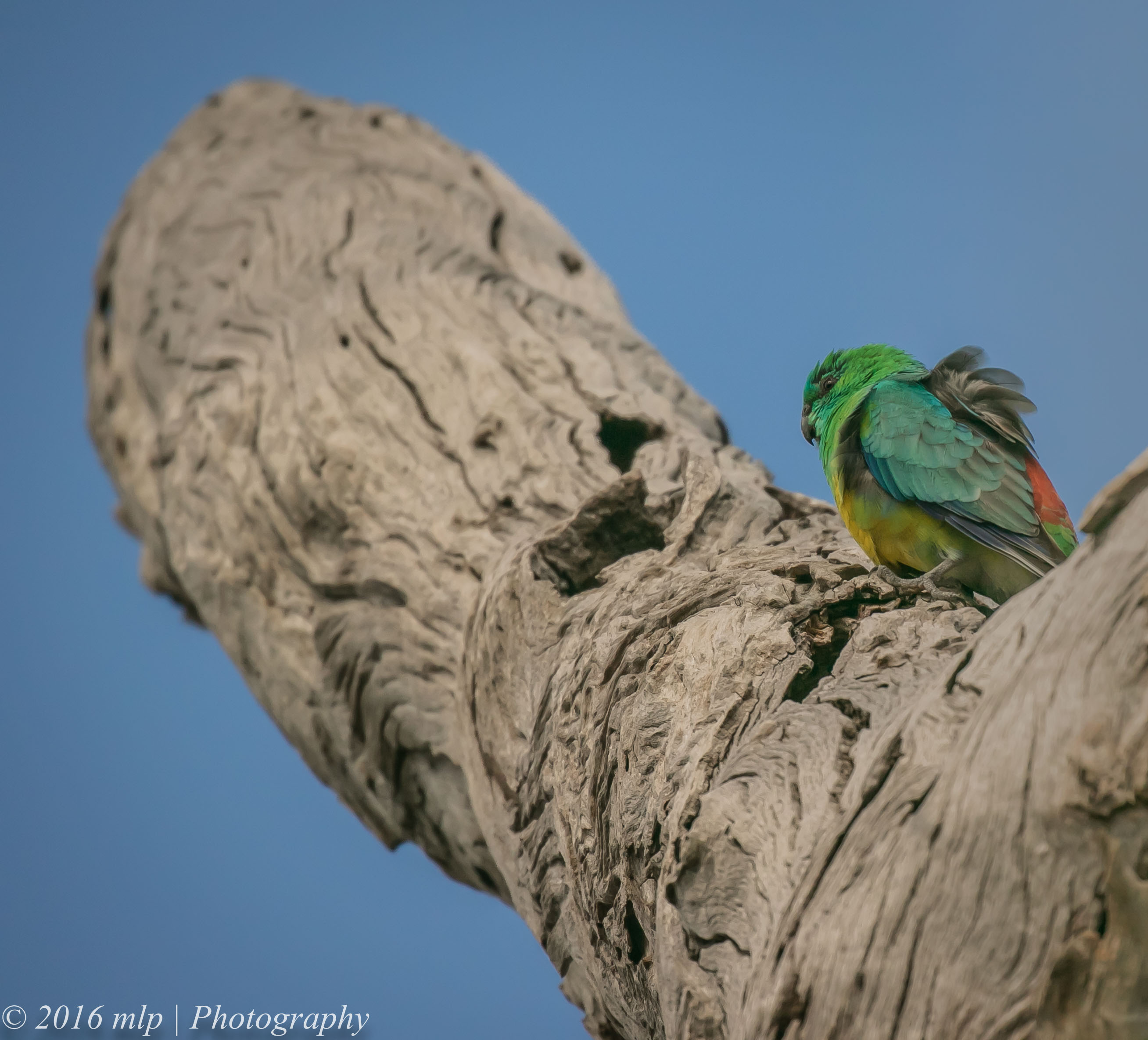
I walked around Braeside Park last week with a few friends. It has been a while since I have explored this part of the park having spent more time recently looking around the neighbouring Woodlands Industrial Estate wetlands. With all the rain over winter the lagoons have filled up nicely and there is a lot of fresh growth. There was quite the buzz around the park as many parrots, lorikeets and cockatoos searched for and explored every hollow they could looking for suitable nest sites. Once claimed the nest sites are vigorously and noisily defended. The highlight of the day was a large dead tree with a quite a number of hollows that seemed to be occupied by Red-rumped Parrots – a parrot apartment block. While it is still Winter here, one can definitely feel the change coming as the birds move into gear for the new breeding season.


Rainbow Lorikeets, Braeside Park, Victoria

Rainbow Lorikeets, Braeside Park, Victoria

Red-rumped Parrots, Braeside Park, Victoria

Female Red-rumped Parrot exploring a hollow

Red-rumped Parrots, Braeside Park, Victoria

II

Male Red Rumped Parrot, Braeside Park, Victoria

Male Red Rumped Parro waiting for the female to pop back out with a decision…

Red-rumped Parrots, Braeside Park, Victoria

Red-rumped Parrots – male guarding above and the female enjoying a little sun in the nest hollow below. Her duller colouring is well suited for long stints at the nest

A deadly hunt

On a recent trip to the Western Treatment Plant, we saw and photographed a number of raptors including several Black-shouldered Kites. We drove along the lagoon tracks and found a kite feeding on a recently caught rat.  The kites favoured prey are the mice and rats that inhabit the long grass fringes of the lagoons at the treatment plant. The kite is one of the two Australian species of raptor that can hover above a hunting ground and drop with sudden speed onto its prey. (the blog’s image logo was a kite that was hunting and hovering). After it catches the rat, it then flies to a regular feeding post or branch and consumes the prey by tearing the rat apart and eating until the rat is small enough to swallow the rest whole. Rather gruesome but interesting to watch and photograph.

Black-shouldered Kite, Western Treatment Plant, Victoria

Black-shouldered Kite, Western Treatment Plant, Victoria

Black-shouldered Kite, Western Treatment Plant, Victoria

II

Black-shouldered Kite, Western Treatment Plant, Victoria

Black-shouldered Kite with a rat

Black-shouldered Kite, Western Treatment Plant, Victoria

II

Black-shouldered Kite, Western Treatment Plant, Victoria

III

Black-shouldered Kite, Western Treatment Plant, Victoria

IV

Under the watchful gaze of a Brown Falcon

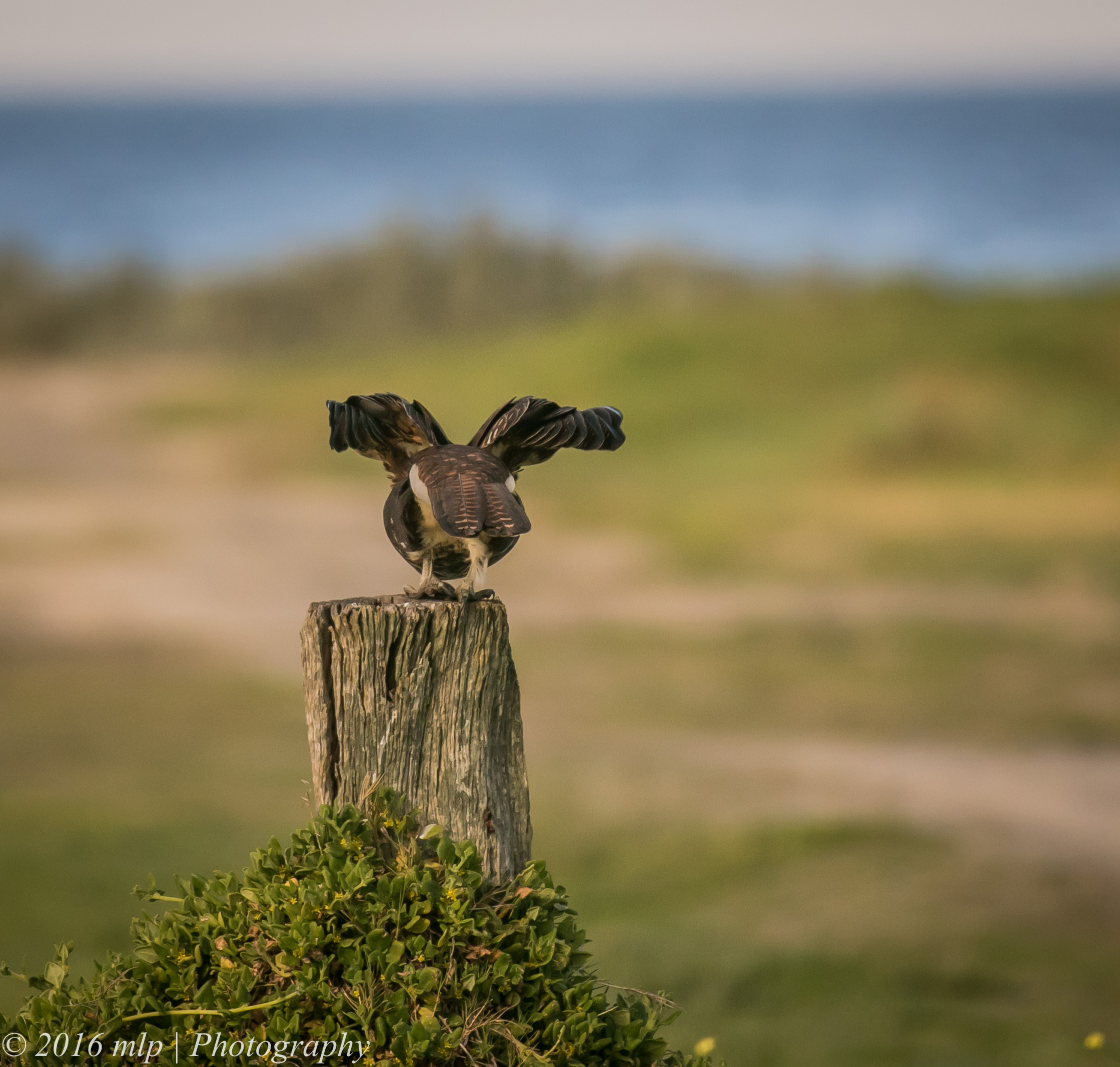
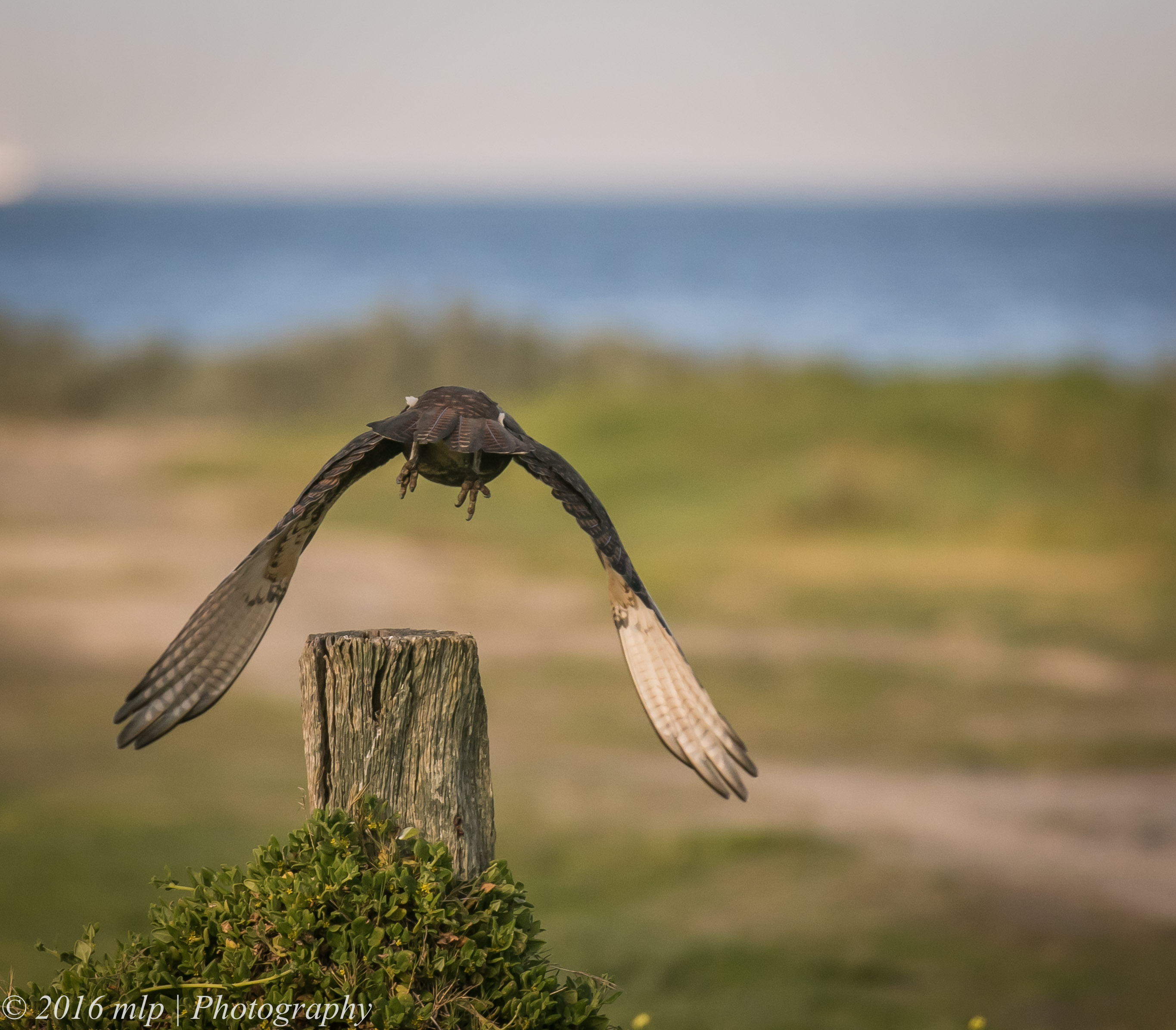
A regular member of the raptors often sighted at the Treatment Plant lagoons is the  Brown Falcon, a striking bird that often perches on posts and signs waiting for opportunities to pounce on small mammals, rabbits, birds, snakes and lizards. Towards the end of our day at the Lagoons last week, we found our  Falcon perched and watching out for its next meal. While wary of us it remained quite calm and unlike many other raptors allowed us to approach close enough to gain a few photographs.

Brown Falcon, Western Treatment Plant, Werribee, Victoria

Brown Falcon, Western Treatment Plant, Werribee, Victoria

Brown Falcon, Western Treatment Plant, Werribee, Victoria

II

Brown Falcon, Western Treatment Plant, Werribee, Victoria

III

Brown Falcon, Western Treatment Plant, Werribee, Victoria

IV

Brown Falcon, Western Treatment Plant, Werribee, Victoria

V


Zebra Finches of Kirk’s Point

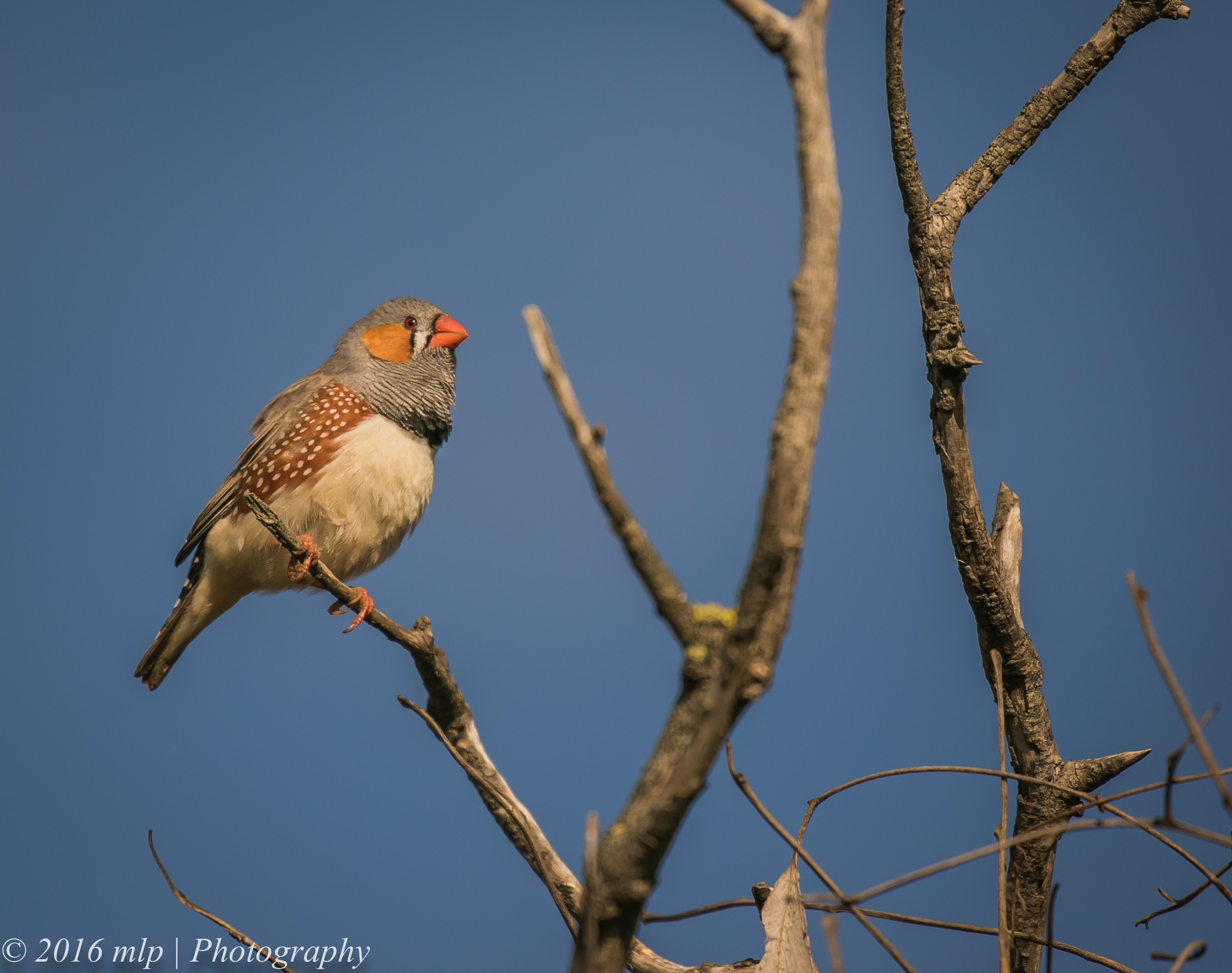
We often see Zebra Finches at the pooh farm, mostly in small groups perched on the wire fences. They quickly fly from the fence wires along the road another 10 metres and wait for the car to catch-up before flushing again. We rarely get decent photos. Last weekend we drove down to Kirk’s Point to look for Blue-winged Parrots and while watching the parrots and waiting for good opportunities for a photograph, my fellow birders discovered a good sized flock of Zebra Finches. We photographed the colony and watched them continue to build and reshape their nests. There are so few suitable trees in this flat sea side landscape that this colony chose a small bushy tree amongst a few stunted wind swept trees. They need dense prickly bushes to protect them from predators. We sat near the tree and photographed the birds go about setting up for the next generation.

Zebra Finch, Western Treatment Plant, Werribee, Victoria

Male Zebra Finch, Western Treatment Plant, Werribee, Victoria

Zebra Finch, Western Treatment Plant, Werribee, Victoria

II

Zebra Finches, Western Treatment Plant, Werribee, Victoria

Male Finch with a female below

Zebra Finches, Western Treatment Plant, Werribee, Victoria

A par of finches near their nest site…

Zebra Finches, Western Treatment Plant, Werribee, Victoria

II

Zebra Finches, Western Treatment Plant, Werribee, Victoria

A bit of a nuzzle…

Zebra Finches nest, Western Treatment Plant, Werribee, Victoria

Zebra Finches nest, part of a small colony of nests in a stunted tree…

Zebra Finches nest tree, Western Treatment Plant, Werribee, Victoria

Zebra Finches nest tree at Kirks Point (You Yangs in the background) 

Zebra Finches, Western Treatment Plant, Werribee, Victoria

Zebra Finches, Western Treatment Plant, Werribee, Victoria

Lifer 333 – Beach Stone-curlew

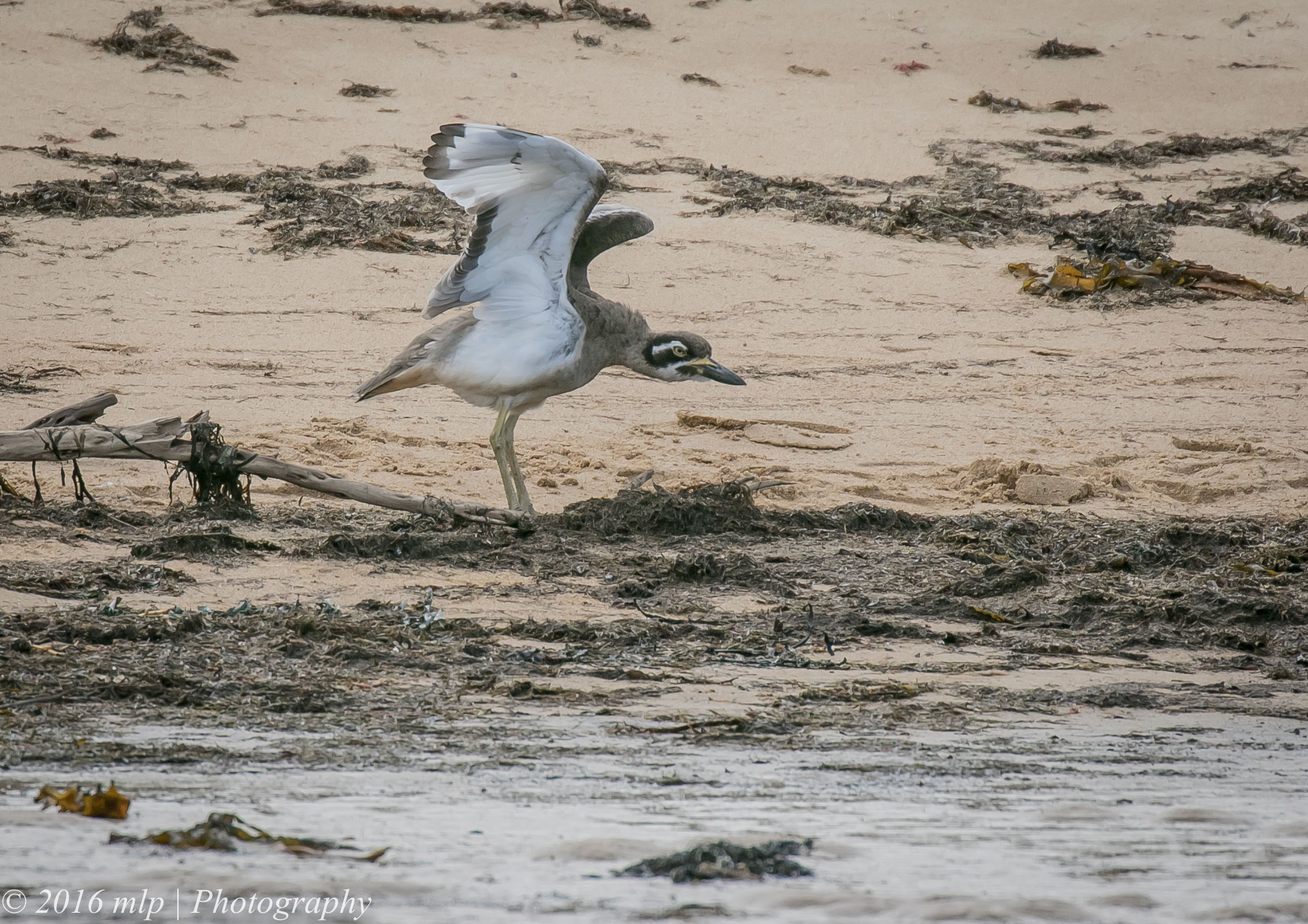
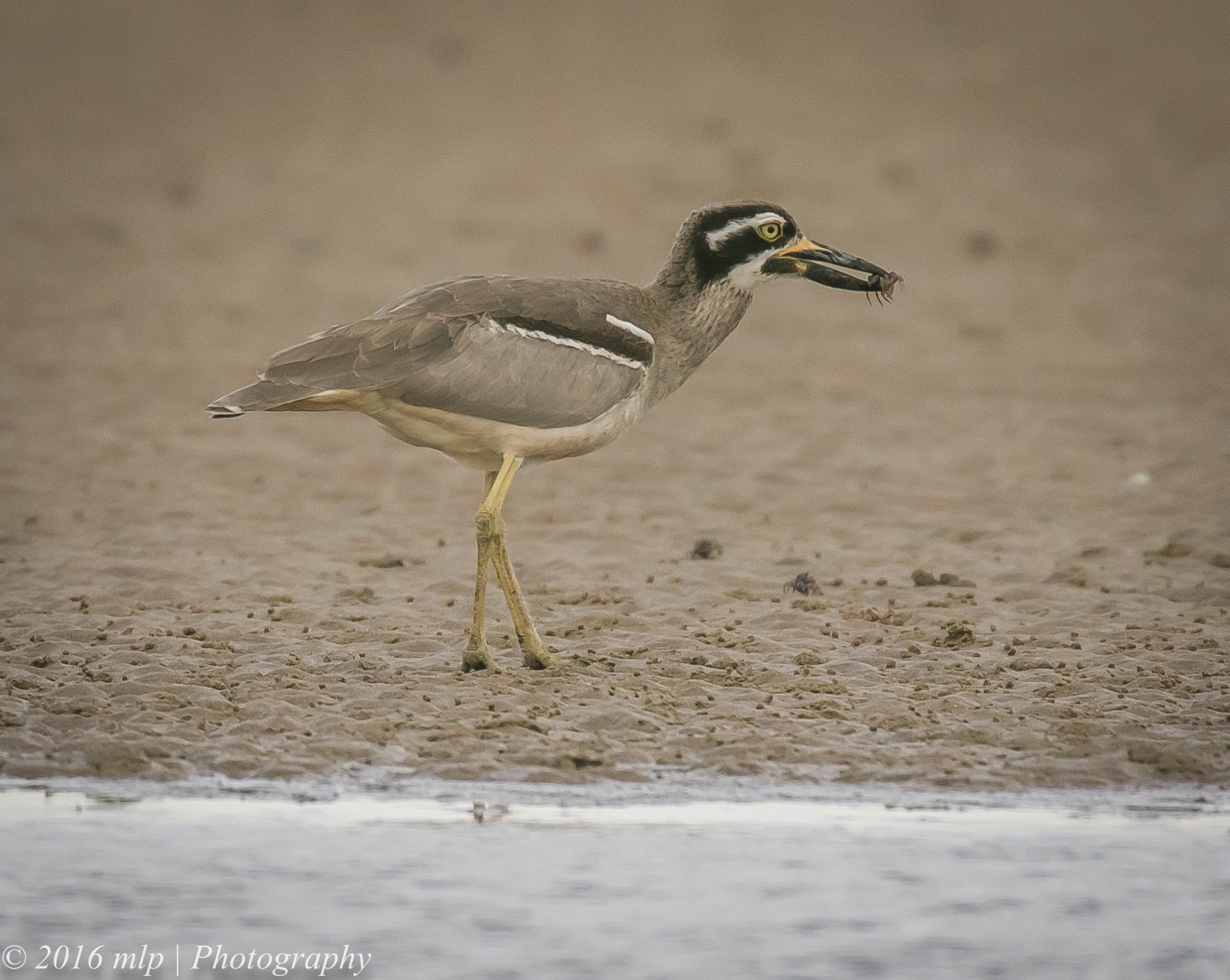
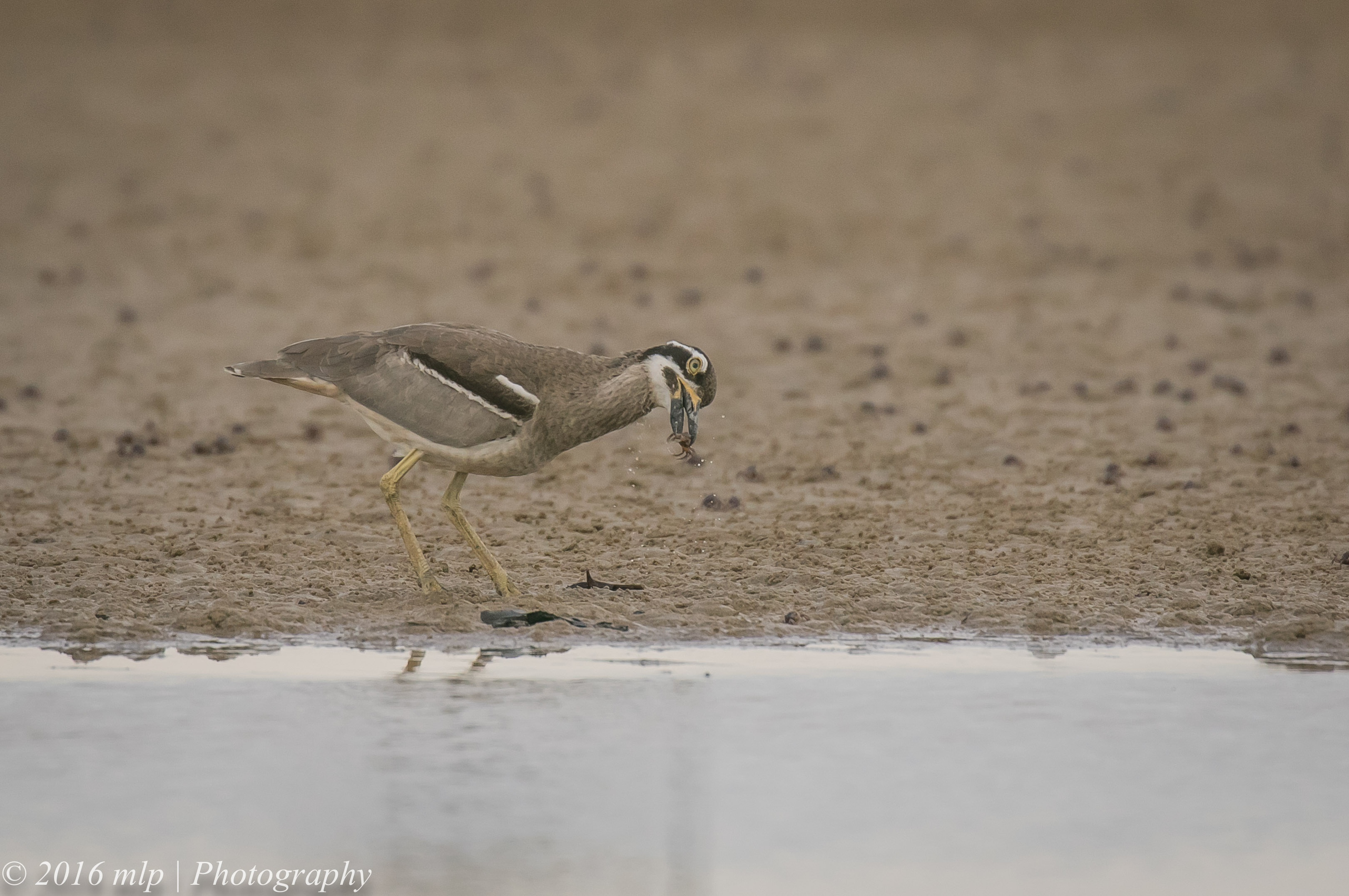
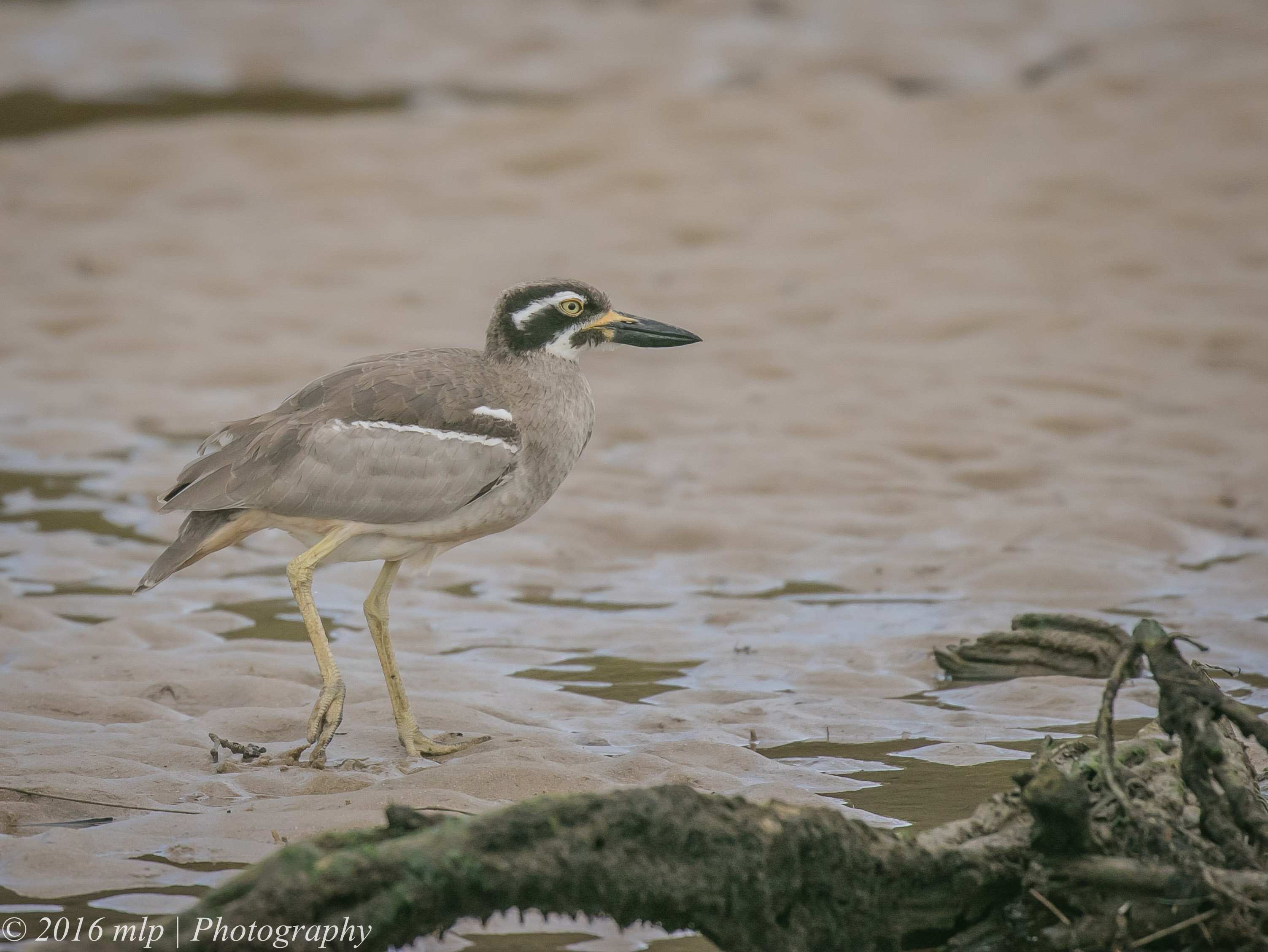
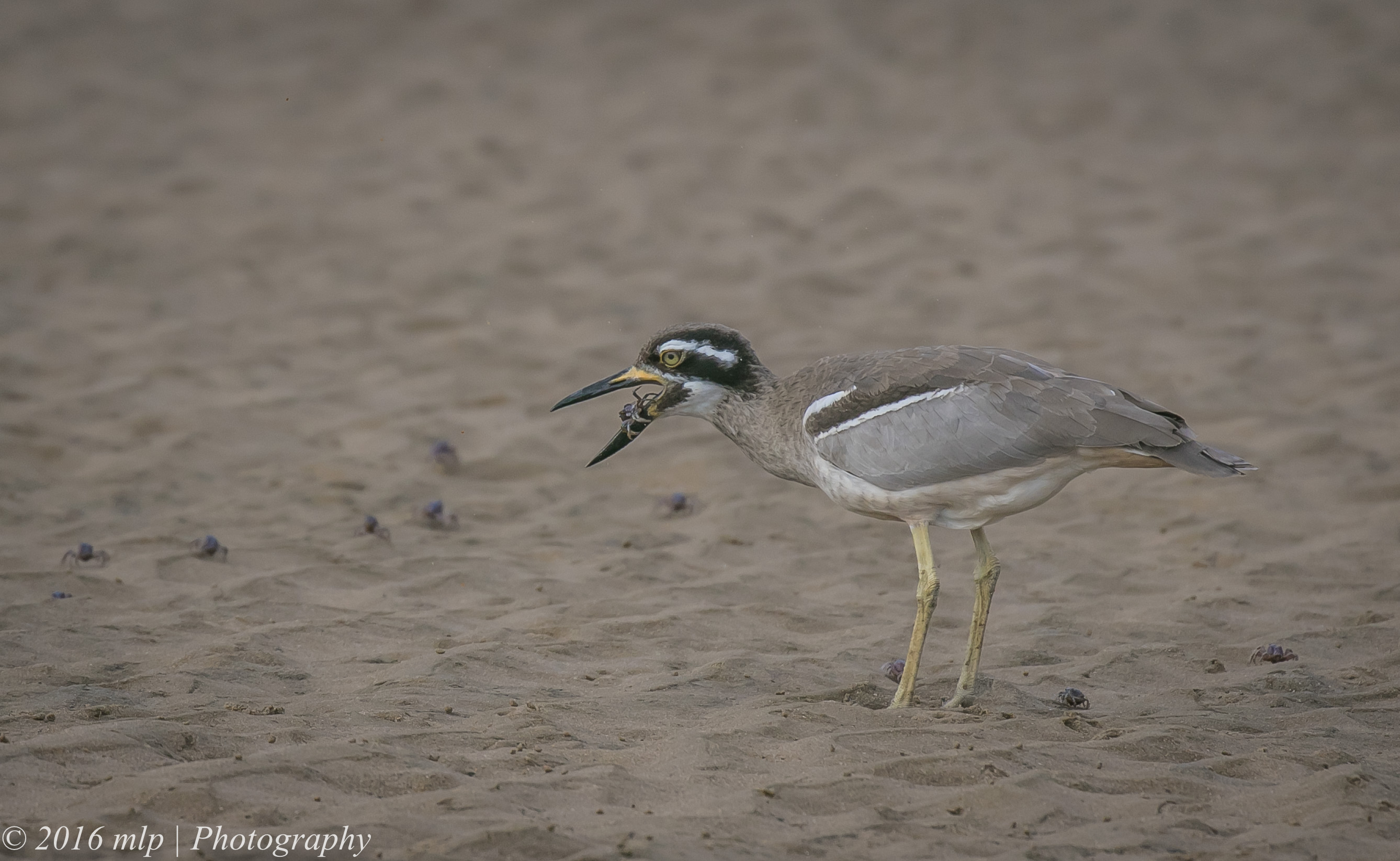
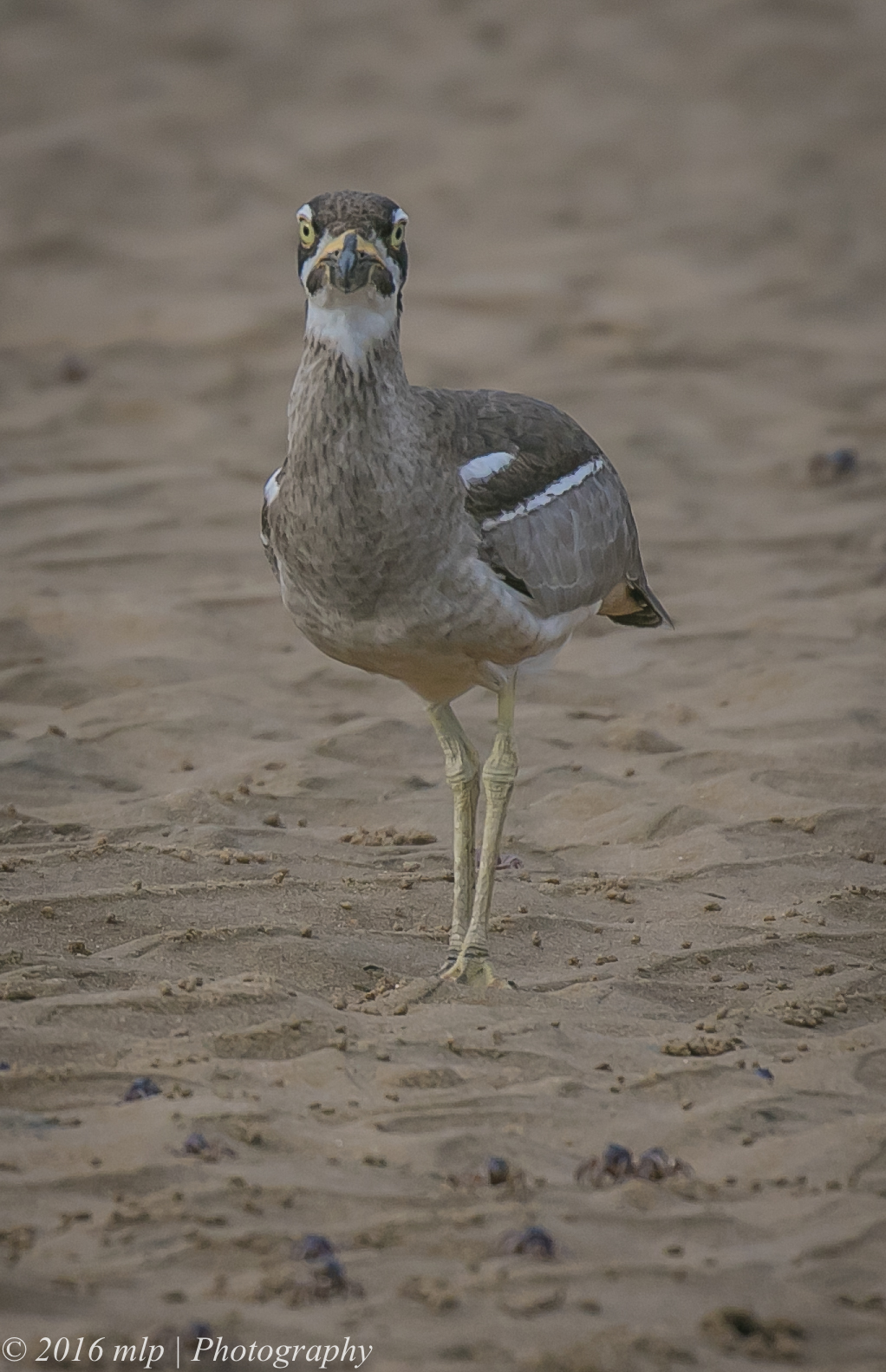
With the recent reports of a Beach Stone-curlew at the mouth of Screw Screek, Inverloch Beach, I decided to make the 2 hour drive down the coast with my local birder team (Dave, Ron and Gio) to look for and photograph the rare bird. There have not been too many reports of Beach Stone-curlews in Victoria – some sightings at Inverloch, Apollo Bay and at Marlo. They are often found found much further north from Brisbane upwards. We were pleased to find the bird resting on the beach. It eventually moved onto the sandflats and started to feed on the blue Soldier Crabs. There were thousands of crabs on the sand that were very easy for the bird to catch. It would eat half a dozen and then move further out or back towards the White Mangroves that line the mouth of the Screw Creek inlet. It did not seem to mind us too much as long as we moved slowly and crouched down. Its flush zone was much less that the waders we have studied and photographed before.

Beach Stone-curlew, Inverloch Beach, Victoria

Beach Stone-curlew – a stretch after a rest on the beach

Beach Stone-curlew, Inverloch Beach, Victoria

II

Beach Stone-curlew, Inverloch Beach, Victoria

Hunting crabs

Beach Stone-curlew, Inverloch Beach, Victoria

IV

Beach Stone-curlew, Inverloch Beach, Victoria

V

Beach Stone-curlew, Inverloch Beach, Victoria

VI

Beach Stone-curlew, Inverloch Beach, Victoria

VII

Beach Stone-curlew, Inverloch Beach, Victoria

A crunch of the big jaws and the crab is an easy meal

Beach Stone-curlew, Inverloch Beach, Victoria

The Stone-curlew used to be called the Beach Thick-knee for obvious reasons…

Beach Stone-curlew, Inverloch Beach, Victoria

X

Screw Creek White mangroves, Inverloch Beach, Victoria,

Screw Creek White mangroves, Inverloch Beach, Victoria,

Screw Creek White mangroves, Inverloch Beach, Victoria,

The Beach Stone-curlew, rests in the mangroves at high tide

Battle of the birdbath

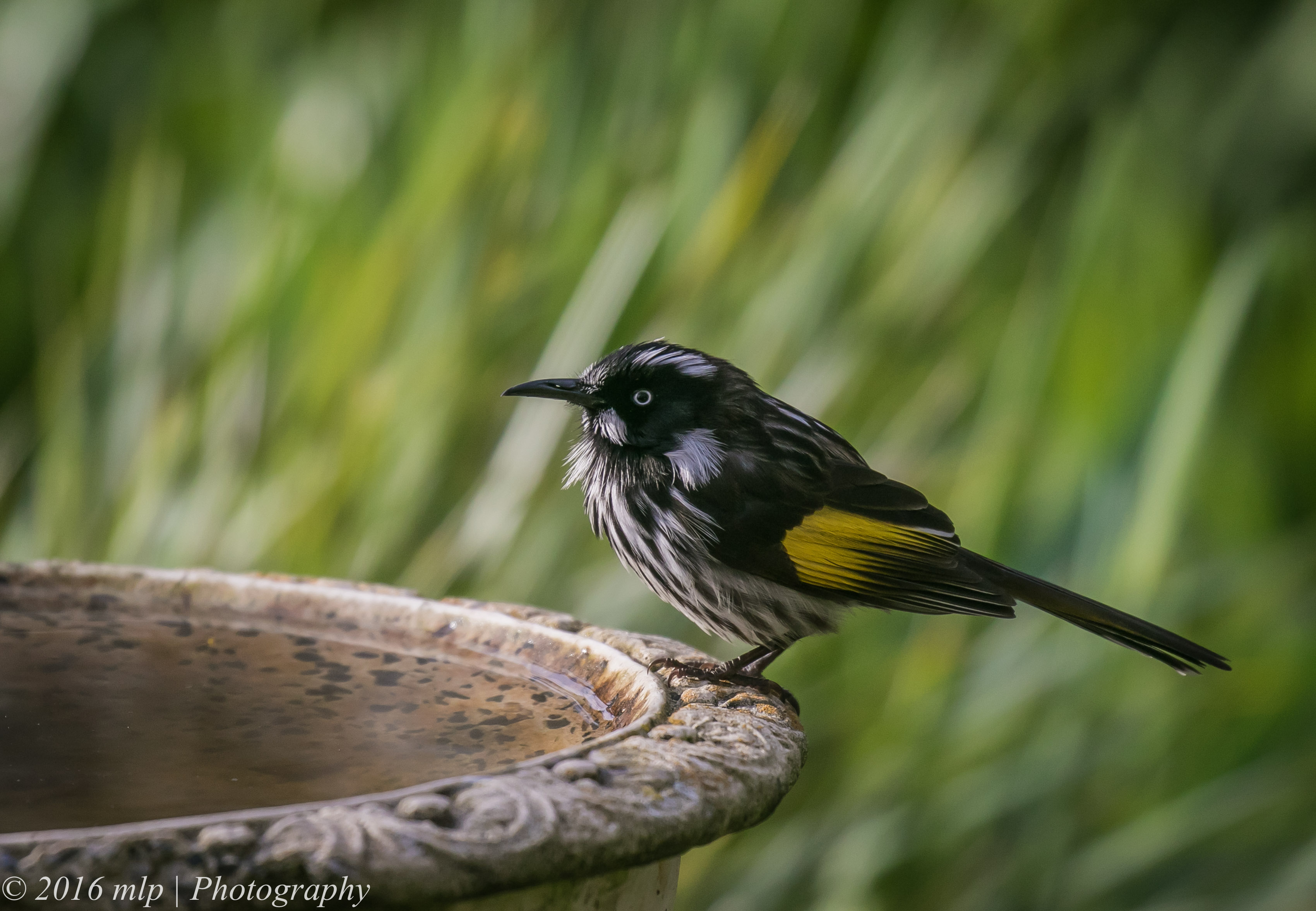
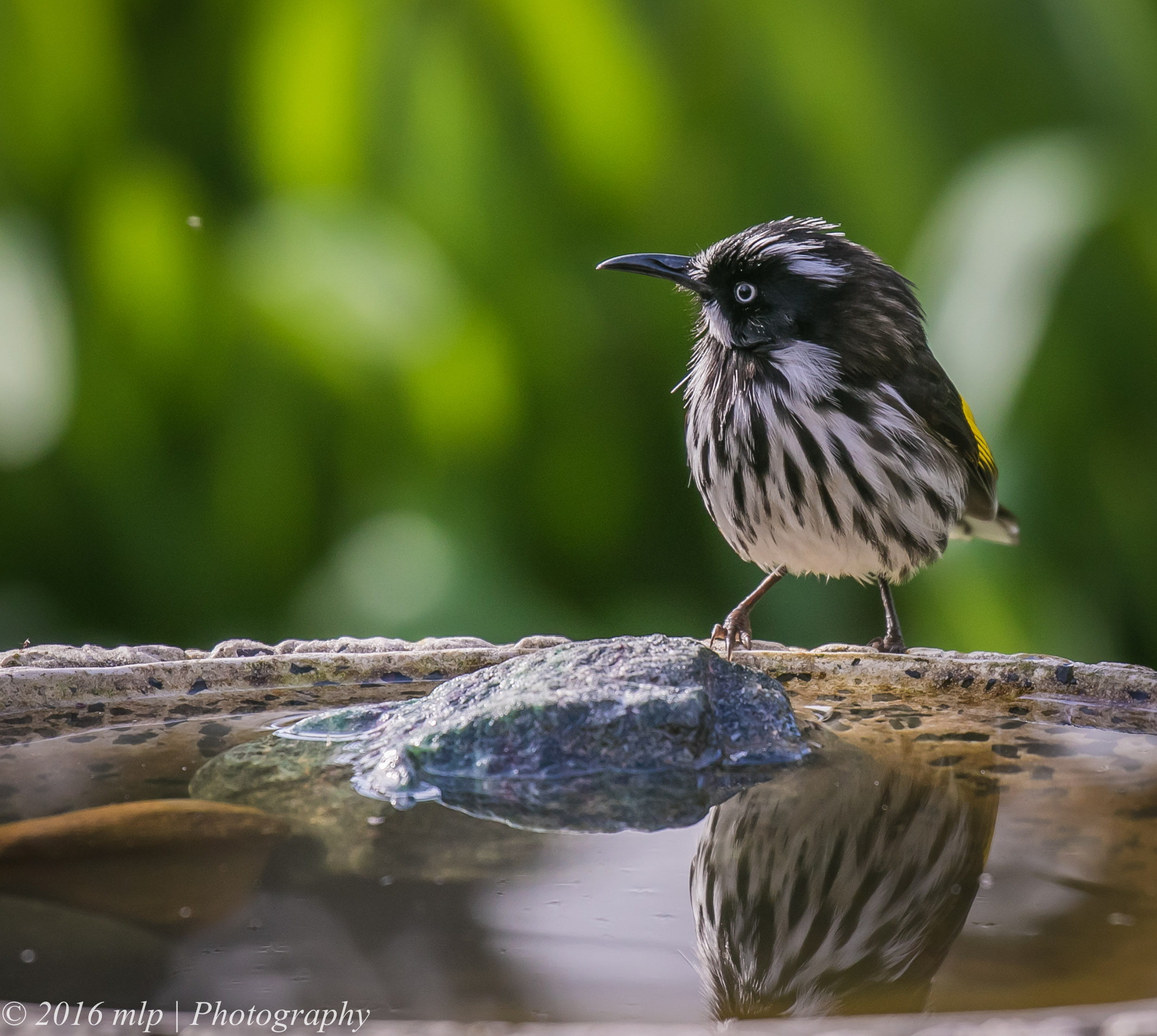
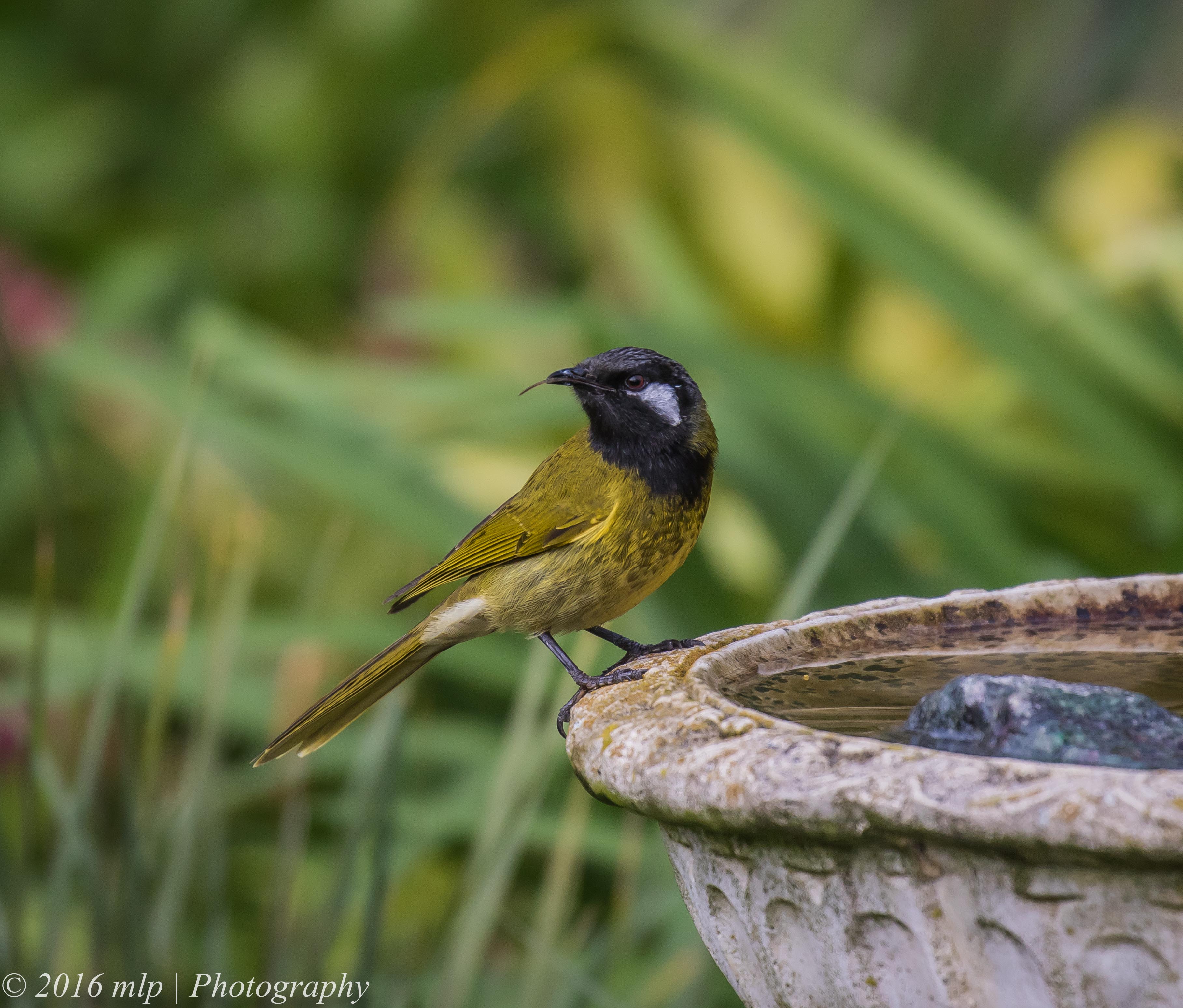
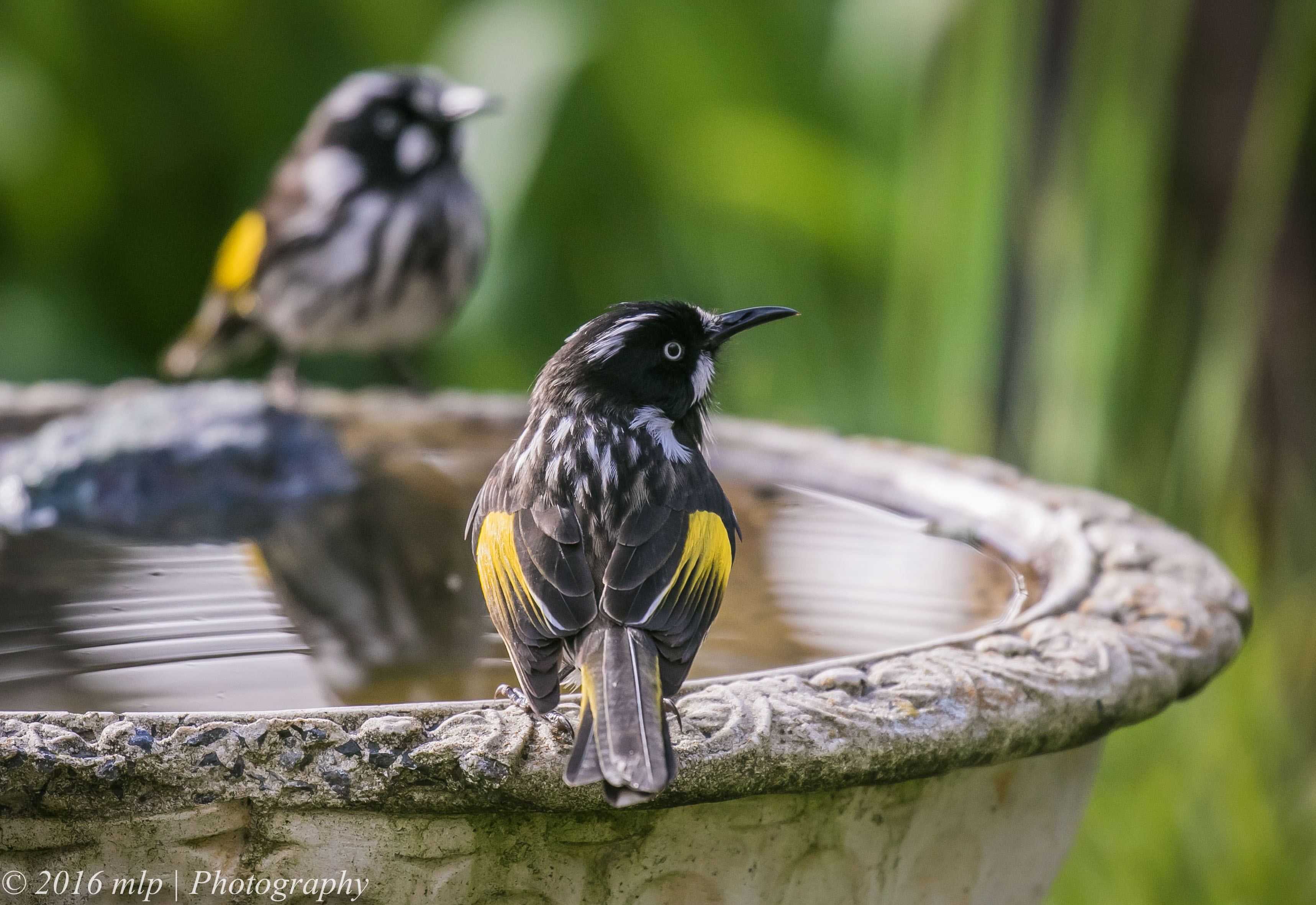
While visiting my folks on Willowind farm in Moorooduc,  I noticed that the New Holland Honeyeaters were spending quite a bit of time in the bare bushes around the birdbath near the back door. When an Eastern Spinebill, a few Brown Thornbills and a White-eared Honeyeater stopped by for a drink or a quick bath, they were chased off by the New Hollands. They can be an aggressive species often fighting with similar sized honeyeaters over a territory or a temporary food source but I have not seen them defend a water source before. There is a bit of water around the local area and even a dam nearby but the birds would have to travel through open unprotected areas. It shows the importance of supplying a protected clean water source for small birds. It also provides a great location to photograph the birds when they come into drink and bathe.

New Holland Honeyeater, Willowind Farm, Moorooduc, Victoria

New Holland Honeyeater, Willowind Farm, Moorooduc, Victoria

New Holland Honeyeater, Willowind Farm, Moorooduc, Victoria

II

New Holland Honeyeater, Willowind Farm, Moorooduc, Victoria

III

White-eared Honeyeater, Willowind Farm, Moorooduc, Victoria

White-eared Honeyeater – by placing a rock into a deeper birdbath it allows the bird to bathe from the rock. They need a way to hop out onto the edge again after quick dunk.

White-eared Honeyeater, Willowind Farm, Moorooduc, Victoria

A wary drink…

New Holland Honeyeater, Willowind Farm, Moorooduc, Victoria

Chasing off the other species…

New Holland Honeyeater, Willowind Farm, Moorooduc, Victoria

II


Spotlight on the Spotless Crake

The Western Treatment Plant’s Crake Pit has been quite active with a number of crake species taking up residence over the Summer, through Autumn and on into the Winter. A few seem to have even bred and had chicks in the Pit. When visiting I have seen quite a few Spotted Crakes and Baillon’s Crakes but not too many Spotless Crakes. We were quite pleased to see one slowly poke its head through the reeds and then come out to feed. It even had an altercation with an aggressive Spotted Crake.

The Spotless Crake has a few names: formally Porzana tabuensis  – Porzana is the Italian (Venetian) name for smaller crake, and Tabuensis after the location of the first Spotless Crake described – Tongapatu, Kingdom of Tonga. Informally the crake has been called Leaden Crake, Spotless Water Crake, Little Swamphen, Swamp Rail and the Motor-car Bird – after one of the revving sounds it makes.

Spotless Crake,  Western Treatment Plant, Victoria

Spotless Crake, Western Treatment Plant, Victoria

Spotless Crake,  Western Treatment Plant, Victoria

II

Spotless Crake,  Western Treatment Plant, Victoria

a skulking Spotless Crake

Spotless Crake,  Western Treatment Plant, Victoria

IV

The Crake Pit,  Western Treatment Plant, Victoria

Part of the Crake Pit, Western Treatment Plant, Victoria

Spotted and Spotless Crakes,  Western Treatment Plant, Victoria

Spotted and Spotless Crakes – the Spotted moved around and behind the Spotted, who did not seem to notice

Spotted and Spotless Crakes,  Western Treatment Plant, Victoria

But once the Spotless started to glean insects from around the feet of the Spotted, the Spotted finally noticed it and exploded and attacked the bigger Spotless…

The Crake Pit, Western Treatment Plant, Victoria

The Crake Pit, Western Treatment Plant, Victoria

Boobook of the You Yangs

I am very happy when I get a lifer (a bird species that I have never seen before) – I am even happier when I get to photograph one like the beautiful Owlet-nightjar. That day became even better when I found another unexpected bird and also managed to photograph it. The Boobook Owl is more often seen at dusk and during the night when the light can be very tricky. The one below was found within a clump of smaller gum trees. I think it was trying to roost for the day but was being harassed by groups of White-plumed and New Holland Honeyeaters. Heard from a distance, the ruckus was enough for me to move around the trees looking to see whether there was a raptor causing trouble – I was surprised to find this quite alert Southern Boobook.

Boobook Owl, You Yangs Regional Park, Victoria

Southern Boobook Owl, You Yangs Regional Park, Victoria

Boobook Owl, You Yangs Regional Park, Victoria

II

Boobook Owl, You Yangs Regional Park, Victoria

III

Boobook Owl, You Yangs Regional Park, Victoria

IV

Boobook Owl, You Yangs Regional Park, Victoria

V

Striated Thornbills of the Iron Bark Track

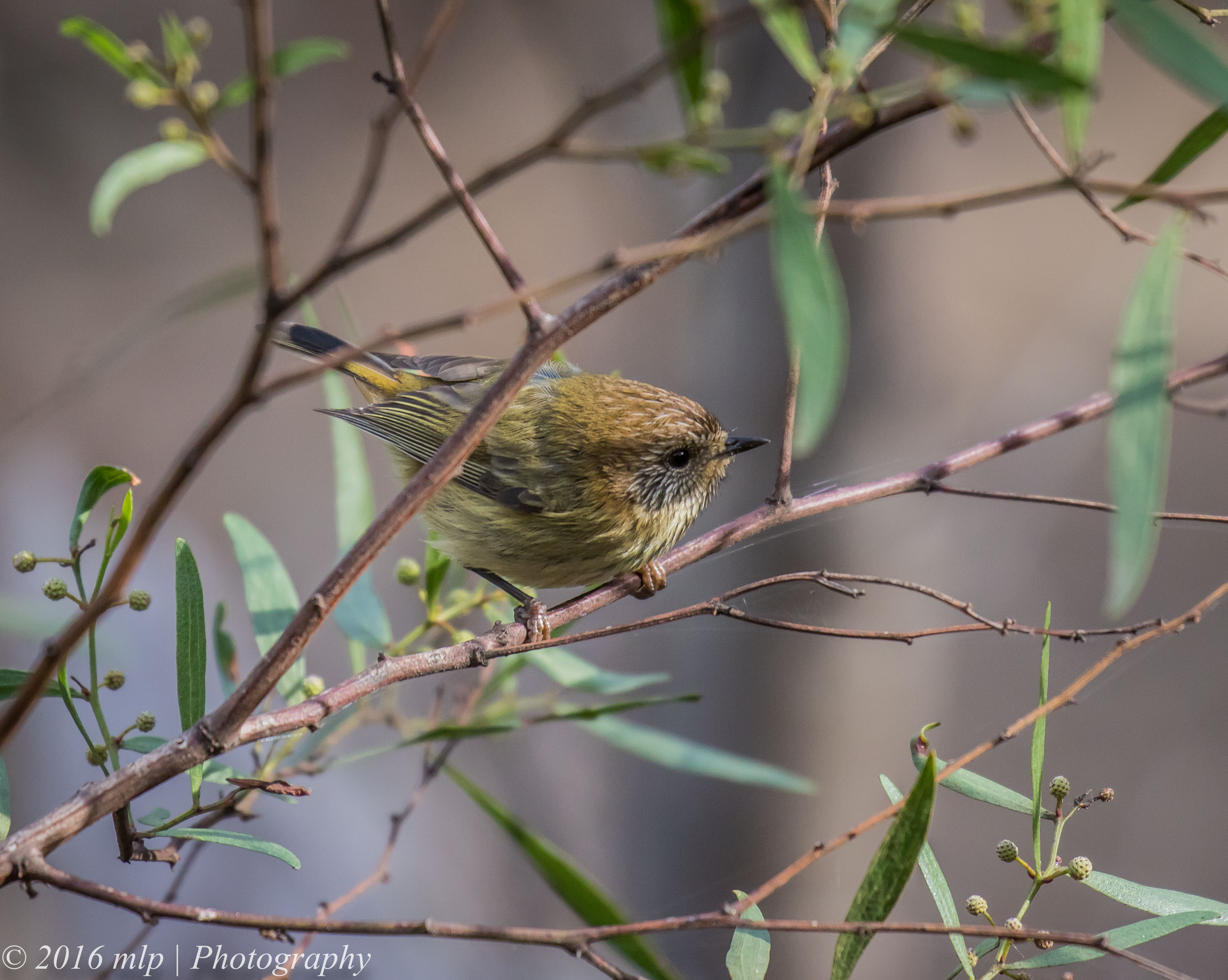
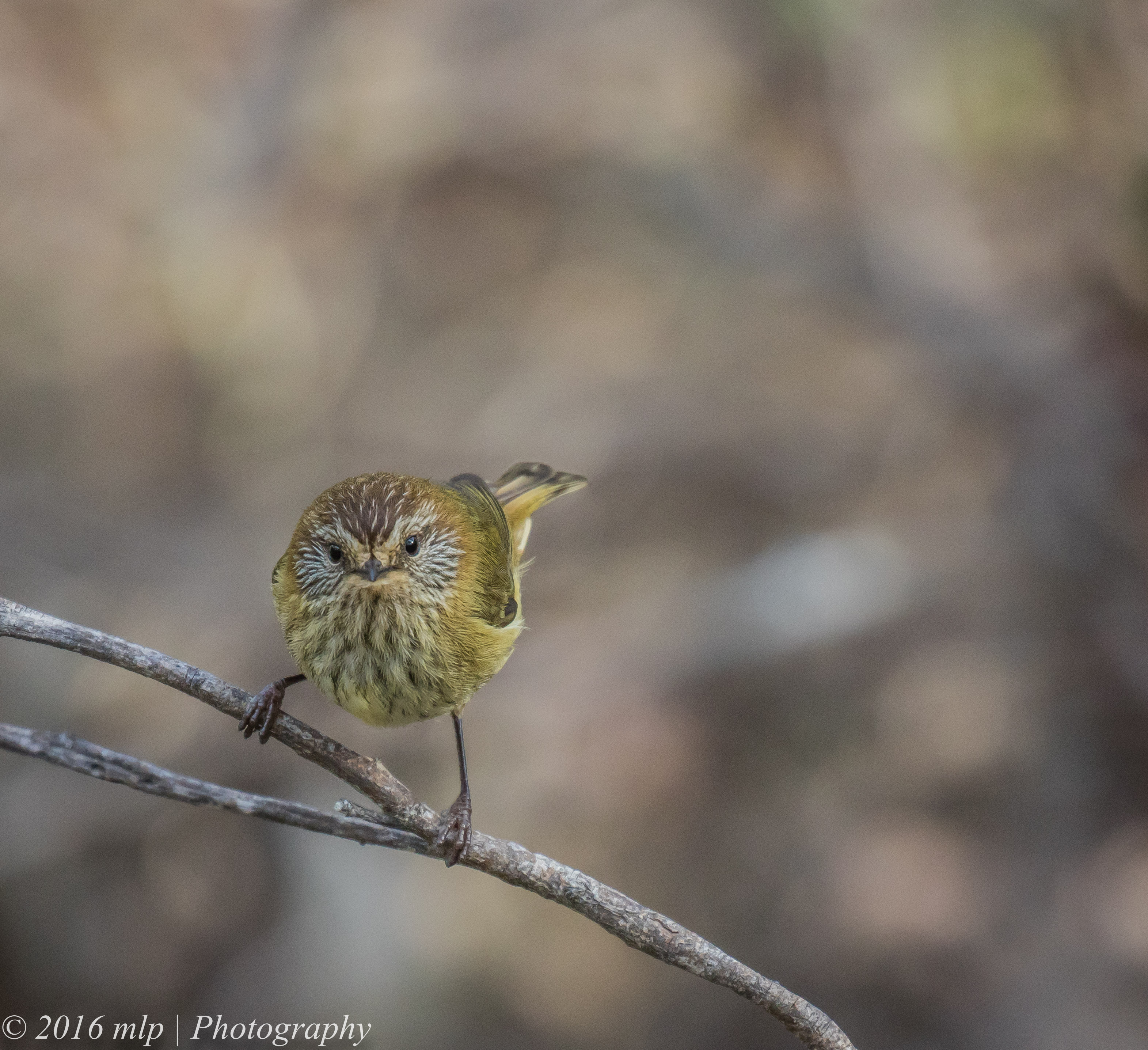
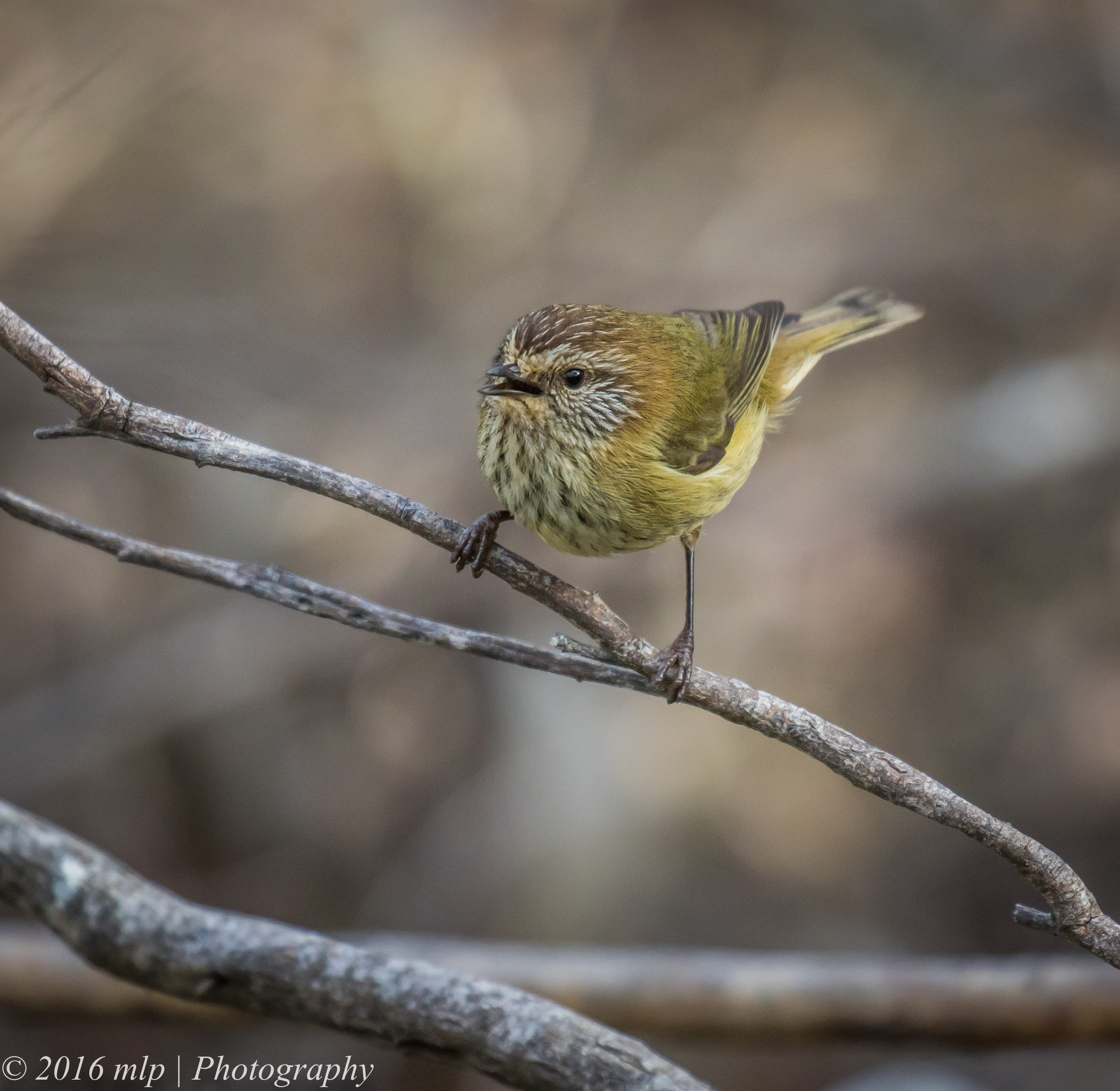
Near the turn off from the main highway (also called the Great Ocean Road) along the Point Addis Road is a small carpark and the start to a wonderful short walk around a mixed growth forest. At the moment the tall Iron Bark trees are flowering and while there may not be a huge number of species there are very good numbers of a few forest species. Walking around the forest track we came across the usual birds like Red Wattlebirds, Eastern Yellow Robins, New Holland Honeyeaters and Rainbow Lorikeets and a few rarer birds like the Gang Gang Cockatoo and Varied Sitella. While trying to find a Painted Button Quail that we could hear calling we became immersed in a small feeding flock of Striated Thornbills. Their cousins the Brown Thornbill are quite common in most forests and even in my own street in suburbia but striated seem to be a bit rarer and difficult to photograph – they are always on the go, hunting for insects and chasing each other. It is a real treat to find (usually by their calls) and photograph these tiny 10 cm birds.

Striated Thornbill, Point Addis Iron Bark Track, Victoria

Striated Thornbill, Point Addis Iron Bark Track, Victoria

Striated Thornbill, Point Addis Iron Bark Track, Victoria

II

Striated Thornbill, Point Addis Iron Bark Track, Victoria

III

Point Cook Coastal Park

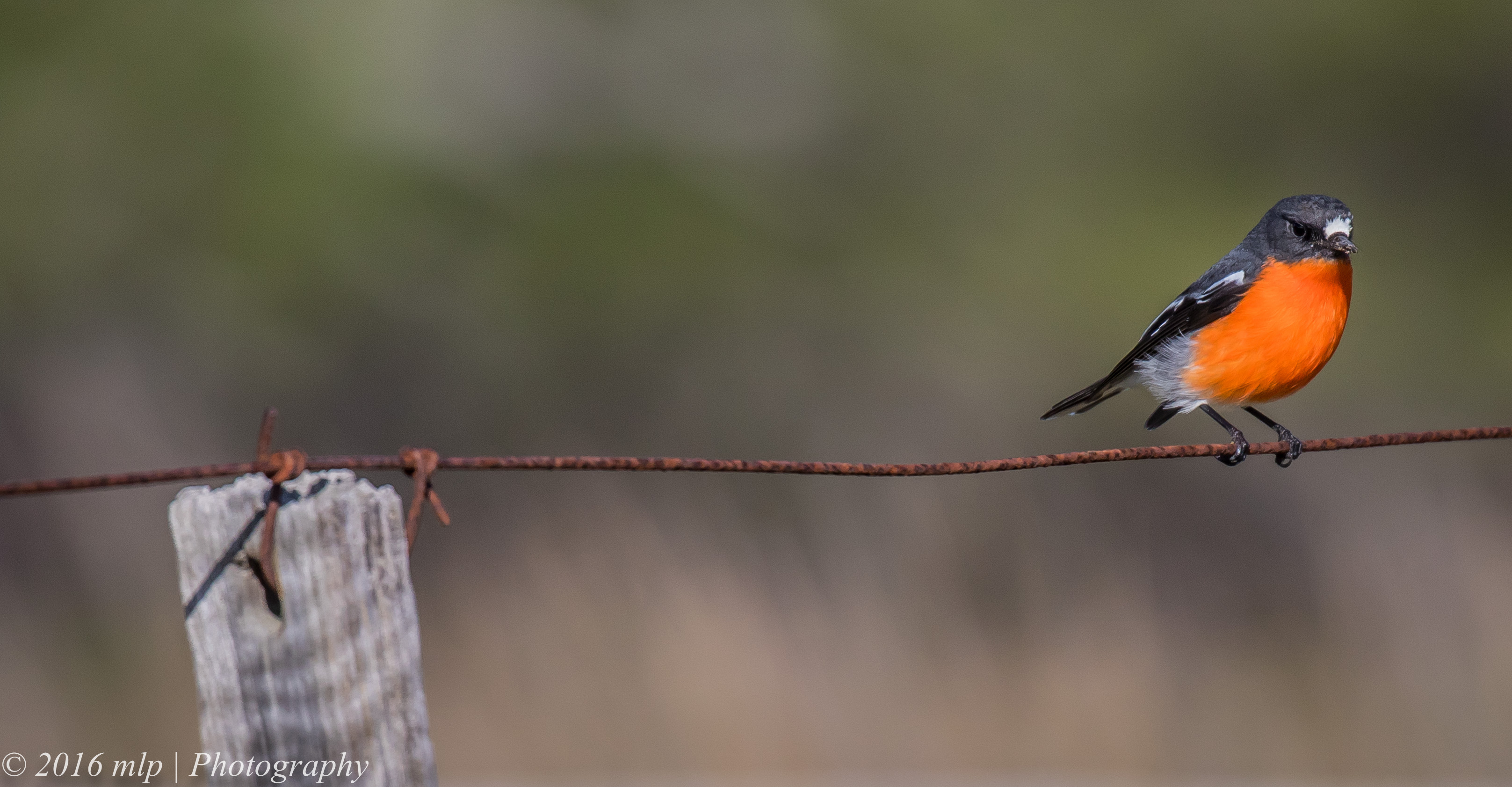
Over the long weekend, I visited the Point Cook Coastal Park to see what was around. At the gate leading to the beach track was a male Flame Robin. Like other robins he perches on a low vantage point and then pounces onto his prey. He did not spend much time on the ground and was quickly back to his lookout, scanning for the next juicy insect…

Flame Robin, Point Cook Coastal Park

Flame Robin, Point Cook Coastal Park

Flame Robin, Point Cook Coastal Park

Back on the lookout….

Alert but not alarmed…

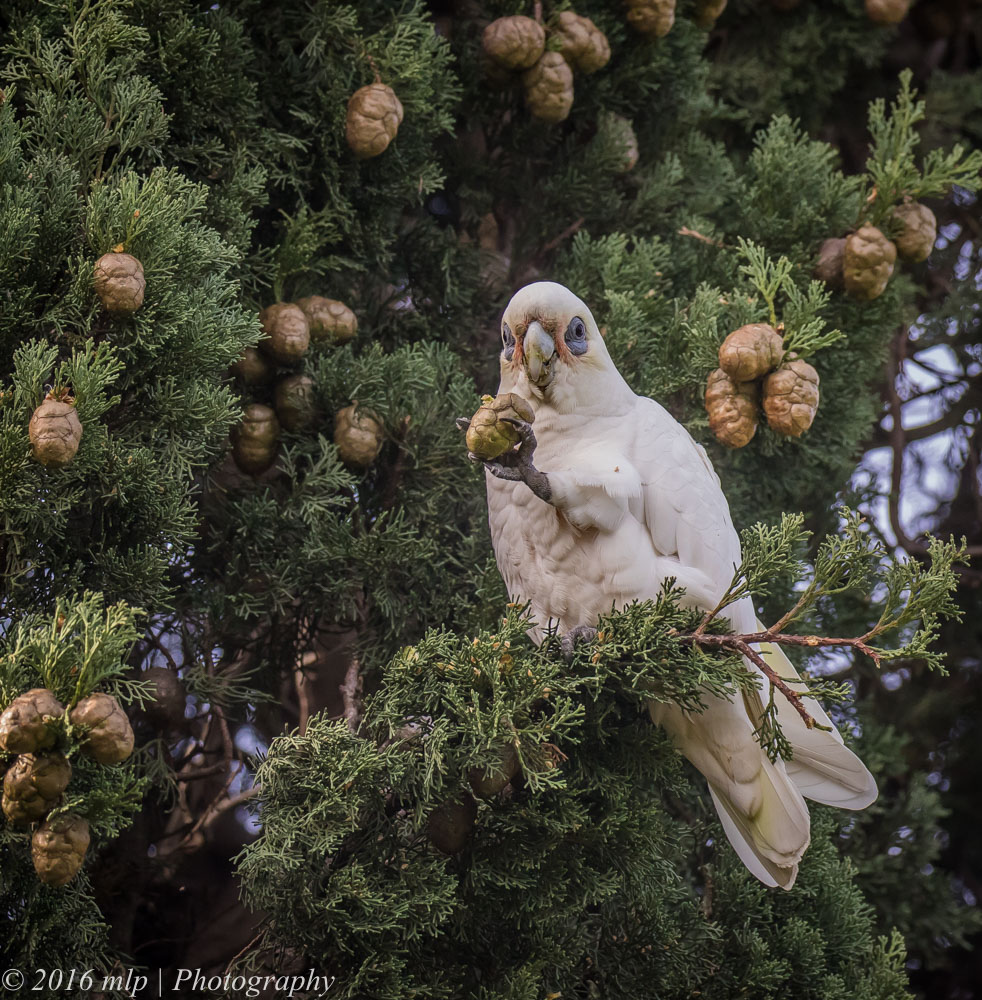
On the weekend I met up with my local “gang” of birders and we wandered up  Elster Creek to the Golf Course lake and had a look around…besides finding a turtle (my first Eastern Long Necked), we also watched the feeding antics of the local Little Corellas feeding on the ripe seed cones of a tall skinny conifer. They use their feet like we would use our hands. I noticed that when the Noisy Miners (a local, aggressive Honeyeater) screeched out their alarm calls the Corellas stopped feeding and quickly looked skyward but did not seem overly concerned (did the alert suggest a certain generally non-threatening predator?)…I have seen a number of bird species do this…I am convinced there is a common bird language.

Little Corella, Elster Creek, Victoria

Little Corella enjoying a seed cone from a Conifer…

Little Corella, Elster Creek, Victoria

Watching us watch him…

Little Corella, Elster Creek, Victoria

Looking skyward when the alarm call goes out from a different bird species…

Eastern Long necked turtle, Elster Creek, Victoria

Eastern Long necked turtle, Elster Creek, Victoria

Roadside stop with the Yellow-tailed Black Cockatoos

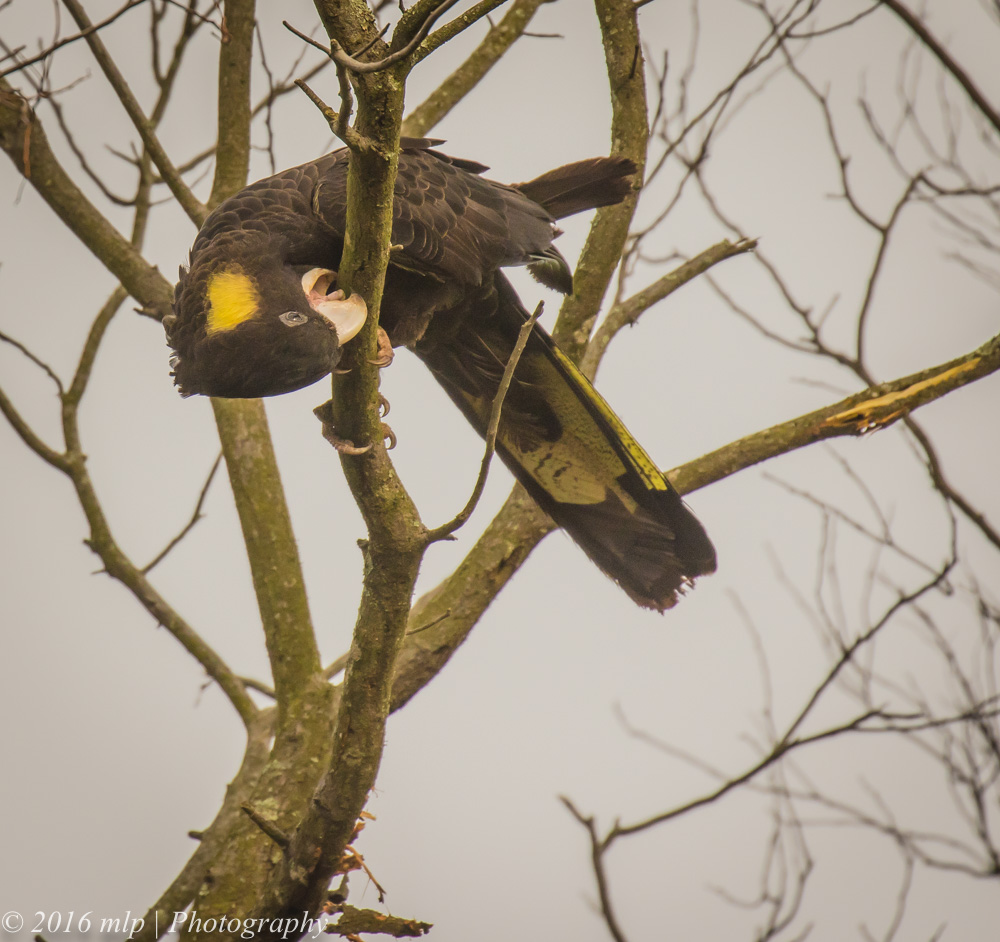
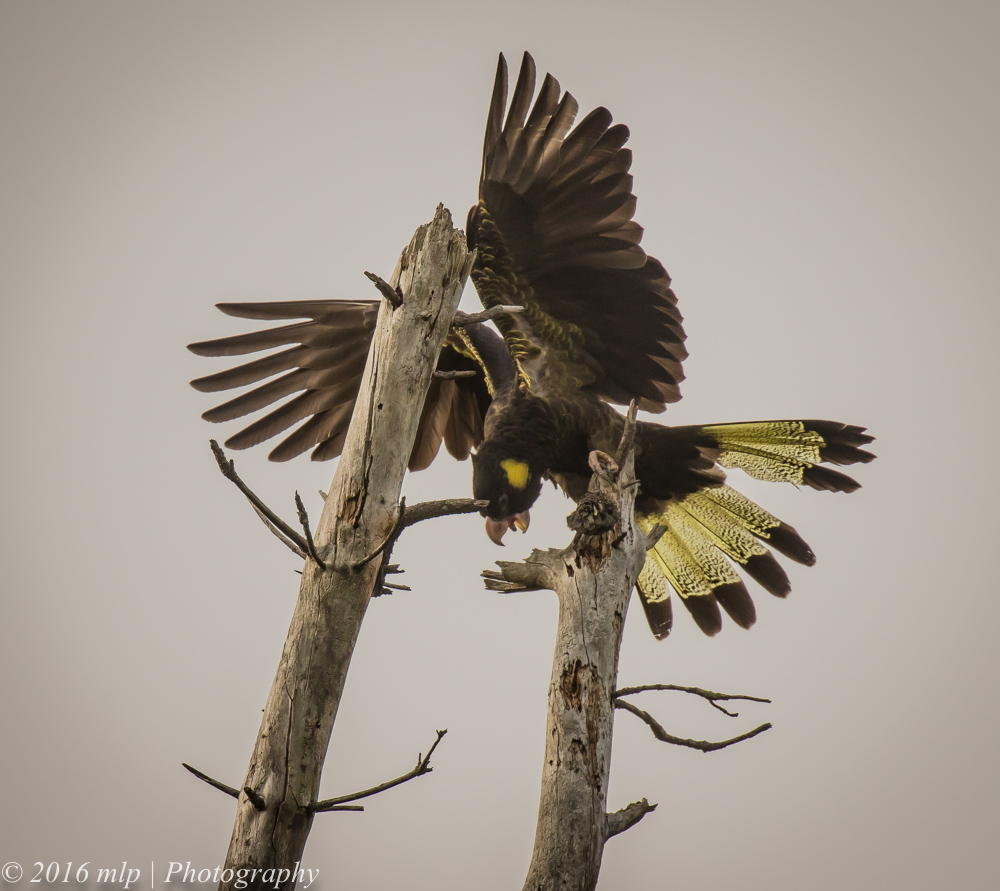
On the way down to the Mornington Peninsula with the Port Phillip Birders (Elwood/St Kilda Branches) to look for Black Faced Cormorants at Merricks Beach, and Albatross at Cape Schank, we stopped to watch the feeding antics of a family of Yellow-tailed Black Cockatoos. They were working a dead wattle tree that seemed to be full of wood borer grubs.

Yellow-tailed Black Cockatoo, Mornington Peninsula, Victoria

Yellow-tailed Black Cockatoo, Mornington Peninsula, Victoria

Yellow-tailed Black Cockatoo, Mornington Peninsula, Victoria

II

Yellow-tailed Black Cockatoo, Mornington Peninsula, Victoria

Finding a wood borer grub

Yellow-tailed Black Cockatoo, Mornington Peninsula, Victoria

Yellow-tailed Black Cockatoo

Yellow-tailed Black Cockatoo, Mornington Peninsula, Victoria

A pair of Yellow-tailed Black Cockatoo

Yellow-tailed Black Cockatoo, Mornington Peninsula, Victoria

Male Yellow-tailed Black Cockatoo (with pink eye rings), female or juvenile behind

Birders, Greens Bush, Mornington Peninsula, Victoria

The hard core team from Port Phillip Birder at Greens Bush, Mornington Peninsula, Victoria


“My” Powerful Owl

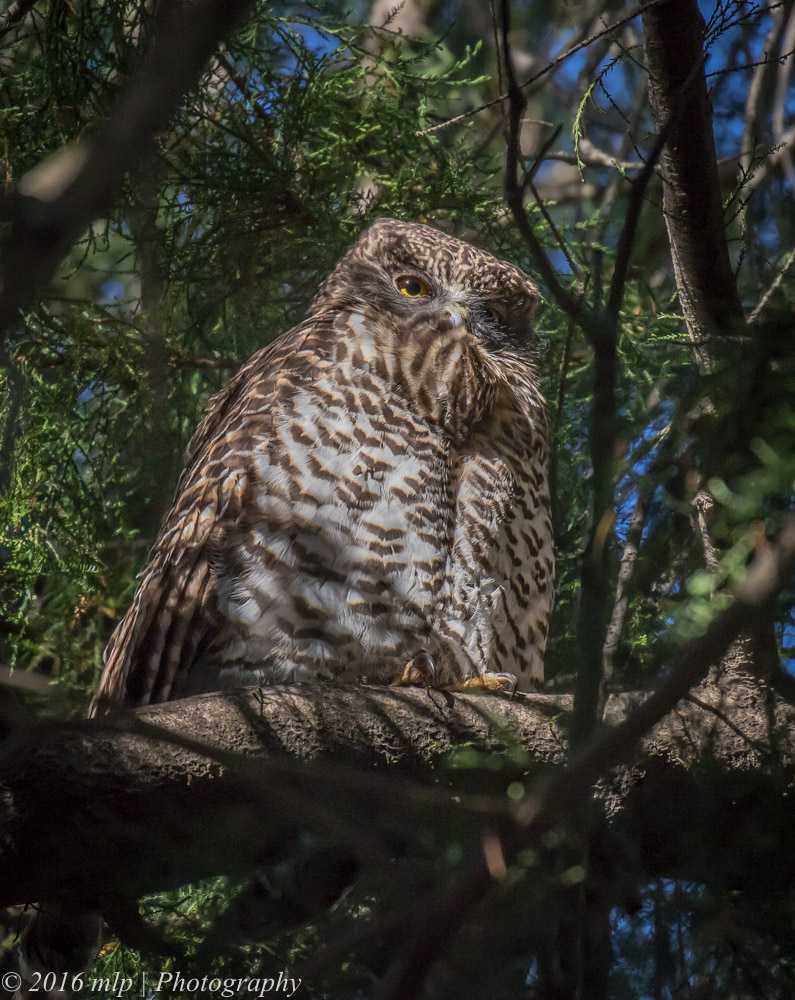
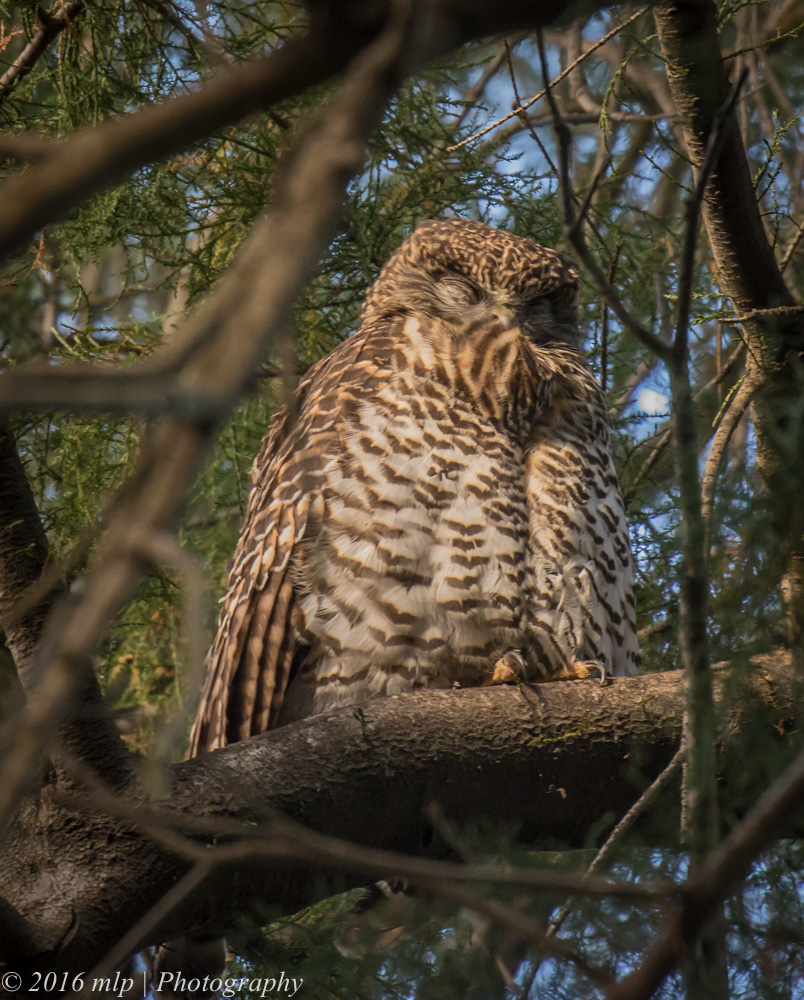
Our visit to the Botanical Gardens on the weekend was to search for the reported Powerful Owl. We found it at the southern end of the Fern Gully walk amongst the tall pines and conifers of the New Zealand section – high up and with a small window of cleared space that we could just photograph through without too many branches and twigs in the way. It was interesting to watch as various birders and garden visitors took turns owning the owl for the period of time they stood below and watched it. Once the birders who found it, before we entered the scene, left (very easy to find a rare bird when you see people with binocs looking up into a tree with interest), we were left there watching and taking photographs. Walkers-by were interested in what we were up to and asked…suddenly “our” bird was on display and we become the tour guides – educating visitors about the large Powerful Owl. While watching with my binocs and taking photos I spouted off my facts about the bird and then was surprised when I turned around and found  a large bunch of people listening and watching…seems I am a natural show off – I thoroughly enjoyed it…I only had a few good facts:

  1. largest nocturnal bird in Australia,
  2. can be quite urbanised if the right food and daytime roosts are around,
  3. eats other birds, large brush tailed and ring tailed possums and sugar gliders,
  4. nests in large old growth tree hollows which are scare and usually only located in untouched forests hence the issue with their rareness and growing endangered status in many areas of South Eastern Australia
  5. mates for life (sometime over 30 years)
  6. generally sedentary (territorial) – i.e. does not migrate like many species.
  7. roosts on a branch in deep shade during the day, often seen still clutching the previous night’s catch.
  8. decapitates its catch and then roosts for the day. Animal and bird heads, old bones and white bird poo splashes on the ground and on foliage below a tree is a good indicator of a regular roost spot.
  9. Hunts throughout the trees with excellent night vision and swoops on prey using its massive talons to catch prey.
  10. Young powerful owls are large and have quite a bit of white downy feathering


Powerful Owl, Melbourne Botanic Gardens

Powerful Owl, Melbourne Botanic Gardens

Powerful Owl, Melbourne Botanic Gardens

II

Powerful Owl, Melbourne Botanic Gardens

The owl’s attention was diverted when a small dog moved along the path towards us.

Powerful Owl, Melbourne Botanic Gardens

Back to sleep…