Tag Archives: Photography

Exploring the ancient rainforests of Tarra Bulga

A few hours South-East of Melbourne is a region known South Gippsland. Due to deep protected valleys and gullies and heavy rainfalls a beautiful temperate rainforest has developed. The Mountain Ash forests surrounding the gullies were once heavily logged for timber and planted Pine logging still occurs on the nearby hills. The best parts of the rainforest have been protected by the Tarra Bulga National Park.

Just south of the National Park is a Camp Ground and Caravan Park – Fernholme. Last weekend I camped there for a few days with family and friends.  We explored the local area and various tracks in the nearby National Park. I also had some quiet time to sneak away and look for birds. The forests were very dark but I did find and photograph a few nice birds along the way. (Bird Post to follow)
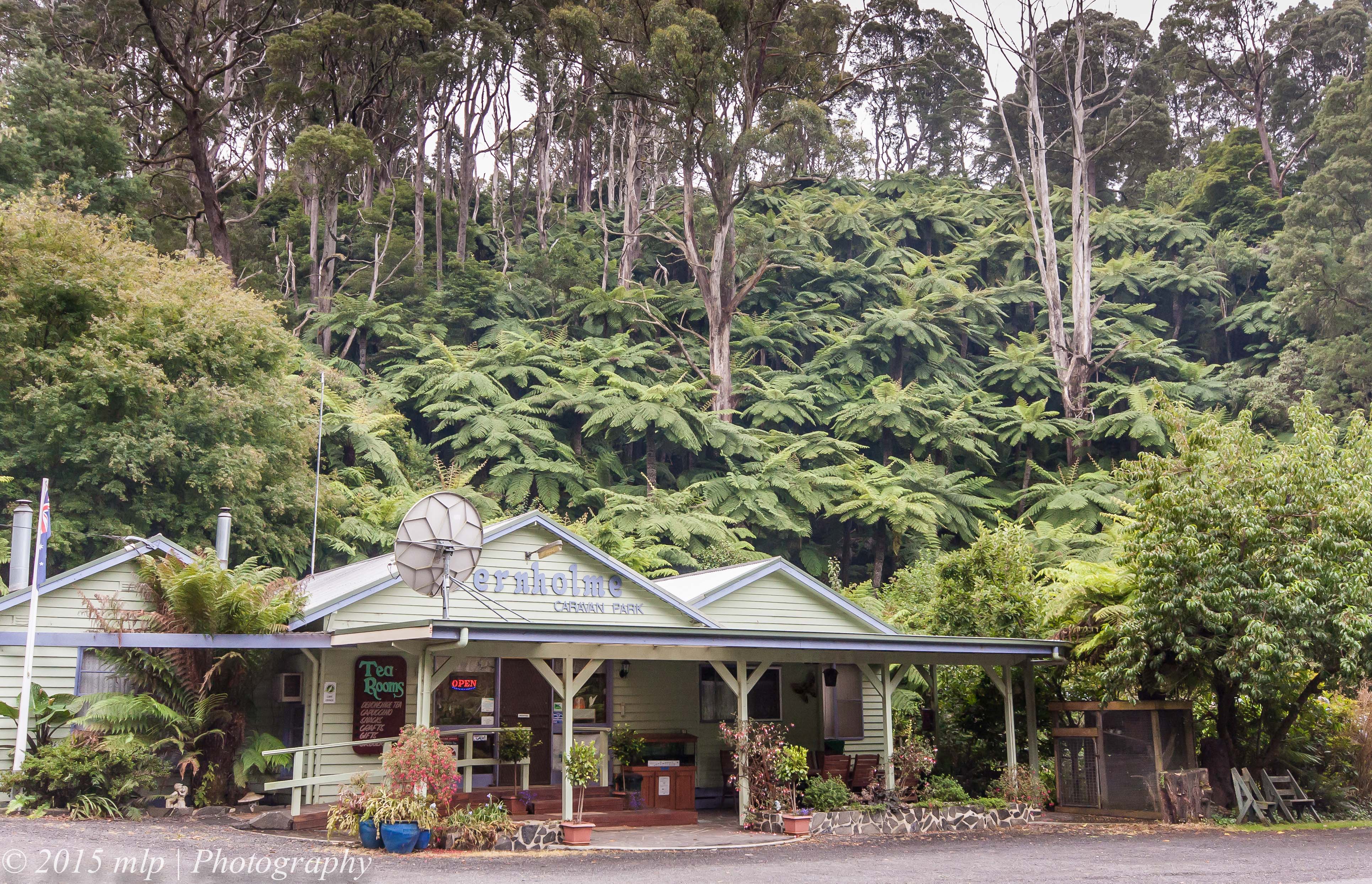
Fernholme Park, Tarra Valley,
Fernholme Park, Tarra Valley,

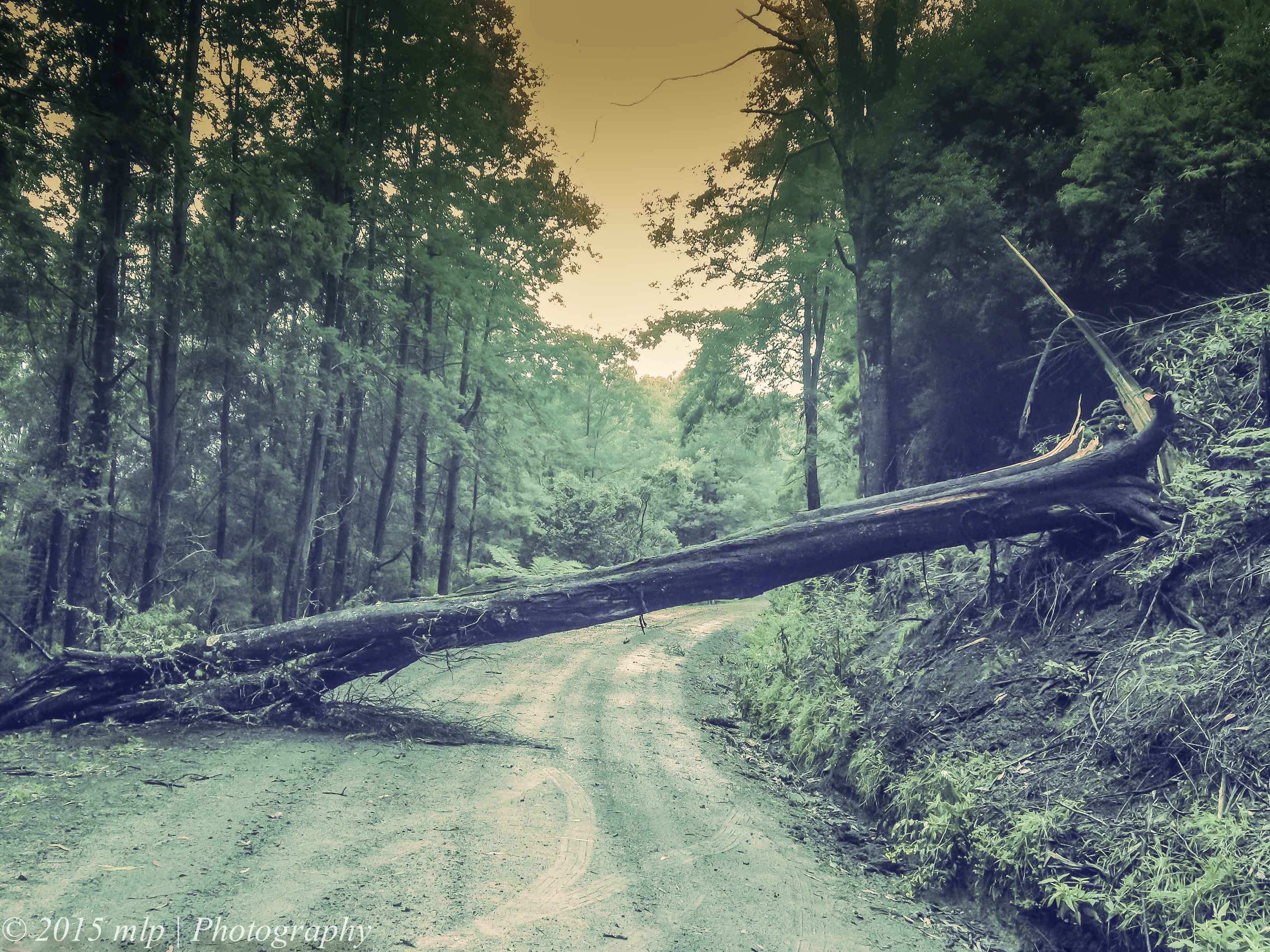
Fallen Tree

Fallen Tree – my car GPS took me up a few rough and muddy short-cut roads…we had to stop at this point and turn a round and head another way (for 50kms!)  – we were so close too. (taken using an iPhone through the windscreen). A recent windstorm had swept through the area and many trees were down.
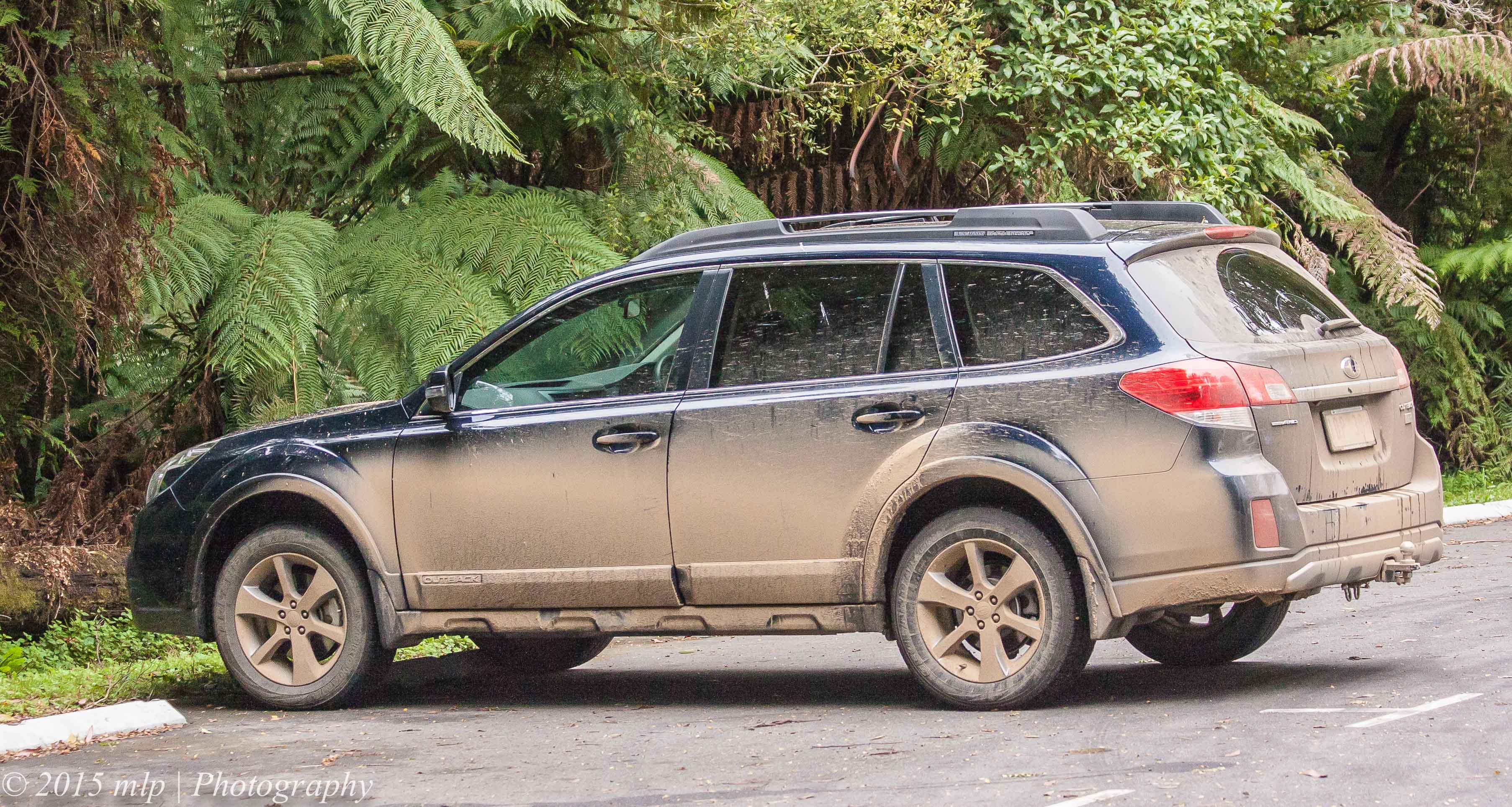
Blue Thunder

A very dirty Blue Thunder (named by my Nephews due to its Diesel engine) – my new Subaru Outback. My last car did not quite survive my many off road adventures of the last 18 months.

Fern wall

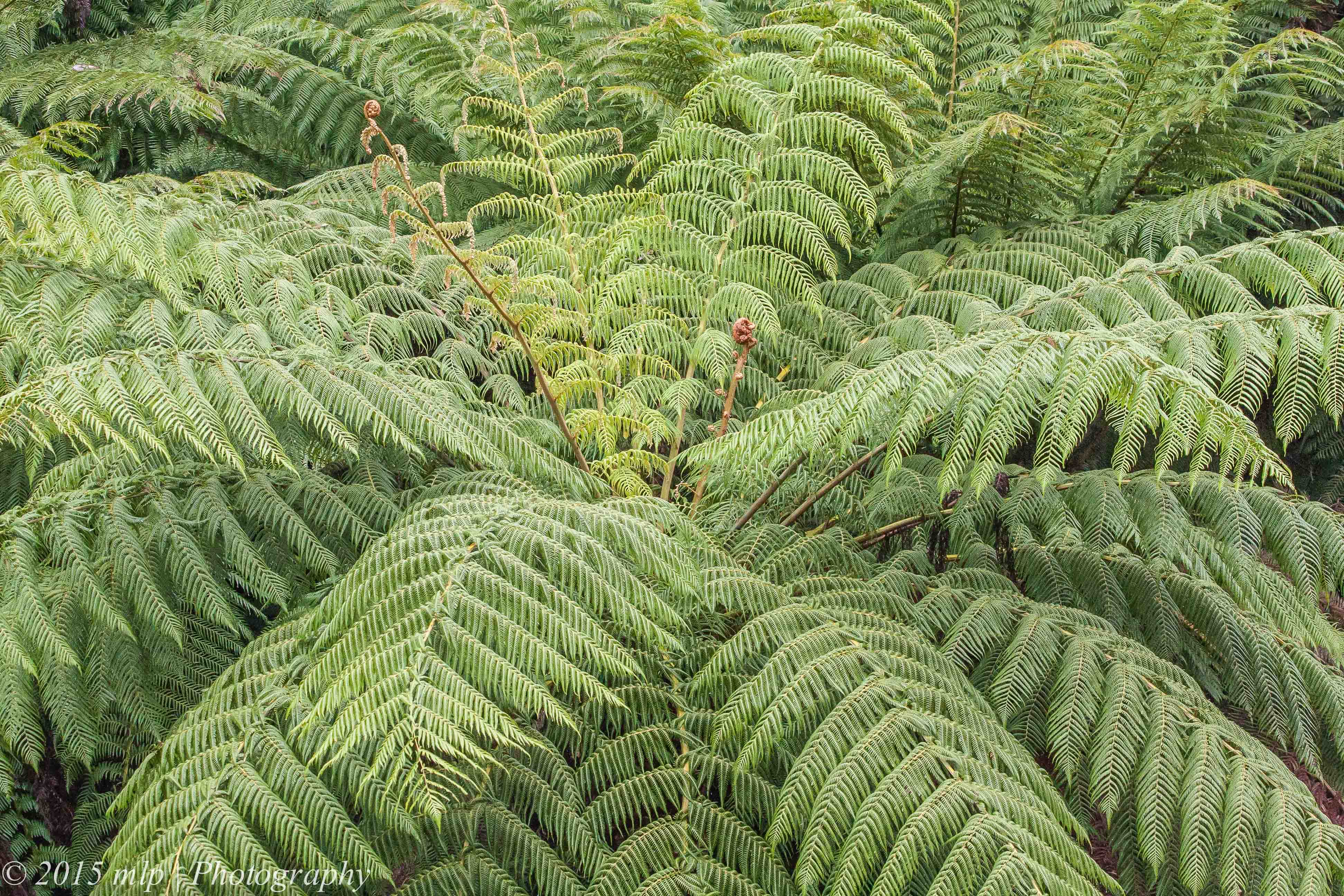
Fern wall behind the Camping Ground reception building – many of these ferns are very old and at least 20 foot high.

Ferns

Tree Ferns

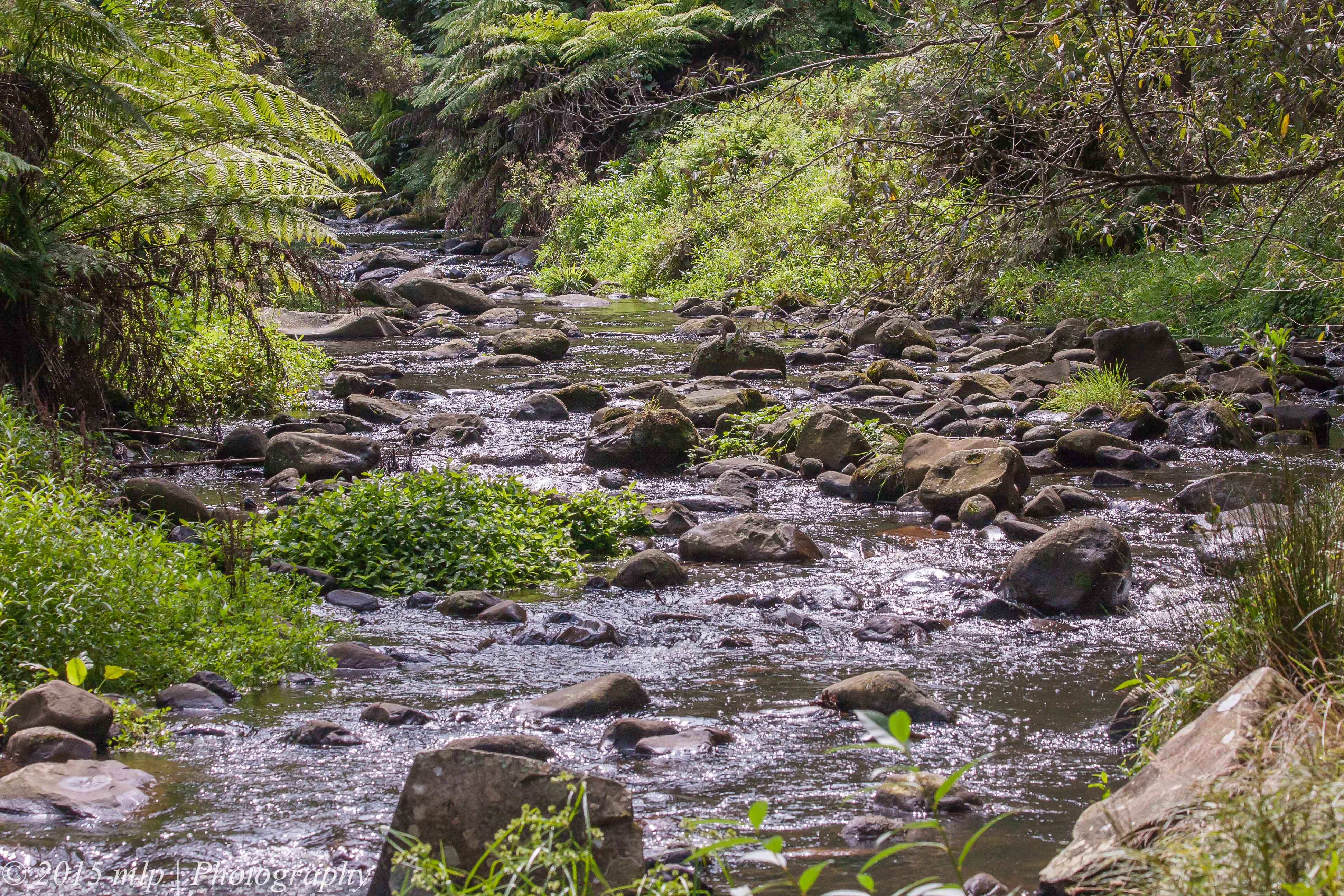
Tarra River

Tarra River – the river has Brown Trout and Platypus right next to the campgrounds.

rainforest Bridge

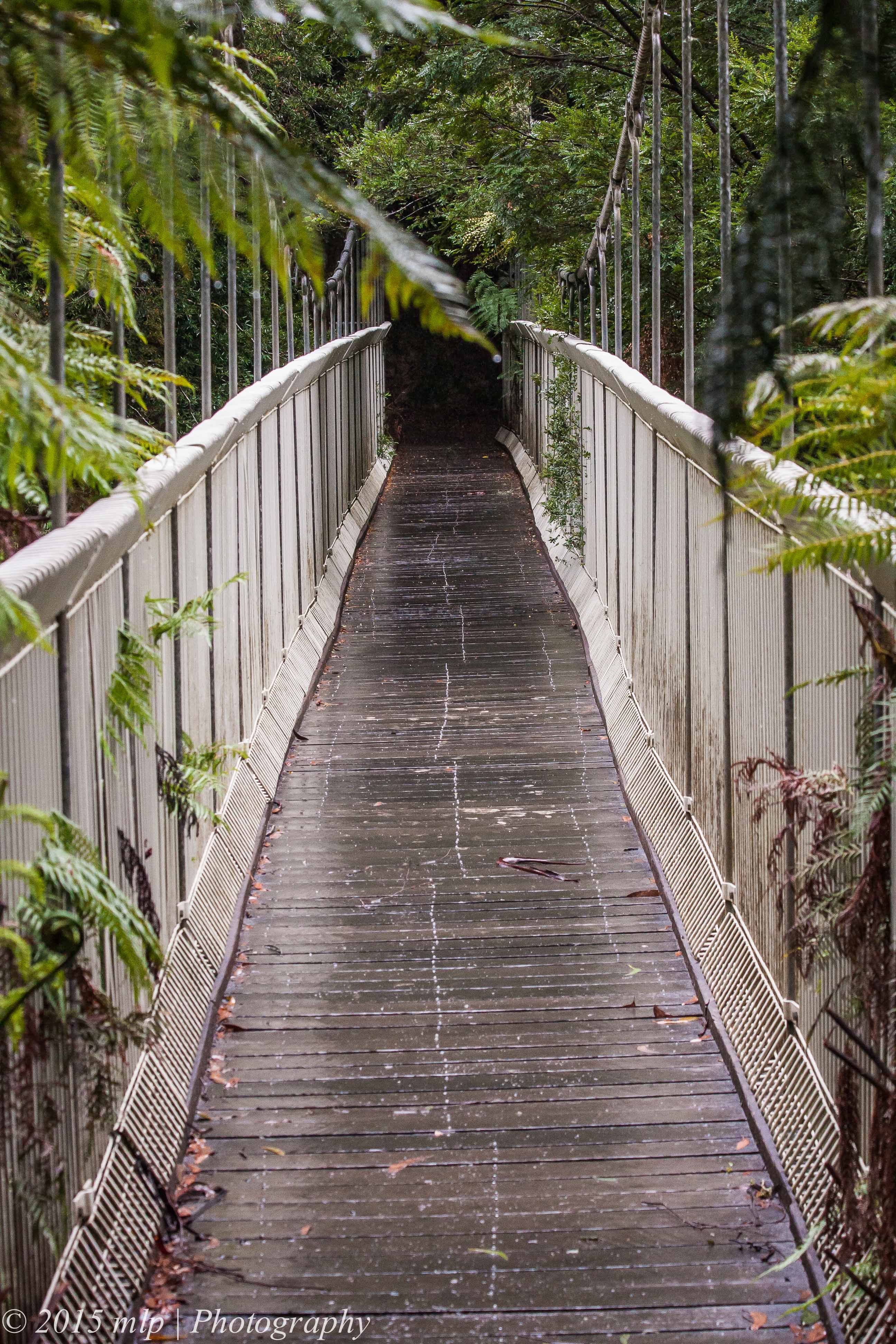
Rainforest Bridge in the National Park
rainforest Bridge

Rainforest Suspension Bridge

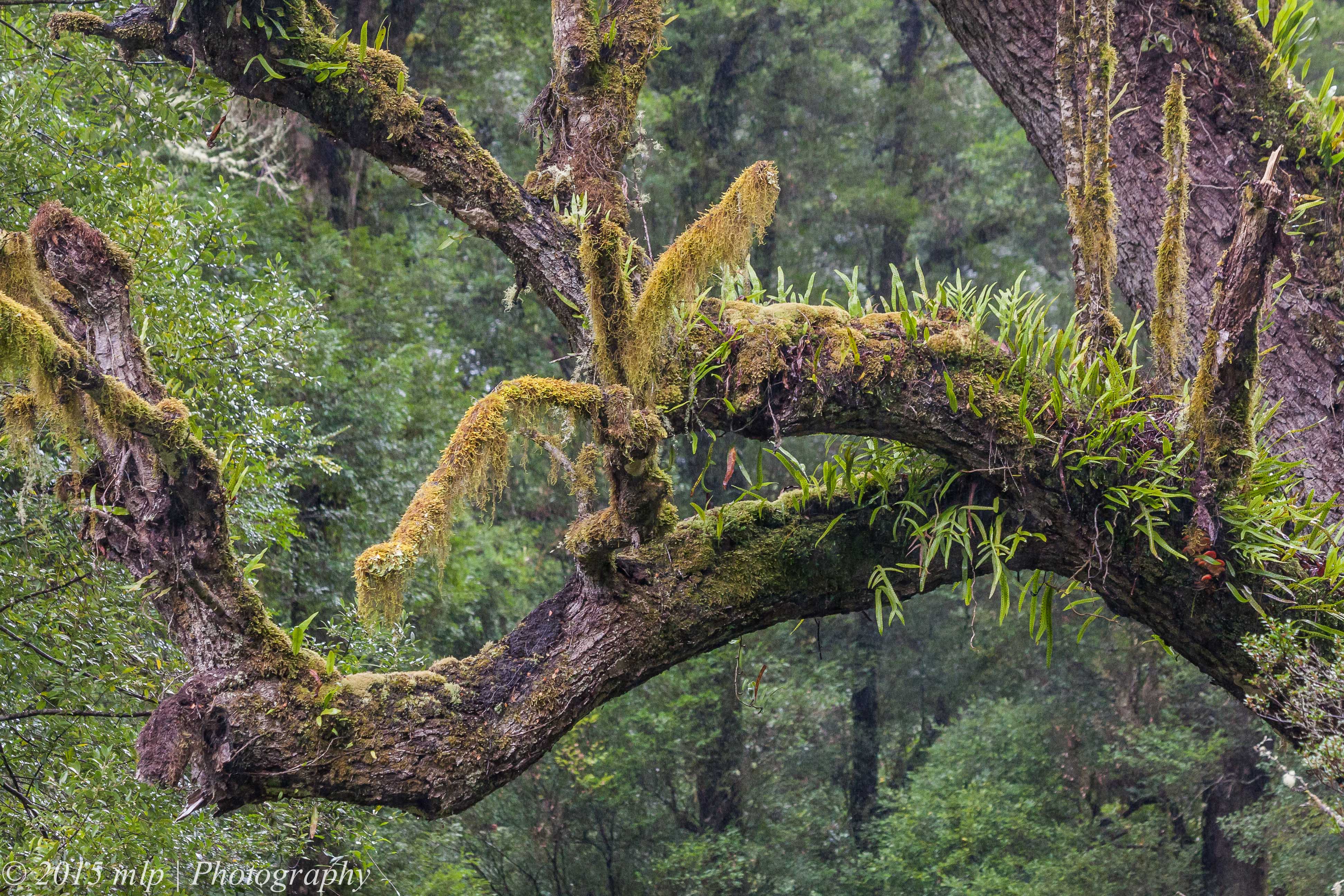
Moss Tree

Moss Tree – most of the older trees with a rough bark had moss, lichens, fungi and various ferns growing on them. Several of the Myrtle Beech trees we saw were over a thousand years old.

Moss

Moss growing on the tree branches in the forest
Tree Fern,

Large Tree Fern

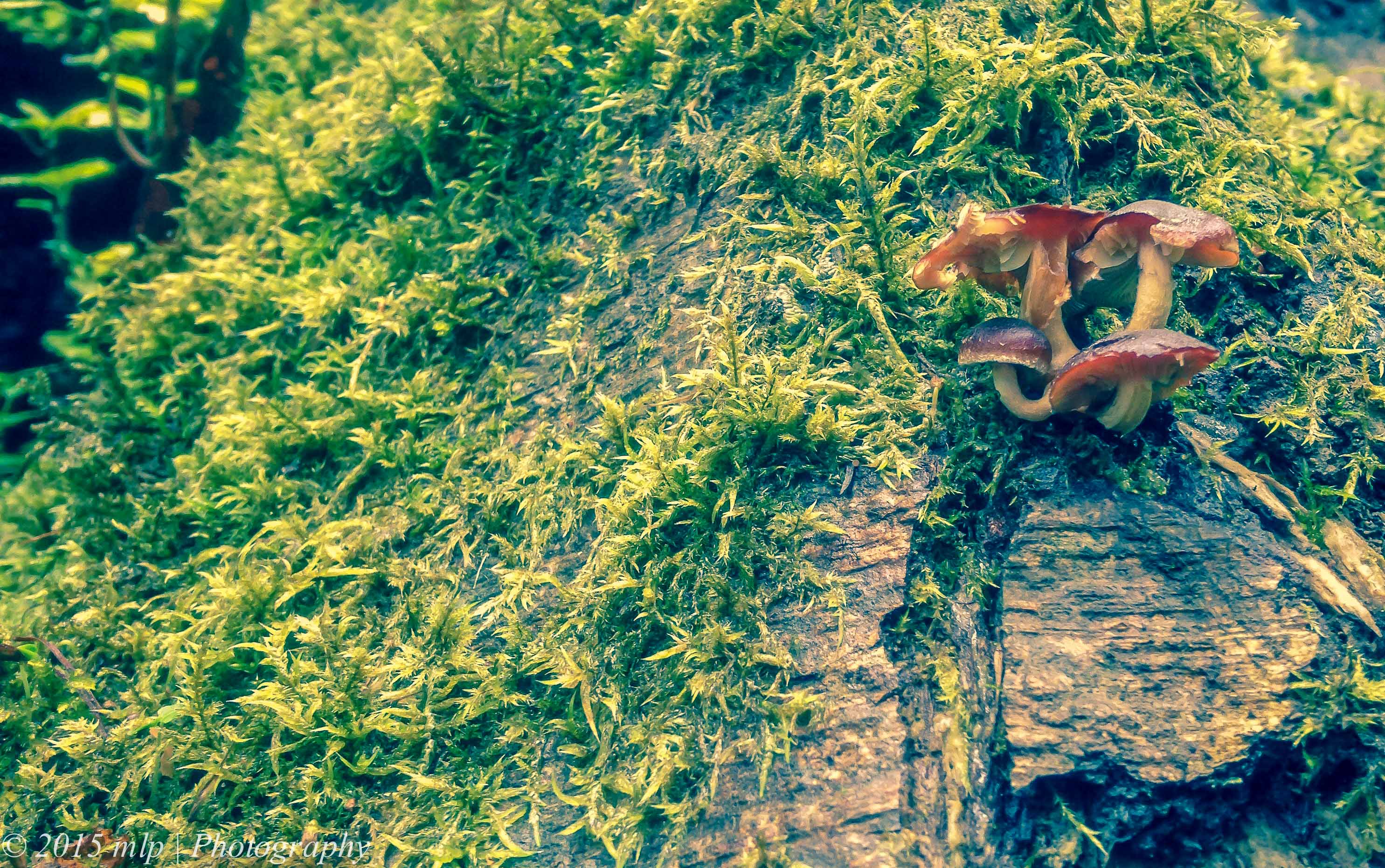
Moss and Mushroom

Moss and Mushroom – seeing if the iPhone can take decent shots

Creek in the rainforest

Small creek in the rainforest
Dinner and a Show at Elster Creek

An evening walk last week took me to the edge of the local pond along Elster Creek. A few regulars were taking their own evening strolls, having late snacks, preening and bathing and I stopped to have a bit of a look…..

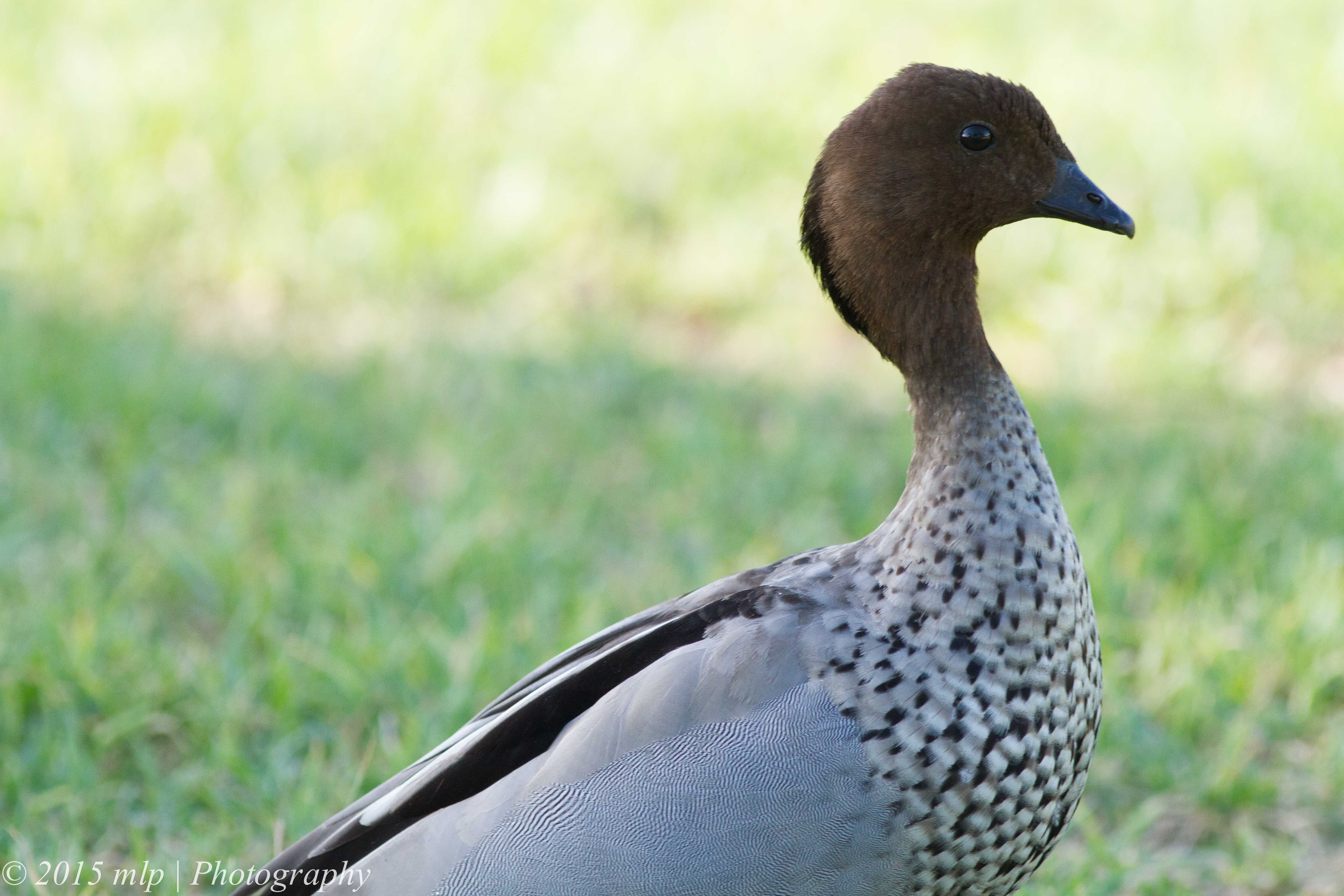
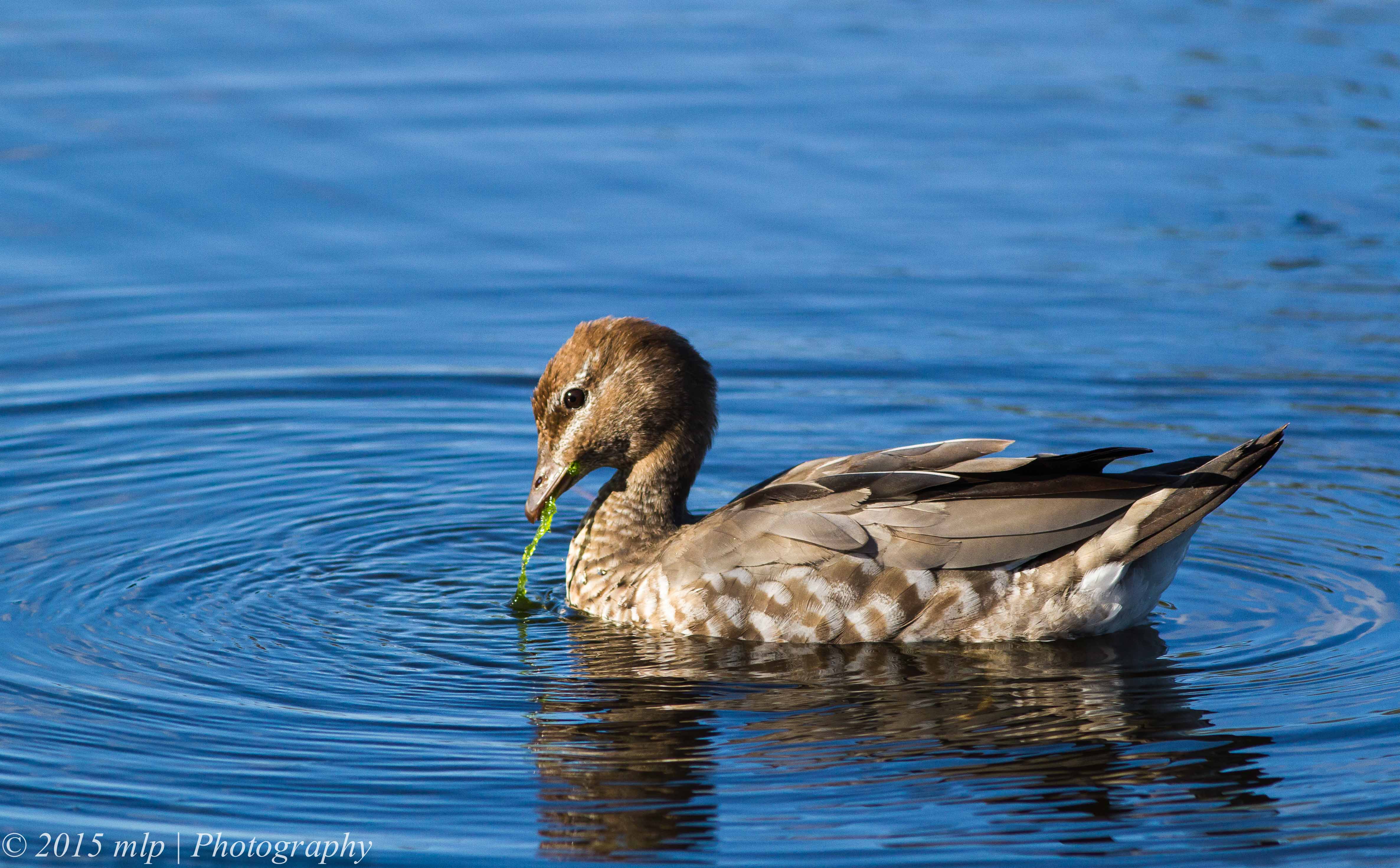
Australian Wood-duck

Australian Wood-duck – also called a Maned Duck due to their short black mane running down their necks

Australian Wood-duck

Australian Wood-duck – the Wood-Duck has very large families and often Aunts will help look after the brood – I have seen 28 ducks in a single family flock

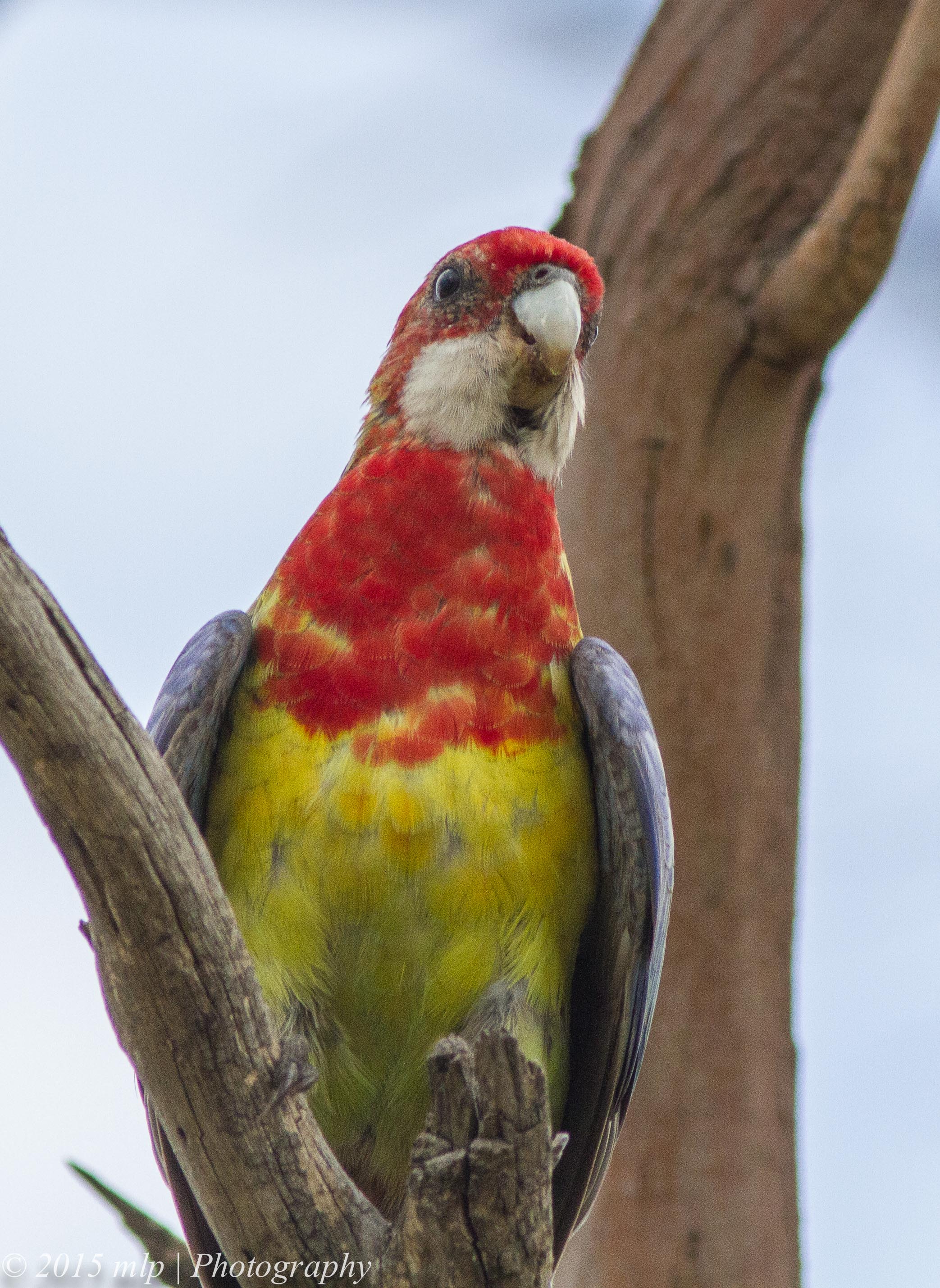
Eastern Rosella

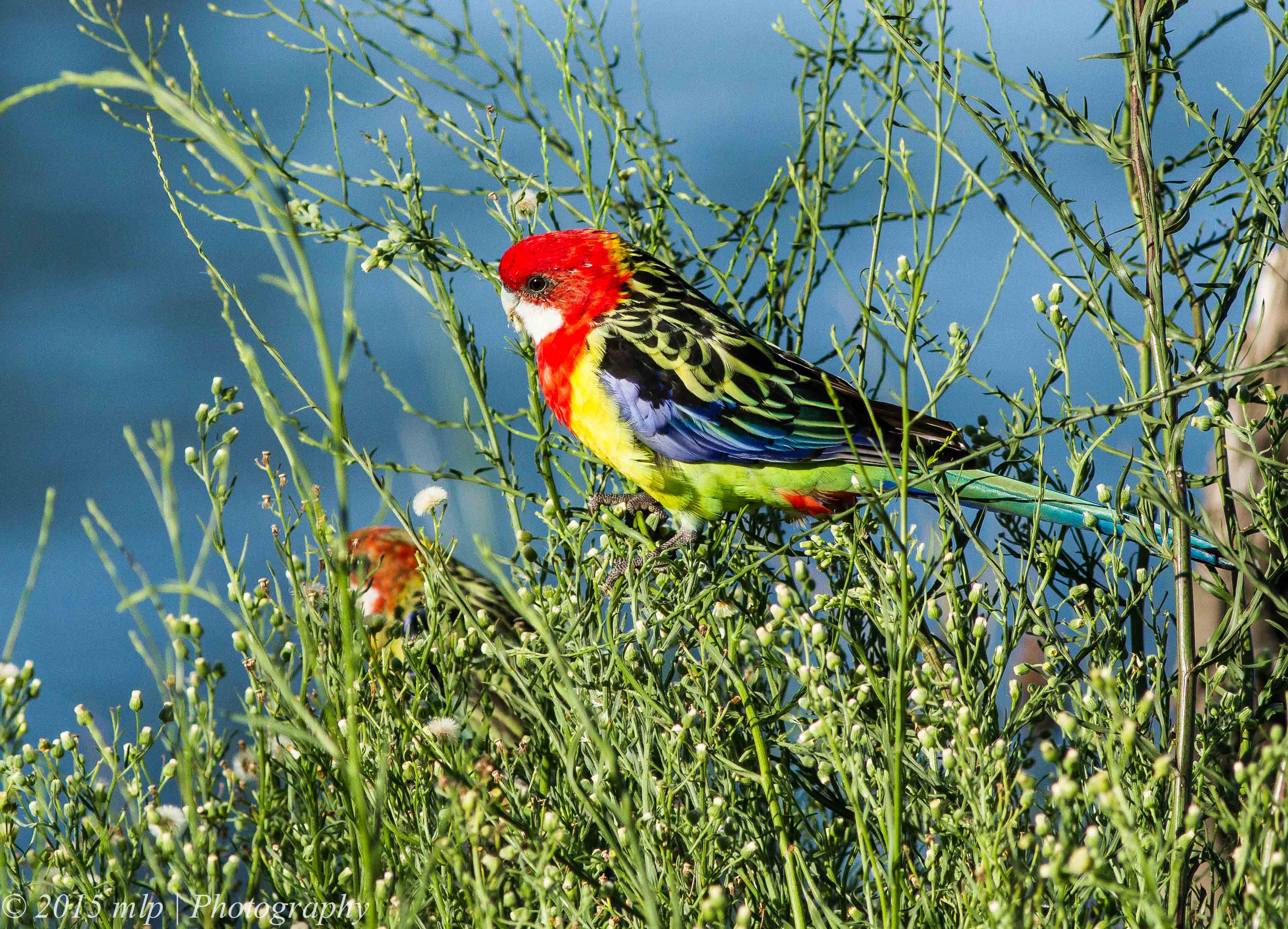
Eastern Rosella – an adult and an immature Rosella were feeding on the flower buds and seed heads on the edge of the lake. They are usually quite flighty but allowed me to get closer than usual.

Eastern Rosella

Eastern Rosella – it was a bit windy and a gust came a long at the right time.

Eastern Rosella

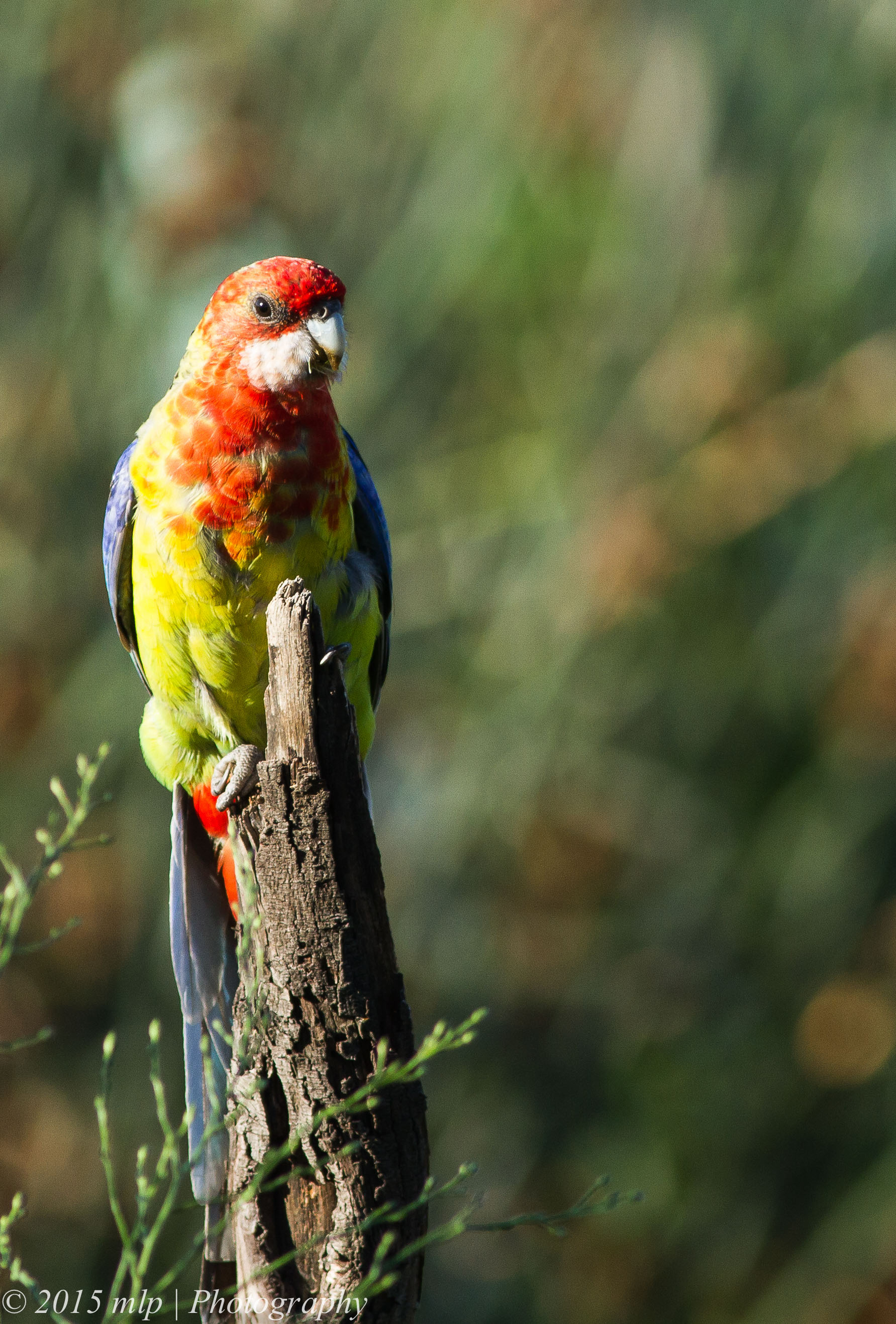
Immature Eastern Rosella having a look back at me while he chews on a flower head.

Eastern Rosella

Eastern Rosella  – I find this bokeh a little weird.

Eastern Rosella

Eastern Rosella

Dusky Moorhen,

Dusky Moorhen

Pacific Black Duck

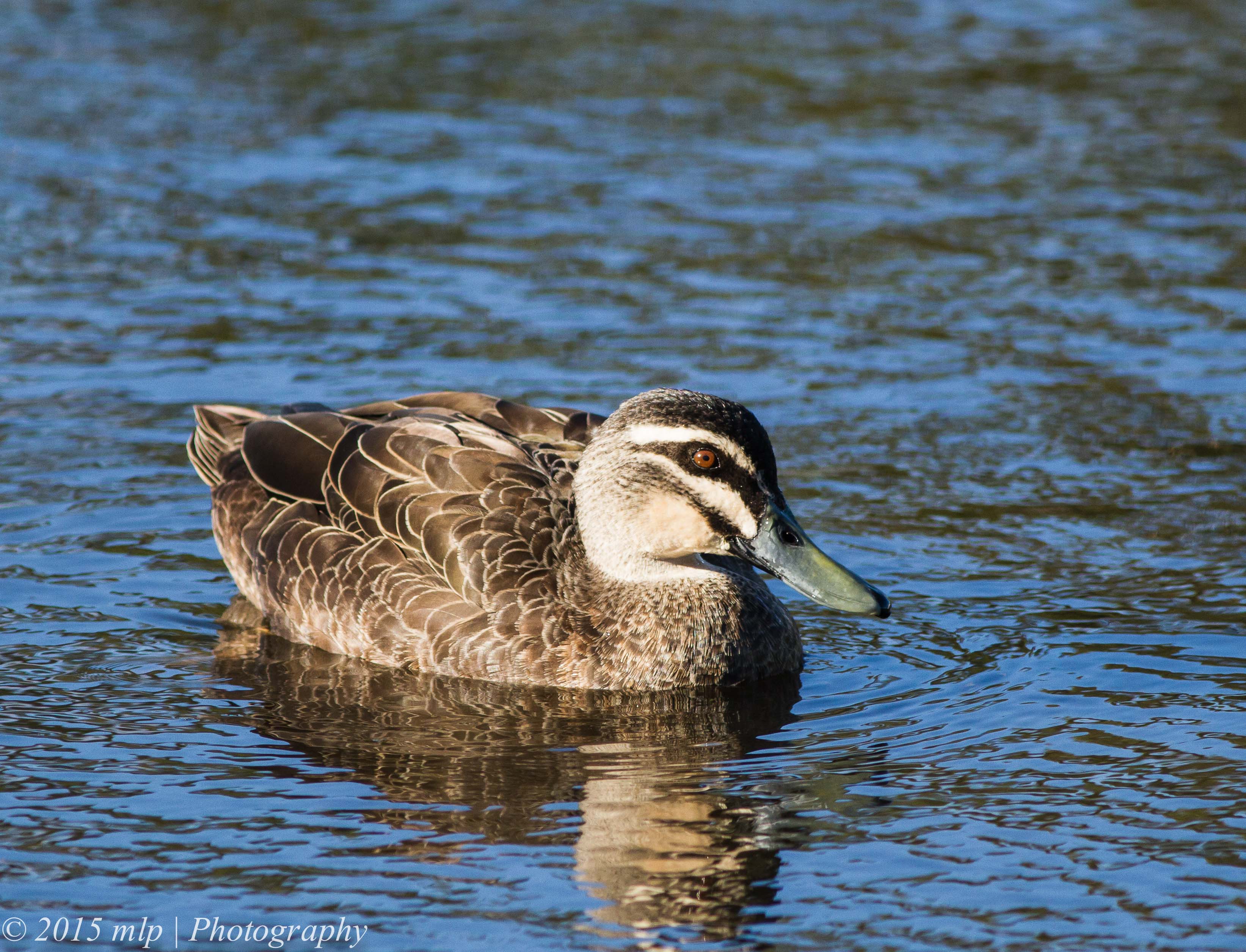
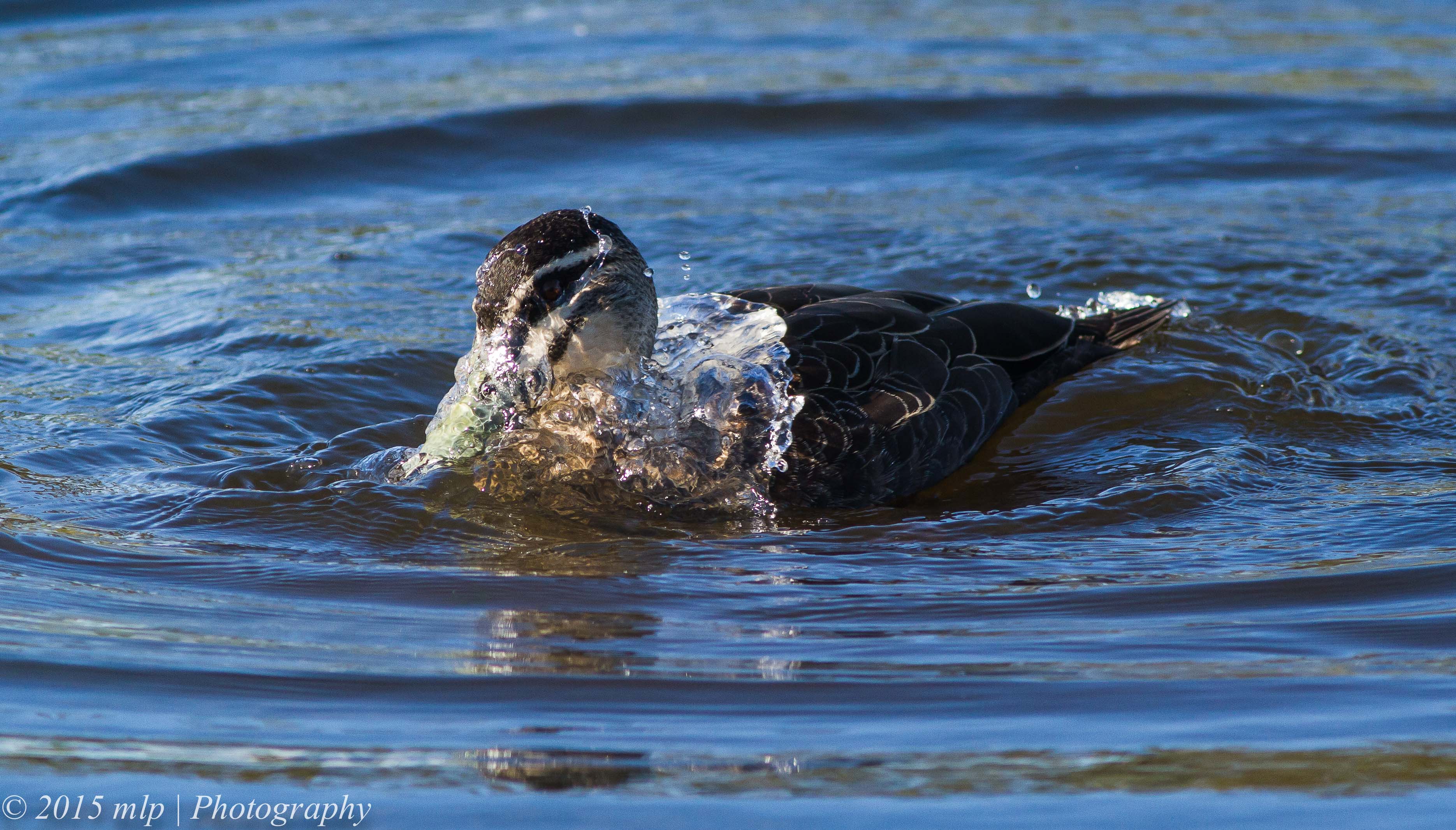
Pacific Black Duck – bath time

Pacific Black Duck

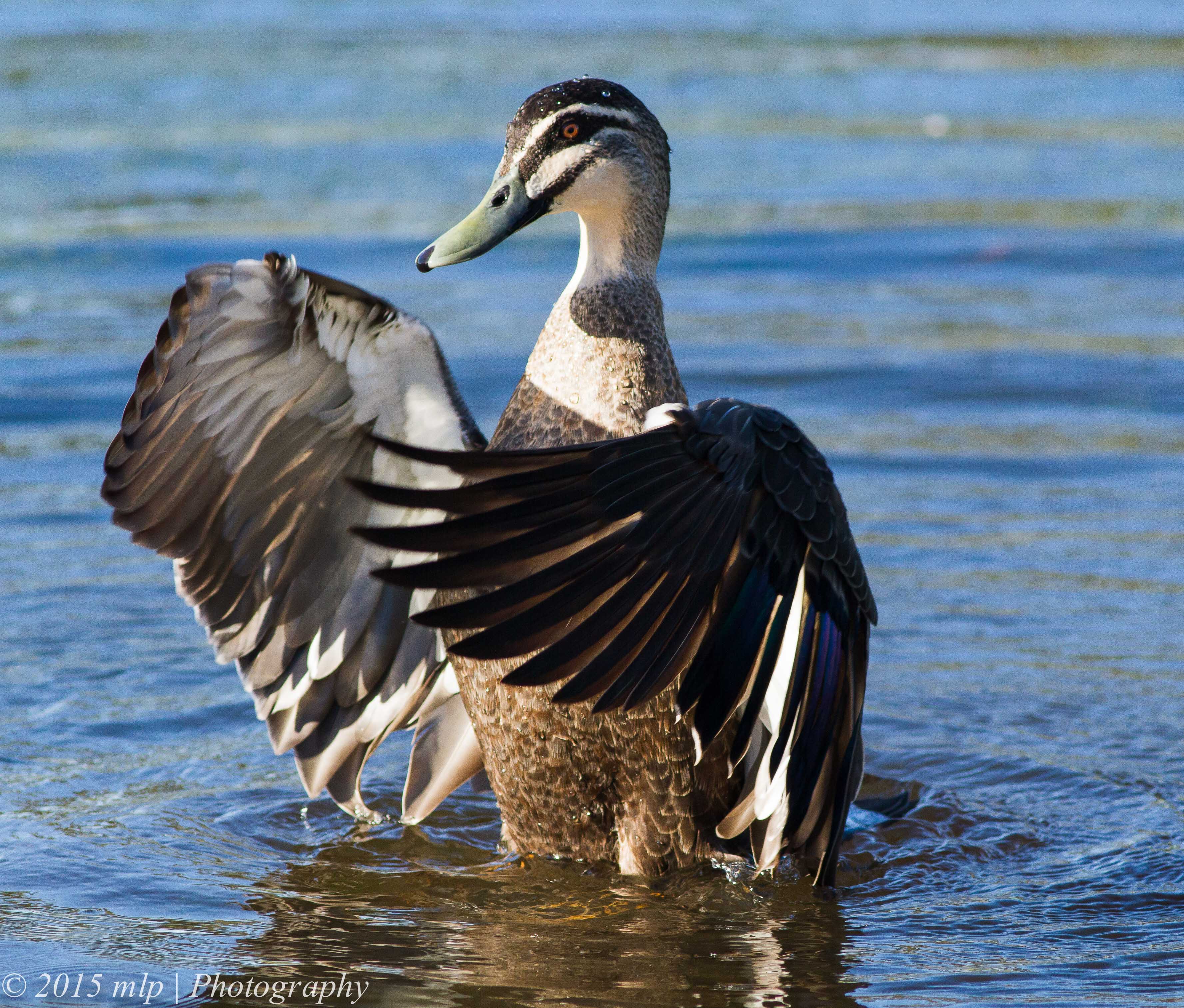
Pacific Black Duck – water off a duck’s back

Pacific Black Duck

Pacific Black Duck III

Pacific Black Duck

Pacific Black Duck – the series of photos showed the duck’s head and body staying in place while the wings shook off the water – he flapped 3 or 4 times

Pacific Black Duck

Pacific Black Duck

Pacific Black Duck

Pacific Black Duck – all done , nothing to see, move along

Australian Wood-duck

A young Australian Wood-duck – last minute feed

Multi-tasking with a Snake-Bird

I love it when I can do several things at once. I feel a sense of achievement when I accomplish the goal for the day and feel even better when I can do two things for the journey of one. Bunnings is a hardware super store (for those that are not familiar with Australian Hardware Super-stores). I often make a Bunnings run to procure equipment and supplies for my gardens, home projects and camping trips. Opposite my favourite store is Karkarook Park. I stopped in last week to look for photo opportunities before I visited Bunnings. The Park is a restored sand mine and now has a wetlands area made up of several well vegetated lagoons, a large lake used for canoeing and fishing and pockets of woodlands around the edge.  It has a very good range of water and woodlands birds and I often get up to 50 species on an extended visit. It is close enough to home to just pop in for half an hour and look for a species to photograph

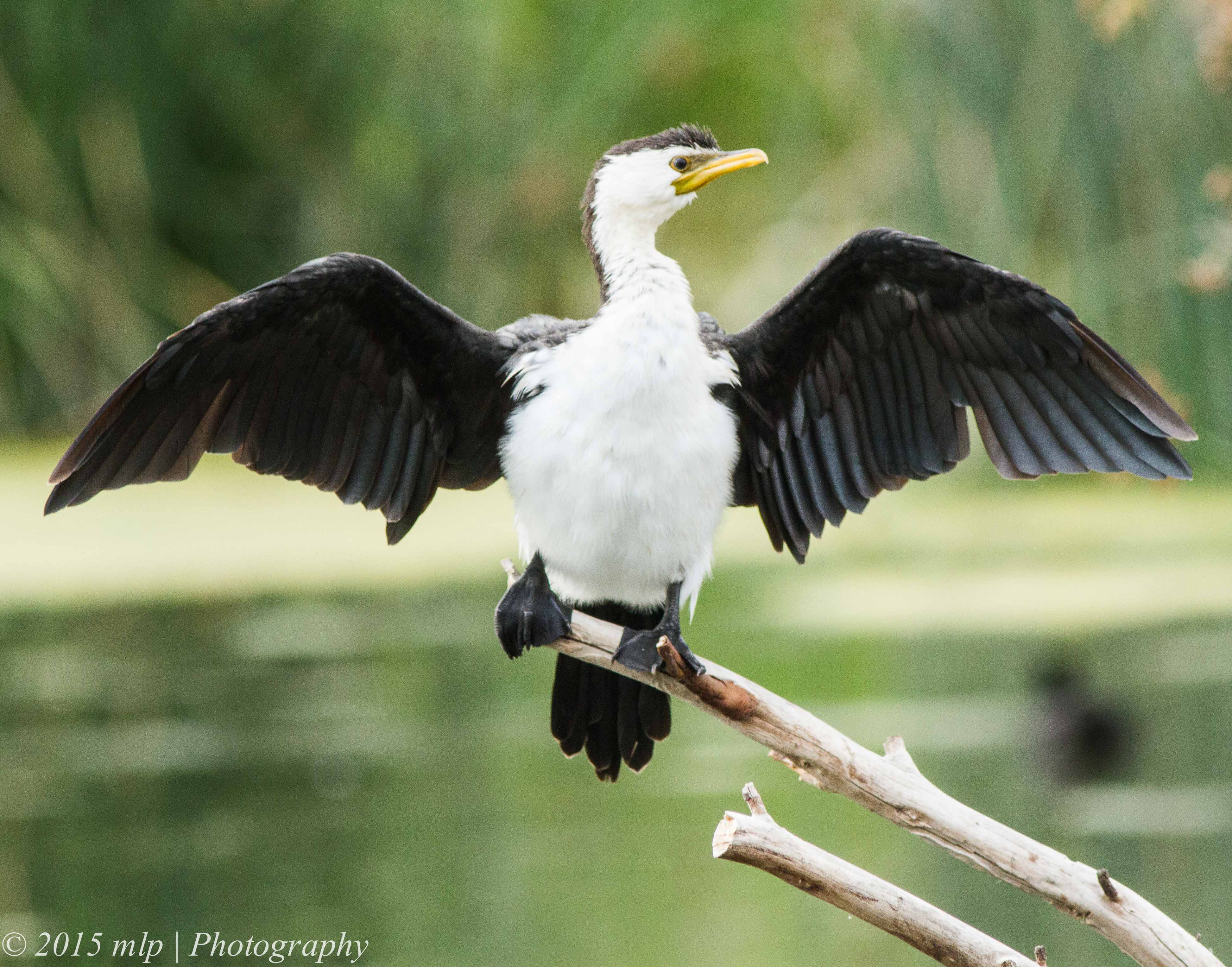
Little Pied Cormorant

Little Pied Cormorant

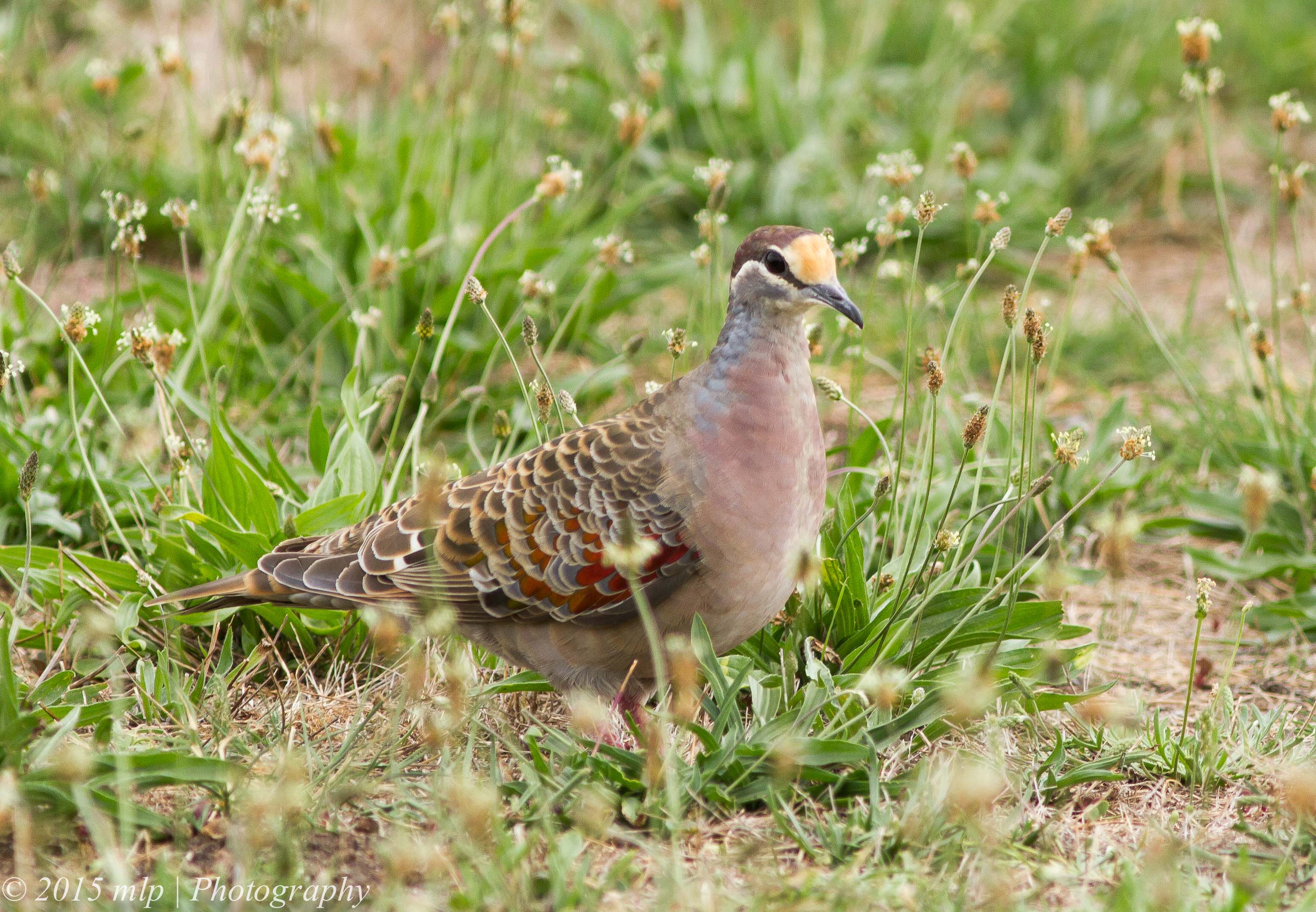
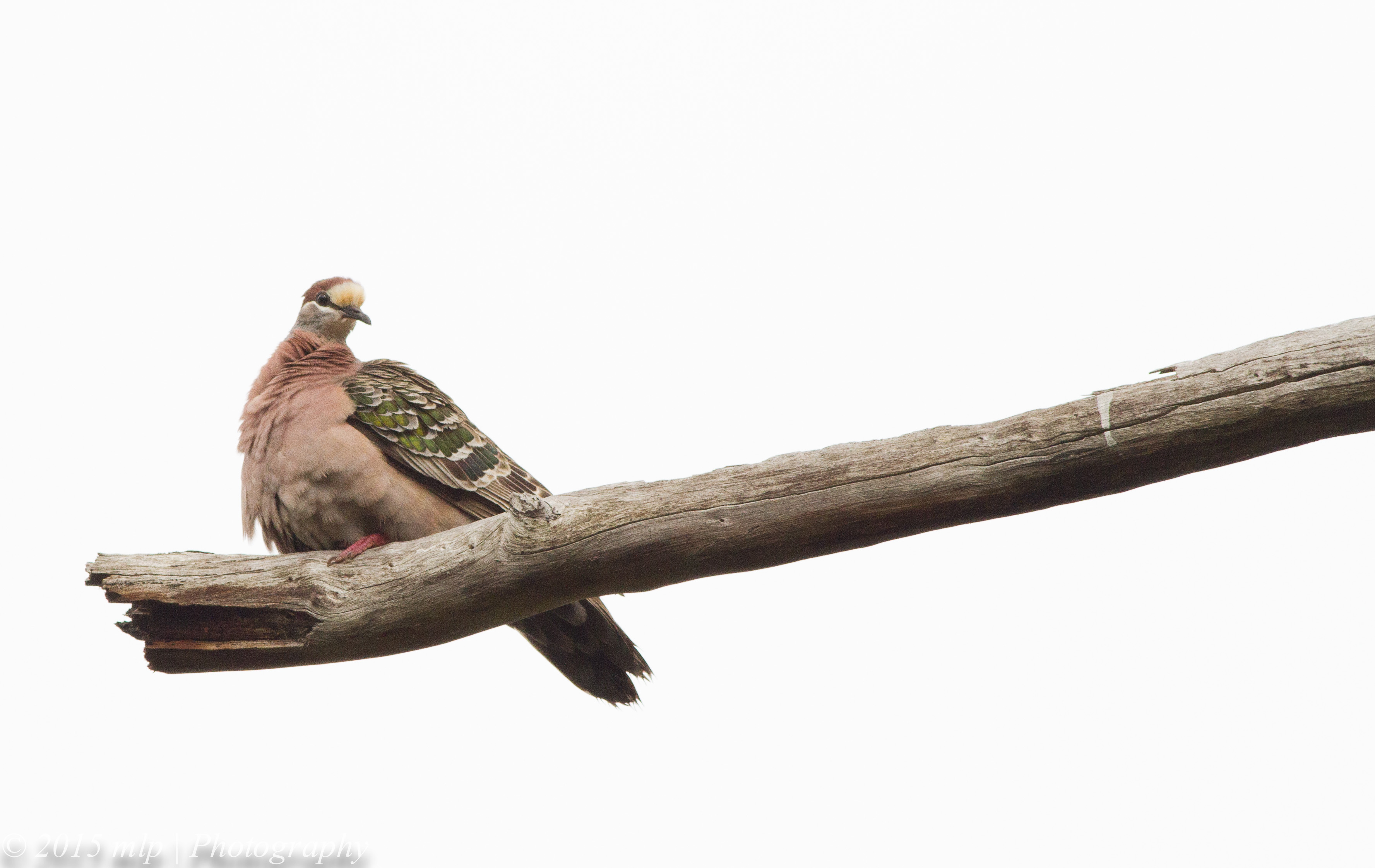
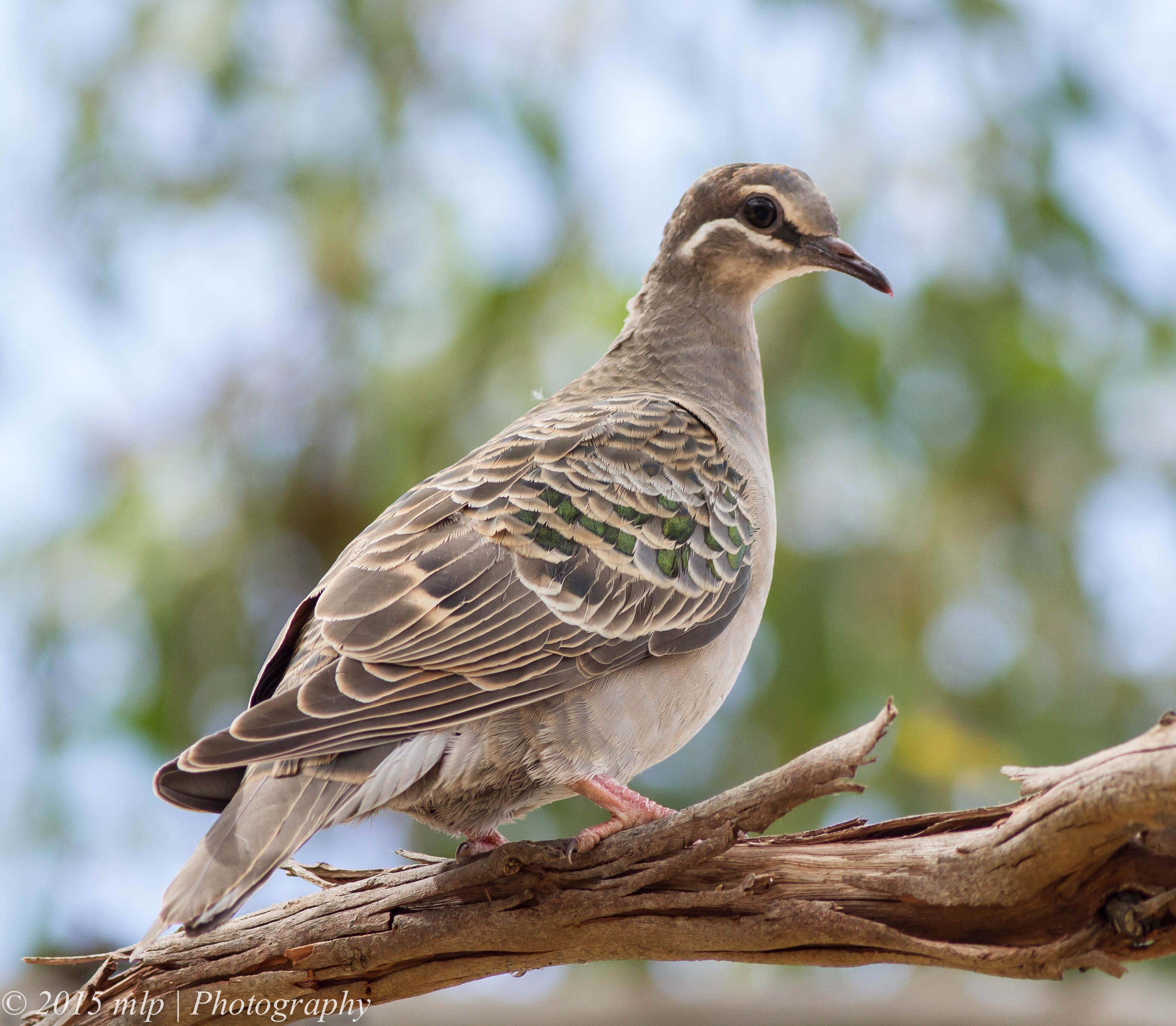
Common Bronzewing

Common Bronzewing

Male Common Bronzewing

Male Common Bronzewing

Superb Fairy Wren

Male Superb Fairy Wren – immature Fairy-Wren coming into his adult colours

Superb Fairy Wren

Superb Fairy Wren

Masked Lapwing

Masked Lapwing – previously known as a Spur Winged Plover. It can be a very aggressive bird often taking on Raptors (and people) if they get too close to feeding grounds or nests. They make their various alarm calls quite casually, spooking other nearby birds. The Lapwing can be difficult to get close to….

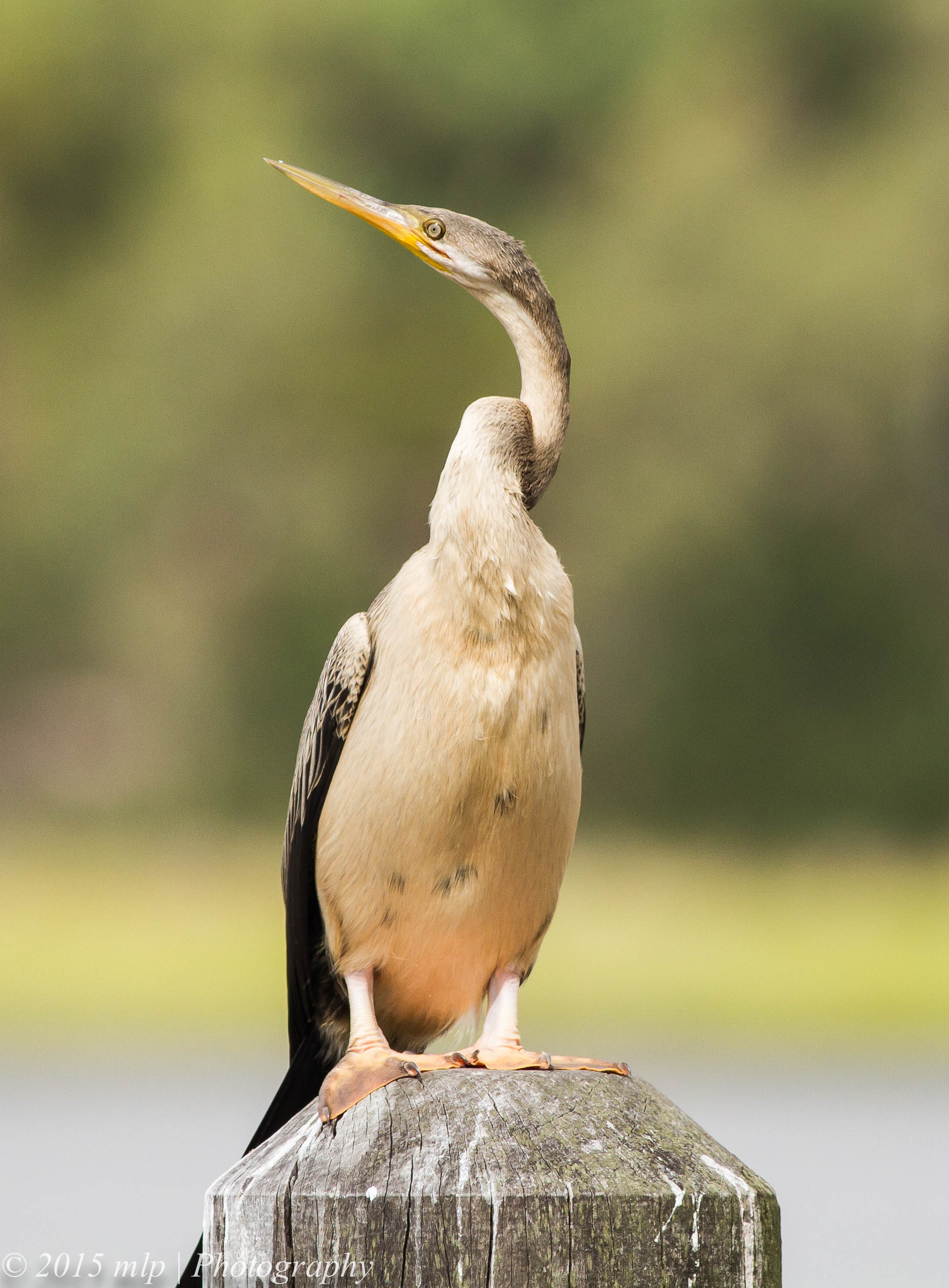
Australasian Darter

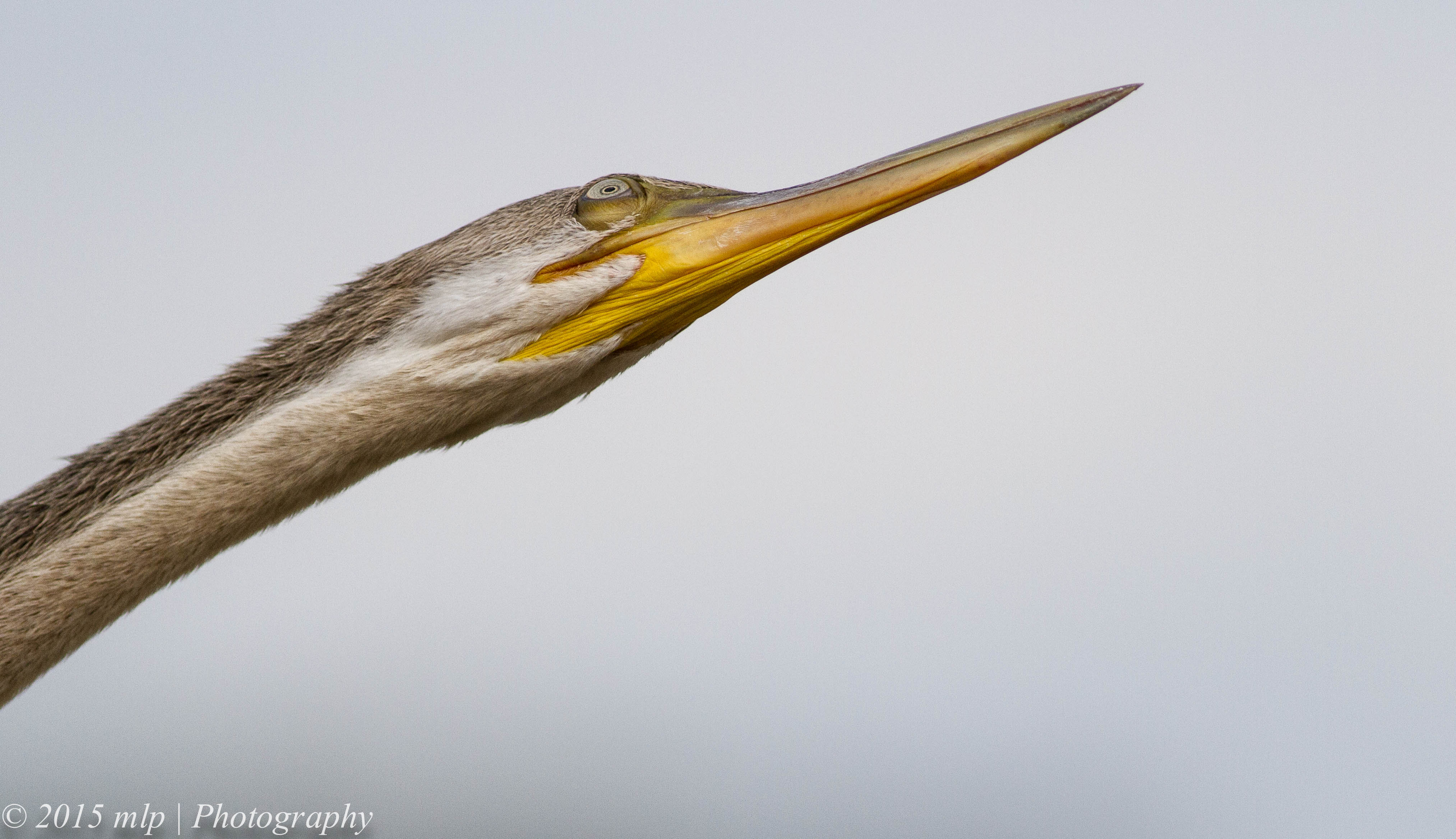
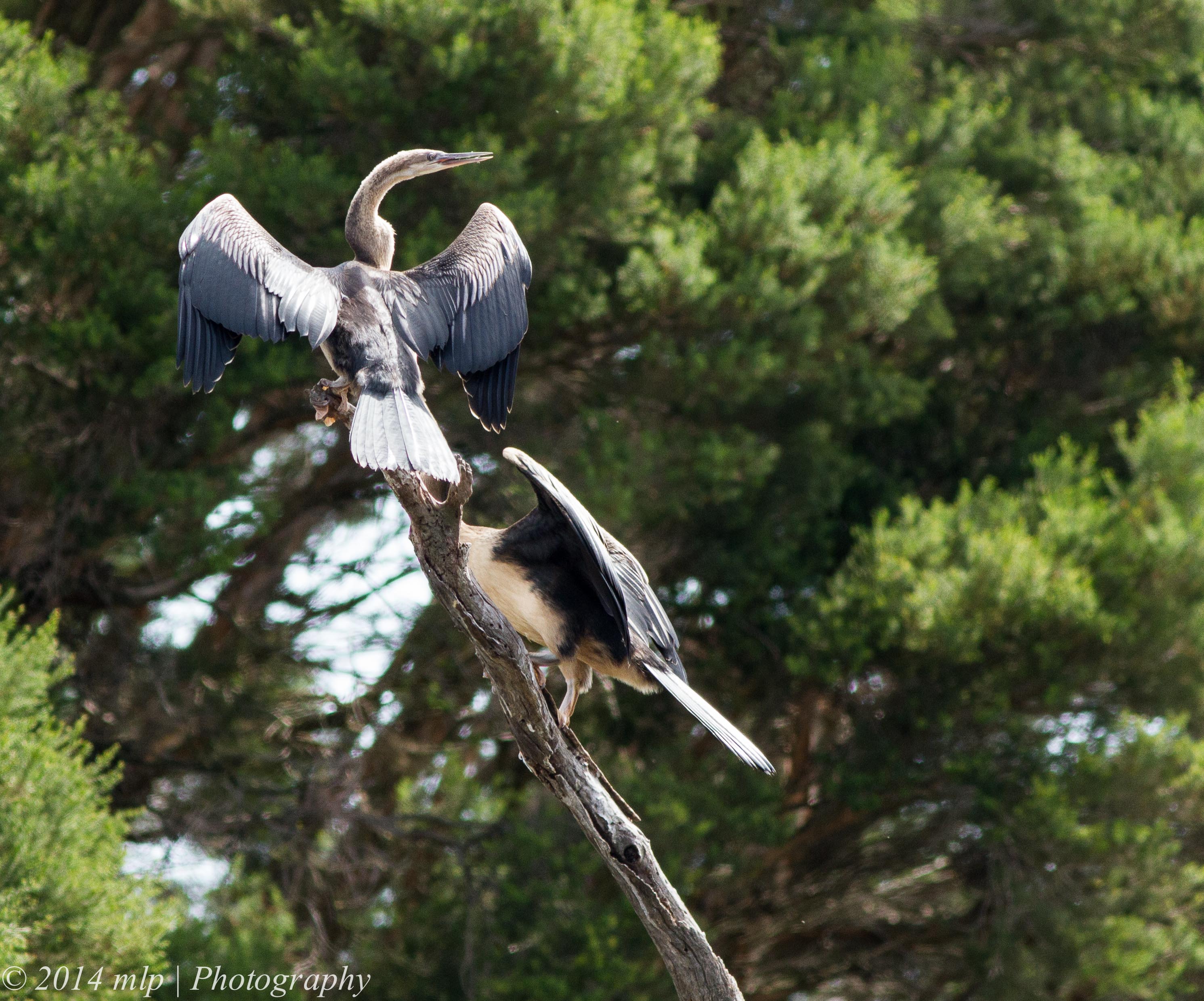
Australasian Darter – a young female, the males are generally all black. This one allowed me to approach slowly along the pier until I was quite close.

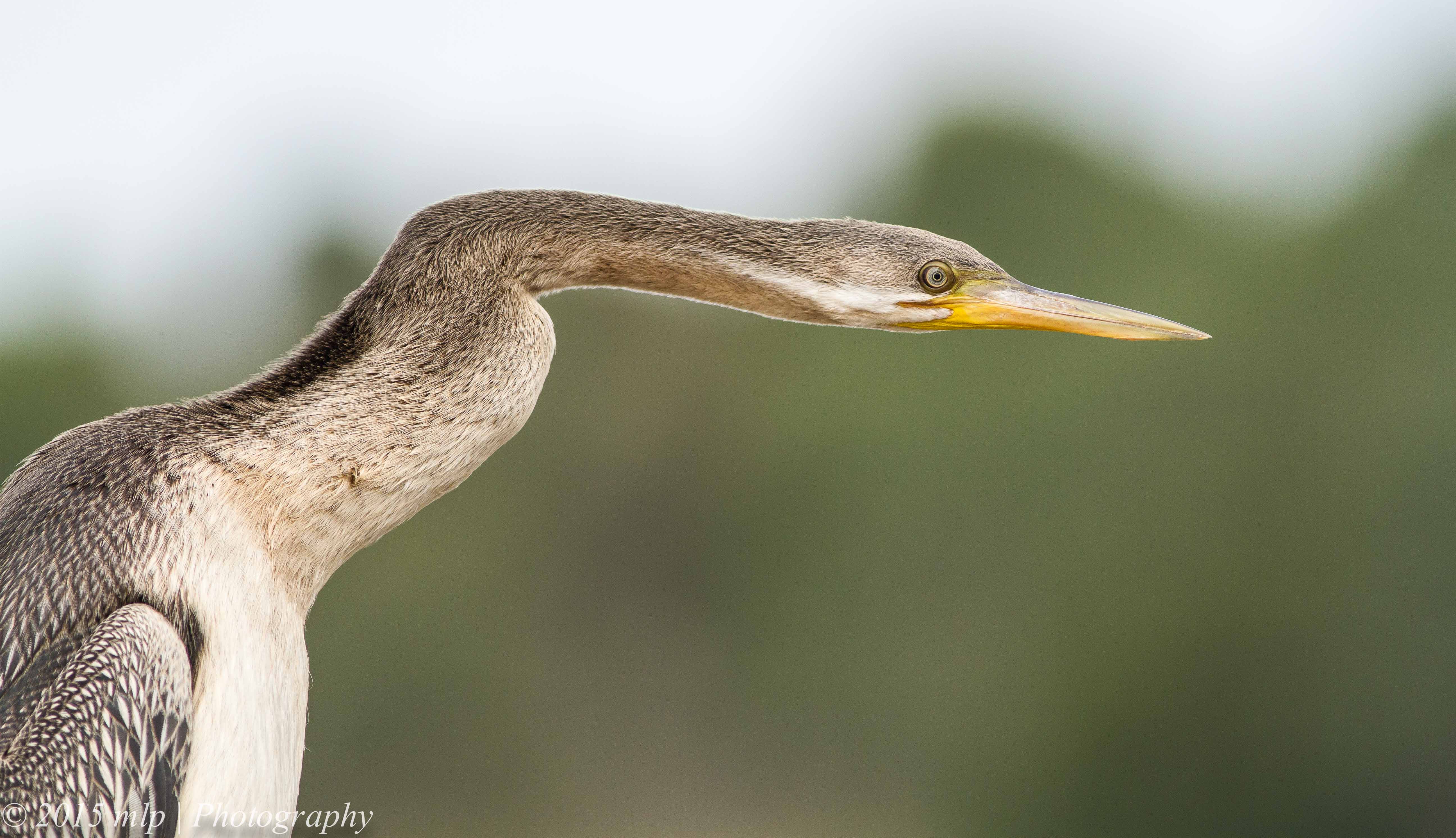
Australasian Darter

Australasian Darter – they are also called a snake bird due to their swimming habit (very low in the water and sliding backwards into the water to hunt) and their very long snake like neck. This one waved it around quite a bit keeping an eye on fish below, hunters above and me…

Australasian Darter

III

Australasian Darter

IV

Australasian Darter

V

Australasian Darter

Interesting eye and bill detail

Australasian Darter

When the Lapwing nearby gave one  of its alarm calls the Darter immediately looked up for danger. She did not fly off or panic but was very aware. It is interesting that birds know each others specific danger calls

Australasian Darter

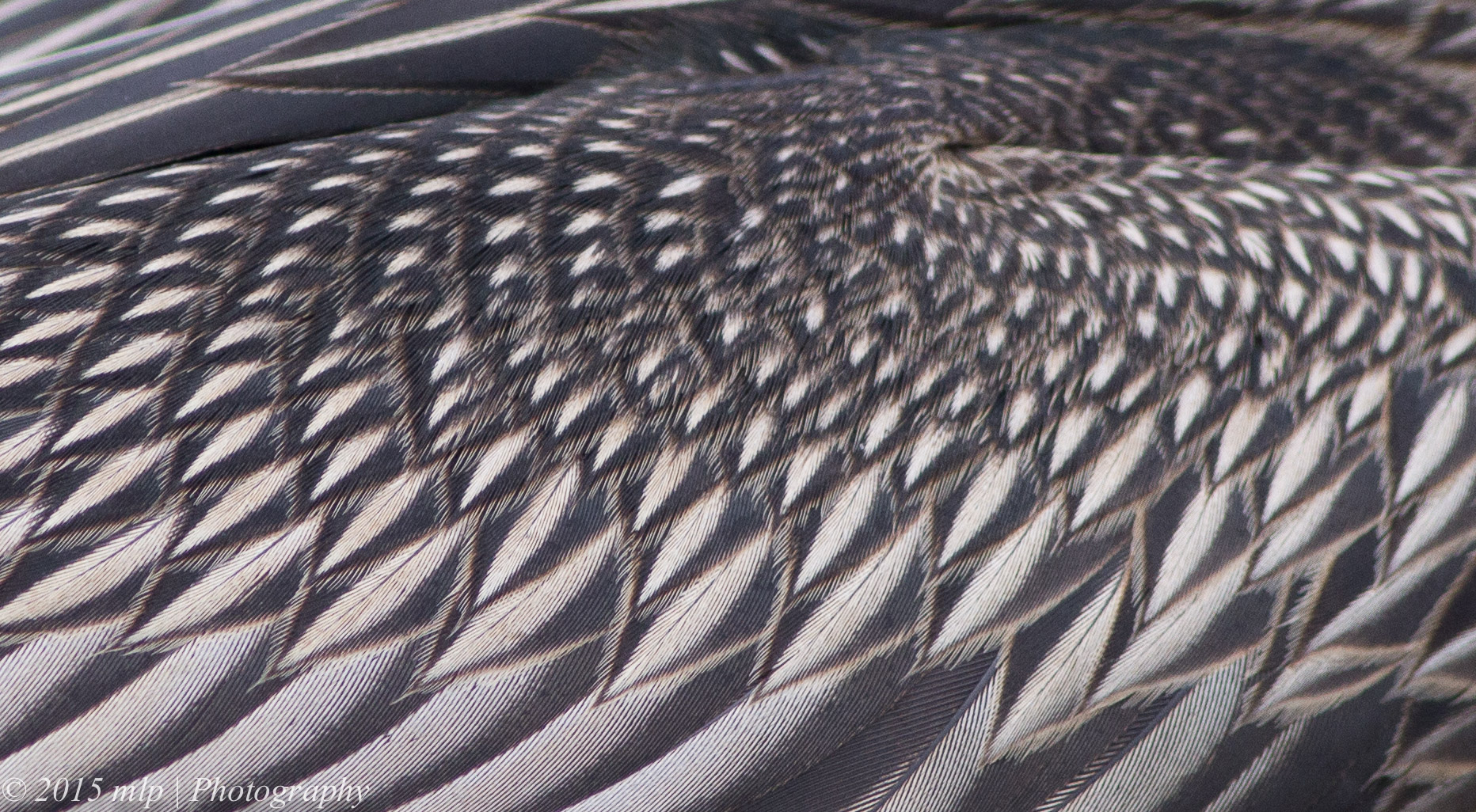
Beautiful wing patterns

Up the You Yang(s)

Halfway between Melbourne and Geelong is a Regional Park with high granite peaks and over 50km of Mountain Bike riding trails. It is also a good spot to bush walk and find a reasonable selection of uncommon woodlands birds. It can be dry and hot at times and there are a few dams in the park near the entrance that usually have water and so are good spots to explore for birds. There is a 12 km dirt road (the Great Circle Drive) that winds around the park taking in most of the main habitats.

Injured Cockatiel

Injured Cockatiel on the side of the road leading to the You Yangs, not known in this area so I assume an aviary escapee.

Scarlet Robin

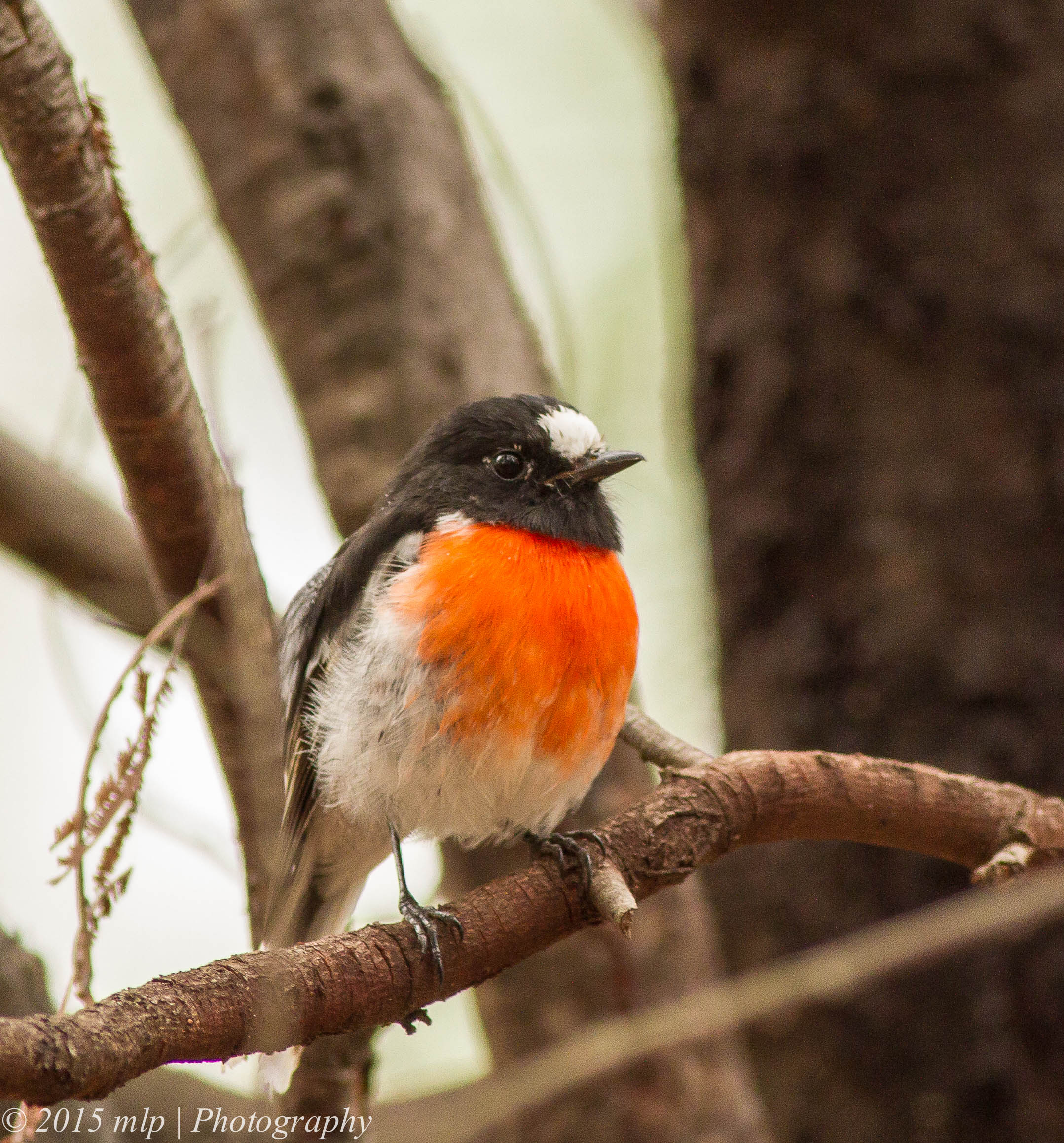
Scarlet Robin – teased me into thick scrub to try and take a photo. A curious bird and one that stands out quite well against the grey/brown background of the surrounding bush.

There are several large groups of White Winged Choughs (chuffs) in the You Yangs. They are a social species living in extended family groups. They are generally hard to sneak up on as they post guards in the surrounding trees as the main group feeds on the ground. I took some time and watched this family and slowly moved closer. They have very distinctive calls and different alarms for a variety of threats.

White Winged Chough

White Winged Chough

White Winged Chough

White Winged Chough  – one of the guards keeping an eye on me as the main group looked for food on the ground.

White Winged Chough

White Winged Chough III

White Winged Chough

White Winged Chough – a glimpse of the White Wings – very clear in flight and when grooming

White Winged Chough

The two above were grooming each other and cleaning their own feathers. 

Common Bronzewing

Common Bronzewing

Common Bronzewing

Common Bronzewing II

Always looking for good Bokeh, eventually….

I am always thinking about the potential Bokeh of a shot…well after I panic about trying to just get an image of the bird before it flies away or becomes blocked by branches, then just trying to get it in focus with good light and then I think about bokeh….

To quote the Nikon USA site: Bokeh is defined as “the effect of a soft out-of-focus background that you get when shooting a subject, using a fast lens, at the widest aperture, such as f/2.8 or wider.” Simply put, bokeh is the pleasing or aesthetic quality of out-of-focus blur in a photograph.

Good Bokeh can really help the subject pop out against the background with a nice contrasting or complimentary colour. I use a 5.6 lens and still can achieve some interesting bokeh.

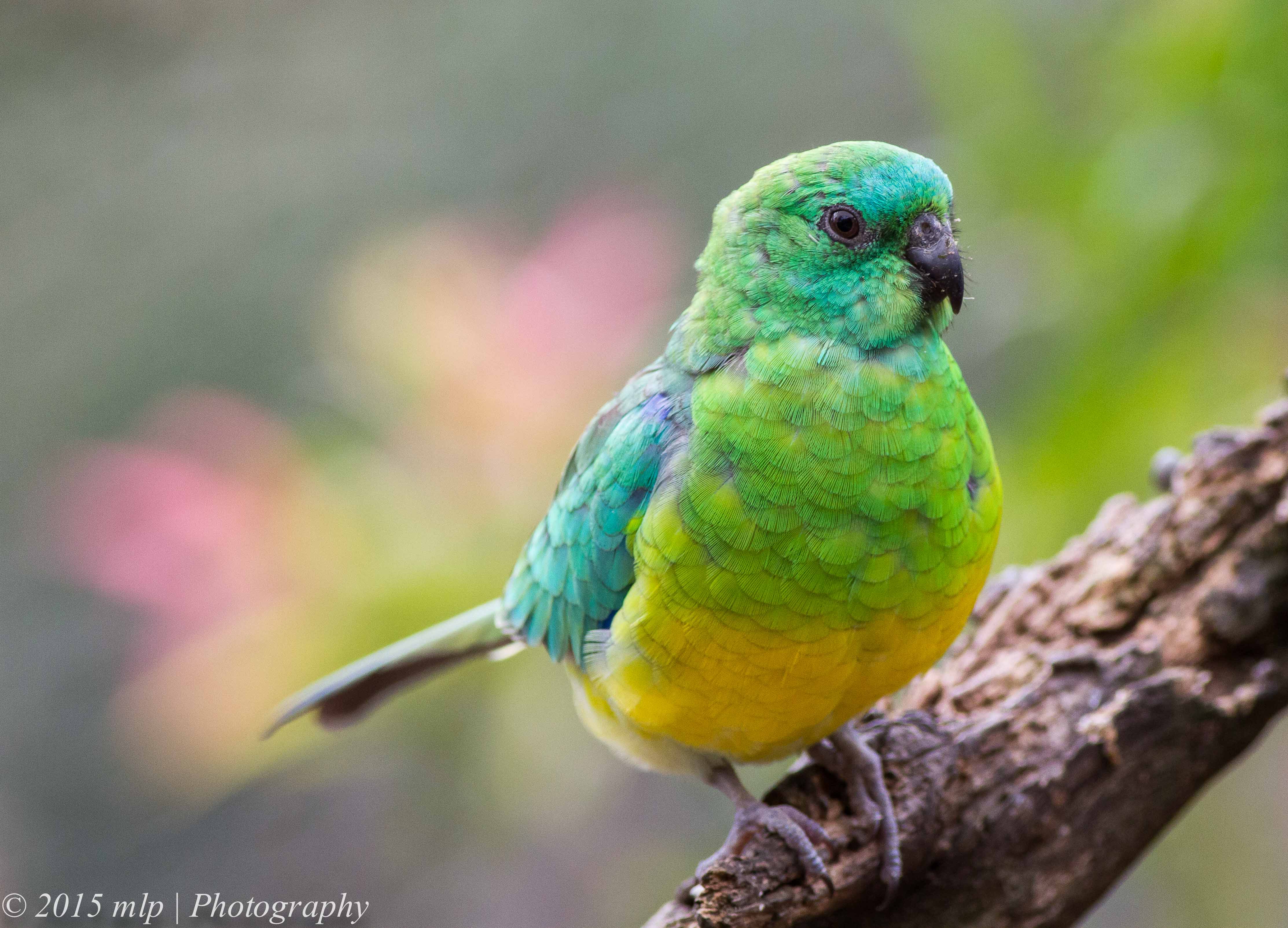
Red Rumped Parrot

Red Rumped Parrot

White Winged Chough

White Winged Chough

Cape Barren Goose

Cape Barren Goose

Pelican

Pelican

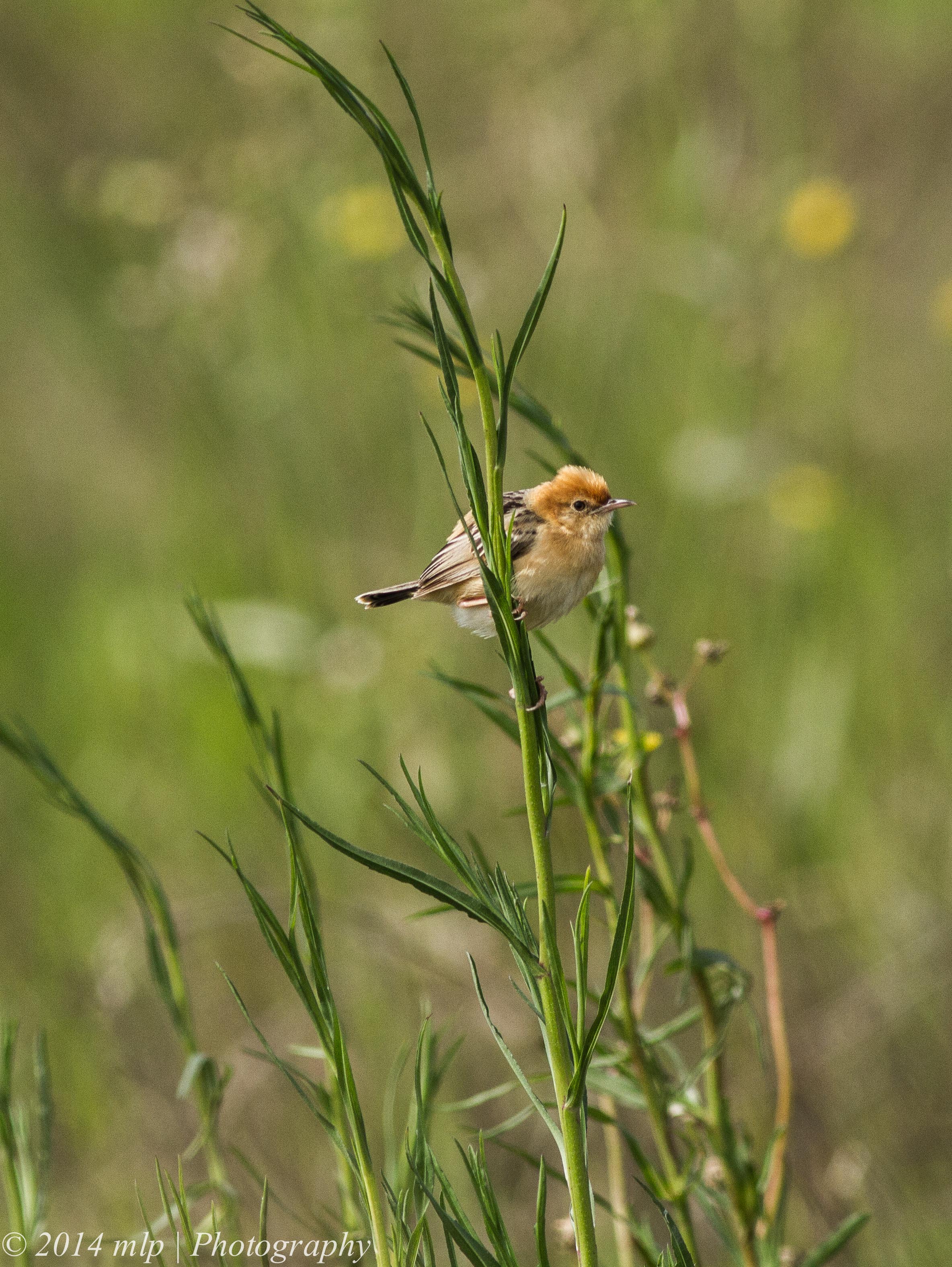
Golden Headed Cisticola,

Golden Headed Cisticola

Immature Spotted Harrier, Western Treatment Plant, Werribee - 23 Nov 2014

Immature Spotted Harrier

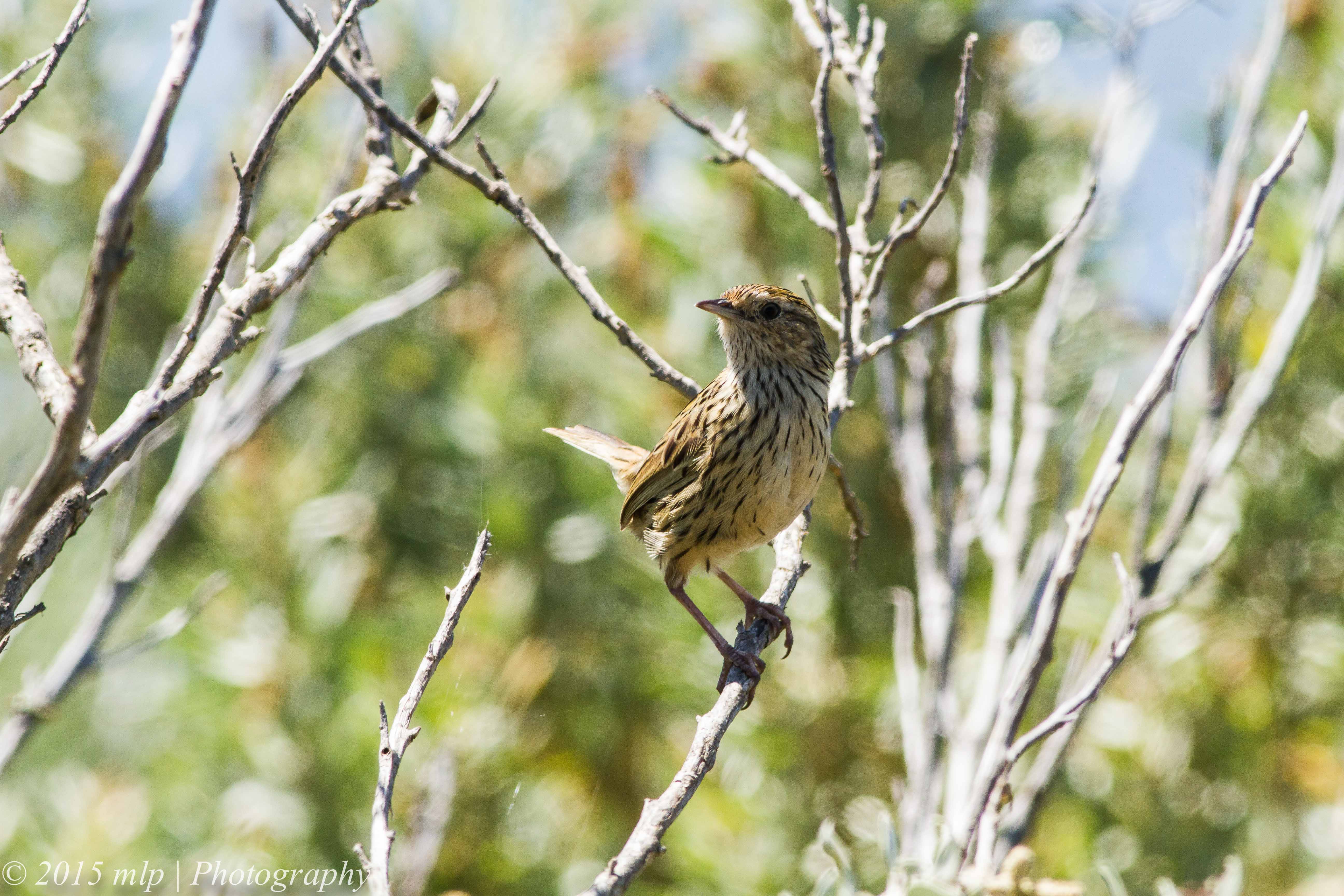
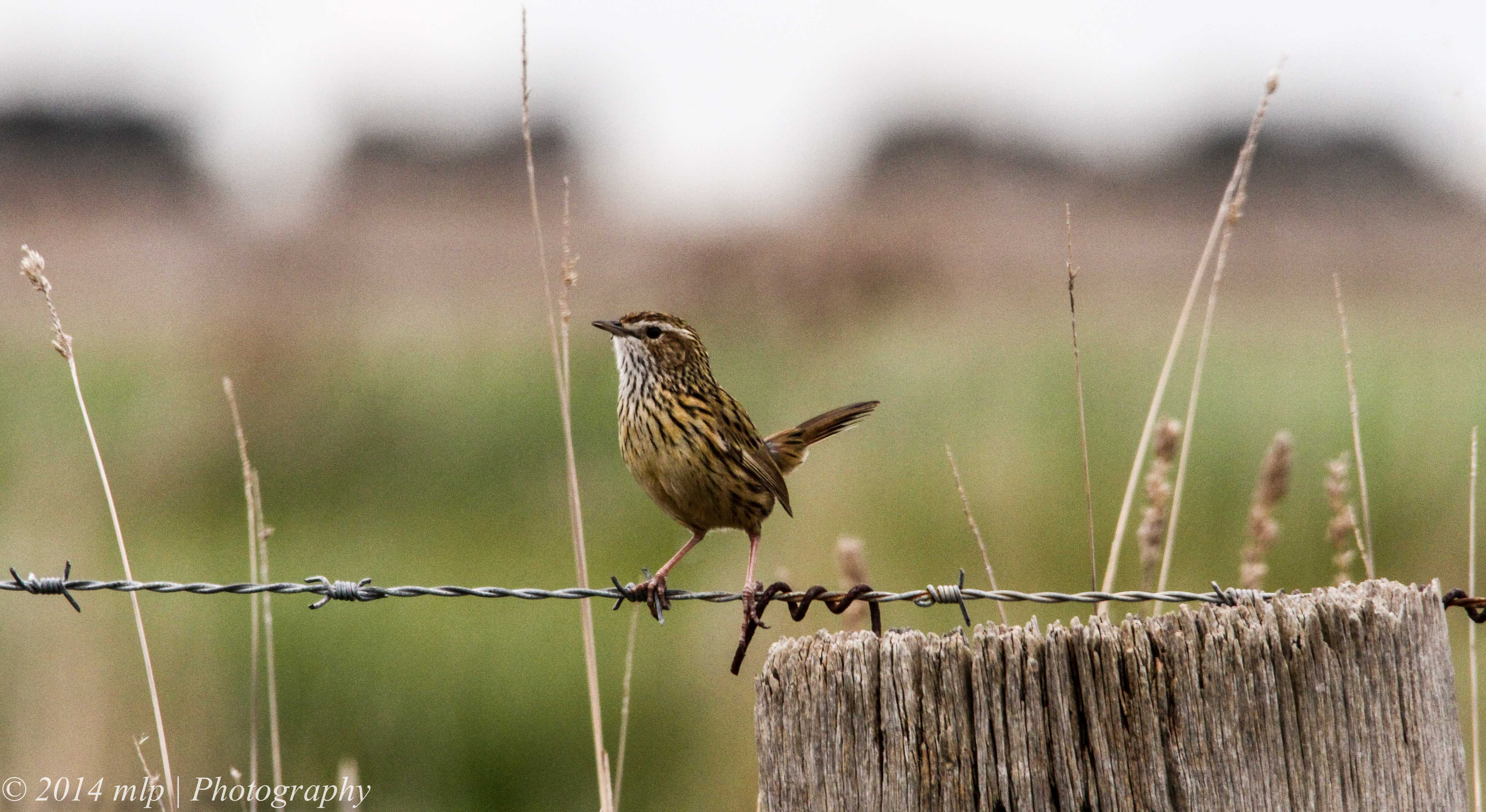
Striated Fieldwren, Western Treatment Plant, Werribee - 23 Nov 2014

Striated Fieldwren

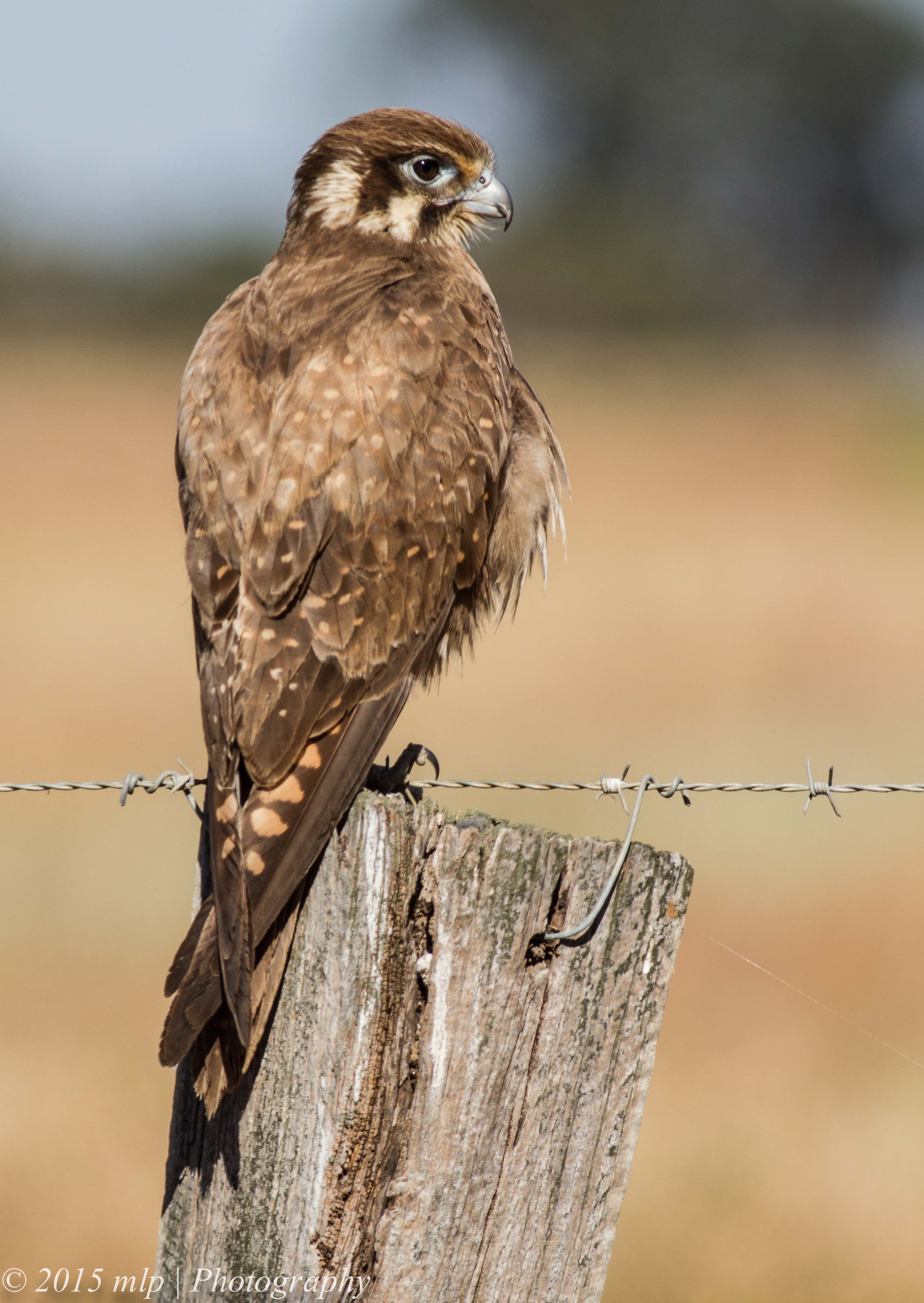
Brown Falcon, Western Treatment Plant, Werribee - 19 Nov 2014

Brown Falcon

Little Pied Cormorant

Little Pied Cormorant

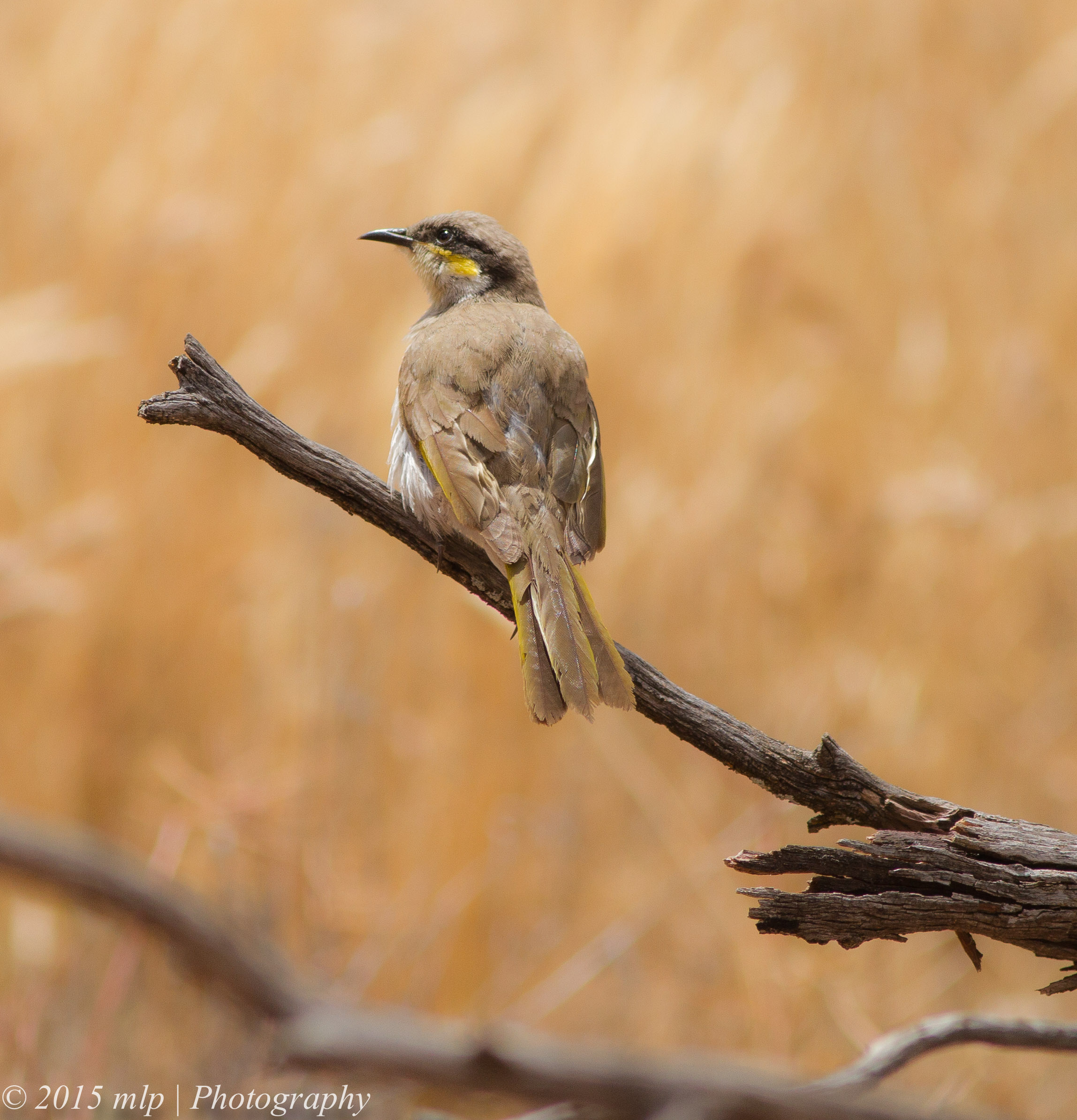
Singing Honeyeater,

Singing Honeyeater

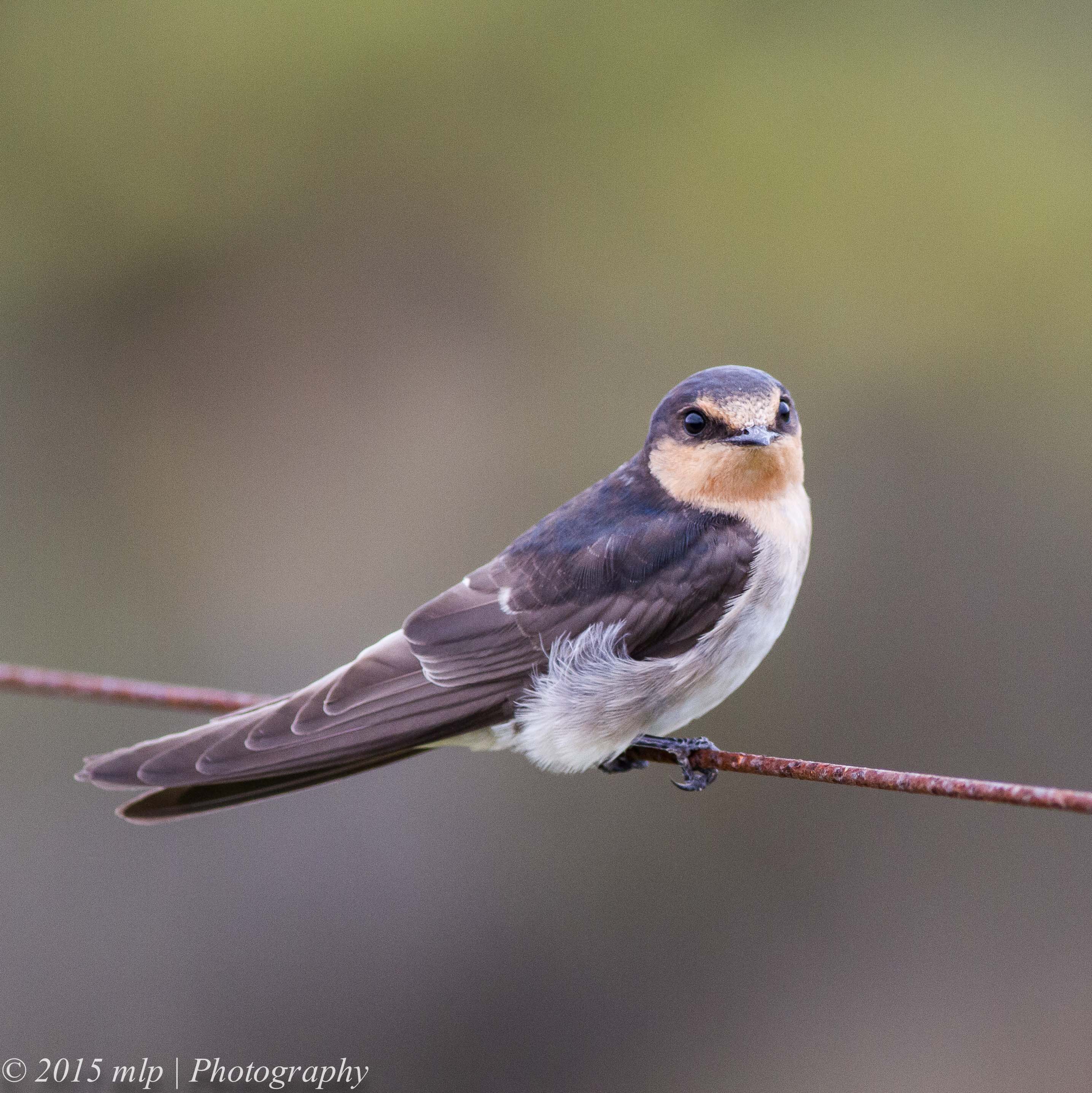
Juvenile Welcome Swallow

Immature Welcome Swallow

Willie Wagtail III

Willie Wagtail

Little Wattlebird II

Little Wattlebird

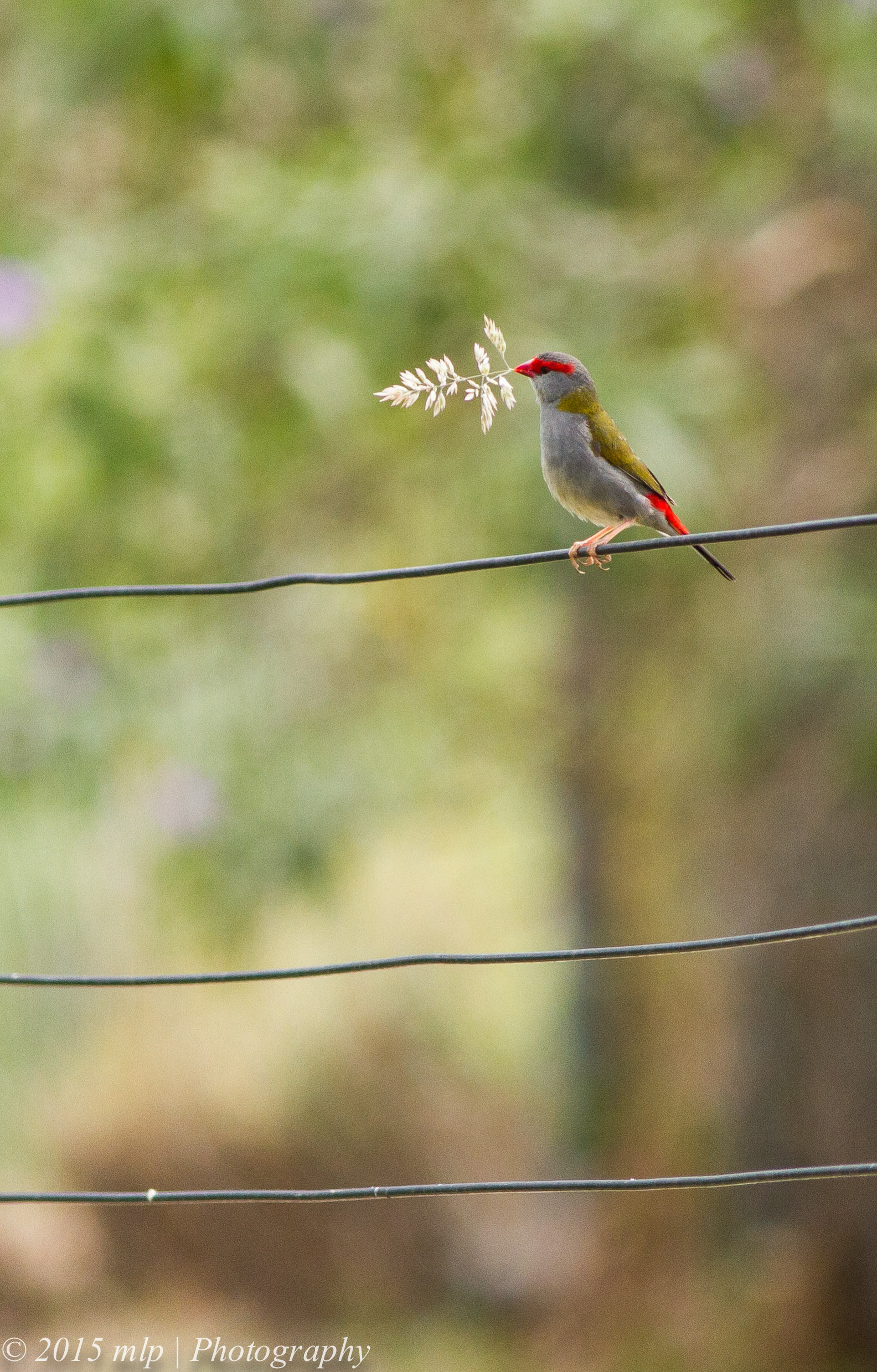
Red Browed Finch

Dancing Red Browed Finch

Purple Flower with Bee

Purple Flower with Bee – I actually moved around this flower to find a bokeh colour contrast that could look good…

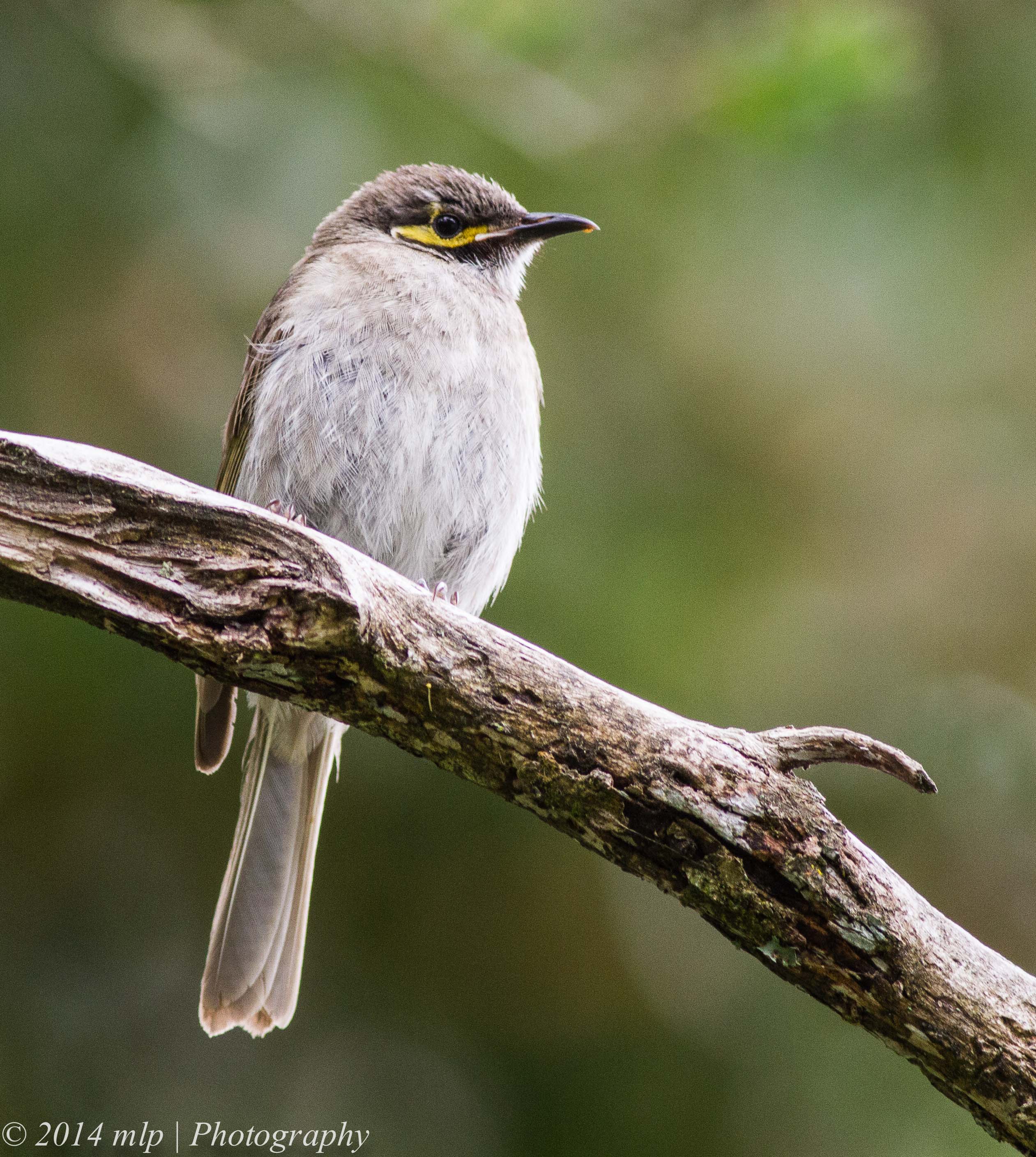
Juvenile Yellow Faced Honeyeater

Juvenile Yellow Faced Honeyeater

Eastern Yellow Robin, Greens Bush, Mornington Peninsula NP,  Victoria

Eastern Yellow Robin

Striated Fieldwren, Western Treatment Plant, Weribee, Victoria - 29 May, 2014

Striated Fieldwren

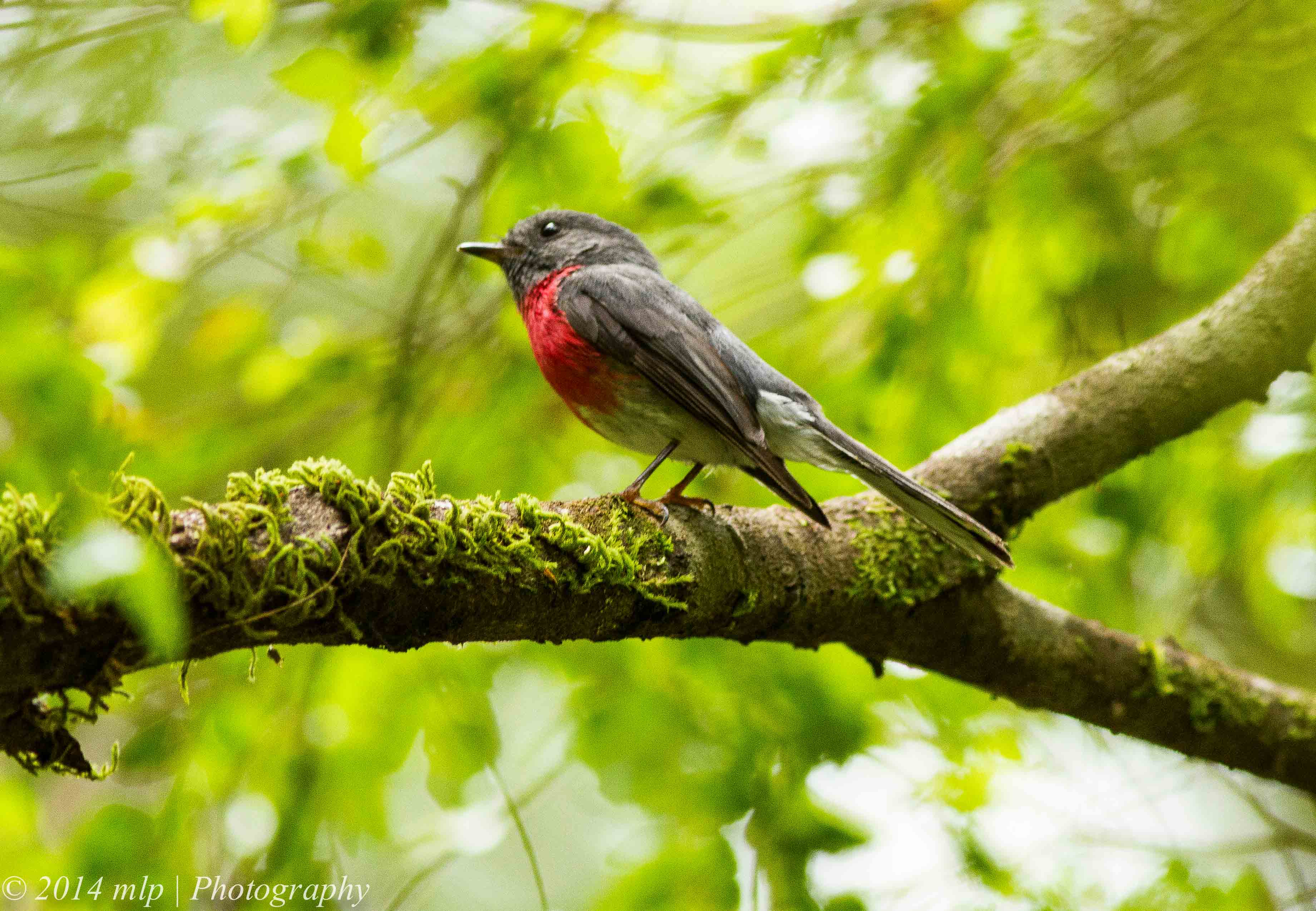
Rose Robin

Rose Robin

Southern Emu Wren along Shipwreck Creek to Seal Creek trail

Southern Emu Wren

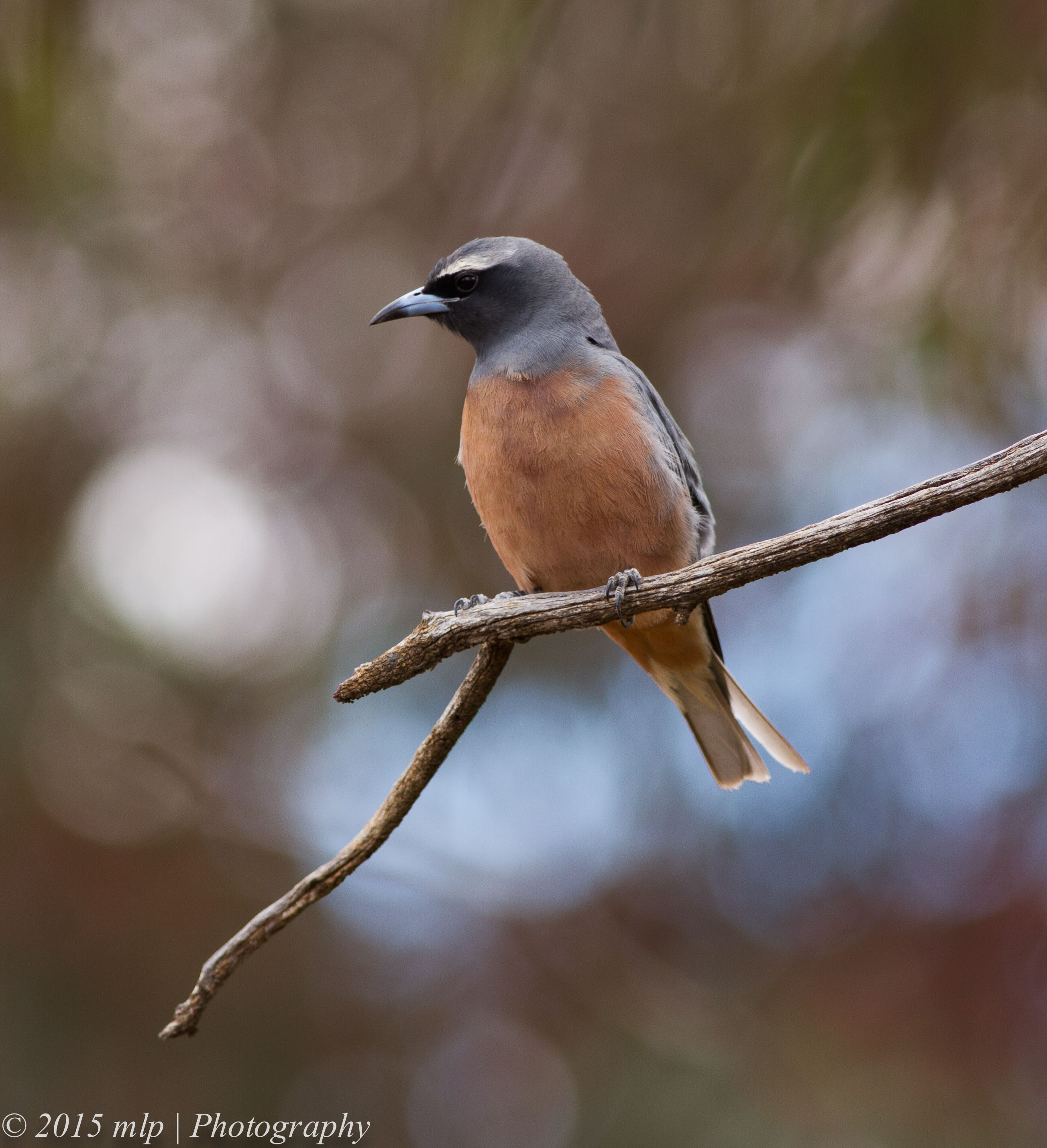
White Browed Woodswallow

White Browed Woodswallow

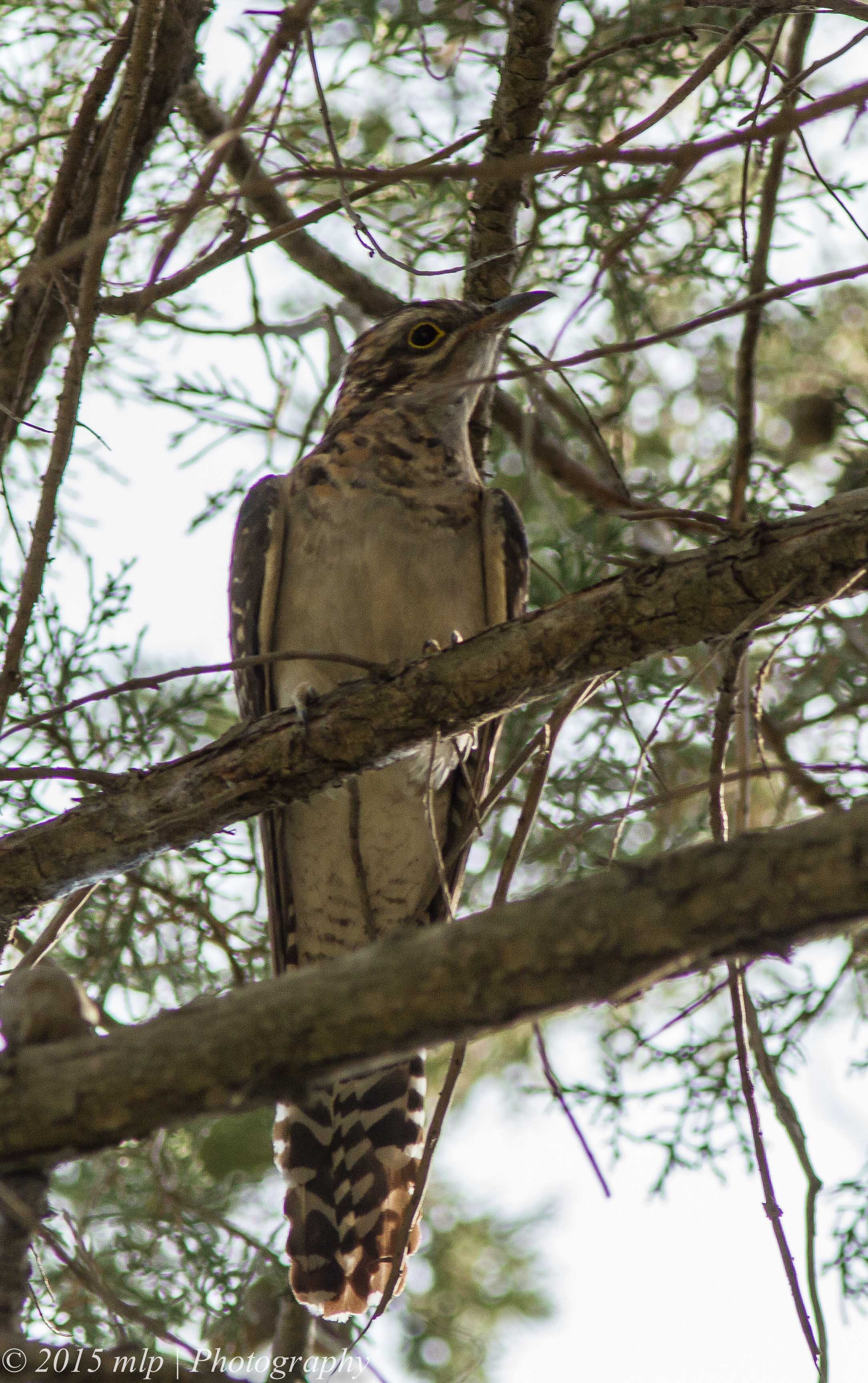
Elster Creek’s surprise visitor: a Pallid Cuckoo

Yesterday was hot and humid and after a lazy day I decided on a late afternoon walk along the creek at my back fence. I took my camera and 1.4 Extender to see what I could find up at the Elster Creek lake inside the Golf Course. At the lake, I ran into a young local birder/naturalist –  Gio F and we explored the creek up to a dense section looking for roosting Nankeen Night Herons but instead spotted a Pallid Cuckoo. It flushed a few times from high in the trees and we followed it around a few large Conifers trying to get a better angle for a picture. We ran into another local birder – David E (my birding mate from the Lake Tutchewop Twitch), who suggested that it was a young female Cuckoo probably starting the migration north and just passing through our area. They are quite rare in our part of the urban landscape.

Pallid Cuckoo, Elster Creek

Pallid Cuckoo, Elster Creek

Pallid Cuckoo, Elster Creek

Pallid Cuckoo II

Pallid Cuckoo, Elster Creek

Pallid Cuckoo III


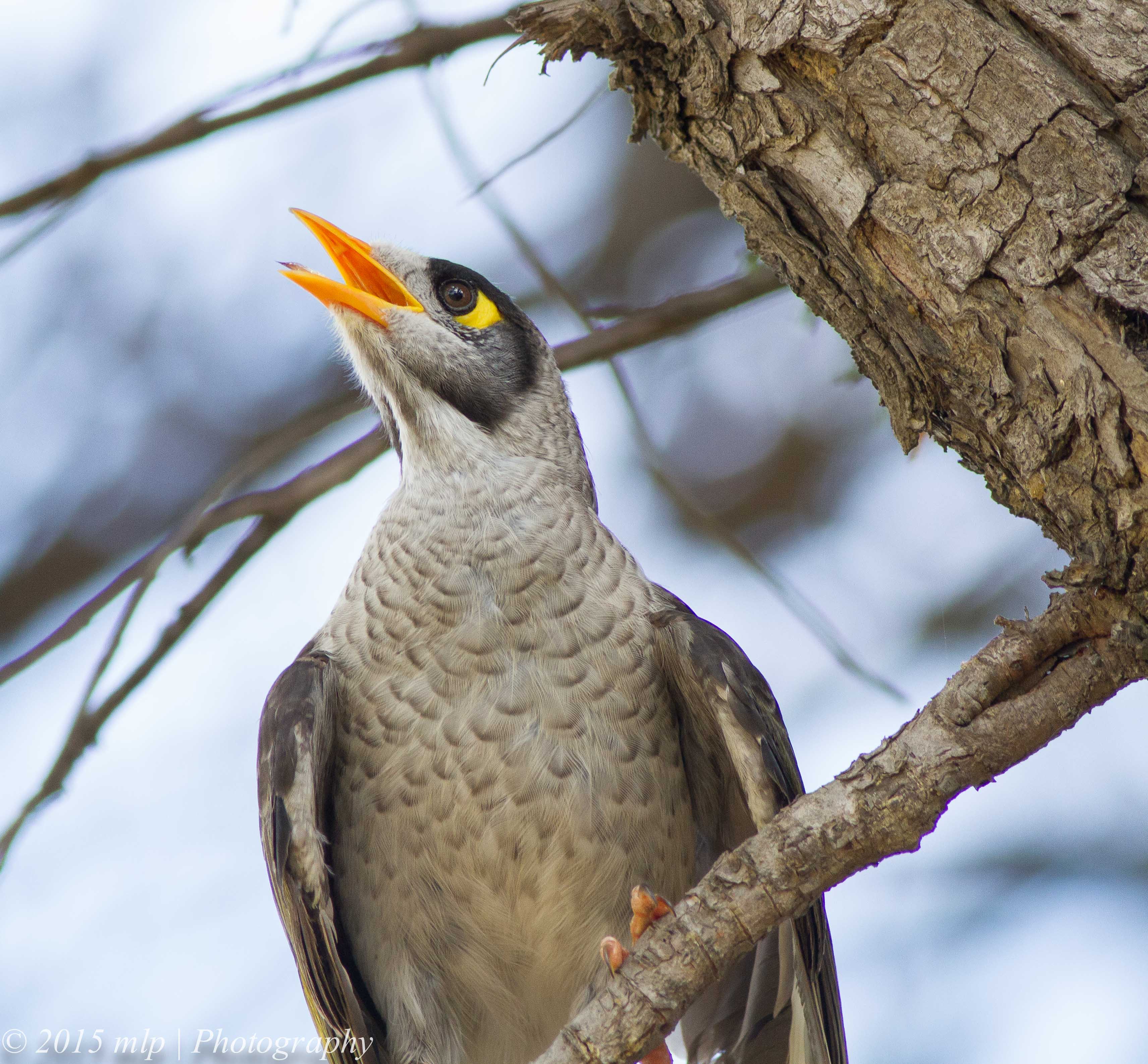
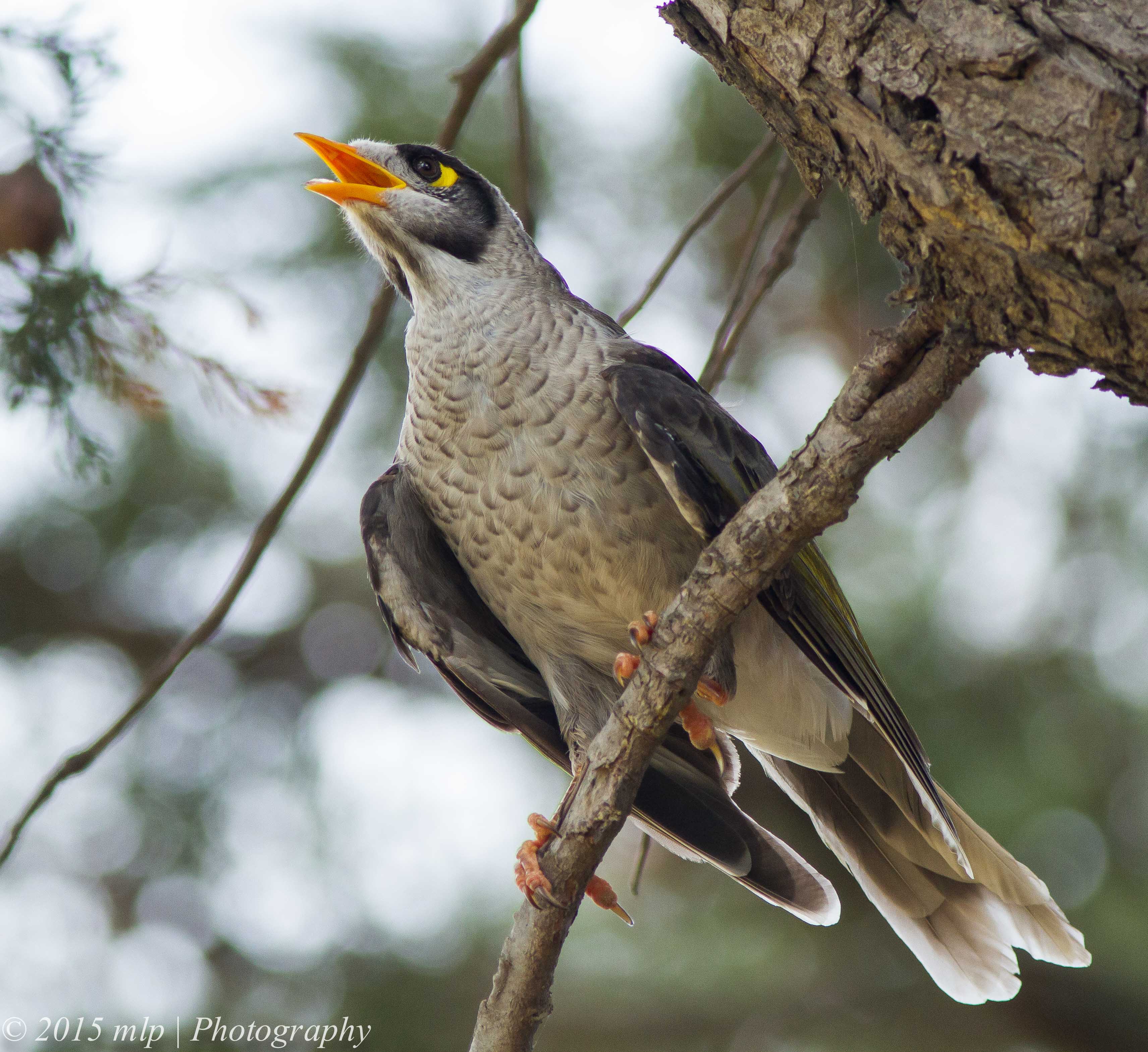
Noisy Miners are native honeyeaters that have adapted extremely well to urban locations. They are a communal bird that are very aggressive and push out other species from areas. Some councils around Australia have started culling programs to reduce their numbers and it has worked – other species are making a come back.  The Miners, while being a pest are actually interesting to watch and study as they have 11 known warning calls for predators and a specific one for “raptors above”. We heard it used while standing at the lake and soon spotted a Brown Goshawk flying over.

The one below came over to have look at what we were up to – had it seen the Cuckoo, it would have put out a challenge call and brought the rest of the pack over. It seemed quite hot and was panting while it watched us.

Noisy Miner, Elster Creek

Noisy Miner, Elster Creek

Noisy Miner, Elster Creek

Noisy Miner II

Eastern Rosella

Eastern Rosella – this immature bird also came over to see what I was up to at the lake’s edge  – I was trying to entice a Little Grassbird out of the reeds by doing a bad impression.

Eastern Rosella

Eastern Rosella – I tried to mimic the Rosella’s calls ( a wide variety of piping chimes) and after a bit of a chat, the look he gave me suggested that I was a bit “special” and he took off…

Little Pied Cormorant

Little Pied Cormorant

Little Pied Cormorant

Little Pied Cormorant in the evening light

Australian Reed Warbler

Australian Reed Warbler – I did entice this guy out with a call.

Australian Reed Warbler

Australian Reed Warbler II

Colours of Cloudehill

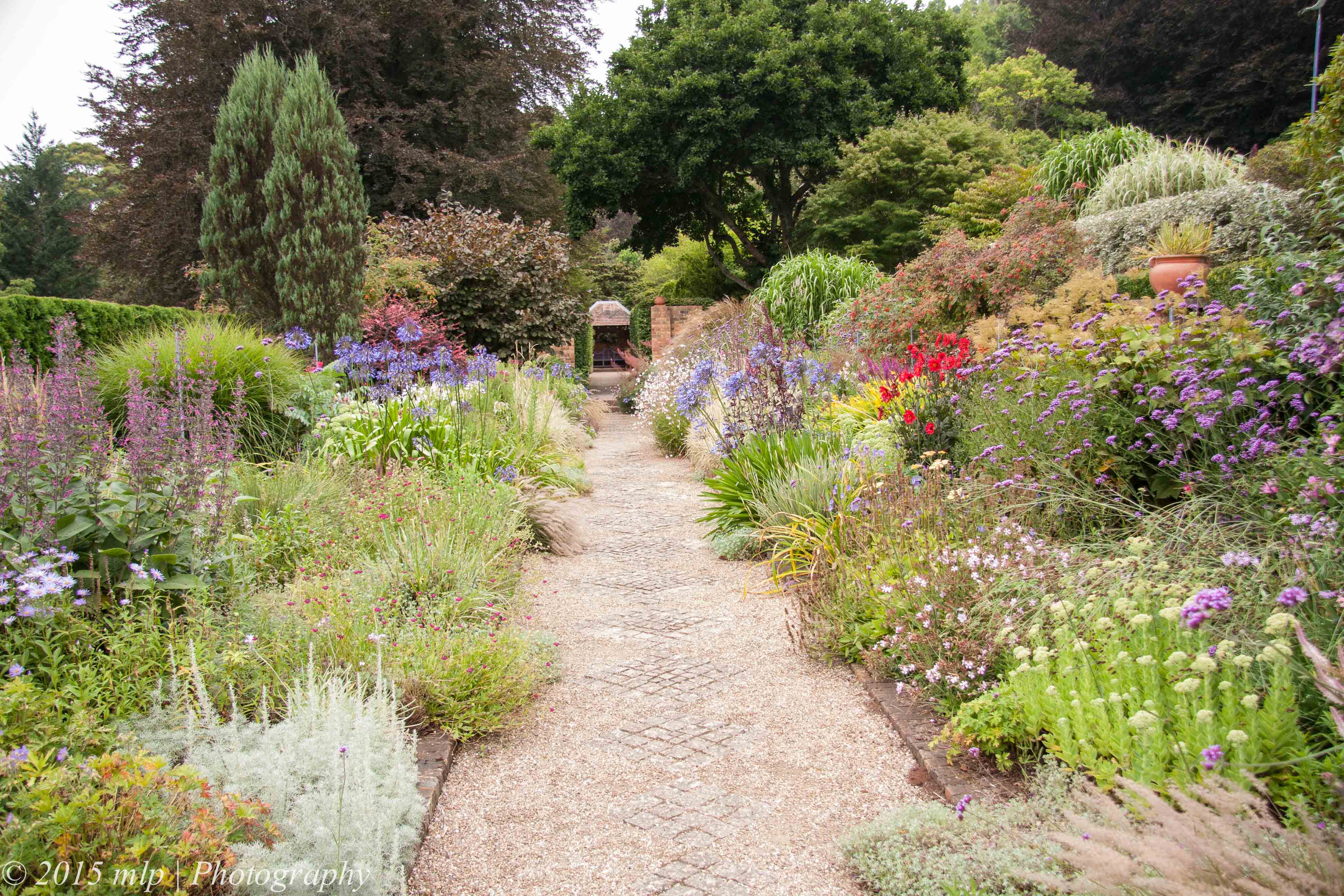
In the third and final post on the Cloudehill Gardens, I selected a range of flowers that were impressive in their vibrancy and shape. The summer flowers are in full bloom. They have designed the gardens beds extremely well. It is a design with layers within a bed that will flower at different times making for year round interest. Most gardeners (including me) plant for a short spring display but the Summer period can last much longer. Planting a garden high in the hills can also help the plants from being cooked during a hot spell and can extend the spring feeling. Entry is free for kids and for members of the Diggers Club – otherwise it is $10 per person. Well worth the journey and the cost.

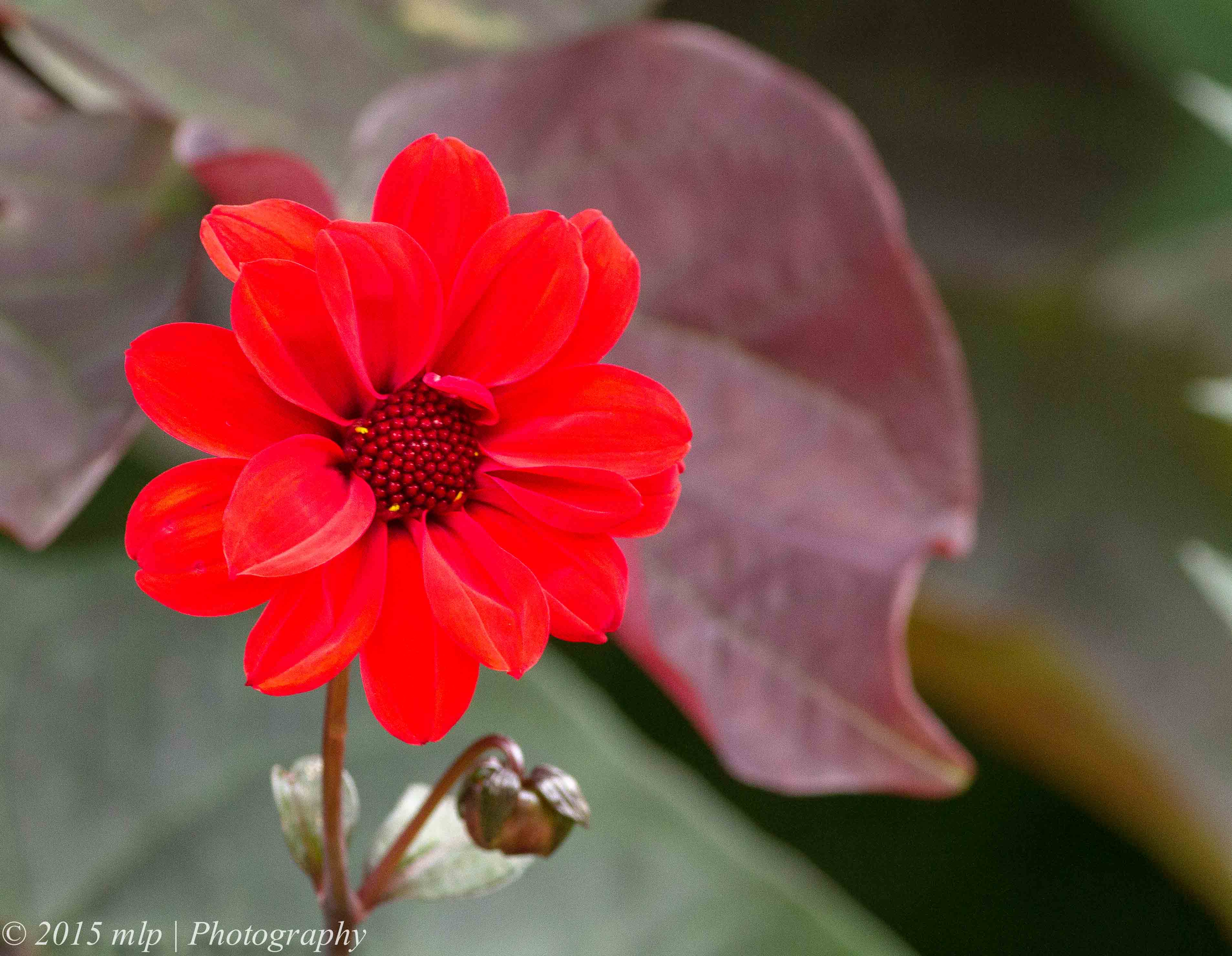
Red Flower

Red Flower

Red Flower II

Red Flower II

Red Flower and Bee with pollen baskets

Red Flower and Bee with pollen baskets on rear legs.

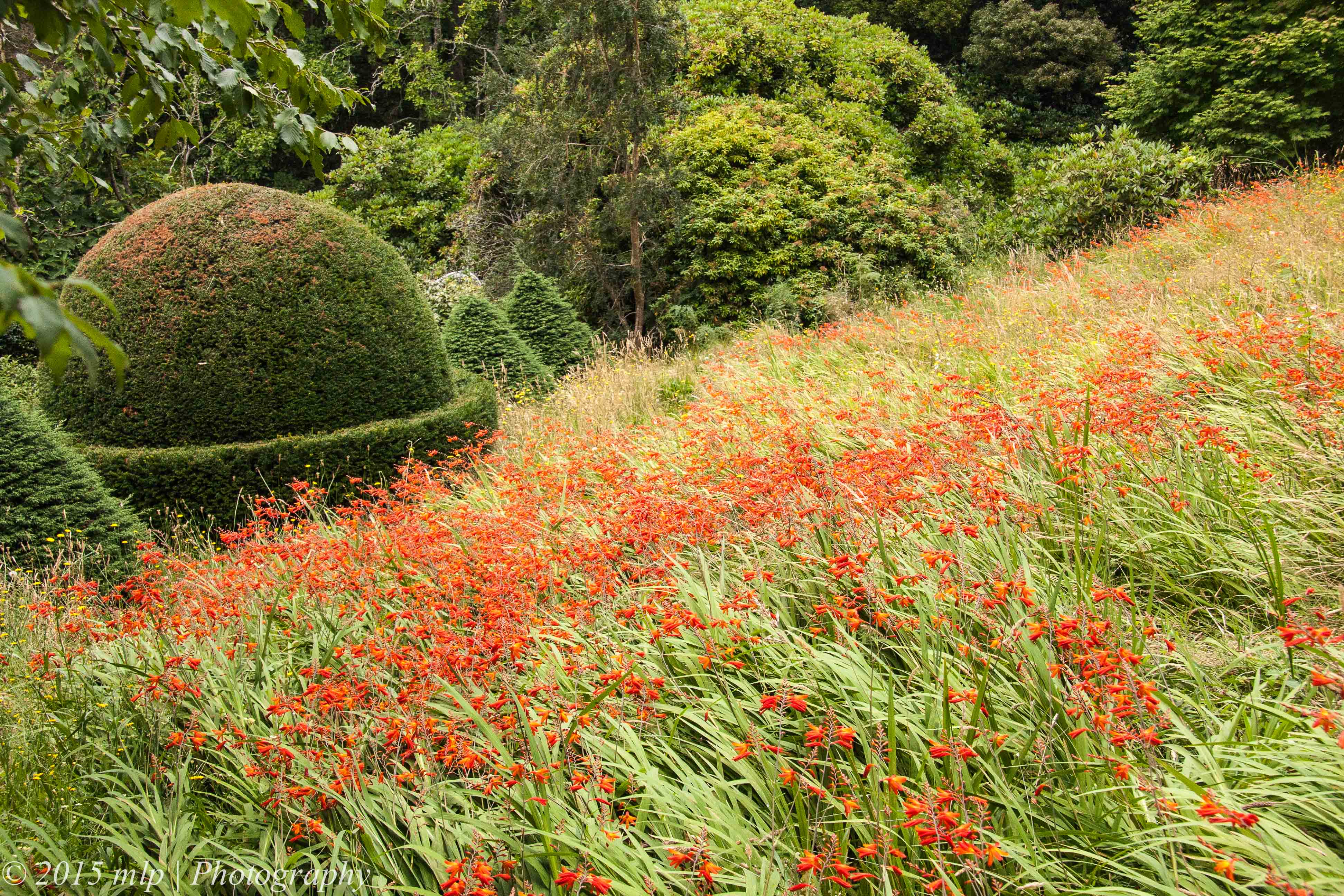
Red Field II

Red Field

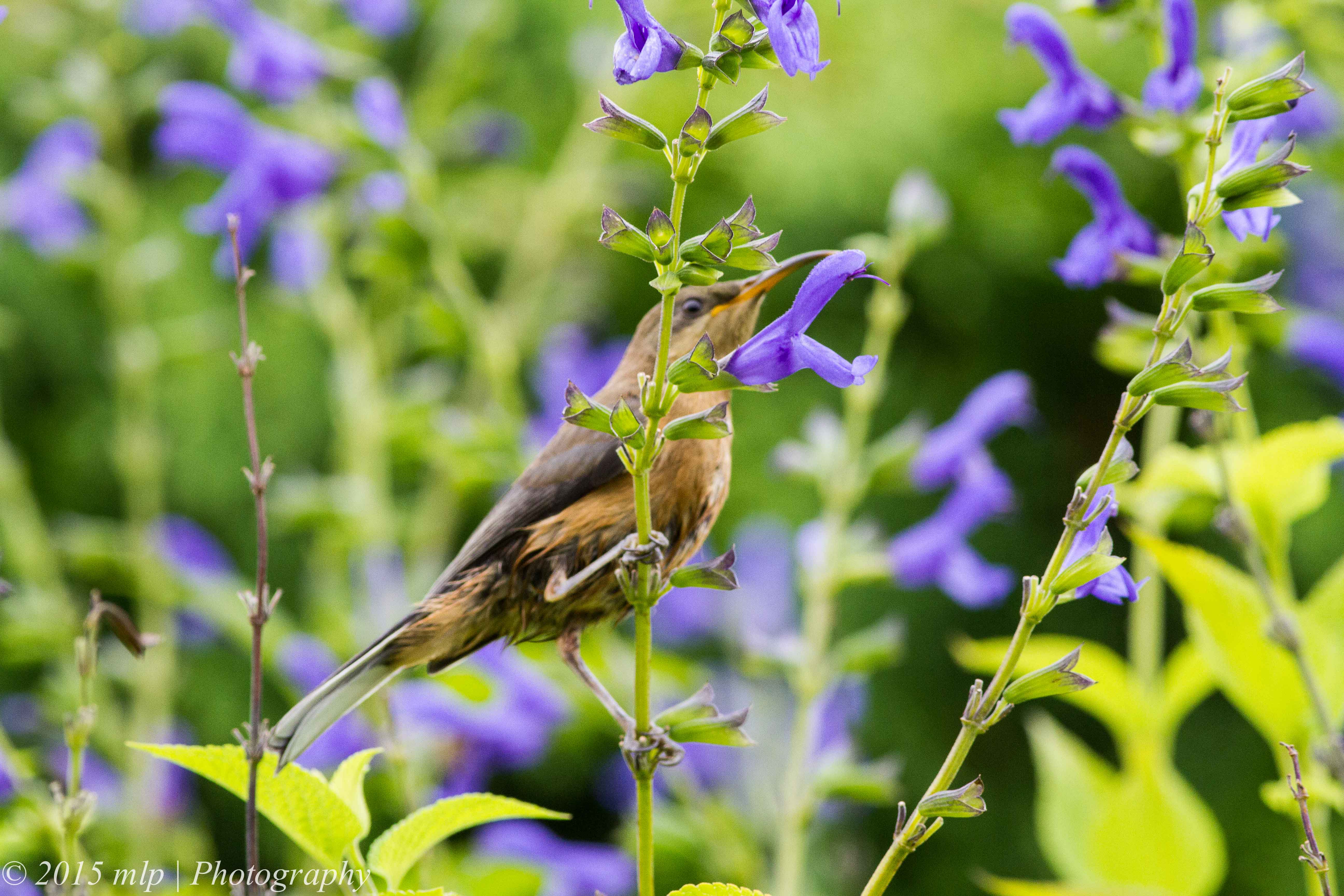
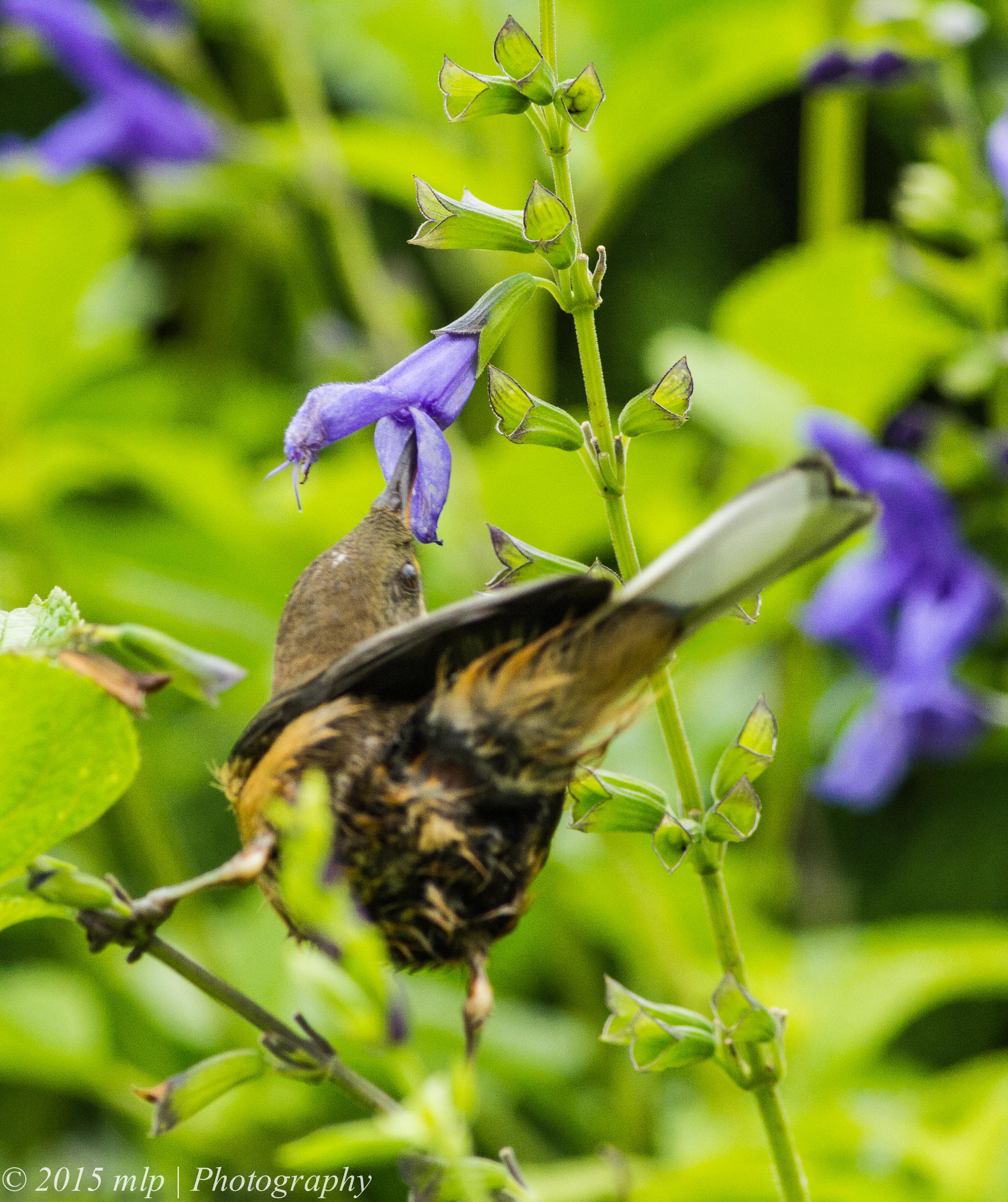
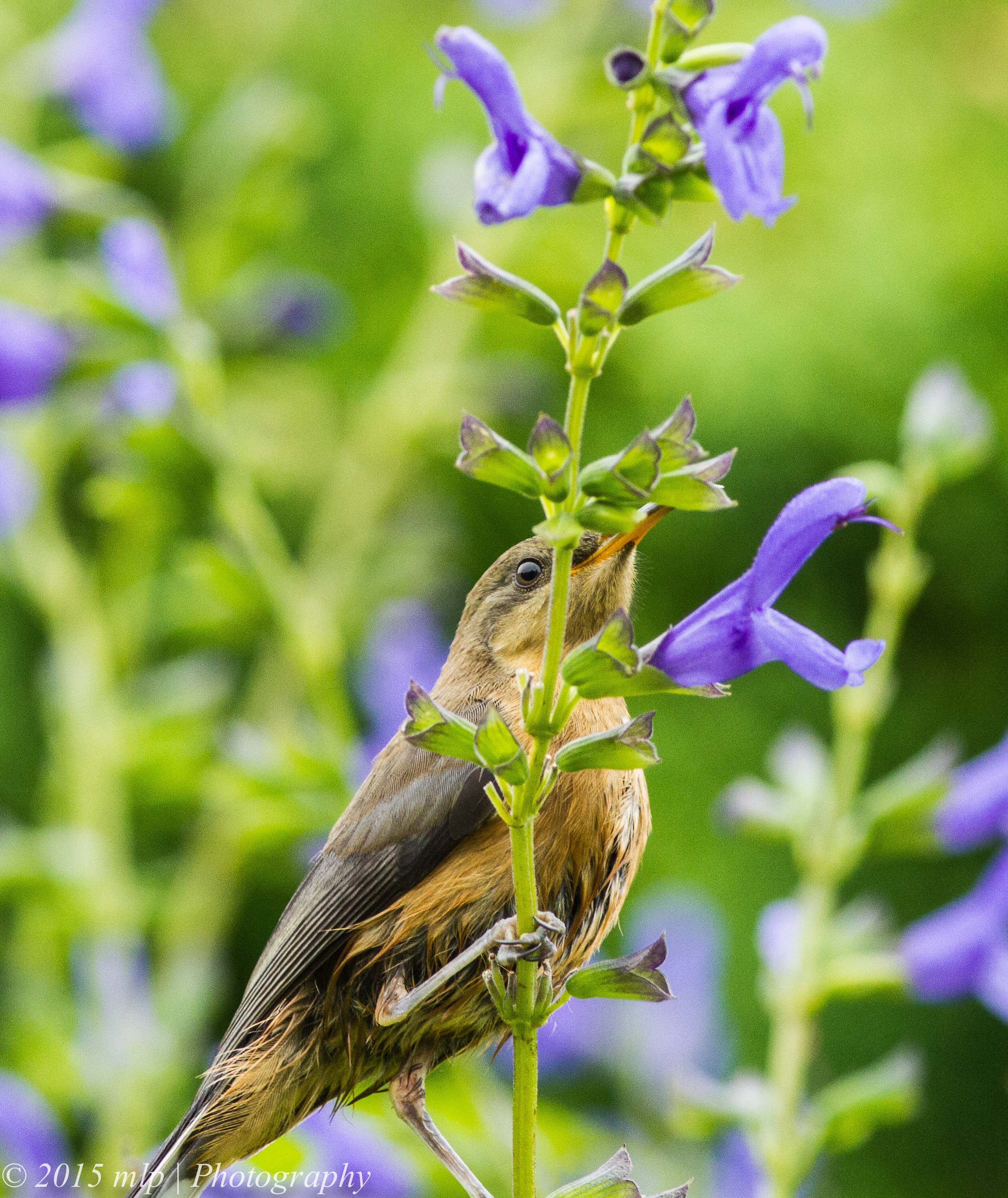
Blue Flower with Spinebill

Blue Flower spike with Spinebill attached…

Purple Flower with Bee

Purple Flower with Bee

Part 1 : Birds of Cloudehill

Part 2: The Wonderful Gardens of Cloudehill

The Wonderful Gardens of Cloudehill

A nature photographer’s dream: The gardens of Cloudehill in Olinda are stunning and while many coastal gardens are drying out and becoming a bit cooked in the late summer heat, the Cloudehill gardens are still in full flower. The variety of flowers (perennials and annuals) are amazing and the woods that lead into the lower gardens and gullies are cool and inviting. I explored the garden rooms, the pathways and woods, looking for colour, interesting features and of course birds.

Cloudehill Gardens

Cloudehill Gardens

Cloudehill Gardens II

Cloudehill Gardens II

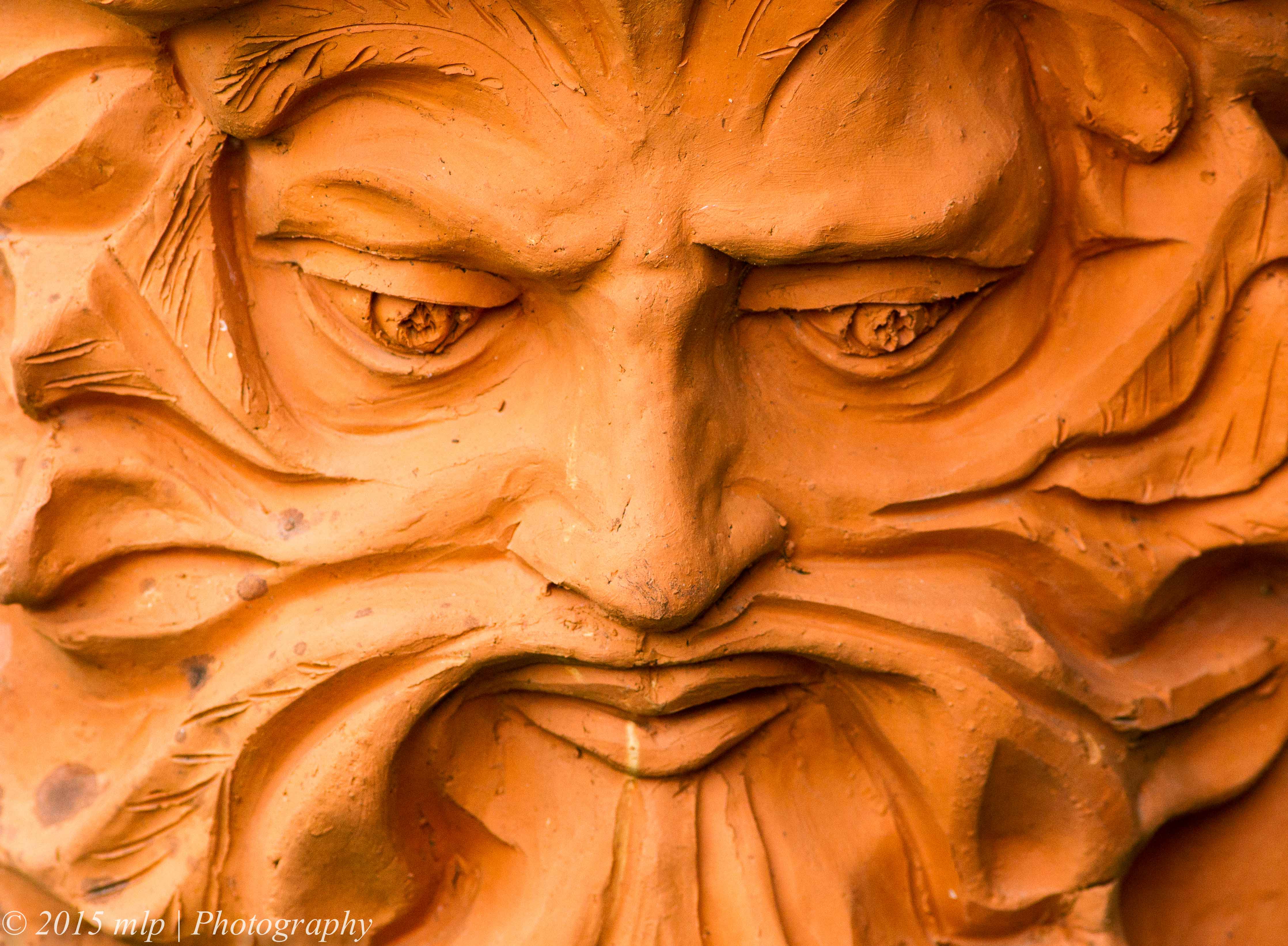
Ceramic Green Man

Ceramic Green Man

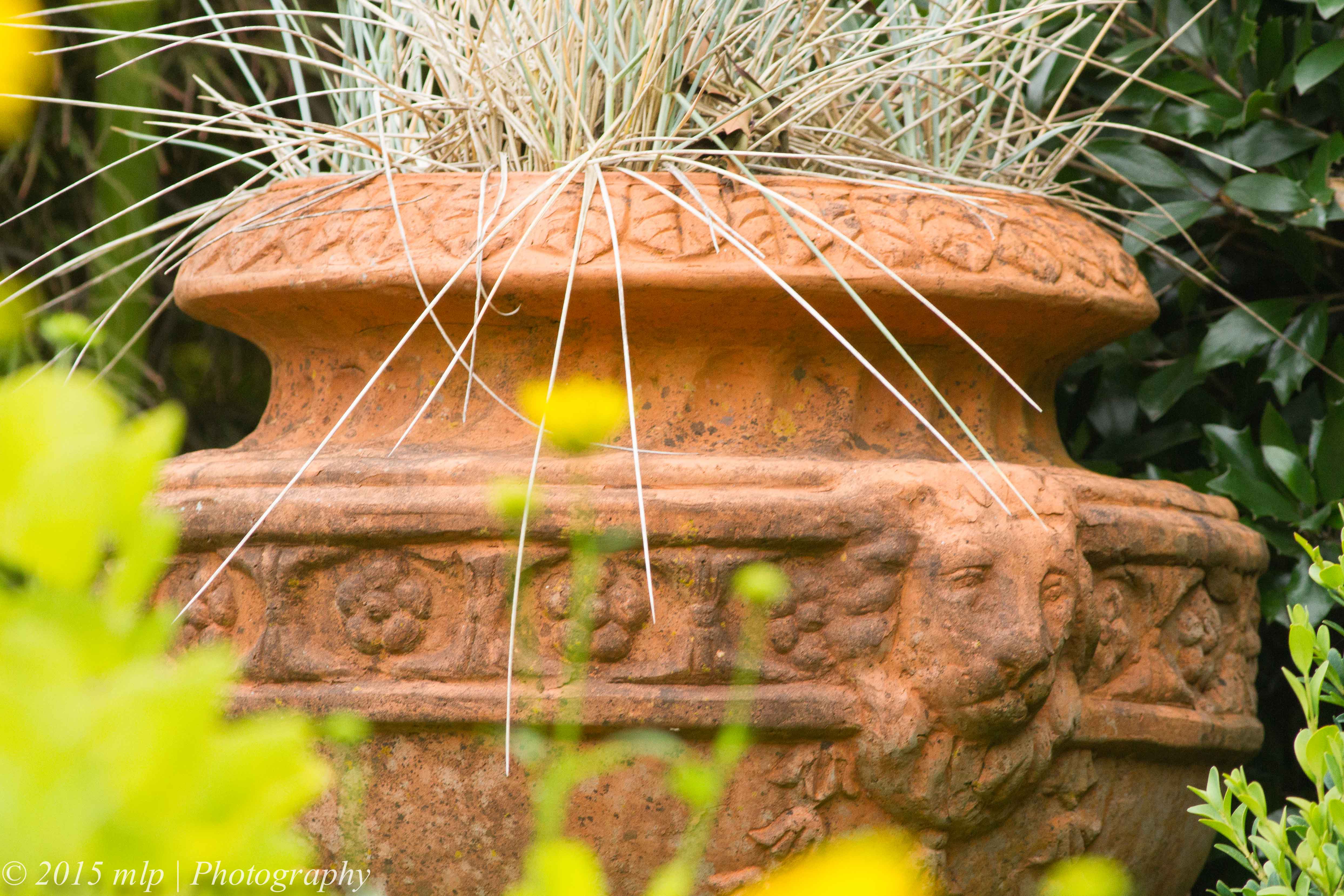
Pot Plantings

Pot Plantings

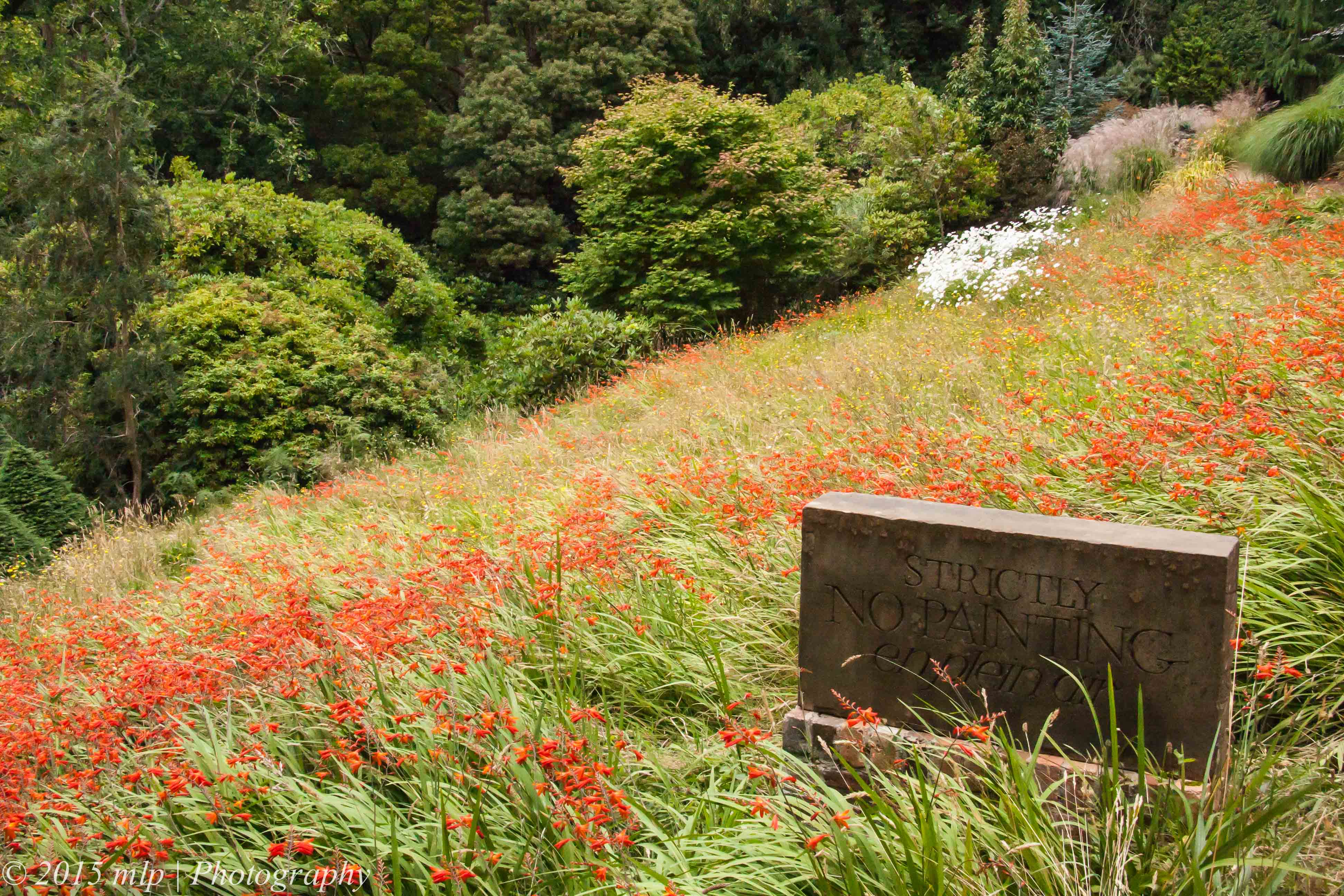
Red Field and stone sign (Art not a warning - I actually asked)

Red Field and stone sign (it is a sculpture not a warning – I actually asked)

Stone Owl? I always seem to photograph this sculpture though I am not sure what it is...

Stone Owl? I always seem to photograph this sculpture though I am not sure what it is…

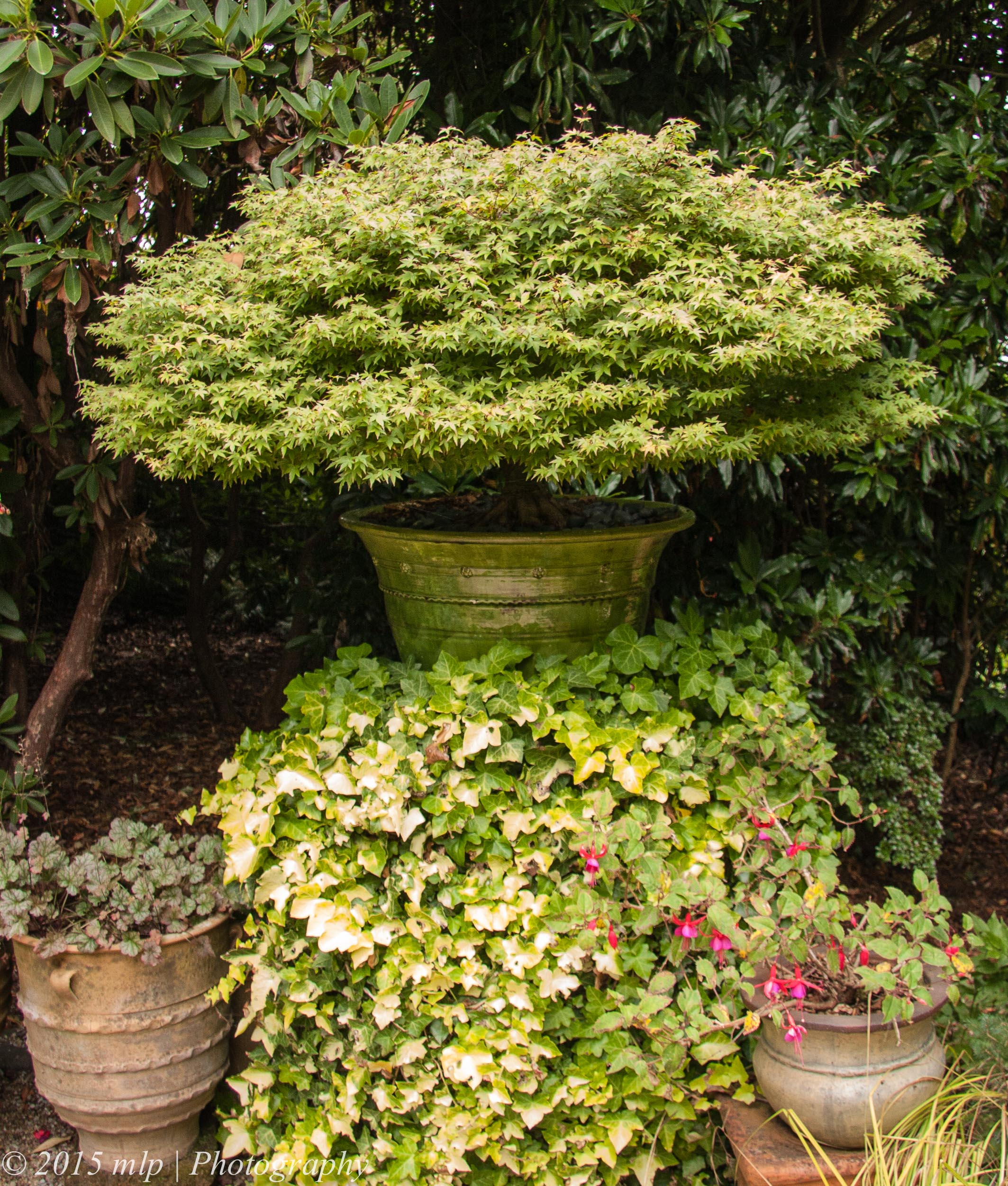
Shaded Garden Corner with mixed pots and planting

Shaded Garden Corner with mixed pots and planting

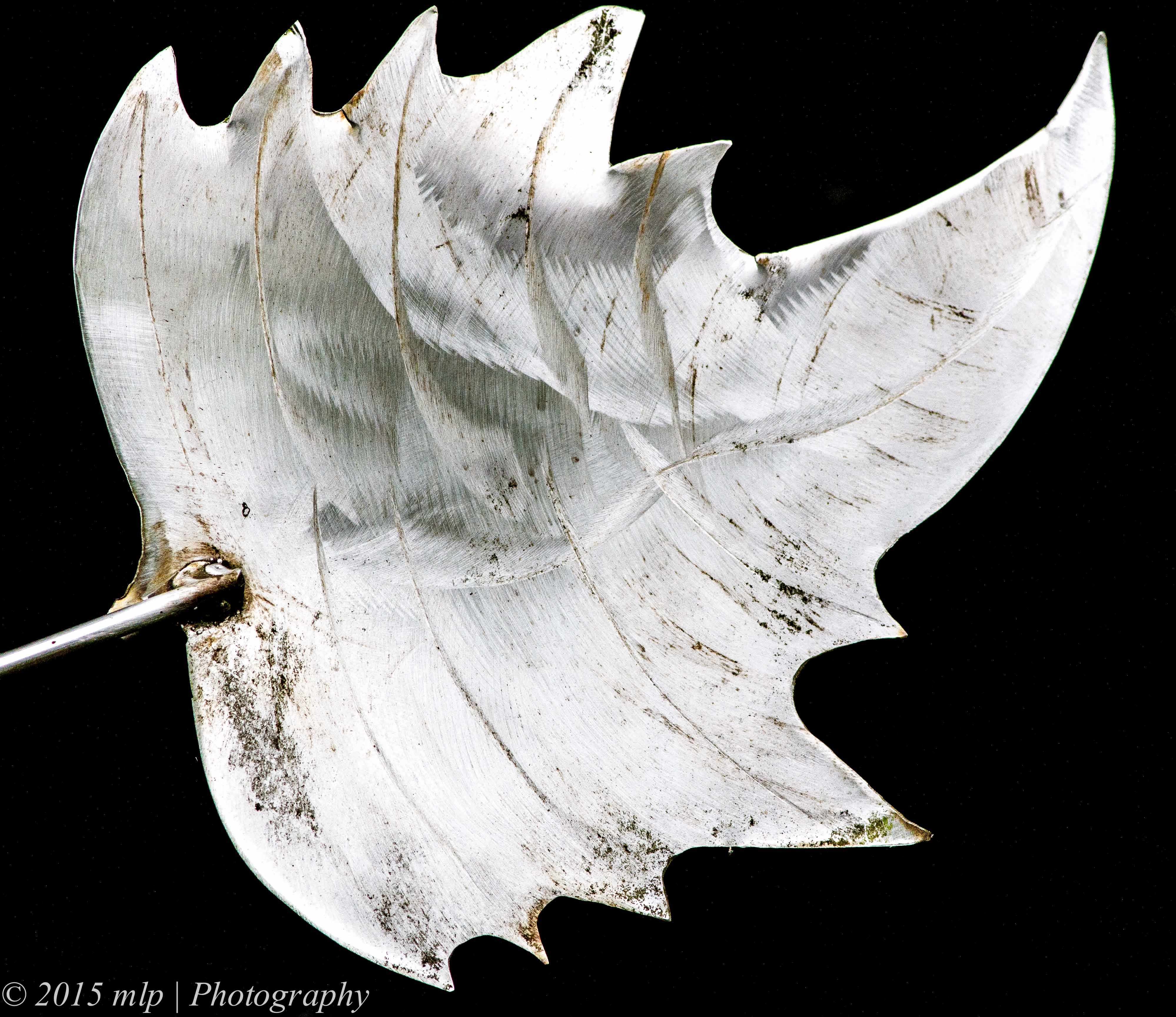
Silver Leaf above the Shaded Pavilion

Large Silver Leaf above the Shaded Pavilion

 Part 1 : Birds of Cloudehill

Birds of Cloudehill, Olinda

Within the Dandenong Ranges, about an hour east of Melbourne, is a stunning garden called Cloudehill. It is one of the three display garden nurseries of the Diggers Club. The other two gardens are the Garden of St Erth in Blackwood and Heronswood in Dromana. I think Cloudehill is one of the most beautiful gardens I have been to and as an added bonus it is usually full of birds.  While Mrs Gap Year wanders around and then hits the nursery shop or the cafe to read the paper I can go deeper into the gullies at the bottom of the gardens and look for birds. On this occasion I went to find the resident lyrebirds but for the first time I did not hear or see them. I did find a rather large and noisy flock of Yellow Tailed Black Cockatoos – shooting into the canopy was difficult but with Lightroom the images could be salvaged.

Yellow Tailed Black Cockatoo

Yellow Tailed Black Cockatoo

Yellow Tailed Black Cockatoo II - several were chewing on the bark of this tree.

Yellow Tailed Black Cockatoo II – several were chewing on the bark of this tree.

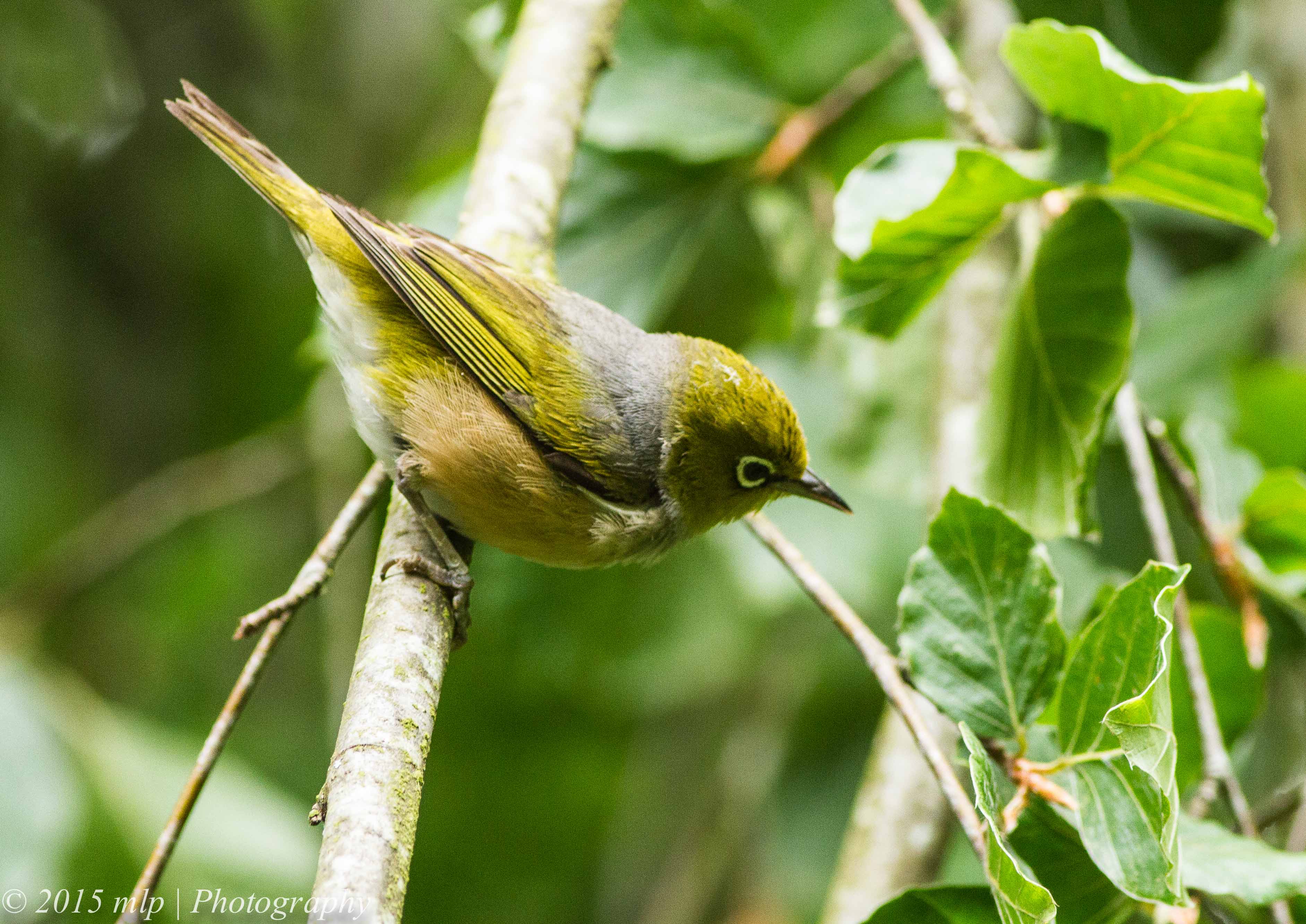
Silvereye

Silvereye

Juvenile Silvereye

Juvenile Silvereye

Juvenile Spinebill

Juvenile Spinebill

Juvenile Spinebill II

Juvenile Spinebill II

Juvenile Spinebill III

Juvenile Spinebill III

Juvenile Spinebill IV

Juvenile Spinebill IV

Part 2  – The Wonderful Gardens of Cloudehill

Coming Soon:

Part 3 – Colours of Cloudehill

Dandenong Valley Wetlands, Wheelers Hill

A late afternoon and evening walk around the Dandy Valley wetlands produced a good list of bird species (50+) and a few nice photo opportunities in the evening light. I met up with a birding mate, John, and we hunted for elusive Crakes and Rails. We did finally find two Spotted Crakes in a shaded patch of the reeds.  While waiting for John to arrive I explored the Dandenong Creek for a few kilometres and found a good number of smaller birds and bushland species. Overhead the sky continually had birds flying into or around the wetlands: Swamp Harriers, Pelicans, Ibis and various species of Ducks. It is an impressive place that has only recently been created to help purify the creeks before they run into important wetlands at the coast and Port Phillip Bay. Well worth a repeat visit.

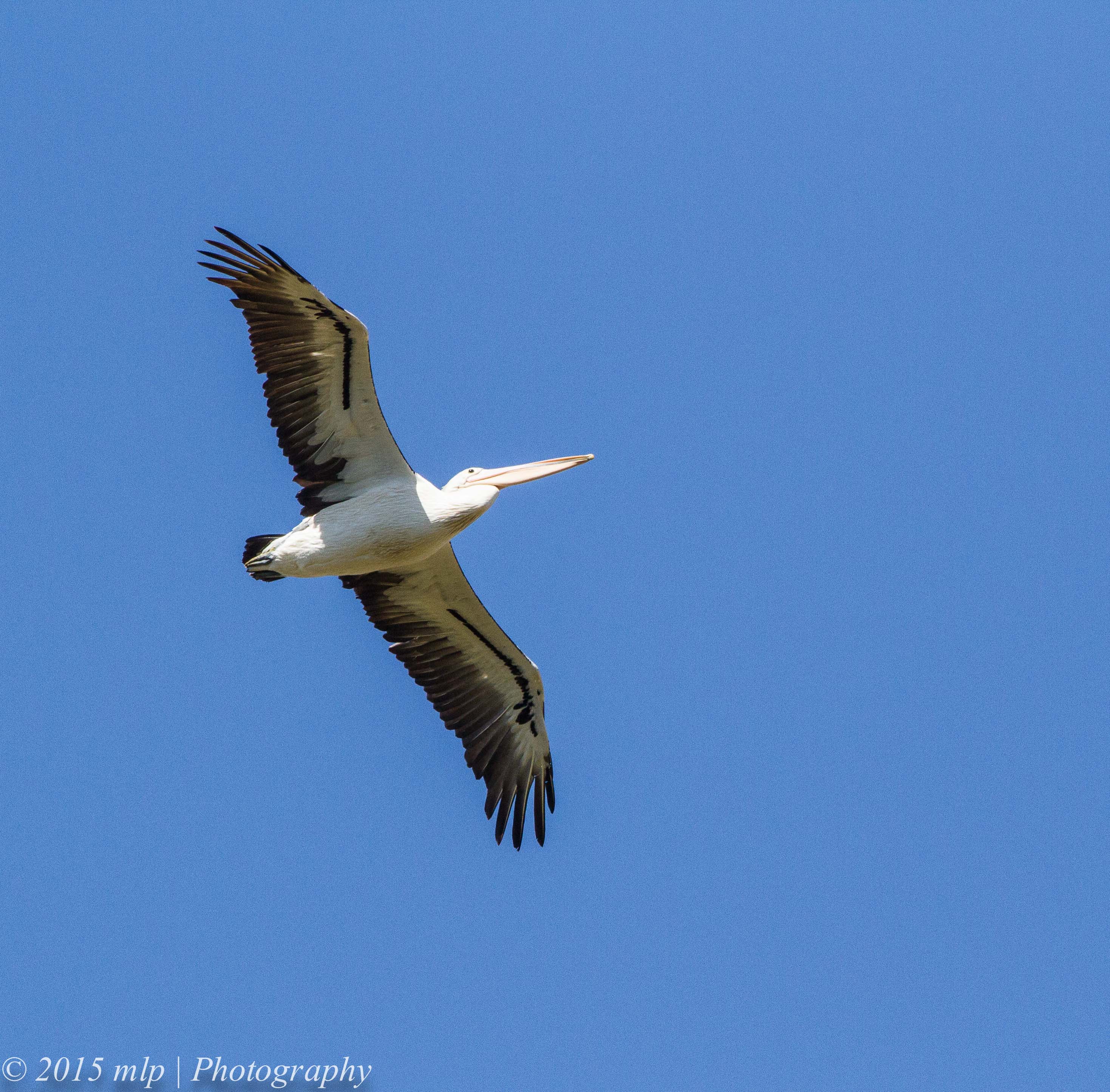
Australian Pelican

Australian Pelican

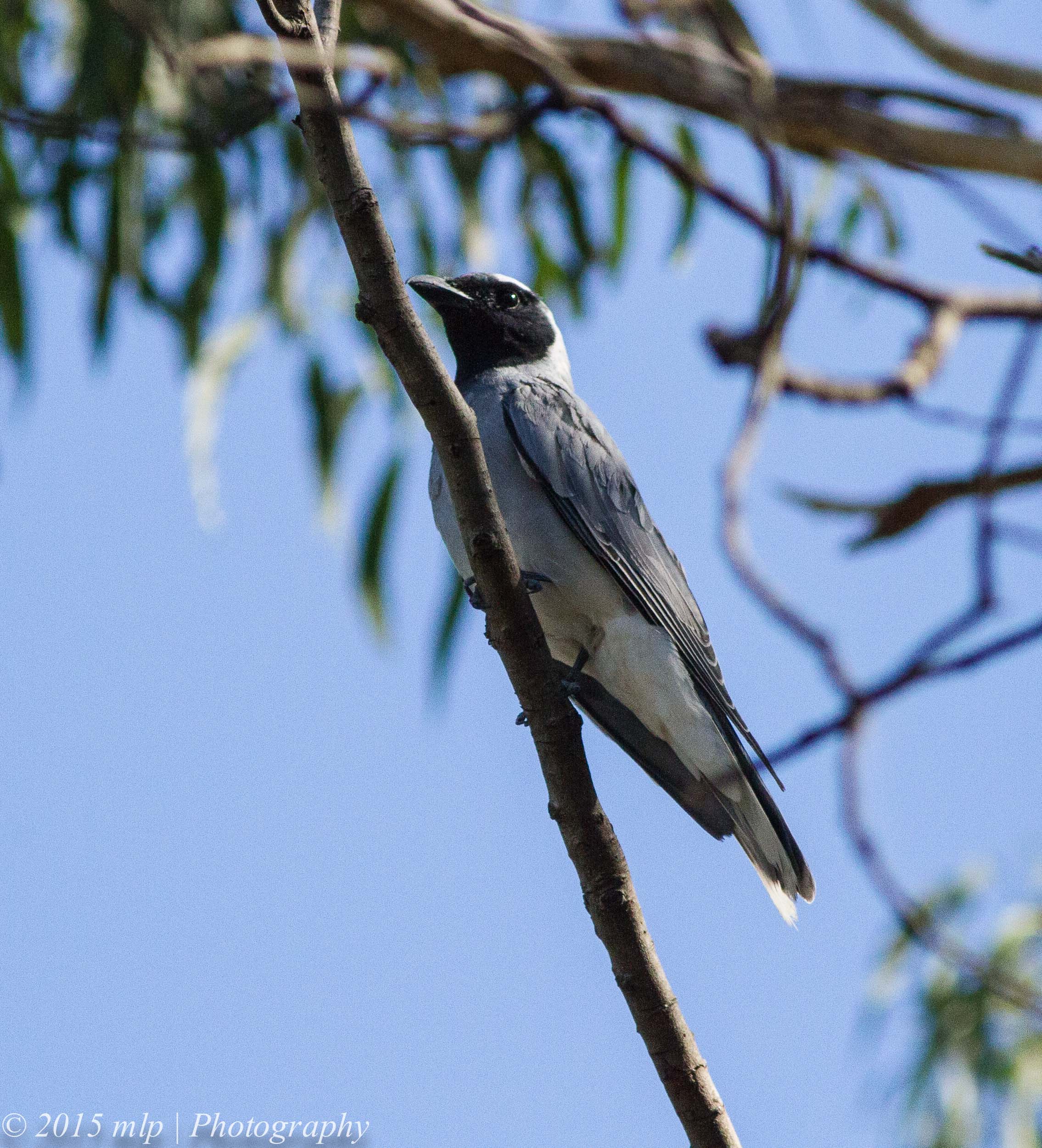
Black Faced Cuckoo-shrike

Black Faced Cuckoo-shrike

Dandenong Valley Wetlands

One of the lagoons of the Dandenong Valley Wetlands

Many of the lagoons are drying out and getting shallower which is perfect for the Sandpipers,  Crakes and Rails.

Wood Sandpiper

Wood Sandpiper

Australian White Ibis

Australian White Ibis

I practiced my flight shots with the Ibis and found on processing that there was a Royal Spoonbill in the mix (the bird with the straight bill below)

Australian White Ibis & Royal Spoonbill

Australian White Ibis & Royal Spoonbill

Australian White Ibis II

Australian White Ibis II

Australian White Ibis III

Australian White Ibis III

Hundreds of Ibis flew in over the last 30 mins before dark. They came in large  V formations and circled the park looking for appropriate landing areas to roost for the night.

Australian White Ibis IV

Australian White Ibis IV

Wetland vegetation

Wetland vegetation in late afternoon light

Moorooduc Quarry Flora and Fauna Reserve, Mt Eliza

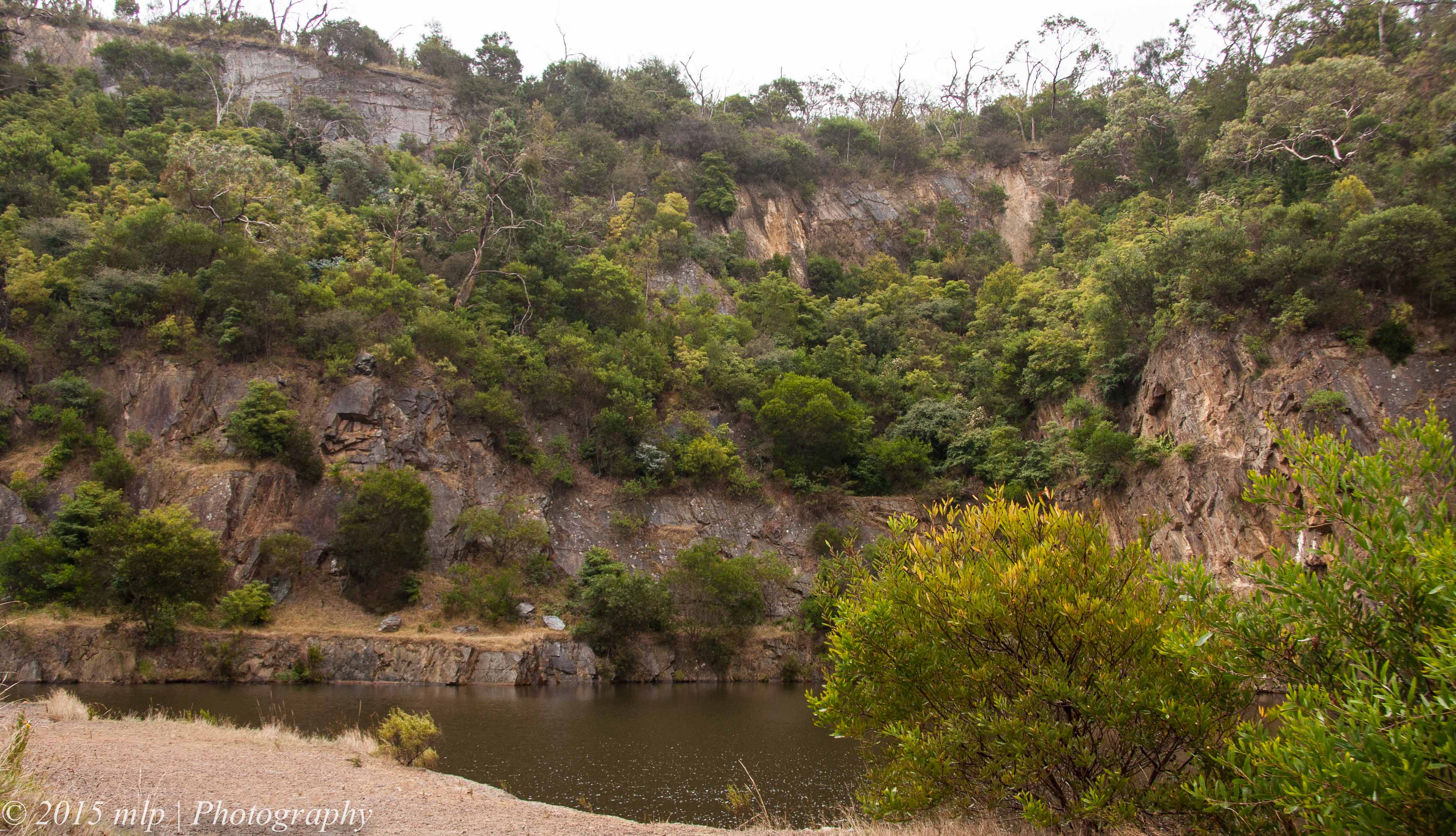
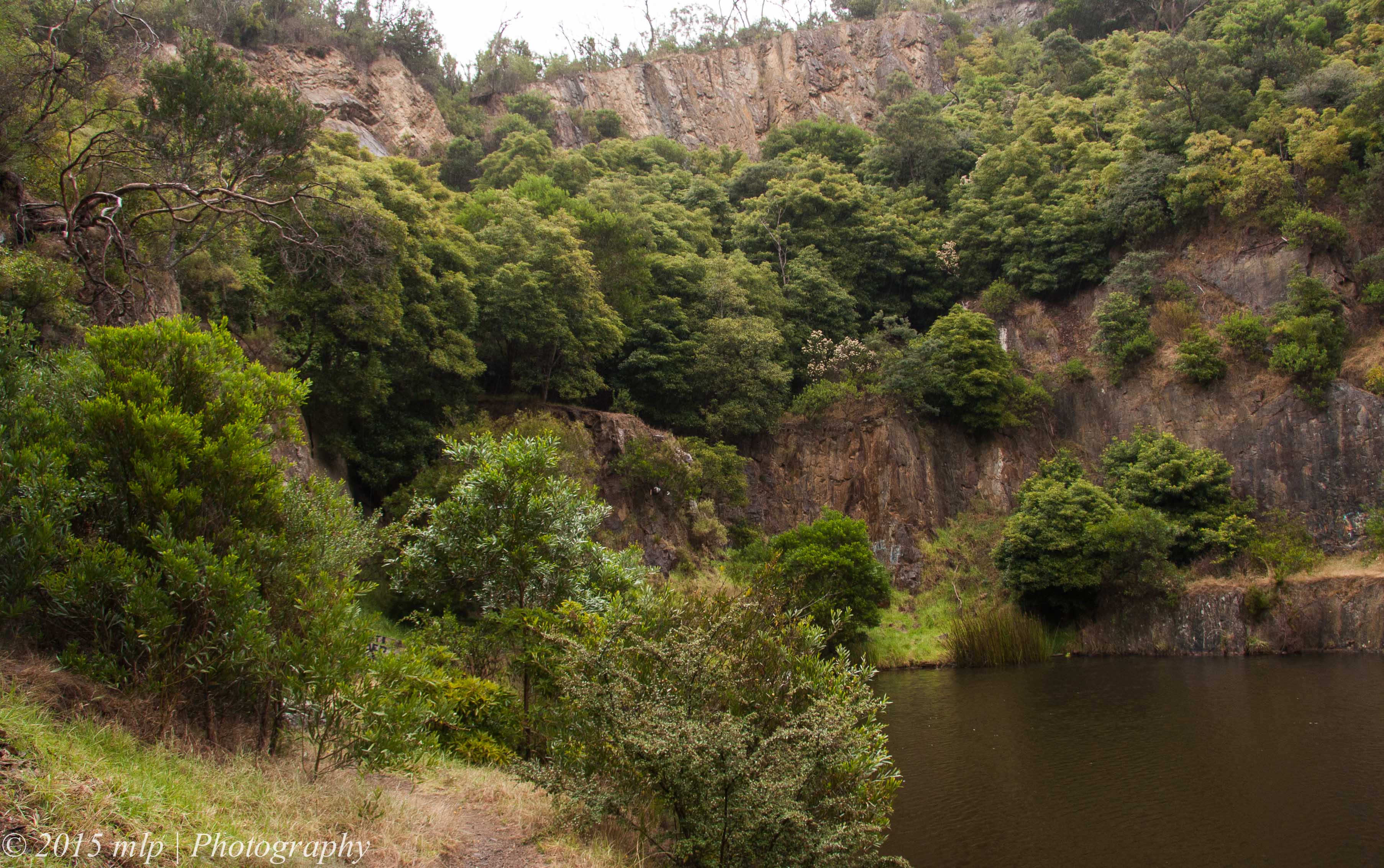
Along the Moorooduc Highway that heads down to the Mornington Peninsula is the Mt Eliza Regional Park. A section of this park is called the Moorooduc Flora and Fauna Reserve. It  is the site of an old (1887) stone and ballast quarry used for the railway sleeper beds for the Baxter to Mornington railway connection. The quarry is now flooded and has been converted to a Flora and Fauna Reserve and is particularly good for birds. The quarry is actually fenced off due to dangerous cliffs and rockfalls but holes in the fence have been created by locals wishing to access the water and quarry site. When I was there last week locals were walking dogs and fishing in the quarry. The high cliffs provide good nest sites for Peregrine Falcons to nest. Over the last few years I have seen several fledgelings learning to fly and hunt.

Old Moorooduc Quarry

Old Moorooduc Quarry

Old Moorooduc Quarry II

Old Moorooduc Quarry II

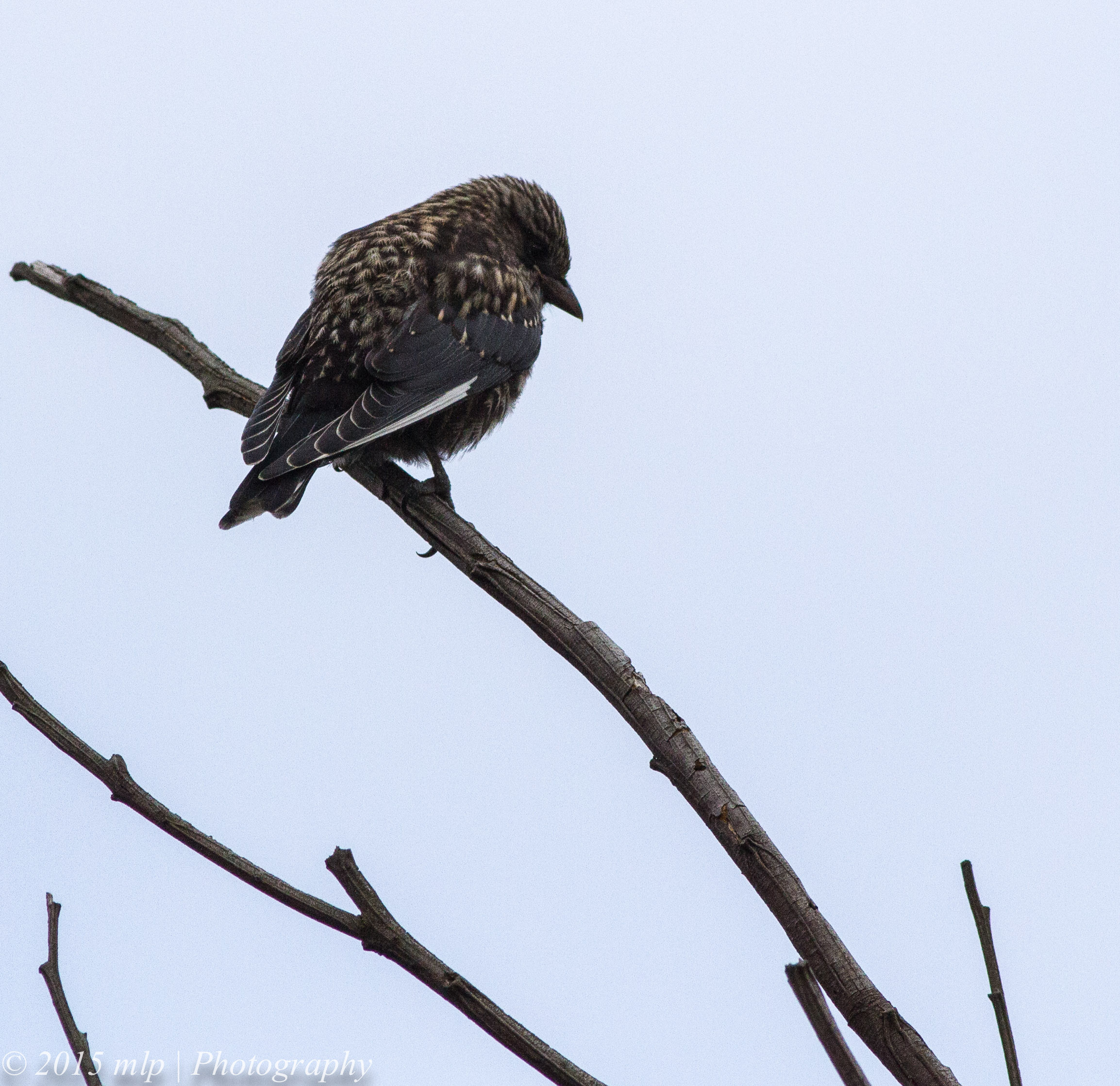
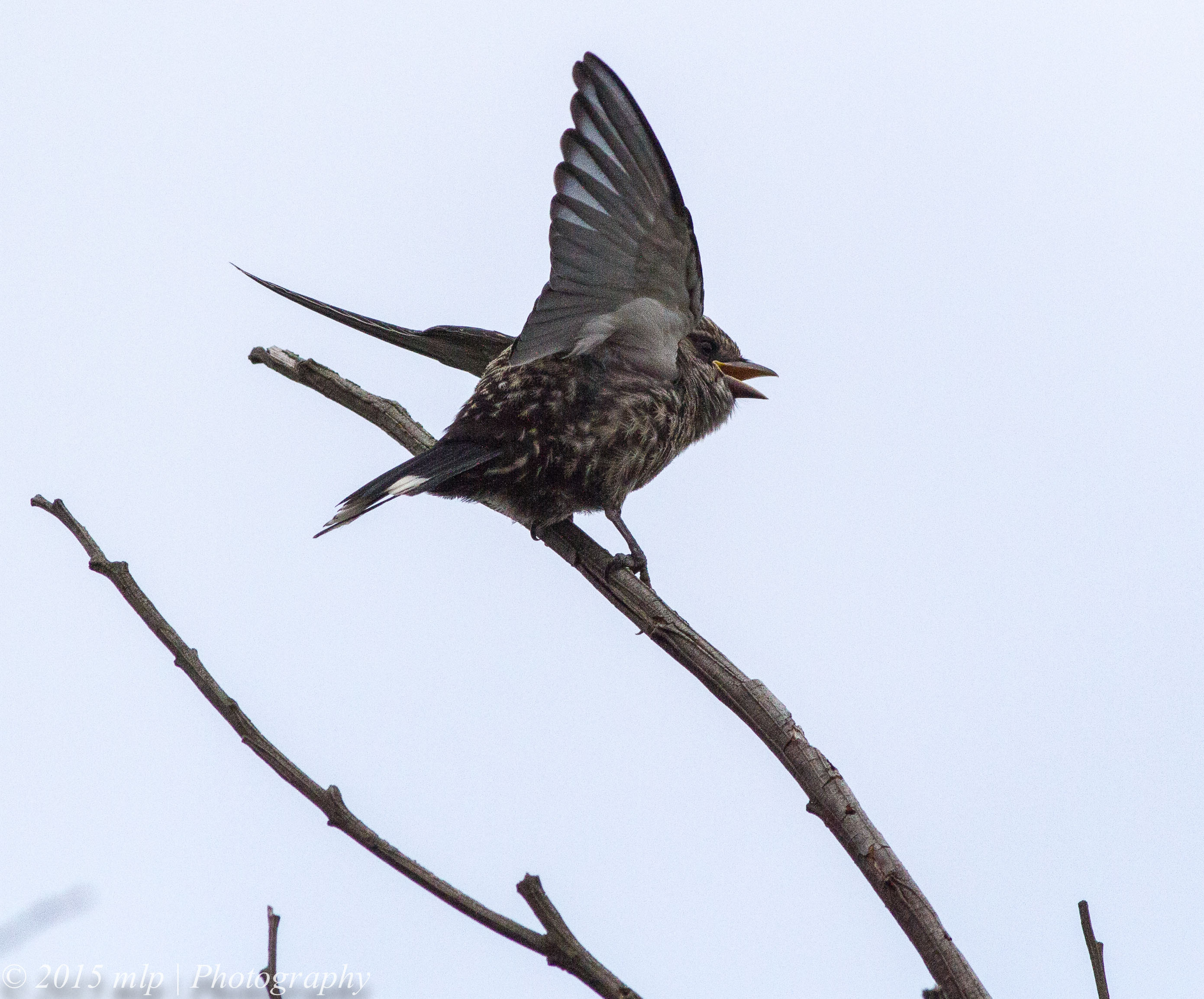
Walking from the carpark to the quarry I noticed a number of new fledglings being attended to by their parents.

Juvenile Dusky Woodswallow

Juvenile Dusky Woodswallow

Juvenile Dusky Woodswallow II

Juvenile Dusky Woodswallow II – demanding food from a parent nearby

Juvenile Dusky Woodswallow III

Juvenile Dusky Woodswallow III

Dusky Woodswallow

Dusky Woodswallow

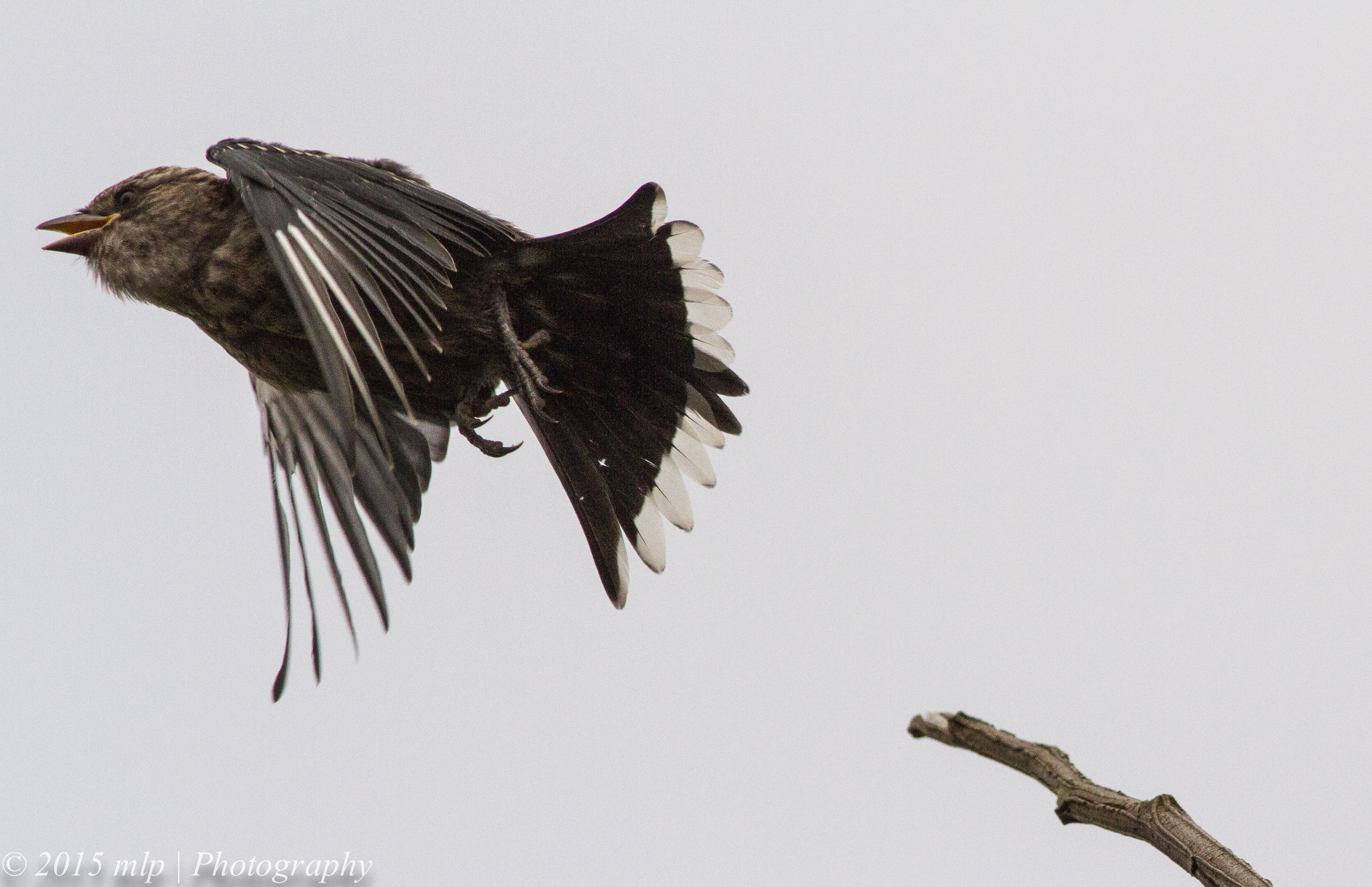
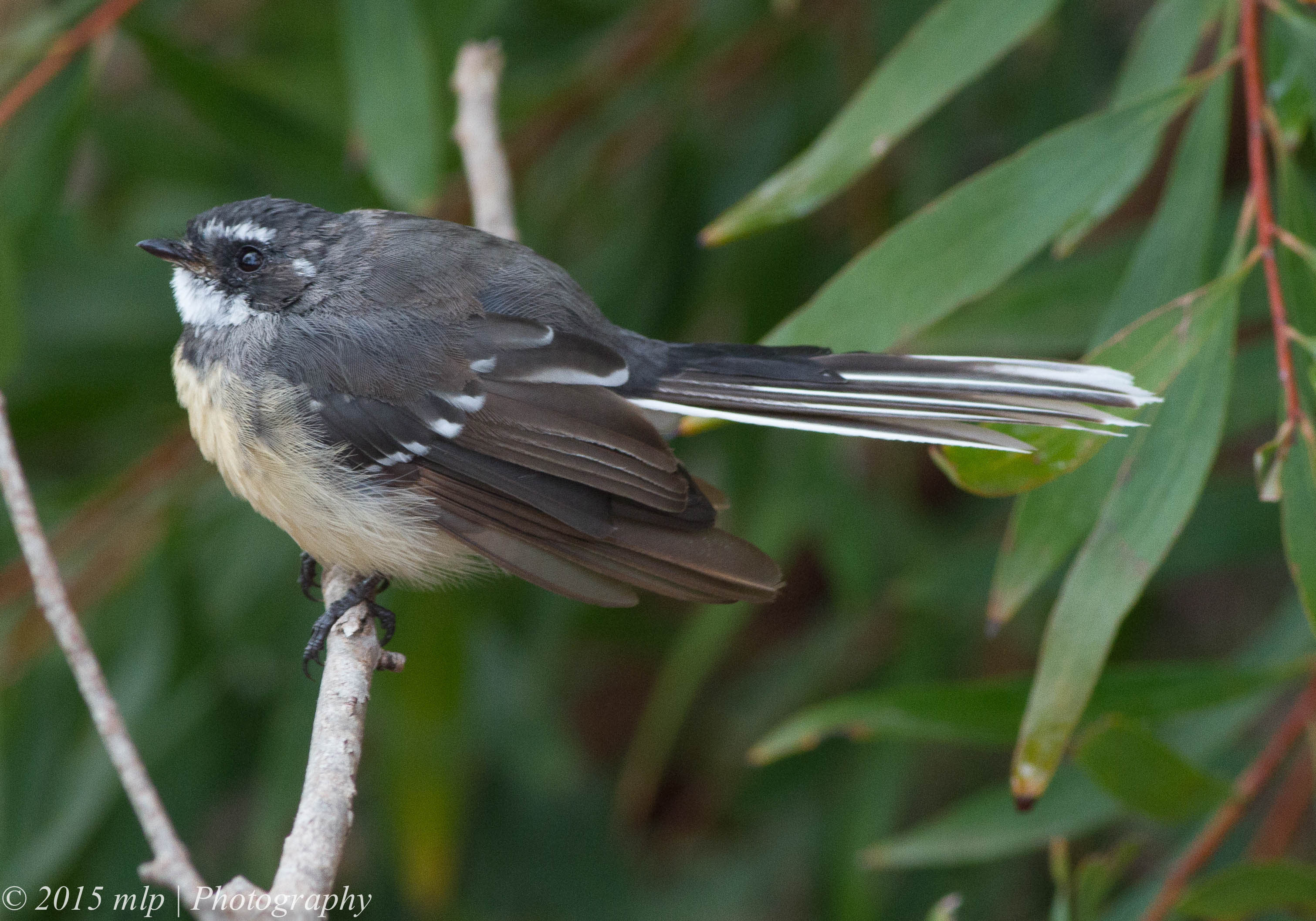
Young Grey Fantail

Young Grey Fantail – how could you not respond to those eyes?

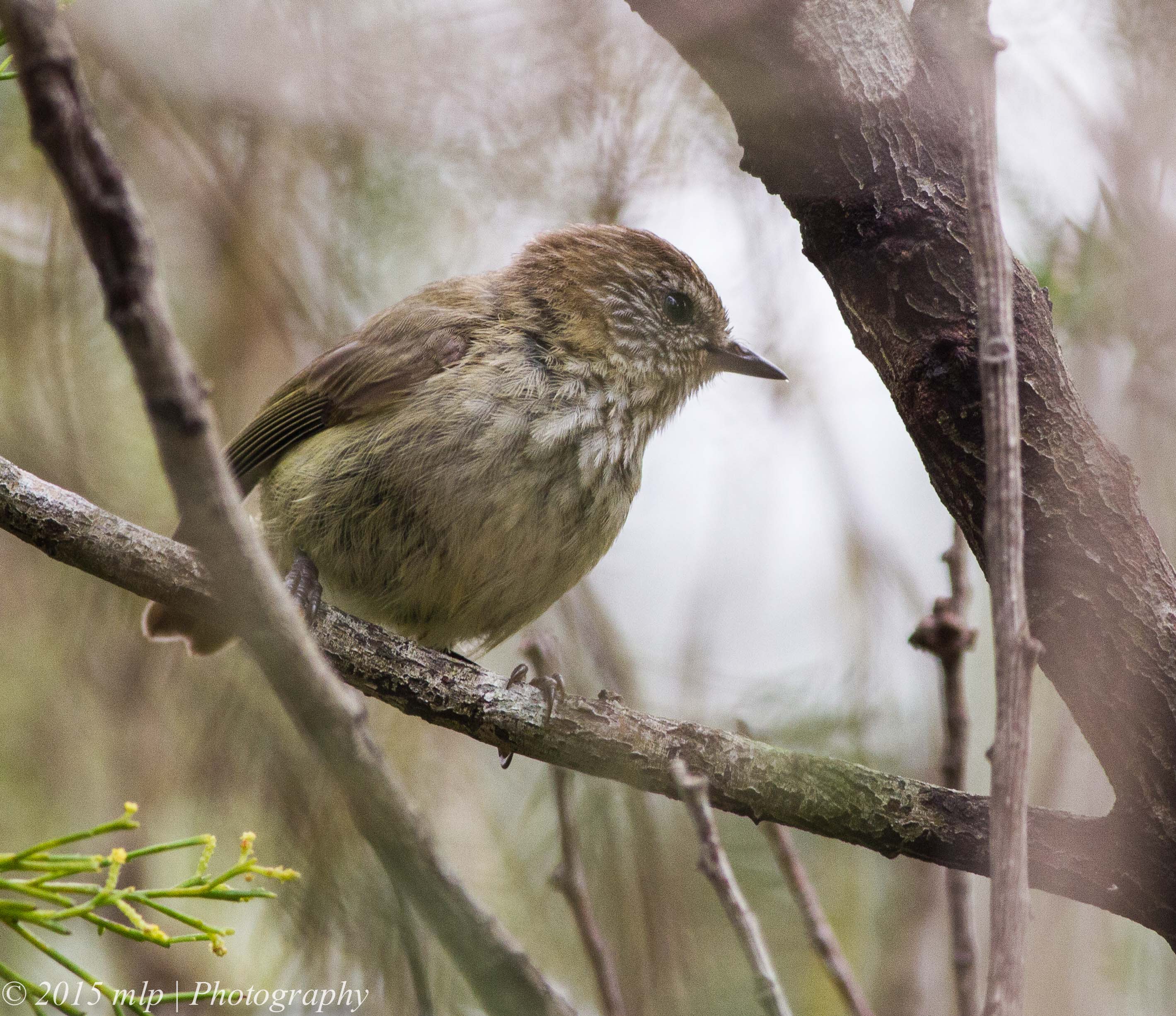
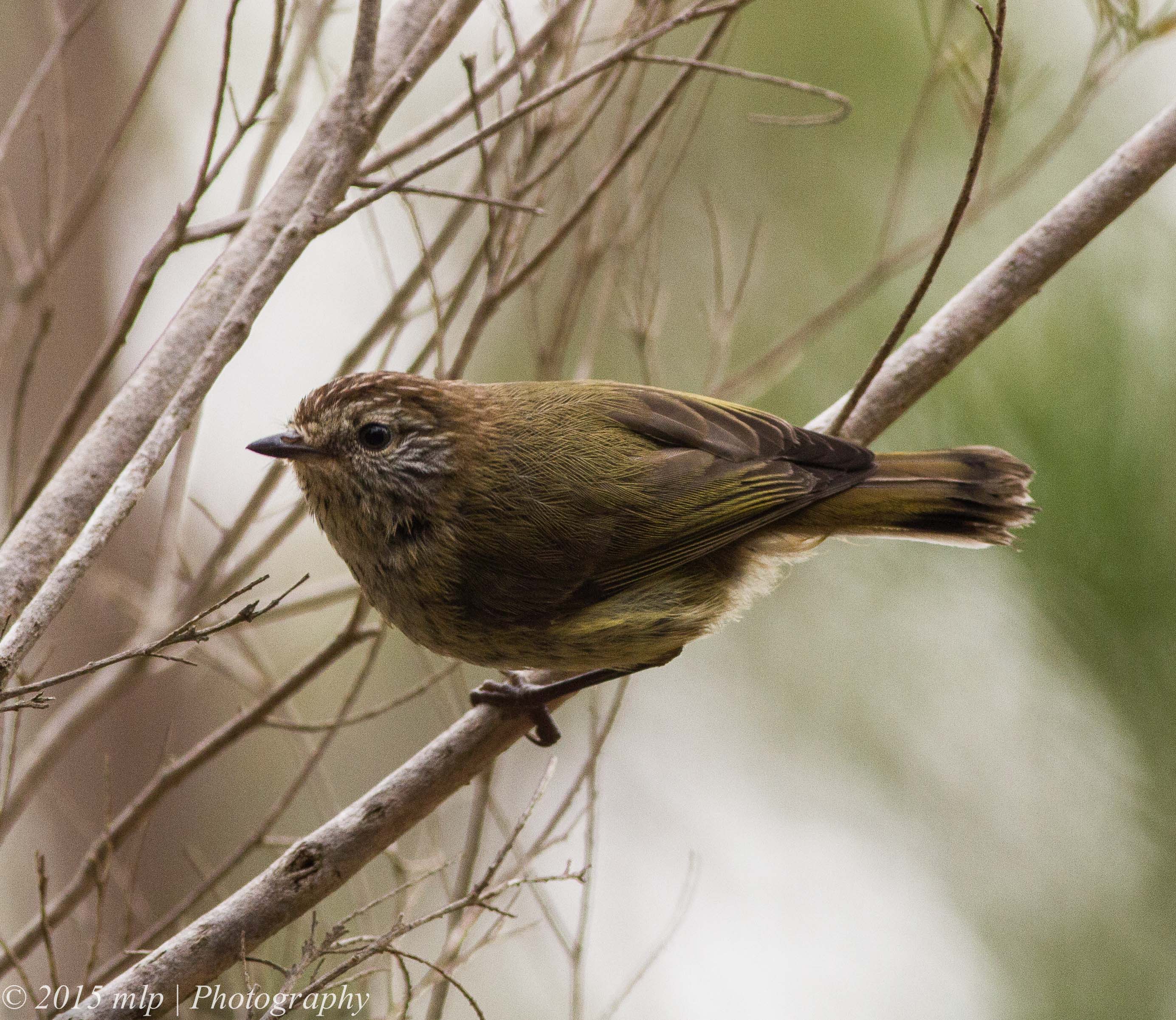
Striated Thornbill

Striated Thornbill

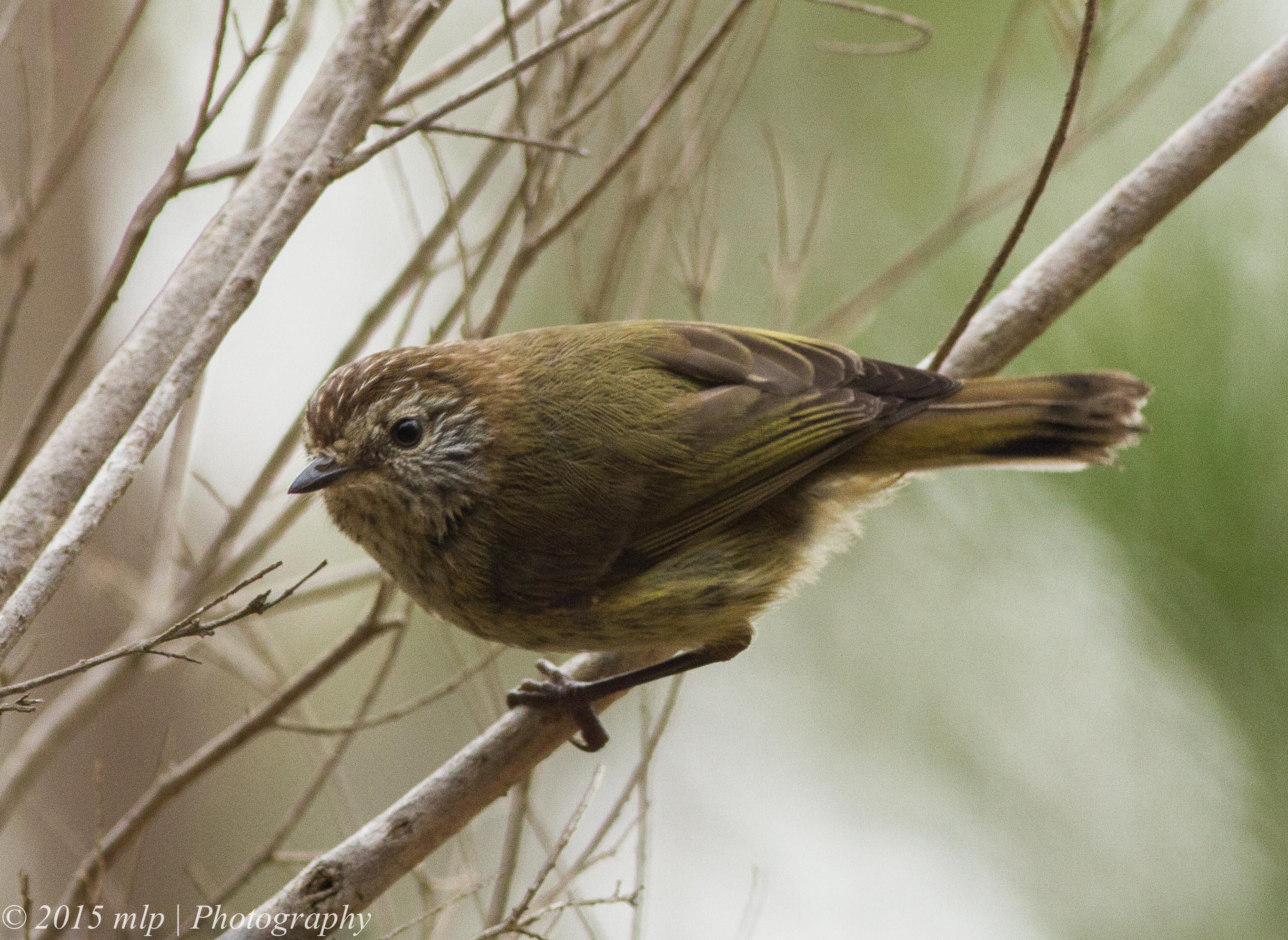
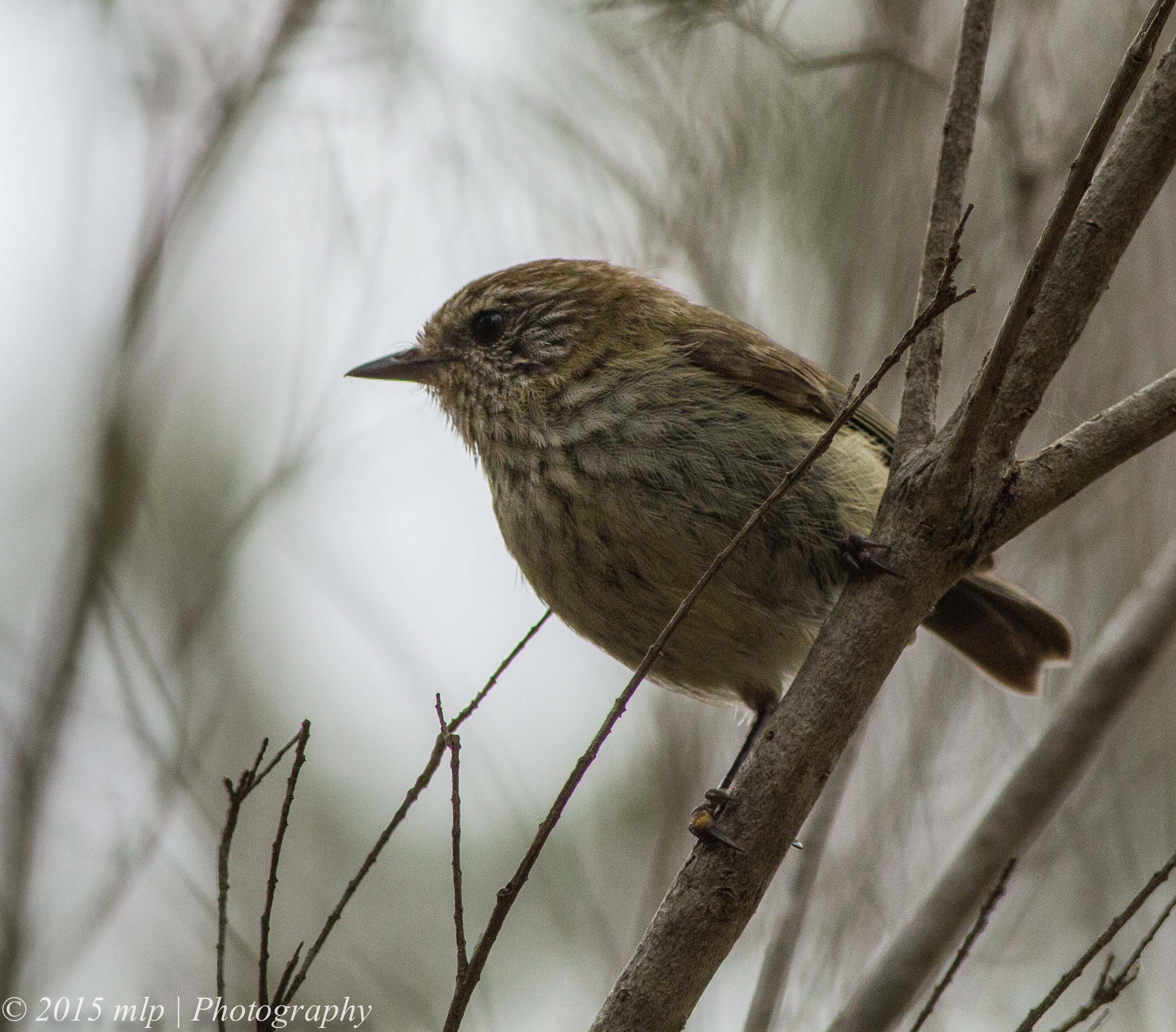
Striated Thornbill II

Striated Thornbill II

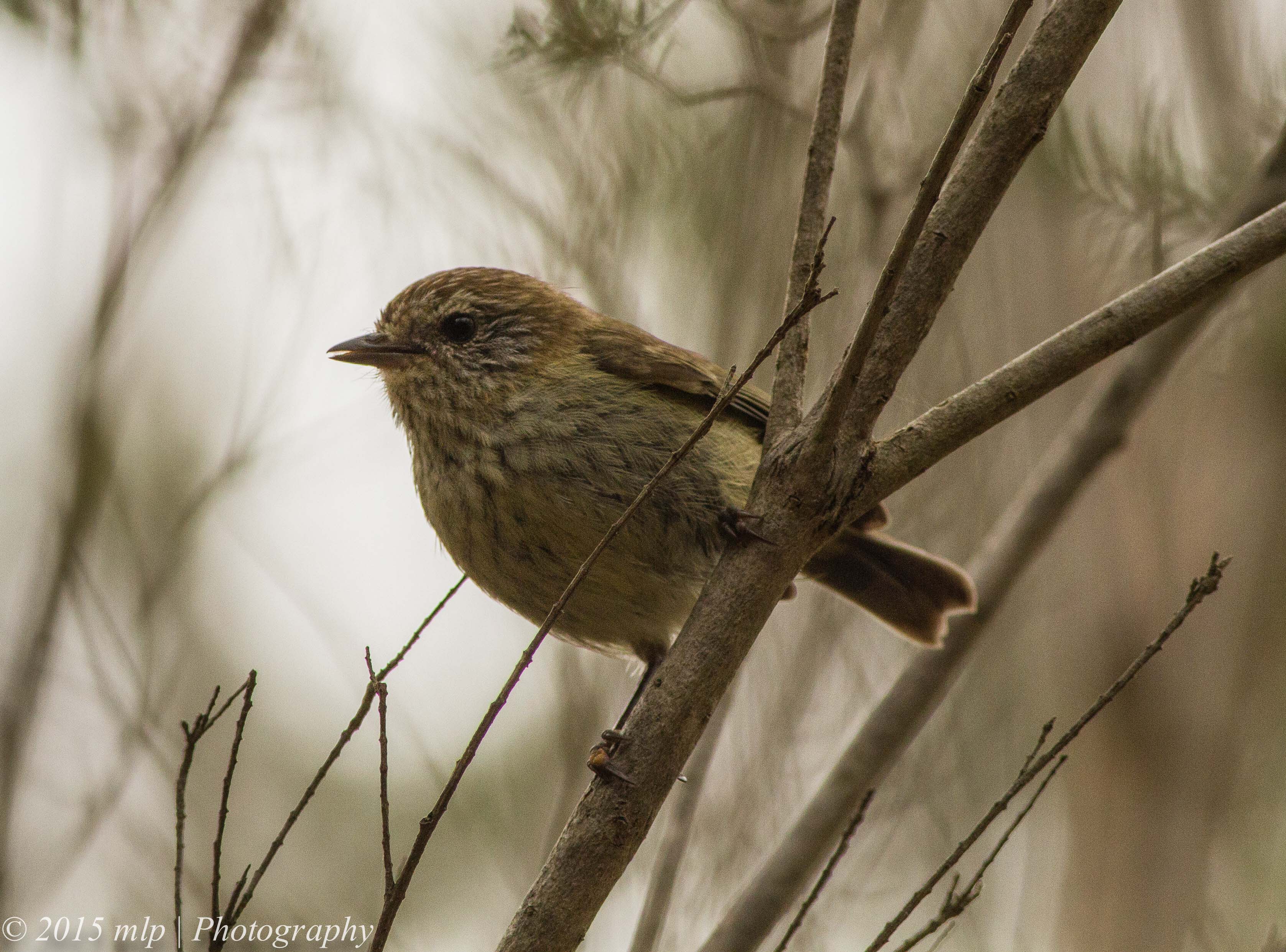
Striated Thornbill III

Striated Thornbill III

Striated Thornbill IV

Striated Thornbill IV

Striated Thornbill V

Striated Thornbill V

Striated Thornbill VI

Striated Thornbill VI

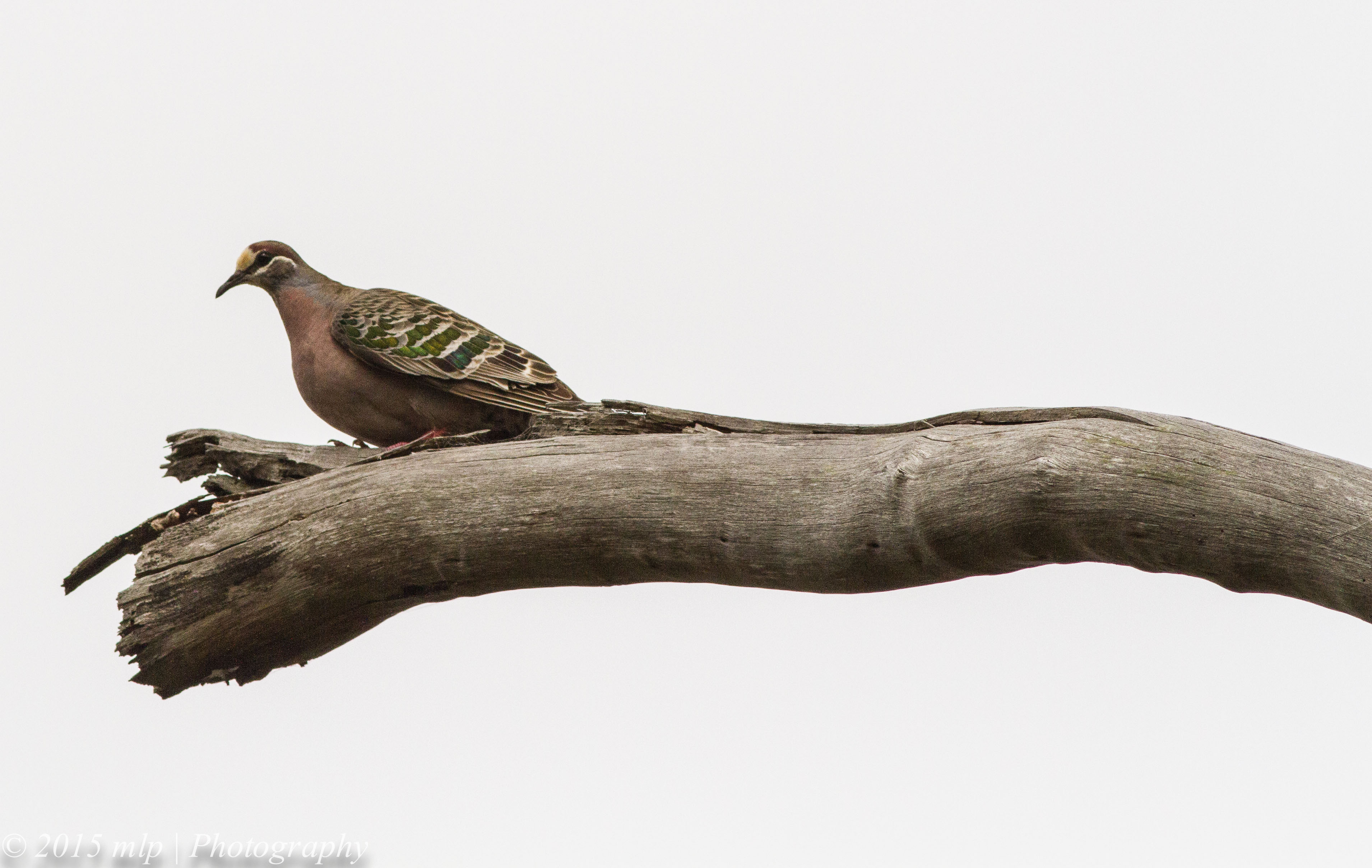
Common Bronzewing

Common Bronzewing

Common Bronzewing II

Common Bronzewing II

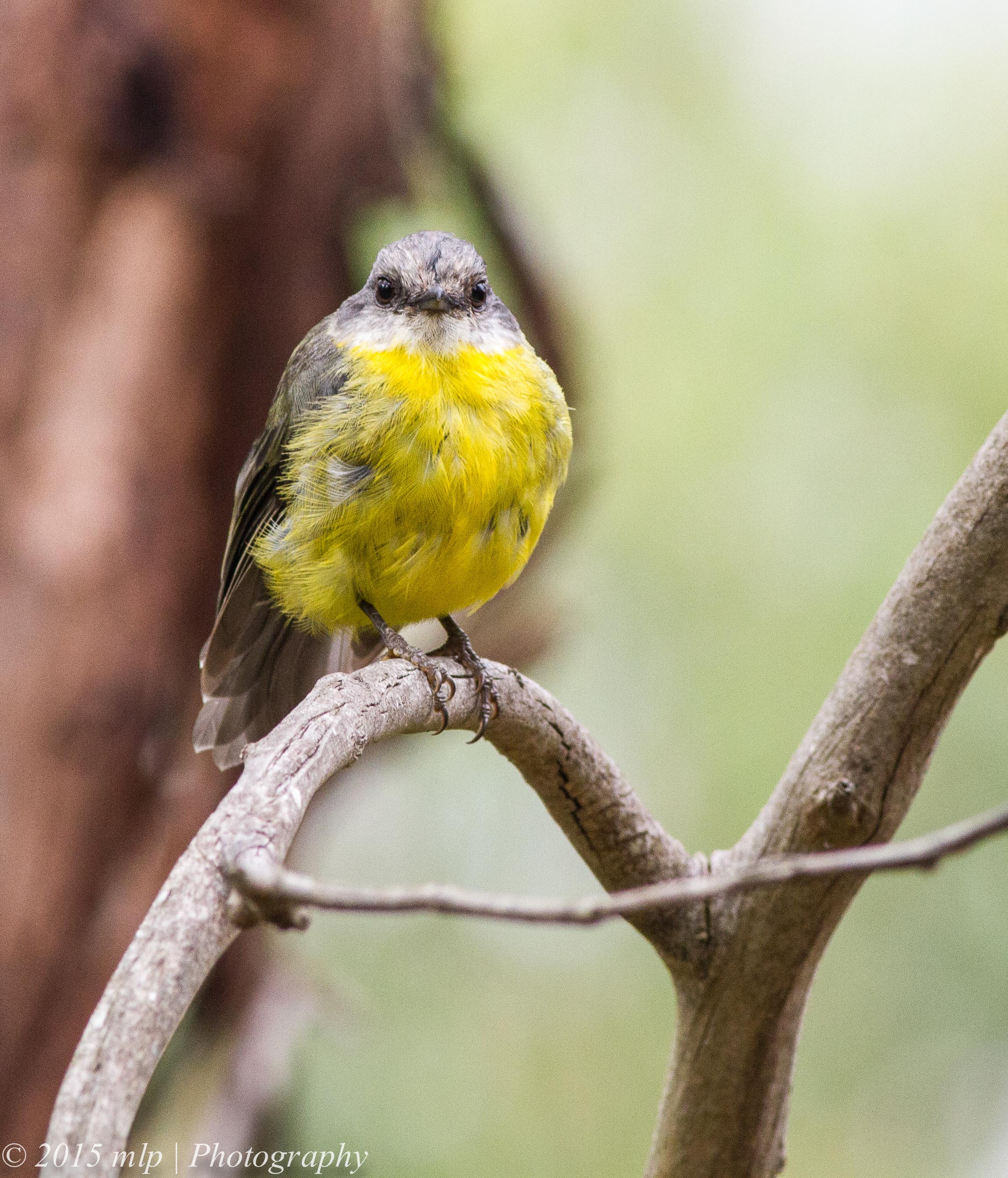
Eastern Yellow Robin - what you looking at?

Eastern Yellow Robin – what you looking at?

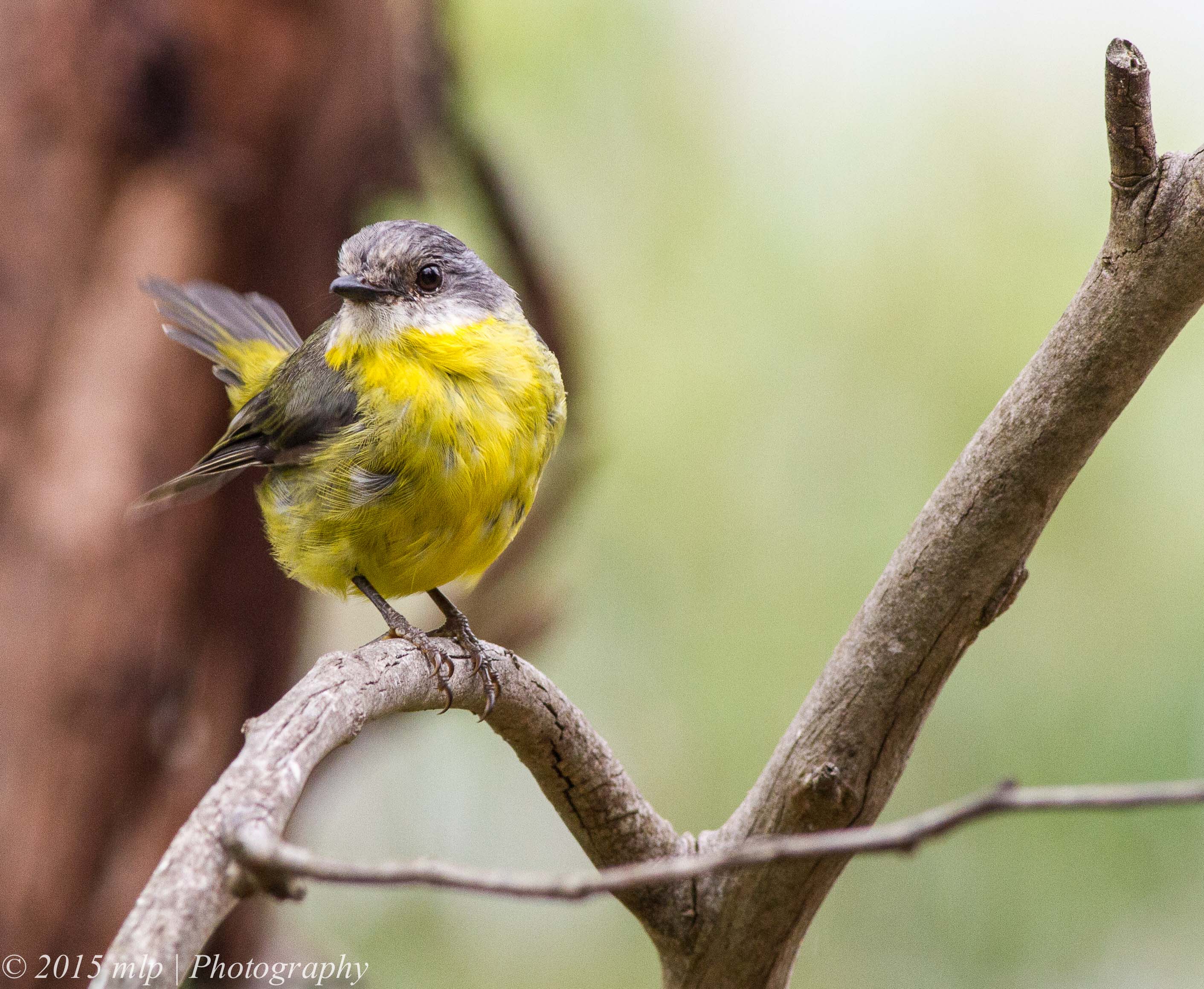
Eastern Yellow Robin II

Eastern Yellow Robin II

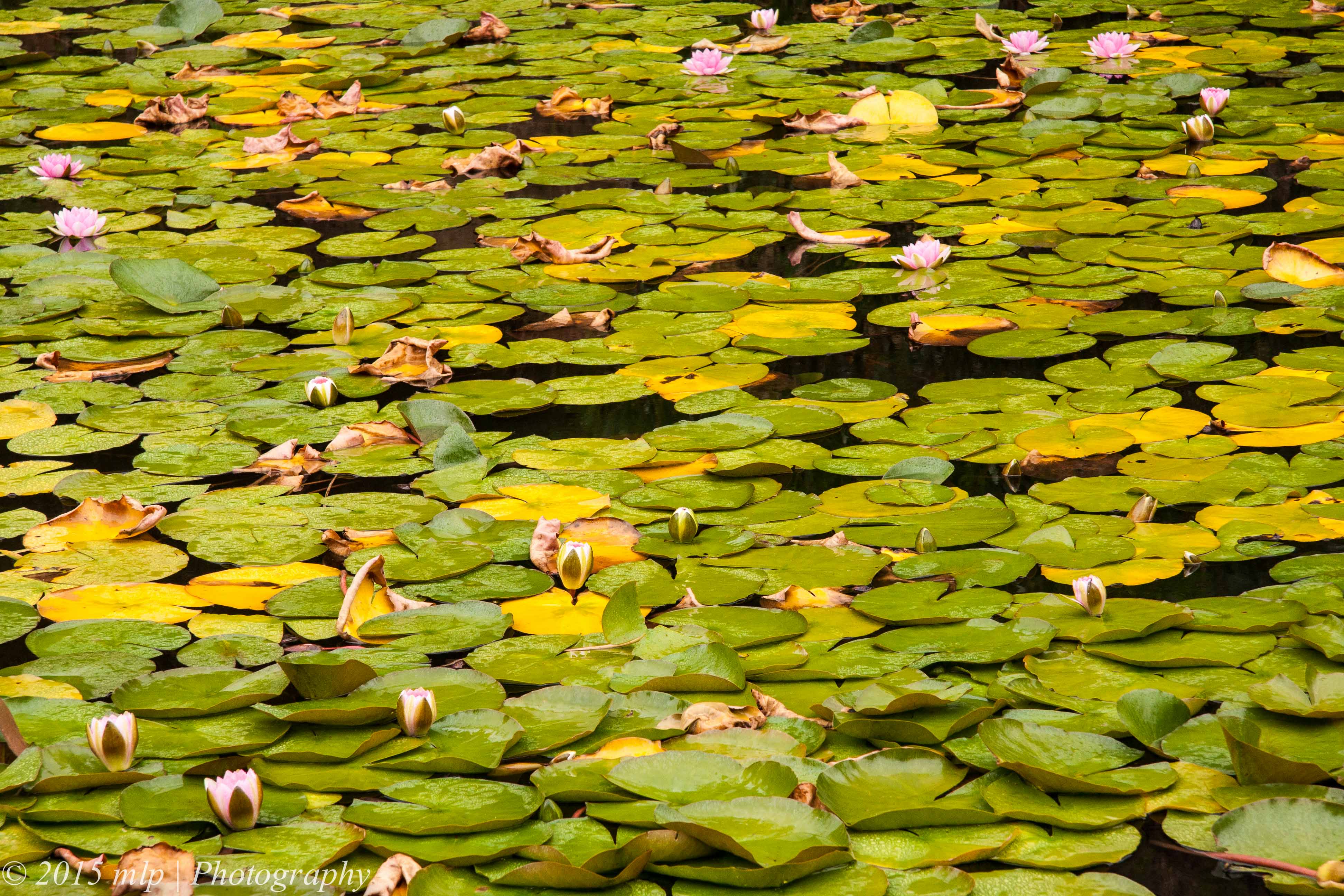
Flowering Water Lillies

Flowering Water Lillies in Moorooduc Quarry

St Kilda Pier – fishing, fashion, falling and feathers (but no rats!)

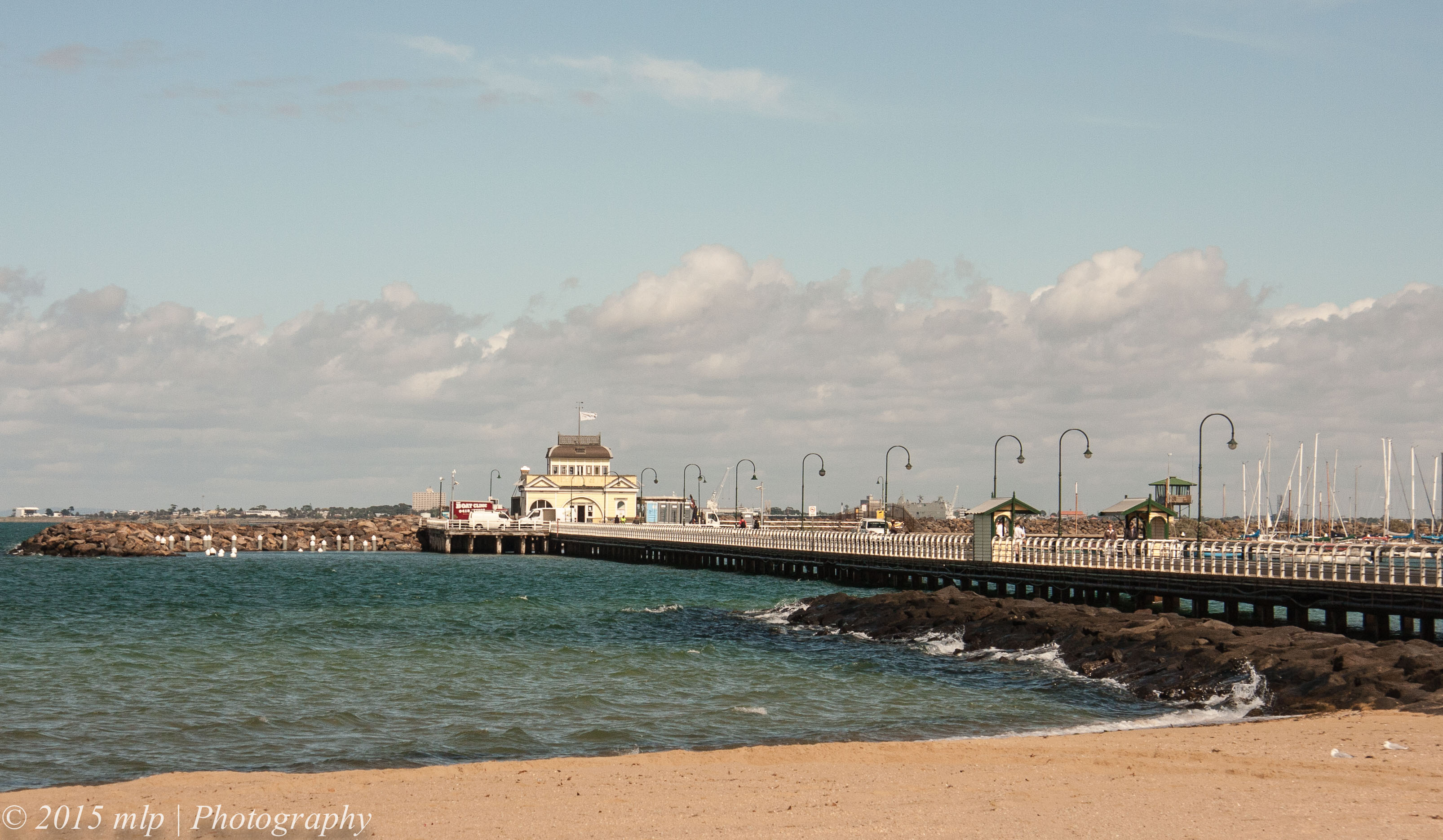
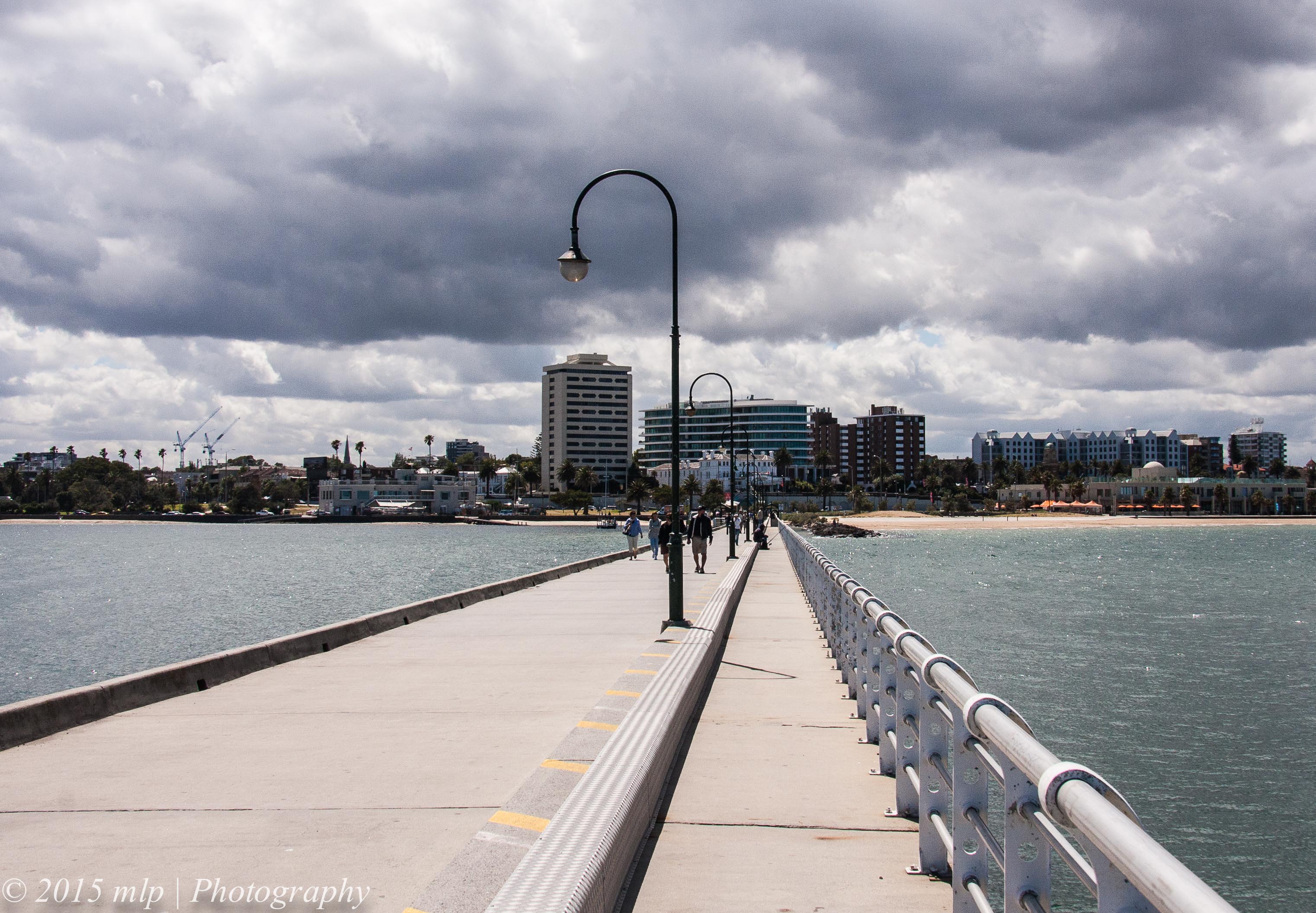
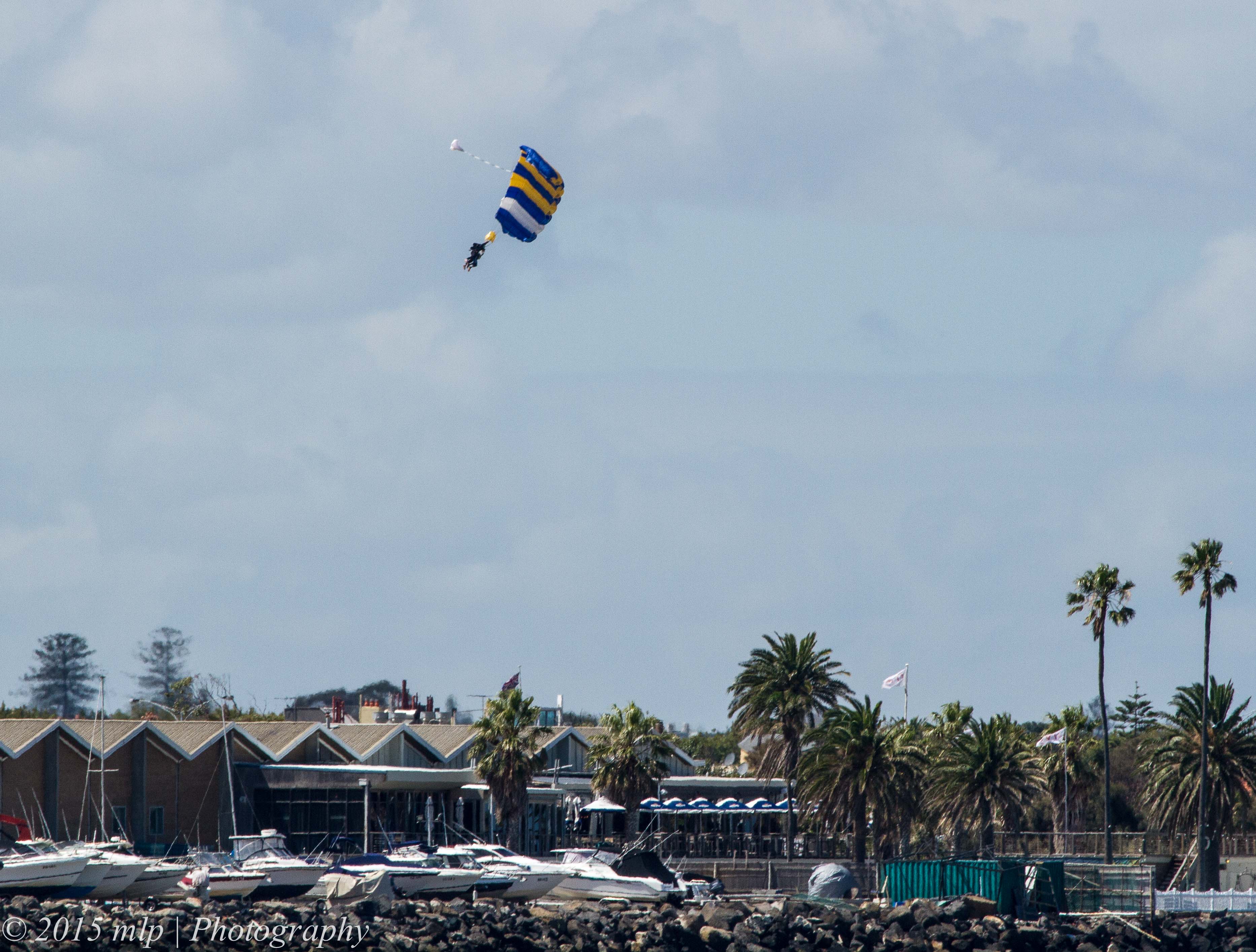
The St Kilda Pier has it all – a cafe, great views of the city, yachts, fishing, evening promenades, fashion, parachuting, Little Penguins and Rakalis.

St Kilda Pier

St Kilda Pier

Melbourne City Skyline from St Kilda Pier

Melbourne City Skyline from St Kilda Pier

Melbourne City Skyline from St Kilda Pier II

Melbourne City Skyline from St Kilda Pier II

Looking back into St Kilda from St Kilda Pier

Looking back into St Kilda from St Kilda Pier

Paragliding, St Kilda Pier

Paragliding, St Kilda Pier

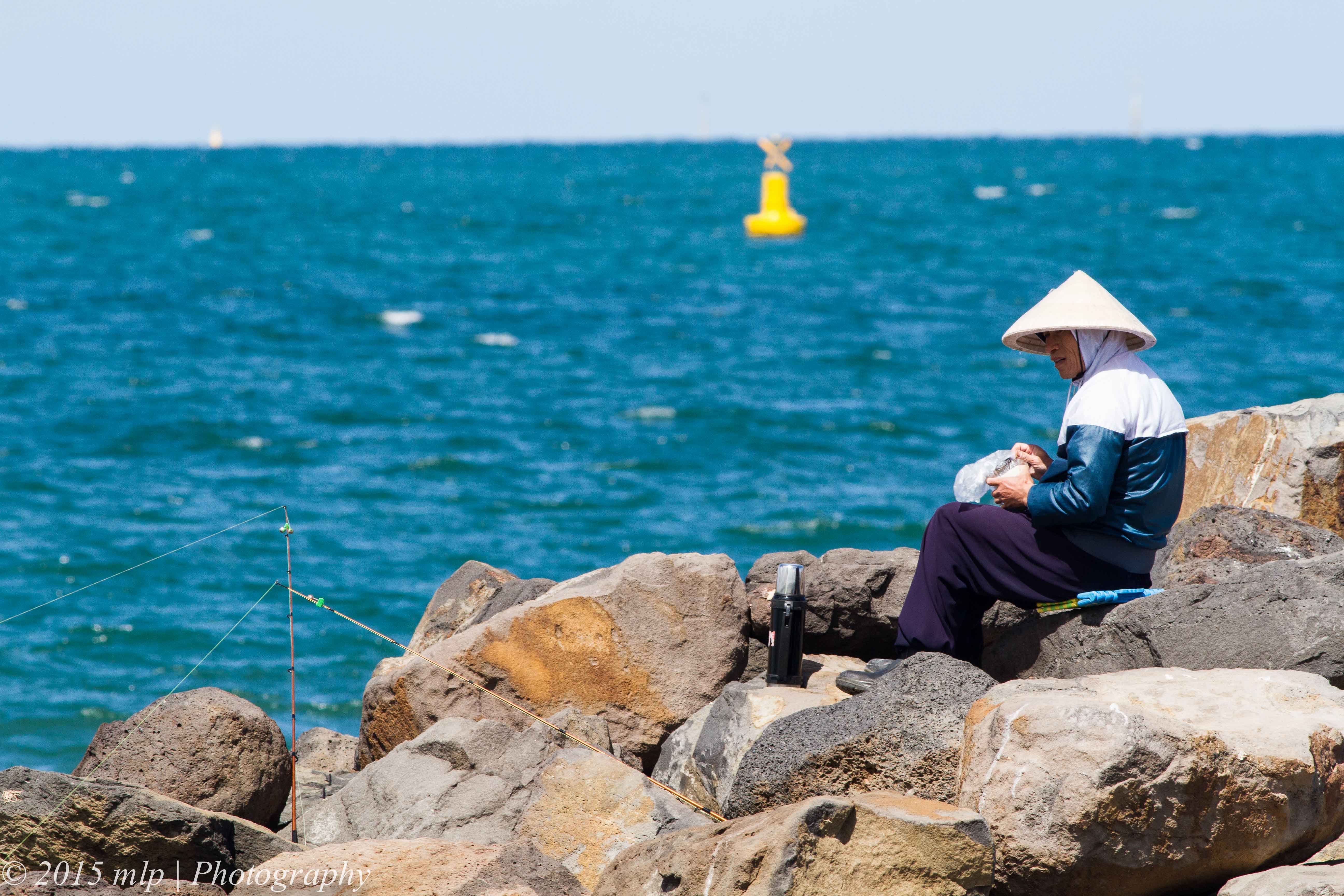
Fishing off the rocks - baseball caps are usually the norm around here but this hat might change the local fashion scene...

Fishing off the rocks – baseball caps are usually the norm around here but this hat might change the local fashion scene…

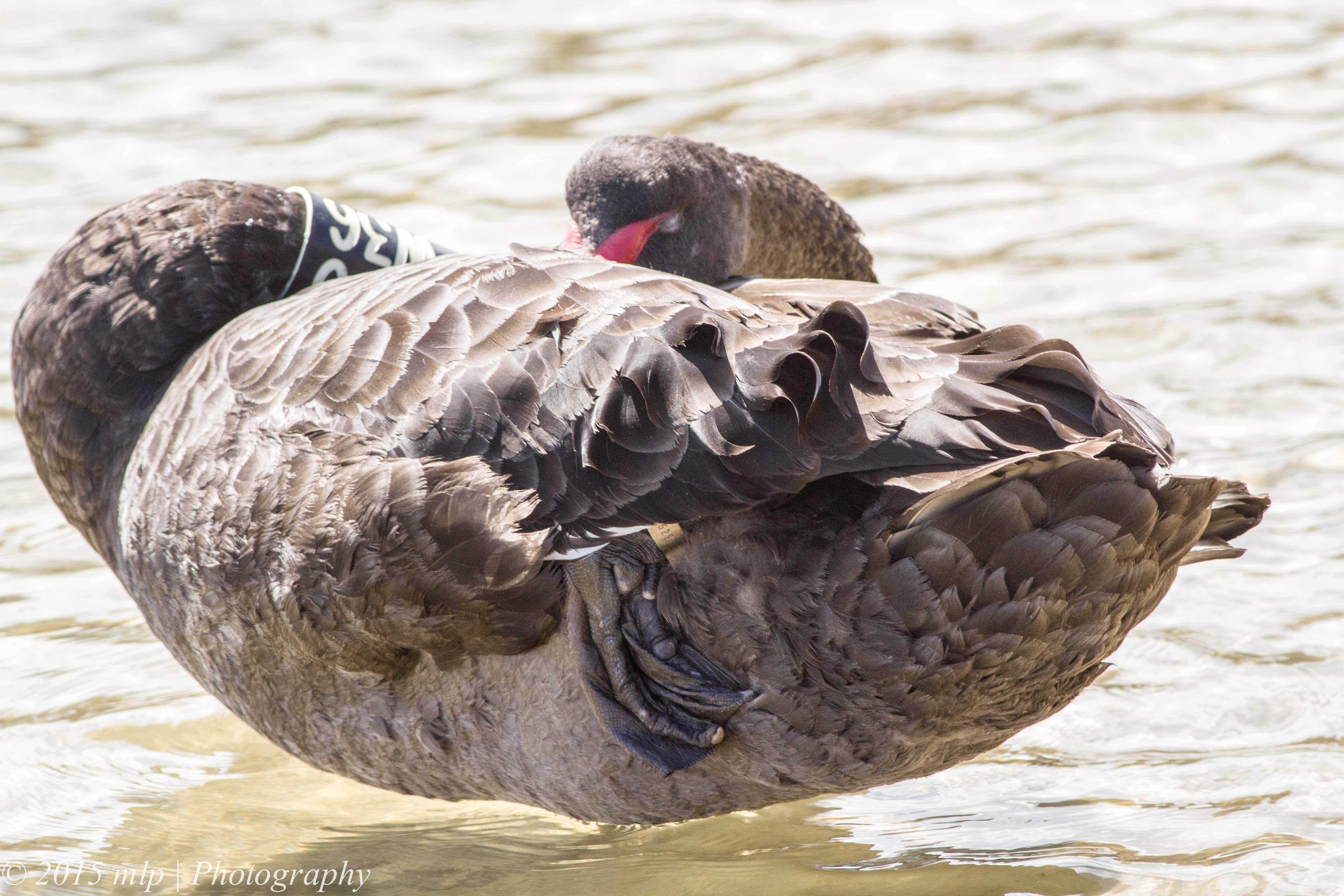
Black Swan W36

Black Swan W36 – see previous post on logging tagged Swans

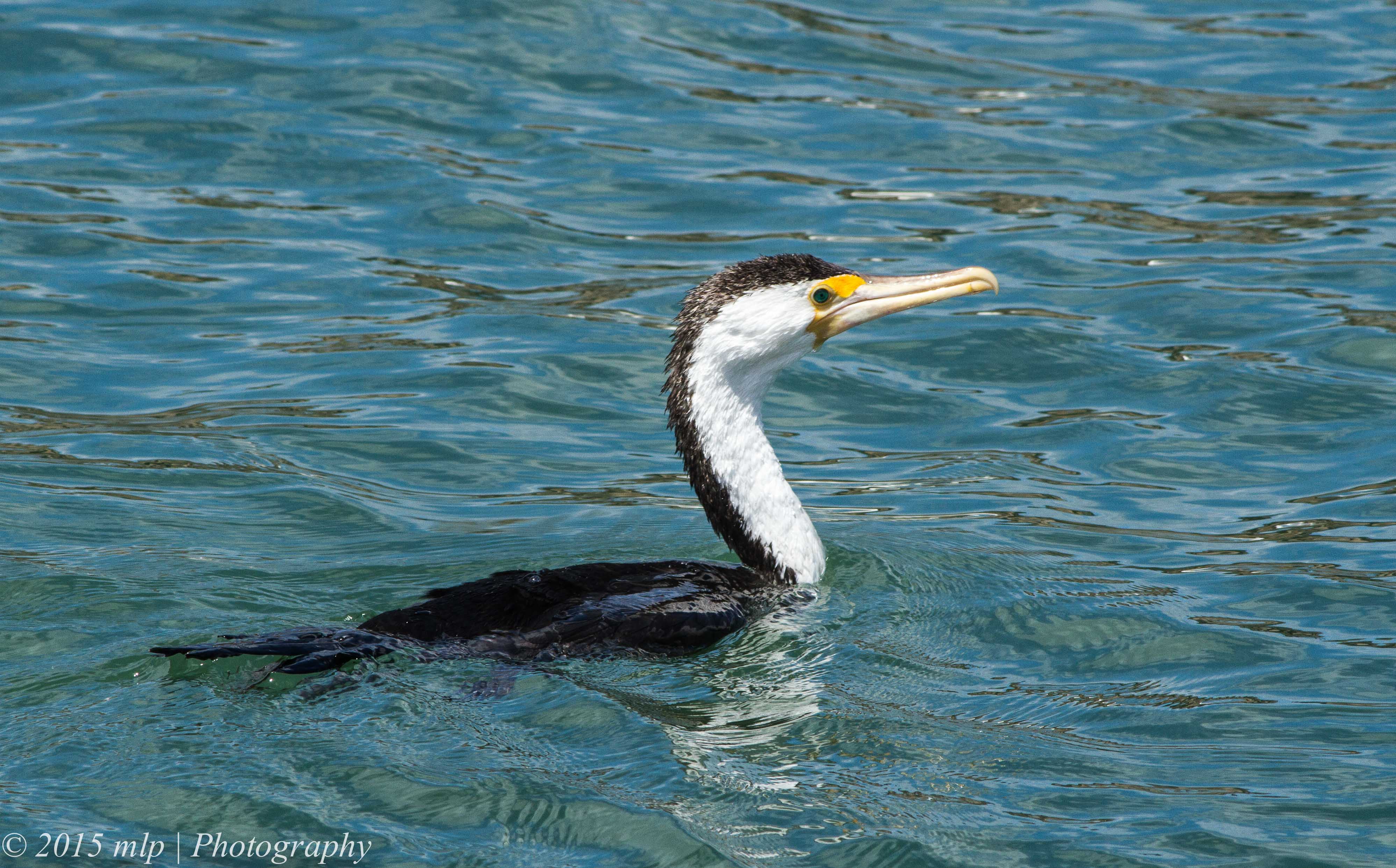
Pied Cormorant

Pied Cormorant

People visiting Melbourne often have on their lists a visit to Phillip Island to see the Little Penguins at the Parade. A nice local secret is that there is a colony of Little Penguins at the breakwater on the St Kilda Pier (only a few kilometres from Melbourne CBD). One can get very close to a penguin (a few feet) and get great photos for free anytime of the day. Eggs are laid, chicks raised and fed, swims taken, adults moult and sunbake…all within easy reach (with a camera). The site is monitored by the local Rangers as well as the local fishermen who are very happy to point out the best spots to see them and to advise of the required etiquette when getting close to the Penguins.

Penguin colony access from St Kilda Pier

Penguin colony access from St Kilda Pier

Little Penguin napping

Little Penguin napping

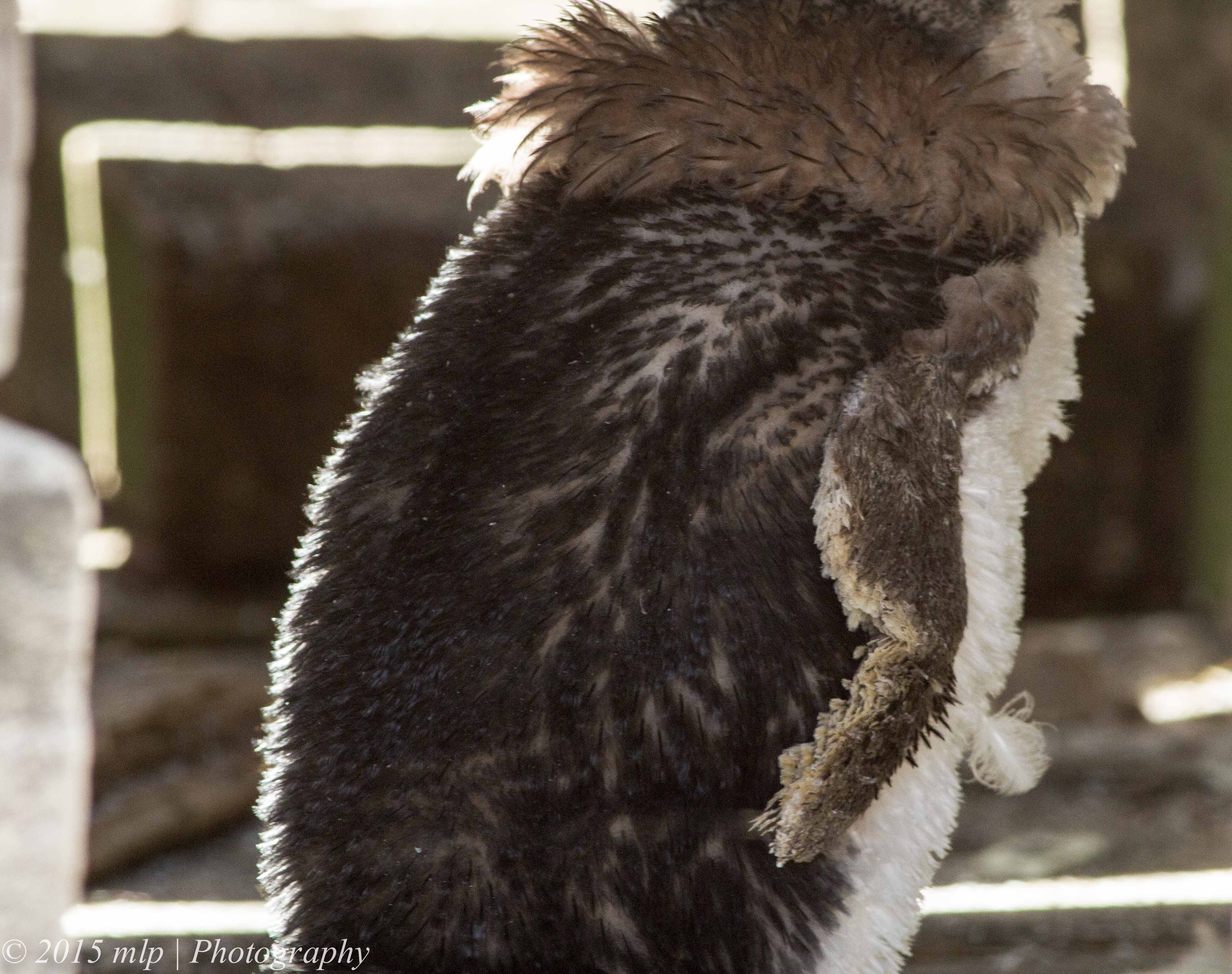
Little Penguin moulting - this guy looked quite uncomfortable, scratching with his wings and beak. He was under a wooden bench ignoring everyone .

Little Penguin moulting – this guy looked quite uncomfortable, scratching with his wings and beak. He was under a wooden bench ignoring everyone .

Look at me, look at me!

Look at me, look at me!

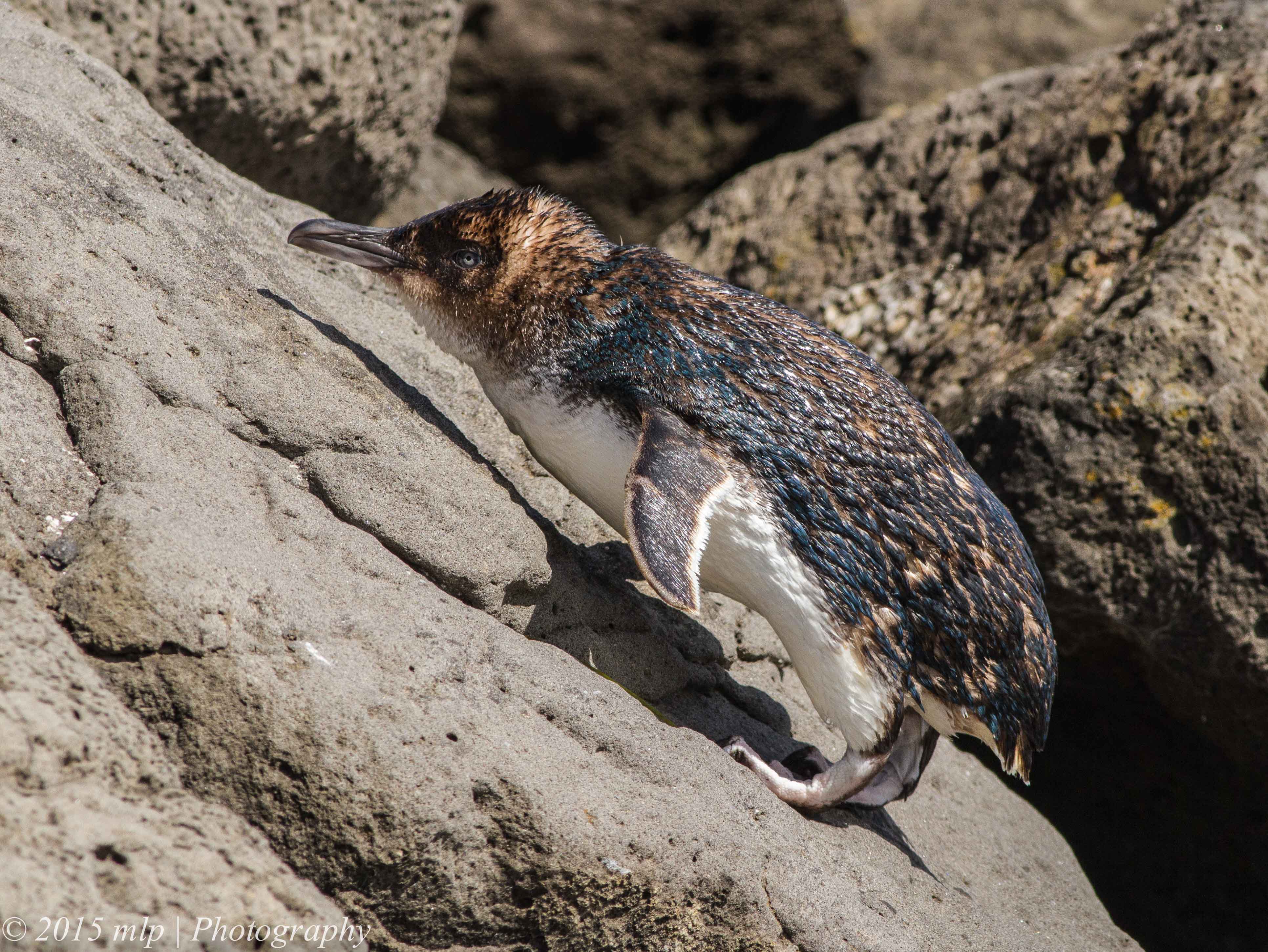
Little Penguin rock climbing - he had just come out of the water and was climbing up to his regular roost/grooming rock

Little Penguin rock climbing – he had just come out of the water and was climbing up to his regular roost/grooming rock

 I think this is my best side...

I think this is my best side…

yes I am very cute aren't I?

Yes I am very cute aren’t I?

you had better think I am cute!

You had better think I am cute!

Like, whatever, I am out of here...

Like, whatever, I am out of here…

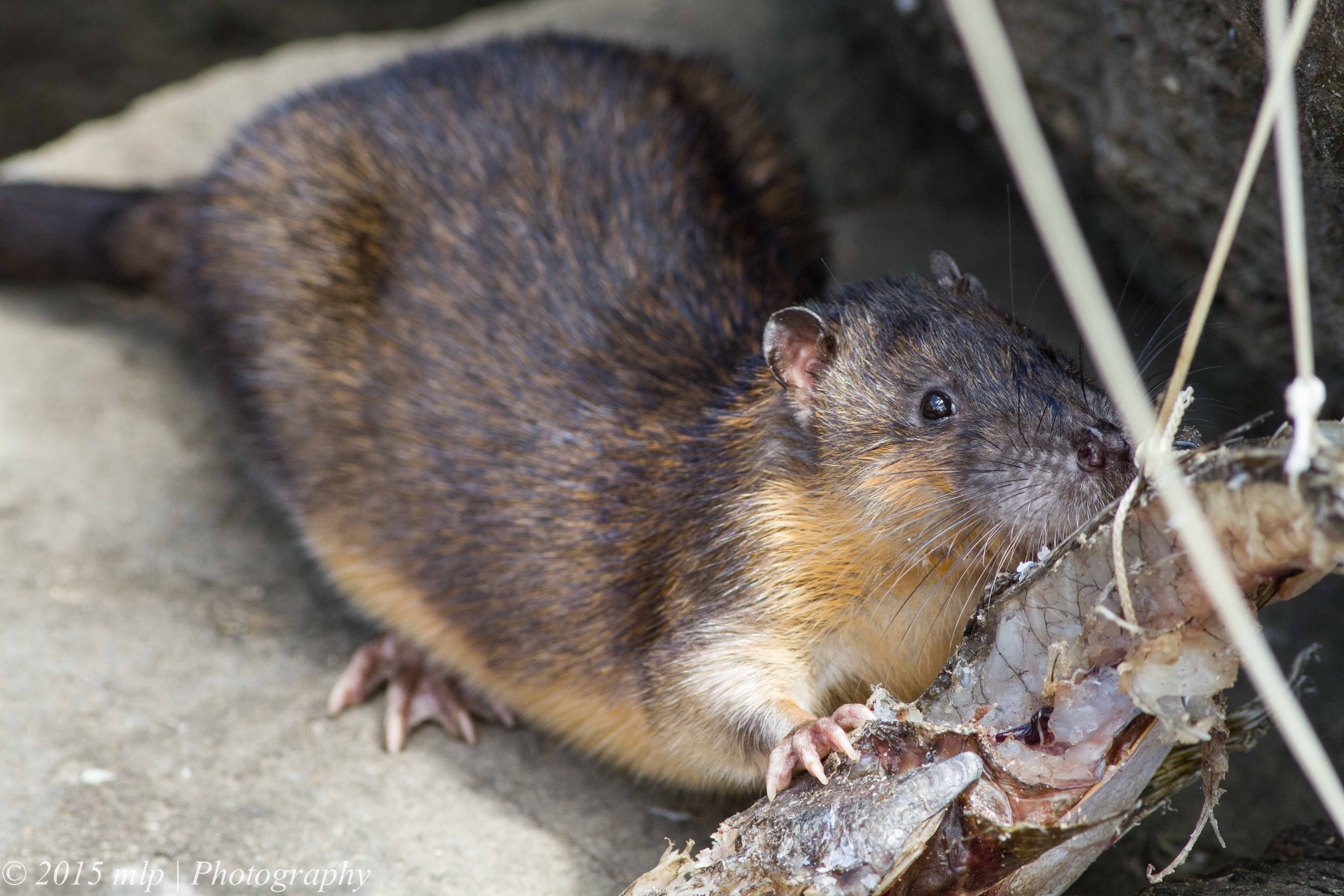
A bonus at the site is the regular appearance of the Rakali. The fishermen tie up a fish with string and a little marine mammal pops out for a snack. It is the spitting image of the biggest rat you have ever seen and scares the tourists when one pops out of the rocks. But size, fur colour and webbed feet give away what it actually is…The water rat has been renamed the Rakali to remove the rat name association and I think it works well. We have Rakalis along the canal behind our house in Elwood (a nearby suburb) but have not seen one for quite a while. There are local volunteers who will sit for a few hours each evening and wait for Rakalis to move past and count and observe them for the local Eco teams.

 I am not a rat, I am a Rakali...a native water mammal, a water ah um ....rat

I am not a rat, I am a Rakali…a native water mammal, a water ah um ….rat

Rakali - notice the webbed rear feet

Rakali – notice the webbed rear feet

Rakali III

Rakali III

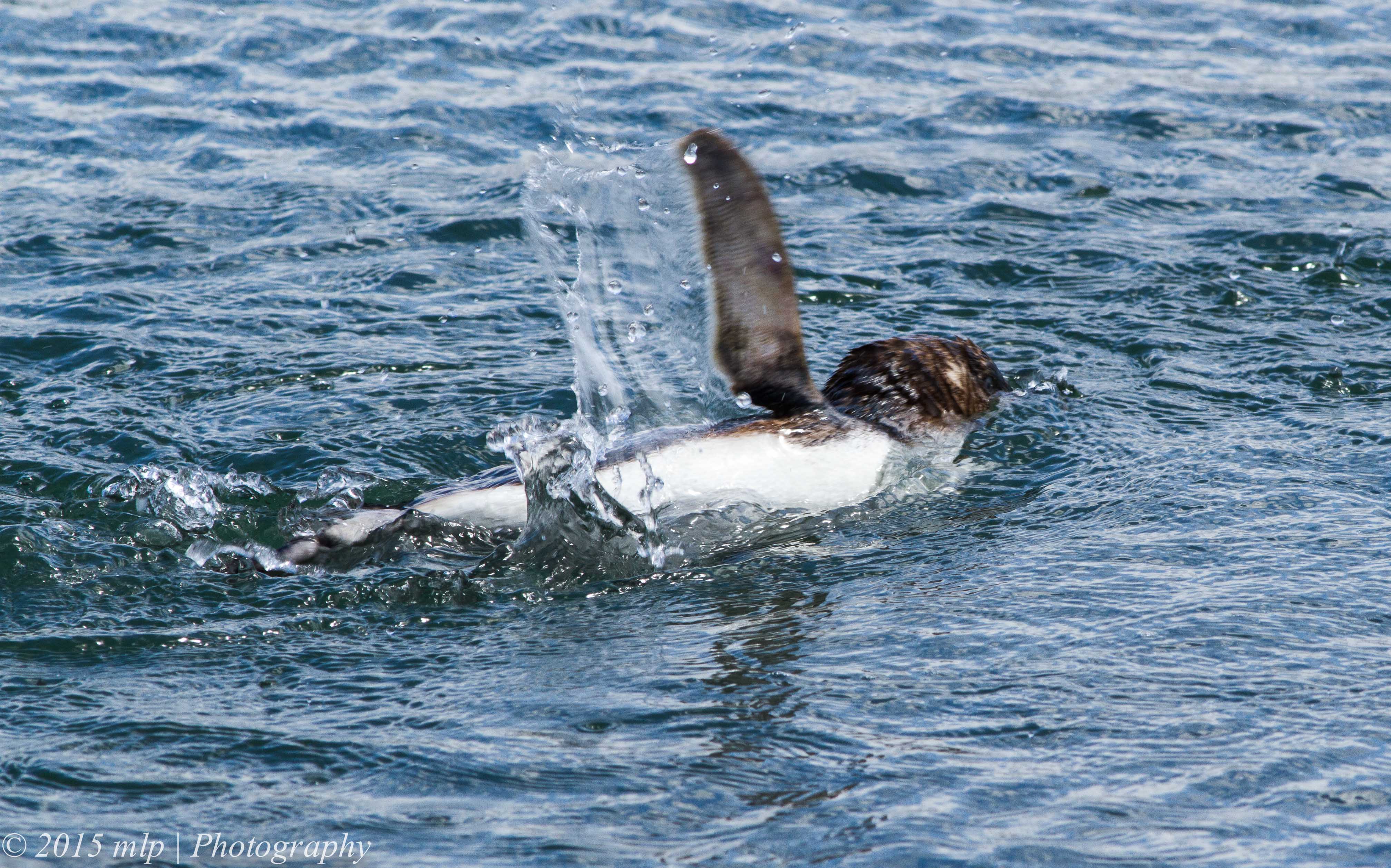
Little Pied Cormorant grooming and drying his feathers.

Little Pied Cormorant grooming and drying his feathers.

Bunyip State Forest – Spotted Pardalote
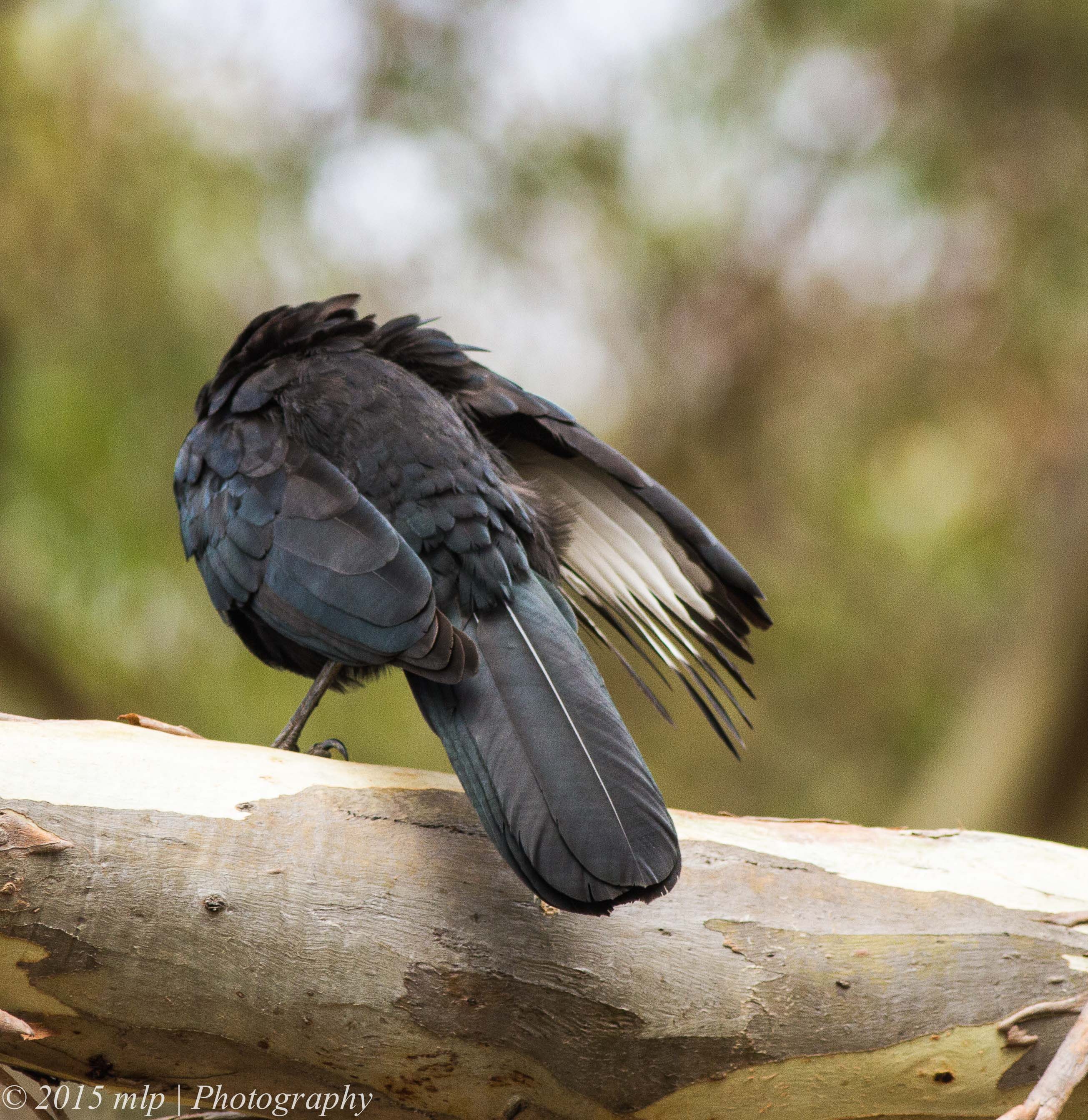
Spent a few hours exploring a different section of the Bunyip State Forest last week with John. Neither of us had been to the Eastern section before. We started pretty early so the light was not the best for photography but a few spots we visited were very good for small birds especially the Lawson Falls Trail. It was quite overgrown but with plenty of birds in the canopy and many more around us in the shrubs. I saw one Lyrebird as we got out of the car at the Lawson Falls picnic ground and another up the Trail doing his shaking feather dance on his display mound.  We will definitely visit that walk again.

ParkWeb map and notes

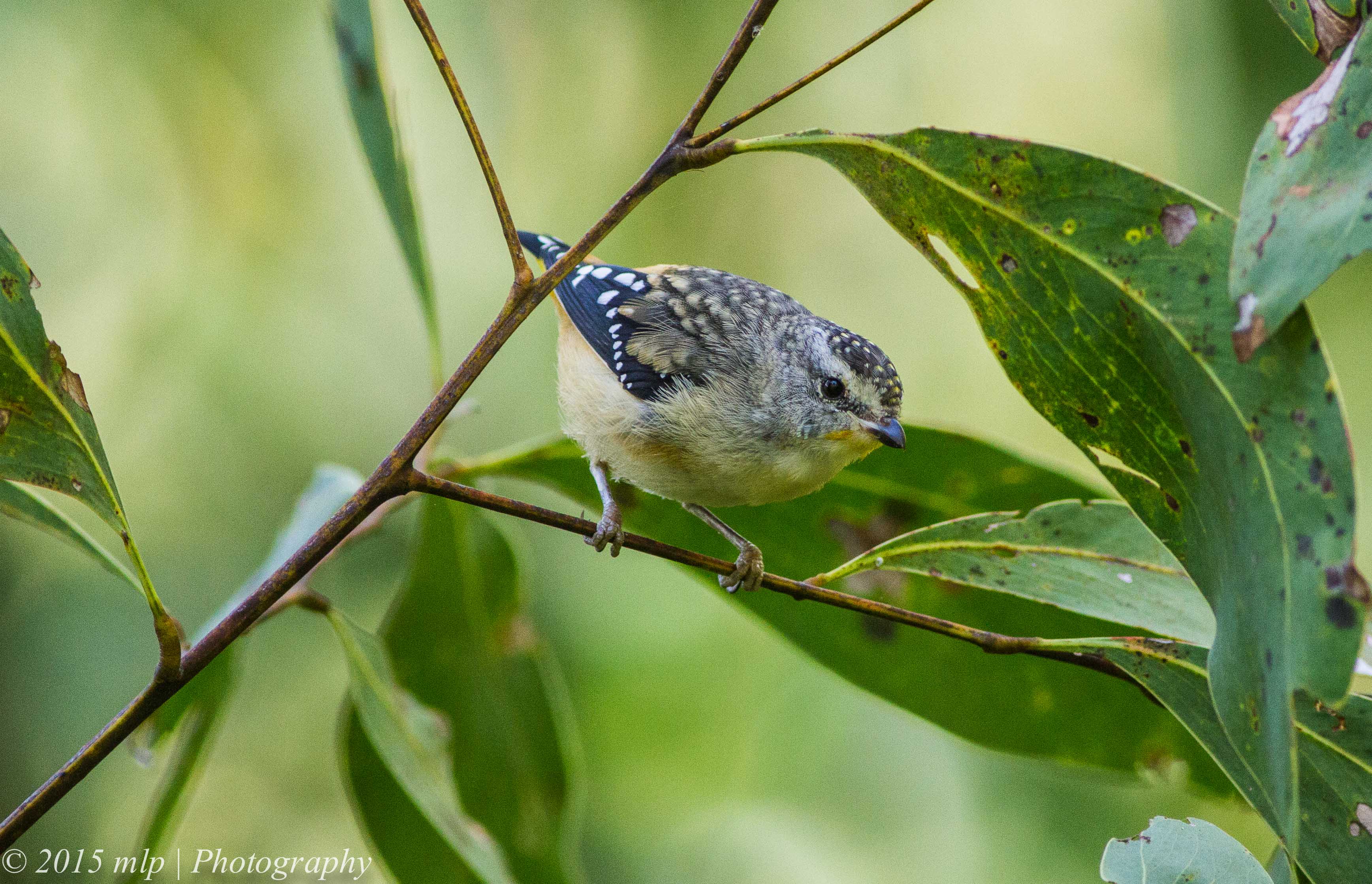
Female Spotted Pardalote,

Female Spotted Pardalote, Lawson Falls Trail

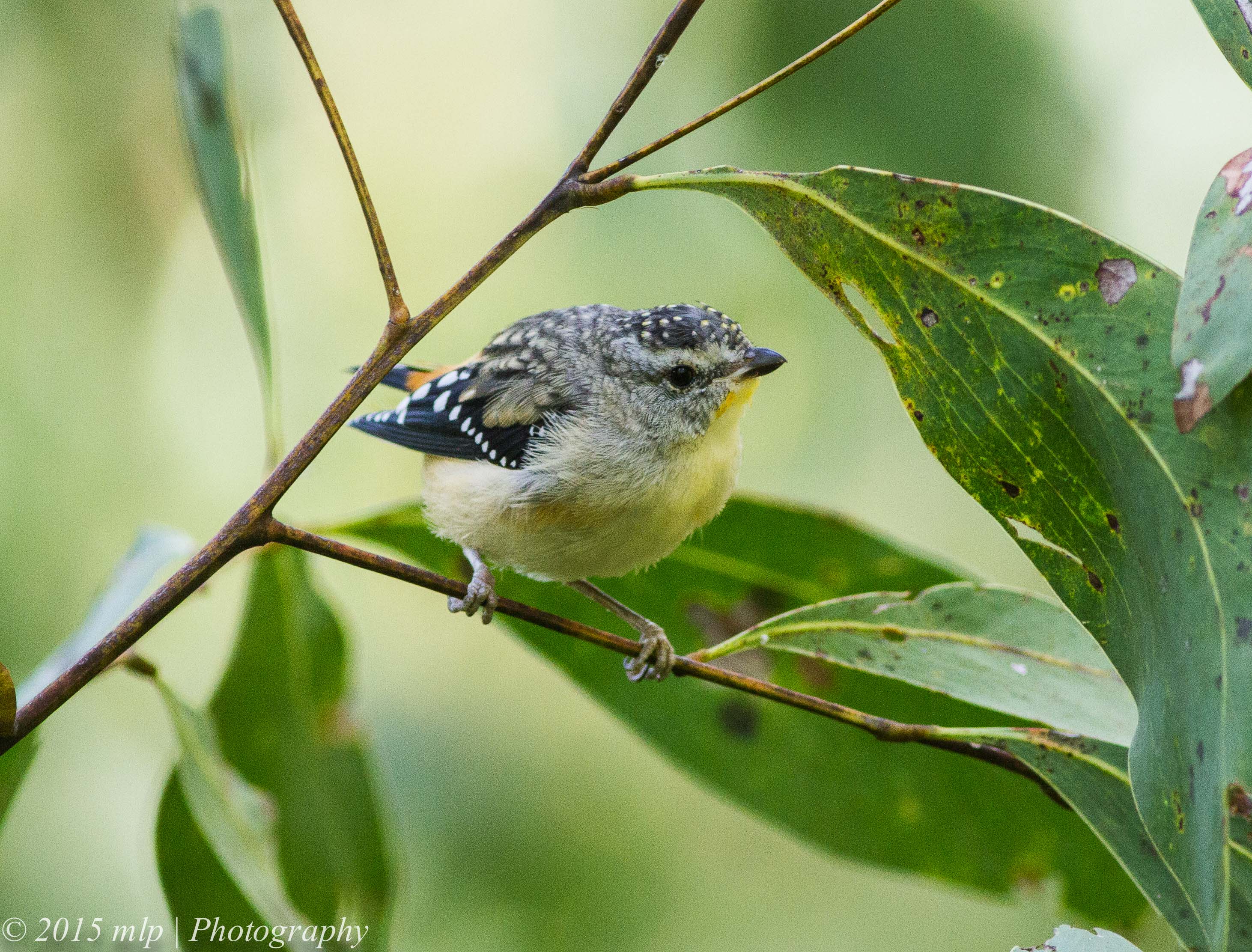
Female Spotted Pardalote II

Female Spotted Pardalote II

Young Vic Ash trees, Bunyip State Park Picnic grounds

Young Vic Mountain Ash trees, one of Bunyip State Park Picnic grounds – these trees are only quite young and will grow to become one of the worlds tallest trees.
Greens Bush – The Fox and the Cuckoo

An early morning follow-up visit to Greens Bush produced a few interesting bird shots as well as a young fox exploring his neck of the woods.
The Eastern Spinebills were fighting with the New Holland Honeyeaters over the nectar in the flowering Mistletoe hanging from the local gum trees.

Young Eastern Spinebill

Young Eastern Spinebill

Black Faced Cuckoo-Shrike

Black Faced Cuckoo-Shrike with its distinctive look and call.

Brown Thornbill feeding a Shining Bronze Cuckoo

Brown Thornbill feeding a Shining Bronze Cuckoo chick – the adult female Cuckoo will lay a similar looking egg into a target bird’s nest. The host parents will raise the young cuckoo as their own and don’t seem to realise that it is not their own species – even when it looks and sounds very different and can be much bigger – as above. The Thornbill jumped over the young Cuckoo and fed it from the right hand side.

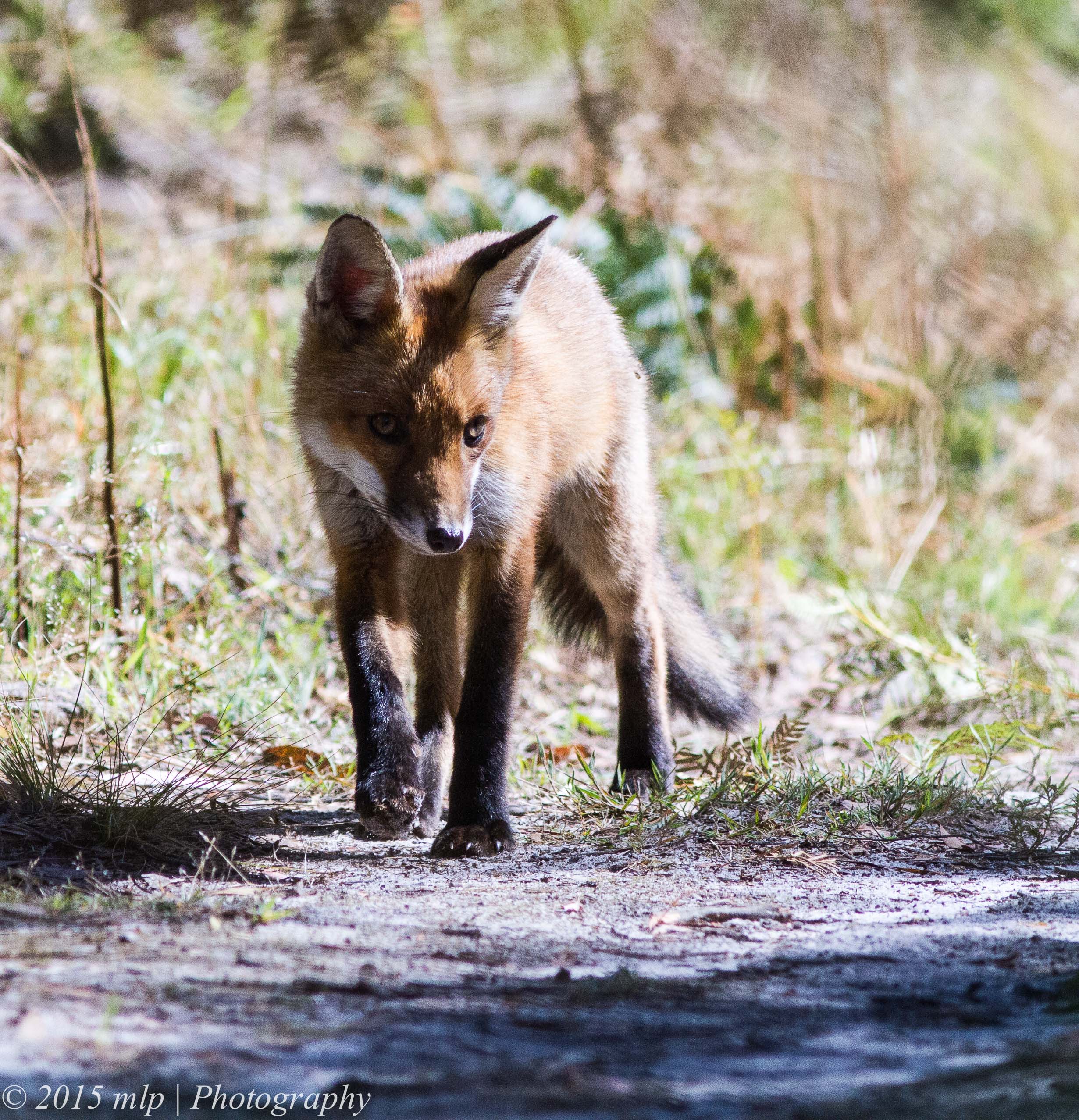
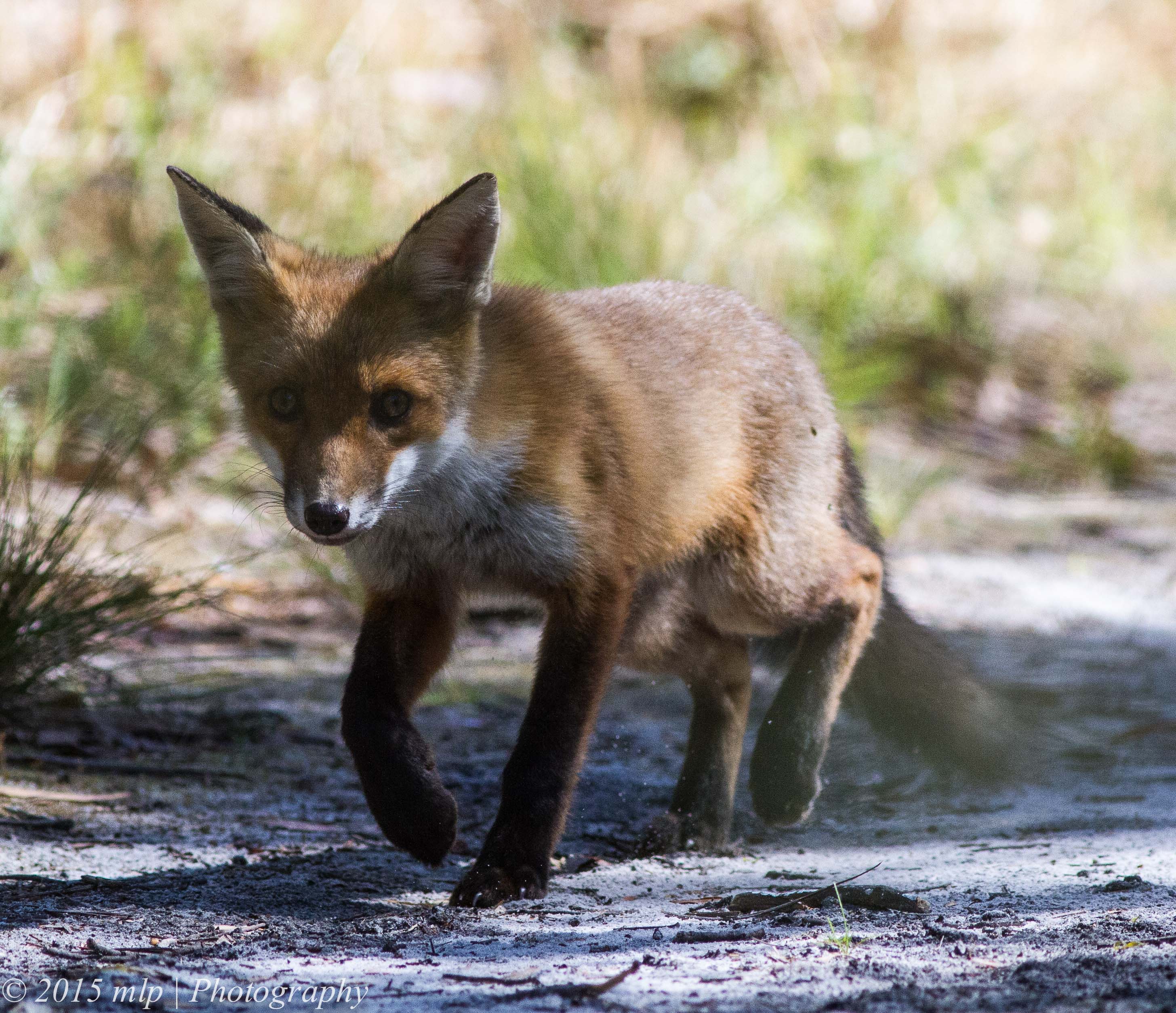
I have spent quite a bit time out and about this year and have seen a number of  foxes. This one was quite small and seemed to be on its own having a look around.

Young Fox out and about exploring

Young Fox out and about exploring

Hears the shutter click and starts to trot forward to investigate

Hears the shutter clicks and starts to trot forward to investigate

Slows down as he sees that something big is up ahead (me)

Slows down as he sees that something big is up ahead (me)

Finally sees me clearly, freezes and bolts back along the path...

Finally sees me clearly, freezes and bolts back along the path…

Braeside Park Drop In

I thought I would have a quick look at the lake at Braeside Park, get my 2015 bird numbers up and practice with my Canon 1.4 Extender Lens. Using it means only shooting with manual focus – always a bit trickier and slower. I did add several birds to my year list and took a few pics, including juvenile darters drying their feathers after a morning swim/hunt.

Darter Juveniles

Darter Juveniles

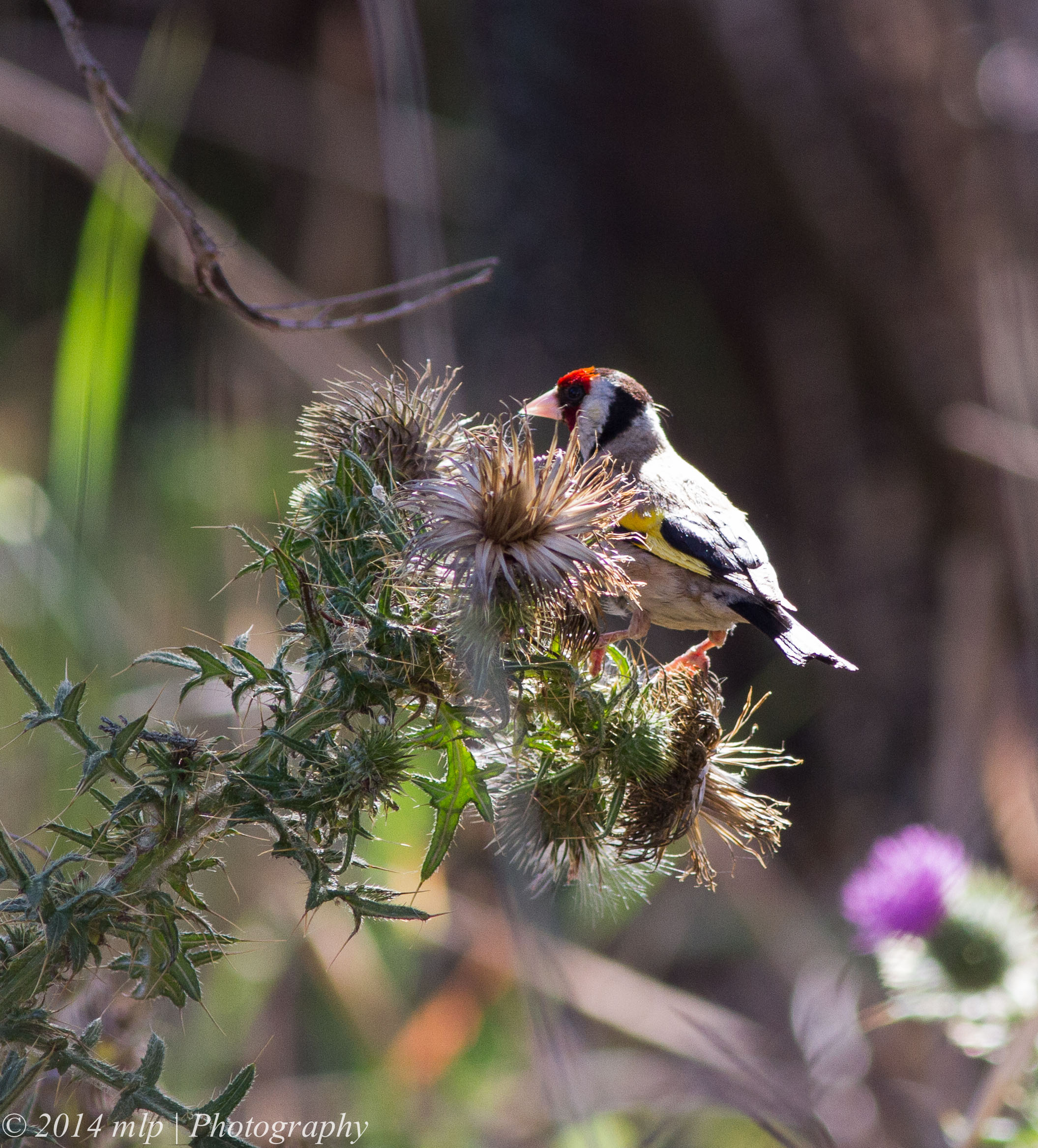
The Goldfinch, while an introduced species that I am suppose to hate, is a colourful bird that moves quickly in groups and has a distinctive call. I found a flock of adults and juveniles attacking mature Scotch Thistles – they were tearing at the seed heads. I am not sure if they were eating the seeds or collecting the soft material for nesting as they flew off with a mouthful of thistle down.

European Goldfinch

European Goldfinch

European Goldfinch II

European Goldfinch II

While at the bird hide adding Freckled and Blue Billed Ducks to my year list I saw this rabbit through the hide glass window and took a few pics. I then started to tap on the glass to see how long it took for it to assess the danger….it did eventually bound a few steps but stopped and started munching on the grass again not overly concerned. At the car-park when I first arrived I saw a few rabbits in the grass fringe, a common sight at this park even during the day. They don’t seem too  worried about people. Dogs are not allowed but I assumed that there were foxes that survived the annual cull so I am surprised at how tame the local rabbits have become. As I got my camera gear ready I saw a number of rabbits start to bolt in a pattern that indicated that something was coming that was only slightly threatening – they did not bolt very far. It turned out to be two young foxes having a play hunt. They were quite funny to watch and as I fumbled for my long lens to get a few shots they saw me and took off…foxes are at least scared of people even if the local rabbits are not…

Pesky Rabbit

Pesky Rabbit

An old Birder once told me that the best place to find birds is at the carpark. I always have a look around the carpark at Braeside Park to try and find the resident Tawny Frogmouths. I can often find them but this time the only odd lump I found in the nearby trees was this lone Ring Tailed Possum trying to get his sleep on….he watched me for a while then tucked his head back in and went back to sleep.

Ring Tailed Possum

Ring Tailed Possum