Tag Archives: Nature Photography

Sun baking at Double Creek

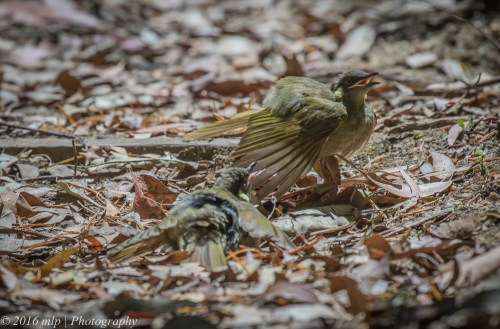
On an early morning walk around the Double Creek Nature Walk, near Mallacoota, I came across several birds having a dust bath and soaking in some sun. I watched Eastern Yellow Robins dust bathing followed by a spot of sun baking. It was a prime spot amongst the thick forest and the Robins were moved along by a pair of Lewin’s Honeyeater who spent a bit more time at the baking spot. Normally Lewin’s are a little hard to get near and photograph but as I was slow moving and crouched down they were happy to ignore me and just get on with soaking up the rays.

I have seen several bird species at different locations sun baking: magpies actually lying on their backs in sand on the edge of a golf sand bunker – I thought they were dead until I walked up to have a closer look….not sure who got the bigger fright. I have seen pigeons with a wing in the air lying on the ground and then the Robins and Lewin’s honeyeater at Double Creek. It is not fully understood why birds do this: part of feather maintenance, drying off after a bath (though I watched these birds have a dust bath and not use water), irritating feather mites to help find and remove them, just enjoying the sun on a cool morning. Whatever the reason it was interesting to watch and photograph.
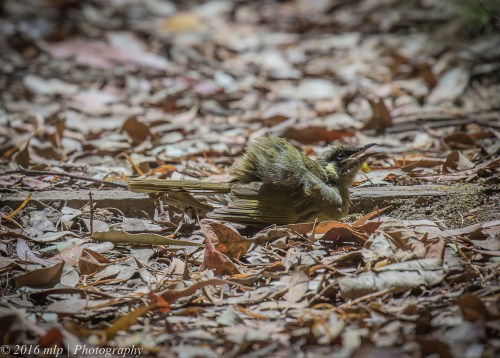
Lewin's Honeyeater Sun-baking, Double Creek Nature Walk, Mallacoota

Lewin’s Honeyeater Sun-baking, Double Creek Nature Walk, Mallacoota

Lewin's Honeyeaters Sun-baking, Double Creek Nature Walk, Mallacoota

Lewin’s Honeyeaters sun-baking

Lewin's Honeyeaters Sun-baking, Double Creek Nature Walk, Mallacoota

III

Lewin's Honeyeaters Sun-baking, Double Creek Nature Walk, Mallacoota

IV

A favourite little friend

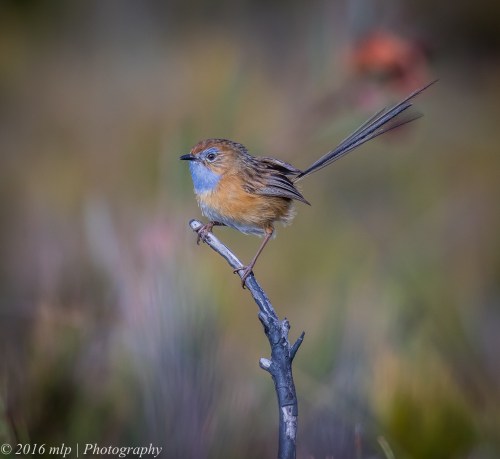
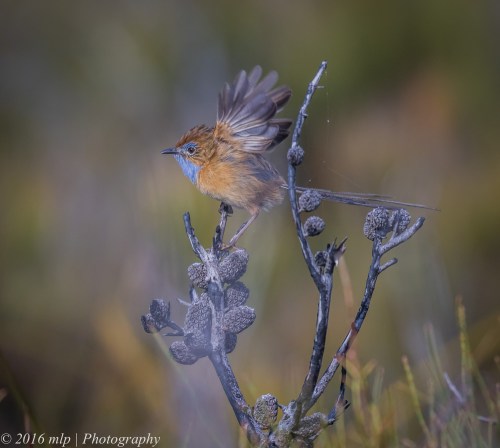
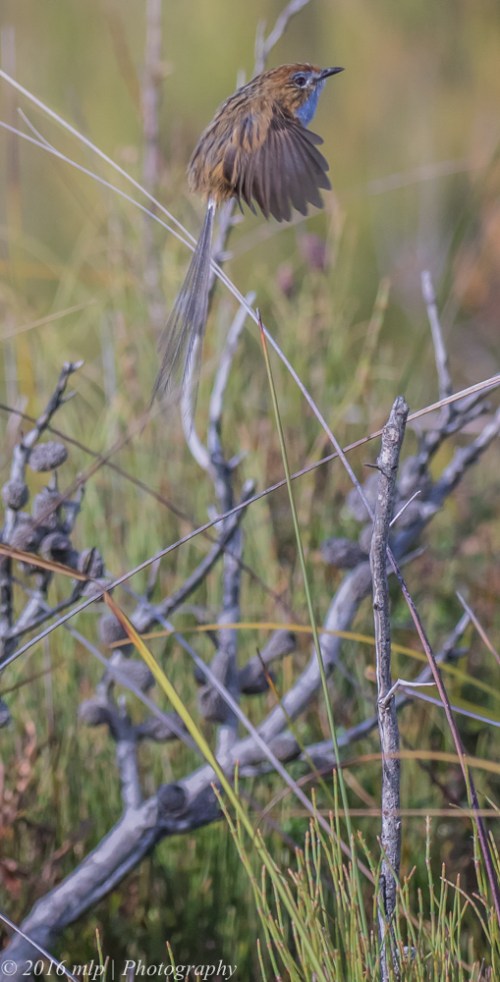
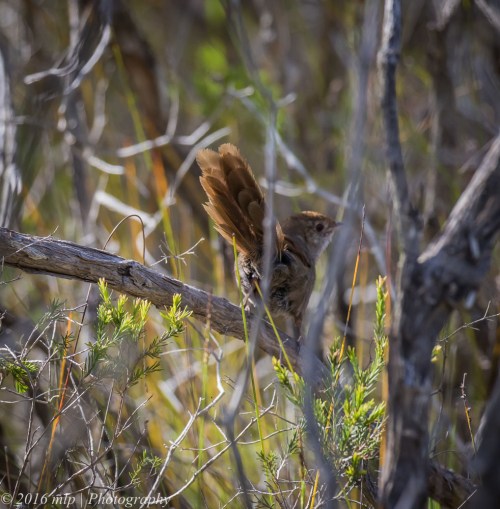
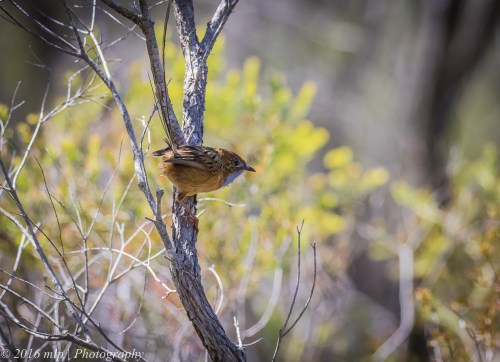
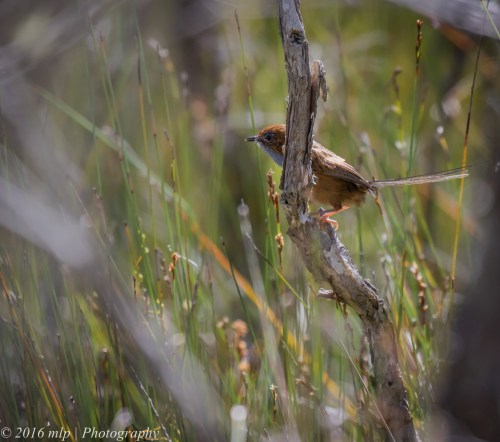
On my yearly trip to Mallacoota I always plan to drive down to Shipwreck Creek and walk the track to Seal Creek. Along the way I expect to see a good range of rare birds, including Southern Emu-wren and the very rare Ground Parrot. I actually did see a Ground Parrot but it flushed and took off in a wild zig zag flight that made it impossible to film: video or photos. I will try again next year. What I managed to photograph was one of my favourite little birds – the Southern Emu-wren: a feisty tiny bird the size of a fairy-wren but with a much longer tail and very small wings that allow for short hops of flight. The Emu-wren requires a good expanse of knee to thigh-high heathland clear of foxes and cats. Very few exist now close to urban areas. I have only seen them at Shipwreck Creek and Cape Howe Wilderness  Areas and at Anglesea Heath.

 I found these guys fairly early in the morning along the track to Seal Creek but on the way back they had all disappeared back into the heathland scrub. The males will fly up to a dead bit of scrub in the heath and look at the intruders coming into his patch.

Shipwreck Creek, Far East Gippsland

Shipwreck Creek, Far East Gippsland

Southern Emu-wren, Shipwreck Creek, Far East Gippsland,

Male Southern Emu-wren, Shipwreck Creek, Far East Gippsland,

Southern Emu-wren, Shipwreck Creek, Far East Gippsland,

II

Southern Emu-wren, Shipwreck Creek, Far East Gippsland,

Tiny wings and a long tail means that it is not a great flyer…

Southern Emu-wren, Shipwreck Creek, Far East Gippsland,

IV

Southern Emu-wren, Shipwreck Creek, Far East Gippsland,

Showing the delicate feathers of a very long tail

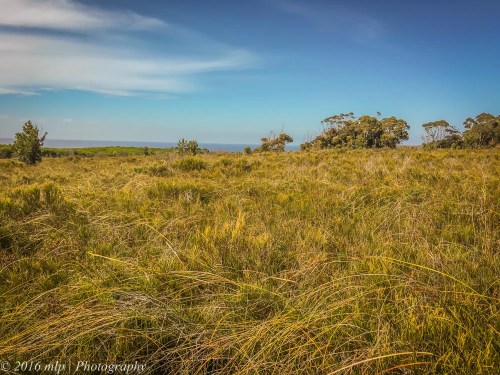
Heathland, Shipwreck Creek, Far East Gippsland

Heathland, Shipwreck Creek, Far East Gippsland

Heathland, Shipwreck Creek, Far East Gippsland

Along with birds it is also full of Tiger and Red Bellied Black Snakes…

The Genoa River Sea Eagles (Part 2)

Trying to take photographs of Eagles in flight is a great challenge that can test your camera skills, fieldcraft, manners and reflexes.

The first trip up the Genoa River had resulted in some nice images of an Azure Kingfisher and a few nice images of the hunting and roosting White Bellied Sea Eagles. On my second trip up the Genoa River during my 2015 Dec trip to Mallacoota, I gave myself a better chance of taking a few good images of the diving Sea Eagles. I arrived early and claimed what I had learnt was the best spot to sit on the boat (front left corner), I knew that I had to pan the camera while the eagle made its approach and start shooting early, I had to remember to adjust or verify my settings constantly (sky shots vs shots against the dark water or forest) and I had to shoot rapidly and with a high shutter speed to make sure I got plenty of clear action shots. Generally it worked. Occasionally I forgot to adjust the exposure and IOS settings which resulted in over-exposed images.

I was much happier with the second trip and look forward to going again at the end of this year for more improvements

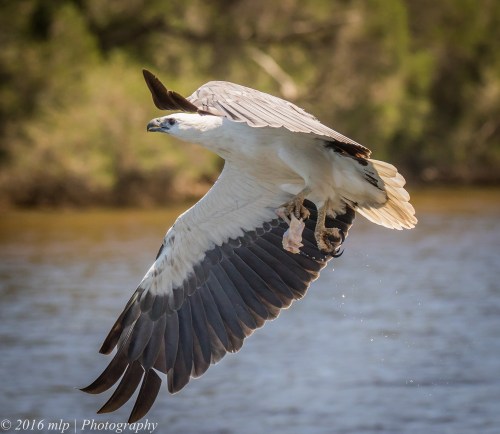
White Bellied Sea Eagle, Genoa River, Gypsy Pt

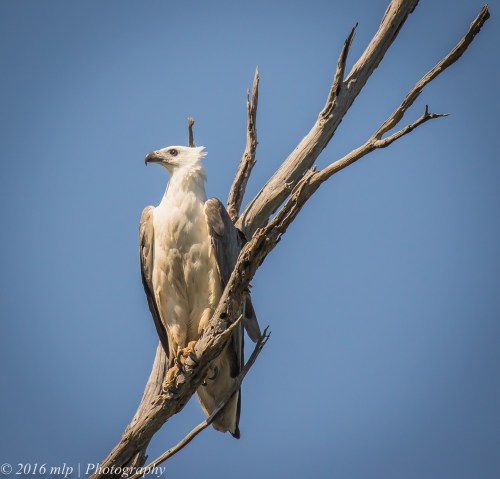
A majestic female White Bellied Sea Eagle, Genoa River, Gypsy Pt

White Bellied Sea Eagles, Genoa River, Gypsy Pt

Larger Female at right…

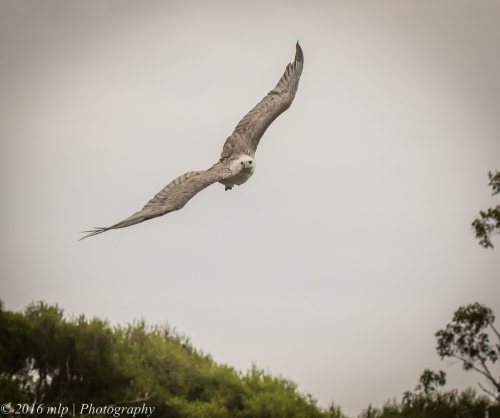
White Bellied Sea Eagle, Genoa River, Gypsy Pt

III

White Bellied Sea Eagle, Genoa River, Gypsy Pt

IV
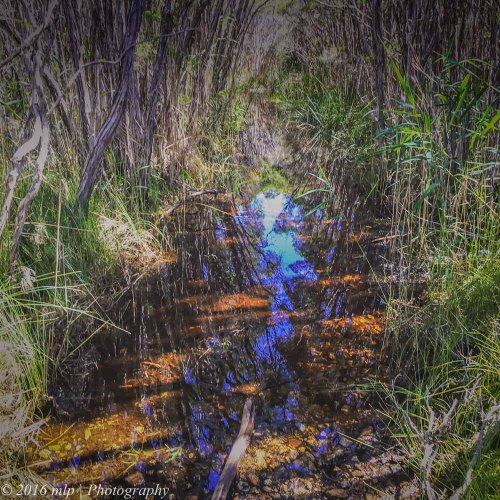
White Bellied Sea Eagle, Genoa River, Gypsy Pt

V

White Bellied Sea Eagle, Genoa River, Gypsy Pt

VI

White Bellied Sea Eagle, Genoa River, Gypsy Pt

VII

White Bellied Sea Eagle, Genoa River, Gypsy Pt

VIII

White Bellied Sea Eagle, Genoa River, Gypsy Pt

IX


The Genoa River Sea-Eagles (Part 1)

On my yearly pilgrimage to Mallacoota, I look forward to the certainty of finding and watching White Bellied Sea-Eagles. Even across the other side of the Mallacoota Inlet they are easy to spot with their bright white body, large v-shaped wingspan and easy flight. One of the better places to observe these large Eagles up close, is along the Genoa River where several pairs have claimed feeding and breeding territories. The nests are reused and built upon year after year for decades until it becomes so heavy that it breaks the tree.  Access to the Genoa River is via Gypsy Point where a canoe can be hired (or launch your own) or can you join one of the regular boat cruises that head up the river for several kilometres. Each year I join one of the boat cruises and try and photograph these astounding birds of prey. The boat captain has got to know the local eagles and if they are in the area can call them in with a screech and a promise of raw chicken wings.
The photos below are from the first of two boat trips I took – I enjoyed the cruise so much that I booked myself onto another one a few days later. You can never have enough practice in shooting birds of prey in action.

White Bellied Sea Eagle, Genoa River, Gypsy Pt

White Bellied Sea Eagle, Genoa River, Gypsy Pt

White Bellied Sea Eagle, Genoa River, Gypsy Pt

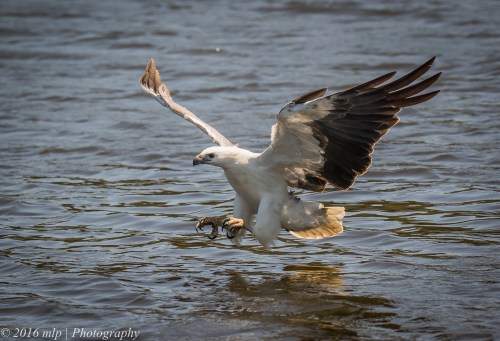
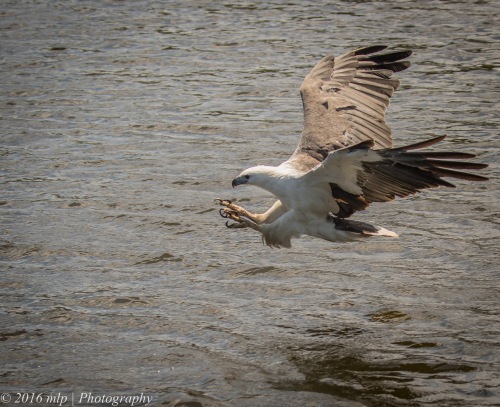
The White Bellied Sea Eagle has spotted the food and starts its dive keeping its head aligned with the target…

White Bellied Sea Eagle, Genoa River, Gypsy Pt

Still watching the target…

White Bellied Sea Eagle, Genoa River, Gypsy Pt

Angling to keep facing into the wind for lift…

White Bellied Sea Eagle, Genoa River, Gypsy Pt

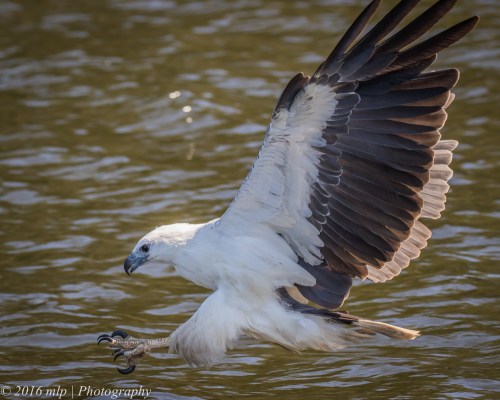
Lining up, talons starting to unfurl…

White Bellied Sea Eagle, Genoa River, Gypsy Pt

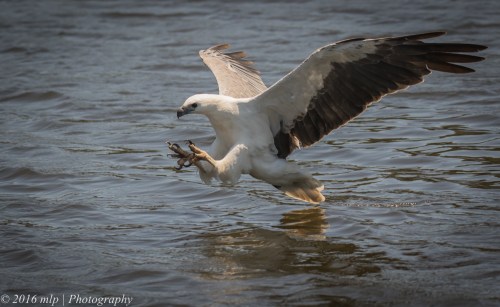
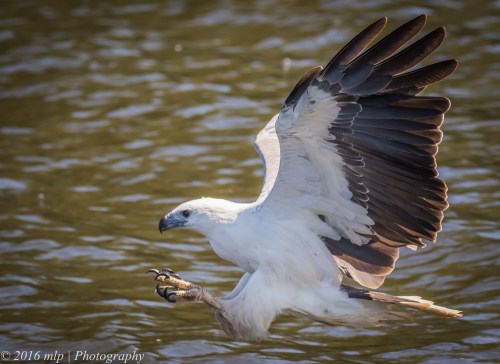
Extending legs and talons opening

White Bellied Sea Eagle, Genoa River, Gypsy Pt

Legs extended, talons open, eyes fixed on the target…

White Bellied Sea Eagle, Genoa River, Gypsy Pt

Impact…

Observing the little master fisherman…

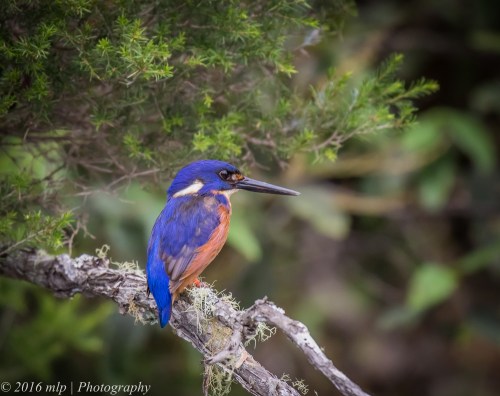
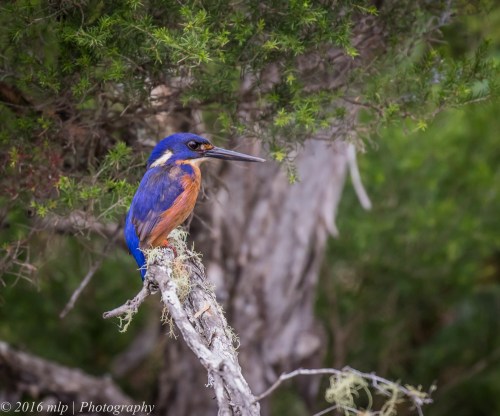
Gypsy Point, on the Genoa River, north of Mallacoota, is a small quiet village visited by people interested in nature and those wanting to get away from it all. I visited a few times during my recent stay in Mallacoota. Not only is it a good location for Sea-eagles it is also well known for a variety of birds, mammals and reptiles. While photographing the Sea-eagles from the small cruise boat, we came across a tiny Azure Kingfisher – a stunning looking little ambush hunter that works its way along the water’s edge, diving from an over-hanging tree branch down into the shallow water and taking small fish, frogs and aquatic insects.
The Kingfisher photographed below was not overly bothered by the boat and kept hunting along the river’s edge while the Captain tried to ease up and allow me a closer view.

Azure Kingfisher, Genoa River, Gypsy Pt

Azure Kingfisher, Genoa River, Gypsy Pt

Azure Kingfisher, Genoa River, Gypsy Pt

Looking for prey along the water’s edge

Azure Kingfisher, Genoa River, Gypsy Pt

III

Azure Kingfisher, Genoa River, Gypsy Pt

IV
Azure Kingfisher, Genoa River, Gypsy Pt

V

Azure Kingfisher, Genoa River, Gypsy Pt

VI

Azure Kingfisher, Genoa River, Gypsy Pt

The beautiful colours of the Azure Kingfisher

A journey into the wilderness

As part of of my recent stay at Mallacoota, I had planned to drive into the Cape Wilderness area and look for the Eastern Bristlebird – a rare bird on the Victorian side of the border. A location known to have a small population is Howe Flat, a coastal paperbark swamp near the wilderness coast. To find your way into the right area you need to drive into NSW and then loop back into Victoria via long narrow bush tracks. The area is not far from Mallacoota as the crow flies but it is on the other side of the inlet with no easy or direct access. It can take several hours of tough AWD/4WD driving through rainforest and tall trees. The last part of the track is quite narrow but winds through some beautiful country. I actually found a Bristlebird on the NSW side of the border while looping back into Victoria  They have a distinctive call, but can be quite shy. It ran in front of the car, called a few times and then disappeared.

Arriving at Cape Howe Flat, I found the bird along the track to the coast fairly quickly – it was quite shy and stayed back in the vegetation but I did get a few shots.

It was a long but very rewarding day.

Cape Howe Wilderness vehicle track

Cape Howe Wilderness vehicle track – I had to drive through several creeks and rainforest gullies to get to Howe Flat.

Cape Howe Wilderness vehicle track

Cape Howe Wilderness vehicle track

Driving through creeks to get to the Cape Howe Wilderness Area

Driving through creeks to get to the Cape Howe Wilderness Area

Driving through creeks to get to the Cape Howe Wilderness Area

Cape Howe Wilderness, Howe Flat

Cape Howe Wilderness, Howe Flat

Cape Howe Wilderness, Howe Flat, track to the coast and Eastern Bristlebird

Cape Howe Wilderness, Howe Flat, track to the coast and Eastern Bristlebird – the area was a bit swampy, the track under water or muddy in many parts.

Eastern Bristlebird, Cape Howe Wilderness Area

Eastern Bristlebird, Cape Howe Wilderness Area

Eastern Bristlebird, Cape Howe Wilderness Area

Quite a vocal bird, with a lovely distinctive call

Eastern Bristlebird, Cape Howe Wilderness Area

Eastern Bristlebird – a nice view of the layered tail feathers

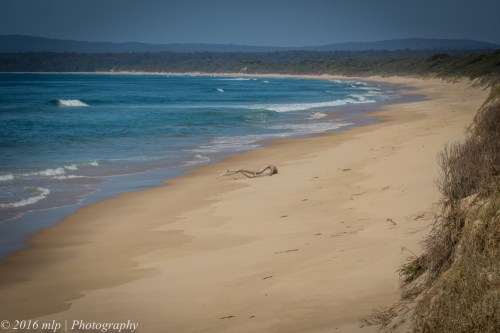
Cape Howe Wilderness Coast Line

Cape Howe Wilderness Coast Line

Southern Emu Wren, Cape Howe Wilderness Area

On the way back from the coast, I came across a little colony of Southern Emu Wrens – a very nice surprise. I did not know that Wrens were found here as well. 

Southern Emu Wren, Cape Howe Wilderness Area

II

Marvellous Mallacoota

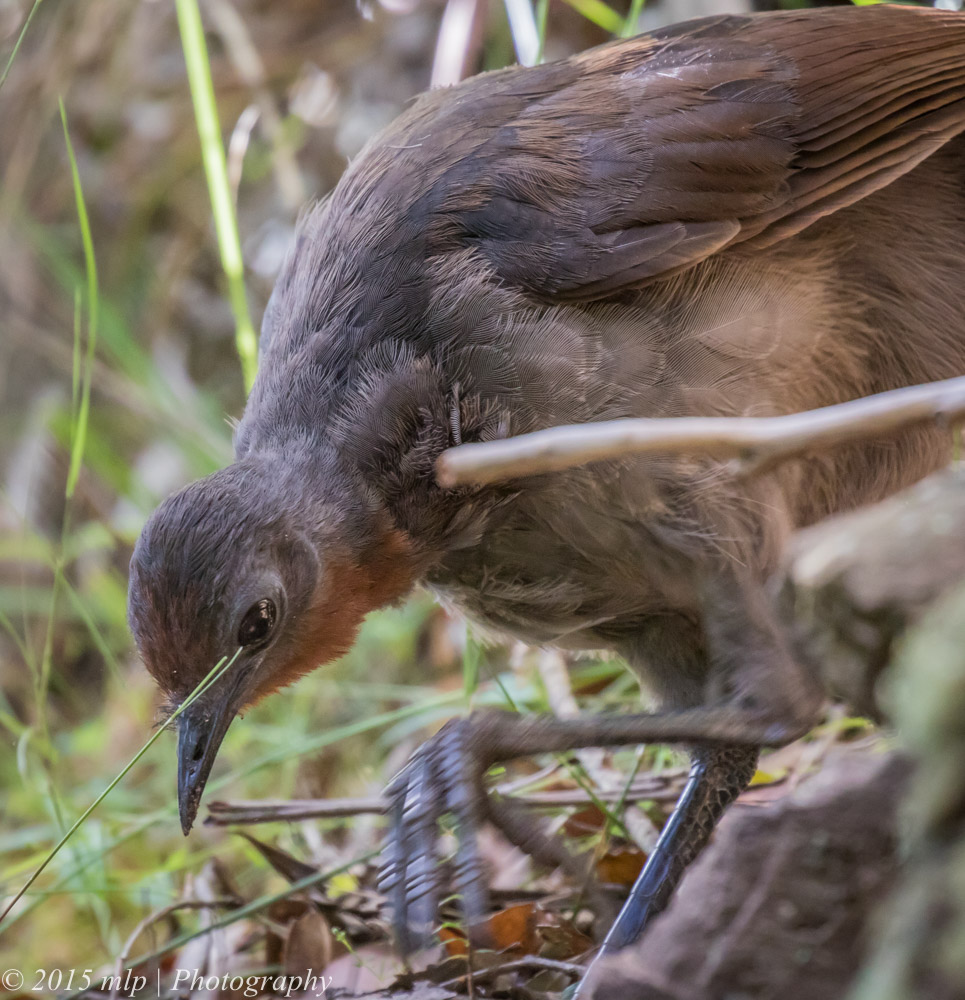
As part of my Compass Tour of Victoria over the summer break, I spent 8 days exploring the areas around Mallacoota. It has become one of my favourite places to visit each summer. Mallacoota is a 6 hour drive East of Melbourne. I usually stop along the way to visit various locations good for birds and wildlife. One of the sites is Double Creek Nature Reserve just outside of Mallacoota. The first part of the walk is through a rain forest with a number of resident Lyrebirds. A few were scratching around in the undergrowth when I arrived.

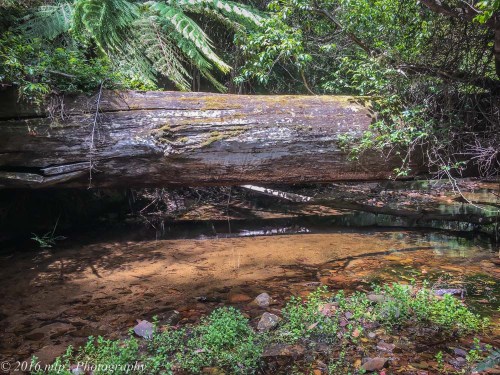
Double Creek Nature Reserve, Mallacoota

Double Creek Nature Reserve, Mallacoota

Double Creek Nature Reserve, Mallacoota

Double Creek Nature Reserve, Mallacoota

Superb Lyrebird, Double Creek Nature Reserve

Superb Lyrebird, Double Creek Nature Reserve

Superb Lyrebird, Double Creek Nature Reserve

II

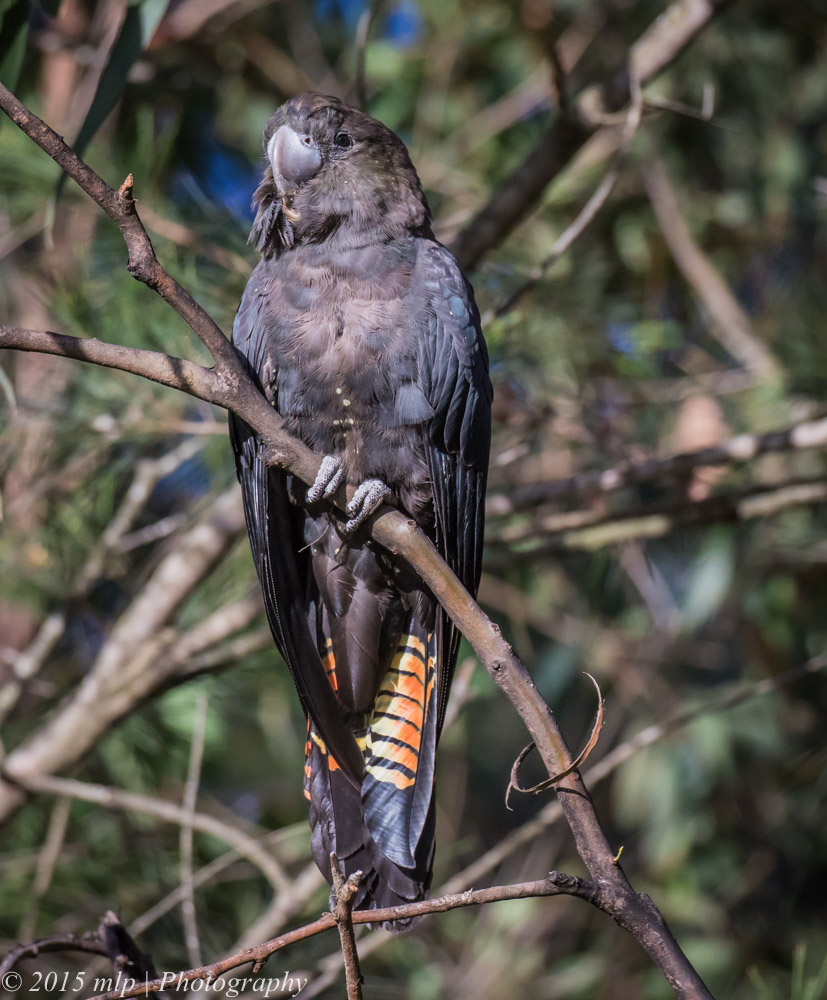
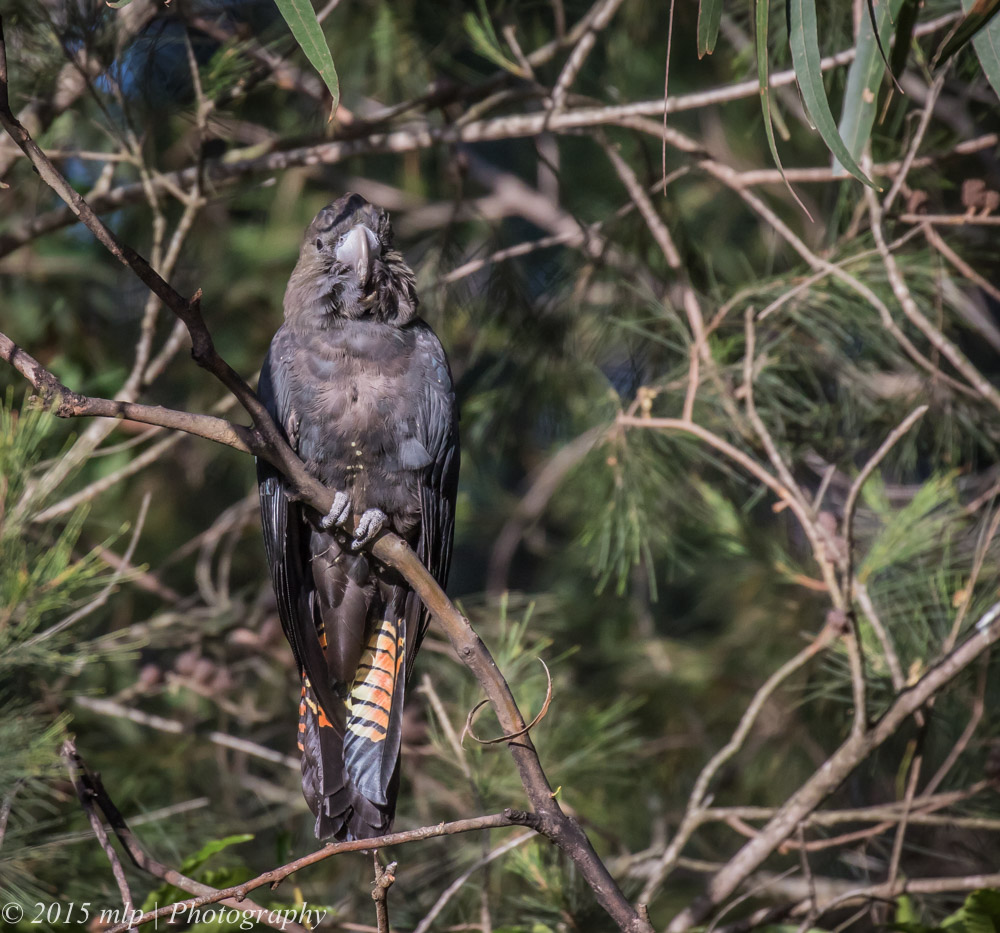
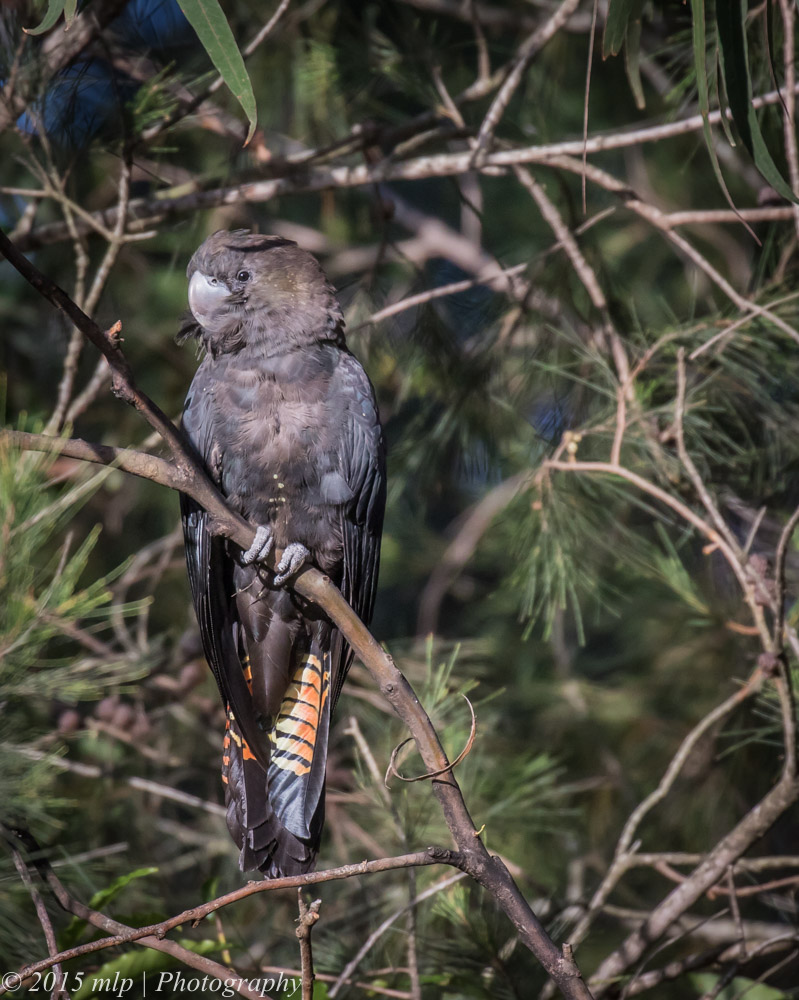
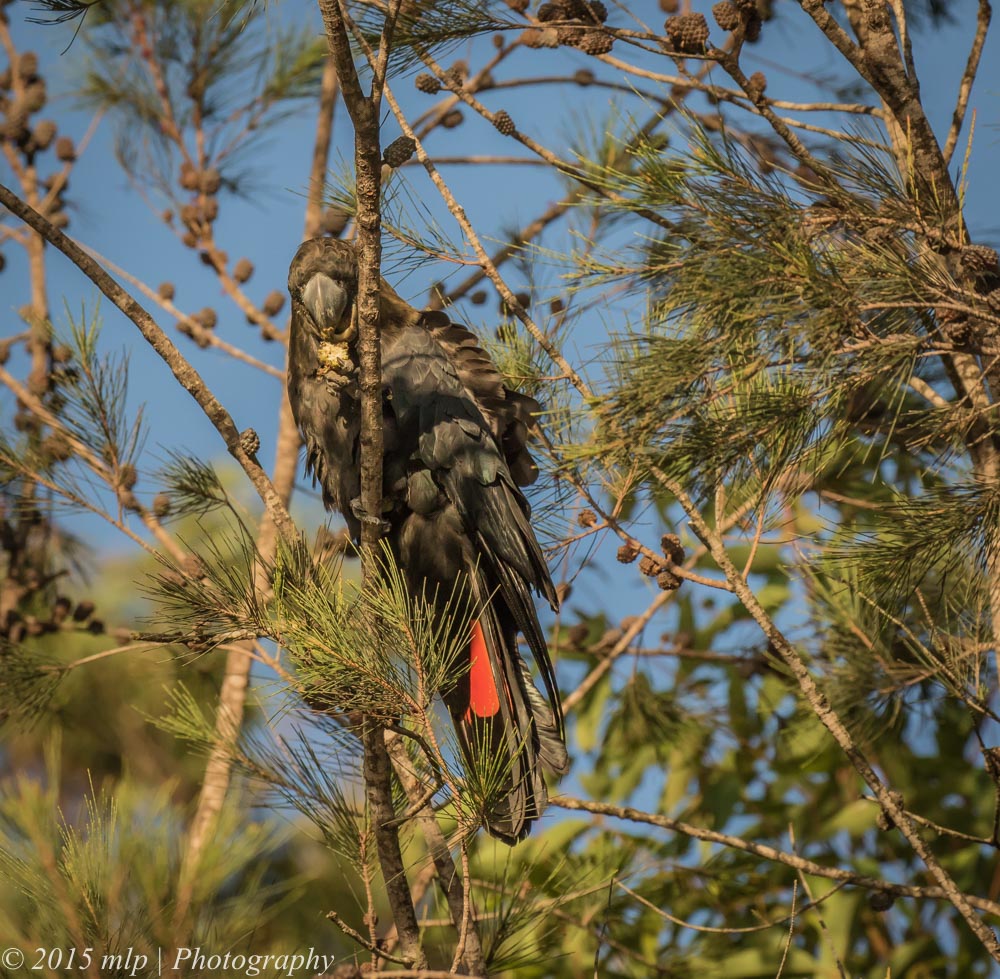
On arriving at Mallacoota Shady Gully camping ground where I stayed I was talking to one of the managers and heard what I thought was a raptor in the trees bordering the camp ground and the Shady Gully Reserve. The mgr showed me to a small Casaurina tree where a family of rare Glossy Black Cockatoos where feeding. The sound I had heard was the juvenile begging for food. The Cockatoo only eats the seeds of the Casaurina tree.

Juvenile Glossy Black Cockatoo, Shady Gully Reserve, Mallacoota

Juvenile Glossy Black Cockatoo, Shady Gully Reserve, Mallacoota

Juvenile Glossy Black Cockatoo, Shady Gully Reserve, Mallacoota

II

Juvenile Glossy Black Cockatoo, Shady Gully Reserve, Mallacoota

III

Glossy Black Cockatoo, Shady Gully Reserve, Mallacoota

Adult Male Glossy Black Cockatoo, Shady Gully Reserve, Mallacoota

Compass Tour of Victoria

Over the Xmas break I planned and completed a compass tour of Victoria. It covered Mallacoota and various other spots in the far east of the state, the North East/Central covering the Grampians, Little Desert and Wyperfeld National Park, the far West including Nelson and the The Lower Glenelg National Park as well as a few spots on the way home, and finally the South – Mornington Peninsula. I am finally back at work – resting from all the driving, mozzie bites (and three ticks), early starts and the heat of the desert country. I am already thinking about the end of year trip and what new spots I can discover or visit.

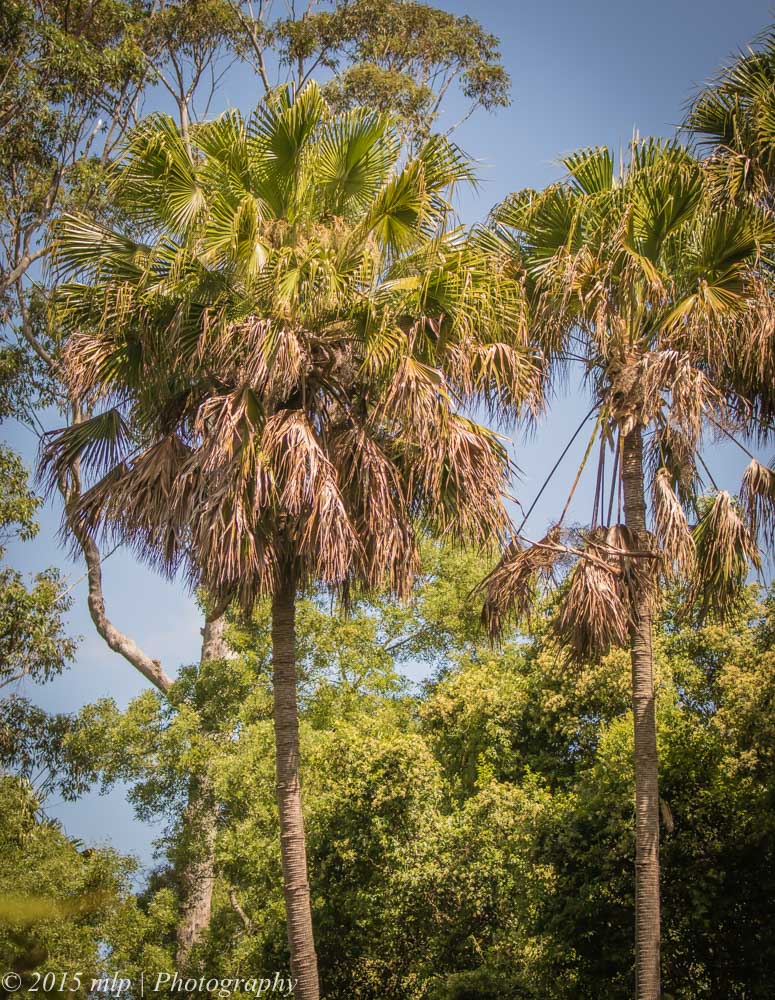
Below are a few photos of the Cabbage Tree Palms from the Cabbage Tree Creek area, located along the Princes Highway on the way to Mallacoota – The Cabbage Tree Palm is Victoria’s only native palm species and are found in a few locations. The picnic ground has a lovely short rainforest walk with many bird and animal species. I saw my first lifer (lifer = first time seeing a bird species) of the trip –  a TopKnot Pigeon.

The Topknot Pigeons are often found in this reserve feeding on the fruit of the palm. I saw a flock of around 10 flying across the reserve – they are a very nervous species and will flush and fly off even when I was quite far away. I will have to try for photos the next time I head to Mallacoota.

Cabbage Tree Palm, Cabbage Tree Creek

Cabbage Tree Palm, Cabbage Tree Creek

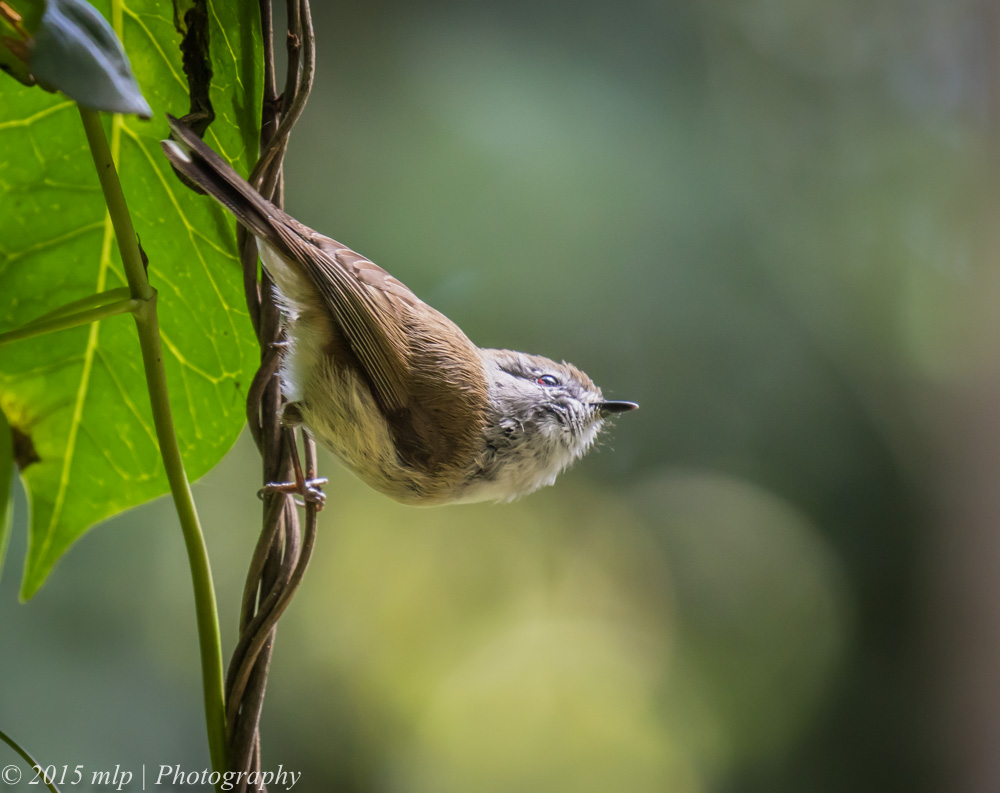
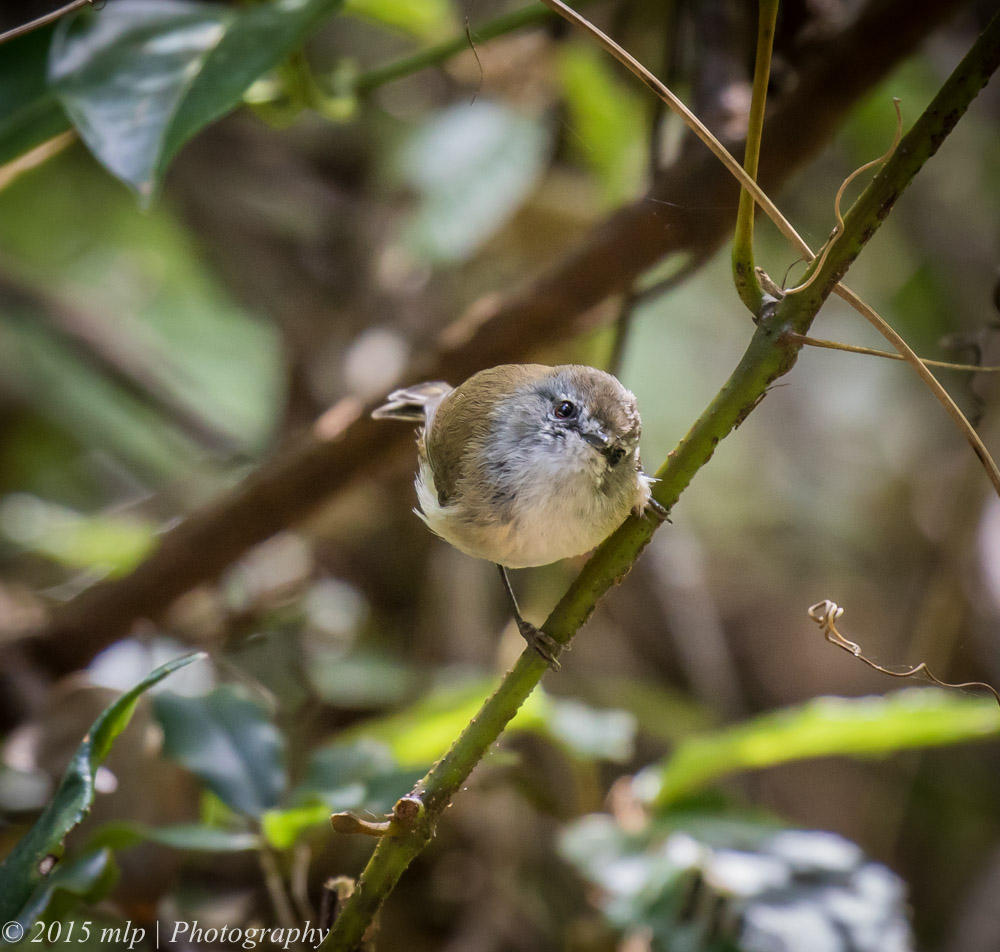
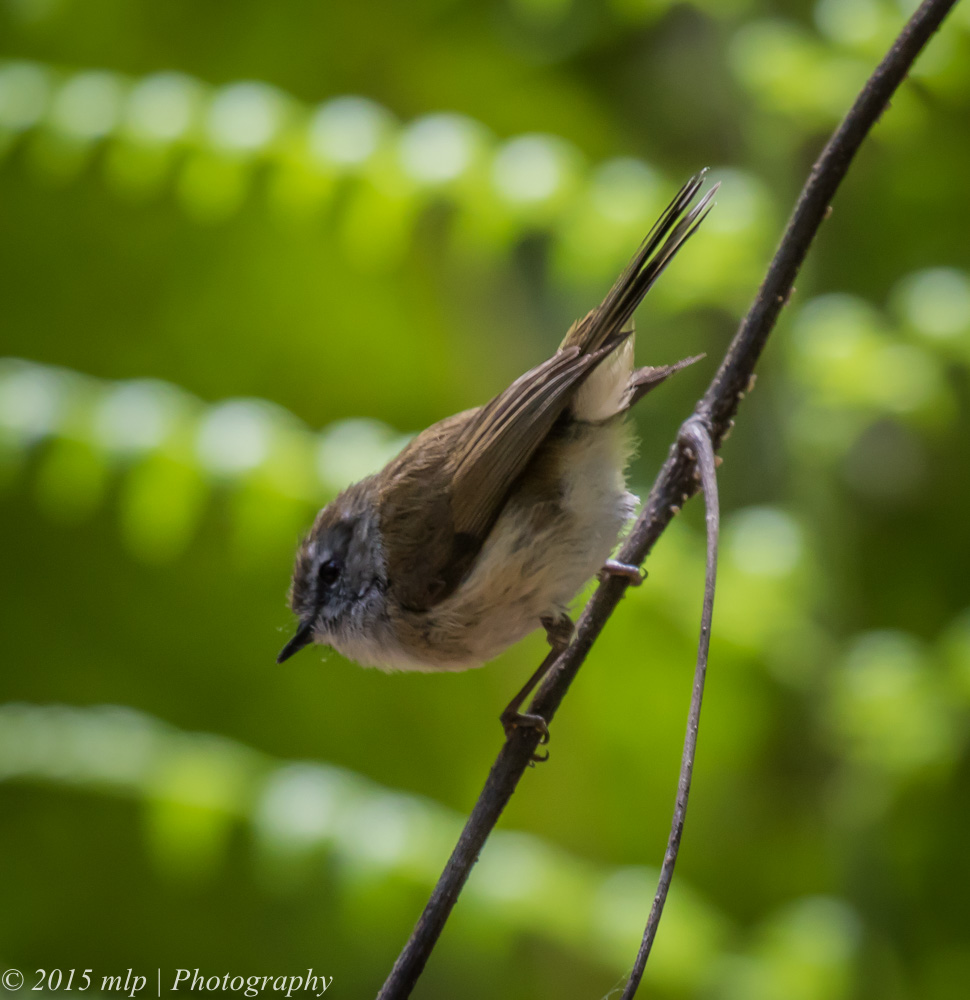
I did find a curious family of Brown Gerygone along the walk and spent some time photographing them. A tiny bird the size of a thornbill with a melodic song. I managed to see all three main Victorian species in 2015 – Brown, Western and White Throated.

Brown Gerygone, Cabbage Tree Creek

Brown Gerygone, Cabbage Tree Creek

Brown Gerygone, Cabbage Tree Creek

II

Brown Gerygone, Cabbage Tree Creek

III

Brown Gerygone, Cabbage Tree Creek

IV
Brown Gerygone, Cabbage Tree Creek

V

A tiny family

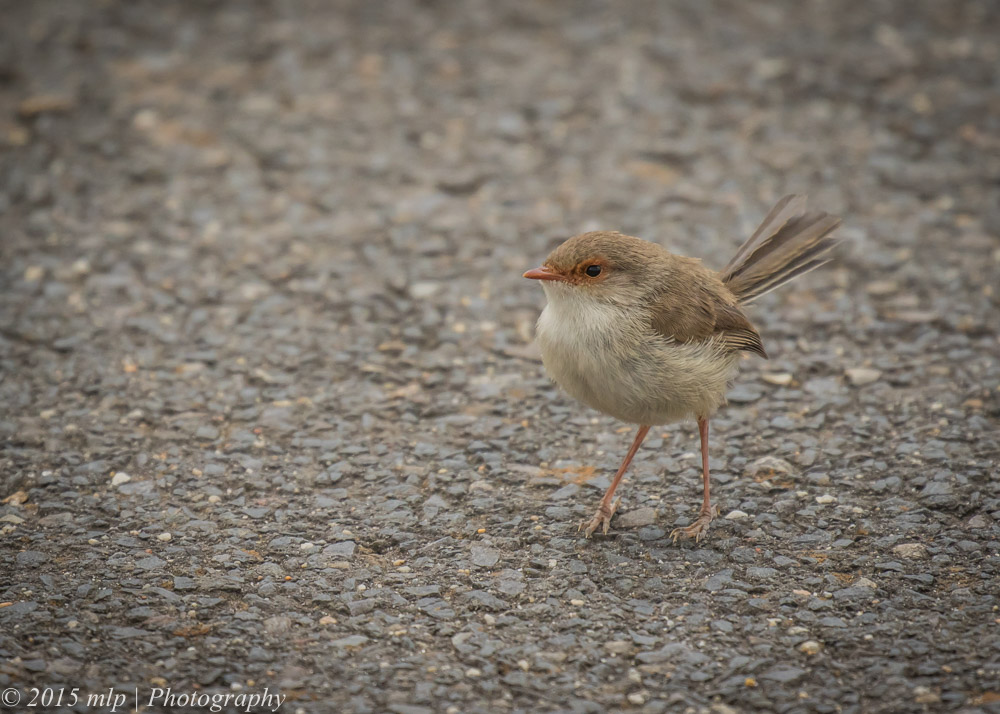
On a visit to a local wetlands, Karkarook Park, in Heatherton, I came across a tiny Superb Fairy Wren chick that practically ran across my foot as I was walking along one of the paths. It stayed right in the centre of the path and ignored me. I stepped back to watch this little family encounter. There were two chicks being fed by two females while several males watched from nearby branches.

Superb Fairy Wren, Karkarook Park, Heatherton

Superb Fairy Wren that landed on the path at my feet

Superb Fairy Wren, Karkarook Park, Heatherton

Mum or an aunt, quickly popped over and with some food encouraged the chick off the path.

Superb Fairy Wren, Karkarook Park, Heatherton

Feeding the chick.

Superb Fairy Wren, Karkarook Park, Heatherton

A Male Superb Fairy Wren watching on.


Koalas of Cape Otway and an old Coach Trail

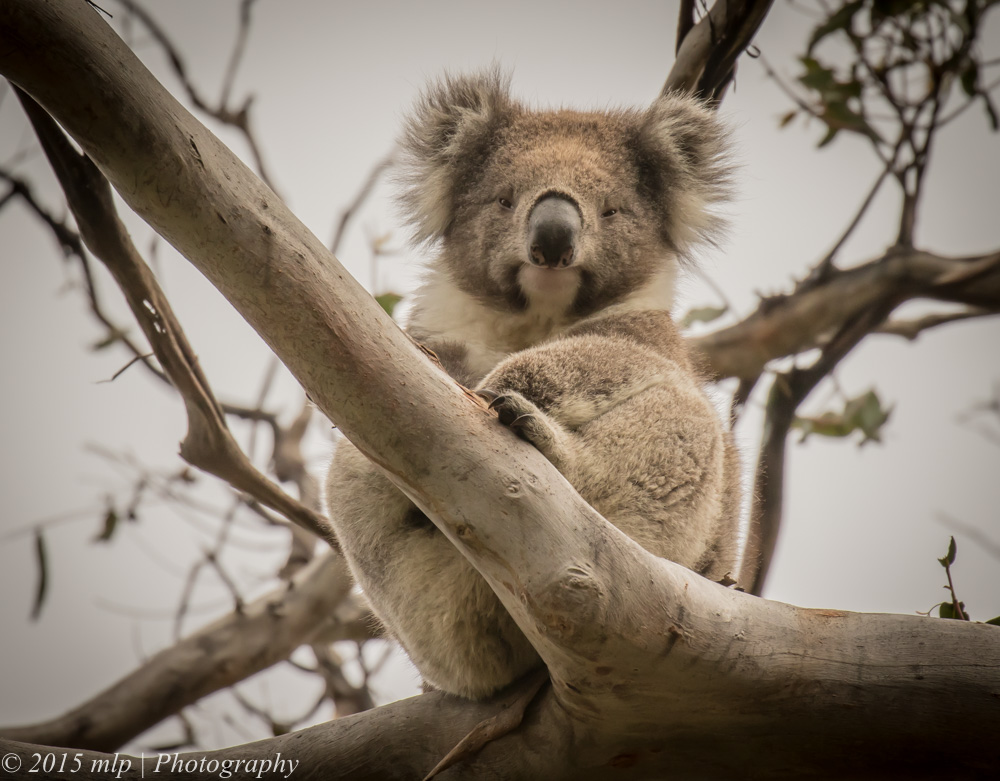
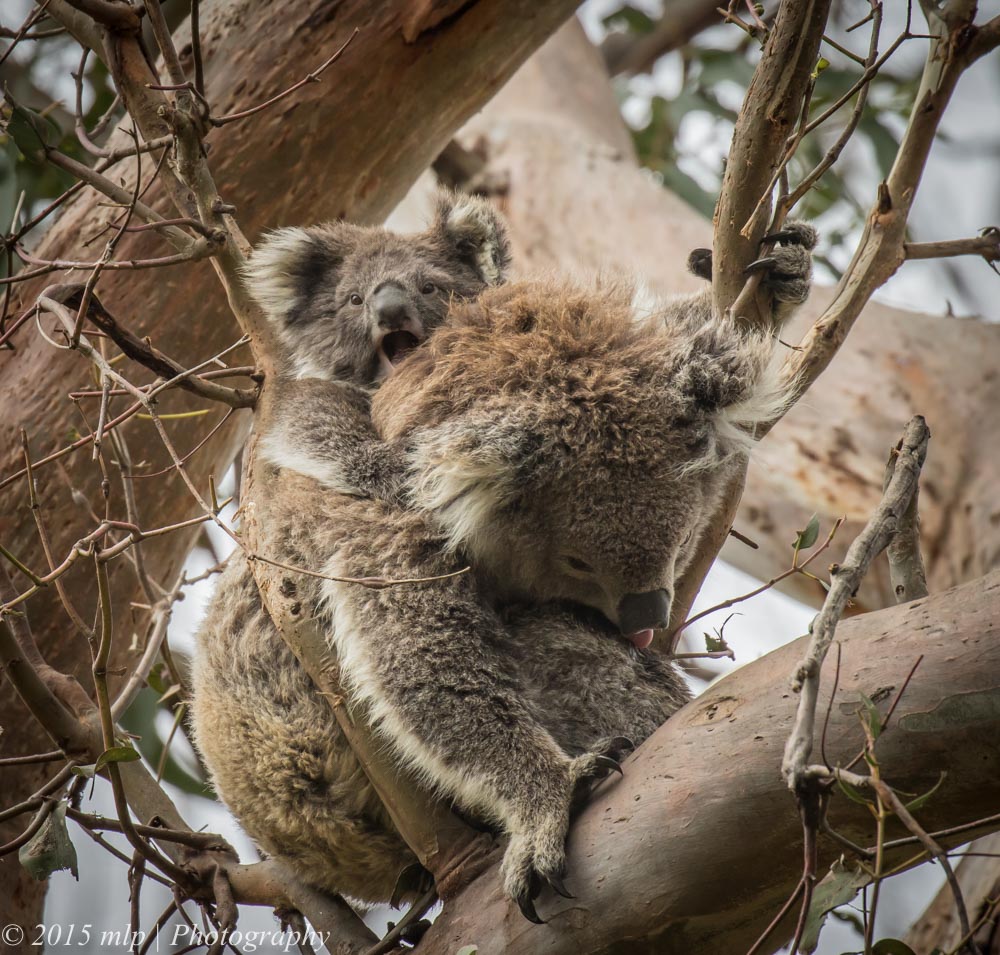
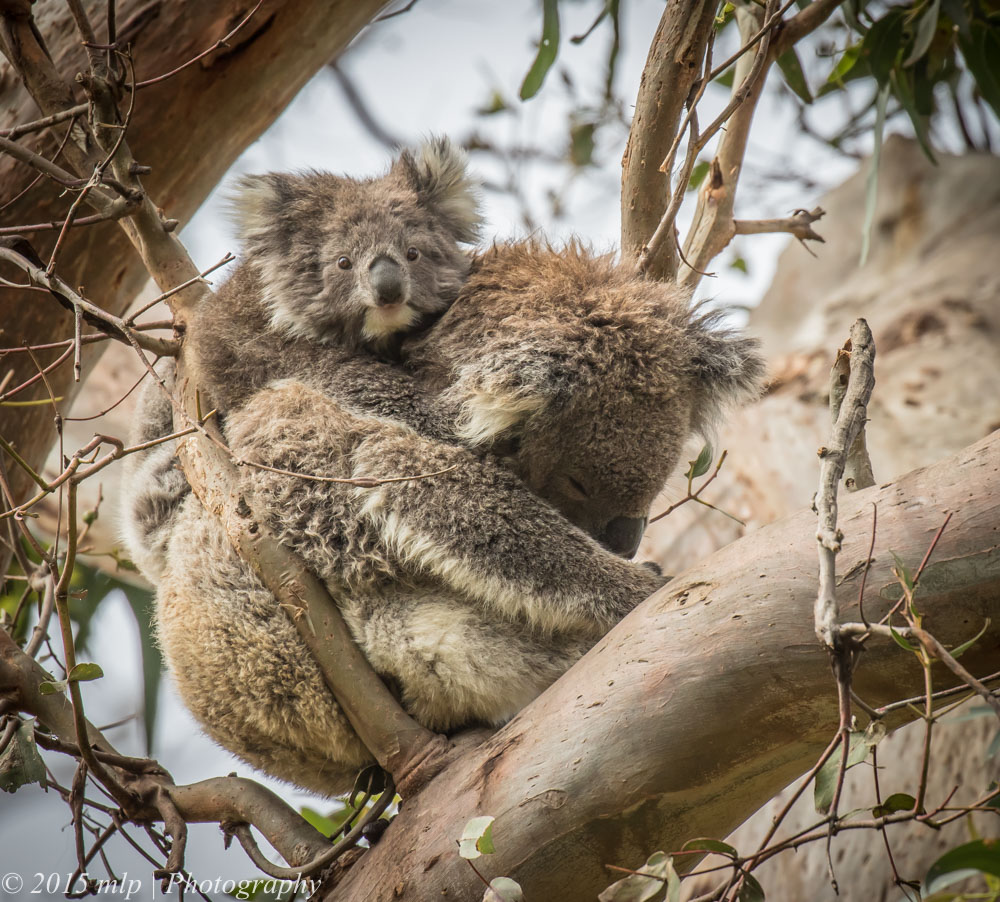
On the recent trip to Apollo Bay we explored a few spots along Cape Otway including the Cape and Lighthouse area. The road leading into the lighthouse park passed through a Manna Gum forest full of Koalas. Of course we had to stop and take a few shots. Never pass up a chance to photograph an animal that barely moves…

Koala, Cape Otway, Great Otway National Park

Koala, Cape Otway, Great Otway National Park

Koala, Cape Otway, Great Otway National Park

A large male Koala reaching for a snack

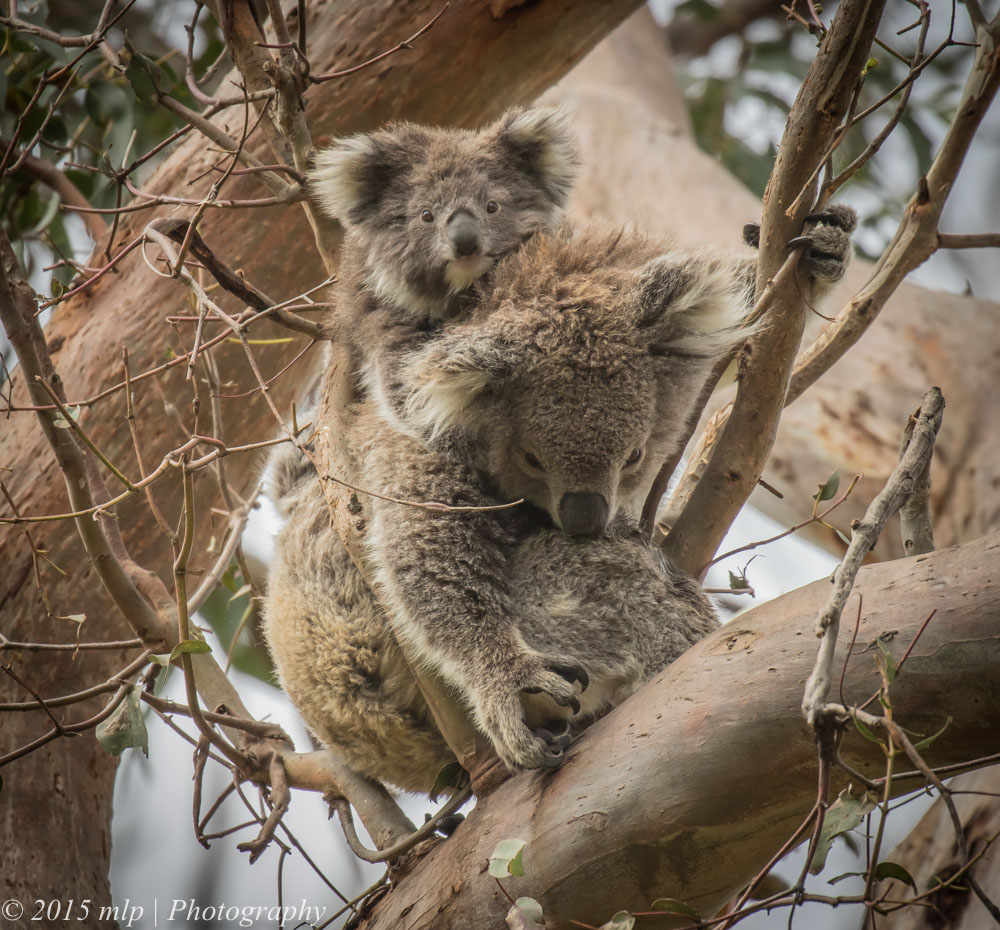
Koala and joey, Cape Otway, Great Otway National Park

Koala and joey

Koala and joey, Cape Otway, Great Otway National Park

II

Koala and joey, Cape Otway, Great Otway National Park

It has been a hard day…

Koala and joey, Cape Otway, Great Otway National Park

III

One of the sites I visited a few times was the Old Hordern Vale Road, a dirt road winding up into the local hills behind the Apollo Bay township. It is a good spot  to find the white morph Grey Goshawk (which I did get to see – lifer!). At the end of the road amongst a few empty weekenders and a forest of very tall Mountain Ash Gums I found the old Cobb and Co coach road. The old track  winds around the Mountain Ash ridges and rainforest gullies and finally comes out several kilometres away, re-connecting to a weekender road and back onto the main highway. Along the way I found a good variety of bird species, more Koalas, and some pretty spectacular trees. Definitely a spot I will return to on future trips to the region.

Koala, Old Hordern Vale Rd, Apollo Bay

Koala, Old Hordern Vale Rd, Apollo Bay

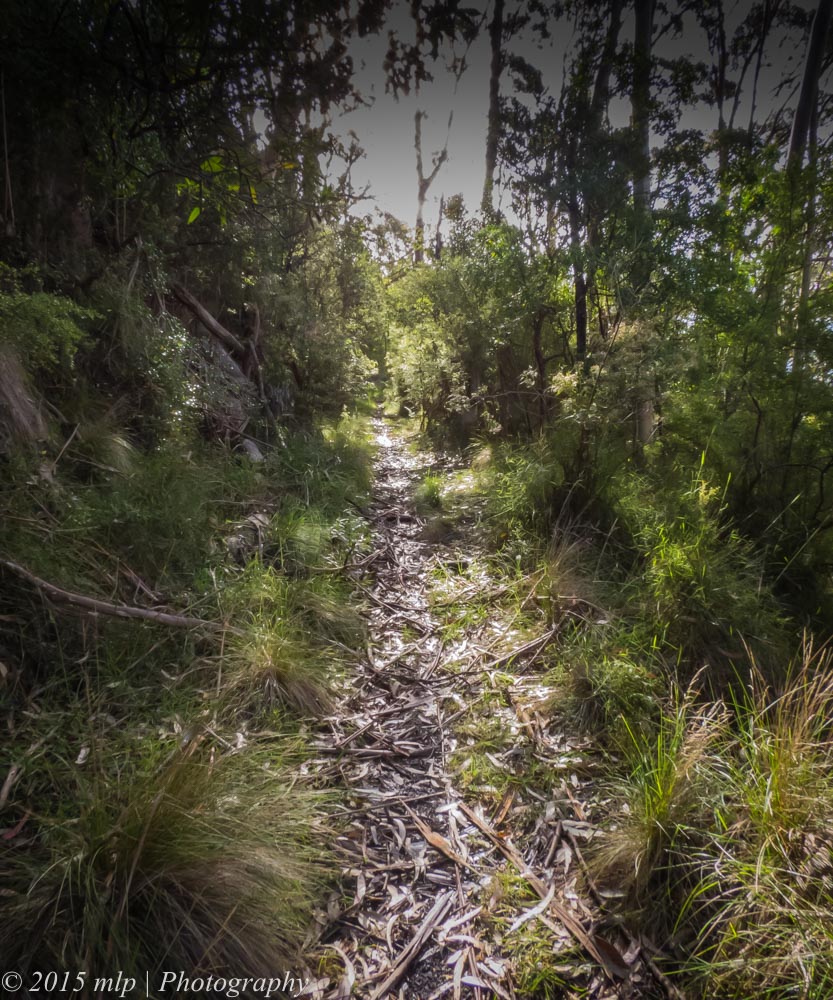
Old Hordern Vale Rd, Apollo Bay

The old Cobb and Co coach road – now a nice wide trail leading into and around the local hills. 

A large gum tree, Old Hordern Vale Rd, Apollo Bay

A large gum tree, Old Hordern Vale Rd, Apollo Bay

Bowerbirds at the Falls

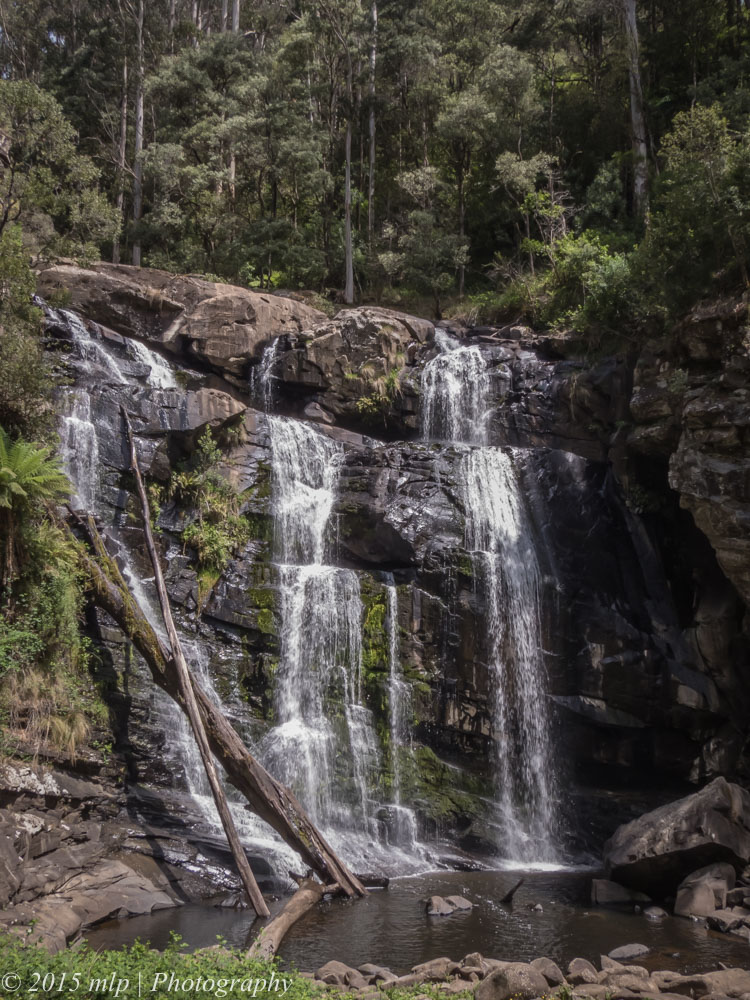
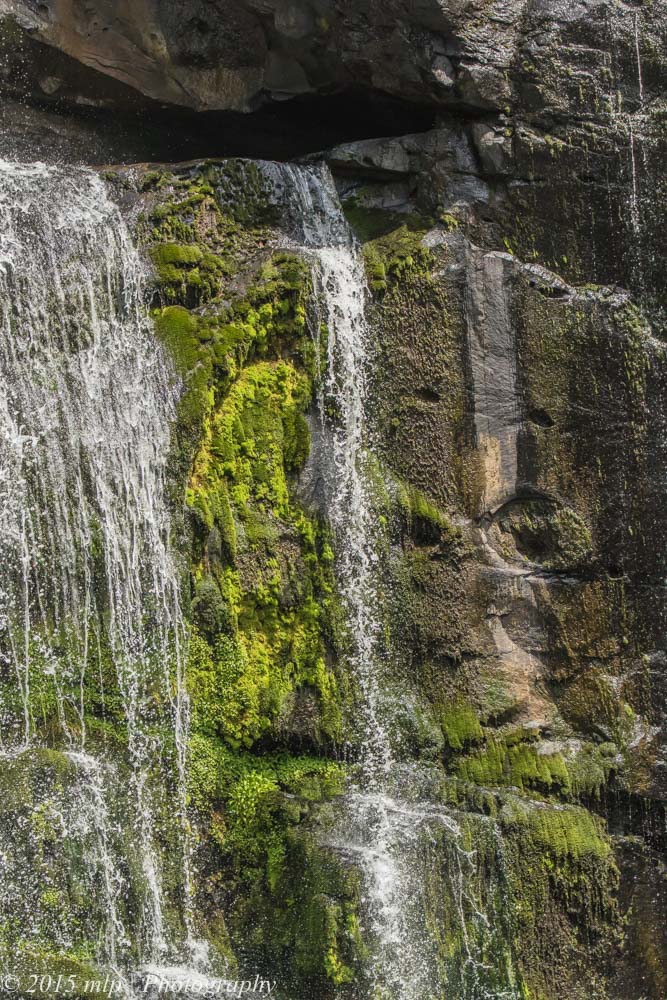
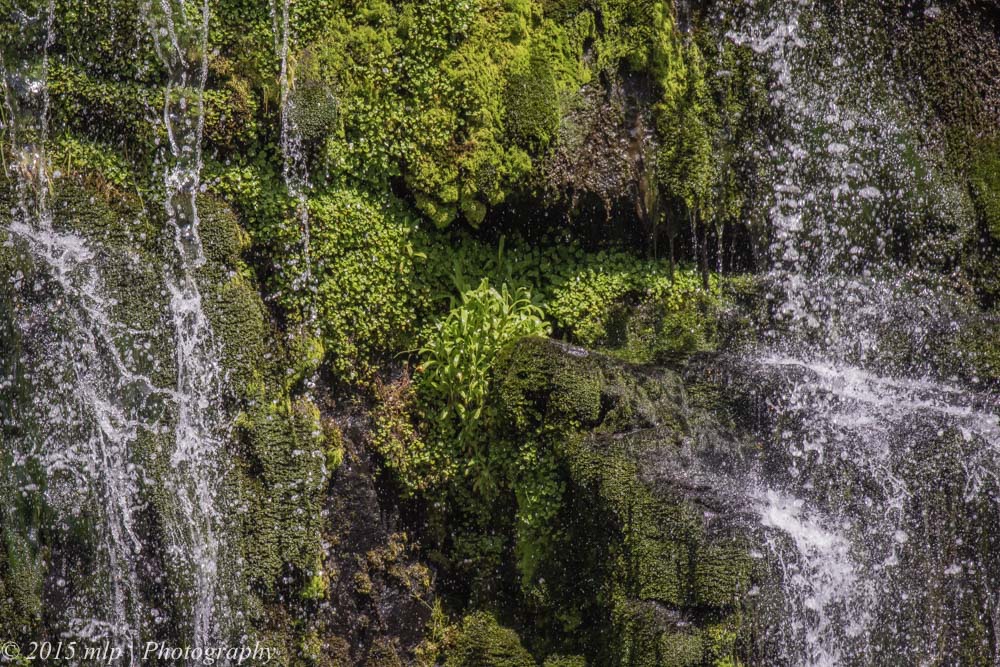
On a recent trip to Apollo Bay, I spent some time exploring the Great Otway National Park. There are a number of waterfalls in the Park including the Stevenson Falls along the Barramunga Creek. I visited the waterfall several times over a few days. It is a good site for shots of the falls, the green moss and ferns within the falls and for the first time I found a bower of a Satin Bowerbird.

Stevenson Falls, Great Otway National Park

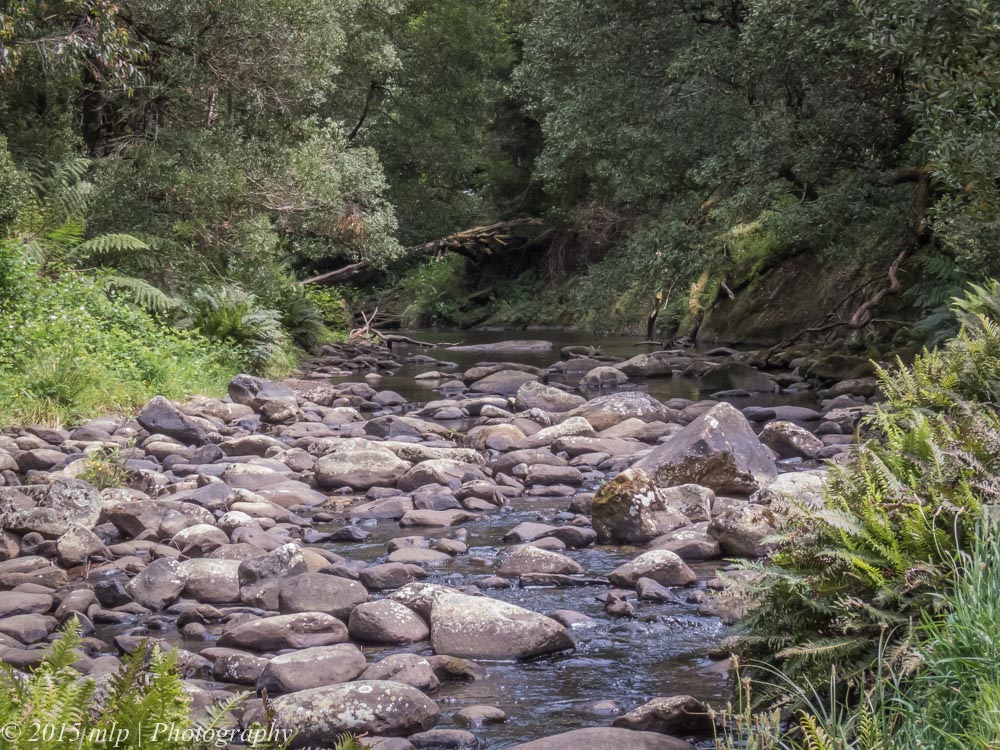
Barramunga Creek below the Stevenson Falls, Great Otway National Park

Stevenson Falls, Great Otway National Park

Stevenson Falls, Great Otway National Park

Stevenson Falls, Great Otway National Park

Stevenson Falls, Great Otway National Park

Stevenson Falls, Great Otway National Park

Moss and Ferns within the Stevenson Falls

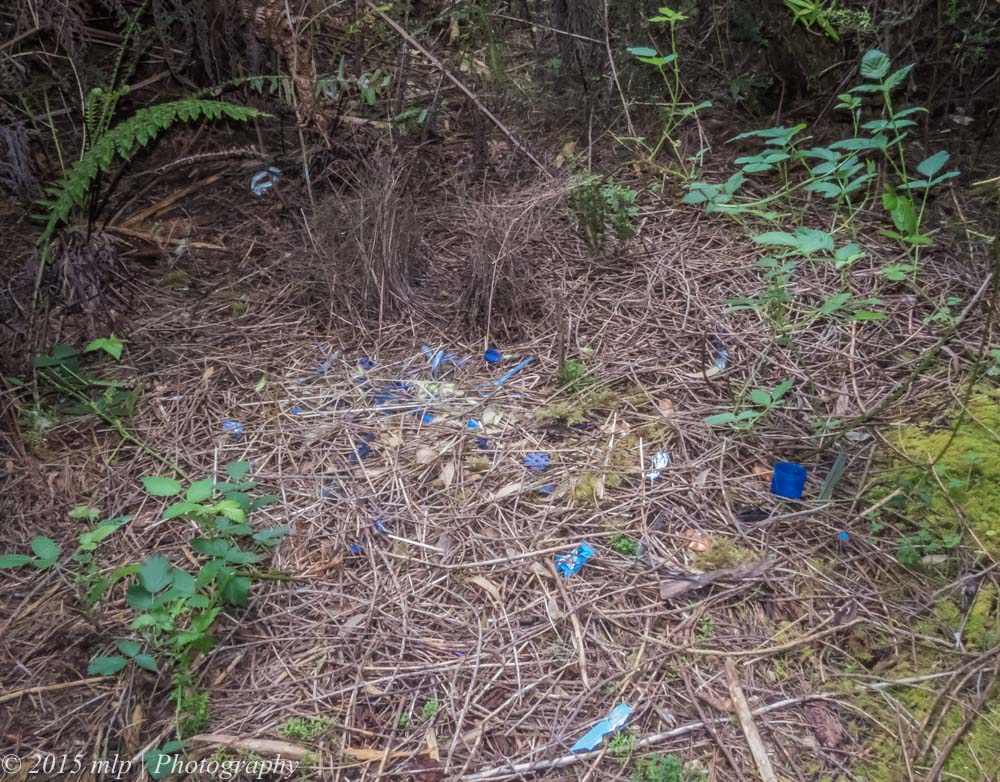
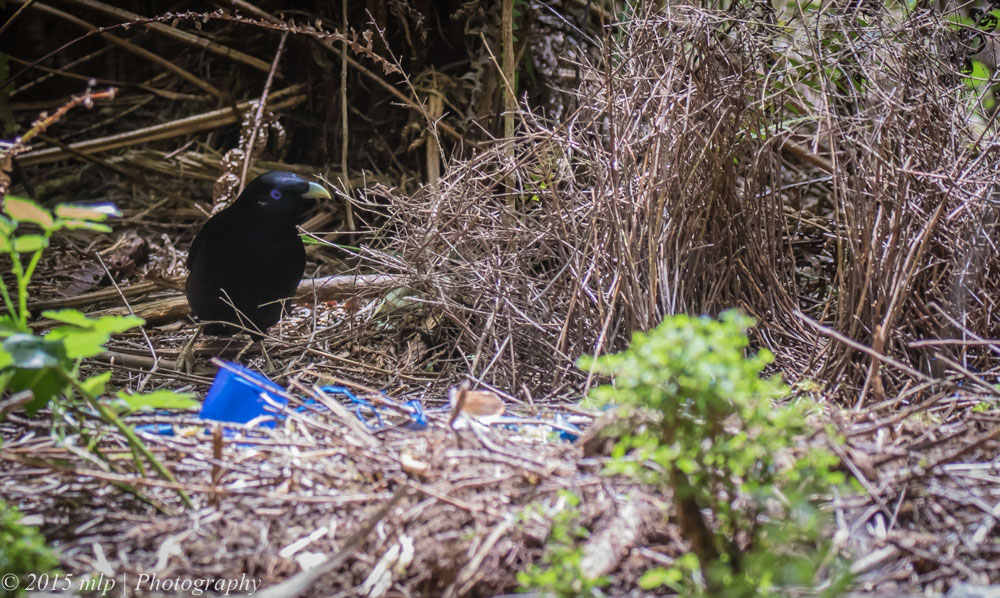
While looking around the forest near the waterfall I found a partially constructed Bower from a Satin Bowerbird – immediately identifiable from the shape and the pile of blue objects collected by the Satin Bowerbird. The bower area was probably from last year, the bower was being rebuilt and the blue objects collected by the Bowerbird for impressing the ladies were still covered by weeds and vines.

Bower, Stevenson Falls, Great Otway National Park

Bower, Stevenson Falls, Great Otway National Park

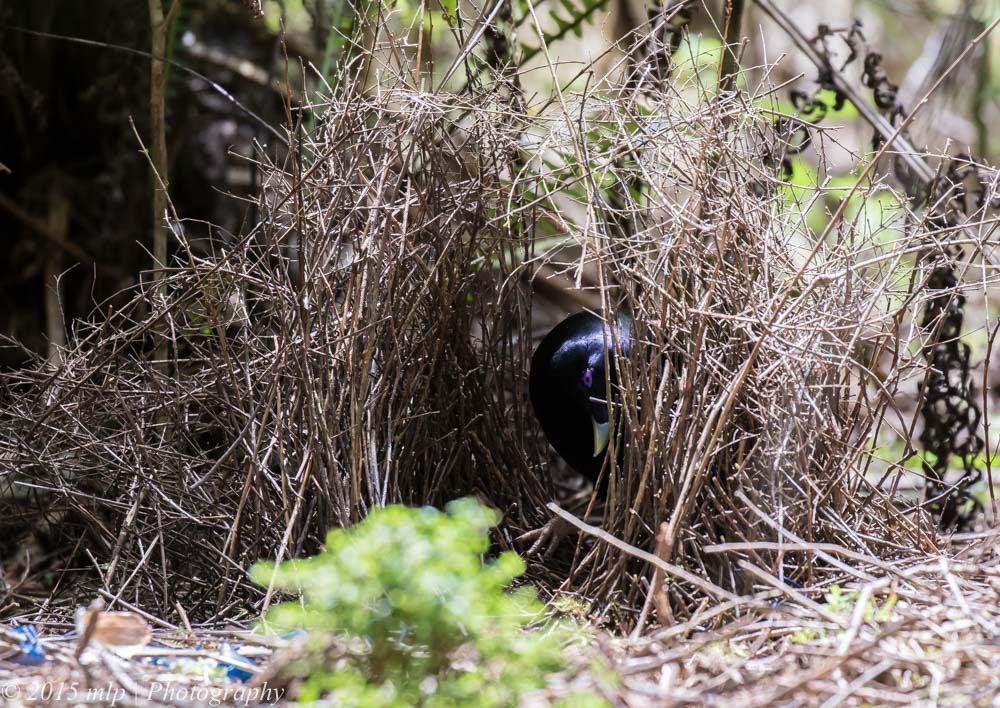
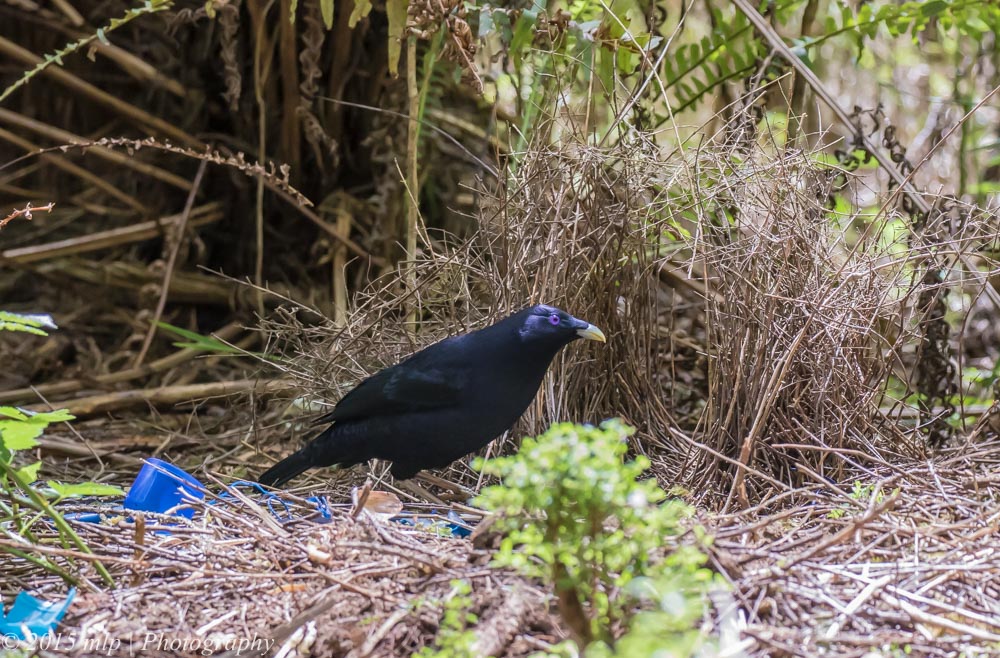
Two days later I found the owner of the Bower moving his blue treasures about for the best placement, and working on his bower. The Satin Bowerbird is a beautiful shiny black bird with amazing purple eyes.

Satin Bowerbird, Stevenson Falls, Great Otway National Park

Satin Bowerbird

Satin Bowerbird, Stevenson Falls, Great Otway National Park

Inspection time

Satin Bowerbird, Stevenson Falls, Great Otway National Park

Re-modelling the Bower

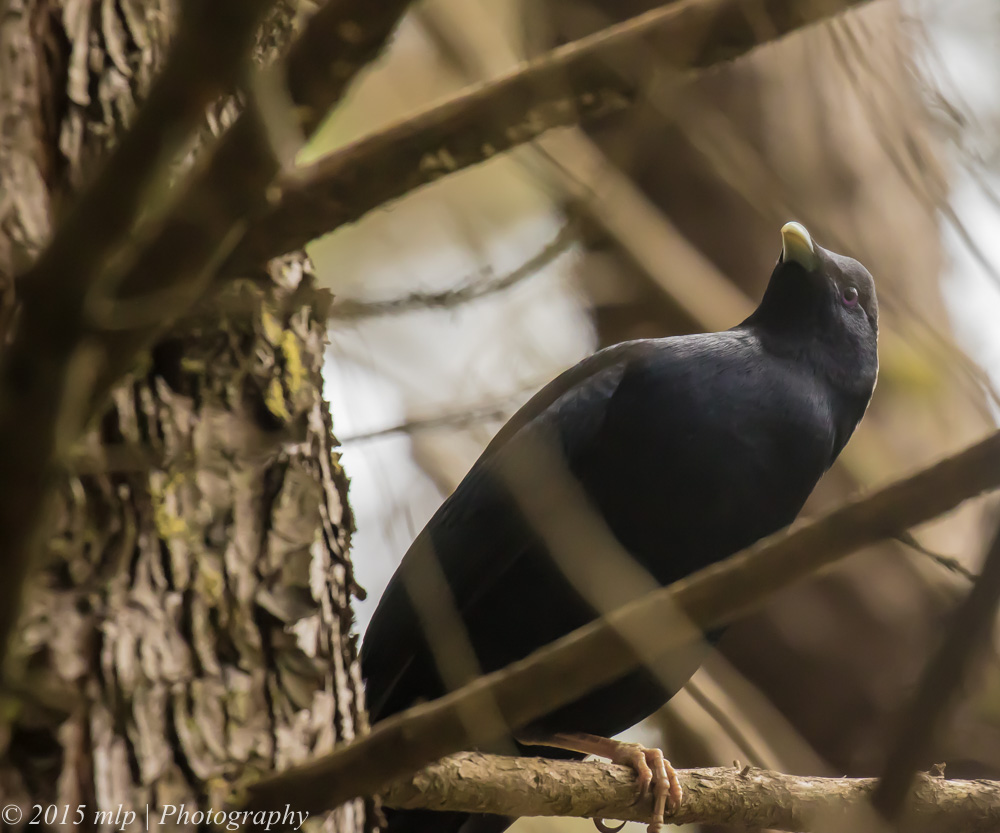
I had setup my camera and tripod about 10 metres away behind a large pine tree. After a few minutes I lost sight of the Bowerbird and sat back to fight off the ants and mosquitos and realised that the bird was above me watching. He was assessing whether I should be avoided. He watched for a while and then decided I was harmless and went back to the bower to continue his work. (We all try to impress the ladies in our own way).

Satin Bowerbird, Stevenson Falls, Great Otway National Park

Satin Bowerbird, Stevenson Falls, Great Otway National Park

Satin Bowerbird, Stevenson Falls, Great Otway National Park

II

Meeting the new Neighbours

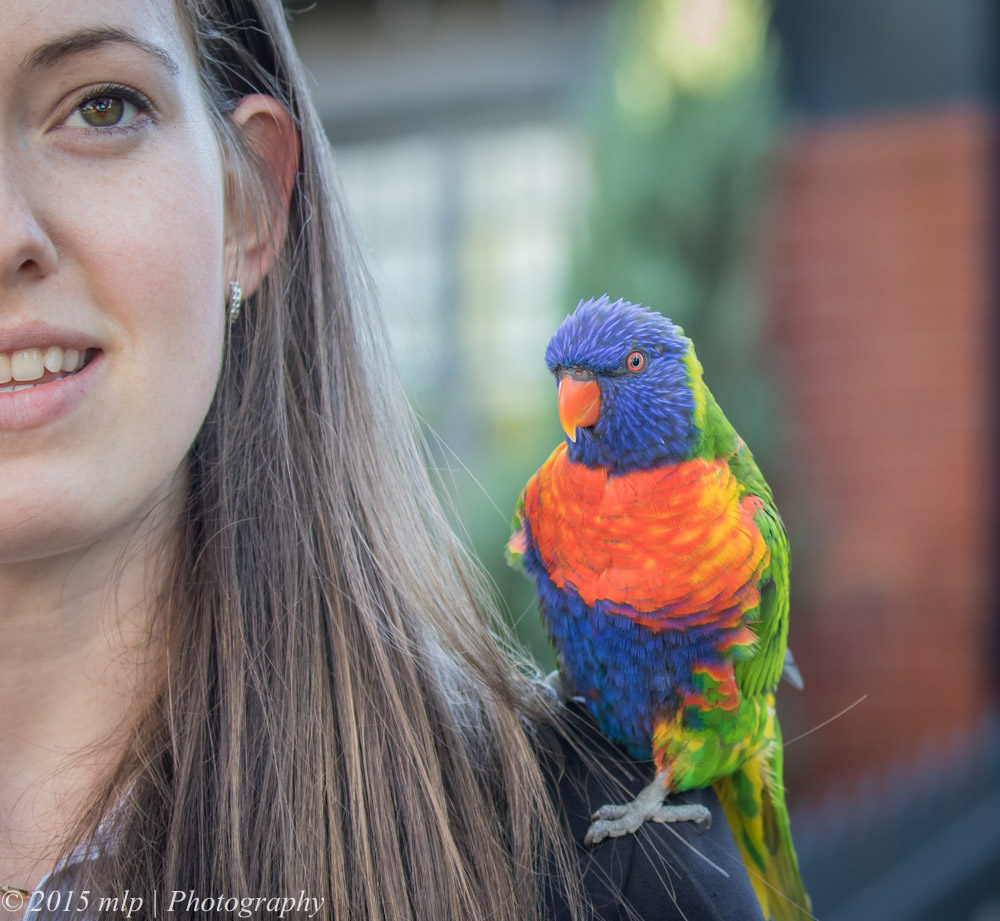
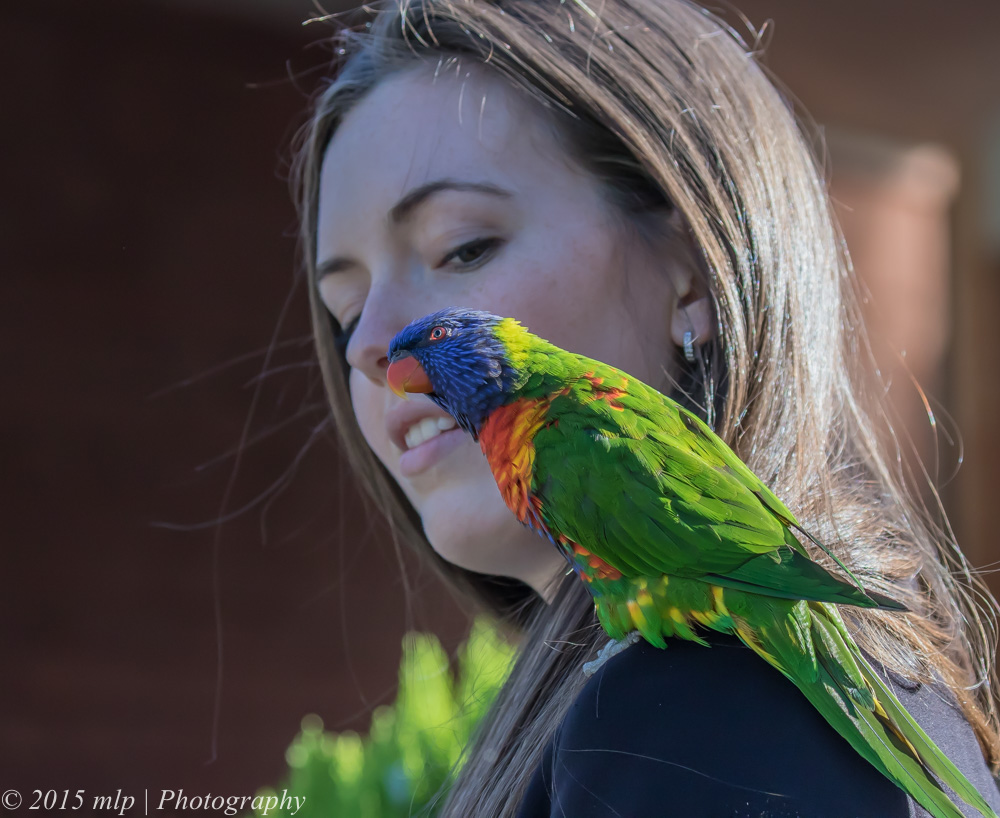
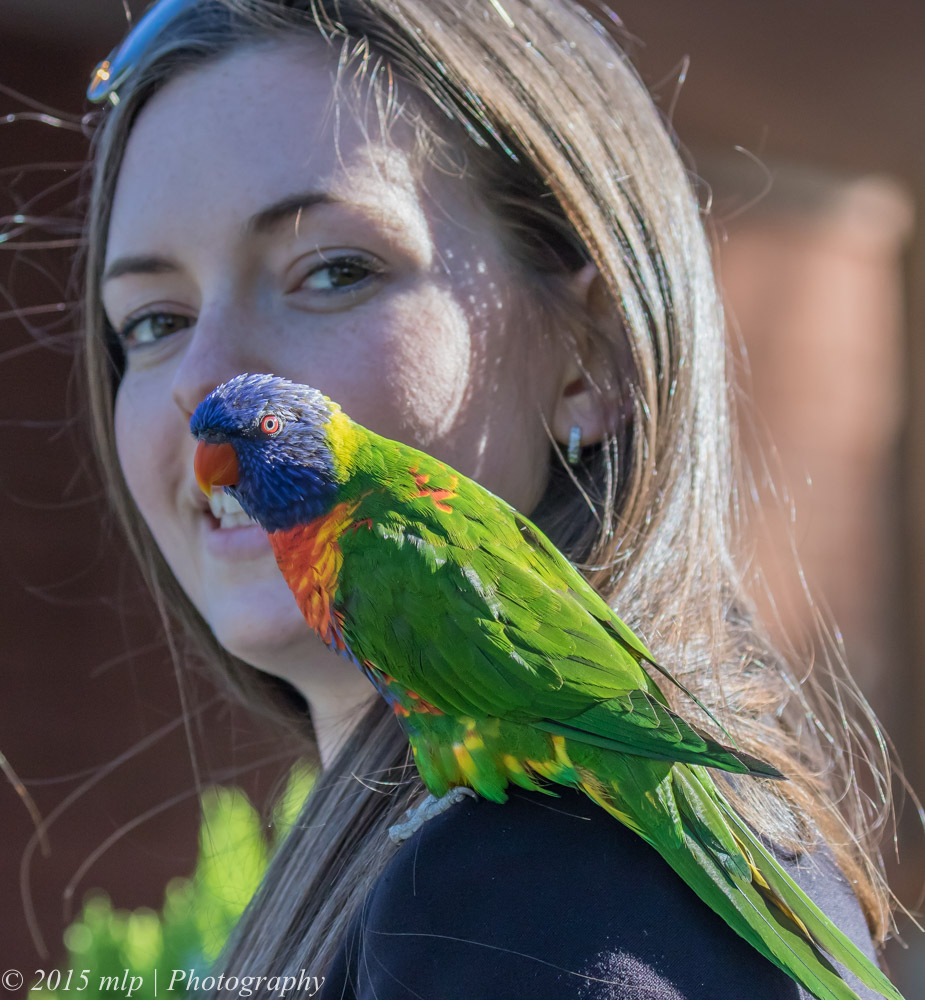
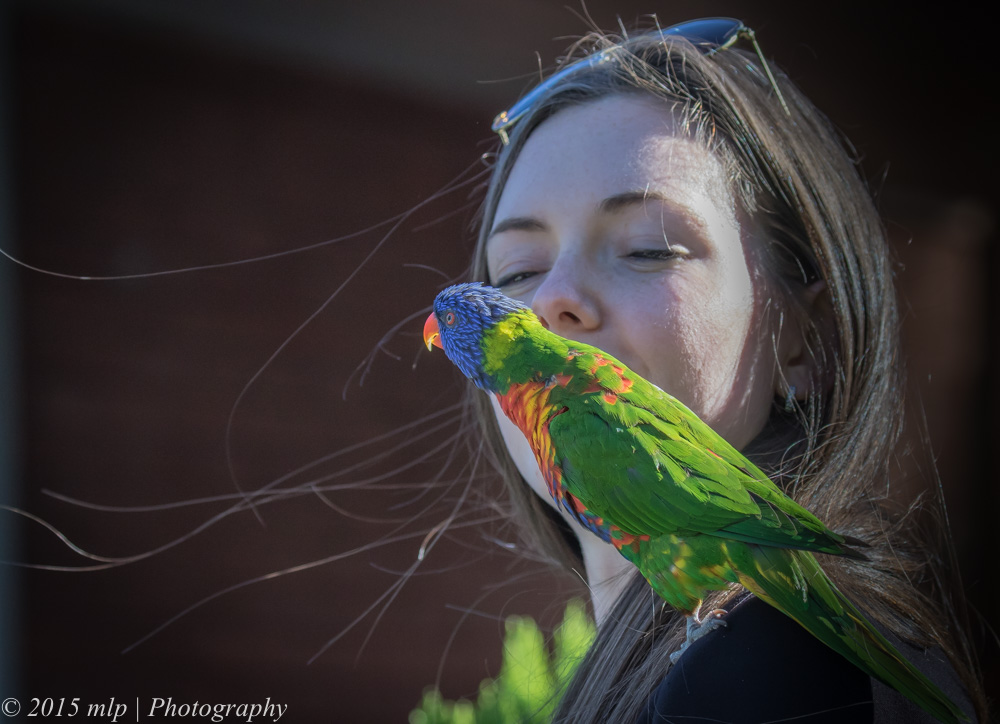
I have been hearing Black-Faced Cuckoo Shrikes for a few weeks now and seen them flying over Elster Creek and along my street with what seemed to be mouthfuls of food. Last night I finally found, a few hundred meters down the road, their nesting/roosting area, a juvenile and its parents. A return visit this evening and I found two juveniles and short while later two parents turned up with the evening meals. This is not a very common bird for the inner suburbs – it is much more common in the drier country to the north. While I was photographing the Cuckoo Shrikes a new neighbour drove up and started to chat about what I was doing (nearly getting run over by the cars coming home from work). As it turned out Mady has a pet Rainbow Lorikeet called Arcus (Latin for Rainbow). She brought her out and I took a few photos (after Arcus took a climb around my neck and shoulders and bit my finger)

Black Faced Cuckoo Shrike chicks, Elster Creek

Black Faced Cuckoo Shrike chick waiting patiently for a parent to bring a meal

Black Faced Cuckoo Shrike chicks, Elster Creek

Juvenile Black Faced Cuckoo Shrikes

Black Faced Cuckoo Shrike chicks, Elster Creek

A bit of a stretch of the wings while waiting

Black Faced Cuckoo Shrike, Elster Creek, Elwood

A meal finally brought in after a few hours of waiting…

Mady and Arcus, Spray St, Elwood

Mady and Arcus – both new to the area…

Mady and Arcus, Spray St, Elwood

Arcus likes to get into places like eyes, mouth and nostrils…

Mady and Arcus, Spray St, Elwood

Mady and Arcus III

Mady and Arcus, Spray St, Elwood

Mady and Arcus IV
Mady and Arcus, Spray St, Elwood

Arcus seemed curious when Mady’s hair blew around…

Hanging with the Pelicans at Hasting Pier

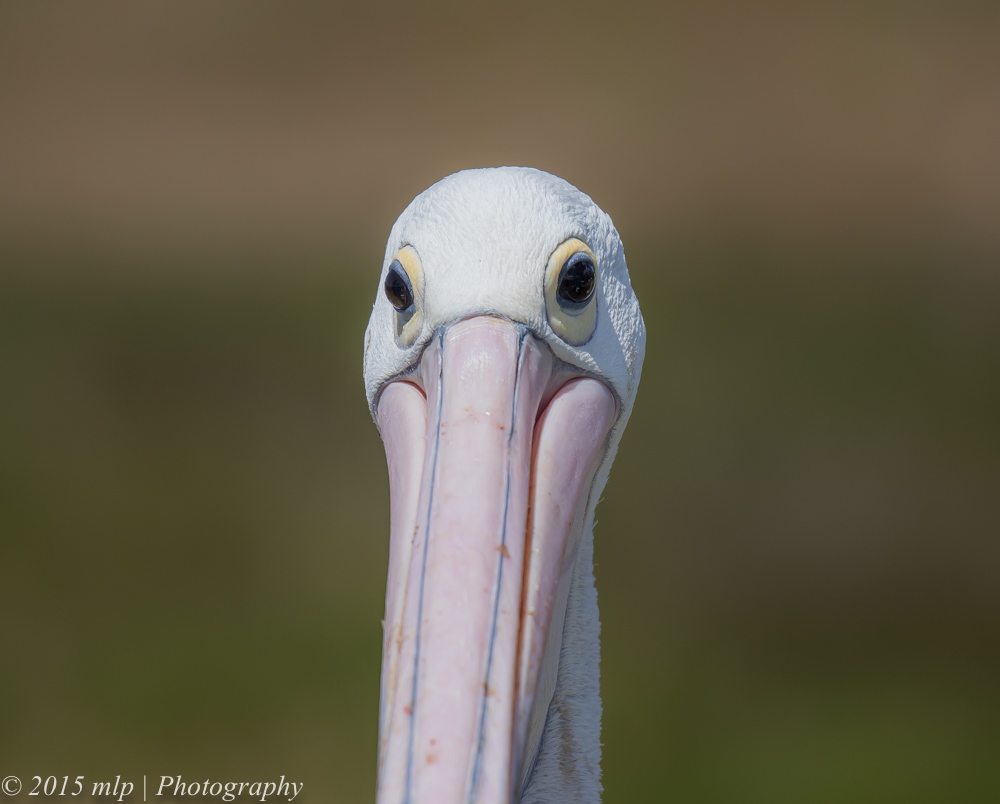
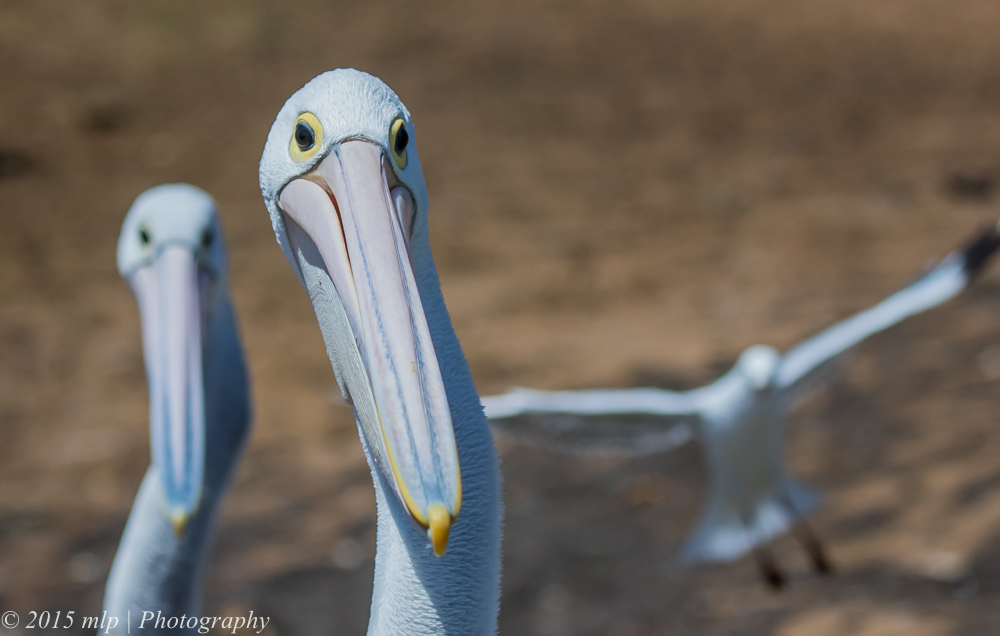
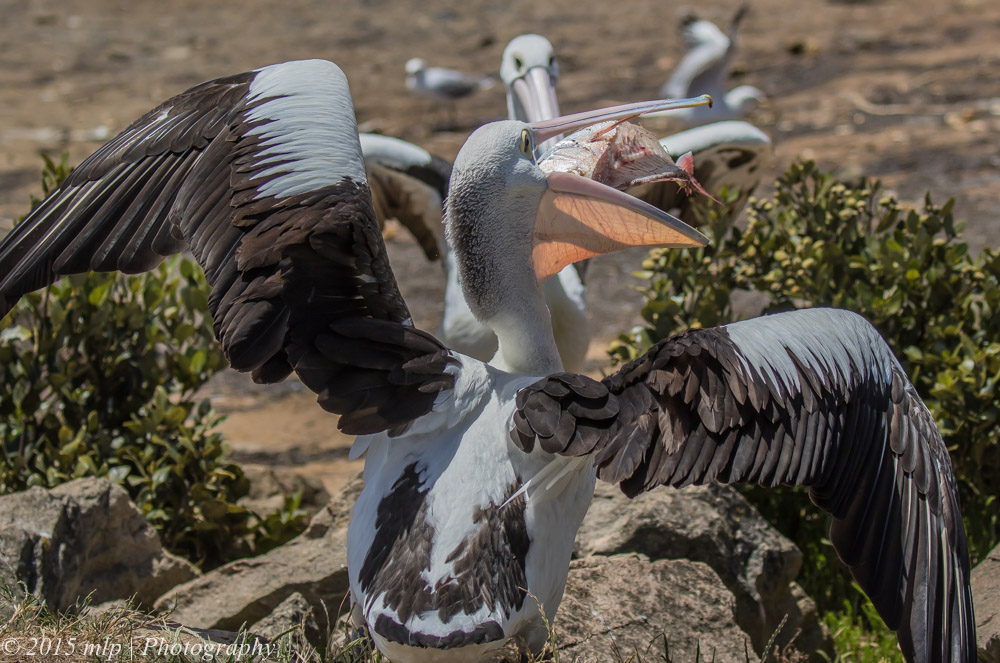
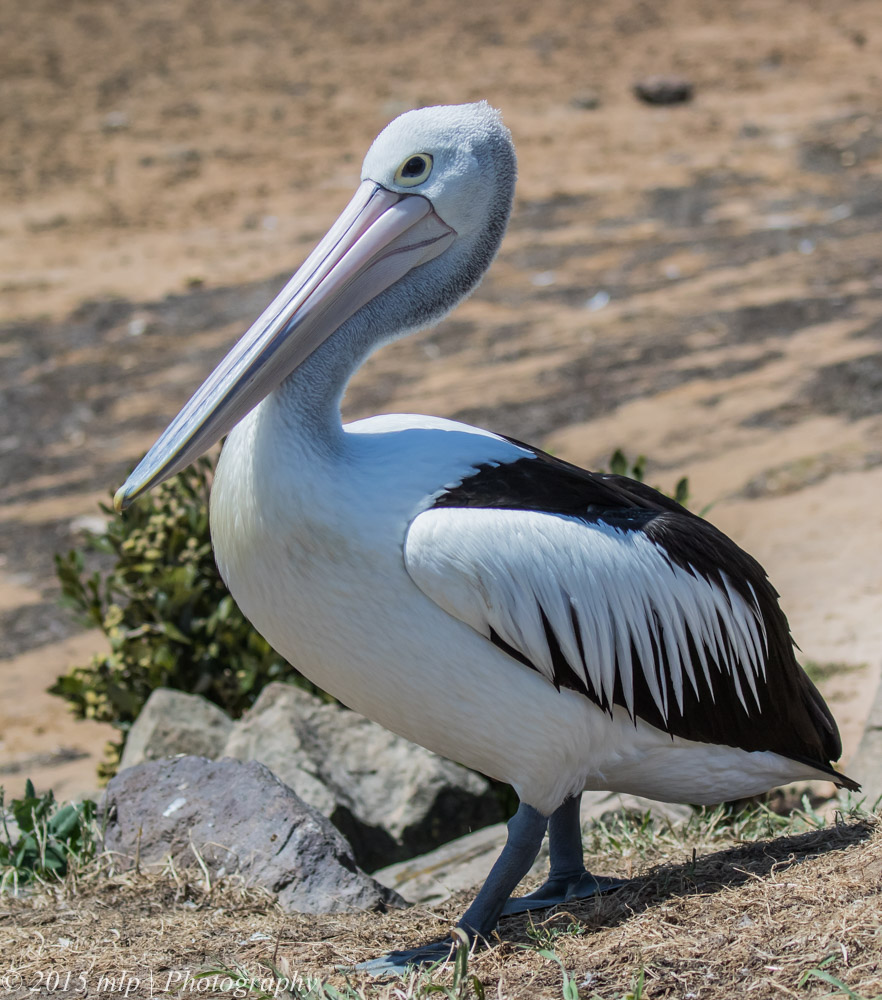
On the weekend a mate and I drove down the Peninsula and visited the Coolart Wetlands and then onto Hasting Pier for lunch and a spot of birdwatching across the mudflat (as you do)…the tide was rising so many of the birds were pushed to the far bank and not easily seen. At the carpark there is a boat ramp and the fishermen clean the fish and feed the Pelicans. The Pelicans are so focussed on a free feed that they ignore everything else. They are quite a large bird and can be a challenge to photograph – but are very interesting with all the feathers, long bill, large eyes and throat pouch. I like Pelicans: big, confident and goofy on land  but majestic in the air.

Pelican, Hasting Harbour

Pelican, Hasting Harbour

Pelican, Hasting Harbour

II

Pelican, Hasting Harbour

III

Pelican, Hasting Harbour

IV

Pelican, Hasting Harbour

Pelicans waiting for the next fish scrap to be tossed

Pelican, Hasting Harbour

All mine….

Pelican, Hasting Harbour

Pelican, Hasting Harbour


Close encounter with a Treecreeper

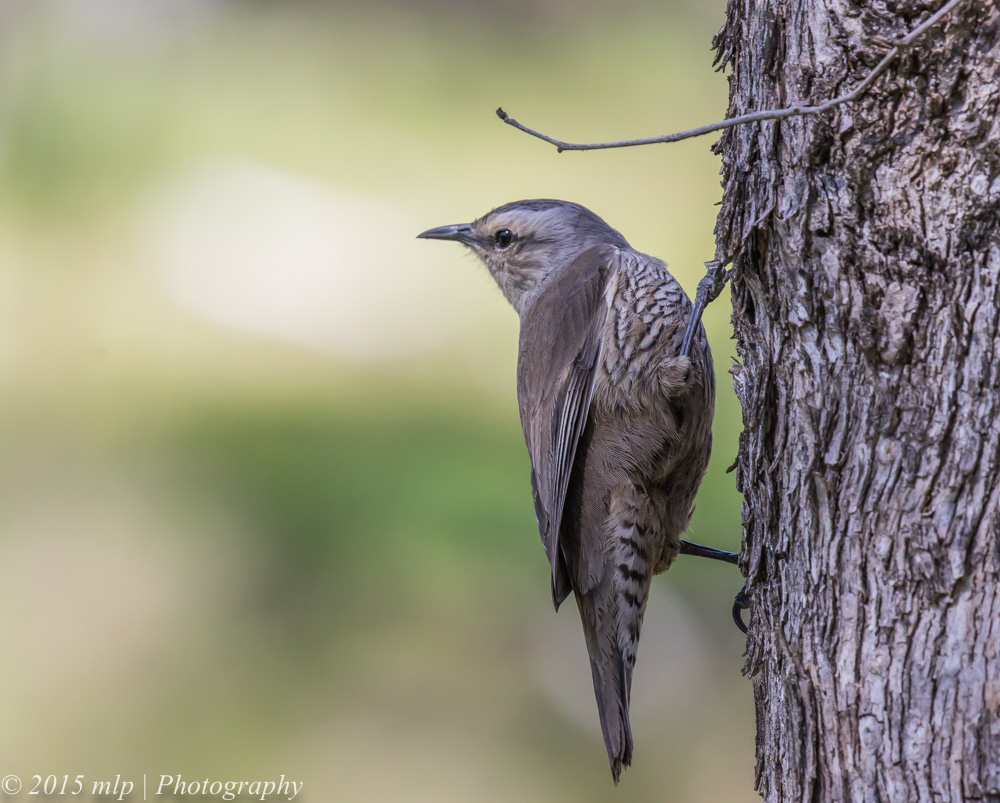
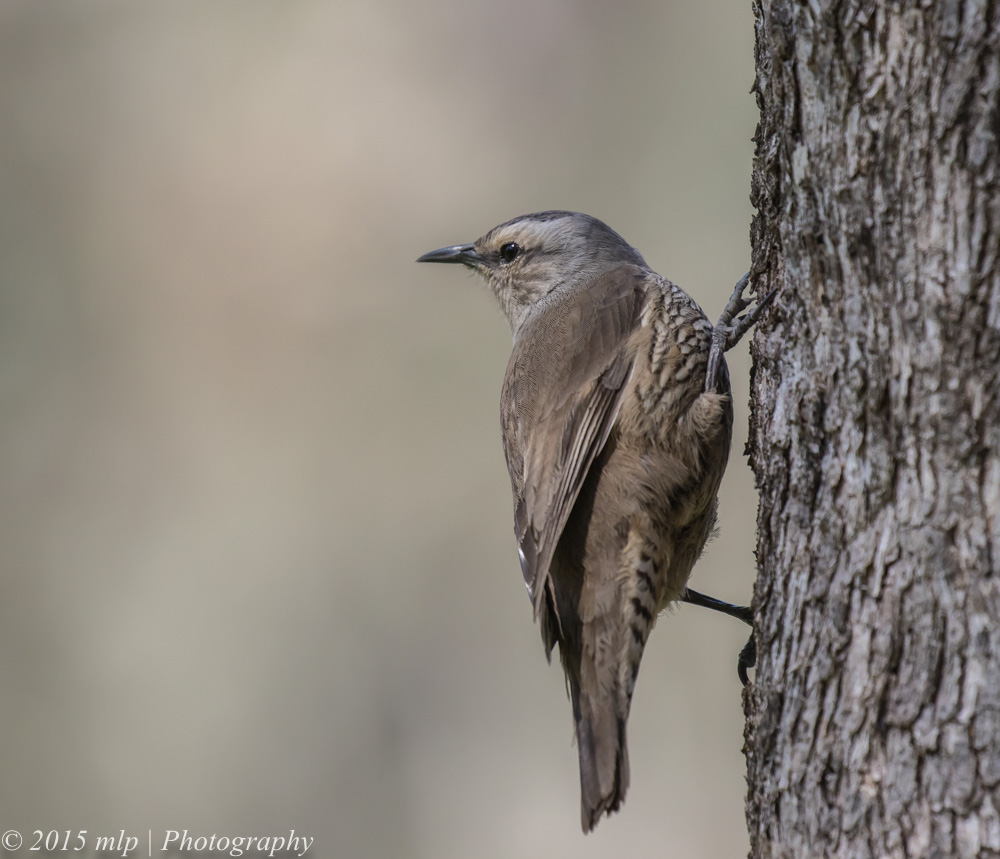
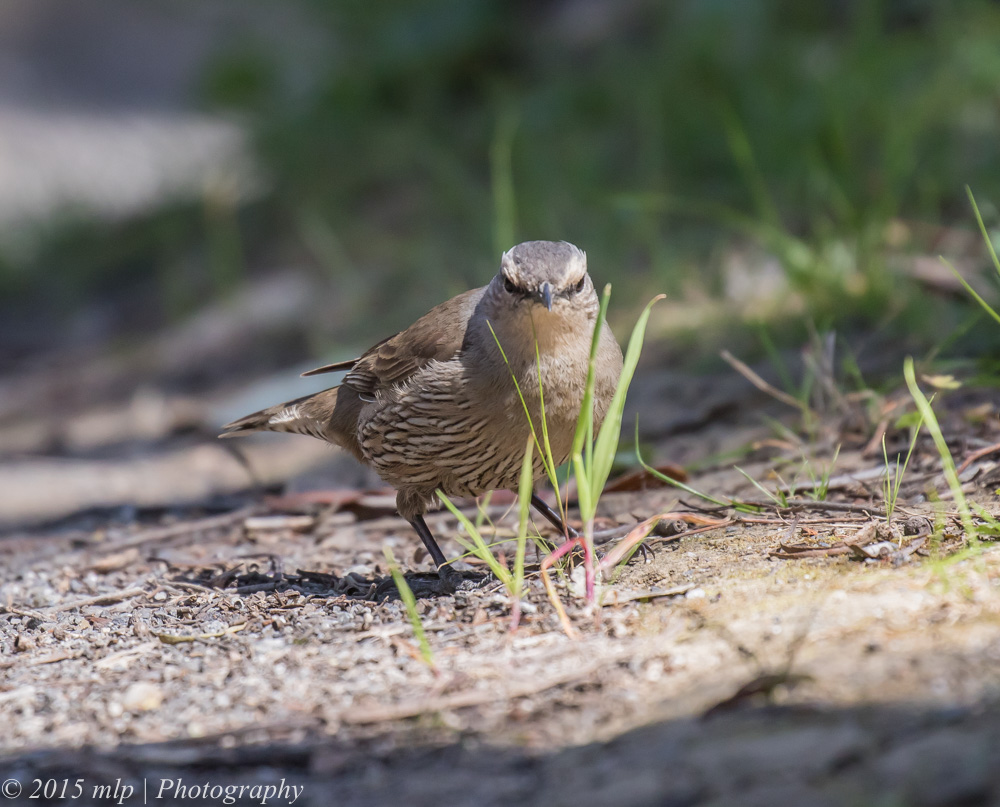
Walking along the side of Cyanide Dam the day after I photographed the Albino Wallaby I was listening for different birds when a Brown Treecreeper hopped onto the ground nearby. I stopped and crouched down a bit and started to take a few photographs. After a few moments watching me, the treecreeper started to feed again. The Treecreeper has the ability to walk vertically up the trunk and even upside down along a branch. See link for images of a related Treecreeper (White Throated) walking upside down.  In developing the images I was pleasantly surprised to find how interesting the plumage and colouring of the treecreeper was. I have seen Brown Treecreepers a number of times moving around tree trucks and branches but this was the first time I was so close to one to get a good clear view.

Brown Treecreeper, Cynide Dam, Chiltern National Park

Brown Treecreeper, Cyanide Dam, Chiltern National Park

Brown Treecreeper, Cynide Dam, Chiltern National Park

II

Brown Treecreeper, Cynide Dam, Chiltern National Park

III

Brown Treecreeper, Cynide Dam, Chiltern National Park

IV


Of course I have to add a cute image of a Superb Fairy Wren taken just after the Brown Treecreeper

Female Superb Fairy Wren, Cynide Dam, Chiltern National Park

Superb Fairy Wren, Cyanide Dam, Chiltern National Park

Bath time at Point Addis

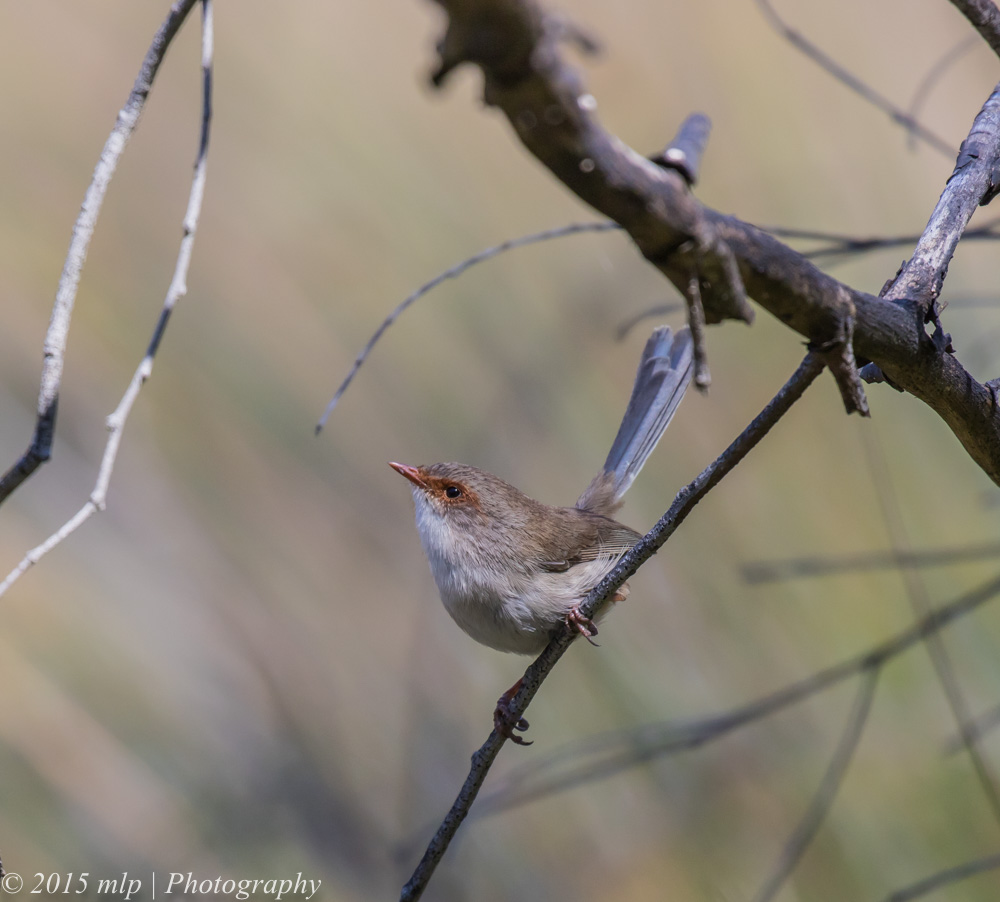
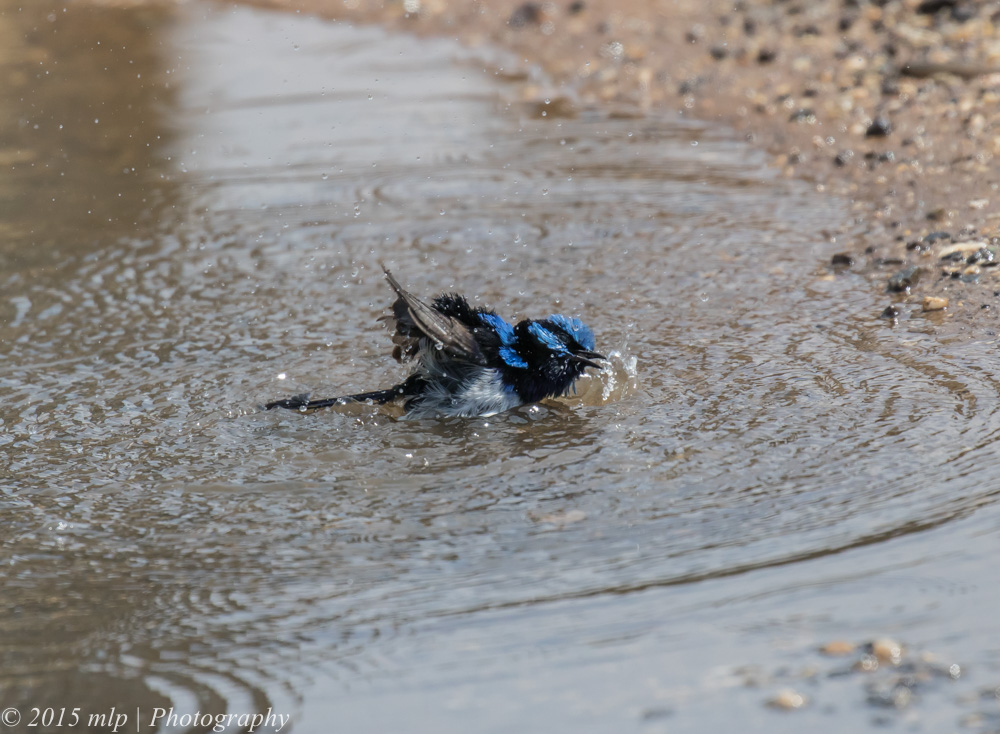
After a long rain storm at Point Addis, on the surf coast near Anglesea, I watched the birds come out and make the most of the rain puddles. This little male Superb Fairy Wren was fully focussed on having a good clean. He would spend a minute or so bathing, fly up to a post, preen and then back into the puddle again. Takes a lot of work to keep your feathers in shape.  His female companion was much more nervous and only took a few quick flying dips.

Male Superb Fairy Wren, Pt Addis,

Male Superb Fairy Wren, Pt Addis,

Male Superb Fairy Wren, Pt Addis,

II

Male Superb Fairy Wren, Pt Addis,

III

Male Superb Fairy Wren, Pt Addis,

IV

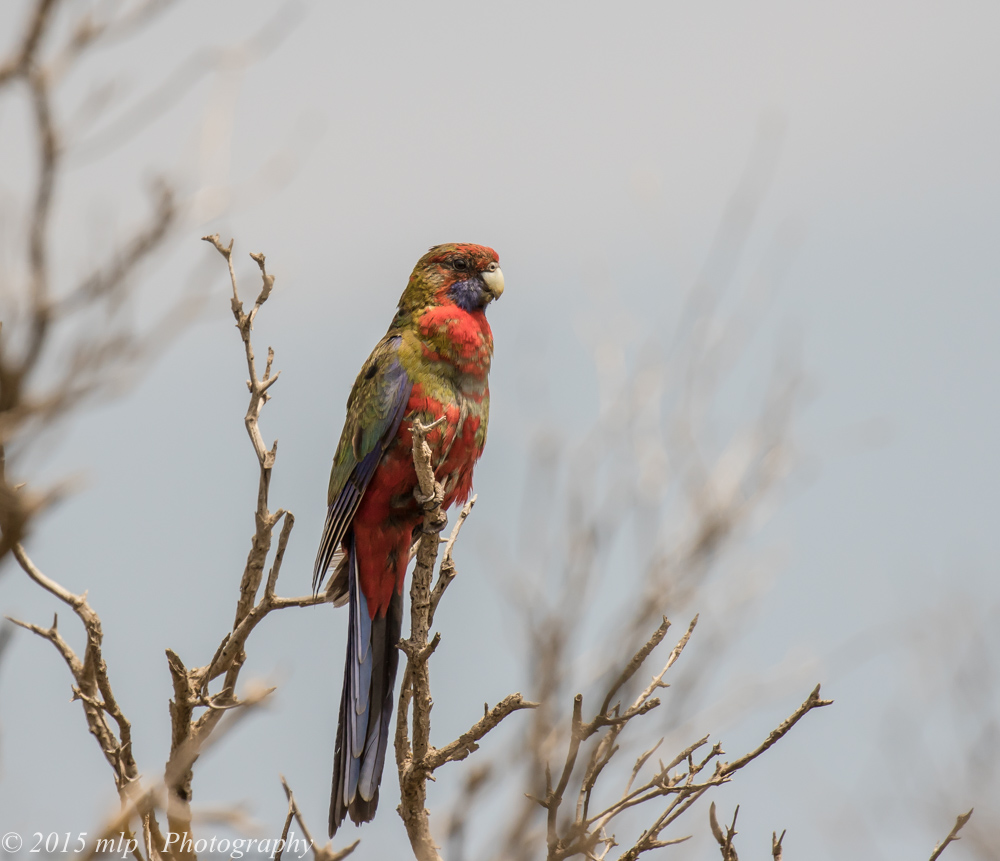
On some scrub nearby an immature Crimson Rosella watched the action. Over time his feathers will slowly turn a vibrant crimson. The mottled colours helps the bird stay camouflaged as they learn the skills required to survive. Unless they are in the open like the one below they can be very hard to see and find in the trees.

Immature Crimson Rosella, Pt Addis

Immature Crimson Rosella, Pt Addis

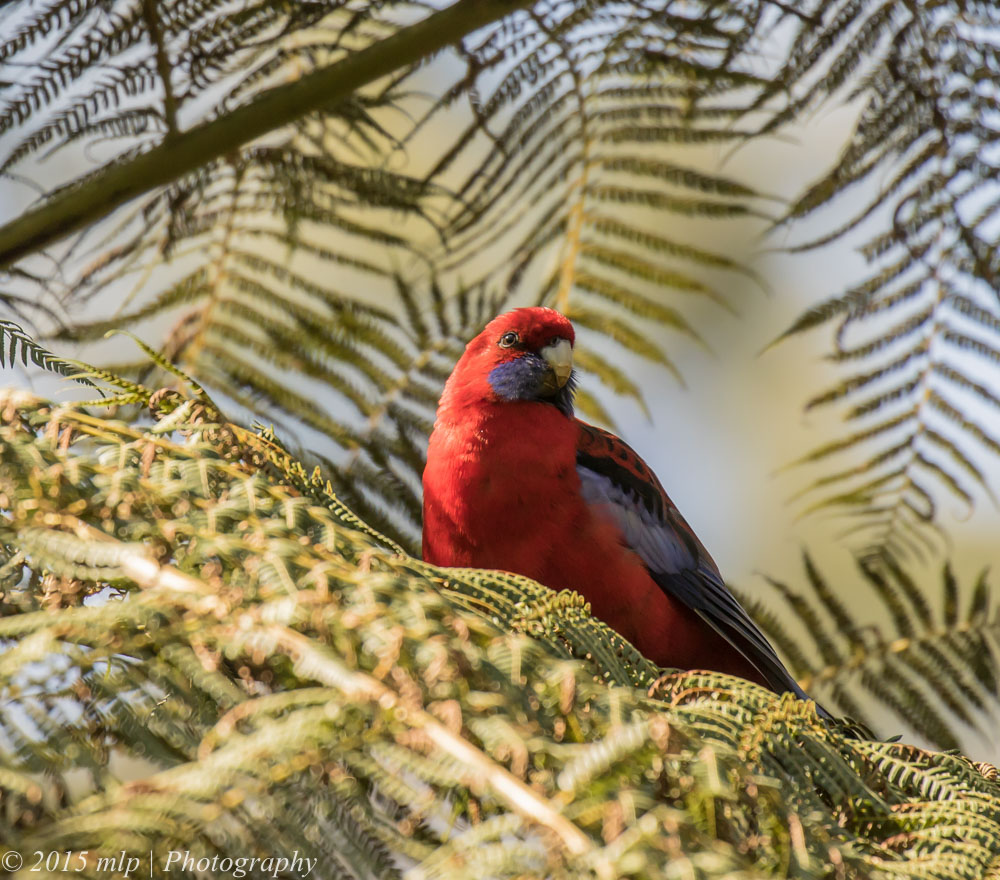
An example below of the bright colours of the adult Crimson Rosella,  photographed a month back at Welch Track in the Dandenongs.

Crimson Rosella, Welch Track, Dandenongs Ranges National Park

Crimson Rosella, Welch Track, Dandenongs Ranges National Park