I can’t decide, I like the black and white version that creates a focus just on the Heron but the colour of its eyes are amazing…built for low light and night vision.

Juvenile Nankeen Night Heron (colour), Elster Creek, Elsternwick, Vic

I can’t decide, I like the black and white version that creates a focus just on the Heron but the colour of its eyes are amazing…built for low light and night vision.
Juvenile Nankeen Night Heron (colour), Elster Creek, Elsternwick, Vic
Since February we have been seeing juvenile Nankeen Night-herons roosting and hunting along Elster Creek. Good conditions inland and locally over the spring and summer has meant good numbers are appearing. The juvenile has brown and white streaking to help with camouflage while building up their survival and hunting skills.
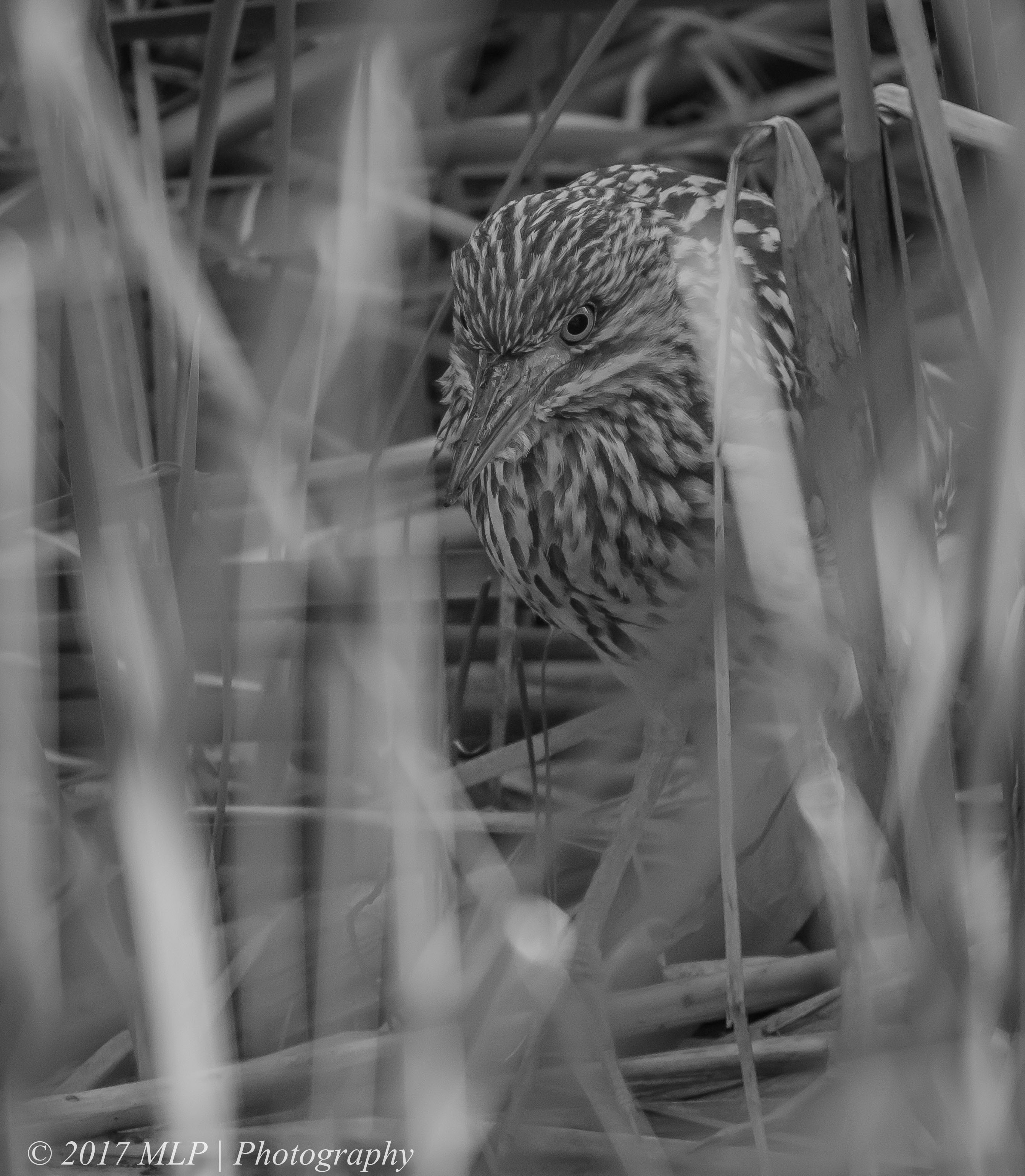
Juvenile Nankeen Night-Heron, Elster Creek, Elsternwick, Vic
On a recent visit to the folks’ property in Moorooduc on the Mornington Peninsula, I was walking the Eucalyptus Woodlot boundary trying to track down an unusual bird call. It turned out to be a small flock of Yellow Thornbills. I have not seen this species on the Peninsula or at the farm before. A great new addition to the local bird list and a first time photo for me…

Yellow Thornbill, The olds, Moorooduc, Vic

II
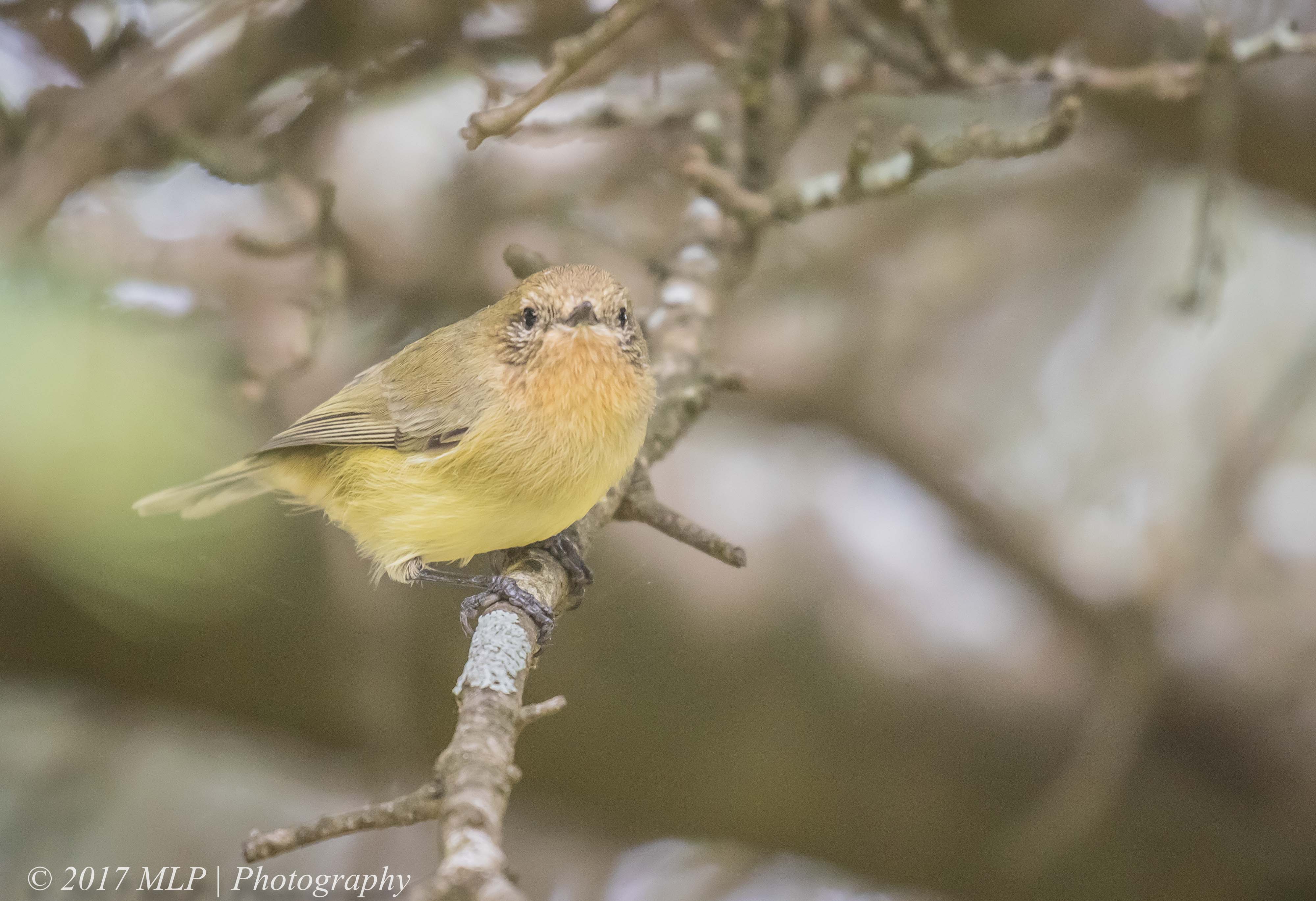
Getting the stink eye…
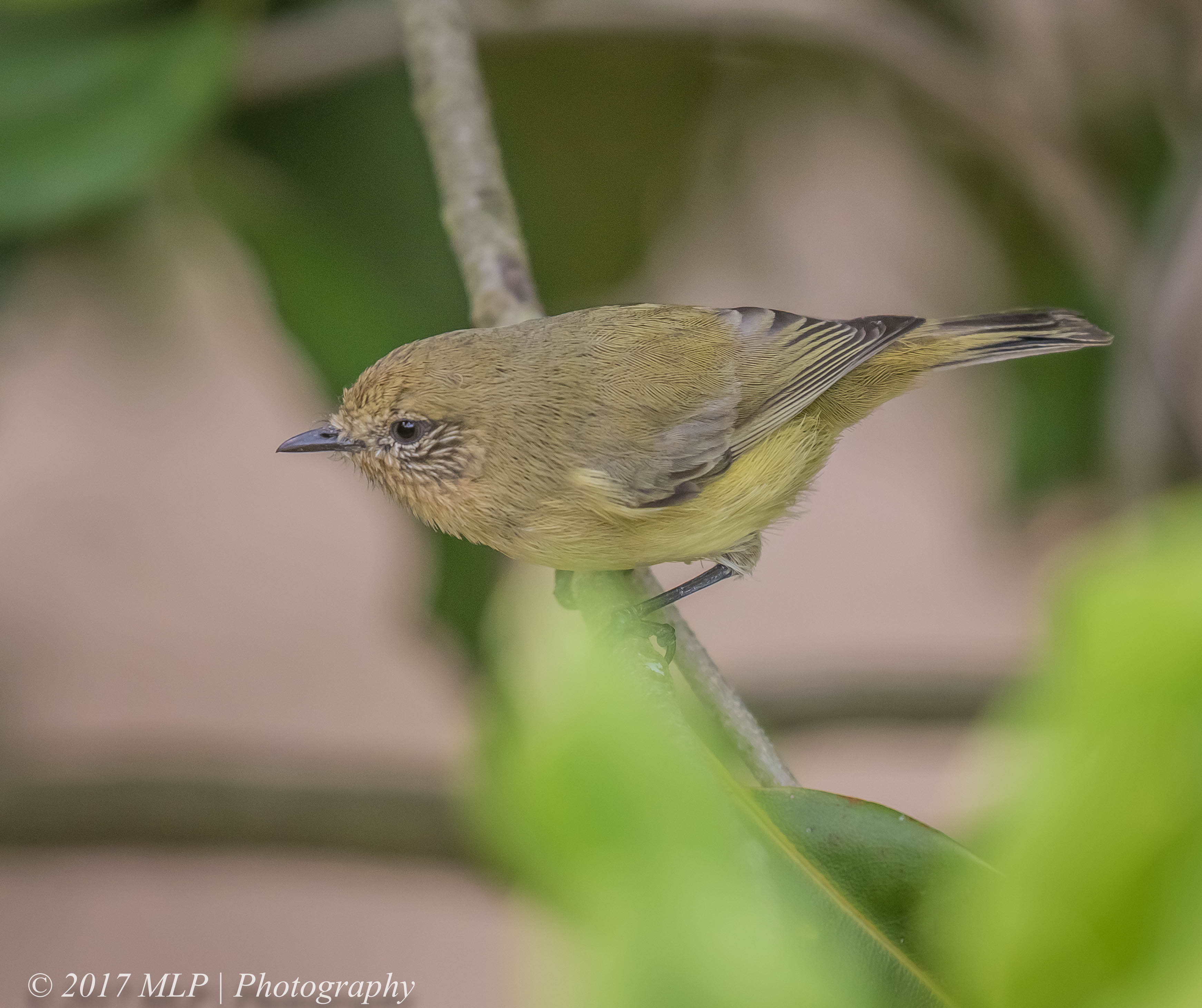
IV
For a small hillside country cemetery, surrounded by paddocks of sheep, Newstead has a surprising array of birds feeding in the area. There are several large mature gums and a few small creeks with dense foliage that the smaller birds love. There were many birds when I visited on the weekend including several Restless Flycatchers also called “Scissors grinder” for their whirring, rasping hissing call. The one below, an immature female was moving between headstones chasing insects.
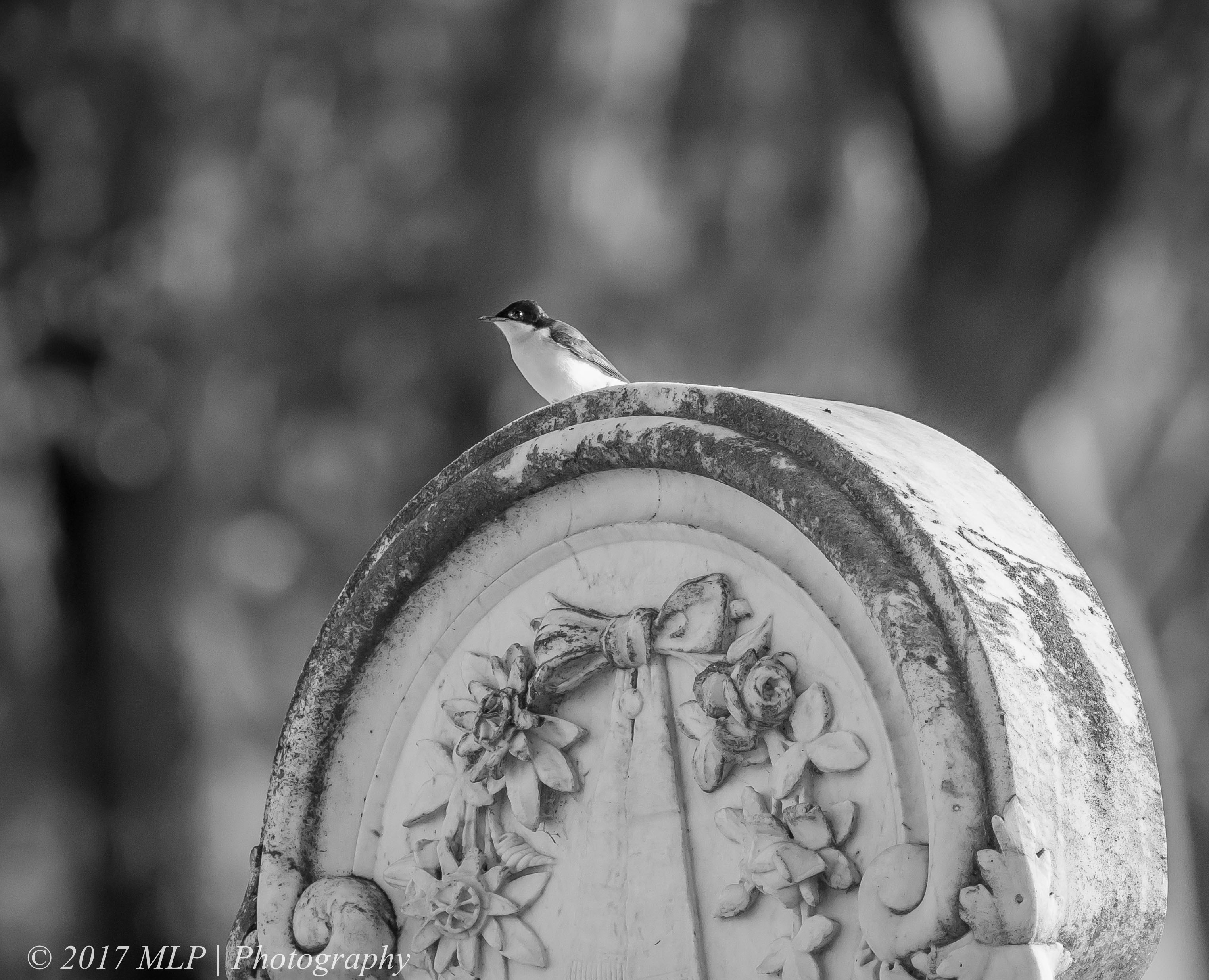
Restless Flycatcher, Newstead Cemetery, Newstead, Vic
A tiny Superb Fairy-wren at the Garden of St Erth in Blackwood, Victoria. I watched a small family group hunting along a path. I could not get in front of them to get the right light, but it made for an interesting silhouette.
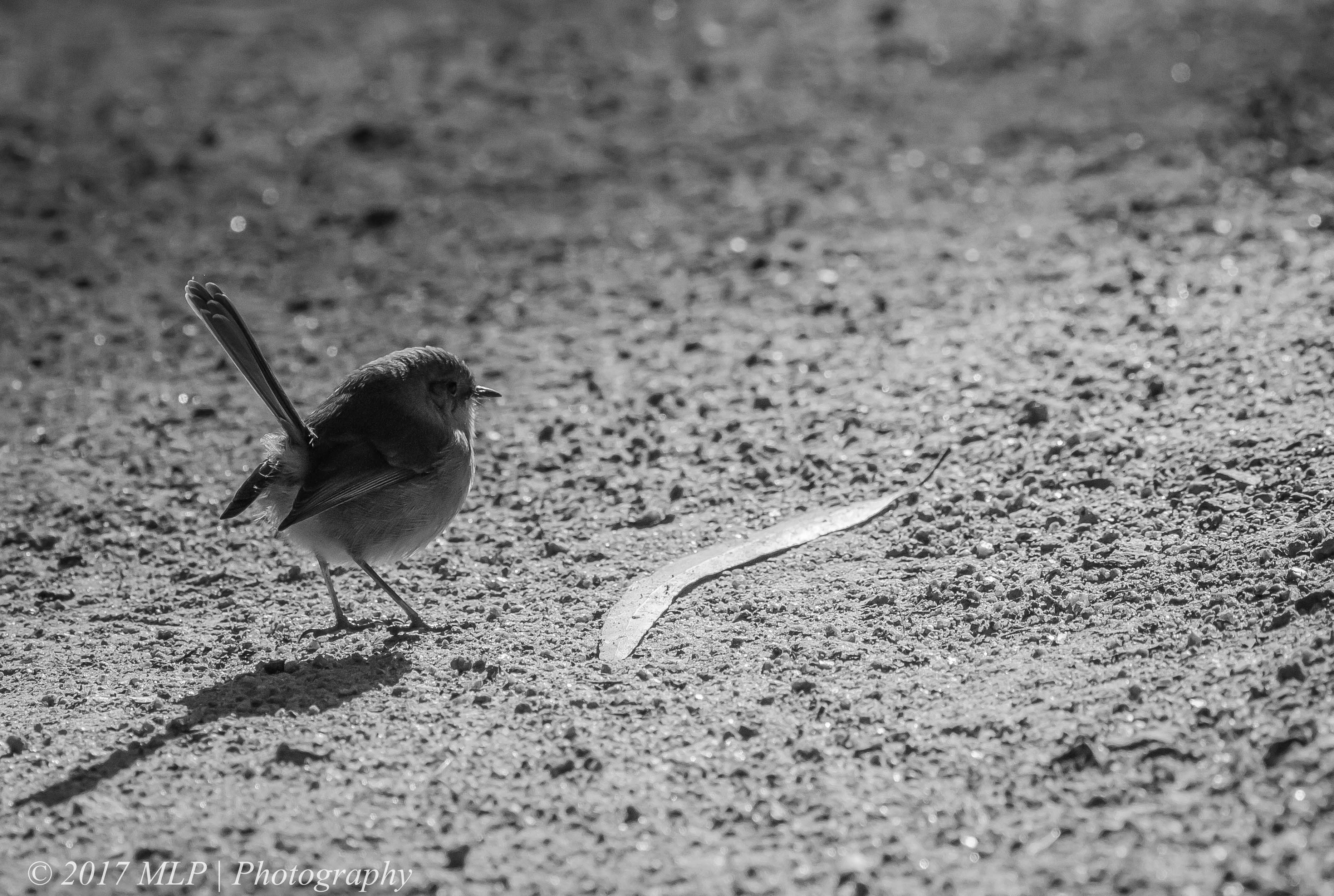
Superb Fairy-wren, Garden of St Erth, Blackwood, Vic
On the way back to the campground at Hattah Kulkyne National Park, I came across a group of Apostlebirds – so called due to their typical family group numbers being around 12. There were actually 10 that I could see of this particular group. They are very similar socially to the White-winged Chough. They are also mud nest builders. When I pulled over and parked the car I was watched by a lookout. I tried to be careful and make sure the flock did not flush. Standing still I watched and photographed the lookout. He watched me and then flew down and walked towards me. He walked right up to the back of my legs, around me and then onto the rest of the flock. Choughs will only let you approach after a time and will easily flush. Both species place lookouts to watch for predators or neighbouring tribes. This flock of Apostlebirds had a territory close to the camp grounds and I assume had become quite used to people.

The lookout, Apostlebird, Hattah Kulkyne National Park, Vic

Strutted straight up to me…

II

Stood a few feet behind after walking right up me

Back with the flock
For a birder, one of the main targets for a visit to Hattah Kulkyne National Park is the Mallee Emu-wren. It is a close cousin to the Southern Emu-wren that I have found a few times in different areas along the southern coast of Victoria. At Hattah I was up early and looking for this elusive little bird as the sun rose. I was probably a bit too early as they seemed to need the sun to warm up a bit and become active. Once up and about they were quite noisy (high pitched squeaks and trills), and reacted well to the phishing noises I made to get their attention. I saw three family groups along the track and managed to photograph several individuals as they came out to investigate my presence.
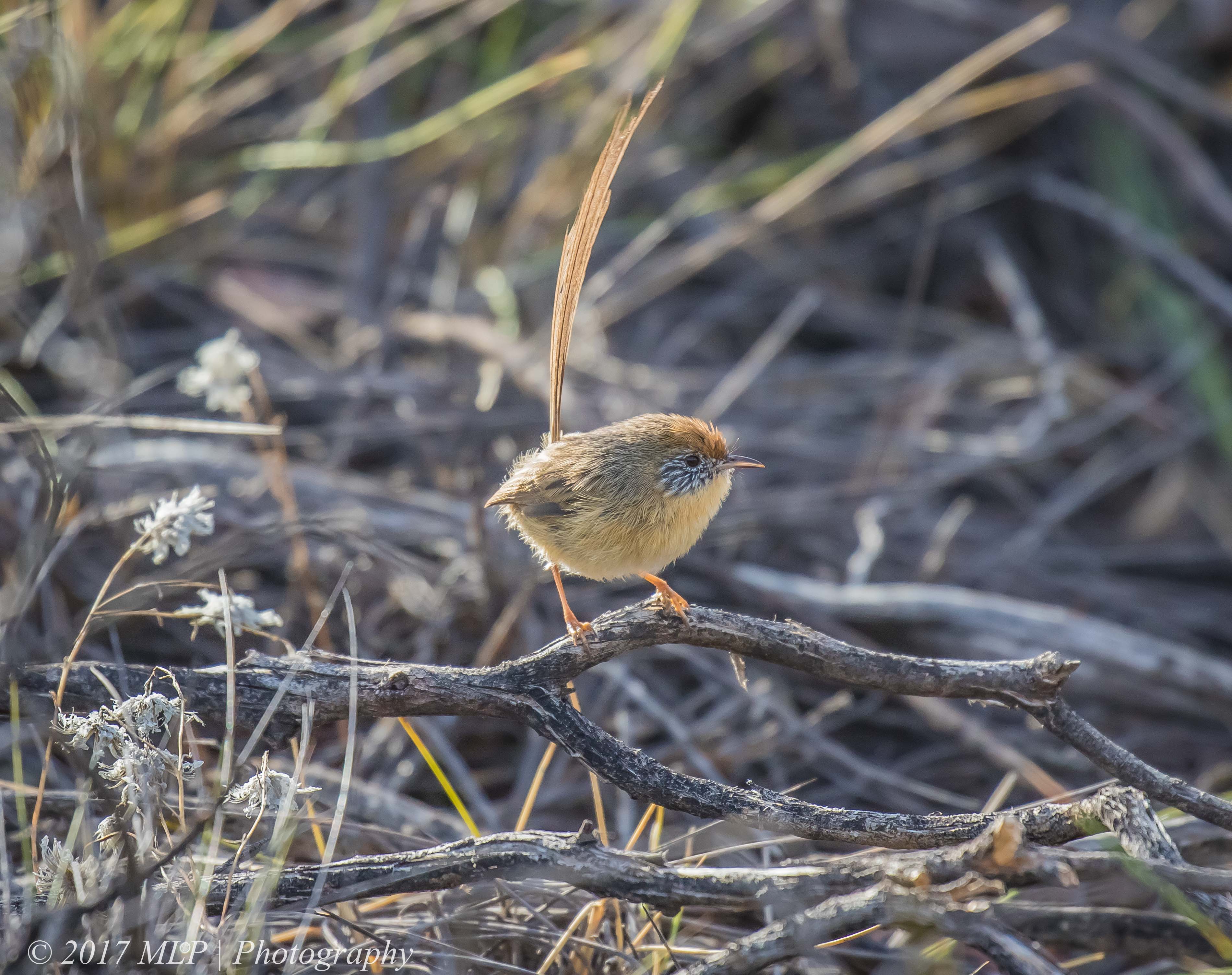
Female Mallee Emu-wren, Nowingi Track, Hattah Kulkyne National Park, Vic

II
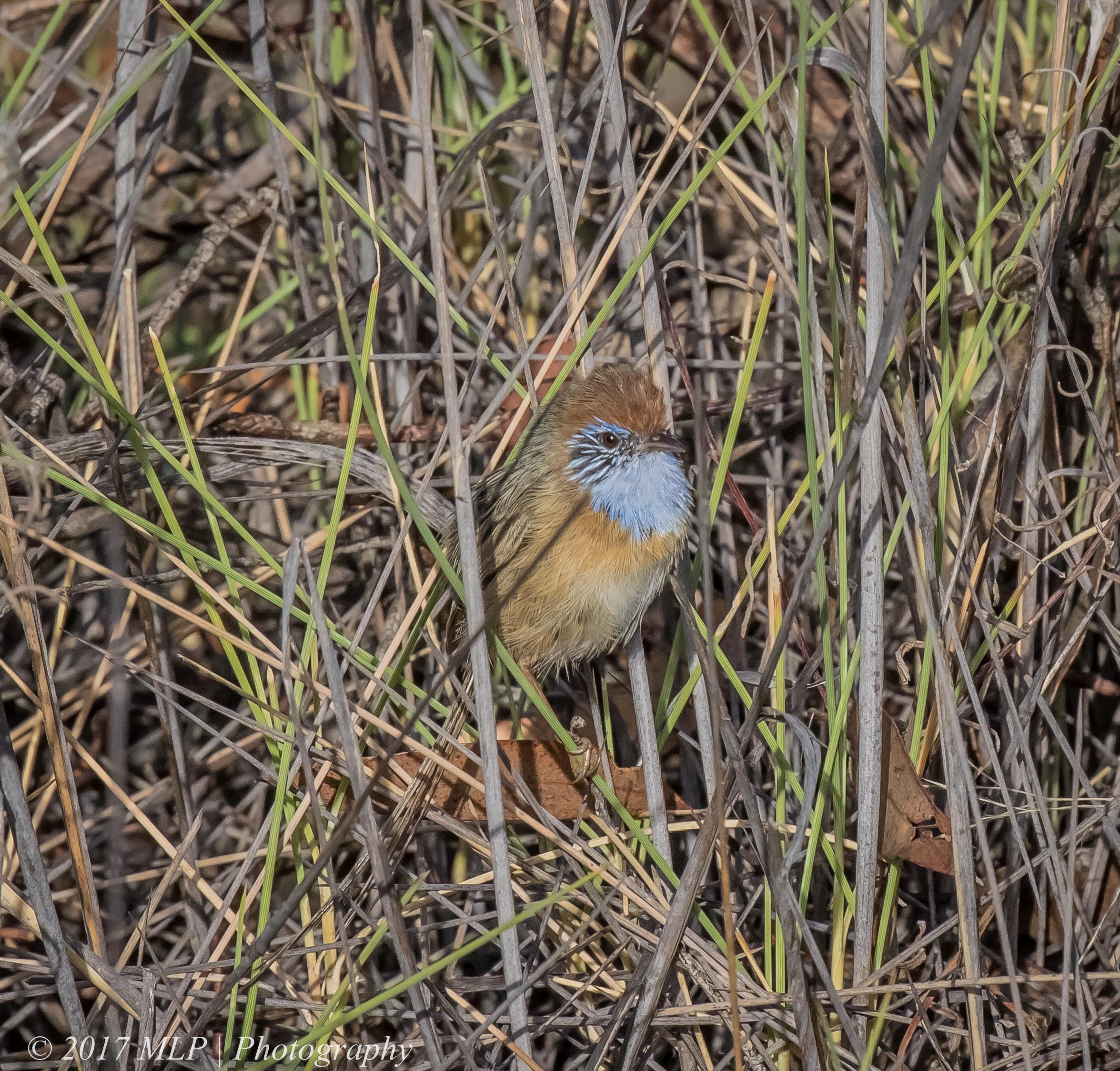
III
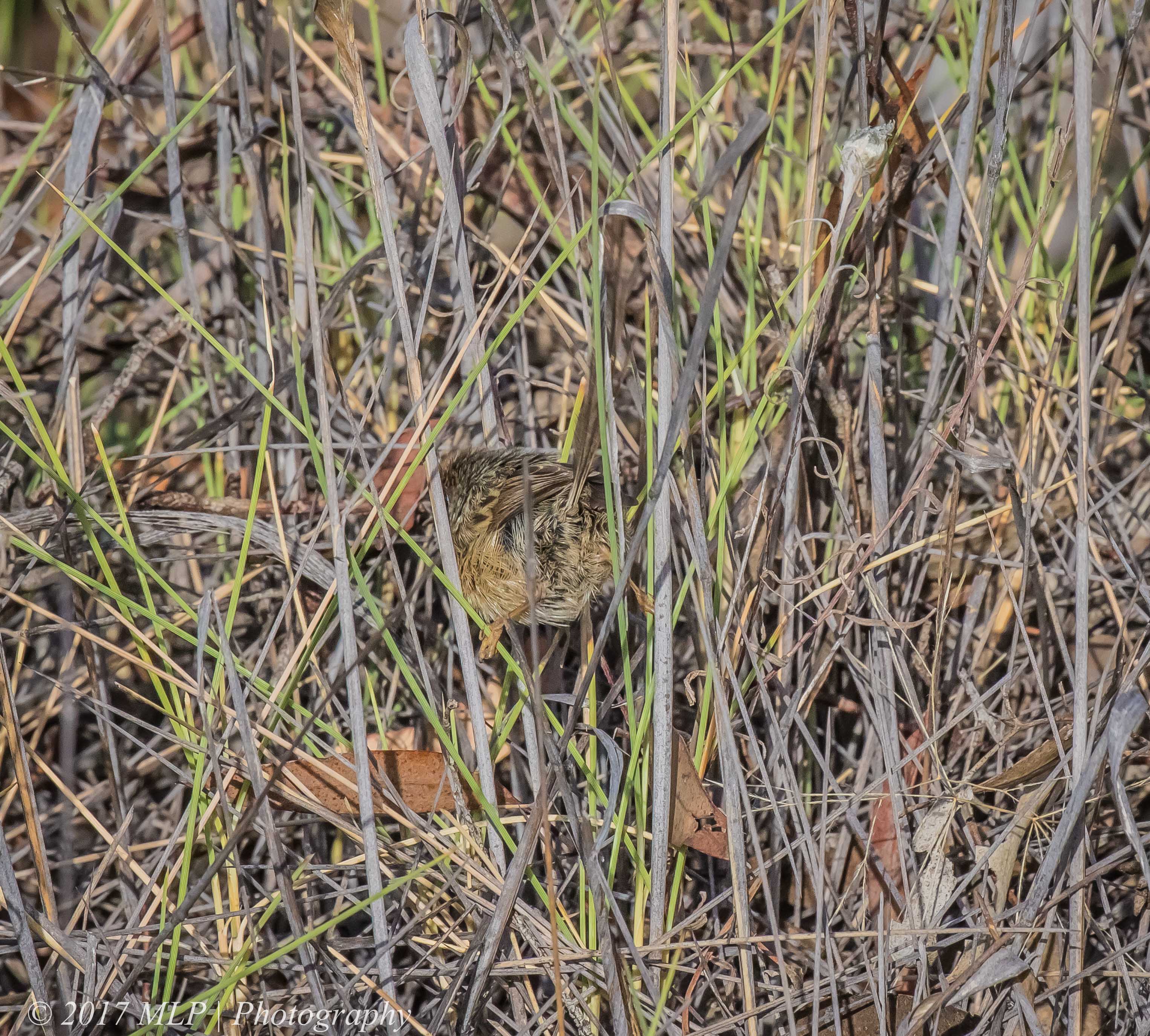
The Emu-wren can quickly dive back into the spiky grass and disappear – there is no way you could see them unless they were perched on top of the grass clump
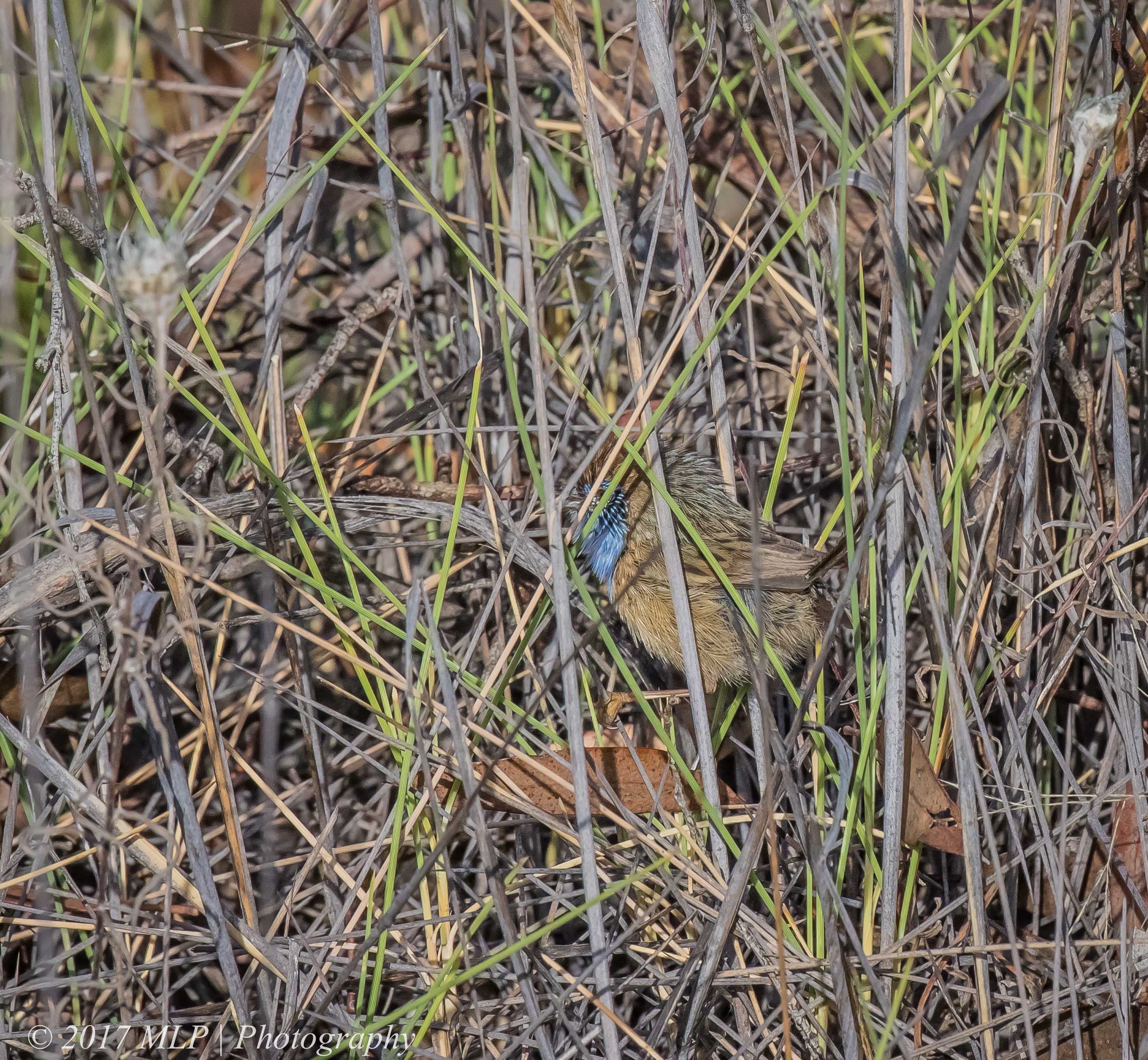
The male’s blue throat can give away their presence in the grass.
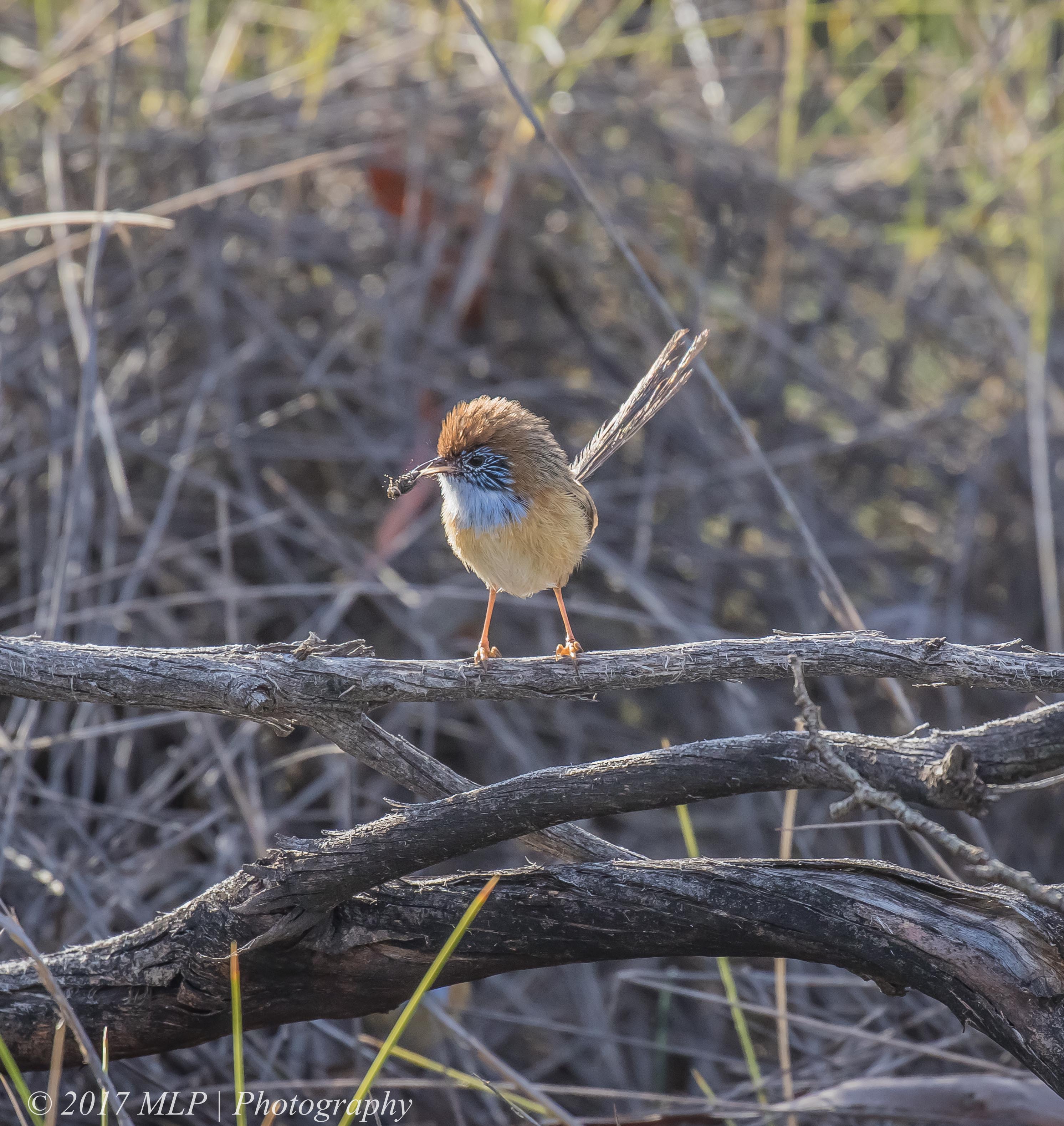
Hunting flies for breakfast.
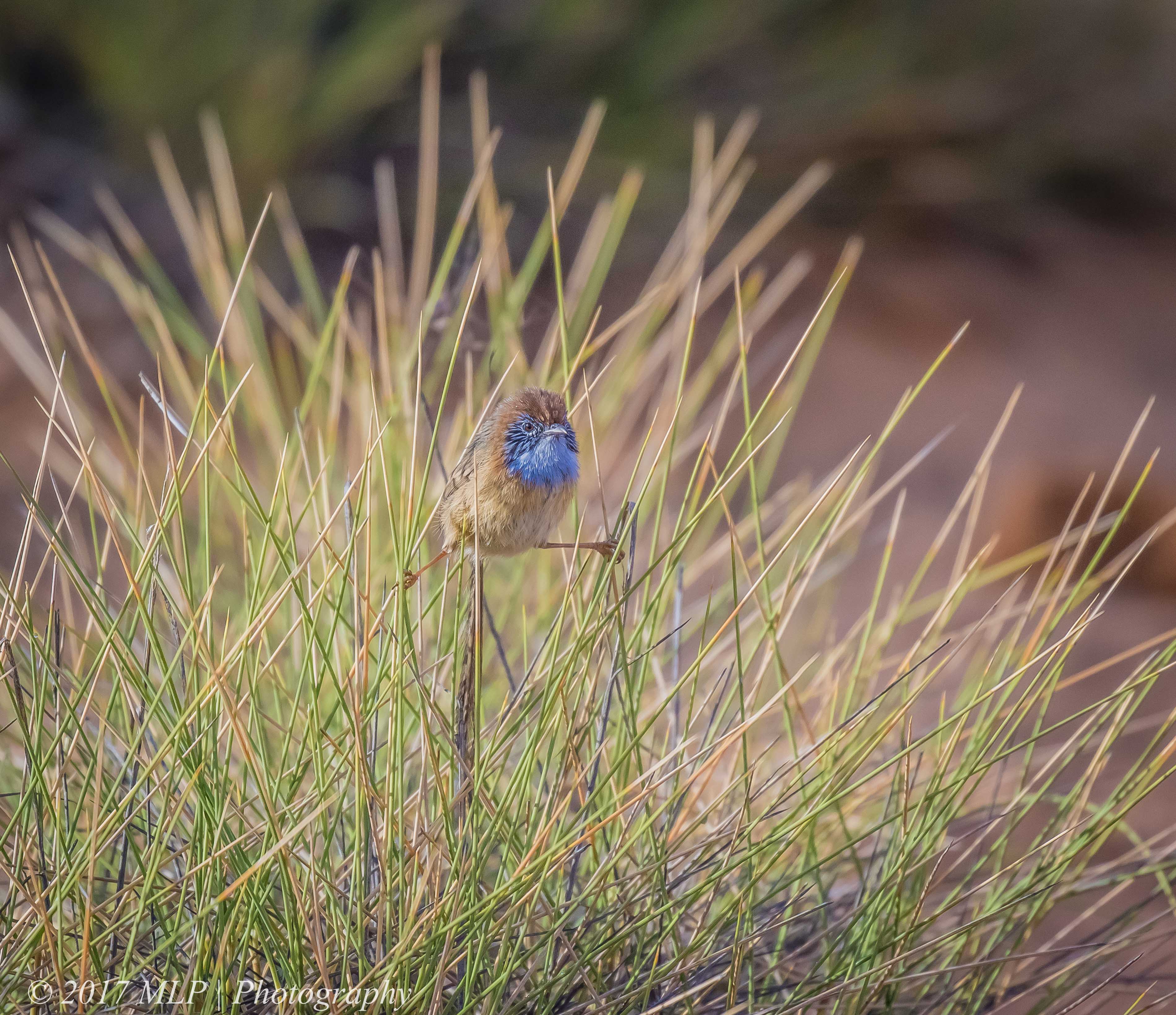
A typical pose when looking out for danger or watching for intruders from neighbouring tribes.

In this position the tails hangs down, the muscles are probably needed just to keep that pose.

Emu walking down the Nowingi Track, the typical vegetation of the Mallee Emu-wren, more trees and other vegetation variety compared to the needs of the Southern Emu-wren.
I carry a bit gear when I am bushwalking looking for birds and good photo opportunities. All sorts of bits and pieces hanging off me can occasionally squeak while I walk and has often fooled me into thinking that a small bird is near by. On this occasion I was wandering down Konardin Track (Hattah Kulkyne National Park) and had gone off-track a bit watching two bright pink Major Mitchell Cockatoos. I heard a very light squeak and dismissed it as my gear. As I moved around an area to check for emu-wrens and sometimes just standing still to see if I could hear anything else, I heard the squeak again and this time thought my nose was whistling as I was breathing. I stood still, I froze and then held my breath but soon heard three quick squeaks. That’s it! There is something here with me amongst the spinifex and mallee bushes. I stayed still and prepped my camera very carefully. From the corner of my eye a female Chestnut Quail-thrush popped into the open and started to feed along the ground. Even when scared this species seems to bolt along the ground and hide rather than fly away from an area. As I took a few photos another came into my vision and followed the first. It got a little too close to the first and there was a stand-up altercation, the pair separated a bit and continued to feed. The bird was also lifer 342, and I did my little lifer jig (accompanied by lots of squeaks and rattles).

Chestnut Quail-thrush, Konardin Track, Hattah Kulkyne National Park, Vic
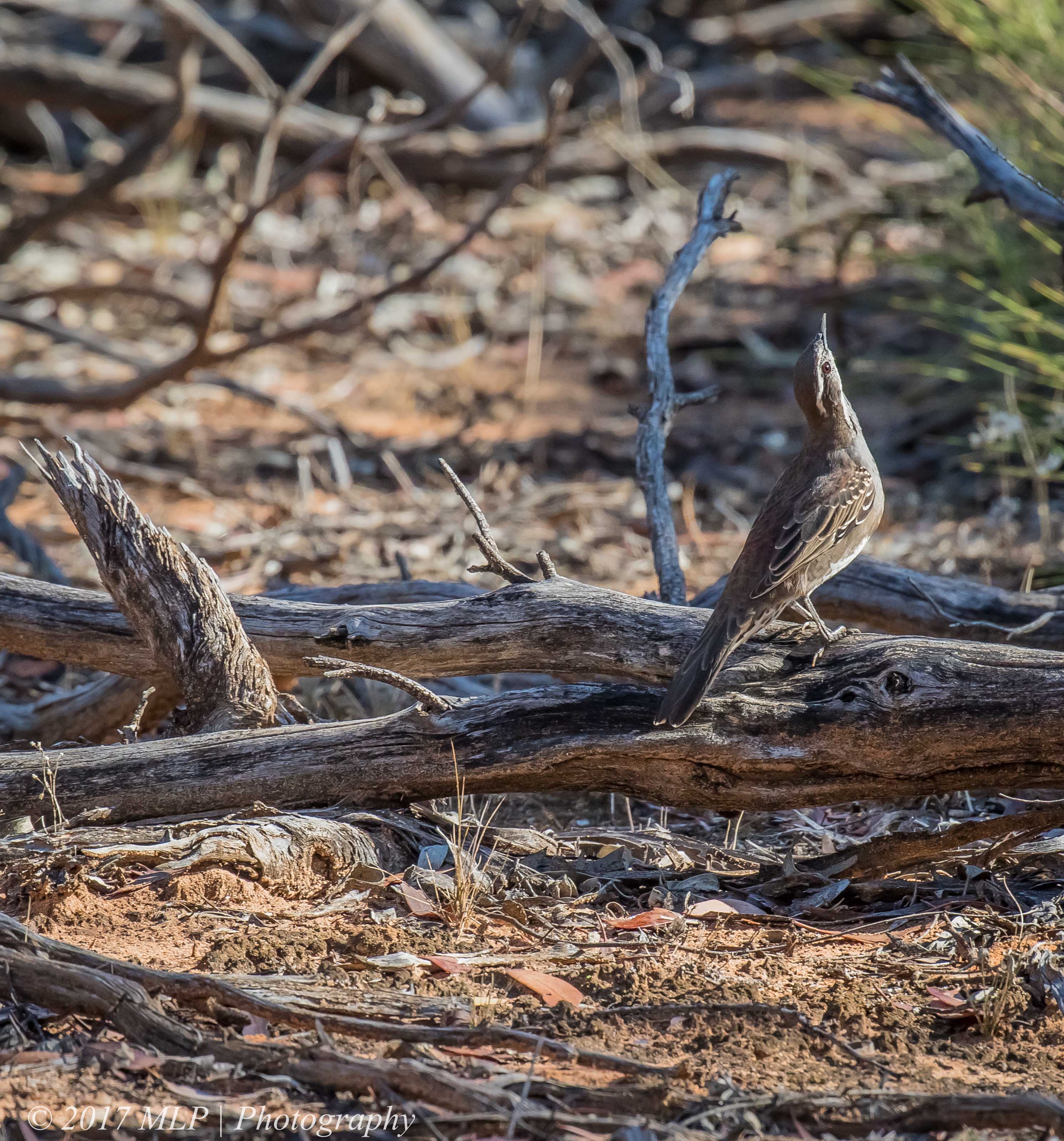
One of the pair of female Chestnut Quail-thrush in a “back off” pose

Keeping an eye on me but not very bothered and continued to stay in the open and feed.
On the recent long weekend I spent a few days camping in Hattah Kulkyne National Park. It is in the Mallee region of North Western Victoria about 500kms (5.5 hrs) drive from Melbourne. I spent a few days looking for various birds that are usually only found in the area or further inland. I had a pretty successful weekend, finding 9 lifers, 2 of which are below. I thoroughly enjoyed my trip and found the area visually quite stunning. I think I chose a good time of year to go as the temperature can get into the high 40’s C during Summer. As well as the main lakes where the two campgrounds are located, there are a few tracks where several highly sought after birds can usually be found – Nowingi and Konardin Tracks.
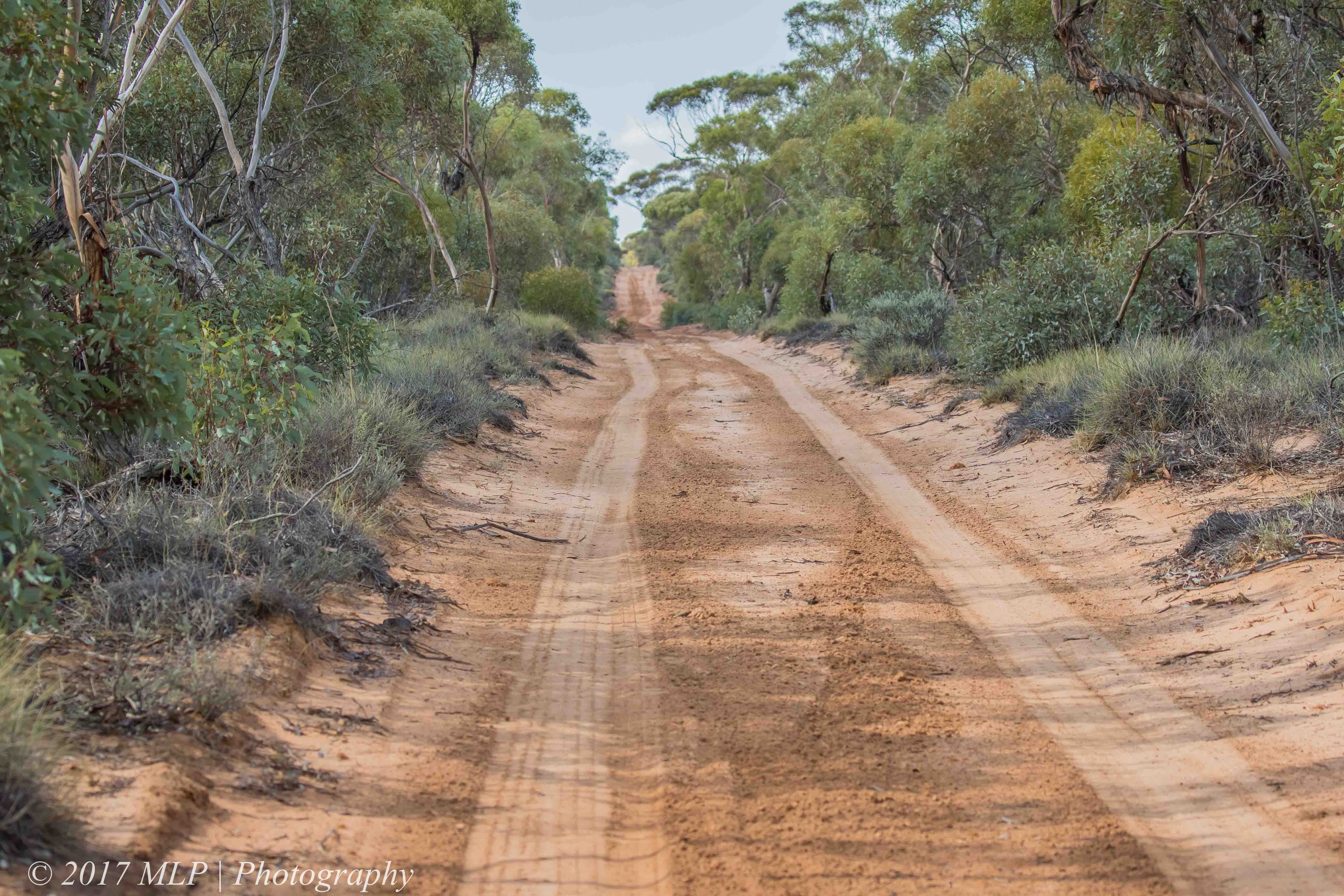
Nowingi Track, Hattah Kulkyne National Park, Vic

Mallee Dragon, Nowingi Track. The mallee has the highest concentration of lizard species in Victoria. I saw quite a few of these dragons amongst the spinifex.

Lifer 343: Crested Bellbird, Nowingi Track

Konardin Track, Hattah Kulkyne National Park – my car is tucked in the bush on the left – once I found a likely spot or heard some interesting sounds I would pull over and explore into the mallee scrub and small trees and further down the track.
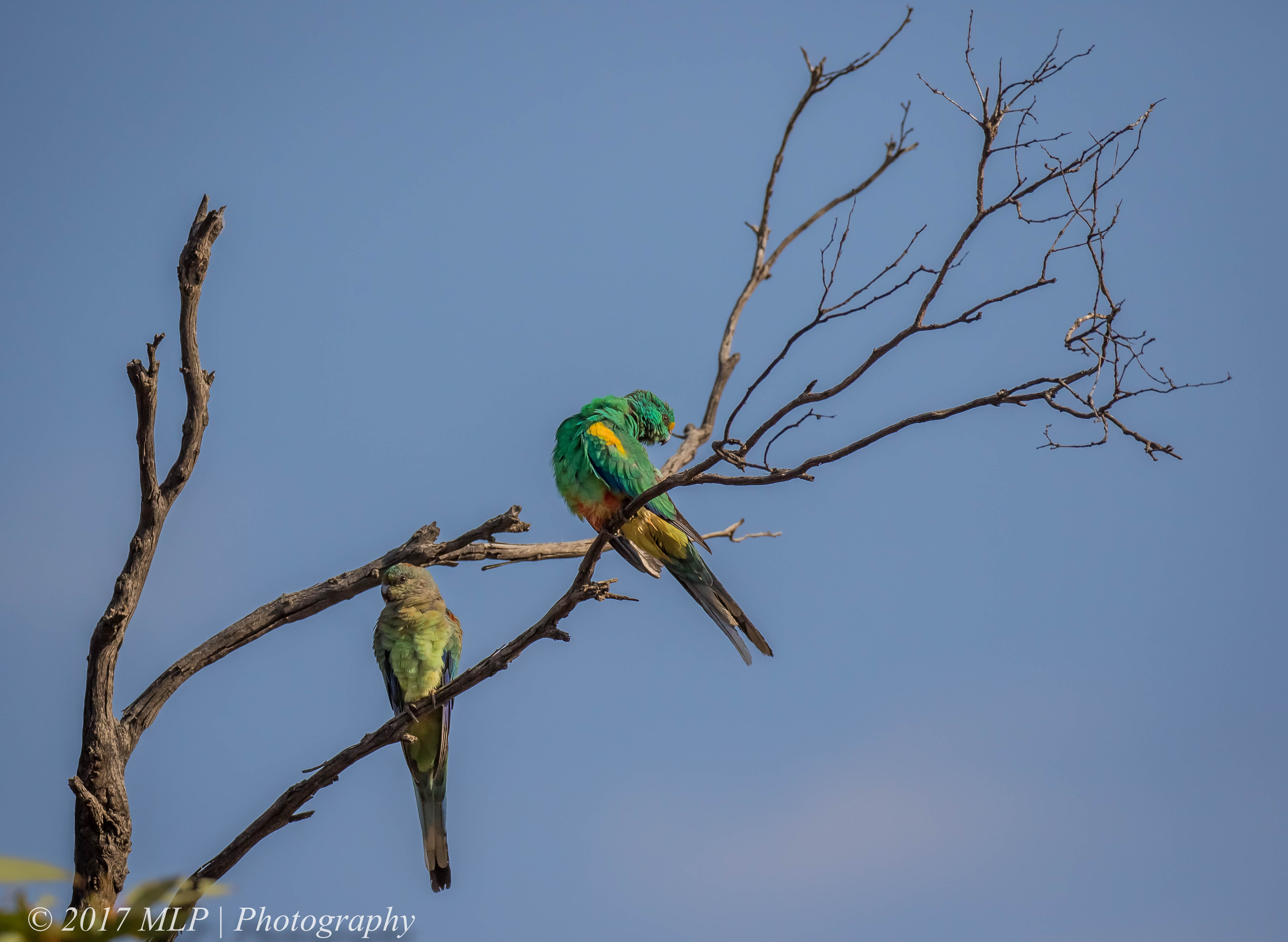
Mulga Parrots
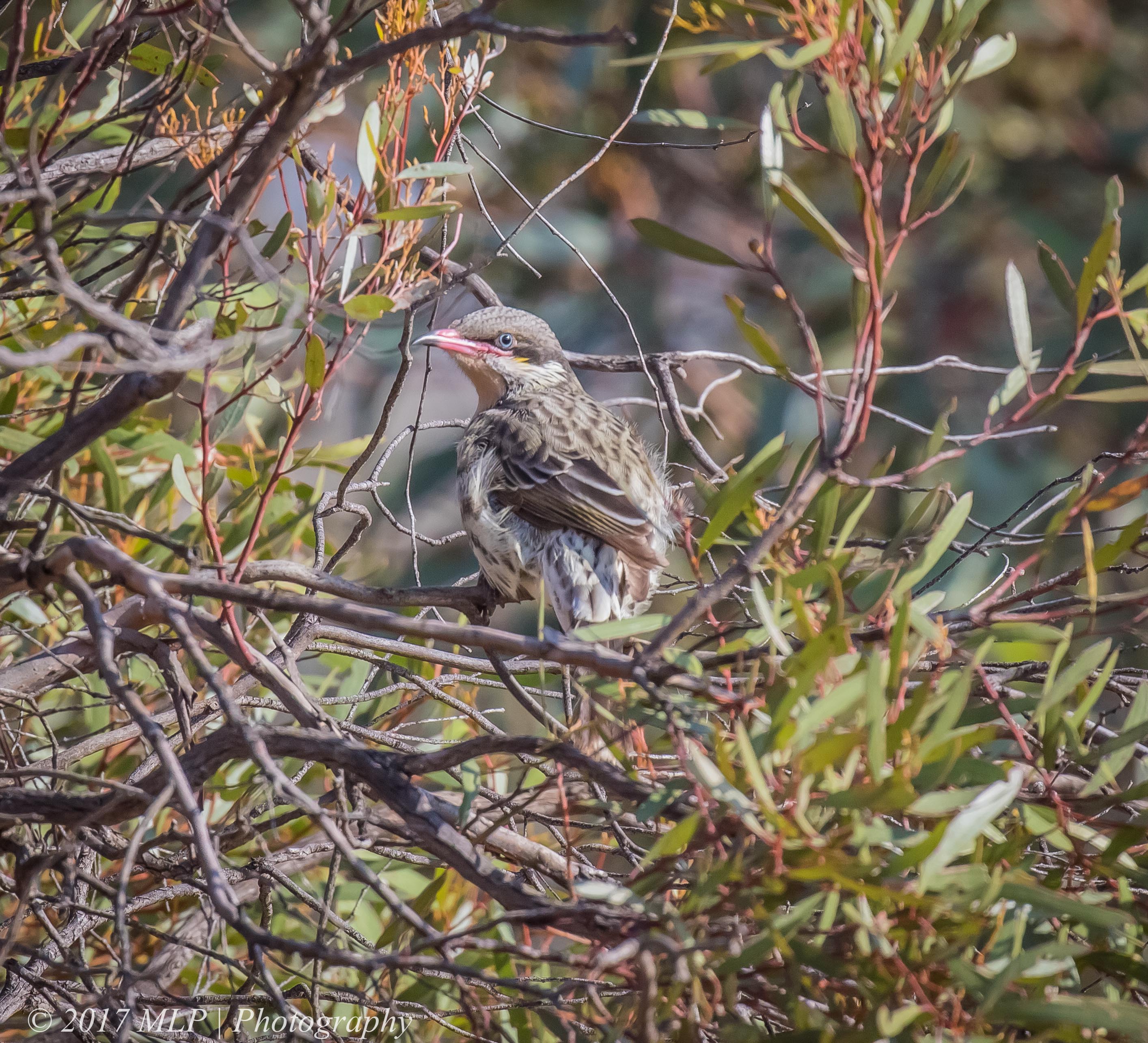
Spiny-cheeked Honeyeater

Lifer 340: Major Mitchell Cockatoos, Konardin Track – inspecting a potential nest hole.
I drove down to the Flinders Ocean Beach today, also called Mushroom Reef due to the shape of the exposed reef at low tide. It is part of the Mornington Peninsula National Park. It was high tide and I walked along the sand looking for Hooded Plovers and other waders.
A birding minute or two at Flinders Ocean Beach
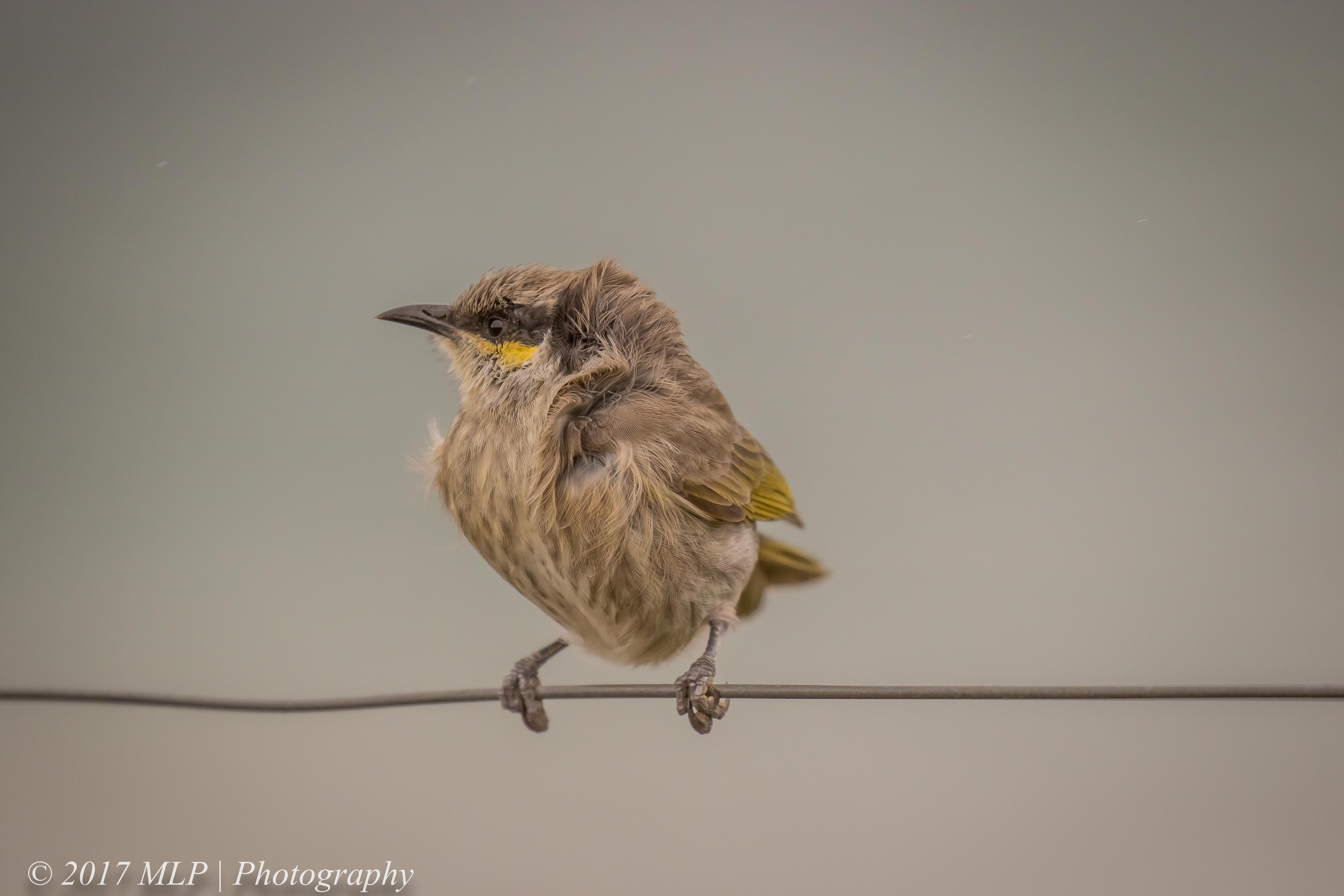
Singing Honeyeater in the strong wind, Flinders Ocean Beach, Flinders, Vic

II

III

Flinders Ocean Beach, Flinders, Vic

II

Second Cove, Flinders Ocean Beach

Juvenile Hooded Plover (without the signature black hood)

Double Banded Plover, Red-necked Stints
My second recorded birding minute took place today at Elster Creek Wetlands. I walked through the local golf course and into the wetlands. (Photos taken with my small Canon Powershot)
A Birding Minute:
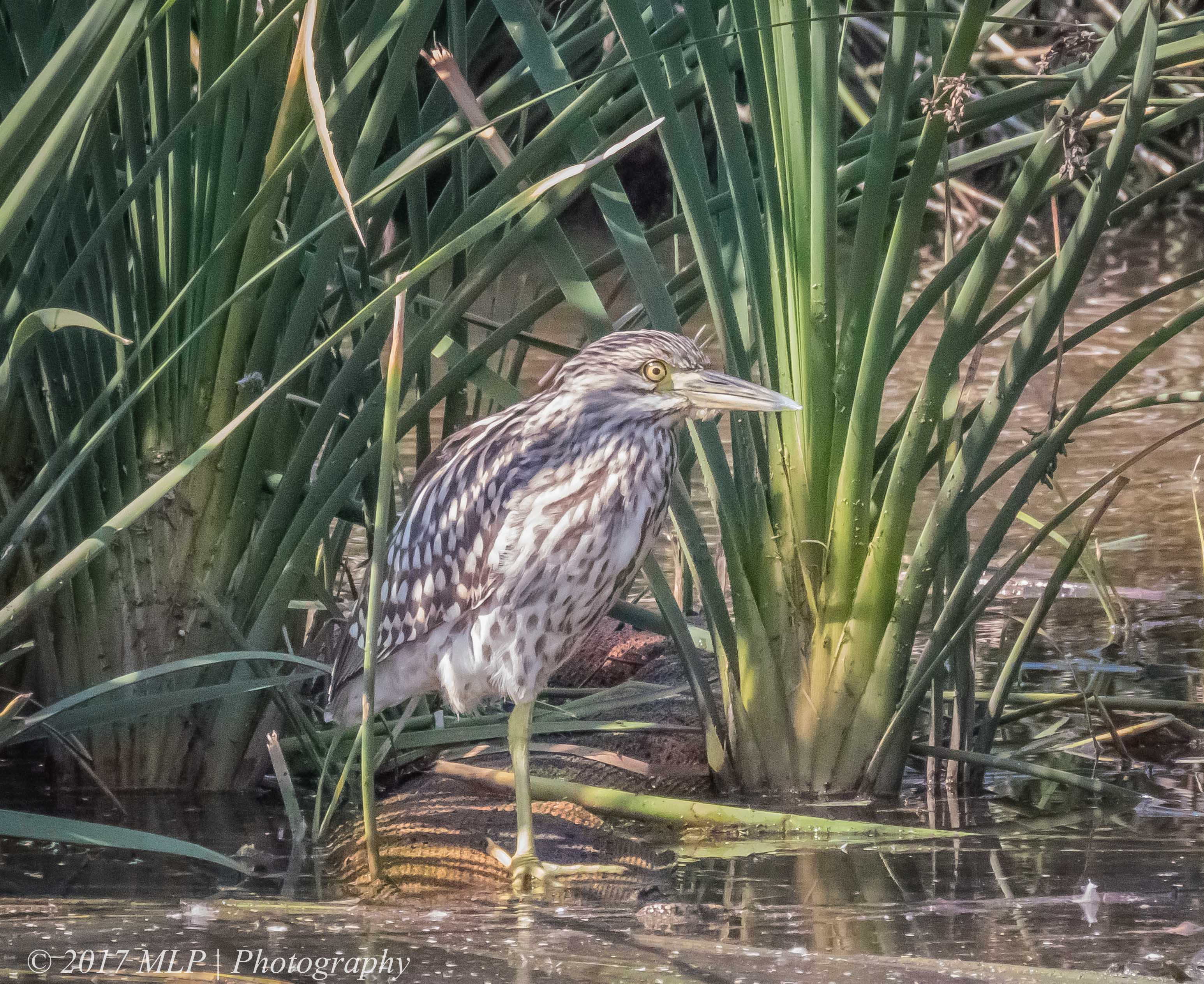
Juvenile Nankeen Night Heron, Elster Creek Wetlands, Elsternwick, Vic

Elster Creek Wetlands, Elsternwick
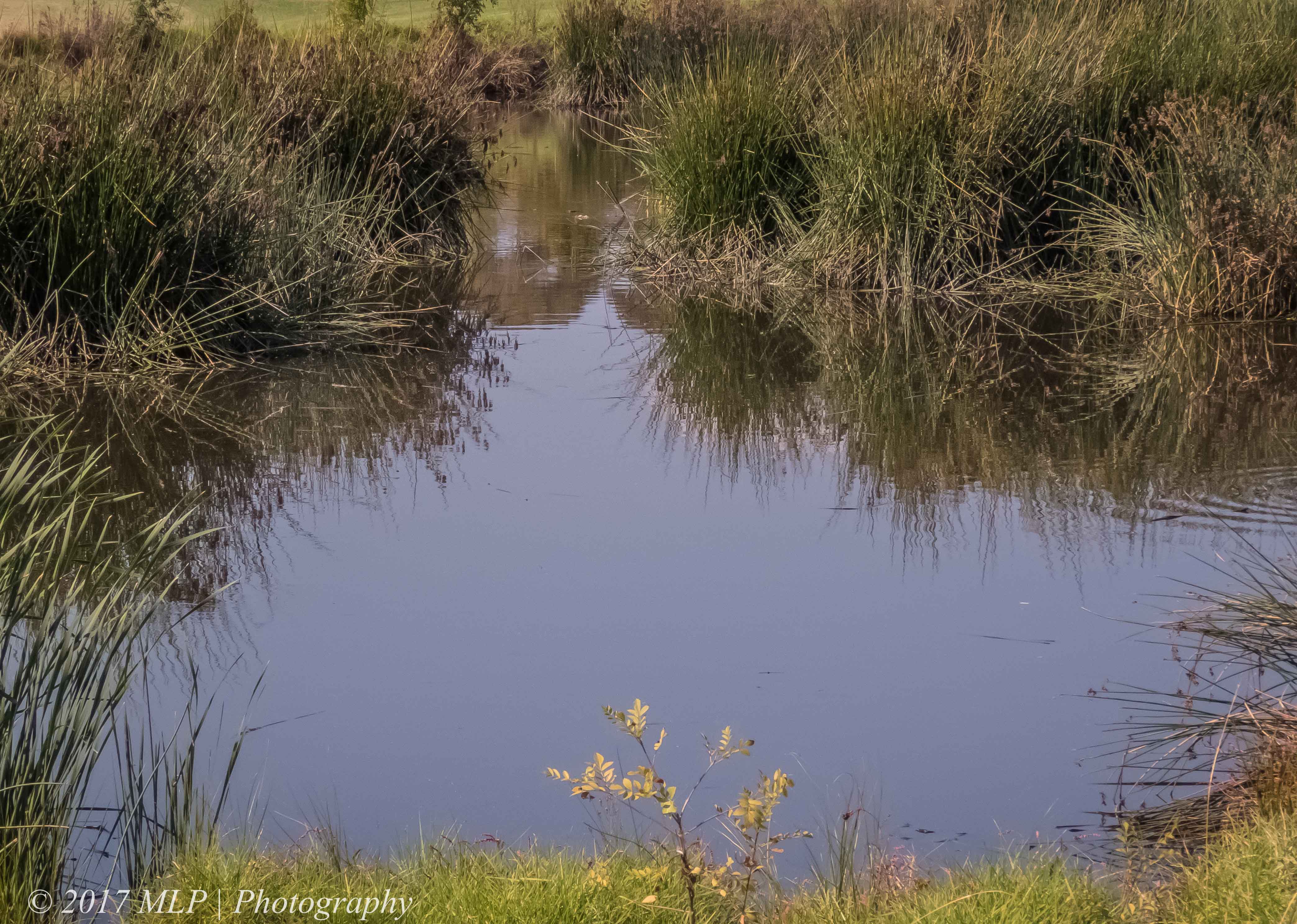
II
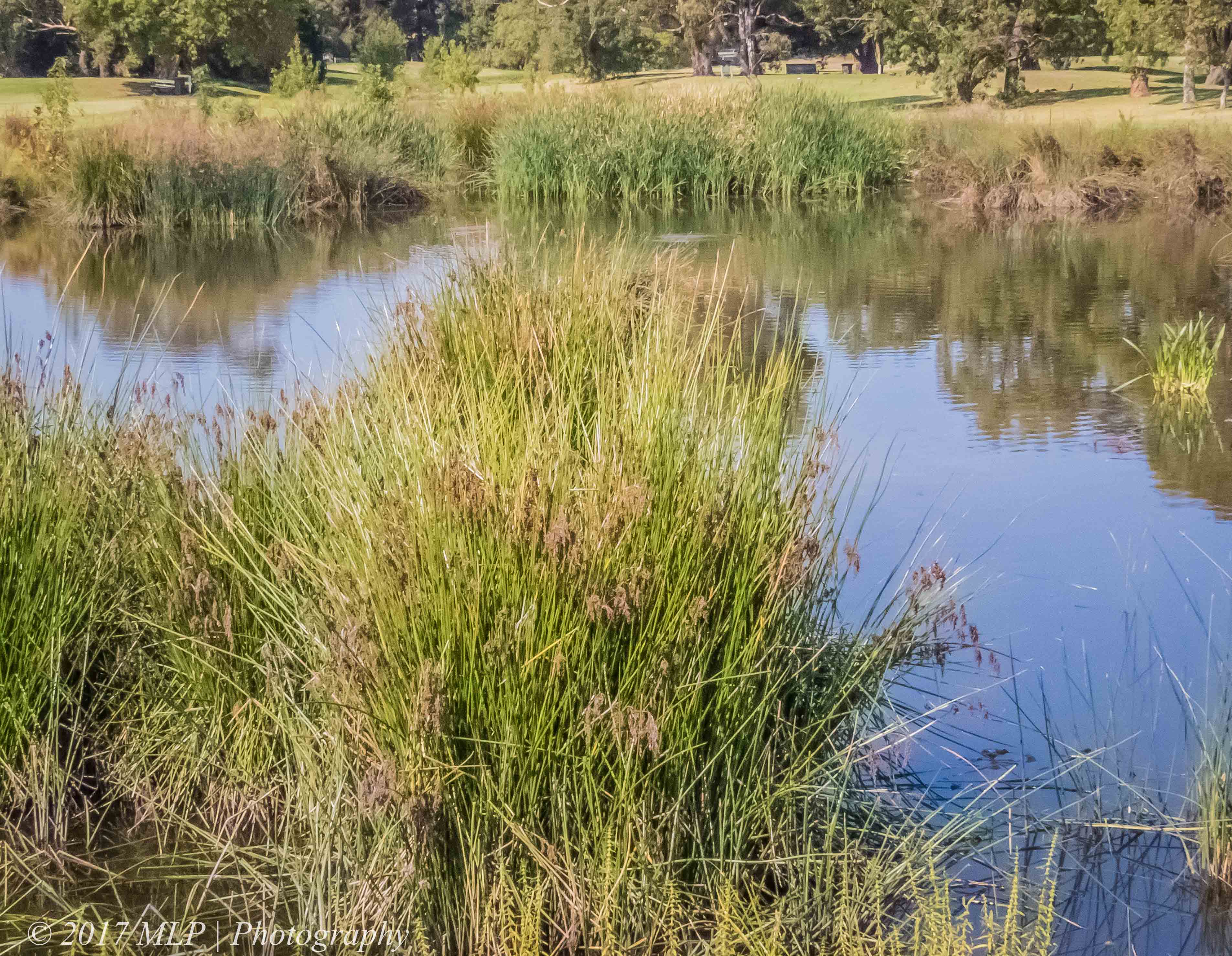
III
I walked along Elster Creek and into the wetlands a few weeks ago and watched a large Heron circle the wetlands and land in the shallow water. It attracted my attention as it was larger than usual and had a different flight shape – I had first thought it was a white-faced heron, but it did not look right. I moved along the edge of the wetlands until I could get a better view and was surprised to find a White-necked Heron. The first I have seen locally. I have usually seen them much further inland. While watching the heron two more came from behind the reeds and were immediately harassed by the roosting Silver Gulls. The local birds are not used to this large Heron and were dive bombing the herons when they moved around the wetlands hunting. When spooked the Heron raises its neck feathers in an aggressive display to make it look bigger and meaner. The three herons hunted around the small lake for the day and then moved on. I have not seem them since. There are many reports of this species around Melbourne at the moment and I believe that after a good breeding season further inland to the north they are now moving around as the inland wetlands dry out in late summer.

White-necked Heron, Elster Creek Wetlands, Elsternwick, Vic
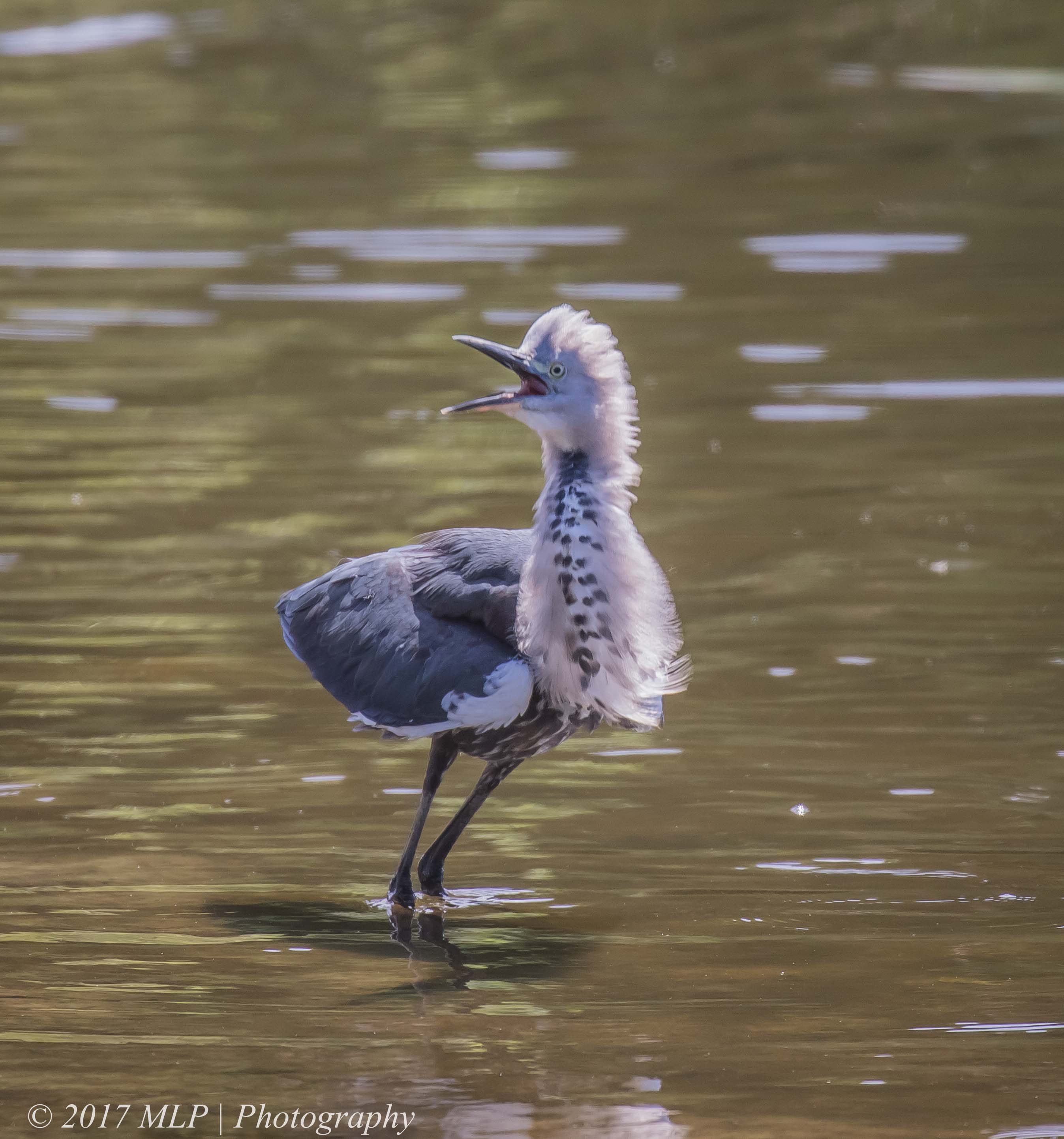
Silver Gulls were harassing the Heron as it hunted in the shallows

III

A Juvenile White-necked Heron

V

VI
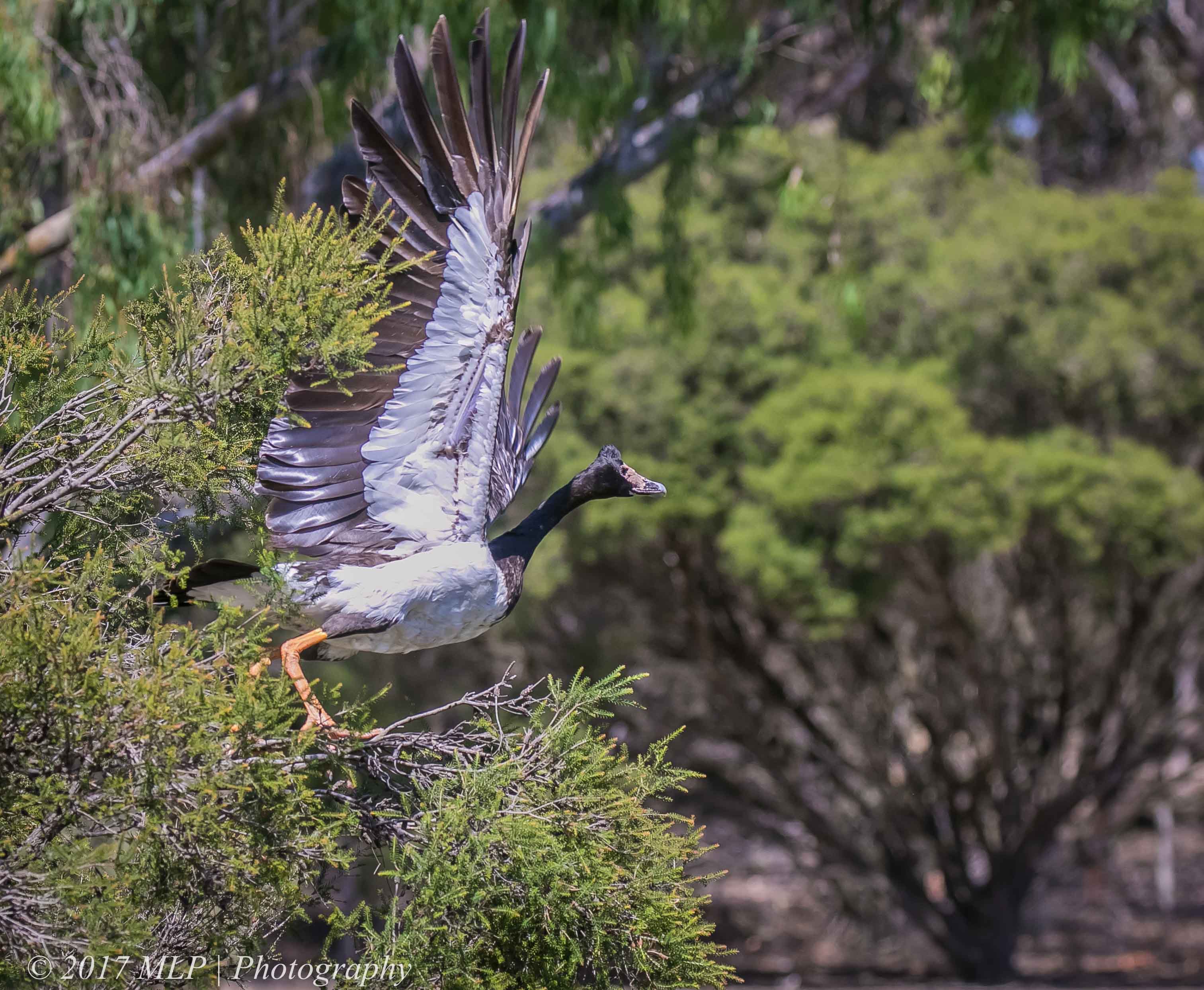
Serendip Sanctuary at the base of the You Yangs, South-West of Melbourne, is a good place to practice your bird and animal photography. I like to visit the sanctuary a few times a year and see what wild birds have turned up. The Bush Stone Curlew and the Scarlet chested Parrot were in a walk through aviary along with many other species that are quite used to people. The Bush Stone Curlew uses it stillness and camouflaged plumage and freezes when threatened or nervous. While walking through the aviary we had to wait for the bird to stop freezing and move out of the way. It had to be hunting insects as it did not have to walk on the track we were on. The Scarlet-chested Parrot is rare in Victoria and usually found in inland Australia. The Magpie Geese are actually wild and are often found at Serendip especially when the water levels are higher. They are not the prettiest bird around – remind me more of a vulture than goose. Apparently they are very good eating in Northern Territory.
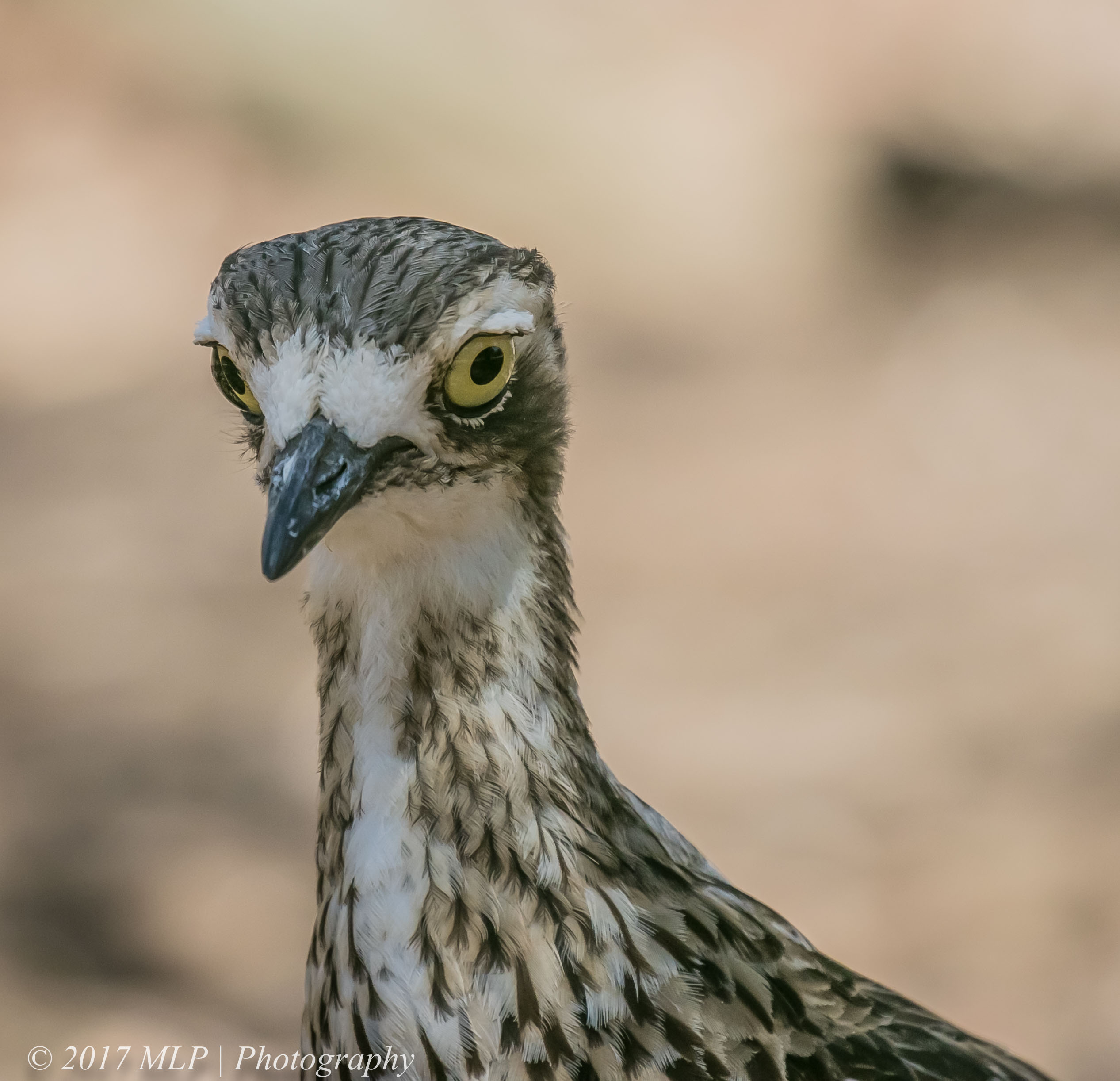
Bush Stone Curlew, Serendip Sanctuary, Lara, Victoria

II

III
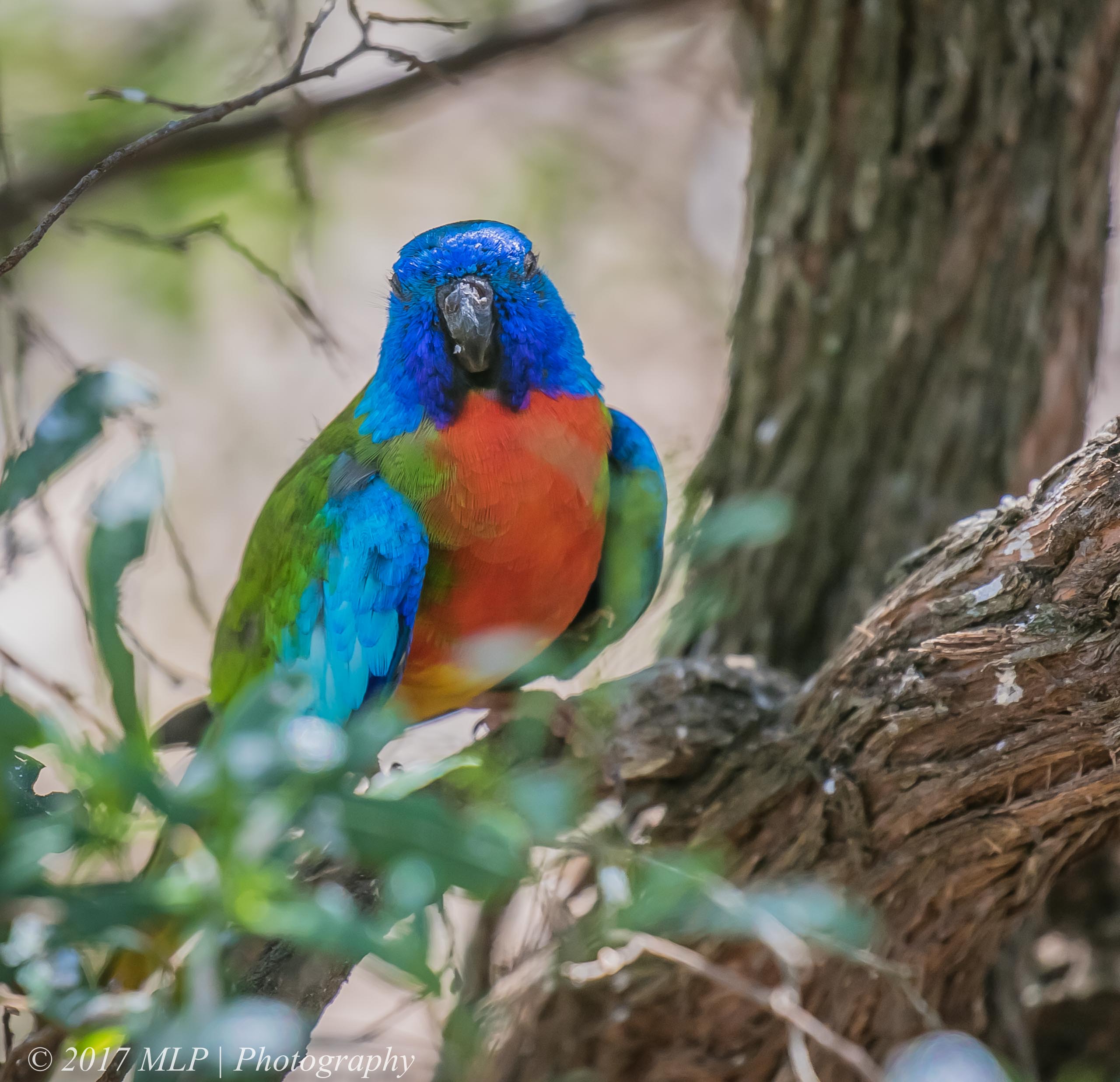
Scarlet chested Parrot
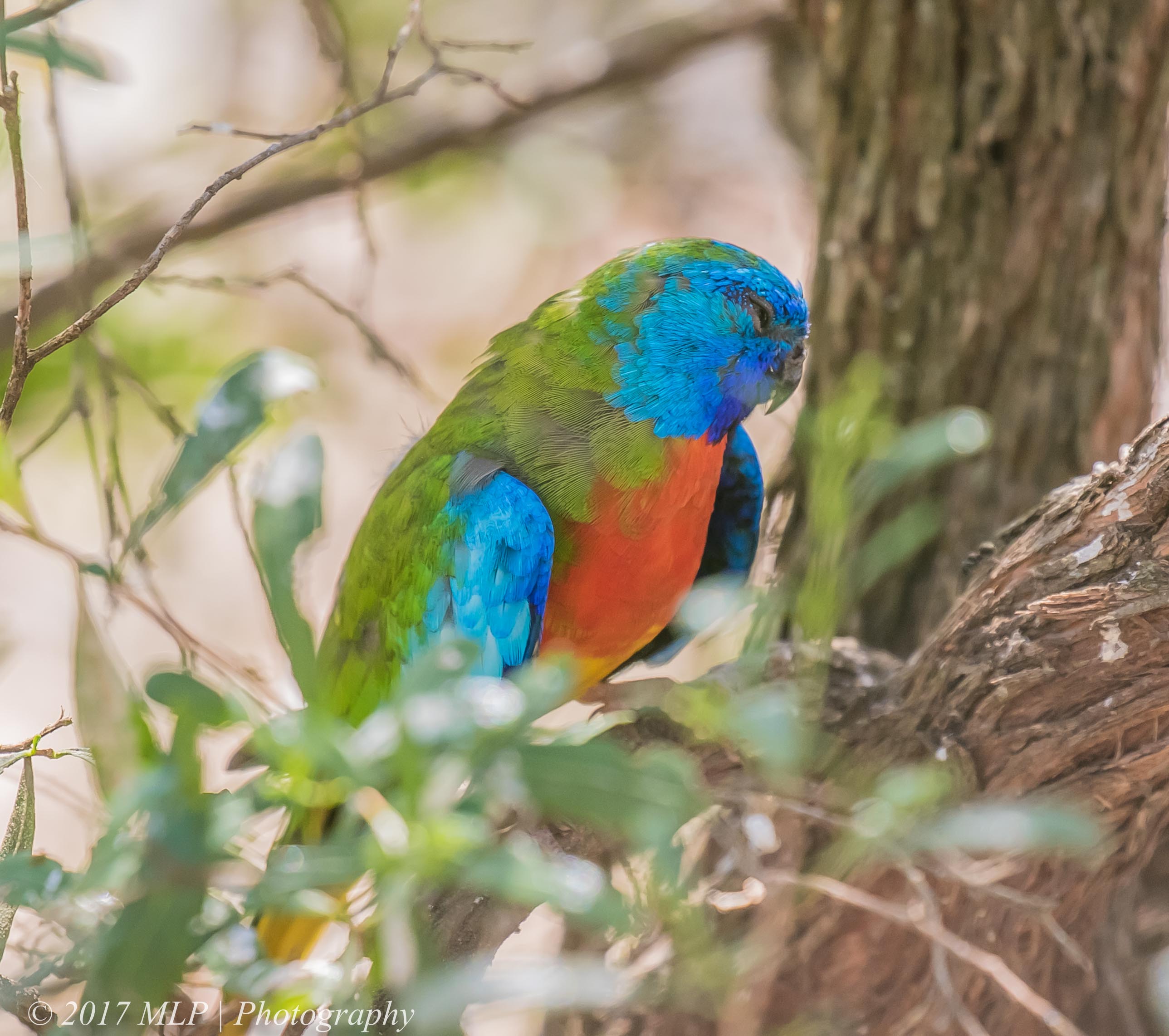
II

Swamp Wallaby
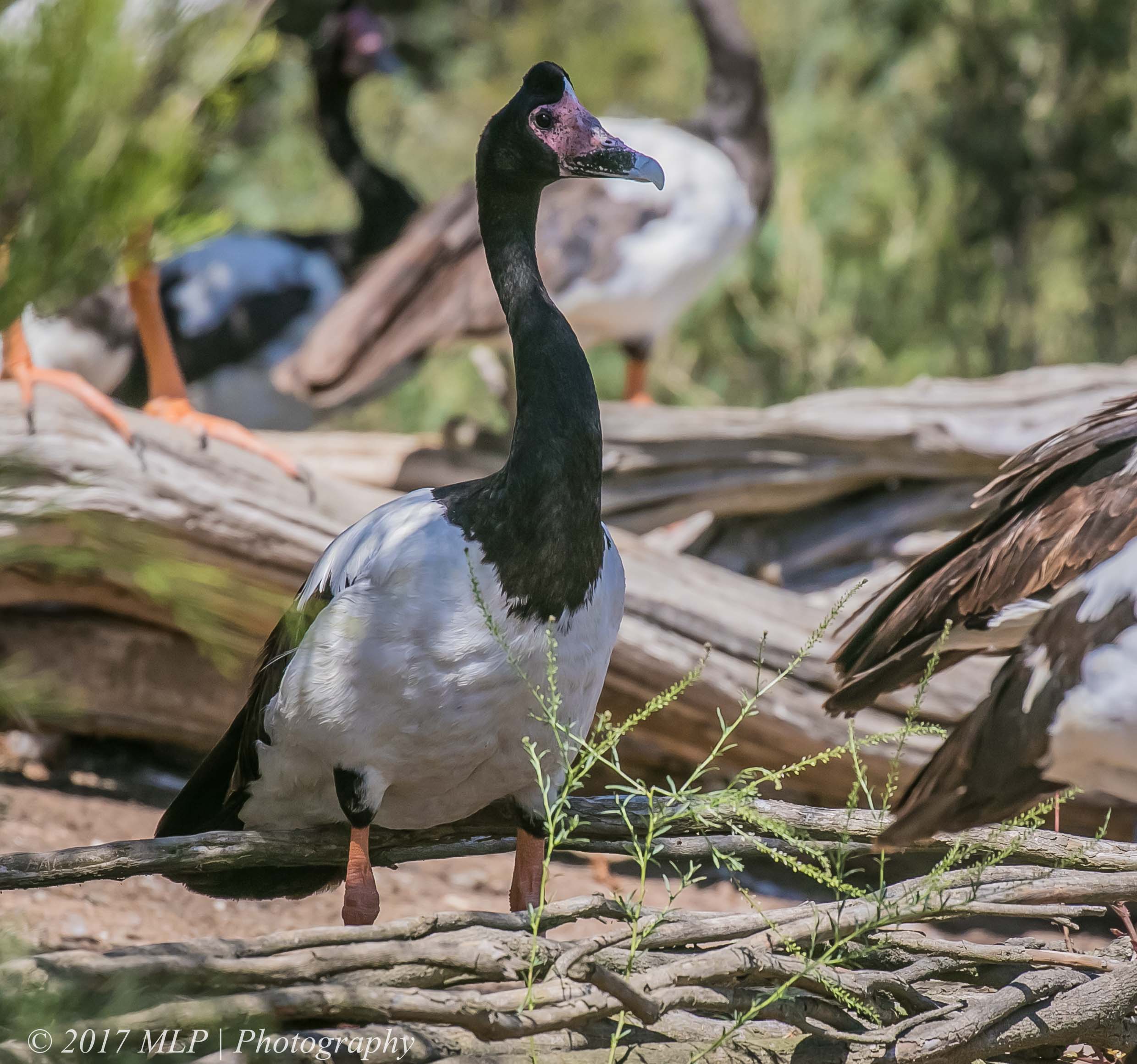
Magpie Goose, Serendip Sanctuary, Lara, Victoria
II

III
I read about creating “birding minutes” a while back (and eventually I will find the article/blog and reference it). The concept is about recording a site and the experience of that moment, the conditions, location and sounds of the local birds. For my first minute I thought I would use my iPhone and a Rode mic but it did not turn out well so in future I will record using my Zoom and the Rode mic. I recorded my 1st Birding Minute last weekend at Greens Bush on the Mornington Peninsula. It is a favourite spot of mine for an early morning walk amongst varied forest and rainforest vegetation types and usually has many birds but on this occasion it was very still and quiet.
A Birding Minute
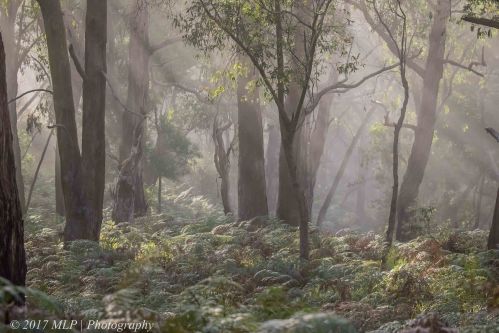
Greens Bush, Mornington Peninsula National Park, Vic
When I visit Braeside Park I always look in a few key spots for one of my favourite birds – the Tawny Frogmouth. Around the carpark there is open area and plenty of medium sized trees that the frogmouths like to roost in during the day. They can be hard to find due to the habit of staying very still and elongating their body to look like a dead branch stump. I have been seeing a pair in the carpark for the last 5 years so knew they were here somewhere. It was hot and I was standing in small grove of Wattles in the shade while I was trying to figure out where the pair could be when I looked straight into the eyes of a frogmouth. I found 2 roosting at head height in front of me and when I turned around to move away so I wouldnt be so close I found another. These were the grown chicks from the pair that I usually see in this area. ( I photographed a parent sitting on the nest last year. )

Tawny Frogmouth

Tawny Frogmouths
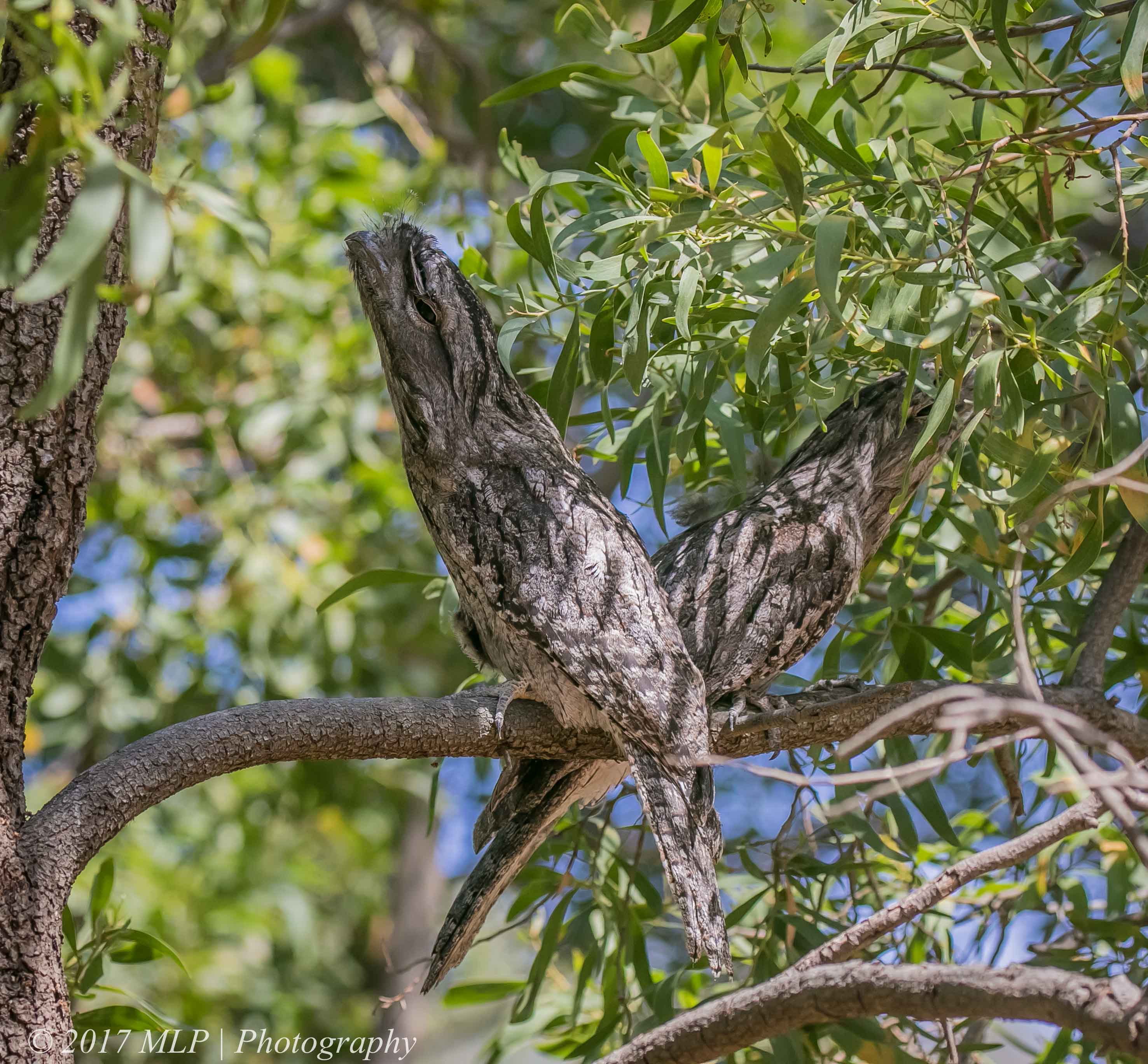
In the action no-action pose

Blending right in

The 3rd frogmouth and I would guess a parent as it just ignored me as I almost stumbled into it at head height while moving away from the other two – the breeding pair in this area of the Park are used to people and their cars.


 The Gap Year and Beyond