Tag Archives: Australia

Exploring the ancient rainforests of Tarra Bulga

A few hours South-East of Melbourne is a region known South Gippsland. Due to deep protected valleys and gullies and heavy rainfalls a beautiful temperate rainforest has developed. The Mountain Ash forests surrounding the gullies were once heavily logged for timber and planted Pine logging still occurs on the nearby hills. The best parts of the rainforest have been protected by the Tarra Bulga National Park.

Just south of the National Park is a Camp Ground and Caravan Park – Fernholme. Last weekend I camped there for a few days with family and friends.  We explored the local area and various tracks in the nearby National Park. I also had some quiet time to sneak away and look for birds. The forests were very dark but I did find and photograph a few nice birds along the way. (Bird Post to follow)
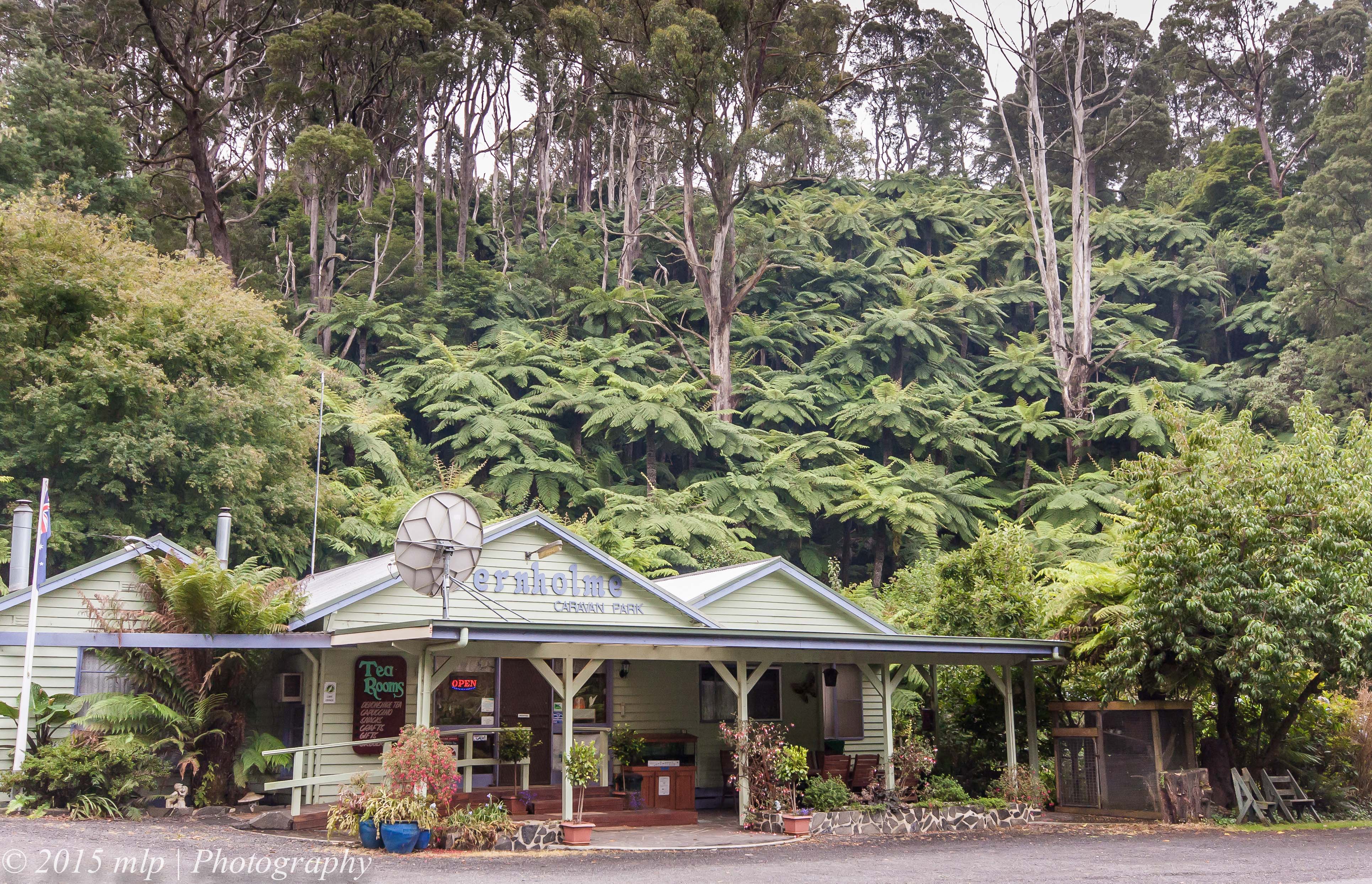
Fernholme Park, Tarra Valley,
Fernholme Park, Tarra Valley,

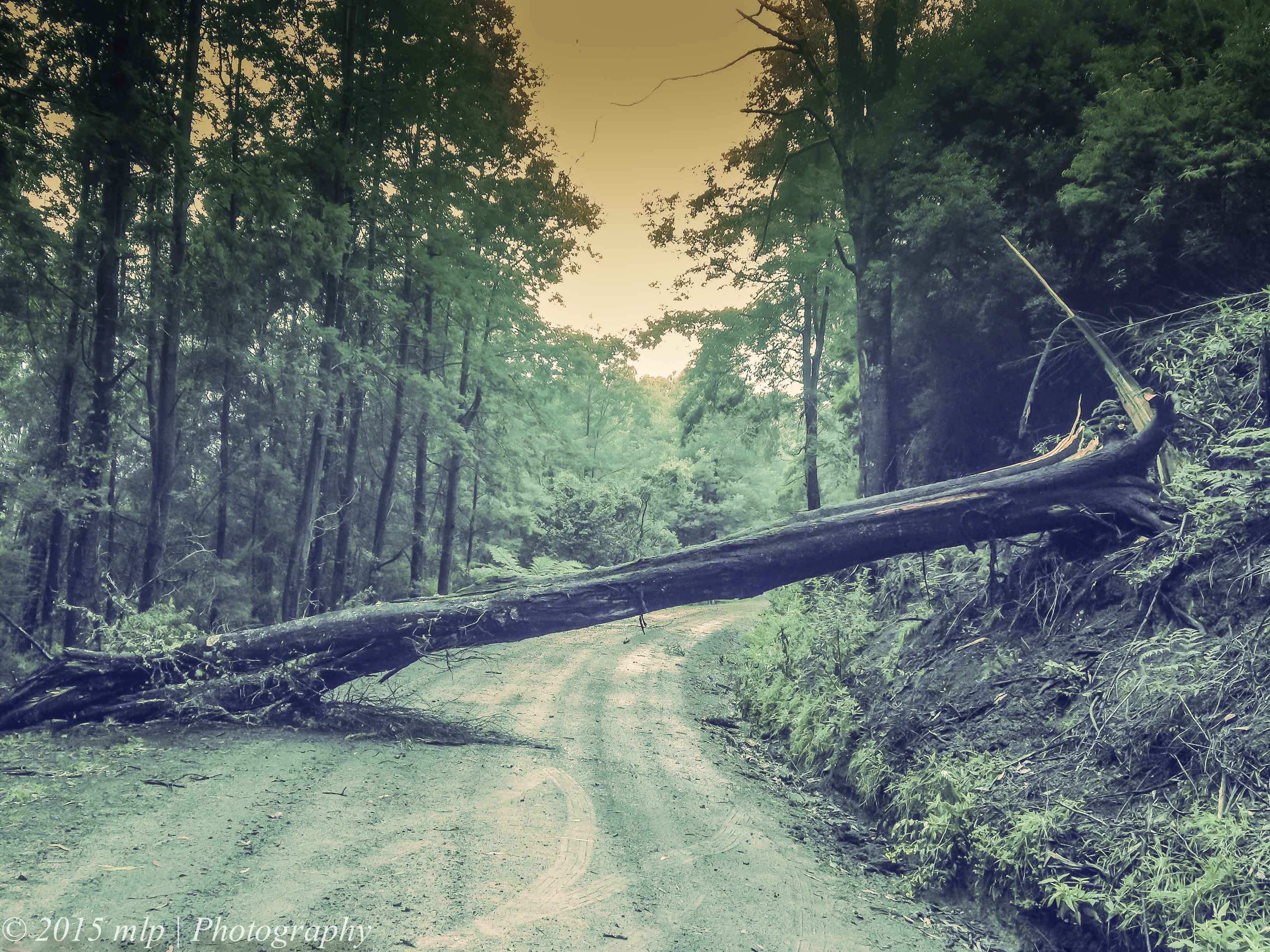
Fallen Tree

Fallen Tree – my car GPS took me up a few rough and muddy short-cut roads…we had to stop at this point and turn a round and head another way (for 50kms!)  – we were so close too. (taken using an iPhone through the windscreen). A recent windstorm had swept through the area and many trees were down.
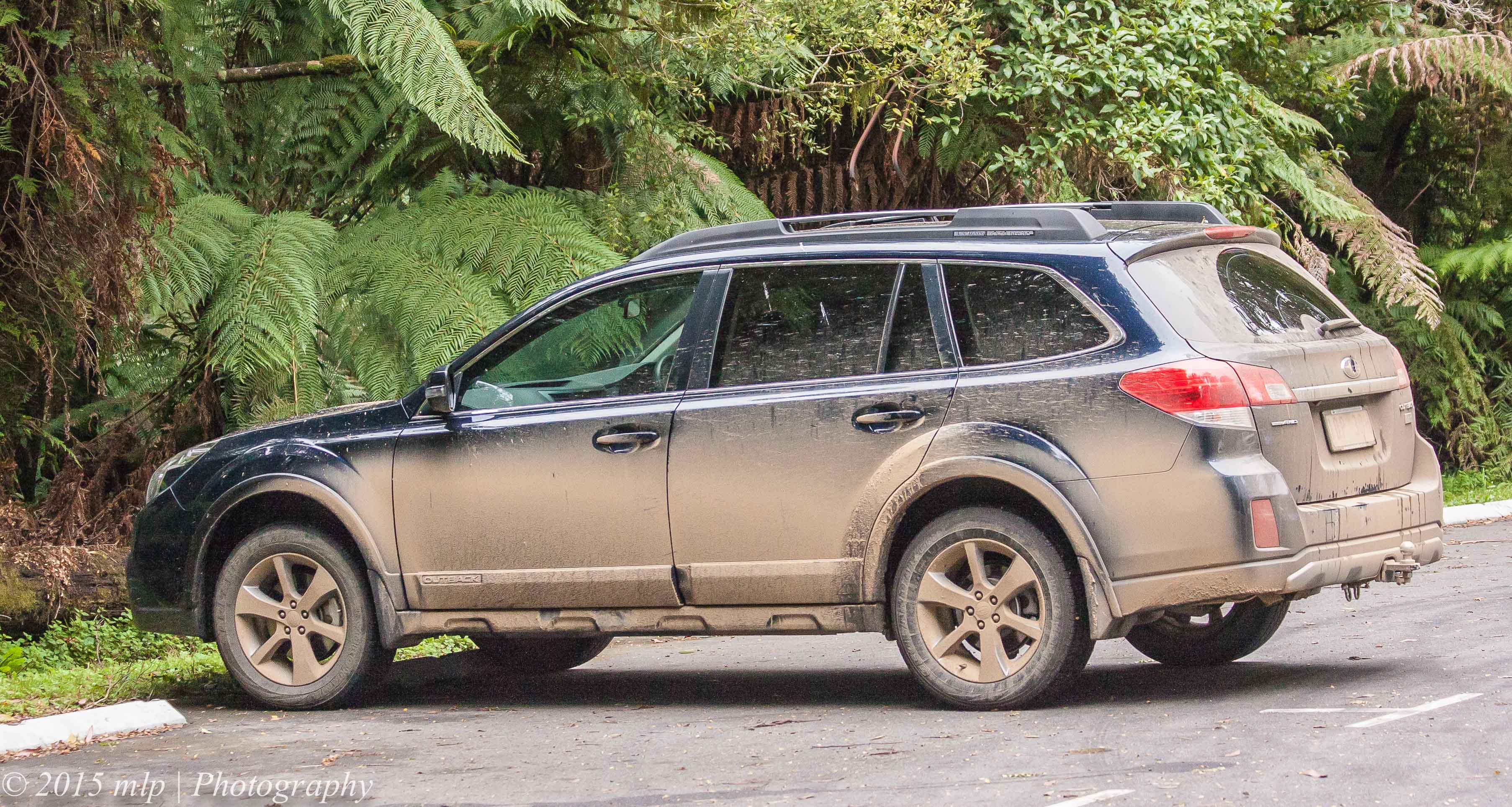
Blue Thunder

A very dirty Blue Thunder (named by my Nephews due to its Diesel engine) – my new Subaru Outback. My last car did not quite survive my many off road adventures of the last 18 months.

Fern wall

Fern wall behind the Camping Ground reception building – many of these ferns are very old and at least 20 foot high.

Ferns

Tree Ferns

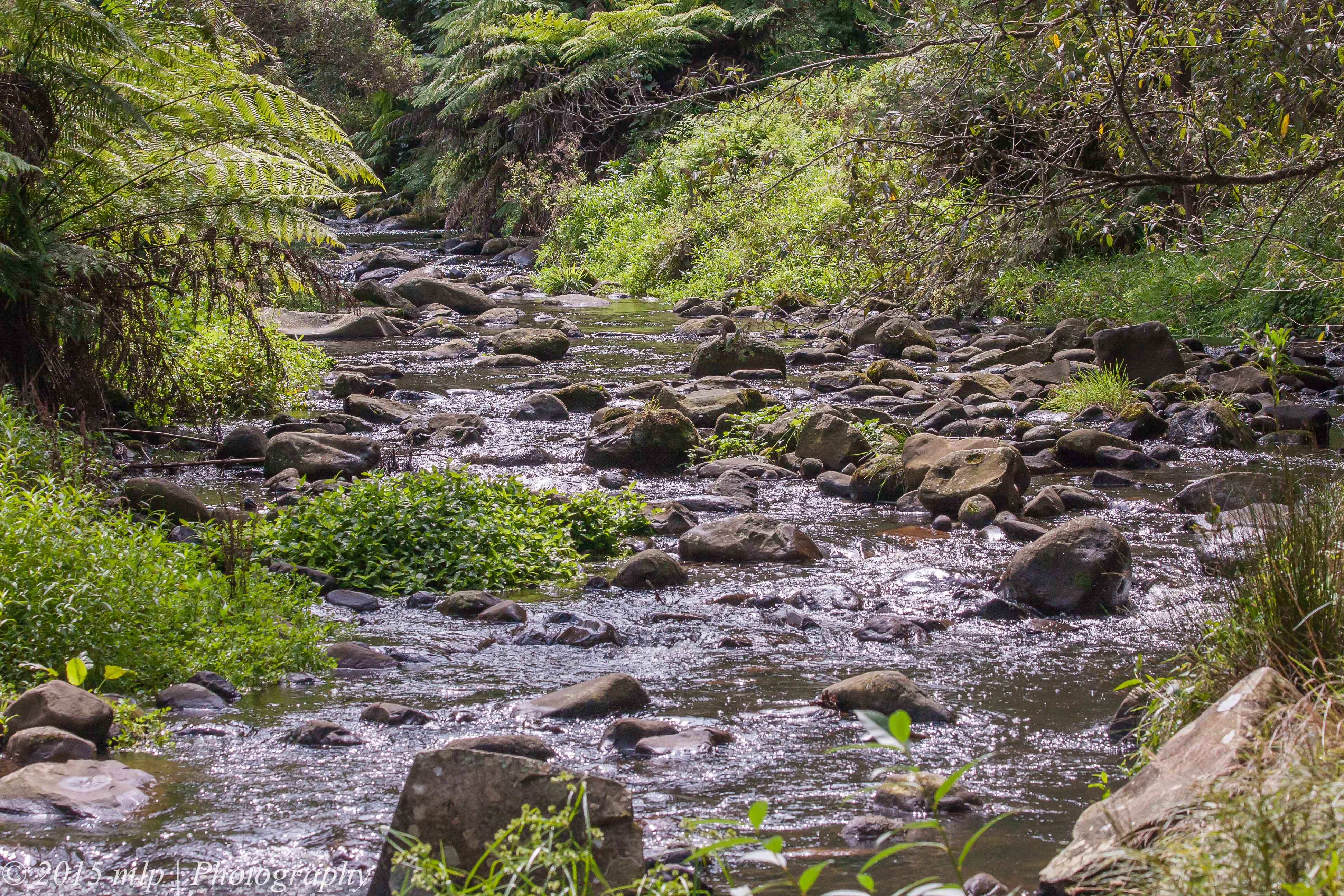
Tarra River

Tarra River – the river has Brown Trout and Platypus right next to the campgrounds.

rainforest Bridge

Rainforest Bridge in the National Park
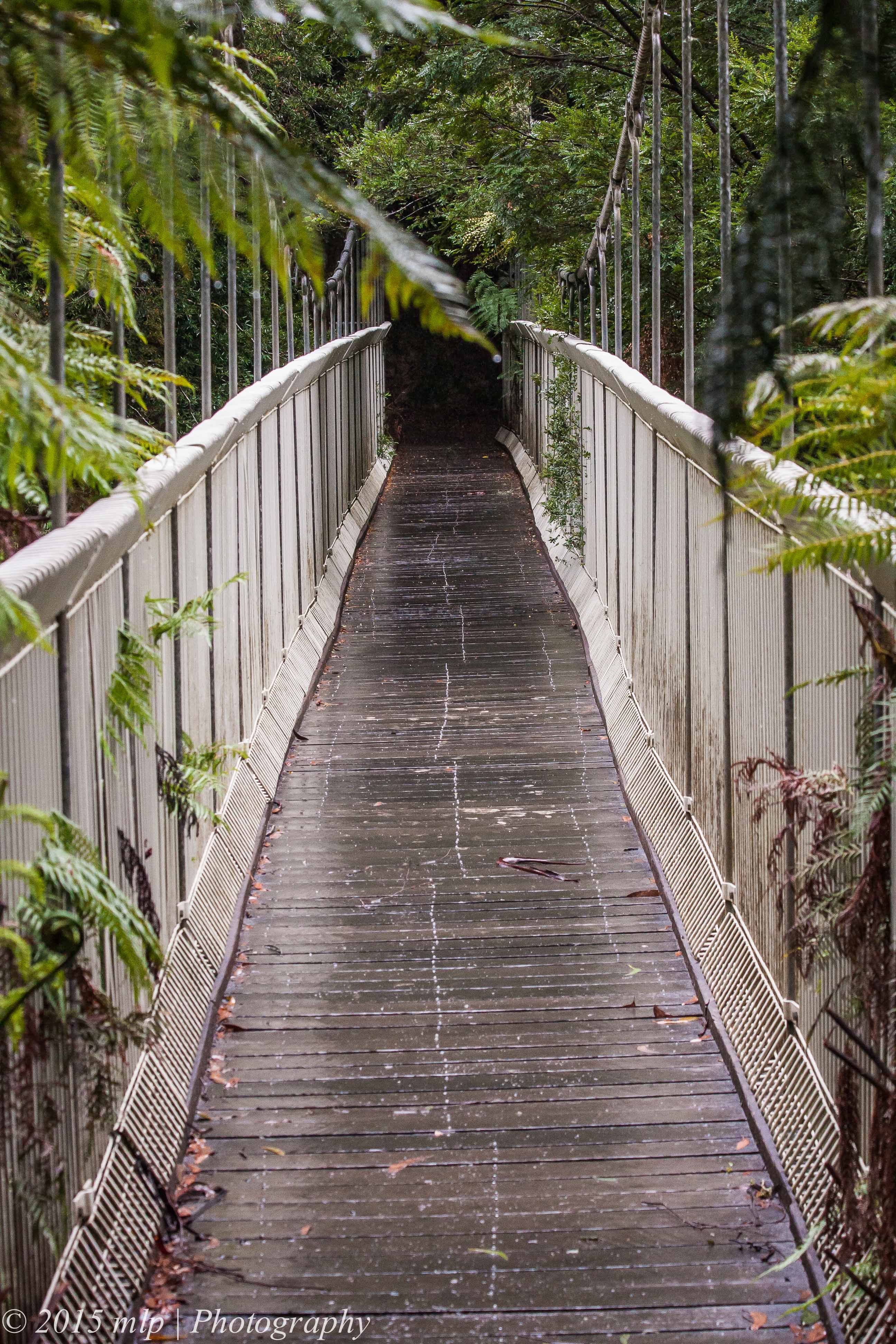
rainforest Bridge

Rainforest Suspension Bridge

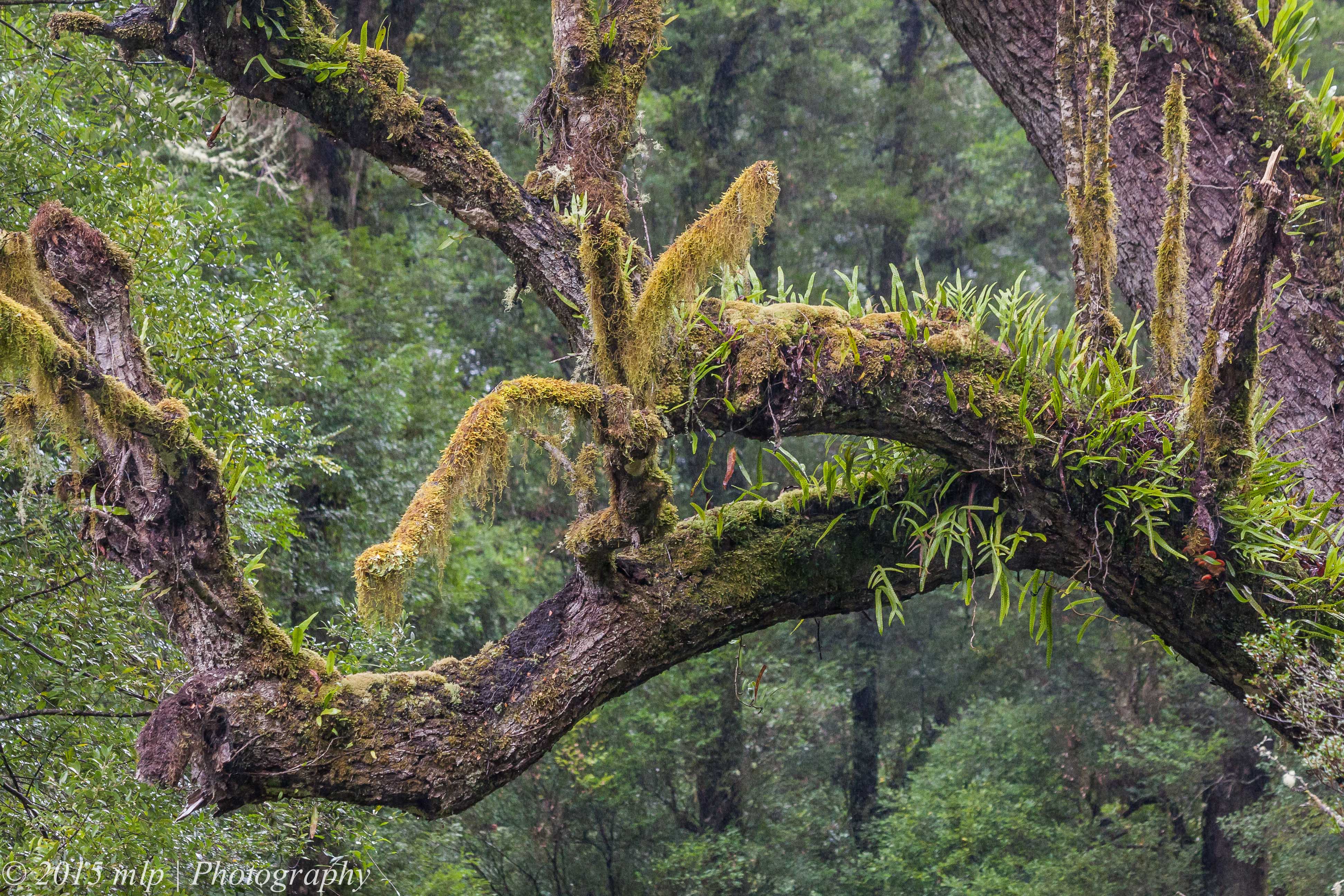
Moss Tree

Moss Tree – most of the older trees with a rough bark had moss, lichens, fungi and various ferns growing on them. Several of the Myrtle Beech trees we saw were over a thousand years old.

Moss

Moss growing on the tree branches in the forest
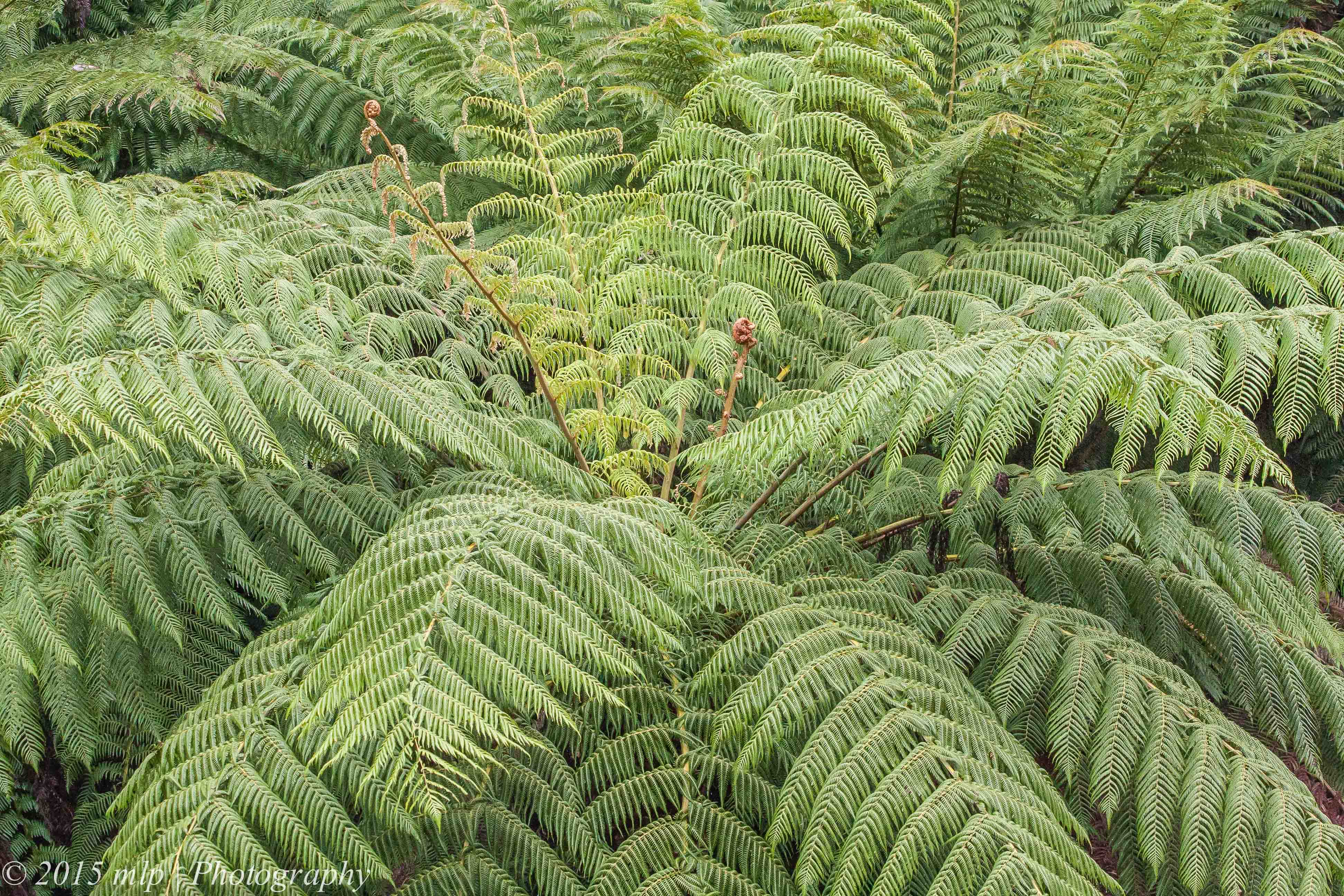
Tree Fern,

Large Tree Fern

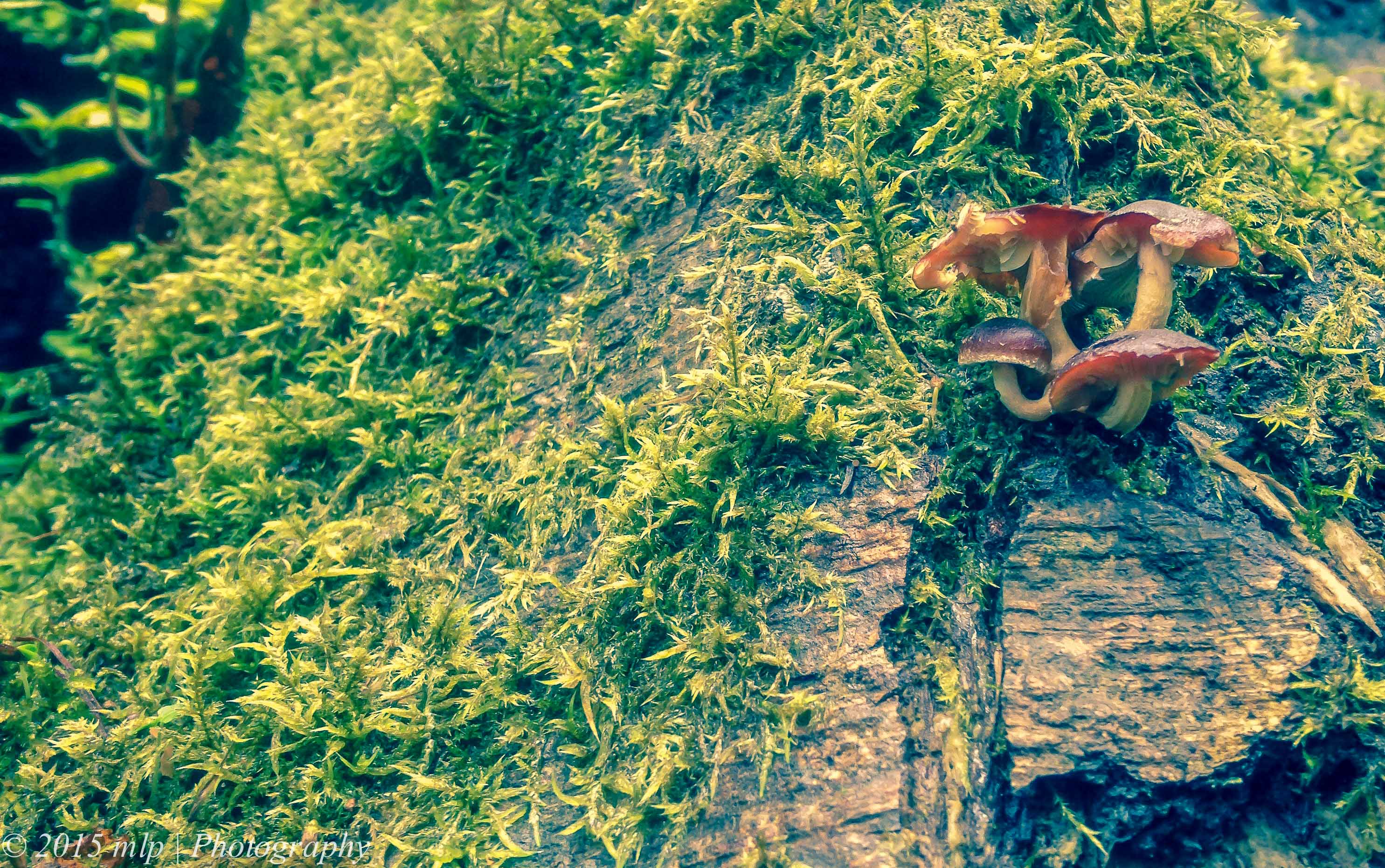
Moss and Mushroom

Moss and Mushroom – seeing if the iPhone can take decent shots

Creek in the rainforest

Small creek in the rainforest
Up the You Yang(s)

Halfway between Melbourne and Geelong is a Regional Park with high granite peaks and over 50km of Mountain Bike riding trails. It is also a good spot to bush walk and find a reasonable selection of uncommon woodlands birds. It can be dry and hot at times and there are a few dams in the park near the entrance that usually have water and so are good spots to explore for birds. There is a 12 km dirt road (the Great Circle Drive) that winds around the park taking in most of the main habitats.

Injured Cockatiel

Injured Cockatiel on the side of the road leading to the You Yangs, not known in this area so I assume an aviary escapee.

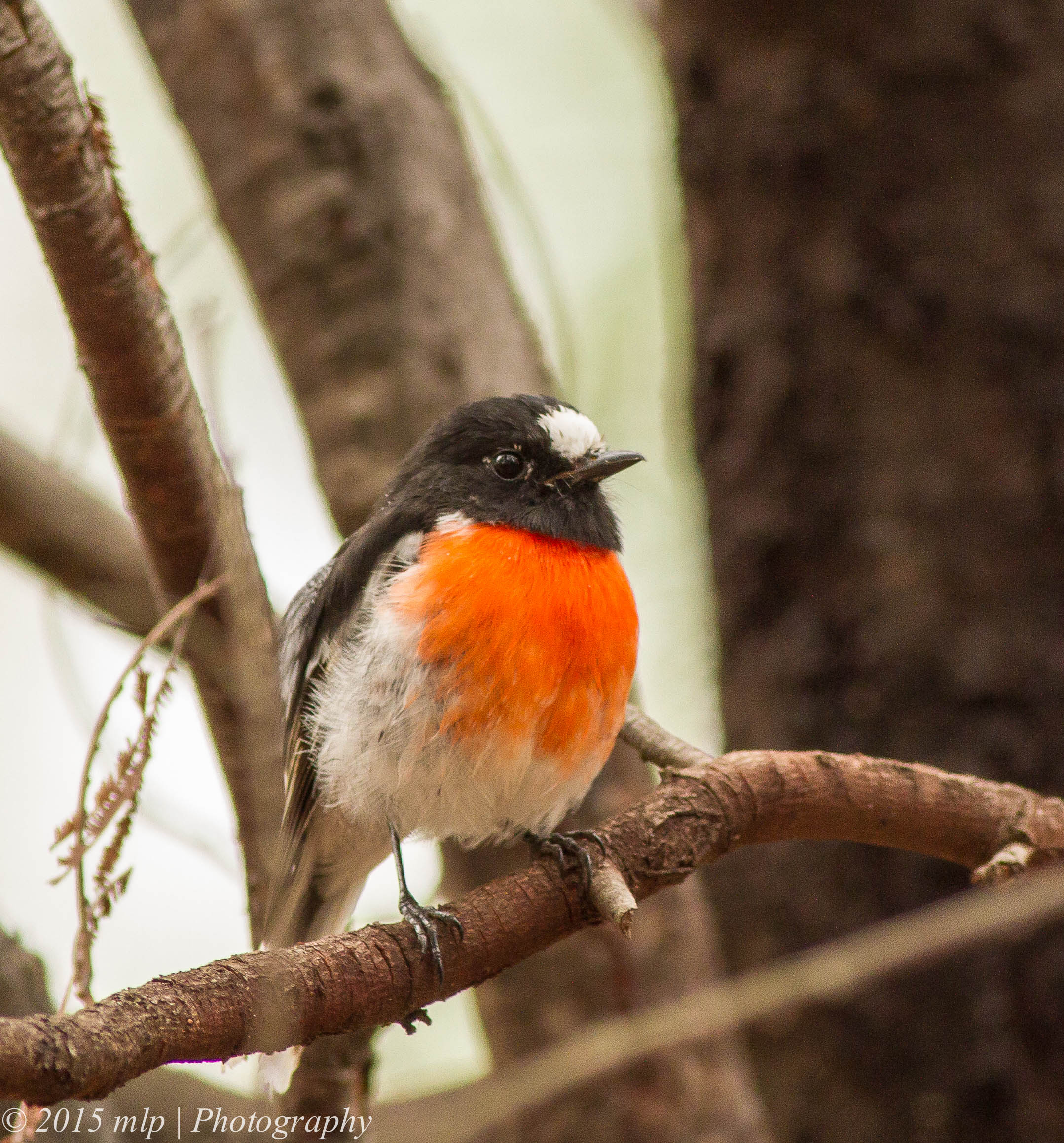
Scarlet Robin

Scarlet Robin – teased me into thick scrub to try and take a photo. A curious bird and one that stands out quite well against the grey/brown background of the surrounding bush.

There are several large groups of White Winged Choughs (chuffs) in the You Yangs. They are a social species living in extended family groups. They are generally hard to sneak up on as they post guards in the surrounding trees as the main group feeds on the ground. I took some time and watched this family and slowly moved closer. They have very distinctive calls and different alarms for a variety of threats.

White Winged Chough

White Winged Chough

White Winged Chough

White Winged Chough  – one of the guards keeping an eye on me as the main group looked for food on the ground.

White Winged Chough

White Winged Chough III

White Winged Chough

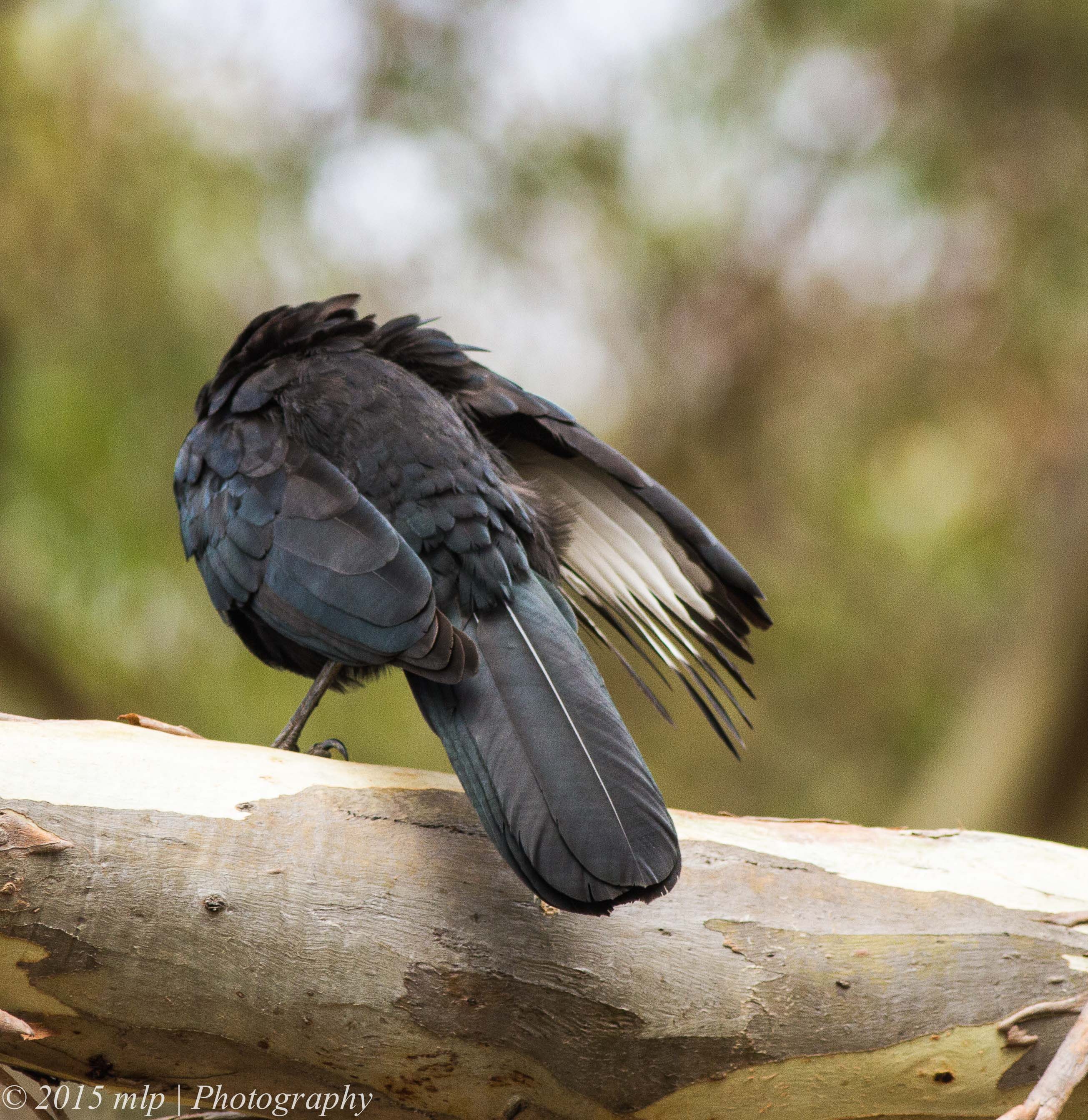
White Winged Chough – a glimpse of the White Wings – very clear in flight and when grooming

White Winged Chough

The two above were grooming each other and cleaning their own feathers. 

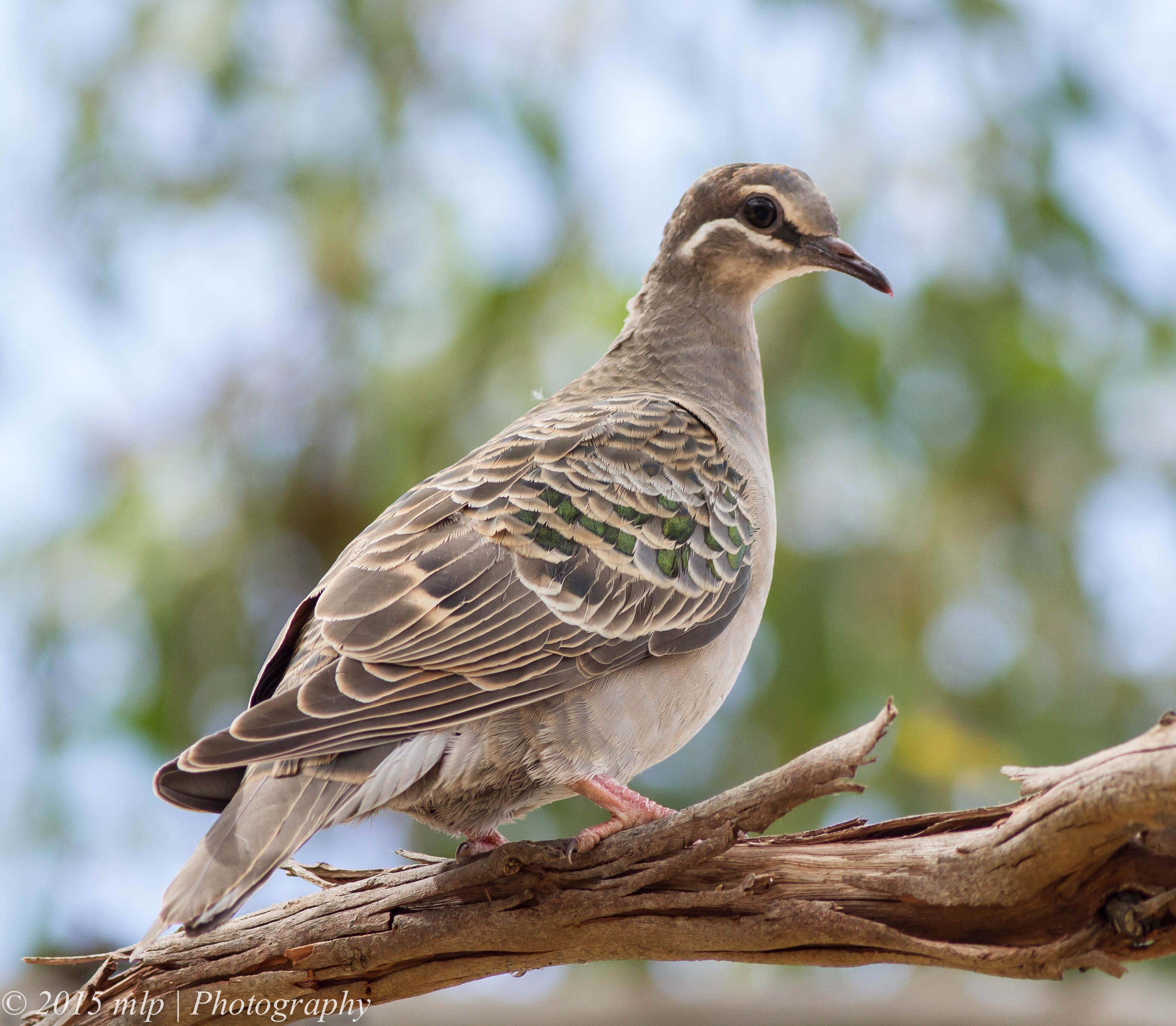
Common Bronzewing

Common Bronzewing

Common Bronzewing

Common Bronzewing II

The Wonderful Gardens of Cloudehill

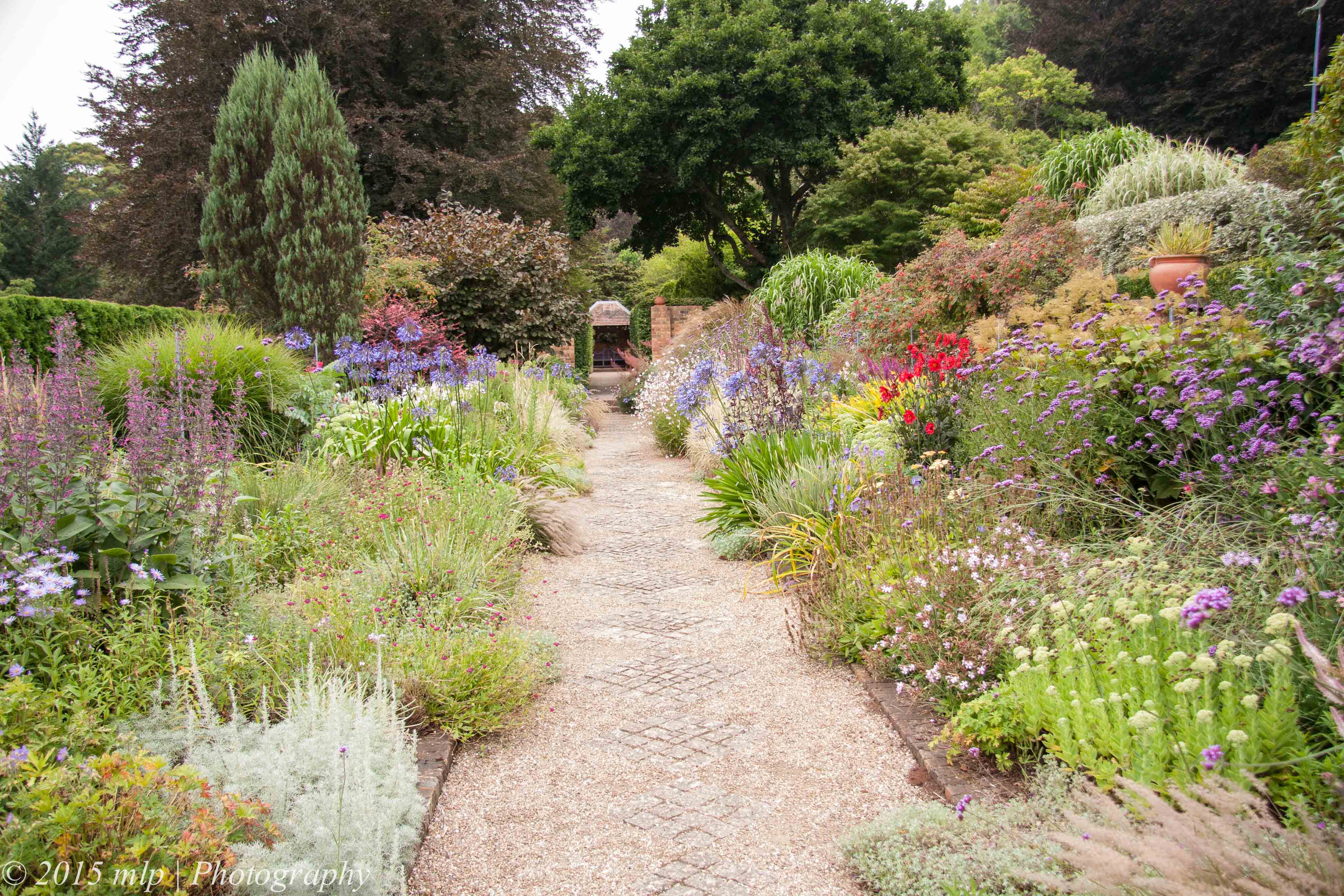
A nature photographer’s dream: The gardens of Cloudehill in Olinda are stunning and while many coastal gardens are drying out and becoming a bit cooked in the late summer heat, the Cloudehill gardens are still in full flower. The variety of flowers (perennials and annuals) are amazing and the woods that lead into the lower gardens and gullies are cool and inviting. I explored the garden rooms, the pathways and woods, looking for colour, interesting features and of course birds.

Cloudehill Gardens

Cloudehill Gardens

Cloudehill Gardens II

Cloudehill Gardens II

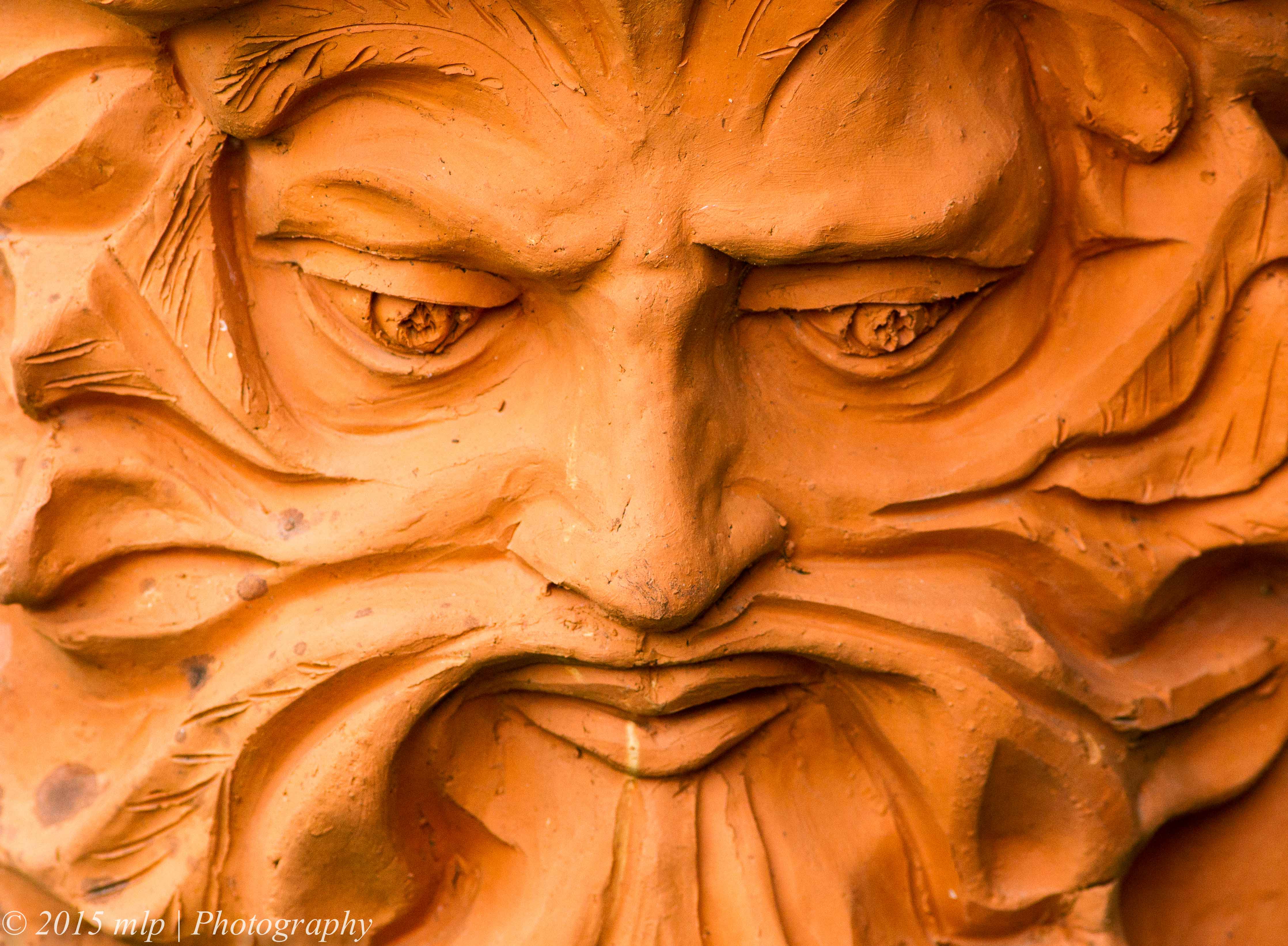
Ceramic Green Man

Ceramic Green Man

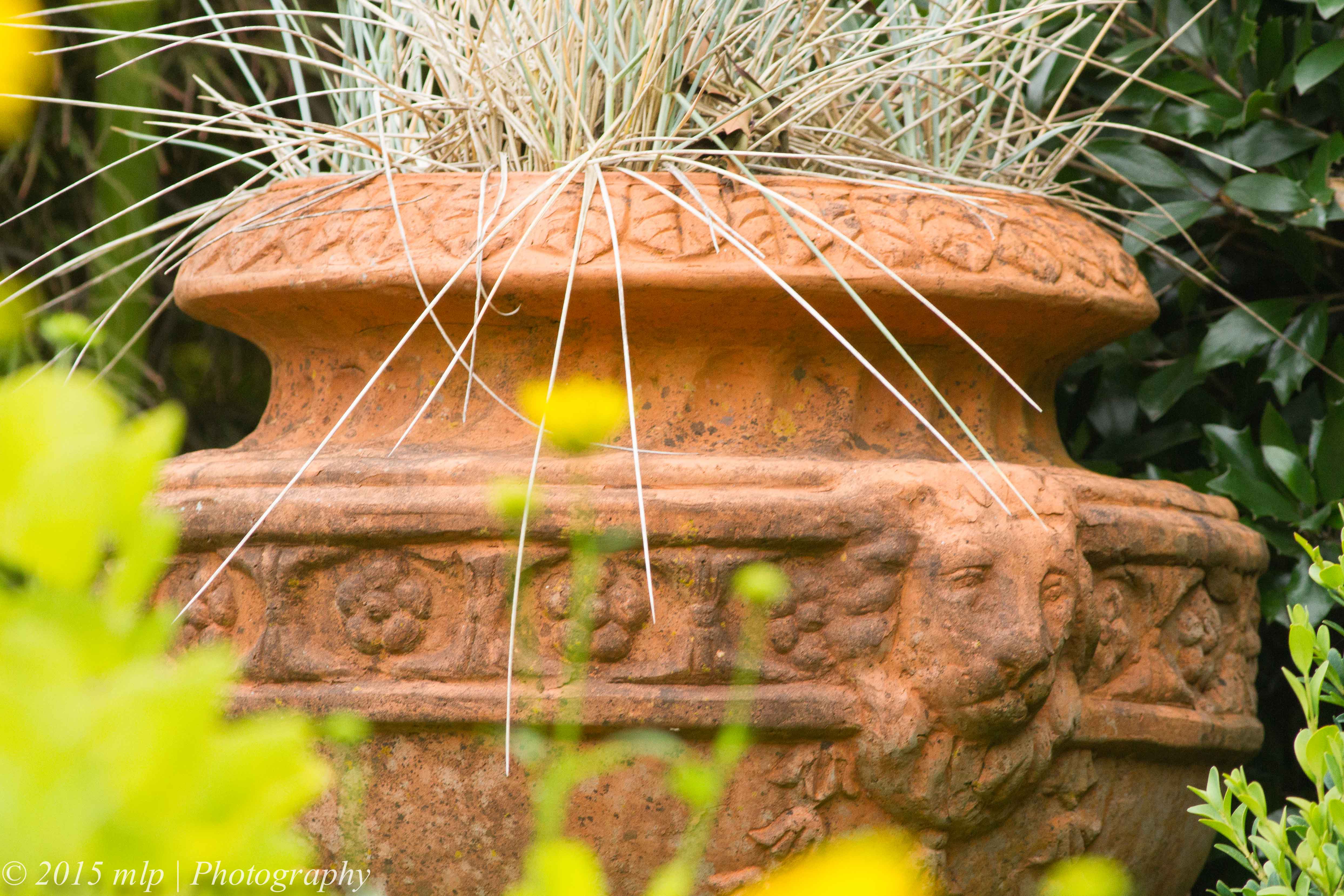
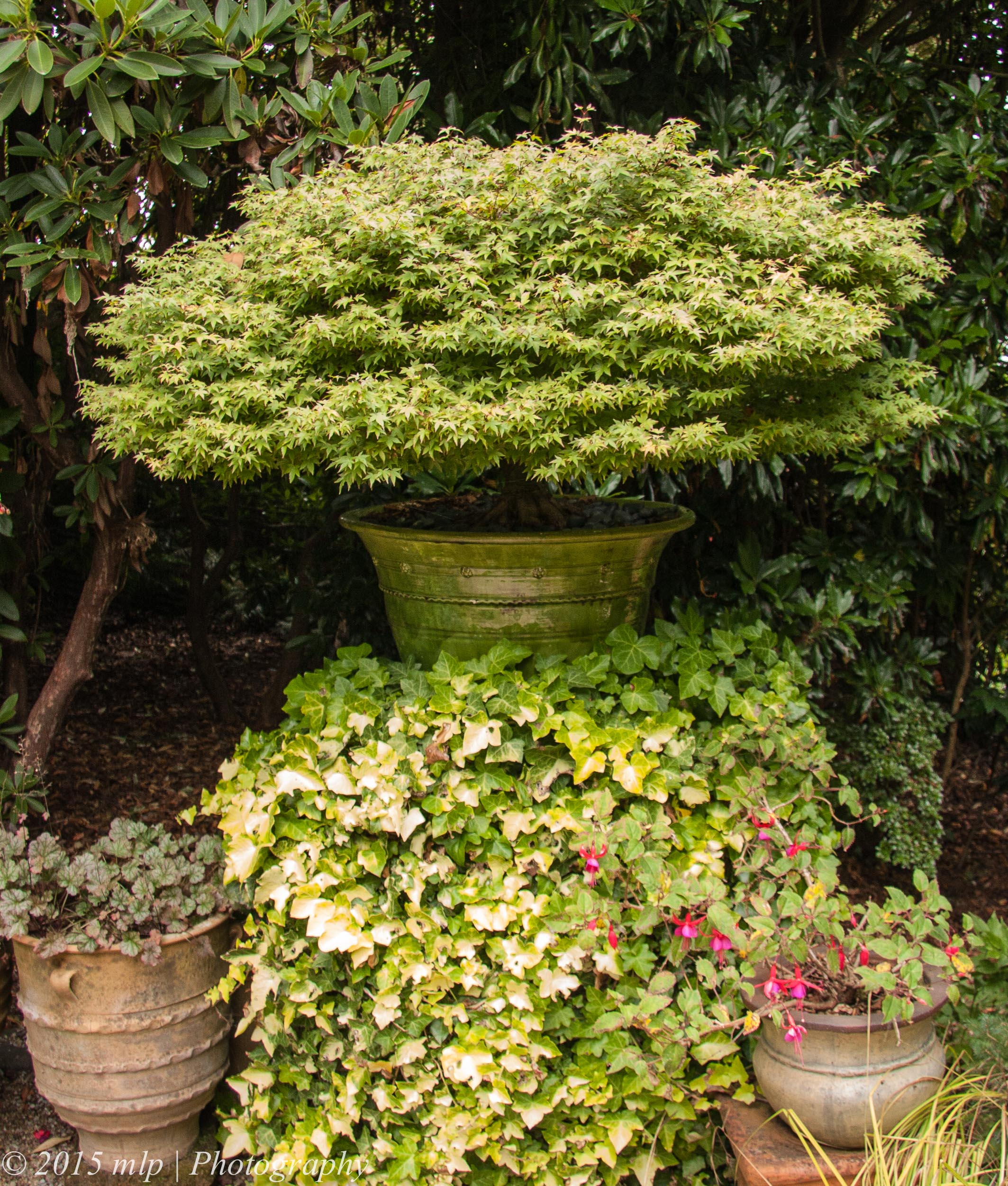
Pot Plantings

Pot Plantings

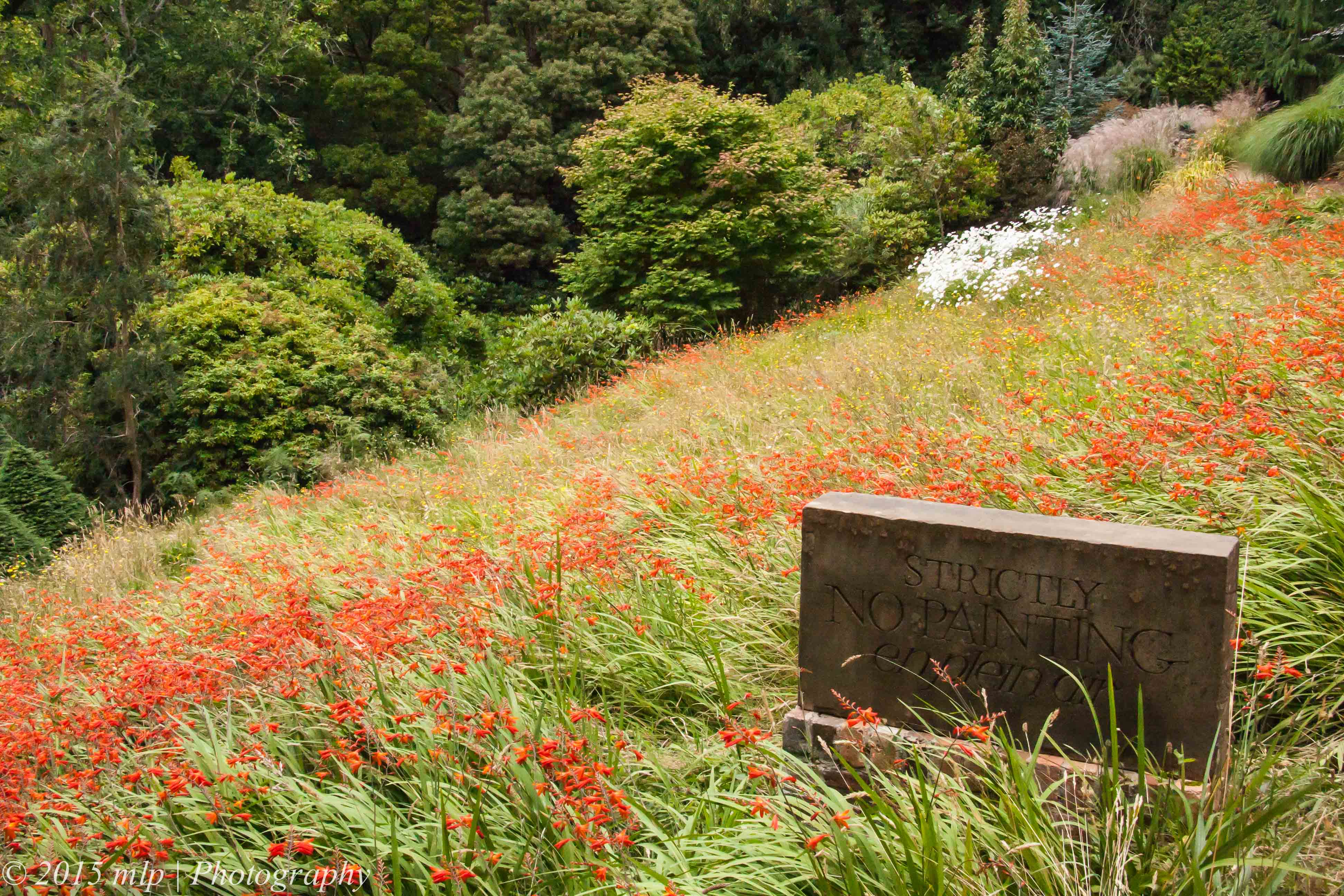
Red Field and stone sign (Art not a warning - I actually asked)

Red Field and stone sign (it is a sculpture not a warning – I actually asked)

Stone Owl? I always seem to photograph this sculpture though I am not sure what it is...

Stone Owl? I always seem to photograph this sculpture though I am not sure what it is…

Shaded Garden Corner with mixed pots and planting

Shaded Garden Corner with mixed pots and planting

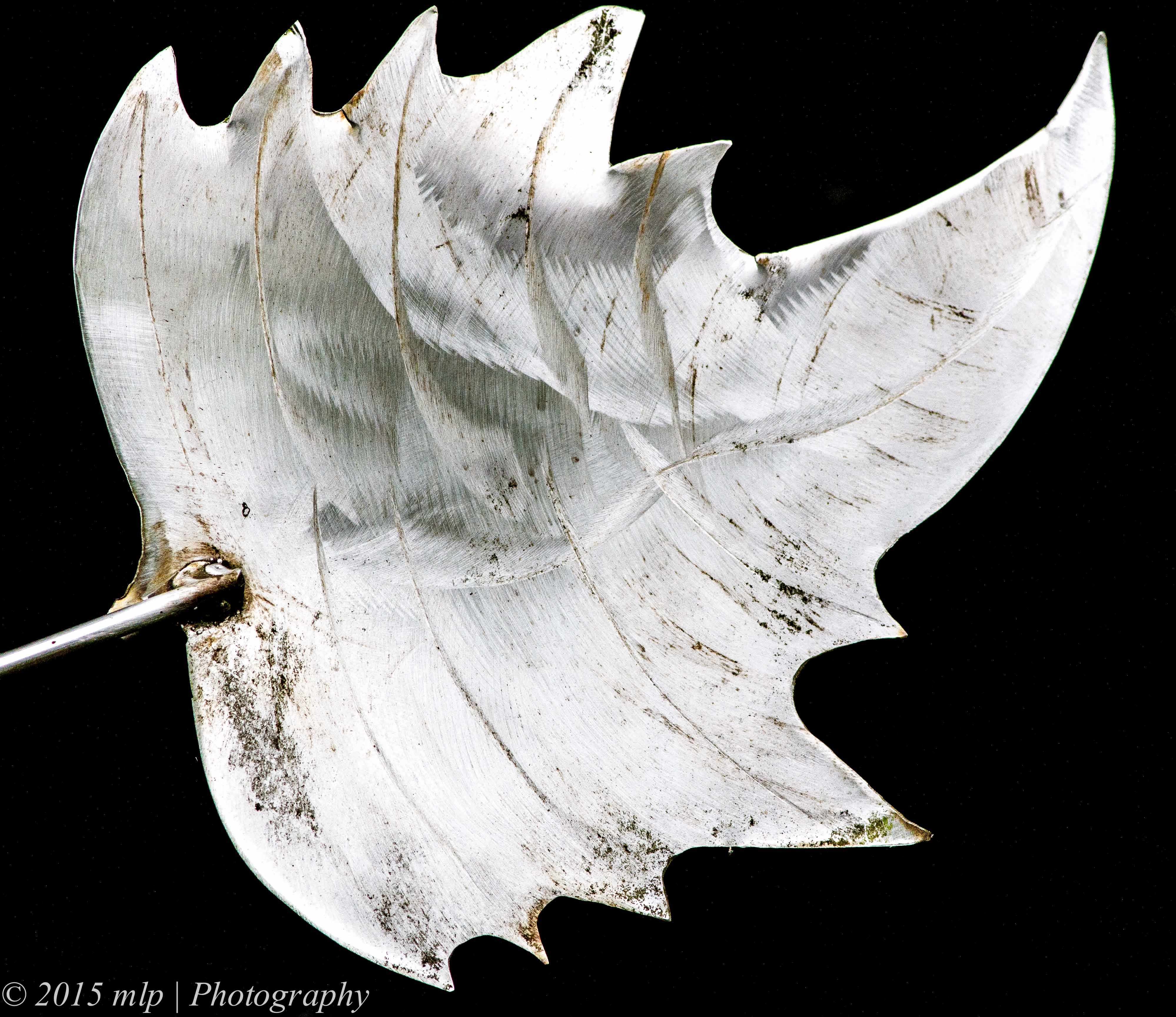
Silver Leaf above the Shaded Pavilion

Large Silver Leaf above the Shaded Pavilion

 Part 1 : Birds of Cloudehill

Birds of Cloudehill, Olinda

Within the Dandenong Ranges, about an hour east of Melbourne, is a stunning garden called Cloudehill. It is one of the three display garden nurseries of the Diggers Club. The other two gardens are the Garden of St Erth in Blackwood and Heronswood in Dromana. I think Cloudehill is one of the most beautiful gardens I have been to and as an added bonus it is usually full of birds.  While Mrs Gap Year wanders around and then hits the nursery shop or the cafe to read the paper I can go deeper into the gullies at the bottom of the gardens and look for birds. On this occasion I went to find the resident lyrebirds but for the first time I did not hear or see them. I did find a rather large and noisy flock of Yellow Tailed Black Cockatoos – shooting into the canopy was difficult but with Lightroom the images could be salvaged.

Yellow Tailed Black Cockatoo

Yellow Tailed Black Cockatoo

Yellow Tailed Black Cockatoo II - several were chewing on the bark of this tree.

Yellow Tailed Black Cockatoo II – several were chewing on the bark of this tree.

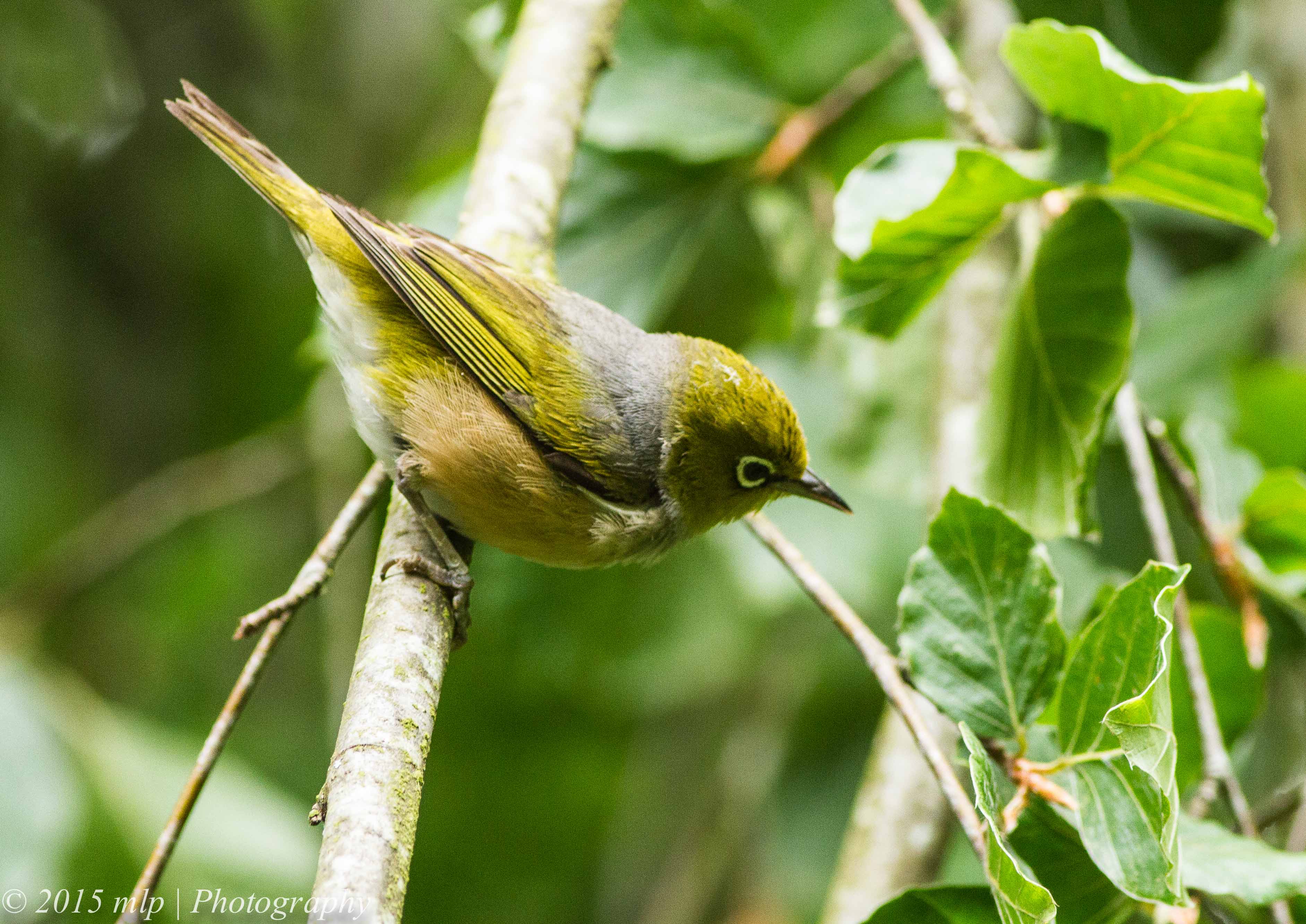
Silvereye

Silvereye

Juvenile Silvereye

Juvenile Silvereye

Juvenile Spinebill

Juvenile Spinebill

Juvenile Spinebill II

Juvenile Spinebill II

Juvenile Spinebill III

Juvenile Spinebill III

Juvenile Spinebill IV

Juvenile Spinebill IV

Part 2  – The Wonderful Gardens of Cloudehill

Coming Soon:

Part 3 – Colours of Cloudehill

Bunyip State Forest – Spotted Pardalote

Spent a few hours exploring a different section of the Bunyip State Forest last week with John. Neither of us had been to the Eastern section before. We started pretty early so the light was not the best for photography but a few spots we visited were very good for small birds especially the Lawson Falls Trail. It was quite overgrown but with plenty of birds in the canopy and many more around us in the shrubs. I saw one Lyrebird as we got out of the car at the Lawson Falls picnic ground and another up the Trail doing his shaking feather dance on his display mound.  We will definitely visit that walk again.
ParkWeb map and notes

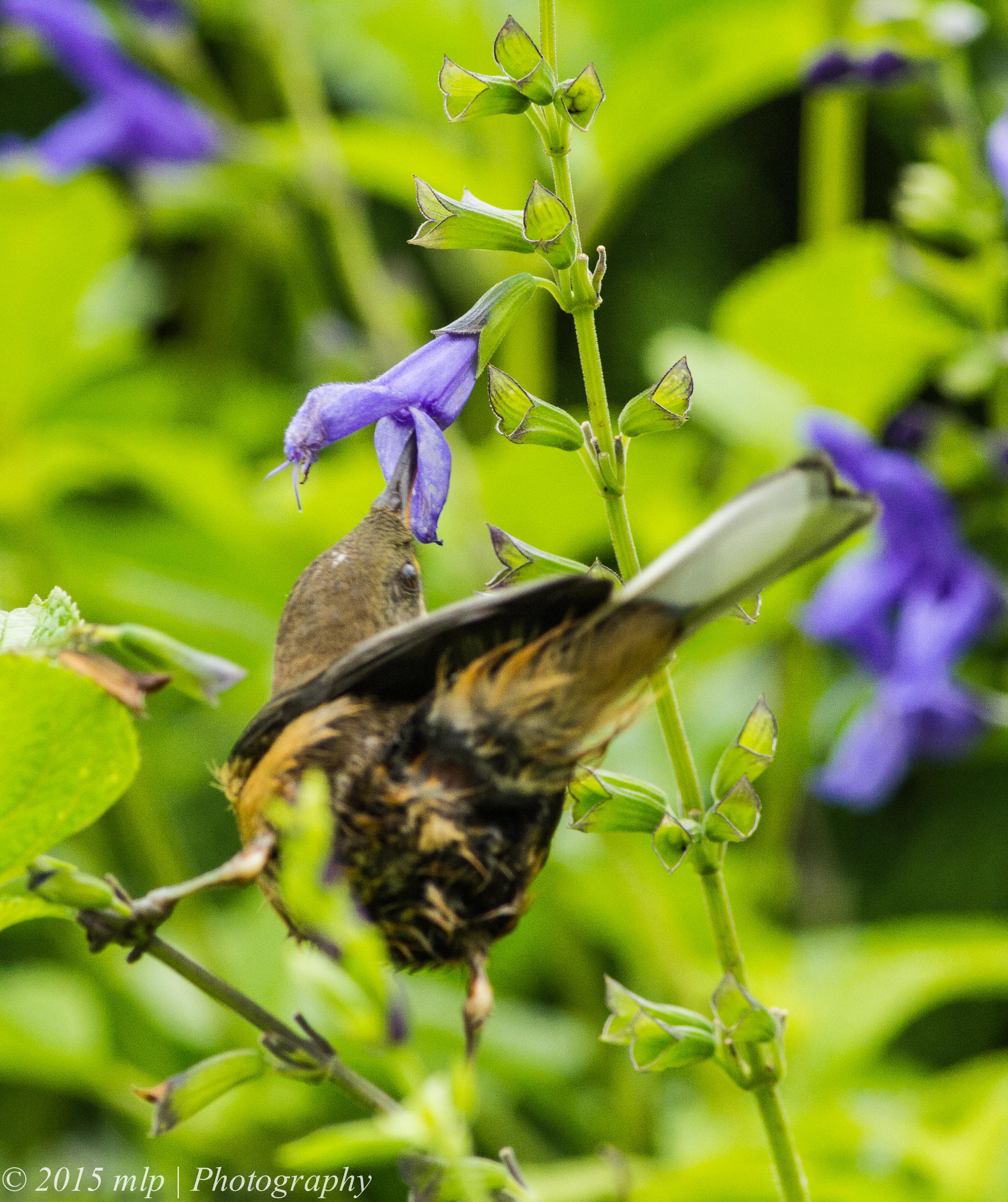
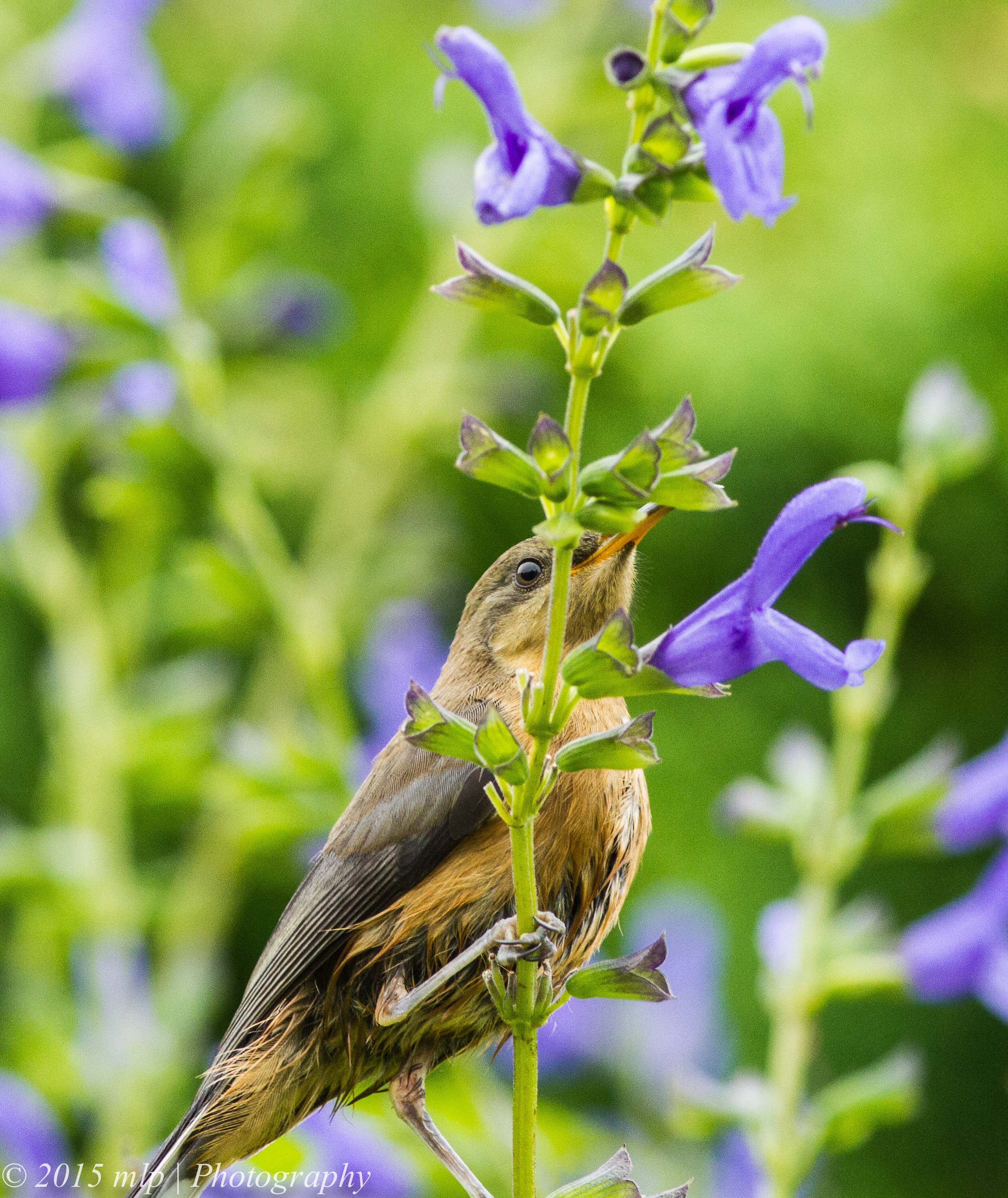
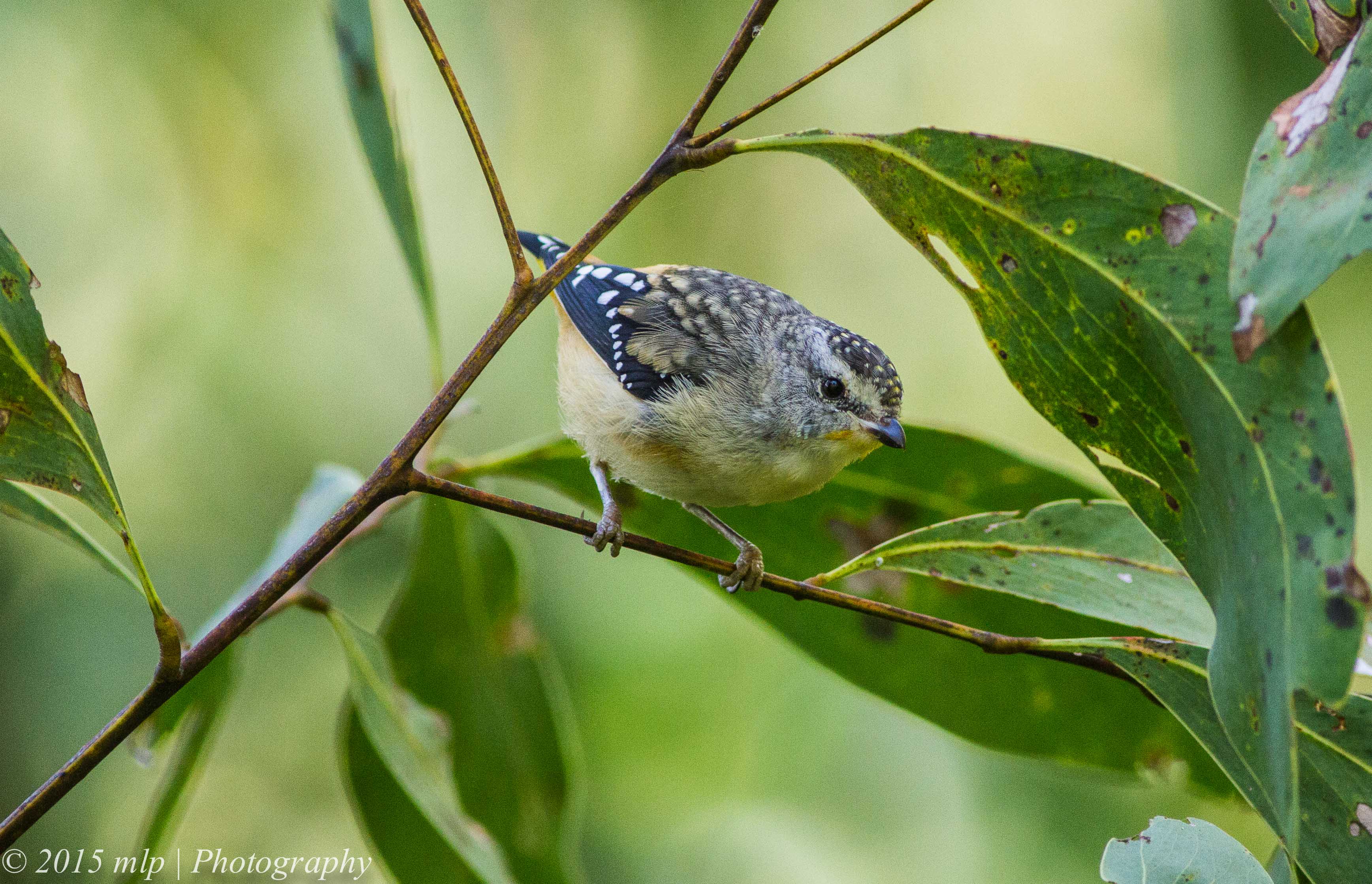
Female Spotted Pardalote,

Female Spotted Pardalote, Lawson Falls Trail

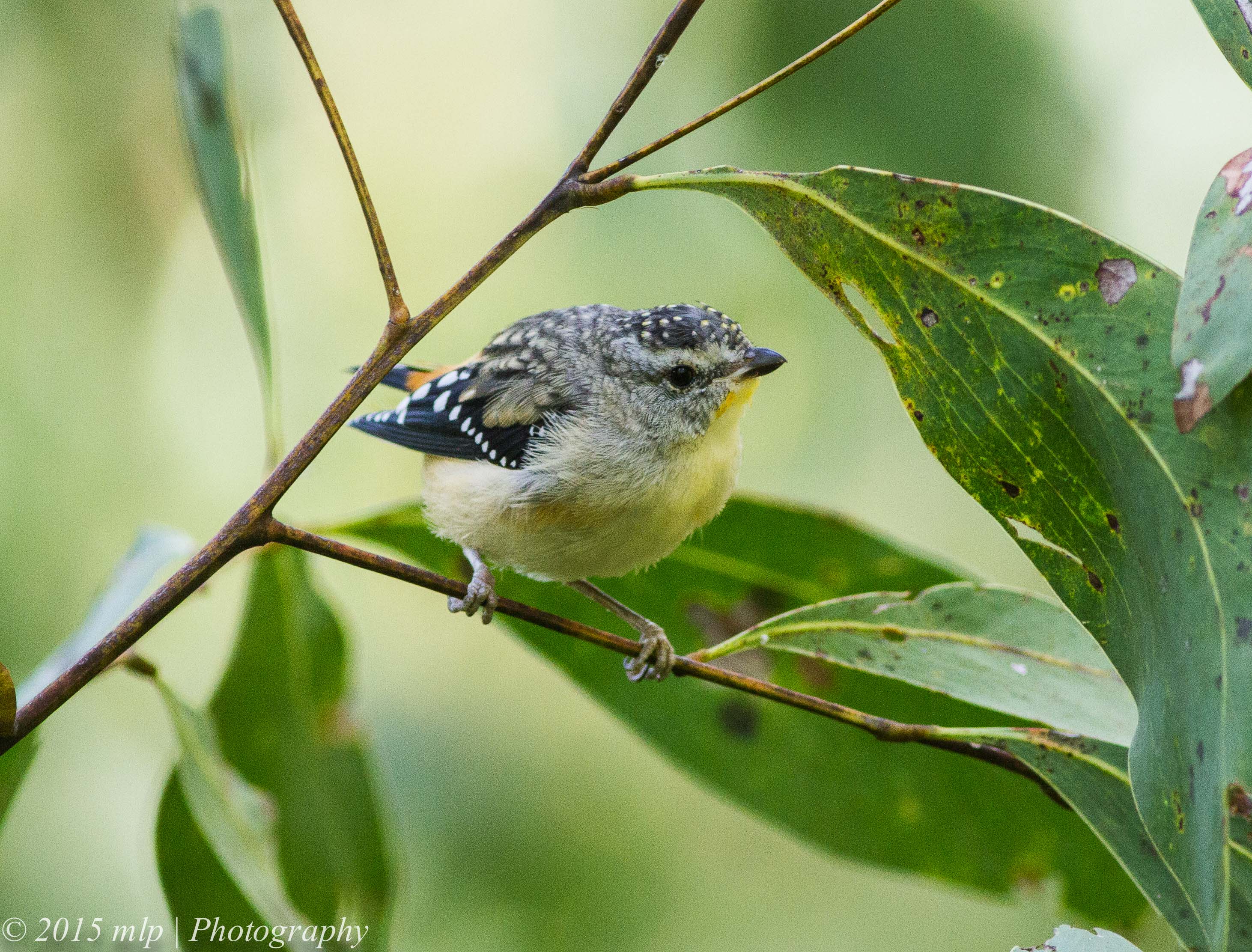
Female Spotted Pardalote II

Female Spotted Pardalote II

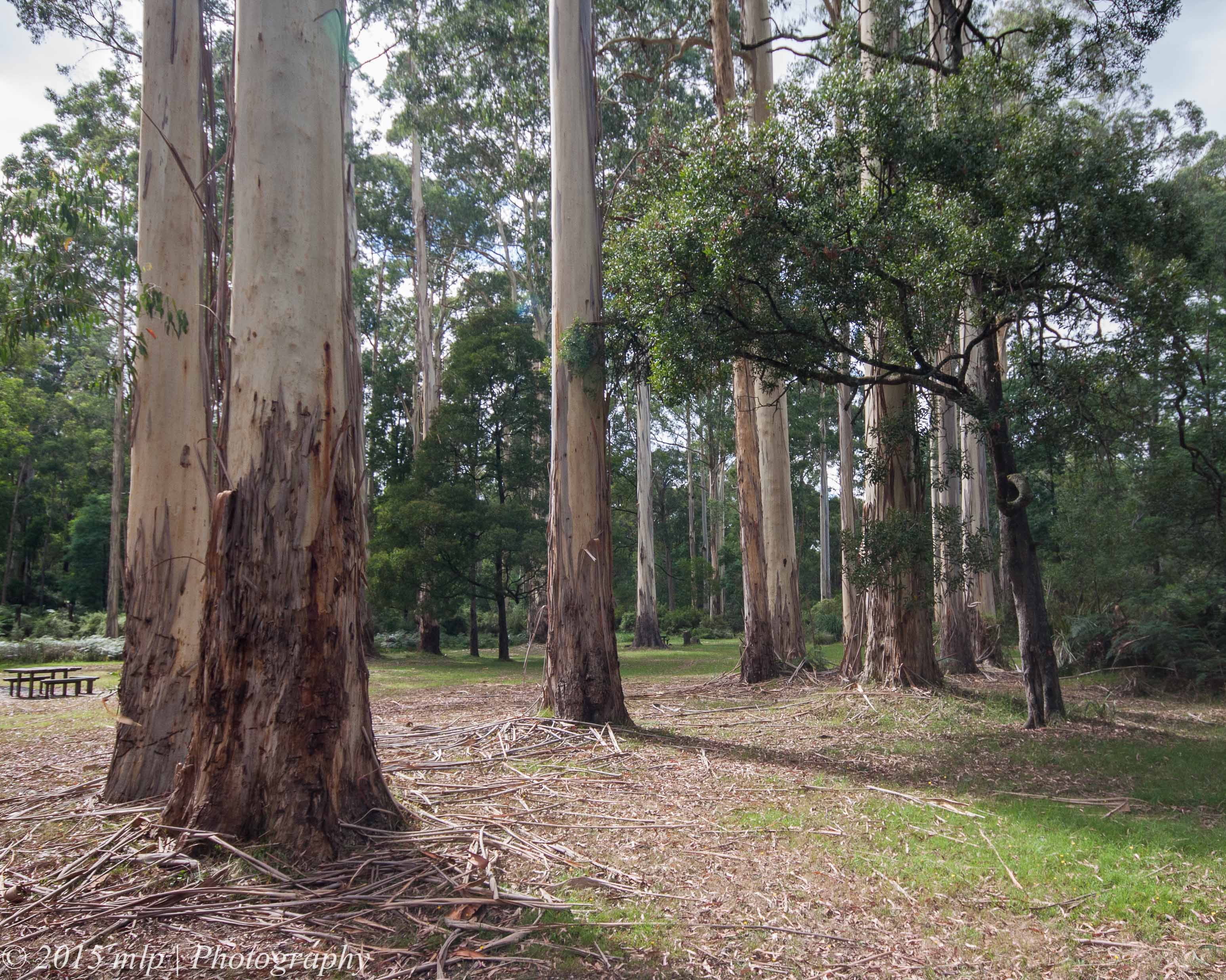
Young Vic Ash trees, Bunyip State Park Picnic grounds

Young Vic Mountain Ash trees, one of Bunyip State Park Picnic grounds – these trees are only quite young and will grow to become one of the worlds tallest trees.
Greens Bush – The Fox and the Cuckoo

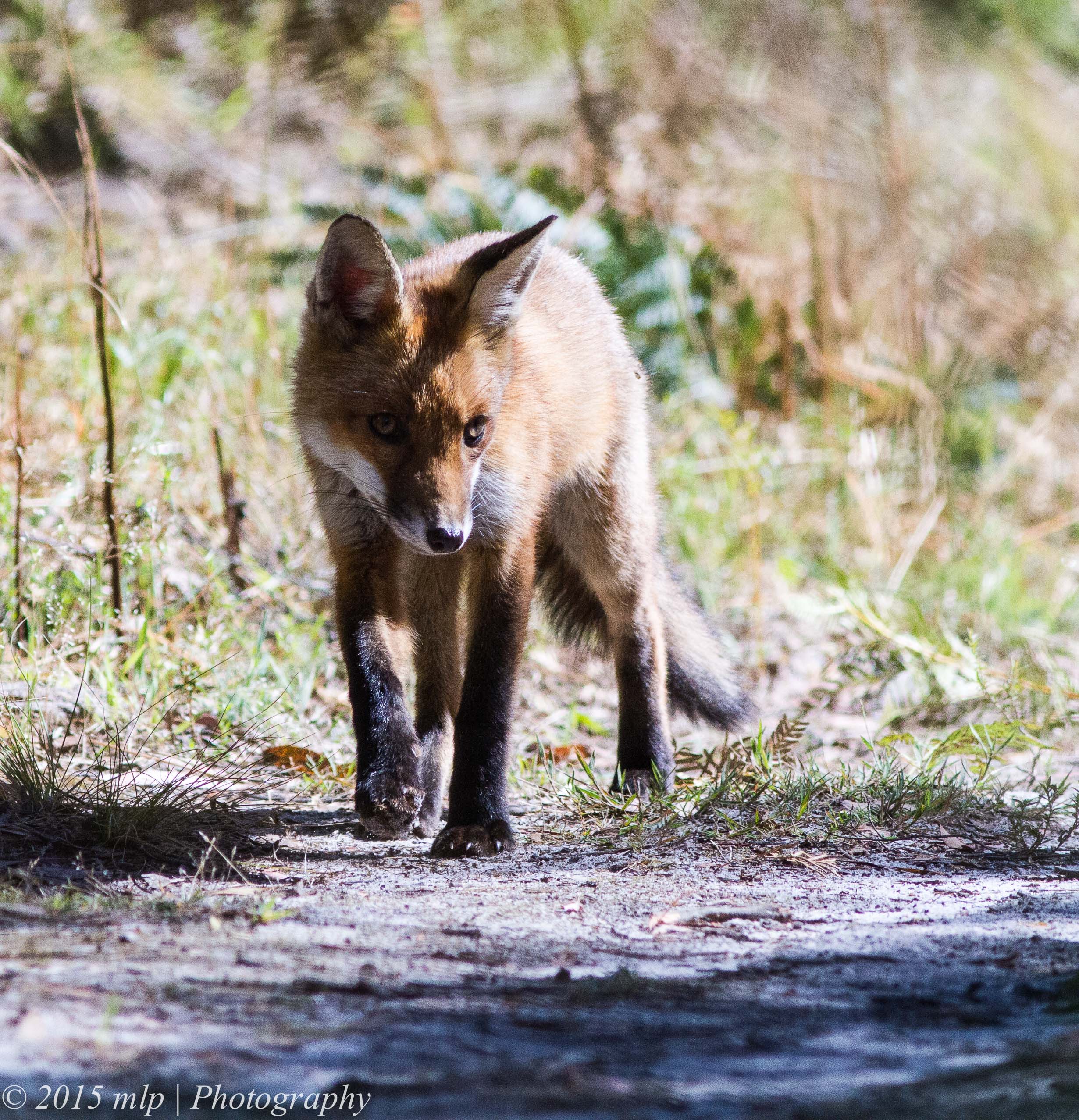
An early morning follow-up visit to Greens Bush produced a few interesting bird shots as well as a young fox exploring his neck of the woods.

The Eastern Spinebills were fighting with the New Holland Honeyeaters over the nectar in the flowering Mistletoe hanging from the local gum trees.

Young Eastern Spinebill

Young Eastern Spinebill

Black Faced Cuckoo-Shrike

Black Faced Cuckoo-Shrike with its distinctive look and call.

Brown Thornbill feeding a Shining Bronze Cuckoo

Brown Thornbill feeding a Shining Bronze Cuckoo chick – the adult female Cuckoo will lay a similar looking egg into a target bird’s nest. The host parents will raise the young cuckoo as their own and don’t seem to realise that it is not their own species – even when it looks and sounds very different and can be much bigger – as above. The Thornbill jumped over the young Cuckoo and fed it from the right hand side.

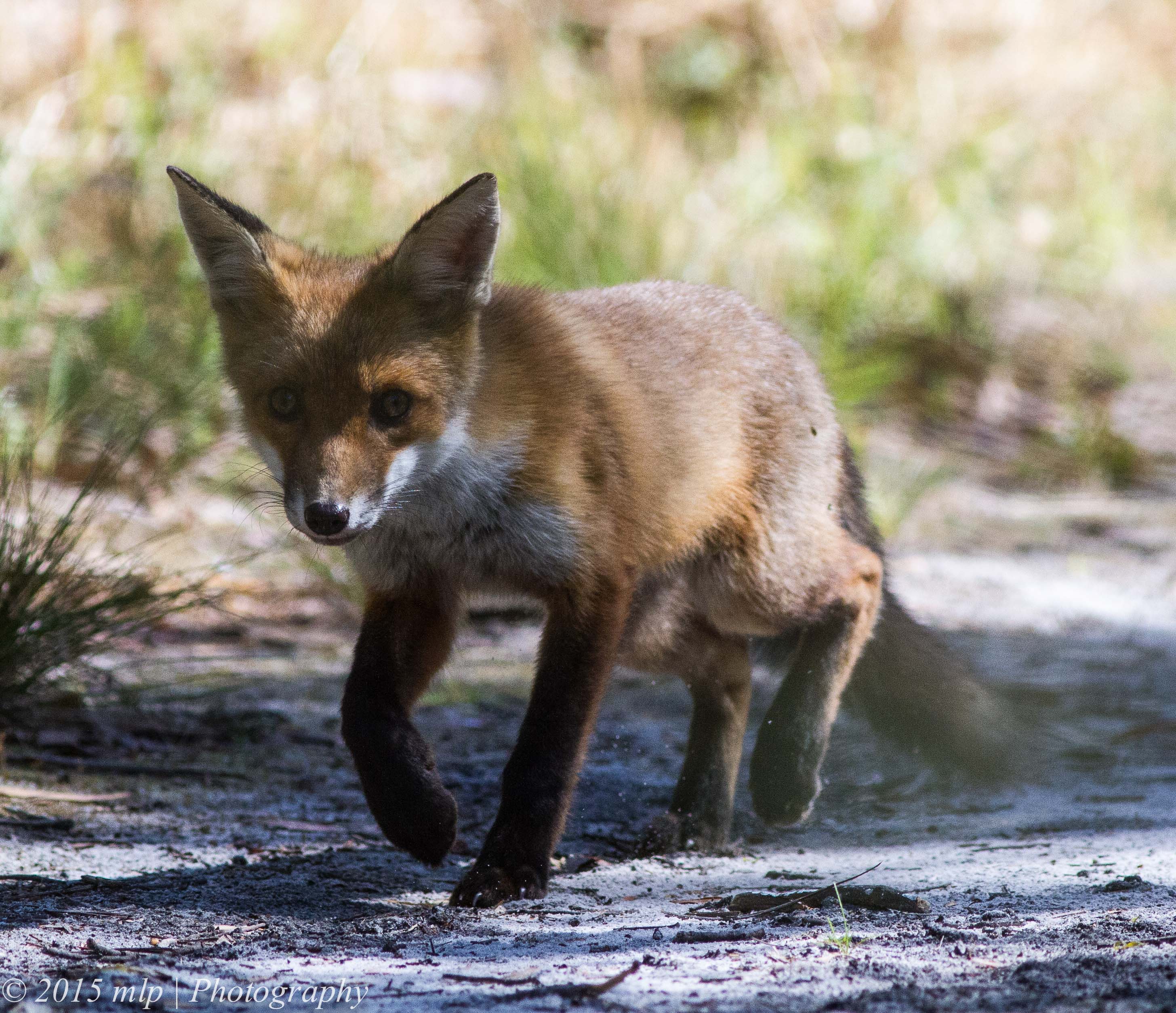
I have spent quite a bit time out and about this year and have seen a number of  foxes. This one was quite small and seemed to be on its own having a look around.

Young Fox out and about exploring

Young Fox out and about exploring

Hears the shutter click and starts to trot forward to investigate

Hears the shutter clicks and starts to trot forward to investigate

Slows down as he sees that something big is up ahead (me)

Slows down as he sees that something big is up ahead (me)

Finally sees me clearly, freezes and bolts back along the path...

Finally sees me clearly, freezes and bolts back along the path…

Braeside Park Drop In

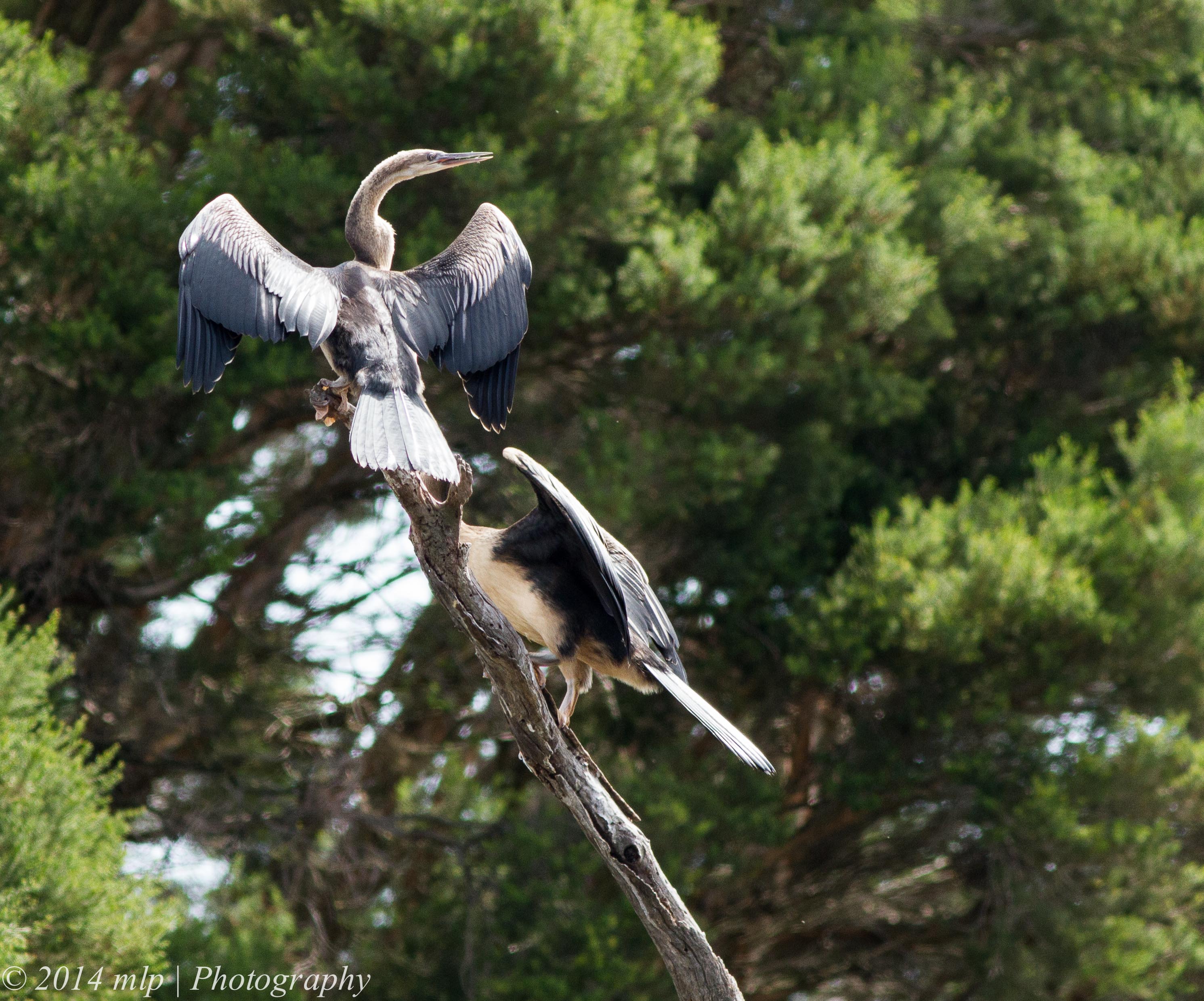
I thought I would have a quick look at the lake at Braeside Park, get my 2015 bird numbers up and practice with my Canon 1.4 Extender Lens. Using it means only shooting with manual focus – always a bit trickier and slower. I did add several birds to my year list and took a few pics, including juvenile darters drying their feathers after a morning swim/hunt.

Darter Juveniles

Darter Juveniles

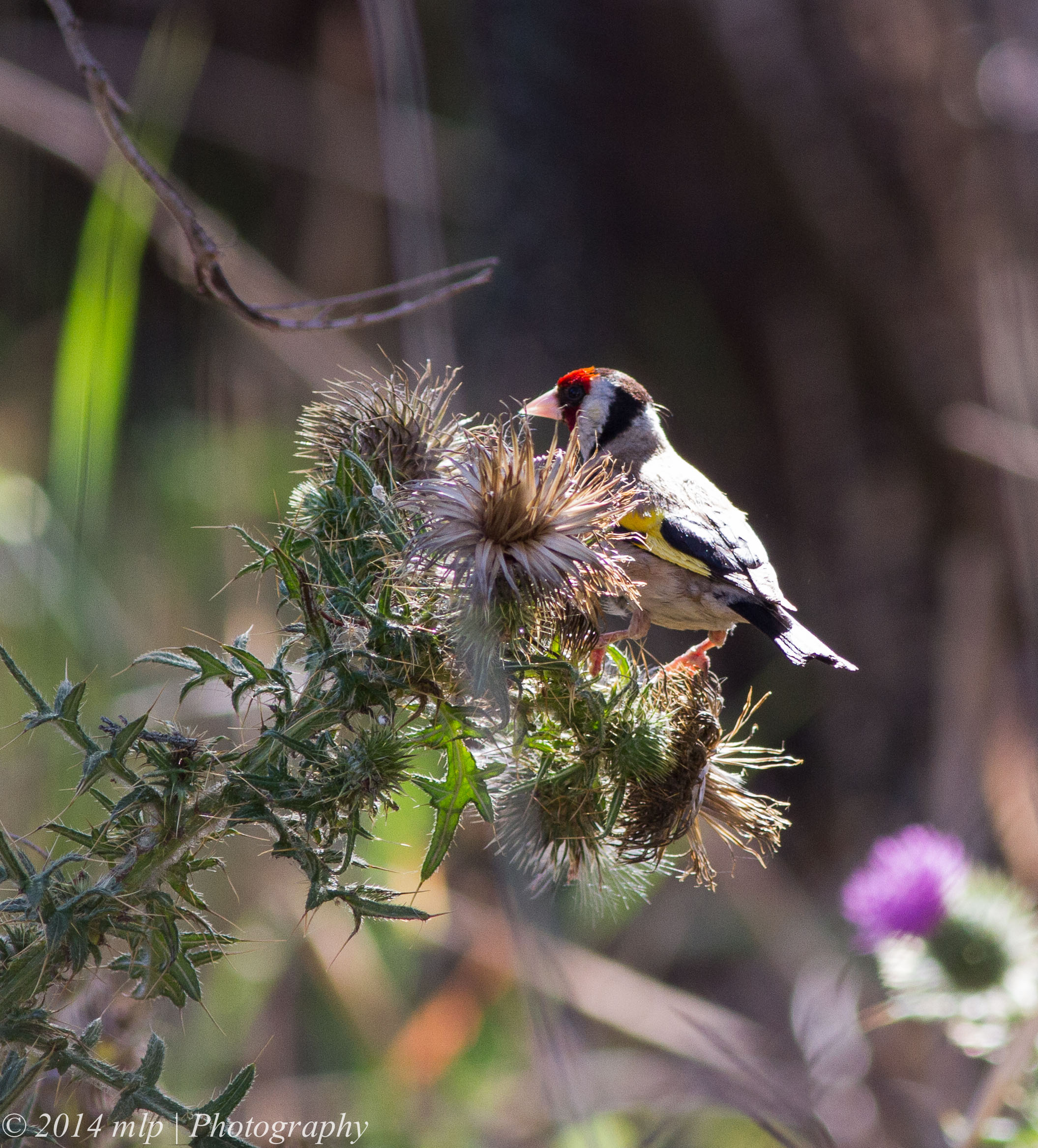
The Goldfinch, while an introduced species that I am suppose to hate, is a colourful bird that moves quickly in groups and has a distinctive call. I found a flock of adults and juveniles attacking mature Scotch Thistles – they were tearing at the seed heads. I am not sure if they were eating the seeds or collecting the soft material for nesting as they flew off with a mouthful of thistle down.

European Goldfinch

European Goldfinch

European Goldfinch II

European Goldfinch II

While at the bird hide adding Freckled and Blue Billed Ducks to my year list I saw this rabbit through the hide glass window and took a few pics. I then started to tap on the glass to see how long it took for it to assess the danger….it did eventually bound a few steps but stopped and started munching on the grass again not overly concerned. At the car-park when I first arrived I saw a few rabbits in the grass fringe, a common sight at this park even during the day. They don’t seem too  worried about people. Dogs are not allowed but I assumed that there were foxes that survived the annual cull so I am surprised at how tame the local rabbits have become. As I got my camera gear ready I saw a number of rabbits start to bolt in a pattern that indicated that something was coming that was only slightly threatening – they did not bolt very far. It turned out to be two young foxes having a play hunt. They were quite funny to watch and as I fumbled for my long lens to get a few shots they saw me and took off…foxes are at least scared of people even if the local rabbits are not…

Pesky Rabbit

Pesky Rabbit

An old Birder once told me that the best place to find birds is at the carpark. I always have a look around the carpark at Braeside Park to try and find the resident Tawny Frogmouths. I can often find them but this time the only odd lump I found in the nearby trees was this lone Ring Tailed Possum trying to get his sleep on….he watched me for a while then tucked his head back in and went back to sleep.

Ring Tailed Possum

Ring Tailed Possum

Central Victoria – Hepburn Springs

During my recent birding trip to Central Victoria, I  dropped off my house mate at the Hepburn Springs Spa so she could take the waters. I decided to stay in the area and explore. I followed the small creek that fed the Spa upstream for an hour or so and found a number of interesting birds. There were many juveniles about still being fed by their parents. The juveniles can be a bit easier to photograph as they have not learnt to fear everything yet. The parents were much shyer and when they noticed that I was taking an interest in their chicks moved the chicks to new locations.

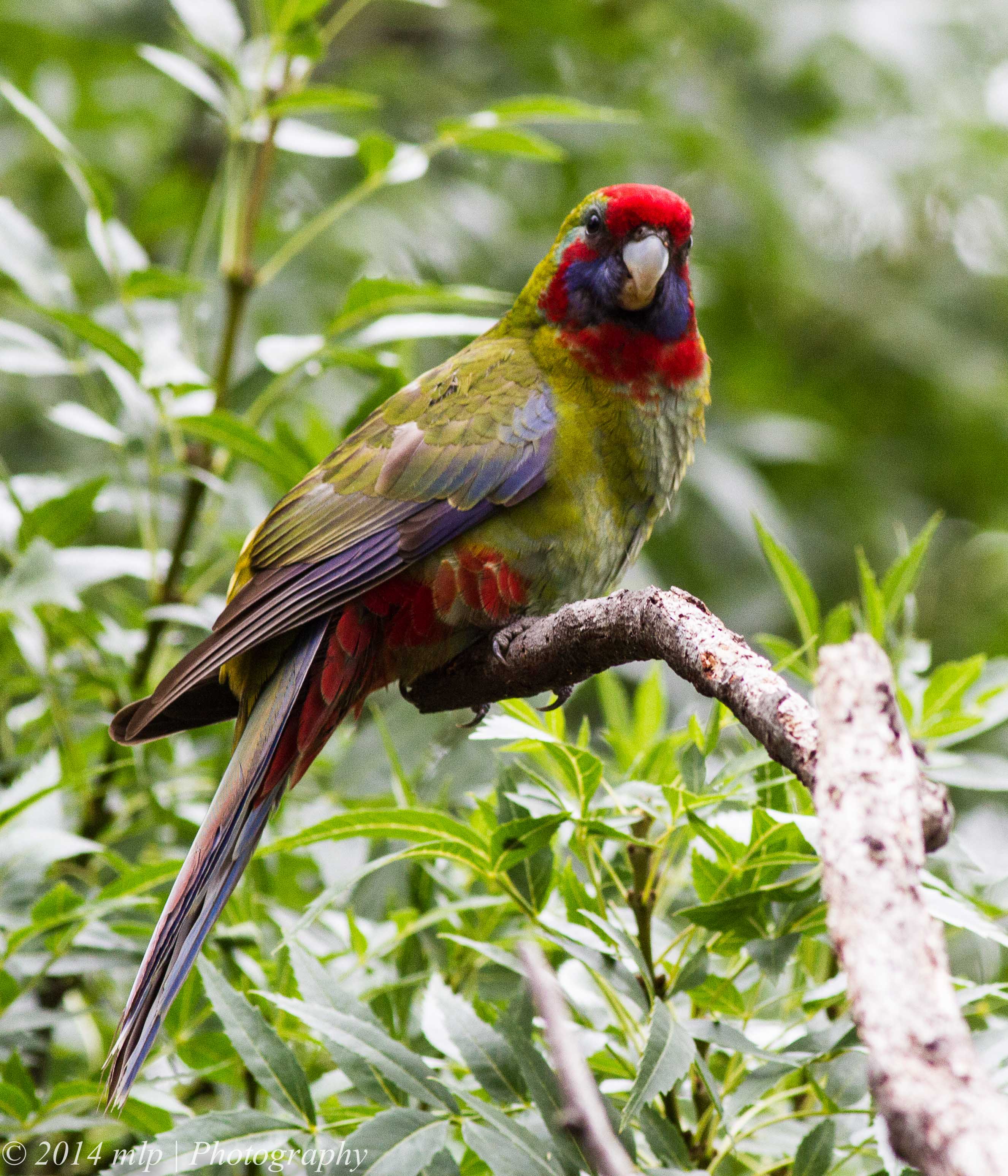
Crimson Rosella

Crimson Rosella – feeding on seed pods while keeping an eye on its fledgeling which seemed quite curious about me.


Juvenile Crimson Rosella

Juvenile Crimson Rosella

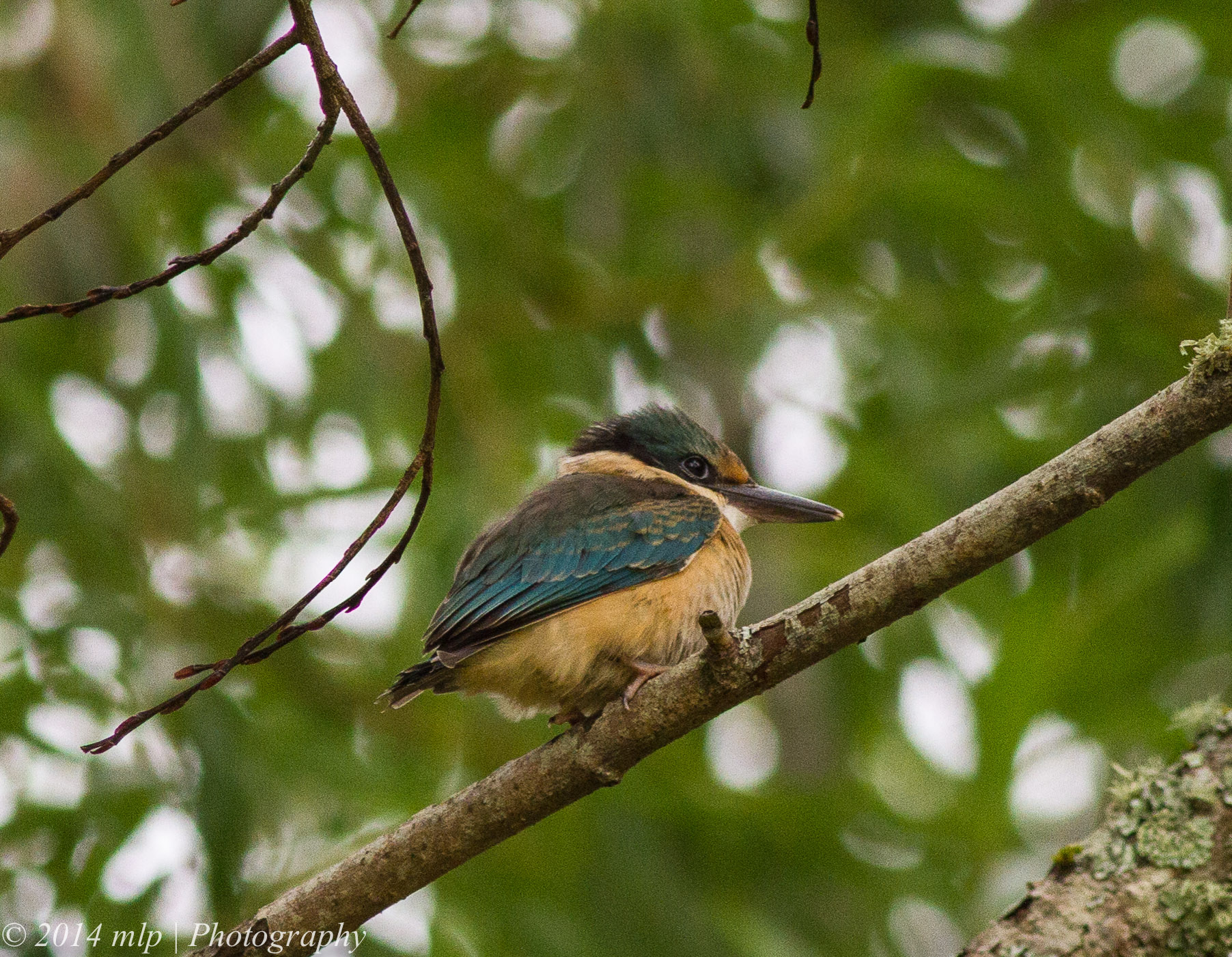
Juvenile Sacred Kingfisher

Juvenile Sacred Kingfisher

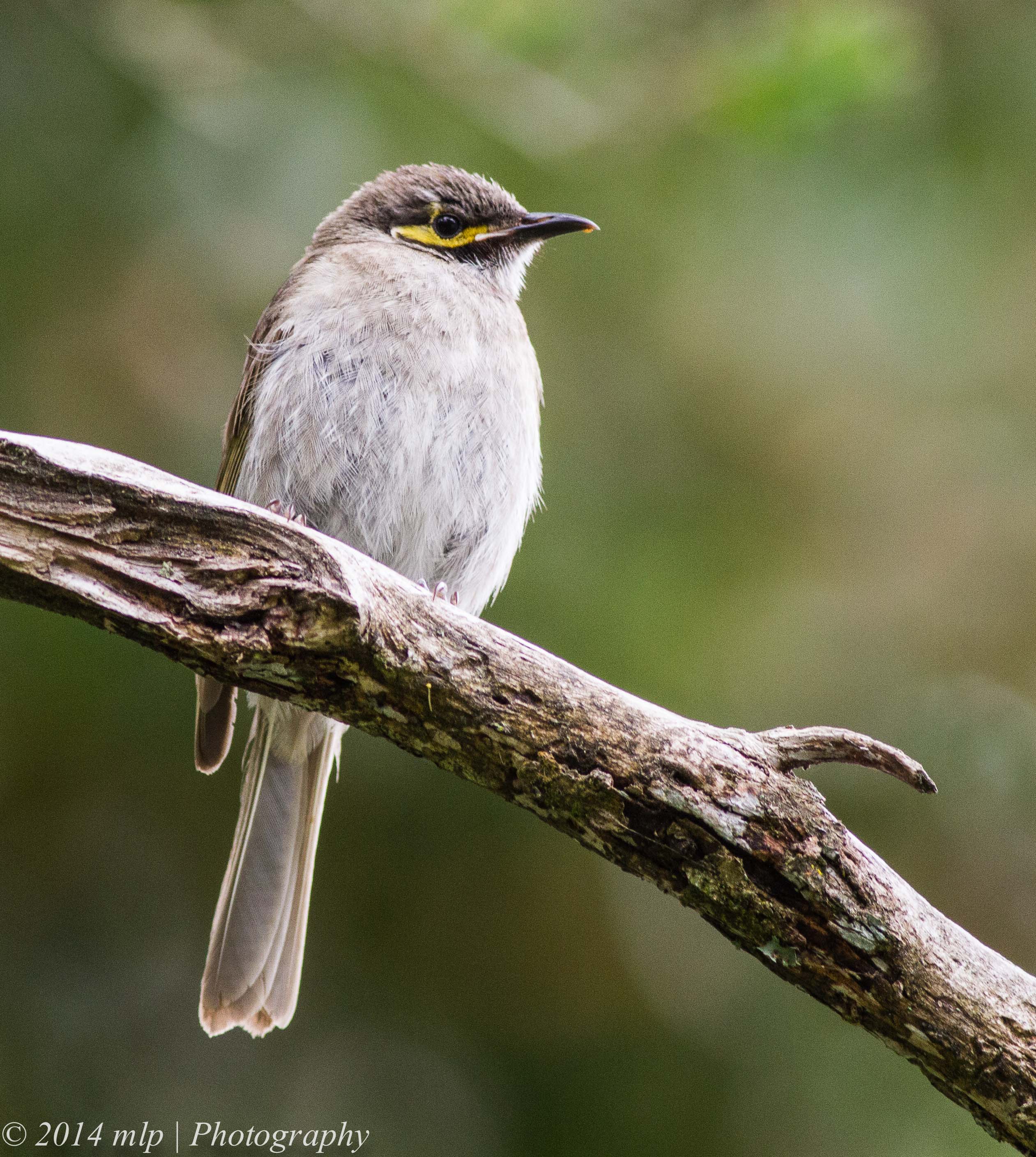
Juvenile Yellow Faced Honeyeater

Juvenile Yellow Faced Honeyeater

And a regular and tough target

Superb Fairy Wren

Superb Fairy Wren

Central Victoria – Long Billed Corellas

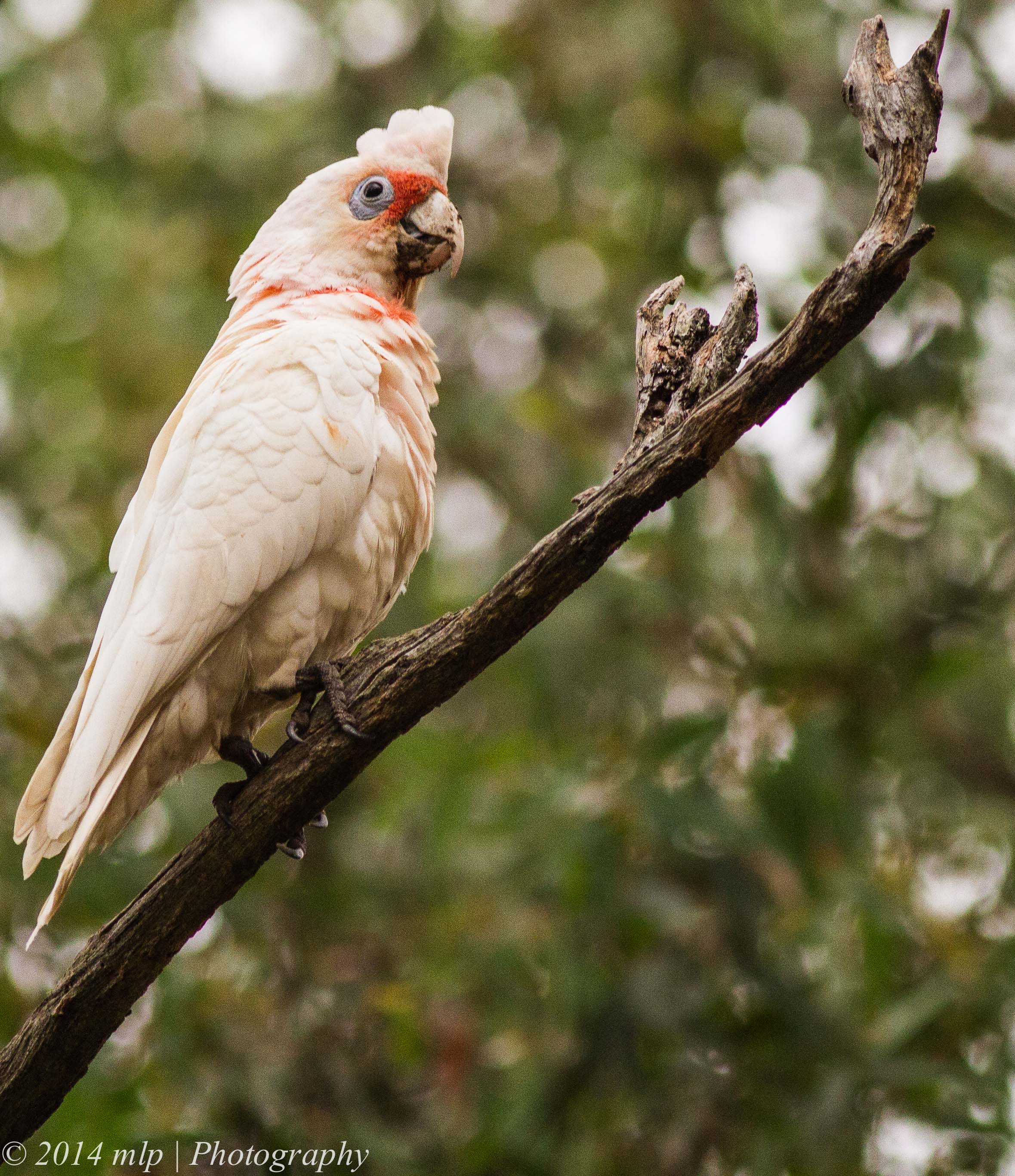
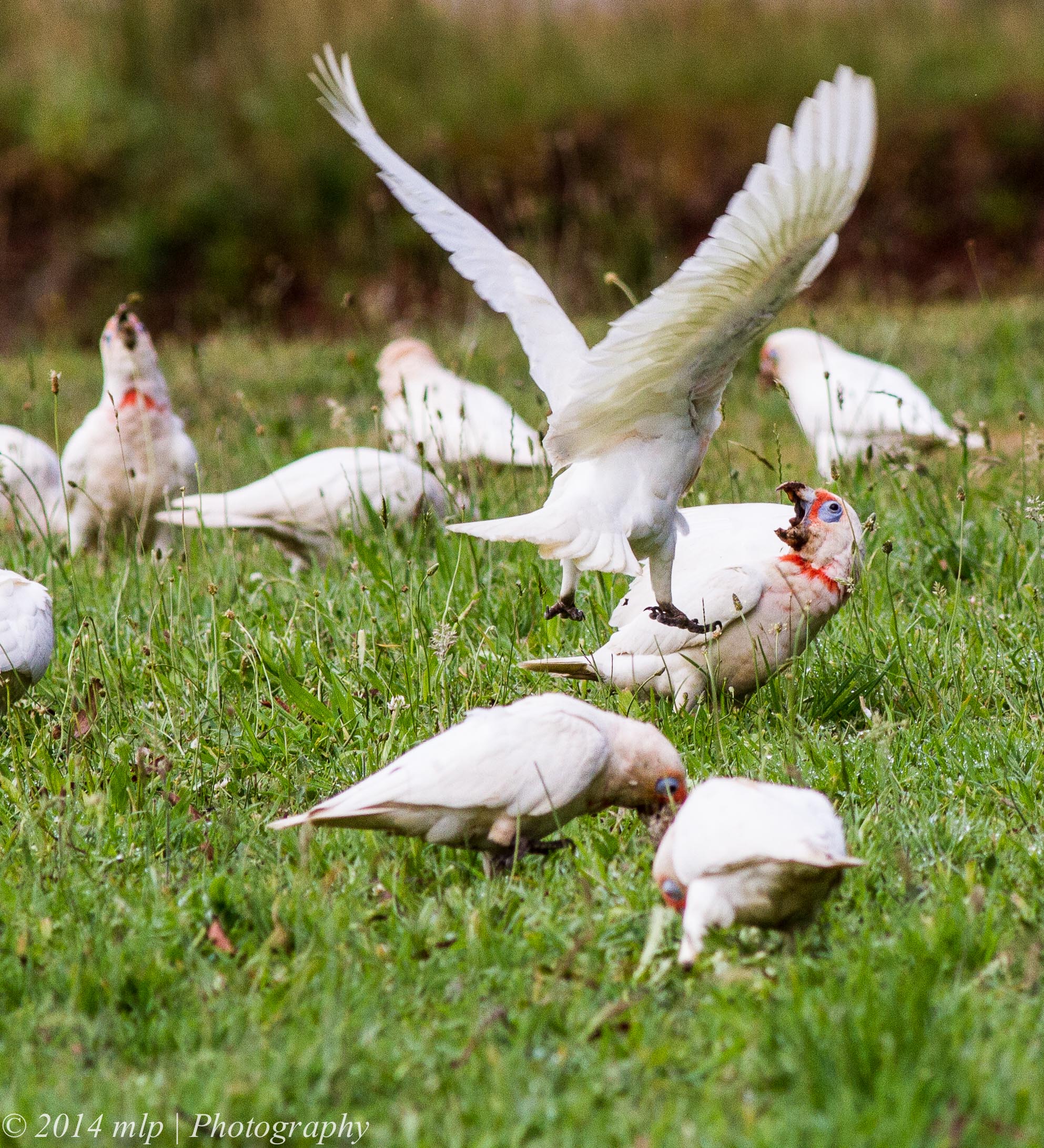
Recently I spent a few days in central Victoria around the Daylesford and Newstead areas. I saw quite a few Long Billed Corellas ( a type of white cockatoo). There are two types of Corellas that we can find in Victoria – The Long Billed and the Little Corella. (Little Corellas can sometimes be found within the flocks of Long Billed Corrella as well as in suburban and country areas. Last Summer we had over 400 in our neighbourhood that roosted in the large Gum trees each night.) The Long Billed Corella tend to be found in the open dry country areas. The flock of Corellas below were in a farmers paddock and at the Jubilee Lake Caravan Park outside of Daylesford.

They are a gregarious bird with a lot of personality and quite fun to watch for a while as they feed, quarrel and move around. The sharp long bill is used to dig up weeds and grass to get access to the roots. They can damage a football or cricket oval quite quickly and extensively as they move around in flocks of several hundred. The can make quite a noise as well.

Long Billed Corella

Long Billed Corella


Long Billed Corella II

Long Billed Corella II

Long Billed Corella III

Long Billed Corella III

Long Billed Corella IV

Long Billed Corella IV

V

V

VI

VI

VII

VII


Elster Creek and the Nursery Tree

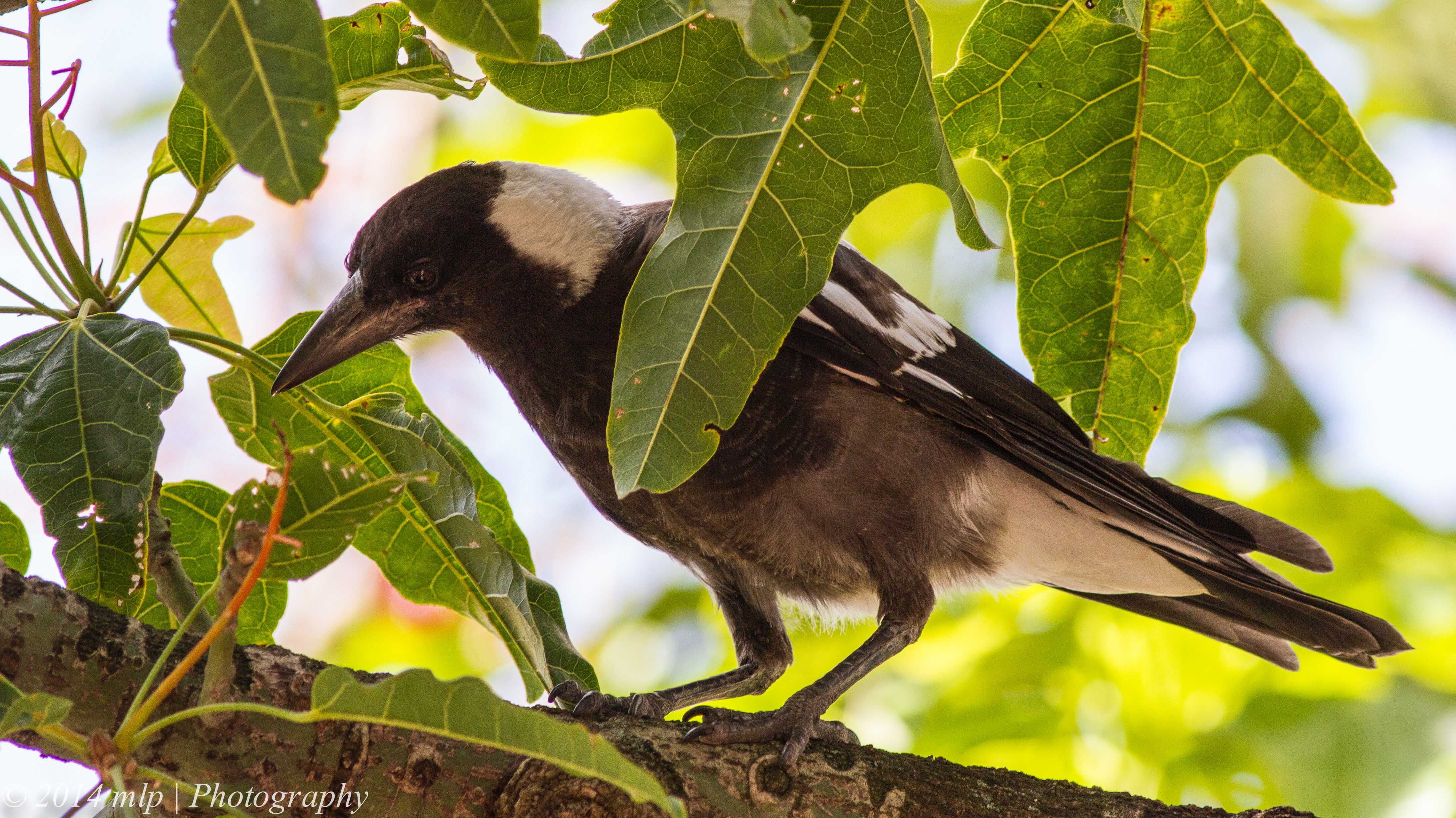
I have a large Illawarra Flame tree in bloom at the moment. On average it blooms only every second or third year. It is a tropical/sub tropical tree and not really meant for these southern climates. It seems to get confused when to drop leaves and flower. It is mostly out of cycle with the southern seasons. Around Christmas for 6 weeks or so, it breaks out in a mass of small nectar filled red flower cups that the local birds absolutely love – especially the Rainbow Lorikeets. It is also used as one of the roosting spots for the local family of Magpies. A pair of magpies can claim a territory for 20 years plus and use a few trees in the territory to make their calls. The tree is currently being used as a nursery for two magpie fledglings, juvenile rainbow lorikeets and two juvenile Red Wattlebirds.

The Magpies stay put until a parent either comes to feed them or take them down onto the creek side grass. I can tell when the parent has arrived as the young Magpie starts making a begging call. While I watched the fledgeling it moved around the tree biting the leaves, bark, branches, flowers and any other bird in reach. Magpies don’t eat in trees other than to feed nestlings or fledgelings so it seemed to be killing time by exploring the branches and watching out for the parents (and occasionally watching me work in the back courtyard)

Juvenile Magpie, Elwood Flame Tree, Vic -  5 Jan 2014

Juvenile Magpie, Elwood Flame Tree, Vic – 5 Jan 2014

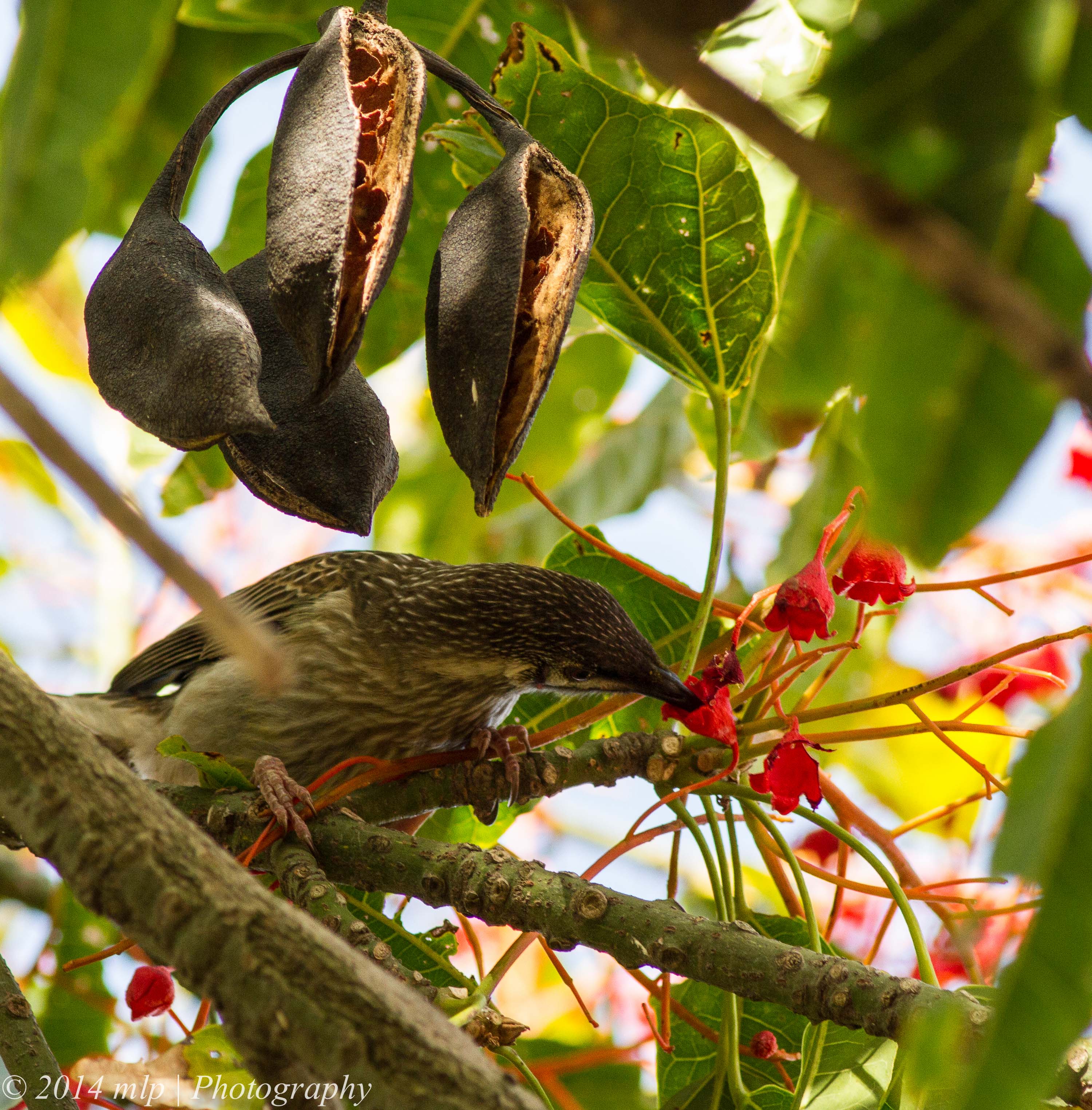
Two young Red Wattlebirds stayed in the tree sampling the various flowers keeping well away from the juv Magpie who was starting to build up to a tantrum – tearing leaves and flinging them about.

Juvenile Red Wattle Bird, Flame Tree, Elwood, Vic  - 5 Jan 2014

Juvenile Red Wattlebird, Flame Tree, Elwood, Vic – 5 Jan 2014


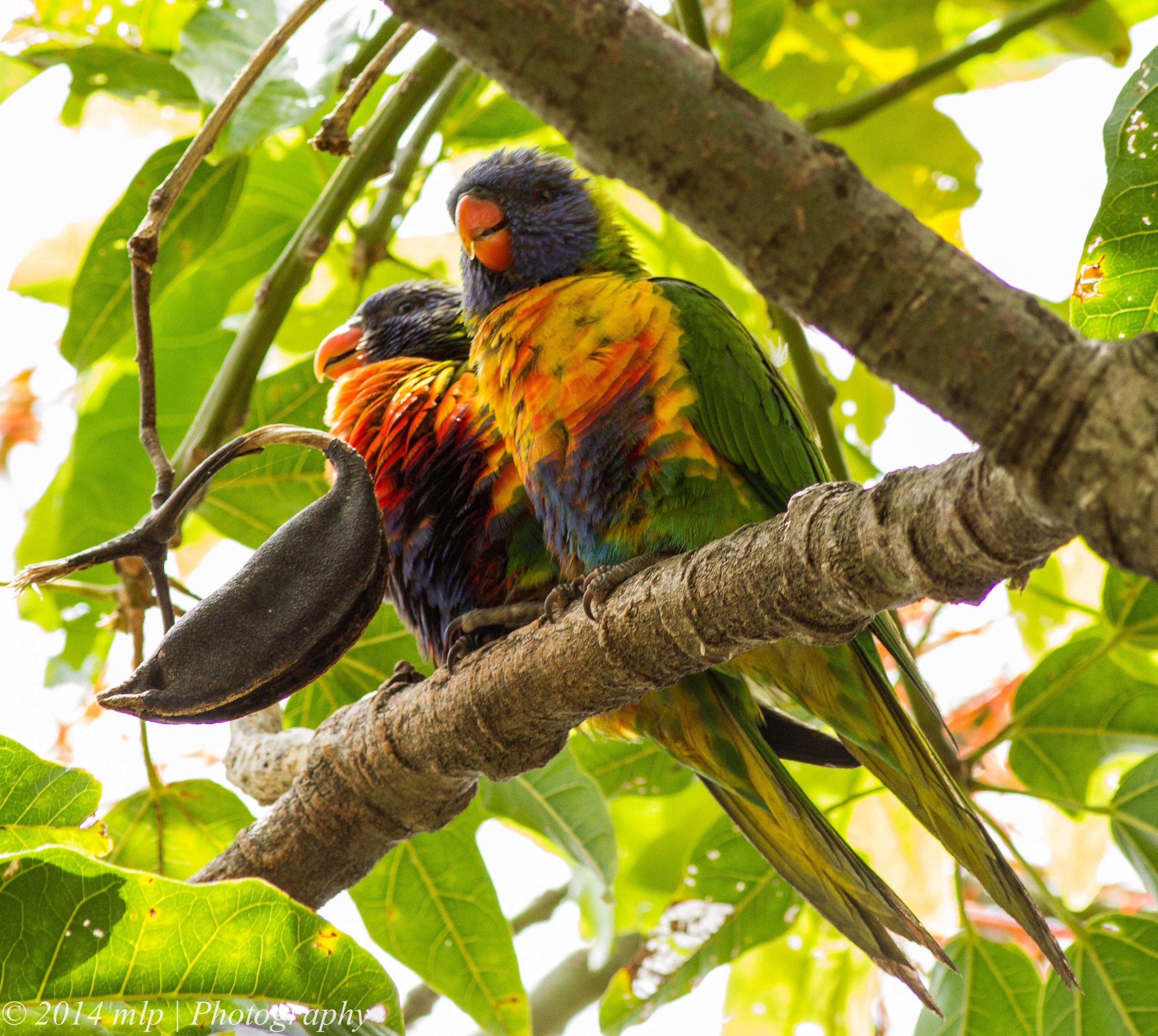
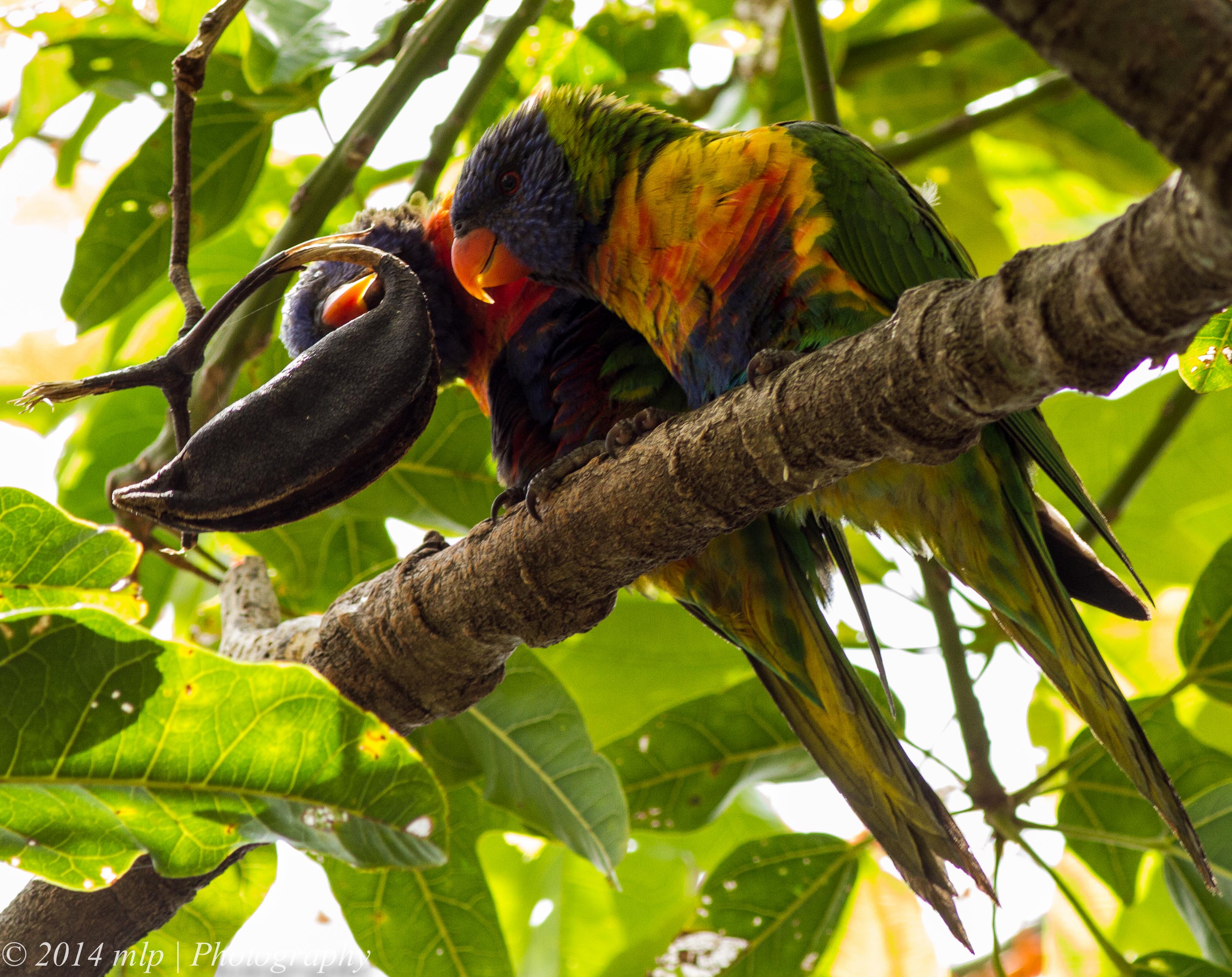
The young Rainbow Lorikeets were perched on the same branch for a few hours and kept themselves occupied by grooming each other, bickering and chewing on the seed pod. They are well named with a multi-coloured chest and head  – the juveniles are more mottled with the colours which settle into solid forms as an adult.

Juvenile Rainbow Lorikeets, Elwood Flame Tree, Vic -  5 Jan 2014

Juvenile Rainbow Lorikeets, Elwood Flame Tree, Vic – 5 Jan 2014

 II

II

III

III

 IV - their back colours are quite a dull green and when the birds are quiet they are just about invisible in the green leaves. I expect  the green back is for protection against raptors.

IV – their back colours are quite a dull green and when the birds are quiet they are just about invisible in the green leaves. I expect the green back is for protection against overhead raptors. It is on the menu for a number of local birds of prey.

Rainbow Lorikeet, Flame Tree, Elwood, Vic 5 Jan 2014 -I watched the 2 lorikeets on and off for a while and did not even notice this one on a branch nearby.

Rainbow Lorikeet, Flame Tree, Elwood, Vic 5 Jan 2014 – I watched the 2 lorikeets on and off for a while and did not even notice this one on a branch nearby.

Later as I walked along the creek, I found a few more juveniles and families.

Chestnut Teal family, Elster Creek, Elwood, Vic -  5 Jan 2014

Chestnut Teal family, Elster Creek, Elwood, Vic – 5 Jan 2014

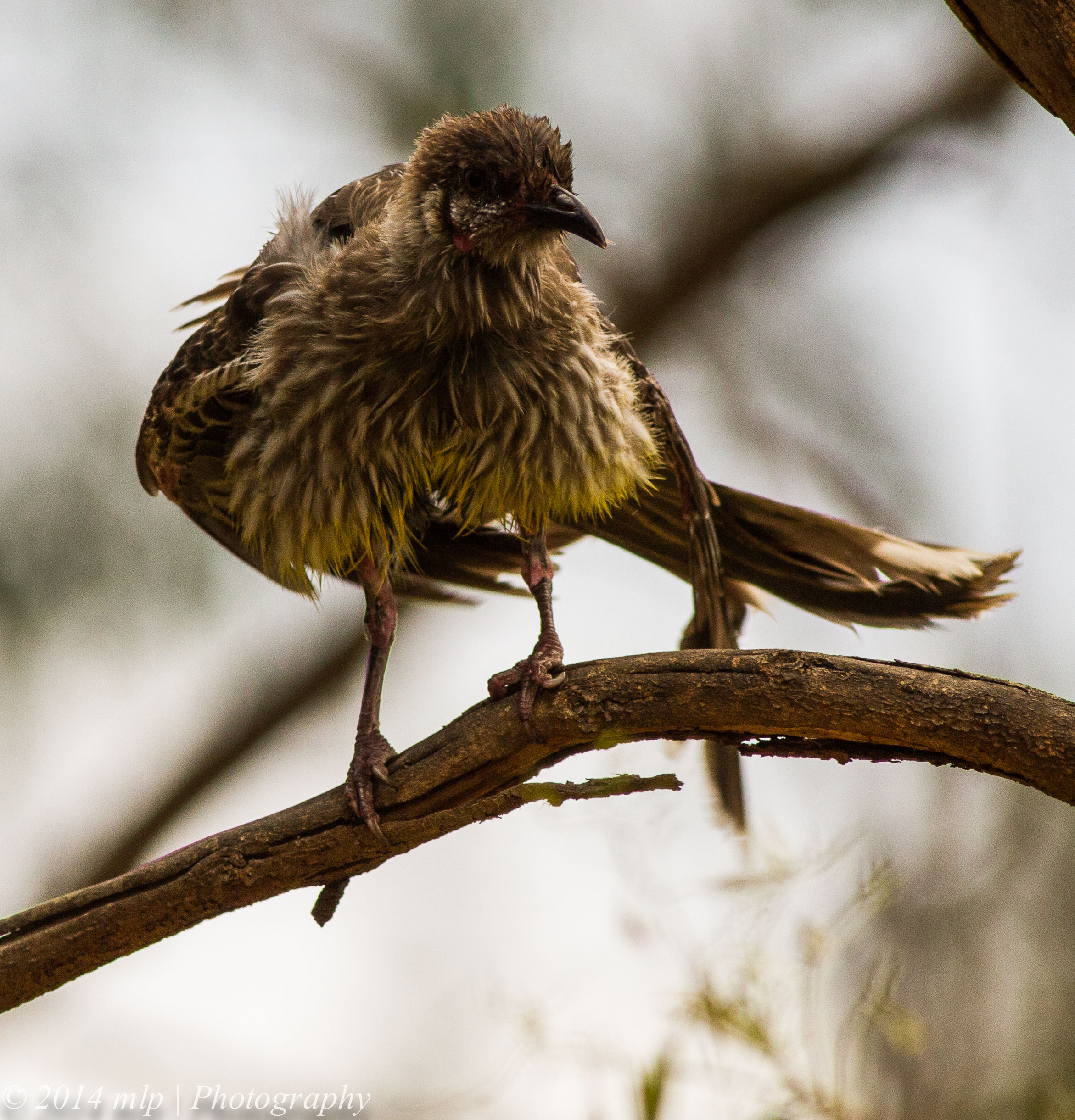
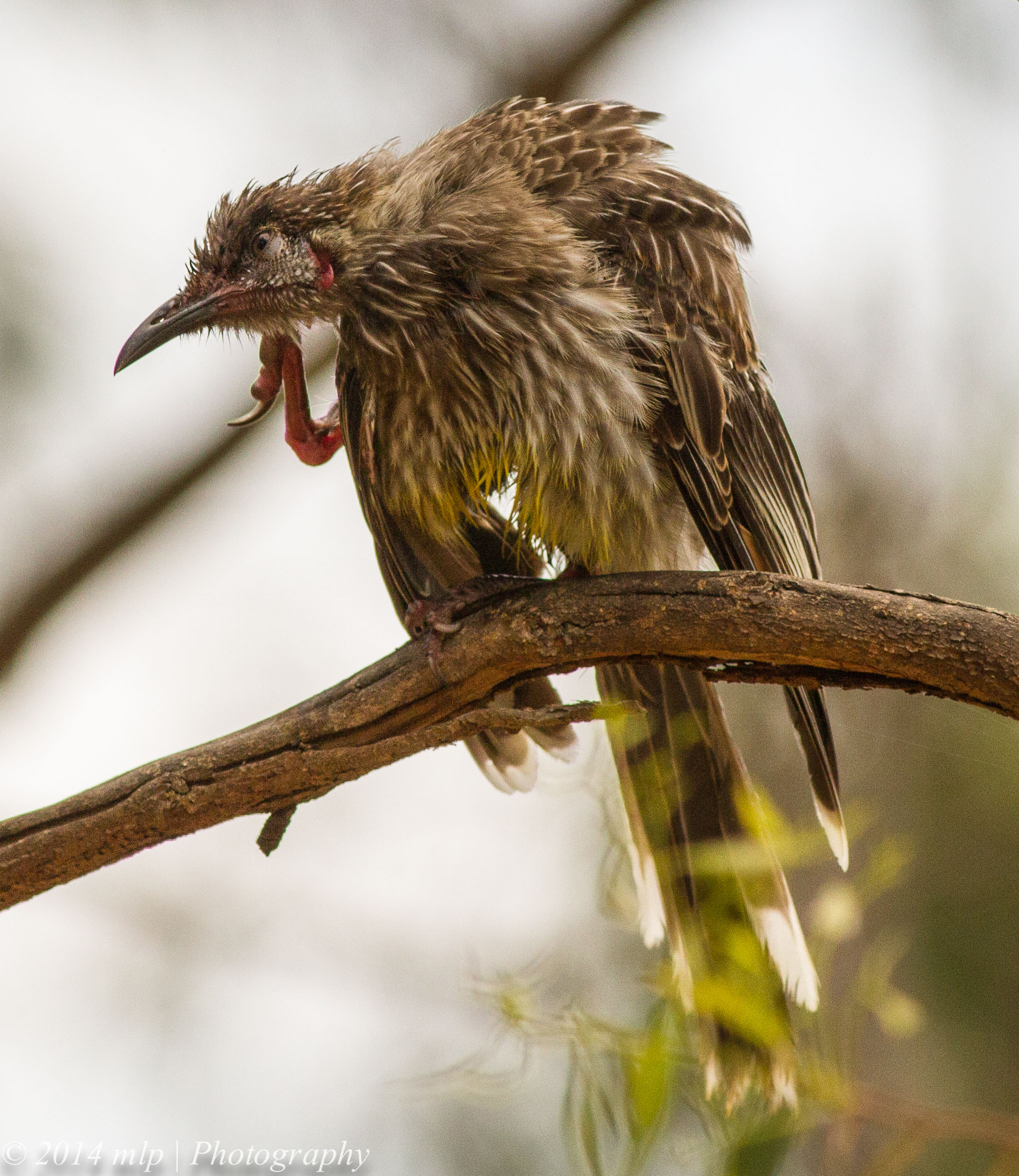
At Elsternwick Lake, next to the creek, I watched a family of Red Wattlebirds taking a mid afternoon plunge. I have only seen these birds bathing at my bird bath and assumed a more standard gentle form of bathing. At the lake I watched them plunge into the water and fly up to a roost to groom and clean and then plunge in again…they became very wet and spent some time cleaning.

Juvenile Red Wattle Bird grooming, Elster Creek, Elwood, Vic  - 5 Jan 2014

Juvenile Red Wattlebird grooming, Elster Creek, Elwood, Vic – 5 Jan 2014 – the juvenile only has a small red cheek wattle where the adult has a much larger and longer version

 II

II – wattle does a waggle, drying those hard to reach places

III

III – yep, feet all clean

IV

IV – under arms all good

V

V – get behind those ears…

Image

Owling at Bunyip State Forest, Victoria

I had another go at trying to find owls and nightjars at Bunyip last night with my birding mate John. This was our second attempt. We arrived at around 6pm in late afternoon sun and went to a few regular spots to see what was about. There has been some good sightings lately from the area. Our best pickup was a family or small flock of Blue Winged Parrots. We managed to walk up quite close to one feeding on grass seeds on the Button Grass track and got a few average photos. After it eventually flew off a group of three almost landed on us – we had the sun low behind us and they may not have known quite what we were…

Blue Winged Parrot, Bunyip State Forest, Victoria - 27 Dec, 2014

Blue Winged Parrot, Bunyip State Forest, Victoria – 27 Dec, 2014

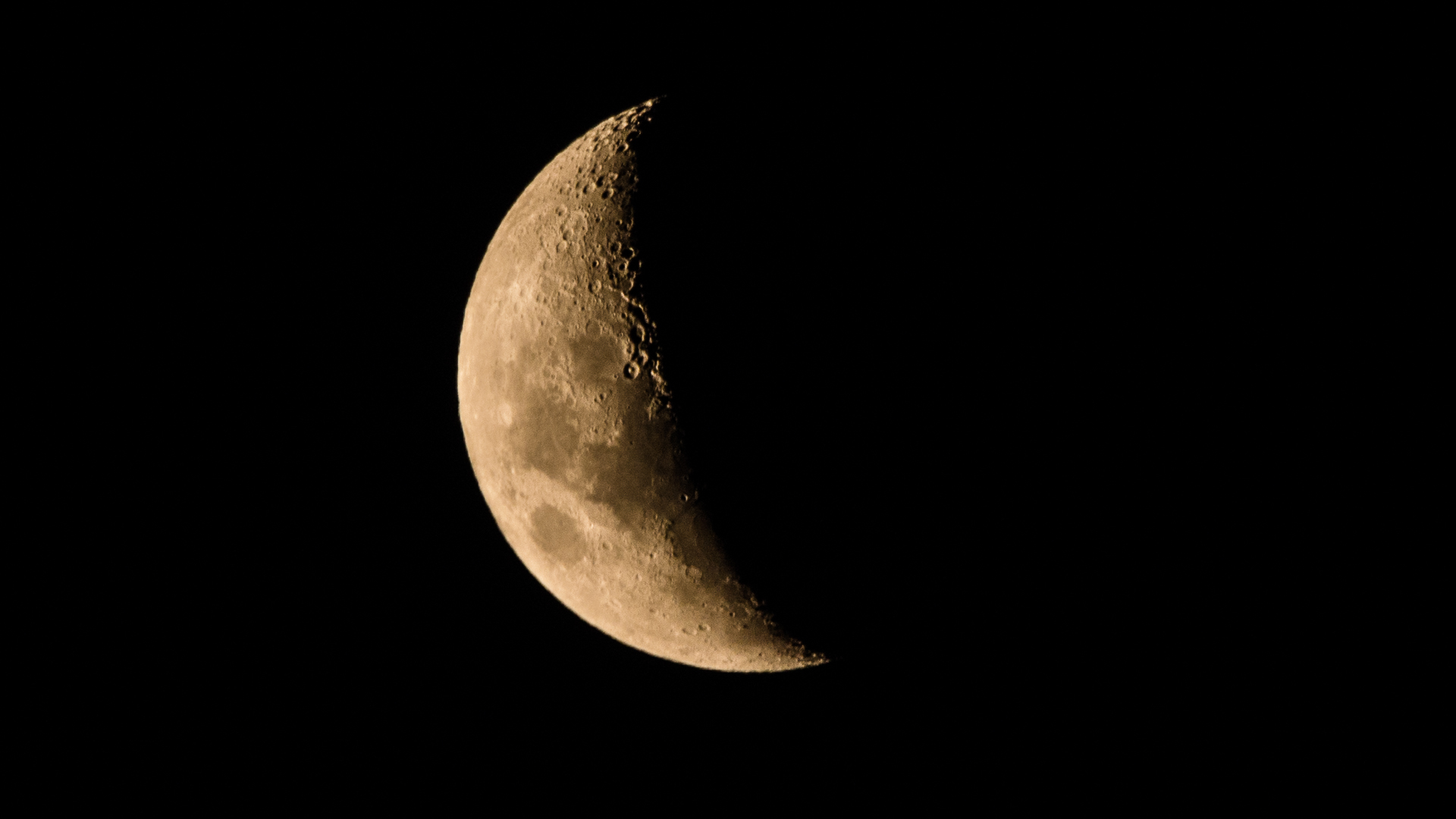
At the Helipad we waited for nightfall and met up with a group of birders including Tim B. who helped us ID the White Throated Nightjar. The nightjar made two laps over our heads and was gone…not to be seen again. We were happy to have seen it and glad that Tim was there to help ID it – another lifer! No pictures unfortunately. John took a few pics of the moon while we waited for more birds to turn up. We had a walk along the track behind the helipad and heard a heap of Boobooks calling but nothing else.

John Van Doorn -  Moon at the Helipad,  Bunyip State Forest,  27 Dec 2014

John Van Doorn – Moon at the Helipad, Bunyip State Forest, 27 Dec 2014

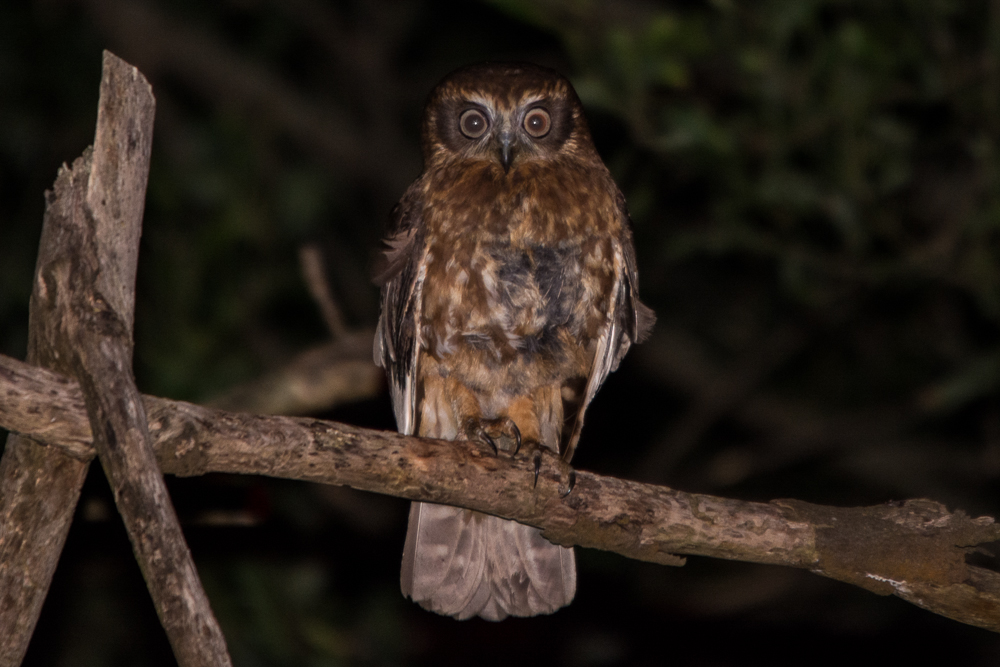
After calling it quits at 11 pm we drove back via Gembrook and a Boobook almost flew into the windscreen. We stopped and drove back and found the Owl on a tree branch on the side of the road and got a few pics.

John Van Doorn - Bookbook, Gembrooke, Victoria, 27 Dec 2014

John Van Doorn – Southern Boobook, Gembrook, Victoria, 27 Dec 2014

Birds in my local area

I often walk around my area looking to see what new birds may be passing through. I can find up to 35 species in my area – I back onto a creek (officially a storm water canal) that has been revegetated with native planting and this has had the effect of bringing in more birds to the area…there is quite a list building.

Little Wattlebird Elwood, Victoria - 3 Sept, 2014

Little Wattlebird Elwood, Victoria – 3 Sept, 2014

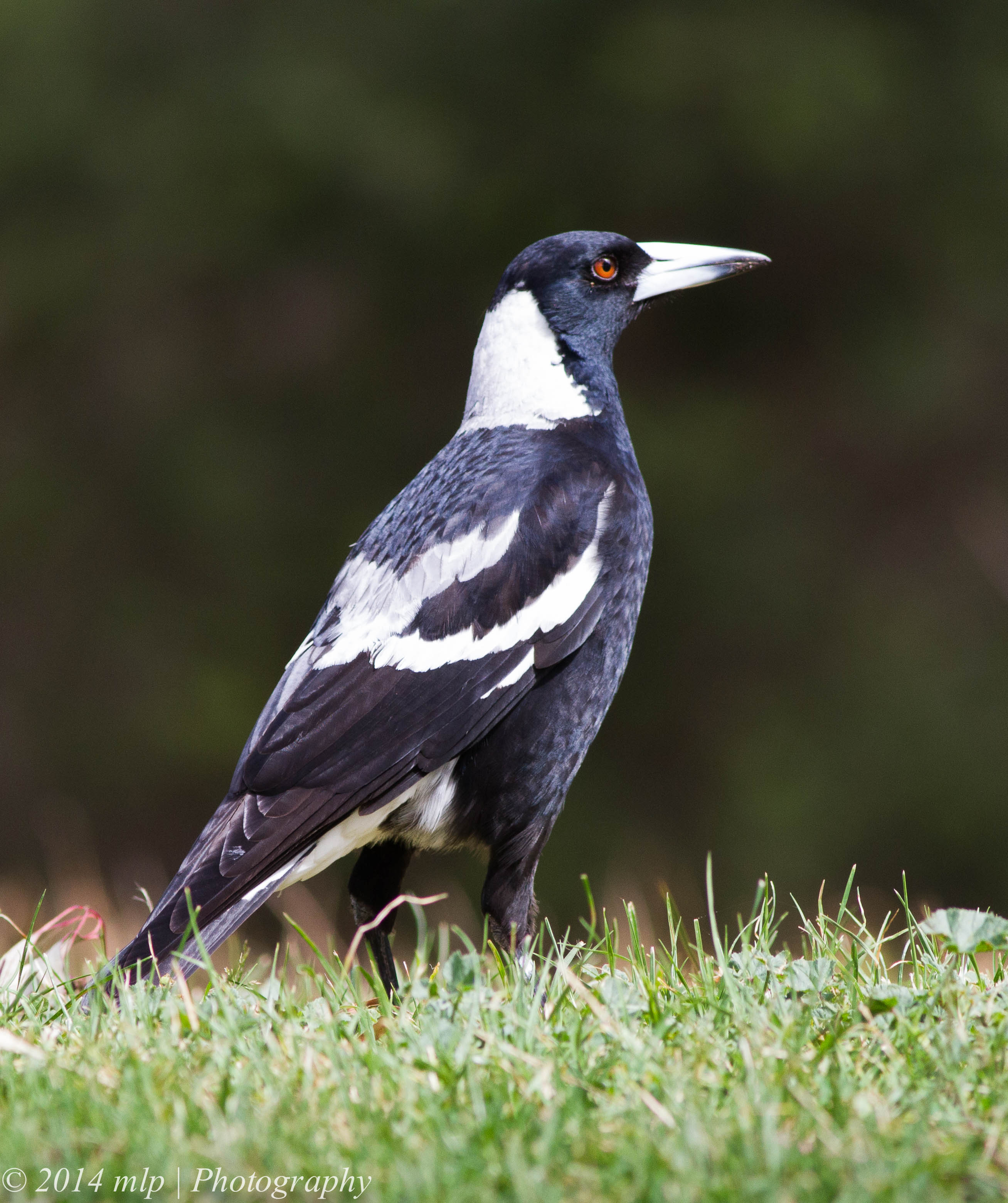
Australian Magpie, Elwood, Vic -  9 Oct 2014

Australian Magpie, Elwood, Vic – 9 Oct 2014

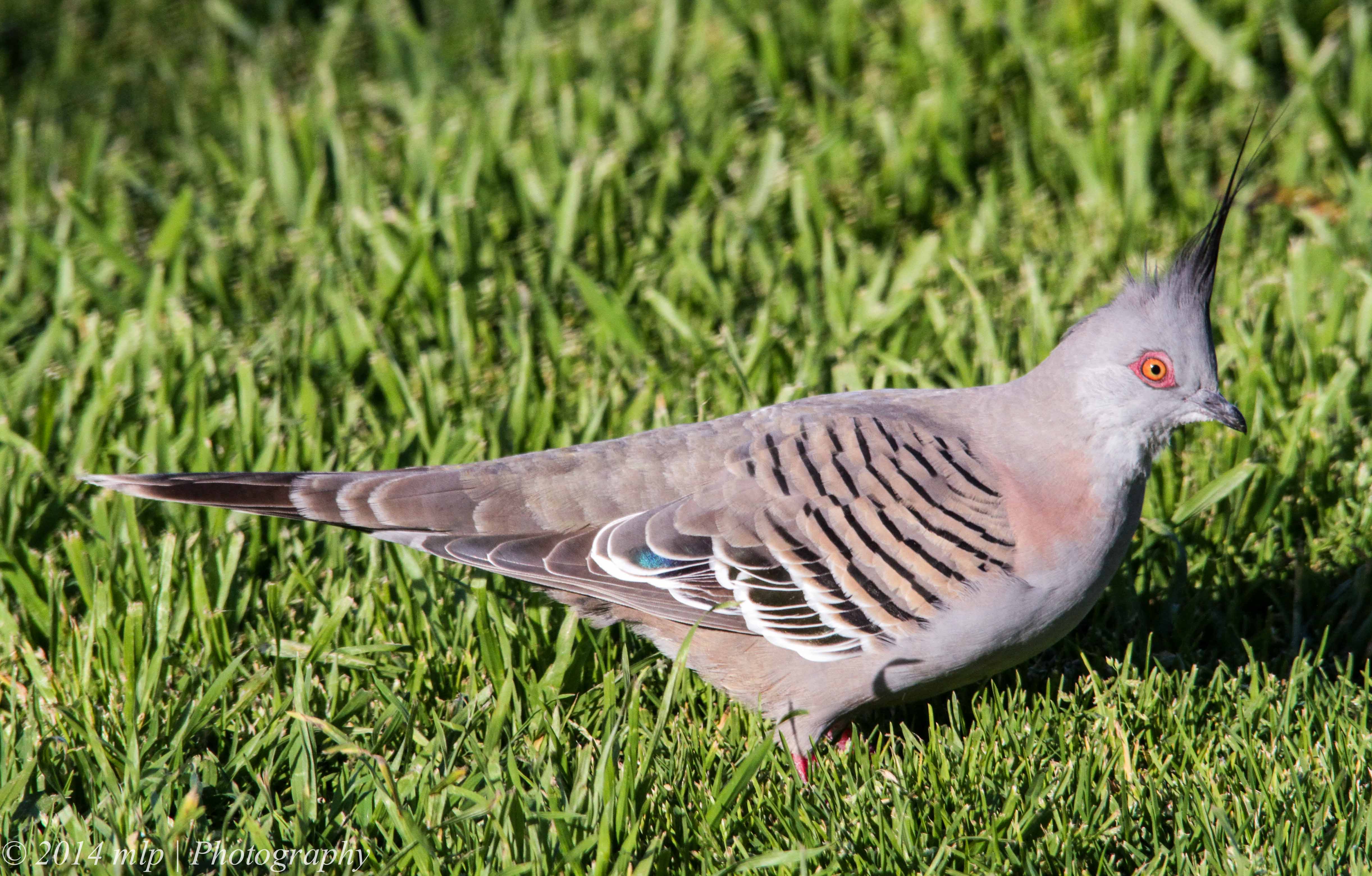
Crested Pigeon, Elwood, Vic -  3 Sep 2014

Crested Pigeon, Elwood, Vic – 3 Sep 2014

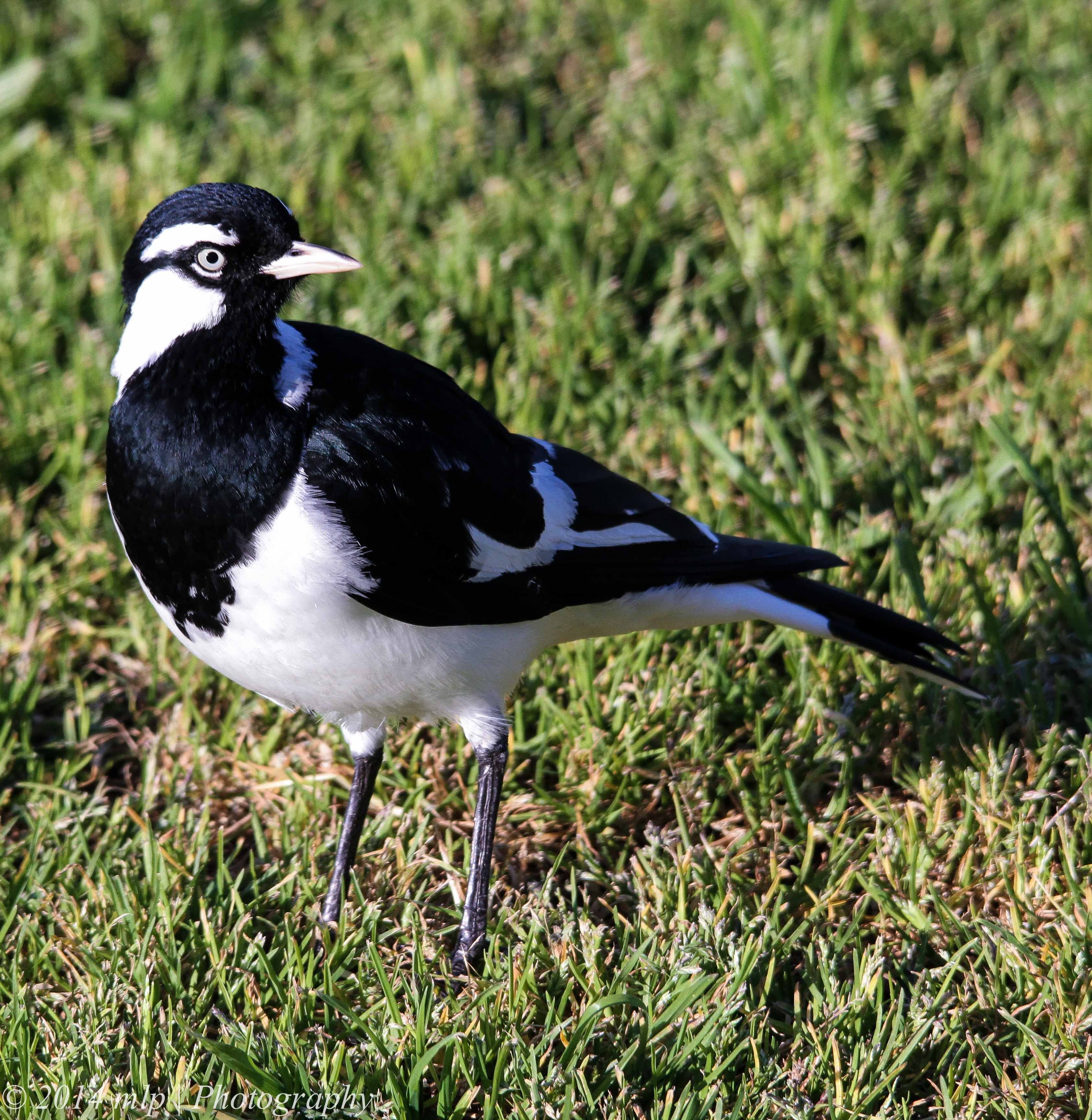
Male Magpie-Lark, Elwood, Vic -  3 Sep 2014

Male Magpie-Lark, Elwood, Vic – 3 Sep 2014

Rainbow Lorikeet, Elwood, Vic -  17 Oct 2014

Rainbow Lorikeet, Elwood, Vic – 17 Oct 2014

Image

Mangalore Flora and Fauna Reserve, Victoria

White Browed Woodswallow Mangalore Dec 2014

White-Browed Woodswallow, Mangalore, Victoria – 22 Dec, 2014

Had a good day out yesterday birding with John VD about 90 mins north of Melbourne (Seymour and Mangalore with a detour on the way home at Toolangi). This photo of a White Browed Woodswallow was taken near the entrance to the Mangalore reserve. There were quite a few woodswallows around. A beautiful bird with a chestnut body and big white eyebrows

Image

Braeside Park

Frogmouth family Braeside Park Dec 2014

Frogmouth family Braeside Park Dec 2014

As I need to keep practicing with my camera setup I drove down to an old haunt for a few hours to see what was around….best pics of the day were of a Tawny Frogmouth family that a birding mentor (Steve “the bird man” MacDonald) pointed out to me as we met up on the Red Gum trail. The two smaller birds on the right are still quite young and the parents are still watching over them. The other parent was on a branch just to the left. The young birds watched what I was up to as I moved around trying to get a clear shot.