And back to Winter at Greens Bush

I recently clocked up 90 visits to one of my favourite sites to survey for birds and other native wildlife. I like to track the birds I find and record my sightings and locations on the ebird app, part of a worldwide database based at the Cornell Lab of Ornithology in the US.  Going over my sightings looking for more data on the Bassian Thrush, I found that I had clocked up 90 visits to the one site: Greens Bush in the Mornington Peninsula National Park.  On the last two visits I saw a total of 8 Bassians across several locations on the circuit , a good healthy and permanent population.

Bassian Thrush, Greens Bush, Mornington Peninsula National Park, Vic
Boobooks in the canopy

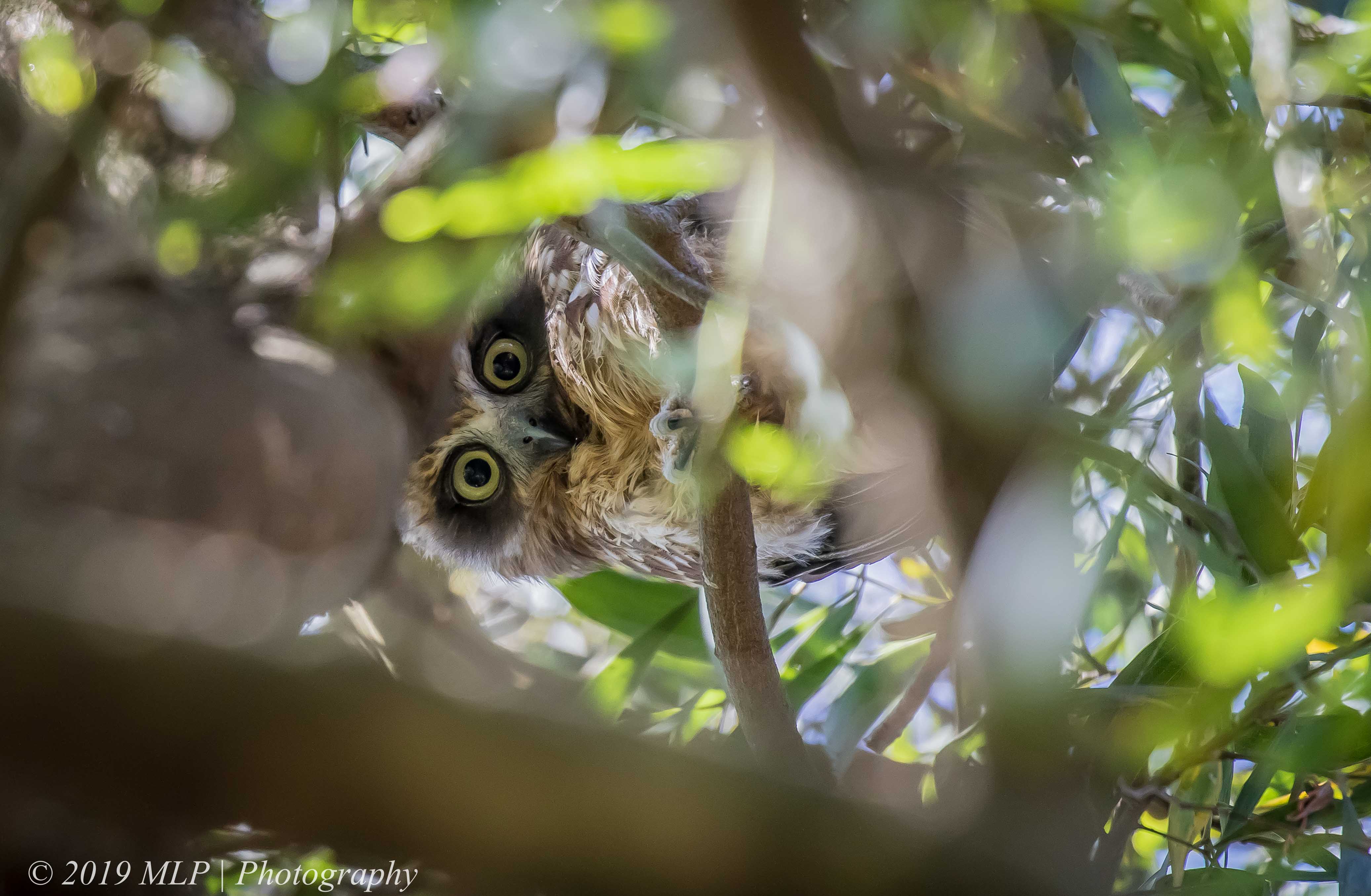
Some friends who live on a lovely property that backs onto the National Park that I visit most weekends gave me a tip that there was a family of Boobook Owls roosting in a dense stand of Blackwoods near their property. I found the owls and spent some time trying to find an angle through the branches and up into the canopy. It was very tricky shooting with the high sun and bright sky. The juveniles were quite curious about my antics and watched me as a I watched them.

Southern Boobook, Greens Bush, Mornington Peninsula National Park, Vic

Southern Boobook, Greens Bush, Mornington Peninsula National Park, Vic

Southern Boobook, Greens Bush, Mornington Peninsula National Park, Vic

II

Southern Boobook, Greens Bush, Mornington Peninsula National Park, Vic

III

Southern Boobook family, Greens Bush, Mornington Peninsula National Park, Vic
Southern Boobook family

Southern Boobook family, Greens Bush, Mornington Peninsula National Park, Vic
II

Southern Boobook family, Greens Bush, Mornington Peninsula National Park, Vic

III

More hungry than timid

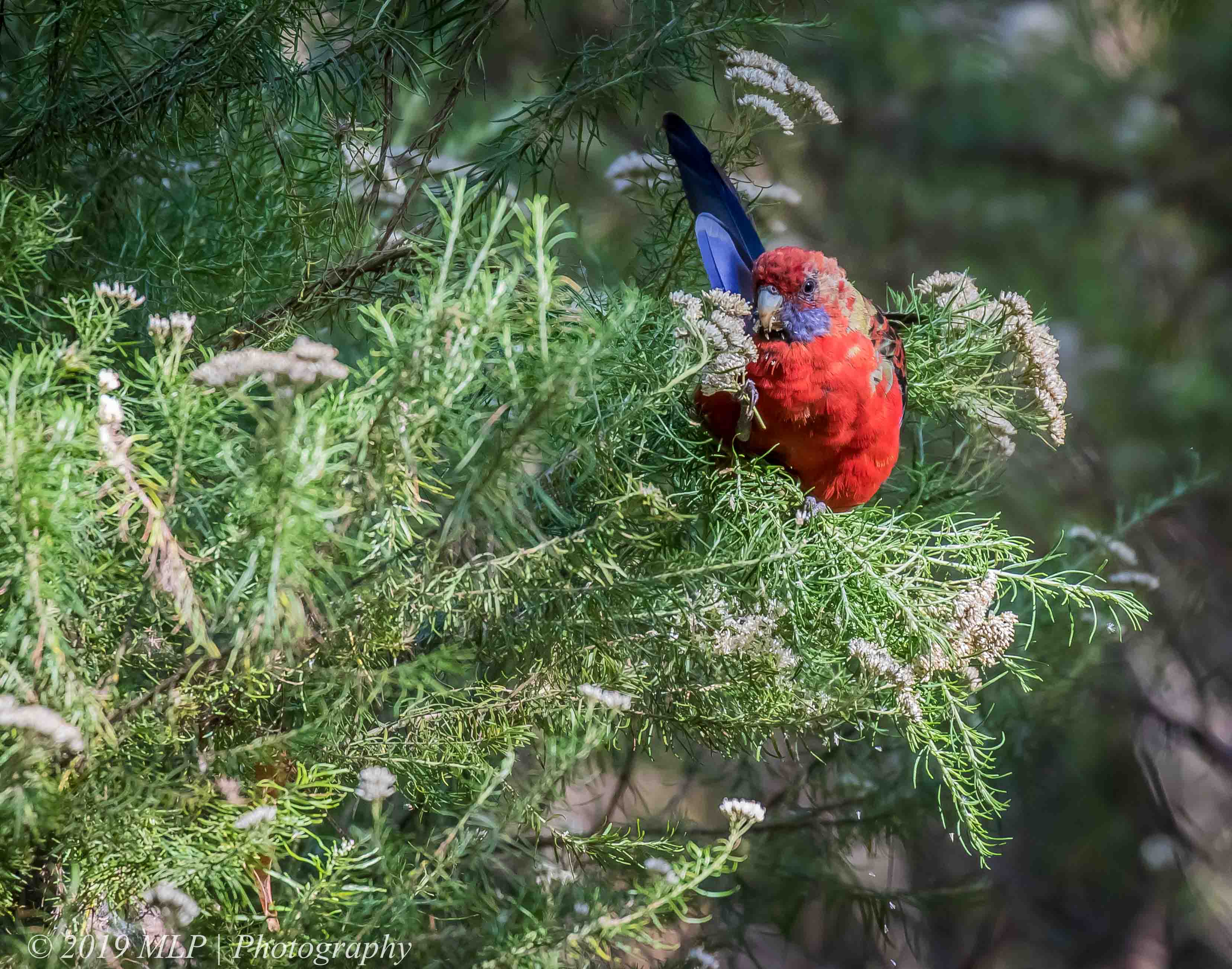
On recent walks around Greens Bush I have noticed quite a few juveniles learning the ropes from their parents. I found several Crimson Rosellas feeding in this flowering bush. The parents flew off but two juveniles stayed and kept feeding not overly concerned by me at all. This species in the wild is usually quite timid. It is a good time of year for getting closer to the forest birds and taking photos.

Juvenile Crimson Rosella, Greens Bush, Mornington Peninsula National Park, Vic,

Juvenile Crimson Rosella, Greens Bush, Mornington Peninsula National Park, Vic,

Tiny occupants

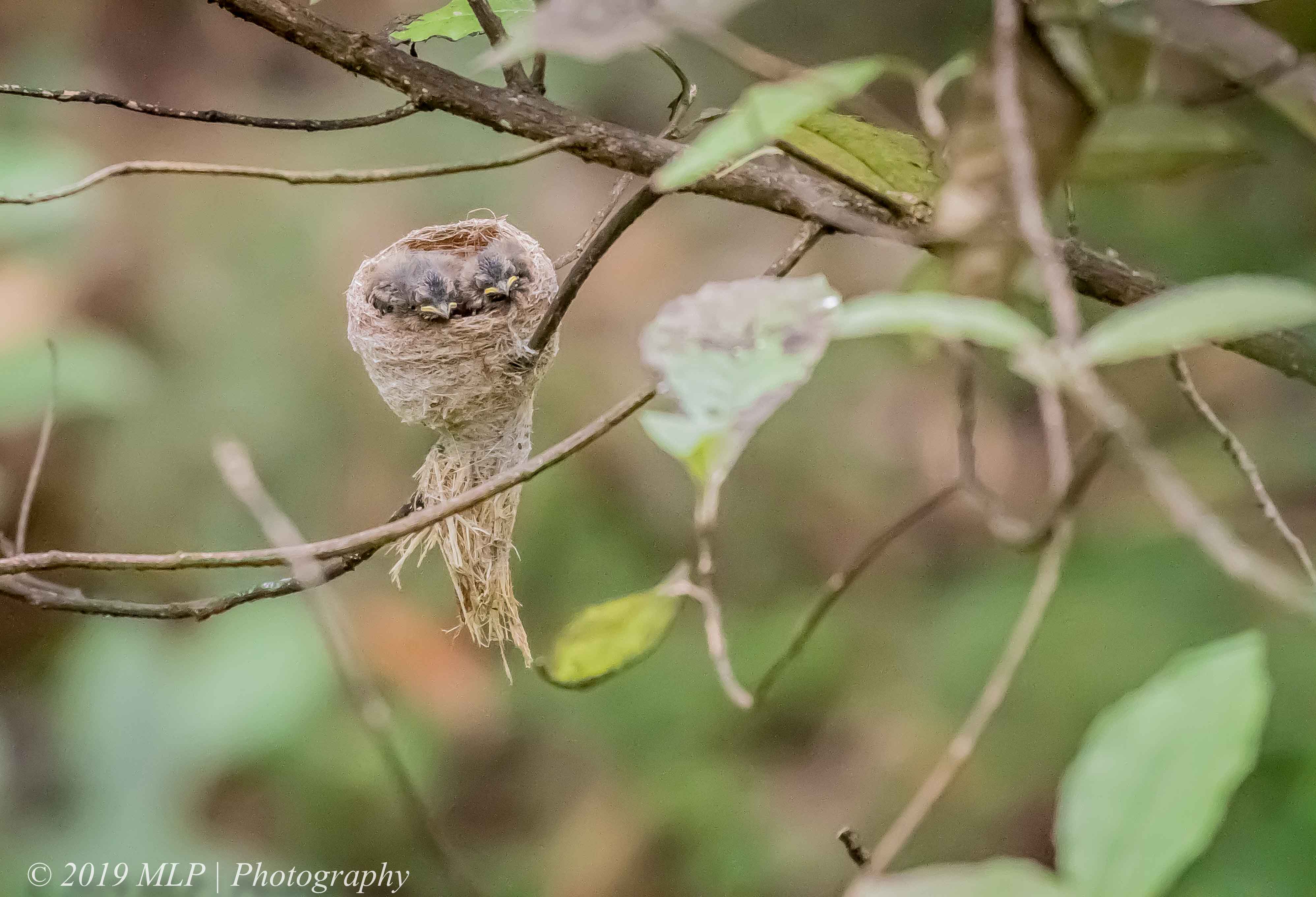
While walking with a friend in Greens Bush recently I found two new Grey Fantail nests, the first empty but the second was occupied by two tiny Fantails. The small goblet shaped nest made of strips of bark, grass and spiderweb has an opening only 4cm wide and 3.5cm deep. (I measured an empty nest). While we watched the nest for a while one of the parents would come back every few minutes with a snack for one of the chicks.

I returned the following week hoping the light would be better but found an empty nest. Standing there looking for any signs I eventually found the chicks above me in the dense foliage. As a parent came near the pair would make high pitched begging chirps but would quickly go quiet when the parent left. It took a while to track the pair back to the chirps through the leaves and branches.

grey fantail chicks in nest, greens bush, mornington peninsula national park, vic

Grey fantail chicks in nest, Greens Bush, Mornington Peninsula National Park, Vic

grey fantail chicks in nest, greens bush, mornington peninsula national park, vic

II

grey fantail nest, greens bush, mornington peninsula national park, vic

Grey fantail nest.

A new grassland grows

With the closing of the Elsternwick golf course and planned conversion to a wetlands and open parkland, the unmaintained grass of the old fairways is growing long and seeding. This is already bringing more bird species to the area to enjoy the seeds, including a small flock of Long-billed Corellas.

Long billed Corella, Elster Park North, Elternwick, Vic

Long billed Corella, Elster Park North, Elternwick, Vic

Long billed Corella, Elster Park North, Elternwick, Vic

II

Long billed Corella, Elster Park North, Elternwick, Vic

III

Long billed Corella, Elster Park North, Elternwick, Vic

IV

Acrobatic antics for a good feed

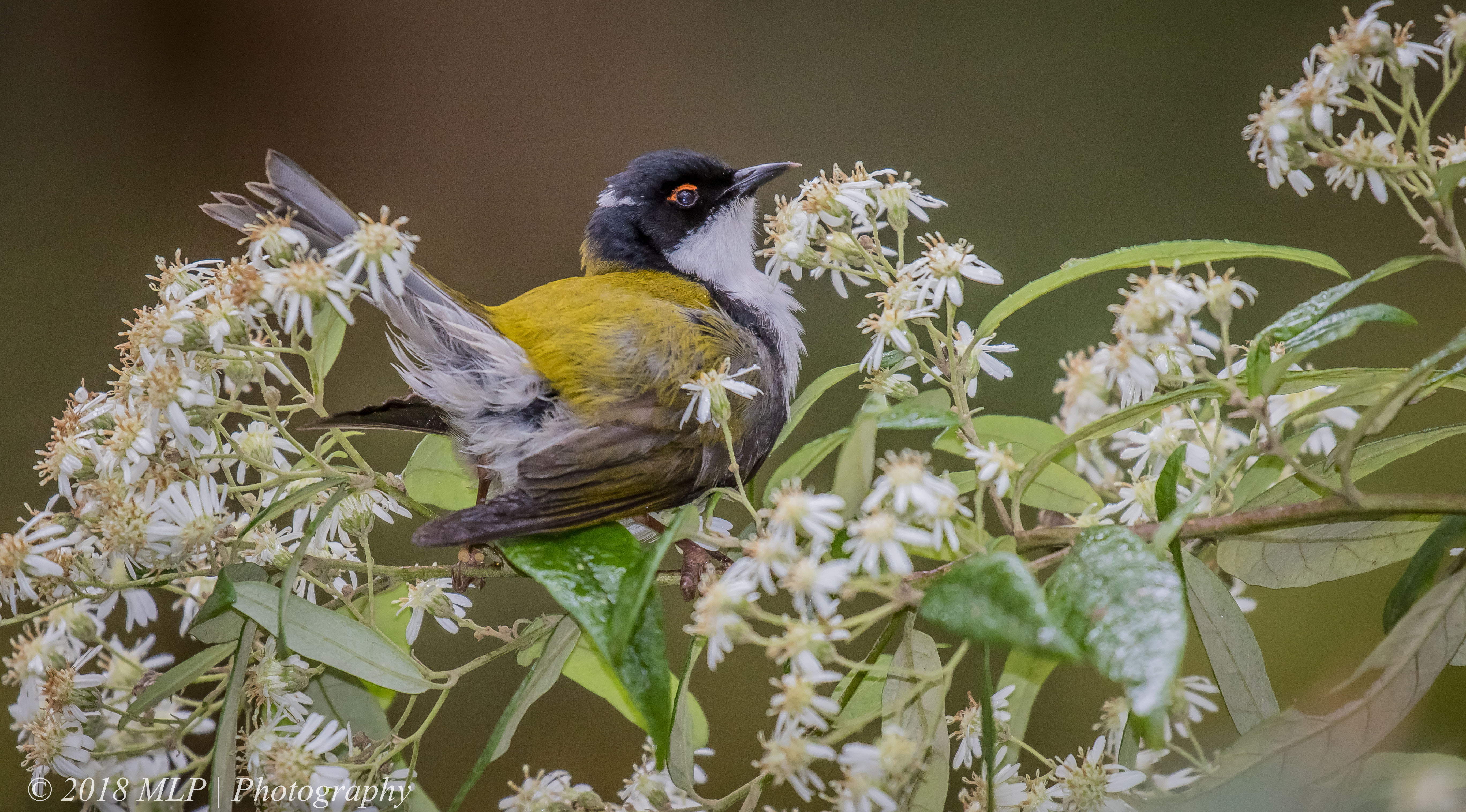
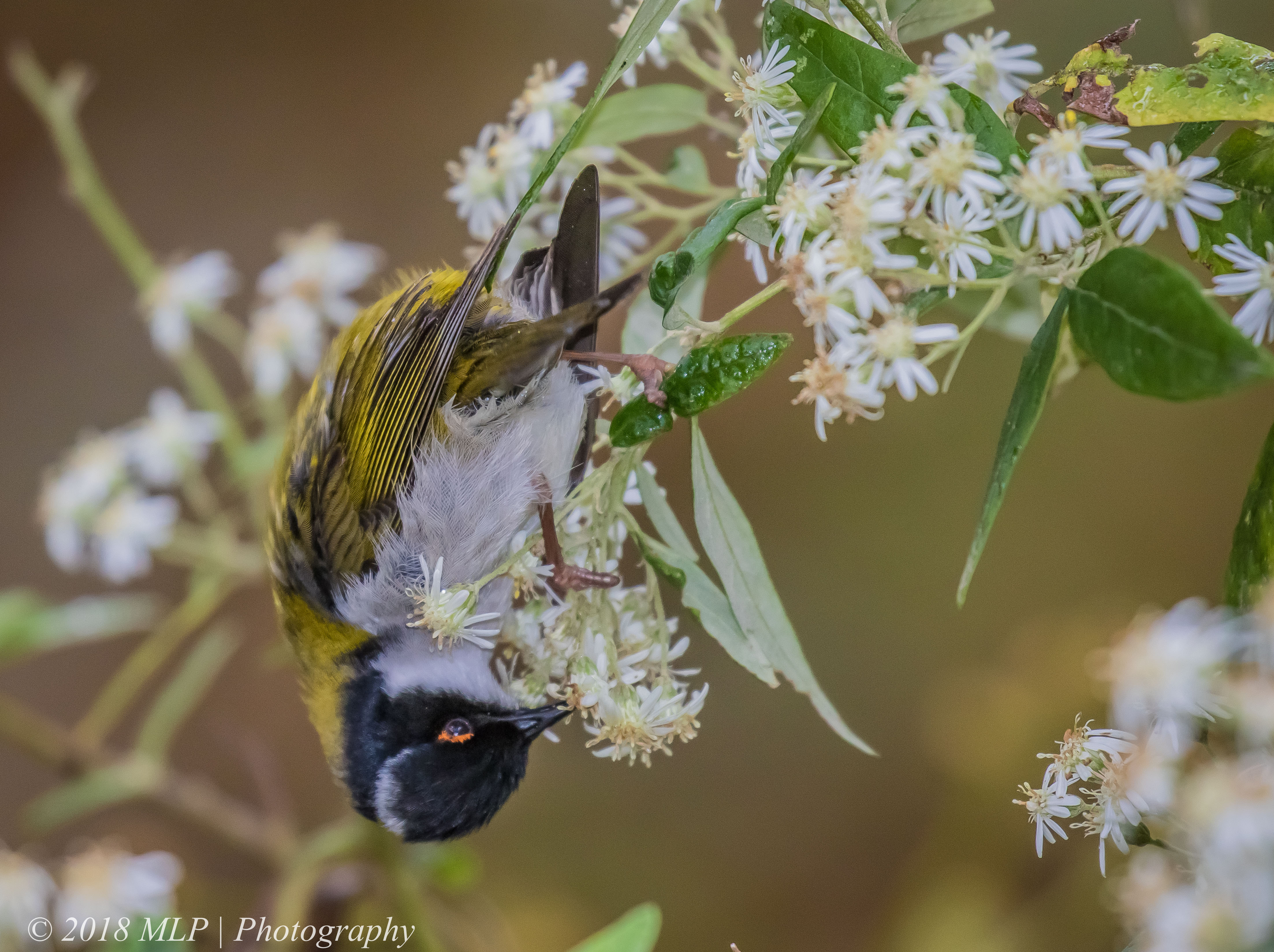
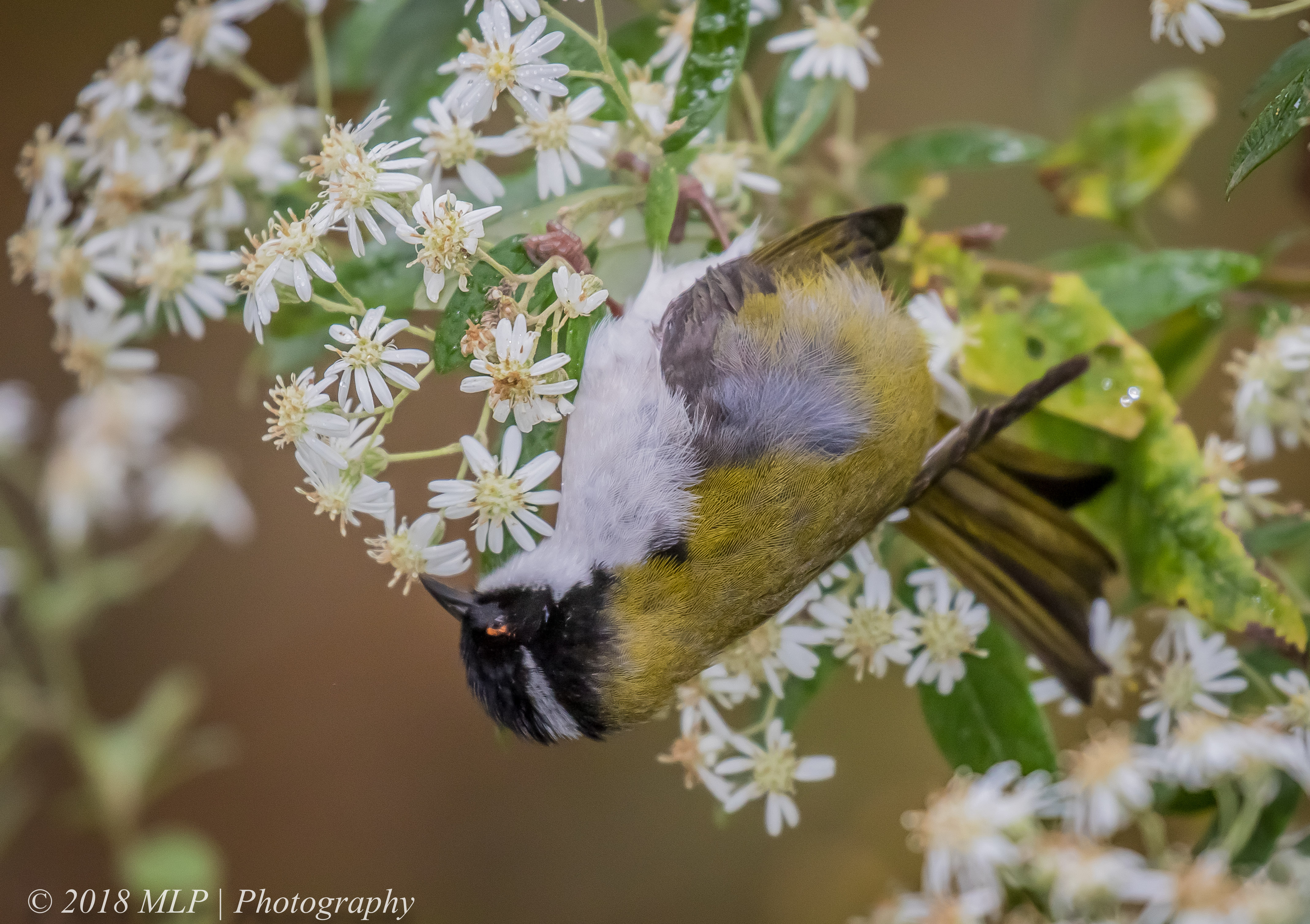
During spring the understory throughout Greens Bush has been in full bloom. Amongst the many birds that I saw feeding on the flowers was this White-naped Honeyeater. I mostly see this species  higher in the canopy and more often hear them as they make their distinctive calls. I think it was a fairly young bird to allow me to get so close to watch it as it moved arobatically around several low bushes. It was a good opportunity to photograph this beautiful little bird with the lovely orange eye lid.

White naped honeyeater, Greens Bush, Mornington Peninsula National Park, Vic

White naped honeyeater, Greens Bush, Mornington Peninsula National Park, Vic

White naped honeyeater, Greens Bush, Mornington Peninsula National Park, Vic

II

White naped honeyeater, Greens Bush, Mornington Peninsula National Park, Vic

III

White naped honeyeater, Greens Bush, Mornington Peninsula National Park, Vic
IV

White naped honeyeater, Greens Bush, Mornington Peninsula National Park, Vic
V

White naped honeyeater, Greens Bush, Mornington Peninsula National Park, Vic
VI

White naped honeyeater, Greens Bush, Mornington Peninsula National Park, Vic

VII

White naped honeyeater, Greens Bush, Mornington Peninsula National Park, Vic

VIII

White naped honeyeater, Greens Bush, Mornington Peninsula National Park, Vic

IX

White naped honeyeater, Greens Bush, Mornington Peninsula National Park, Vic

X

Inspecting a hollow

I am still finding birds at Greens Bush nesting, looking for suitable nest sites and feeding juveniles that have fledged and left the nest. I found this pair of Crimson Rosellas (below) inspecting a Eucalyptus hollow. One was hopping in and out of the small hollow while its mate stood watch nearby.

Crimson Rosella, Greens Bush, Mornington Peninsula National Park, Vic

Crimson Rosella, Greens Bush, Mornington Peninsula National Park, Vic

Crimson Rosella, Greens Bush, Mornington Peninsula National Park, Vic

Crimson Rosella guarding the nest hole on a nearby branch

Safe and warm….

I sometime run into locals while walking around my usual circuit at Green’s Bush and I can always learn from them about what is happening in the area. Earlier this year Virginia taught me about the local trees, which I am hopeless at identifying. I ran into her and her partner Mark again last weekend and caught up with the local happenings particular around finding owls. There are a few species at Greens: Powerful Owls, Owlet nightjars and Southern Boobooks. I have yet to find any but there seems to be quite a few around. I asked V about how her animal orphan caring was going and she reached down her shirt and pulled out this little Ring-tiled possum from a small pouch. The ring tail possum and its much bigger, meaner cousin the Brush-tail possum are a favourite food for the Powerful Owl. The possums are very common and the large powerful owls quite rare due to lack of old growth trees for breeding hollows. But I would not wish this little guy to become a snack for a big owl. So much effort and time goes into giving it a chance to grow up.

Ring-tailed Possum, Greens Bush, Mornington Peninsula National Park, Vic

Ring-tailed Possum, Greens Bush, Mornington Peninsula National Park, Vic

The little hunter returns

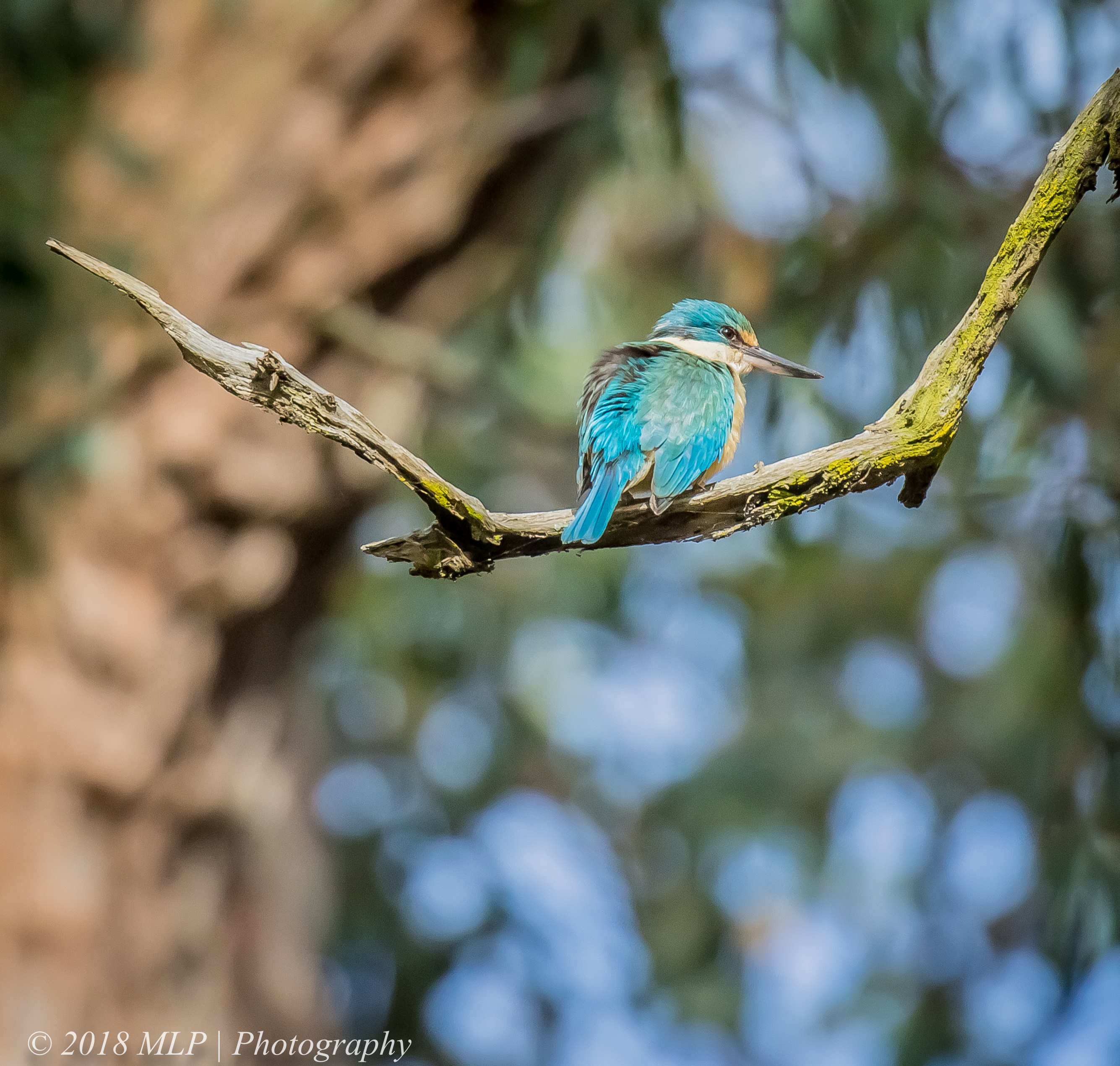
With the on-coming summer a few new migratory birds are heading to Greens Bush for the warmer seasons. I heard recently the distinctive sounds of 5 short barks of the Sacred Kingfisher: a tiny bird in bright blue, hunting amongst the trees. I only spotted the kingfisher after tracking its barks and seeing a flash of blue against dull brown tree bark. It seemed to be investigating all the nearby tree hollows and calling often.

Sacred Kingfisher, Greens Bush, Mornington Peninsula National Park, Vic

Sacred Kingfisher, Greens Bush, Mornington Peninsula National Park, Vic

Sacred Kingfisher, Greens Bush, Mornington Peninsula National Park, Vic
II

Wait…..what??

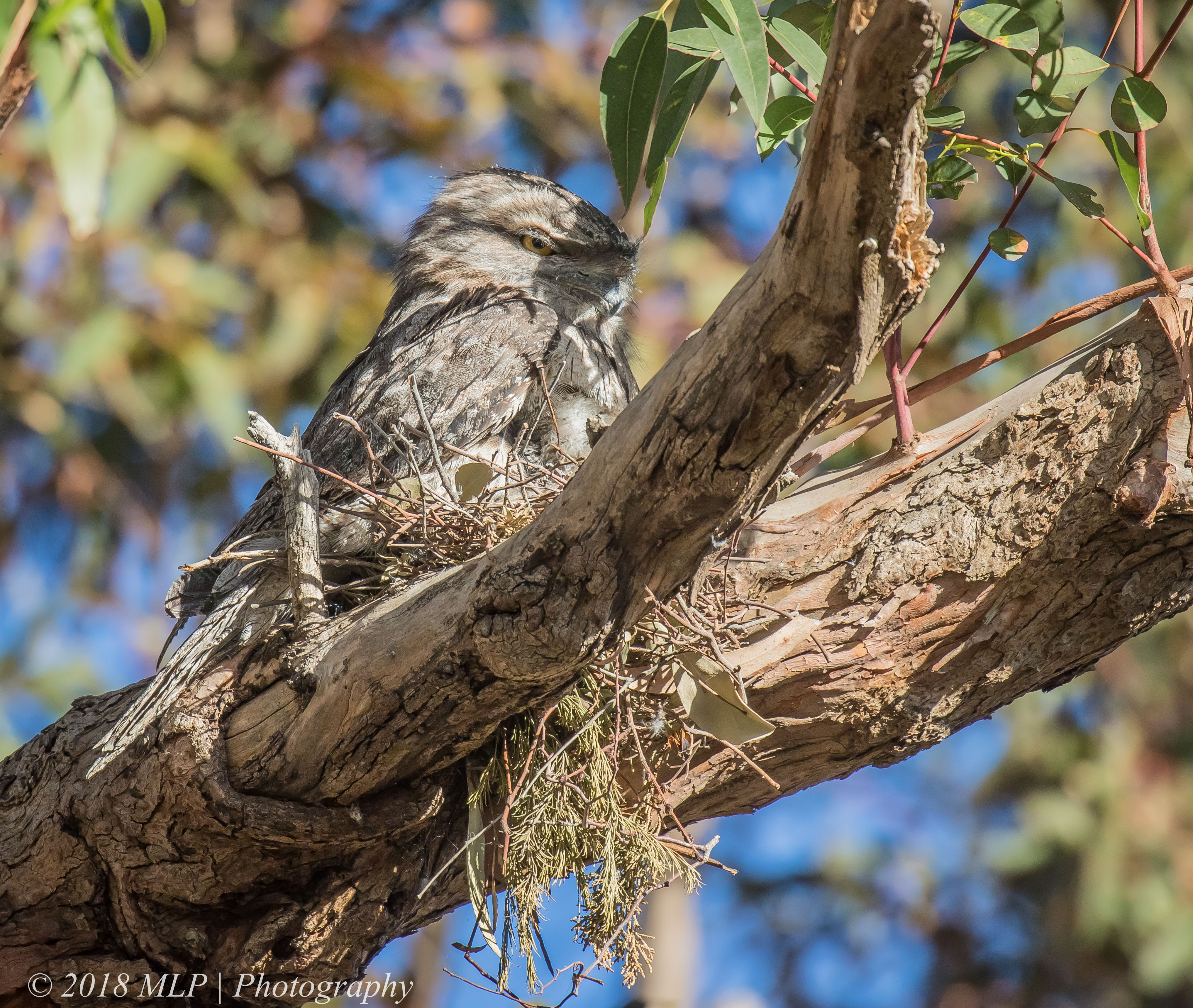
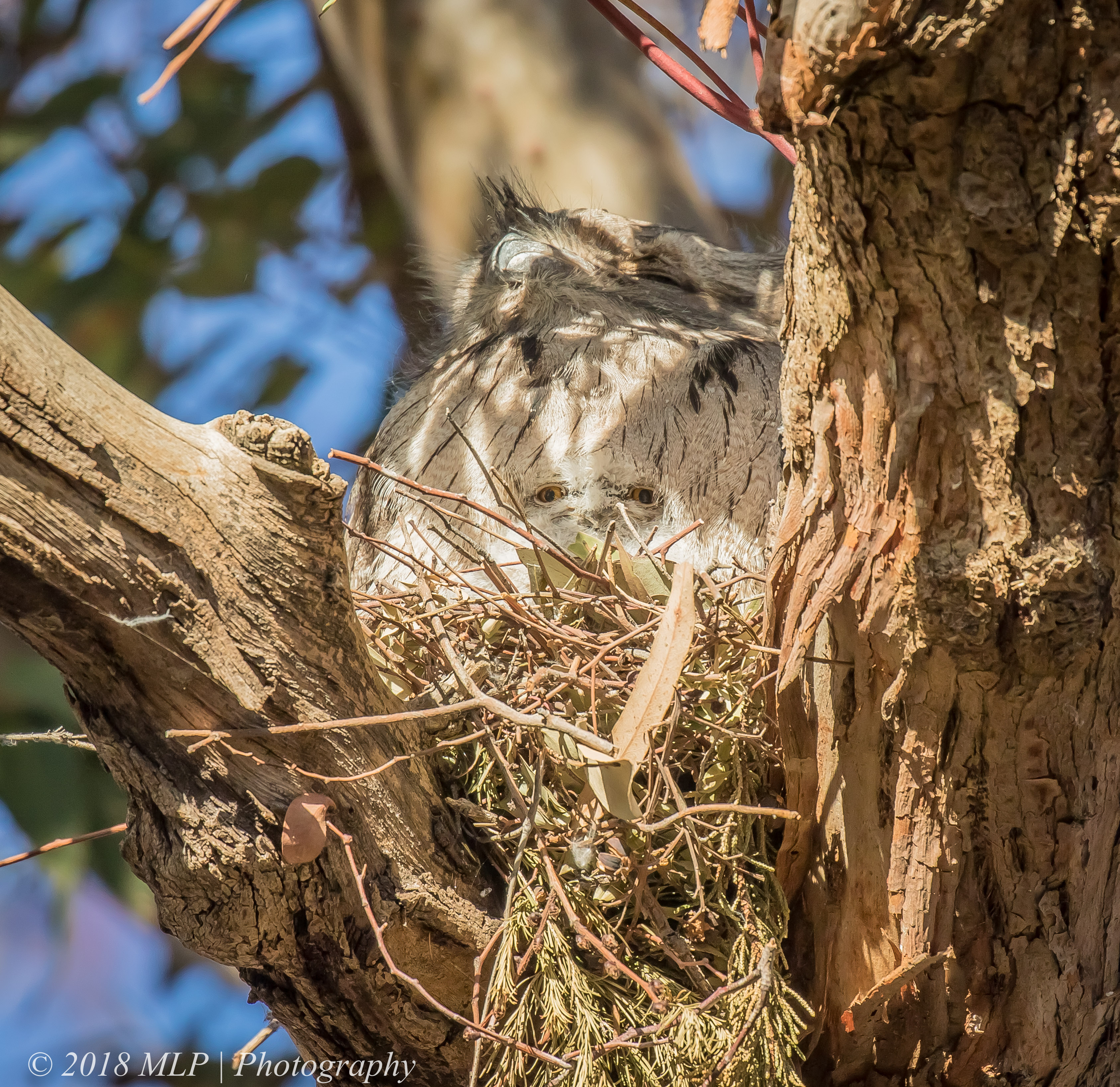
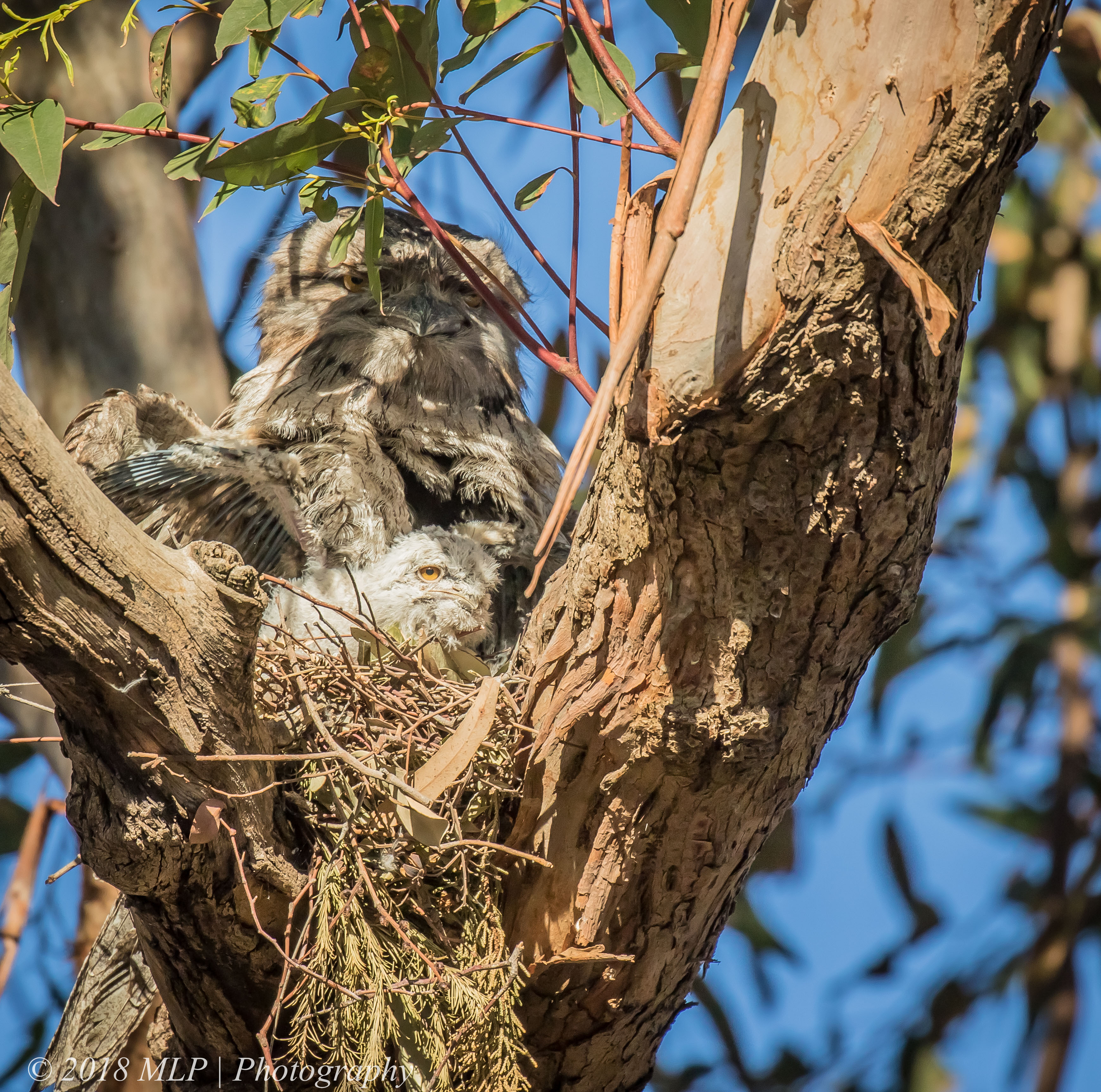
After failing to find the Tawny Frogmouth’s nest, I got a few more directions and went back the next night to Elsternwick Park (North) and found it. It was in an obvious position and quite visible when you knew where to look and what to look for. The nest was more robust using more materials than I seem this species use before. I photographed the Frogmouth from a few angles, waiting to see whether the nesting parent would open its eyes. I moved to the front of the nest and took a few images and checked the back of the camera looking for clear shots and exposure when I noticed two yellow eyes looking out at me from the parent’s belly. Turns out the chicks had already hatched and were quite large. I only saw one chick moving about and it was quite curious about me. At one point it even had a good stretch of its wings. After a few shots I left them in peace to enjoy the late afternoon and get ready for evening’s hunting.

Tawny Frogmouth on nest, Elsternwick Park North, Elsternwick, Vic

Tawny Frogmouth on nest, Elsternwick Park North, Elsternwick, Vic

Tawny Frogmouth and chick, Elsternwick Park North, Elsternwick, Vic

Tawny Frogmouth and chick

Tawny Frogmouth and chick, Elsternwick Park North, Elsternwick, Vic

Tawny Frogmouth with chick stretching its wings.

Nesting Tawnys at the new Elster Creek Wetlands

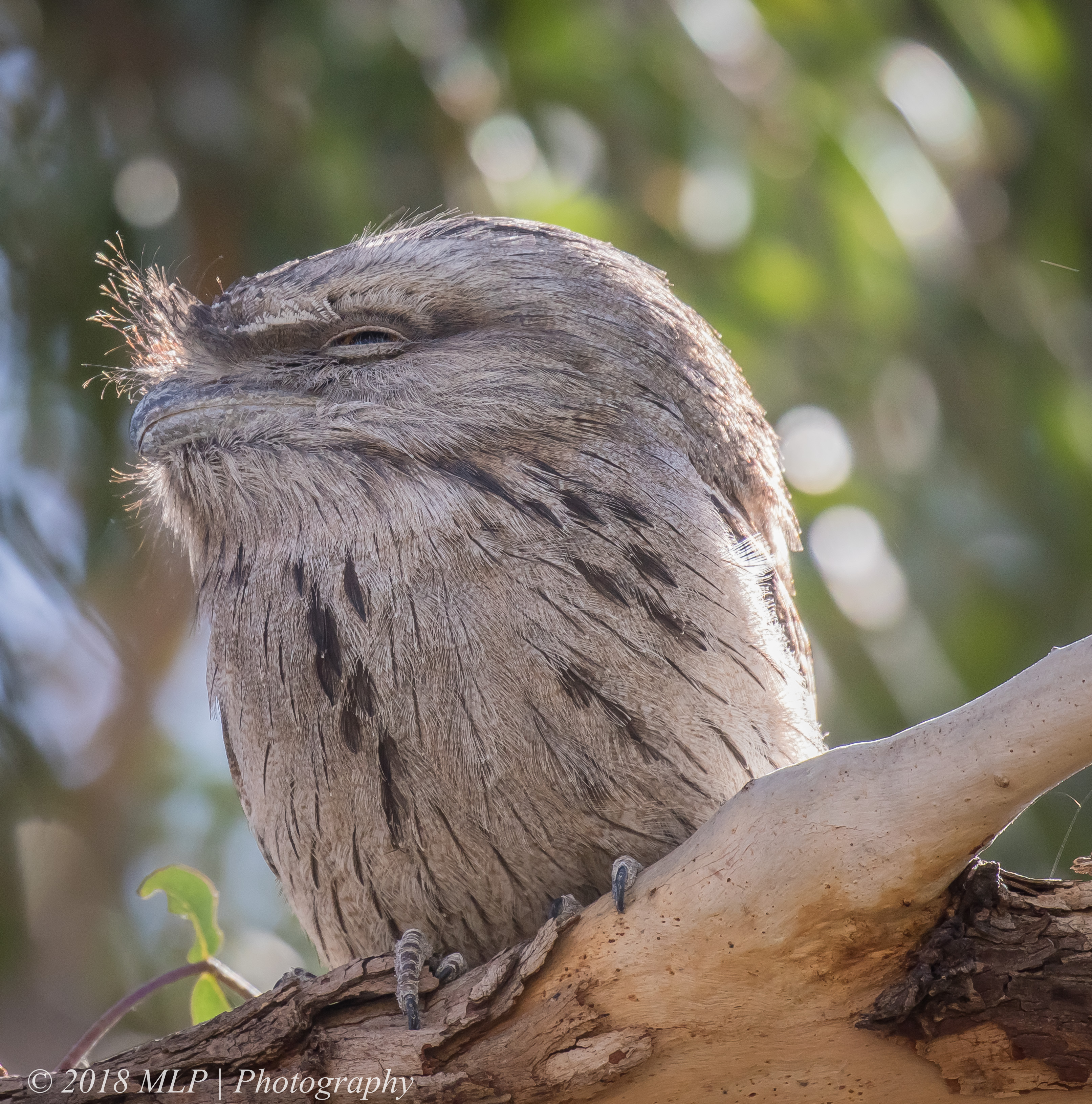
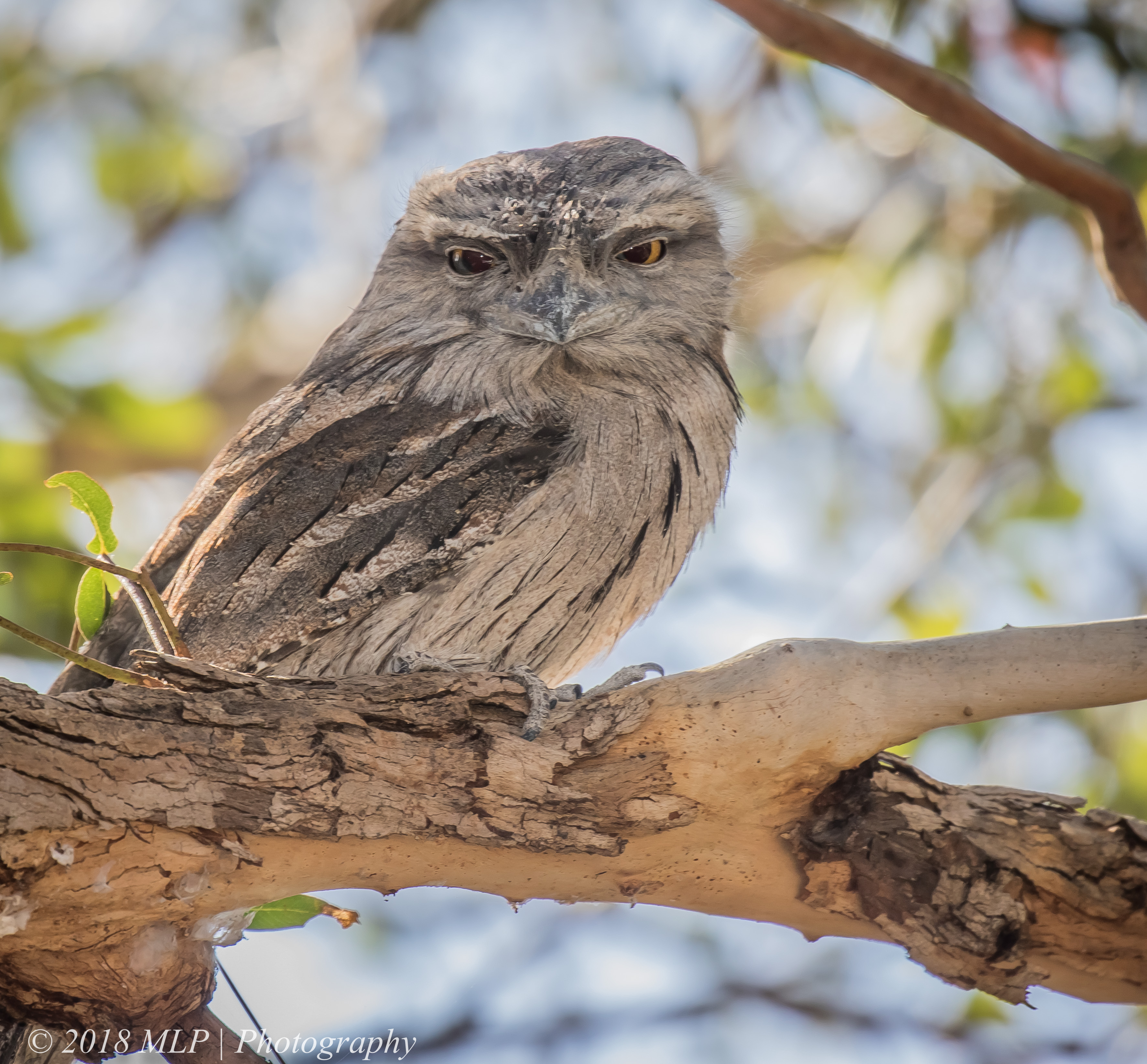
I heard from a friend that there were nesting Tawny Frogmouths at the old Elsternwick Golf Course, now formerly called Elsternwick Park North (and wetlands). I spent some time looking for the nest with no luck. But I did find one of the pair roosting nearby. He was very relaxed and wasn’t by bothered by me at all. He did open his eyes and watch me for a minute while I stumbled around a bit trying to get a clearer shot below him. As it was dusk the sun was right in the worst possible position.  These are one of my favourite birds, nocturnal, unafraid, and sit still for a photography to go nuts. They are also invisible to most eyes unless you are looking for the grey coloured lump in a tree that does not quite belong.

Tawny Frogmouth, Elsternwick Park North, Elsternwick, Vic

Tawny Frogmouth, Elsternwick Park North, Elsternwick, Vic

Tawny Frogmouth, Elsternwick Park North, Elsternwick, Vic

II

Tawny Frogmouth, Elsternwick Park North, Elsternwick, Vic

III

Soon to find true form

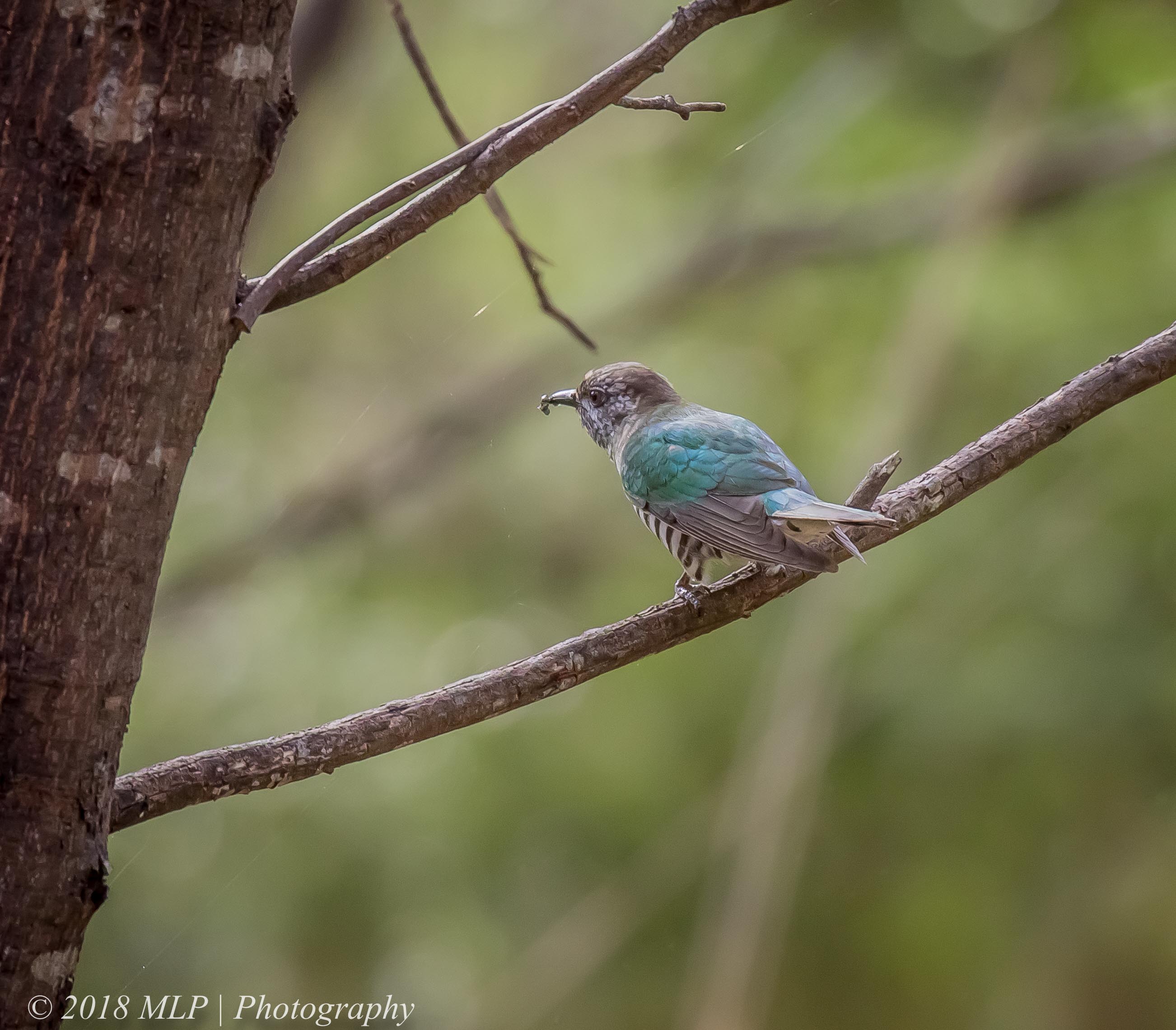
I often drop into the Quarry Reserve in Moorooduc to check in on the Peregrine Falcons that make the flooded quarry their home. In the surrounding bushland are many bird species working hard through their breeding cycles. I watched a pair of Brown Thornbills searching for insects amongst the scrub and was surprised to see a Cuckoo seemingly working the branches with them. It even hopped to the ground and rummaged amongst the leaves. Occasionally it would stop and make the typical Shining Bronze Cuckoo calls. I am sure that the Thornbills had raised this cuckoo.

Shining Bronze Cuckoo, Moorooduc Quarry Flora and Fauna Reserve, Vic

Shining Bronze Cuckoo, Moorooduc Quarry Flora and Fauna Reserve, Vic

Shining Bronze Cuckoo, Moorooduc Quarry Flora and Fauna Reserve, Vic

II

Shining Bronze Cuckoo, Moorooduc Quarry Flora and Fauna Reserve, Vic

III

Shining Bronze Cuckoo, Moorooduc Quarry Flora and Fauna Reserve, Vic

IV

Shining Bronze Cuckoo, Moorooduc Quarry Flora and Fauna Reserve, Vic

V

Shining Bronze Cuckoo, Moorooduc Quarry Flora and Fauna Reserve, Vic

VI

Shining Bronze Cuckoo, Moorooduc Quarry Flora and Fauna Reserve, Vic

VII

Oops a bit too close…

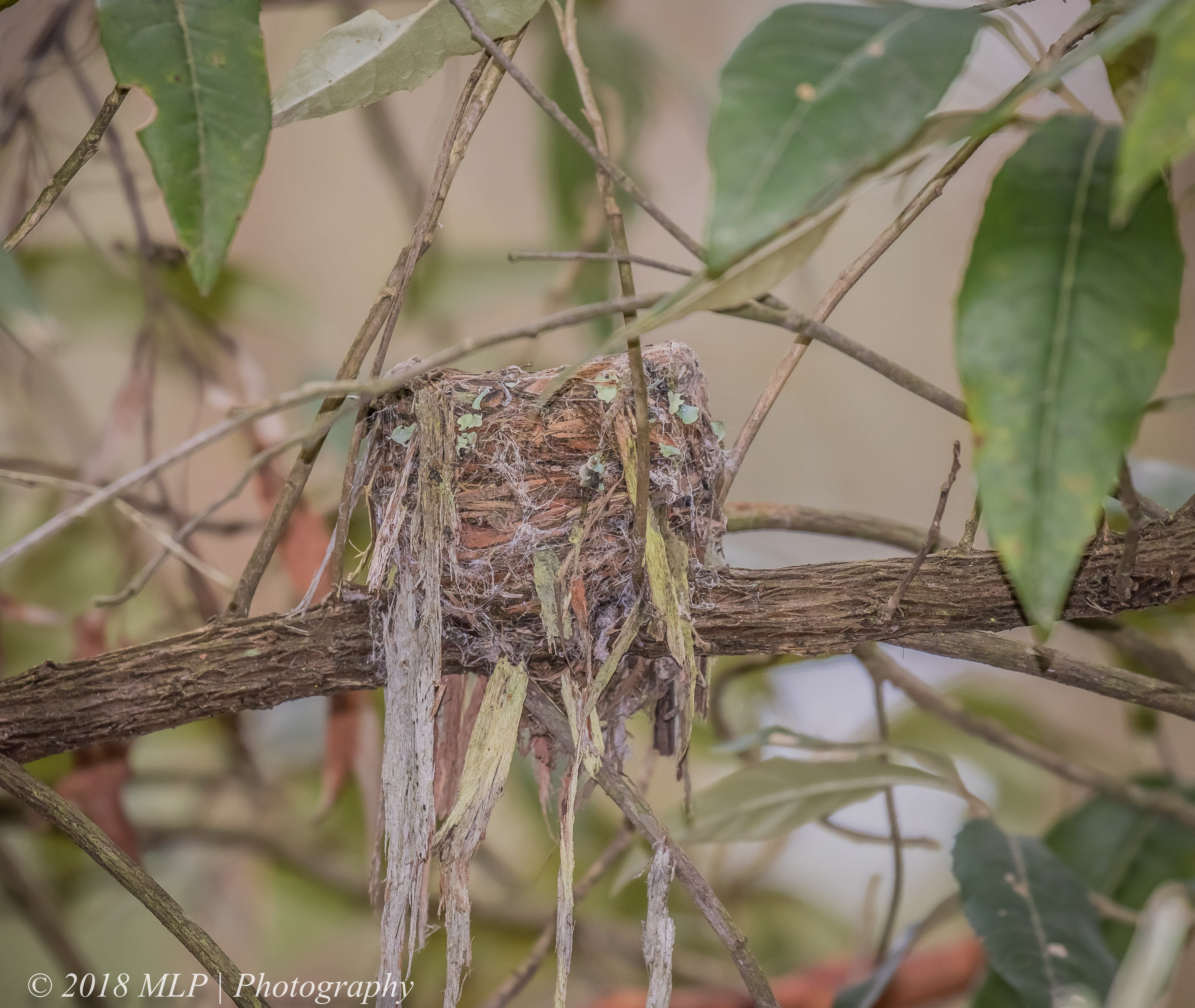
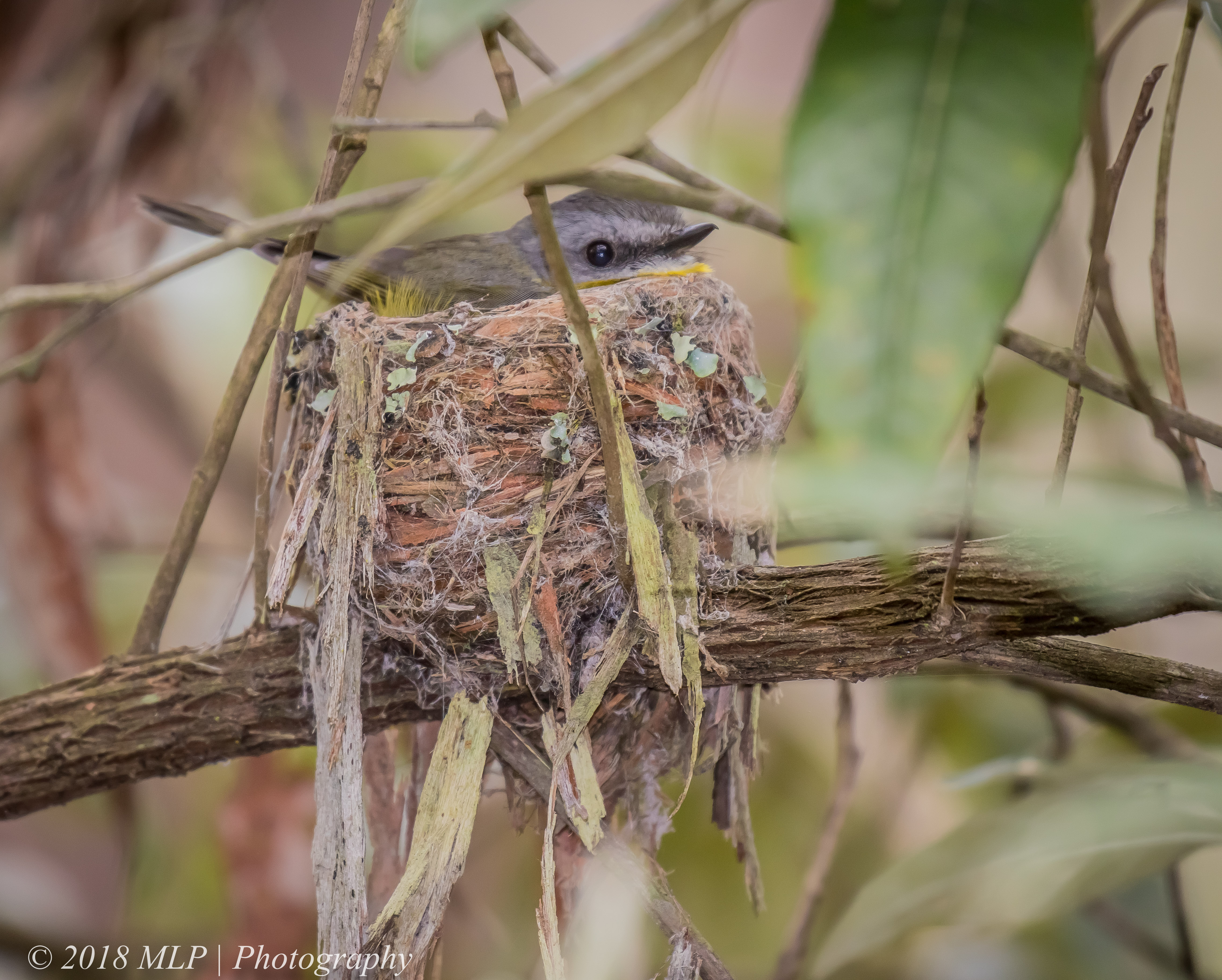
I was watching a Bassian Thrush move along the path collecting worms for a return to the nest. It would occasionally drop all the worms, pick up an irresistible insect of some sort for a snack and then one by one pick up all the worms and move down the track. It had 6 bigs worms in its beak and after a few minutes ducked down a side wallaby track. I stood still and tried to see where it would go so I could find the nest. A meter or so from my face an Eastern yellow robin flew to a branch and hopped into a nest. I had no idea it was there but after standing still for so long it seemed to not see me as a threat. I slowly moved back to the other side of the track and took a few pics. After several minutes she flew off and I took few pics of the nest. Robins have amazing nests made with soft bark strips and then covered with spider web and live moss and lichen.

Eastern Yellow Robin nest, Greens Bush, Mornington Peninsula National Park, Vic
Eastern Yellow Robin nest, Greens Bush, Mornington Peninsula National Park, Vic
Eastern Yellow Robin, Greens Bush, Mornington Peninsula National Park, Vic
Eastern Yellow Robin, Greens Bush, Mornington Peninsula National Park, Vic
Not so Common Bronzewing

I have recently extended my usual circuit around Greens Bush in the Mornington Peninsula National Park to include several of the fire trails that occur further along the Two Bays Walk. On Saturday I took the longer circuit. Where the fire trail came back into the forest my eyes were adapting to the change in light when I disturbed a plump bird a few metres in front of me and with an explosion of clattering wings he flew to a tree above. He didn’t fly far and I had good views of a bird I had not seen before at Greens Bush. A male Common Bronzewing (the large pale head marking denotes a male Bronze)

Common Bronzewing, Greens Bush, Mornington Peninsula National Park, Vic,

Common Bronzewing, Greens Bush, Mornington Peninsula National Park, Vic,

Common Bronzewing, Greens Bush, Mornington Peninsula National Park, Vic,

II

Pass friend and be recognised

There has been a lot of media lately about local magpies diving bombing posties and kids going to school. A friend even had a nasty scratch on her face from an attack. I have lived in my area for many years and have never been bombed by the local maggies. I have read that they are very territorial but can actually recognise human faces in their territories, up to 25 distinct people. To play it safe when I walk past a magpie in the streets around my house I take my hat off and give them a clear view of my face. I have done this since I read the article on facial recognition. I reckon it works. I photographed this female (or juvenile, a mottled grey back indicates a female or juvenile) while walking my dog yesterday. She gave me a good long look and then went back to searching for grubs and other tasty morsels in the grass below a pedestrian bridge over the creek behind my house.

Magpie, Elster Creek, Elwood, Vic
Magpie, Elster Creek, Elwood, Vic