Monthly Archives: September 2017

A Crowded Corner of Greens’ Bush

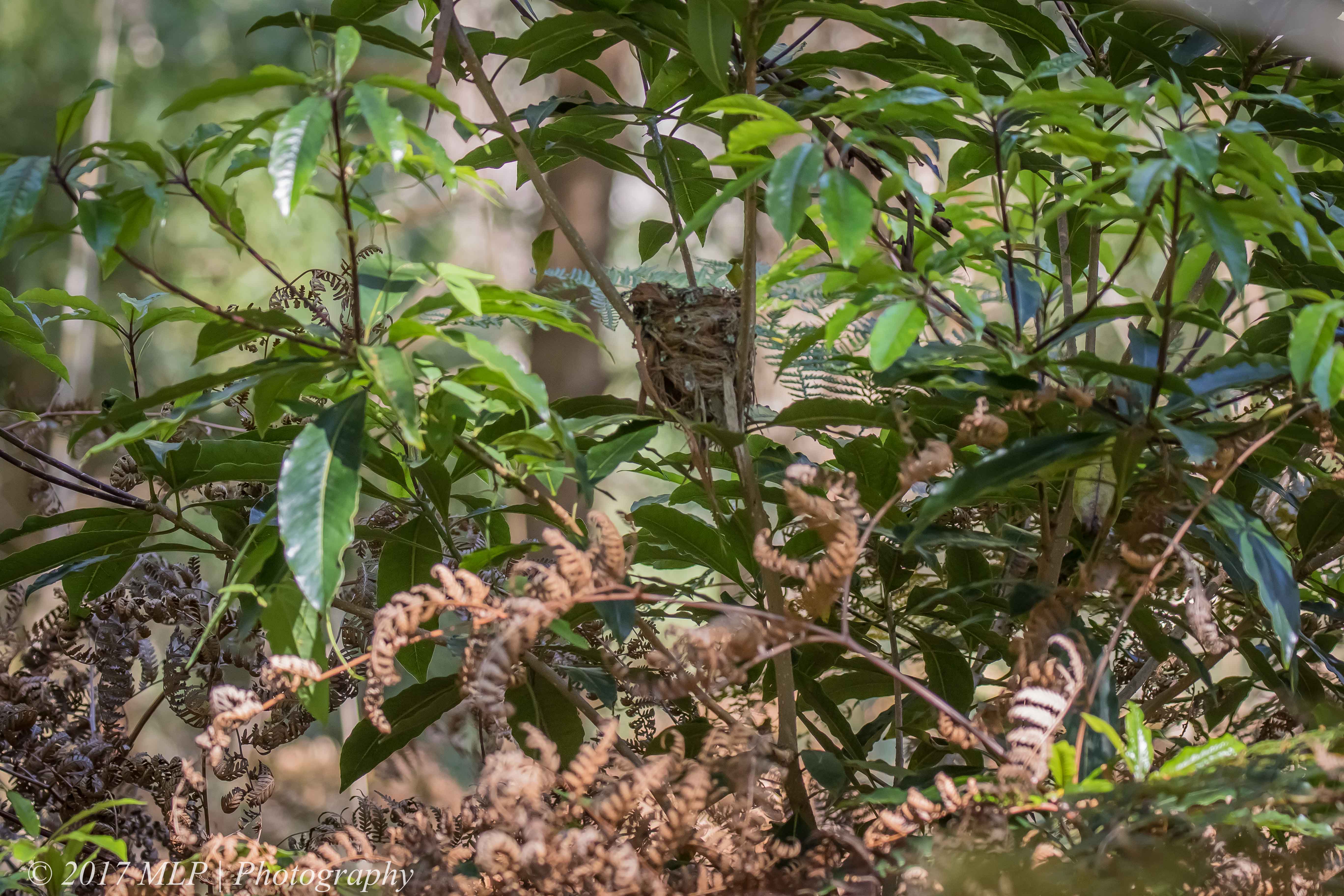
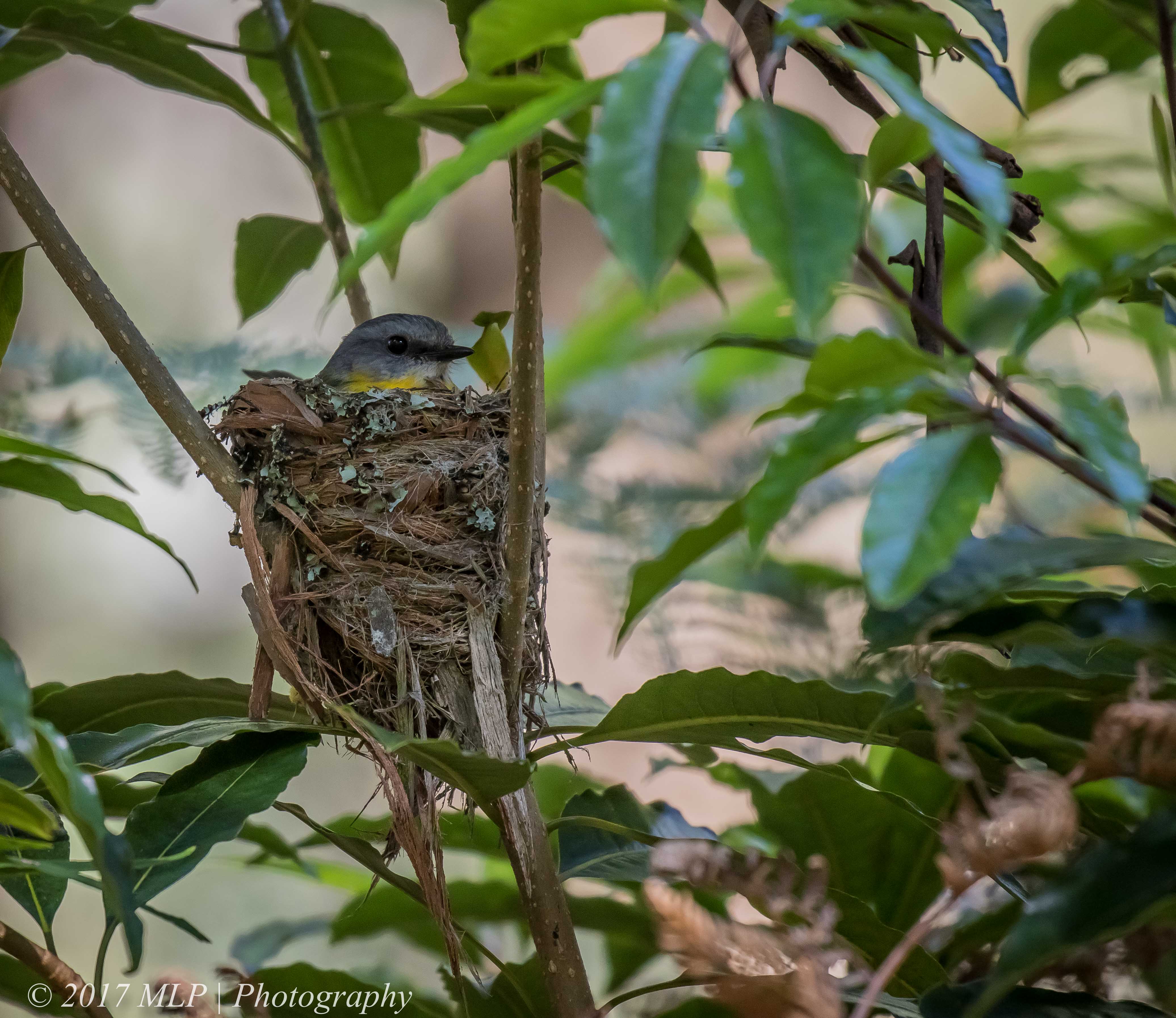
After  a few weeks away from Green’s Bush I went back to see how the site of the 3 nests was going. The Golden Whistler nest had not developed but the Pardalote burrow was still fresh and active while the Striated Thornbill nest was being maintained and looked in good shape. I stood and watched the Pardalotes coming and going and noticed that there were two Eastern Yellow Robins hunting in the same area. I saw a Robin fly to a nearby branch and pick up an insect from its mate, wolf it down and then fly into a small Pittosporum  bush nearby. The binocs showed the adult sitting in a fresh nest beautifully camouflaged with living lichen. When the sitter flew off for another feed, I snuck through some tall bracken and found a clear angle to get a few shots.

Eastern Yellow Robin nest, Green's Bush, Vict

Eastern Yellow Robin nest, Green’s Bush, Victoria

Eastern Yellow Robin, Green's Bush, Vict

Eastern Yellow Robin

Eastern Yellow Robin, Green's Bush, Vict

Eastern Yellow Robin II

A wattlebird’s moveable feast…

Over the long winter I have been exploring new parts of the Mornington Peninsula National Park. On Saturday I stopped at a small picnic ground on the road between Flinders and Rosebud. I have driven past many times but never stopped. It sits alongside a small creek that runs down to Bushrangers Bay. There is a 650 meter loop walk on a well trimmed grass path.  It is part of the green corridor that runs down the spine of the peninsula. There were not too many bird species about but I did find  a few Little Wattlebirds amongst the flowering banksia trees. The one below spent some time and effort working the angles of the Banksia flower in the wind and collecting a nice feed of nectar.

Little Wattlebird, Main Creek Picnic Ground, Mornington Peninsula National Park, Vic

Little Wattlebird, Main Creek Picnic Ground, Mornington Peninsula National Park, Vic

Spring at Greens’ Bush

For various reasons I have not taken many/any photos on recent visits to Greens Bush. The weather has been cold and wet, it has been quite dark in the forest and most importantly not many birds have sat still long enough to take a decent image. I no longer blast away at any bird and hope that there is a shot in there somewhere. The hours post processing are not worth the result. I try to take only a few shots and get the setup right while stalking the target. This often results in failures and no shots but does save time at the computer. On Saturday I was determined to shoot something rather than just carry the heavy gear around. While the birdlife was abundant and the forest was quite noisy there were not many birds near enough to shoot. What I did find was three different species’ nests all within a few meters of where I had stopped for a breather. For nearly 30 mins I watched as a Golden Whistler returned to a particular bush with more nesting material. The female seemed to be doing all the collecting and building with the colourful male inspecting now and again and standing guard in the next tree. While just standing there I saw a pair of Spotted Pardalotes on a branch just above my head. It took a few moments to realise that they were not being friendly but getting a bit stressed because I was standing next to their burrow. I moved away and straight away they flew down and into the burrow. Turning around at a new bird call I saw a pair of Striated Thornbills flying into their nest, a tennis ball size clump of soft material and spider webs. Spring has started and nesting season is in full swing. I will re-visit in the coming weeks and hopefully see more progress and take a few pics.

Spotted Pardalote near nest entrance, Greens Bush, Vic

Spotted Pardalote near nest entrance

Spotted Pardalote nest entrance, Greens Bush, Vic

Spotted Pardalote nest entrance – a burrow

Striated Thornbill nest, Greens Bush, Vic

Striated Thornbill nest camouflaged inside an over-hanging Eucalyptus branch

Golden Whistler nest (just starting), Greens Bush, Vic

Golden Whistler nest (just starting) – will be more of a traditional cup type nest.