Tag Archives: Australian Birds

Tootgarook lookout

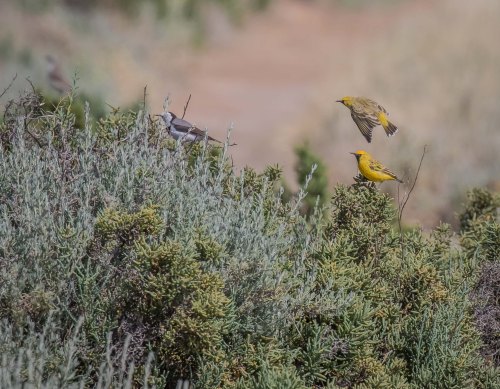
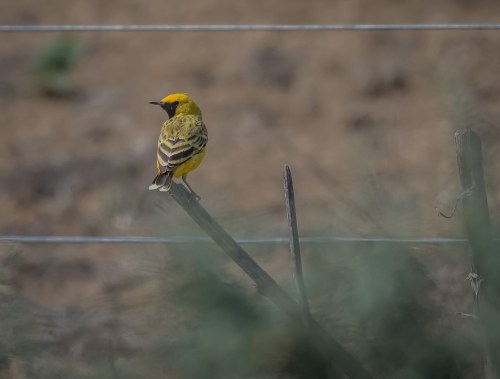
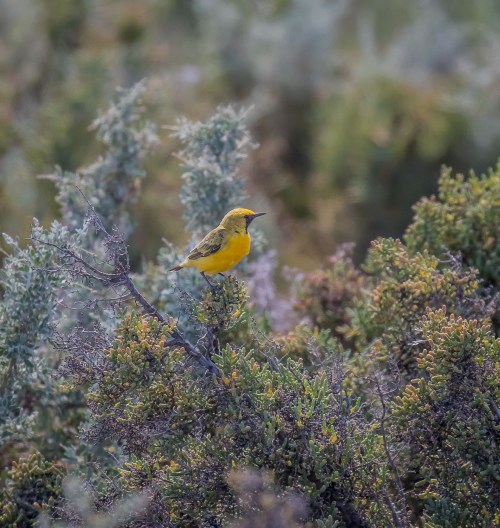
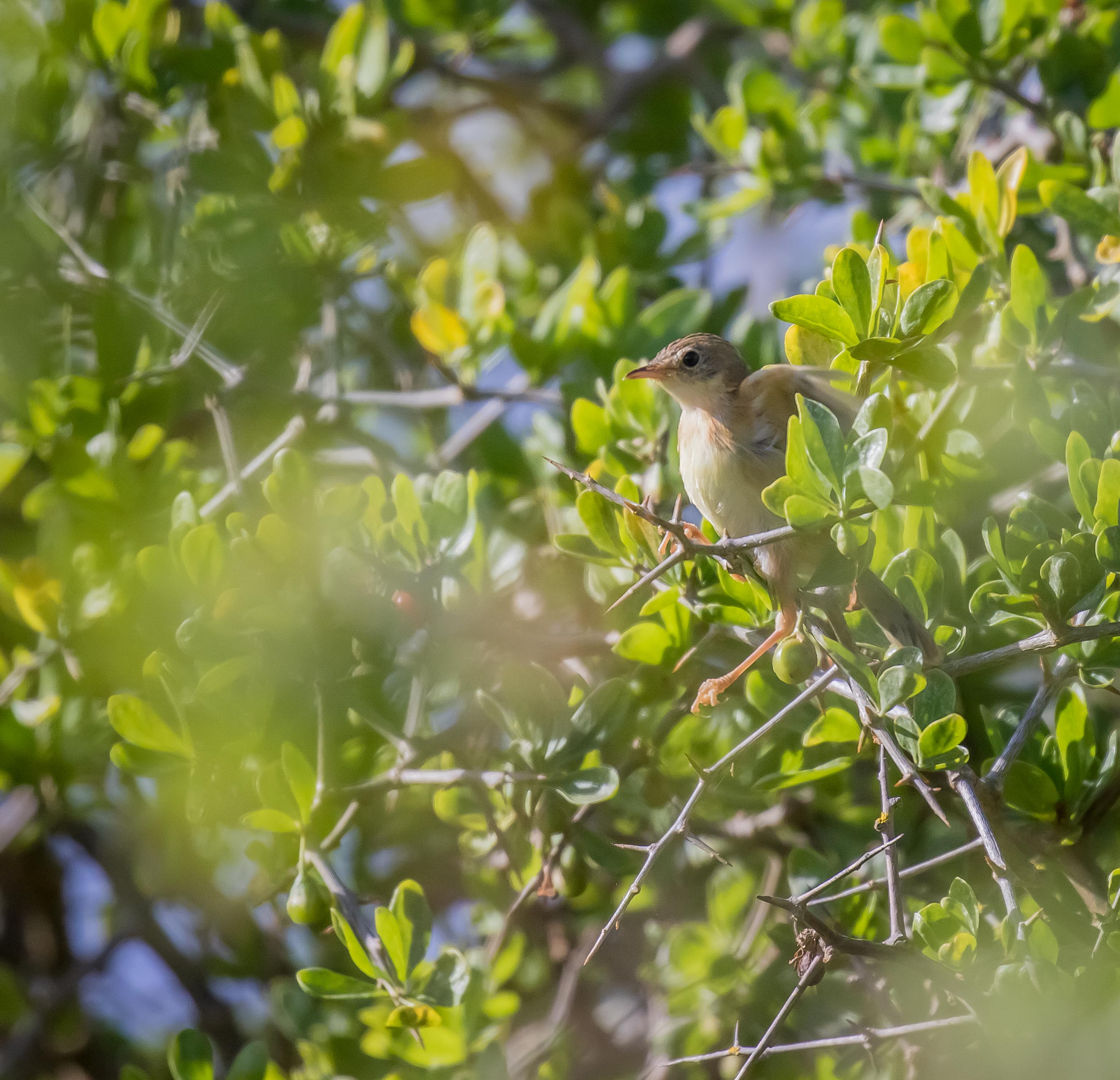
I saw a few bird species working the fruiting thorn bushes near the Tootgarook swamp. Along with the Striated Fieldwren and I found small groups of adults and juvenile Golden-headed Cisticolas feeding on insects and hiding in the thorn bushes. One would sit at the top of a bush and keep lookout while the rest would feed. The young one pictured further below must have been fresh out of the nest as it was quite clumsy in flight and when trying to land between the thorns.

Golden headed Cisticola, Tootgarook Wetlands, Tootgarook, Vic

Golden headed Cisticola look-out, Tootgarook Wetlands, Tootgarook, Vic

Juvenile Golden headed Cisticola, Tootgarook Wetlands, Tootgarook, Vic

Juvenile Golden headed Cisticola navigating the thorn bushes.

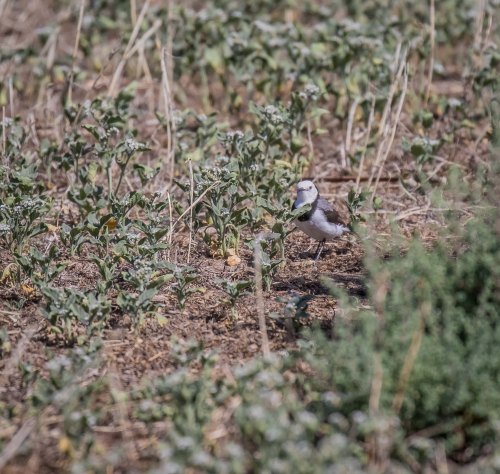
Striated Fieldwren – Tootgarook Swamp

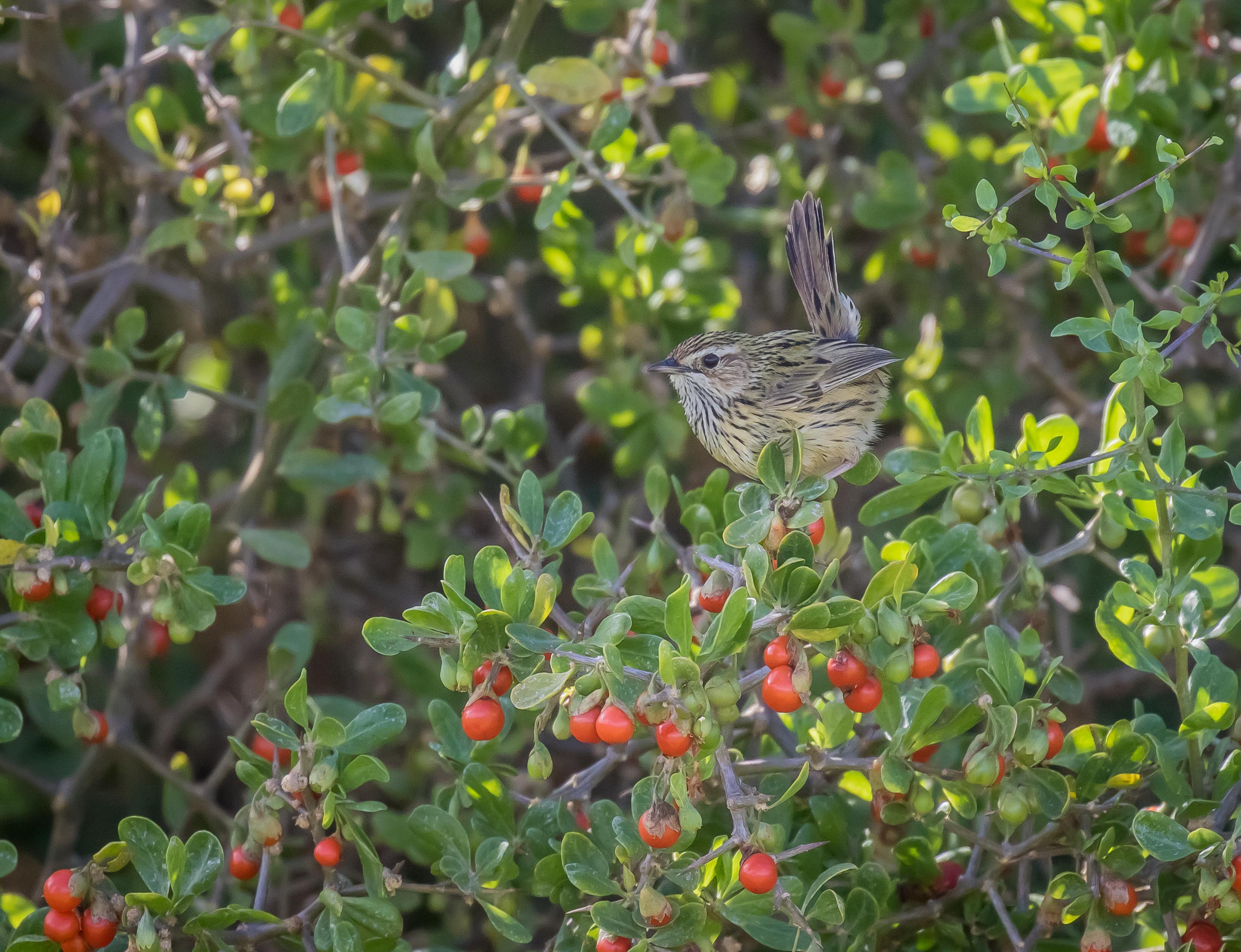
Trying to get access into the Tootgarook Swamp and wetlands can be quite tricky. The swamp is located between Rosebud and Rye in Tootgarrok on the Mornington Penninsula. The proposed fresh water wetlands have been a battle ground between local environmentalists and developers trying to bulldoze the swamp and create yet more suburban housing. At this stage the local action groups are winning out and the developers are being delayed. Hopefully this will continue until the full community gets behind the creation of a protected wetlands. I have been visiting and exploring around the fringe of the swamp areas trying to find the best access spots. One of the higher vantage points is via a closed road that leads to an old dumping area that is located between the sports ovals and the swamp. I spent some time looking for the beautiful and melodic Striated Fieldwren and found a quite a few along the edge of the dumping ground.

Striated Fieldwren, Tootgarook Wetlands, Tootgarook, Vic

Striated Fieldwren, Tootgarook Wetlands, Tootgarook, Vic

Striated Fieldwren, Tootgarook Wetlands, Tootgarook, Vic

II

Striated Fieldwren, Tootgarook Wetlands, Tootgarook, Vic

III

Striated Fieldwren, Tootgarook Wetlands, Tootgarook, Vic

IV

Striated Fieldwren, Tootgarook Wetlands, Tootgarook, Vic

V

Striated Fieldwren, Tootgarook Wetlands, Tootgarook, Vic

Protest vote

Green’s Bush Eastern Spinebill

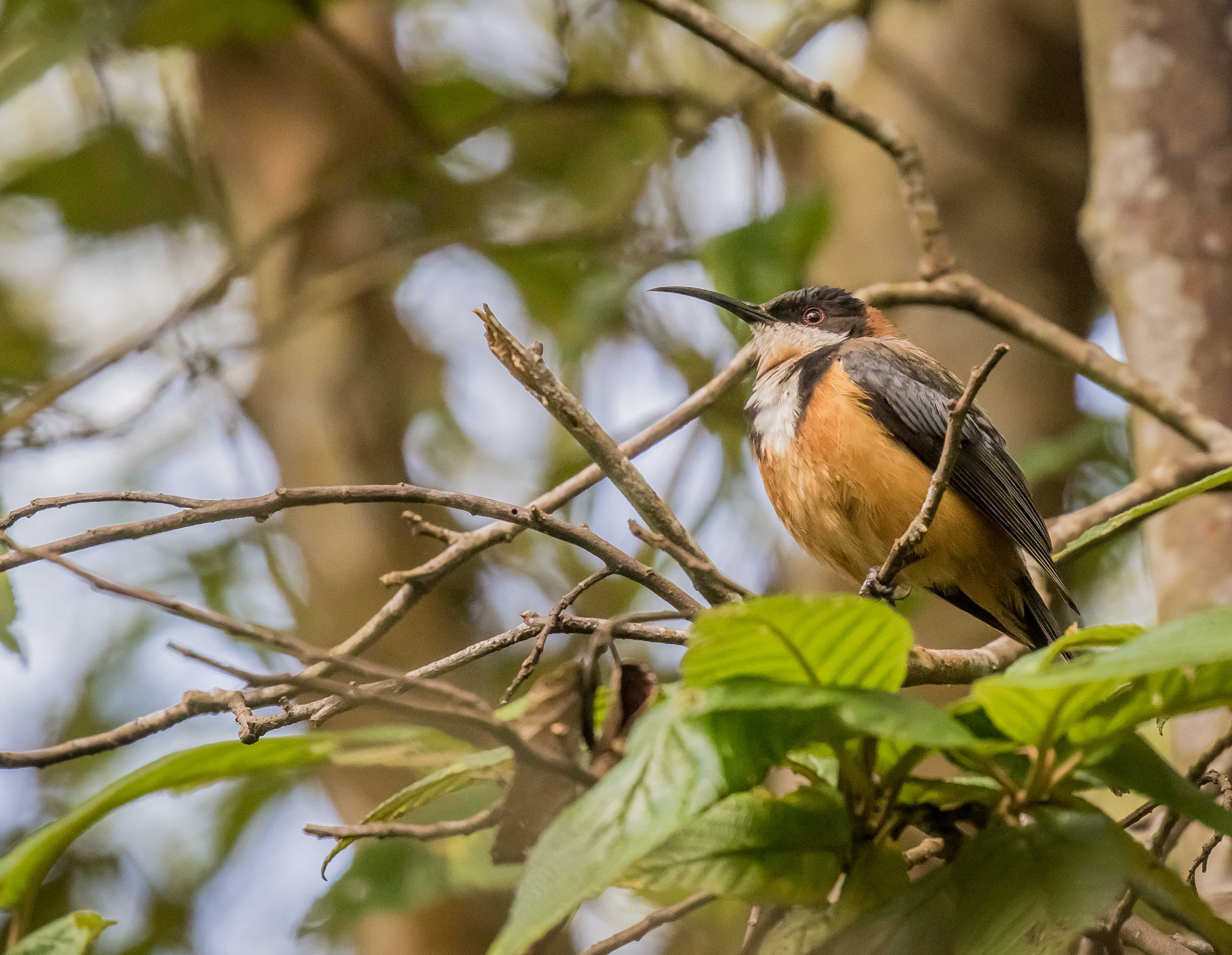
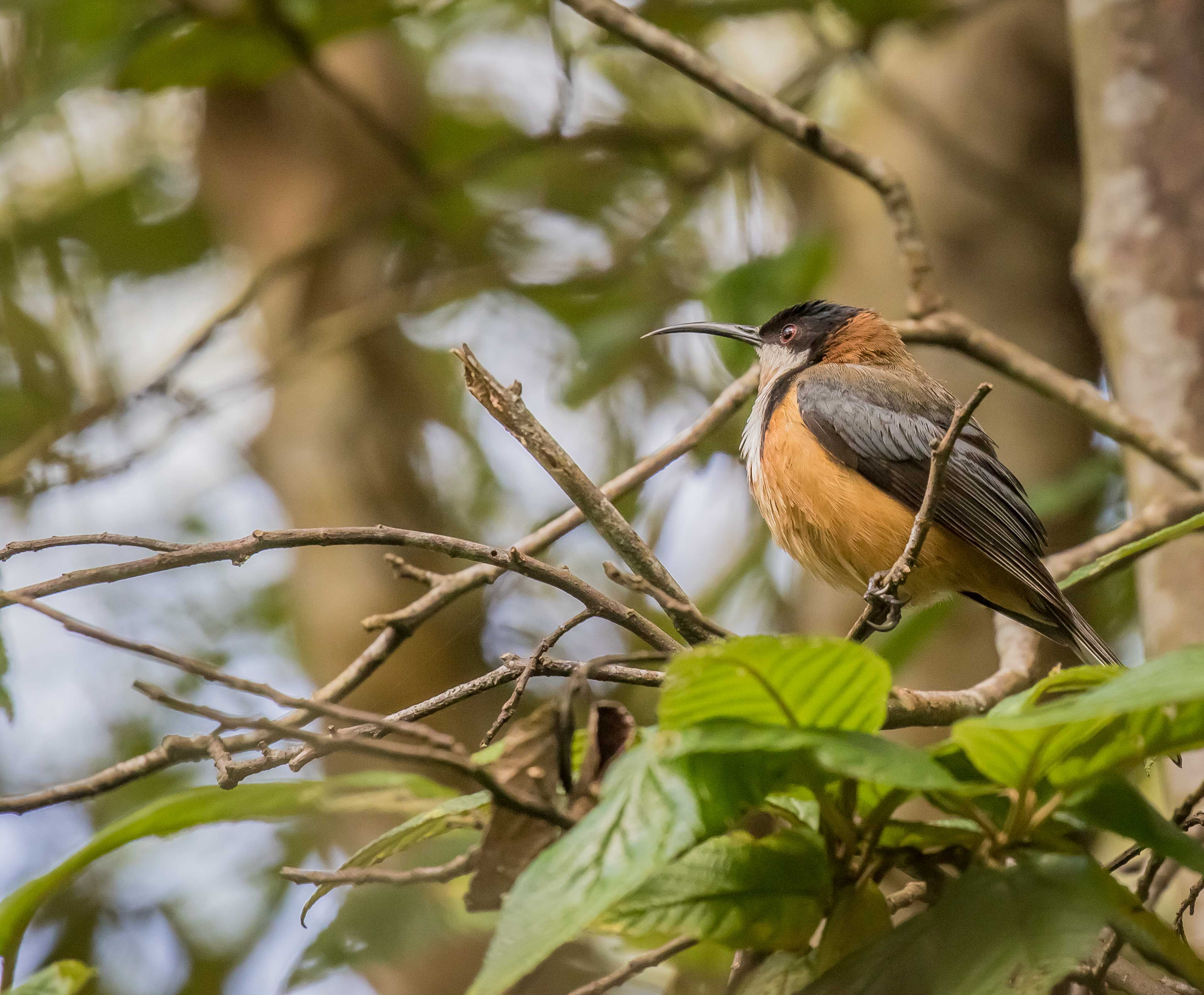
During late Summer I have been spending most weekends walking around the various sections of Green’s Bush. Near the entrance to the Baldry Crossing Circuit I found this Eastern Spinebill feeding along the creek.

Eastern Spinebill, Greens Bush, Mornington Peninsula National park, Vic

Eastern Spinebill, Greens Bush, Mornington Peninsula National park, Vic

Eastern Spinebill, Greens Bush, Mornington Peninsula National park, Vic

Eastern Spinebill, Greens Bush, Mornington Peninsula National park, Vic

Scrubbers along the track

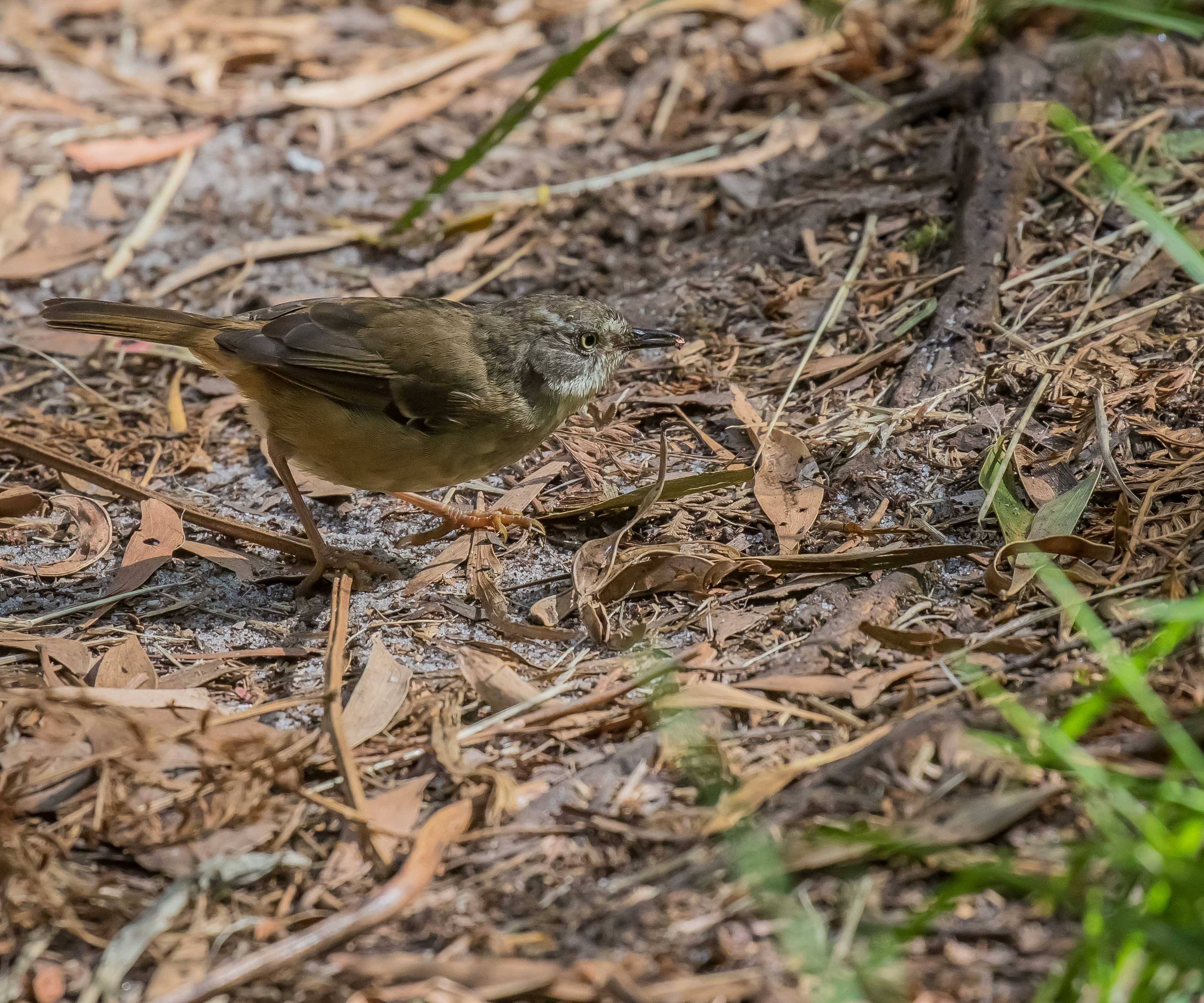
One of the regular birds I see along the tracks of Greens Bush is the White-browed Scrubwren. I see them often but dont often photograph them due to their constant movement and the shady and dark areas they lurk. When I find them I try to phish and psst to attract their attention. The one below was with a bunch of juveniles that were hunting in the mottled shadows and I managed to actually get a clear shot. I liked its intensity as it grabbed a spec of food and gave it to one of the juveniles.

White-browed Scrubwren, Greens Bush, Mornington Peninsula National park, Vic,

White-browed Scrubwren, Greens Bush, Mornington Peninsula National park, Vic,

Churchill National Park Fairywrens.

A friend took me to Churchill National Park a while back. I have been looking for new sites around the greater Melbourne with good photo opportunities. It was a the first time I had visited this site and it was pretty good. There are plenty of tracks and I found good range of forest bird species and a colony of Superb Fairywrens including this nicely coloured male below.

Male Superb Fairy-wren, Chrurchill National Park, Vic

Male Superb Fairywren, Churchill National Park, Vic

A challenging ID

Below is another of the young birds I have been finding while walking around Greens Bush down the Mornington Peninsula. To ID this one took some effort and fooled me a bit due to its rufous colouring – I was thinking Rufous Fantail or Rufous Whistler, or maybe something exotic. It was definitely a juvenile as it moved around a nearby bush in a deep rainforest glade along the track. It was quite curious and I tried to keep it interested by phishing and psstting so I could take a few images to check out later…any ideas? The previous juvenile to fool me was a young Eastern Yellow Robin.

Juvenile Golden Whistler, Greens Bush, Mornington Peninsula National Park, Vic

Mystery Bird, Greens Bush, Mornington Peninsula National Park, Vic

Juvenile Golden Whistler, Greens Bush, Mornington Peninsula National Park, Vic

II

Yet to learn fear

There are quite a few juveniles birds along the Greens Bush Baldry circuit. It has been a fairly good breeding season and I am seeing many young birds from a few locally common species….Grey Fantails, Red-browed Finches, Brown Thornbills, White-browed Scrubwrens and Bassian Thrush. The one pictured below was feeding on the track where I often find them. Being a young bird it has yet to learn what to fear and flew up to a nearby branch and tried to figure out what I was up to.

Juvenile Bassian Thrush, Greens Bush, Mornington Peninsula National Park, Vic

Juvenile Bassian Thrush, Greens Bush, Mornington Peninsula National Park, Vic

Hunters of Lake Tutchewop

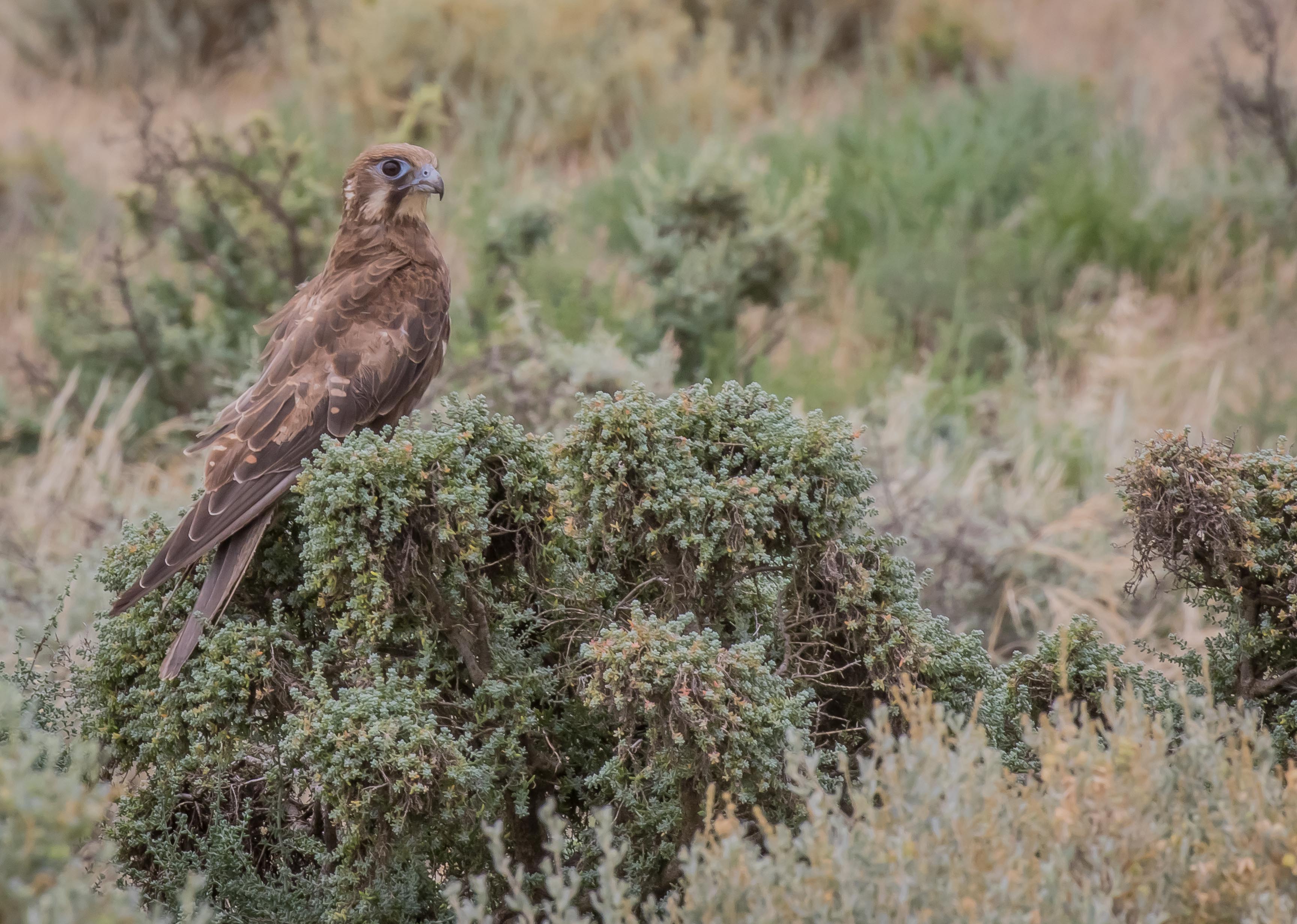
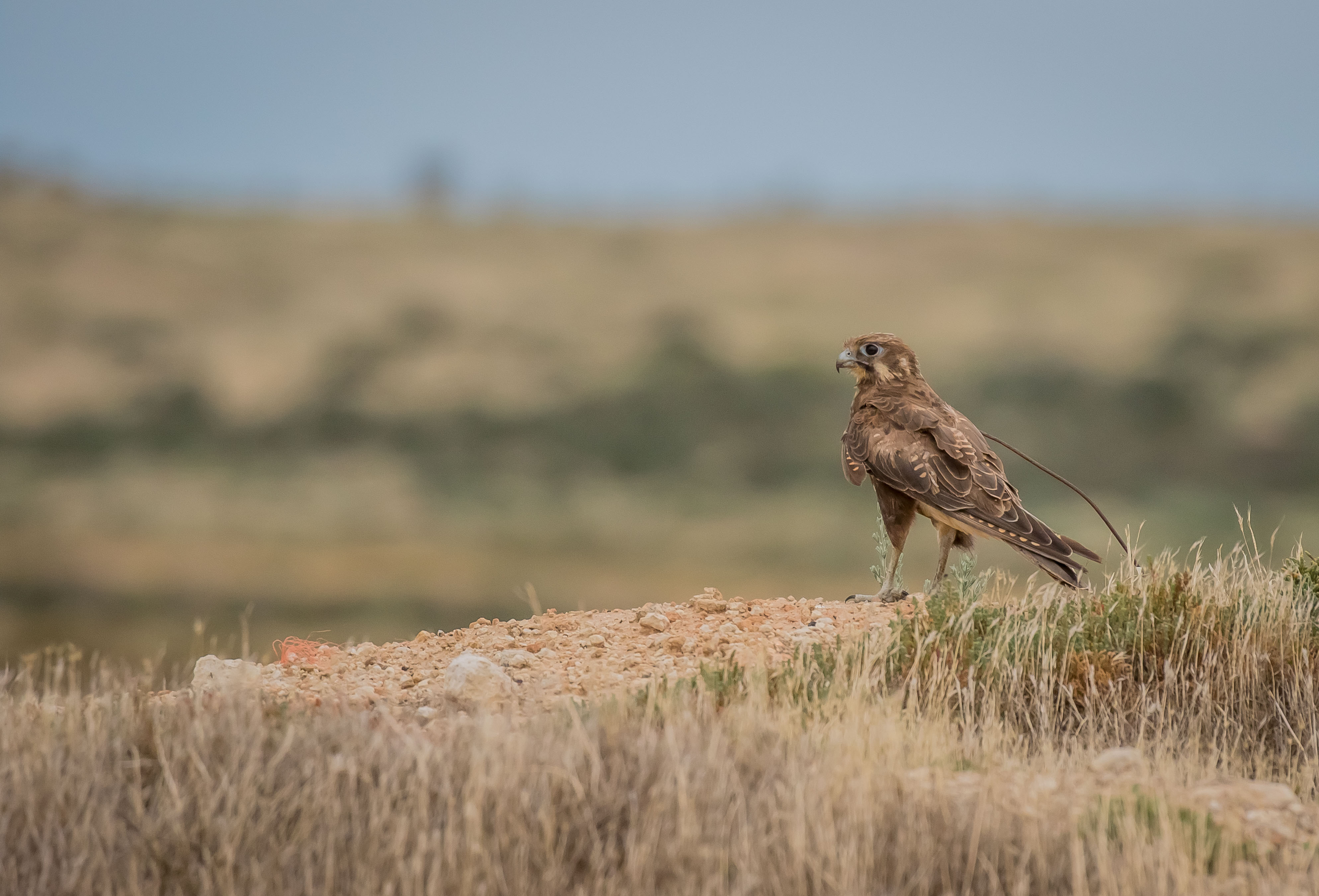
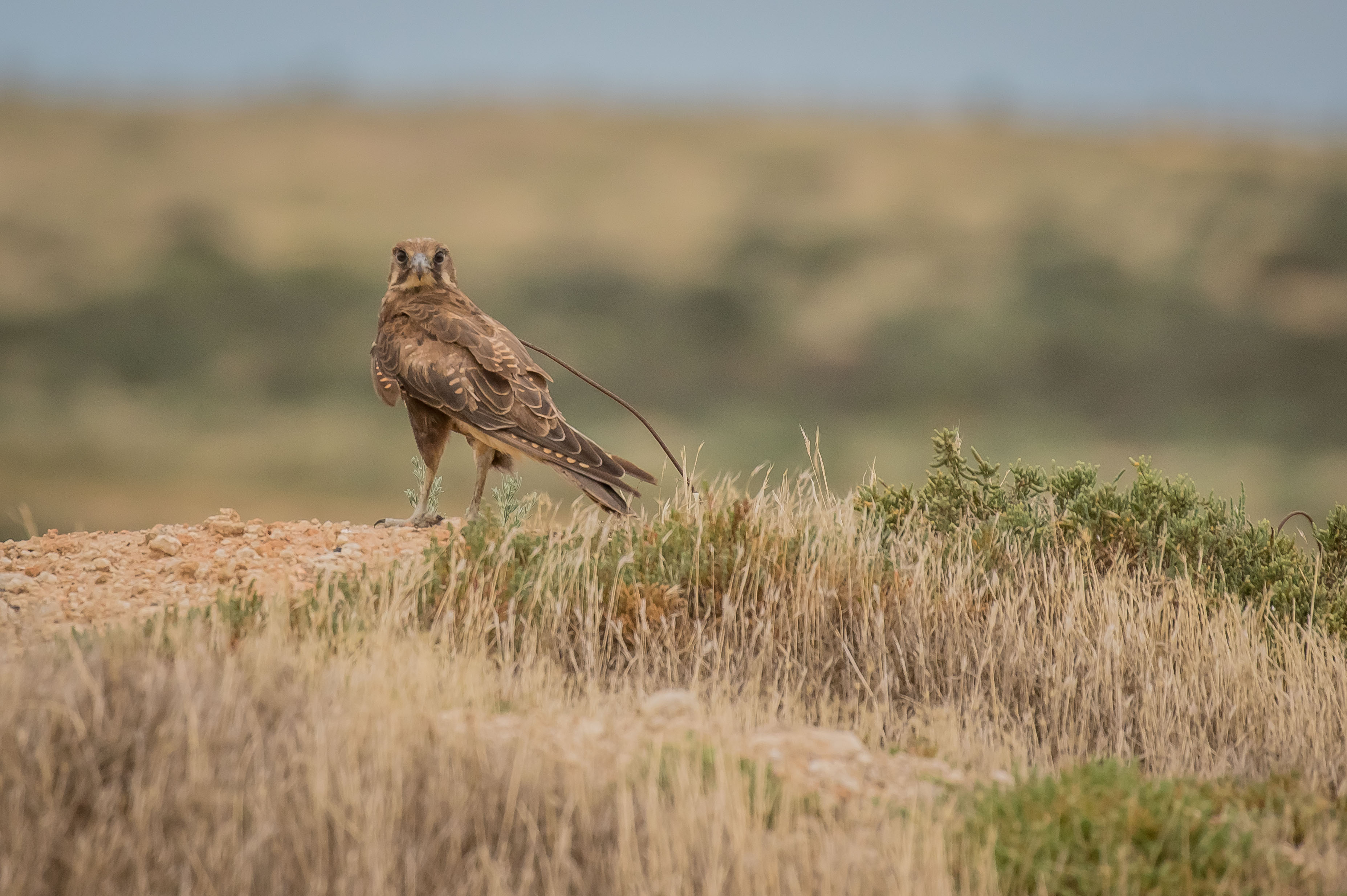
On the first visit to Lake Tutchewop on my two day trip into Northern Victoria, we failed to find the Orange Chats but we did find quite a few shore birds along the drying beach and mudflats. Watching them with keen eyes from the nearest higher vantage points were a pair of Brown Falcons.

Brown Falcon, Lake Tutchewop, Kerang, Vic

Brown Falcon, Lake Tutchewop, Kerang, Vic

Brown Falcon, Lake Tutchewop, Kerang, Vic

II

Brown Falcon, Lake Tutchewop, Kerang, Vic

III

Brown Falcon, Lake Tutchewop, Kerang, Vic

IV

On the look out

Looking for breakfast…

Laughing Kookaburra, Rotunda Reserve, Newstead, Vic

Laughing Kookaburra, Rotunda Reserve, Newstead, Vic

The Lake Tutchewop Twitch

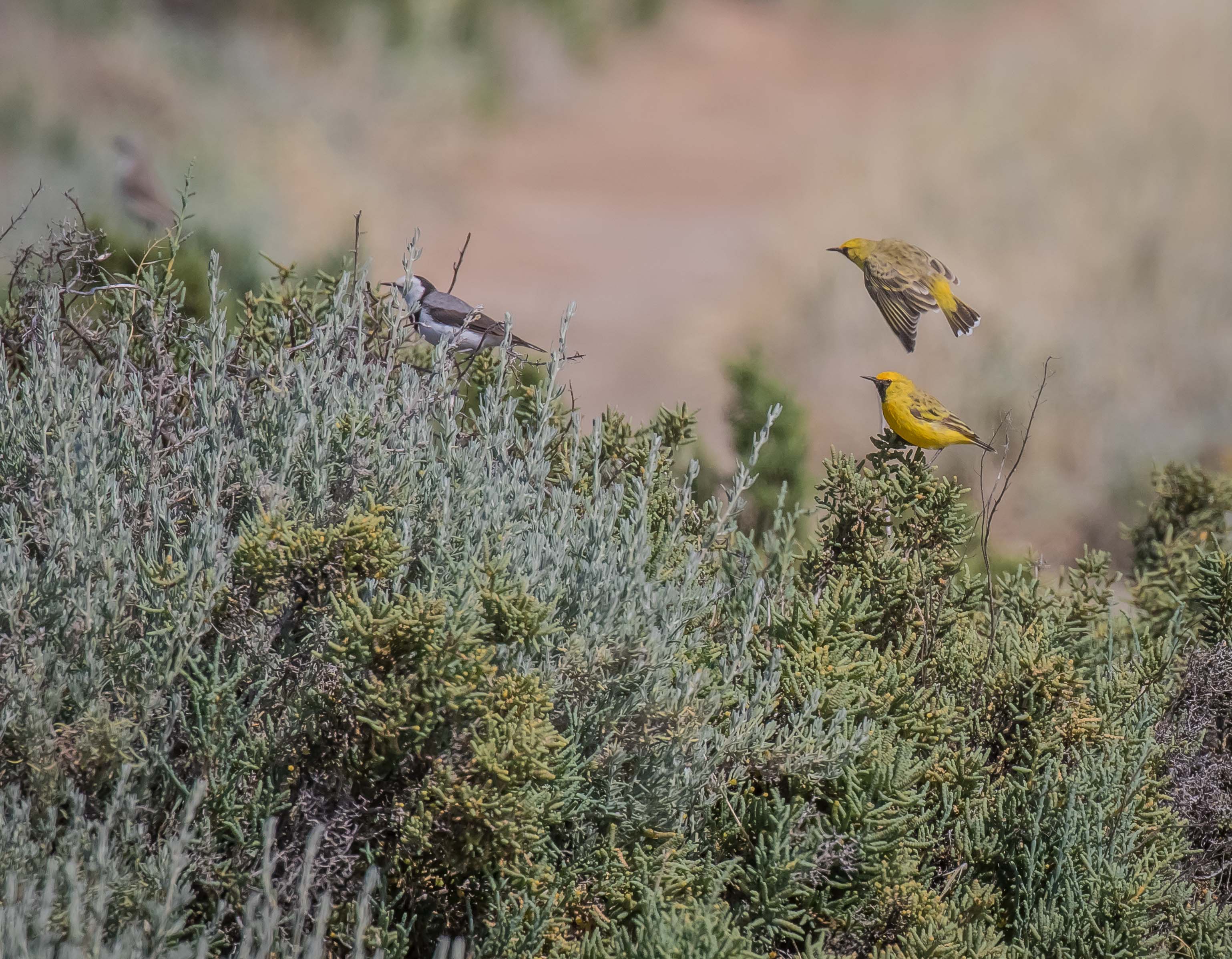
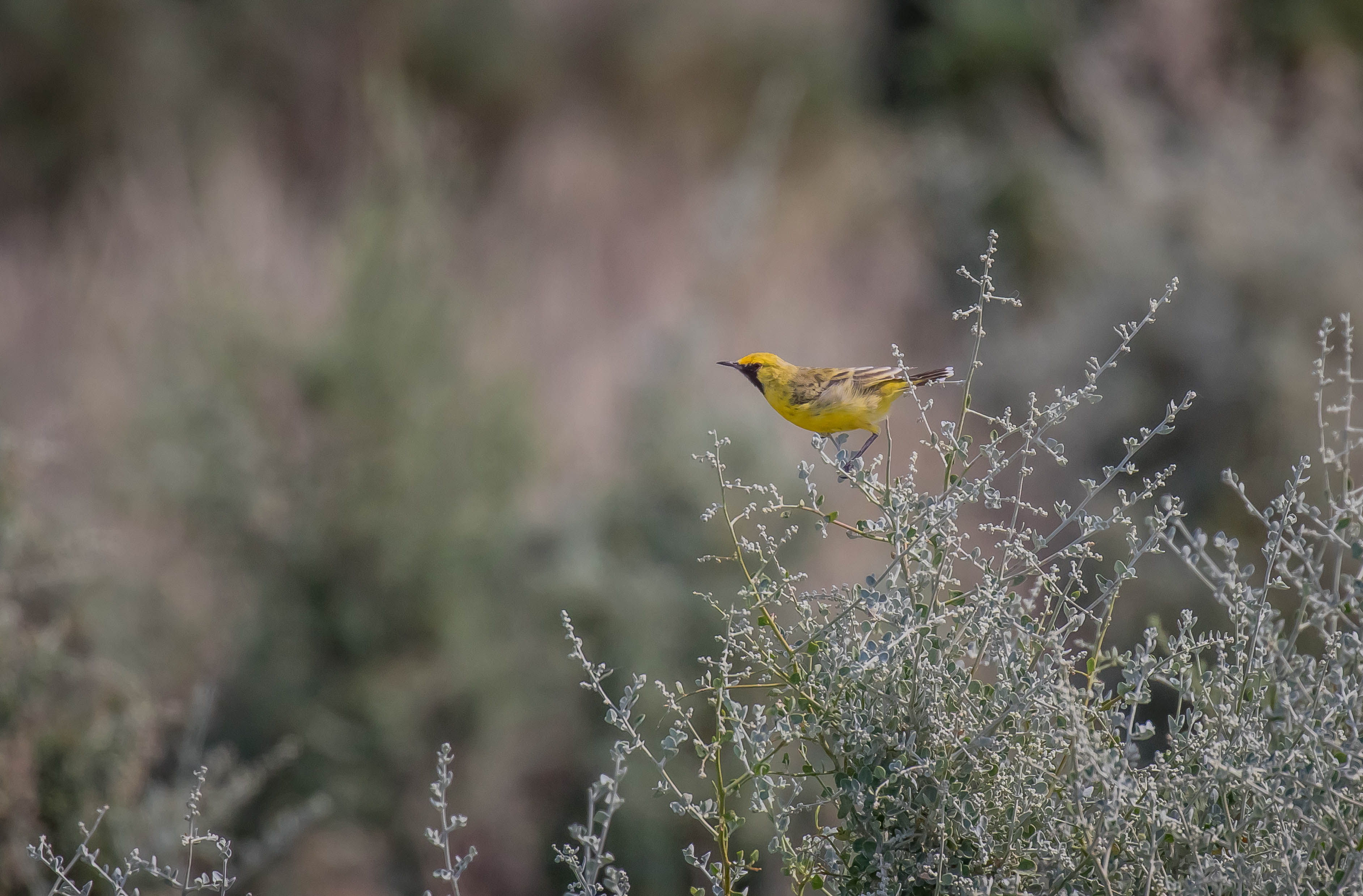
A friend and I took off early one morning after Christmas for a 2 day birding trip north to look for several lifers and to stock up on a few species not seen this year. At Lake Tutchewop, the site of an 2015 twitch for the Long Billed Dowitcher, we were looking for Orange and Scarlet Chats as well as White winged Fairy-Wrens in summer breeding plumage. It is a fairly barren place, hot, dry and windy in summer and cold, wet, windy and very muddy in winter. We actually visited twice over the 2 days, once on the way up and a return visit on the way home. It was on the second trip that we found the Orange Chats. A small, timid, bright orange bird feeding on insects and seeds amongst the low saltbushes along several tracks and fence-lines. I saw at first dozens of White-fronted Chats and slowly walked through the feeding birds trying to get closer – the White Chats have a decent flush zone and getting a nice clear photo is hard. While standing still for a while to trying pretend I was just a tree and not a threat to them, a bright orange bird popped into view. Trying to stay calm and not prematurely start my victory dance I signalled for John, back near the cars,  to come over and share in the view. We stayed an hour and saw many Chats – there must have been at least 30 Orange Chats and many more White-fronted. While the closest photos taken were shooting into the sun, by walking slowly and keeping low I managed to get a few decent shots and quite a few observations. The Orange Chat took my Aussie Lifers to 349 and my Vic Ticks to 347.
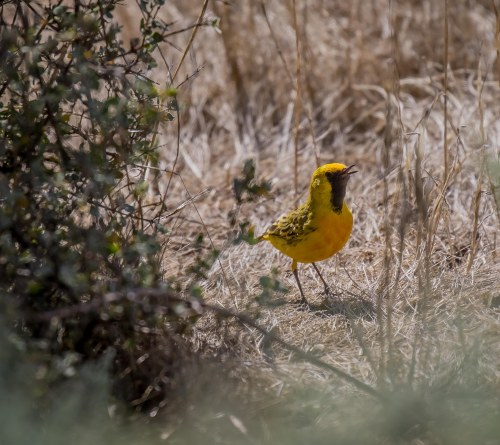
Orange Chat, Lake Tutchewop, Kerang, Vic, 30 Dec 2017

Orange Chat, Lake Tutchewop, Kerang, Vic

Lake Tutchewop, Kerang, Vic,

Lake Tutchewop, Kerang, Vic,

Lake Tutchewop, Kerang, Vic,

II

White Fronted Chat, Lake Tutchewop, Kerang, Vic, 30 Dec 2017

White Fronted Chat, Lake Tutchewop

Orange Chats, Lake Tutchewop, Kerang, Vic

Mixed Chats

Orange Chat, Lake Tutchewop, Kerang, Vic, 30 Dec 2017

Orange Chat, Lake Tutchewop

Orange Chat, Lake Tutchewop, Kerang, Vic, 30 Dec 2017

II

Orange Chat, Lake Tutchewop, Kerang, Vic, 30 Dec 2017

III

Orange Chat, Lake Tutchewop, Kerang, Vic, 30 Dec 2017

IV

Spring’s endless demand

Along the Elwood foreshore behind the life saving and fishing clubs is a small grove of mature Banksia trees as well as wattles, sheoaks and acacia bushes and trees. In spring it is a good spot to find Little and Red Wattlebirds attending their young. The Red Wattlebird below was bringing back small insects to its pair of young.  The begging was incessant and is what drew me to the tree from the other side of the picnic ground. It was going to take many visits and small flies to make the chicks happy…

Red Wattlebird, Elwood beach foreshore, Elwood

Red Wattlebird, Elwood beach foreshore, Elwood

Red Wattlebird, Elwood beach foreshore, Elwood

II

Red Wattlebird, Elwood beach foreshore, Elwood

IIIA

A colourful hunter…

A favorite bird of mine, that is quite common in the Victorian forests, is the Eastern Yellow Robin. A quiet perching hunter that pounces on small prey on the ground below it, the vibrantly coloured robin is a regular along the tracks I walk in Greens Bush. A while back I counted 7 pairs feeding in their territories along the full Baldry Circuit. It is interesting that for such a brightly coloured bird they build such a low but well camouflaged nest, using live lichen and moss to make the nest almost invisible even when at head height.

Eastern Yellow Robin, Greens Bush, Mornington Peninsula National Park, Vict

Eastern Yellow Robin, Greens Bush, Mornington Peninsula National Park, Vict

Eastern Yellow Robin, Greens Bush, Mornington Peninsula National Park, Vict

II

Eastern Yellow Robin, Greens Bush, Mornington Peninsula National Park, Vict

III

Eastern Yellow Robin nest, Greens Bush, Mornington Penninsula National Park, Vic

Eastern Yellow Robin nest

Shake your tail feathers…

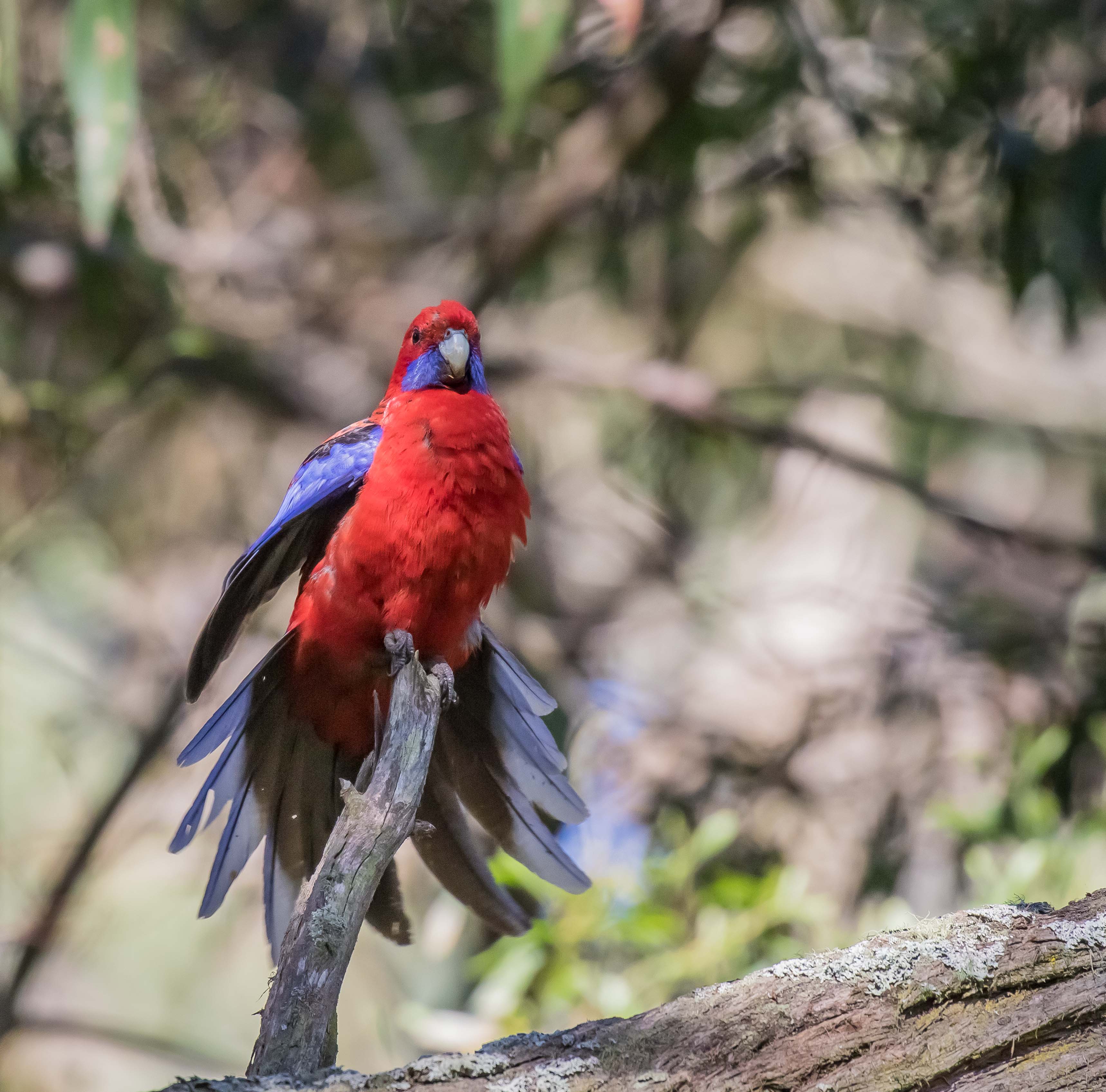
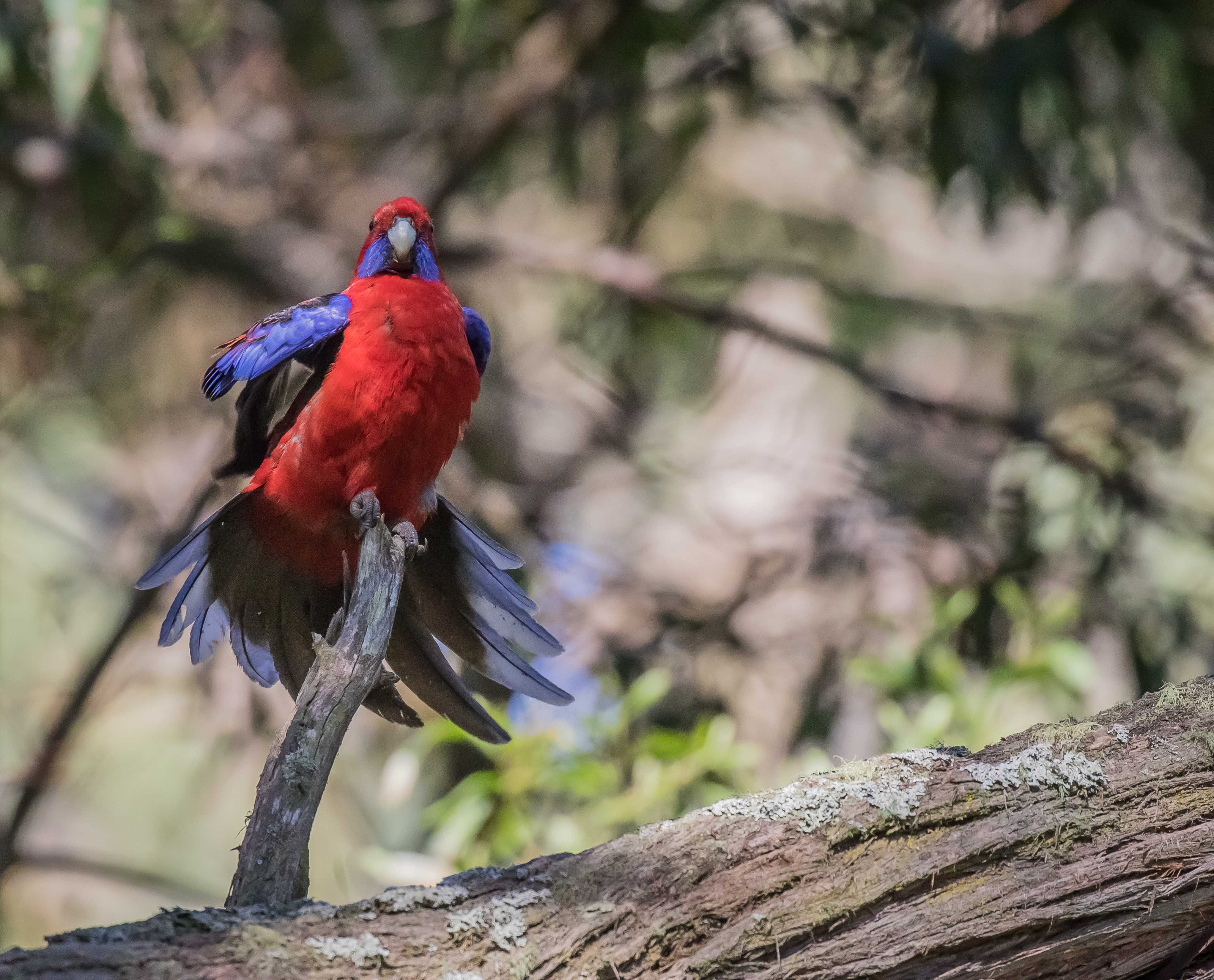
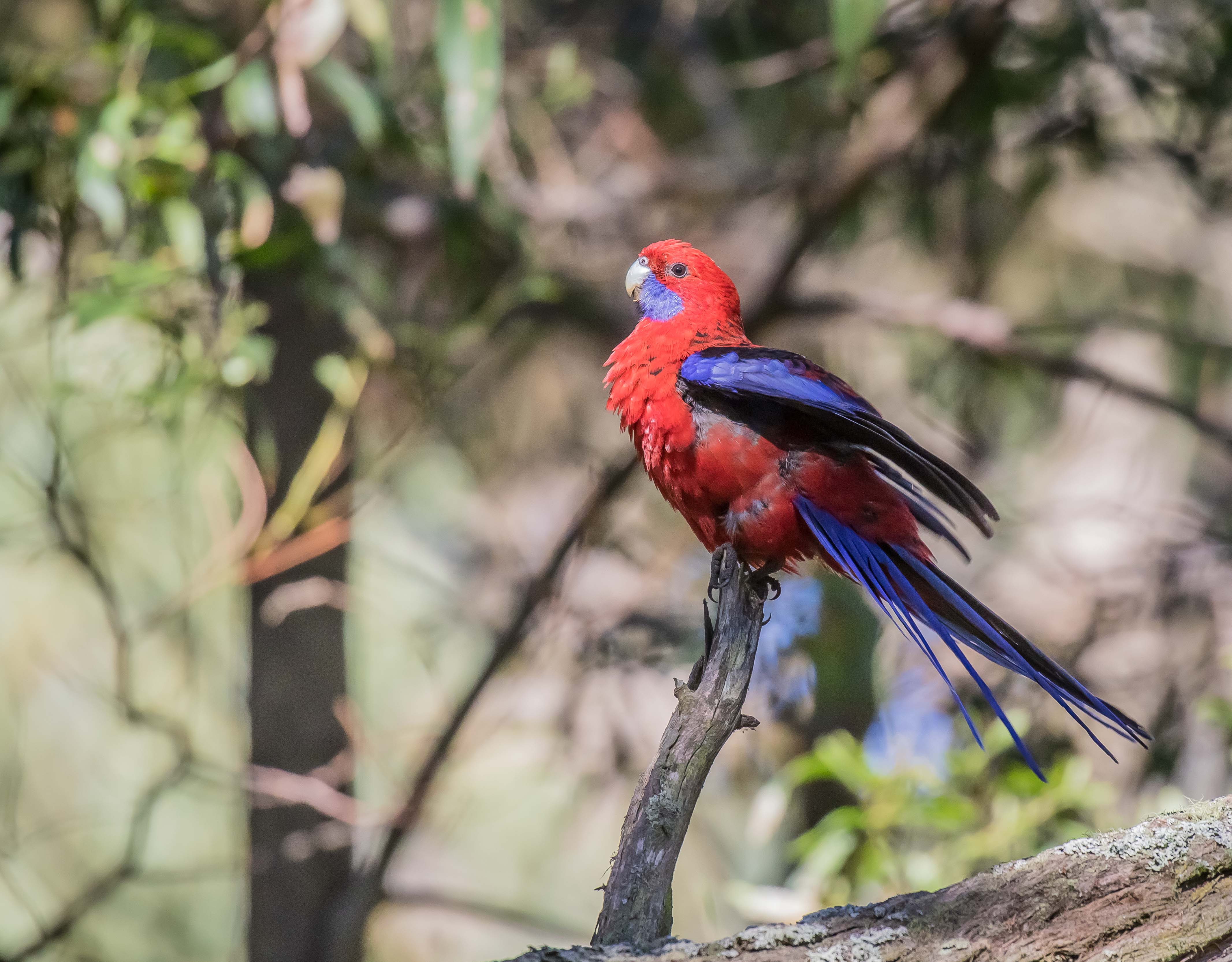
A brightly coloured Crimson Rosella flew down to a low branch next to the track I was walking along at Green’s Bush recently and started to preen. It finished with a vigorous  shake of his tail feathers. It was all over in about 10 seconds and he flew off. I was lucky enough to get off a few quick action shots during the waggle.

Crimson Rosella, Greens Bush, Mornington Peninsula National Park, Vict

Crimson Rosella, Greens Bush, Mornington Peninsula National Park, Vict

Crimson Rosella, Greens Bush, Mornington Peninsula National Park, Vict

II

Crimson Rosella, Greens Bush, Mornington Peninsula National Park, Vict

III

Crimson Rosella, Greens Bush, Mornington Peninsula National Park, Vict

IV
A home of grass and spider webs…

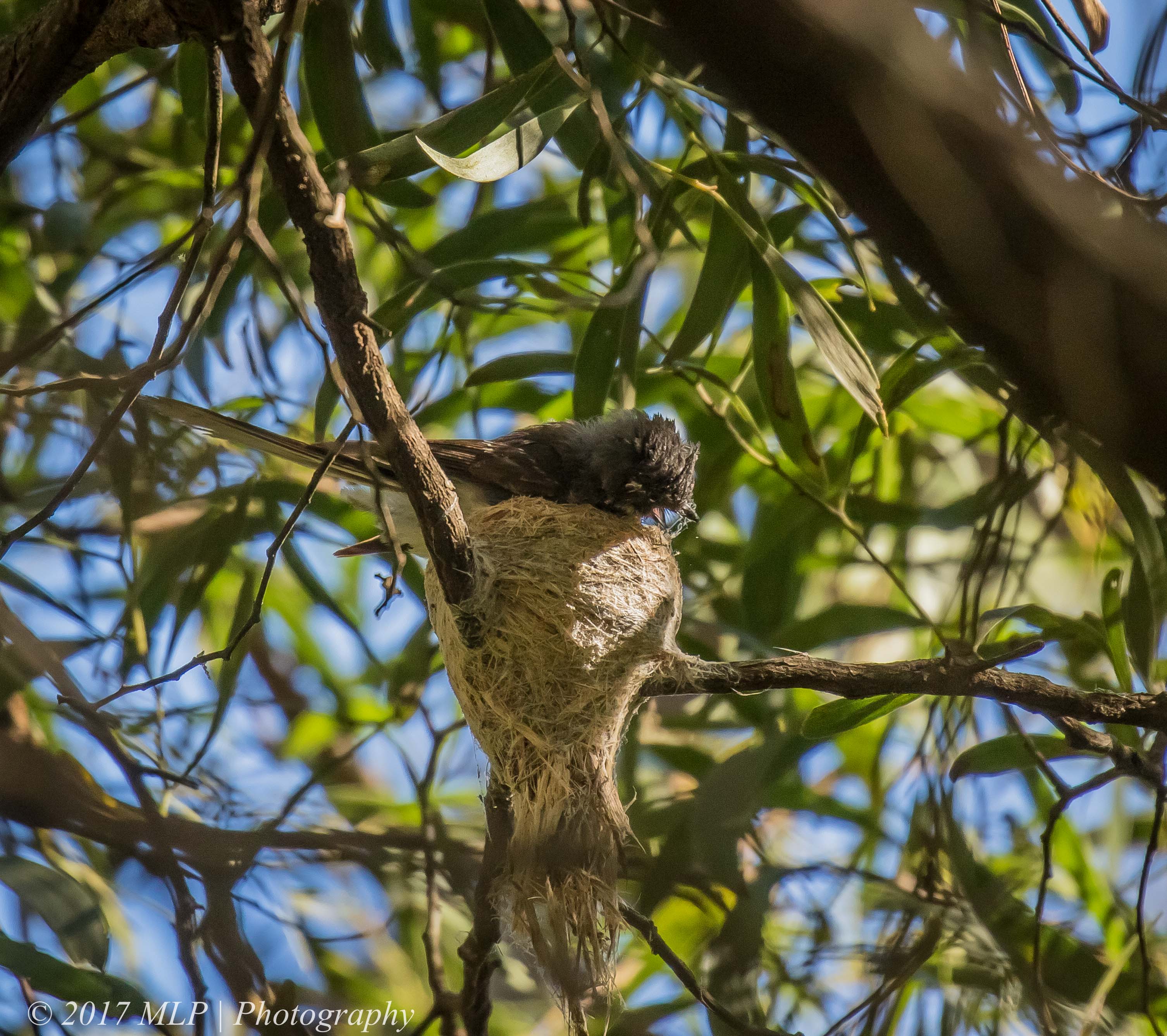
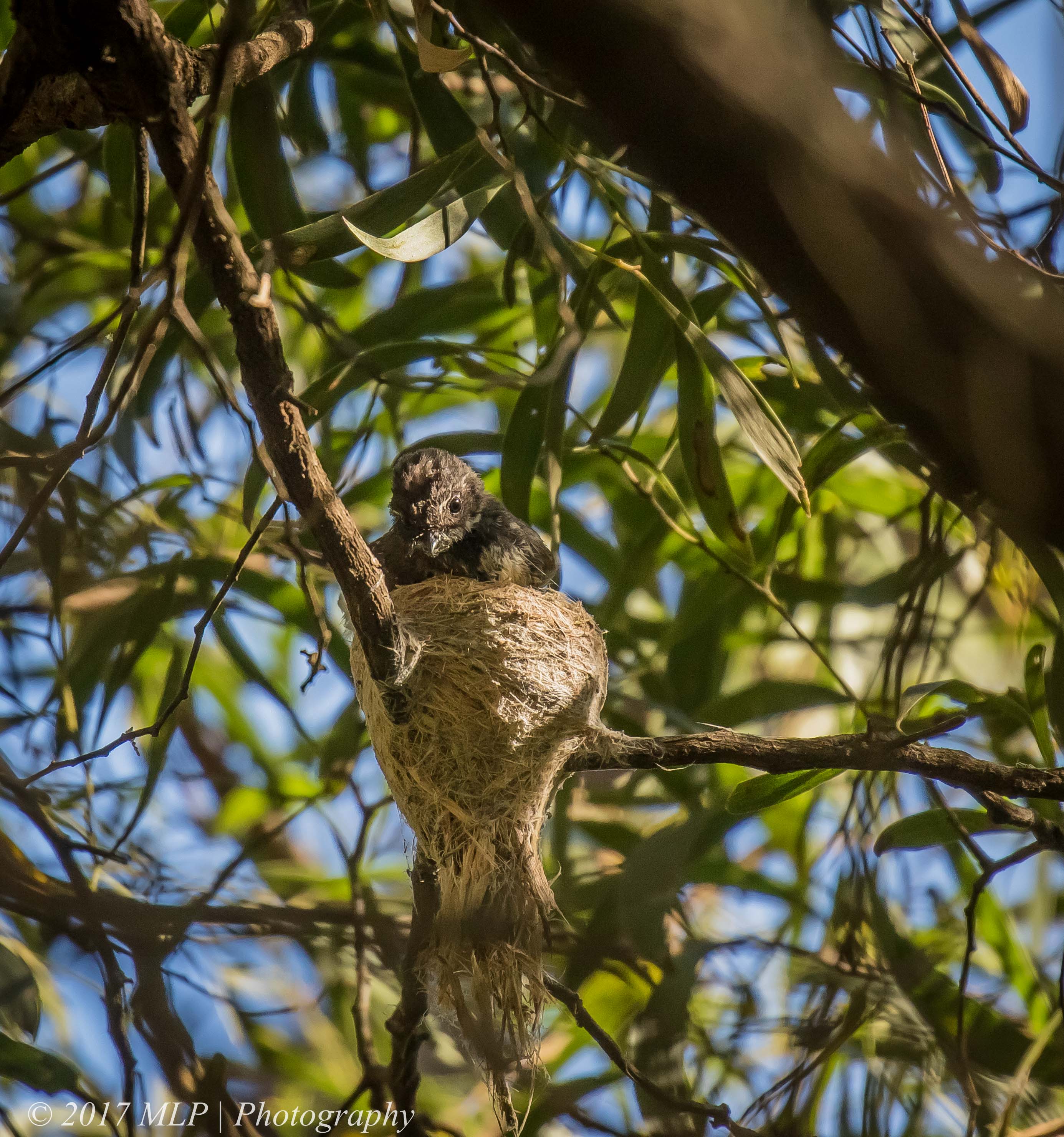
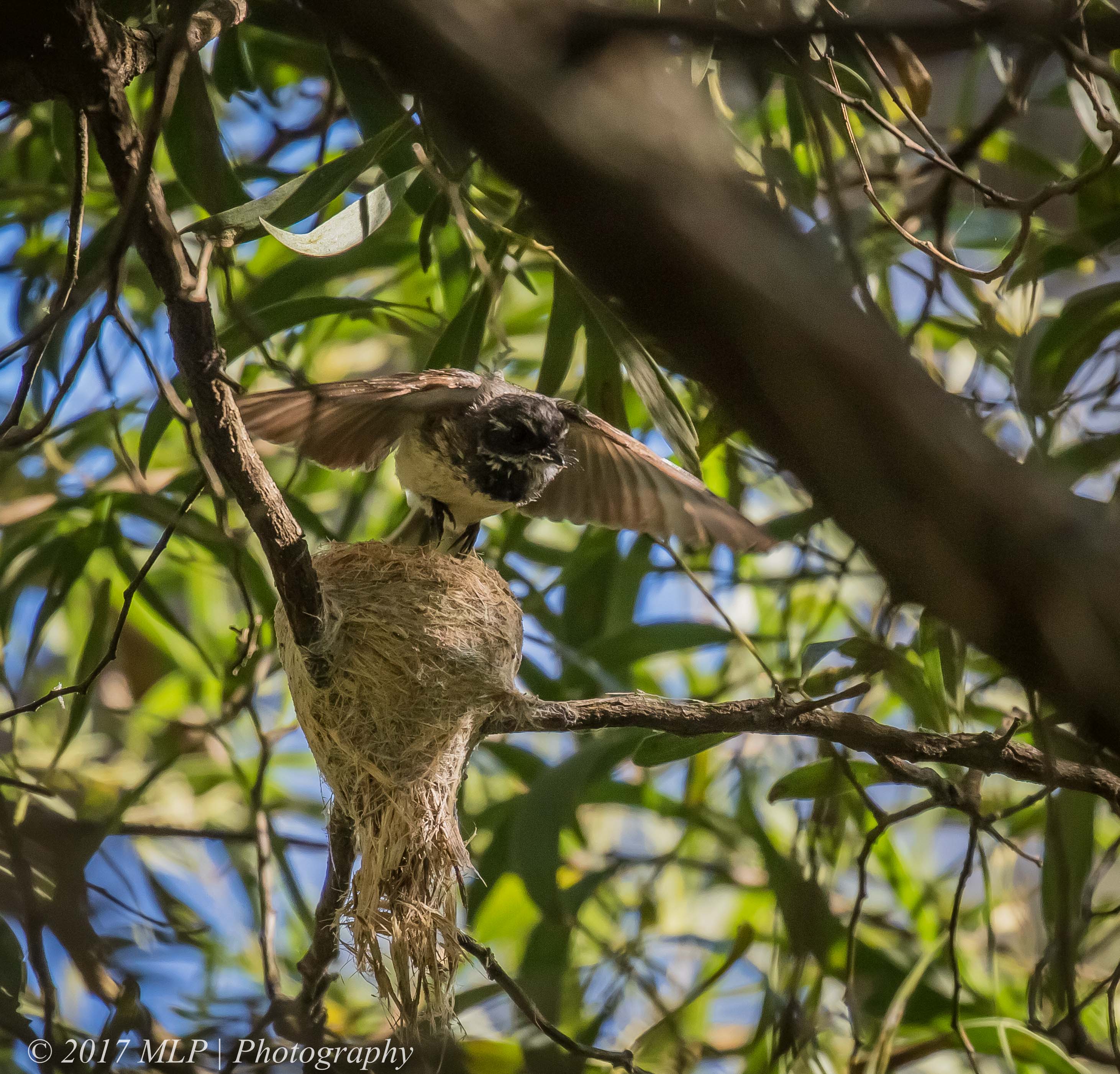
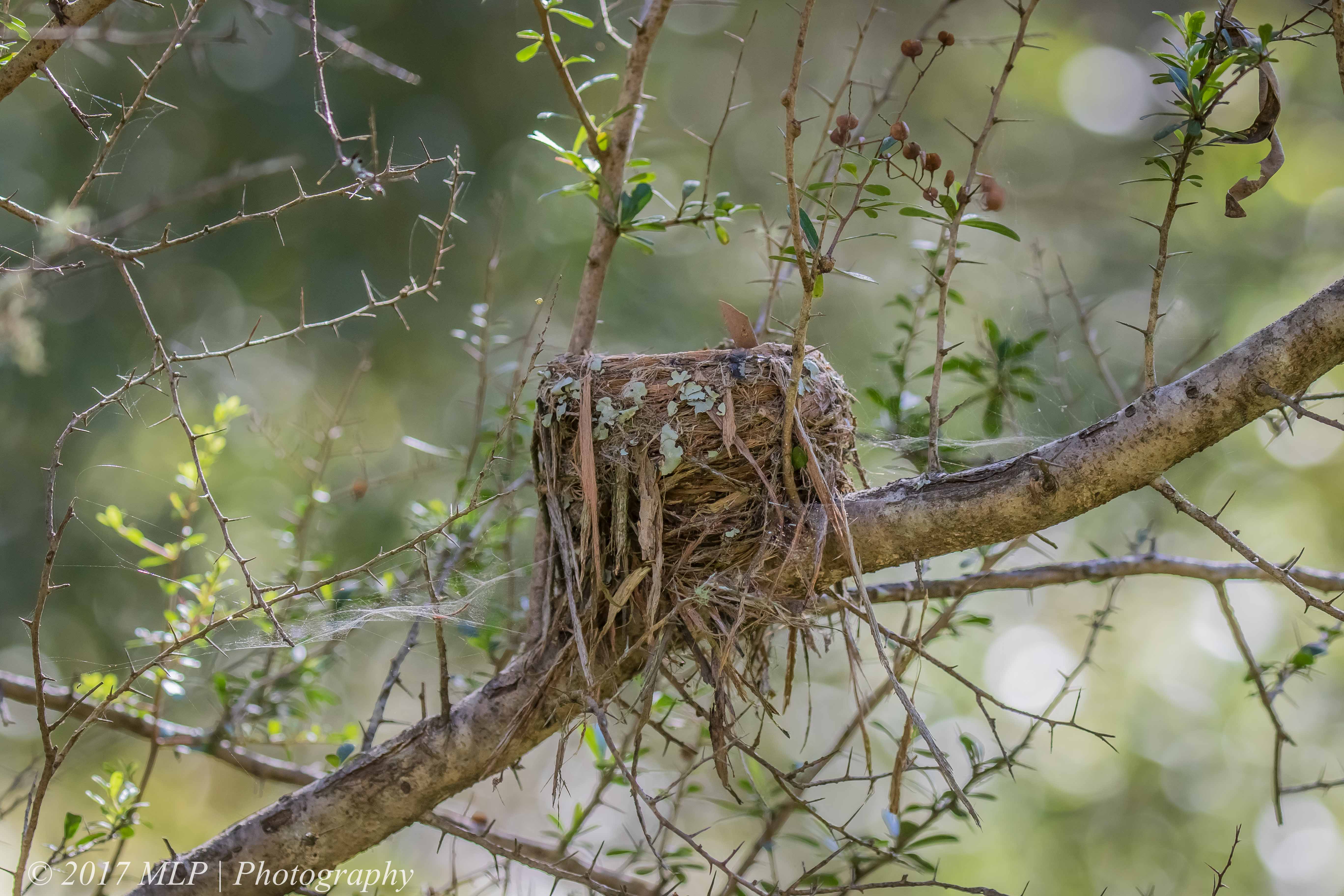
Taking a long slow walk around the Baldry Circuit at Green’s Bush, I am still finding many birds hard at work building nests and feeding young. Some of the early starters like the Pardalotes, Rosellas and the Eastern Yellow Robins are just about done with many new juveniles now flitting amongst the branches waiting for a free feed from their parents. Another group are just starting their breeding duties. A pair of busy Grey Fantails were flying in and out of the lower branches of an Acacia. The material they were collecting was a mix of finely shredded dried grass and spider webs interwoven into a small goblet shape that the Fantail could barely sit in. A fantastic little structure fit for purpose for just a few months and then will disappear.

Grey Fantail, Greens Bush, Mornington Penninsula National Park, Vic

Grey Fantail building a nest, Greens Bush, Mornington Penninsula National Park, Vic

Grey Fantail, Greens Bush, Mornington Penninsula National Park, Vic

II

Grey Fantail, Greens Bush, Mornington Penninsula National Park, Vic

III

Grey Fantail, Greens Bush, Mornington Penninsula National Park, Vic

IV
Grey Fantail, Greens Bush, Mornington Penninsula National Park, Vic

Off for more spider-web

Further around the track I found another Eastern Yellow Robin’s nest that appeared to be done for the season. It was empty inside and I waited for a while nearby to see if any Robins visited but none appeared. It is also made up of finally stripped bark and spider webs as well as decorated with bits of moss and lichen – great camouflage. The nest was in plain sight (if you could recognise it) next to the the path in a low prickly bush.

Eastern Yellow Robin nest, Greens Bush, Mornington Penninsula National Park, Vic

Eastern Yellow Robin nest, Greens Bush, Mornington Penninsula National Park, Vic

Orioles and Kingfishers

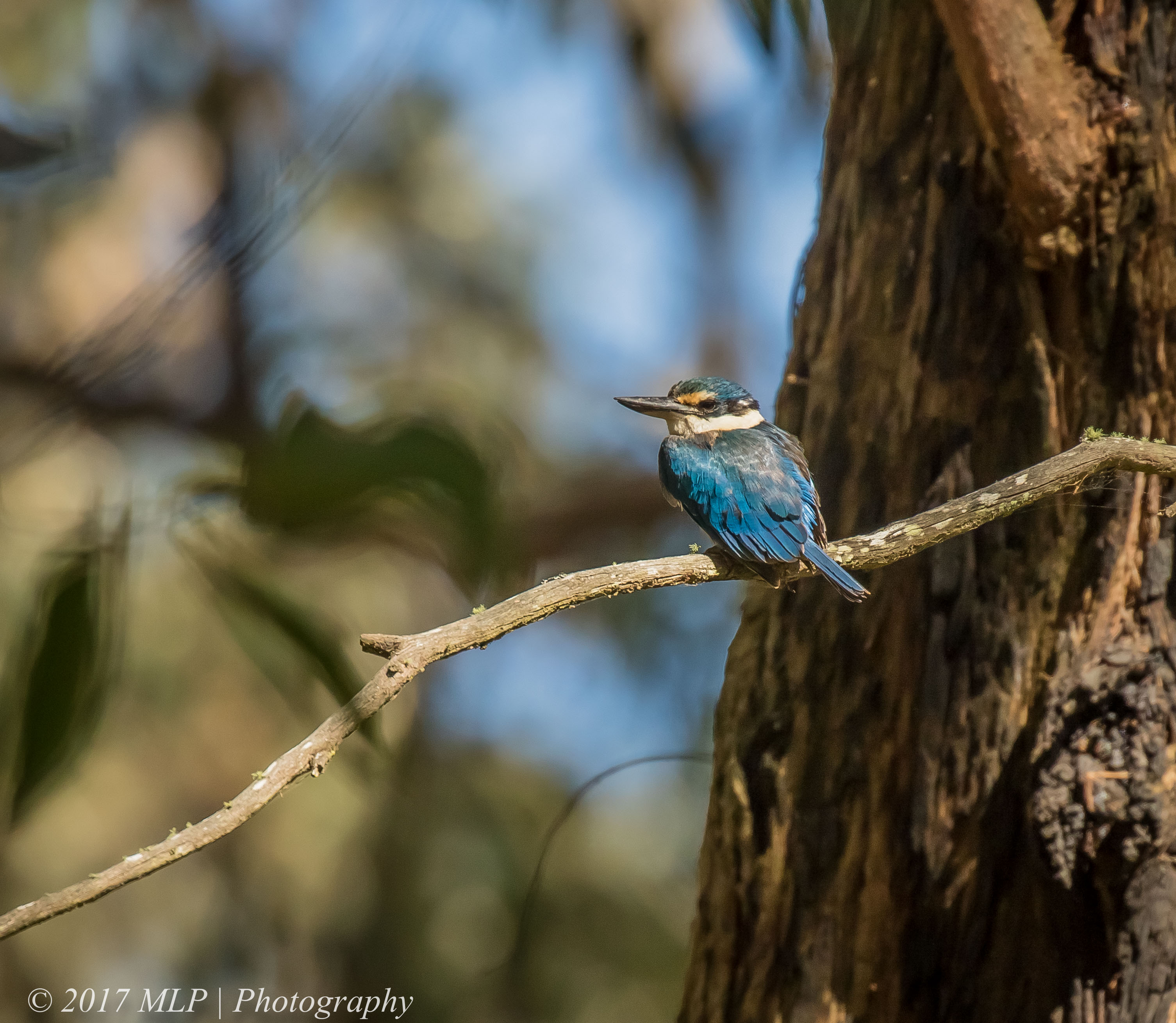
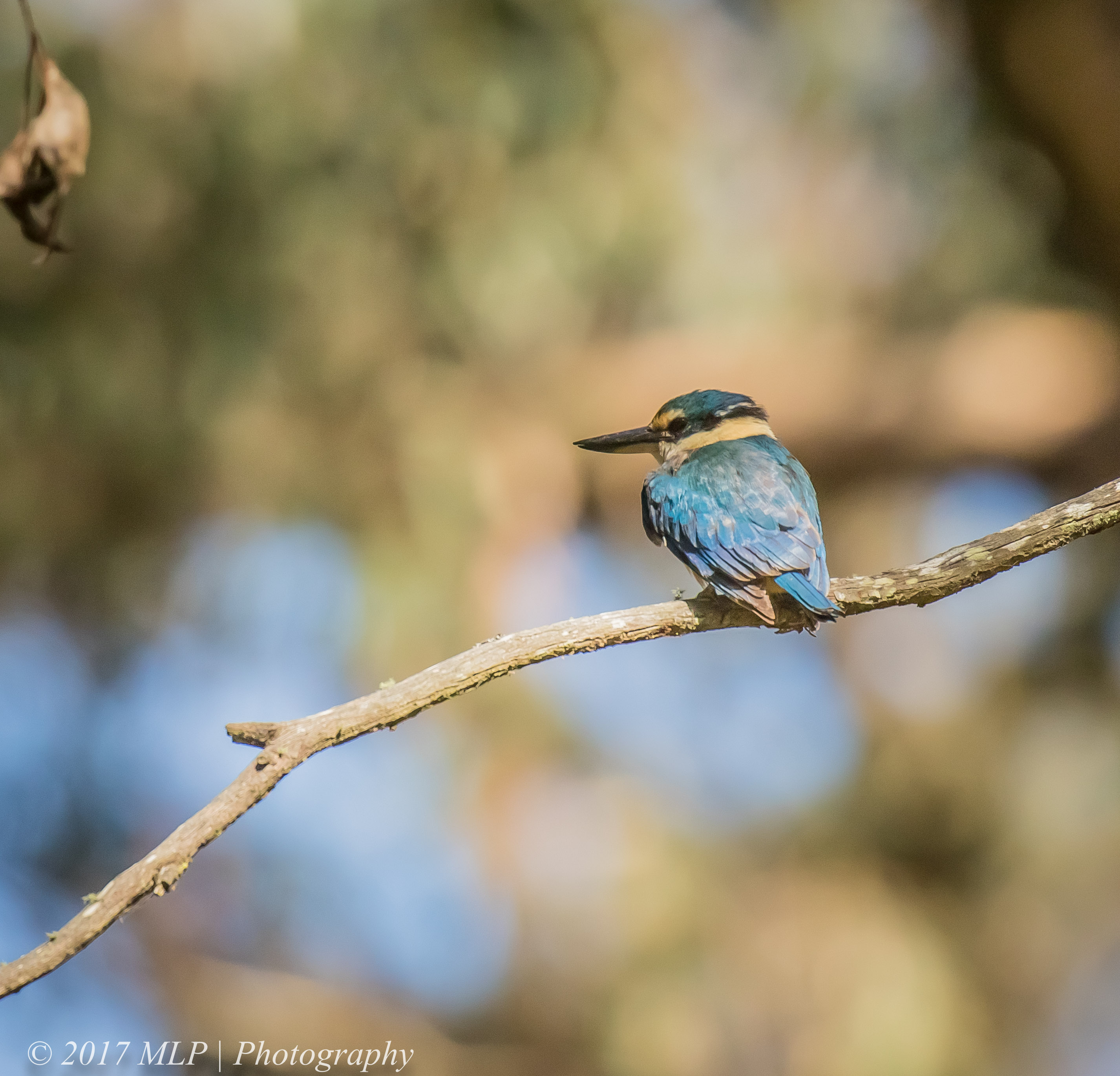
It was great weather on the weekend, warm, sunny and not too windy. I spent a few hours at Green’s Bush seeing what the warmer weather had brought into the forest.  At the car park I heard and found my first seasonal visitor: the Olive- backed Oriole. It was high up in a tall Eucalyptus calling and quite difficult to see with its camouflaged plumage.  Its very distinctive call helps to pinpoint it in the upper canopy. Towards the end of a nice long walk around the full Baldry Circuit at Greens Bush I found this Sacred Kingfisher intently watching the ground. I usually hear this species rather than see it: it makes a short sharp triple bark. It is a tiny bird, hunting insects and small lizards, pouncing from perches like the branch below. It is the first time I have seen one at Green’s Bush. I only found it because I was looking for birds nesting or roosting in tree hollows and saw the bright blue plumage against the dark tree bark. 

Sacred Kingfisher, Greens Bush, Mornington Penninsula National Park, Vic

Sacred Kingfisher, Greens Bush, Mornington Penninsula National Park, Vic

Sacred Kingfisher, Greens Bush, Mornington Penninsula National Park, Vic

II

Olive-backed Oriole, Greens Bush, Mornington Penninsula National Park, Vic

Camouflaged Olive-backed Oriole, Greens Bush