Checking out the competition

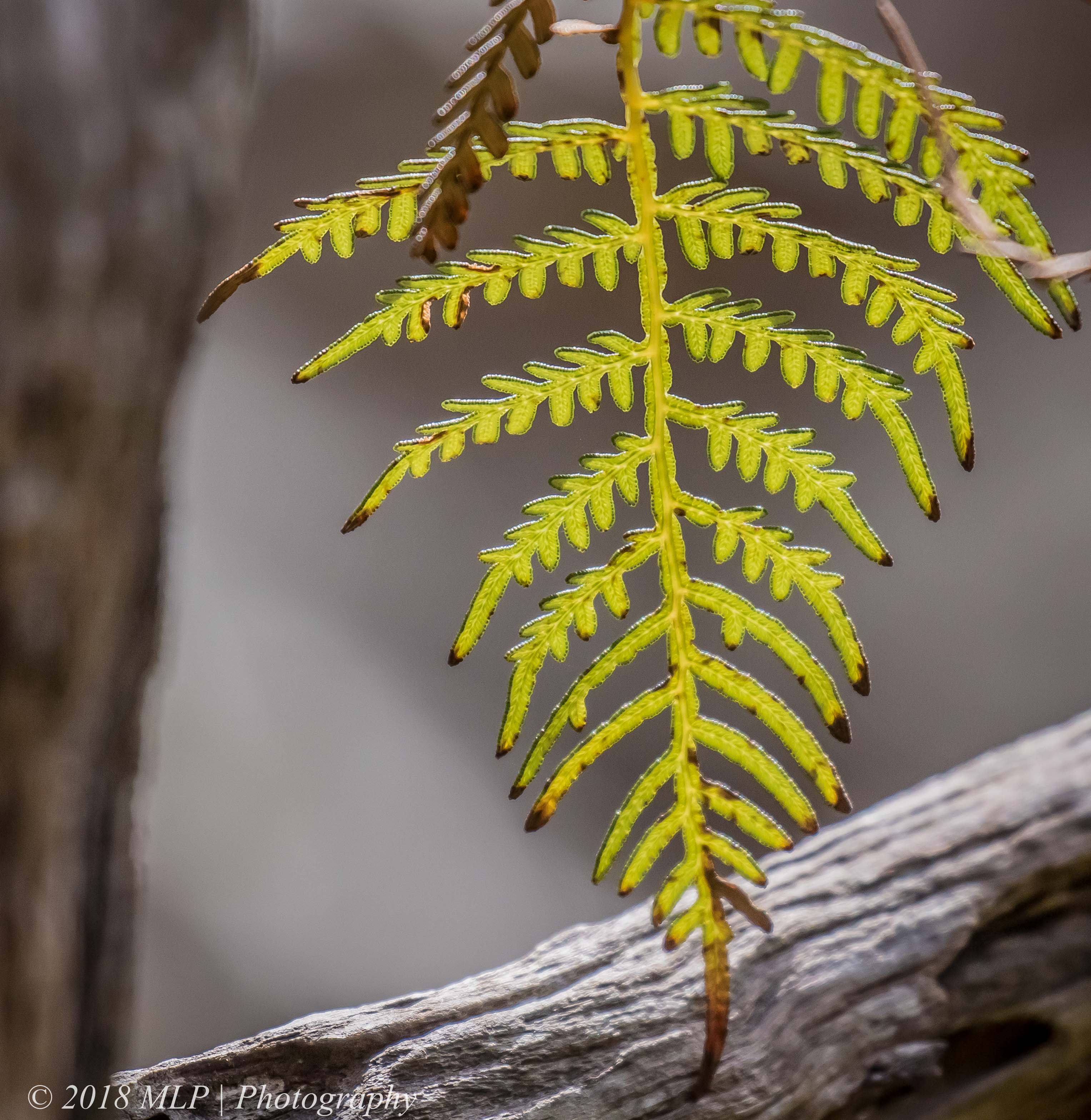
Green’s Bush is exploding with activity at the moment with spring well under way and the weather finally warming up. A walk into the southern section and I found the little boss below tsking and telling me to move along. I had actually stopped to photograph some bracken in nice light when he popped into the scene and tried to pick a fight.
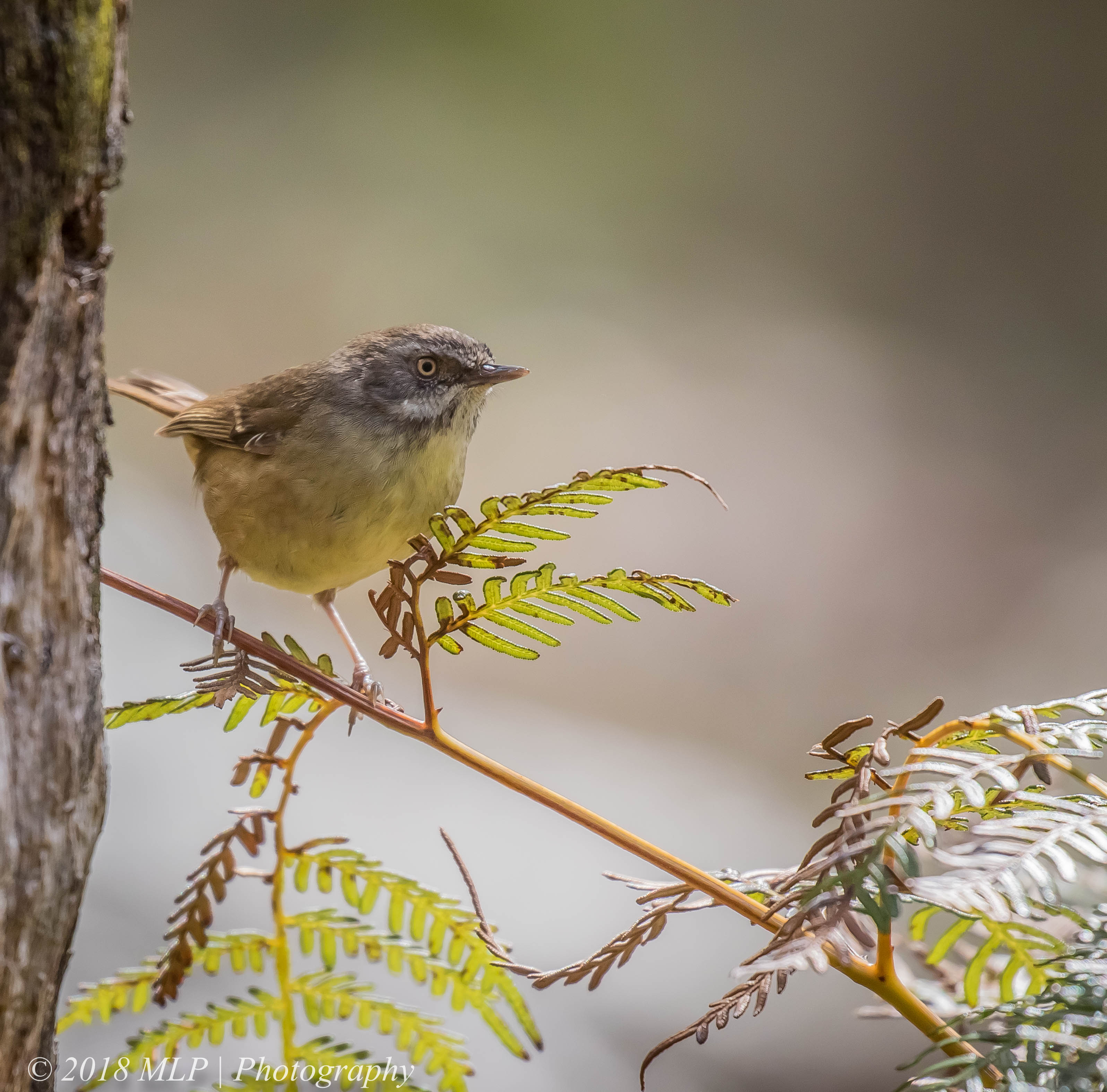
White-browed Scrubwren, Greens Bush, Mornington Peninsula National Park, Vic
White-browed Scrubwren, Greens Bush, Mornington Peninsula National Park, Vic

Bracken, Greens Bush, Mornington Peninsula National Park, Vic

Bracken, Greens Bush, Mornington Peninsula National Park, Vic

Afraid of the Yowie

The Grey Kangaroo mobs that inhabit the Greens Bush section of the Mornington Peninsula National Park are generally quite skittish and can spot me quite a distance away. On occasion while I have been standing still watching birds, a group has moved past me along one of their trails. Once they notice me there is a mad panic as they bound off in all directions.  The last few visits I have found a lone Grey along the ridge-line track. The first time I was photographing a nest and he just moved from beside a tree a few feet away and stood up tall next to me and just stared. When I noticed him from the corner of my eye, he didn’t even budge while I shrieked at the sudden potential attack by a “yowie”…He dropped down onto his front paws and fed on some grass and then ambled off the track and back into the bush. On the weekend I came across him again just feeding on the grass along the track near the same spot as last time.  I walked right up close and took a few images.  He looked healthy enough, clear eyed and could hear me make my Skippy the Bush Kangaroo sounds, so I am not sure why this Roo is so easy-going. I will have to keep an eye out for him – and those pesky yowies and drop bears.

Grey Kangaroo, Greens Bush, Mornington Peninsula National Park, Vic

Eastern Grey Kangaroo, Greens Bush, Mornington Peninsula National Park, Vic
Grey Kangaroo, Greens Bush, Mornington Peninsula National Park, Vic

II

Grey Kangaroo, Greens Bush, Mornington Peninsula National Park, Vic

III

Grey Kangaroo, Greens Bush, Mornington Peninsula National Park, Vic

IV

Building a picture of territories

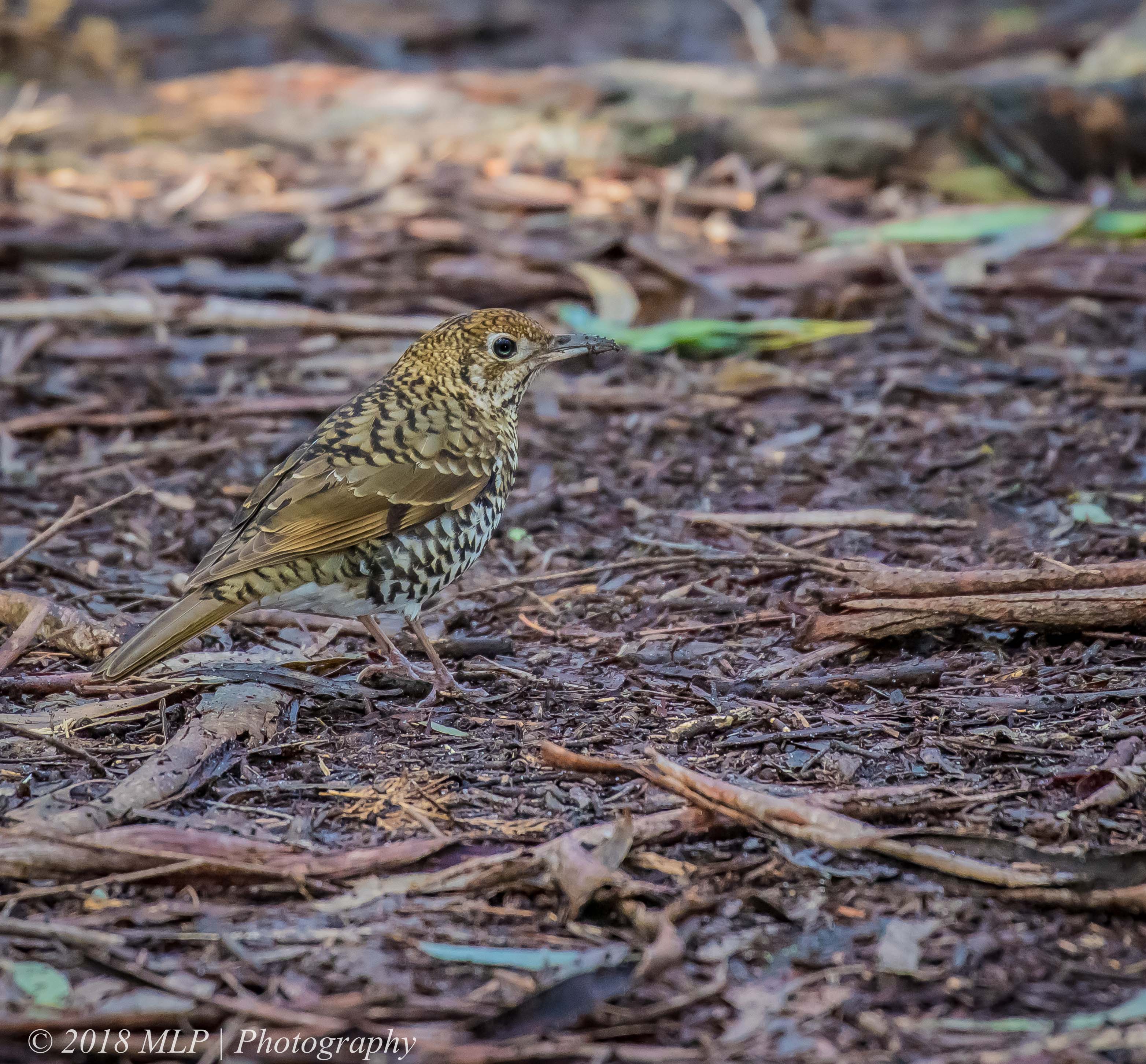
I have found several spots now at Greens Bush where I am sure that Bassians have set up feeding and nesting territories. Besides looking for the right sort of terrain and vegetation I am also on the lookout for fresh droppings. When watching the birds feed and pick up some good size morsels they seem to process the previously taken food and excrete a bright white splash. Based on the  amount of white droppings I am finding in an area I can be fairly certain that I have found another Bassian feeding area. The shots of the two birds below were taken in different parts of the forest walk that I have come to expect to see Bassians.

Bassian Thrush, Greens Bush, Mornington Peninsula National Park, Vic

Bassian Thrush, Greens Bush, Mornington Peninsula National Park, Vic
Bassian Thrush, Greens Bush, Mornington Peninsula National Park, Vic

II

Bassian Thrush, Greens Bush, Mornington Peninsula National Park, Vic

III

Bassian Thrush, Greens Bush, Mornington Peninsula National Park, Vic

IV

Yellow-tailed black-cockatoos on the road-side

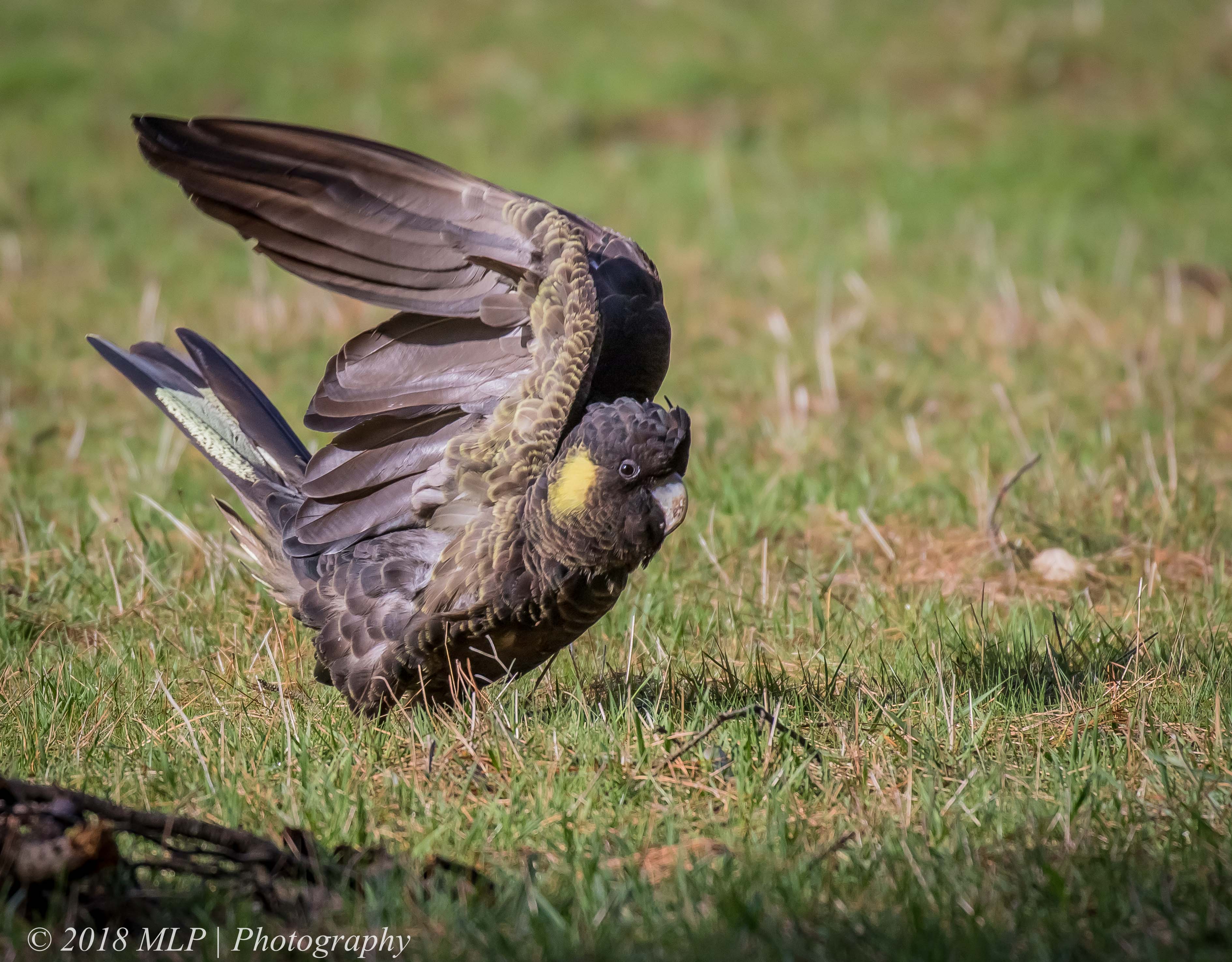
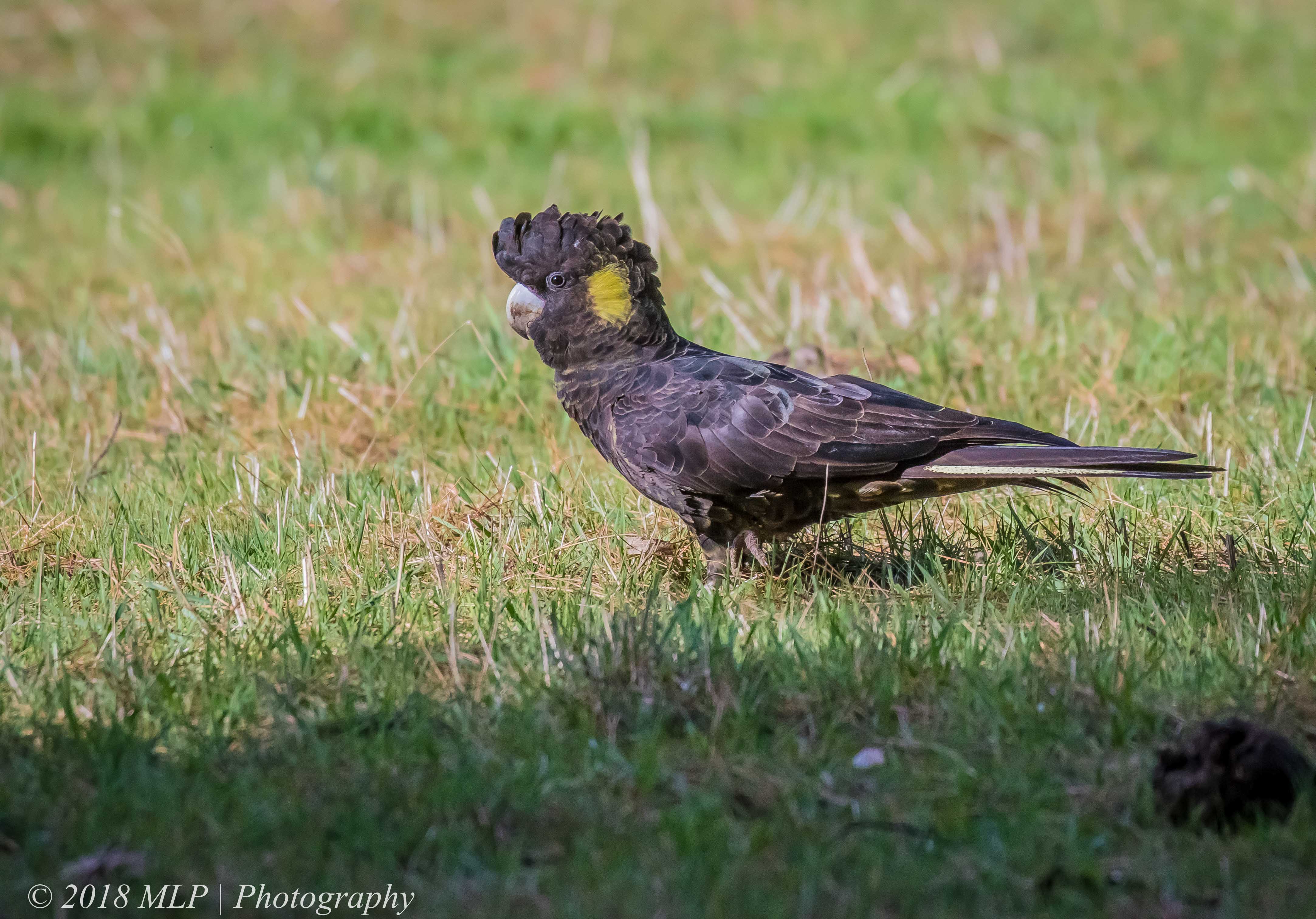
On the way home from Green’s Bush I spotted a large flock of Yellow-tailed black-cockatoos feeding on pine cone seeds in some large trees and in the paddock below. I occasionally hear them and see a few flying across the roads around the Peninsula but I have not seen so many in a single flock: at least 30. I pulled over and tried to sneak up on them to get a few  photos. They were very wary and had a well defined flush zone. I did finally get a few shots.

Yellow-tailed Black-cockatoo, Mornington Peninsula National Park, Vic

Yellow-tailed Black-cockatoo, Mornington Peninsula, Vic

Yellow-tailed Black-cockatoo, Mornington Peninsula National Park, Vic
ii

Yellow-tailed Black-cockatoo, Mornington Peninsula National Park, Vic
iv

Yellow-tailed Black-cockatoo, Mornington Peninsula National Park, Vic
v

Yellow-tailed Black-cockatoo, Mornington Peninsula National Park, Vic

Yellow-tailed Black-cockatoo feeding on a pine cone.

Yellow-tailed Black-cockatoo, Mornington Peninsula National Park, Vic

Yellow-tailed Black-cockatoos feeding on pine cones. 

Yellow-tailed Black-cockatoo, Mornington Peninsula National Park, Vic
Beautiful Black-cockatoo

Beware the Drop Bear!

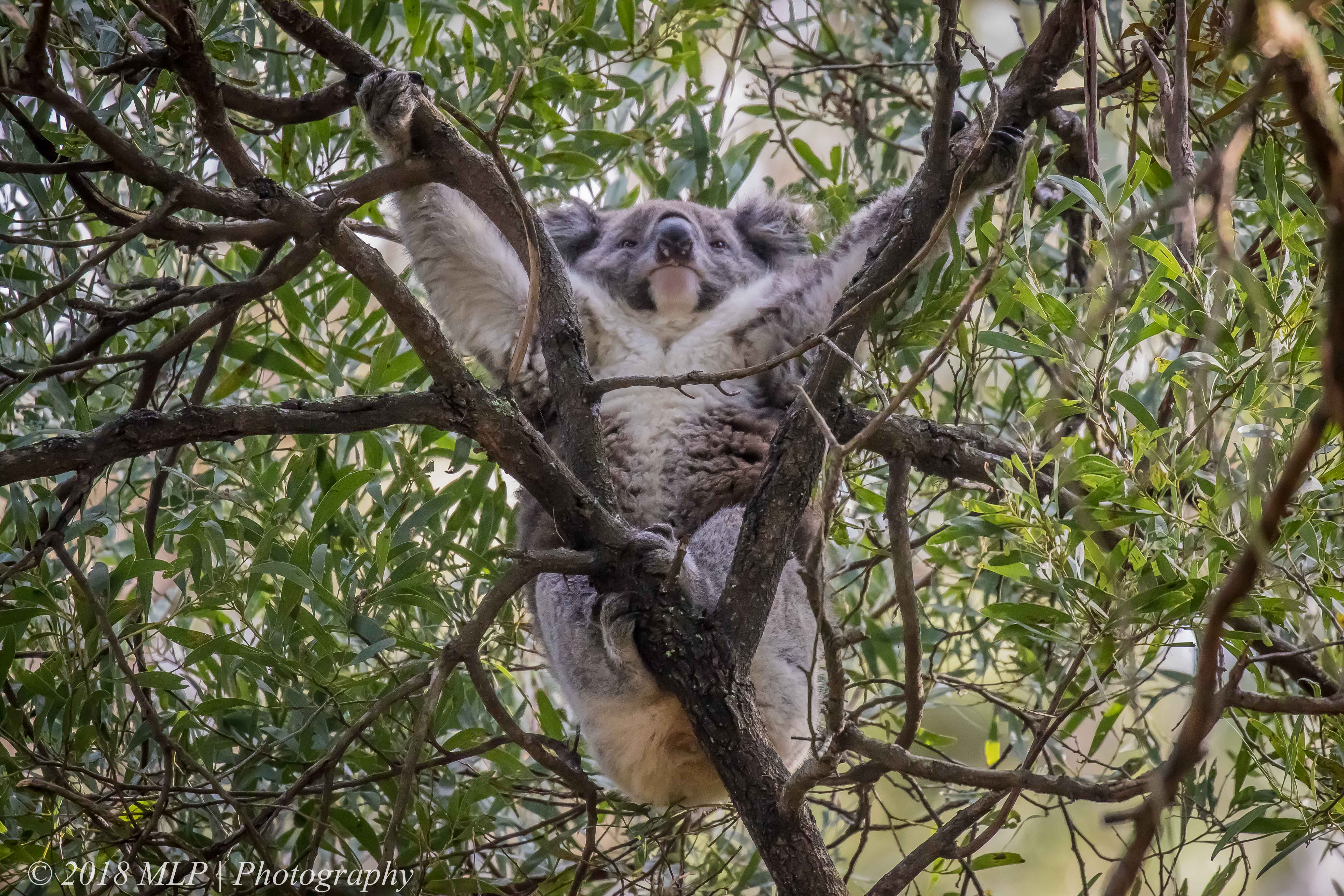
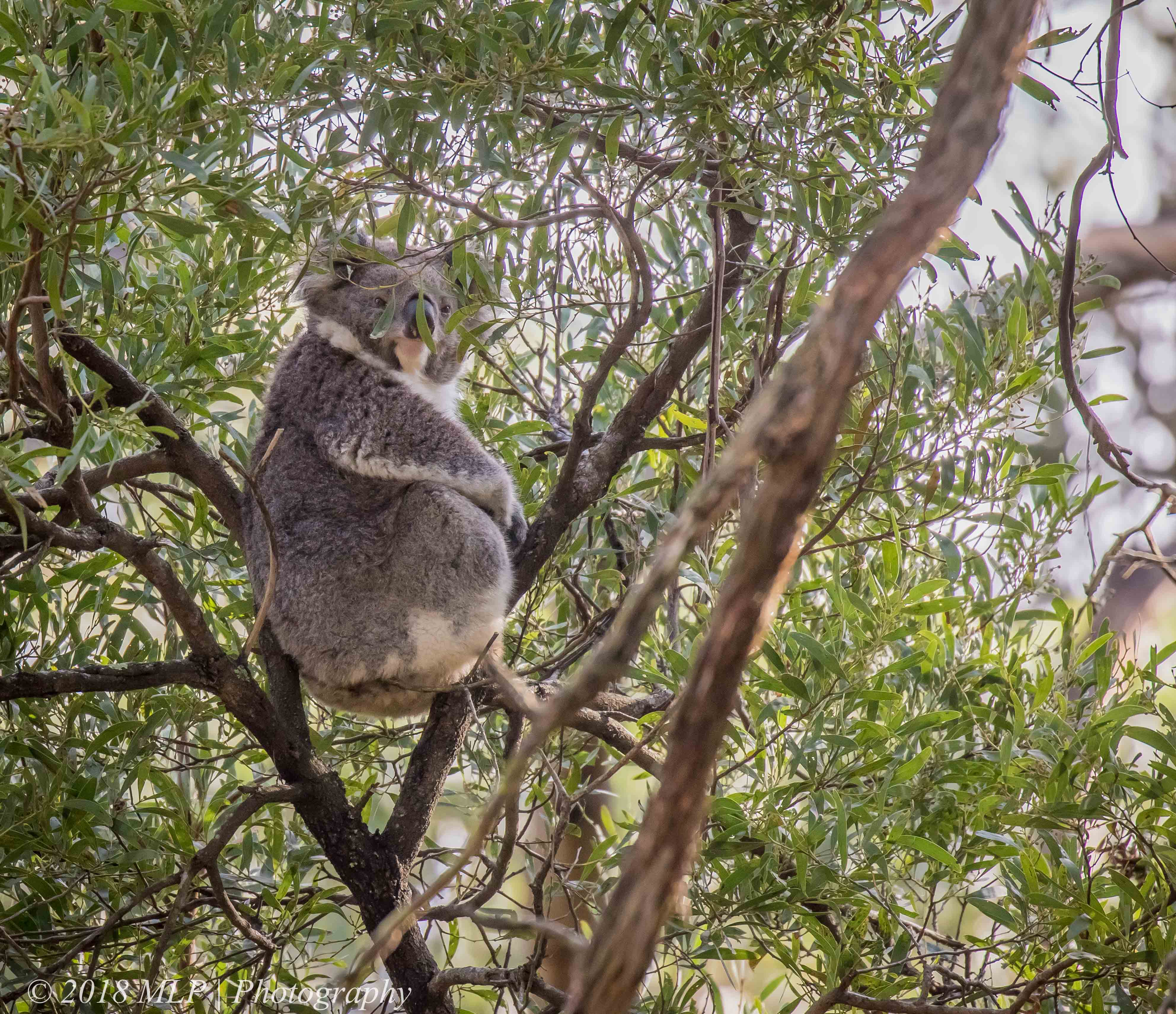
On the weekend I was nearing the end of my usual Greens Bush circuit, when I heard a Crescent Honeyeater and stopped to find the bird in the high trees. Straight away I noticed a large grey shape in an Acacia tree. It is only the second Koala I have found on this circuit and like the other Koala this one was also in a non-eucalyptus tree. As I walked towards him to get a closer view he watched me, becoming quite alert, not the usual dopey, sleepy animal, and then assumed this odd position, leaning back out of the fork. I am not sure what it was going to do, drop, climb, stretch. I have not seen this behaviour or position before – (well obviously it is the drop position for the drop-bear). After a few photographs I backed away and let him get back to his nap  – I was not going to fall for his trap.


Koala, Greens Bush, Mornington Peninsula National Park, Vic

Drop bear in position.

Koala, Greens Bush, Mornington Peninsula National Park, Vic

Koala, Greens Bush, Mornington Peninsula National Park, Vic

Koala, Greens Bush, Mornington Peninsula National Park, Vic

II

A family of one legged Stilts…

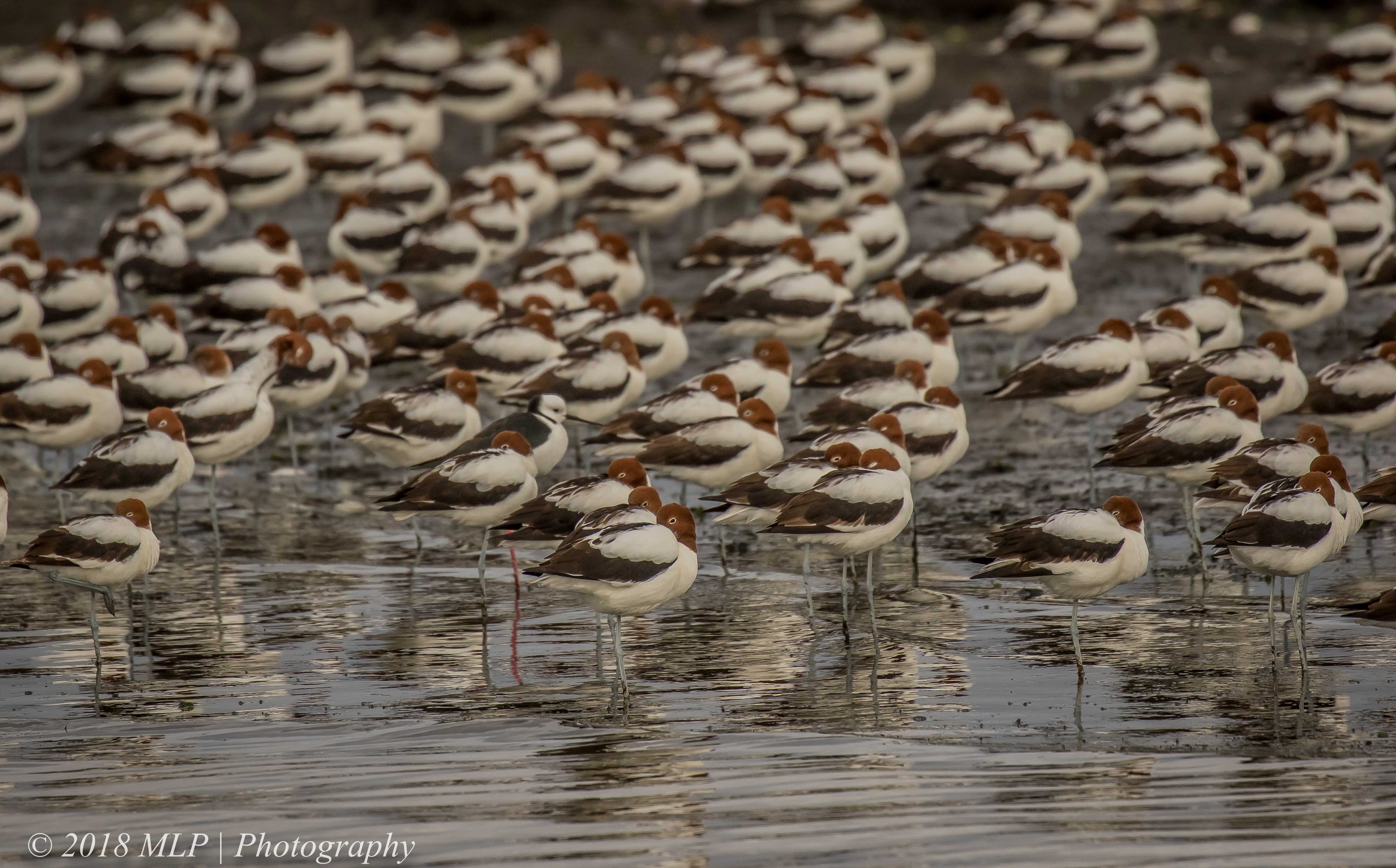
Just to the north of the coastal bird-hide in the Lake Borrie Lagoons (Western Treatment Plant) is the mouth of the Little River. It is a great spot for various roosting birds at the high tides. On this occasion we found dozens of Red-necked Avocet roosting and preening and a few metres a small family of Black-winged Stilts.

Pied Stilt, Western Treatment Plant, Werribee, Vic

Black-winged Stilt family, Western Treatment Plant, Werribee, Vic

Red-necked Avocet, Western Treatment Plant, Werribee, Vic

Red-necked Avocets in a roosting flock, Western Treatment Plant, Werribee, Vic

And the last one…

A great day at the Werribee Treatment Plant ended with a drive along the surrounding roads looking for the raptors using the fence posts as perches to watch for their evening meals. This little Kestrel was fluffed up against the cool air. The Nankeen Kestrel is also called the Chickenhawk (though it mostly hunts insects, small birds and mice), Mosquito Hawk and Windhover (due to its hunting technique). Its scientific name is Falco cenchroides – “resembling kestrel-like hawk falcon” (doesn’t leave much out).

Nankeen Kestrel, Western Treatment Plant, Werribee, Vic

Nankeen Kestrel, Western Treatment Plant, Werribee, Vic

Nankeen Kestrel, Western Treatment Plant, Werribee, Vic

II

Nankeen Kestrel, Western Treatment Plant, Werribee, Vic

III

Nankeen Kestrel, Western Treatment Plant, Werribee, Vic

Target sighted…

The Little Duck-Hawk

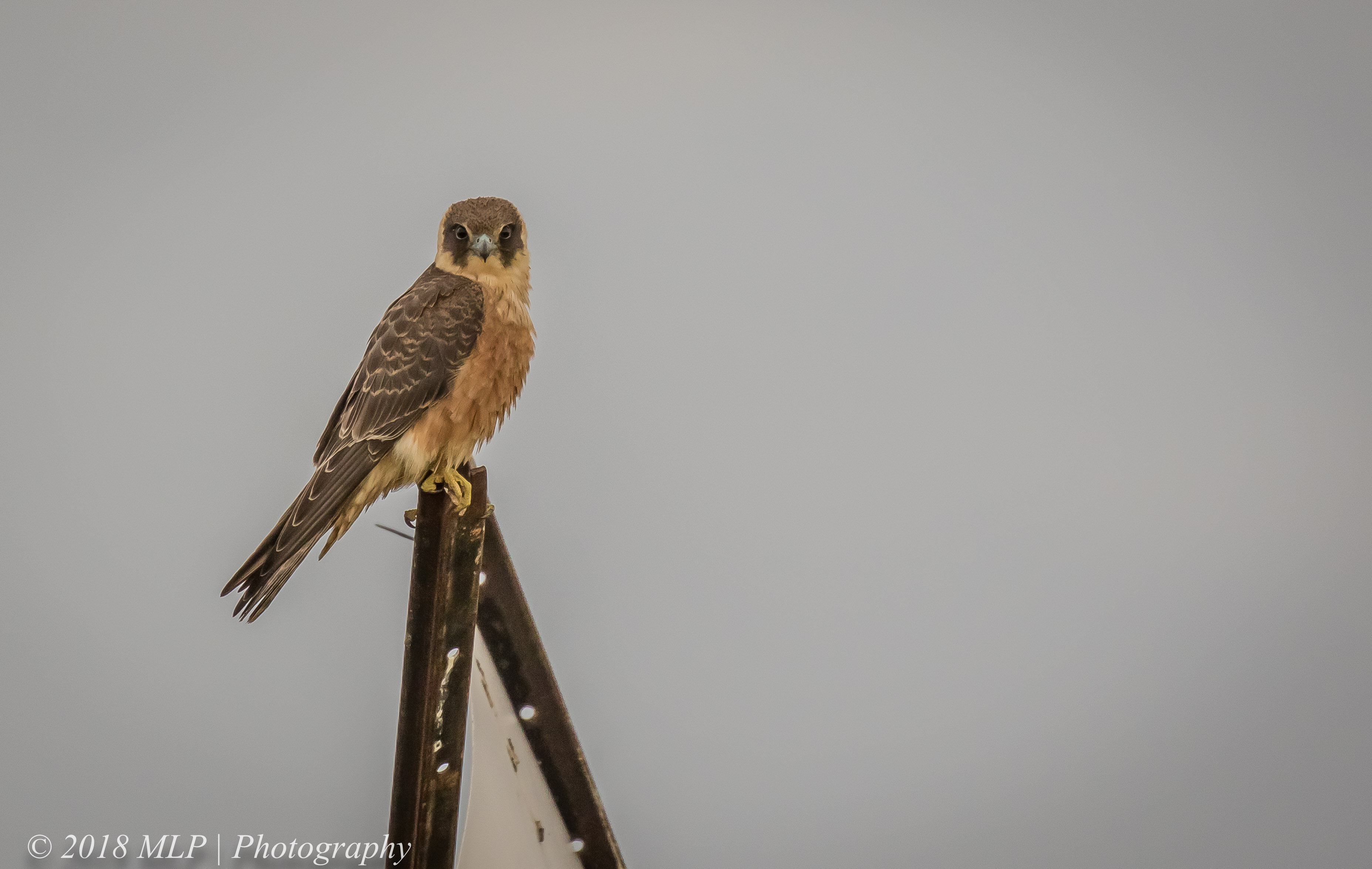
Another of the raptors we found along the roads in the Treatment Plant was an Australian Hobby. I don’t often see this species though have seen one twice now in the last few months. I actually see Peregrine Falcons more often. This one flew into the Paradise Lagoons section along one of the roads and watched the various birds in the area as well as watch us slowly drive forward.   The Hobby (from old French “hobe” meaning small falcon) was also called the “Little Falcon” , “Little Duck-Hawk”, “Black-faced Hawk”, “White-fronted Hawk” and its Latin name means “Long-winged Falcon”.

Australian Hobby, Western Treatment Plant, Werribee, Vic

Australian Hobby, Western Treatment Plant, Werribee, Vic

Bassian Thrush winter project?

After the wild weather of last Saturday it was nice to get out into the Greens Bush forest again on Sunday and see what was happening. It was still early, a bit cold and many of the usual species I see there had decided to sleep in. One of the highlights beside some nice morning sun was finding several Bassian Thrush feeding on parts of the circuit track. Being quite dark under the trees I tried using the flash with some limited success but had better luck when I slowly followed the Thrush up the track a few steps at a time staying low until it finally moved into a mottled sun patch. This species is generally quite shy and due to its skulking nature has not been studied well. I see a few Thrushes most times I visit Greens Bush so I know it is a good spot for them. I can feel a project coming on.

Bassian Thrush, Greens Bush, Mornington Peninsula National Park, Vic
Bassian Thrush, Greens Bush, Mornington Peninsula National Park, Vic
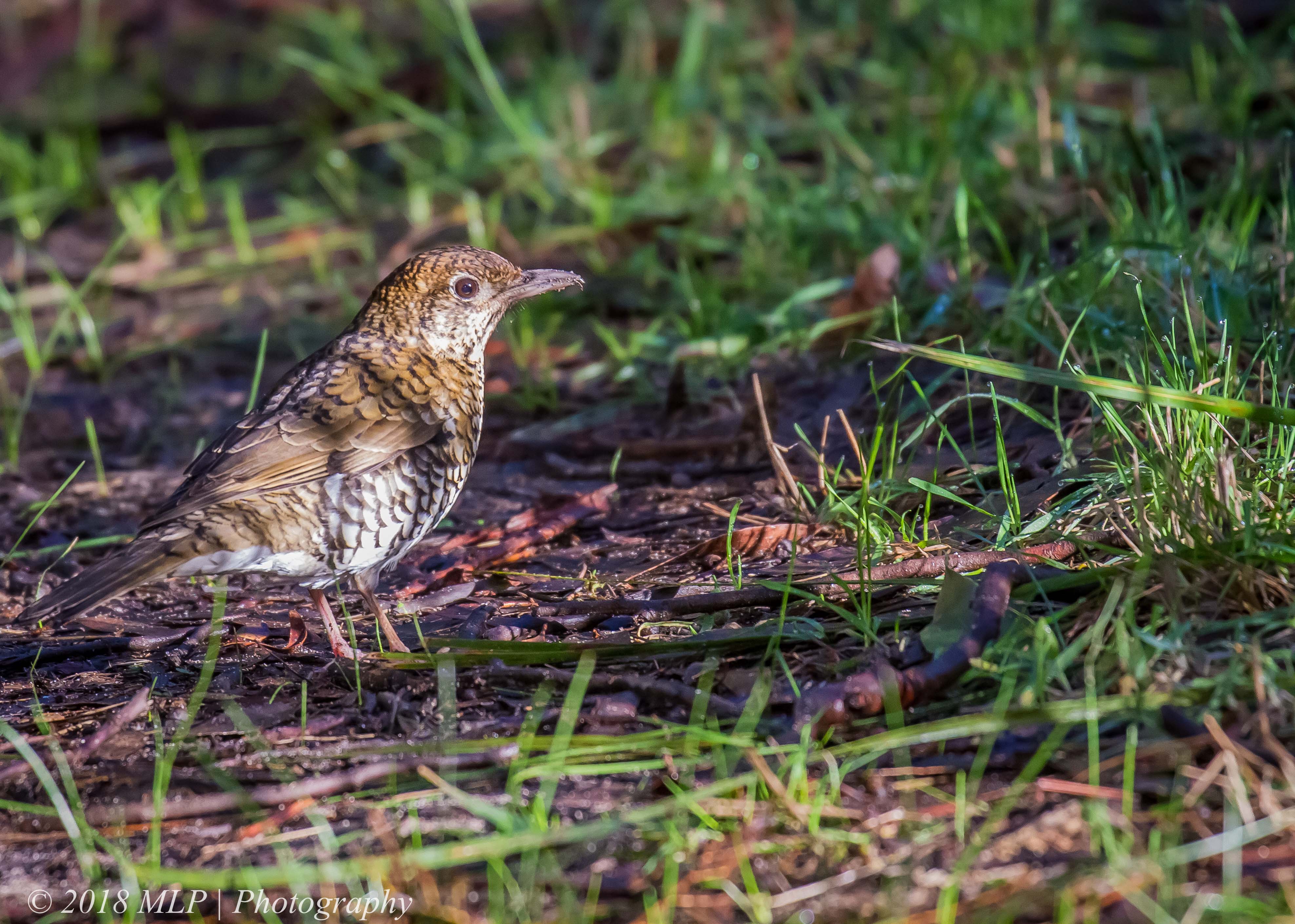
Bassian Thrush, Greens Bush, Mornington Peninsula National Park, Vic

II

Bassian Thrush, Greens Bush, Mornington Peninsula National Park, Vic

III

Testing the flush zone at the treatment plant.

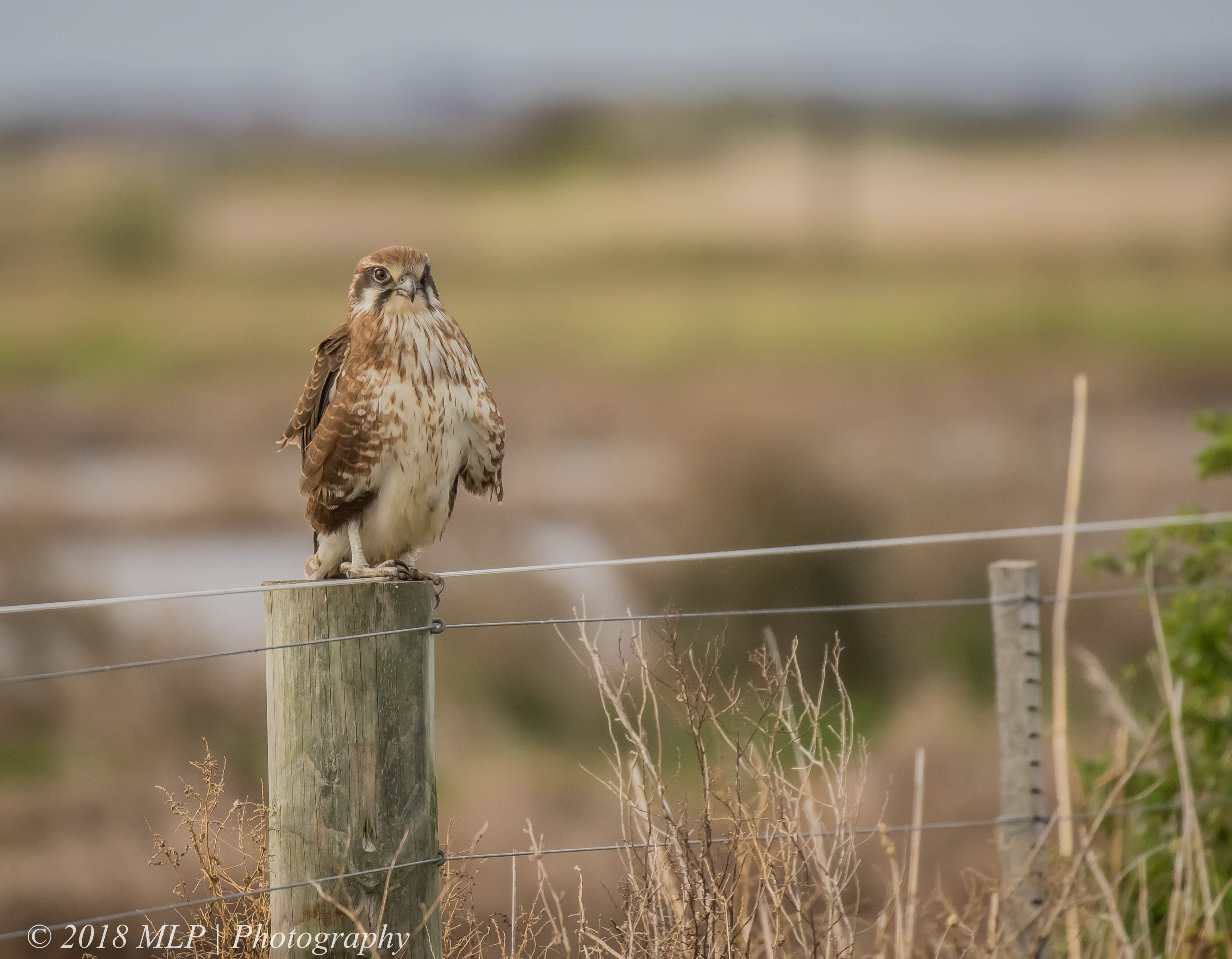
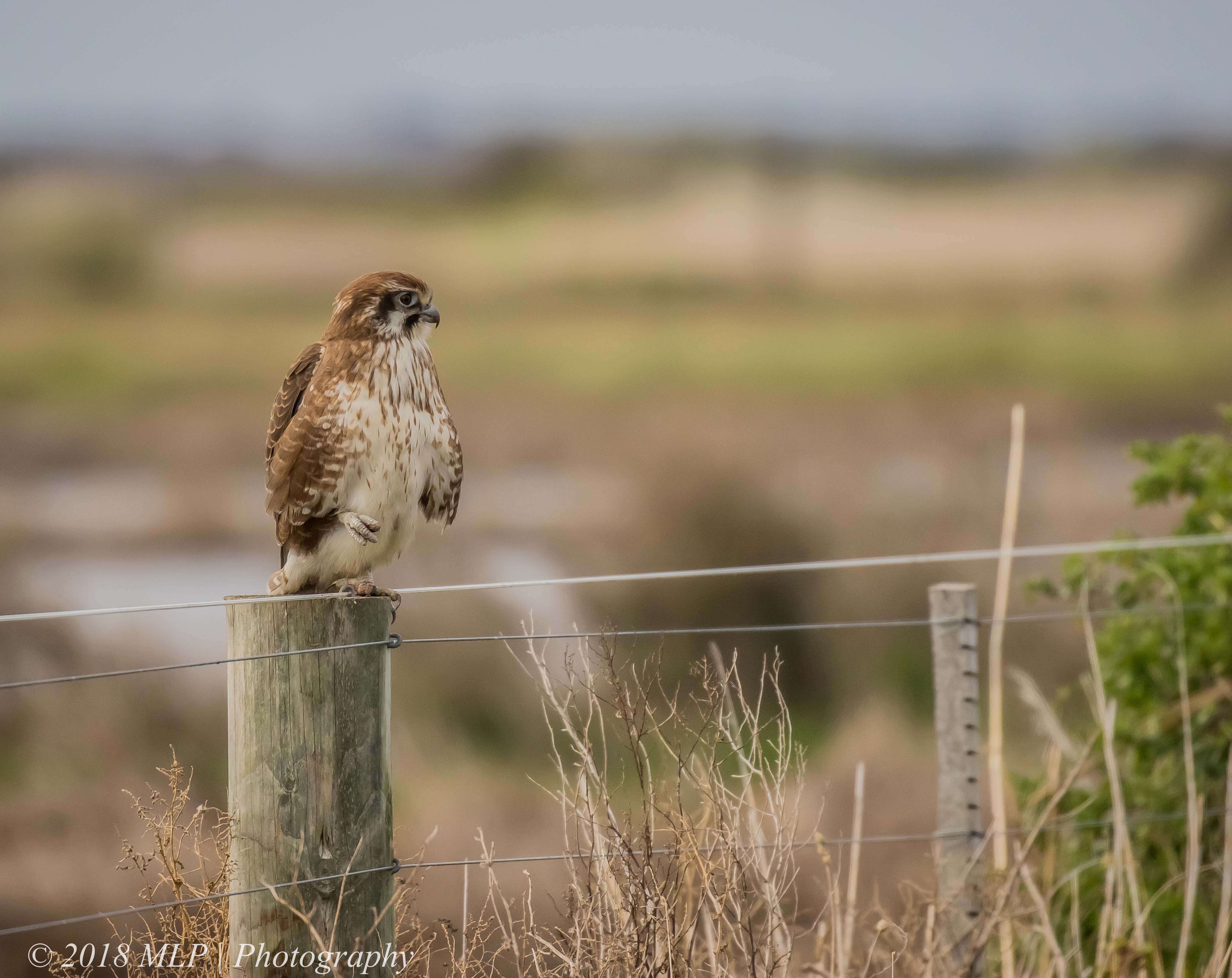
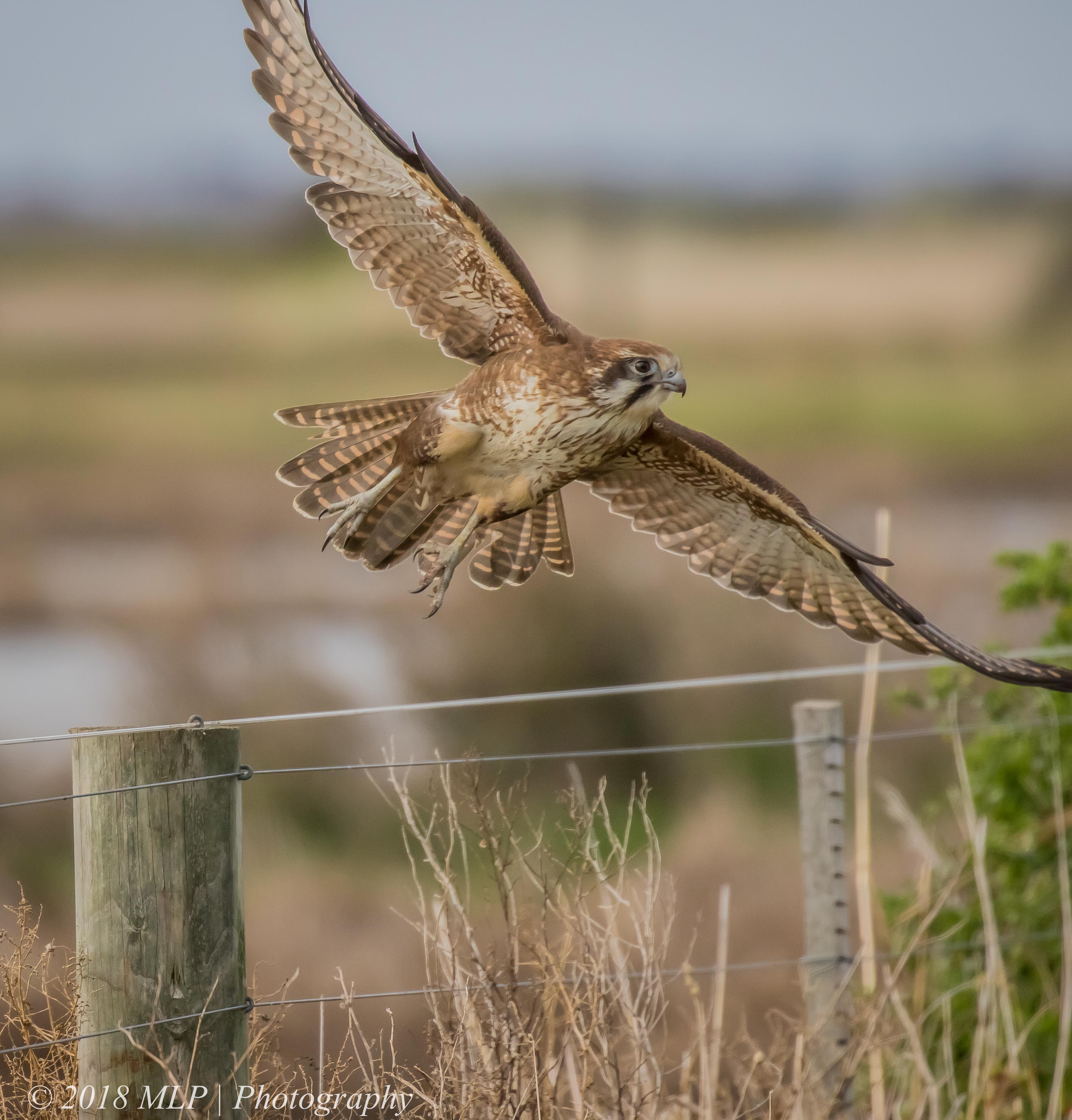
Towards the end of my last drive around the Western Treatment Plant we found several Brown Falcons using the fence posts as lookouts for their evening meals. Using the car as a mobile bird hide and watching for nervousness we managed to get quite close to a few. Depending on their age and temperament they had quite different flush distances (no-pun intended).

Brown Falcon, Western Treatment Plant, Werribee, Vic
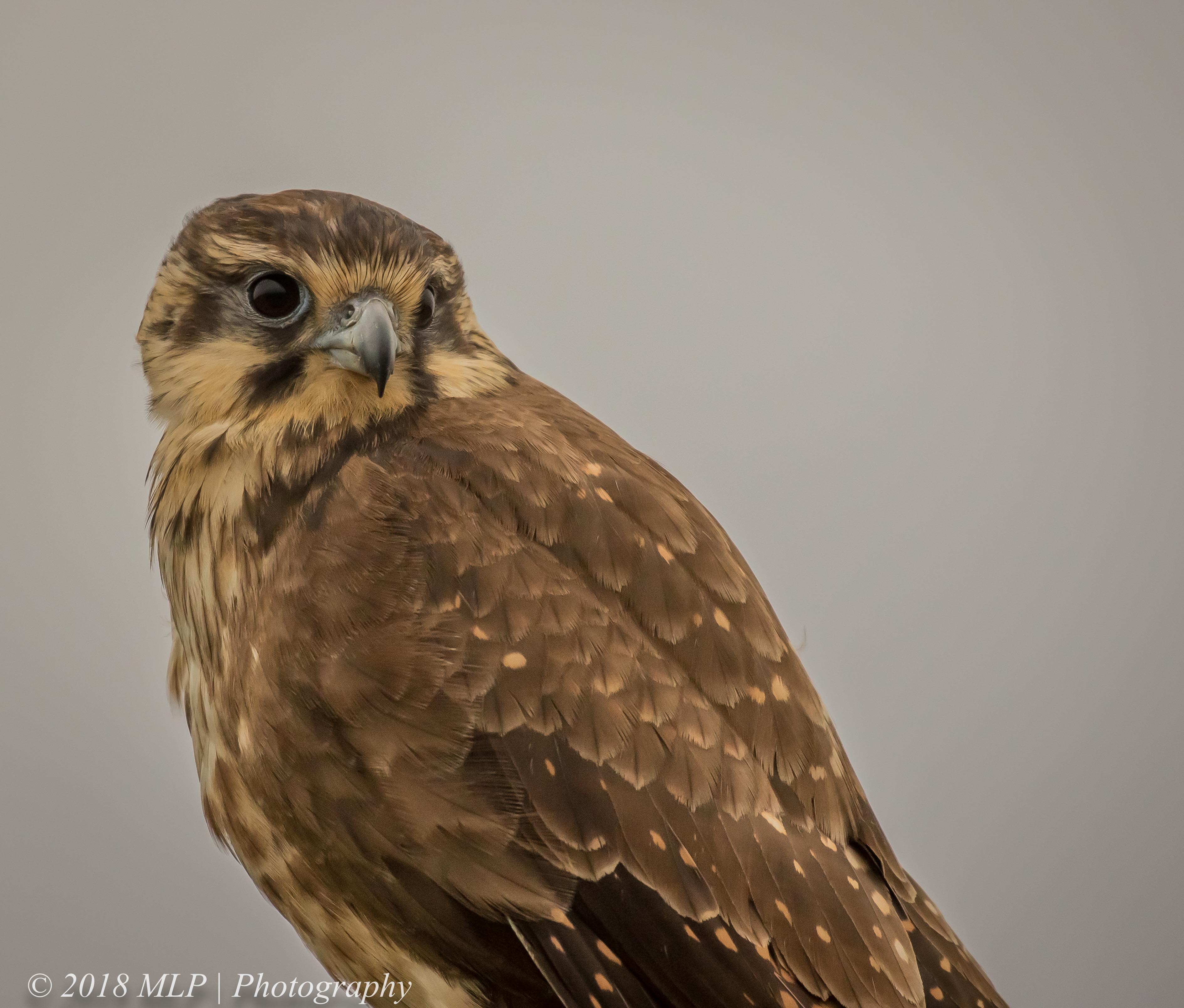
Brown Falcon, Western Treatment Plant, Werribee, Vic

Brown Falcon, Western Treatment Plant, Werribee, Vic

II

Brown Falcon, Western Treatment Plant, Werribee, Vic
III

Brown Falcon, Western Treatment Plant, Werribee, Vic
IV

Brown Falcon, Western Treatment Plant, Werribee, Vic

V

The Brown Falcon of 29 Mile Road

Two thirds of the Elwood Birding Crew aka Port Phillip Birders along with our regional member from up Knox way joined for a day at the pooh farm and surrounding roads. It was cold and grey with dim lighting but the number of raptors along the various roads was surprising and we kept our car windows down, and the heater, gloves and beanies on. We cruised the roads and lagoons, watched and photographed Brown Falcons, Wedge-tail Eagles, Kites and Kestrels. What better way to spend a cold winters day….dont tell Mary.

Brown Falcon, Western Treatment Plant, Werribee, Vic

Brown Falcon, Western Treatment Plant, Werribee, Vic

Brown Falcon, Western Treatment Plant, Werribee, Vic

II

Red-kneed Dotterel with red knees

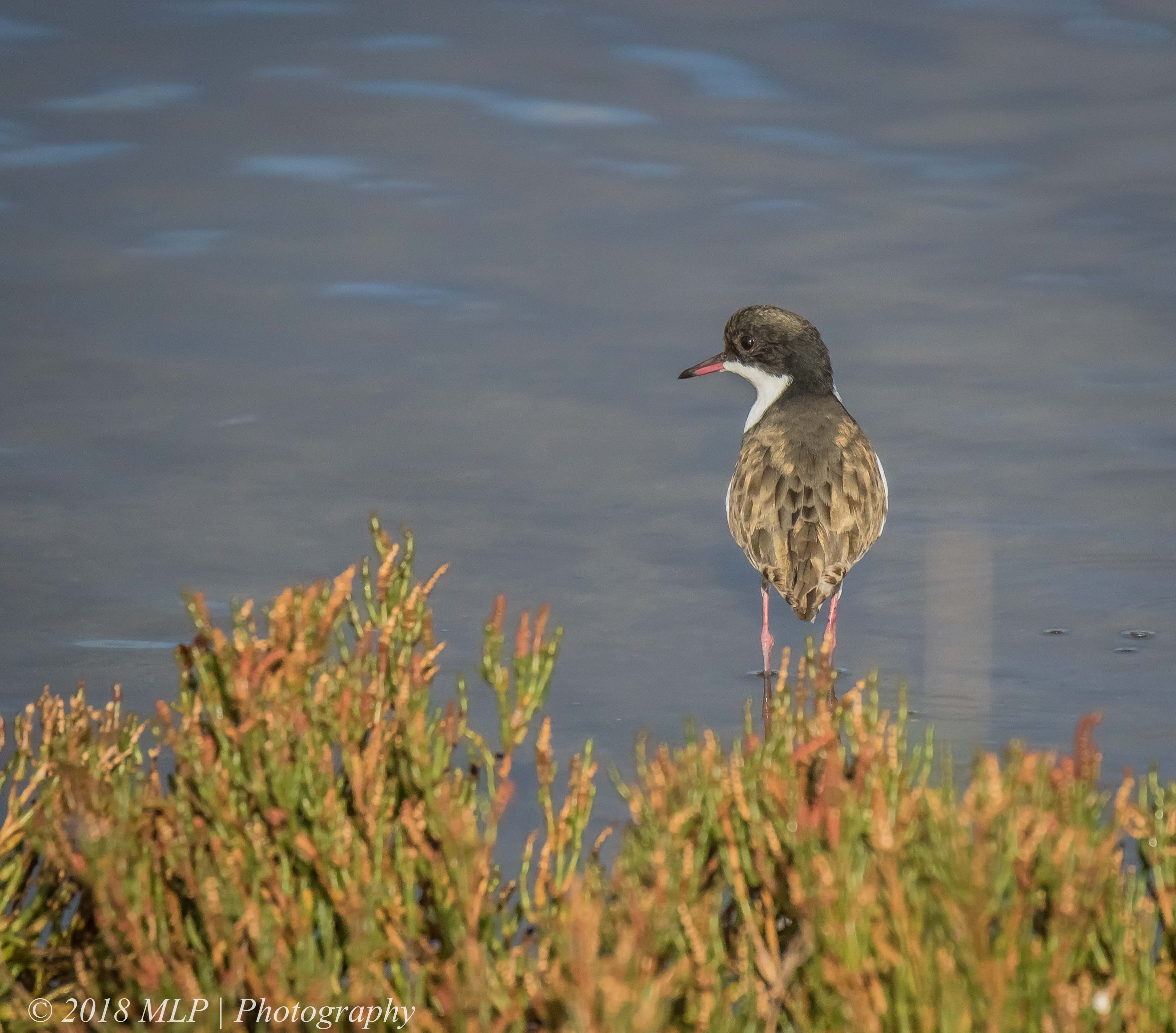
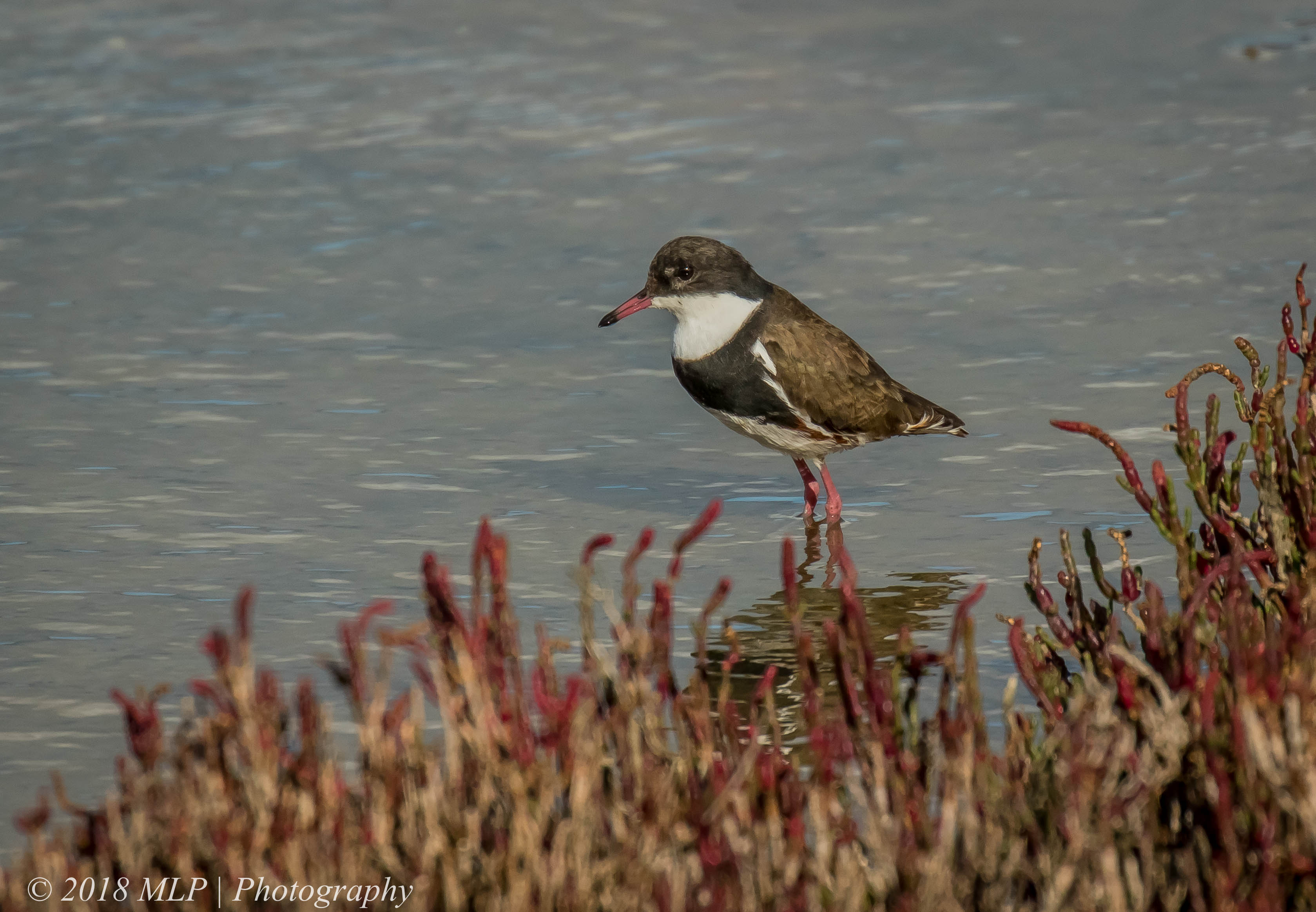
I like it when a bird species has an identifying feature listed in its name, it makes birding just a fraction easier. Before the Spotted Crake did his dash across the small shallow lagoon a few Red-kneed Dotterels worked their way along the edge looking for small insects on the water.

Red -kneed Dotterel, Western Treatment Plant, Werribee, Vic

Red-kneed Dotterel, Western Treatment Plant, Werribee, Vic

Red -kneed Dotterel, Western Treatment Plant, Werribee, Vic

II

Red -kneed Dotterel, Western Treatment Plant, Werribee, Vic

III

Red -kneed Dotterel, Western Treatment Plant, Werribee, Vic

IV

A bold Crake

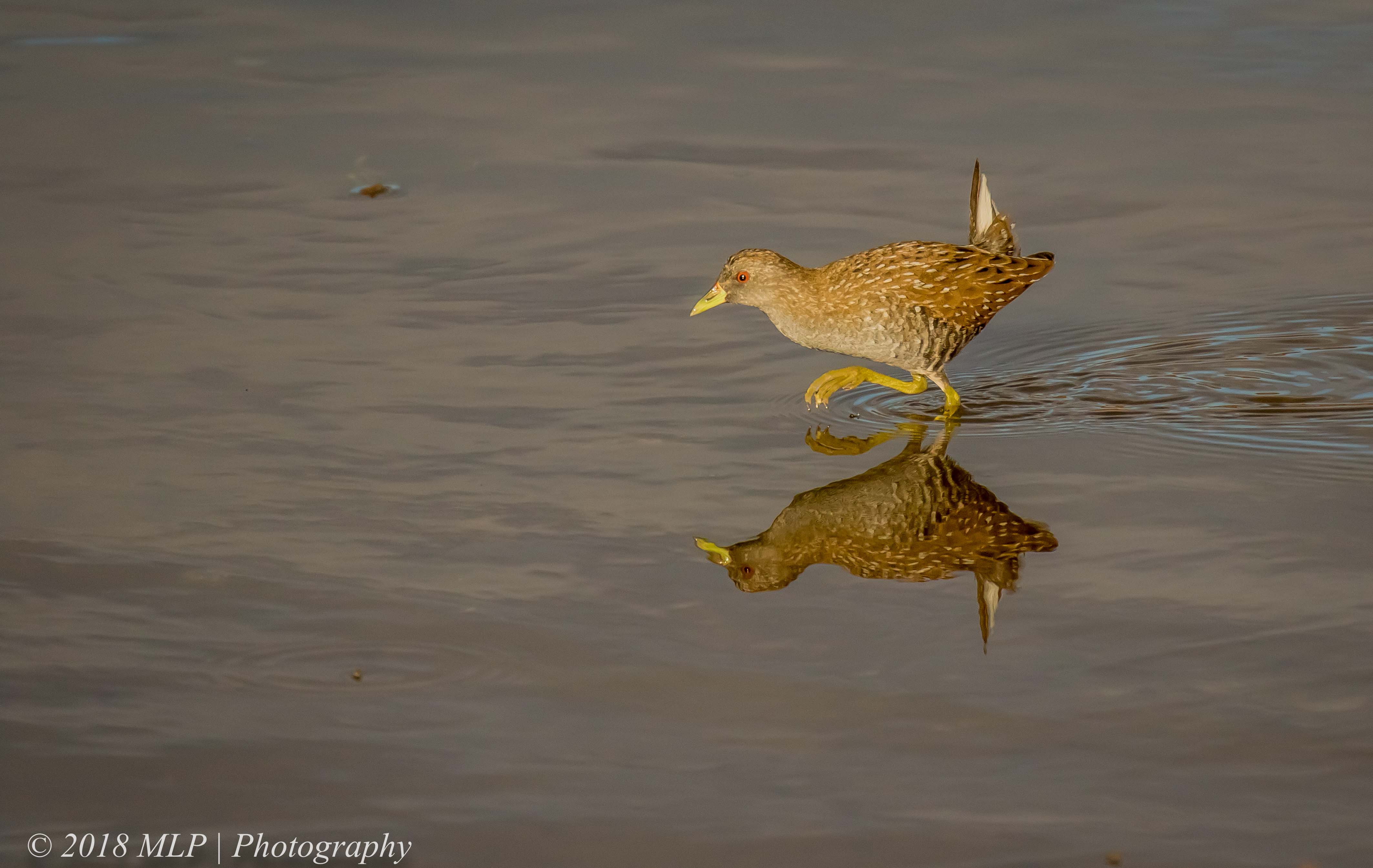
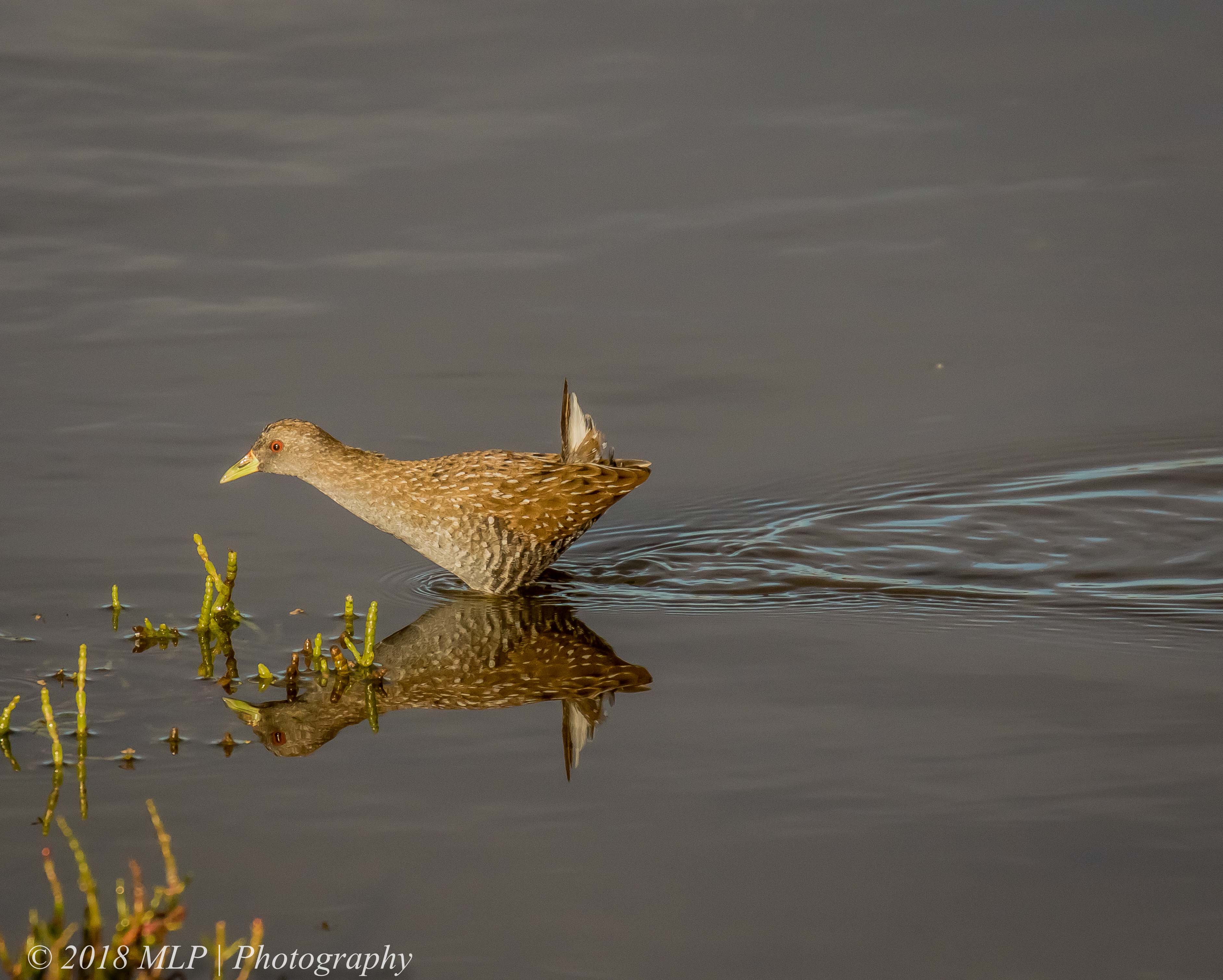
Spotted Crakes are often seen skulking around the muddy edges of wetlands usually very close to cover so a quick dash can get them back under cover and invisible again. I saw this particular Crake late one sunny afternoon at the small lagoon near the bird hide along the coast at the Treatment plant. He was walking quite boldly across the lagoon to the other side. Though as the sun dipped a bit he made the sudden dash back to the other side and straight back into cover.

Spotted Crake, Western Treatment Plant, Werribee, Vic

Spotted Crake, Western Treatment Plant, Werribee, Vic

Spotted Crake, Western Treatment Plant, Werribee, Vic

II

Spotted Crake, Western Treatment Plant, Werribee, Vic

A quick look round and straight at me…

Spotted Crake, Western Treatment Plant, Werribee, Vic

…reached the other side for a peek around the salt-bush…

Spotted Crake, Western Treatment Plant, Werribee, Vic

…and a mad dash back again – the next few seconds later he actually took off in a low flight..

A Little Grassbird enters stage left.

During my last visit to the Treatment Plant, I stopped the car while driving around the Western Lagoons and filmed  a Spotted Crake that crept out of the salt bush and heath to have a drink and check for easy prey. Just to the left of the Crake a Little Grassbird also popped out to check in the tidal mud for prey. These birds are often heard at wetlands and seen when they flit low across the water to the next clump of reeds but I dont often see them clearly for a shot. The Little Grassbird’s scientific name Megalurus gramineus means “grassy large-tail” due to its large broad tail and preferred habitat.

Little Grassbird, Western Treatment Plant, Werribee, Vic

Little Grassbird, Western Treatment Plant, Werribee, Vic

Little Grassbird, Western Treatment Plant, Werribee, Vic

II

Starting Winter at Southern Greens Bush

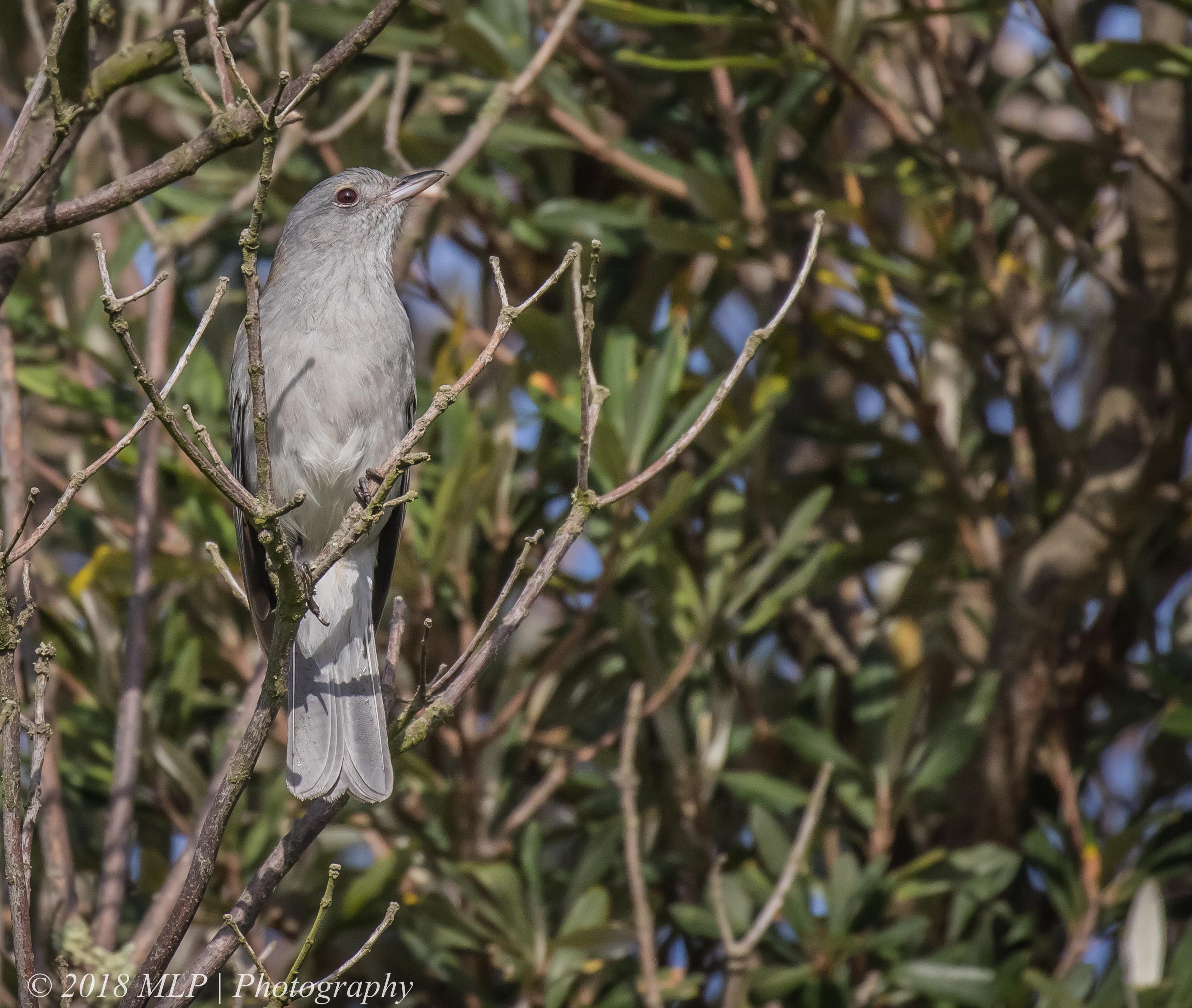
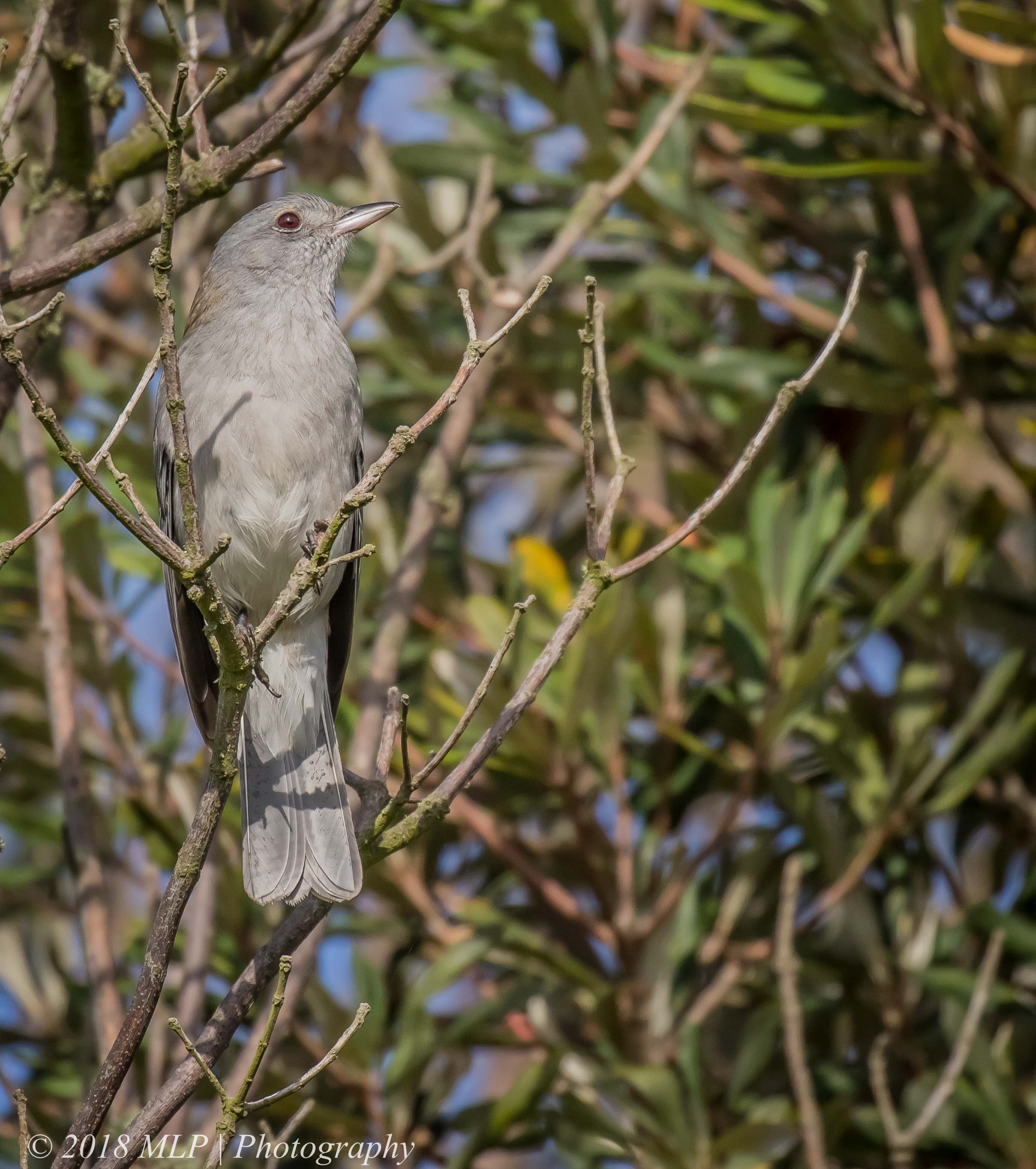
I re-visited the Southern section of Greens Bush yesterday.  Winter has just started here but the mornings are already quite cold. Luckily the beginning of the track is quite open and I could warm up a bit in the sun. The first few birds I saw threw me a bit as I tried to identify them. They turned out to be Brown Thornbills that were still puffed up from the extra air in their plumage to keep warm over night. They were little puff balls and looked a lot larger than normal. Walking through the mature Banksia forest I could see a bird on one of the dead trees in the distance. Trying to sneak a bit  closer I found an Australian Hobby (also called a Little Falcon) perched in the morning sun surveying the territory for breakfast.  I walked a bit too close and it took off along the ridge line and down into the forest. I bit further along I found a Grey Shrike-thrush keeping an eye out for the falcon. It was so focussed on the sky that I managed to walk right up to it and take a few images.

Australian Hobby, Greens Bush, Mornington Peninsula National Park

Australian Hobby, Greens Bush, Mornington Peninsula National Park

Australian Hobby, Greens Bush, Mornington Peninsula National Park

II

Grey Shrike-thrush, Greens Bush, Mornington Peninsula National Park

Grey Shrike-thrush, Greens Bush, Mornington Peninsula National Park

Grey Shrike-thrush, Greens Bush, Mornington Peninsula National Park

II