Kookaburra on the hunt

I followed the sound of the Kookaburras hoping to get a clear shot of one. In the forests they don’t tend to let you get too close. I found this one enjoying some late afternoon sun. After a few moments he noticed something behind me and took off and flew straight at me, swerving at the last second and down onto the path 10 or so meters behind me, pouncing onto some prey and then flying back up into the trees.

Kookaburra, Moorooduc Quarry

Kookaburra, Moorooduc Quarry

Kookaburra, Moorooduc Quarry

Kookaburra spotting prey (or my hat)

Kookaburra, Moorooduc Quarry

III


Stinkers in the garden

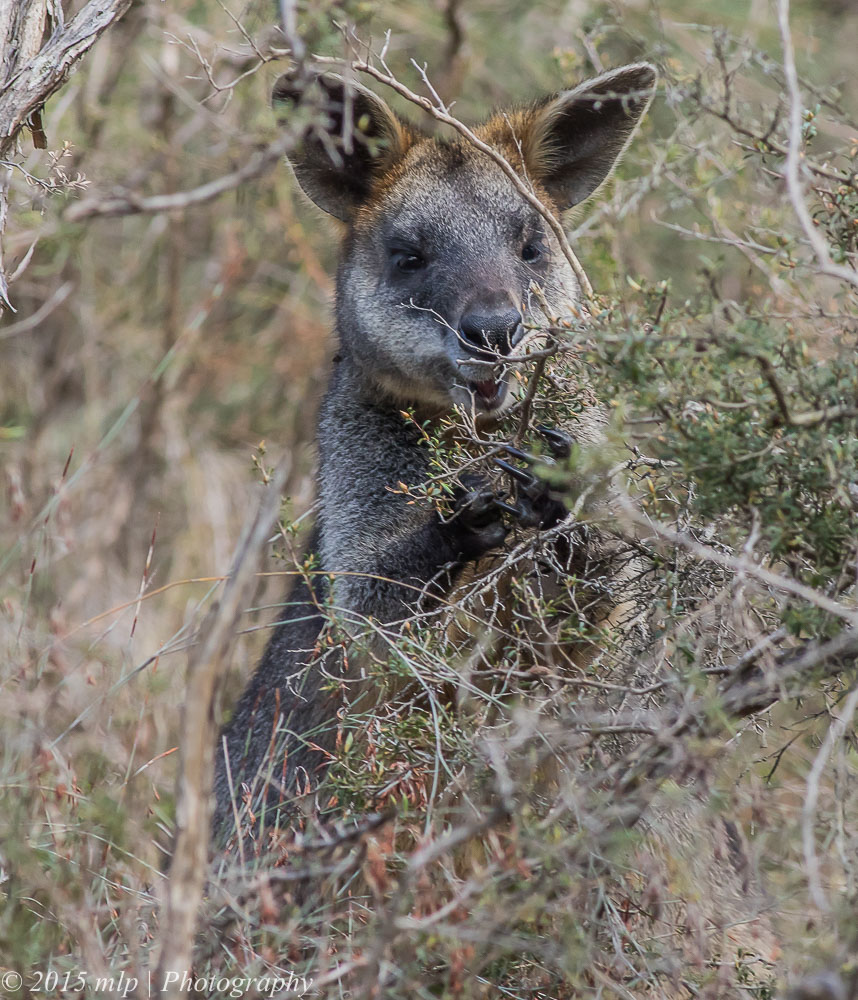
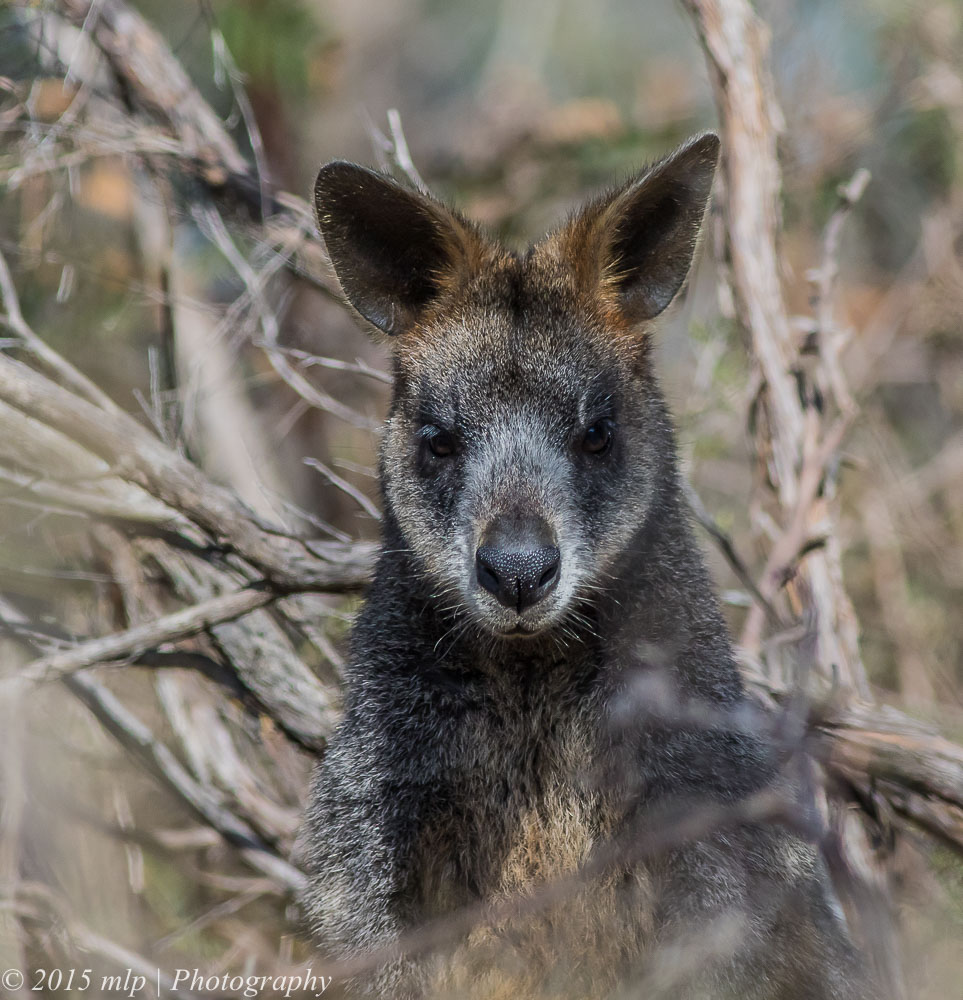
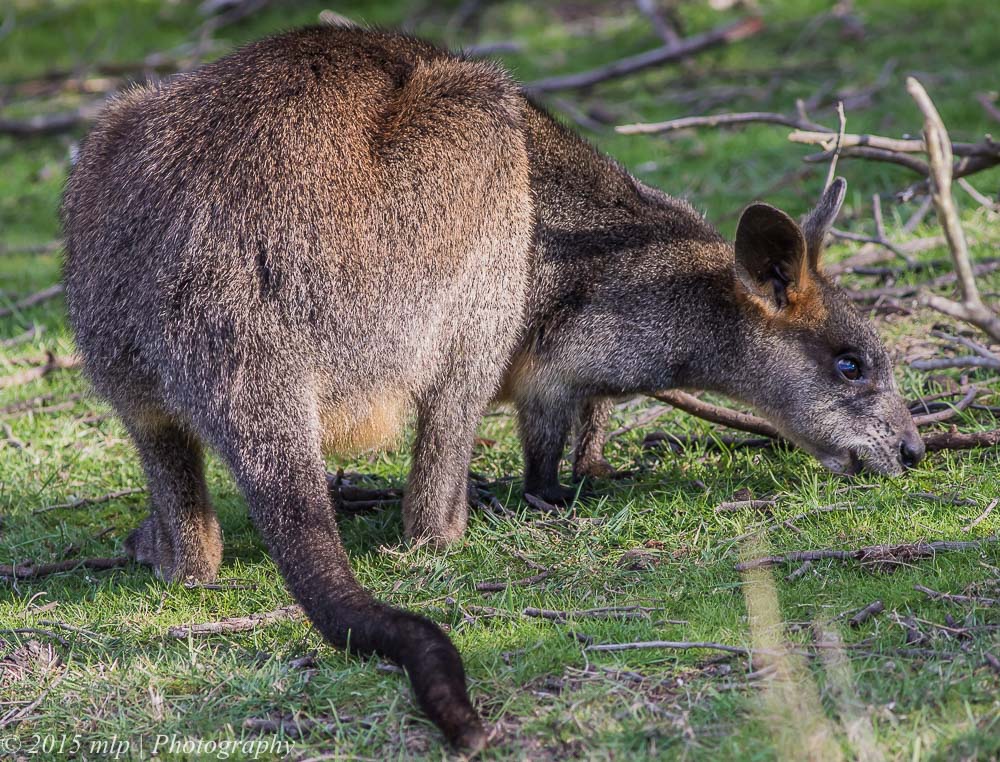
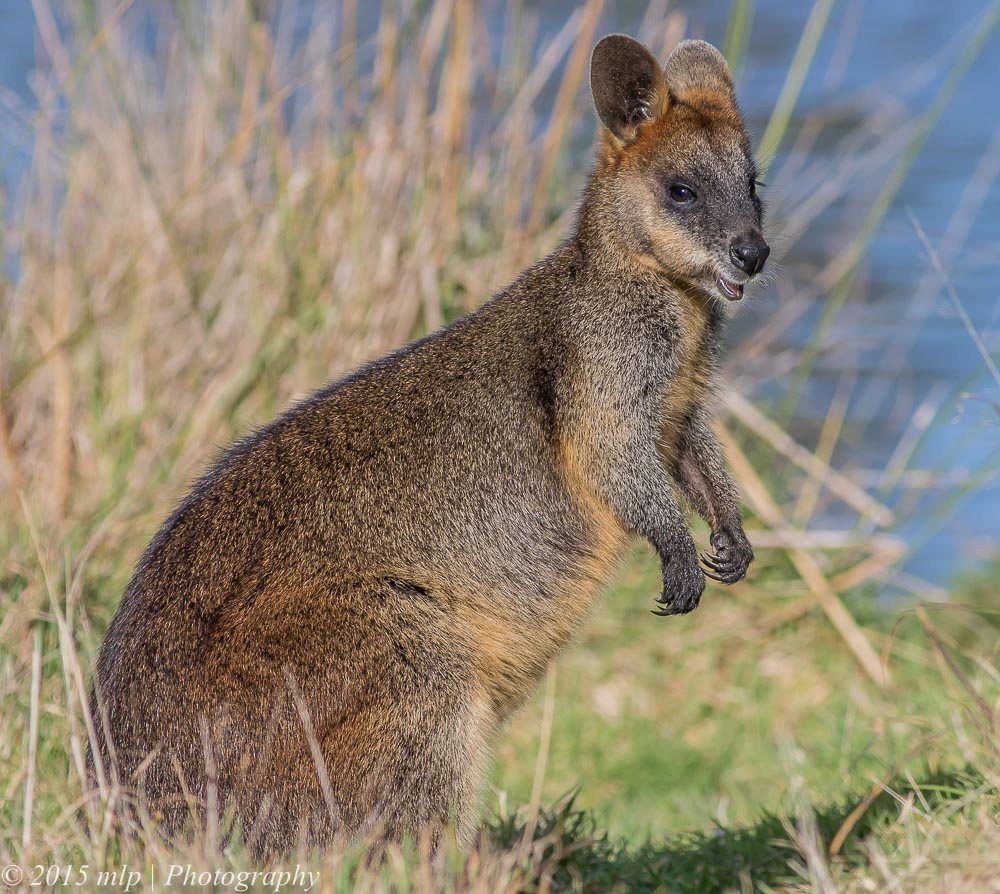
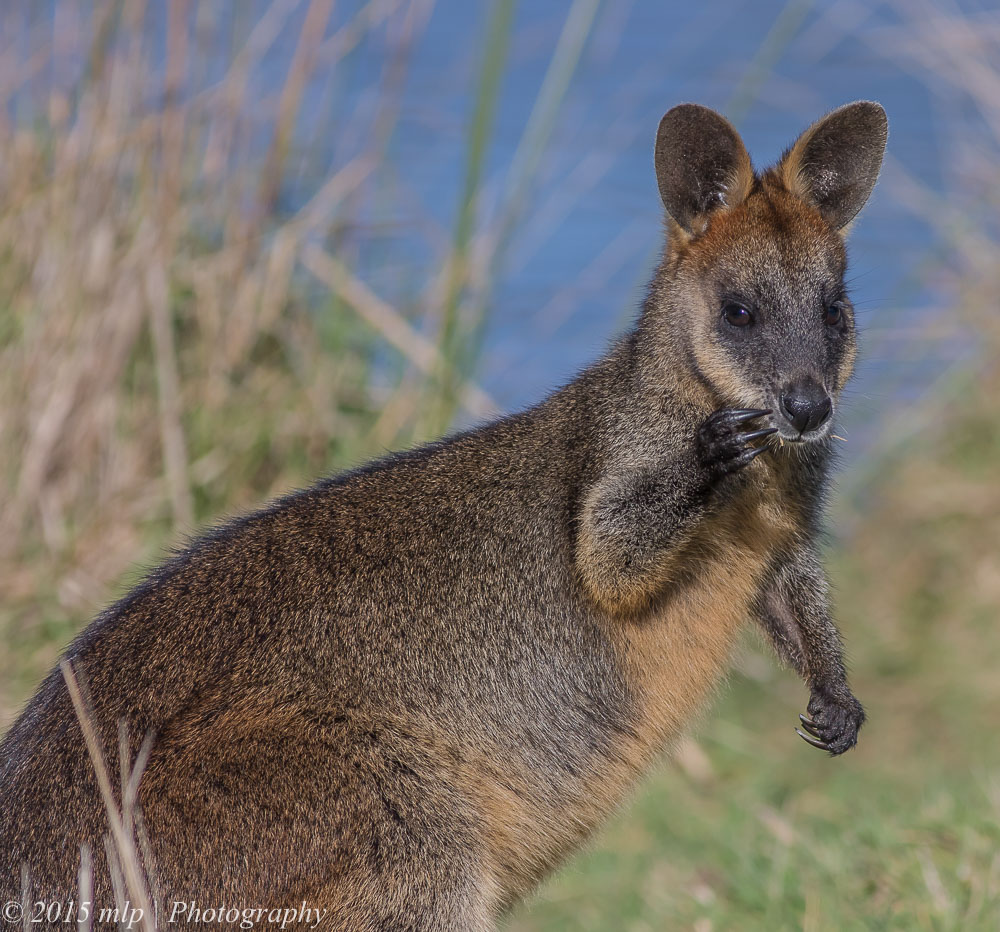
For some reason Wallabies don’t seem to panic as easily as Grey Kangaroos. They can be quite approachable particular in areas where they have become accustomed to people walking around. As long as you don’t cut off their escape paths they are happy to keep eating and just keep an eye on you. We recently saw a few Black or Swamp Wallabies at Cranbourne Botanical Gardens – woodlands area. They are usually on their own or with a joey.  We were able to take a few shots and slowly creep forward before they ambled off. They have nice colouring especially in late afternoon sun light. The Grey Kangaroos were much more flighty and generally took off as soon as they saw us.
According to Wiki, the swamp wallaby (Wallabia bicolor)  has some unusual names that I have not heard of before including black-tailed wallaby, fern wallaby, black pademelon, stinker (in Queensland), and black stinker (in New South Wales) due to its characteristic swampy odour (which we did not smell on this occasion but now I am curious).
Black Wallaby, Cranbourne Botanical Gardens

Black Wallaby, Cranbourne Botanical Gardens

Black Wallaby, Cranbourne Botanical Gardens

II

Black Wallaby, Cranbourne Botanical Gardens

III

Black Wallaby, Cranbourne Botanical Gardens

IV

Black Wallaby, Cranbourne Botanical Gardens

Black Wallaby also called a Swamp Wallaby

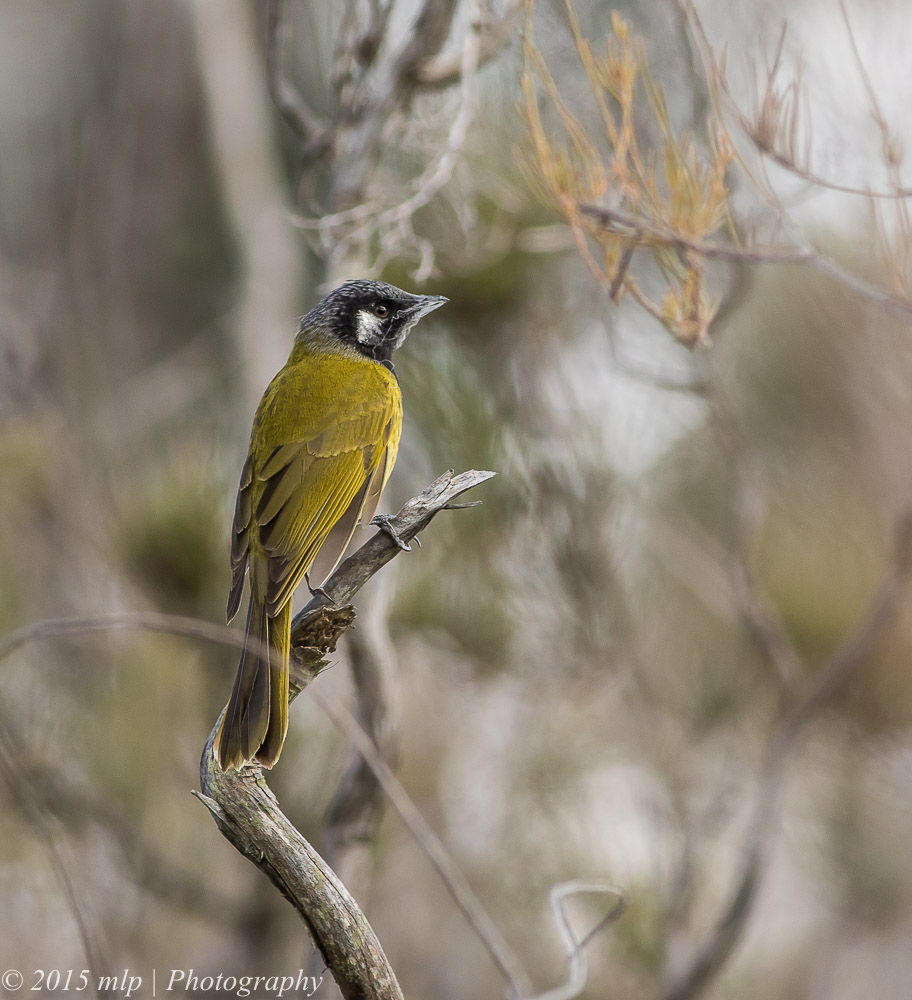
White Eared Honeyeater

At this time of year one of the predominate sounds of the woodlands behind the Australia Gardens at the Cranbourne Botanical Gardens comes from the White Eared Honeyeater. It has a variety of distinctive calls and can be quite photogenic when it stays still long enough. It makes a low level, deep, thick sided bowl type nest and lines it with animal fur and hair. We found the Honeyeater below collecting spider webs for its nest.

White Eared Honeyeater, Cranbourne Botanical Gardens

White Eared Honeyeater, Cranbourne Botanical Gardens

White Eared Honeyeater, Cranbourne Botanical Gardens

White Eared Honeyeater collecting spider webs for nesting material

White Eared Honeyeater, Cranbourne Botanical Gardens

II

With so many Honeyeaters it is little wonder that we also heard and saw Fan Tailed Cuckoos. The nests of White Eared Honeyeaters are parasitised by Fan Tailed Cuckoos.

Fan-Tailed Cuckoo, Cranbourne Botanical Gardens

Fan-Tailed Cuckoo, Cranbourne Botanical Gardens

The Common and not so Common…

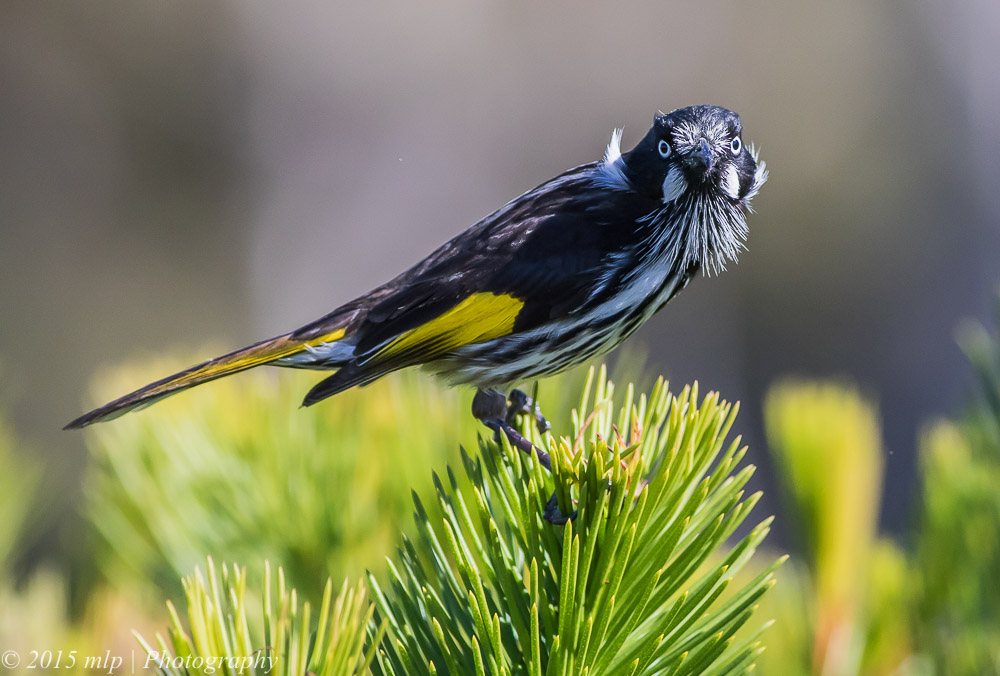
New Holland Honeyeaters dominate the formal parts of the Cranbourne Botanical Gardens. They are generally easy to get a nice image of but it can be much more time consuming trying to get a shot with a bit of personality. Many of the native plants are flowering at the moment so there are good opportunities to find an ideal bush with nectar filled flowers and wait for a Honeyeater to turn up. Many times they land on a high point behind you, you notice, you spin around and it takes off, then you curse yourself as you realise you just missed the shot that was right in front of you. I recently visited with a few bird photography friends and we had a challenging time attempting to find “the” shot – a never ending quest. It seems harder to get a good shot, that you are happy with, of a fairly common subject while often we seem happier with average shots of a rarer subject.

New Holland Honeyeater, Cranbourne Botanical Gardens,

New Holland Honeyeater, Cranbourne Botanical Gardens

New Holland Honeyeater, Cranbourne Botanical Gardens,

II

New Holland Honeyeater, Cranbourne Botanical Gardens,

III

Olive Backed Oriole, Cranbourne Botanical Gardens

Olive Backed Oriole, Cranbourne Botanical Gardens – a rare bird for me, only seen a few times before. 

Bathing in a puddle

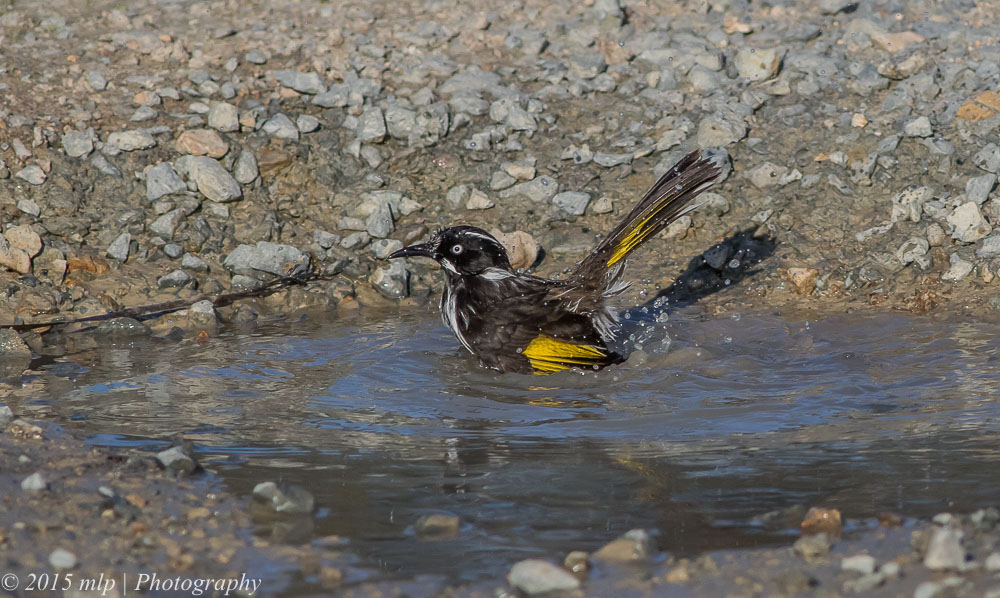
There is nothing like a nice afternoon bath in a small fresh puddle – perfect temperature, perfect depth. This New Holland Honeyeater was one of several birds that made quick flights into the water. After a quick dip and a splash around it would take off to a nearby branch to groom and then back into the water again. Bathing, grooming and keeping the feathers in good condition are extremely important to birds. It is fun and challenging to try and take decent images when the opportunity arises…

Bathing New Holland Honeyeater VI, Cranbourne Botanical Gardens,

Bathing New Holland Honeyeater, Cranbourne Botanical Gardens,

Bathing New Holland Honeyeater VI, Cranbourne Botanical Gardens,

II

Bathing New Holland Honeyeater VI, Cranbourne Botanical Gardens,

III

Bathing New Holland Honeyeater VI, Cranbourne Botanical Gardens,

IV

Bathing New Holland Honeyeater VI, Cranbourne Botanical Gardens,

V

Bathing New Holland Honeyeater VI, Cranbourne Botanical Gardens,

VII

Spotted a Pardalote or two

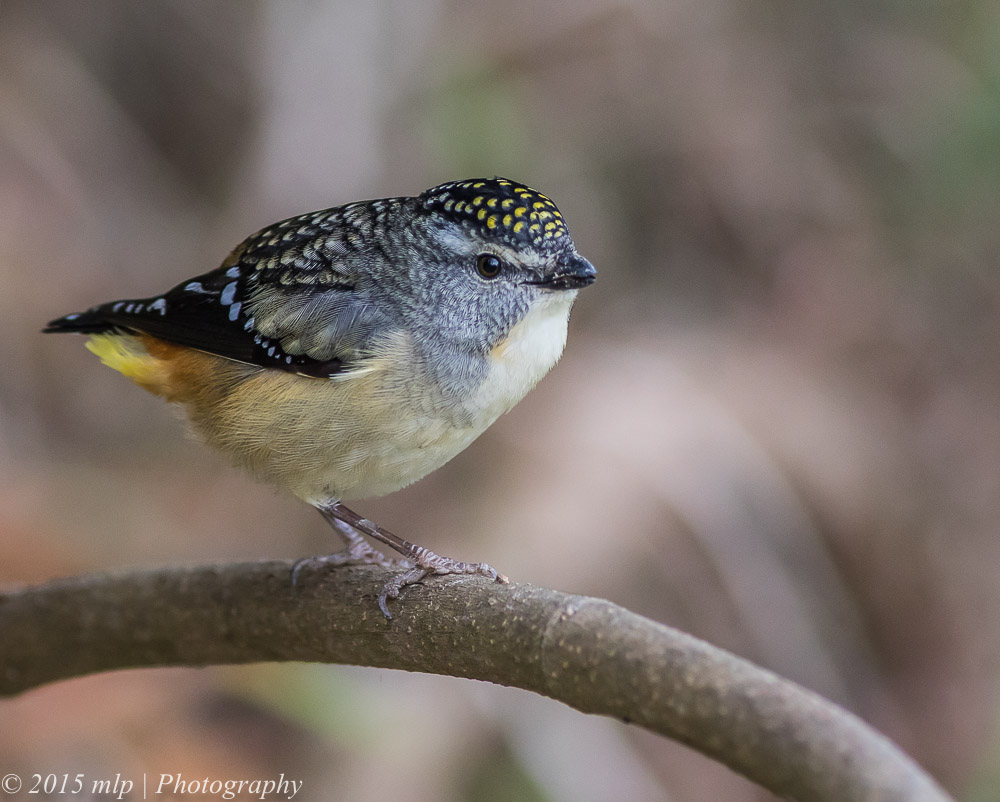
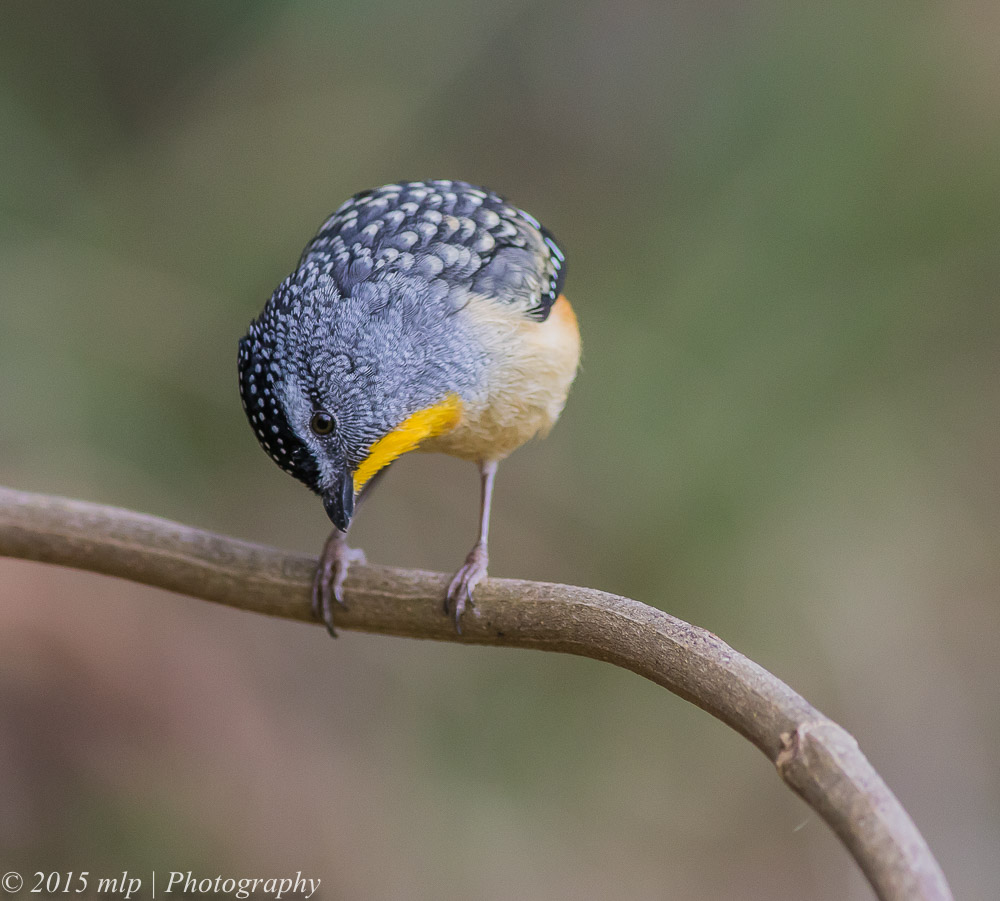
Spotted Pardalotes are tiny colourful birds that mostly feed in the tree canopy. They have quite a distinctive call but are not often seen. During the breeding season they come down from the trees and rather than build a nest in the branches they dig a small tunnel in a sandy bank – the tunnel has a small mouse sized opening but can be a metre long. I found this little family trying out a bank near where I happened to be photographing a family of nesting Yellow Robins. They had dug a few test holes and were looking at each others work. For such a shy bird they were very focussed on the potential nest holes and ignored my presence.

Female Pardalote, Moorooduc Quarry

Female Pardalote, Moorooduc Quarry

Female Pardalote, Moorooduc Quarry

II

Male Pardalote, Moorooduc Quarry

Male Pardalote, Moorooduc Quarry

Male Pardalote, Moorooduc Quarry

II

Male Pardalote, Moorooduc Quarry

III

Male Pardalote, Moorooduc Quarry

IV

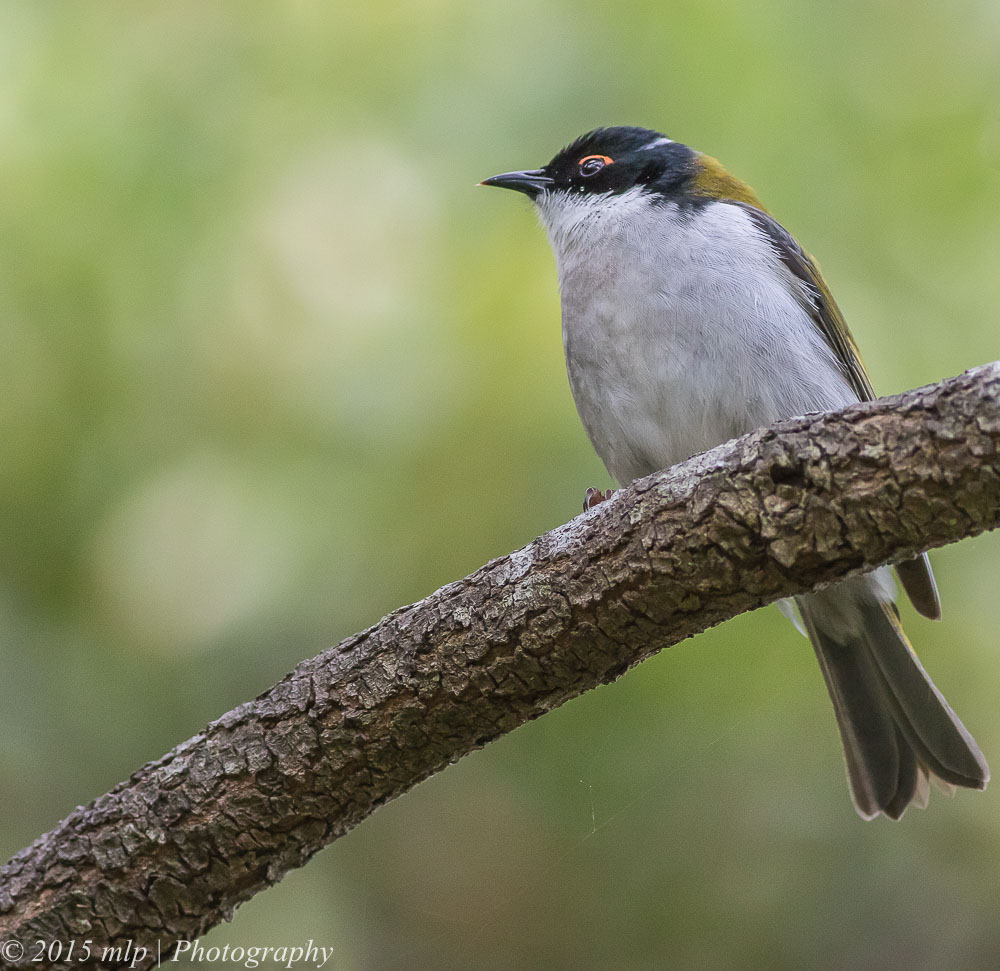
Above the Pardalotes were three White-naped Honeyeaters chasing each other. This one stopped and watched the Pardalotes for a while. The White-nape has a interesting call and bright Orange eye marking.

White Naped Honeyeater,  Moorooduc Quarry

White Naped Honeyeater, Moorooduc Quarry

More Moorooduc Magic

Moorooduc Quarry is fast becoming one of my favourite places to bird. It is a compact site with a variety of vegetation and landscapes and many bird species.

On the latest visit to check in on the Yellow Robin family I found the Robin now sitting on eggs in the nest.

Brooding Eastern Yellow Robin II, Moorooduc Quarry Flora and Fauna Reserve

Brooding Eastern Yellow Robin.

Brooding Eastern Yellow Robin II, Moorooduc Quarry Flora and Fauna Reserve

Keeping a careful eye on me – I kept my distance

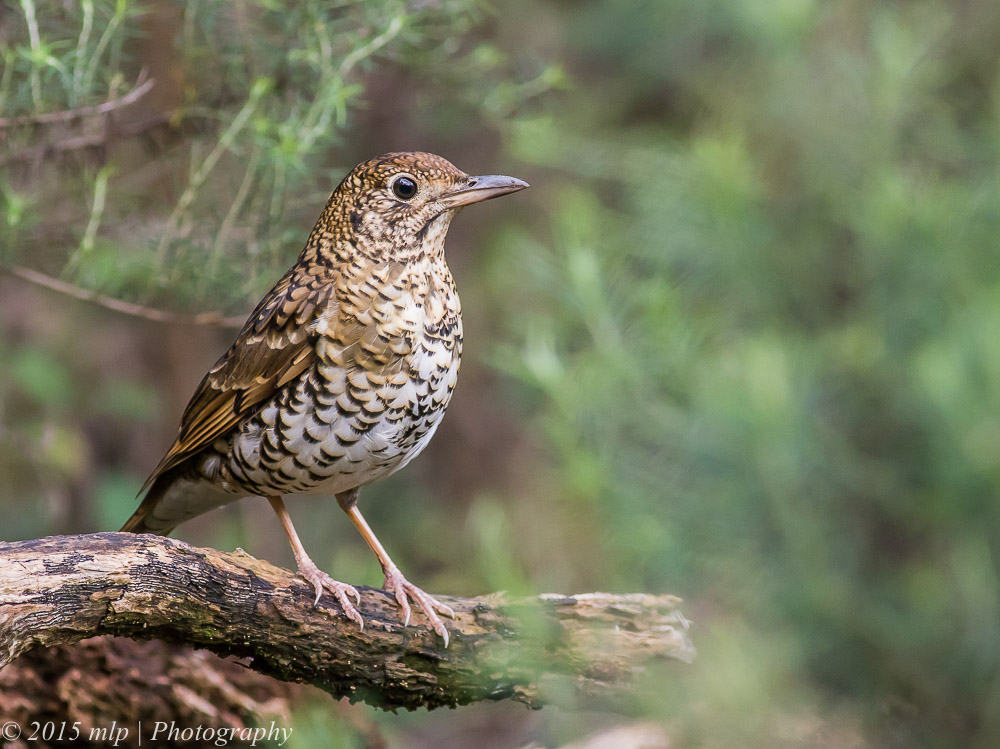
I also found a few regulars and a new one for my site records – a Bassian Thrush – a speckled bird a little larger than a blackbird that loves to forage in the understory of thick cooler forests. While I was trying to photograph the Yellow Robins it popped out to see what the fuss was – posed for a few moments and then dashed back into the thick scrub. I have rarely seen a Bassian Thrush and this is only the second time I have been fast enough to get a photo.

Bassian Thrush, Moorooduc Quarry

Bassian Thrush, Moorooduc Quarry

Bassian Thrush, Moorooduc Quarry

II

Grey Butcherbird, Moorooduc Quarry

Grey Butcherbird watching the antics of the Galahs

Galah, Moorooduc Quarry

Female Galah watching the nearby group of male Galahs, Moorooduc Quarry

Galah, Moorooduc Quarry

Male Galah enjoying some dandelion seed heads.

Moorooduc Woodlands Flurry

In a follow-up visit to the Moorooduc Quarry to check on the progress of the little Eastern Yellow Robin nest, I found a completed nest, many other birds and another Drey (they seem to be popping out everywhere now I know they exist). A busy flock of Male Golden Whistlers came through and it soon became a little crazy with birds flying everywhere. The Robins were trying to protect their patch and the male Whistlers seem to be chasing each other. A few Brown Thornbills dropped into the mix as well to check out the fuss.

Eastern Yellow Robin, Moorooduc Quarry

Eastern Yellow Robin in a typical perched hunting pose…ready to pounce on its prey from above.

Eastern Yellow Robin, Moorooduc Quarry

Eastern Yellow Robin II

Eastern Yellow Robin completed Nest, Moorooduc Quarry

The completed nest of our Eastern Yellow Robin, made of paperbark strips and camouflaged with moss and lichen held in place by spider web netting – amazing engineering

Golden Whistler, Moorooduc Quarry

One of the bright male Golden Whistlers that moved through the Robin’s nest area…

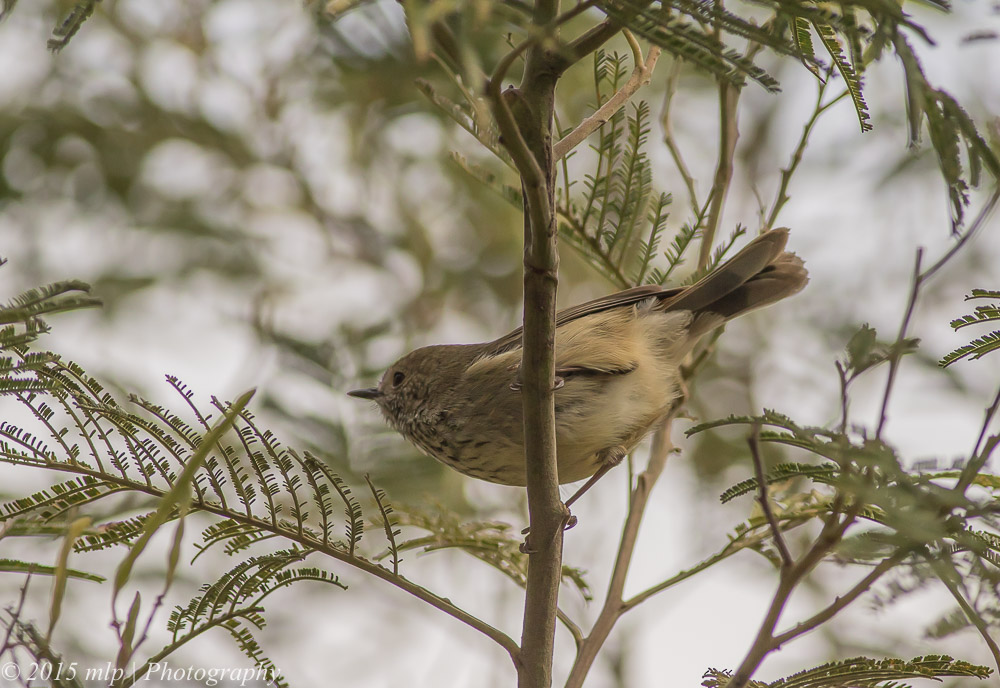
Brown Thornbill, Moorooduc Quarry Flora and Fauna Reserve

A curious Brown Thornbill, watching the action

A possum Drey, Moorooduc Quarry

A possum Drey, Moorooduc Quarry

The Falcon’s Roost

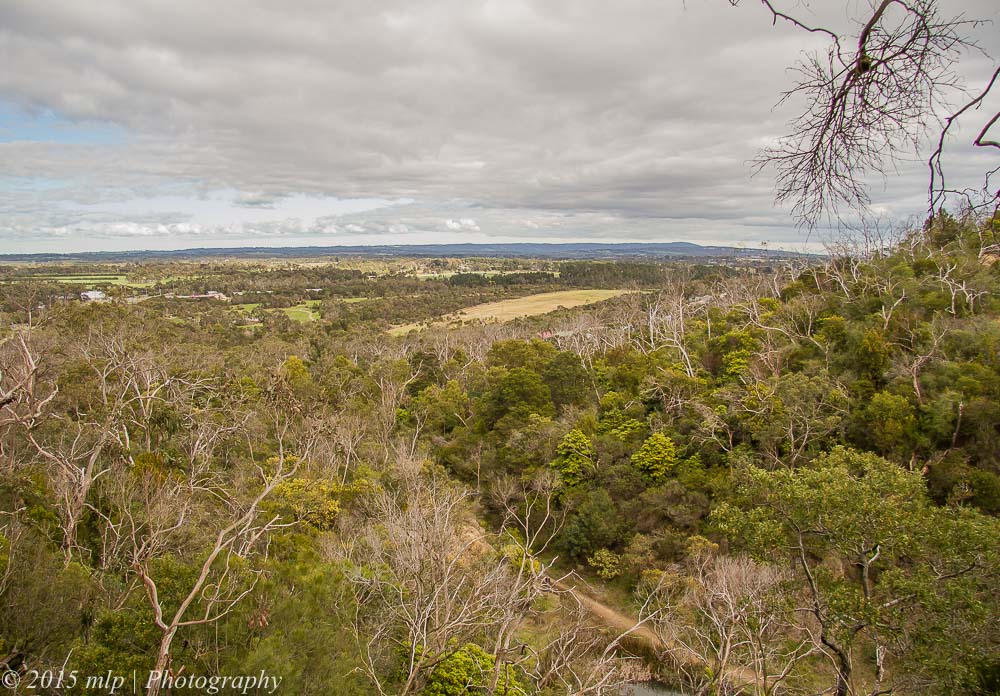
Moorooduc Quarry is a very good site for woodlands birds and for the Peregrine Falcon. The quarry is cut out from a hillside in Mt Eliza and from the top has vast views of the surrounding countryside. With such great views and an abundance of potential prey it is no wonder that the Peregrines can be found here all year round. They also breed at the site each year.

On a recent visit I walked into the quarry and looked for the Peregrines amongst the tall dead trees that overhang at the top of the cliffs. Spotting a Peregrine on a  tall tree near one of the tracks that circle the lip of the quarry I thought I would try my luck and sneak up for a photo. I am pretty sure he watched me all the way, gave me a bit of chance for a photo through the fringing bushes and then took off and flew to the other side of the quarry. When the Peregrine took off he just leaned forward and dropped straight down to build up speed, glided for a while and then flew up to the other side.

Top of the Quarry, Moorooduc Quarry Flora and Fauna Reserve

Near the top of the Quarry, Moorooduc Quarry Flora and Fauna Reserve

Top of the Quarry, Moorooduc Quarry Flora and Fauna Reserve

View into part of the lake at Moorooduc 

Peregrine Falcon, Moorooduc Quarry Flora and Fauna Reserve

Peregrine Falcon – a regular at the site, watching me puff my way up the steep track.

Peregrine Falcon, Moorooduc Quarry Flora and Fauna Reserve

Dropping straight down the cliff edge to build up speed. 

Winter to Spring along Elster Creek

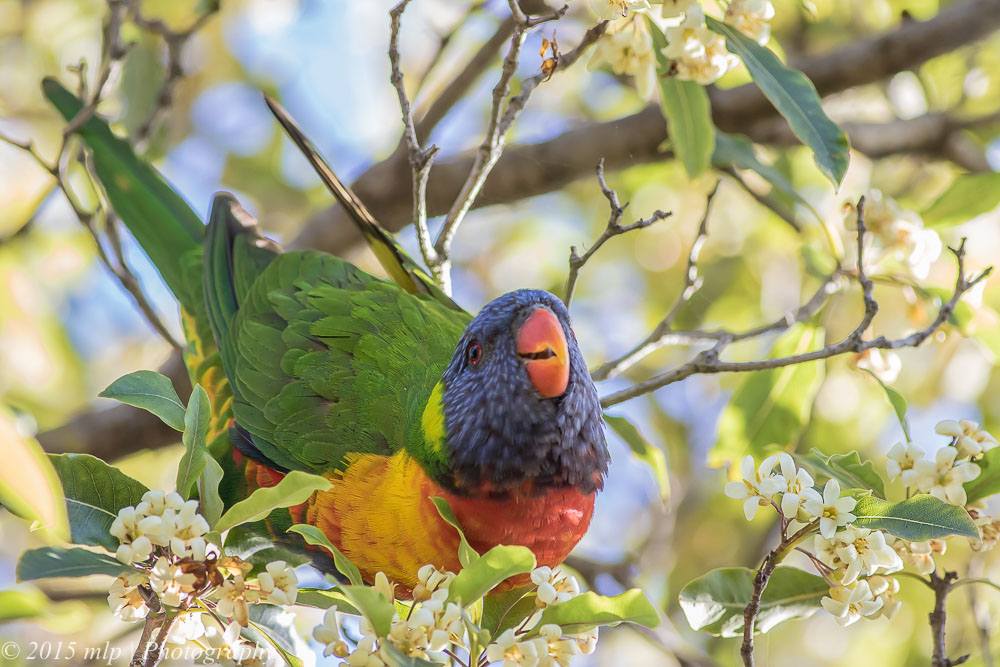
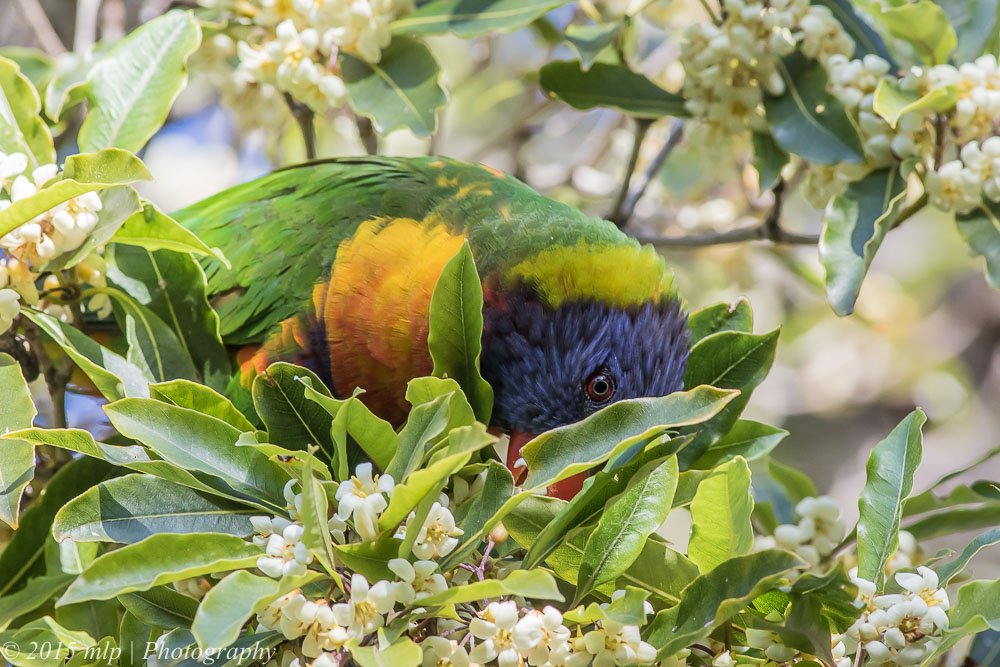
With only a few days to go until Spring officially starts, the local trees and Ducks are right on schedule. A late afternoon walk along Elster Creek to see what was about started with trying to find the Lorikeets I could hear in the flowering tree that hangs over the fence in my backyard into the creek. The Rainbow Lorikeets were feeding on the small white flowers and seemed to be enjoying the sun. They allowed me to get quite close before they flew onto the next flowering tree.

Rainbow Lorikeet, Elster Creek, Elwood

Rainbow Lorikeet, Elster Creek, Elwood

Rainbow Lorikeet, Elster Creek, Elwood

II

Rainbow Lorikeet, Elster Creek, Elwood

III

Rainbow Lorikeet, Elster Creek, Elwood

IV

Rainbow Lorikeet, Elster Creek, Elwood

V

Rainbow Lorikeet, Elster Creek, Elwood

VI

Rainbow Lorikeet, Elster Creek, Elwood

VII

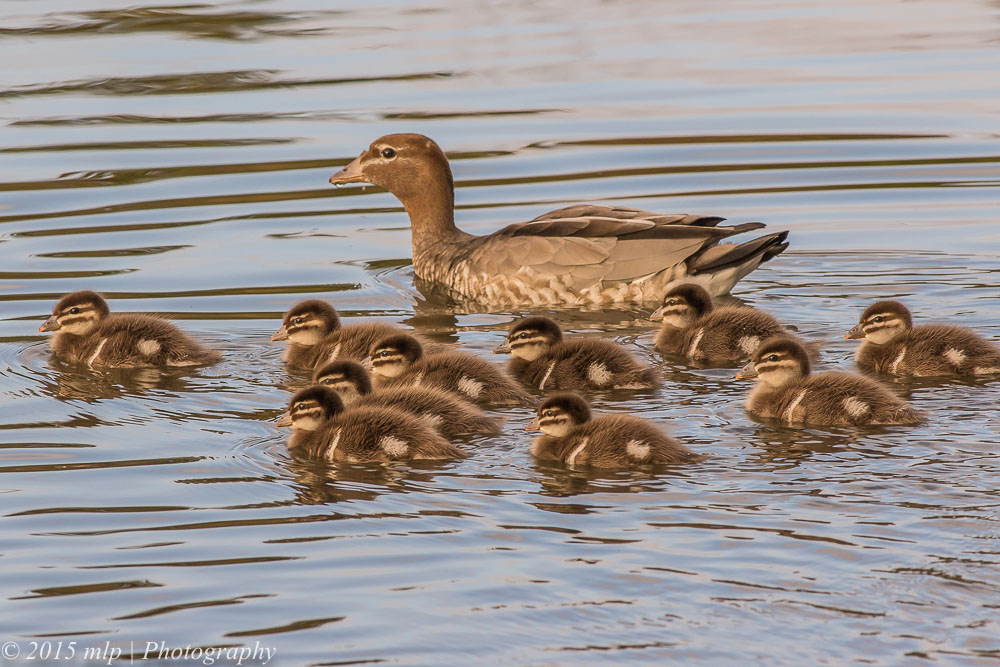
At the local wetlands lake I ran into a birding friend Gio, and we walked along the banks together planning our next day trip into the bush. We came across  a family of Wood Ducks that had nested nearby and were now raising 10 checks. Wood Ducks have quite large families and I think it is needed as quite a few chicks are taken by many predators. Wood Ducks are usually pretty calm around people and just wander back to the water if you approach but these adults were much more nervous of us and took to the water straight away.

Wood Duck and Chicks, Elster Creek, Elwood

Female Wood Duck and Chicks, Elster Creek

Wood Duck and Chicks, Elster Creek, Elwood

Is the male Wood Duck sticking his tongue out at me?

Honeyeaters hanging in the Gardens

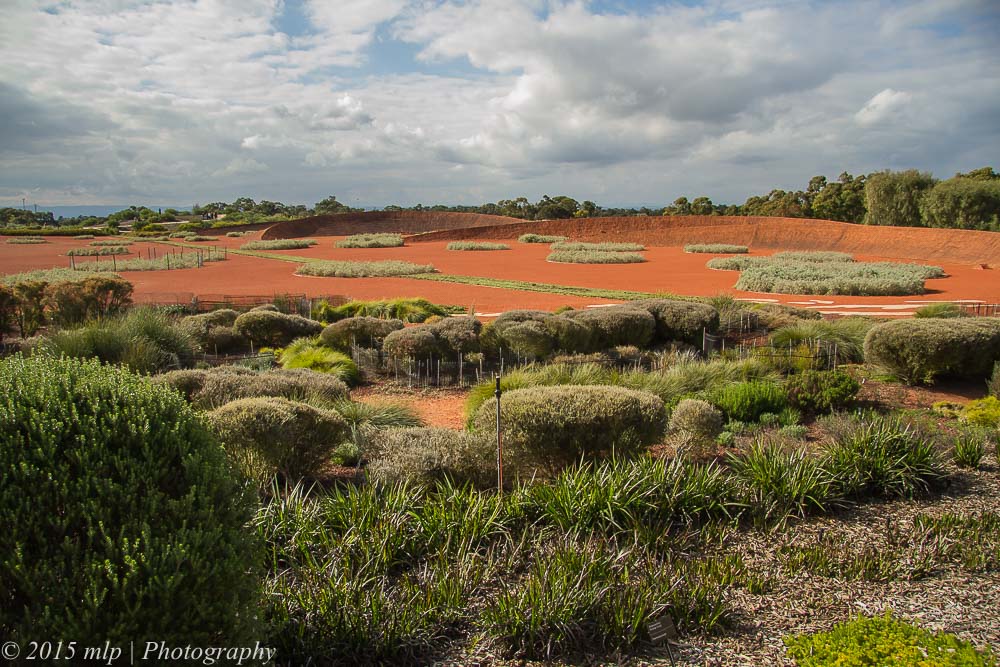
The Australian Garden is located at Cranbourne and is part of the Royal Botanic Gardens. It is dedicated to Australian plants and landscapes and displays the various regions of Australia and its native plants. A great place to take visitors. It has large formal created gardens and larger areas of open natural parkland, woodlands, heathlands and even wetlands. It has many species of birds and quite a few Black or Swamp Wallabies as well as Wombats and Echidnas. I have visited a few times in the last couple of weeks. The previous Post at this site was about the Bandicoots that I had photographed. [I have since found out that the Bandicoot without the tail and the healed scars is called Stumpy and is a regular at the Stringybark Picnic area.

Australian Gardens, Cranbourne Botanical Gardens,

Australian Garden, Royal Botanical Gardens, Cranbourne – red centre section

Black Fronted Dotterel

Black Fronted Dotterel – a pair were working the waters edge along one of the ponds

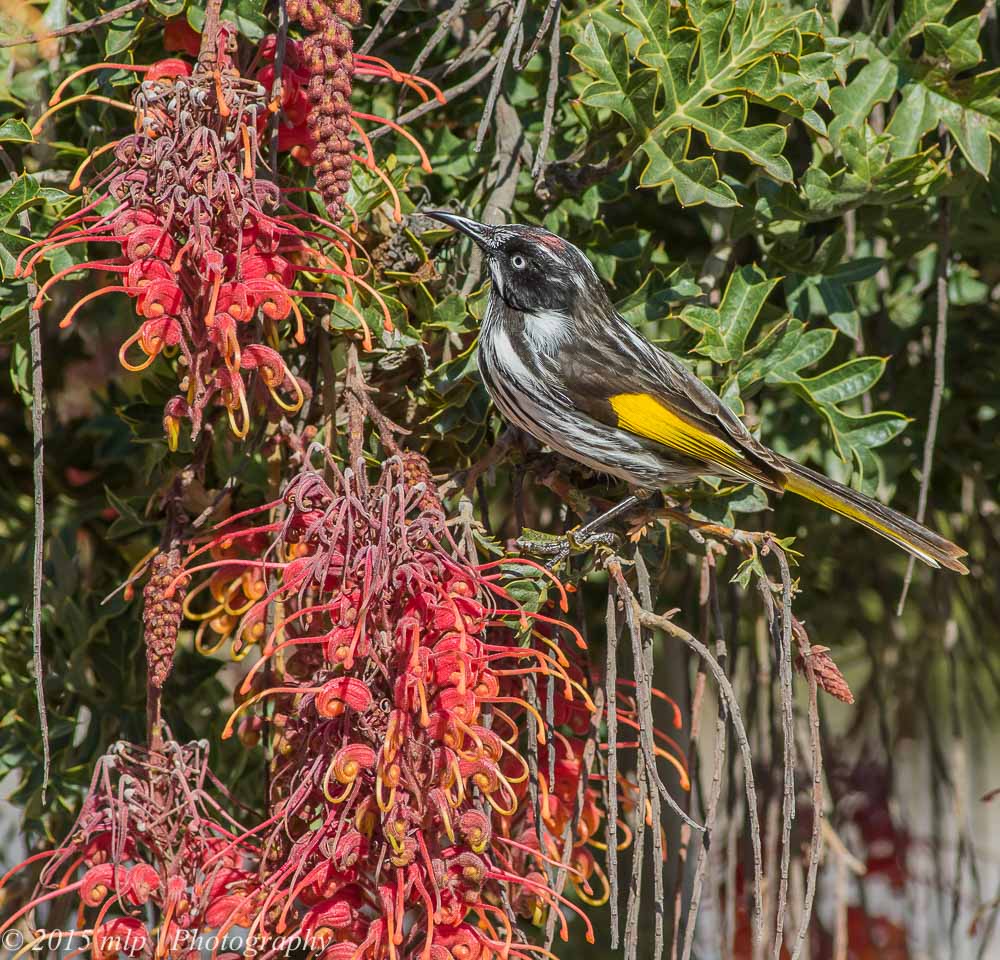
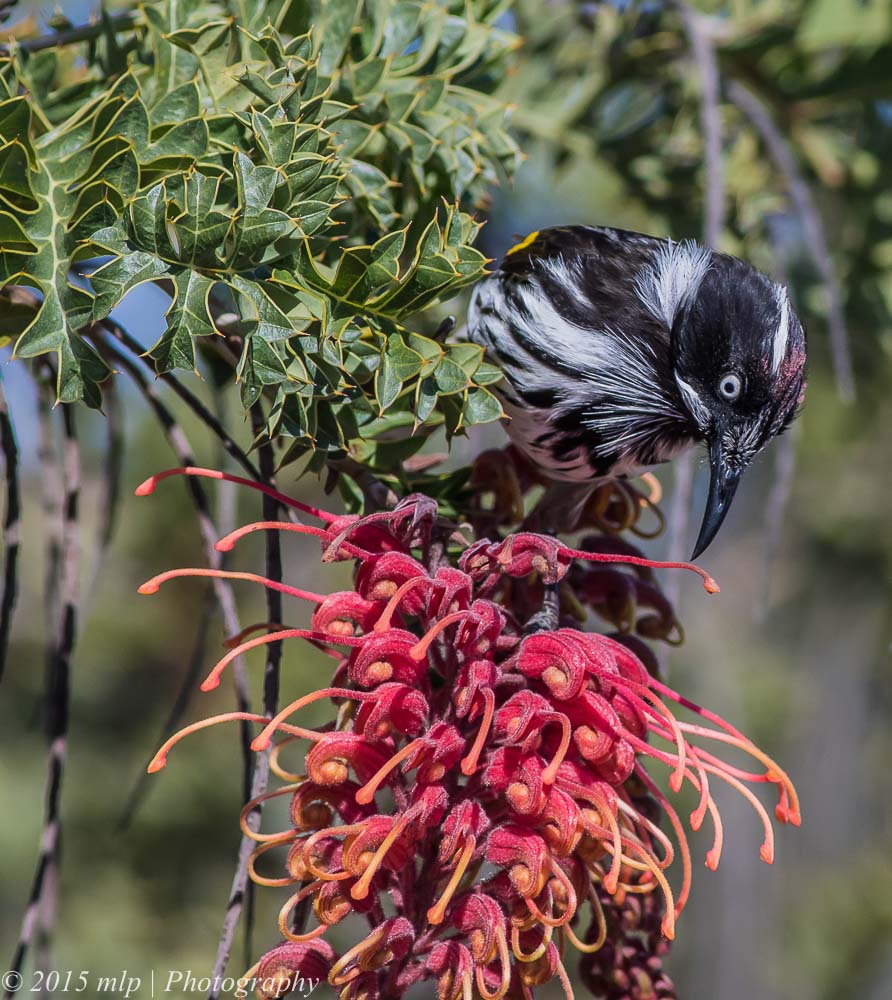
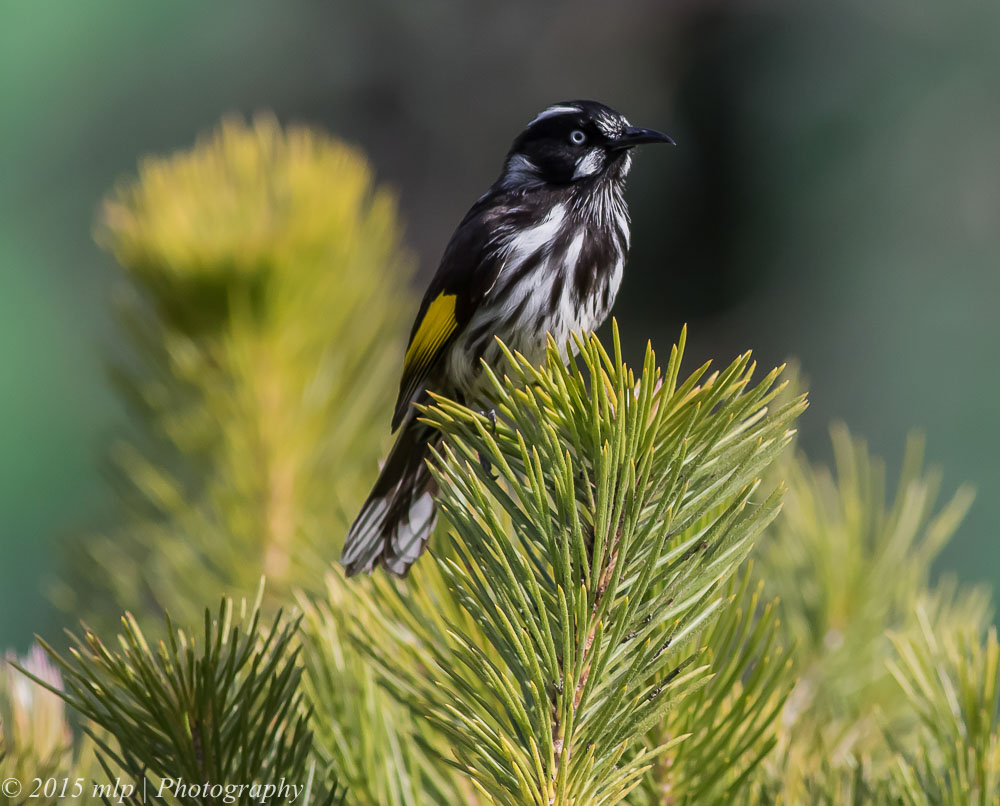
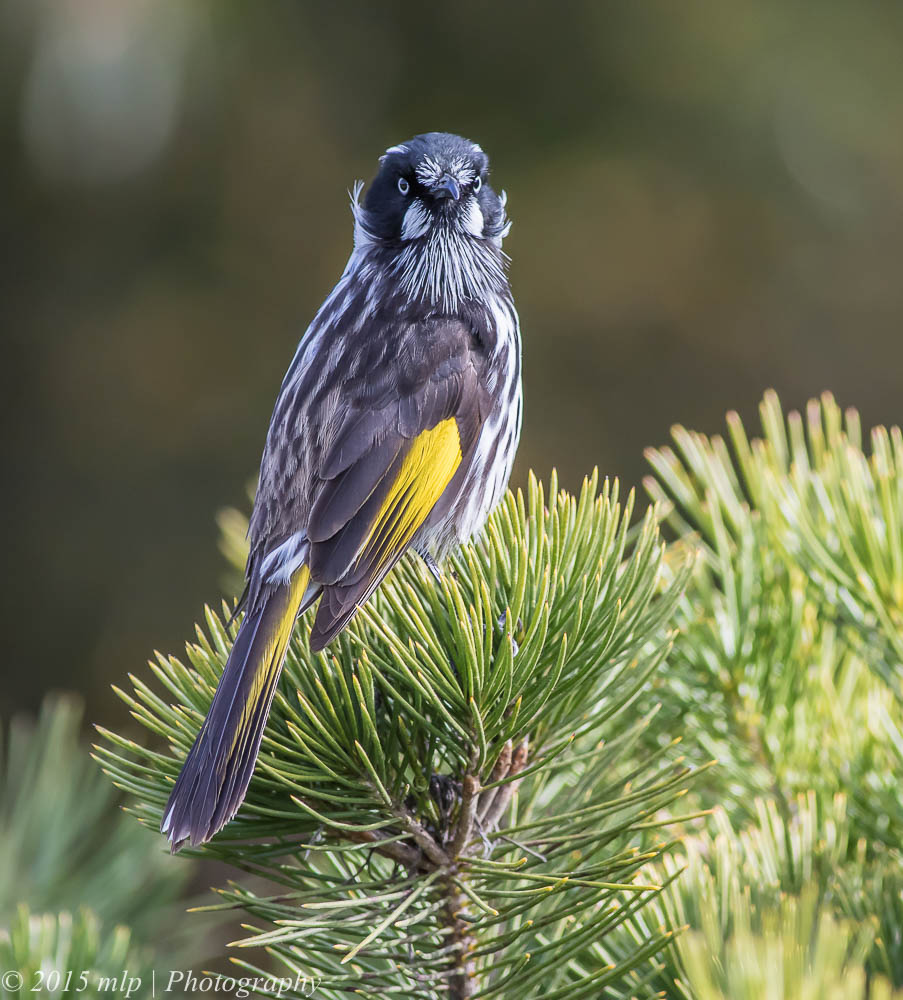
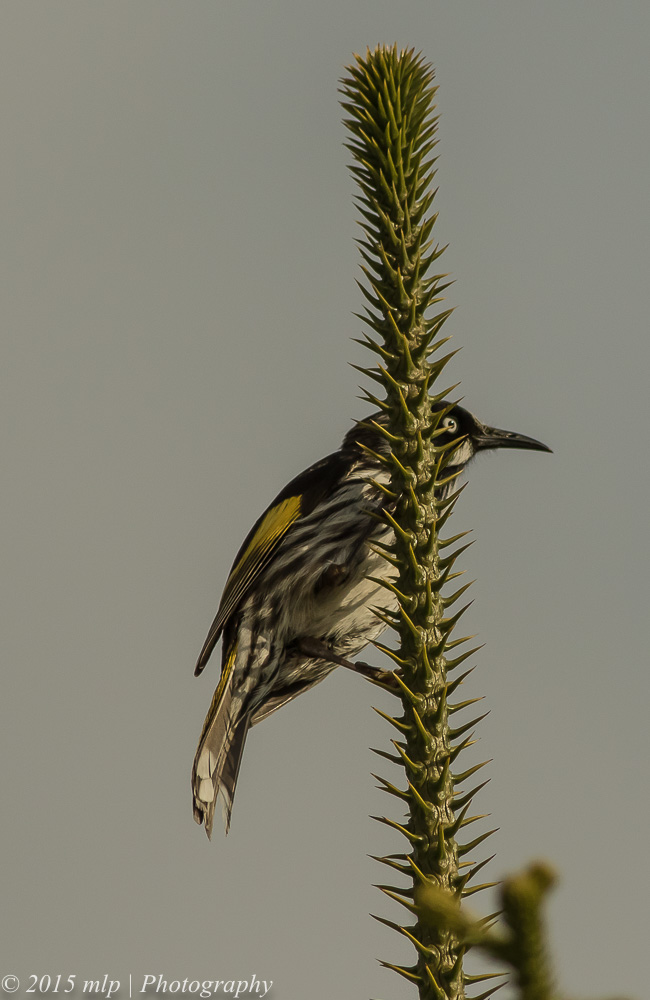
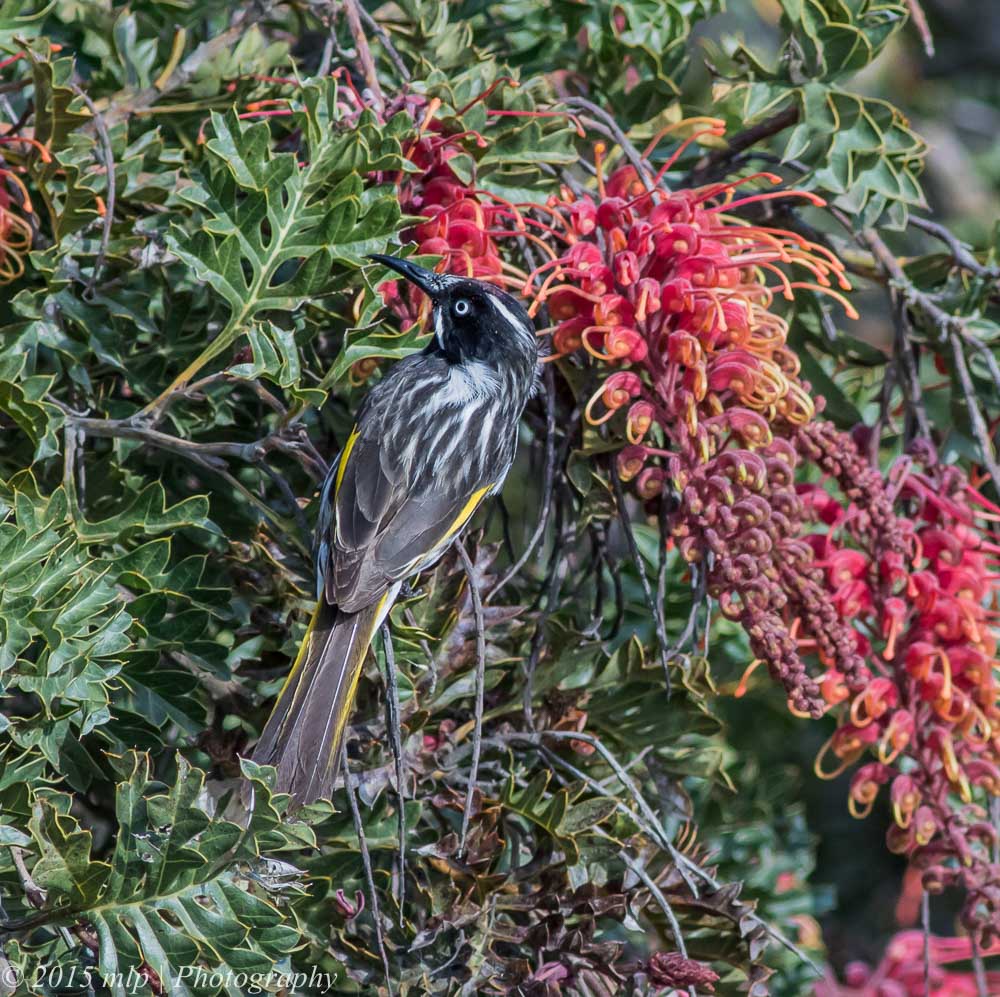
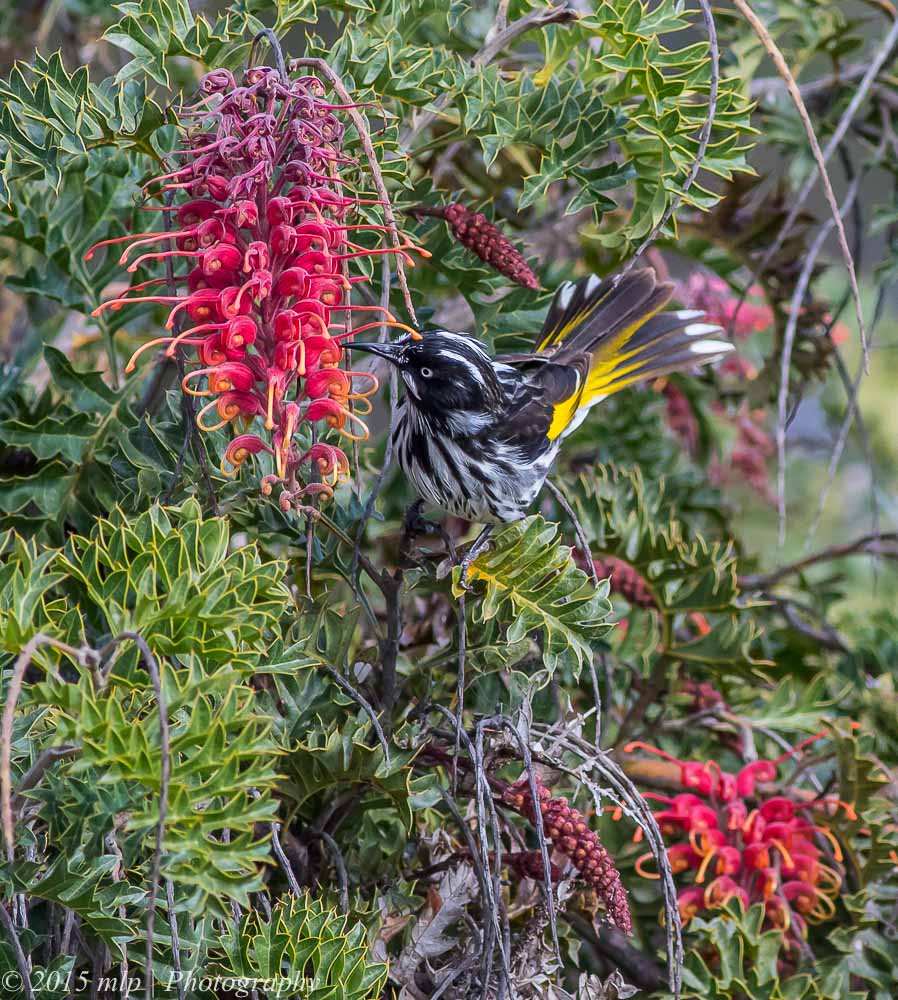
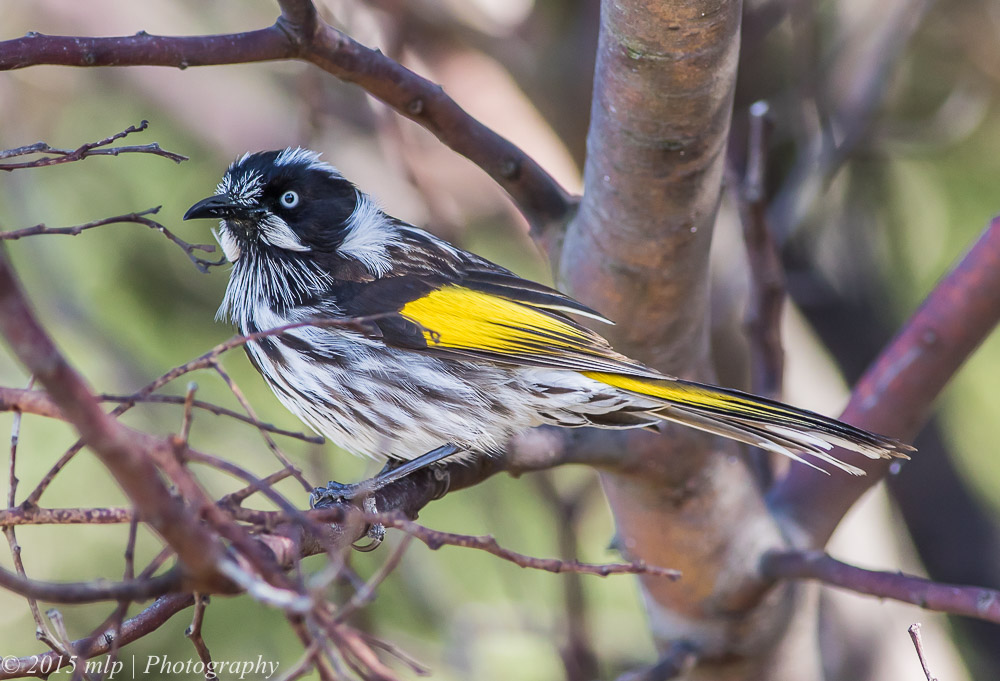
By far the most abundant bird in the formal part of the Garden is the New Holland Honeyeater. Due to their numbers and ready food source available with the flowering Australian natives they are a great target for taking photos.

New Holland Honeyeater

New Holland Honeyeater

New Holland Honeyeater

New Holland Honeyeater

New Holland Honeyeater

New Holland Honeyeater

New Holland Honeyeater

New Holland Honeyeater on a standard weeping Grevillea.

New Holland Honeyeater

II

New Holland Honeyeater

III

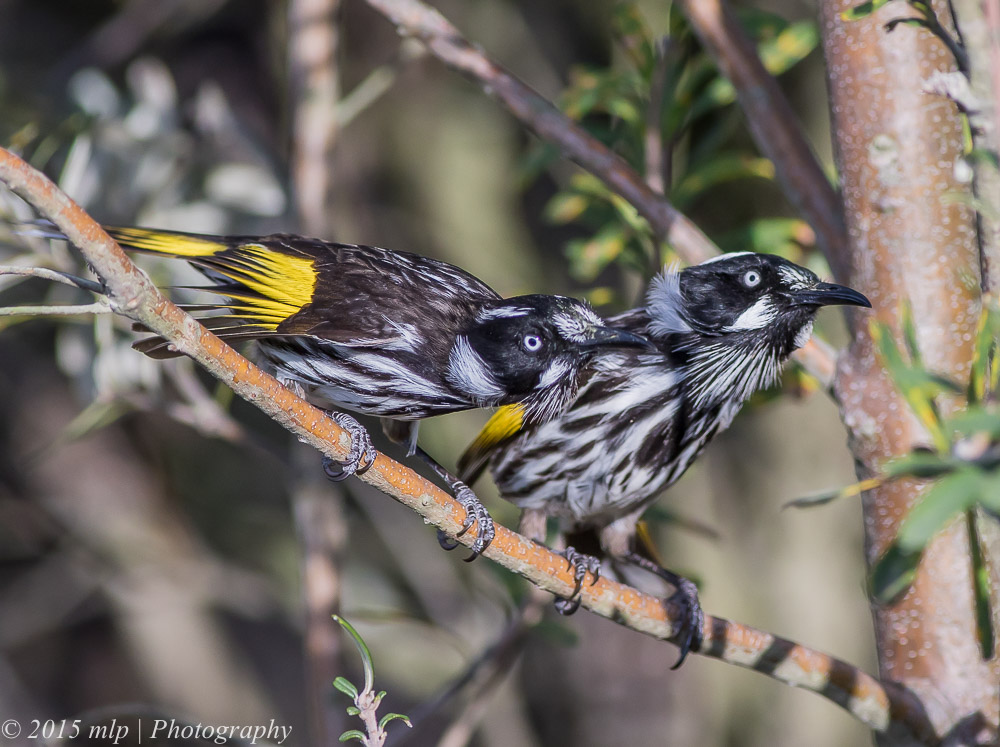
New Holland Honeyeaters

A pair of New Holland Honeyeaters – spring was definitely in the air…

Nests, Dreys and Bandicoots

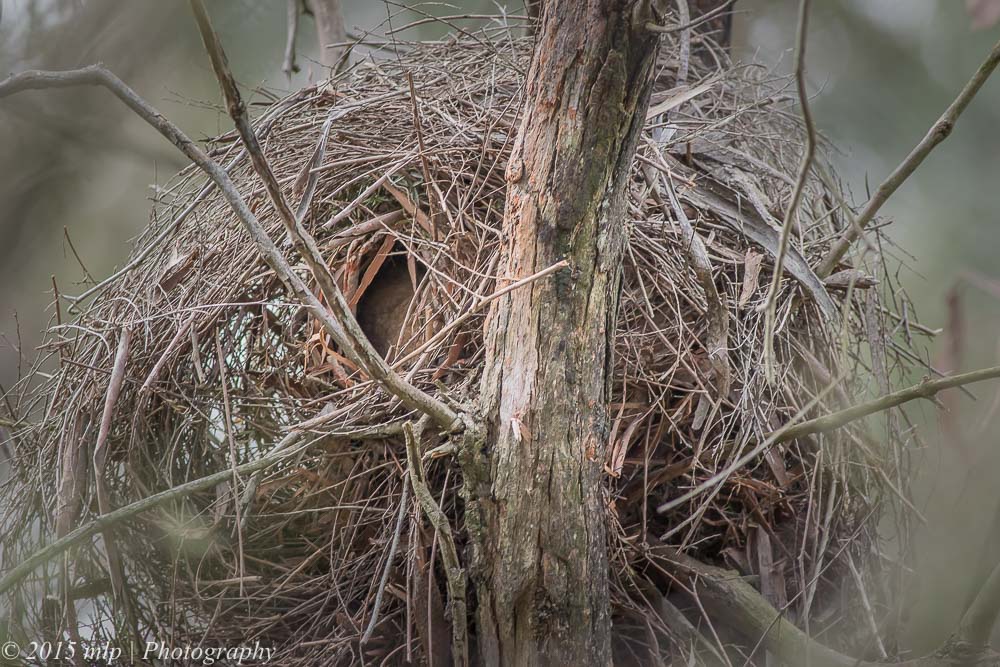
Saturday was another lovely Winter’s day in Melbourne and we decided to head down to the Melbourne Botanical Garden, (Cranbourne), also known as Australian Garden. We started at the Stringybark Picnic area and walked along  the forest paths looking birds and reading the various information signs. We came across a large curious nest only a few metres off the ground. I could not figure out what made it or what was using it – I could see a brown furry looking lump through the side entrance but could not confirm what it was – I was unable to get closer without bashing through and damaging the prickly bushes in front. Last night, a local naturalist (Gio) suggested that it was most likely a Drey – a round nest made by a Ring-Tailed Possum. I did not know that Possums made nests like this nor had I ever heard of a Drey…

Drey, Cranbourne Botanical Gardens

Drey, Cranbourne Botanical Gardens

Moving around the paths we saw a number of Eastern Yellow Robins and watched for a while as they hunted. I found one of their freshly made nests. Very similar style to the previous nest that I have posted about from Moorooduc.

Robin's nest, Cranbourne Botanical Gardens,

Robin’s nest, Cranbourne Botanical Gardens,

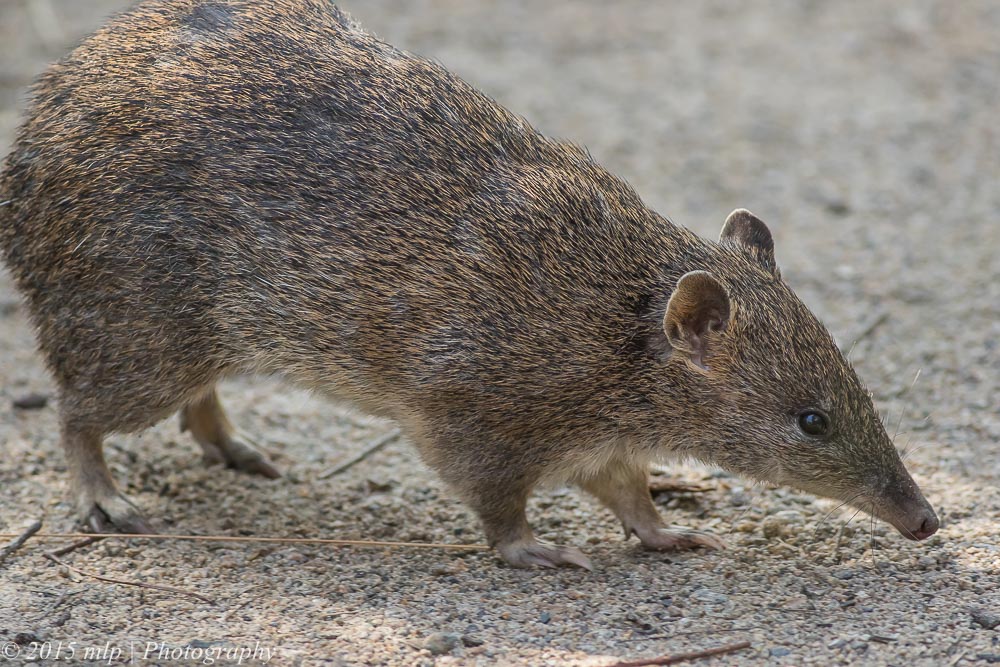
The highlight of this part of the day was spotting a Southern Brown Bandicoot, a threatened marsupial species, often wiped out from areas by foxes. This site is protected by a fox proof fence and so the species is surviving. We saw one dart across a path. As we were walking back to the car my eagled eye walking partner yelled out that I was about to step on another one. This little guy was not very scared of me at all and we moved back a bit and took a few photos. It had some nasty healed up scars on its rump and a missing tail. I was surprised by its size – roughly the size of a small cat – much bigger than I expected. It moved around the path, had a little stretch and at some point decided to bolt off the track but only into the fringe where we watched it a bit more while it napped. We left it alone and drove to the main part of the gardens.

Southern Brown Bandicoot, Cranbourne Botanical Gardens

Southern Brown Bandicoot, Cranbourne Botanical Gardens

Southern Brown Bandicoot, Cranbourne Botanical Gardens

showing some old healed wounds on its back, its tail is also missing
Southern Brown Bandicoot, Cranbourne Botanical Gardens

Long claws front and back and a long nose that was surprisingly agile

Southern Brown Bandicoot, Cranbourne Botanical Gardens

Southern Brown Bandicoot

Southern Brown Bandicoot, Cranbourne Botanical Gardens

Leaping from the path to the scrub a few feet away – very powerful back legs

Southern Spring is on its way

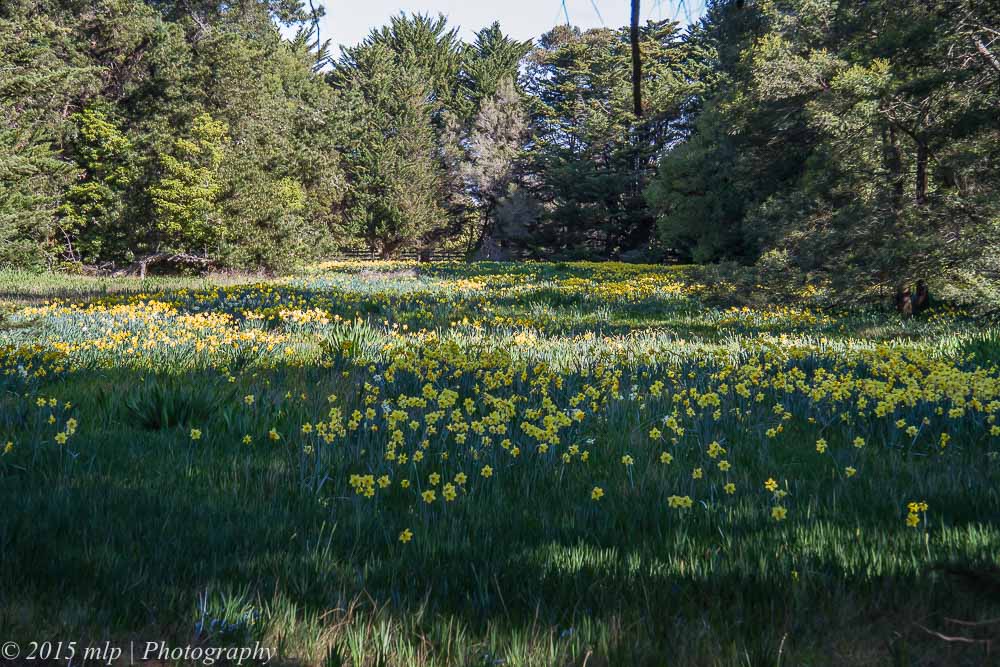
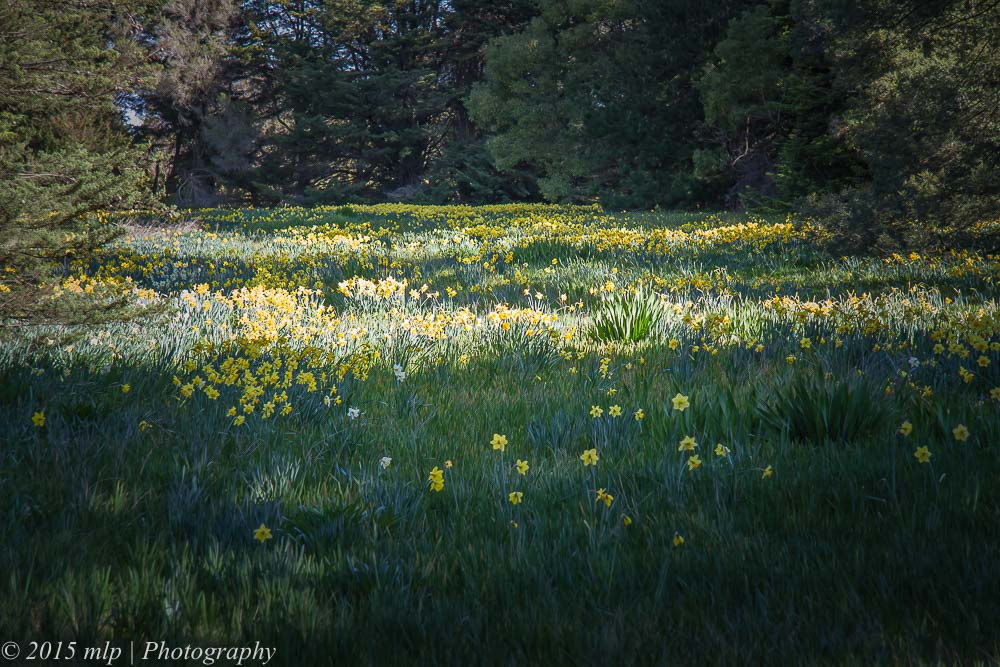
After a morning of visiting the local birding sites, I dropped into the family farm  to grab a lunch with the Matriarch and the Patriarch of the family. Afterward I walked down the road with my sister to show her offspring the secret field hidden behind a row of large pine trees. The field is effectively abandoned but once a year bursts into a sea of yellow, indicating Spring is well on its way. In another week or so it will be filled with yellow and cream daffodils.

Daffodil Field, Moorooduc

Daffodil Field, Moorooduc

Daffodil Field, Moorooduc

II


Sunbaking at Williamstown’s Jawbone

A recent  Port Phillip Birders day trip to several south western birding sites started with a morning stop at Williamstown and the Jawbone Flora and Fauna Reserve. It is a favourite spot of mine with many  resident bird species with quite a few drop-ins and seasonal visitors. The wetland lagoons are narrow and accessible. It makes for good photographic opportunities. It is a very handy location for beginner birders as the birds are generally used to people passing nearby and don’t panic and fly away. It is where I started to learn more about the waders and coastal shorebirds. On this occasion it was cool and quite windy but we still managed to clock up over 50 species and take a few nice pics. The highlight was a group of 16 or so Brown Quail sunning and grooming themselves along one of the main paths. I have often seen Brown Quail here but not close and not so many. The images below show just how well camouflaged they can be – they just blend into the dry brown grass. When spooked a bit they jump up and scurry off into deeper cover. I have still yet to see one fly.
Brown Quail, Jawbone Flora and Fauna Reserve

Brown Quail, Jawbone Flora and Fauna Reserve

Brown Quail, Jawbone Flora and Fauna Reserve

Well camouflaged amongst the dry grass

Brown Quail, Jawbone Flora and Fauna Reserve

III

Another highlight was a New Holland Honeyeater that seemed happy to ignore us and allow a close approach for photos. It spent 20 minutes hunting for insects from a few perches close to the path.

New Holland Honeyeater, Jawbone Flora and Fauna Reserve

New Holland Honeyeater

New Holland Honeyeater, Jawbone Flora and Fauna Reserve

II

New Holland Honeyeater, Jawbone Flora and Fauna Reserve

III

The ever changing laneways of Melbourne

I often walk through the laneways of Melbourne CBD looking for changes,  new art and really anything of interest. I revisited my favourite laneways this week and while walking down and around AC/DC Lane and into Duckboard Place, I squeezed past several tradesmen trucks and walked on to look for new material. Something was not right so I back-tracked and realised that one of the best pieces in the Lane had gone and new/old windows had suddenly appeared. The whole building has been gutted and the old windows have been restored after being bricked up for so long. Duckboard Place (extension Lane of AC/DC Lane) has had a few changes as well. An expensive new restaurant is about to  open up and the whole wall opposite has been covered with small advertising billboards. I guess the locals advertisers have realised how popular the area is – the problem will be that no-one will bother any more as the street art has gone and there is not any space to put up anything else. I certainly don’t mind progress and restoring the old buildings and giving them new life and purpose, I am just a little disappointed that a favourite piece has gone. Most pieces last only a day or so before being tagged and covered but ACDC Lane is different and the art has lasted months.

Bird Street Art, ACDC Lane, 9 June 2015

Bird Street Art, ACDC Lane, 9 June 2015

Bird Street Art II, ACDC Lane, 10 Aug 2015

ACDC Lane, 10 Aug 2015

Bird Street Art II, ACDC Lane, 10 Aug 2015

II