Tag Archives: Victoria

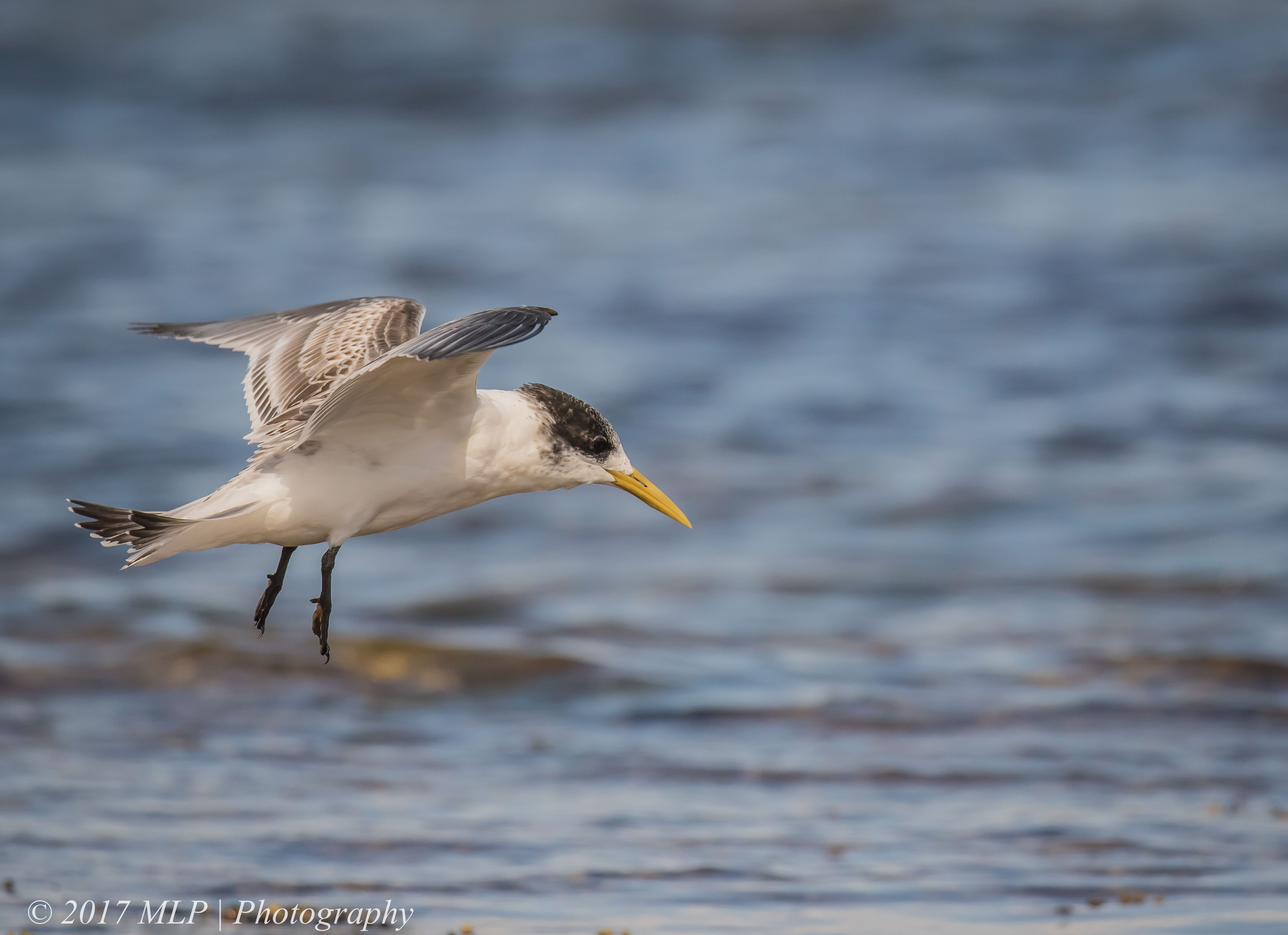
Coming in to land…

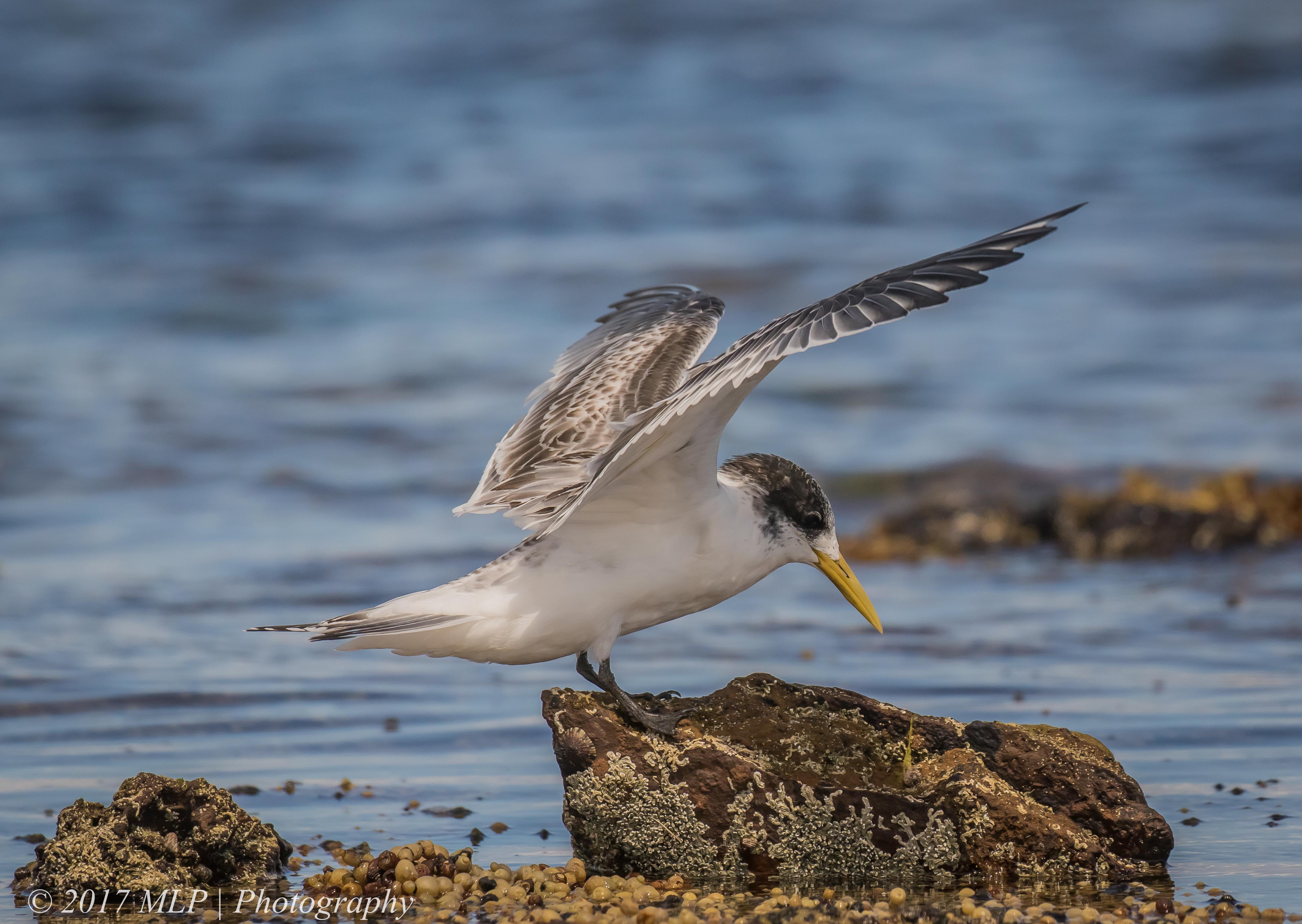
Juvenile Crested Tern, Rickett's Point, Beaumaris, Vic

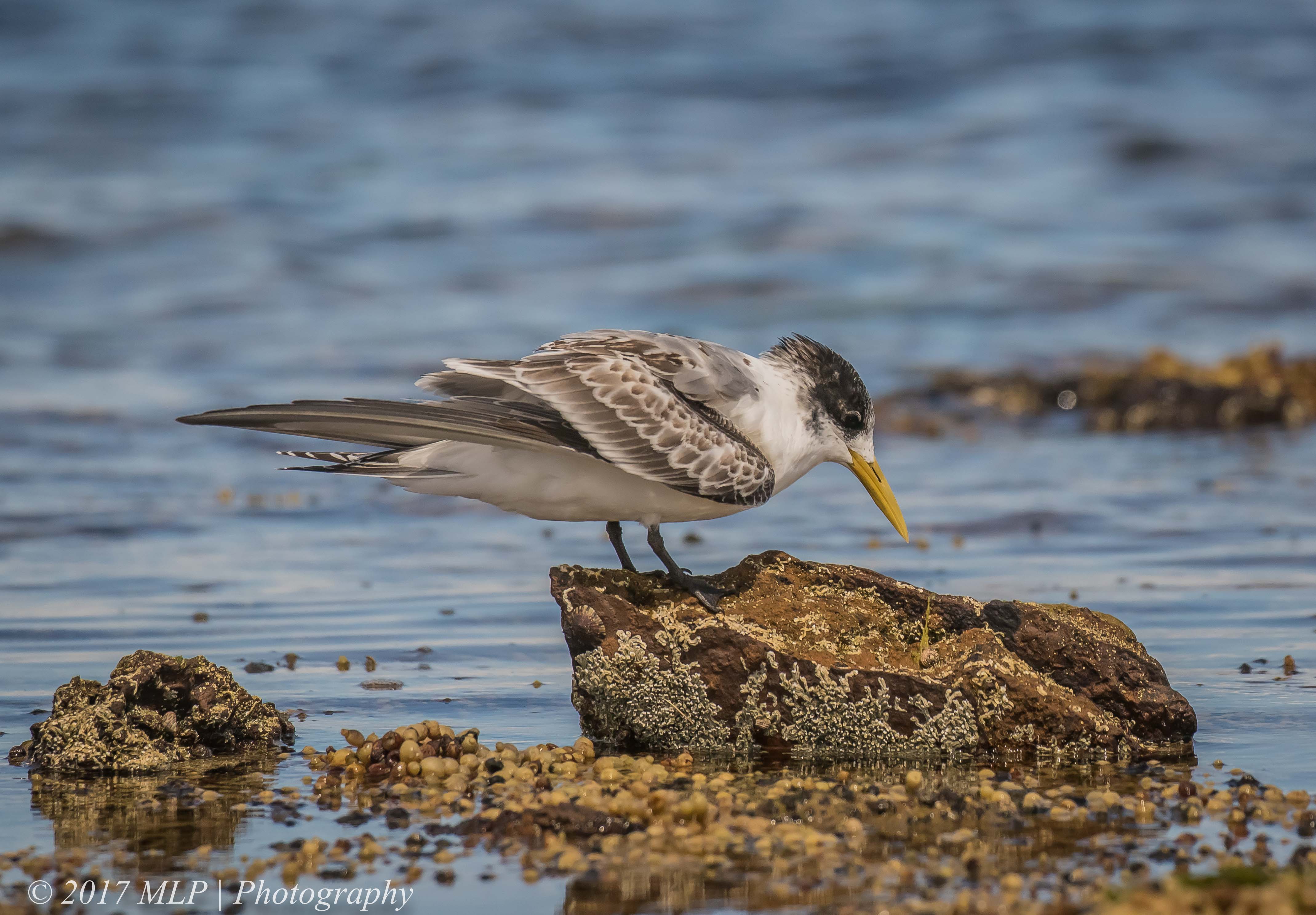
Juvenile Crested Tern, Rickett’s Point, Beaumaris, Vic

When the weather is fine I like to head down to Rickett’s Point along coastal Beaumaris in Port Philip Bay. At the Point on the rocks is a regular roosting spot for Crested Terns, Silver Gulls and the large Pacific Gulls. On this visit I sat on the rocks close to the colony and watched the juveniles preening and waiting for the adults to come back with food. The terns allowed me to crawl quite close and as  long as I sat down and kept still, they were quite calm and did not flush. As the tide got higher several moved to new rocks and I took the opportunity to practice my flight and tracking shots.    It can be quite difficult to get a clean sequence. A number of shots were not added due to being cut off at the top. To try and get clean shots my settings were 1/6400, F5.6, ISO640 313mm (full zoom of 400mm was too close for a complete image) – with the abundant sunlight I should have shot a much lower ISO but I wanted to crank up the speed to get the detail in the  feathers. I shot over 400 images in an hour of observation, which is always fun (not) to trawl through later and look for gems.
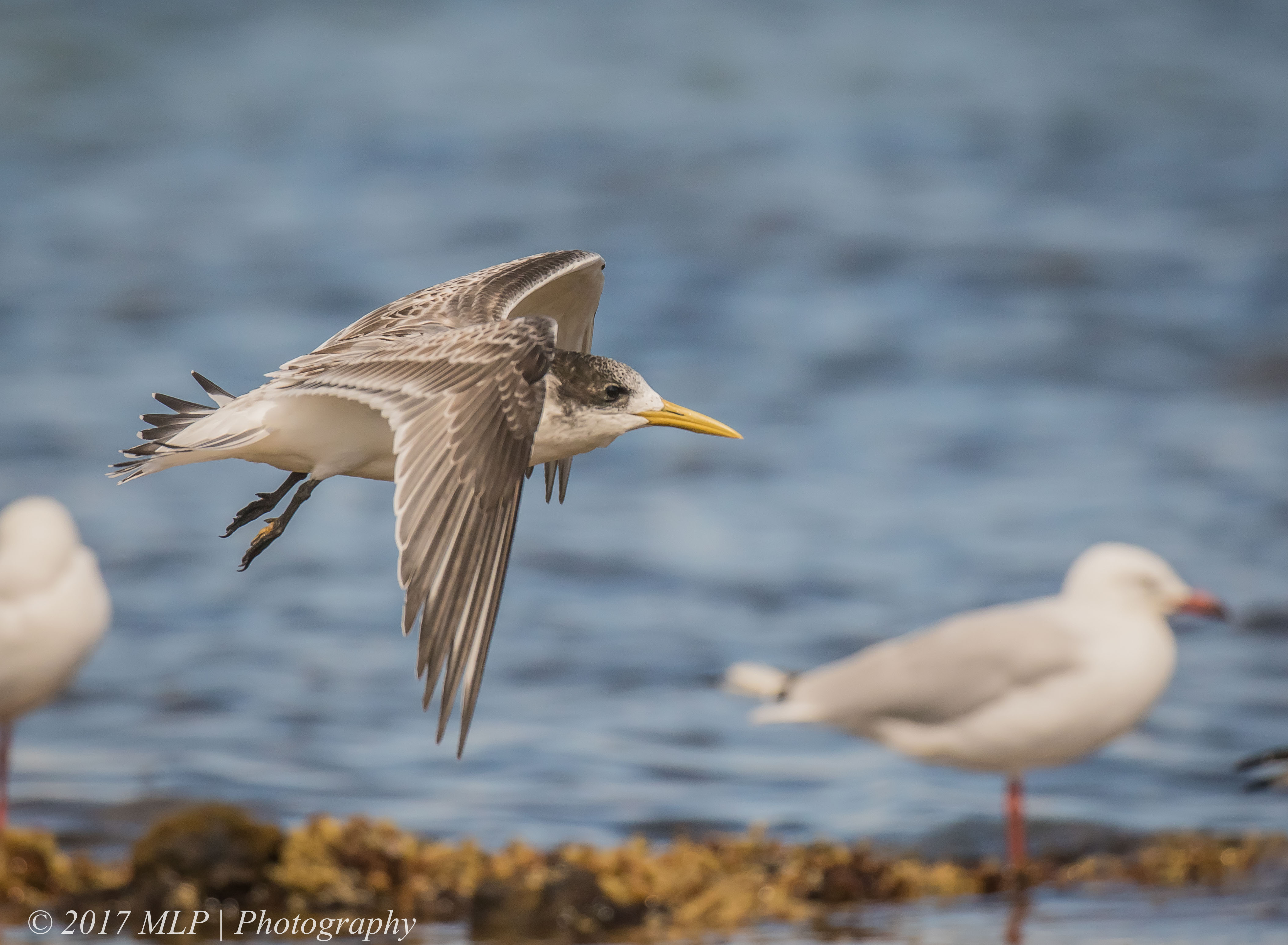
Juvenile Crested Tern, Rickett's Point, Beaumaris, Vic

Juvenile Crested Tern, Rickett’s Point, Beaumaris, Vic
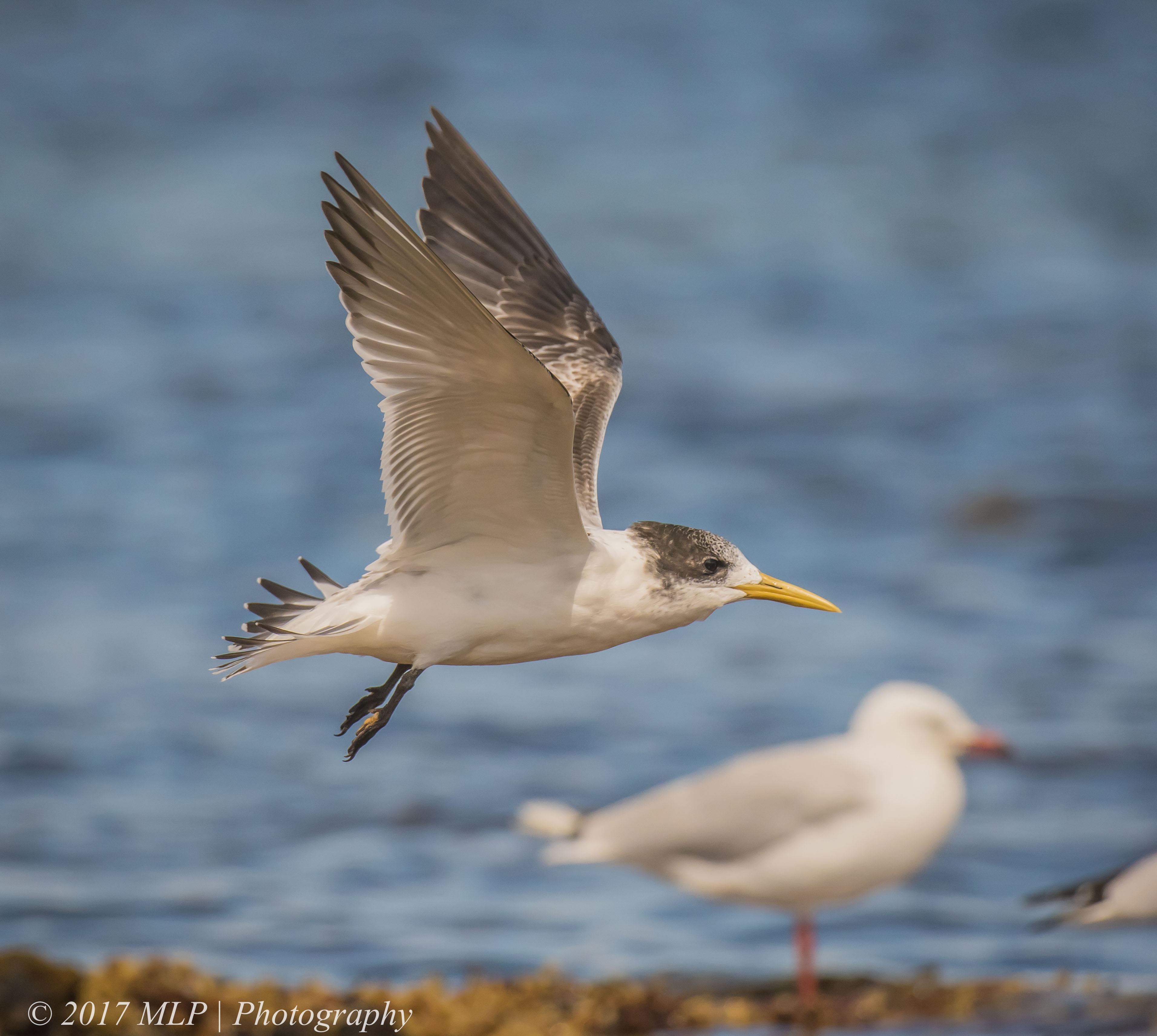
Juvenile Crested Tern, Rickett's Point, Beaumaris, Vic

II

Juvenile Crested Tern, Rickett's Point, Beaumaris, Vic

III

Juvenile Crested Tern, Rickett's Point, Beaumaris, Vic

IV

Juvenile Crested Tern, Rickett's Point, Beaumaris, Vic

V

Juvenile Crested Tern, Rickett's Point, Beaumaris, Vic

VI

Juvenile Crested Tern, Rickett's Point, Beaumaris, Vic

VII

Juvenile Crested Tern, Rickett's Point, Beaumaris, Vic

VIII

Juvenile Crested Tern, Rickett's Point, Beaumaris, Vic

IX

Juvenile Crested Tern, Rickett's Point, Beaumaris, Vic

X

Juvenile Crested Tern, Rickett's Point, Beaumaris, Vic

XI

Enjoying Jawbone photography

With an abundance of birds that are fairly used to people, Jawbone Flora and Fauna Reserve along the Williamstown coastline is a good place to practice bird photography.

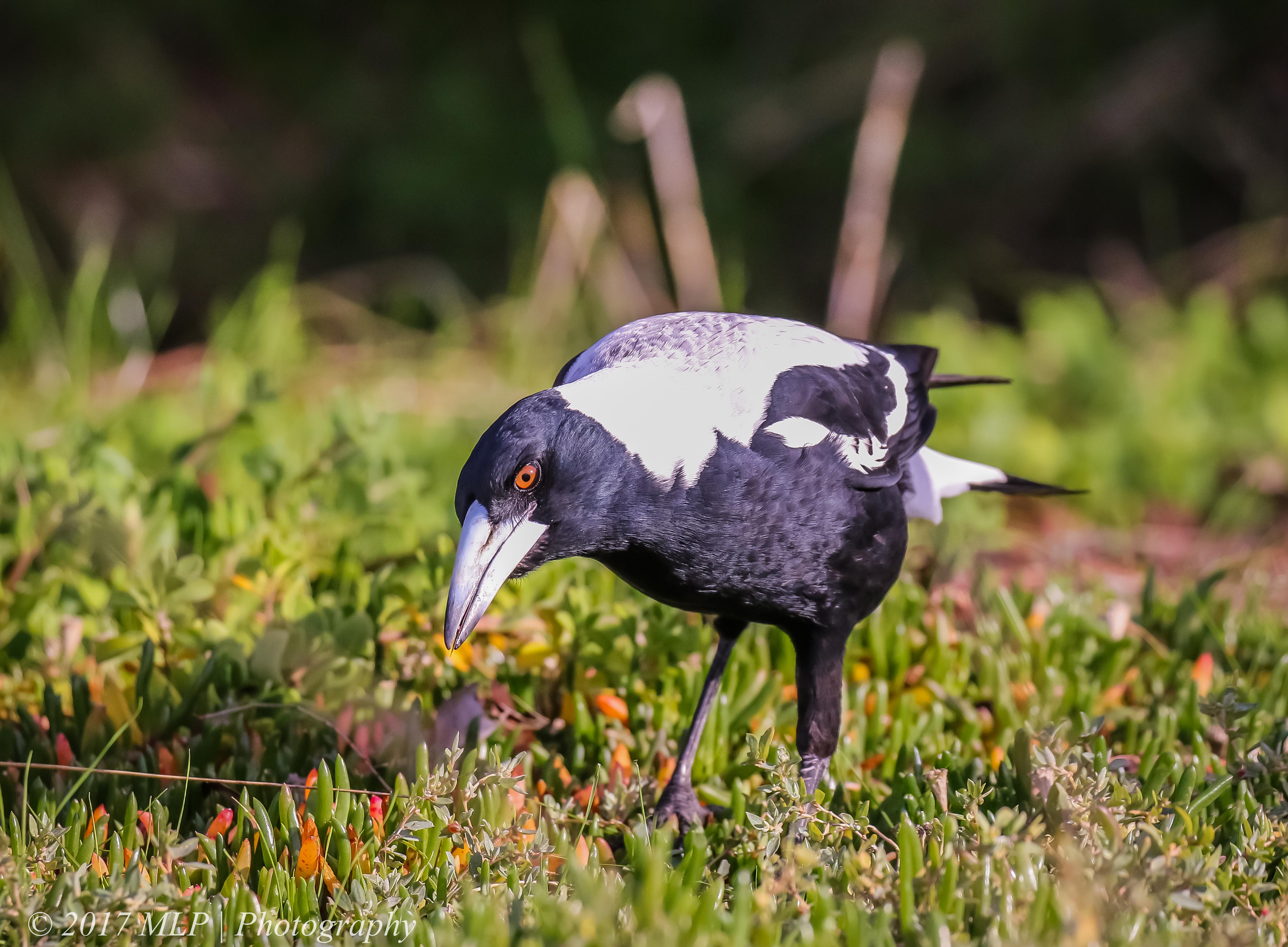
Australian Magpie, Jawbone Flora and Fauna Reserve, Williamstown, Vic

Australian Magpie, Jawbone Flora and Fauna Reserve, Williamstown, Vic

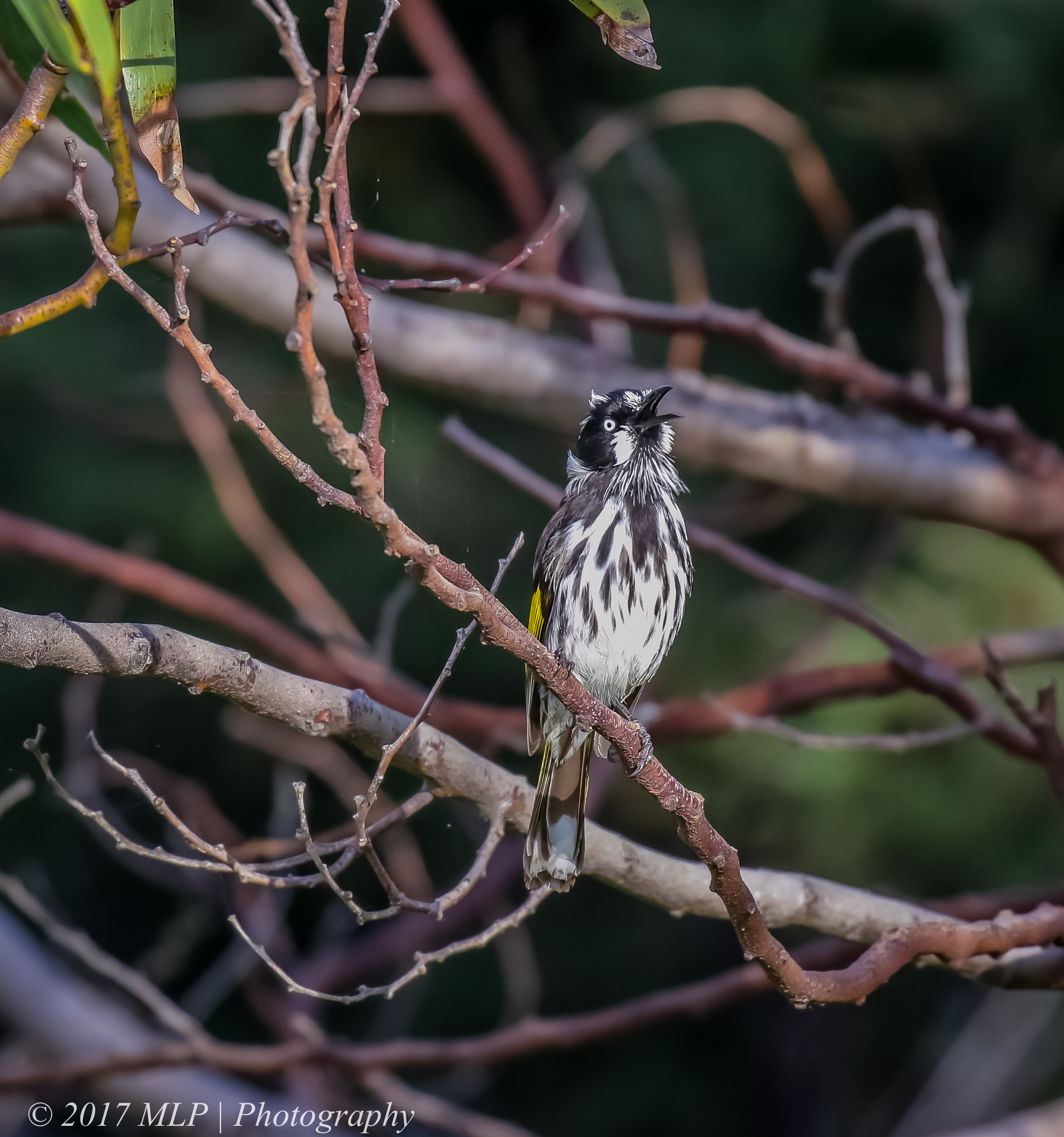
New Holland Honeyeater, Jawbone Flora and Fauna Reserve, Williamstown, Vic

New Holland Honeyeater

New Holland Honeyeater, Jawbone Flora and Fauna Reserve, Williamstown, Vic

II
Hoary-headed Grebe, Jawbone Flora and Fauna Reserve, Williamstown, Vic

Hoary-headed Grebe

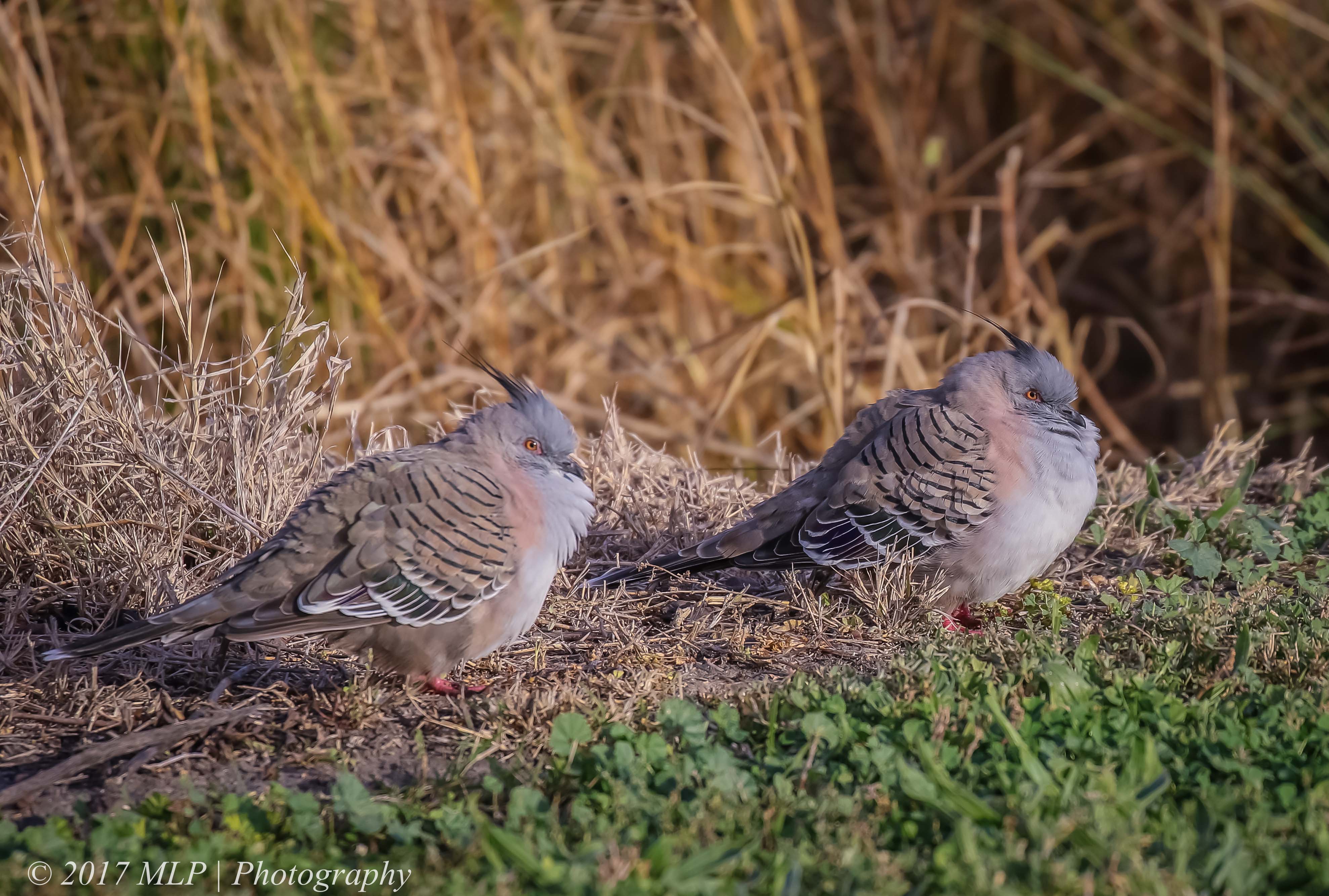
Crested Pigeons, Jawbone Flora and Fauna Reserve, Williamstown, Vic

Crested Pigeons feeling the early morning cold

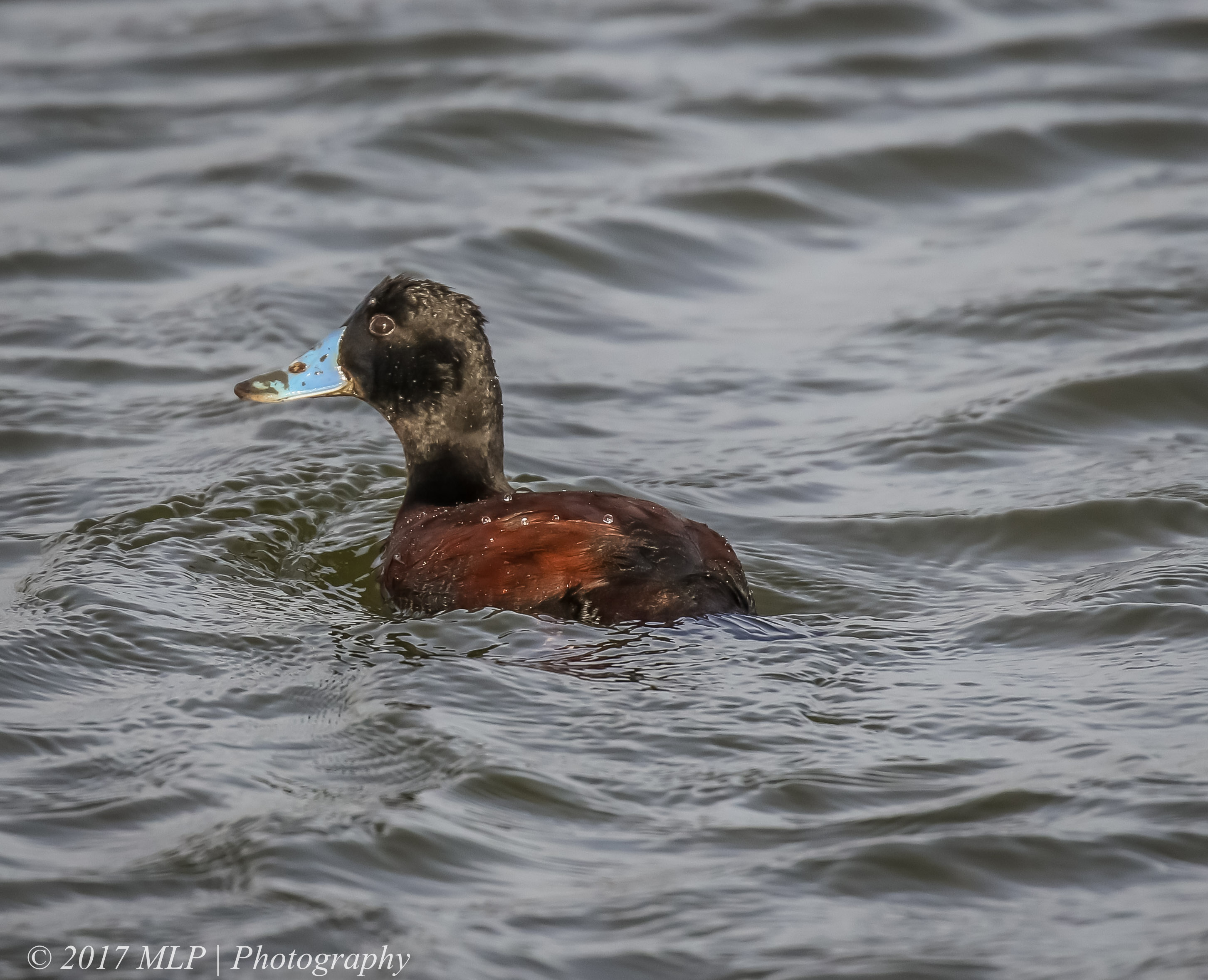
Blue-billed Duck, Jawbone Flora and Fauna Reserve, Williamstown, Vic

Blue-billed Duck

Kororoit Creek displays

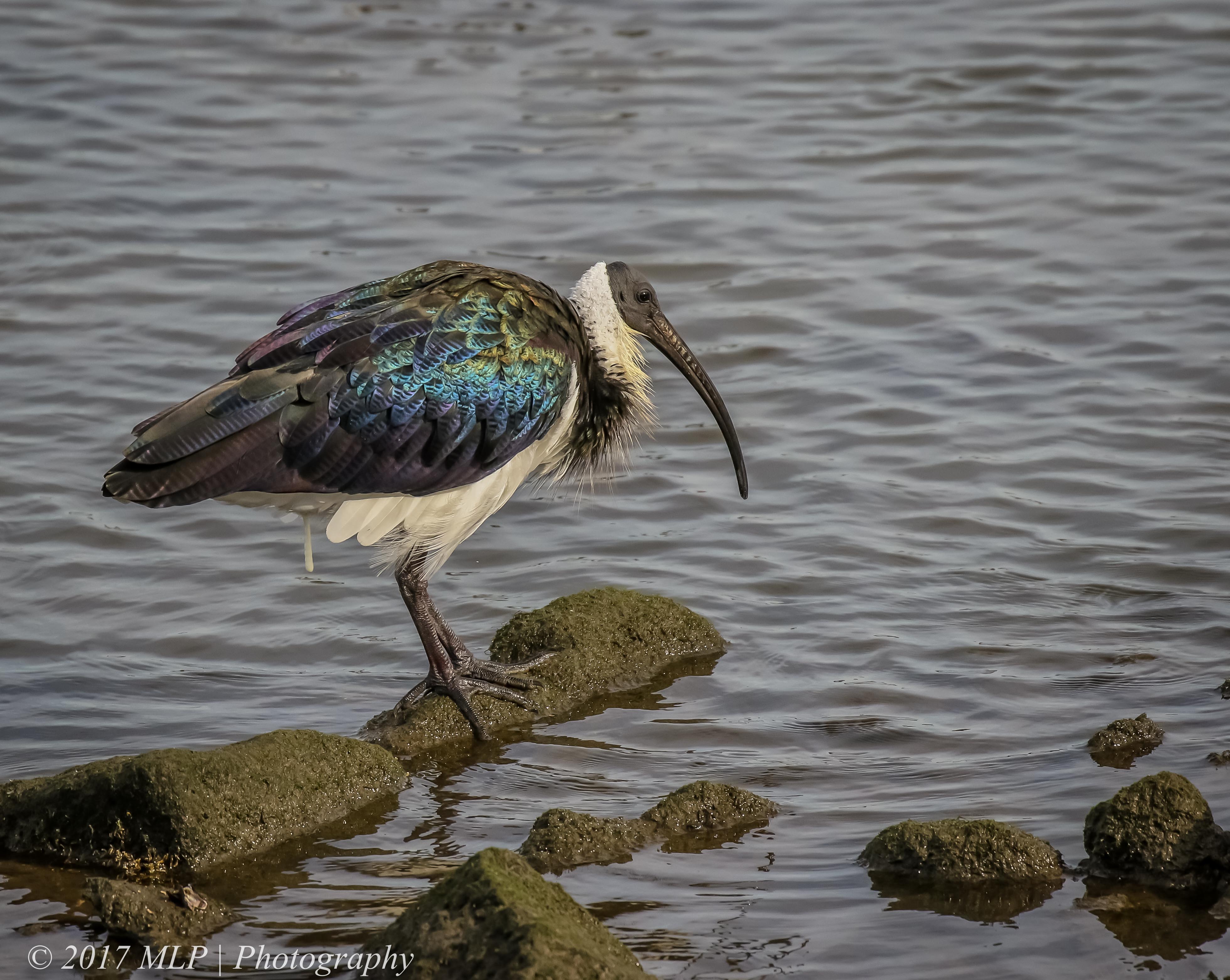
Near Jawbone Flora and Fauna Reserve is the Kororoit Creek mouth opening into the bay. Low tide exposes a lot of mud and the roots of the mangroves. It is a good spot to walk along and look for a few species that may not be found at Jawbone. The walking and bike path is placed higher than the creek so there are many opportunities to photograph birds from different angles. The spot where I turn-a-round and wander back to the car is a roosting spot for many birds during the day. I found Straw-necked and Australian White Ibis, as well as pelicans, swans, egrets and Australasian Darters and Cormorants drying their feathers after a morning hunt. The Straw-necked Ibis were preening and squabbling with each other while resting on the rocks in the creek.

Straw-necked Ibis, Kororoit Creek, Altona, Vic

Straw-necked Ibis, Kororoit Creek, Altona, Vic

Straw-necked Ibis, Kororoit Creek, Altona, Vic

II

Darter, Kororoit Creek, Altona, Vic

Darter, Kororoit Creek, Altona, Vic

Great Egret, Kororoit Creek, Altona, Vic

Great Egret, Kororoit Creek, Altona, Vic

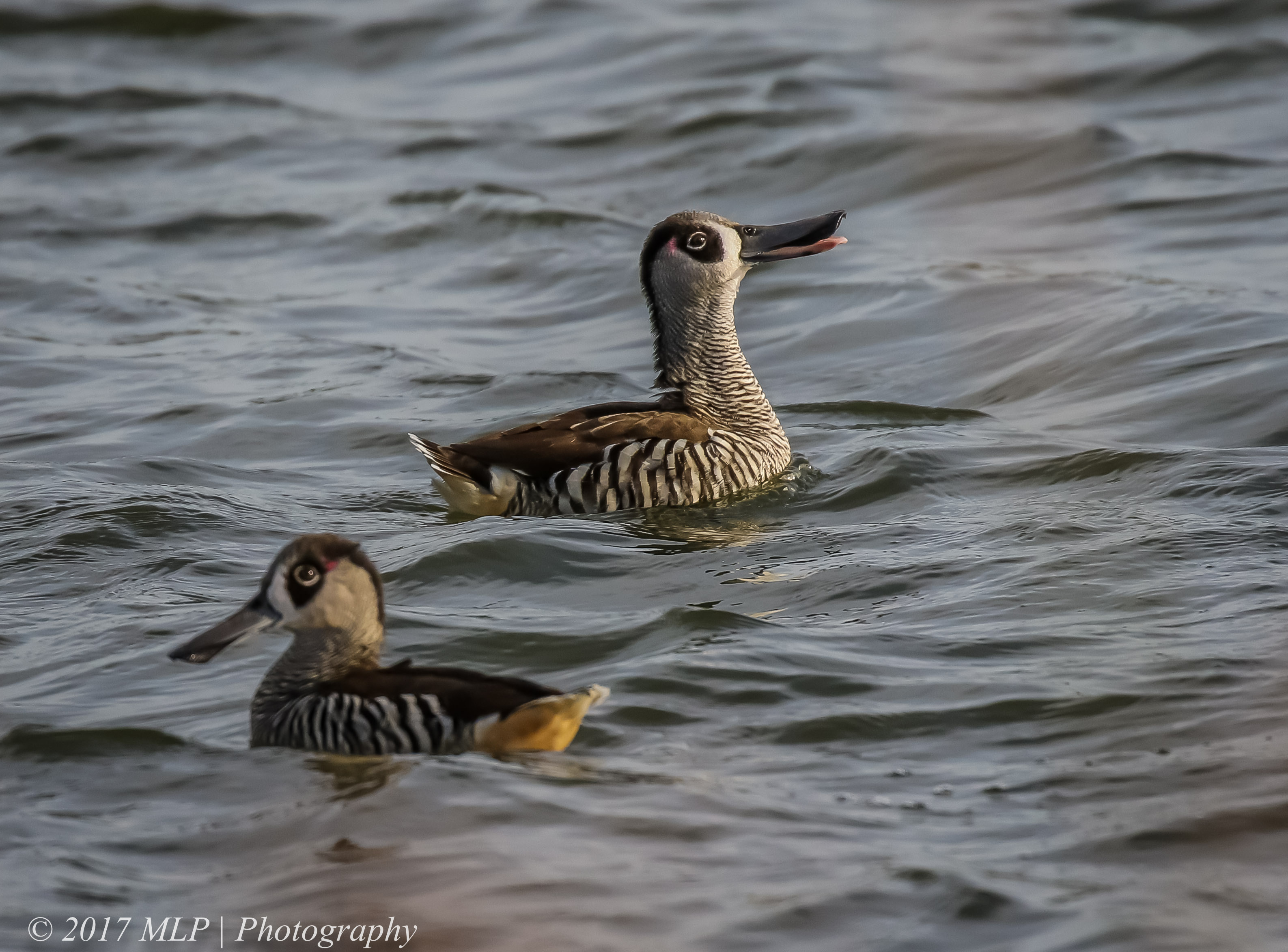
A yapping Pink-eared Duck

Also called a zebra duck, the Pink-eared Duck is a beautiful bird that sits low in the water, filter feeds with its distinctive bill, flies and gathers in very large flocks and yaps or whistles when disturbed or in flight. An added bonus are bright pink ear coverts made up of 9 pink feathers  – this pink patch becomes more pronounced and colourful as the bird matures.   The ones I watched seemed to have a light pink patch rather than the full dark pink so maybe they were testing each other in a youthful gathering. The duck are thought to mate for life. I often see many in huge flocks (10,000s+) at the pooh farm. There were 50+ at Jawbone on the weekend and due to the width of the lagoons I managed to get fairly close without spooking them too much – a very difficult thing to do at the pooh farm where they spook much more easily due to the number of raptors cruising for a meal. We noticed that as they yapped  they lifted their head as part of the display, making the fleshy part of the bill more visible. It is a very odd but beautiful duck – one of my favourites. (post edited after a bit more research and ref checking – see comments below)

Pink-eared Duck, Jawbone Flora and Fauna Reserve, Williamstown

Pink-eared Duck, Jawbone Flora and Fauna Reserve, Williamstown

Pink-eared Duck, Jawbone Flora and Fauna Reserve, Williamstown

II


Jawbone and Native-hens

I have not explored the Jawbone Flora and Fauna Reserve in Williamstown for some time. I dropped by on Saturday and went in search of a few birds that I had not seen in a while including the Black-tailed Native-hen. Amongst the Swamphens and Moorhens I found two Native-hens and for the first time got a few images. I have only seen them a few times before. They run to cover and seldom fly so I was surprised to see this one flying a short distance  – I realised that I had cut it off from the safety of the lake. The Native-hens are generally quite timid and these two ran back to the water when I paid them too much attention. All the birds feeding on the grass were happy to ignore the joggers, cyclists and dog walkers passing close by but as soon as you looked at the birds using binocs and cameras they spooked. Jawbone is an excellent site for a good variety of birds, great for beginners to get a close look at the various species and good for photography. Covering most of the park along the coastline I can easily pick up 50 species in a few hours. A good place to get your yearly lists going.

Black-tailed Native-hen, Jawbone Flora and Fauna Reserve, Williamstown

Black-tailed Native-hen, Jawbone Flora and Fauna Reserve, Williamstown

Black-tailed Native-hen, Jawbone Flora and Fauna Reserve, Williamstown

A jump and a skip….

Black-tailed Native-hen, Jawbone Flora and Fauna Reserve, Williamstown

…and into flight to get back to the water…

Eastern Yellow Robin

A small bird often found in most forested areas of Victoria is the Eastern yellow robin. It is a favourite of mine due to its vibrant colour, its preferred hunting method is to pounce from a low perch and that it is territorial: all very handy habits for a photographer.

Eastern Yellow Robin, Rise and Shine Bushland Reserve, Yandooit, Victoria

Eastern Yellow Robin, Rise and Shine Bushland Reserve, Yandooit, Victoria

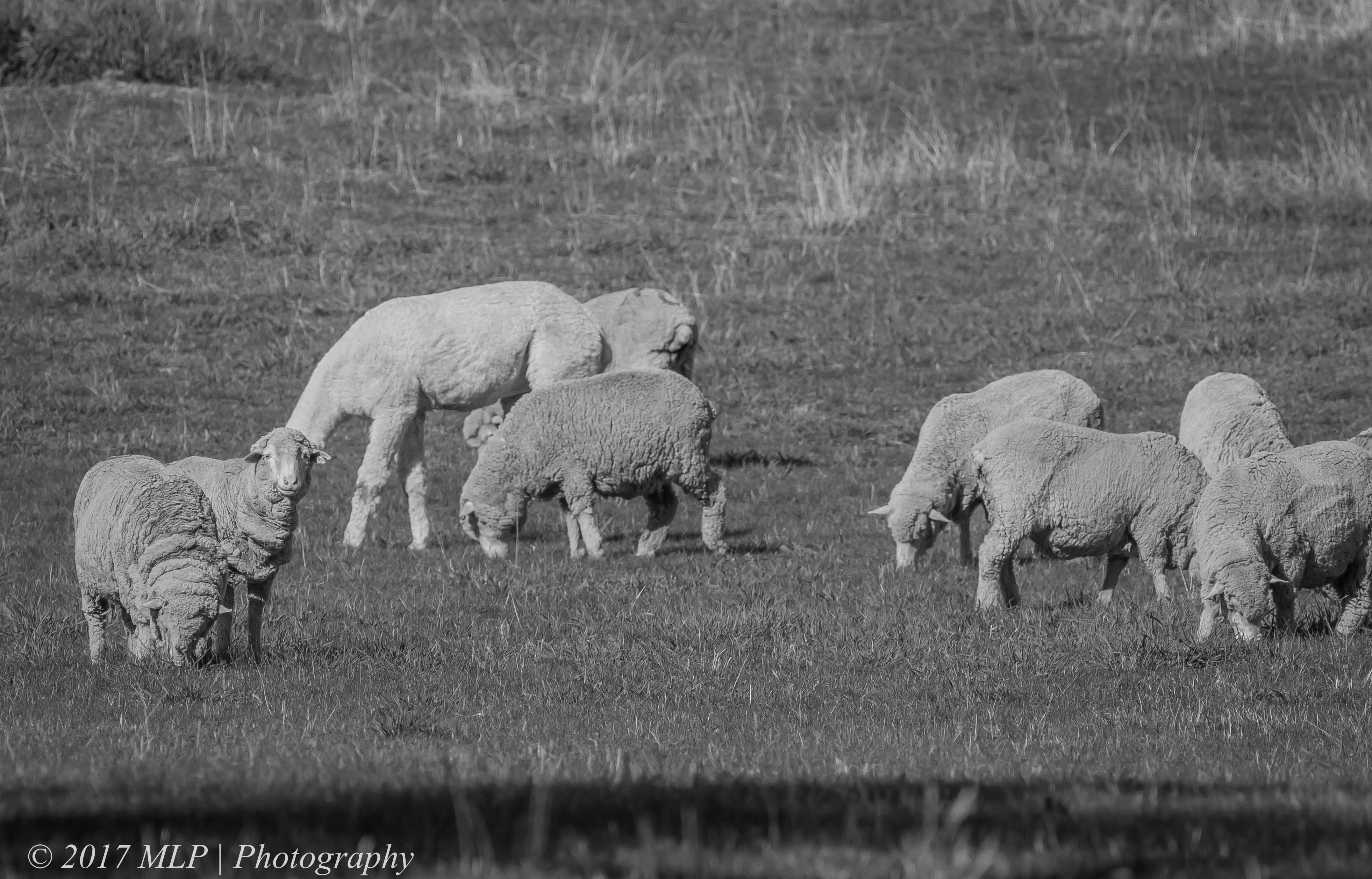
Something odd in the paddocks

While driving along one of the forest roads in the Muckleford State Forest in Newstead, I drove along the edge of one of the homestead paddocks and noticed a very odd sheep amongst the flock.

Sheep, Newstead, Victoria

Strange sheep of the Muckleford Forest

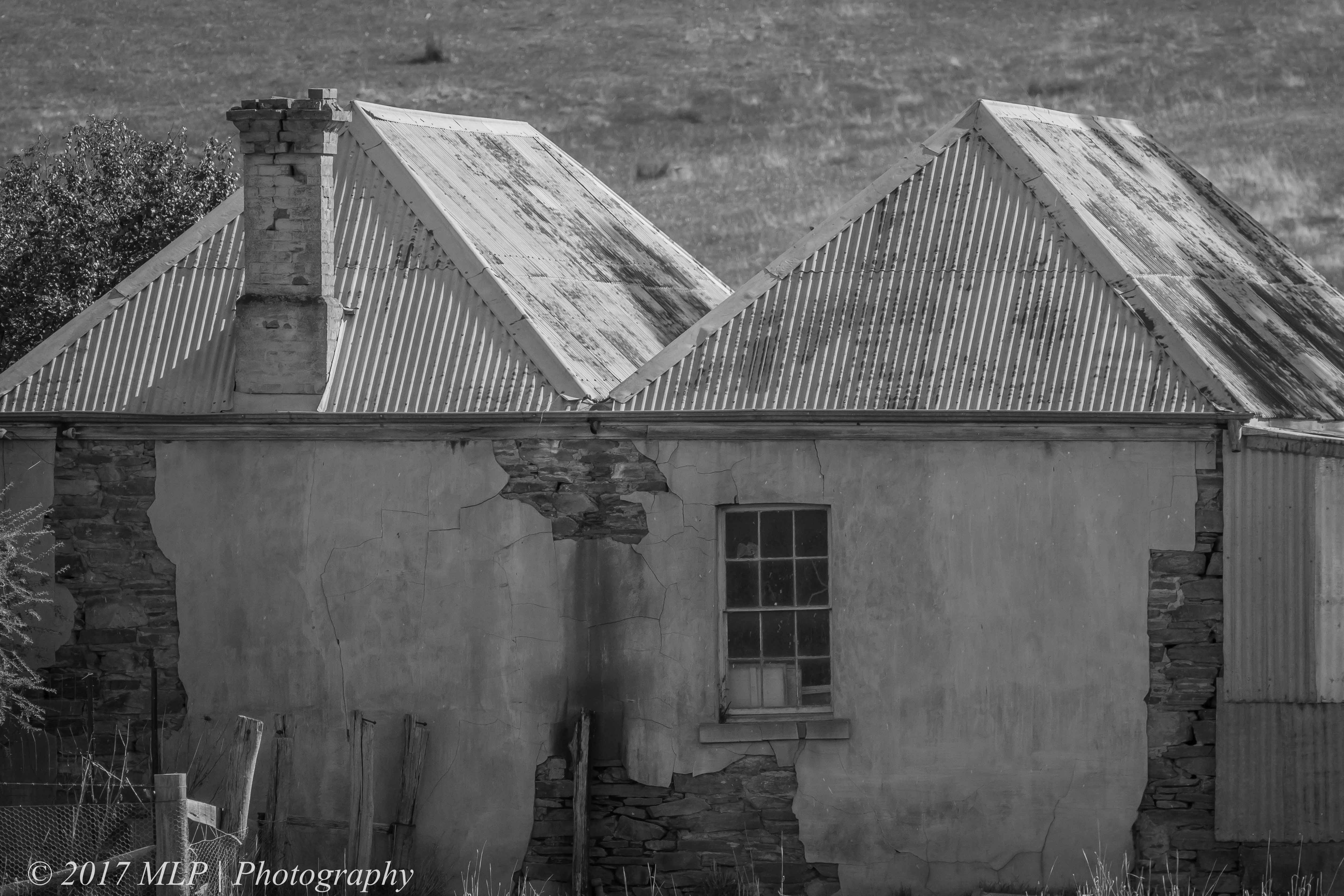
Old homestead, Newstead, Victoria

An old homestead

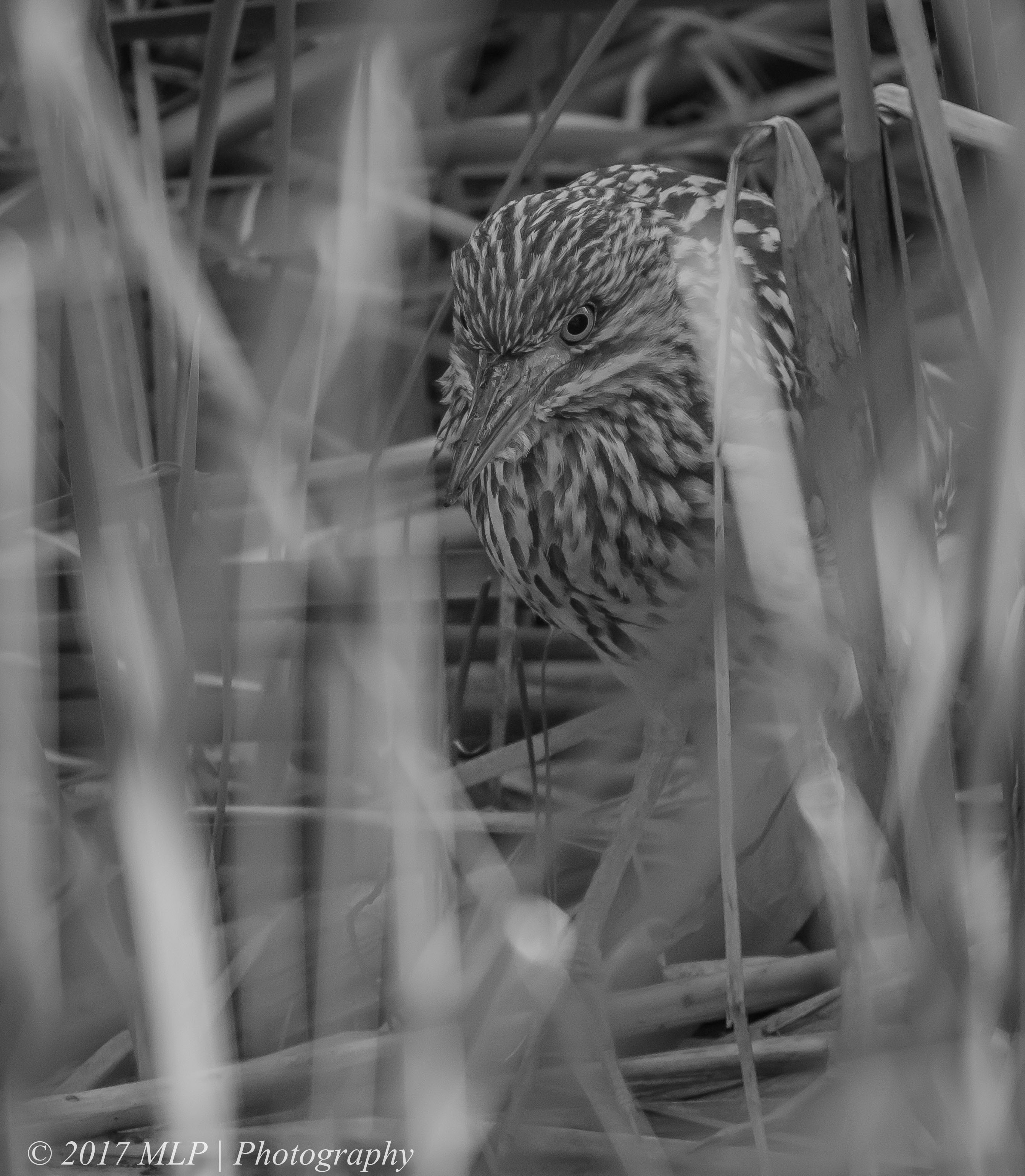
Now in colour…Nankeen Night-heron

I can’t decide, I like the black and white version that creates a focus just on the Heron but the colour of its eyes are amazing…built for low light and night vision.

Juvenile Nankeen Night Heron (colour), Elster Creek, Elsternwick, Vic

Juvenile Nankeen Night Heron (colour), Elster Creek, Elsternwick, Vic

Juvenile Nankeen Night-heron

Since February we have been seeing juvenile Nankeen Night-herons roosting and hunting along Elster Creek. Good conditions inland and locally over the spring and summer has meant good numbers are appearing. The juvenile has brown and white streaking to help with camouflage while building up their survival and hunting skills.

Juvenile Nankeen Night Heron, Elster Creek, Elsternwick, Vic 25 Feb 2017

Juvenile Nankeen Night-Heron, Elster Creek, Elsternwick, Vic 

Yellow Thornbill surprise at the farm

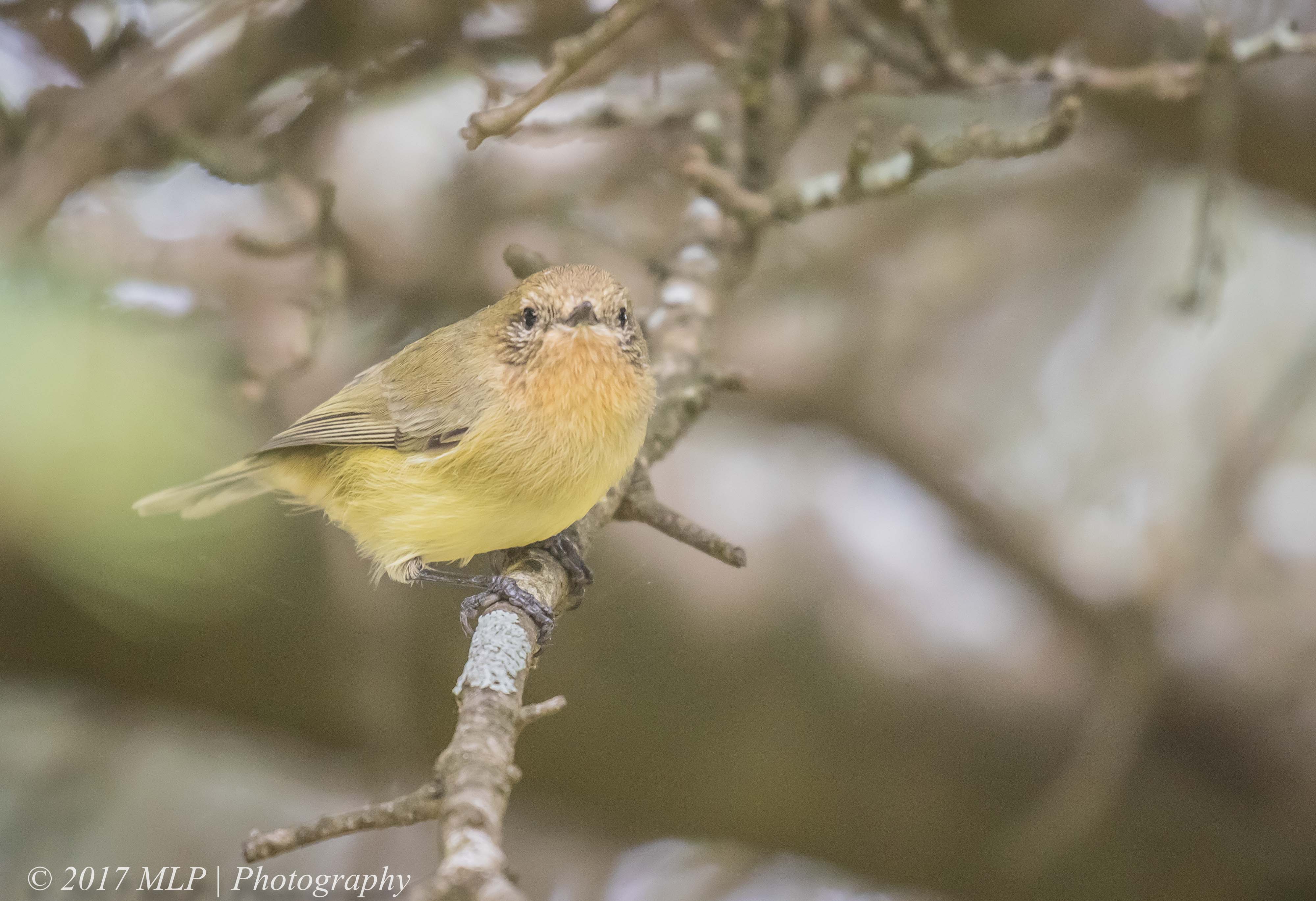
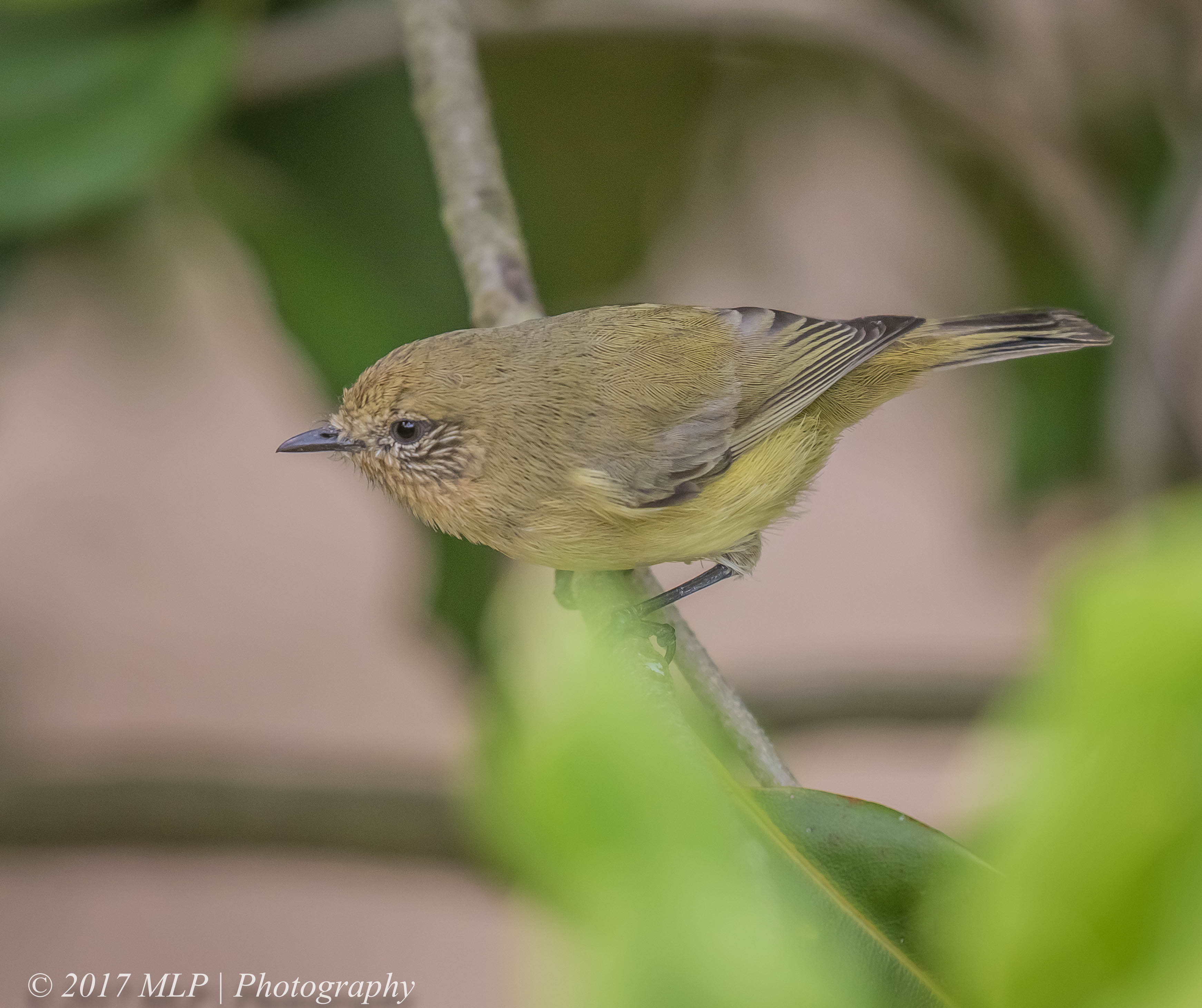
On a recent visit to the folks’ property in Moorooduc on the Mornington Peninsula, I was walking the Eucalyptus Woodlot boundary trying to track down an unusual bird call. It turned out to be a small flock of Yellow Thornbills. I have not seen this species on the Peninsula or at the farm before. A great new addition to the local bird list and a first time photo for me…

Yellow Thornbill, The olds, Moorooduc, Vic

Yellow Thornbill, The olds, Moorooduc, Vic

Yellow Thornbill, The olds, Moorooduc, Vic

II

Yellow Thornbill, The olds, Moorooduc, Vic

Getting the stink eye…

Yellow Thornbill, The olds, Moorooduc, Vic

IV


Pickpocket Diggings and the Antechinus

When I visit Newstead, I like to drop by Rise and Shine Bushland Reserve in Yandooit. One of the spots in the Reserve is called Pickpocket Diggings. It is an old gold mining area with many mullock heaps. It is a popular area for gold detecting enthusiasts. On most occasions I seem to be able to find Yellow-footed Antechinus, a carnivorous marsupial mouse,  hopping across the path to trees in broad daylight. They dont seem to be bothered by people that much and I got pretty close. I watched this tiny hunter looking  for insects at the base of a tree and when it caught something it ran back to its home in an old tree stump. The males only live less than a year and die out in a super charged breeding frenzy while the females live on to raise their pups.

Yellow-footed Antechinus, Rise and Shine Bushland Reserve, Sandon, Vic

Yellow-footed Antechinus, Rise and Shine Bushland Reserve, Sandon, Vic

Yellow-footed Antechinus, Rise and Shine Bushland Reserve, Sandon, Vic

II

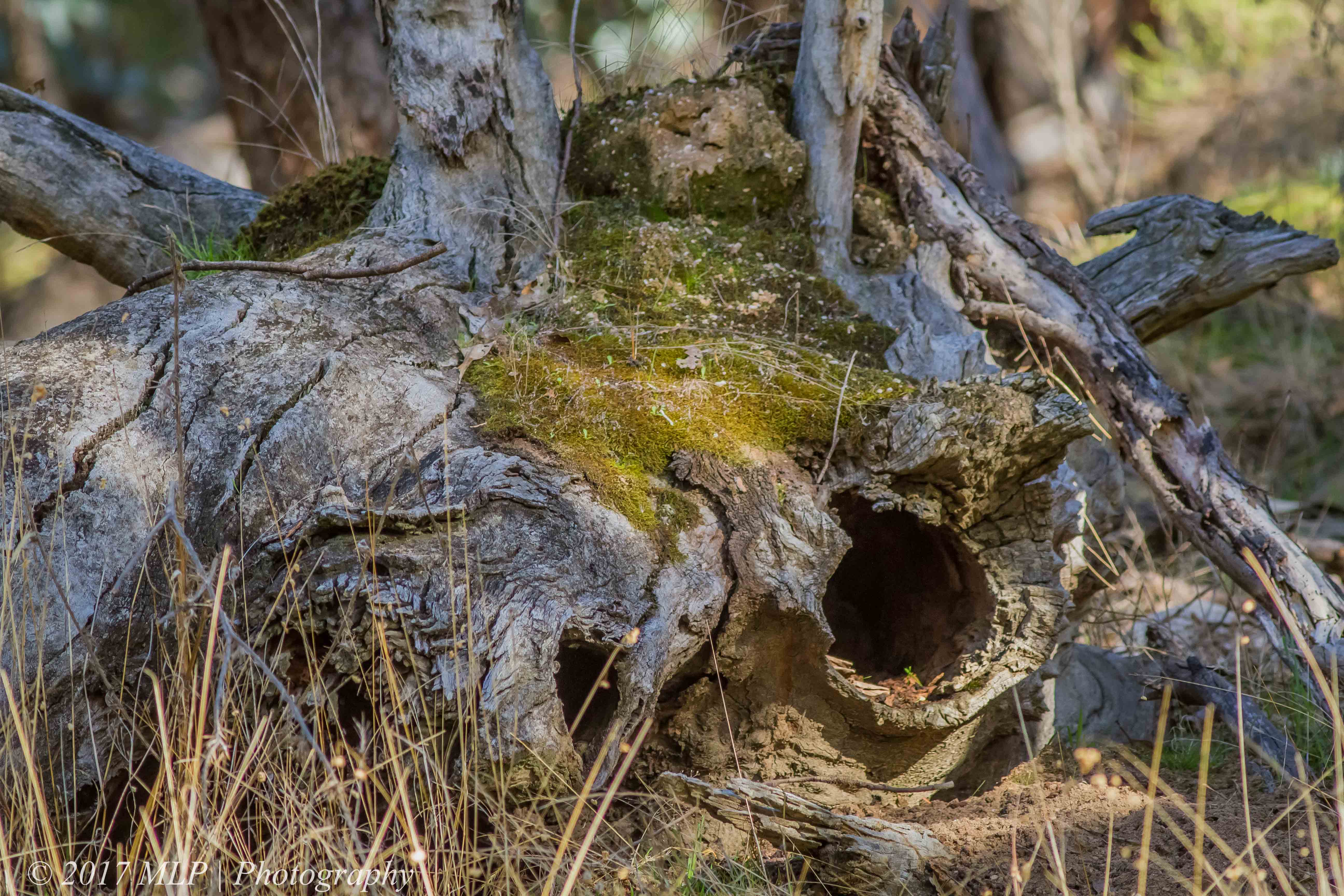
Yellow-footed Antechinus home, Rise and Shine Bushland Reserve, Sandon, Vic

Yellow-footed Antechinus home

Scissors Grinder of Newstead Cemetery

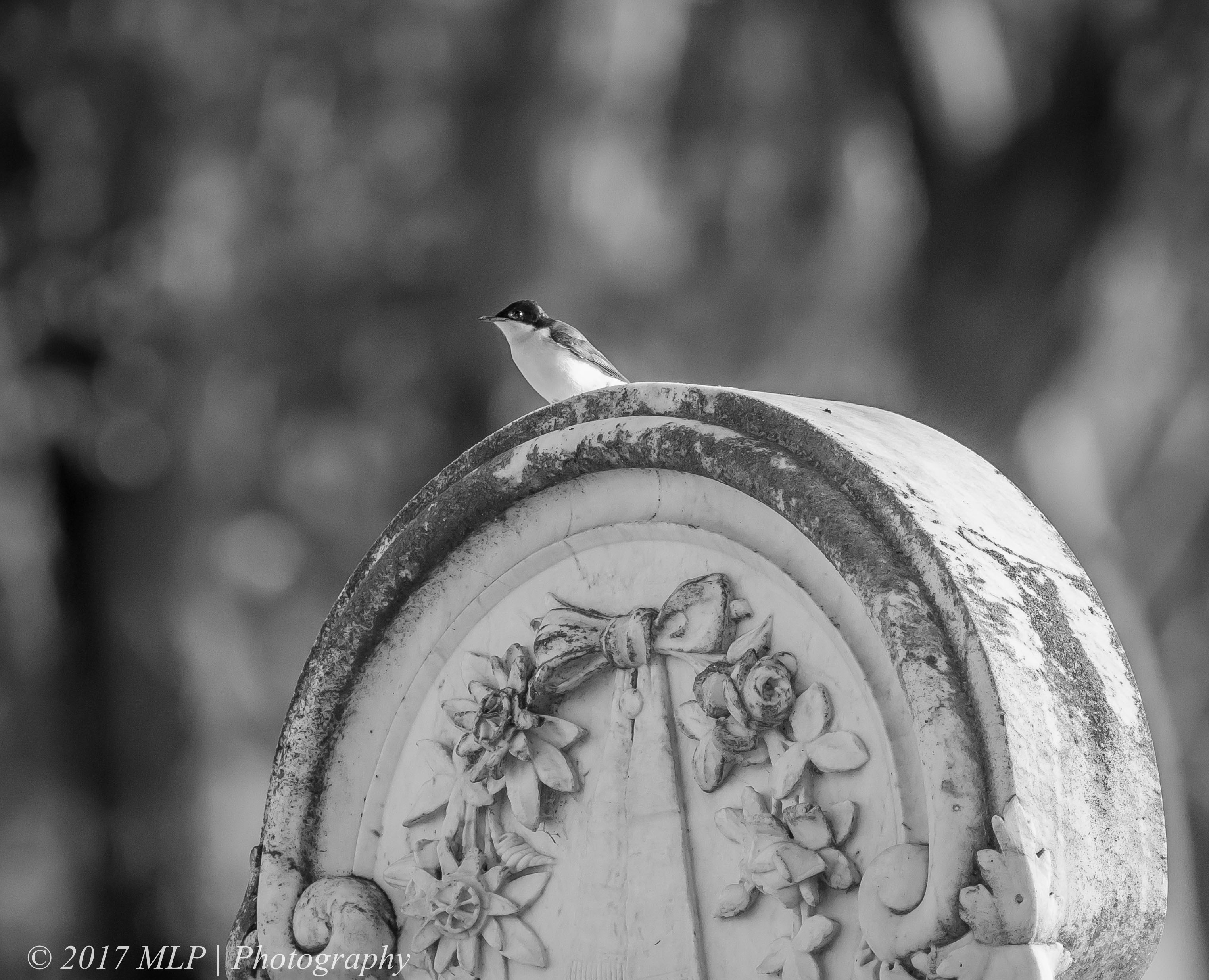
For a small hillside country cemetery, surrounded by paddocks of sheep, Newstead has a surprising array of birds feeding in the area. There are several  large mature gums and a few small creeks with dense foliage that the smaller birds love. There were many birds when I visited on the weekend including several Restless Flycatchers also called “Scissors grinder” for their whirring, rasping hissing call. The one below, an immature female was moving between headstones chasing insects.

Restless Flycatcher, Newstead Cemetery, Newstead, Vic

Restless Flycatcher, Newstead Cemetery, Newstead, Vic


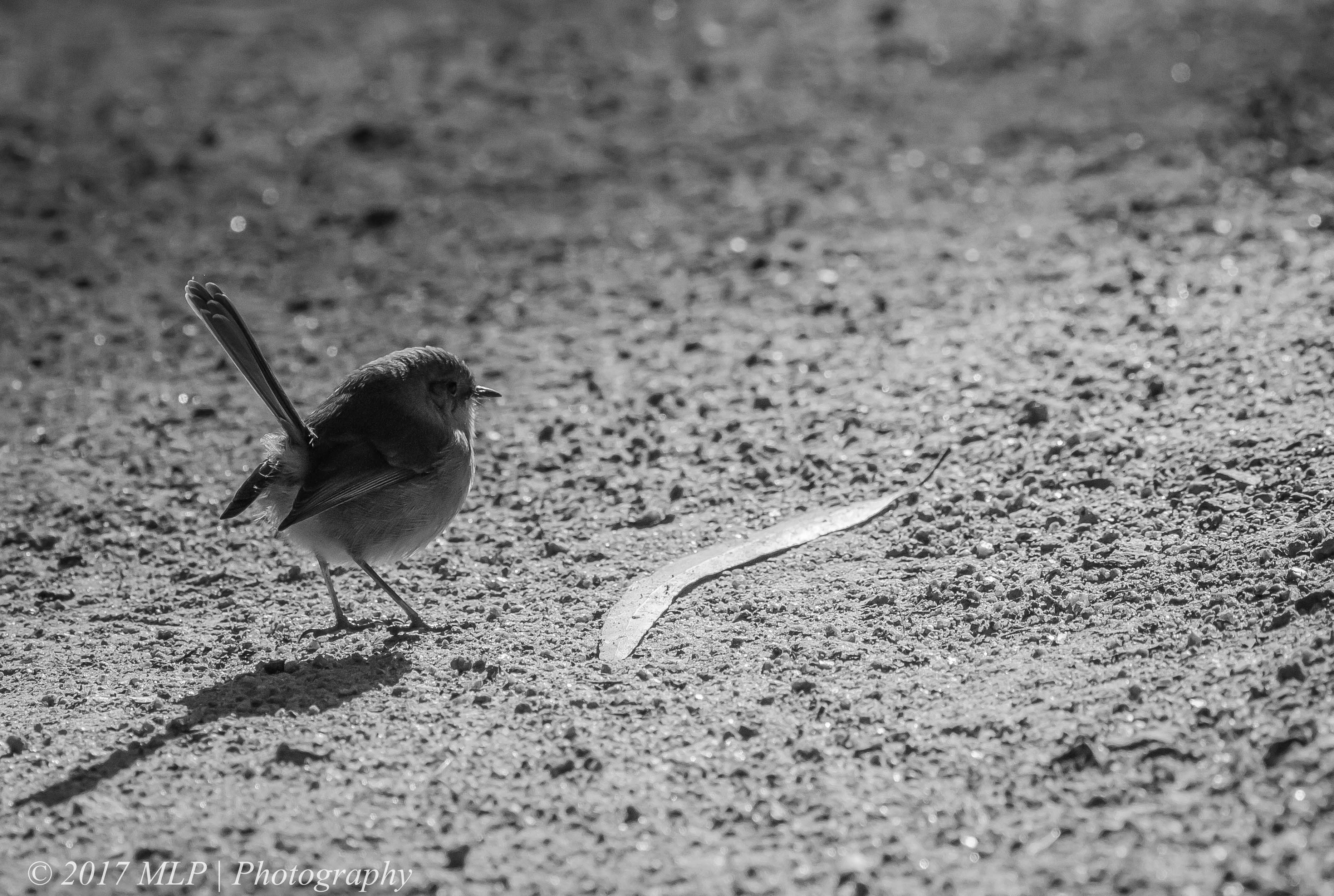
Superb Fairy-wren

A tiny Superb Fairy-wren at the Garden of St Erth in Blackwood, Victoria. I watched a small family group hunting along a path. I could not get in front of them to get the right light, but it made for an interesting silhouette.

Superb Fairy-wren, Garden of St Erth, Blackwood, Vic

Superb Fairy-wren, Garden of St Erth, Blackwood, Vic

The Lookout

On the way back to the campground at Hattah Kulkyne National Park, I came across a group of Apostlebirds – so called due to their typical family group numbers being around 12. There were actually 10 that I could see of this particular group. They are very similar socially to the White-winged Chough. They are also mud nest builders. When I pulled over and parked the car I was watched by a lookout. I tried to be careful and make sure the flock did not flush. Standing still I watched and photographed the lookout. He watched me and then  flew down and walked towards me. He walked right up to the back of my legs, around me and then onto the rest of the flock. Choughs will only let you approach after a time and will easily flush. Both species place lookouts to watch for predators or neighbouring tribes. This flock of Apostlebirds had a territory close to the camp grounds and I assume had become quite used to people.

Apostlebird, Hattah Kulkyne National Park, Vic

The lookout, Apostlebird, Hattah Kulkyne National Park, Vic

Apostlebird, Hattah Kulkyne National Park, Vic

Strutted straight up to me…

Apostlebird, Hattah Kulkyne National Park, Vic

II

Apostlebird, Hattah Kulkyne National Park, Vic

Stood a few feet behind after walking right up me

Apostlebird, Hattah Kulkyne National Park, Vic

Back with the flock

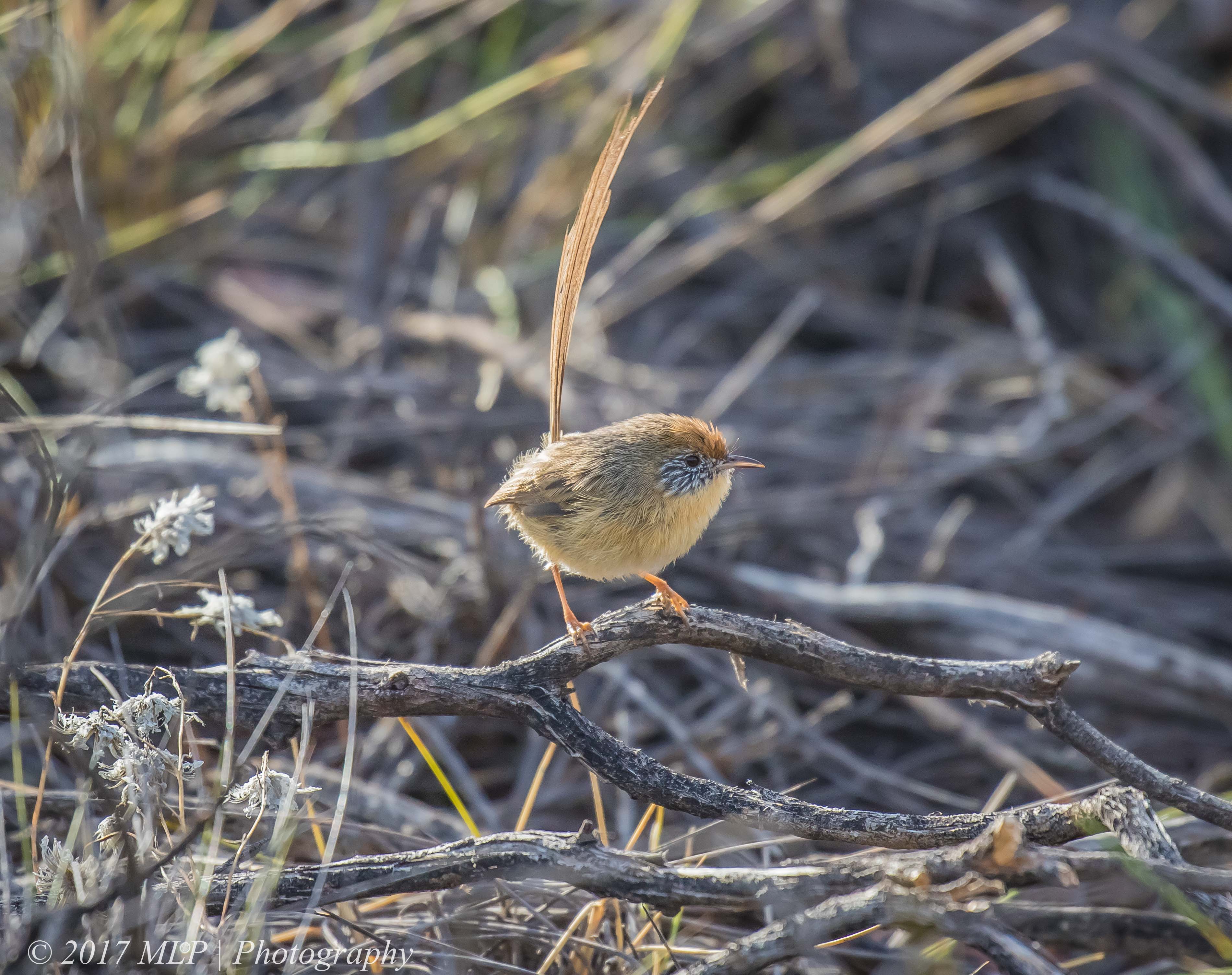
Lifer 341: Mallee Emu-wren

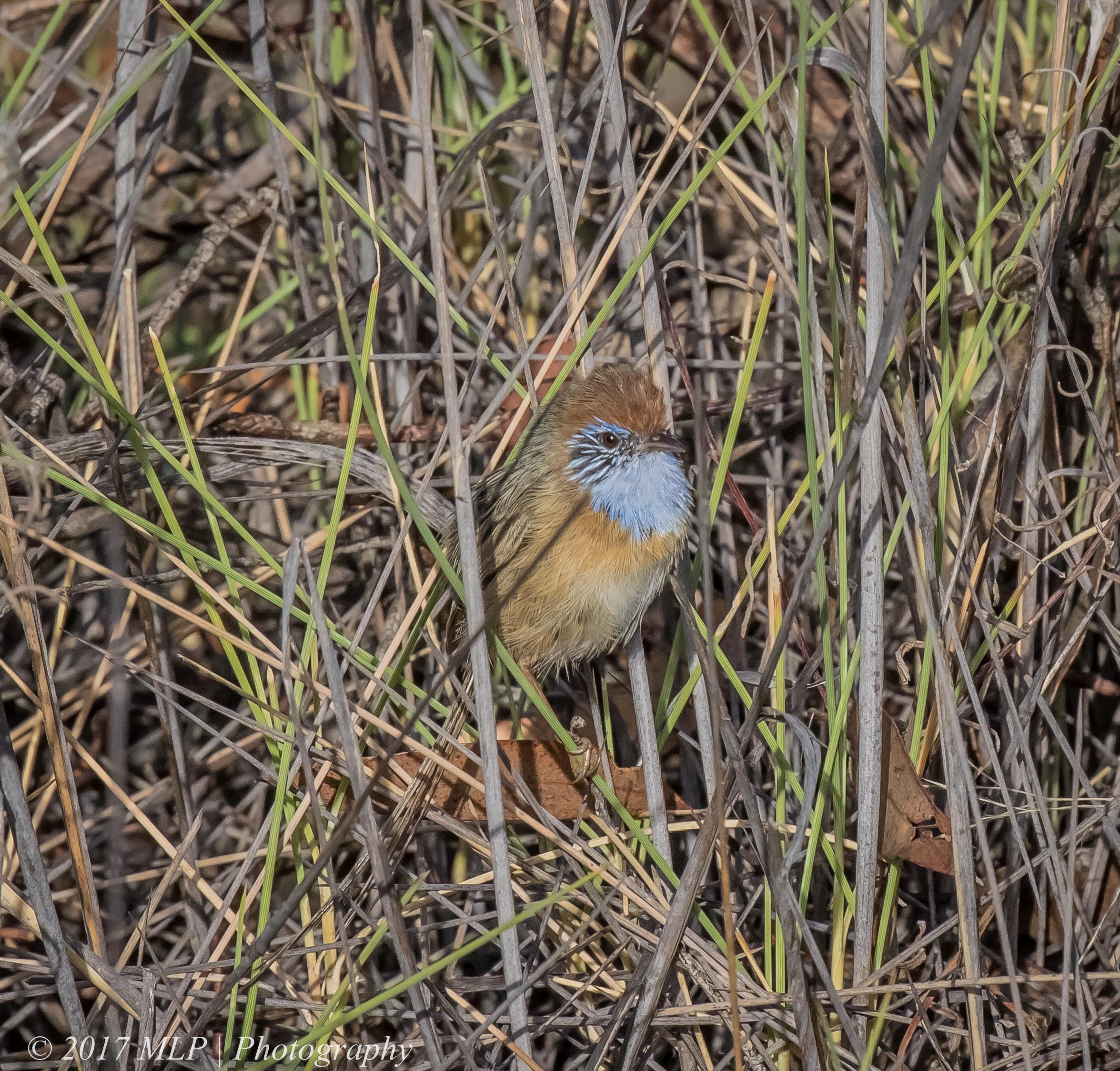
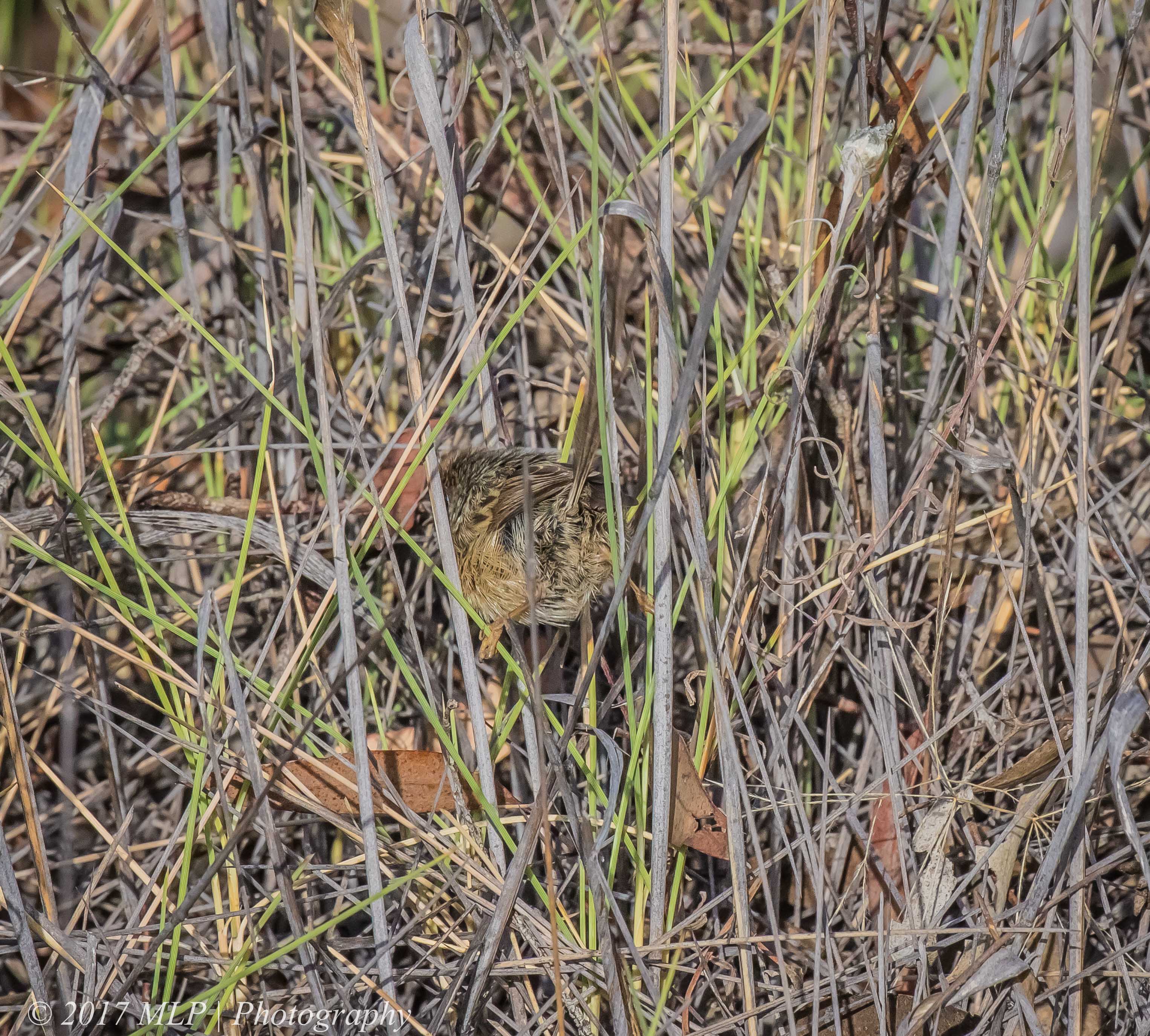
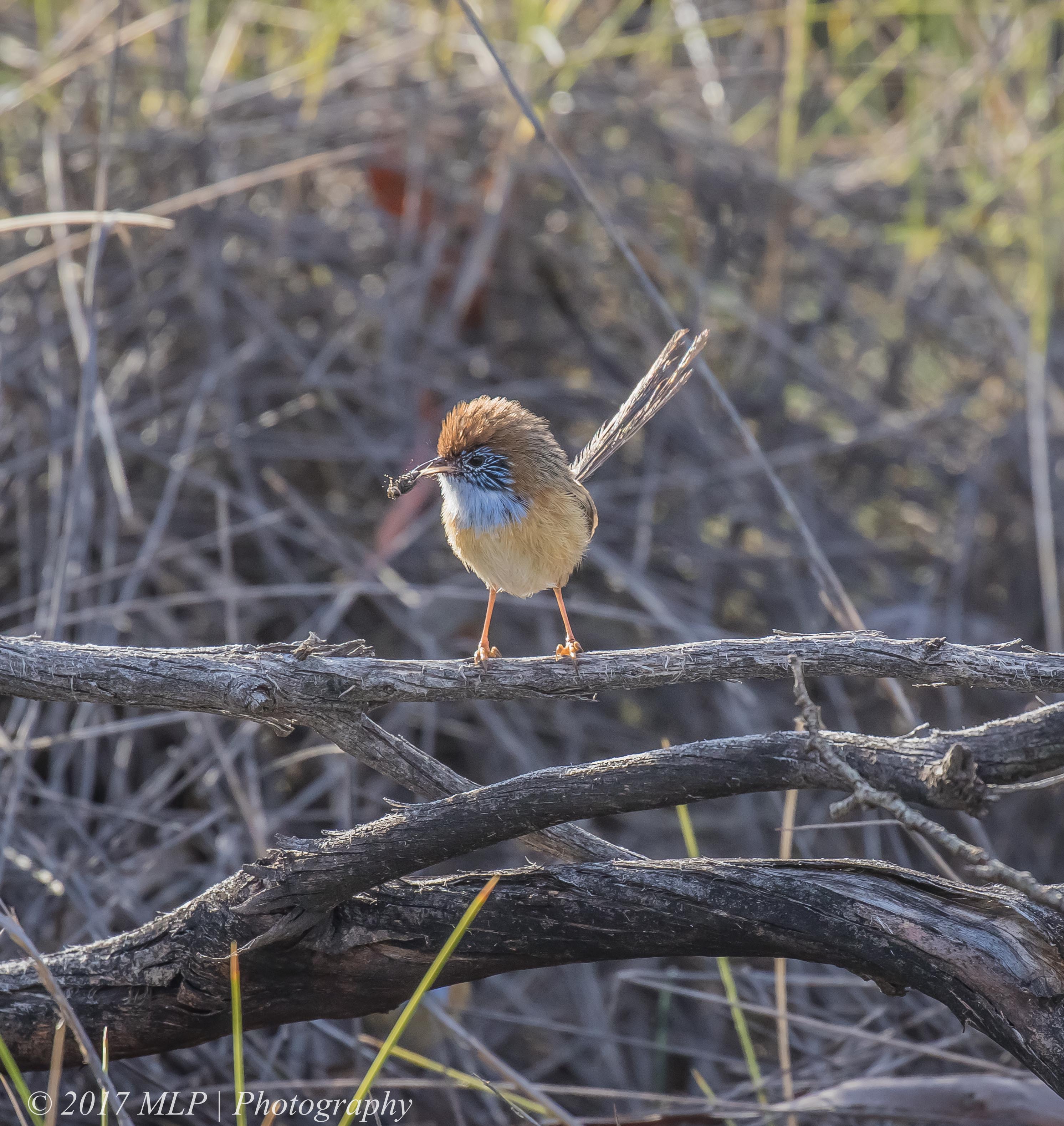
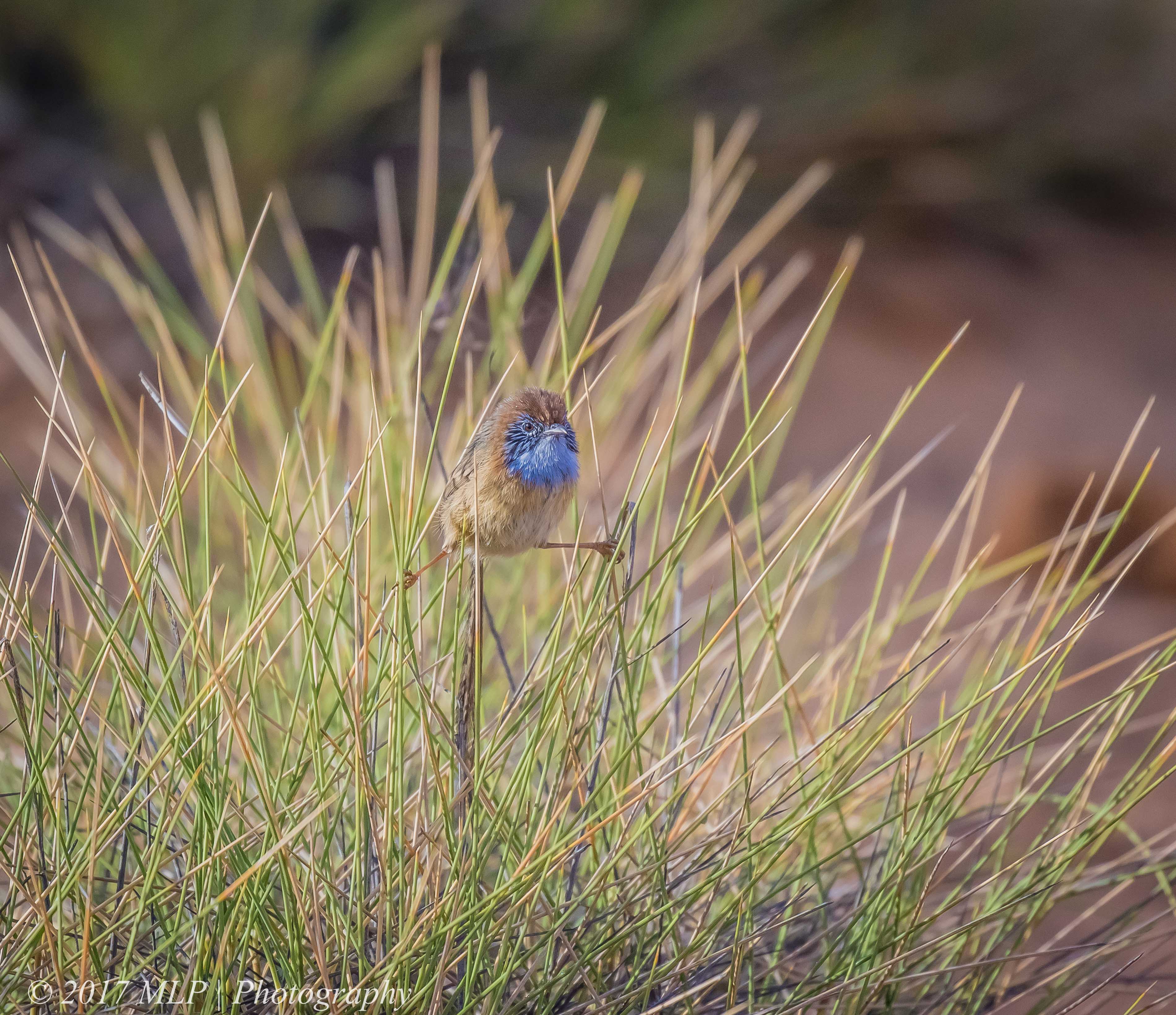
For a birder, one of the main targets for a visit to Hattah Kulkyne National Park is the Mallee Emu-wren. It is a close cousin to the Southern Emu-wren that I have found a few times in different areas along the southern coast of Victoria. At Hattah I was up early and looking for this elusive little bird as the sun rose. I was probably a bit too early as they seemed to need the sun to warm up a bit and become active. Once up and about they were quite noisy (high pitched squeaks and trills), and reacted well to the phishing noises I made to get their attention. I saw three family groups along the track and managed to photograph several individuals as they came out to investigate my presence.

Mallee Emu-wren, Nowingi Track, Hattah Kulkyne National Park, Vic

Female Mallee Emu-wren, Nowingi Track, Hattah Kulkyne National Park, Vic

Mallee Emu-wren, Nowingi Track, Hattah Kulkyne National Park, Vic

II

Mallee Emu-wren, Nowingi Track, Hattah Kulkyne National Park, Vic

III

Mallee Emu-wren, Nowingi Track, Hattah Kulkyne National Park, Vic

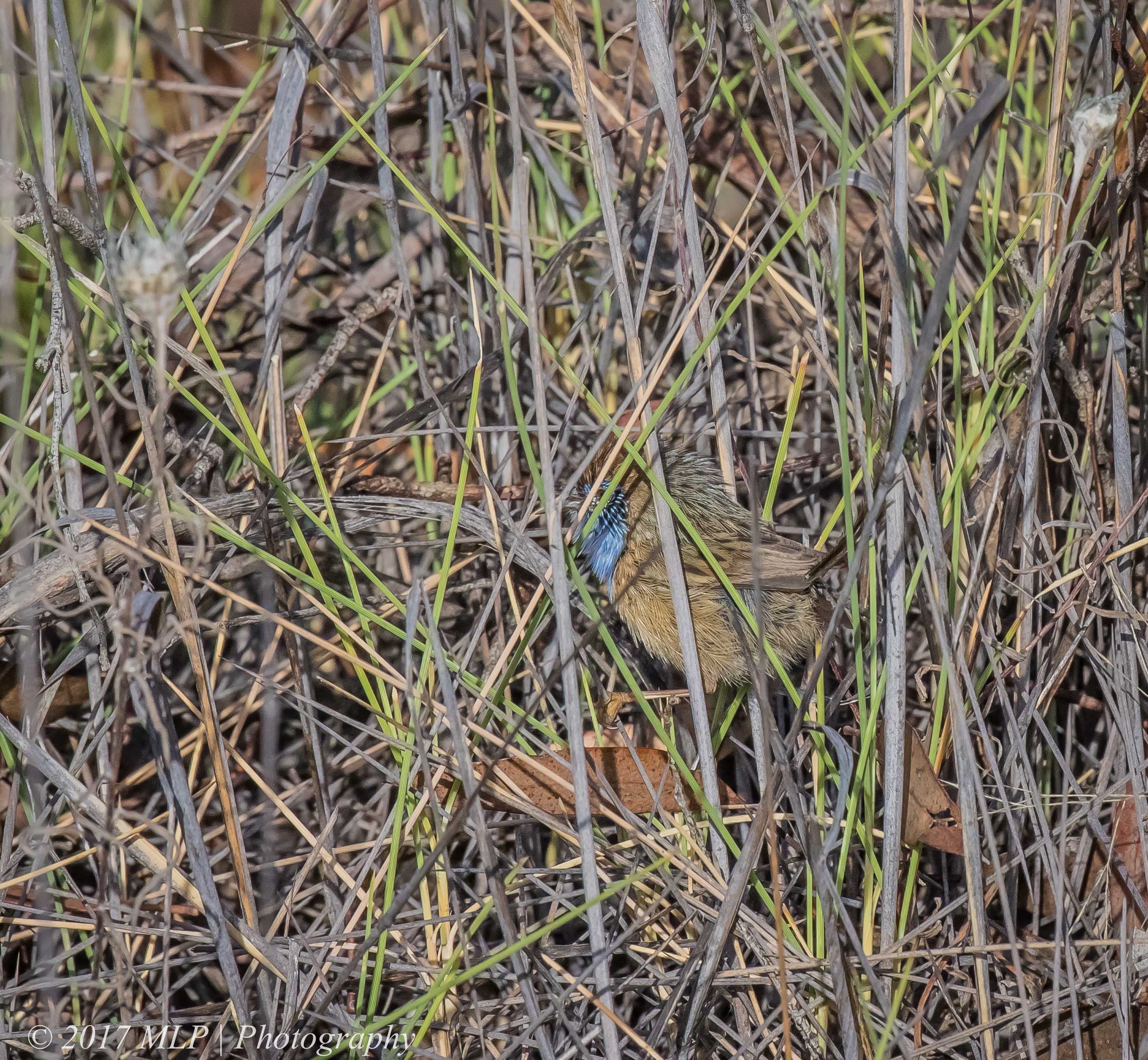
The Emu-wren can quickly dive back into the spiky grass and disappear  – there is no way you could see them unless they were perched on top of the grass clump

Mallee Emu-wren, Nowingi Track, Hattah Kulkyne National Park, Vic

The male’s blue throat can give away their presence in the grass. 

Mallee Emu-wren, Nowingi Track, Hattah Kulkyne National Park, Vic

Hunting flies for breakfast.

Mallee Emu-wren, Nowingi Track, Hattah Kulkyne National Park, Vic

A typical pose when looking out for danger or watching for intruders from neighbouring tribes.

Mallee Emu-wren, Nowingi Track, Hattah Kulkyne National Park, Vic

In this position the tails hangs down, the muscles are probably needed just to keep that pose.

Emu, Nowingi Track, Hattah Kulkyne National Park, Vic

Emu walking down the Nowingi Track, the typical vegetation of the Mallee Emu-wren, more trees and other vegetation variety compared to the needs of the Southern Emu-wren.