Tag Archives: Victoria

Hastings Harbour Mudflats: Flames, Wrecks and Pelicans

Coming back from spending some time at the family farm, I stopped at Hastings to have a look at the mudflats at low tide. Hastings has a popular fishing harbour as well as a mixed industry site. A good amount of work has been done to turn it into a seaside town with a growing tourism market. There is a nice tree lined walk right along the edge of the mudflats and mangroves. Pelican Pier has a cafe with great views of the harbour. I have not been there for a long time and I was surprised to find that it is a pretty interesting place with a lot of scope for bird and general photography. There is a pier with lots of fishermen in action at low tide, many birds (Ibis, Egrets, Spoonbills, Swans & Pelicans) out on the mudflats that move up closer to the shore when the tide comes in and at least a dozen Pelicans hanging around looking for a free feed from the fishermen as they fillet and clean their catch.
Hasting Harbour

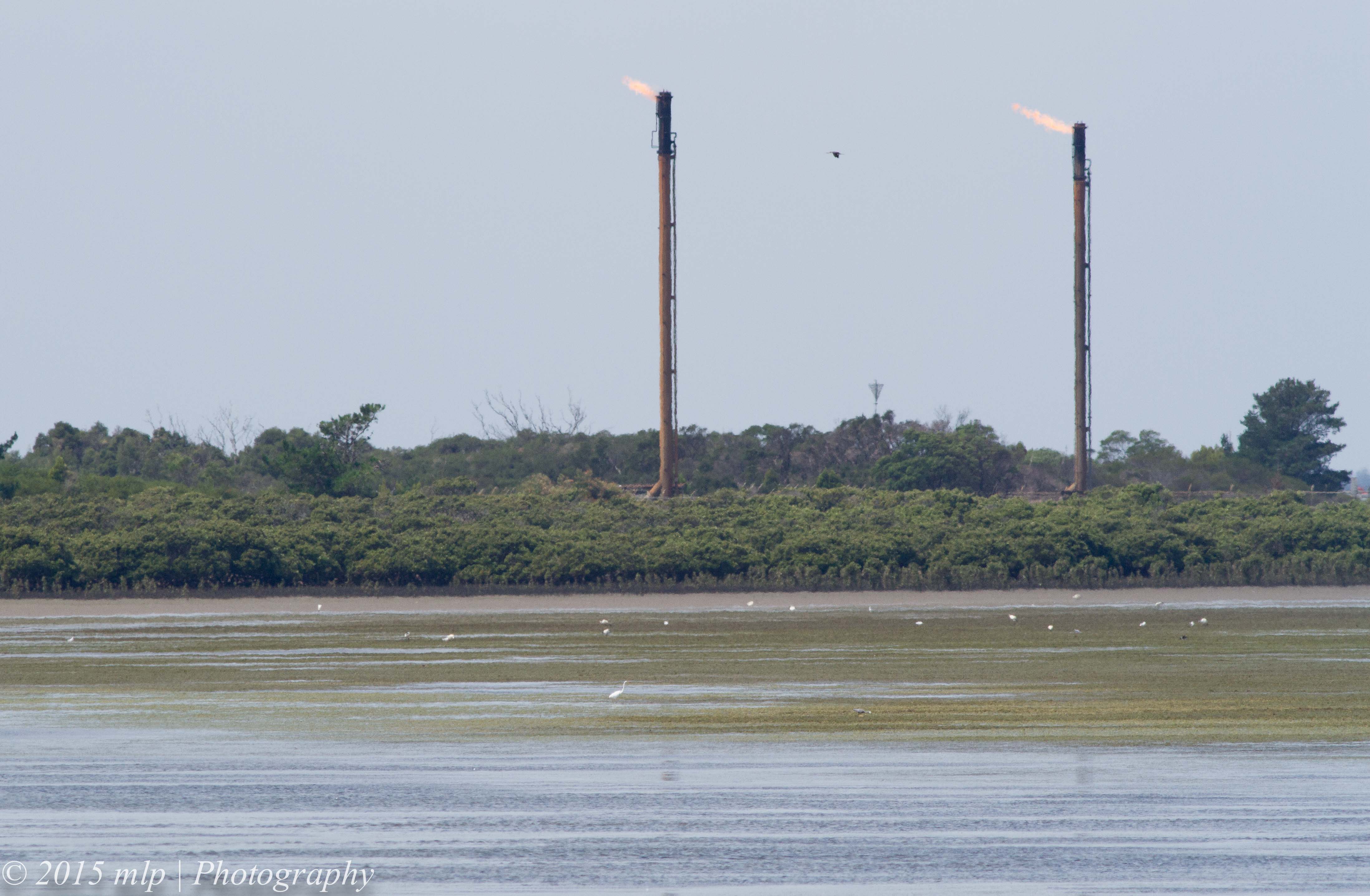
Hastings Harbour – heavy industry amongst the mangroves and Great Egrets

Hasting Harbour

An old fishing boat wreck out on the mudflat island. I did not notice the hovercraft in the background until I processed the image.

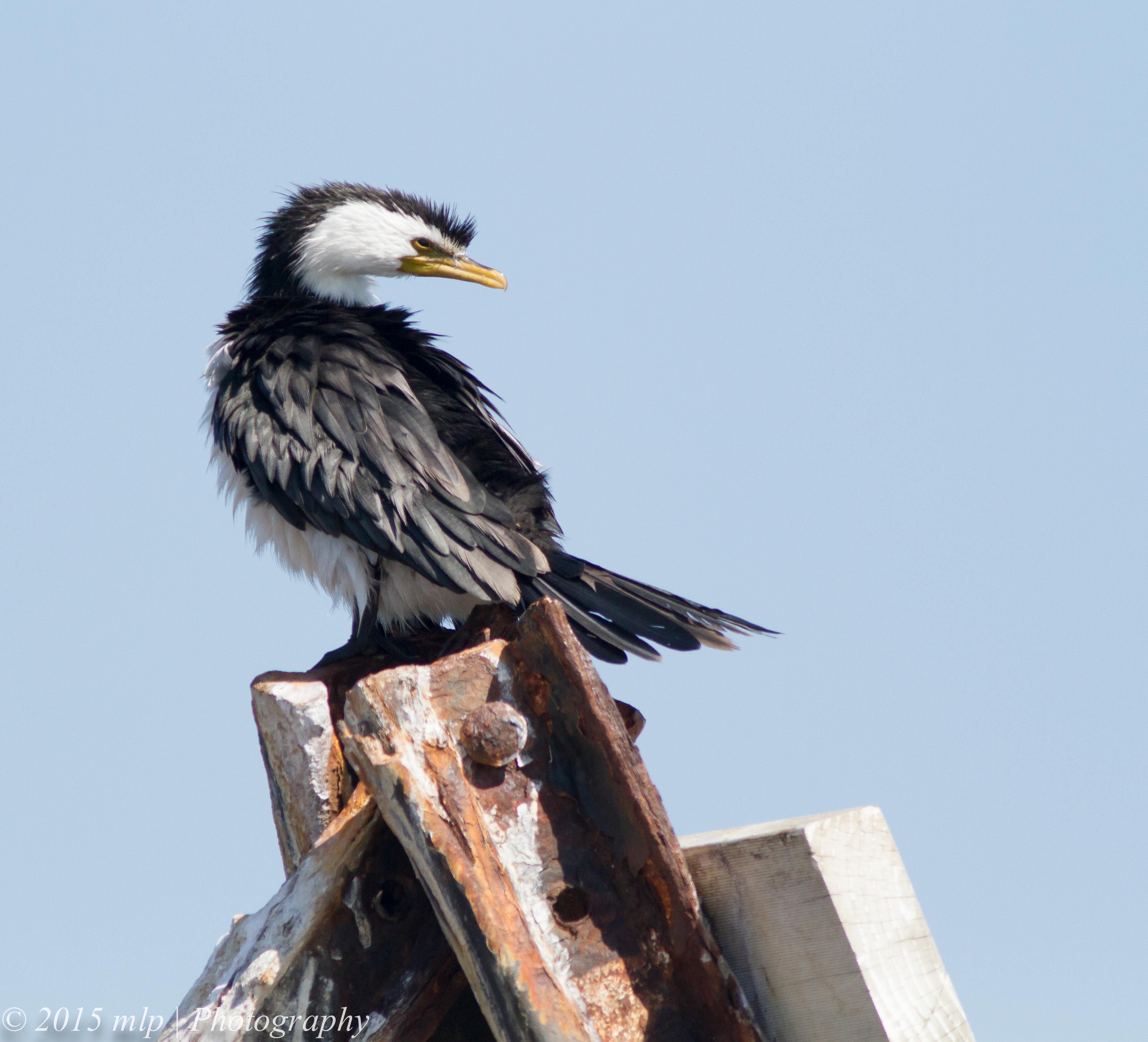
Pied Cormorant

Pied Cormorant – it took a bit effort to get the fish down. The cormorant kept juggling the fish trying to get it down head first. He got it in the end….

Pacific Gull

Pacific Gull

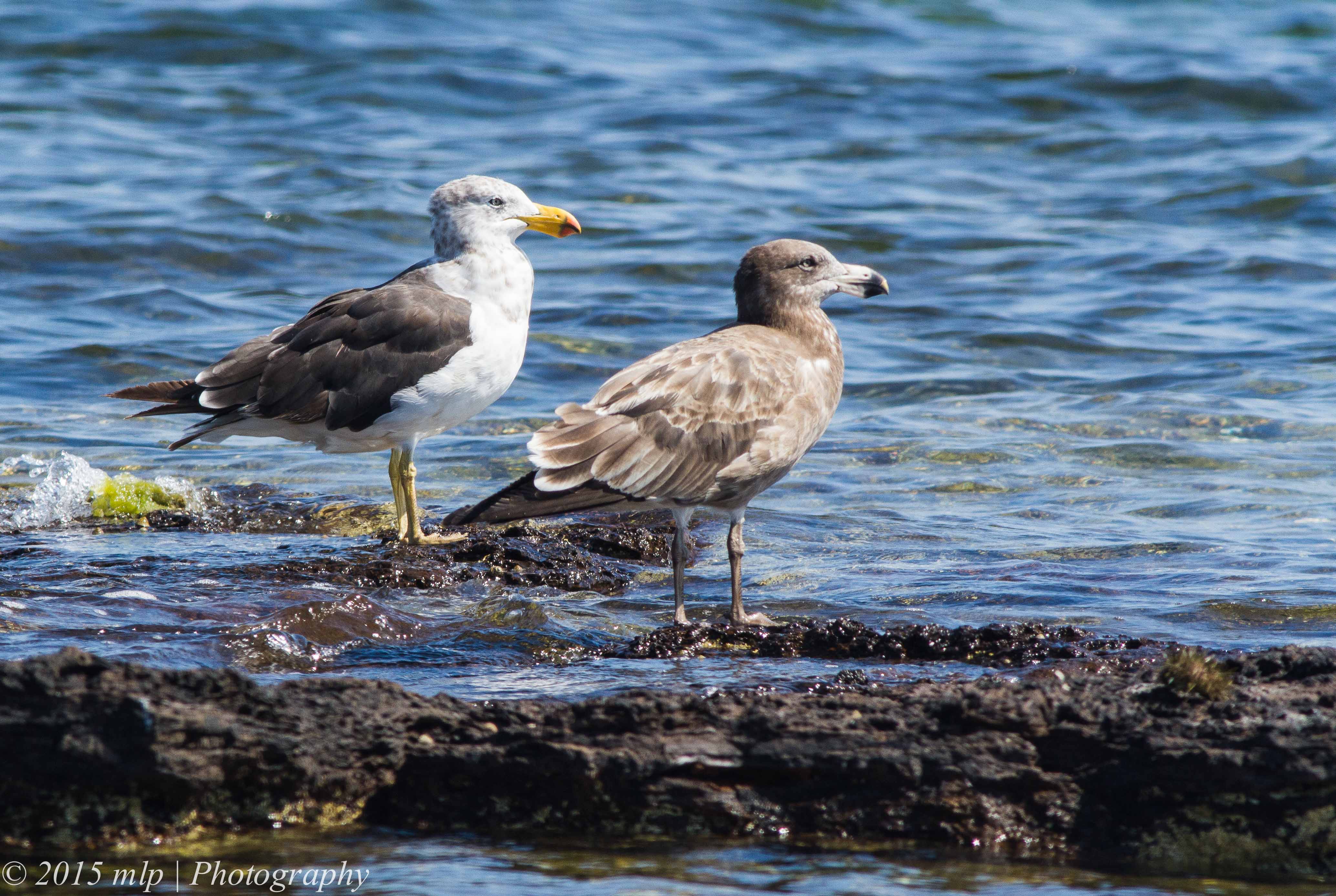
Pacific and Silver Gulls

Silver vs Pacific Gull – to see the two together gives you an idea of the size difference – the Pacific Gull is a big bird.

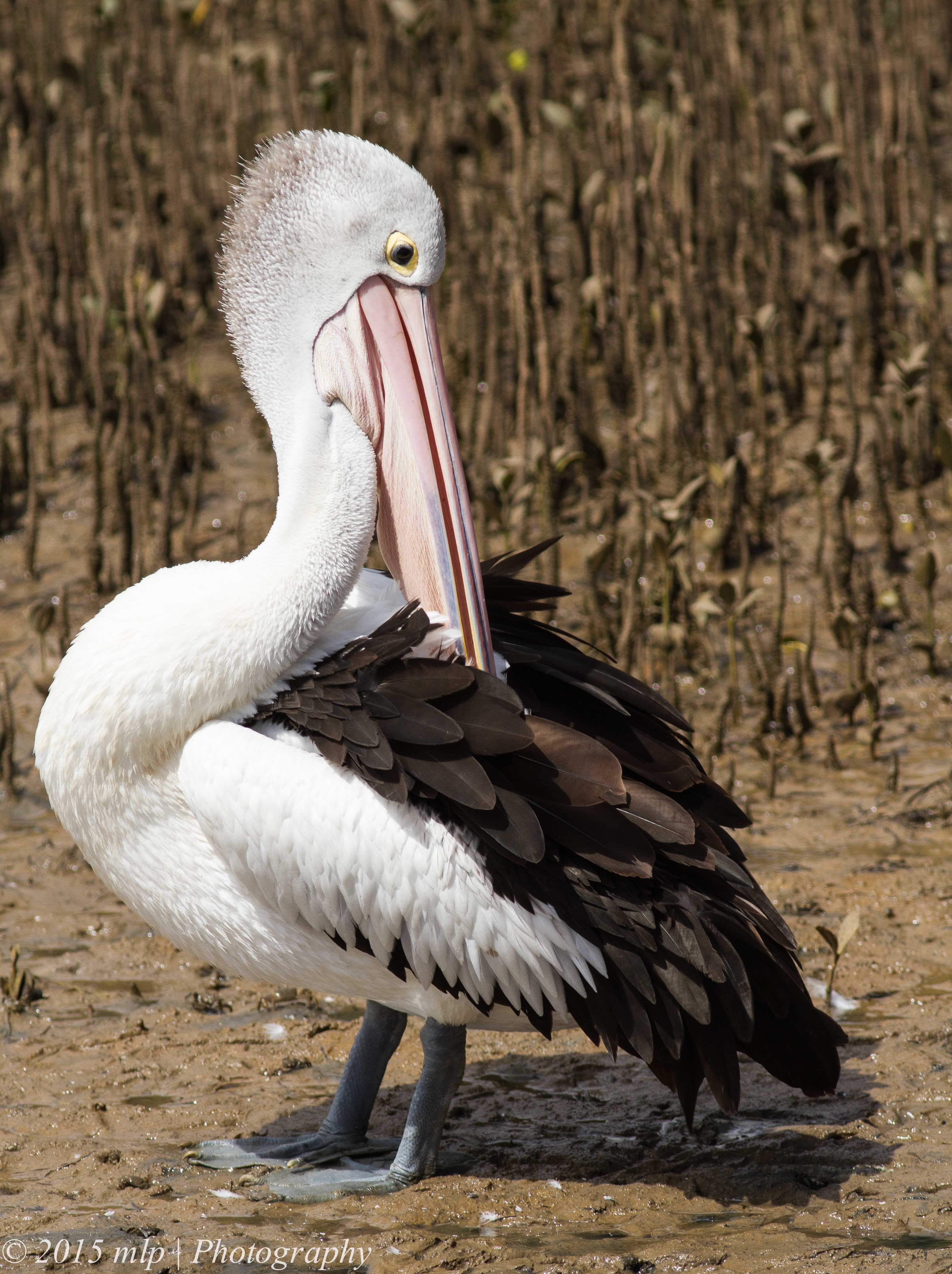
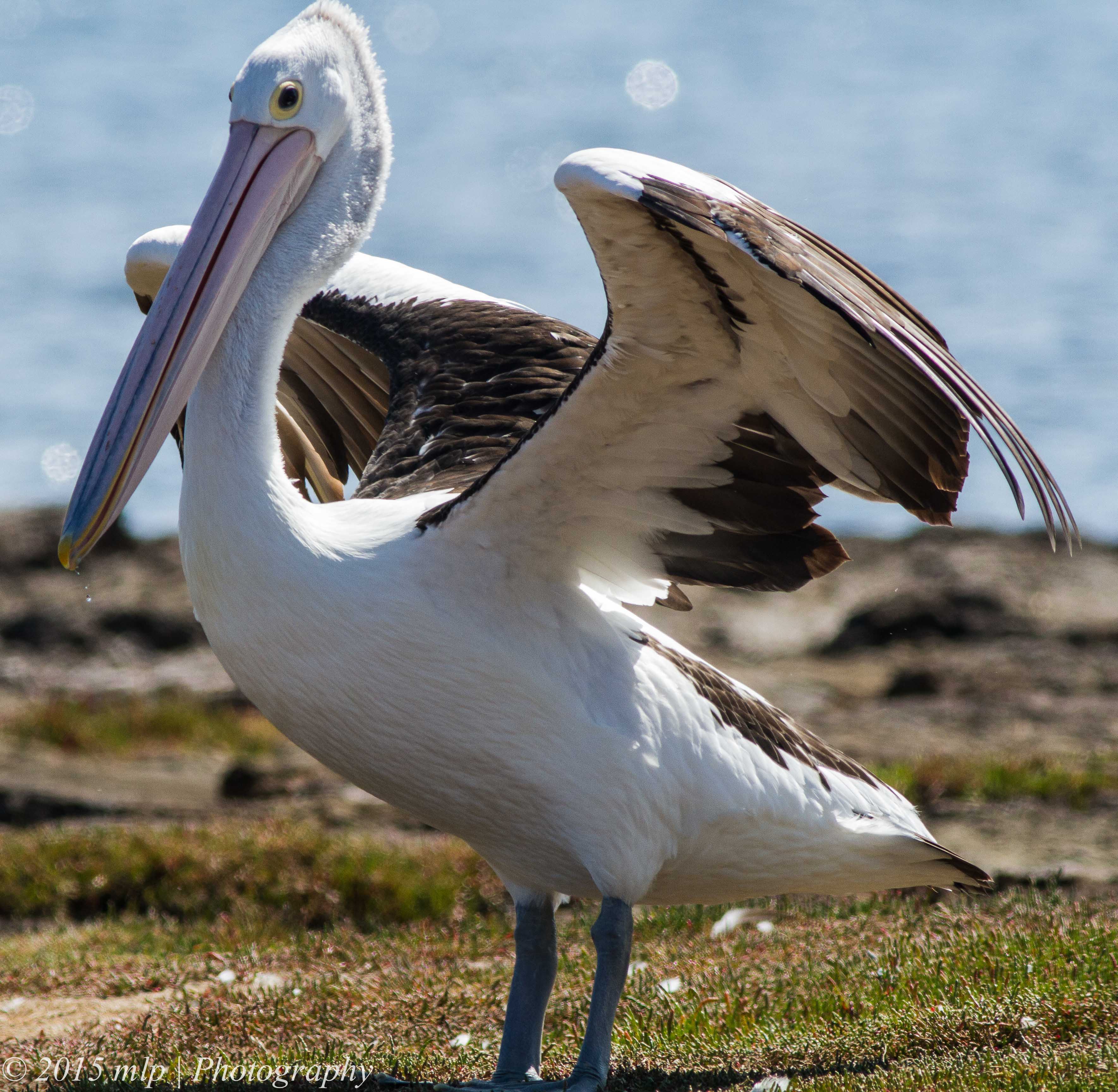
Pelican

Pelican – stretching and drying, and maybe telling stories about the one that got away….

Pelican

Pelican – everything gets a stretch.

Pelican

Pelican – with a long neck and bill you can pretty much reach anywhere….

Pelican

Pelican in the mangroves

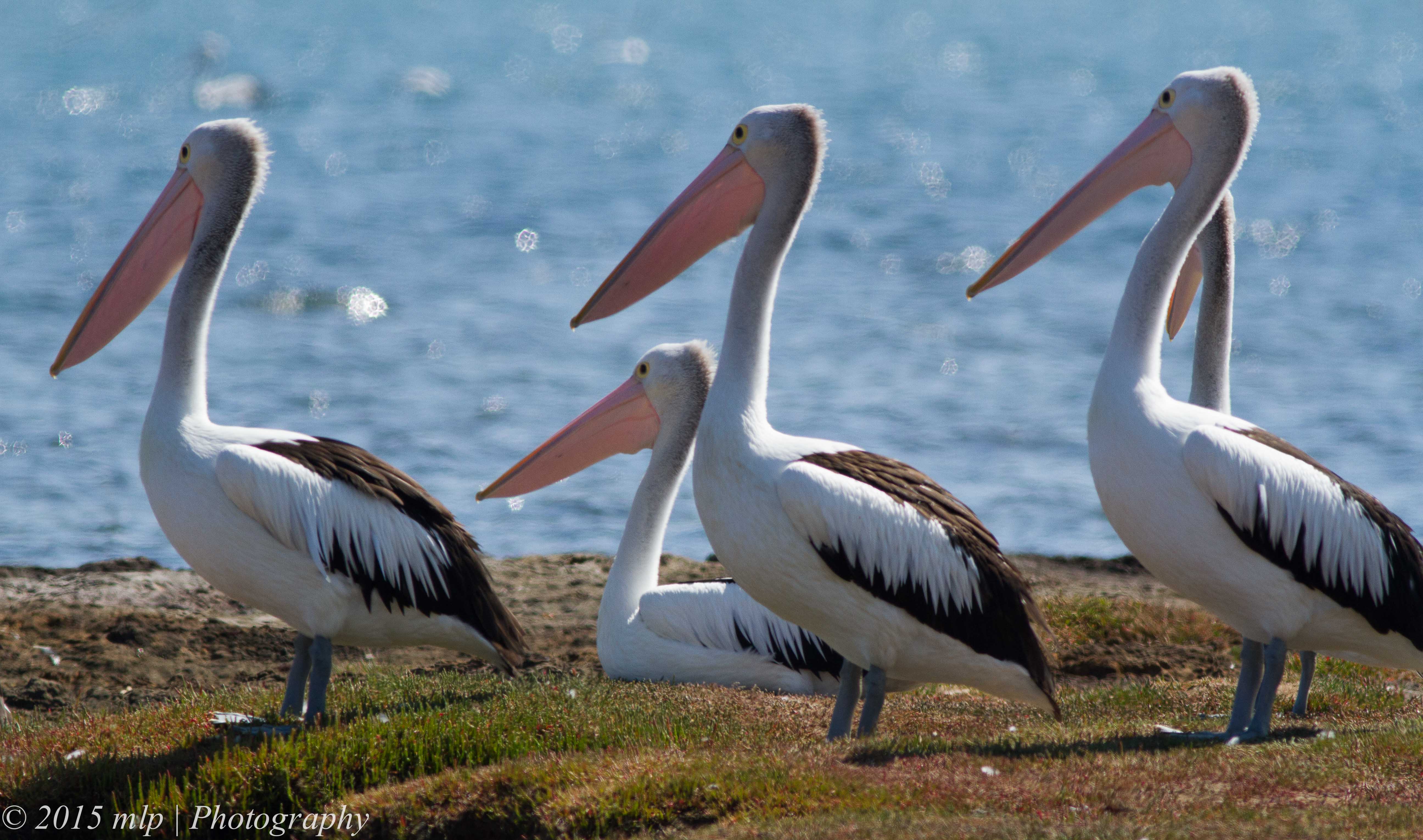
The pelicans did not mind me too much as I got in close while they waddled in to the fish cleaning tables. I took a number of close shots of their feathers, eyes and beak throat pouch skin

Pelican

Pelican close-up

Up the You Yang(s)

Halfway between Melbourne and Geelong is a Regional Park with high granite peaks and over 50km of Mountain Bike riding trails. It is also a good spot to bush walk and find a reasonable selection of uncommon woodlands birds. It can be dry and hot at times and there are a few dams in the park near the entrance that usually have water and so are good spots to explore for birds. There is a 12 km dirt road (the Great Circle Drive) that winds around the park taking in most of the main habitats.

Injured Cockatiel

Injured Cockatiel on the side of the road leading to the You Yangs, not known in this area so I assume an aviary escapee.

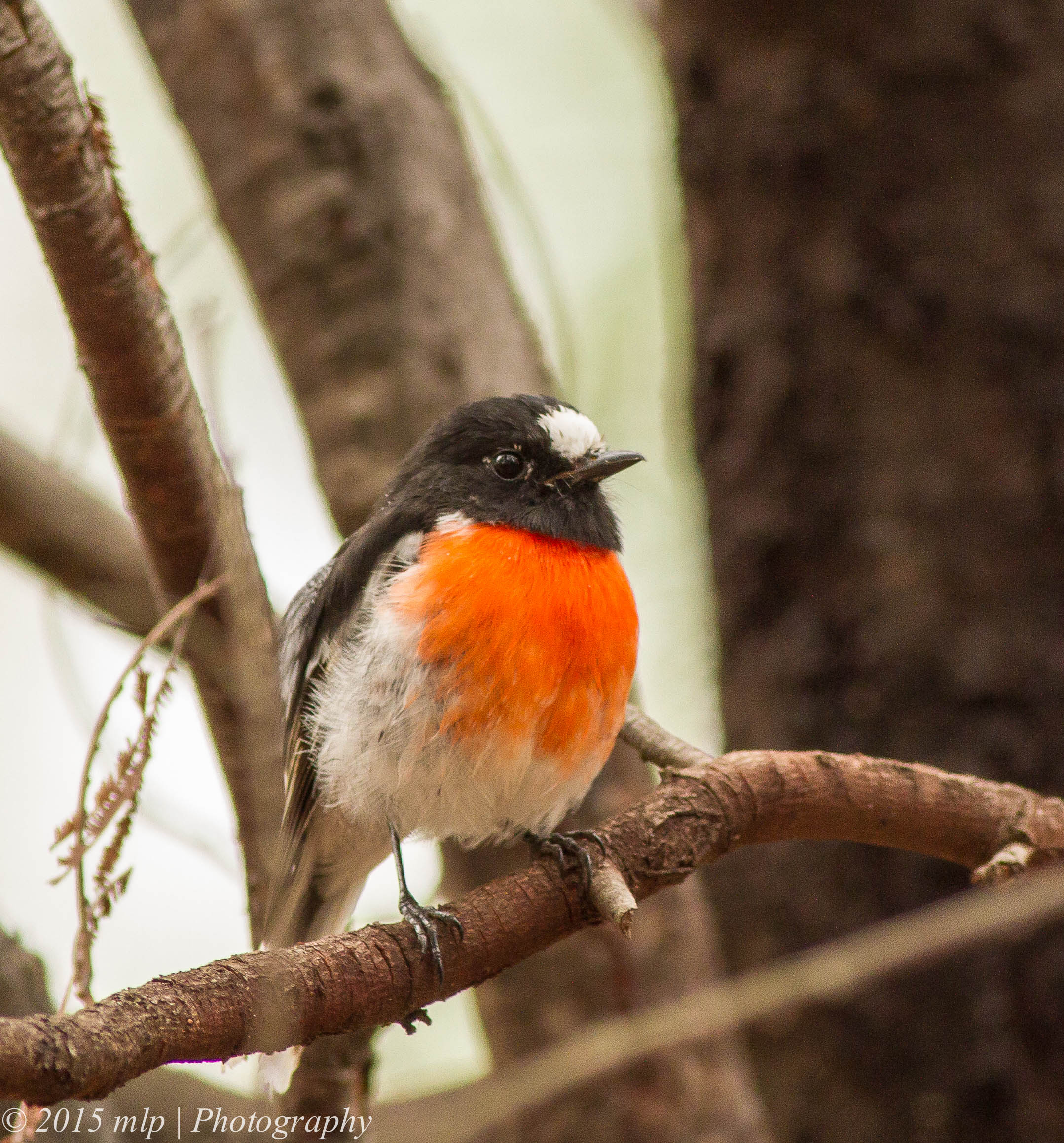
Scarlet Robin

Scarlet Robin – teased me into thick scrub to try and take a photo. A curious bird and one that stands out quite well against the grey/brown background of the surrounding bush.

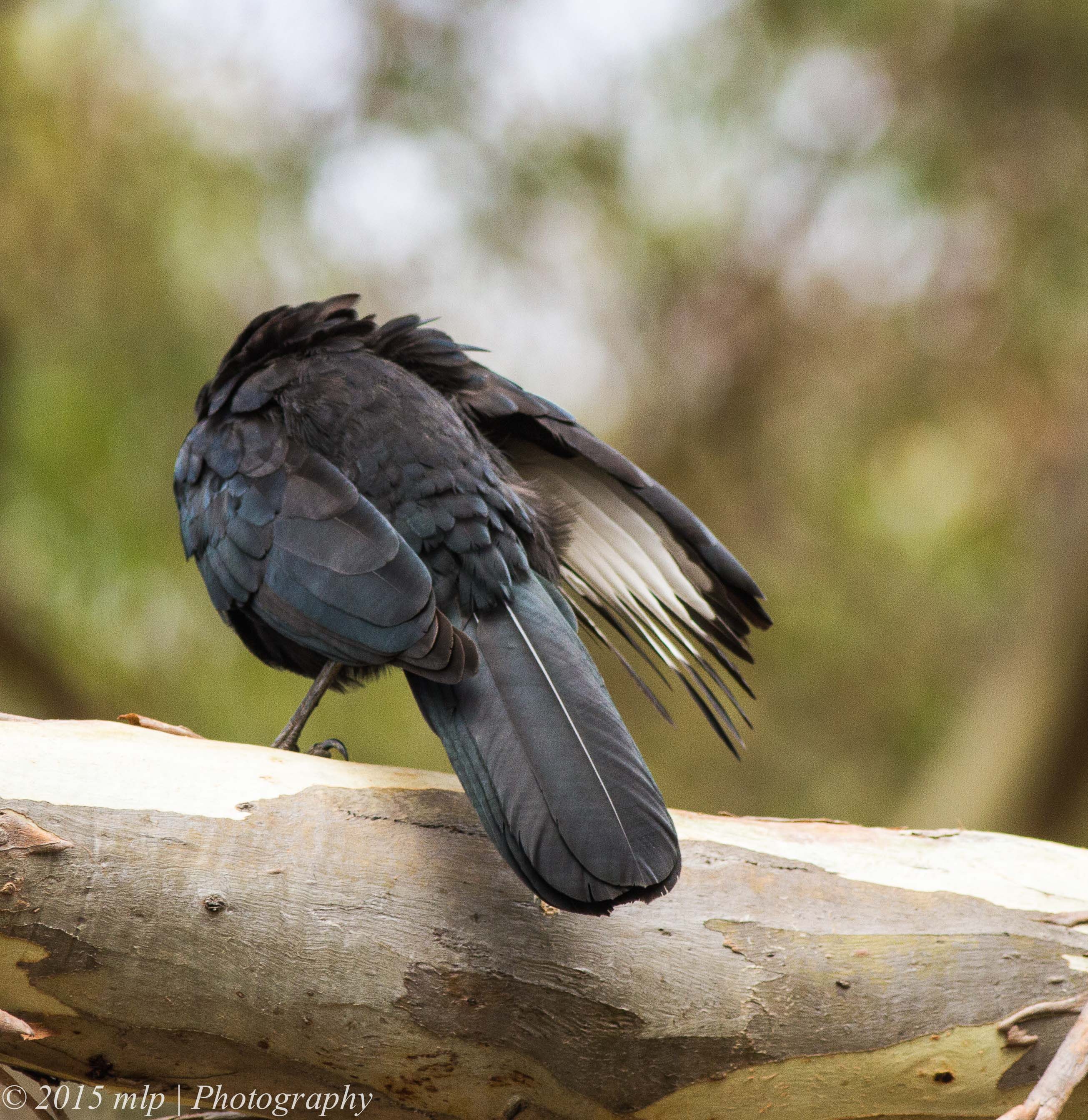
There are several large groups of White Winged Choughs (chuffs) in the You Yangs. They are a social species living in extended family groups. They are generally hard to sneak up on as they post guards in the surrounding trees as the main group feeds on the ground. I took some time and watched this family and slowly moved closer. They have very distinctive calls and different alarms for a variety of threats.

White Winged Chough

White Winged Chough

White Winged Chough

White Winged Chough  – one of the guards keeping an eye on me as the main group looked for food on the ground.

White Winged Chough

White Winged Chough III

White Winged Chough

White Winged Chough – a glimpse of the White Wings – very clear in flight and when grooming

White Winged Chough

The two above were grooming each other and cleaning their own feathers. 

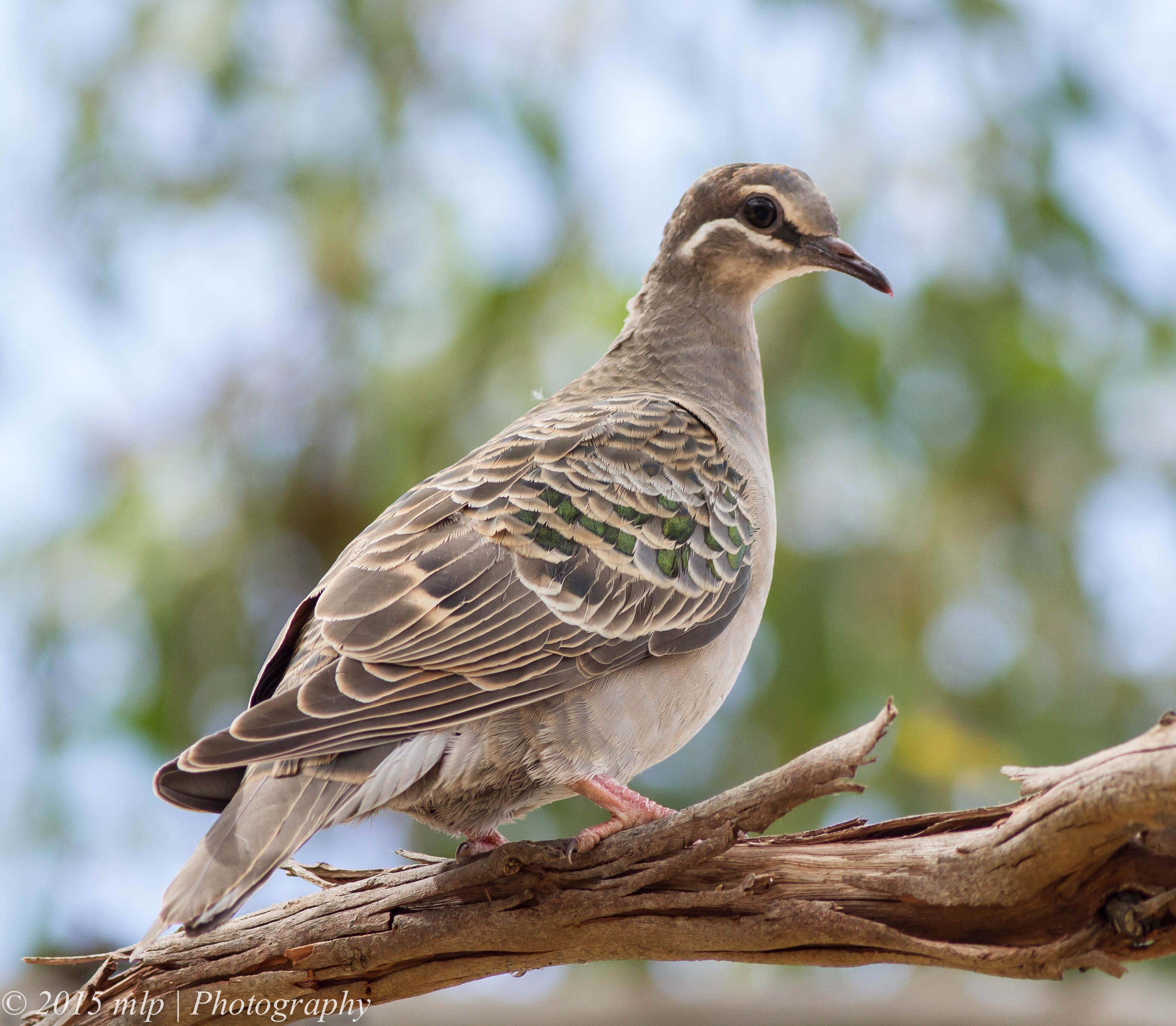
Common Bronzewing

Common Bronzewing

Common Bronzewing

Common Bronzewing II

Always looking for good Bokeh, eventually….

I am always thinking about the potential Bokeh of a shot…well after I panic about trying to just get an image of the bird before it flies away or becomes blocked by branches, then just trying to get it in focus with good light and then I think about bokeh….

To quote the Nikon USA site: Bokeh is defined as “the effect of a soft out-of-focus background that you get when shooting a subject, using a fast lens, at the widest aperture, such as f/2.8 or wider.” Simply put, bokeh is the pleasing or aesthetic quality of out-of-focus blur in a photograph.

Good Bokeh can really help the subject pop out against the background with a nice contrasting or complimentary colour. I use a 5.6 lens and still can achieve some interesting bokeh.
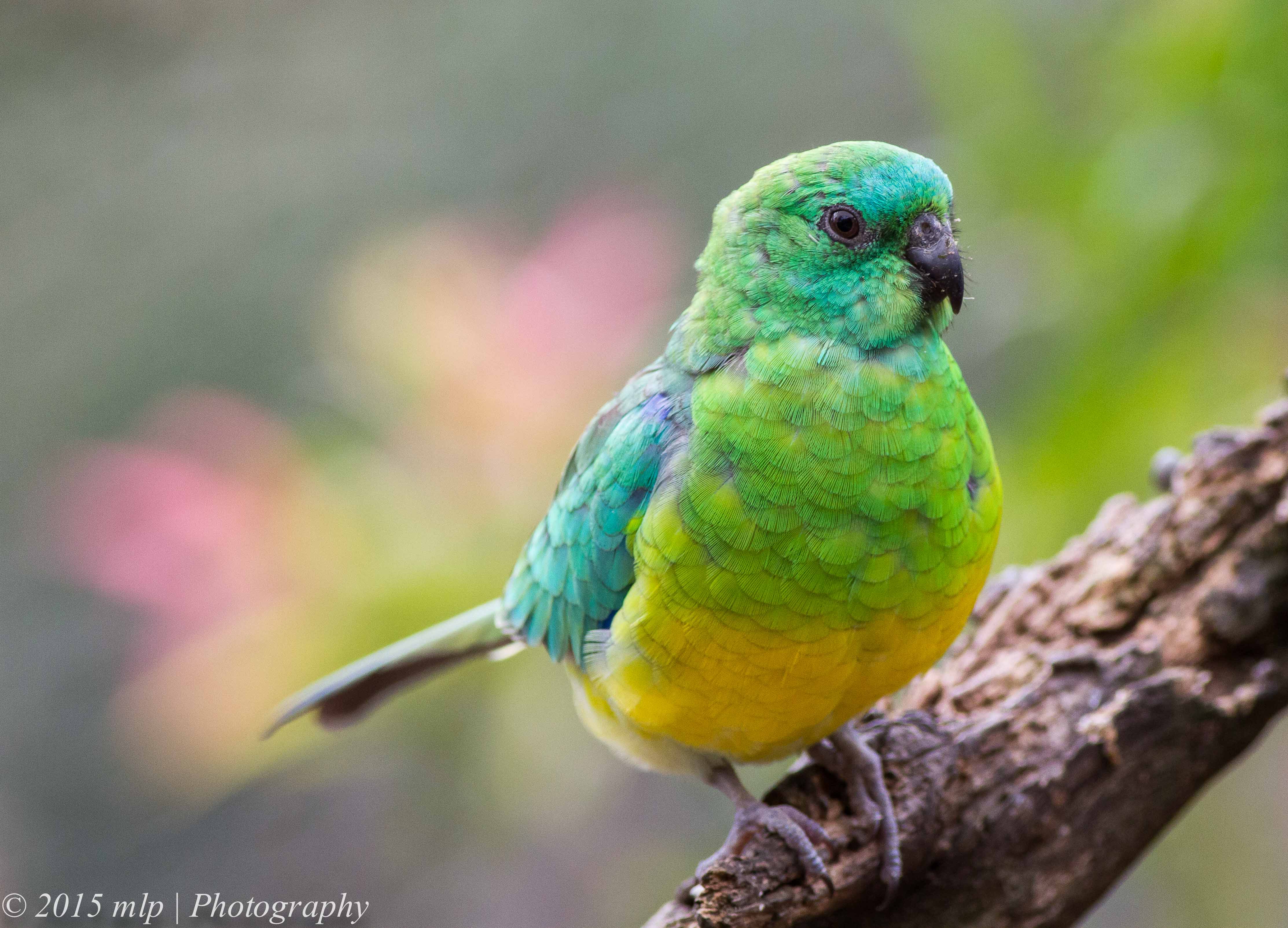
Red Rumped Parrot

Red Rumped Parrot

White Winged Chough

White Winged Chough

Cape Barren Goose

Cape Barren Goose

Pelican

Pelican

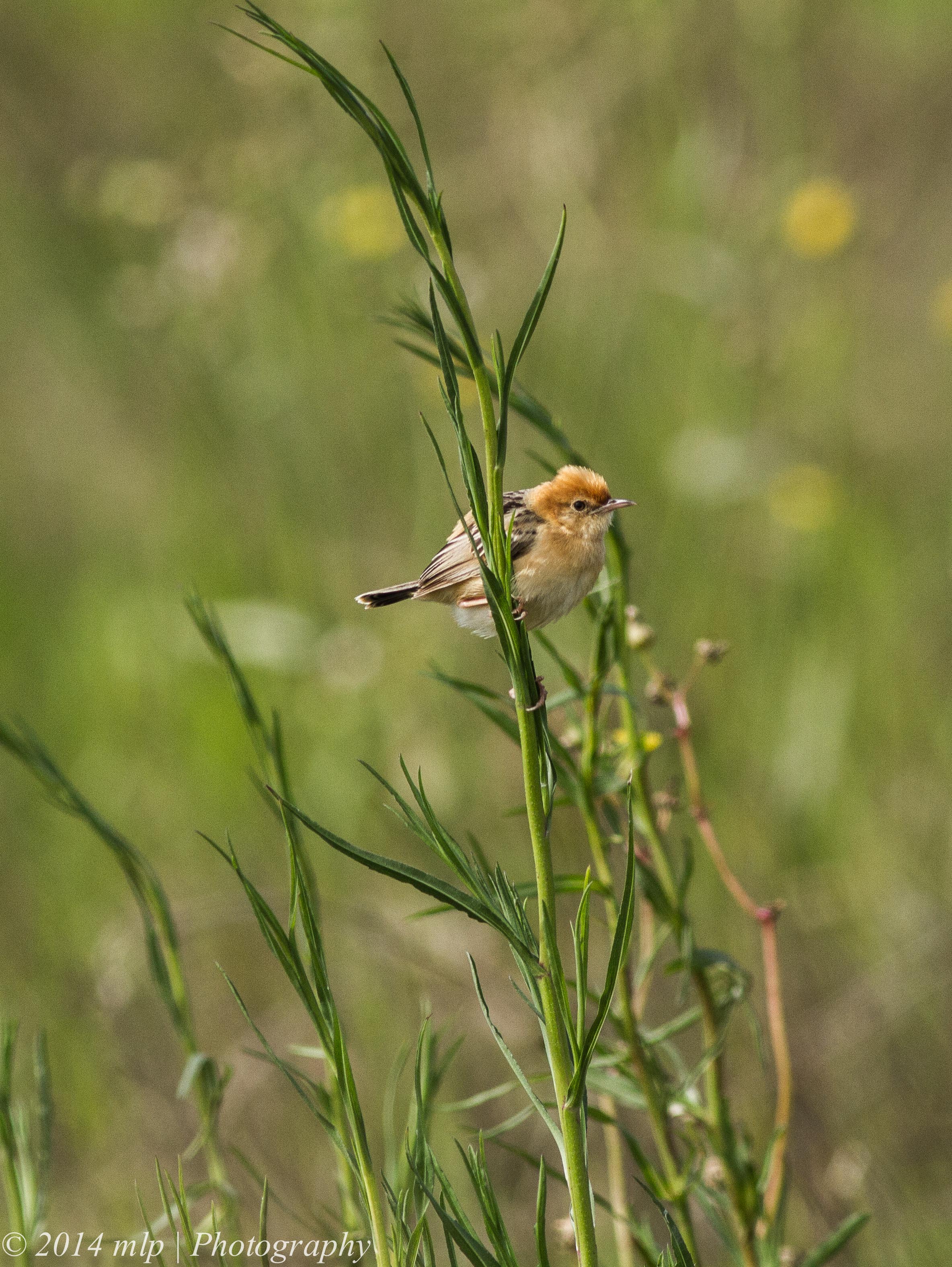
Golden Headed Cisticola,

Golden Headed Cisticola

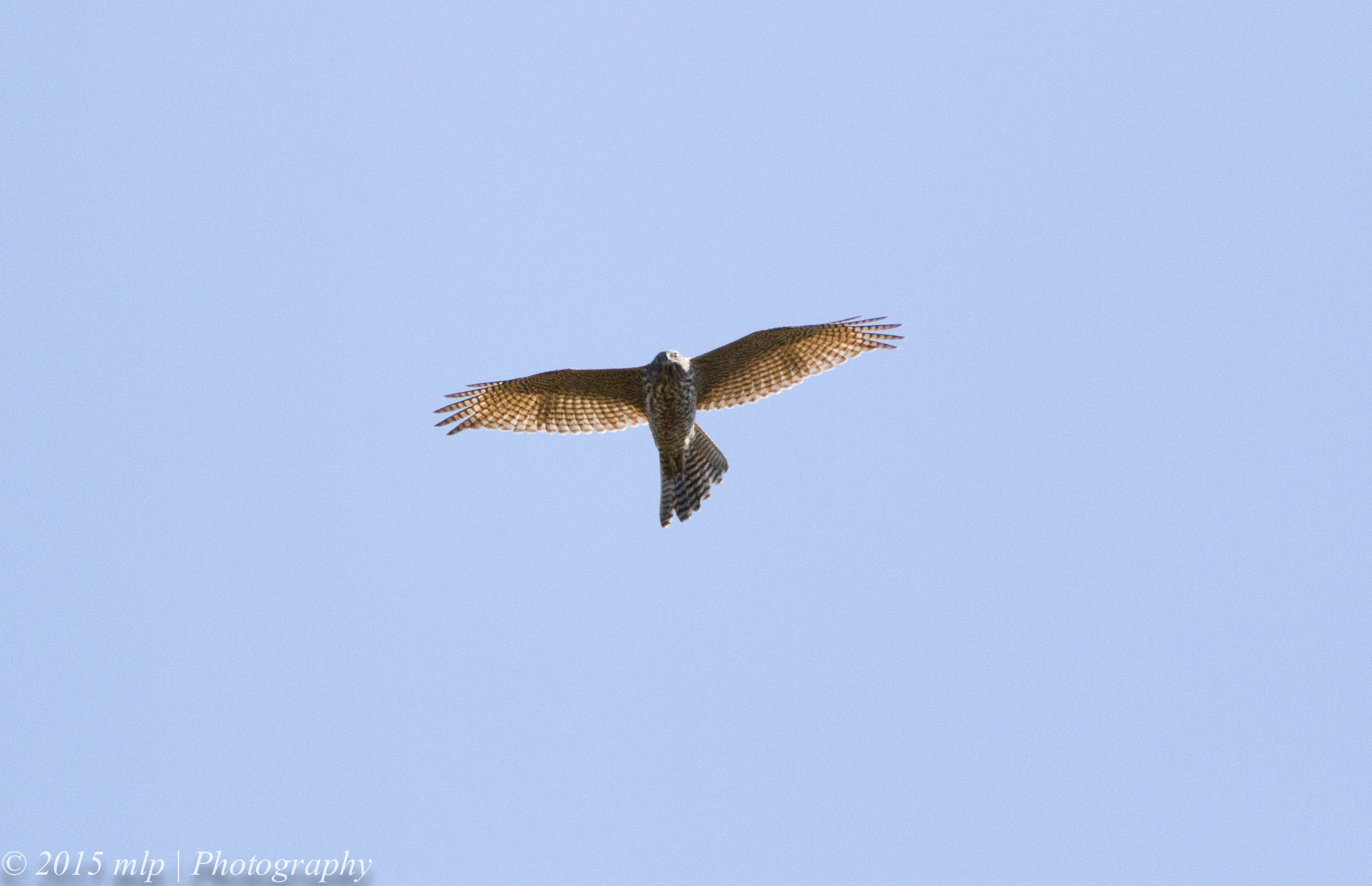
Immature Spotted Harrier, Western Treatment Plant, Werribee - 23 Nov 2014

Immature Spotted Harrier

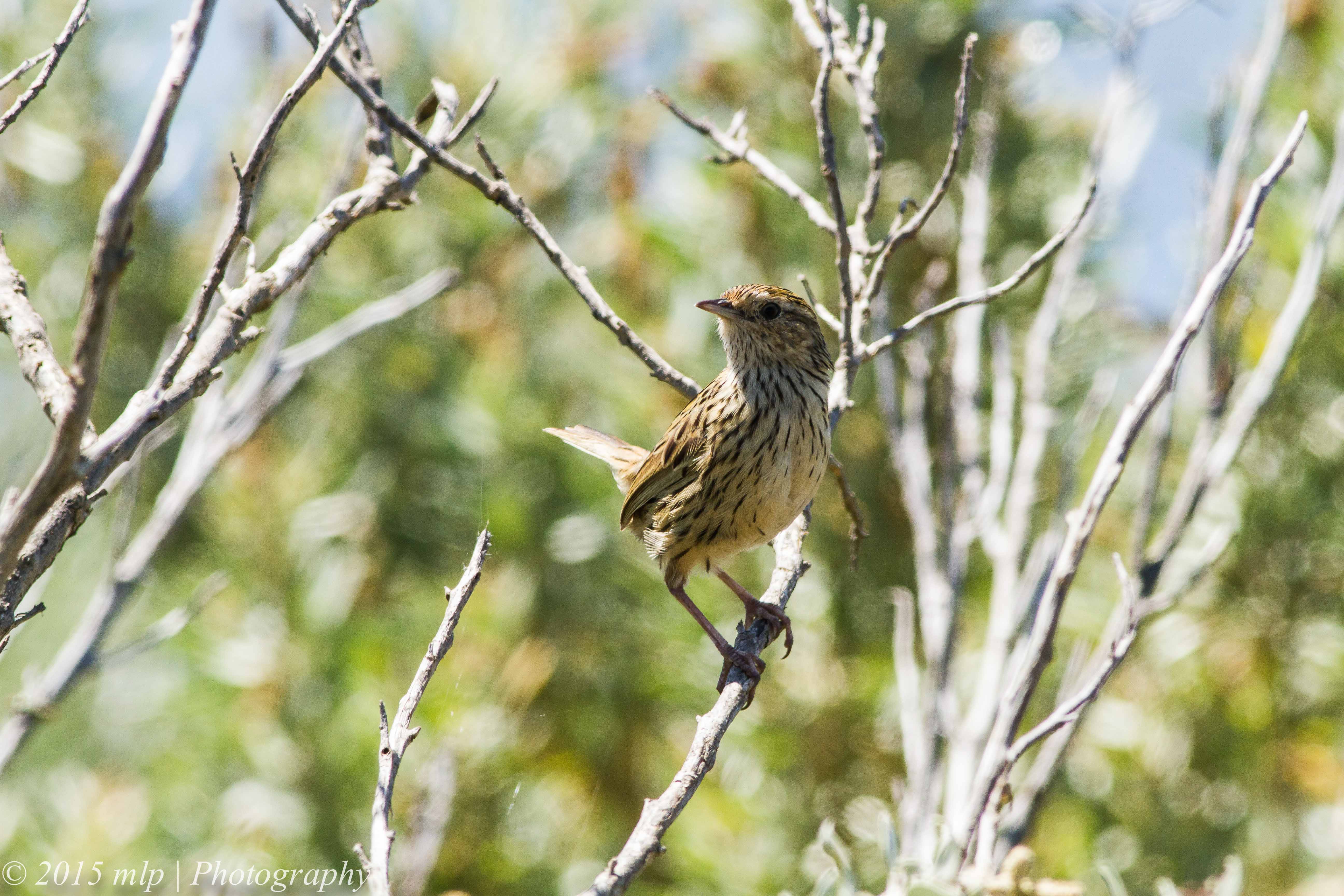
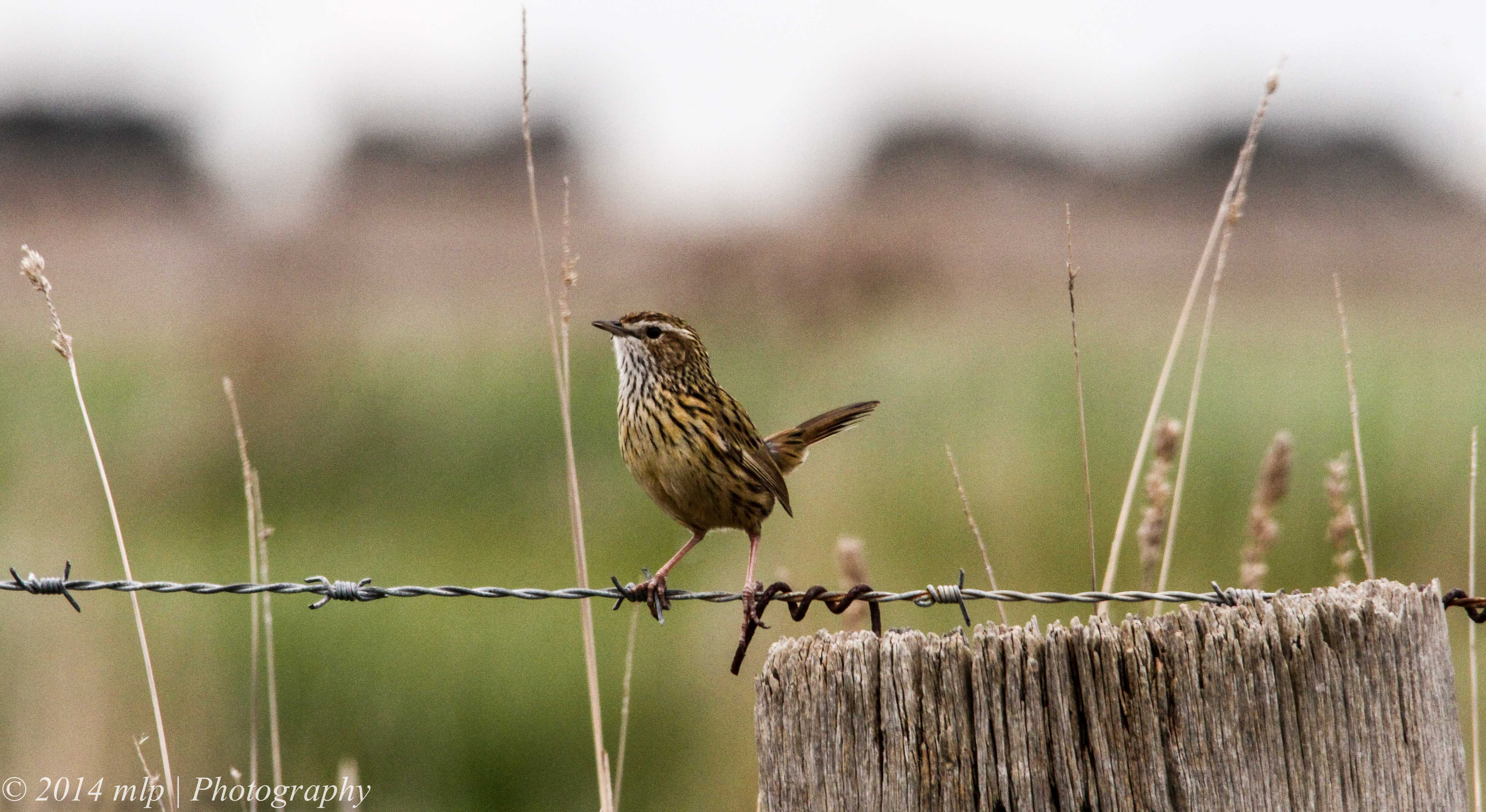
Striated Fieldwren, Western Treatment Plant, Werribee - 23 Nov 2014

Striated Fieldwren

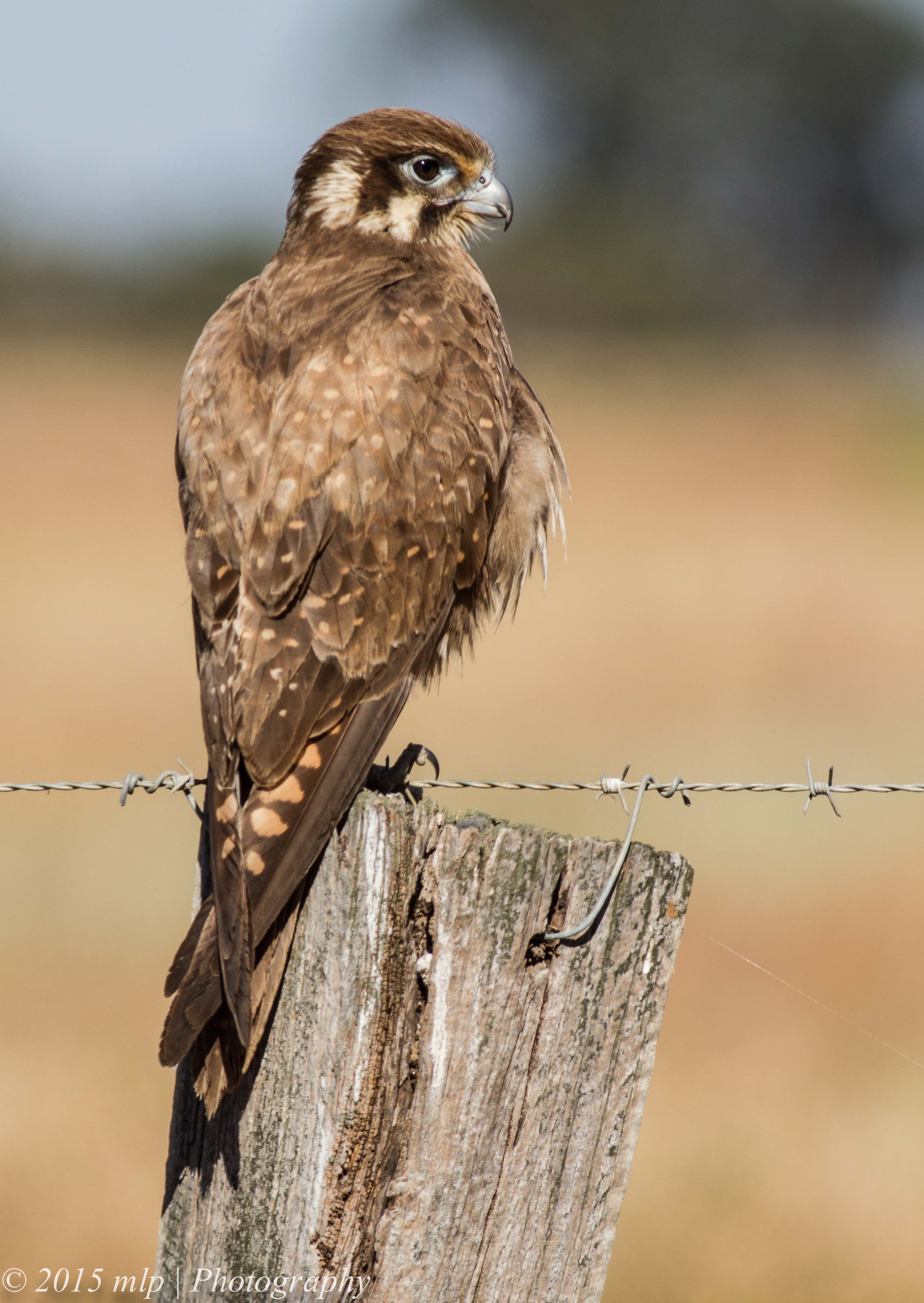
Brown Falcon, Western Treatment Plant, Werribee - 19 Nov 2014

Brown Falcon

Little Pied Cormorant

Little Pied Cormorant

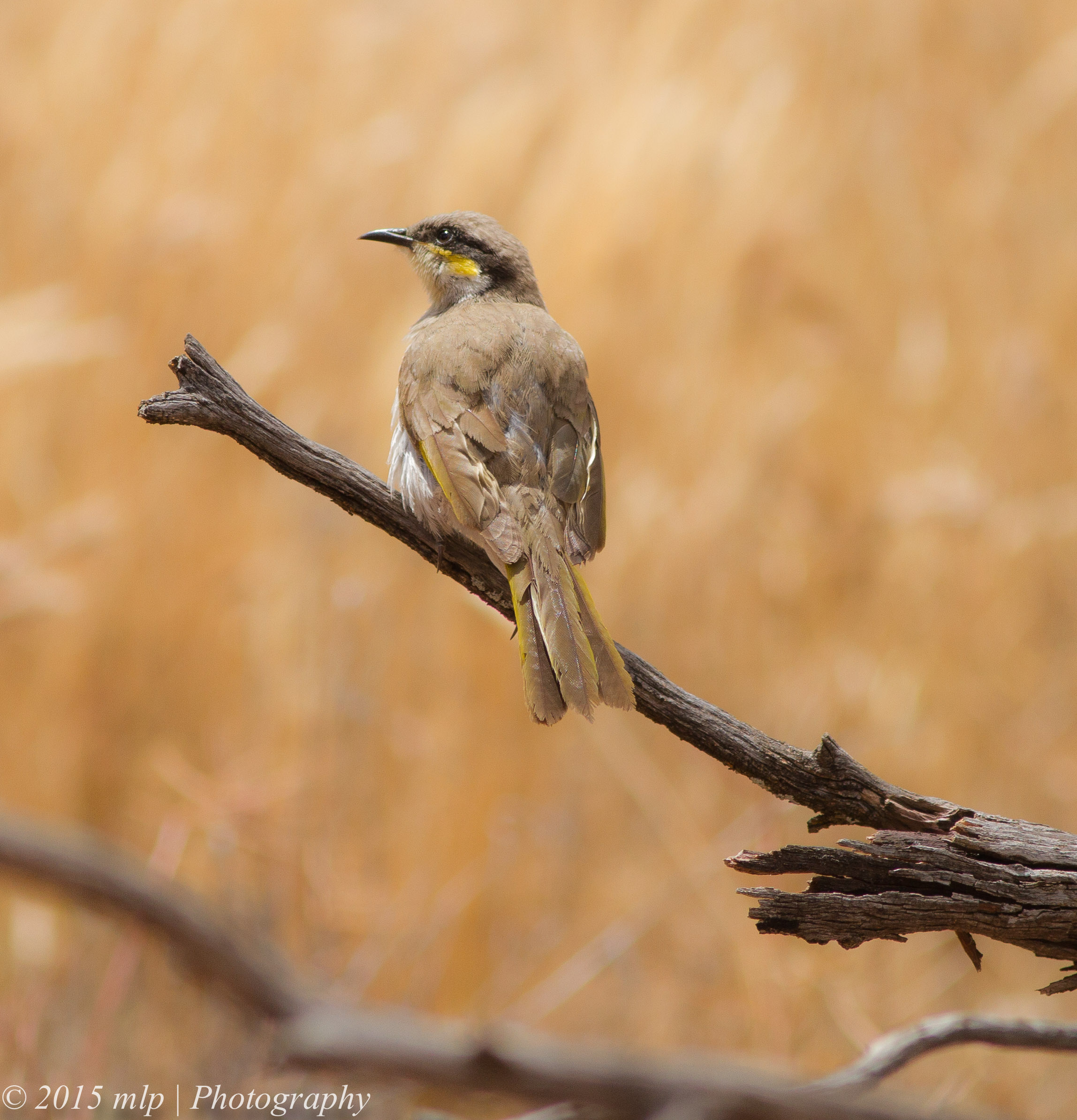
Singing Honeyeater,

Singing Honeyeater

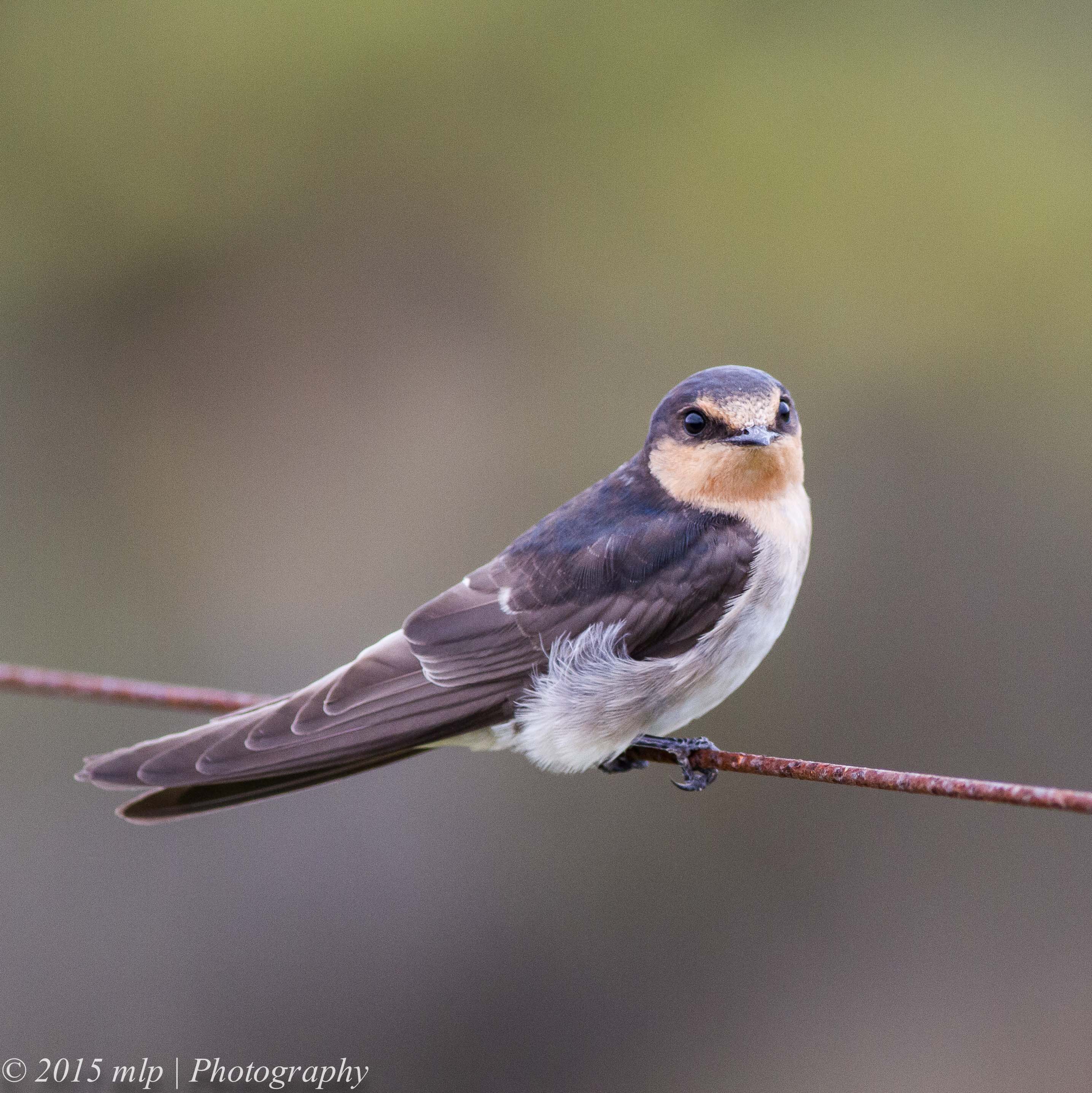
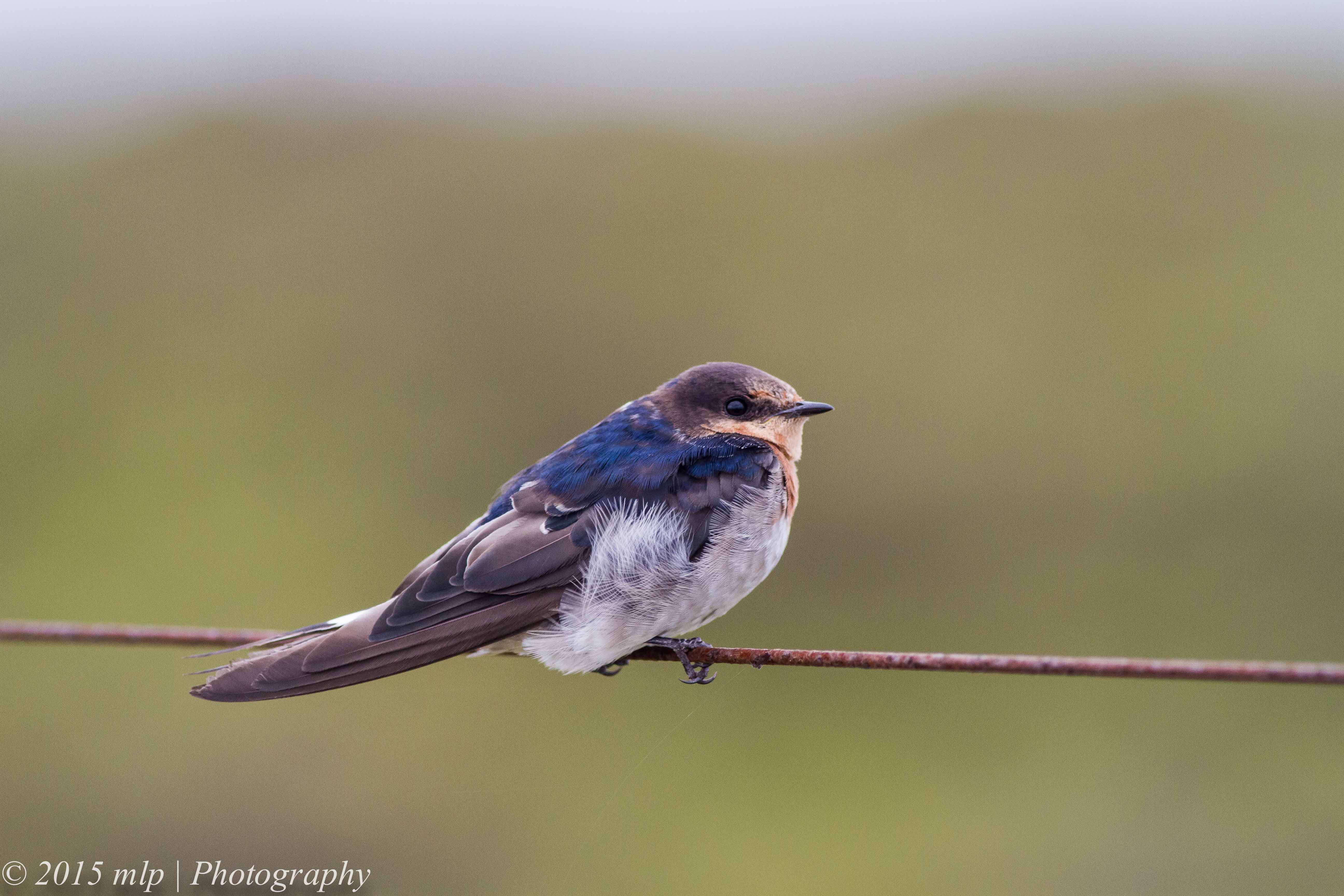
Juvenile Welcome Swallow

Immature Welcome Swallow

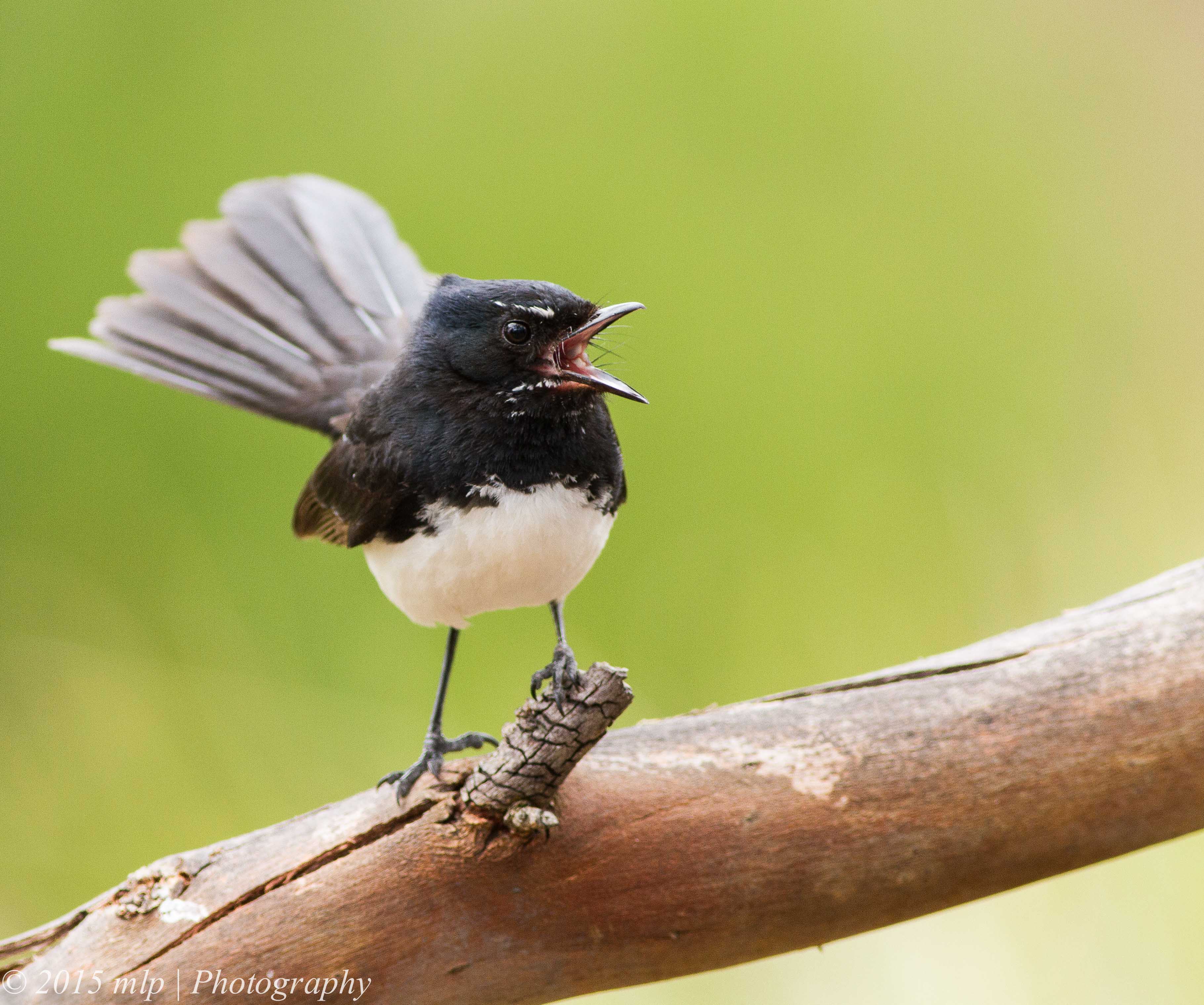
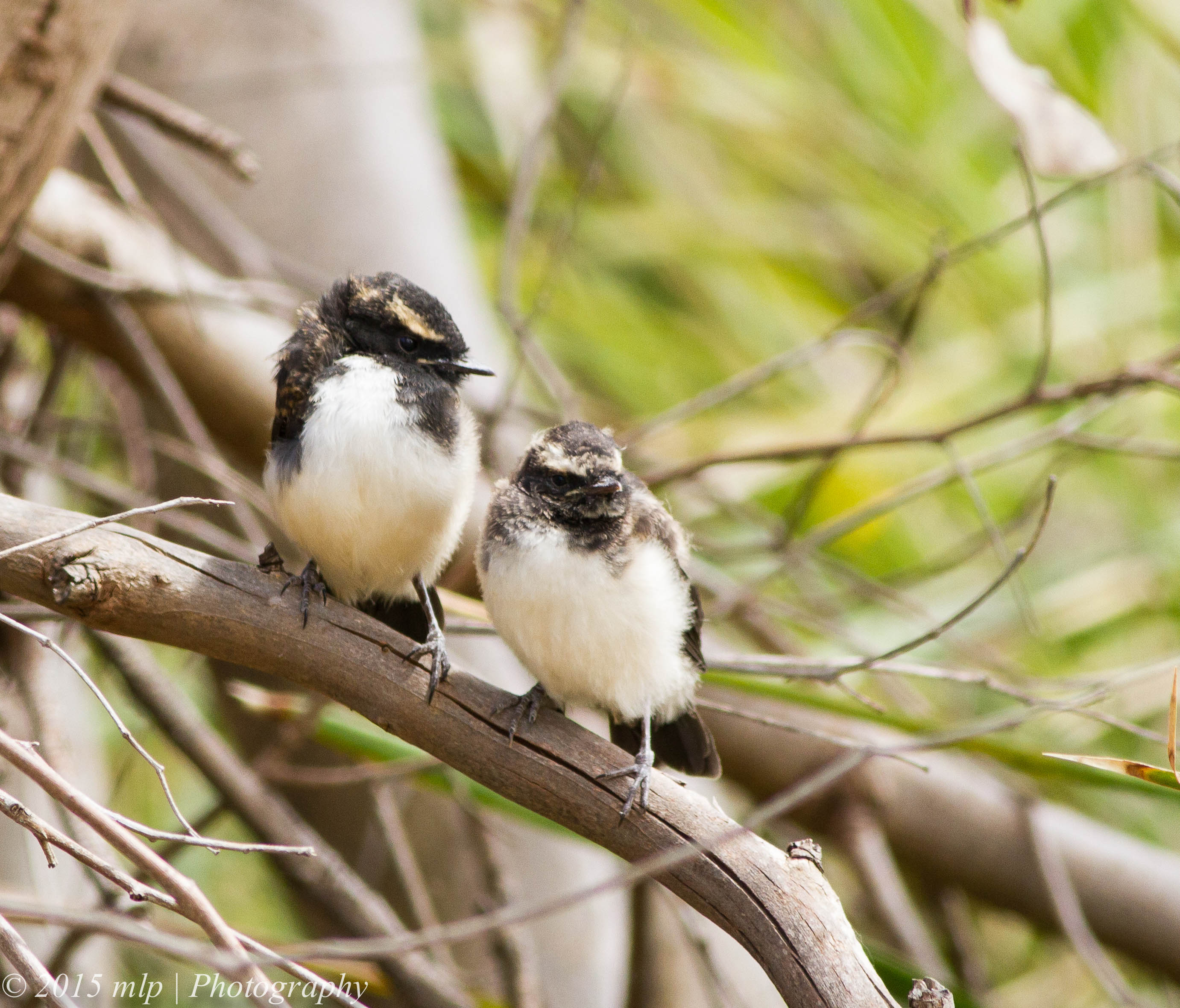
Willie Wagtail III

Willie Wagtail

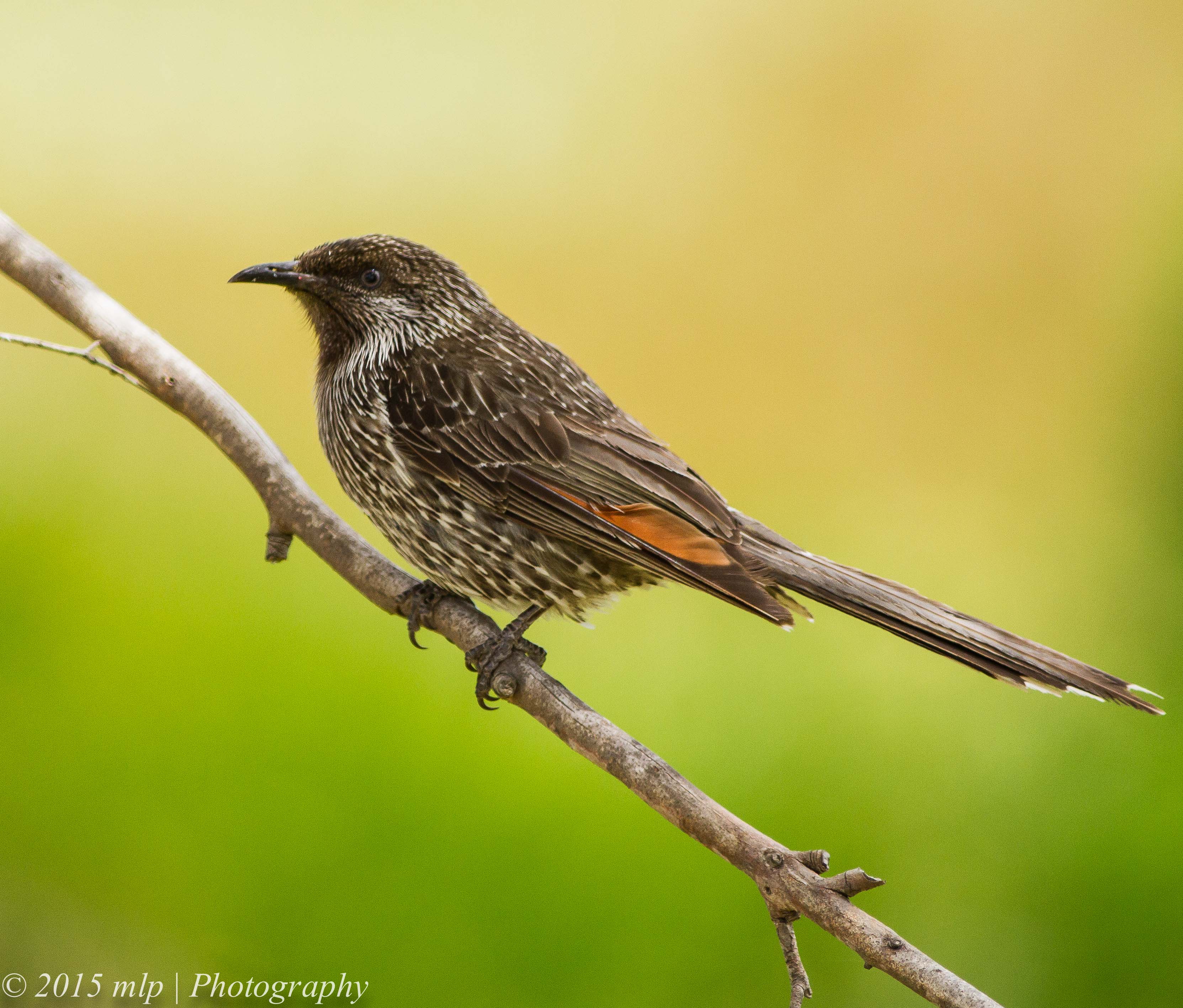
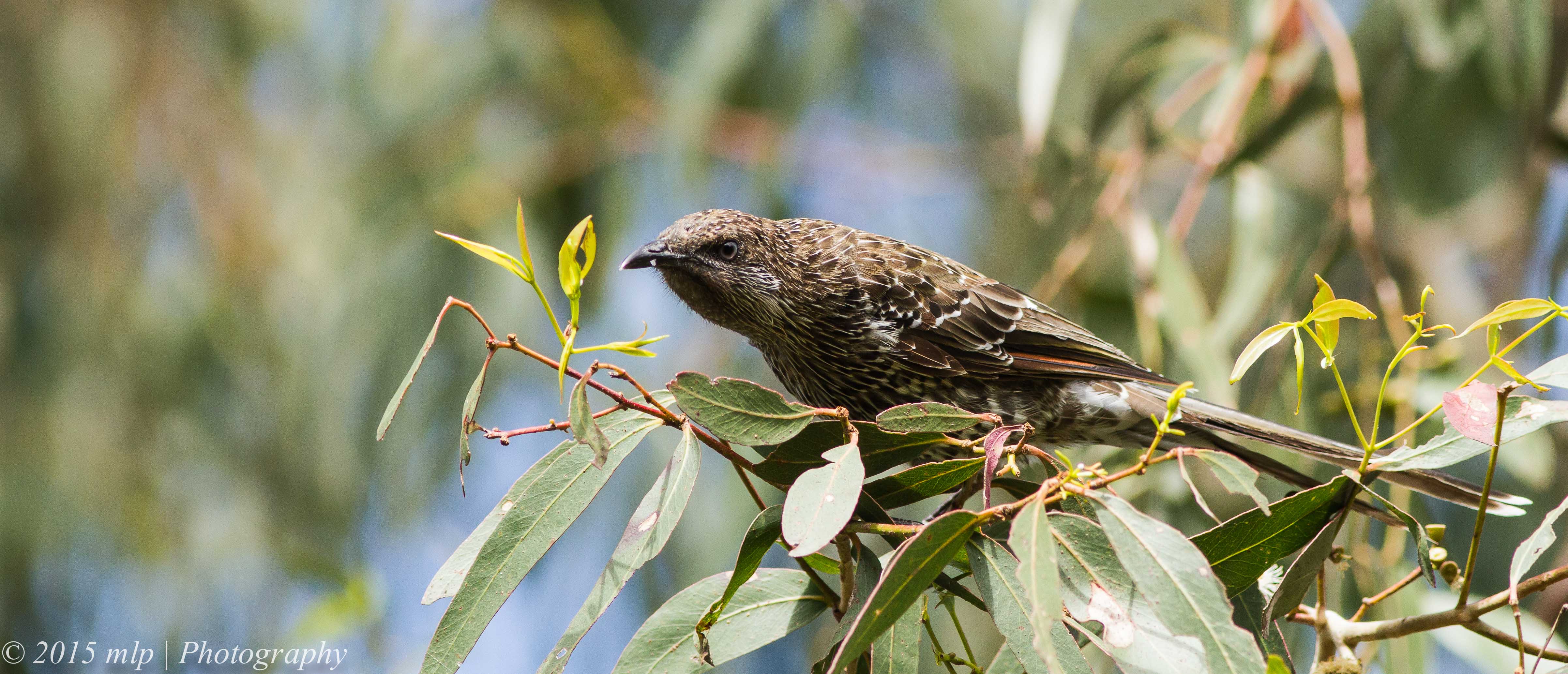
Little Wattlebird II

Little Wattlebird

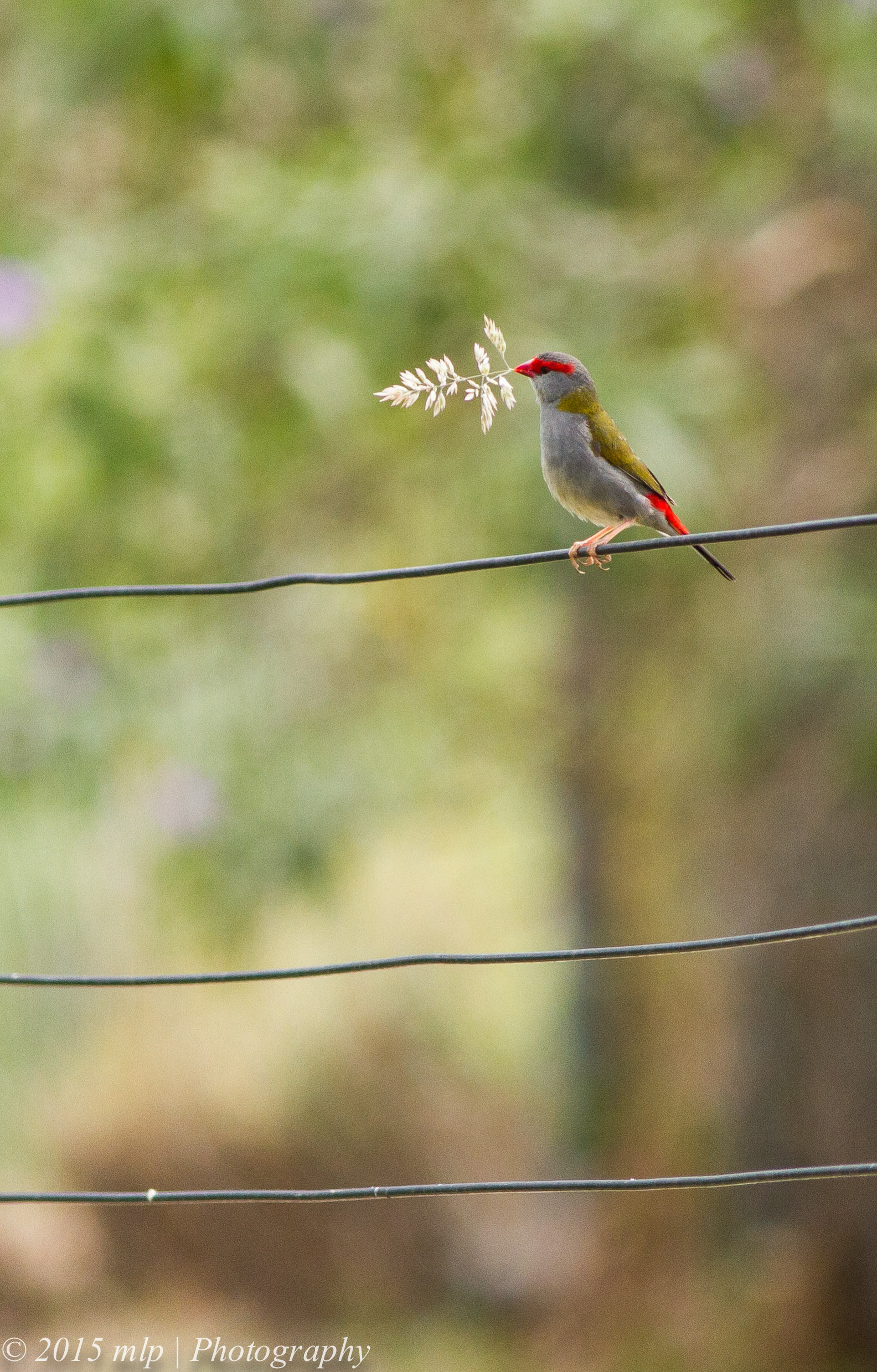
Red Browed Finch

Dancing Red Browed Finch

Purple Flower with Bee

Purple Flower with Bee – I actually moved around this flower to find a bokeh colour contrast that could look good…

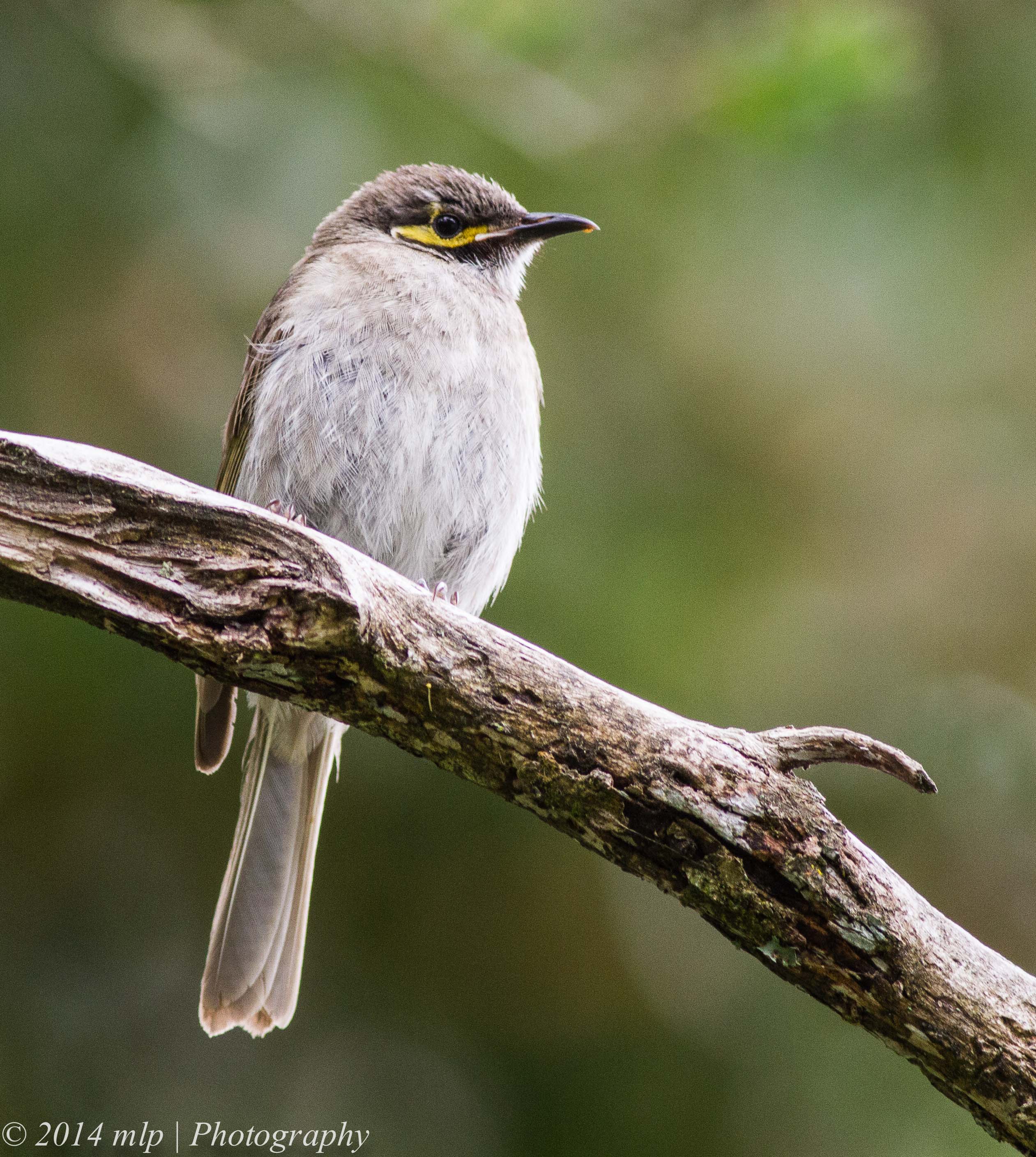
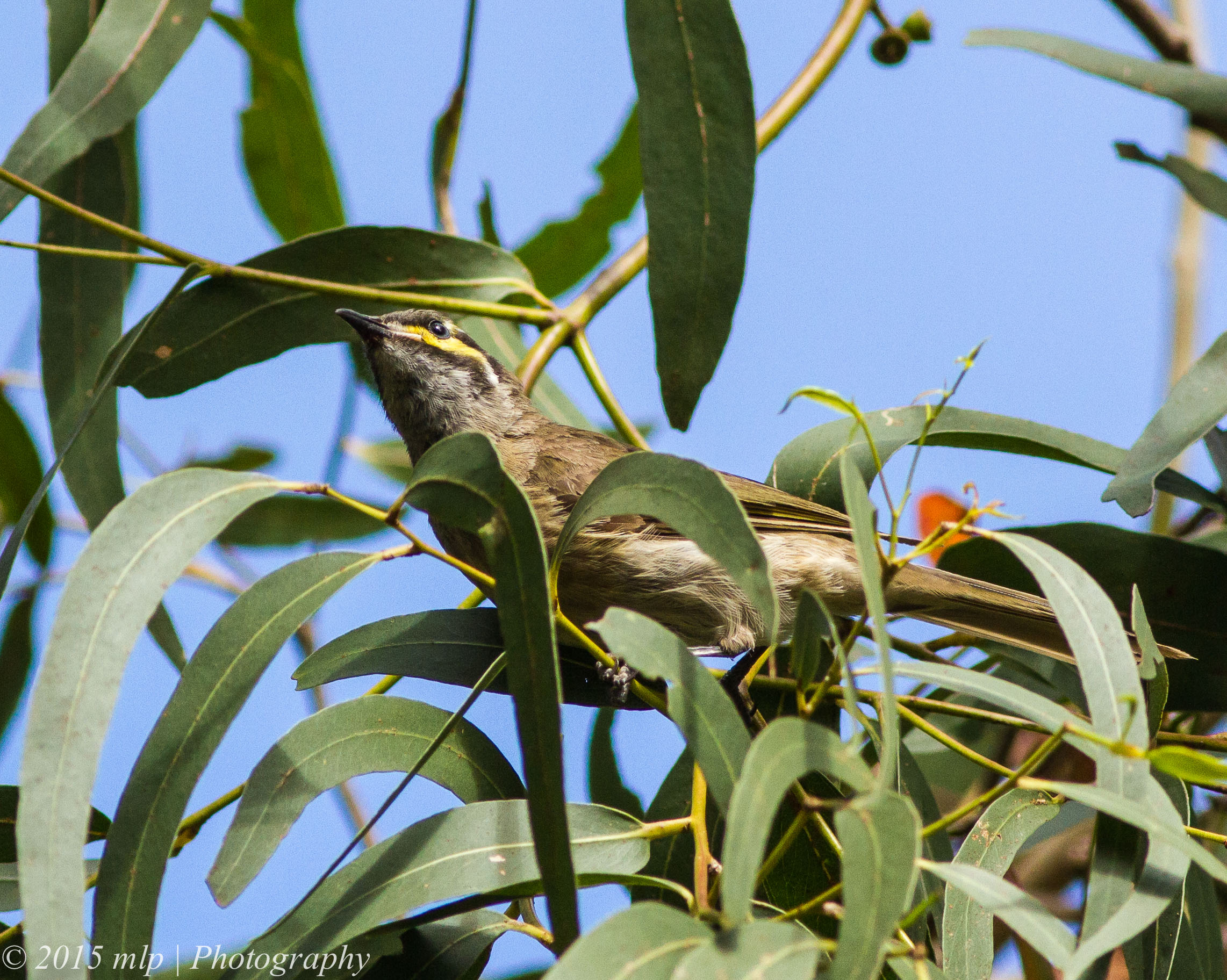
Juvenile Yellow Faced Honeyeater

Juvenile Yellow Faced Honeyeater

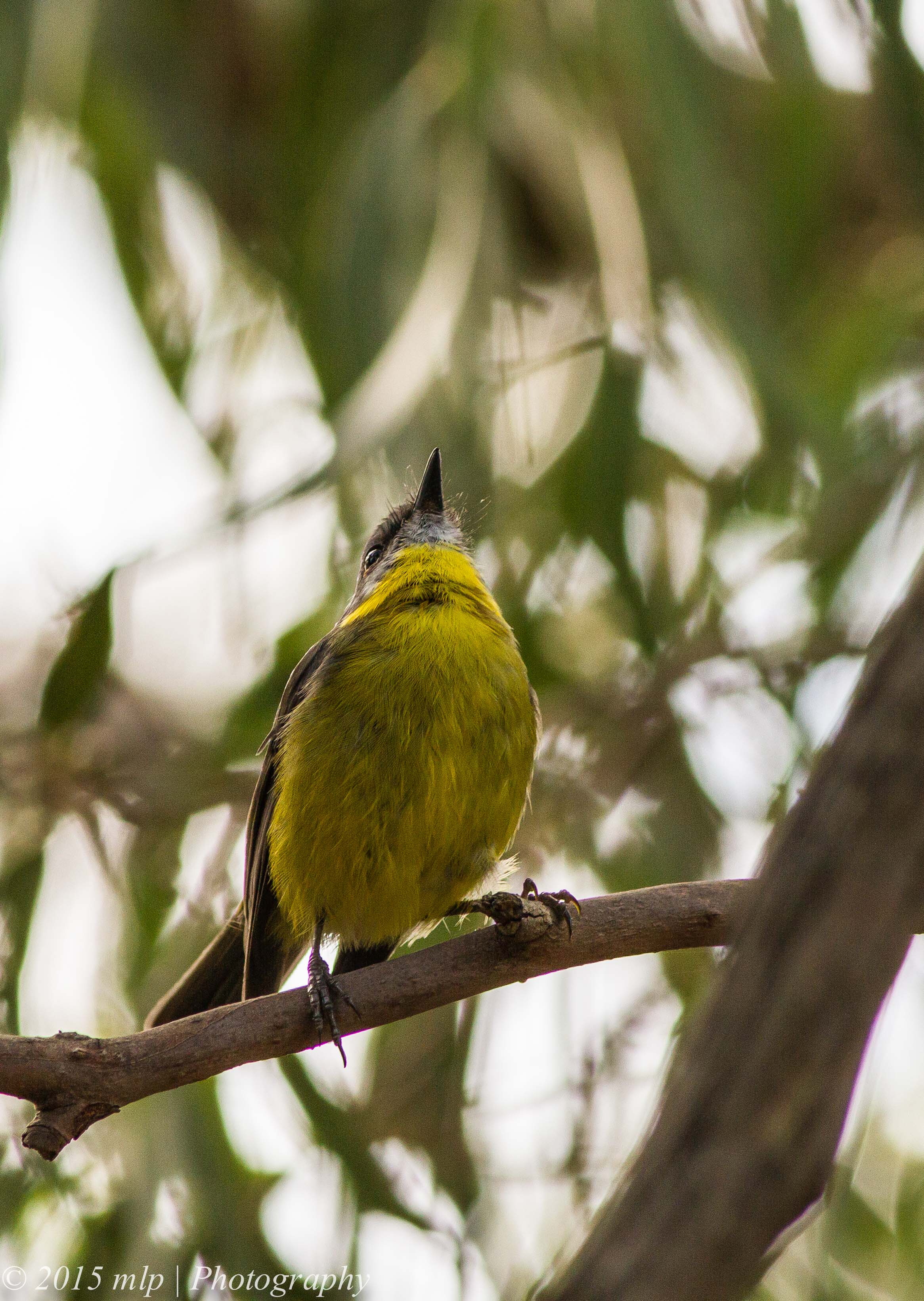
Eastern Yellow Robin, Greens Bush, Mornington Peninsula NP,  Victoria

Eastern Yellow Robin

Striated Fieldwren, Western Treatment Plant, Weribee, Victoria - 29 May, 2014

Striated Fieldwren

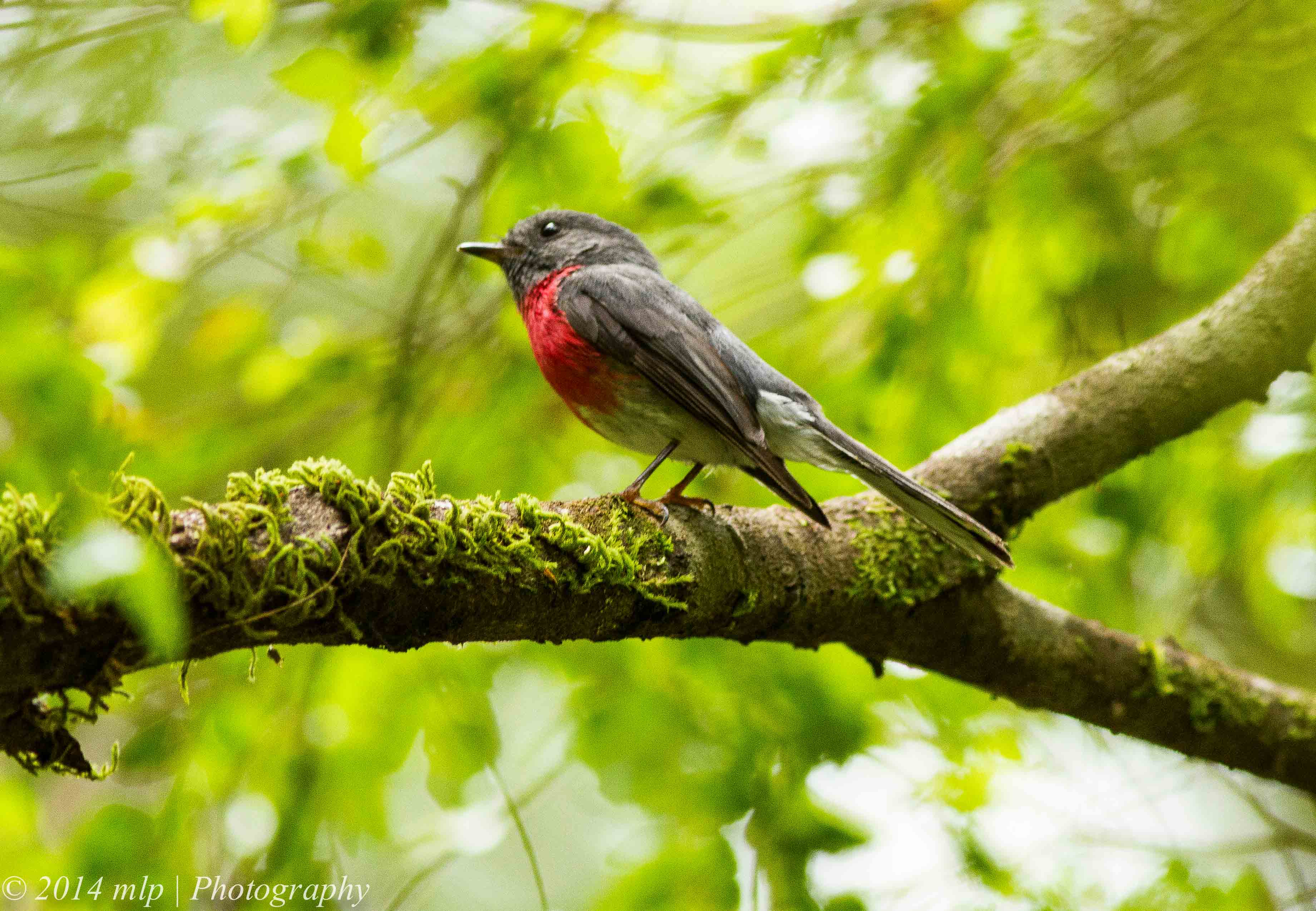
Rose Robin

Rose Robin

Southern Emu Wren along Shipwreck Creek to Seal Creek trail

Southern Emu Wren

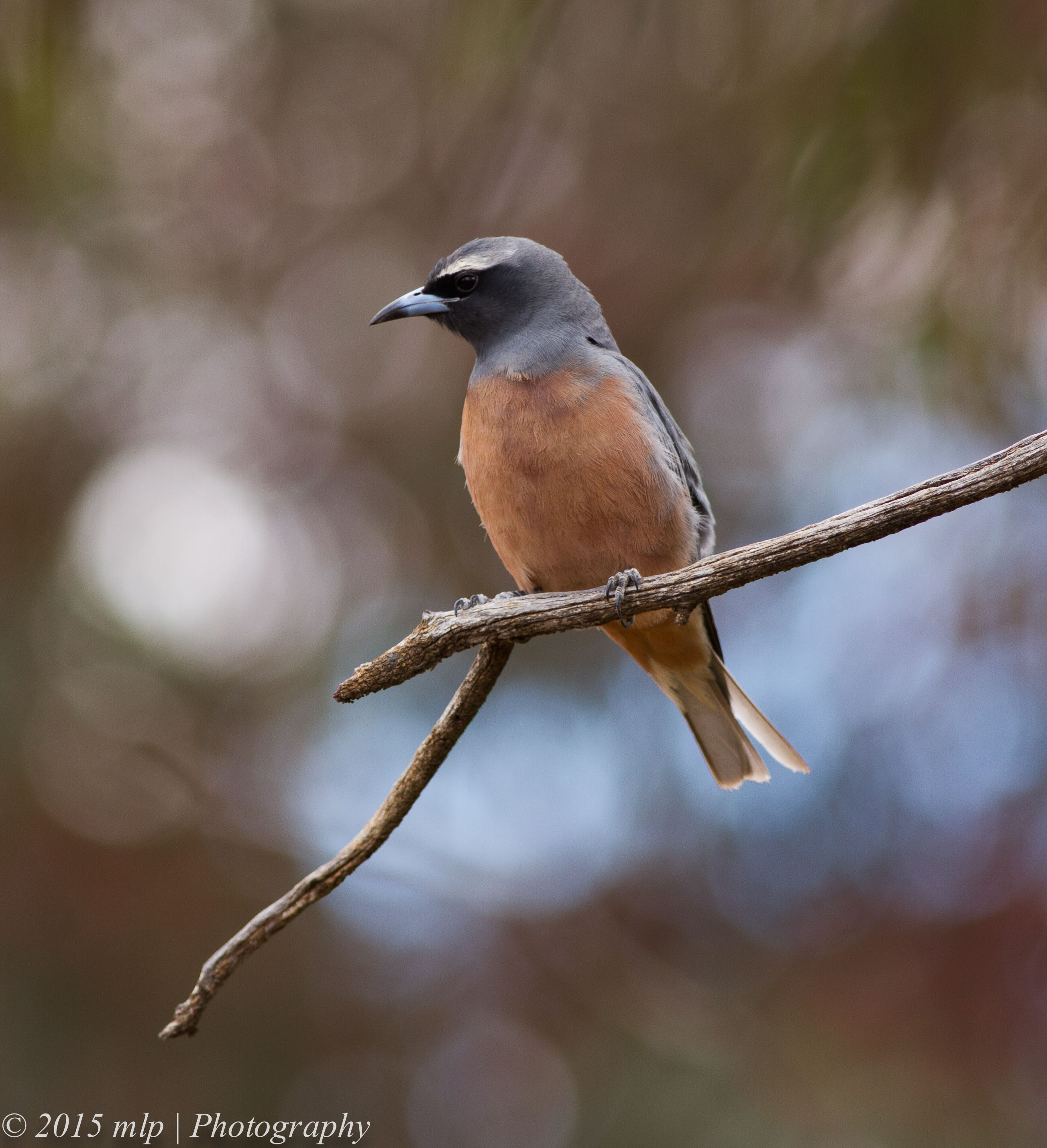
White Browed Woodswallow

White Browed Woodswallow

Elster Creek’s surprise visitor: a Pallid Cuckoo

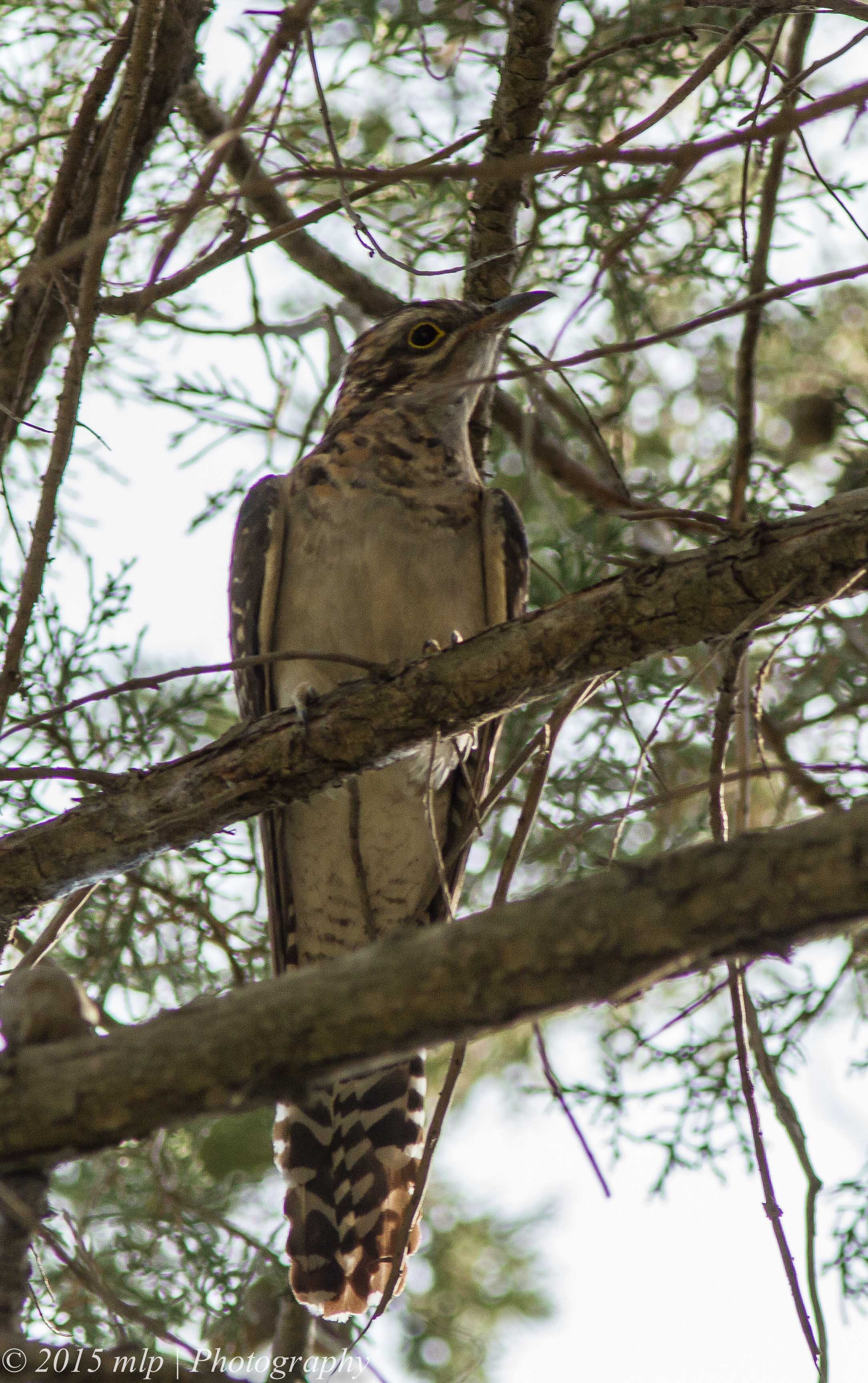
Yesterday was hot and humid and after a lazy day I decided on a late afternoon walk along the creek at my back fence. I took my camera and 1.4 Extender to see what I could find up at the Elster Creek lake inside the Golf Course. At the lake, I ran into a young local birder/naturalist –  Gio F and we explored the creek up to a dense section looking for roosting Nankeen Night Herons but instead spotted a Pallid Cuckoo. It flushed a few times from high in the trees and we followed it around a few large Conifers trying to get a better angle for a picture. We ran into another local birder – David E (my birding mate from the Lake Tutchewop Twitch), who suggested that it was a young female Cuckoo probably starting the migration north and just passing through our area. They are quite rare in our part of the urban landscape.

Pallid Cuckoo, Elster Creek

Pallid Cuckoo, Elster Creek

Pallid Cuckoo, Elster Creek

Pallid Cuckoo II

Pallid Cuckoo, Elster Creek

Pallid Cuckoo III


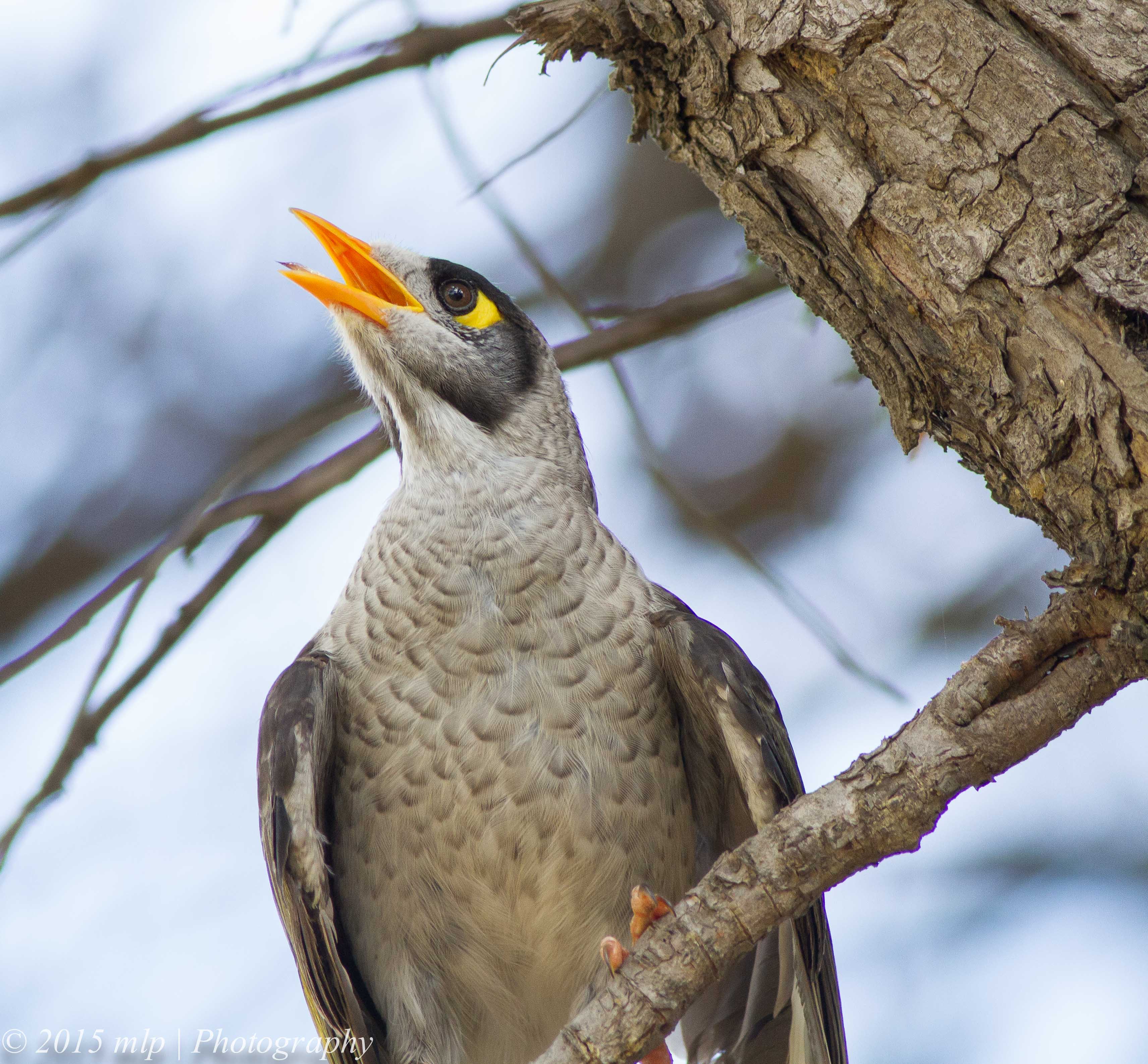
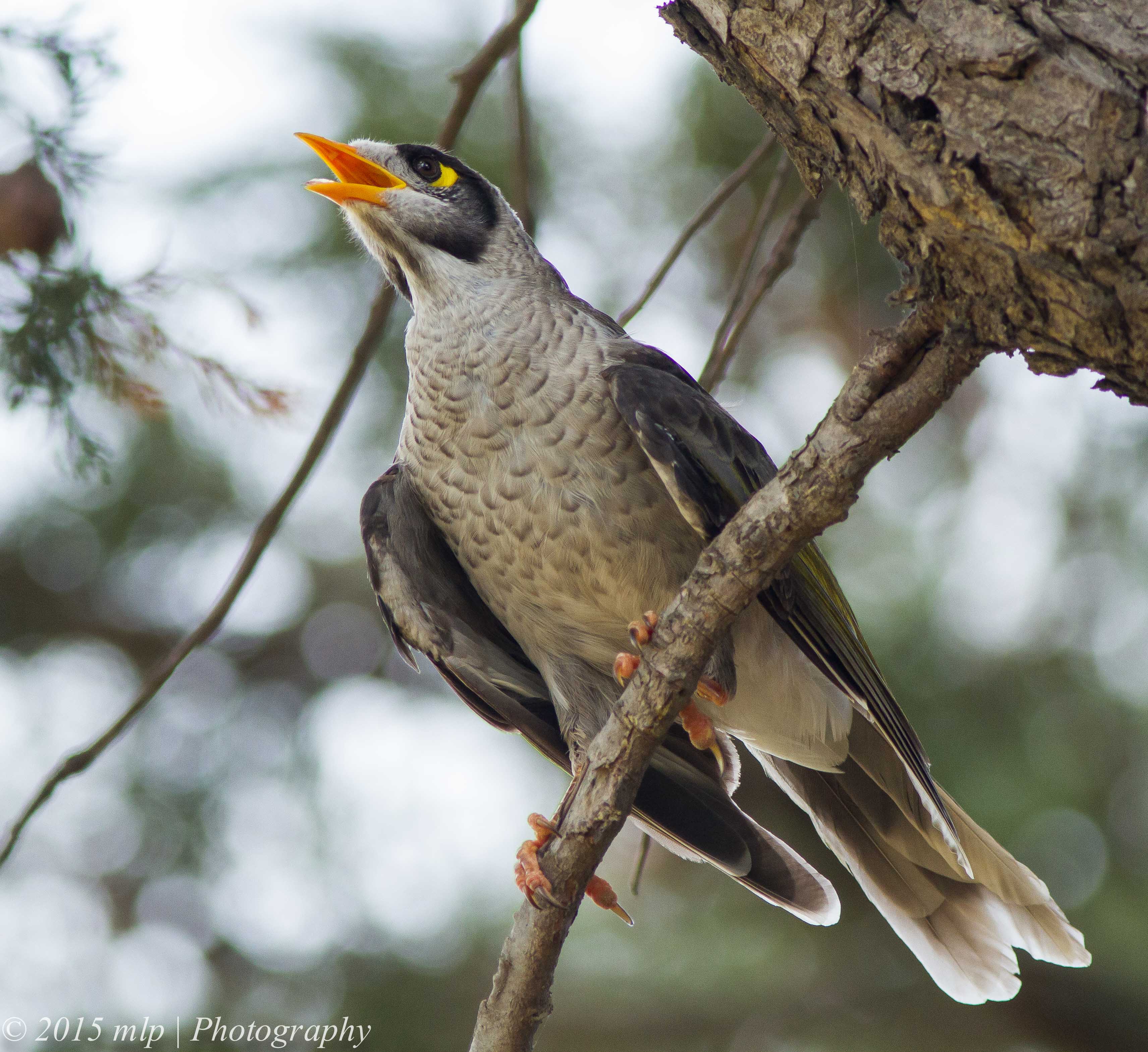
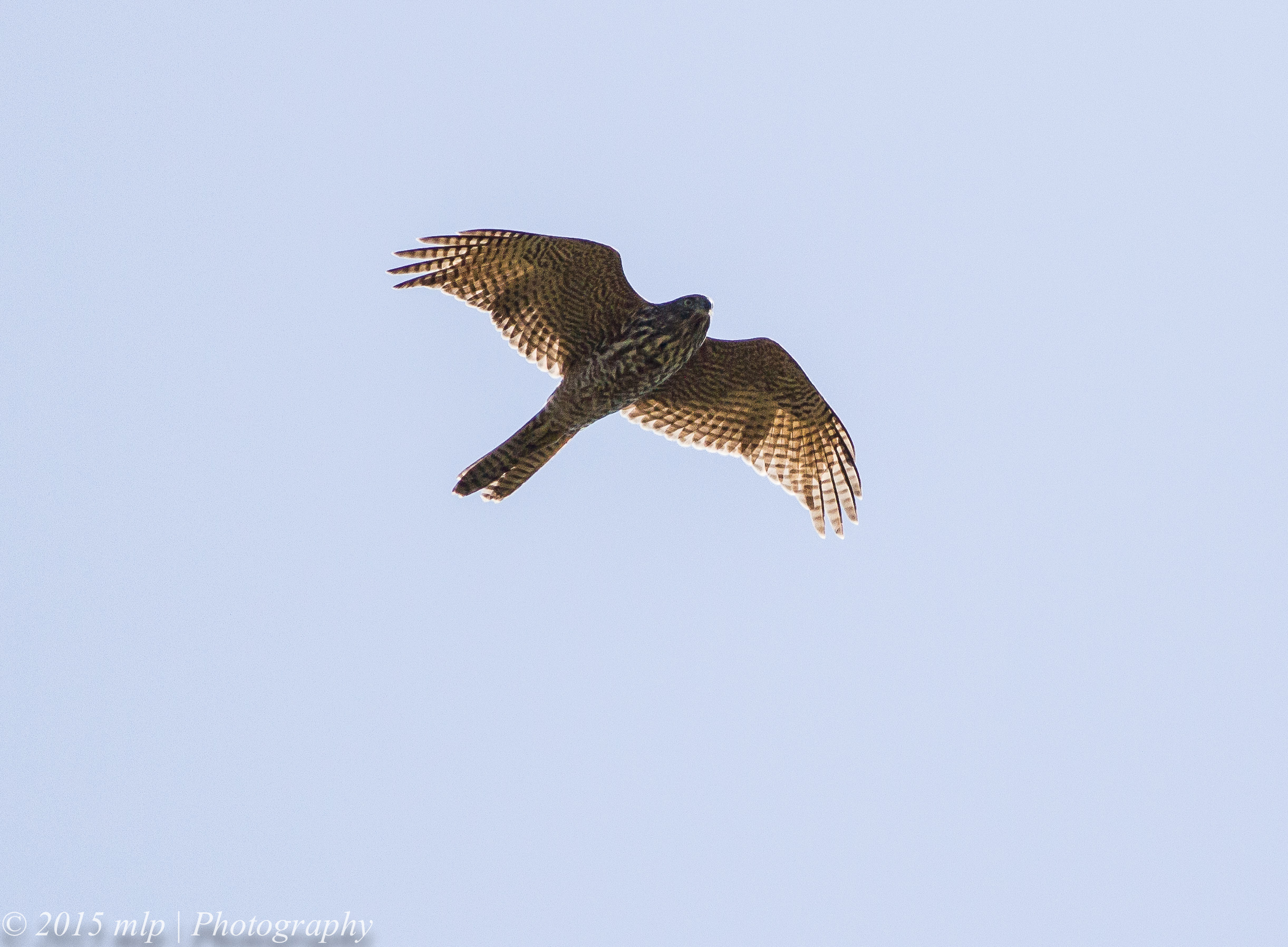
Noisy Miners are native honeyeaters that have adapted extremely well to urban locations. They are a communal bird that are very aggressive and push out other species from areas. Some councils around Australia have started culling programs to reduce their numbers and it has worked – other species are making a come back.  The Miners, while being a pest are actually interesting to watch and study as they have 11 known warning calls for predators and a specific one for “raptors above”. We heard it used while standing at the lake and soon spotted a Brown Goshawk flying over.

The one below came over to have look at what we were up to – had it seen the Cuckoo, it would have put out a challenge call and brought the rest of the pack over. It seemed quite hot and was panting while it watched us.

Noisy Miner, Elster Creek

Noisy Miner, Elster Creek

Noisy Miner, Elster Creek

Noisy Miner II

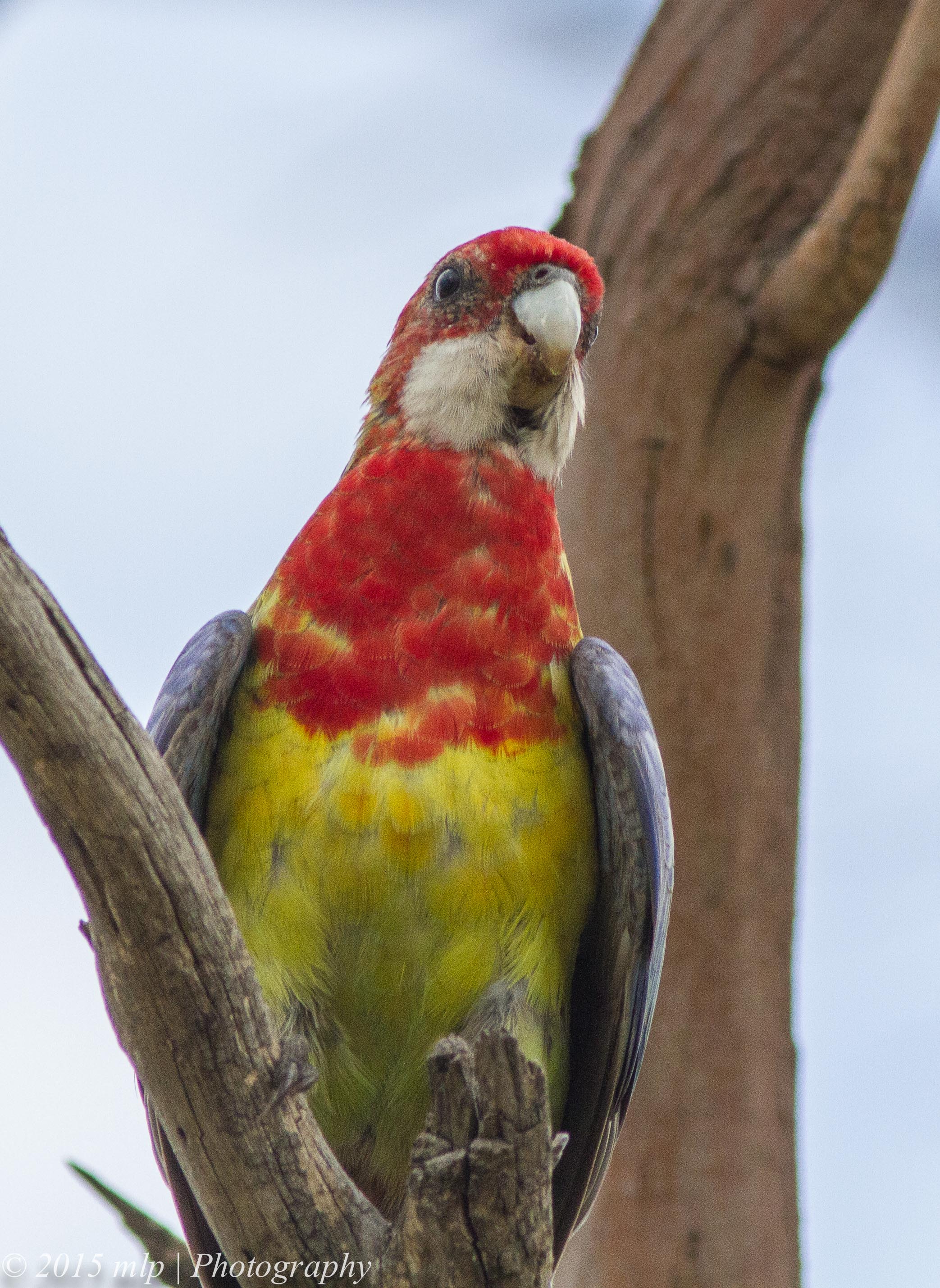
Eastern Rosella

Eastern Rosella – this immature bird also came over to see what I was up to at the lake’s edge  – I was trying to entice a Little Grassbird out of the reeds by doing a bad impression.

Eastern Rosella

Eastern Rosella – I tried to mimic the Rosella’s calls ( a wide variety of piping chimes) and after a bit of a chat, the look he gave me suggested that I was a bit “special” and he took off…

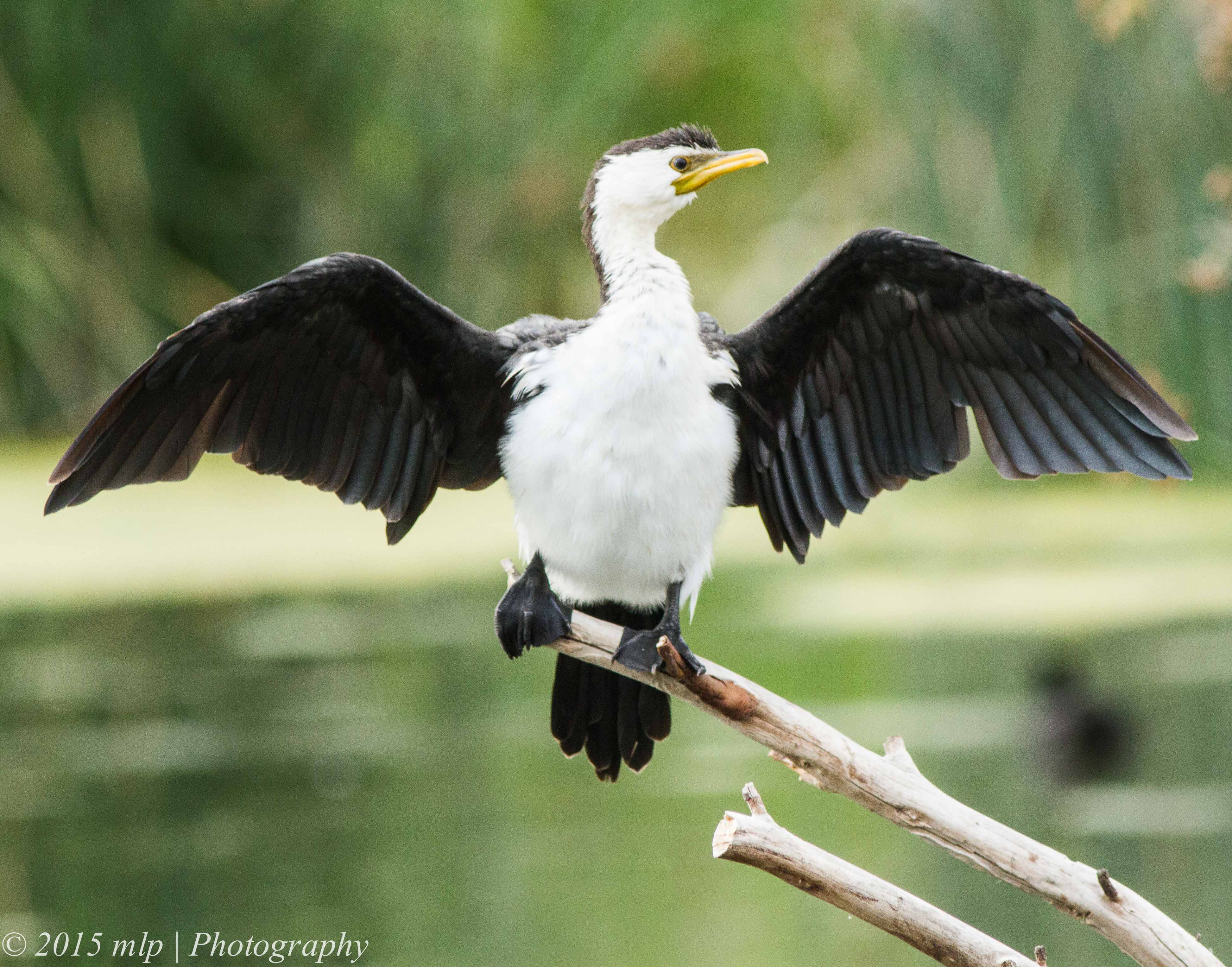
Little Pied Cormorant

Little Pied Cormorant

Little Pied Cormorant

Little Pied Cormorant in the evening light

Australian Reed Warbler

Australian Reed Warbler – I did entice this guy out with a call.

Australian Reed Warbler

Australian Reed Warbler II

Ricketts Point – Pelican Bandits

Along Beach Rd at Beaumaris is a rocky platform that becomes exposed at low tide and is a favourite roosting spot for Silver Gulls, Crested Terns, Cormorants, Swans and Pelicans. Many other birds also stop by at times but these seem to be the main ones that are often here.

I always check the platform as I drive past and yesterday I noticed that it was visible with quite a few birds around. The carpark is only several meters from the edge of the rocks and screened by low salt bush so it is easy to get your gear ready and walk slowly onto the platform without spooking the birds. They are generally used to people and just move a bit further away. The best time to go is weekdays as the weekend and good warm weather guarantees lots of people visiting the area.

Ricketts Point, Beaumaris

Ricketts Point, Beaumaris – at the end of my visit, two skin divers set up their hunting gear at the point tower and finally spooked the birds.

Little Pied Cormorant

Little Pied Cormorant drying off

Little Pied Cormorant II

Little Pied Cormorant II – dry and fluffed up after preening

Pelican

Australian Pelican – the short and tall of it…a few of the pelicans seemed to favour the upright resting position – I have not seen this before.

Pelican

Pelican stretching or yawning

Pelican

Pelican – cooling down or drying off a bit

Tagged Crested Tern

Tagged Crested Tern – many of the Crested Terns on the rocks were tagged

Tagged Crested Tern

Tagged Adult Crested Tern

Pacific Gulls

Pacific Gulls – a grey/brown juvenile (1st year)  and a Gull with almost adult plumage. It can take several years to reach full adult plumage.

Fisherman in their boat off Ricketts Point

Fishermen in their boat off Ricketts Point

Pacific Gull

Pacific Gull

The Pelicans developed an intense interest off shore and all started to watch the 1st year Pacific Gull move towards the fishing boat. One of the fishermen threw some bait or a chunk of fish to the Gull which attempted to bring it back to the rocks to consume. Several of the pelicans took off with a just a few flaps and immediately hounded the Gull in the air until it dropped the prize and one of the pelicans dived down and retrieved it. I have not seen this type of behaviour before –  it is usually the other way round  – maybe they knew the Gull was young and took advantage.

Pelican

Pelicans with a sudden offshore interest.

Pelican

Pelican taking off with a just a few beats of its wings

Pelican

Pelican – off to harass the Gull.

A day at the Farm….the Pooh Farm!

I visited one of my favourite birding sites yesterday  – the Western Treatment Plant also known as the Pooh Farm. It is a 200 square kilometer site for the treatment of Melbourne’s waste products. Before the treated water is released into the Bay it moves through large areas of settling ponds and ocean side lagoons. Over the years it has become a major site for Bird species including many migratory birds that spend the Northern Winter in Southern Australia. It has become famous and has actually been named a world RAMSAR Wetlands. It is a great place to drive around and study the various shorebirds as well as the resident birds like the raptors. I made 23 trips there last year and it has become a regular spot for me when the conditions (temp, tide and winds) are right for a day visit – it is a very wind exposed site with limited tall vegetation and no facilities. People drive from hours away and interstate to visit a place that is only 35 mins away for me. A permit and key system is in place and to get full access to the 2 major areas one has to purchase permits and sit an induction process.

And a common question I get when people ask about the site – “What is the smell like?” There is no “off” smell, just the smell from the sea and the vegetation. There are heaps of insects but nothing that bites. It is the insects that help bring in such huge bird numbers.

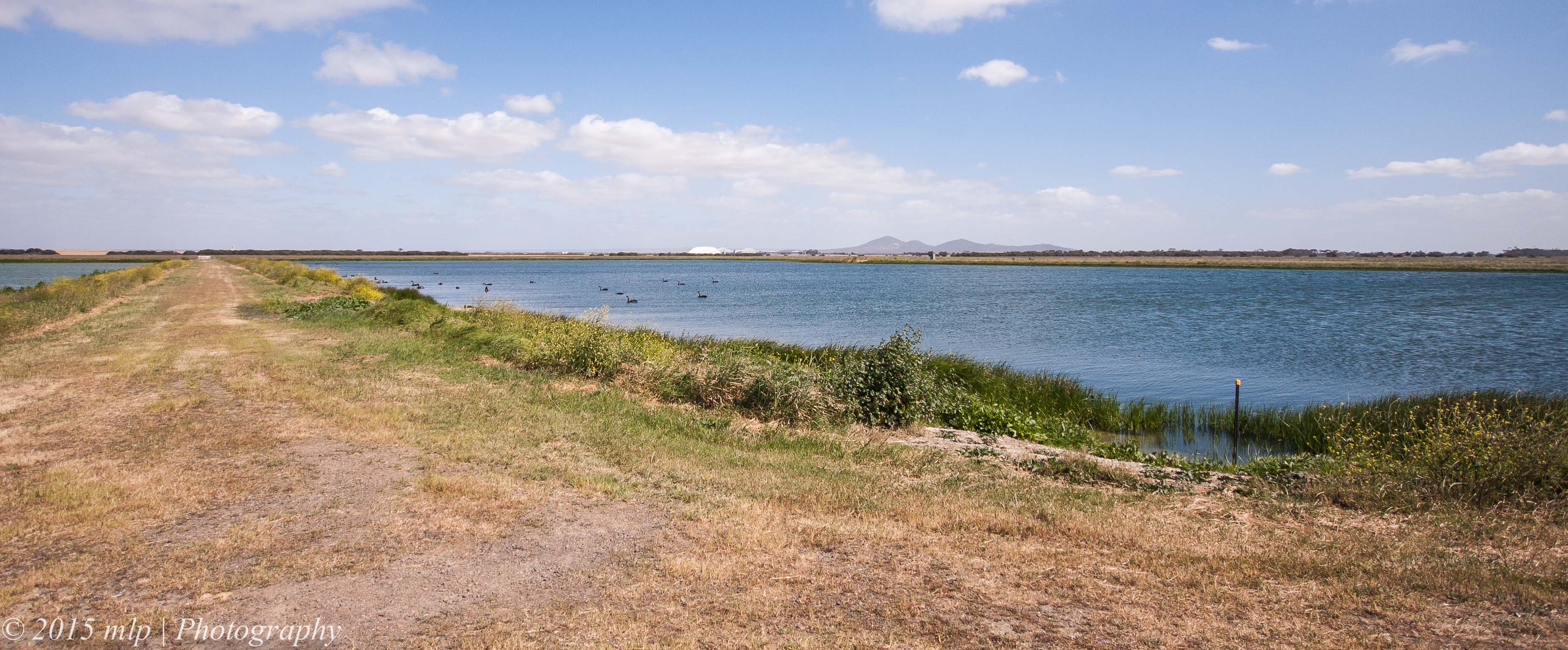
The Lagoons are adjusted by the Melbourne Water engineers and suit different birds at various times of the year. Each species has a food and water depth requirement. The photo below was taken in Nov and yesterday it was dried out. And yes I have often nearly driven into the water while trying to drive, use binoculars and take photos all at the same time.

Lagoons within the T section of the Western Treatment Plant - Avalon Airport and the You Yangs in the background

Lagoons within the T section of the Western Treatment Plant – Avalon Airport and the You Yangs in the background

If anyone wants to head out to the “farm” let me know….it is a great experience and I look for any excuse to go.

I found 75 species yesterday and attempted to take a few photos while driving the various roads…..

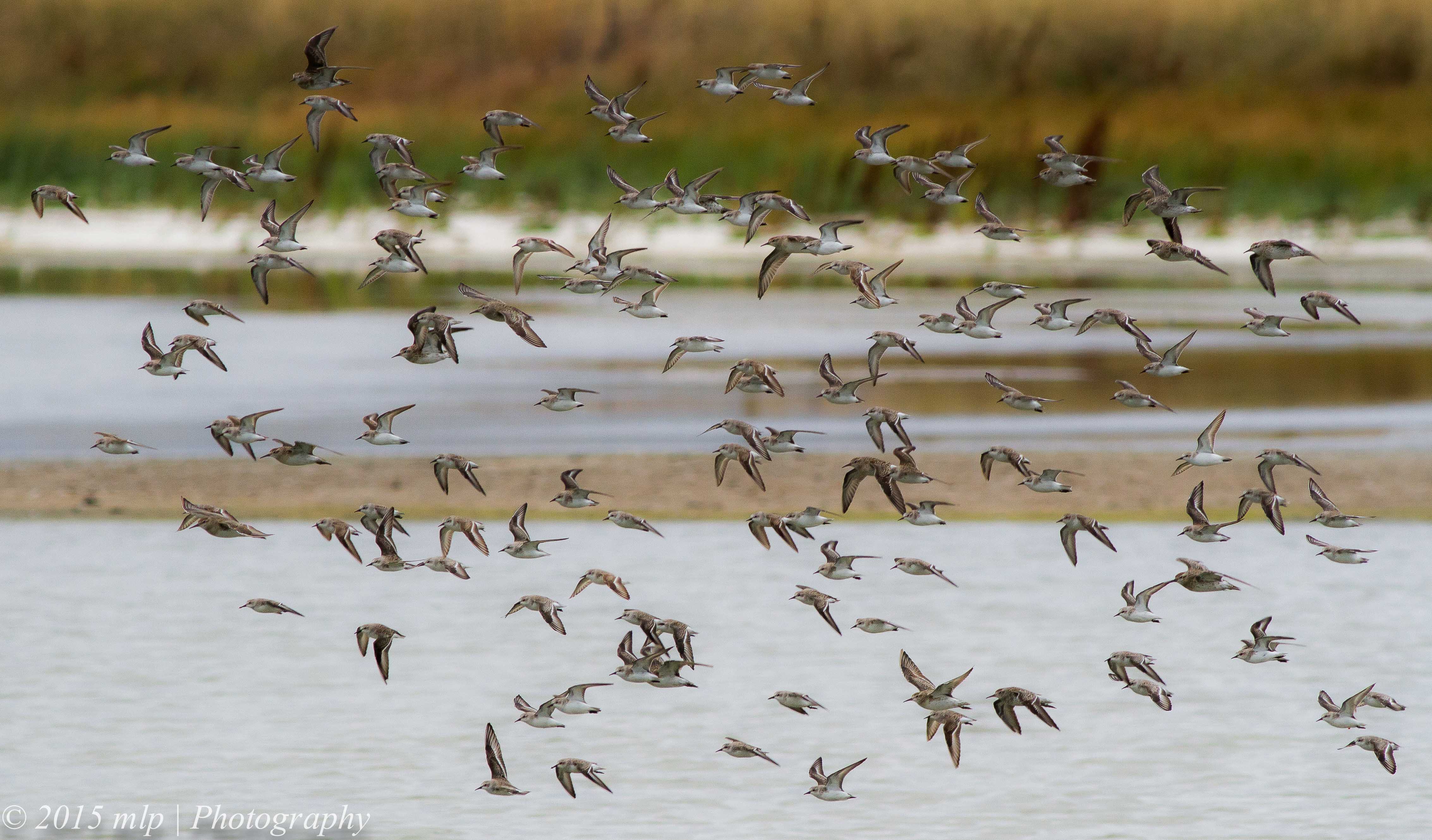
Shorebird flock, Western Treatment Plant

Shorebird flock, Western Treatment Plant – mostly Red Necked Stints and and Sharp Tailed Sandpipers

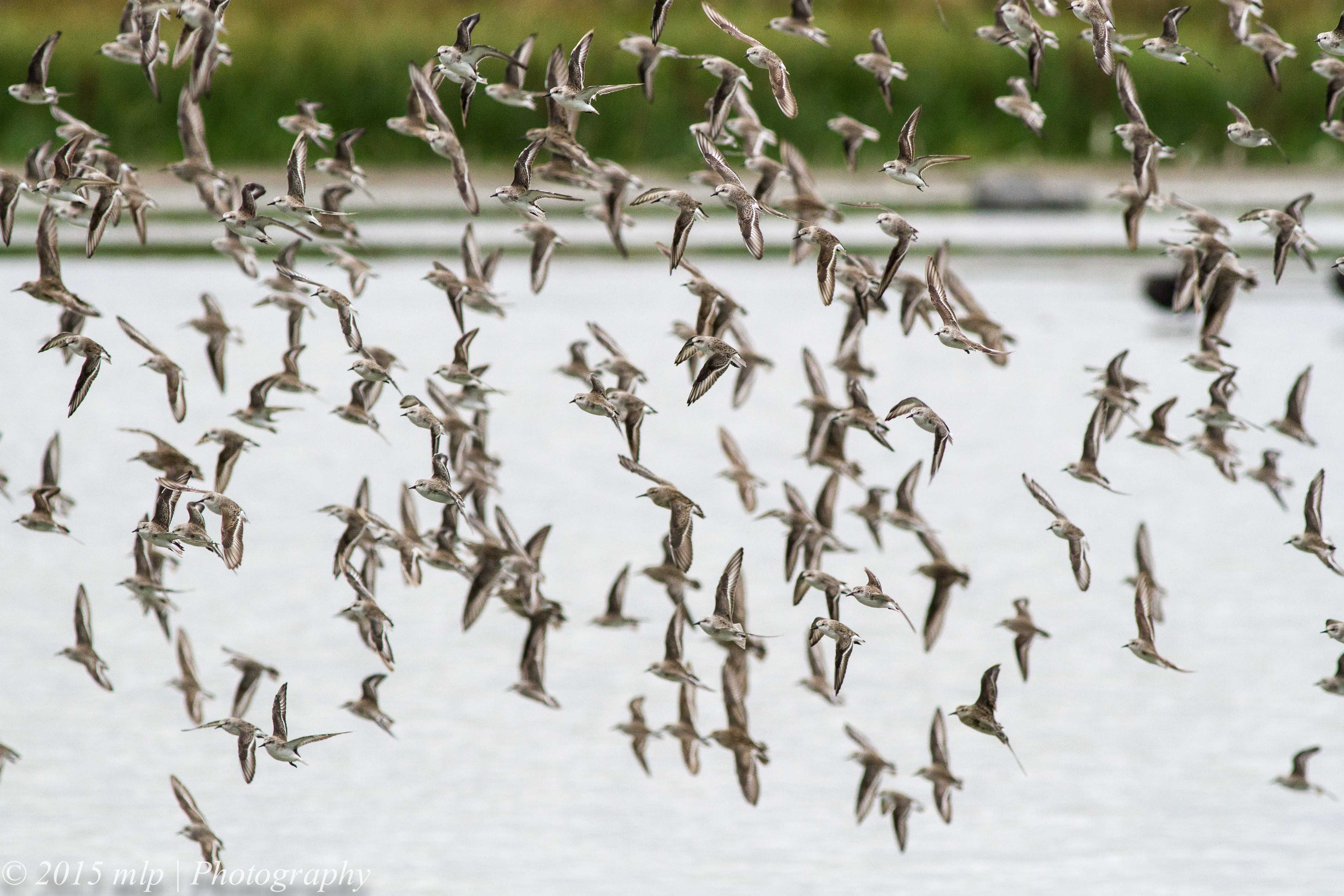
Shorebird flock II, Western Treatment Plant

Shorebird flock II, Western Treatment Plant

Swamp Harrier

Swamp Harrier

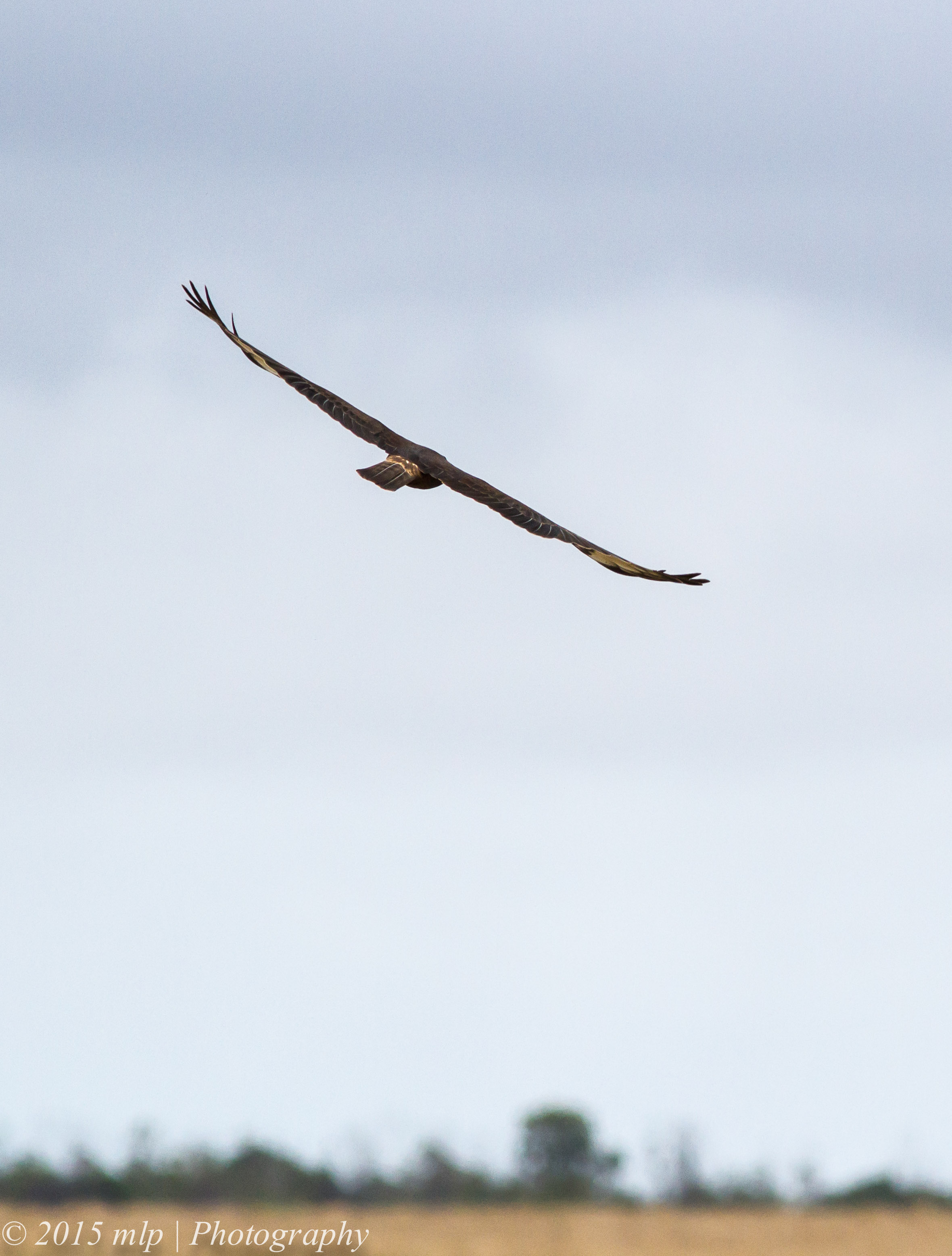
Swamp Harrier II - nice lines and effortless turns

Swamp Harrier II – nice lines and effortless turns

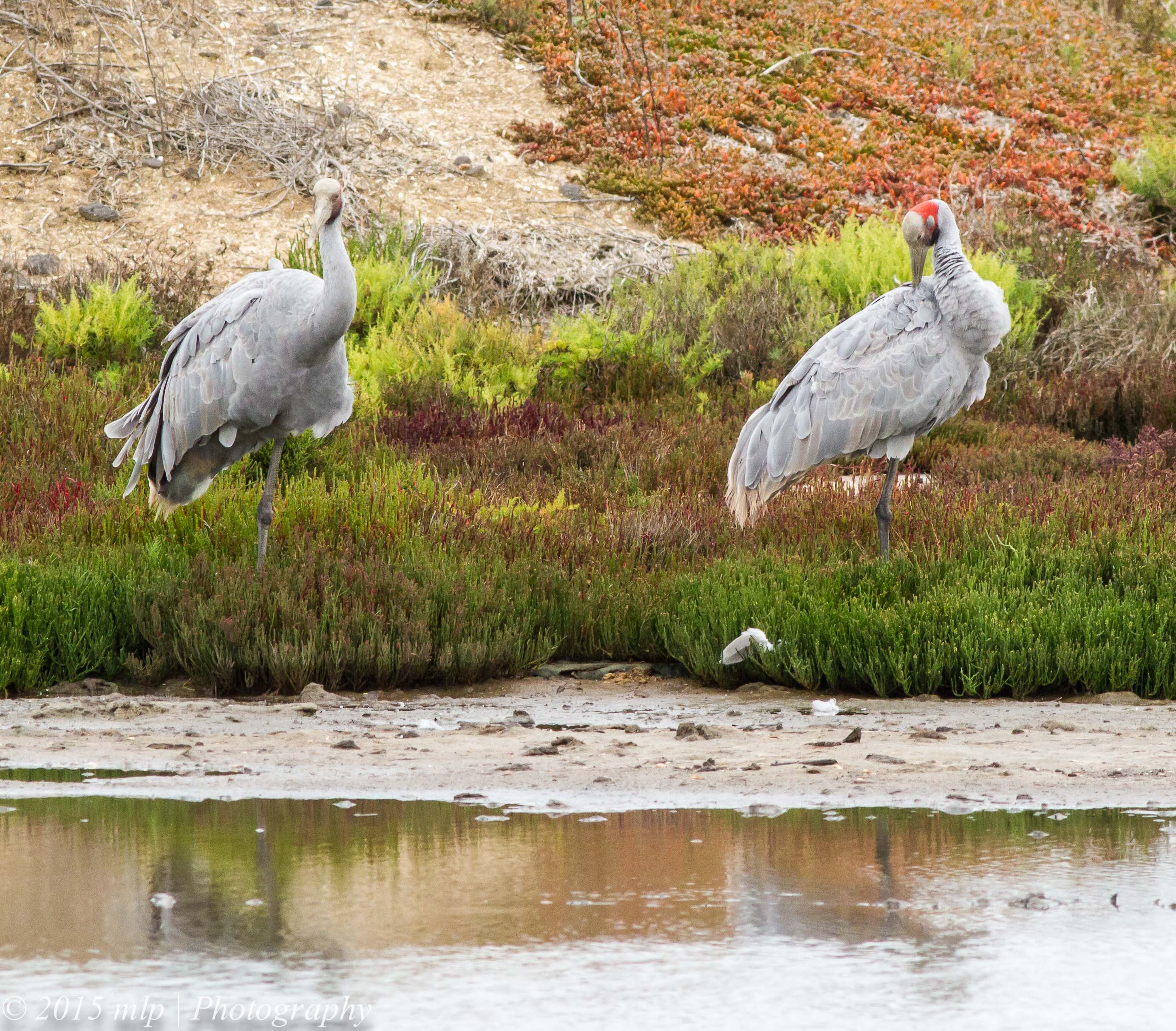
Brolgas,  Western Treatment Plant

Brolgas, Western Treatment Plant – always a treat to find these large rare birds.

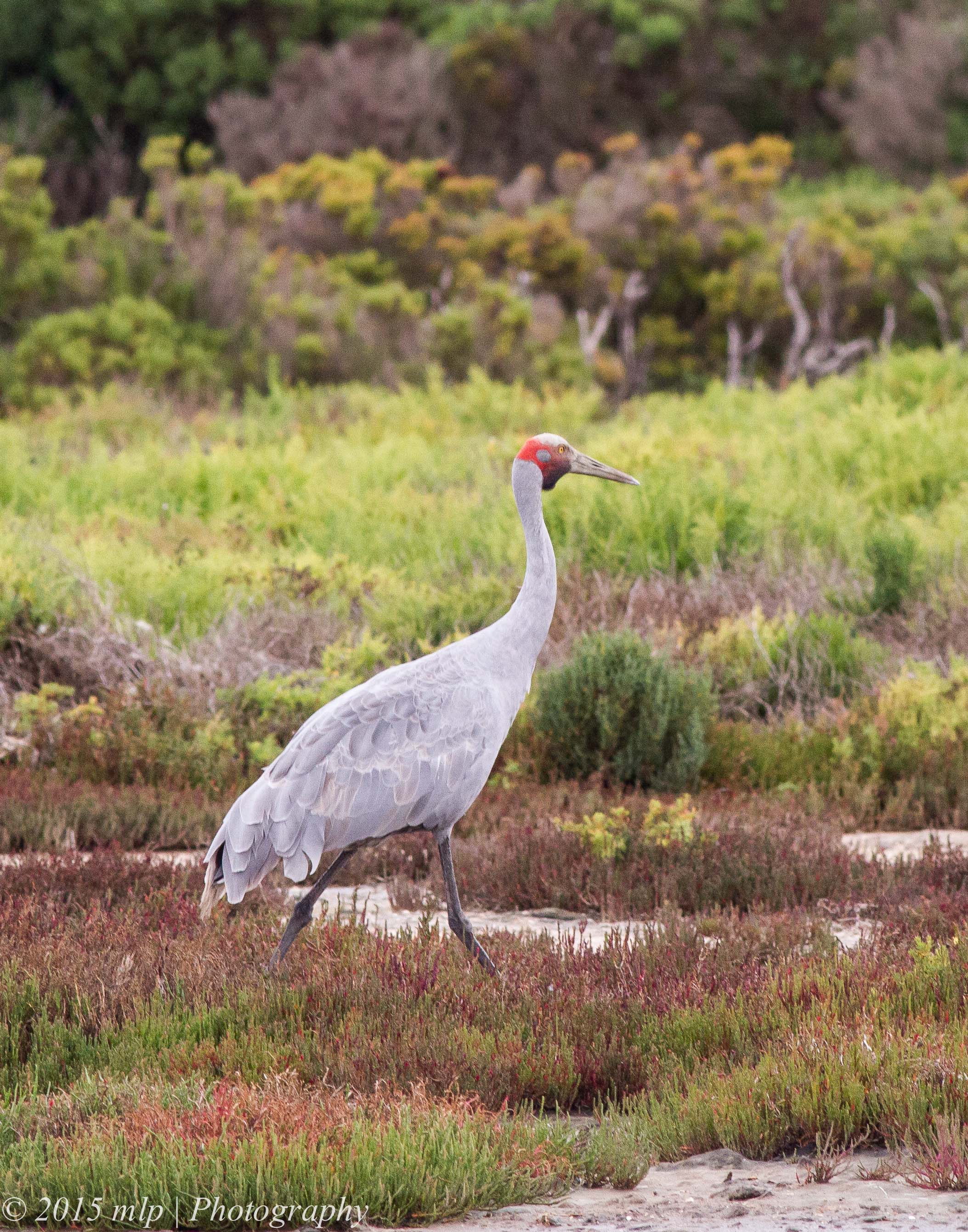
Brolga

Brolga

Red Necked Avocet,  Western Treatment Plant

Red Necked Avocet, Western Treatment Plant – a very easy to identify species, nothing else even remotely like it in Australia.

Common Greenshank,

Common Greenshank

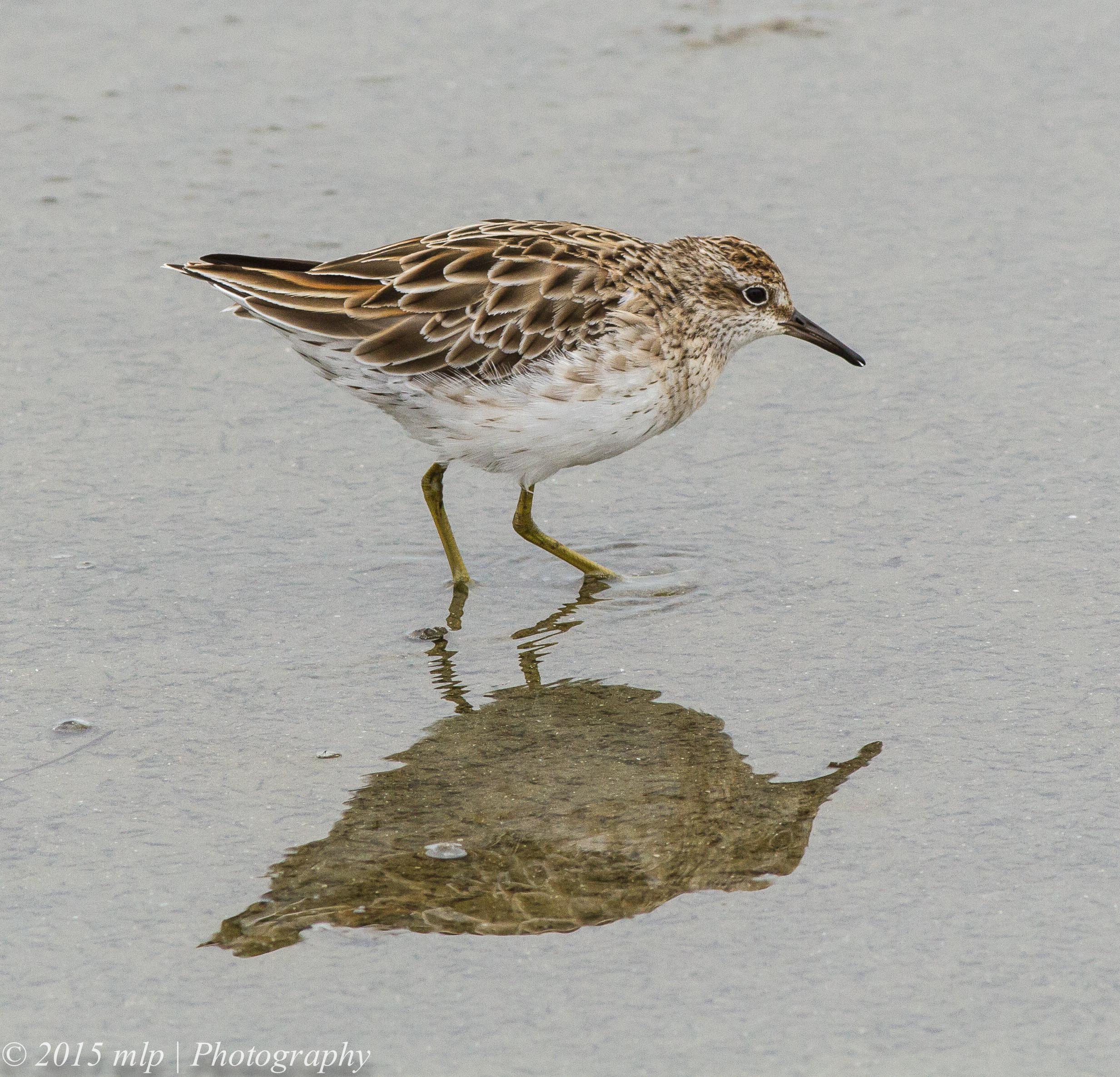
Sharp Tailed Sandpiper

Sharp Tailed Sandpiper

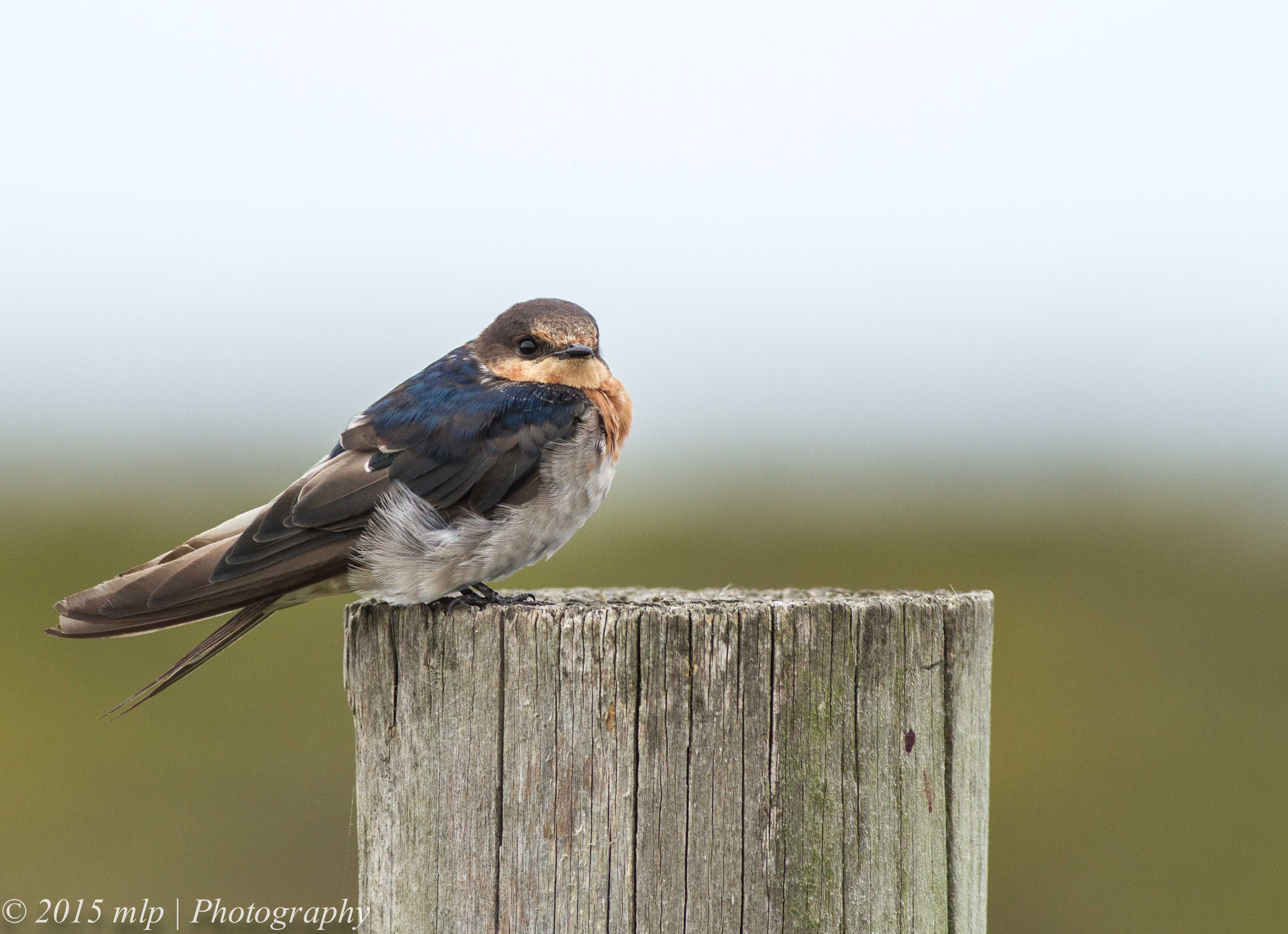
Welcome Swallow

Welcome Swallow

Welcome Swallow II

Welcome Swallow II

Juvenile Welcome Swallow

Juvenile Welcome Swallow

Chicks with big feet and an Angry Dad

Karkarook Park is an old sand quarry site in Heatherton that has been rehabilitated into wetlands, a large multipurpose lake and bushland. It is a good site for Birding (50+ species in a few hours) and photography. It is used by locals for exercise, fishing, dog walking and picnics. The wetlands are excellent for spotting the rarer waders like crakes and rails and often migrating birds will stop for a few days rest – Stilts, Dotterals and the very rare Little Bittern.

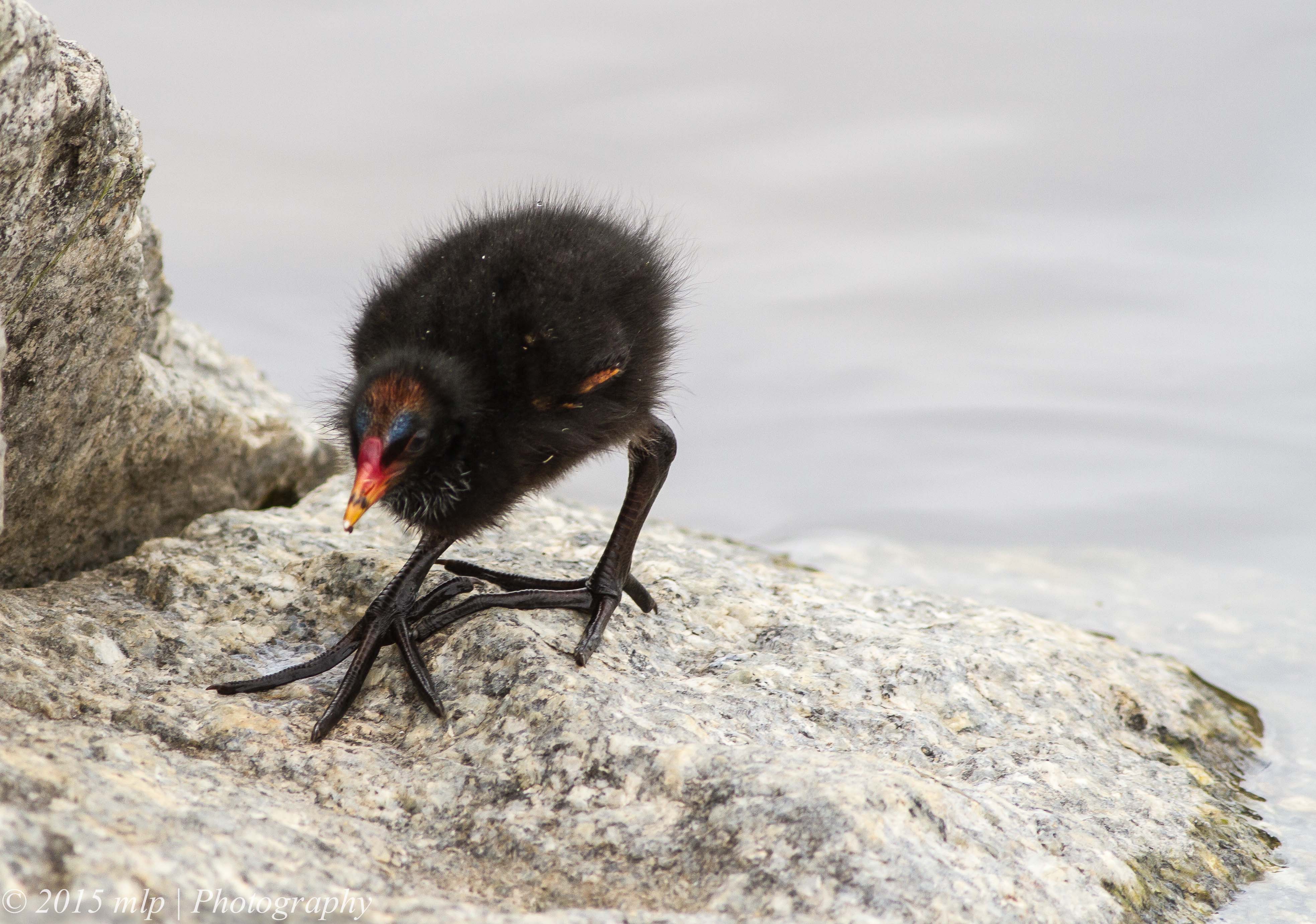
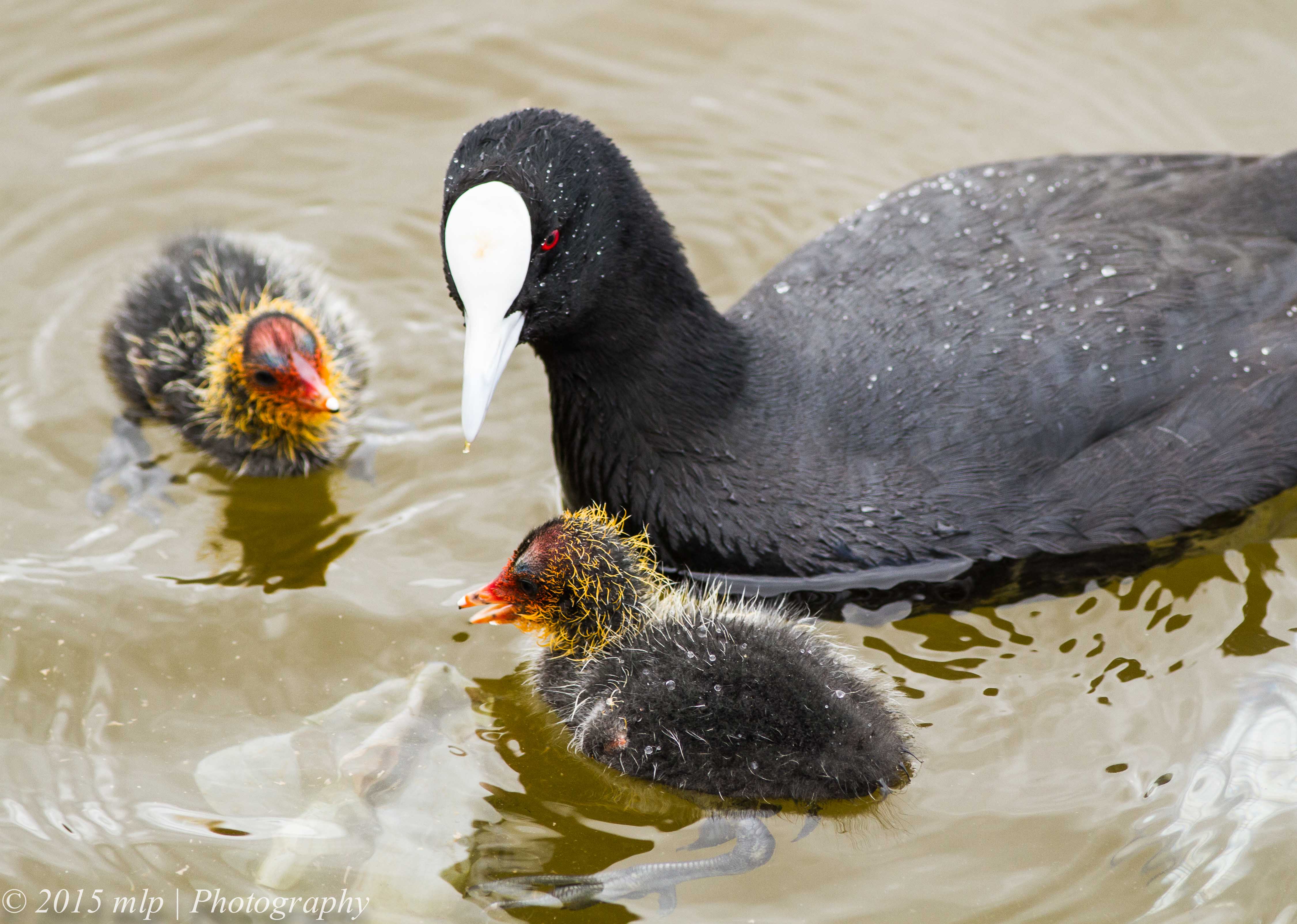
On my last visit I watched as some newly hatched Dusky Moorhen and Coot chicks took to the water and were fed by their parents. I was quite surprised by the size of their feet.

Dusky Moorhen Chick

Dusky Moorhen Chick

Dusky Moorhen Chick

Dusky Moorhen Chick II

Dusky Moorhen & Chick

Dusky Moorhen & Chick

Eurasian Coot and chick

Eurasian Coot feeding its chick small bits of water weed.

Eurasian Coot and chicks

Eurasian Coot and chicks

Eurasian Coot and chicks II,

Eurasian Coot and chicks II,

I was walking down one of the woodlands paths when I was buzzed by a Willie Wagtail that was clearly agitated. They can be quite aggressive with other birds and are a very good bush alarm giving a clear distinctive warning (chicka chicka) when something dangerous is nearby: snakes, foxes, large lizards etc. But they don’t usually worry too much about people. I stood still and had a look around and realized that just near my knees in a bit of scrub were 2 Wagtail chicks that must have just come out of the nest. They did not fly away and just watched the parent. I moved back a few metres and sat down next to a tree. The parent then ignored me and started to feed his chicks. The other parent was on the other side of the bush looking after a third chick.

Willie Wagtail

Angry Willie Wagtail

Willie Wagtail II

Willie Wagtail II

Willie Wagtail III

An Angry Dad giving me the stink eye…..

Willie Wagtail fledglings

Willie Wagtail fledglings – 3rd chick just visible to the right

Willie Wagtail fledglings II

Willie Wagtail fledglings II

Little Wattlebird

Little Wattlebird

Little Wattlebird II

Little Wattlebird II

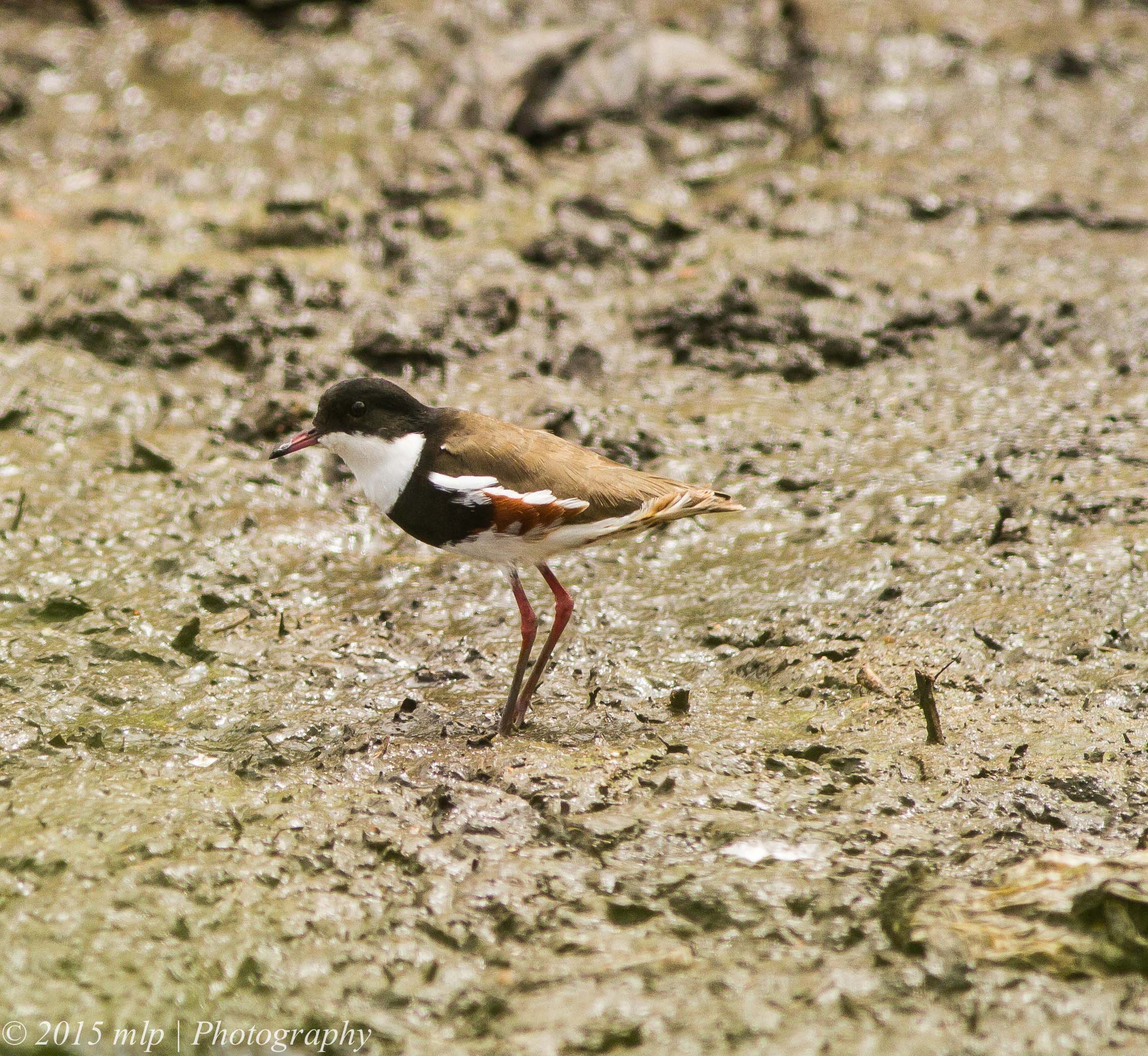
Red Kneed Dotteral

Any guess why this bird is called a Red Kneed Dotteral?

The Red Browed Finch caught my attention when it flew up to the top of a fence line and started to bop up and down with a delicate grass seed stem. He put on quite a show for a few minutes but when the female ignored him he dropped the seeds and flew off….

Red Browed Finch

Dancing Red Browed Finch

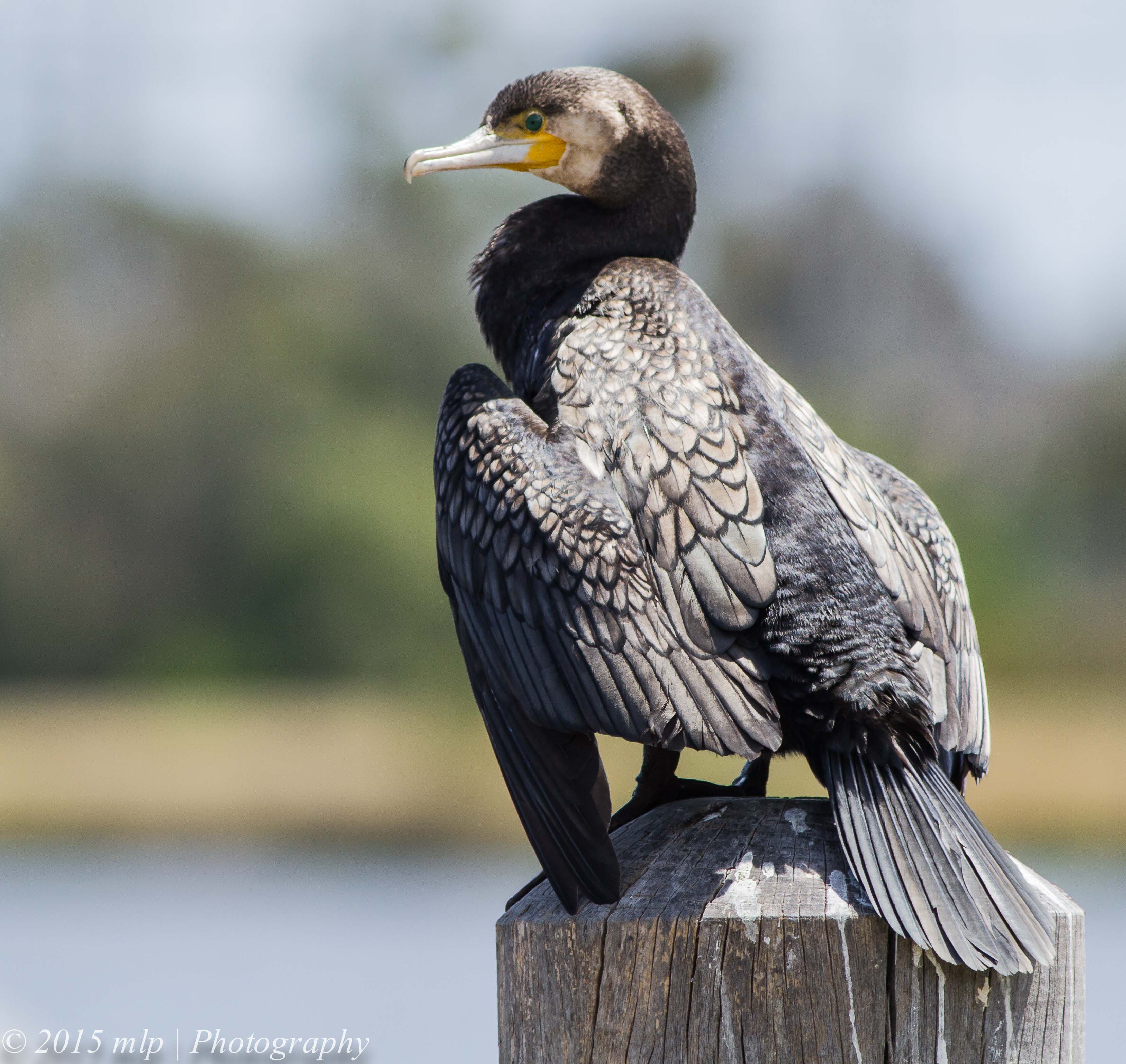
Great Cormorant

Great Cormorant drying out on a pier post – there are a number of Cormorants resident on the lake.

Dandenong Ranges National Park – Welch Track: The Powerful Owl

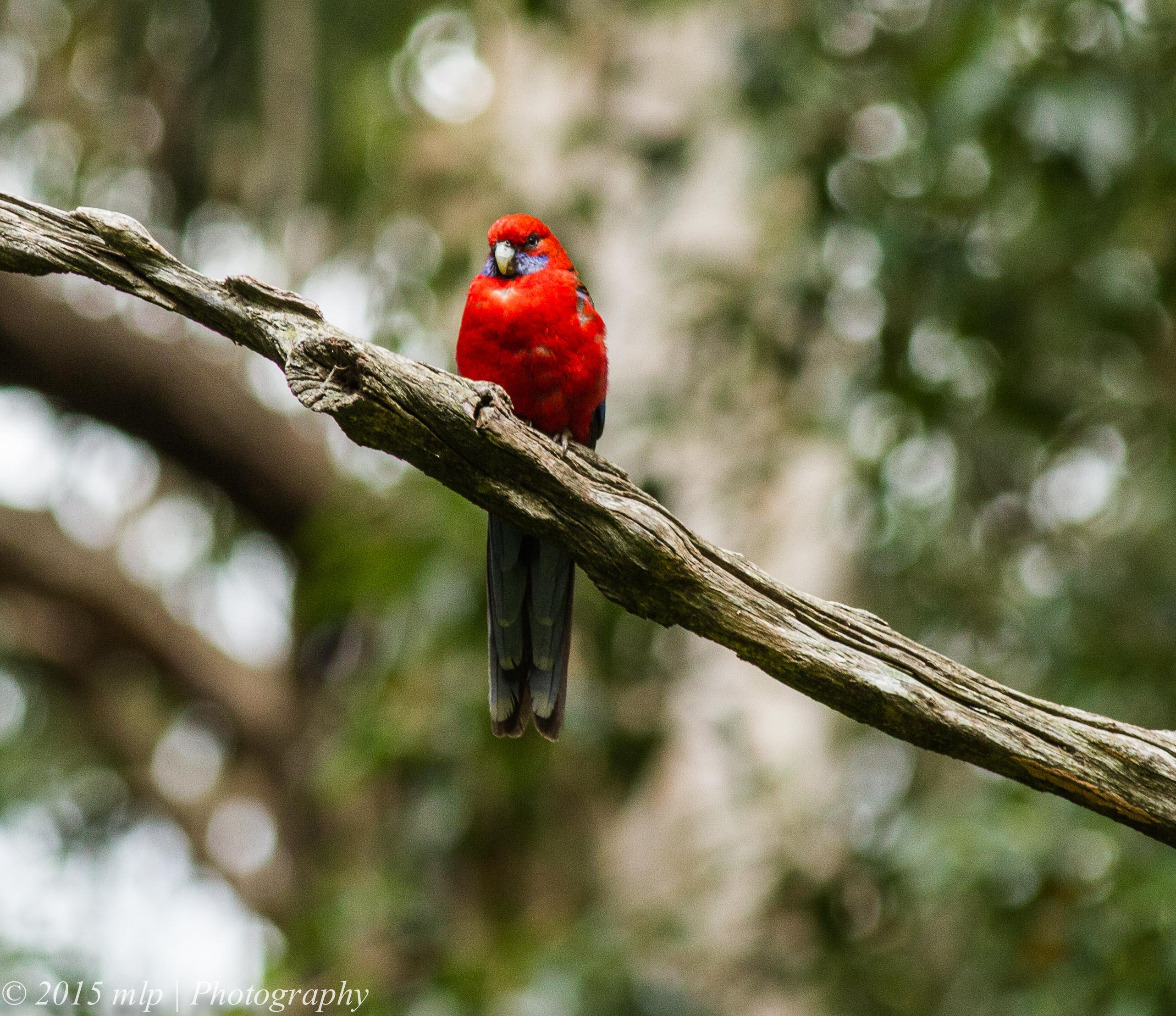
Another part of the Dandenong Ranges that I have explored briefly is a section near one of the Puffing Billy Steam Train Stations – Welch Track. It is a rather steep section of the Park with a good track leading down to a rainforest gully and then merging onto other tracks. I had seen a report of a few Large Billed Scrubwrens in the area and while I looked for them I found a few other interesting birds along the way.

Crimson Rosella

Crimson Rosella

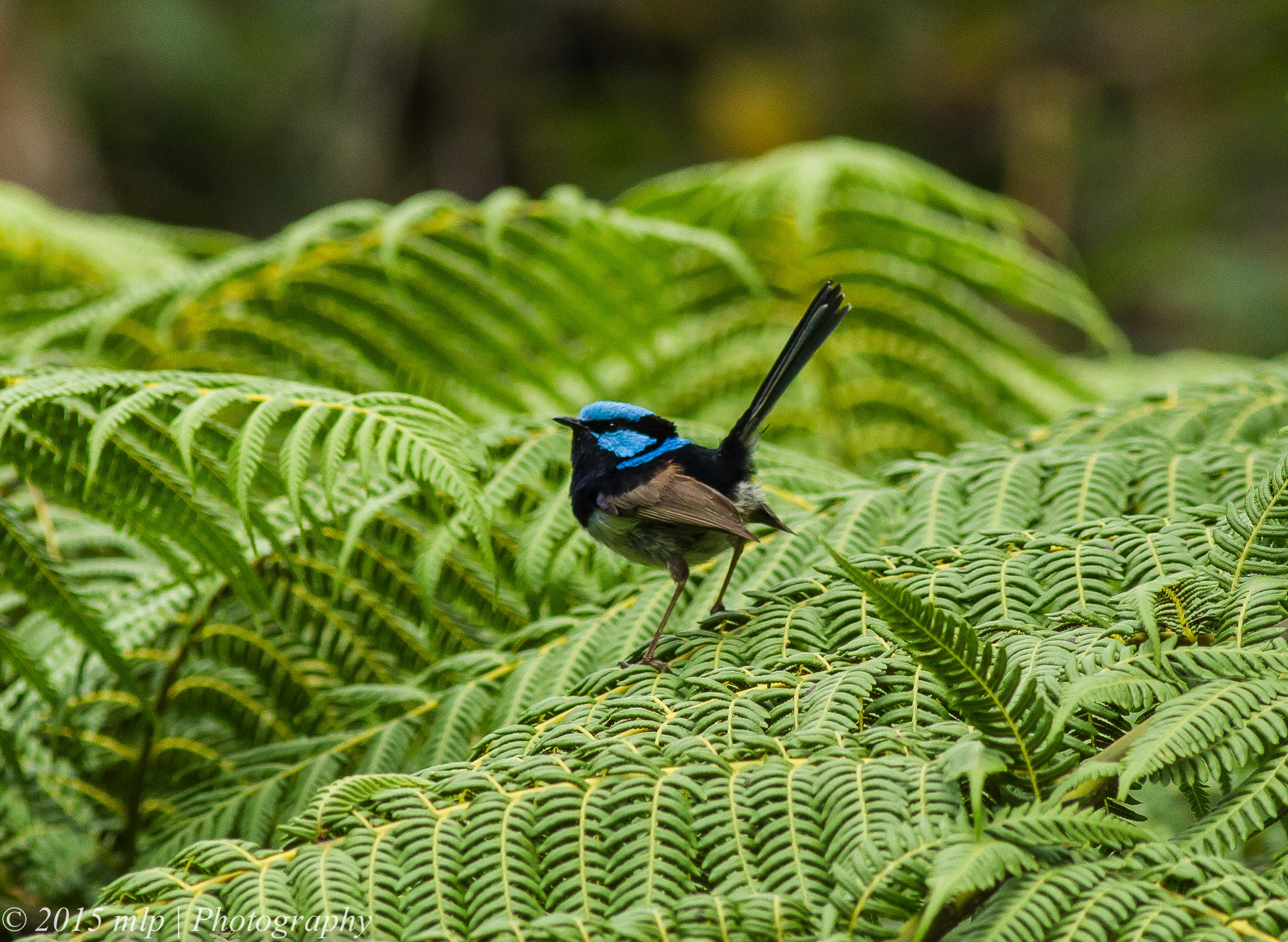
Male Superb Fairy Wren

Male Superb Fairy Wren

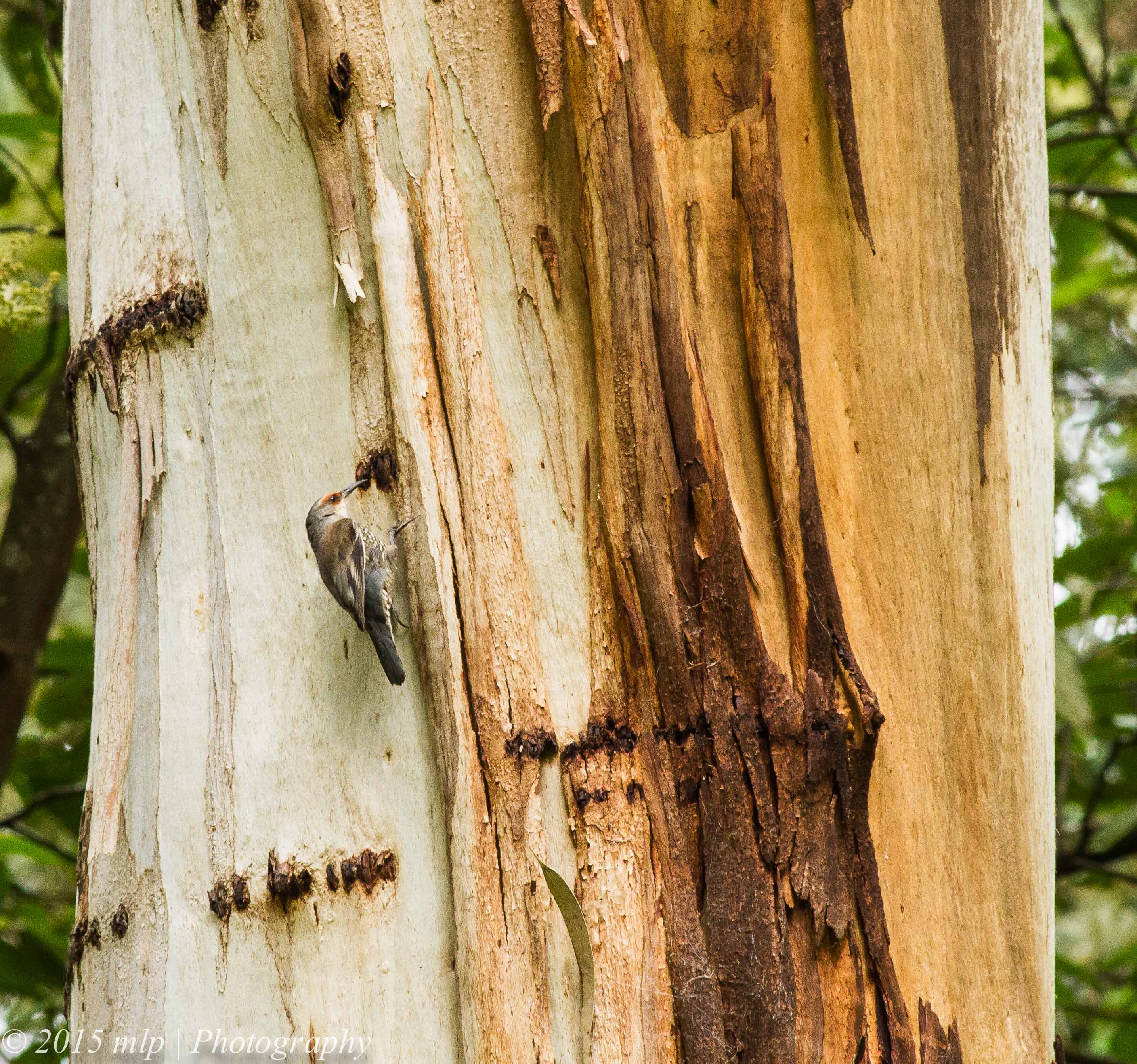
Red Browed Treecreeper

Red Browed Treecreeper – usually difficult to see as they stick to the higher canopies of very tall trees

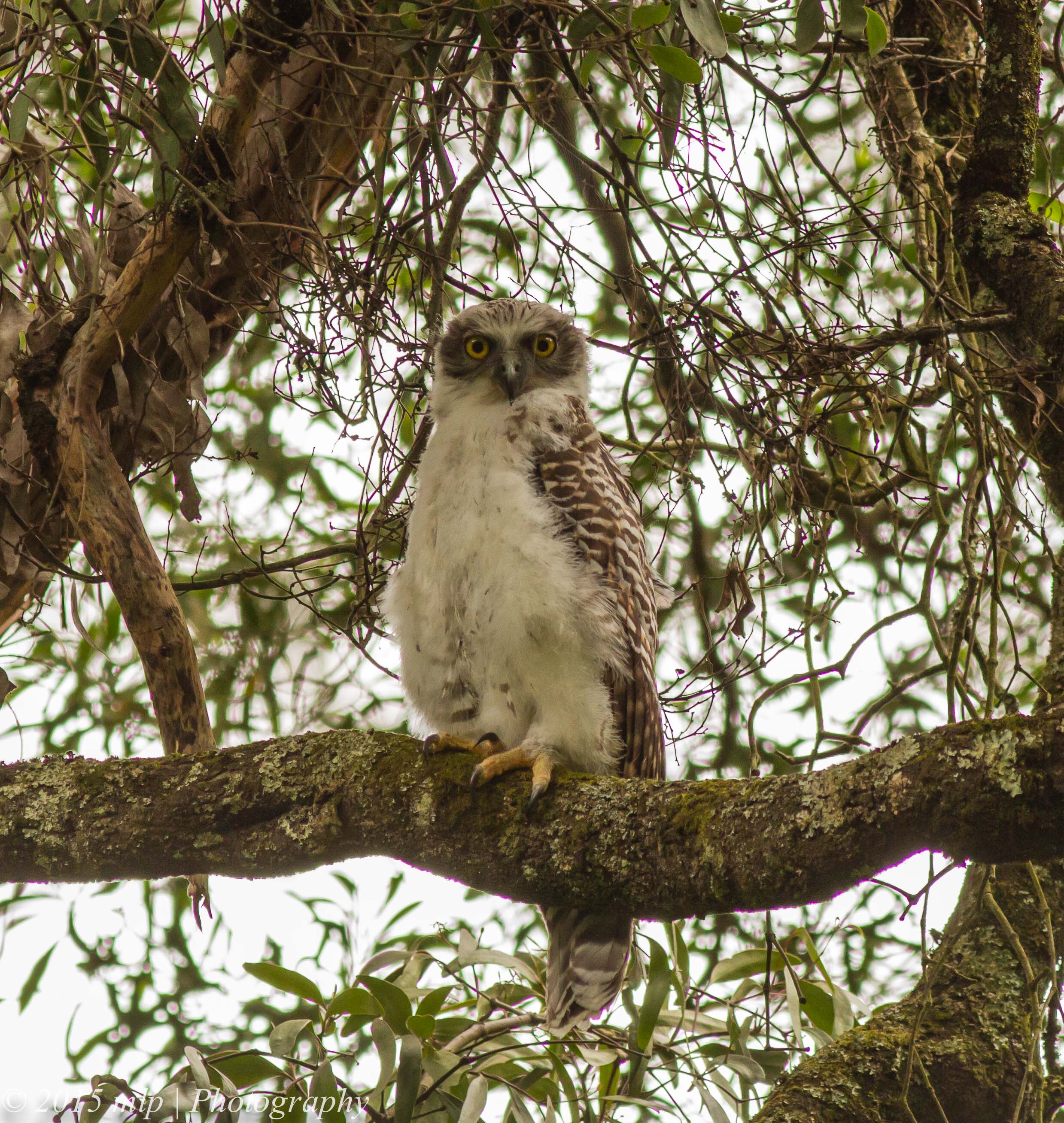
Juvenile Powerful Owl

Juvenile Powerful Owl – still with fledgling white chest feathers, and already with extremely large and lethal talons. The Powerful Owl is able to take much larger and heavier prey – a favourite being the brush tailed possum.

II

Even as a young Owl in daylight it had much better senses than I did – it knew when other people were coming down the track well before I did.

Welch Track Foliage and fallen tree

Welch Track Foliage and fallen tree

Langwarrin Flora and Fauna Reserve – a small bird haven

I explored a new bush park today, on the outskirts of Frankston, Langwarrin Flora and Fauna Reserve. It is a good sized reserve with many well managed and signposted tracks and a wide fire break running down the centre of the park. I spent a few hours investigating several of the Northern  trails and found quite a number of smaller birds. The bush is very thick and dense with the only access via the trails – it is too thick to get into. It is a haven for the smaller birds while the larger birds stick to the taller gums. A few uncommon birds seen were Grey Currawongs, a Collared Sparrowhawk and 2 Wedge Tail Eagles circling very high. Many of the gum trees were flowering and there seemed to be a good supply of Lerp on the leaves as well. The birds were quite aggressive towards other species and each other – a sign of a supply of food worth defending.

Yellow Faced Honeyeater

Yellow Faced Honeyeater

New Holland Honeyeater,

New Holland Honeyeater,

II

II

III

III

Little Wattlebird

Little Wattlebird

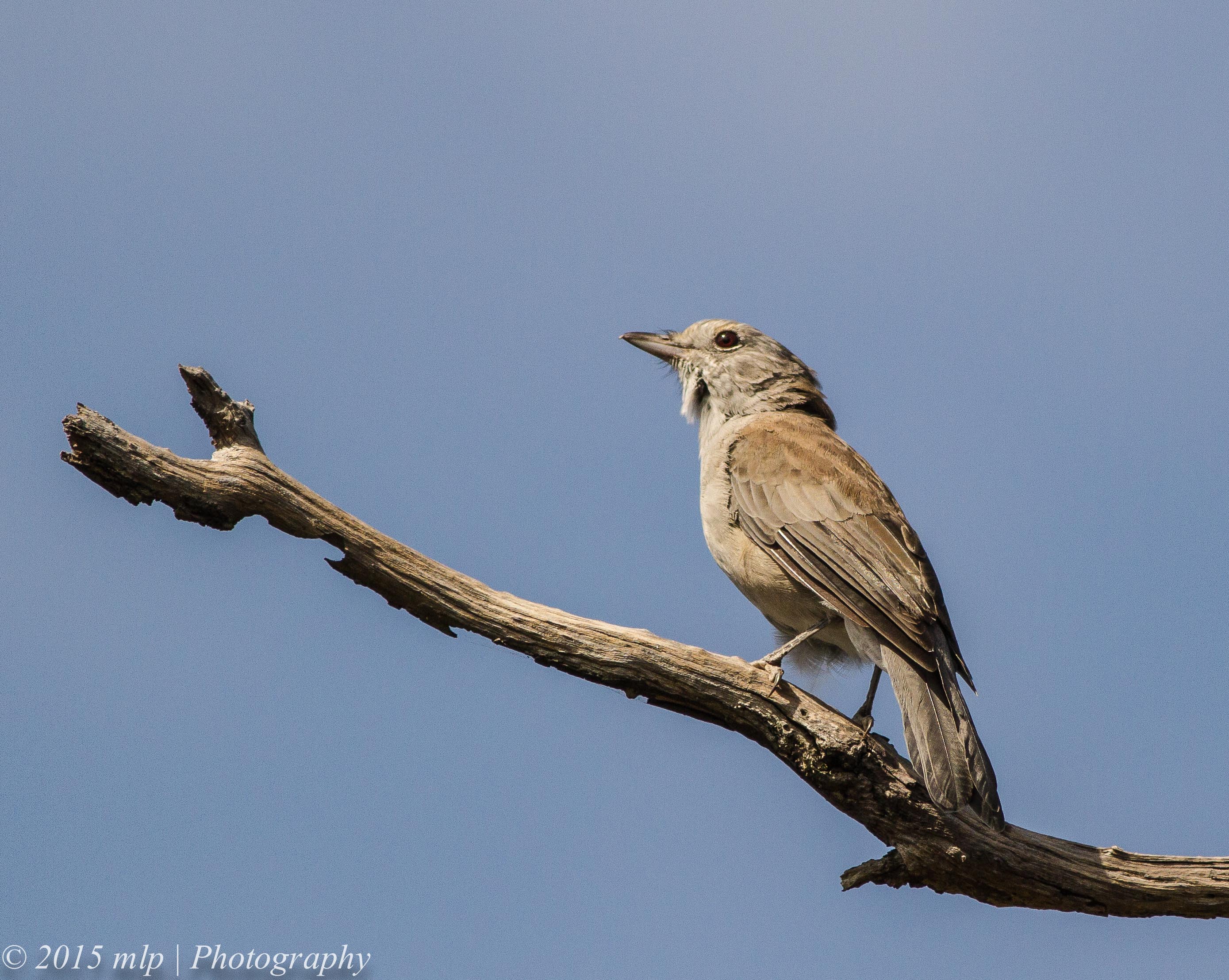
Grey Shrike Thrush

Grey Shrike Thrush

Collared Sparrowhawk

Collared Sparrowhawk

II

II

And my usual forest companion:

Eastern Yellow Robin

Eastern Yellow Robin

II

II

III

III

Colours of Cloudehill

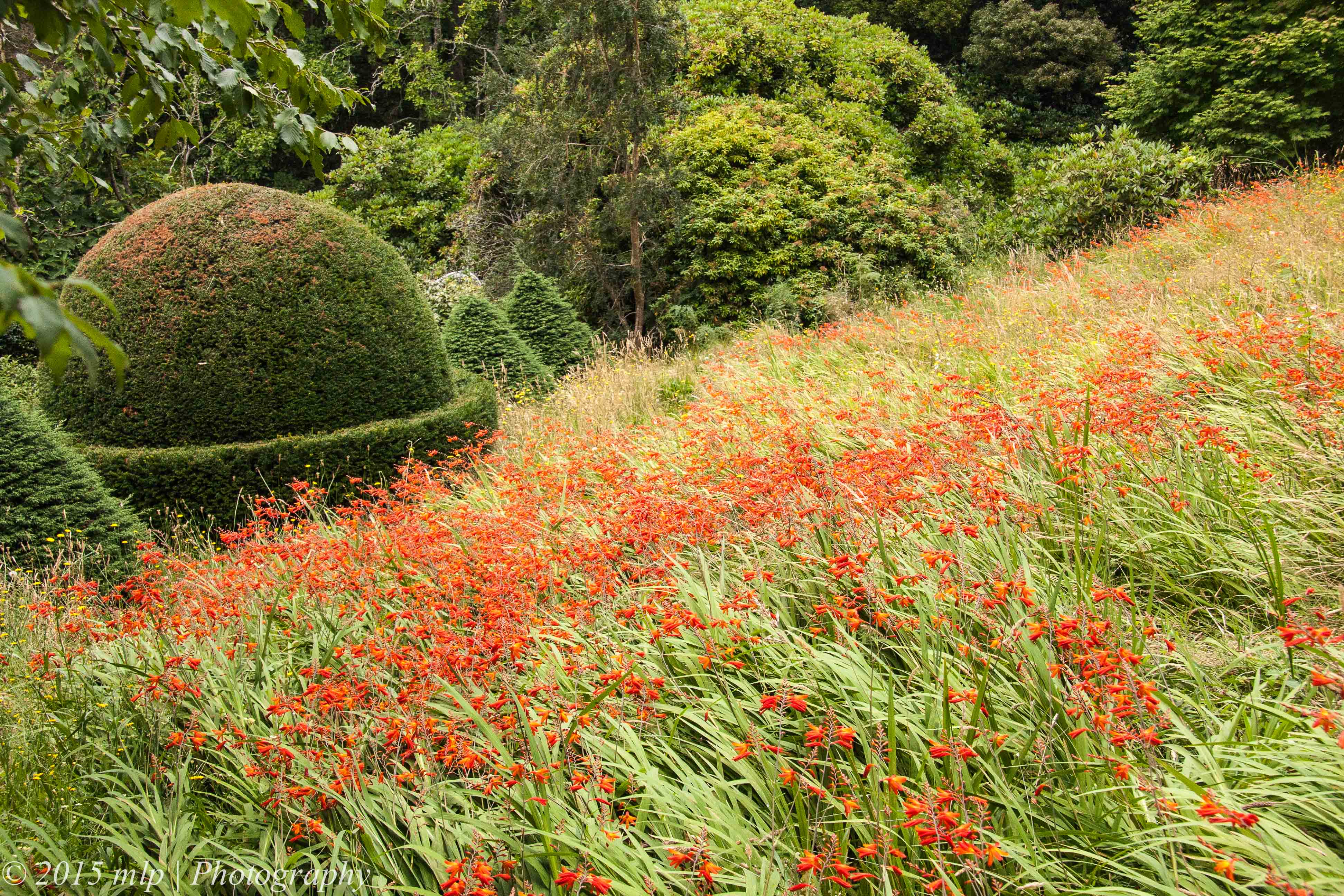
In the third and final post on the Cloudehill Gardens, I selected a range of flowers that were impressive in their vibrancy and shape. The summer flowers are in full bloom. They have designed the gardens beds extremely well. It is a design with layers within a bed that will flower at different times making for year round interest. Most gardeners (including me) plant for a short spring display but the Summer period can last much longer. Planting a garden high in the hills can also help the plants from being cooked during a hot spell and can extend the spring feeling. Entry is free for kids and for members of the Diggers Club – otherwise it is $10 per person. Well worth the journey and the cost.

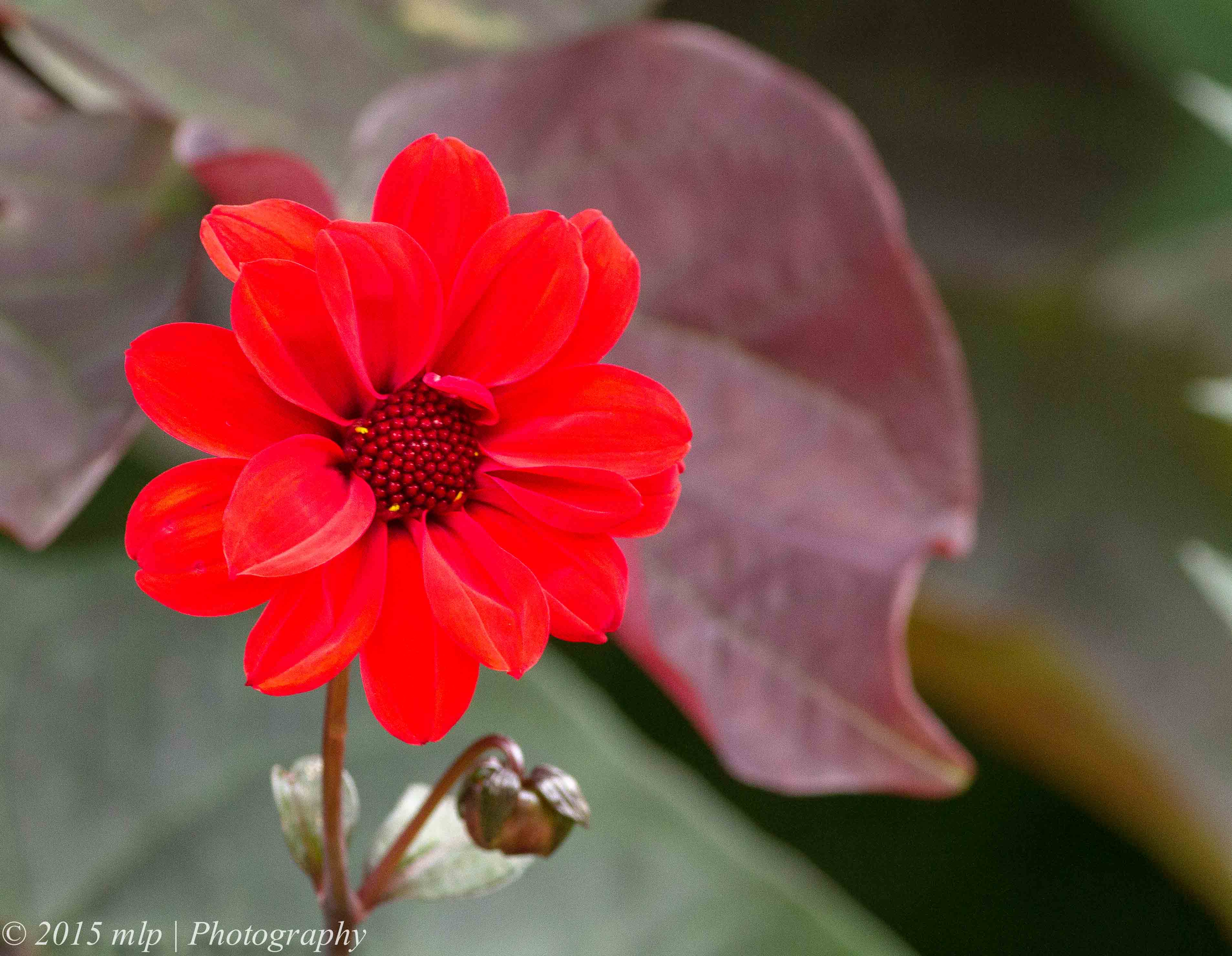
Red Flower

Red Flower

Red Flower II

Red Flower II

Red Flower and Bee with pollen baskets

Red Flower and Bee with pollen baskets on rear legs.

Red Field II

Red Field

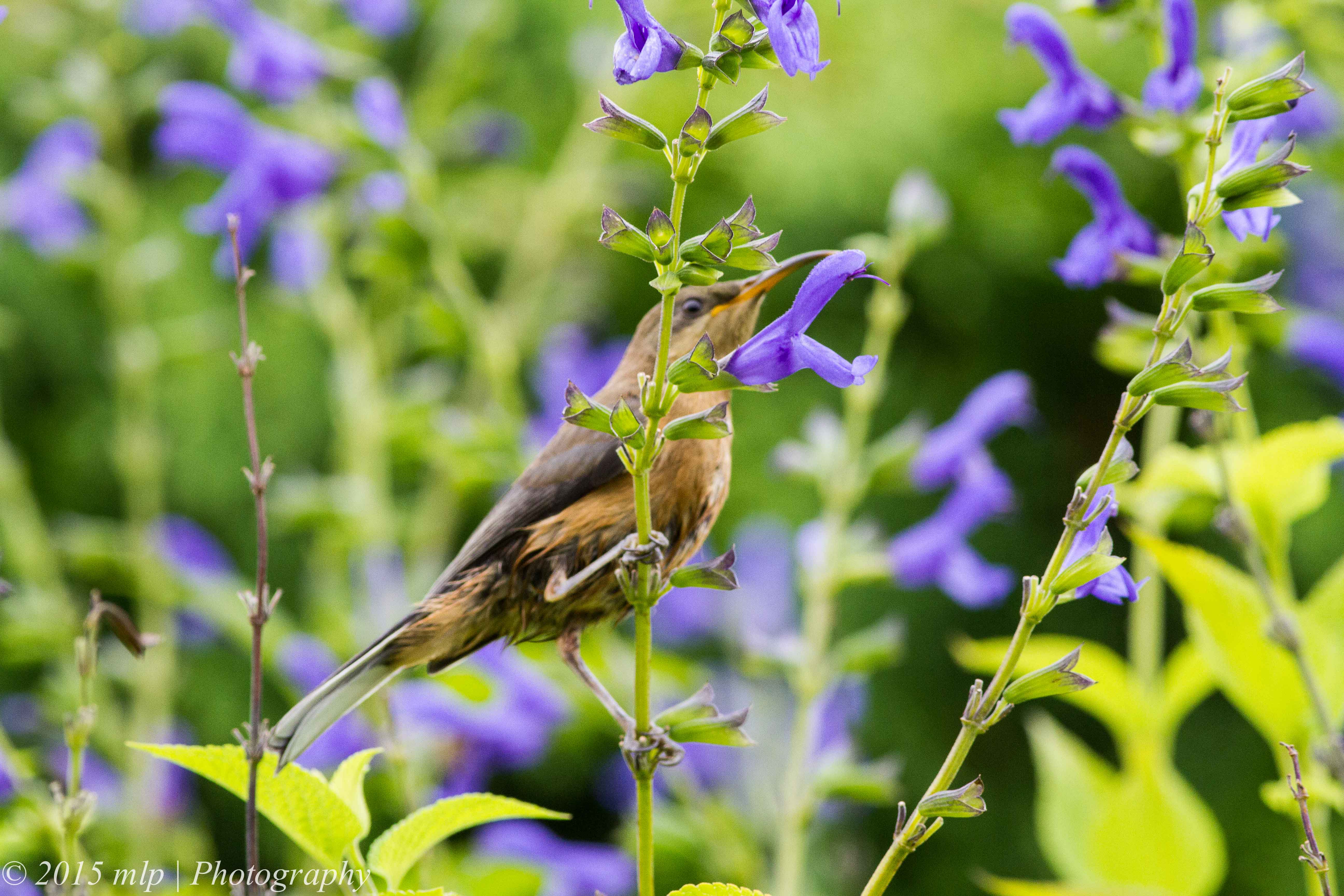
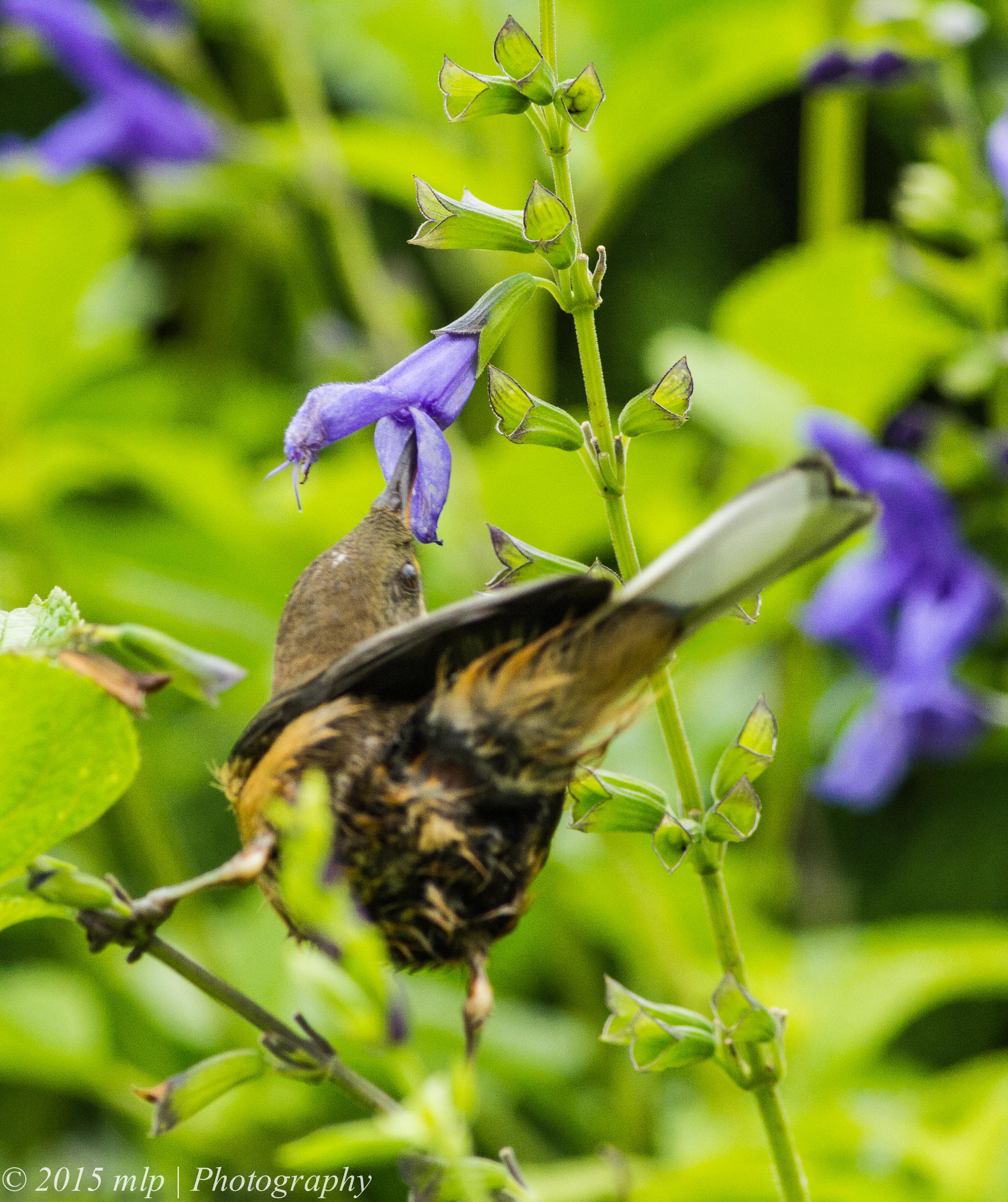
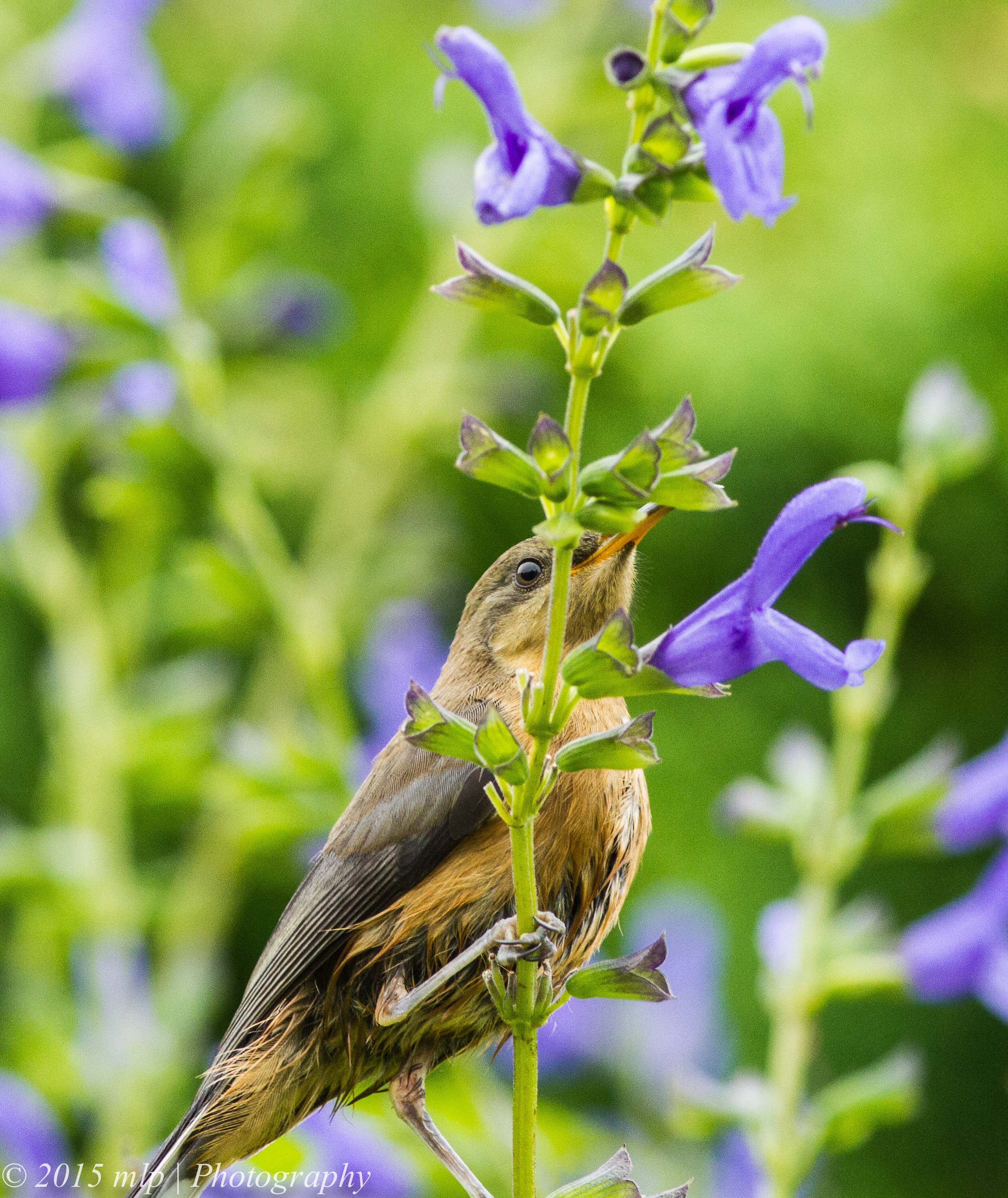
Blue Flower with Spinebill

Blue Flower spike with Spinebill attached…

Purple Flower with Bee

Purple Flower with Bee

Part 1 : Birds of Cloudehill

Part 2: The Wonderful Gardens of Cloudehill

The Wonderful Gardens of Cloudehill

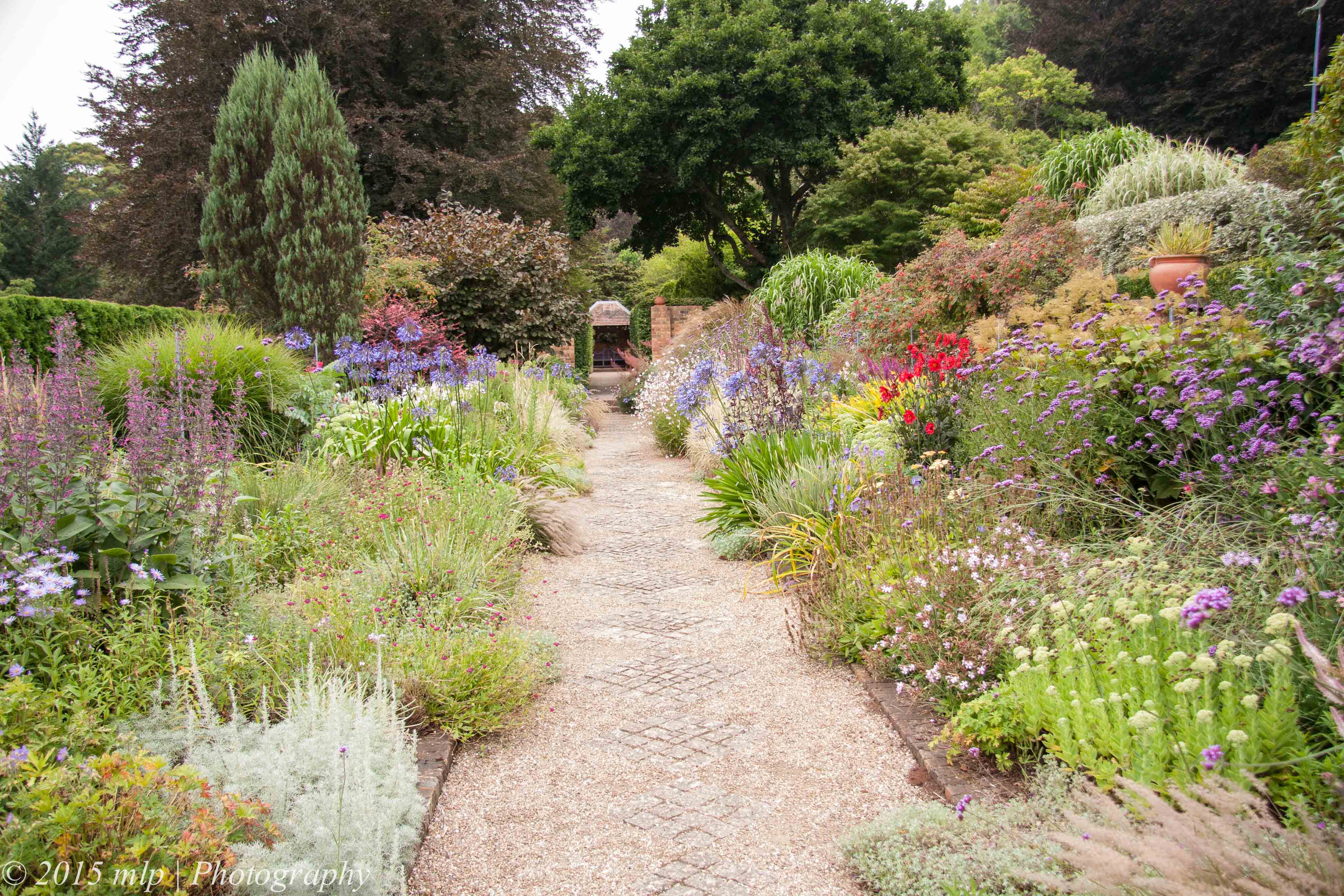
A nature photographer’s dream: The gardens of Cloudehill in Olinda are stunning and while many coastal gardens are drying out and becoming a bit cooked in the late summer heat, the Cloudehill gardens are still in full flower. The variety of flowers (perennials and annuals) are amazing and the woods that lead into the lower gardens and gullies are cool and inviting. I explored the garden rooms, the pathways and woods, looking for colour, interesting features and of course birds.

Cloudehill Gardens

Cloudehill Gardens

Cloudehill Gardens II

Cloudehill Gardens II

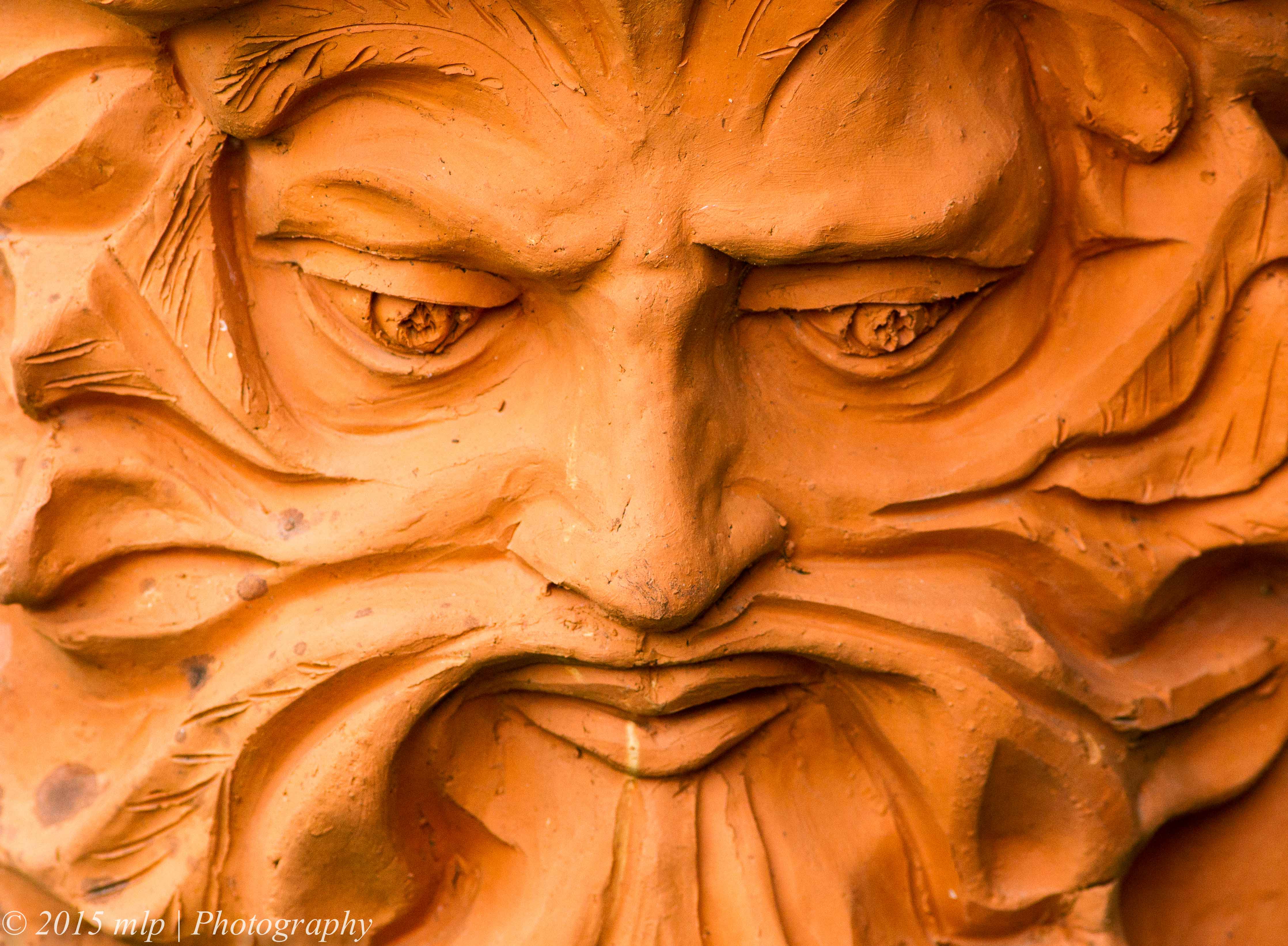
Ceramic Green Man

Ceramic Green Man

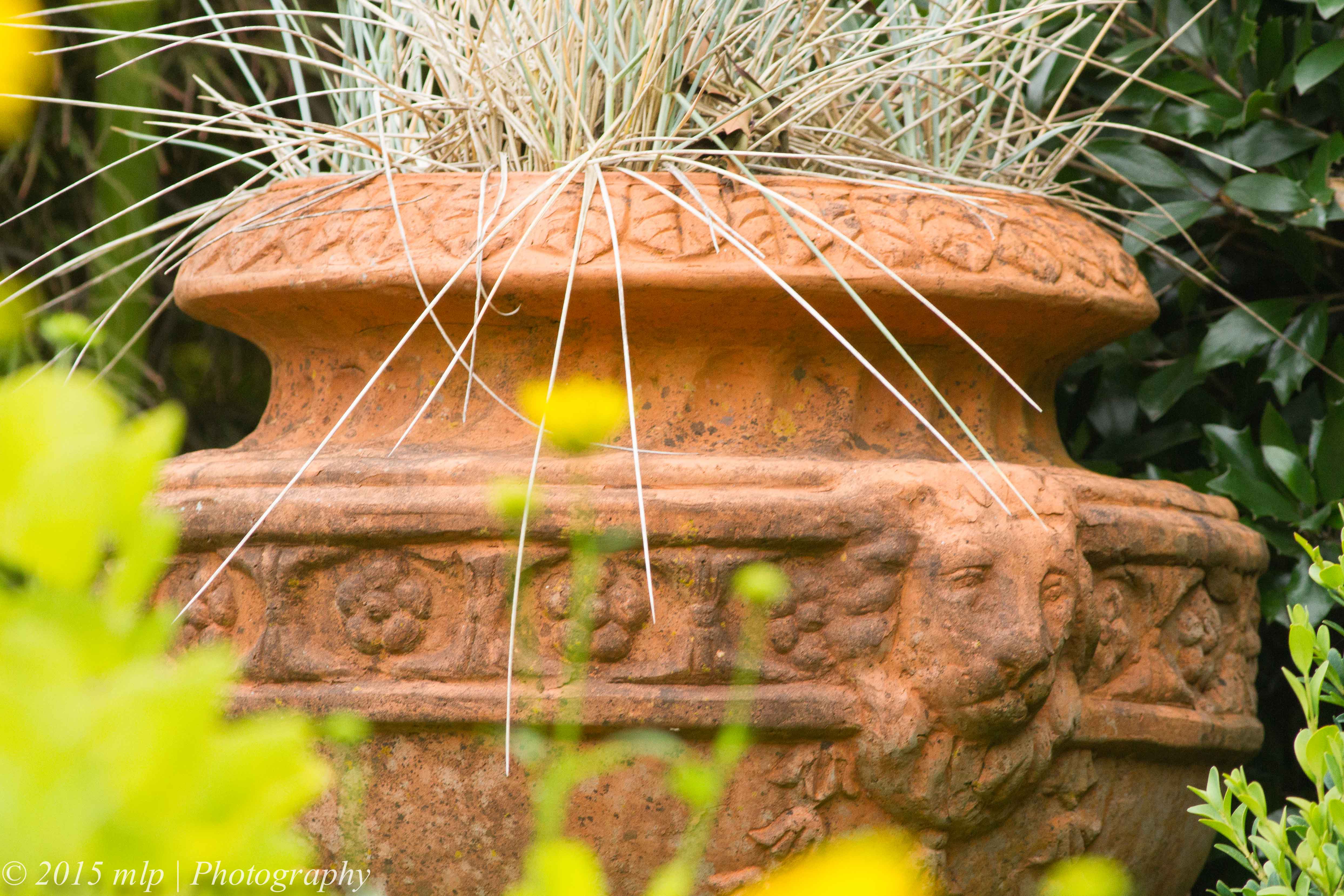
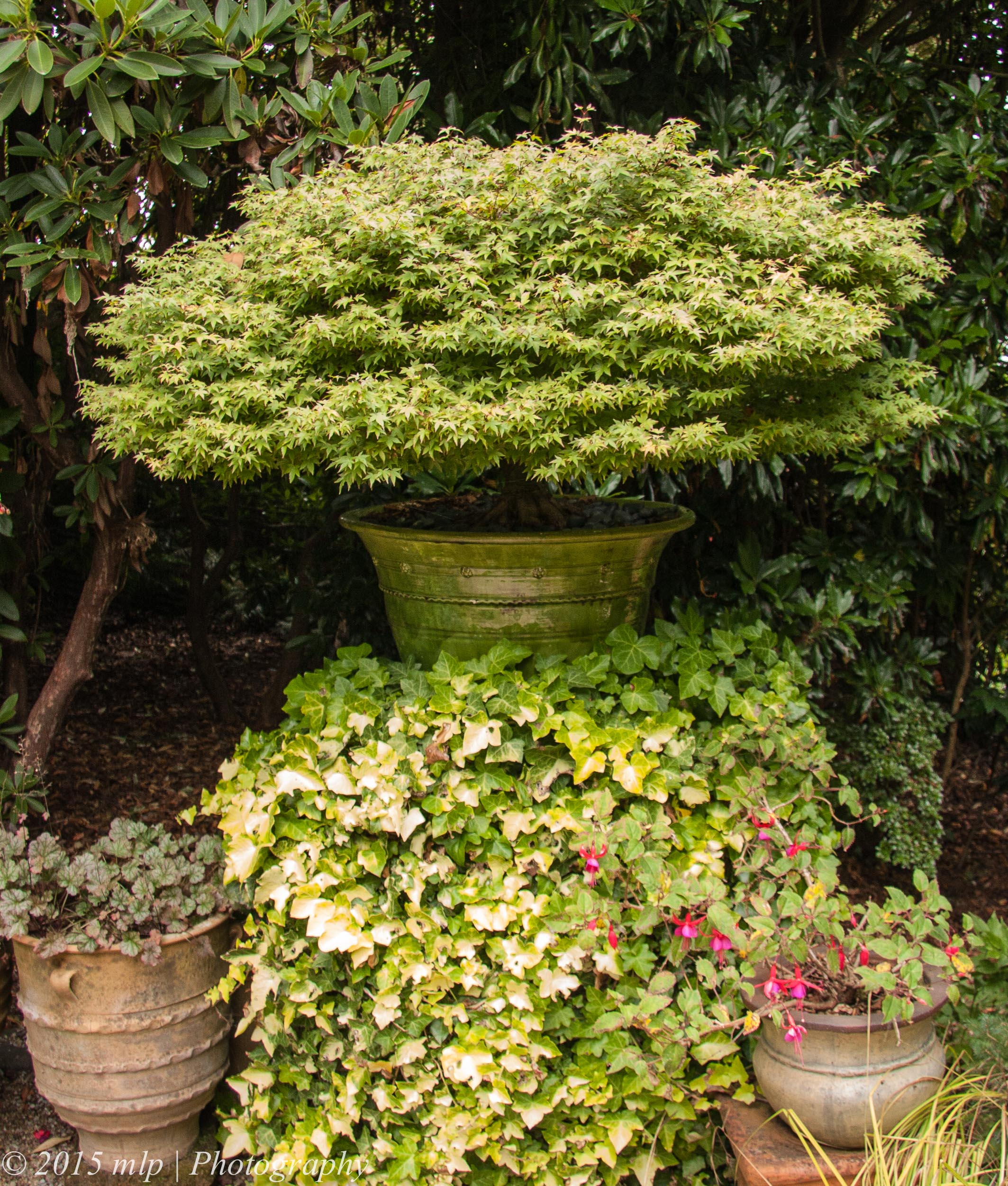
Pot Plantings

Pot Plantings

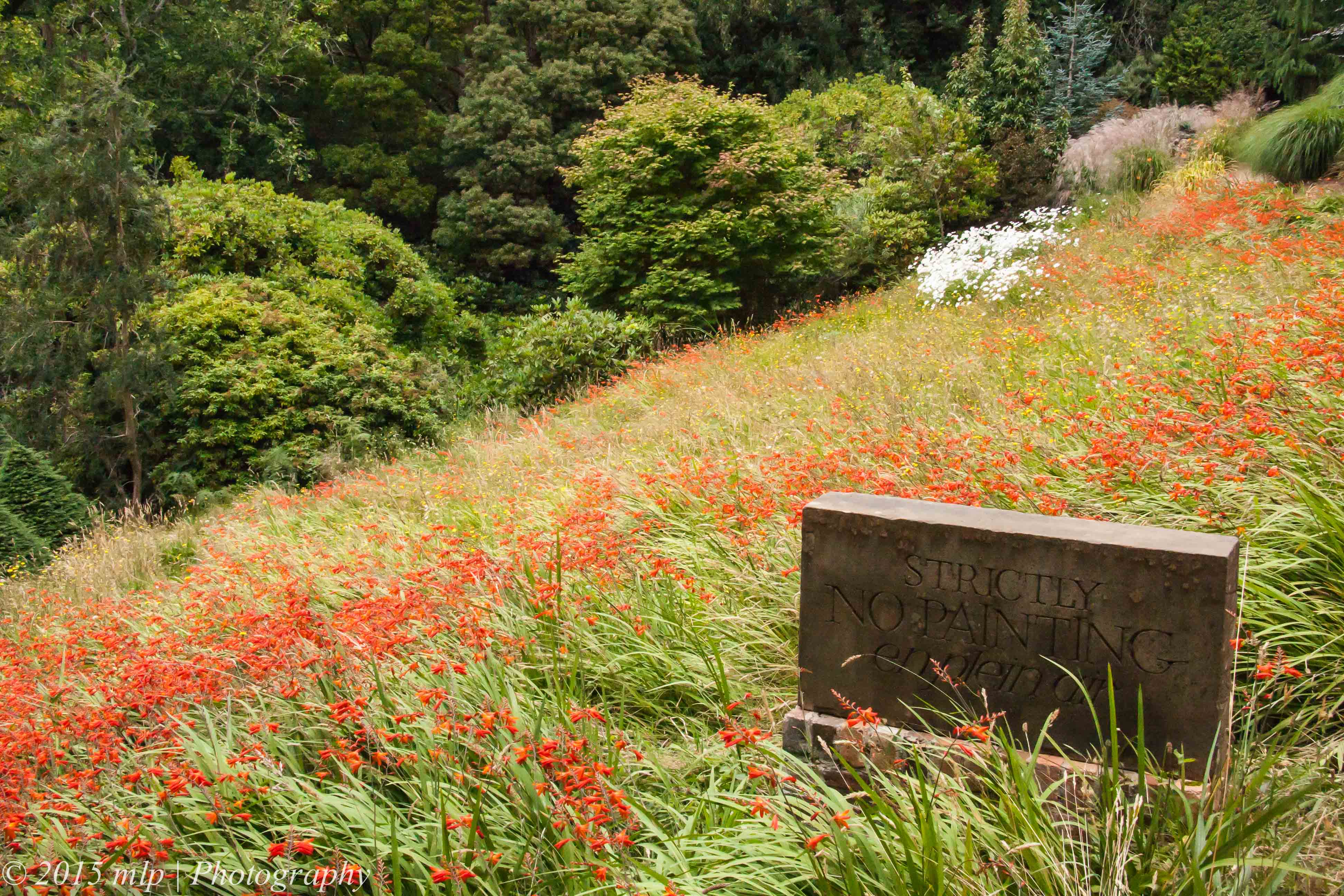
Red Field and stone sign (Art not a warning - I actually asked)

Red Field and stone sign (it is a sculpture not a warning – I actually asked)

Stone Owl? I always seem to photograph this sculpture though I am not sure what it is...

Stone Owl? I always seem to photograph this sculpture though I am not sure what it is…

Shaded Garden Corner with mixed pots and planting

Shaded Garden Corner with mixed pots and planting

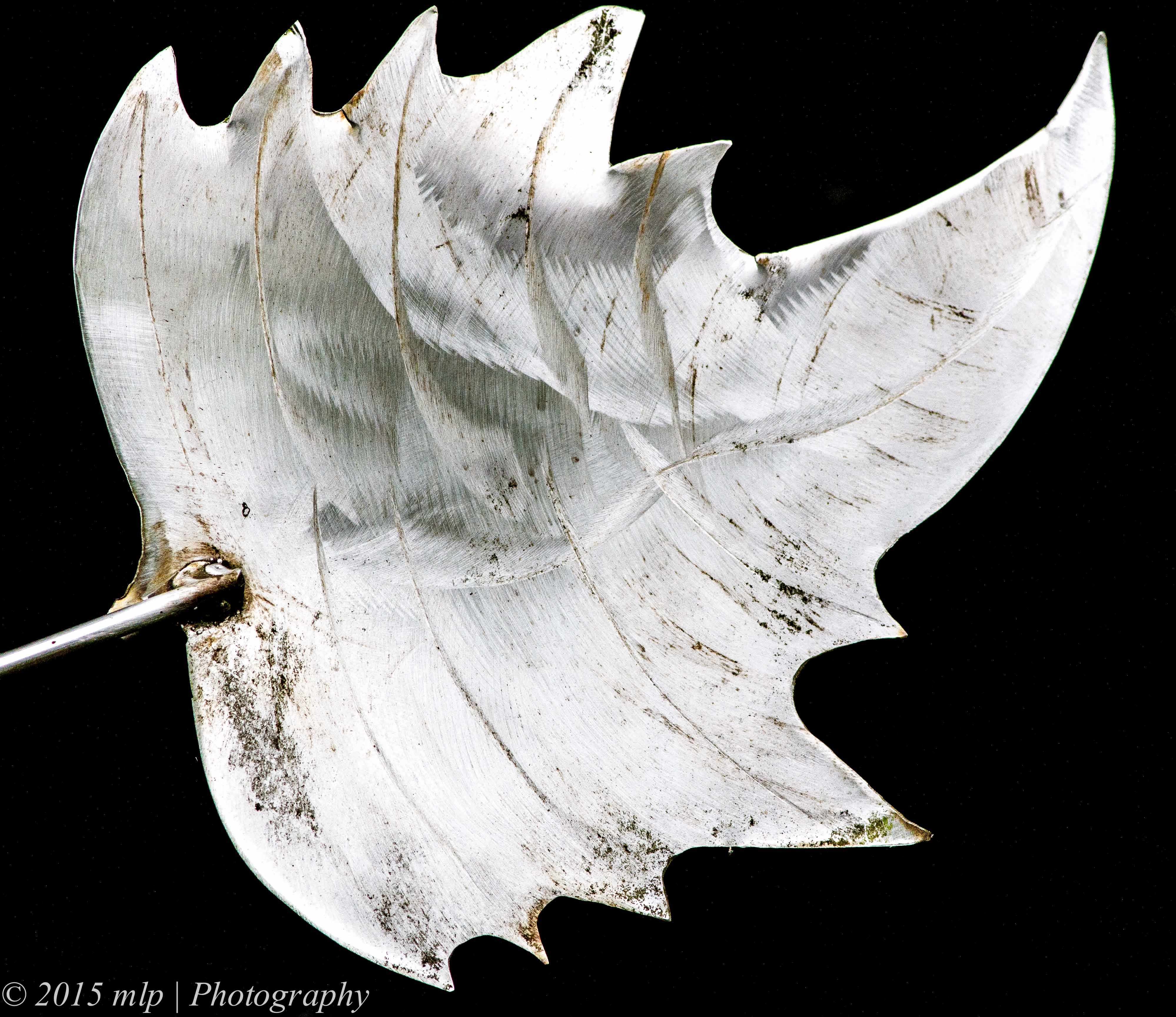
Silver Leaf above the Shaded Pavilion

Large Silver Leaf above the Shaded Pavilion

 Part 1 : Birds of Cloudehill

Birds of Cloudehill, Olinda

Within the Dandenong Ranges, about an hour east of Melbourne, is a stunning garden called Cloudehill. It is one of the three display garden nurseries of the Diggers Club. The other two gardens are the Garden of St Erth in Blackwood and Heronswood in Dromana. I think Cloudehill is one of the most beautiful gardens I have been to and as an added bonus it is usually full of birds.  While Mrs Gap Year wanders around and then hits the nursery shop or the cafe to read the paper I can go deeper into the gullies at the bottom of the gardens and look for birds. On this occasion I went to find the resident lyrebirds but for the first time I did not hear or see them. I did find a rather large and noisy flock of Yellow Tailed Black Cockatoos – shooting into the canopy was difficult but with Lightroom the images could be salvaged.

Yellow Tailed Black Cockatoo

Yellow Tailed Black Cockatoo

Yellow Tailed Black Cockatoo II - several were chewing on the bark of this tree.

Yellow Tailed Black Cockatoo II – several were chewing on the bark of this tree.

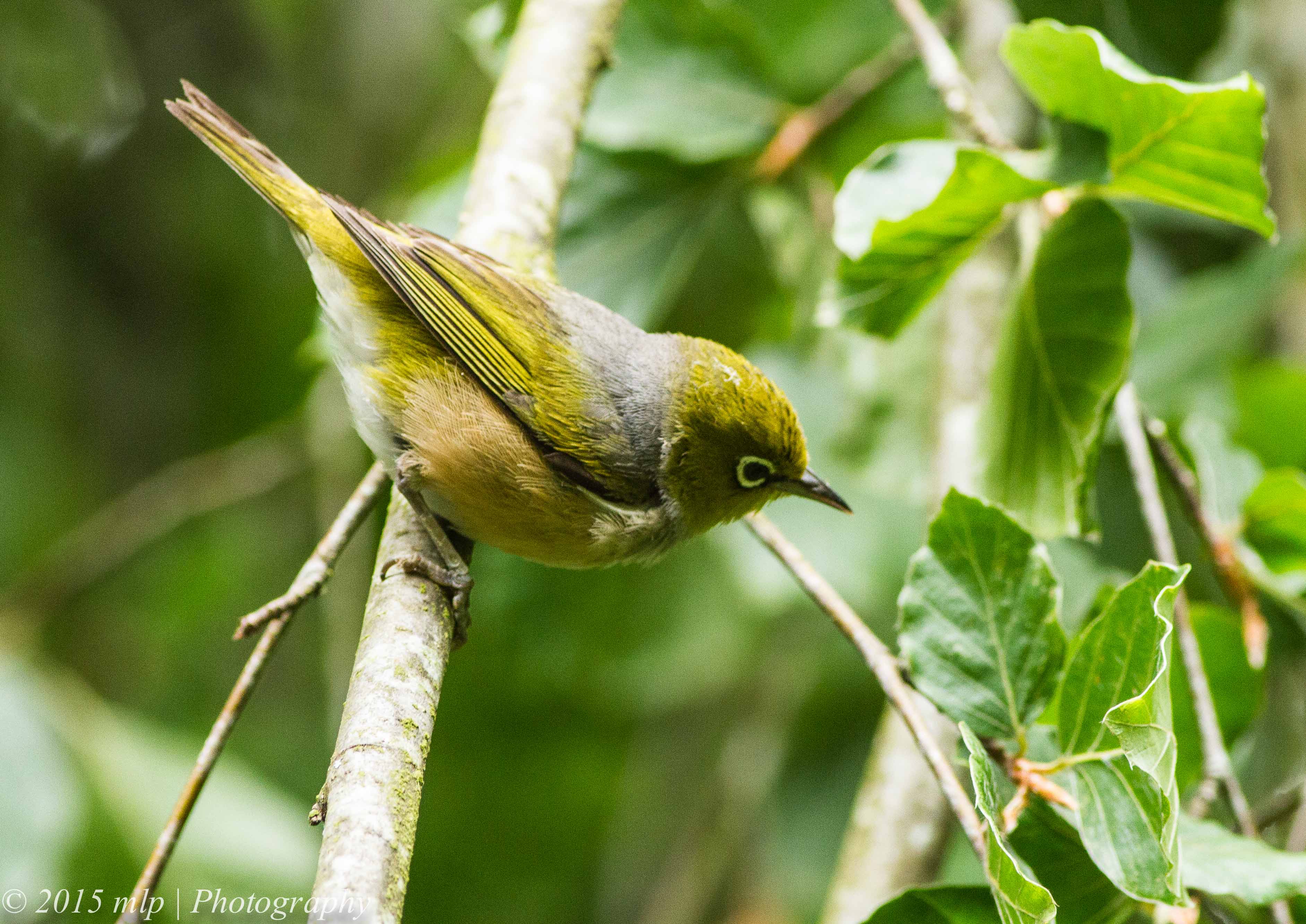
Silvereye

Silvereye

Juvenile Silvereye

Juvenile Silvereye

Juvenile Spinebill

Juvenile Spinebill

Juvenile Spinebill II

Juvenile Spinebill II

Juvenile Spinebill III

Juvenile Spinebill III

Juvenile Spinebill IV

Juvenile Spinebill IV

Part 2  – The Wonderful Gardens of Cloudehill

Coming Soon:

Part 3 – Colours of Cloudehill

Dandenong Valley Wetlands, Wheelers Hill

A late afternoon and evening walk around the Dandy Valley wetlands produced a good list of bird species (50+) and a few nice photo opportunities in the evening light. I met up with a birding mate, John, and we hunted for elusive Crakes and Rails. We did finally find two Spotted Crakes in a shaded patch of the reeds.  While waiting for John to arrive I explored the Dandenong Creek for a few kilometres and found a good number of smaller birds and bushland species. Overhead the sky continually had birds flying into or around the wetlands: Swamp Harriers, Pelicans, Ibis and various species of Ducks. It is an impressive place that has only recently been created to help purify the creeks before they run into important wetlands at the coast and Port Phillip Bay. Well worth a repeat visit.

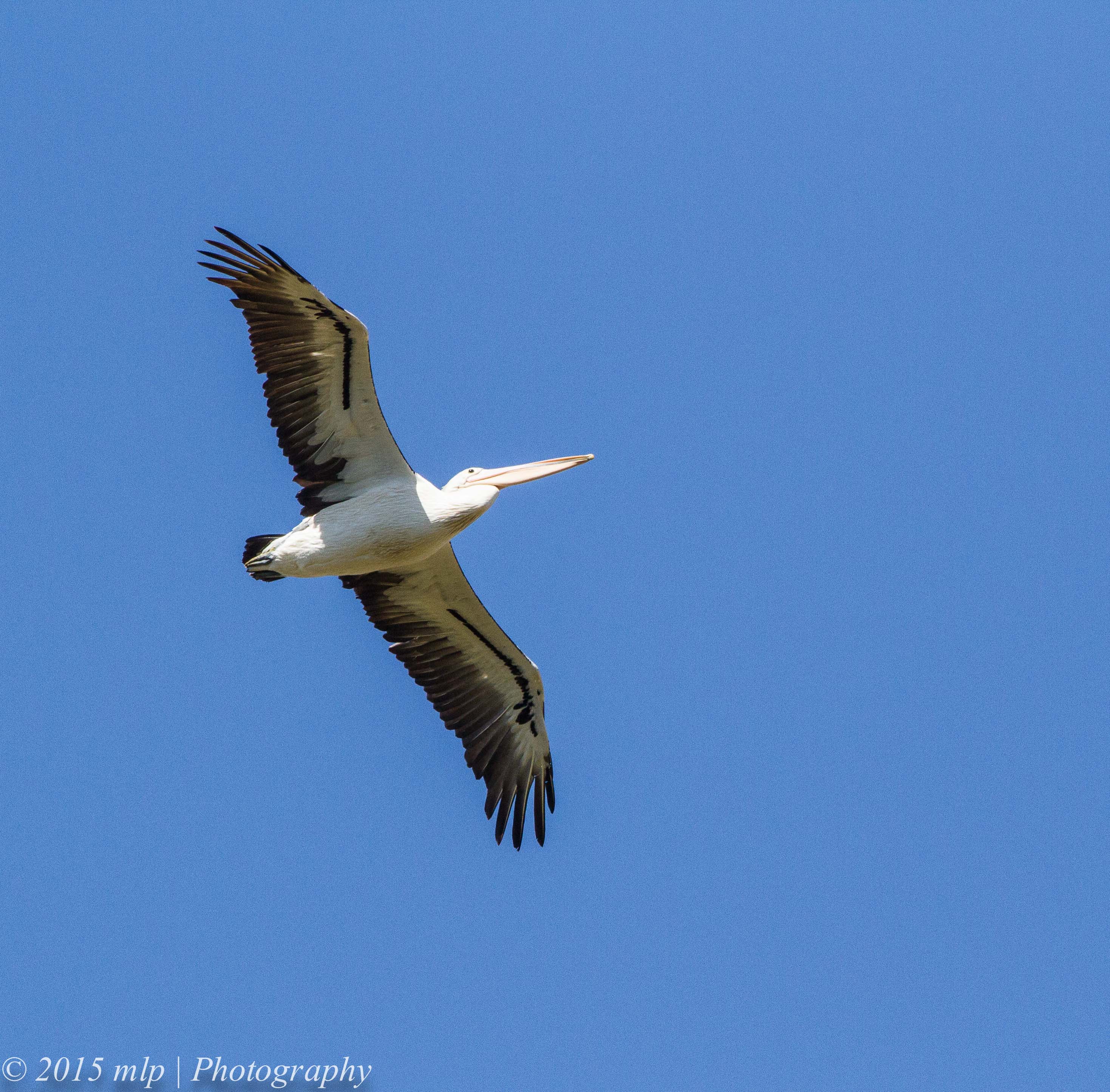
Australian Pelican

Australian Pelican

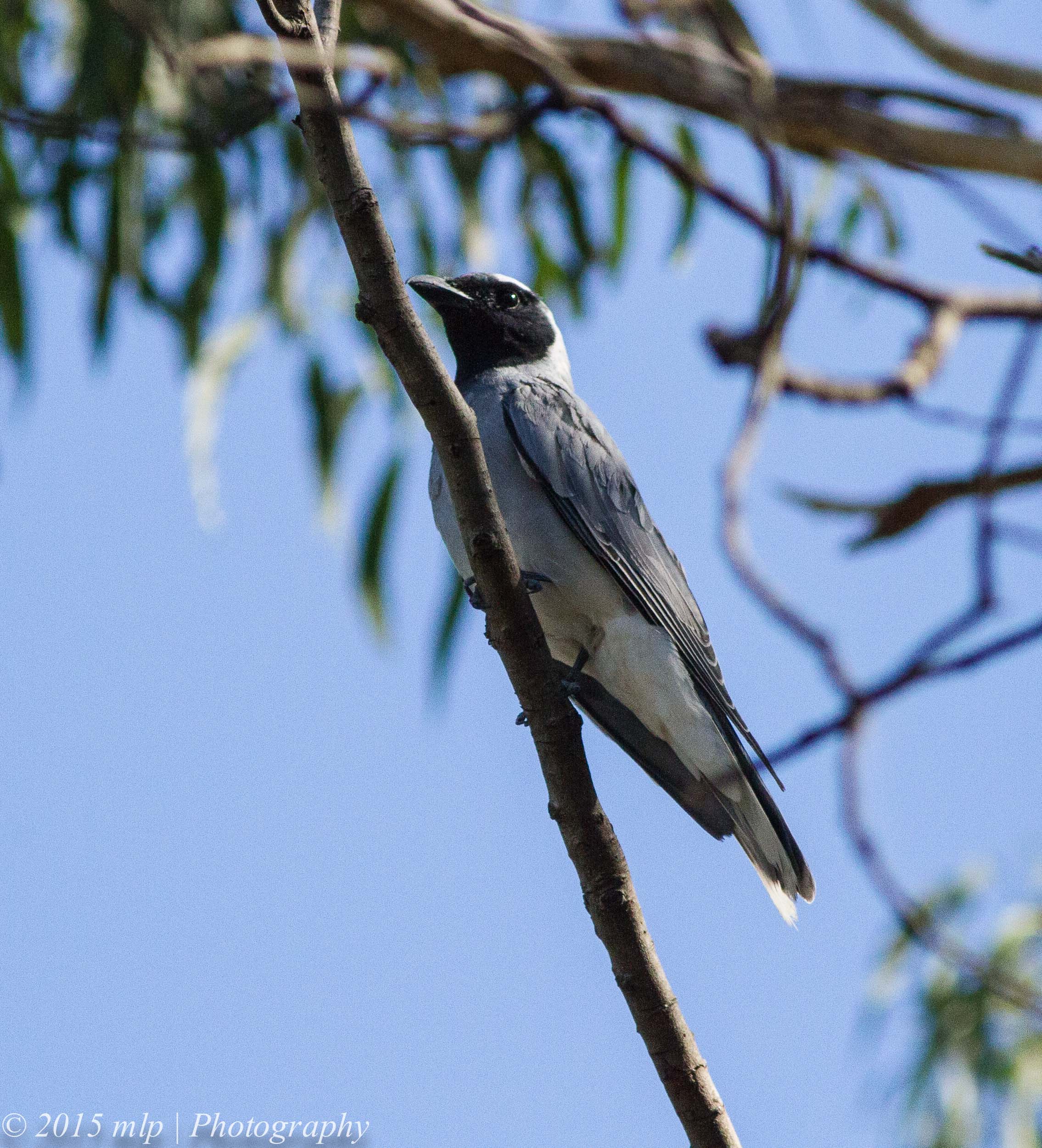
Black Faced Cuckoo-shrike

Black Faced Cuckoo-shrike

Dandenong Valley Wetlands

One of the lagoons of the Dandenong Valley Wetlands

Many of the lagoons are drying out and getting shallower which is perfect for the Sandpipers,  Crakes and Rails.

Wood Sandpiper

Wood Sandpiper

Australian White Ibis

Australian White Ibis

I practiced my flight shots with the Ibis and found on processing that there was a Royal Spoonbill in the mix (the bird with the straight bill below)

Australian White Ibis & Royal Spoonbill

Australian White Ibis & Royal Spoonbill

Australian White Ibis II

Australian White Ibis II

Australian White Ibis III

Australian White Ibis III

Hundreds of Ibis flew in over the last 30 mins before dark. They came in large  V formations and circled the park looking for appropriate landing areas to roost for the night.

Australian White Ibis IV

Australian White Ibis IV

Wetland vegetation

Wetland vegetation in late afternoon light

Moorooduc Quarry Flora and Fauna Reserve, Mt Eliza

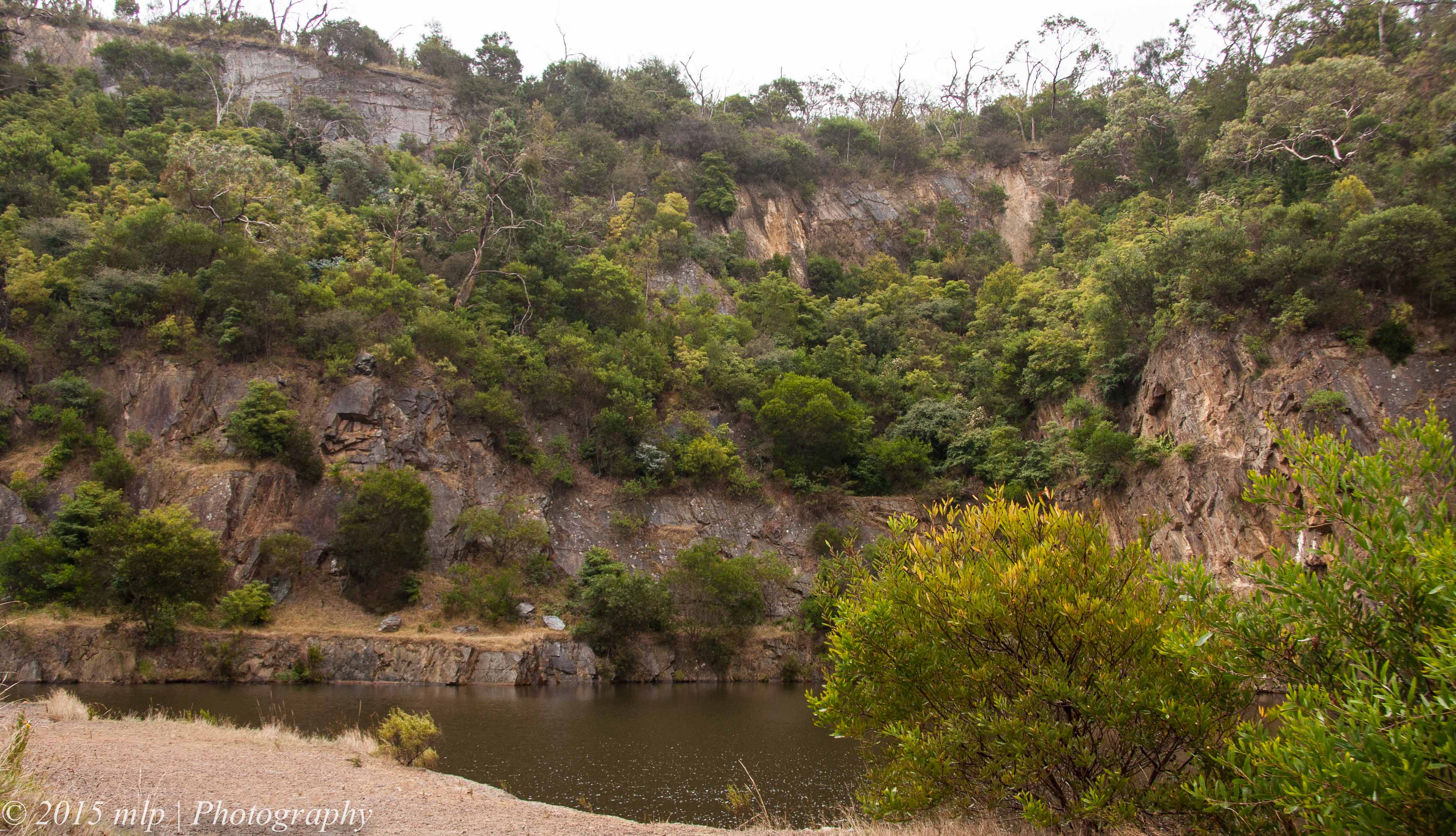
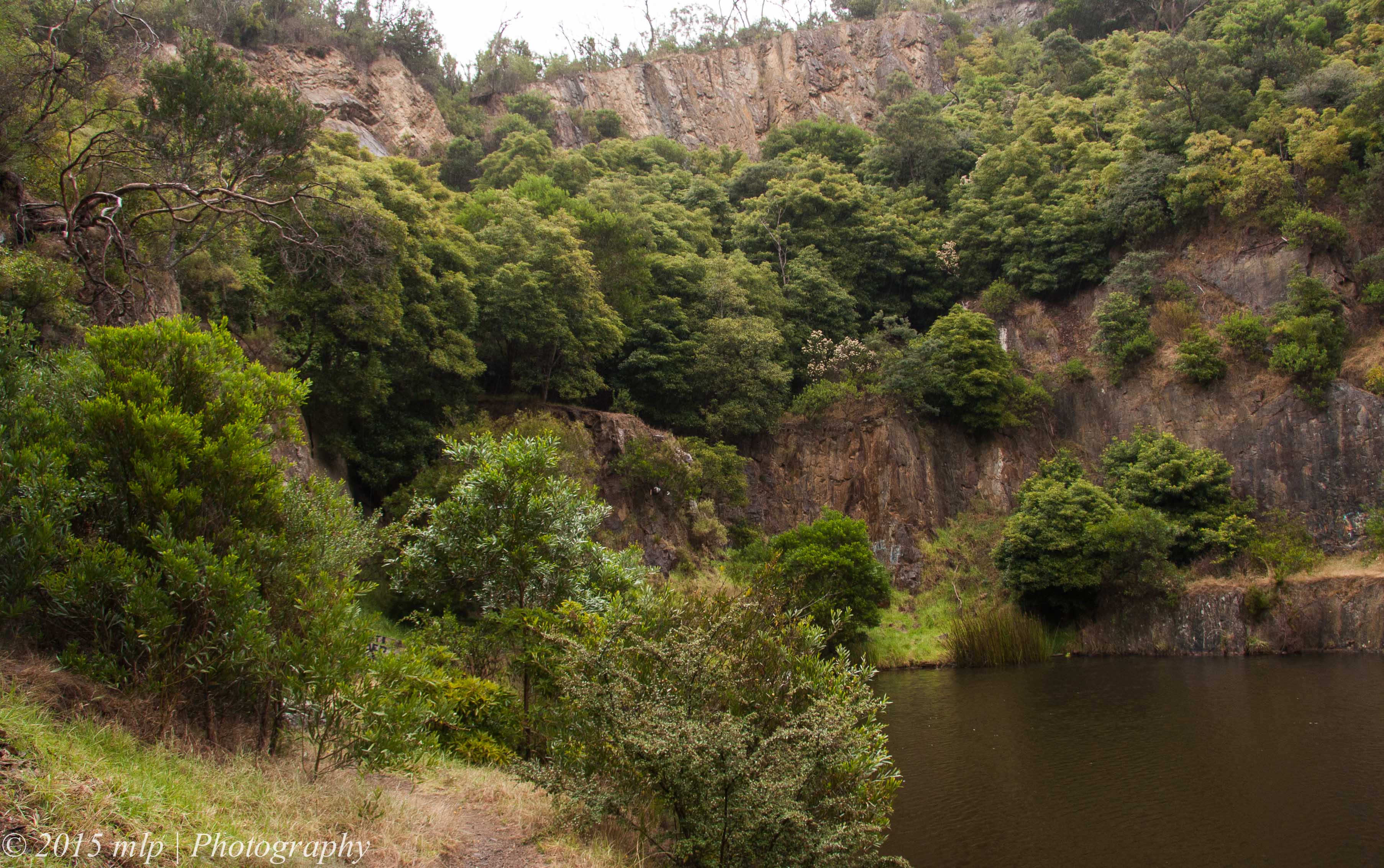
Along the Moorooduc Highway that heads down to the Mornington Peninsula is the Mt Eliza Regional Park. A section of this park is called the Moorooduc Flora and Fauna Reserve. It  is the site of an old (1887) stone and ballast quarry used for the railway sleeper beds for the Baxter to Mornington railway connection. The quarry is now flooded and has been converted to a Flora and Fauna Reserve and is particularly good for birds. The quarry is actually fenced off due to dangerous cliffs and rockfalls but holes in the fence have been created by locals wishing to access the water and quarry site. When I was there last week locals were walking dogs and fishing in the quarry. The high cliffs provide good nest sites for Peregrine Falcons to nest. Over the last few years I have seen several fledgelings learning to fly and hunt.

Old Moorooduc Quarry

Old Moorooduc Quarry

Old Moorooduc Quarry II

Old Moorooduc Quarry II

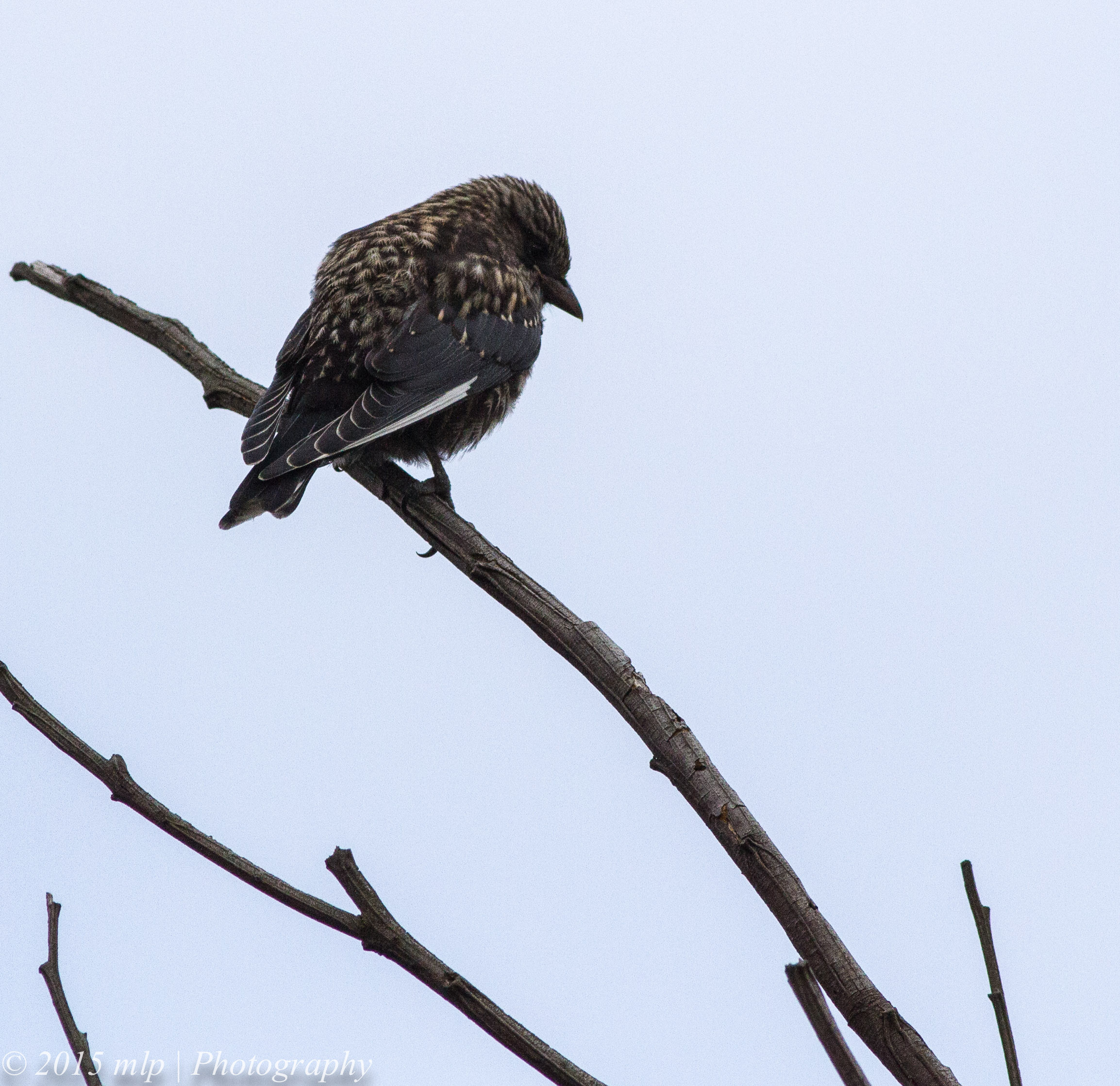
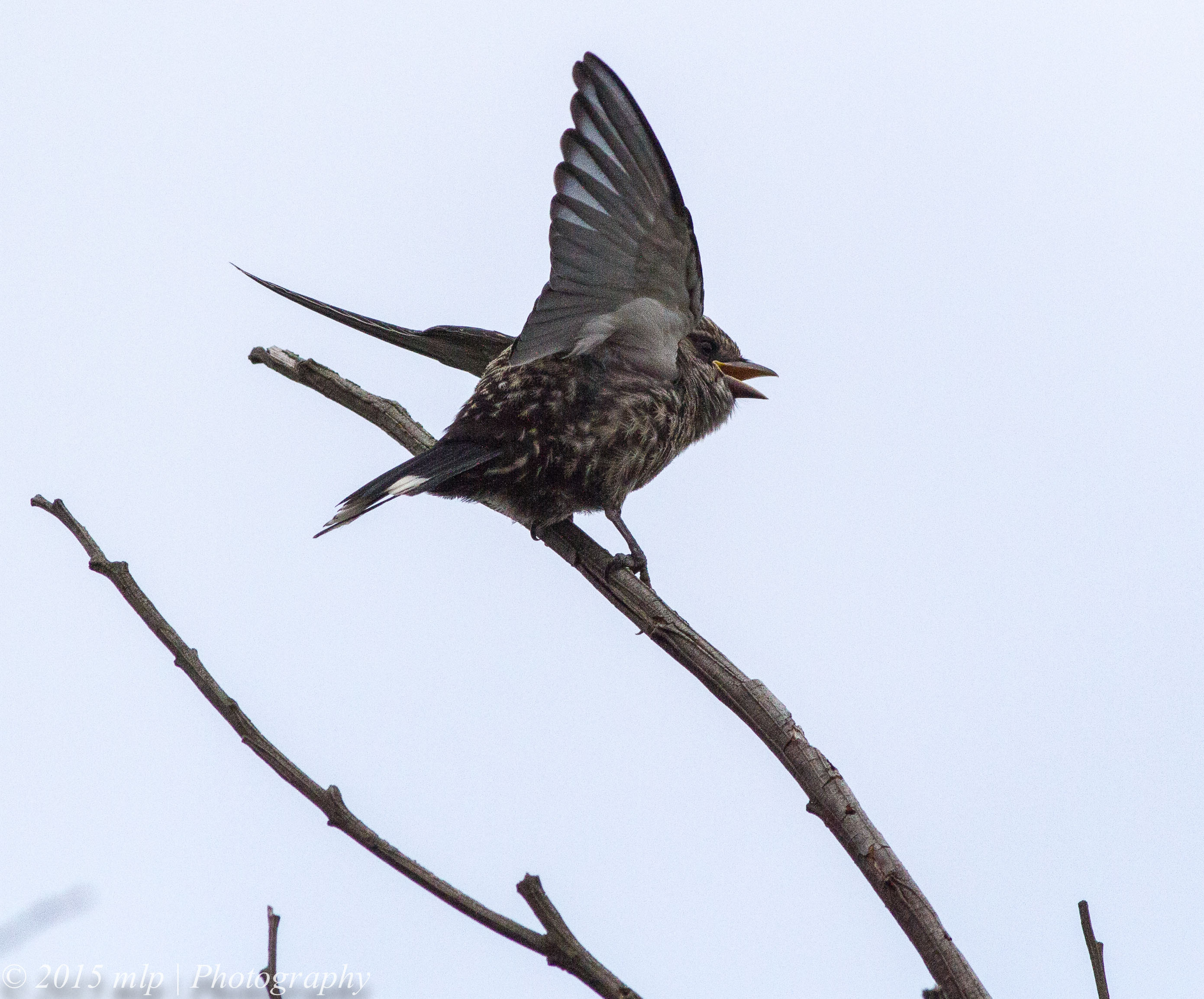
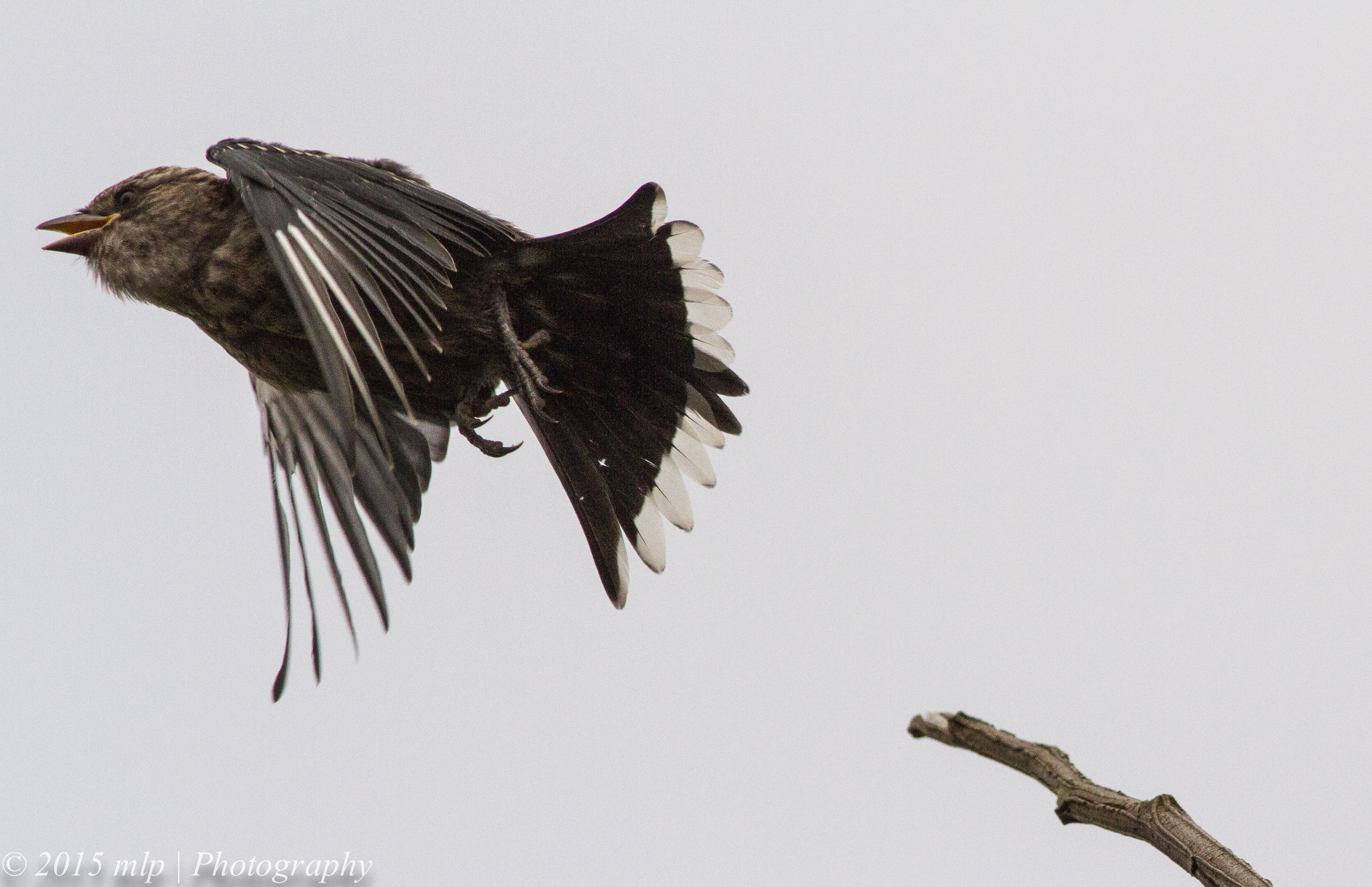
Walking from the carpark to the quarry I noticed a number of new fledglings being attended to by their parents.

Juvenile Dusky Woodswallow

Juvenile Dusky Woodswallow

Juvenile Dusky Woodswallow II

Juvenile Dusky Woodswallow II – demanding food from a parent nearby

Juvenile Dusky Woodswallow III

Juvenile Dusky Woodswallow III

Dusky Woodswallow

Dusky Woodswallow

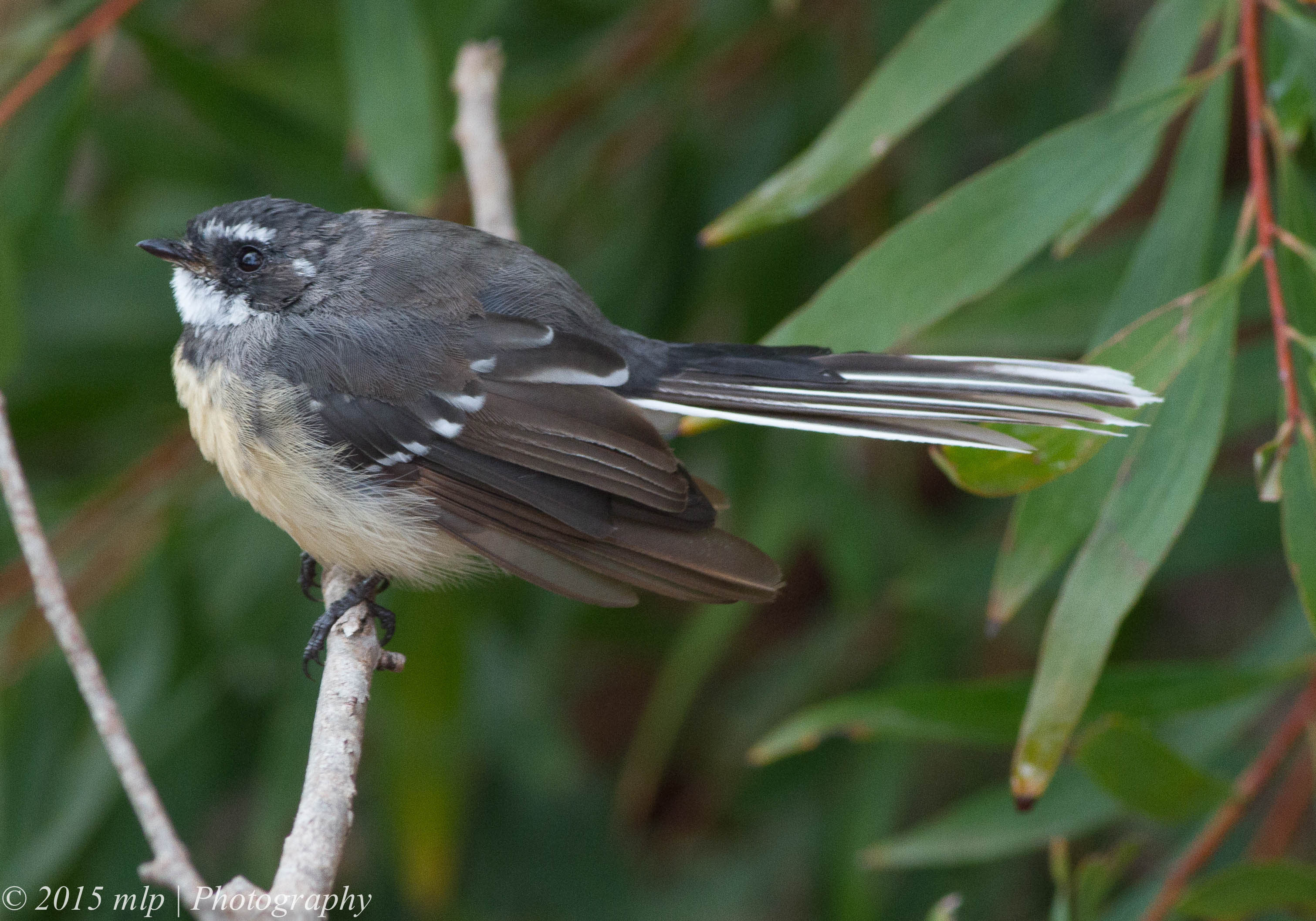
Young Grey Fantail

Young Grey Fantail – how could you not respond to those eyes?

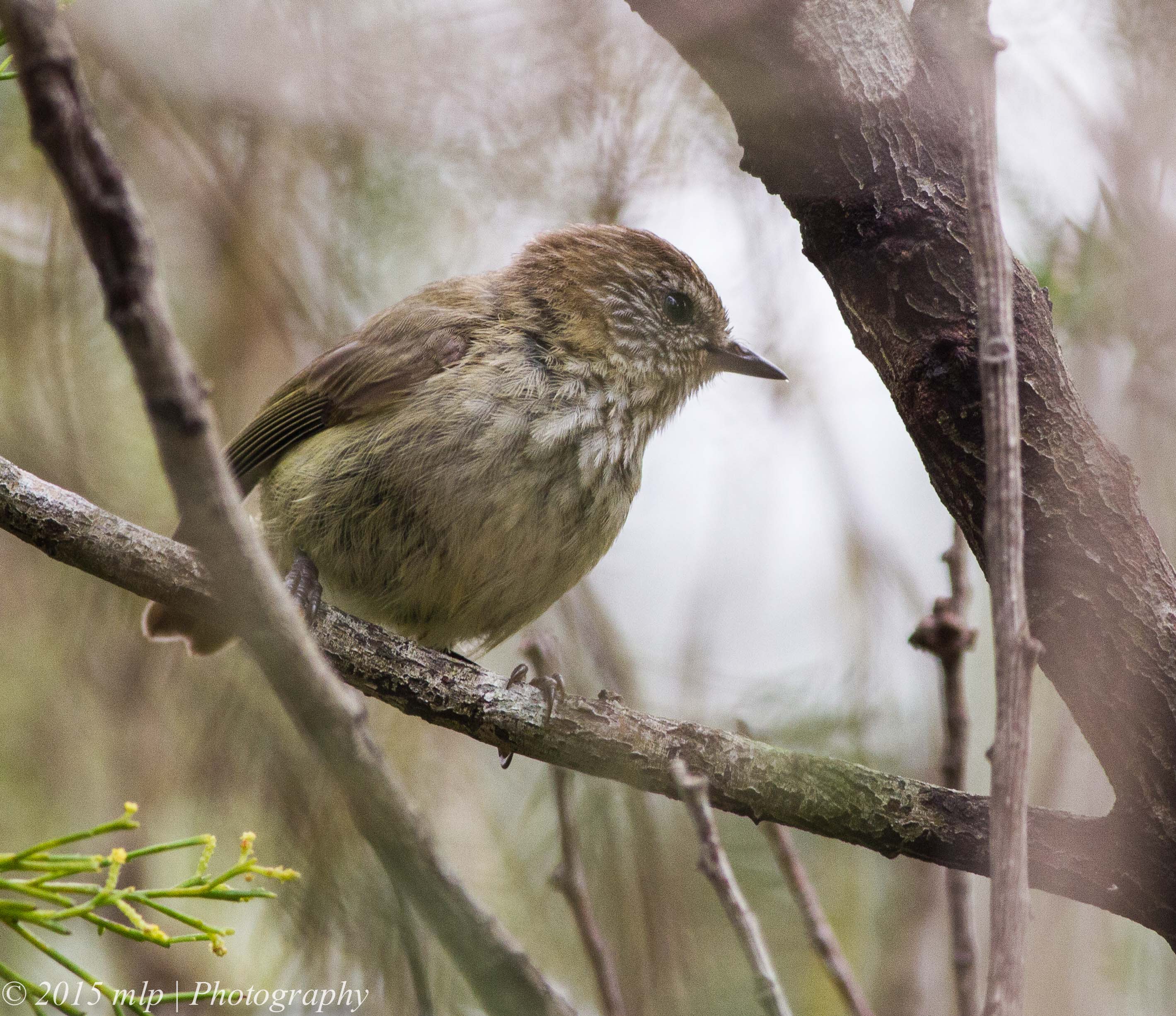
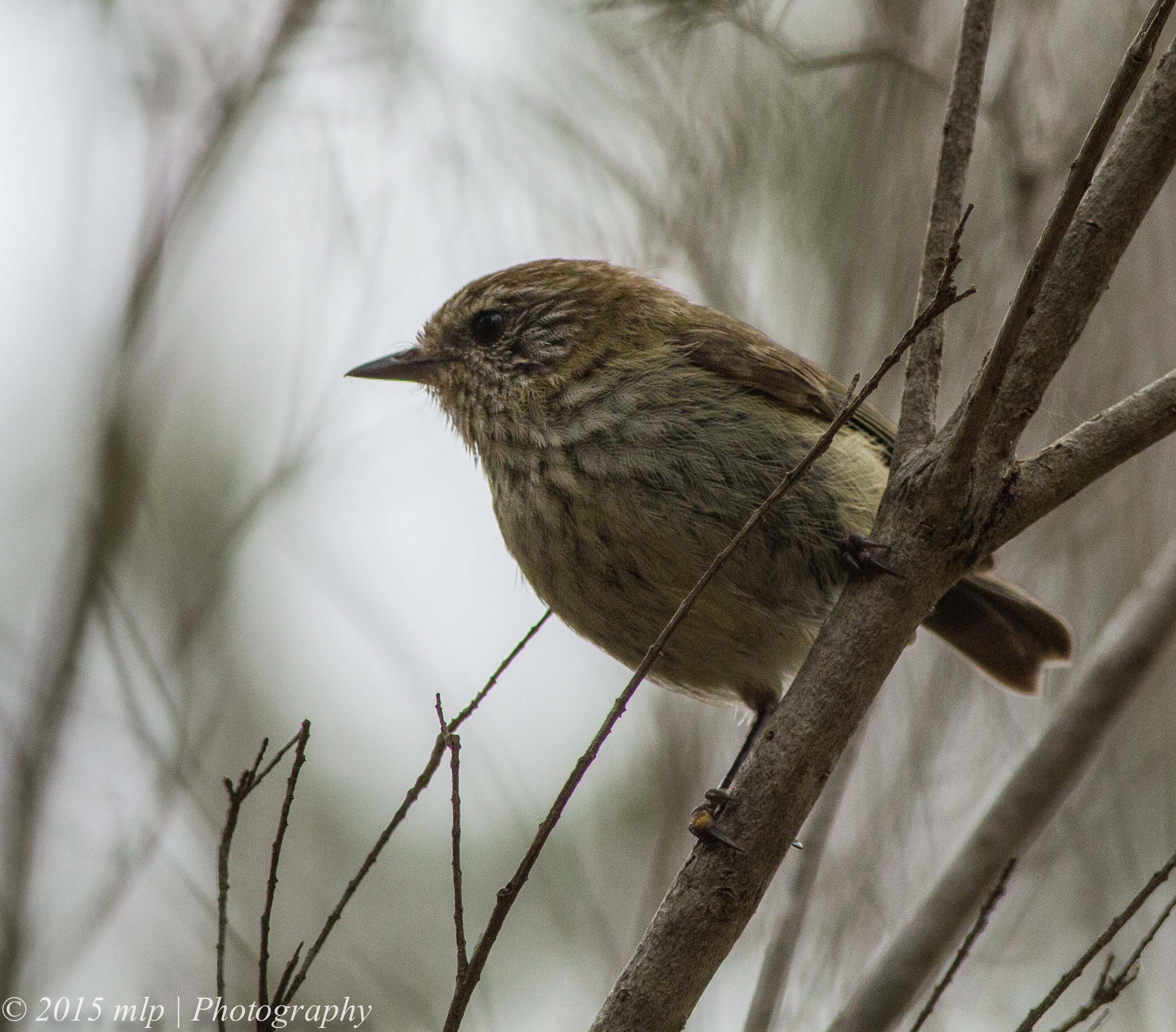
Striated Thornbill

Striated Thornbill

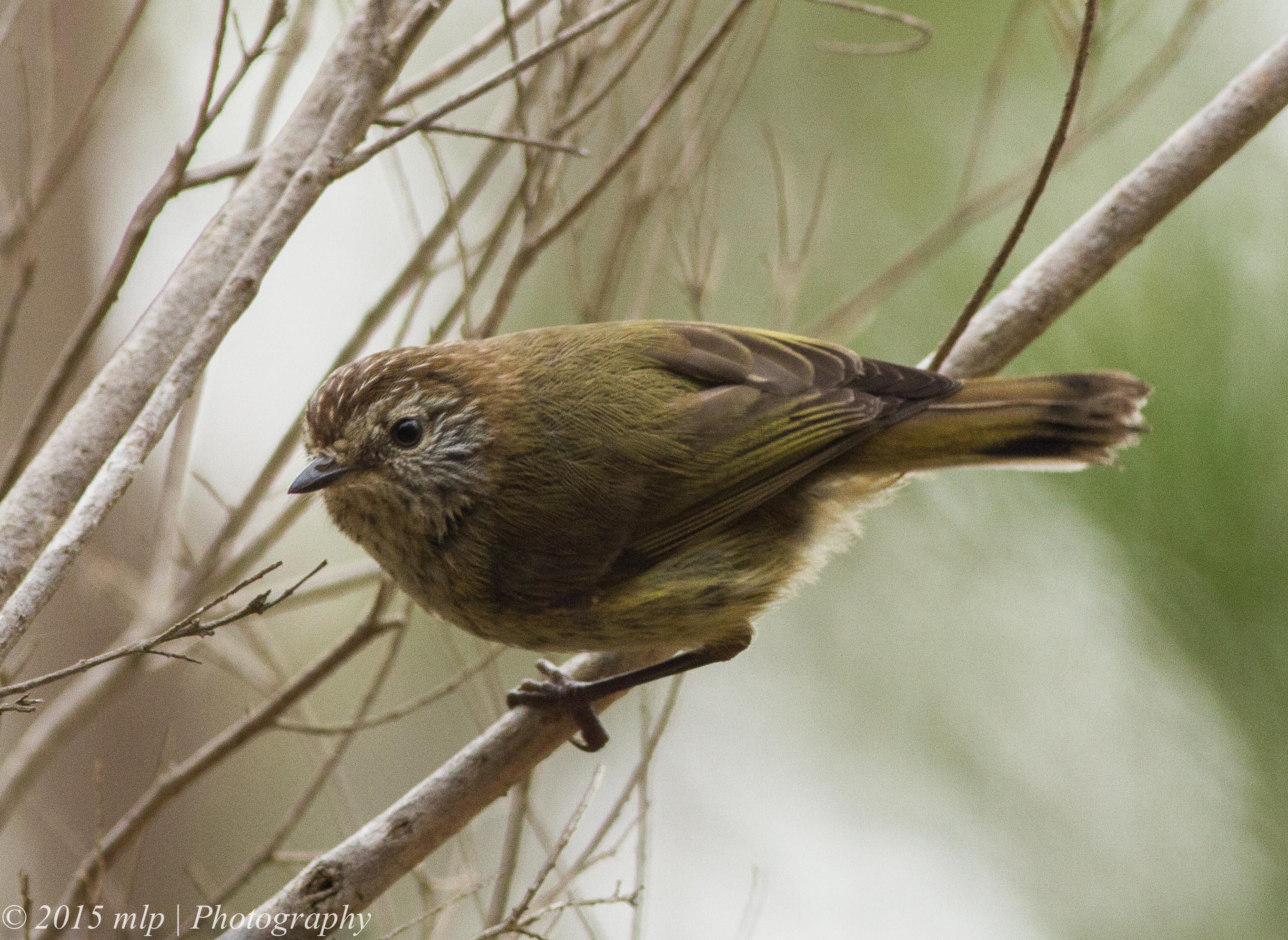
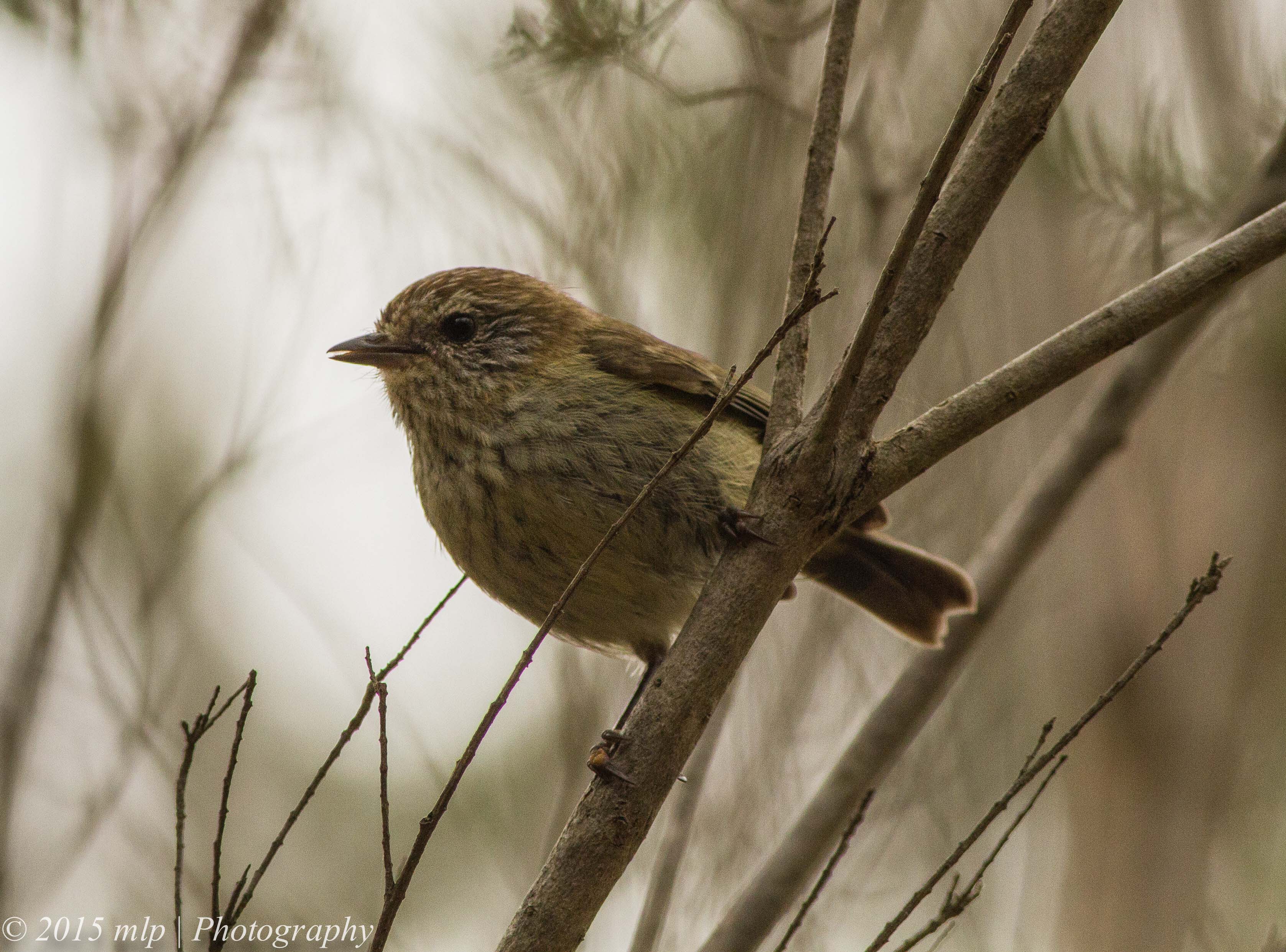
Striated Thornbill II

Striated Thornbill II

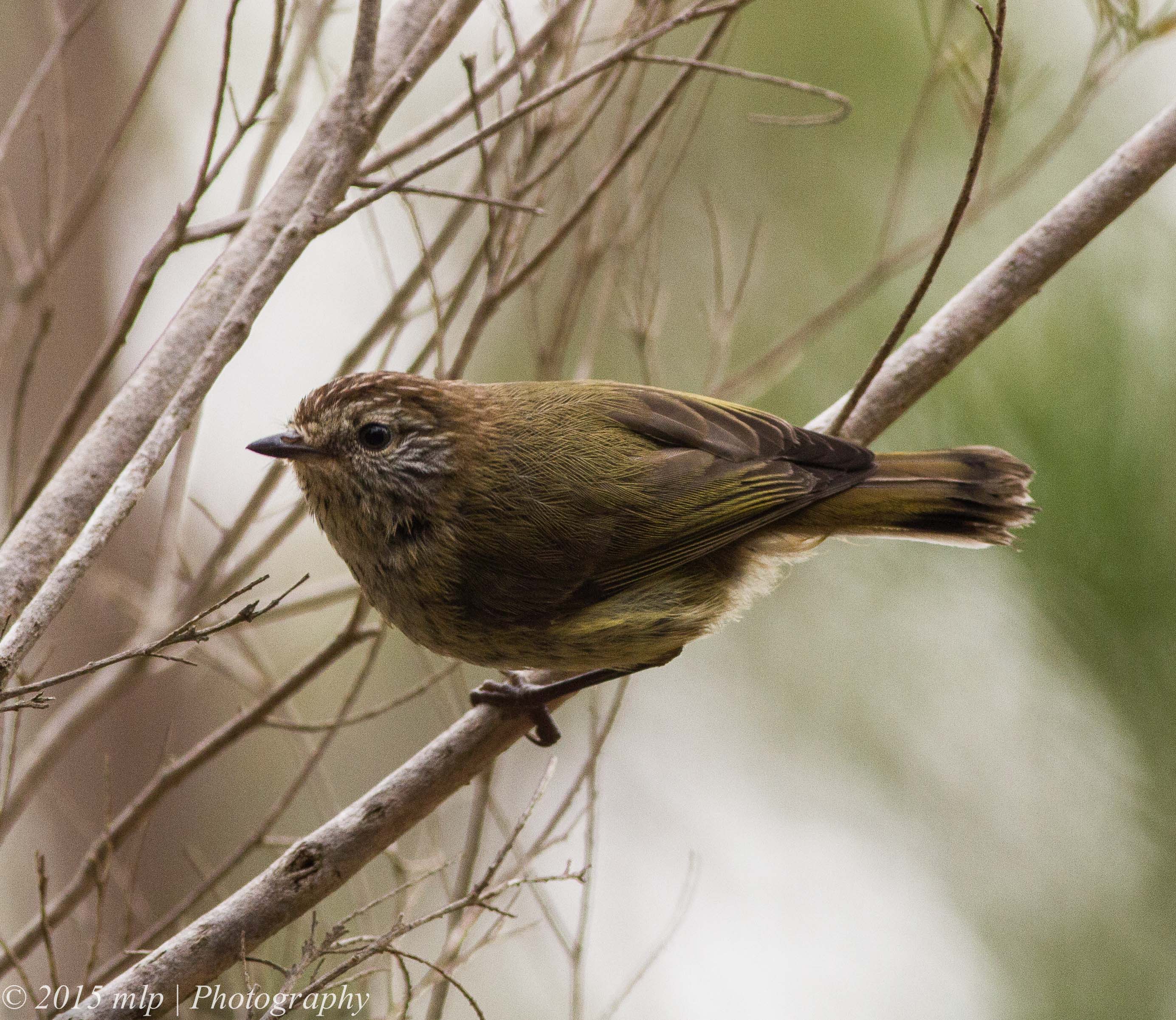
Striated Thornbill III

Striated Thornbill III

Striated Thornbill IV

Striated Thornbill IV

Striated Thornbill V

Striated Thornbill V

Striated Thornbill VI

Striated Thornbill VI

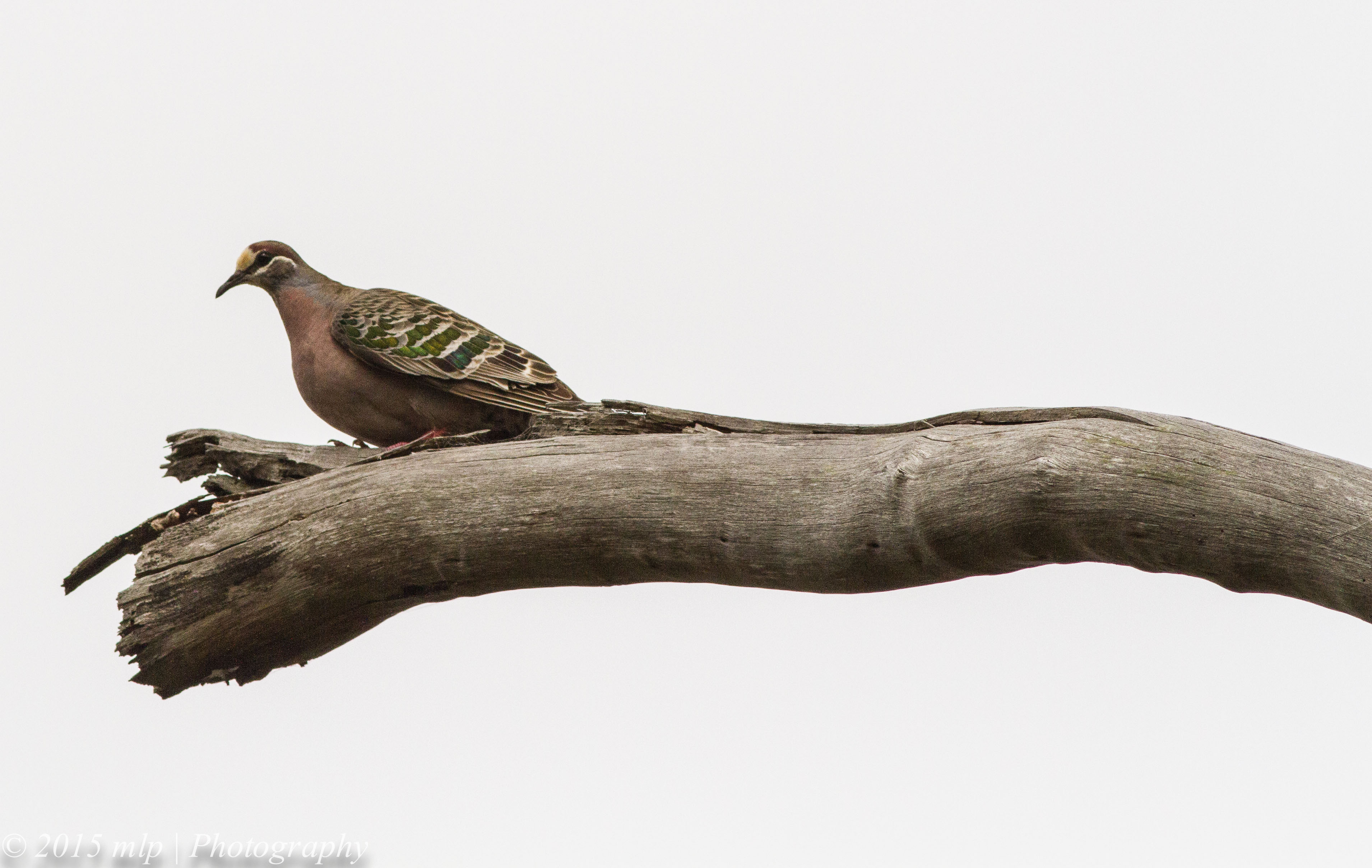
Common Bronzewing

Common Bronzewing

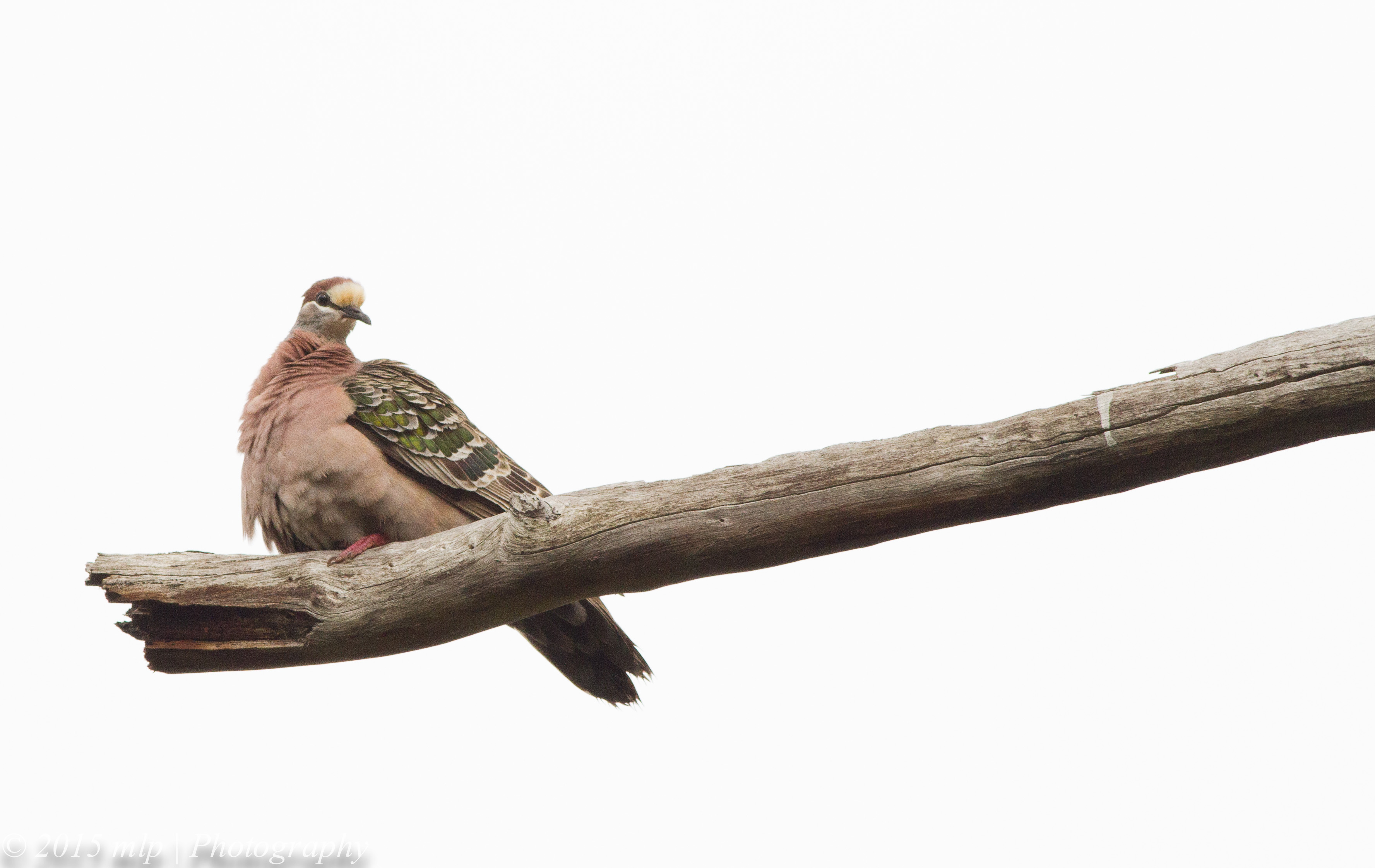
Common Bronzewing II

Common Bronzewing II

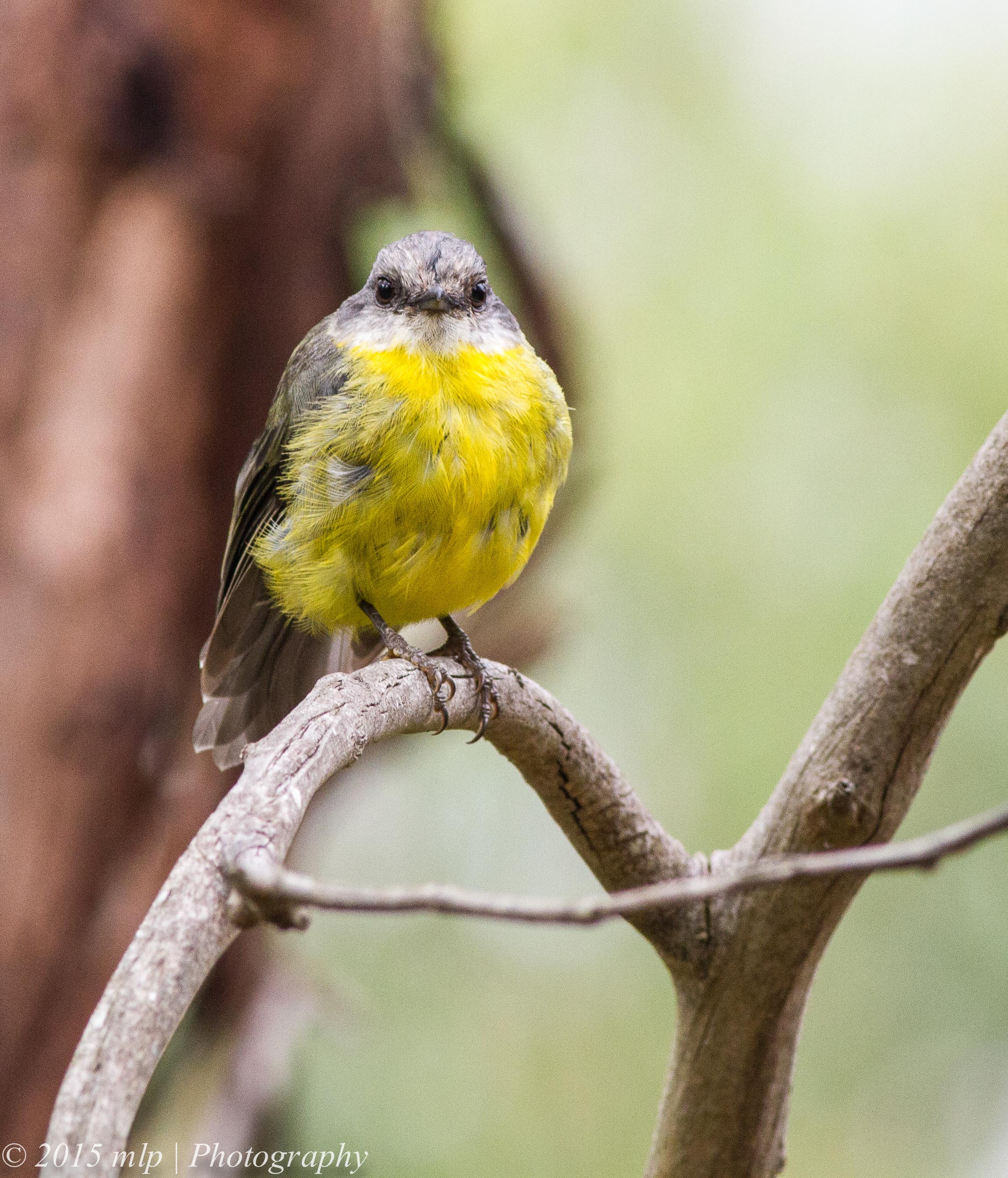
Eastern Yellow Robin - what you looking at?

Eastern Yellow Robin – what you looking at?

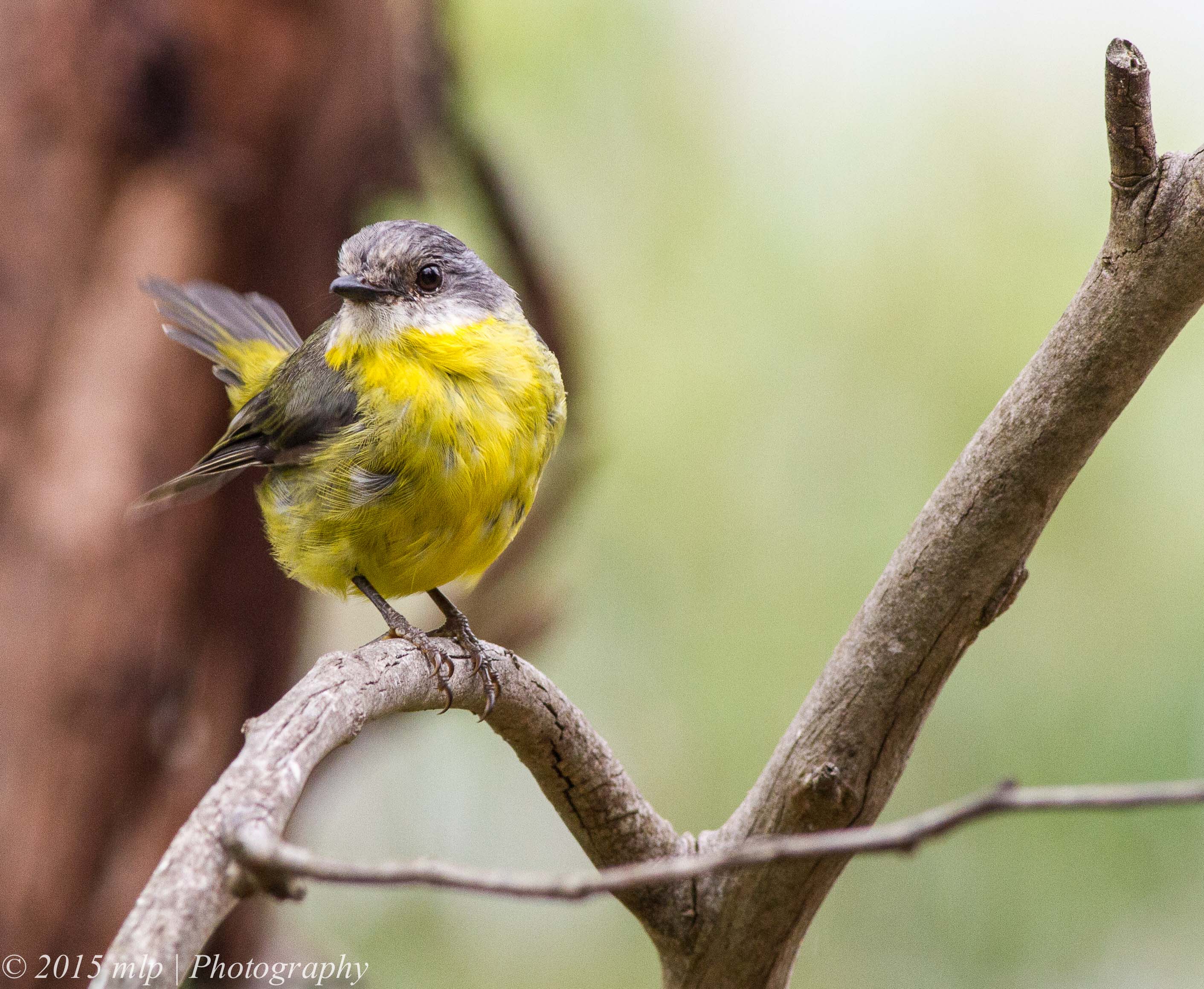
Eastern Yellow Robin II

Eastern Yellow Robin II

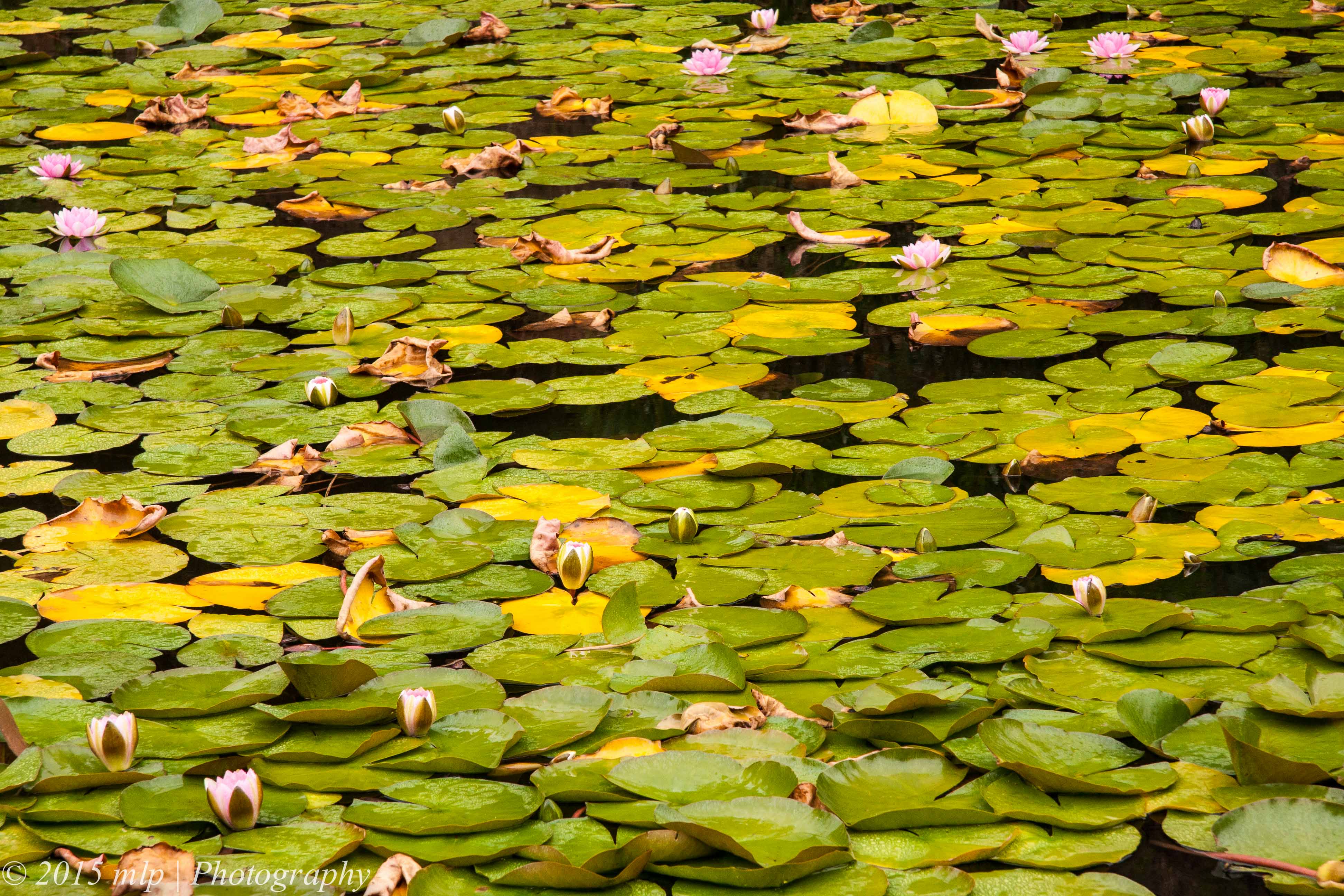
Flowering Water Lillies

Flowering Water Lillies in Moorooduc Quarry

The Garden of Scare Cow and Birdman

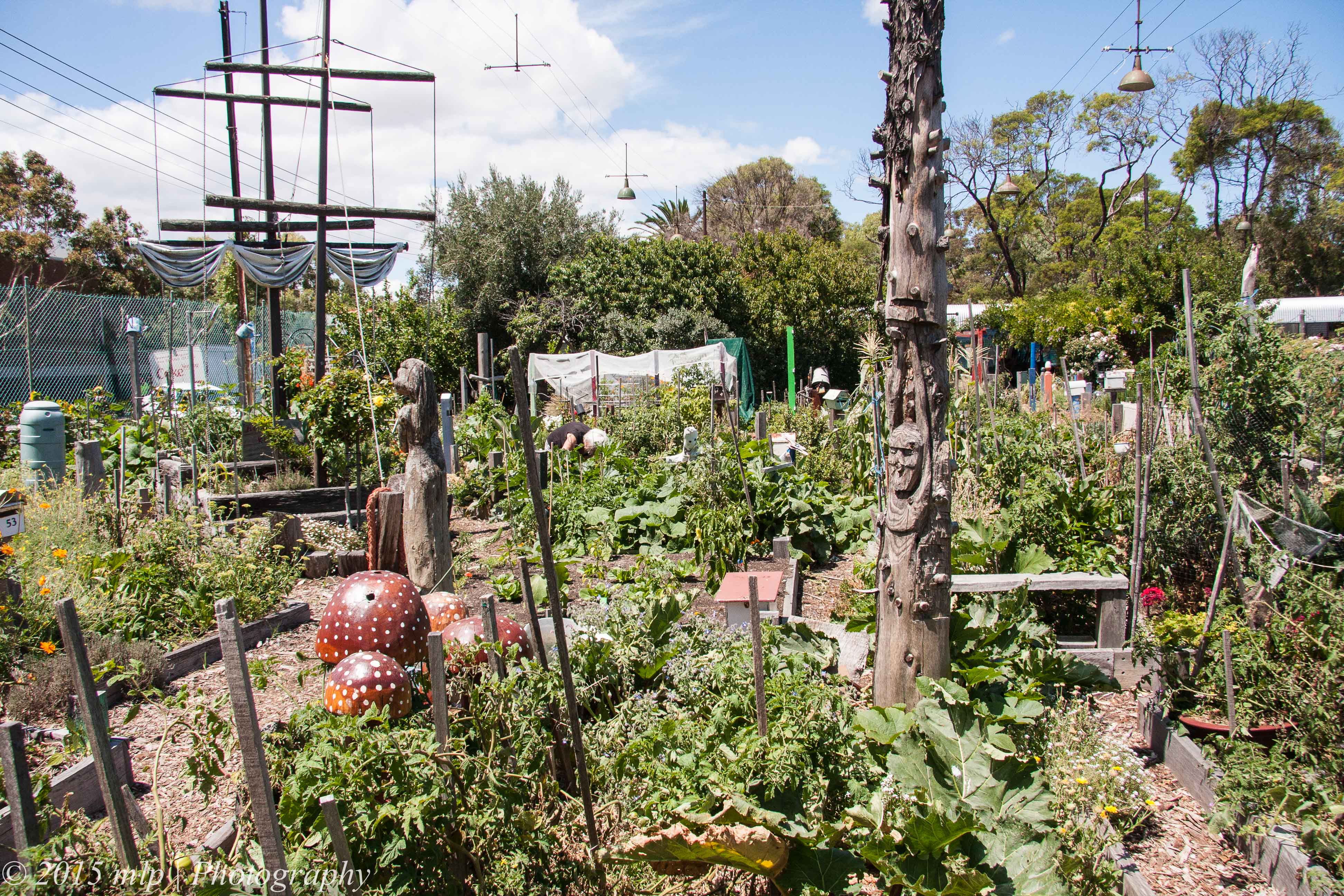
During a recent visit to St Kilda, I dropped into the Veg Out Community Garden. It is a community plot garden primarily for local apartment dwellers who do not have access to green space to grow veggies. The plots are located on what was once a lawn bowl club’s greens. The garden is clean, well maintained and supported. The garden rows and plots have a number of sculptures and artwork either made by the plot gardeners or the local artists working from studios located in the grounds. The artwork can be quite eclectic and eccentric. It is well worth the visit and a great place to have some takeaway lunch from the local delis and cafes in Acland St.

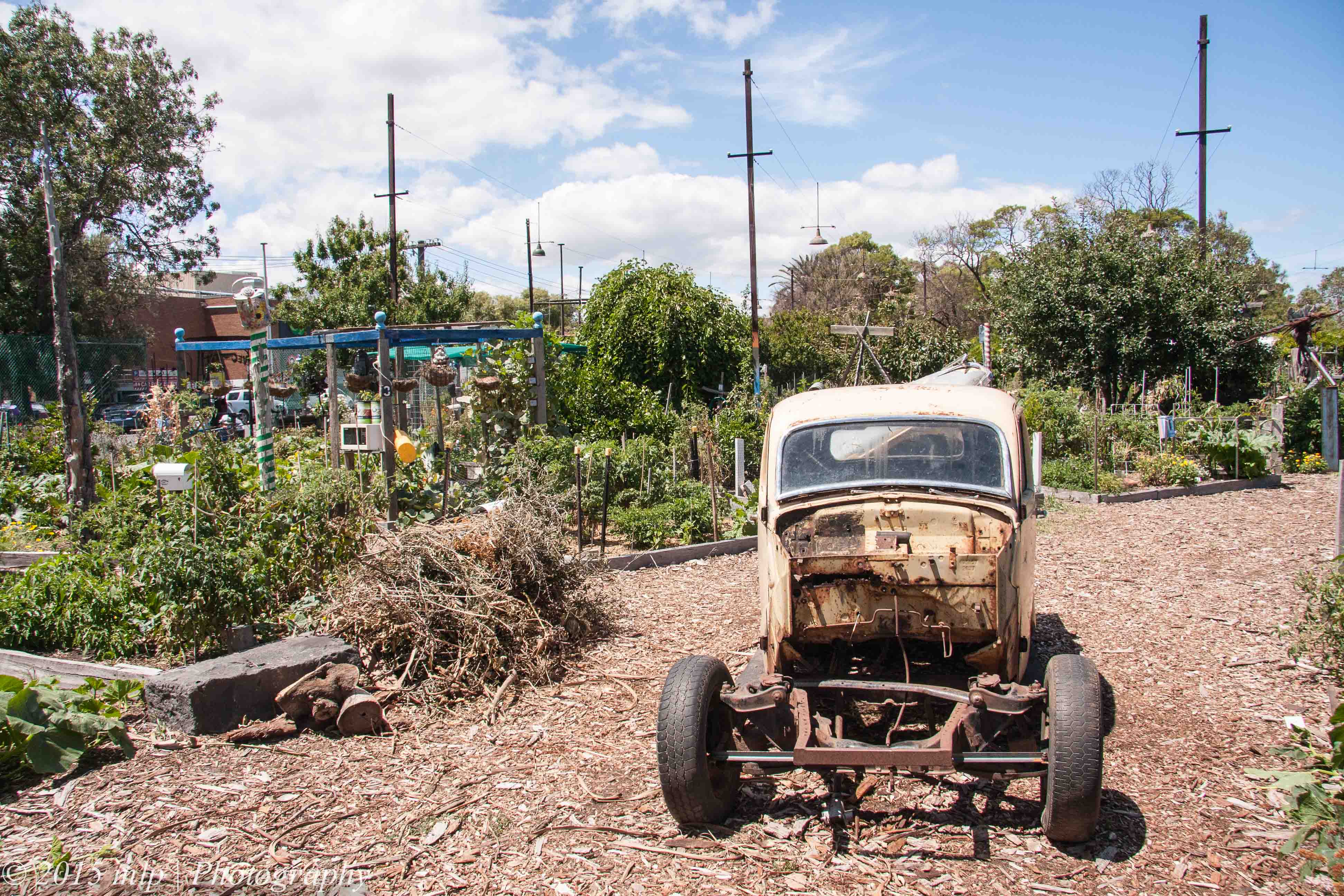
Veg Out Community Gardens

Veg Out Community Gardens – the old car will be incorporated into the design of the garden.

Veg Out Community Gardens II

Veg Out Community Gardens II

Veg Out Community Gardens III

Veg Out Community Gardens III

Rusty Eagle Sculpture

Rusty Eagle Sculpture

Rusty Eagle Sculpture II

Rusty Eagle Sculpture II

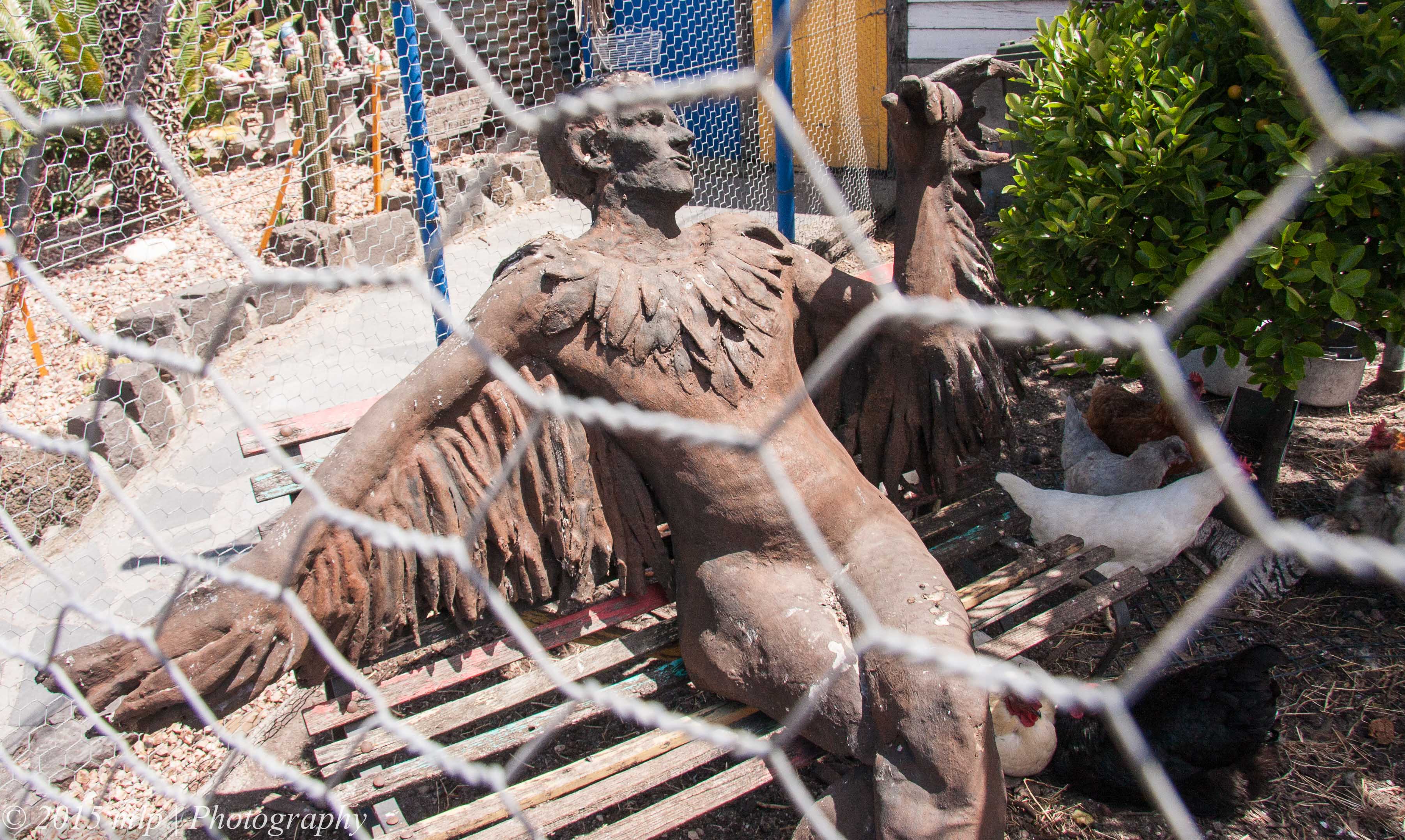
Birdman of the Chicken coop

Birdman of the Chicken coop

Scare Cow

Scare Cow – not sure whether the cow would scare off birds or not but it certainly had me looking twice as I walked past

Scare Cow II

Scare Cow II

Feral Pigeon, Veg Out Garden

Feral Pigeon, Veg Out Garden