Tag Archives: Victoria

A Parade of Red-rumped Parrots

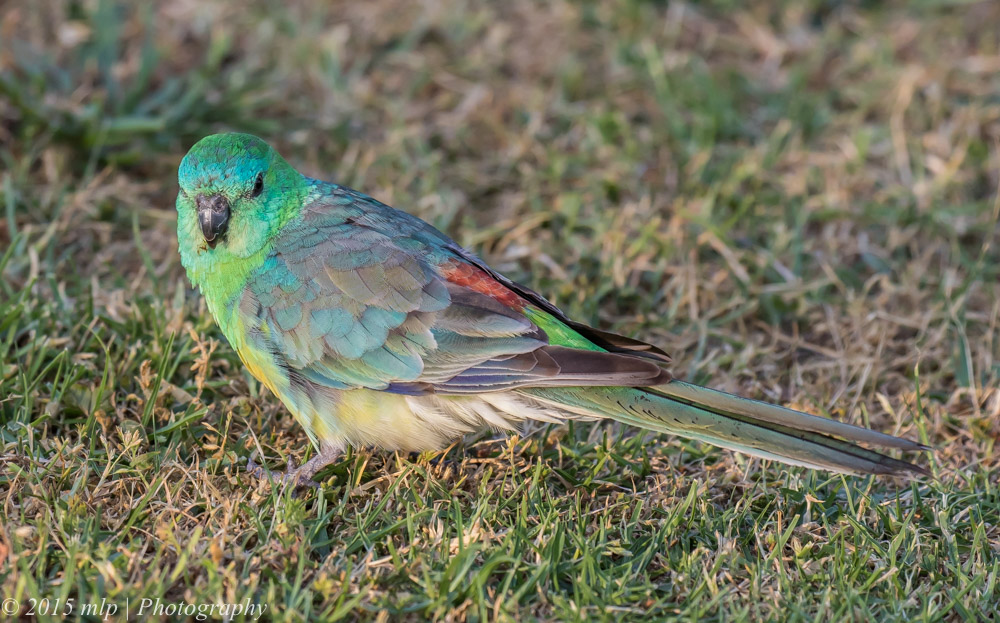
A beautiful spring evening in Elwood, I got home early enough today to go for a walk along Elster Creek to the golf course lake. While ducking wayward balls (only 3 near misses today), I spotted a pair of young colourful male Red-rumped Parrots feeding on grass seeds at the base of a raised tee box – I assume young as they did not fear me at all as I sat down to take a few pics and when I laid right down they actually moved in closer and fed only a few feet away…

Red Rumped Parrot, Elster Creek, Elsternwick

Red Rumped Parrot, Elster Creek, Elsternwick

Red Rumped Parrot, Elster Creek, Elsternwick

II
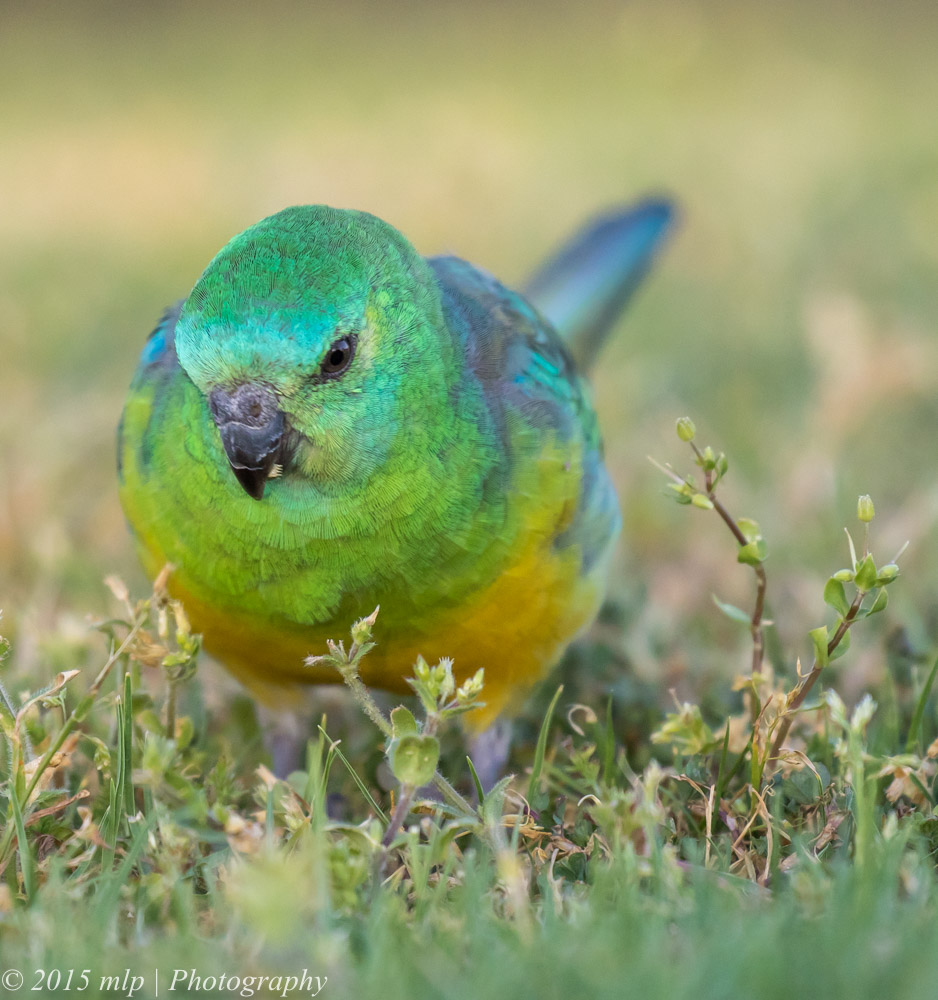
Red Rumped Parrot, Elster Creek, Elsternwick

III

Red Rumped Parrot, Elster Creek, Elsternwick

Red Rumped Parrot

Red Rumped Parrot, Elster Creek, Elsternwick

I will show you why I am called a Red-Rump…

Interview with a Cockatoo

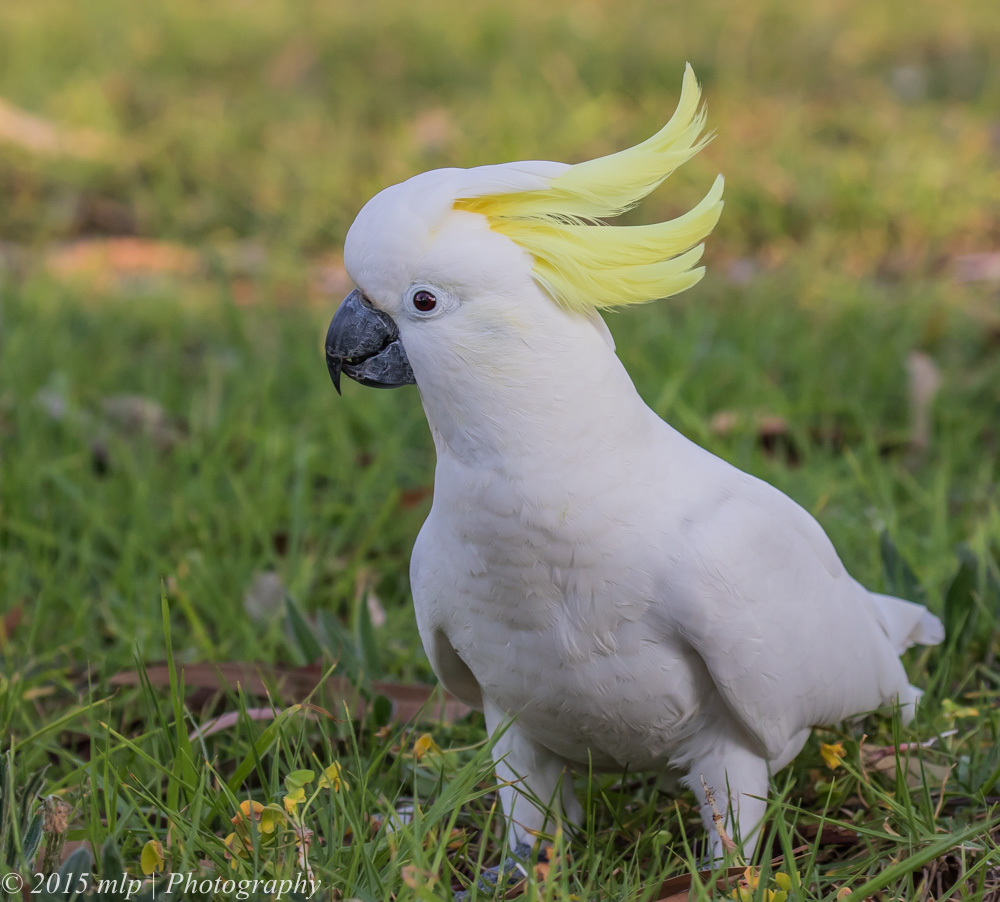
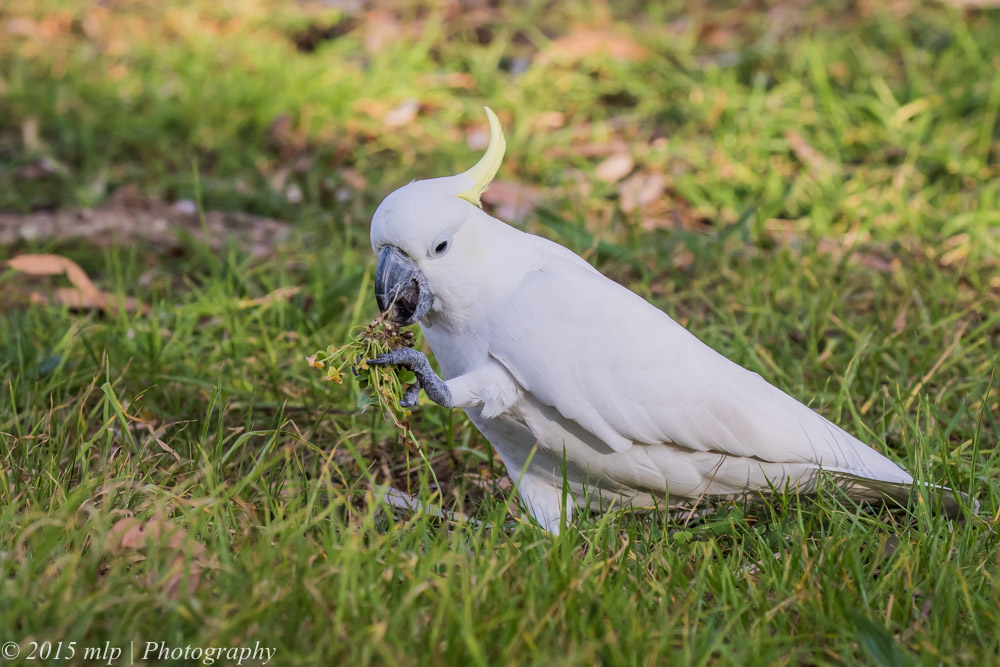
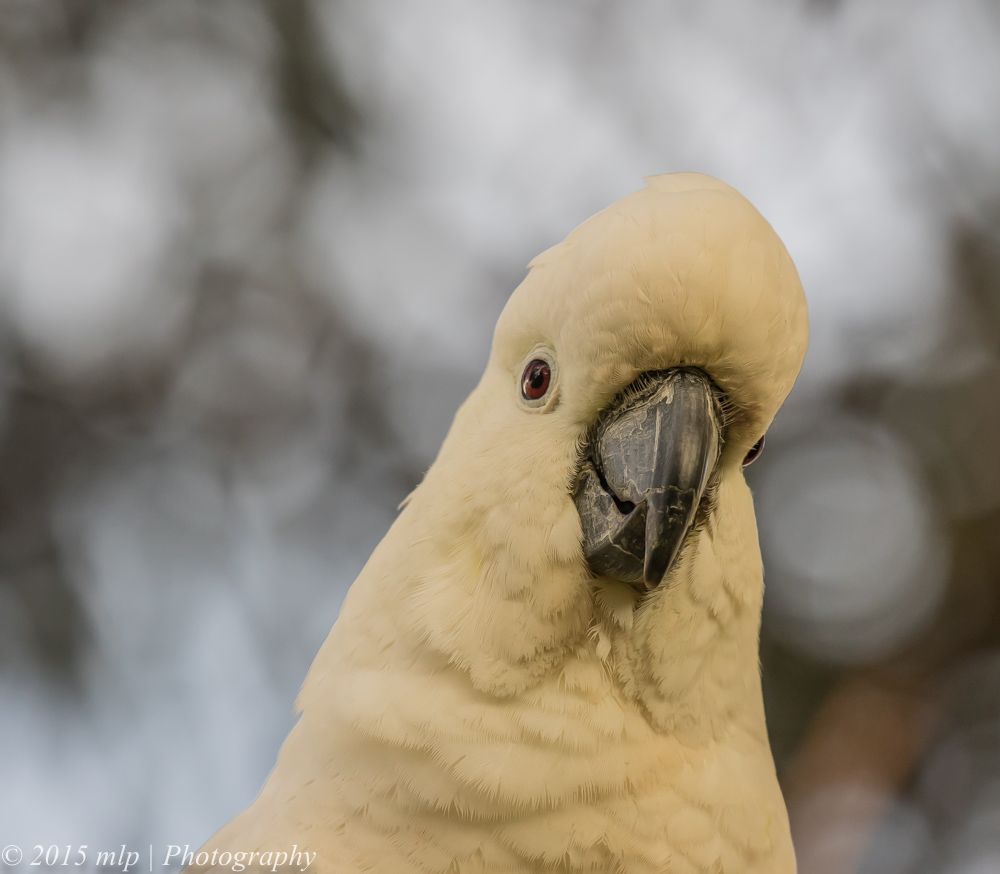
On a walk along my local creek a while back I came across a pair of Sulphur-Crested Cockatoos feeding in the grass in the late afternoon sun. They were pulling up weeds and eating the nutritious roots and bulbs. I sat down in the grass with them (as close as I dared) and watched and took photos as they gradually came closer to where I was sitting. One seemed particularly curious while I clicked away with the camera having a little chat with him. It was not until later when I processed the photos that I noticed that one had an old leg band  – maybe a cage band to stop it flying away – it does not look like a normal banding tag like we see on the shorebirds. I will have to keep an eye out for it. A pair, I think this pair, have taken up residence nearby in a large old Gum tree and may try to nest. It was quite an experience to just sit and let these (almost) wild birds just work there way around me while feeding.

Sulphur Crested Cockatoo, Elster Creek

Sulphur Crested Cockatoo, Elster Creek

Sulphur Crested Cockatoo, Elster Creek

Looking the business…walking over to see what I was up to…

Sulphur Crested Cockatoo, Elster Creek

Deciding that I was pretty harmless…

Sulphur Crested Cockatoo, Elster Creek

Digging up bulbs and roots…

Sulphur Crested Cockatoo, Elster Creek

Sulphur Crested Cockatoo taking a power nap…
Sulphur Crested Cockatoo, Elster Creek

Alert but not alarmed…

Sulphur Crested Cockatoo, Elster Creek

Sulphur Crested Cockatoo, Elster Creek

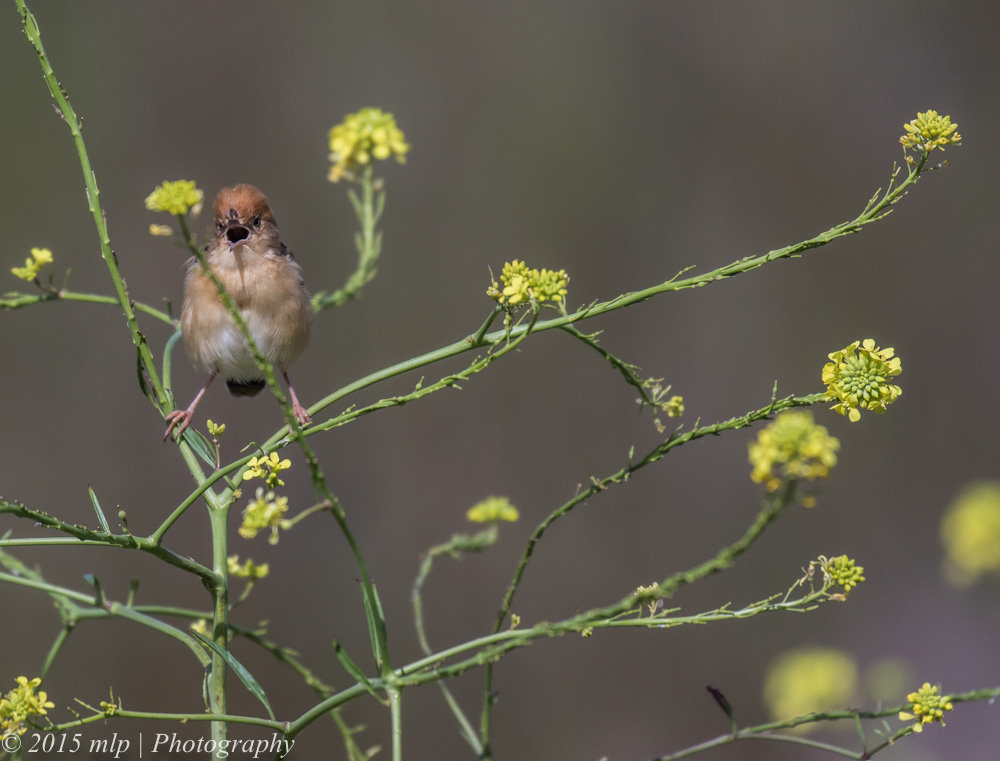
I just want to sing!

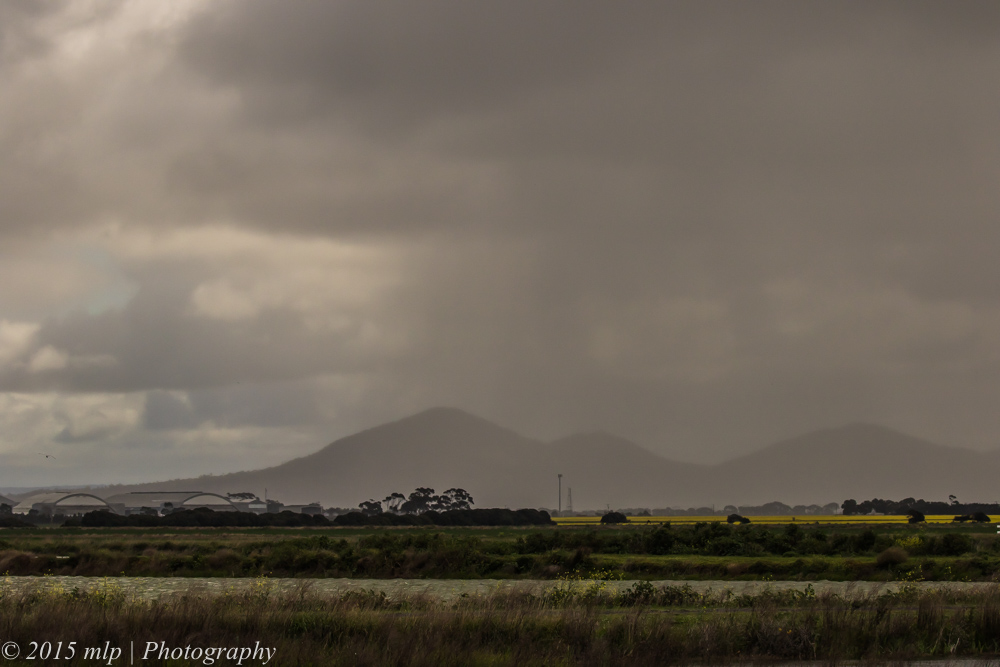
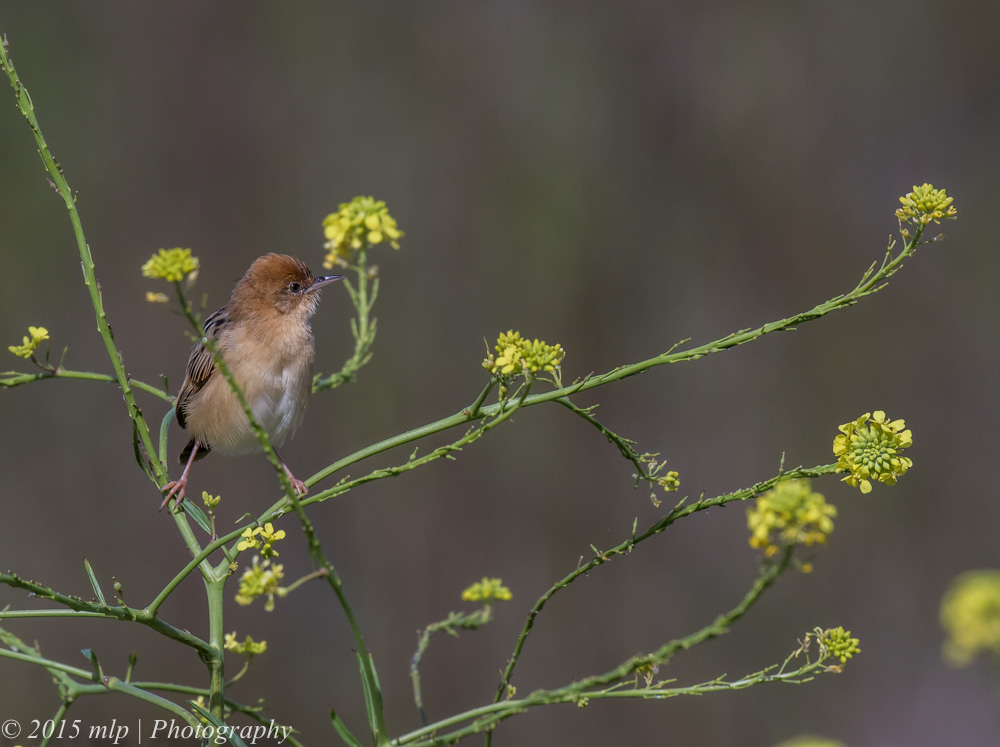
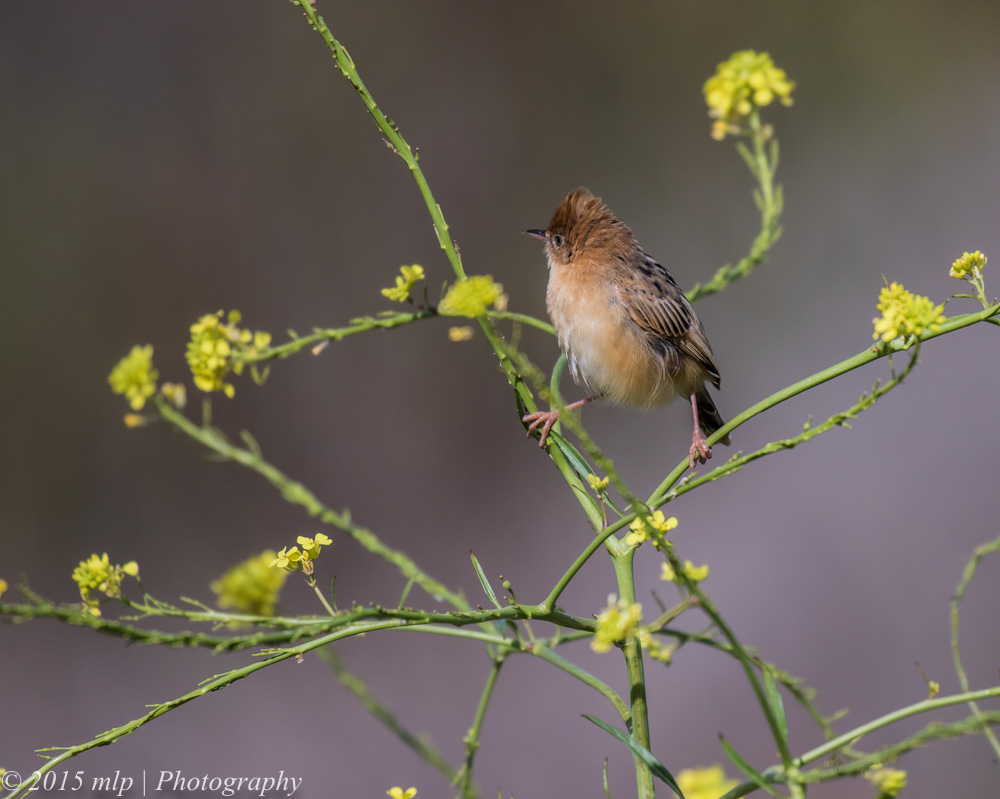
The day can be cold, wet and windy out at the Western Treatment Plant but when the sun comes out and the wind calms down, a little Golden Headed Cisticola comes out to sing and compete with his fellow Cisticolas for territories and mates.

You Yangs, Western Treatment Plant

You Yangs, Western Treatment Plant

Golden Headed Cisticola, Western Treatment Plant

Golden Headed Cisticola, Western Treatment Plant

Golden Headed Cisticola, Western Treatment Plant

My turn to sing

Golden Headed Cisticola, Western Treatment Plant

III

Hosier Lane Updates

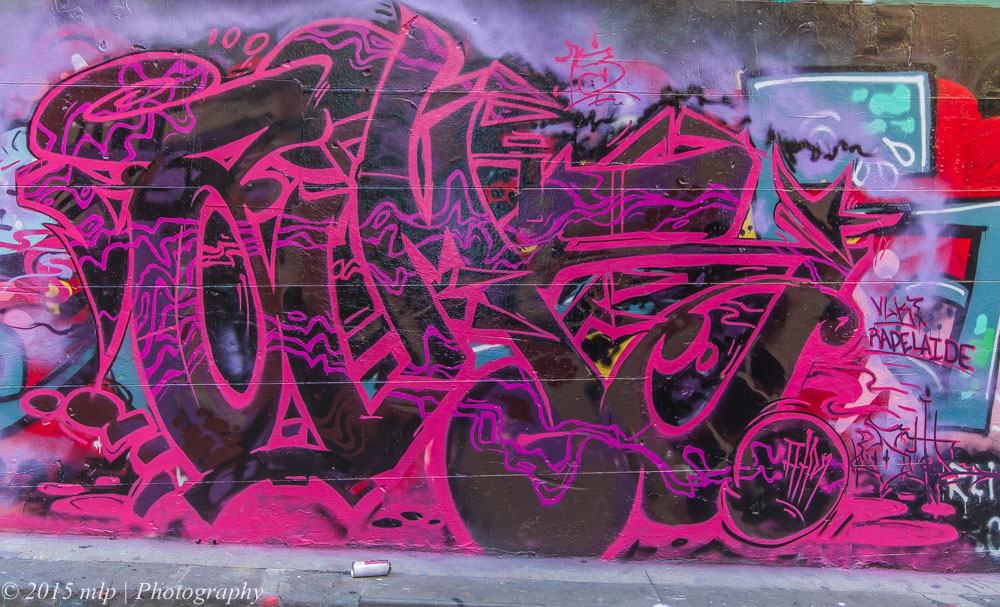
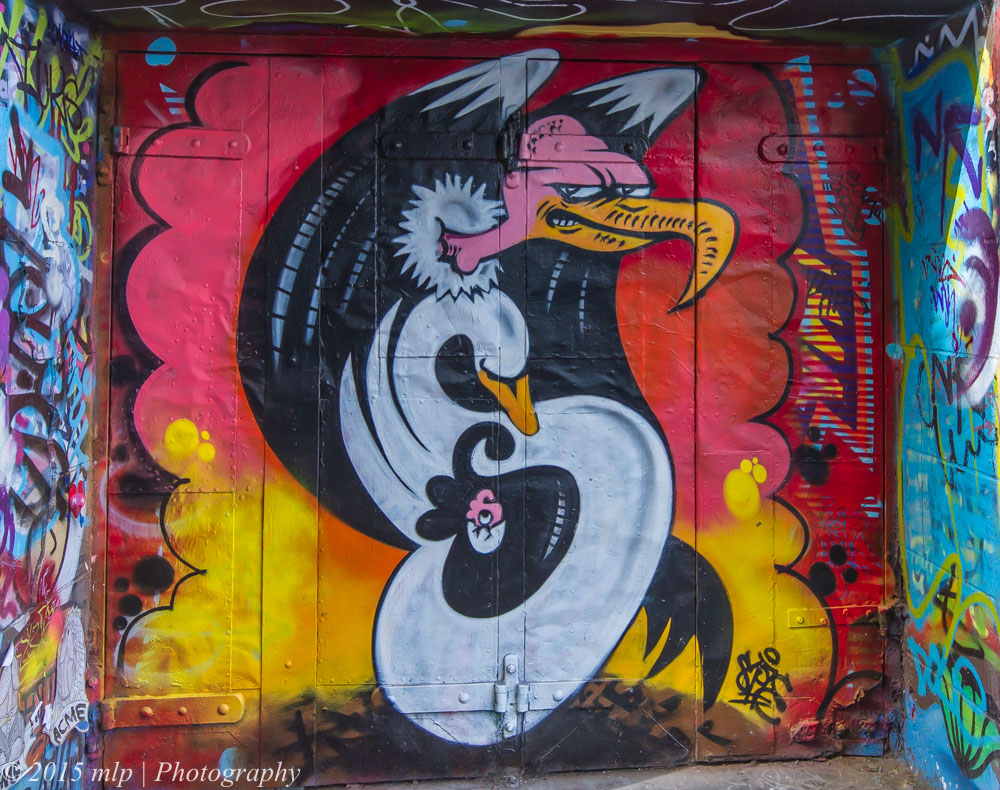
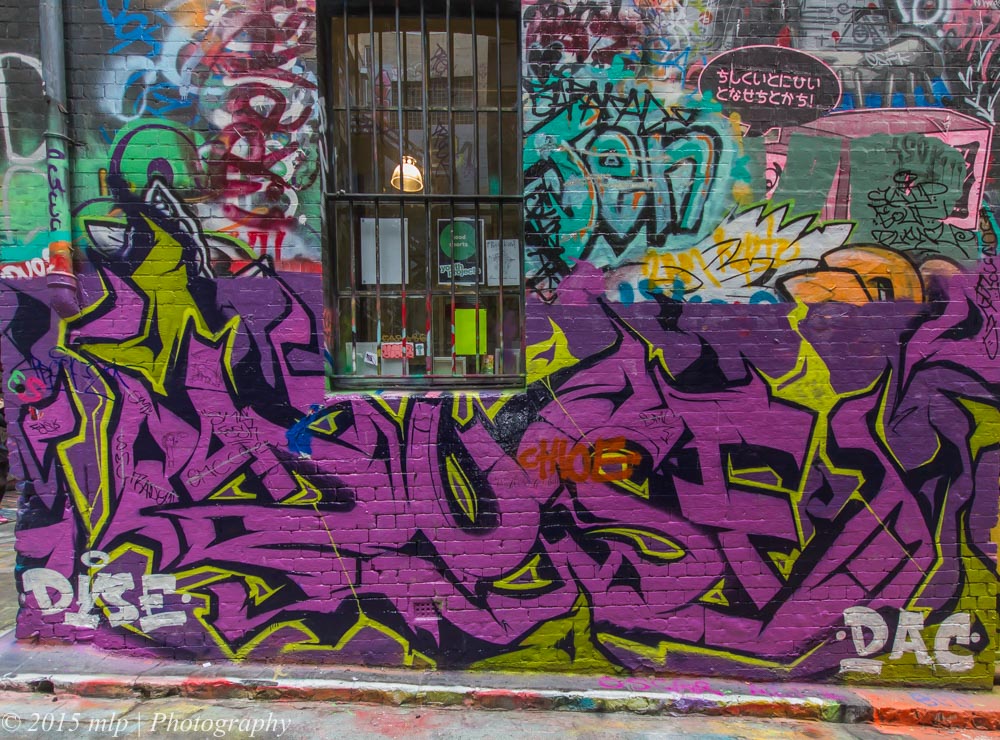
While my focus over Winter and Spring has been heading into the wilds for hours of serenity (and bird pics), I have still been visiting my usual city haunts and exploring for new sites. I walked down Hosier Lane, in Melbourne CBD, a while back and took a few shots of colourful and interesting works.

Hosier Lane Art, Melbourne CBD,

Hosier Lane Art, Melbourne CBD

Hosier Lane Art, Melbourne CBD,

II

Hosier Lane Art, Melbourne CBD,

III

Hosier Lane Art, Melbourne CBD,

IV

Hosier Lane Art, Melbourne CBD,

V

Hosier Lane Art, Melbourne CBD,

VII

Hosier Lane Art, Melbourne CBD,

Hosier Lane Art and Selfie Tourists

One that did not get away…

Eastern Spinebill perched waiting for snacks to come his way….

Eastern Spinebill, Langwarrin,

Eastern Spinebill, Langwarrin,

Eastern Spinebill, Langwarrin,

II

Eastern Spinebill, Langwarrin,

III

Eastern Spinebill, Langwarrin,

IV


Defending the Roost

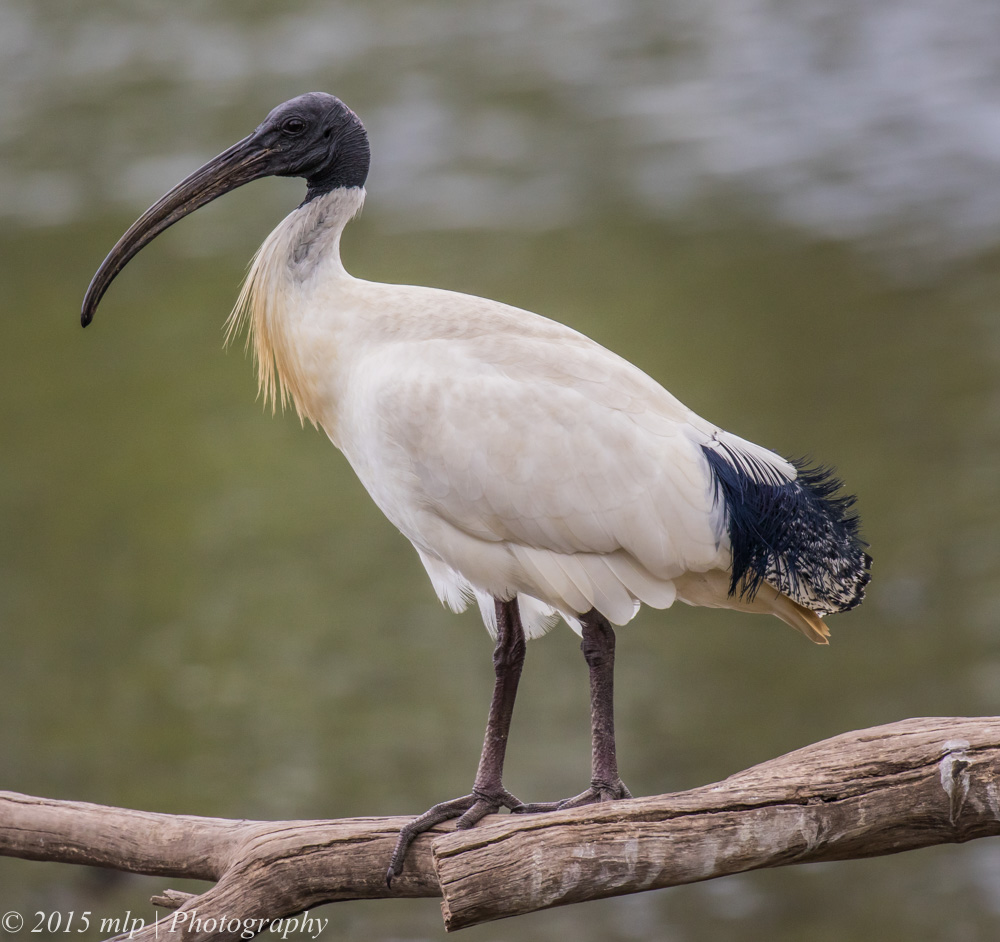
With Spring in full swing, everywhere I go at the moment I am seeing signs of the change of season and birds well into a new breeding season. I watched for a while as Australian White Ibis started to claim spots on the roosting platforms at the Coolart Wetlands. Ibis would claim a spot and then defend it against new fly-ins with much show and bravado, leaping at each other and snapping away with their long bills. While I was watching at the bird hide a curious Yellow-Faced Honeyeater popped onto a stump in front of my viewing spot to investigate the strange object poking out of the hide and making all the clicking noise.

White Ibis, Coolart Wetlands

White Ibis, Coolart Wetlands


White Ibis, Coolart Wetlands

II


White Ibis, Coolart Wetlands

White Ibis defending his patch against interlopers 


Yellow Faced Honeyeater Coolart Wetlands

Curious Yellow Faced Honeyeater, Coolart Wetlands


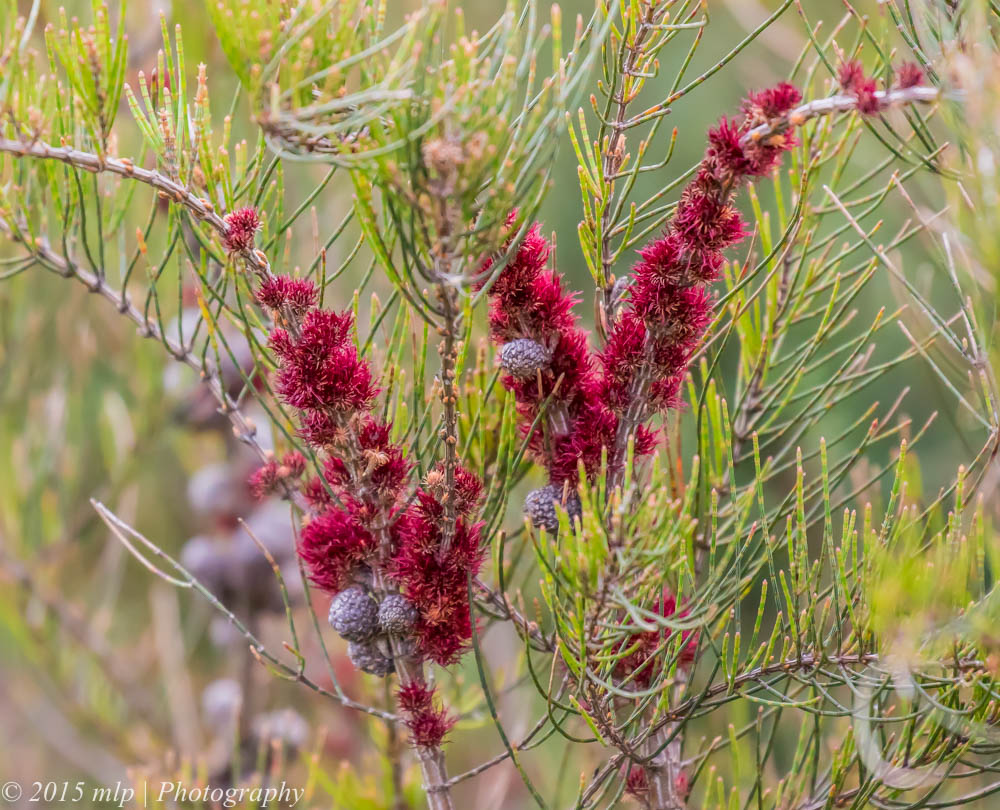
Flowering Green She-Oak, Coolart Wetlands

Flowering Green She-Oak, Coolart Wetlands

World’s smallest Cuckoo – the Shining Bronze

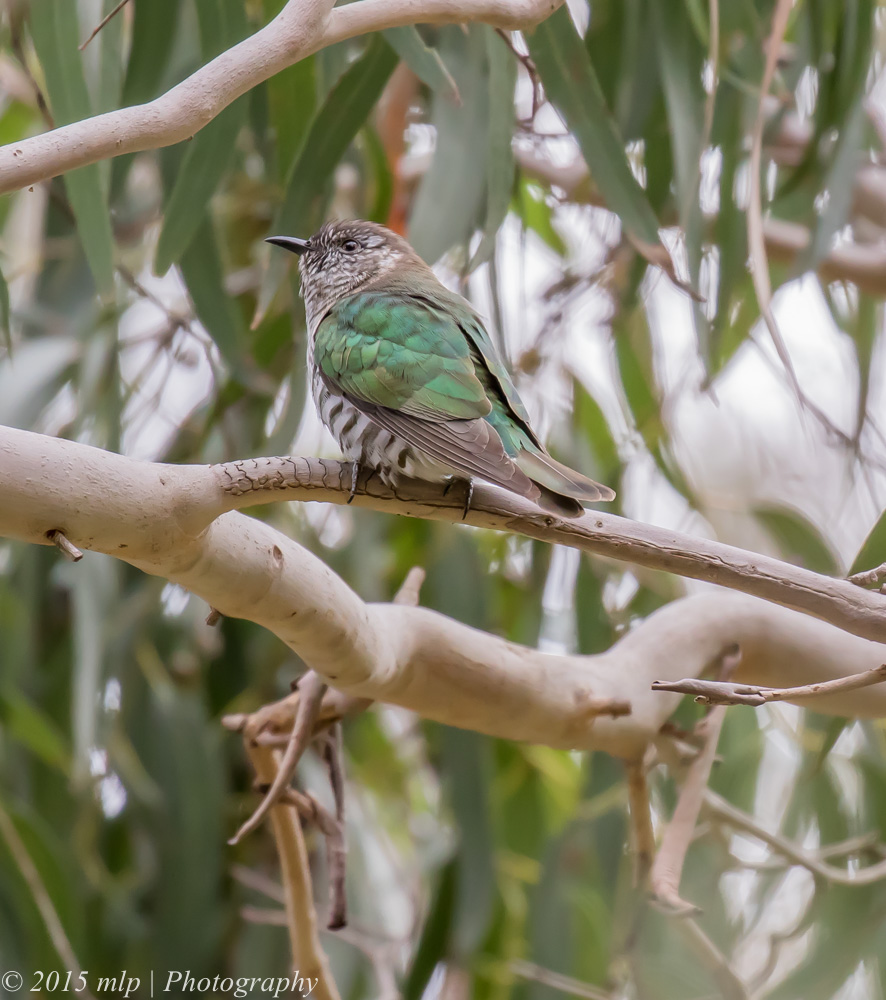
The Shining Bronze Cuckoo is the worlds smallest Cuckoo. They are often heard in woodlands but not often seen. The Cuckoo is parasitic, laying a single egg in the nest of small Thornbills, Gerygones and Scrubwrens. The new parent then raises the chick as its own. The one below I found at the Coolart Wetlands watching a small group of Brown Thornbills.

Shining Bronze Cuckoo, Coolart Wetlands

Shining Bronze Cuckoo – well camouflaged 

Shining Bronze Cuckoo, Coolart Wetlands

II

Shining Bronze Cuckoo, Coolart Wetlands

III

Kookaburra on the hunt

I followed the sound of the Kookaburras hoping to get a clear shot of one. In the forests they don’t tend to let you get too close. I found this one enjoying some late afternoon sun. After a few moments he noticed something behind me and took off and flew straight at me, swerving at the last second and down onto the path 10 or so meters behind me, pouncing onto some prey and then flying back up into the trees.

Kookaburra, Moorooduc Quarry

Kookaburra, Moorooduc Quarry

Kookaburra, Moorooduc Quarry

Kookaburra spotting prey (or my hat)

Kookaburra, Moorooduc Quarry

III


Stinkers in the garden

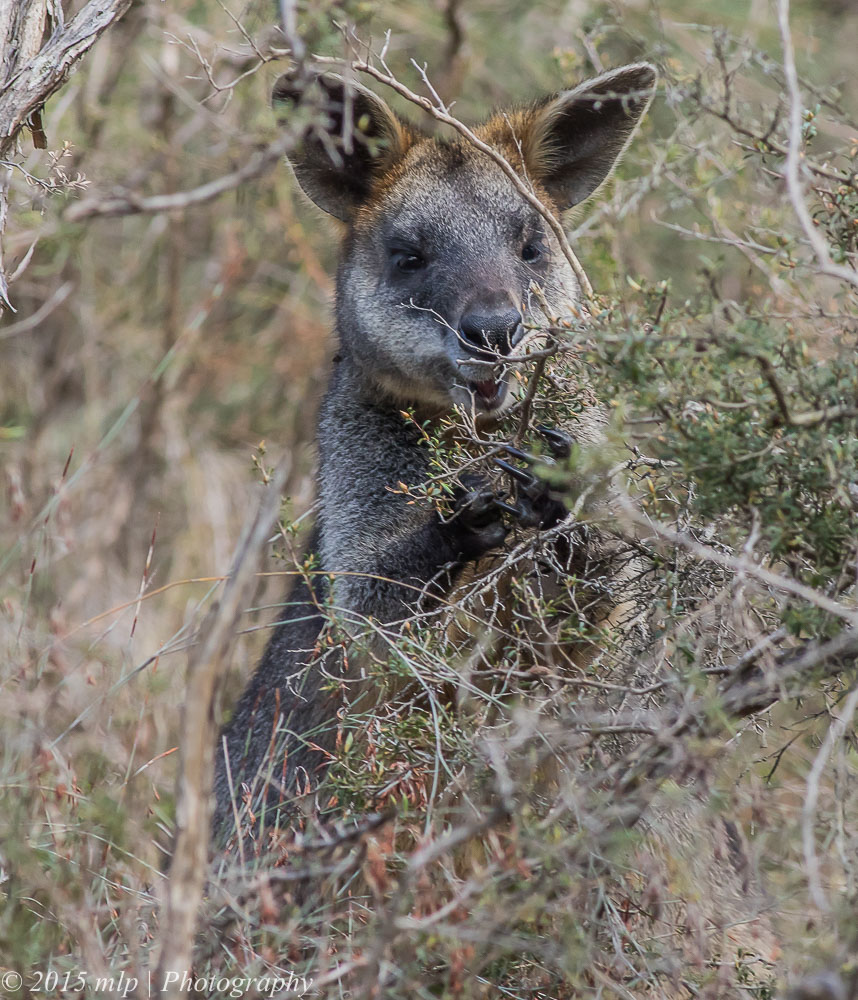
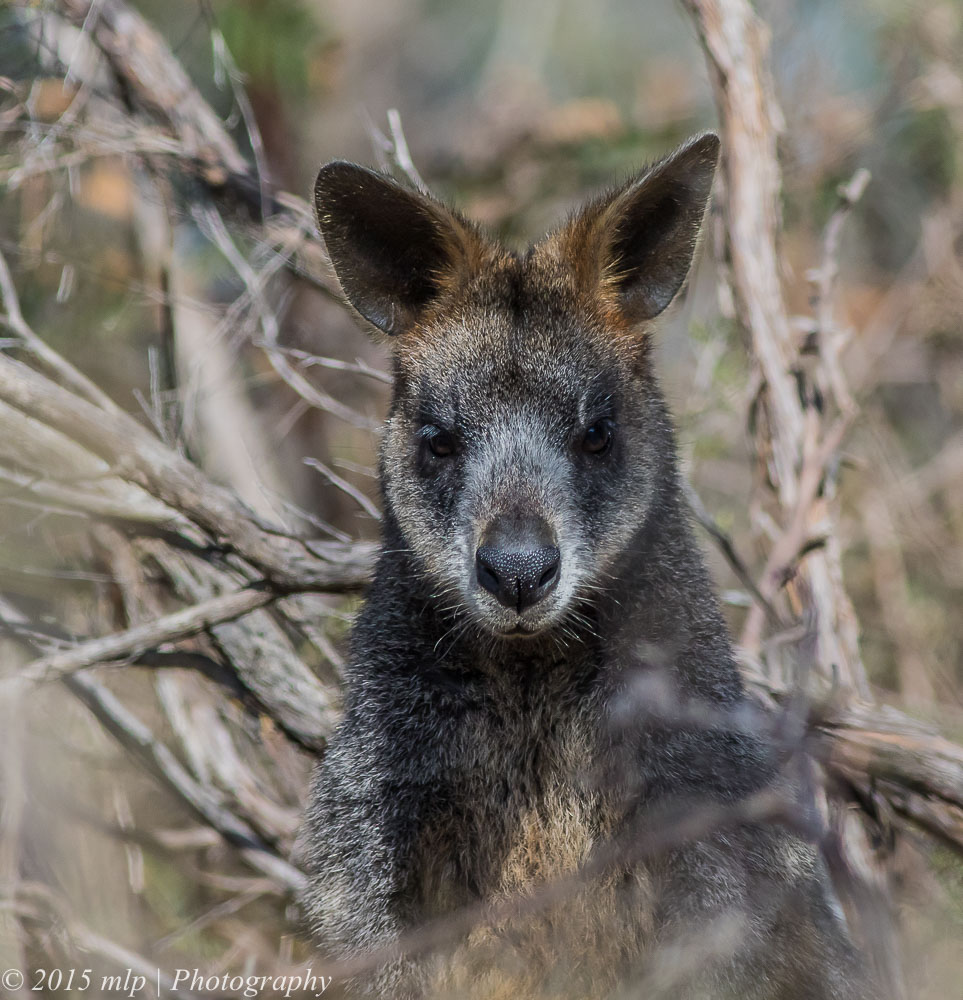
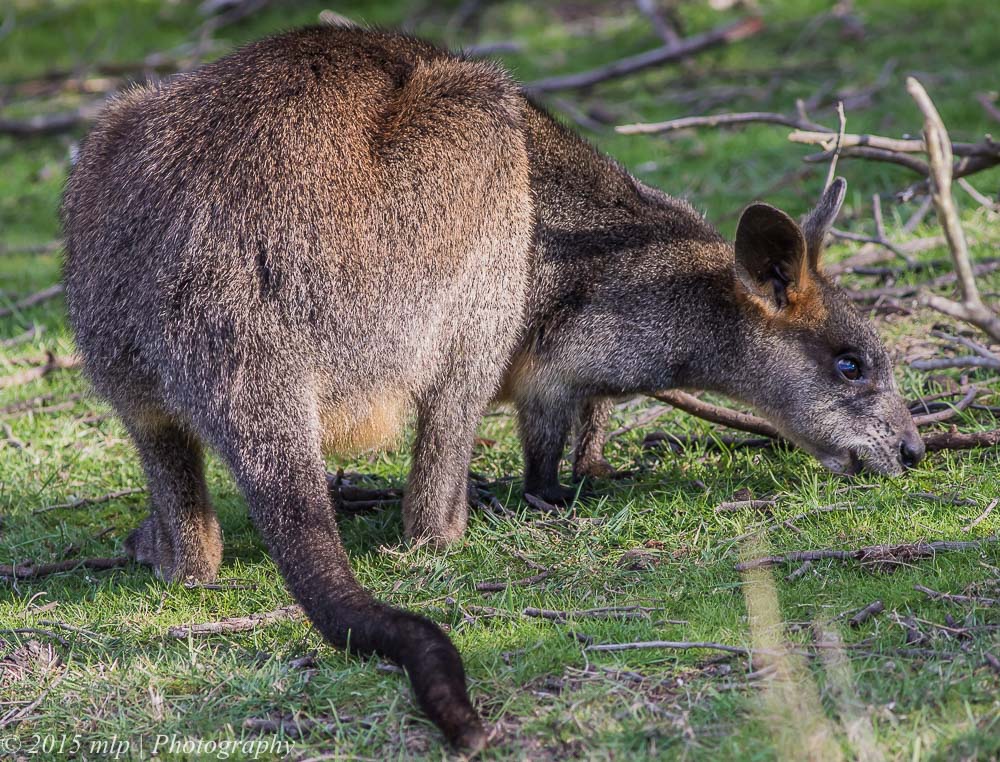
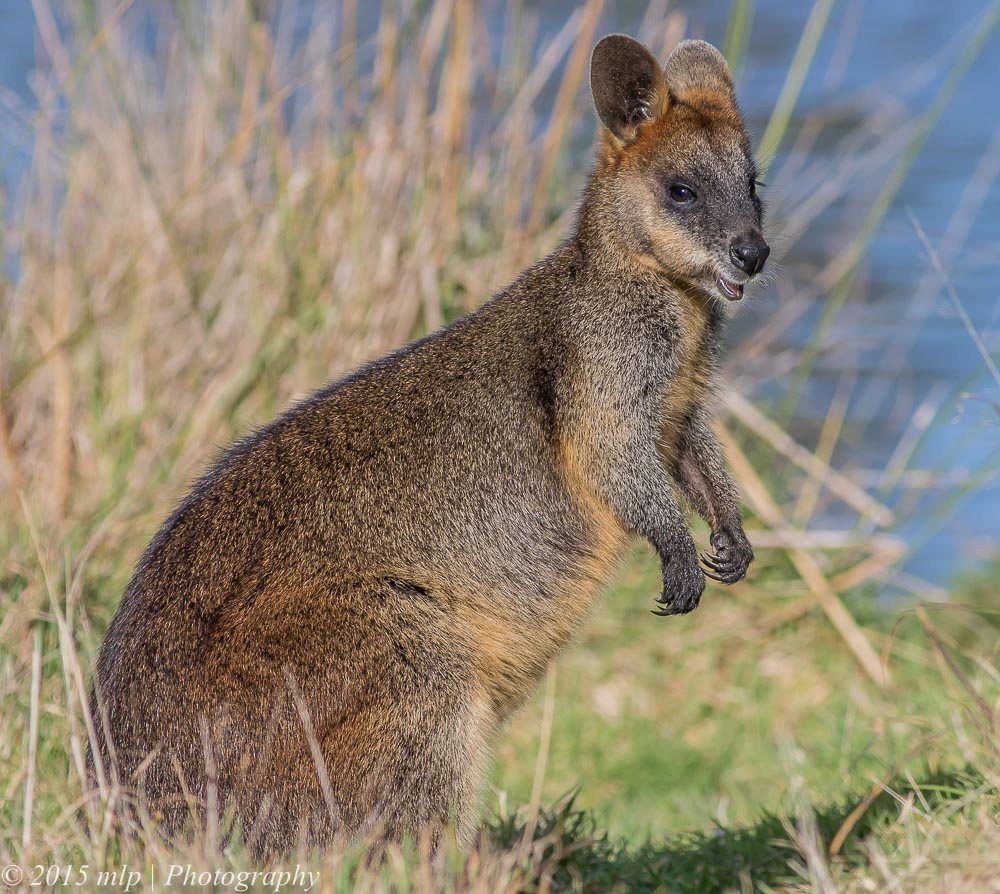
For some reason Wallabies don’t seem to panic as easily as Grey Kangaroos. They can be quite approachable particular in areas where they have become accustomed to people walking around. As long as you don’t cut off their escape paths they are happy to keep eating and just keep an eye on you. We recently saw a few Black or Swamp Wallabies at Cranbourne Botanical Gardens – woodlands area. They are usually on their own or with a joey.  We were able to take a few shots and slowly creep forward before they ambled off. They have nice colouring especially in late afternoon sun light. The Grey Kangaroos were much more flighty and generally took off as soon as they saw us.
According to Wiki, the swamp wallaby (Wallabia bicolor)  has some unusual names that I have not heard of before including black-tailed wallaby, fern wallaby, black pademelon, stinker (in Queensland), and black stinker (in New South Wales) due to its characteristic swampy odour (which we did not smell on this occasion but now I am curious).
Black Wallaby, Cranbourne Botanical Gardens

Black Wallaby, Cranbourne Botanical Gardens

Black Wallaby, Cranbourne Botanical Gardens

II

Black Wallaby, Cranbourne Botanical Gardens

III

Black Wallaby, Cranbourne Botanical Gardens

IV

Black Wallaby, Cranbourne Botanical Gardens

Black Wallaby also called a Swamp Wallaby

White Eared Honeyeater

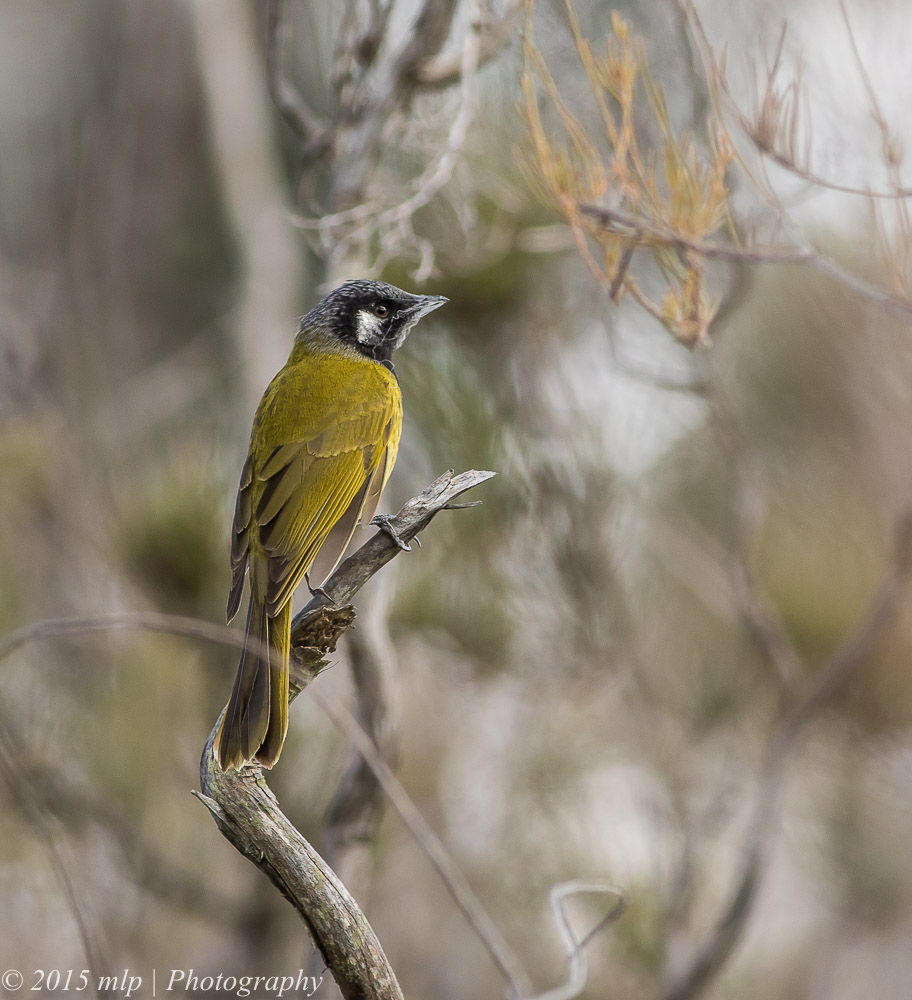
At this time of year one of the predominate sounds of the woodlands behind the Australia Gardens at the Cranbourne Botanical Gardens comes from the White Eared Honeyeater. It has a variety of distinctive calls and can be quite photogenic when it stays still long enough. It makes a low level, deep, thick sided bowl type nest and lines it with animal fur and hair. We found the Honeyeater below collecting spider webs for its nest.

White Eared Honeyeater, Cranbourne Botanical Gardens

White Eared Honeyeater, Cranbourne Botanical Gardens

White Eared Honeyeater, Cranbourne Botanical Gardens

White Eared Honeyeater collecting spider webs for nesting material

White Eared Honeyeater, Cranbourne Botanical Gardens

II

With so many Honeyeaters it is little wonder that we also heard and saw Fan Tailed Cuckoos. The nests of White Eared Honeyeaters are parasitised by Fan Tailed Cuckoos.

Fan-Tailed Cuckoo, Cranbourne Botanical Gardens

Fan-Tailed Cuckoo, Cranbourne Botanical Gardens

The Common and not so Common…

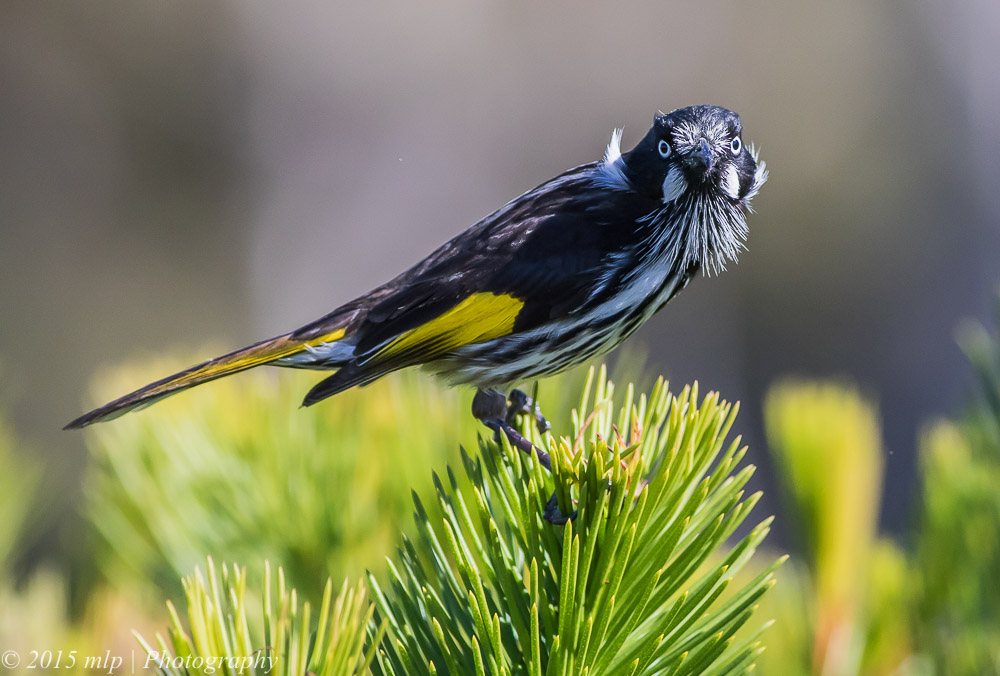
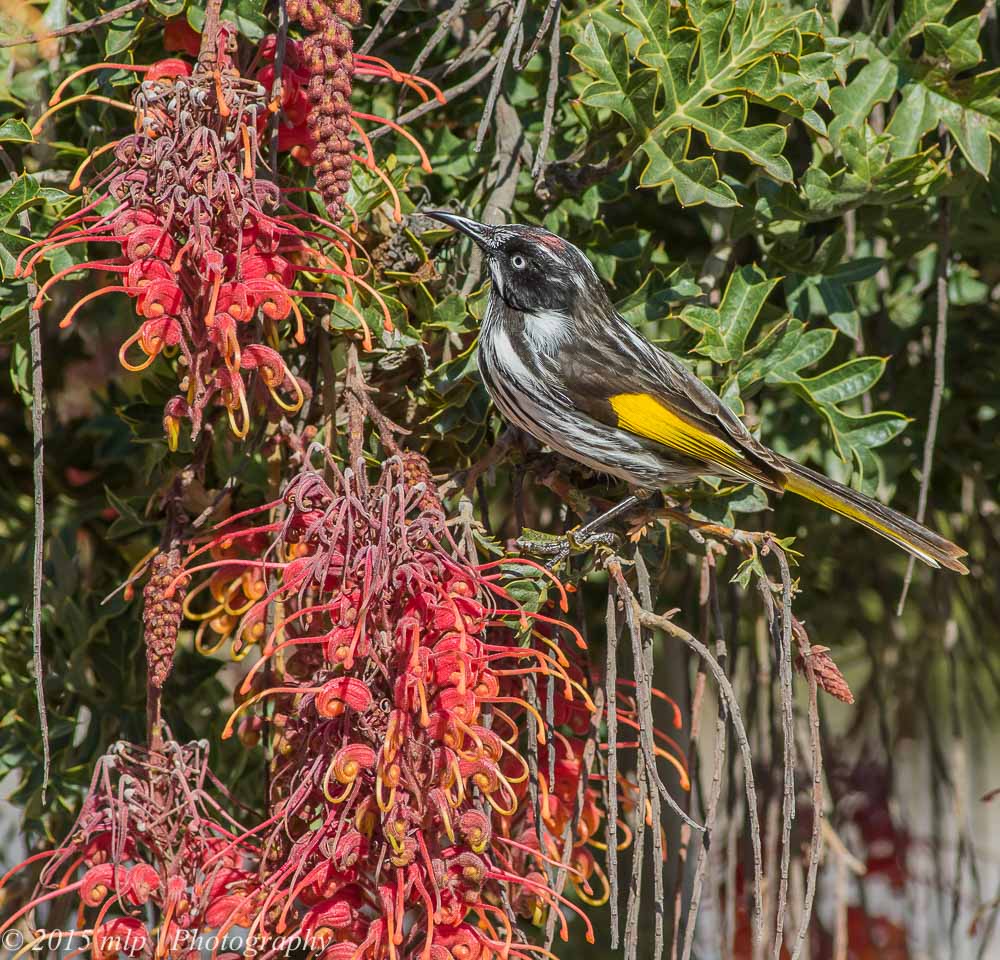
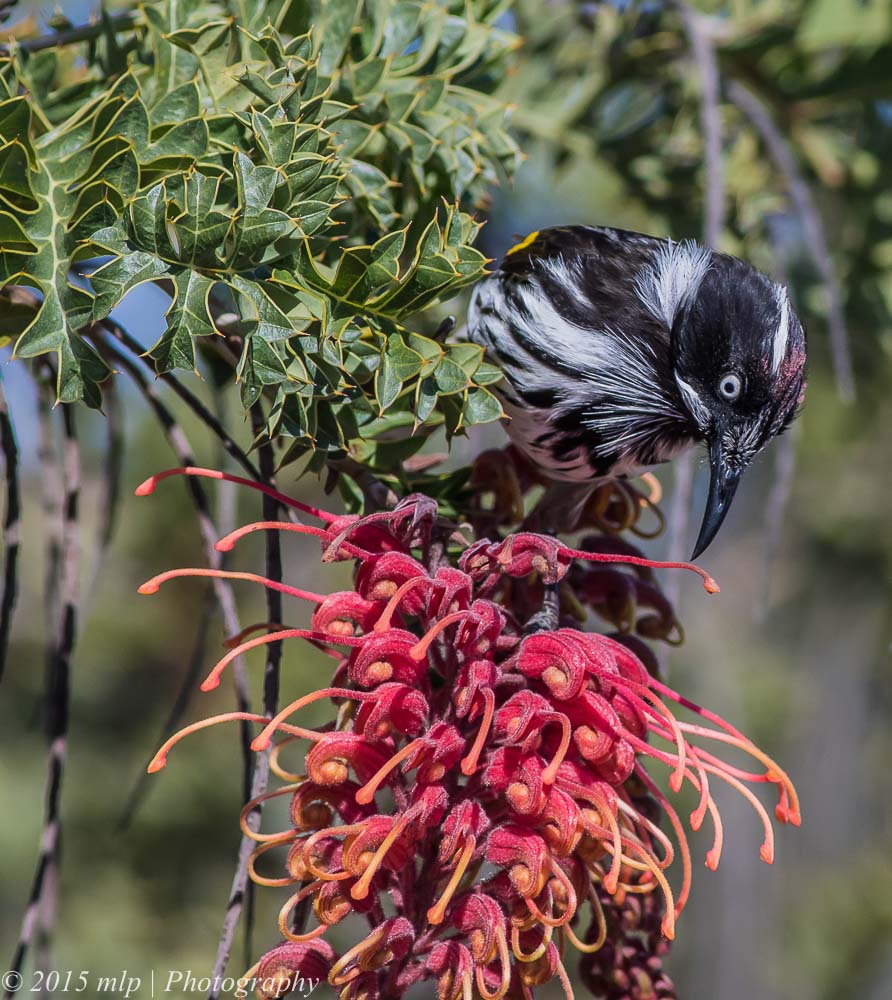
New Holland Honeyeaters dominate the formal parts of the Cranbourne Botanical Gardens. They are generally easy to get a nice image of but it can be much more time consuming trying to get a shot with a bit of personality. Many of the native plants are flowering at the moment so there are good opportunities to find an ideal bush with nectar filled flowers and wait for a Honeyeater to turn up. Many times they land on a high point behind you, you notice, you spin around and it takes off, then you curse yourself as you realise you just missed the shot that was right in front of you. I recently visited with a few bird photography friends and we had a challenging time attempting to find “the” shot – a never ending quest. It seems harder to get a good shot, that you are happy with, of a fairly common subject while often we seem happier with average shots of a rarer subject.

New Holland Honeyeater, Cranbourne Botanical Gardens,

New Holland Honeyeater, Cranbourne Botanical Gardens

New Holland Honeyeater, Cranbourne Botanical Gardens,

II

New Holland Honeyeater, Cranbourne Botanical Gardens,

III

Olive Backed Oriole, Cranbourne Botanical Gardens

Olive Backed Oriole, Cranbourne Botanical Gardens – a rare bird for me, only seen a few times before. 

Bathing in a puddle

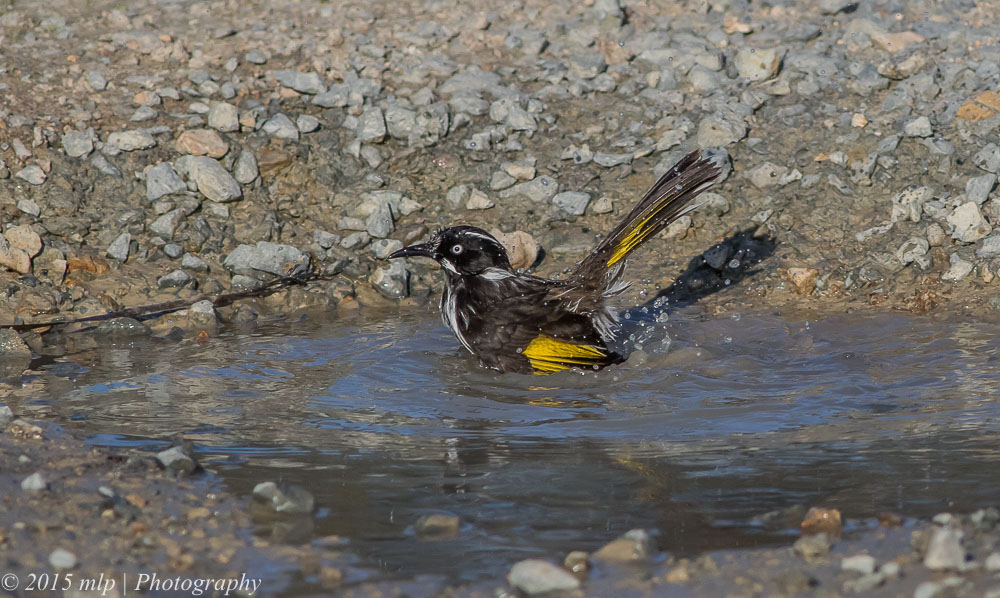
There is nothing like a nice afternoon bath in a small fresh puddle – perfect temperature, perfect depth. This New Holland Honeyeater was one of several birds that made quick flights into the water. After a quick dip and a splash around it would take off to a nearby branch to groom and then back into the water again. Bathing, grooming and keeping the feathers in good condition are extremely important to birds. It is fun and challenging to try and take decent images when the opportunity arises…

Bathing New Holland Honeyeater VI, Cranbourne Botanical Gardens,

Bathing New Holland Honeyeater, Cranbourne Botanical Gardens,

Bathing New Holland Honeyeater VI, Cranbourne Botanical Gardens,

II

Bathing New Holland Honeyeater VI, Cranbourne Botanical Gardens,

III

Bathing New Holland Honeyeater VI, Cranbourne Botanical Gardens,

IV

Bathing New Holland Honeyeater VI, Cranbourne Botanical Gardens,

V

Bathing New Holland Honeyeater VI, Cranbourne Botanical Gardens,

VII

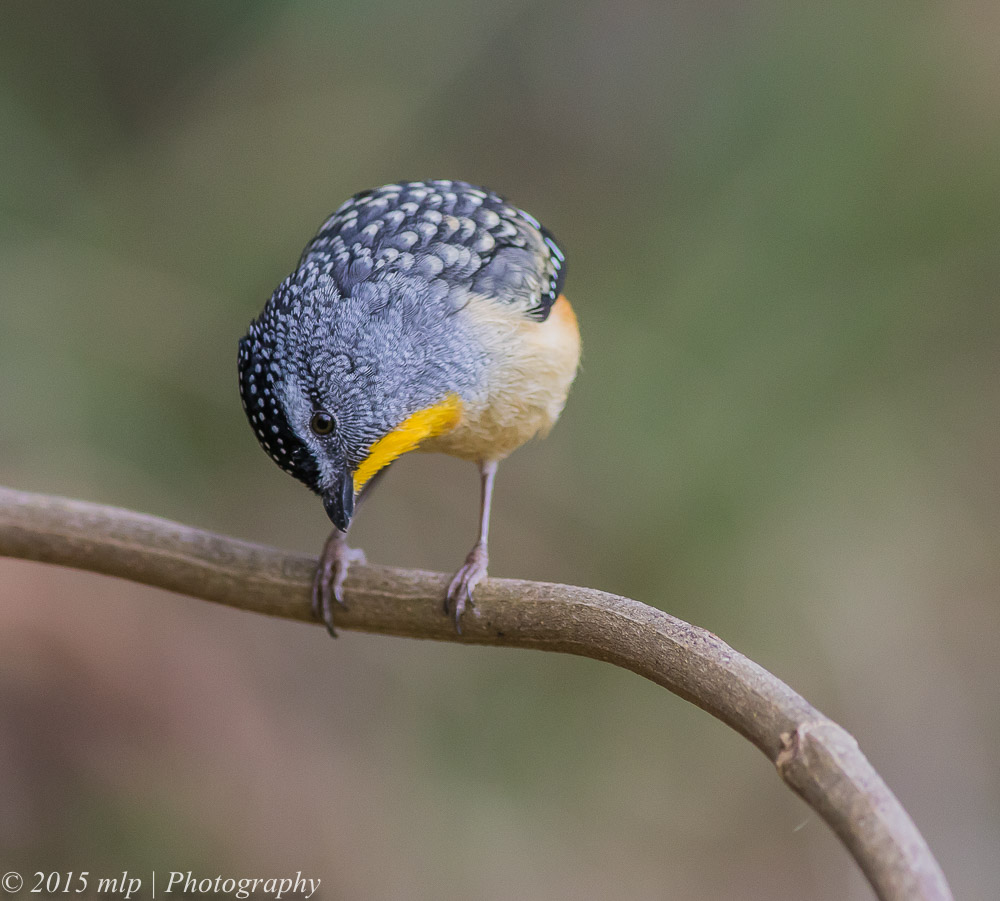
Spotted a Pardalote or two

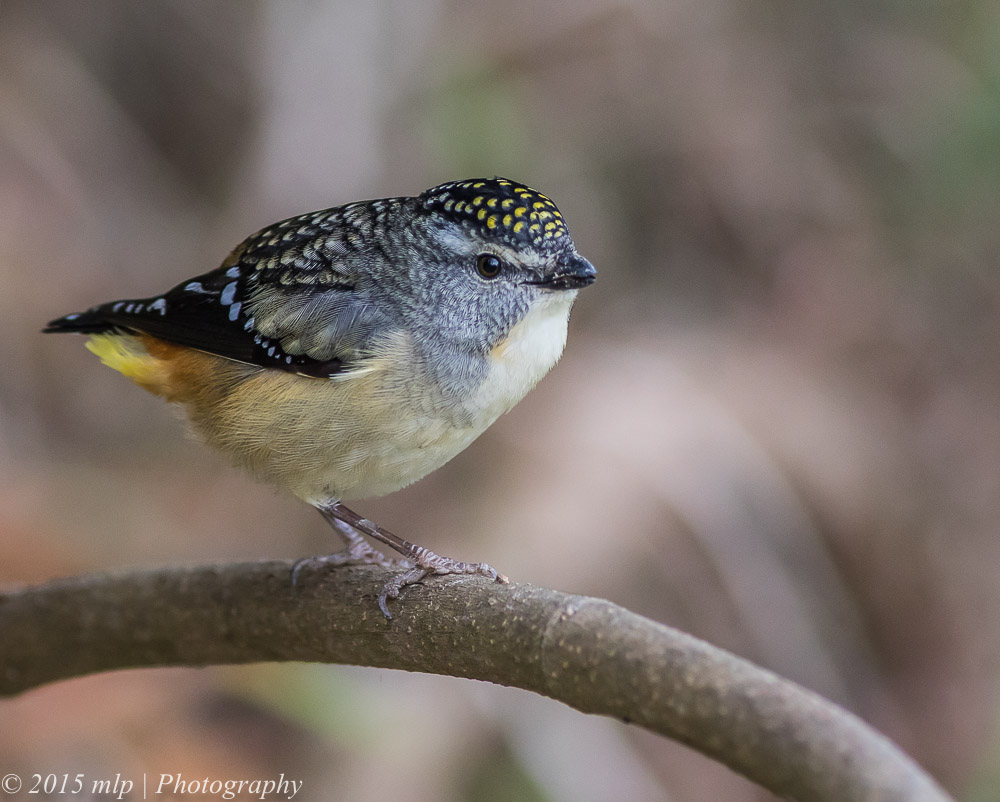
Spotted Pardalotes are tiny colourful birds that mostly feed in the tree canopy. They have quite a distinctive call but are not often seen. During the breeding season they come down from the trees and rather than build a nest in the branches they dig a small tunnel in a sandy bank – the tunnel has a small mouse sized opening but can be a metre long. I found this little family trying out a bank near where I happened to be photographing a family of nesting Yellow Robins. They had dug a few test holes and were looking at each others work. For such a shy bird they were very focussed on the potential nest holes and ignored my presence.

Female Pardalote, Moorooduc Quarry

Female Pardalote, Moorooduc Quarry

Female Pardalote, Moorooduc Quarry

II

Male Pardalote, Moorooduc Quarry

Male Pardalote, Moorooduc Quarry

Male Pardalote, Moorooduc Quarry

II

Male Pardalote, Moorooduc Quarry

III

Male Pardalote, Moorooduc Quarry

IV

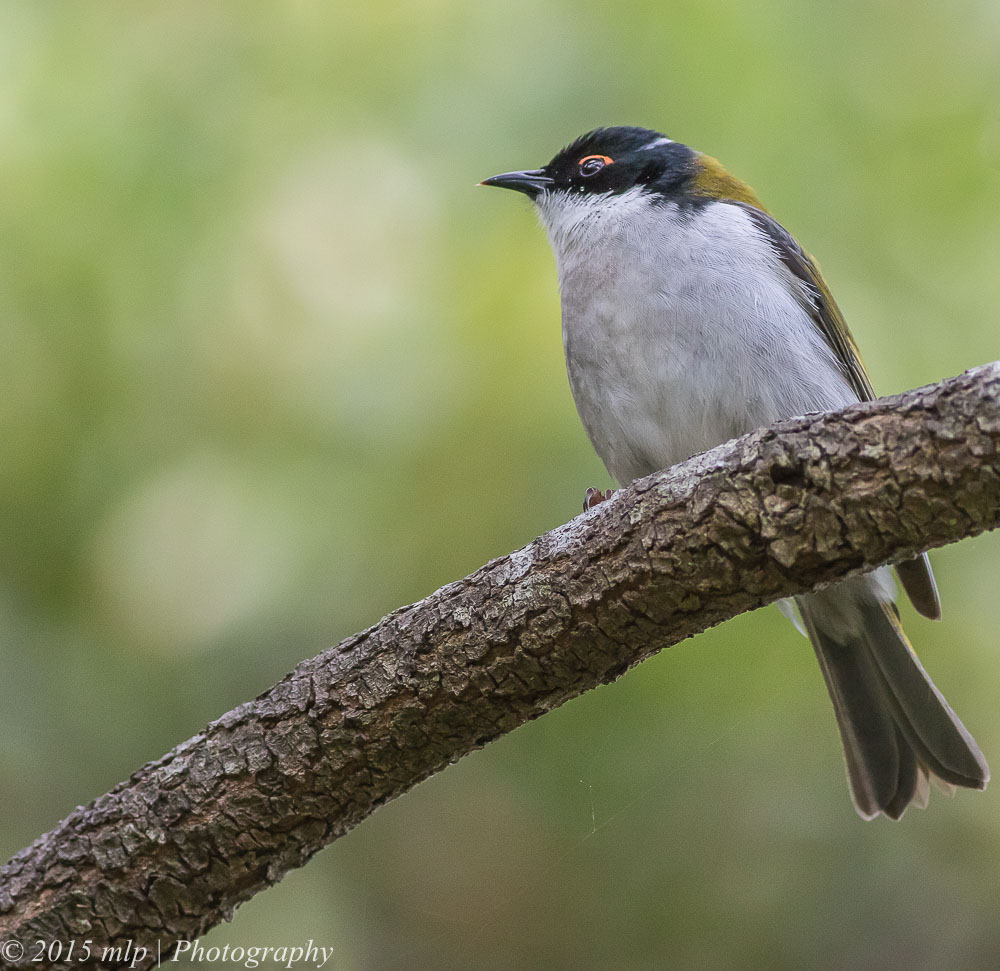
Above the Pardalotes were three White-naped Honeyeaters chasing each other. This one stopped and watched the Pardalotes for a while. The White-nape has a interesting call and bright Orange eye marking.

White Naped Honeyeater,  Moorooduc Quarry

White Naped Honeyeater, Moorooduc Quarry

More Moorooduc Magic

Moorooduc Quarry is fast becoming one of my favourite places to bird. It is a compact site with a variety of vegetation and landscapes and many bird species.

On the latest visit to check in on the Yellow Robin family I found the Robin now sitting on eggs in the nest.

Brooding Eastern Yellow Robin II, Moorooduc Quarry Flora and Fauna Reserve

Brooding Eastern Yellow Robin.

Brooding Eastern Yellow Robin II, Moorooduc Quarry Flora and Fauna Reserve

Keeping a careful eye on me – I kept my distance

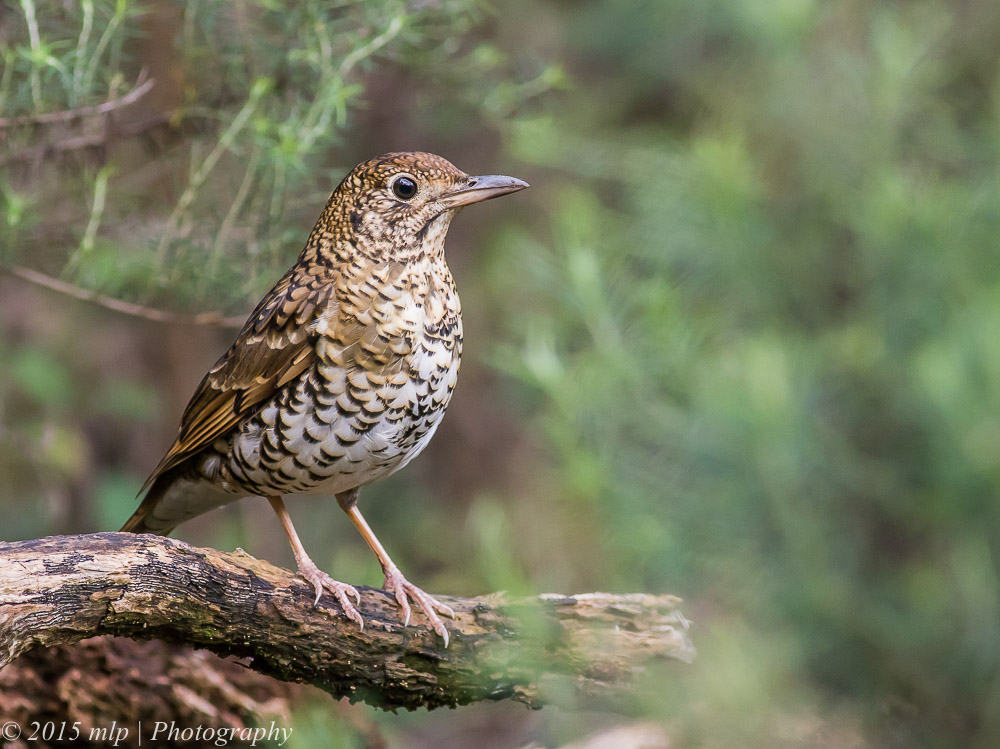
I also found a few regulars and a new one for my site records – a Bassian Thrush – a speckled bird a little larger than a blackbird that loves to forage in the understory of thick cooler forests. While I was trying to photograph the Yellow Robins it popped out to see what the fuss was – posed for a few moments and then dashed back into the thick scrub. I have rarely seen a Bassian Thrush and this is only the second time I have been fast enough to get a photo.

Bassian Thrush, Moorooduc Quarry

Bassian Thrush, Moorooduc Quarry

Bassian Thrush, Moorooduc Quarry

II

Grey Butcherbird, Moorooduc Quarry

Grey Butcherbird watching the antics of the Galahs

Galah, Moorooduc Quarry

Female Galah watching the nearby group of male Galahs, Moorooduc Quarry

Galah, Moorooduc Quarry

Male Galah enjoying some dandelion seed heads.

Moorooduc Woodlands Flurry

In a follow-up visit to the Moorooduc Quarry to check on the progress of the little Eastern Yellow Robin nest, I found a completed nest, many other birds and another Drey (they seem to be popping out everywhere now I know they exist). A busy flock of Male Golden Whistlers came through and it soon became a little crazy with birds flying everywhere. The Robins were trying to protect their patch and the male Whistlers seem to be chasing each other. A few Brown Thornbills dropped into the mix as well to check out the fuss.

Eastern Yellow Robin, Moorooduc Quarry

Eastern Yellow Robin in a typical perched hunting pose…ready to pounce on its prey from above.

Eastern Yellow Robin, Moorooduc Quarry

Eastern Yellow Robin II

Eastern Yellow Robin completed Nest, Moorooduc Quarry

The completed nest of our Eastern Yellow Robin, made of paperbark strips and camouflaged with moss and lichen held in place by spider web netting – amazing engineering

Golden Whistler, Moorooduc Quarry

One of the bright male Golden Whistlers that moved through the Robin’s nest area…

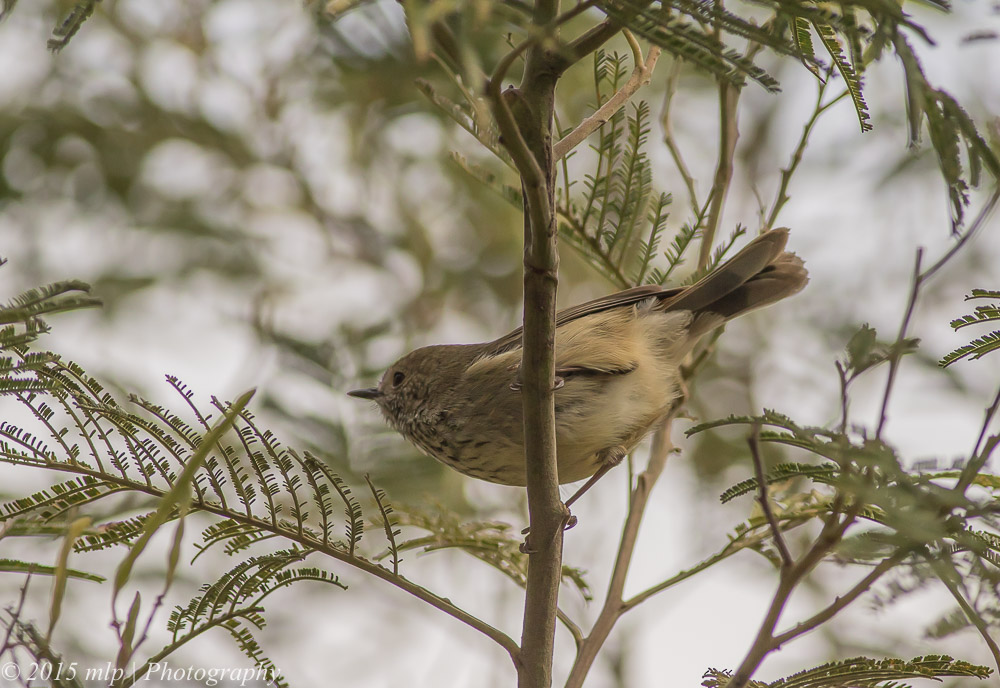
Brown Thornbill, Moorooduc Quarry Flora and Fauna Reserve

A curious Brown Thornbill, watching the action

A possum Drey, Moorooduc Quarry

A possum Drey, Moorooduc Quarry