Tag Archives: Nature Photography

Woodlands Industrial Park – calls of childhood

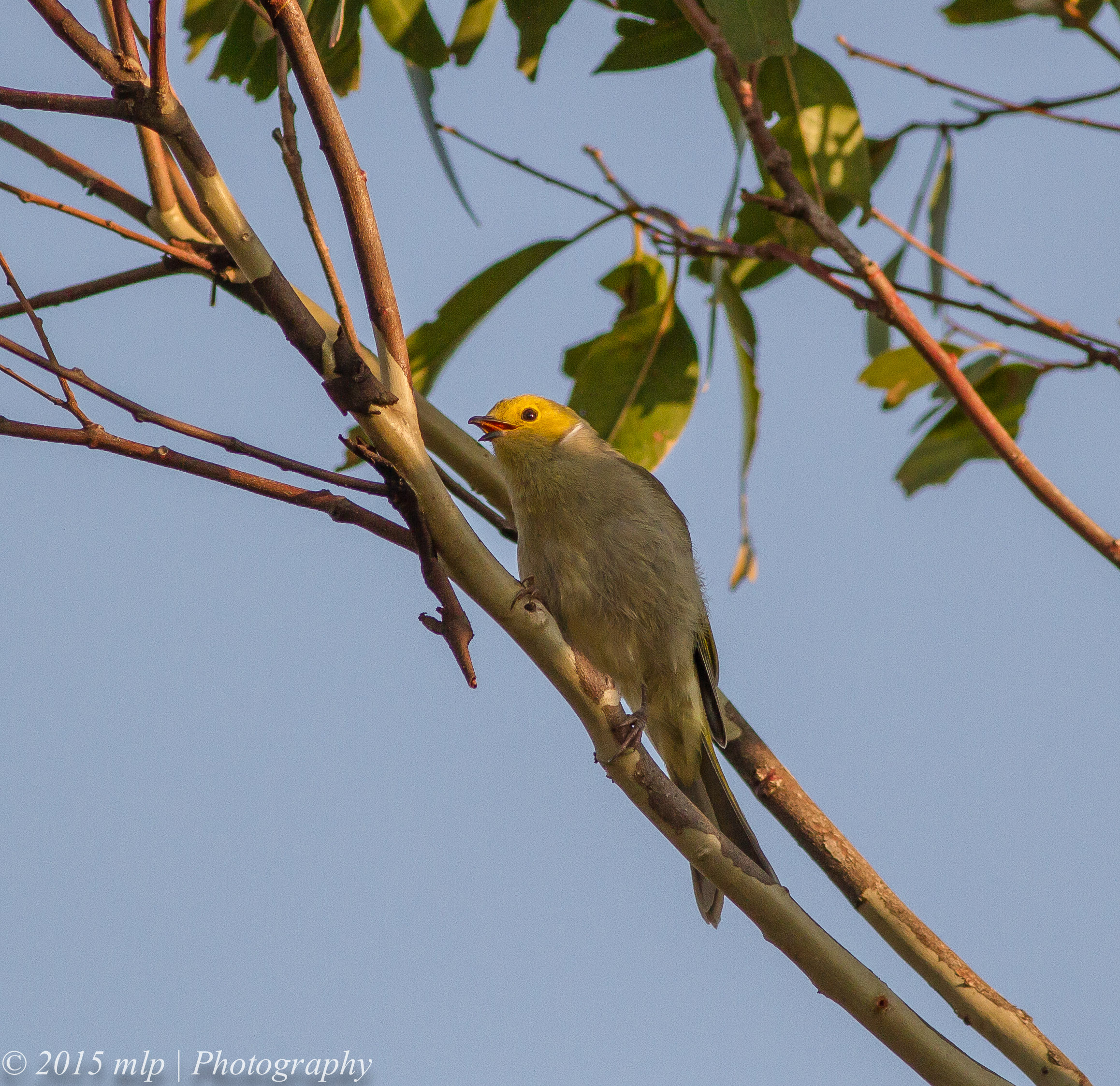
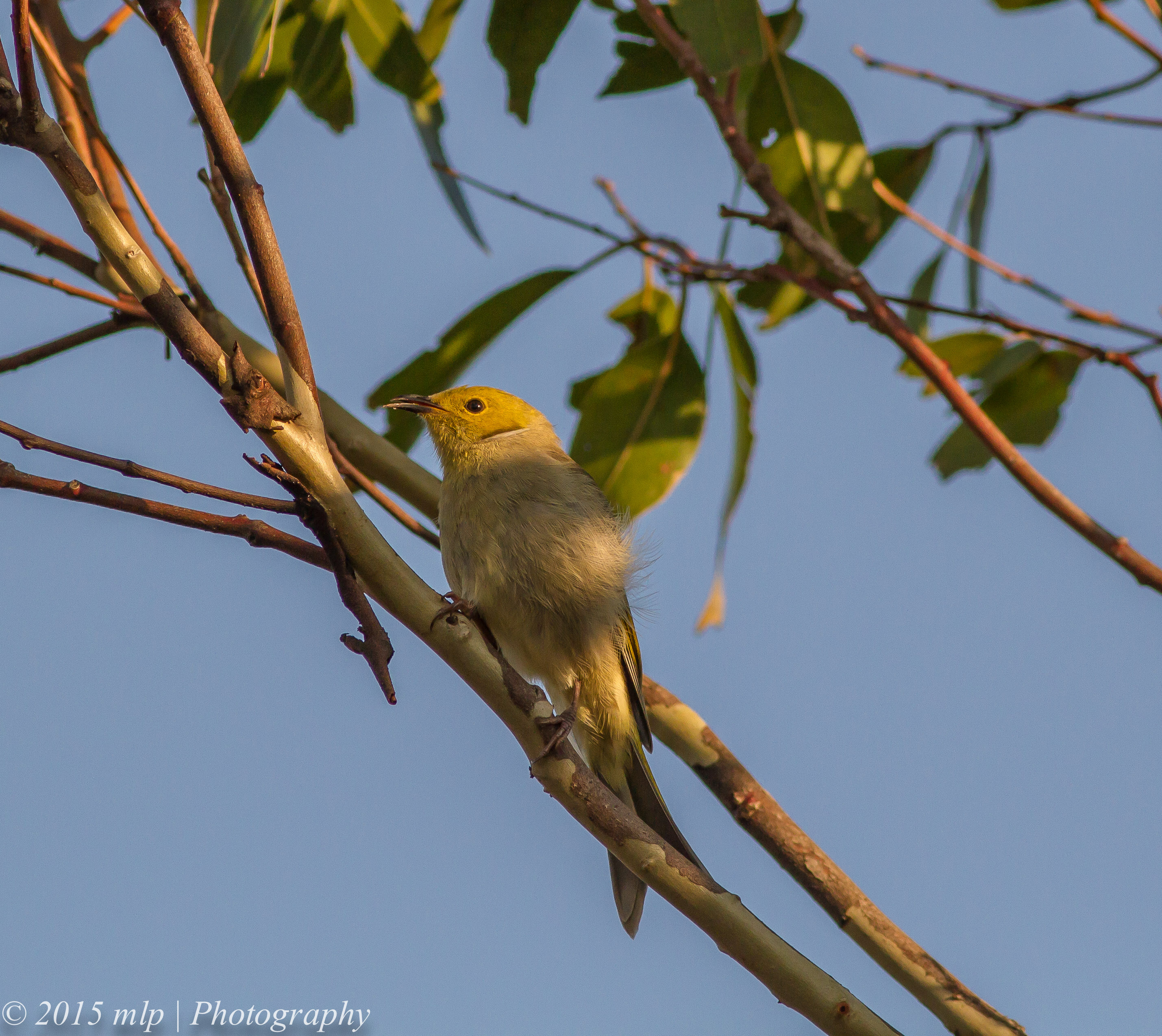
After the early morning encounter with my little White-plumed Honeyeater friend and watching his gang take on a rival New Holland Honeyeater tribe we continued our walk into the wetlands and bordering scrub looking for more birds.

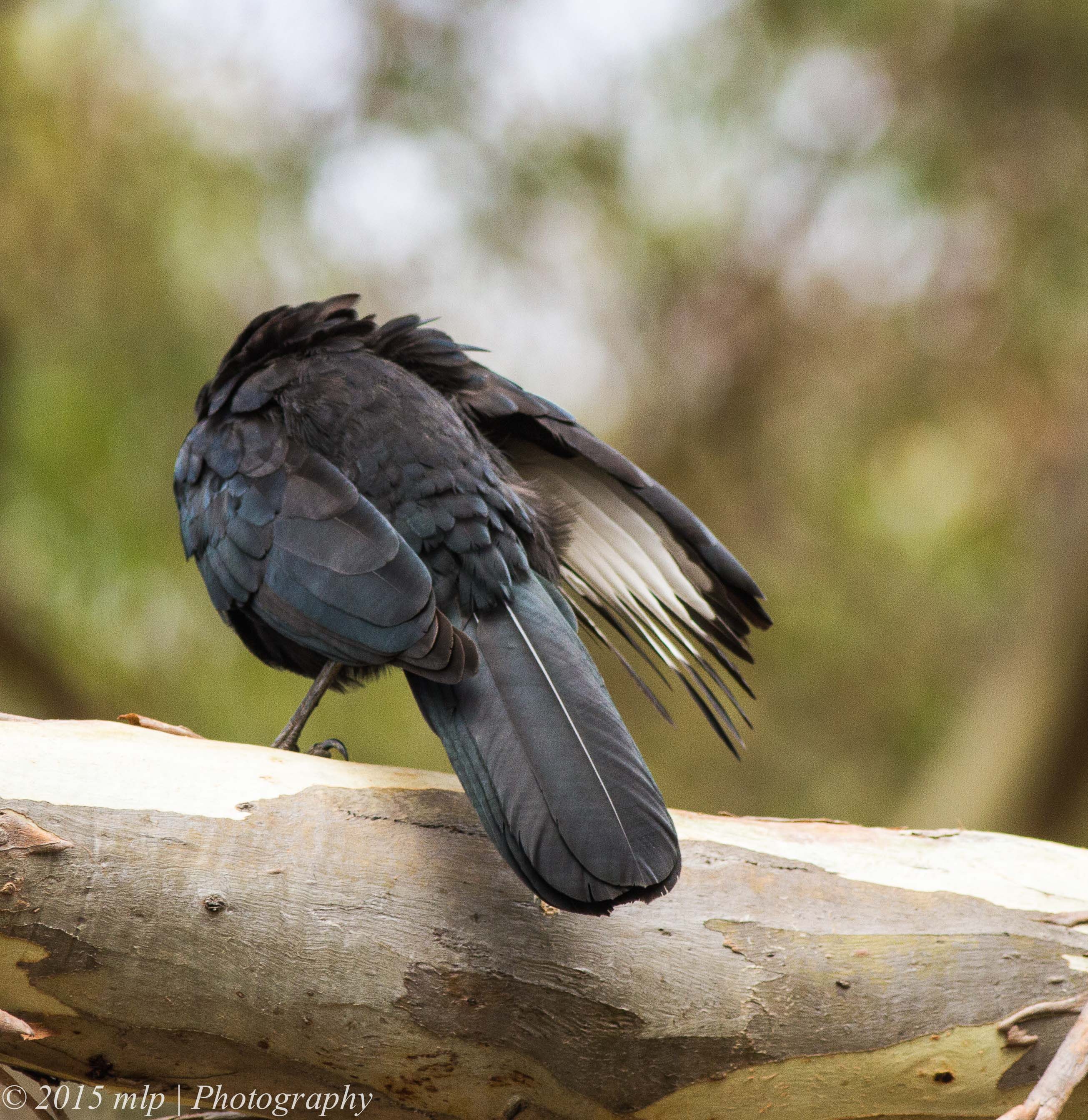
We found a Black Faced Cuckoo-shrike moving along the tree line above us being pestered by Magpie-larks.

Black Faced Cuckoo-shrike

Black Faced Cuckoo-shrike

One of the great sounds of bushland on the Melbourne fringe (and in my area of inner Melbourne) is the call of the Butcherbird. Along with the Currawong and Magpie, the butcherbird it is part of the soundscape of the outer Melbourne. For many childhood years I lived on the fringe of suburbia in different parts of Australia. I still regularly visit my folks who still live on the fringe. The sounds below were always there in the background.

Currawong call from Birds in Backyards site (press the audio button down the right hand side of the site)

Grey Butcherbird call

Australian Magpie call

The Butcherbird is an adept hunter of small birds, lizards and insects and gets its name from its habit of hanging up its prey in the branches. It has also been known to use wire mesh fences to store excess food. I have found them nesting in a tree on my property and watch them attempt to take a Welcome Swallow in flight at the Elsternwick Park Lake.

Juvenile Grey Butcherbird

Juvenile Grey Butcherbird – my first decent shot, the matures bird are much more nervous of humans but the juveniles do not yet have the same fears.
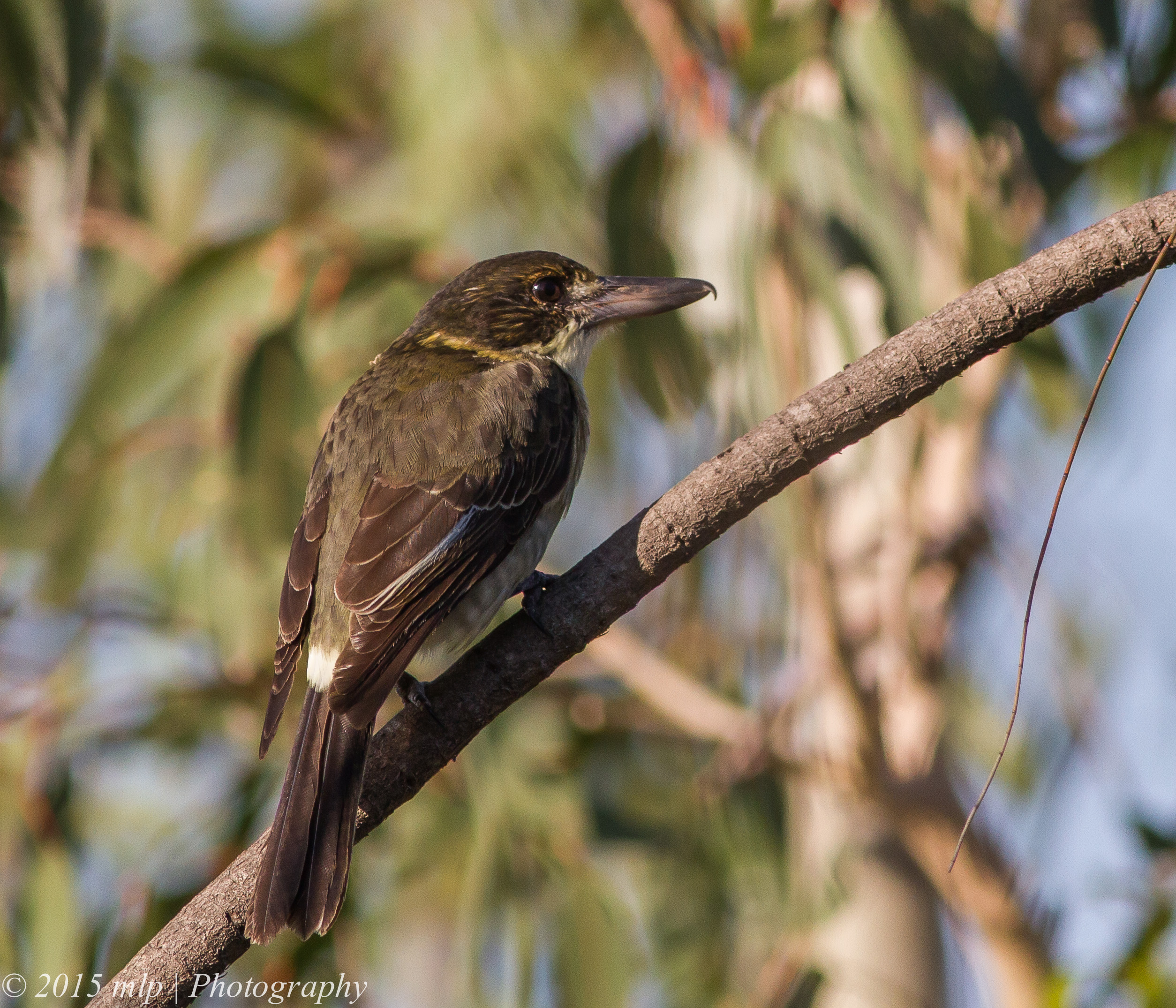
Juvenile Grey Butcherbird

Juvenile Grey Butcherbird II – wicked little hook visible on the tip of the bill.

Purple Swamphen

Purple Swamphen – interesting bird to photograph due to its size and vibrant colours.

Purple Swamphen

Purple Swamphen II

The culprit that started the obsession

Several years ago I was watching a few birds roosting on the island in the middle of Elsternwick Lake and was trying to name the ones I recognized – cormorant, seagull, pigeon, magpie, swallow etc…I had never really thought about the others that were around that I couldn’t name. I saw a tiny olive coloured bird above me fighting with a Noisy Miner. I had no idea what it was and having my camera in my hand I took a few bad shots so I could look for it in an old bird book I had in my library. From that bit  of research started a new hobby/skill/adventure/obsession – birding.

My tough little friend fighting off the Miner was a White Plumed Honeyeater – a pugnacious honeyeater that will defend its food supply and territory. I have often seen them at Woodlands Industrial Estate fighting with an opposing and equally aggressive tribe of New Holland Honeyeaters.

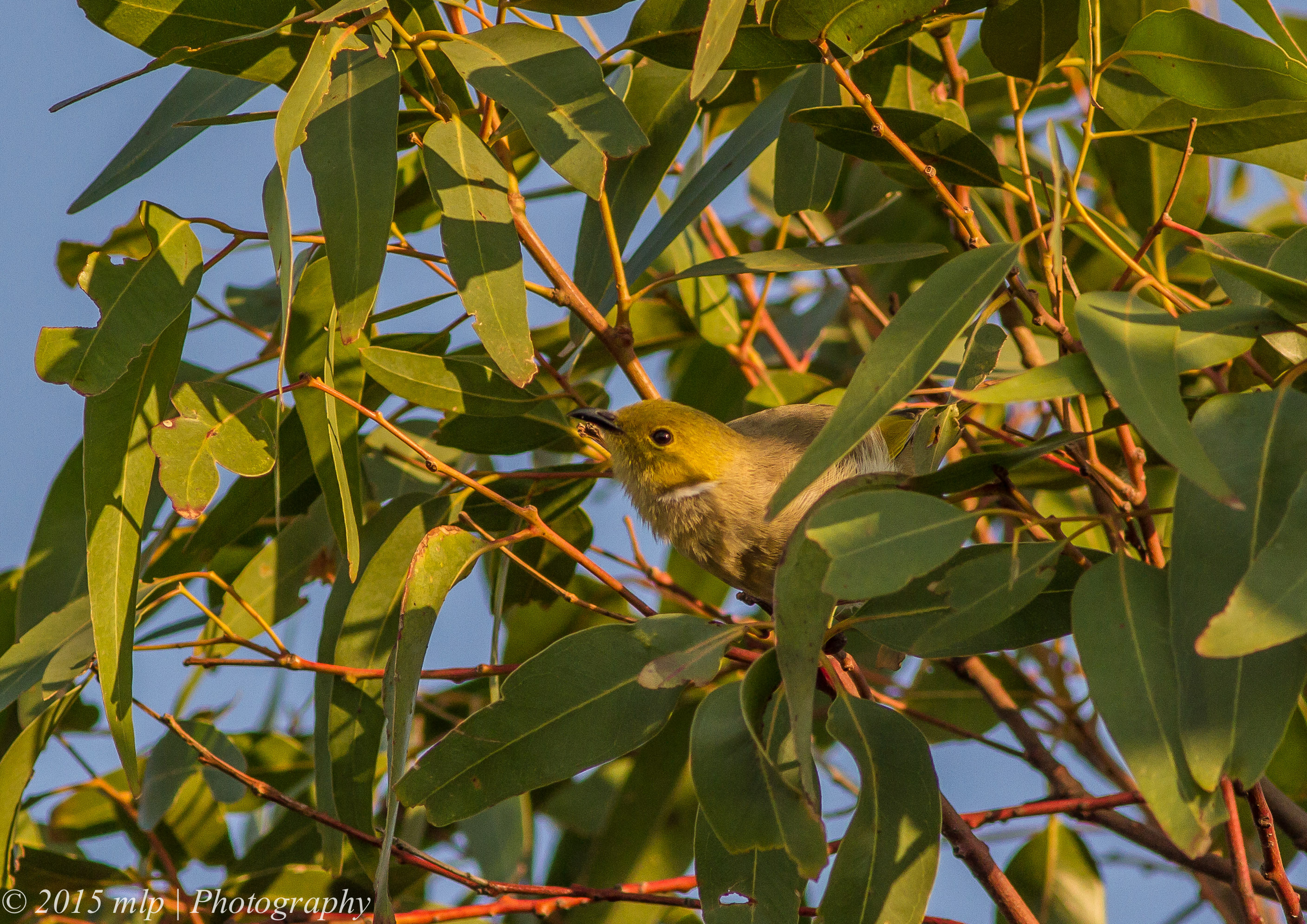
The Woodlands Industrial Estate includes an area of native scrub and wetlands that is not controlled by the Parks Department and people seem to use the edges as a dumping ground and to walk their dogs off leash. It is right next to Braeside Park and I often walk between the sites looking for certain species. I went there a few weeks ago with my birding buddy John and found my epiphany bird in the early morning light feeding on insects and Lerp.

White Plumed Honeyeater

White Plumed Honeyeater

White Plumed Honeyeater

II

White Plumed Honeyeater

III

White Plumed Honeyeater

looking for insects and lerp in amongst the gum leaves

White Plumed Honeyeater

One of my favourite little birds

Watchful Mums and juicy moths

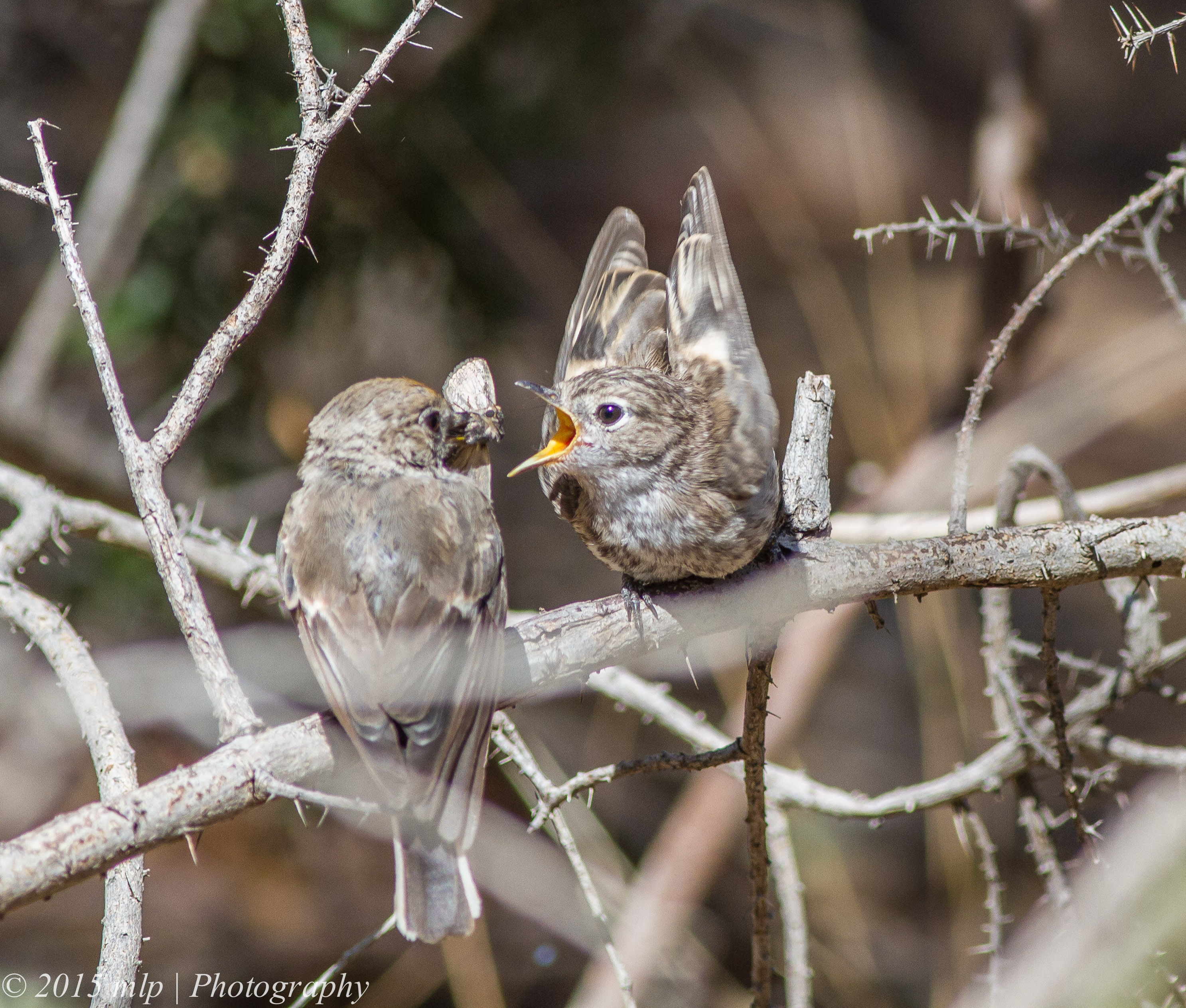
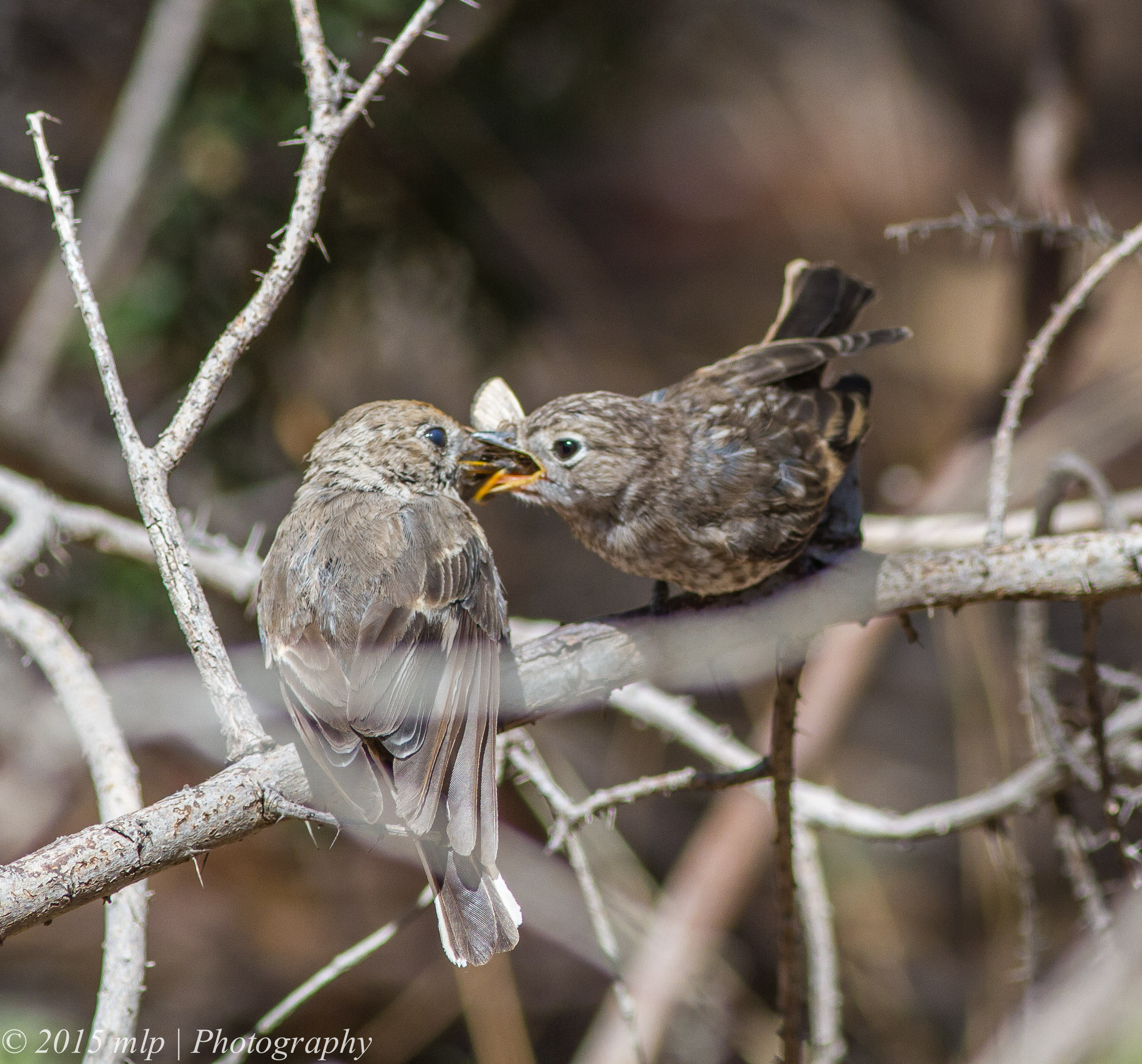
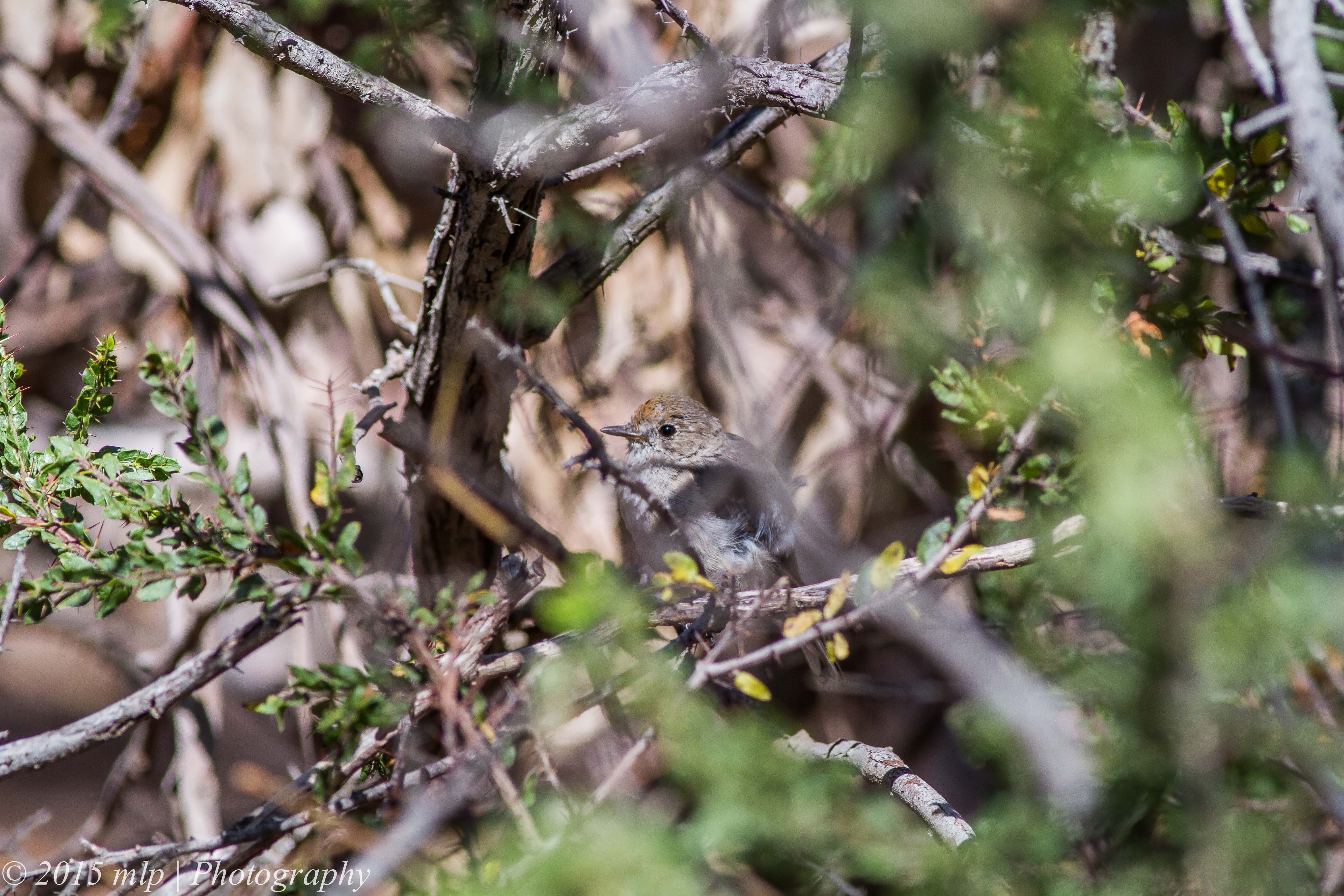
While I was trying to figure out what was happening with the Red-Capped Robins and their strange rituals I did notice that they would break off now and again and start to hunt for insects on the ground. The male would hunt and eat his prize while the female would fly off and into a dense bit of prickly scrub. I slowly followed her over to the scrub and stood next to a tree trying to blend in and look to see if she was returning to a nest. I found a little juvenile Red Capped Robin in the scrub. I watched the chick for a while and soon picked up that he knew when mum was coming back before I did. I kept the camera on the chick and waited for the usual reactions.

Female Red Capped Robin

Female Red Capped Robin hunting for insects in the leaves

Juvenile Red Capped Robin

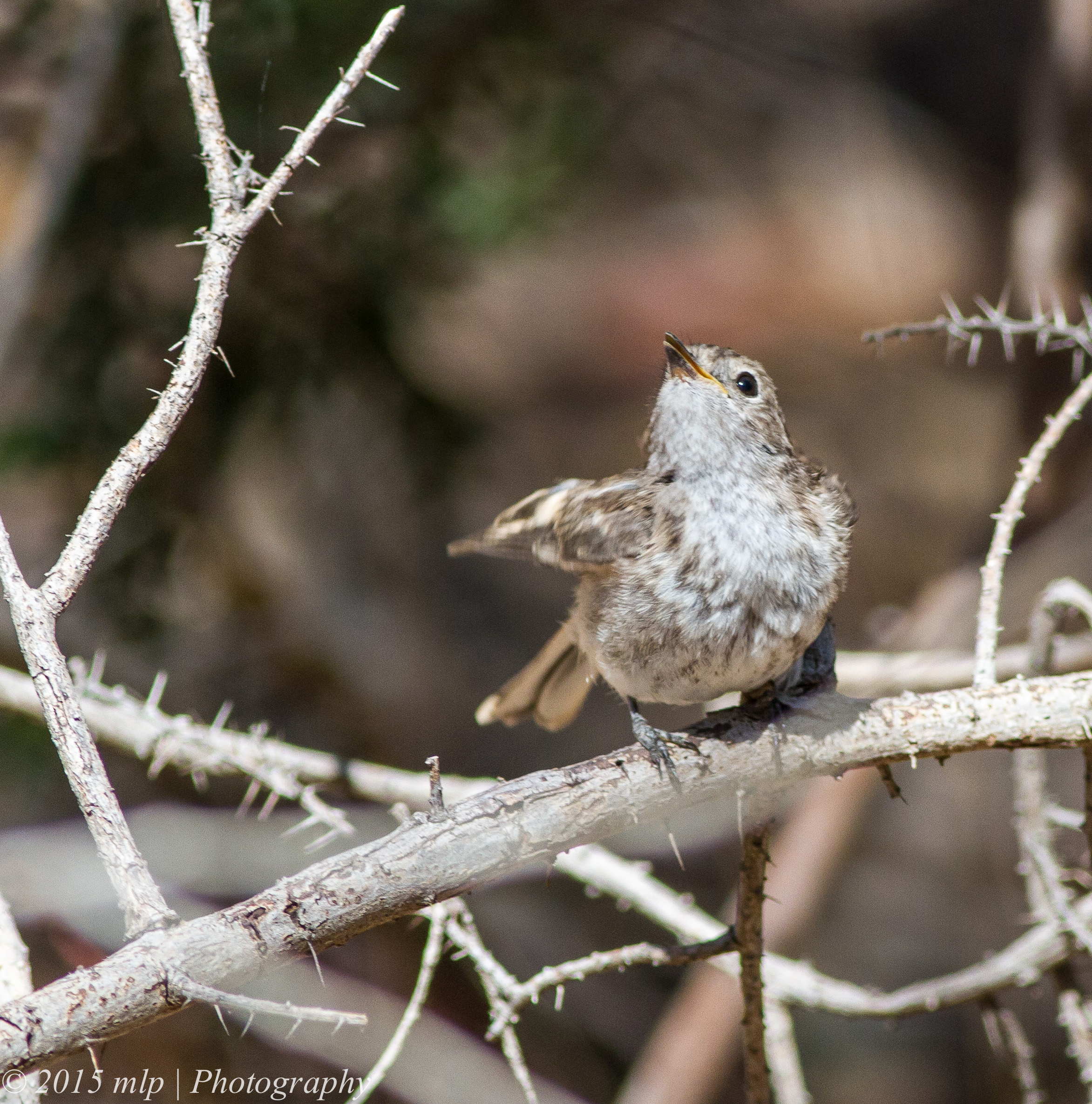
Juvenile Red Capped Robin – a bit of preening before the next snack, and displaying his camouflaged feather patterns – perfect for hiding in dry scrub. 

Juvenile Red Capped Robin

Keeping an eye out for mum…..

Juvenile Red Capped Robin

Here she comes…..

Juvenile Red Capped Robin

Begging stance activated…..I have seen many chicks of different species  assume this position to encourage an adult to feed it.

Juvenile Red Capped Robin

A juicy moth…..

Juvenile Red Capped Robin

Hmmmm….delicious…..

Juvenile Red Capped Robin

Now for a little nap between feeds…

I realised that the chick was not looking for visual clues that mum was nearby and must have been hearing a signal that she was on her way or nearby. I did not hear anything loud enough for me to detect from about 5 meters away. And by the angle of the chicks eyes when it knew mum was there, the mother was right above me in a tree.

After a few feeds from the female robin (no sign of or visits from the male – and maybe that was what the earlier stand-offs were about between the two adults), the female did not return for some time. I kept looking around for her and keeping an eye on the sleeping chick – who only opened his eyes when my camera shutter went off.

A few feet from the chick I finally saw her watching me and the chick. I think she wanted to be sure that I wasn’t a threat before went she off to hunt again. I thought it was time to leave them alone.

Female Red Capped Robin

Female Red Capped Robin – watching me and her chick through the prickle bush.

Jets, Eagles, Whistlers and Robins

Woodlands Historic Park is in Greenvale near the Melbourne Airport. I visited last week after my walk along Cororoit Creek. I was pretty hungry and the only places I could see to eat along the way were crappy fast food outlets. I would rather go hungry than eat cardboard covered in salt, grease, sugar and fat. At the turn-off to get to Woodlands I saw a food truck at the Aircraft viewing area. I never knew about this area until I saw it on google maps while looking for the Woodlands Park. I stopped for some really good quality Turkish style food (chicken fillet burger and some fresh Dim Sims – ok a little junky but it was fresh made and really good). While waiting for it to be made several planes landed at the airport. The planes fly low right overhead as they land. It is a sight to see. Several mums had kids there watching and the kids were loving it – like giant dinosaurs flying overhead and landing nearby with a roar. They were too close to get in a shot using my 400 mm. Next time I will take a wider angle and wait for an airbus A380 to come in. One of the regular spotters said that was the best plane to watch as you can feel the turbulence and feel its size and at night it feels like it is going to land on you.

There are several good birding spots at Woodlands and the site I have been to a few times is near the Aboriginal Cemetery and Back Paddock gate. There is a large mob of Grey Roos hanging around that don’t seem too bothered by birders popping in or visitors with kids and strollers.

Grey Kangaroos

Grey Kangaroos

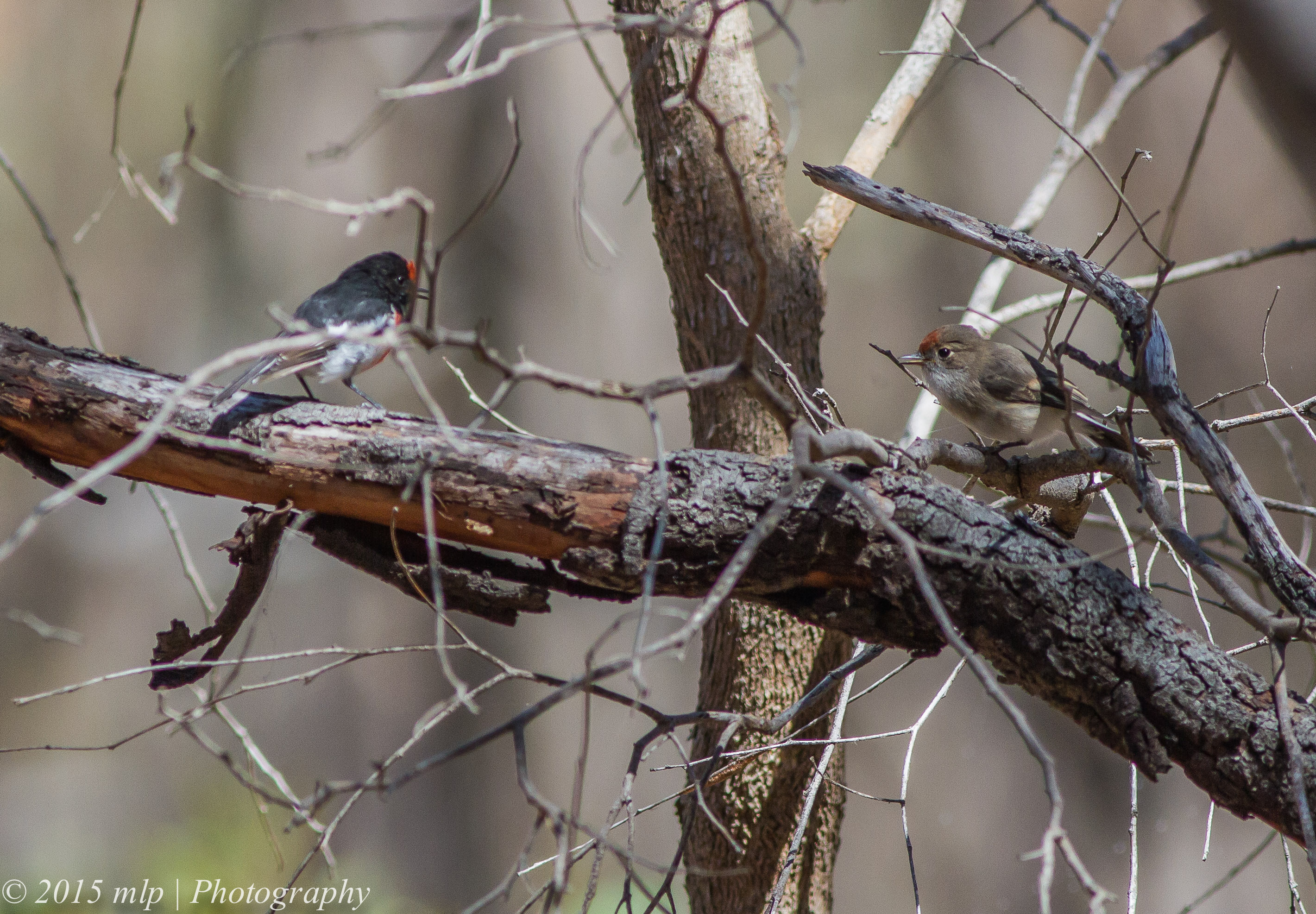
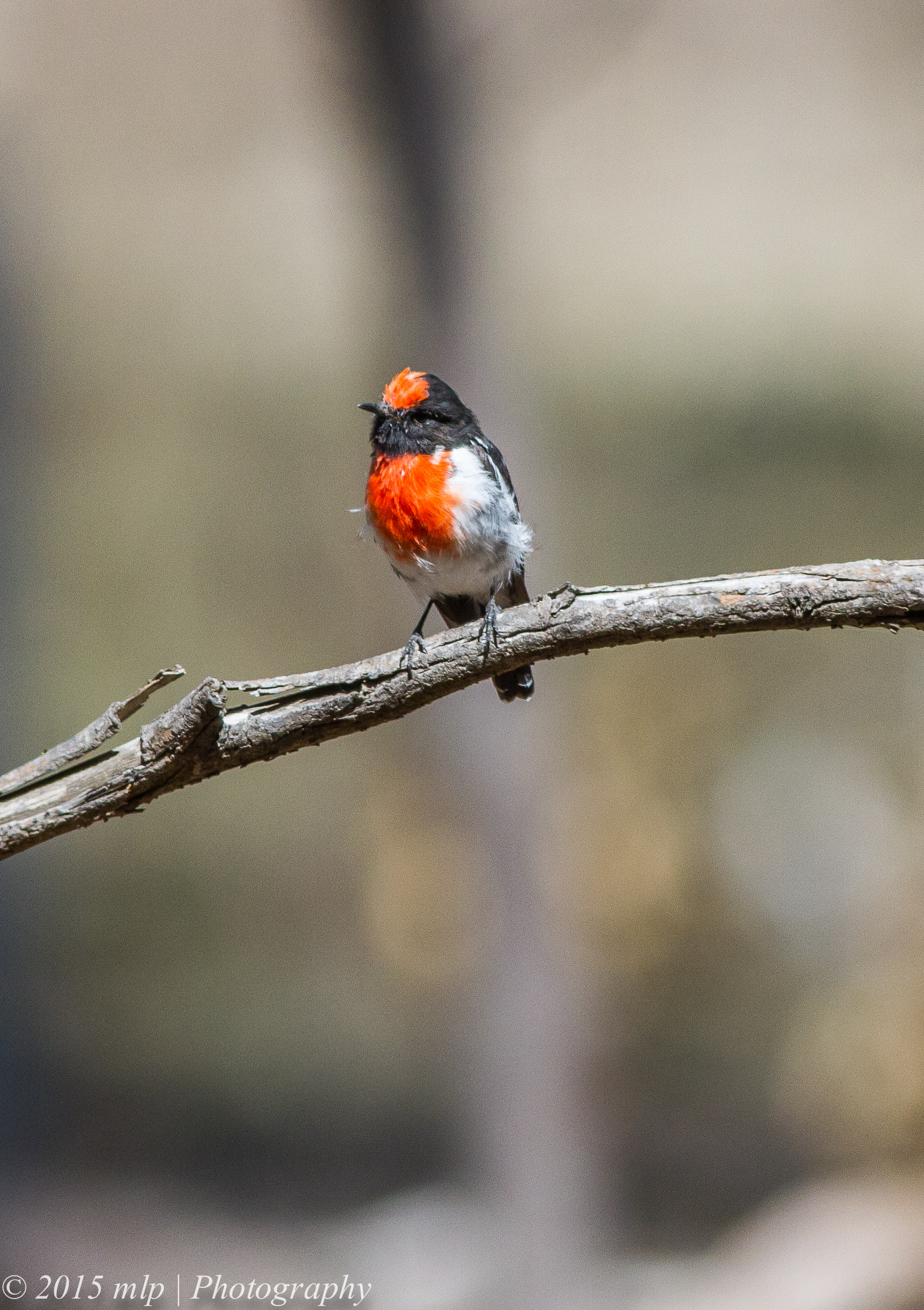
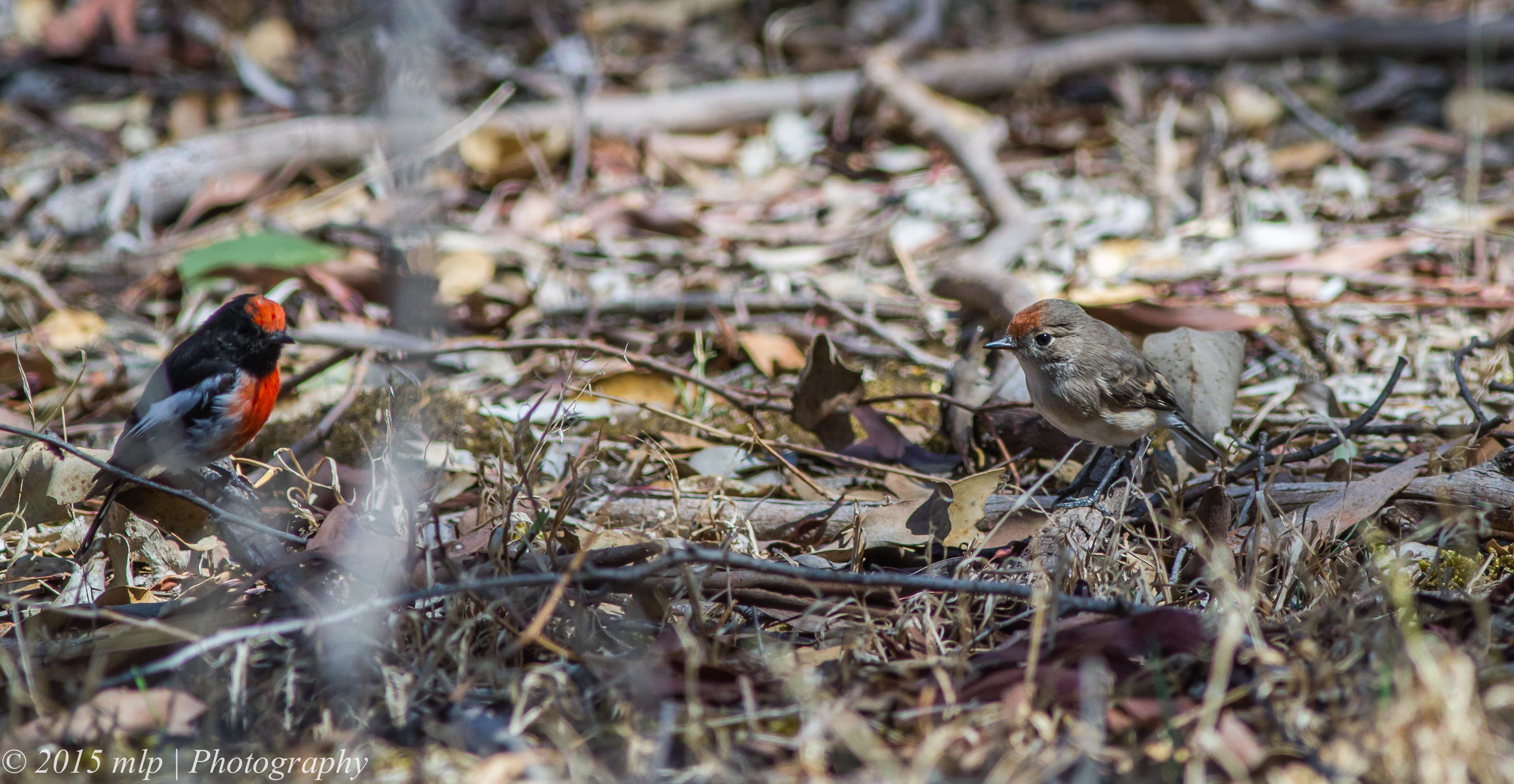
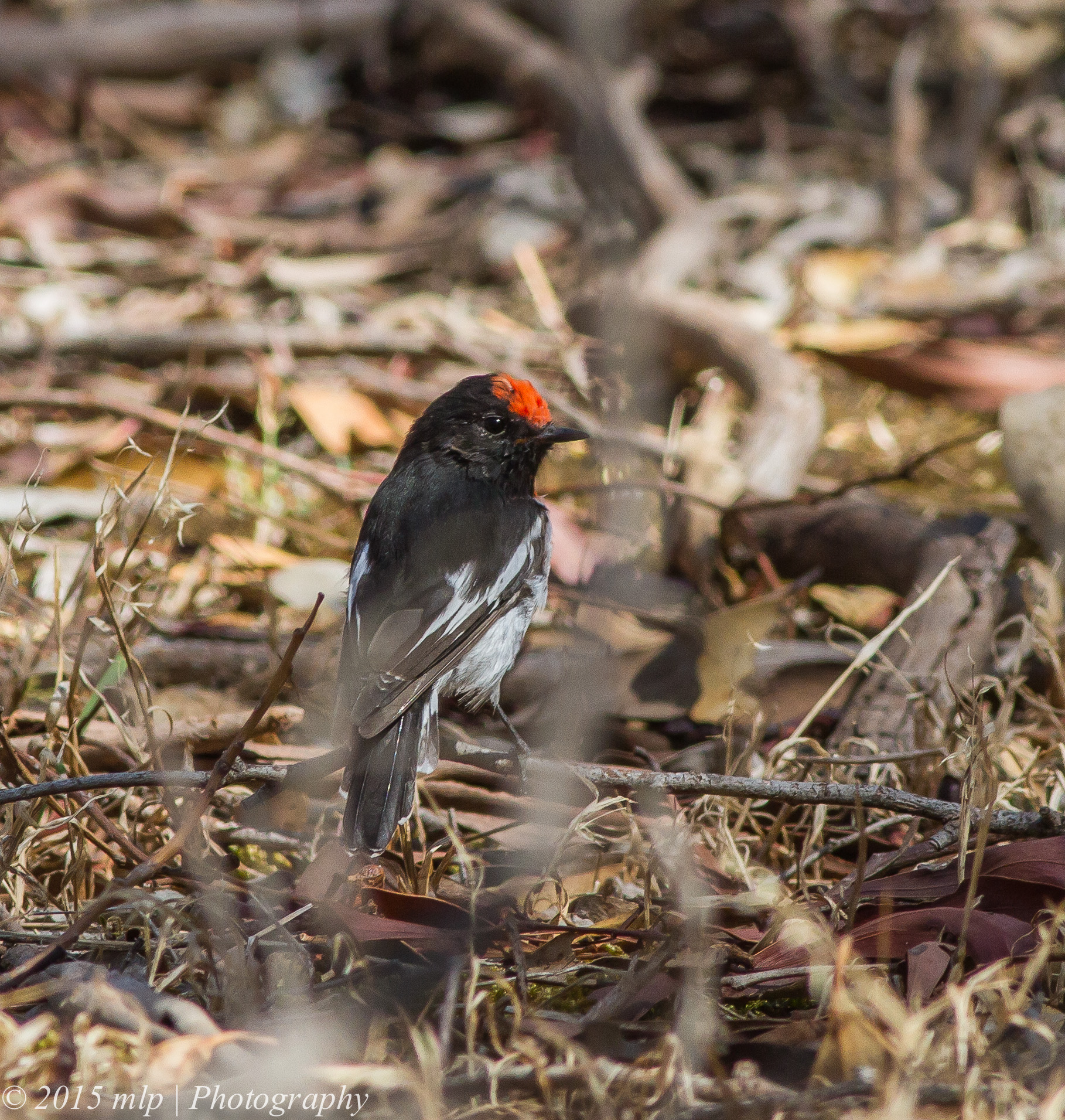
I found a pair of Red Capped Robins and they ignored me while they had a squabble about something. The male would approach and be gently attacked by the female. If the male backed off the female would jump in and get him hot and bothered again. It was strange to watch and I had no idea what was going on. I assumed it was a bit late in the season to be a courtship ritual. After a while they broke off and started hunting – with a similar style to the Eastern Yellow Robin – from a higher perch and then pouncing onto the prey on the ground.

Red Capped Robins

Red Capped Robins in a stand-off

Female Red Capped Robin

Female Red Capped Robin

Male Red Capped Robin

Male Red Capped Robin

Red Capped Robins

Red Capped Robins – another stand-off

Male Red Capped Robin

Male Red Capped Robin

Male Red Capped Robin

Male Red Capped Robin – looking for moths and other insects

Female Red Capped Robin

Female Red Capped Robin keeping an eye on me as I circled around trying to get better shots

Rufous Whistler

Rufous Whistler – I looked up from my stalking and found this guy trying to figure out what I was up to. His partner was in the next tree hunting amongst the tree branches and leaves.

Rufous Whistler

Rufous Whistler II

Rufous Whistler

Rufous Whistler III

Wedge Tailed Eagle

Wedge Tailed Eagle – several Eagles passed over head during my few hours at Woodlands. The Galahs gave a panicked call alerting me that something was above.

Kororoit Creek: A waterway claimed by many…

I  explored a new area last week. The Kororiot Creek mouth opens out into Port Phillip Bay in Williamstown next to the Jawbone reserve.  To access the area you need to park at either the sports ground or next to one of the many fishing club shacks that line the Creek mouth on one side. As the nearby areas gentrify this part is fighting to stay the way it has always been – a working class fishing area/village. On the opposite side is a bank of salt marsh vegetation while on the village side it is Banksia trees and attempts at regeneration of creek side flora including White Mangroves. It is a remnant of the tidal wetland that ran right across this coastal area.

Further up the creek is the Mobile Oil Refinery Storage tanks. Considering the local birdlife including many migratory waders, it is surprising that such heavy can co-exist successfully with the wetland.

Great Egret,

Great Egret

Welcome Swallow

Welcome Swallow

Little Black Cormorants,

Little Black Cormorants – I watched these Cormorants hunt as a pack. There were 6 in the group working closely together.

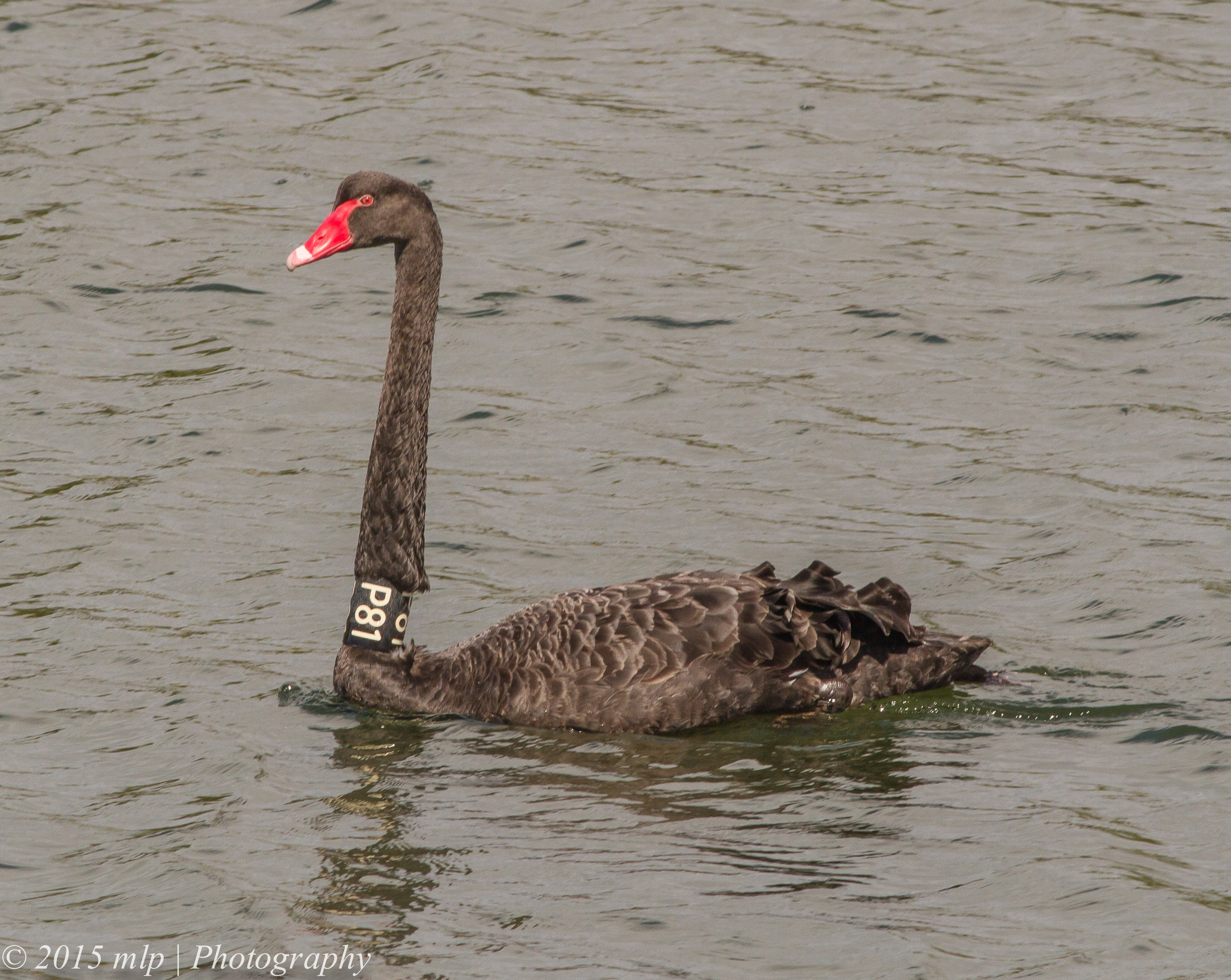
Black Swan P81

Black Swan P81 – I reported the swan through the myswan link . See Jawbone link above for more details on tagged swan research. 

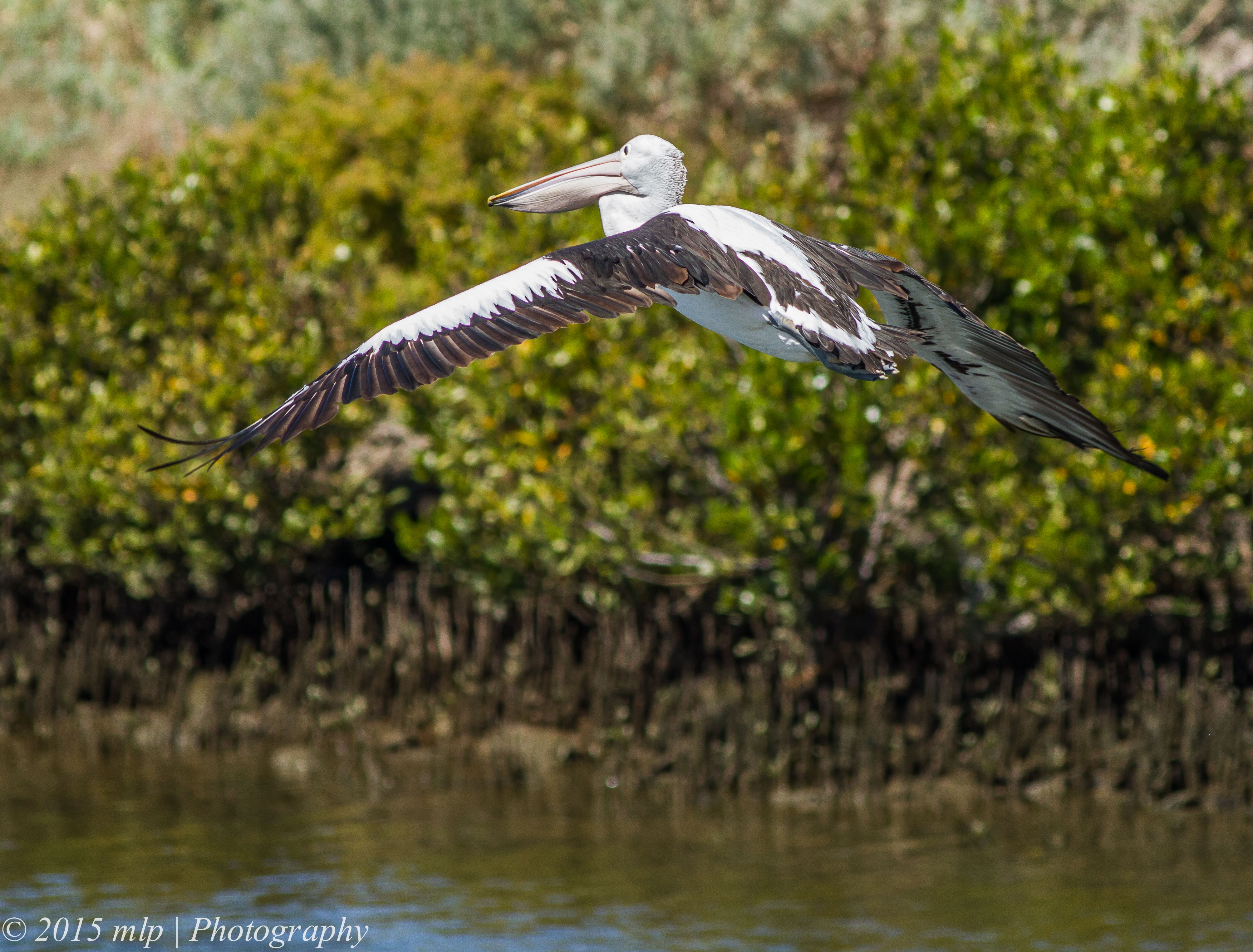
Pelican

Pelican

Pelican II

Pelican II
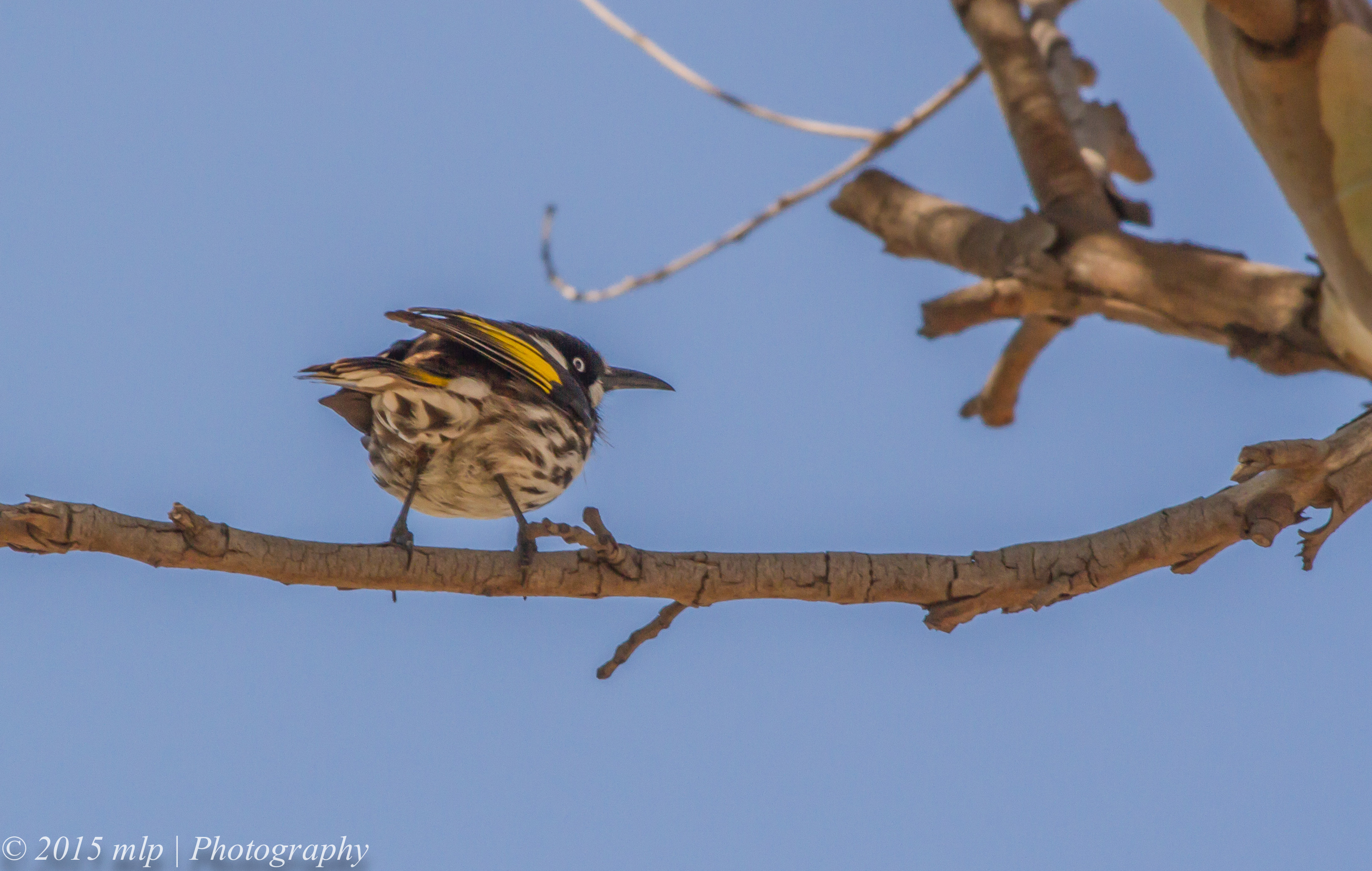
New Holland Honeyeater

New Holland Honeyeater

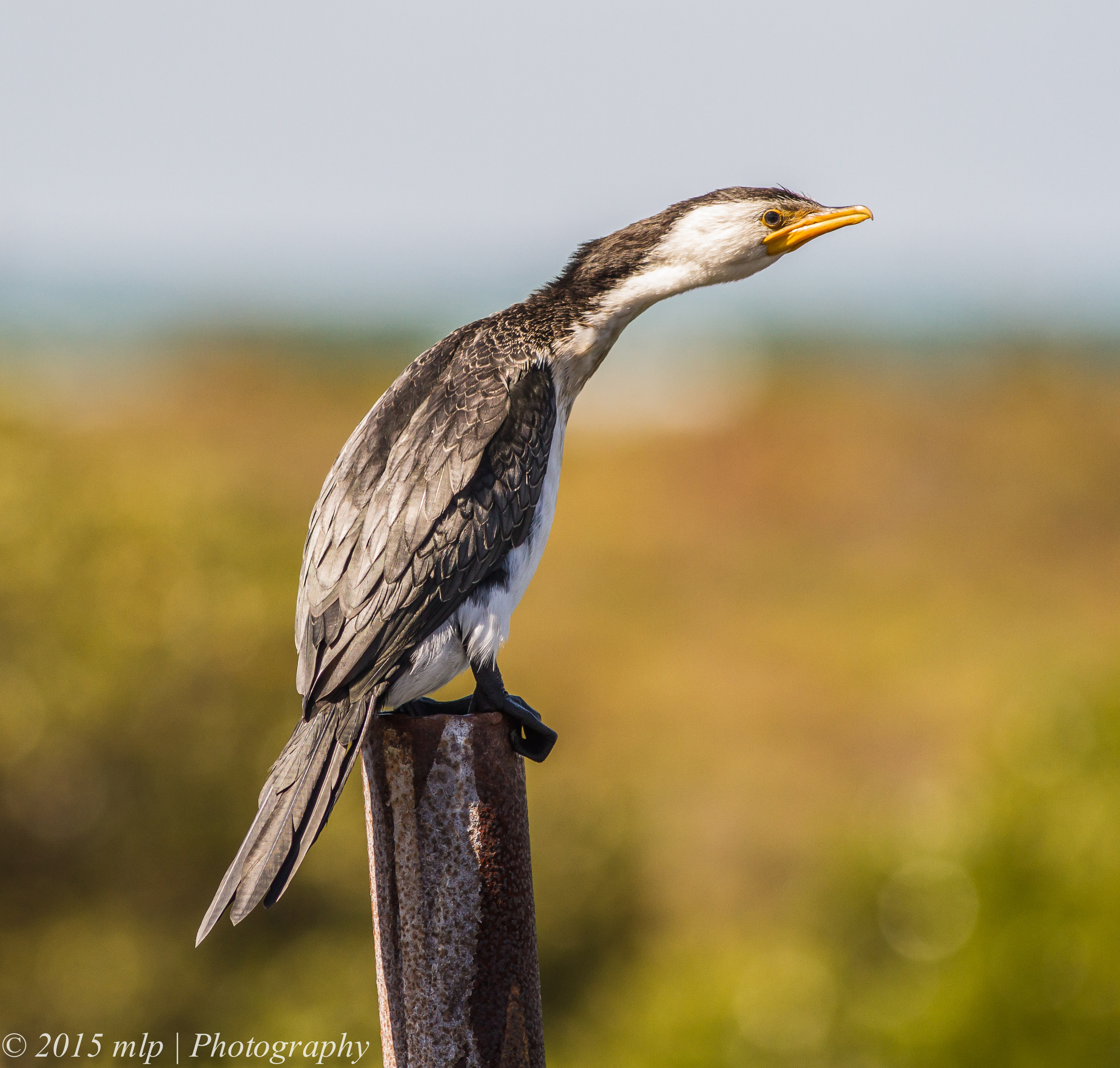
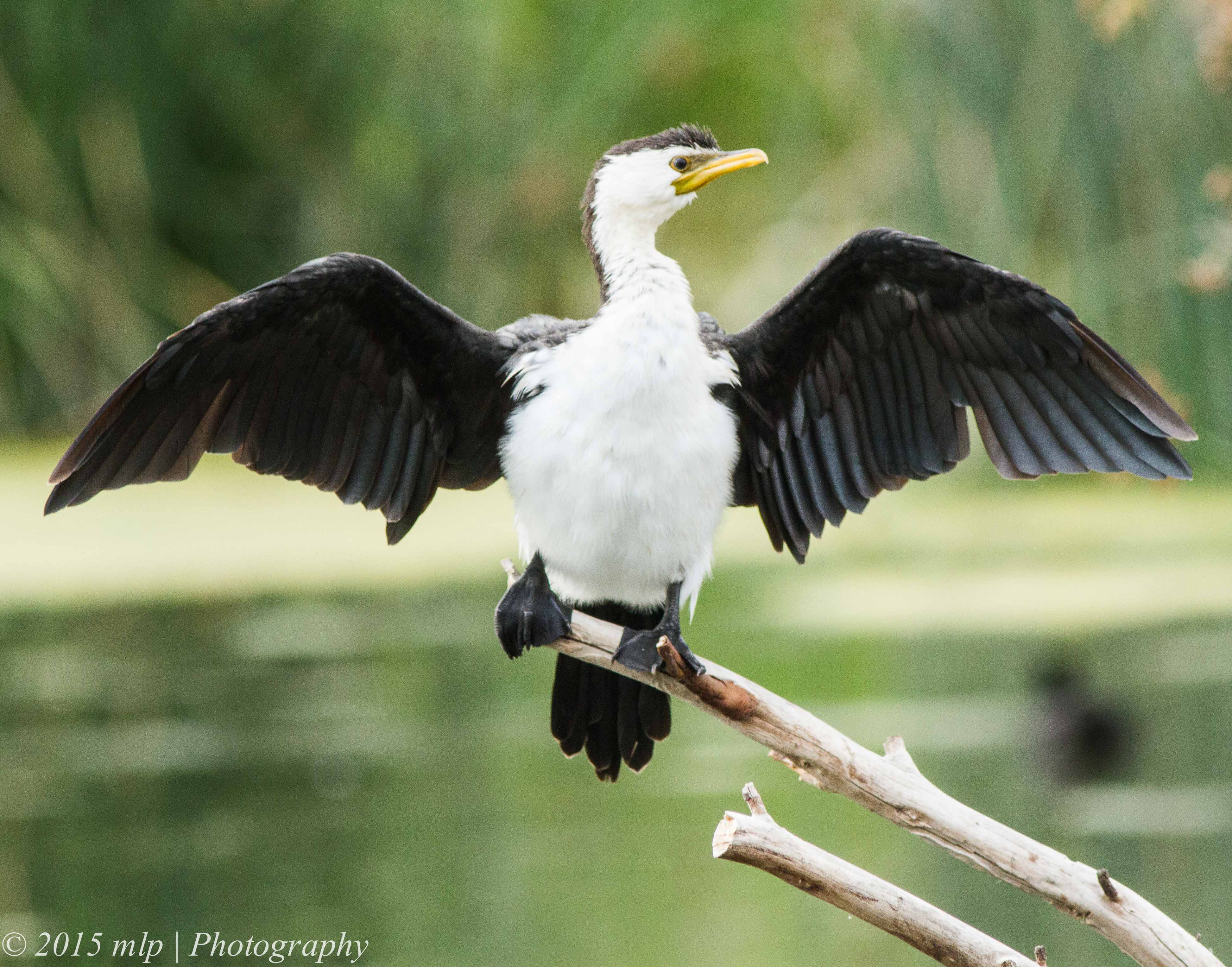
Little Pied Cormorant

Little Pied Cormorant

Hungry, Shy and Alluring – the Ladies of Tarra Valley

During my recent trip to the Tarra Bulga National Park and the Tarra Valley, the weather was overcast and drizzly making the forests quite dark and difficult to photograph birds.

After a few days the sun did come out and I found a few interesting scenes of feeding, preening and secret bathing spots.

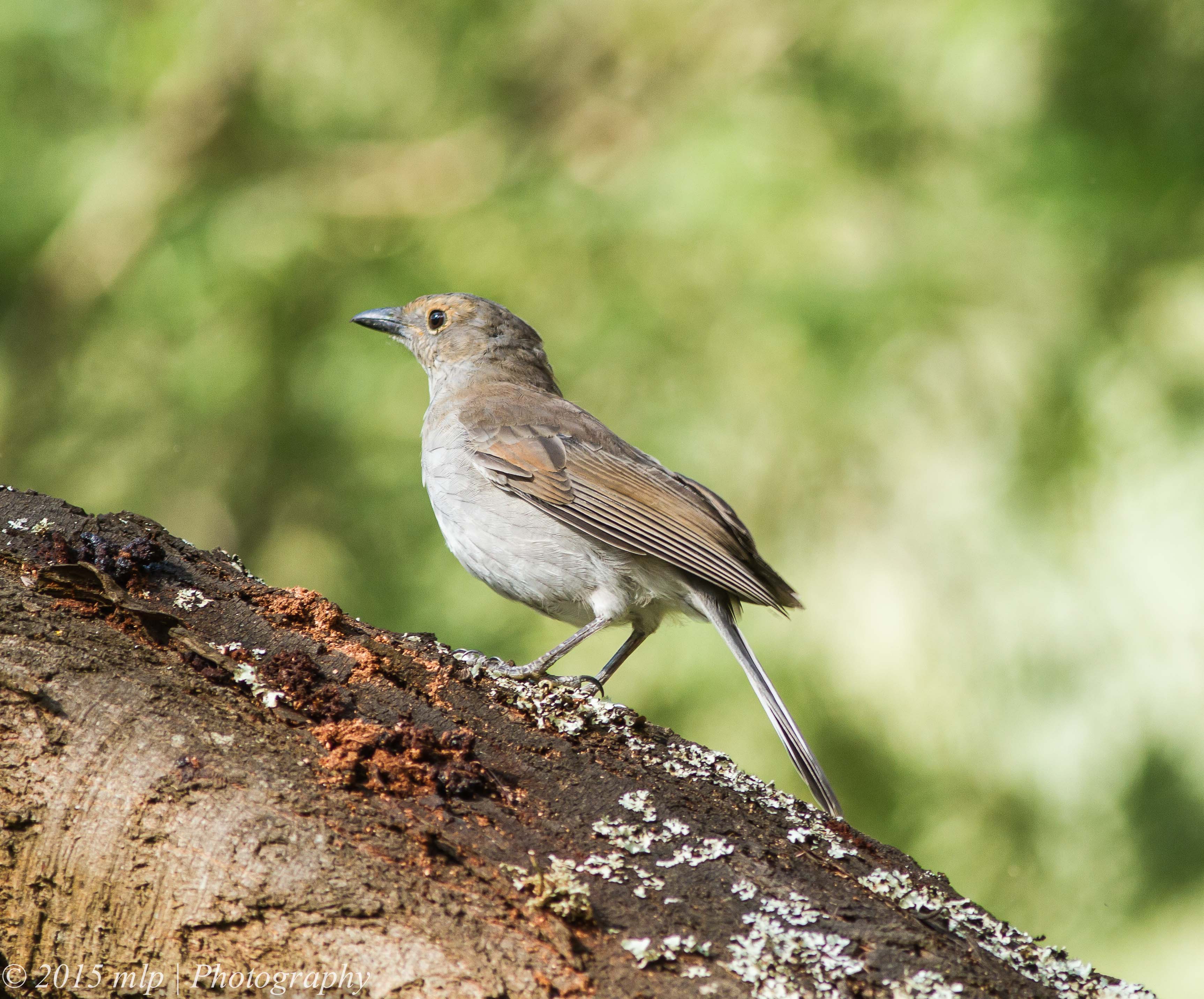
Immature Grey Shrike Thrush

Immature Grey Shrike Thrush waiting for a parent to bring a snack

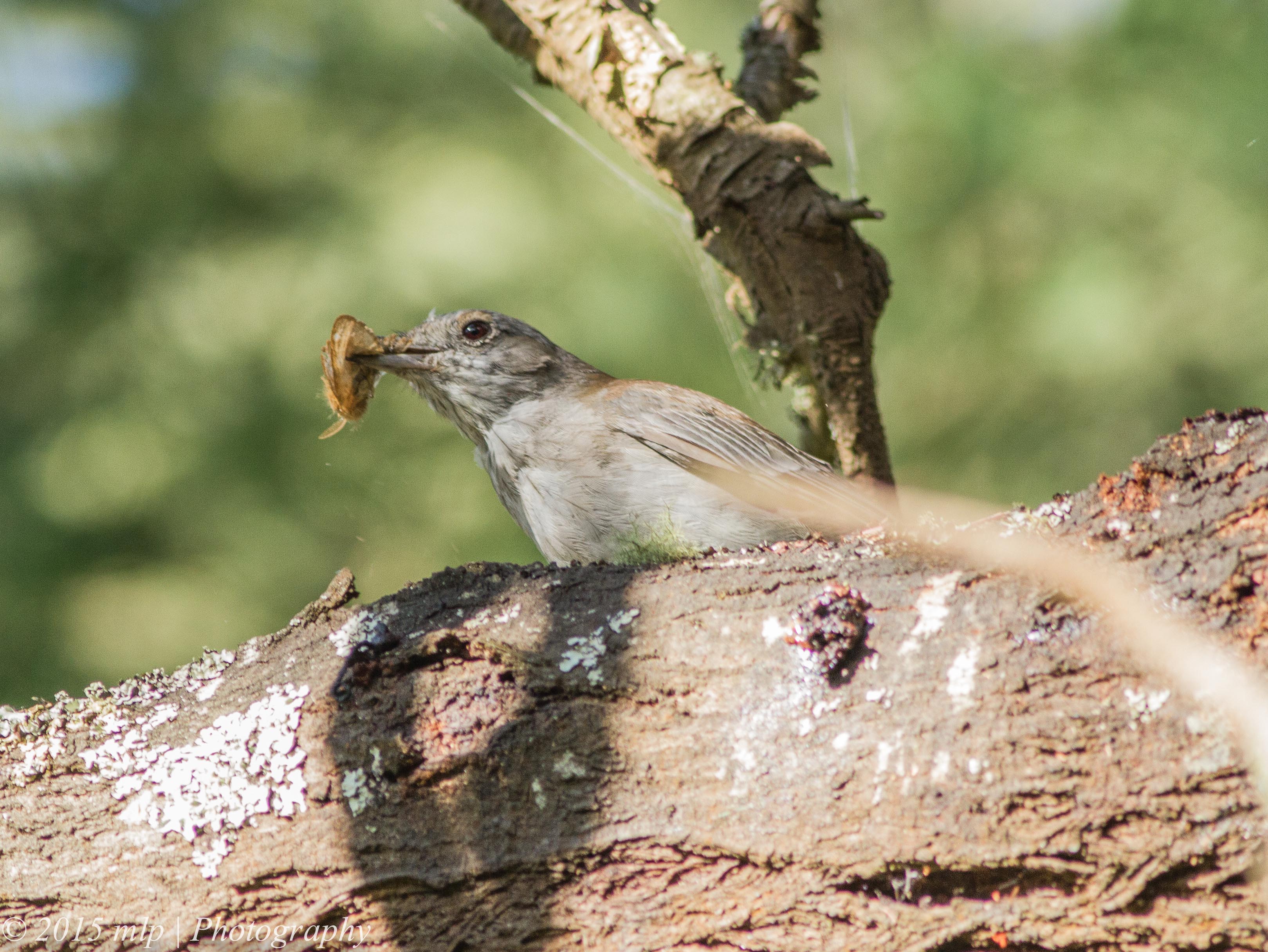
Adult Grey Shrike Thrush

Adult Grey Shrike Thrush with a moth

Grey Shrike Thrushe

Grey Shrike Thrush feeding time

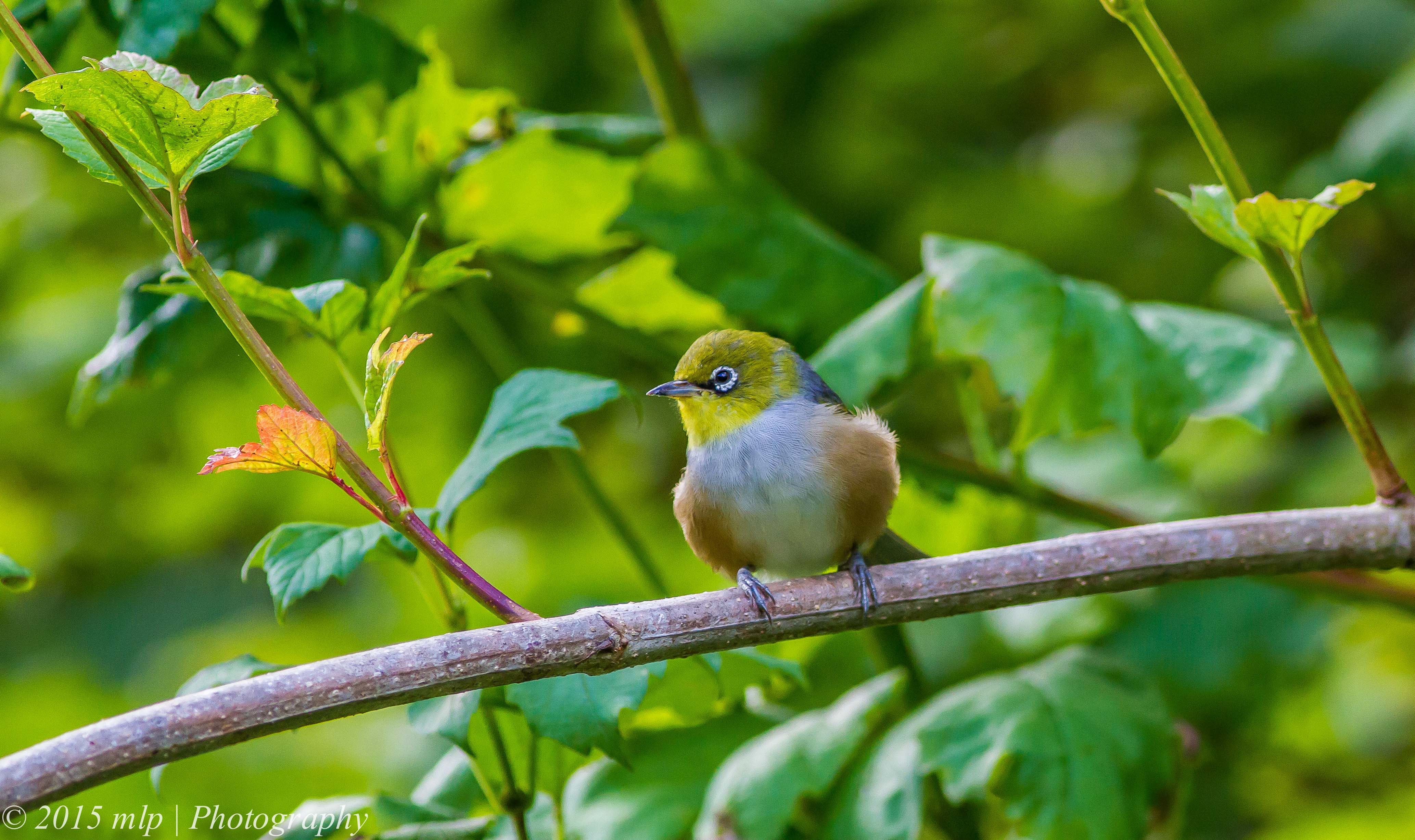
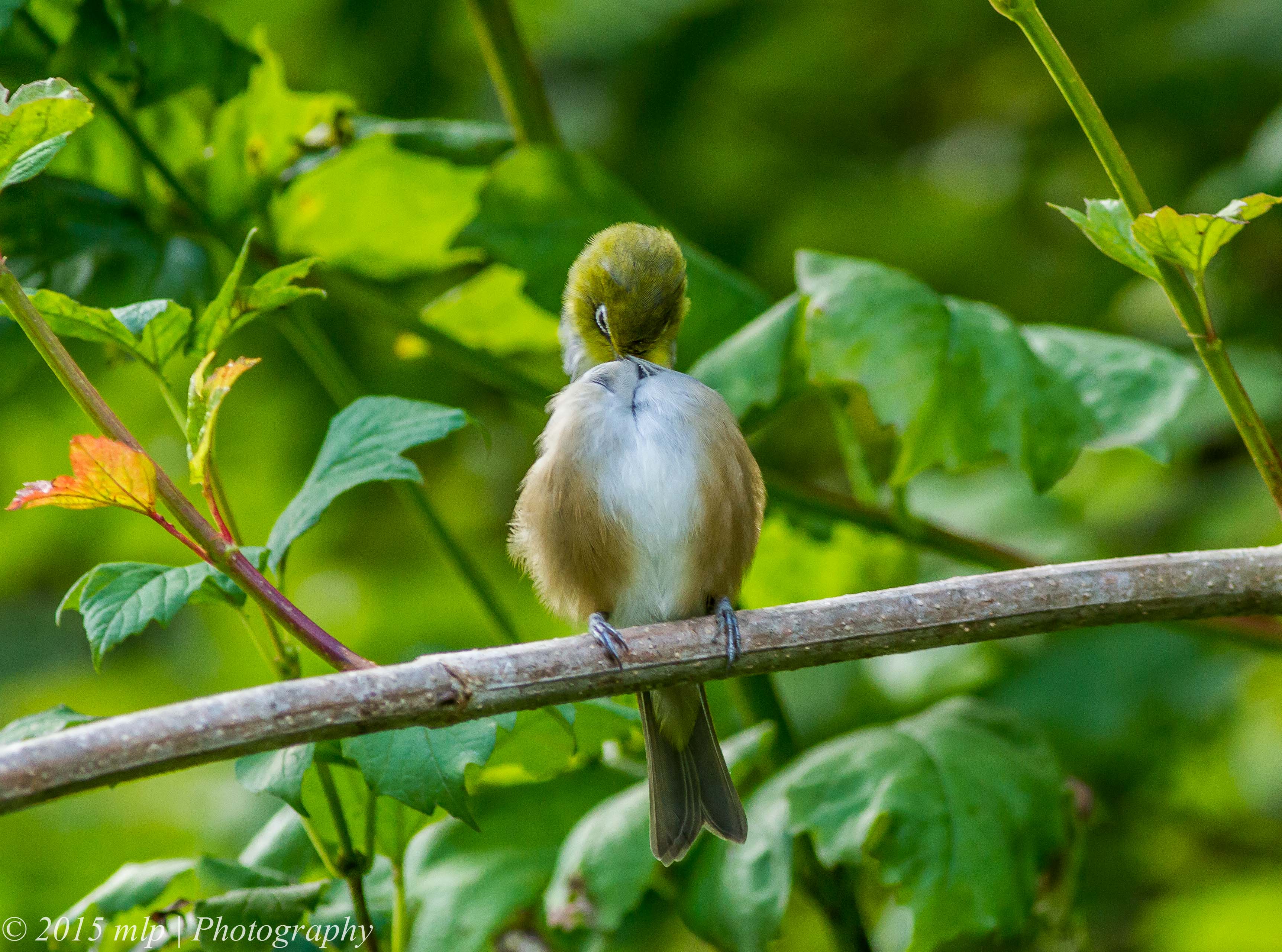
Silvereye

Silvereye

Silvereye

Silvereye preening

Silvereye

Silvereye keeping an eye on the voyeur with the camera

Eastern Spinebill

Eastern Spinebill – there were many large Fuschias around the campground and along the river (escaped plants) most likely established by previous owners of the campgrounds. The Spinebill loves this bush for the nectar in the flowers.

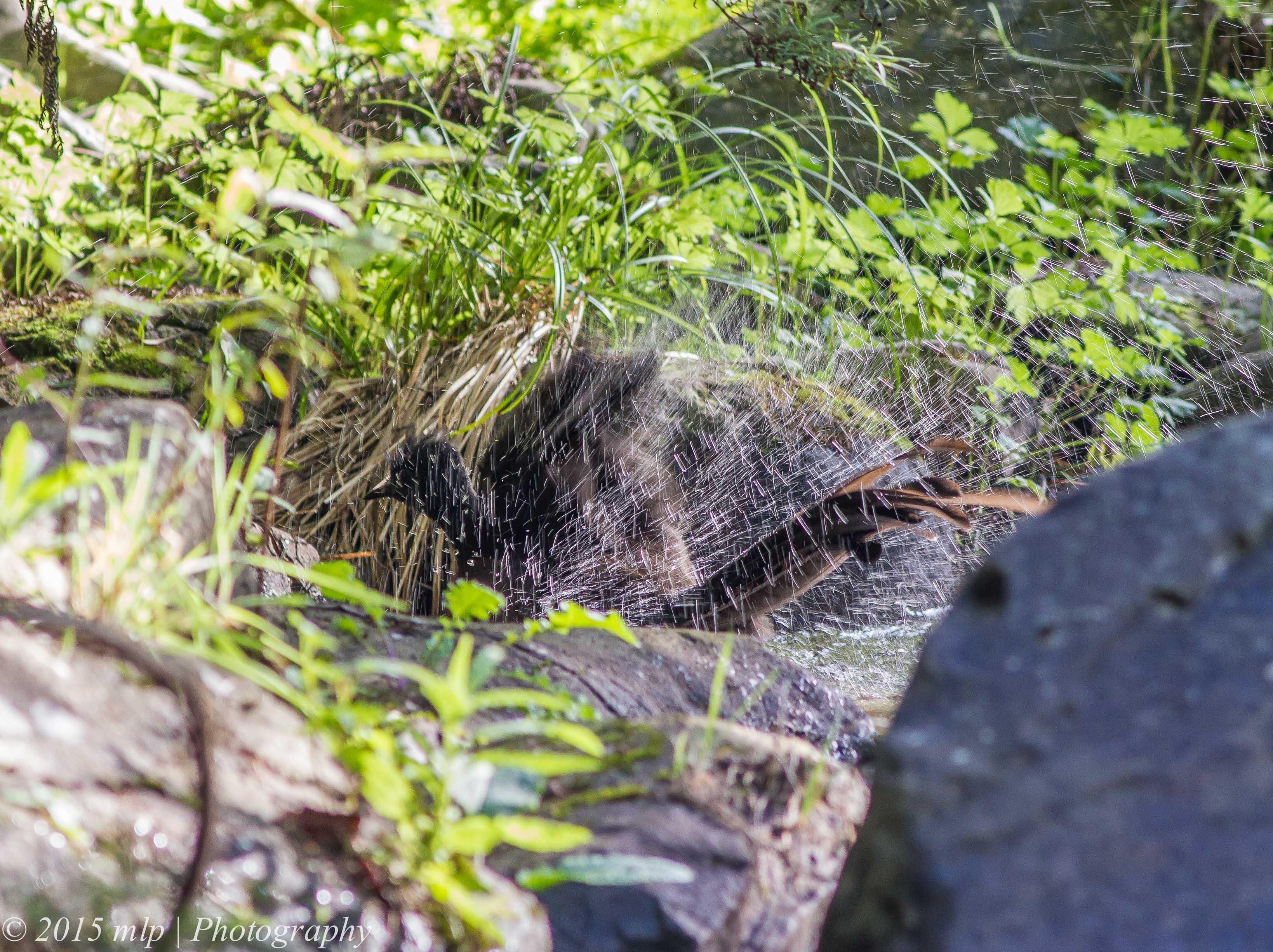
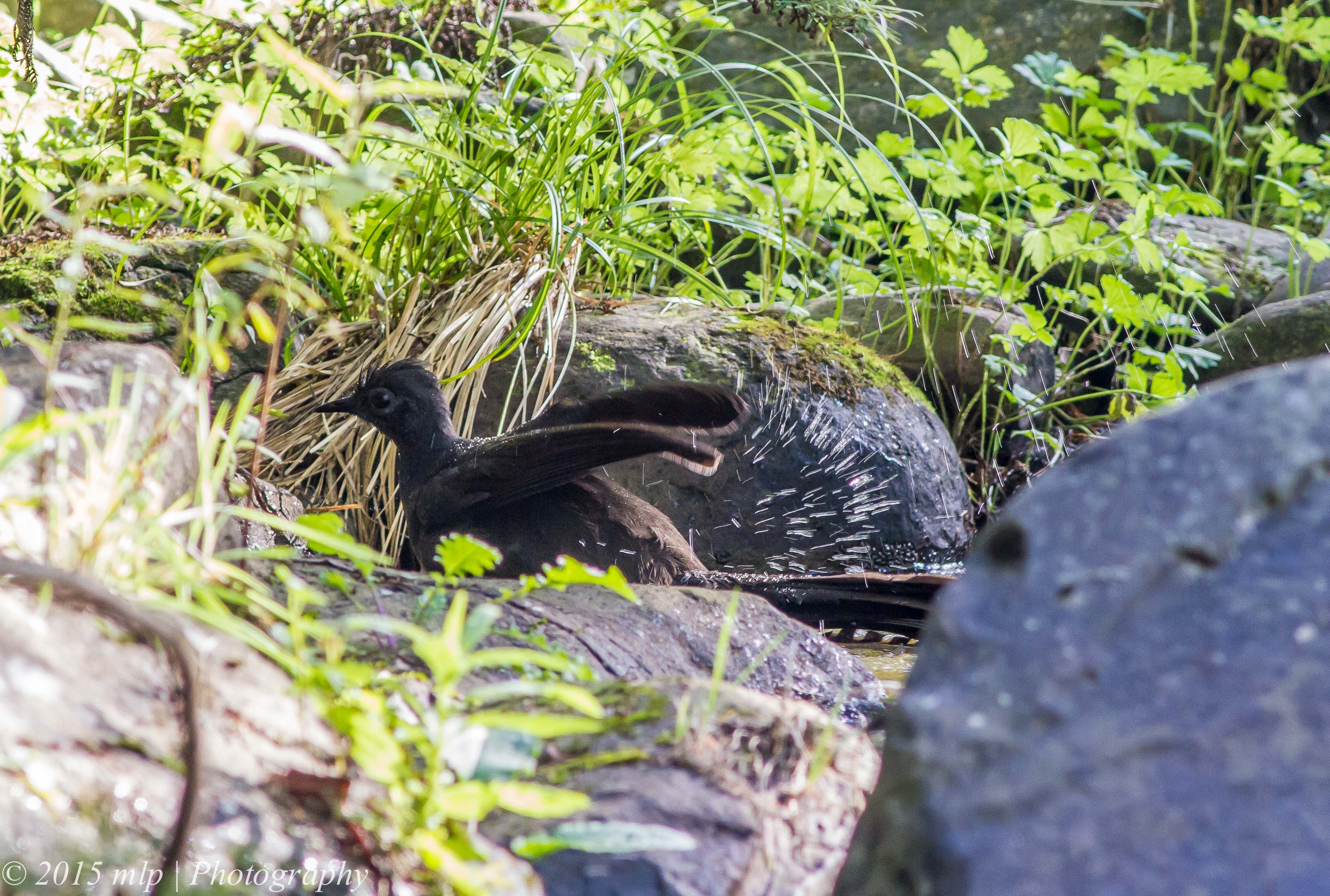
I had walked downstream from the campgrounds one evening and was looking at a small pond waiting for a platypus to appear when I remembered the old birding adage “always look behind you“. I did glance back up the creek and saw a large brown bird hopping into a rock pool and splashing about. It was a Lyrebird taking its evening dip.

Lyrebird

Lyrebird

Lyrebird

Lyrebird II
Lyrebird

Lyrebird bathing – small wings and a long tail make for very short flight – more of a ground dweller and branch jumper.

A dog barked nearby and the bird jumped back into the bushes so I took the opportunity to re-position and observe a bit longer. The Lyrebird made a few calls and came down a few minutes later and hopped right back in…

Lyrebird

Lyrebird – big claws for digging the rainforest floor for meals of insects, spiders and earthworms.

Lyrebird

Just right……

Lyrebird

Lyrebird splashdown  – photos following this one were a blur of feathers and water…quite funny to watch – she spent a fair bit of time working on the tail as well.

Lyrebird bath

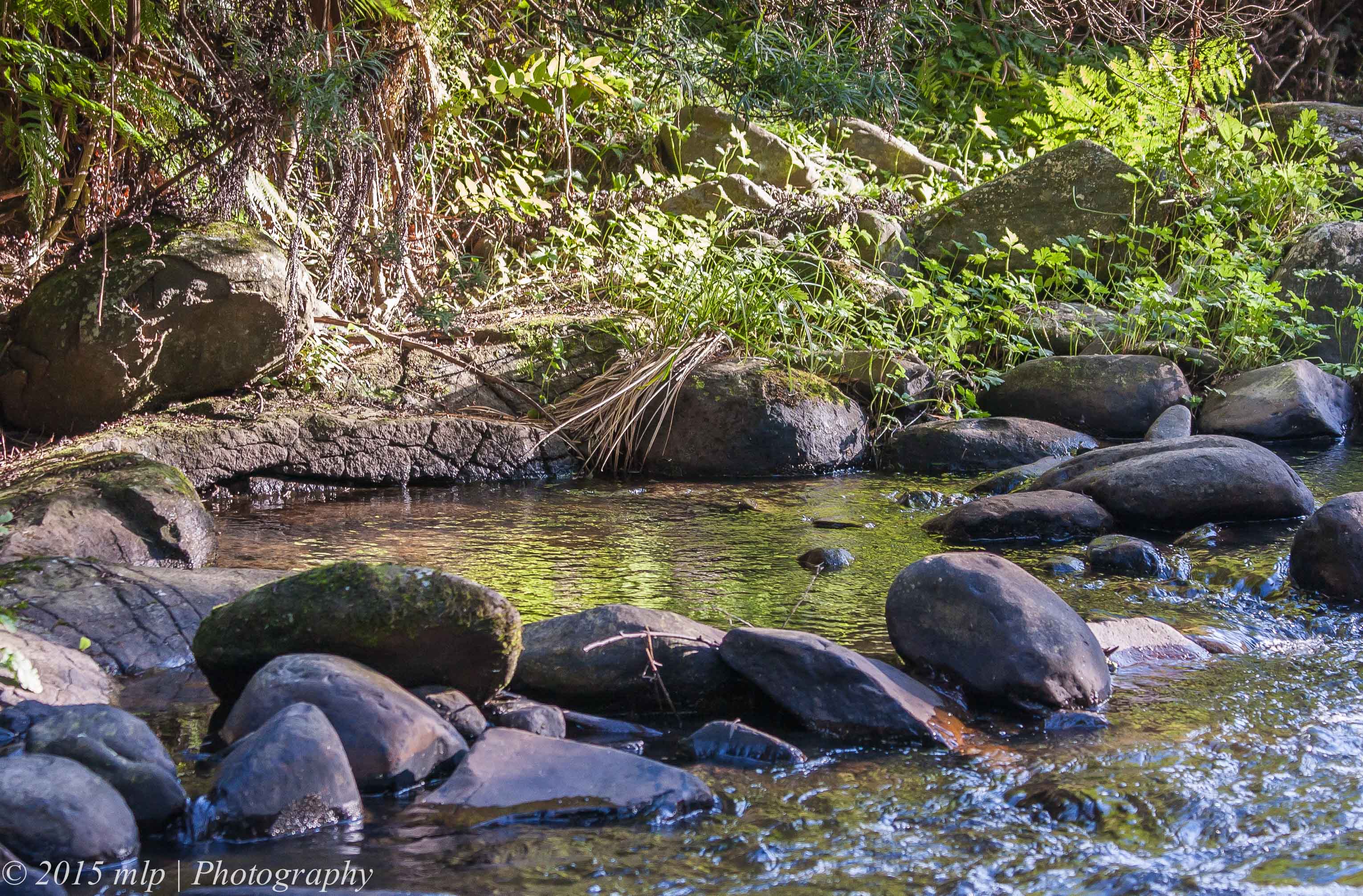
Secret Lyrebird bath – after she left I had a look at the bath and it is a natural bathing spot – perfect for future stake-outs.

Lyrebird in Nest

My Blue Thunder co-owner and I found a different Lyrebird building a nest in the National Park – the nest was about 2 metres off the ground on the side of a large Mountain Ash tree. She placed sticks carefully and collected large mouthfuls of mouldy leaf litter to place on the bottom of the nest. She ignored us watching and taking photos from only a few metres away.

Lyrebird Nes

Lyrebird Nest on the side of the Ash. Invisible unless you saw her jump up into it.

Tarra River

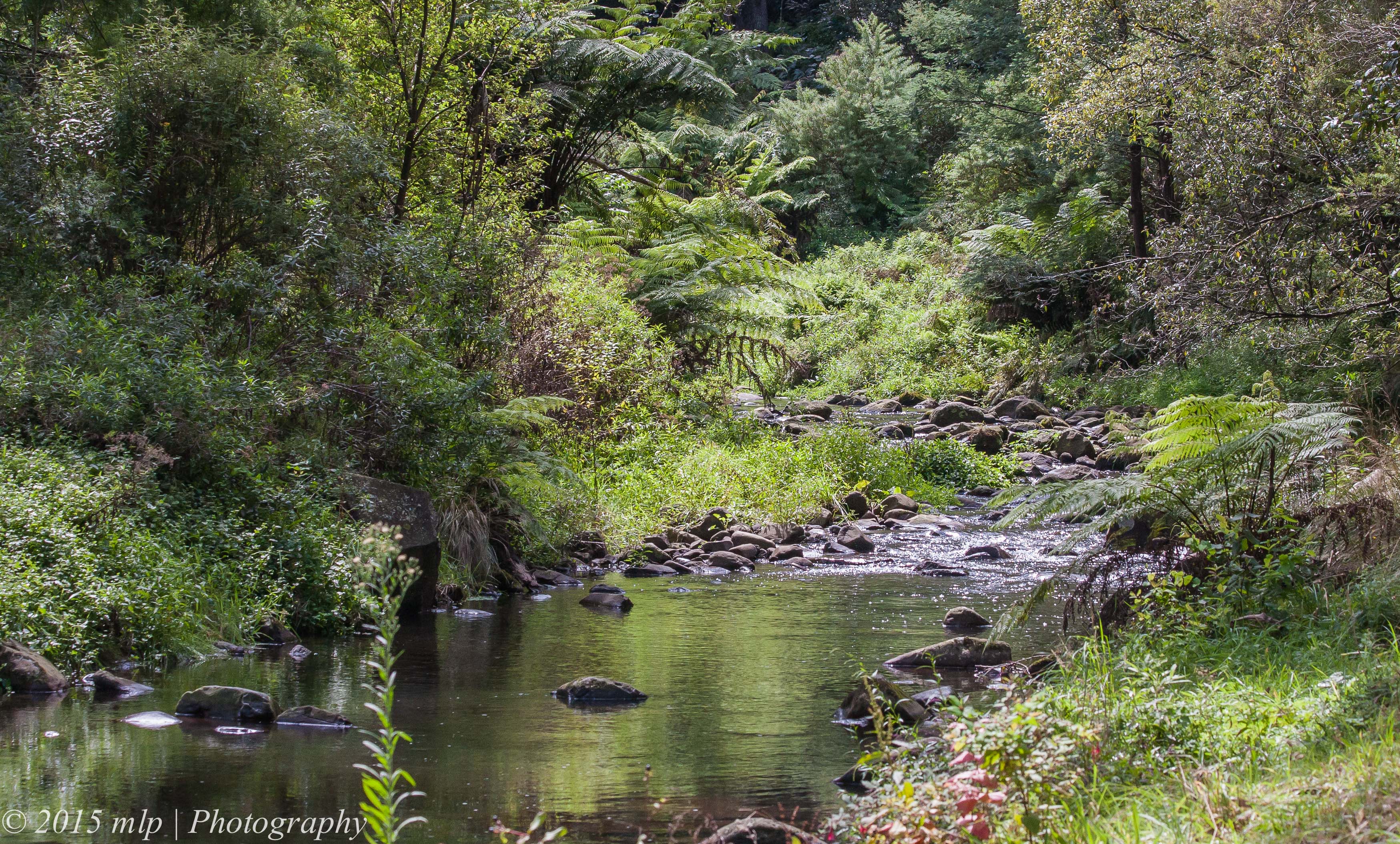
Tarra River next to the campgrounds

Moss and Lichen

Moss and Lichen with a nice coloured bokeh background.

Exploring the ancient rainforests of Tarra Bulga

A few hours South-East of Melbourne is a region known South Gippsland. Due to deep protected valleys and gullies and heavy rainfalls a beautiful temperate rainforest has developed. The Mountain Ash forests surrounding the gullies were once heavily logged for timber and planted Pine logging still occurs on the nearby hills. The best parts of the rainforest have been protected by the Tarra Bulga National Park.

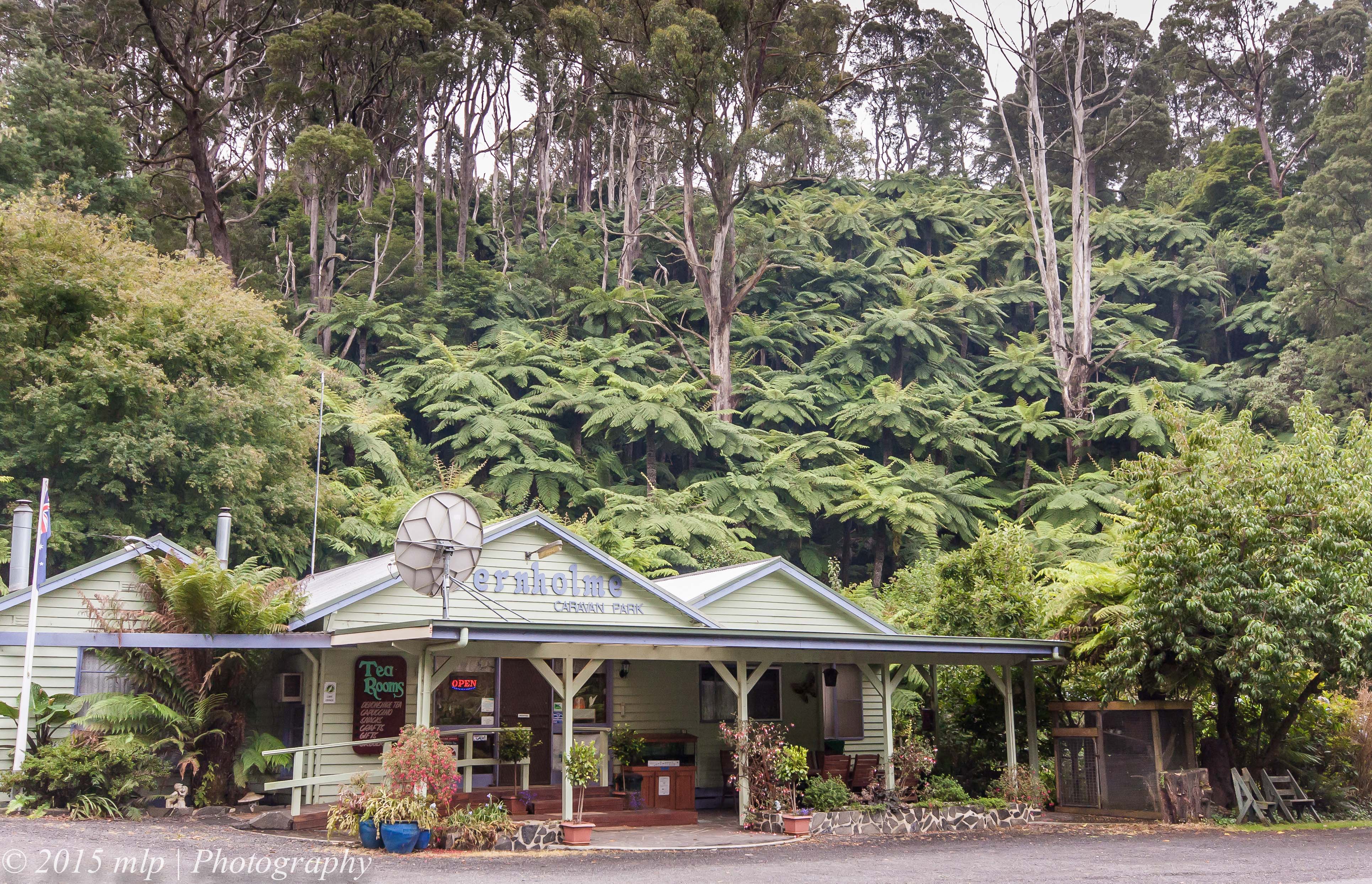
Just south of the National Park is a Camp Ground and Caravan Park – Fernholme. Last weekend I camped there for a few days with family and friends.  We explored the local area and various tracks in the nearby National Park. I also had some quiet time to sneak away and look for birds. The forests were very dark but I did find and photograph a few nice birds along the way. (Bird Post to follow)

Fernholme Park, Tarra Valley,

Fernholme Park, Tarra Valley,

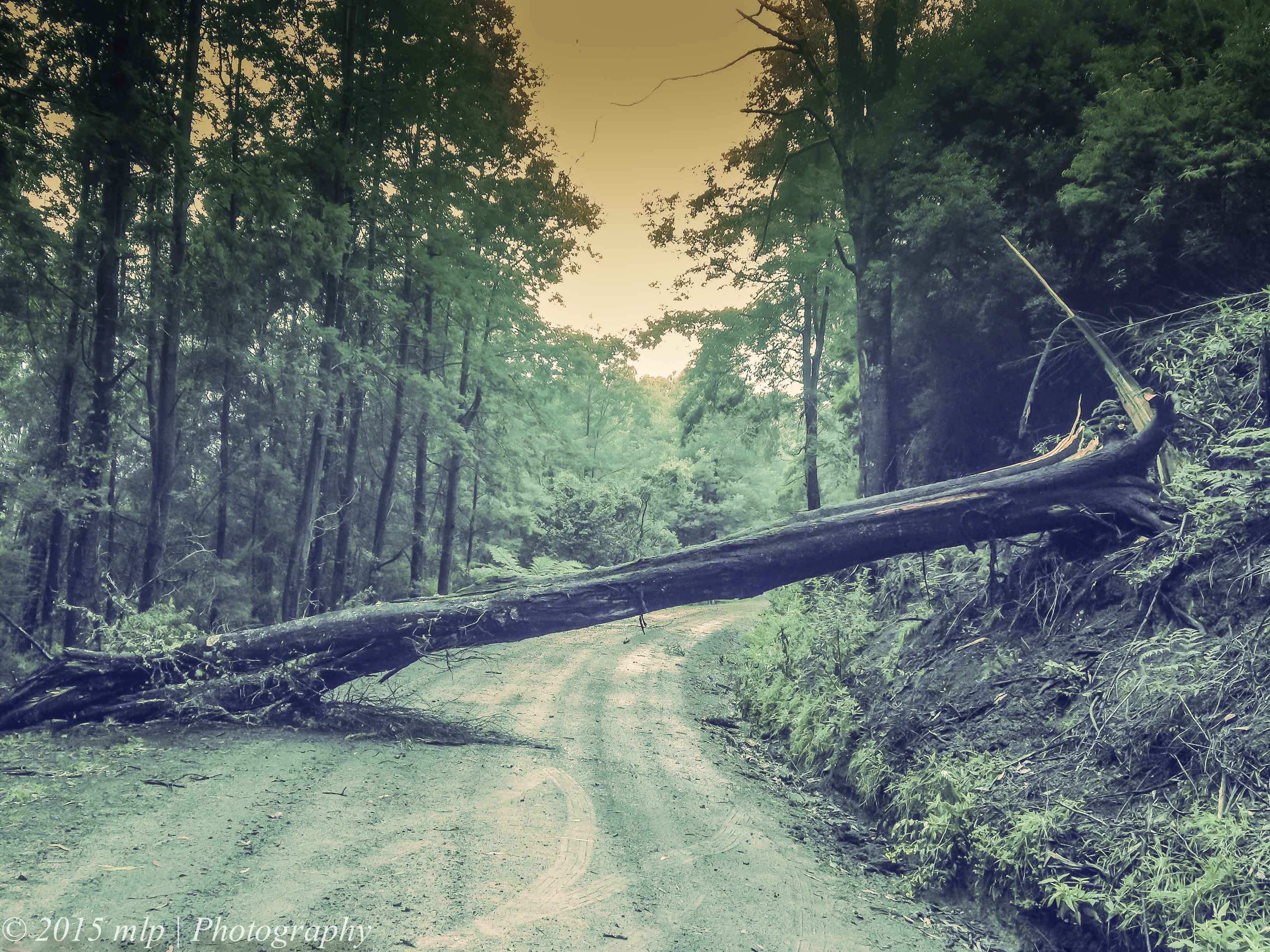
Fallen Tree

Fallen Tree – my car GPS took me up a few rough and muddy short-cut roads…we had to stop at this point and turn a round and head another way (for 50kms!)  – we were so close too. (taken using an iPhone through the windscreen). A recent windstorm had swept through the area and many trees were down.

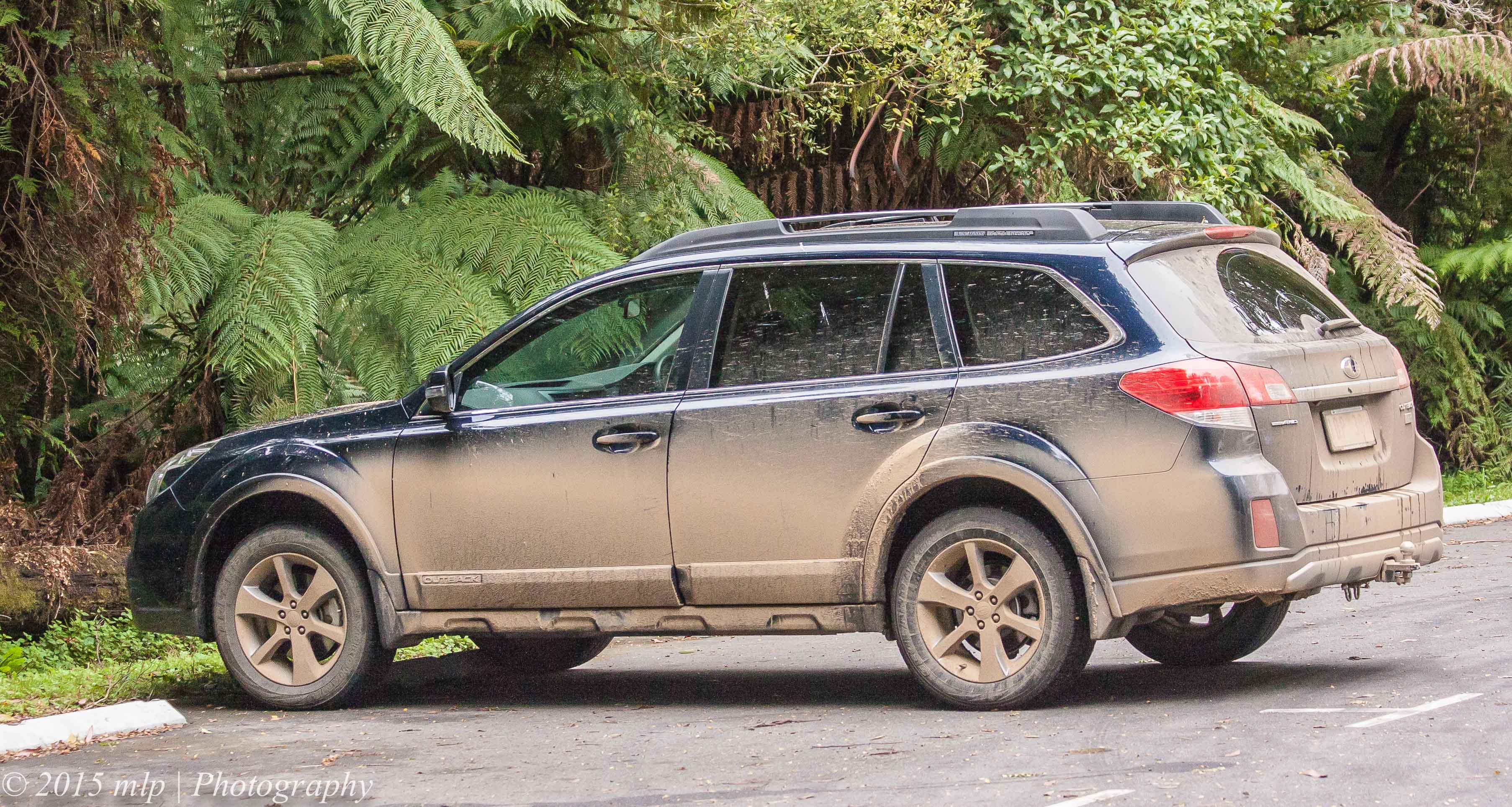
Blue Thunder

A very dirty Blue Thunder (named by my Nephews due to its Diesel engine) – my new Subaru Outback. My last car did not quite survive my many off road adventures of the last 18 months.

Fern wall

Fern wall behind the Camping Ground reception building – many of these ferns are very old and at least 20 foot high.

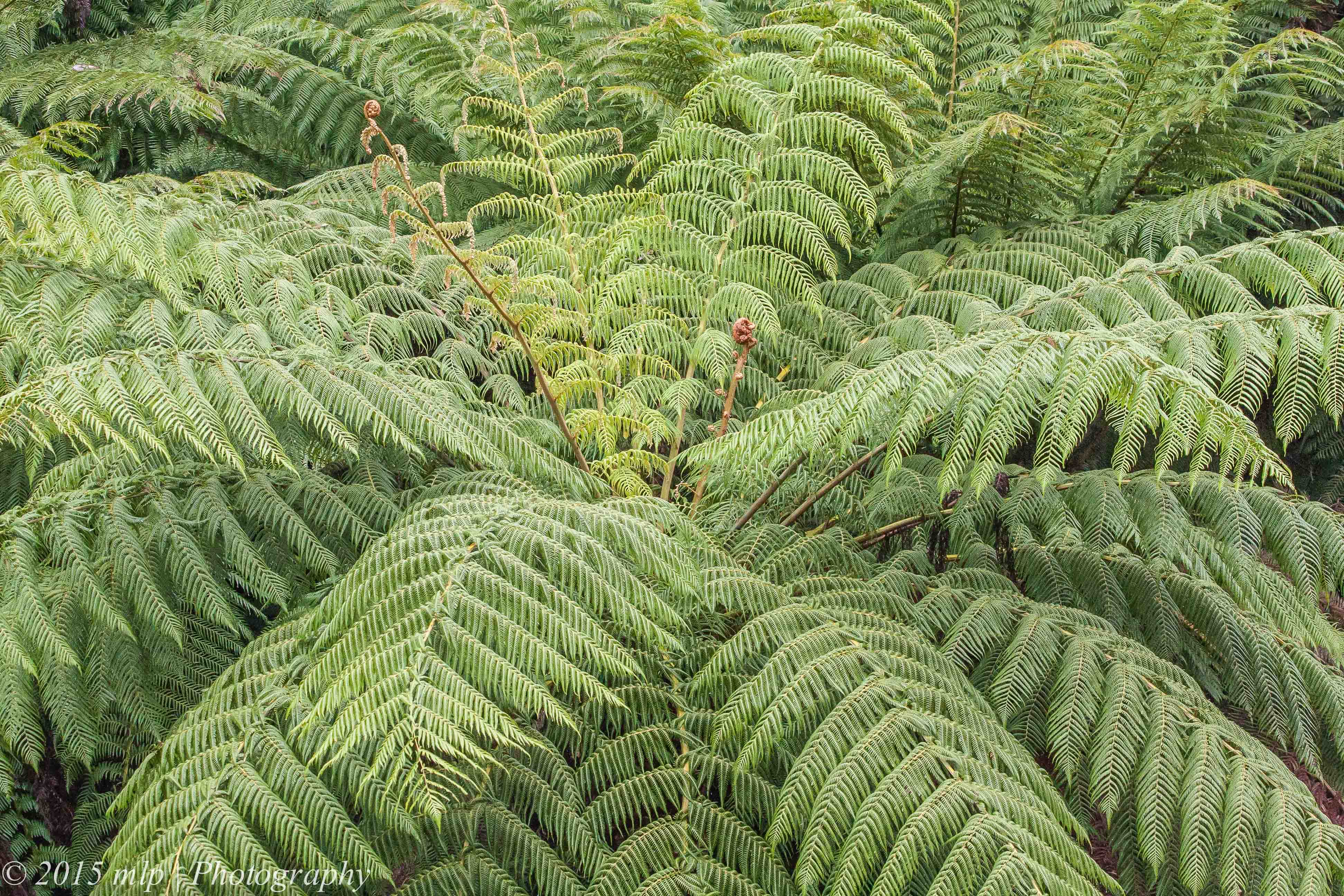
Ferns

Tree Ferns

Tarra River

Tarra River – the river has Brown Trout and Platypus right next to the campgrounds.

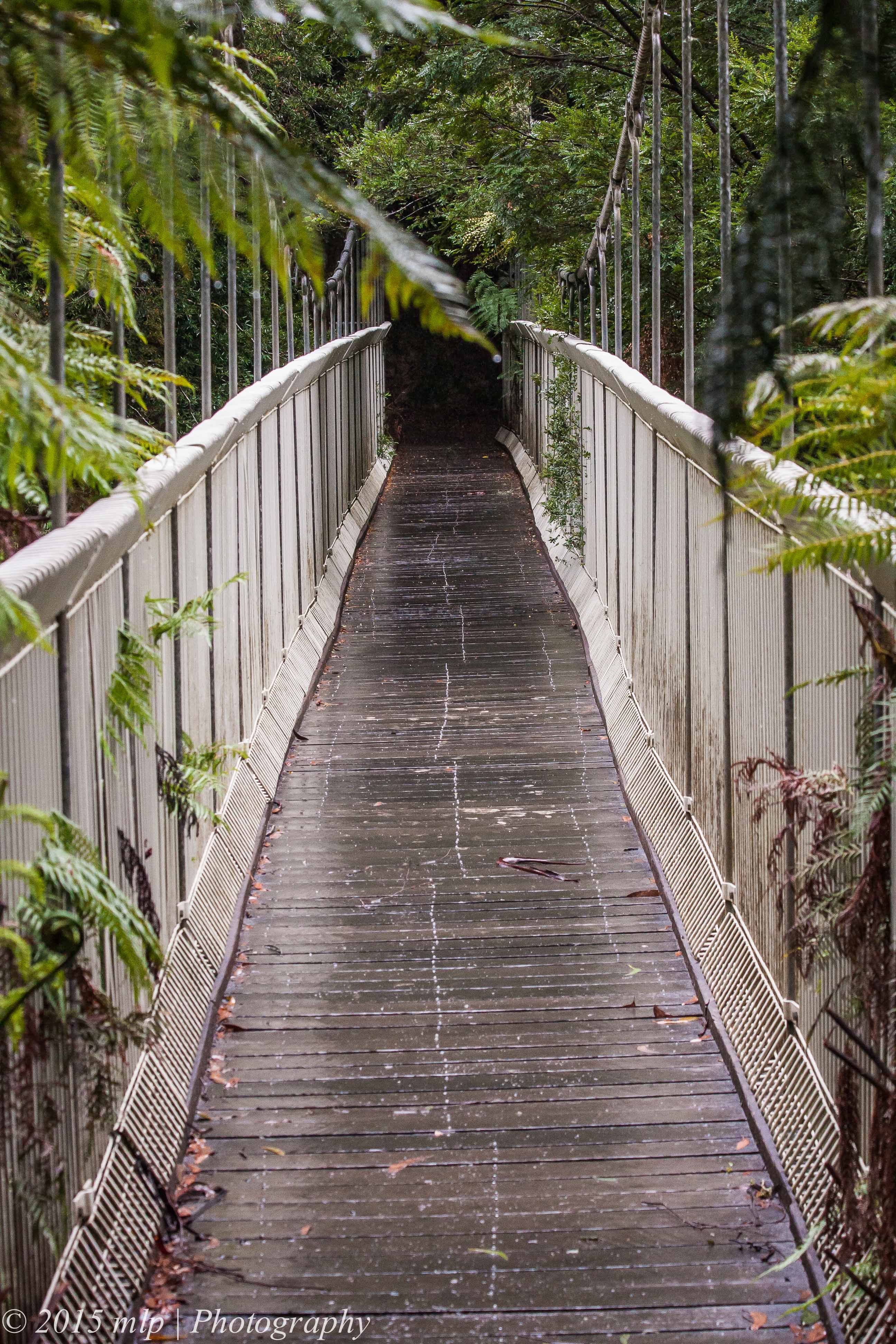
rainforest Bridge

Rainforest Bridge in the National Park

rainforest Bridge

Rainforest Suspension Bridge

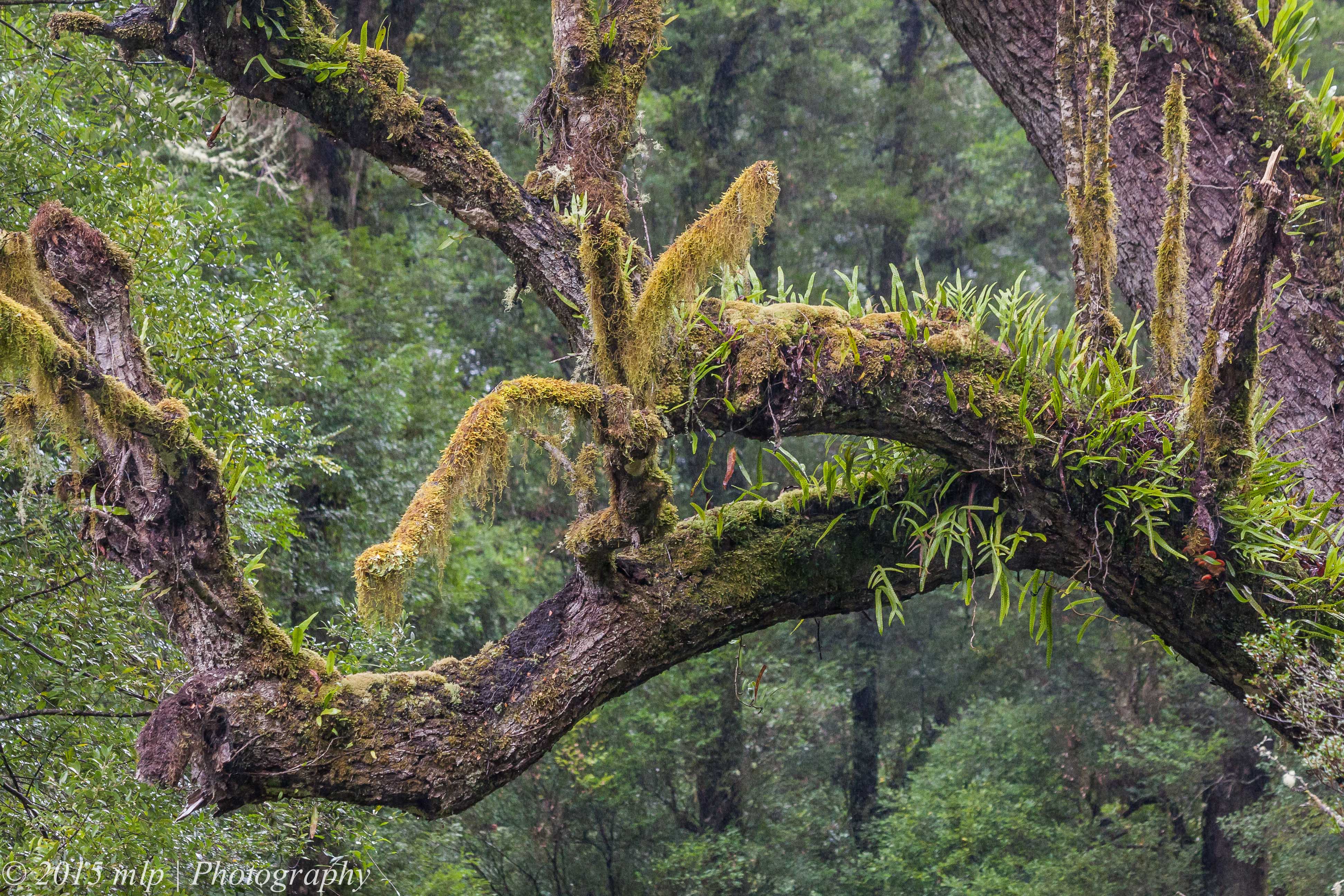
Moss Tree

Moss Tree – most of the older trees with a rough bark had moss, lichens, fungi and various ferns growing on them. Several of the Myrtle Beech trees we saw were over a thousand years old.

Moss

Moss growing on the tree branches in the forest

Tree Fern,

Large Tree Fern

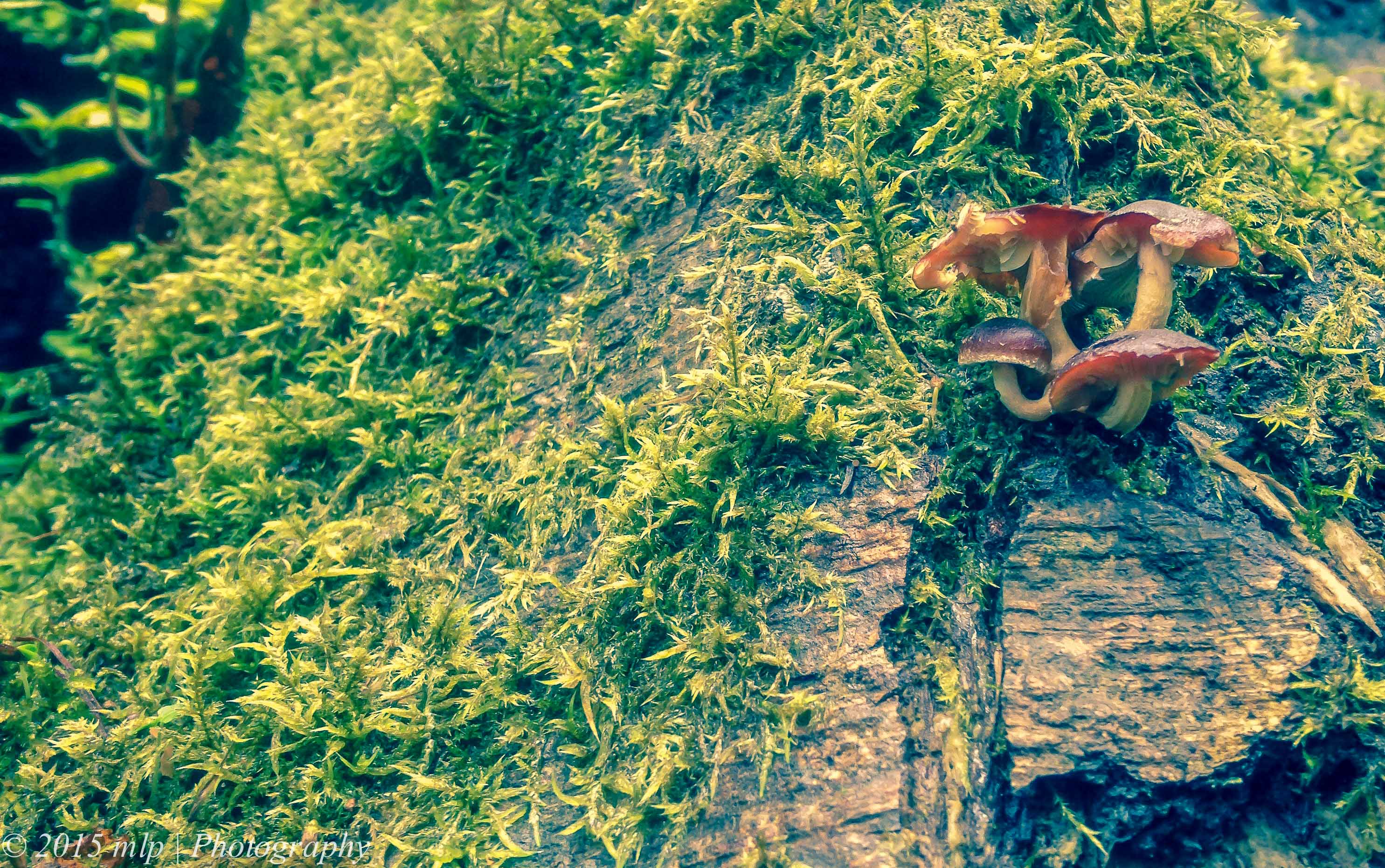
Moss and Mushroom

Moss and Mushroom – seeing if the iPhone can take decent shots

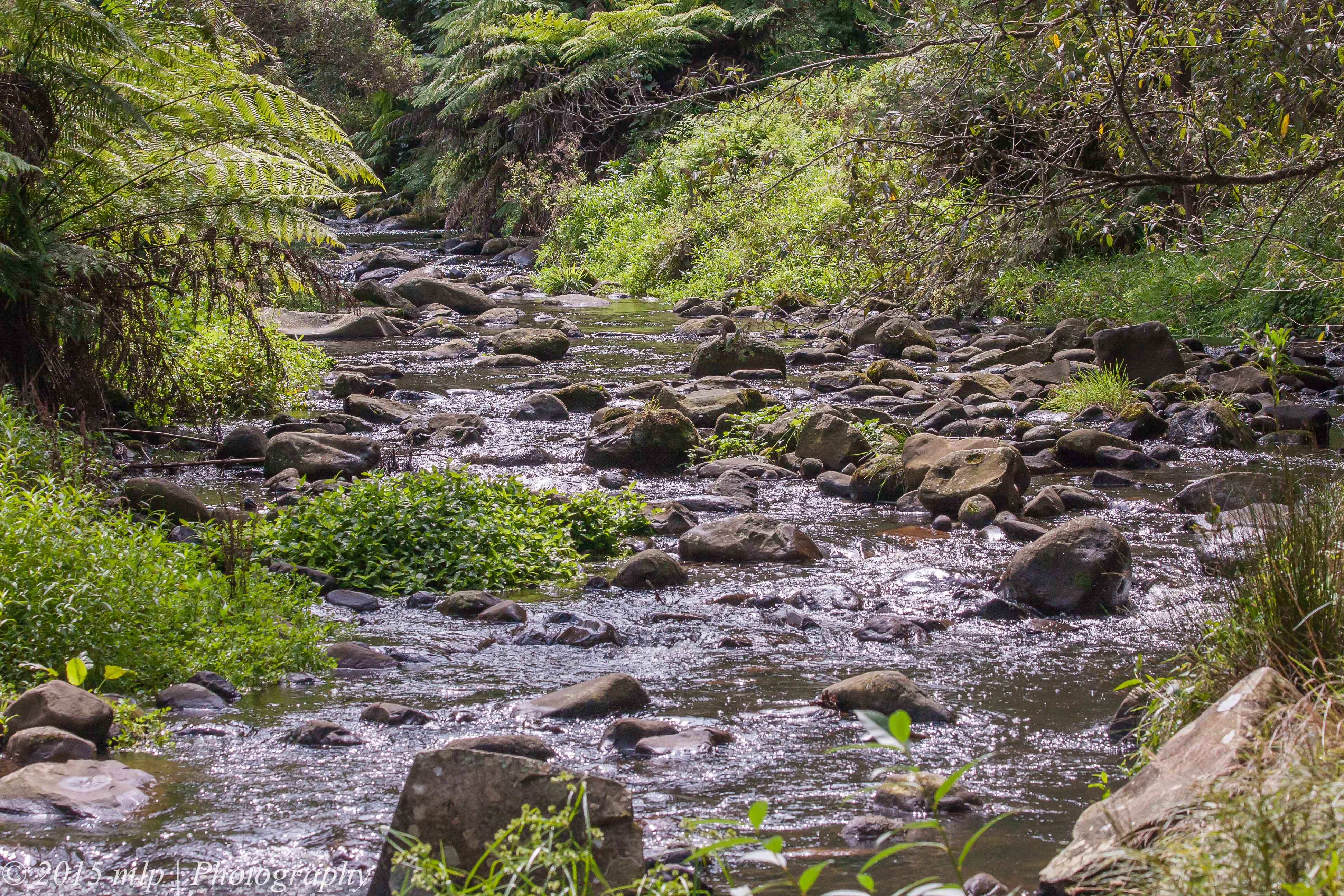
Creek in the rainforest

Small creek in the rainforest

Dinner and a Show at Elster Creek

An evening walk last week took me to the edge of the local pond along Elster Creek. A few regulars were taking their own evening strolls, having late snacks, preening and bathing and I stopped to have a bit of a look…..

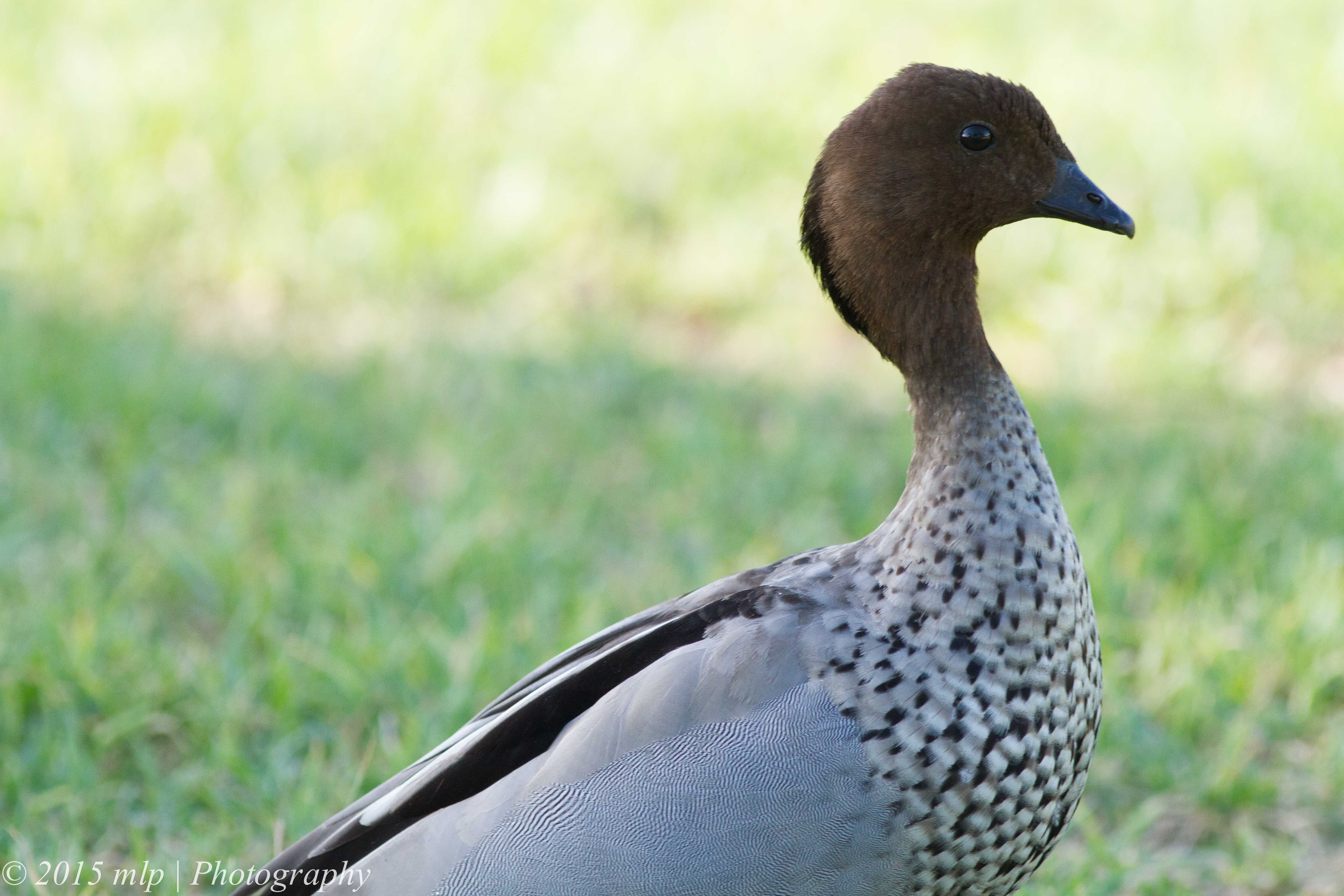
Australian Wood-duck

Australian Wood-duck – also called a Maned Duck due to their short black mane running down their necks

Australian Wood-duck

Australian Wood-duck – the Wood-Duck has very large families and often Aunts will help look after the brood – I have seen 28 ducks in a single family flock

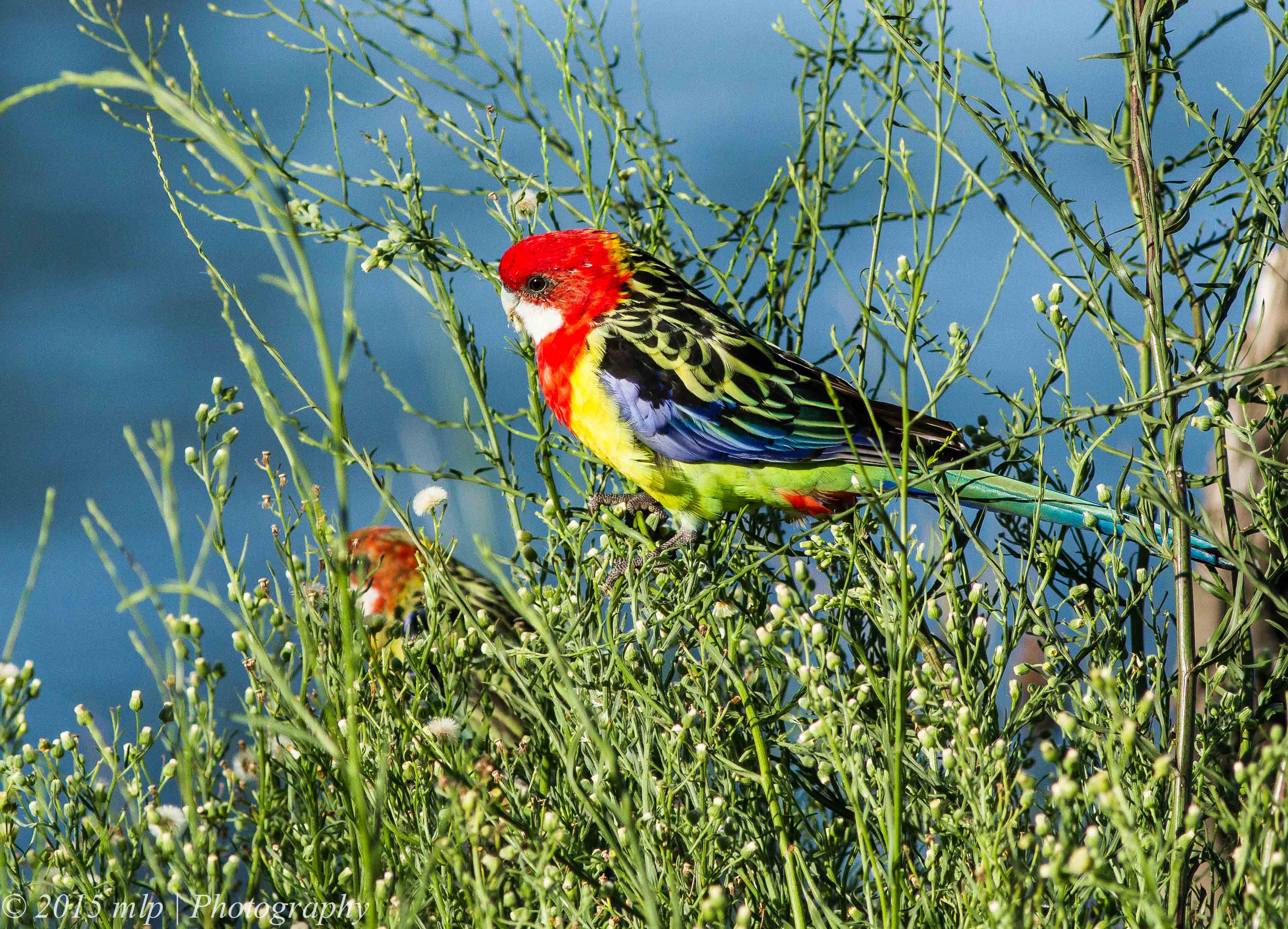
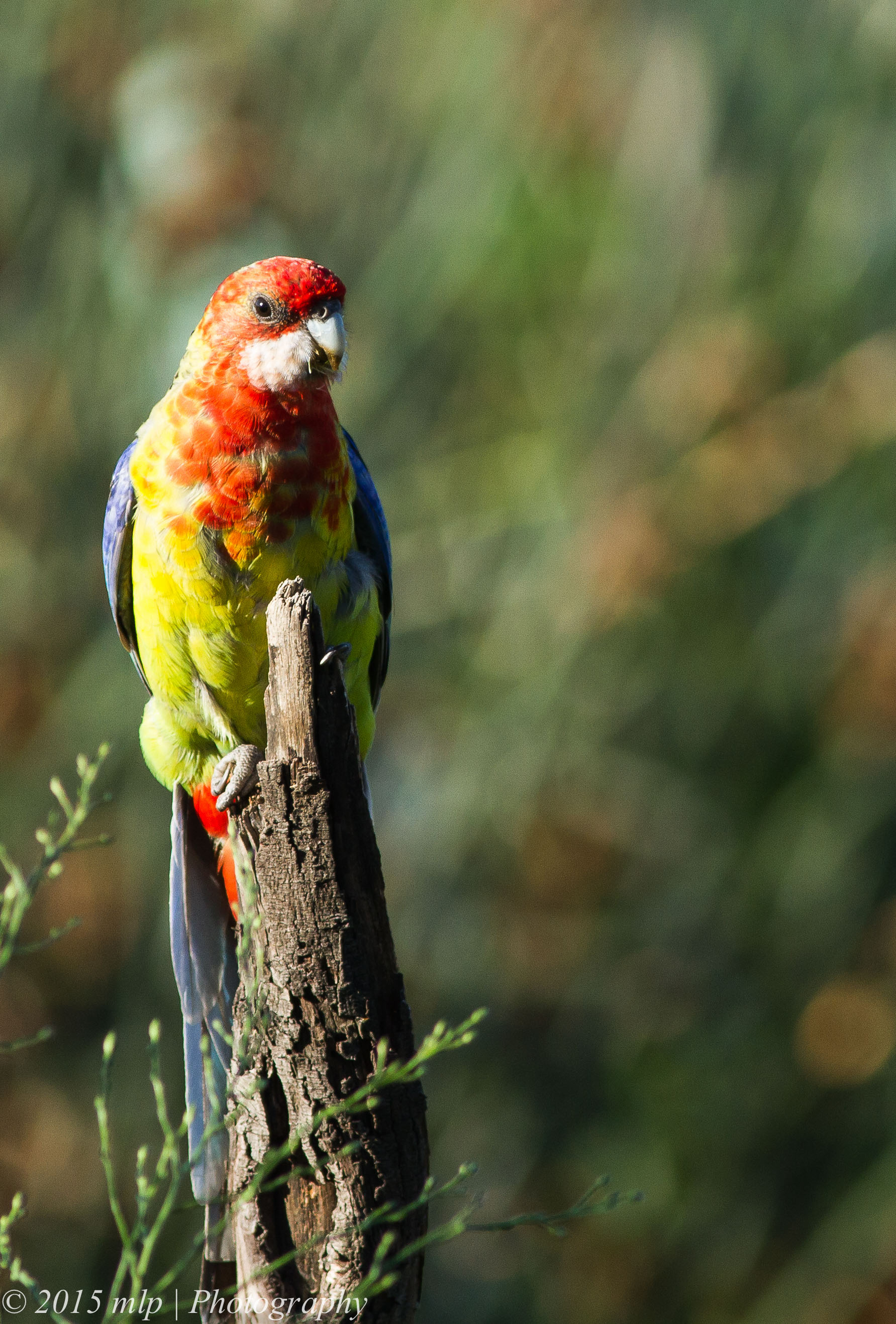
Eastern Rosella

Eastern Rosella – an adult and an immature Rosella were feeding on the flower buds and seed heads on the edge of the lake. They are usually quite flighty but allowed me to get closer than usual.

Eastern Rosella

Eastern Rosella – it was a bit windy and a gust came a long at the right time.

Eastern Rosella

Immature Eastern Rosella having a look back at me while he chews on a flower head.

Eastern Rosella

Eastern Rosella  – I find this bokeh a little weird.

Eastern Rosella

Eastern Rosella

Dusky Moorhen,

Dusky Moorhen

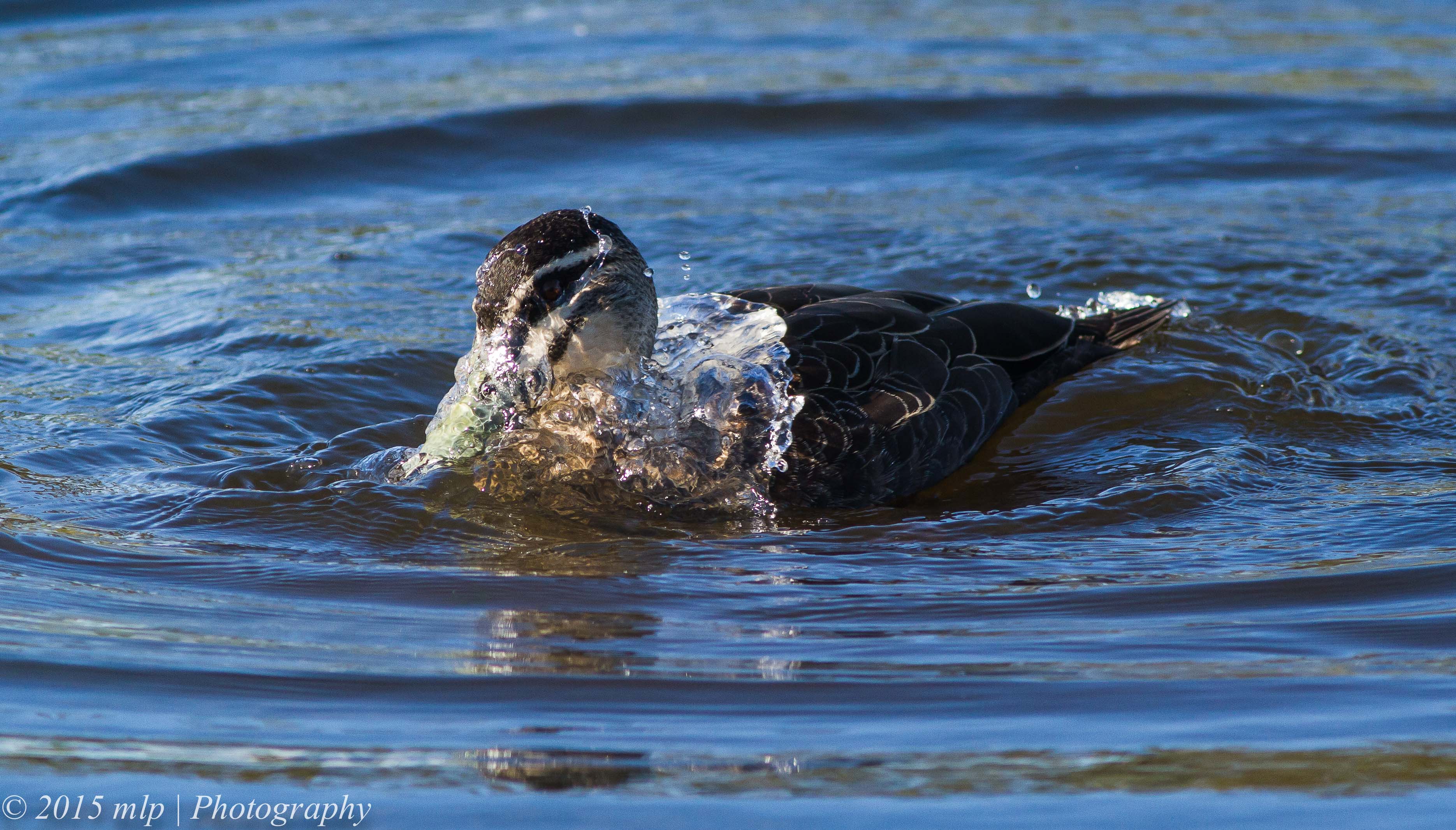
Pacific Black Duck

Pacific Black Duck – bath time

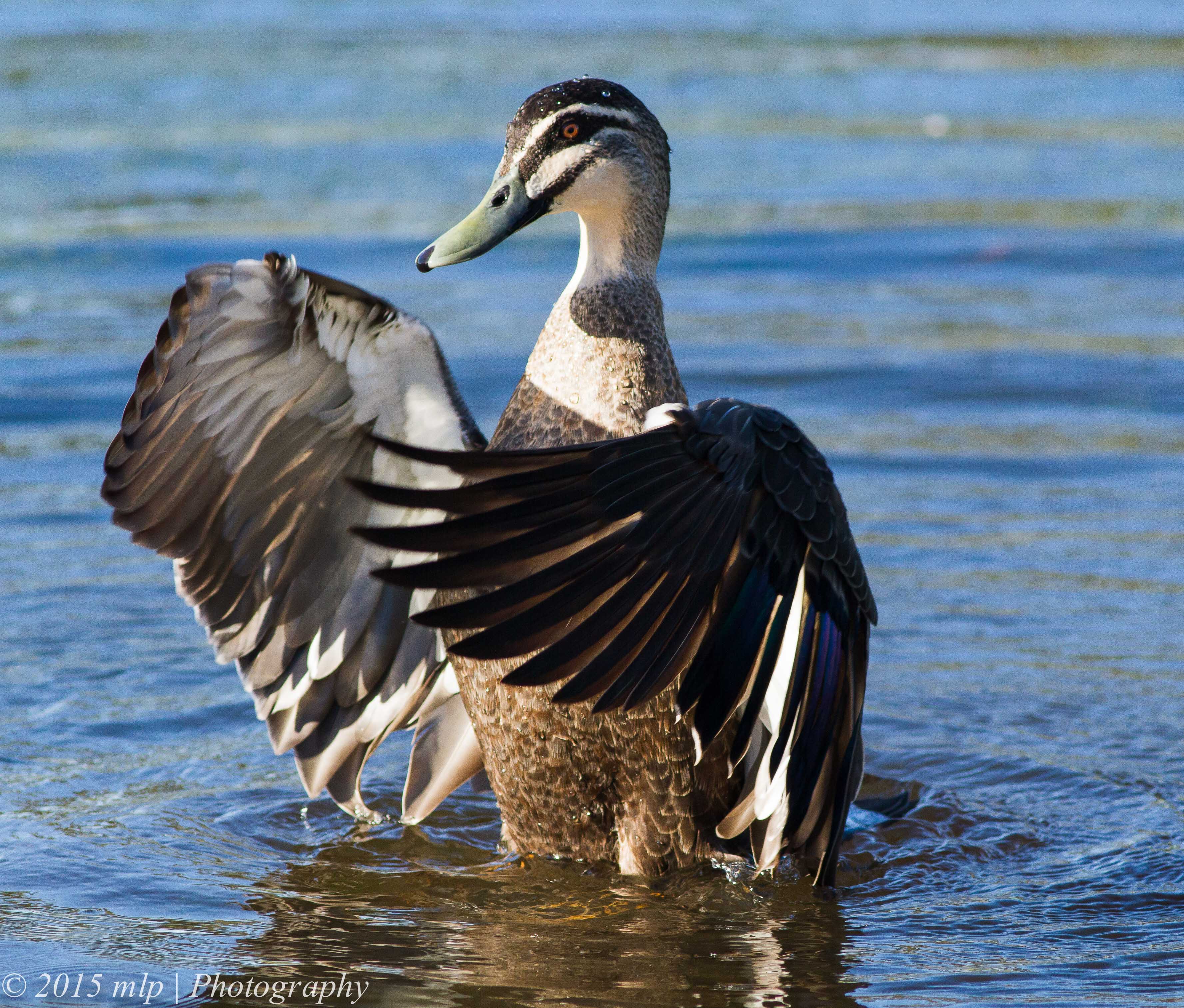
Pacific Black Duck

Pacific Black Duck – water off a duck’s back

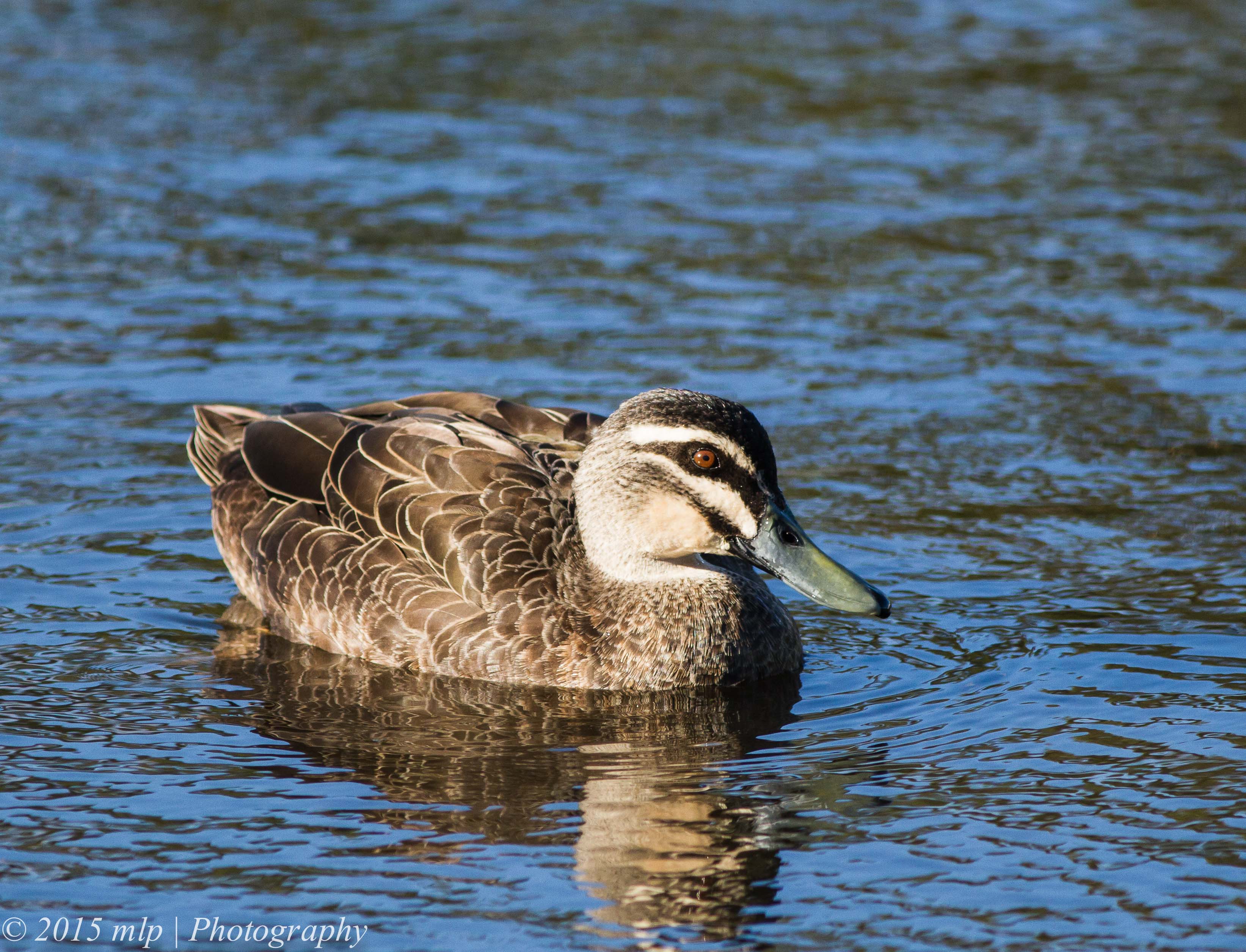
Pacific Black Duck

Pacific Black Duck III

Pacific Black Duck

Pacific Black Duck – the series of photos showed the duck’s head and body staying in place while the wings shook off the water – he flapped 3 or 4 times

Pacific Black Duck

Pacific Black Duck

Pacific Black Duck

Pacific Black Duck – all done , nothing to see, move along

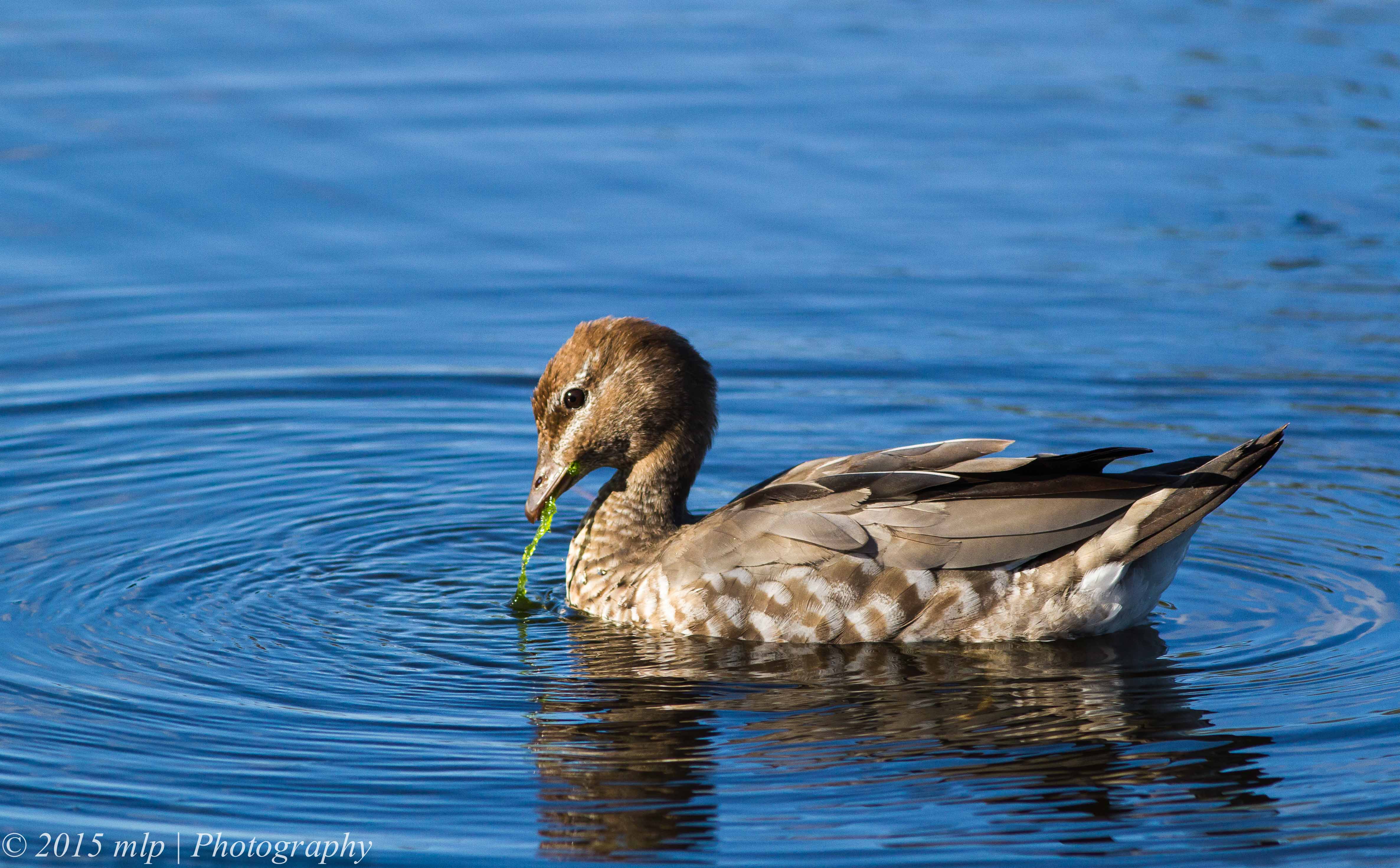
Australian Wood-duck

A young Australian Wood-duck – last minute feed

Multi-tasking with a Snake-Bird

I love it when I can do several things at once. I feel a sense of achievement when I accomplish the goal for the day and feel even better when I can do two things for the journey of one. Bunnings is a hardware super store (for those that are not familiar with Australian Hardware Super-stores). I often make a Bunnings run to procure equipment and supplies for my gardens, home projects and camping trips. Opposite my favourite store is Karkarook Park. I stopped in last week to look for photo opportunities before I visited Bunnings. The Park is a restored sand mine and now has a wetlands area made up of several well vegetated lagoons, a large lake used for canoeing and fishing and pockets of woodlands around the edge.  It has a very good range of water and woodlands birds and I often get up to 50 species on an extended visit. It is close enough to home to just pop in for half an hour and look for a species to photograph

Little Pied Cormorant

Little Pied Cormorant

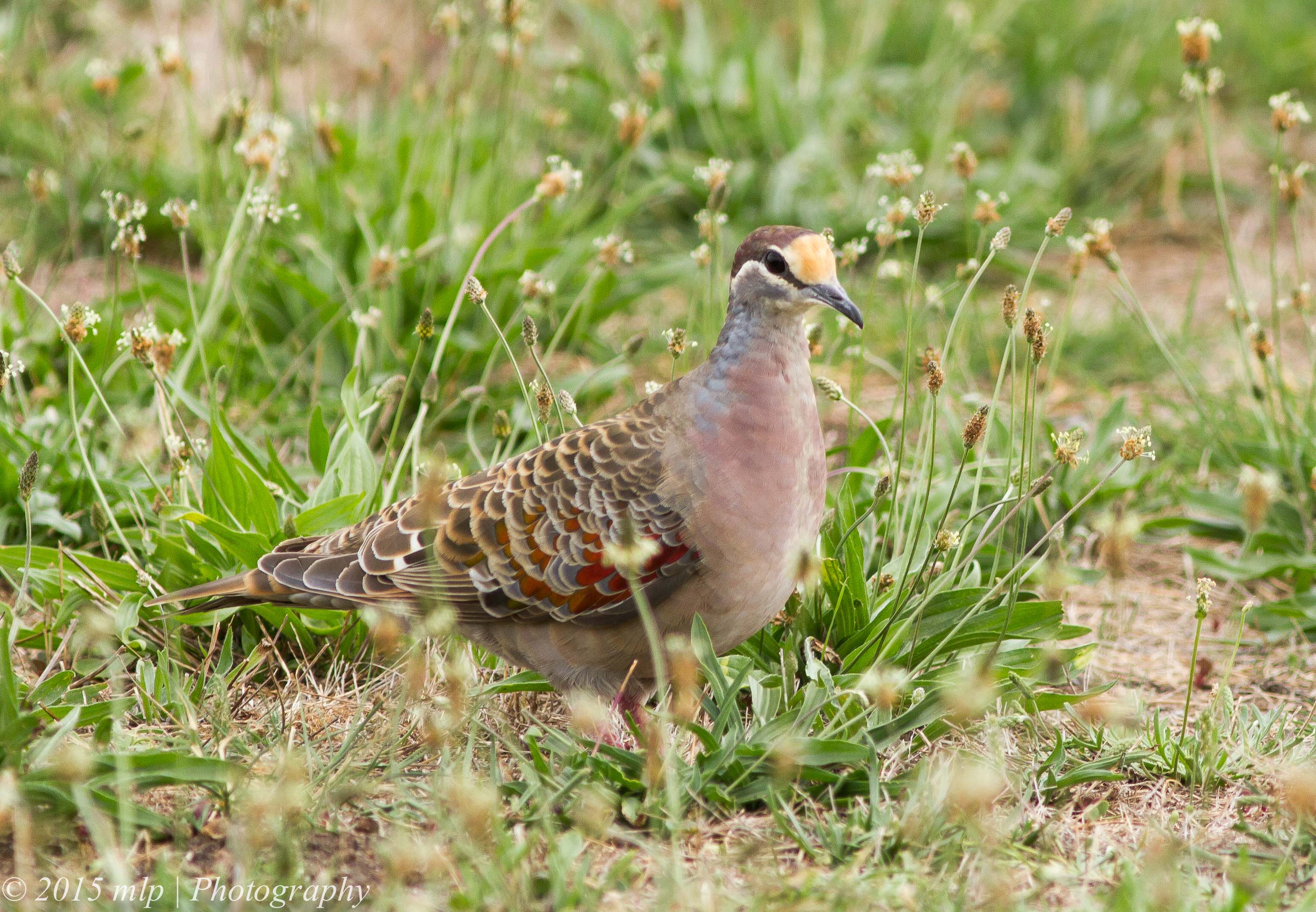
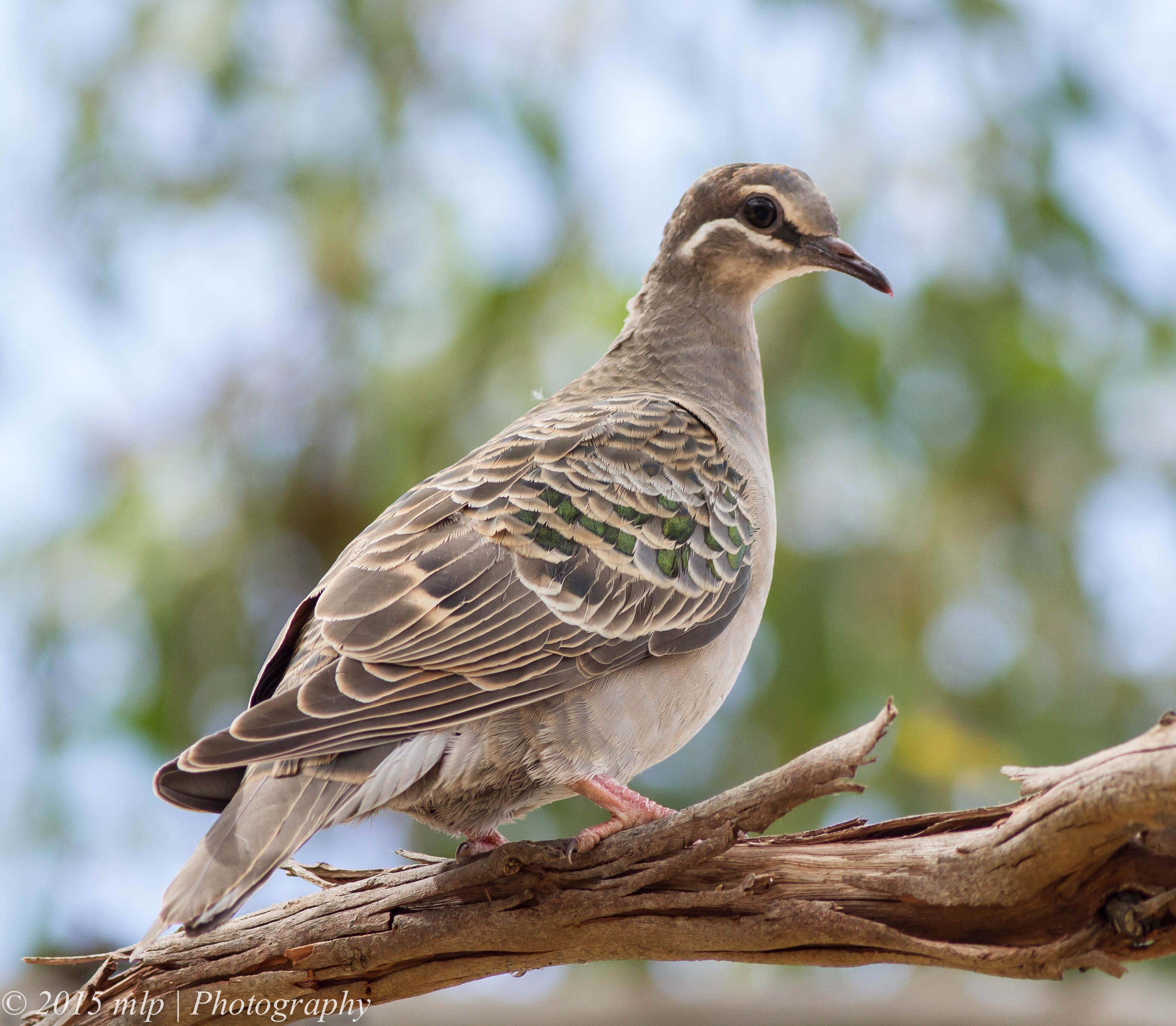
Common Bronzewing

Common Bronzewing

Male Common Bronzewing

Male Common Bronzewing

Superb Fairy Wren

Male Superb Fairy Wren – immature Fairy-Wren coming into his adult colours

Superb Fairy Wren

Superb Fairy Wren

Masked Lapwing

Masked Lapwing – previously known as a Spur Winged Plover. It can be a very aggressive bird often taking on Raptors (and people) if they get too close to feeding grounds or nests. They make their various alarm calls quite casually, spooking other nearby birds. The Lapwing can be difficult to get close to….

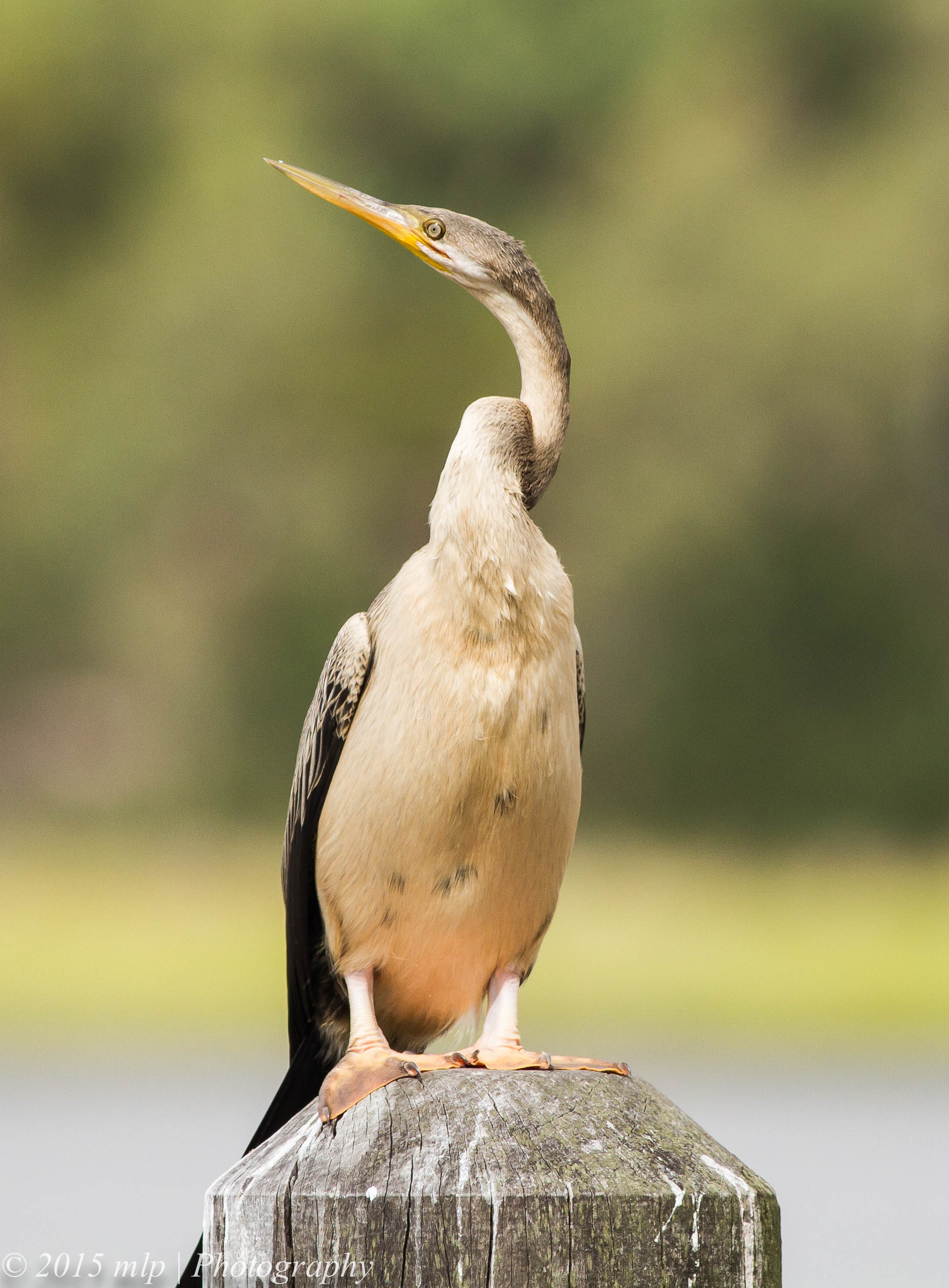
Australasian Darter

Australasian Darter – a young female, the males are generally all black. This one allowed me to approach slowly along the pier until I was quite close.

Australasian Darter

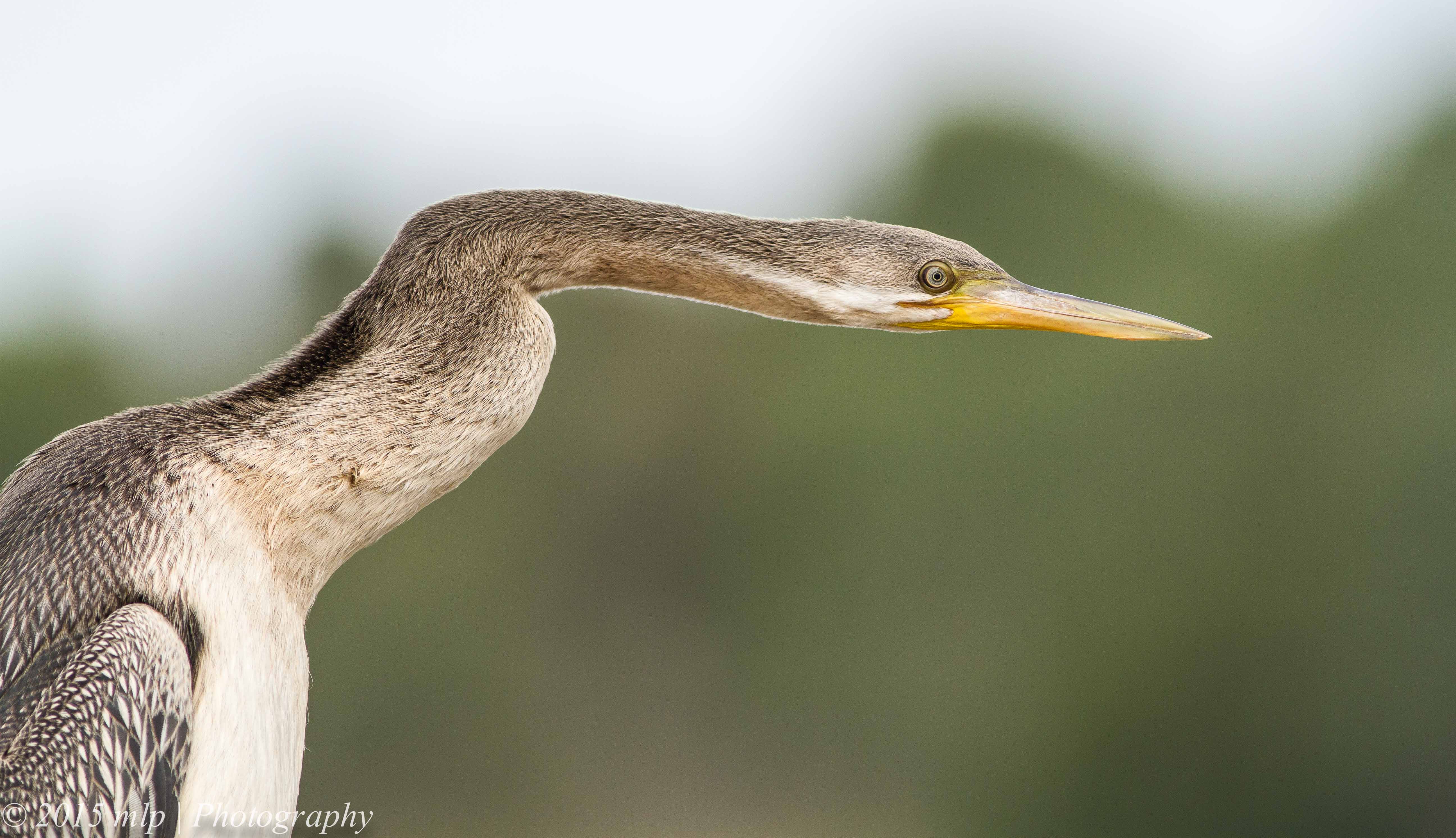
Australasian Darter – they are also called a snake bird due to their swimming habit (very low in the water and sliding backwards into the water to hunt) and their very long snake like neck. This one waved it around quite a bit keeping an eye on fish below, hunters above and me…

Australasian Darter

III

Australasian Darter

IV

Australasian Darter

V

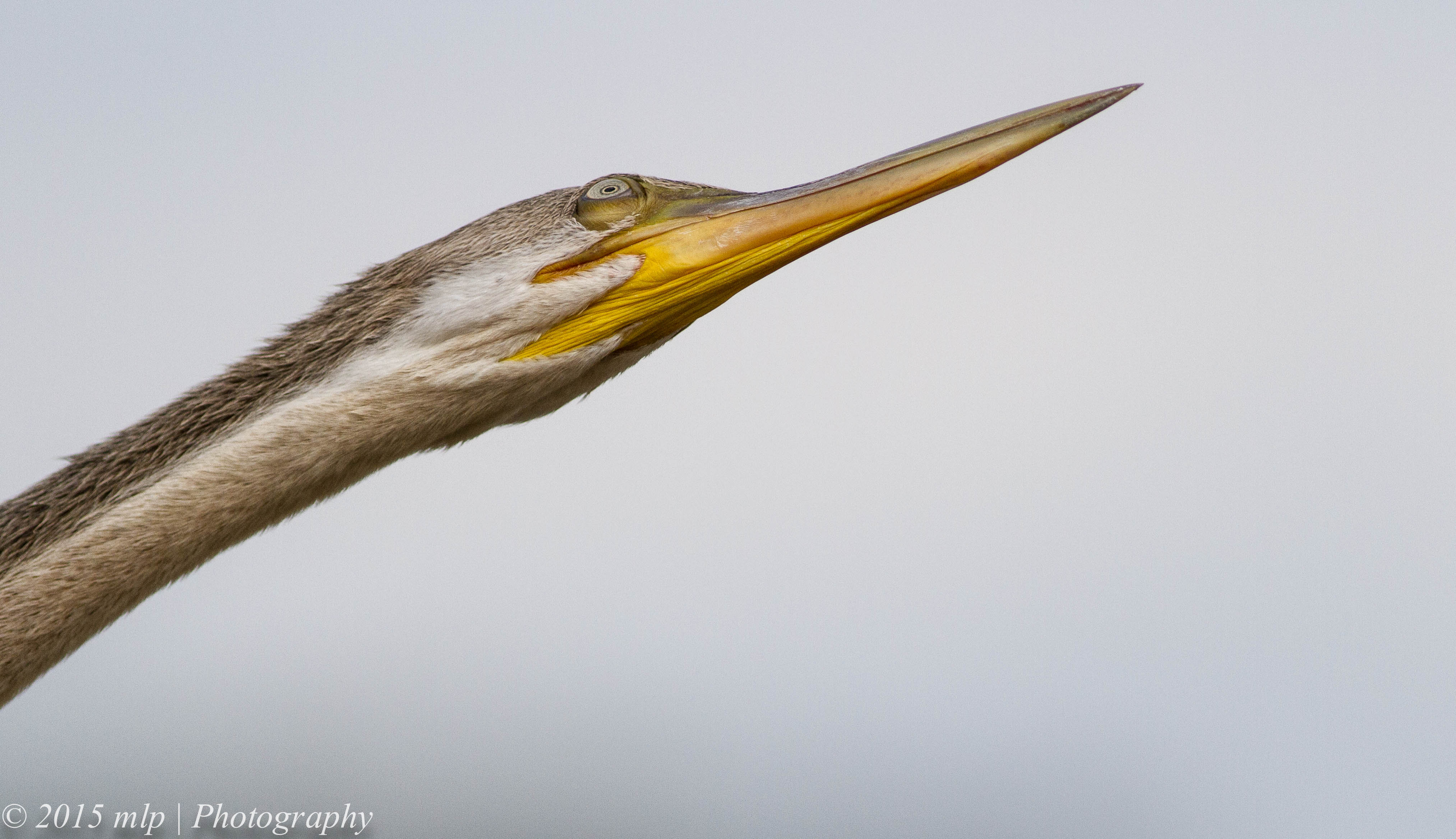
Australasian Darter

Interesting eye and bill detail

Australasian Darter

When the Lapwing nearby gave one  of its alarm calls the Darter immediately looked up for danger. She did not fly off or panic but was very aware. It is interesting that birds know each others specific danger calls

Australasian Darter

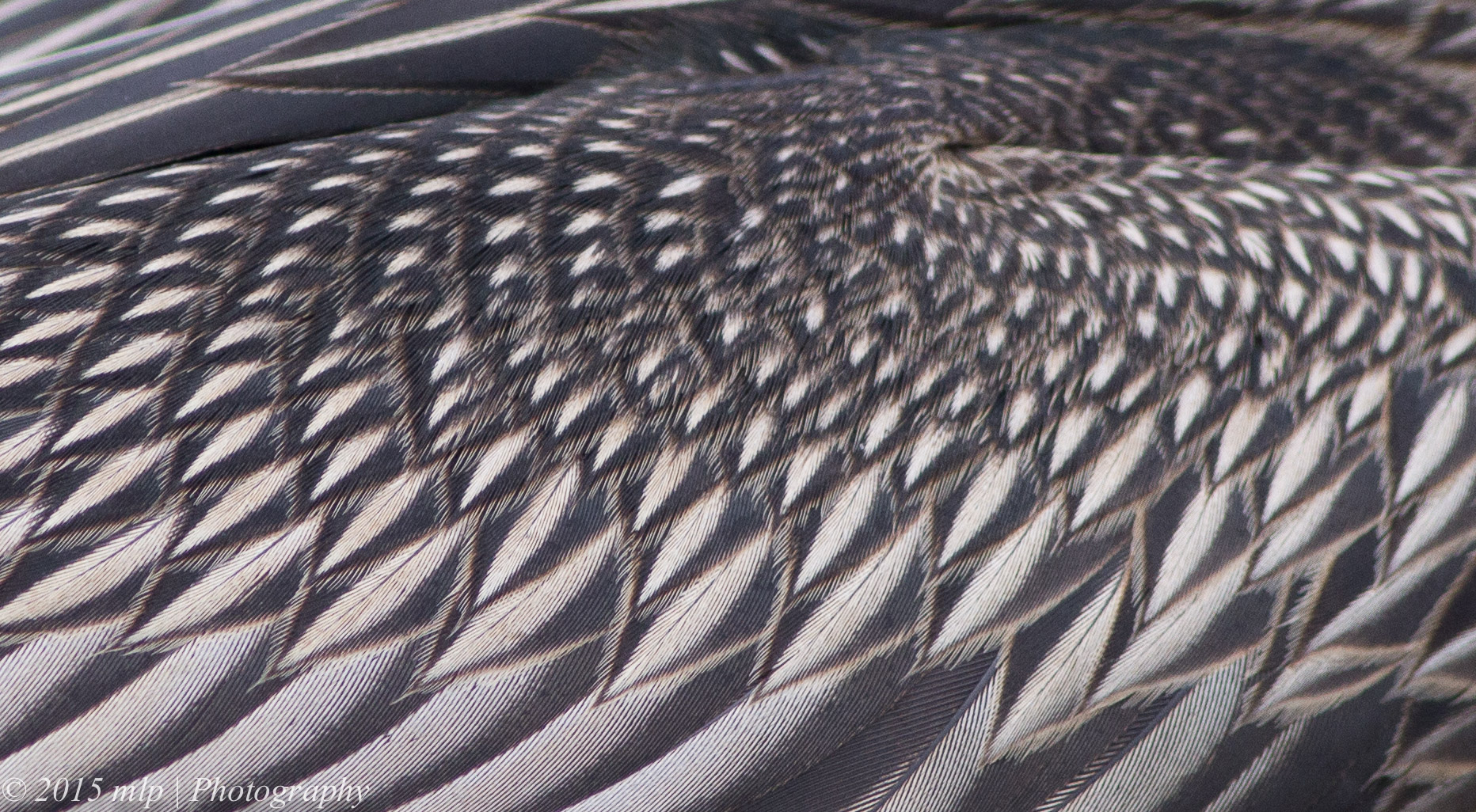
Beautiful wing patterns

Hastings Harbour Mudflats: Flames, Wrecks and Pelicans

Coming back from spending some time at the family farm, I stopped at Hastings to have a look at the mudflats at low tide. Hastings has a popular fishing harbour as well as a mixed industry site. A good amount of work has been done to turn it into a seaside town with a growing tourism market. There is a nice tree lined walk right along the edge of the mudflats and mangroves. Pelican Pier has a cafe with great views of the harbour. I have not been there for a long time and I was surprised to find that it is a pretty interesting place with a lot of scope for bird and general photography. There is a pier with lots of fishermen in action at low tide, many birds (Ibis, Egrets, Spoonbills, Swans & Pelicans) out on the mudflats that move up closer to the shore when the tide comes in and at least a dozen Pelicans hanging around looking for a free feed from the fishermen as they fillet and clean their catch.

Hasting Harbour

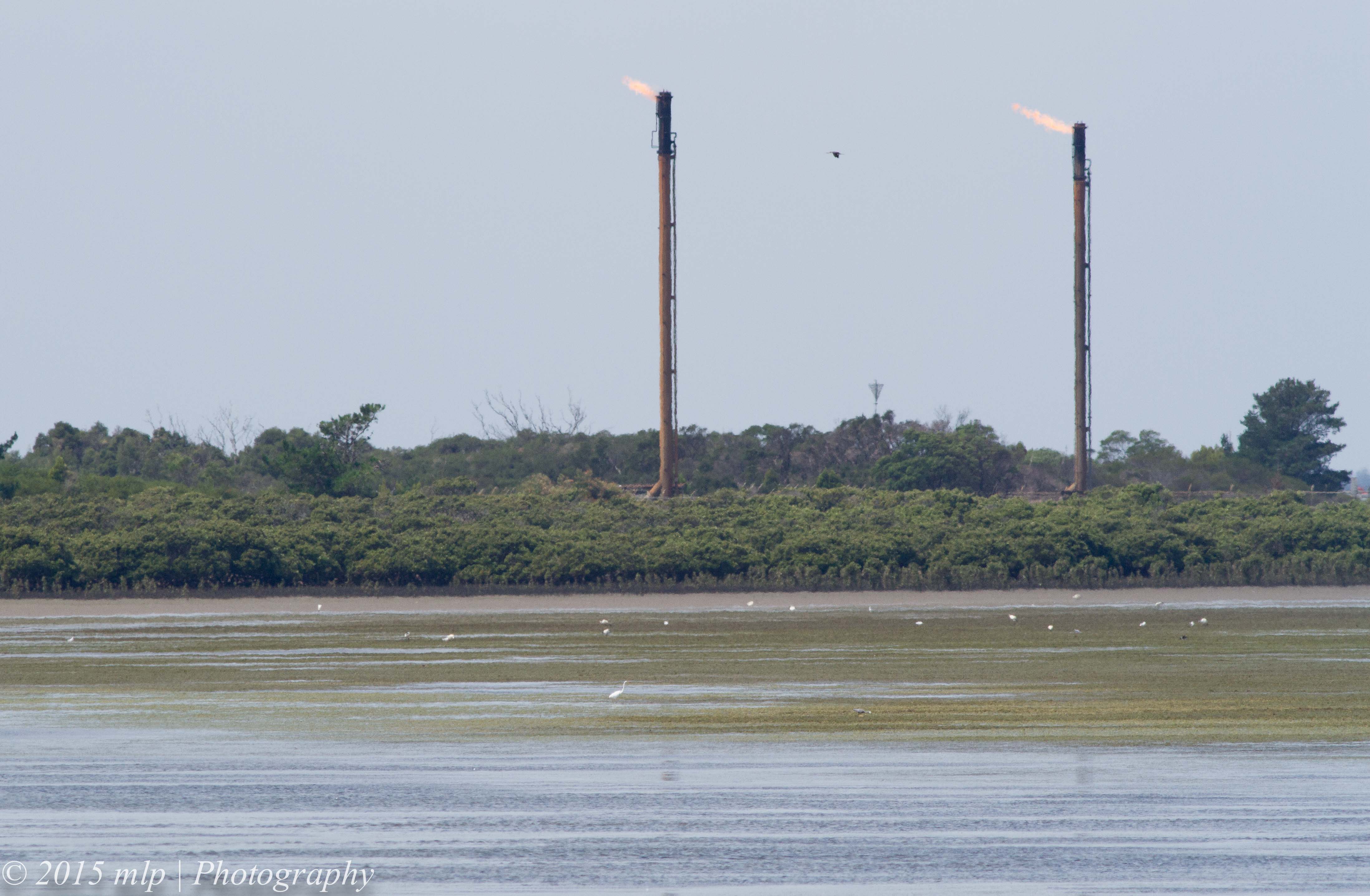
Hastings Harbour – heavy industry amongst the mangroves and Great Egrets

Hasting Harbour

An old fishing boat wreck out on the mudflat island. I did not notice the hovercraft in the background until I processed the image.

Pied Cormorant

Pied Cormorant – it took a bit effort to get the fish down. The cormorant kept juggling the fish trying to get it down head first. He got it in the end….

Pacific Gull

Pacific Gull

Pacific and Silver Gulls

Silver vs Pacific Gull – to see the two together gives you an idea of the size difference – the Pacific Gull is a big bird.

Pelican

Pelican – stretching and drying, and maybe telling stories about the one that got away….

Pelican

Pelican – everything gets a stretch.

Pelican

Pelican – with a long neck and bill you can pretty much reach anywhere….

Pelican

Pelican in the mangroves

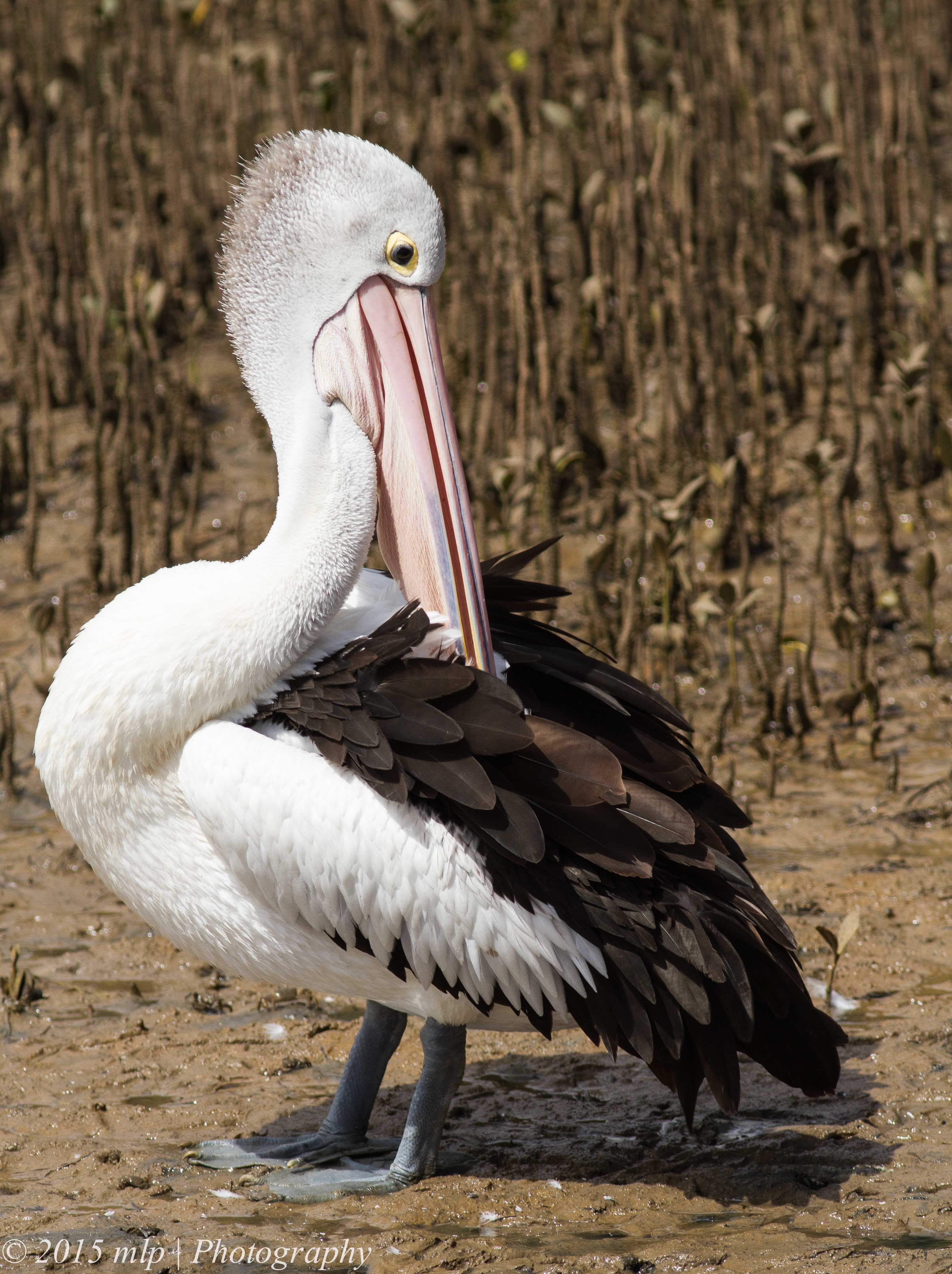
The pelicans did not mind me too much as I got in close while they waddled in to the fish cleaning tables. I took a number of close shots of their feathers, eyes and beak throat pouch skin

Pelican

Pelican close-up

A Serendipitous Visit to Serendip Sanctuary

When I visit the You Yangs I usually pop into a local bird and animal sanctuary at the base of the You Yangs Range. It is little known park close to Melbourne, free to visitors, with breeding programs for several  rare birds. It  also maintains a sanctuary for injured birds and animals, some too badly injured to be released. It is a great place to see and photograph rare and hard to find birds. The aviary birds are used to people and so are quite relaxed and offer photographers a good chance to get in close. Around the site are many wild birds breeding and taking advantage of the abundant food and protection. There are some large wetlands and many migrating visitors. The park also has resident populations of emus and Brolgas.

Sulphur Crested Cockatoo

Sulphur Crested Cockatoo

Emu

Emus are free to wander around and don’t bother people too much.

Emus

Emus – these two snuck up behind me to see what I was doing (unsuccessfully trying to photograph a family of Black Chinned Honeyeaters)

Emu and chick

Emu and chick walking and feeding along the edge of the main lagoon – the chicks are very cute and there were a number at the Sanctuary but considering how protective (and big) the parents are I kept my distance.

Black Wallaby

Black Wallaby – relaxed and snoozing in the shade.

Black Wallaby

Black Wallaby II

Magpie Geese

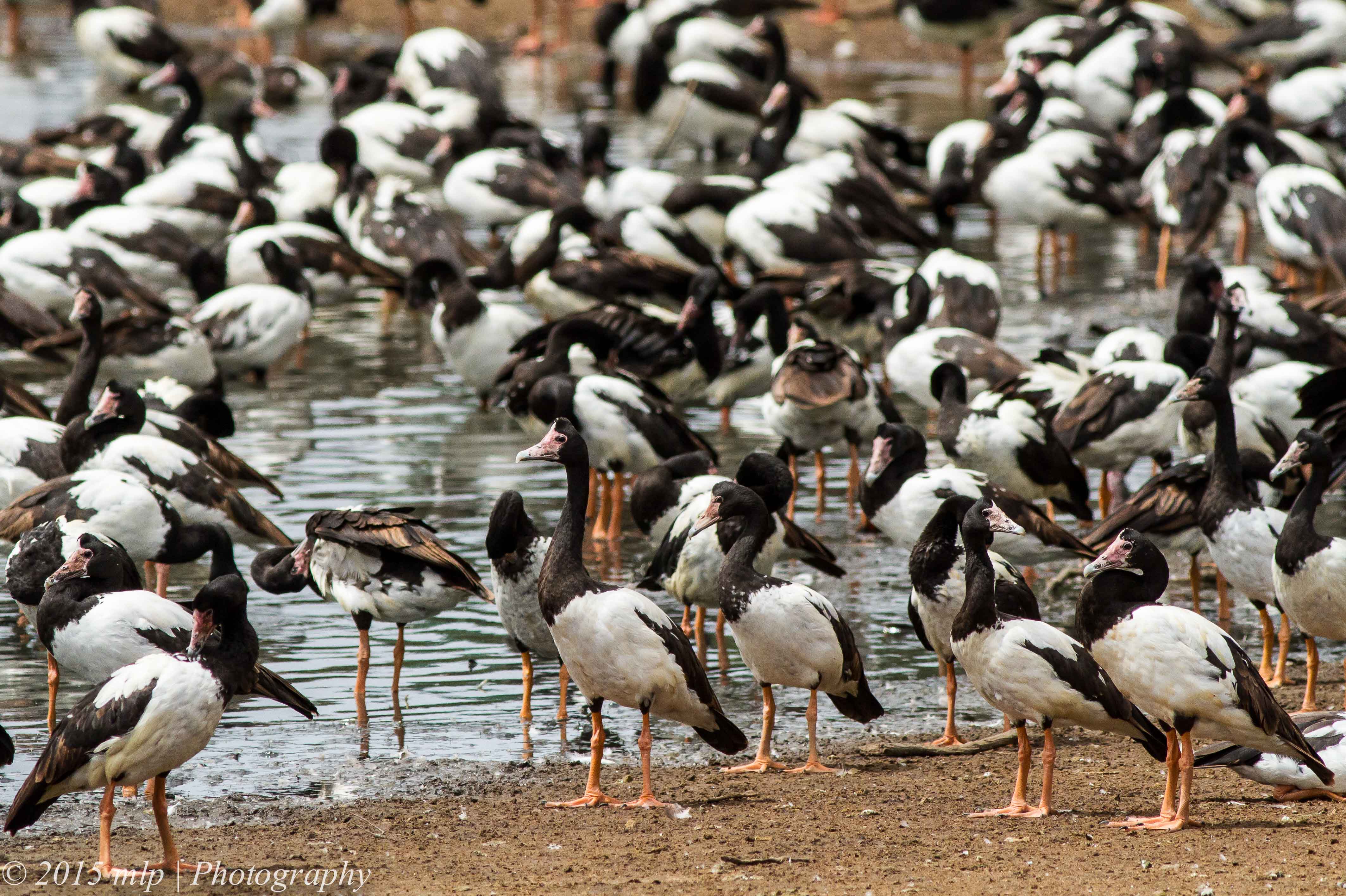
Magpie Geese – several thousand were spread across all the lagoons and wetlands.

Magpie Geese

Magpie Geese

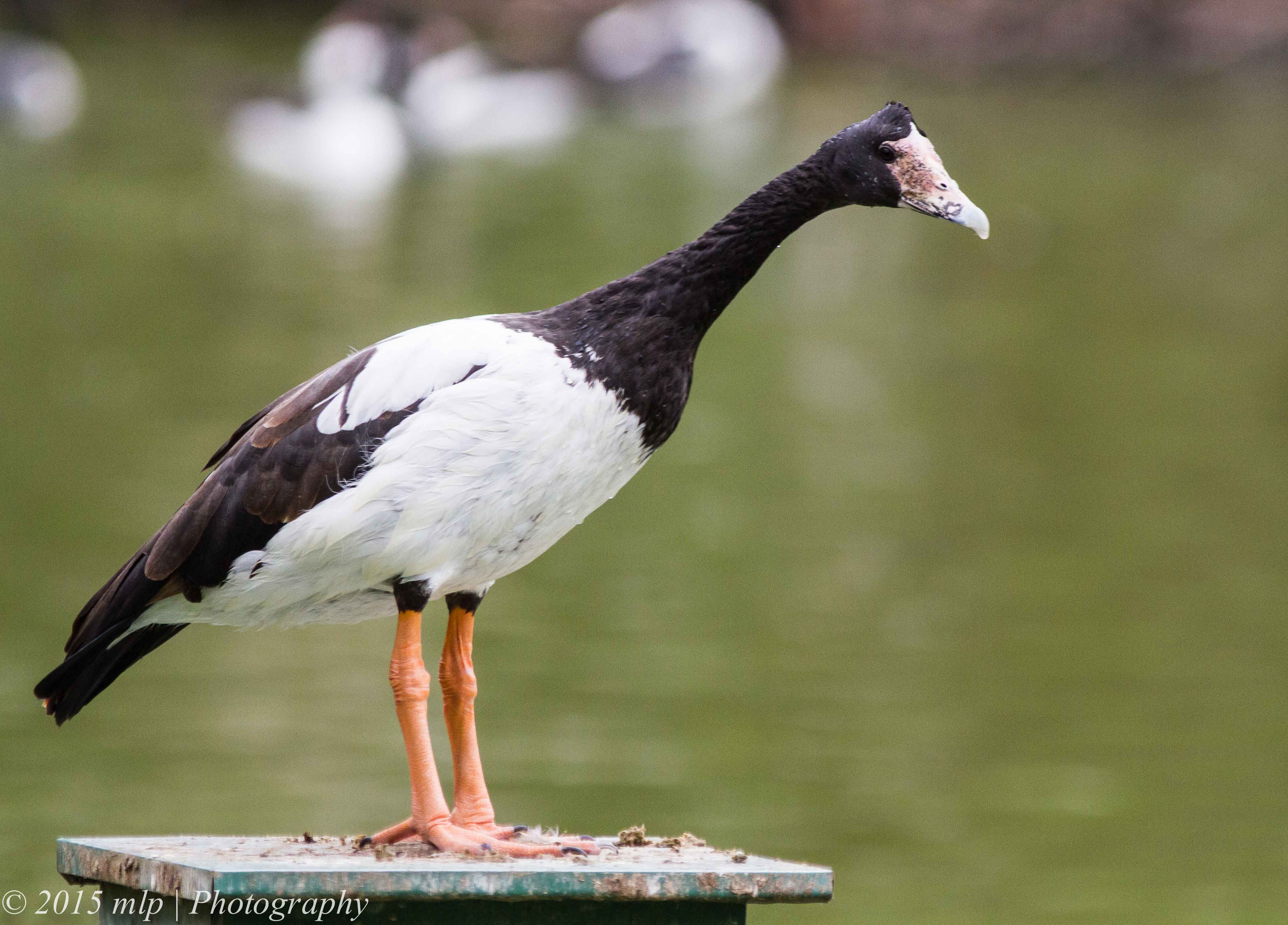
Magpie Goose

Magpie Goose – does not quite make my top 10 prettiest birds list…

Tawny Frogmouth,

Tawny Frogmouth – nocturnal specialist and master of camouflage.

Tawny Frogmouth,

Tawny Frogmouth II

Bush Stone Curlew

Bush Stone Curlew

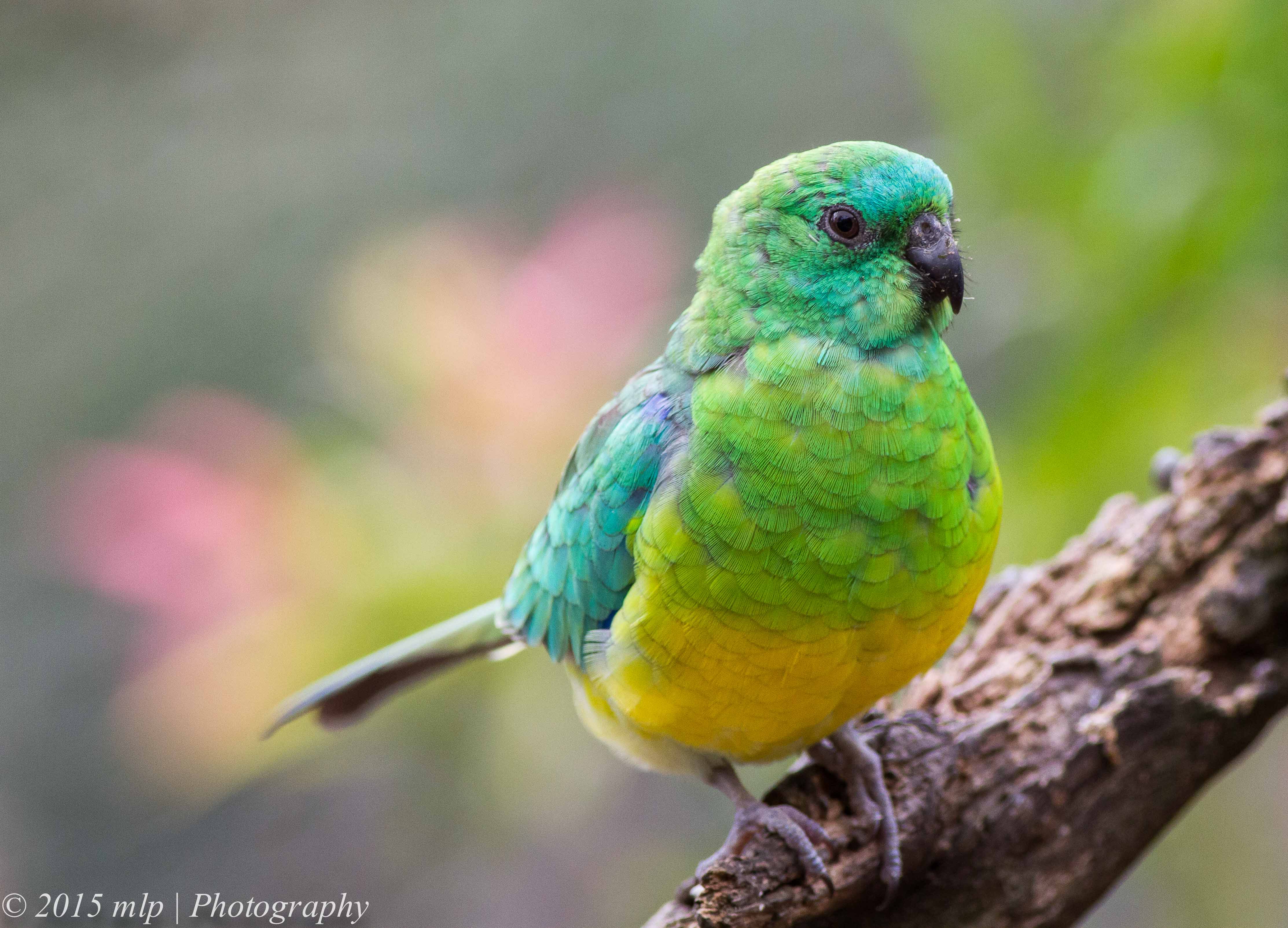
Red Rumped Parrot

Red Rumped Parrot

Red Rumped Parrot

Red Rumped Parrot II

Buff Banded Rail

Buff Banded Rail – secretive wetlands bird that birders only usually get glimpses of – but at Serendip there is an aviary full of them that allows for long views and many photos. In fact you have to be careful while you move around taking pics. They get under your feet while looking for insect snacks.

Buff Banded Rail

Buff Banded Rail II

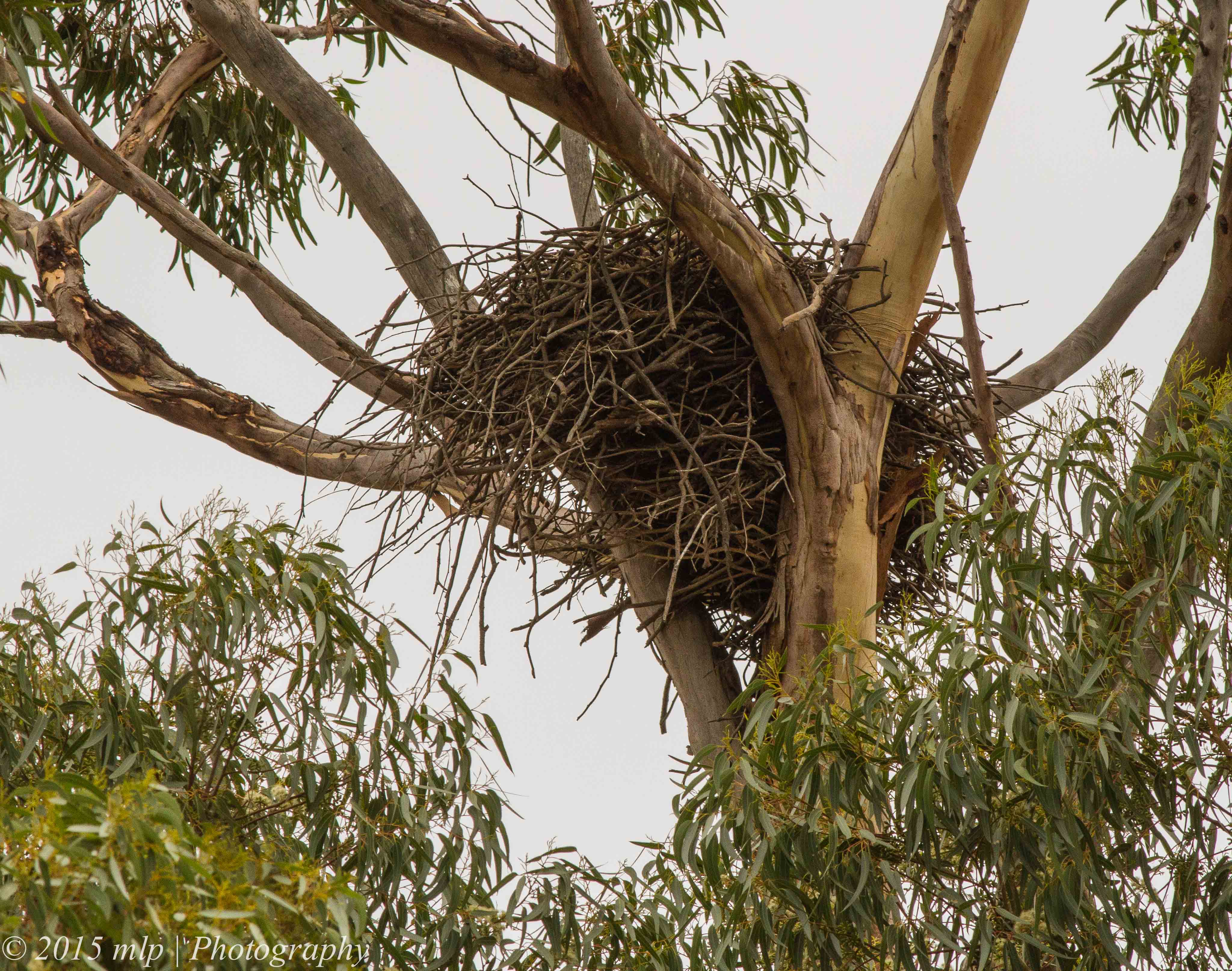
Whistling Kite Nest

Large Whistling Kite nest – the Kites were still around and making a nuisance of themselves amongst the nervous flocks of Magpie Geese

Cape Barren Goose

Cape Barren Goose  – this one followed me around the Wallaby/Kangaroo Pen – he must have been expecting a feed. He made me a bit nervous as every time I turned around he was a few steps closer to my backside.

Up the You Yang(s)

Halfway between Melbourne and Geelong is a Regional Park with high granite peaks and over 50km of Mountain Bike riding trails. It is also a good spot to bush walk and find a reasonable selection of uncommon woodlands birds. It can be dry and hot at times and there are a few dams in the park near the entrance that usually have water and so are good spots to explore for birds. There is a 12 km dirt road (the Great Circle Drive) that winds around the park taking in most of the main habitats.

Injured Cockatiel

Injured Cockatiel on the side of the road leading to the You Yangs, not known in this area so I assume an aviary escapee.

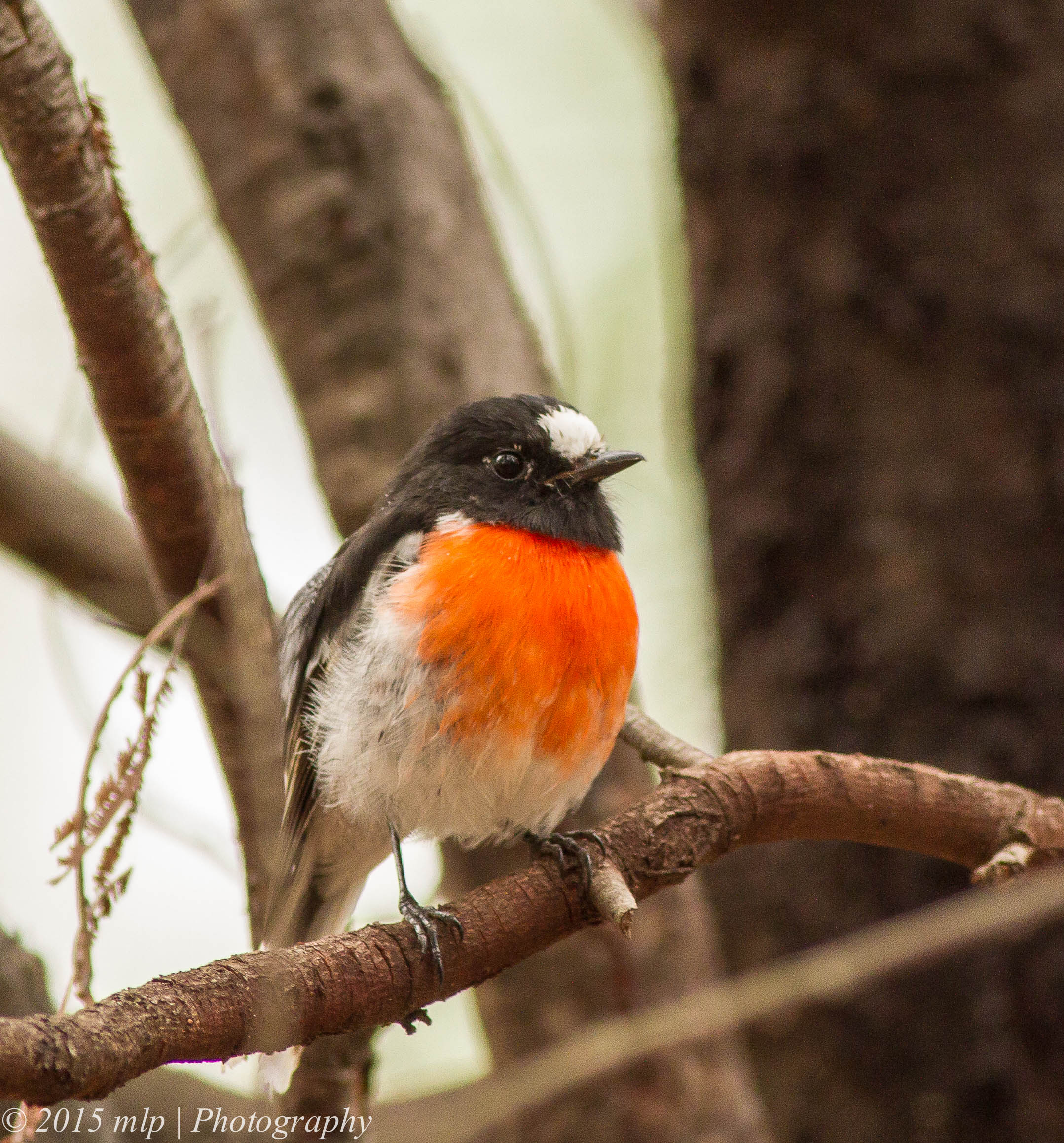
Scarlet Robin

Scarlet Robin – teased me into thick scrub to try and take a photo. A curious bird and one that stands out quite well against the grey/brown background of the surrounding bush.

There are several large groups of White Winged Choughs (chuffs) in the You Yangs. They are a social species living in extended family groups. They are generally hard to sneak up on as they post guards in the surrounding trees as the main group feeds on the ground. I took some time and watched this family and slowly moved closer. They have very distinctive calls and different alarms for a variety of threats.

White Winged Chough

White Winged Chough

White Winged Chough

White Winged Chough  – one of the guards keeping an eye on me as the main group looked for food on the ground.

White Winged Chough

White Winged Chough III

White Winged Chough

White Winged Chough – a glimpse of the White Wings – very clear in flight and when grooming

White Winged Chough

The two above were grooming each other and cleaning their own feathers. 

Common Bronzewing

Common Bronzewing

Common Bronzewing

Common Bronzewing II

Always looking for good Bokeh, eventually….

I am always thinking about the potential Bokeh of a shot…well after I panic about trying to just get an image of the bird before it flies away or becomes blocked by branches, then just trying to get it in focus with good light and then I think about bokeh….

To quote the Nikon USA site: Bokeh is defined as “the effect of a soft out-of-focus background that you get when shooting a subject, using a fast lens, at the widest aperture, such as f/2.8 or wider.” Simply put, bokeh is the pleasing or aesthetic quality of out-of-focus blur in a photograph.

Good Bokeh can really help the subject pop out against the background with a nice contrasting or complimentary colour. I use a 5.6 lens and still can achieve some interesting bokeh.

Red Rumped Parrot

Red Rumped Parrot

White Winged Chough

White Winged Chough

Cape Barren Goose

Cape Barren Goose

Pelican

Pelican

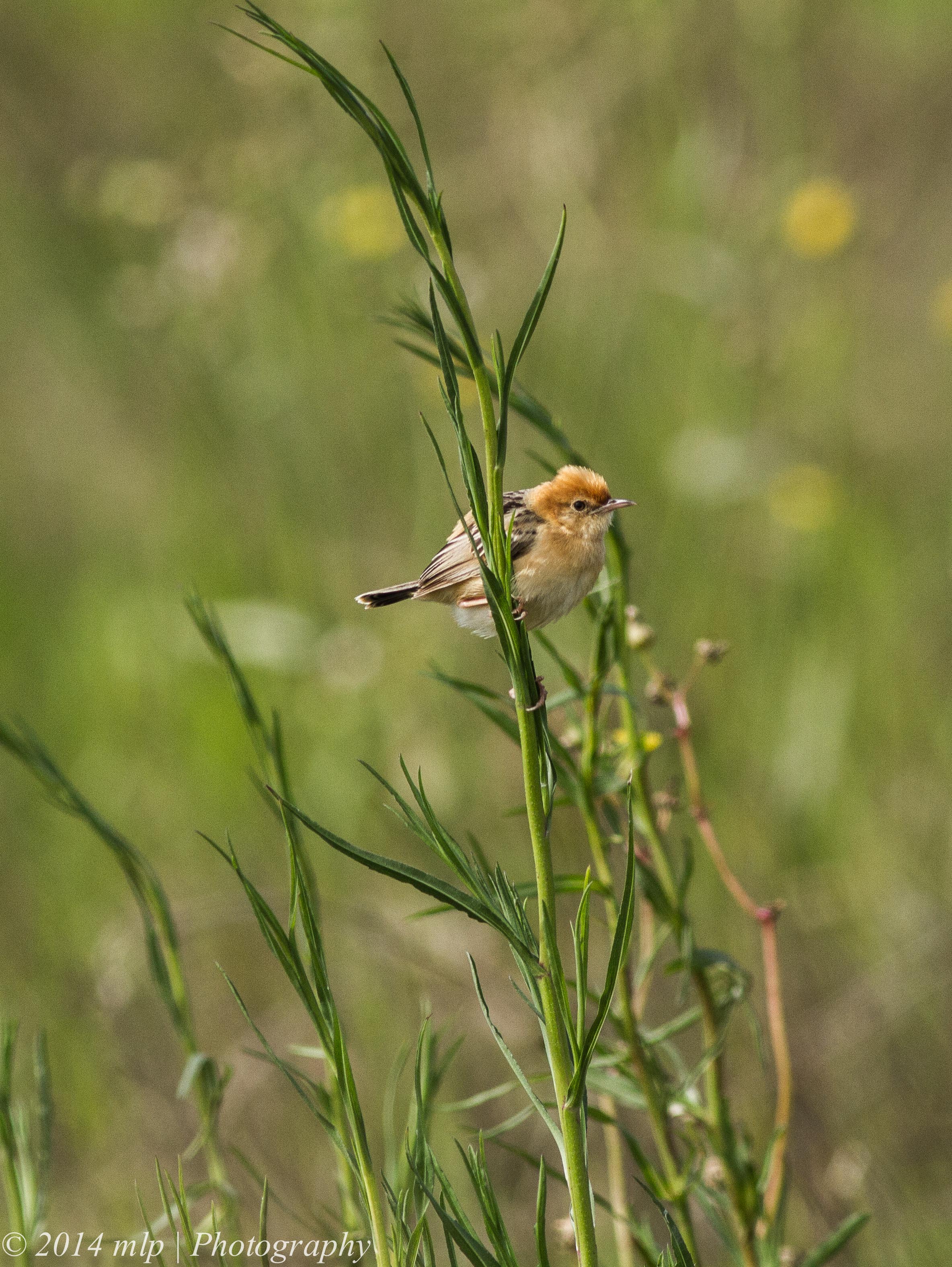
Golden Headed Cisticola,

Golden Headed Cisticola

Immature Spotted Harrier, Western Treatment Plant, Werribee - 23 Nov 2014

Immature Spotted Harrier

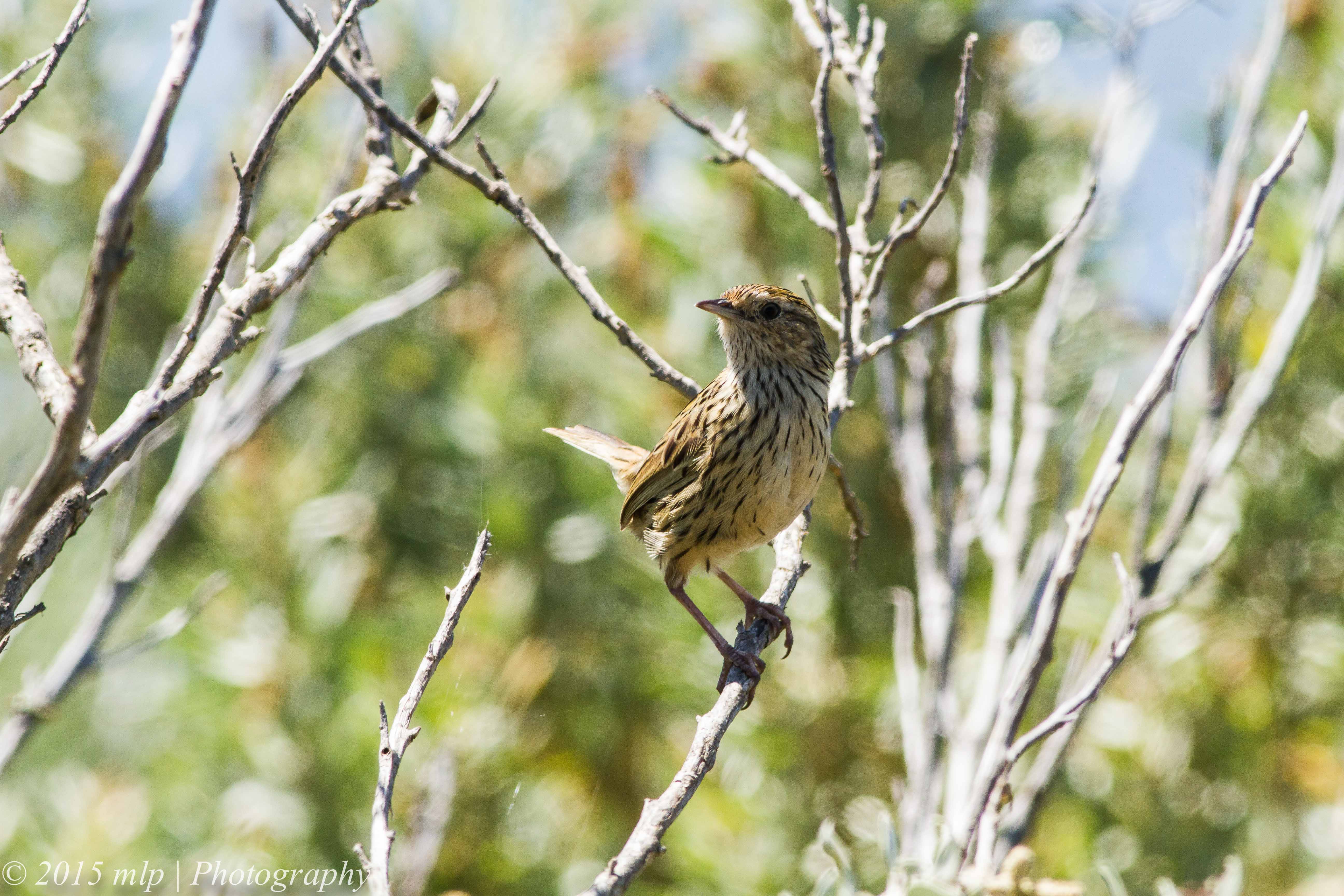
Striated Fieldwren, Western Treatment Plant, Werribee - 23 Nov 2014

Striated Fieldwren

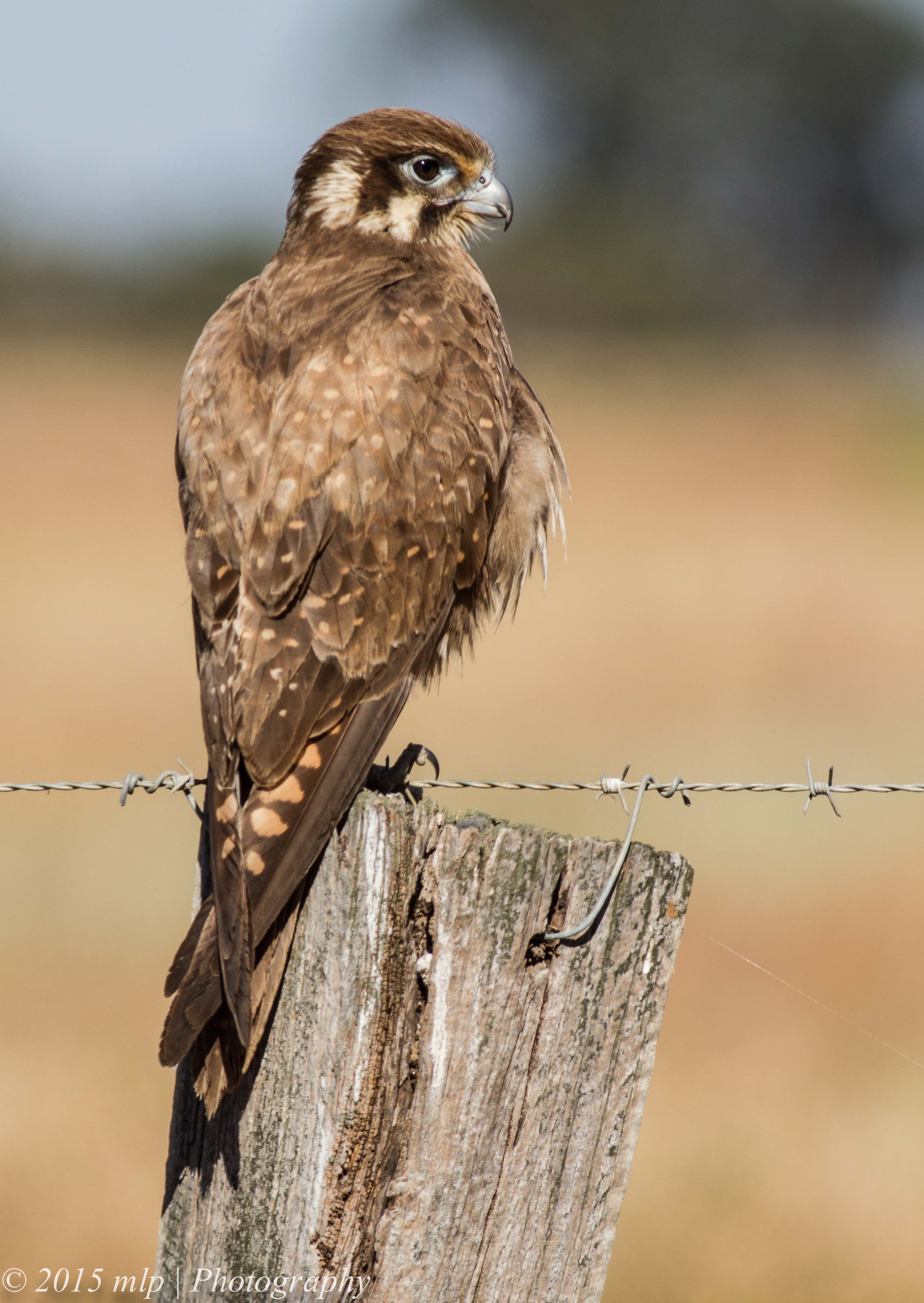
Brown Falcon, Western Treatment Plant, Werribee - 19 Nov 2014

Brown Falcon

Little Pied Cormorant

Little Pied Cormorant

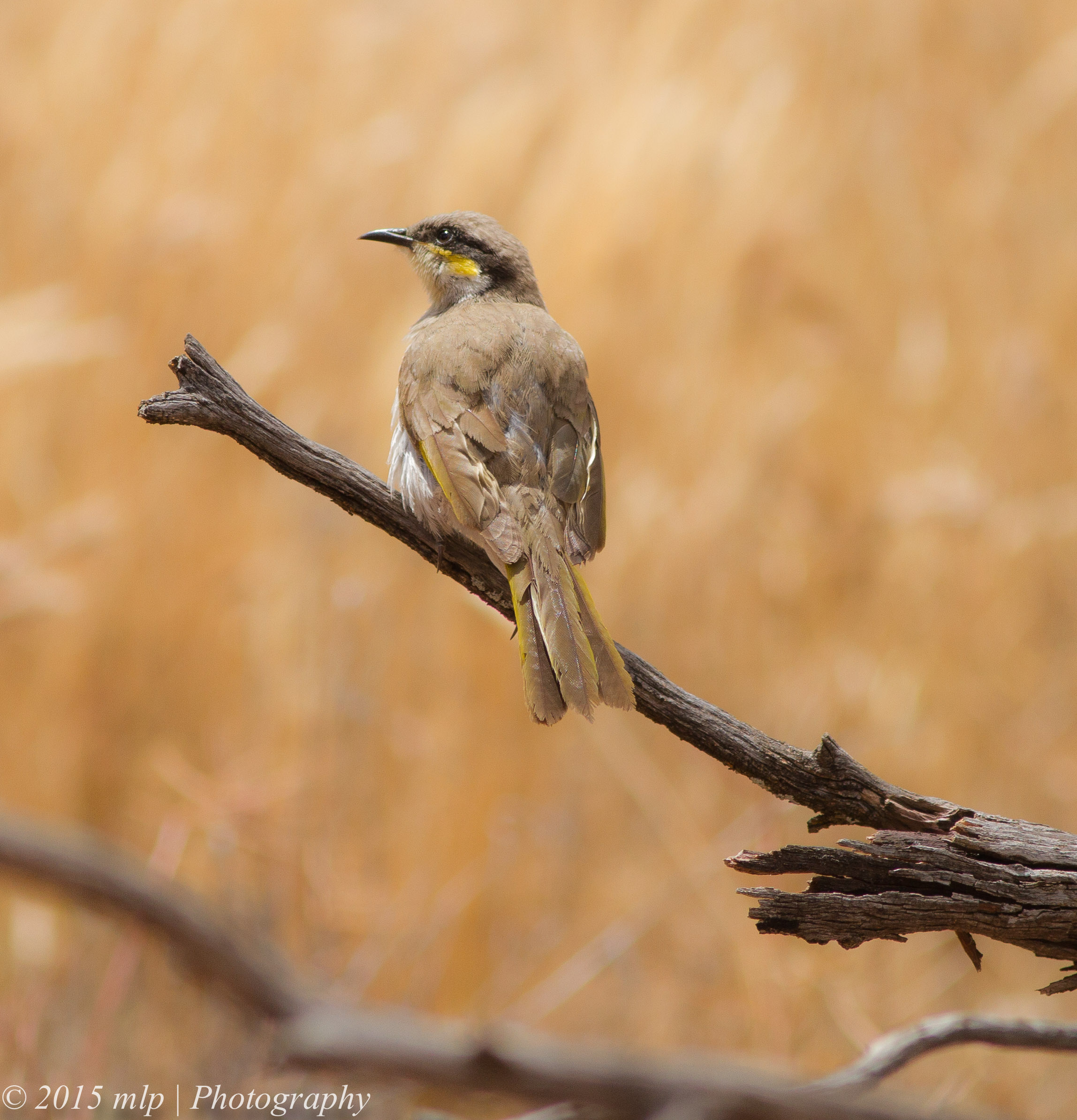
Singing Honeyeater,

Singing Honeyeater

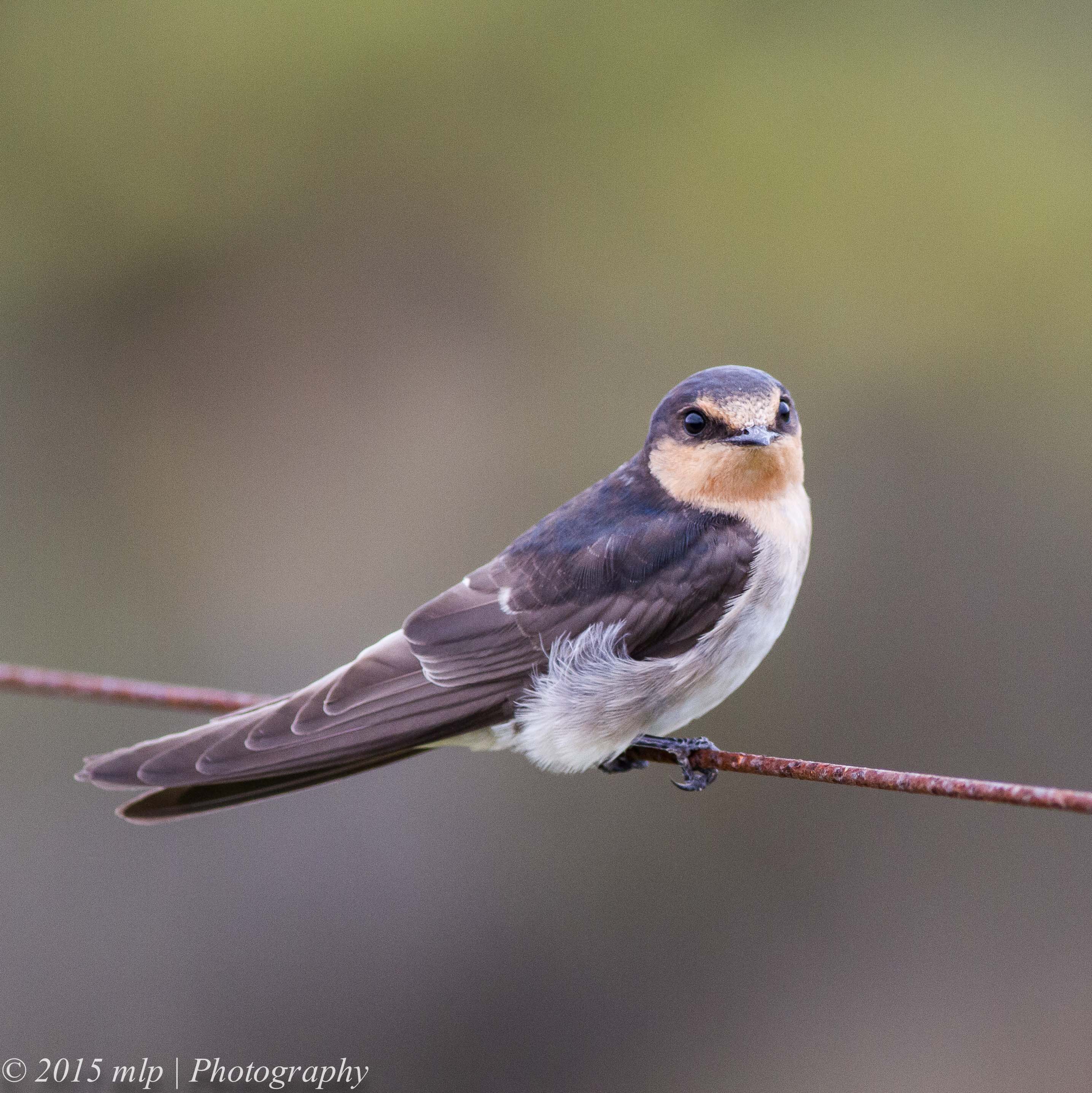
Juvenile Welcome Swallow

Immature Welcome Swallow

Willie Wagtail III

Willie Wagtail

Little Wattlebird II

Little Wattlebird

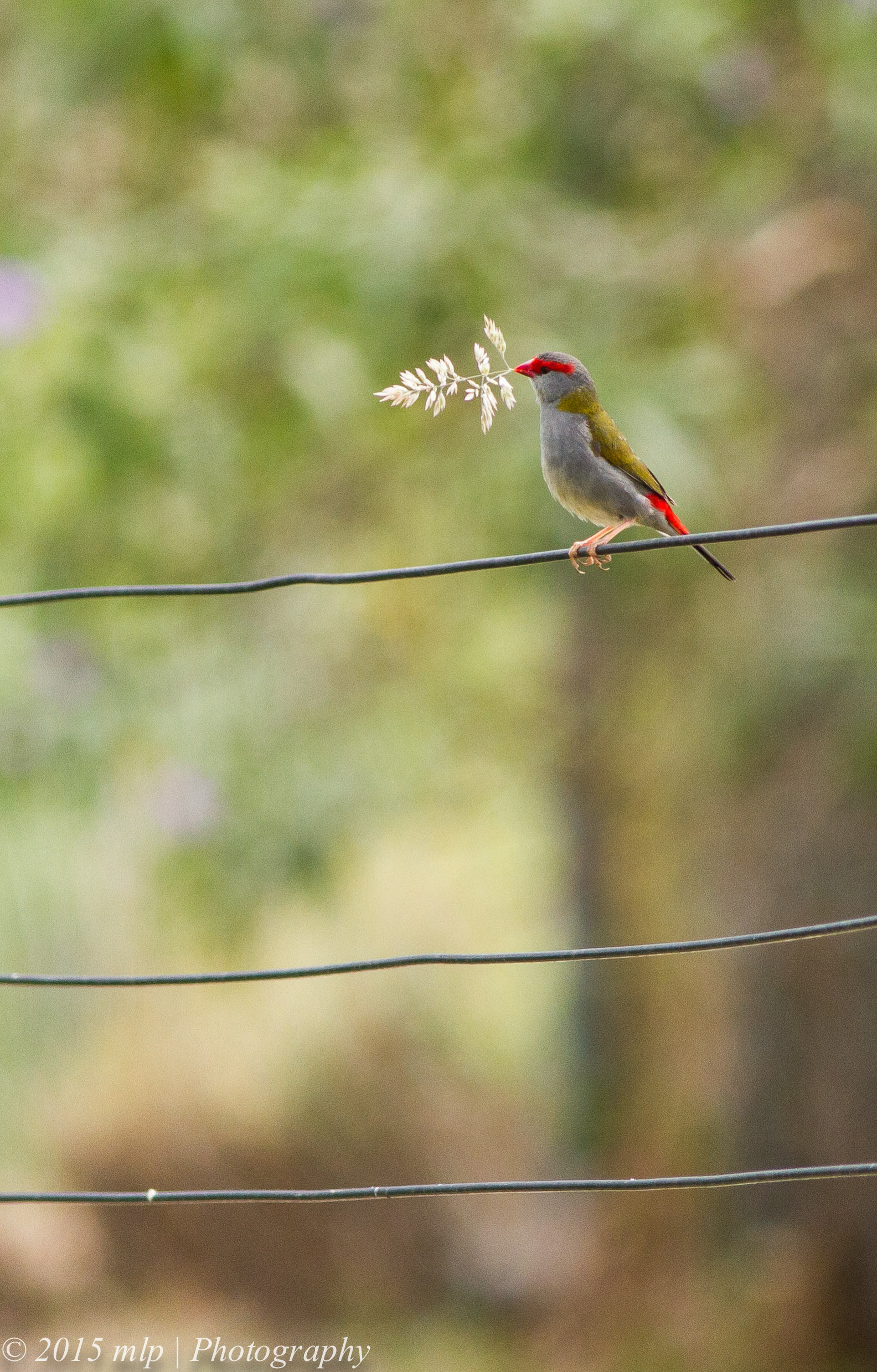
Red Browed Finch

Dancing Red Browed Finch

Purple Flower with Bee

Purple Flower with Bee – I actually moved around this flower to find a bokeh colour contrast that could look good…

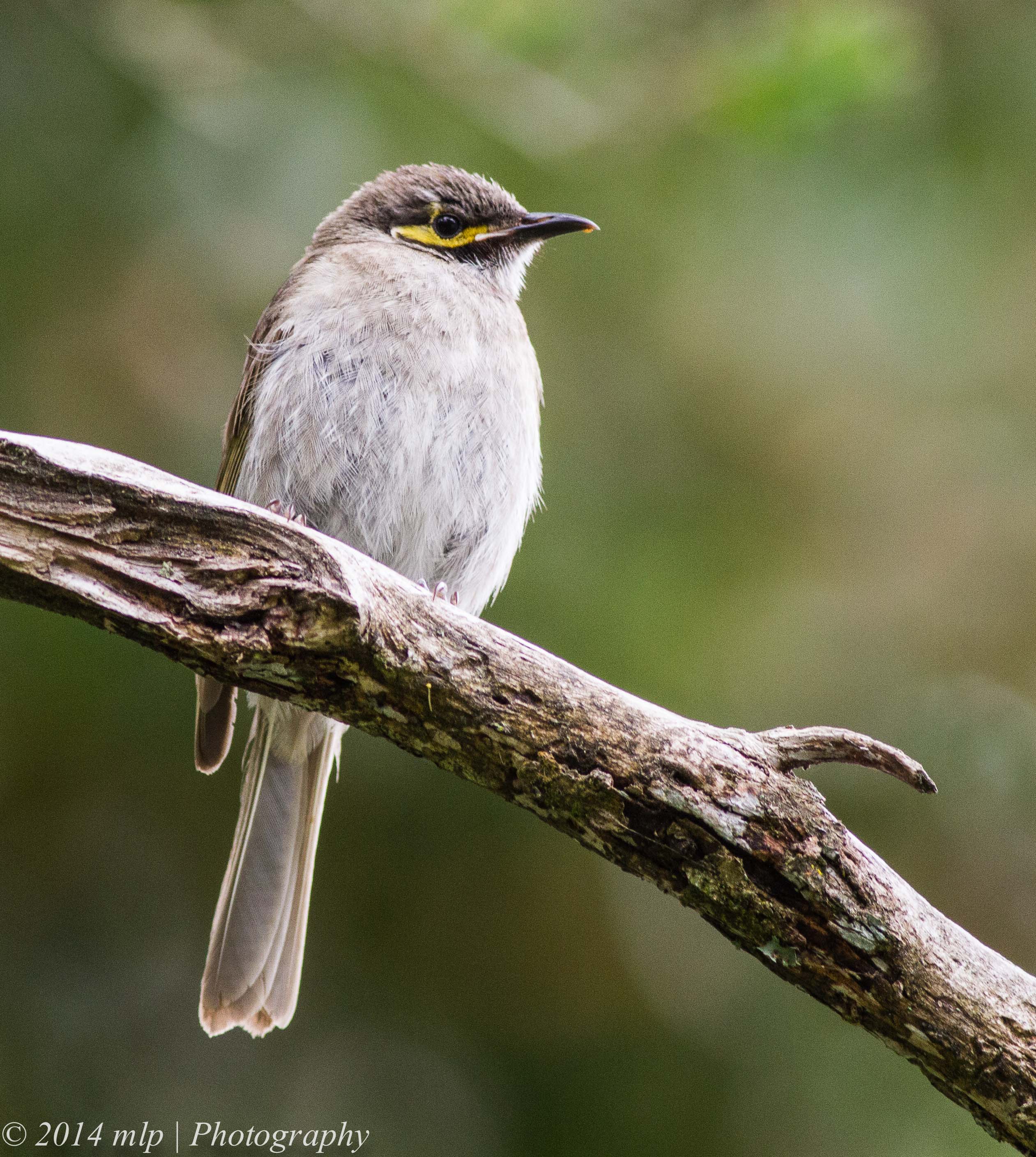
Juvenile Yellow Faced Honeyeater

Juvenile Yellow Faced Honeyeater

Eastern Yellow Robin, Greens Bush, Mornington Peninsula NP,  Victoria

Eastern Yellow Robin

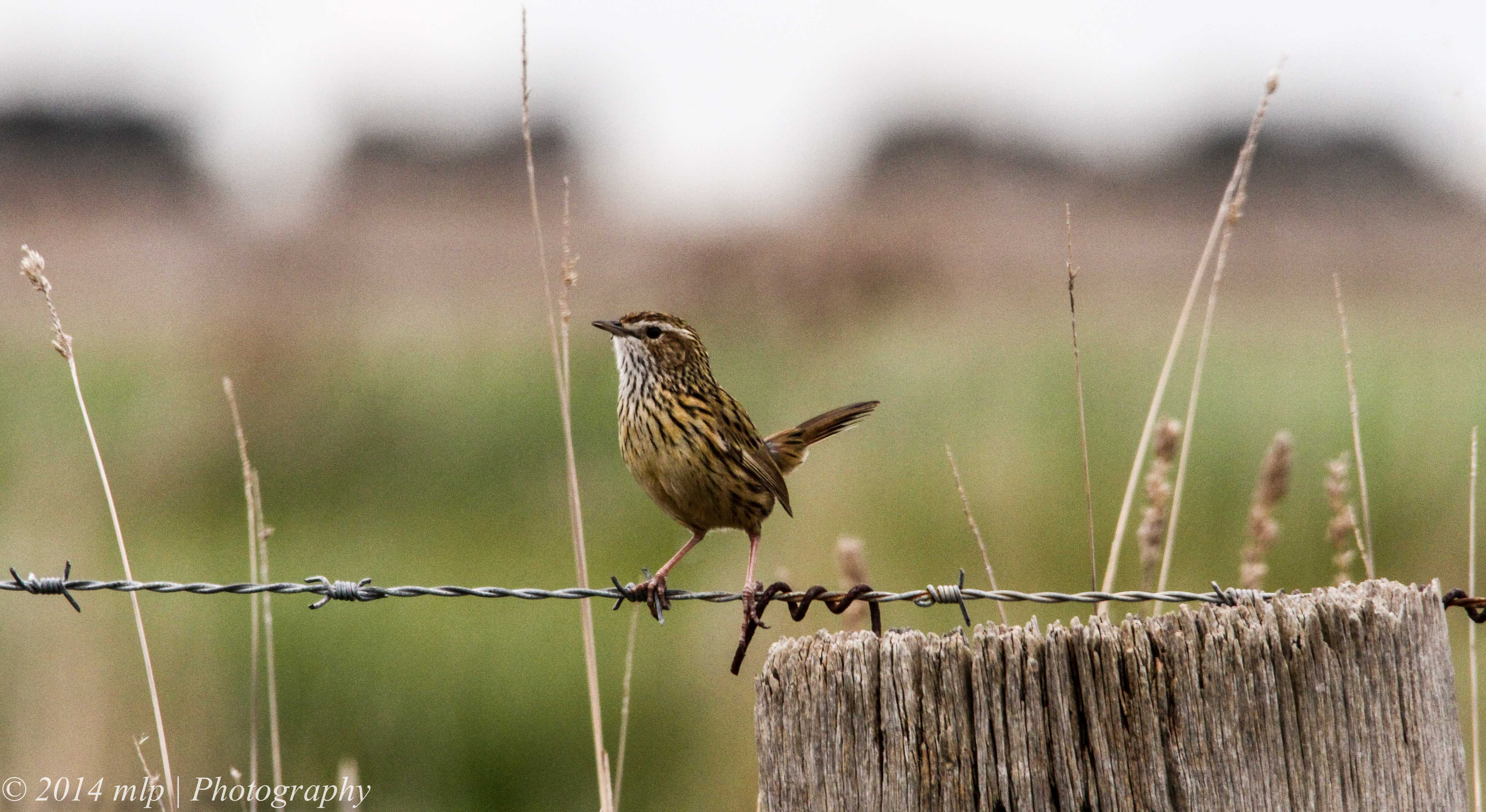
Striated Fieldwren, Western Treatment Plant, Weribee, Victoria - 29 May, 2014

Striated Fieldwren

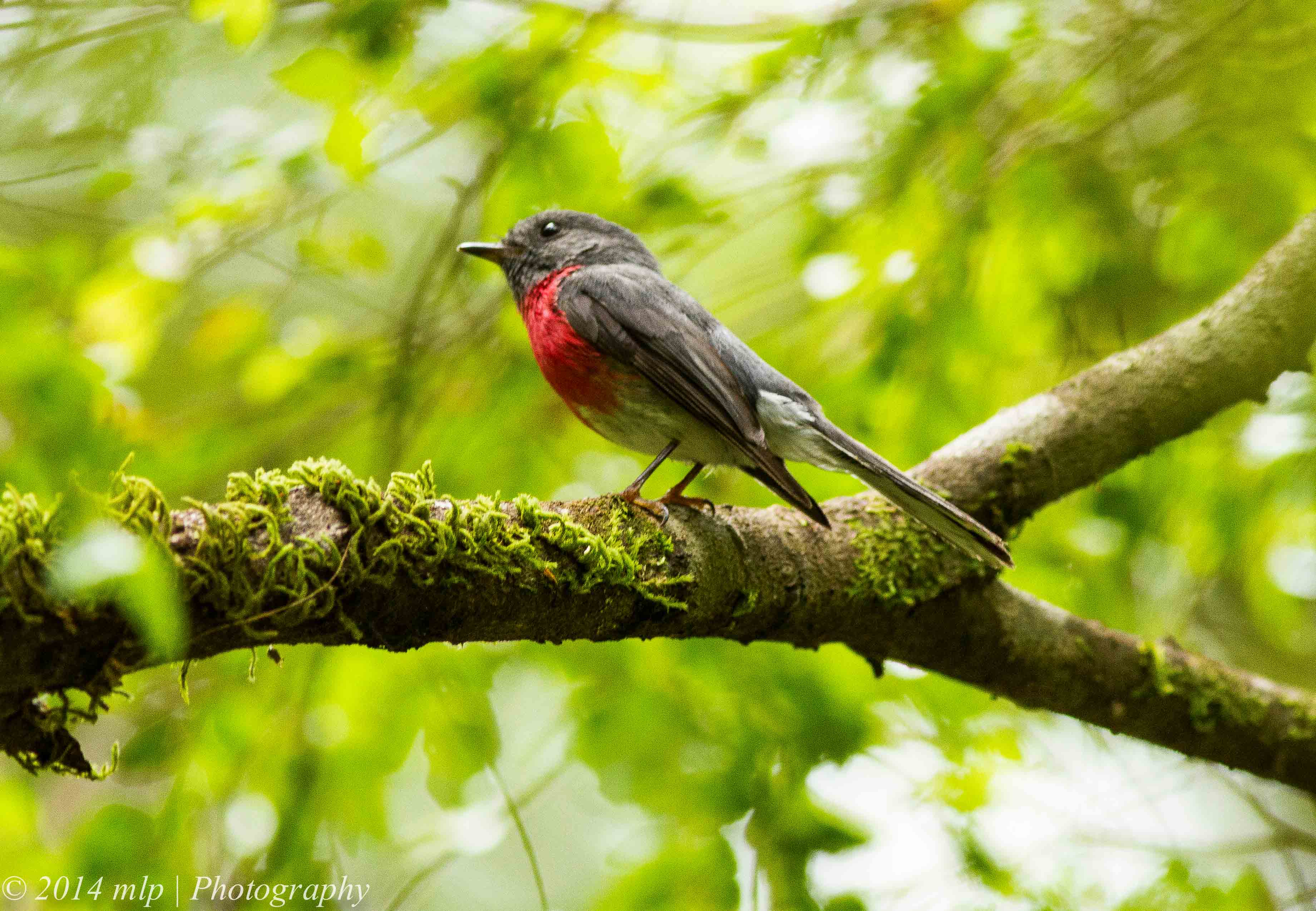
Rose Robin

Rose Robin

Southern Emu Wren along Shipwreck Creek to Seal Creek trail

Southern Emu Wren

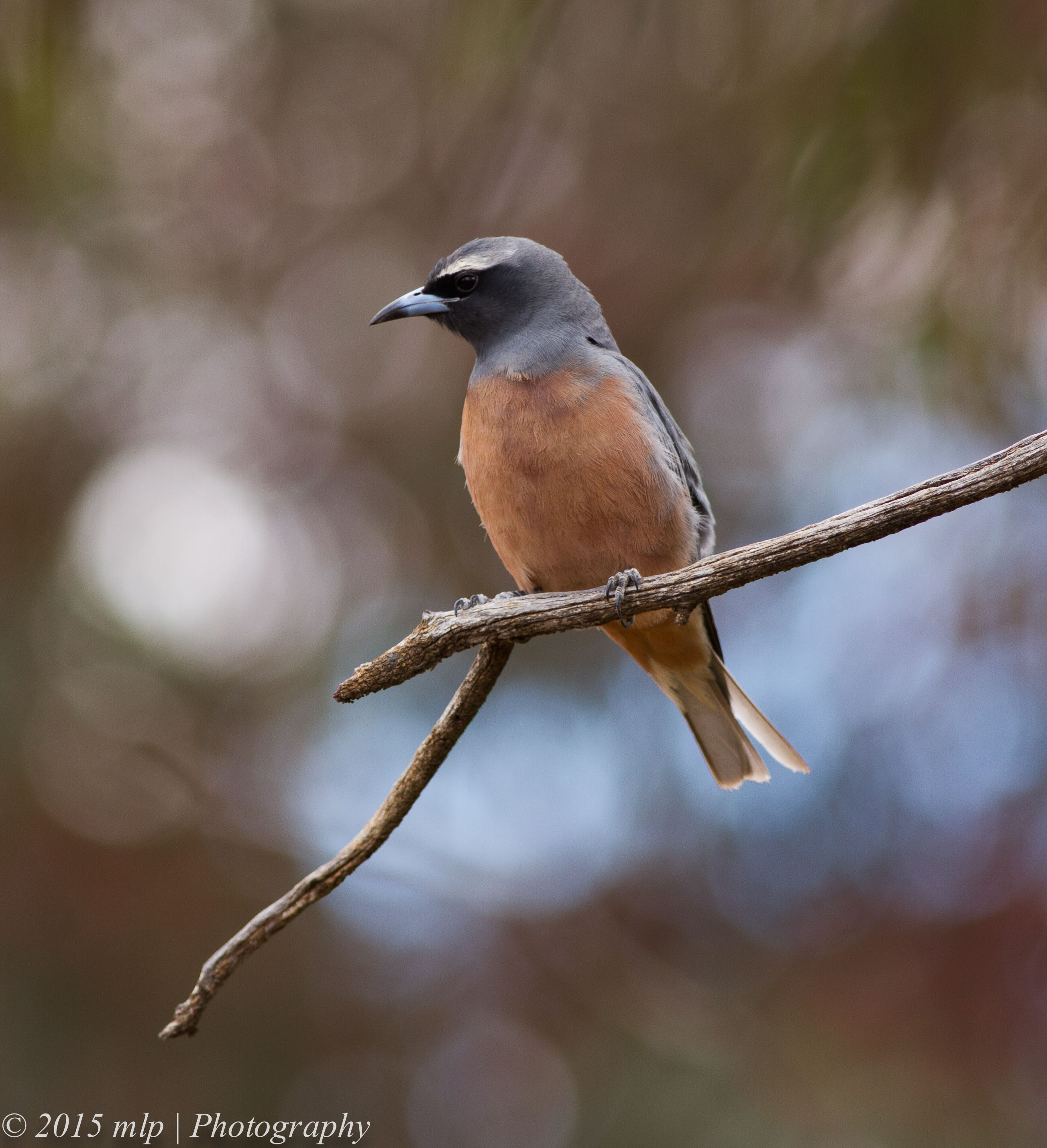
White Browed Woodswallow

White Browed Woodswallow

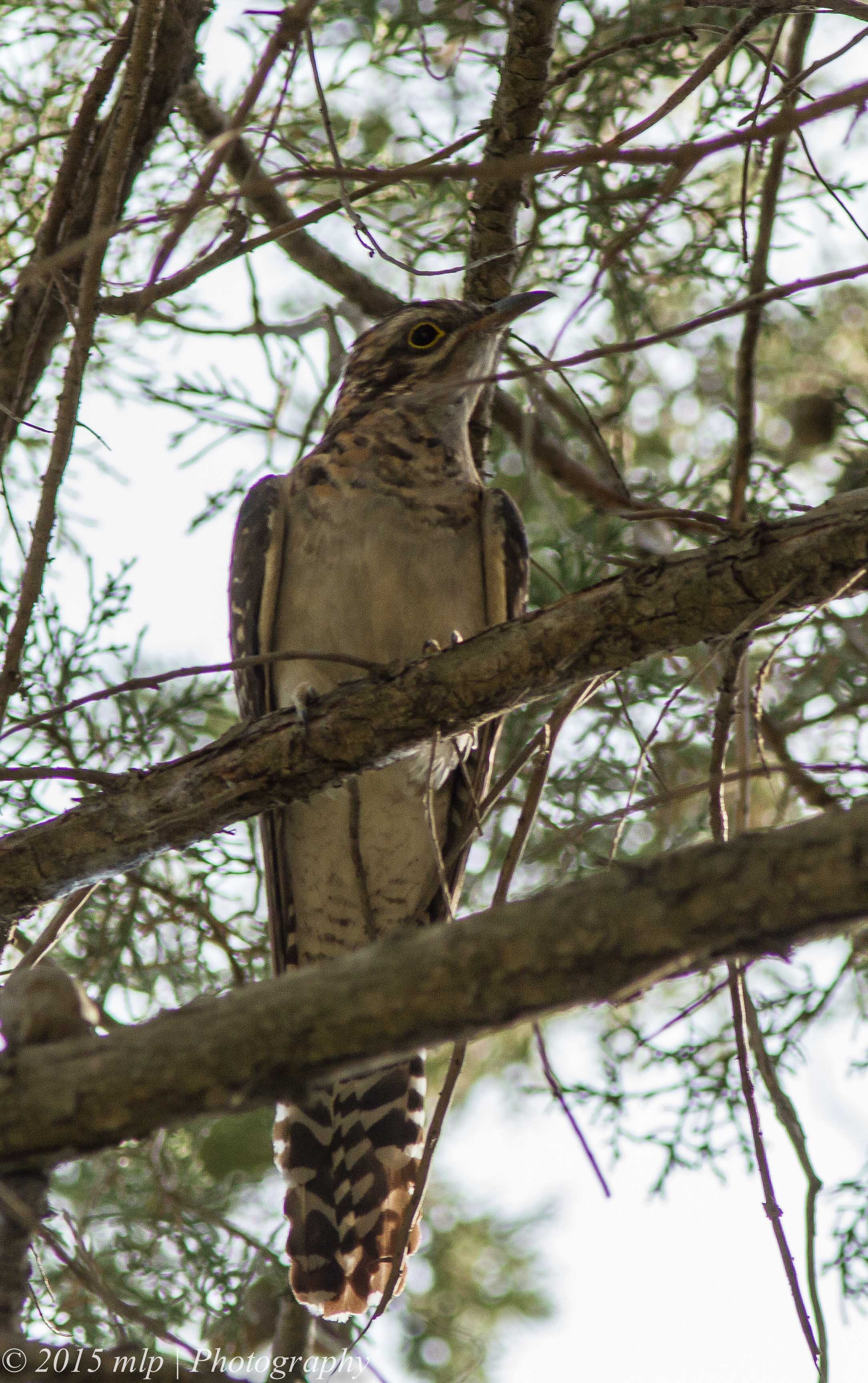
Elster Creek’s surprise visitor: a Pallid Cuckoo

Yesterday was hot and humid and after a lazy day I decided on a late afternoon walk along the creek at my back fence. I took my camera and 1.4 Extender to see what I could find up at the Elster Creek lake inside the Golf Course. At the lake, I ran into a young local birder/naturalist –  Gio F and we explored the creek up to a dense section looking for roosting Nankeen Night Herons but instead spotted a Pallid Cuckoo. It flushed a few times from high in the trees and we followed it around a few large Conifers trying to get a better angle for a picture. We ran into another local birder – David E (my birding mate from the Lake Tutchewop Twitch), who suggested that it was a young female Cuckoo probably starting the migration north and just passing through our area. They are quite rare in our part of the urban landscape.

Pallid Cuckoo, Elster Creek

Pallid Cuckoo, Elster Creek

Pallid Cuckoo, Elster Creek

Pallid Cuckoo II

Pallid Cuckoo, Elster Creek

Pallid Cuckoo III


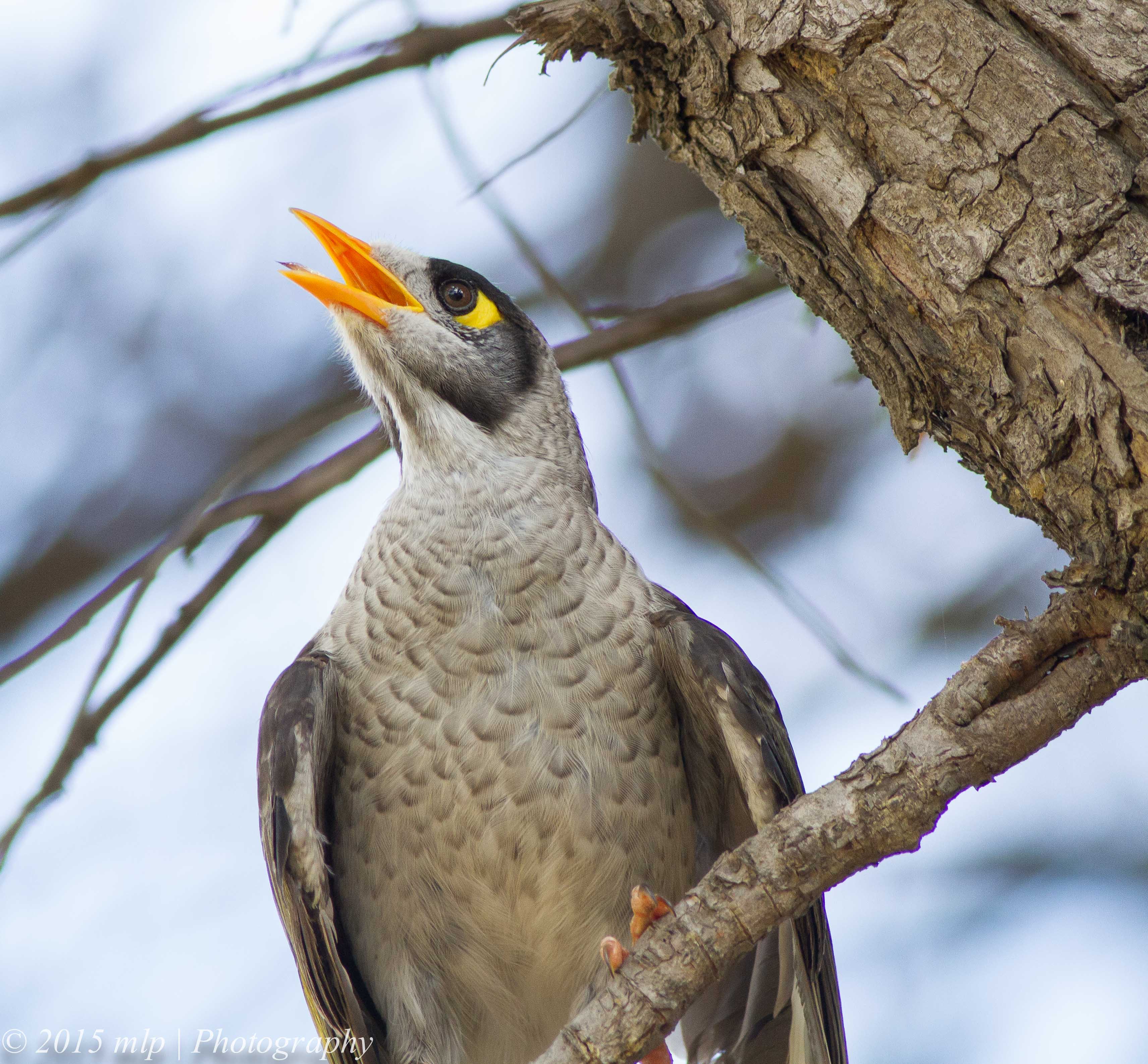
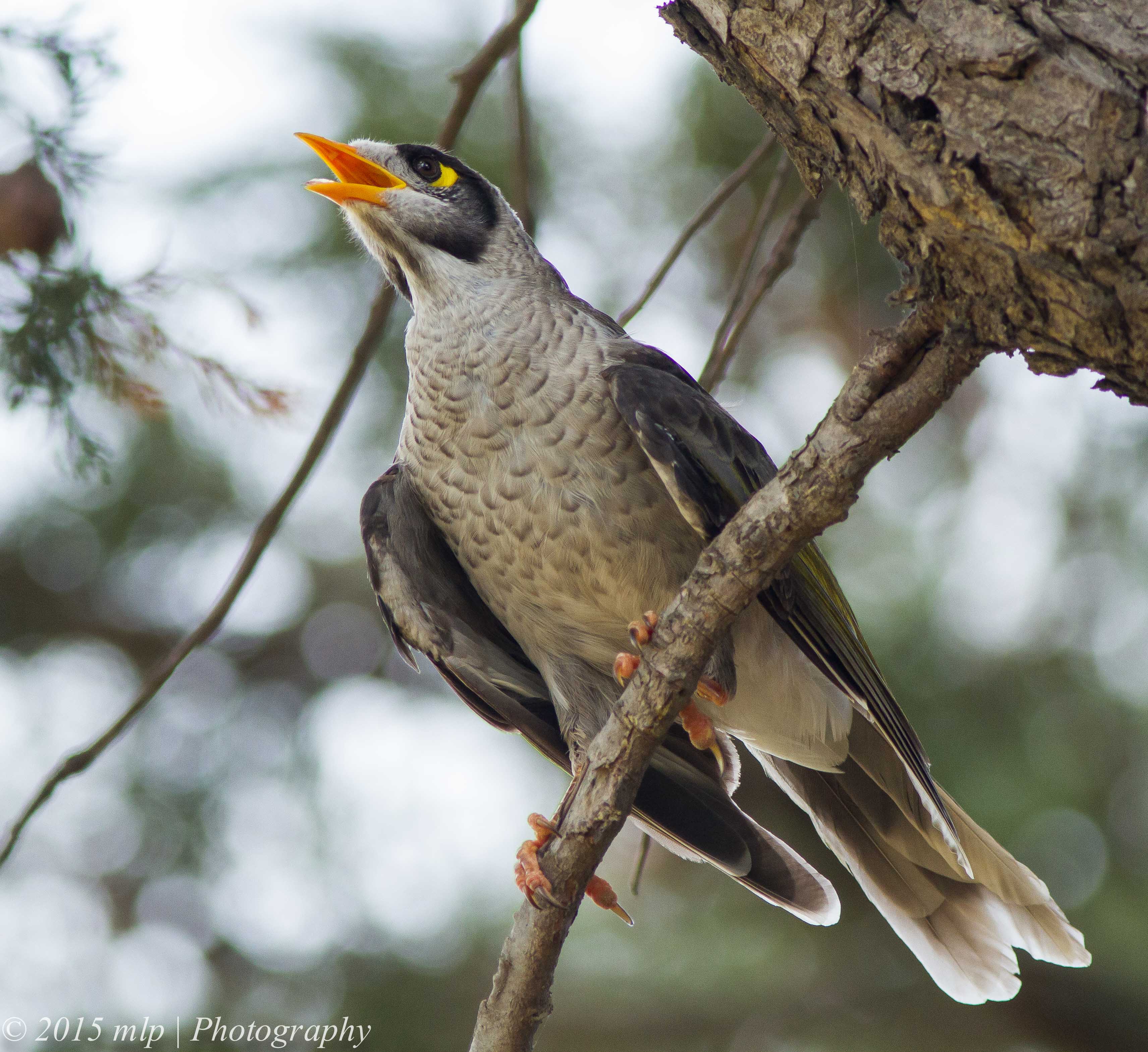
Noisy Miners are native honeyeaters that have adapted extremely well to urban locations. They are a communal bird that are very aggressive and push out other species from areas. Some councils around Australia have started culling programs to reduce their numbers and it has worked – other species are making a come back.  The Miners, while being a pest are actually interesting to watch and study as they have 11 known warning calls for predators and a specific one for “raptors above”. We heard it used while standing at the lake and soon spotted a Brown Goshawk flying over.

The one below came over to have look at what we were up to – had it seen the Cuckoo, it would have put out a challenge call and brought the rest of the pack over. It seemed quite hot and was panting while it watched us.

Noisy Miner, Elster Creek

Noisy Miner, Elster Creek

Noisy Miner, Elster Creek

Noisy Miner II

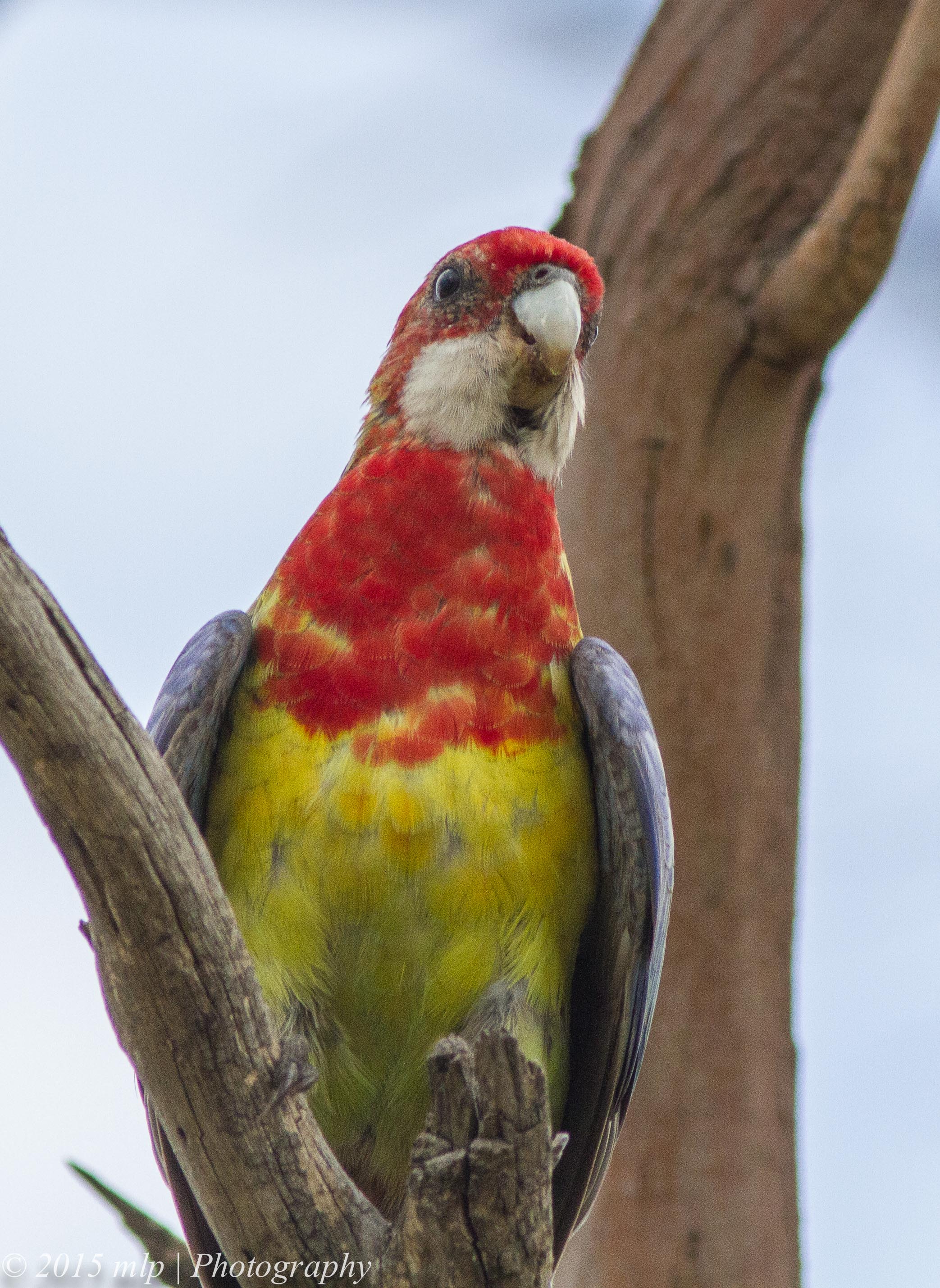
Eastern Rosella

Eastern Rosella – this immature bird also came over to see what I was up to at the lake’s edge  – I was trying to entice a Little Grassbird out of the reeds by doing a bad impression.

Eastern Rosella

Eastern Rosella – I tried to mimic the Rosella’s calls ( a wide variety of piping chimes) and after a bit of a chat, the look he gave me suggested that I was a bit “special” and he took off…

Little Pied Cormorant

Little Pied Cormorant

Little Pied Cormorant

Little Pied Cormorant in the evening light

Australian Reed Warbler

Australian Reed Warbler – I did entice this guy out with a call.

Australian Reed Warbler

Australian Reed Warbler II

Goschen! It was a good day to Twitch…

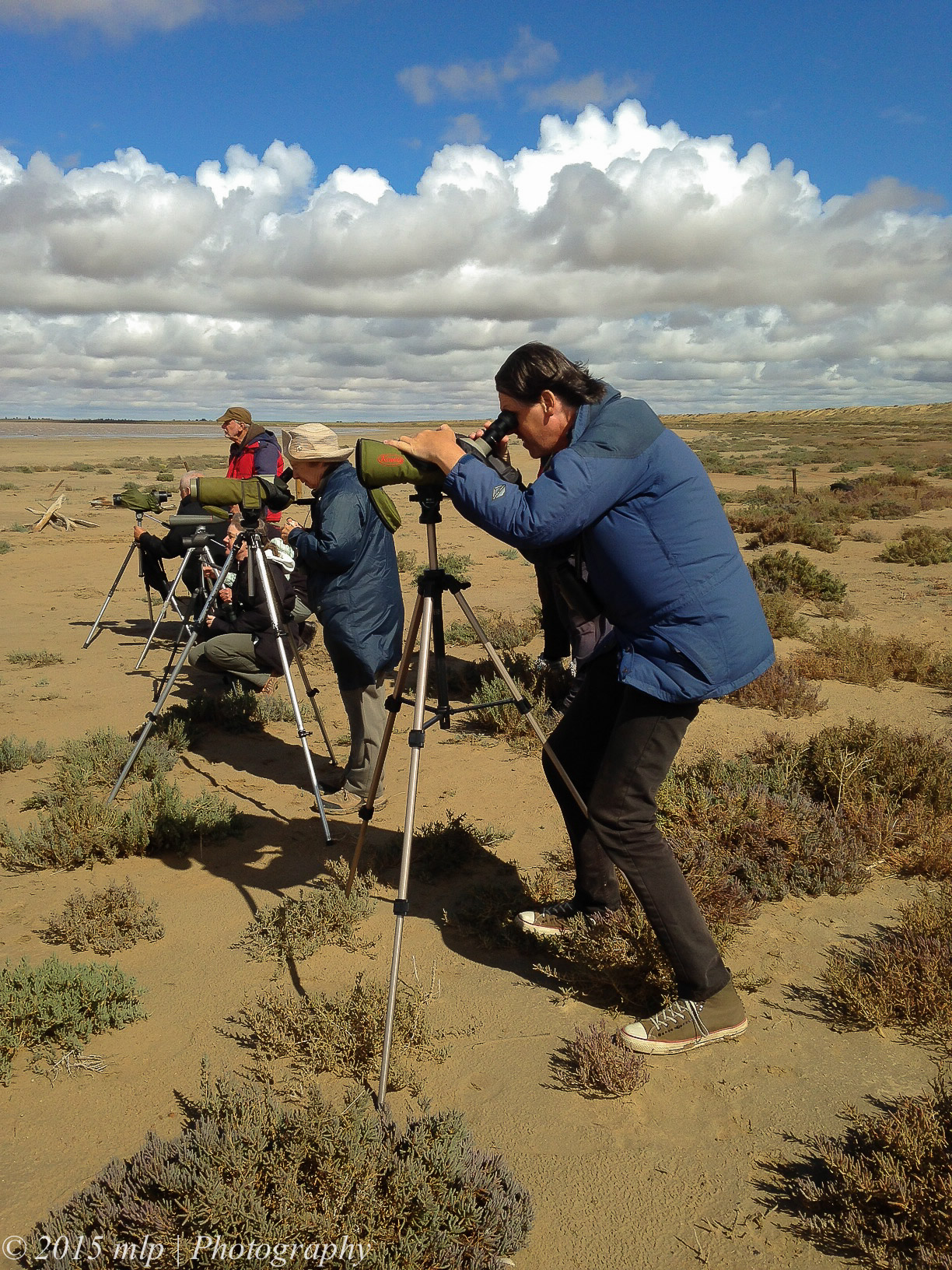
Late last year a sighting report came in for a Long Billed Dowitcher – a bird that usually heads down the American side of the Pacific on Summer migration from Siberia. This one seemed to have mistakenly come down the Australasian Migration Highway. It was the first time one had been seen in Australia let alone so far south and into Victoria. I got up early and with a birding mate made the 3 hour drive for my first real twitch to get a single bird onto my life list – one that may never been seen again in Australia. Within 15 mins of arriving at Lake Tutchewop we found the bird thanks to a line up of spotting scopes and photographers. It was cold and windy and after recent rains the lake’s wide sandy foreshore had turned to sticky slippery mud. I did not take any photos (other than two iPhone shots)  but had some nice clear views of the red/brown shorebird via my scope.

Spotting Scopes, Lake Tutchewop, Vic,

Spotting scopes lined up, Lake Tutchewop, Vic,

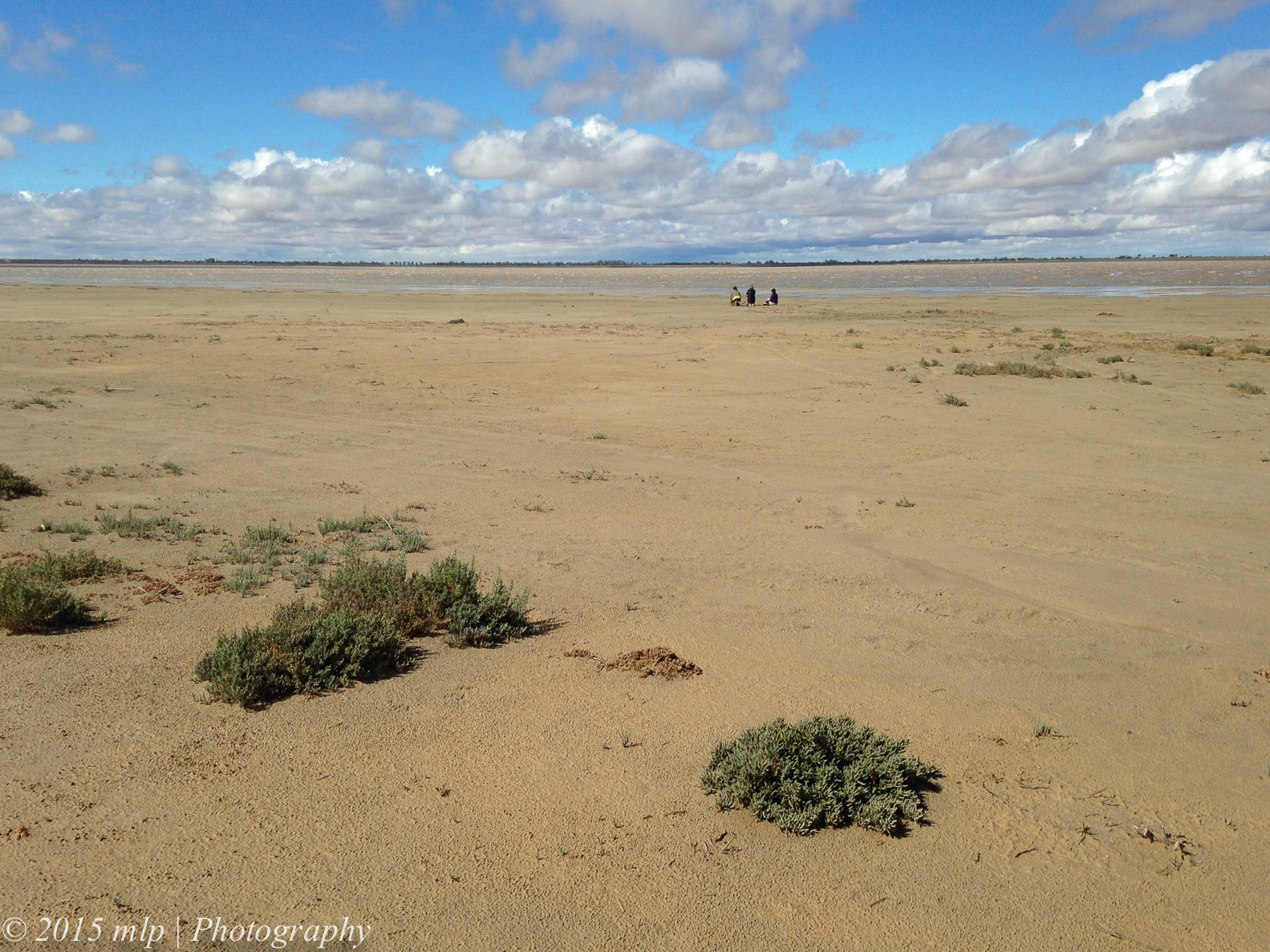
Lake Tutchewop, Vic,

Lake Tutchewop, Vic – to get close up images several keen photographers crawled forward of the main group and stayed low in the mud to make sure they did not spook the Dowitcher and the other waders in the water.

Having been very lucky and finding the bird so soon (many other twitchers making the long trip took hours or days to find it and several never saw it all due to it flying around the vast lake at different times of the day) we decided to make the most of the location and head over to Goschen Bushland Reserve, near Swan Hill. Goschen is a small grassy Mallee woodland remnant, site of a planned, partially built but abandoned town with an old hall, tennis courts and facilities – all now derelict. Several hours of exploring the area can produce a good list of mallee birds not generally found further south and some nice pictures.

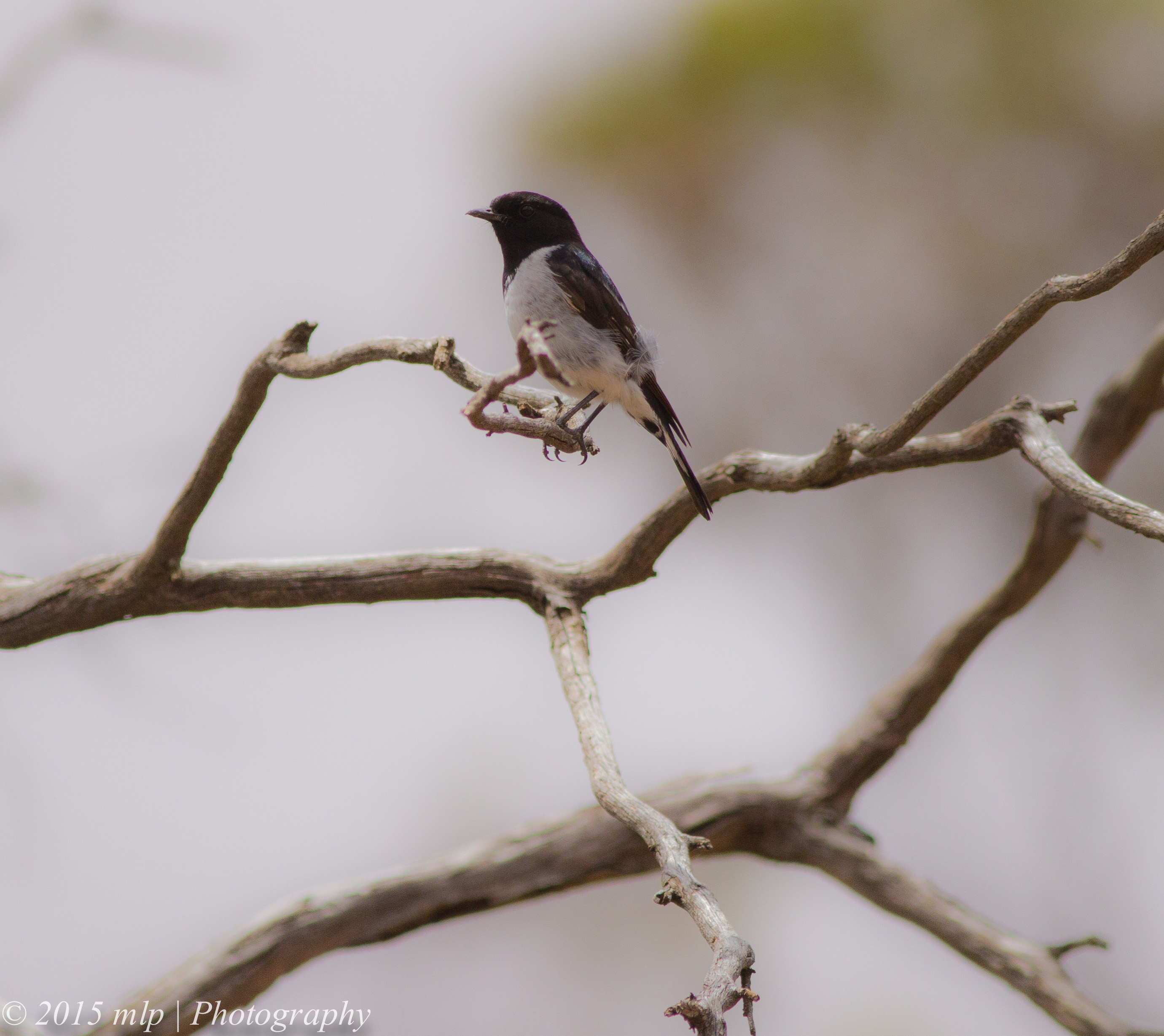
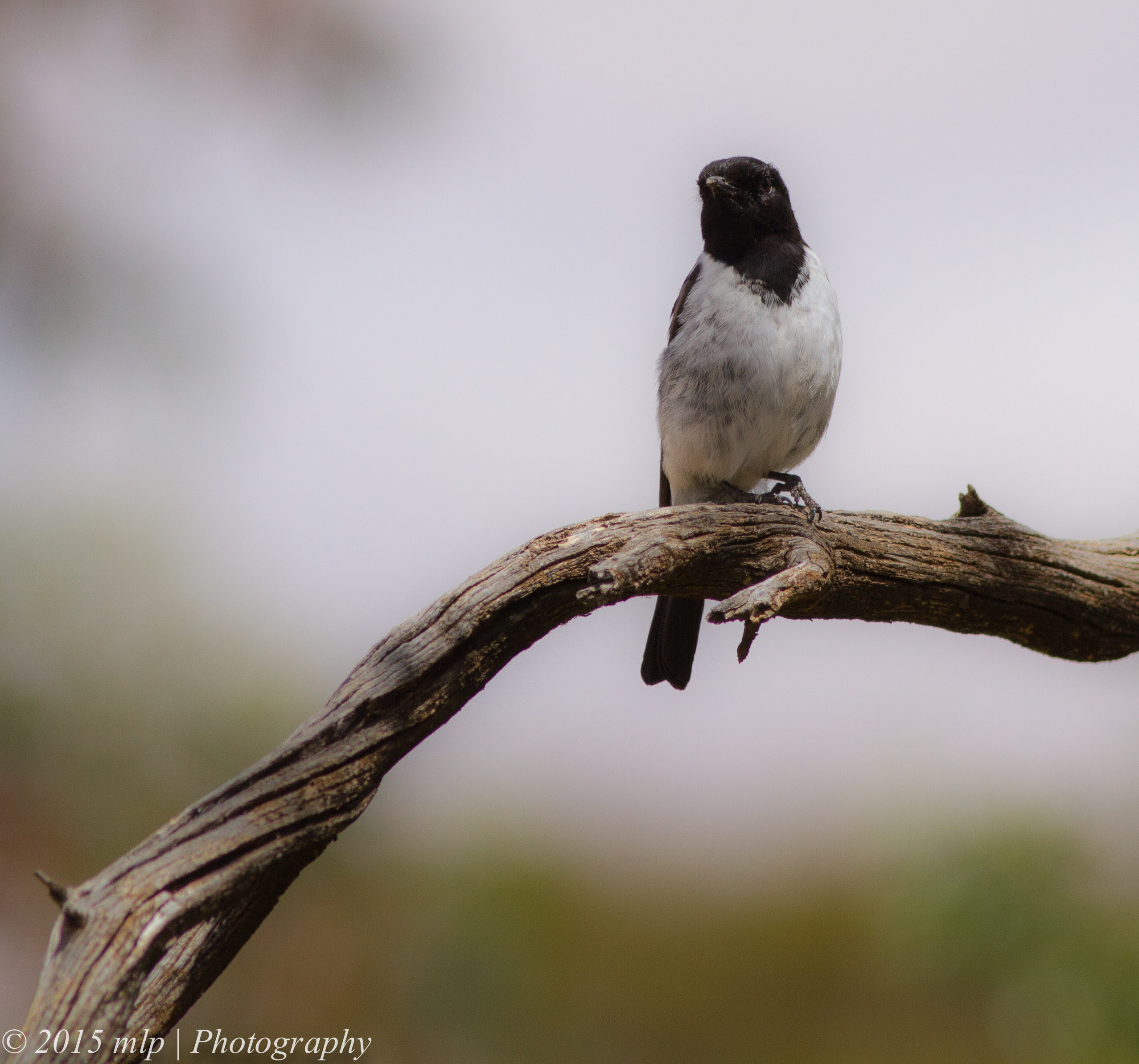
Hooded Robin, Goschen,

Hooded Robin, Goschen

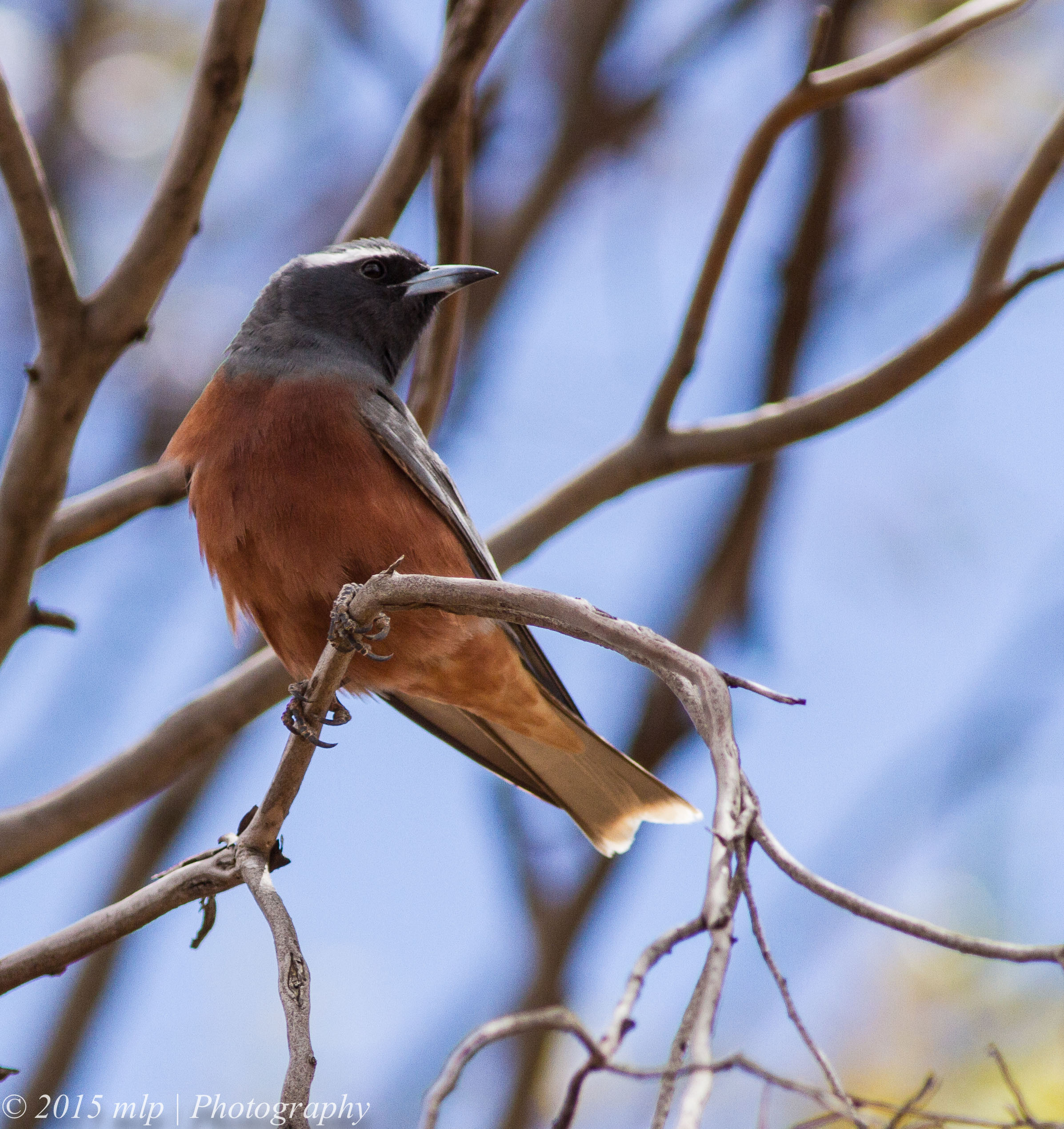
Hooded Robin II, Goschen

Hooded Robin II, Goschen

Singing Honeyeater,

Singing Honeyeater

Singing Honeyeater,

Singing Honeyeater II

Singing Honeyeater,

Singing Honeyeater III

White Browed Woodswallow

White Browed Woodswallow

White Browed Woodswallow

White Browed Woodswallow II

White Browed Woodswallow

White Browed Woodswallow III

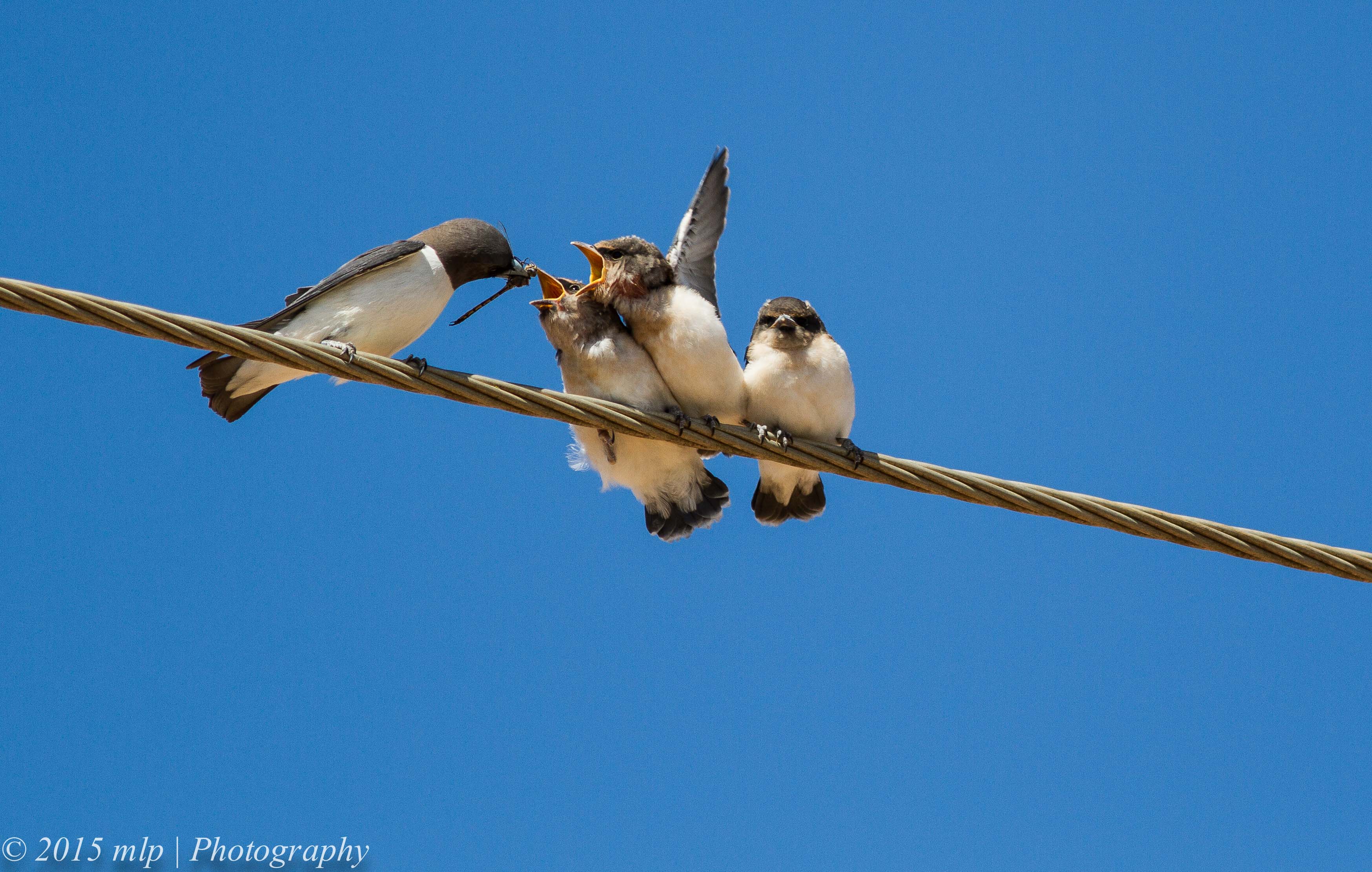
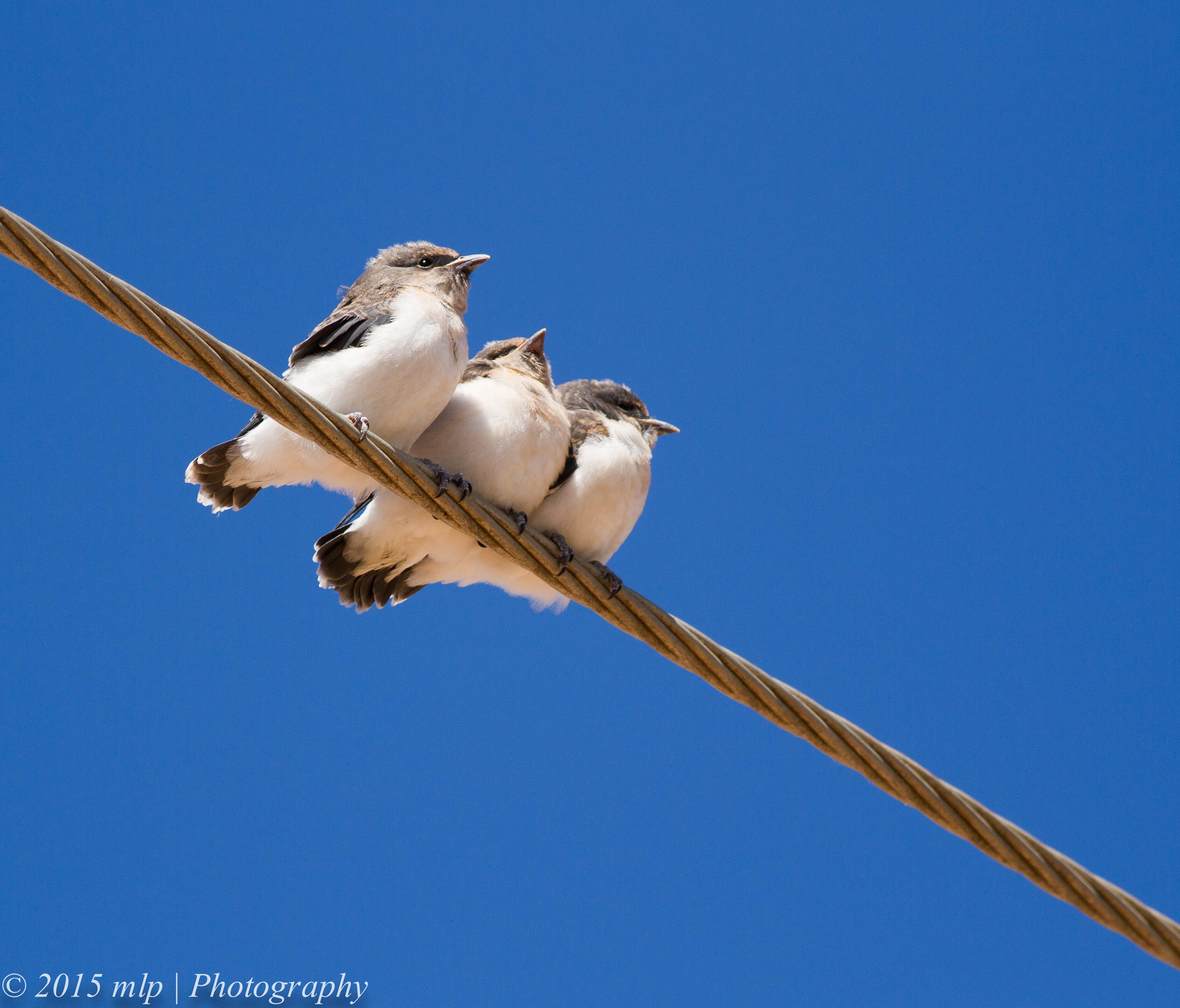
On the way home we passed through Lake Boga and watched  White Breasted Woodswallows feeding their chicks.

White Breasted Woodswallows, Lake Boga

White Breasted Woodswallows, Lake Boga – parent with a nice sized dragonfly

White Breasted Woodswallows, Lake Boga

White Breasted Woodswallows, Lake Boga

White Breasted Woodswallows, Lake Boga

White Breasted Woodswallows:  just like real estate – it is all about position – the chick in the middle kept missing out….bad position.

White Breasted Woodswallows, Lake Boga

White Breasted Woodswallow chicks waiting patiently for their next feed.