Tag Archives: Bird Photography

Tresco West Fairywrens

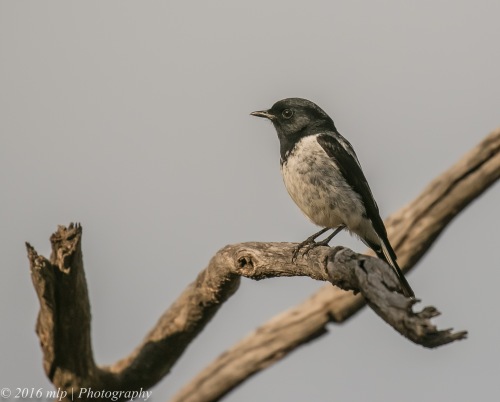
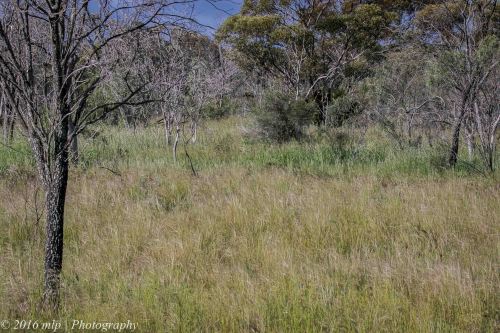
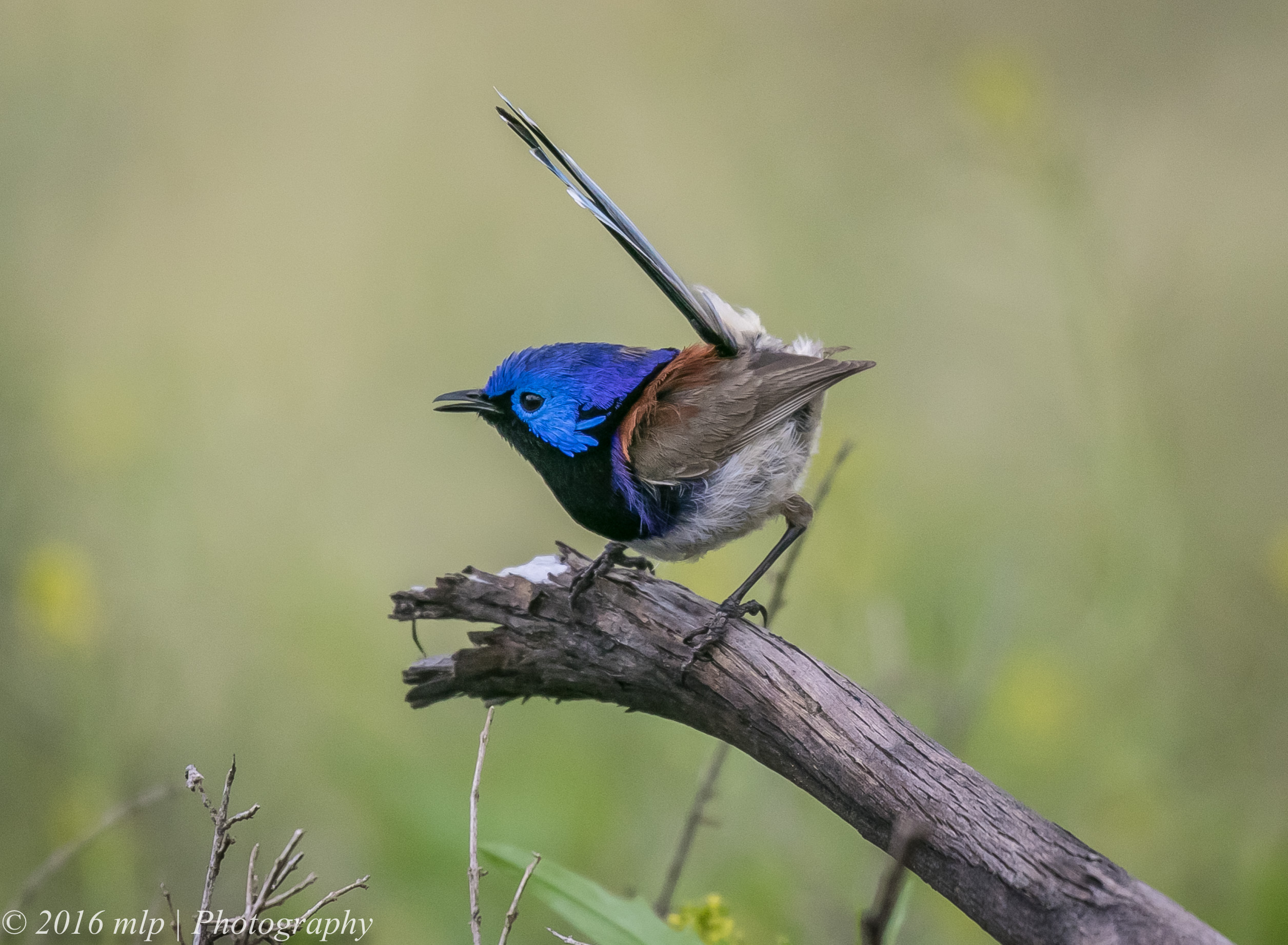
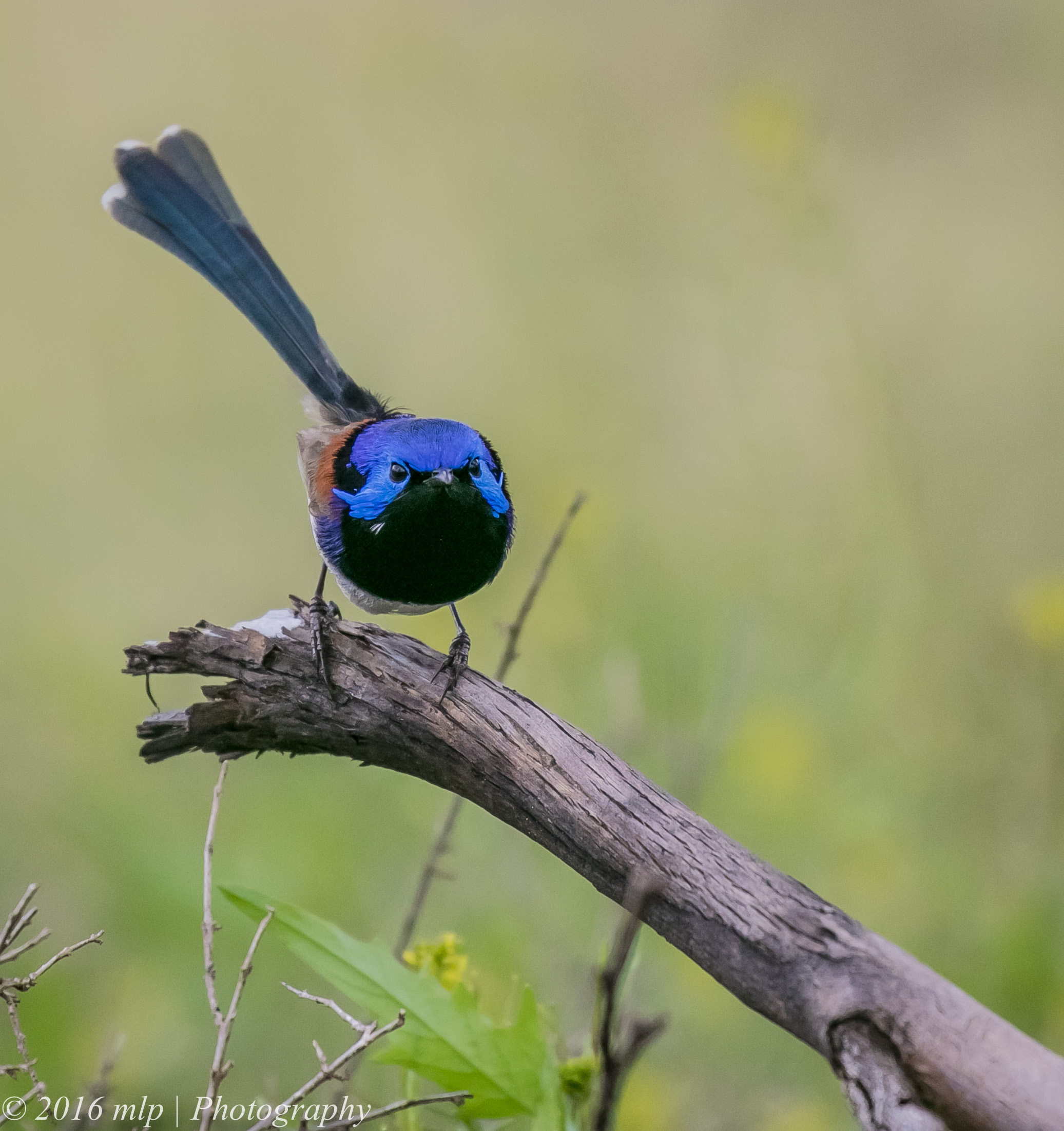
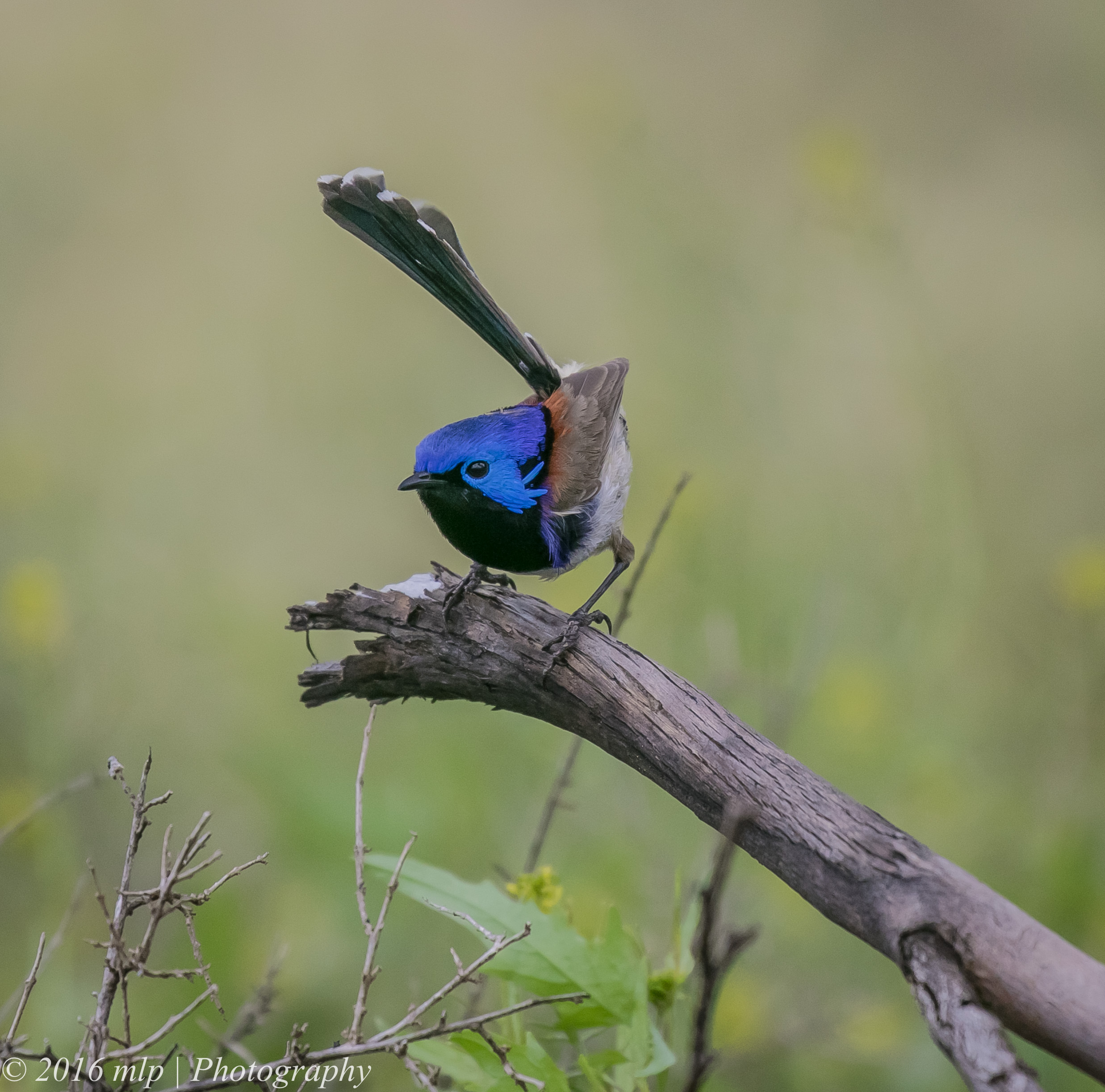
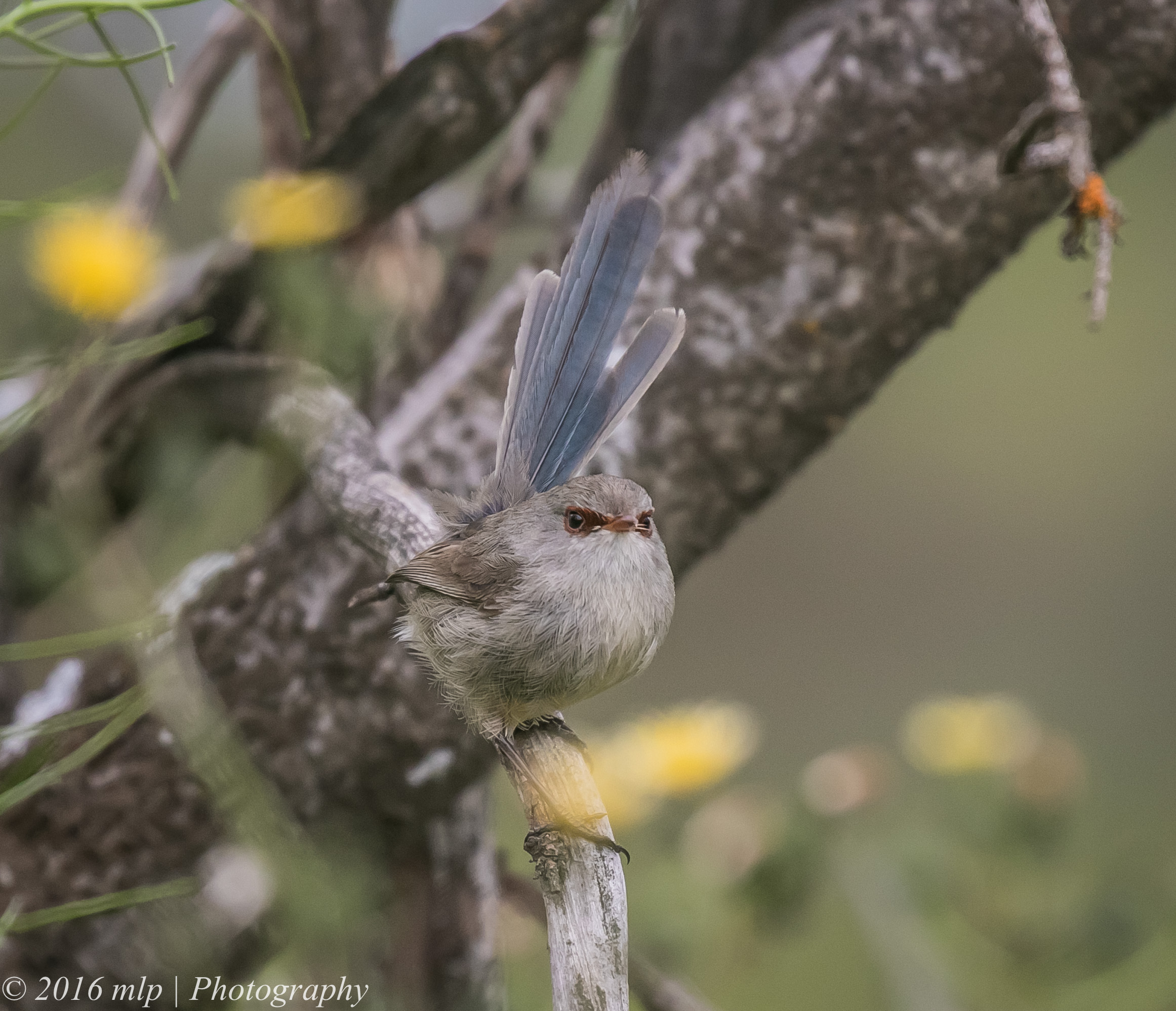
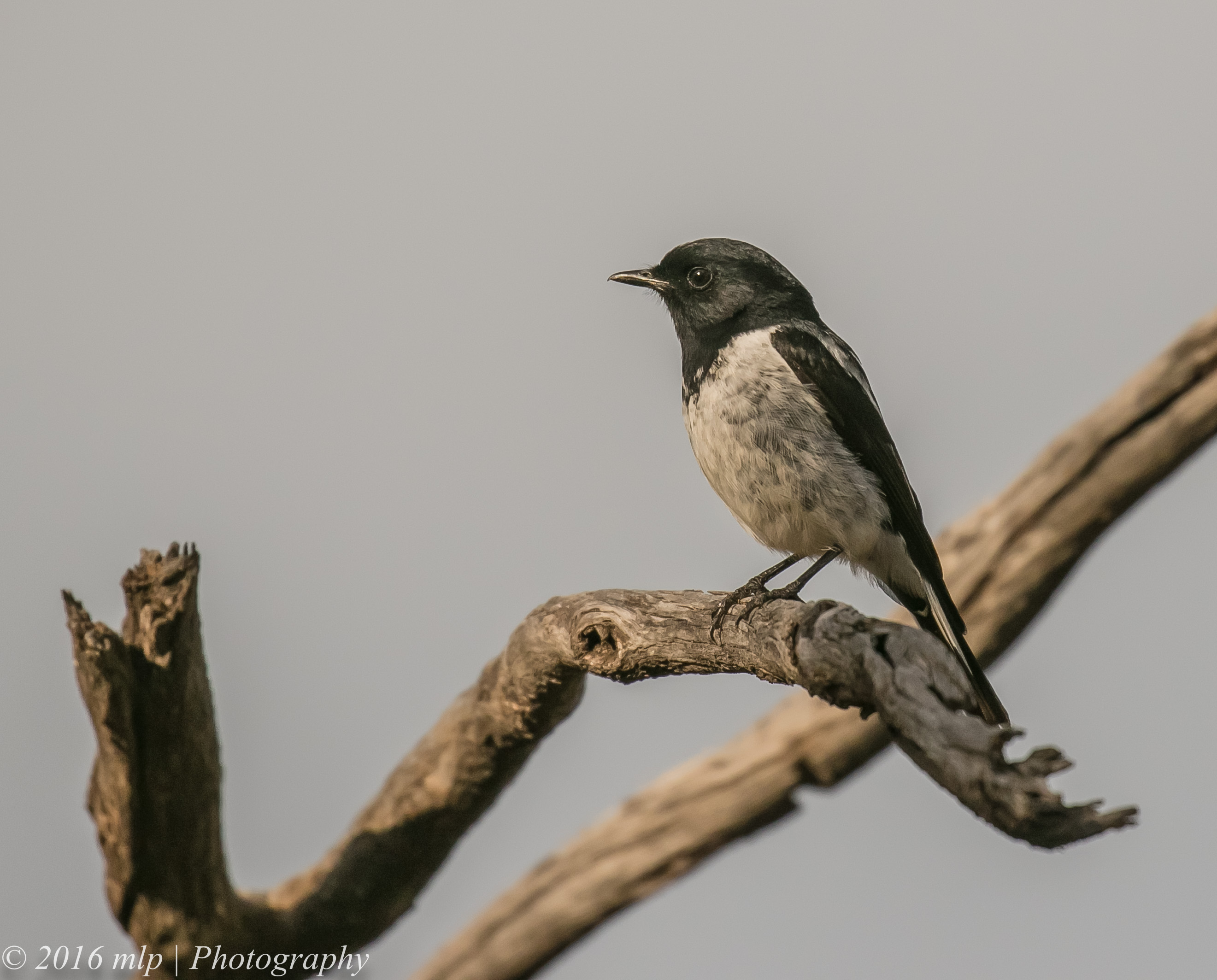
As part of my travels around the edge of the Mallee country I visited Tresco West Bushland Reserve. It has a similar bird list to Goshschen and has many of the same plants and trees but is much bigger with kilometres of drivable tracks. I stopped the car in several places and wandered around looking for Bluebonnets and Variegated Fairywrens, neither of which I been able to successfully photograph before. At an interesting spot I heard the high pitched call of a Fairywren and stopped to investigate. I came across several brightly coloured males and their female flock leader.

Variegated Fairywren, Tresco West Bushland, Reserve, Tresco West, Victoria

Variegated Fairywren, Tresco West Bushland Reserve 

Variegated Fairywren, Tresco West Bushland, Reserve, Tresco West, Victoria

II

Variegated Fairywren, Tresco West Bushland, Reserve, Tresco West, Victoria

III

Variegated Fairywren, Tresco West Bushland, Reserve, Tresco West, Victoria

The boss

Wild Goschen Cockatiels

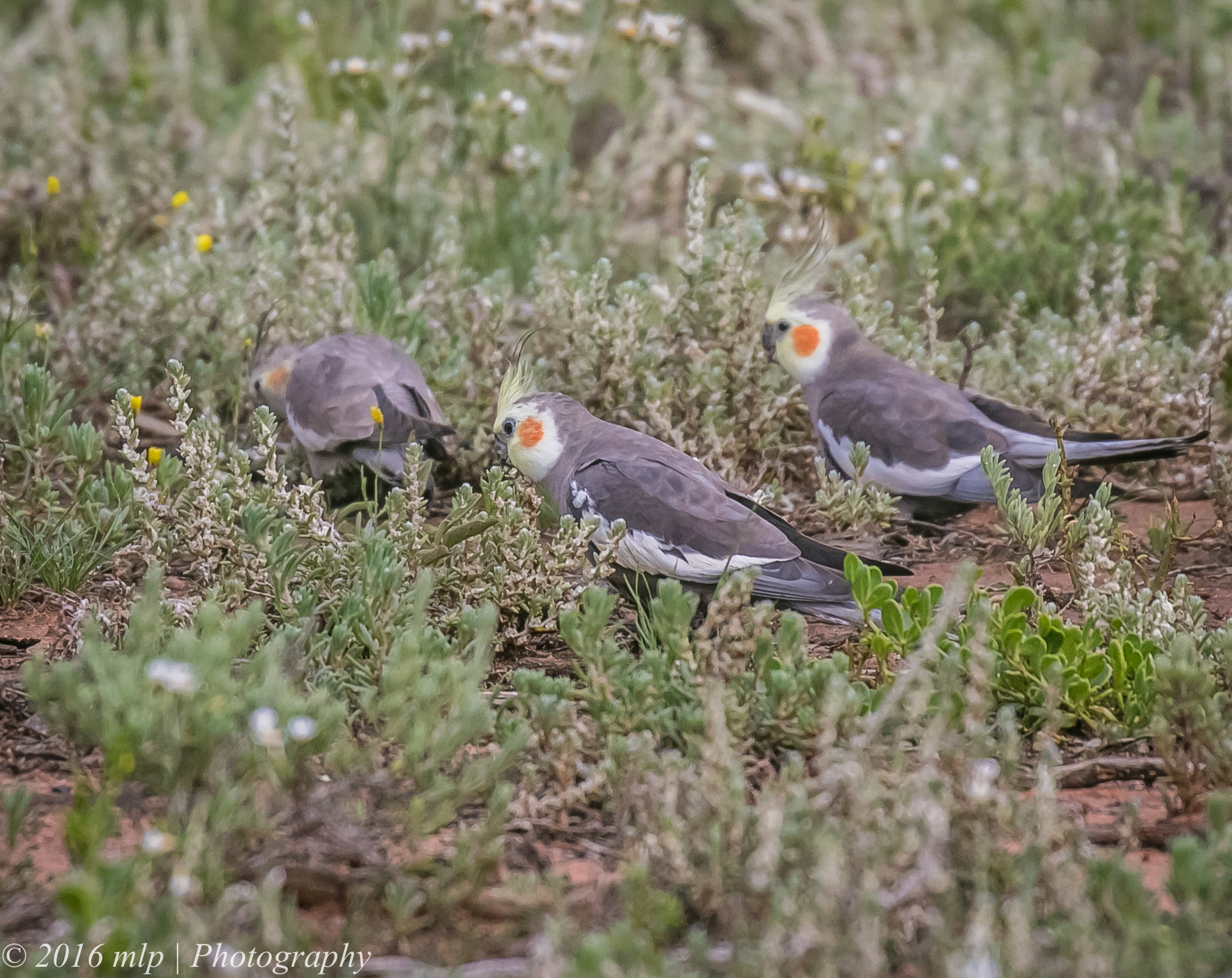
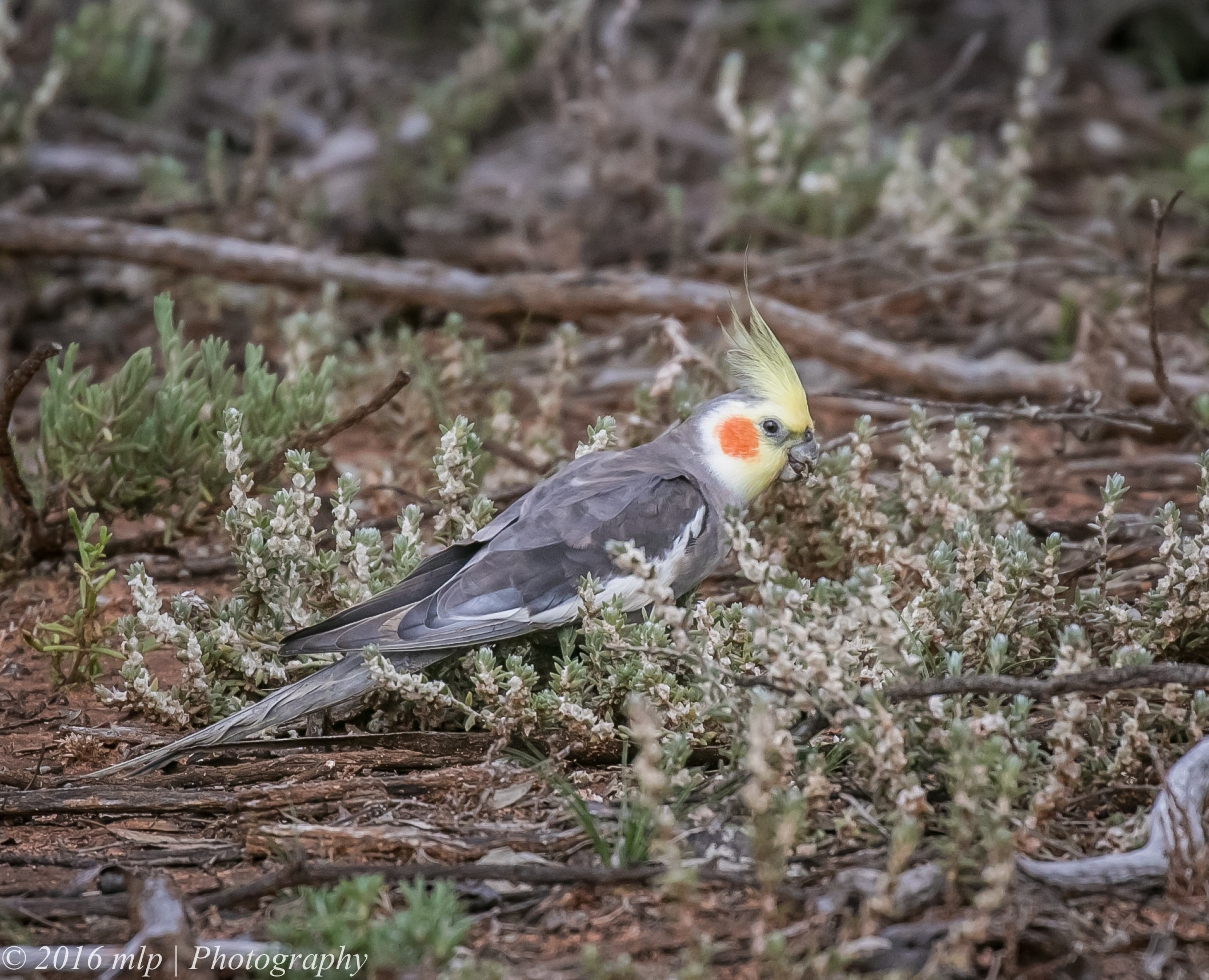
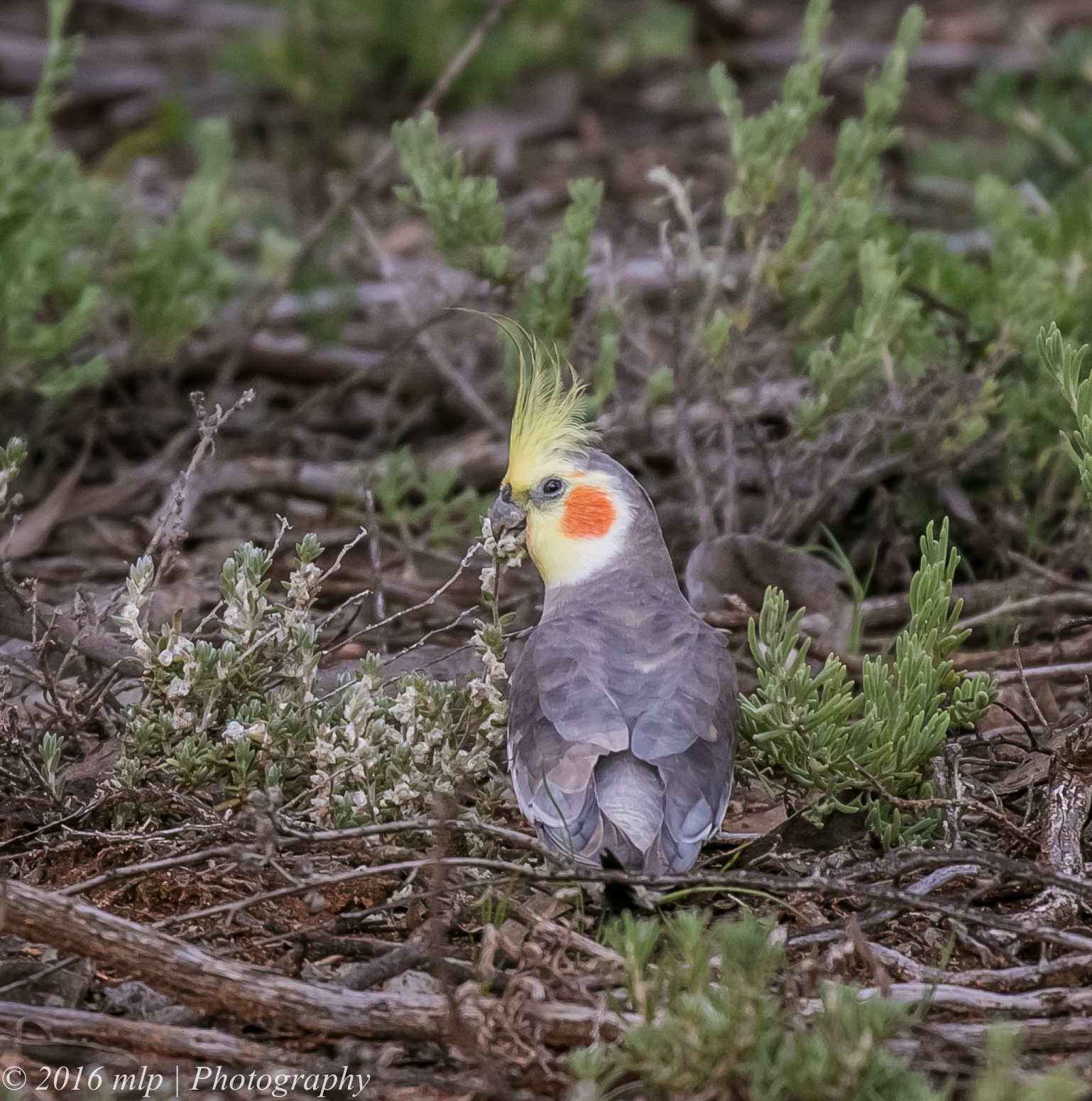
I saw my first wild Cockatiel at Goschen Bushland Reserve on the weekend. I have seen a Cockatiel on the road near the You Yangs previously but I had assumed it was an injured escapee. The birds on the weekend were true wild Cockatiels. They were easier to approach than the other local parrots and cockatoos and were beautiful in flight, wide wings, flashing white markings and a lovely call which was easy to pick out amongst the other birds calling at the reserve. I found this little family a few times over the three days that I visited the reserve. A highlight of the trip north into the mallee country

Cockatiel, Goschen Bushland Reserve, Goschen, Victoria

Cockatiel, Goschen Bushland Reserve, Goschen, Victoria

Cockatiel, Goschen Bushland Reserve, Goschen, Victoria

II

Cockatiel, Goschen Bushland Reserve, Goschen, Victoria

I found a small family flock of 4 including an immature Cockatiel

Cockatiel, Goschen Bushland Reserve, Goschen, Victoria

IV

Cockatiel, Goschen Bushland Reserve, Goschen, Victoria

Feeding on the new spring growth

Cockatiel, Goschen Bushland Reserve, Goschen, Victoria

VI

Cockatiel, Goschen Bushland Reserve, Goschen, Victoria

Immature Cockatiel, Goschen Bushland Reserve, Goschen, Victoria

Goschen Bushland Reserve revisted

Last weekend I headed to the northern part of the state. I wanted to revisit the Goschen Bushland Reserve on the edge of the Mallee country. The state has been receiving a higher than average amount of rainfall and the Mallee has exploded with lush green grass and flowers. While many of the rare vagrant birds have not yet returned to this green oasis amongst the wheat and rapeseed fields surrounding it, many of the local resident species are enjoying the bounty and have started nesting.

I camped in the carpark of the reserve to ensure an early start. It was a very cold, windy, stormy night but I was up nice and early for the dawn chorus and a bit of sun to warm me up.

goschen-bushland-reserve-goschen-victoria

Goschen Bushland Reserve

male-hooded-robin-goschen-bushland-reserve-goschen-victoria

The early bird gets the you know what….

hare-goschen-bushland-reserve-goschen-victoria

I ended up seeing 3 hares on this trip including this one watching me carefully. 

singing-honeyeater-goschen-bushland-reserve-goschen-victoria

Singing Honeyeater

brown-treecreeper-goschen-bushland-reserve-goschen-victoria

Brown Treecreeper – a noisy part of the dawn chorus 

black-faced-cuckoo-shrike-goschen-bushland-reserve-goschen-victoria

Black-faced Cuckoo-shrike – has a very distinctive call. 

male-hooded-robin-goschen-bushland-reserve-goschen-victoria

Male Hooded Robin

male-hooded-robin-goschen-bushland-reserve-goschen-victoria

II

goschen-bushland-reserve-ii-goschen-victoria

Usually quite dry and sparsely vegetated, the bushland has exploded in grasses and flowers

school-marker-goschen-bushland-reserve-goschen-victoria

Historical marker – while Goschen is a failed town, the school serviced the area for a number of decades
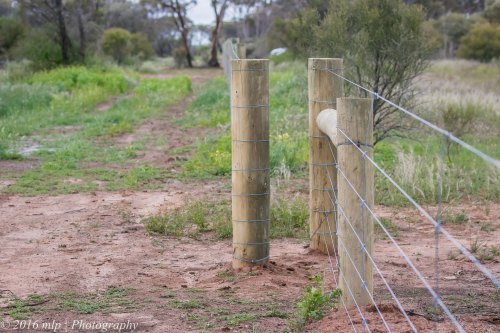
new-access-point-goschen-bushland-reserve-goschen-victoria

The Bushland is under a recently active management plan – new fences, rubbish removal and limited access points – this one is a quite tight squeeze 

Braeside Birding

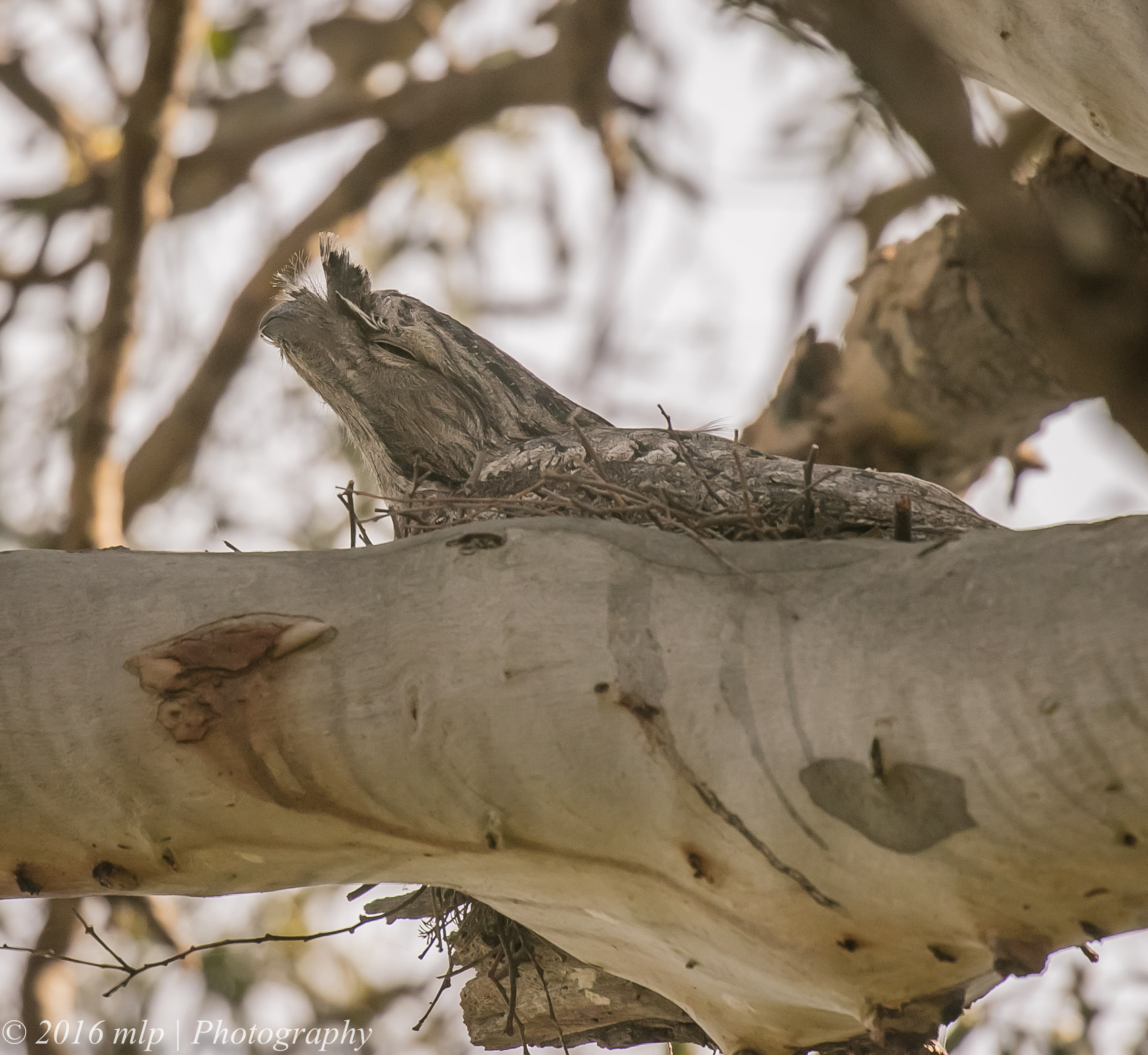
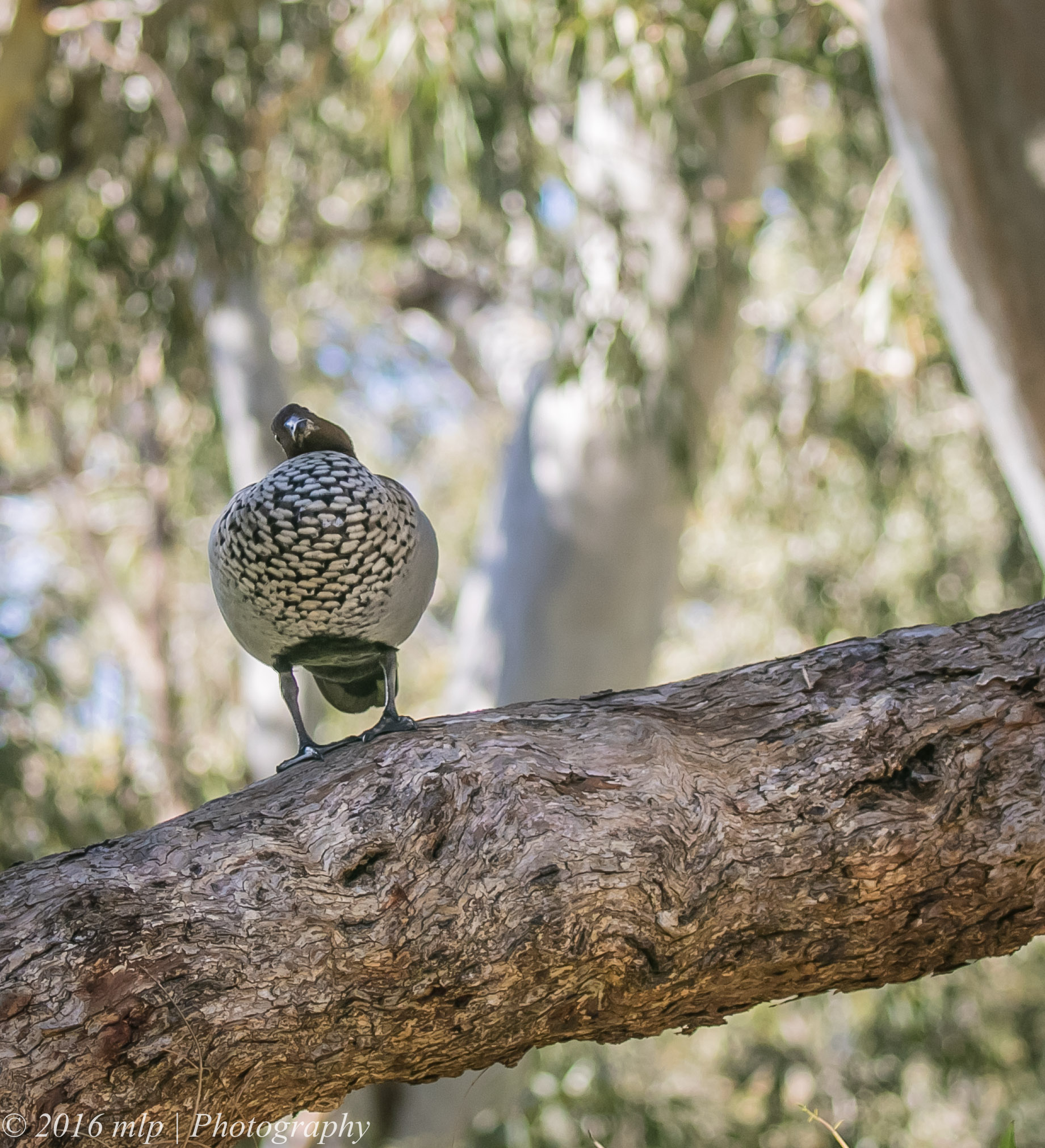
On the weekend I went for a walk around Braeside Park. I wanted to see if I could find any of the resident Tawny Frogmouths. I know quite a few of their regular roosting trees but with the breeding season well underway it can be a bit more difficult to find them. I only found one Tawny and it happened to be a large one sitting on a well made nest. The nests I have previously seen have been quite flimsy but this one looked more robust. Along with the Rainbow Lorikeets, and the nesting Tawny Frogmouth, I found a White-faced Heron, a wind-blown Black Shouldered Kite and a Wood Duck that seemed confused by my antics – I was standing on the walking path with my binoculars looking up into the trees looking for Tawny’s. I heard a squawk and just above me was the duck. It must have had a nest in the tree hollow or  it would not have stayed on the branch so close to me…

tawny-frogmouth-braeside-park-braeside-victoria

Tawny Frogmouth, Braeside Park, Victoria

tawny-frogmouth-braeside-park-braeside-victoria

II

white-faced-heron-braeside-park-braeside-victoria

White-faced Heron

black-shouldered-kite-braeside-park-braeside-victoria

Black-shouldered Kite

black-shouldered-kite-braeside-park-braeside-victoria

II

australian-wood-duck-braeside-park-braeside-victoria

Australian Wood duck

australian-wood-duck-braeside-park-braeside-victoria

trying to figure out what I was doing…


Curious Rainbows

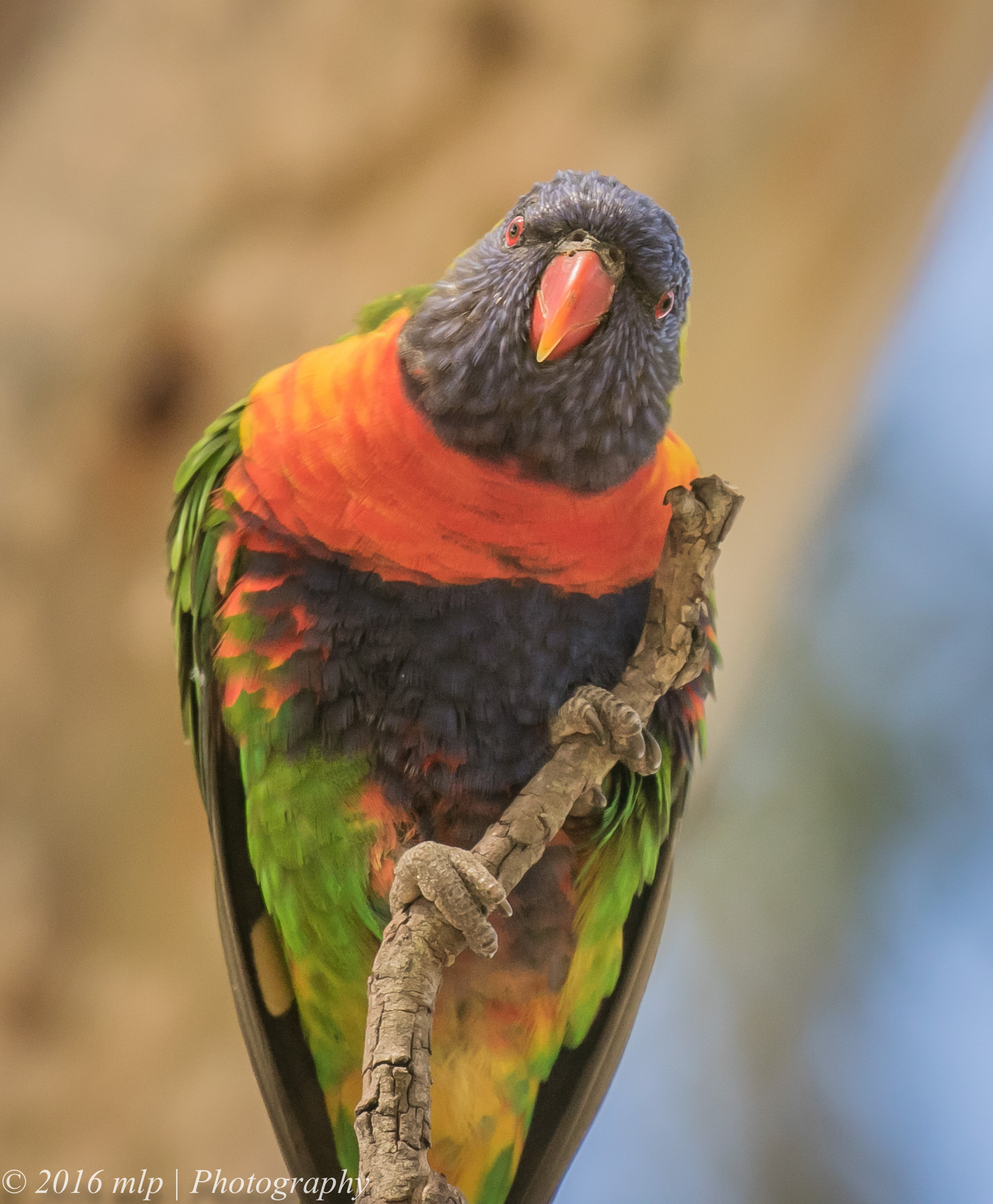
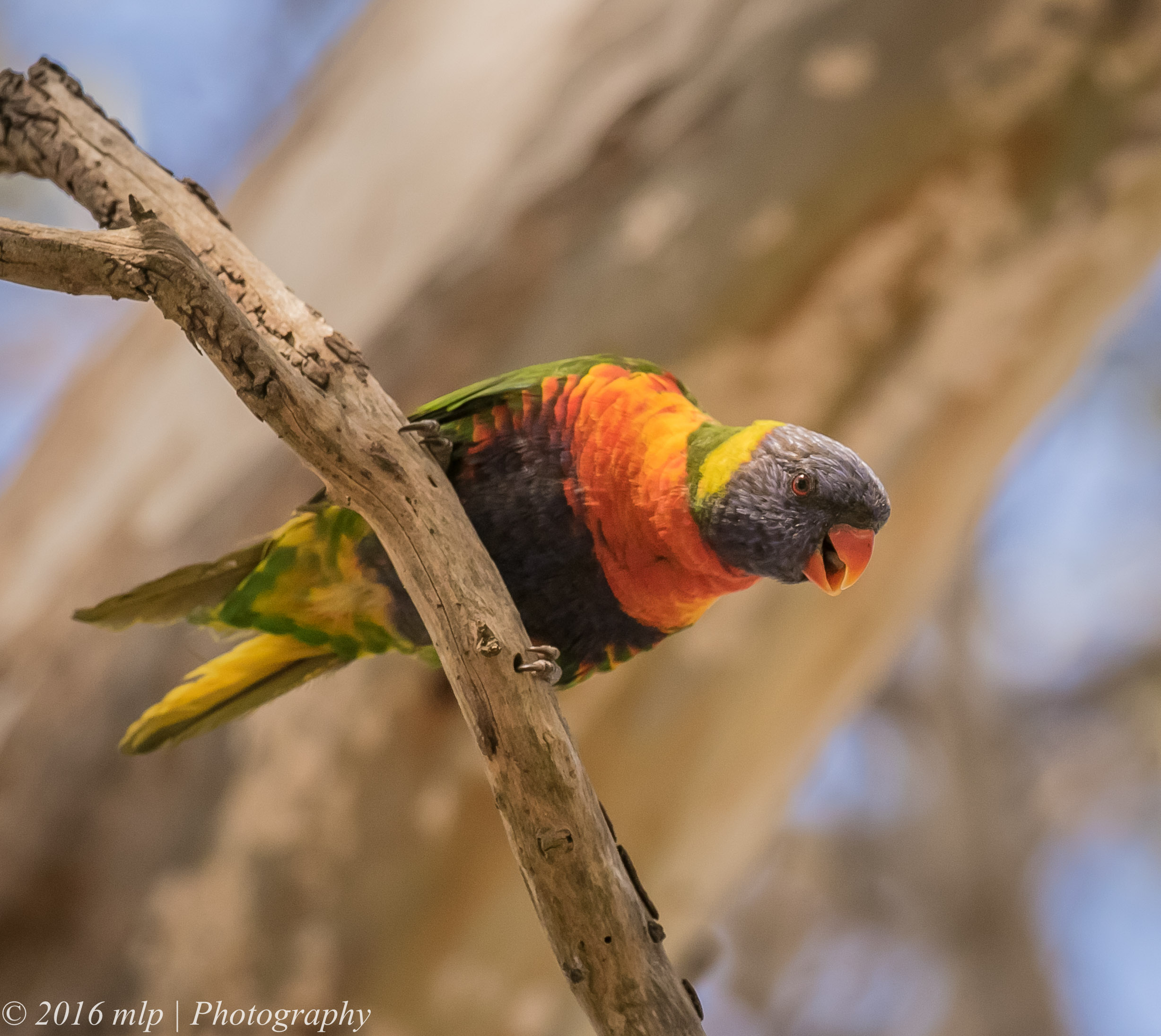
While visiting Braeside Park on the weekend I was photographing a nesting Tawny Frogmouth, and two Rainbow Lorrikeets decided to investigate.

Rainbow Lorikeet Braeside Park, Braeside, Victoria

Rainbow Lorikeet Braeside Park, Braeside, Victoria

Rainbow Lorikeet Braeside Park, Braeside, Victoria

II

Rainbow Lorikeet Braeside Park, Braeside, Victoria

III

Rainbow Lorikeet Braeside Park, Braeside, Victoria

IV

Rainbow Lorikeet Braeside Park, Braeside, Victoria

V

Rainbow Lorikeet Braeside Park, Braeside, Victoria

VI

Calls of the forest

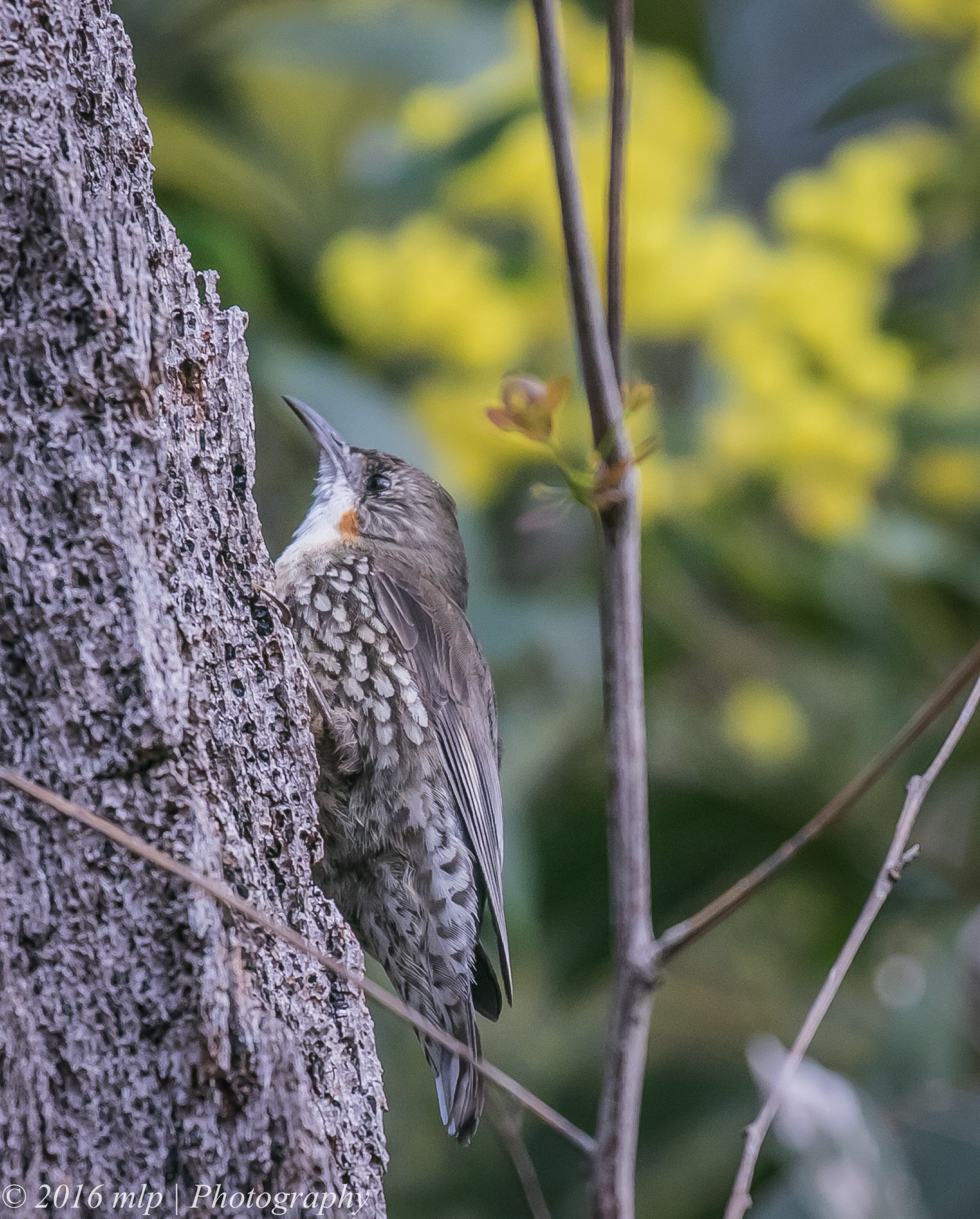
Walking through an Eastern Australian eucalyptus forest, one of the loudest natural sounds a visitor could hear would be the White-throated Treecreeper. While a Sulphur-crested Cockatoo could be louder when heard close-up, (and they are very loud), shear decibels for size would have to go to the treecreeper. I found this one in its usual position – climbing vertically up the side of a tree, and occasionally stopping and calling. The small orange marking indicates that it is a female.
white-throated-treecreeper-point-addis-great-ocean-road-anglesea-victoria

White-throated Treecreeper – Point Addis Ironbark Basin walk, Anglesea, Victoria

white-throated-treecreeper-point-addis-great-ocean-road-anglesea-victoria

II

white-throated-treecreeper-point-addis-great-ocean-road-anglesea-victoria

Moving around the tree and working her way up the trunk looking for insects, ants and grubs. 

Point Addis Scrubwren

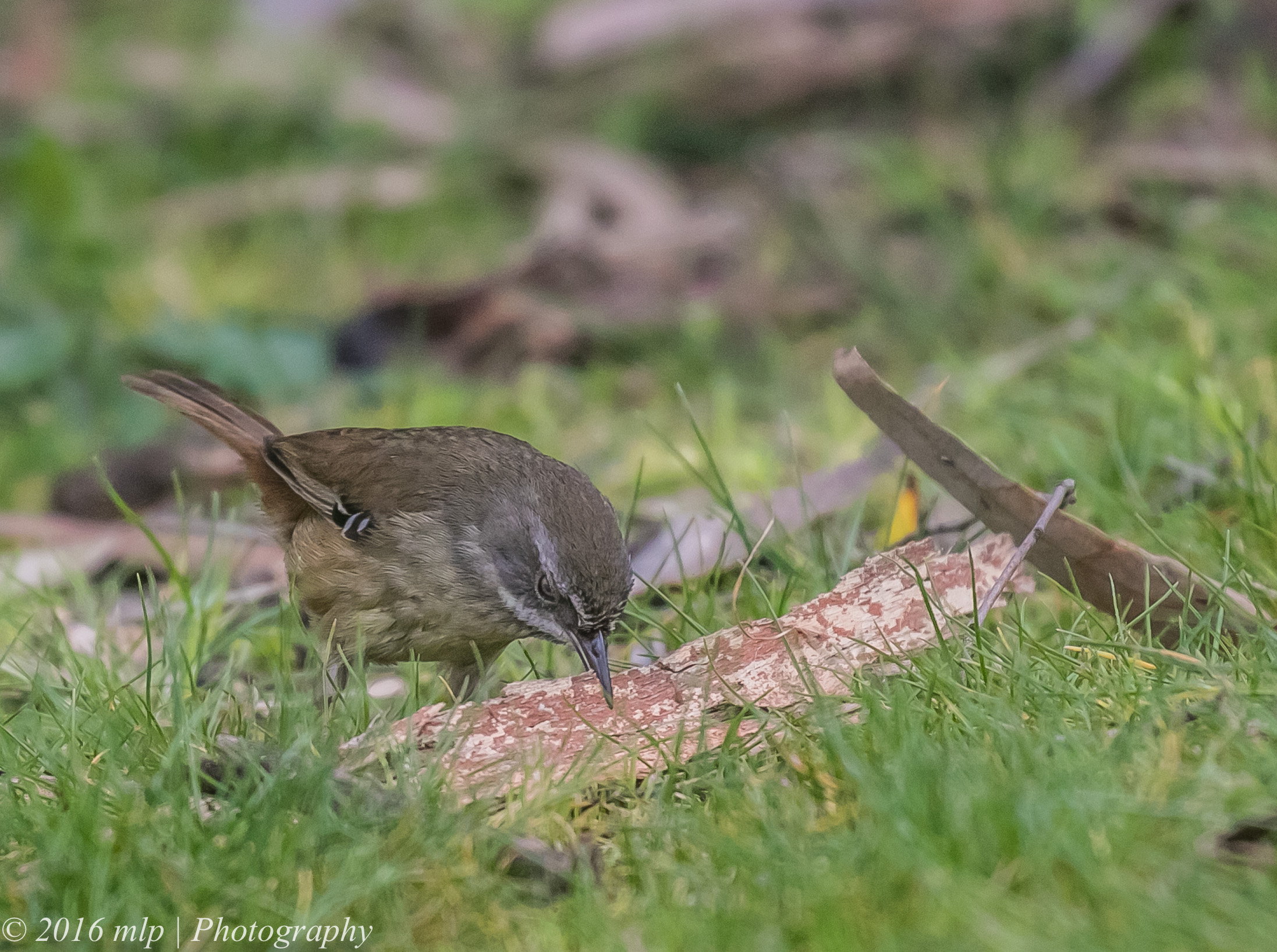
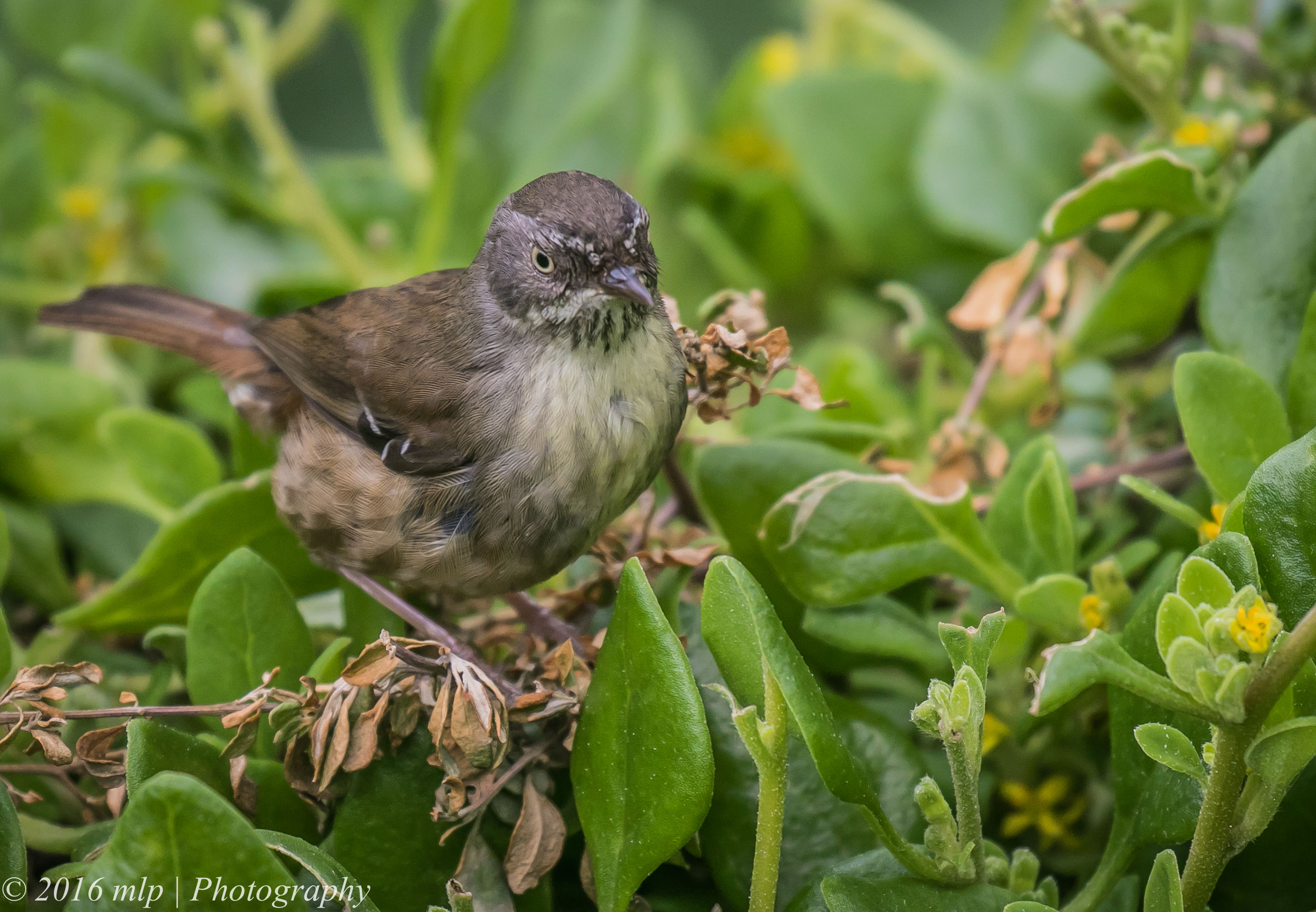
While photographing the Rufous Bristlebird at Point Addis recently, a White Browed Scrubwren decided it was safe enough to feed alongside the Bristlebird. It foraged amongst the leaf litter hunting for small invertebrates. These small birds usually are very timid and are more often heard scolding trespassers than actually being seen. The adult birds have very distinctive brows that always seem to make them look angry…

White browed Scrubwren, Point Addis, Great Ocean Road, Anglesea, Victoria,

White browed Scrubwren, Point Addis, Great Ocean Road.

White browed Scrubwren, Point Addis, Great Ocean Road, Anglesea, Victoria,

Turning over leaf litter and small pieces of bark to find invertebrates…

The Rufous Bristlebird of Point Addis

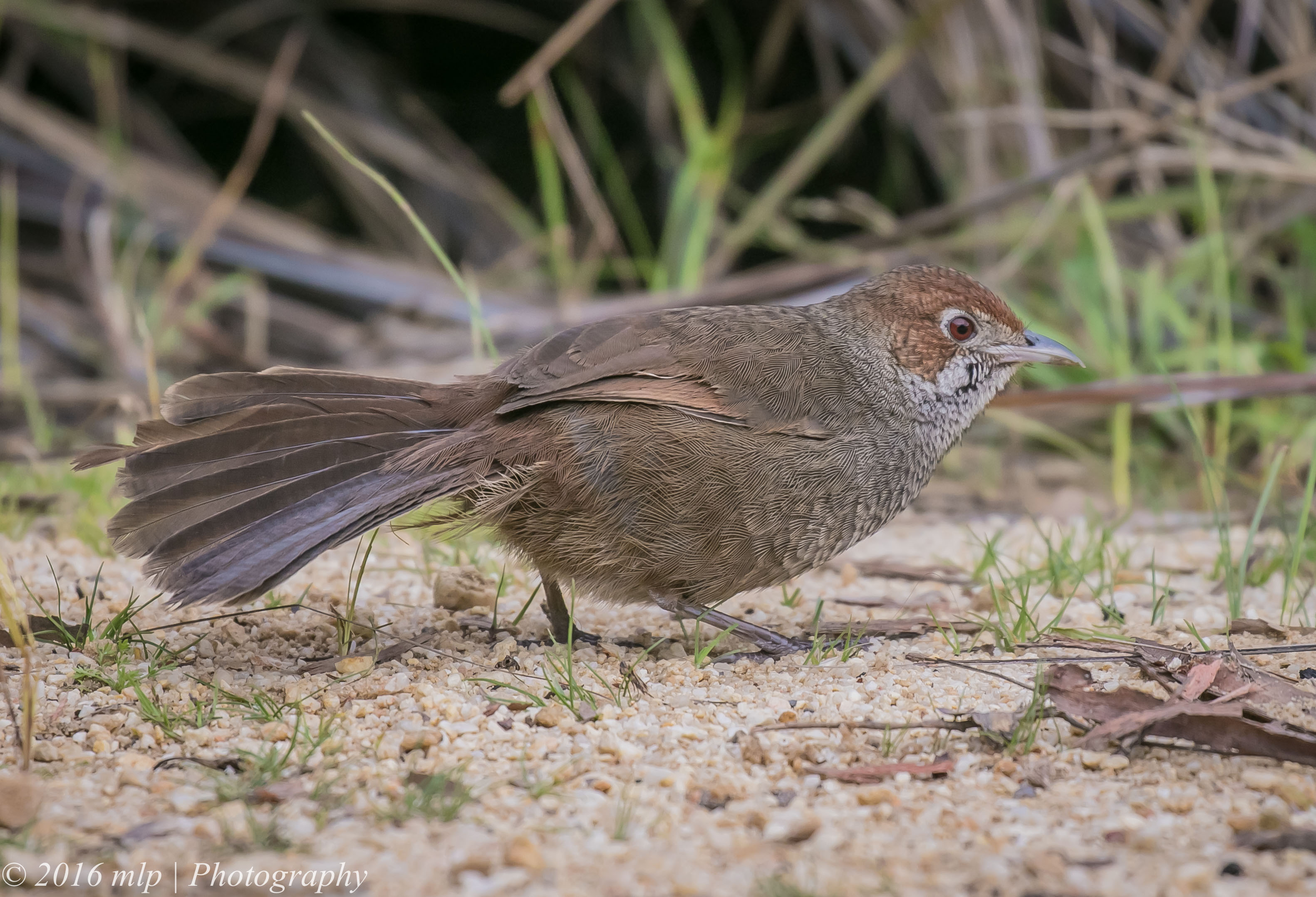
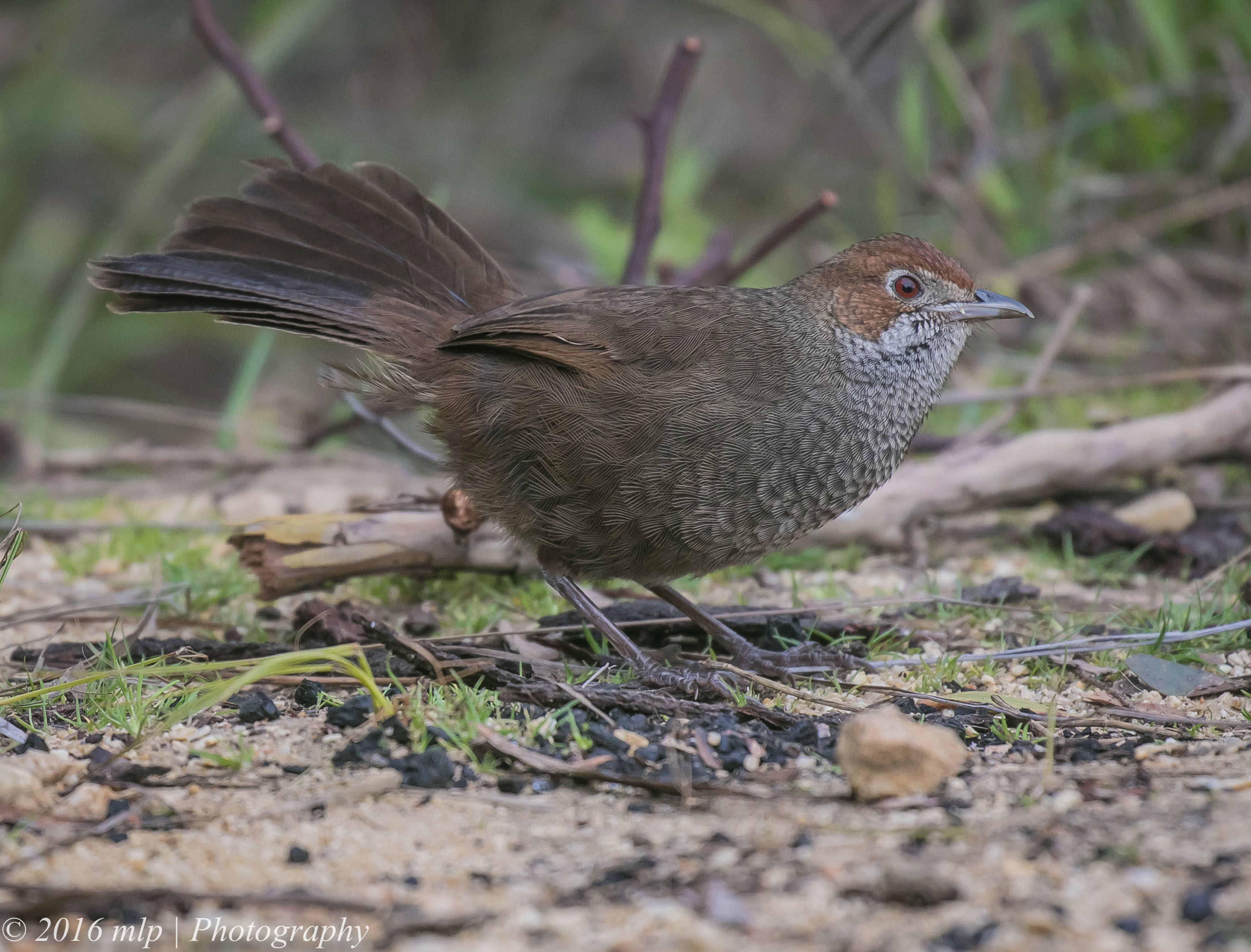
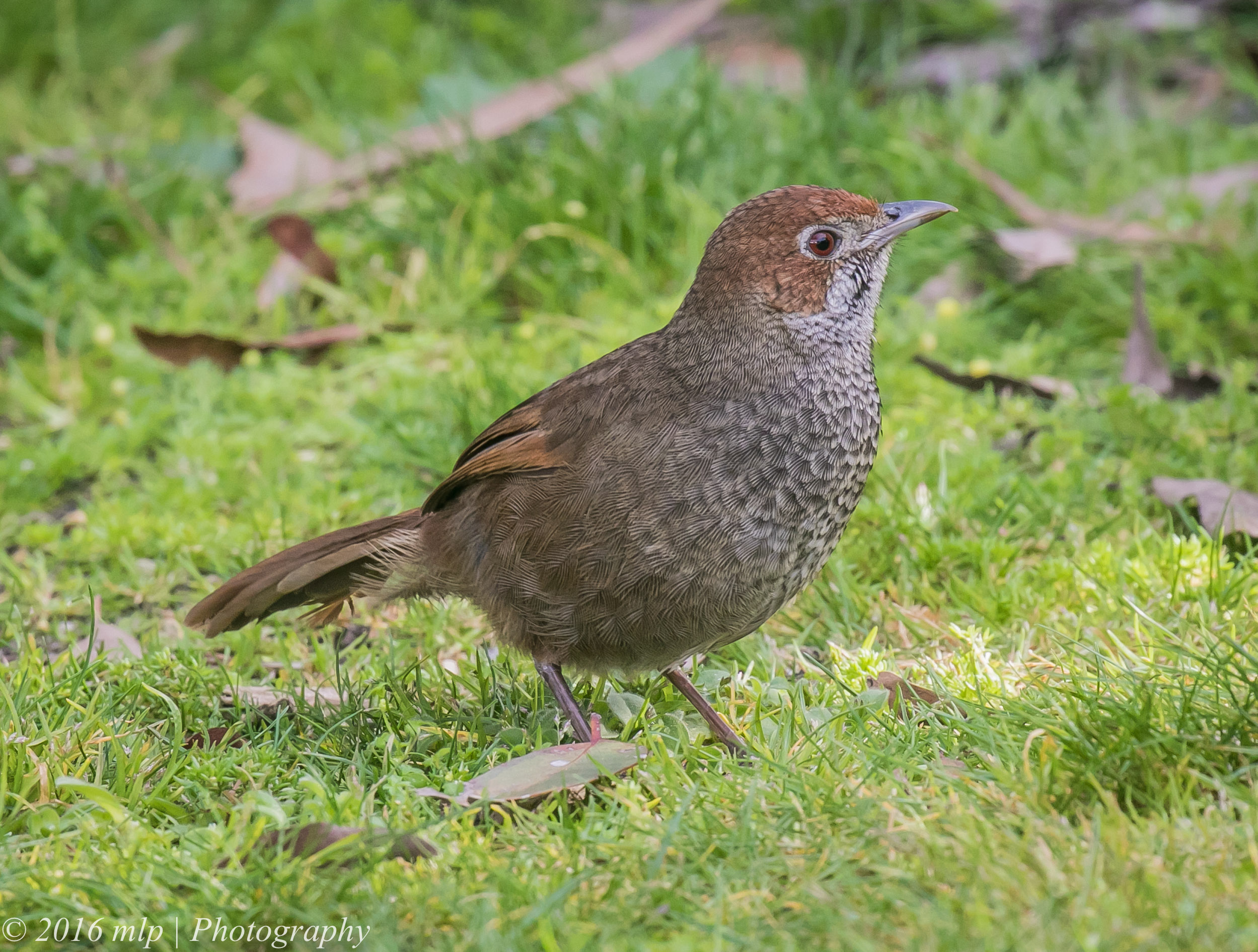
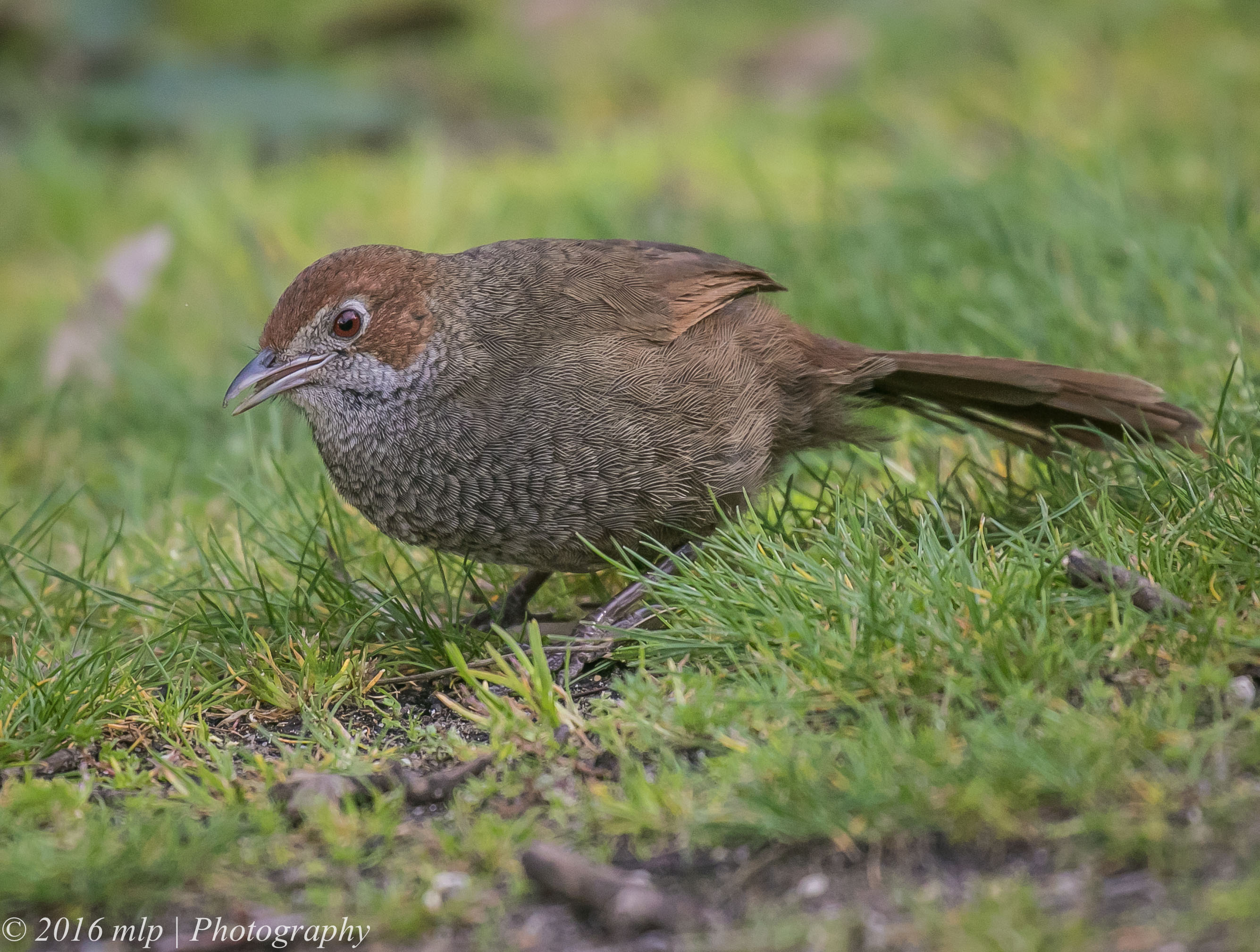
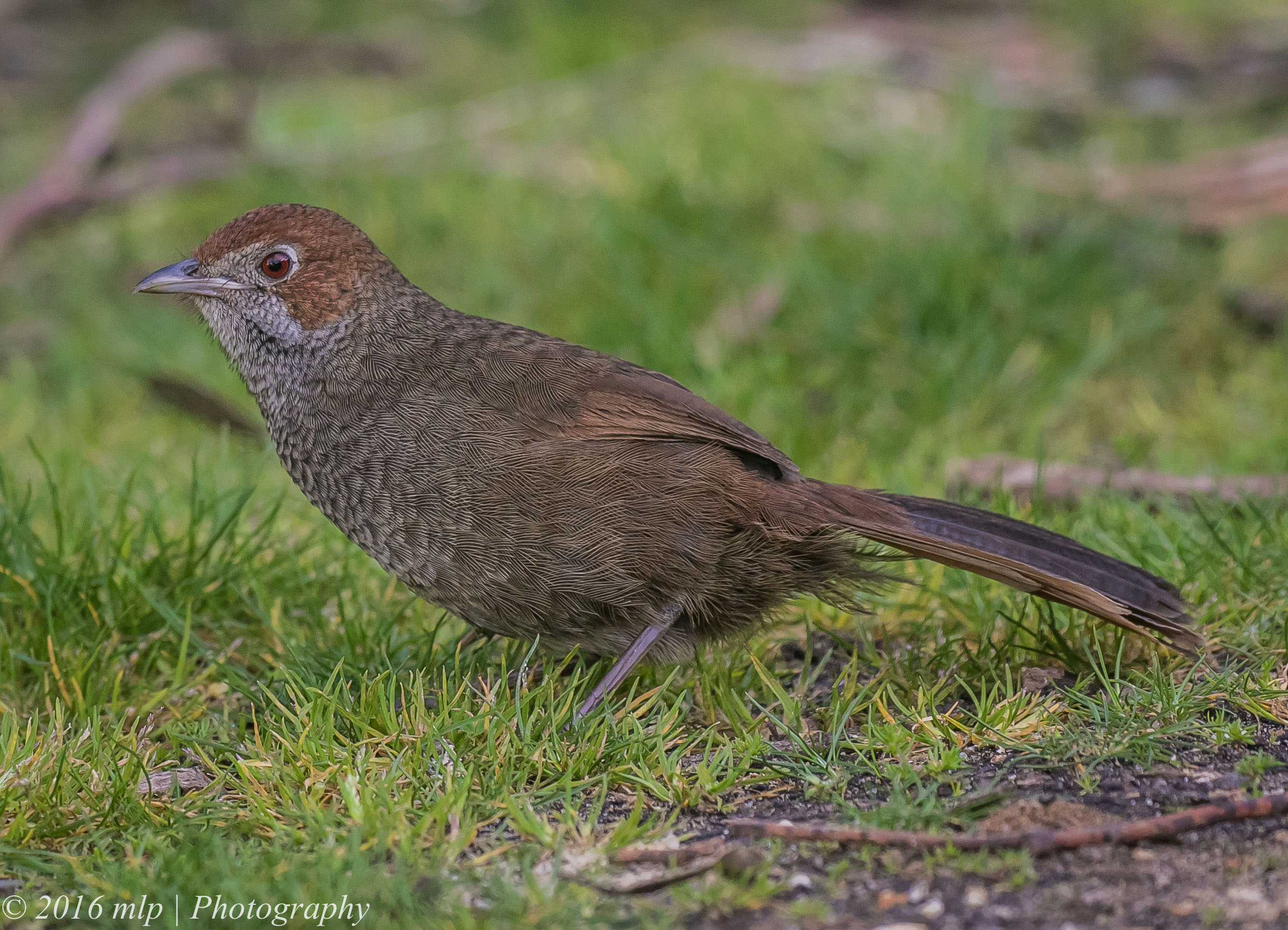
There are two species of Bristlebirds found in Victoria – the Rufous and the Eastern. The Rufous can be seen along the Great Ocean Road from Anglesea to the border, while the Eastern Bristlebird is found in only a few areas of far eastern Victoria. I have attempted to photograph these species 6 times in the last few years and while I was successful the first time I tried for the Eastern I have not had much success with the Rufous. I have glimpsed it a few times at various locations but I have not got a good look at it or managed to even get close to taking a decent image. It is a shy, ground feeding bird that hides for much of the day. The photographs below were taken on my last trip to Point Addis. I finally worked out where they can be easily photographed and scored a few nice images.

Rufous Bristlebird, Point Addis, Great Ocean Road, Anglesea, Victoria

Rufous Bristlebird, Point Addis, Great Ocean Road, Anglesea, Victoria

Rufous Bristlebird, Point Addis, Great Ocean Road, Anglesea, Victoria

A furtive bird with some interesting colours and feather patterns

Rufous Bristlebird, Point Addis, Great Ocean Road, Anglesea, Victoria

The Bristlebird hunted along the ground and allowed us to get quite close – as long as we stayed low as well. 

Rufous Bristlebird, Point Addis, Great Ocean Road, Anglesea, Victoria

IV

Rufous Bristlebird, Point Addis, Great Ocean Road, Anglesea, Victoria

V

Rufous Bristlebird, Point Addis, Great Ocean Road, Anglesea, Victoria

VI

Rufous Bristlebird, Point Addis, Great Ocean Road, Anglesea, Victoria

VII

Rufous Bristlebird, Point Addis, Great Ocean Road, Anglesea, Victoria

VIII


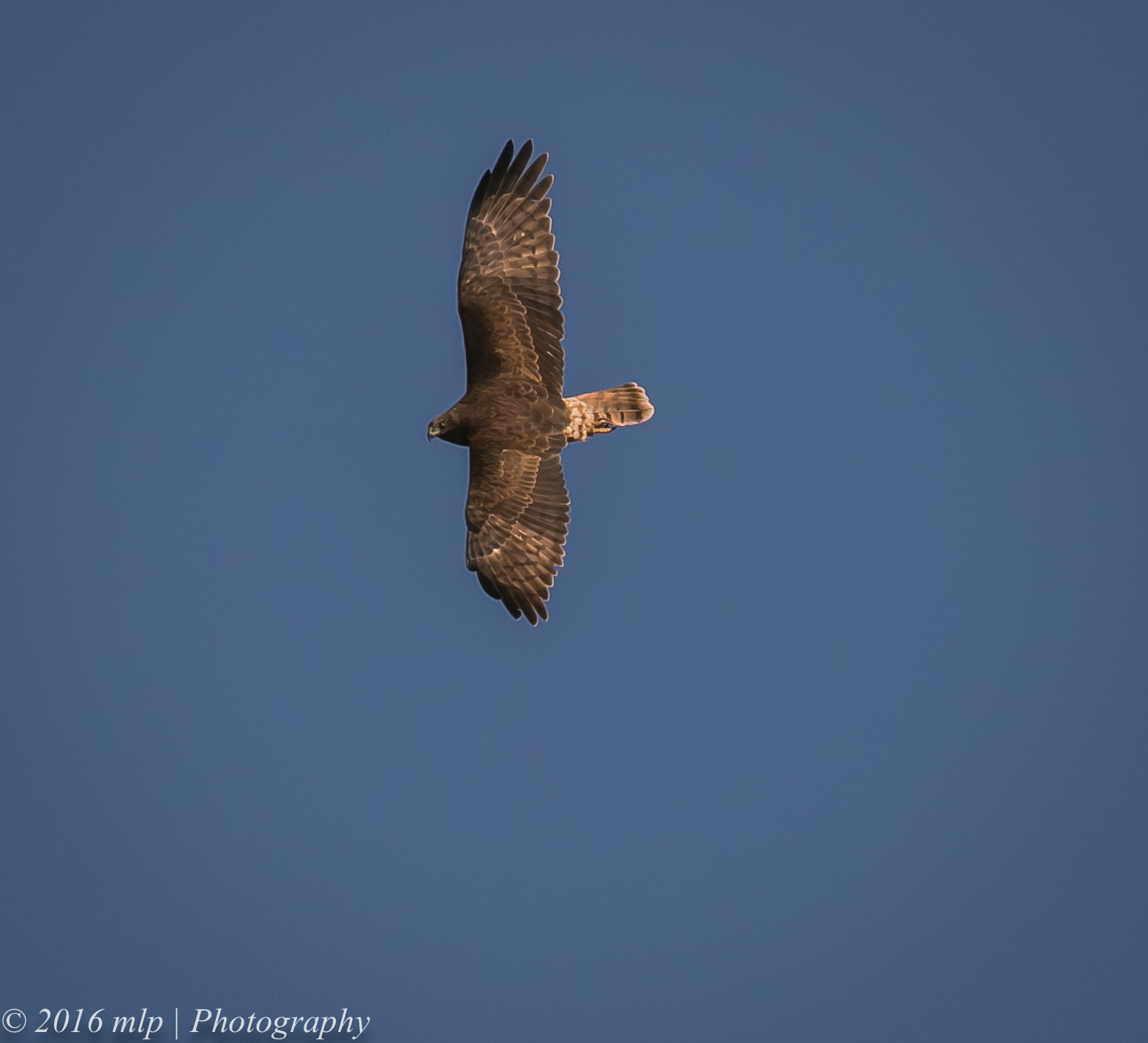
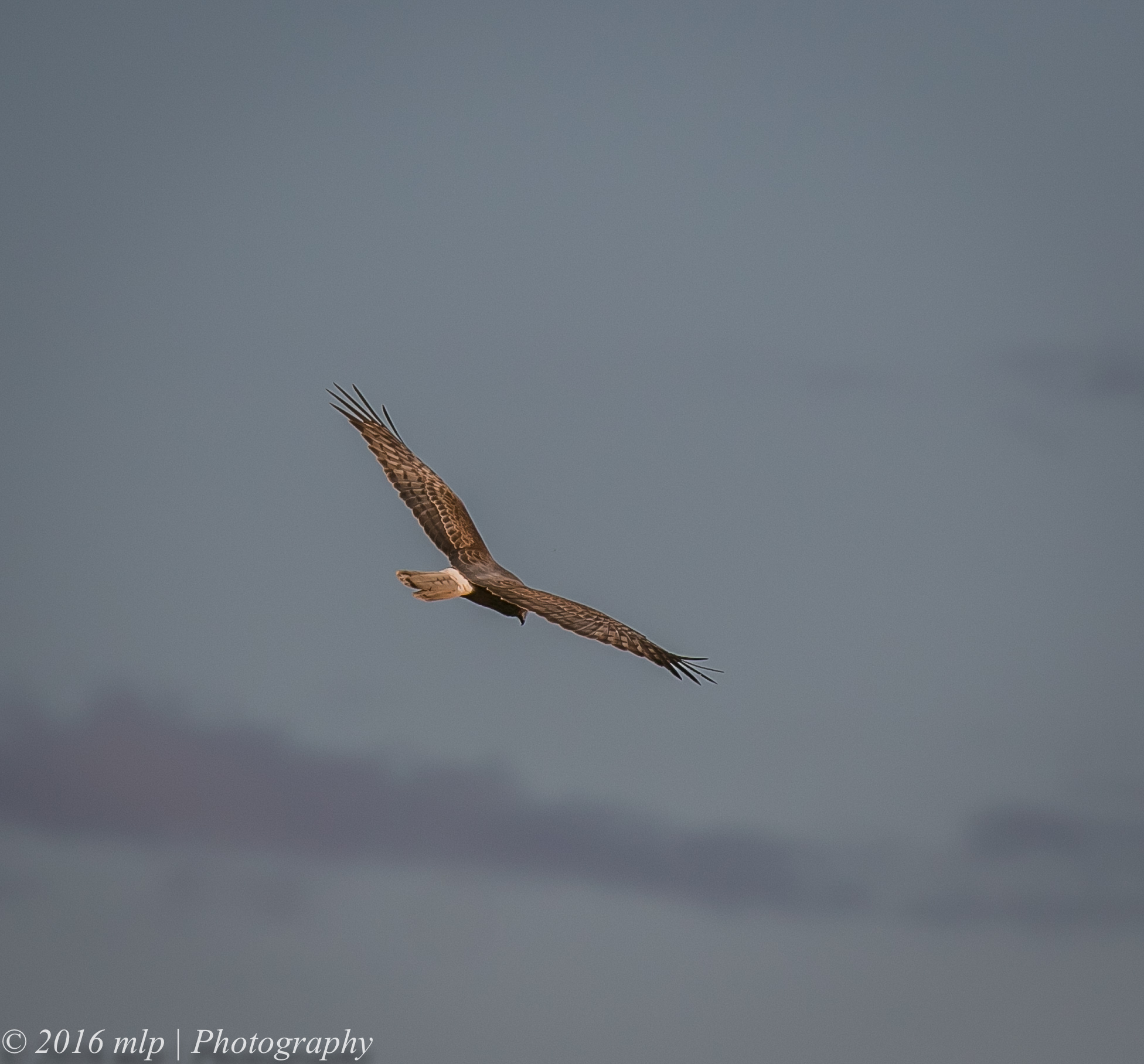
Swamp Harriers of Braeside Park

There are several Swamp Harriers at Braeside Park Wetlands. On a recent visit we watched a pair circle the main wetlands in search of dinner. The usual bird alarm went up and gave us a chance to get ready to photograph the Harriers as they flew nearby. Over the wetlands, a single Little Raven kept flying up to harass the Harriers.

Swamp Harrier, Braeside Park, Victoria

Swamp Harrier, Braeside Park, Victoria

Swamp Harrier, Braeside Park, Victoria

II

Swamp Harrier, Braeside Park, Victoria

Circling the wetlands searching below for prey

Swamp Harrier, Braeside Park, Victoria

IV

Swamp Harrier, Braeside Park, Victoria

Identifying white rump markings for a Swamp Harrier 

Swamp Harrier, Braeside Park, Victoria

VI

Little Raven, Braeside Park, Victoria

Little Raven taking on the raptors

Spring is here…

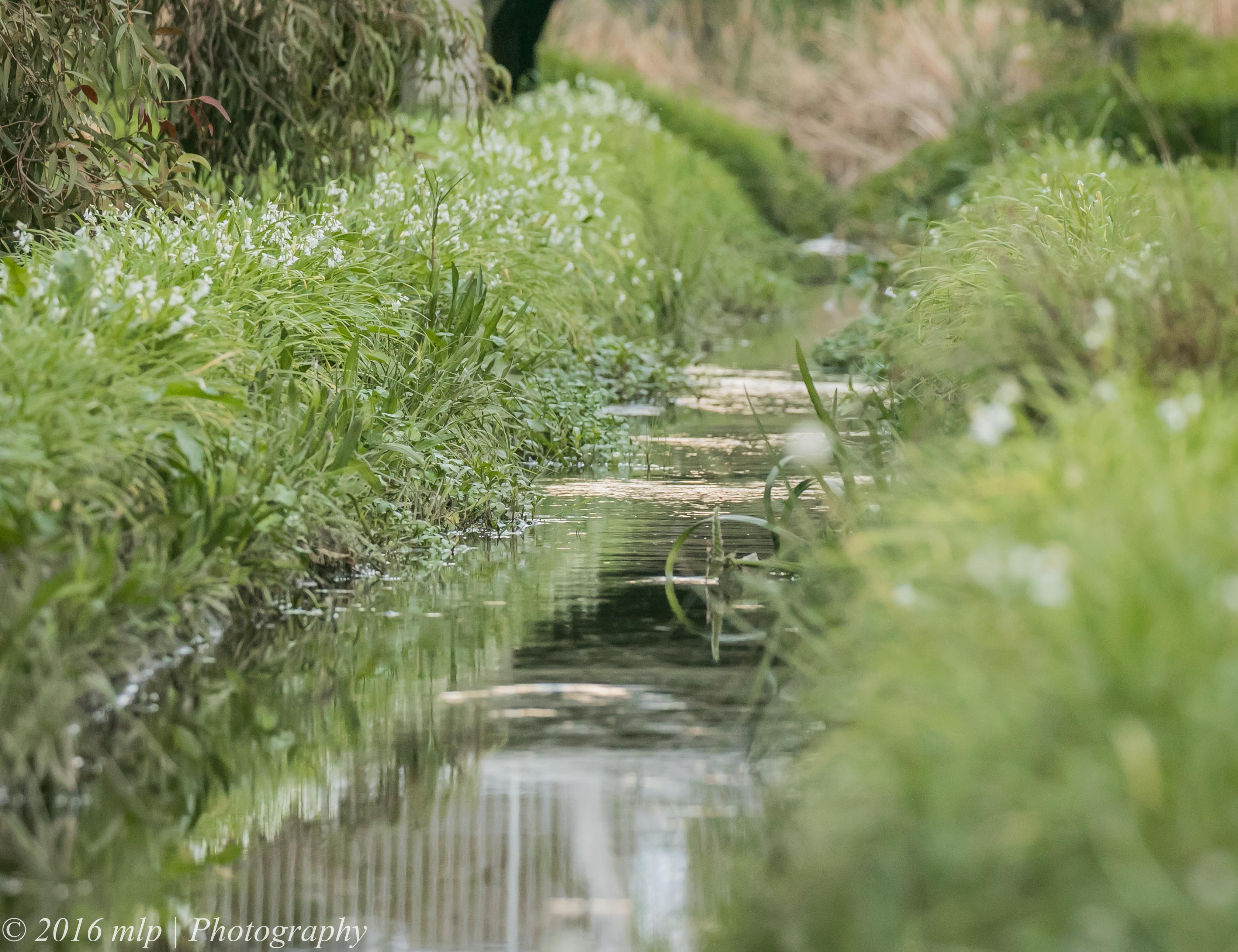
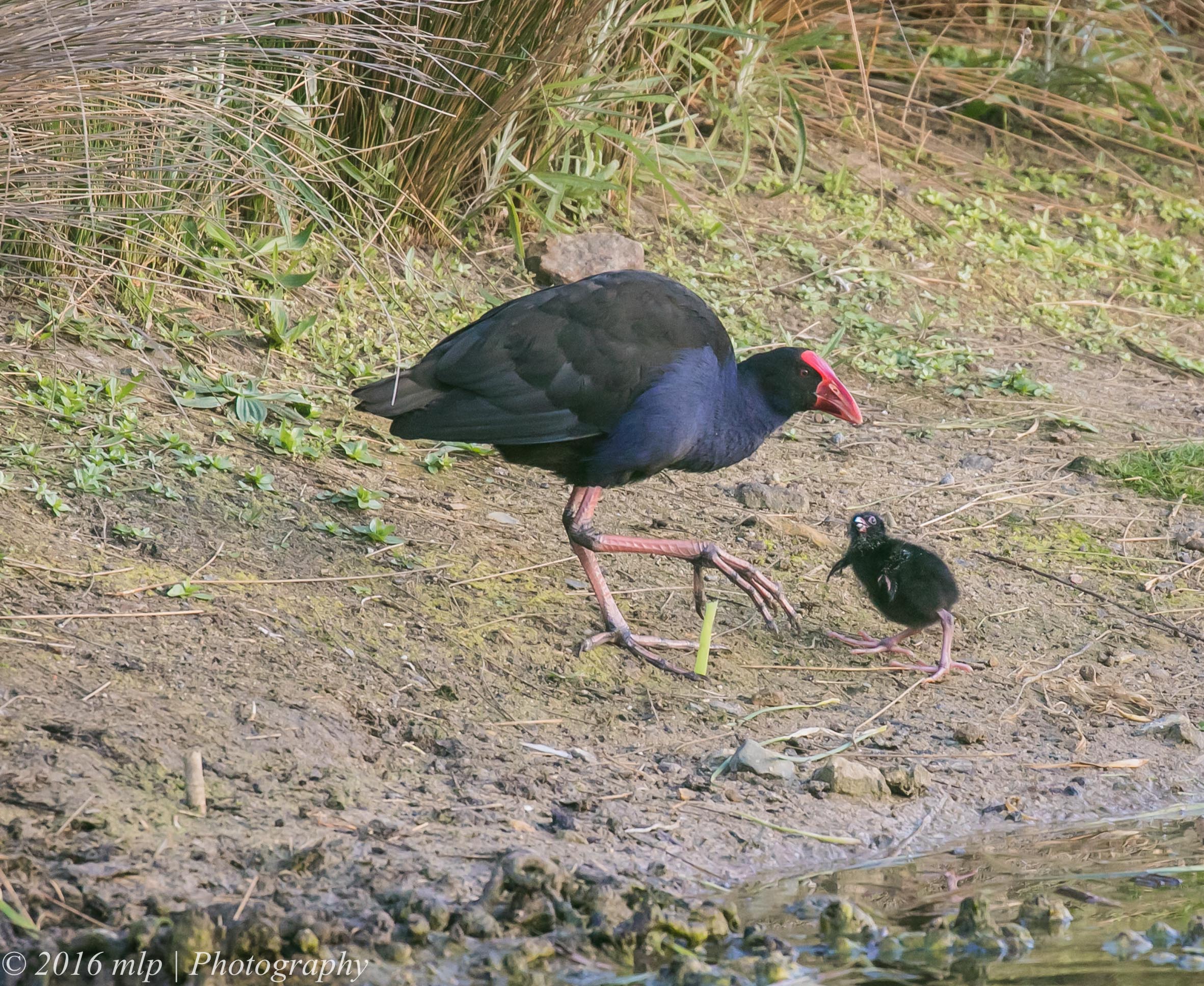
I enjoyed a walk to the local lake and along the Elster Creek with some of the local birders late Saturday afternoon. Many of the resident birds are starting to nest and raise chicks. It is a noisy, busy time with much activity. Several neighbourhood locals are keeping an eye on the breeding swans and sadly the cygnet count has already gone from 6 to 3 in a few weeks. I daresay the foxes at the golf course are also raising young.

Elster Creek, Elwood, Victoria

Spring along Elster Creek, Elwood, Victoria

Elsternwick Lake Swamphens, Elsternwick, VictoriaElsternwick Lake Swamphens, Elsternwick, Victoria

Elsternwick Lake Swamphens, Elsternwick, Victoria

Elsternwick Lake Swan family, Elsternwick, Victoria

Elsternwick Lake Swan family

Elsternwick Lake cygnet, Elsternwick, Victoria,

one of the cygnets

Elsternwick Lake Swan, Elsternwick, Victoria

A watchful parent…

Elsternwick Lake Little Pied Cormorant, Elsternwick, Victoria

Elsternwick Lake Little Pied Cormorant

Snacking on seeds

Stalking Eastern Rosellas can be tough. They spook easily and fly just out of reach for a good photograph. Once in a leafy green tree they can be just about invisible even with the bright red head and chest. Locally their numbers have been building. I am hoping the increase is from the breeding locals rather than Rosellas migrating through. A local naturalist has been building nest boxes suitable for Rosellas but unattractive to possums. On this walk along the creek several Rosellas were feeding on the seeds of a Desert Ash.

Eastern Rosella, Elster Creek, Elsternwick, Victoria

Eastern Rosella, Elster Creek, Elsternwick, Victoria

The White-browed Scrubwrens of Point Ormond

At Elwood’s Point Ormond is a section of old seaside vegetation. Much of the area has been cleared with just a few scraps of native vegetation left. In this small pocket beneath the Point and its navigation tower, live a few species of birds – Superb Fairy-wrens, Brown Thornbills and White-browed Scrubwrens, with many other species stopping by for a feed and rest while migrating elsewhere – Rainbow Lorikeets, Black Faced Cuckoo-shrikes, Pink Robins, Grey Fantails, Singing Honeyeaters and Silvereyes to name a few. On the last few visits we have been watching a nest of Scrubwrens and the busy parents feeding their chicks. A visit on the weekend seemed to indicate that the chicks had fledged and had moved from the nest but were still being fed by the parents.

White-browed Scrubwren, Point Ormond scrub, Elwood, Victoria

White-browed Scrubwren – looking for juicy morsels for the chicks

White-browed Scrubwren, Point Ormond scrub, Elwood, Victoria

The Scrubwren returning a grub to its chicks..

Finally a Nankeen Night-Heron

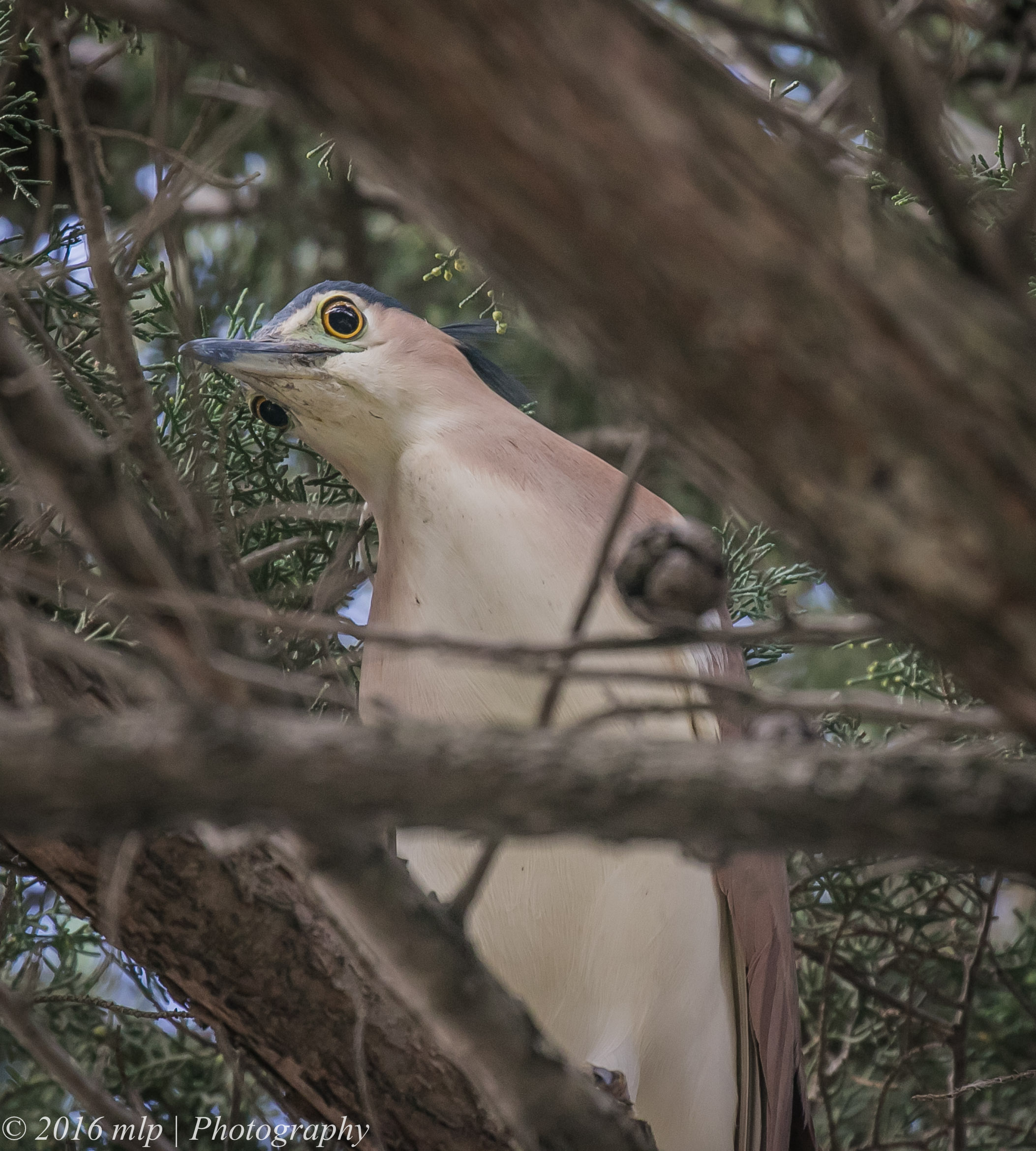
The Nankeen Night-Heron has been a bit of a hoodoo bird for me. While I have seen the species at various places during the day and locally at night I have not seen it well enough to photograph and add to my local birds page. Finally today while walking down the creek with a local birder friend, Dave, we found an adult Night-Heron (with head plume) on its daytime roost high in one of the pines along the canal part of the Elster Creek. It seemed to be very curious about us and intently watched everyone who walked by. It is an nocturnal bird that hunts in the shallow waters and edges along the creek.

Nankeen Night Heron, Elster Creek, Elwood,Victoria

Nankeen Night-Heron, Elster Creek, Elwood, Victoria

Nankeen Night Heron, Elster Creek, Elwood,Victoria

II

Nankeen Night Heron, Elster Creek, Elwood,Victoria

III

Nankeen Night Heron, Elster Creek, Elwood,Victoria

IV

Spring is fast approaching…

Many birds are busy at the moment. Potential nest sites explored, claimed and defended, nest mounds are being constructed and the recent mild weather has convinced several species to start the nesting cycle now.

The two mounds below were found in the first T-section lagoon at the Western Treatment Plant. I was surprised to see that they were fairly close to the road and in a large and fairly exposed lagoon.  Very happy to see the Brolgas nesting again at the Lagoons, though a little concerned that if it rained further then the nest could be swamped by the rising water levels. The swan’s nest was much higher from the water.

Nesting Brolga, T-section, Western treatmwent Plant, Werribee

Nesting Brolga, T-section, Western treatmwent Plant, Werribee

Brolga, T-section, Western treatmwent Plant, Werribee

Nesting Brolga’s mate nearby keeping a watch…

Nesting Swan, T-section, Western treatmwent Plant, Werribee

Nesting Swan, T-section, Western treatmwent Plant, Werribee

Rainbows and Red-rumps

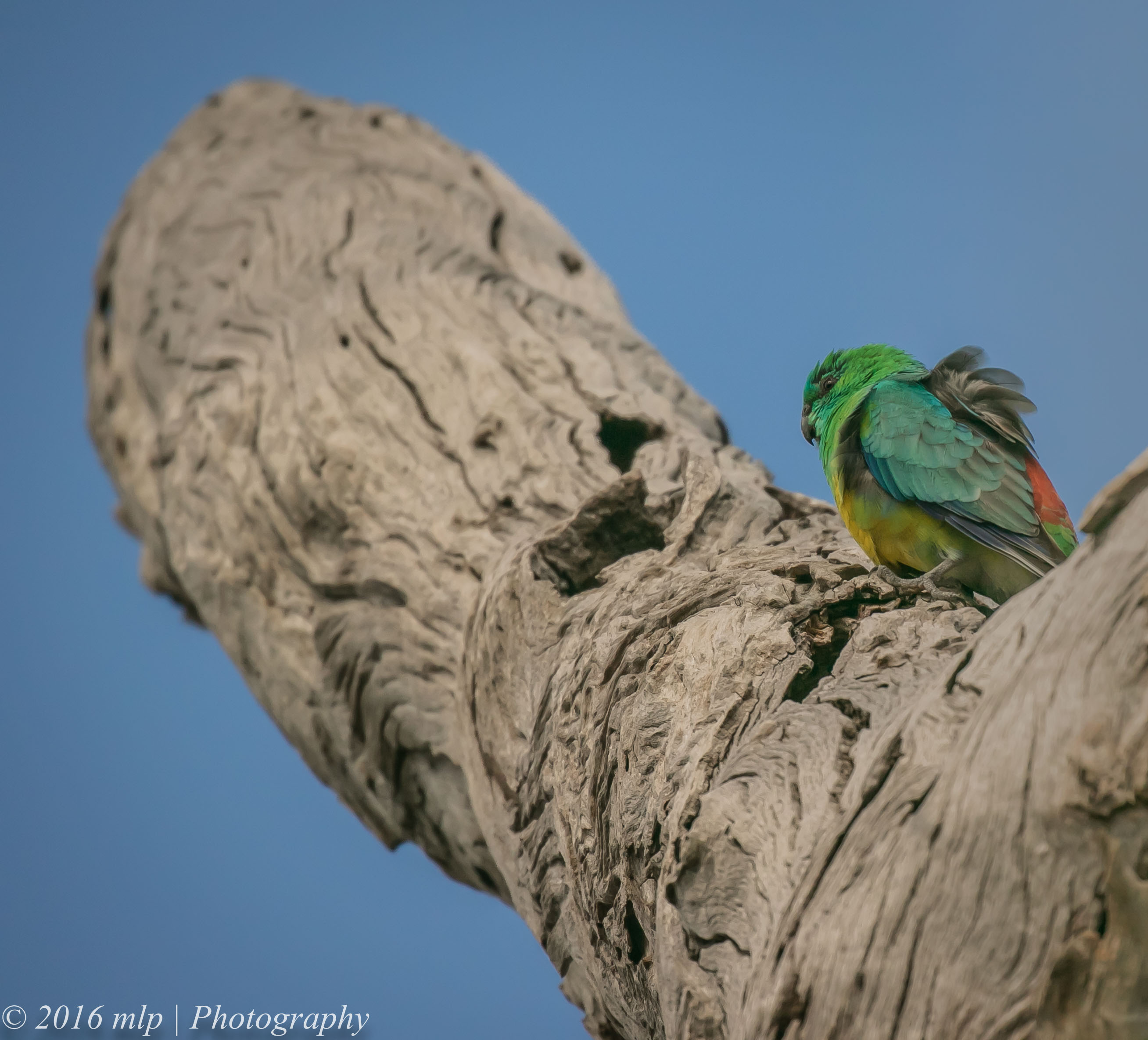
I walked around Braeside Park last week with a few friends. It has been a while since I have explored this part of the park having spent more time recently looking around the neighbouring Woodlands Industrial Estate wetlands. With all the rain over winter the lagoons have filled up nicely and there is a lot of fresh growth. There was quite the buzz around the park as many parrots, lorikeets and cockatoos searched for and explored every hollow they could looking for suitable nest sites. Once claimed the nest sites are vigorously and noisily defended. The highlight of the day was a large dead tree with a quite a number of hollows that seemed to be occupied by Red-rumped Parrots – a parrot apartment block. While it is still Winter here, one can definitely feel the change coming as the birds move into gear for the new breeding season.


Rainbow Lorikeets, Braeside Park, Victoria

Rainbow Lorikeets, Braeside Park, Victoria

Red-rumped Parrots, Braeside Park, Victoria

Female Red-rumped Parrot exploring a hollow

Red-rumped Parrots, Braeside Park, Victoria

II

Male Red Rumped Parrot, Braeside Park, Victoria

Male Red Rumped Parro waiting for the female to pop back out with a decision…

Red-rumped Parrots, Braeside Park, Victoria

Red-rumped Parrots – male guarding above and the female enjoying a little sun in the nest hollow below. Her duller colouring is well suited for long stints at the nest