Tag Archives: Australian Birds

World’s smallest Cuckoo – the Shining Bronze

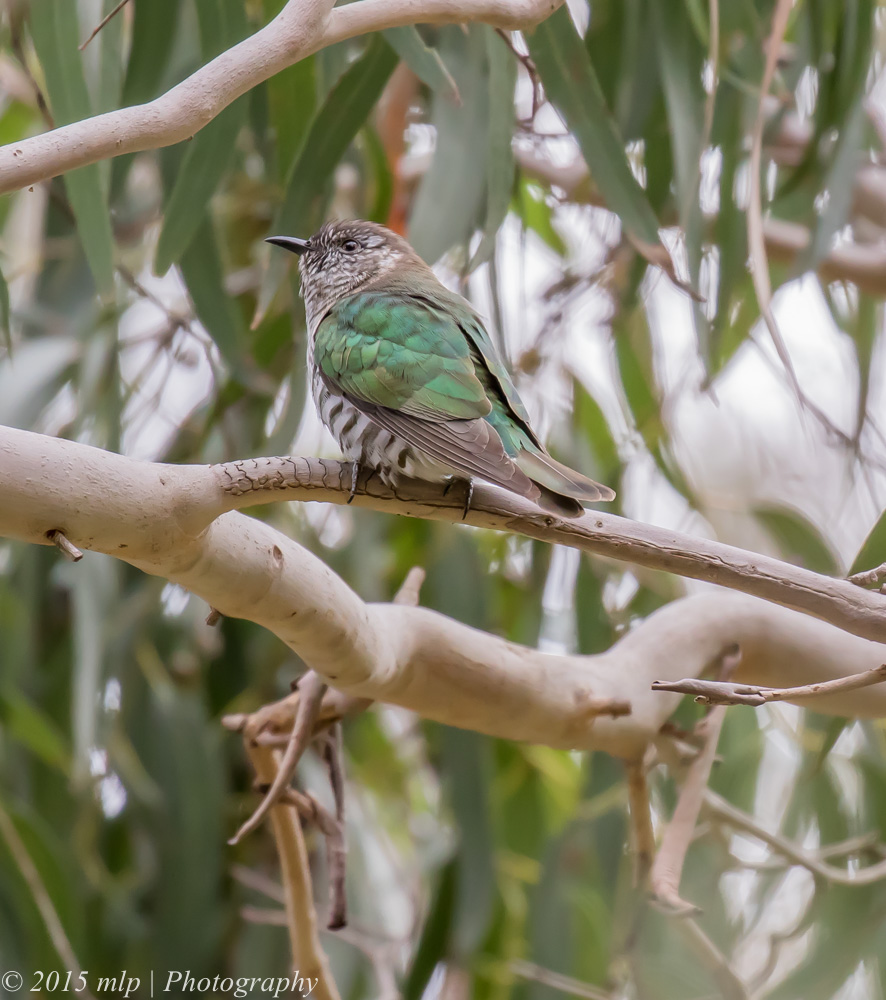
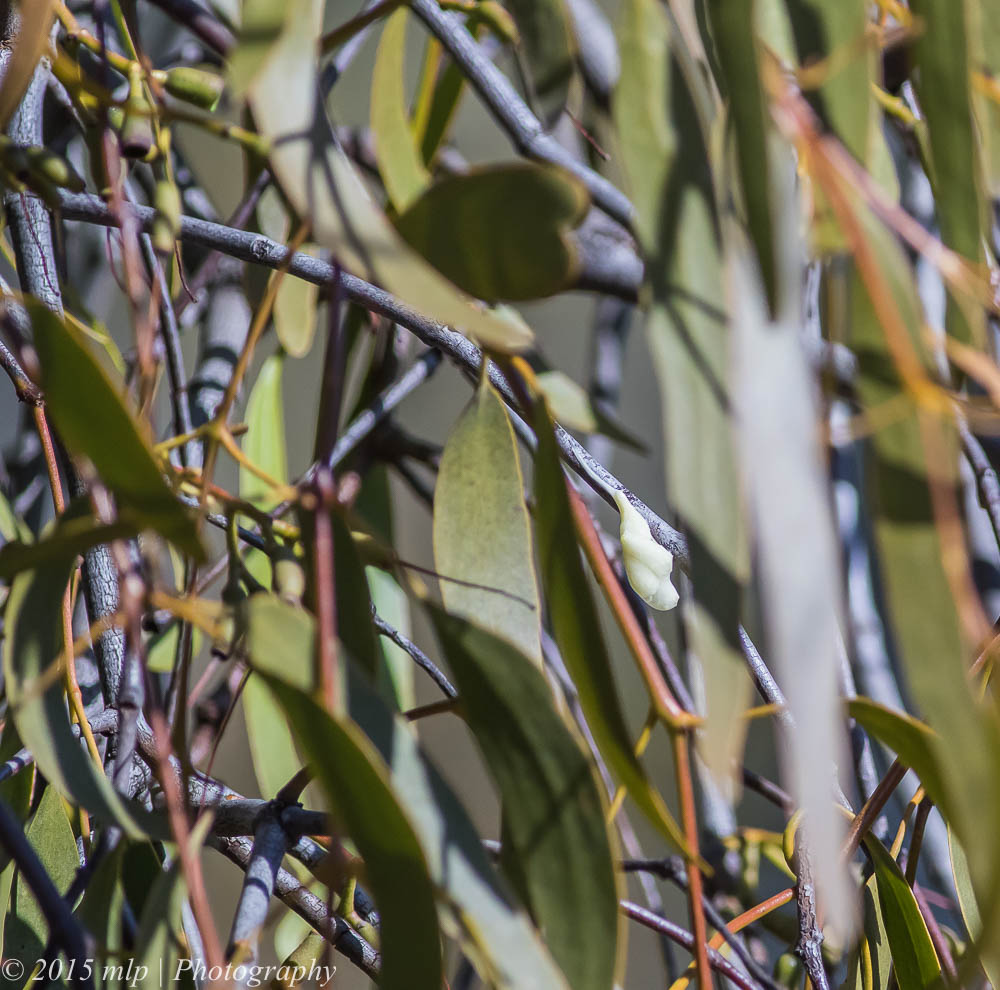
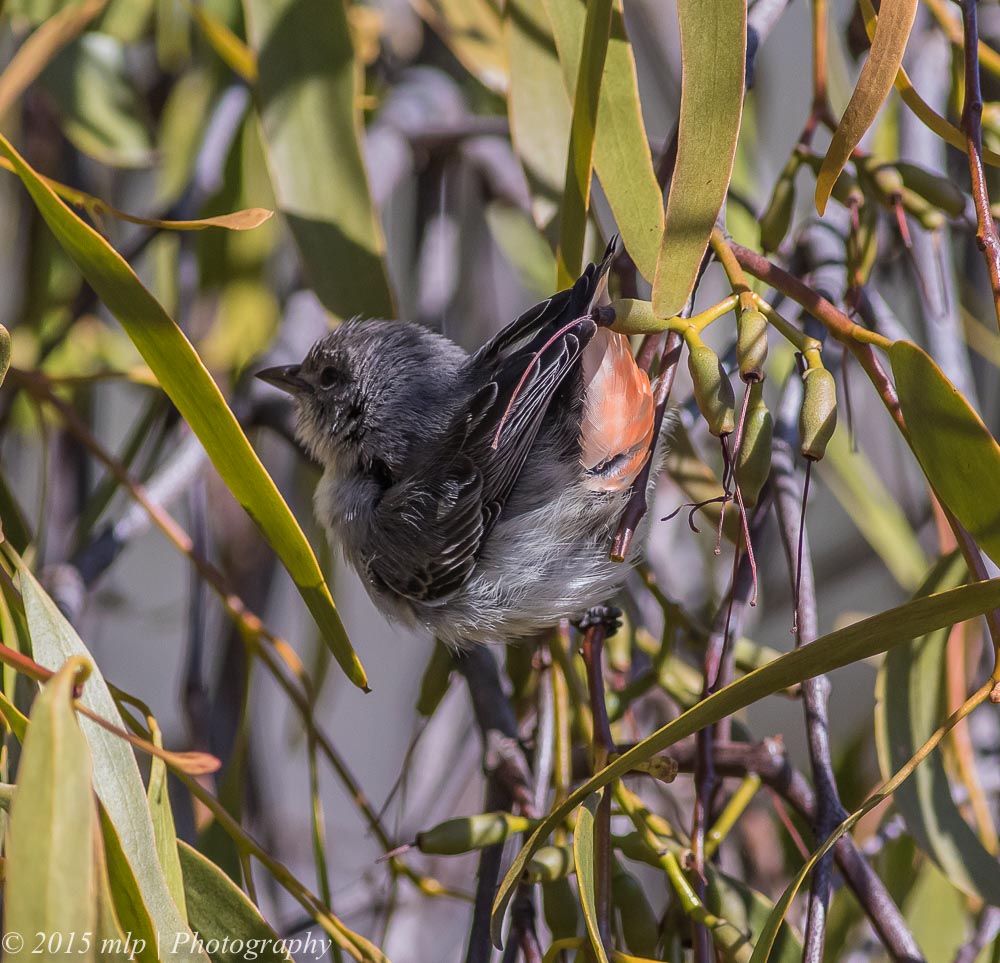
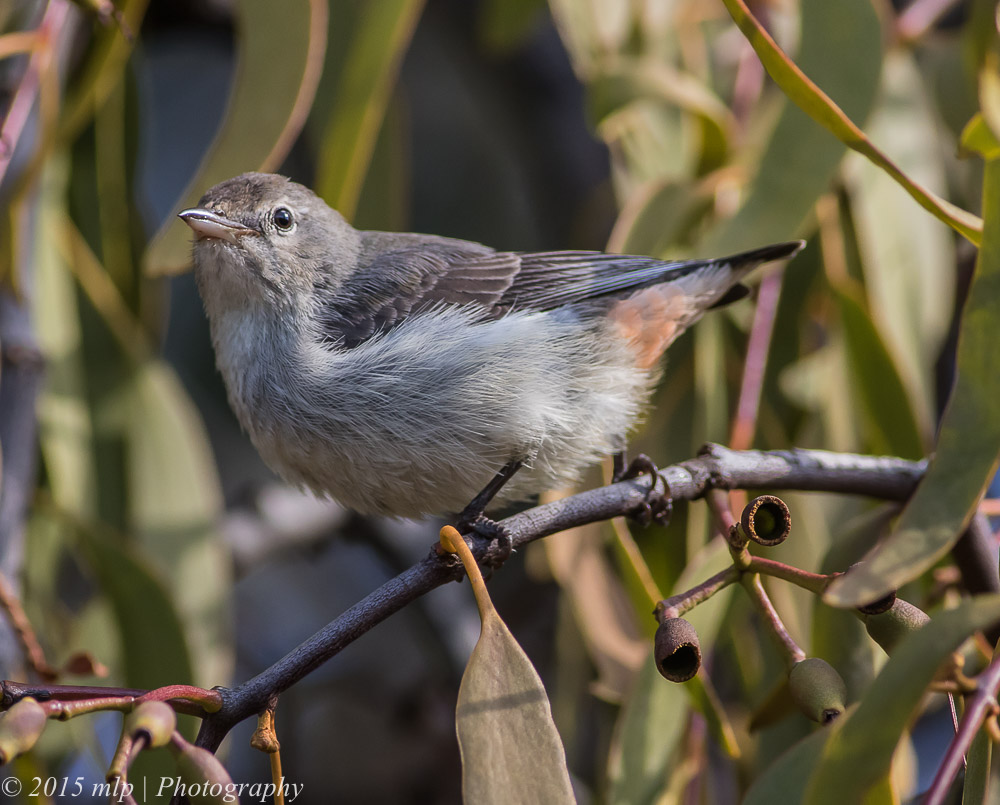
The Shining Bronze Cuckoo is the worlds smallest Cuckoo. They are often heard in woodlands but not often seen. The Cuckoo is parasitic, laying a single egg in the nest of small Thornbills, Gerygones and Scrubwrens. The new parent then raises the chick as its own. The one below I found at the Coolart Wetlands watching a small group of Brown Thornbills.

Shining Bronze Cuckoo, Coolart Wetlands

Shining Bronze Cuckoo – well camouflaged 

Shining Bronze Cuckoo, Coolart Wetlands

II

Shining Bronze Cuckoo, Coolart Wetlands

III

Kookaburra on the hunt

I followed the sound of the Kookaburras hoping to get a clear shot of one. In the forests they don’t tend to let you get too close. I found this one enjoying some late afternoon sun. After a few moments he noticed something behind me and took off and flew straight at me, swerving at the last second and down onto the path 10 or so meters behind me, pouncing onto some prey and then flying back up into the trees.

Kookaburra, Moorooduc Quarry

Kookaburra, Moorooduc Quarry

Kookaburra, Moorooduc Quarry

Kookaburra spotting prey (or my hat)

Kookaburra, Moorooduc Quarry

III


The Common and not so Common…

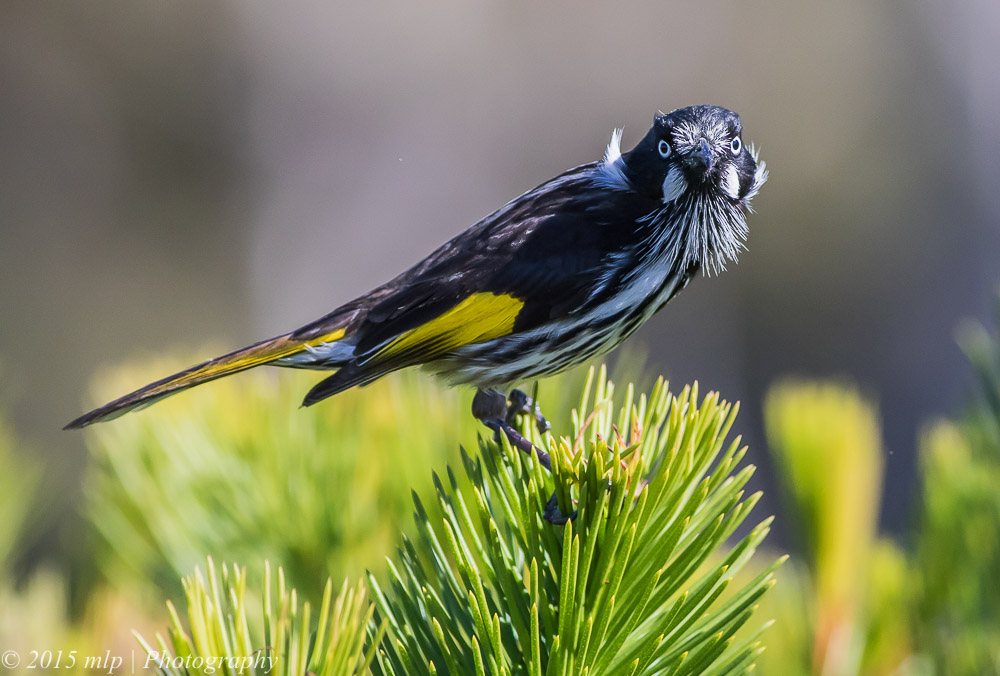
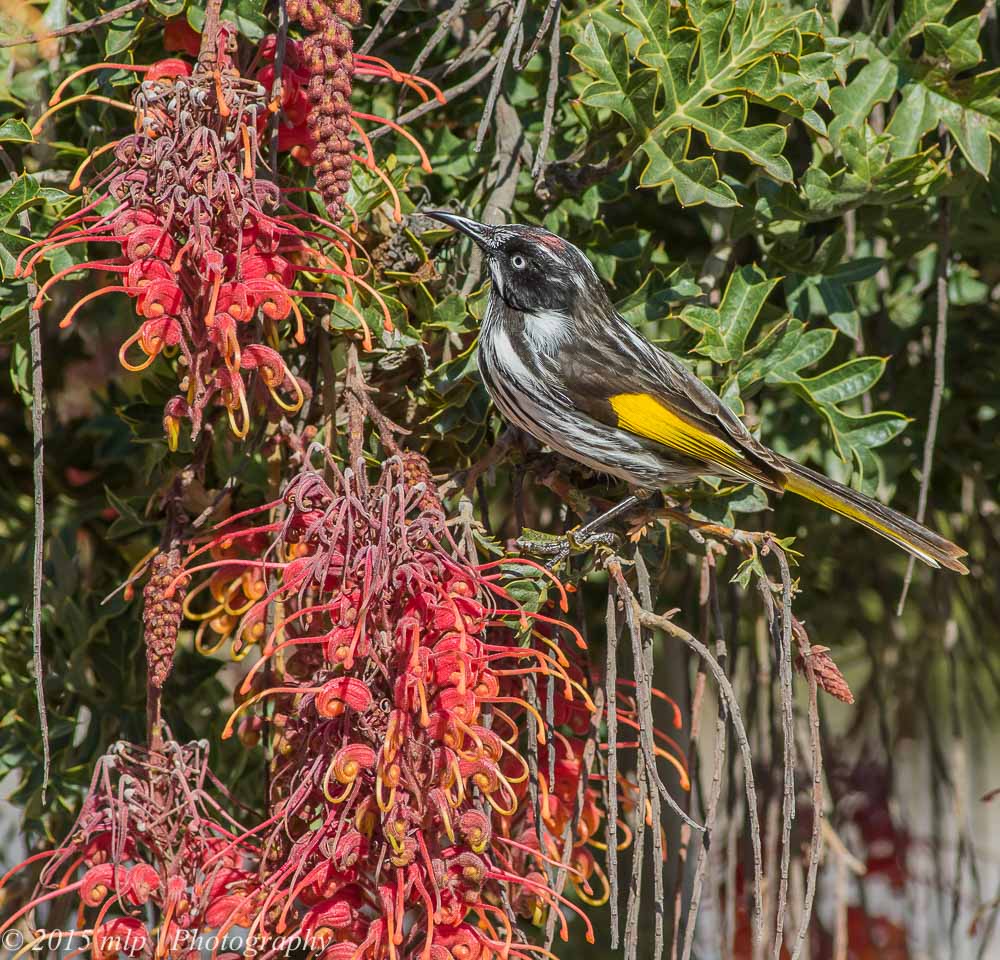
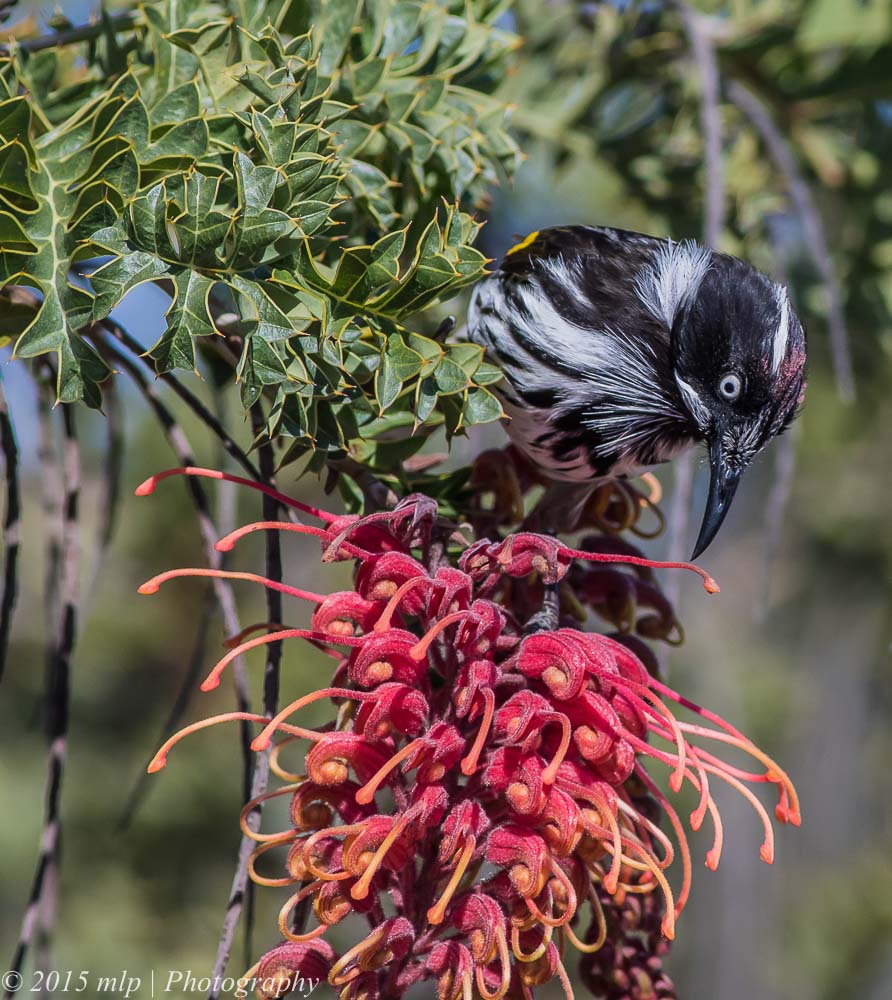
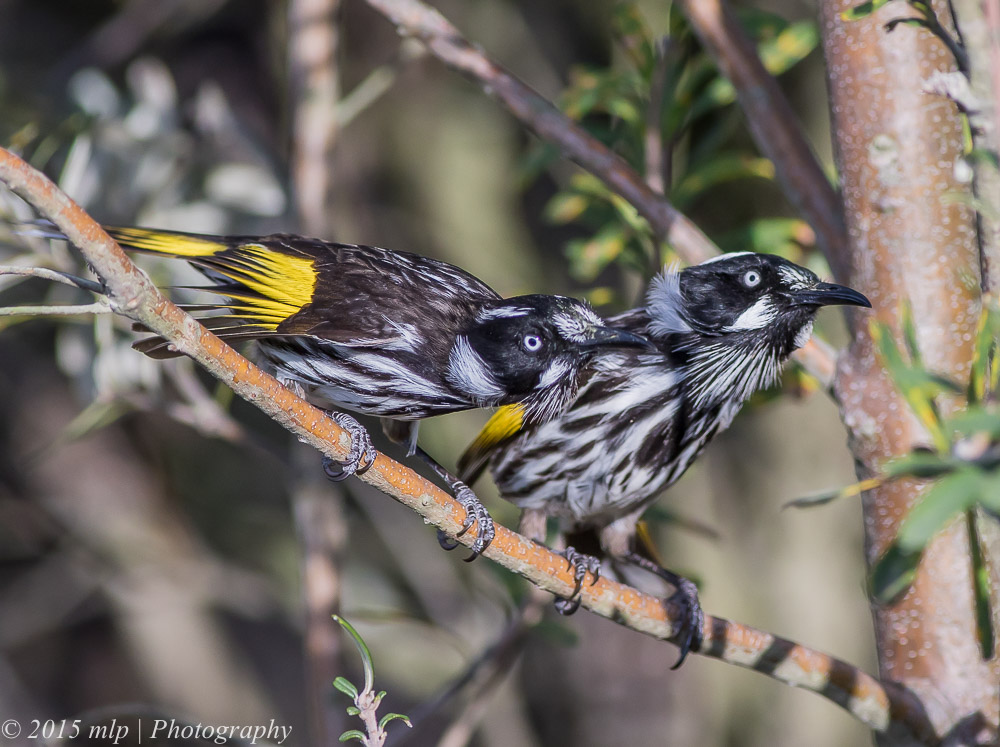
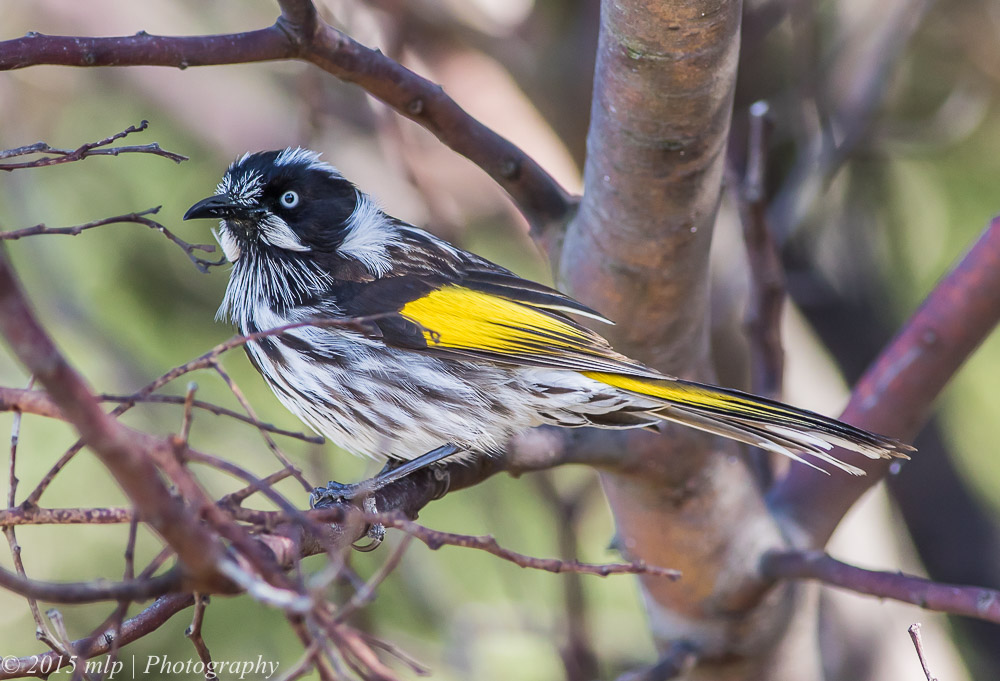
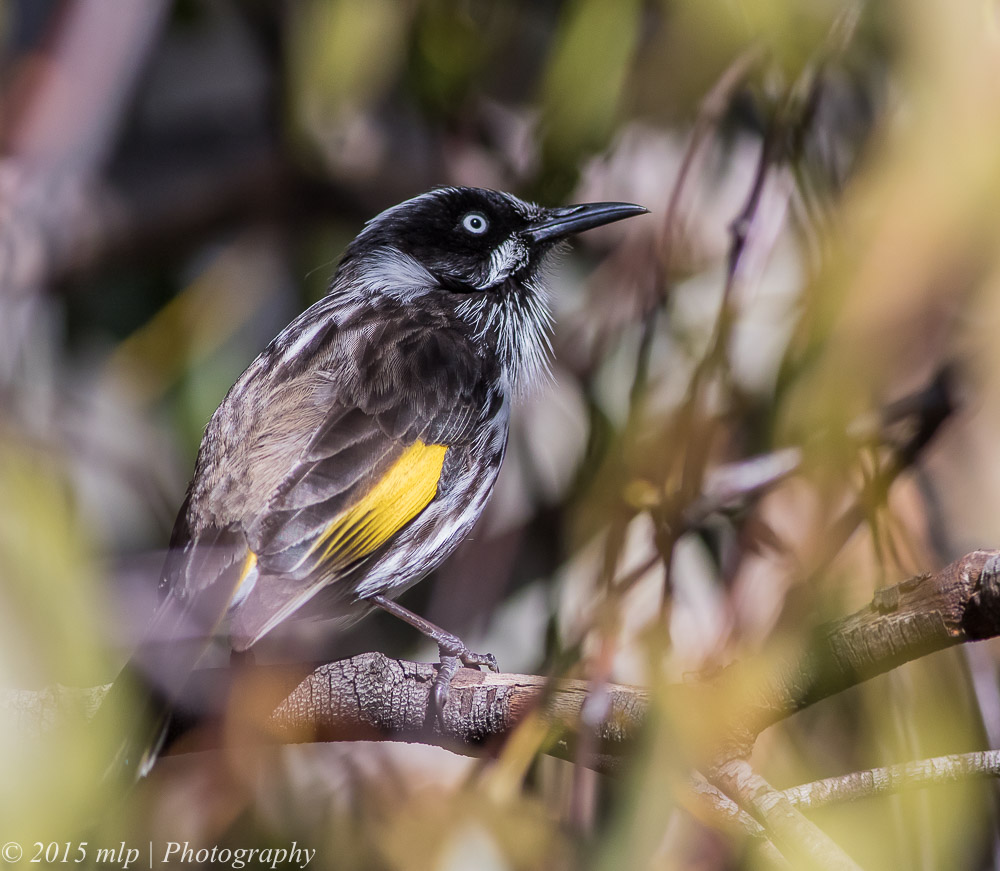
New Holland Honeyeaters dominate the formal parts of the Cranbourne Botanical Gardens. They are generally easy to get a nice image of but it can be much more time consuming trying to get a shot with a bit of personality. Many of the native plants are flowering at the moment so there are good opportunities to find an ideal bush with nectar filled flowers and wait for a Honeyeater to turn up. Many times they land on a high point behind you, you notice, you spin around and it takes off, then you curse yourself as you realise you just missed the shot that was right in front of you. I recently visited with a few bird photography friends and we had a challenging time attempting to find “the” shot – a never ending quest. It seems harder to get a good shot, that you are happy with, of a fairly common subject while often we seem happier with average shots of a rarer subject.

New Holland Honeyeater, Cranbourne Botanical Gardens,

New Holland Honeyeater, Cranbourne Botanical Gardens

New Holland Honeyeater, Cranbourne Botanical Gardens,

II

New Holland Honeyeater, Cranbourne Botanical Gardens,

III

Olive Backed Oriole, Cranbourne Botanical Gardens

Olive Backed Oriole, Cranbourne Botanical Gardens – a rare bird for me, only seen a few times before. 

Bathing in a puddle

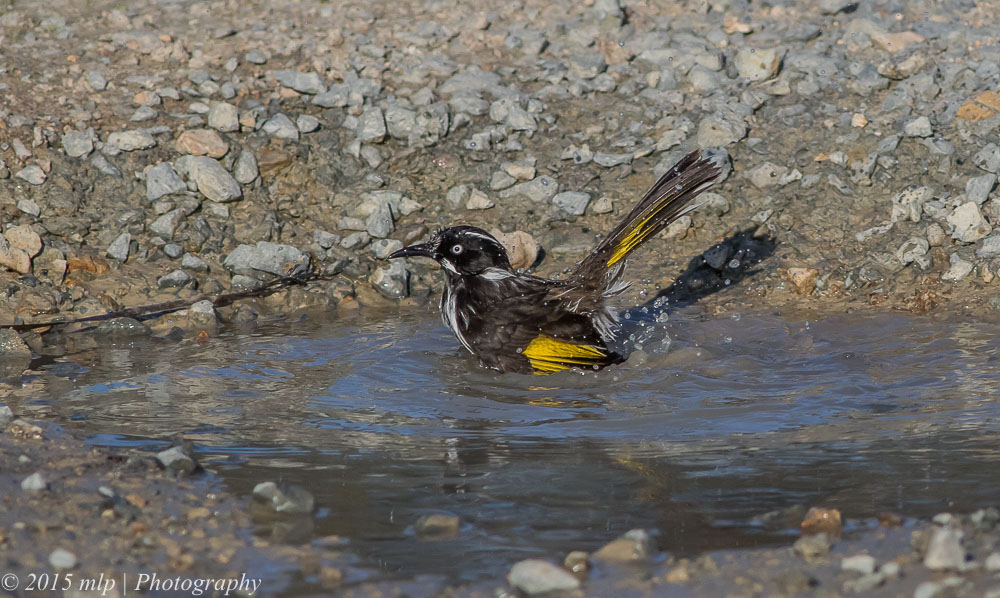
There is nothing like a nice afternoon bath in a small fresh puddle – perfect temperature, perfect depth. This New Holland Honeyeater was one of several birds that made quick flights into the water. After a quick dip and a splash around it would take off to a nearby branch to groom and then back into the water again. Bathing, grooming and keeping the feathers in good condition are extremely important to birds. It is fun and challenging to try and take decent images when the opportunity arises…

Bathing New Holland Honeyeater VI, Cranbourne Botanical Gardens,

Bathing New Holland Honeyeater, Cranbourne Botanical Gardens,

Bathing New Holland Honeyeater VI, Cranbourne Botanical Gardens,

II

Bathing New Holland Honeyeater VI, Cranbourne Botanical Gardens,

III

Bathing New Holland Honeyeater VI, Cranbourne Botanical Gardens,

IV

Bathing New Holland Honeyeater VI, Cranbourne Botanical Gardens,

V

Bathing New Holland Honeyeater VI, Cranbourne Botanical Gardens,

VII

Spotted a Pardalote or two

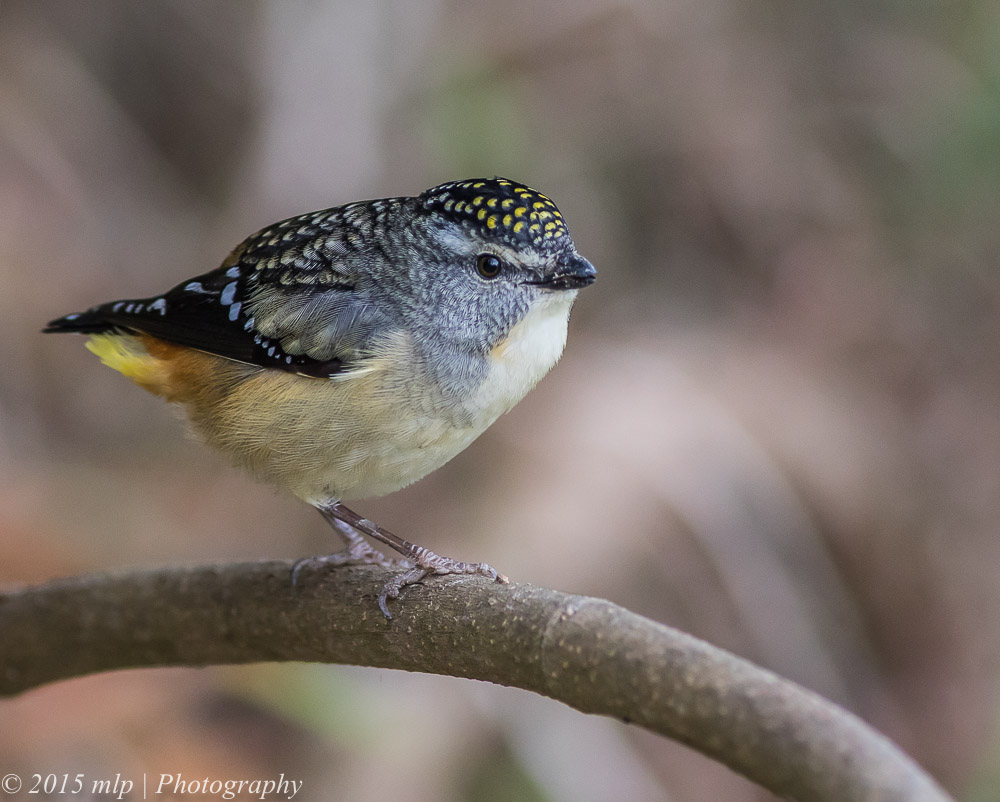
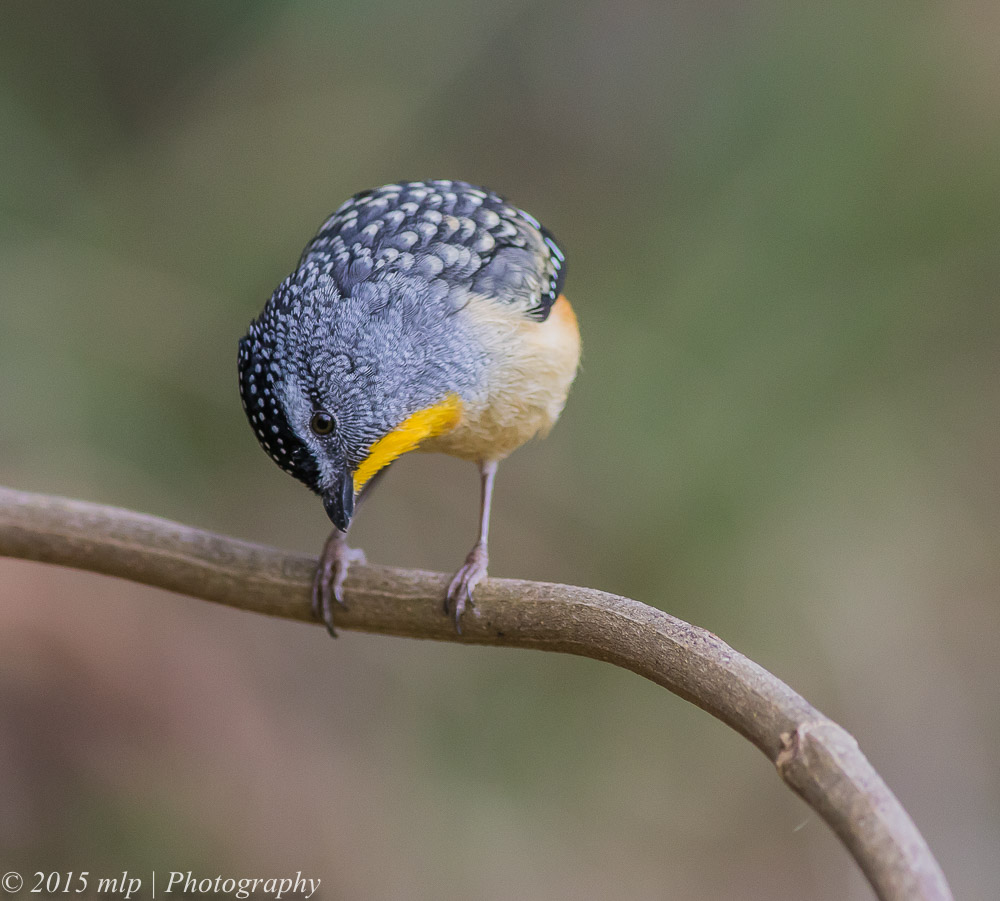
Spotted Pardalotes are tiny colourful birds that mostly feed in the tree canopy. They have quite a distinctive call but are not often seen. During the breeding season they come down from the trees and rather than build a nest in the branches they dig a small tunnel in a sandy bank – the tunnel has a small mouse sized opening but can be a metre long. I found this little family trying out a bank near where I happened to be photographing a family of nesting Yellow Robins. They had dug a few test holes and were looking at each others work. For such a shy bird they were very focussed on the potential nest holes and ignored my presence.

Female Pardalote, Moorooduc Quarry

Female Pardalote, Moorooduc Quarry

Female Pardalote, Moorooduc Quarry

II

Male Pardalote, Moorooduc Quarry

Male Pardalote, Moorooduc Quarry

Male Pardalote, Moorooduc Quarry

II

Male Pardalote, Moorooduc Quarry

III

Male Pardalote, Moorooduc Quarry

IV

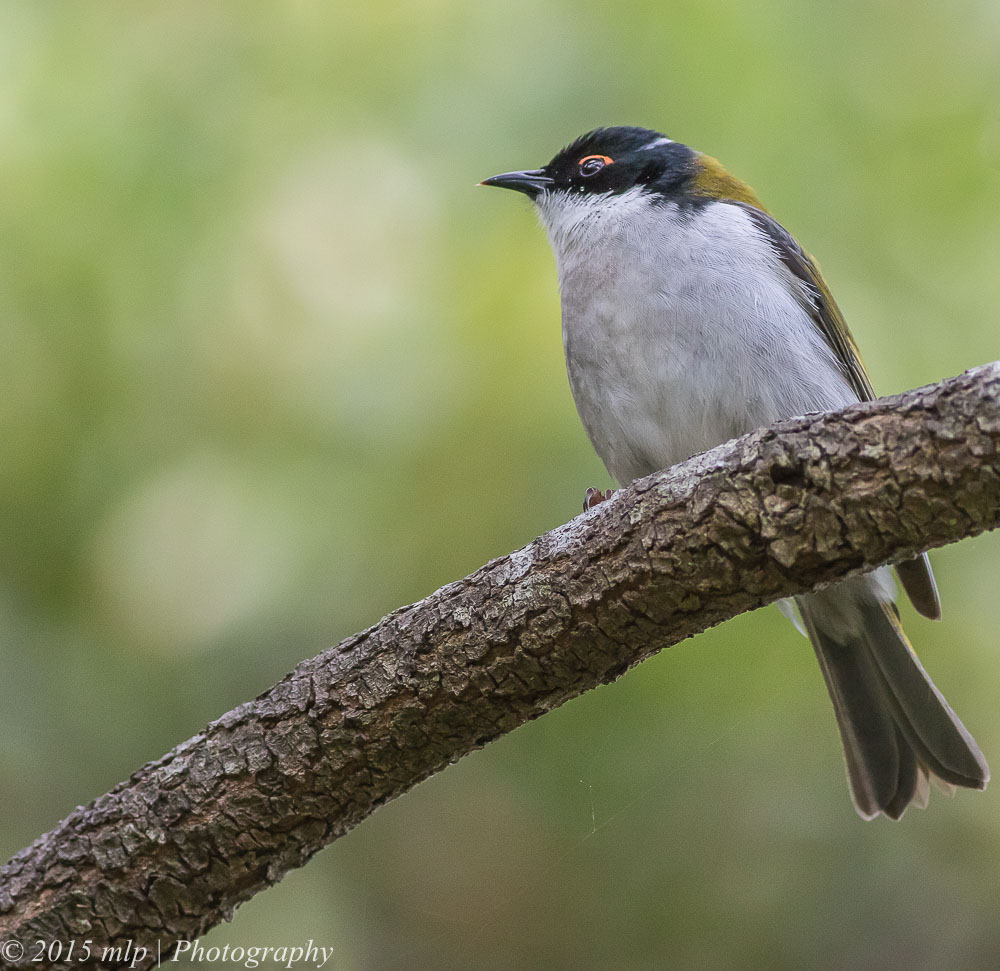
Above the Pardalotes were three White-naped Honeyeaters chasing each other. This one stopped and watched the Pardalotes for a while. The White-nape has a interesting call and bright Orange eye marking.

White Naped Honeyeater,  Moorooduc Quarry

White Naped Honeyeater, Moorooduc Quarry

More Moorooduc Magic

Moorooduc Quarry is fast becoming one of my favourite places to bird. It is a compact site with a variety of vegetation and landscapes and many bird species.

On the latest visit to check in on the Yellow Robin family I found the Robin now sitting on eggs in the nest.

Brooding Eastern Yellow Robin II, Moorooduc Quarry Flora and Fauna Reserve

Brooding Eastern Yellow Robin.

Brooding Eastern Yellow Robin II, Moorooduc Quarry Flora and Fauna Reserve

Keeping a careful eye on me – I kept my distance

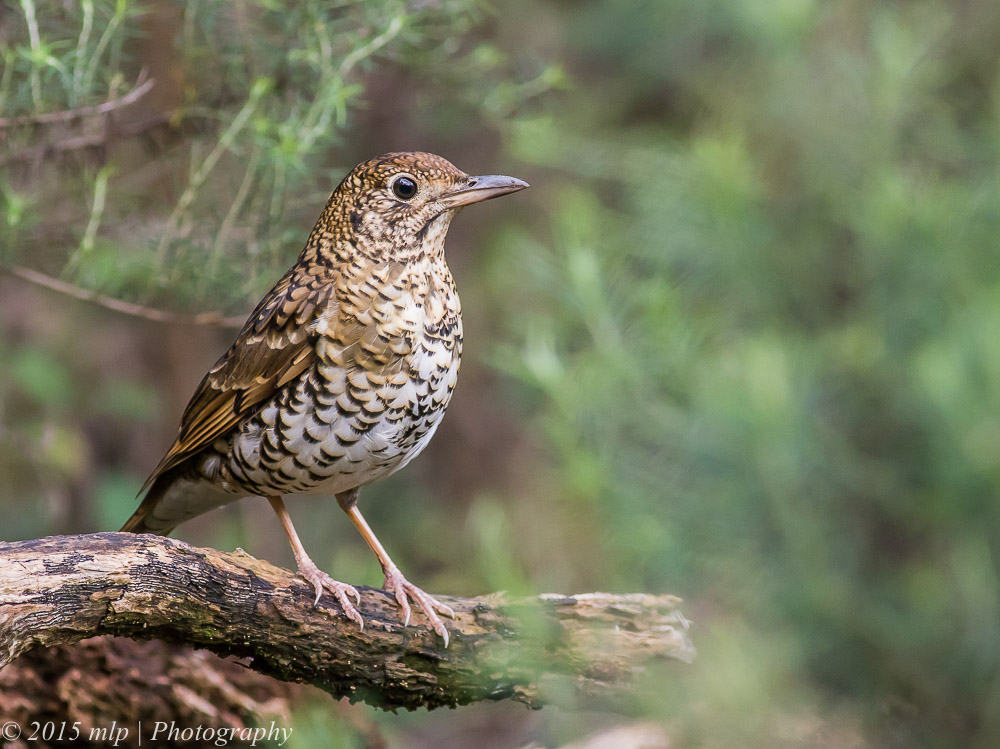
I also found a few regulars and a new one for my site records – a Bassian Thrush – a speckled bird a little larger than a blackbird that loves to forage in the understory of thick cooler forests. While I was trying to photograph the Yellow Robins it popped out to see what the fuss was – posed for a few moments and then dashed back into the thick scrub. I have rarely seen a Bassian Thrush and this is only the second time I have been fast enough to get a photo.

Bassian Thrush, Moorooduc Quarry

Bassian Thrush, Moorooduc Quarry

Bassian Thrush, Moorooduc Quarry

II

Grey Butcherbird, Moorooduc Quarry

Grey Butcherbird watching the antics of the Galahs

Galah, Moorooduc Quarry

Female Galah watching the nearby group of male Galahs, Moorooduc Quarry

Galah, Moorooduc Quarry

Male Galah enjoying some dandelion seed heads.

Moorooduc Woodlands Flurry

In a follow-up visit to the Moorooduc Quarry to check on the progress of the little Eastern Yellow Robin nest, I found a completed nest, many other birds and another Drey (they seem to be popping out everywhere now I know they exist). A busy flock of Male Golden Whistlers came through and it soon became a little crazy with birds flying everywhere. The Robins were trying to protect their patch and the male Whistlers seem to be chasing each other. A few Brown Thornbills dropped into the mix as well to check out the fuss.

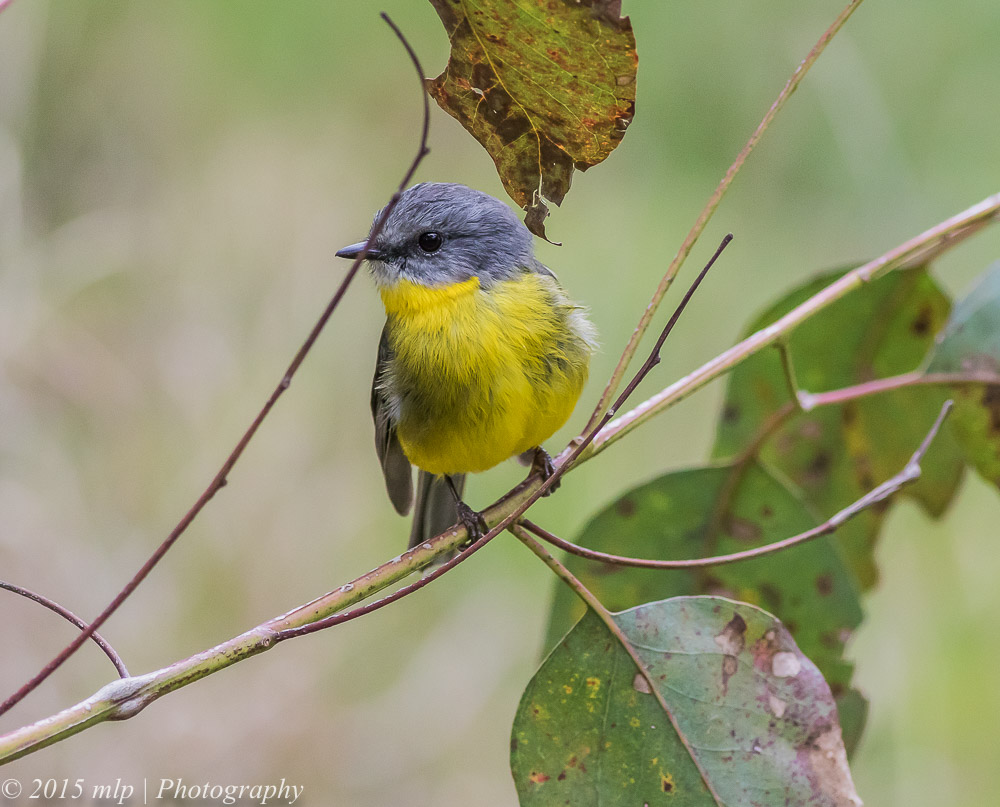
Eastern Yellow Robin, Moorooduc Quarry

Eastern Yellow Robin in a typical perched hunting pose…ready to pounce on its prey from above.

Eastern Yellow Robin, Moorooduc Quarry

Eastern Yellow Robin II

Eastern Yellow Robin completed Nest, Moorooduc Quarry

The completed nest of our Eastern Yellow Robin, made of paperbark strips and camouflaged with moss and lichen held in place by spider web netting – amazing engineering

Golden Whistler, Moorooduc Quarry

One of the bright male Golden Whistlers that moved through the Robin’s nest area…

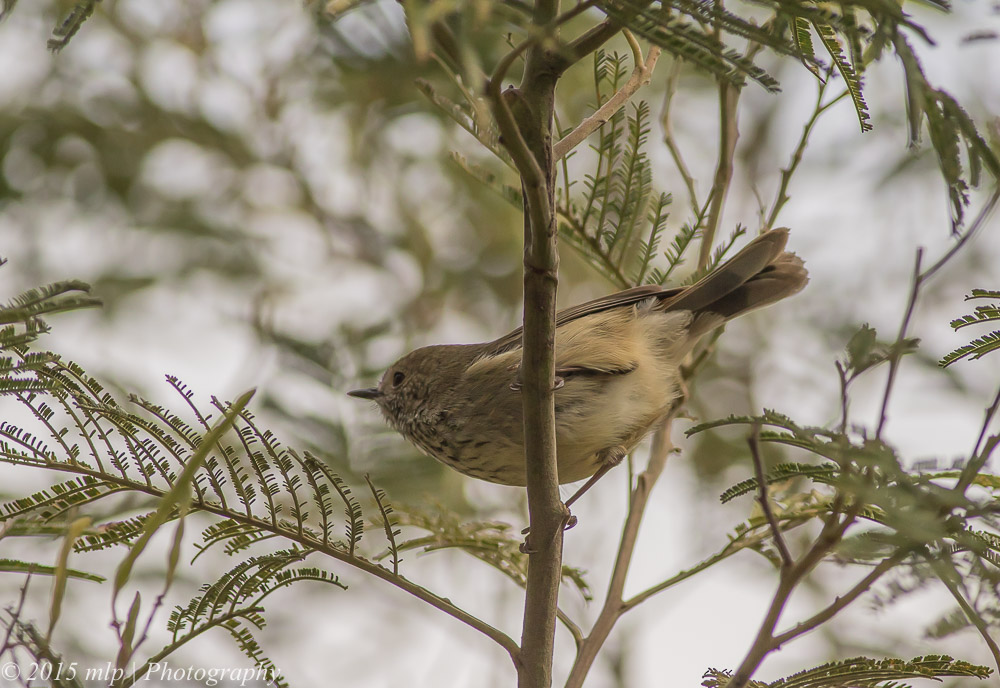
Brown Thornbill, Moorooduc Quarry Flora and Fauna Reserve

A curious Brown Thornbill, watching the action

A possum Drey, Moorooduc Quarry

A possum Drey, Moorooduc Quarry

The Falcon’s Roost

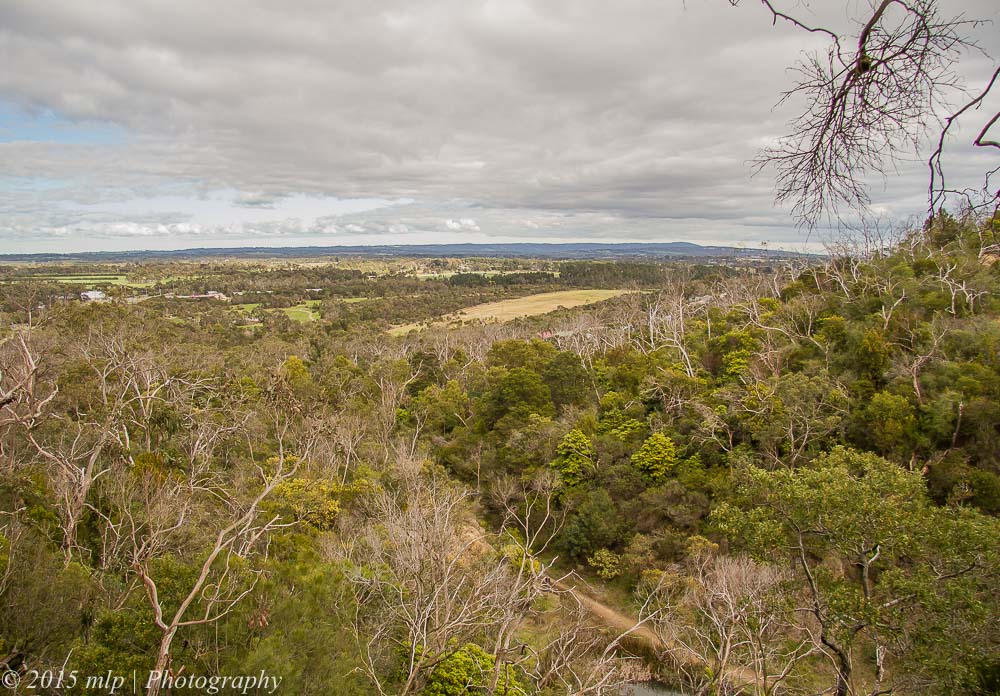
Moorooduc Quarry is a very good site for woodlands birds and for the Peregrine Falcon. The quarry is cut out from a hillside in Mt Eliza and from the top has vast views of the surrounding countryside. With such great views and an abundance of potential prey it is no wonder that the Peregrines can be found here all year round. They also breed at the site each year.

On a recent visit I walked into the quarry and looked for the Peregrines amongst the tall dead trees that overhang at the top of the cliffs. Spotting a Peregrine on a  tall tree near one of the tracks that circle the lip of the quarry I thought I would try my luck and sneak up for a photo. I am pretty sure he watched me all the way, gave me a bit of chance for a photo through the fringing bushes and then took off and flew to the other side of the quarry. When the Peregrine took off he just leaned forward and dropped straight down to build up speed, glided for a while and then flew up to the other side.

Top of the Quarry, Moorooduc Quarry Flora and Fauna Reserve

Near the top of the Quarry, Moorooduc Quarry Flora and Fauna Reserve

Top of the Quarry, Moorooduc Quarry Flora and Fauna Reserve

View into part of the lake at Moorooduc 

Peregrine Falcon, Moorooduc Quarry Flora and Fauna Reserve

Peregrine Falcon – a regular at the site, watching me puff my way up the steep track.

Peregrine Falcon, Moorooduc Quarry Flora and Fauna Reserve

Dropping straight down the cliff edge to build up speed. 

Winter to Spring along Elster Creek

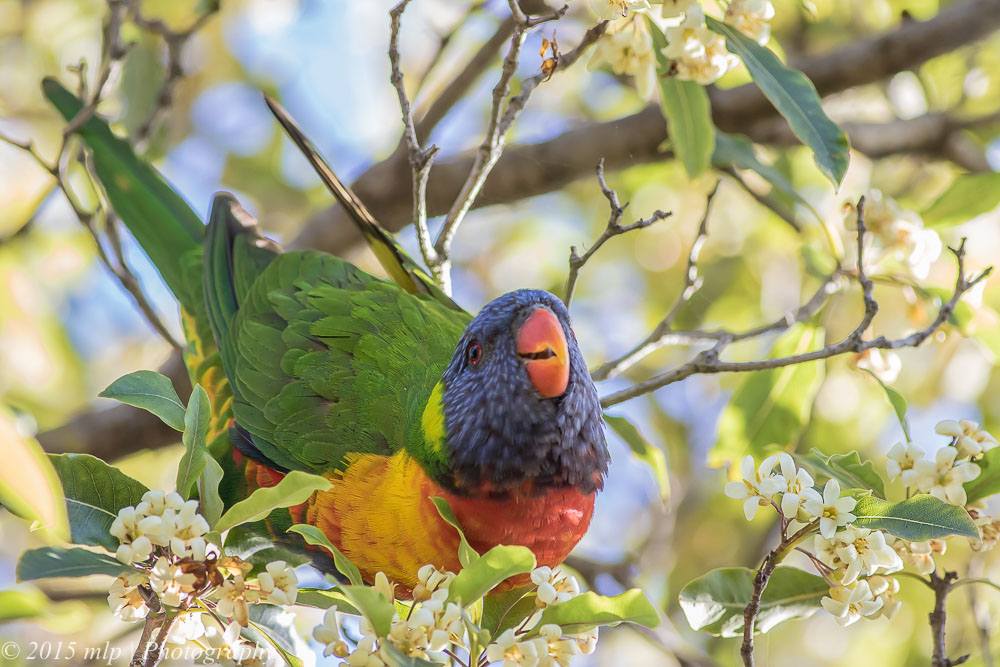
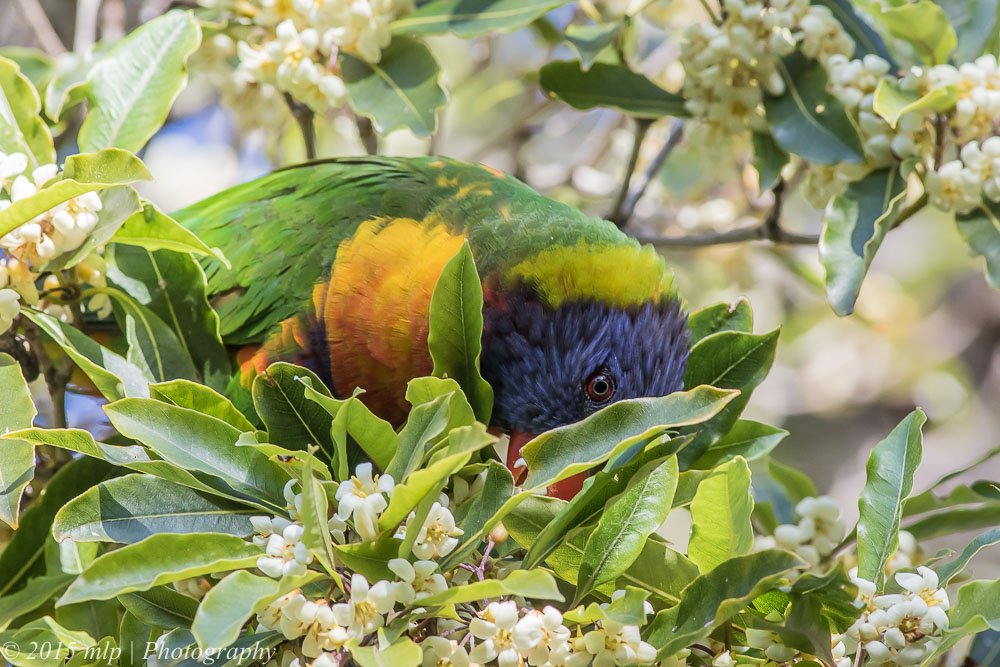
With only a few days to go until Spring officially starts, the local trees and Ducks are right on schedule. A late afternoon walk along Elster Creek to see what was about started with trying to find the Lorikeets I could hear in the flowering tree that hangs over the fence in my backyard into the creek. The Rainbow Lorikeets were feeding on the small white flowers and seemed to be enjoying the sun. They allowed me to get quite close before they flew onto the next flowering tree.

Rainbow Lorikeet, Elster Creek, Elwood

Rainbow Lorikeet, Elster Creek, Elwood

Rainbow Lorikeet, Elster Creek, Elwood

II

Rainbow Lorikeet, Elster Creek, Elwood

III

Rainbow Lorikeet, Elster Creek, Elwood

IV

Rainbow Lorikeet, Elster Creek, Elwood

V

Rainbow Lorikeet, Elster Creek, Elwood

VI

Rainbow Lorikeet, Elster Creek, Elwood

VII

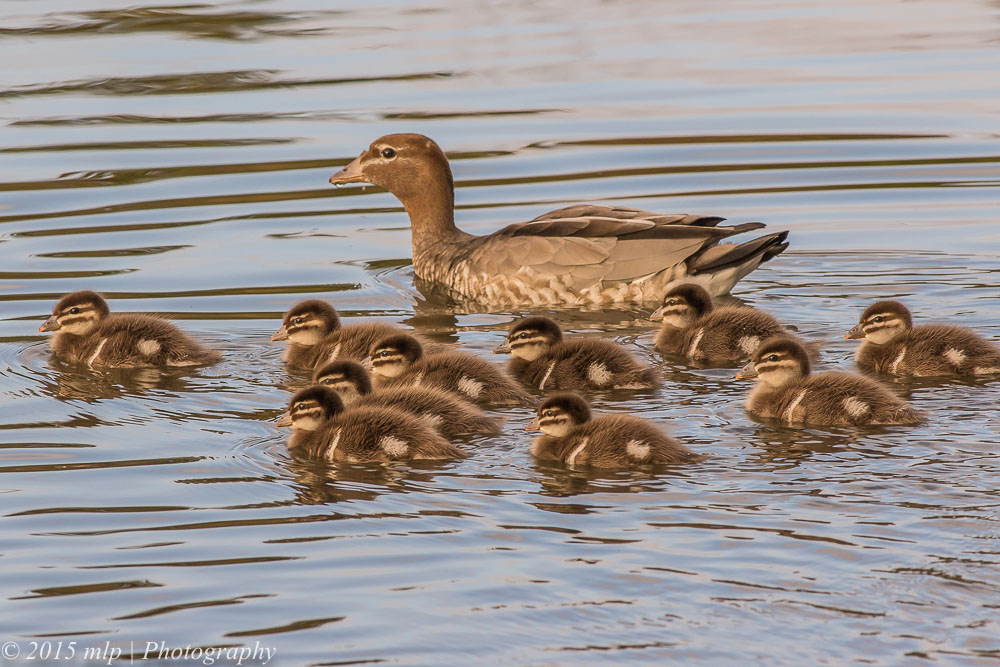
At the local wetlands lake I ran into a birding friend Gio, and we walked along the banks together planning our next day trip into the bush. We came across  a family of Wood Ducks that had nested nearby and were now raising 10 checks. Wood Ducks have quite large families and I think it is needed as quite a few chicks are taken by many predators. Wood Ducks are usually pretty calm around people and just wander back to the water if you approach but these adults were much more nervous of us and took to the water straight away.

Wood Duck and Chicks, Elster Creek, Elwood

Female Wood Duck and Chicks, Elster Creek

Wood Duck and Chicks, Elster Creek, Elwood

Is the male Wood Duck sticking his tongue out at me?

Honeyeaters hanging in the Gardens

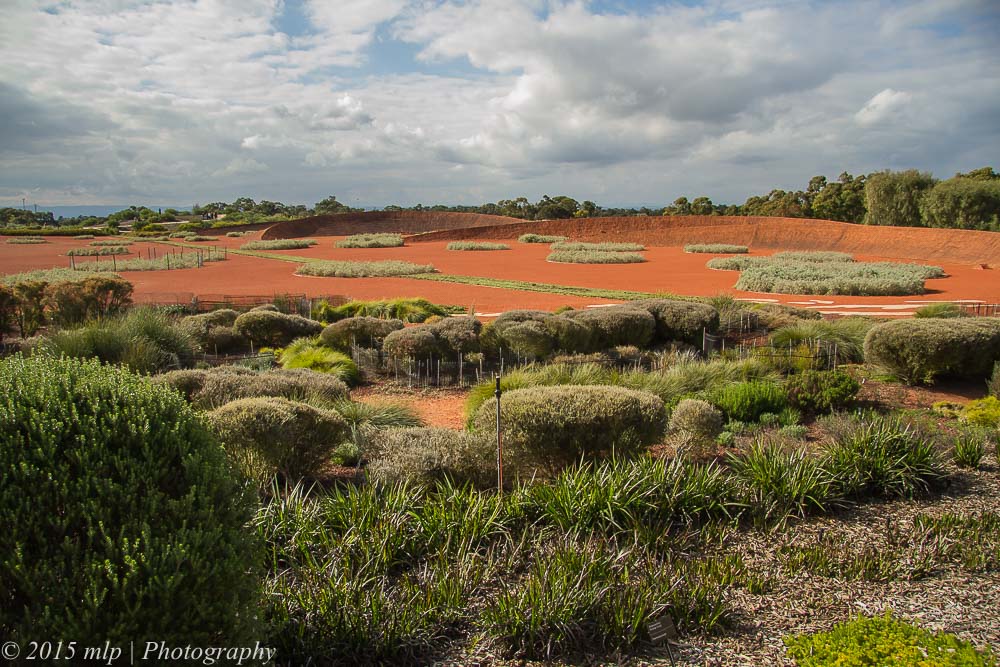
The Australian Garden is located at Cranbourne and is part of the Royal Botanic Gardens. It is dedicated to Australian plants and landscapes and displays the various regions of Australia and its native plants. A great place to take visitors. It has large formal created gardens and larger areas of open natural parkland, woodlands, heathlands and even wetlands. It has many species of birds and quite a few Black or Swamp Wallabies as well as Wombats and Echidnas. I have visited a few times in the last couple of weeks. The previous Post at this site was about the Bandicoots that I had photographed. [I have since found out that the Bandicoot without the tail and the healed scars is called Stumpy and is a regular at the Stringybark Picnic area.

Australian Gardens, Cranbourne Botanical Gardens,

Australian Garden, Royal Botanical Gardens, Cranbourne – red centre section

Black Fronted Dotterel

Black Fronted Dotterel – a pair were working the waters edge along one of the ponds

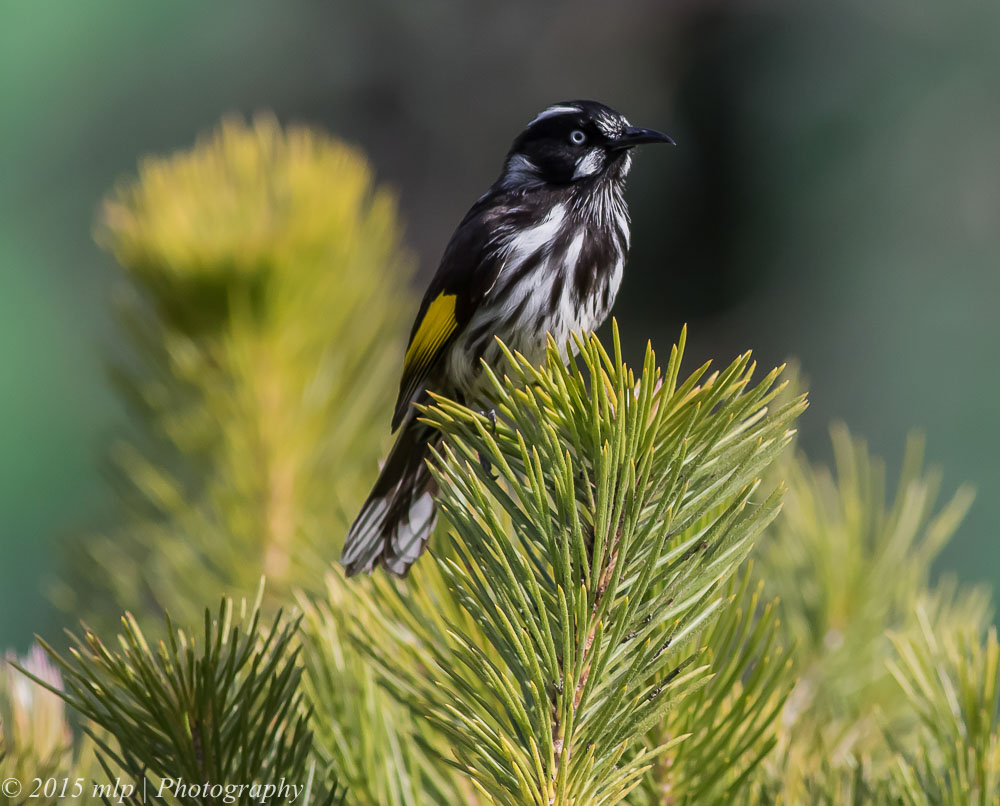
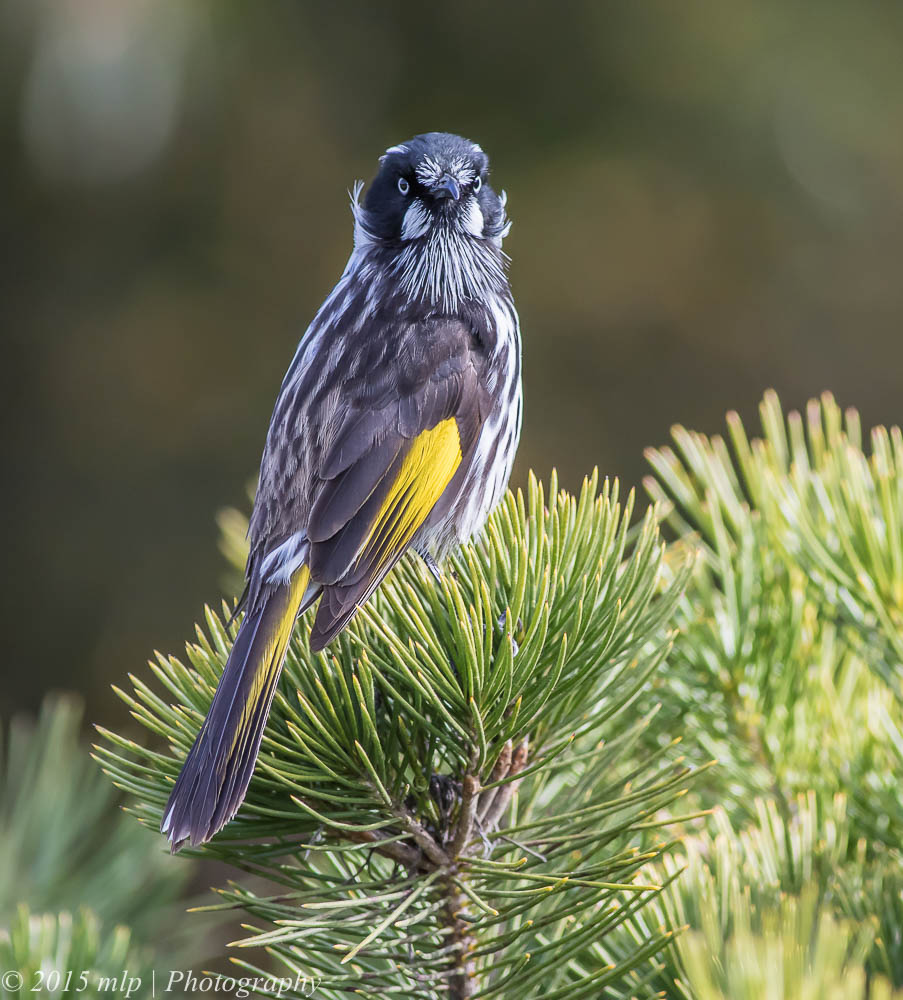
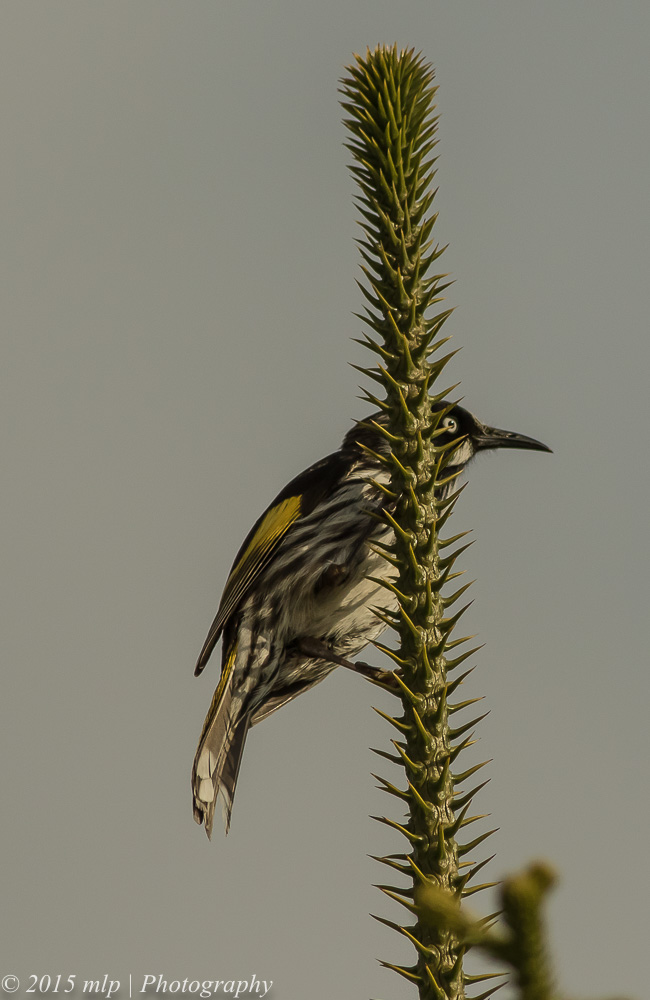
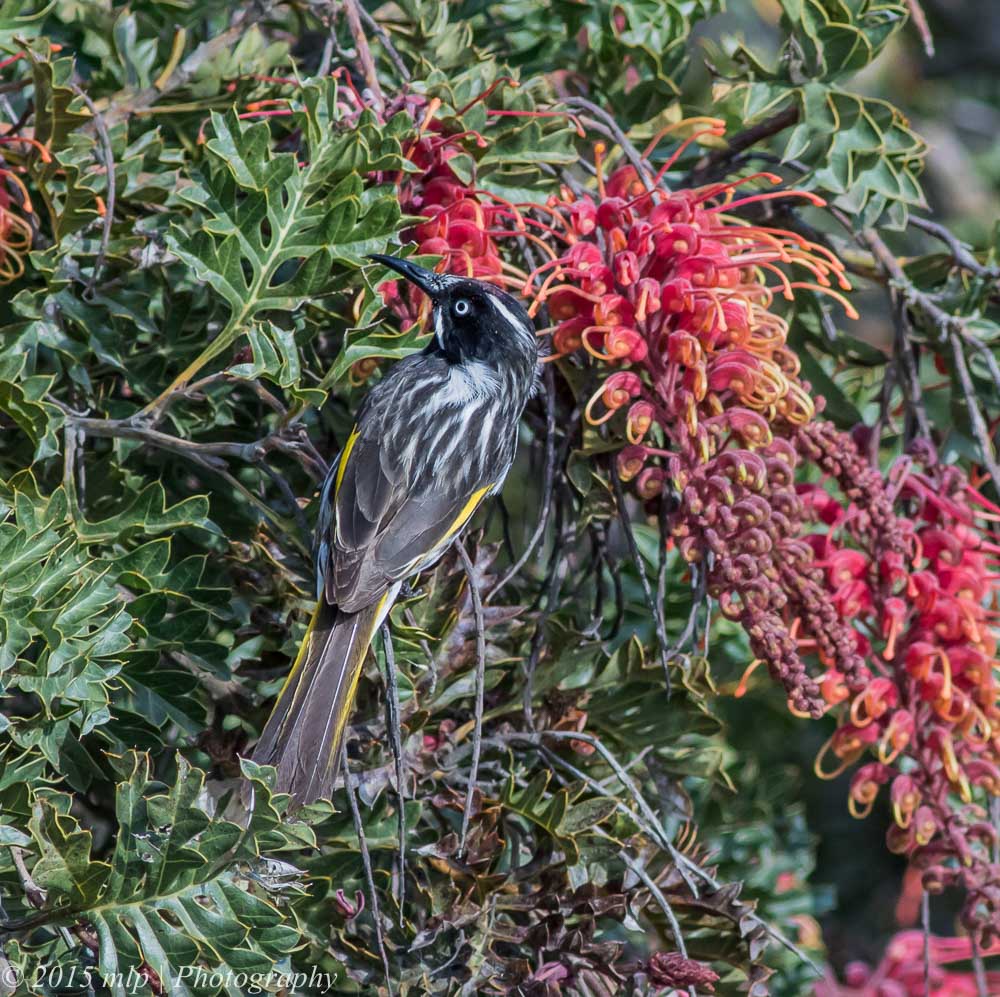
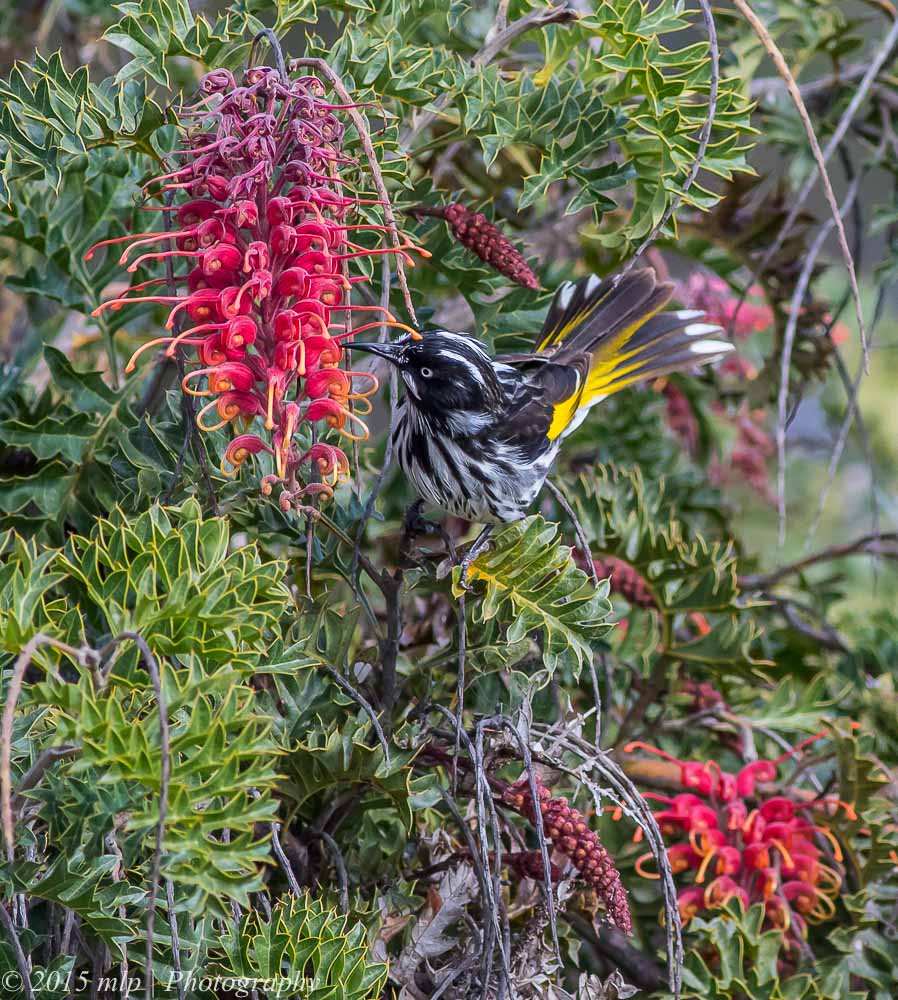
By far the most abundant bird in the formal part of the Garden is the New Holland Honeyeater. Due to their numbers and ready food source available with the flowering Australian natives they are a great target for taking photos.

New Holland Honeyeater

New Holland Honeyeater

New Holland Honeyeater

New Holland Honeyeater

New Holland Honeyeater

New Holland Honeyeater

New Holland Honeyeater

New Holland Honeyeater on a standard weeping Grevillea.

New Holland Honeyeater

II

New Holland Honeyeater

III

New Holland Honeyeaters

A pair of New Holland Honeyeaters – spring was definitely in the air…

Sunbaking at Williamstown’s Jawbone

A recent  Port Phillip Birders day trip to several south western birding sites started with a morning stop at Williamstown and the Jawbone Flora and Fauna Reserve. It is a favourite spot of mine with many  resident bird species with quite a few drop-ins and seasonal visitors. The wetland lagoons are narrow and accessible. It makes for good photographic opportunities. It is a very handy location for beginner birders as the birds are generally used to people passing nearby and don’t panic and fly away. It is where I started to learn more about the waders and coastal shorebirds. On this occasion it was cool and quite windy but we still managed to clock up over 50 species and take a few nice pics. The highlight was a group of 16 or so Brown Quail sunning and grooming themselves along one of the main paths. I have often seen Brown Quail here but not close and not so many. The images below show just how well camouflaged they can be – they just blend into the dry brown grass. When spooked a bit they jump up and scurry off into deeper cover. I have still yet to see one fly.
Brown Quail, Jawbone Flora and Fauna Reserve

Brown Quail, Jawbone Flora and Fauna Reserve

Brown Quail, Jawbone Flora and Fauna Reserve

Well camouflaged amongst the dry grass

Brown Quail, Jawbone Flora and Fauna Reserve

III

Another highlight was a New Holland Honeyeater that seemed happy to ignore us and allow a close approach for photos. It spent 20 minutes hunting for insects from a few perches close to the path.

New Holland Honeyeater, Jawbone Flora and Fauna Reserve

New Holland Honeyeater

New Holland Honeyeater, Jawbone Flora and Fauna Reserve

II

New Holland Honeyeater, Jawbone Flora and Fauna Reserve

III

Cruising the Kamarooka Forest

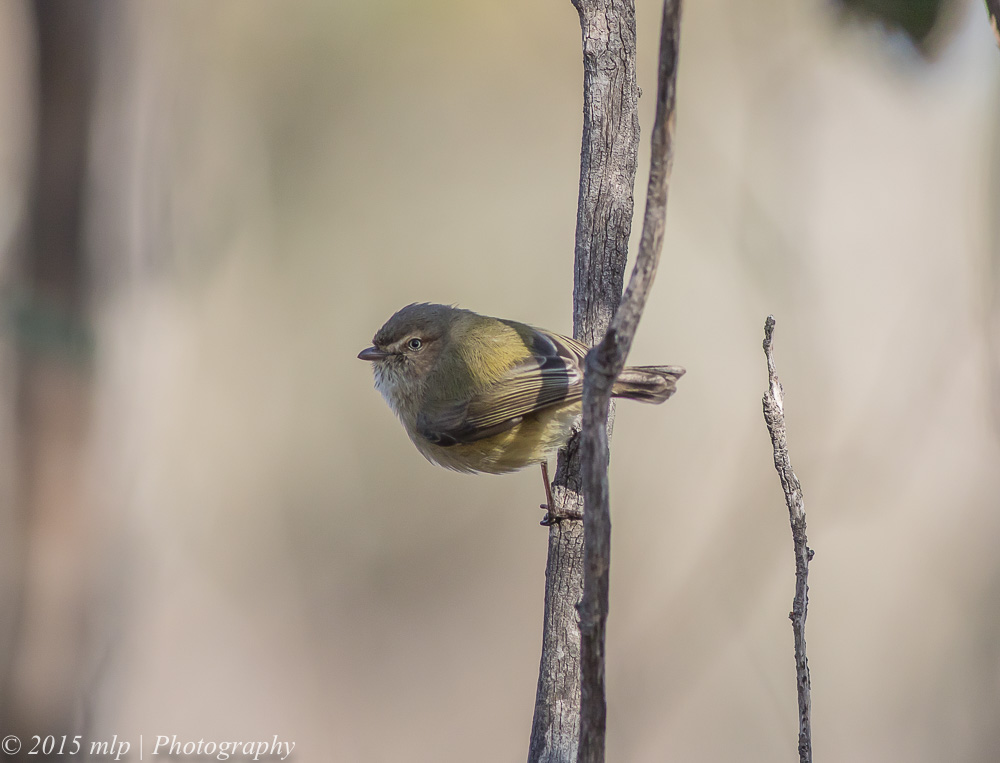
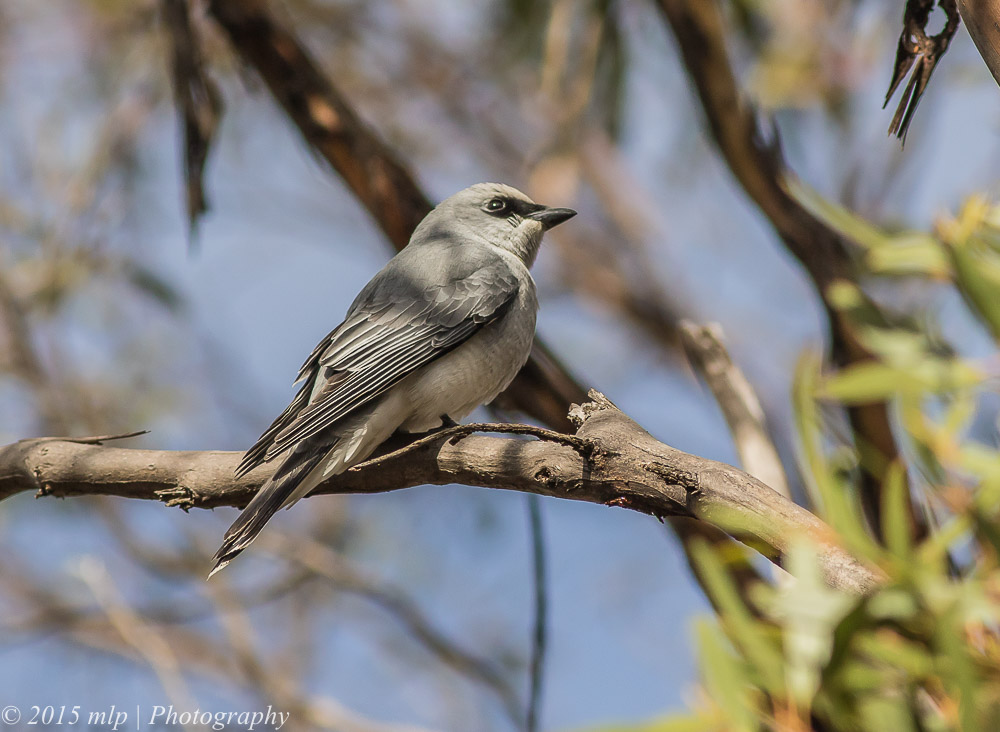
Kamarooka Forest is part of the Greater Bendigo National Park. It is north of Bendigo and contains a variety of habitats and plenty of interesting sites for finding birds and animals.  I recently spent a day exploring Kamarooka with a birding mate, John. I clocked up a new Vic lifer (312) as well – White Fronted Honeyeater. Along the way we found plenty of small birds and one that I have only seen a few times before – a White Bellied Cuckoo Shrike. One of our favourites was a Weebill, Australia’s smallest bird. We also tracked a bird call that neither of us had heard before and it turned out to be a Restless Flycatcher making a very unusual call – certainly one we had not heard before.

Golden Whistler

Golden Whistler

Female Golden Whistler

Female Golden Whistler

Weebill

Weebill – Austrralia’s smallest bird

White Bellied Cuckoo Shrike

White Bellied Cuckoo Shrike

White Bellied Cuckoo Shrike

II

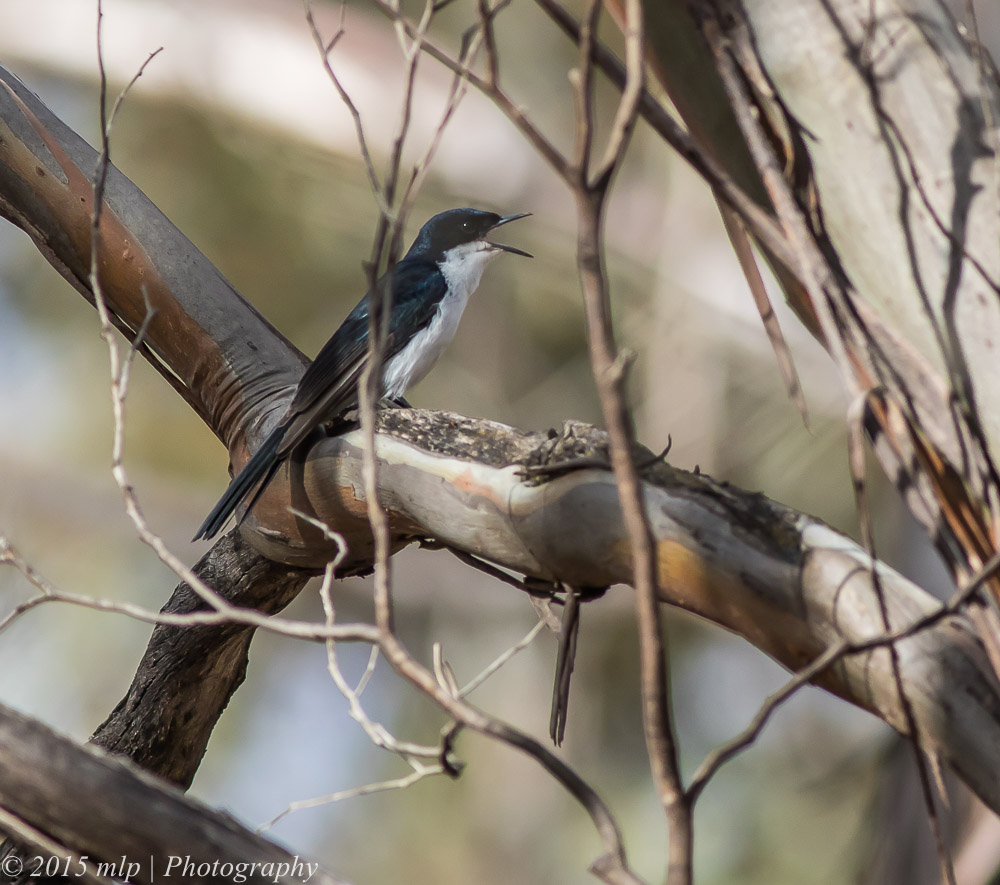
Restless Flycatcher

Restless Flycatcher making a very unusual and loud call. 

A little cup with loads of Spring hope…

It has been a long cold Winter here in Southern Victoria. Lately the weekends have been good enough to get out,  explore and photograph birds and other wildlife.
Our small crew of intrepid birders decided on a big day of birding down the southern coast, exploring a mix of favourite locations and a few spots that others have not been to before. We started off at Rickett’s Point for Terns and a good start with one of the crew picking up a lifer – a lone tiny Double banded Plover. We stopped briefly at Mordialloc Creek mouth for more tern spotting, and then onto Moorooduc Quarry for Peregrine Falcons, woodland birds and the bonus of a rare and endangered Growling Grass Frog. Tootgarook Swamp was the main target for the day for a general bird survey to help provide evidence to stop yet another real estate development draining the remaining wetlands. We finished with an early evening bushwalk around the Baldry Circuit at Green’s Bush.
There are signs in the bush that the weather will soon be changing. Mates, territories and food sources are being defended and nests are being built. Birds are looking for good locations and appropriate material to build their nests.
At Moorooduc Quarry we came across a pair of Eastern Yellow Robins  building a new nest. It was being made out of paperbark strips for framing and held together with spider-web, packed down and then stuffed with moss and lichen. A lovely piece of engineering. I will have to go back and see the finished product and see how long until the chicks are hatched. They picked a good spot amongst a small dense grove of saplings that would make it difficult to find the nest and hard for larger birds to swoop in and attack the nest.
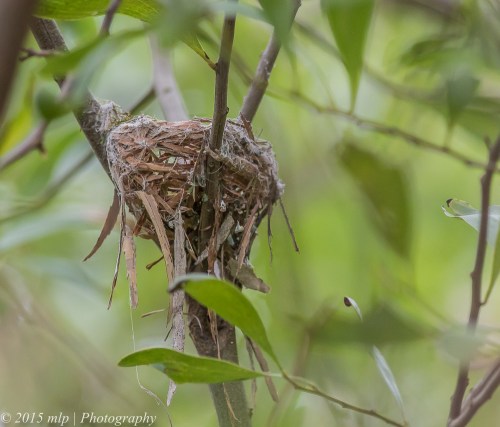
Eastern Yellow Robin nest

Eastern Yellow Robin nest

Eastern Yellow Robin

Eastern Yellow Robin

Eastern Yellow Robin building a nest

Eastern Yellow Robin building a nest – The robin circled around the rim and using its wings and chest to press the lichen into the top of the rim

Eastern Yellow Robin building a nest

Applying a bit more spider web and using its bill to push in the lichen and moss
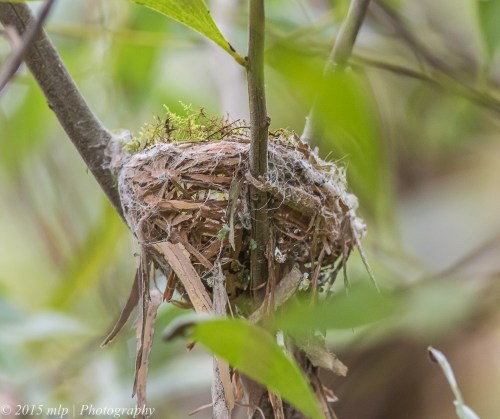
Eastern Yellow Robin nest

Eastern Yellow Robin nest – under construction
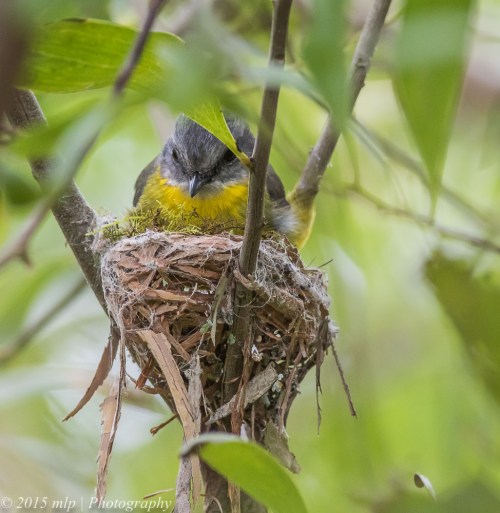
Eastern Yellow Robin building a nest

Eastern Yellow Robin trying its nest on for size…

A winter’s feast at the You Yangs

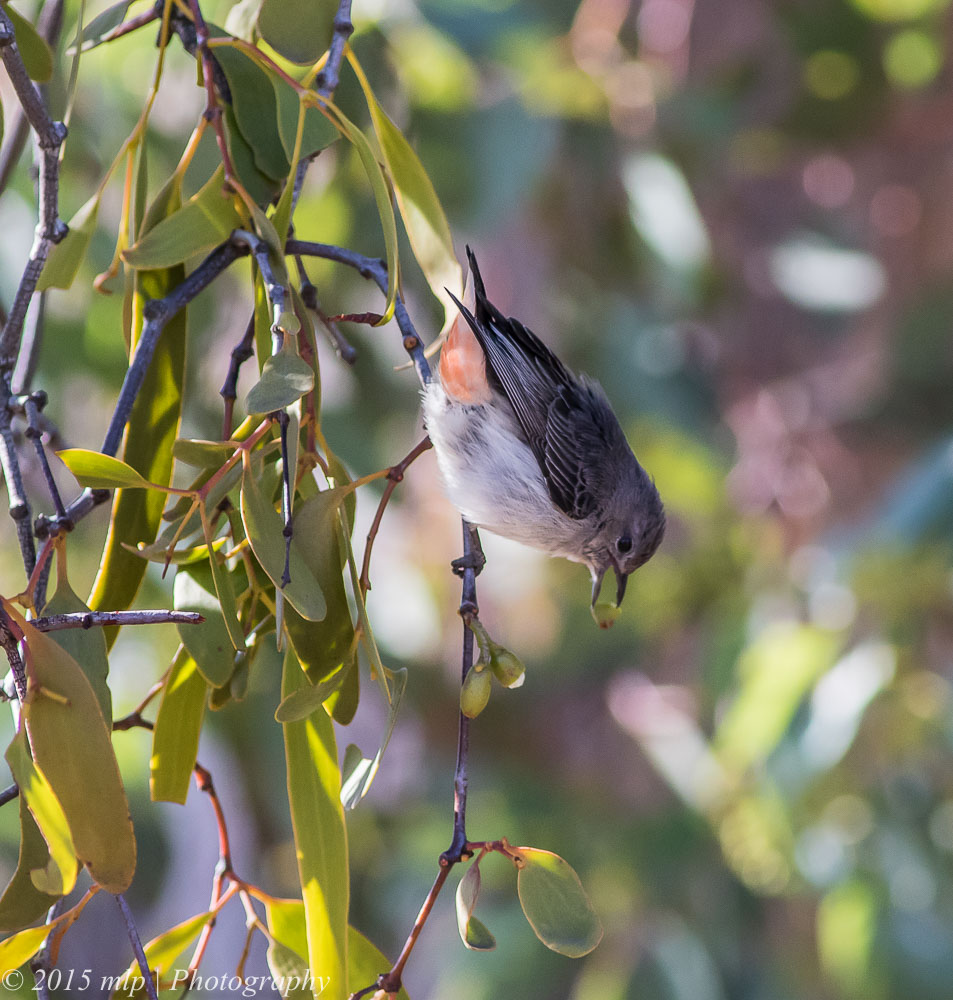
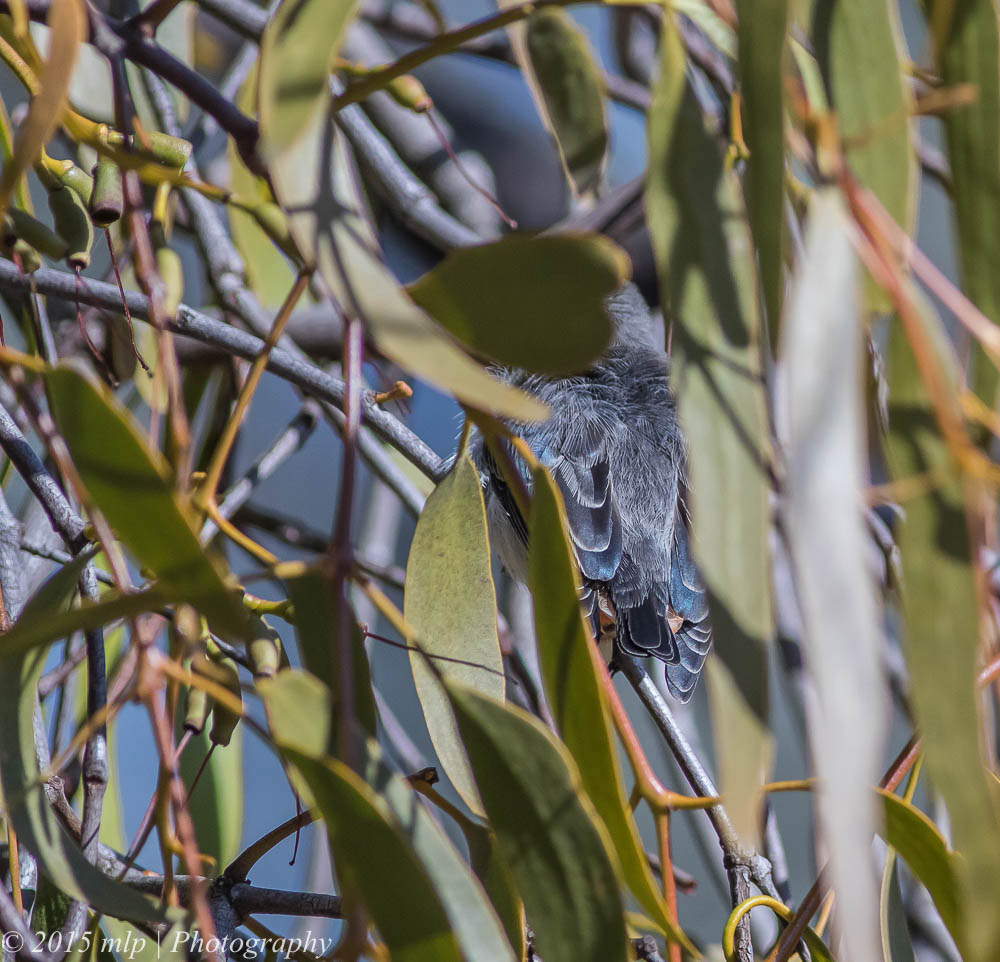
Following on from yesterday’s You Yangs post – The parasitic Mistletoe is also fruiting and the tiny Mistletoebirds are having a feast on the new fruit. One of the highlights of our photography expedition was watching the behaviour and skills of a few Mistletoebirds as they worked the Mistletoe bushes on the various gum trees. They would select an attached fruit bud and carefully remove its cap and pull out the fruit. It would not just eat the bullet shaped fruit, it would squeeze and twist several times and then when the fruit had released its sticky white secretion, the birds would then swallow it. The Mistletobird has a fast digestion and processes the fruit in an amazing time (4min to 25min). We watched as one did excrete a seed and did so slowly and seemingly with purpose. In doing a bit of research on mistletoe I found a picture where a Painted Honeyeater actually has to pull out the fruit seed from its vent as the white liquid is very sticky. This made sense as our Mistletoebird spent a bit of time on the branch wiggling about and when it moved away there was a little mound of white secretion and the seed pods stuck to the branch. This is how the mistletoe attaches to the host branch. In this case the seed wont germinate successfully as it was still located on the Mistletoe bush. The birds we photographed were very focussed and did not seem to mind 4 blokes only a few metres away clicking away with cameras. They kept an eye on us but were not at all nervous and one spent a few minutes sunning itself. We took hundreds of shots of the little birds.

At one point a New Holland Honeyeater flew into the mistletoe bush and started to chase off the female Mistletoebird. After a flurry of wings and loud calls, each bird flew off in different directions but our little friend came back for an encore and after a few more pics we left her in peace.

Mistletoebird, You Yangs

Mistletoebird, You Yangs

Mistletoebird, You Yangs

Squeezing the seed pod/fruit

Mistletoebird, You Yangs

Spending a few moments and using the branch to remove the stick seed pod excretion.

Mistletoebird, You Yangs

Mistletoe bird excretion with a few visible seeds stuck to the branch.

Mistletoebird, You Yangs

Mistletoebird

Mistletoebird, You Yangs

II

New Holland Honeyeater

New Holland Honeyeater

New Holland Honeyeater

II

Mistletoebird, You Yangs

Mistletoe bird back again

Mistletoebird, You Yangs

II

The You Yangs in Winter

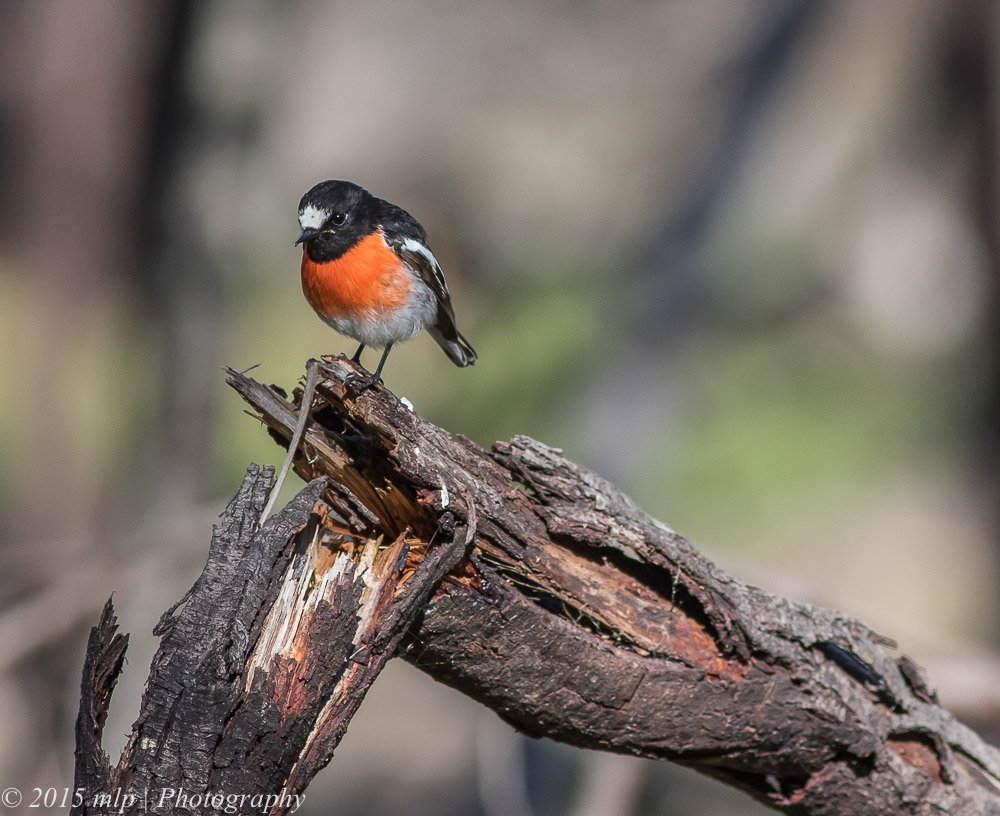
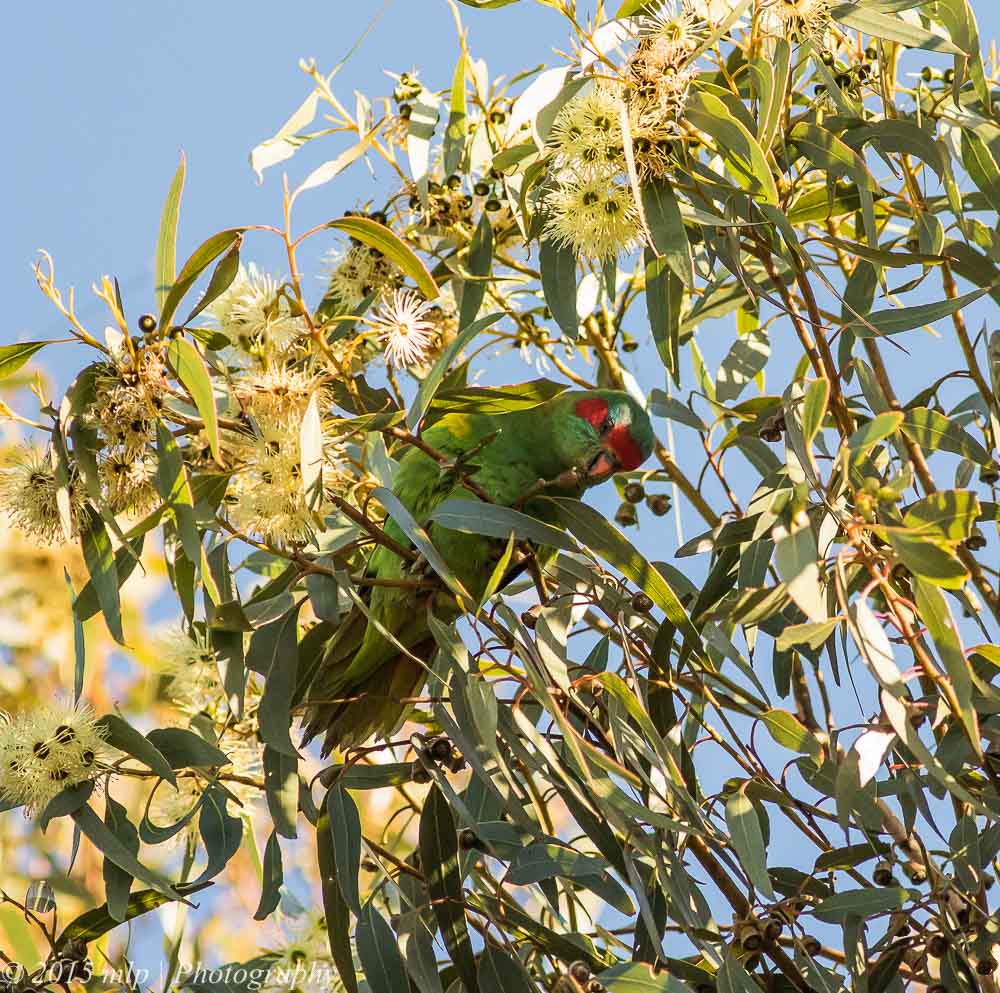
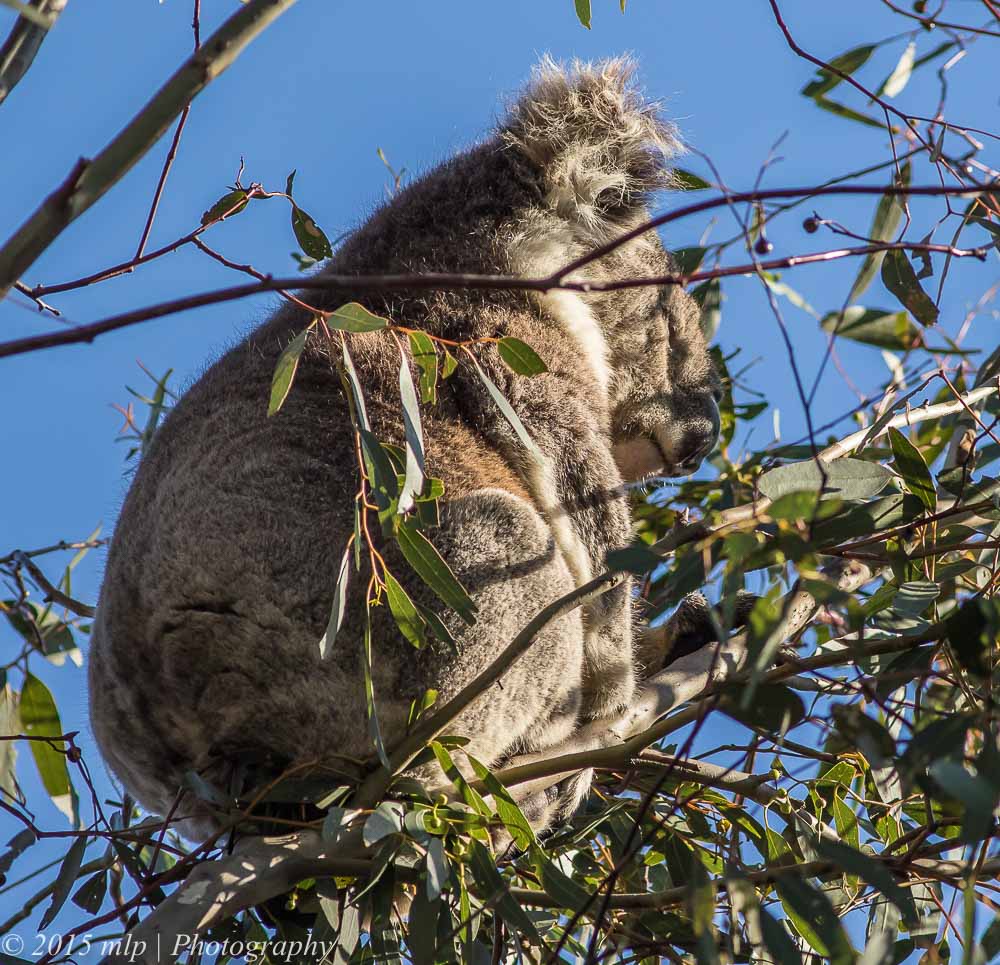
The You Yangs Regional Park (about 45 min SW of Melbourne) is a great place to visit and to photograph birds and wildlife in general. There is a variety of vegetation and terrain that brings in a good selection of birds at various times of the year. At the moment several of the gum tree species are flowering and many Parrots, Lorikeets and Honeyeaters are visiting.  Recently I drove with a few local birder friends and we explored the usual spots and then onto a few new ones that I had not been to before. For the middle of winter there were quite a few birds and animals around.  The Koala of course was safe up his tree and just ignored us. The Grey Kangaroos we came across along one of the walking tracks were wary but generally unconcerned – the larger ones took off first into deeper less exposed scrub followed by the younger ones and a few remaining females with Joeys in the pouch just stood up and watched us walk by. Enjoying the early morning sun on a cold winter’s morning was more important than panicking about a few walkers passing.   We even had enough time to take a nice series of images. The local sounds were made up of Wattlebirds, Magpies, Kookaburras and several large family tribes of White Winged Choughs. In amongst these usual sounds we kept our ears open for the various Thornbills, Robins and Weebills. At one section that I have not explored that much we found a small group of White Throated Treecreepers. They move around a tree very quickly and are often defy gravity working their way along the bark upside down looking for hidden insects.

Scarlet Robin, You Yangs Regional Park

Scarlet Robin, You Yangs Regional Park

Musk Lorikeet, You Yangs Regional Park

Musk Lorikeet

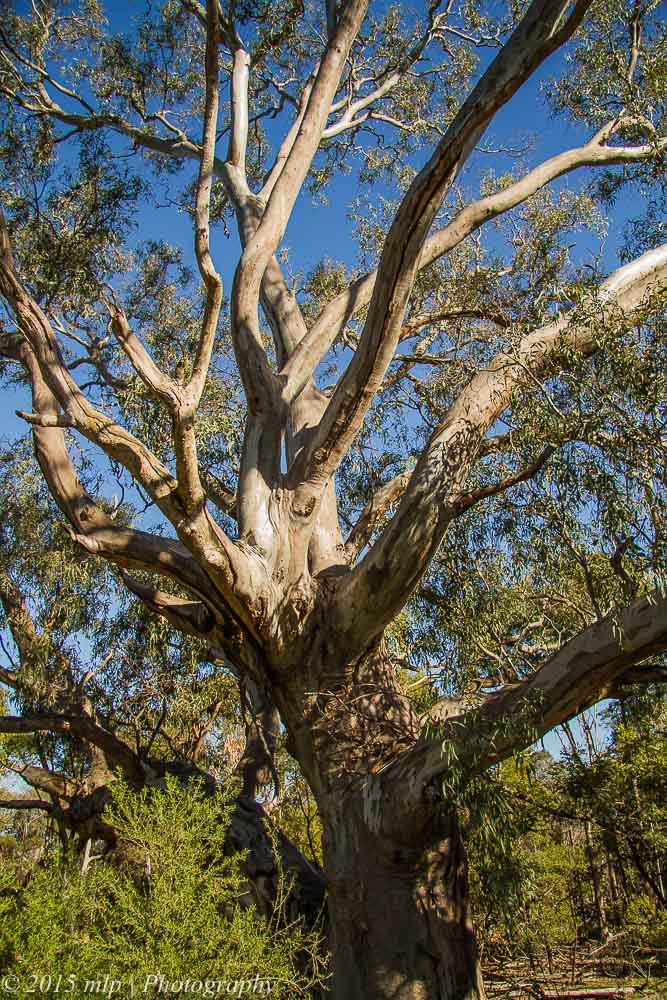
Large Gum Tree, You Yangs Regional Park, Victoria

Large Gum Tree

Koala, You Yangs Regional Park

A napping Koala, You Yangs Regional Park

Young Grey Roo, You Yangs Regional Park

Young Grey Roo

Mum Grey Roo and Joey, You Yangs Regional Park

Mum Grey Roo and Joey

White Throated Treecreeper, You Yangs Regional Park

White Throated Treecreeper

White Throated Treecreeper, You Yangs Regional Park

II