Category Archives: Bird Behaviour

Black Olives for Crimson Rosellas

Once I harvested as many olives as I could process from our little front yard Olive Grove in Rosebud I left the rest for the birds. Previously I had not noticed many birds  feeding on the olives. This year a number of species have enjoyed the late season fruit. I have seen Sulphur-crested Cockatoos, Little Corellas, Silvereyes and now a pair of Crimson Rosellas. I was packing the back of my car only a few feet away and these guys just ignored me. The fruit is very ripe and starting to shrivel so must be quite edible even with their raw bitter flavour.

I have read that most parrots/cockatoos are left handed. The fellow below was right handed, grabbing and eating the olives using his right foot. It was windy at times and he did very well to hang on and feed at the same time.
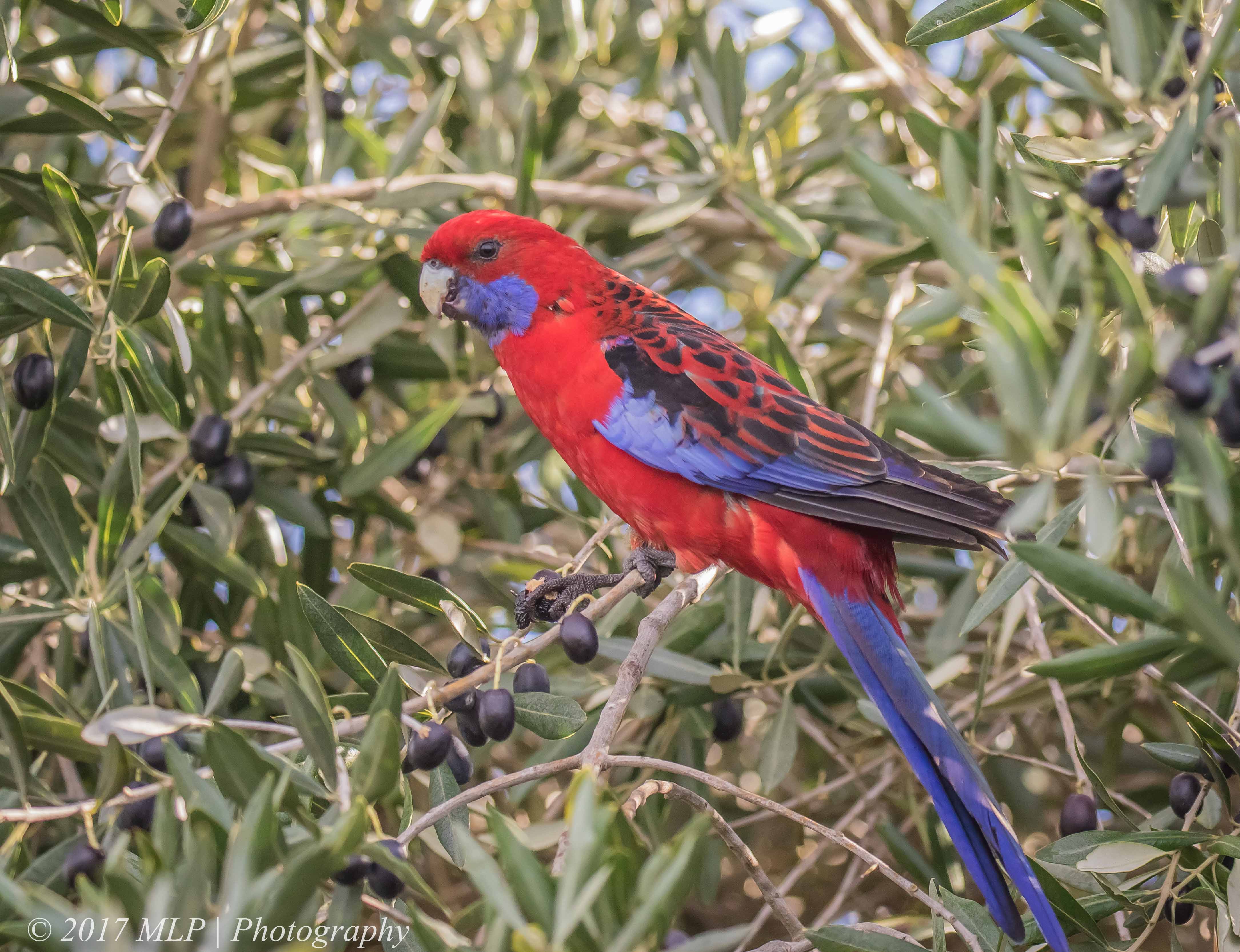
Crimson Rosella, Rosebud, Victoria, 30 July 2017

Crimson Rosella, Rosebud, Victoria, 30 July 2017

Crimson Rosella, Rosebud, Victoria, 30 July 2017

II

Winter is moving on…

With a month still to go of winter, I am already seeing signs of the coming spring   and breeding season at Green’s Bush on the Mornington Peninsula. Each time I stay down the coast I visit one of my favourite spots and see what has changed or who is stopping by. This morning I saw good signs of an early spring – Australian Wood ducks flying around inside the forest with several landing on branches and looking into tree hollows for suitable nest-sites. These strange ducks nest in hollows in trees near water very early in the breeding season. I also found a Fan-tailed cuckoo exploring for potential nesting targets along a ridge line above a rainforest creek. It seemed to be following a mixed feeding flock of thornbills and fantails. I usually find the Fan-tailed cuckoo buy its very distinctive call but this one was very quiet and stayed above the foraging thornbills. I saw it several times as I moved along the trail. (another thought is that it is last season’s chick and it is still following its adopted parents hoping for a free feed  – I will have to do some research).

Fan-tailed Cuckoo, Greens Bush, Mornington Peninsula National Park, Vic

Fan-tailed Cuckoo, Greens Bush, Mornington Peninsula National Park, Vic

Fan-tailed Cuckoo, Greens Bush, Mornington Peninsula National Park, Vic

II

Fan-tailed Cuckoo, Greens Bush, Mornington Peninsula National Park, Vic

III

Blue-billed, Pink-eared, Black-fronted, Wet-birder

I have made a few return trips to the Jawbone reserve lately. While quite exposed to the cold south-westerly winter weather, it is a place that allows fairly easy access to many birds. Typically I can find up to 50 species. A long but easy walk along the lagoons and scrub land, and the lagoons are narrow so at times a photographer can sneak up quite close. The secret is to not make eye contact and look like you are doing something else – they always seem to know when you are trying to get close and focus on them. The birds here are used to people running, walking and biking along the paths and edges of the lagoons even closer than we were and they were totally ignored…

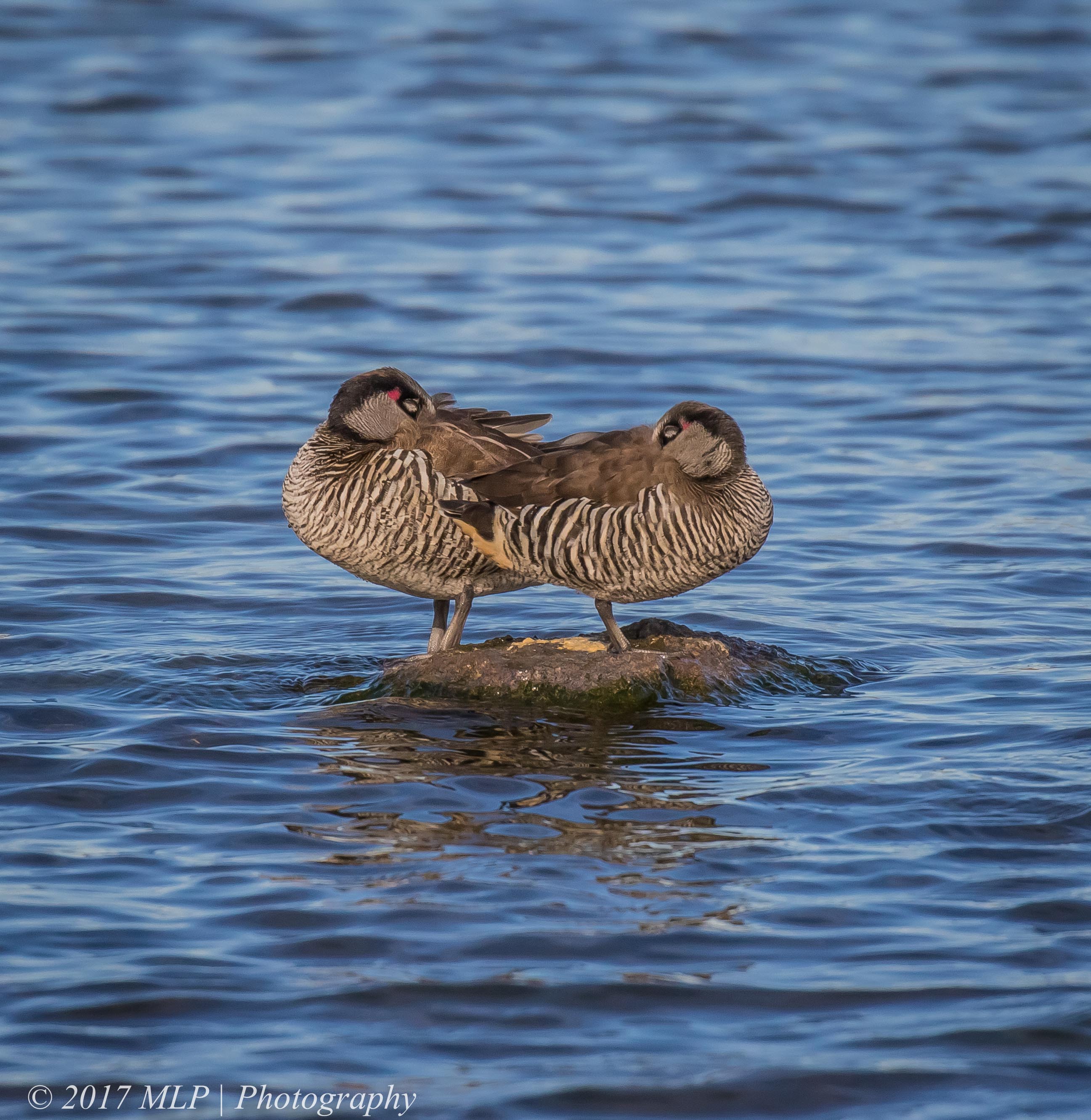
Pink-eared Ducks, Jawbone flora and fauna reserve, WIlliamstown, Vic

Pink-eared Ducks, Jawbone flora and fauna reserve, WIlliamstown, Vic

Pink-eared Ducks, Jawbone flora and fauna reserve, WIlliamstown, Vic

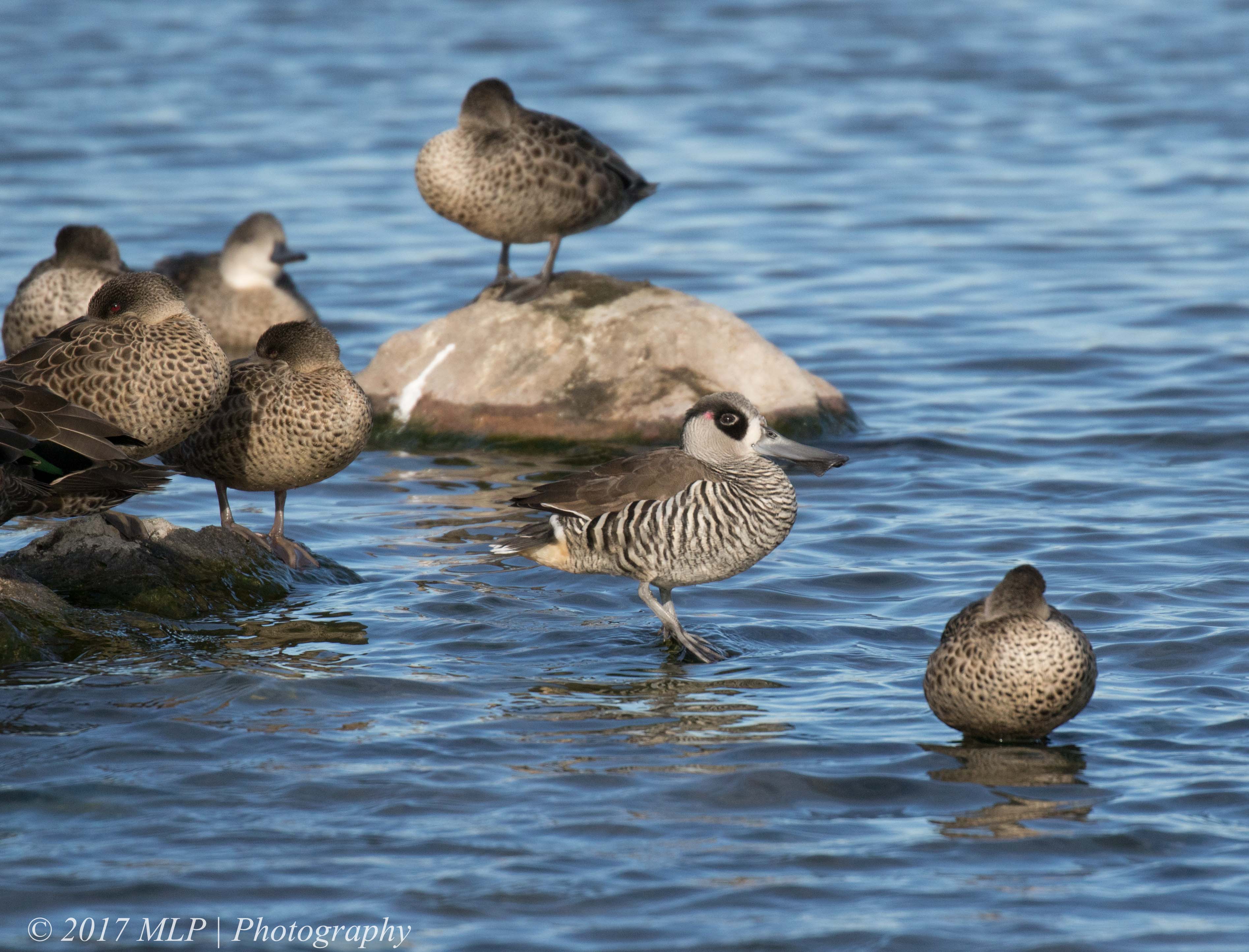
Pink-eared Duck amongst Grey Teals

Pink-eared Ducks, Jawbone flora and fauna reserve, WIlliamstown, Vic

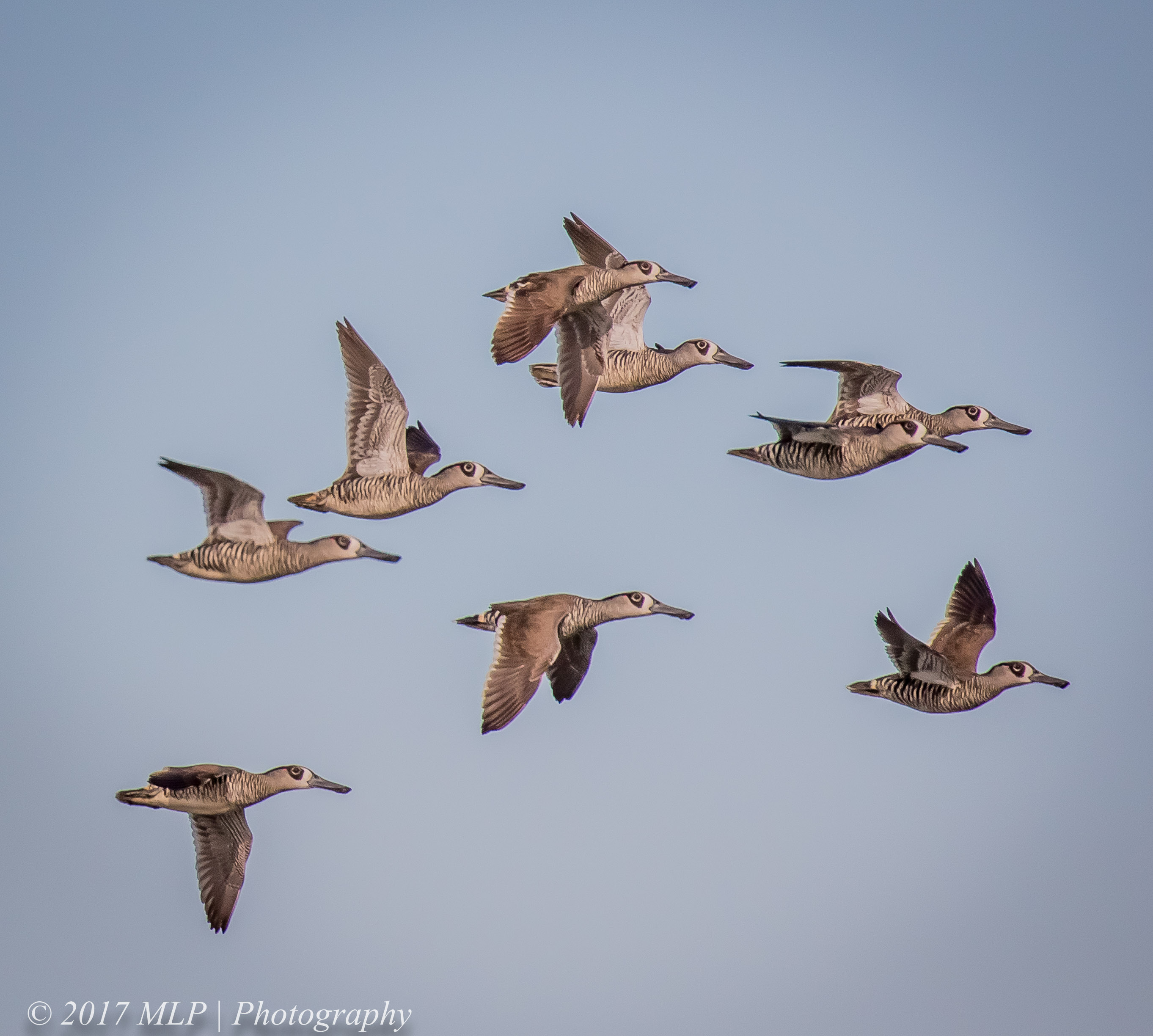
Pink-eared Ducks spooked by a White-bellied Sea-Eagle drifting along the coast

Blue-billed Duck, Jawbone flora and fauna reserve, WIlliamstown, Vic

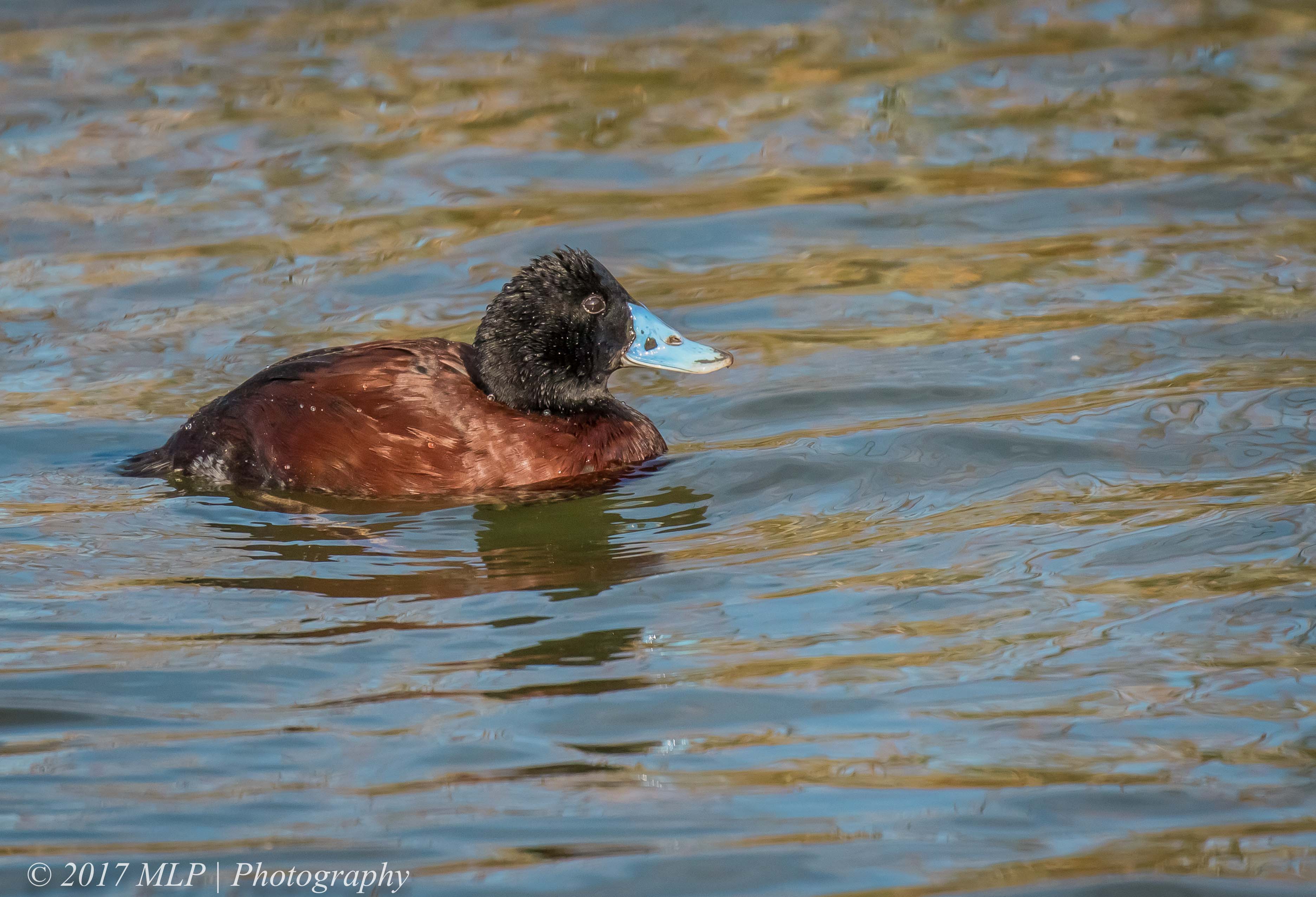
Male Blue-billed Duck, Jawbone flora and fauna reserve, WIlliamstown, Vic

Blue-billed Duck, Jawbone flora and fauna reserve, WIlliamstown, Vic

II

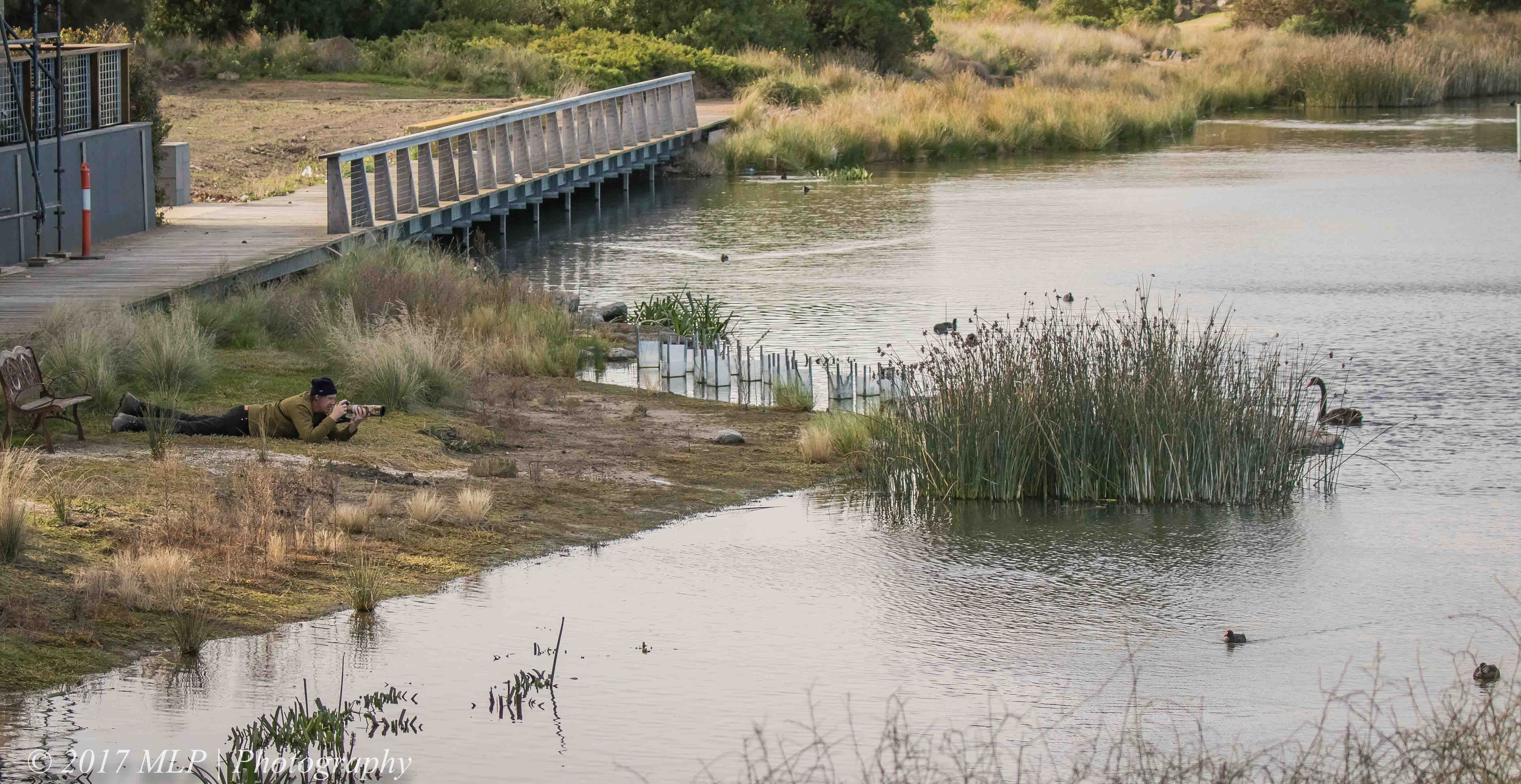
Birder in the mud, Jawbone flora and fauna reserve, WIlliamstown, Vic

Birder in the mud – sometimes you have to get cold, wet and muddy for the shot

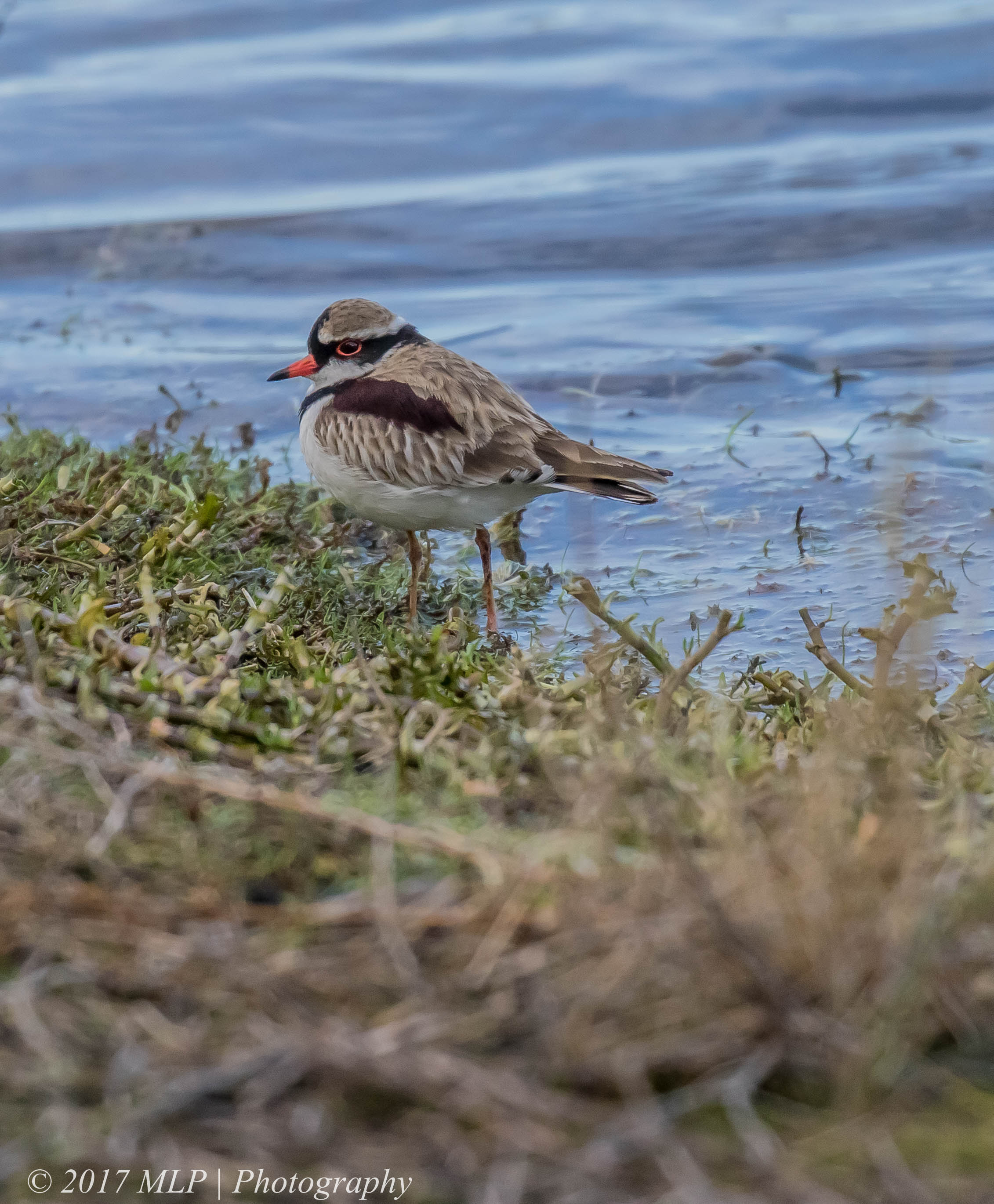
Black-fronted Dotterel, Jawbone flora and fauna reserve, WIlliamstown, Vic

Black-fronted Dotterel watching birders lying in the mud.

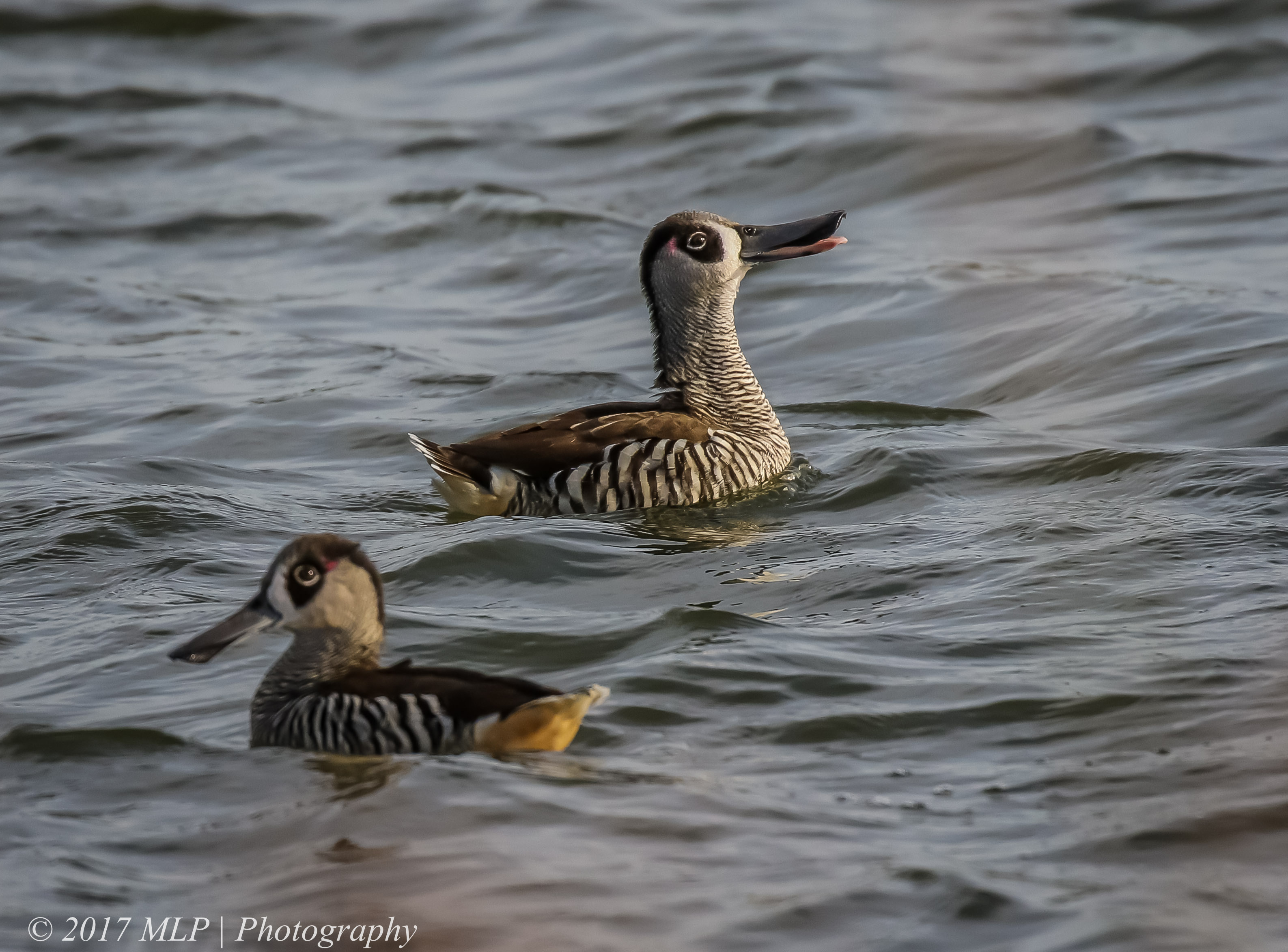
A yapping Pink-eared Duck

Also called a zebra duck, the Pink-eared Duck is a beautiful bird that sits low in the water, filter feeds with its distinctive bill, flies and gathers in very large flocks and yaps or whistles when disturbed or in flight. An added bonus are bright pink ear coverts made up of 9 pink feathers  – this pink patch becomes more pronounced and colourful as the bird matures.   The ones I watched seemed to have a light pink patch rather than the full dark pink so maybe they were testing each other in a youthful gathering. The duck are thought to mate for life. I often see many in huge flocks (10,000s+) at the pooh farm. There were 50+ at Jawbone on the weekend and due to the width of the lagoons I managed to get fairly close without spooking them too much – a very difficult thing to do at the pooh farm where they spook much more easily due to the number of raptors cruising for a meal. We noticed that as they yapped  they lifted their head as part of the display, making the fleshy part of the bill more visible. It is a very odd but beautiful duck – one of my favourites. (post edited after a bit more research and ref checking – see comments below)

Pink-eared Duck, Jawbone Flora and Fauna Reserve, Williamstown

Pink-eared Duck, Jawbone Flora and Fauna Reserve, Williamstown

Pink-eared Duck, Jawbone Flora and Fauna Reserve, Williamstown

II


The Lookout

On the way back to the campground at Hattah Kulkyne National Park, I came across a group of Apostlebirds – so called due to their typical family group numbers being around 12. There were actually 10 that I could see of this particular group. They are very similar socially to the White-winged Chough. They are also mud nest builders. When I pulled over and parked the car I was watched by a lookout. I tried to be careful and make sure the flock did not flush. Standing still I watched and photographed the lookout. He watched me and then  flew down and walked towards me. He walked right up to the back of my legs, around me and then onto the rest of the flock. Choughs will only let you approach after a time and will easily flush. Both species place lookouts to watch for predators or neighbouring tribes. This flock of Apostlebirds had a territory close to the camp grounds and I assume had become quite used to people.

Apostlebird, Hattah Kulkyne National Park, Vic

The lookout, Apostlebird, Hattah Kulkyne National Park, Vic

Apostlebird, Hattah Kulkyne National Park, Vic

Strutted straight up to me…

Apostlebird, Hattah Kulkyne National Park, Vic

II

Apostlebird, Hattah Kulkyne National Park, Vic

Stood a few feet behind after walking right up me

Apostlebird, Hattah Kulkyne National Park, Vic

Back with the flock

Lifer 341: Mallee Emu-wren

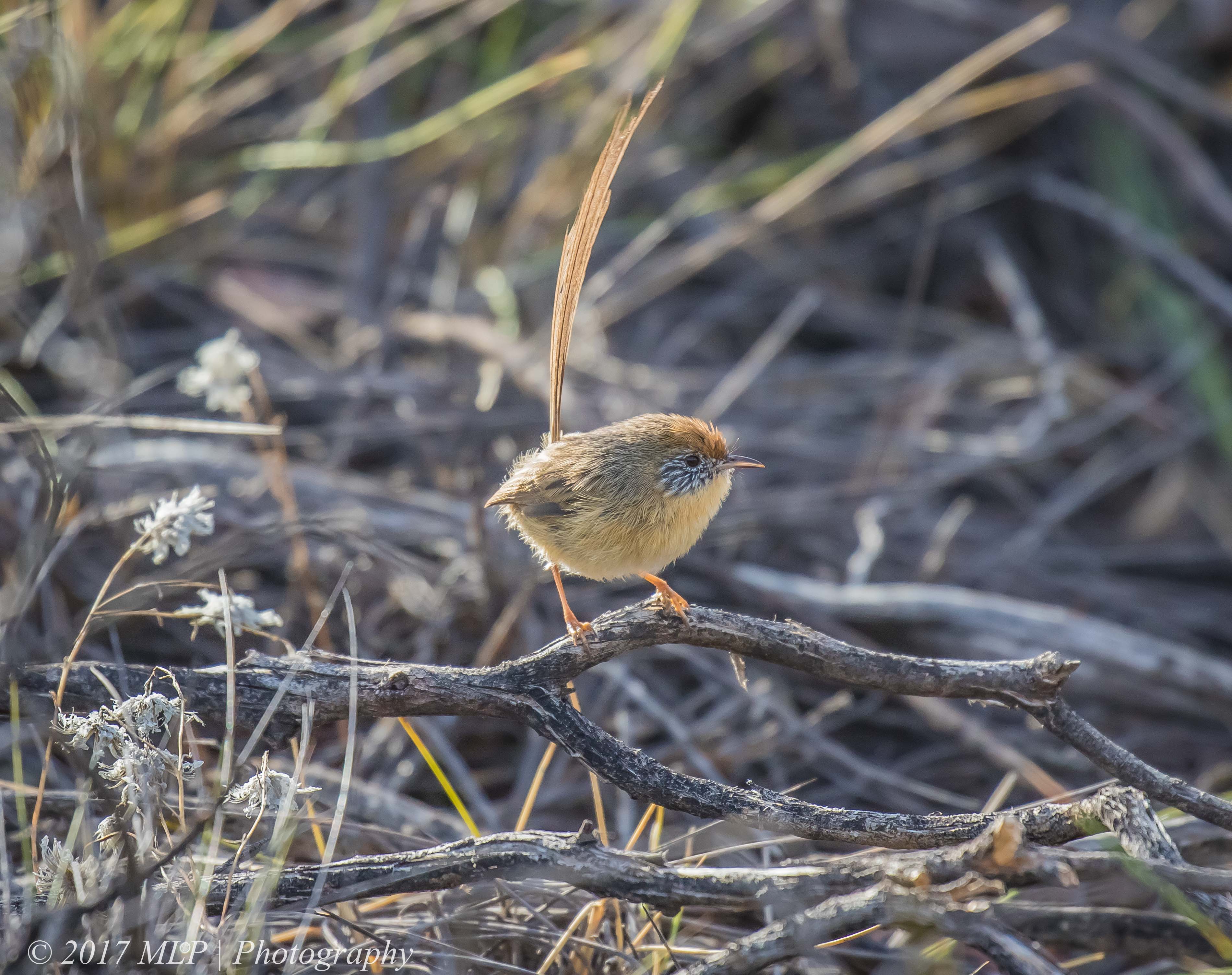
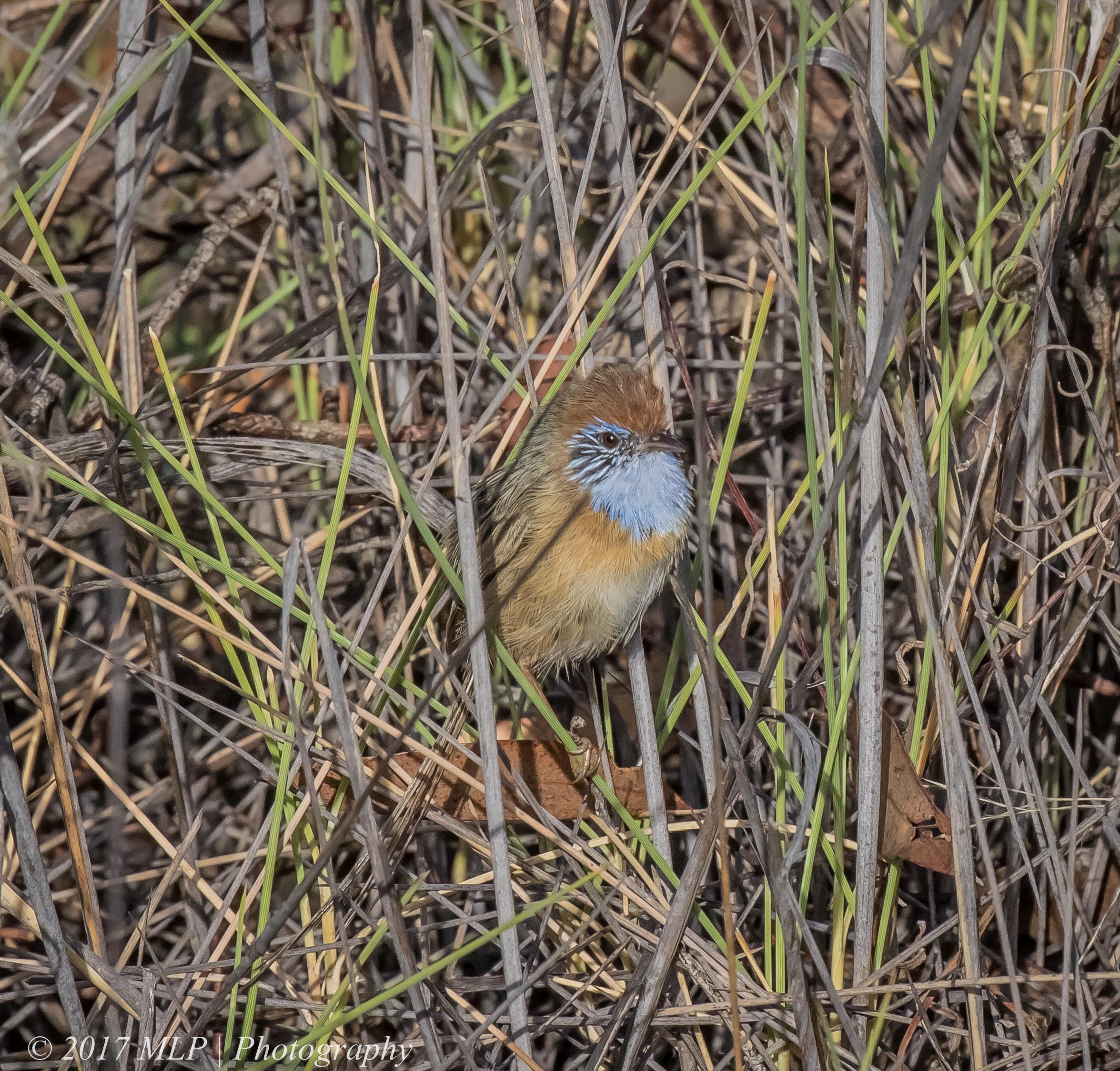
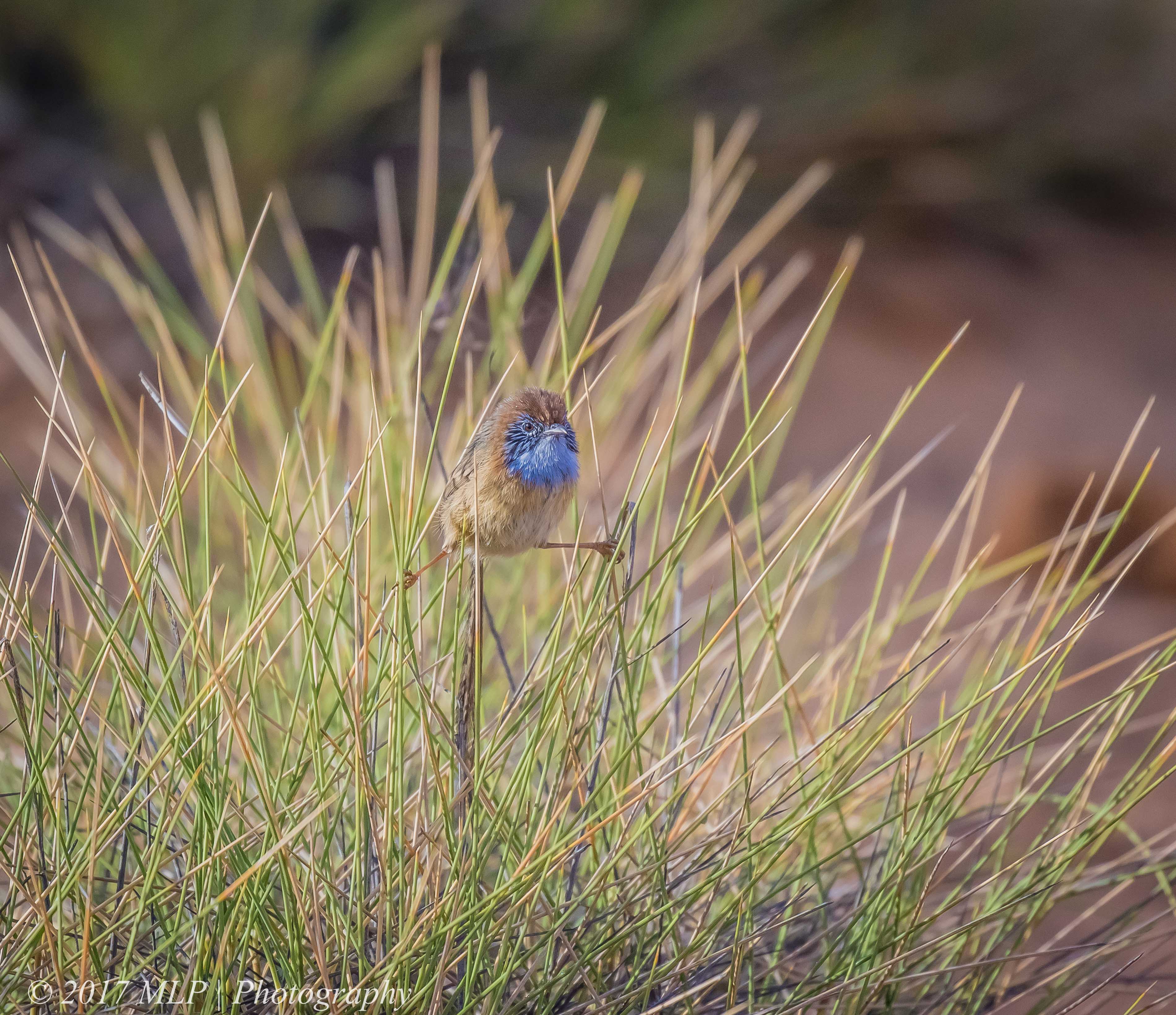
For a birder, one of the main targets for a visit to Hattah Kulkyne National Park is the Mallee Emu-wren. It is a close cousin to the Southern Emu-wren that I have found a few times in different areas along the southern coast of Victoria. At Hattah I was up early and looking for this elusive little bird as the sun rose. I was probably a bit too early as they seemed to need the sun to warm up a bit and become active. Once up and about they were quite noisy (high pitched squeaks and trills), and reacted well to the phishing noises I made to get their attention. I saw three family groups along the track and managed to photograph several individuals as they came out to investigate my presence.

Mallee Emu-wren, Nowingi Track, Hattah Kulkyne National Park, Vic

Female Mallee Emu-wren, Nowingi Track, Hattah Kulkyne National Park, Vic

Mallee Emu-wren, Nowingi Track, Hattah Kulkyne National Park, Vic

II

Mallee Emu-wren, Nowingi Track, Hattah Kulkyne National Park, Vic

III

Mallee Emu-wren, Nowingi Track, Hattah Kulkyne National Park, Vic

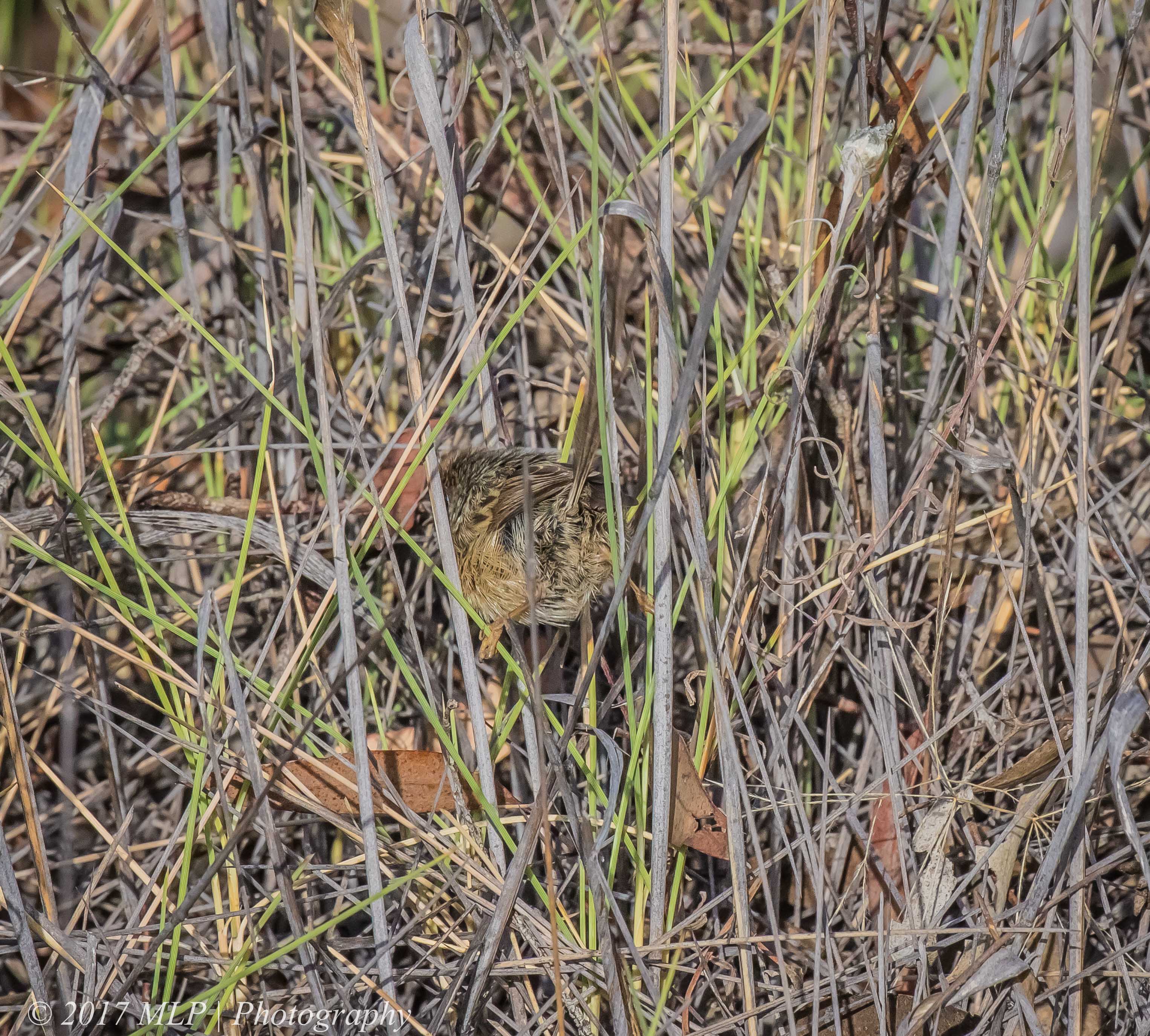
The Emu-wren can quickly dive back into the spiky grass and disappear  – there is no way you could see them unless they were perched on top of the grass clump

Mallee Emu-wren, Nowingi Track, Hattah Kulkyne National Park, Vic

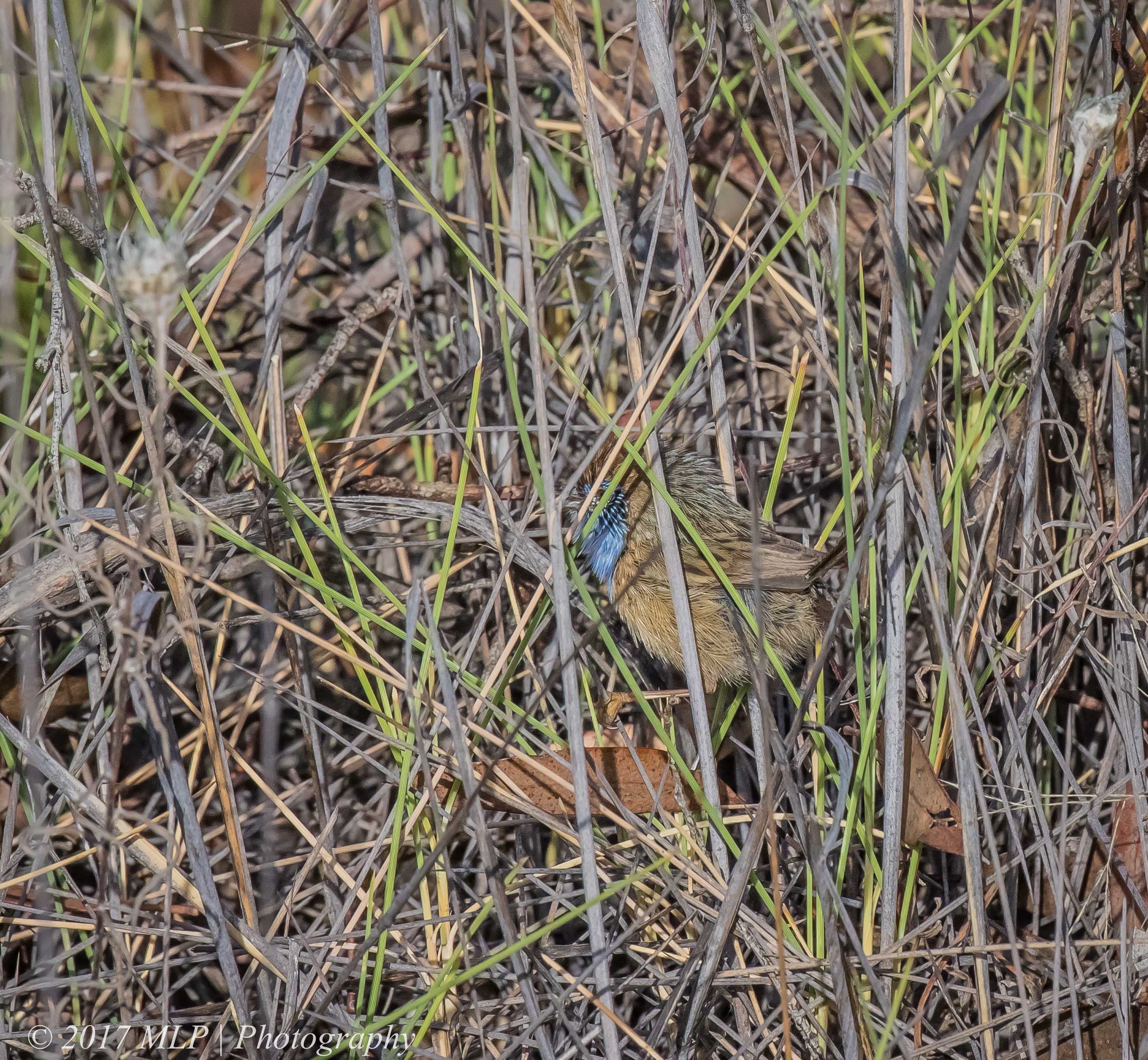
The male’s blue throat can give away their presence in the grass. 

Mallee Emu-wren, Nowingi Track, Hattah Kulkyne National Park, Vic

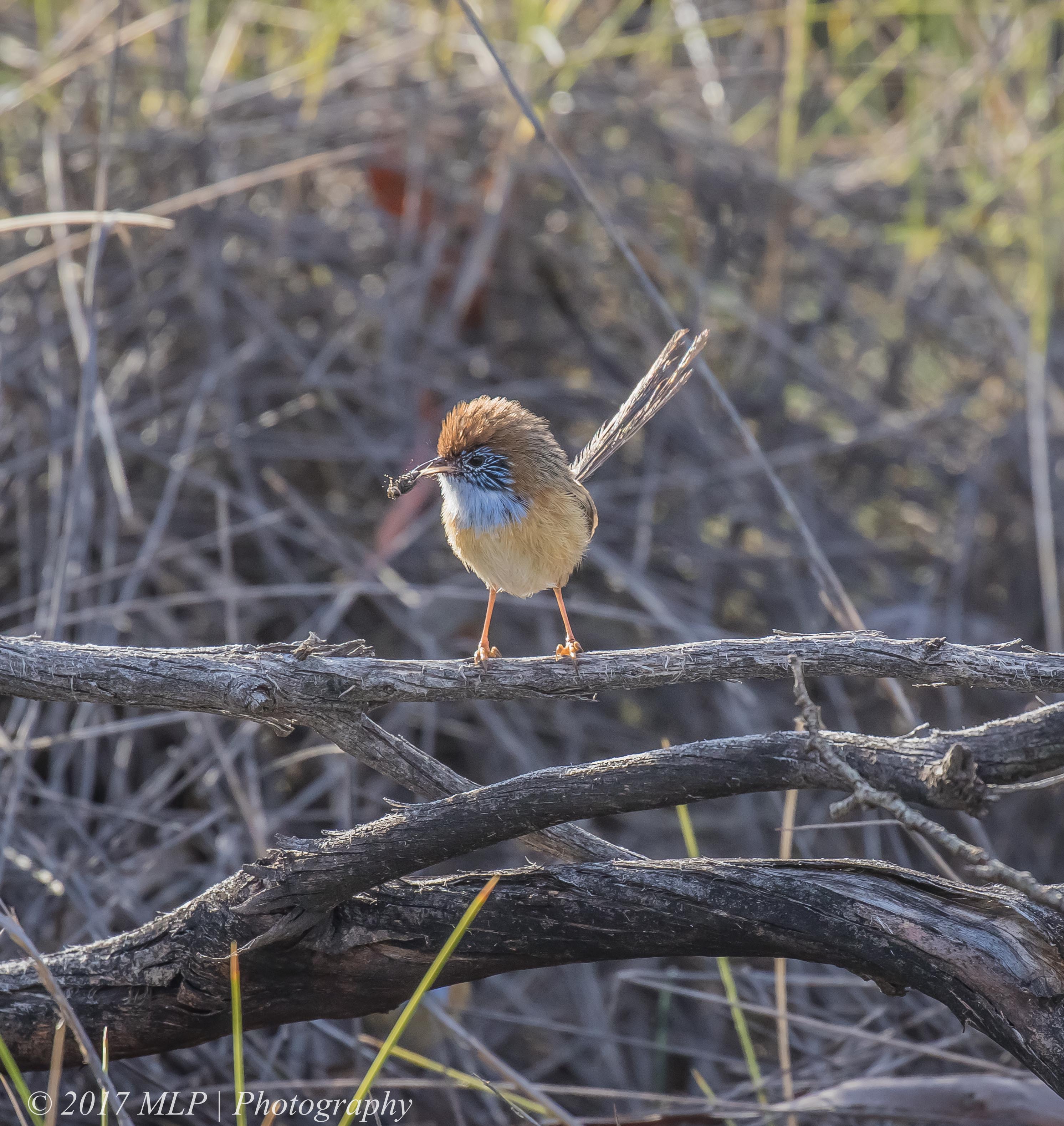
Hunting flies for breakfast.

Mallee Emu-wren, Nowingi Track, Hattah Kulkyne National Park, Vic

A typical pose when looking out for danger or watching for intruders from neighbouring tribes.

Mallee Emu-wren, Nowingi Track, Hattah Kulkyne National Park, Vic

In this position the tails hangs down, the muscles are probably needed just to keep that pose.

Emu, Nowingi Track, Hattah Kulkyne National Park, Vic

Emu walking down the Nowingi Track, the typical vegetation of the Mallee Emu-wren, more trees and other vegetation variety compared to the needs of the Southern Emu-wren. 

Frustrating squeaks can mark the spot…

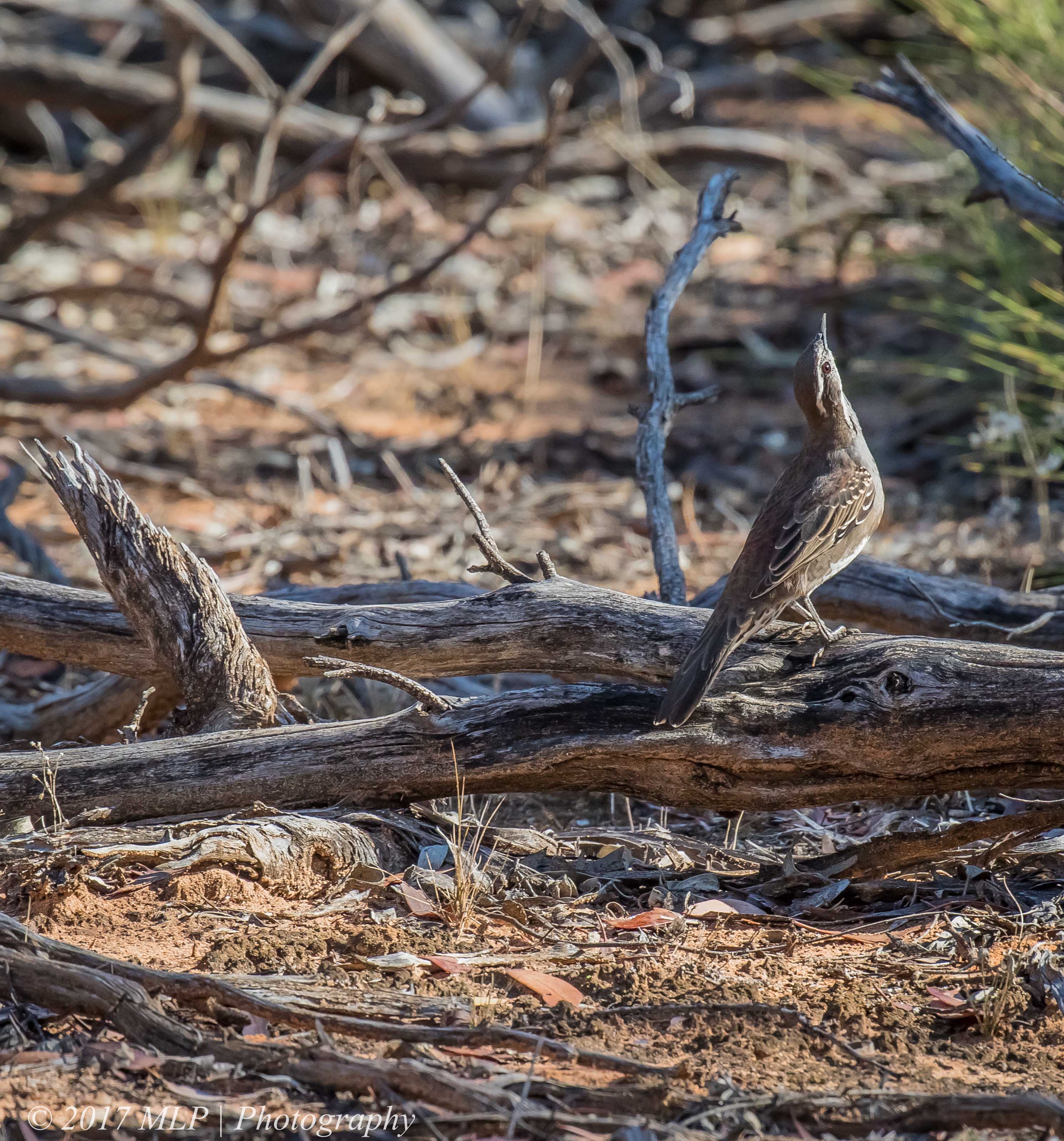
I carry a bit gear when I am bushwalking looking for birds and good photo opportunities. All sorts of bits and pieces hanging off me can occasionally squeak while I walk and has often fooled me into thinking that a small bird is near by. On this occasion I was wandering down Konardin Track (Hattah Kulkyne National Park) and had gone off-track a bit watching two bright pink Major Mitchell Cockatoos. I heard a very light squeak and dismissed it as my gear. As I moved around an area to check for emu-wrens and sometimes just standing still to see if I could hear anything else, I heard the squeak again and this time thought my nose was whistling as I was breathing. I stood still, I froze and then held my breath but soon heard three quick squeaks. That’s it! There is something here with me amongst the spinifex and mallee bushes. I stayed still and prepped my camera very carefully. From the corner of my eye a female Chestnut Quail-thrush popped into the open and started to feed along the ground. Even when scared this species seems to bolt along the ground and hide rather than fly away from an area. As I took a few photos another came into my vision and followed the first. It got a little too close to the first and there was a stand-up altercation, the pair separated a bit and continued to feed. The bird was also lifer 342, and I did my little lifer jig (accompanied by lots of squeaks and rattles).

Chestnut Quail-thrush, Konardin Track, Hattah Kulkyne National Park, Vic

Chestnut Quail-thrush, Konardin Track, Hattah Kulkyne National Park, Vic

Chestnut Quail-thrush, Konardin Track, Hattah Kulkyne National Park, Vic

One of the pair of female Chestnut Quail-thrush in a “back off” pose

Chestnut Quail-thrush, Konardin Track, Hattah Kulkyne National Park, Vic

Keeping an eye on me but not very bothered and continued to stay in the open and feed.

Rowdy Rainbow Lorikeets

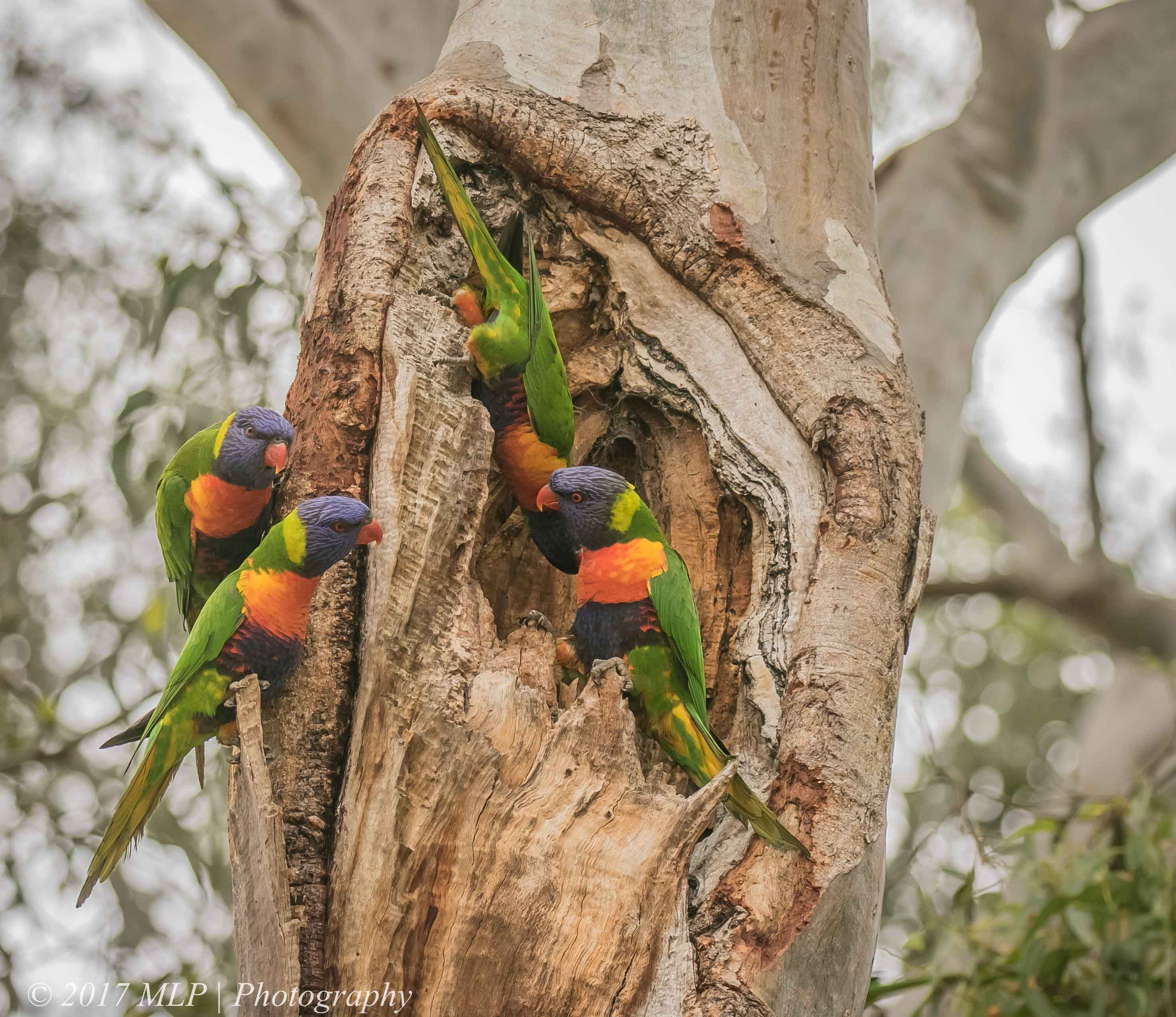
After leaving the car in the Boundary Road carpark at Braeside Park, I could hear quite a few parrots in one of the nearby trees. A great cacophony of squabbling and screeching. The group of four below seemed to be  investigating the tree hollow. I couldn’t tell why – maybe disputing over a potential nest site or food source. They were interesting to watch and photograph as they chewed and tested the dead wood of the hollow. They all seemed to be adults and none were demanding food.  Many more were in the branches above watching and preening.

Rainbow Lorikeets, Braeside Park, Victoria, 3 Jan 2017

Rainbow Lorikeets, Braeside Park, Victoria

Rainbow Lorikeets, Braeside Park, Victoria, 3 Jan 2017

II
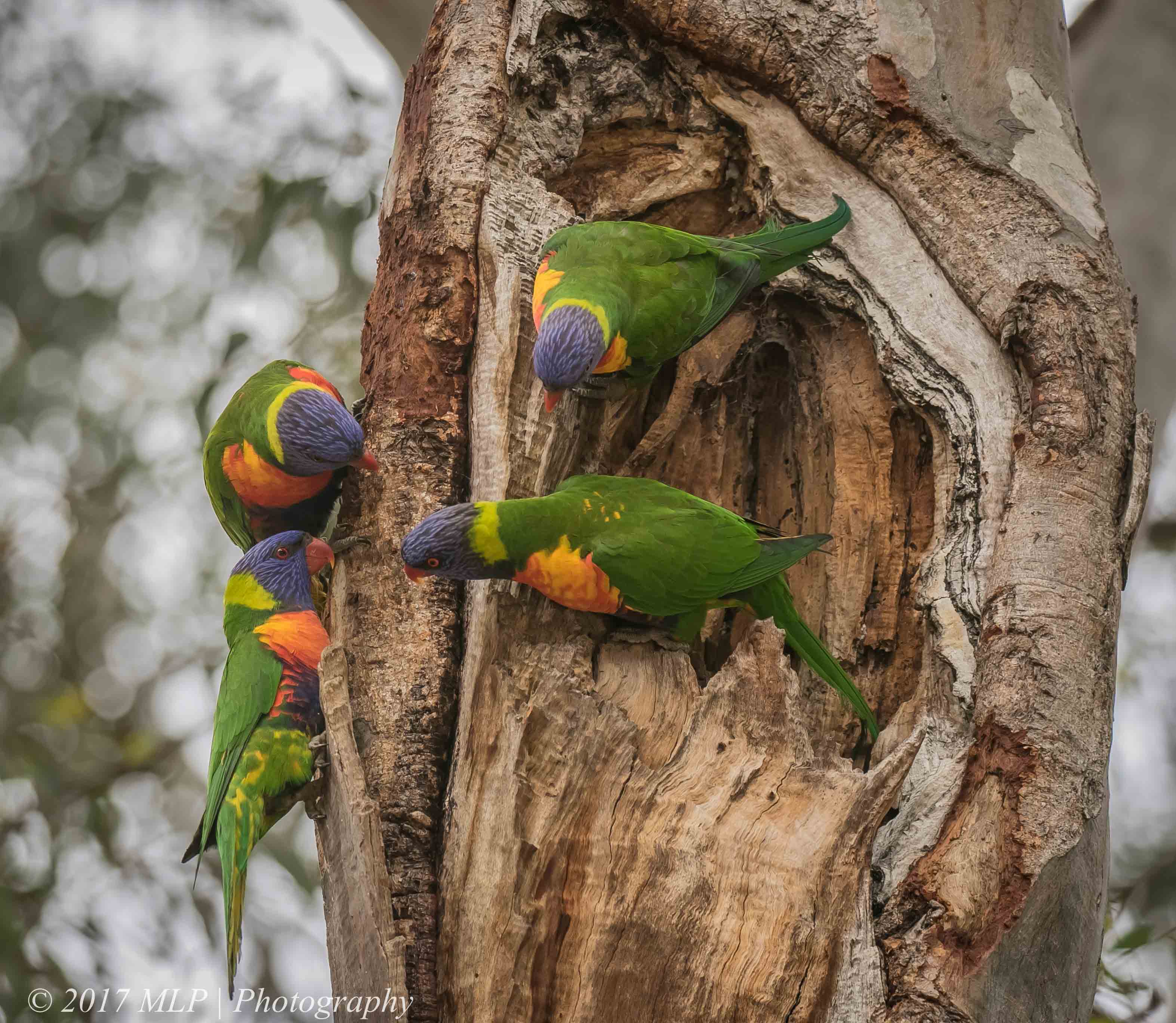
Rainbow Lorikeets, Braeside Park, Victoria, 3 Jan 2017

III


Silicon mine Spotted Pardalote

Along one of the fence lines of the Adams Creek Nature Conservation Reserve are several silicon sand mines used to produce silicon for glass manufacturing. The reserve is surrounded by large pits that are in use or have been filled by rainwater and are reverting to a more natural state. While counting waterbirds I heard the call of a small Spotted Pardalote that was so loud that it felt like it was on my head (or next to my ear). It turned out to be a male pardalote on a low branch several feet away from the cliff edge that I was standing on. The light was bright but the photos had an odd feel about them. When I moved away, the pardalote flew down to its cliff face burrow and kept watch. When it sounded its territorial call it made a 3 note call, a soft note followed by a louder higher two note call. When calling they extend their neck upwards and the call seems to come from the throat, I hardly saw it open its beak…

Spotted Pardalote, Adams Creek Reserve, Nyora, Victoria, 4 Dec 2016

Spotted Pardalote, Adams Creek Reserve, Nyora, Victoria, 4 Dec 2016

Spotted Pardalote, Adams Creek Reserve, Nyora, Victoria, 4 Dec 2016

II
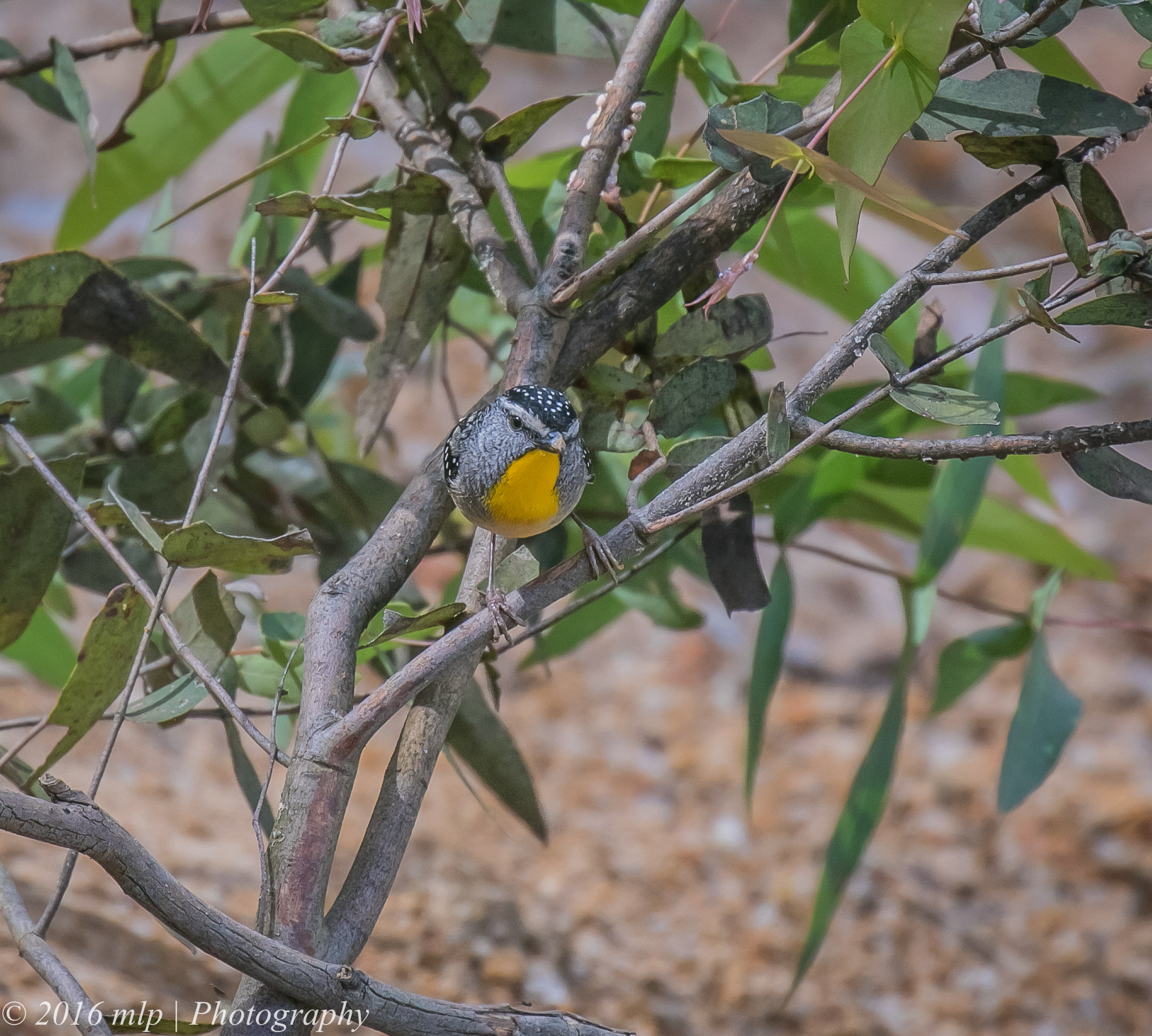
Spotted Pardalote, Adams Creek Reserve, Nyora, Victoria, 4 Dec 2016

III

Spotted Pardalote, Adams Creek Reserve, Nyora, Victoria, 4 Dec 2016

Spotted Pardalote on watch near its cliff face burrow

The Muskies are coming…

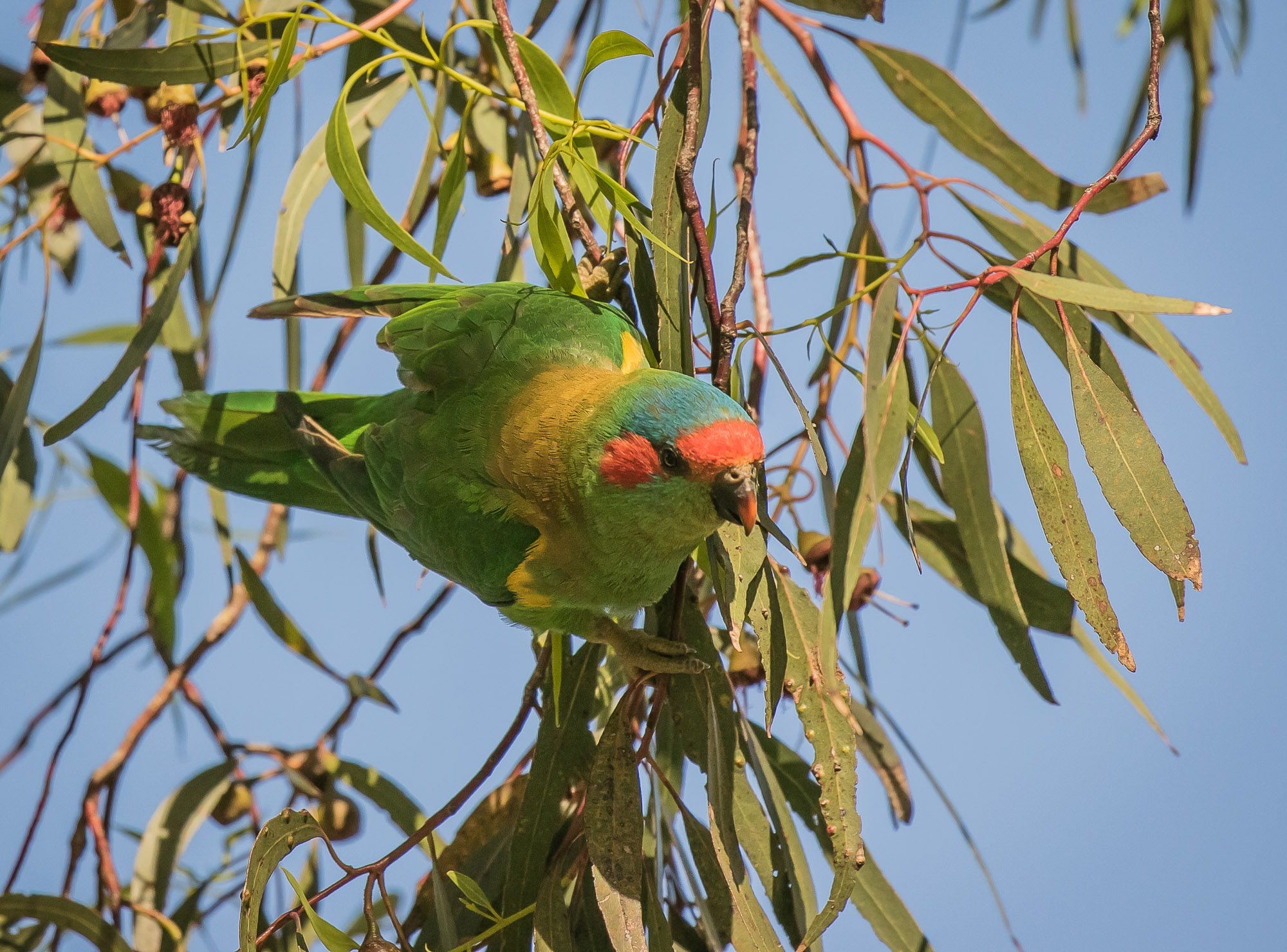
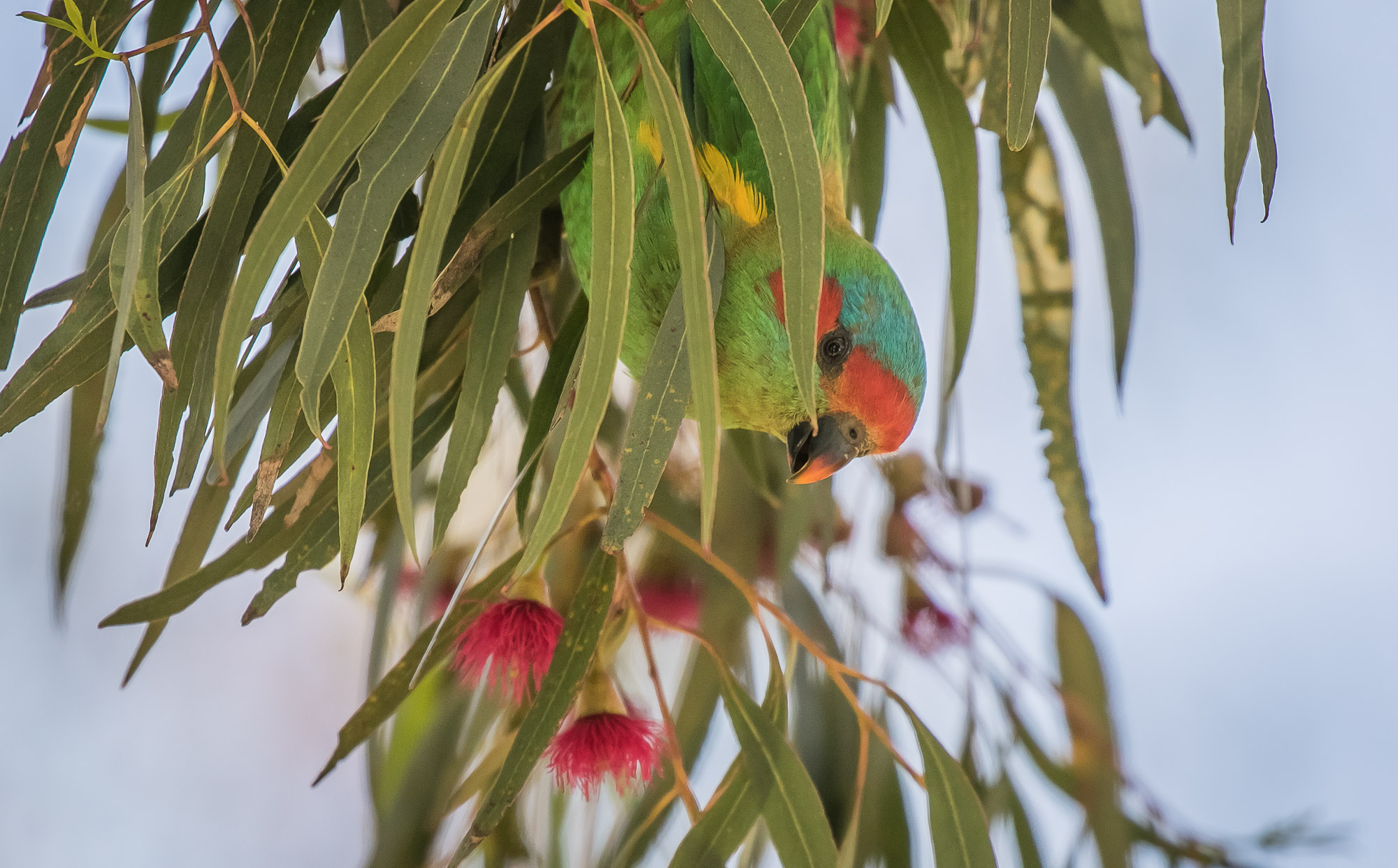
When the Eucalypts start flowering in summer the Musk Lorikeets start arriving in good numbers along Elster Creek and in the trees at Elsternwick Lake. Lorikeets are highly mobile and will follow flowering eucalypts all over the state.  The muskies have a distinctly different call to the locally common Rainbow Lorikeet.  I walked over to the lake on the weekend with a birding friend and we followed our ears to the red flowering gums. A few of the Muskies were low enough to photograph, most shots were of their typical pose – upside down and head into a flower.

Scientifically known as Glossopsitta concinna meaning “elegant tongue parrot” – due to the way it feeds on pollen and nectar rich flowers.

Musk Lorikeet, Elsternwick Park, Elsternwick, Vict, 3 Dec 2016

Musk Lorikeet, Elsternwick Park, Elsternwick

Musk Lorikeet, Elsternwick Park, Elsternwick, Vict, 3 Dec 2016

II

Musk Lorikeet, Elsternwick Park, Elsternwick, Vict, 3 Dec 2016

III

Musk Lorikeet, Elsternwick Park, Elsternwick, Vict, 3 Dec 2016

IV

Musk Lorikeet, Elsternwick Park, Elsternwick, Vict, 3 Dec 2016

V

Musk Lorikeet, Elsternwick Park, Elsternwick, Vict, 3 Dec 2016

VI
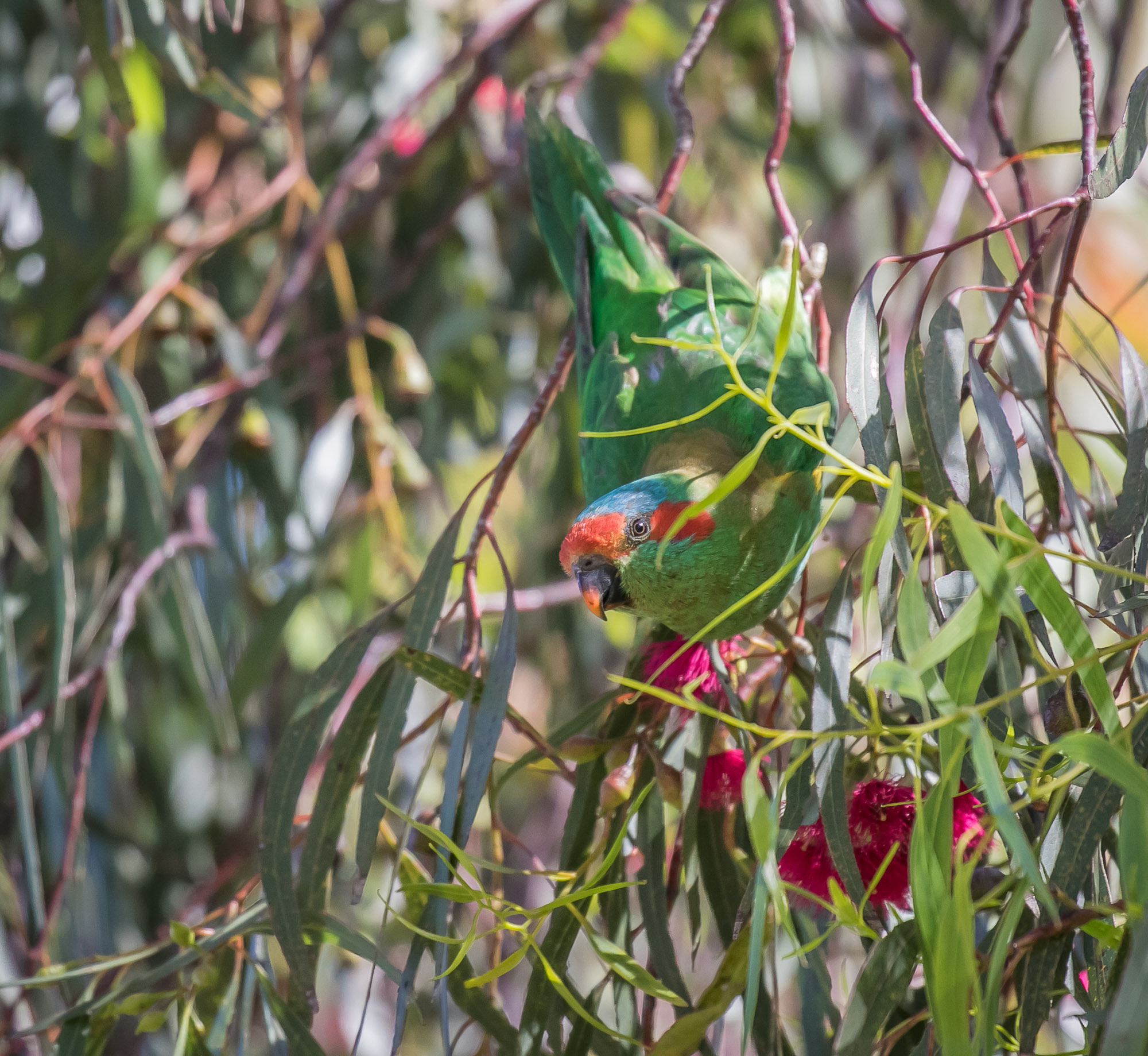
Musk Lorikeet, Elsternwick Park, Elsternwick, Vict, 3 Dec 2016

VII


Black Bird Singing…

I don’t often take much notice of the Common Black Bird as its well so common. They are also quite furtive and fly off in alarm whenever I walk by. I walked past the one below while exploring the Wilson Botanic Park in Berwick yesterday. It was singing in a low bush and allowed me to approach while I tried to get a few shots.  Most times of the year the Black Bird will just fly off in alarm and are only seen flying across roads and in front yards but in Spring they often find a vantage point in their local area and sing their beautiful song claiming their territory.

Black Bird, Wilson Botanic Park, Berwick, 30 Oct 2016

Black Bird, Wilson Botanic Park, Berwick

Black Bird, Wilson Botanic Park, Berwick, 30 Oct 2016

Listening for the return call of a nearby Black Bird..

Early morning chores at Goschen

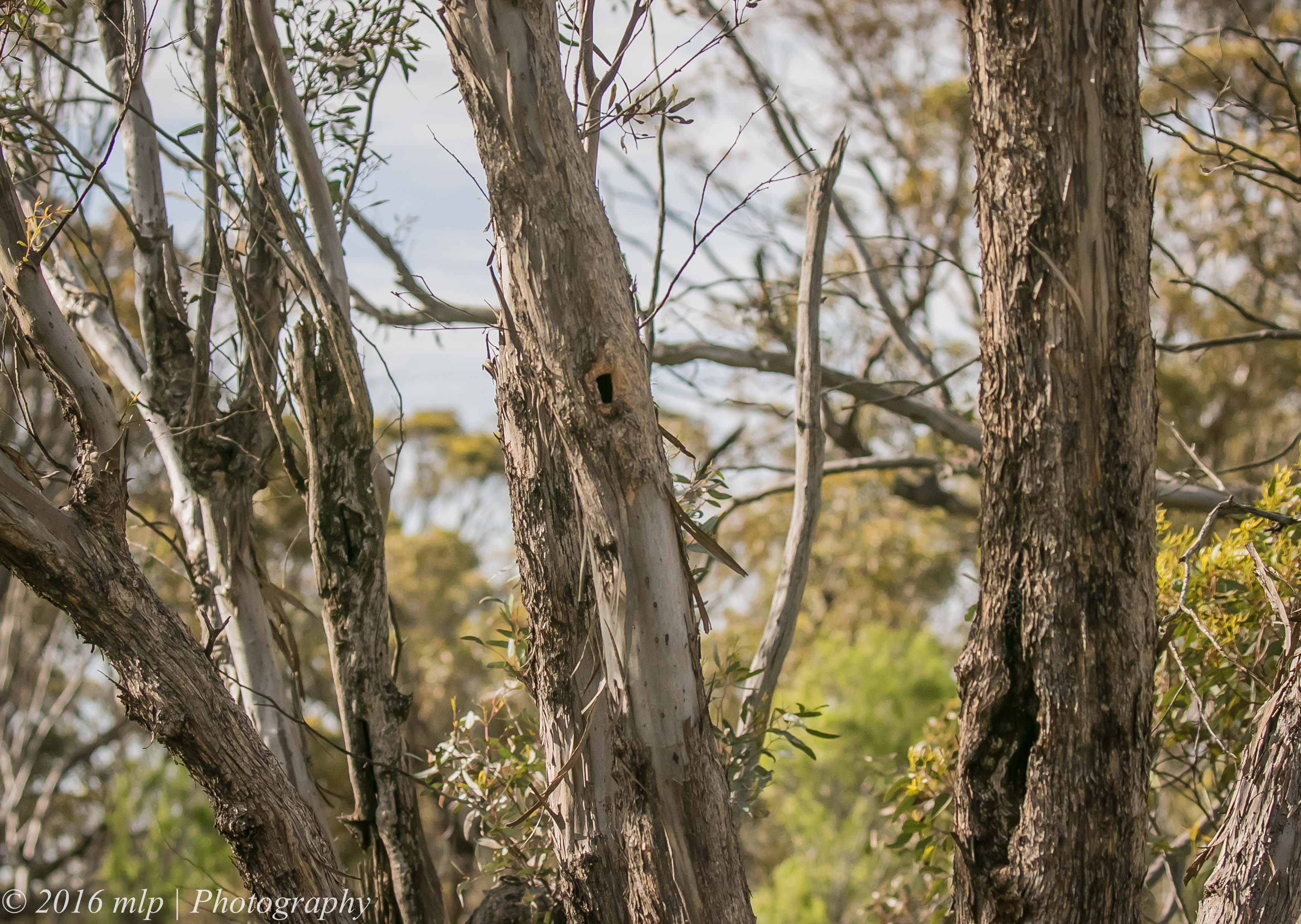
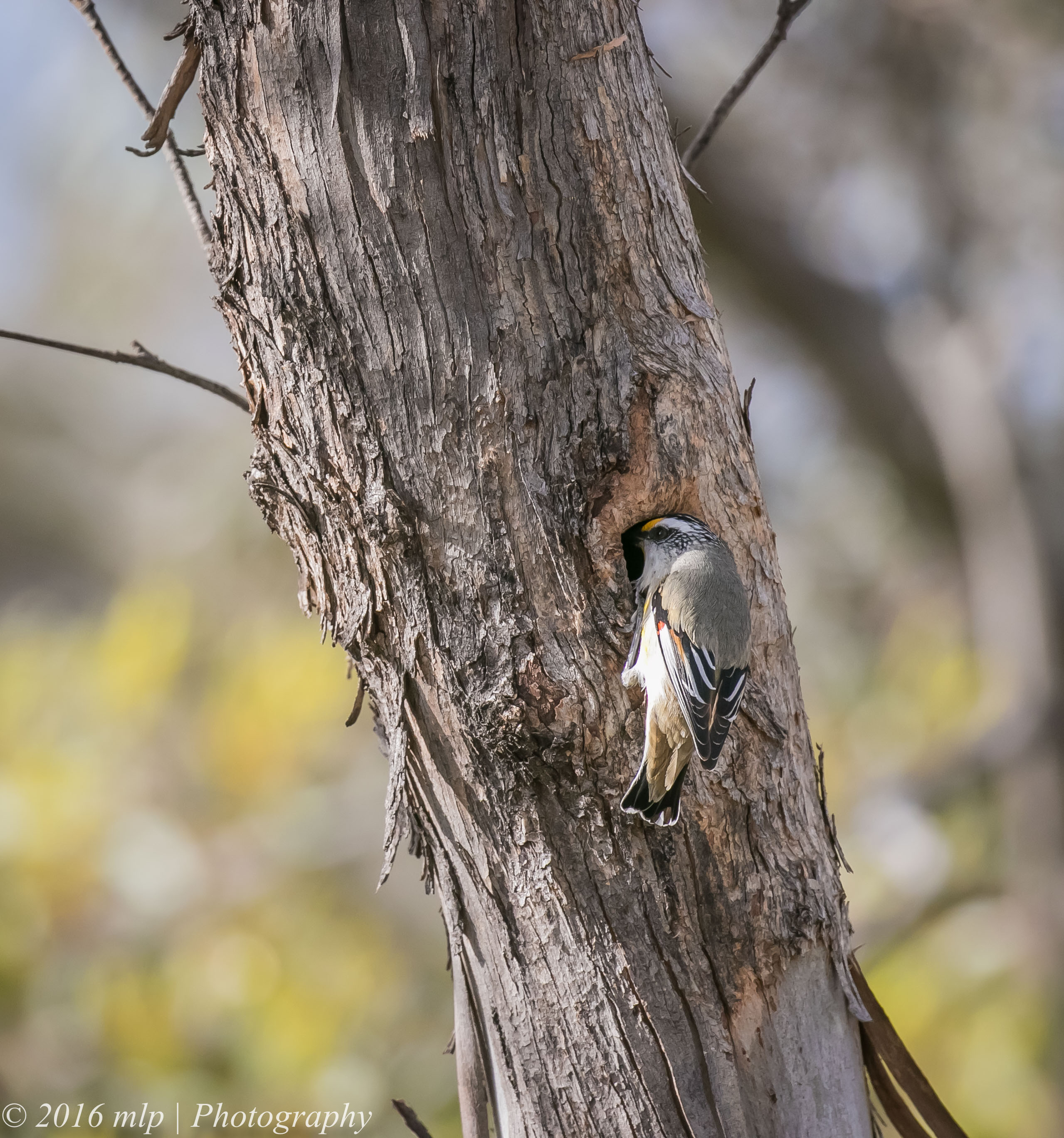
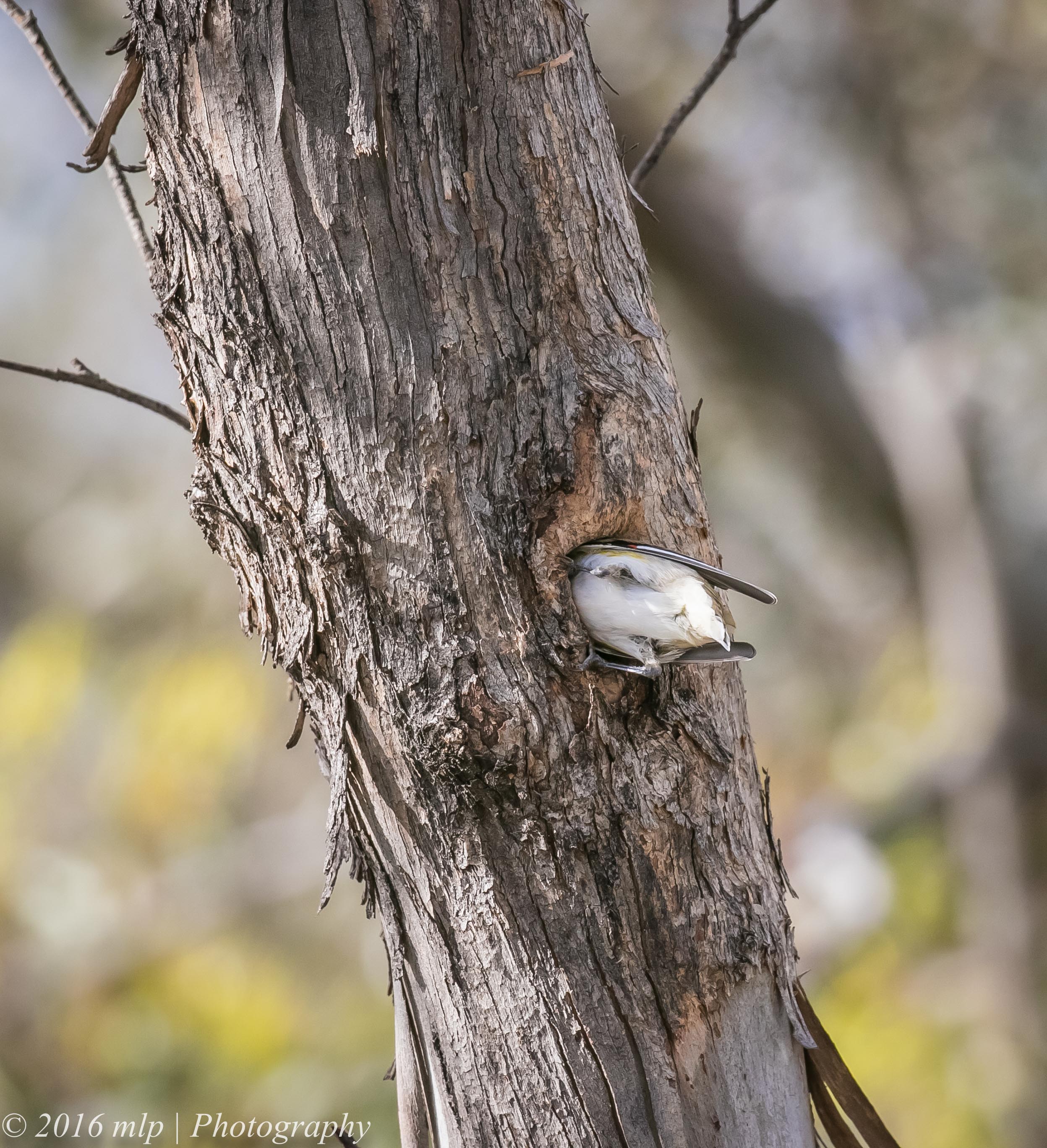
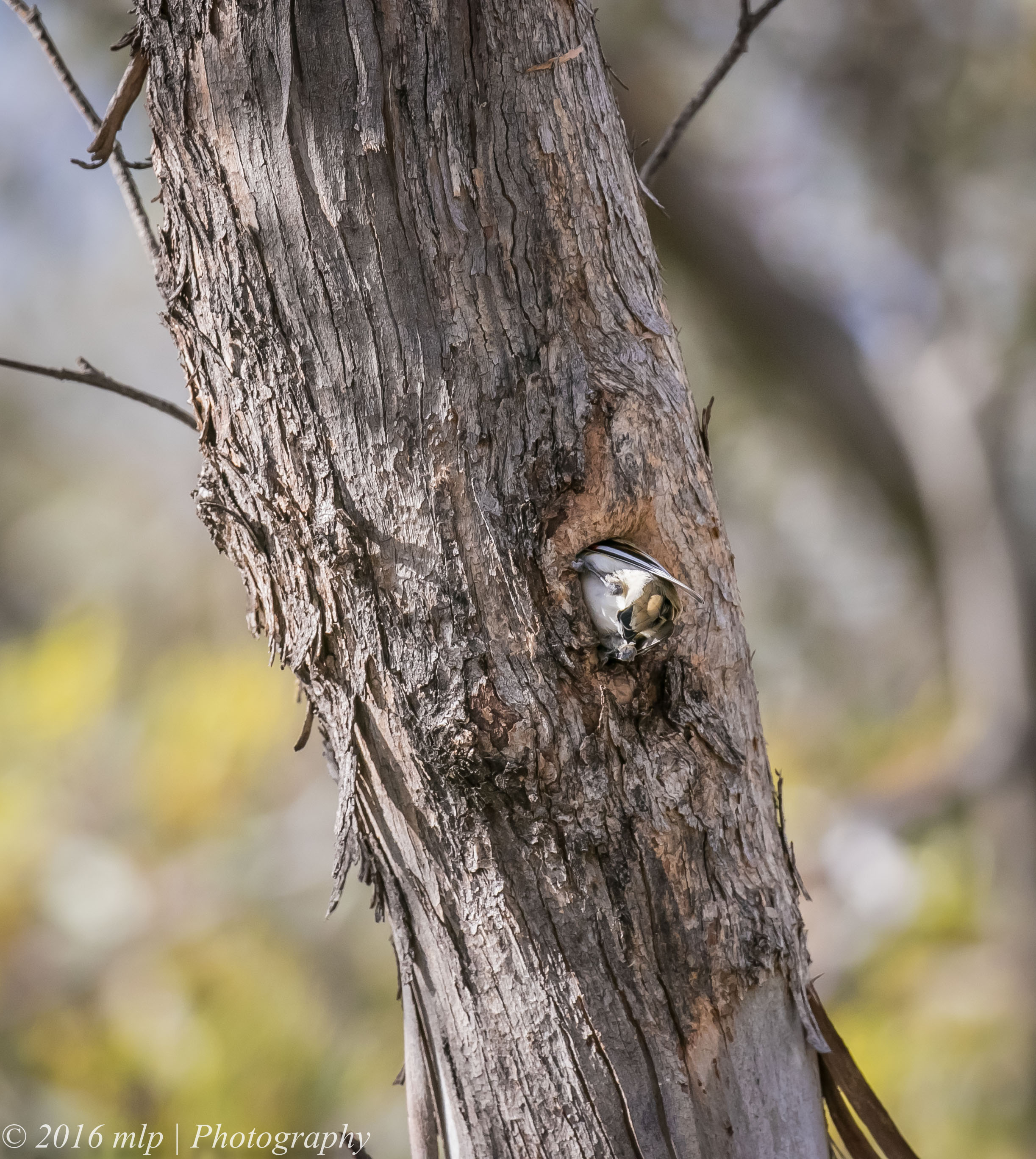
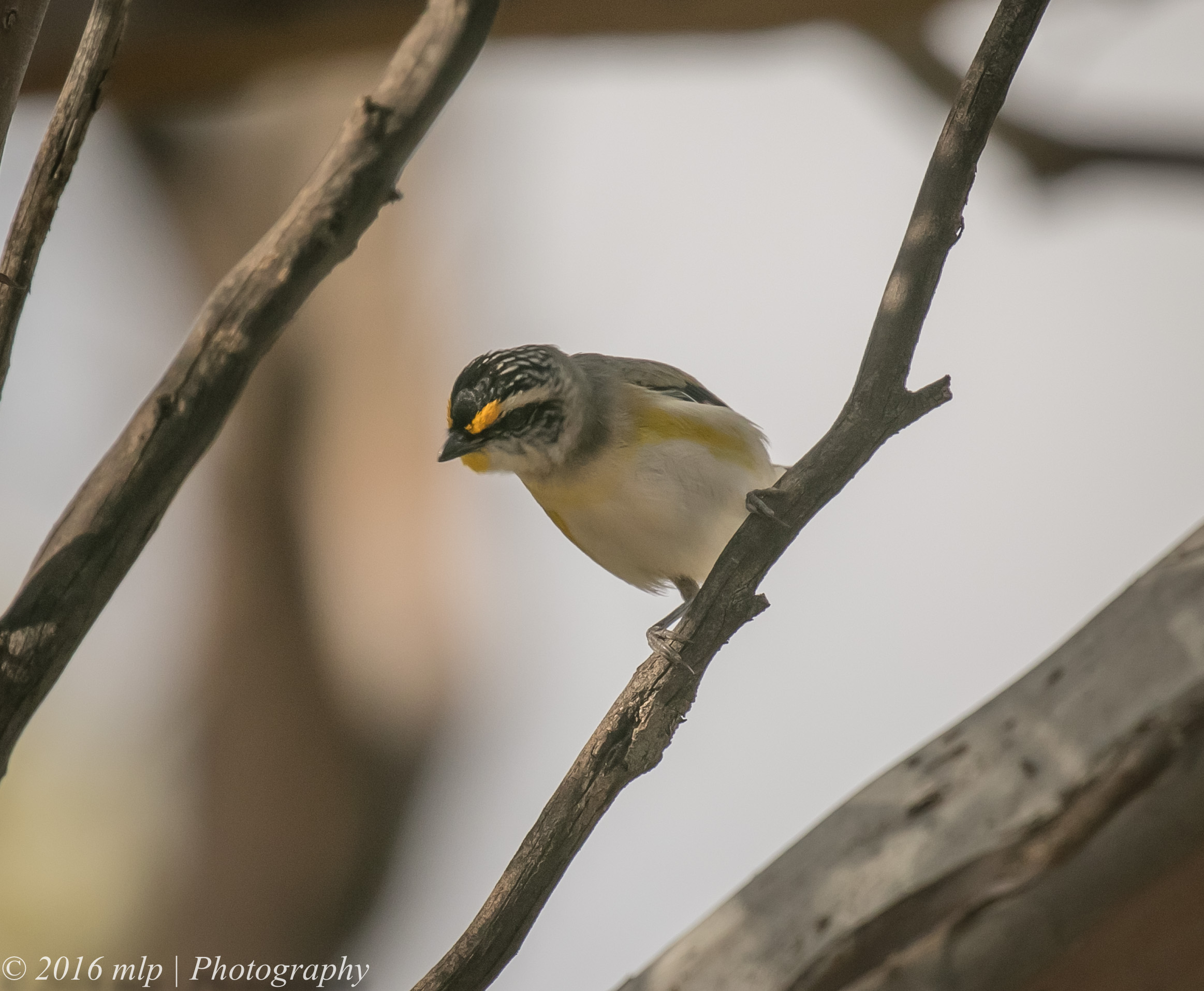
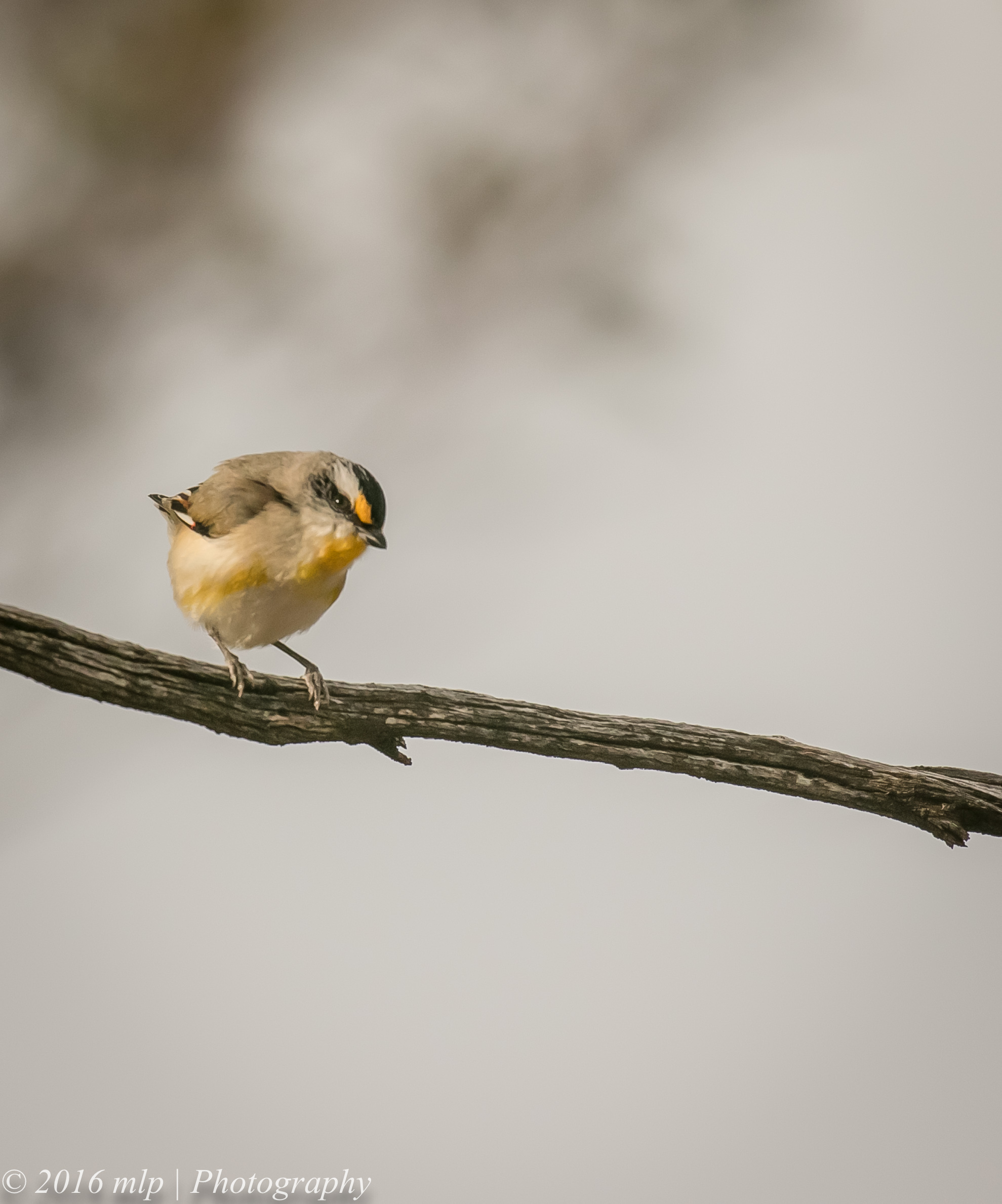
On my last day visiting the Goschen Bushland Reserve, I was exploring a section with a small grove of Mallee trees and I heard the unmistakable call of the small Striated Pardalote (about the size of a finger). It can be a difficult bird to photograph as it usually remains high in the canopy feeding on lerp and small insects so I froze and waited to see if it was as near as it sounded. I noticed the Pardalote fly down to the side of a Mallee with a small moth in its mouth. It disappeared into a tiny hole, quickly flew back out and took off across the grassy field to the brush on the other side. I found a position behind some close by trees and waited for it to return. Ten minutes later one of the parents turned up without any food squeezed into the holed and re-appeared with a faecal sack, flew to a nearby branch, discarded it and flew off to continue the hunt. Between feedings there are always house cleaning chores to keep the nest tidy.

Striated Pardalote at nest hole, Goschen Bushland Reserve, Goschen, Victoria, 2 Oct 2016

Striated Pardalote at nest hole, Goschen Bushland Reserve, Goschen, Victoria, 2 Oct 2016

Striated Pardalote nest hole, Goschen Bushland Reserve, Goschen, Victoria, 2 Oct 2016

Striated Pardalote nest hole

Striated Pardalote nest hole, Goschen Bushland Reserve, Goschen, Victoria, 2 Oct 2016

II

Striated Pardalote at nest hole, Goschen Bushland Reserve, Goschen, Victoria, 2 Oct 2016

Striated Pardalote at nest hole

Striated Pardalote at nest hole, Goschen Bushland Reserve, Goschen, Victoria, 2 Oct 2016

II

Striated Pardalote at nest hole, Goschen Bushland Reserve, Goschen, Victoria, 2 Oct 2016

Tight fit

Striated Pardalote at nest hole, Goschen Bushland Reserve, Goschen, Victoria, 2 Oct 2016

In

Striated Pardalotet, Goschen Bushland Reserve, Goschen, Victoria, 2 Oct 2016

Just dropped a faecal sack from the nest – this how many birds keep the nest clean and tidy, the chicks expel a sack of poo that the parent grabs and takes from the next and drops away from the area, leaving no indication of a nest. 

Striated Pardalotet, Goschen Bushland Reserve, Goschen, Victoria, 2 Oct 2016

Striated Pardalote.

Braeside Birding

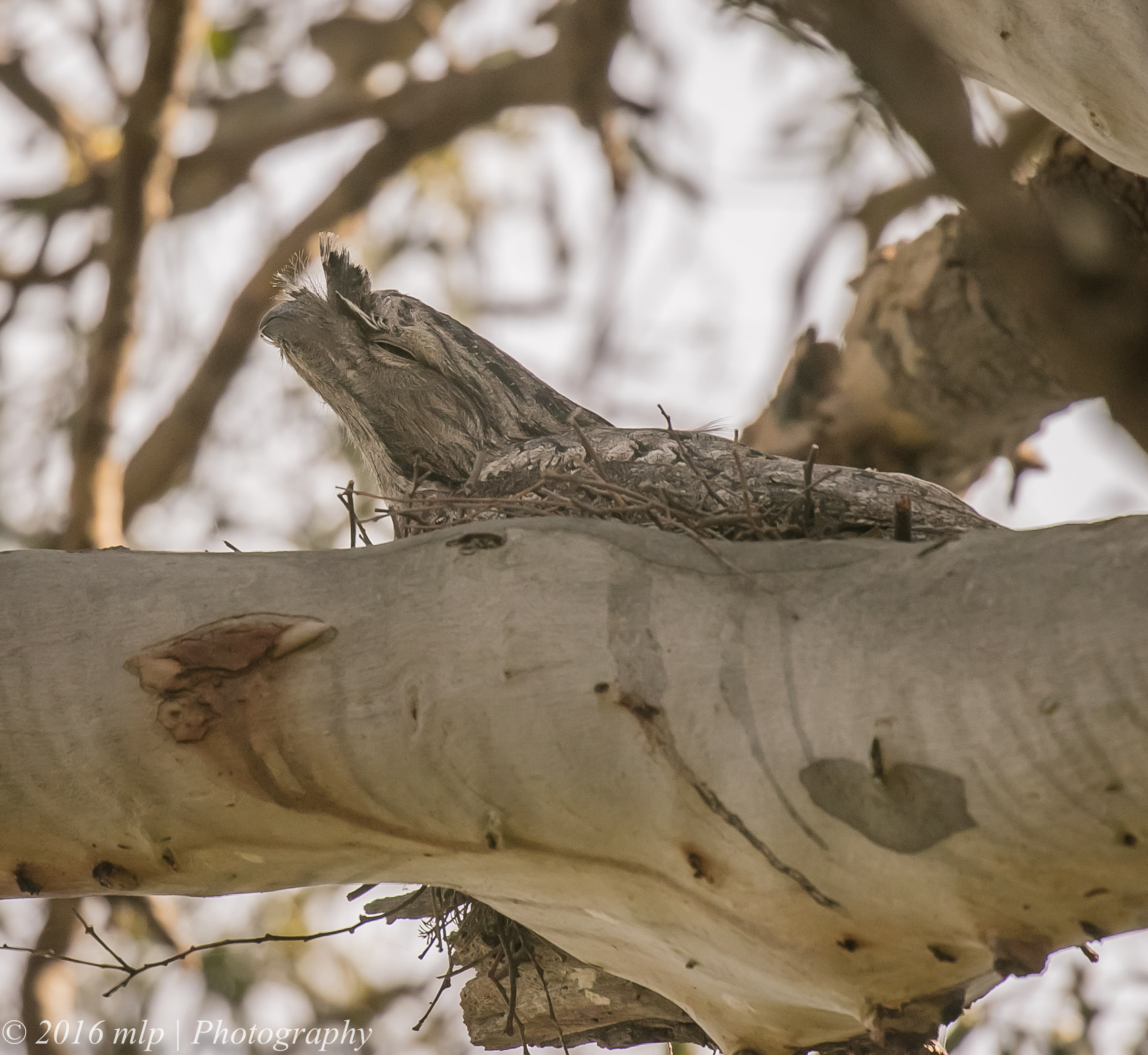
On the weekend I went for a walk around Braeside Park. I wanted to see if I could find any of the resident Tawny Frogmouths. I know quite a few of their regular roosting trees but with the breeding season well underway it can be a bit more difficult to find them. I only found one Tawny and it happened to be a large one sitting on a well made nest. The nests I have previously seen have been quite flimsy but this one looked more robust. Along with the Rainbow Lorikeets, and the nesting Tawny Frogmouth, I found a White-faced Heron, a wind-blown Black Shouldered Kite and a Wood Duck that seemed confused by my antics – I was standing on the walking path with my binoculars looking up into the trees looking for Tawny’s. I heard a squawk and just above me was the duck. It must have had a nest in the tree hollow or  it would not have stayed on the branch so close to me…

tawny-frogmouth-braeside-park-braeside-victoria

Tawny Frogmouth, Braeside Park, Victoria

tawny-frogmouth-braeside-park-braeside-victoria

II

white-faced-heron-braeside-park-braeside-victoria

White-faced Heron

black-shouldered-kite-braeside-park-braeside-victoria

Black-shouldered Kite

black-shouldered-kite-braeside-park-braeside-victoria

II

australian-wood-duck-braeside-park-braeside-victoria

Australian Wood duck

australian-wood-duck-braeside-park-braeside-victoria

trying to figure out what I was doing…


Curious Rainbows

While visiting Braeside Park on the weekend I was photographing a nesting Tawny Frogmouth, and two Rainbow Lorrikeets decided to investigate.

Rainbow Lorikeet Braeside Park, Braeside, Victoria

Rainbow Lorikeet Braeside Park, Braeside, Victoria

Rainbow Lorikeet Braeside Park, Braeside, Victoria

II

Rainbow Lorikeet Braeside Park, Braeside, Victoria

III

Rainbow Lorikeet Braeside Park, Braeside, Victoria

IV

Rainbow Lorikeet Braeside Park, Braeside, Victoria

V

Rainbow Lorikeet Braeside Park, Braeside, Victoria

VI

Point Addis Scrubwren

While photographing the Rufous Bristlebird at Point Addis recently, a White Browed Scrubwren decided it was safe enough to feed alongside the Bristlebird. It foraged amongst the leaf litter hunting for small invertebrates. These small birds usually are very timid and are more often heard scolding trespassers than actually being seen. The adult birds have very distinctive brows that always seem to make them look angry…

White browed Scrubwren, Point Addis, Great Ocean Road, Anglesea, Victoria,

White browed Scrubwren, Point Addis, Great Ocean Road.

White browed Scrubwren, Point Addis, Great Ocean Road, Anglesea, Victoria,

Turning over leaf litter and small pieces of bark to find invertebrates…