Tag Archives: Photography

Honeyeaters hanging in the Gardens

The Australian Garden is located at Cranbourne and is part of the Royal Botanic Gardens. It is dedicated to Australian plants and landscapes and displays the various regions of Australia and its native plants. A great place to take visitors. It has large formal created gardens and larger areas of open natural parkland, woodlands, heathlands and even wetlands. It has many species of birds and quite a few Black or Swamp Wallabies as well as Wombats and Echidnas. I have visited a few times in the last couple of weeks. The previous Post at this site was about the Bandicoots that I had photographed. [I have since found out that the Bandicoot without the tail and the healed scars is called Stumpy and is a regular at the Stringybark Picnic area.
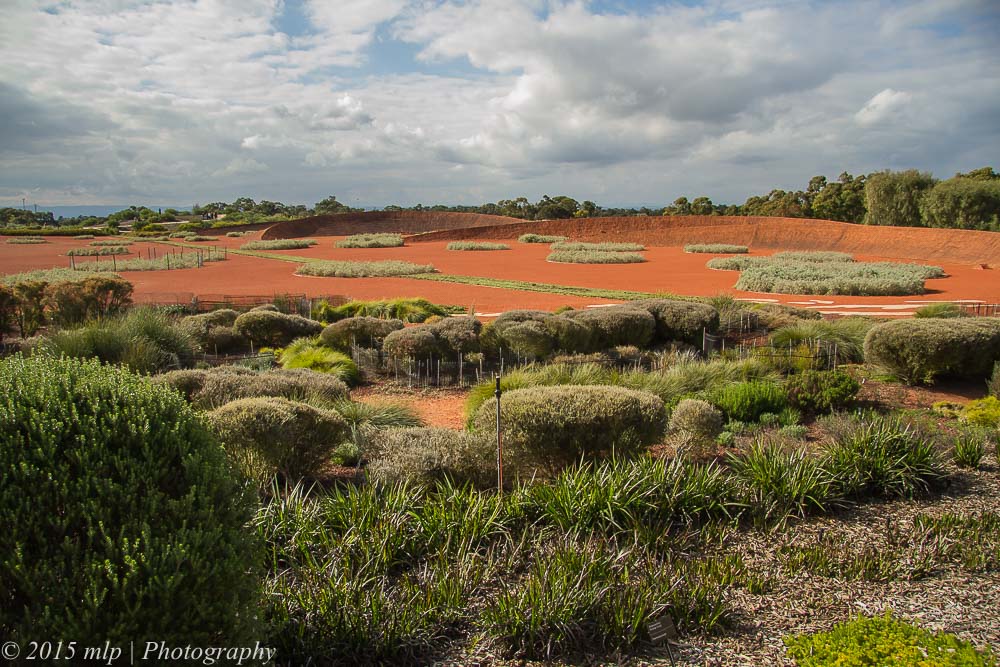
Australian Gardens, Cranbourne Botanical Gardens,

Australian Garden, Royal Botanical Gardens, Cranbourne – red centre section

Black Fronted Dotterel

Black Fronted Dotterel – a pair were working the waters edge along one of the ponds

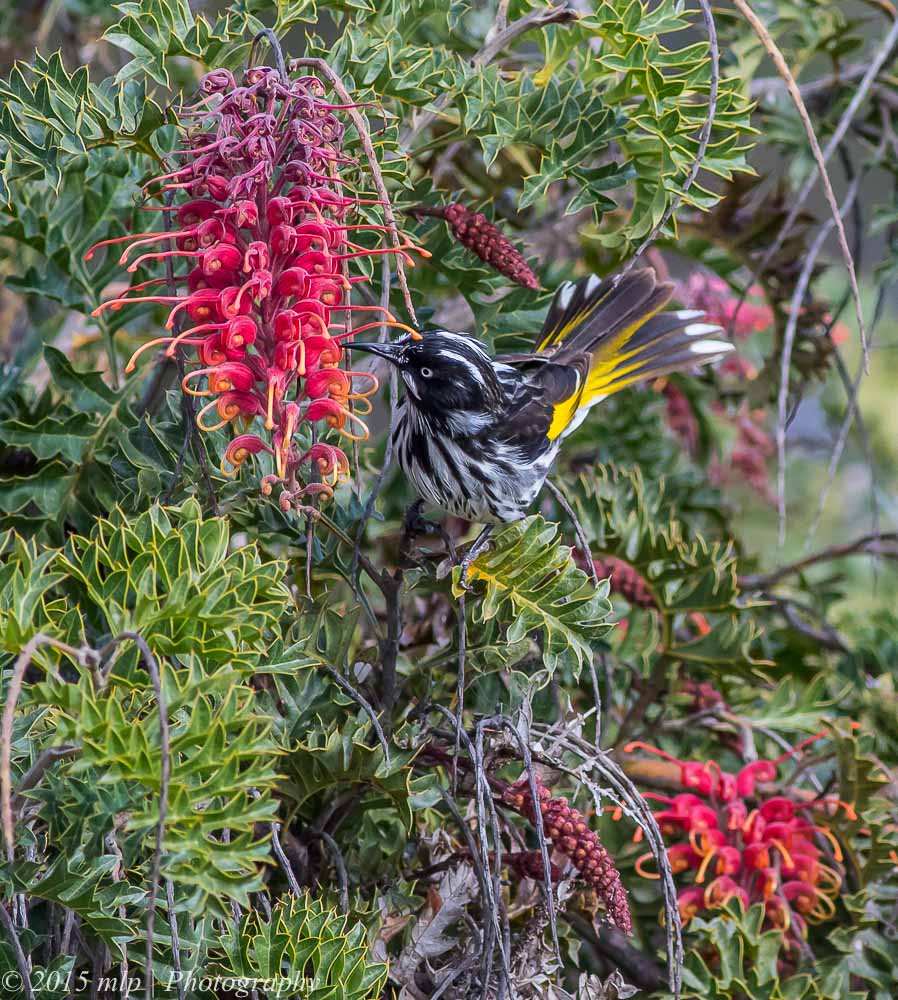
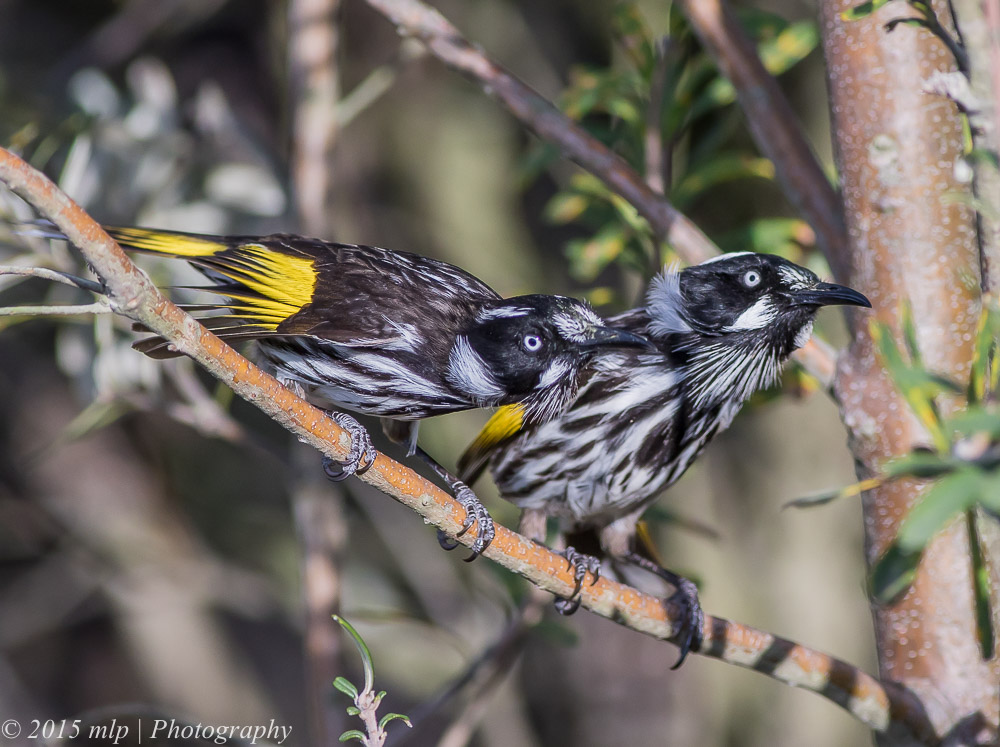
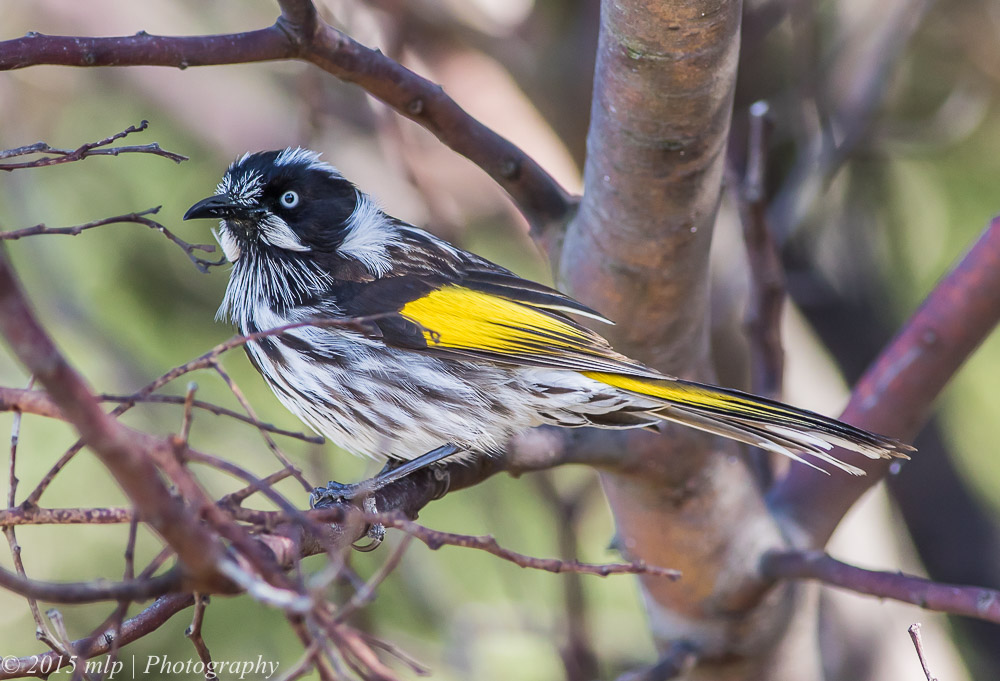
By far the most abundant bird in the formal part of the Garden is the New Holland Honeyeater. Due to their numbers and ready food source available with the flowering Australian natives they are a great target for taking photos.
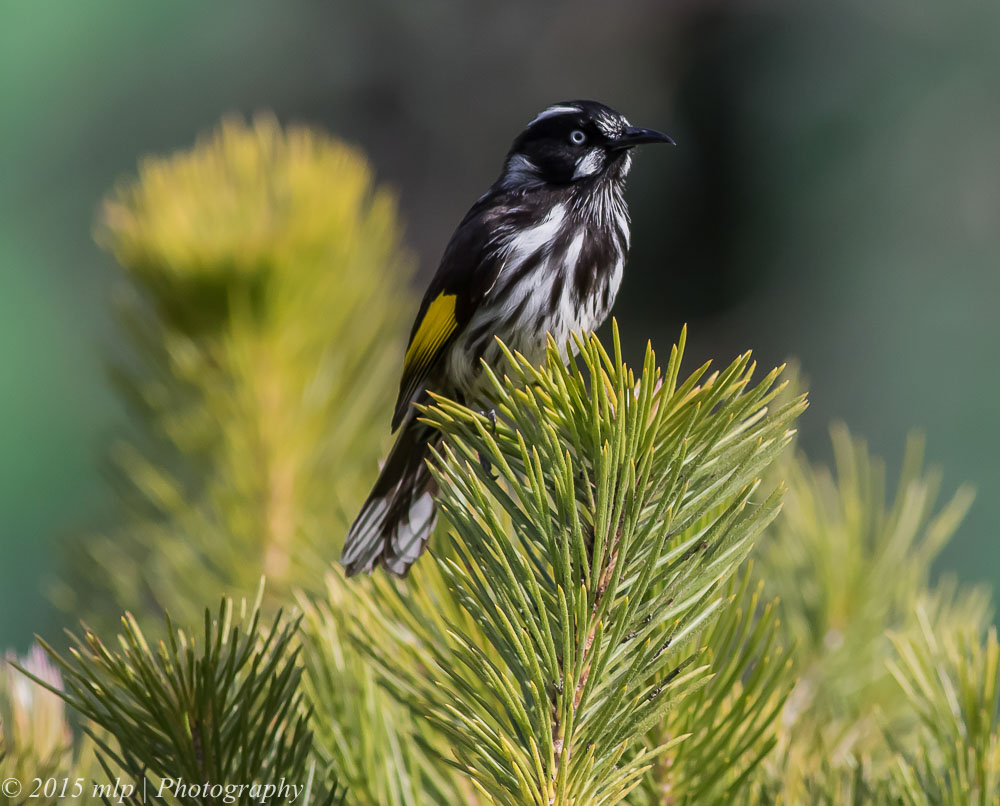
New Holland Honeyeater
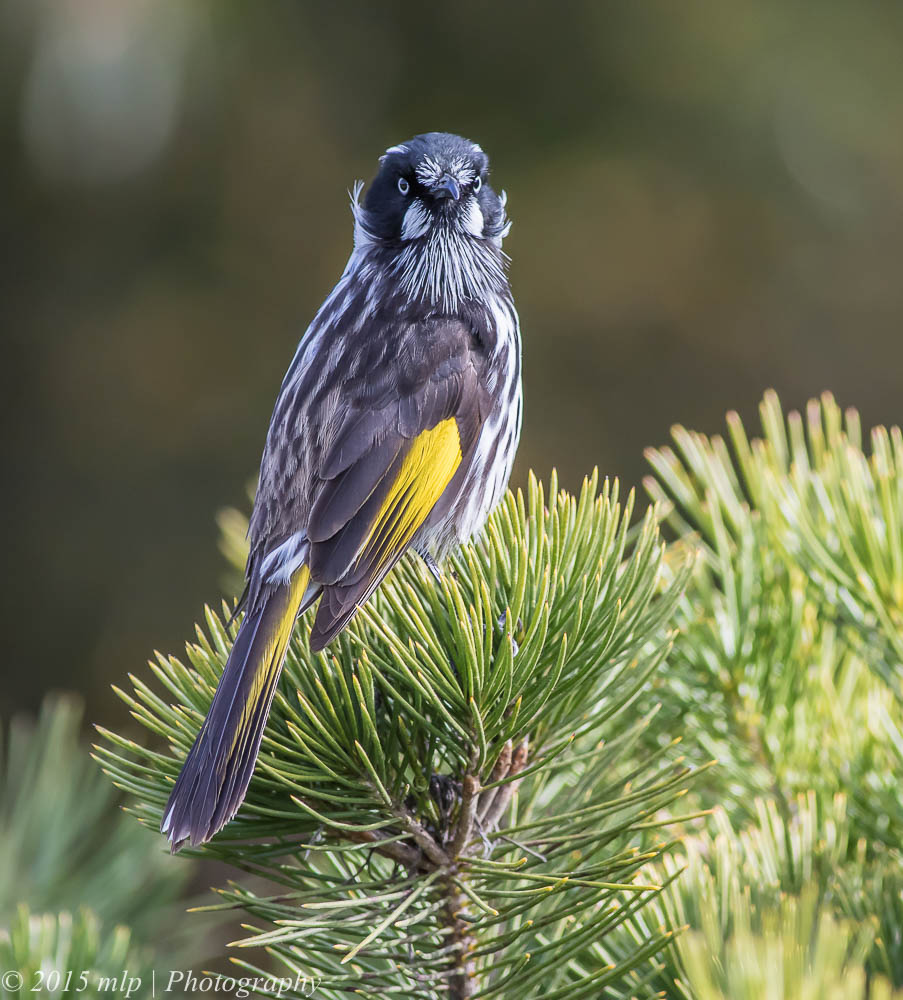
New Holland Honeyeater
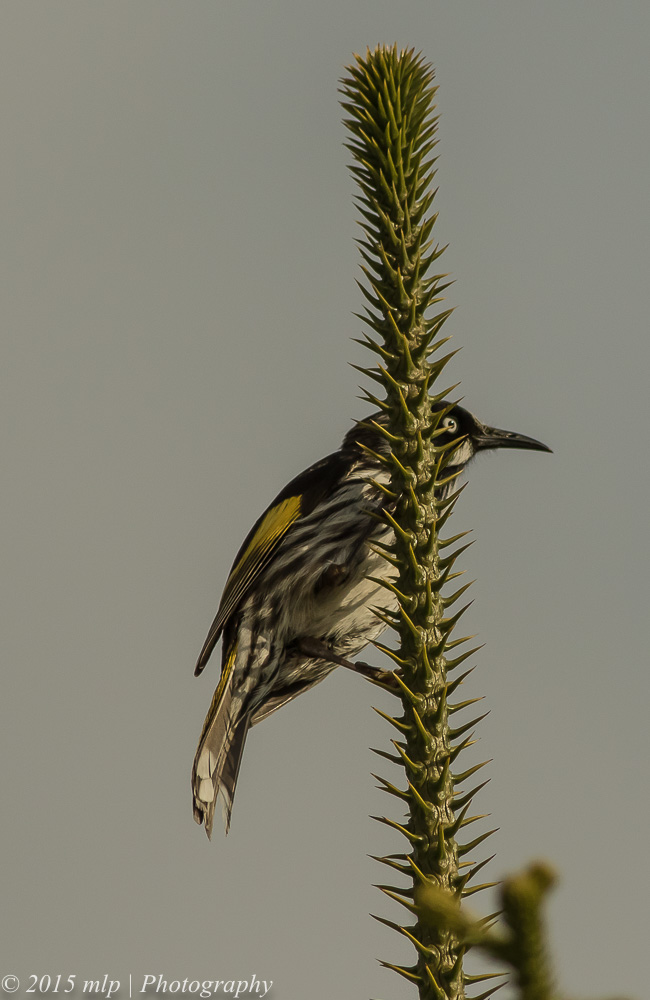
New Holland Honeyeater
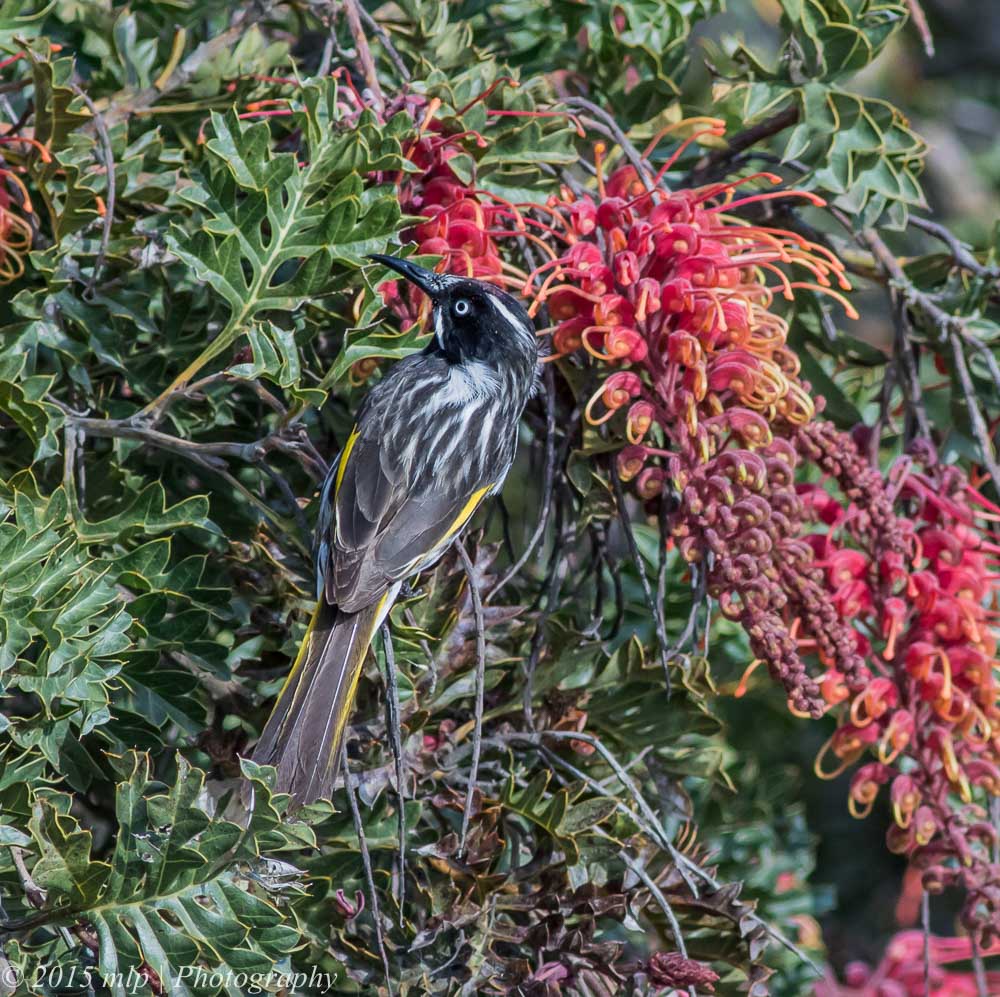
New Holland Honeyeater

New Holland Honeyeater

New Holland Honeyeater

New Holland Honeyeater

New Holland Honeyeater on a standard weeping Grevillea.

New Holland Honeyeater

II

New Holland Honeyeater

III

New Holland Honeyeaters

A pair of New Holland Honeyeaters – spring was definitely in the air…
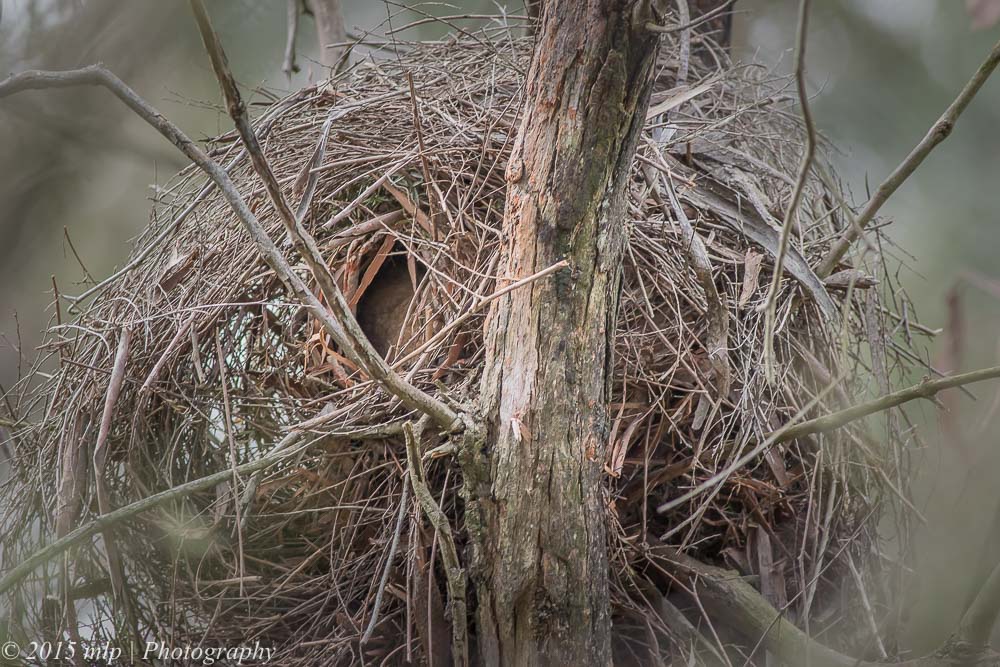
Nests, Dreys and Bandicoots

Saturday was another lovely Winter’s day in Melbourne and we decided to head down to the Melbourne Botanical Garden, (Cranbourne), also known as Australian Garden. We started at the Stringybark Picnic area and walked along  the forest paths looking birds and reading the various information signs. We came across a large curious nest only a few metres off the ground. I could not figure out what made it or what was using it – I could see a brown furry looking lump through the side entrance but could not confirm what it was – I was unable to get closer without bashing through and damaging the prickly bushes in front. Last night, a local naturalist (Gio) suggested that it was most likely a Drey – a round nest made by a Ring-Tailed Possum. I did not know that Possums made nests like this nor had I ever heard of a Drey…
Drey, Cranbourne Botanical Gardens

Drey, Cranbourne Botanical Gardens

Moving around the paths we saw a number of Eastern Yellow Robins and watched for a while as they hunted. I found one of their freshly made nests. Very similar style to the previous nest that I have posted about from Moorooduc.

Robin's nest, Cranbourne Botanical Gardens,

Robin’s nest, Cranbourne Botanical Gardens,

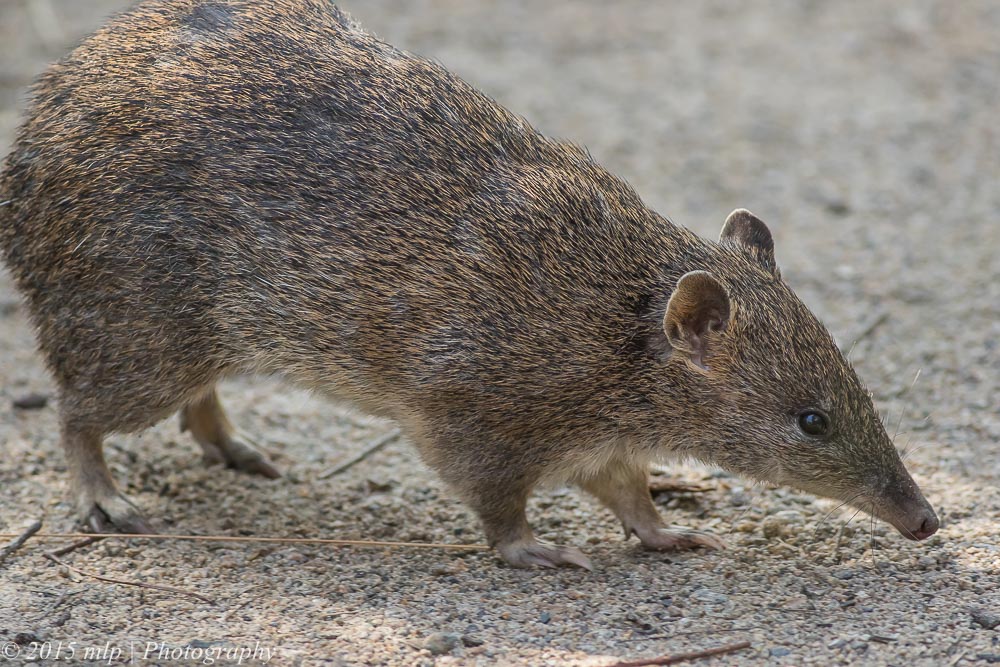
The highlight of this part of the day was spotting a Southern Brown Bandicoot, a threatened marsupial species, often wiped out from areas by foxes. This site is protected by a fox proof fence and so the species is surviving. We saw one dart across a path. As we were walking back to the car my eagled eye walking partner yelled out that I was about to step on another one. This little guy was not very scared of me at all and we moved back a bit and took a few photos. It had some nasty healed up scars on its rump and a missing tail. I was surprised by its size – roughly the size of a small cat – much bigger than I expected. It moved around the path, had a little stretch and at some point decided to bolt off the track but only into the fringe where we watched it a bit more while it napped. We left it alone and drove to the main part of the gardens.

Southern Brown Bandicoot, Cranbourne Botanical Gardens

Southern Brown Bandicoot, Cranbourne Botanical Gardens

Southern Brown Bandicoot, Cranbourne Botanical Gardens

showing some old healed wounds on its back, its tail is also missing

Southern Brown Bandicoot, Cranbourne Botanical Gardens

Long claws front and back and a long nose that was surprisingly agile

Southern Brown Bandicoot, Cranbourne Botanical Gardens

Southern Brown Bandicoot

Southern Brown Bandicoot, Cranbourne Botanical Gardens

Leaping from the path to the scrub a few feet away – very powerful back legs

Southern Spring is on its way

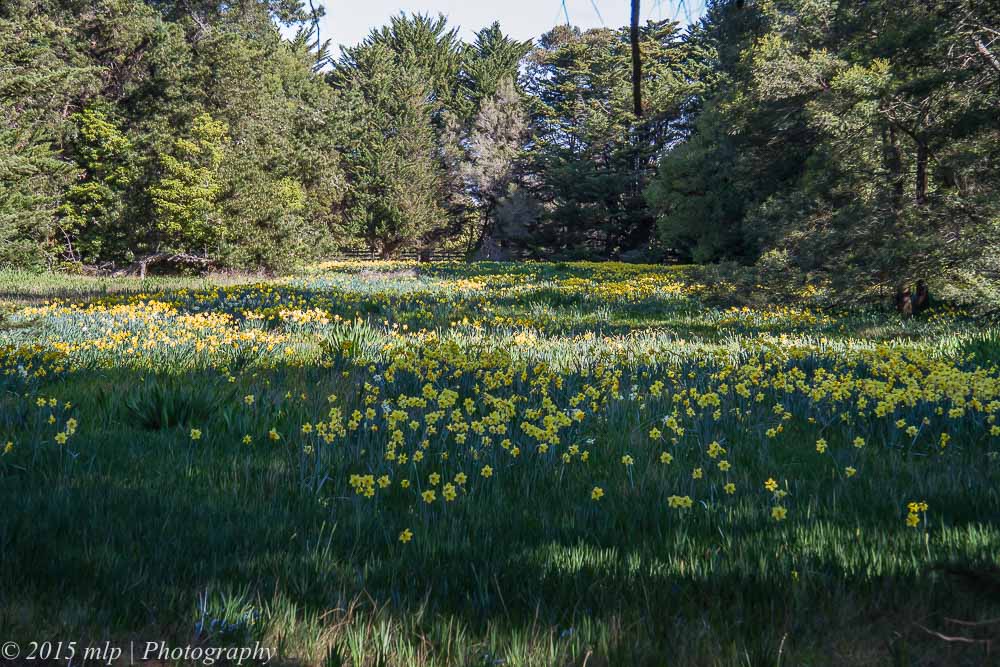
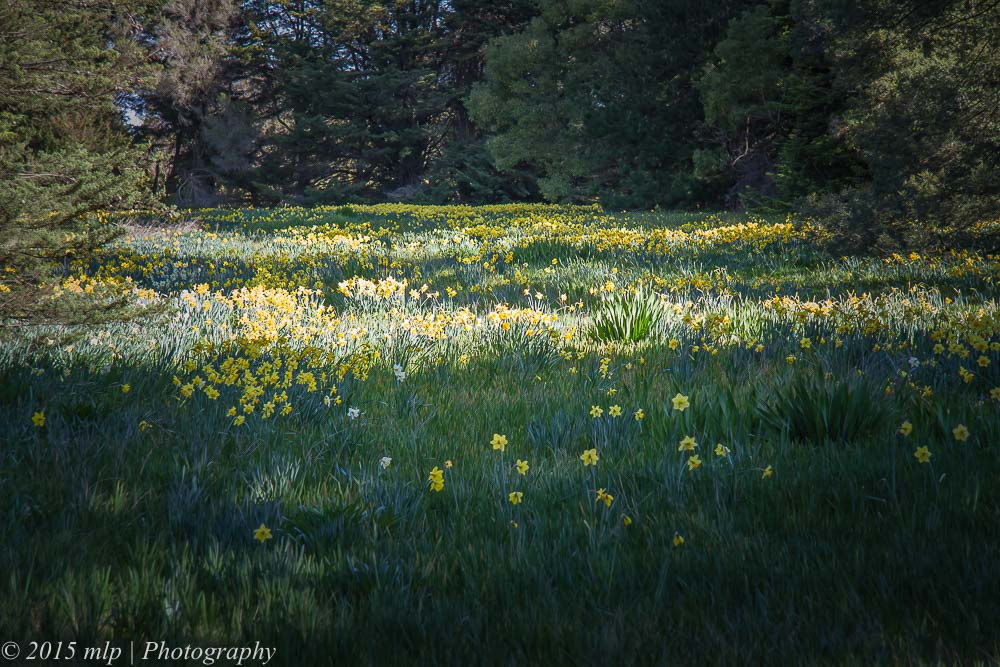
After a morning of visiting the local birding sites, I dropped into the family farm  to grab a lunch with the Matriarch and the Patriarch of the family. Afterward I walked down the road with my sister to show her offspring the secret field hidden behind a row of large pine trees. The field is effectively abandoned but once a year bursts into a sea of yellow, indicating Spring is well on its way. In another week or so it will be filled with yellow and cream daffodils.

Daffodil Field, Moorooduc

Daffodil Field, Moorooduc

Daffodil Field, Moorooduc

II


Sunbaking at Williamstown’s Jawbone

A recent  Port Phillip Birders day trip to several south western birding sites started with a morning stop at Williamstown and the Jawbone Flora and Fauna Reserve. It is a favourite spot of mine with many  resident bird species with quite a few drop-ins and seasonal visitors. The wetland lagoons are narrow and accessible. It makes for good photographic opportunities. It is a very handy location for beginner birders as the birds are generally used to people passing nearby and don’t panic and fly away. It is where I started to learn more about the waders and coastal shorebirds. On this occasion it was cool and quite windy but we still managed to clock up over 50 species and take a few nice pics. The highlight was a group of 16 or so Brown Quail sunning and grooming themselves along one of the main paths. I have often seen Brown Quail here but not close and not so many. The images below show just how well camouflaged they can be – they just blend into the dry brown grass. When spooked a bit they jump up and scurry off into deeper cover. I have still yet to see one fly.
Brown Quail, Jawbone Flora and Fauna Reserve

Brown Quail, Jawbone Flora and Fauna Reserve

Brown Quail, Jawbone Flora and Fauna Reserve

Well camouflaged amongst the dry grass

Brown Quail, Jawbone Flora and Fauna Reserve

III

Another highlight was a New Holland Honeyeater that seemed happy to ignore us and allow a close approach for photos. It spent 20 minutes hunting for insects from a few perches close to the path.

New Holland Honeyeater, Jawbone Flora and Fauna Reserve

New Holland Honeyeater

New Holland Honeyeater, Jawbone Flora and Fauna Reserve

II

New Holland Honeyeater, Jawbone Flora and Fauna Reserve

III

The ever changing laneways of Melbourne

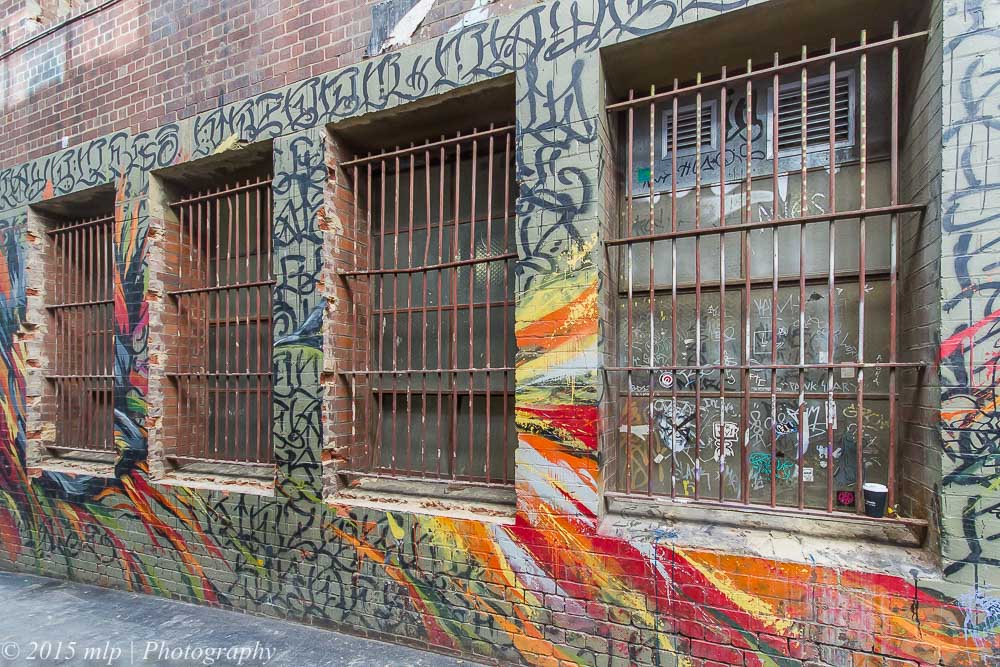
I often walk through the laneways of Melbourne CBD looking for changes,  new art and really anything of interest. I revisited my favourite laneways this week and while walking down and around AC/DC Lane and into Duckboard Place, I squeezed past several tradesmen trucks and walked on to look for new material. Something was not right so I back-tracked and realised that one of the best pieces in the Lane had gone and new/old windows had suddenly appeared. The whole building has been gutted and the old windows have been restored after being bricked up for so long. Duckboard Place (extension Lane of AC/DC Lane) has had a few changes as well. An expensive new restaurant is about to  open up and the whole wall opposite has been covered with small advertising billboards. I guess the locals advertisers have realised how popular the area is – the problem will be that no-one will bother any more as the street art has gone and there is not any space to put up anything else. I certainly don’t mind progress and restoring the old buildings and giving them new life and purpose, I am just a little disappointed that a favourite piece has gone. Most pieces last only a day or so before being tagged and covered but ACDC Lane is different and the art has lasted months.

Bird Street Art, ACDC Lane, 9 June 2015

Bird Street Art, ACDC Lane, 9 June 2015

Bird Street Art II, ACDC Lane, 10 Aug 2015

ACDC Lane, 10 Aug 2015

Bird Street Art II, ACDC Lane, 10 Aug 2015

II

Cruising the Kamarooka Forest

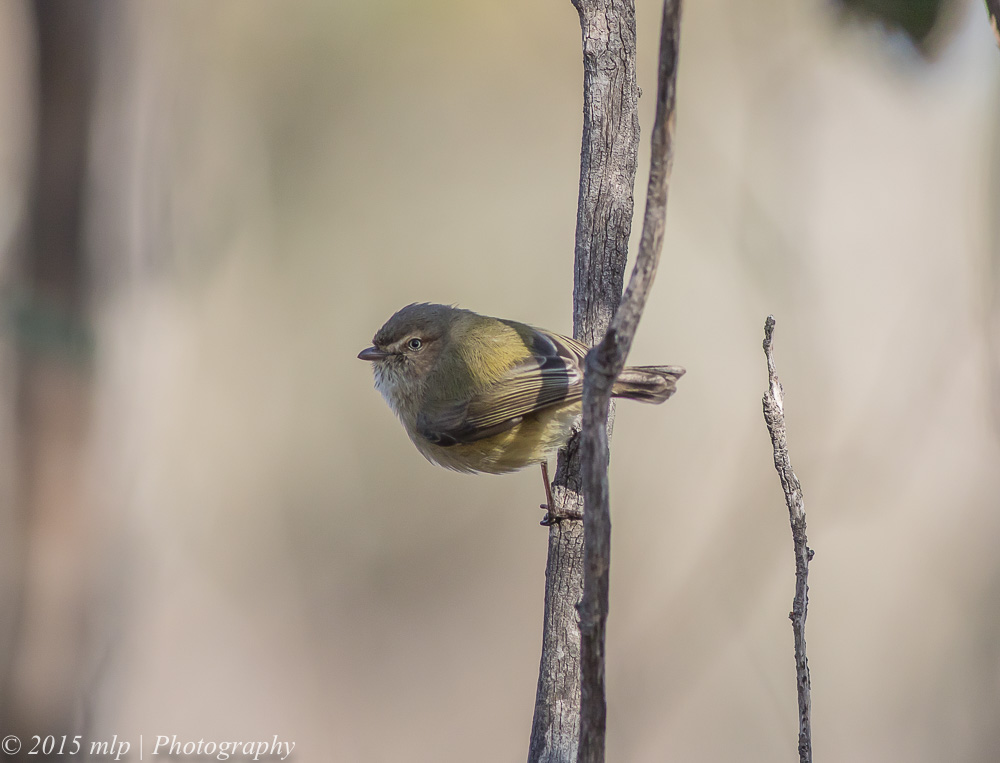
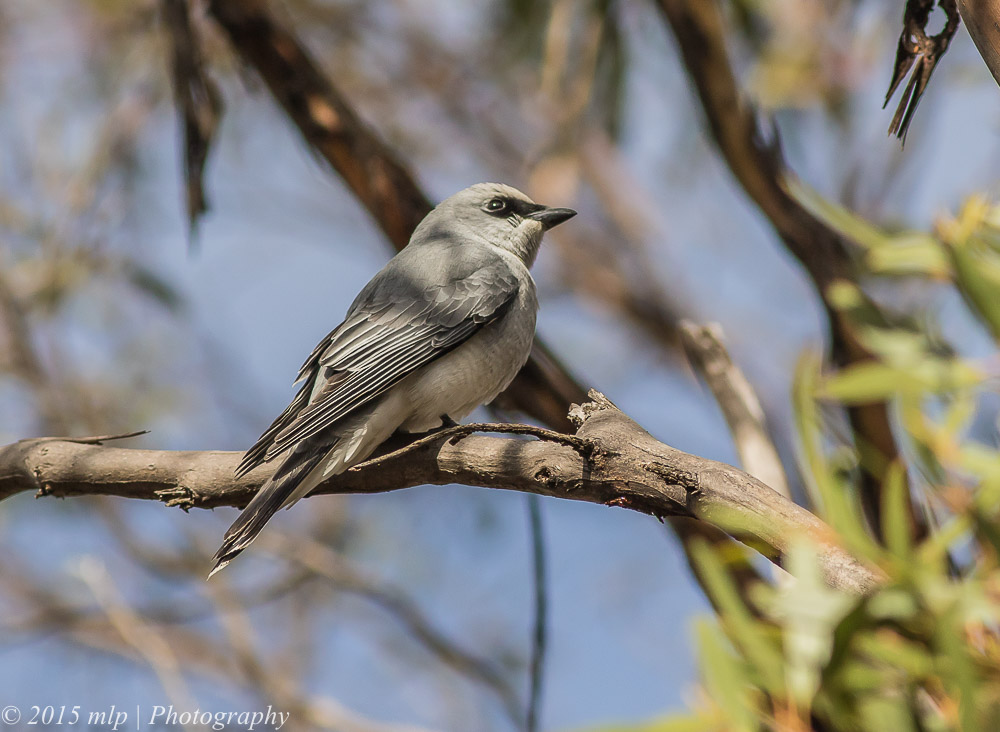
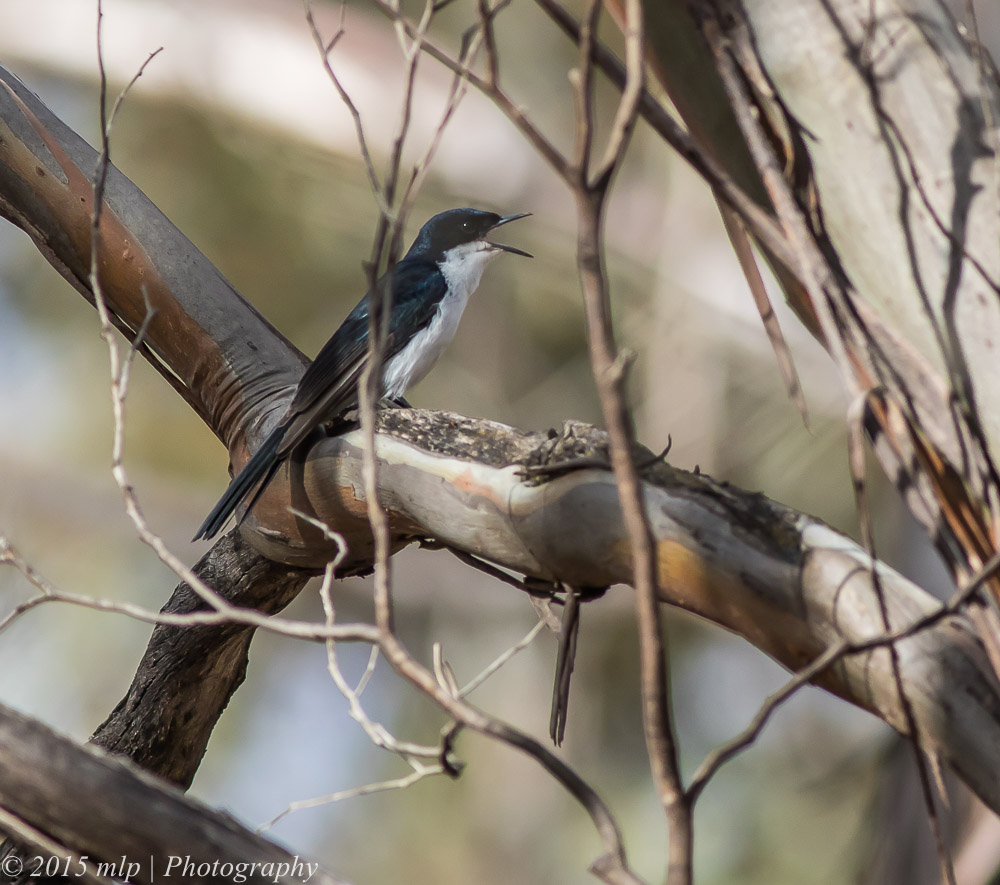
Kamarooka Forest is part of the Greater Bendigo National Park. It is north of Bendigo and contains a variety of habitats and plenty of interesting sites for finding birds and animals.  I recently spent a day exploring Kamarooka with a birding mate, John. I clocked up a new Vic lifer (312) as well – White Fronted Honeyeater. Along the way we found plenty of small birds and one that I have only seen a few times before – a White Bellied Cuckoo Shrike. One of our favourites was a Weebill, Australia’s smallest bird. We also tracked a bird call that neither of us had heard before and it turned out to be a Restless Flycatcher making a very unusual call – certainly one we had not heard before.

Golden Whistler

Golden Whistler

Female Golden Whistler

Female Golden Whistler

Weebill

Weebill – Austrralia’s smallest bird

White Bellied Cuckoo Shrike

White Bellied Cuckoo Shrike

White Bellied Cuckoo Shrike

II

Restless Flycatcher

Restless Flycatcher making a very unusual and loud call. 

A winter’s feast at the You Yangs

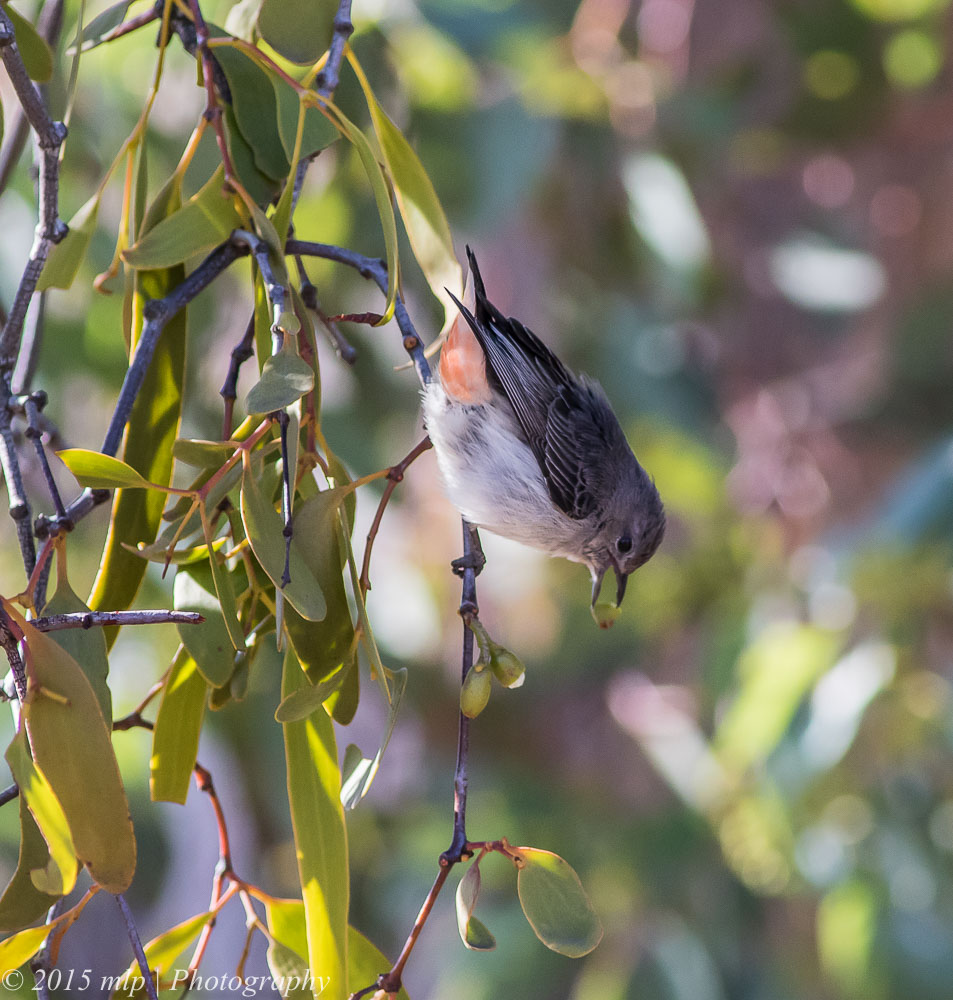
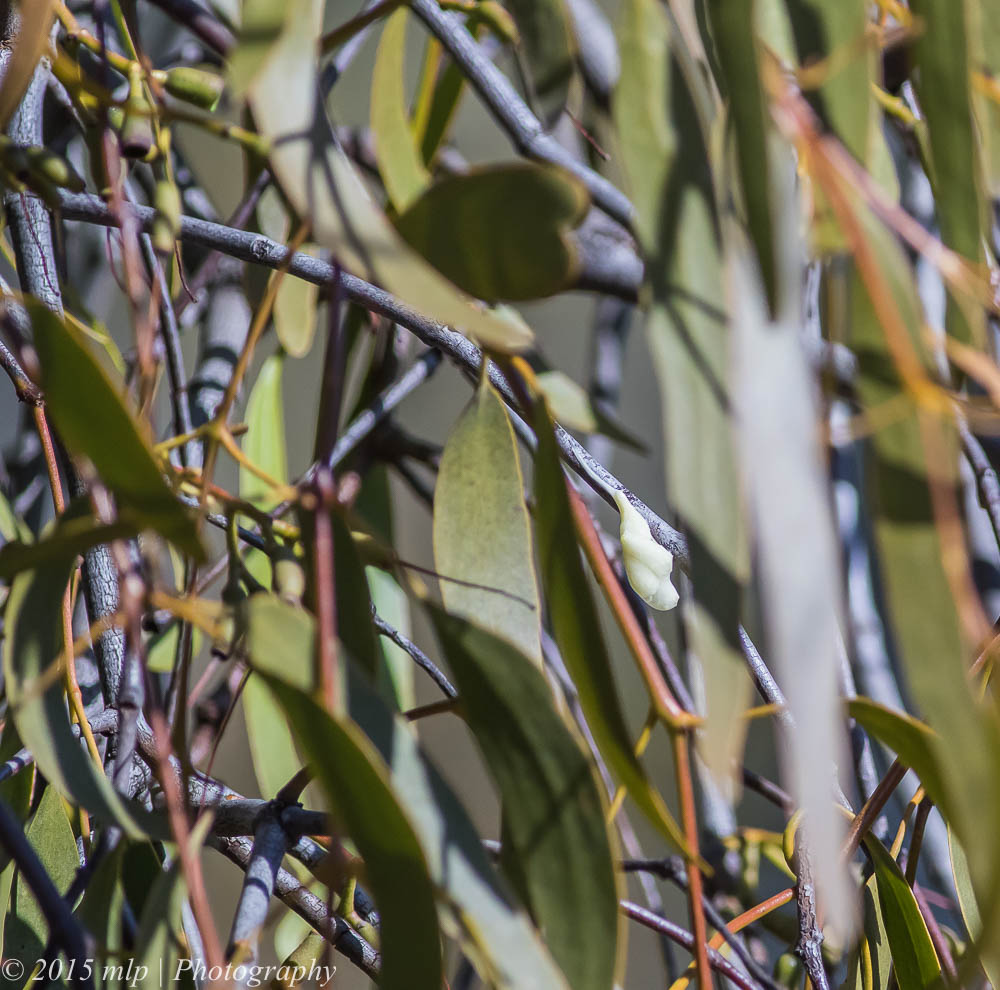
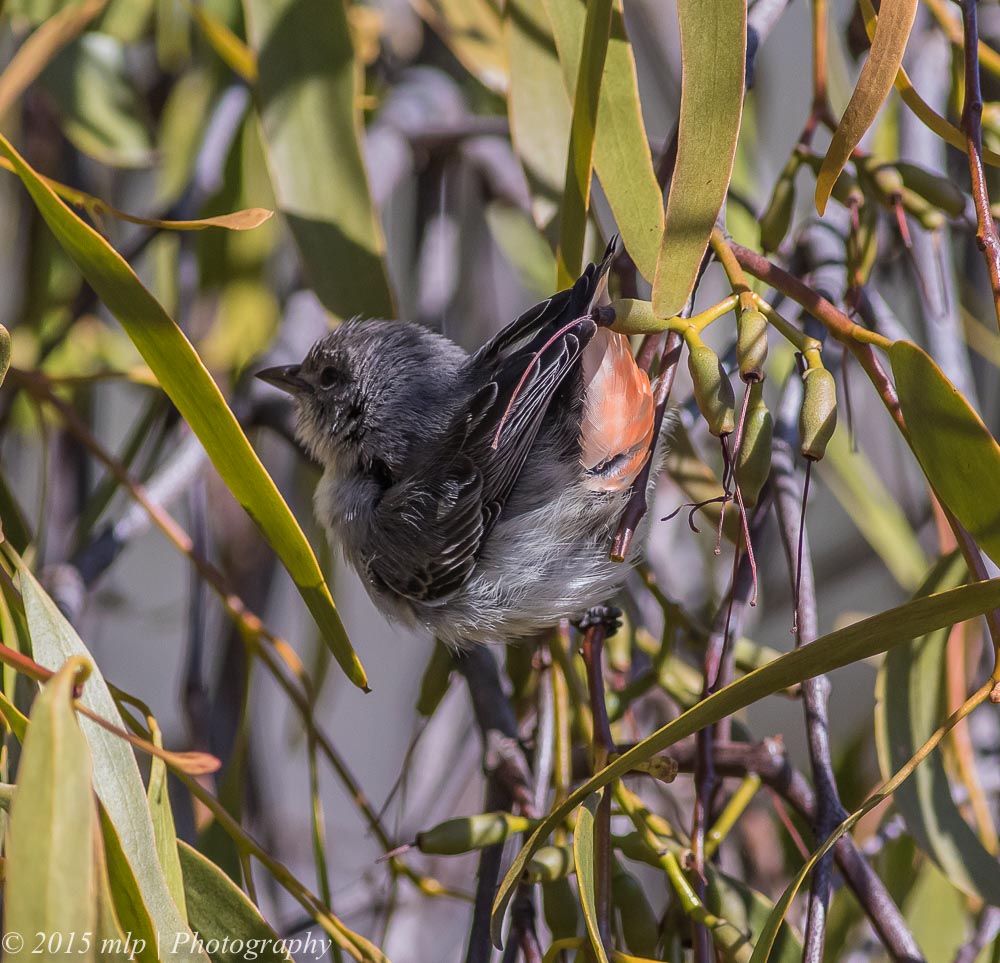
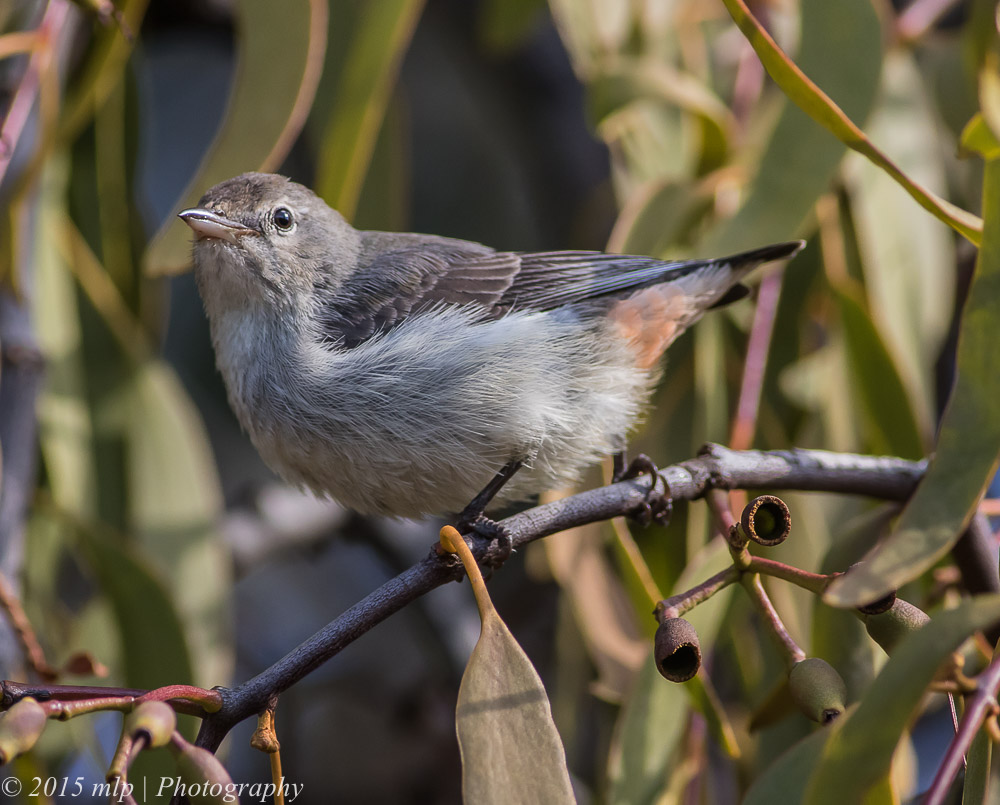
Following on from yesterday’s You Yangs post – The parasitic Mistletoe is also fruiting and the tiny Mistletoebirds are having a feast on the new fruit. One of the highlights of our photography expedition was watching the behaviour and skills of a few Mistletoebirds as they worked the Mistletoe bushes on the various gum trees. They would select an attached fruit bud and carefully remove its cap and pull out the fruit. It would not just eat the bullet shaped fruit, it would squeeze and twist several times and then when the fruit had released its sticky white secretion, the birds would then swallow it. The Mistletobird has a fast digestion and processes the fruit in an amazing time (4min to 25min). We watched as one did excrete a seed and did so slowly and seemingly with purpose. In doing a bit of research on mistletoe I found a picture where a Painted Honeyeater actually has to pull out the fruit seed from its vent as the white liquid is very sticky. This made sense as our Mistletoebird spent a bit of time on the branch wiggling about and when it moved away there was a little mound of white secretion and the seed pods stuck to the branch. This is how the mistletoe attaches to the host branch. In this case the seed wont germinate successfully as it was still located on the Mistletoe bush. The birds we photographed were very focussed and did not seem to mind 4 blokes only a few metres away clicking away with cameras. They kept an eye on us but were not at all nervous and one spent a few minutes sunning itself. We took hundreds of shots of the little birds.

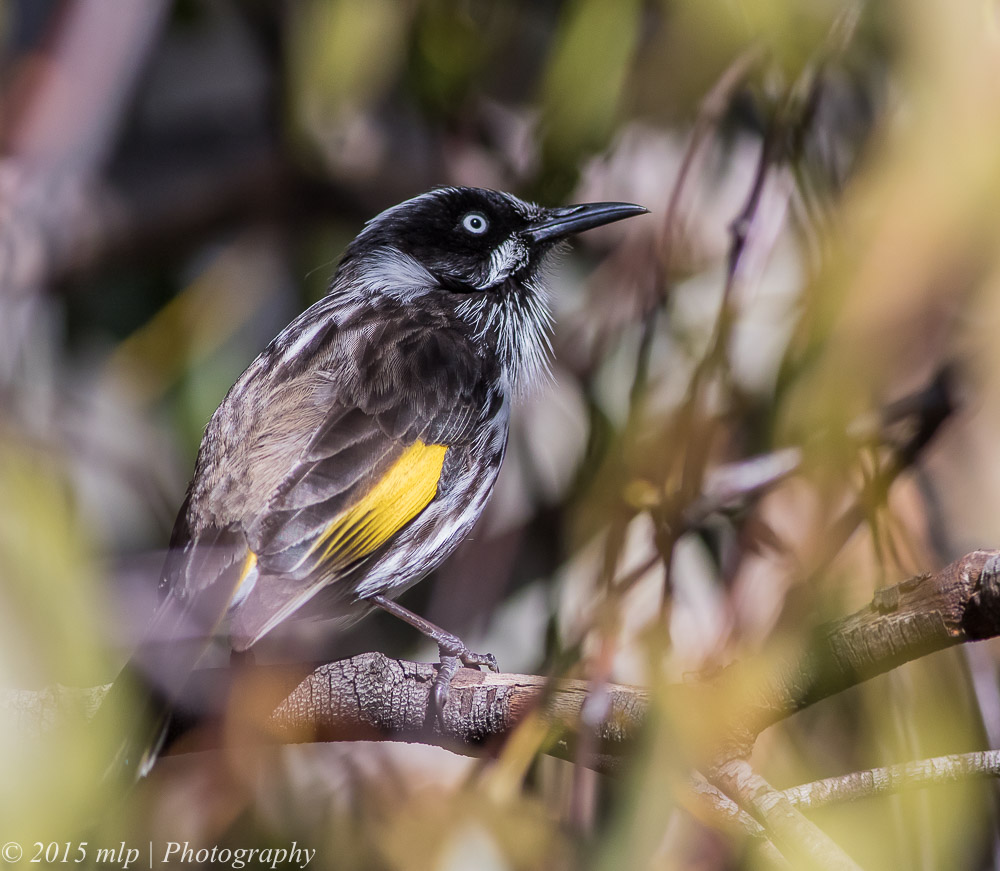
At one point a New Holland Honeyeater flew into the mistletoe bush and started to chase off the female Mistletoebird. After a flurry of wings and loud calls, each bird flew off in different directions but our little friend came back for an encore and after a few more pics we left her in peace.

Mistletoebird, You Yangs

Mistletoebird, You Yangs

Mistletoebird, You Yangs

Squeezing the seed pod/fruit

Mistletoebird, You Yangs

Spending a few moments and using the branch to remove the stick seed pod excretion.

Mistletoebird, You Yangs

Mistletoe bird excretion with a few visible seeds stuck to the branch.

Mistletoebird, You Yangs

Mistletoebird

Mistletoebird, You Yangs

II

New Holland Honeyeater

New Holland Honeyeater

New Holland Honeyeater

II

Mistletoebird, You Yangs

Mistletoe bird back again

Mistletoebird, You Yangs

II

July Street Art Updates III

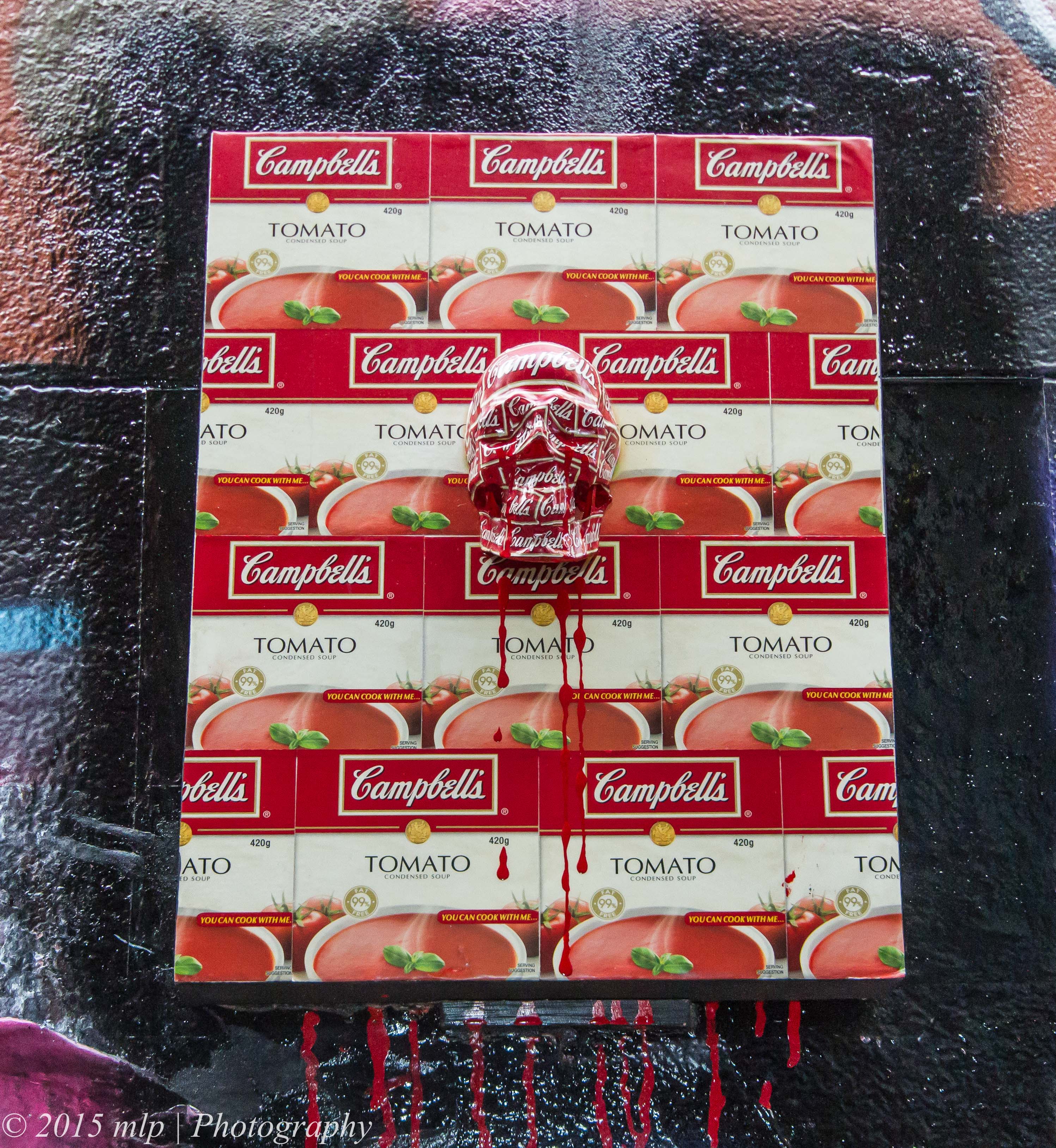
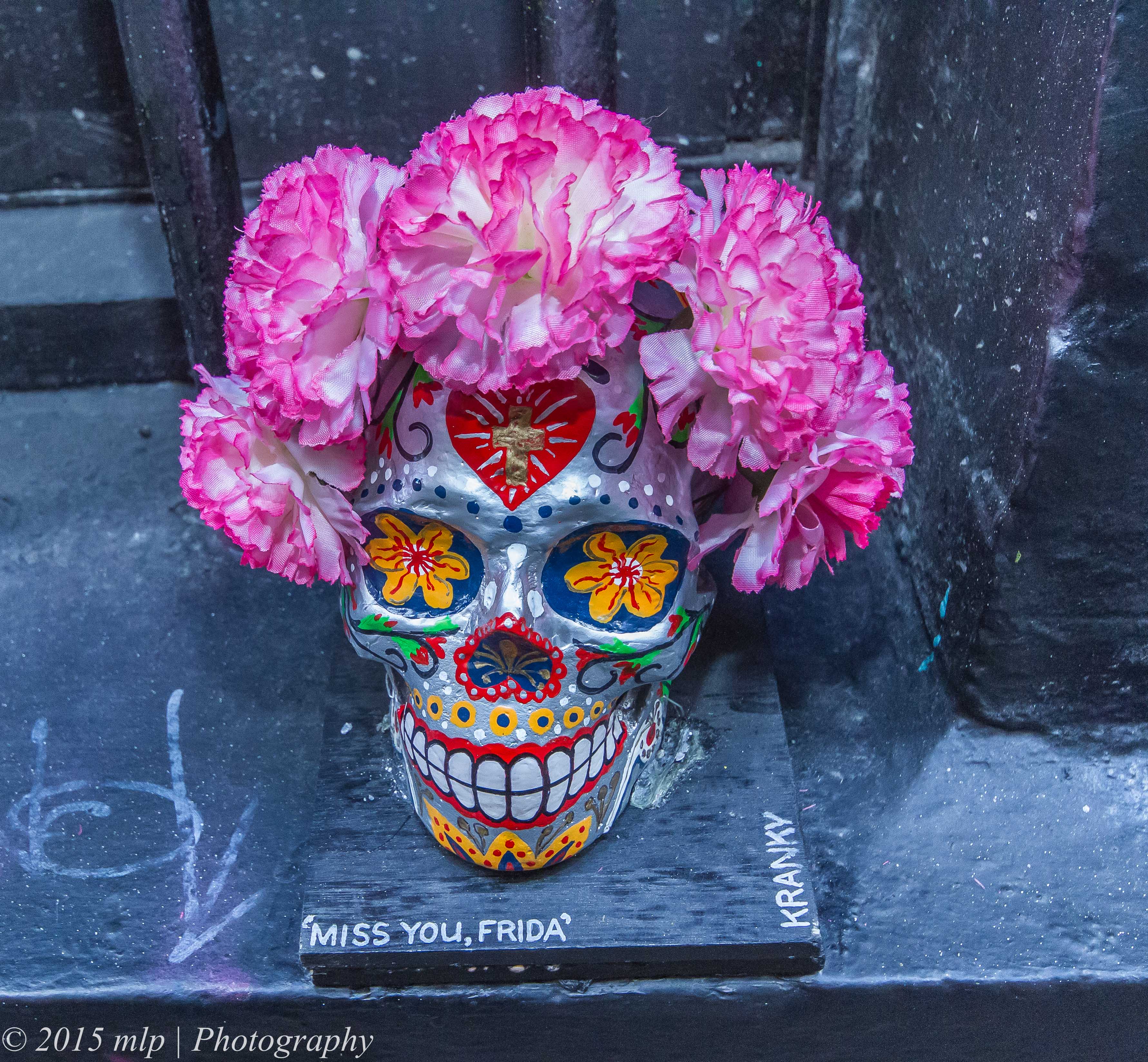
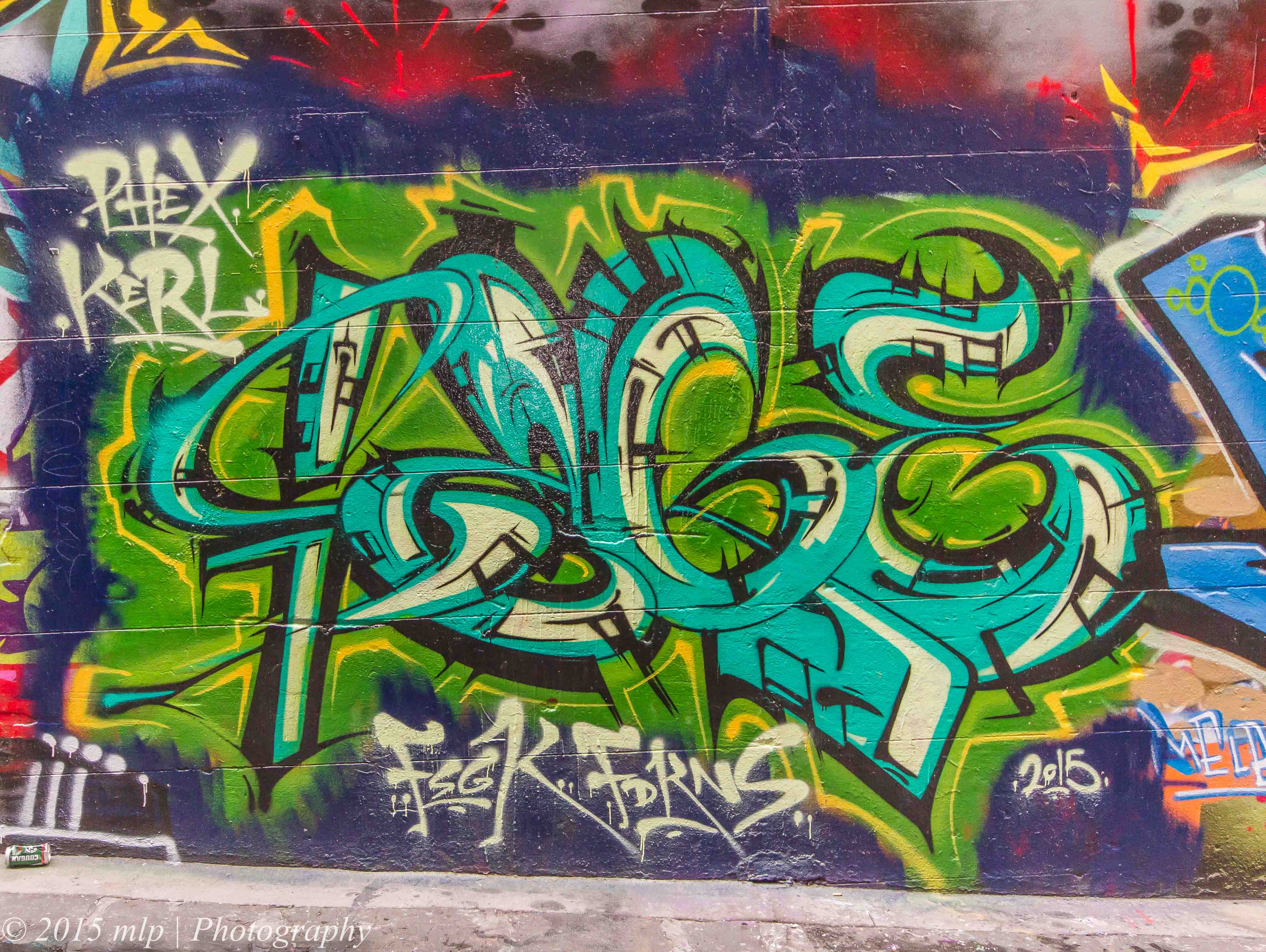
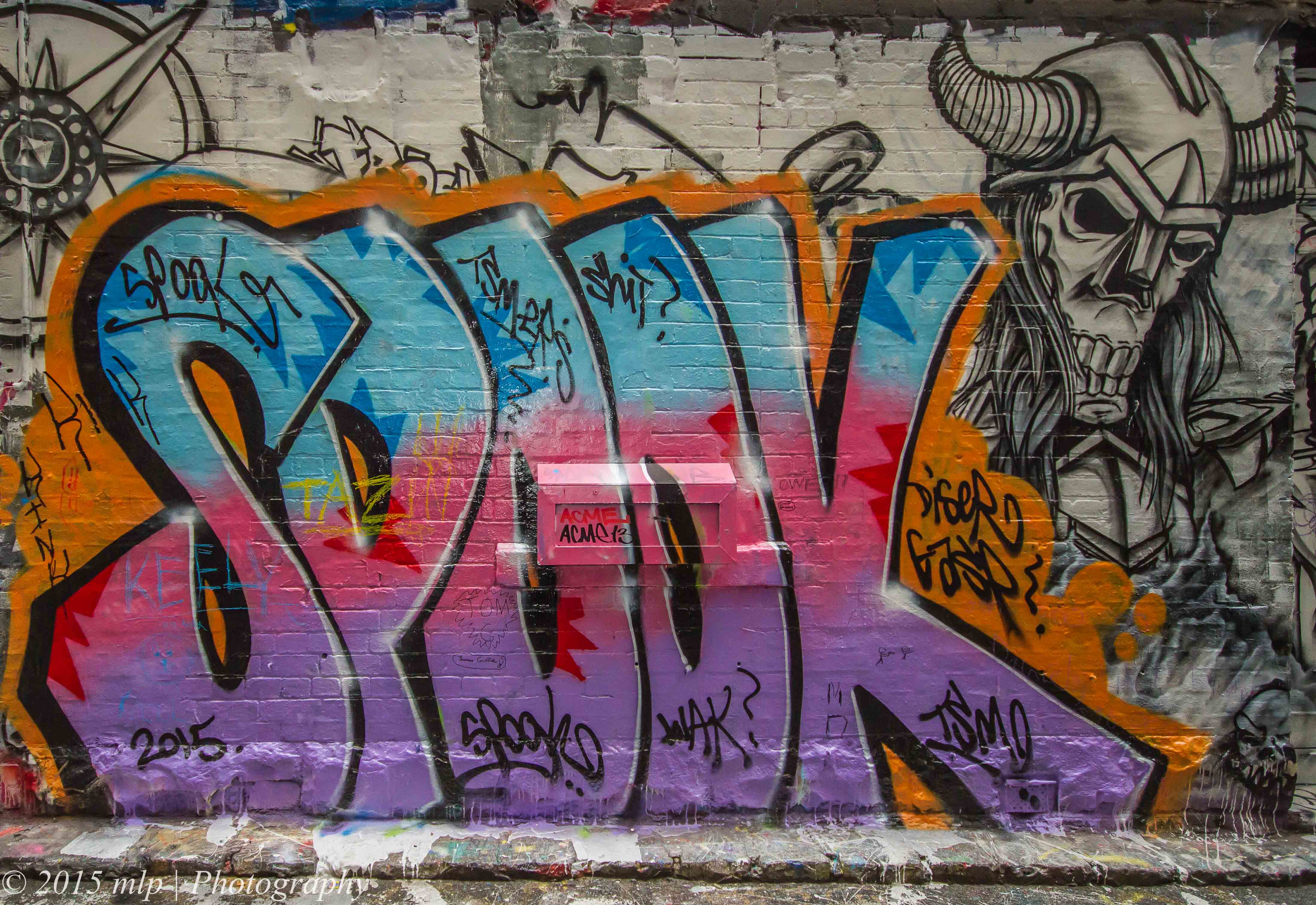
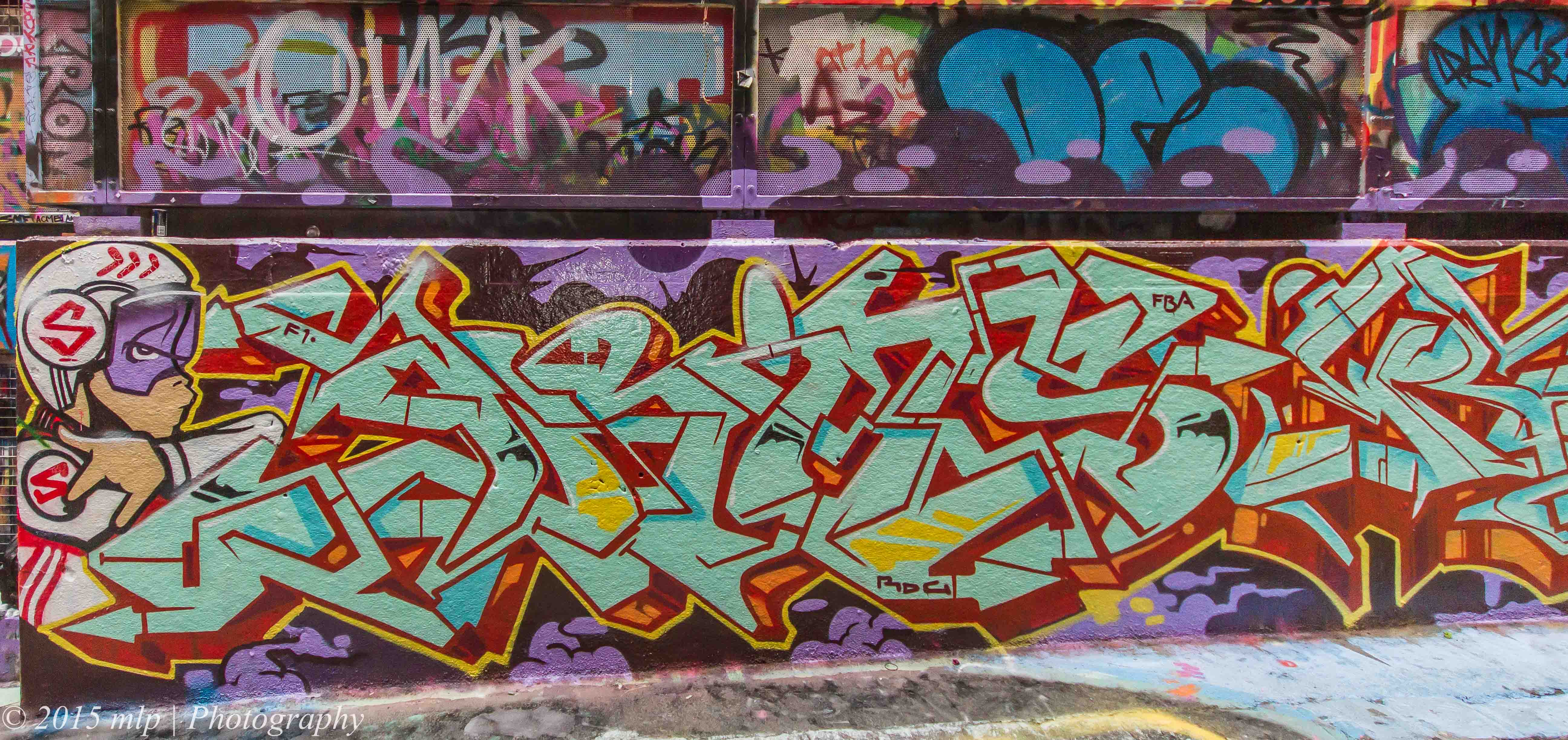
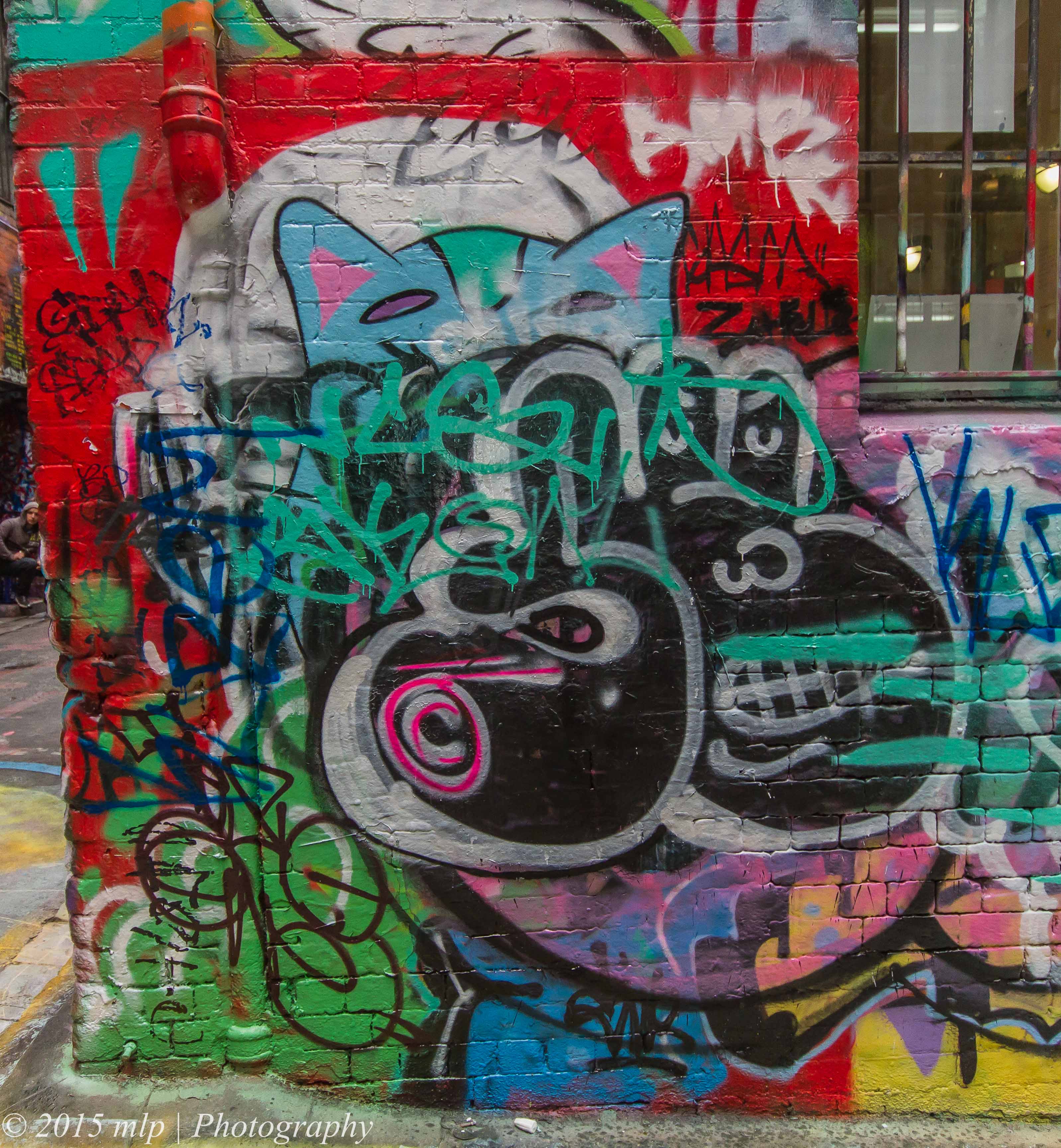
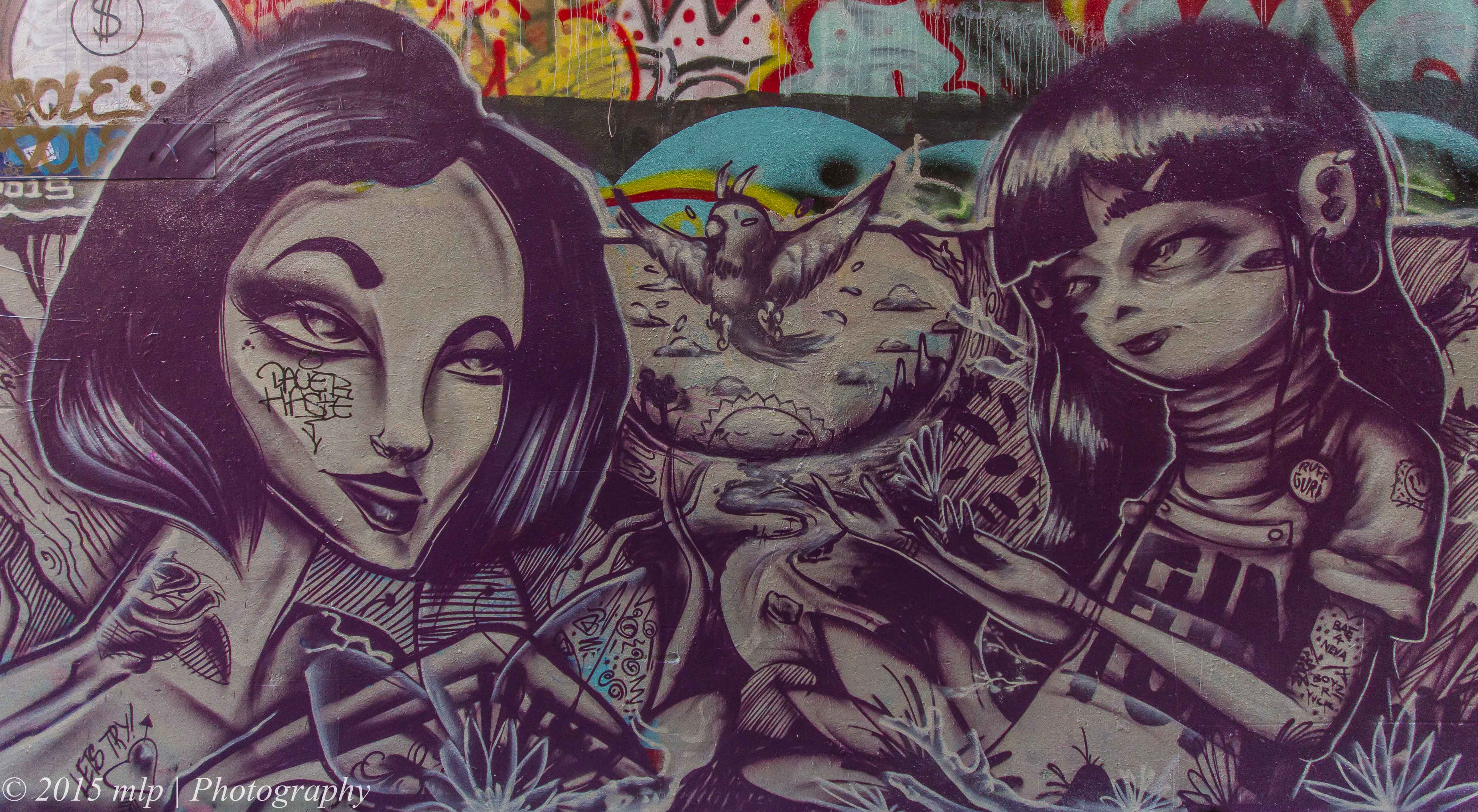
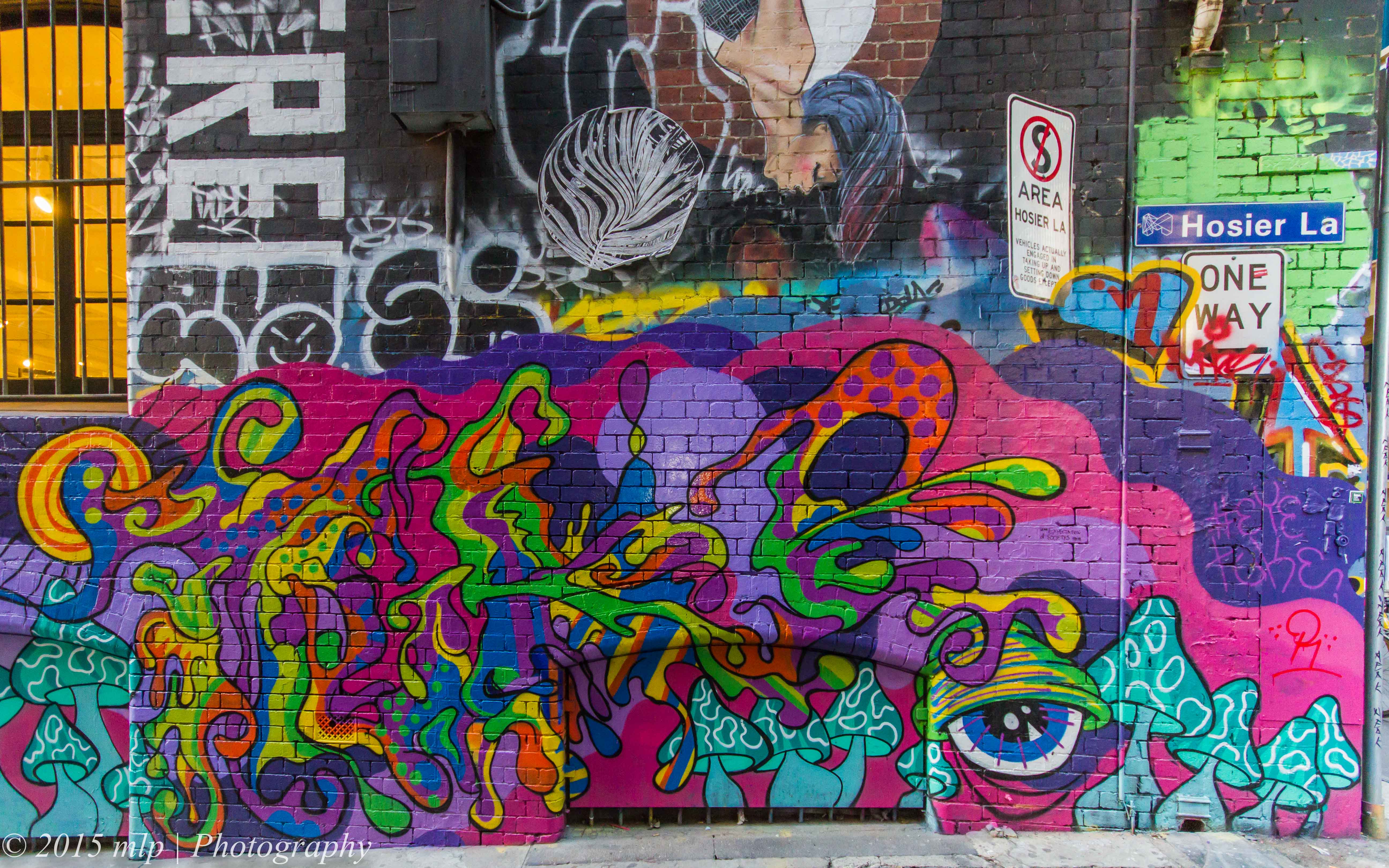
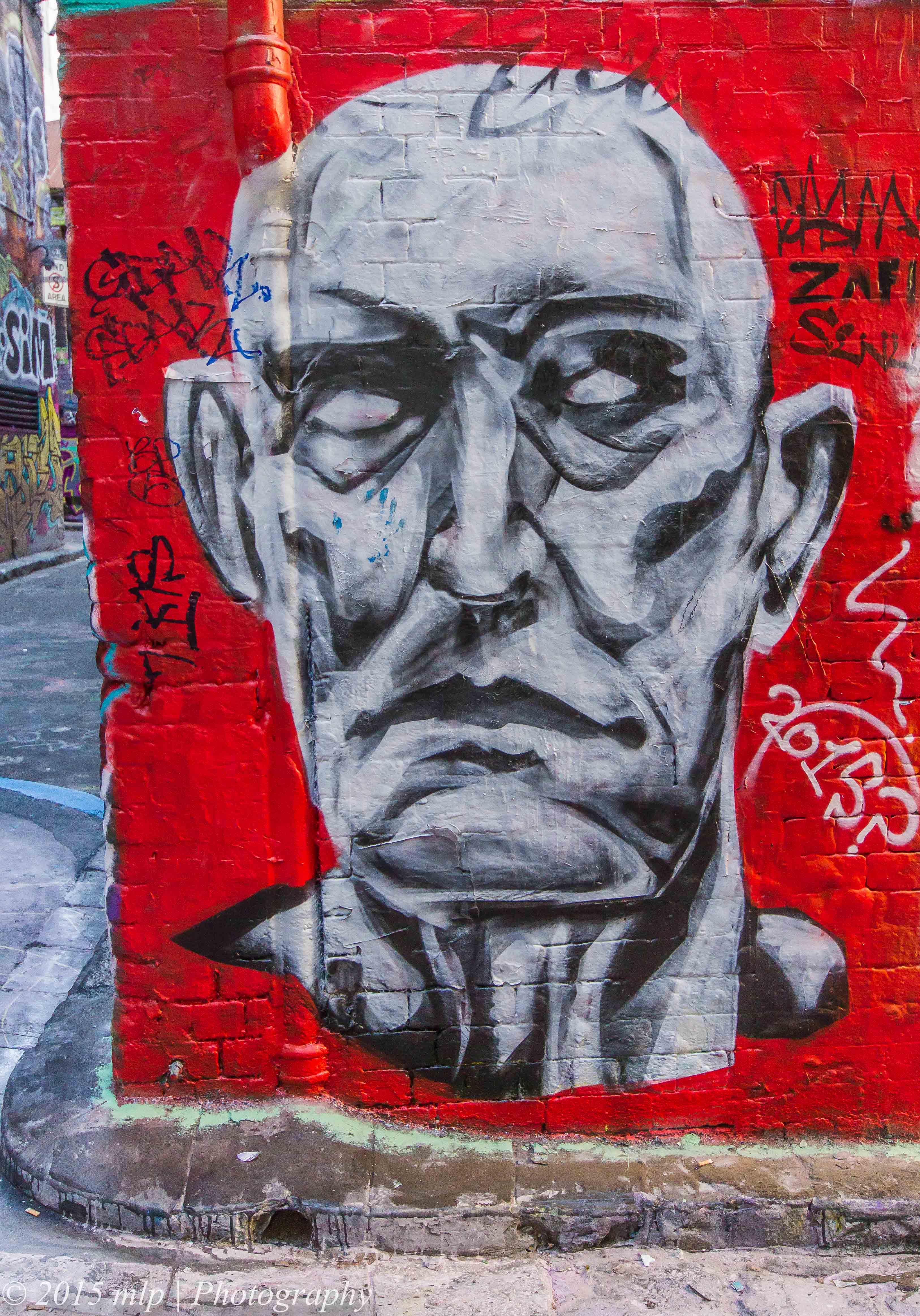
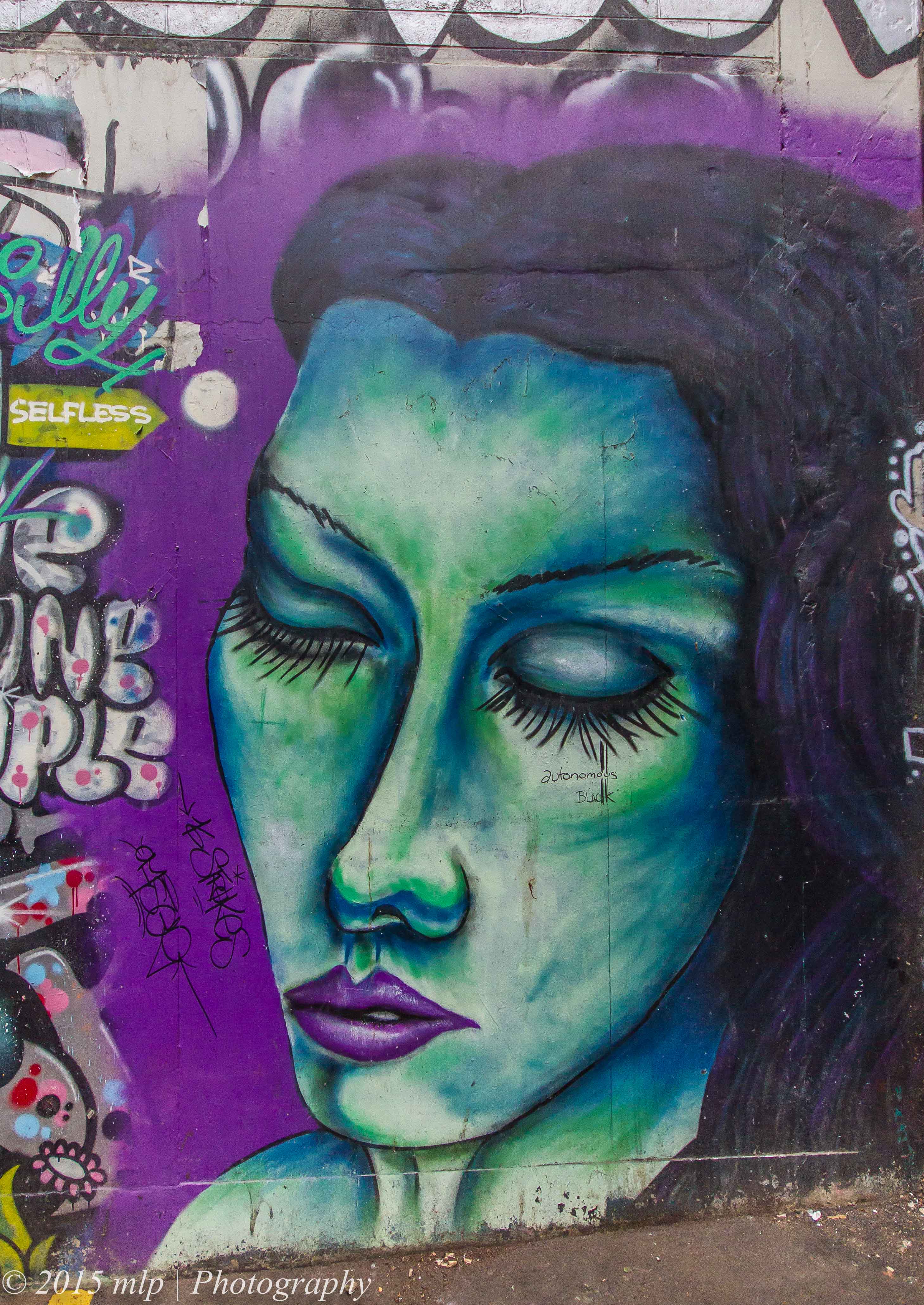
Along with mural style street art on walls there are also quite a few street art objects. Many are hidden away and need someone to point them out, others are right in front of you but don’t last long due to the temporary nature of street art. Anything that is meant to survive needs to be robust. There are some interesting, funny and strange pieces in Hosier Lane. The second skull image below has been many colours (just black when I first saw it) and has been altered a number of times. This is one of the most colourful incarnations I have seen so far. As usual many of the walls have been re-sprayed including what is becoming my favourite corner.

Street Art, Hosier Lane

Street Art, Hosier Lane

Street Art, Hosier Lane

The ever changing life size skull

Street Art, Hosier Lane

Street Art, Hosier Lane

Street Art, Hosier Lane

II

Street Art, Hosier Lane

III

Street Art, Hosier Lane

My favourite corner – the art work here changes every time I visit. 

Street Art, Hosier Lane

Street Artist

Street Art, Hosier Lane

Layers of art

July Street Art Updates Part II

A few weeks later, I went back to the laneways to see how many of the street art pieces were still around from my previous visit . I am noticing that there are a few spots that are very popular for artists while other areas are left alone for quite some time, eventually being painted over once the taggers have left their marks.

Street Art, Hosier Lane

Street Art, Hosier Lane

Street Art, Hosier Lane

II

Street Art, Hosier Lane

III

Street Art, Hosier Lane

IV

Street Art, Hosier Lane

V

Street Art, Hosier Lane

VI

Street Art, Hosier Lane

VII

Street Art, Hosier Lane

In only a few weeks multiple layers have been sprayed over the face – see previous post. 

Street Art, Hosier Lane

VIII

Street Art, Union Lane,

Street Art, Union Lane

Street Art, Union Lane,

II

July Street Art Updates

Earlier in the month I photographed some of the new work in a few of the regular sites. The hard part of photographing the work is to get there before the taggers and the next artist with an idea and plenty of spray paint – some really nice pieces are gone overnight.

Street Art, Union Lane

Street Art, Union Lane

Street Art, Union Lane

II

Street Art, Union Lane

III

Street Art, Hosier Lane

Street Art, Hosier Lane

Street Art, Hosier Lane

II

Street Art, Hosier Lane

III

Street Art, Hosier Lane

Street Artist – finished work to follow

Street Art, Hosier Lane

Street Art, Hosier Lane

Street Art, Hosier Lane

Street Art, Hosier Lane

Street Art, ACDC Lane

Street Art, ACDC Lane

Street Art, ACDC Lane

Street Art, ACDC Lane


The Littlest Falcon

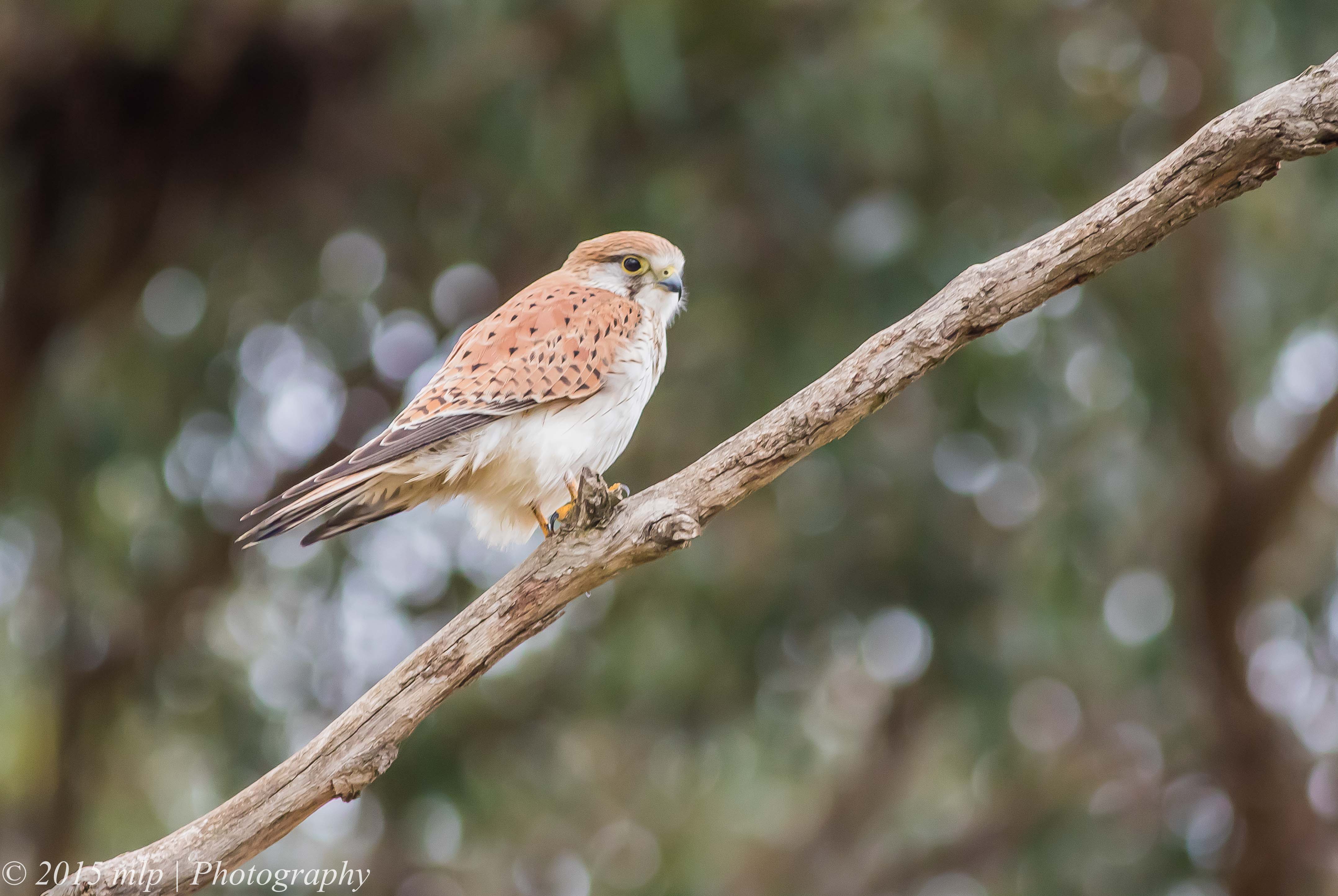
The Nankeen Kestrel is Australia’s smallest Falcon. It prefers the grasslands and open forests. It hovers or perches and watches for movement below and pounces  or drops straight down. There are a number of them at the moment at the Western Treatment Plant and surrounding grasslands and paddocks. I took photos of the two below while waiting for sunset and the Barn Owls to come out from their daytime roosts under the large Pine Trees in the area .

Nakeen Kestrel, Weribee, Victoria

Nakeen Kestrel (Falco cenchroides)

Nakeen Kestrel, Weribee, Victoria

Nakeen Kestrel, Weribee, Victoria

Barn Owl – Victorian Lifer 311

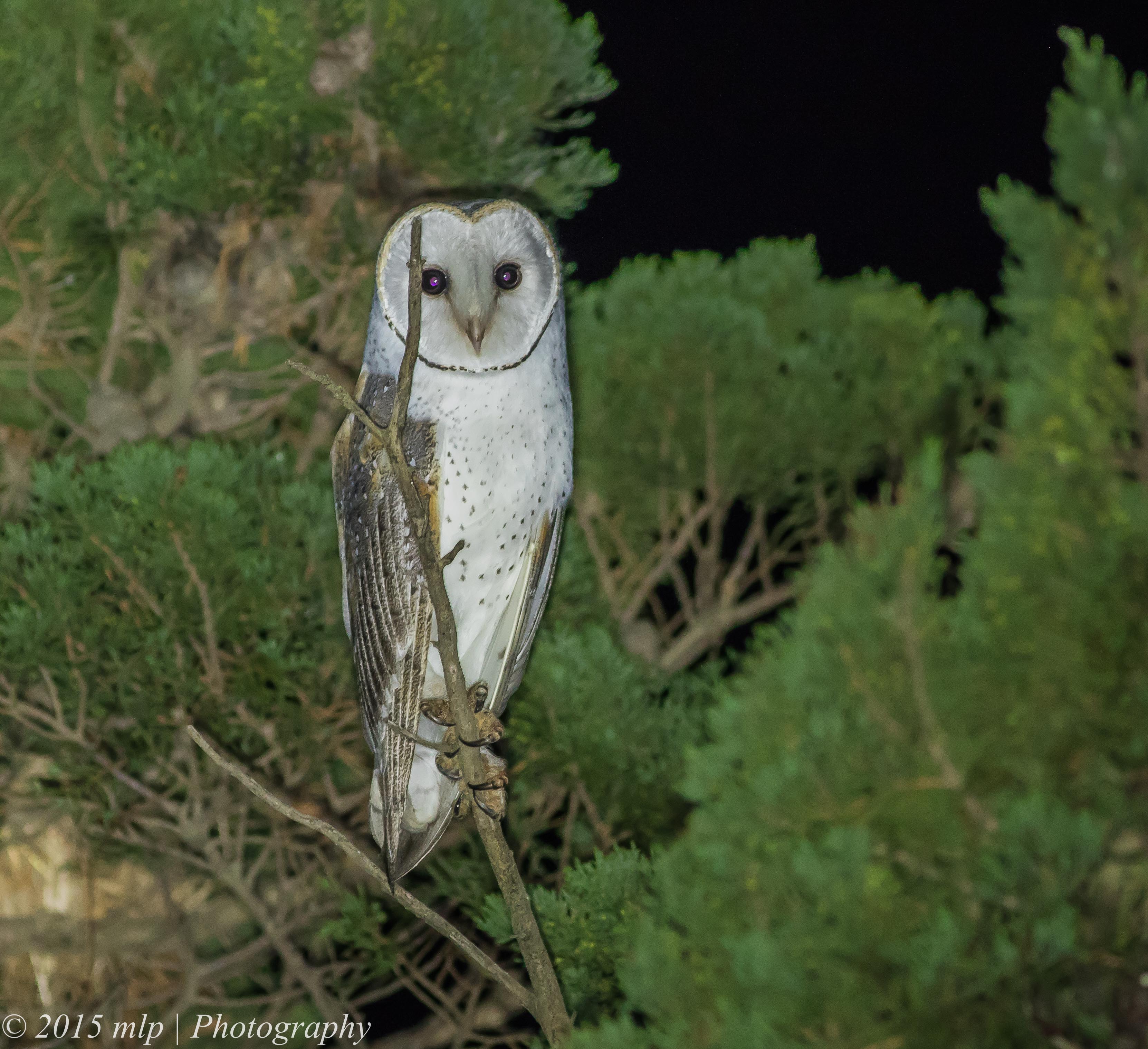
Over the last few weeks people have been reporting a number of Barn Owls along one of the roads at the Western Treatment Plant. I decided that I would take a look and see if I could find any – I have never actually seen any in the wild before. I went mid afternoon and waited for sunset and for the owls to appear. I eventually saw 3 and took many photos. None turned out well except for these two images. Very pleased to get my 311th Victorian bird and to actually get a few images as well.

Barn Owl,  Western Treatment Plant

Barn Owl, Western Treatment Plant

Barn Owl,  Western Treatment Plant

Barn Owl, Western Treatment Plant

On the Hunt

A very photogenic raptor – The Black Shouldered Kite. There are at least a dozen of them at the Western Treatment Plant at the moment. They catch mice and other smaller prey. There must be quite of bit of food around for them as they have started to nest already and it is only mid-winter here in Southern Victoria.

Click image to enlarge

Black Shouldered Kite,  Western Treatment Plant

Black Shouldered Kite, Western Treatment Plant

Flight

A few images from one of the recent visits I have made to the Western Treatment Plant in the last month. It is a great place to photograph birds in flight – always a tough subject. There are many raptors always on the prowl that are constantly spooking the flocks on the water giving you opportunities to practice. The reaction of the flocks tell you that something good is above and you have to quickly spin around and look for the raptor that is causing the fuss. Some are ignored like the Black Shouldered Kite and others are taken very seriously – like the large mature Whistling Kites.

Click image to enlarge.

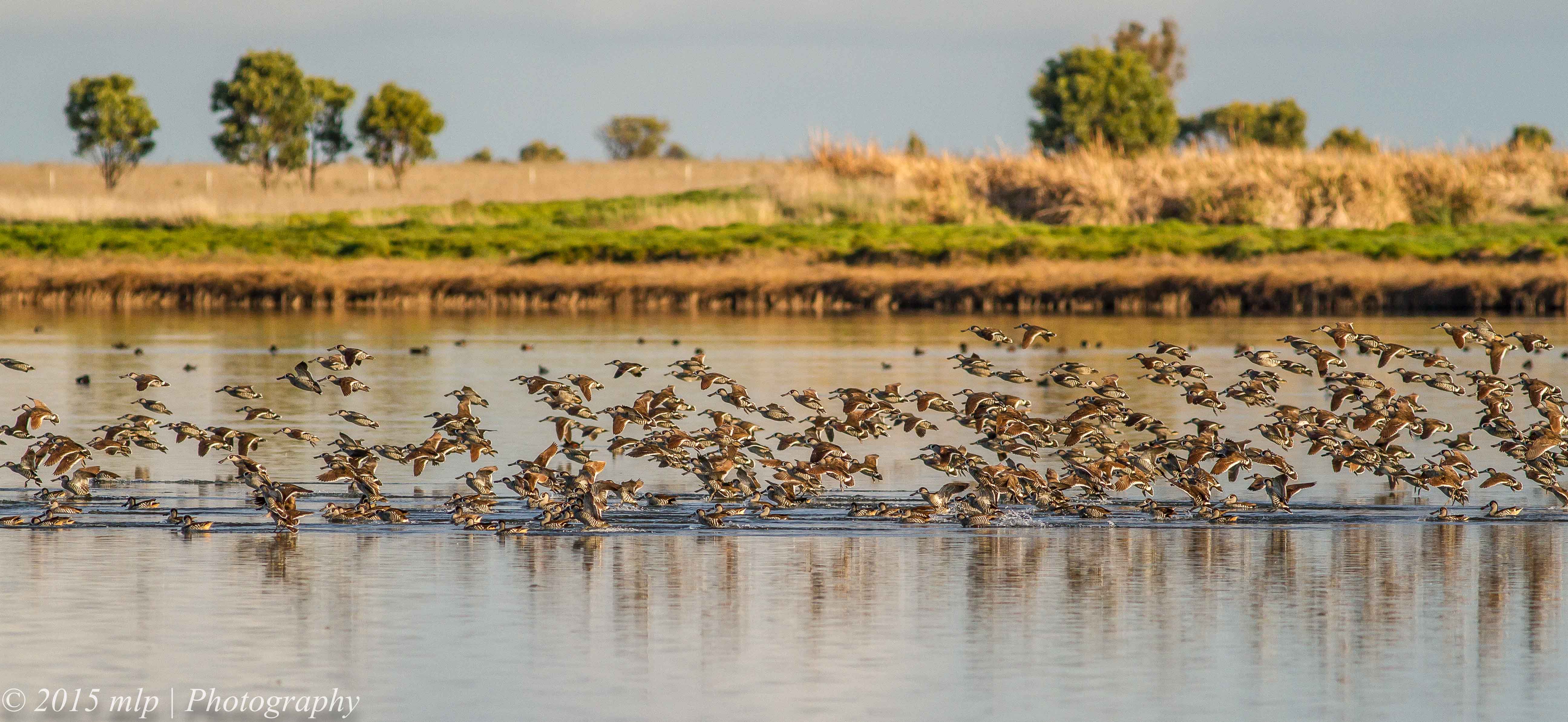
Pink Eared Ducks,  Western Treatment Plant

Large flock of Pink Eared Ducks (aka Zebra Duck), Western Treatment Plant – one of my favourite ducks  – very photogenic and quite strange looking, and no other Aussie duck sounds like it.

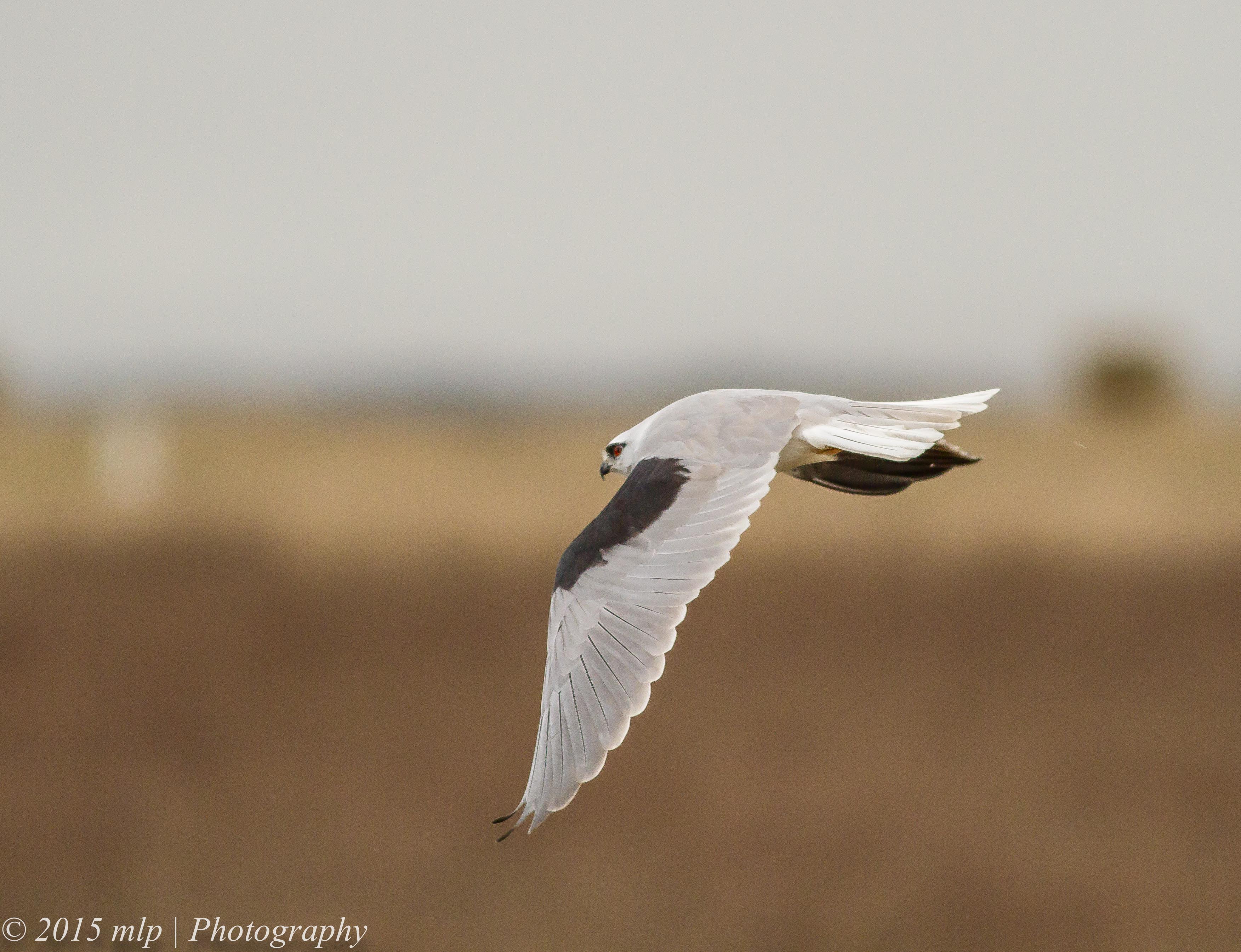
Black Shouldered Kite, Western Treatment Plant

Black Shouldered Kite on the hunt – beautiful wing structure and displaying its black shoulder.

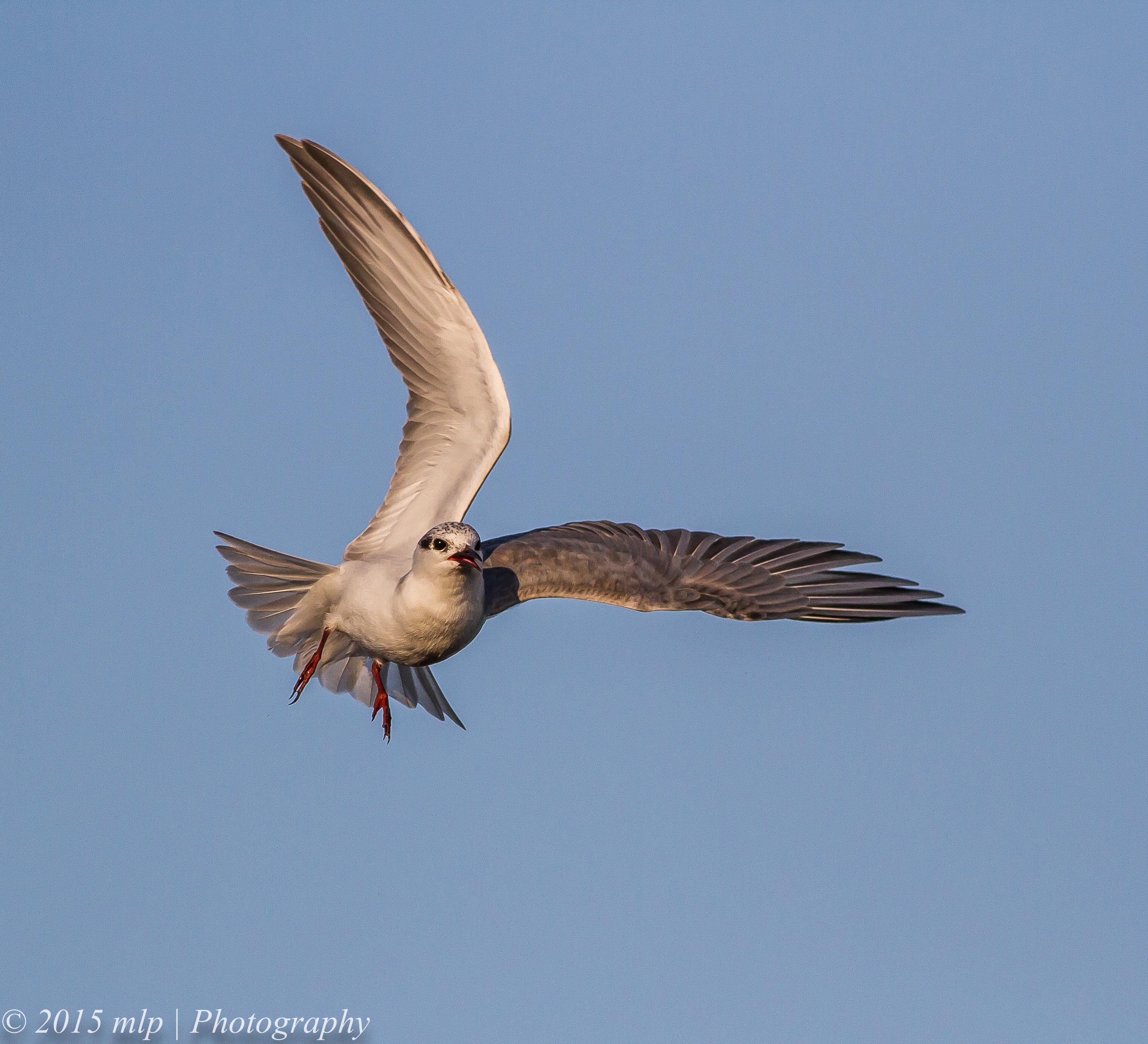
Whiskered Tern,  Western Treatment Plant,

Whiskered Tern – two were flying and hunting along the lagoons and one would keep dive-bombing the other. This pic is of the lower tern avoiding its hunting partner that had just dived past it.

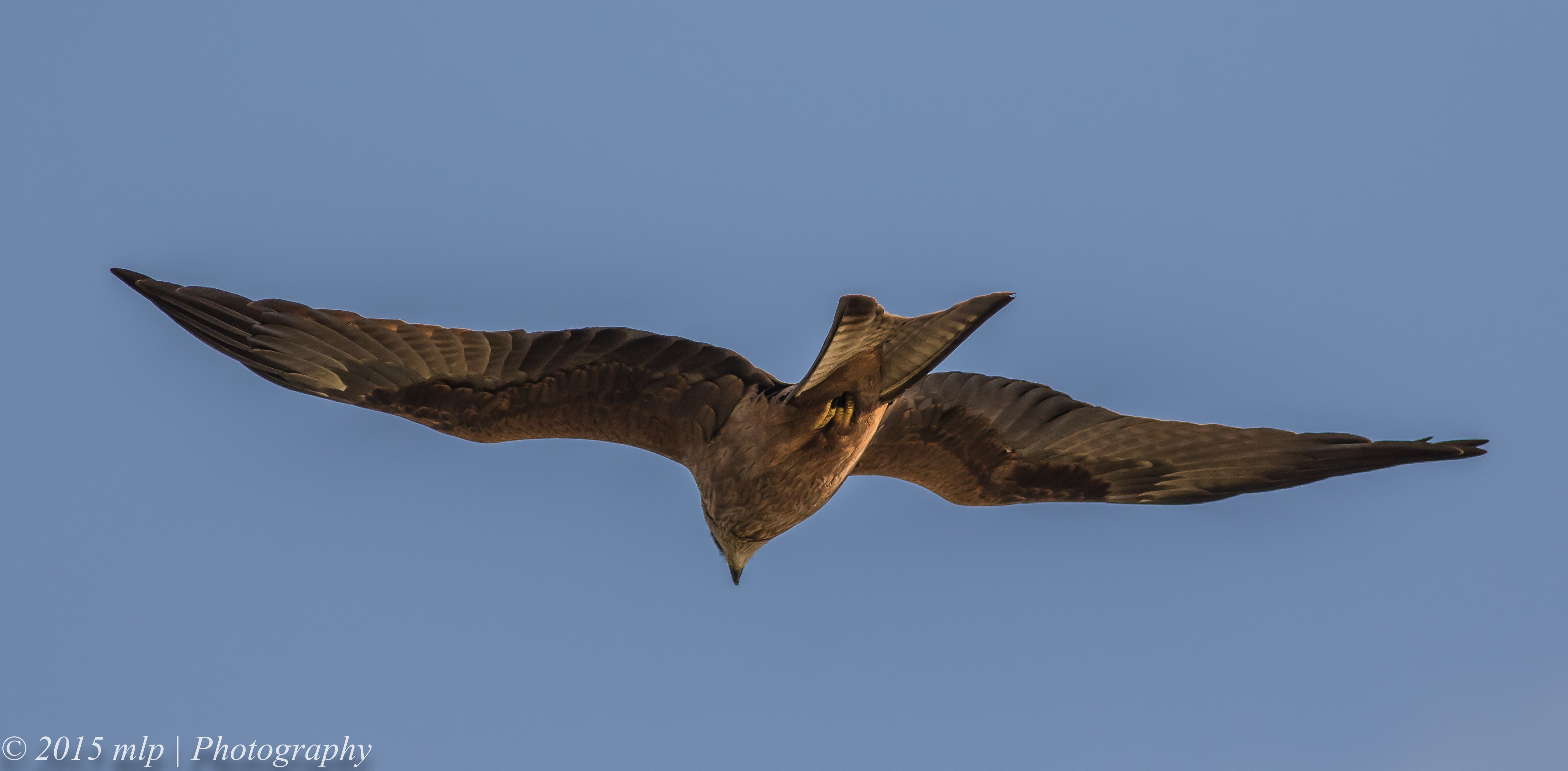
Black Kite, Western Treatment Plant

Black Kite – a different angle

Whistling Kite,  Western Treatment Plant,

Whistling Kite prowling the lagoons.

Determined and Focussed

A few weeks ago a friend (Ron J)  and I stopped by Pencil Park in Keysborough to have a look around and see what was new. It was a nice sunny day and pretty mild for a winter’s day but it was quiet with not many birds around. We watched the wetlands for a while and took a few shots of the birds like Dusky Moorhens (Gallinula tenebrosa) and Egrets getting a late afternoon feed.

This particular Moorhen had a determined look about it as it hunted around the fringe and ate what it could find in the foliage along the water’s edge.

Dusky Moorhen, Pencil Park, Keysborough,

Dusky Moorhen , Pencil Park, Keysborough