Tag Archives: Australian Birds

Central Victoria – Rise and Shine Reserve

I have been to this Clydesdale bush reserve a few times before including an excellent half day Photography workshop (Birds and Field-craft). The reserve has a few ways to enter and I visited both of the main entry points. The Ramsey Lane entry has a 1.5 Km circuit walk that always produces something interesting including Echidnas, Foxes, spooky trees and lots of birds.

The White Browed Babblers are building nests again for the second brood of the season. These birds tend to live in colonies or family groups and will build several nests in dense spiny trees/bushes only a few meters off the ground. They are very watchful, gregarious and don’t panic when you approach and just  slowly move away. They can be difficult to photograph as they are hard to sneak up on and are usually found within dense thickets.

White Browed Babbler

White Browed Babbler

A Babbler helping build a new nest in a spiny thicket about 2 metres off the ground

A Babbler helping build a new nest in a spiny thicket about 2 metres off the ground

Babbler looking for more nest material and keeping a eye on me..

Babbler looking for more nest material and keeping an eye on me..


One of my favourite birds to photograph – seems to be curious but probably just hangs about to pick up disturbed insects
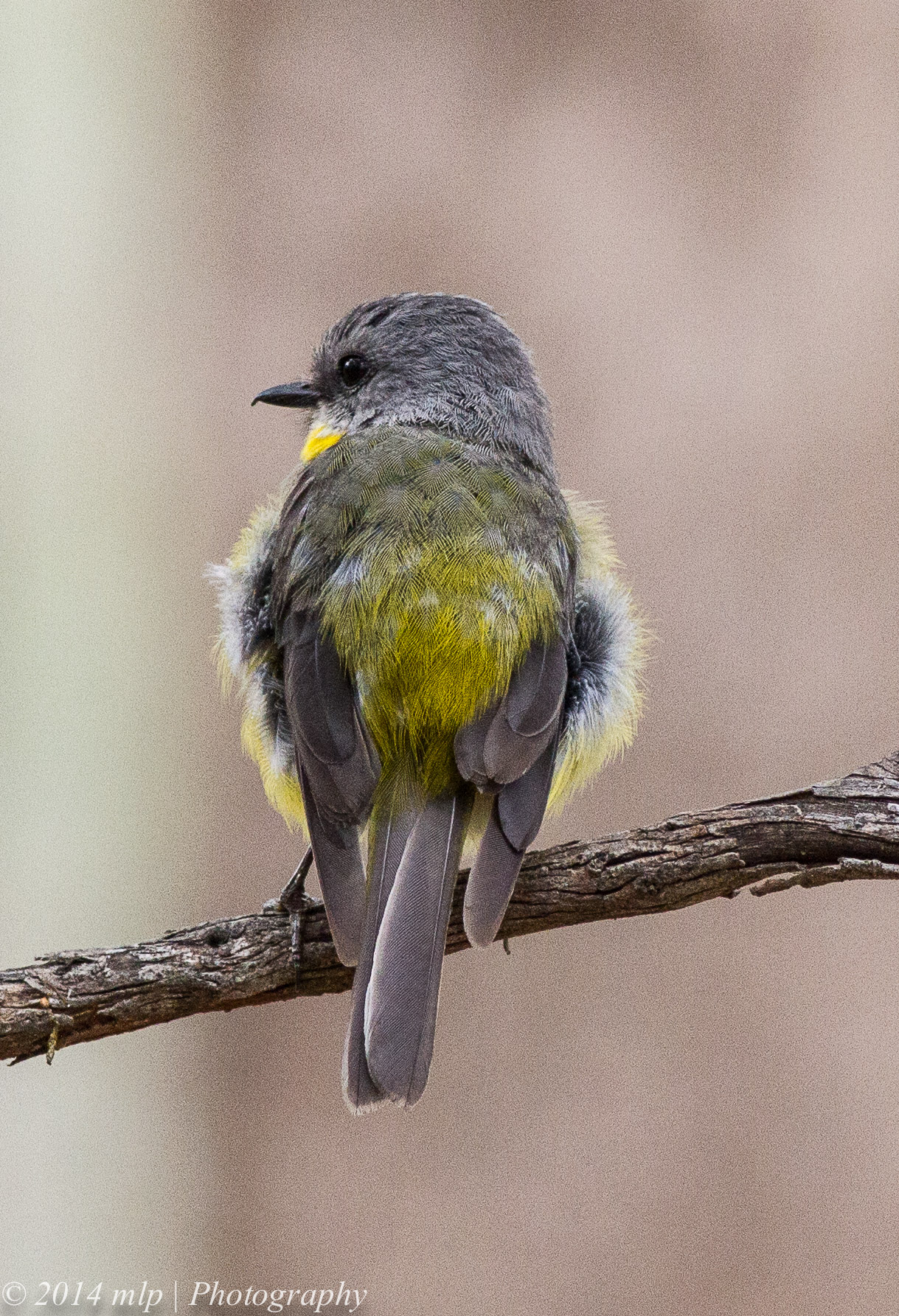
Eastern Yellow Robin

Eastern Yellow Robin

Eastern Yellow Robin II

Eastern Yellow Robin II

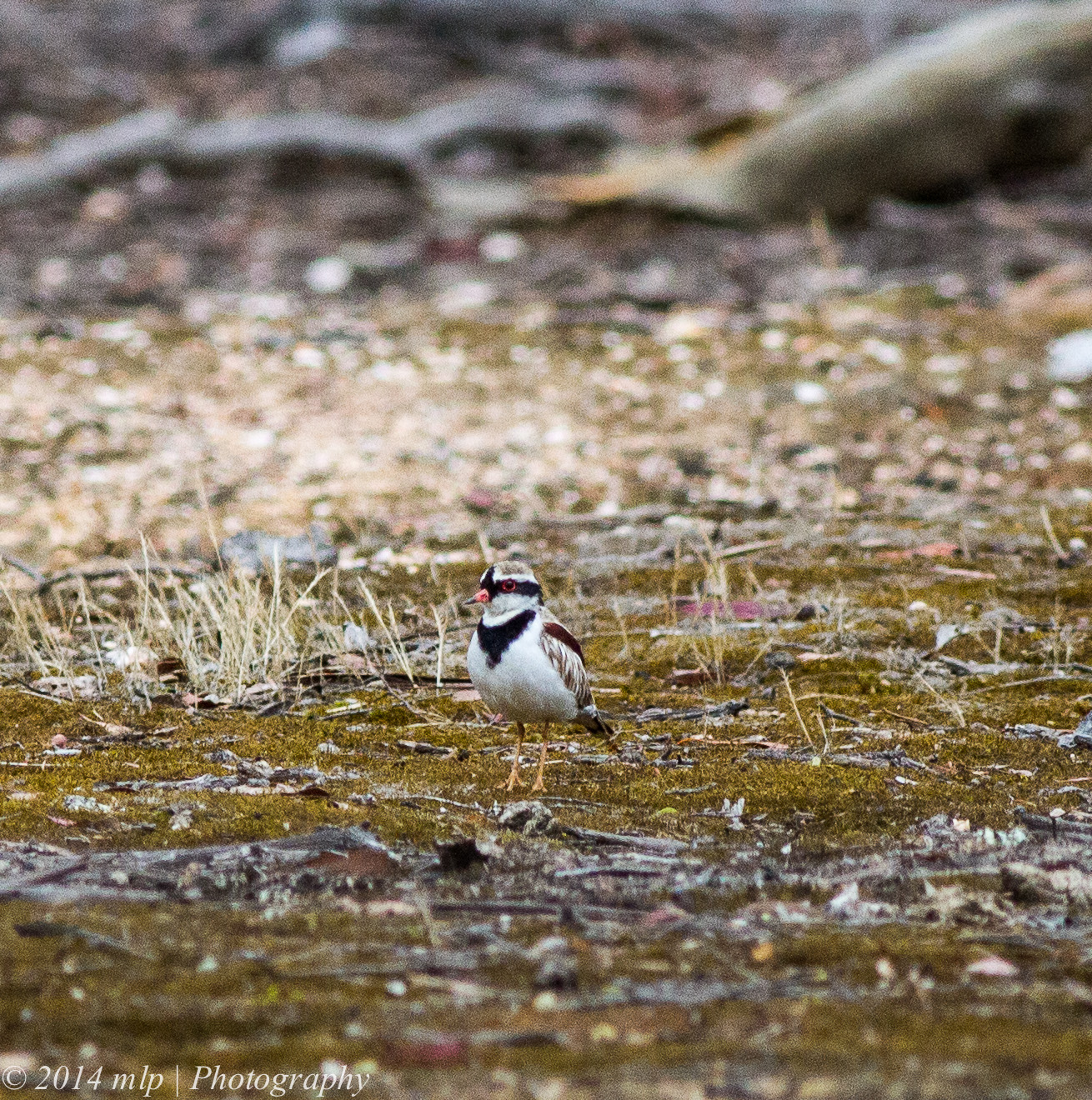
A Black Fronted Dotteral – I was very surprised to hear a little chirp behind my car and I found this tiny Dotteral in an open patch of ground nearby. It is a little wader/shorebird – there are some large lakes nearby so it might have stopped for a rest before continuing on its journey.Black Fronted Dotteral
 

This was a rare find – a very small Yellow Footed Antechinus. I noticed the movement on a nearby tree as I was still watching the yellow Robin. It is a marsupial mouse with an interesting mating ritual. The 1 year old male will spend two frenetic weeks mating with as many females as possible and then die of exhaustion and stress.  (I would prefer to pace myself with a beer and a bit of cricket on TV….)

Yellow Footed Antechinus,
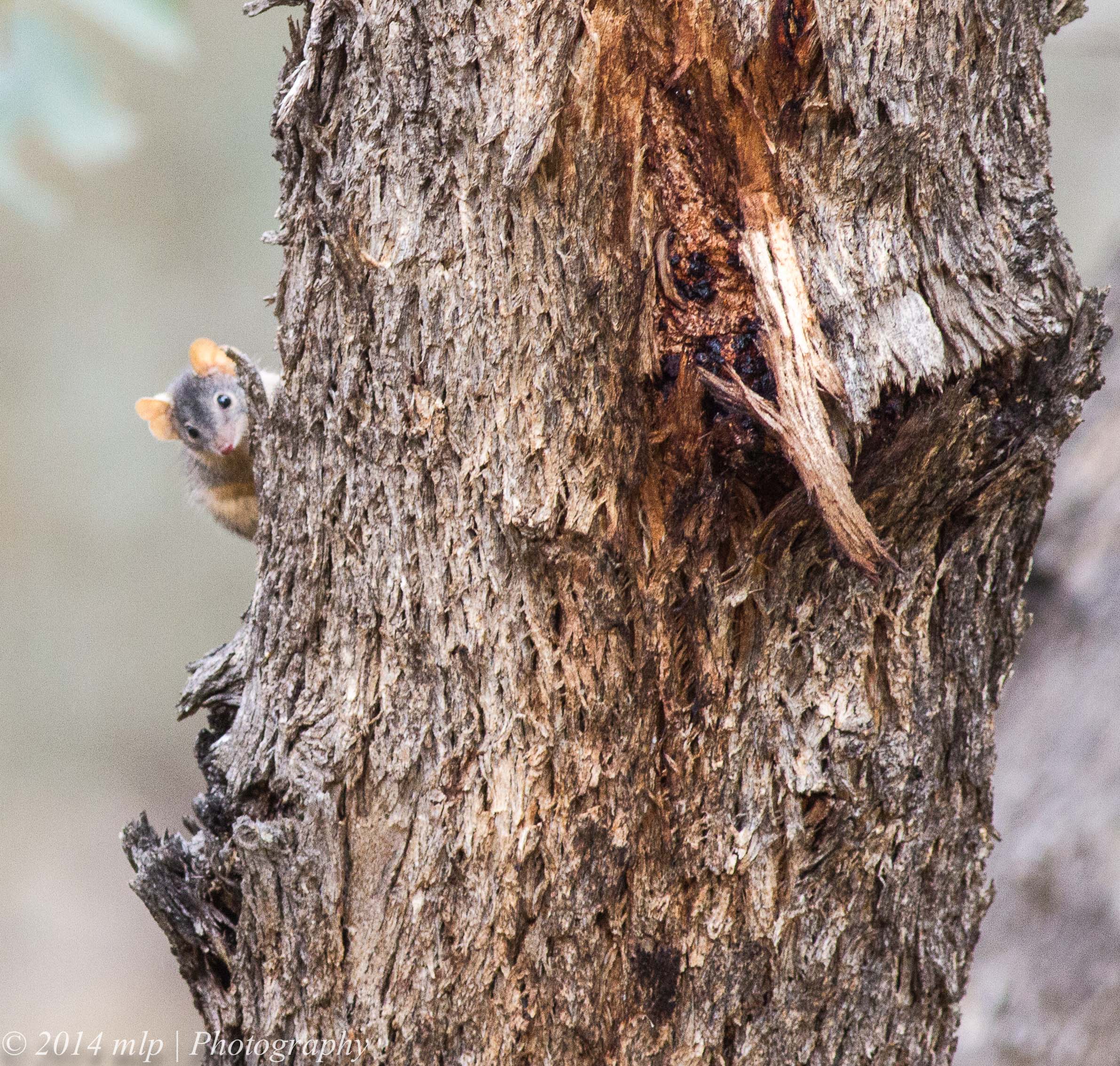
Yellow Footed Antechinus,

Yellow Footed Antechinus, II

Yellow Footed Antechinus, II

Yellow Footed Antechinus, III
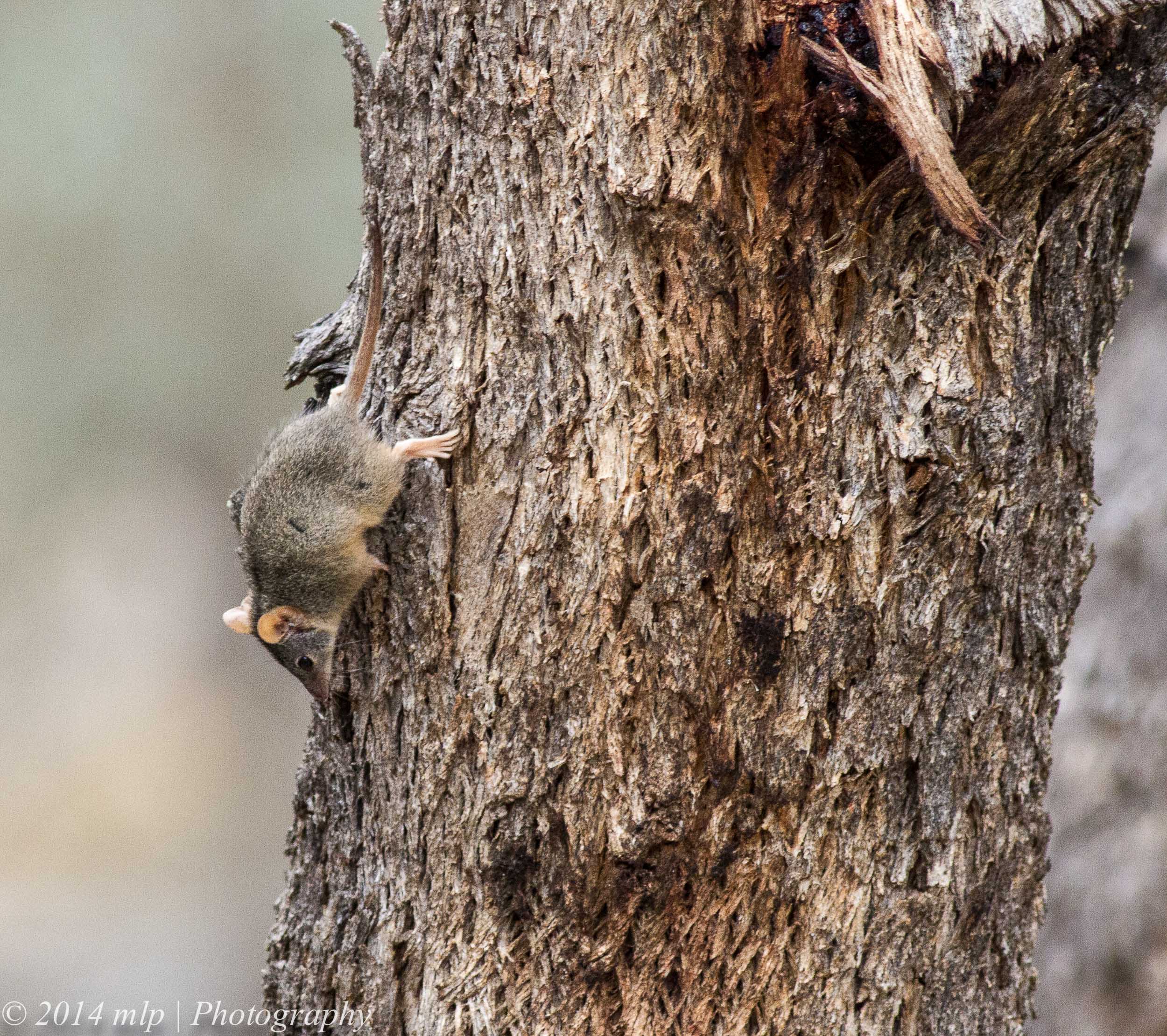
Yellow Footed Antechinus, III

Yellow Footed Antechinus IV

Yellow Footed Antechinus IV


Always fun to find and photograph. This chunky armoured tank crossed my path and then headed into the scrub occasionally stopping to jab its nose into the ground to sense for ants. It is extremely sensitive to vibrations and will know you are nearby. If it feels threatened it will roll up with just the spikes sticking out. You are stalking well if you can walk up on one of these without it burrowing or hiding.

Echidna

Echidna

As I was walking on the return leg of the circuit I was hearing two Willie Wagtails warning each other about a nearby  potential threat. I was not that close to them and did not think it was me they were worried about. They have a very distinctive threat call (chicka chicka). I stood still for a while to watch what they were up to and try and ID the issue. Eventually I saw a fox working its way through some scrub. I got off a few shots and it froze as it tried to figure out the camera sound….it eventually saw me move and scampered off. It is a useful skill to learn the warning calls of the various birds.
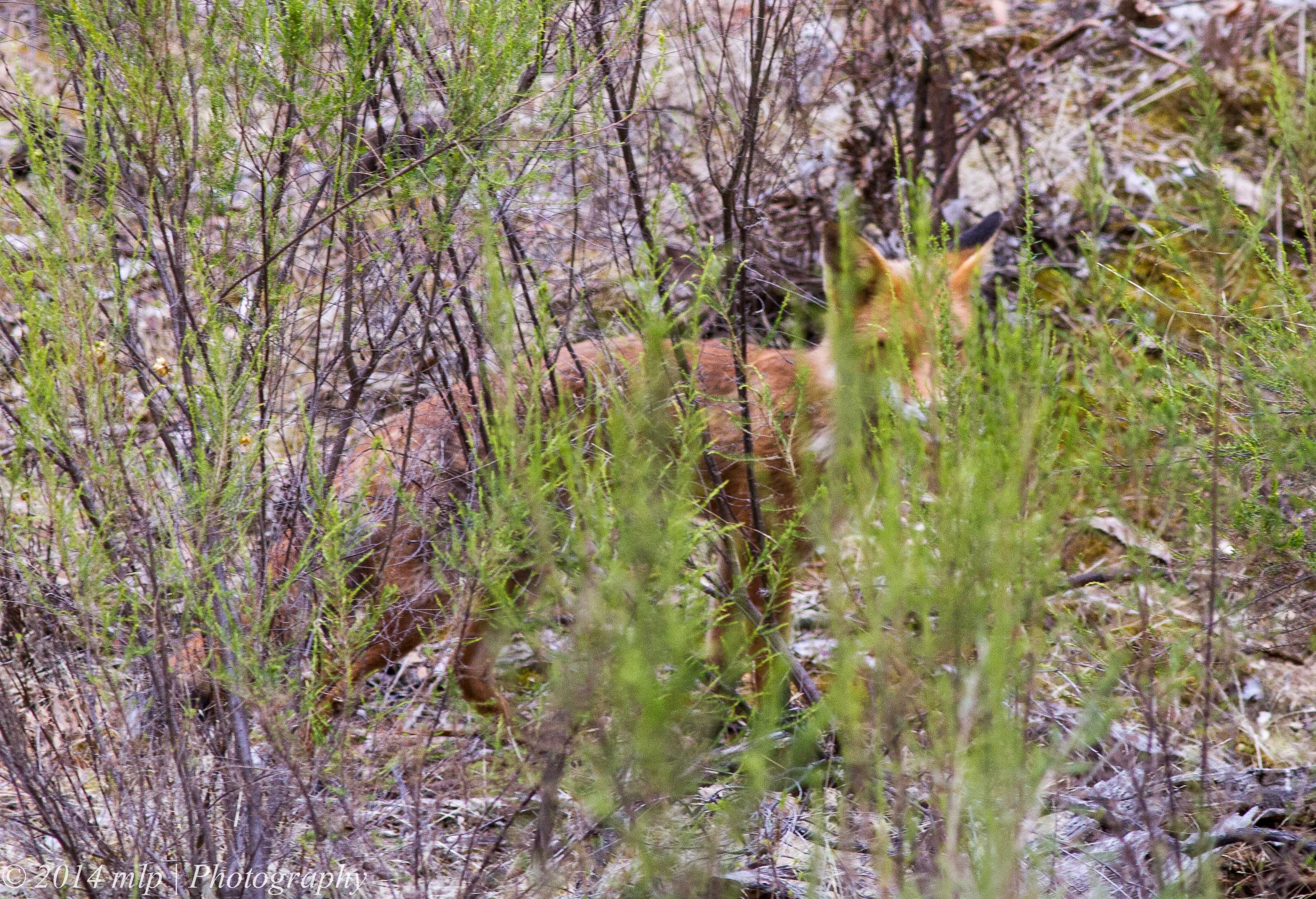
Fox

Fox

As I seem to have wandered off the bird topic I might as well continue – on my first visit to the reserve I found this dead tree – I found it again and took some pics. It is the spookiest tree I have every come across – big, dead and wrapped in its bark like some six thousand year old walking Egyptian mummy. I have never seen a tree like this before and still don’t know what it is. I have seen other trees nearby with similar bark but nowhere near as big or as wrapped….this is my second attempt as trying to capture the feel of the site…more work needed…
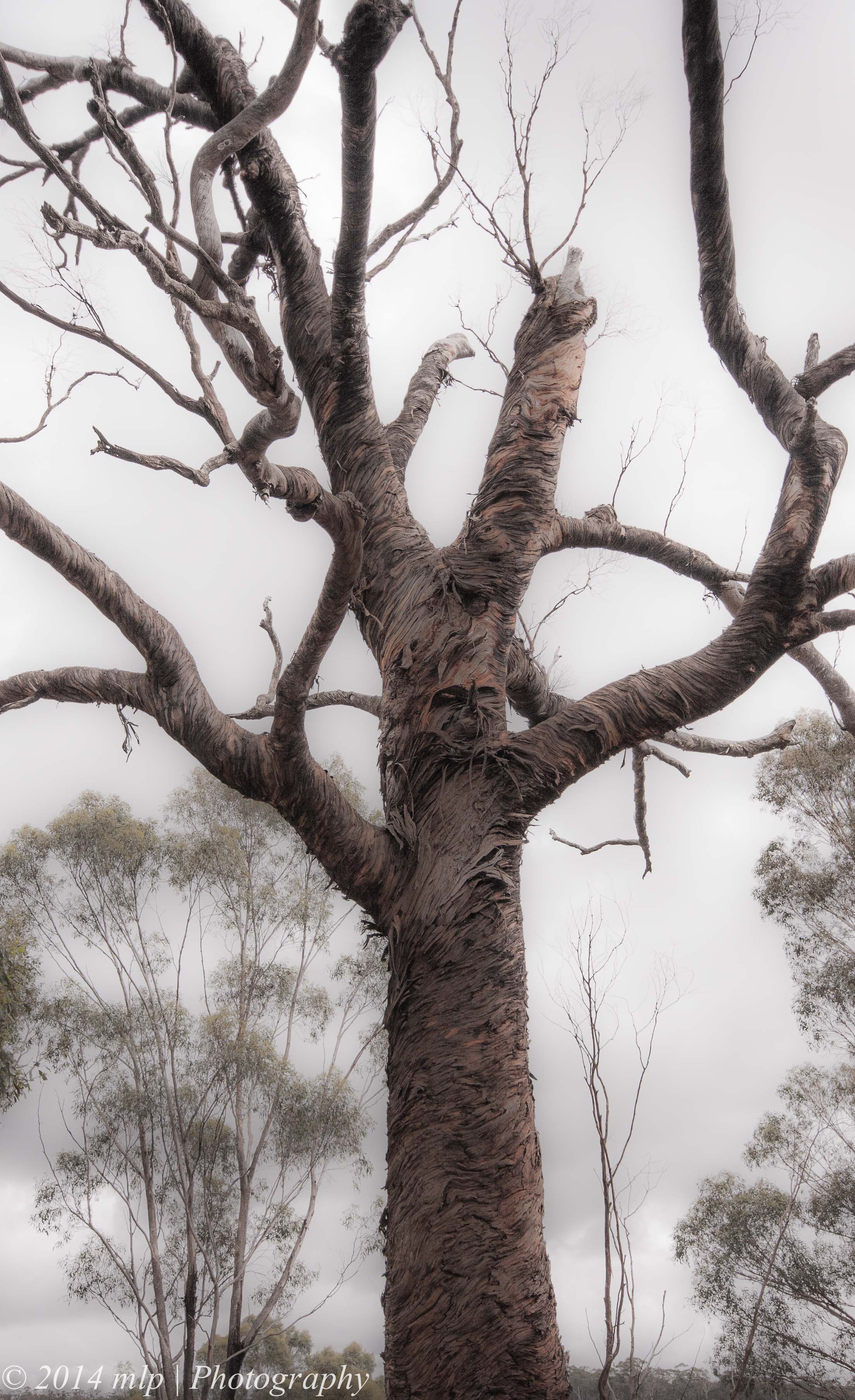
Spooky Tree
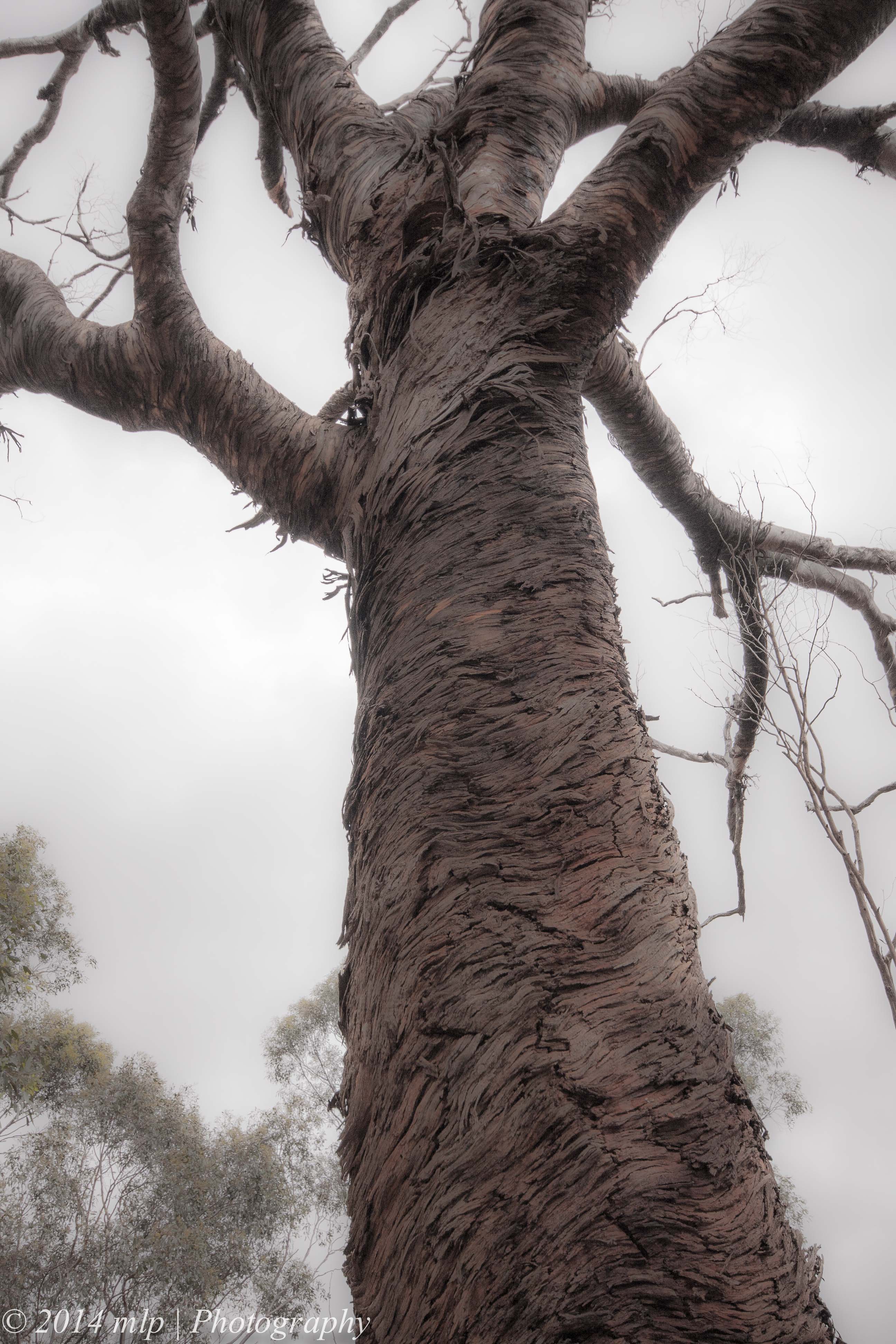
Spooky Tree

II

II

Central Victoria – Hepburn Springs

During my recent birding trip to Central Victoria, I  dropped off my house mate at the Hepburn Springs Spa so she could take the waters. I decided to stay in the area and explore. I followed the small creek that fed the Spa upstream for an hour or so and found a number of interesting birds. There were many juveniles about still being fed by their parents. The juveniles can be a bit easier to photograph as they have not learnt to fear everything yet. The parents were much shyer and when they noticed that I was taking an interest in their chicks moved the chicks to new locations.

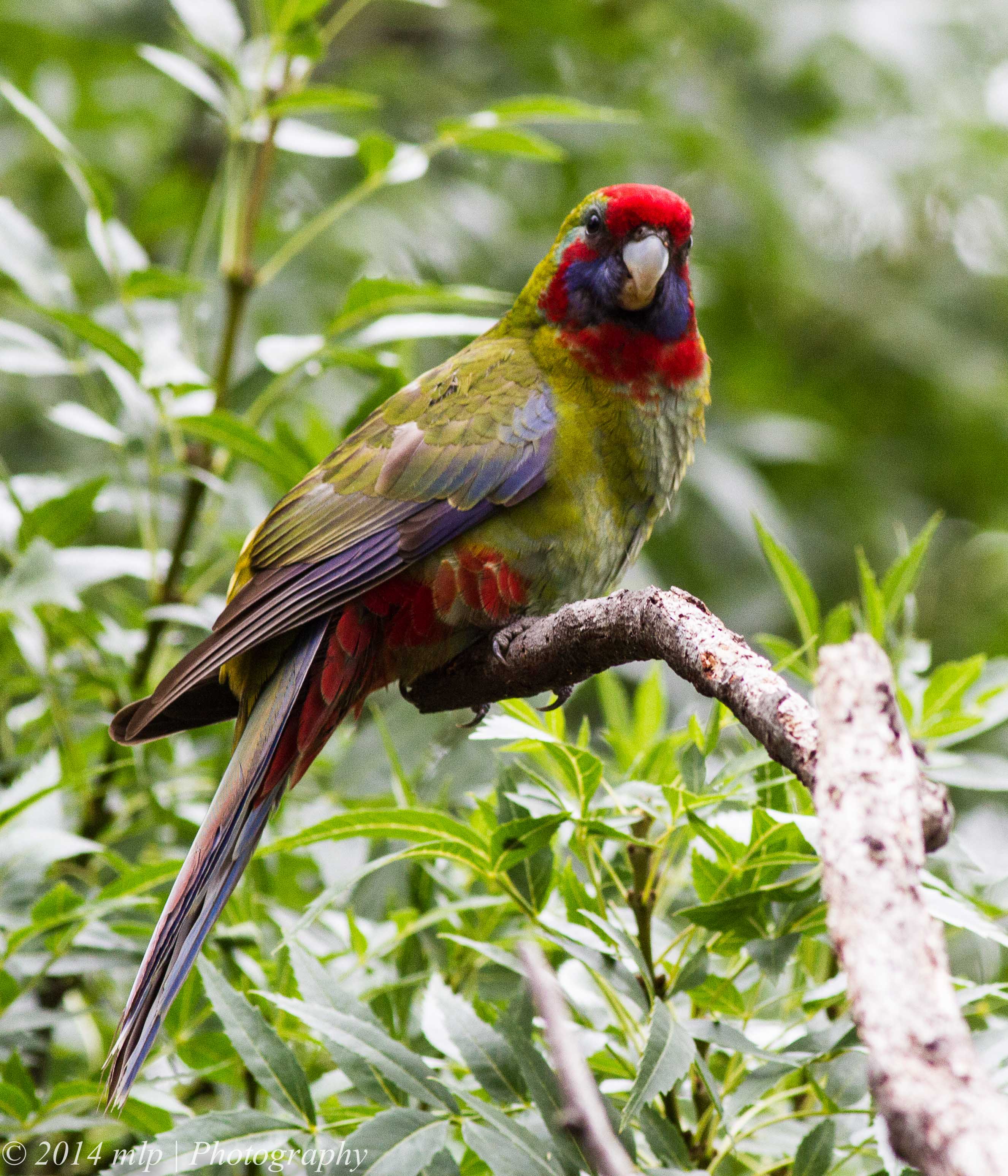
Crimson Rosella

Crimson Rosella – feeding on seed pods while keeping an eye on its fledgeling which seemed quite curious about me.


Juvenile Crimson Rosella

Juvenile Crimson Rosella

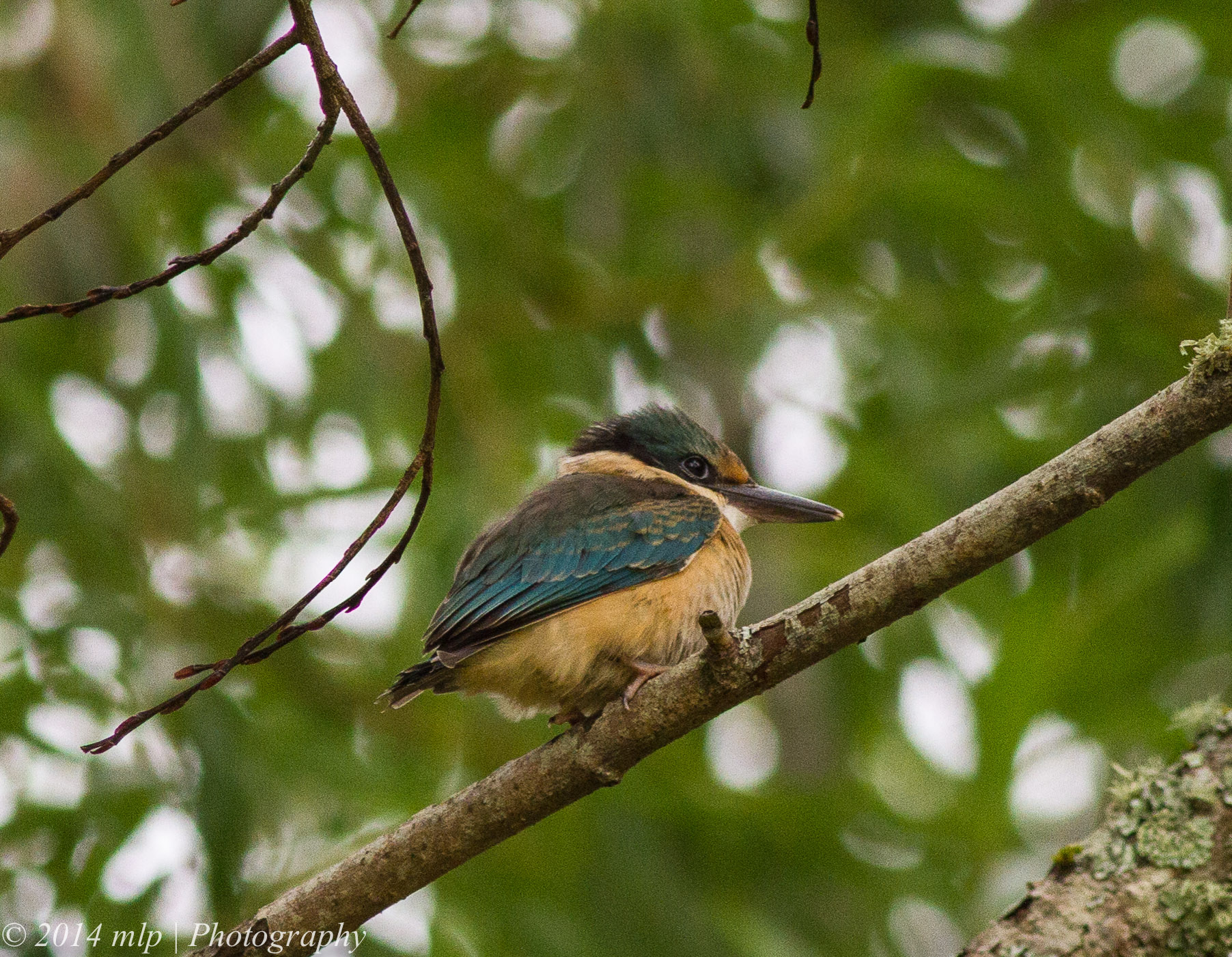
Juvenile Sacred Kingfisher

Juvenile Sacred Kingfisher

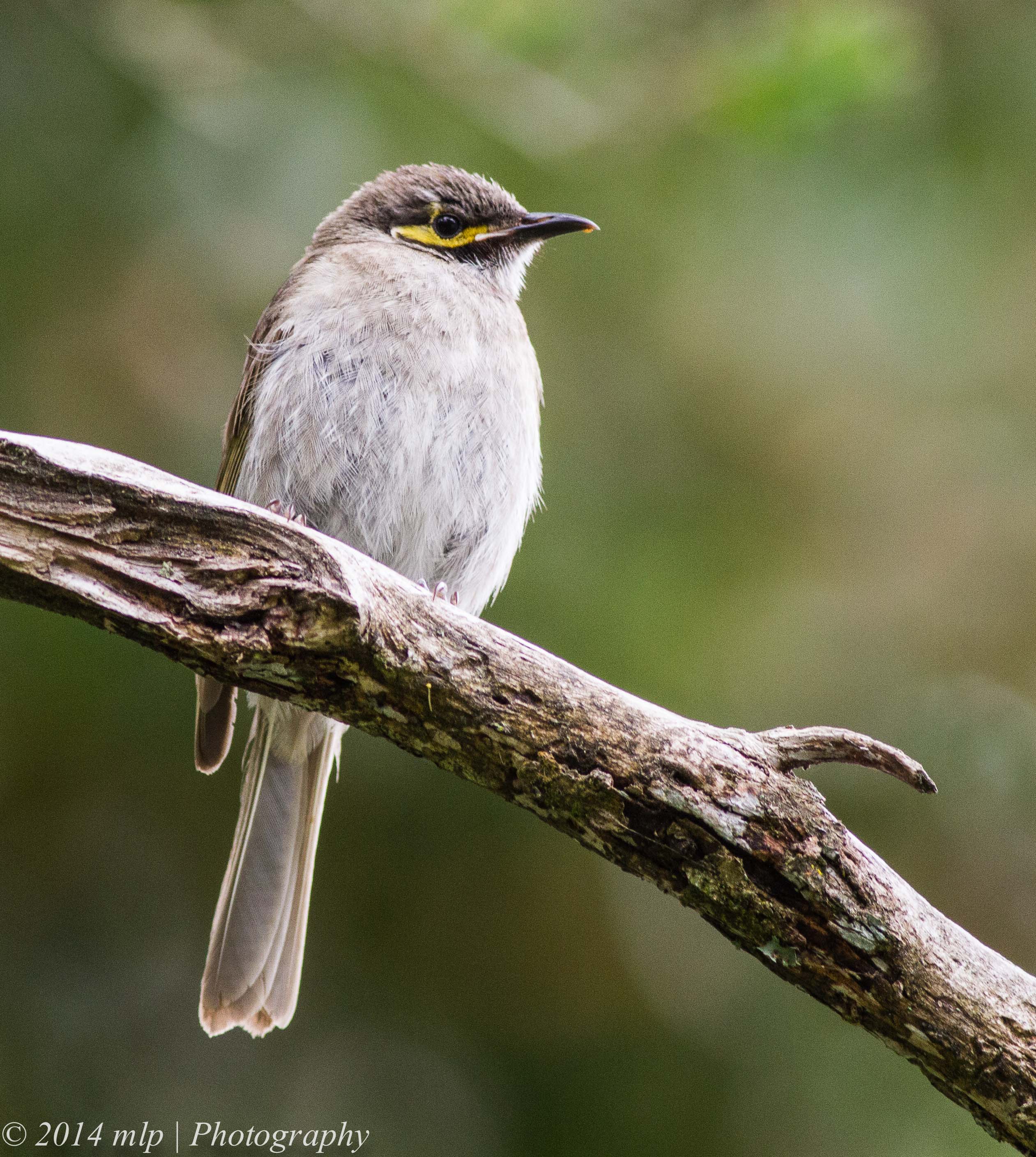
Juvenile Yellow Faced Honeyeater

Juvenile Yellow Faced Honeyeater

And a regular and tough target

Superb Fairy Wren

Superb Fairy Wren

Central Victoria – Long Billed Corellas

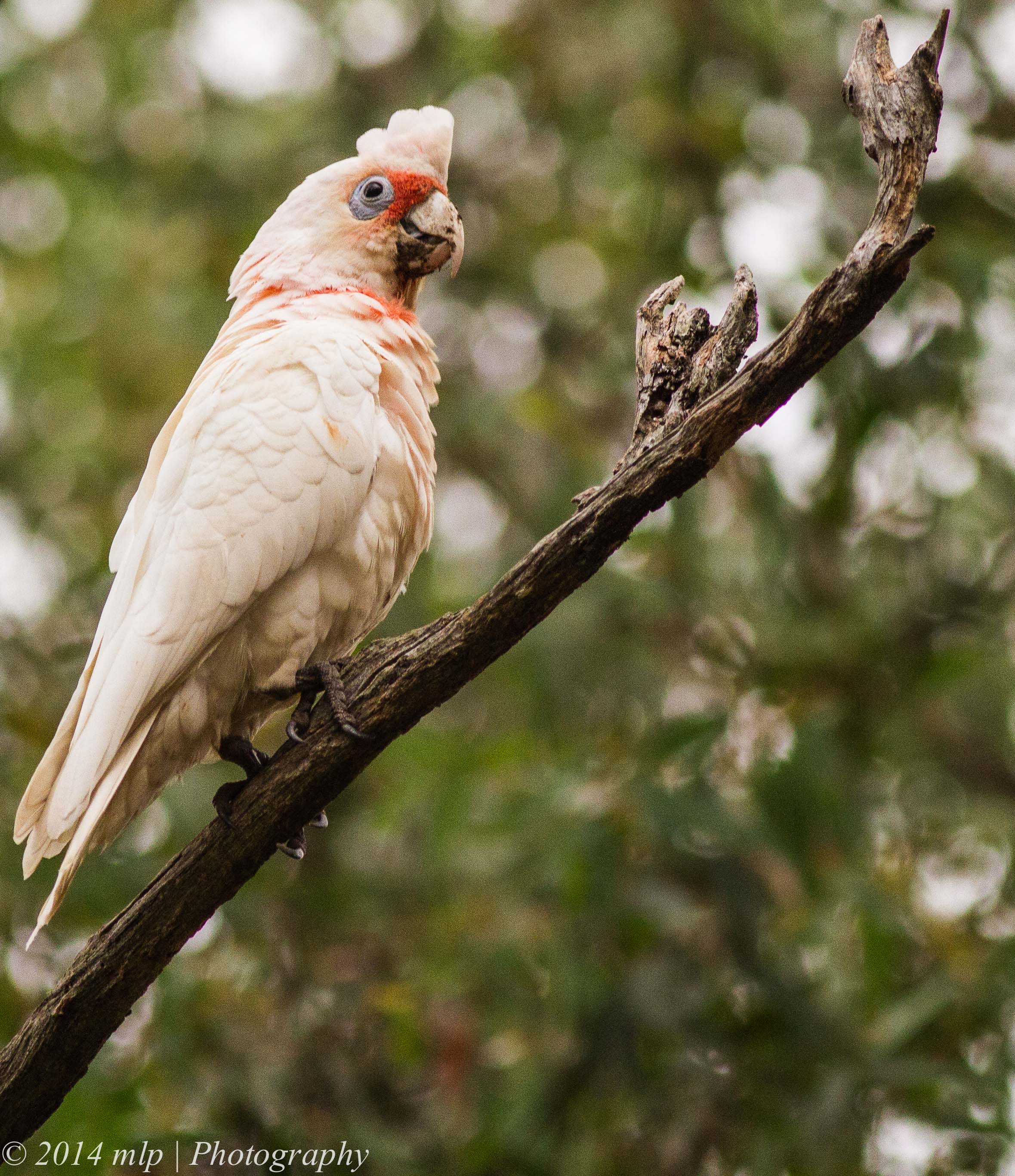
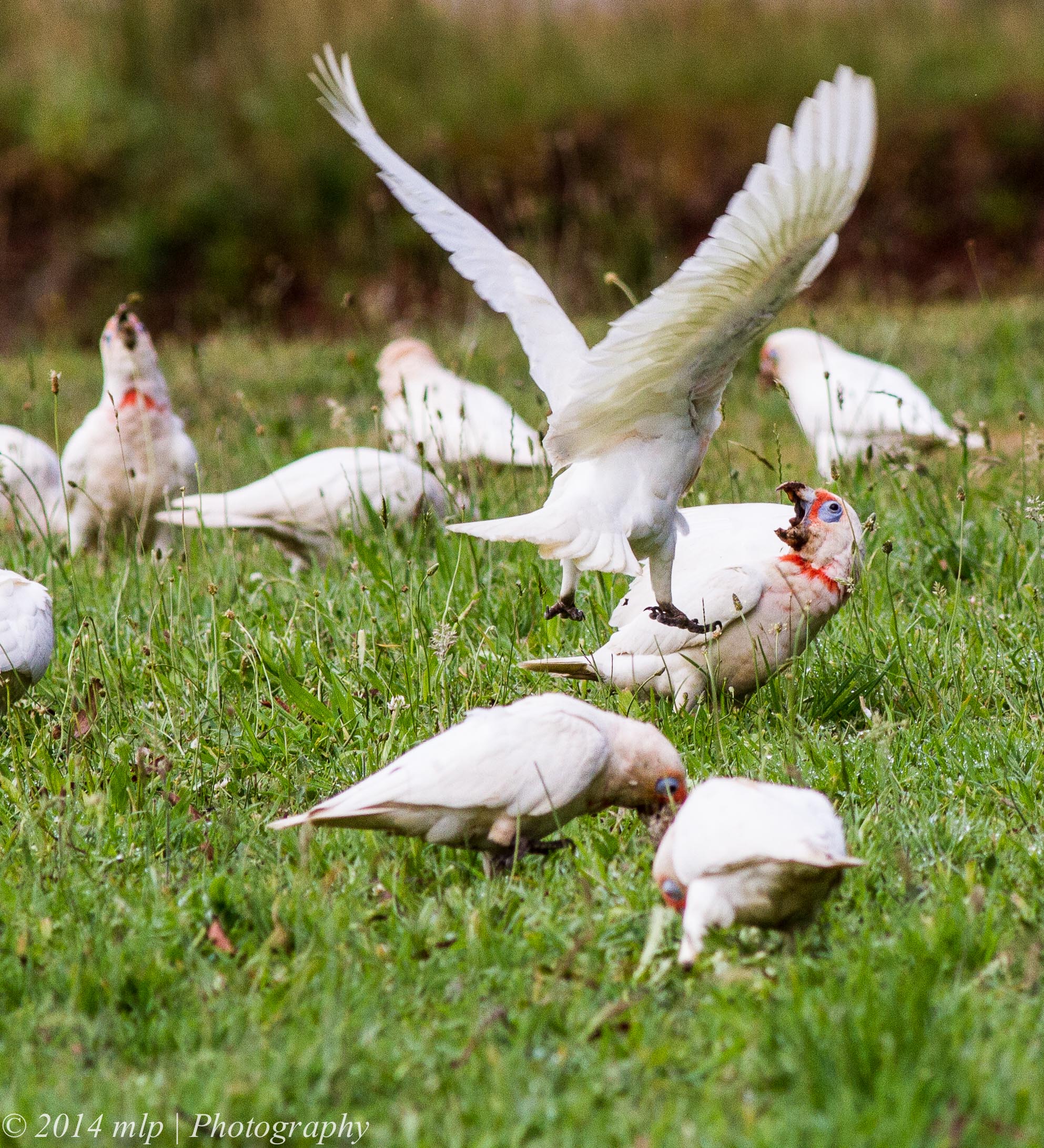
Recently I spent a few days in central Victoria around the Daylesford and Newstead areas. I saw quite a few Long Billed Corellas ( a type of white cockatoo). There are two types of Corellas that we can find in Victoria – The Long Billed and the Little Corella. (Little Corellas can sometimes be found within the flocks of Long Billed Corrella as well as in suburban and country areas. Last Summer we had over 400 in our neighbourhood that roosted in the large Gum trees each night.) The Long Billed Corella tend to be found in the open dry country areas. The flock of Corellas below were in a farmers paddock and at the Jubilee Lake Caravan Park outside of Daylesford.

They are a gregarious bird with a lot of personality and quite fun to watch for a while as they feed, quarrel and move around. The sharp long bill is used to dig up weeds and grass to get access to the roots. They can damage a football or cricket oval quite quickly and extensively as they move around in flocks of several hundred. The can make quite a noise as well.

Long Billed Corella

Long Billed Corella


Long Billed Corella II

Long Billed Corella II

Long Billed Corella III

Long Billed Corella III

Long Billed Corella IV

Long Billed Corella IV

V

V

VI

VI

VII

VII


Elster Creek and the Nursery Tree

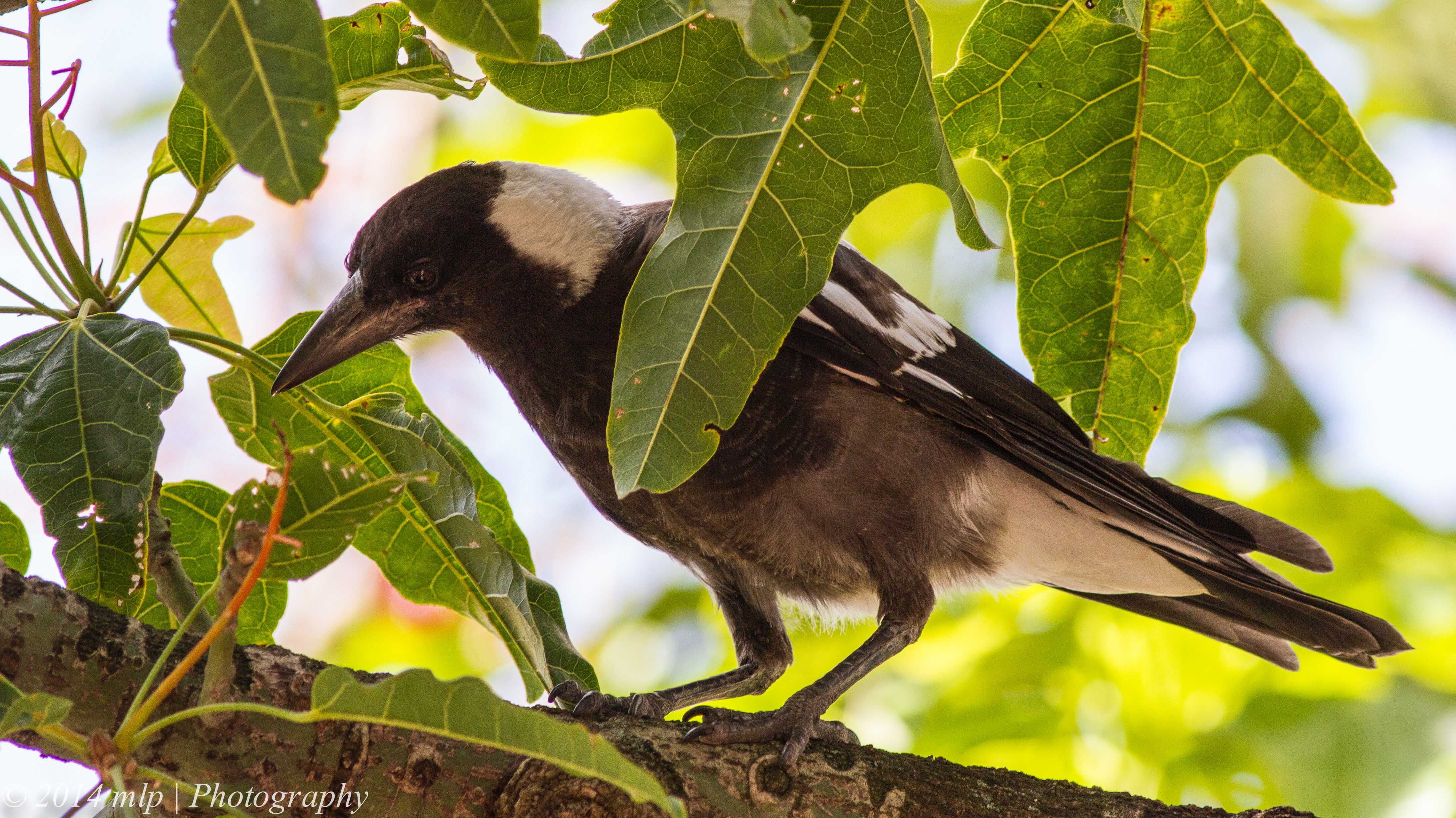
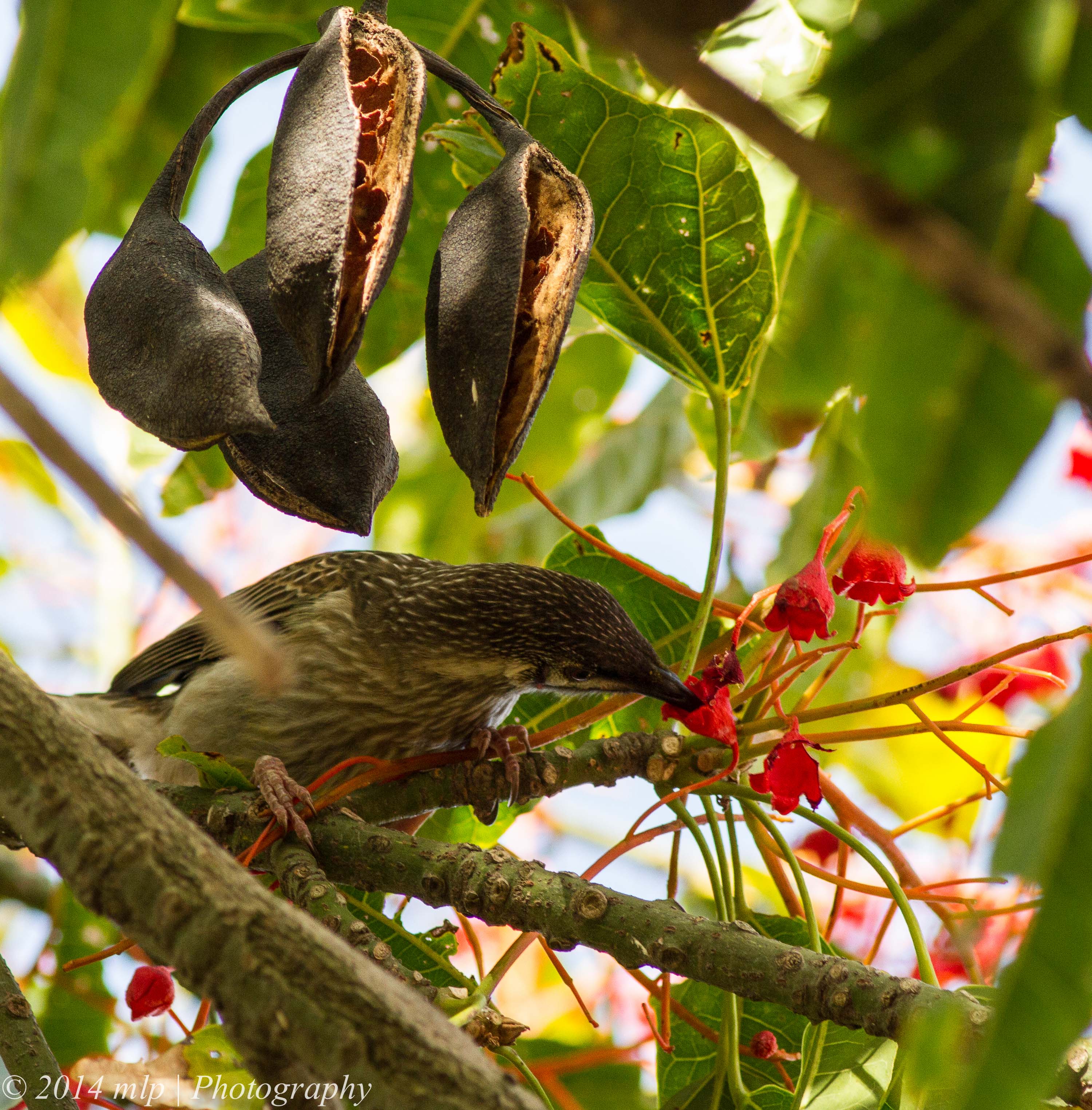
I have a large Illawarra Flame tree in bloom at the moment. On average it blooms only every second or third year. It is a tropical/sub tropical tree and not really meant for these southern climates. It seems to get confused when to drop leaves and flower. It is mostly out of cycle with the southern seasons. Around Christmas for 6 weeks or so, it breaks out in a mass of small nectar filled red flower cups that the local birds absolutely love – especially the Rainbow Lorikeets. It is also used as one of the roosting spots for the local family of Magpies. A pair of magpies can claim a territory for 20 years plus and use a few trees in the territory to make their calls. The tree is currently being used as a nursery for two magpie fledglings, juvenile rainbow lorikeets and two juvenile Red Wattlebirds.

The Magpies stay put until a parent either comes to feed them or take them down onto the creek side grass. I can tell when the parent has arrived as the young Magpie starts making a begging call. While I watched the fledgeling it moved around the tree biting the leaves, bark, branches, flowers and any other bird in reach. Magpies don’t eat in trees other than to feed nestlings or fledgelings so it seemed to be killing time by exploring the branches and watching out for the parents (and occasionally watching me work in the back courtyard)

Juvenile Magpie, Elwood Flame Tree, Vic -  5 Jan 2014

Juvenile Magpie, Elwood Flame Tree, Vic – 5 Jan 2014

Two young Red Wattlebirds stayed in the tree sampling the various flowers keeping well away from the juv Magpie who was starting to build up to a tantrum – tearing leaves and flinging them about.

Juvenile Red Wattle Bird, Flame Tree, Elwood, Vic  - 5 Jan 2014

Juvenile Red Wattlebird, Flame Tree, Elwood, Vic – 5 Jan 2014


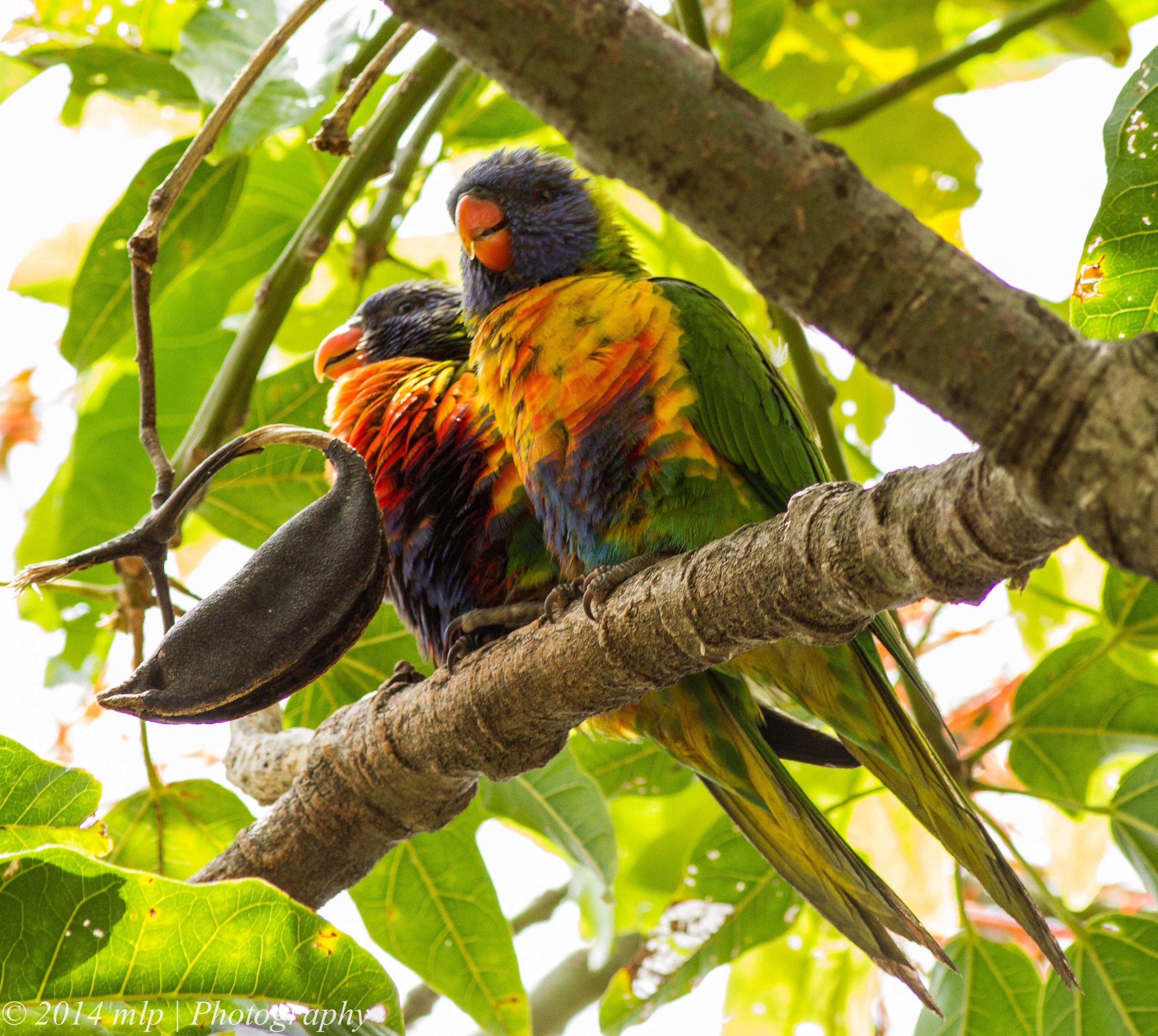
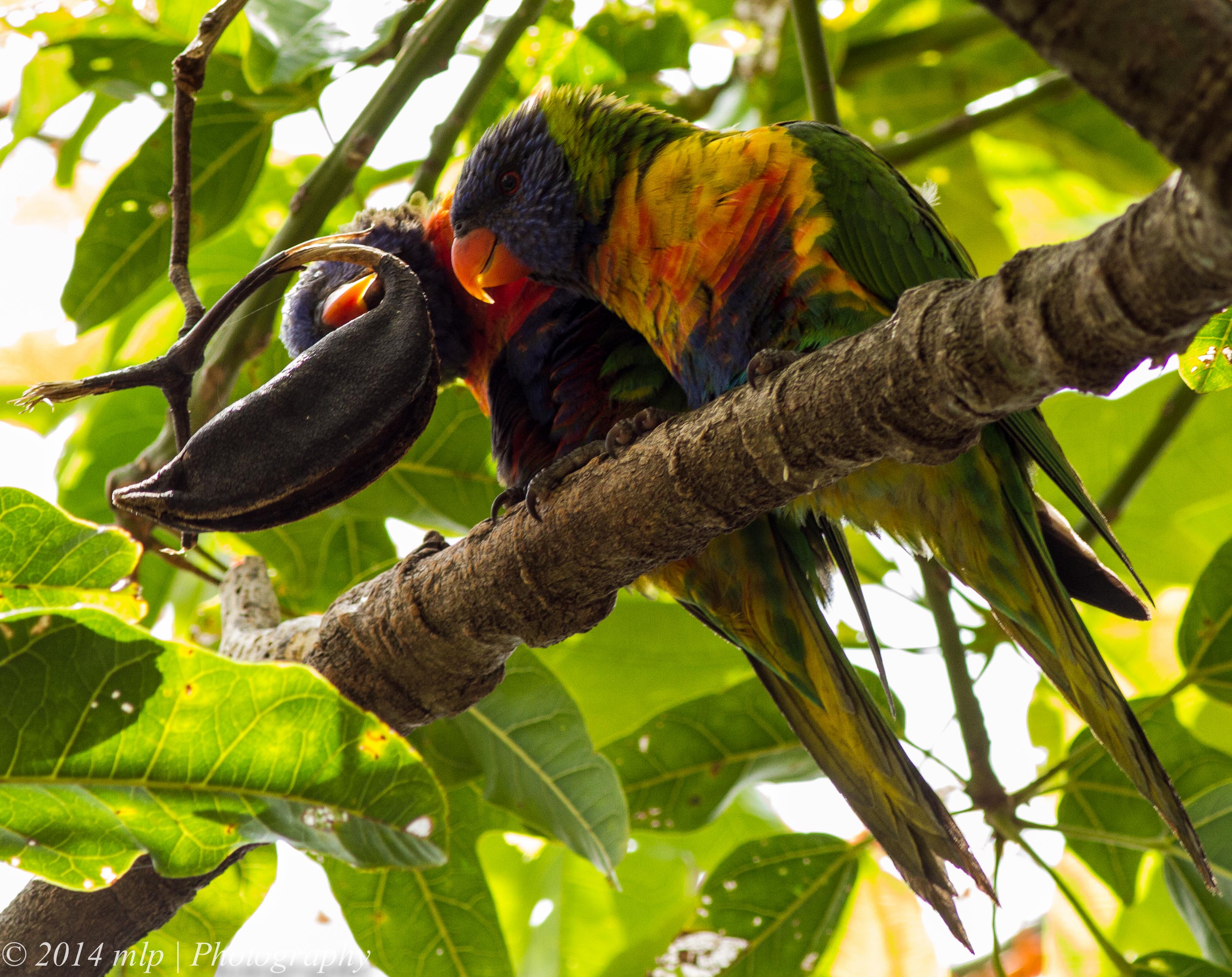
The young Rainbow Lorikeets were perched on the same branch for a few hours and kept themselves occupied by grooming each other, bickering and chewing on the seed pod. They are well named with a multi-coloured chest and head  – the juveniles are more mottled with the colours which settle into solid forms as an adult.

Juvenile Rainbow Lorikeets, Elwood Flame Tree, Vic -  5 Jan 2014

Juvenile Rainbow Lorikeets, Elwood Flame Tree, Vic – 5 Jan 2014

 II

II

III

III

 IV - their back colours are quite a dull green and when the birds are quiet they are just about invisible in the green leaves. I expect  the green back is for protection against raptors.

IV – their back colours are quite a dull green and when the birds are quiet they are just about invisible in the green leaves. I expect the green back is for protection against overhead raptors. It is on the menu for a number of local birds of prey.

Rainbow Lorikeet, Flame Tree, Elwood, Vic 5 Jan 2014 -I watched the 2 lorikeets on and off for a while and did not even notice this one on a branch nearby.

Rainbow Lorikeet, Flame Tree, Elwood, Vic 5 Jan 2014 – I watched the 2 lorikeets on and off for a while and did not even notice this one on a branch nearby.

Later as I walked along the creek, I found a few more juveniles and families.

Chestnut Teal family, Elster Creek, Elwood, Vic -  5 Jan 2014

Chestnut Teal family, Elster Creek, Elwood, Vic – 5 Jan 2014

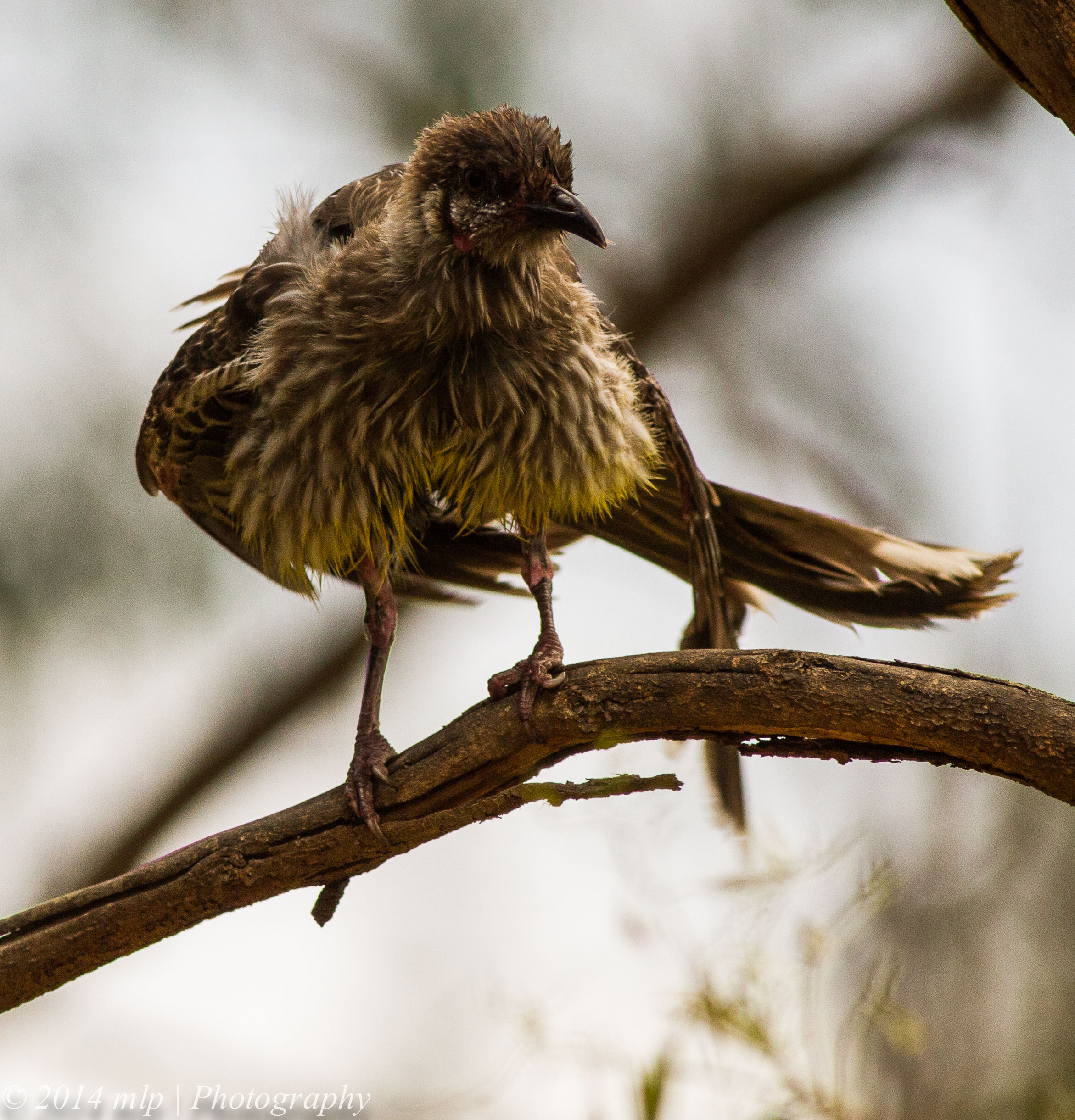
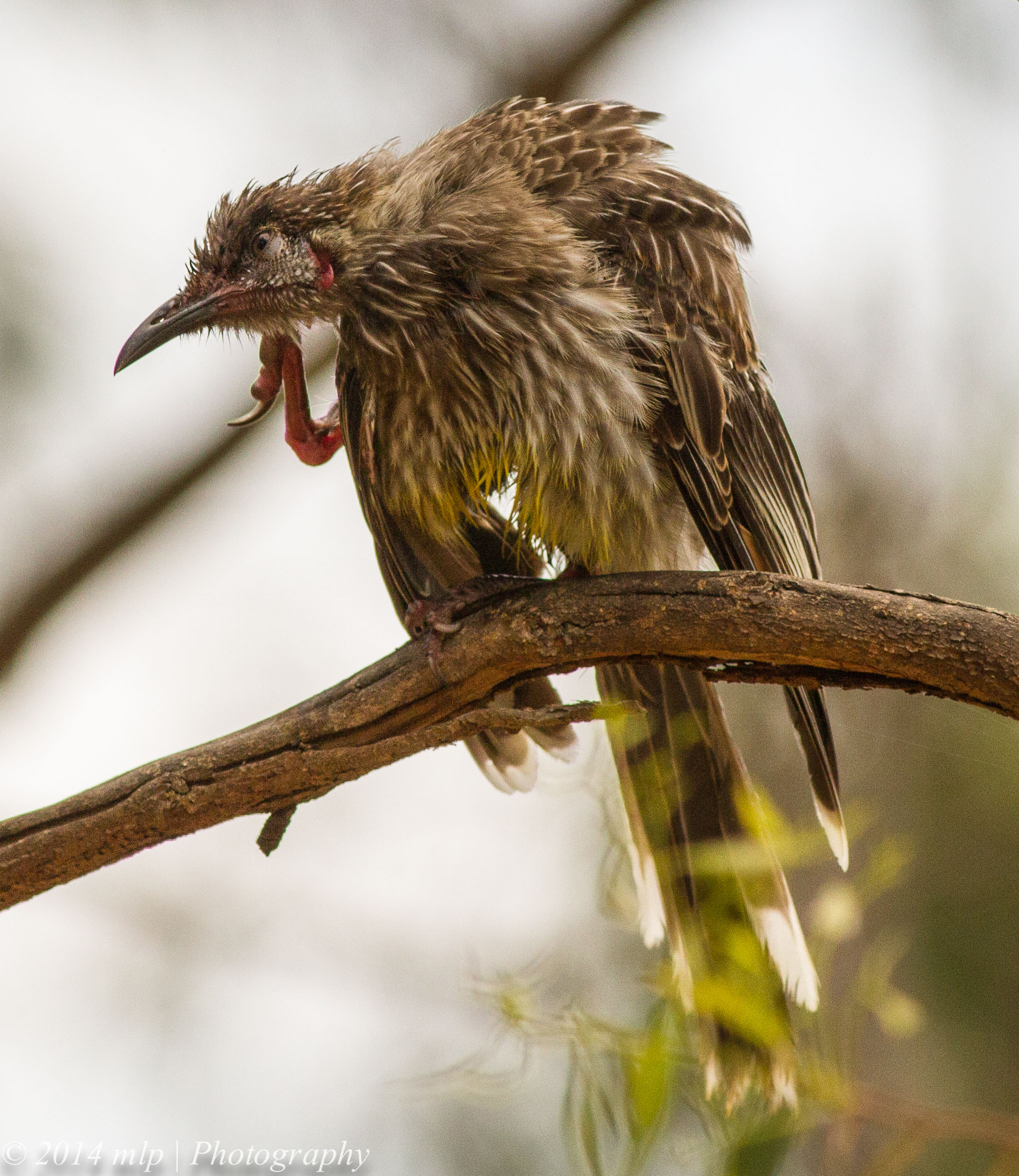
At Elsternwick Lake, next to the creek, I watched a family of Red Wattlebirds taking a mid afternoon plunge. I have only seen these birds bathing at my bird bath and assumed a more standard gentle form of bathing. At the lake I watched them plunge into the water and fly up to a roost to groom and clean and then plunge in again…they became very wet and spent some time cleaning.

Juvenile Red Wattle Bird grooming, Elster Creek, Elwood, Vic  - 5 Jan 2014

Juvenile Red Wattlebird grooming, Elster Creek, Elwood, Vic – 5 Jan 2014 – the juvenile only has a small red cheek wattle where the adult has a much larger and longer version

 II

II – wattle does a waggle, drying those hard to reach places

III

III – yep, feet all clean

IV

IV – under arms all good

V

V – get behind those ears…

1st Jan 2015: a quiet start at Greens Bush

My birding related goals this year are to improve my photography and fieldcraft. To get off to a flying start I hit one of my favourite spots in the Mornington Peninsula National Park – Greens Bush. I visited twice over two days – midday on the first day and 9 am on the second. On the first visit it was full of families and groups  bushwalking and making a racket. Strangely there were quite a few birds around and lots of opportunities to take shots. The second day while it was earlier and I only saw two guys going for a cross run, it was very much quieter – not many birds around at all. This may have been because the forecast was for a hot day and the birds had found cooler patches to wait out the pending two day heatwave.

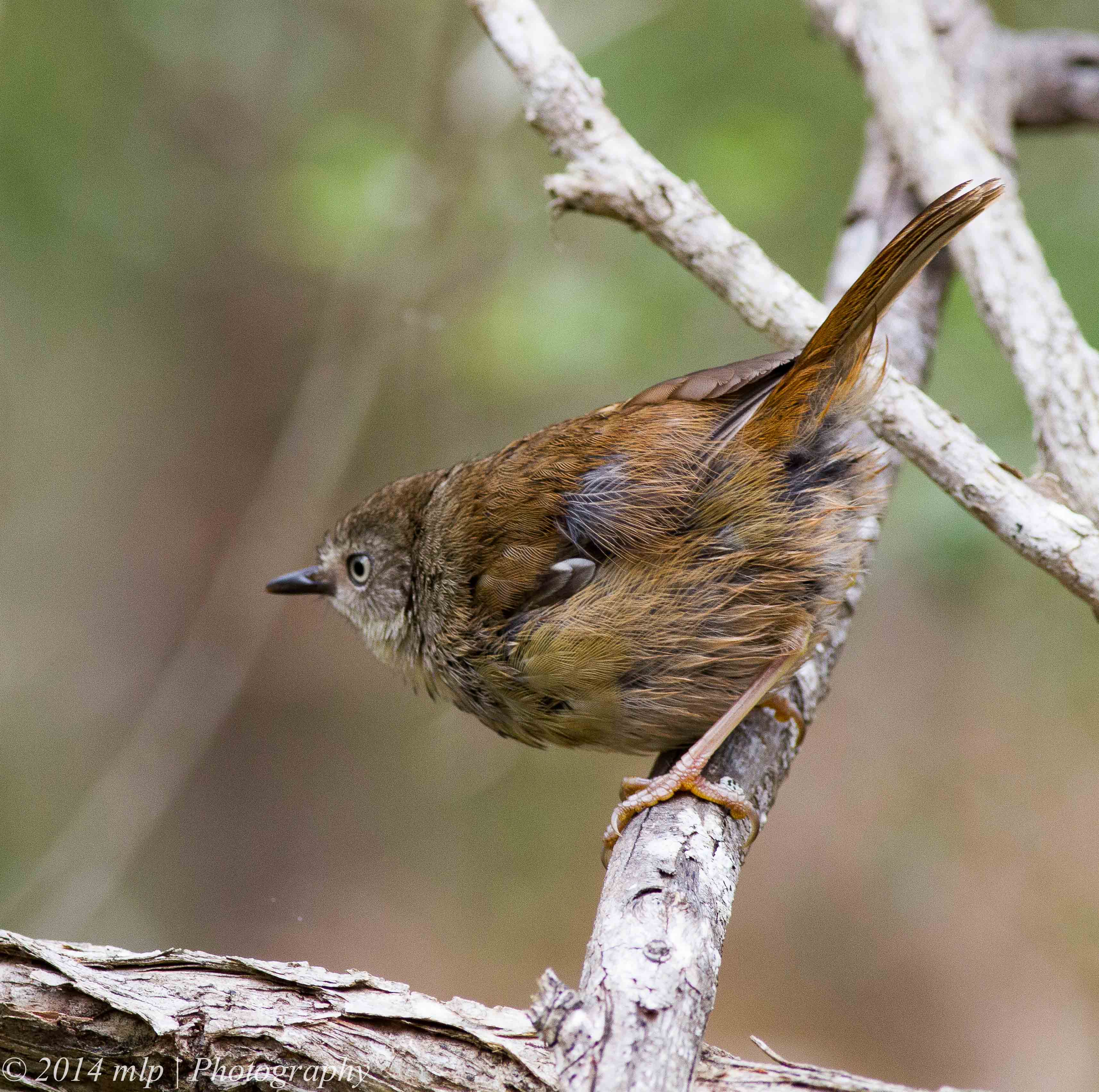
White Browed Scrubwren , Greens Bush, Vic 1 Jan 2014_

White Browed Scrubwren , Greens Bush, Vic 1 Jan 2014

White Browed Scrubwren II

White Browed Scrubwren II

Grey Fantail , Greens Bush, Vic 1 Jan 2014

Grey Fantail , Greens Bush, Vic 1 Jan 2014

 always a favourite to try and photograph  - Superb Fairy Wren, Greens Bush, Vic 1 Jan 2014

Always a favourite to try and photograph – Superb Fairy Wren, Greens Bush, Vic 1 Jan 2014

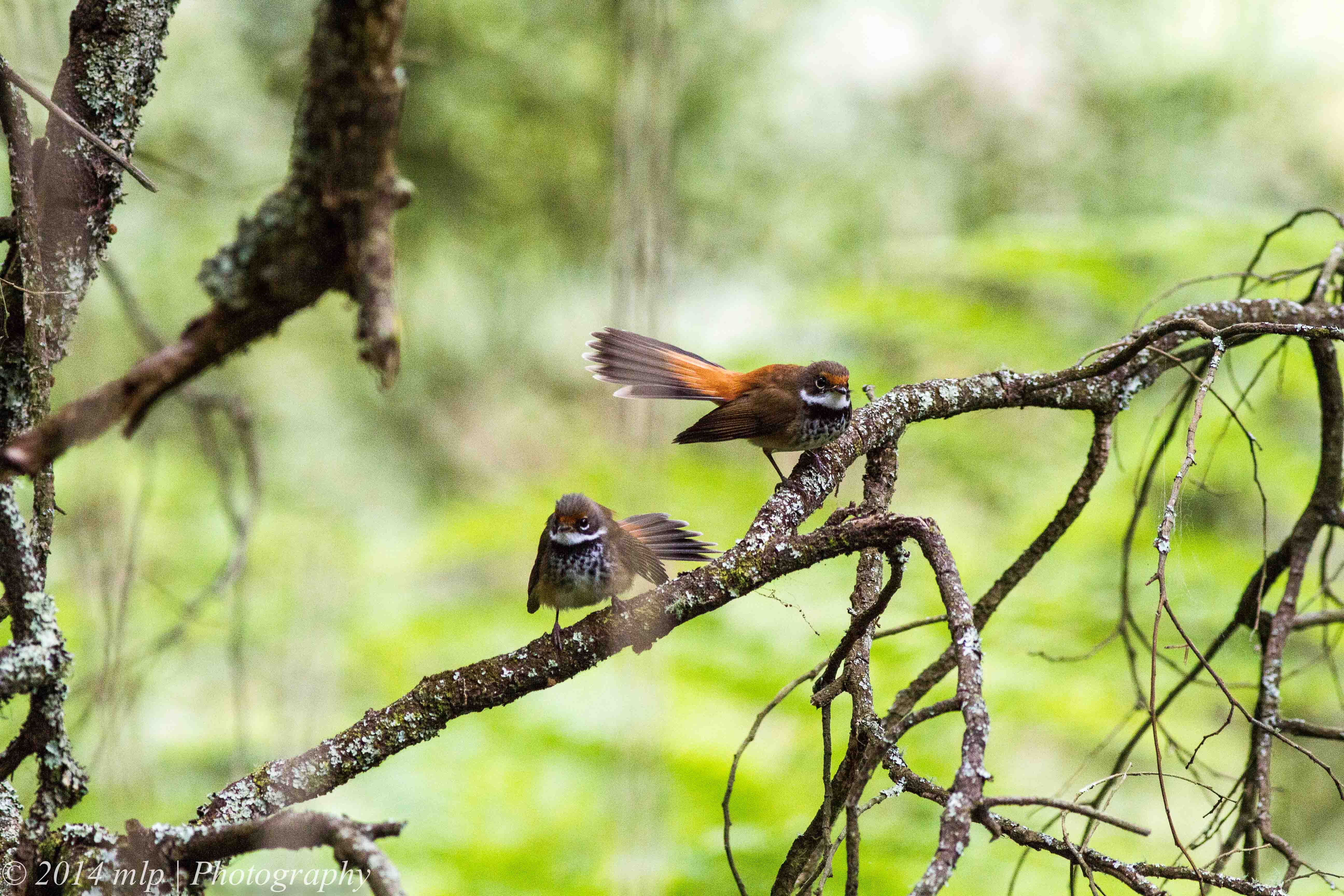
This bird took me a while and a lot of effort to find as a lifer in 2013 and I am still excited to see it whenever it pops up – they  are summer migrants to Greens Bush . They are hard to photograph and never sit still for very long and always seem to use a bit cover when having a look at something….

Rufous Fantail , Greens Bush, Vic 1 Jan 2014

Rufous Fantail , Greens Bush, Vic 1 Jan 2014

Rufous Fantail II

Rufous Fantail II

Rufous Fantail III

Rufous Fantail III

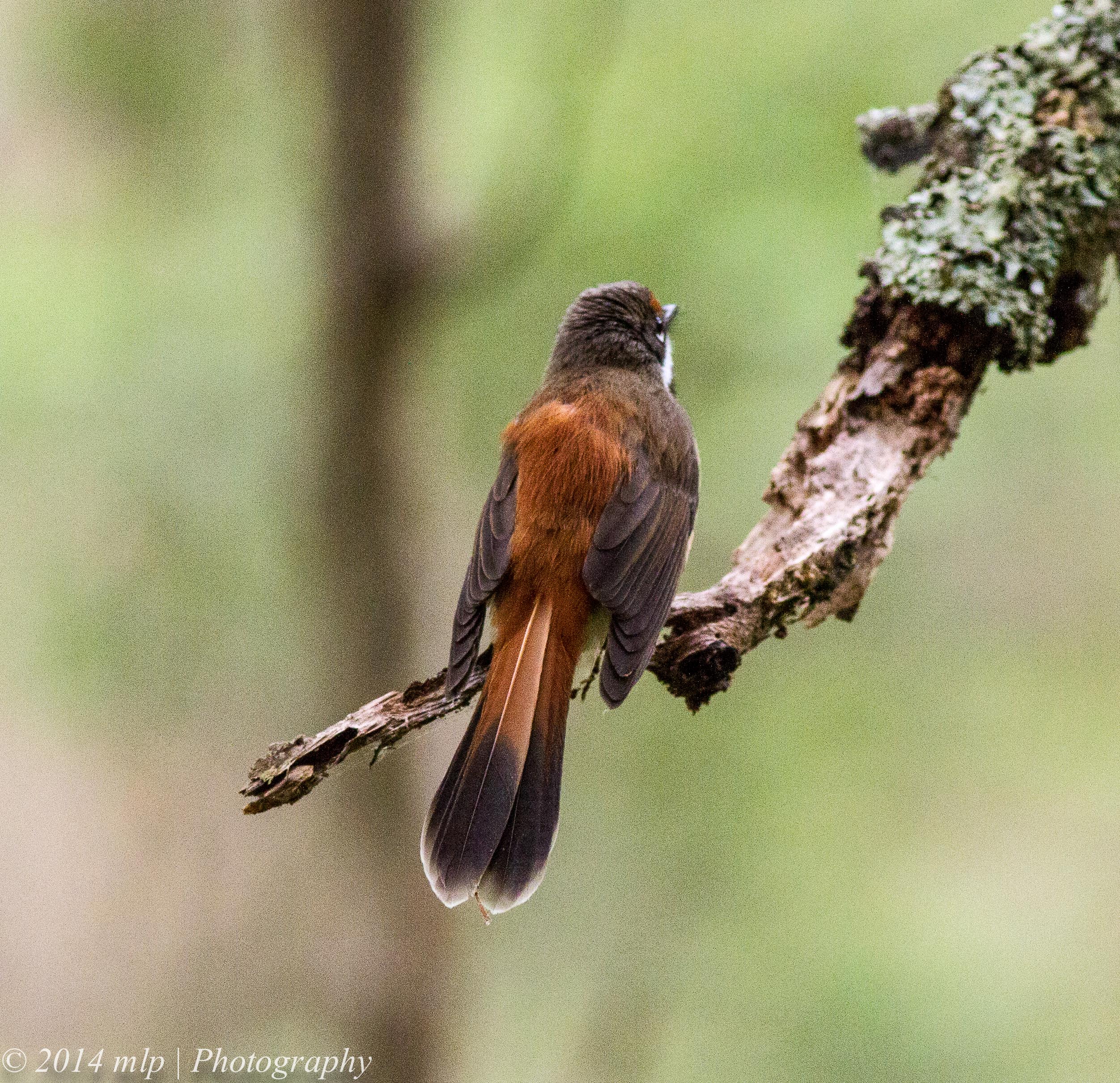
Rufous Fantail IV - showing the beautiful colouring on the back

Rufous Fantail IV – showing the beautiful colouring on the back

Rufous Fantail V

Rufous Fantail V

Rufous Fantail VI

Rufous Fantail VI

Rufous Fantail VII

Rufous Fantail VII

For the first time at this site I also found a large Koala up an unusual tree  – he was facing away and happy to glance at me and then ignore my presence.

Koala , Greens Bush, Vic 1 Jan 2014_

Koala , Greens Bush, Vic 1 Jan 2014

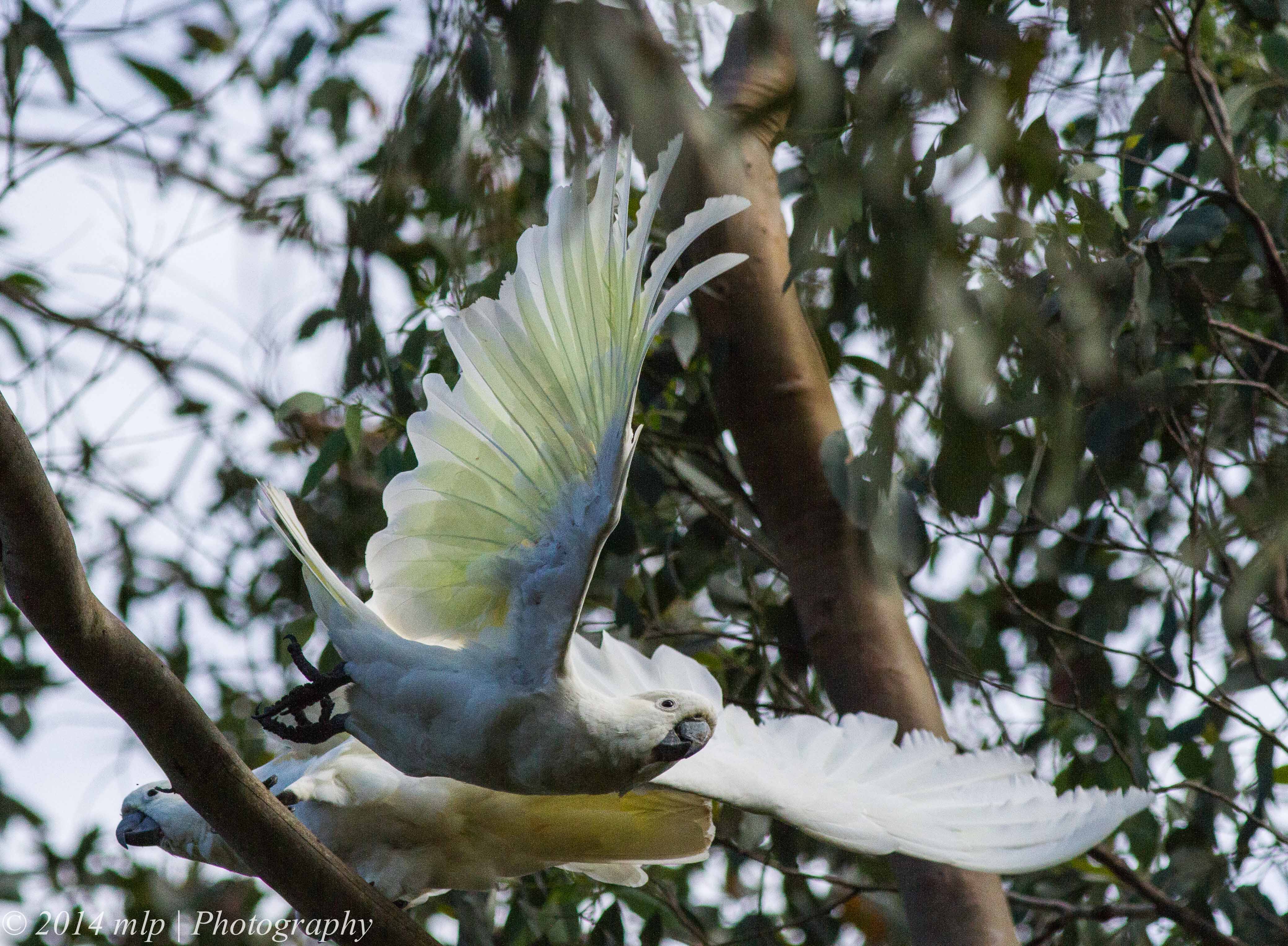
I knew I would find these guys soon enough as I could hear them from the car park – they are fun to watch as they preen, squabble and harass each other.

Sulphur Crested Cockatoos, Greens Bush, Vic 2 Jan 2014

Sulphur Crested Cockatoos, Greens Bush, Vic 2 Jan 2014

Sulphur Crested Cockatoos II

Sulphur Crested Cockatoos II

The Grey Kangaroos were also out and feeding, getting a quick top-up from mum, and resting. The female Roo feeding her young was very alert and had spotted me from the other side of the creek through the trees even though I was moving quietly and very carefully….

Grey Roo mum and joey , Greens Bush, Vic 2 Jan 2014_

Grey Roo mum and joey , Greens Bush, Vic 2 Jan 2014

Grey Roo , Greens Bush, Vic 2 Jan 2014

Grey Roo , Greens Bush, Vic 2 Jan 2014

Phillip Island in a howling gale: last trip for 2014

Another early start to meet up with John at Tooradin for a circuit of the sites around Phillip Island. The Island can be a busy place even in Winter due to the Little Penguins and the Penguin parade that attracts many visitors. In summer it can be much worse with all the day trippers, campers and holiday stays. We started at the Nobbies and got the Kelp Gull (with chick) on the same rock platform where we found a pair last year with a chick. We also got the little penguin and had a look at the Silver Gull colony. No photos as it was just too wild. We had a look at Swan Lake – highlights: Freckled and Musk ducks and Cape Barren Geese.

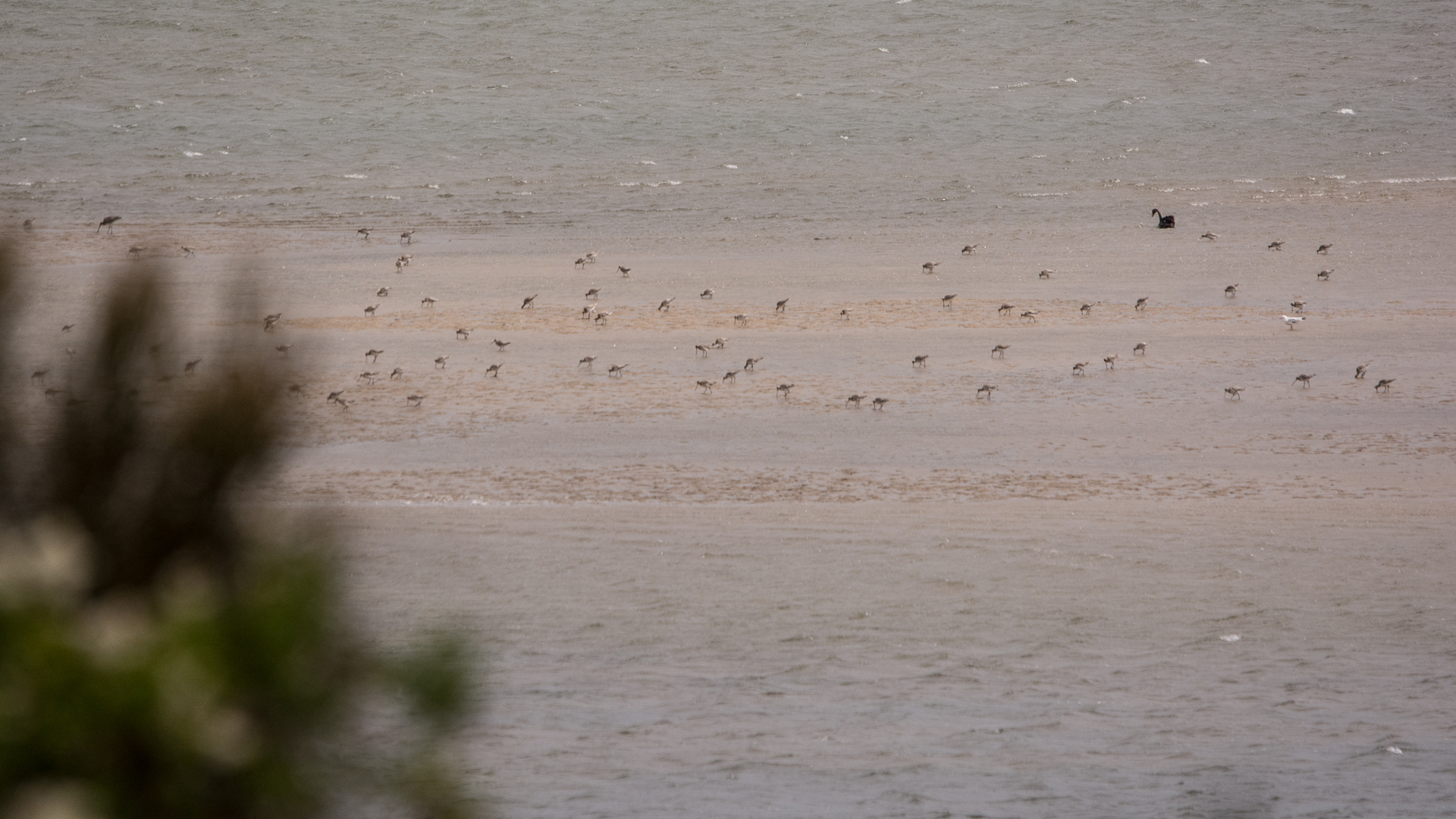
We drove down to Rhyll foreshore and the inlet hoping for a little calmer viewing – highlights were 100+ Bar Tailed Godwits, a few Eastern Curlews and some Pied Oystercatchers. It was a long walk along the mangroves and ridge-line trail so I only carried the Scope rather than my camera gear. John got a few nice pics of a blue tongue lizard…the rest of the birds were too far way for any detailed shots. Previously I had thought that observing 7 Godwits was pretty good…. the numbers at Rhyll Inlet blew me away. We studied the sandbank for quite a while looking for other gems hidden amongst them (like a potential lifer: a Whimbrel)…but nothing else popped out.

John Van Doorn's Bar Tailed Godwits Rhyll Inlet Phillip Island, Vic 30 Dec 2014

John Van Doorn’s Bar Tailed Godwits Rhyll Inlet Phillip Island, Vic 30 Dec 2014

John Van Doorn's Blue Tongue Lizard at Rhyll Inlet, Phillip Island, Vic 30 Dec 2014

John Van Doorn’s Blue Tongue Lizard at Rhyll Inlet, Phillip Island, Vic 30 Dec 2014

JVD Blue Tongue -  II

JVD Blue Tongue – II

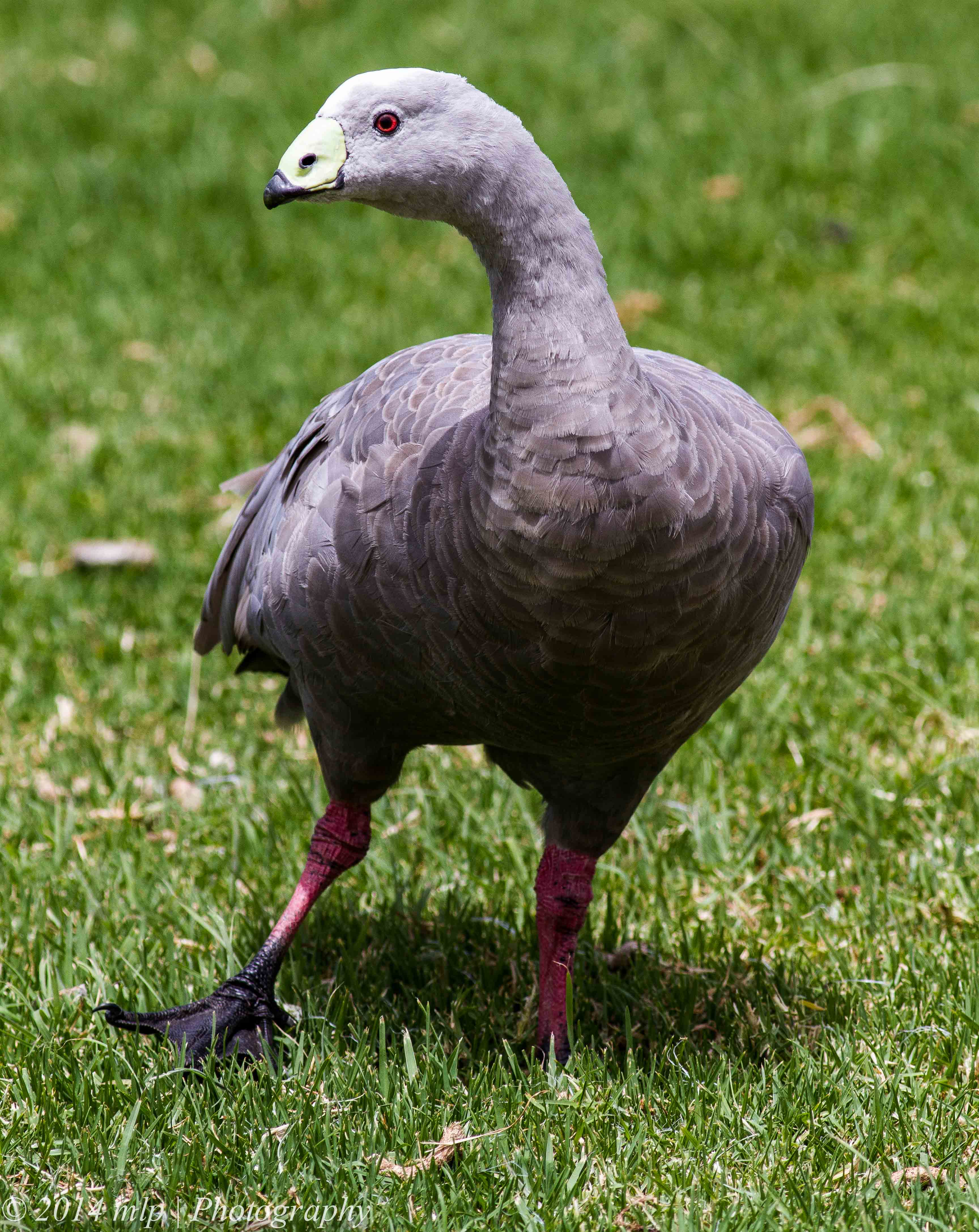
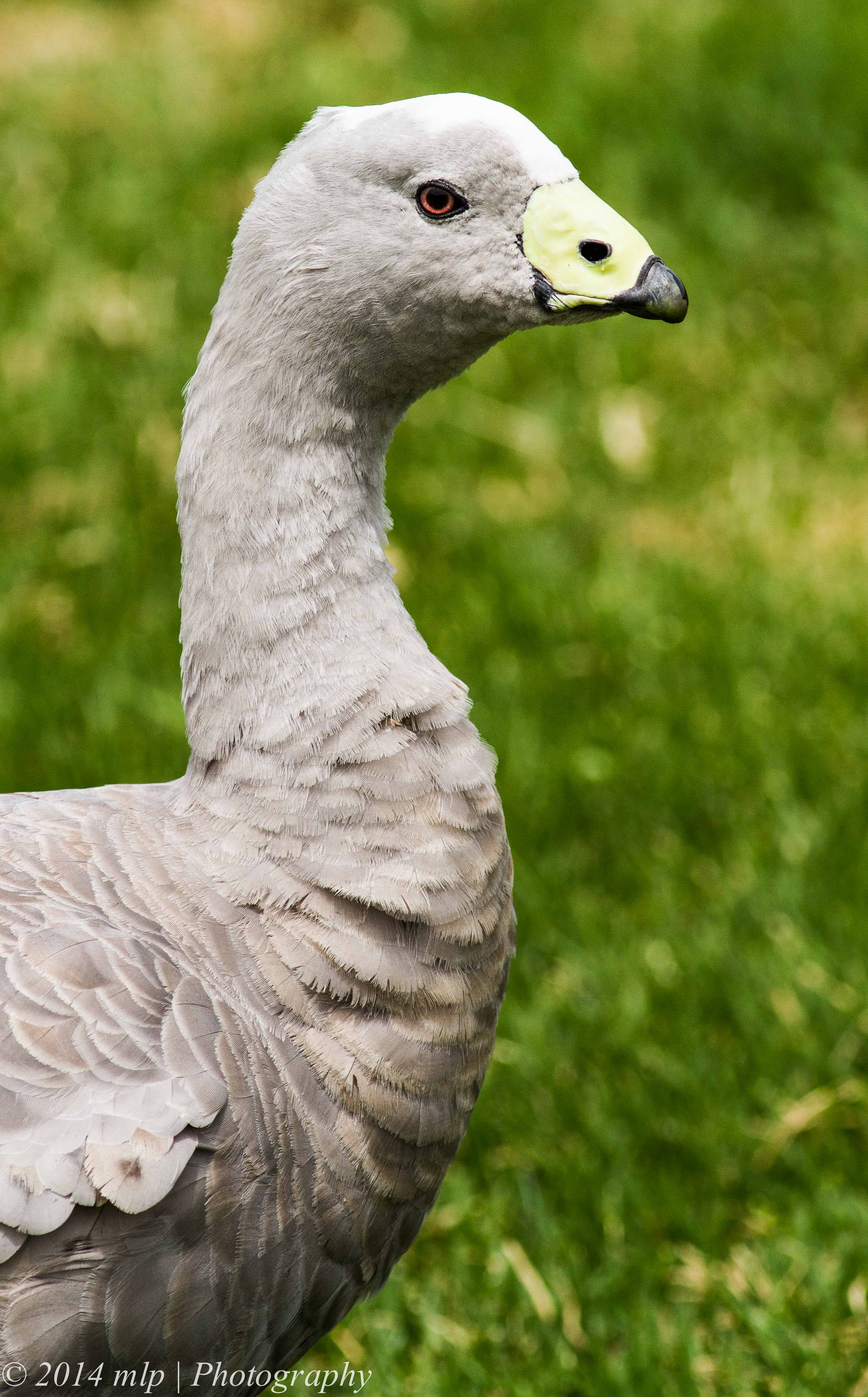
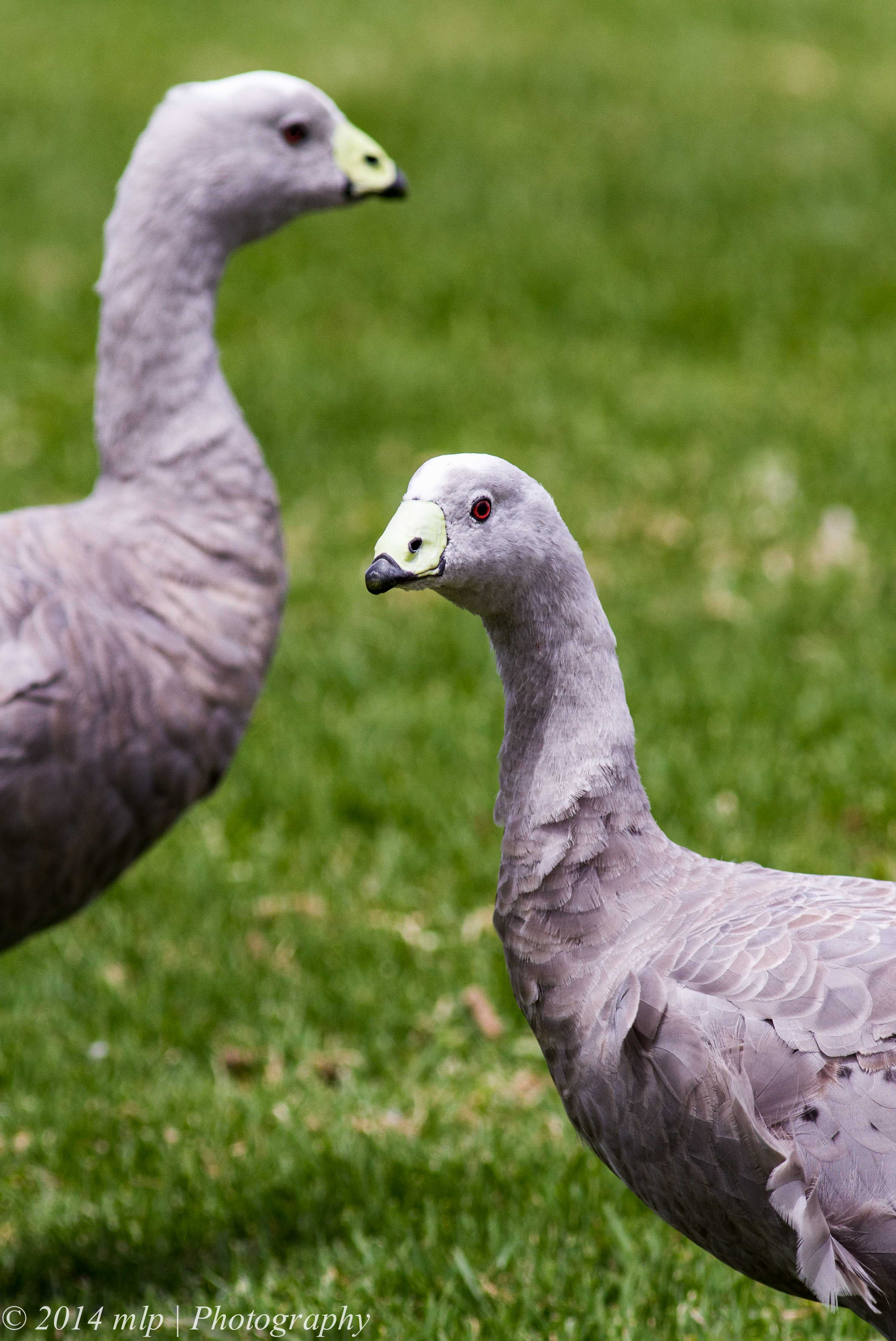
At our last site, Fishers Wetland, we got more Cape Barren Geese and a few Black Tailed Native Hens. The goose is a good bird for practising your photography skills and fieldcraft. It is a large bird so you need to find a good spot where you can fit it all in when using a large prime focus like the Canon 400mm. As long as you moved slowly they did not mind too much when you angled in close or around it to get the sun in the right spot. They only got nervous and moved away when two of us started to circle for shots…

Cape Barren Goose, Phillip Island, Vic 30 Dec 2014

Cape Barren Goose, Phillip Island, Vic 30 Dec 2014

Cape Barren Goose II,

Cape Barren Goose II

Cape Barren Goose III

Cape Barren Goose III
Image

Owling at Bunyip State Forest, Victoria

I had another go at trying to find owls and nightjars at Bunyip last night with my birding mate John. This was our second attempt. We arrived at around 6pm in late afternoon sun and went to a few regular spots to see what was about. There has been some good sightings lately from the area. Our best pickup was a family or small flock of Blue Winged Parrots. We managed to walk up quite close to one feeding on grass seeds on the Button Grass track and got a few average photos. After it eventually flew off a group of three almost landed on us – we had the sun low behind us and they may not have known quite what we were…

Blue Winged Parrot, Bunyip State Forest, Victoria - 27 Dec, 2014

Blue Winged Parrot, Bunyip State Forest, Victoria – 27 Dec, 2014

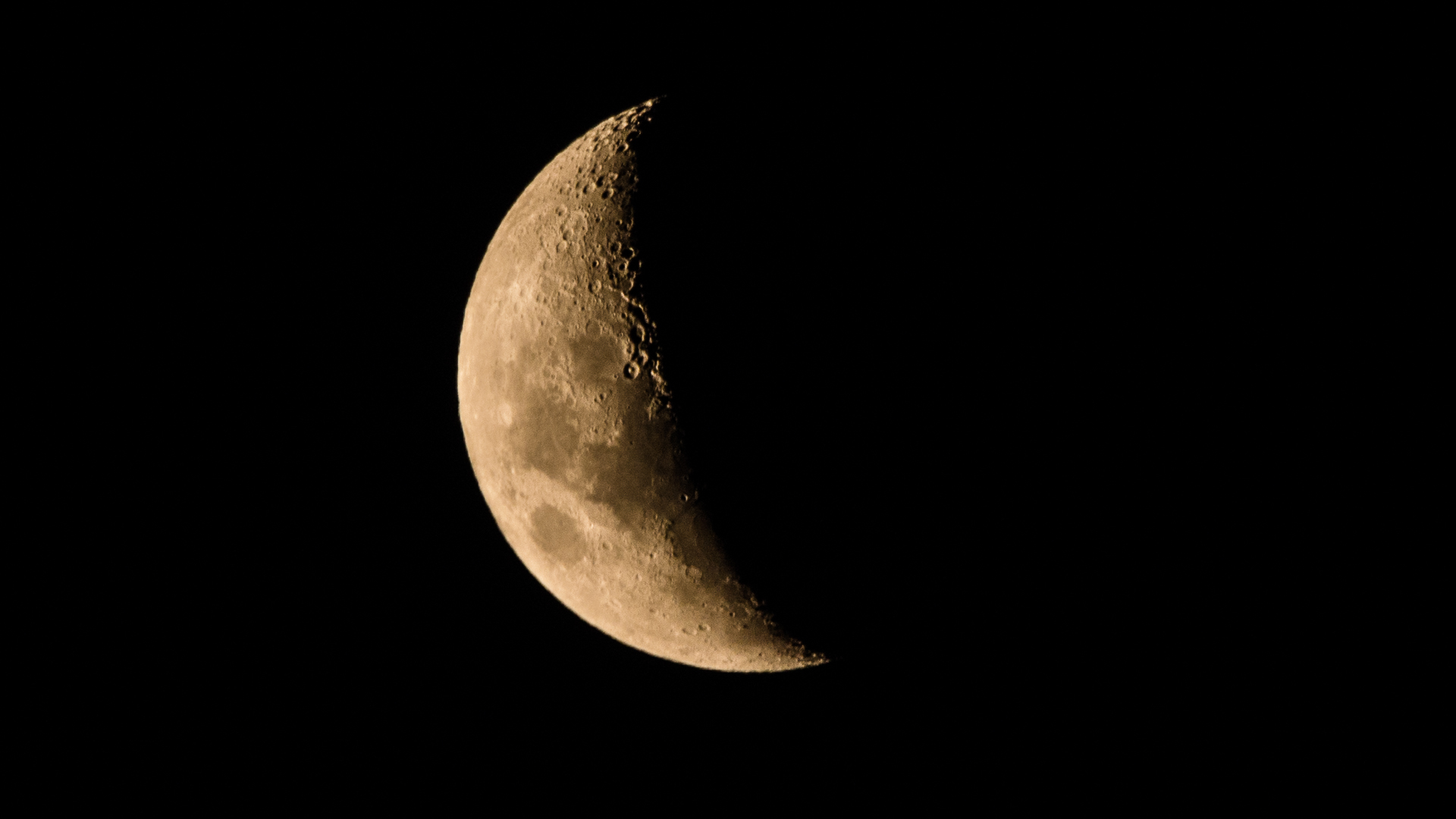
At the Helipad we waited for nightfall and met up with a group of birders including Tim B. who helped us ID the White Throated Nightjar. The nightjar made two laps over our heads and was gone…not to be seen again. We were happy to have seen it and glad that Tim was there to help ID it – another lifer! No pictures unfortunately. John took a few pics of the moon while we waited for more birds to turn up. We had a walk along the track behind the helipad and heard a heap of Boobooks calling but nothing else.

John Van Doorn -  Moon at the Helipad,  Bunyip State Forest,  27 Dec 2014

John Van Doorn – Moon at the Helipad, Bunyip State Forest, 27 Dec 2014

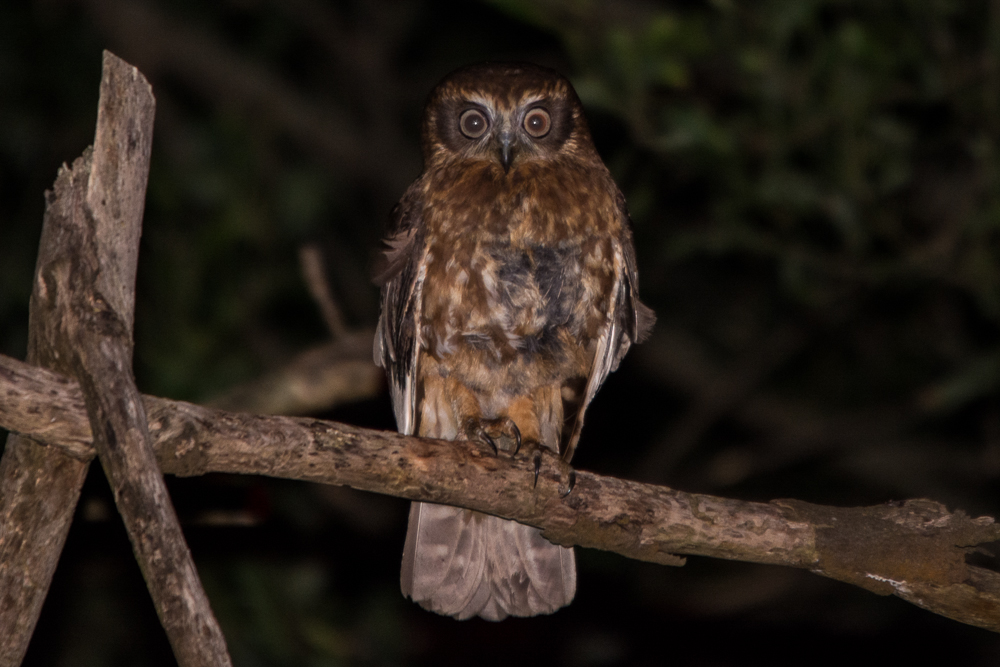
After calling it quits at 11 pm we drove back via Gembrook and a Boobook almost flew into the windscreen. We stopped and drove back and found the Owl on a tree branch on the side of the road and got a few pics.

John Van Doorn - Bookbook, Gembrooke, Victoria, 27 Dec 2014

John Van Doorn – Southern Boobook, Gembrook, Victoria, 27 Dec 2014

Image

Greens Bush, Mornington Peninsula National Park, Victoria

A favourite spot when I head down the Peninsula – Greens Bush is a good location very close to Rosebud for early morning walks into a wide variety of vegetation types from creeks, rainforest gullies to drier ridge lines. A good list of birds move through the park at various times of the year.

Eastern Yellow Robin, Greens Bush, Mornington Peninsula NP,  Victoria - 26 Oct, 2014

Eastern Yellow Robin, Greens Bush, Mornington Peninsula NP, Victoria – 26 Oct, 2014

Birds in my local area

I often walk around my area looking to see what new birds may be passing through. I can find up to 35 species in my area – I back onto a creek (officially a storm water canal) that has been revegetated with native planting and this has had the effect of bringing in more birds to the area…there is quite a list building.

Little Wattlebird Elwood, Victoria - 3 Sept, 2014

Little Wattlebird Elwood, Victoria – 3 Sept, 2014

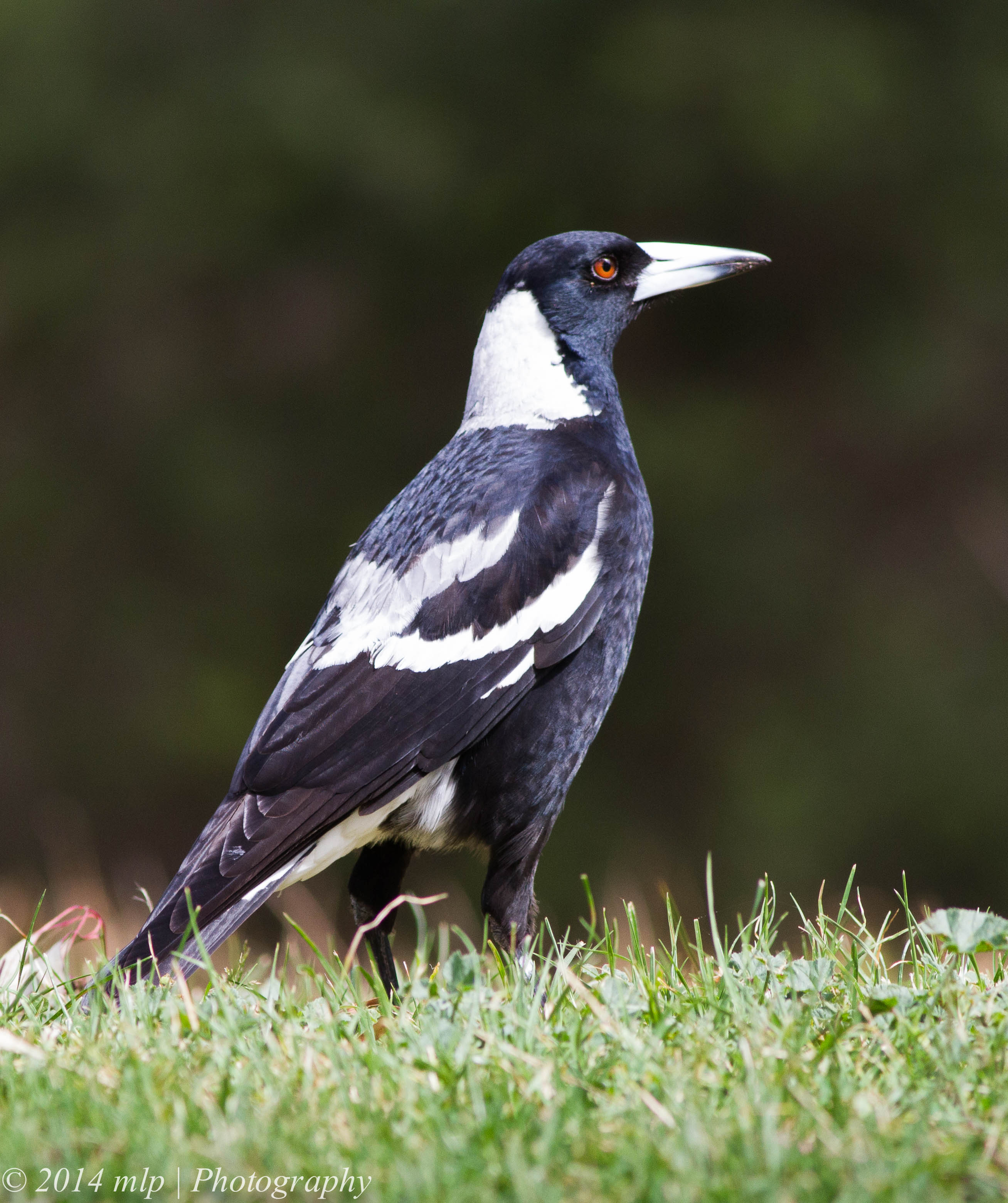
Australian Magpie, Elwood, Vic -  9 Oct 2014

Australian Magpie, Elwood, Vic – 9 Oct 2014

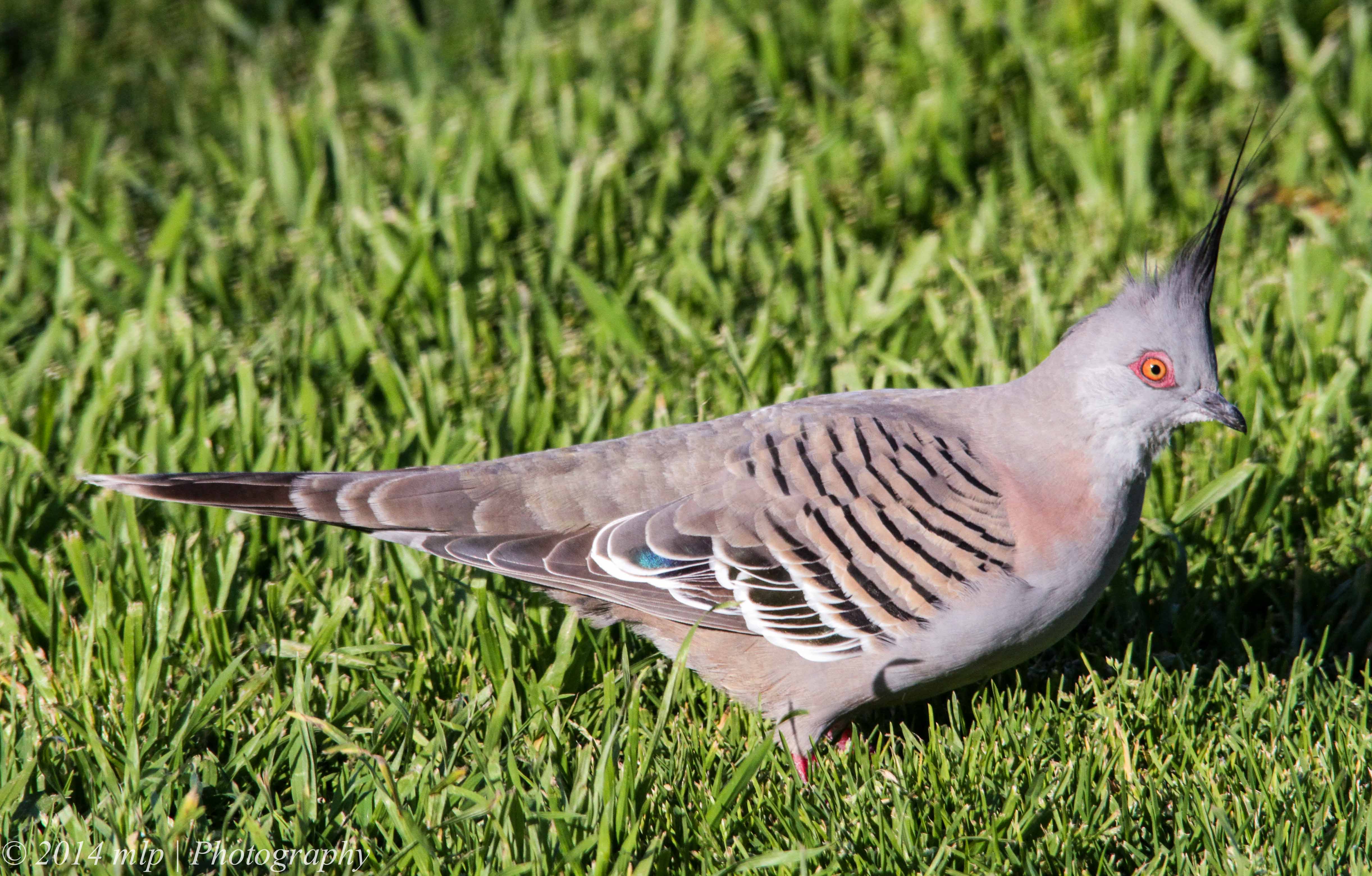
Crested Pigeon, Elwood, Vic -  3 Sep 2014

Crested Pigeon, Elwood, Vic – 3 Sep 2014

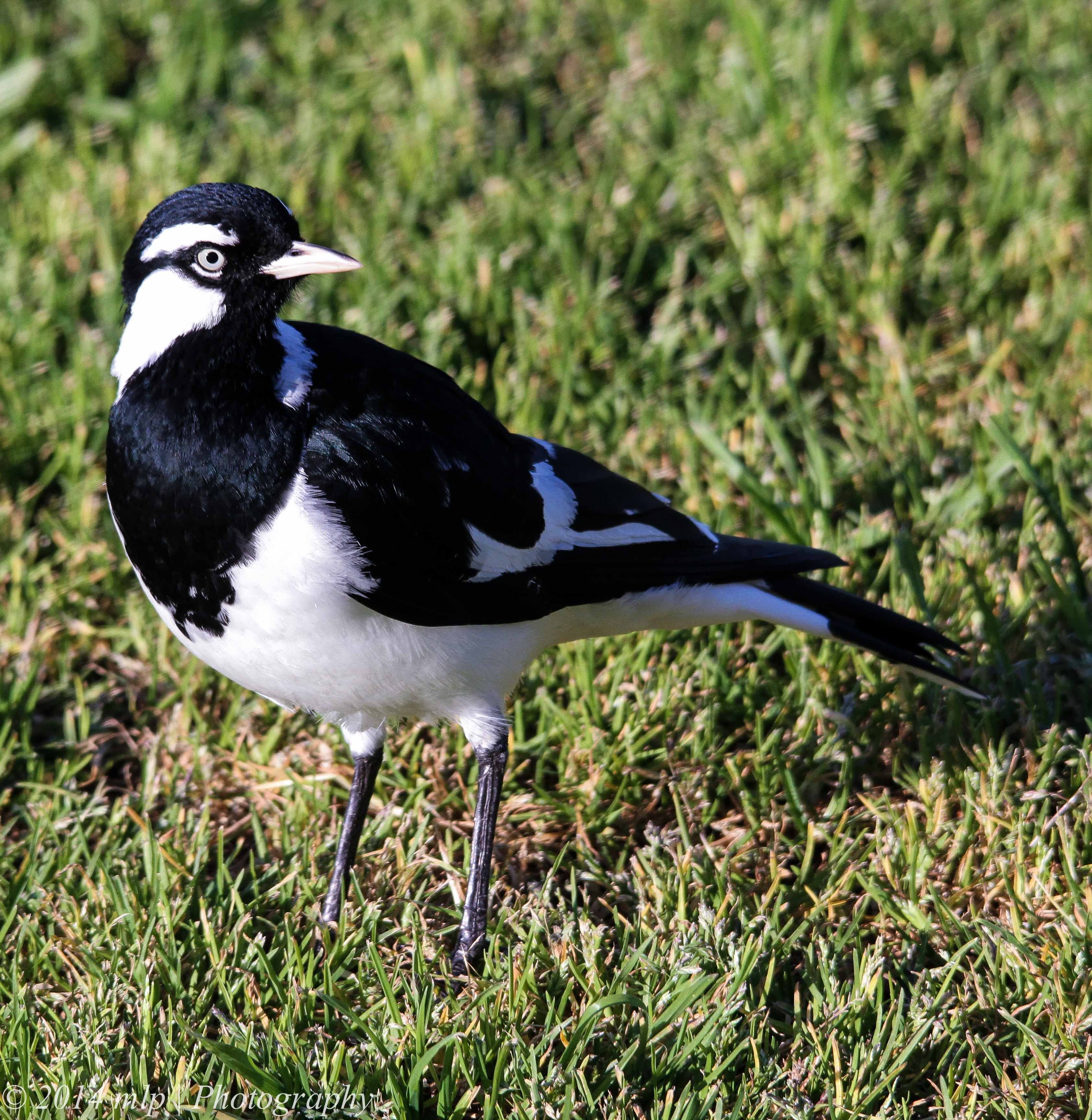
Male Magpie-Lark, Elwood, Vic -  3 Sep 2014

Male Magpie-Lark, Elwood, Vic – 3 Sep 2014

Rainbow Lorikeet, Elwood, Vic -  17 Oct 2014

Rainbow Lorikeet, Elwood, Vic – 17 Oct 2014

Western Treatment Plant, Werribee (aka the “Pooh Farm”)

The pooh farm is one of the best birding sites in Victoria and arguably in Australia  – it is only 35 mins away for me and I go as often as I can (20+ times so far this year). I hardly get less than 65 birds and as high as 88 in one day. The good birders get over 100 in a day. To get access to all birding areas you need 2 permits and a key supplied by Melbourne Water.

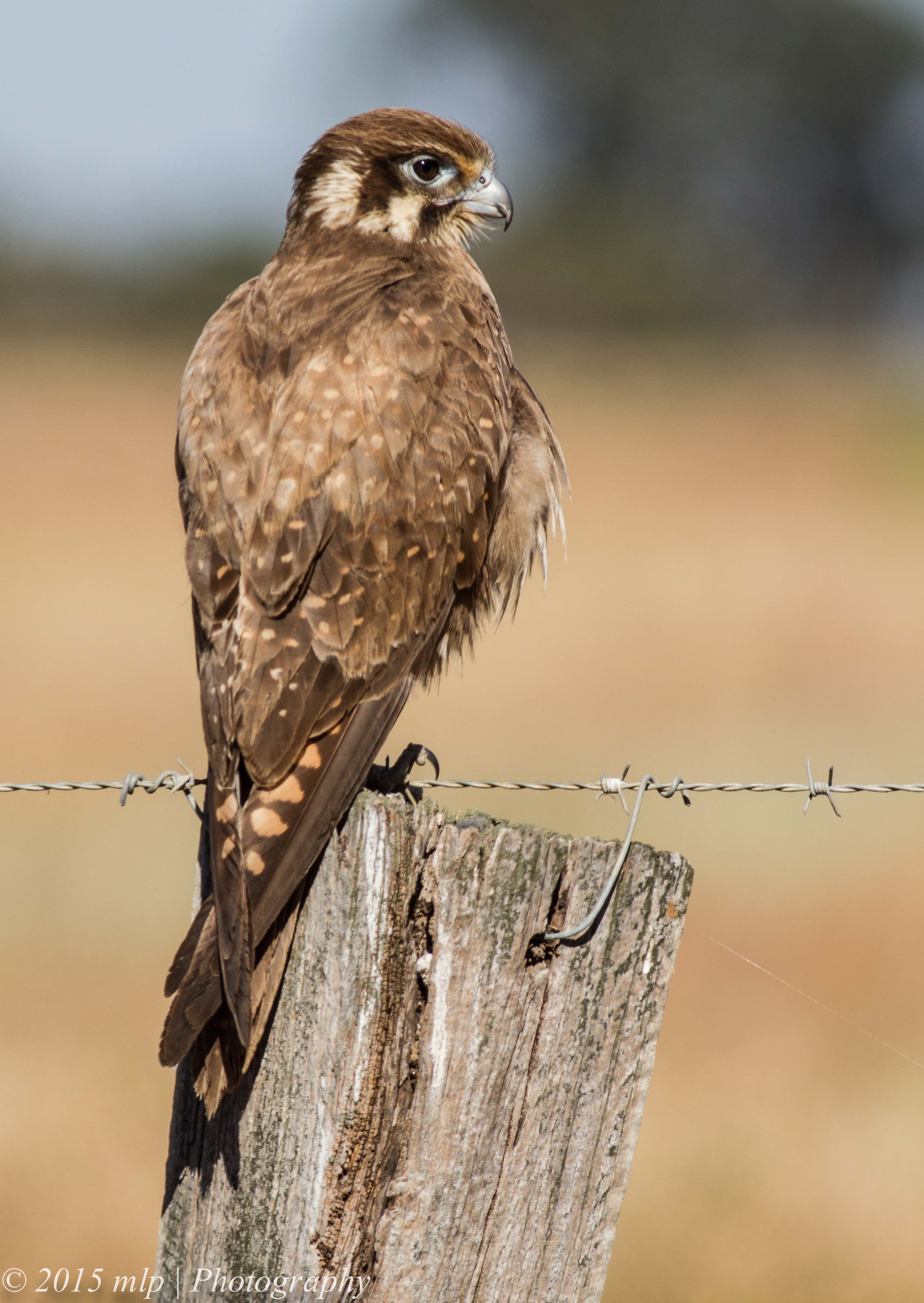
Brown Falcon, Western Treatment Plant, Werribee - 19 Nov 2014

Brown Falcon, Western Treatment Plant, Werribee – 19 Nov 2014

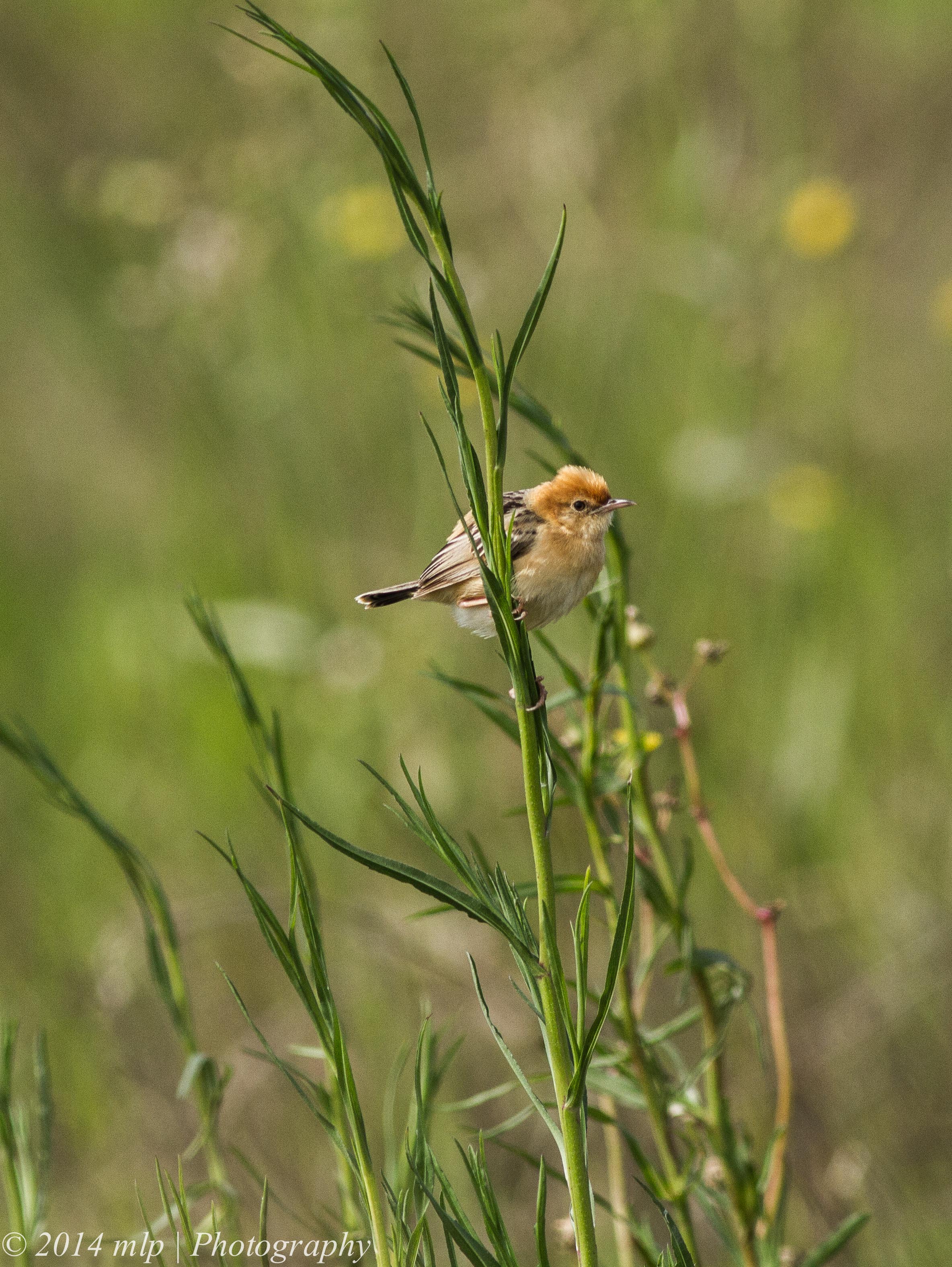
Plant, Weribee, Victoria - 19 Dec, 2014

Golden Headed Cisticola, Western Treatment Plant, Weribee, Victoria – 19 Dec, 2014

Yellow Billed Spoonbills, Western Treatment Plant, Weribee, Victoria - 5 Nov, 2014

Yellow Billed Spoonbills, Western Treatment Plant, Weribee, Victoria – 5 Nov, 2014

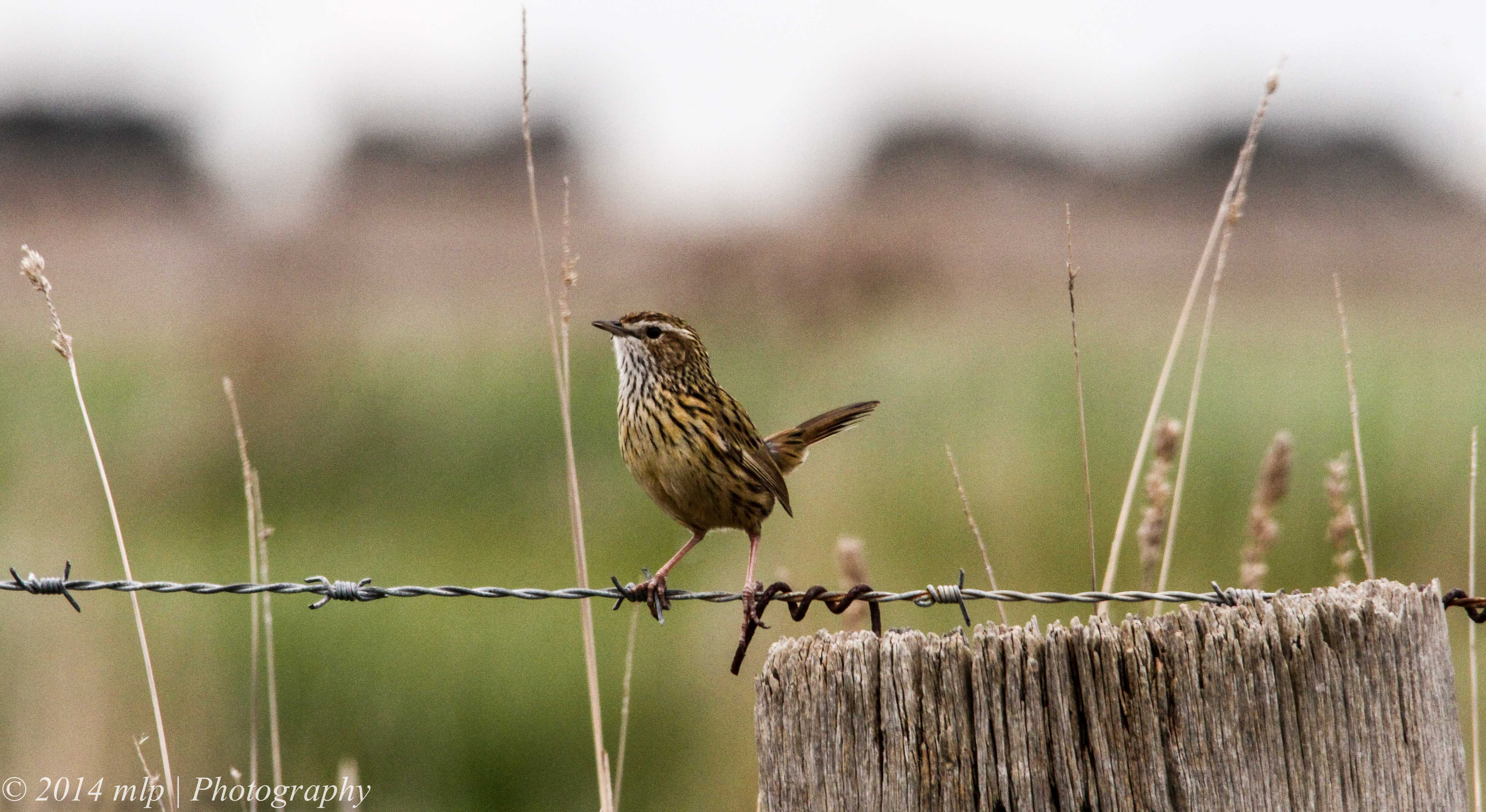
Striated Fieldwren, Western Treatment Plant, Weribee, Victoria - 29 May, 2014

Striated Fieldwren, Western Treatment Plant, Weribee, Victoria – 29 May, 2014

Spotted Crake, Western Treatment Plant, Weribee, Victoria - 22 Aug, 2014

Spotted Crake, Western Treatment Plant, Weribee, Victoria – 22 Aug, 2014

Blue Winged Parrots, Western Treatment Plant, Weribee, Victoria - 22 Aug, 2014

Blue Winged Parrots, Western Treatment Plant, Weribee, Victoria – 22 Aug, 2014

Sharp Tailed Sandpiper, Western Treatment Plant, Werribee - 19 Nov 2014

Sharp Tailed Sandpiper, Western Treatment Plant, Werribee – 19 Nov 2014

Image

Mangalore Flora and Fauna Reserve, Victoria

White Browed Woodswallow Mangalore Dec 2014

White-Browed Woodswallow, Mangalore, Victoria – 22 Dec, 2014

Had a good day out yesterday birding with John VD about 90 mins north of Melbourne (Seymour and Mangalore with a detour on the way home at Toolangi). This photo of a White Browed Woodswallow was taken near the entrance to the Mangalore reserve. There were quite a few woodswallows around. A beautiful bird with a chestnut body and big white eyebrows

Image

Mallacoota Birding

Mallacoota is a great place for birders…maybe not so great for non-birding wives…there are many good places to explore and look for birds that are not very common in Victoria. The town is close to the NSW border and has a different climate to the rest of Victoria (warmer and more humid). It is a quiet town most of the year but becomes very crowded over the summer period due to being in the middle of a wilderness area and on the coast.

Southern Emu Wren along Shipwreck Creek to Seal Creek trail

Southern Emu Wren along Shipwreck Creek to Seal Creek trail  – 15 Dec, 2014

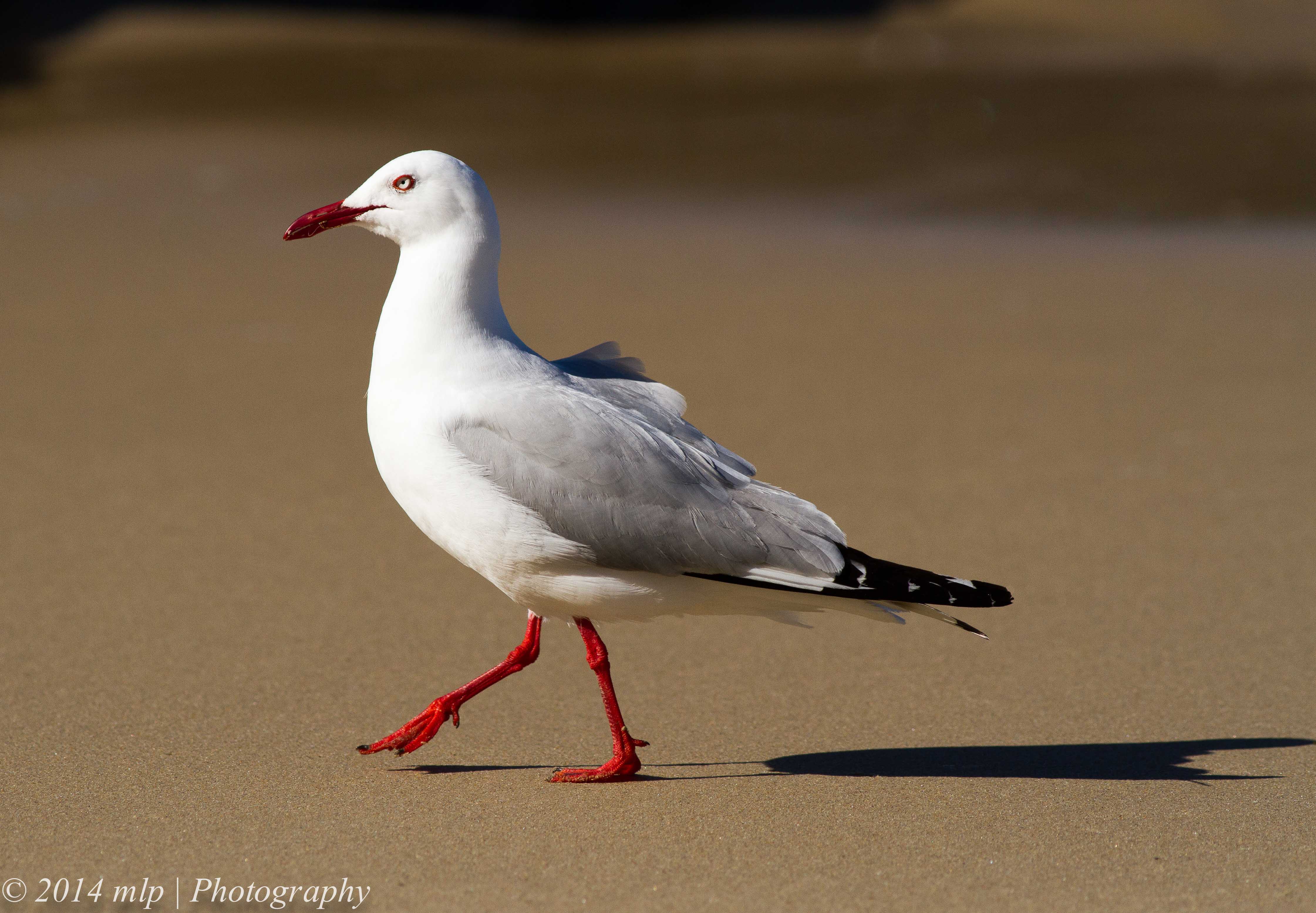
Silver Gull Bastian Pt Mallacoota Dec 2014

Silver Gull Bastian Pt Mallacoota –  13 Dec, 2014

Juvenile Easter Yellow Robin, Shady Gully Reserve, Mallacoota  - 14 Dec, 2014

Juvenile Eastern Yellow Robin, Shady Gully Reserve, Mallacoota – 14 Dec, 2014

Superb Fairy Wren, Gypsy Point, Victoria -  14 Dec, 2014

Superb Fairy Wren, Gypsy Point, Victoria – 14 Dec, 2014

Black Faced Monarch, Double Creek Nature Trail, Mallacoota, Victoria -  15 Dec, 2014

Black Faced Monarch, Double Creek Nature Trail, Mallacoota, Victoria – 15 Dec, 2014

White Headed Pigeon, Karbeethong, 16 Dec, 2014

White Headed Pigeon, Karbeethong, 16 Dec, 2014

Image

Braeside Park

Frogmouth family Braeside Park Dec 2014

Frogmouth family Braeside Park Dec 2014

As I need to keep practicing with my camera setup I drove down to an old haunt for a few hours to see what was around….best pics of the day were of a Tawny Frogmouth family that a birding mentor (Steve “the bird man” MacDonald) pointed out to me as we met up on the Red Gum trail. The two smaller birds on the right are still quite young and the parents are still watching over them. The other parent was on a branch just to the left. The young birds watched what I was up to as I moved around trying to get a clear shot.