Tag Archives: Australia

The Speckled Warbler of Bartley’s Block

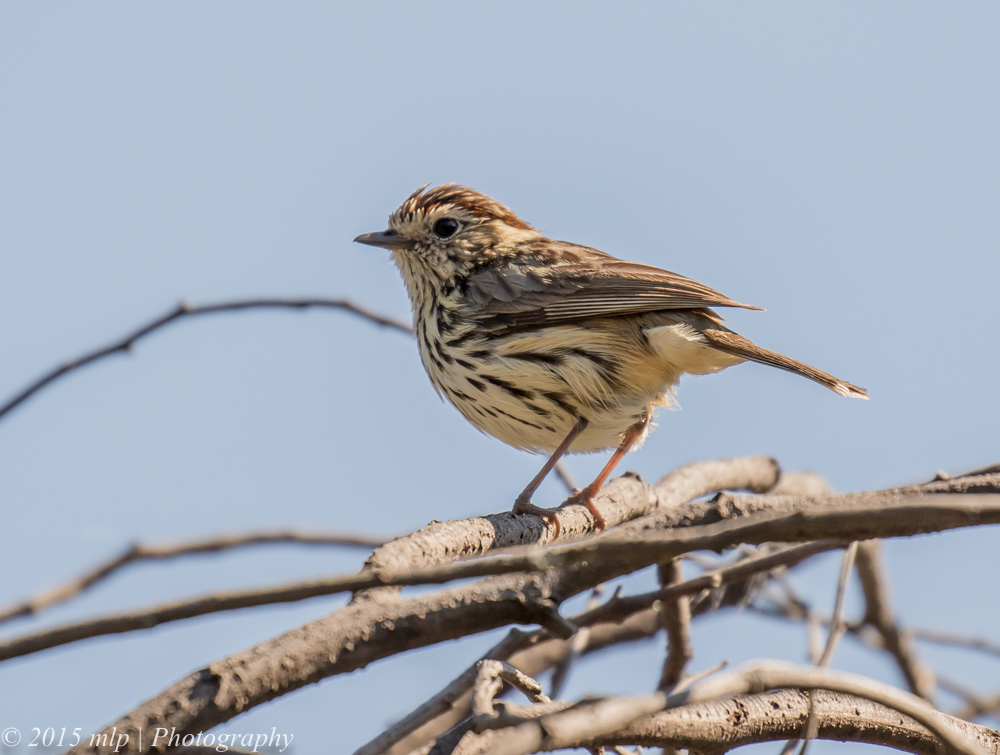
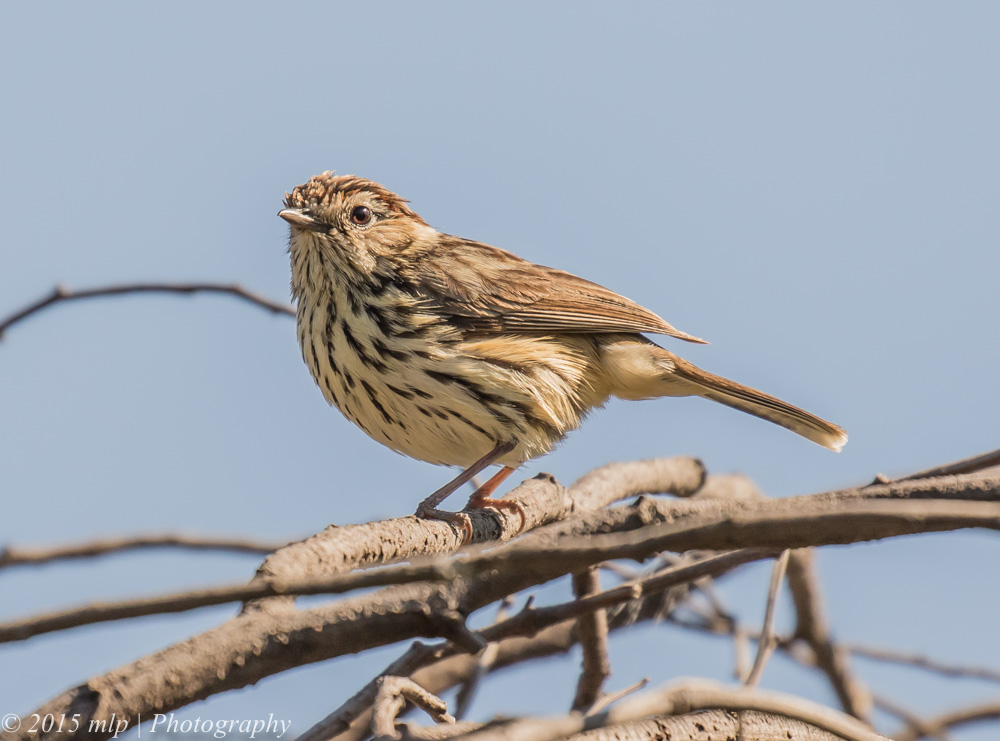
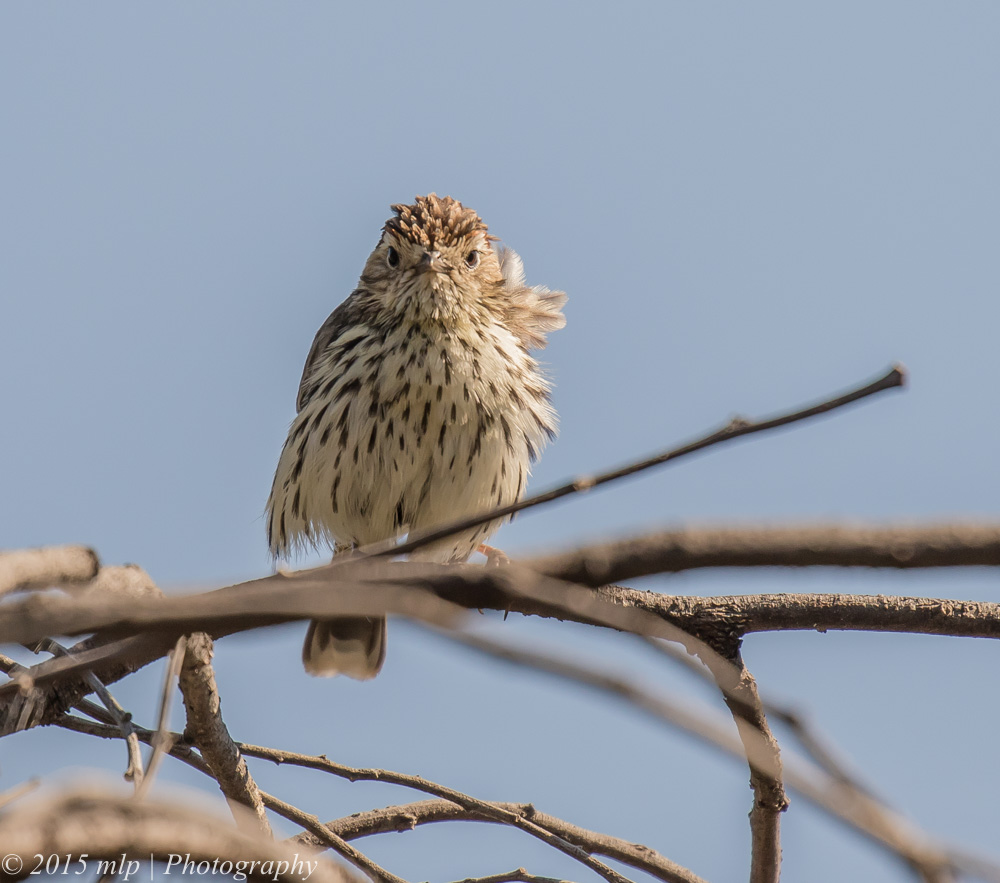
I like to visit the Chiltern area (North East Victoria) at least once a year and try to time it to Spring when the birds start to migrate south from the warmer states. One of the best spots for a good variety of birds is Bartley’s Block, a few kilometres north of the small township of Chiltern. When staying in the area I will visit Bartley’s twice a day: early morning and early evening.  While a regular at Bartley’s Block, the Speckled Warbler is a difficult bird to photograph. It is  busy and always on the move, hunting and patrolling its territory. On my last visit I finally found a warbler at the top of the scrub in the centre of the block. The Warbler was singing its heart out but stopped to watch me and make sure I moved on before it resumed singing.

Speckled Warbler, Bartleys Block, Chiltern National Park

Speckled Warbler, Bartleys Block, Chiltern National Park

Speckled Warbler, Bartleys Block, Chiltern National Park

II

Speckled Warbler, Bartleys Block, Chiltern National Park

Watching the intruder in his patch

Dawdling in the Dandenongs

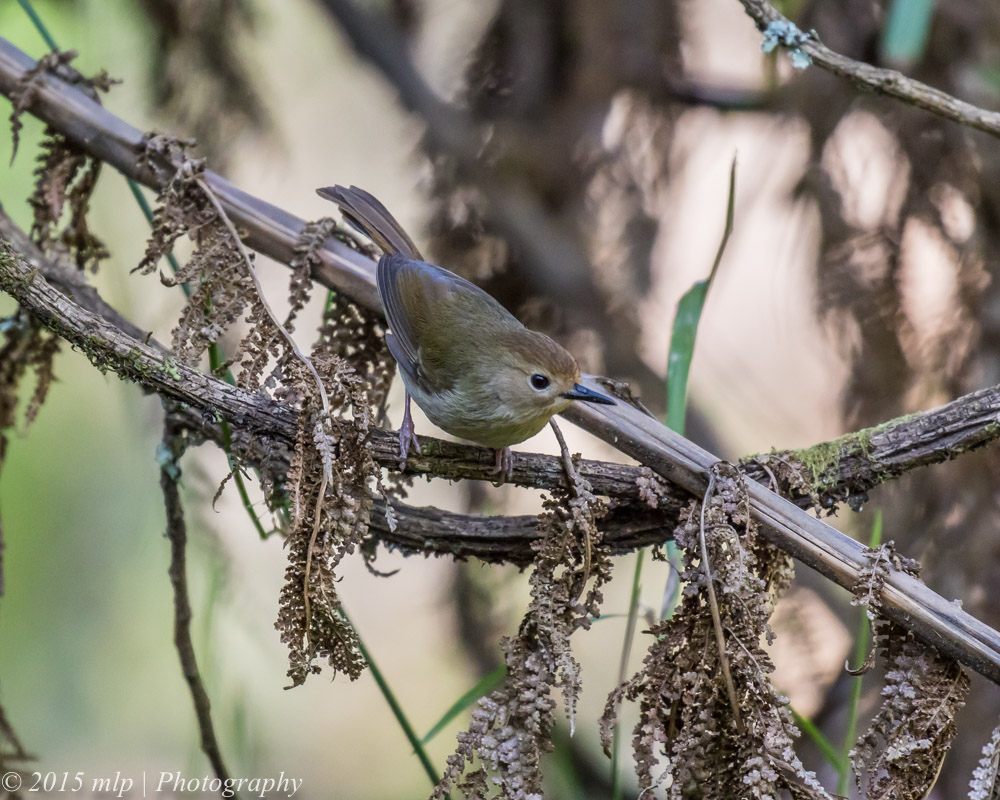
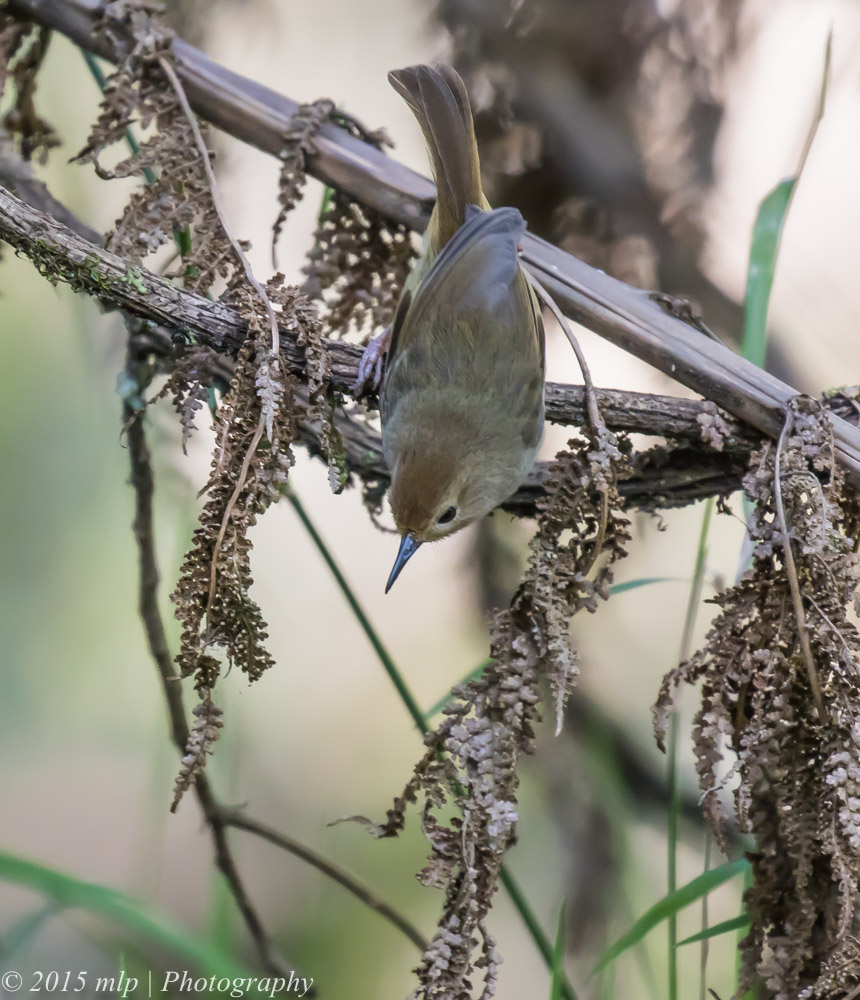
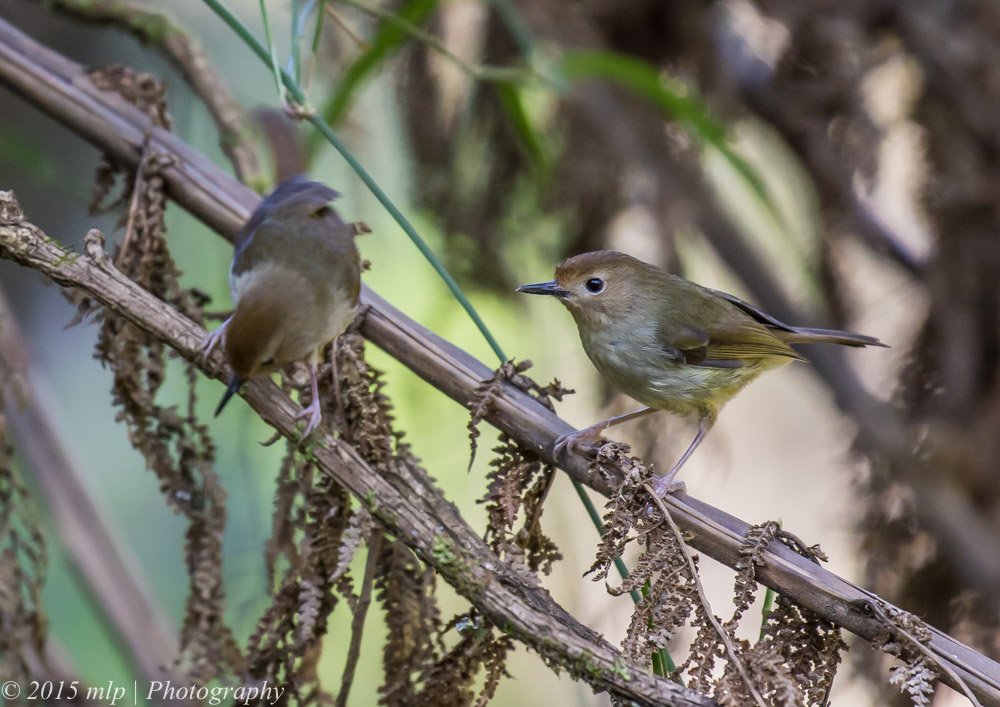
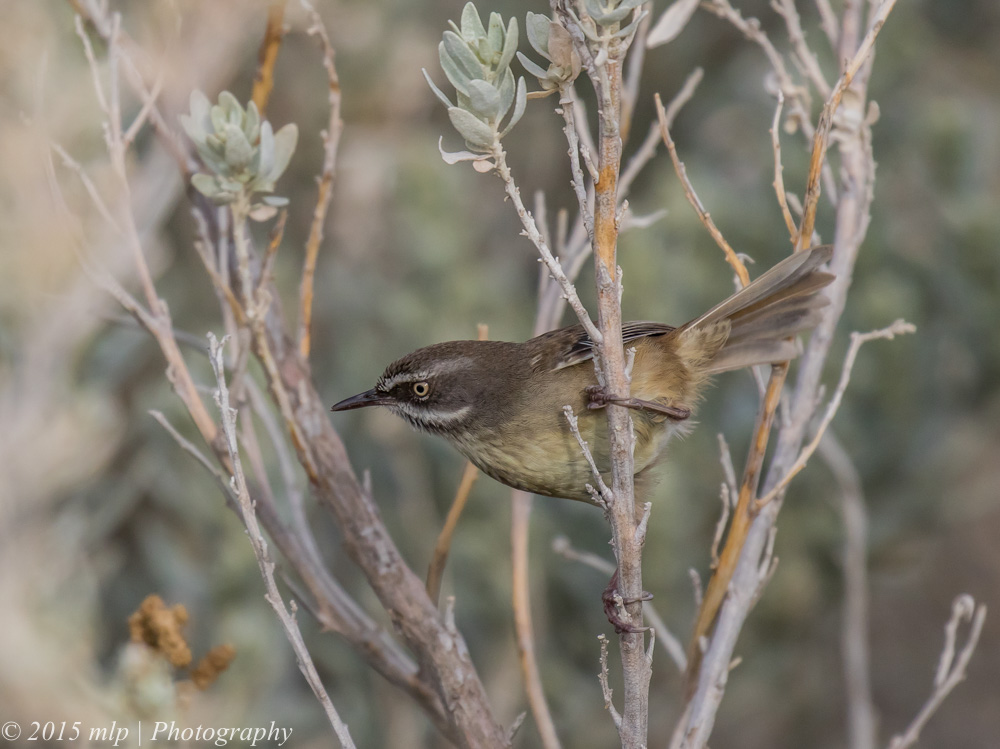
A few weeks ago our little group of intrepid birders spent a few hours exploring Welch Track, located on the Dandenong Ranges National Park. It is a fairly short track and very steep at the start but one that offers a good range of vegetation and animal species including birds. We spent some slow time just waiting for birds to come by. The last time I visited I was looking for a lifer: the Large-Billed Scrubwrens and found them but did not manage any photos (though I did find and photograph a juvenile Power Owl.) This time around we found the target species (only the 2nd time I have seen them) and managed to get a few nice images. (I have included an example of the related White Browed Scrubwren for comparison – image from a local shoot)

Welch Track, Dandenong Ranges National Park

Welch Track, Dandenong Ranges National Park

Large Billed Scrubwren, Welch Track, Dandenong Ranges Nat Park

Large Billed Scrubwren, Welch Track, Dandenong Ranges Nat Park

Large Billed Scrubwren, Welch Track, Dandenong Ranges Nat Park

II

Large Billed Scrubwren, Welch Track, Dandenong Ranges Nat Park

III

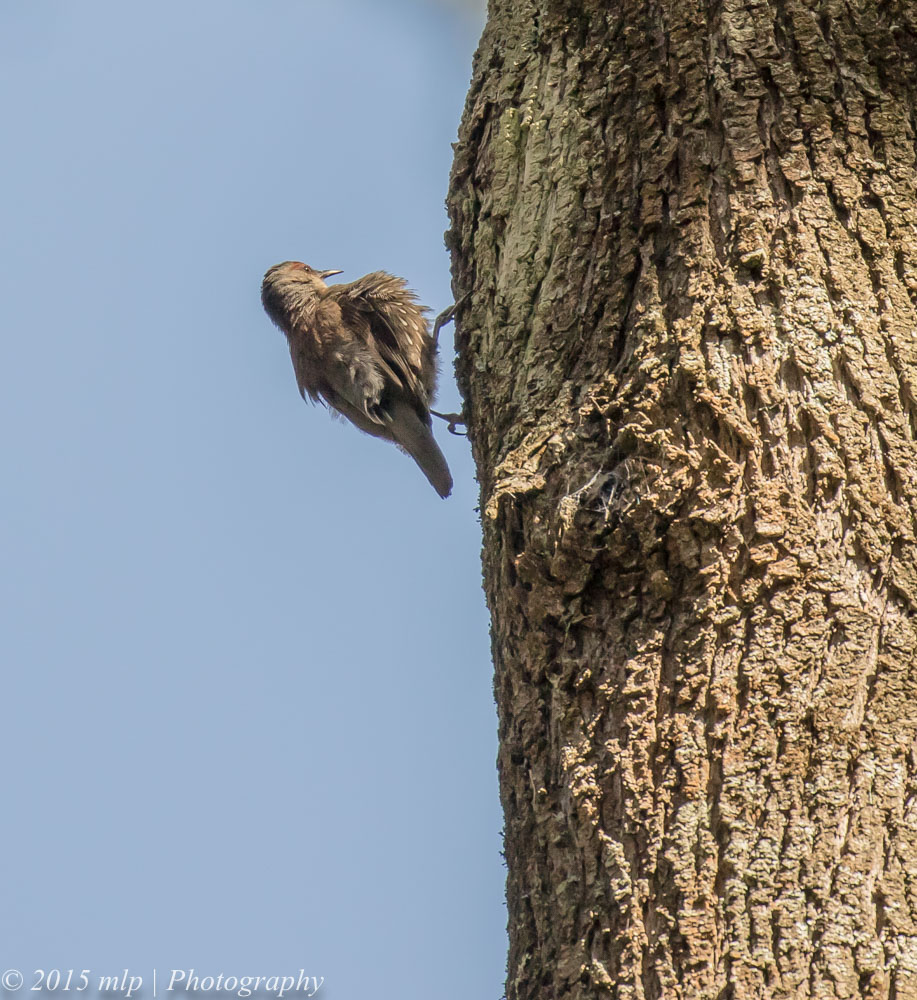
Red Browed Treecreeper, Welch Track, Dandenong Ranges Nat Park

Red Browed Treecreeper grooming after a quick dip in a local creek.

White Browed Scrubwren

White Browed Scrubwren


Elster Creek Evening Colour

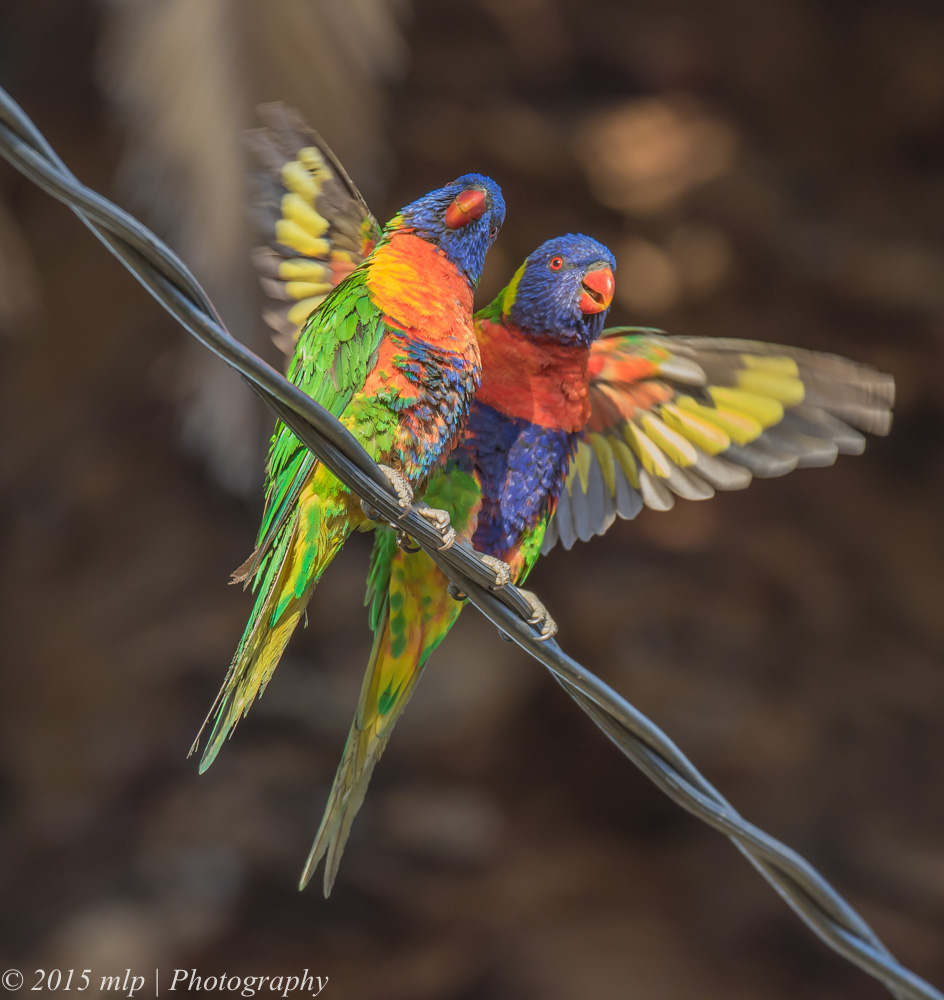
Walking along the local creek last night I stopped to watch a few ducks in the water when a raucous burst of Rainbow Lorikeet sounds from above redirected my attention. Dangling and swinging above me from the end of bent palm tree fronds were two Lorikeets playing and hanging upside down. The competition seemed to be about who could stayed upside down the longest while screeching at each other and me… A number of others watched the action from a nearby power line.

Rainbow Lorikeet, Elster creek

Rainbow Lorikeet playing around

Rainbow Lorikeet, Elster creek

The winner

Rainbow Lorikeet, Elster creek

a bit of story telling…

Rainbow Lorikeet, Elster creek

IV

2 New Lifers – 313 & 314

It has been a pretty good few months tracking down and photographing new birds. I picked up 2 new lifers  – an Osprey at the Treatment Plant, well out of its usual territory and a Painted Honeyeater in the Chiltern Mt Pilot National Park – I finally saw the Honeyeater after several long trips to the Chiltern district in Northern Victoria over the last few years.

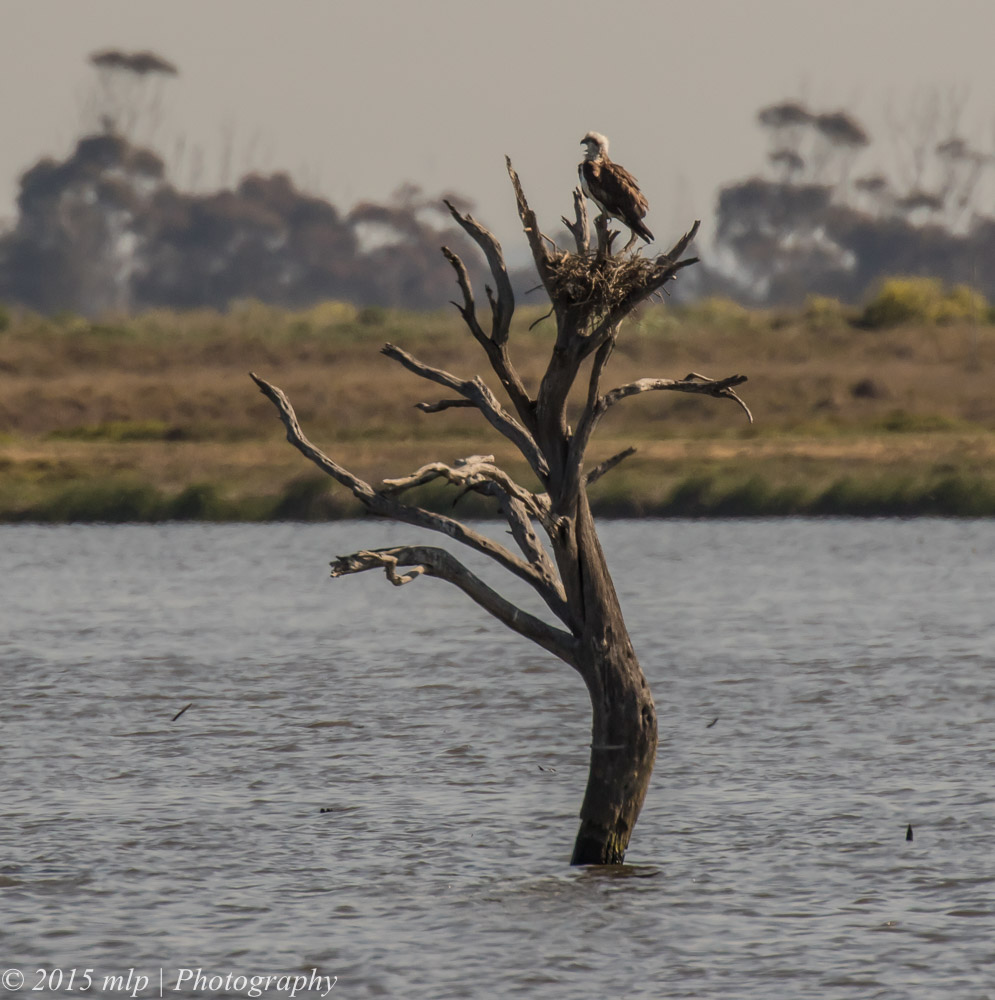
The Osprey was seen along the coast over winter between Geelong and Melbourne and seemed to settle down for a few weeks at the Treatment Plant. But it has not been sighted since the much larger Sea Eagles returned. On a recent trip we saw three White Bellied Sea eagles but no sign of the Osprey.

Osprey, Western Treatment Plant

Osprey roosting in the late afternoon on an abandoned Cormorant nest, Western Treatment Plant

Painted Honeyeater, Chiltern Mt Pilot National Park

Painted Honeyeater, Chiltern Mt Pilot National Park

Painted Honeyeater, Chiltern Mt Pilot National Park

A beautiful little honeyeater with a lovely distinctive call. 

Nesting Season at Werribee

As the migrating shore birds slowly build up in numbers at the Western Treatment Plant lagoons, I have been making a series of visits with a few friends to watch and photograph the spring nesting. There are many species building nests and raising young. The highlight was finding two separate Brolga nests.

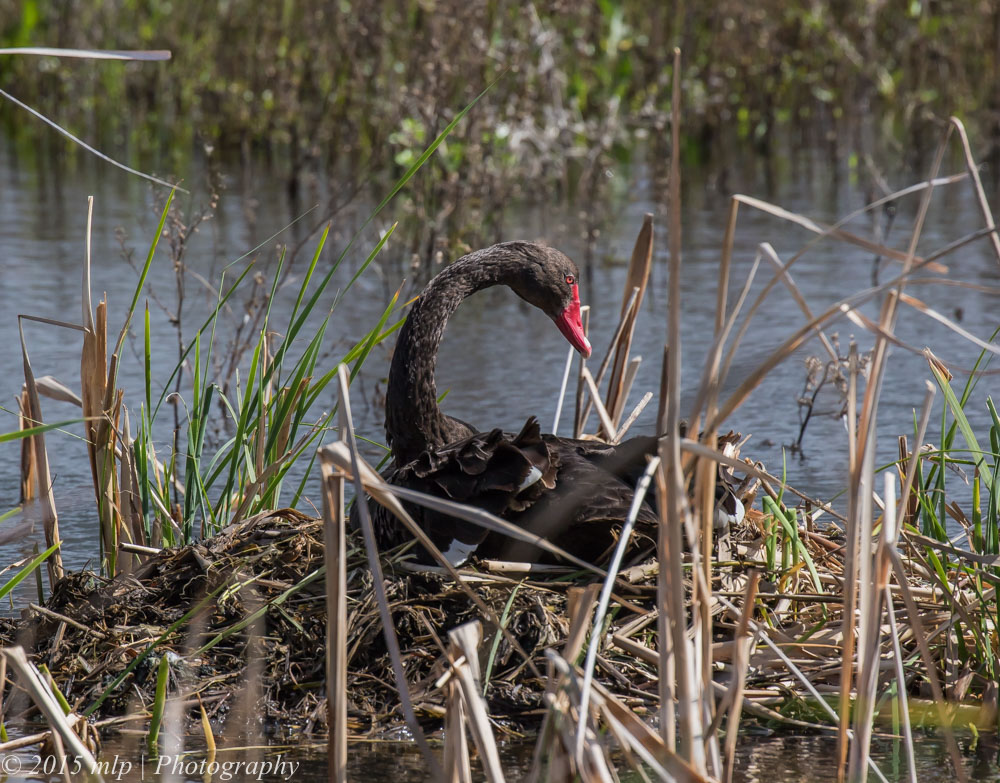
Swan nesting, Western treatment plant

Swan nesting, Western treatment plant

Swan nesting, Western treatment plant

II

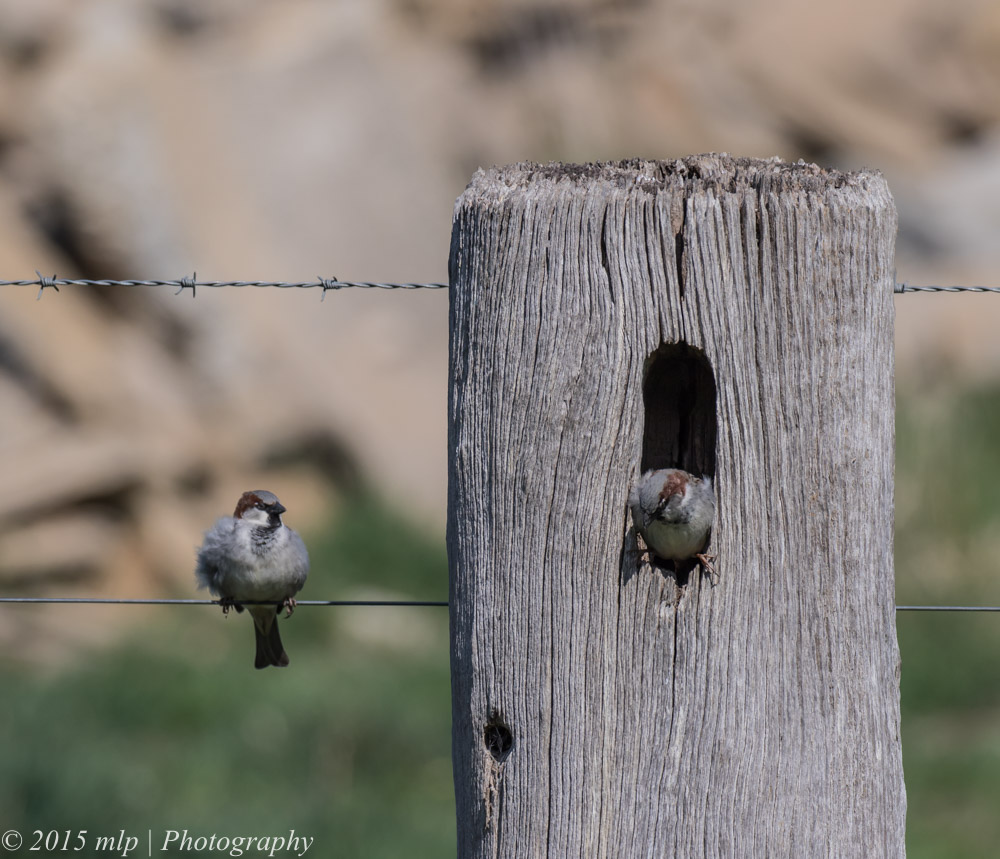
Nesting House Sparrows, Western treatment plant

Nesting House Sparrows

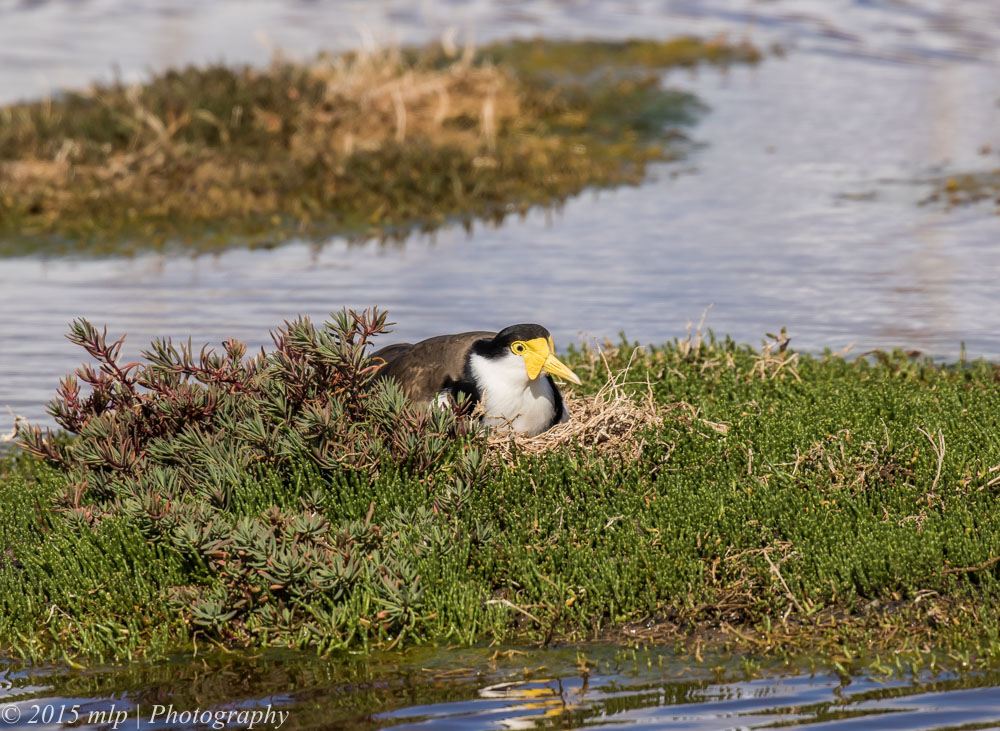
Masked Lapwing nesting, Western treatment plant

Masked Lapwing nesting – I was a bit worried about this nest, the water rose quite high after a good rain fall a day earlier.

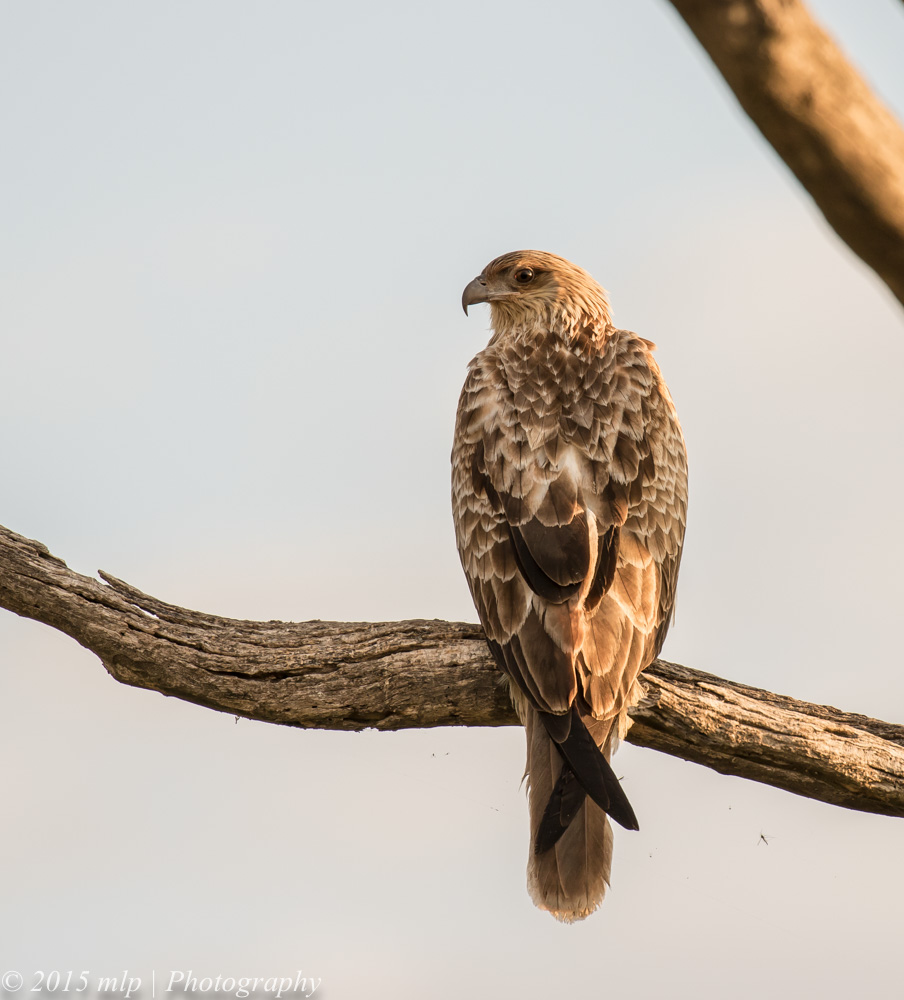
WHistling Kite nesting, Western treatment plant

Whistling Kite nesting

Whistling Kite guard, Western treatment plant

Whistling Kite  – on guard duty a tree away

Whistling Kite guard, Western treatment plant

Whistling Kite guard

Nesting Brolga, Western treatment plant

Nesting Brolga – two large eggs on a small island in a lagoon.

Interview with a Cockatoo

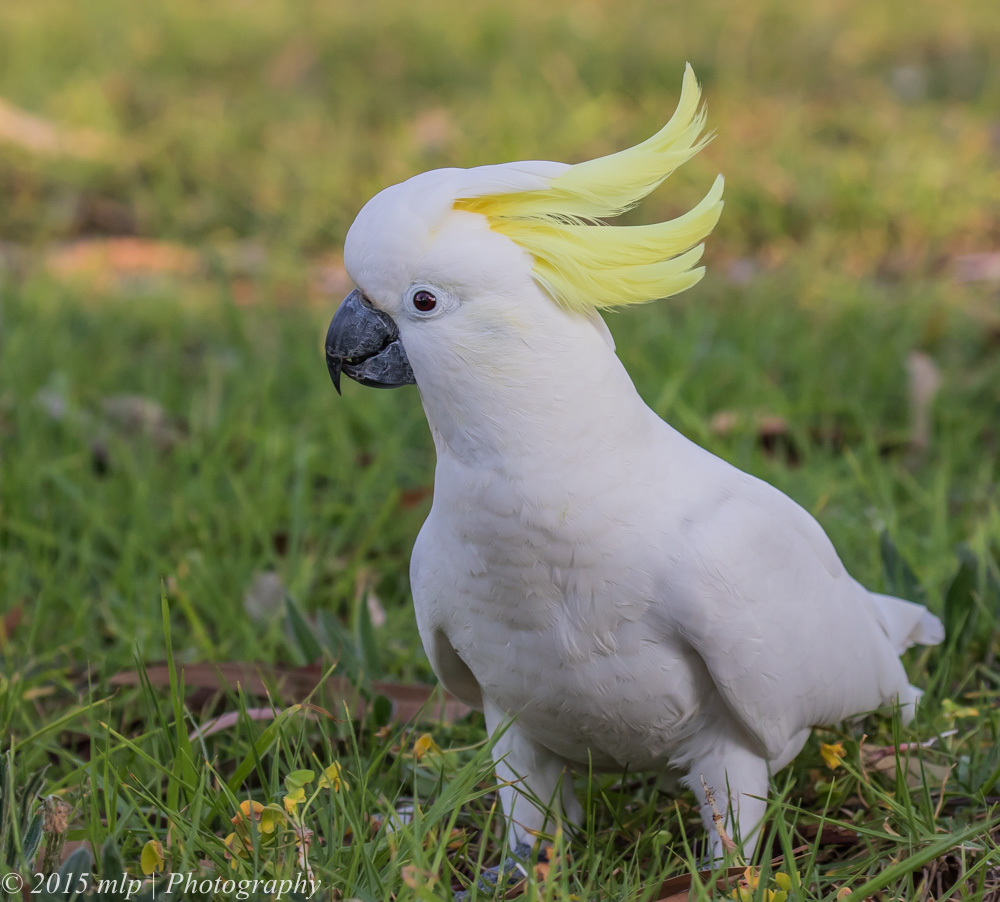
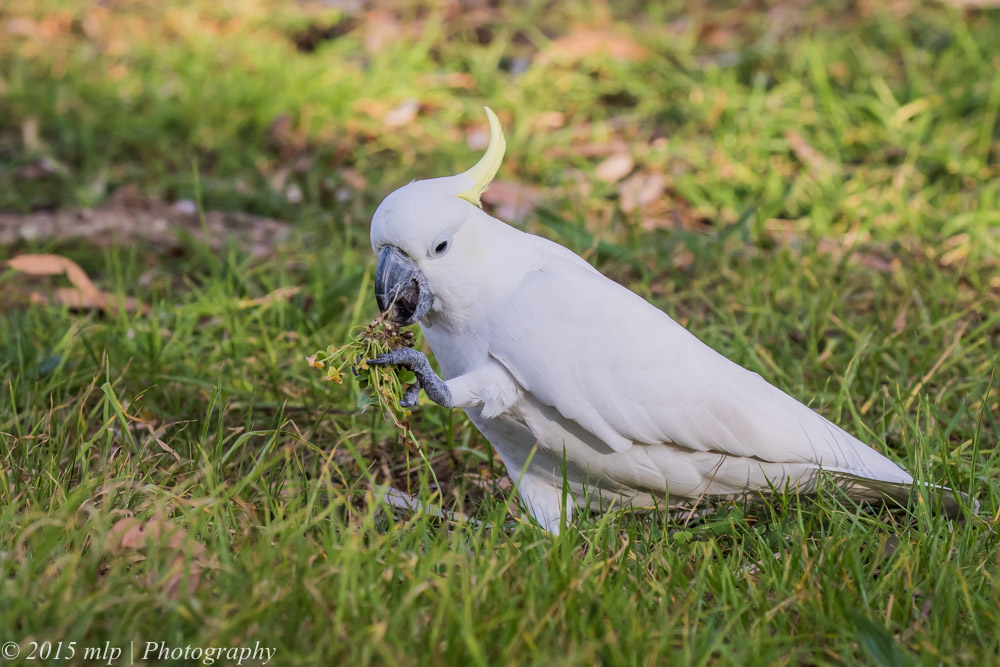
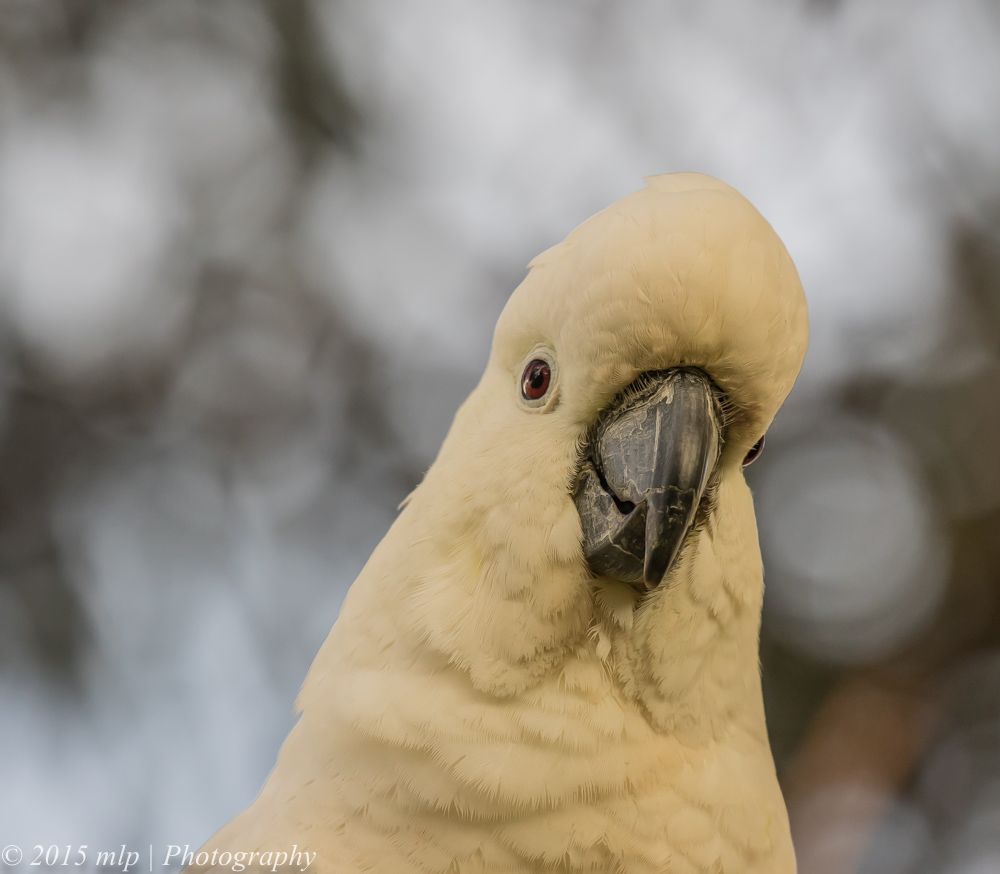
On a walk along my local creek a while back I came across a pair of Sulphur-Crested Cockatoos feeding in the grass in the late afternoon sun. They were pulling up weeds and eating the nutritious roots and bulbs. I sat down in the grass with them (as close as I dared) and watched and took photos as they gradually came closer to where I was sitting. One seemed particularly curious while I clicked away with the camera having a little chat with him. It was not until later when I processed the photos that I noticed that one had an old leg band  – maybe a cage band to stop it flying away – it does not look like a normal banding tag like we see on the shorebirds. I will have to keep an eye out for it. A pair, I think this pair, have taken up residence nearby in a large old Gum tree and may try to nest. It was quite an experience to just sit and let these (almost) wild birds just work there way around me while feeding.

Sulphur Crested Cockatoo, Elster Creek

Sulphur Crested Cockatoo, Elster Creek

Sulphur Crested Cockatoo, Elster Creek

Looking the business…walking over to see what I was up to…

Sulphur Crested Cockatoo, Elster Creek

Deciding that I was pretty harmless…

Sulphur Crested Cockatoo, Elster Creek

Digging up bulbs and roots…

Sulphur Crested Cockatoo, Elster Creek

Sulphur Crested Cockatoo taking a power nap…

Sulphur Crested Cockatoo, Elster Creek

Alert but not alarmed…

Sulphur Crested Cockatoo, Elster Creek

Sulphur Crested Cockatoo, Elster Creek

Flight – Raptors and Terns

At this time of year, the number of raptors at the Western Treatment Plant are steadily building up. It can be a good place to practice your flight photography. Along with the raptors that search the ponds and lagoons for prey there are many flocks of ducks and terns .

Brown Falcon, Western Treatment Plant,

Brown Falcon, Western Treatment Plant,

Juvenile Sea Eagle, Western Treatment Plant

Juvenile Sea Eagle flying over the car and spooking 1000s of Pink Eared Ducks

Black Kite, Western Treatment Plant

Black Kite

Whiskered Tern, Western Treatment Plant,

Whiskered Tern

Whiskered Tern flock, Western Treatment Plant

Whiskered Tern flock hawking for insects near the surface of the ponds

A new Lane explored

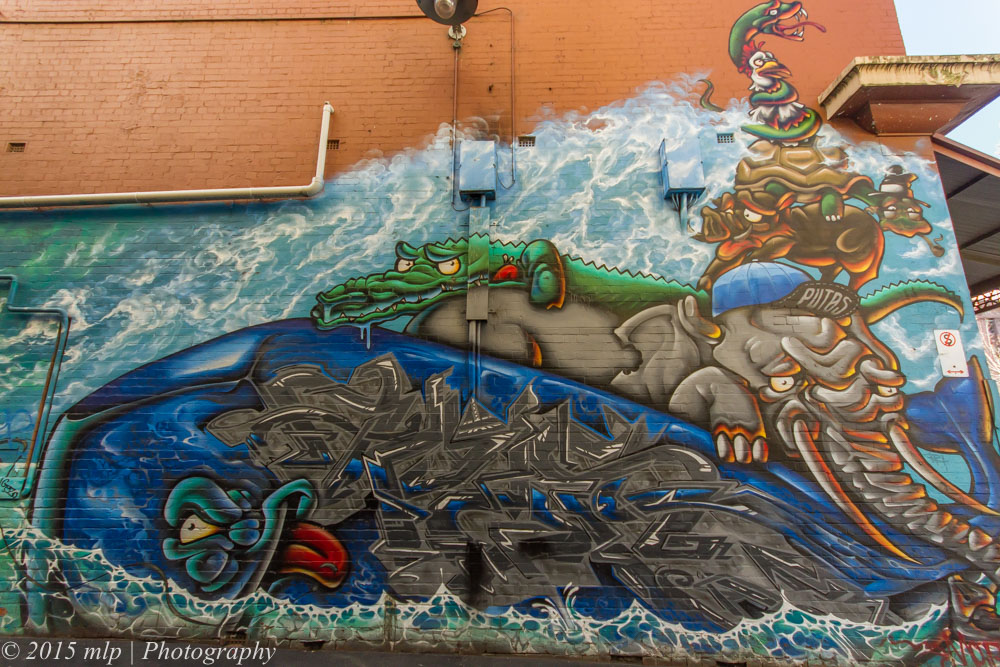
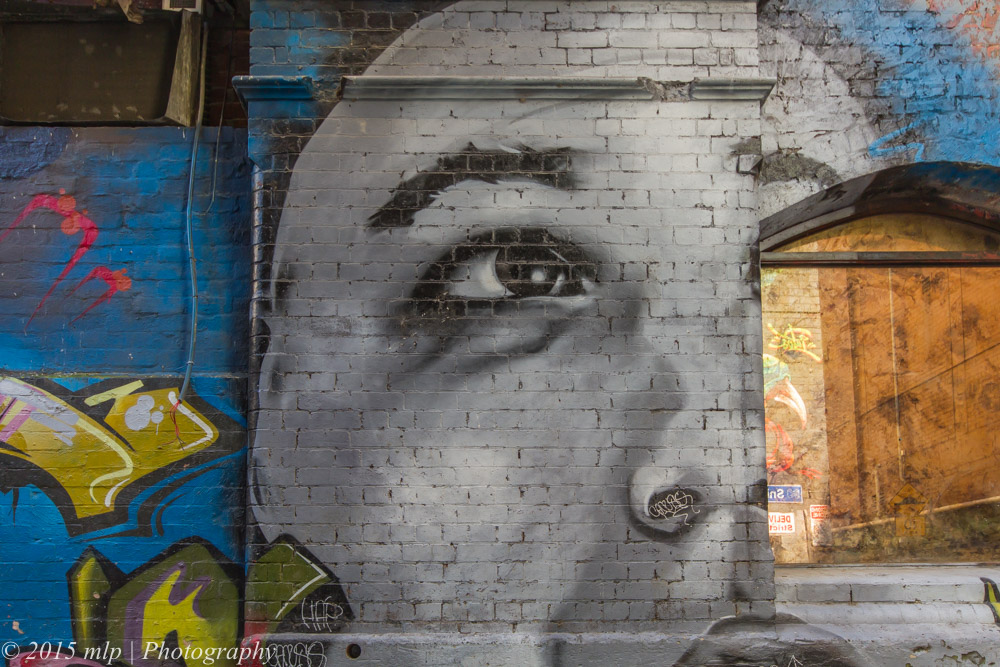
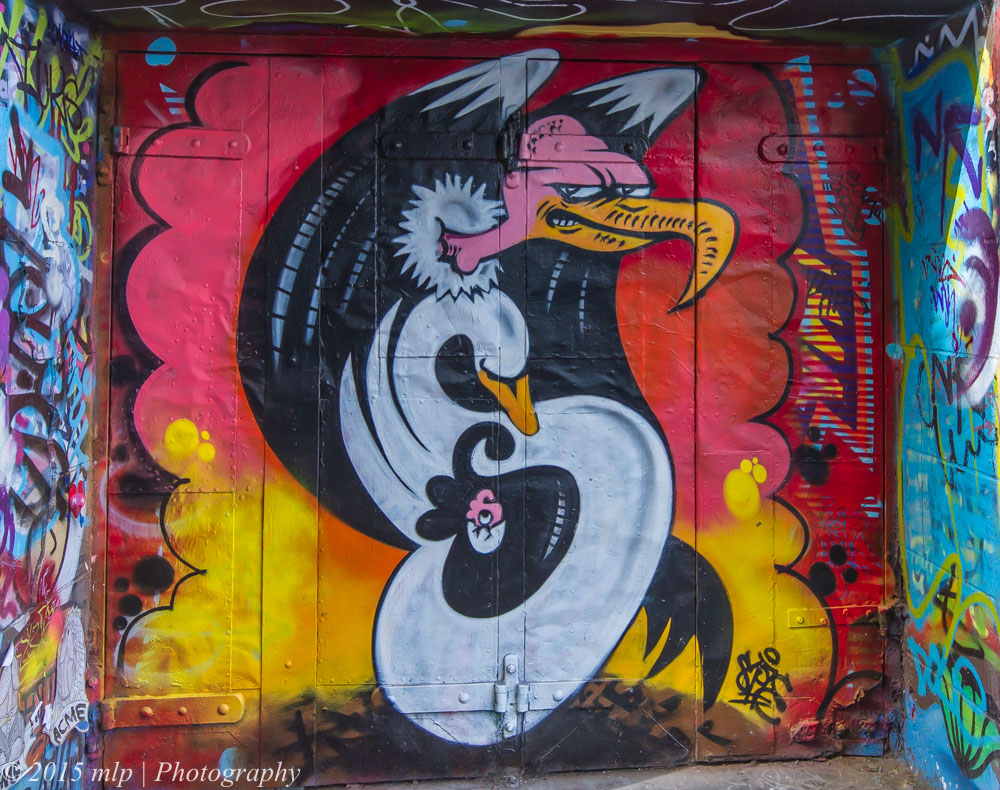
While on a lunch-time wander around town I noticed a large colourful mural in a Lane off Lonsdale St – Drewery Lane. Having a good look around, I explored the art work in the lane. There are actually two ajoining lanes with some interesting artwork – a mix of large murals, art installations and an  unusual building sculpture. There is also a hidden laneway bar. Below are a few of the murals in Drewery and Sniders Lanes. (part 1)

Drewery Lane, Melbourne CBD

Drewery Lane, Melbourne CBD

Drewery Lane, Melbourne CBD

Drewery Lane, Melbourne CBD

Sniders Lane, Melbourne CBD

Sniders Lane, Melbourne CBD

Sniders Lane, Melbourne CBD

Sniders Lane, Melbourne CBD

Sniders Lane, Melbourne CBD

Sniders Lane, Melbourne CBD


Hosier Lane Updates

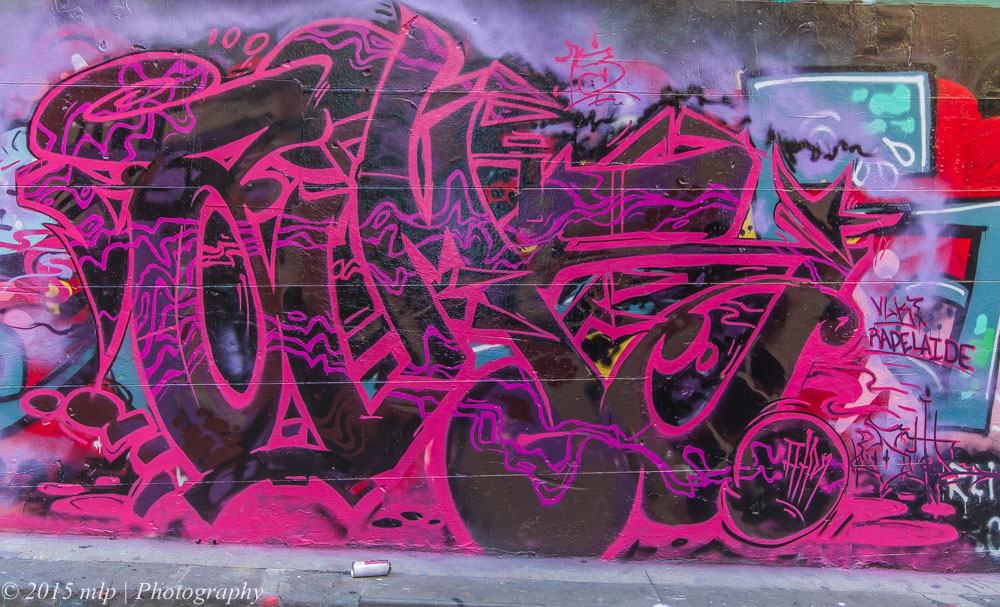
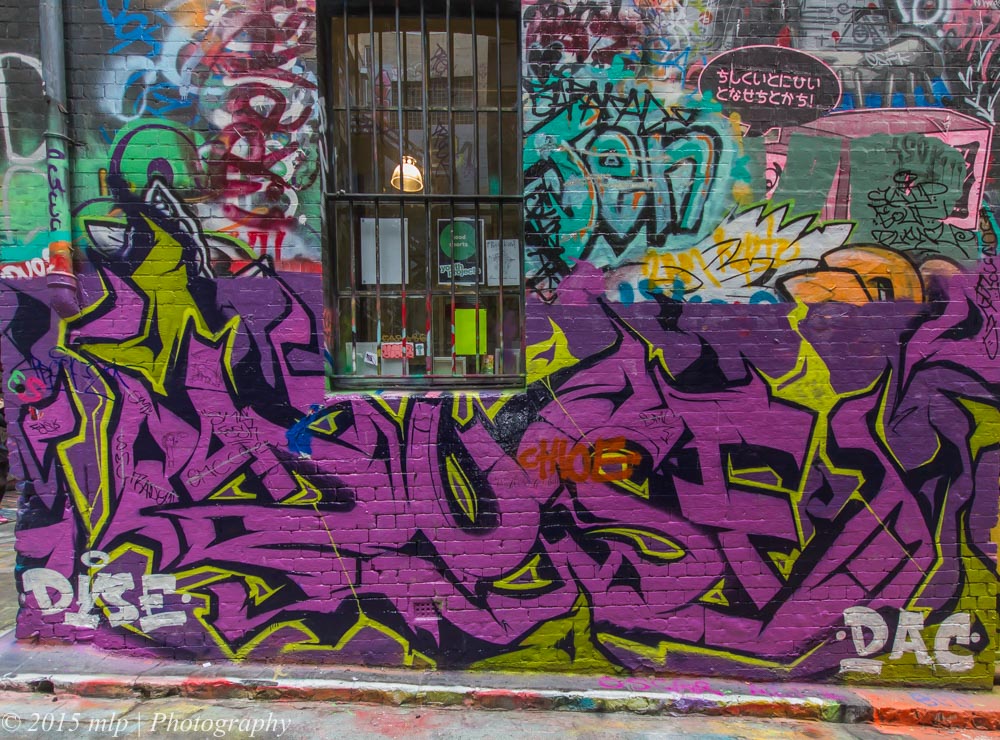
While my focus over Winter and Spring has been heading into the wilds for hours of serenity (and bird pics), I have still been visiting my usual city haunts and exploring for new sites. I walked down Hosier Lane, in Melbourne CBD, a while back and took a few shots of colourful and interesting works.

Hosier Lane Art, Melbourne CBD,

Hosier Lane Art, Melbourne CBD

Hosier Lane Art, Melbourne CBD,

II

Hosier Lane Art, Melbourne CBD,

III

Hosier Lane Art, Melbourne CBD,

IV

Hosier Lane Art, Melbourne CBD,

V

Hosier Lane Art, Melbourne CBD,

VII

Hosier Lane Art, Melbourne CBD,

Hosier Lane Art and Selfie Tourists

Kookaburra on the hunt

I followed the sound of the Kookaburras hoping to get a clear shot of one. In the forests they don’t tend to let you get too close. I found this one enjoying some late afternoon sun. After a few moments he noticed something behind me and took off and flew straight at me, swerving at the last second and down onto the path 10 or so meters behind me, pouncing onto some prey and then flying back up into the trees.

Kookaburra, Moorooduc Quarry

Kookaburra, Moorooduc Quarry

Kookaburra, Moorooduc Quarry

Kookaburra spotting prey (or my hat)

Kookaburra, Moorooduc Quarry

III


Stinkers in the garden

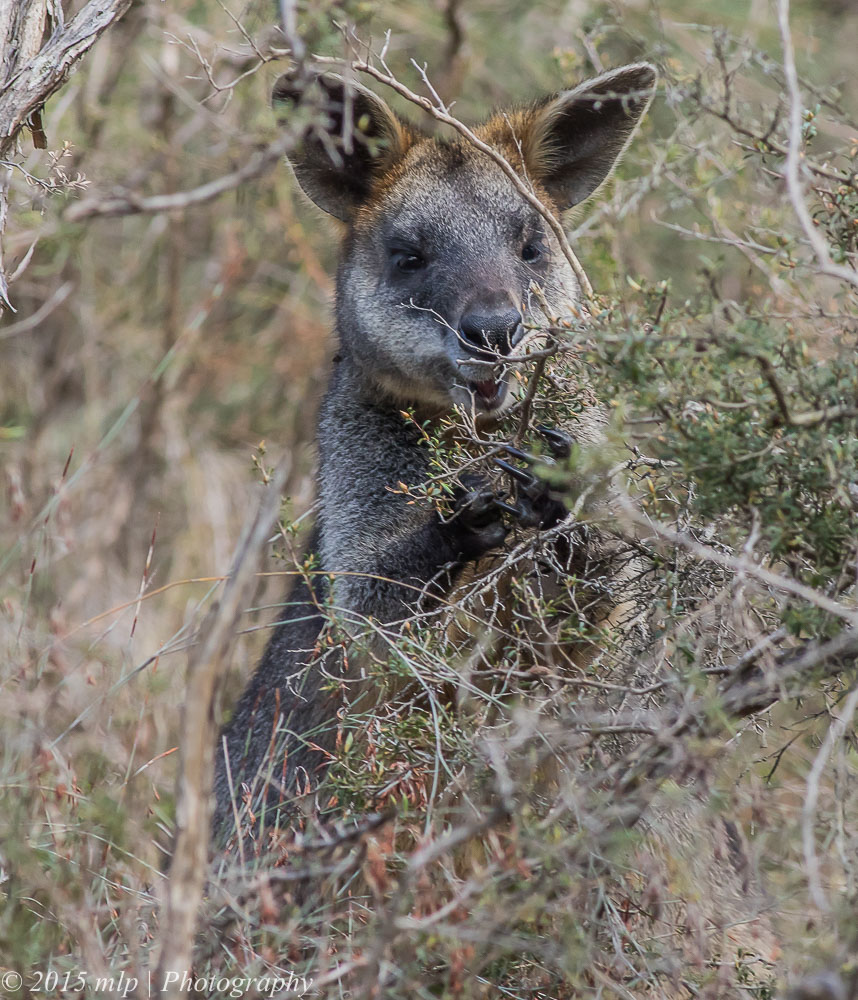
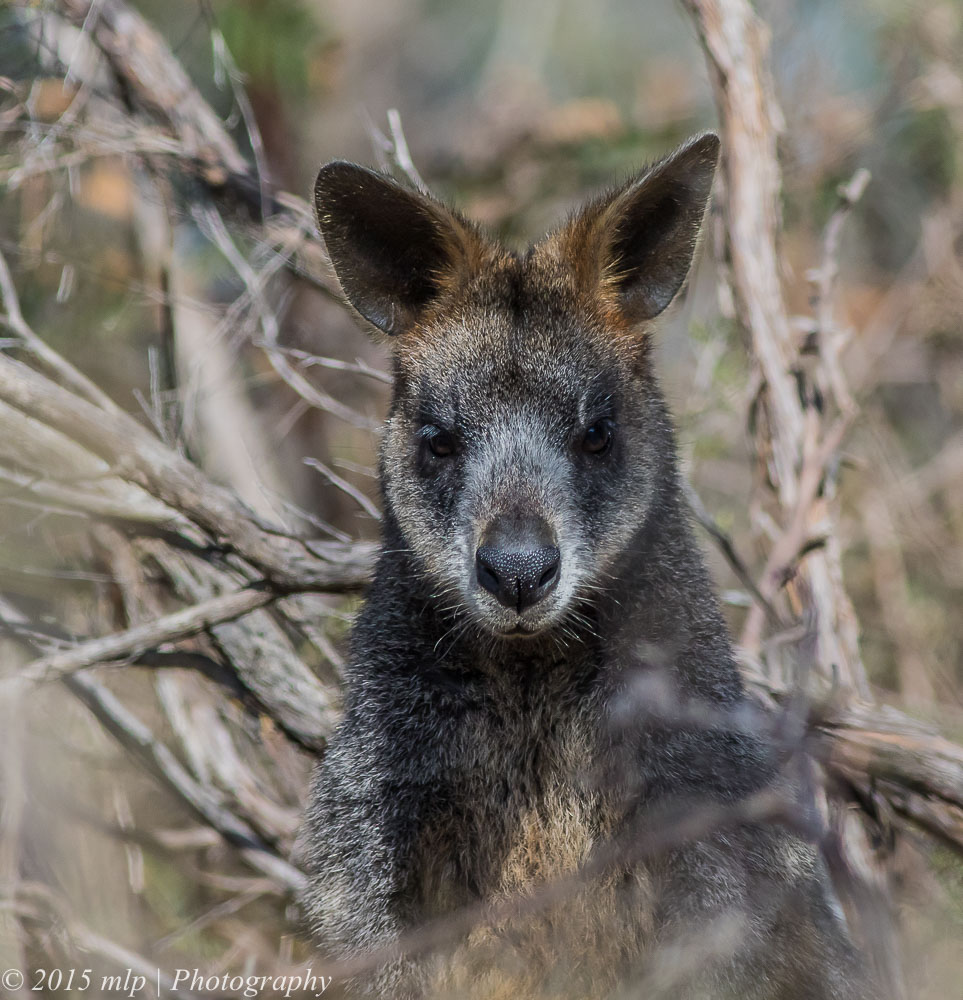
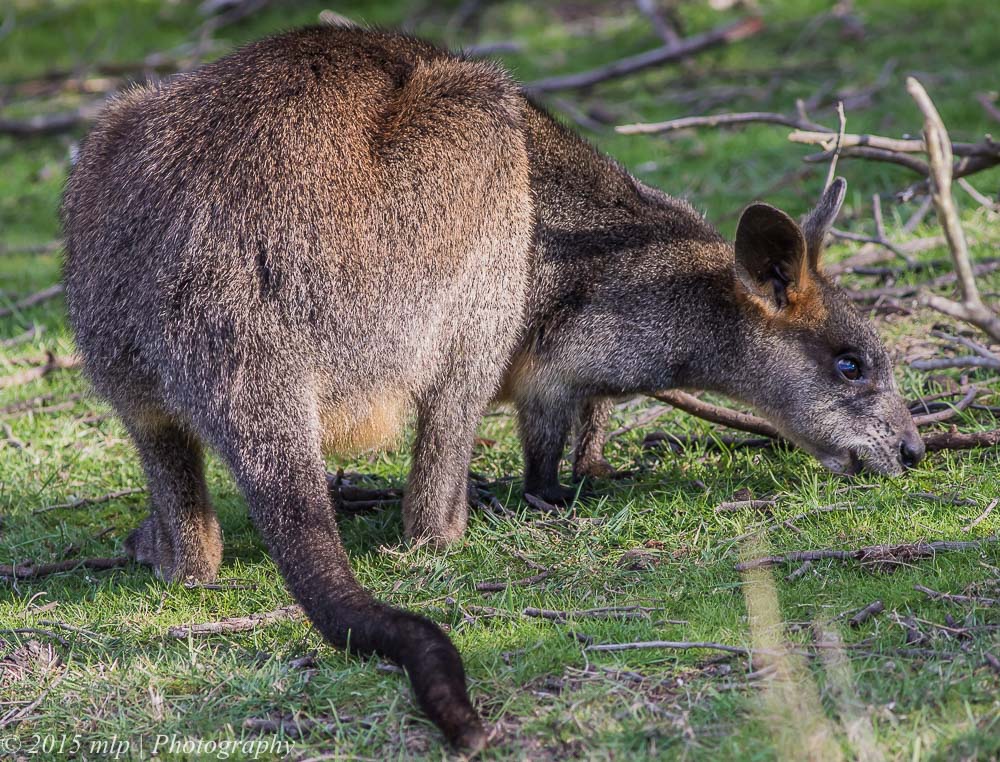
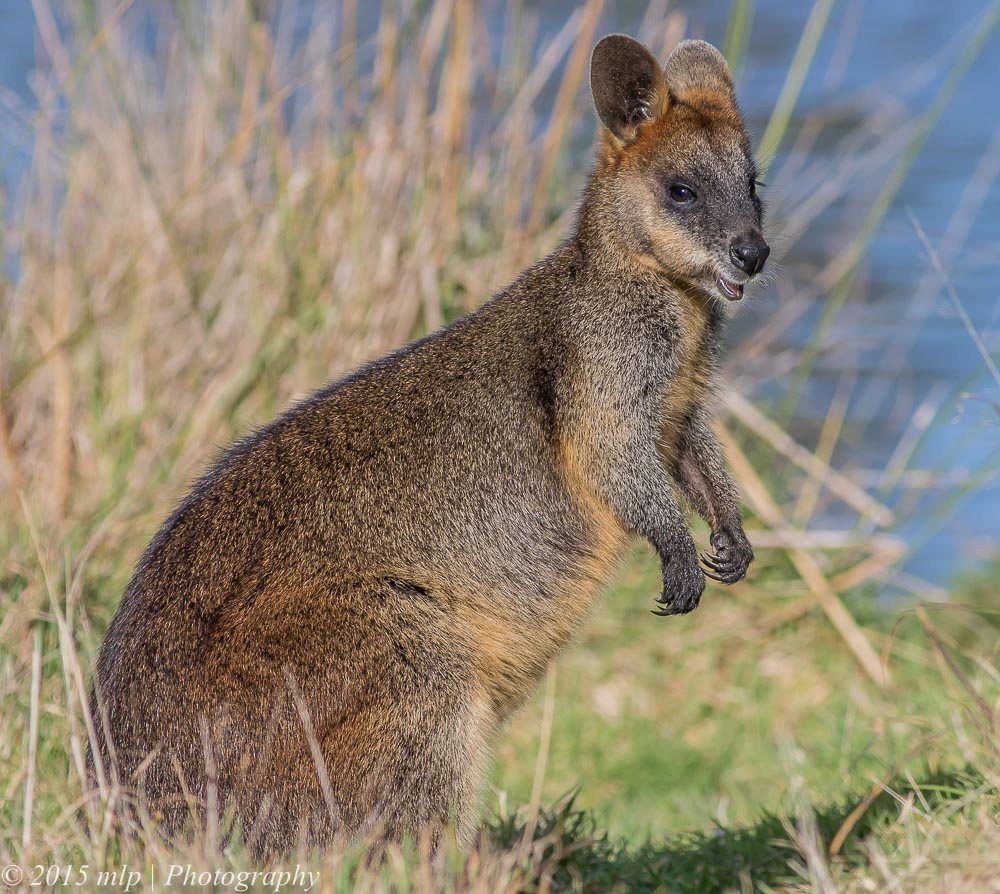
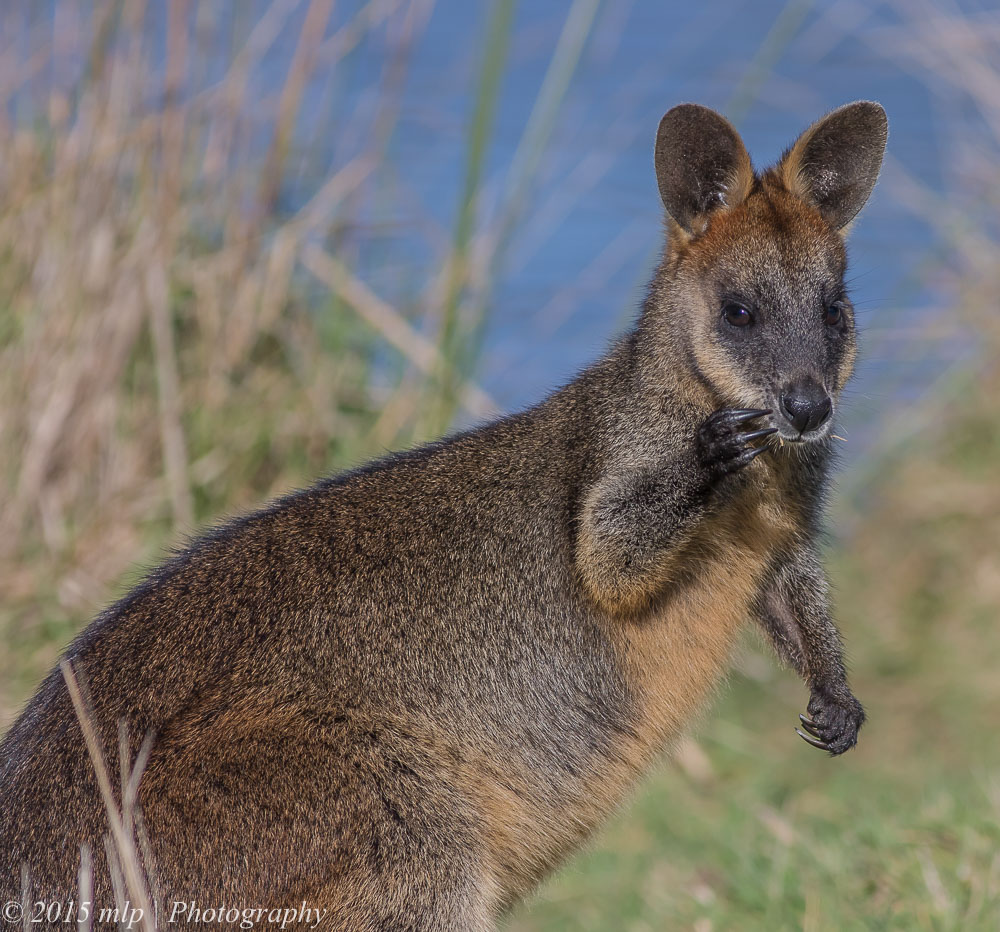
For some reason Wallabies don’t seem to panic as easily as Grey Kangaroos. They can be quite approachable particular in areas where they have become accustomed to people walking around. As long as you don’t cut off their escape paths they are happy to keep eating and just keep an eye on you. We recently saw a few Black or Swamp Wallabies at Cranbourne Botanical Gardens – woodlands area. They are usually on their own or with a joey.  We were able to take a few shots and slowly creep forward before they ambled off. They have nice colouring especially in late afternoon sun light. The Grey Kangaroos were much more flighty and generally took off as soon as they saw us.
According to Wiki, the swamp wallaby (Wallabia bicolor)  has some unusual names that I have not heard of before including black-tailed wallaby, fern wallaby, black pademelon, stinker (in Queensland), and black stinker (in New South Wales) due to its characteristic swampy odour (which we did not smell on this occasion but now I am curious).
Black Wallaby, Cranbourne Botanical Gardens

Black Wallaby, Cranbourne Botanical Gardens

Black Wallaby, Cranbourne Botanical Gardens

II

Black Wallaby, Cranbourne Botanical Gardens

III

Black Wallaby, Cranbourne Botanical Gardens

IV

Black Wallaby, Cranbourne Botanical Gardens

Black Wallaby also called a Swamp Wallaby

Bathing in a puddle

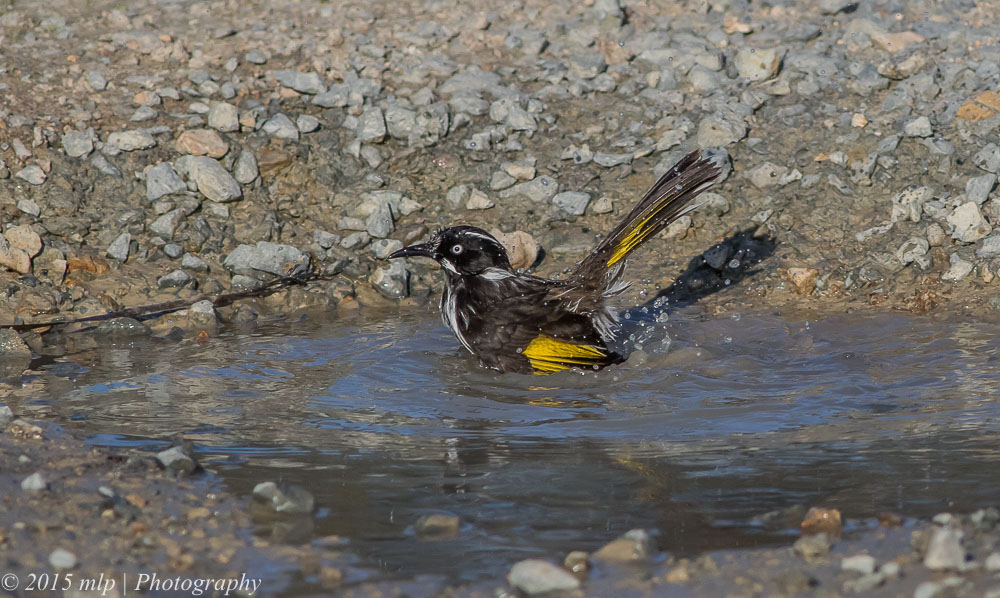
There is nothing like a nice afternoon bath in a small fresh puddle – perfect temperature, perfect depth. This New Holland Honeyeater was one of several birds that made quick flights into the water. After a quick dip and a splash around it would take off to a nearby branch to groom and then back into the water again. Bathing, grooming and keeping the feathers in good condition are extremely important to birds. It is fun and challenging to try and take decent images when the opportunity arises…

Bathing New Holland Honeyeater VI, Cranbourne Botanical Gardens,

Bathing New Holland Honeyeater, Cranbourne Botanical Gardens,

Bathing New Holland Honeyeater VI, Cranbourne Botanical Gardens,

II

Bathing New Holland Honeyeater VI, Cranbourne Botanical Gardens,

III

Bathing New Holland Honeyeater VI, Cranbourne Botanical Gardens,

IV

Bathing New Holland Honeyeater VI, Cranbourne Botanical Gardens,

V

Bathing New Holland Honeyeater VI, Cranbourne Botanical Gardens,

VII

The Falcon’s Roost

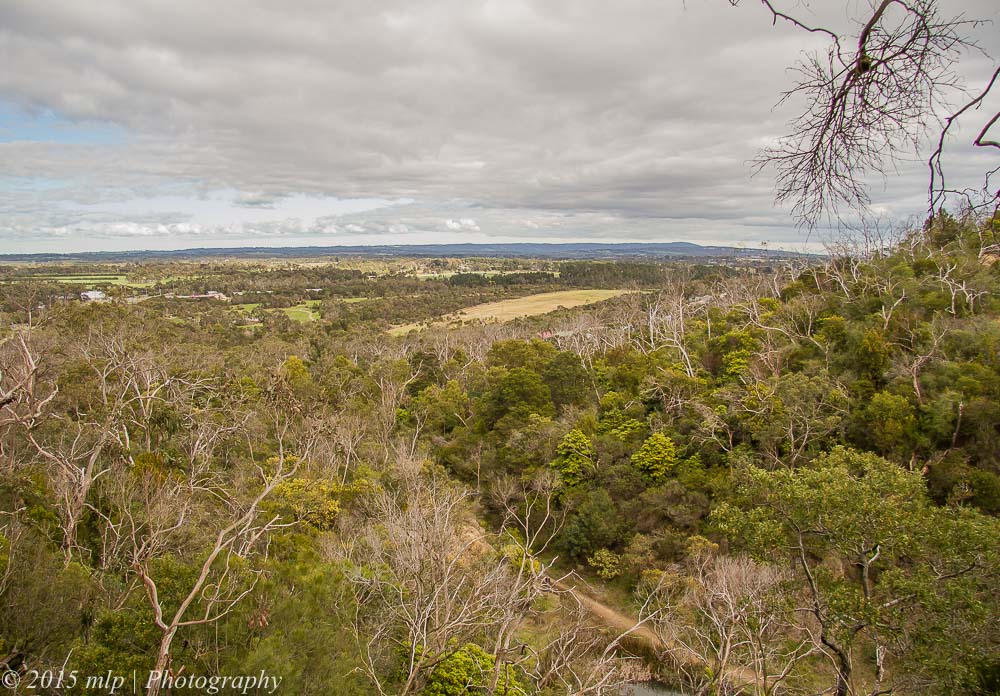
Moorooduc Quarry is a very good site for woodlands birds and for the Peregrine Falcon. The quarry is cut out from a hillside in Mt Eliza and from the top has vast views of the surrounding countryside. With such great views and an abundance of potential prey it is no wonder that the Peregrines can be found here all year round. They also breed at the site each year.

On a recent visit I walked into the quarry and looked for the Peregrines amongst the tall dead trees that overhang at the top of the cliffs. Spotting a Peregrine on a  tall tree near one of the tracks that circle the lip of the quarry I thought I would try my luck and sneak up for a photo. I am pretty sure he watched me all the way, gave me a bit of chance for a photo through the fringing bushes and then took off and flew to the other side of the quarry. When the Peregrine took off he just leaned forward and dropped straight down to build up speed, glided for a while and then flew up to the other side.

Top of the Quarry, Moorooduc Quarry Flora and Fauna Reserve

Near the top of the Quarry, Moorooduc Quarry Flora and Fauna Reserve

Top of the Quarry, Moorooduc Quarry Flora and Fauna Reserve

View into part of the lake at Moorooduc 

Peregrine Falcon, Moorooduc Quarry Flora and Fauna Reserve

Peregrine Falcon – a regular at the site, watching me puff my way up the steep track.

Peregrine Falcon, Moorooduc Quarry Flora and Fauna Reserve

Dropping straight down the cliff edge to build up speed. 

Nests, Dreys and Bandicoots

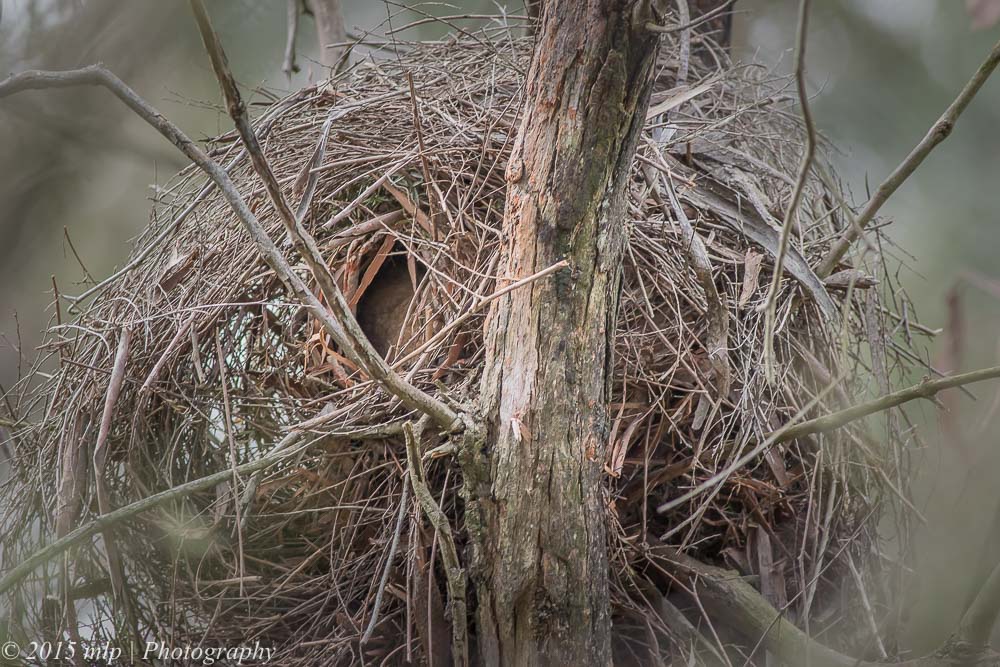
Saturday was another lovely Winter’s day in Melbourne and we decided to head down to the Melbourne Botanical Garden, (Cranbourne), also known as Australian Garden. We started at the Stringybark Picnic area and walked along  the forest paths looking birds and reading the various information signs. We came across a large curious nest only a few metres off the ground. I could not figure out what made it or what was using it – I could see a brown furry looking lump through the side entrance but could not confirm what it was – I was unable to get closer without bashing through and damaging the prickly bushes in front. Last night, a local naturalist (Gio) suggested that it was most likely a Drey – a round nest made by a Ring-Tailed Possum. I did not know that Possums made nests like this nor had I ever heard of a Drey…

Drey, Cranbourne Botanical Gardens

Drey, Cranbourne Botanical Gardens

Moving around the paths we saw a number of Eastern Yellow Robins and watched for a while as they hunted. I found one of their freshly made nests. Very similar style to the previous nest that I have posted about from Moorooduc.

Robin's nest, Cranbourne Botanical Gardens,

Robin’s nest, Cranbourne Botanical Gardens,

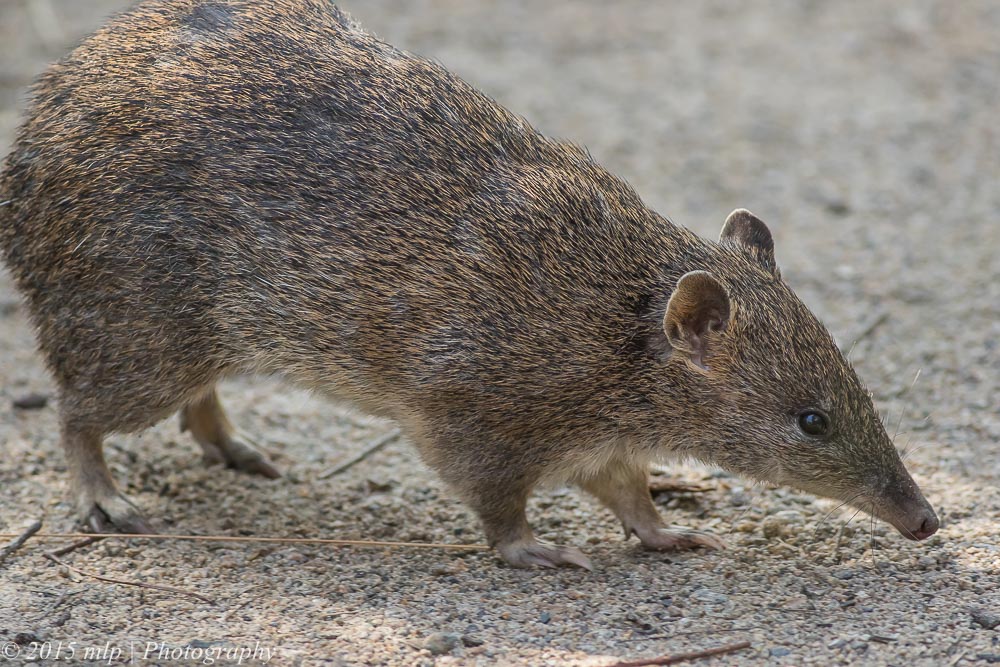
The highlight of this part of the day was spotting a Southern Brown Bandicoot, a threatened marsupial species, often wiped out from areas by foxes. This site is protected by a fox proof fence and so the species is surviving. We saw one dart across a path. As we were walking back to the car my eagled eye walking partner yelled out that I was about to step on another one. This little guy was not very scared of me at all and we moved back a bit and took a few photos. It had some nasty healed up scars on its rump and a missing tail. I was surprised by its size – roughly the size of a small cat – much bigger than I expected. It moved around the path, had a little stretch and at some point decided to bolt off the track but only into the fringe where we watched it a bit more while it napped. We left it alone and drove to the main part of the gardens.

Southern Brown Bandicoot, Cranbourne Botanical Gardens

Southern Brown Bandicoot, Cranbourne Botanical Gardens

Southern Brown Bandicoot, Cranbourne Botanical Gardens

showing some old healed wounds on its back, its tail is also missing
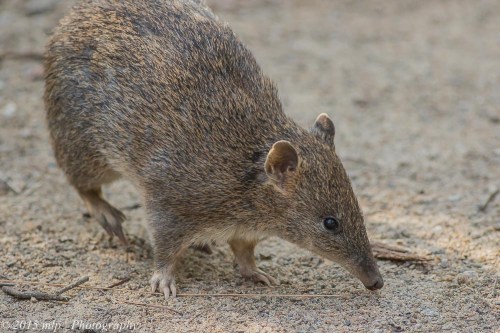
Southern Brown Bandicoot, Cranbourne Botanical Gardens

Long claws front and back and a long nose that was surprisingly agile

Southern Brown Bandicoot, Cranbourne Botanical Gardens

Southern Brown Bandicoot

Southern Brown Bandicoot, Cranbourne Botanical Gardens

Leaping from the path to the scrub a few feet away – very powerful back legs

Southern Spring is on its way

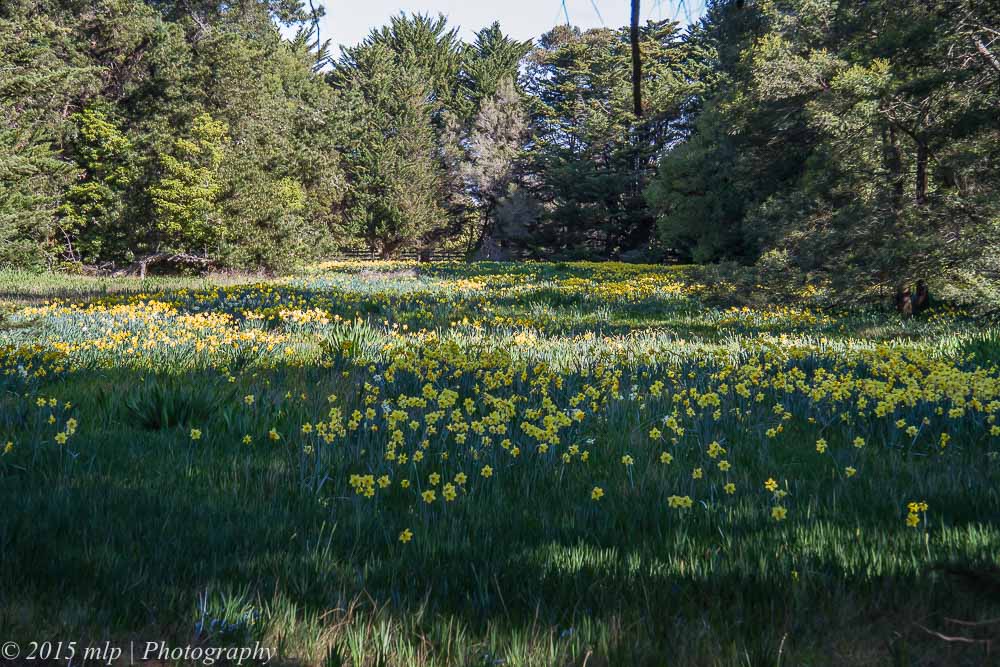
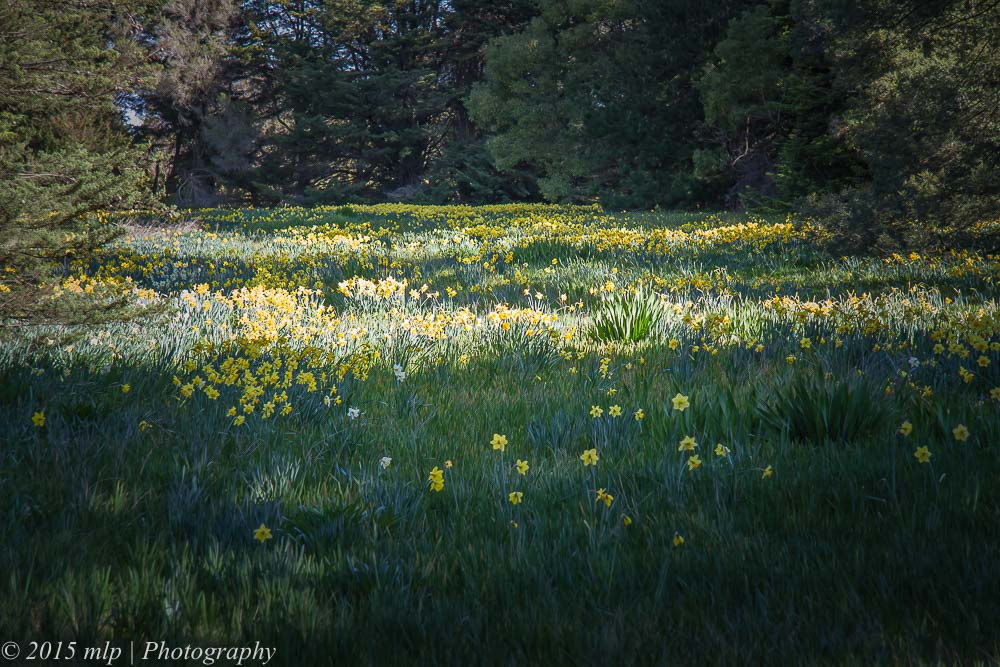
After a morning of visiting the local birding sites, I dropped into the family farm  to grab a lunch with the Matriarch and the Patriarch of the family. Afterward I walked down the road with my sister to show her offspring the secret field hidden behind a row of large pine trees. The field is effectively abandoned but once a year bursts into a sea of yellow, indicating Spring is well on its way. In another week or so it will be filled with yellow and cream daffodils.

Daffodil Field, Moorooduc

Daffodil Field, Moorooduc

Daffodil Field, Moorooduc

II