Category Archives: Birds

Sunbaking at Williamstown’s Jawbone

A recent  Port Phillip Birders day trip to several south western birding sites started with a morning stop at Williamstown and the Jawbone Flora and Fauna Reserve. It is a favourite spot of mine with many  resident bird species with quite a few drop-ins and seasonal visitors. The wetland lagoons are narrow and accessible. It makes for good photographic opportunities. It is a very handy location for beginner birders as the birds are generally used to people passing nearby and don’t panic and fly away. It is where I started to learn more about the waders and coastal shorebirds. On this occasion it was cool and quite windy but we still managed to clock up over 50 species and take a few nice pics. The highlight was a group of 16 or so Brown Quail sunning and grooming themselves along one of the main paths. I have often seen Brown Quail here but not close and not so many. The images below show just how well camouflaged they can be – they just blend into the dry brown grass. When spooked a bit they jump up and scurry off into deeper cover. I have still yet to see one fly.
Brown Quail, Jawbone Flora and Fauna Reserve

Brown Quail, Jawbone Flora and Fauna Reserve

Brown Quail, Jawbone Flora and Fauna Reserve

Well camouflaged amongst the dry grass

Brown Quail, Jawbone Flora and Fauna Reserve

III

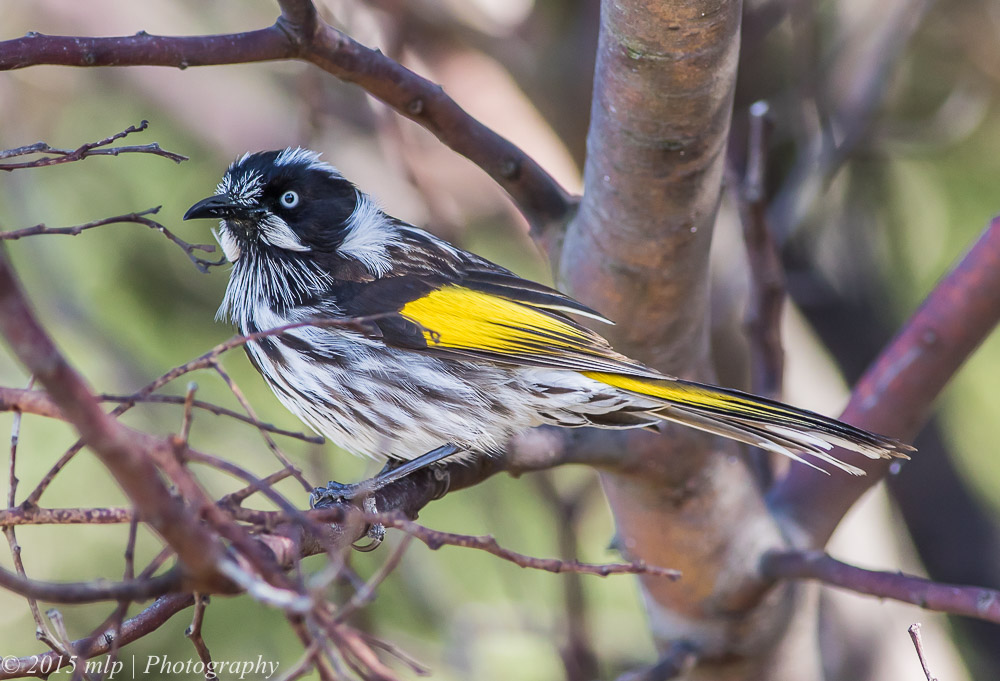
Another highlight was a New Holland Honeyeater that seemed happy to ignore us and allow a close approach for photos. It spent 20 minutes hunting for insects from a few perches close to the path.

New Holland Honeyeater, Jawbone Flora and Fauna Reserve

New Holland Honeyeater

New Holland Honeyeater, Jawbone Flora and Fauna Reserve

II

New Holland Honeyeater, Jawbone Flora and Fauna Reserve

III

Cruising the Kamarooka Forest

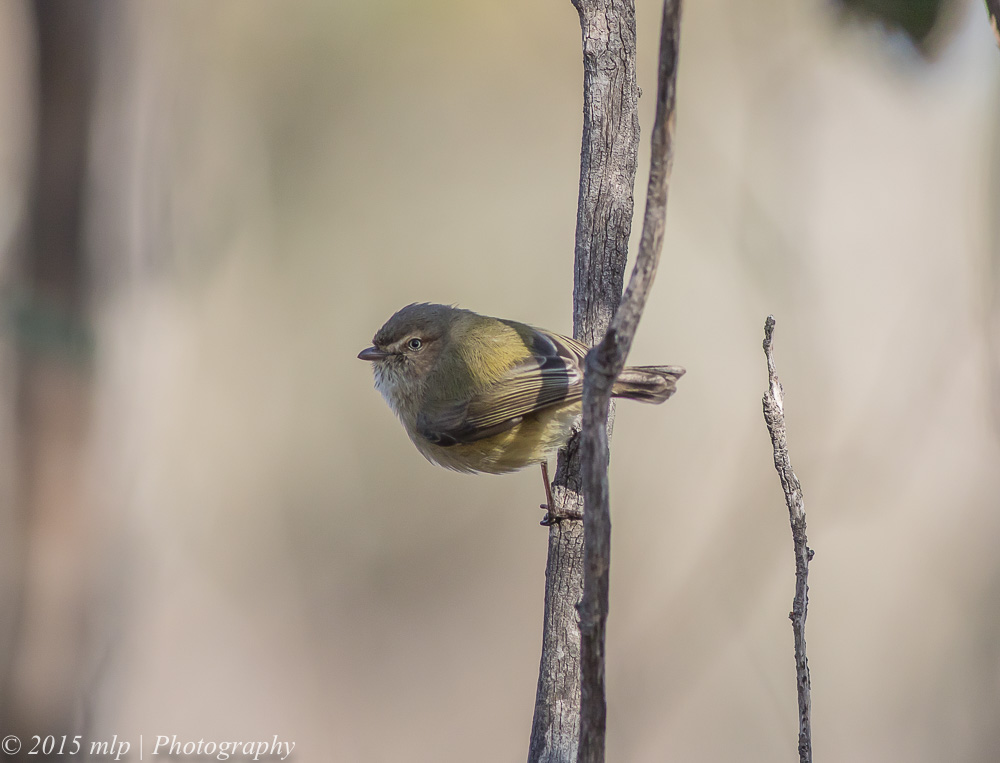
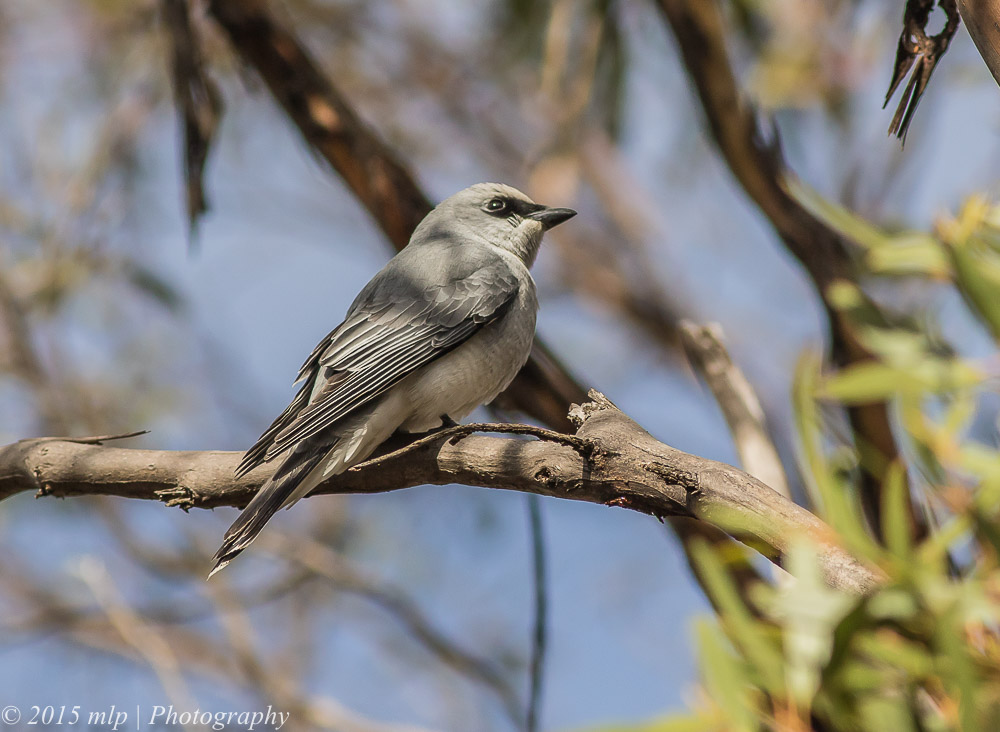
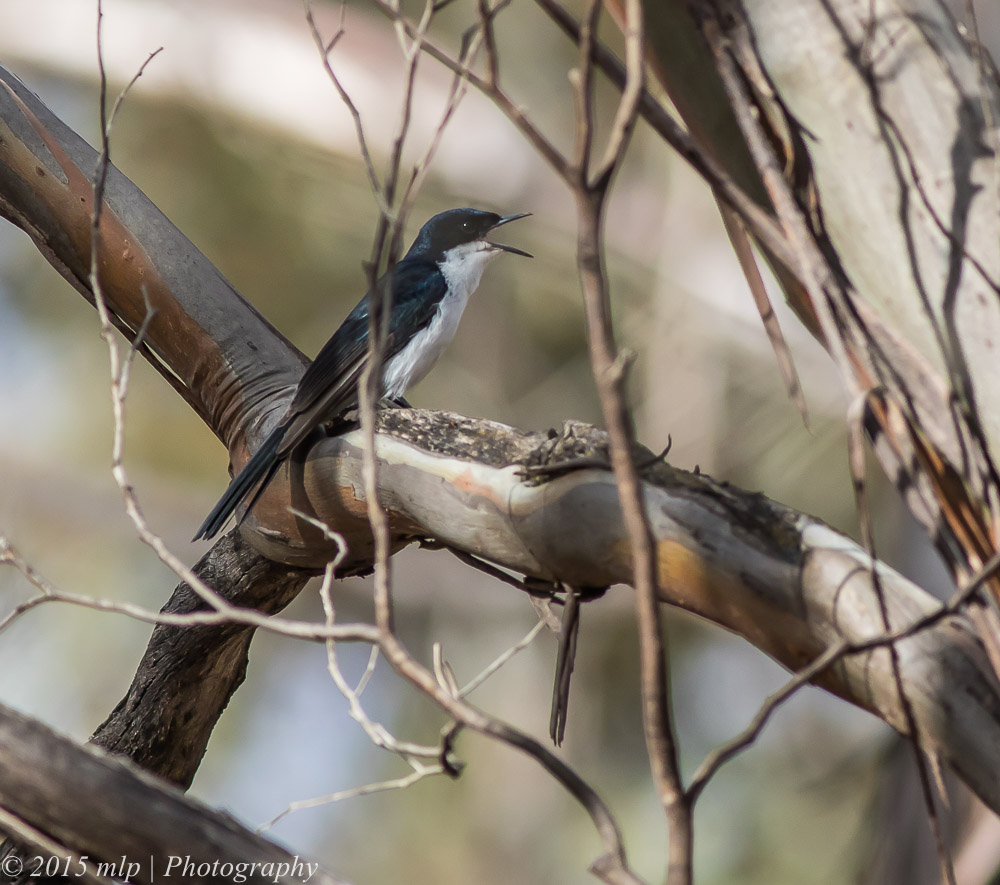
Kamarooka Forest is part of the Greater Bendigo National Park. It is north of Bendigo and contains a variety of habitats and plenty of interesting sites for finding birds and animals.  I recently spent a day exploring Kamarooka with a birding mate, John. I clocked up a new Vic lifer (312) as well – White Fronted Honeyeater. Along the way we found plenty of small birds and one that I have only seen a few times before – a White Bellied Cuckoo Shrike. One of our favourites was a Weebill, Australia’s smallest bird. We also tracked a bird call that neither of us had heard before and it turned out to be a Restless Flycatcher making a very unusual call – certainly one we had not heard before.

Golden Whistler

Golden Whistler

Female Golden Whistler

Female Golden Whistler

Weebill

Weebill – Austrralia’s smallest bird

White Bellied Cuckoo Shrike

White Bellied Cuckoo Shrike

White Bellied Cuckoo Shrike

II

Restless Flycatcher

Restless Flycatcher making a very unusual and loud call. 

A little cup with loads of Spring hope…

It has been a long cold Winter here in Southern Victoria. Lately the weekends have been good enough to get out,  explore and photograph birds and other wildlife.
Our small crew of intrepid birders decided on a big day of birding down the southern coast, exploring a mix of favourite locations and a few spots that others have not been to before. We started off at Rickett’s Point for Terns and a good start with one of the crew picking up a lifer – a lone tiny Double banded Plover. We stopped briefly at Mordialloc Creek mouth for more tern spotting, and then onto Moorooduc Quarry for Peregrine Falcons, woodland birds and the bonus of a rare and endangered Growling Grass Frog. Tootgarook Swamp was the main target for the day for a general bird survey to help provide evidence to stop yet another real estate development draining the remaining wetlands. We finished with an early evening bushwalk around the Baldry Circuit at Green’s Bush.
There are signs in the bush that the weather will soon be changing. Mates, territories and food sources are being defended and nests are being built. Birds are looking for good locations and appropriate material to build their nests.
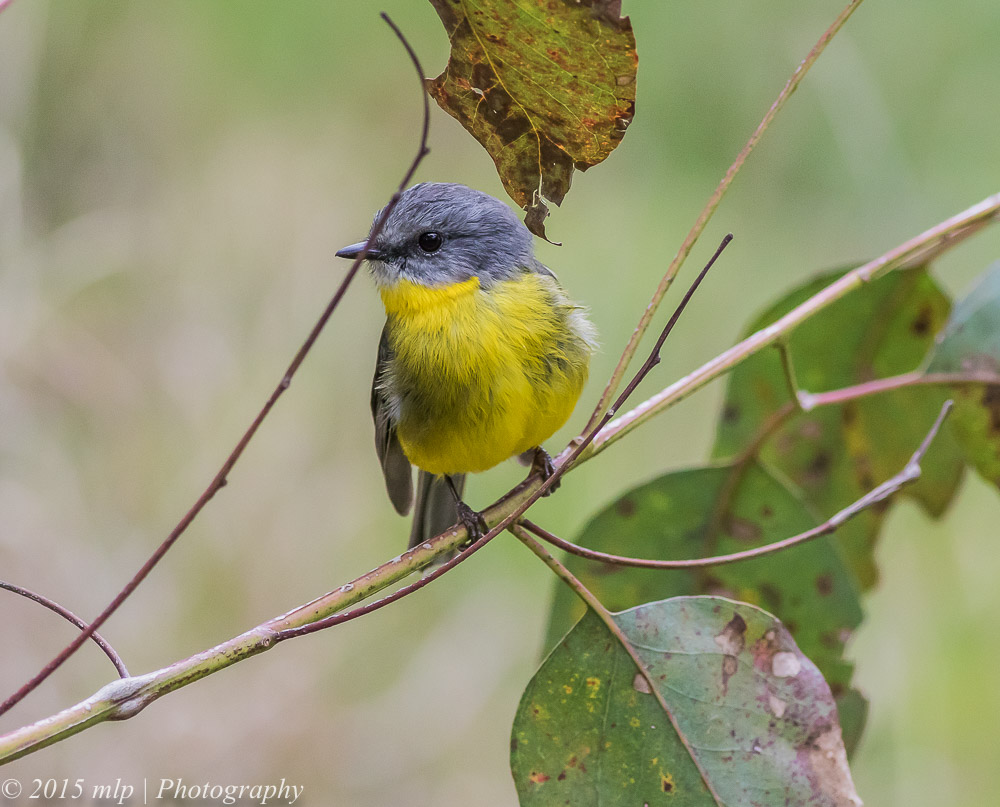
At Moorooduc Quarry we came across a pair of Eastern Yellow Robins  building a new nest. It was being made out of paperbark strips for framing and held together with spider-web, packed down and then stuffed with moss and lichen. A lovely piece of engineering. I will have to go back and see the finished product and see how long until the chicks are hatched. They picked a good spot amongst a small dense grove of saplings that would make it difficult to find the nest and hard for larger birds to swoop in and attack the nest.
Eastern Yellow Robin nest

Eastern Yellow Robin nest

Eastern Yellow Robin

Eastern Yellow Robin

Eastern Yellow Robin building a nest

Eastern Yellow Robin building a nest – The robin circled around the rim and using its wings and chest to press the lichen into the top of the rim

Eastern Yellow Robin building a nest

Applying a bit more spider web and using its bill to push in the lichen and moss

Eastern Yellow Robin nest

Eastern Yellow Robin nest – under construction

Eastern Yellow Robin building a nest

Eastern Yellow Robin trying its nest on for size…

A winter’s feast at the You Yangs

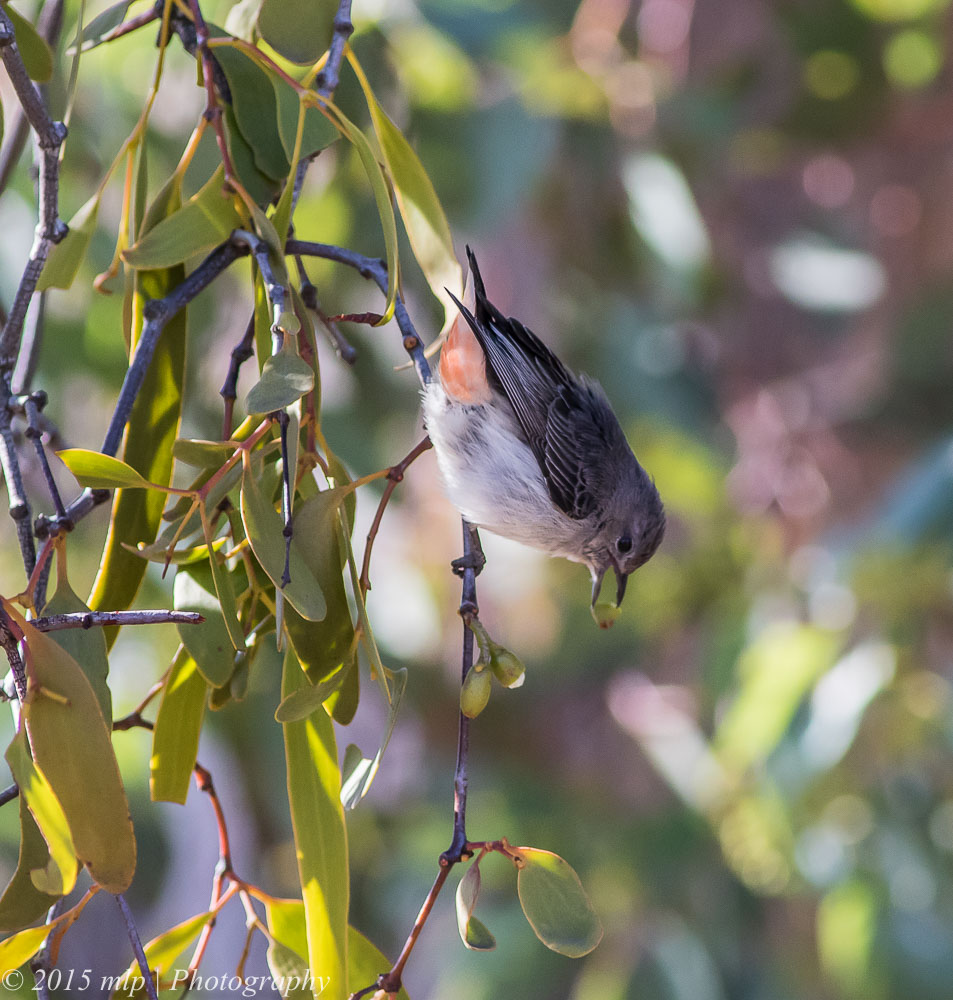
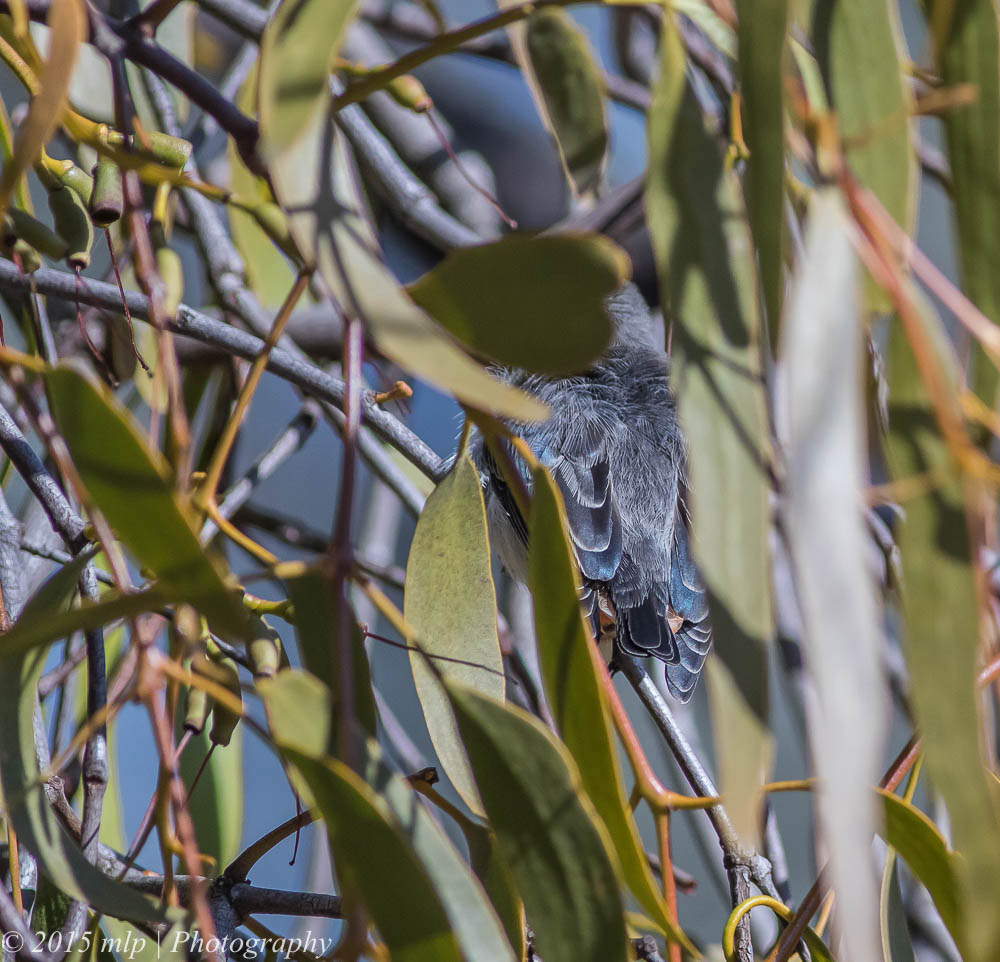
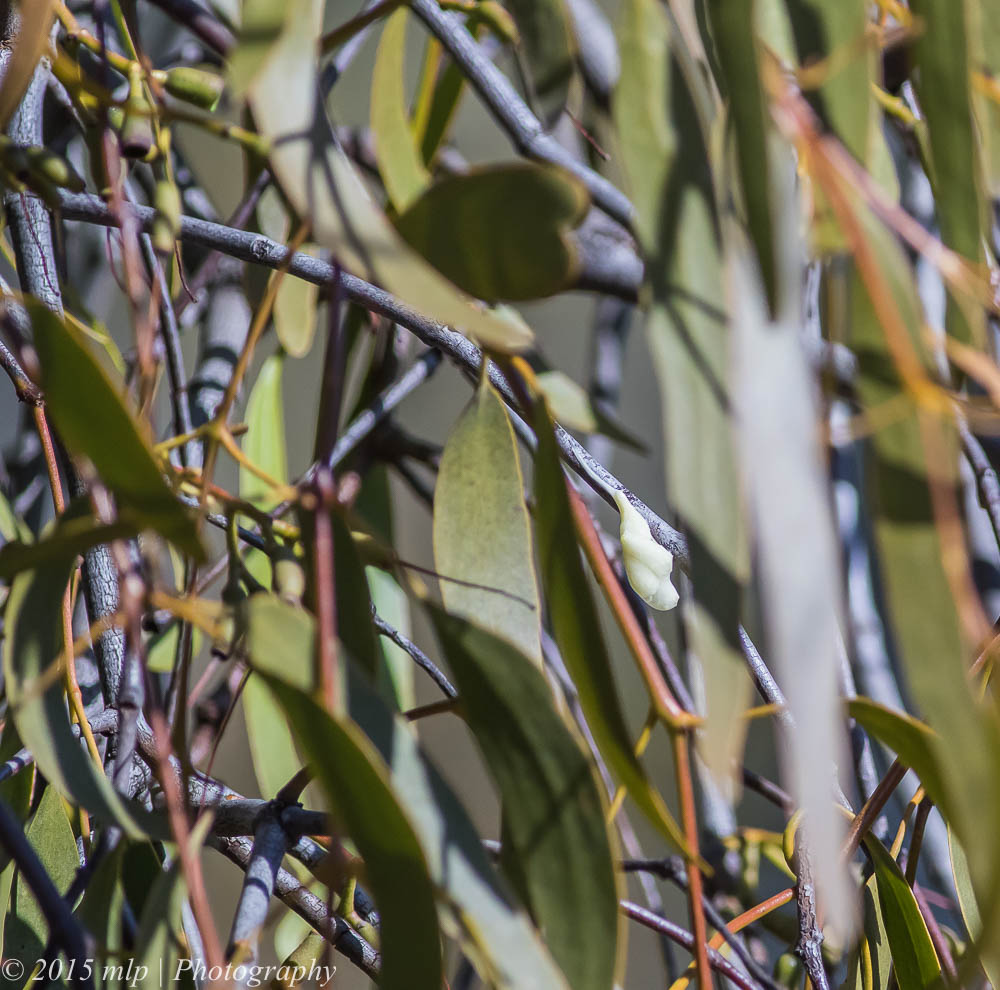
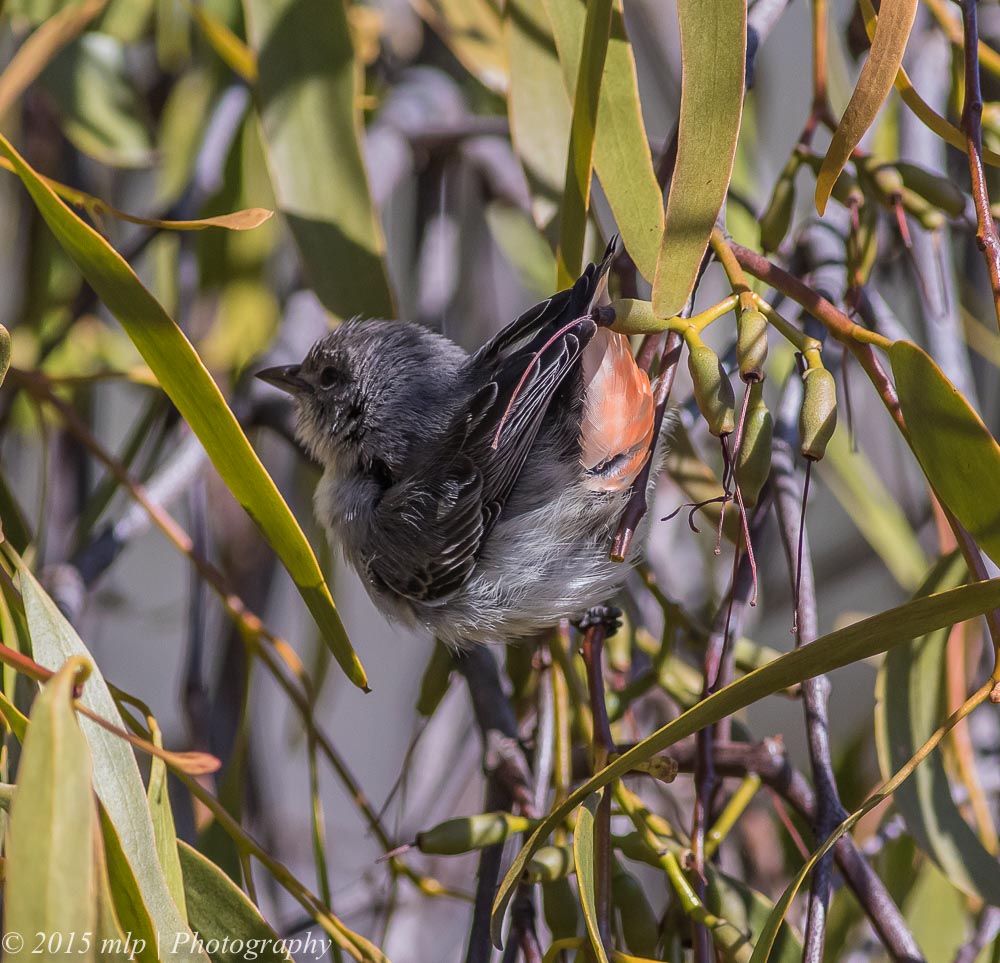
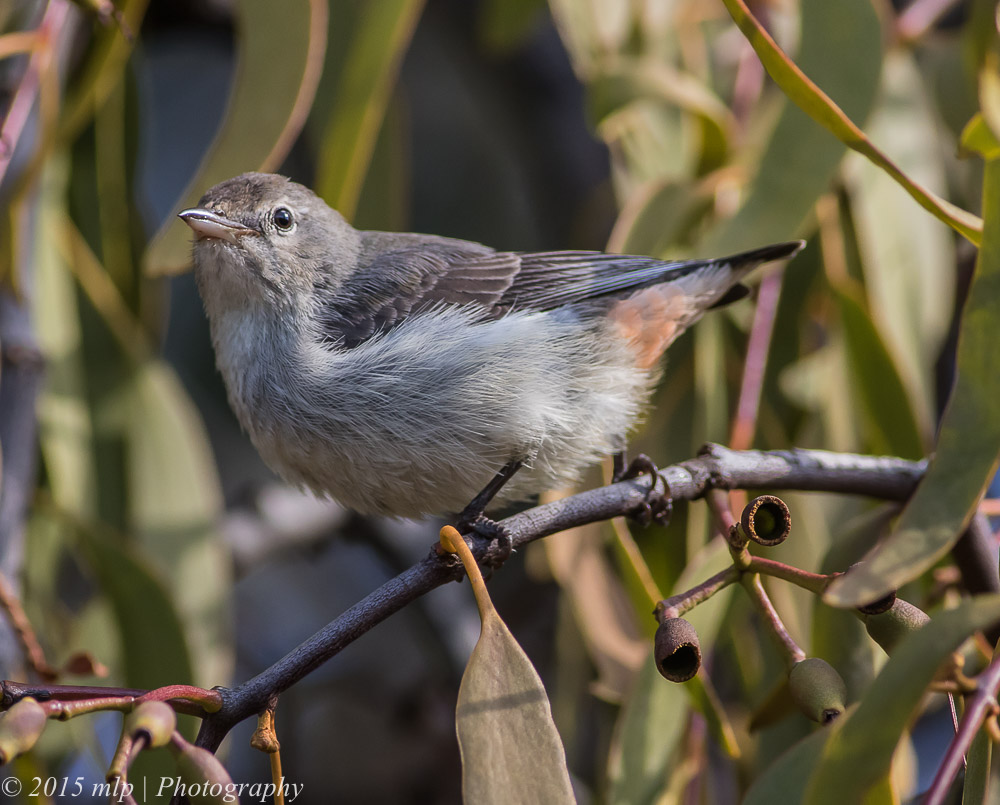
Following on from yesterday’s You Yangs post – The parasitic Mistletoe is also fruiting and the tiny Mistletoebirds are having a feast on the new fruit. One of the highlights of our photography expedition was watching the behaviour and skills of a few Mistletoebirds as they worked the Mistletoe bushes on the various gum trees. They would select an attached fruit bud and carefully remove its cap and pull out the fruit. It would not just eat the bullet shaped fruit, it would squeeze and twist several times and then when the fruit had released its sticky white secretion, the birds would then swallow it. The Mistletobird has a fast digestion and processes the fruit in an amazing time (4min to 25min). We watched as one did excrete a seed and did so slowly and seemingly with purpose. In doing a bit of research on mistletoe I found a picture where a Painted Honeyeater actually has to pull out the fruit seed from its vent as the white liquid is very sticky. This made sense as our Mistletoebird spent a bit of time on the branch wiggling about and when it moved away there was a little mound of white secretion and the seed pods stuck to the branch. This is how the mistletoe attaches to the host branch. In this case the seed wont germinate successfully as it was still located on the Mistletoe bush. The birds we photographed were very focussed and did not seem to mind 4 blokes only a few metres away clicking away with cameras. They kept an eye on us but were not at all nervous and one spent a few minutes sunning itself. We took hundreds of shots of the little birds.

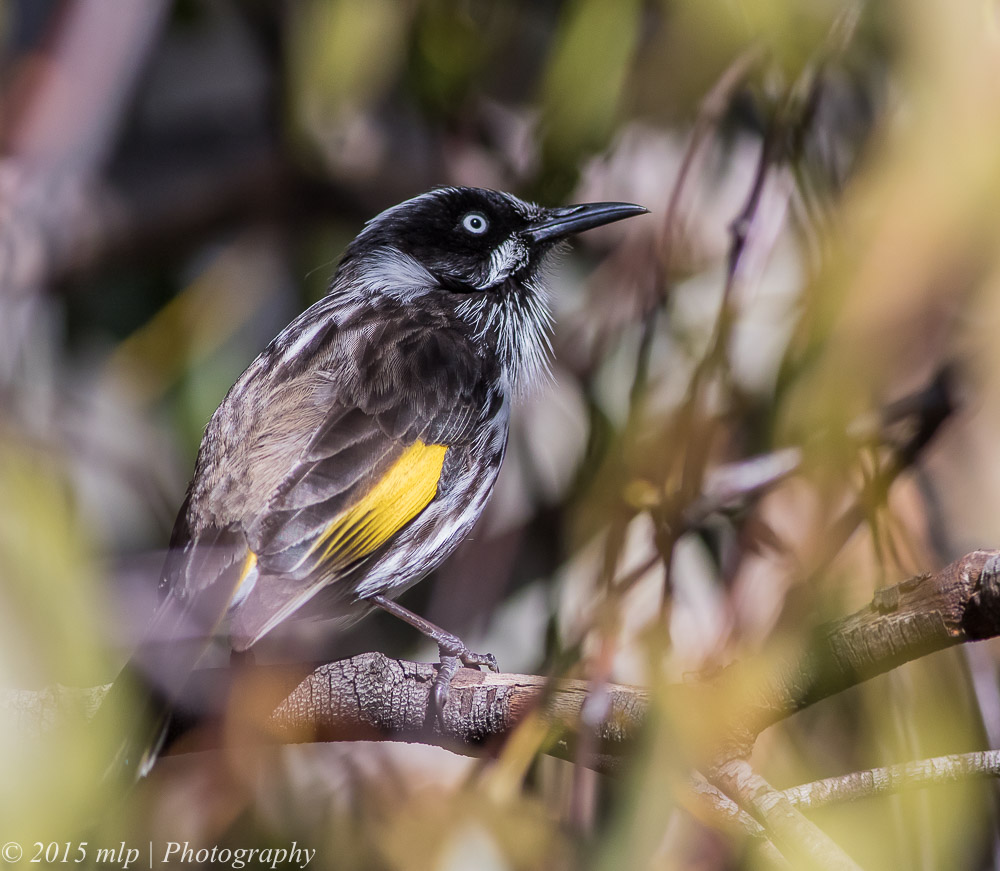
At one point a New Holland Honeyeater flew into the mistletoe bush and started to chase off the female Mistletoebird. After a flurry of wings and loud calls, each bird flew off in different directions but our little friend came back for an encore and after a few more pics we left her in peace.

Mistletoebird, You Yangs

Mistletoebird, You Yangs

Mistletoebird, You Yangs

Squeezing the seed pod/fruit

Mistletoebird, You Yangs

Spending a few moments and using the branch to remove the stick seed pod excretion.

Mistletoebird, You Yangs

Mistletoe bird excretion with a few visible seeds stuck to the branch.

Mistletoebird, You Yangs

Mistletoebird

Mistletoebird, You Yangs

II

New Holland Honeyeater

New Holland Honeyeater

New Holland Honeyeater

II

Mistletoebird, You Yangs

Mistletoe bird back again

Mistletoebird, You Yangs

II

The You Yangs in Winter

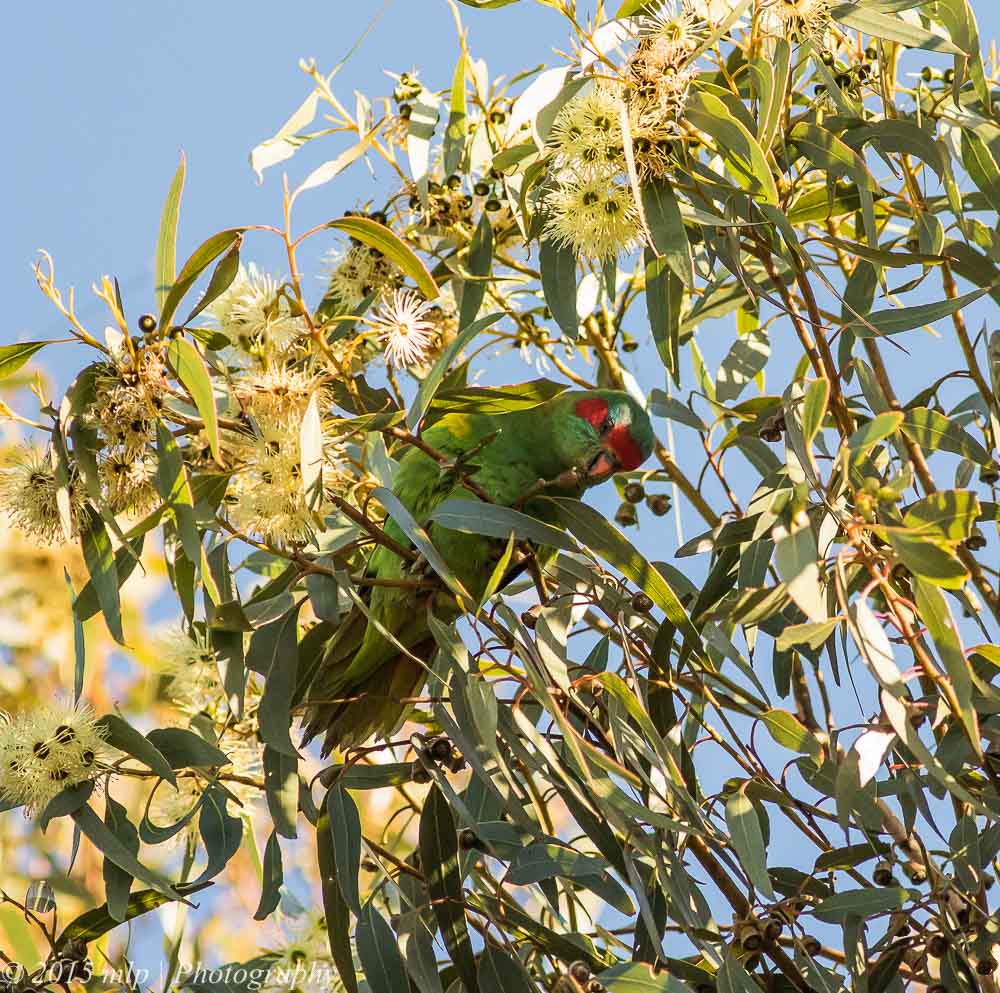
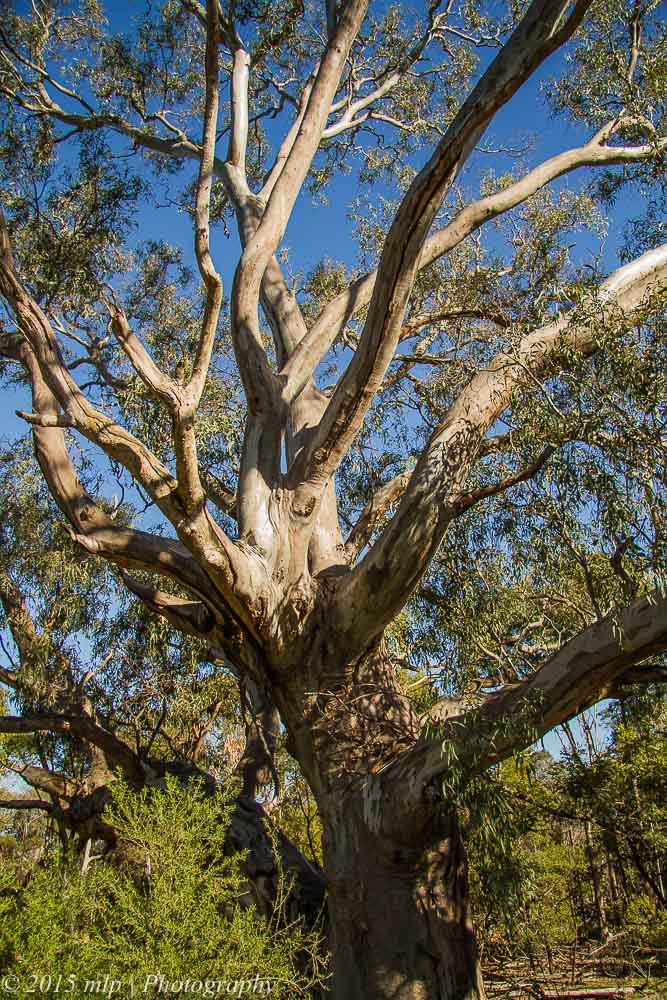
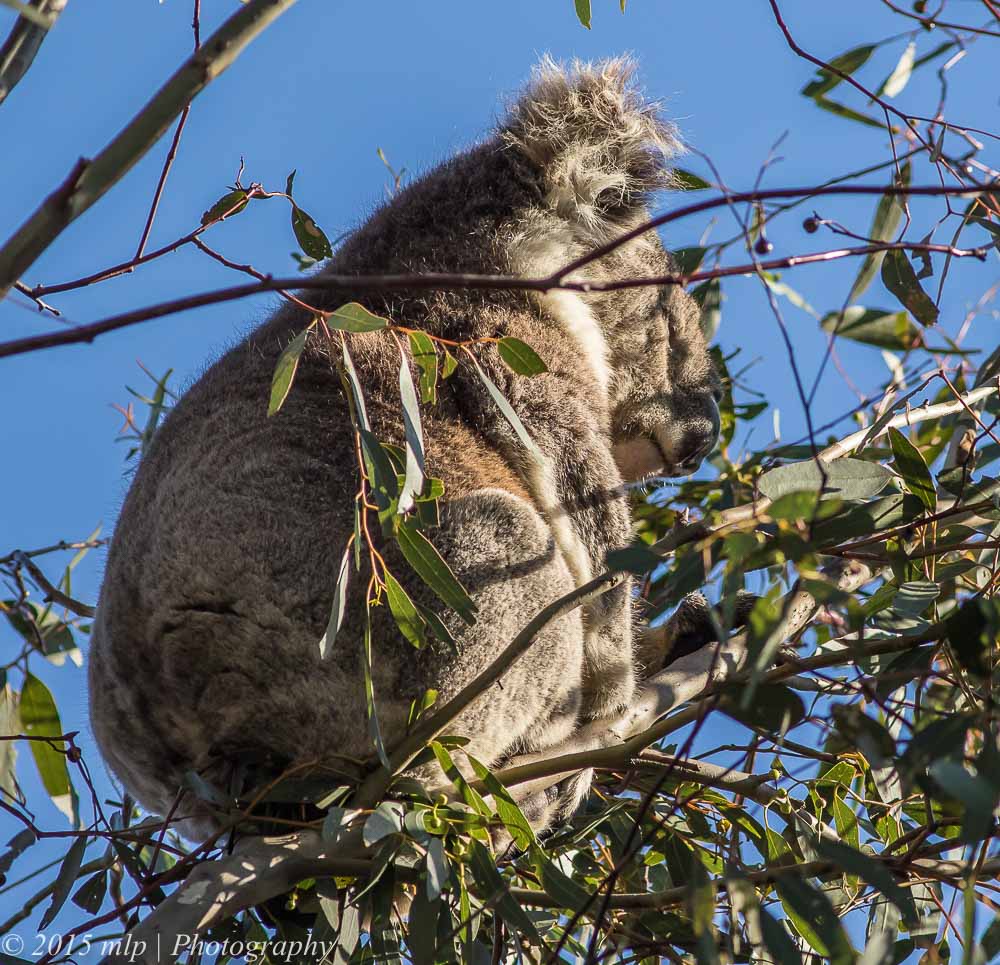
The You Yangs Regional Park (about 45 min SW of Melbourne) is a great place to visit and to photograph birds and wildlife in general. There is a variety of vegetation and terrain that brings in a good selection of birds at various times of the year. At the moment several of the gum tree species are flowering and many Parrots, Lorikeets and Honeyeaters are visiting.  Recently I drove with a few local birder friends and we explored the usual spots and then onto a few new ones that I had not been to before. For the middle of winter there were quite a few birds and animals around.  The Koala of course was safe up his tree and just ignored us. The Grey Kangaroos we came across along one of the walking tracks were wary but generally unconcerned – the larger ones took off first into deeper less exposed scrub followed by the younger ones and a few remaining females with Joeys in the pouch just stood up and watched us walk by. Enjoying the early morning sun on a cold winter’s morning was more important than panicking about a few walkers passing.   We even had enough time to take a nice series of images. The local sounds were made up of Wattlebirds, Magpies, Kookaburras and several large family tribes of White Winged Choughs. In amongst these usual sounds we kept our ears open for the various Thornbills, Robins and Weebills. At one section that I have not explored that much we found a small group of White Throated Treecreepers. They move around a tree very quickly and are often defy gravity working their way along the bark upside down looking for hidden insects.

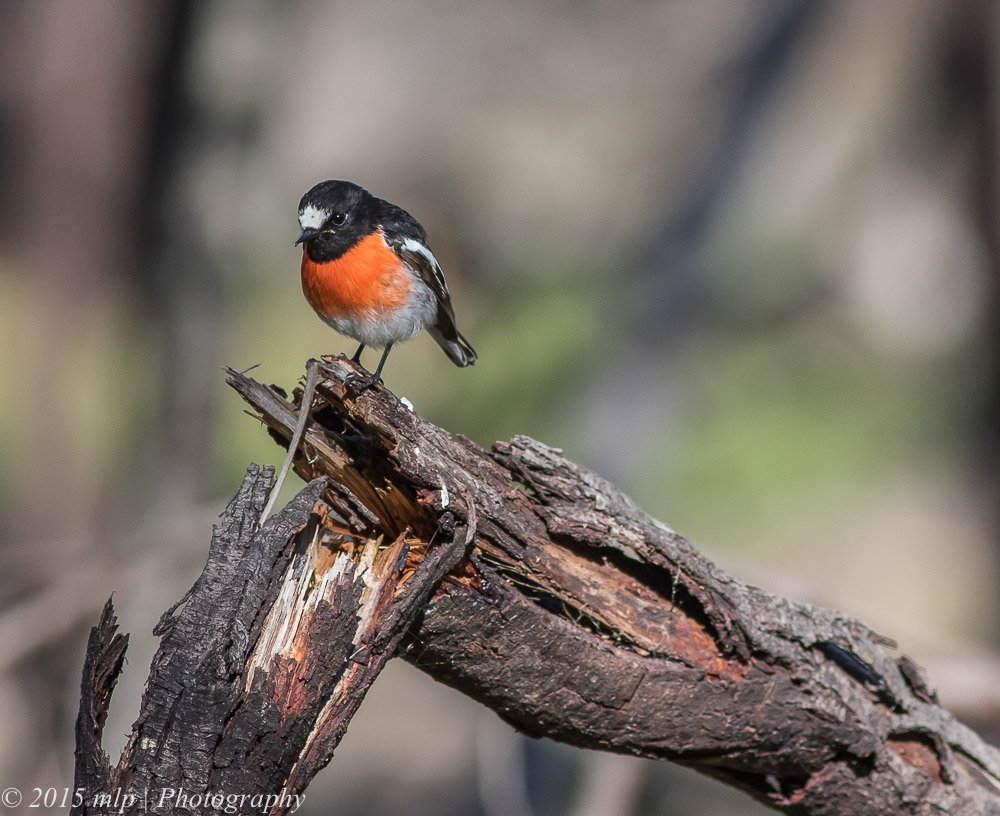
Scarlet Robin, You Yangs Regional Park

Scarlet Robin, You Yangs Regional Park

Musk Lorikeet, You Yangs Regional Park

Musk Lorikeet

Large Gum Tree, You Yangs Regional Park, Victoria

Large Gum Tree

Koala, You Yangs Regional Park

A napping Koala, You Yangs Regional Park

Young Grey Roo, You Yangs Regional Park

Young Grey Roo

Mum Grey Roo and Joey, You Yangs Regional Park

Mum Grey Roo and Joey

White Throated Treecreeper, You Yangs Regional Park

White Throated Treecreeper

White Throated Treecreeper, You Yangs Regional Park

II


Flight II

A recent visit to the Western Treatment Plant with the Port Phillip Birders produced a good day with many birds on display and good opportunities for taking flight images.

White Necked Heron

White Necked Heron, Weribee

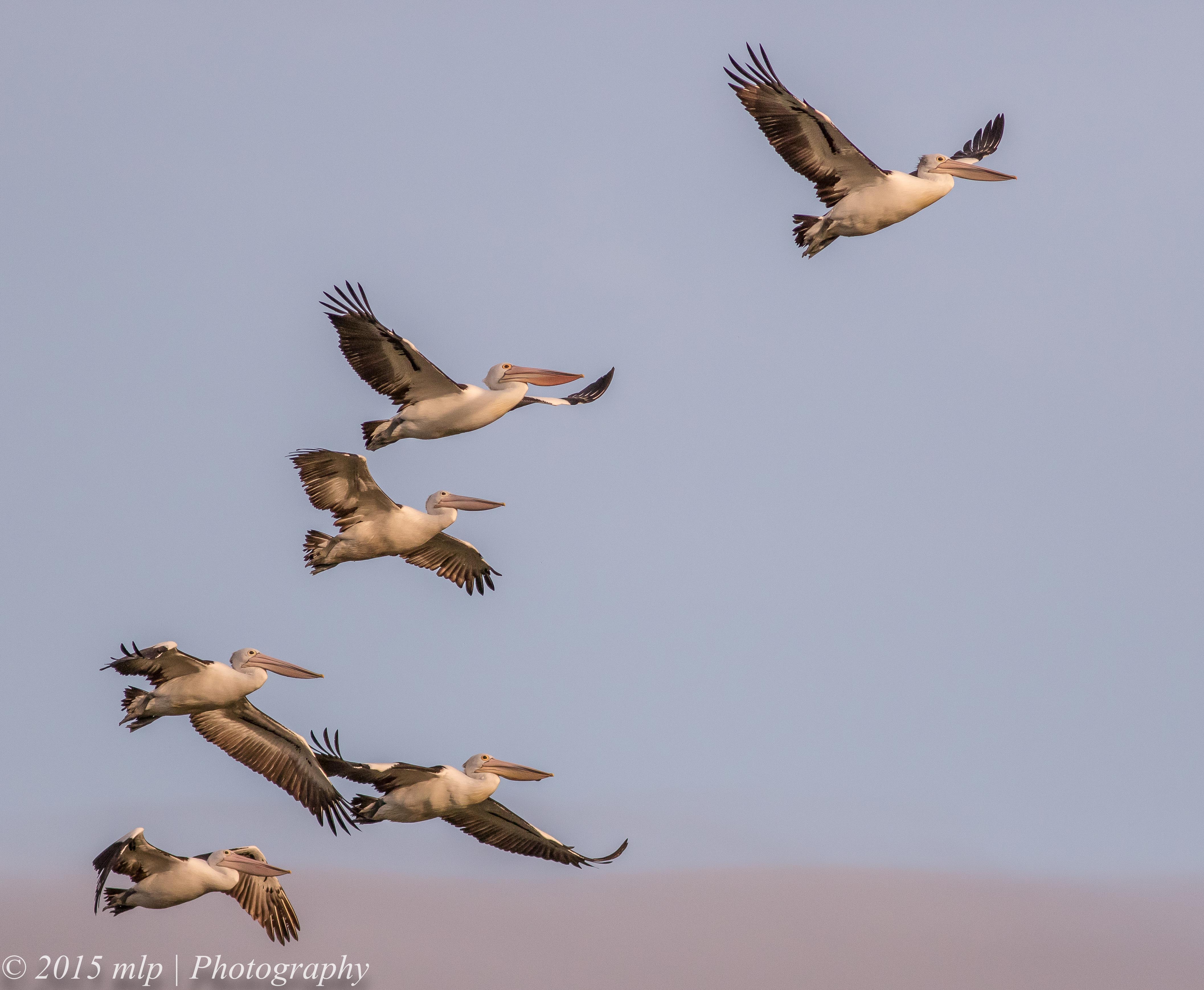
Pelicans

Pelicans, Weribee

Great Egret,

Great Egret, Weribee

A Day in the Sun

A beautiful sunny day in Melbourne today. Met up with Dave E down at St Kilda Marina to look for some uncommon birds. No luck for me but we did find the more common birds and enjoyed some rare sunshine. Walked back up Elster Creek and ran into Gio (another local birder) and took a few more pics. Quite nice to be out and in the sun for a change – it has been so cold and wet lately.

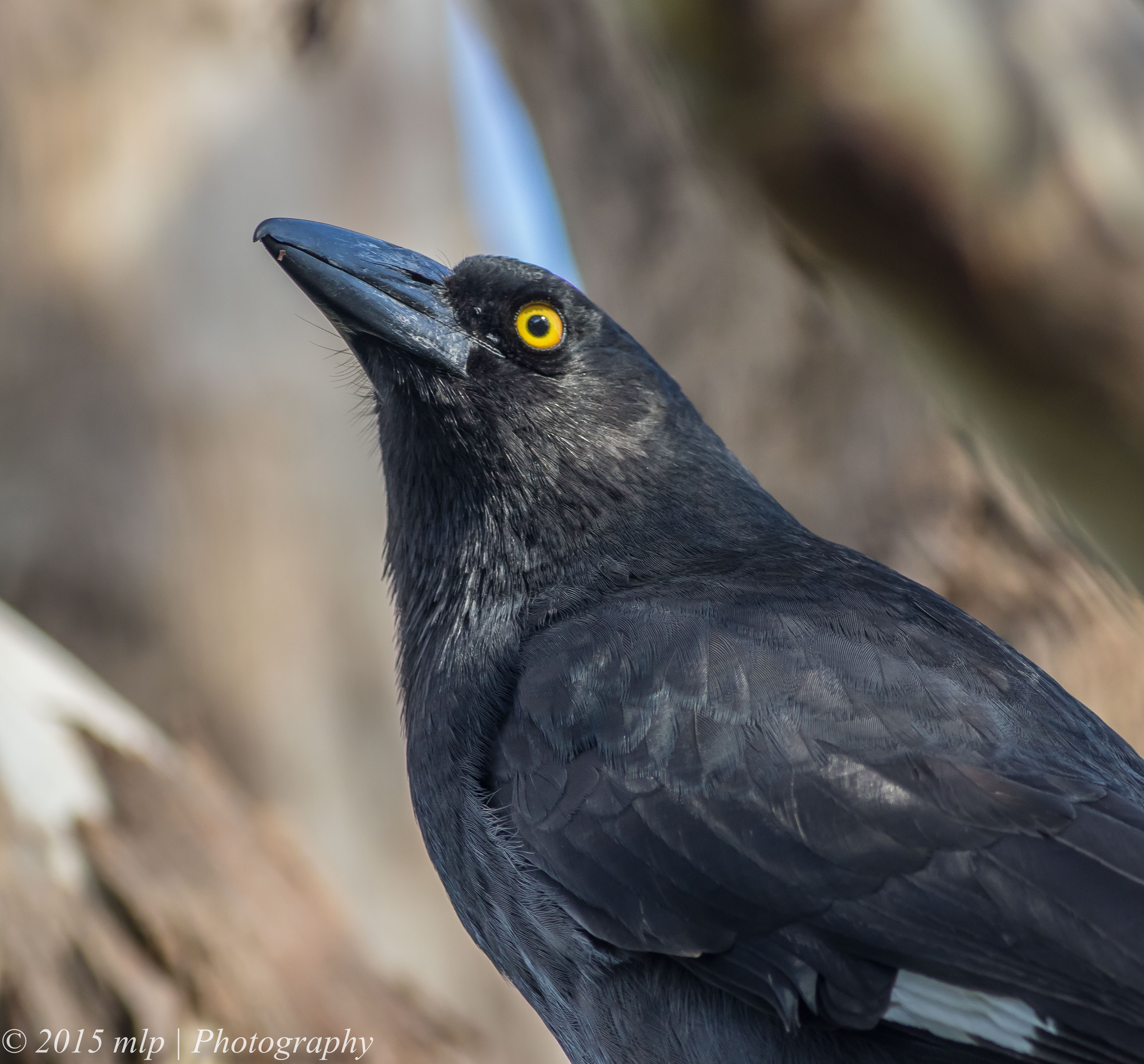
Currawong, Elster Creek

Currawong, Elster Creek

Little Wattlebird, Elwood

Little Wattlebird, Elwood

Cormorants and Gull

Cormorants and Pacific Gull

Great Egret, Elster Creek

Great Egret, Elster Creek

Great Egret, Elster Creek

Great Egret, Elster Creek

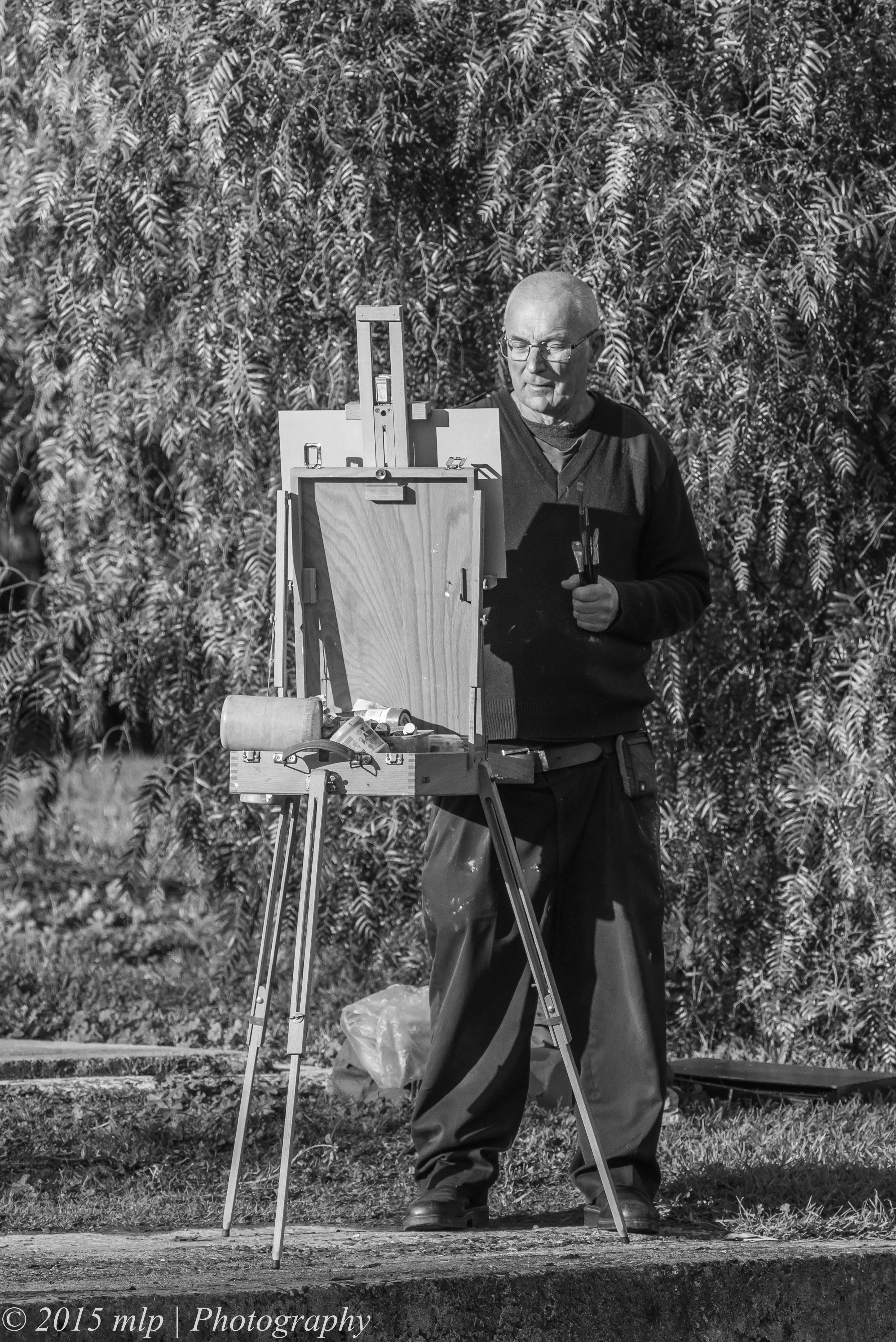
En Plein Air Artist

En Plein Air Artist

Hunters and Prey

The small birds are very aware of what is around and above them and are always on the lookout for the raptors that are everywhere at the Western Treatment Plant lagoons. The images below are from a few visits to the lagoons over the last several weeks. Even in winter it is a haven for many species of birds.

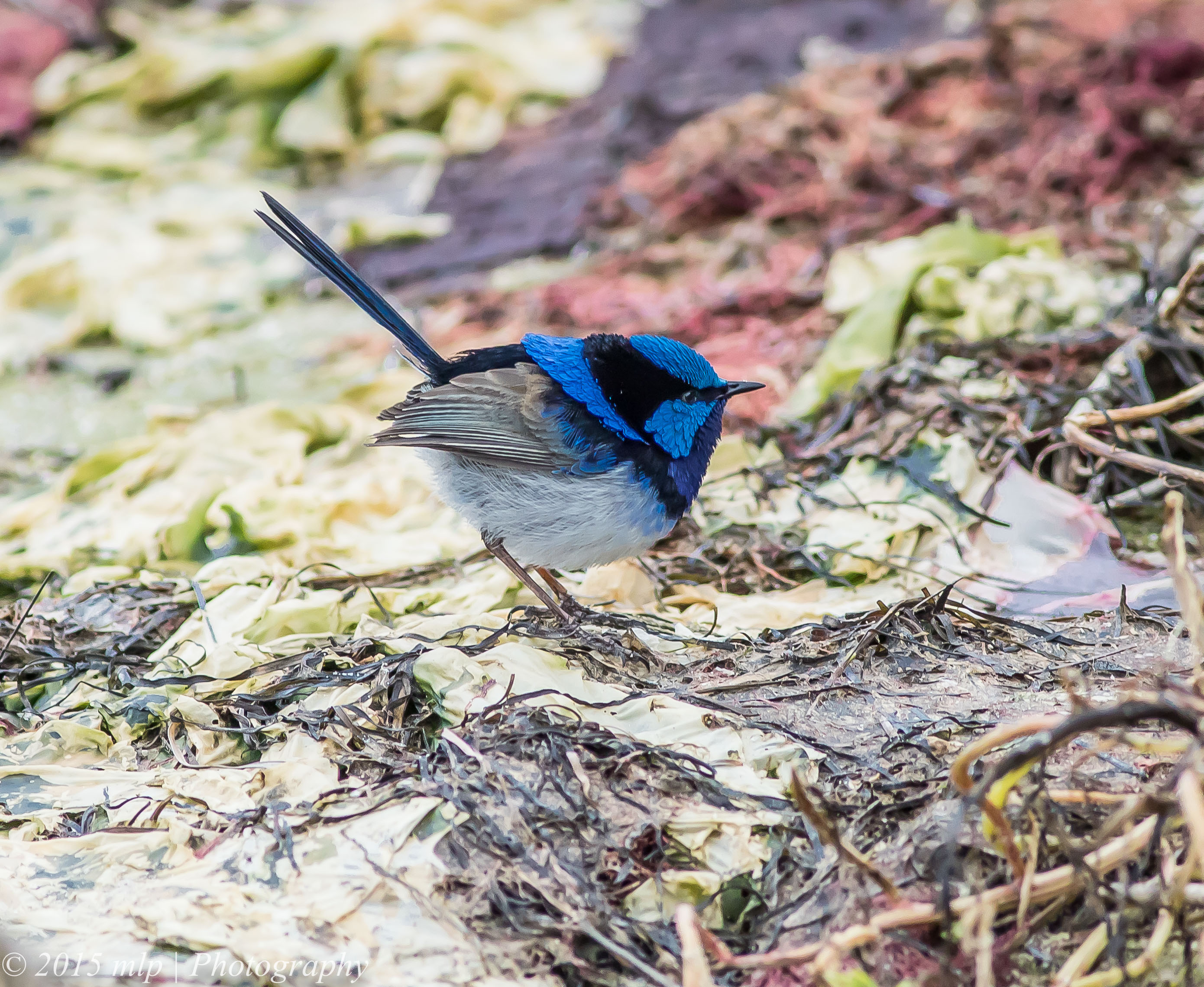
Superb Fairy Wren

Superb Fairy Wren

Superb Fairy Wren

Superb Fairy Wren

Little Grassbird

Little Grassbird

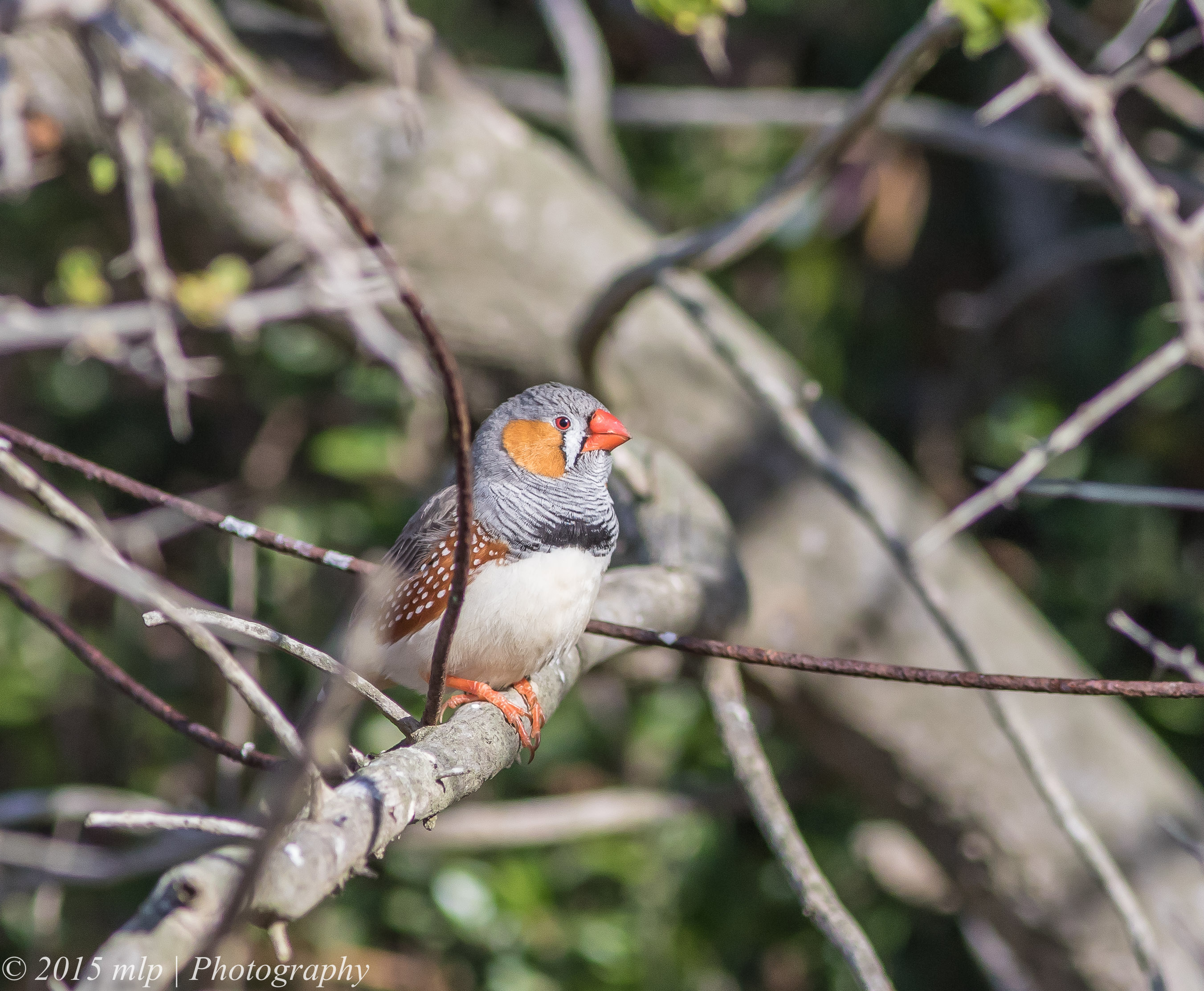
Zebra Finch, Western Treatment Plant,

Zebra Finch

Blue Winged Parrot

Blue Winged Parrot

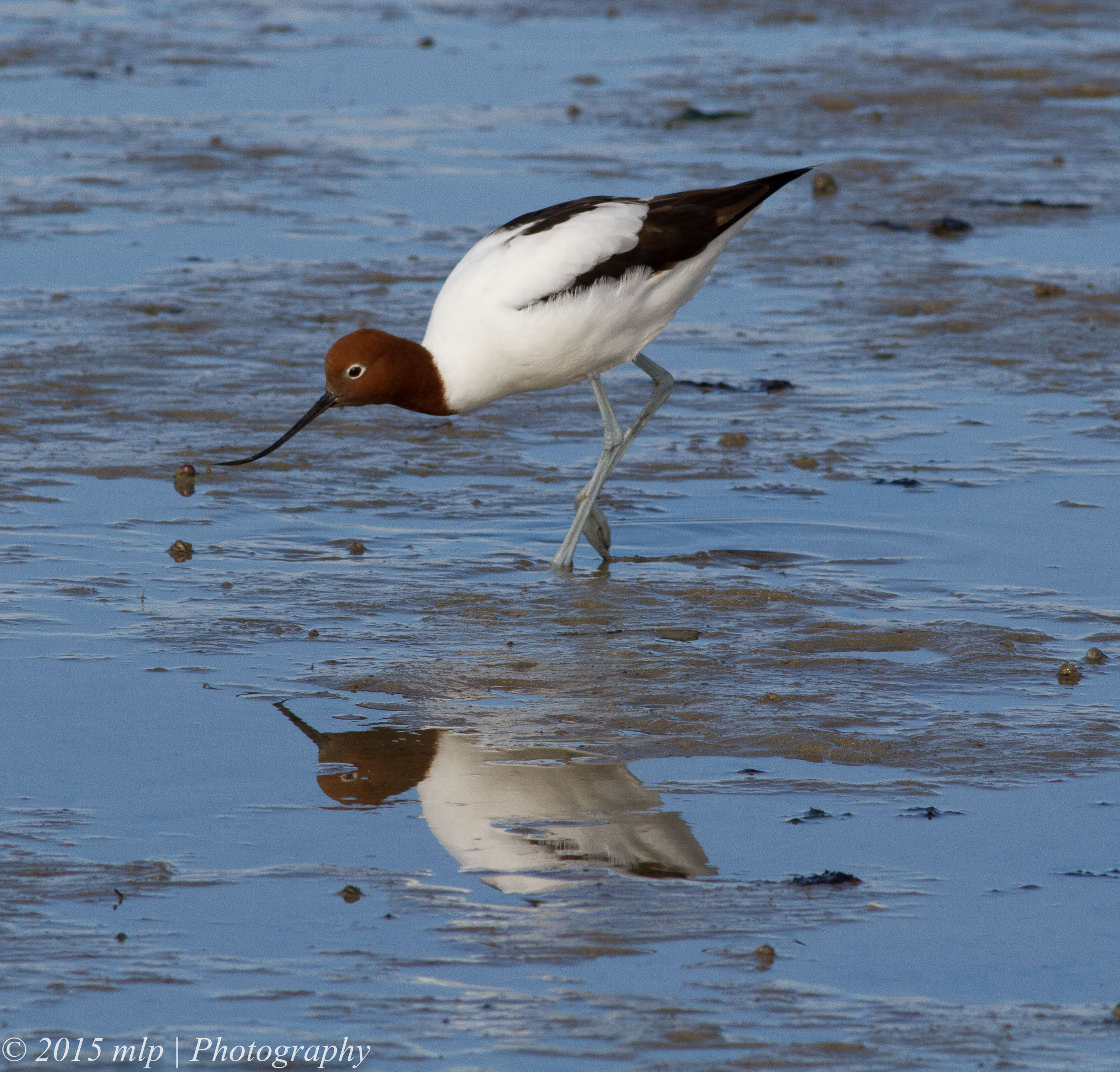
Red Necked Avocet

Red Necked Avocet

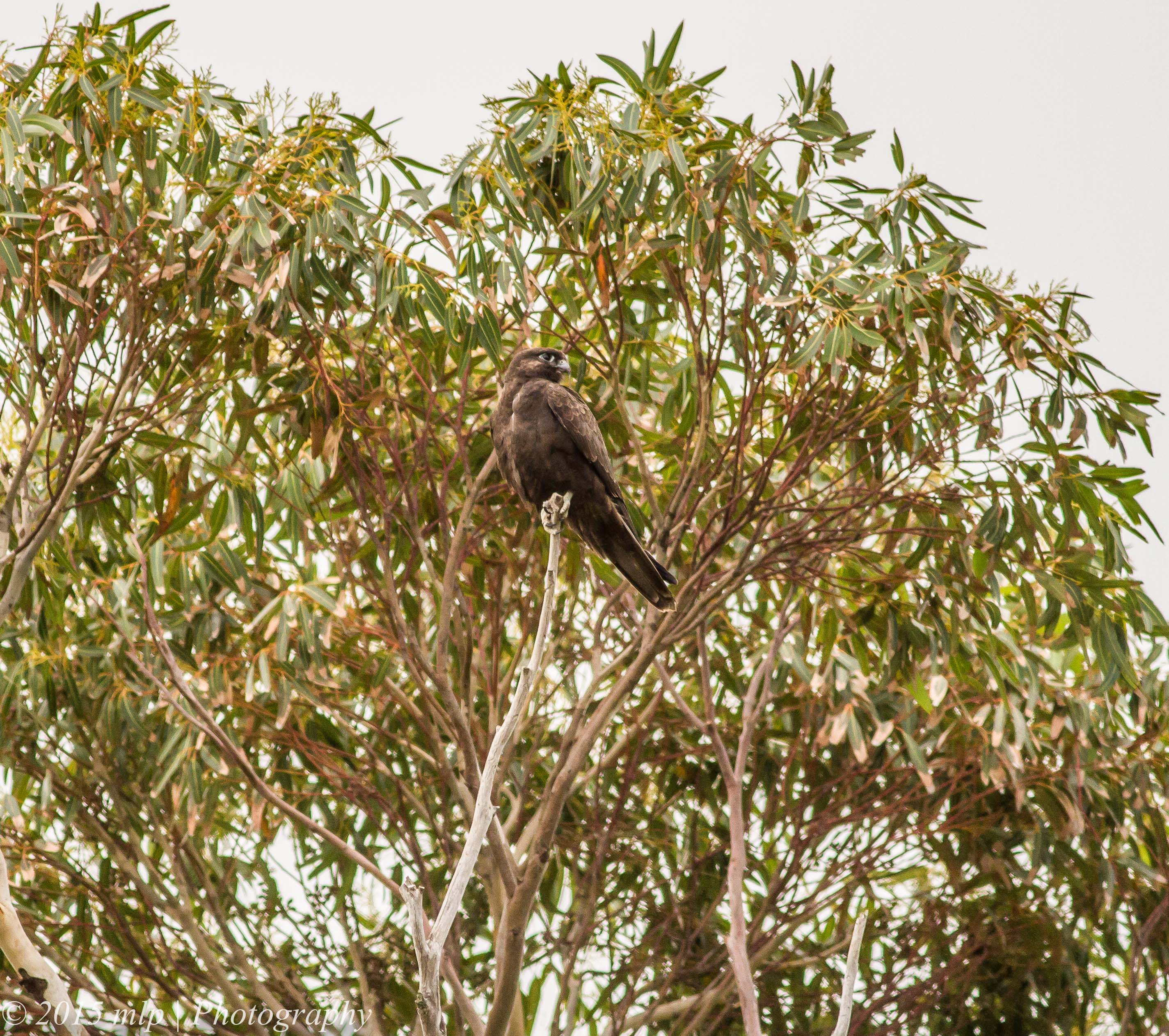
Black Falcon

Black Falcon

Brown Falcon

Brown Falcon

Black Kite, Western Treatment Plant, Victoria

Black Kite

Black Shouldered Kite

Black Shouldered Kite

The Littlest Falcon

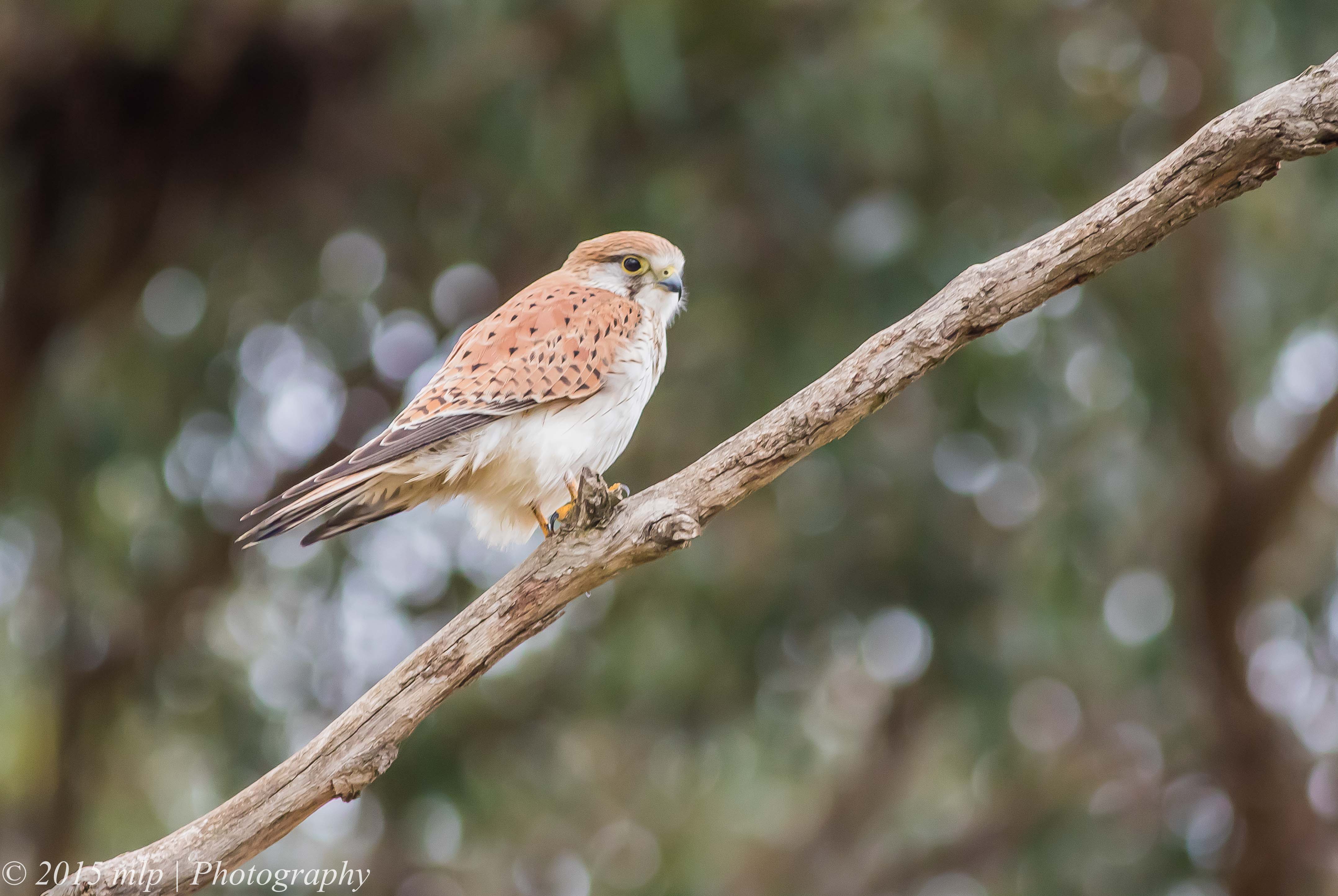
The Nankeen Kestrel is Australia’s smallest Falcon. It prefers the grasslands and open forests. It hovers or perches and watches for movement below and pounces  or drops straight down. There are a number of them at the moment at the Western Treatment Plant and surrounding grasslands and paddocks. I took photos of the two below while waiting for sunset and the Barn Owls to come out from their daytime roosts under the large Pine Trees in the area .

Nakeen Kestrel, Weribee, Victoria

Nakeen Kestrel (Falco cenchroides)

Nakeen Kestrel, Weribee, Victoria

Nakeen Kestrel, Weribee, Victoria

Ghost Owl

Last night while trying to figure how to use my long lens to take a night-time photograph of an owl that was high in a pine tree, I took this image. One of many that was blurred and unusable as an ID shot but interesting as an abstract image.

Ghost Owl,  Beach Road, Weribee

Ghost Owl, Beach Road, Weribee

Barn Owl – Victorian Lifer 311

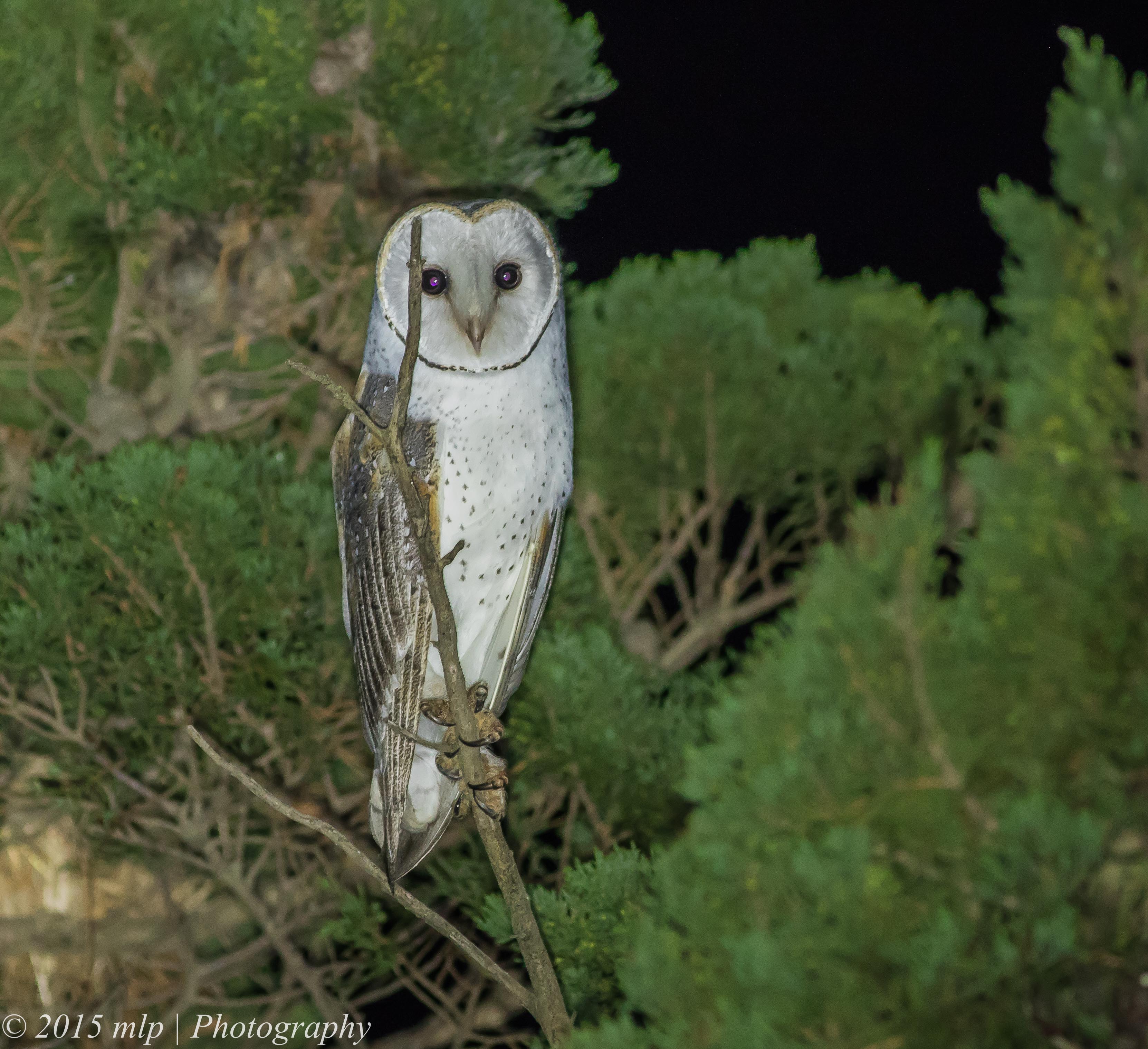
Over the last few weeks people have been reporting a number of Barn Owls along one of the roads at the Western Treatment Plant. I decided that I would take a look and see if I could find any – I have never actually seen any in the wild before. I went mid afternoon and waited for sunset and for the owls to appear. I eventually saw 3 and took many photos. None turned out well except for these two images. Very pleased to get my 311th Victorian bird and to actually get a few images as well.

Barn Owl,  Western Treatment Plant

Barn Owl, Western Treatment Plant

Barn Owl,  Western Treatment Plant

Barn Owl, Western Treatment Plant

On the Hunt

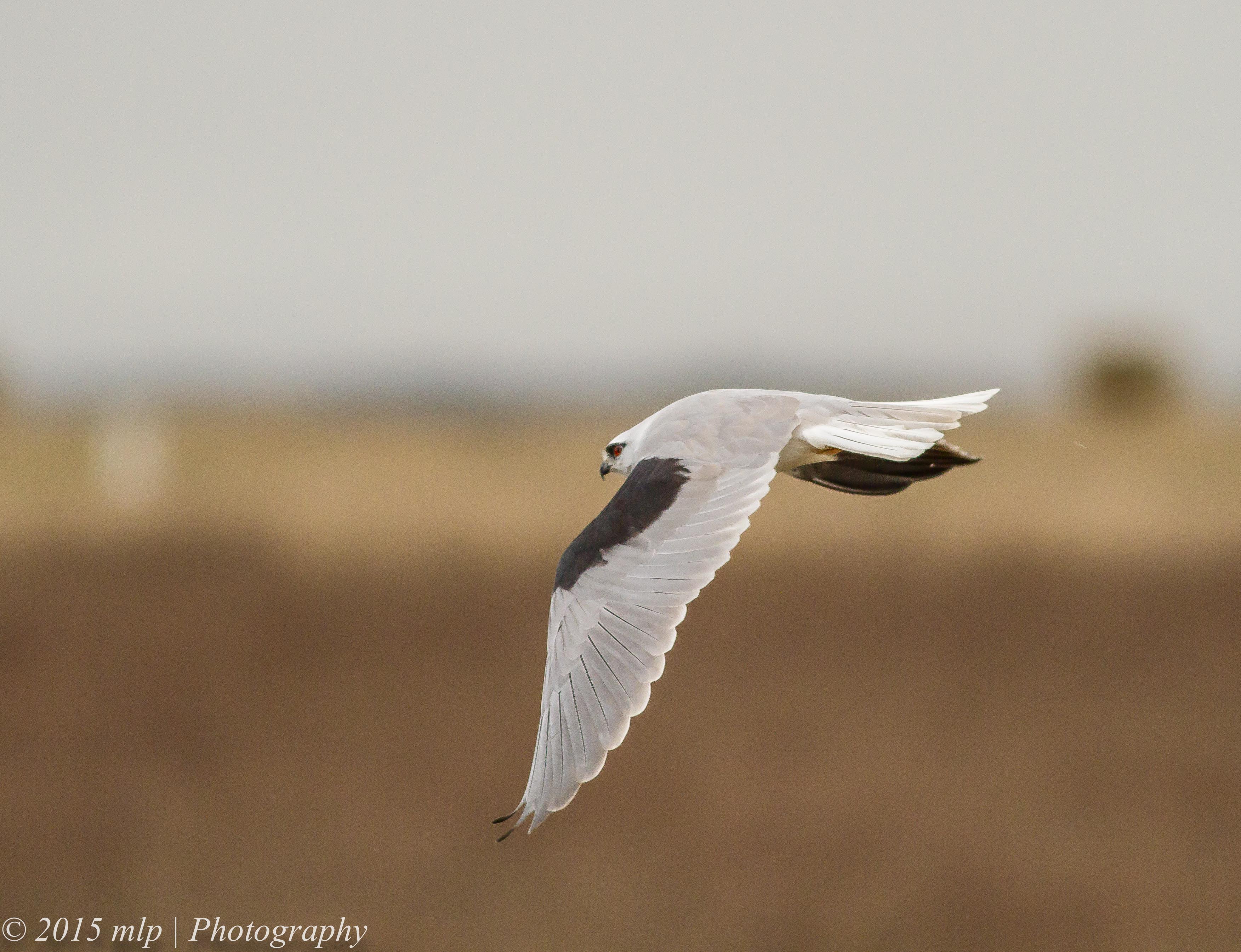
A very photogenic raptor – The Black Shouldered Kite. There are at least a dozen of them at the Western Treatment Plant at the moment. They catch mice and other smaller prey. There must be quite of bit of food around for them as they have started to nest already and it is only mid-winter here in Southern Victoria.

Click image to enlarge

Black Shouldered Kite,  Western Treatment Plant

Black Shouldered Kite, Western Treatment Plant

Flight

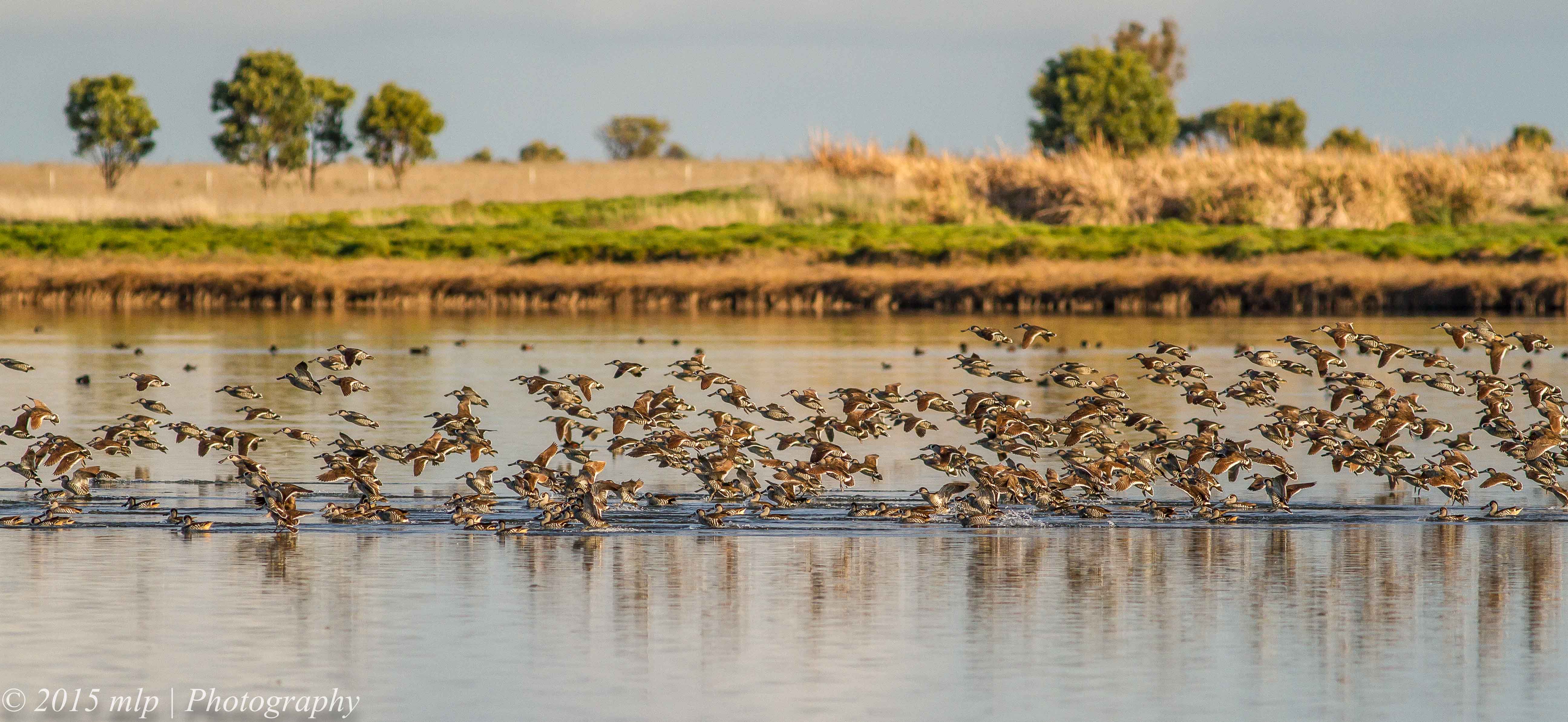
A few images from one of the recent visits I have made to the Western Treatment Plant in the last month. It is a great place to photograph birds in flight – always a tough subject. There are many raptors always on the prowl that are constantly spooking the flocks on the water giving you opportunities to practice. The reaction of the flocks tell you that something good is above and you have to quickly spin around and look for the raptor that is causing the fuss. Some are ignored like the Black Shouldered Kite and others are taken very seriously – like the large mature Whistling Kites.

Click image to enlarge.

Pink Eared Ducks,  Western Treatment Plant

Large flock of Pink Eared Ducks (aka Zebra Duck), Western Treatment Plant – one of my favourite ducks  – very photogenic and quite strange looking, and no other Aussie duck sounds like it.

Black Shouldered Kite, Western Treatment Plant

Black Shouldered Kite on the hunt – beautiful wing structure and displaying its black shoulder.

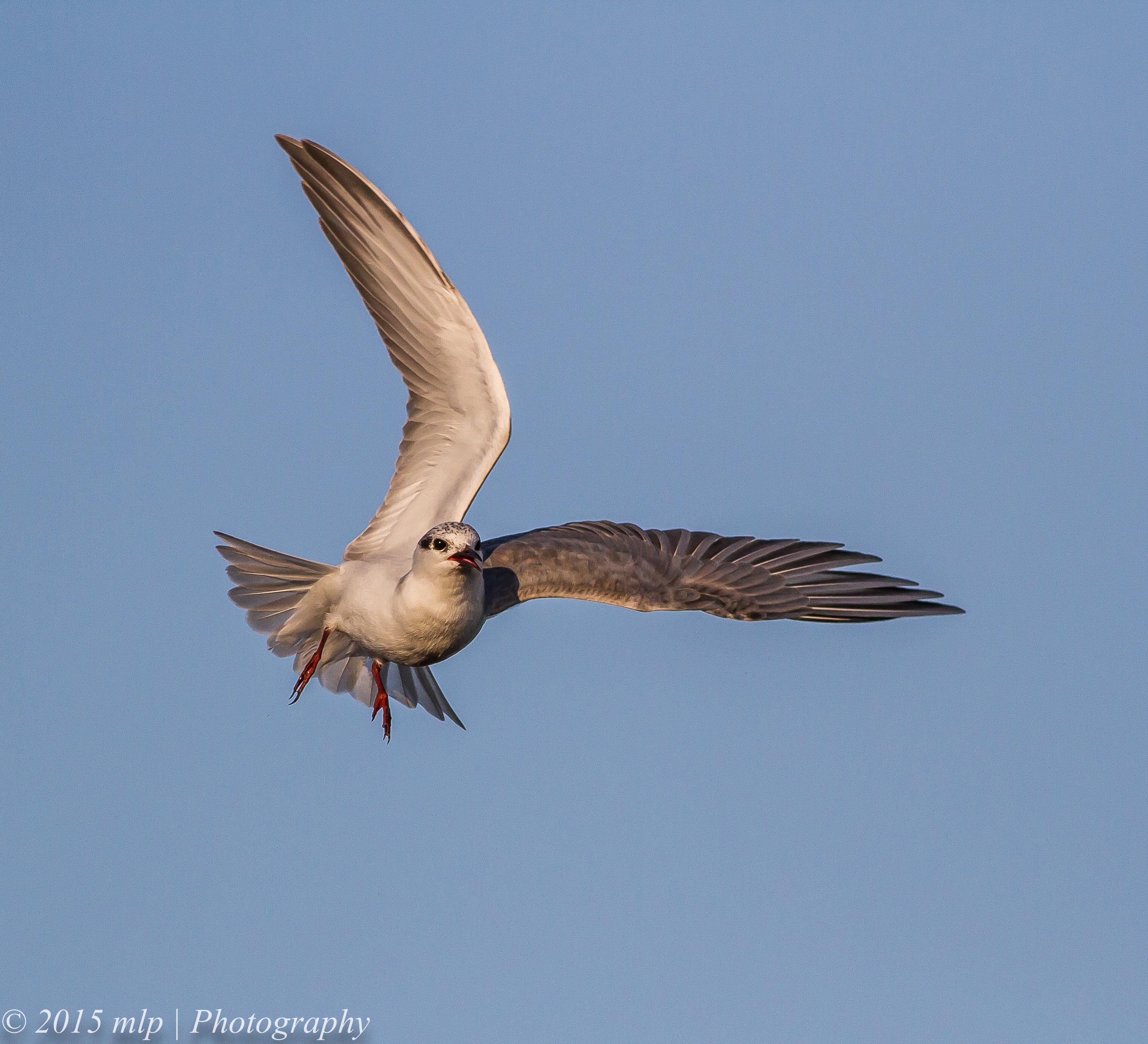
Whiskered Tern,  Western Treatment Plant,

Whiskered Tern – two were flying and hunting along the lagoons and one would keep dive-bombing the other. This pic is of the lower tern avoiding its hunting partner that had just dived past it.

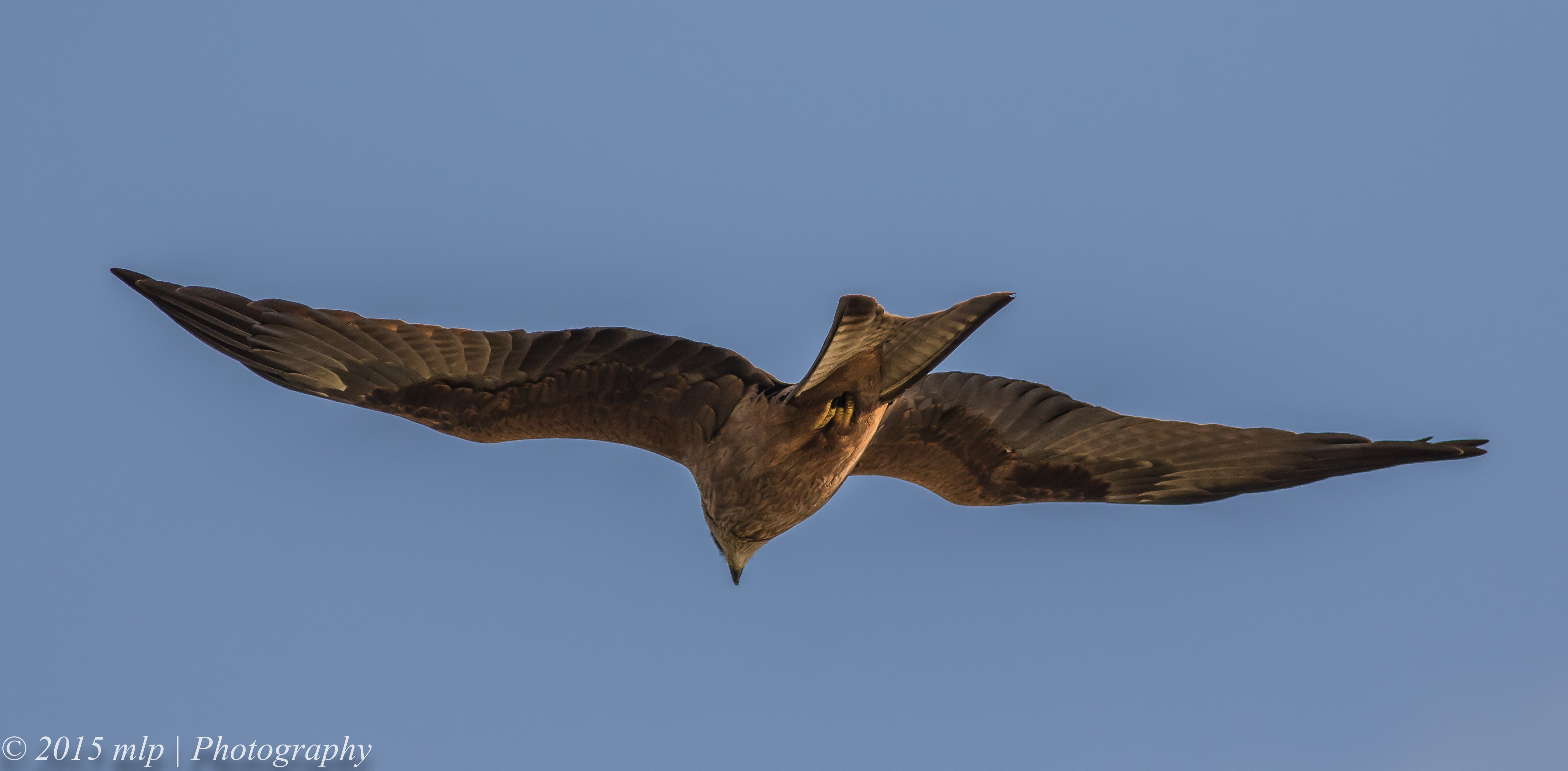
Black Kite, Western Treatment Plant

Black Kite – a different angle

Whistling Kite,  Western Treatment Plant,

Whistling Kite prowling the lagoons.

Determined and Focussed

A few weeks ago a friend (Ron J)  and I stopped by Pencil Park in Keysborough to have a look around and see what was new. It was a nice sunny day and pretty mild for a winter’s day but it was quiet with not many birds around. We watched the wetlands for a while and took a few shots of the birds like Dusky Moorhens (Gallinula tenebrosa) and Egrets getting a late afternoon feed.

This particular Moorhen had a determined look about it as it hunted around the fringe and ate what it could find in the foliage along the water’s edge.

Dusky Moorhen, Pencil Park, Keysborough,

Dusky Moorhen , Pencil Park, Keysborough


A gutsy attitude

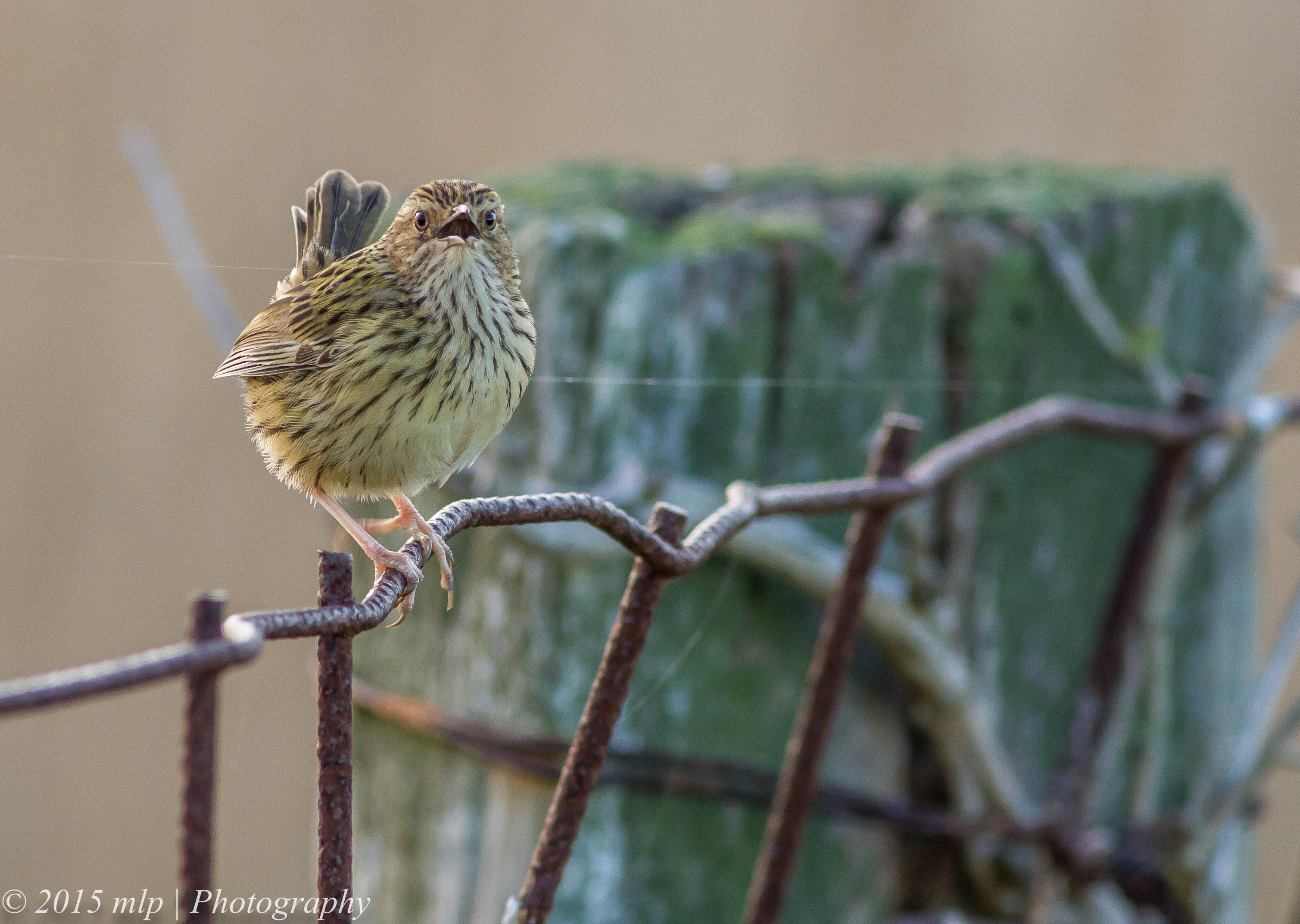
Amongst the many bird species seen and photographed over the last few weeks at the Western Treatment Plant, this little guy is one of my favourites – he is inquisitive, territorial and not afraid to get up and have a look at what is happening in his neighbourhood. I first saw him and heard his melodic call at one of the permit gates entering the Treatment Plant. He dashed off after seeing me but I used my playback call on my phone and he responded and stuck around for a while looking for the intruder. When calling he wags his upright tail back and forth like a battle flag…

Striated Fieldwren

Striated Fieldwren  – Calamanthus Fuliginosus

Striated Fieldwren

II

Striated Fieldwren

III