Category Archives: Birds

Compass Tour of Victoria

Over the Xmas break I planned and completed a compass tour of Victoria. It covered Mallacoota and various other spots in the far east of the state, the North East/Central covering the Grampians, Little Desert and Wyperfeld National Park, the far West including Nelson and the The Lower Glenelg National Park as well as a few spots on the way home, and finally the South – Mornington Peninsula. I am finally back at work – resting from all the driving, mozzie bites (and three ticks), early starts and the heat of the desert country. I am already thinking about the end of year trip and what new spots I can discover or visit.

Below are a few photos of the Cabbage Tree Palms from the Cabbage Tree Creek area, located along the Princes Highway on the way to Mallacoota – The Cabbage Tree Palm is Victoria’s only native palm species and are found in a few locations. The picnic ground has a lovely short rainforest walk with many bird and animal species. I saw my first lifer (lifer = first time seeing a bird species) of the trip –  a TopKnot Pigeon.

The Topknot Pigeons are often found in this reserve feeding on the fruit of the palm. I saw a flock of around 10 flying across the reserve – they are a very nervous species and will flush and fly off even when I was quite far away. I will have to try for photos the next time I head to Mallacoota.
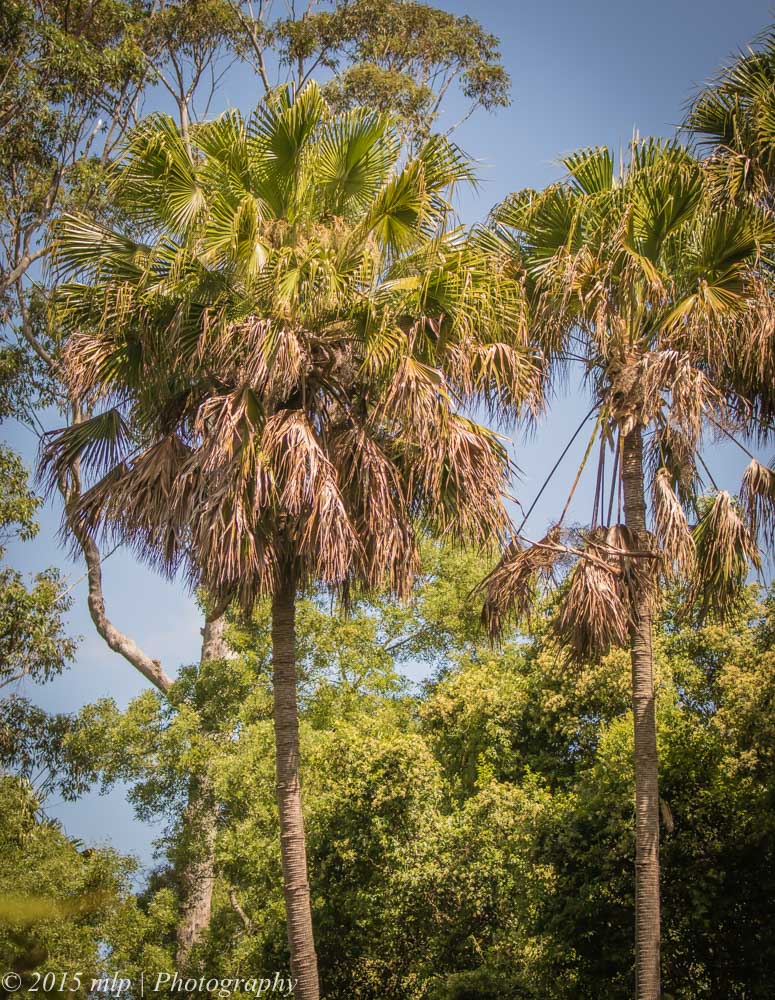
Cabbage Tree Palm, Cabbage Tree Creek

Cabbage Tree Palm, Cabbage Tree Creek

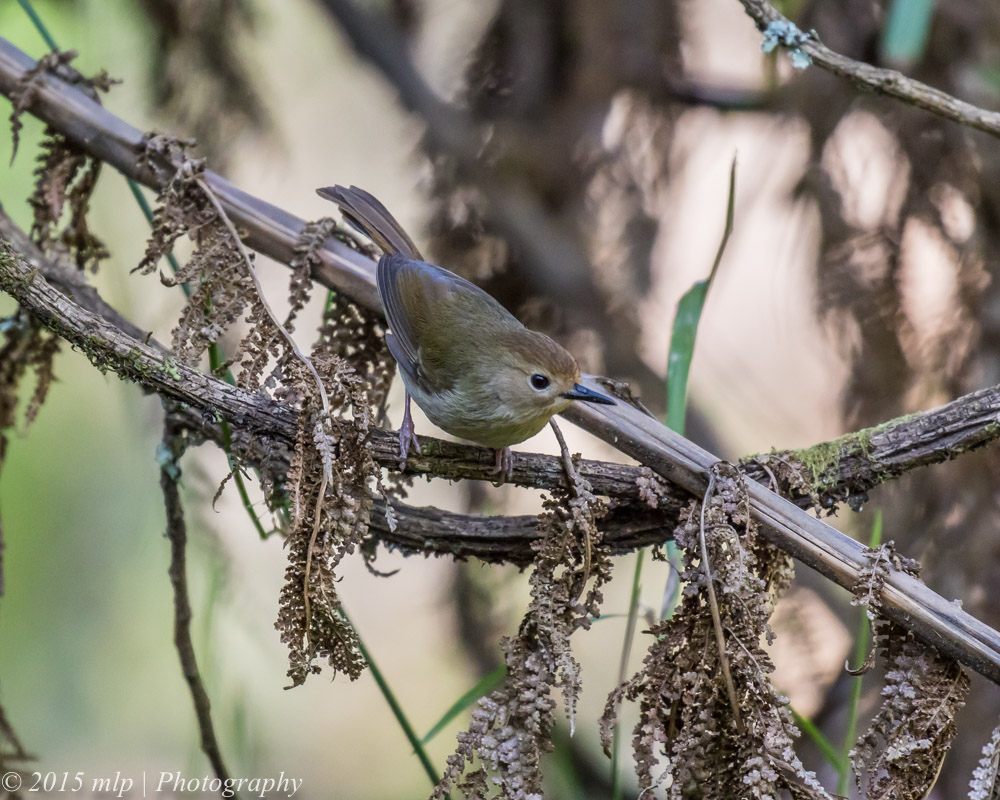
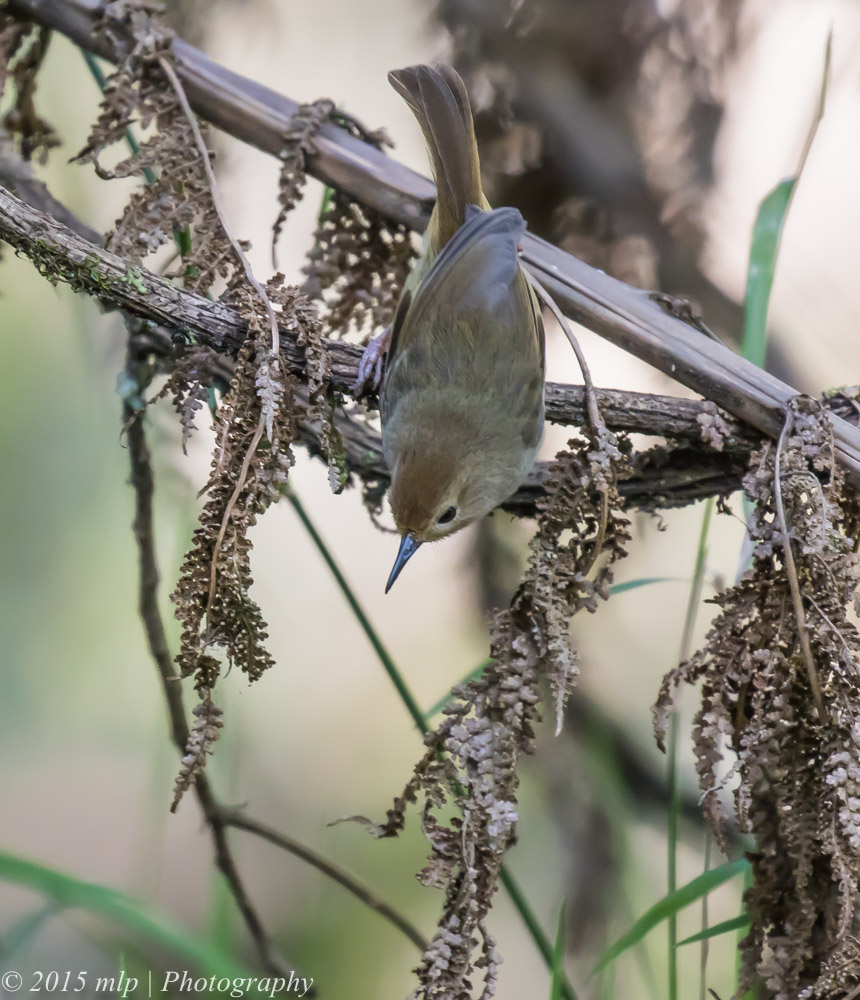
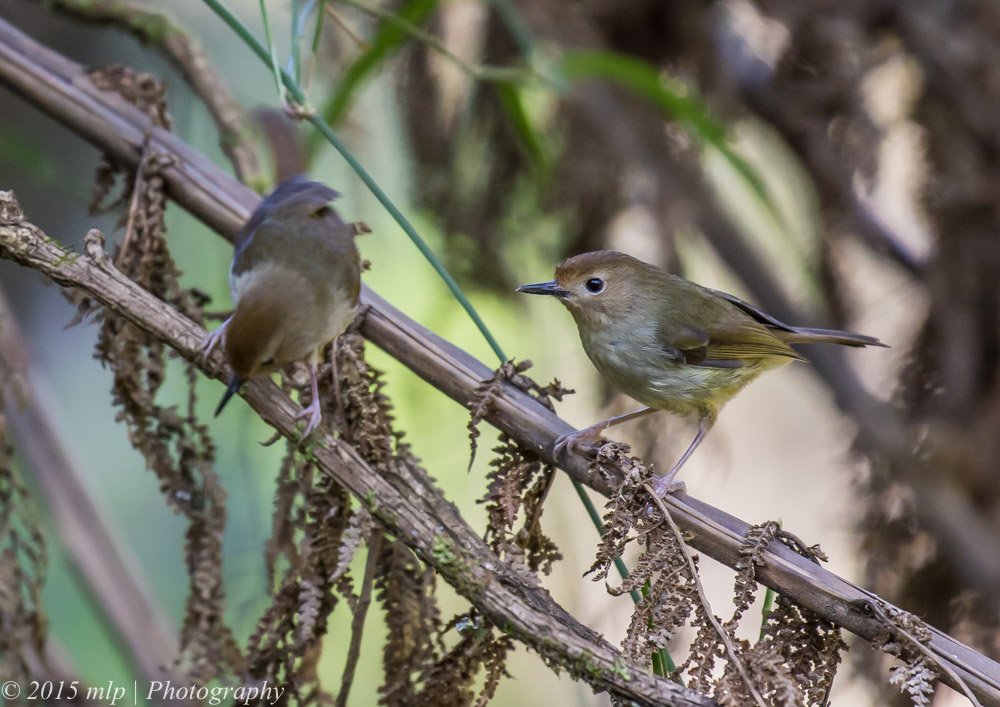
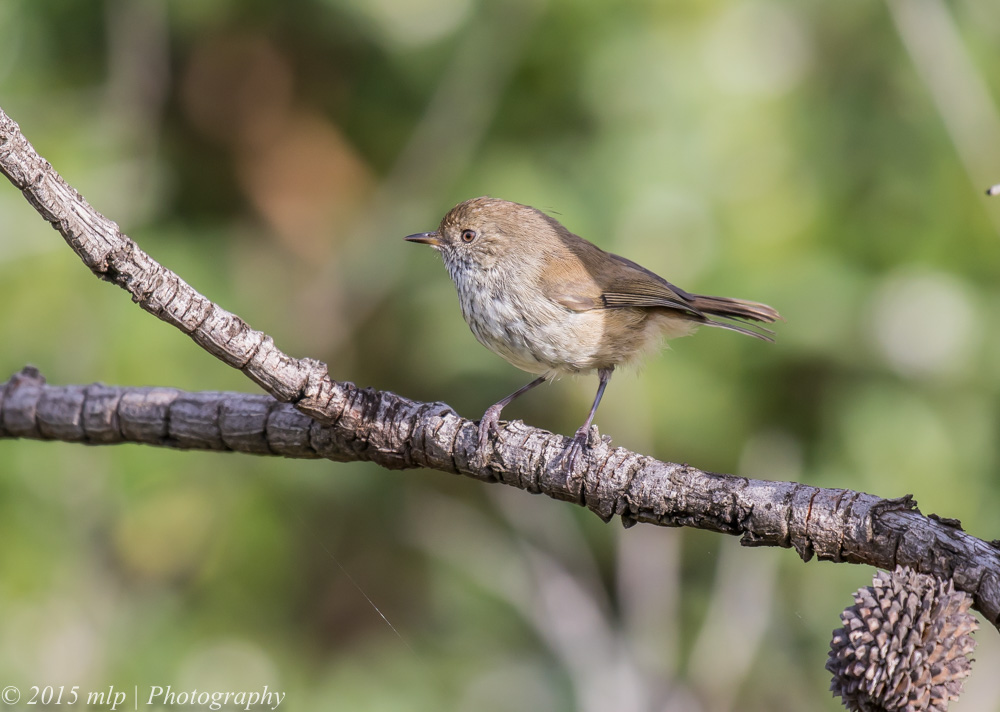
I did find a curious family of Brown Gerygone along the walk and spent some time photographing them. A tiny bird the size of a thornbill with a melodic song. I managed to see all three main Victorian species in 2015 – Brown, Western and White Throated.
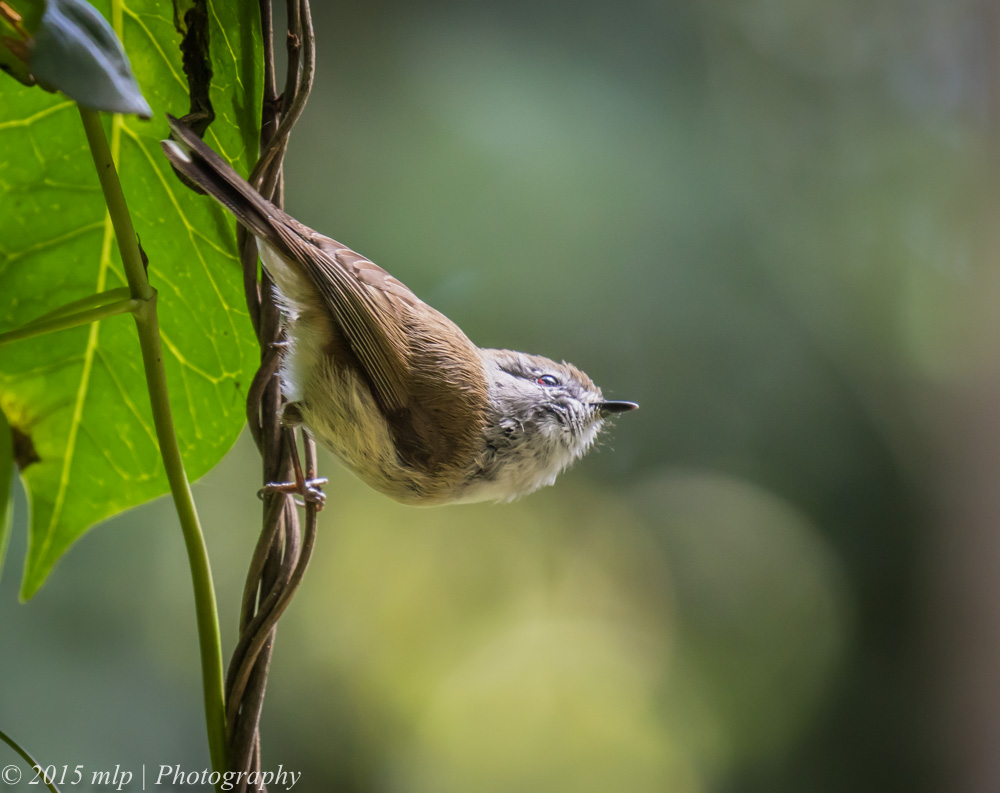
Brown Gerygone, Cabbage Tree Creek
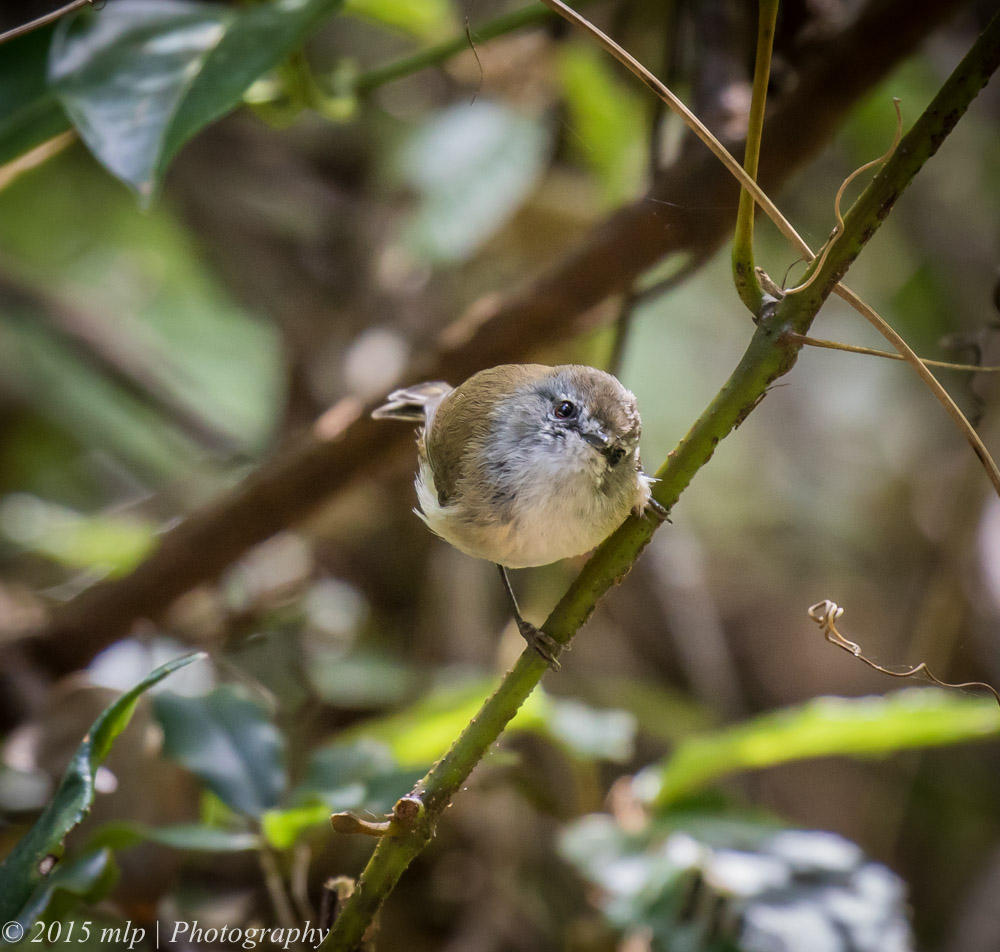
Brown Gerygone, Cabbage Tree Creek

Brown Gerygone, Cabbage Tree Creek

II
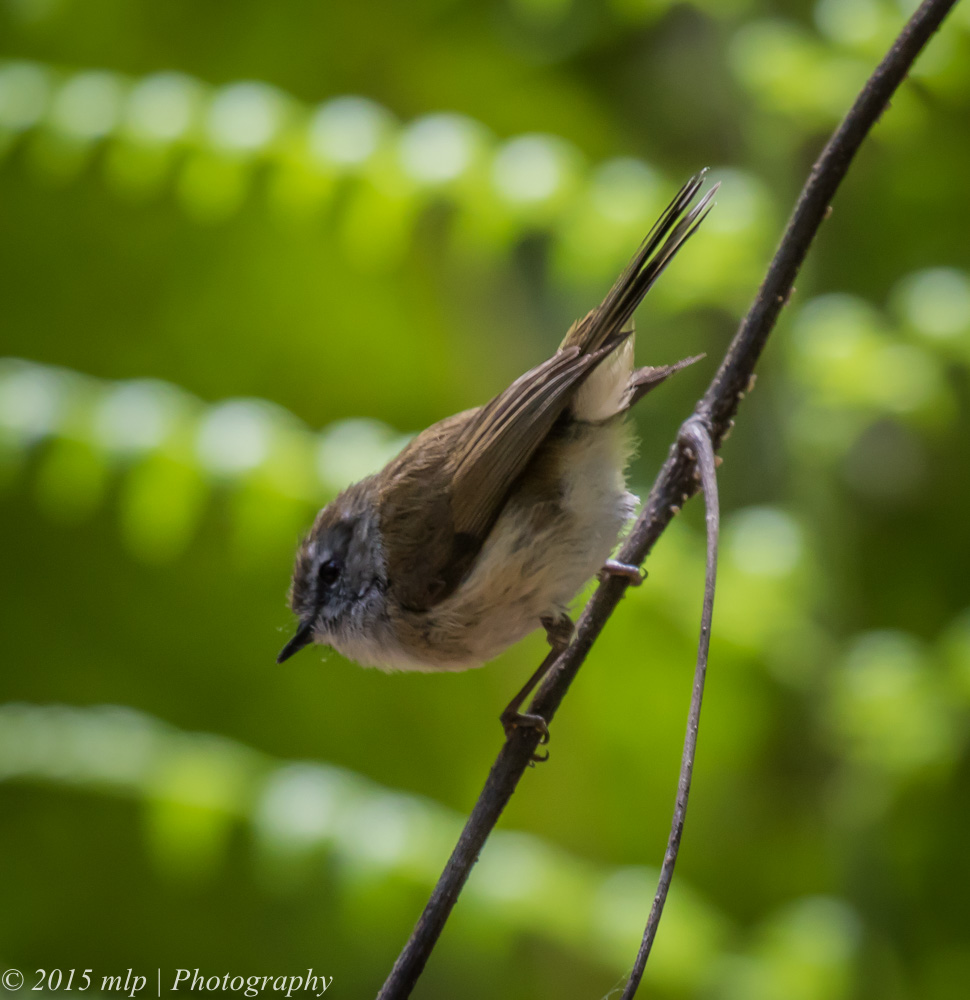
Brown Gerygone, Cabbage Tree Creek

III

Brown Gerygone, Cabbage Tree Creek

IV

Brown Gerygone, Cabbage Tree Creek

V
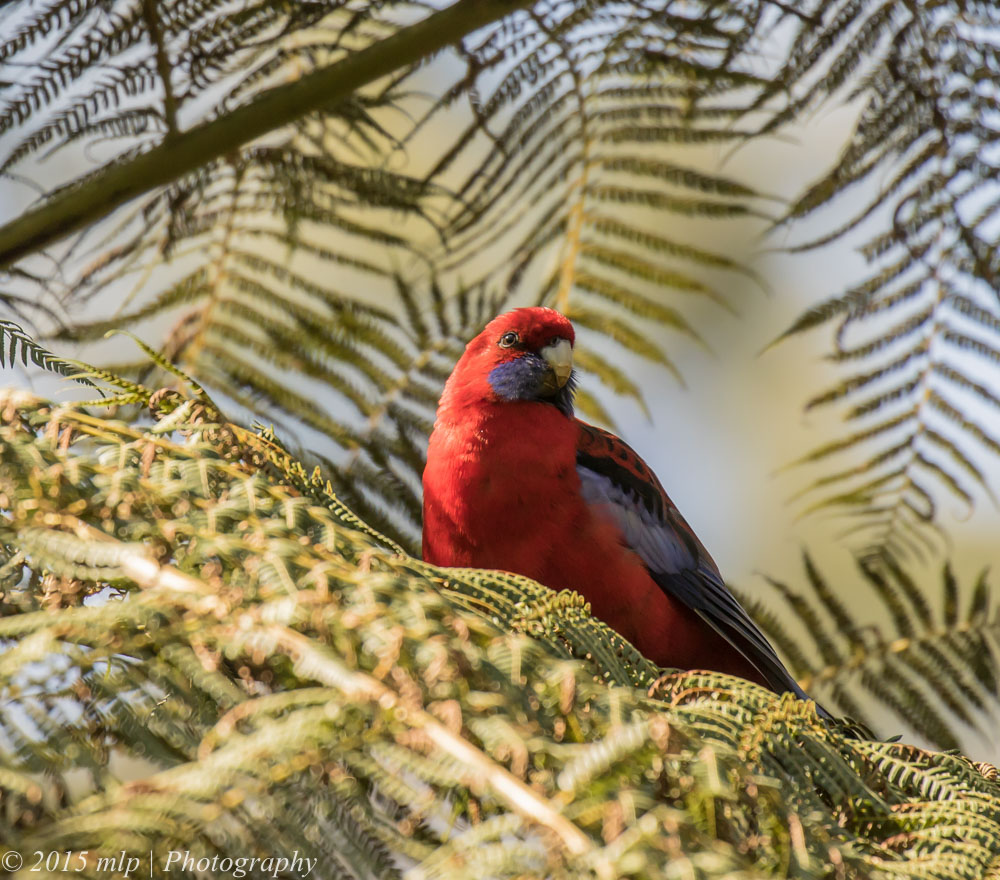
Bowerbirds at the Falls

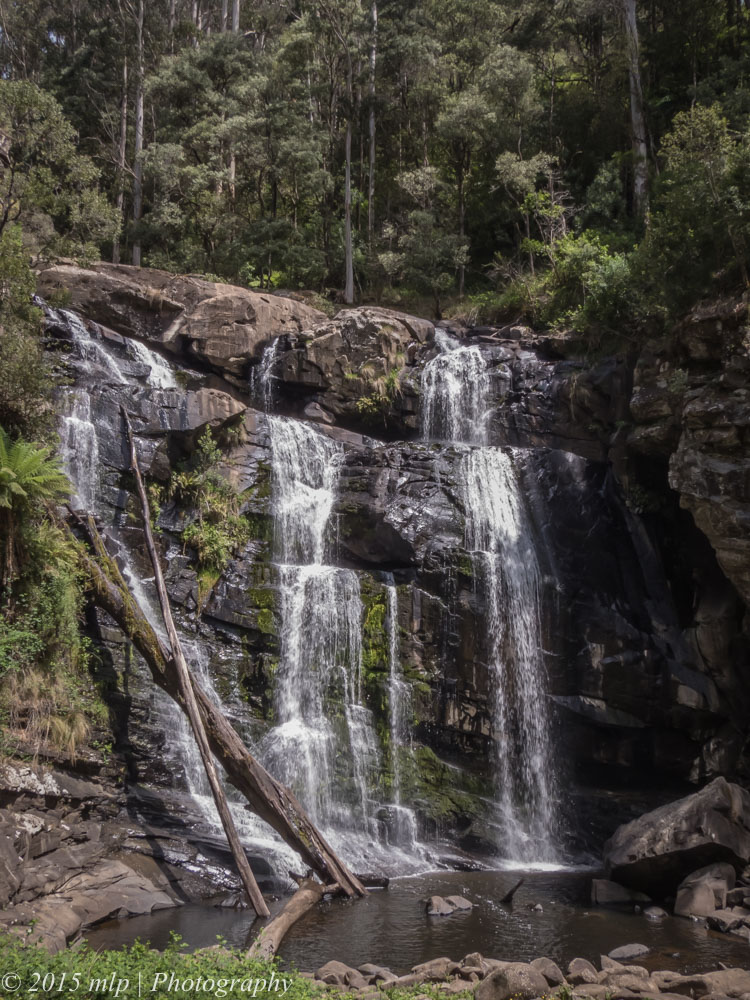
On a recent trip to Apollo Bay, I spent some time exploring the Great Otway National Park. There are a number of waterfalls in the Park including the Stevenson Falls along the Barramunga Creek. I visited the waterfall several times over a few days. It is a good site for shots of the falls, the green moss and ferns within the falls and for the first time I found a bower of a Satin Bowerbird.

Stevenson Falls, Great Otway National Park

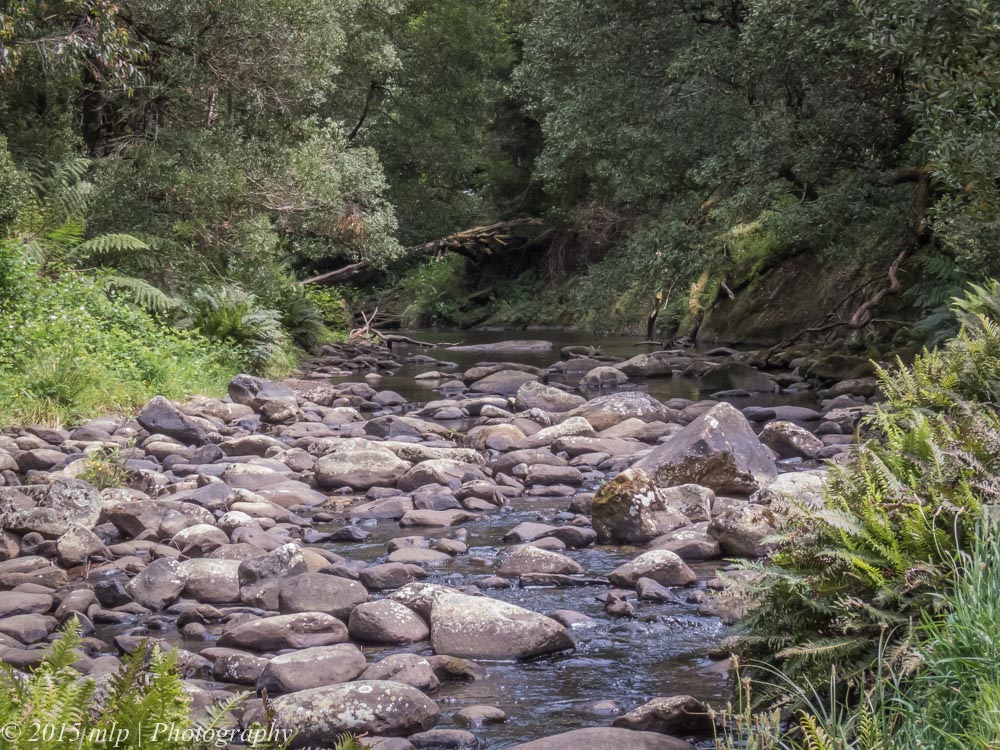
Barramunga Creek below the Stevenson Falls, Great Otway National Park

Stevenson Falls, Great Otway National Park

Stevenson Falls, Great Otway National Park

Stevenson Falls, Great Otway National Park

Stevenson Falls, Great Otway National Park

Stevenson Falls, Great Otway National Park

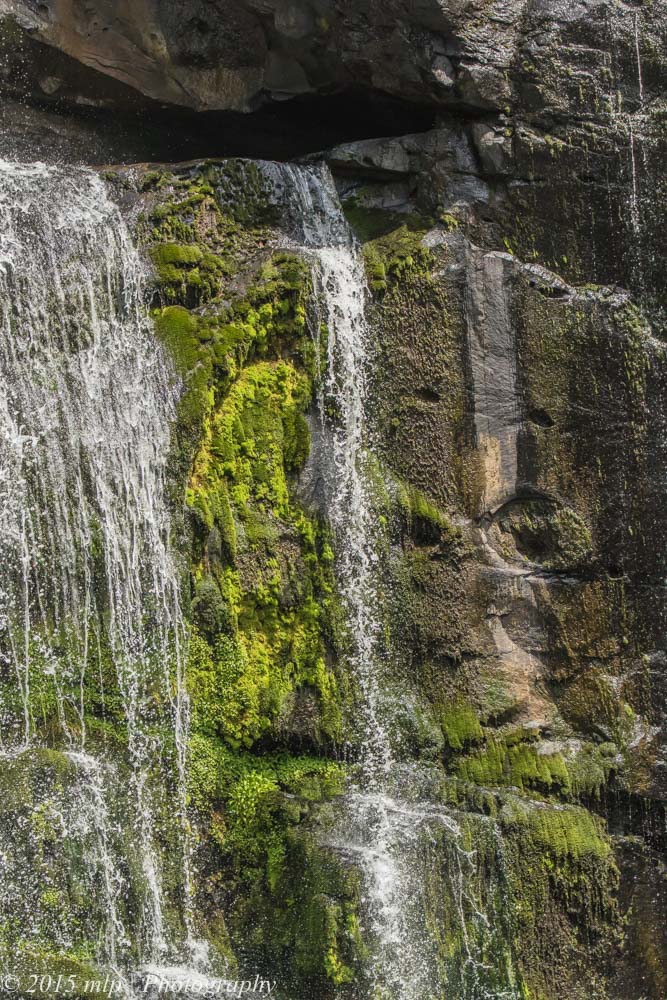
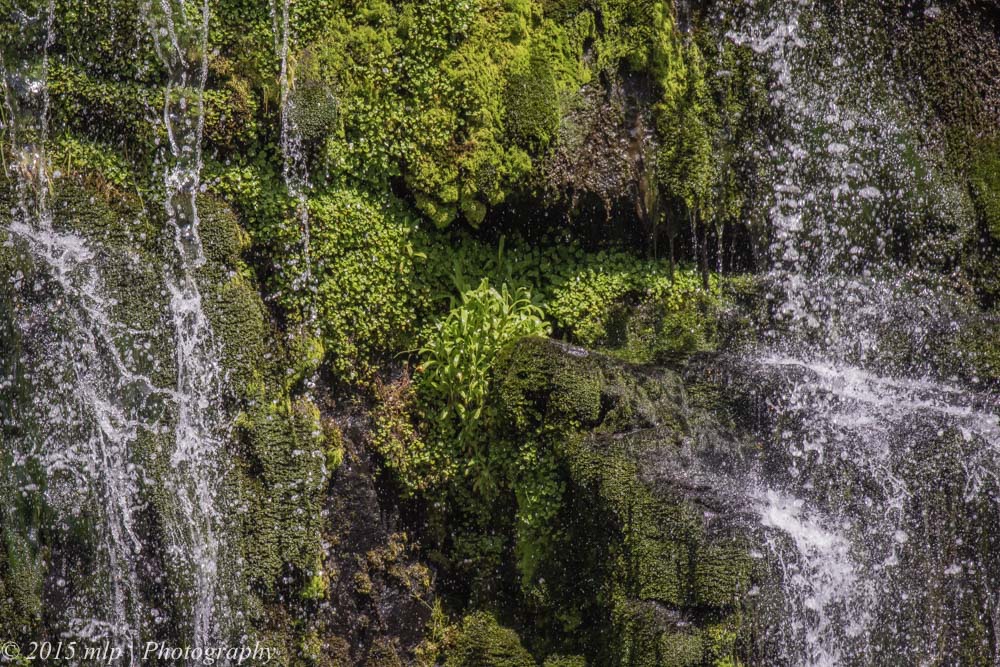
Moss and Ferns within the Stevenson Falls

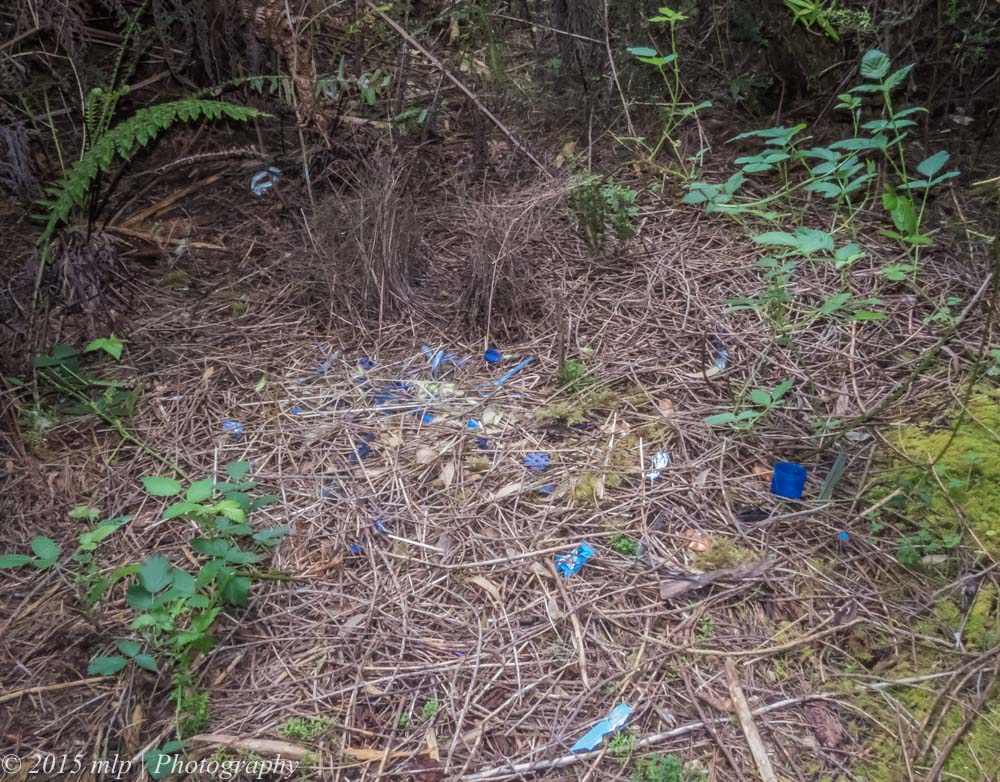
While looking around the forest near the waterfall I found a partially constructed Bower from a Satin Bowerbird – immediately identifiable from the shape and the pile of blue objects collected by the Satin Bowerbird. The bower area was probably from last year, the bower was being rebuilt and the blue objects collected by the Bowerbird for impressing the ladies were still covered by weeds and vines.

Bower, Stevenson Falls, Great Otway National Park

Bower, Stevenson Falls, Great Otway National Park

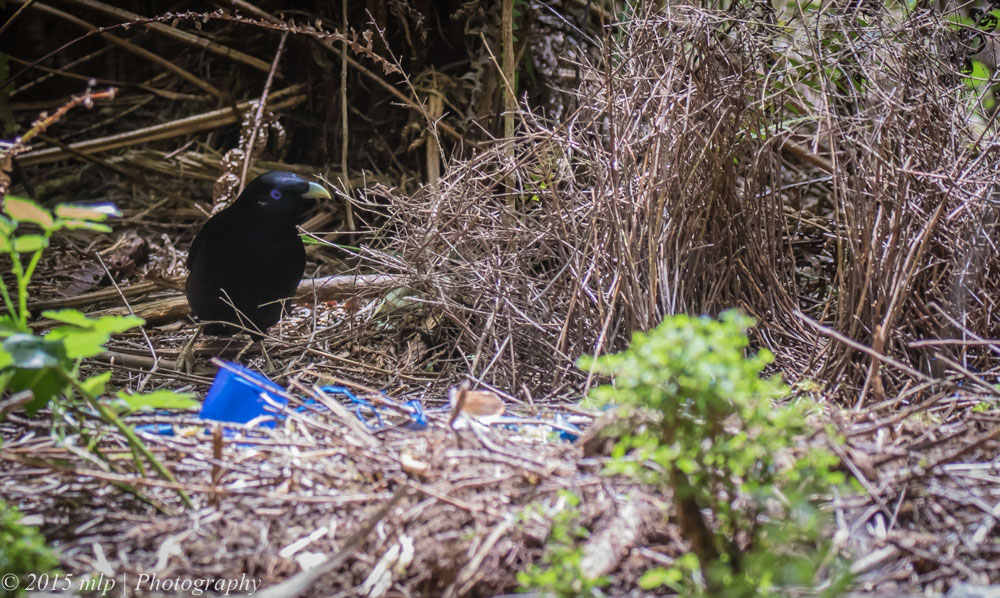
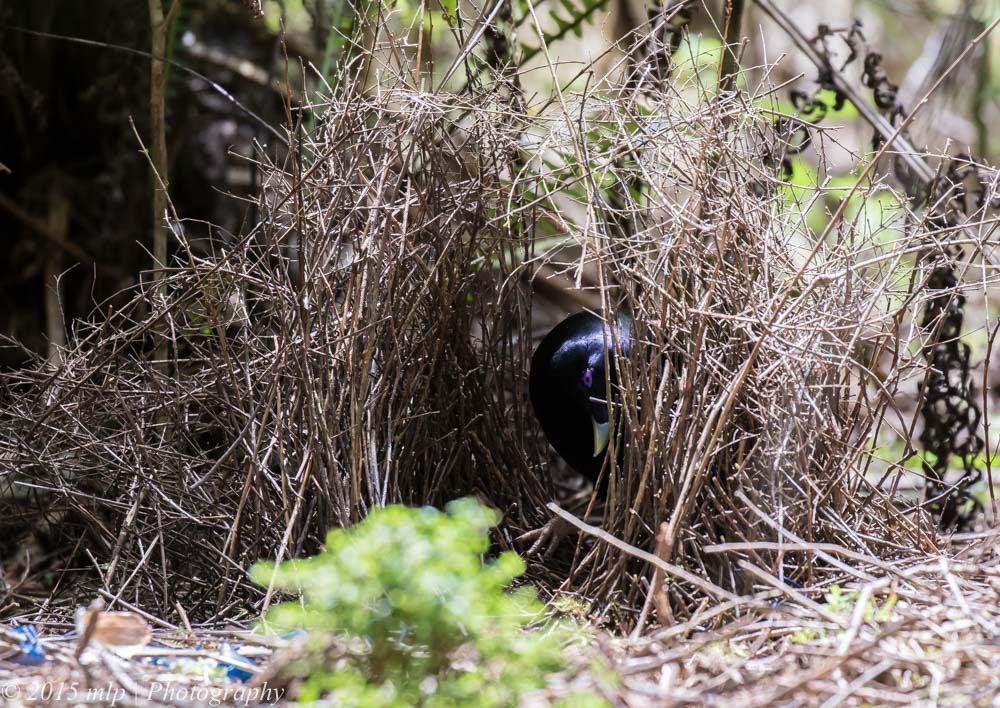
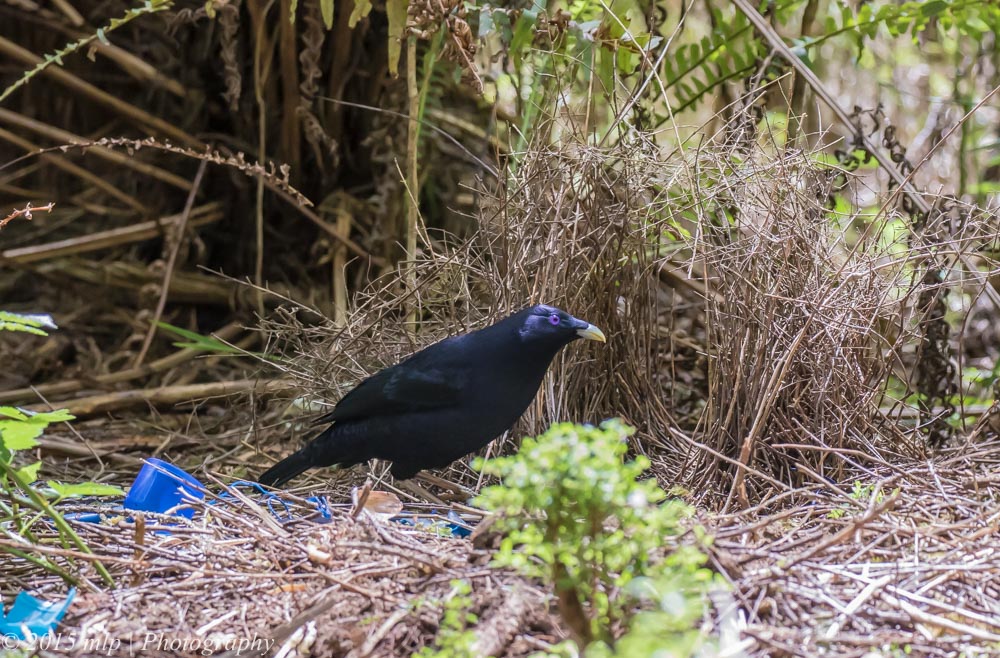
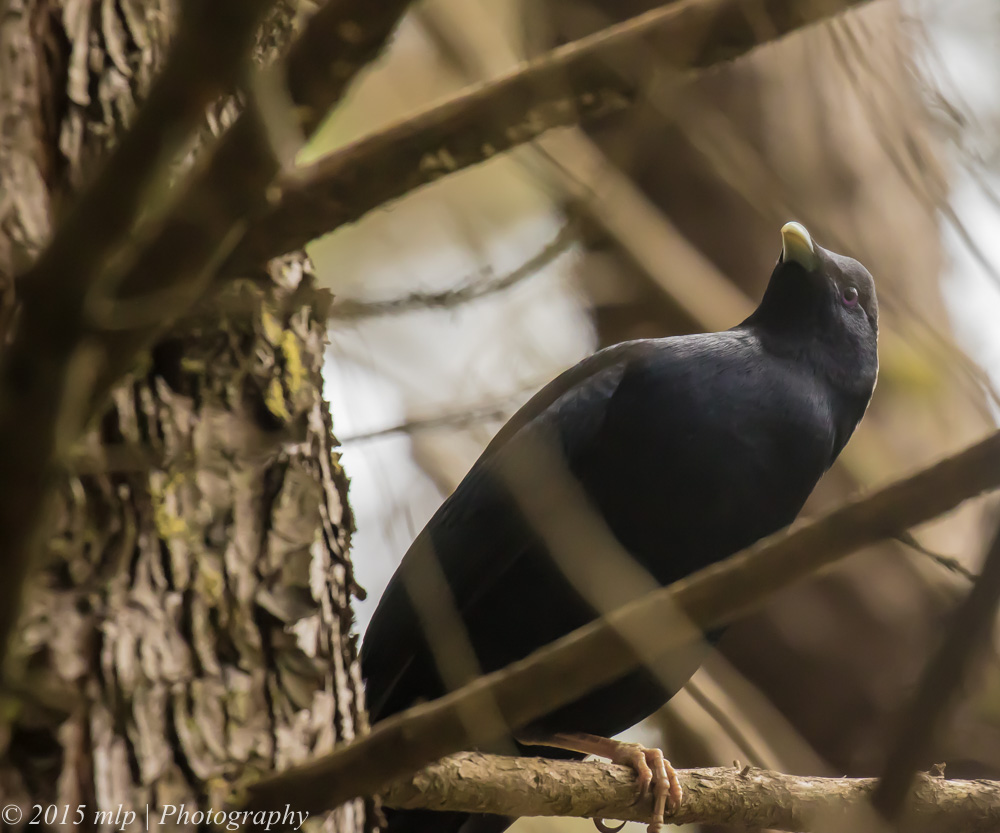
Two days later I found the owner of the Bower moving his blue treasures about for the best placement, and working on his bower. The Satin Bowerbird is a beautiful shiny black bird with amazing purple eyes.

Satin Bowerbird, Stevenson Falls, Great Otway National Park

Satin Bowerbird

Satin Bowerbird, Stevenson Falls, Great Otway National Park

Inspection time

Satin Bowerbird, Stevenson Falls, Great Otway National Park

Re-modelling the Bower

I had setup my camera and tripod about 10 metres away behind a large pine tree. After a few minutes I lost sight of the Bowerbird and sat back to fight off the ants and mosquitos and realised that the bird was above me watching. He was assessing whether I should be avoided. He watched for a while and then decided I was harmless and went back to the bower to continue his work. (We all try to impress the ladies in our own way).

Satin Bowerbird, Stevenson Falls, Great Otway National Park

Satin Bowerbird, Stevenson Falls, Great Otway National Park

Satin Bowerbird, Stevenson Falls, Great Otway National Park

II

Meeting the new Neighbours

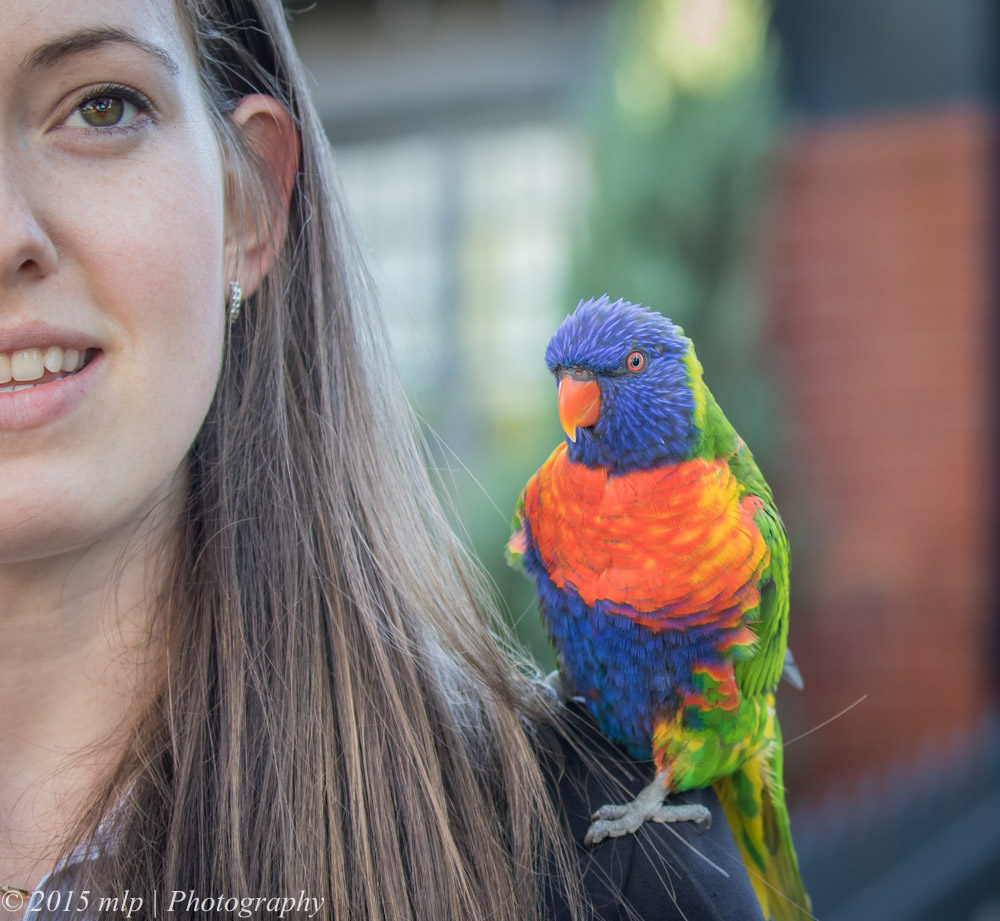
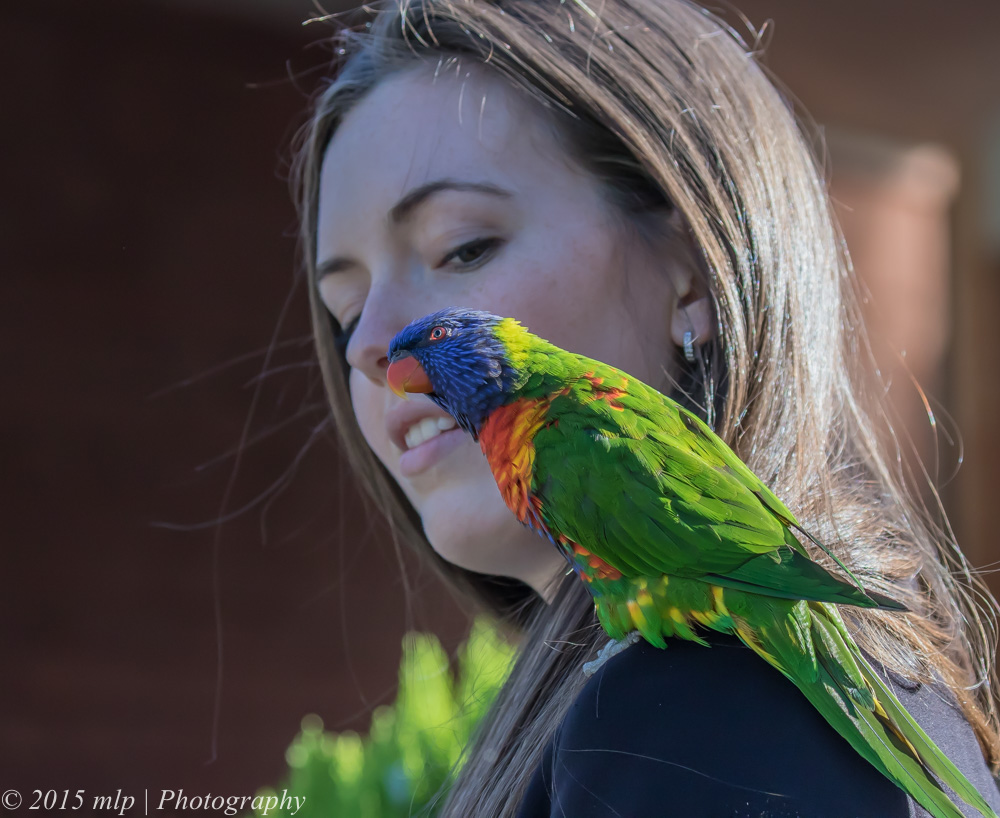
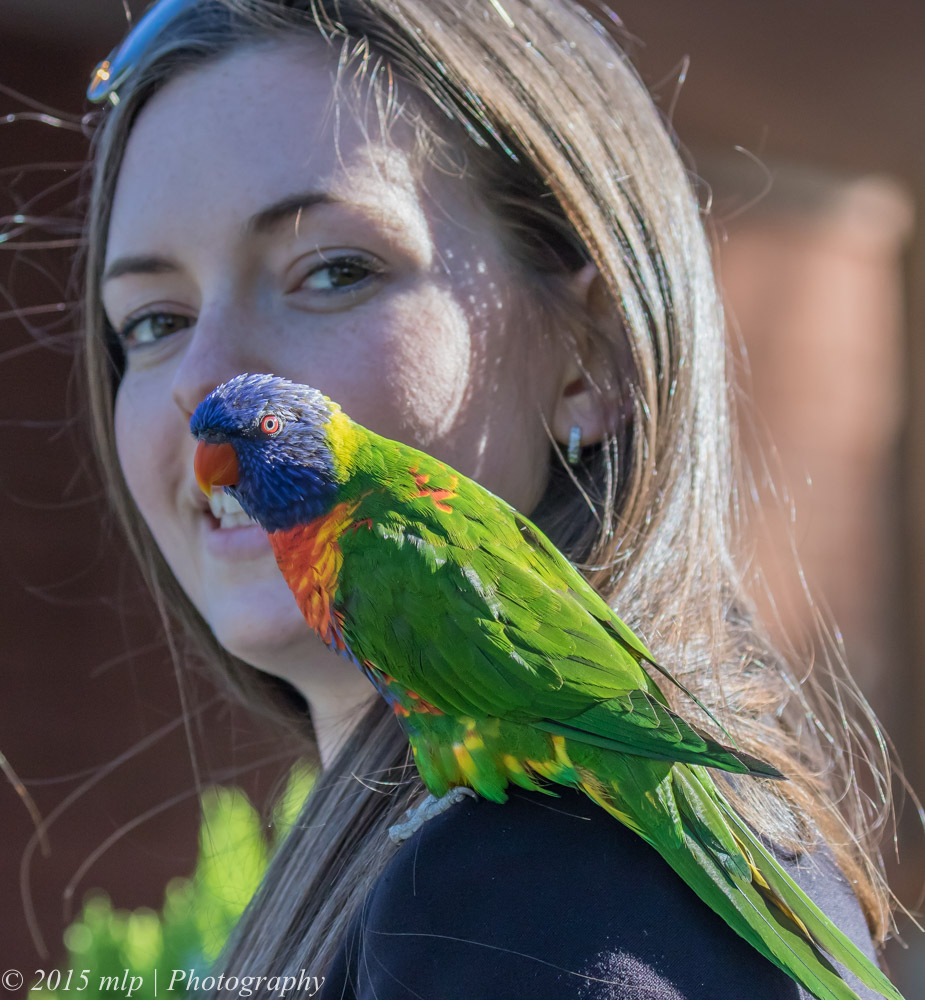
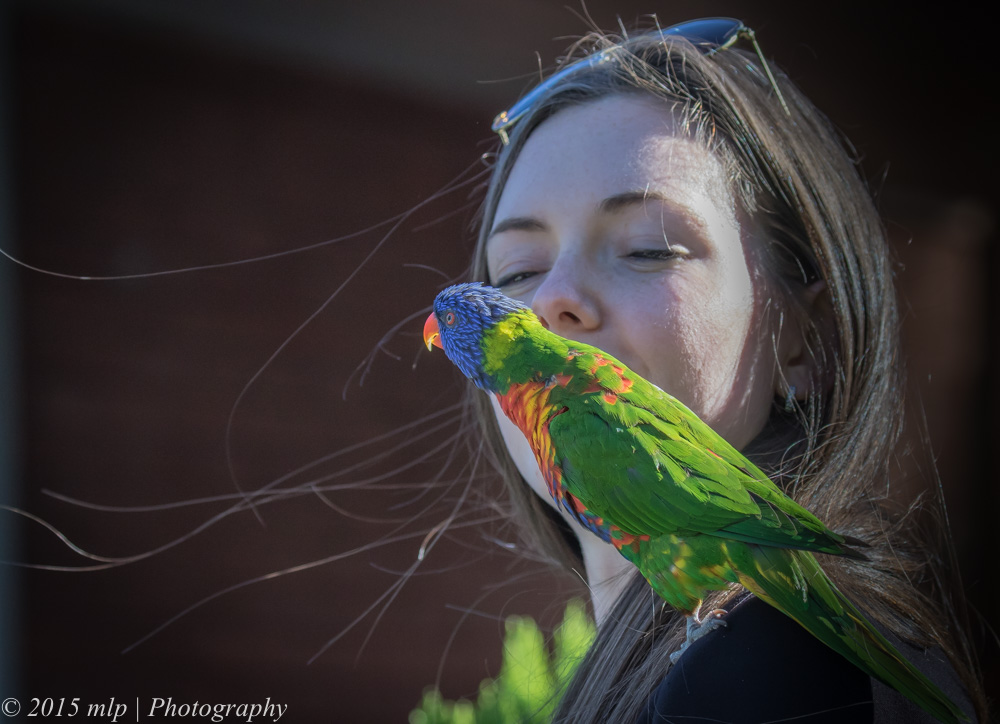
I have been hearing Black-Faced Cuckoo Shrikes for a few weeks now and seen them flying over Elster Creek and along my street with what seemed to be mouthfuls of food. Last night I finally found, a few hundred meters down the road, their nesting/roosting area, a juvenile and its parents. A return visit this evening and I found two juveniles and short while later two parents turned up with the evening meals. This is not a very common bird for the inner suburbs – it is much more common in the drier country to the north. While I was photographing the Cuckoo Shrikes a new neighbour drove up and started to chat about what I was doing (nearly getting run over by the cars coming home from work). As it turned out Mady has a pet Rainbow Lorikeet called Arcus (Latin for Rainbow). She brought her out and I took a few photos (after Arcus took a climb around my neck and shoulders and bit my finger)

Black Faced Cuckoo Shrike chicks, Elster Creek

Black Faced Cuckoo Shrike chick waiting patiently for a parent to bring a meal

Black Faced Cuckoo Shrike chicks, Elster Creek

Juvenile Black Faced Cuckoo Shrikes

Black Faced Cuckoo Shrike chicks, Elster Creek

A bit of a stretch of the wings while waiting

Black Faced Cuckoo Shrike, Elster Creek, Elwood

A meal finally brought in after a few hours of waiting…

Mady and Arcus, Spray St, Elwood

Mady and Arcus – both new to the area…

Mady and Arcus, Spray St, Elwood

Arcus likes to get into places like eyes, mouth and nostrils…

Mady and Arcus, Spray St, Elwood

Mady and Arcus III

Mady and Arcus, Spray St, Elwood

Mady and Arcus IV

Mady and Arcus, Spray St, Elwood

Arcus seemed curious when Mady’s hair blew around…

Hanging with the Pelicans at Hasting Pier

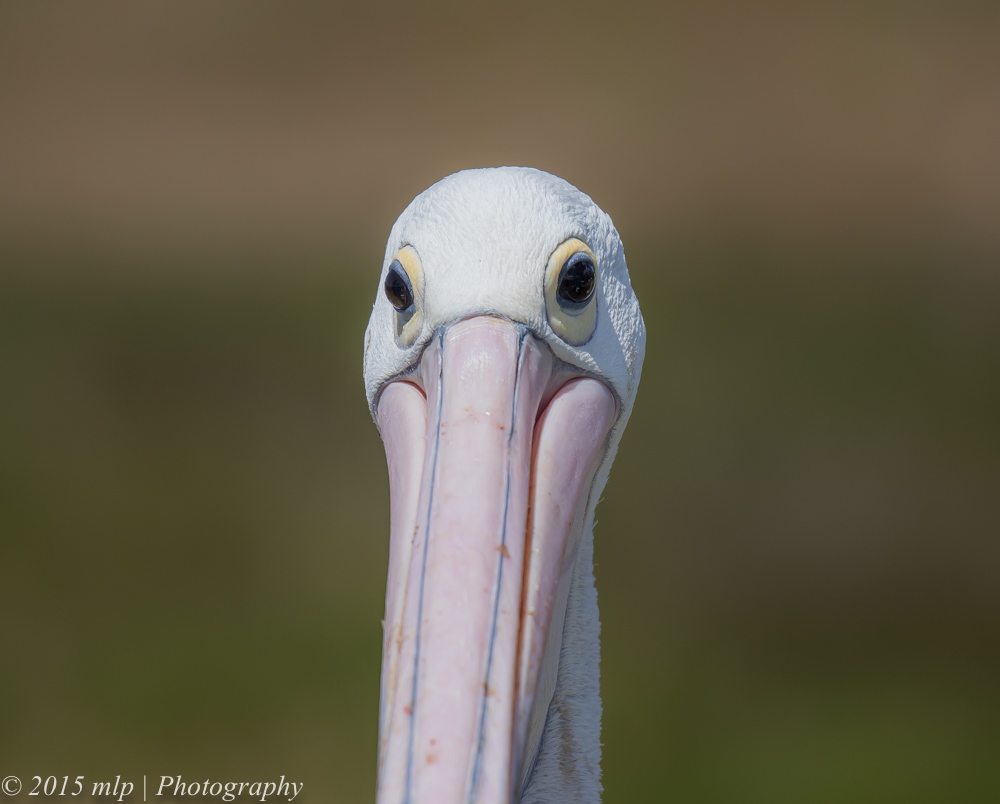
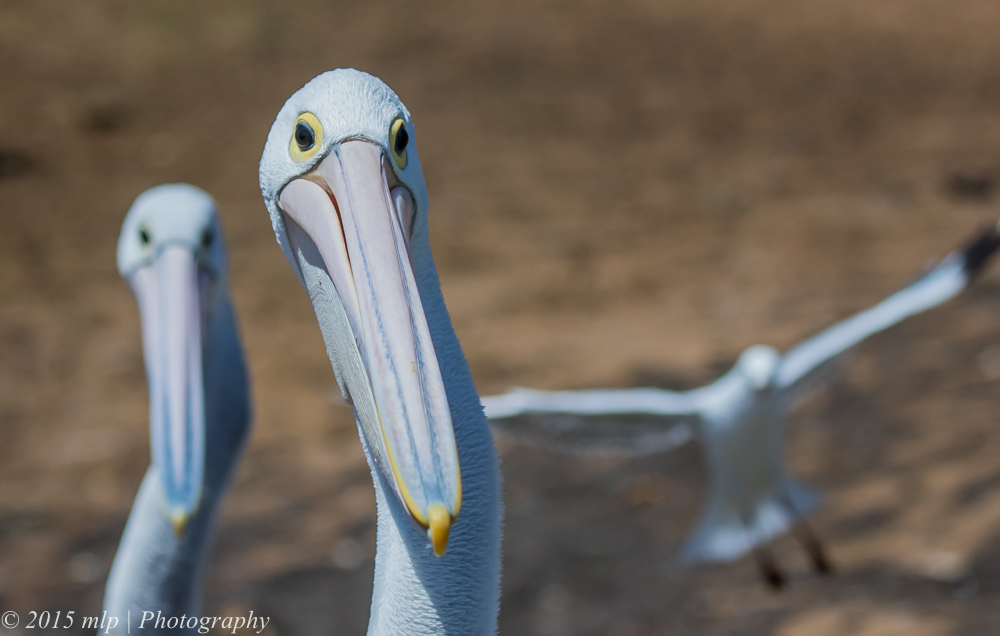
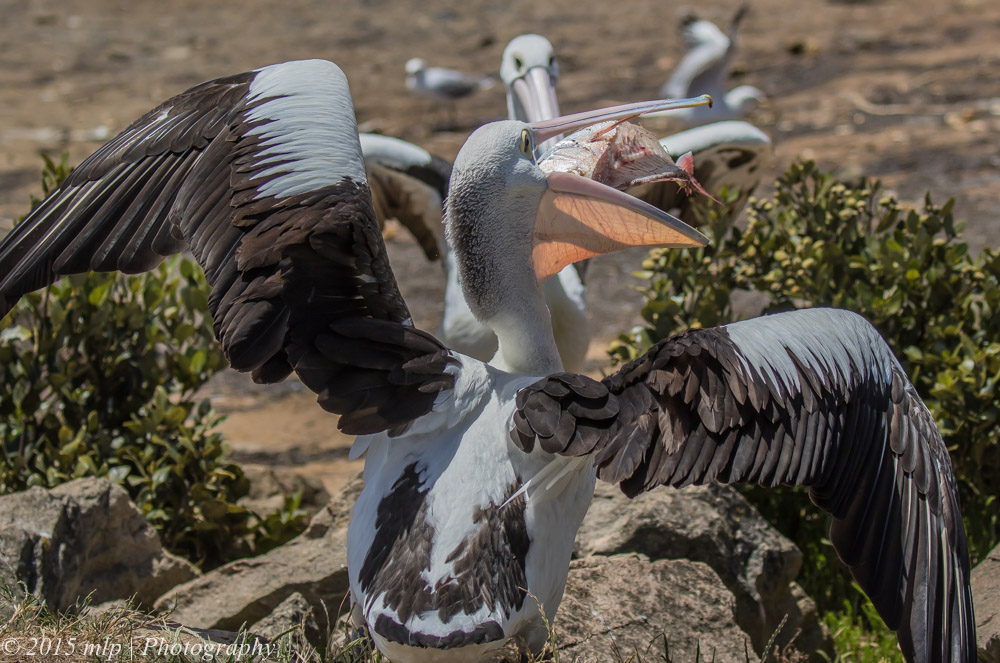
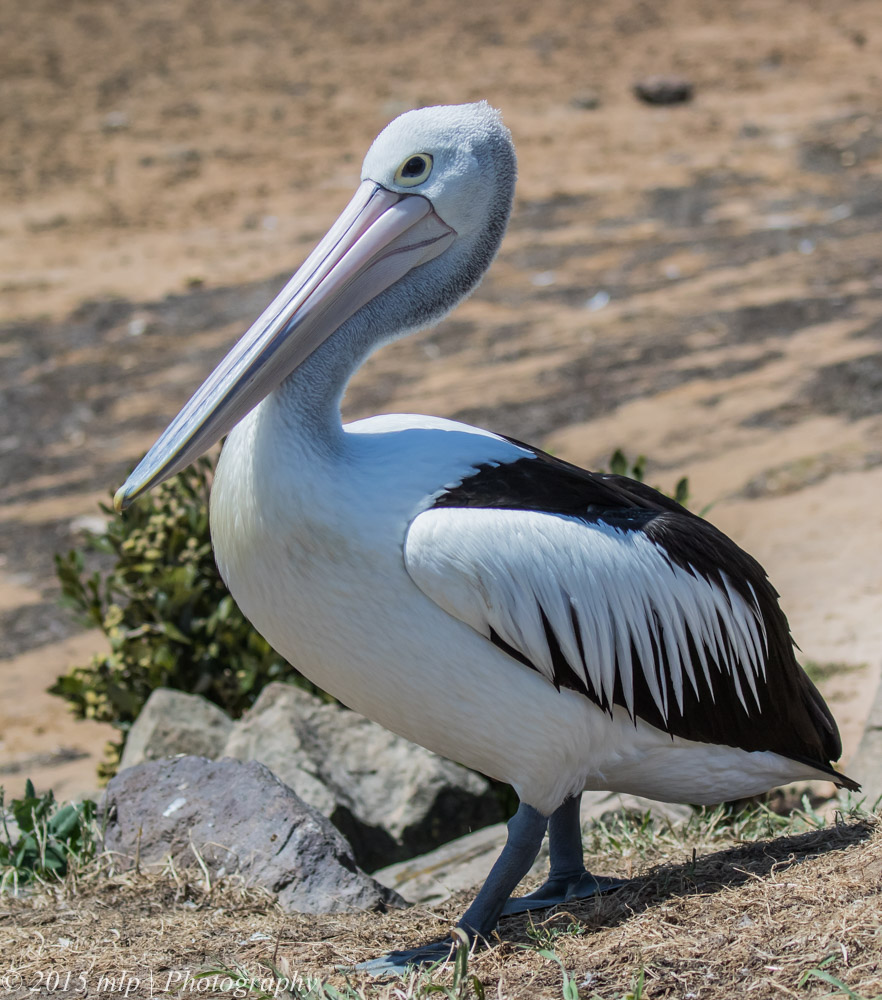
On the weekend a mate and I drove down the Peninsula and visited the Coolart Wetlands and then onto Hasting Pier for lunch and a spot of birdwatching across the mudflat (as you do)…the tide was rising so many of the birds were pushed to the far bank and not easily seen. At the carpark there is a boat ramp and the fishermen clean the fish and feed the Pelicans. The Pelicans are so focussed on a free feed that they ignore everything else. They are quite a large bird and can be a challenge to photograph – but are very interesting with all the feathers, long bill, large eyes and throat pouch. I like Pelicans: big, confident and goofy on land  but majestic in the air.

Pelican, Hasting Harbour

Pelican, Hasting Harbour

Pelican, Hasting Harbour

II

Pelican, Hasting Harbour

III

Pelican, Hasting Harbour

IV

Pelican, Hasting Harbour

Pelicans waiting for the next fish scrap to be tossed

Pelican, Hasting Harbour

All mine….

Pelican, Hasting Harbour

Pelican, Hasting Harbour


Close encounter with a Treecreeper

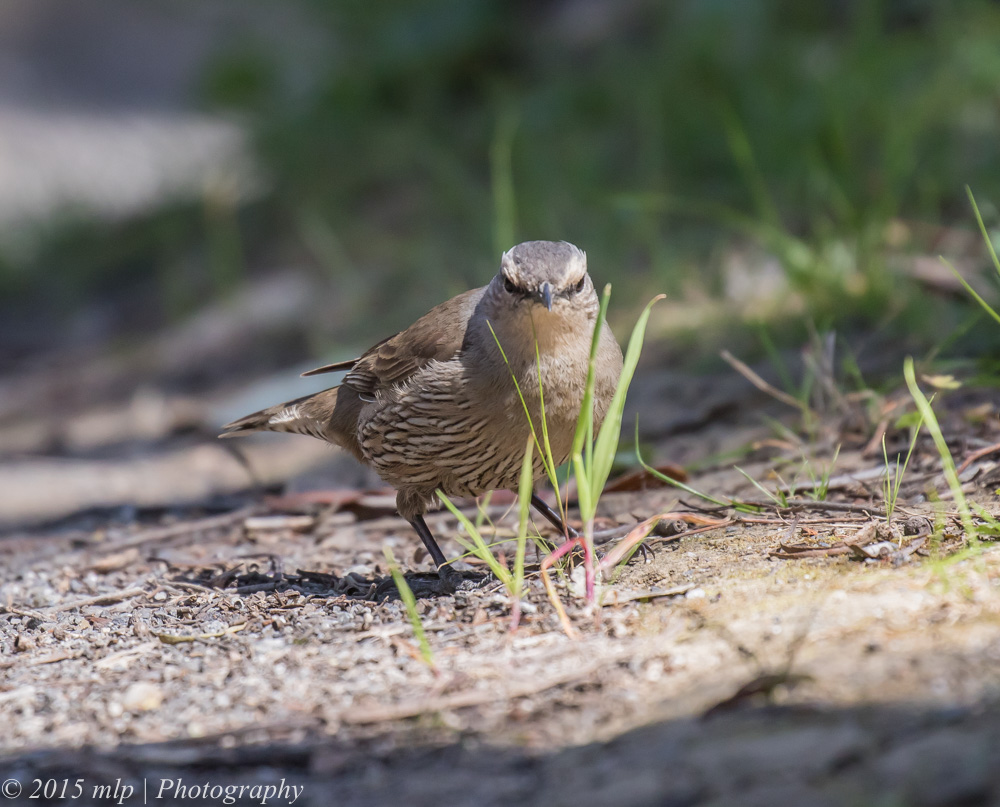
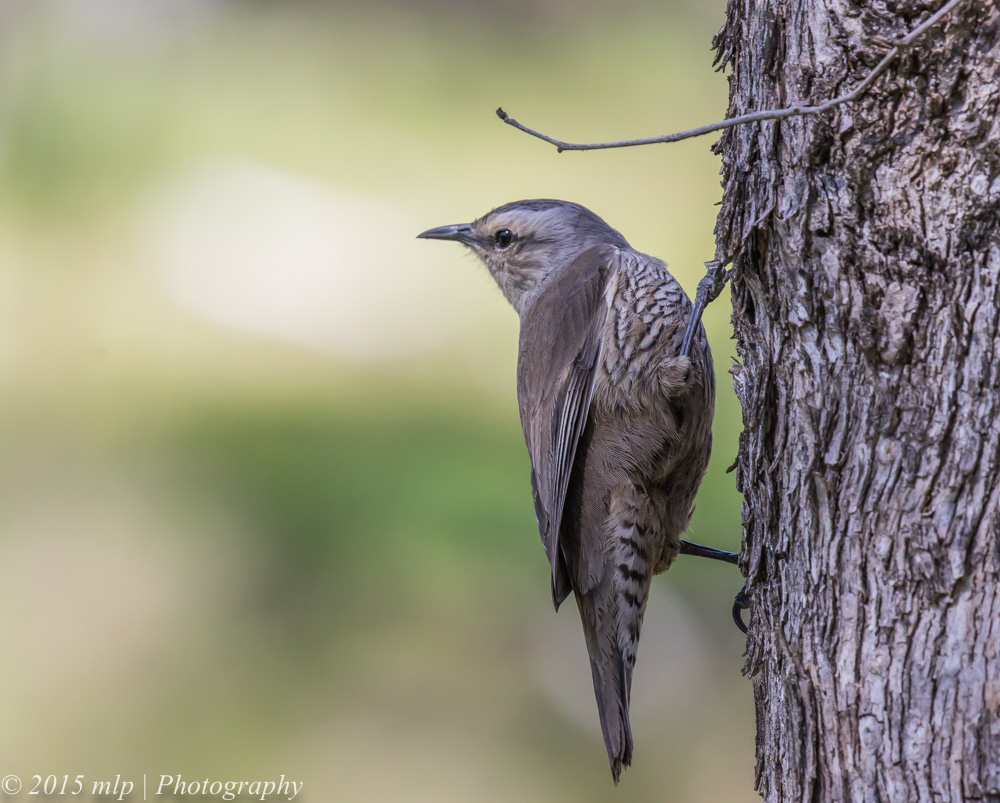
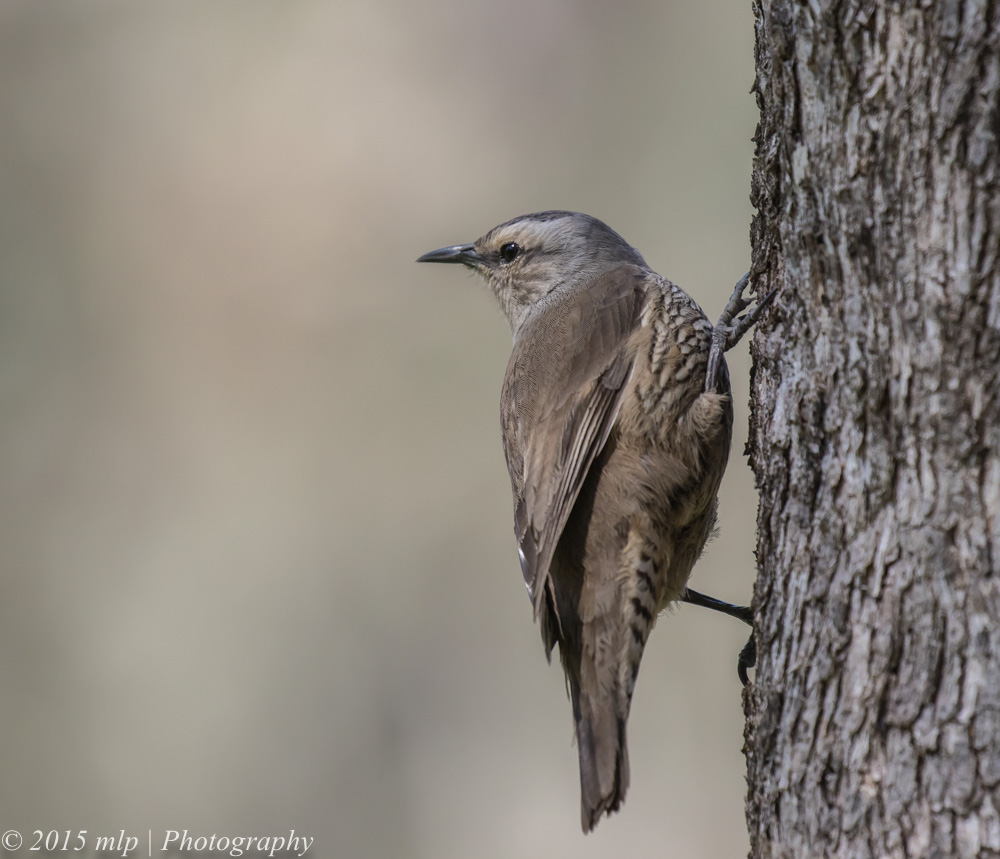
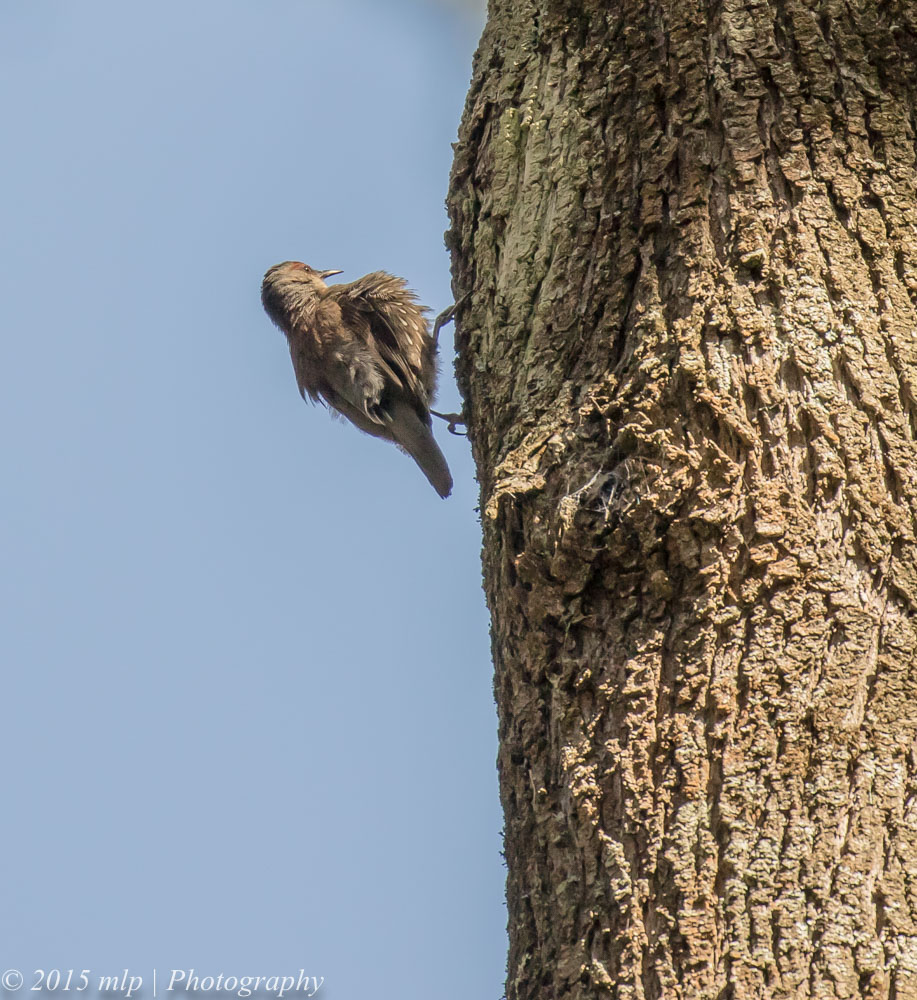
Walking along the side of Cyanide Dam the day after I photographed the Albino Wallaby I was listening for different birds when a Brown Treecreeper hopped onto the ground nearby. I stopped and crouched down a bit and started to take a few photographs. After a few moments watching me, the treecreeper started to feed again. The Treecreeper has the ability to walk vertically up the trunk and even upside down along a branch. See link for images of a related Treecreeper (White Throated) walking upside down.  In developing the images I was pleasantly surprised to find how interesting the plumage and colouring of the treecreeper was. I have seen Brown Treecreepers a number of times moving around tree trucks and branches but this was the first time I was so close to one to get a good clear view.

Brown Treecreeper, Cynide Dam, Chiltern National Park

Brown Treecreeper, Cyanide Dam, Chiltern National Park

Brown Treecreeper, Cynide Dam, Chiltern National Park

II

Brown Treecreeper, Cynide Dam, Chiltern National Park

III

Brown Treecreeper, Cynide Dam, Chiltern National Park

IV


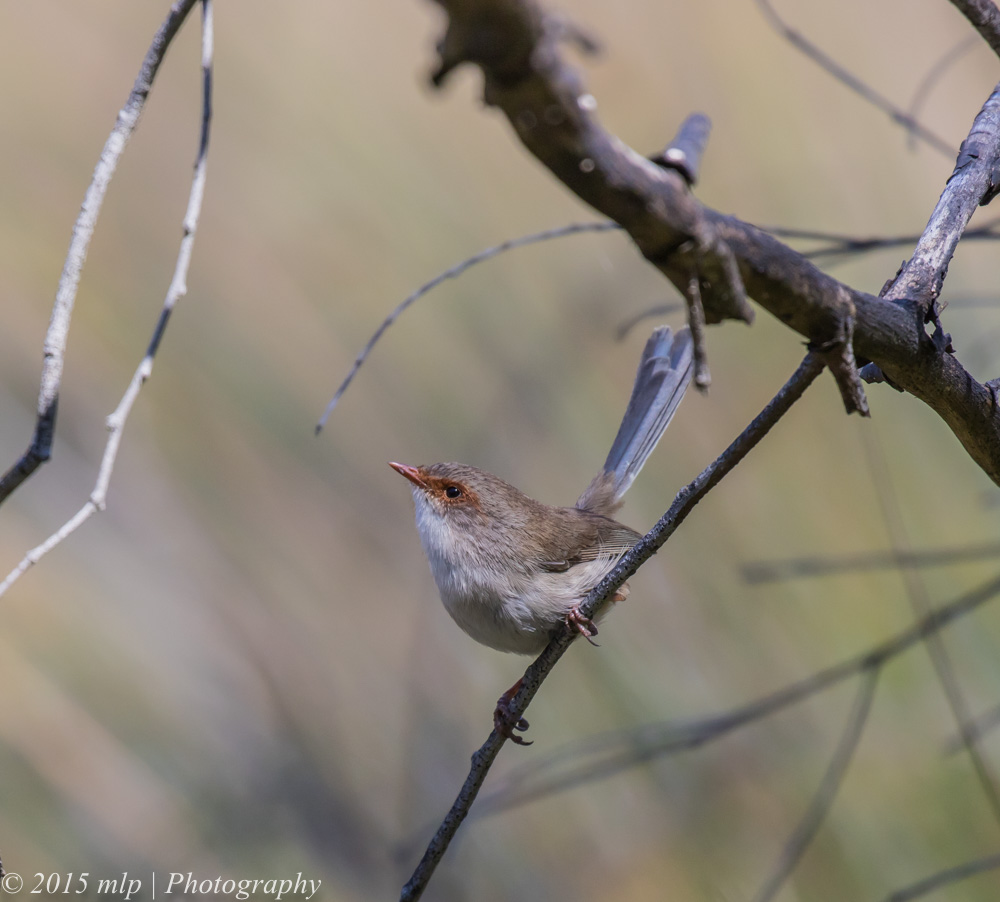
Of course I have to add a cute image of a Superb Fairy Wren taken just after the Brown Treecreeper

Female Superb Fairy Wren, Cynide Dam, Chiltern National Park

Superb Fairy Wren, Cyanide Dam, Chiltern National Park

Bath time at Point Addis

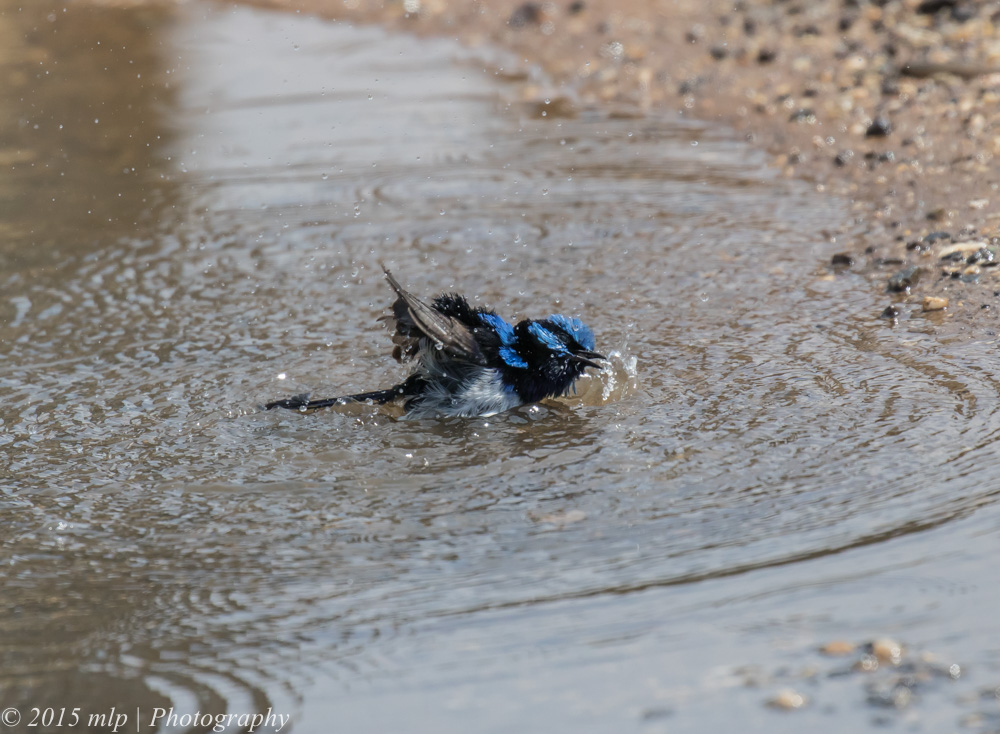
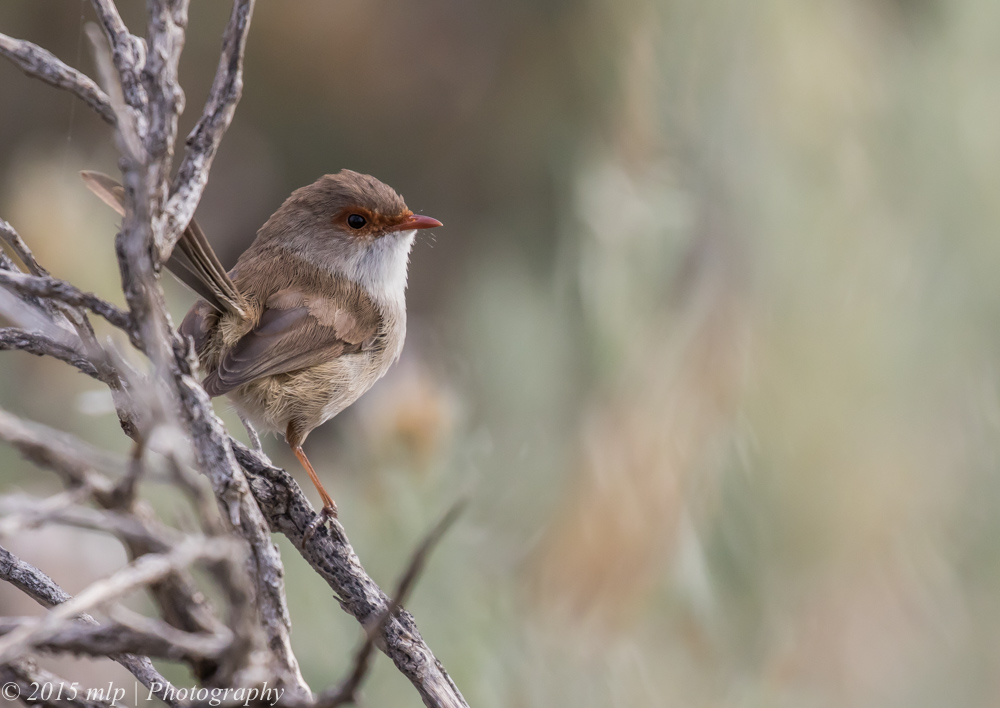
After a long rain storm at Point Addis, on the surf coast near Anglesea, I watched the birds come out and make the most of the rain puddles. This little male Superb Fairy Wren was fully focussed on having a good clean. He would spend a minute or so bathing, fly up to a post, preen and then back into the puddle again. Takes a lot of work to keep your feathers in shape.  His female companion was much more nervous and only took a few quick flying dips.

Male Superb Fairy Wren, Pt Addis,

Male Superb Fairy Wren, Pt Addis,

Male Superb Fairy Wren, Pt Addis,

II

Male Superb Fairy Wren, Pt Addis,

III

Male Superb Fairy Wren, Pt Addis,

IV

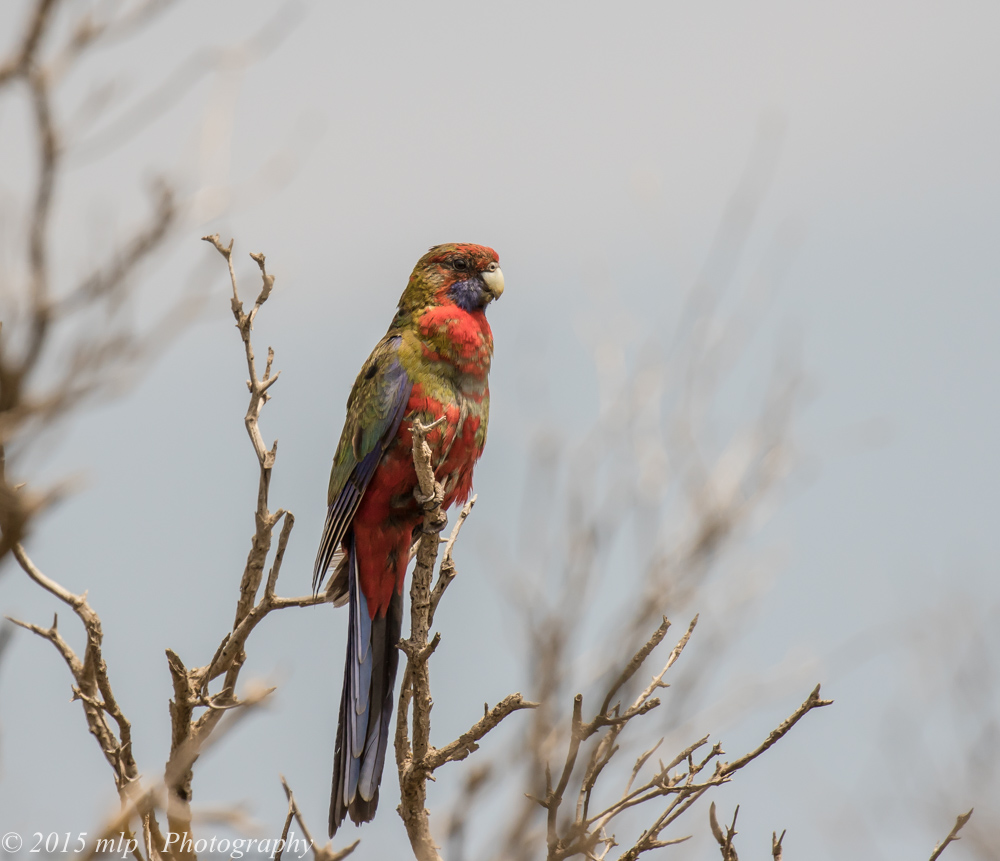
On some scrub nearby an immature Crimson Rosella watched the action. Over time his feathers will slowly turn a vibrant crimson. The mottled colours helps the bird stay camouflaged as they learn the skills required to survive. Unless they are in the open like the one below they can be very hard to see and find in the trees.

Immature Crimson Rosella, Pt Addis

Immature Crimson Rosella, Pt Addis

An example below of the bright colours of the adult Crimson Rosella,  photographed a month back at Welch Track in the Dandenongs.

Crimson Rosella, Welch Track, Dandenongs Ranges National Park

Crimson Rosella, Welch Track, Dandenongs Ranges National Park

Nesting Western Gerygones at Bartley’s Block

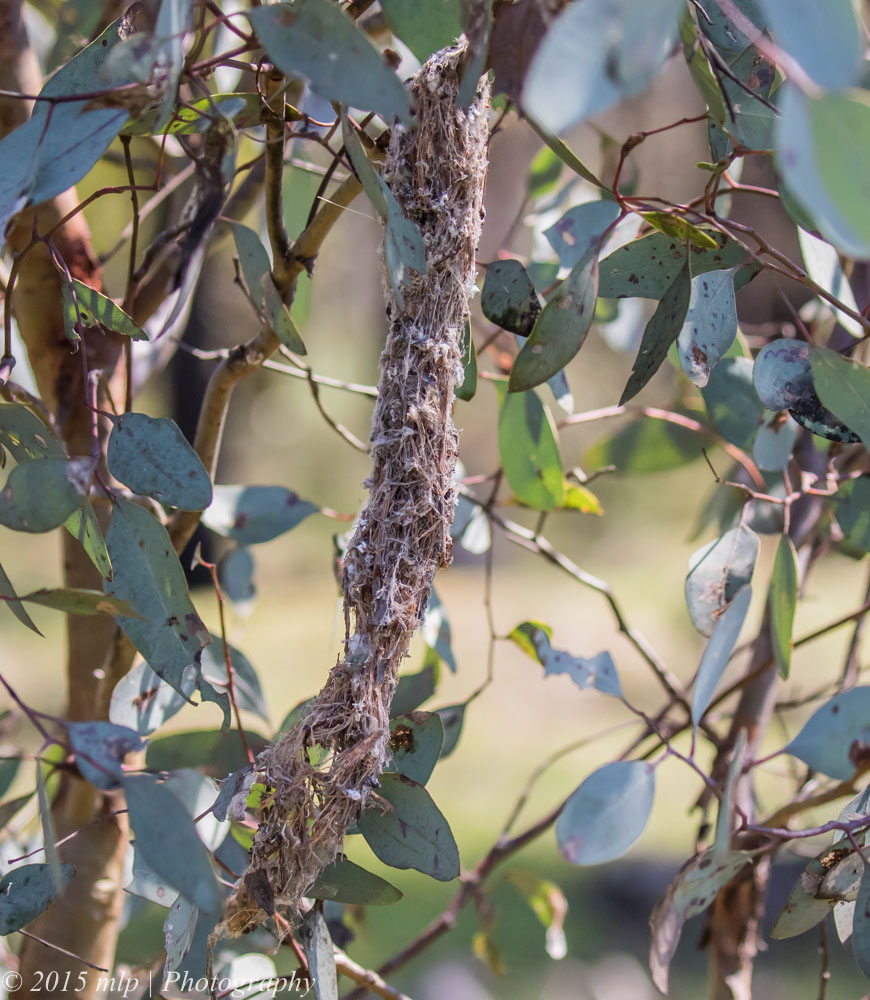
While at Bartley’s Block recently I tracked down the lovely tinkling call of the Western Gerygone. (The same species that made a rare guest appearance in my local area during winter) . The block is well known for the variety of bird species, especially the smaller birds. I found a pair of Gerygones (pronounced “jereg-oney”) building a very large elaborate nest made of soft bark, moss, lichen and spider webs. It was shaped like a long tube that will eventually have a globe shape in the middle. I had to look up what the final nest would look like – I had not seen anything like this before.

Western Gerygone, Bartley's Block, Chiltern

Western Gerygone, Bartley’s Block, Chiltern

Western Gerygone, Bartley's Block, Chiltern

II

Western Gerygone, Bartley's Block, Chiltern

Western Gerygone’s partially built nest

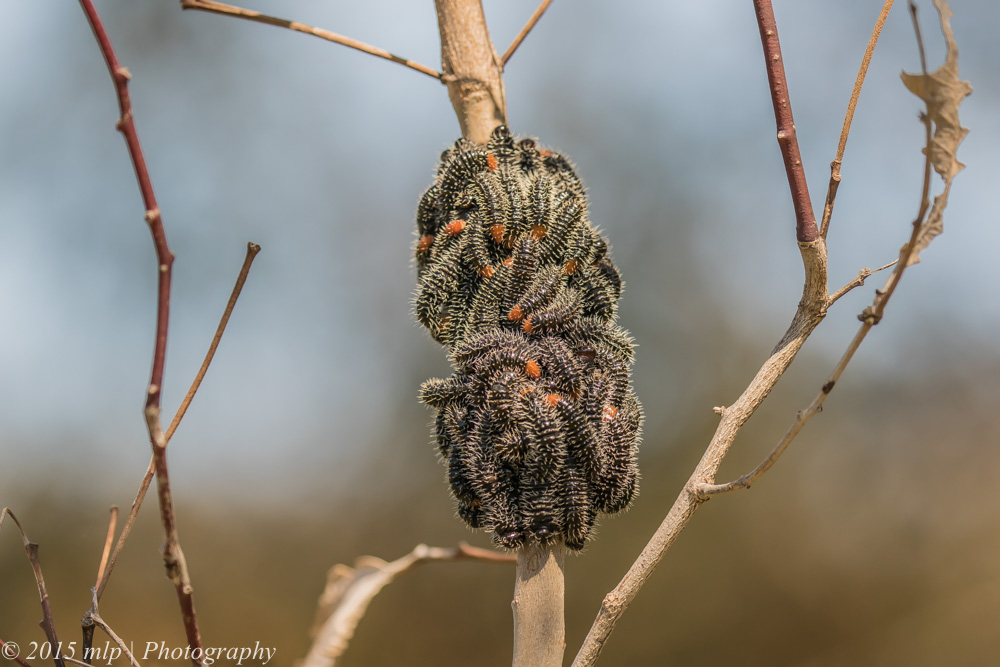
On a nearby tree I found a group of black catapillars that I used to see as a kid living in Sydney. It always freaked me out to see  these and when I used to poke the mass with a stick it would react with a protective wave motion and a nasty smell. Freaky stuff. Some recent research showed me that these are actually the larvae of the Spitfire Sawfly – not a butterfly or moth but a wasp. When disturbed they emit a acrid smelling fluid from their mouths. (they still freak me out and always seem to be at head height)

Spitfire Sawfly Larvae, Bartley's Block, Chiltern

Spitfire Sawfly Larvae, Bartley’s Block, Chiltern

The Speckled Warbler of Bartley’s Block

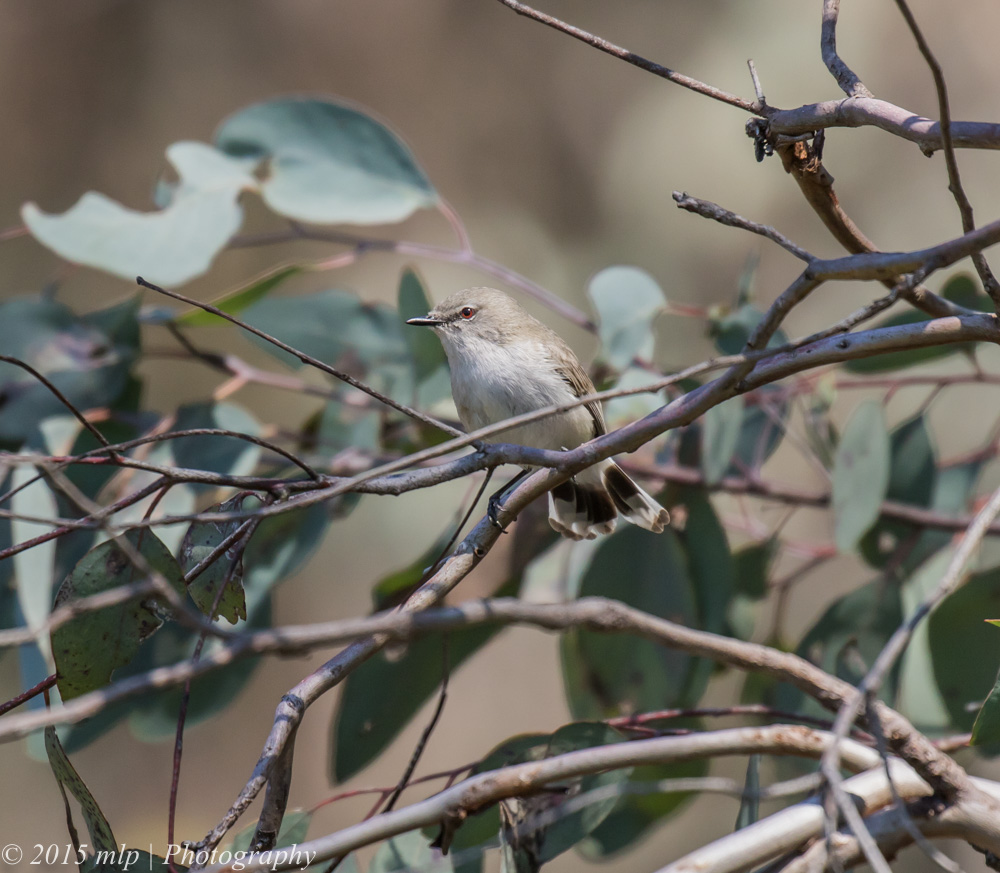
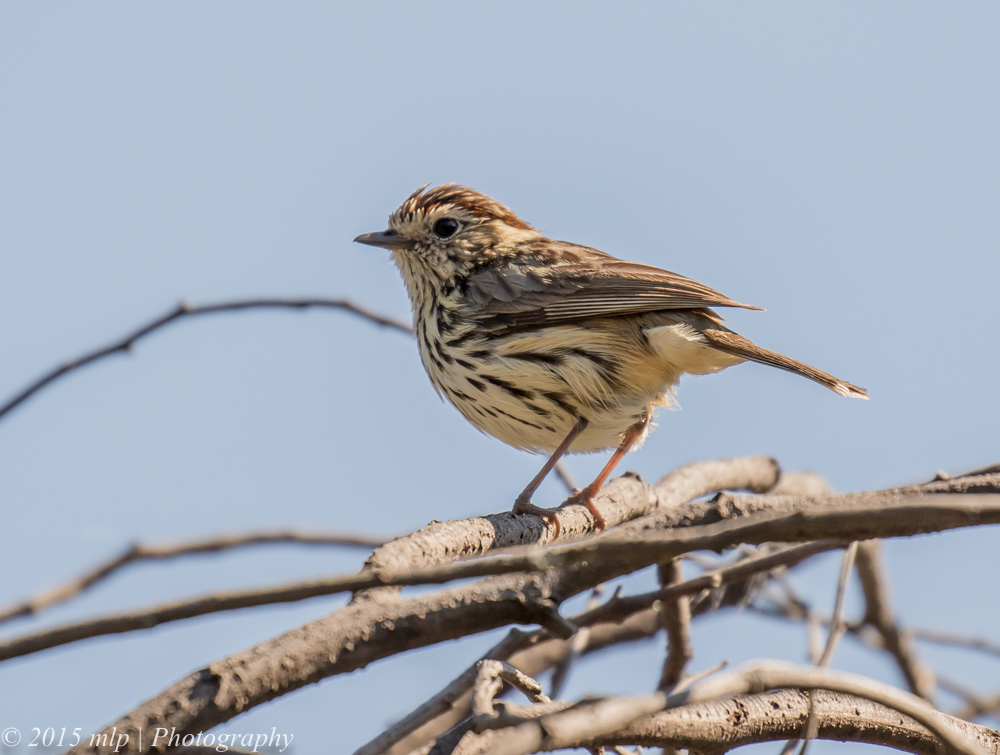
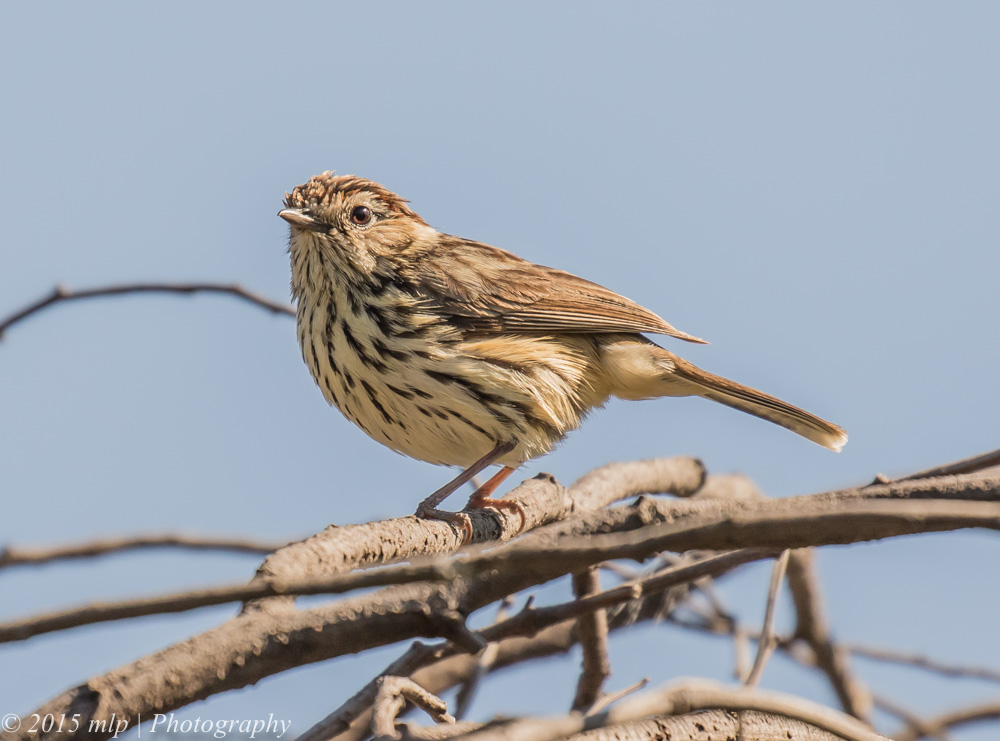
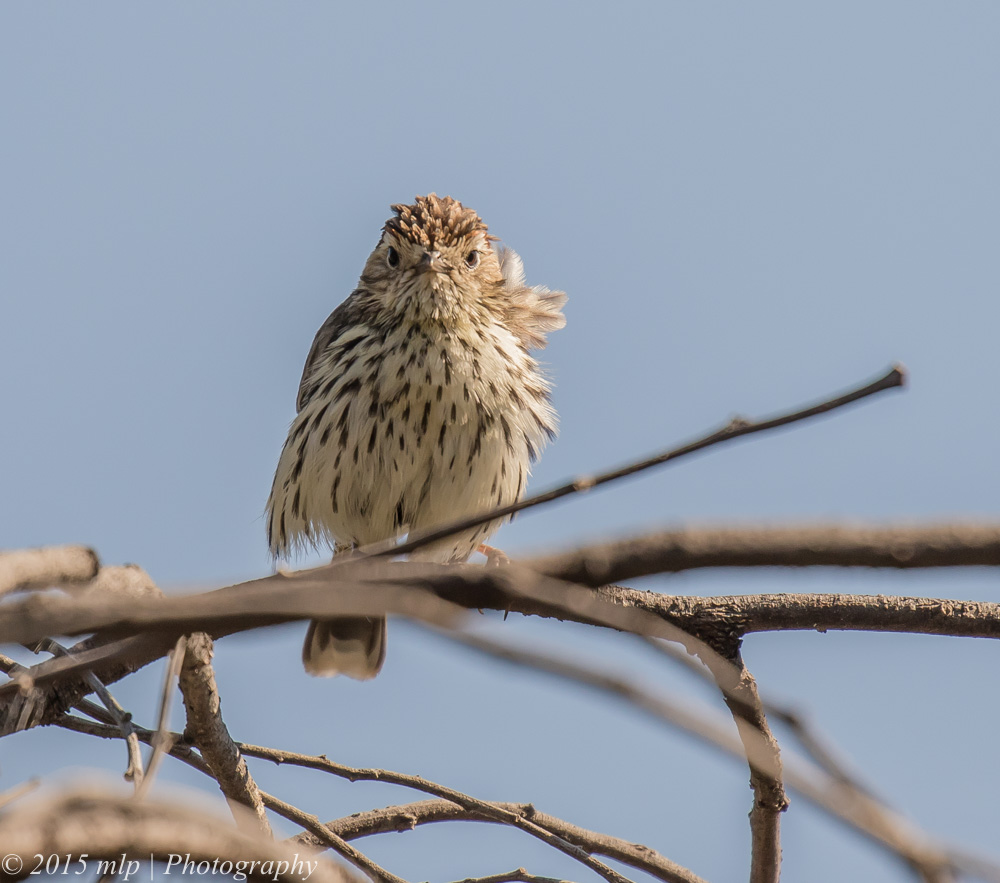
I like to visit the Chiltern area (North East Victoria) at least once a year and try to time it to Spring when the birds start to migrate south from the warmer states. One of the best spots for a good variety of birds is Bartley’s Block, a few kilometres north of the small township of Chiltern. When staying in the area I will visit Bartley’s twice a day: early morning and early evening.  While a regular at Bartley’s Block, the Speckled Warbler is a difficult bird to photograph. It is  busy and always on the move, hunting and patrolling its territory. On my last visit I finally found a warbler at the top of the scrub in the centre of the block. The Warbler was singing its heart out but stopped to watch me and make sure I moved on before it resumed singing.

Speckled Warbler, Bartleys Block, Chiltern National Park

Speckled Warbler, Bartleys Block, Chiltern National Park

Speckled Warbler, Bartleys Block, Chiltern National Park

II

Speckled Warbler, Bartleys Block, Chiltern National Park

Watching the intruder in his patch

Dawdling in the Dandenongs

A few weeks ago our little group of intrepid birders spent a few hours exploring Welch Track, located on the Dandenong Ranges National Park. It is a fairly short track and very steep at the start but one that offers a good range of vegetation and animal species including birds. We spent some slow time just waiting for birds to come by. The last time I visited I was looking for a lifer: the Large-Billed Scrubwrens and found them but did not manage any photos (though I did find and photograph a juvenile Power Owl.) This time around we found the target species (only the 2nd time I have seen them) and managed to get a few nice images. (I have included an example of the related White Browed Scrubwren for comparison – image from a local shoot)

Welch Track, Dandenong Ranges National Park

Welch Track, Dandenong Ranges National Park

Large Billed Scrubwren, Welch Track, Dandenong Ranges Nat Park

Large Billed Scrubwren, Welch Track, Dandenong Ranges Nat Park

Large Billed Scrubwren, Welch Track, Dandenong Ranges Nat Park

II

Large Billed Scrubwren, Welch Track, Dandenong Ranges Nat Park

III

Red Browed Treecreeper, Welch Track, Dandenong Ranges Nat Park

Red Browed Treecreeper grooming after a quick dip in a local creek.

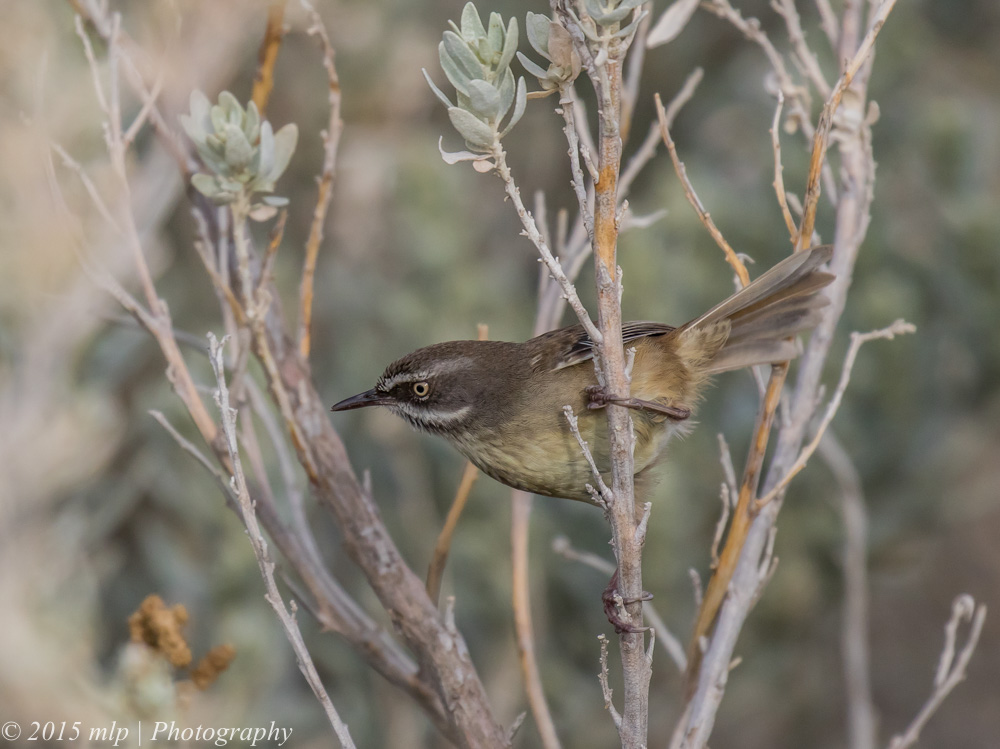
White Browed Scrubwren

White Browed Scrubwren


Elster Creek to Elwood Canal

On the weekend I took the fairly short walk from the golf course lake to the rocky mouth of Elster Creek, which opens into Port Philip Bay. Along the way I photographed a few of the species that can be found: two cormorant species like to roost on the lake overnight, several Willie Wagtail pairs have claimed their spots around the lake and hunt across it while loudly claiming their rights, and a large Noisy Miner clan are permanently located along grassy areas of the canal and the lakes. At the mouth of the creek there are a number of small bird families making a living. They are also territorial: feeding, nesting and defending their little patches. It is a tough area to live in, a major byway for human traffic, hot at times and exposed to strong winds and storms from across the Bay. The coast is heavily patrolled by many aerial hunters and other opportunistic feeders including mammals – the Rakali (native water rat) is an effective aggressive hunter, and is well known in this part of the Elwood Canal/Elster Creek catchment.

To find these tiny settlers you need to walk along either side of the canal mouth and listen for the high pitched calls of the three main species – Superb Fairy Wren, White Browed Scrubwren and the Brown Thornbill. A little bit of whistling mimicry and phishing can make them pop up to see what is happening. A walk into the low coastal scrub to get to the breakwater rocks can bring them out as they scold you for entering their territory and possible nesting areas. Photographing these small fast birds can be very frustrating but quite rewarding when one stays still long enough in the right light and you finally take a nice image.

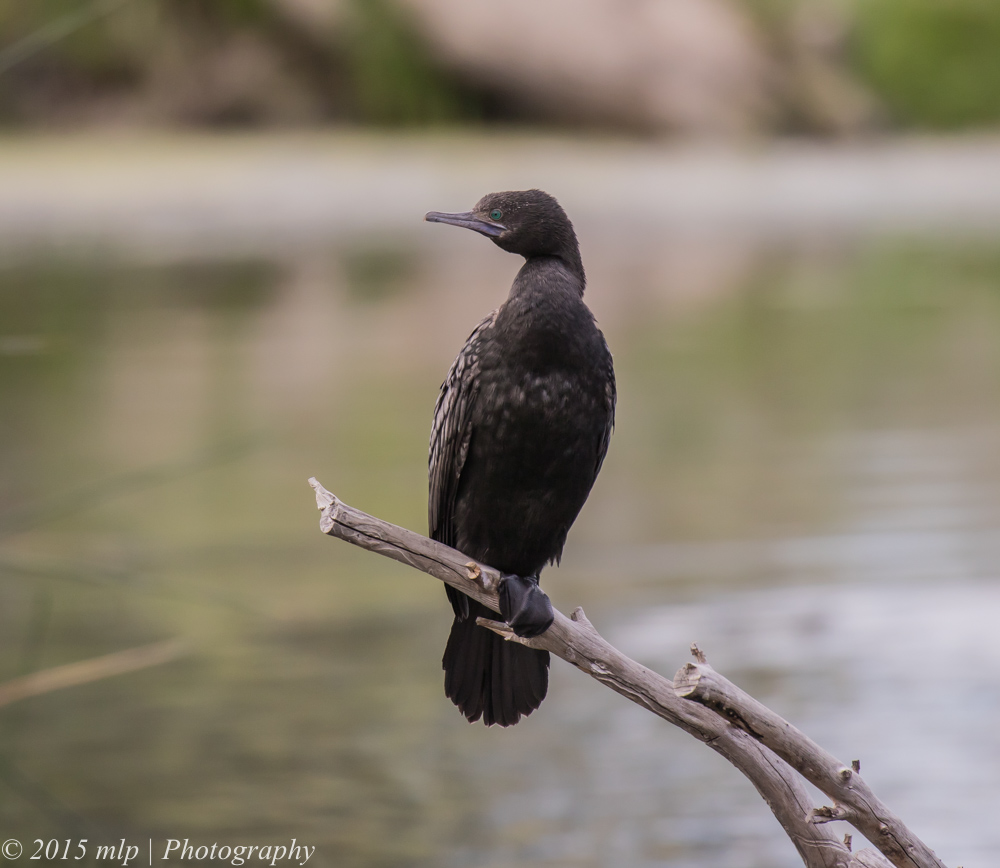
Little Black Cormorant, Elster Creek

Little Black Cormorant, Elster Creek

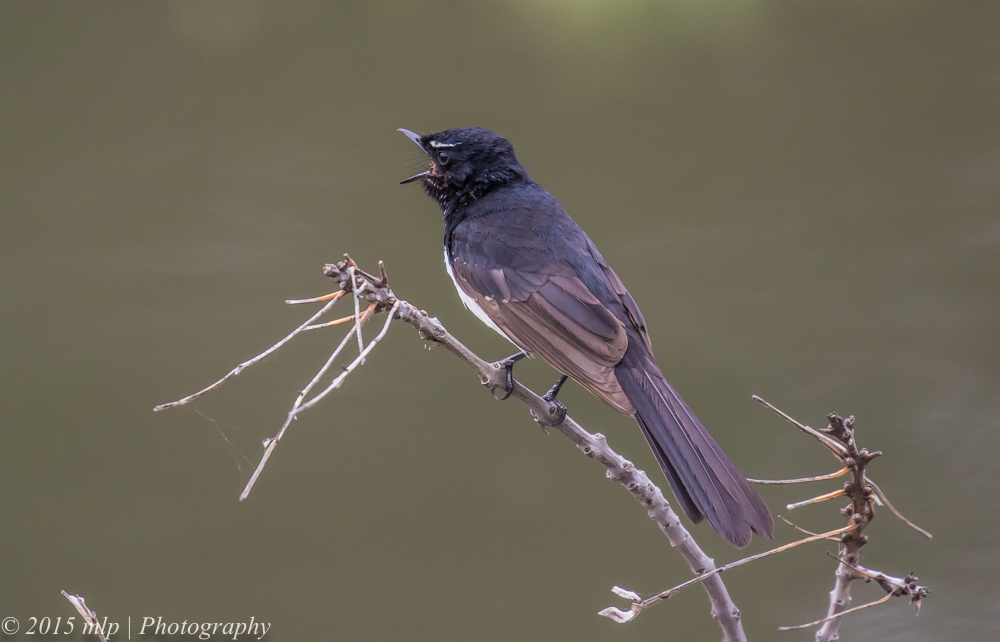
Willie Wagtail, Elster creek

Willie Wagtail claiming his part of the lake while hunting for insects

Juvenile Noisy Miner, Elster Creek

Juvenile Noisy Miner waiting for his next meal

Brown Thornbill,  Elster creek

Brown Thornbill, Elster creek

Brown Thornbill,  Elster creek

II

Superb Fairy Wren,  Elster creek

Female Superb Fairy Wren – the boss

Superb Fairy Wren,  Elster creek

II

White Browed Scrubwren,  Elster creek

White Browed Scrubwren, Elster creek

White Browed Scrubwren,  Elster creek

II

Elster Creek Evening Colour

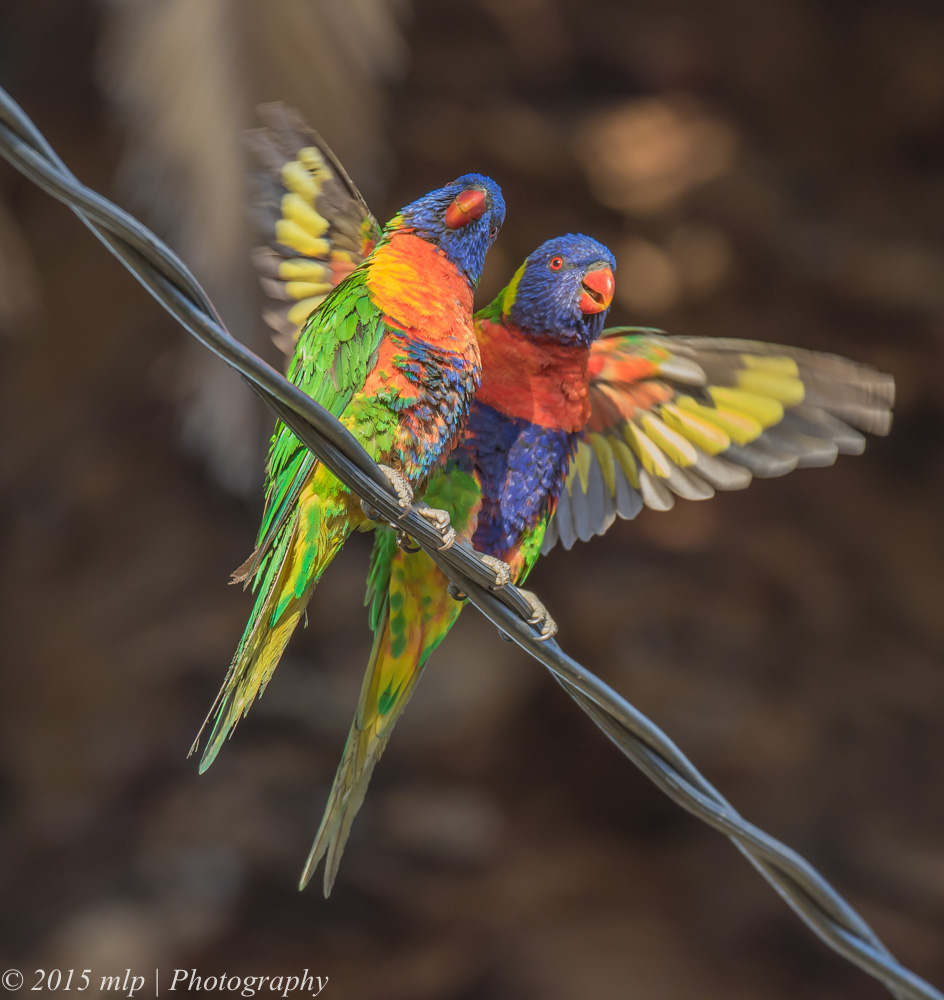
Walking along the local creek last night I stopped to watch a few ducks in the water when a raucous burst of Rainbow Lorikeet sounds from above redirected my attention. Dangling and swinging above me from the end of bent palm tree fronds were two Lorikeets playing and hanging upside down. The competition seemed to be about who could stayed upside down the longest while screeching at each other and me… A number of others watched the action from a nearby power line.

Rainbow Lorikeet, Elster creek

Rainbow Lorikeet playing around

Rainbow Lorikeet, Elster creek

The winner

Rainbow Lorikeet, Elster creek

a bit of story telling…

Rainbow Lorikeet, Elster creek

IV

2 New Lifers – 313 & 314

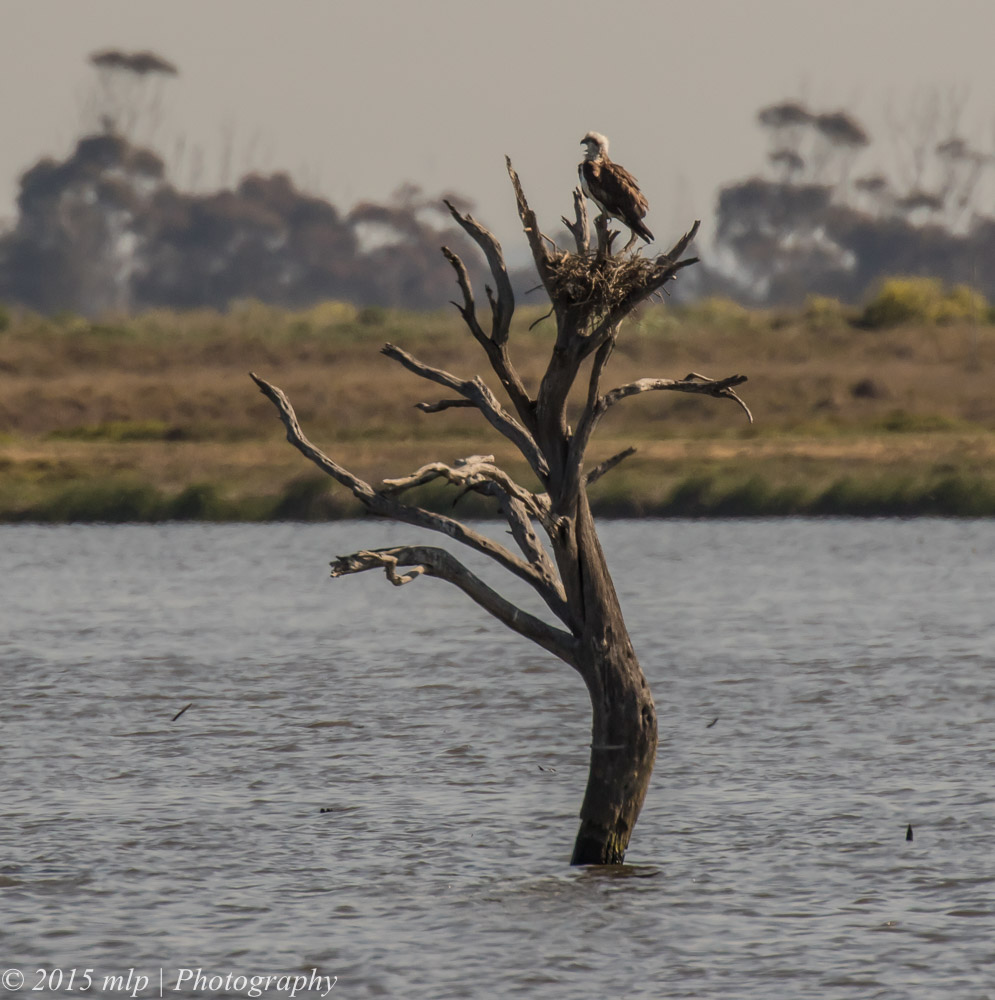
It has been a pretty good few months tracking down and photographing new birds. I picked up 2 new lifers  – an Osprey at the Treatment Plant, well out of its usual territory and a Painted Honeyeater in the Chiltern Mt Pilot National Park – I finally saw the Honeyeater after several long trips to the Chiltern district in Northern Victoria over the last few years.

The Osprey was seen along the coast over winter between Geelong and Melbourne and seemed to settle down for a few weeks at the Treatment Plant. But it has not been sighted since the much larger Sea Eagles returned. On a recent trip we saw three White Bellied Sea eagles but no sign of the Osprey.

Osprey, Western Treatment Plant

Osprey roosting in the late afternoon on an abandoned Cormorant nest, Western Treatment Plant

Painted Honeyeater, Chiltern Mt Pilot National Park

Painted Honeyeater, Chiltern Mt Pilot National Park

Painted Honeyeater, Chiltern Mt Pilot National Park

A beautiful little honeyeater with a lovely distinctive call. 

Nesting Season at Werribee

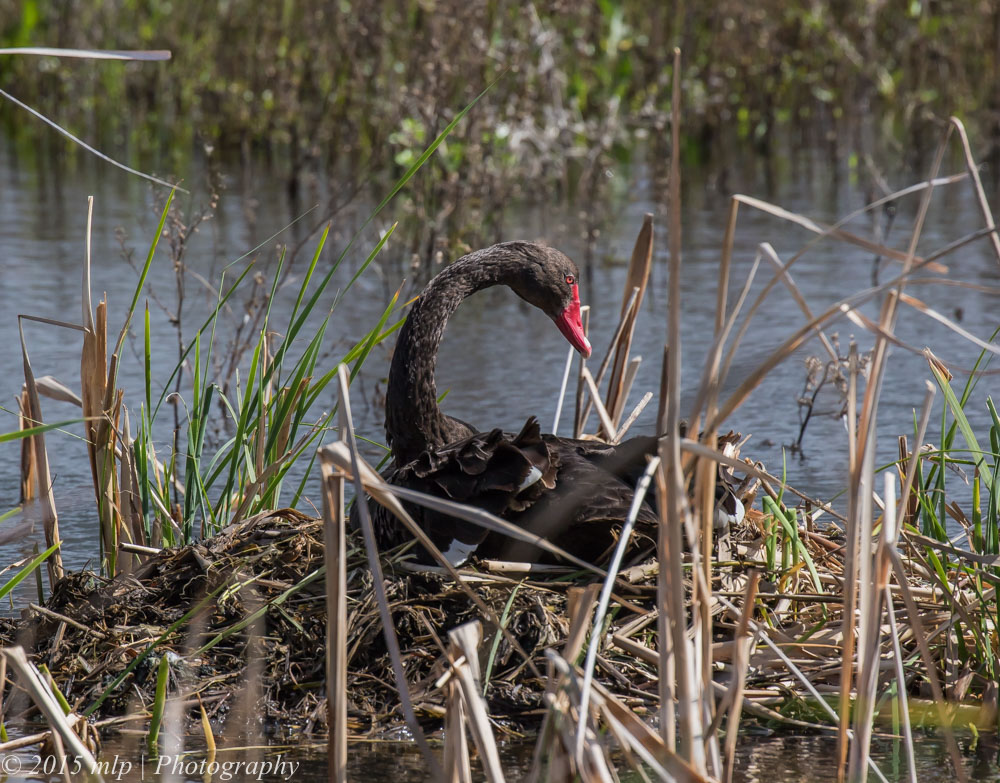
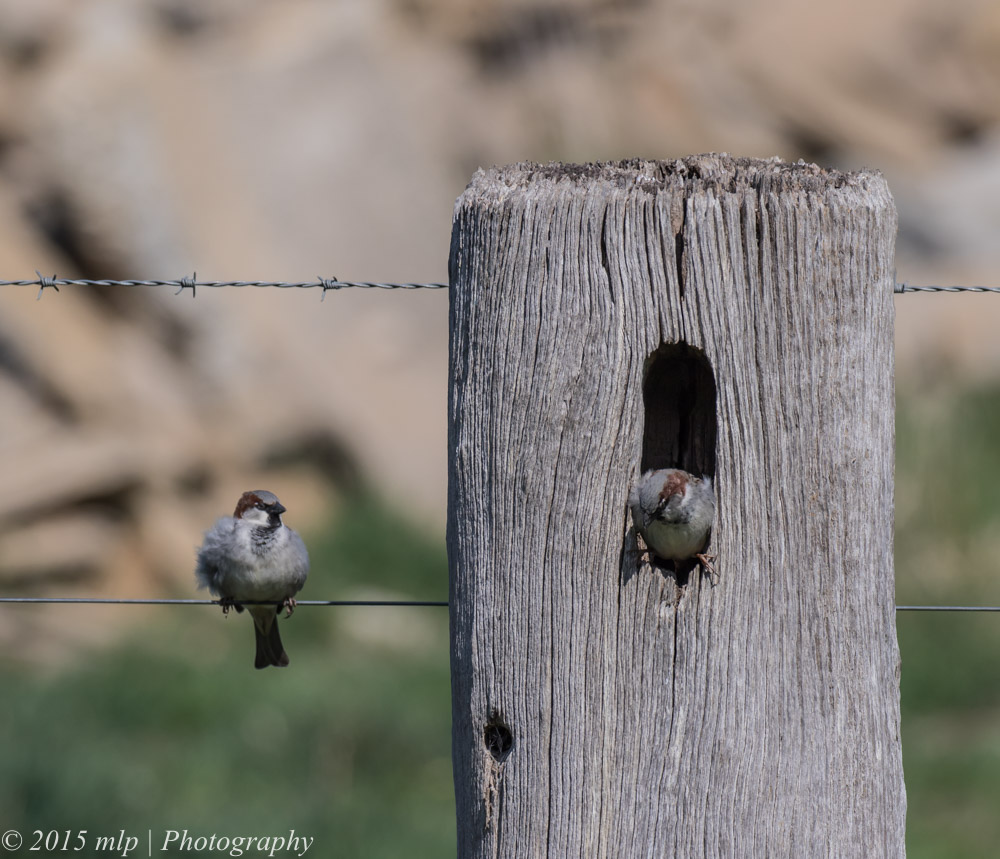
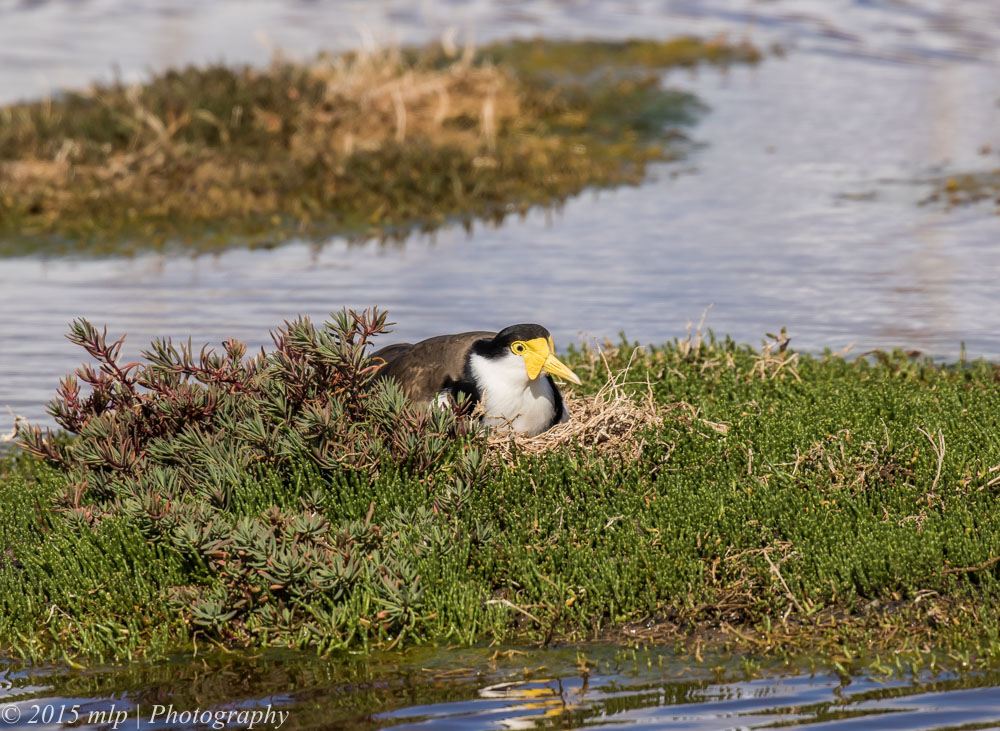
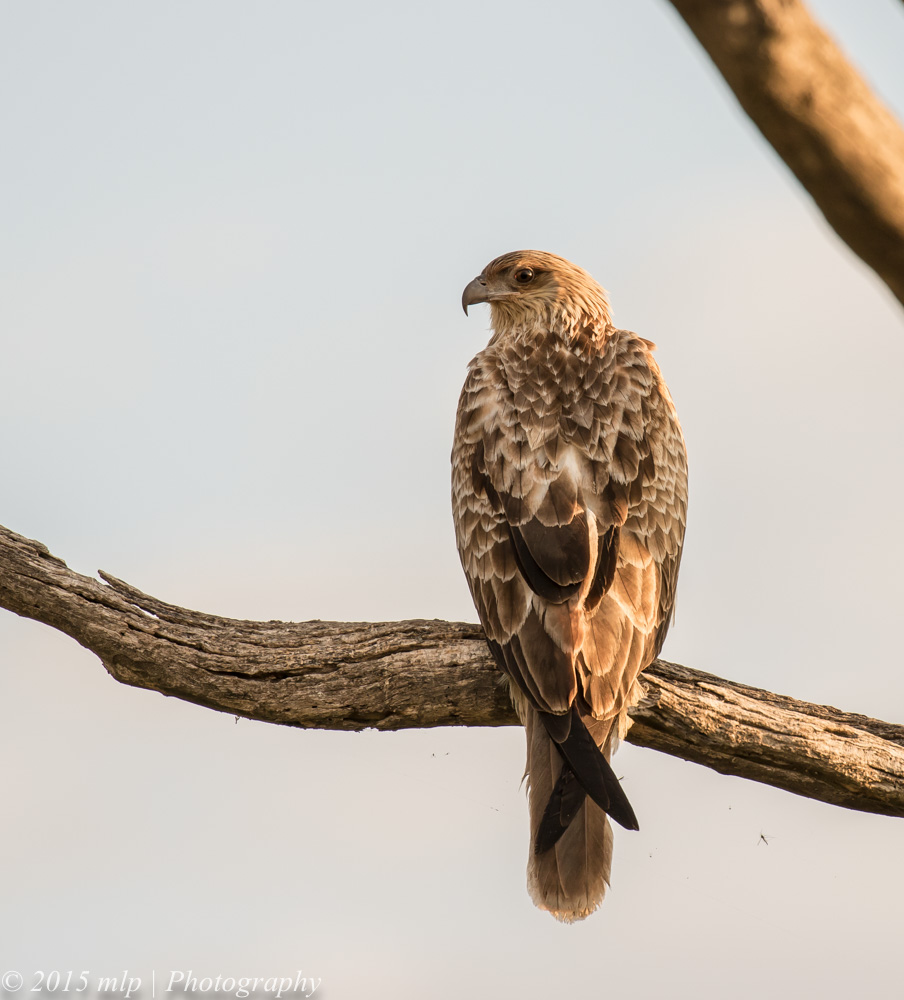
As the migrating shore birds slowly build up in numbers at the Western Treatment Plant lagoons, I have been making a series of visits with a few friends to watch and photograph the spring nesting. There are many species building nests and raising young. The highlight was finding two separate Brolga nests.

Swan nesting, Western treatment plant

Swan nesting, Western treatment plant

Swan nesting, Western treatment plant

II

Nesting House Sparrows, Western treatment plant

Nesting House Sparrows

Masked Lapwing nesting, Western treatment plant

Masked Lapwing nesting – I was a bit worried about this nest, the water rose quite high after a good rain fall a day earlier.

WHistling Kite nesting, Western treatment plant

Whistling Kite nesting

Whistling Kite guard, Western treatment plant

Whistling Kite  – on guard duty a tree away

Whistling Kite guard, Western treatment plant

Whistling Kite guard

Nesting Brolga, Western treatment plant

Nesting Brolga – two large eggs on a small island in a lagoon.

A Parade of Red-rumped Parrots

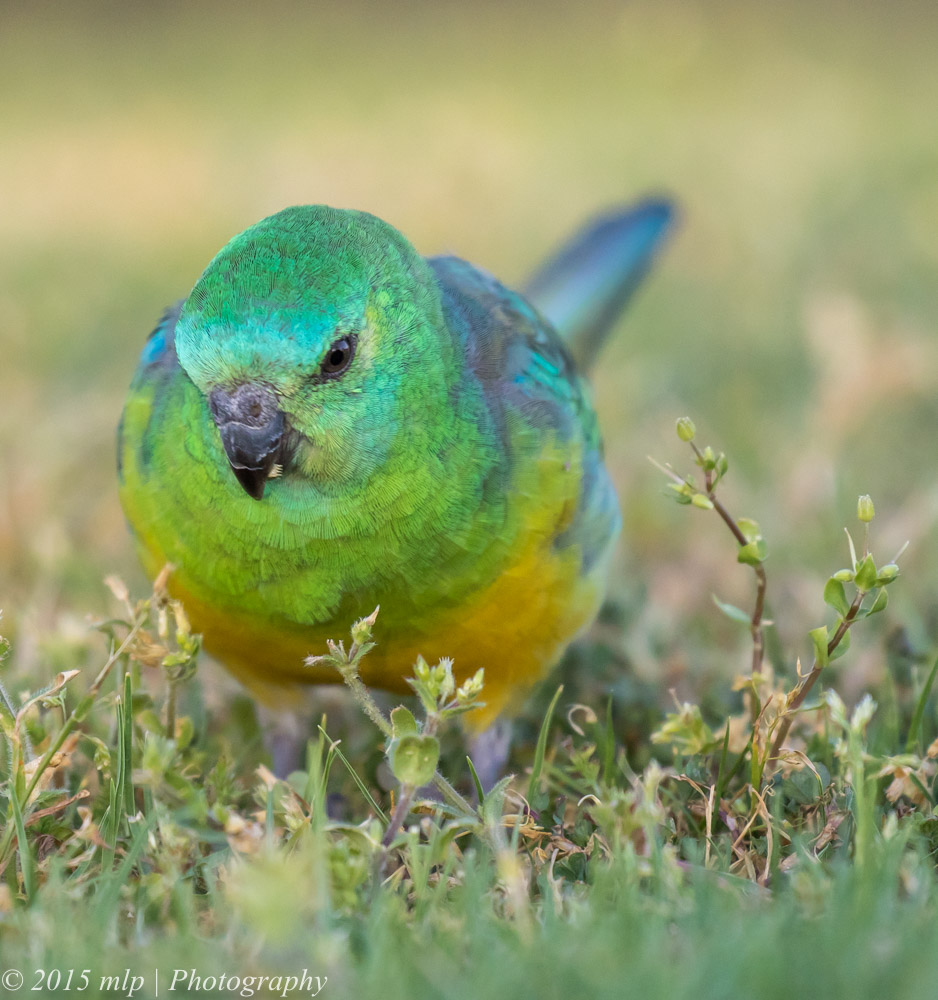
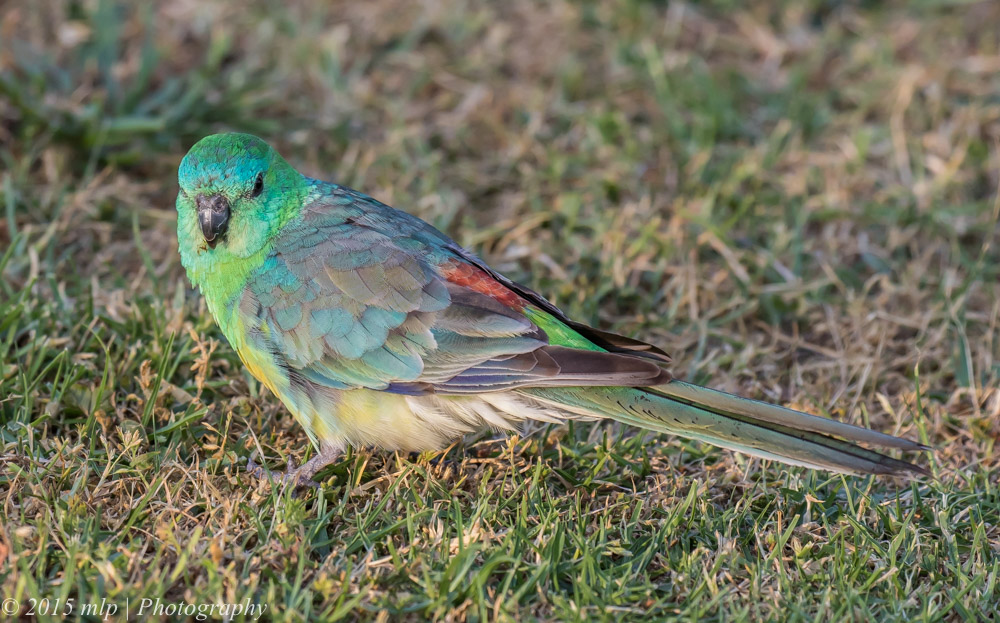
A beautiful spring evening in Elwood, I got home early enough today to go for a walk along Elster Creek to the golf course lake. While ducking wayward balls (only 3 near misses today), I spotted a pair of young colourful male Red-rumped Parrots feeding on grass seeds at the base of a raised tee box – I assume young as they did not fear me at all as I sat down to take a few pics and when I laid right down they actually moved in closer and fed only a few feet away…

Red Rumped Parrot, Elster Creek, Elsternwick

Red Rumped Parrot, Elster Creek, Elsternwick

Red Rumped Parrot, Elster Creek, Elsternwick

II

Red Rumped Parrot, Elster Creek, Elsternwick

III

Red Rumped Parrot, Elster Creek, Elsternwick

Red Rumped Parrot

Red Rumped Parrot, Elster Creek, Elsternwick

I will show you why I am called a Red-Rump…

Interview with a Cockatoo

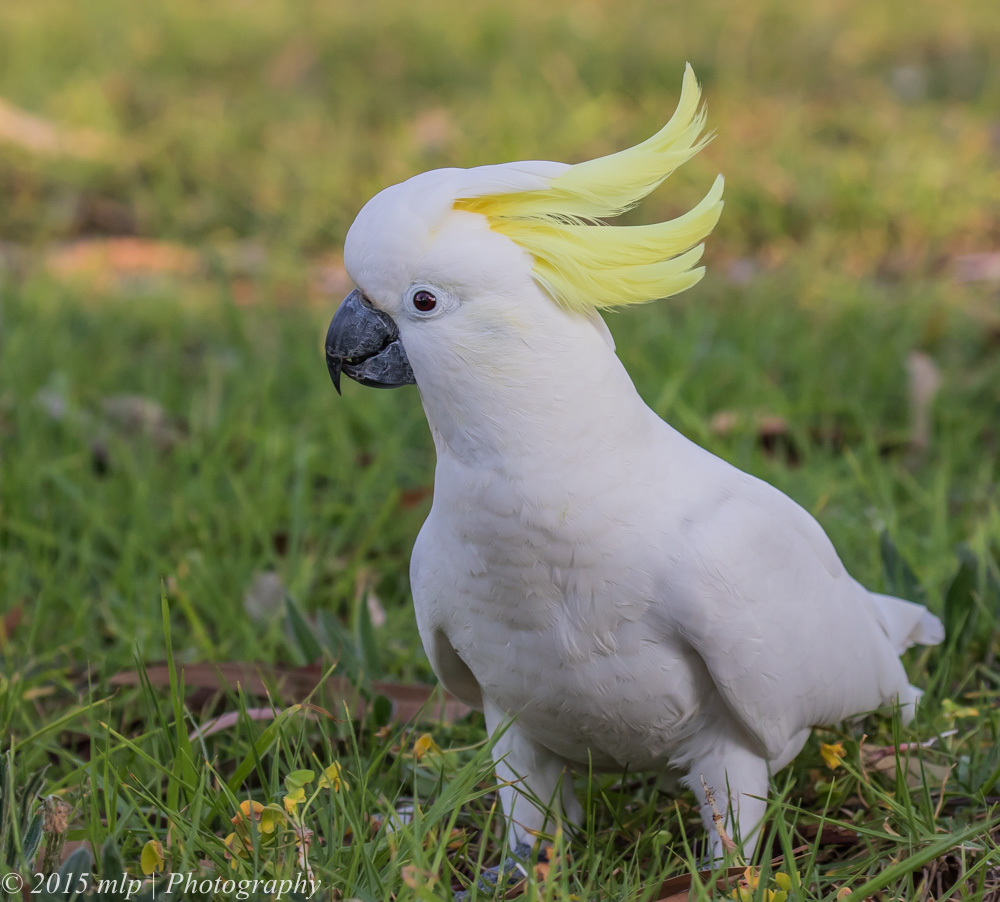
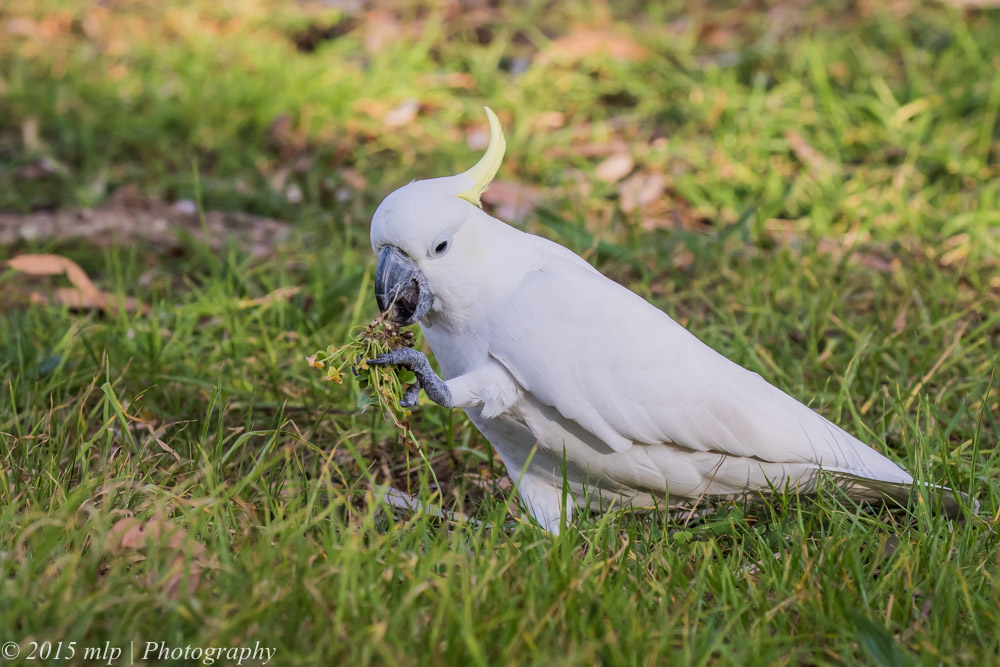
On a walk along my local creek a while back I came across a pair of Sulphur-Crested Cockatoos feeding in the grass in the late afternoon sun. They were pulling up weeds and eating the nutritious roots and bulbs. I sat down in the grass with them (as close as I dared) and watched and took photos as they gradually came closer to where I was sitting. One seemed particularly curious while I clicked away with the camera having a little chat with him. It was not until later when I processed the photos that I noticed that one had an old leg band  – maybe a cage band to stop it flying away – it does not look like a normal banding tag like we see on the shorebirds. I will have to keep an eye out for it. A pair, I think this pair, have taken up residence nearby in a large old Gum tree and may try to nest. It was quite an experience to just sit and let these (almost) wild birds just work there way around me while feeding.

Sulphur Crested Cockatoo, Elster Creek

Sulphur Crested Cockatoo, Elster Creek

Sulphur Crested Cockatoo, Elster Creek

Looking the business…walking over to see what I was up to…

Sulphur Crested Cockatoo, Elster Creek

Deciding that I was pretty harmless…

Sulphur Crested Cockatoo, Elster Creek

Digging up bulbs and roots…

Sulphur Crested Cockatoo, Elster Creek

Sulphur Crested Cockatoo taking a power nap…

Sulphur Crested Cockatoo, Elster Creek

Alert but not alarmed…

Sulphur Crested Cockatoo, Elster Creek

Sulphur Crested Cockatoo, Elster Creek