Tag Archives: Western Treatment Plant

2 New Lifers – 313 & 314

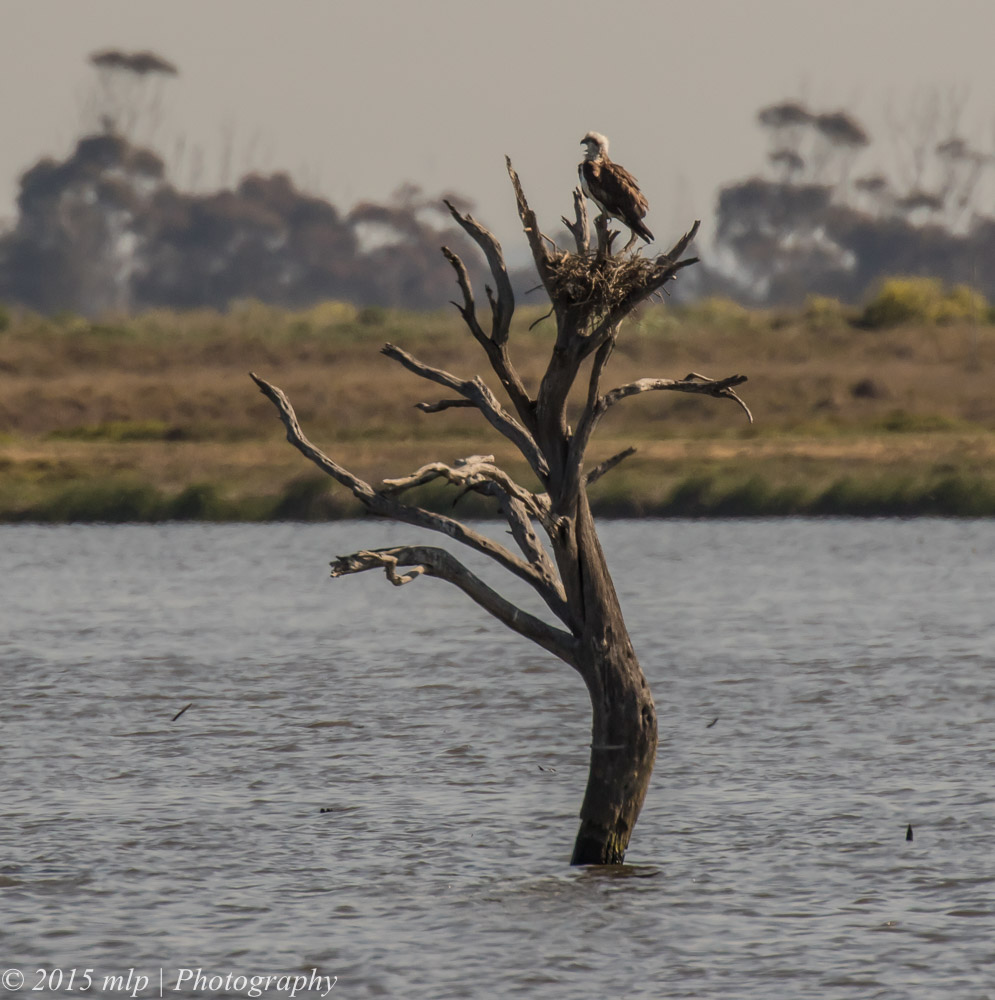
It has been a pretty good few months tracking down and photographing new birds. I picked up 2 new lifers  – an Osprey at the Treatment Plant, well out of its usual territory and a Painted Honeyeater in the Chiltern Mt Pilot National Park – I finally saw the Honeyeater after several long trips to the Chiltern district in Northern Victoria over the last few years.

The Osprey was seen along the coast over winter between Geelong and Melbourne and seemed to settle down for a few weeks at the Treatment Plant. But it has not been sighted since the much larger Sea Eagles returned. On a recent trip we saw three White Bellied Sea eagles but no sign of the Osprey.

Osprey, Western Treatment Plant

Osprey roosting in the late afternoon on an abandoned Cormorant nest, Western Treatment Plant

Painted Honeyeater, Chiltern Mt Pilot National Park

Painted Honeyeater, Chiltern Mt Pilot National Park

Painted Honeyeater, Chiltern Mt Pilot National Park

A beautiful little honeyeater with a lovely distinctive call. 

Nesting Season at Werribee

As the migrating shore birds slowly build up in numbers at the Western Treatment Plant lagoons, I have been making a series of visits with a few friends to watch and photograph the spring nesting. There are many species building nests and raising young. The highlight was finding two separate Brolga nests.

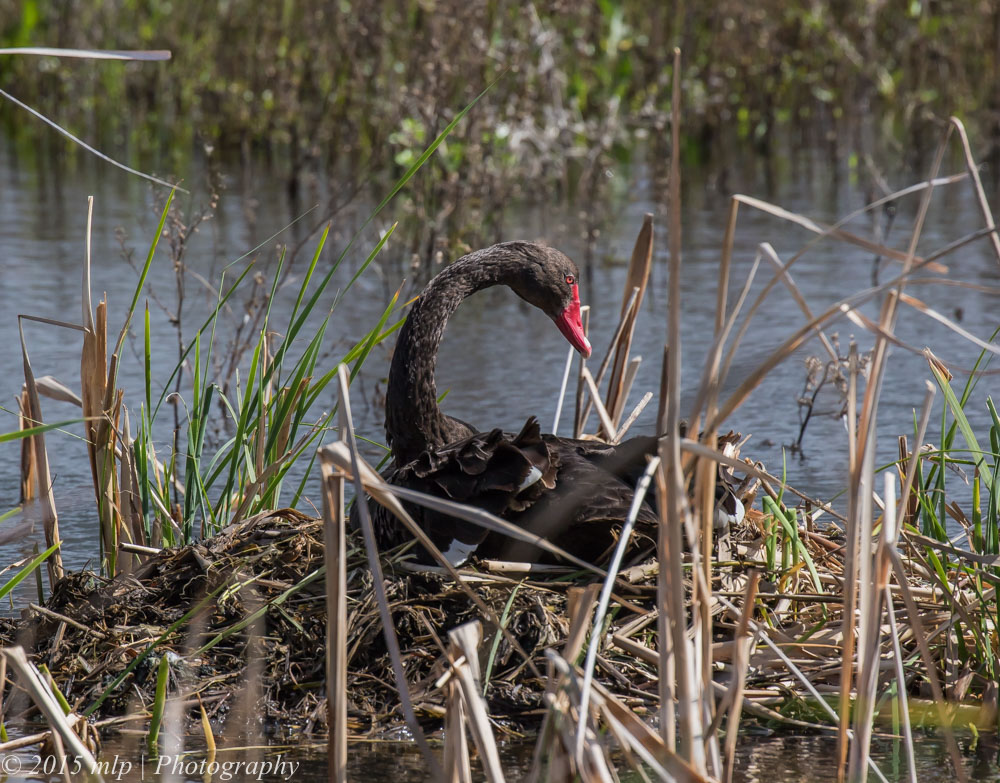
Swan nesting, Western treatment plant

Swan nesting, Western treatment plant

Swan nesting, Western treatment plant

II

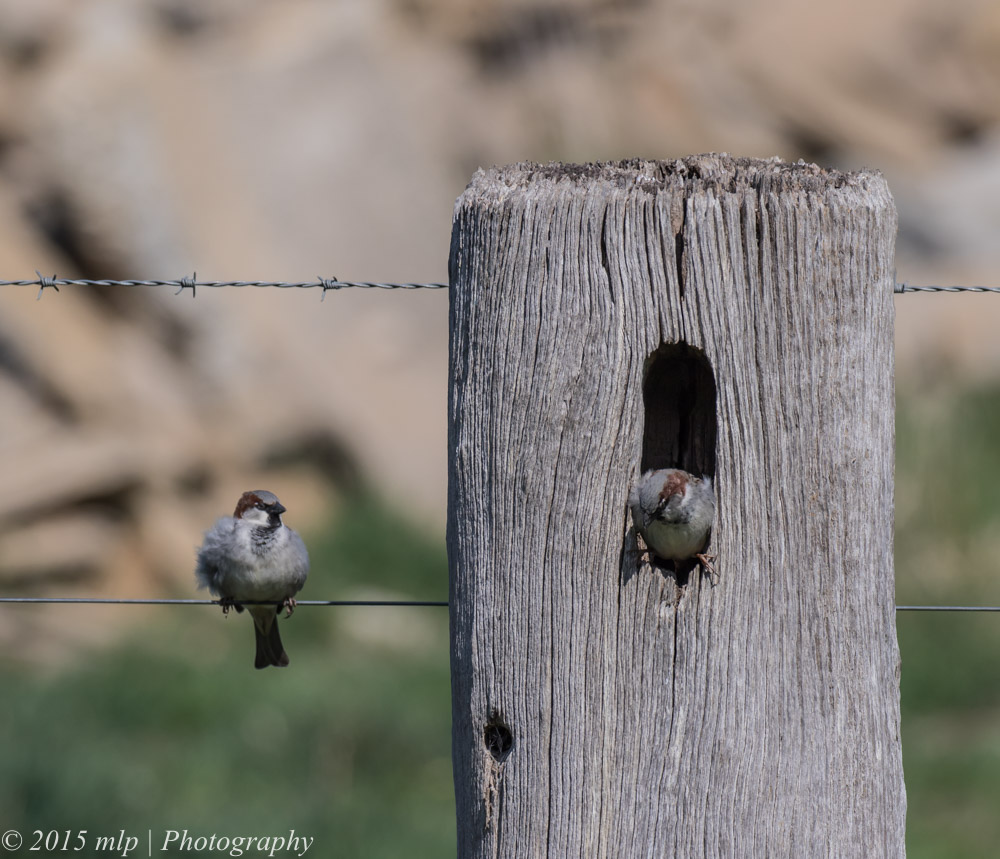
Nesting House Sparrows, Western treatment plant

Nesting House Sparrows

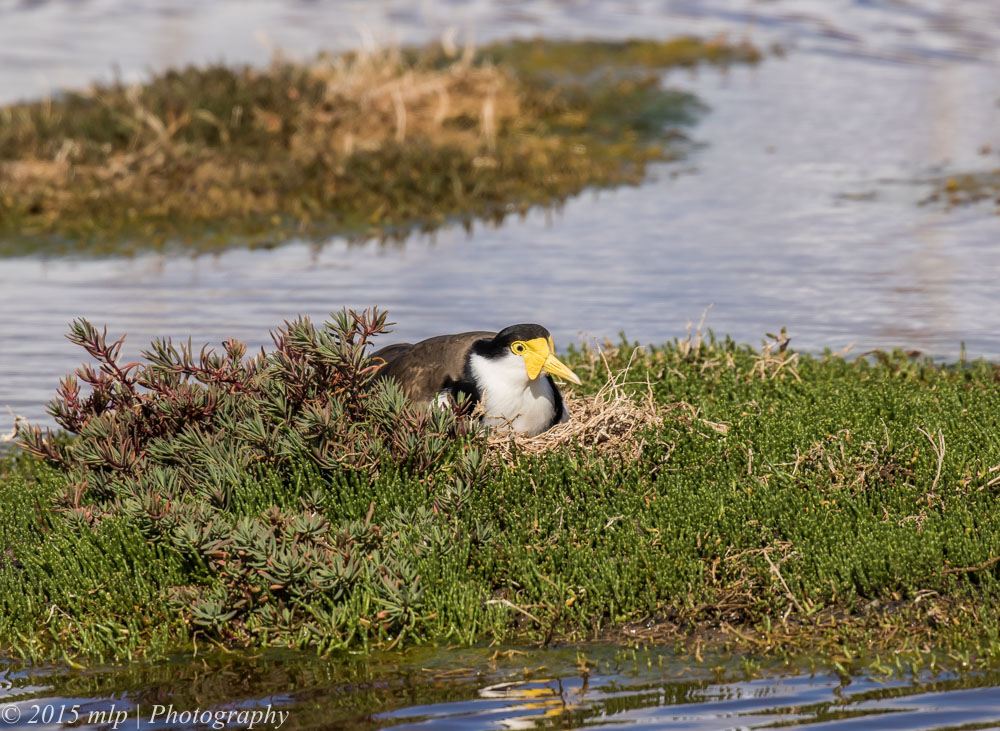
Masked Lapwing nesting, Western treatment plant

Masked Lapwing nesting – I was a bit worried about this nest, the water rose quite high after a good rain fall a day earlier.

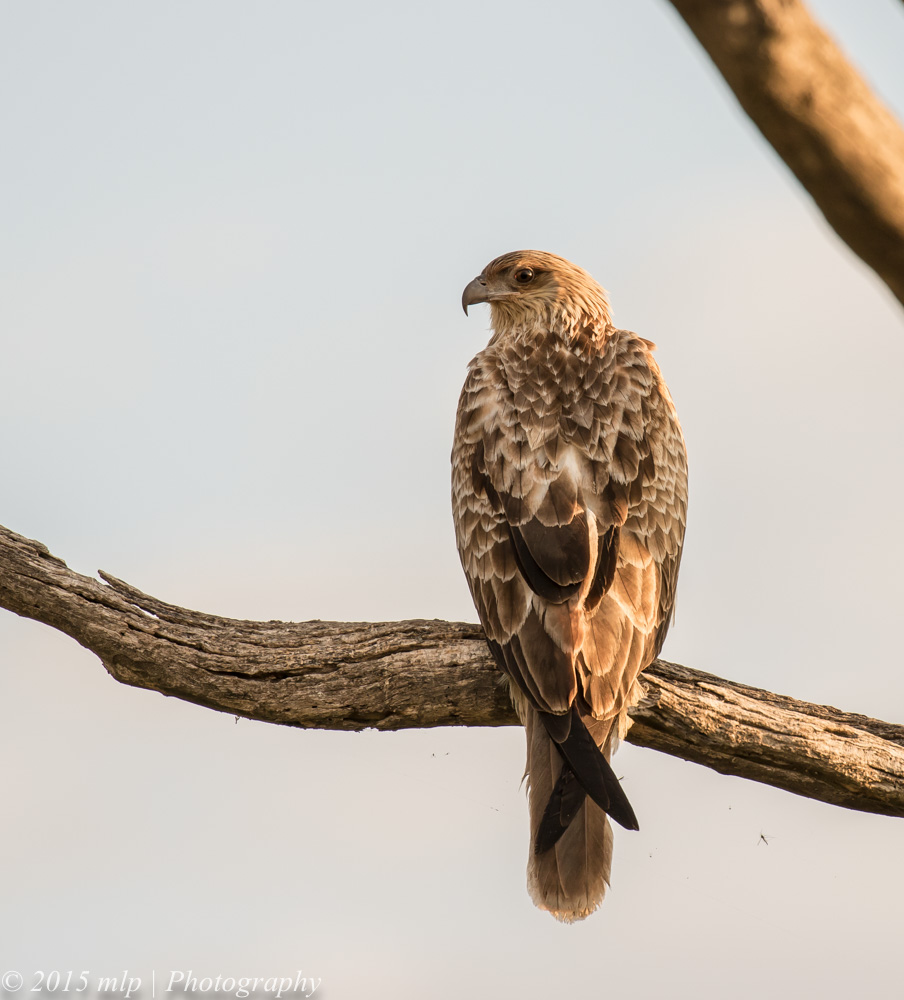
WHistling Kite nesting, Western treatment plant

Whistling Kite nesting

Whistling Kite guard, Western treatment plant

Whistling Kite  – on guard duty a tree away

Whistling Kite guard, Western treatment plant

Whistling Kite guard

Nesting Brolga, Western treatment plant

Nesting Brolga – two large eggs on a small island in a lagoon.

Flight – Raptors and Terns

At this time of year, the number of raptors at the Western Treatment Plant are steadily building up. It can be a good place to practice your flight photography. Along with the raptors that search the ponds and lagoons for prey there are many flocks of ducks and terns .

Brown Falcon, Western Treatment Plant,

Brown Falcon, Western Treatment Plant,

Juvenile Sea Eagle, Western Treatment Plant

Juvenile Sea Eagle flying over the car and spooking 1000s of Pink Eared Ducks

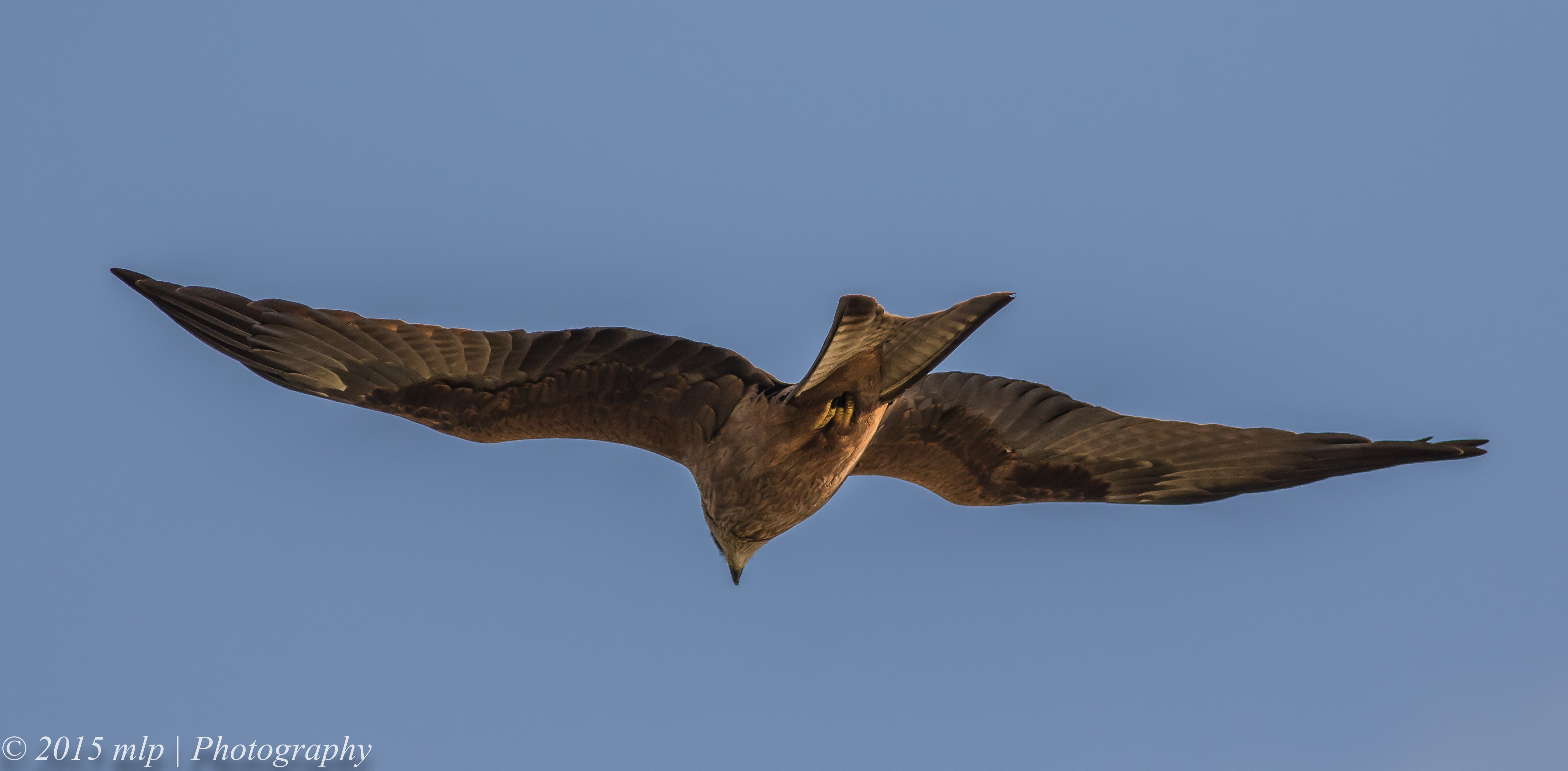
Black Kite, Western Treatment Plant

Black Kite

Whiskered Tern, Western Treatment Plant,

Whiskered Tern

Whiskered Tern flock, Western Treatment Plant

Whiskered Tern flock hawking for insects near the surface of the ponds

I just want to sing!

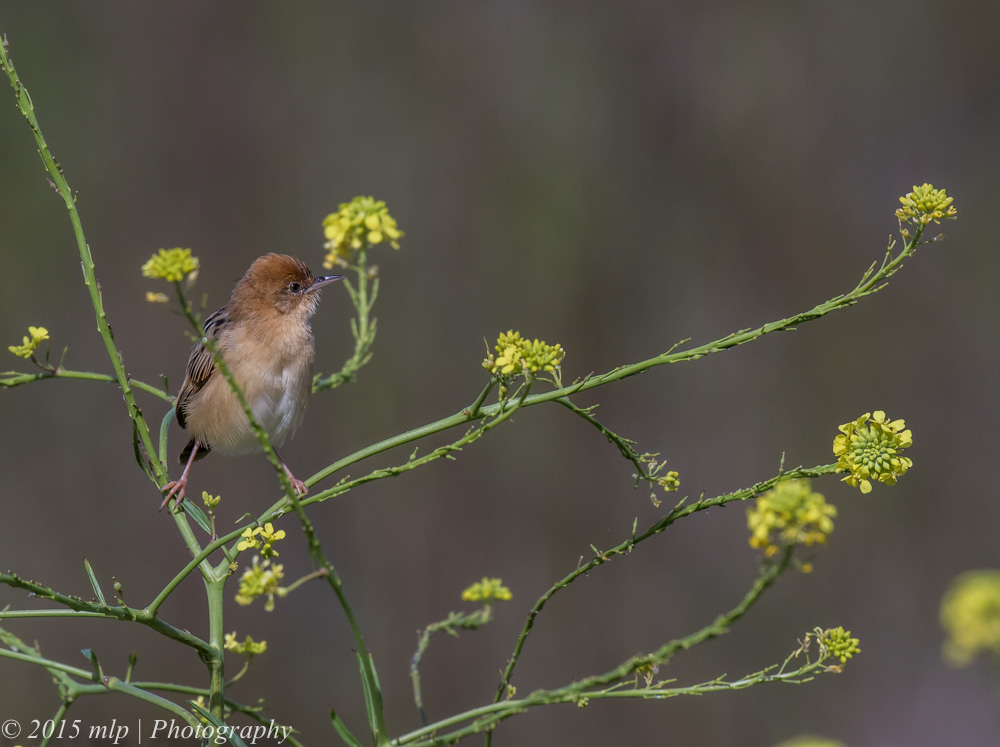
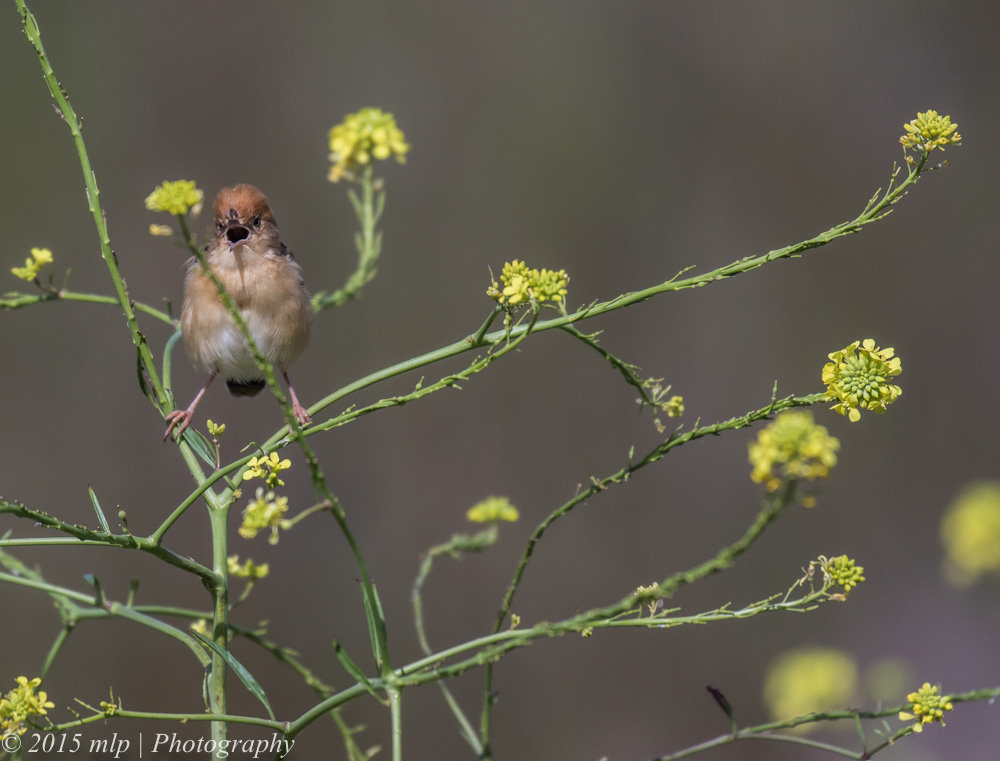
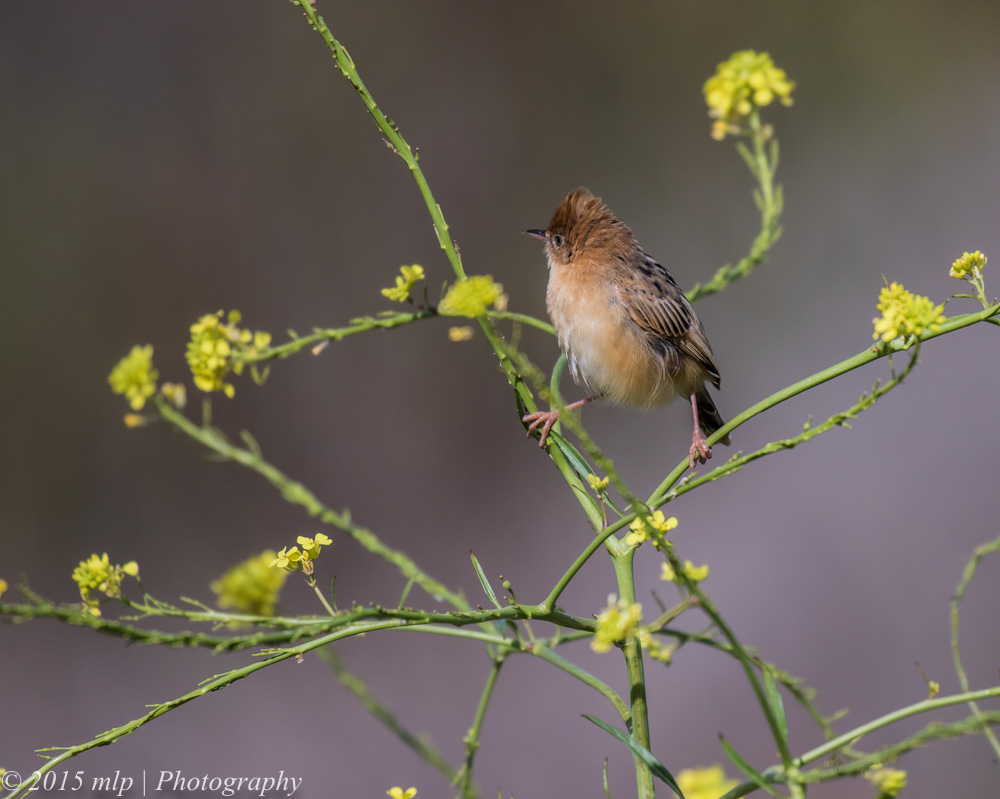
The day can be cold, wet and windy out at the Western Treatment Plant but when the sun comes out and the wind calms down, a little Golden Headed Cisticola comes out to sing and compete with his fellow Cisticolas for territories and mates.

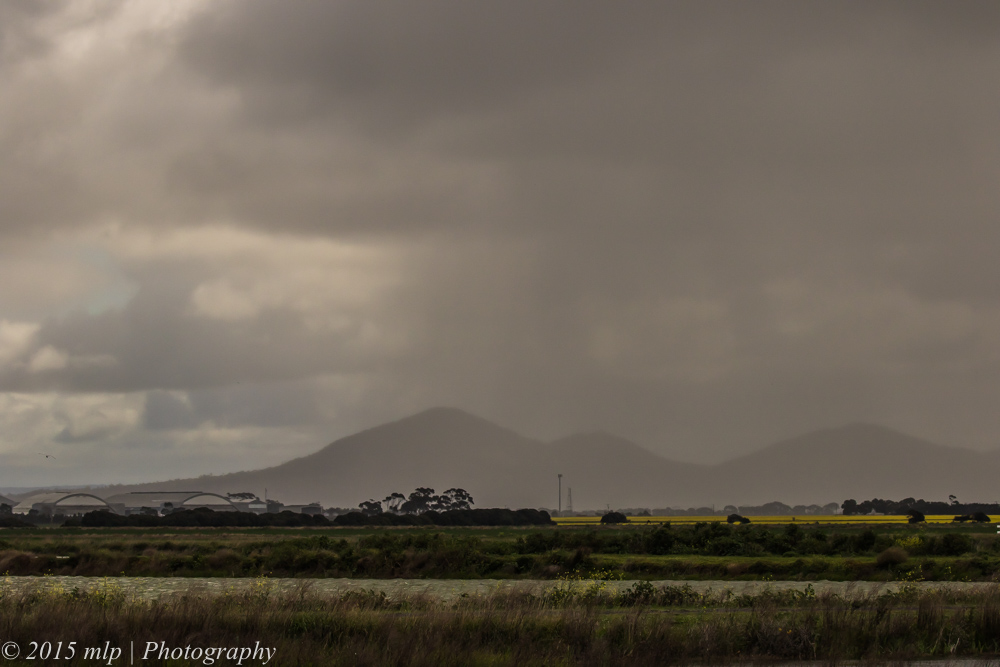
You Yangs, Western Treatment Plant

You Yangs, Western Treatment Plant

Golden Headed Cisticola, Western Treatment Plant

Golden Headed Cisticola, Western Treatment Plant

Golden Headed Cisticola, Western Treatment Plant

My turn to sing

Golden Headed Cisticola, Western Treatment Plant

III

Flight II

A recent visit to the Western Treatment Plant with the Port Phillip Birders produced a good day with many birds on display and good opportunities for taking flight images.

White Necked Heron

White Necked Heron, Weribee

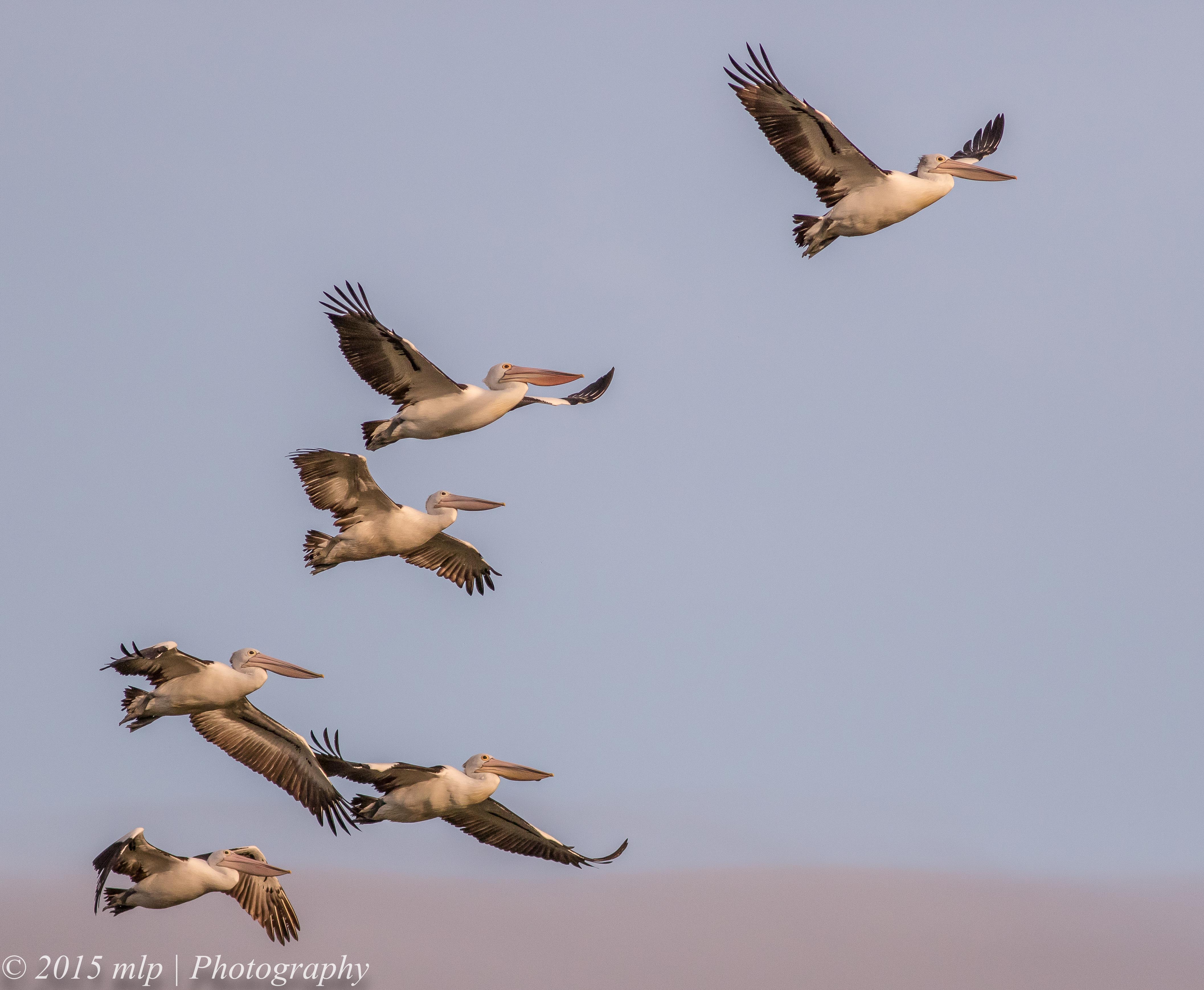
Pelicans

Pelicans, Weribee

Great Egret,

Great Egret, Weribee

Hunters and Prey

The small birds are very aware of what is around and above them and are always on the lookout for the raptors that are everywhere at the Western Treatment Plant lagoons. The images below are from a few visits to the lagoons over the last several weeks. Even in winter it is a haven for many species of birds.

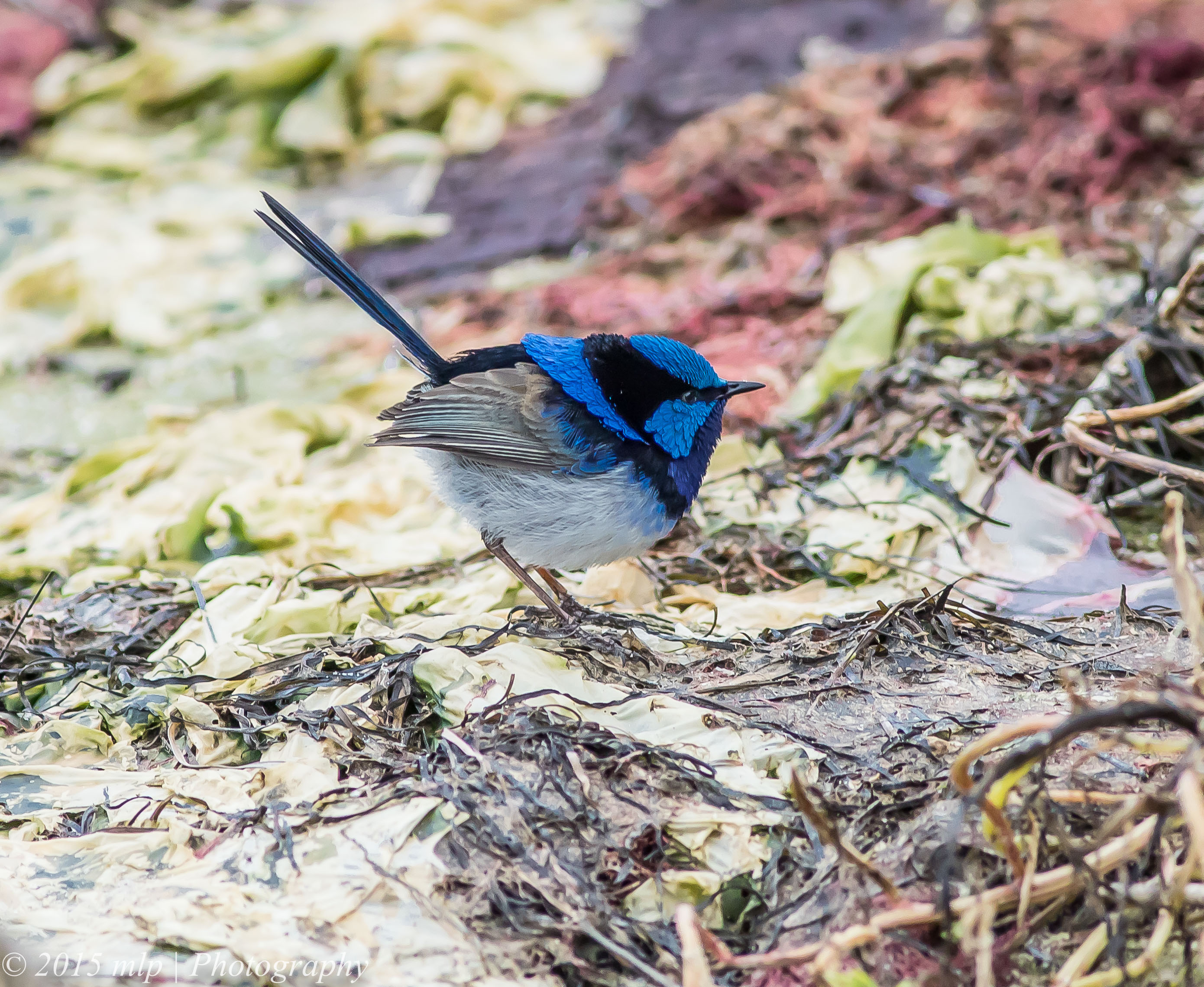
Superb Fairy Wren

Superb Fairy Wren

Superb Fairy Wren

Superb Fairy Wren

Little Grassbird

Little Grassbird

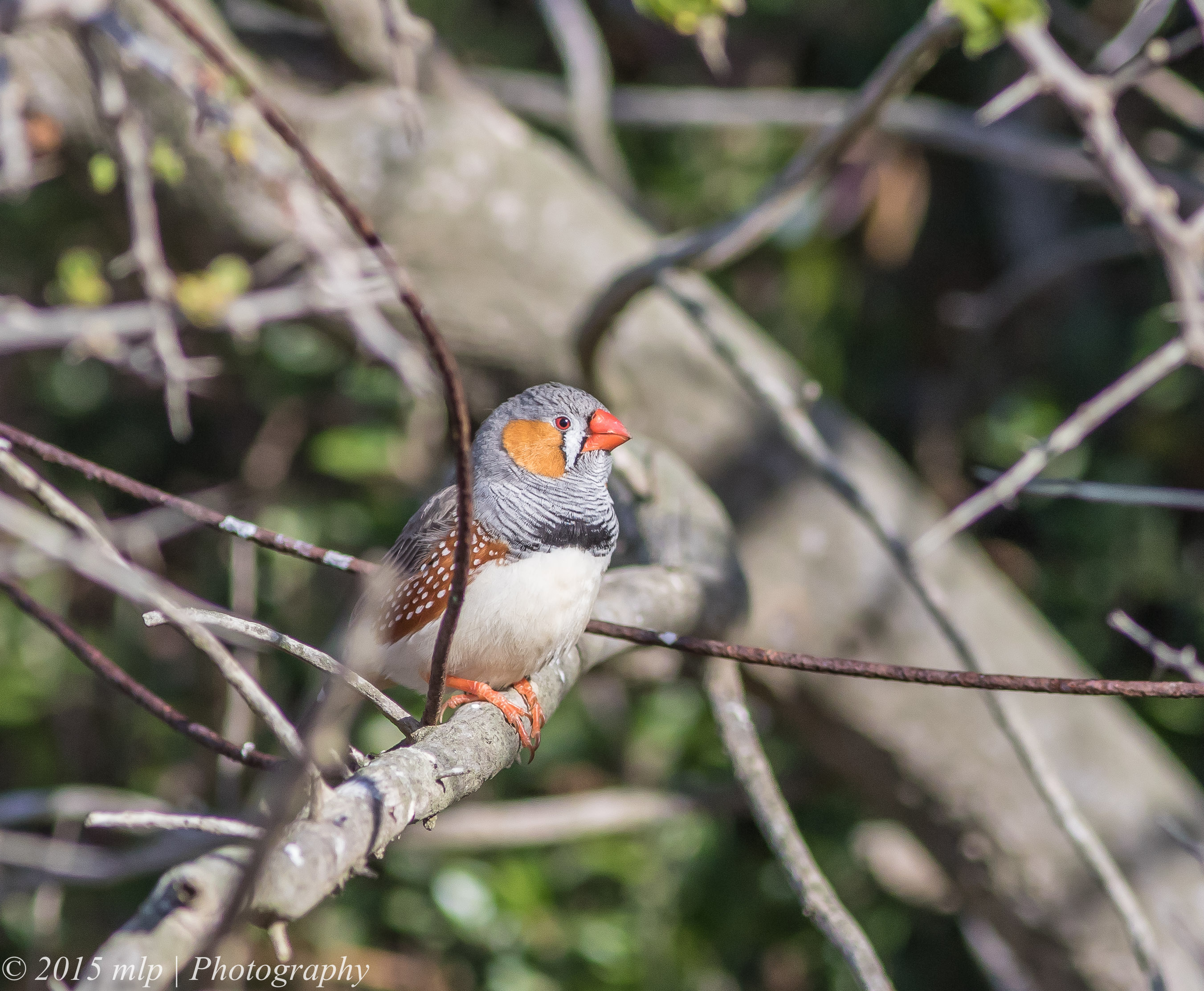
Zebra Finch, Western Treatment Plant,

Zebra Finch

Blue Winged Parrot

Blue Winged Parrot

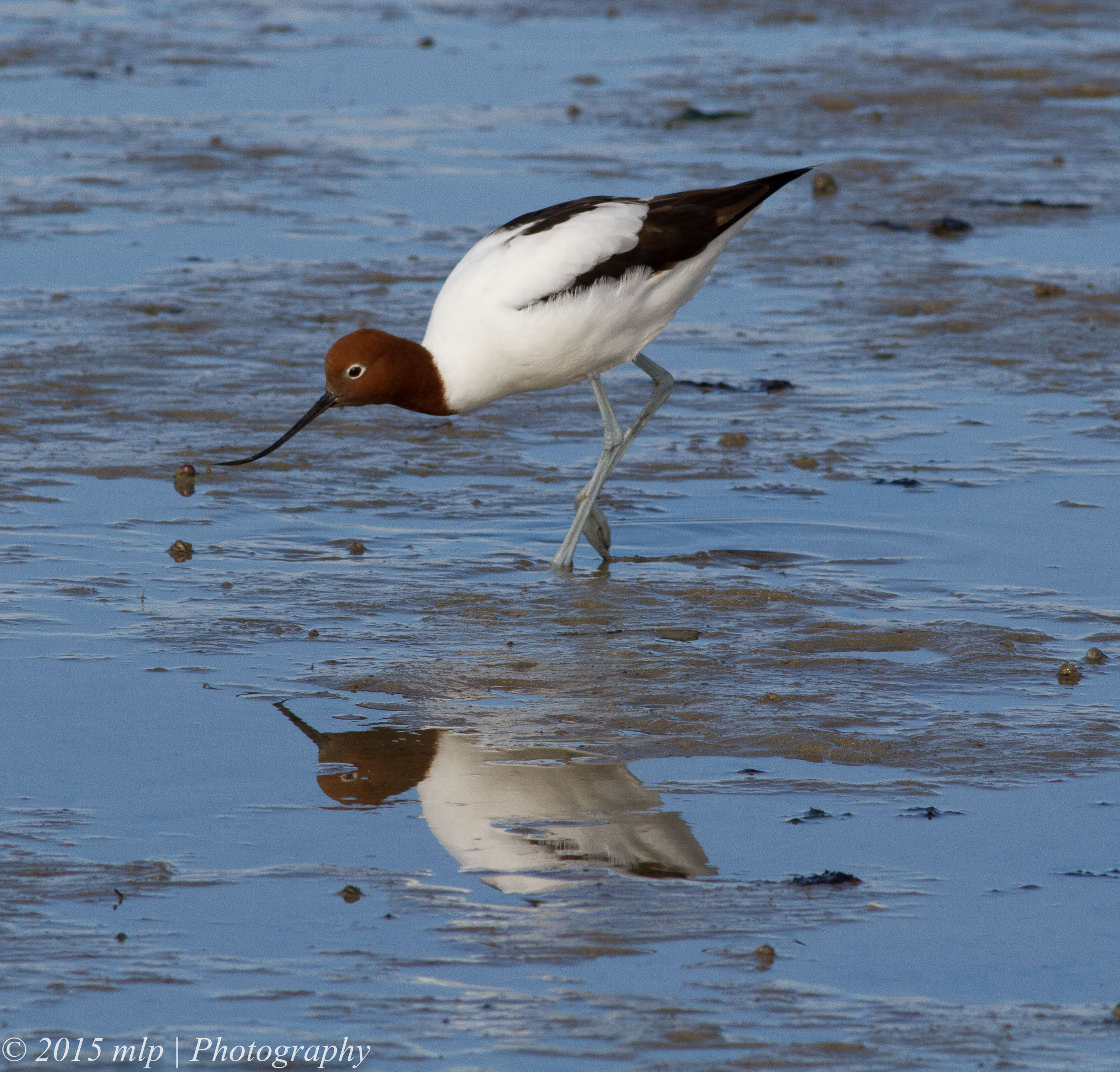
Red Necked Avocet

Red Necked Avocet

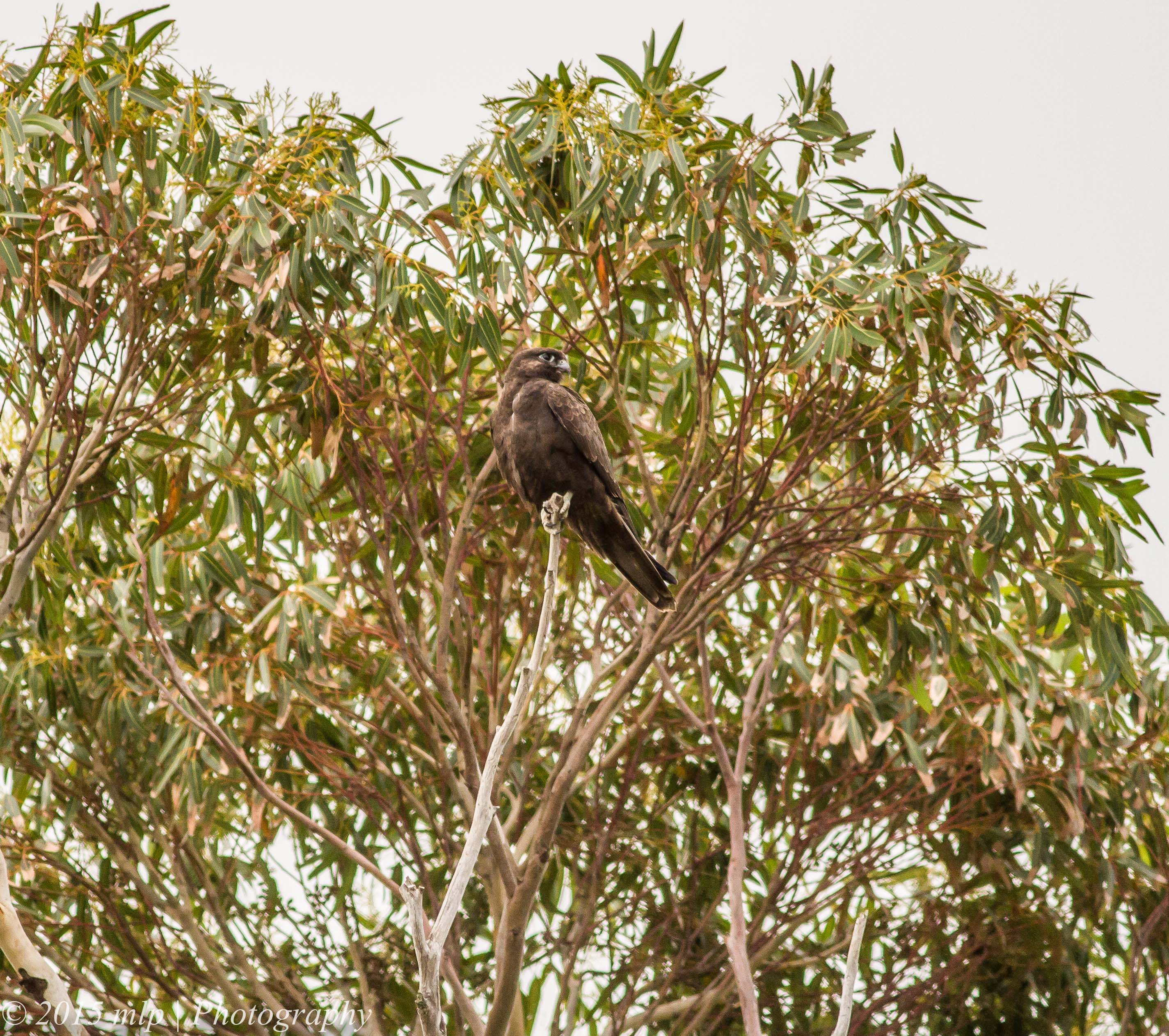
Black Falcon

Black Falcon

Brown Falcon

Brown Falcon

Black Kite, Western Treatment Plant, Victoria

Black Kite

Black Shouldered Kite

Black Shouldered Kite

The Littlest Falcon

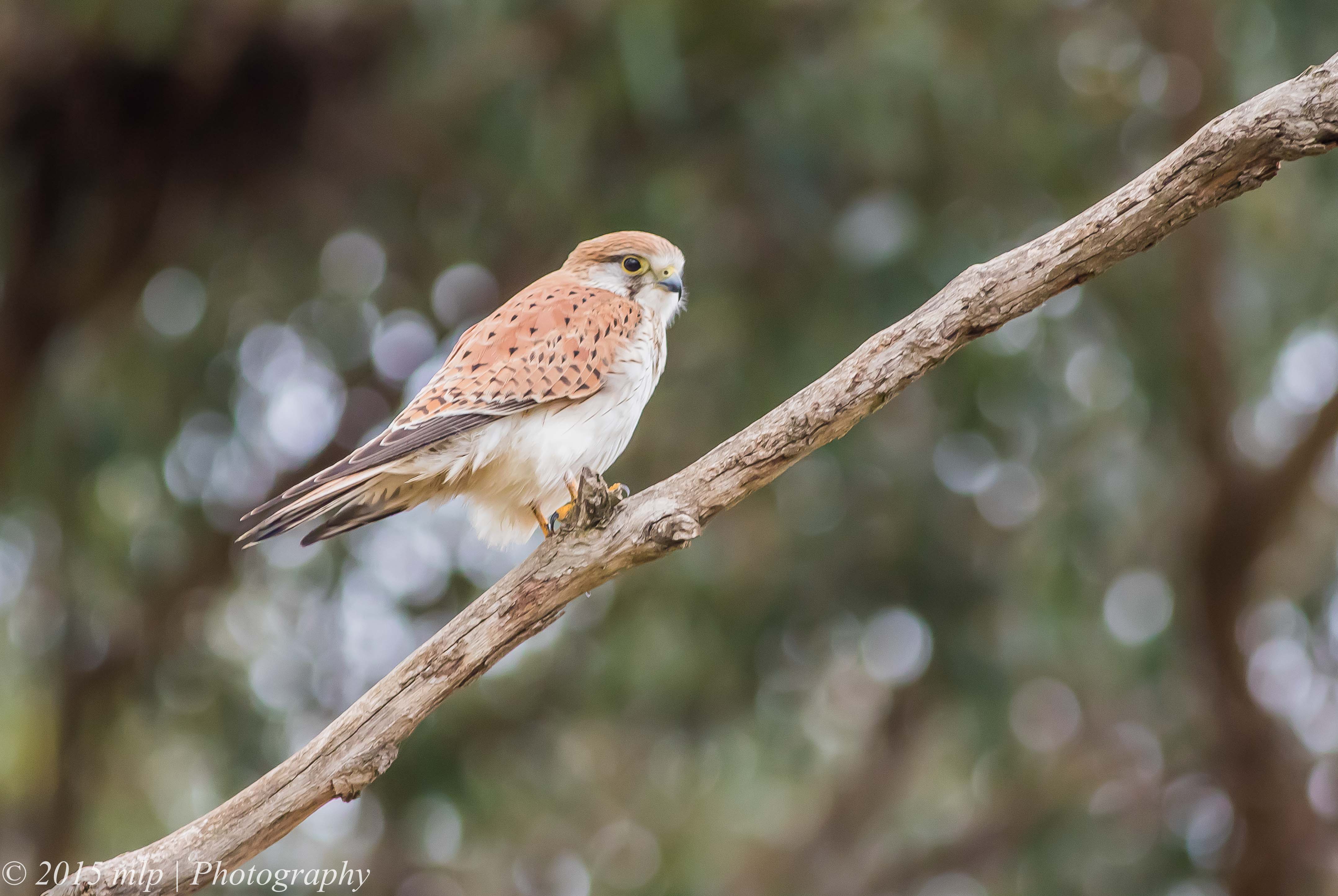
The Nankeen Kestrel is Australia’s smallest Falcon. It prefers the grasslands and open forests. It hovers or perches and watches for movement below and pounces  or drops straight down. There are a number of them at the moment at the Western Treatment Plant and surrounding grasslands and paddocks. I took photos of the two below while waiting for sunset and the Barn Owls to come out from their daytime roosts under the large Pine Trees in the area .

Nakeen Kestrel, Weribee, Victoria

Nakeen Kestrel (Falco cenchroides)

Nakeen Kestrel, Weribee, Victoria

Nakeen Kestrel, Weribee, Victoria

Ghost Owl

Last night while trying to figure how to use my long lens to take a night-time photograph of an owl that was high in a pine tree, I took this image. One of many that was blurred and unusable as an ID shot but interesting as an abstract image.

Ghost Owl,  Beach Road, Weribee

Ghost Owl, Beach Road, Weribee

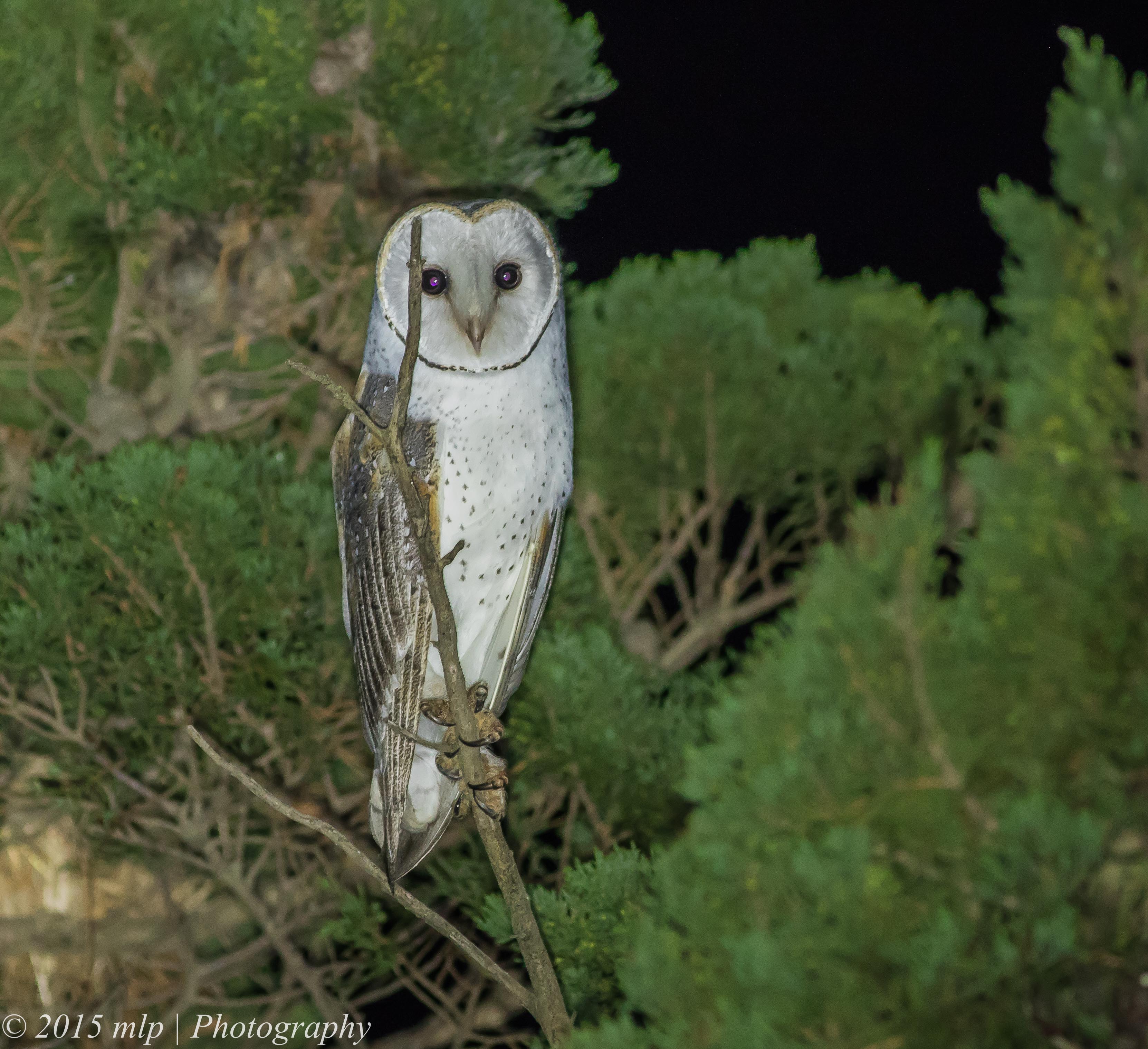
Barn Owl – Victorian Lifer 311

Over the last few weeks people have been reporting a number of Barn Owls along one of the roads at the Western Treatment Plant. I decided that I would take a look and see if I could find any – I have never actually seen any in the wild before. I went mid afternoon and waited for sunset and for the owls to appear. I eventually saw 3 and took many photos. None turned out well except for these two images. Very pleased to get my 311th Victorian bird and to actually get a few images as well.

Barn Owl,  Western Treatment Plant

Barn Owl, Western Treatment Plant

Barn Owl,  Western Treatment Plant

Barn Owl, Western Treatment Plant

On the Hunt

A very photogenic raptor – The Black Shouldered Kite. There are at least a dozen of them at the Western Treatment Plant at the moment. They catch mice and other smaller prey. There must be quite of bit of food around for them as they have started to nest already and it is only mid-winter here in Southern Victoria.

Click image to enlarge

Black Shouldered Kite,  Western Treatment Plant

Black Shouldered Kite, Western Treatment Plant

Flight

A few images from one of the recent visits I have made to the Western Treatment Plant in the last month. It is a great place to photograph birds in flight – always a tough subject. There are many raptors always on the prowl that are constantly spooking the flocks on the water giving you opportunities to practice. The reaction of the flocks tell you that something good is above and you have to quickly spin around and look for the raptor that is causing the fuss. Some are ignored like the Black Shouldered Kite and others are taken very seriously – like the large mature Whistling Kites.

Click image to enlarge.

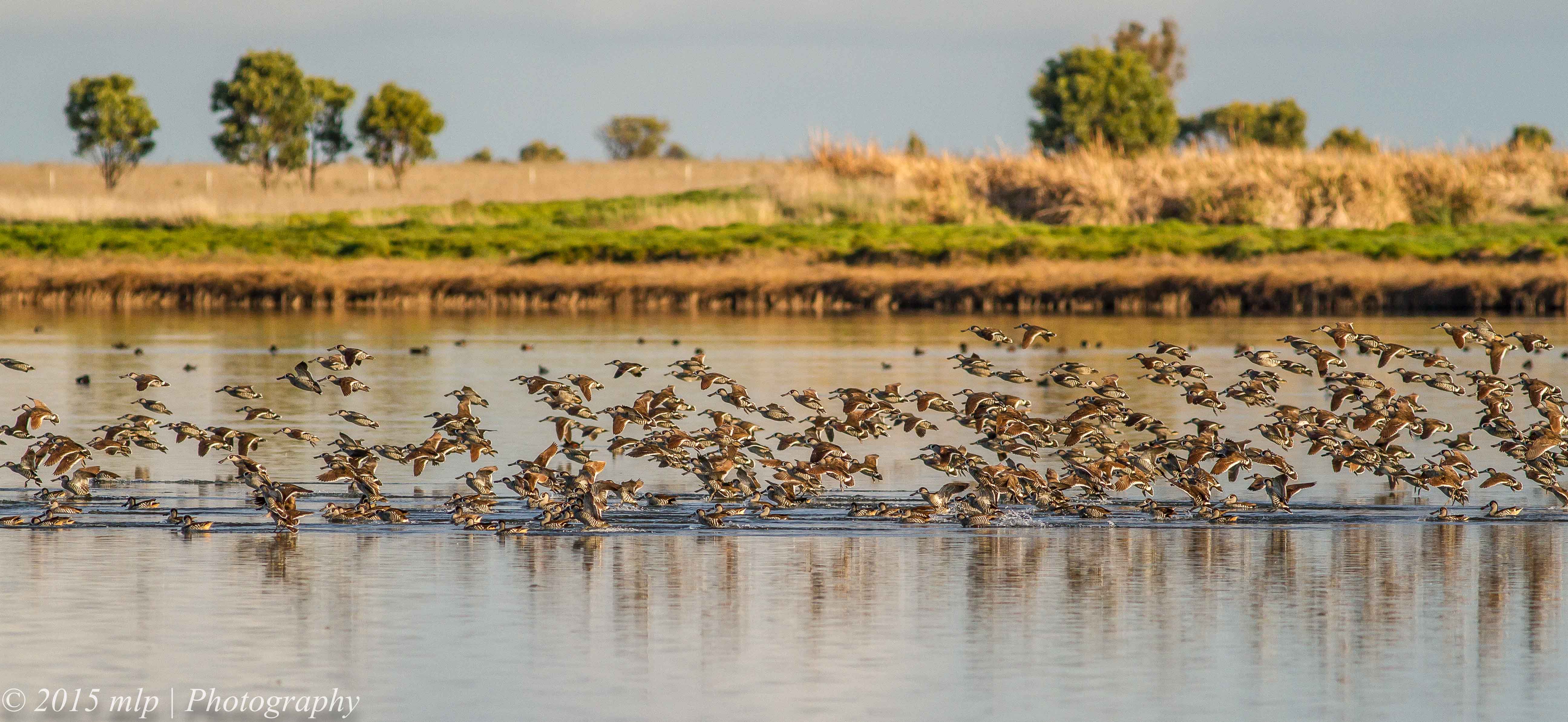
Pink Eared Ducks,  Western Treatment Plant

Large flock of Pink Eared Ducks (aka Zebra Duck), Western Treatment Plant – one of my favourite ducks  – very photogenic and quite strange looking, and no other Aussie duck sounds like it.

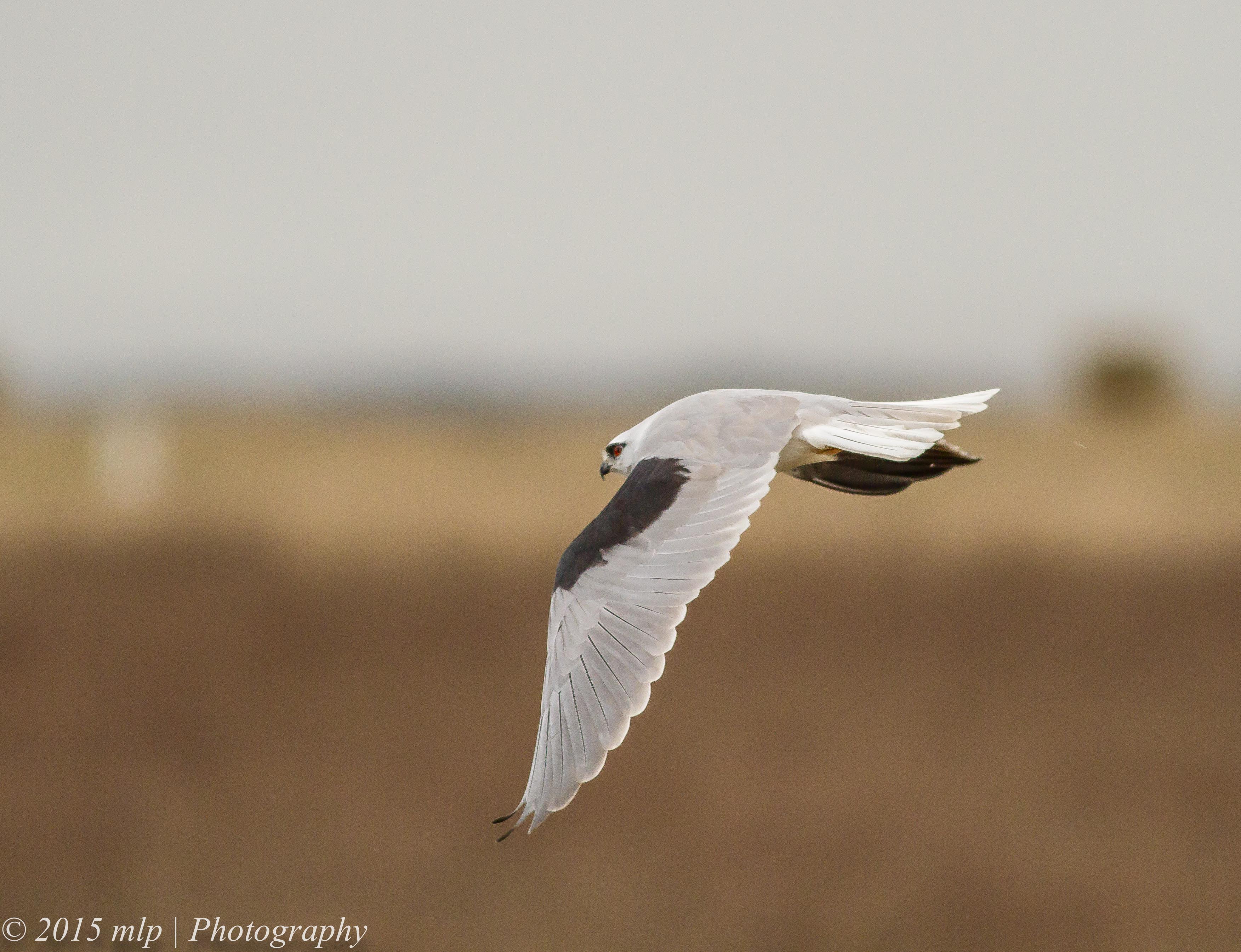
Black Shouldered Kite, Western Treatment Plant

Black Shouldered Kite on the hunt – beautiful wing structure and displaying its black shoulder.

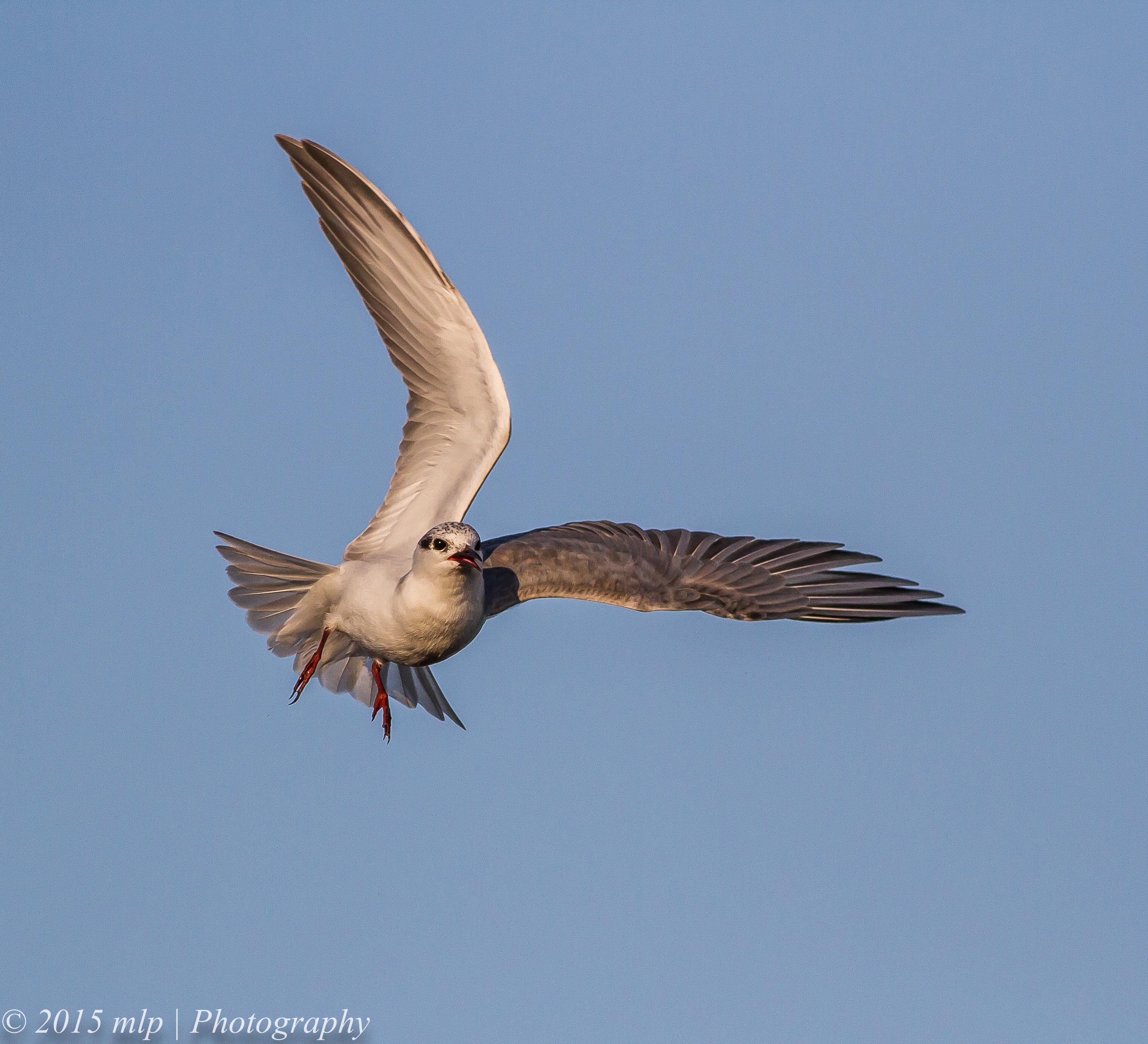
Whiskered Tern,  Western Treatment Plant,

Whiskered Tern – two were flying and hunting along the lagoons and one would keep dive-bombing the other. This pic is of the lower tern avoiding its hunting partner that had just dived past it.

Black Kite, Western Treatment Plant

Black Kite – a different angle

Whistling Kite,  Western Treatment Plant,

Whistling Kite prowling the lagoons.

A gutsy attitude

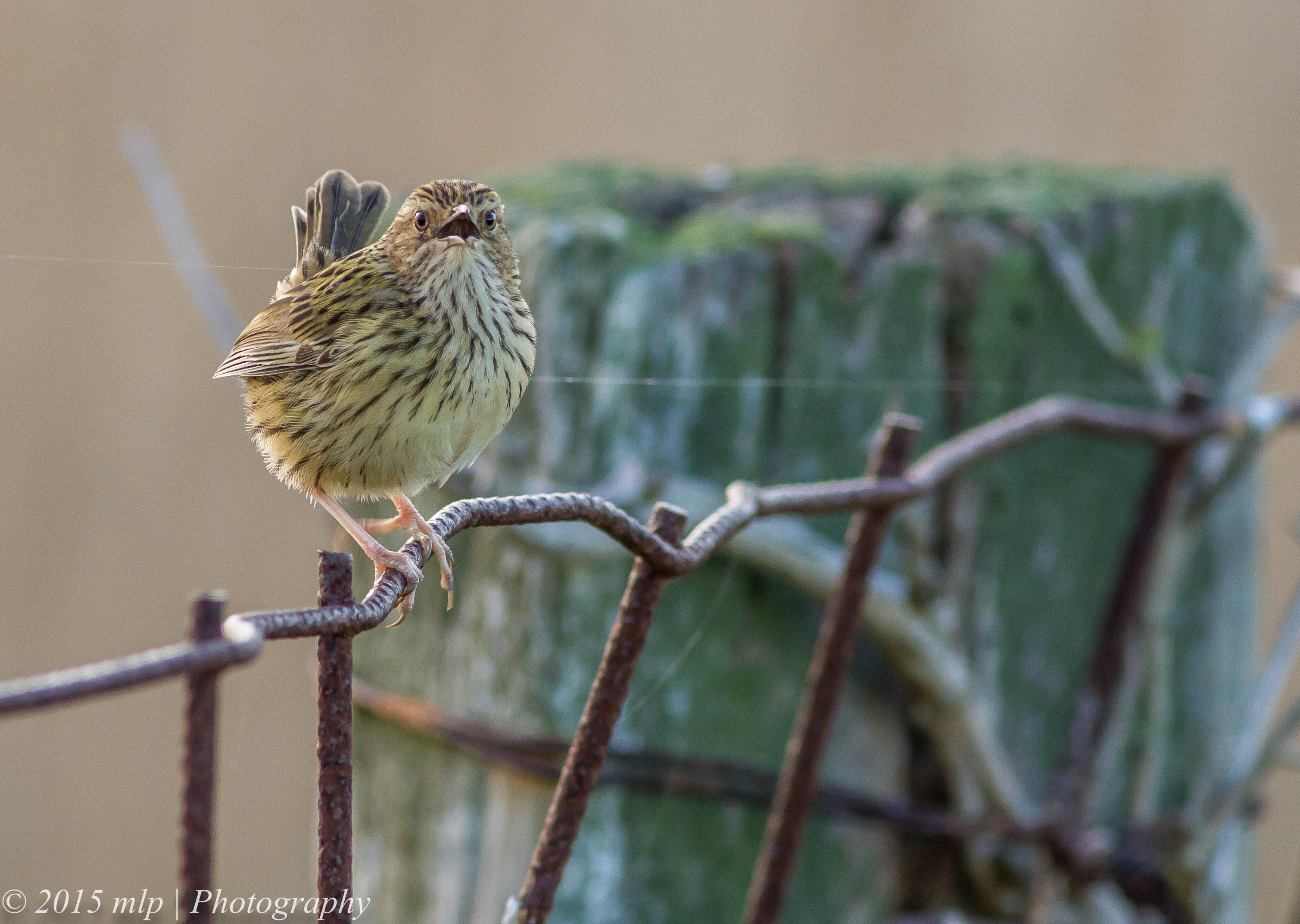
Amongst the many bird species seen and photographed over the last few weeks at the Western Treatment Plant, this little guy is one of my favourites – he is inquisitive, territorial and not afraid to get up and have a look at what is happening in his neighbourhood. I first saw him and heard his melodic call at one of the permit gates entering the Treatment Plant. He dashed off after seeing me but I used my playback call on my phone and he responded and stuck around for a while looking for the intruder. When calling he wags his upright tail back and forth like a battle flag…

Striated Fieldwren

Striated Fieldwren  – Calamanthus Fuliginosus

Striated Fieldwren

II

Striated Fieldwren

III

Caution – Falco Berigora

Over the last month I have been making weekly visits on my own and with friends to the Victorian Western Treatment Plant in Weribee. It is an amazing place for birds any time of the year. At the moment there are many species of Raptor stopping by and taking advantage of the conditions and hunting opportunities. At least one species has even started to nest and raise chicks.

On this occasion, I was on my own reviewing the usual areas and seeing what had changed since I had last been here in February. I found this Brown Falcon enjoying a bit of late afternoon sun on an old wooden sign. It spotted something nearby and took off.

Brown Falcon - Falco Berigora, Western Treatment Plant.

Brown Falcon – Falco Berigora, Western Treatment Plant.

Brown Falcon - Falco Berigora, Western Treatment Plant.

Brown Falcon – Falco Berigora, Western Treatment Plant.

A day at the Farm….the Pooh Farm!

I visited one of my favourite birding sites yesterday  – the Western Treatment Plant also known as the Pooh Farm. It is a 200 square kilometer site for the treatment of Melbourne’s waste products. Before the treated water is released into the Bay it moves through large areas of settling ponds and ocean side lagoons. Over the years it has become a major site for Bird species including many migratory birds that spend the Northern Winter in Southern Australia. It has become famous and has actually been named a world RAMSAR Wetlands. It is a great place to drive around and study the various shorebirds as well as the resident birds like the raptors. I made 23 trips there last year and it has become a regular spot for me when the conditions (temp, tide and winds) are right for a day visit – it is a very wind exposed site with limited tall vegetation and no facilities. People drive from hours away and interstate to visit a place that is only 35 mins away for me. A permit and key system is in place and to get full access to the 2 major areas one has to purchase permits and sit an induction process.

And a common question I get when people ask about the site – “What is the smell like?” There is no “off” smell, just the smell from the sea and the vegetation. There are heaps of insects but nothing that bites. It is the insects that help bring in such huge bird numbers.

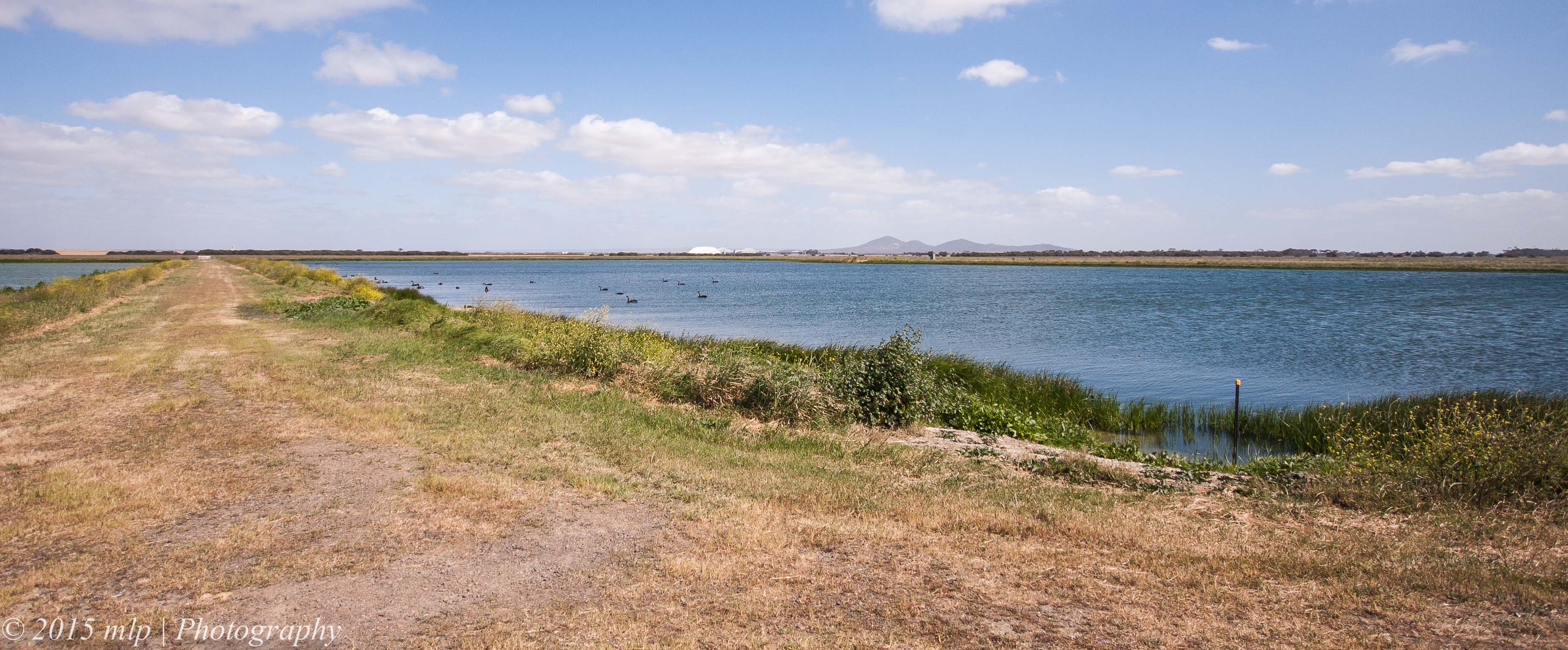
The Lagoons are adjusted by the Melbourne Water engineers and suit different birds at various times of the year. Each species has a food and water depth requirement. The photo below was taken in Nov and yesterday it was dried out. And yes I have often nearly driven into the water while trying to drive, use binoculars and take photos all at the same time.
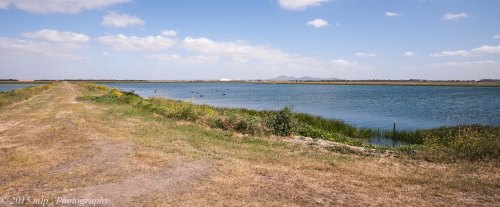
Lagoons within the T section of the Western Treatment Plant - Avalon Airport and the You Yangs in the background

Lagoons within the T section of the Western Treatment Plant – Avalon Airport and the You Yangs in the background

If anyone wants to head out to the “farm” let me know….it is a great experience and I look for any excuse to go.

I found 75 species yesterday and attempted to take a few photos while driving the various roads…..

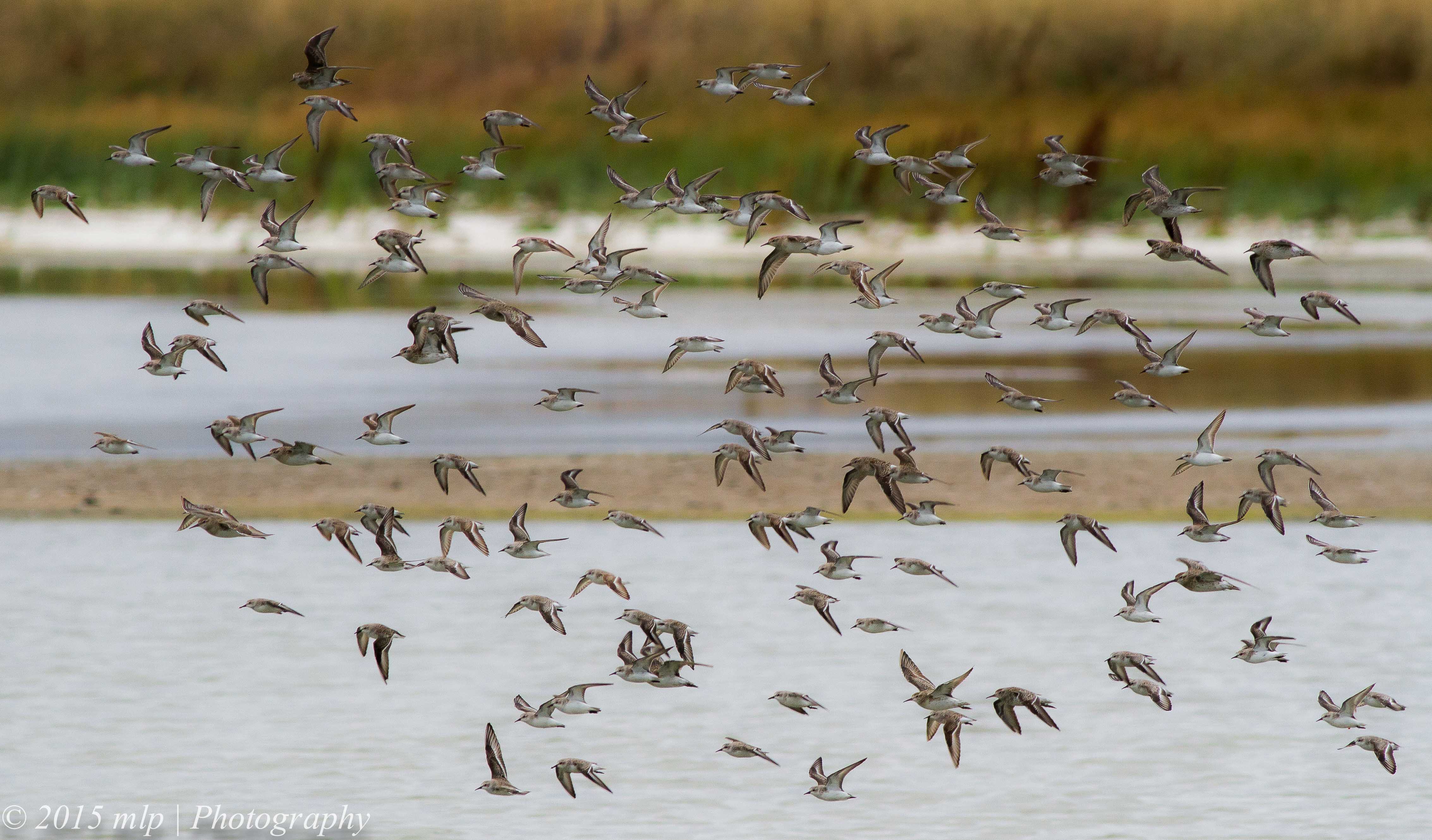
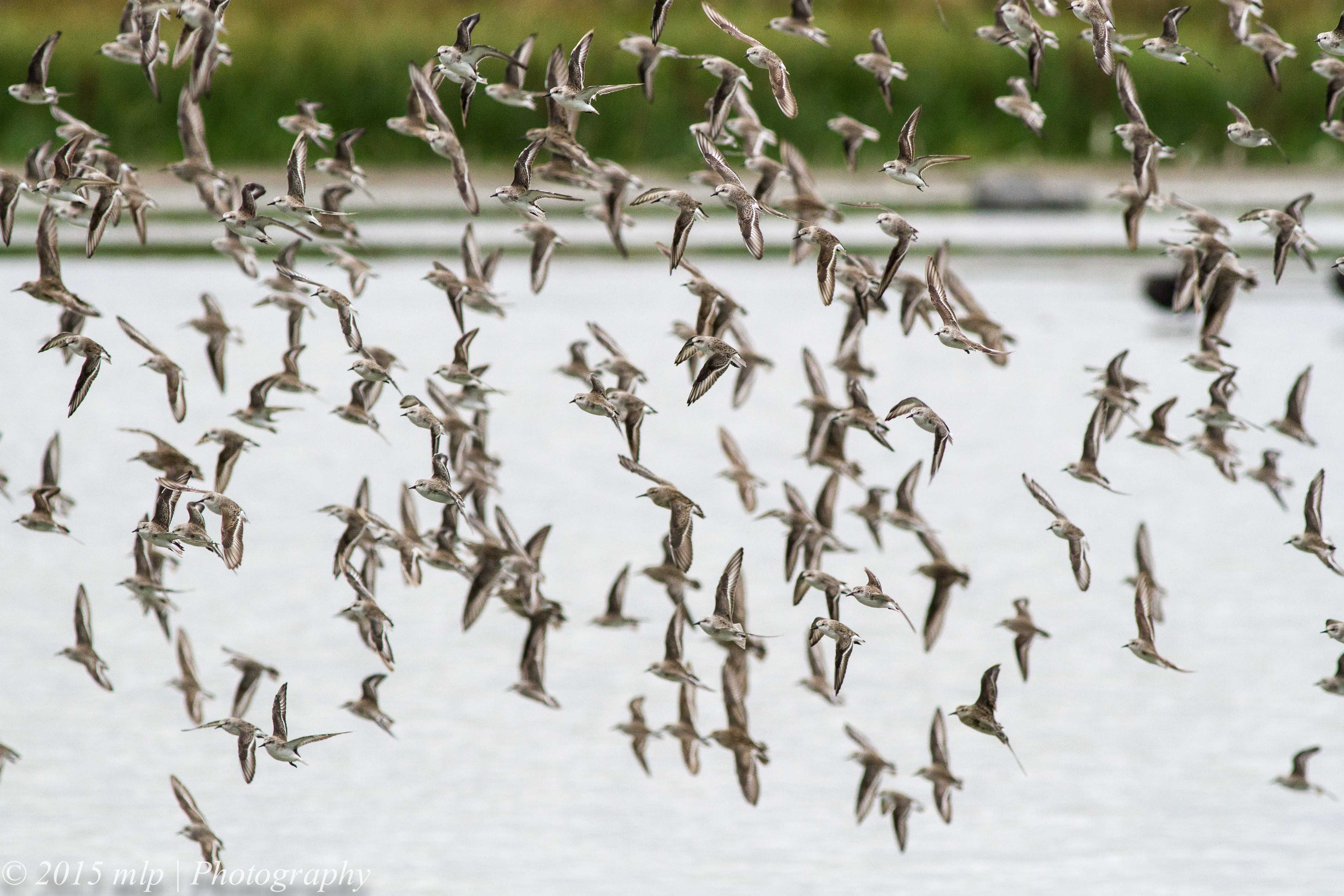
Shorebird flock, Western Treatment Plant

Shorebird flock, Western Treatment Plant – mostly Red Necked Stints and and Sharp Tailed Sandpipers
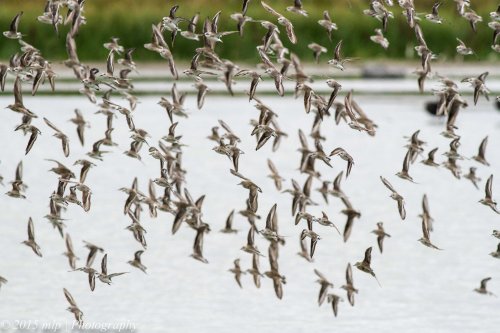
Shorebird flock II, Western Treatment Plant

Shorebird flock II, Western Treatment Plant

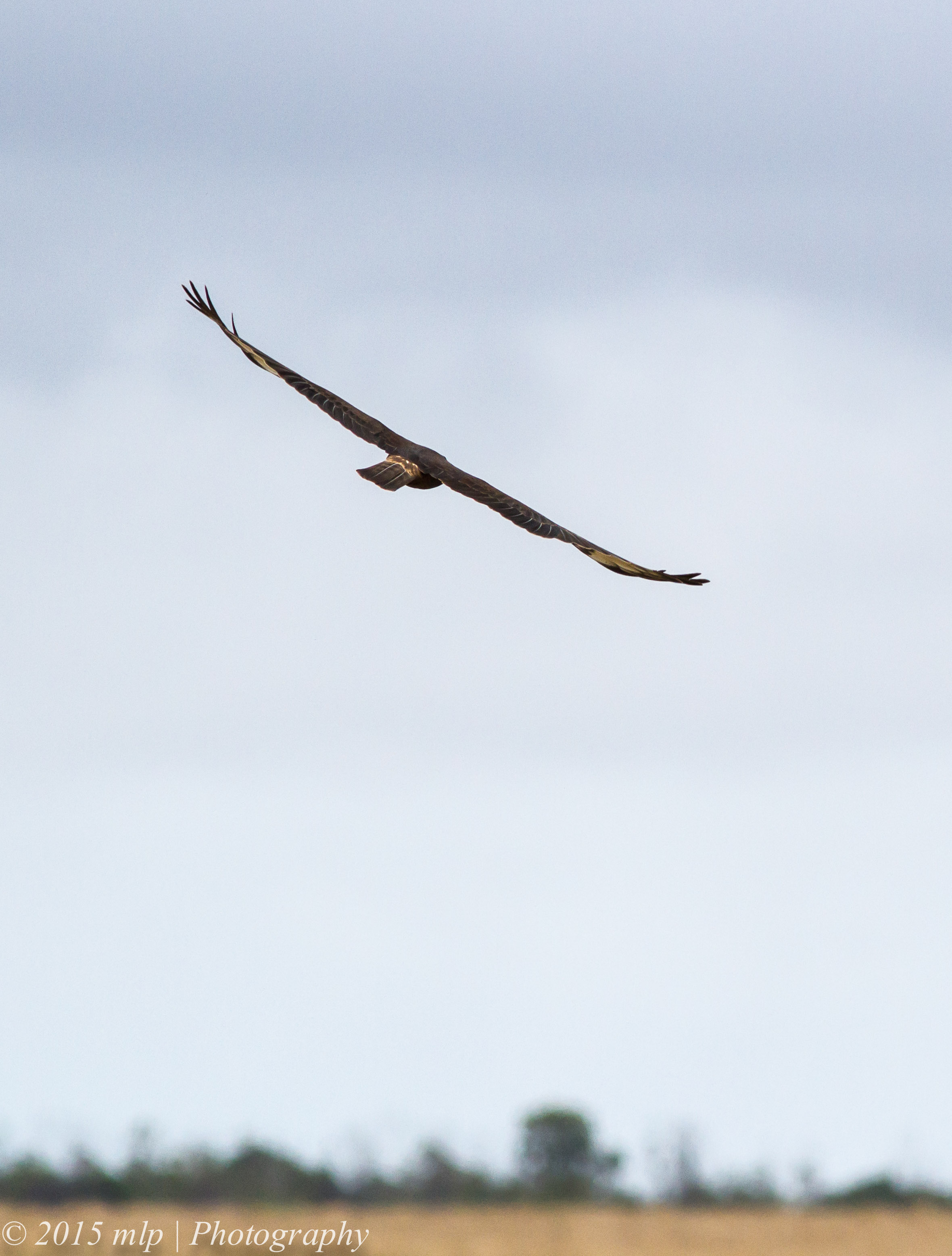
Swamp Harrier

Swamp Harrier

Swamp Harrier II - nice lines and effortless turns

Swamp Harrier II – nice lines and effortless turns

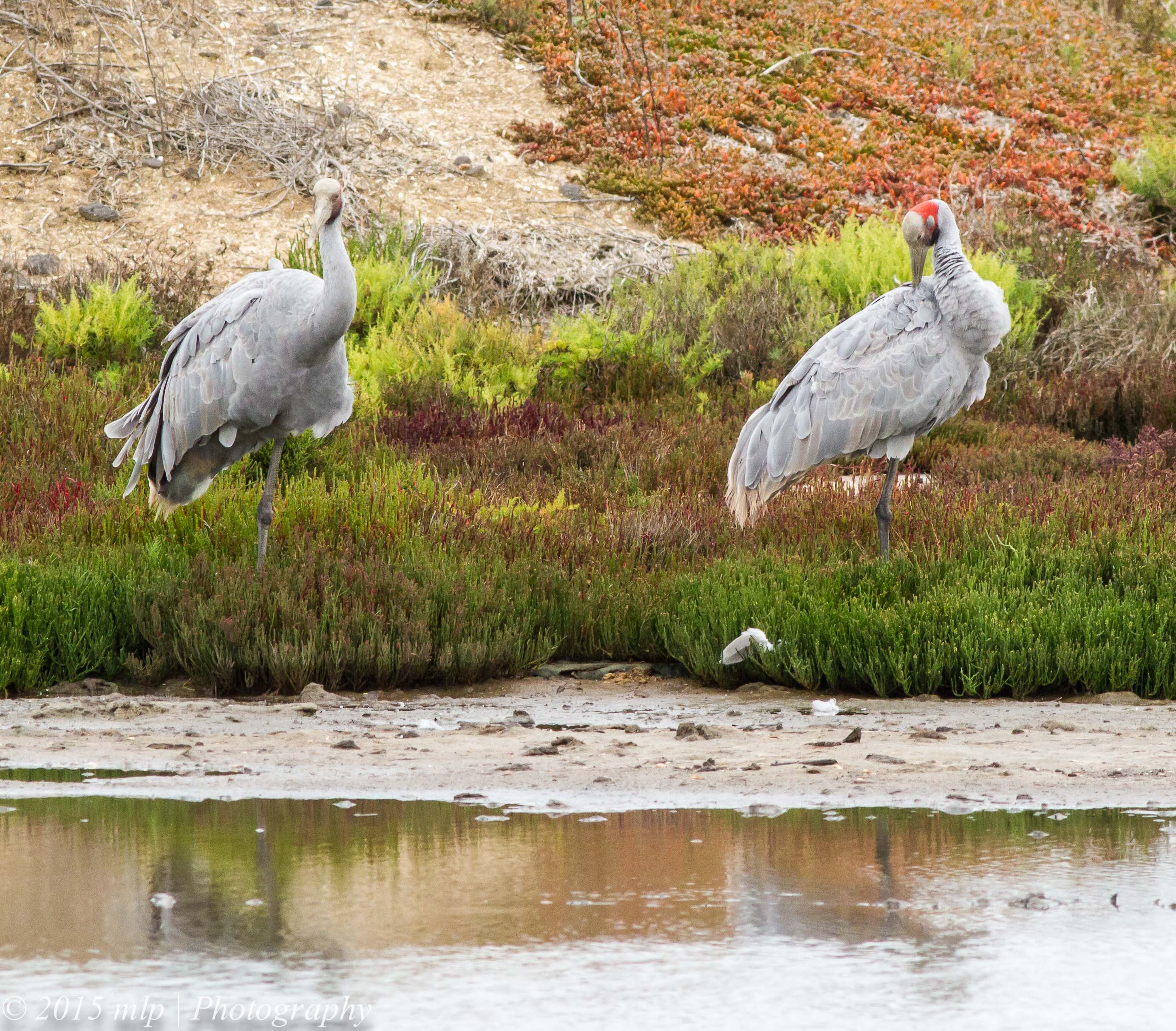
Brolgas,  Western Treatment Plant

Brolgas, Western Treatment Plant – always a treat to find these large rare birds.
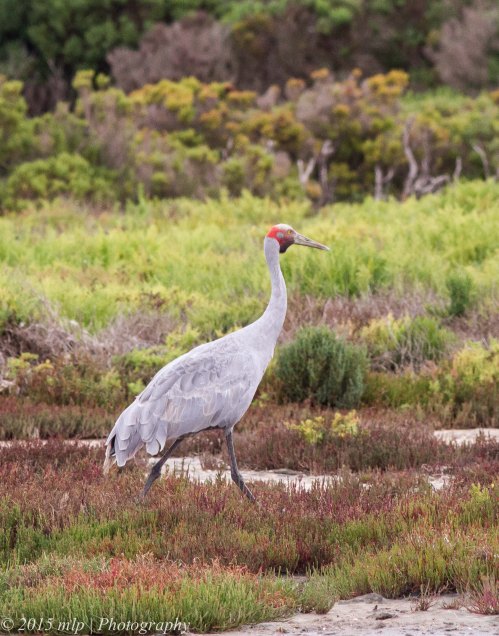
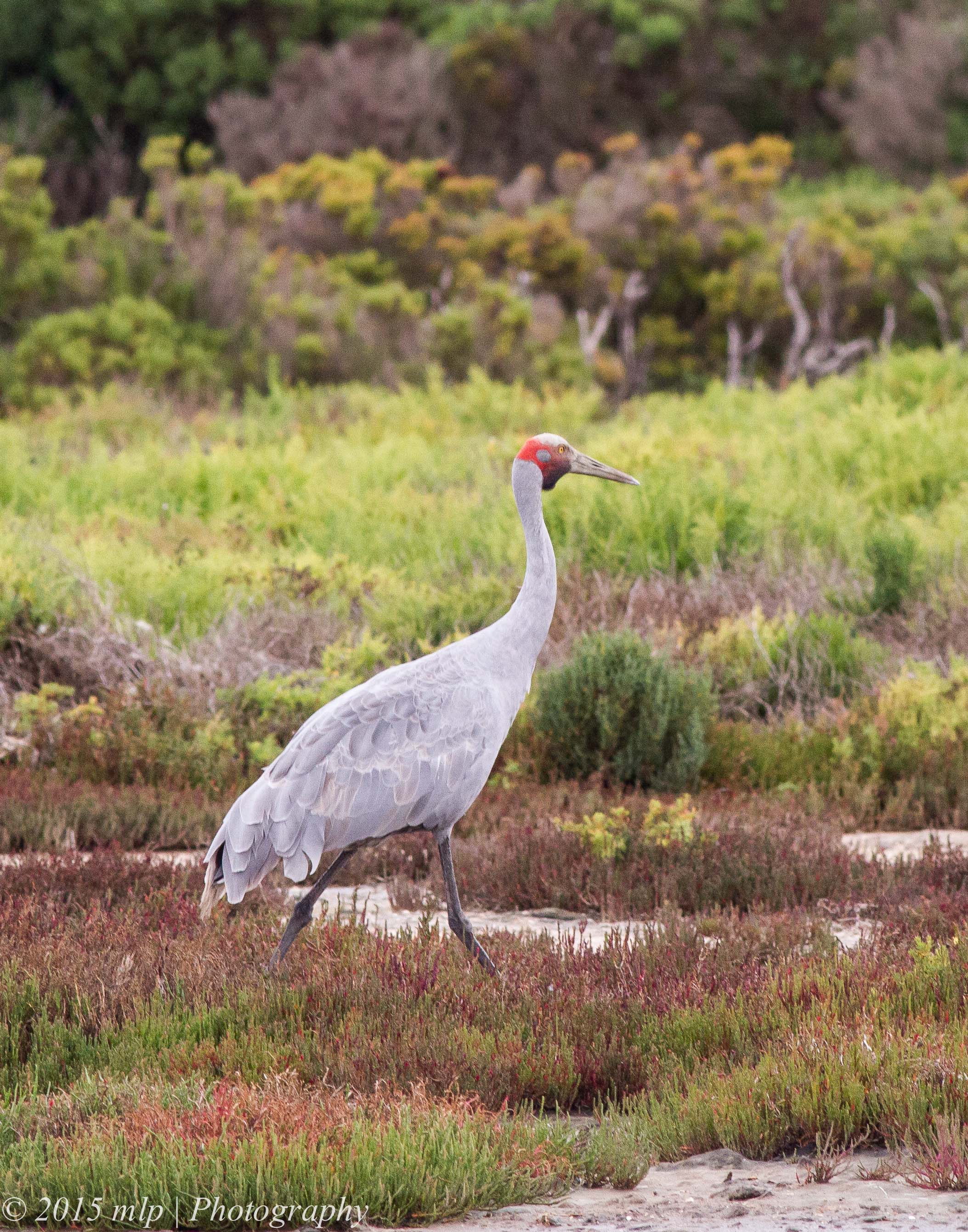
Brolga
Brolga

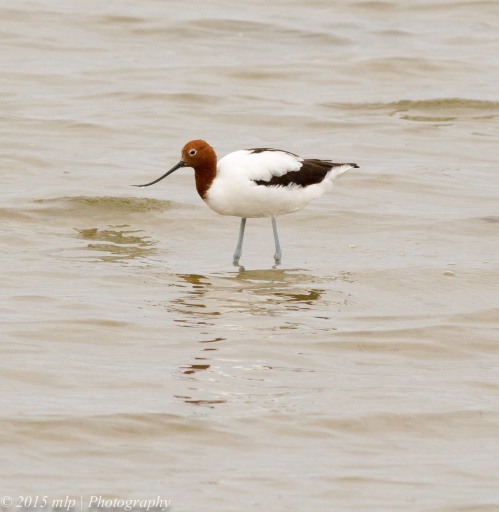
Red Necked Avocet,  Western Treatment Plant

Red Necked Avocet, Western Treatment Plant – a very easy to identify species, nothing else even remotely like it in Australia.
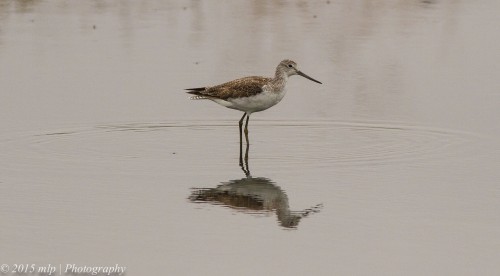
Common Greenshank,

Common Greenshank

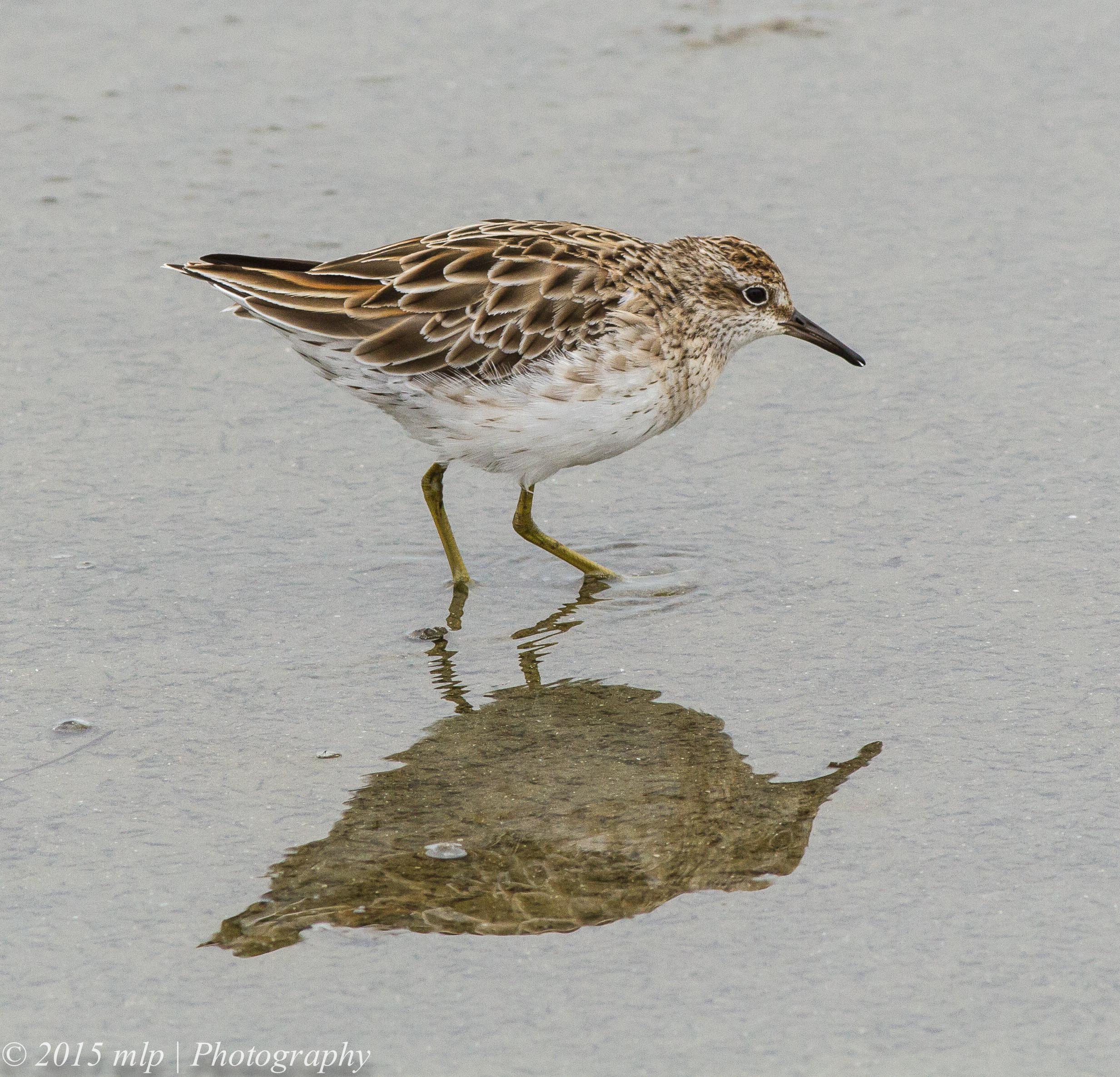
Sharp Tailed Sandpiper

Sharp Tailed Sandpiper

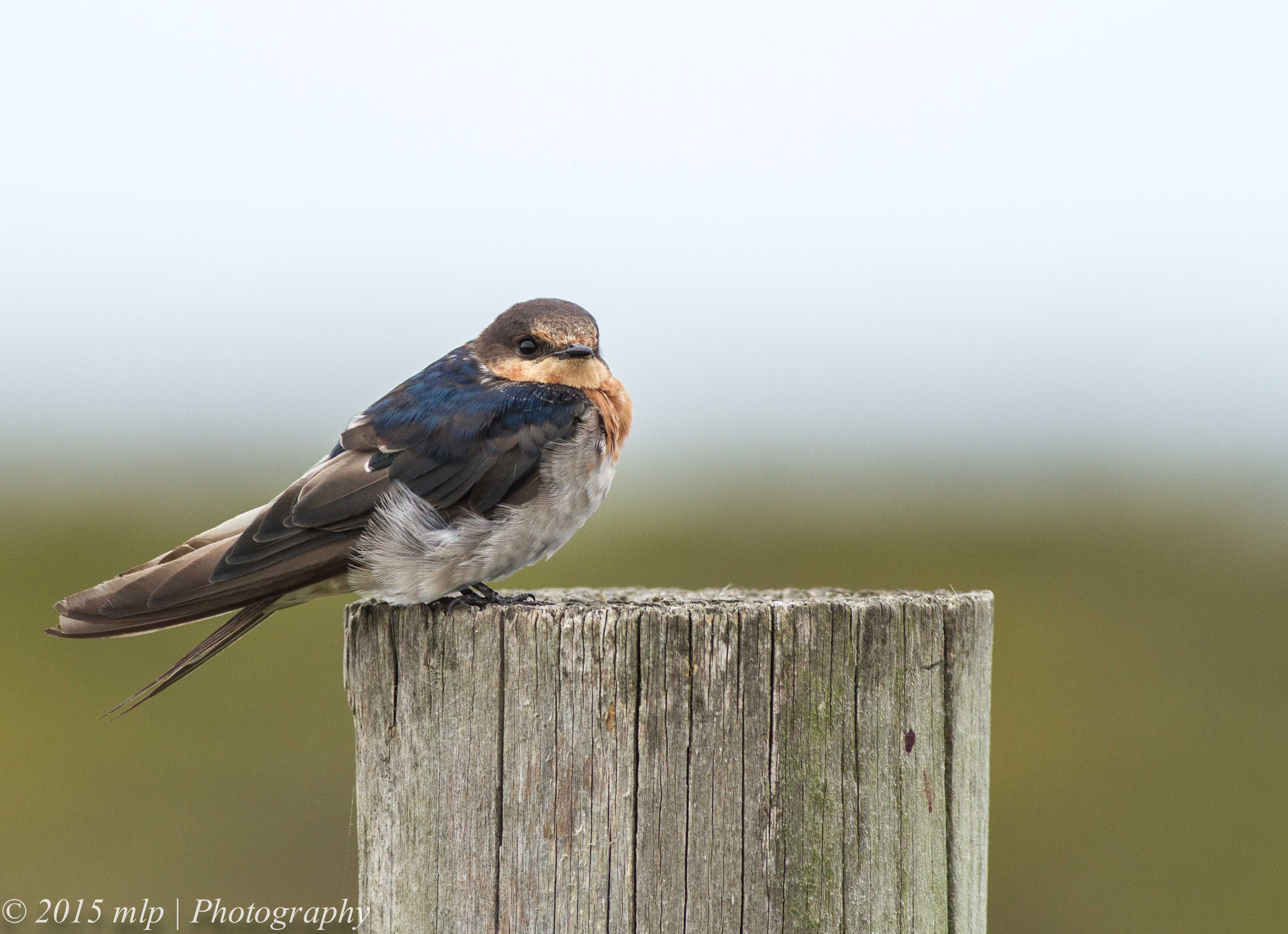
Welcome Swallow

Welcome Swallow

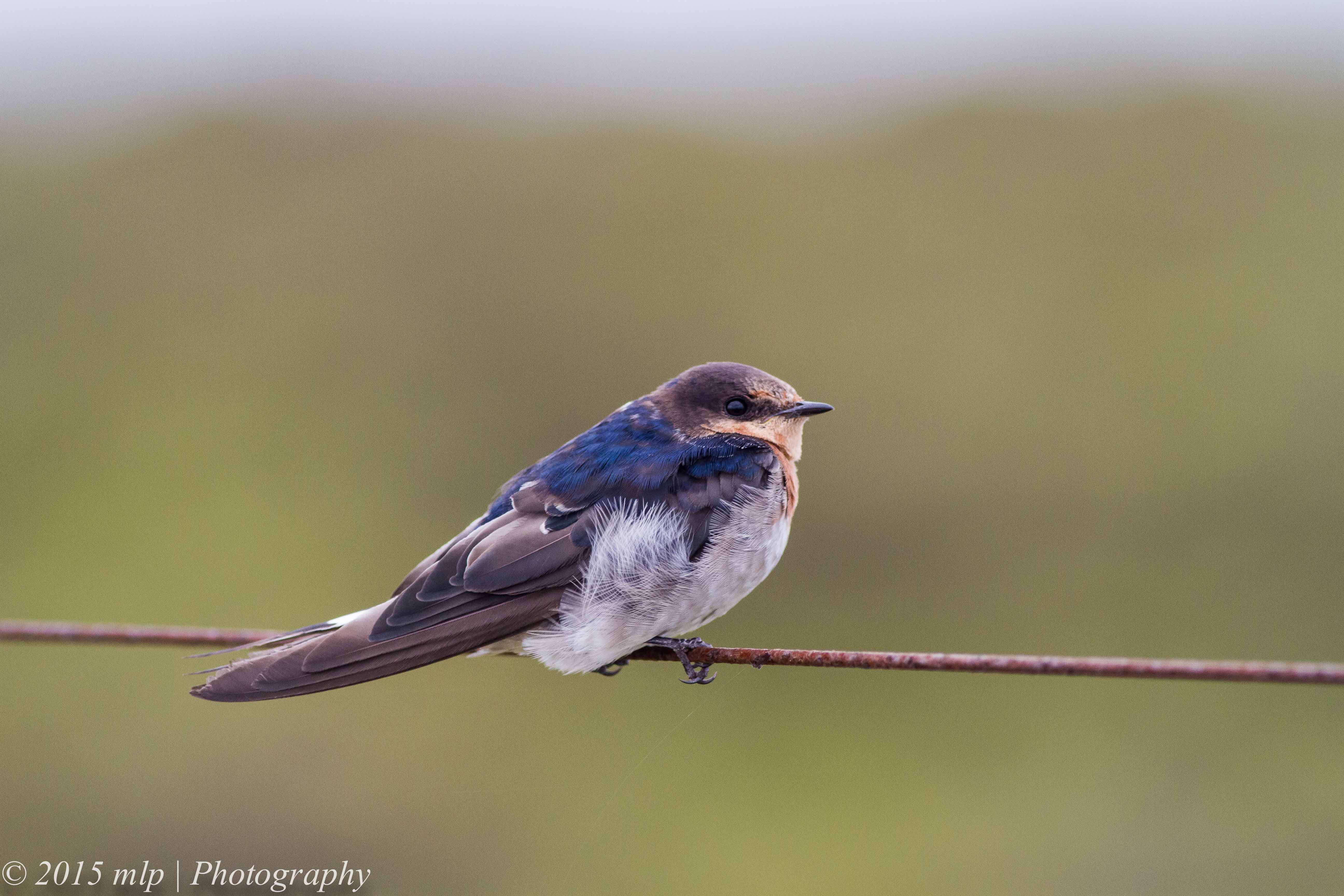
Welcome Swallow II

Welcome Swallow II

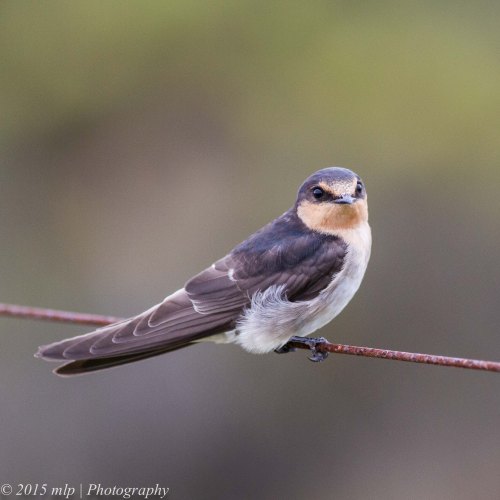
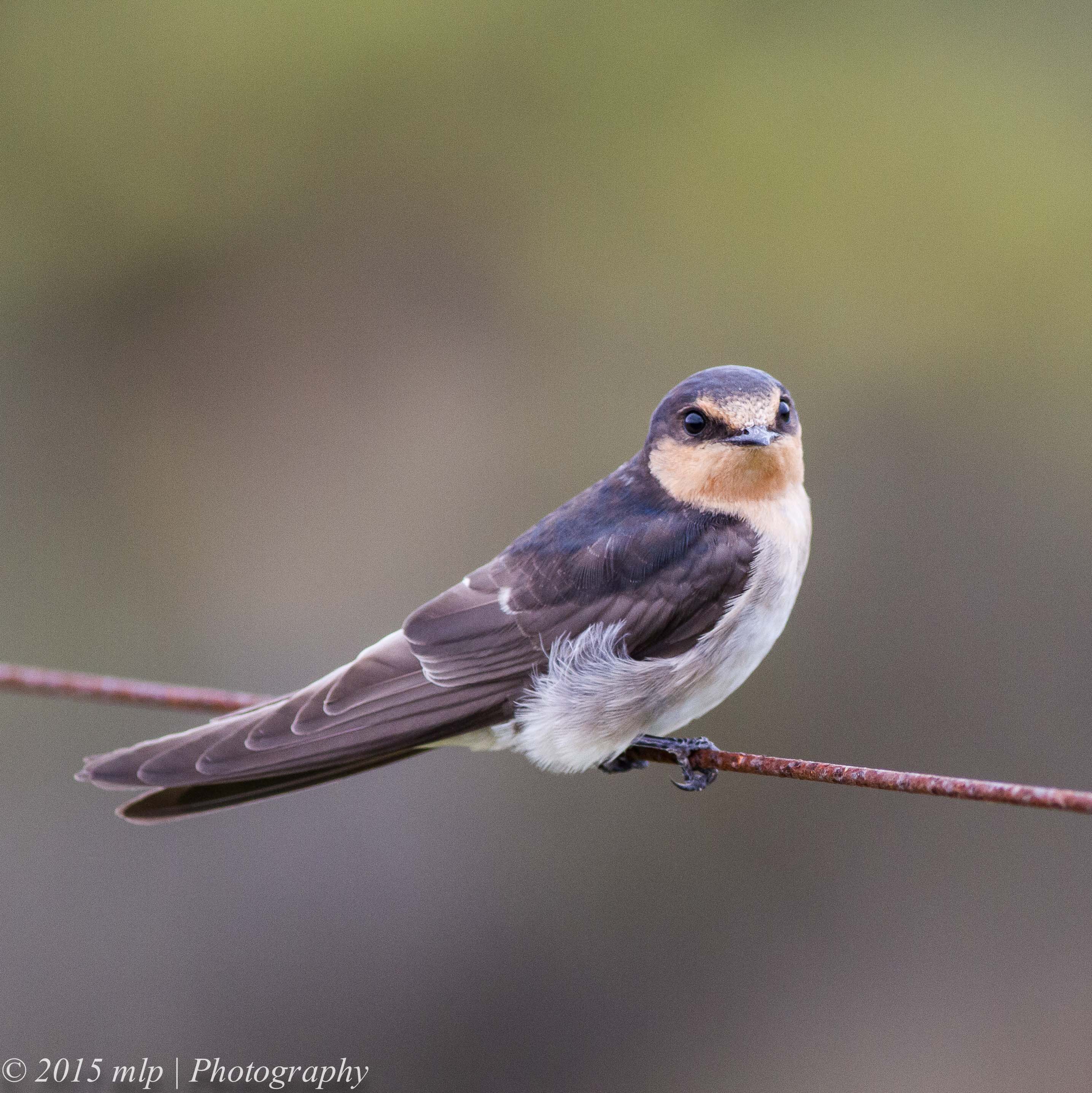
Juvenile Welcome Swallow

Juvenile Welcome Swallow