There can only be ONE!

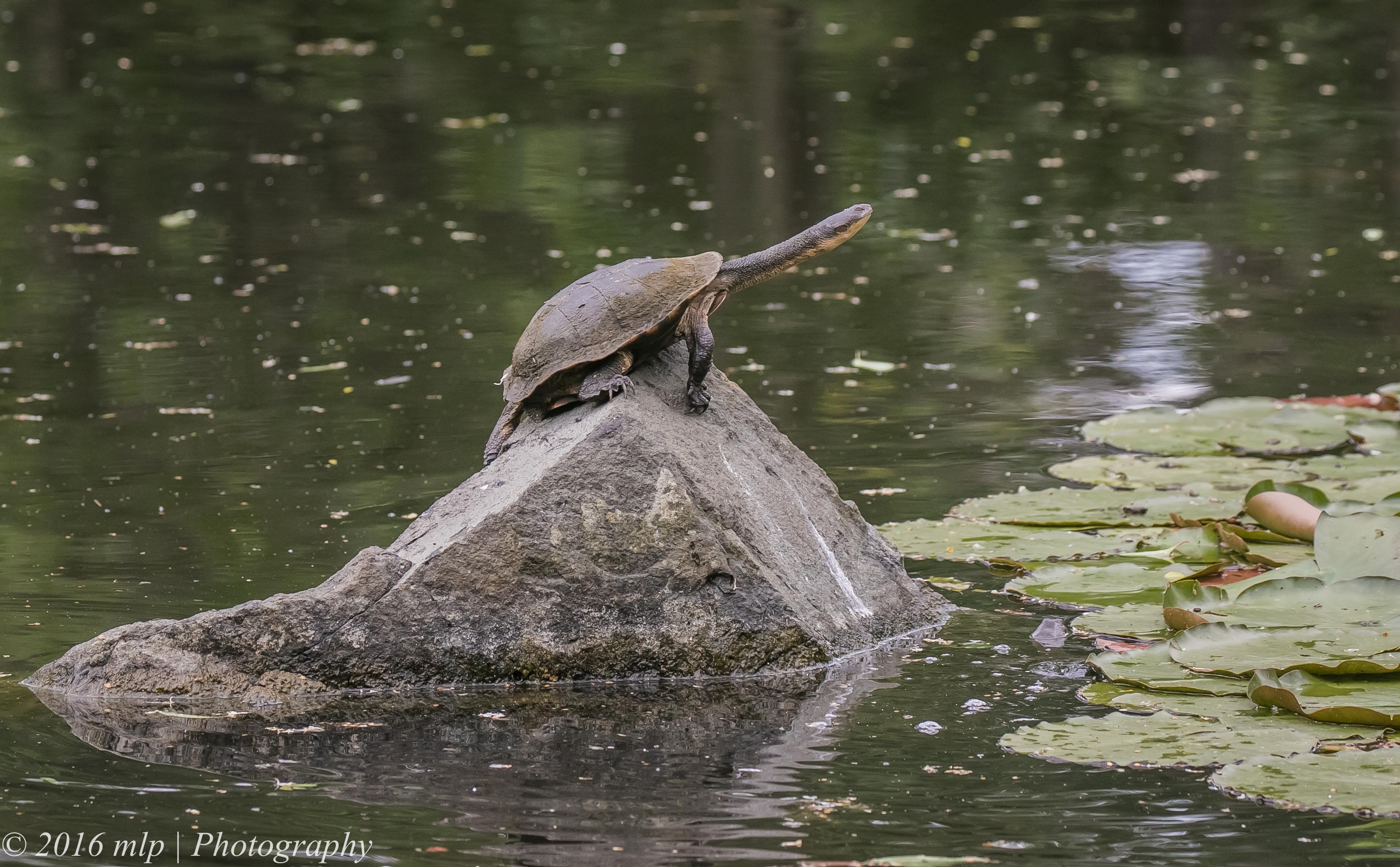
At the Wilson Botanic Park last week, we noticed that there were dozens of turtles in the water and on the rocks sunning themselves. I watched as a pair fought it out for king of the rock…in slow motion…

Long necked Turtles, Wilson Botanic Park, Berwick, Victoria, 30 Oct 2016

Long necked Turtles, Wilson Botanic Park, Berwick, Victoria

Long necked Turtles, Wilson Botanic Park, Berwick, Victoria, 30 Oct 2016

Making his move…

Long necked Turtles, Wilson Botanic Park, Berwick, Victoria, 30 Oct 2016

Almost got it…

Lotus Flower Wilson Botanic Park, Berwick, Victoria, 30 Oct 2016

ohh pretty, Lotus Flower 

Long necked Turtles, Wilson Botanic Park, Berwick, Victoria, 30 Oct 2016

a big splash…and one remained, oblivious to all the action…

Something wicked this way comes….

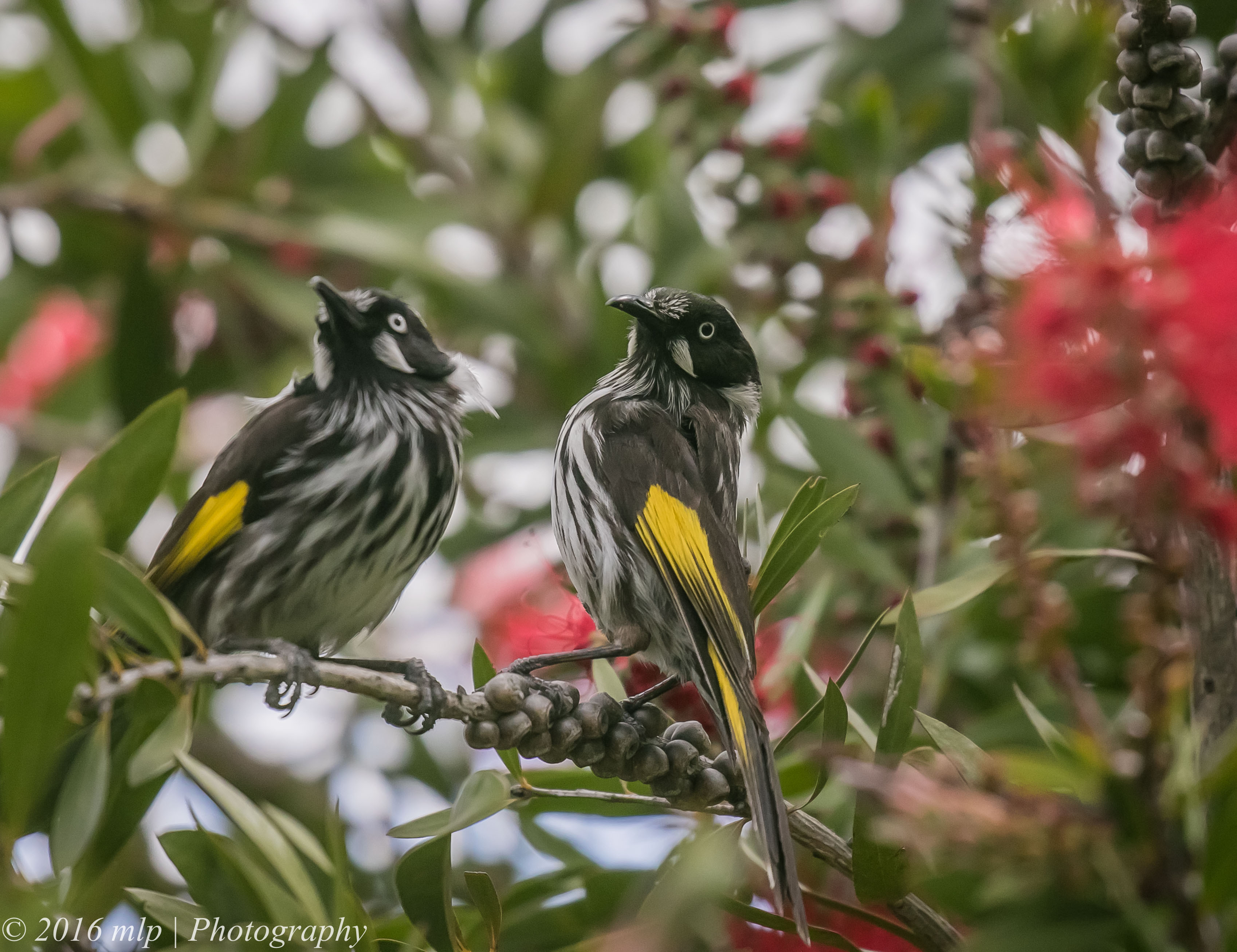
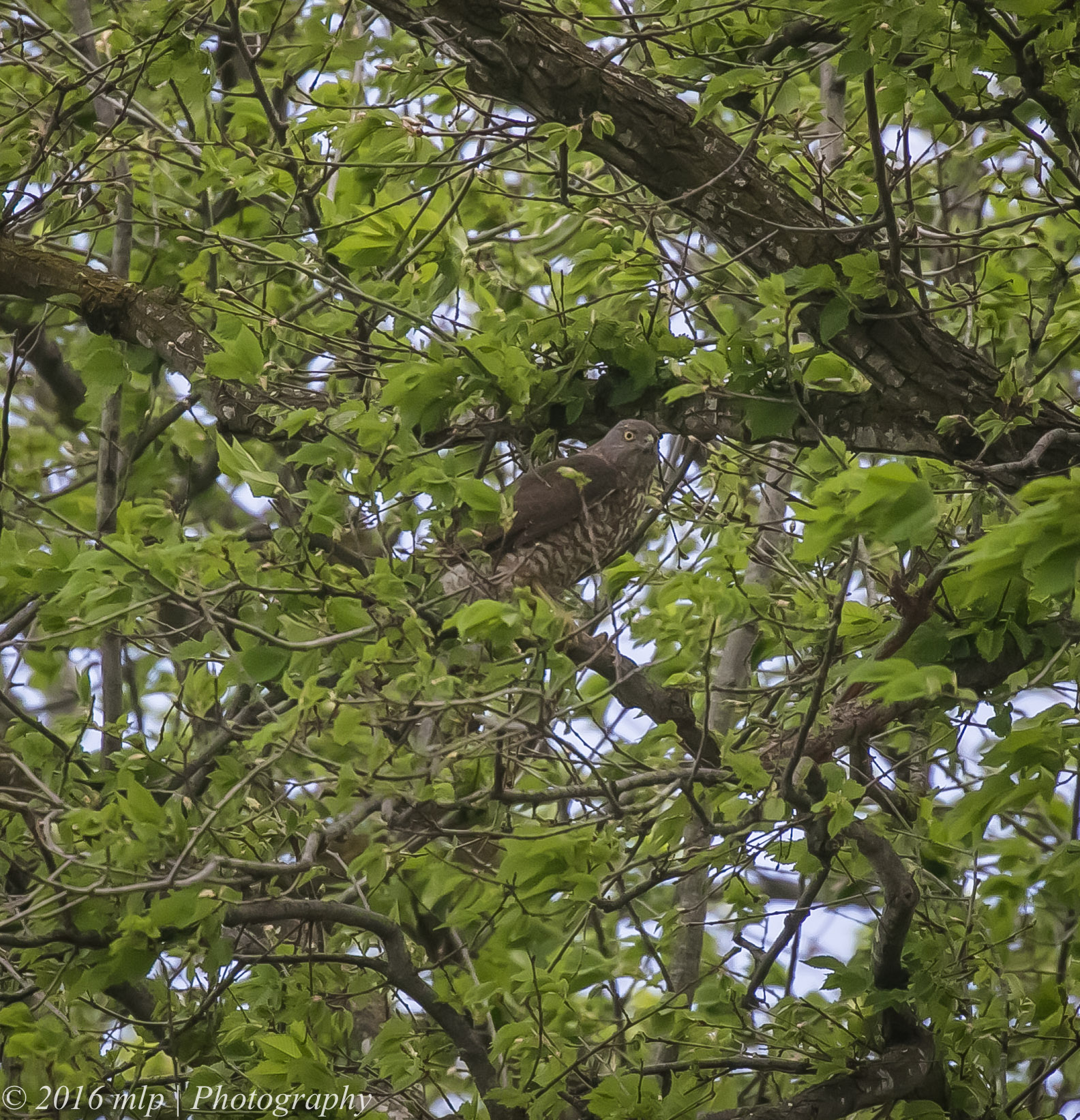
I was delighted to find that Berwick is a stronghold of the New Holland Honeyeater. It is a small, aggressive and active bird, quick to defend its territory and raise the alarm when it sees something not quite right. We had spent a few hours at a large Fig tree along Princes Highway waiting for the Channel-billed Cuckoo to turn up in a regular feeding tree. The New Hollands were along the  fence line behind us and as we made our way back to the car after our failed steak-out, they raised the alarm. Besides us walking by with our camera gear, the other threat I had seen was a Brown Goshawk cruising by and perched within  a nearby tree watching all the action.

New Holland Honeyeater, Princes Highway, Berwick, 30 Oct 2016

New Holland Honeyeaters on the lookout for trouble

New Holland Honeyeater, Princes Highway, Berwick, 30 Oct 2016

II

New Holland Honeyeater, Princes Highway, Berwick, 30 Oct 2016

III

Brown Goshawk, Princes Highway, Berwick, 30 Oct 2016

Brown Goshawk in a large nearby tree, watching all the local bird action.

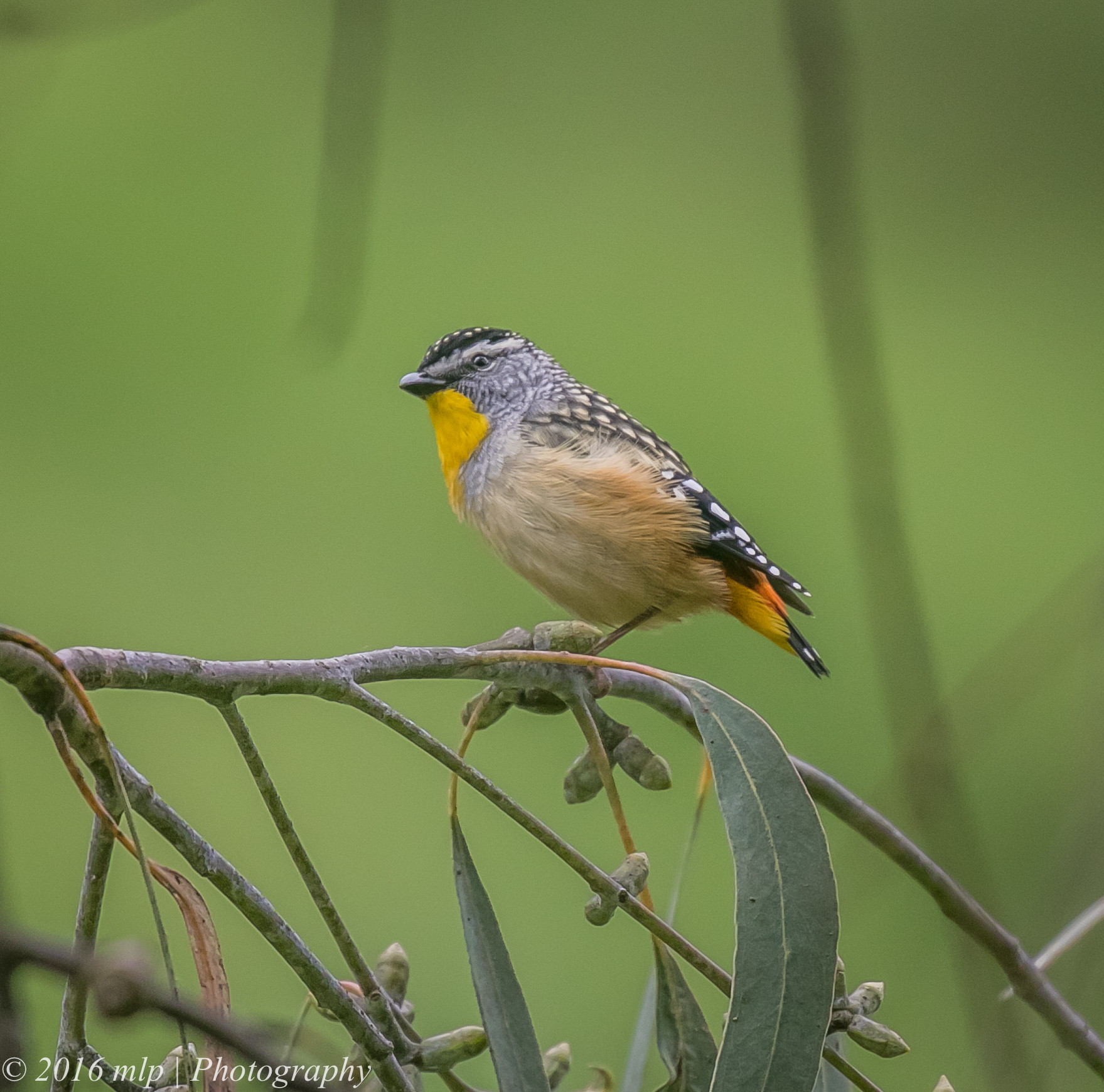
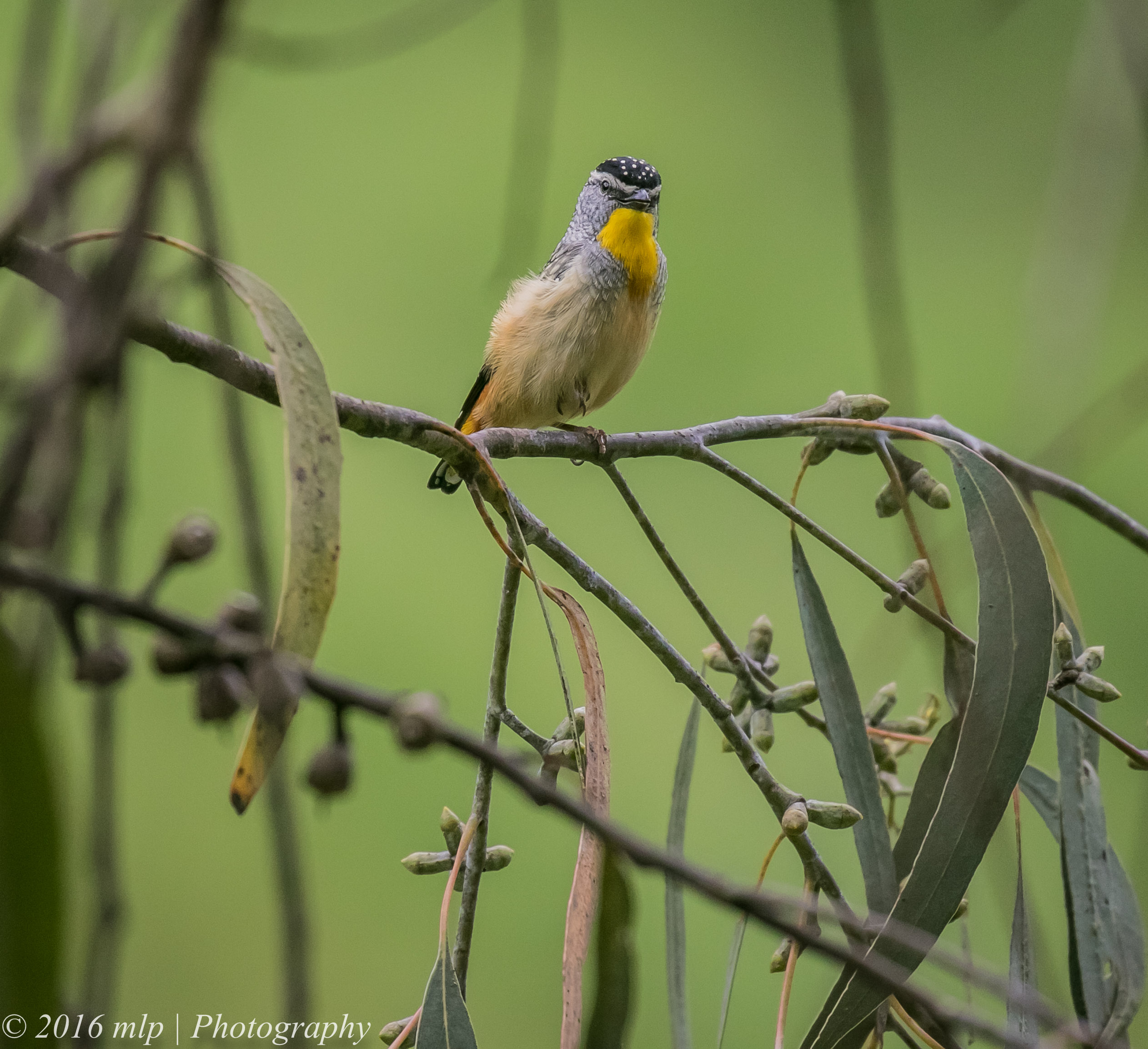
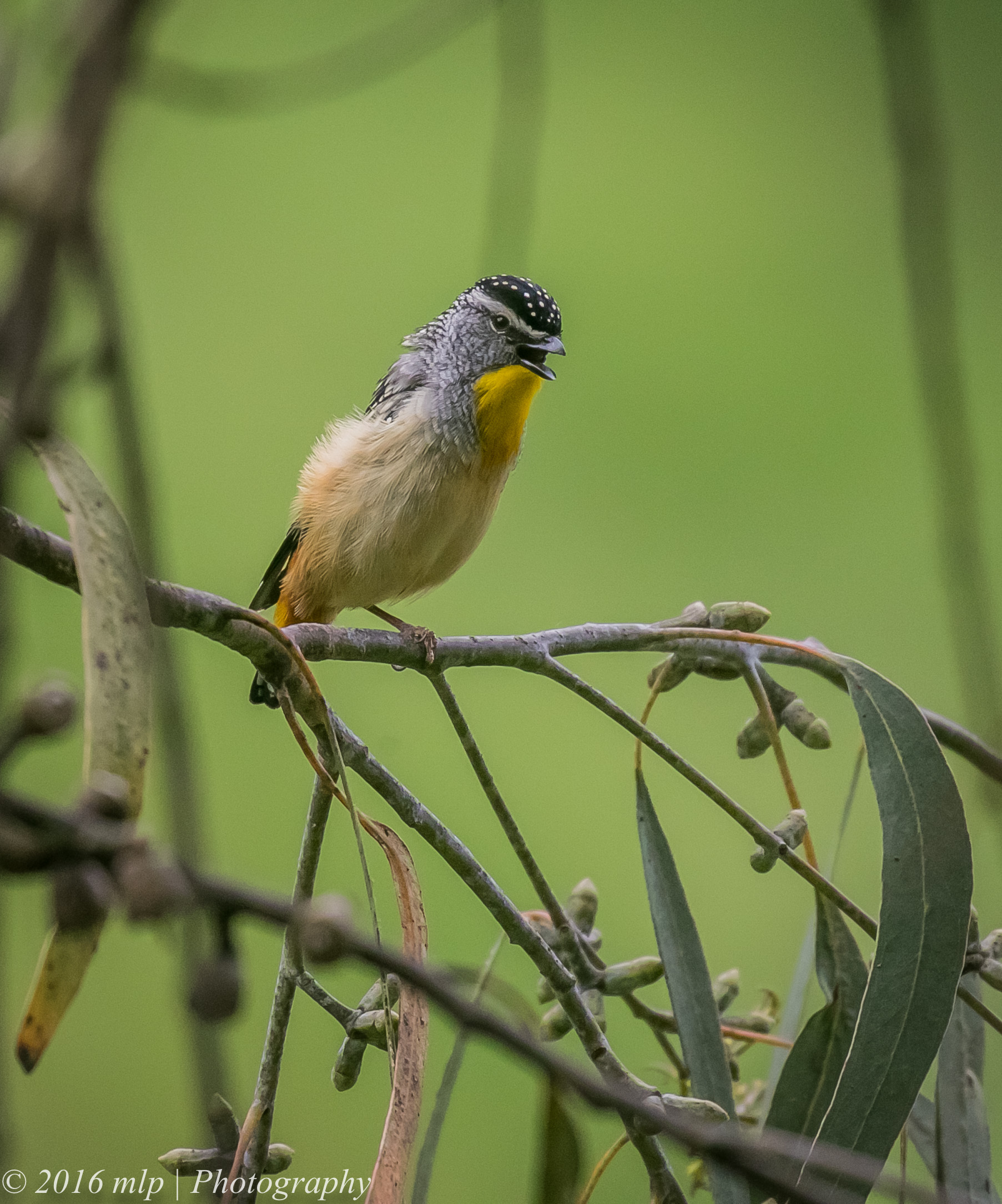
Spotted Pardalote

Joining in the bird chorus at the Wilson Botanic Park in Berwick, was a loud Spotted Pardalote. He was hard to find at first as we expected him to be high in a gum but the sound was coming from close by. We finally found the little bird on a branch in lower section of the tree. We were able to sit close and try and shoot the Pardalote through the foliage while he made his 3 tone territorial call.

Spotted Pardalote, Wilson Botanic Park, Berwick, 30 Oct 2016

Spotted Pardalote, Wilson Botanic Park, Berwick, 30 Oct 2016

Spotted Pardalote, Wilson Botanic Park, Berwick, 30 Oct 2016

II

Spotted Pardalote, Wilson Botanic Park, Berwick, 30 Oct 2016

III

Spotted Pardalote, Wilson Botanic Park, Berwick, 30 Oct 2016

IV

Spotted Pardalote, Wilson Botanic Park, Berwick, 30 Oct 2016

V

Spotted Pardalote, Wilson Botanic Park, Berwick, 30 Oct 2016

VI


Black Bird Singing…

I don’t often take much notice of the Common Black Bird as its well so common. They are also quite furtive and fly off in alarm whenever I walk by. I walked past the one below while exploring the Wilson Botanic Park in Berwick yesterday. It was singing in a low bush and allowed me to approach while I tried to get a few shots.  Most times of the year the Black Bird will just fly off in alarm and are only seen flying across roads and in front yards but in Spring they often find a vantage point in their local area and sing their beautiful song claiming their territory.

Black Bird, Wilson Botanic Park, Berwick, 30 Oct 2016

Black Bird, Wilson Botanic Park, Berwick

Black Bird, Wilson Botanic Park, Berwick, 30 Oct 2016

Listening for the return call of a nearby Black Bird..

Little Wattlebird of Wilson Botanic Park

Today, with a few of the Port Phillip Birders, I visited the Wilson Botanic Park in Berwick. We were searching for the reported Channel-billed Cuckoo but while we were unsuccessful we did find a number of other beautiful birds. Much of the bottlebrush was in full bloom and attracted many birds feeding on the nectar.

Little Wattlebird, Wilson Botanic Park, Berwick, 30 Oct 2016

Little Wattlebird, enjoying the nectar of the native Bottlebrush

Little Wattlebird, Wilson Botanic Park, Berwick, 30 Oct 2016

II

Little Wattlebird, Wilson Botanic Park, Berwick, 30 Oct 2016

III – I did not notice the second bird in the right hand bottom corner until processing. 


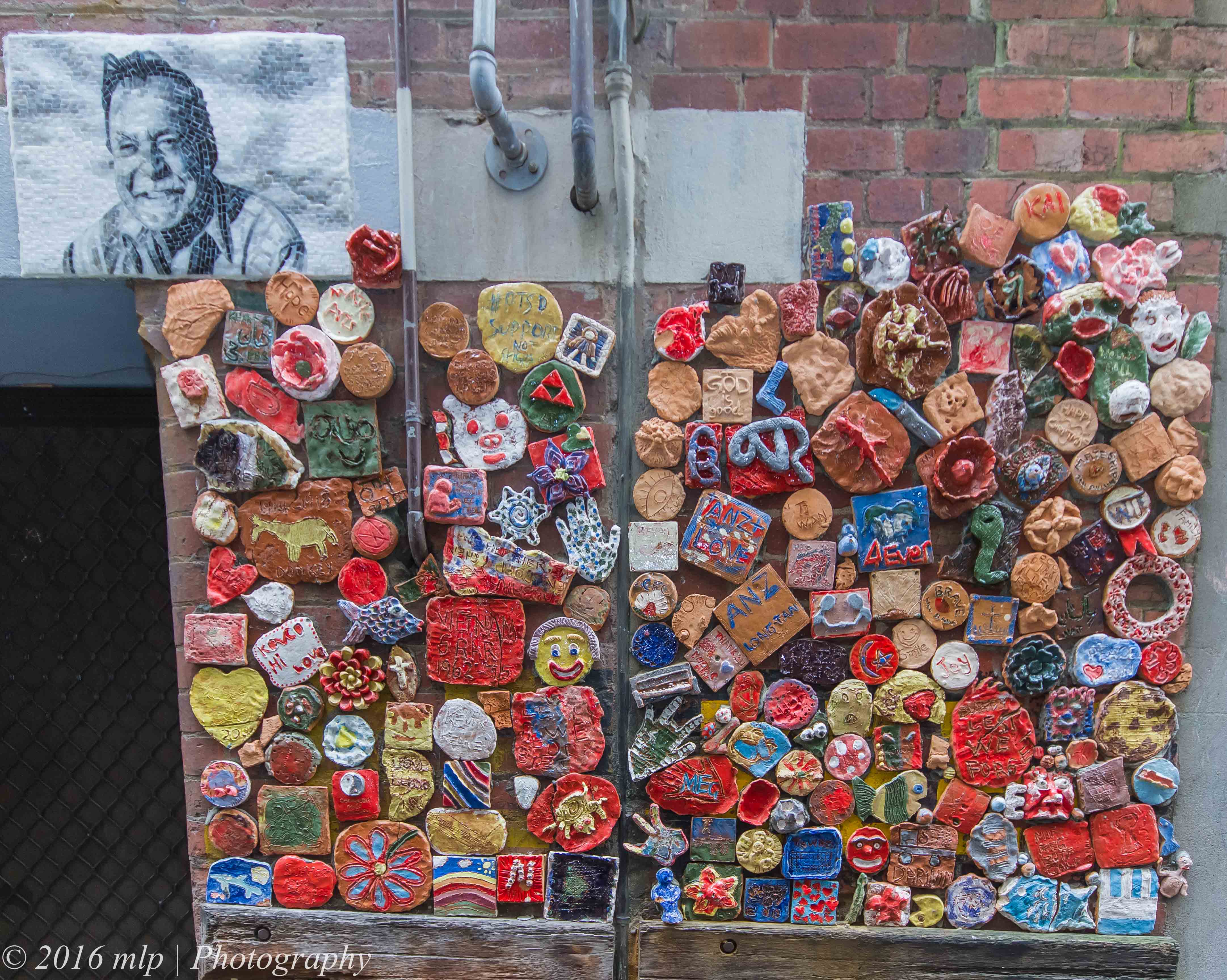
Drewery Lane Street Art Project

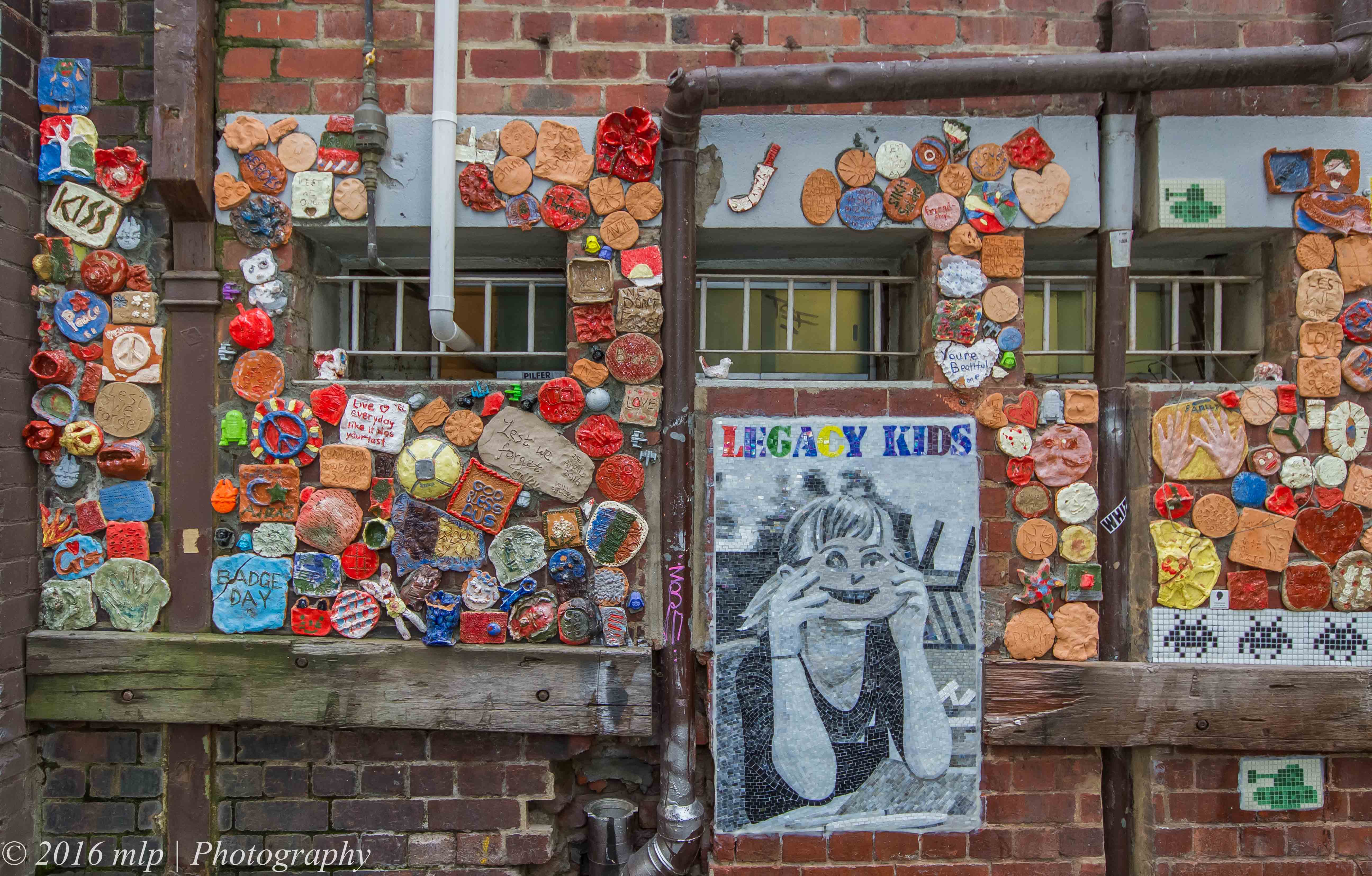
In Drewery Lane at the rear of Legacy House, a special project has been slowly developing over the last few years. A mosaic artist, Sankar Nadeson, has been creating long walls of ceramic tiles and mosiacs. Sankar is a skilled mosaic artist, tiler and teacher. He has been working with schools and various art programs to teach people how to make ceramic tiles and then putting them up onto the walls of Drewery Lane. The theme of the art work has been Legacy. Legacy is a charity organisation that supports families of defence force personnel who have been injured or killed. Many of the tiles below were made by kids with strong ties to the defence forces.

Drewery Lane, Legacy House, Melbourne CBD, Victoria, 10 Aug 2016

Drewery Lane, Legacy House, Melbourne CBD, Victoria

Drewery Lane, Legacy House, Melbourne CBD, Victoria,

Drewery Lane, Legacy House, Melbourne CBD, Victoria,

Drewery Lane, Legacy House, Melbourne CBD, Victoria, 10 Aug 2016

II

Drewery Lane, Legacy House, Melbourne CBD, Victoria, 10 Aug 2016

III

Drewery Lane, Legacy House, Melbourne CBD, Victoria, 10 Aug 2016

IV

Drewery Lane, Legacy House, Melbourne CBD, Victoria, 10 Aug 2016

VI

Drewery Lane, Legacy House, Melbourne CBD, Victoria, 10 Aug 2016

VII

Drewery Lane, Legacy House, Melbourne CBD, Victoria,

Ceramic tiles made by kids

Drewery Lane, Legacy House, Melbourne CBD, Victoria,

II

Drewery Lane, Legacy House, Melbourne CBD, Victoria,

III

Drewery Lane, Legacy House, Melbourne CBD, Victoria,

IV

Point Ormond Coastal Reserve

The bush reserve below the Navigation Point at the beach along Elwood foreshore is full of small birds hunting the prolific insects currently available. The insect numbers have exploded due to the wet weather and perfect insect conditions. The local birds and a few migrating through are enjoying the bounty and are well under way with their breeding season. Both the species below seem to have an angry, annoyed expression when they look at you…

Grey Fantail, Point Ormond Coastal Reserve, Elwood, Victoria, 21 Aug 2016

Grey Fantail, Point Ormond Coastal Reserve, Elwood

Grey Fantail, Point Ormond Coastal Reserve, Elwood, Victoria, 21 Aug 2016

II

Grey Fantail, Point Ormond Coastal Reserve, Elwood, Victoria, 21 Aug 2016

III

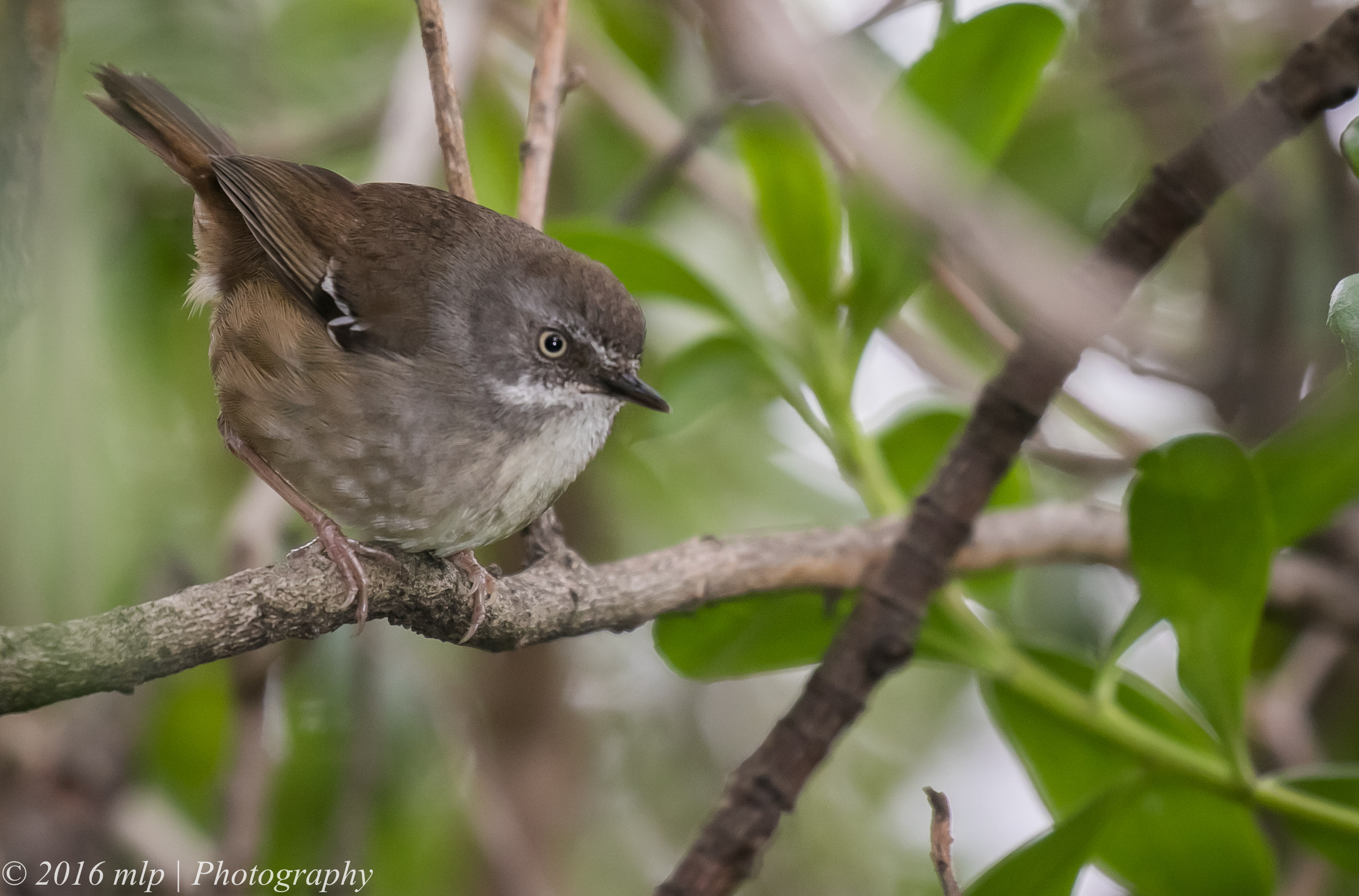
White-browed Scrubwren, Point Ormond Coastal Reserve, Elwood, Victoria, 21 Aug 2016

White-browed Scrubwren, Point Ormond Coastal Reserve, Elwood

White-browed Scrubwren, Point Ormond Coastal Reserve, Elwood, Victoria, 21 Aug 2016

Taking a mouthful of insects back to the nest…

White-browed Scrubwren, Point Ormond Coastal Reserve, Elwood, Victoria, 21 Aug 2016

III

On the lookout

Elster Creek runs through the local golf course. Over the last few years the number of local Eastern Rosellas has started to increase and now we actually have a pair nesting in a new breeding box built by a local naturalist Gio. So many mature trees with hollows have been cut down that the Rosellas and many other hollow nesters don’t have anywhere locally to breed. Gio has been building boxes for several years and has come up with designs to suit various species as well as stop the possums from taking the box for their own. He trials the possum proof designs on his own backyard fence.  The rosella is a favourite for photographers but can be a challenge as they are quite timid and flighty around people. I found the one below acting as a lookout for a group feeding on pine cone seeds in a confer.

Eastern Rosella, Elster Creek, Elsternwick, Victoria, 18 Sept 2016

Eastern Rosella, Elster Creek, Elsternwick, Victoria

Portraits of a Black Swan

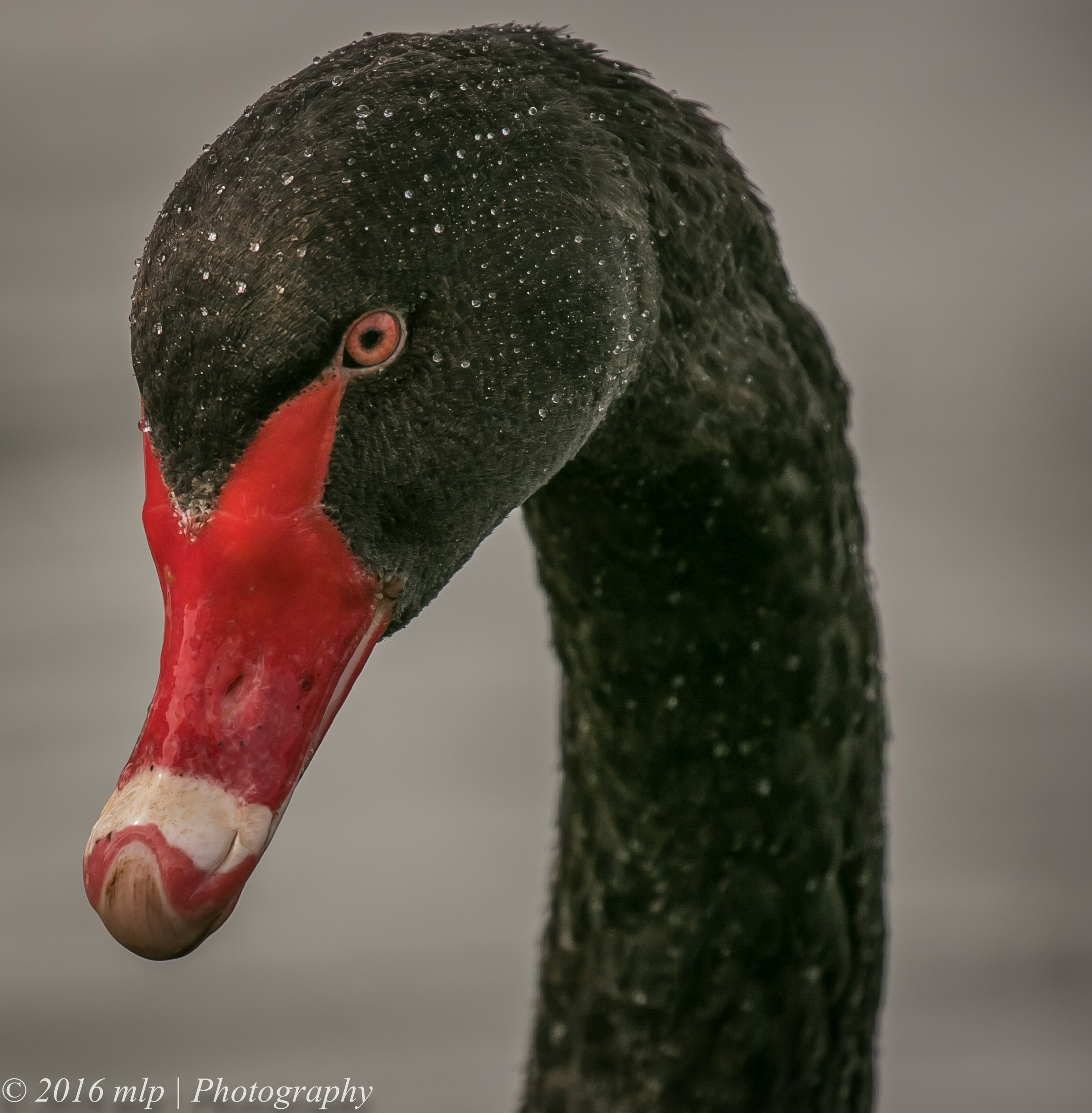
While I was paying a lot of attention to the Black-winged Stilts that were resting and preening on the rowing platforms on Albert Park Lake in inner Melbourne, a pair of swans cruised up to my side and waited patiently to be fed. These semi-tame swans are used to being fed by people at the local picnic tables. Being empty handed I took advantage of their tameness (and hunger) to practice my portrait shots.

Black Swan, Albert Park Lake, Victoria, 21 Aug 2016

Black Swan, Albert Park Lake, Melbourne

Black Swan, Albert Park Lake, Victoria, 21 Aug 2016

Where is my food?

Black Swan, Albert Park Lake, Victoria, 21 Aug 2016

III

Black Swan, Albert Park Lake, Victoria, 21 Aug 2016

IV

Black Swan, Albert Park Lake, Victoria, 21 Aug 2016

V

Black Swan, Albert Park Lake, Victoria, 21 Aug 2016

Eye and bill markings are unique to each Swan

Black Swan, Albert Park Lake, Victoria, 21 Aug 2016

VII

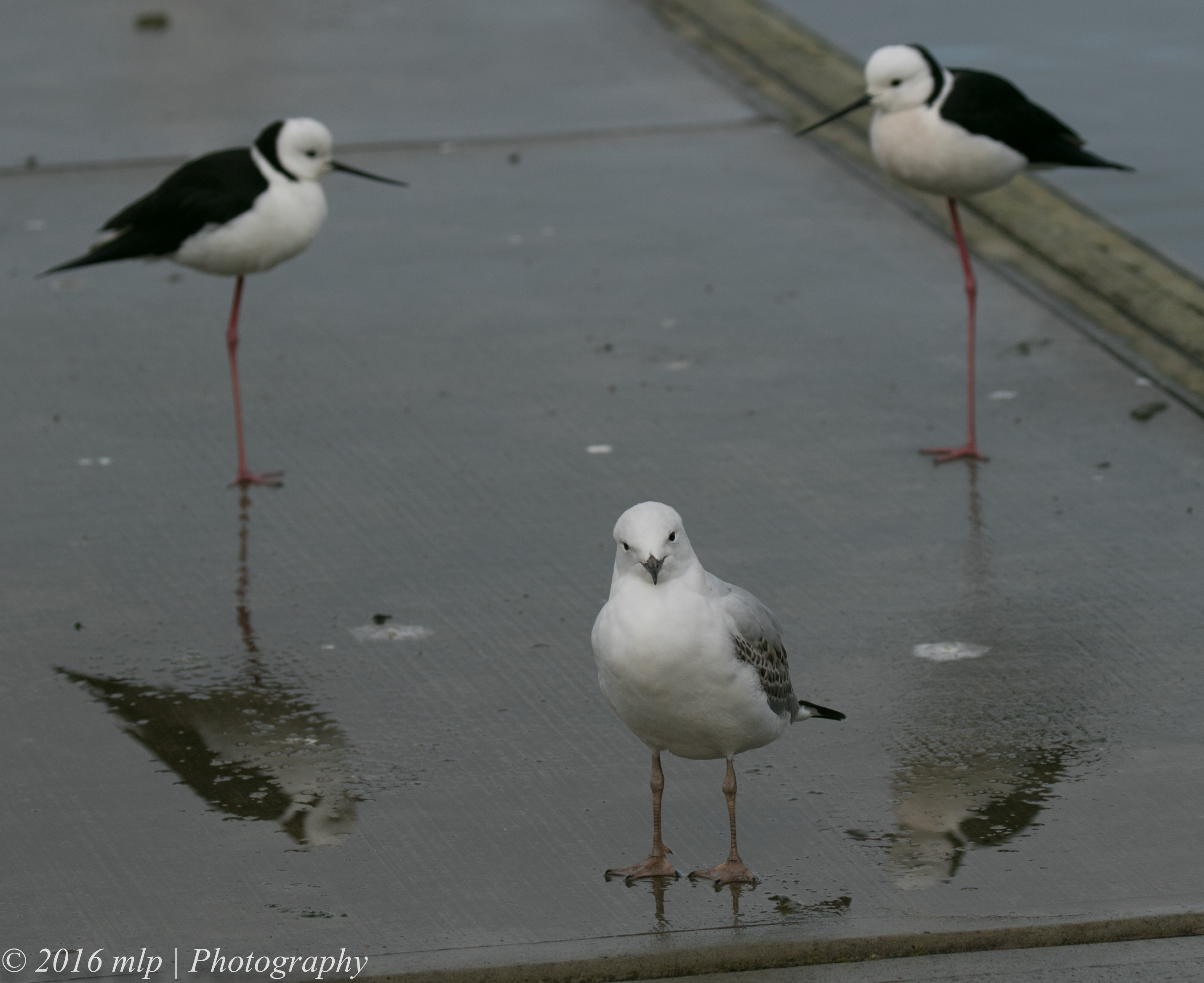
The delicate Black-winged Stilt

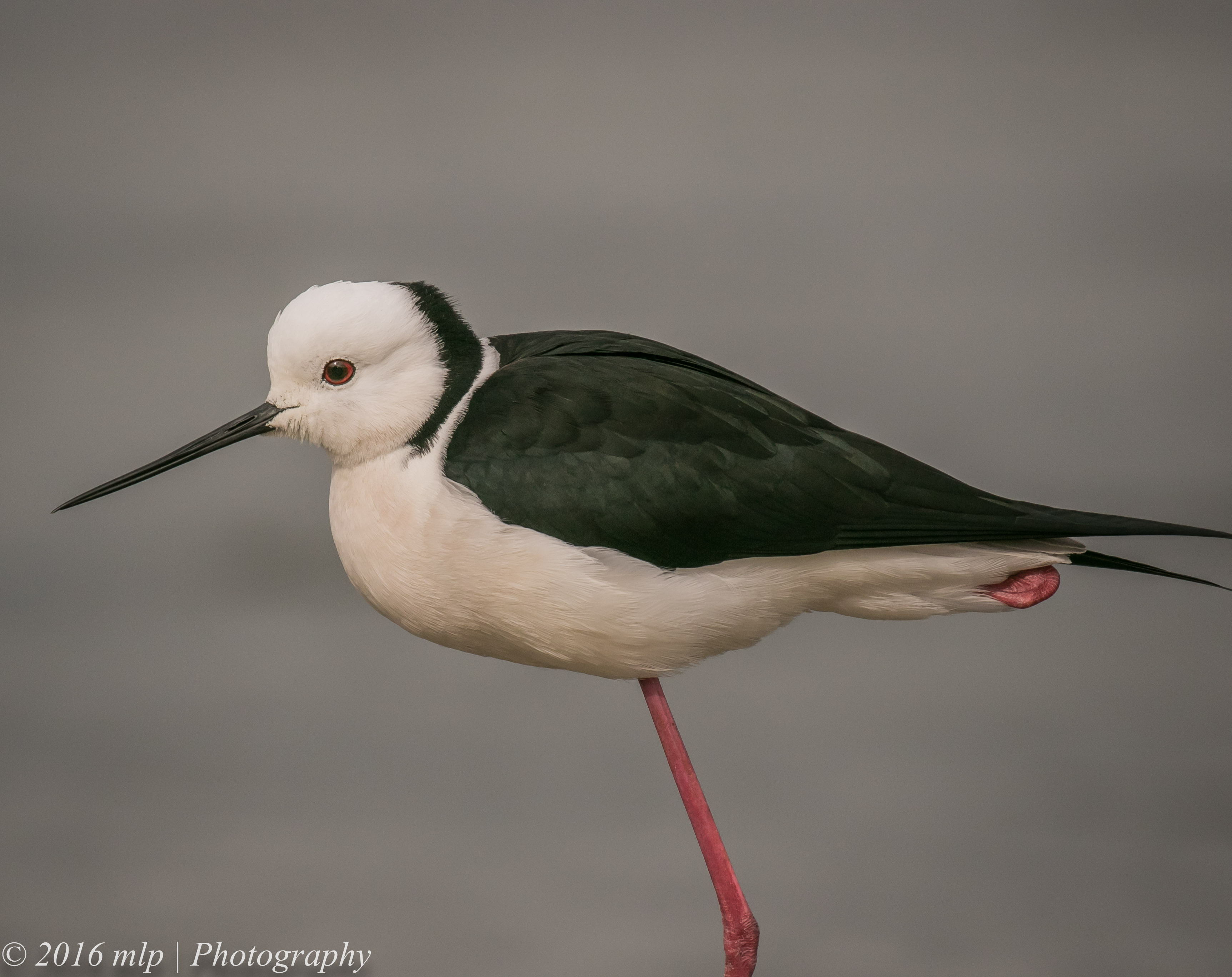
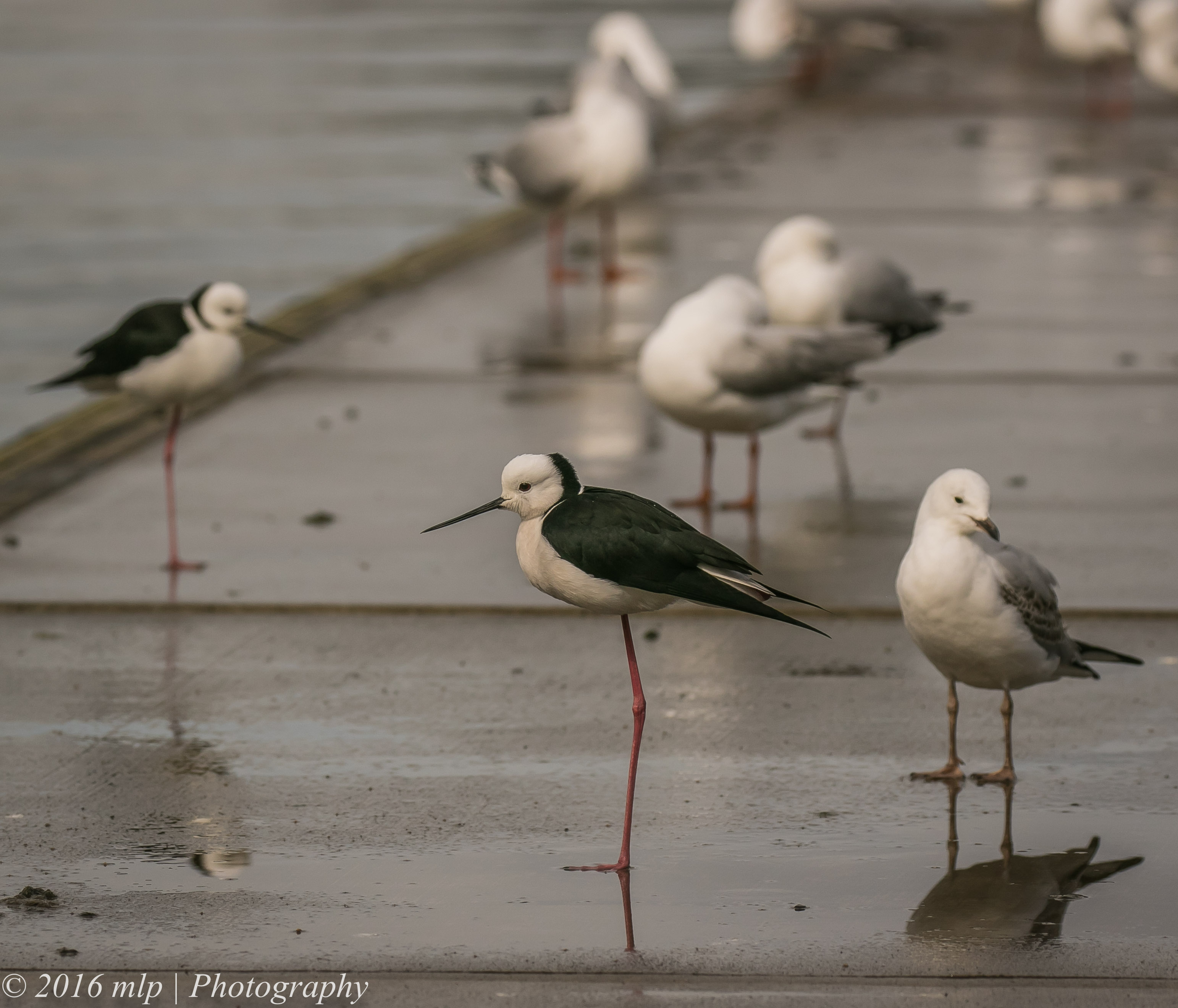
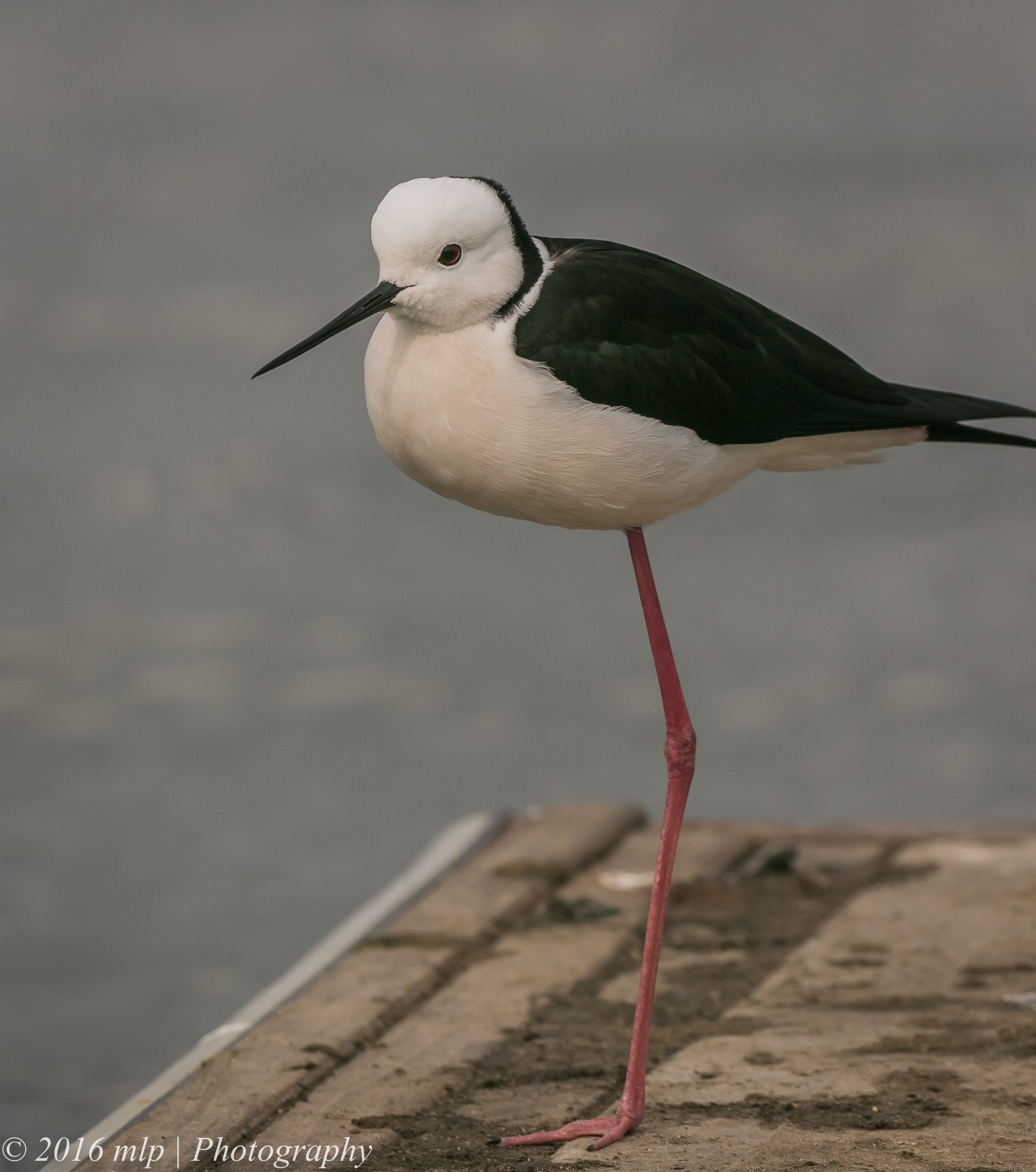
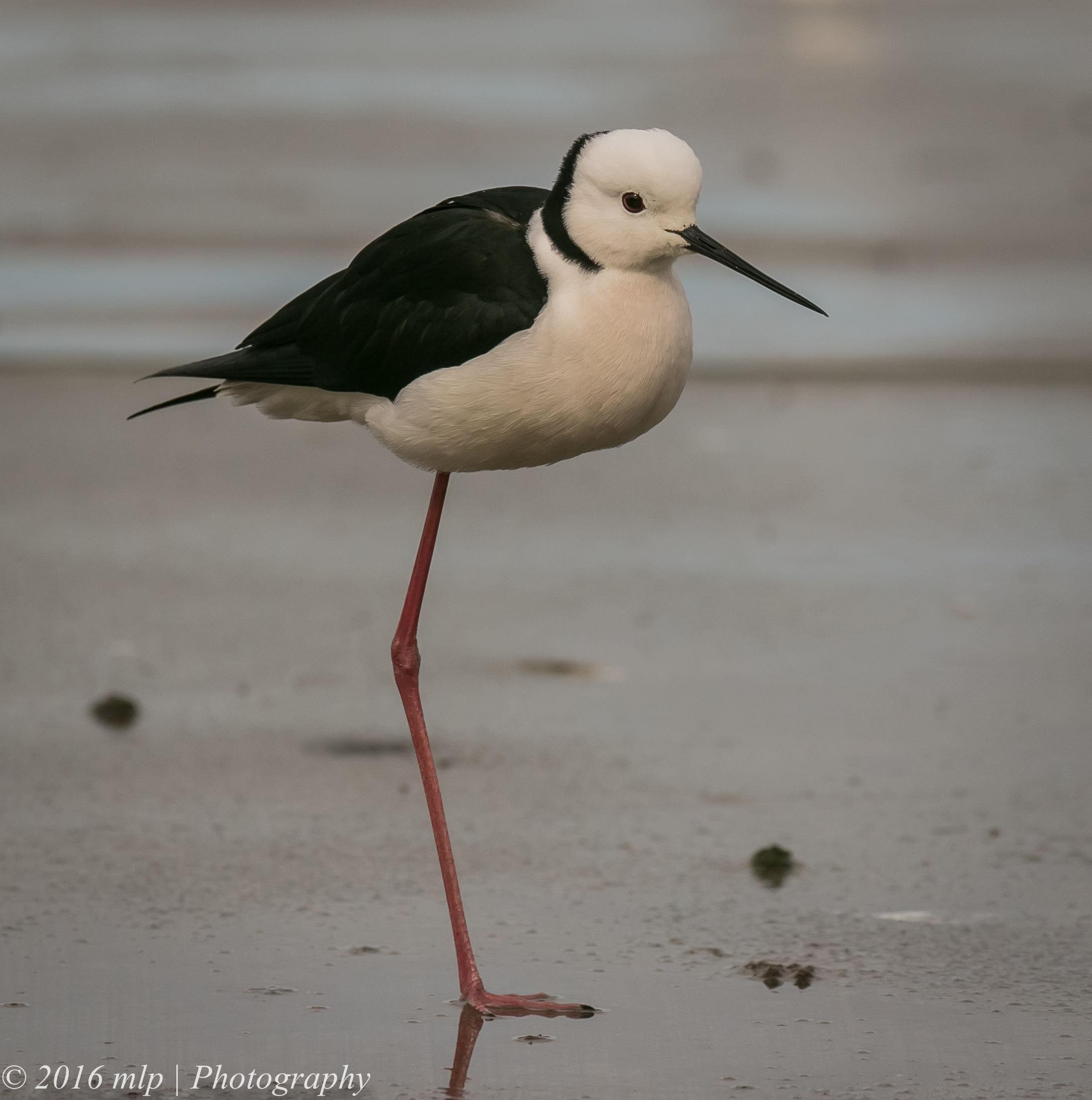
One of the stranger looking birds we have in our local area lists is the Black-winged Stilt. More normally found on open shallow wetlands it was a bit unusual to hear about a pair spending the winter at the Albert Park Lake (where Melbourne’s F1 street  race is held). My birding mate Dave had mentioned how good the Lake was for birding and it wasn’t until recently that I actually visited with him for the first time to find and photograph birds. The Stilt is a delicate medium sized mostly white bird with long legs and black wings. The Stilt feeds using its long sensitive bill, in shallow water mostly plucking small insects on the surface of the water.

Picking up this pair was a nice addition to my local birds list.

Black Winged Stilt, Albert Park Lake, Victoria, 21 Aug 2016

Black Winged Stilt, Albert Park Lake, Victoria

Black Winged Stilt, Albert Park Lake, Victoria, 21 Aug 2016

I had not noticed the Stilts red eyes until I processed these images…

Black Winged Stilt, Albert Park Lake, Victoria, 21 Aug 2016

Makes the Silver Gull look short and dumpy

Black Winged Stilt, Albert Park Lake, Victoria, 21 Aug 2016

Black Winged Stilts resting after a feeding session…

Black Winged Stilt, Albert Park Lake, Victoria, 21 Aug 2016

V

Black Winged Stilt, Albert Park Lake, Victoria, 21 Aug 2016

VI

Black Winged Stilt, Albert Park Lake, Victoria, 21 Aug 2016

Wearing his nice little mohawk hoodie…

Goschen Wheat fields

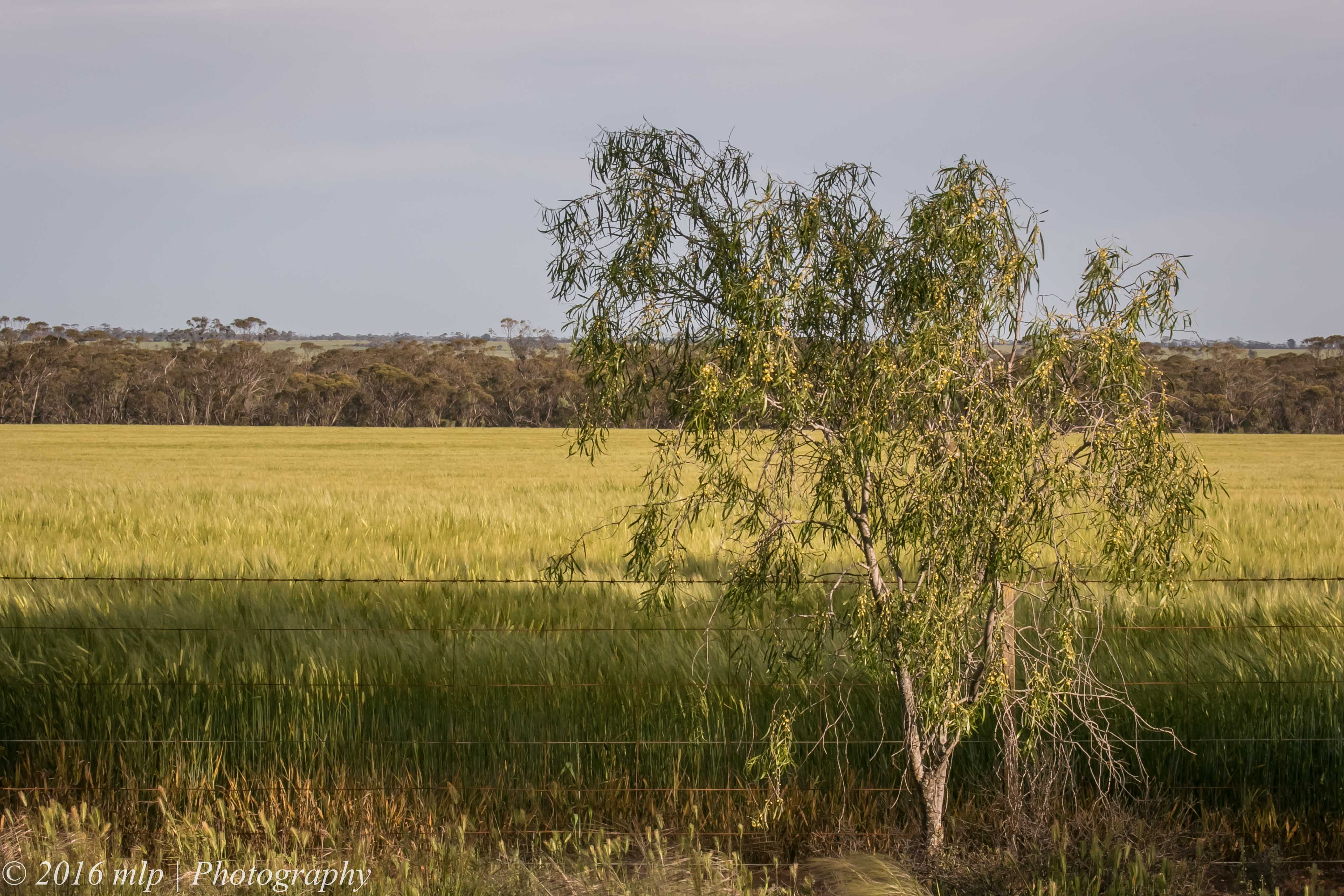
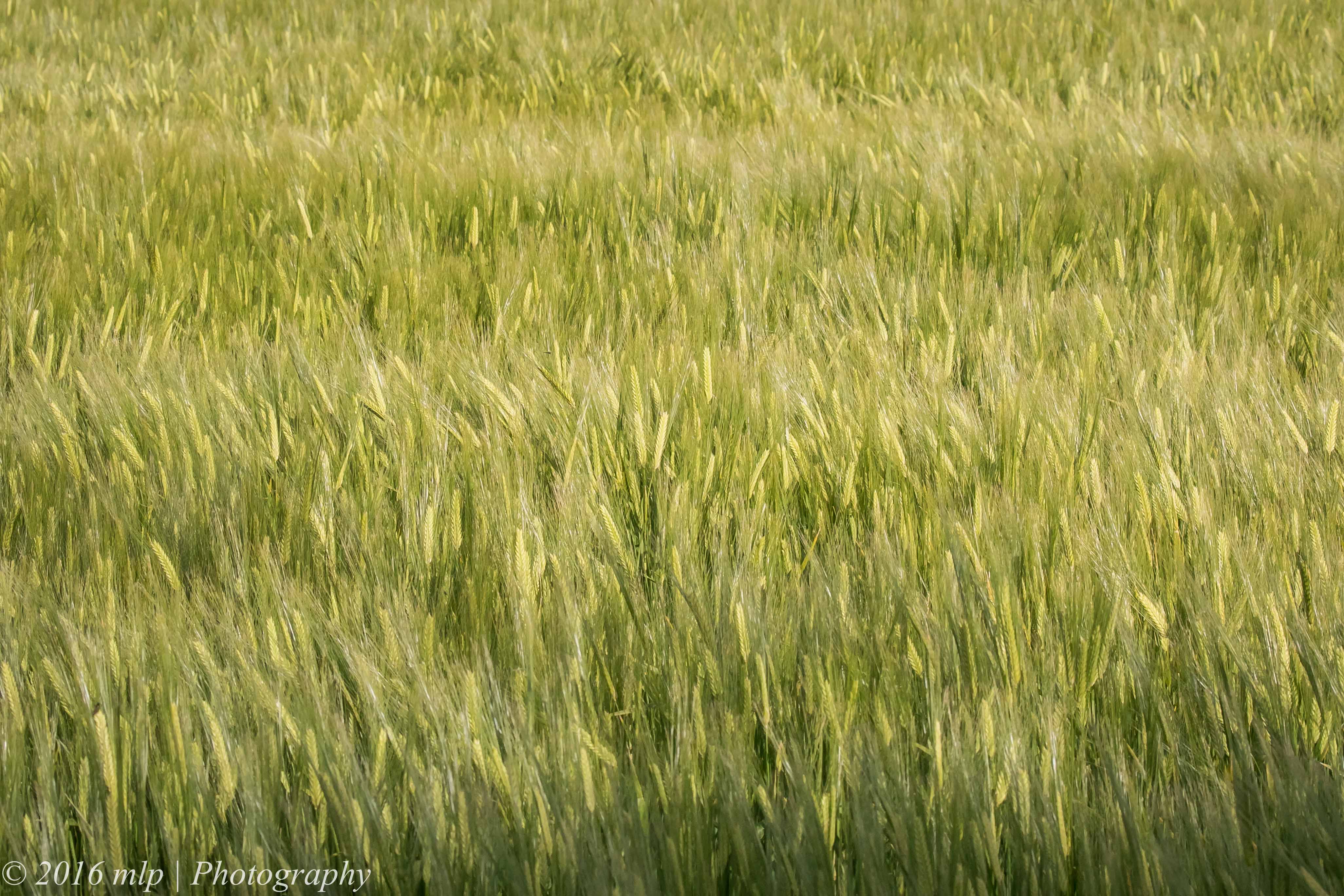
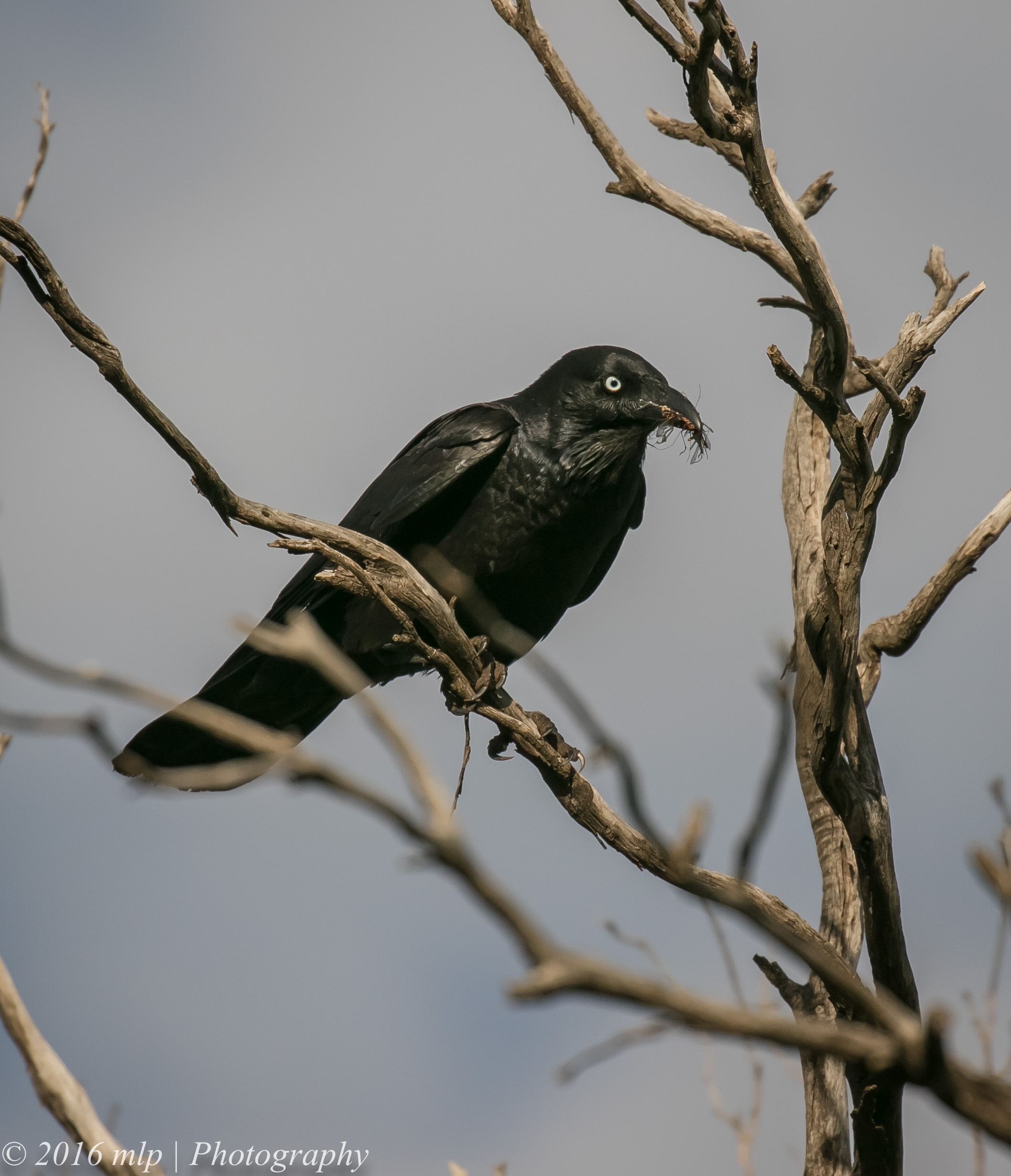
On my recent to trip North, I walked along one of the edges of the Goschen Bushland Reserve looking for birds. The early morning colour and light breeze made the new wheat look interesting. While photographing the wheat, a Raven flew to a nearby tree and collected what seemed to be wasps or flying ants.

Wheat fields, Goschen, Victoria, 2 Oct 2016

Wheat fields, Goschen

Wheat fields, Goschen, Victoria, 2 Oct 2016

II

Wheat fields, Goschen, Victoria, 2 Oct 2016

III

Australian Raven, Goschen Bushland Reserve, Victoria, 2 Oct 2016

Australian Raven, Goschen Bushland Reserve

Australian Raven, Goschen Bushland Reserve, Victoria, 2 Oct 2016

II

Early morning chores at Goschen

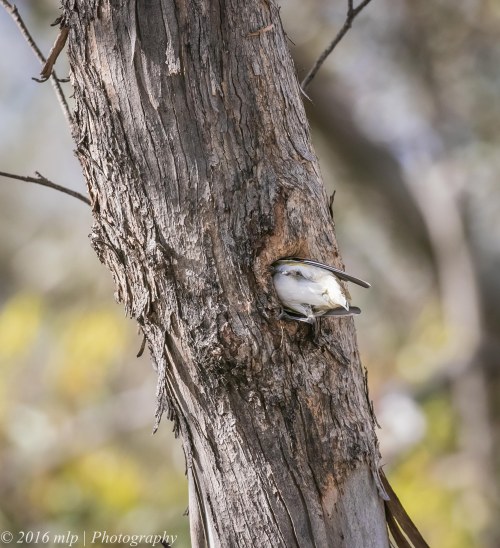
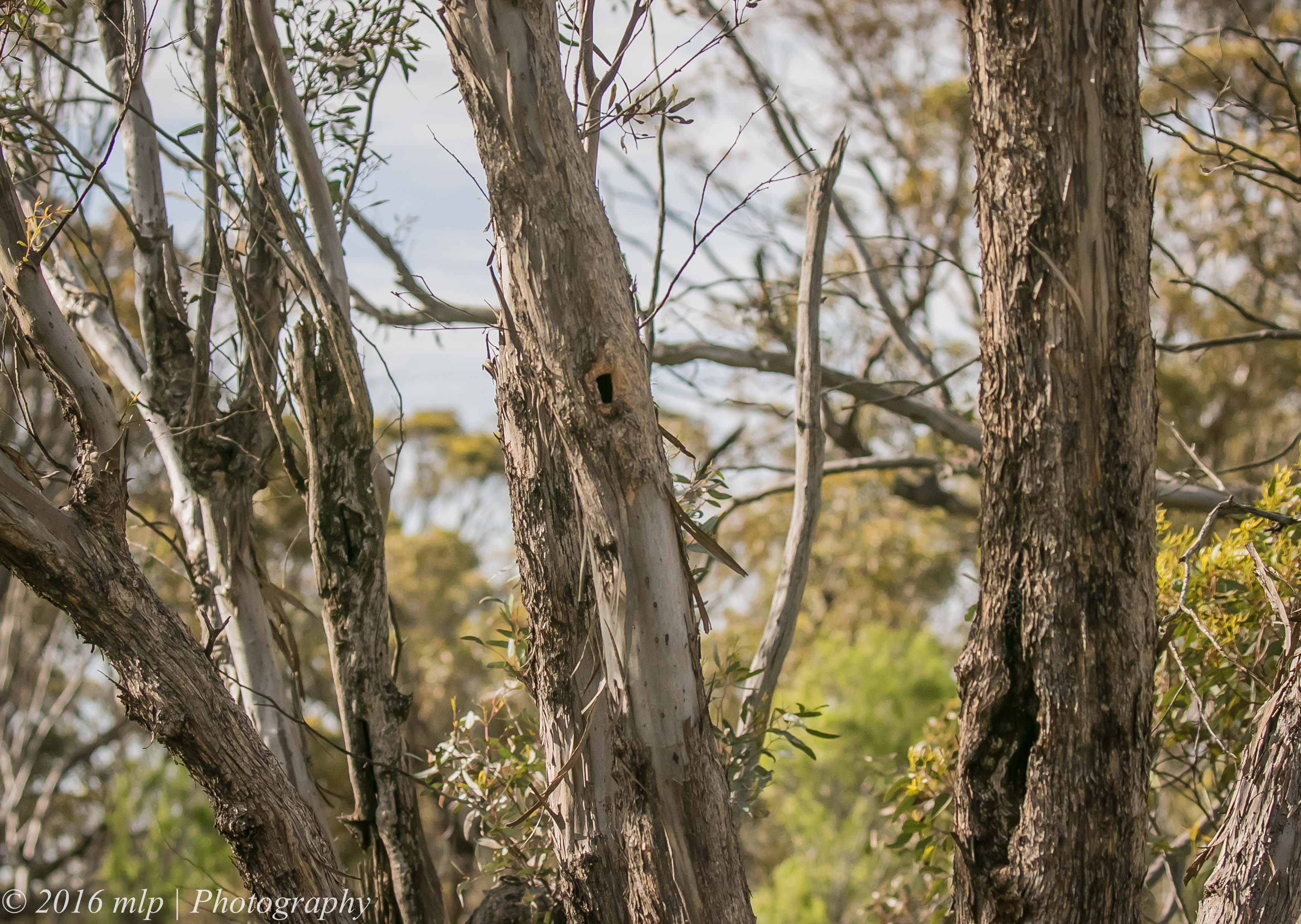
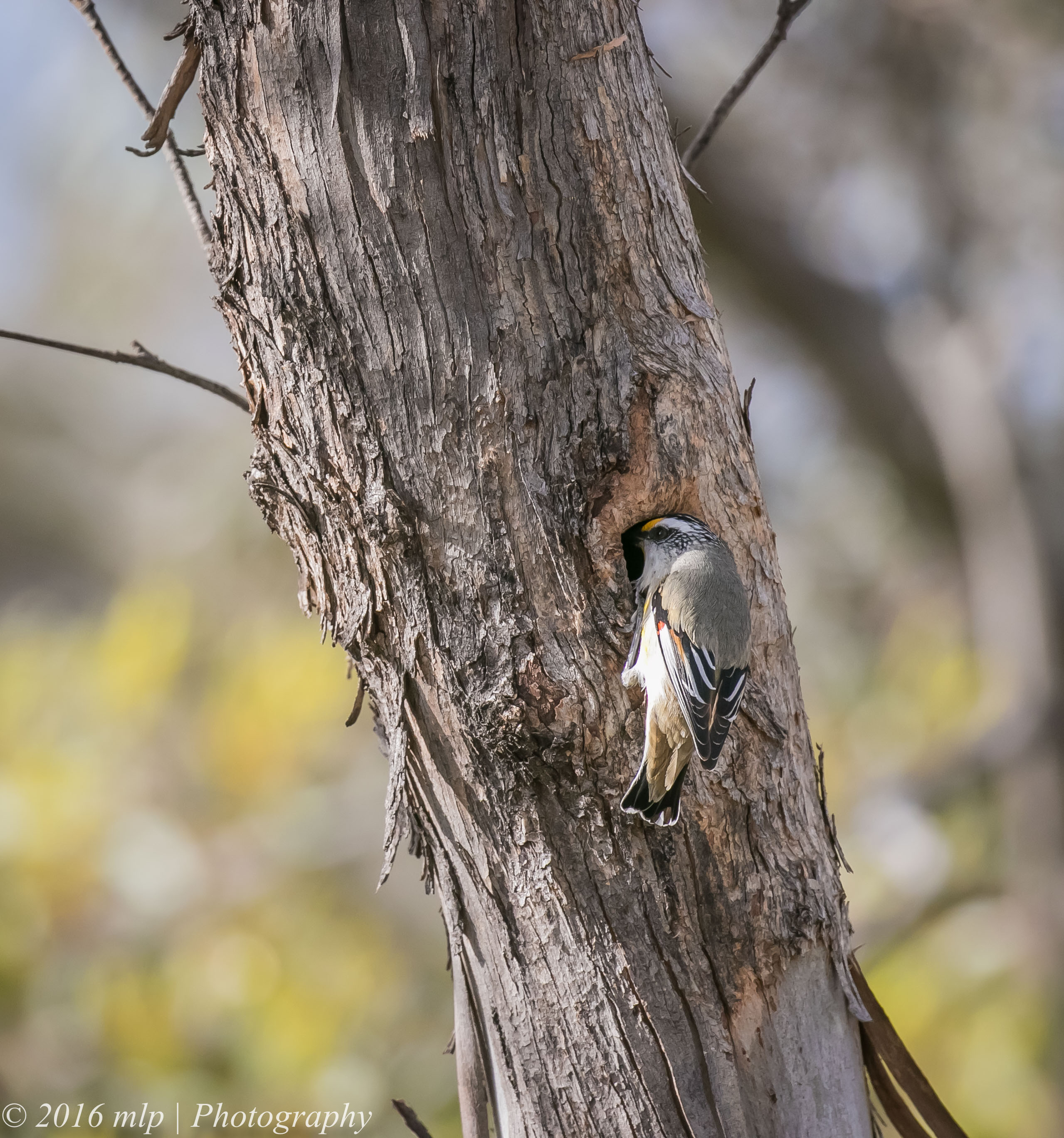
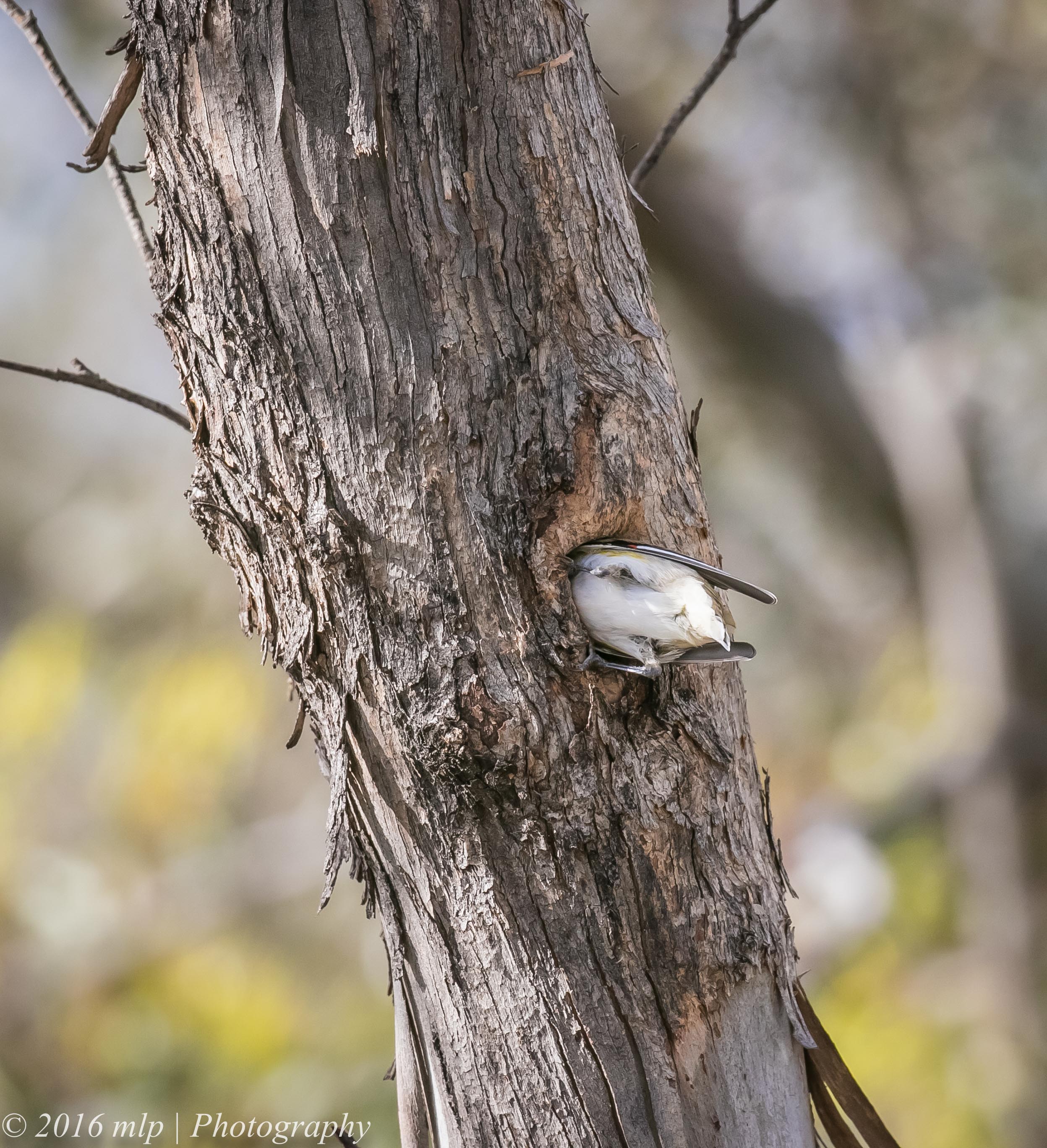
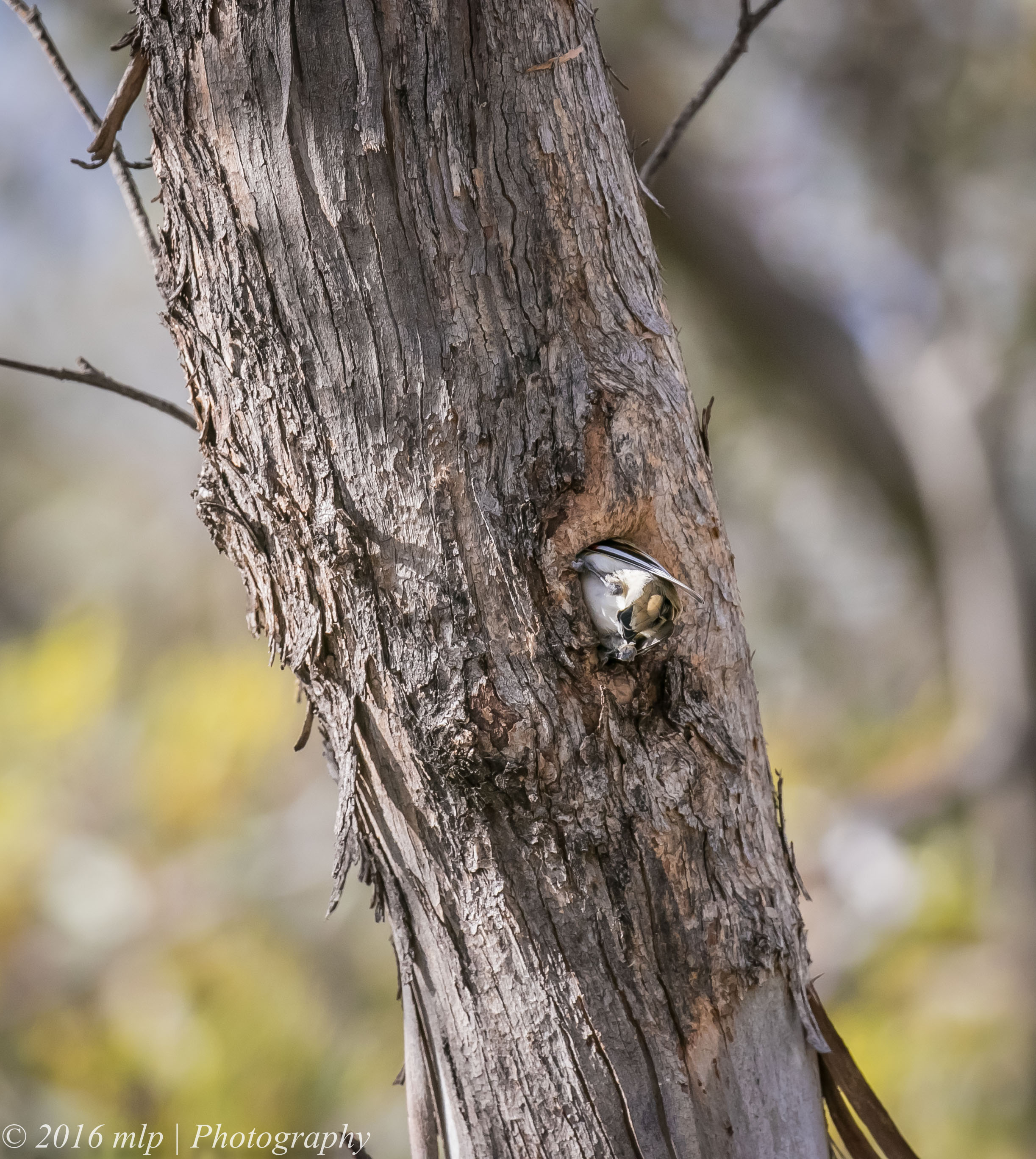
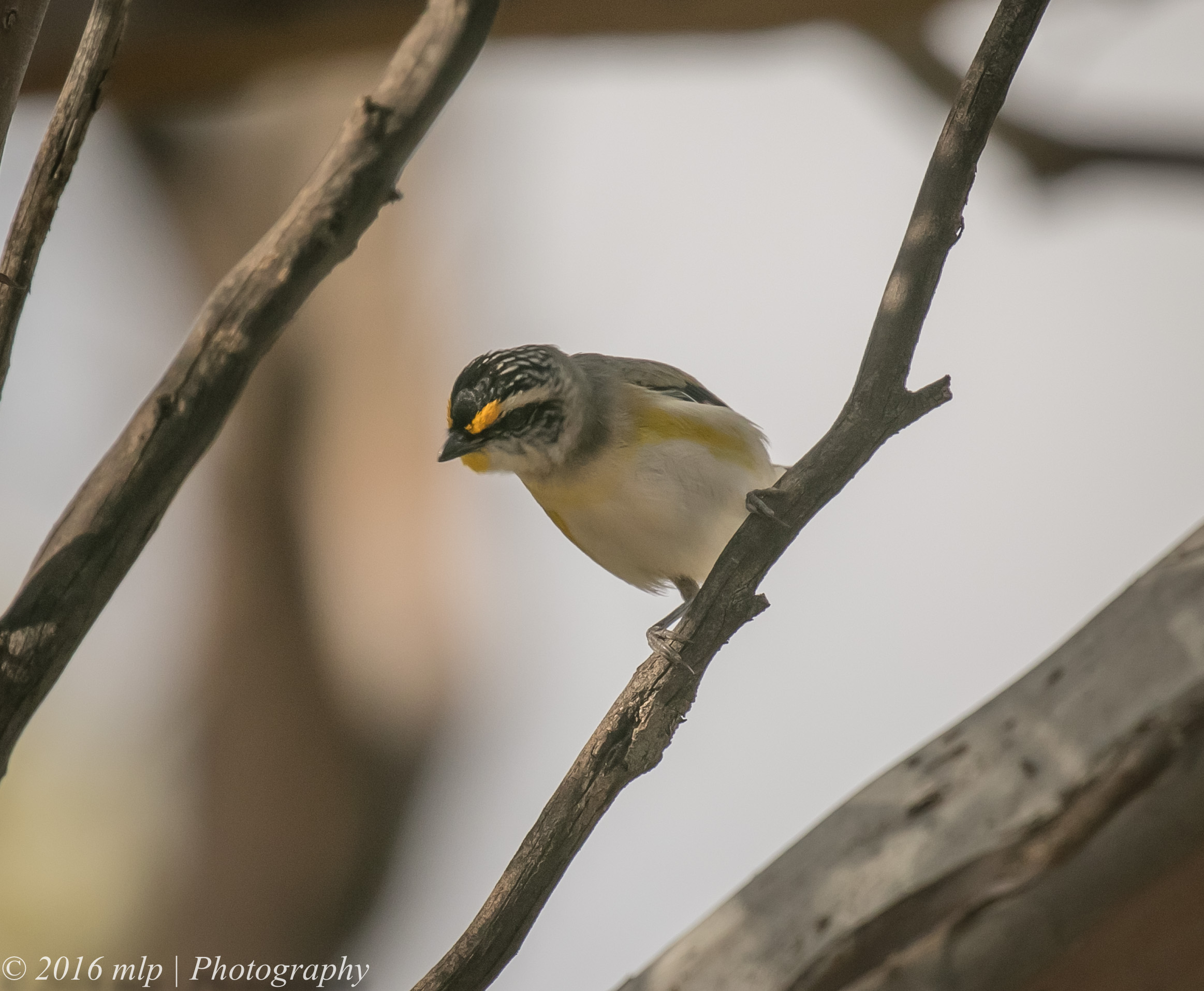
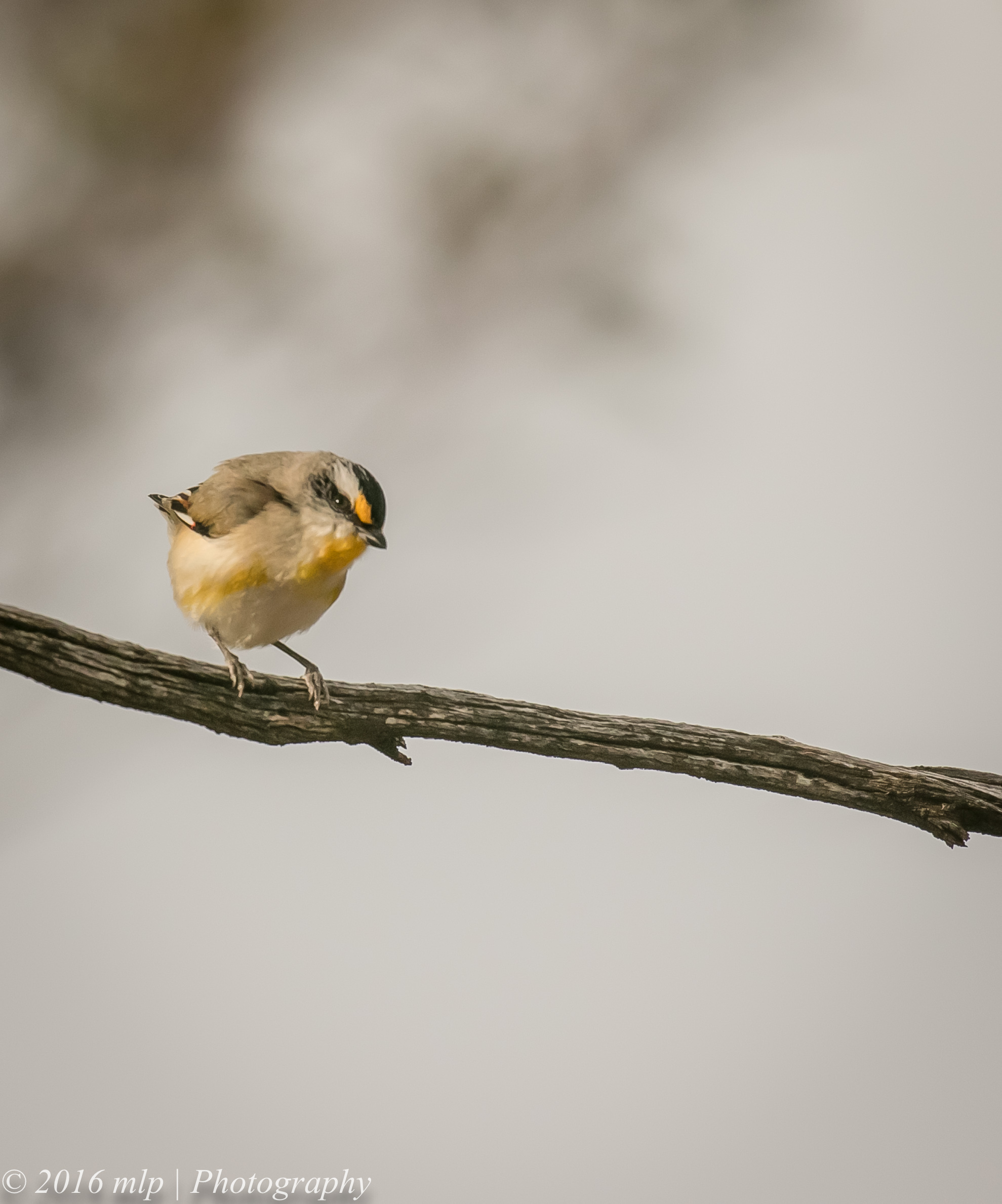
On my last day visiting the Goschen Bushland Reserve, I was exploring a section with a small grove of Mallee trees and I heard the unmistakable call of the small Striated Pardalote (about the size of a finger). It can be a difficult bird to photograph as it usually remains high in the canopy feeding on lerp and small insects so I froze and waited to see if it was as near as it sounded. I noticed the Pardalote fly down to the side of a Mallee with a small moth in its mouth. It disappeared into a tiny hole, quickly flew back out and took off across the grassy field to the brush on the other side. I found a position behind some close by trees and waited for it to return. Ten minutes later one of the parents turned up without any food squeezed into the holed and re-appeared with a faecal sack, flew to a nearby branch, discarded it and flew off to continue the hunt. Between feedings there are always house cleaning chores to keep the nest tidy.
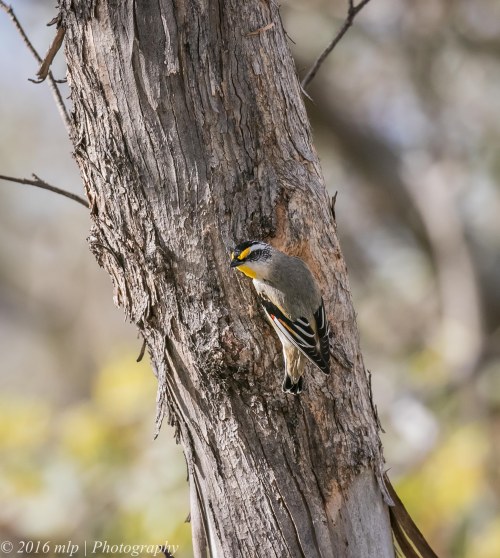
Striated Pardalote at nest hole, Goschen Bushland Reserve, Goschen, Victoria, 2 Oct 2016

Striated Pardalote at nest hole, Goschen Bushland Reserve, Goschen, Victoria, 2 Oct 2016

Striated Pardalote nest hole, Goschen Bushland Reserve, Goschen, Victoria, 2 Oct 2016

Striated Pardalote nest hole

Striated Pardalote nest hole, Goschen Bushland Reserve, Goschen, Victoria, 2 Oct 2016

II

Striated Pardalote at nest hole, Goschen Bushland Reserve, Goschen, Victoria, 2 Oct 2016

Striated Pardalote at nest hole

Striated Pardalote at nest hole, Goschen Bushland Reserve, Goschen, Victoria, 2 Oct 2016

II

Striated Pardalote at nest hole, Goschen Bushland Reserve, Goschen, Victoria, 2 Oct 2016

Tight fit

Striated Pardalote at nest hole, Goschen Bushland Reserve, Goschen, Victoria, 2 Oct 2016

In

Striated Pardalotet, Goschen Bushland Reserve, Goschen, Victoria, 2 Oct 2016

Just dropped a faecal sack from the nest – this how many birds keep the nest clean and tidy, the chicks expel a sack of poo that the parent grabs and takes from the next and drops away from the area, leaving no indication of a nest. 

Striated Pardalotet, Goschen Bushland Reserve, Goschen, Victoria, 2 Oct 2016

Striated Pardalote.

Lifer 333 – Plumed Whistling Duck

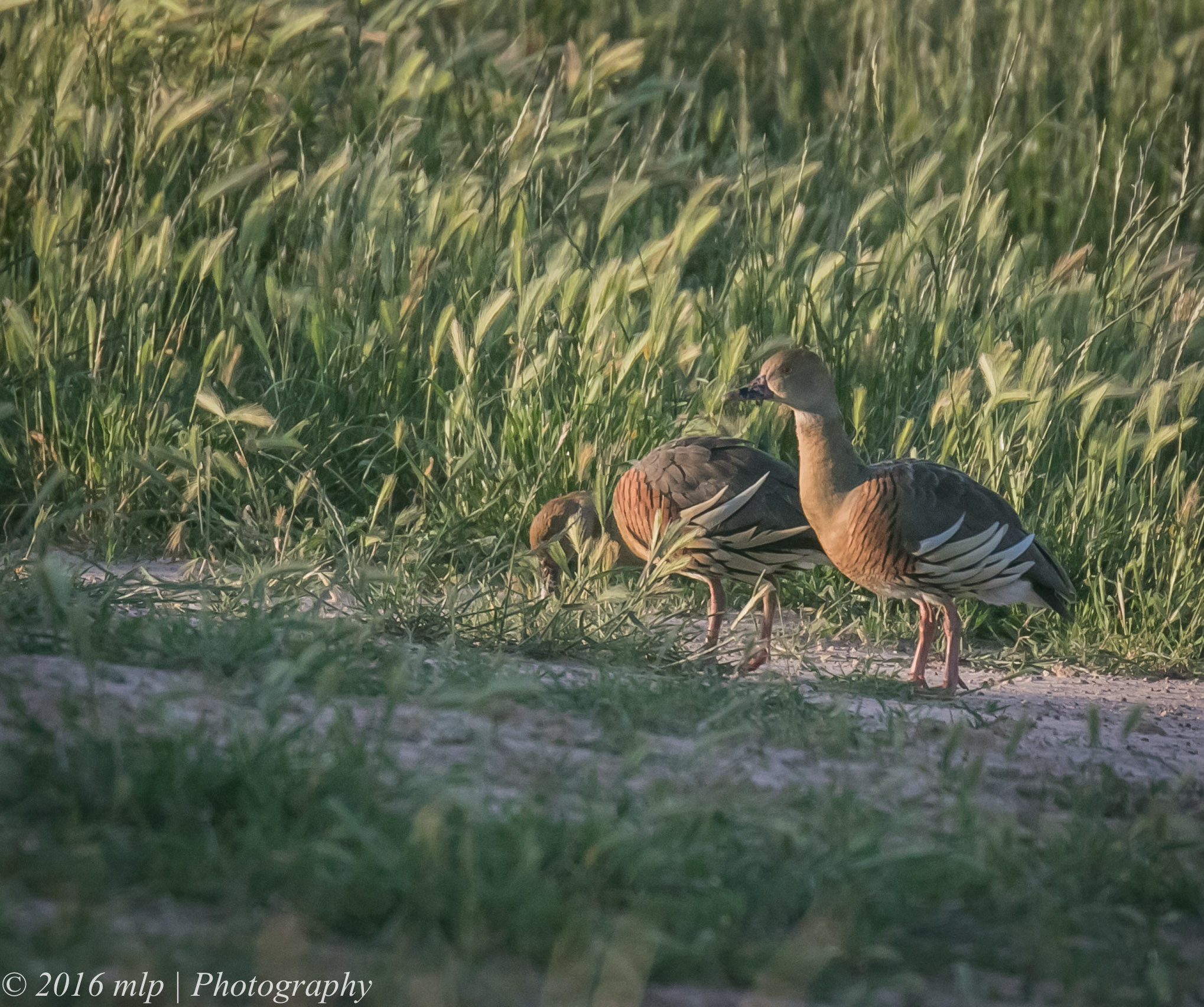
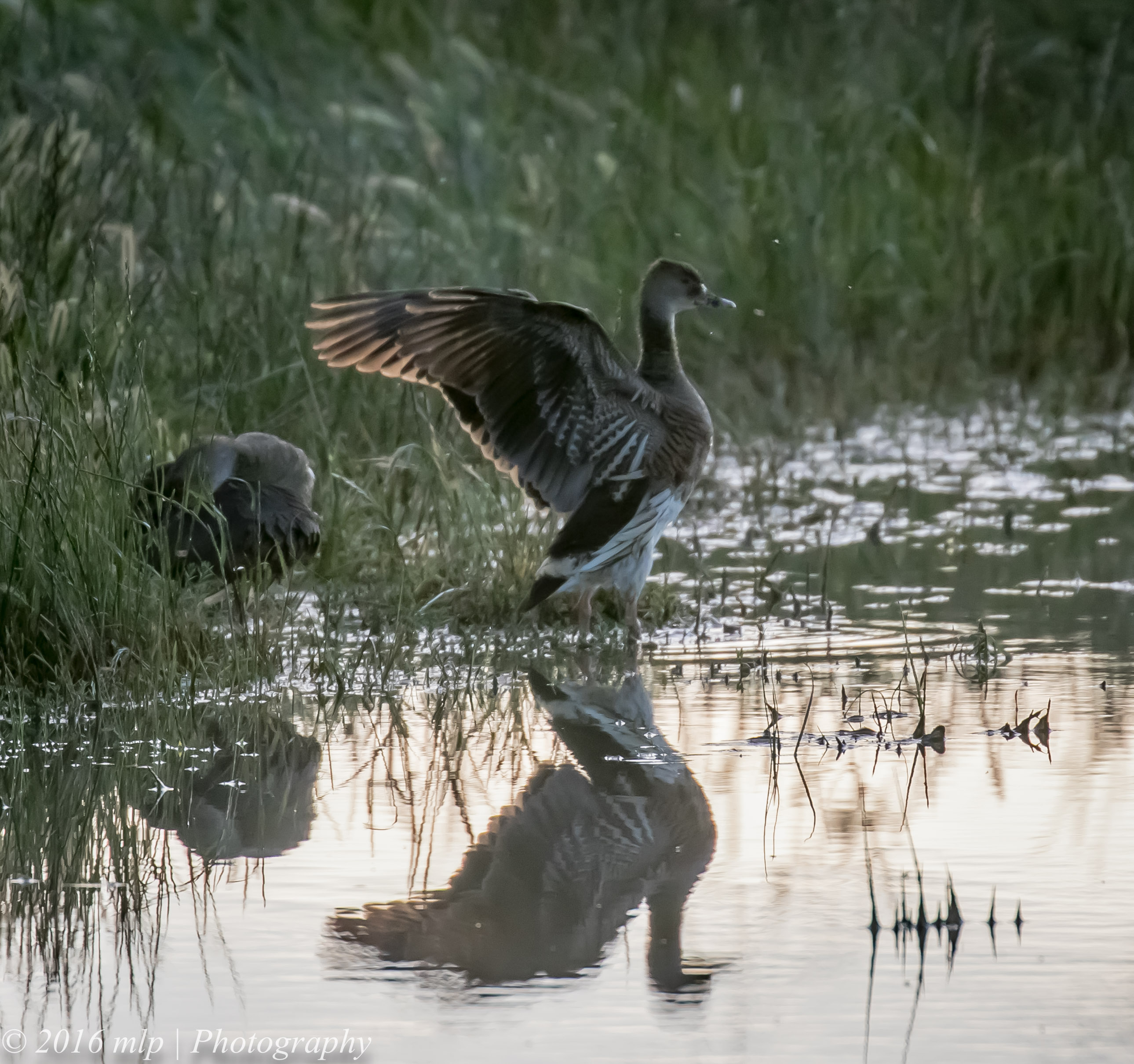
Instead of watching the AFL Grand Final on a lazy Saturday afternoon at the pub in Lake Boga on my road trip to Goschen, I took off south to find an ebird reported duck species that I had never seen before – a Plumed Whistling Duck. Without a lot of expectations I drove south for a few hours, got bogged, got dirty, got lost but in the end I found my duck and after dancing my little victory shuffle I tried to get a few images as proof of bird 333. In  the end I found 7 ducks across 2 dams including  3 flying over my head just to make sure. It is a strange looking duck with large wings, tiger stripes and makes a high pitch sound as it flies. It feeds at night and sleeps and preens during the day, resting in long grass around dams. I actually saw 2 Wood Ducks on a farm dam along Kow-Swamp Rd in Terrick Terrick and pulled over to check them out and on the bank close to me I found my Plumed Whistling Ducks. [This is actually my second time reporting Lifer 333, one of my previous bird species has been merged back into another related species…painful but it can happen both ways – merges and splits].
Plumed Whistling Duck, Mitiamo-Kow Swamp Road Dams, Terrick Terrick, Victoria, 1st Oct 2016

Plumed Whistling Duck, Mitiamo-Kow Swamp Road Dams, Terrick Terrick, Victoria

Plumed Whistling Duck, Mitiamo-Kow Swamp Road Dams, Terrick Terrick, Victoria, 1st Oct 2016

II

Plumed Whistling Duck, Mitiamo-Kow Swamp Road Dams, Terrick Terrick, Victoria, 1st Oct 2016

III

Plumed Whistling Duck, Mitiamo-Kow Swamp Road Dams, Terrick Terrick, Victoria, 1st Oct 2016

IV

Plumed Whistling Duck, Mitiamo-Kow Swamp Road Dams, Terrick Terrick, Victoria, 1st Oct 2016

Nice big wings

Plumed Whistling Duck, Mitiamo-Kow Swamp Road Dams, Terrick Terrick, Victoria, 1st Oct 2016

Stripes under the wings

Australian Wood Duck, Mitiamo-Kow Swamp Road Dams, Terrick Terrick, Victoria, 1st Oct 2016

Australian Wood Duck – the reasons I found lifer 333

Grey-crowned Babblers

The Grey-crowned Babblers are endangered in the state of Victoria. I have only seen them at Chiltern where a small group lived on the edge of the National Park. The aggressively territorial Noisy Minor honeyeaters seems to have pushed that colony away and I have not seen them for a few years. On the trip to the Goschen area I stopped by the Middle Lake Ibis Rookery just north of Kerang. In the carpark of the bird hide I was delighted to find a small family colony preening after a midday dip in the water. The birds chased each around the trees and squabbled. The bird is also known as a ya-hoo bird (Male makes a call and the female responds so quickly that it sounds like the call of one bird.) The adults have pale eyes while the juveniles are dark. The group below were mixed aged.

Grey-crowned Babbler, Middle lake Ibis Rookery, Kerang, Victoria

Grey-crowned Babblers, Middle lake Ibis Rookery, Kerang, Victoria

Grey-crowned Babbler, Middle lake Ibis Rookery, Kerang, Victoria

II

Grey-crowned Babbler, Middle lake Ibis Rookery, Kerang, Victoria

III

Grey-crowned Babbler, Middle lake Ibis Rookery, Kerang, Victoria

IV

Arid country Parrots – Greater Bluebonnet

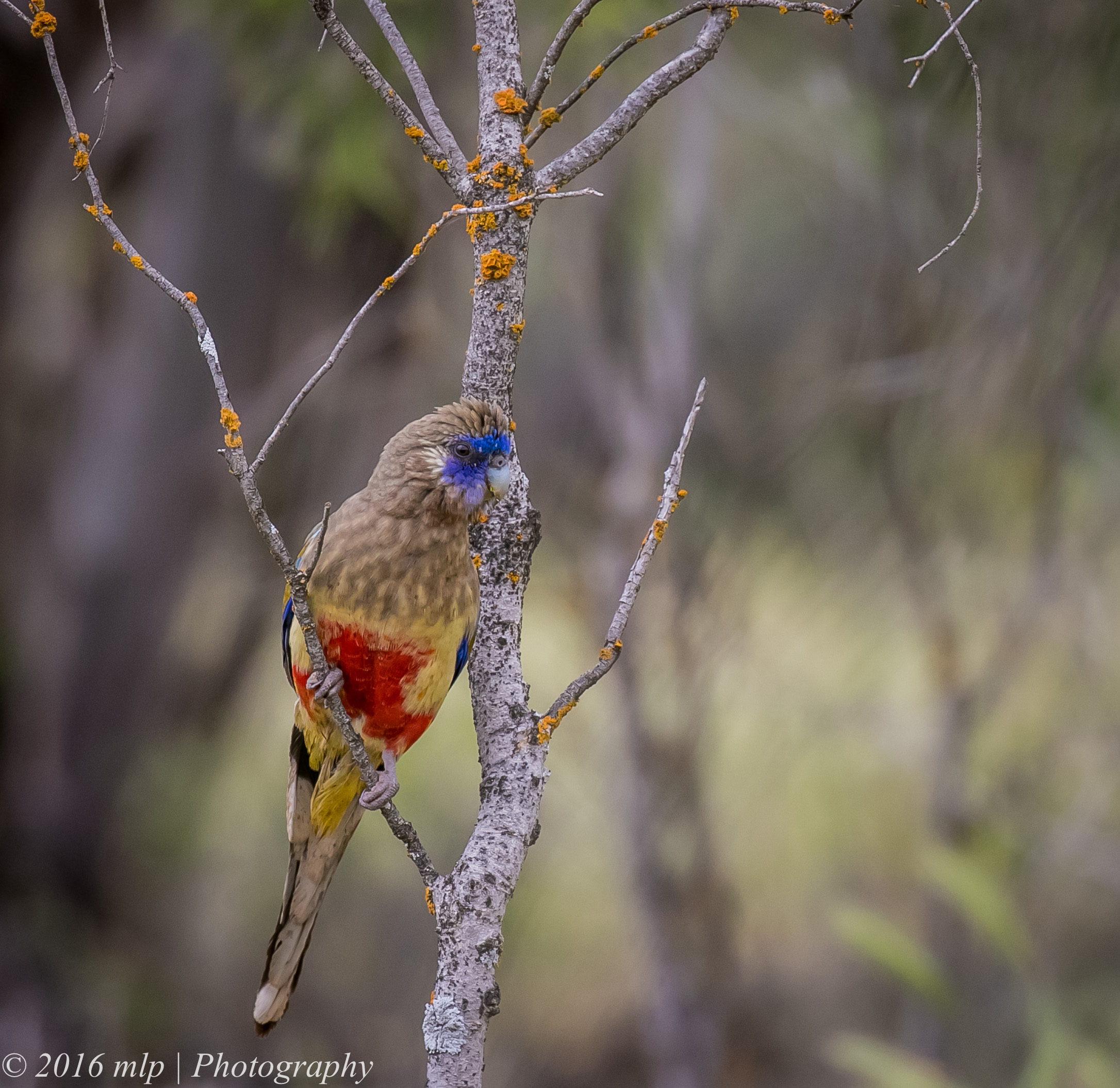
One of the targets for my weekend trip to the Goschen Blushland Reserve was the Bluebonnet. It is a medium sized parrot that prefers the drier parts of the country. The Mallee region is a perfect place to find them. I saw many flying around the reserve during my three days there but could not get close enough for a decent photo. They feed on the ground looking for grass seeds and flower heads. Once flushed, by movement or sound, will fly up to a nearby tree and watch for a chance to fly back to the food or to fly further away if you walk towards them. They are extremely wary and I never got really close without them seeing me first.

I had no luck at Goschen but while photographing the Variegated Fairywrens at Tresco West I found a pair feeding on new grass seeds and they did not notice me. I saw the movement of the grass and froze and when a Bluebonnet poked its head I knew I had a good chance for a photo if I could move quietly and slowly enough. I did not think I would get anything other than a head shot in the grass but while focussing on one I noticed the other watching me from a nearby bush and slowly took a few shots. They finally spooked and flushed but I did manage a few nice shots showing their beautiful colours.

Greater Bluebonnet, Tresco West Bushland Reserve, Tresco West, Victoria

Greater Bluebonnet, Tresco West Bushland Reserve, Tresco West, Victoria

Greater Bluebonnet, Tresco West Bushland Reserve, Tresco West, Victoria

Greater Bluebonnet II