Category Archives: Bird Behaviour

Dinner and a Show at Elster Creek

An evening walk last week took me to the edge of the local pond along Elster Creek. A few regulars were taking their own evening strolls, having late snacks, preening and bathing and I stopped to have a bit of a look…..

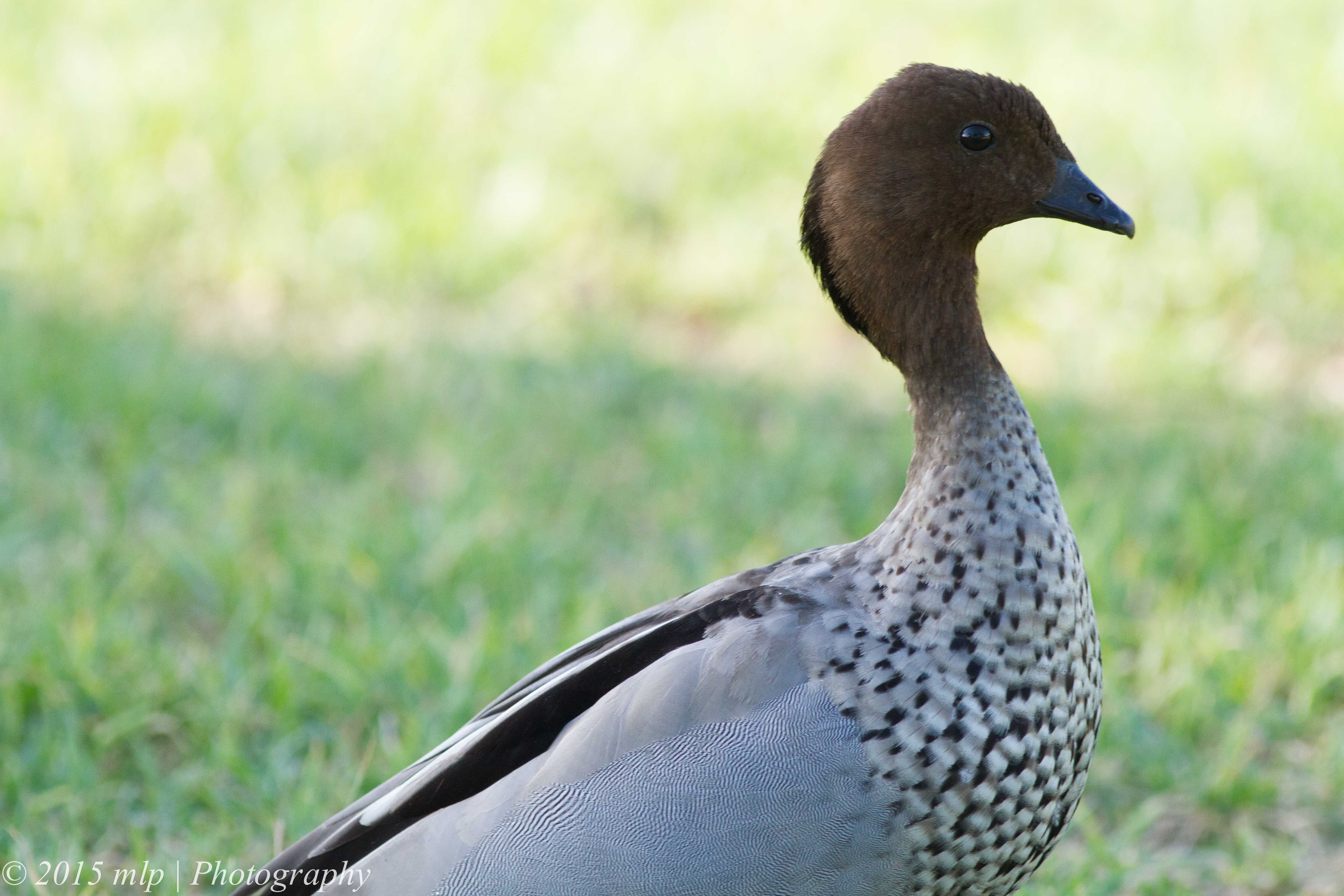
Australian Wood-duck

Australian Wood-duck – also called a Maned Duck due to their short black mane running down their necks

Australian Wood-duck

Australian Wood-duck – the Wood-Duck has very large families and often Aunts will help look after the brood – I have seen 28 ducks in a single family flock

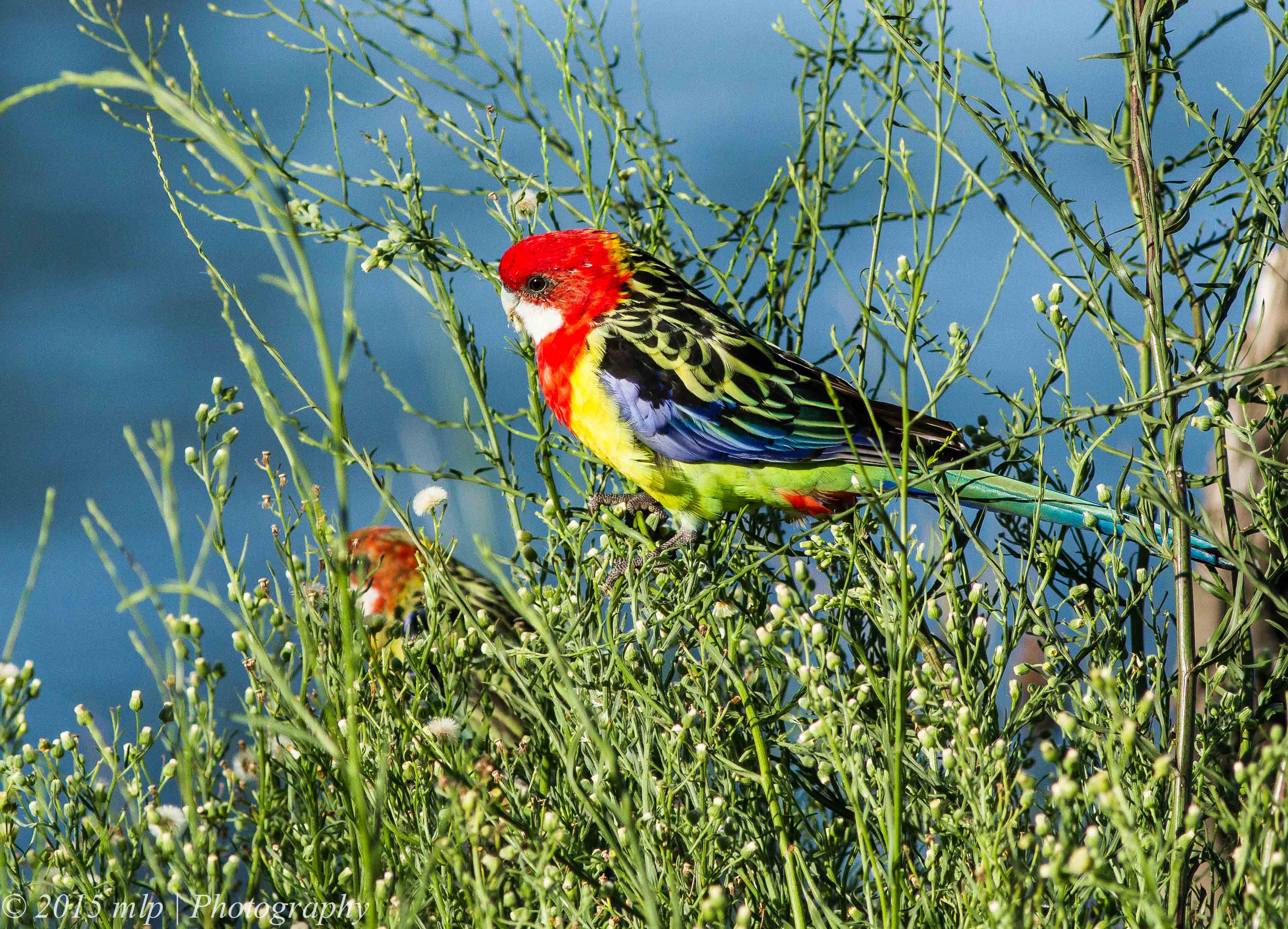
Eastern Rosella

Eastern Rosella – an adult and an immature Rosella were feeding on the flower buds and seed heads on the edge of the lake. They are usually quite flighty but allowed me to get closer than usual.

Eastern Rosella

Eastern Rosella – it was a bit windy and a gust came a long at the right time.

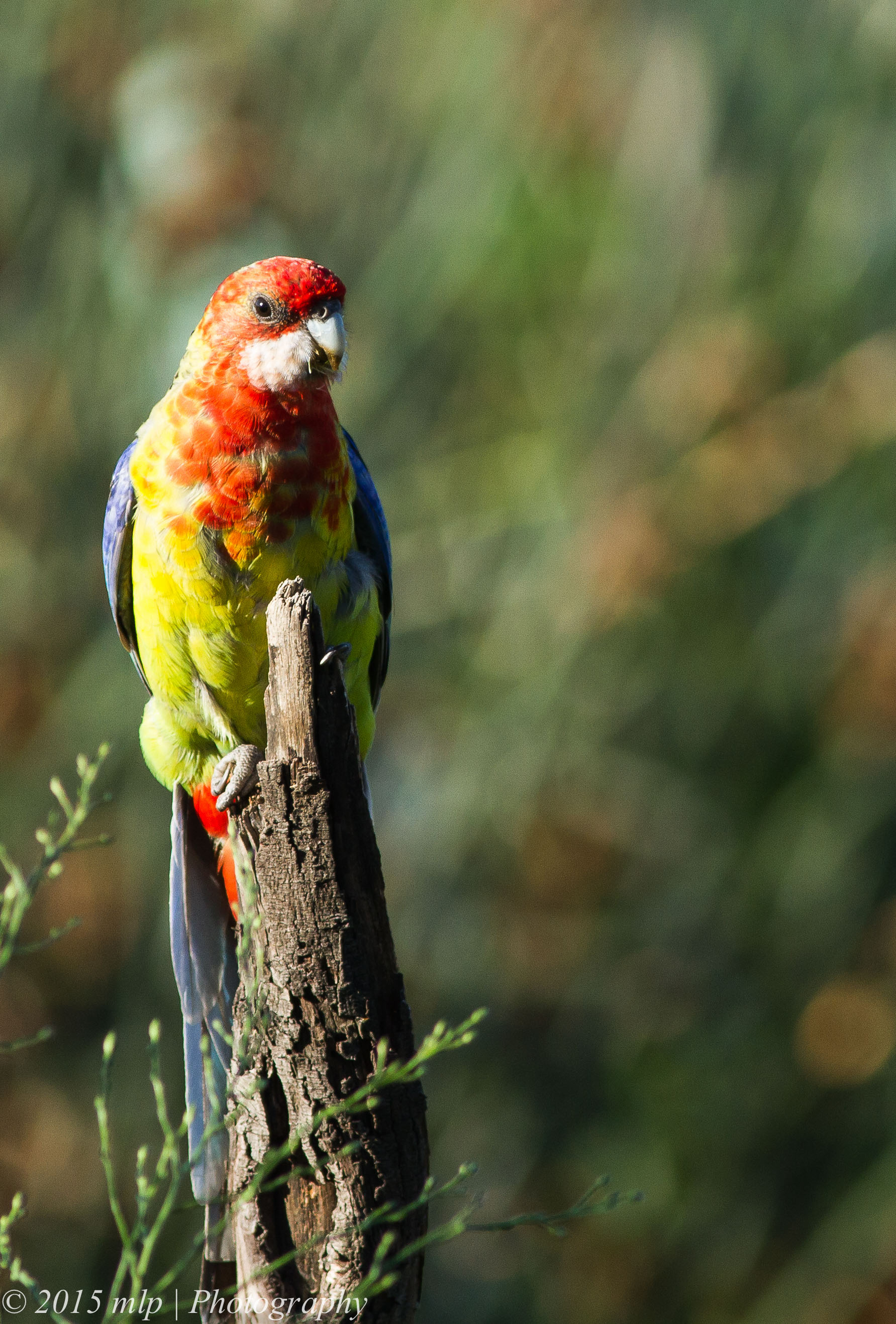
Eastern Rosella

Immature Eastern Rosella having a look back at me while he chews on a flower head.

Eastern Rosella

Eastern Rosella  – I find this bokeh a little weird.

Eastern Rosella

Eastern Rosella

Dusky Moorhen,

Dusky Moorhen

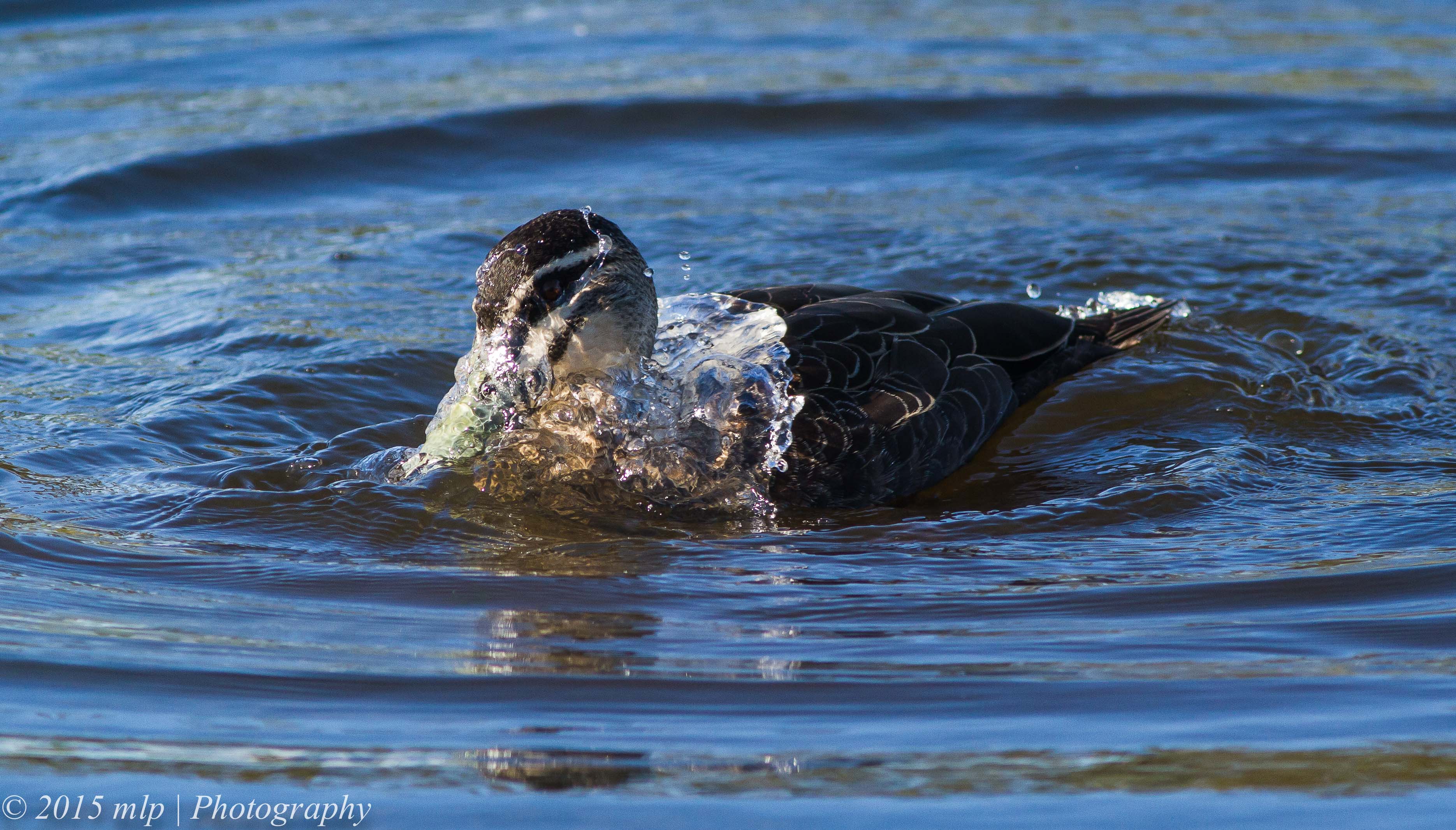
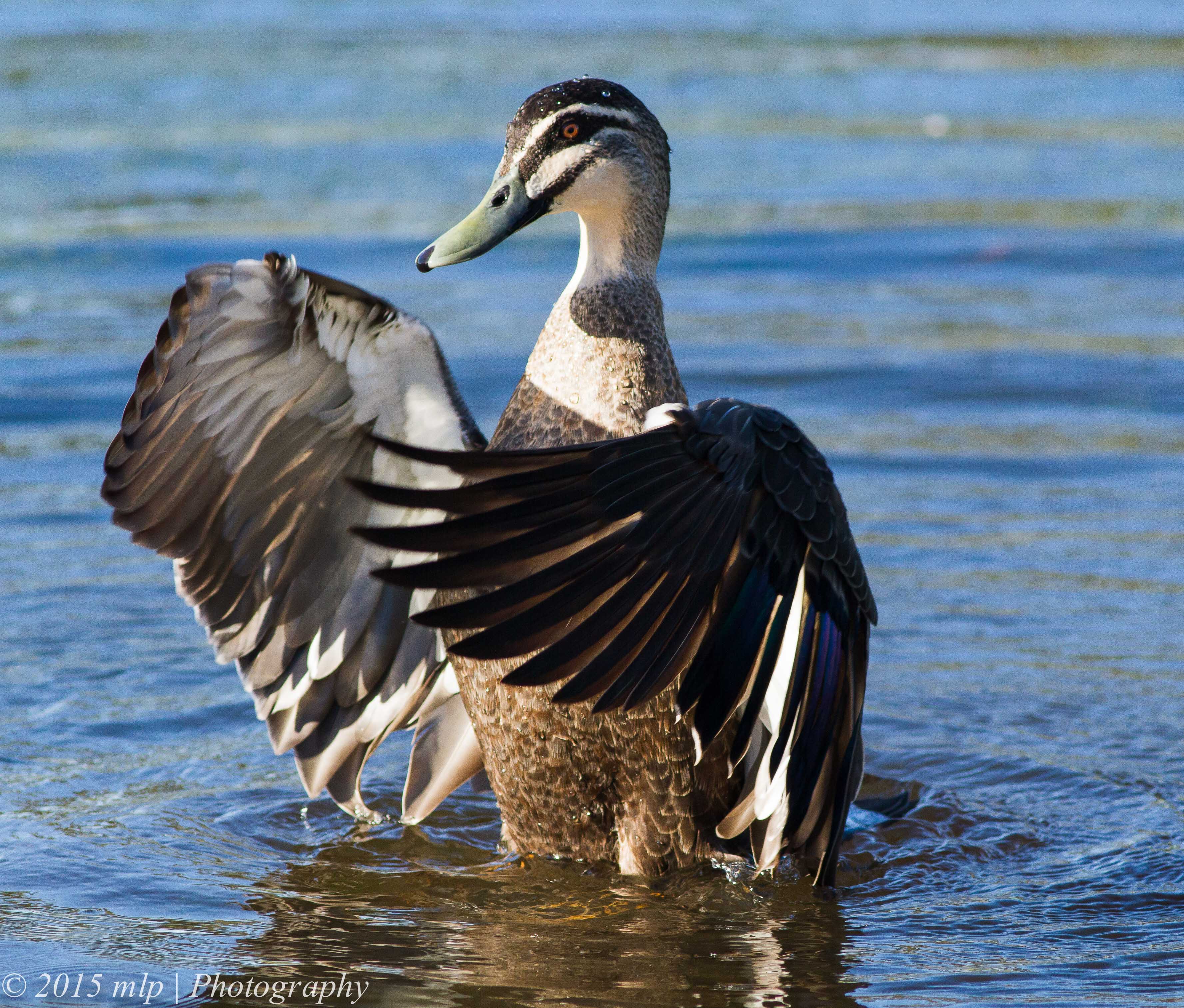
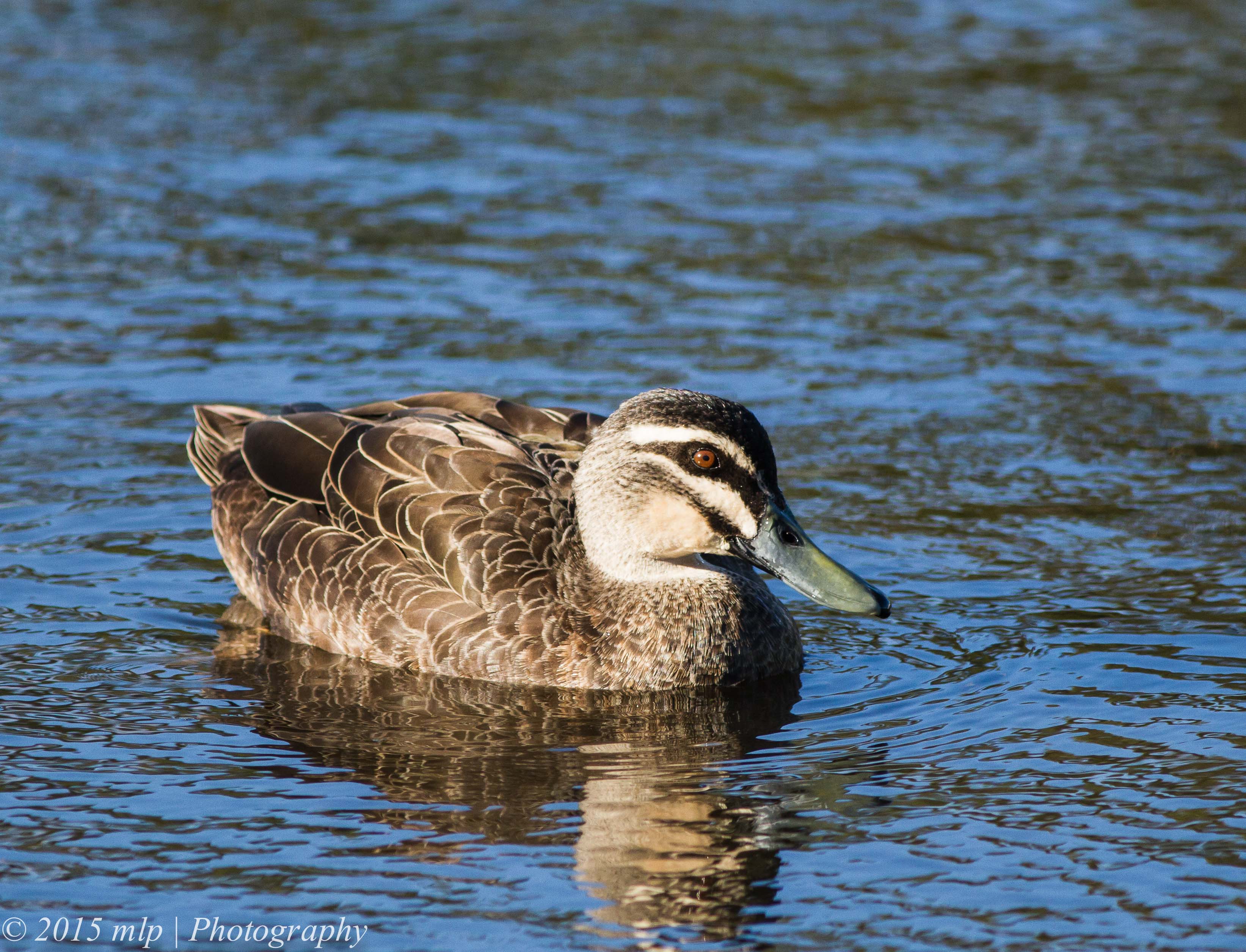
Pacific Black Duck

Pacific Black Duck – bath time

Pacific Black Duck

Pacific Black Duck – water off a duck’s back

Pacific Black Duck

Pacific Black Duck III

Pacific Black Duck

Pacific Black Duck – the series of photos showed the duck’s head and body staying in place while the wings shook off the water – he flapped 3 or 4 times

Pacific Black Duck

Pacific Black Duck

Pacific Black Duck

Pacific Black Duck – all done , nothing to see, move along

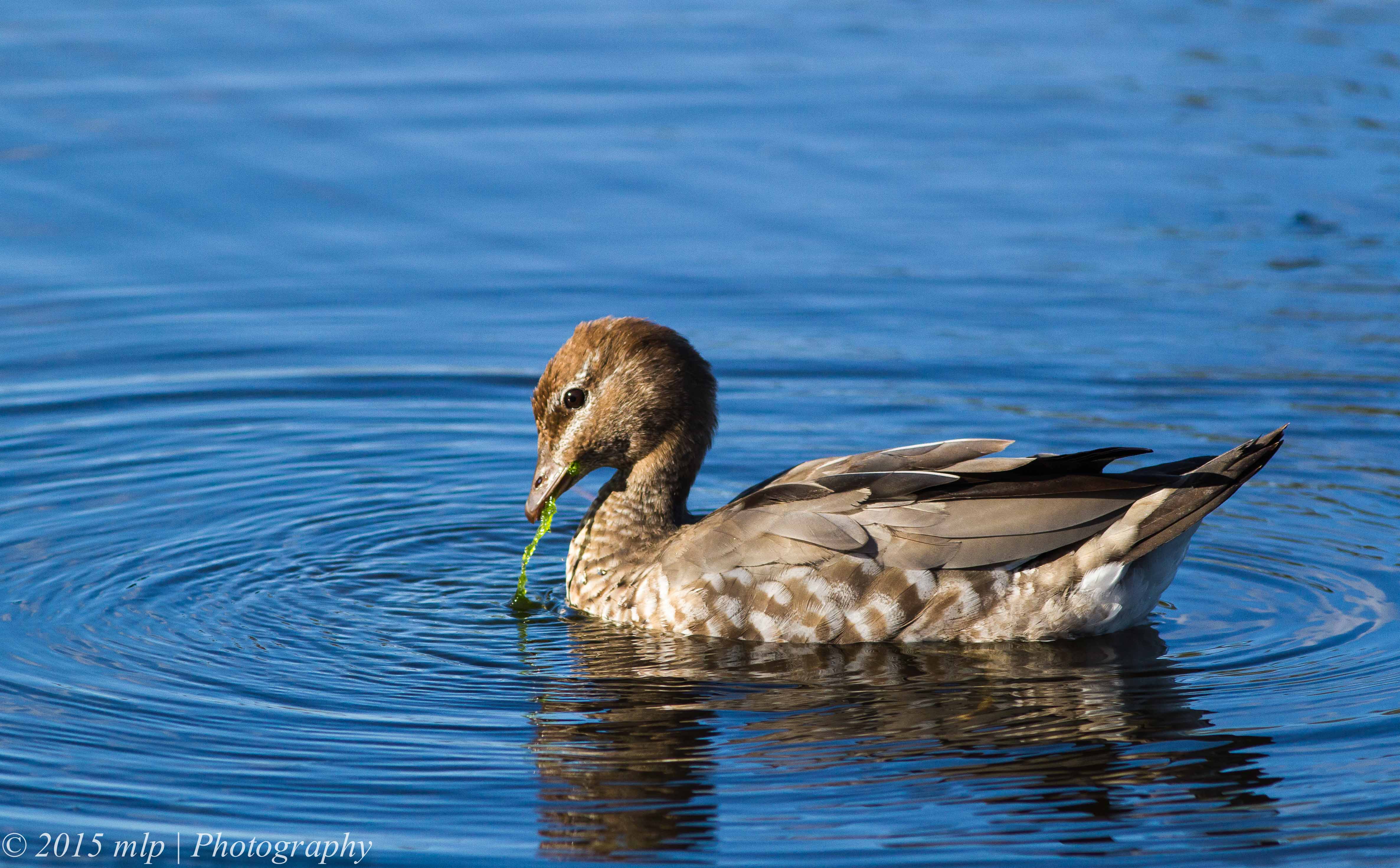
Australian Wood-duck

A young Australian Wood-duck – last minute feed

Multi-tasking with a Snake-Bird

I love it when I can do several things at once. I feel a sense of achievement when I accomplish the goal for the day and feel even better when I can do two things for the journey of one. Bunnings is a hardware super store (for those that are not familiar with Australian Hardware Super-stores). I often make a Bunnings run to procure equipment and supplies for my gardens, home projects and camping trips. Opposite my favourite store is Karkarook Park. I stopped in last week to look for photo opportunities before I visited Bunnings. The Park is a restored sand mine and now has a wetlands area made up of several well vegetated lagoons, a large lake used for canoeing and fishing and pockets of woodlands around the edge.  It has a very good range of water and woodlands birds and I often get up to 50 species on an extended visit. It is close enough to home to just pop in for half an hour and look for a species to photograph

Little Pied Cormorant

Little Pied Cormorant

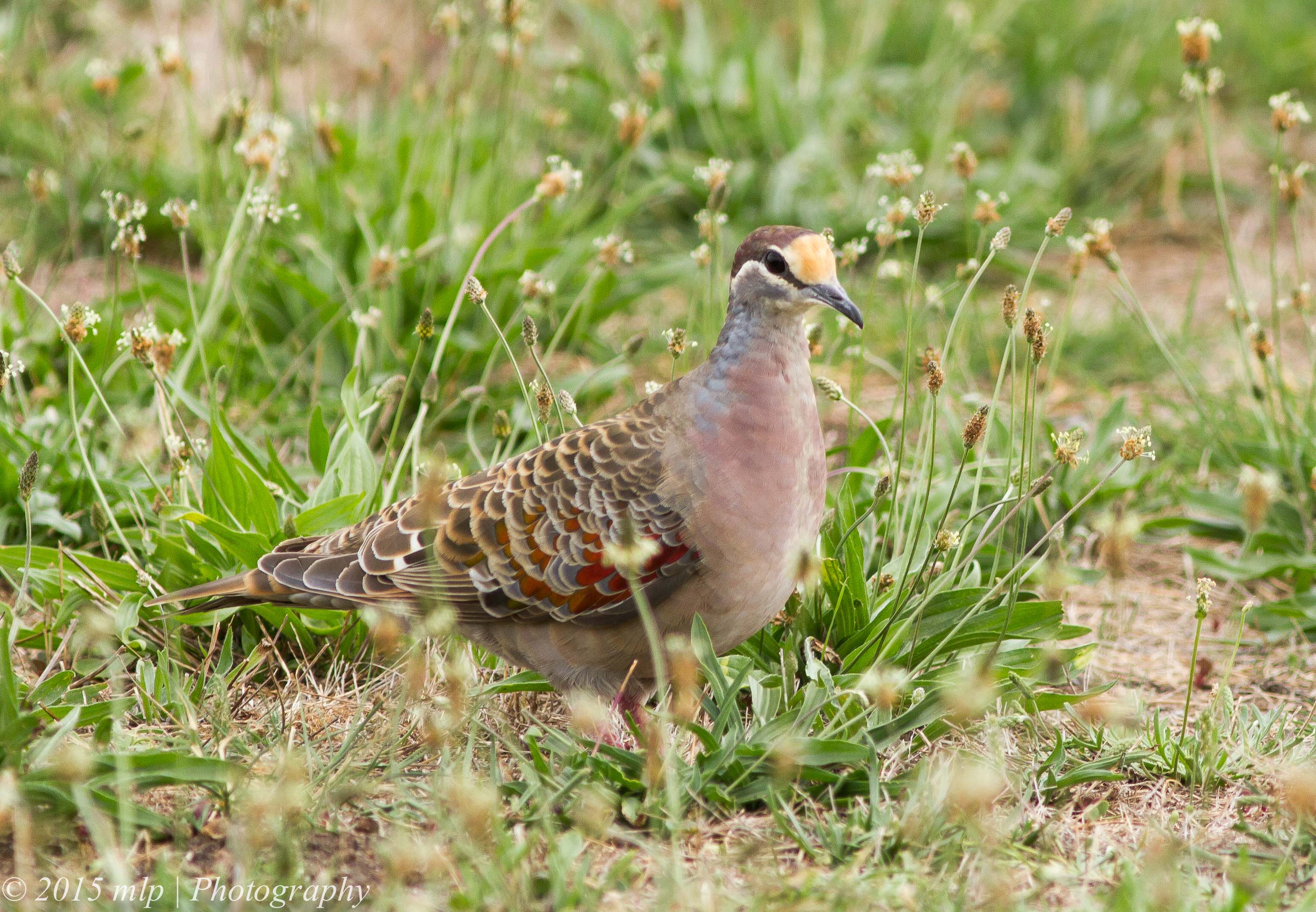
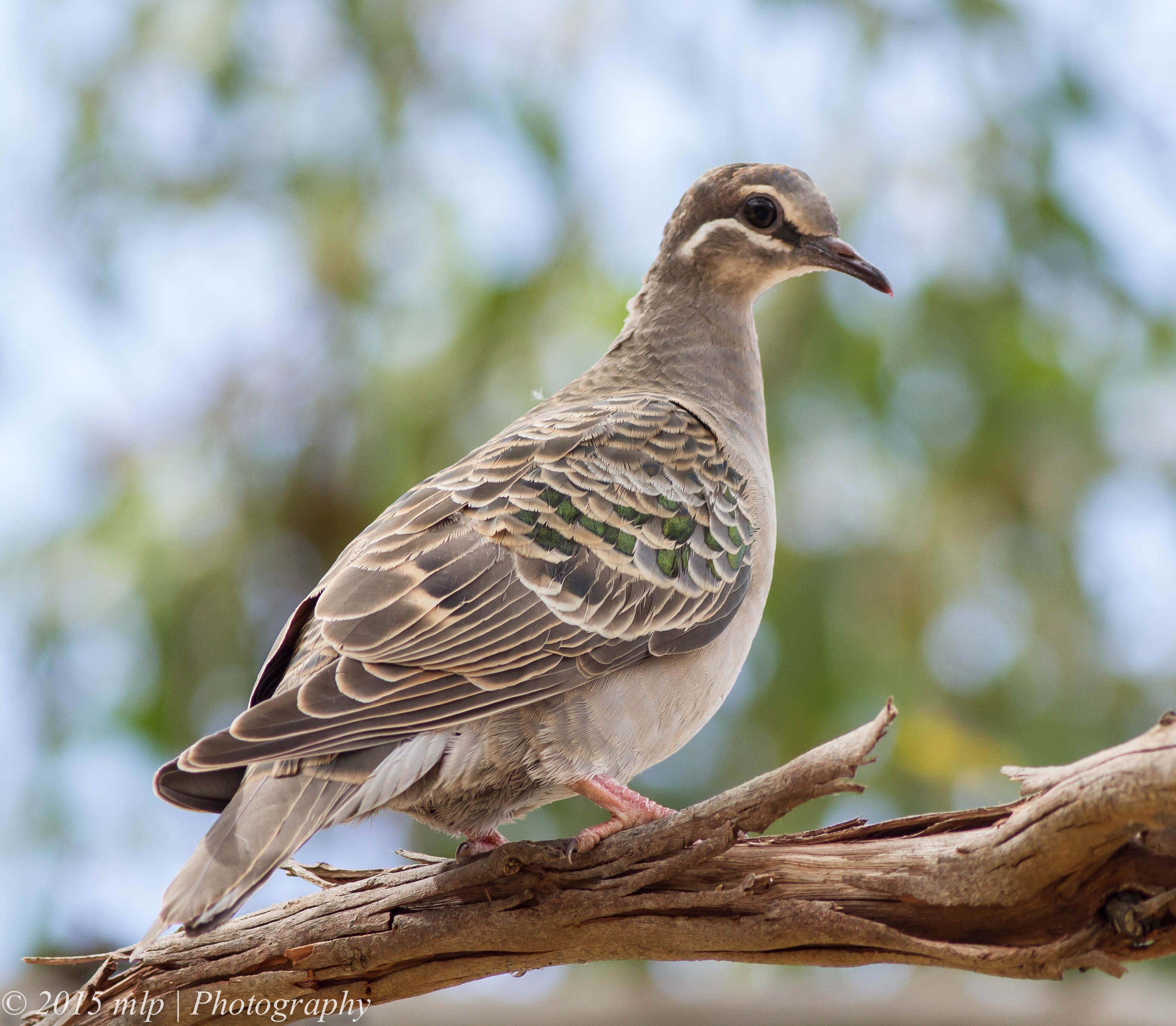
Common Bronzewing

Common Bronzewing

Male Common Bronzewing

Male Common Bronzewing

Superb Fairy Wren

Male Superb Fairy Wren – immature Fairy-Wren coming into his adult colours

Superb Fairy Wren

Superb Fairy Wren

Masked Lapwing

Masked Lapwing – previously known as a Spur Winged Plover. It can be a very aggressive bird often taking on Raptors (and people) if they get too close to feeding grounds or nests. They make their various alarm calls quite casually, spooking other nearby birds. The Lapwing can be difficult to get close to….

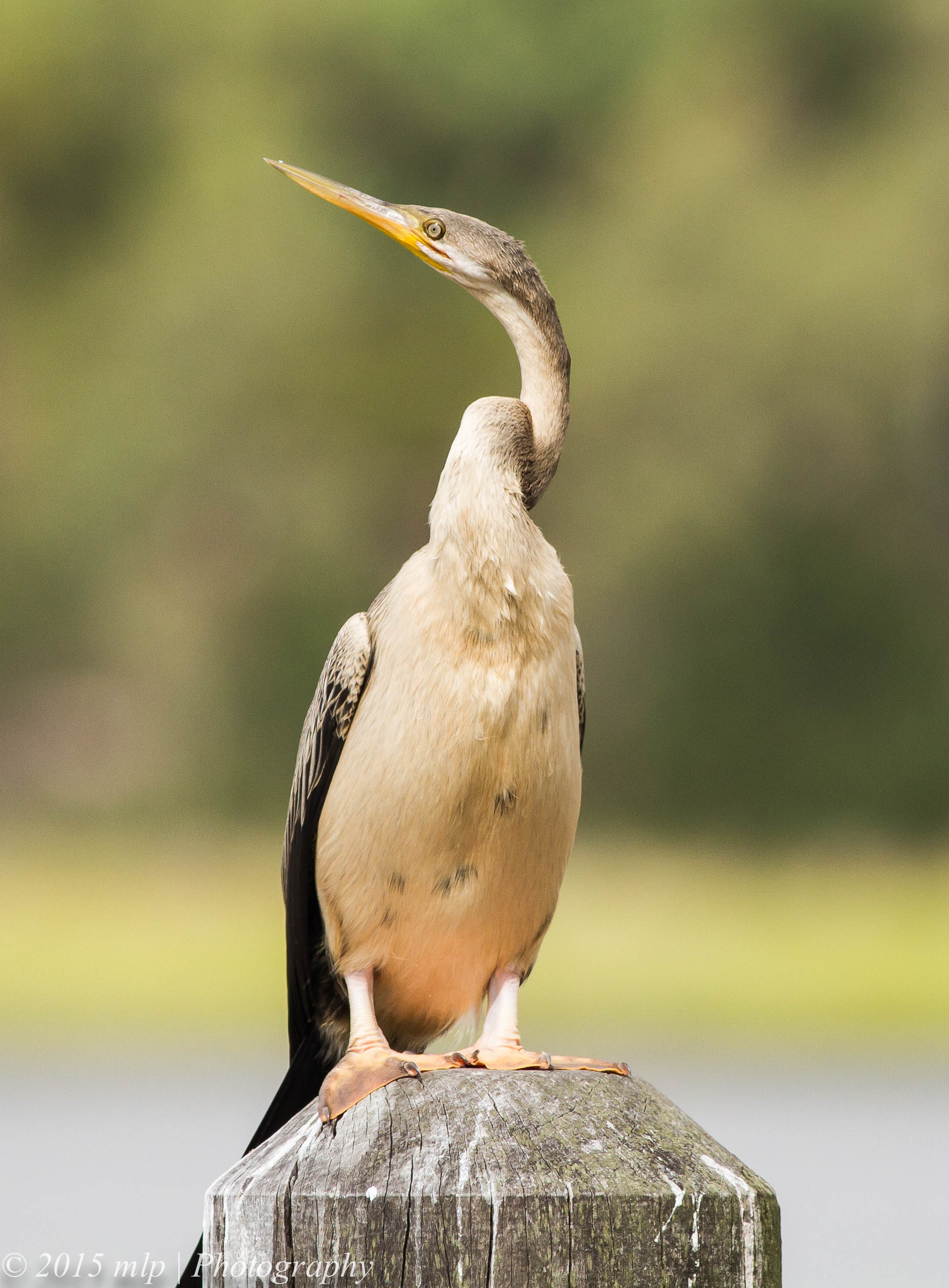
Australasian Darter

Australasian Darter – a young female, the males are generally all black. This one allowed me to approach slowly along the pier until I was quite close.

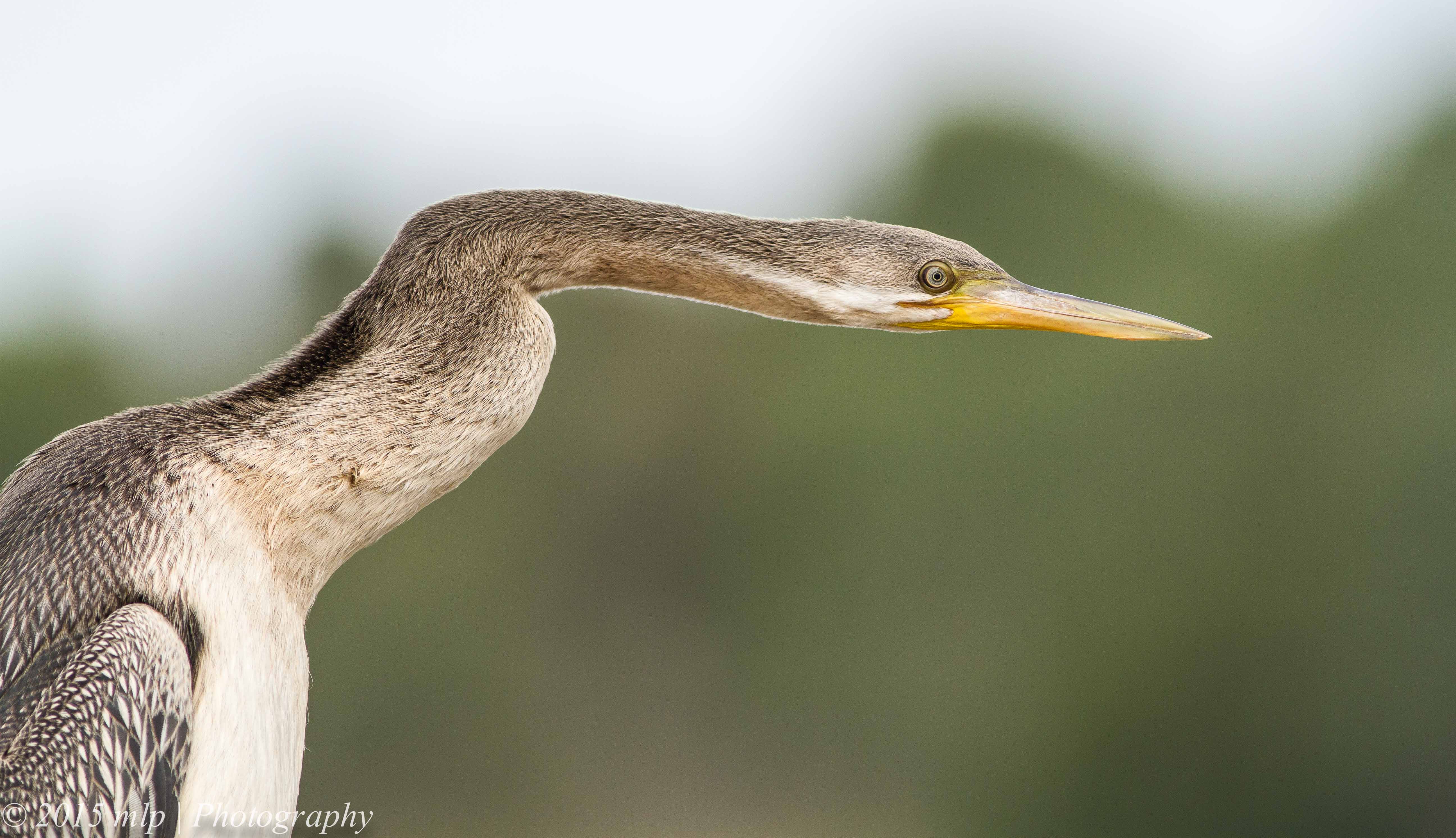
Australasian Darter

Australasian Darter – they are also called a snake bird due to their swimming habit (very low in the water and sliding backwards into the water to hunt) and their very long snake like neck. This one waved it around quite a bit keeping an eye on fish below, hunters above and me…

Australasian Darter

III

Australasian Darter

IV

Australasian Darter

V

Australasian Darter

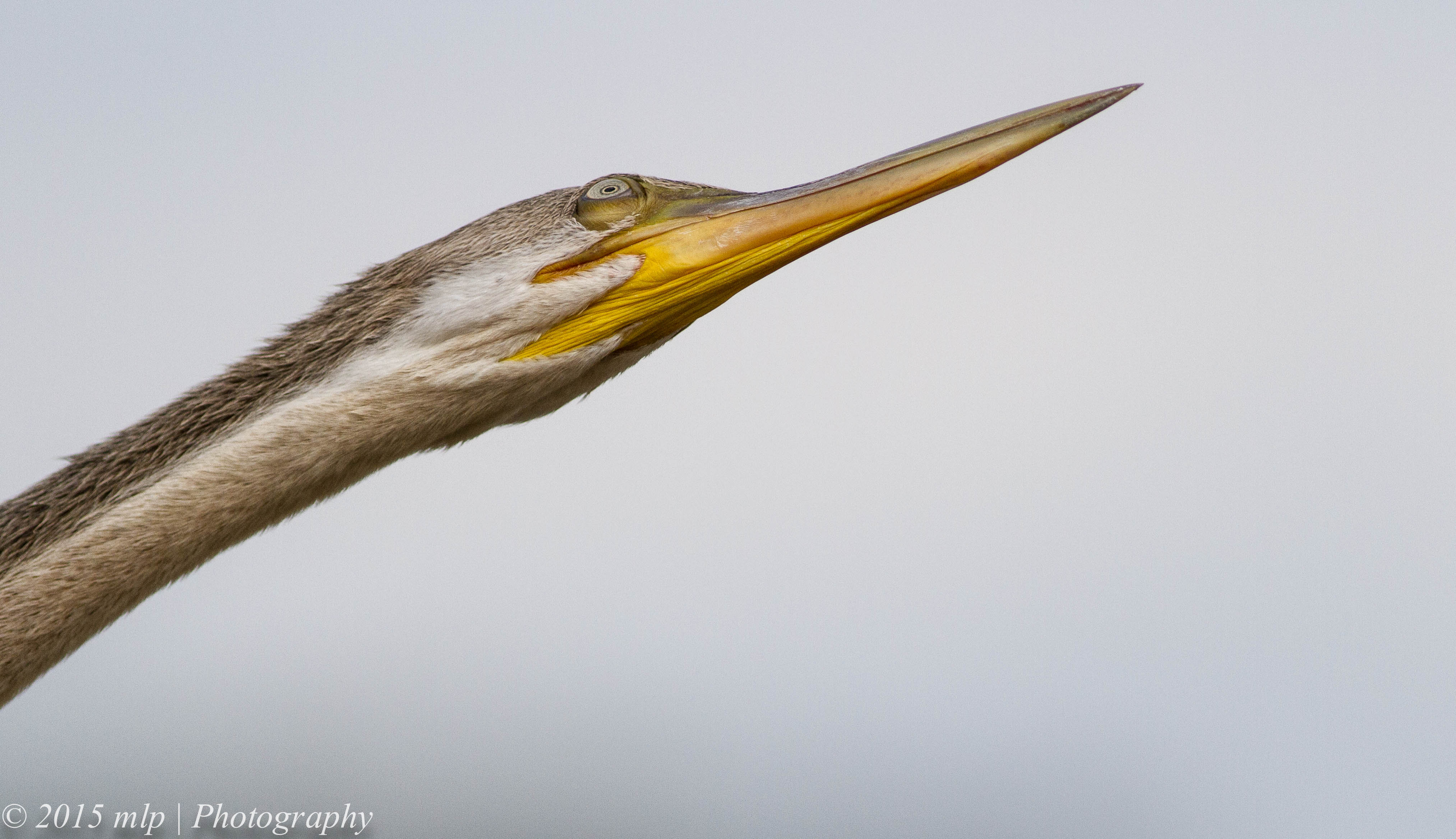
Interesting eye and bill detail

Australasian Darter

When the Lapwing nearby gave one  of its alarm calls the Darter immediately looked up for danger. She did not fly off or panic but was very aware. It is interesting that birds know each others specific danger calls

Australasian Darter

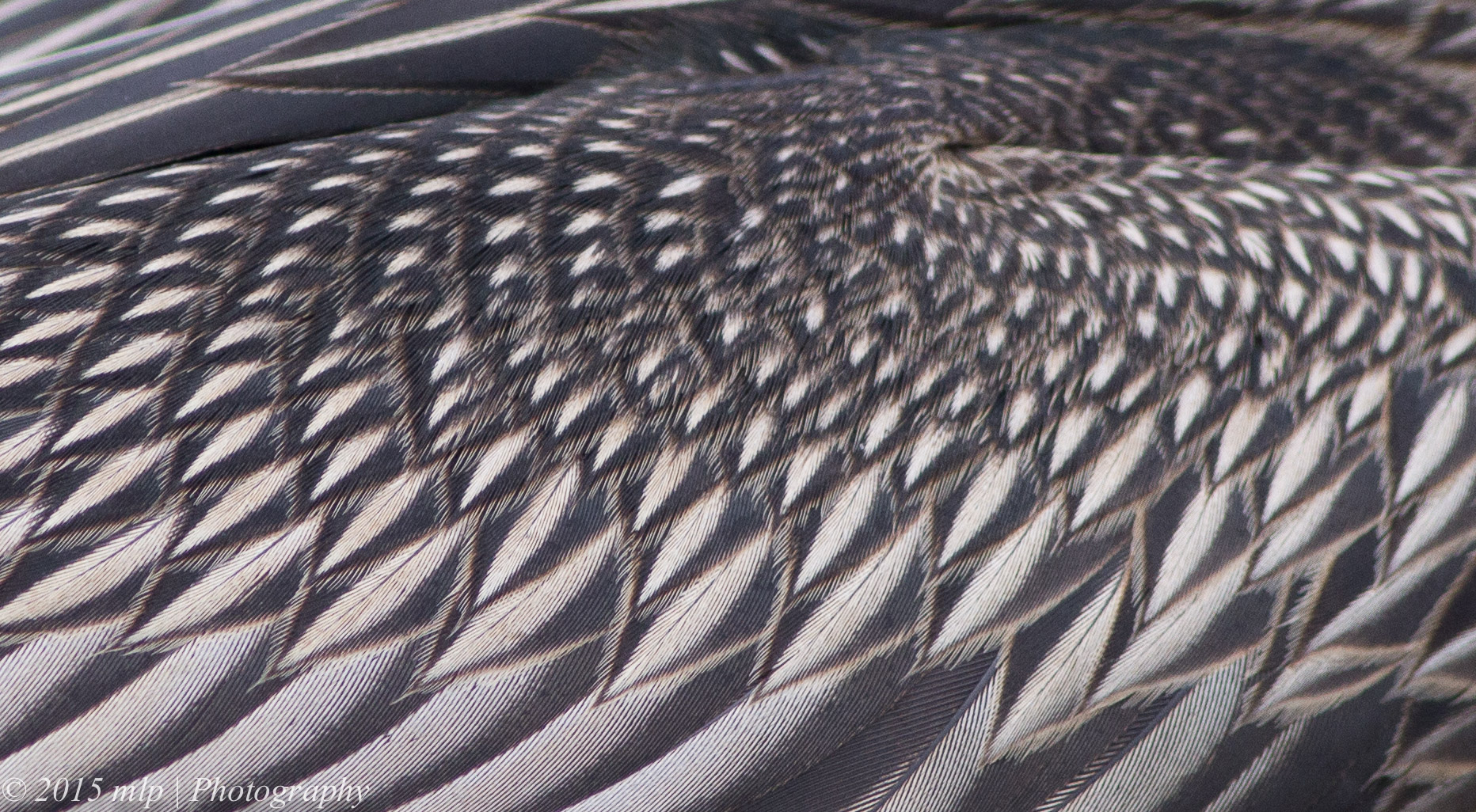
Beautiful wing patterns

Up the You Yang(s)

Halfway between Melbourne and Geelong is a Regional Park with high granite peaks and over 50km of Mountain Bike riding trails. It is also a good spot to bush walk and find a reasonable selection of uncommon woodlands birds. It can be dry and hot at times and there are a few dams in the park near the entrance that usually have water and so are good spots to explore for birds. There is a 12 km dirt road (the Great Circle Drive) that winds around the park taking in most of the main habitats.

Injured Cockatiel

Injured Cockatiel on the side of the road leading to the You Yangs, not known in this area so I assume an aviary escapee.

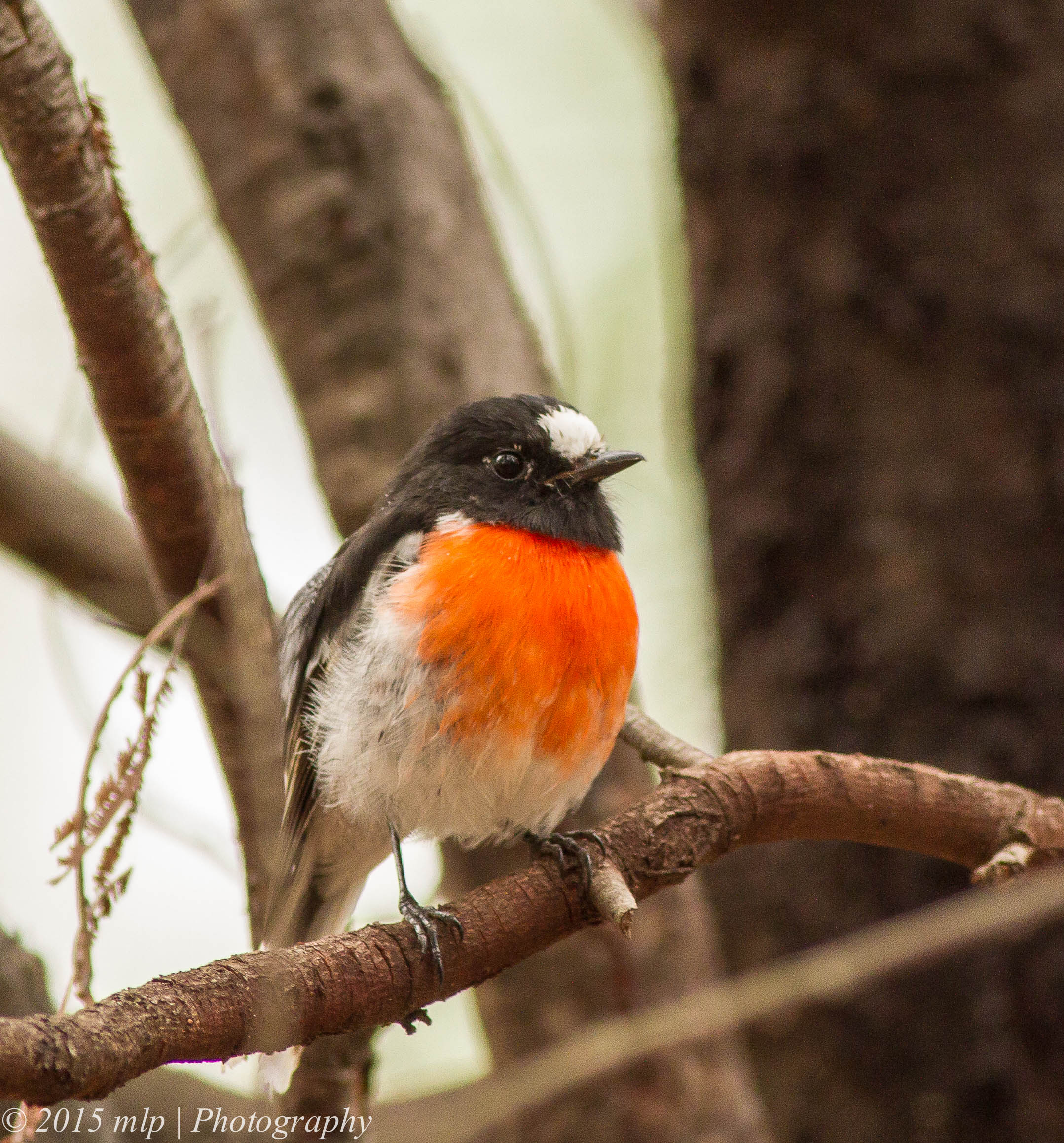
Scarlet Robin

Scarlet Robin – teased me into thick scrub to try and take a photo. A curious bird and one that stands out quite well against the grey/brown background of the surrounding bush.

There are several large groups of White Winged Choughs (chuffs) in the You Yangs. They are a social species living in extended family groups. They are generally hard to sneak up on as they post guards in the surrounding trees as the main group feeds on the ground. I took some time and watched this family and slowly moved closer. They have very distinctive calls and different alarms for a variety of threats.

White Winged Chough

White Winged Chough

White Winged Chough

White Winged Chough  – one of the guards keeping an eye on me as the main group looked for food on the ground.

White Winged Chough

White Winged Chough III

White Winged Chough

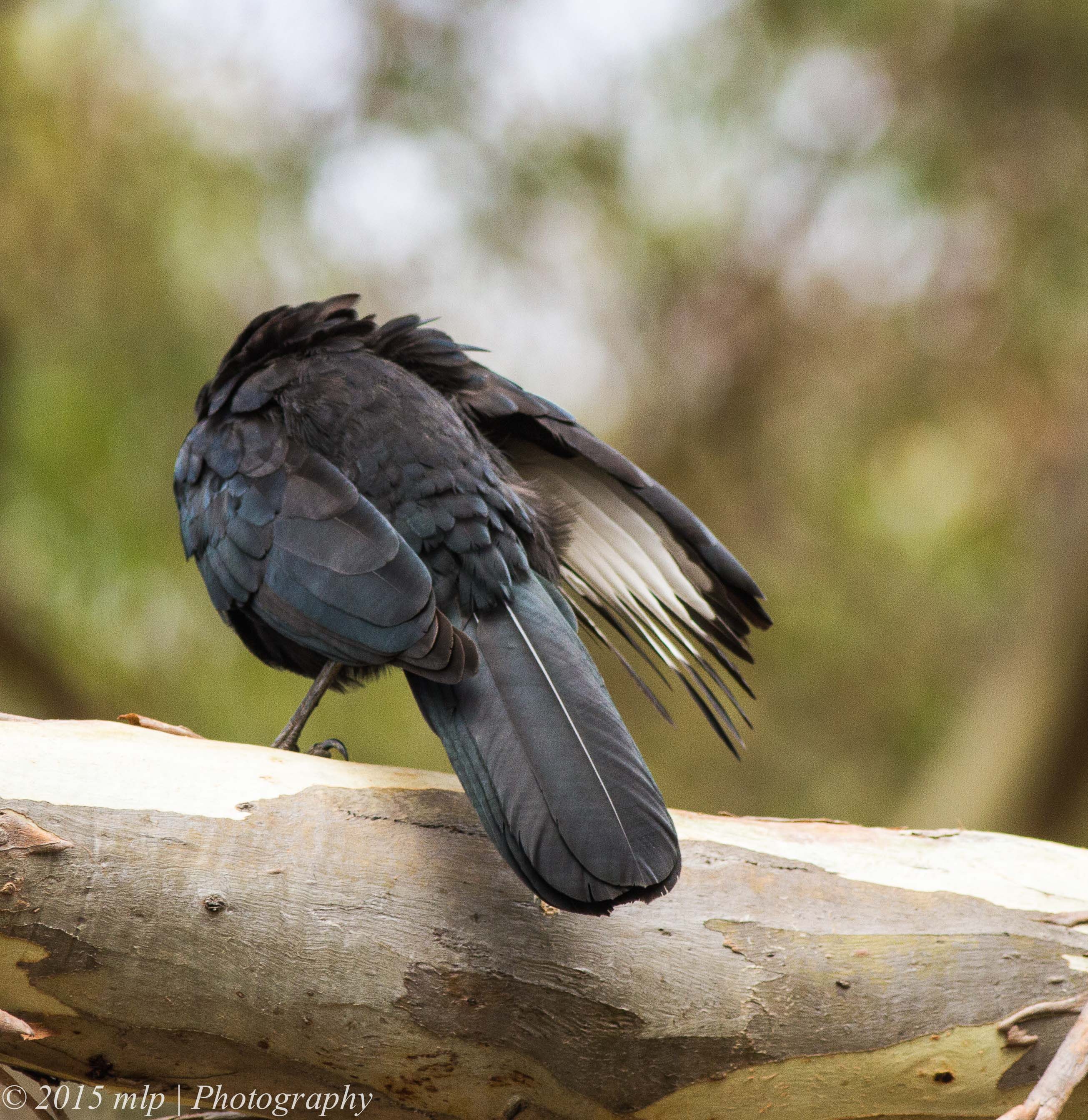
White Winged Chough – a glimpse of the White Wings – very clear in flight and when grooming

White Winged Chough

The two above were grooming each other and cleaning their own feathers. 

Common Bronzewing

Common Bronzewing

Common Bronzewing

Common Bronzewing II

Elster Creek’s surprise visitor: a Pallid Cuckoo

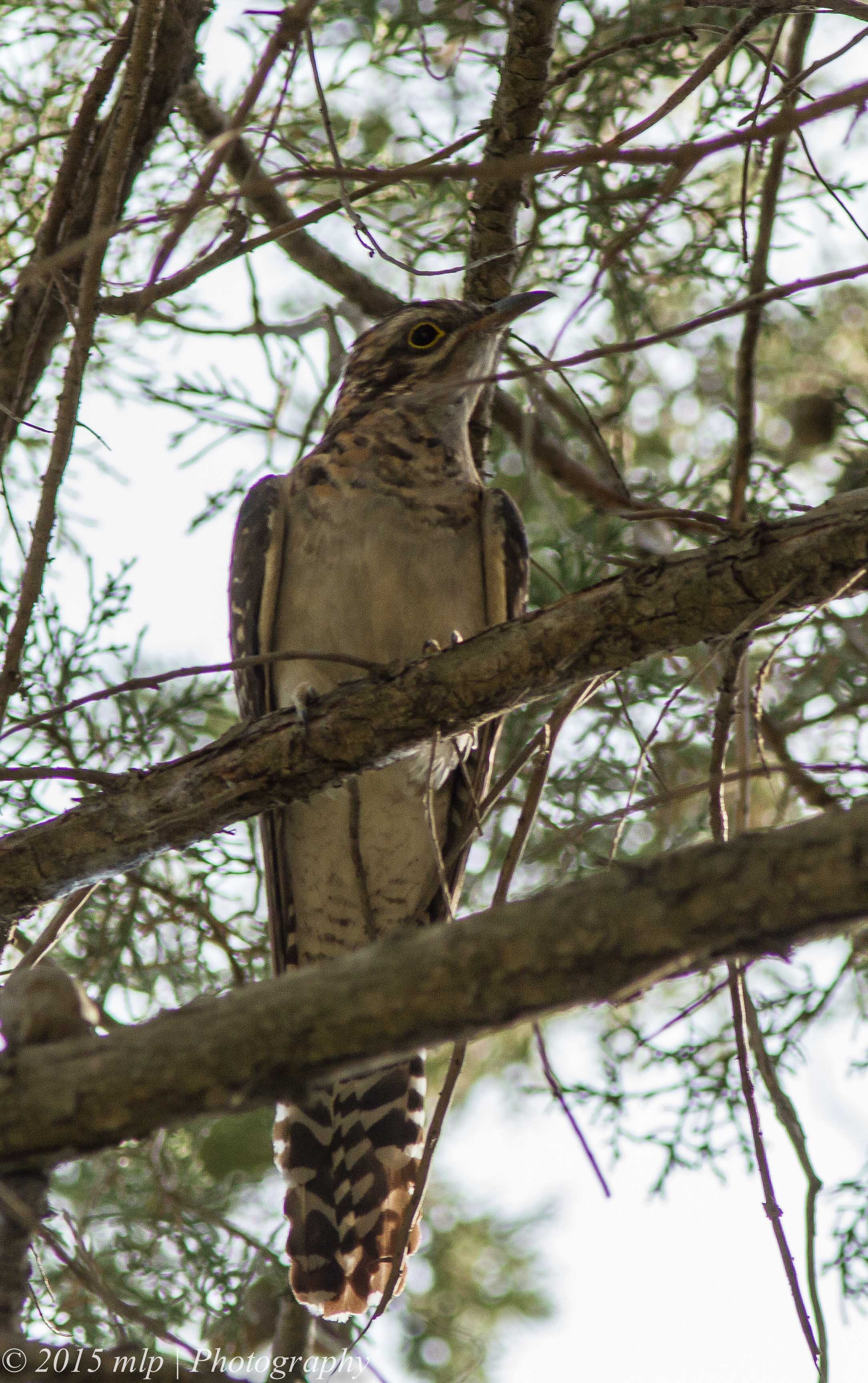
Yesterday was hot and humid and after a lazy day I decided on a late afternoon walk along the creek at my back fence. I took my camera and 1.4 Extender to see what I could find up at the Elster Creek lake inside the Golf Course. At the lake, I ran into a young local birder/naturalist –  Gio F and we explored the creek up to a dense section looking for roosting Nankeen Night Herons but instead spotted a Pallid Cuckoo. It flushed a few times from high in the trees and we followed it around a few large Conifers trying to get a better angle for a picture. We ran into another local birder – David E (my birding mate from the Lake Tutchewop Twitch), who suggested that it was a young female Cuckoo probably starting the migration north and just passing through our area. They are quite rare in our part of the urban landscape.

Pallid Cuckoo, Elster Creek

Pallid Cuckoo, Elster Creek

Pallid Cuckoo, Elster Creek

Pallid Cuckoo II

Pallid Cuckoo, Elster Creek

Pallid Cuckoo III


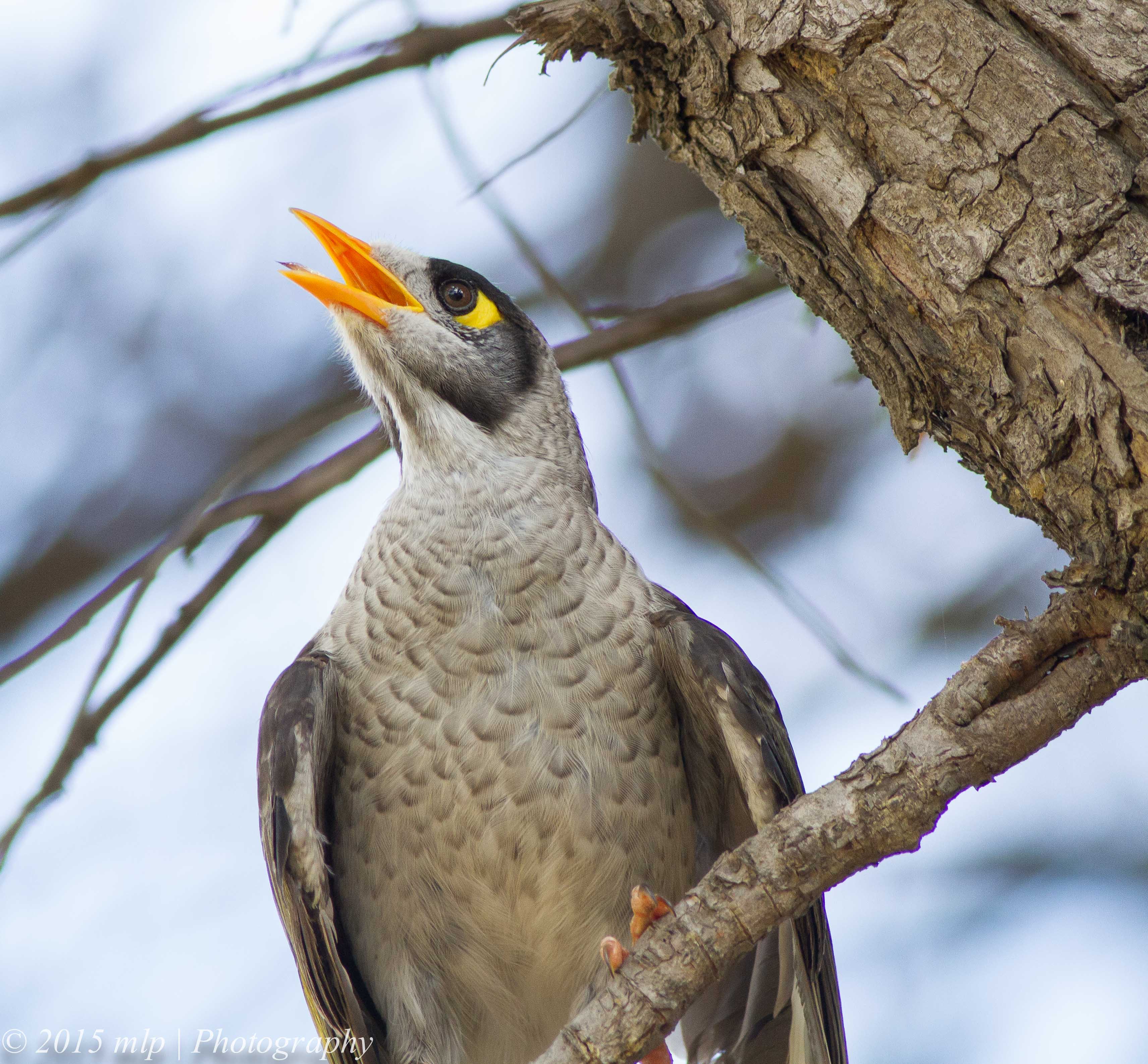
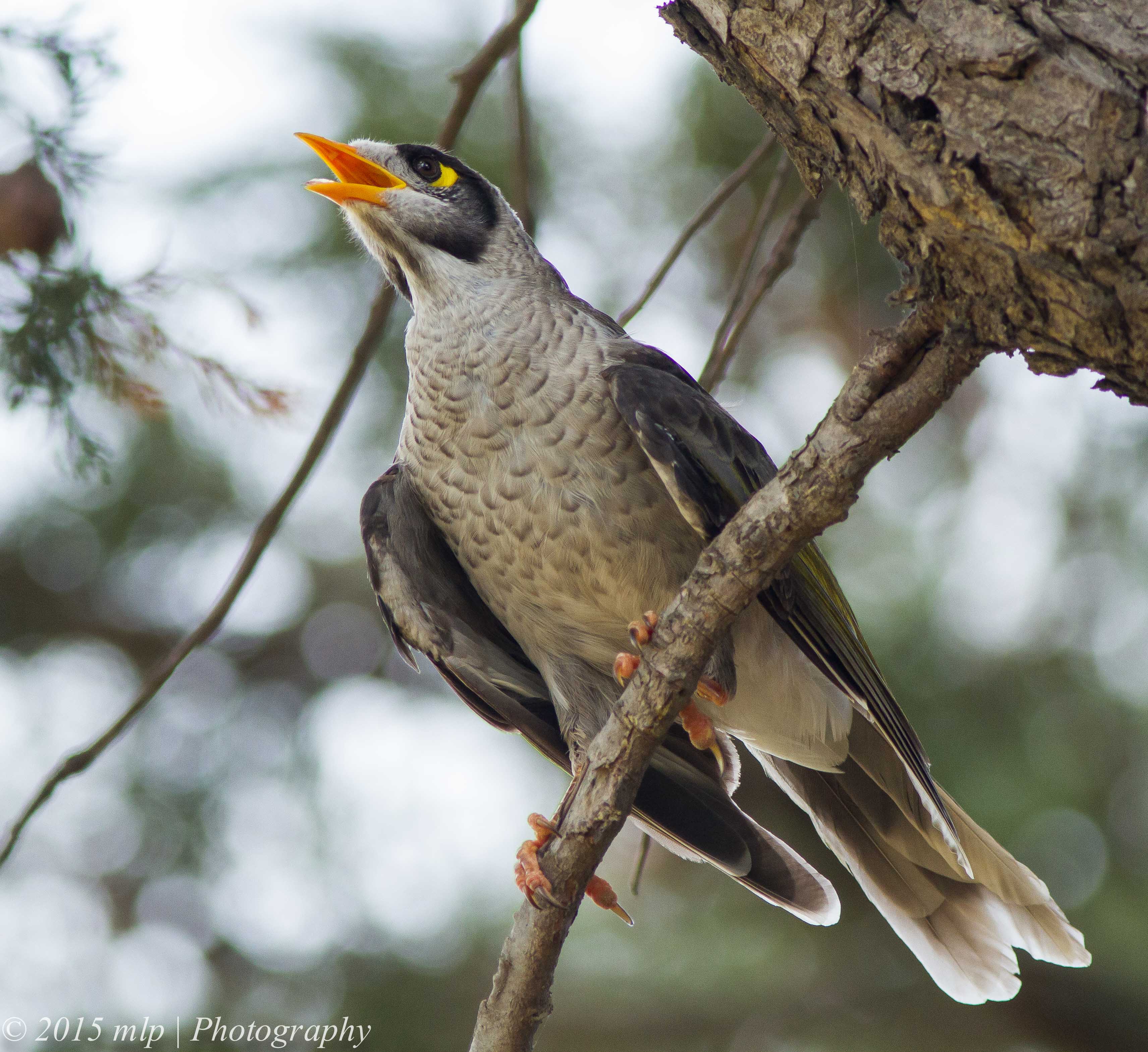
Noisy Miners are native honeyeaters that have adapted extremely well to urban locations. They are a communal bird that are very aggressive and push out other species from areas. Some councils around Australia have started culling programs to reduce their numbers and it has worked – other species are making a come back.  The Miners, while being a pest are actually interesting to watch and study as they have 11 known warning calls for predators and a specific one for “raptors above”. We heard it used while standing at the lake and soon spotted a Brown Goshawk flying over.

The one below came over to have look at what we were up to – had it seen the Cuckoo, it would have put out a challenge call and brought the rest of the pack over. It seemed quite hot and was panting while it watched us.

Noisy Miner, Elster Creek

Noisy Miner, Elster Creek

Noisy Miner, Elster Creek

Noisy Miner II

Eastern Rosella

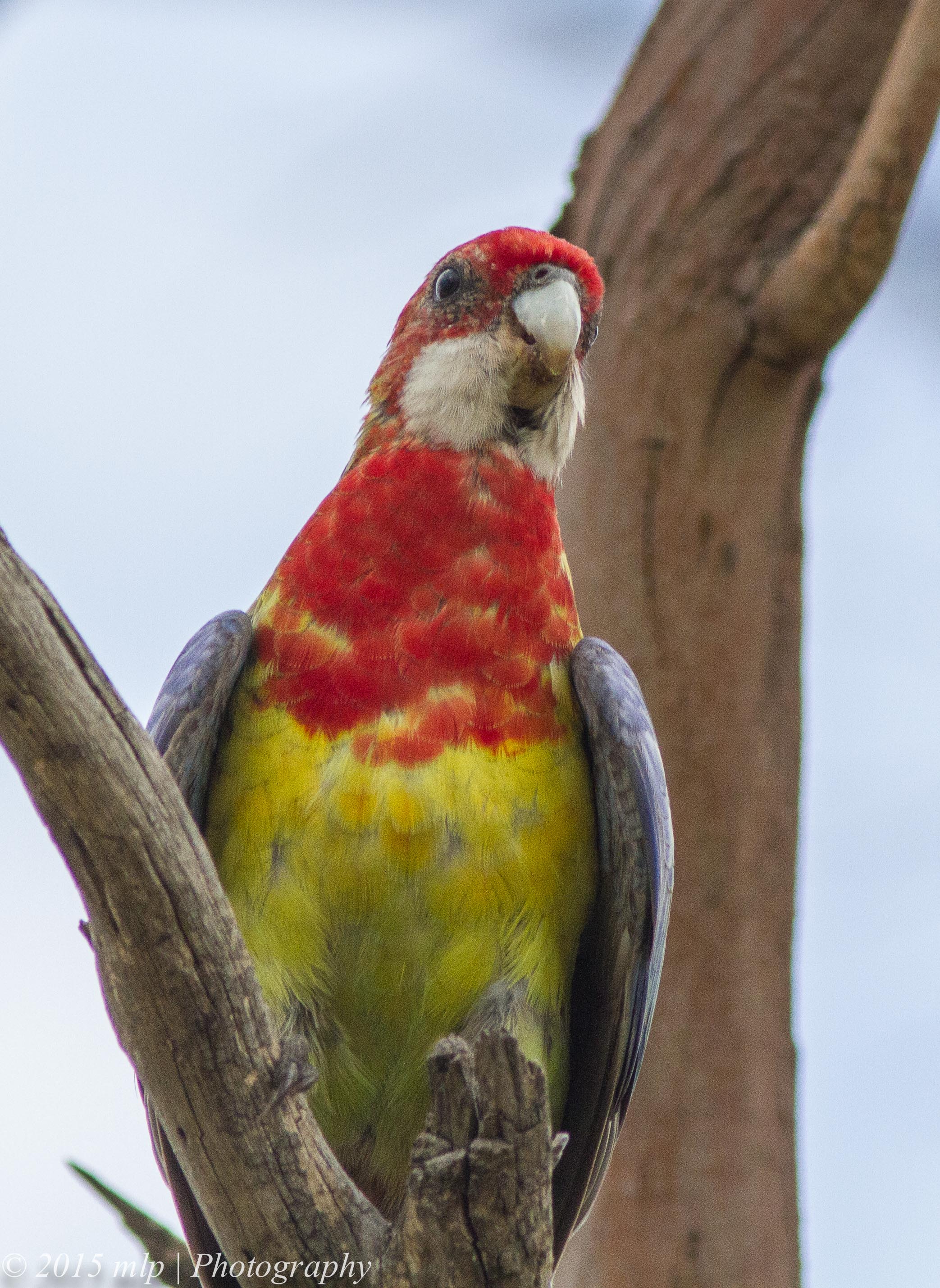
Eastern Rosella – this immature bird also came over to see what I was up to at the lake’s edge  – I was trying to entice a Little Grassbird out of the reeds by doing a bad impression.

Eastern Rosella

Eastern Rosella – I tried to mimic the Rosella’s calls ( a wide variety of piping chimes) and after a bit of a chat, the look he gave me suggested that I was a bit “special” and he took off…

Little Pied Cormorant

Little Pied Cormorant

Little Pied Cormorant

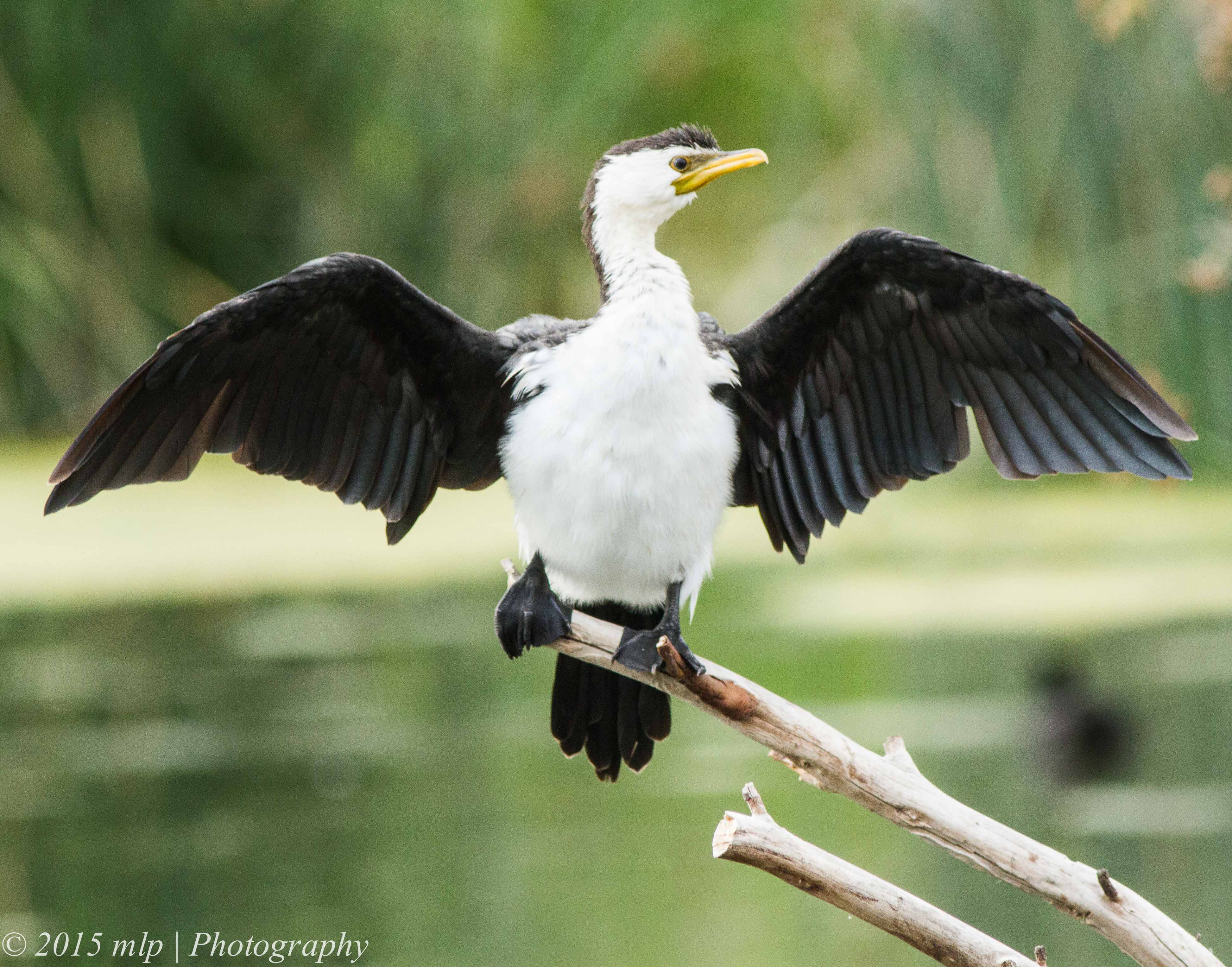
Little Pied Cormorant in the evening light

Australian Reed Warbler

Australian Reed Warbler – I did entice this guy out with a call.

Australian Reed Warbler

Australian Reed Warbler II

Ricketts Point – Pelican Bandits

Along Beach Rd at Beaumaris is a rocky platform that becomes exposed at low tide and is a favourite roosting spot for Silver Gulls, Crested Terns, Cormorants, Swans and Pelicans. Many other birds also stop by at times but these seem to be the main ones that are often here.

I always check the platform as I drive past and yesterday I noticed that it was visible with quite a few birds around. The carpark is only several meters from the edge of the rocks and screened by low salt bush so it is easy to get your gear ready and walk slowly onto the platform without spooking the birds. They are generally used to people and just move a bit further away. The best time to go is weekdays as the weekend and good warm weather guarantees lots of people visiting the area.

Ricketts Point, Beaumaris

Ricketts Point, Beaumaris – at the end of my visit, two skin divers set up their hunting gear at the point tower and finally spooked the birds.

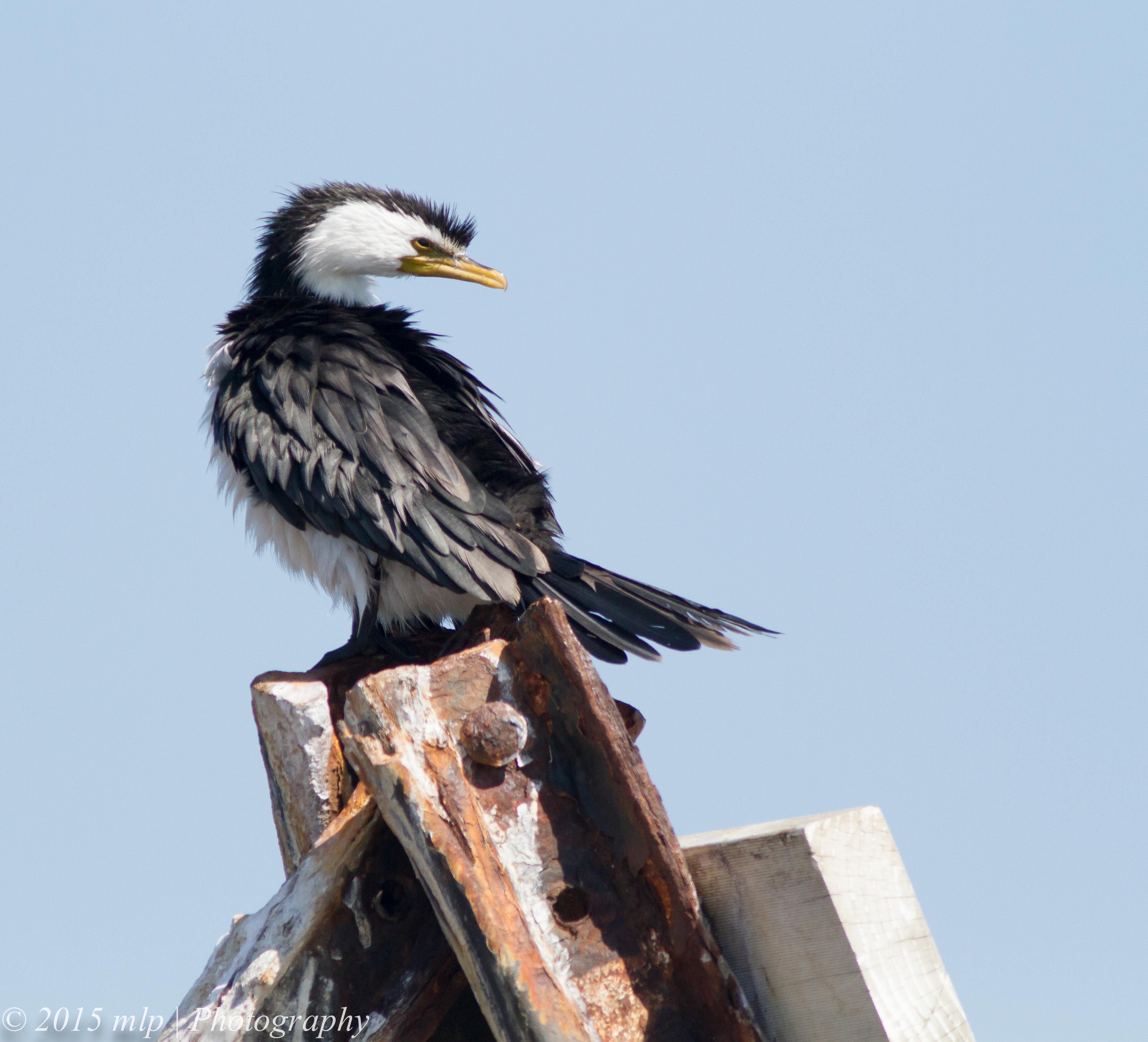
Little Pied Cormorant

Little Pied Cormorant drying off

Little Pied Cormorant II

Little Pied Cormorant II – dry and fluffed up after preening

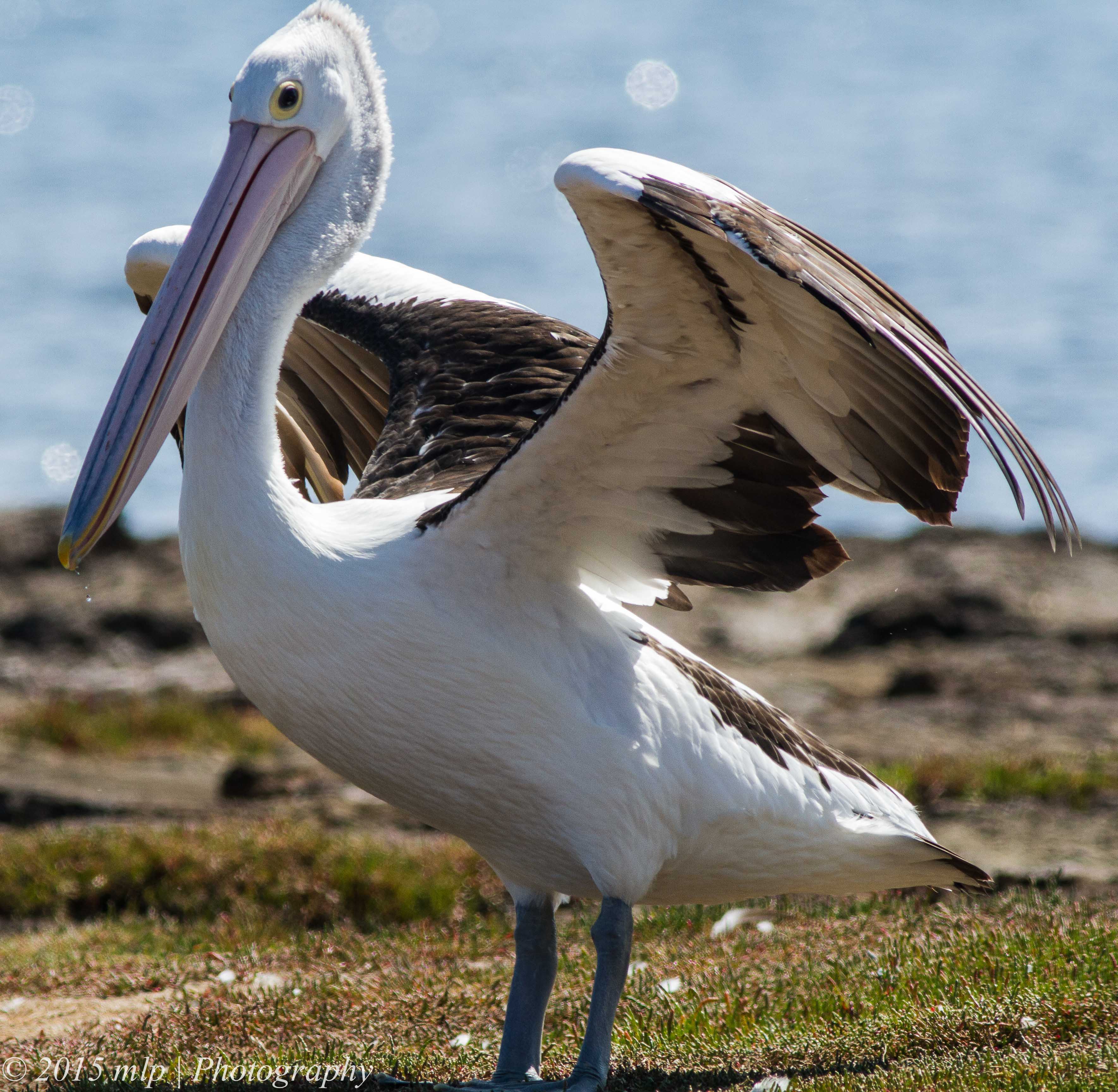
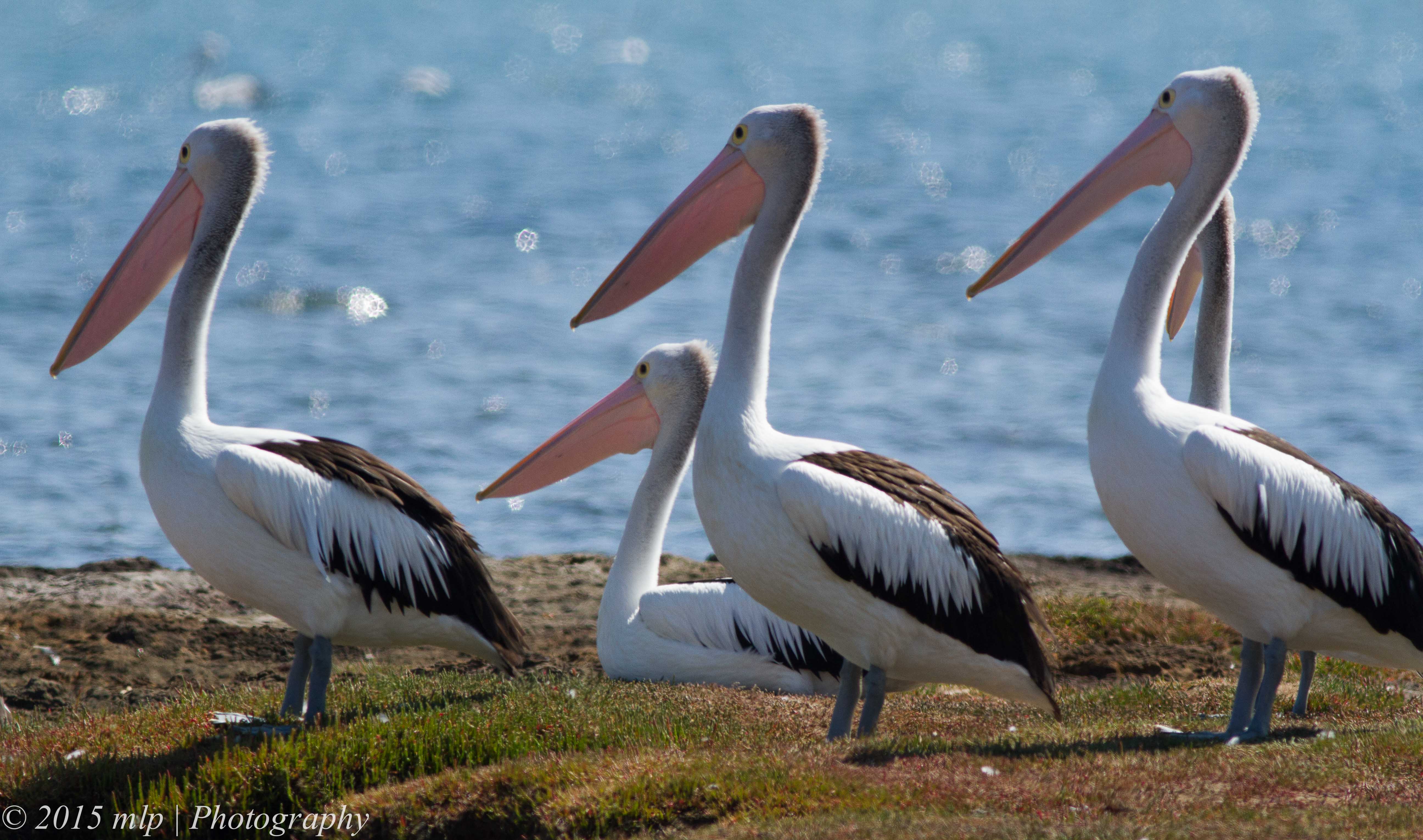
Pelican

Australian Pelican – the short and tall of it…a few of the pelicans seemed to favour the upright resting position – I have not seen this before.

Pelican

Pelican stretching or yawning

Pelican

Pelican – cooling down or drying off a bit

Tagged Crested Tern

Tagged Crested Tern – many of the Crested Terns on the rocks were tagged

Tagged Crested Tern

Tagged Adult Crested Tern

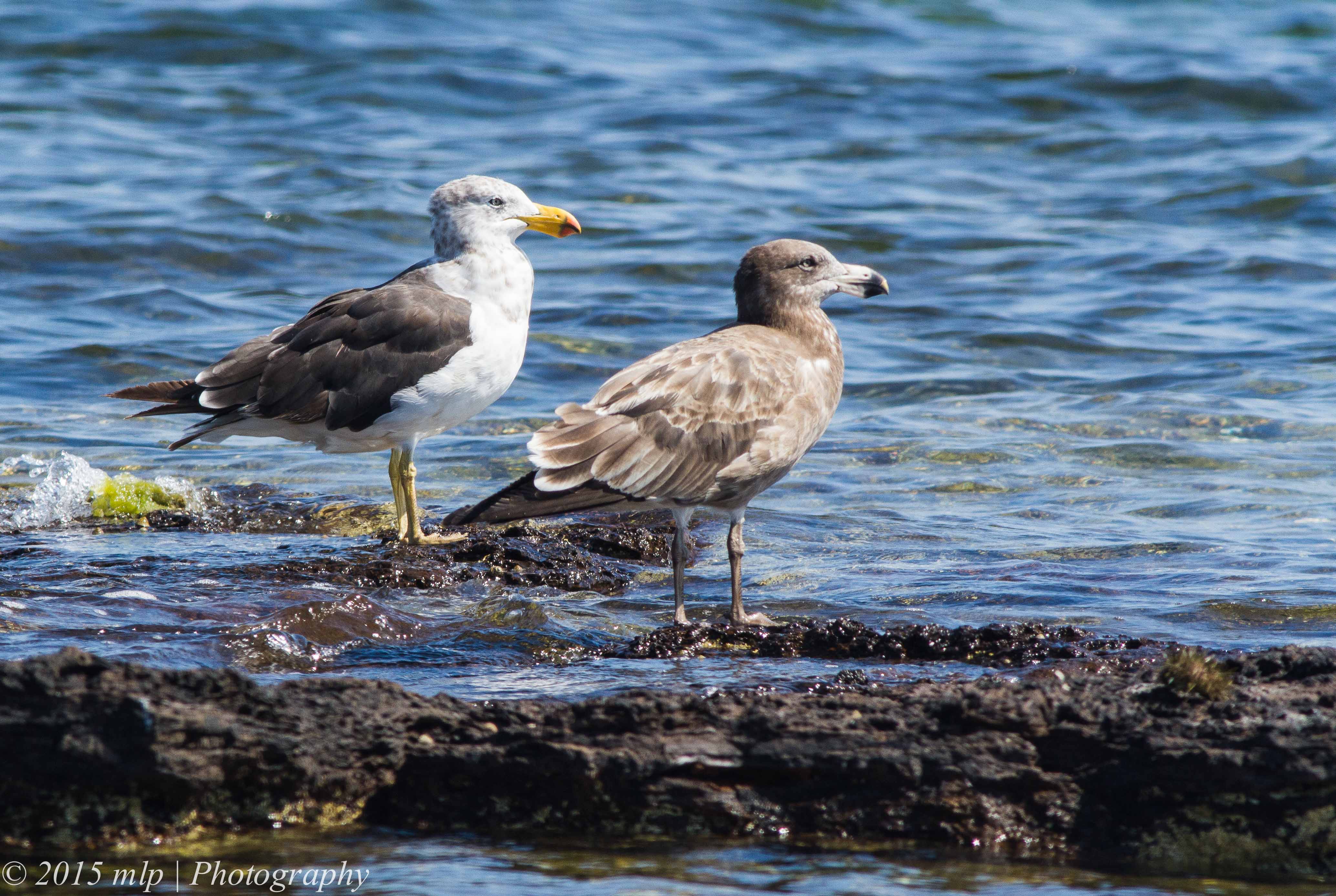
Pacific Gulls

Pacific Gulls – a grey/brown juvenile (1st year)  and a Gull with almost adult plumage. It can take several years to reach full adult plumage.

Fisherman in their boat off Ricketts Point

Fishermen in their boat off Ricketts Point

Pacific Gull

Pacific Gull

The Pelicans developed an intense interest off shore and all started to watch the 1st year Pacific Gull move towards the fishing boat. One of the fishermen threw some bait or a chunk of fish to the Gull which attempted to bring it back to the rocks to consume. Several of the pelicans took off with a just a few flaps and immediately hounded the Gull in the air until it dropped the prize and one of the pelicans dived down and retrieved it. I have not seen this type of behaviour before –  it is usually the other way round  – maybe they knew the Gull was young and took advantage.

Pelican

Pelicans with a sudden offshore interest.

Pelican

Pelican taking off with a just a few beats of its wings

Pelican

Pelican – off to harass the Gull.

Chicks with big feet and an Angry Dad

Karkarook Park is an old sand quarry site in Heatherton that has been rehabilitated into wetlands, a large multipurpose lake and bushland. It is a good site for Birding (50+ species in a few hours) and photography. It is used by locals for exercise, fishing, dog walking and picnics. The wetlands are excellent for spotting the rarer waders like crakes and rails and often migrating birds will stop for a few days rest – Stilts, Dotterals and the very rare Little Bittern.

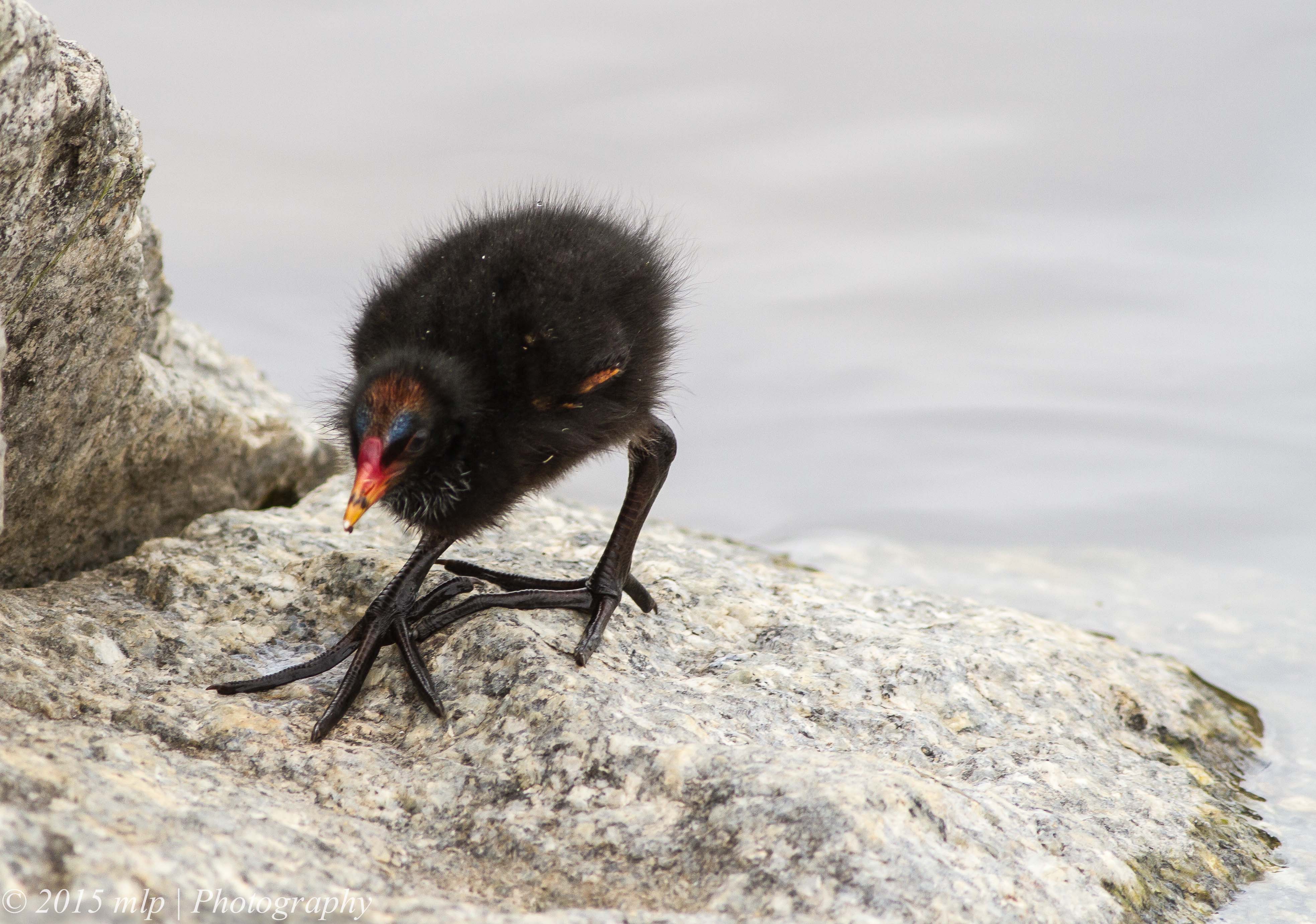
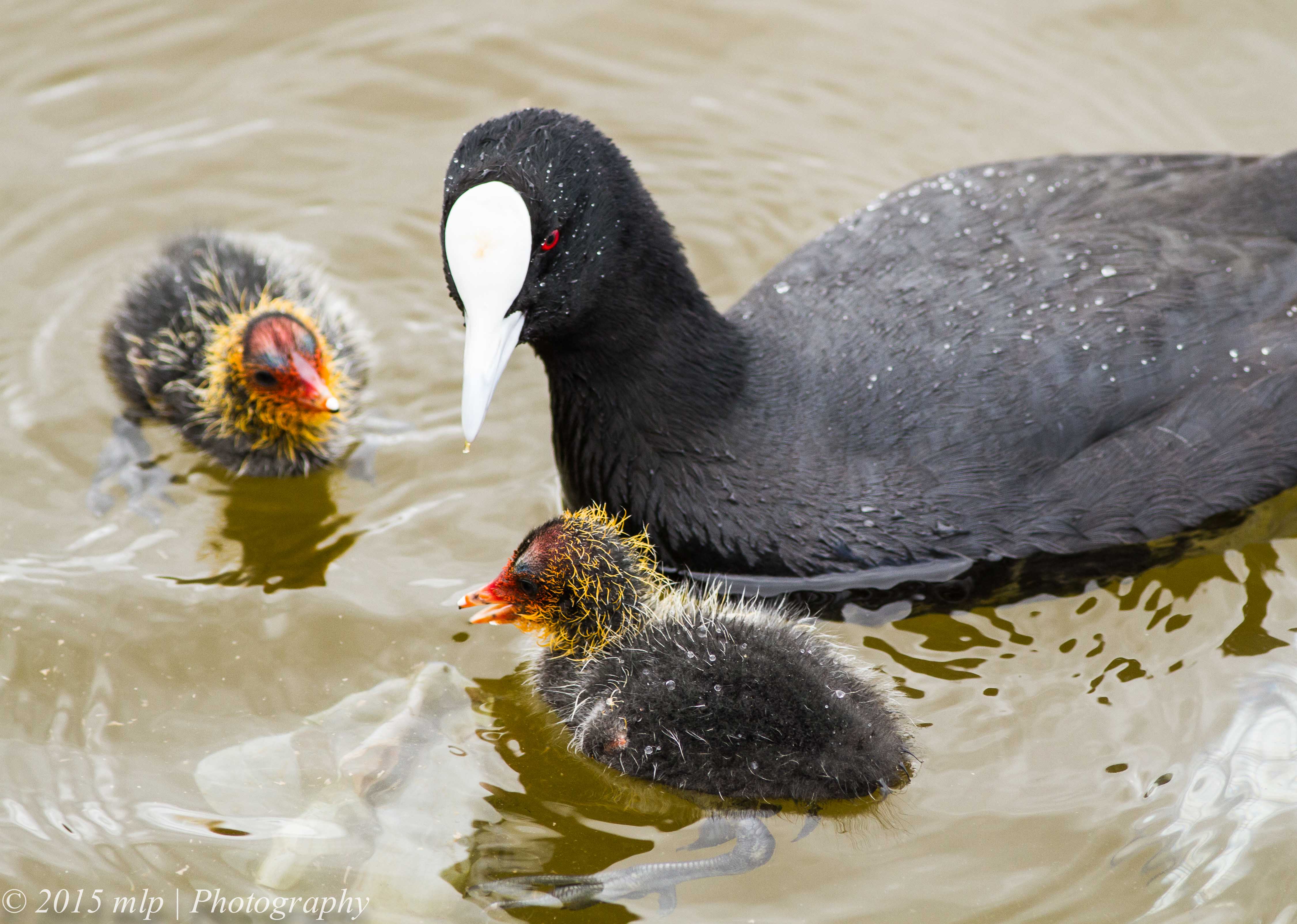
On my last visit I watched as some newly hatched Dusky Moorhen and Coot chicks took to the water and were fed by their parents. I was quite surprised by the size of their feet.

Dusky Moorhen Chick

Dusky Moorhen Chick

Dusky Moorhen Chick

Dusky Moorhen Chick II

Dusky Moorhen & Chick

Dusky Moorhen & Chick

Eurasian Coot and chick

Eurasian Coot feeding its chick small bits of water weed.

Eurasian Coot and chicks

Eurasian Coot and chicks

Eurasian Coot and chicks II,

Eurasian Coot and chicks II,

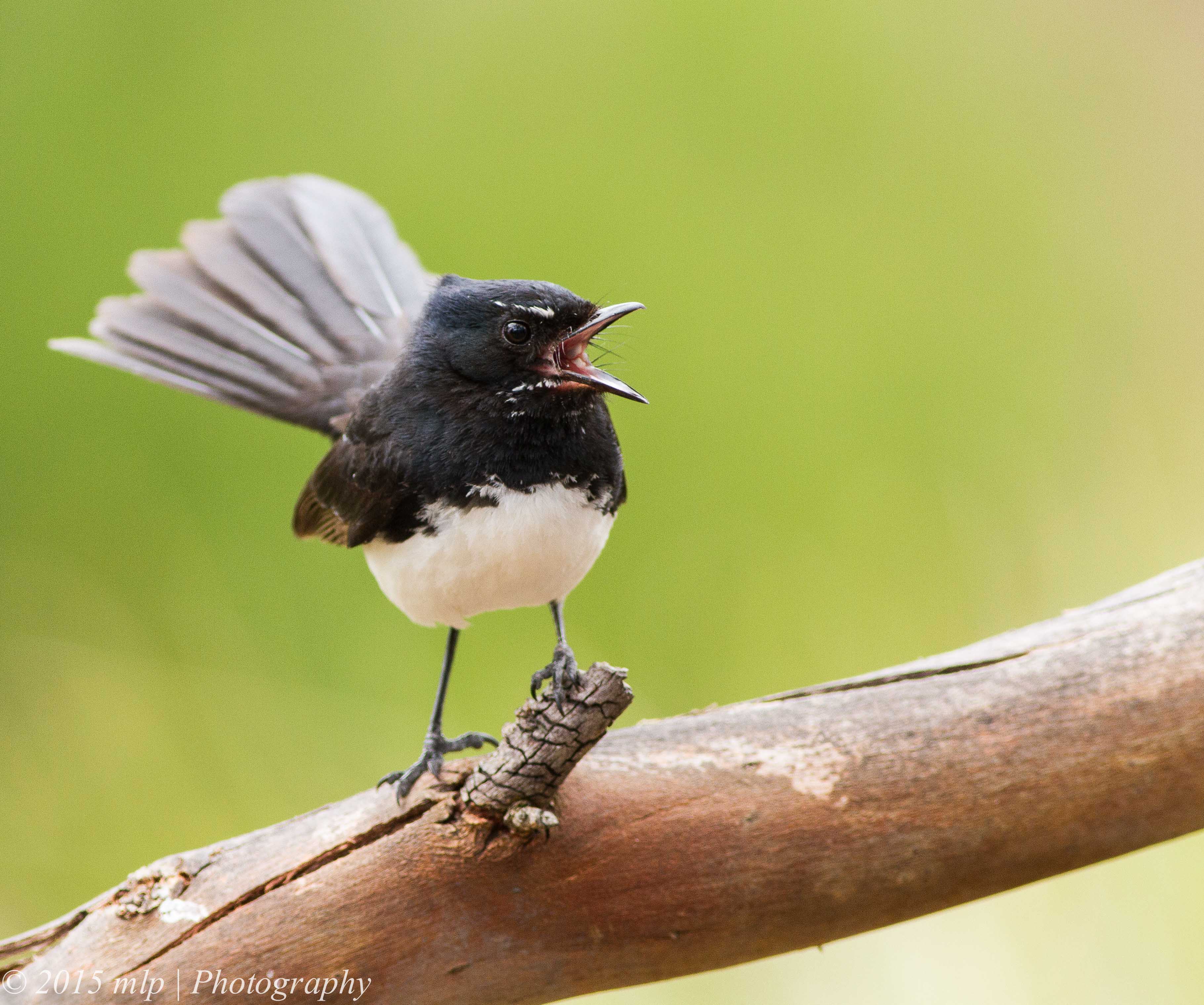
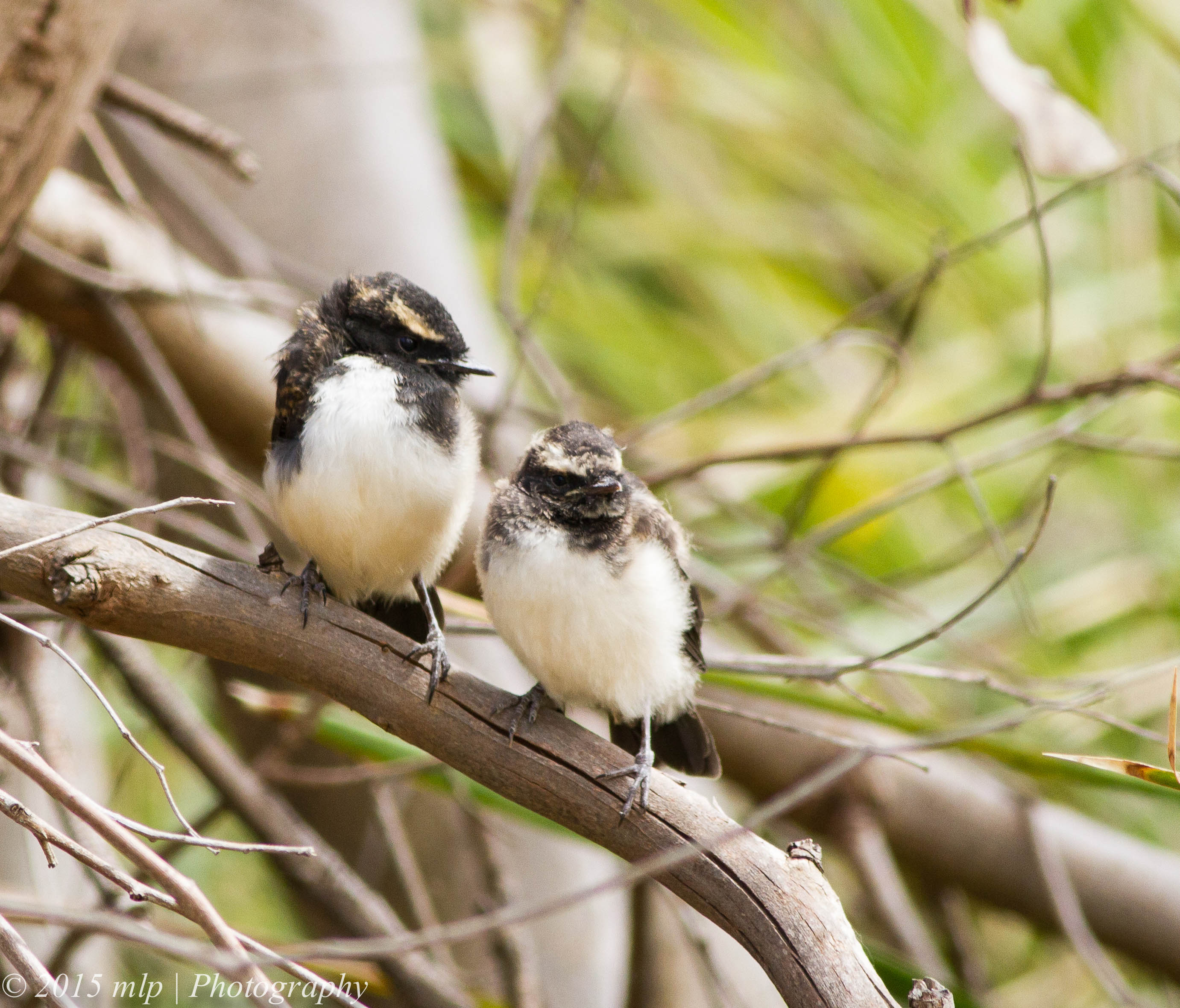
I was walking down one of the woodlands paths when I was buzzed by a Willie Wagtail that was clearly agitated. They can be quite aggressive with other birds and are a very good bush alarm giving a clear distinctive warning (chicka chicka) when something dangerous is nearby: snakes, foxes, large lizards etc. But they don’t usually worry too much about people. I stood still and had a look around and realized that just near my knees in a bit of scrub were 2 Wagtail chicks that must have just come out of the nest. They did not fly away and just watched the parent. I moved back a few metres and sat down next to a tree. The parent then ignored me and started to feed his chicks. The other parent was on the other side of the bush looking after a third chick.

Willie Wagtail

Angry Willie Wagtail

Willie Wagtail II

Willie Wagtail II

Willie Wagtail III

An Angry Dad giving me the stink eye…..

Willie Wagtail fledglings

Willie Wagtail fledglings – 3rd chick just visible to the right

Willie Wagtail fledglings II

Willie Wagtail fledglings II

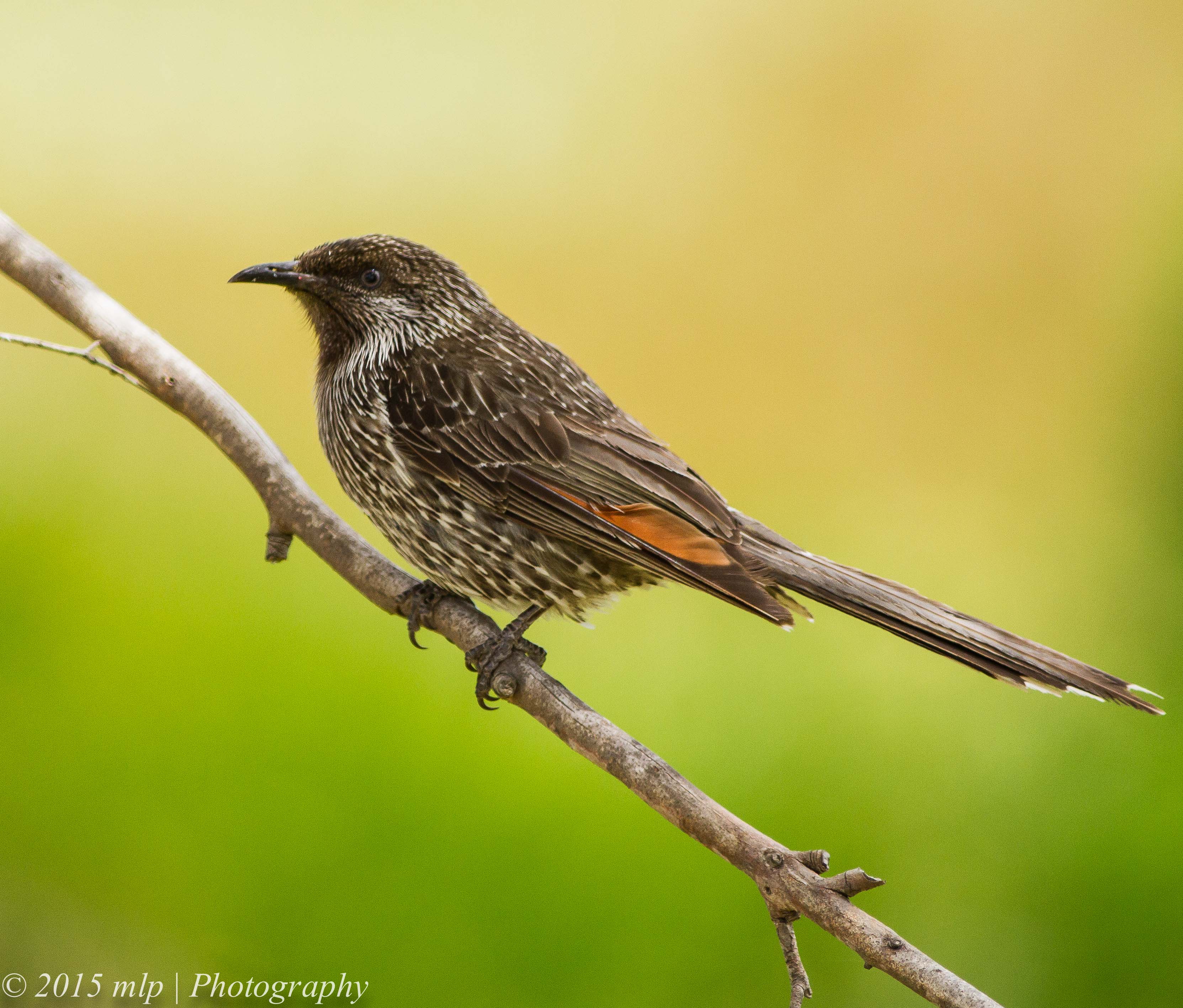
Little Wattlebird

Little Wattlebird

Little Wattlebird II

Little Wattlebird II

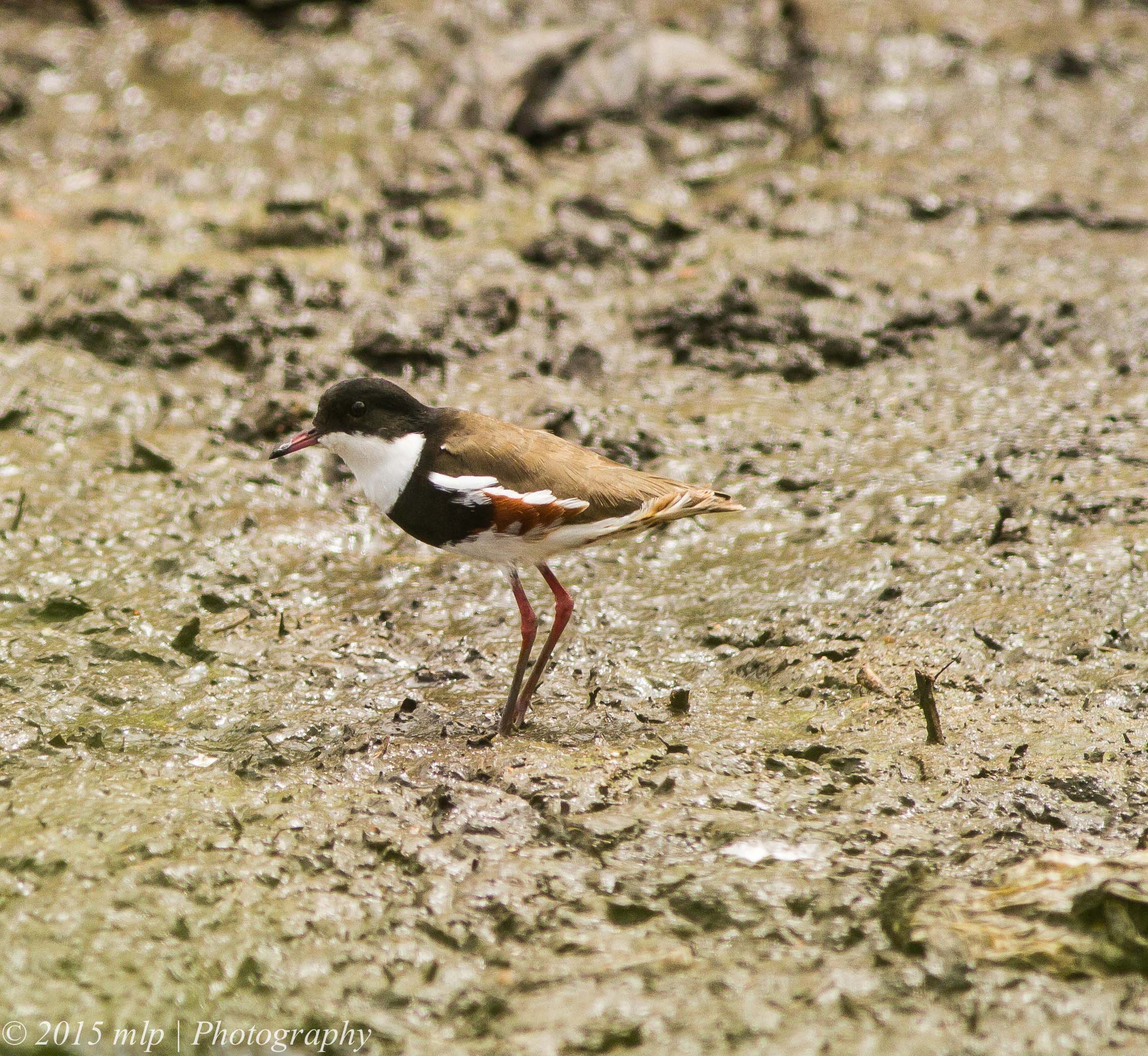
Red Kneed Dotteral

Any guess why this bird is called a Red Kneed Dotteral?

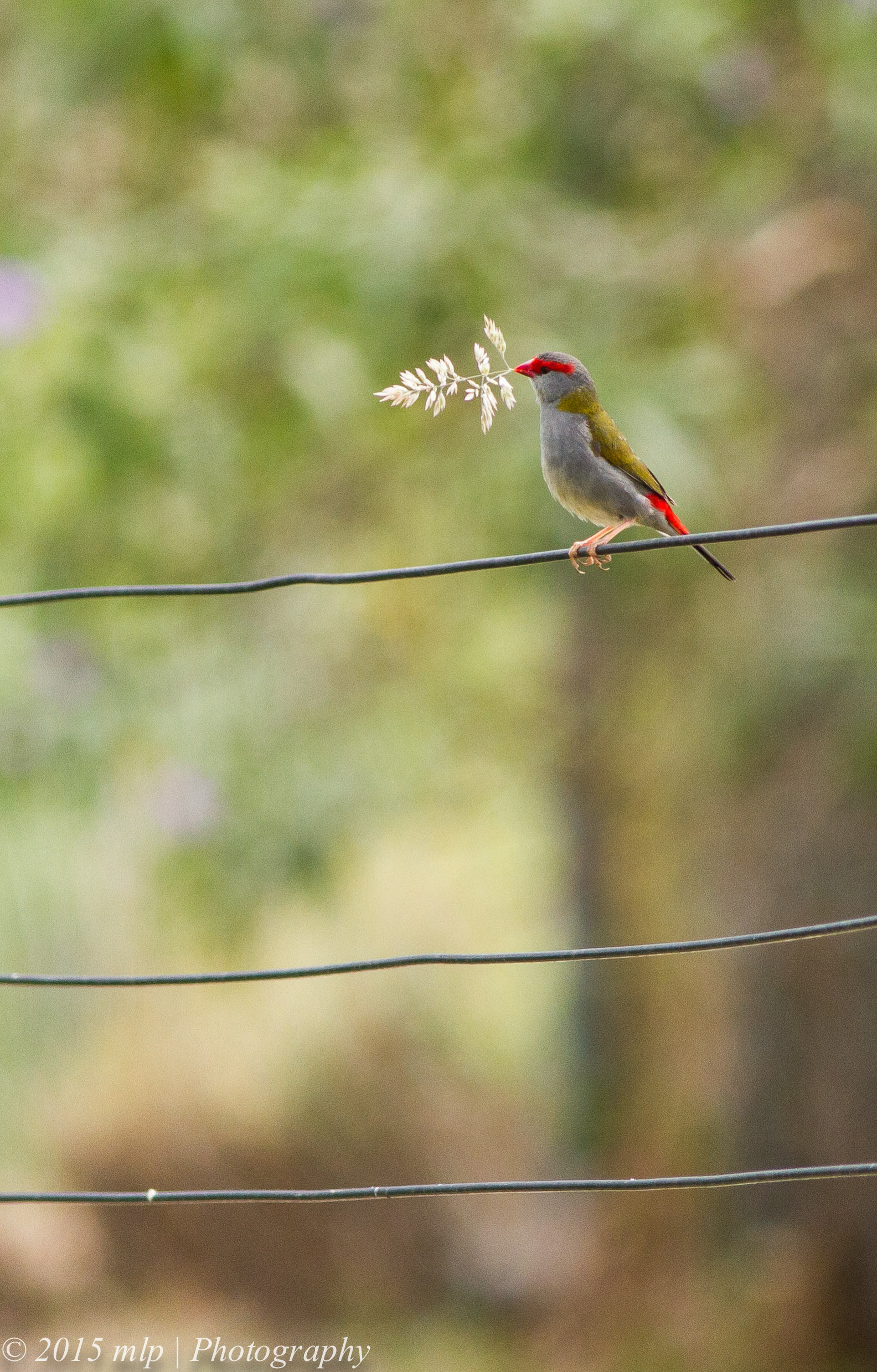
The Red Browed Finch caught my attention when it flew up to the top of a fence line and started to bop up and down with a delicate grass seed stem. He put on quite a show for a few minutes but when the female ignored him he dropped the seeds and flew off….

Red Browed Finch

Dancing Red Browed Finch

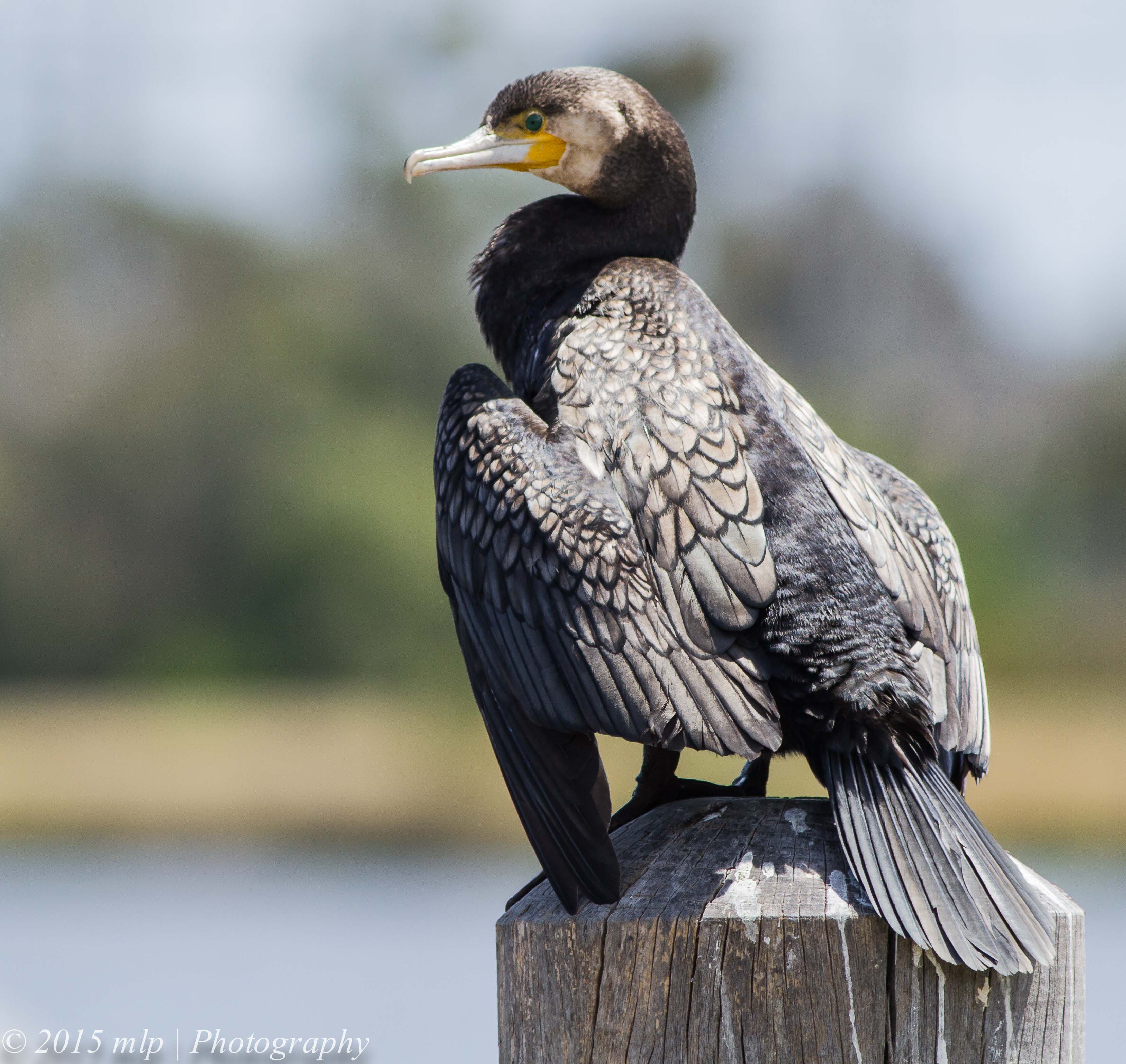
Great Cormorant

Great Cormorant drying out on a pier post – there are a number of Cormorants resident on the lake.

Elster Creek and the Nursery Tree

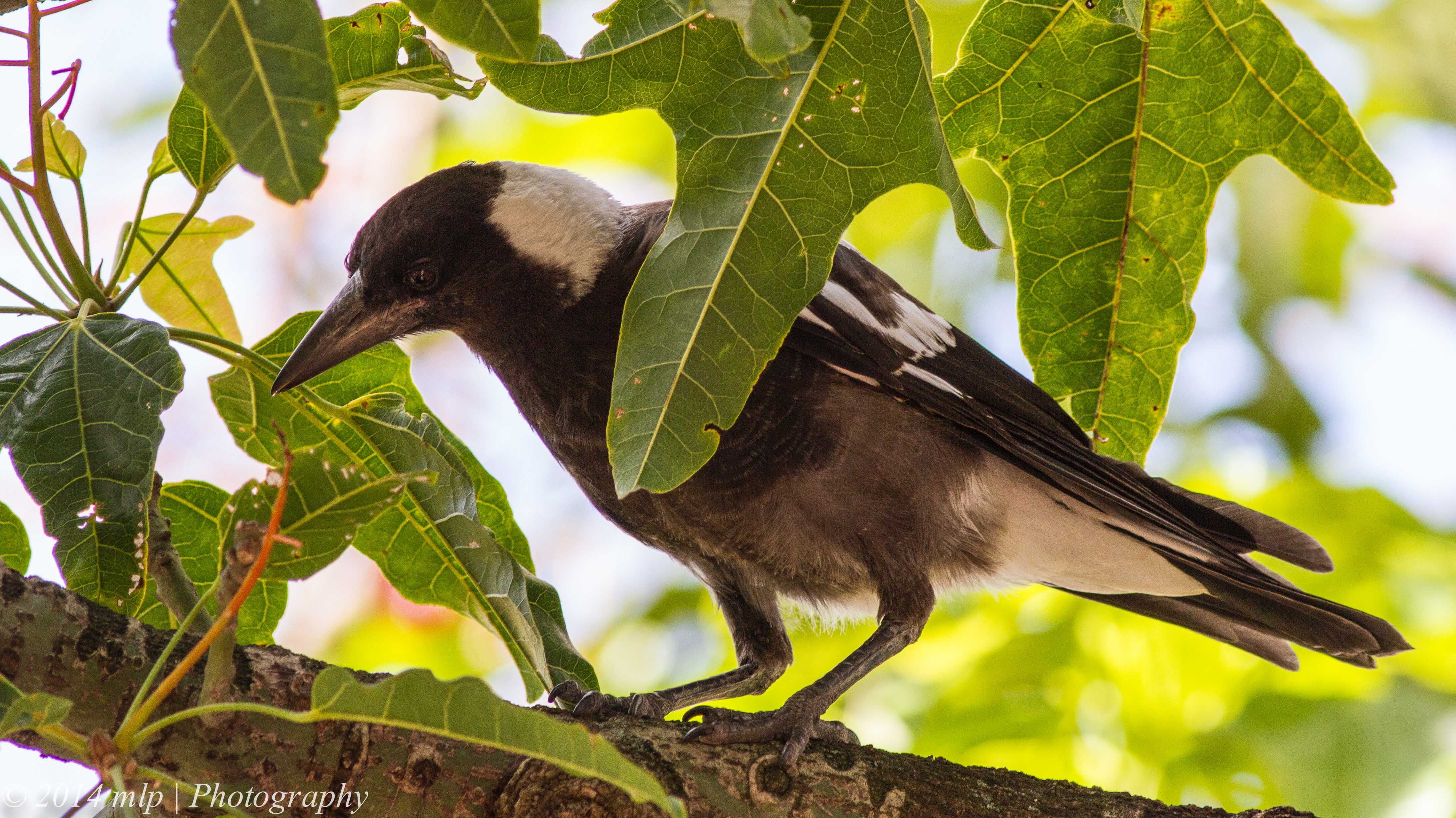
I have a large Illawarra Flame tree in bloom at the moment. On average it blooms only every second or third year. It is a tropical/sub tropical tree and not really meant for these southern climates. It seems to get confused when to drop leaves and flower. It is mostly out of cycle with the southern seasons. Around Christmas for 6 weeks or so, it breaks out in a mass of small nectar filled red flower cups that the local birds absolutely love – especially the Rainbow Lorikeets. It is also used as one of the roosting spots for the local family of Magpies. A pair of magpies can claim a territory for 20 years plus and use a few trees in the territory to make their calls. The tree is currently being used as a nursery for two magpie fledglings, juvenile rainbow lorikeets and two juvenile Red Wattlebirds.

The Magpies stay put until a parent either comes to feed them or take them down onto the creek side grass. I can tell when the parent has arrived as the young Magpie starts making a begging call. While I watched the fledgeling it moved around the tree biting the leaves, bark, branches, flowers and any other bird in reach. Magpies don’t eat in trees other than to feed nestlings or fledgelings so it seemed to be killing time by exploring the branches and watching out for the parents (and occasionally watching me work in the back courtyard)

Juvenile Magpie, Elwood Flame Tree, Vic -  5 Jan 2014

Juvenile Magpie, Elwood Flame Tree, Vic – 5 Jan 2014

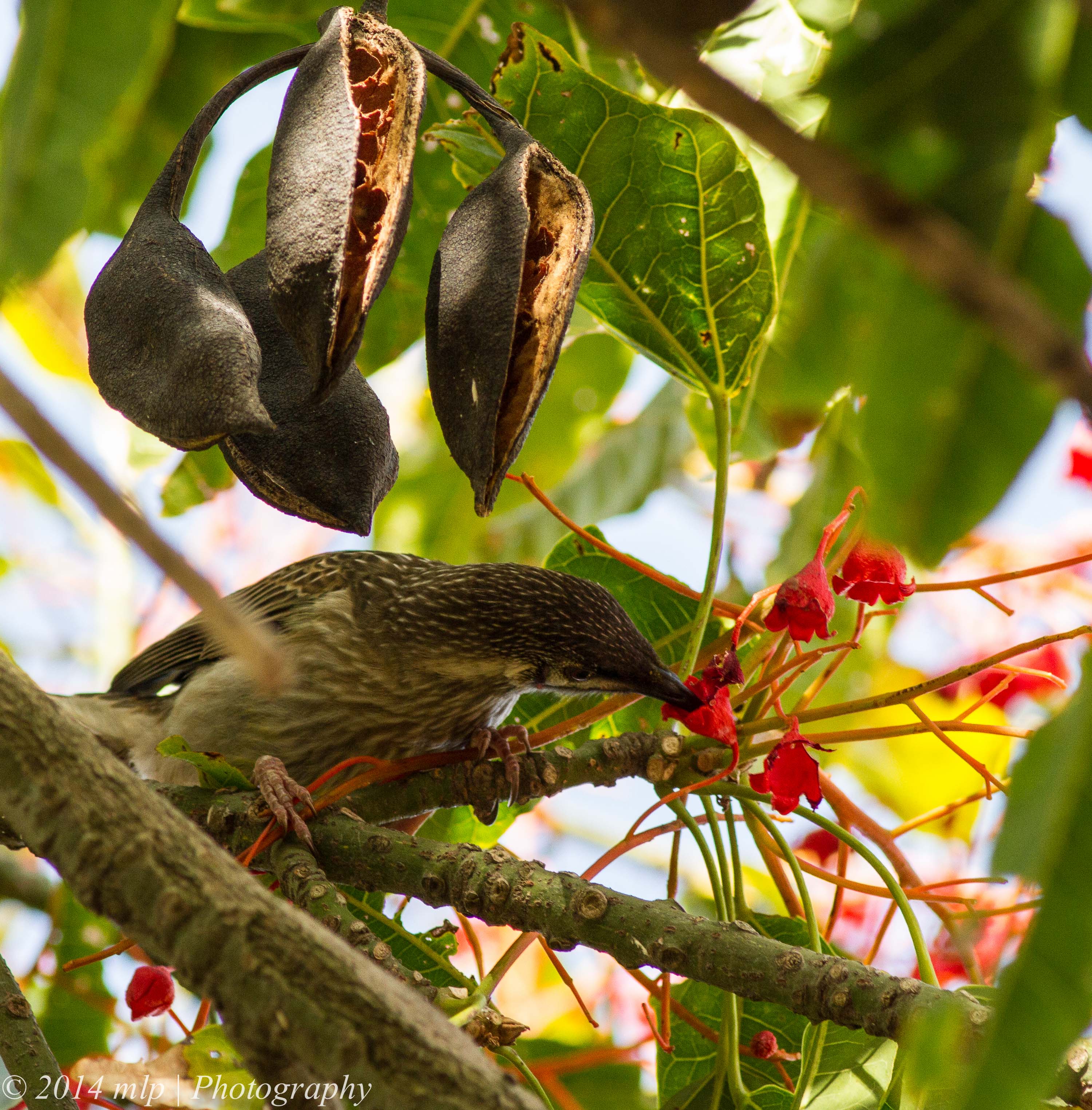
Two young Red Wattlebirds stayed in the tree sampling the various flowers keeping well away from the juv Magpie who was starting to build up to a tantrum – tearing leaves and flinging them about.
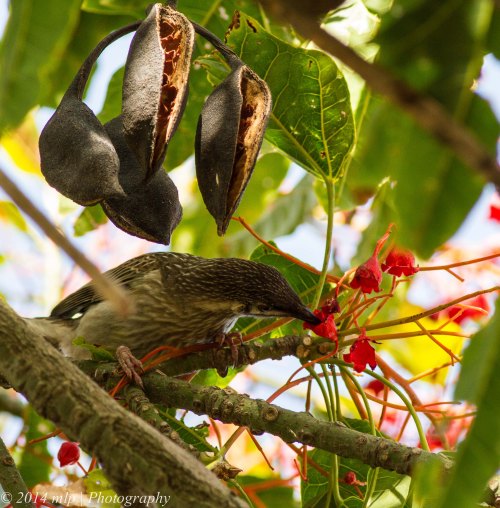
Juvenile Red Wattle Bird, Flame Tree, Elwood, Vic  - 5 Jan 2014

Juvenile Red Wattlebird, Flame Tree, Elwood, Vic – 5 Jan 2014


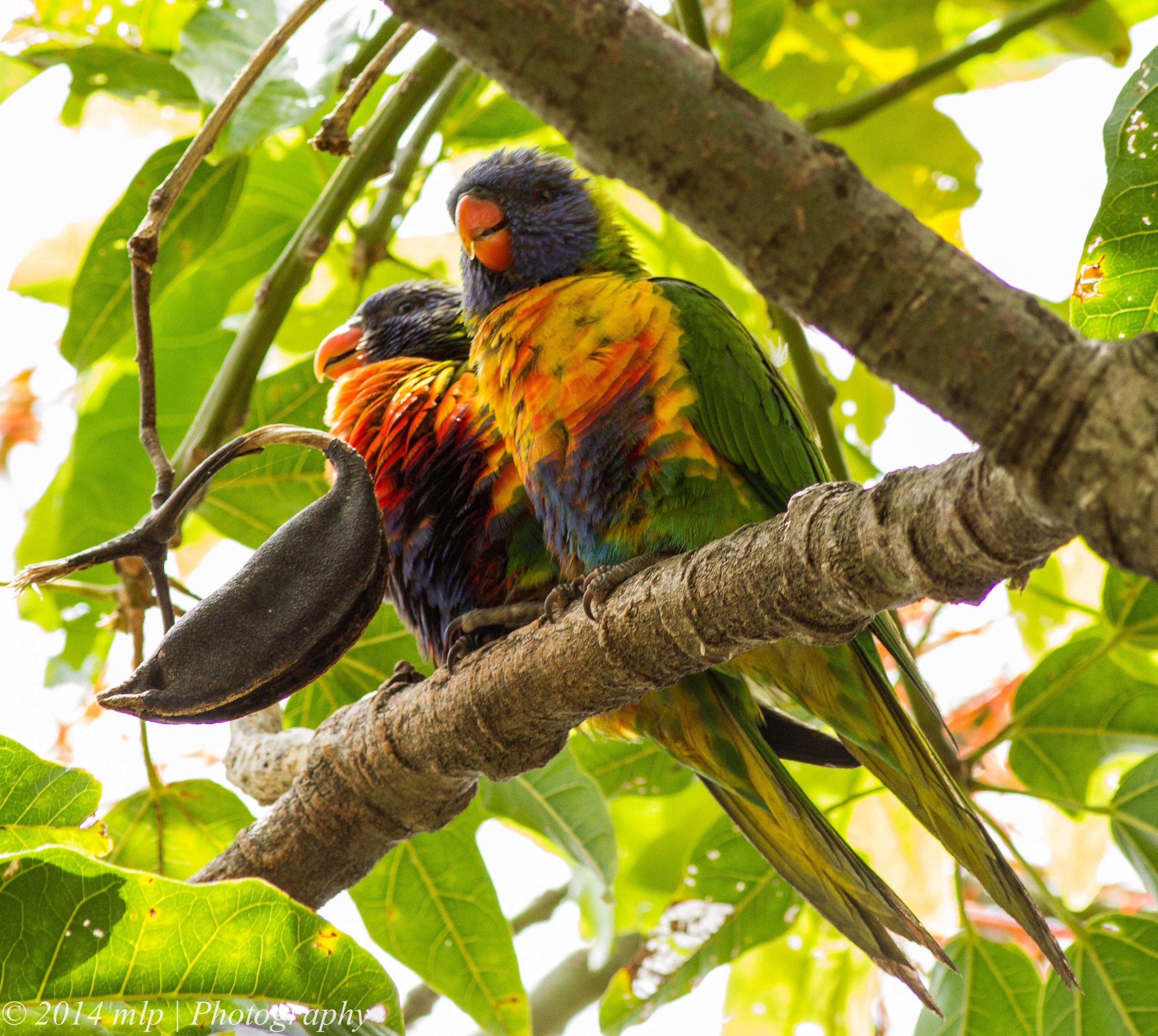
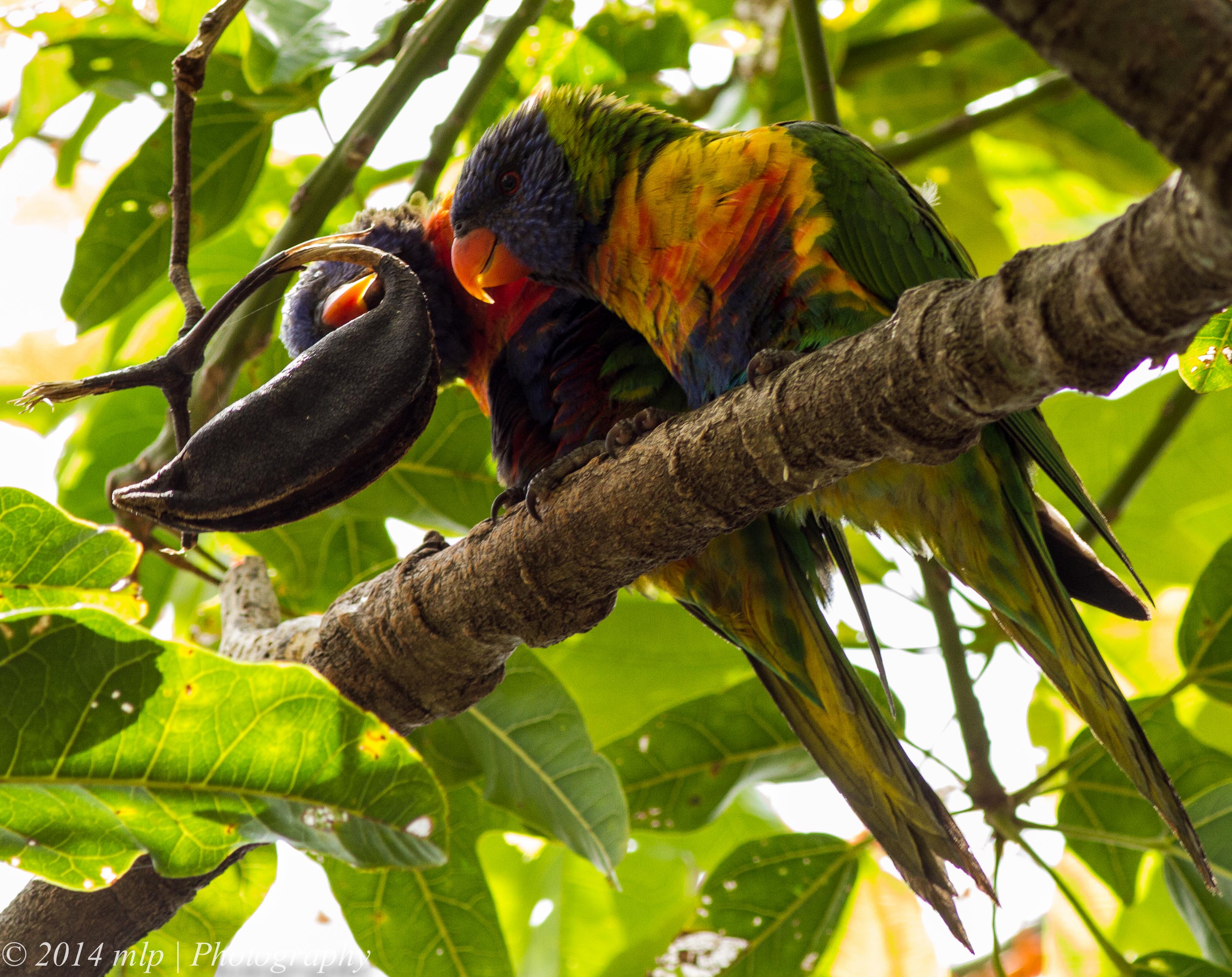
The young Rainbow Lorikeets were perched on the same branch for a few hours and kept themselves occupied by grooming each other, bickering and chewing on the seed pod. They are well named with a multi-coloured chest and head  – the juveniles are more mottled with the colours which settle into solid forms as an adult.

Juvenile Rainbow Lorikeets, Elwood Flame Tree, Vic -  5 Jan 2014

Juvenile Rainbow Lorikeets, Elwood Flame Tree, Vic – 5 Jan 2014

 II

II

III

III

 IV - their back colours are quite a dull green and when the birds are quiet they are just about invisible in the green leaves. I expect  the green back is for protection against raptors.

IV – their back colours are quite a dull green and when the birds are quiet they are just about invisible in the green leaves. I expect the green back is for protection against overhead raptors. It is on the menu for a number of local birds of prey.

Rainbow Lorikeet, Flame Tree, Elwood, Vic 5 Jan 2014 -I watched the 2 lorikeets on and off for a while and did not even notice this one on a branch nearby.

Rainbow Lorikeet, Flame Tree, Elwood, Vic 5 Jan 2014 – I watched the 2 lorikeets on and off for a while and did not even notice this one on a branch nearby.

Later as I walked along the creek, I found a few more juveniles and families.
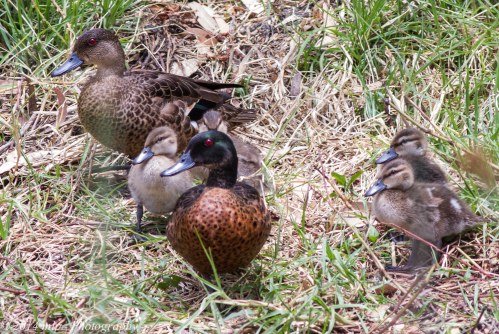
Chestnut Teal family, Elster Creek, Elwood, Vic -  5 Jan 2014

Chestnut Teal family, Elster Creek, Elwood, Vic – 5 Jan 2014

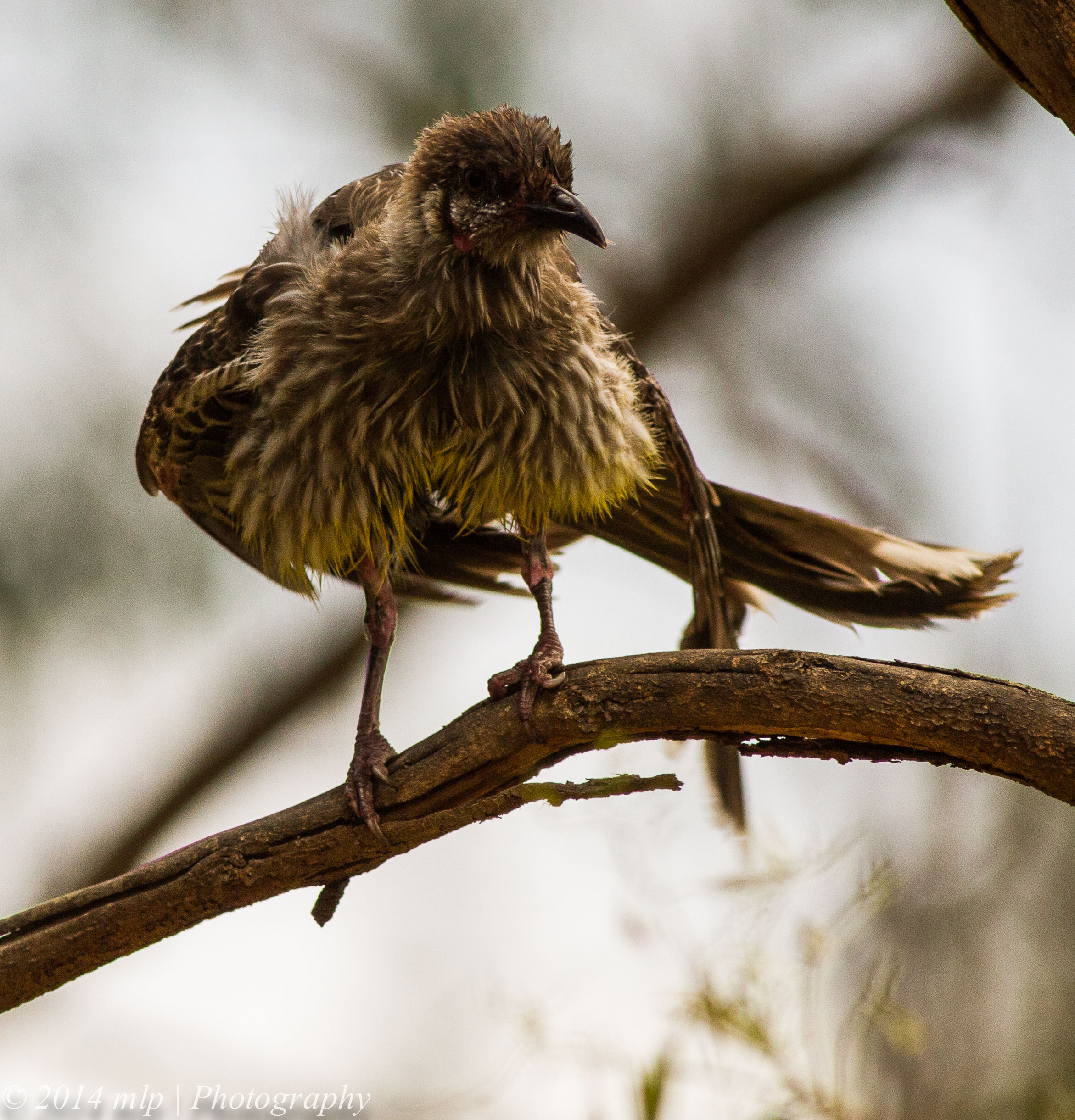
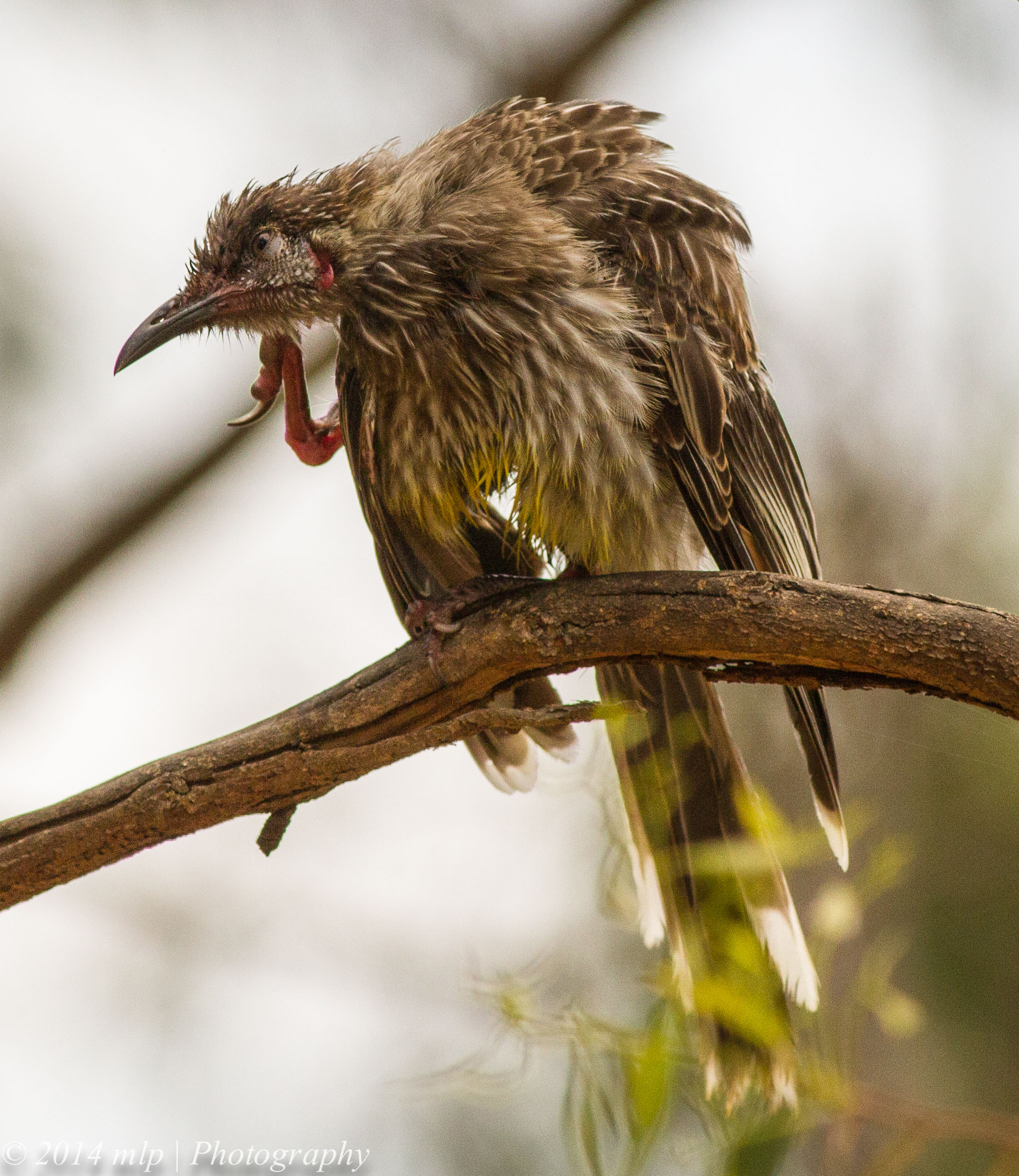
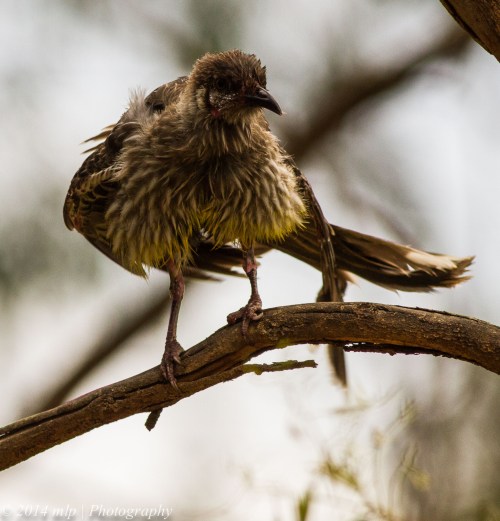
At Elsternwick Lake, next to the creek, I watched a family of Red Wattlebirds taking a mid afternoon plunge. I have only seen these birds bathing at my bird bath and assumed a more standard gentle form of bathing. At the lake I watched them plunge into the water and fly up to a roost to groom and clean and then plunge in again…they became very wet and spent some time cleaning.

Juvenile Red Wattle Bird grooming, Elster Creek, Elwood, Vic  - 5 Jan 2014

Juvenile Red Wattlebird grooming, Elster Creek, Elwood, Vic – 5 Jan 2014 – the juvenile only has a small red cheek wattle where the adult has a much larger and longer version
 II

II – wattle does a waggle, drying those hard to reach places

III

III – yep, feet all clean

IV

IV – under arms all good

V

V – get behind those ears…