Tag Archives: Photography

Elster Creek to Elwood Canal

On the weekend I took the fairly short walk from the golf course lake to the rocky mouth of Elster Creek, which opens into Port Philip Bay. Along the way I photographed a few of the species that can be found: two cormorant species like to roost on the lake overnight, several Willie Wagtail pairs have claimed their spots around the lake and hunt across it while loudly claiming their rights, and a large Noisy Miner clan are permanently located along grassy areas of the canal and the lakes. At the mouth of the creek there are a number of small bird families making a living. They are also territorial: feeding, nesting and defending their little patches. It is a tough area to live in, a major byway for human traffic, hot at times and exposed to strong winds and storms from across the Bay. The coast is heavily patrolled by many aerial hunters and other opportunistic feeders including mammals – the Rakali (native water rat) is an effective aggressive hunter, and is well known in this part of the Elwood Canal/Elster Creek catchment.

To find these tiny settlers you need to walk along either side of the canal mouth and listen for the high pitched calls of the three main species – Superb Fairy Wren, White Browed Scrubwren and the Brown Thornbill. A little bit of whistling mimicry and phishing can make them pop up to see what is happening. A walk into the low coastal scrub to get to the breakwater rocks can bring them out as they scold you for entering their territory and possible nesting areas. Photographing these small fast birds can be very frustrating but quite rewarding when one stays still long enough in the right light and you finally take a nice image.
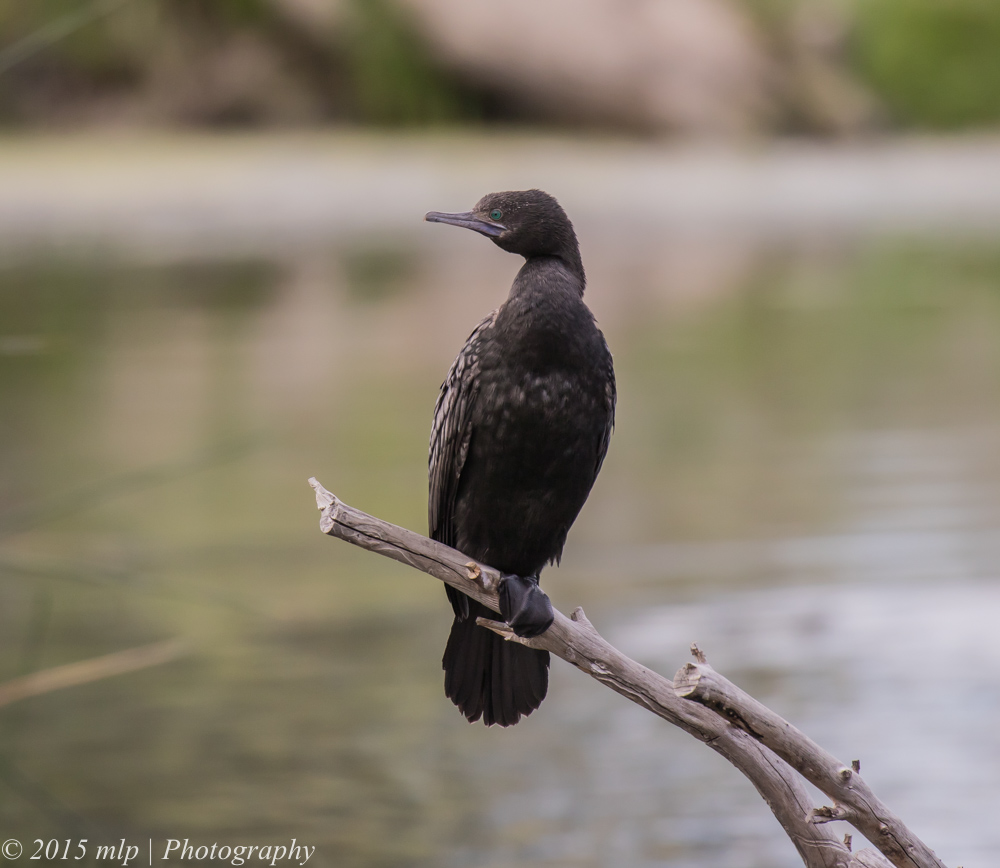
Little Black Cormorant, Elster Creek
Little Black Cormorant, Elster Creek

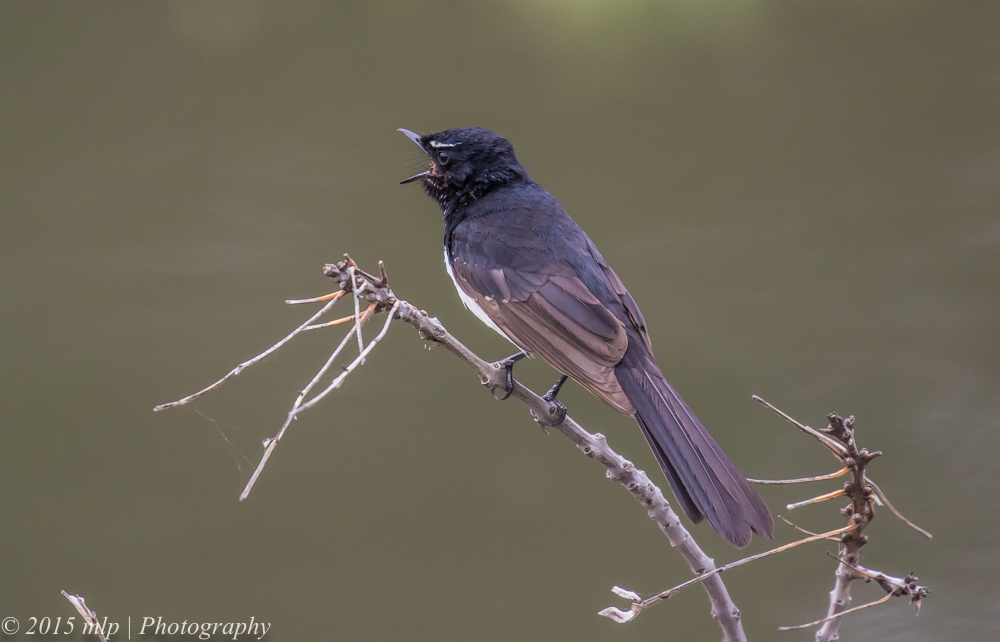
Willie Wagtail, Elster creek

Willie Wagtail claiming his part of the lake while hunting for insects

Juvenile Noisy Miner, Elster Creek

Juvenile Noisy Miner waiting for his next meal
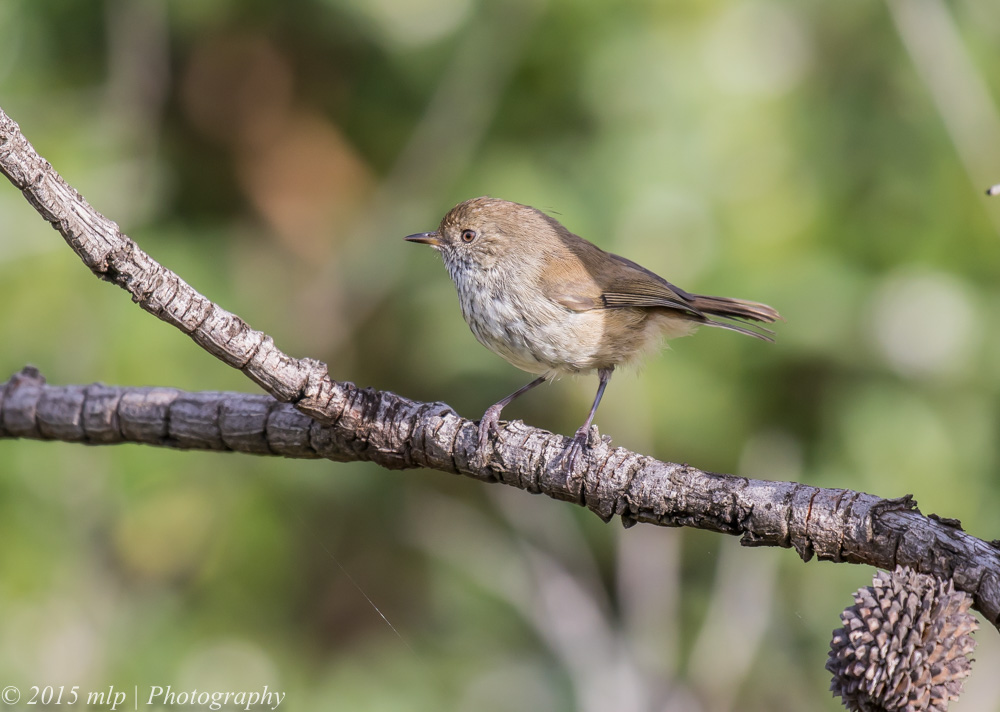
Brown Thornbill,  Elster creek

Brown Thornbill, Elster creek

Brown Thornbill,  Elster creek

II

Superb Fairy Wren,  Elster creek

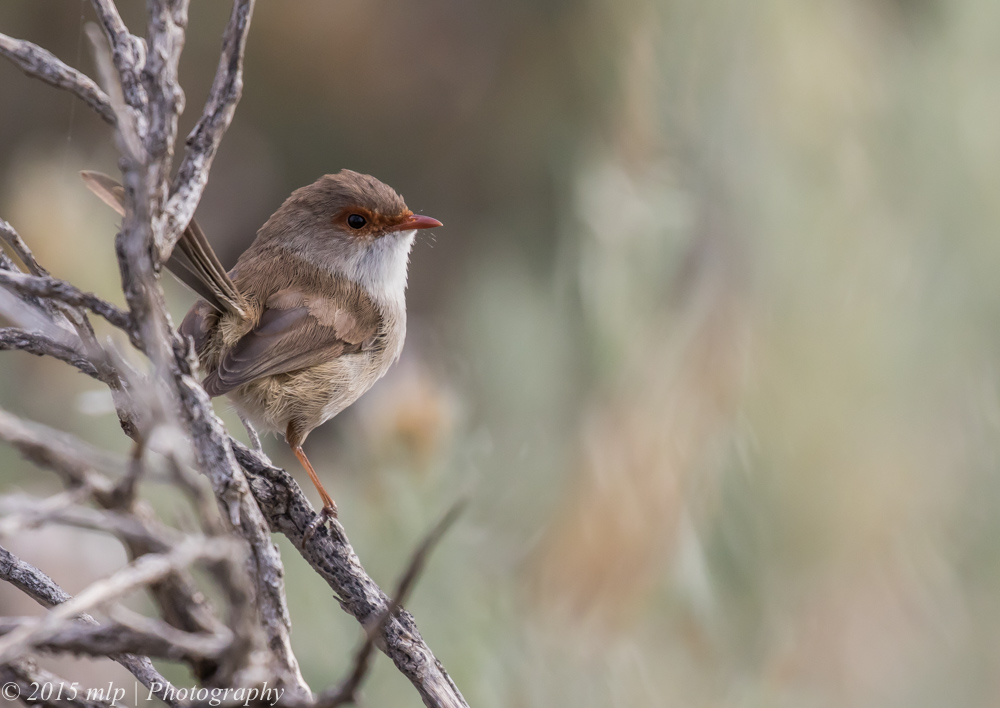
Female Superb Fairy Wren – the boss

Superb Fairy Wren,  Elster creek

II

White Browed Scrubwren,  Elster creek

White Browed Scrubwren, Elster creek

White Browed Scrubwren,  Elster creek

II

Elster Creek Evening Colour

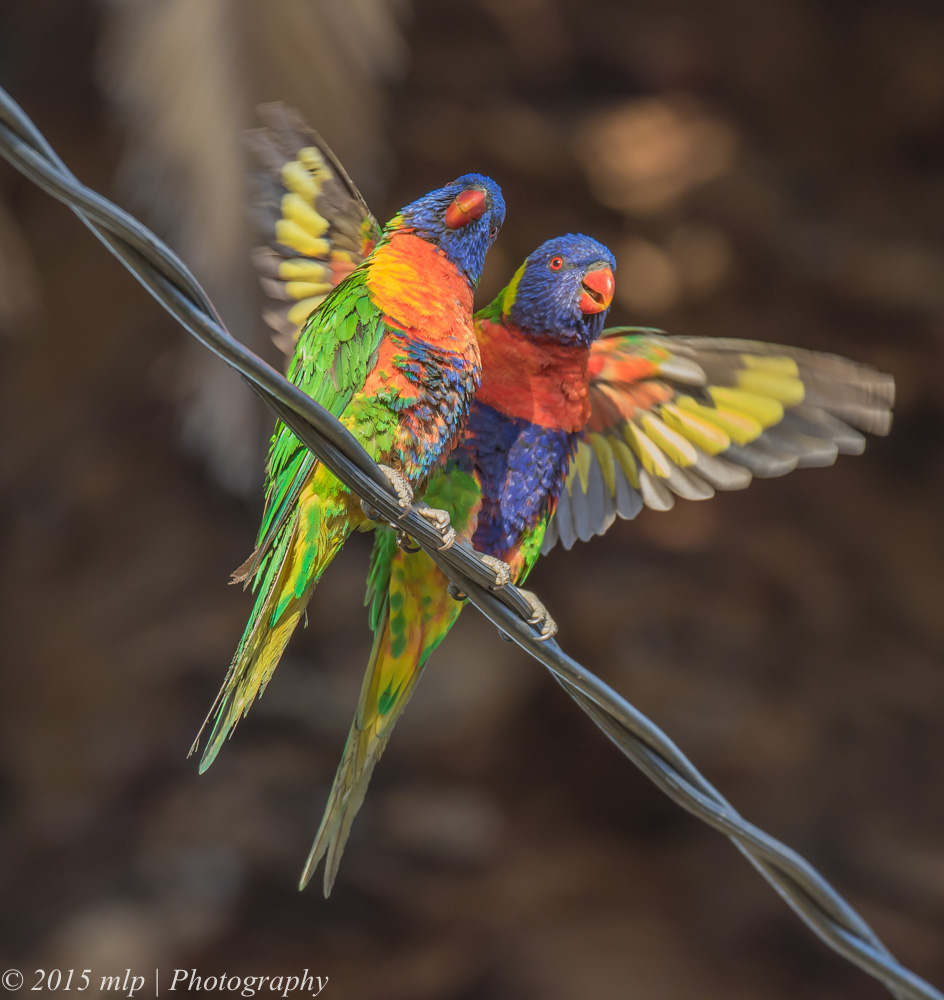
Walking along the local creek last night I stopped to watch a few ducks in the water when a raucous burst of Rainbow Lorikeet sounds from above redirected my attention. Dangling and swinging above me from the end of bent palm tree fronds were two Lorikeets playing and hanging upside down. The competition seemed to be about who could stayed upside down the longest while screeching at each other and me… A number of others watched the action from a nearby power line.

Rainbow Lorikeet, Elster creek

Rainbow Lorikeet playing around

Rainbow Lorikeet, Elster creek

The winner

Rainbow Lorikeet, Elster creek

a bit of story telling…

Rainbow Lorikeet, Elster creek

IV

2 New Lifers – 313 & 314

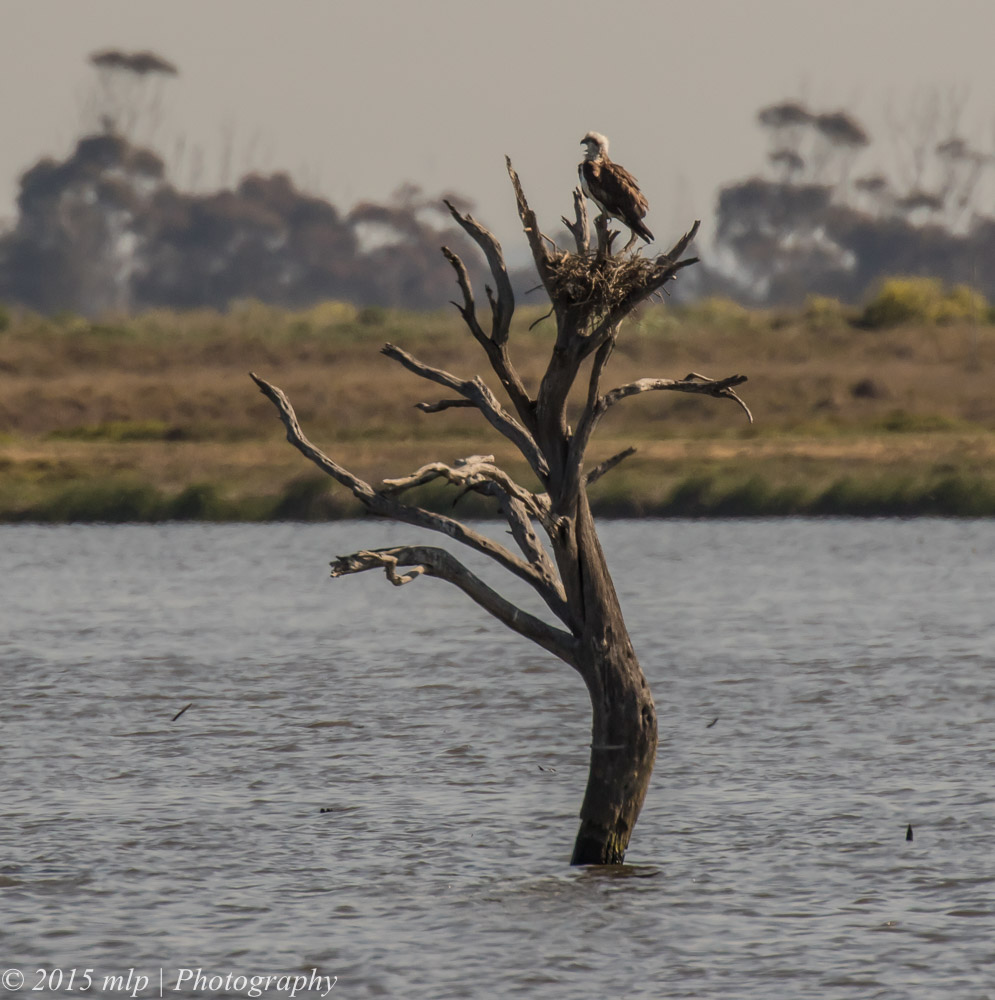
It has been a pretty good few months tracking down and photographing new birds. I picked up 2 new lifers  – an Osprey at the Treatment Plant, well out of its usual territory and a Painted Honeyeater in the Chiltern Mt Pilot National Park – I finally saw the Honeyeater after several long trips to the Chiltern district in Northern Victoria over the last few years.

The Osprey was seen along the coast over winter between Geelong and Melbourne and seemed to settle down for a few weeks at the Treatment Plant. But it has not been sighted since the much larger Sea Eagles returned. On a recent trip we saw three White Bellied Sea eagles but no sign of the Osprey.

Osprey, Western Treatment Plant

Osprey roosting in the late afternoon on an abandoned Cormorant nest, Western Treatment Plant

Painted Honeyeater, Chiltern Mt Pilot National Park

Painted Honeyeater, Chiltern Mt Pilot National Park

Painted Honeyeater, Chiltern Mt Pilot National Park

A beautiful little honeyeater with a lovely distinctive call. 

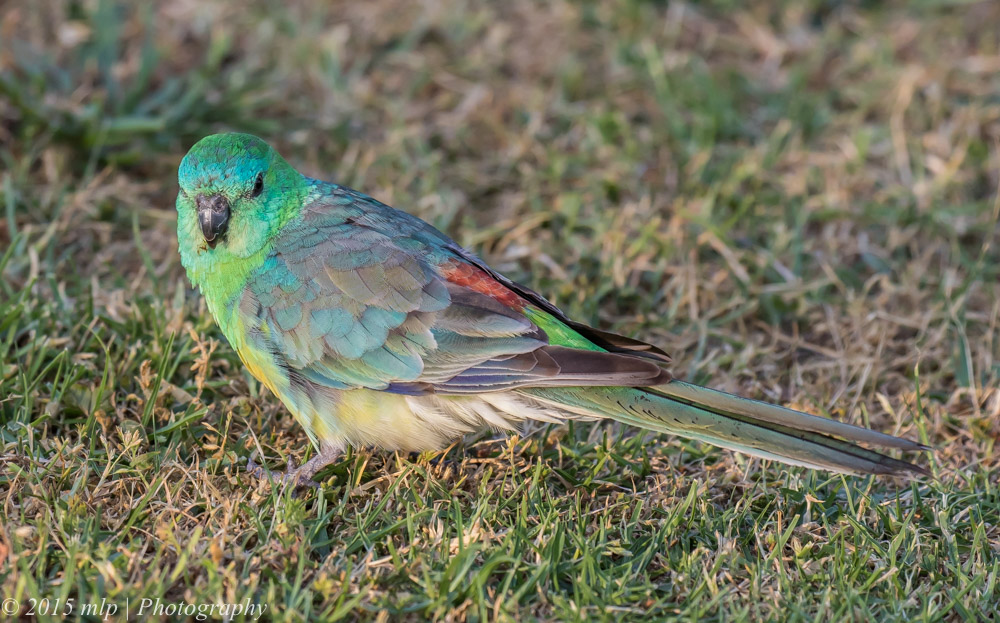
A Parade of Red-rumped Parrots

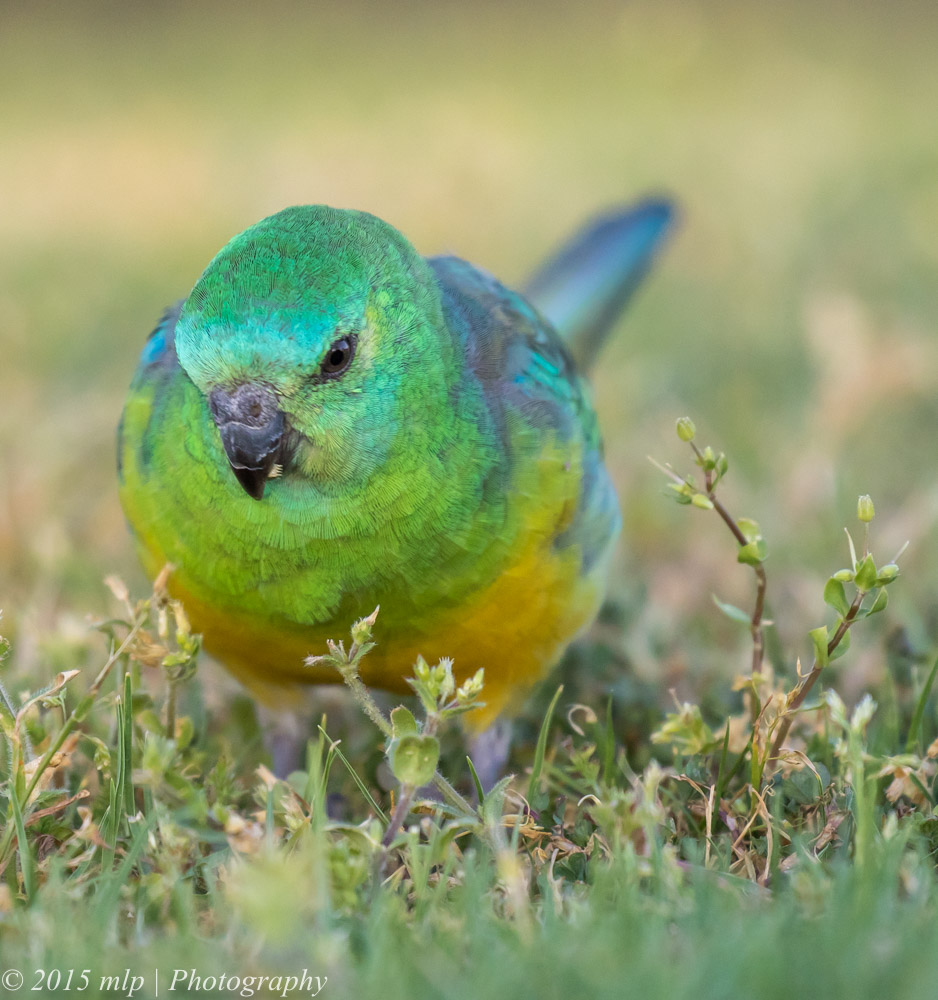
A beautiful spring evening in Elwood, I got home early enough today to go for a walk along Elster Creek to the golf course lake. While ducking wayward balls (only 3 near misses today), I spotted a pair of young colourful male Red-rumped Parrots feeding on grass seeds at the base of a raised tee box – I assume young as they did not fear me at all as I sat down to take a few pics and when I laid right down they actually moved in closer and fed only a few feet away…

Red Rumped Parrot, Elster Creek, Elsternwick

Red Rumped Parrot, Elster Creek, Elsternwick

Red Rumped Parrot, Elster Creek, Elsternwick

II

Red Rumped Parrot, Elster Creek, Elsternwick

III

Red Rumped Parrot, Elster Creek, Elsternwick

Red Rumped Parrot

Red Rumped Parrot, Elster Creek, Elsternwick

I will show you why I am called a Red-Rump…

Interview with a Cockatoo

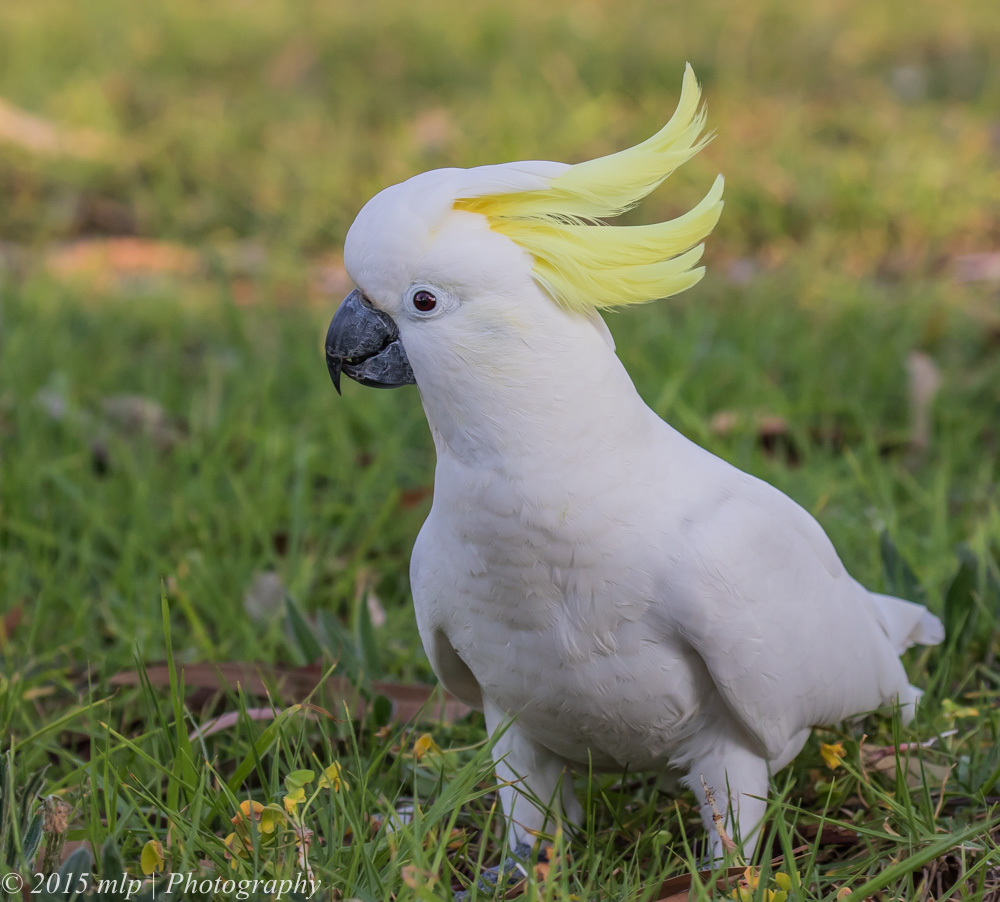
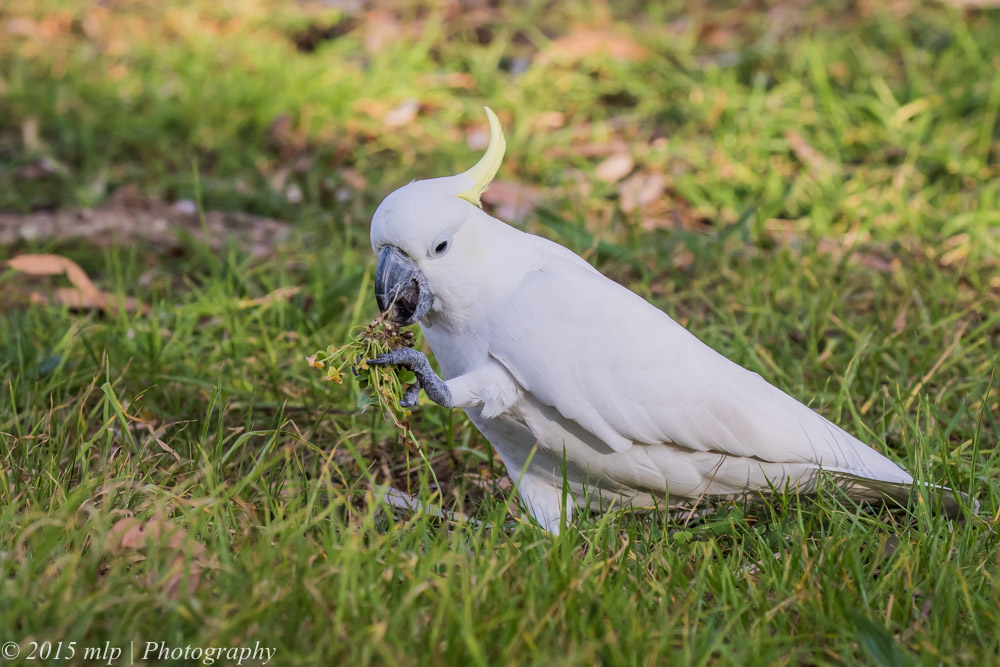
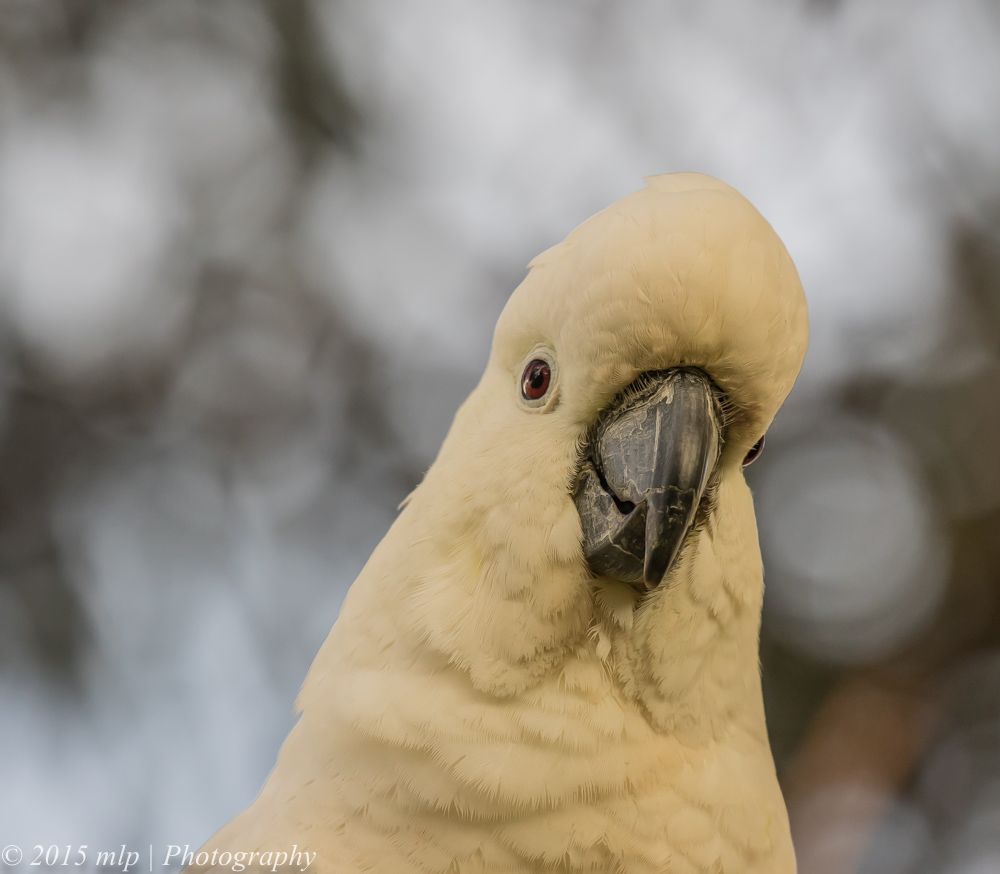
On a walk along my local creek a while back I came across a pair of Sulphur-Crested Cockatoos feeding in the grass in the late afternoon sun. They were pulling up weeds and eating the nutritious roots and bulbs. I sat down in the grass with them (as close as I dared) and watched and took photos as they gradually came closer to where I was sitting. One seemed particularly curious while I clicked away with the camera having a little chat with him. It was not until later when I processed the photos that I noticed that one had an old leg band  – maybe a cage band to stop it flying away – it does not look like a normal banding tag like we see on the shorebirds. I will have to keep an eye out for it. A pair, I think this pair, have taken up residence nearby in a large old Gum tree and may try to nest. It was quite an experience to just sit and let these (almost) wild birds just work there way around me while feeding.

Sulphur Crested Cockatoo, Elster Creek

Sulphur Crested Cockatoo, Elster Creek

Sulphur Crested Cockatoo, Elster Creek

Looking the business…walking over to see what I was up to…

Sulphur Crested Cockatoo, Elster Creek

Deciding that I was pretty harmless…

Sulphur Crested Cockatoo, Elster Creek

Digging up bulbs and roots…

Sulphur Crested Cockatoo, Elster Creek

Sulphur Crested Cockatoo taking a power nap…

Sulphur Crested Cockatoo, Elster Creek

Alert but not alarmed…

Sulphur Crested Cockatoo, Elster Creek

Sulphur Crested Cockatoo, Elster Creek

Flight – Raptors and Terns

At this time of year, the number of raptors at the Western Treatment Plant are steadily building up. It can be a good place to practice your flight photography. Along with the raptors that search the ponds and lagoons for prey there are many flocks of ducks and terns .

Brown Falcon, Western Treatment Plant,

Brown Falcon, Western Treatment Plant,

Juvenile Sea Eagle, Western Treatment Plant

Juvenile Sea Eagle flying over the car and spooking 1000s of Pink Eared Ducks

Black Kite, Western Treatment Plant

Black Kite

Whiskered Tern, Western Treatment Plant,

Whiskered Tern

Whiskered Tern flock, Western Treatment Plant

Whiskered Tern flock hawking for insects near the surface of the ponds

I just want to sing!

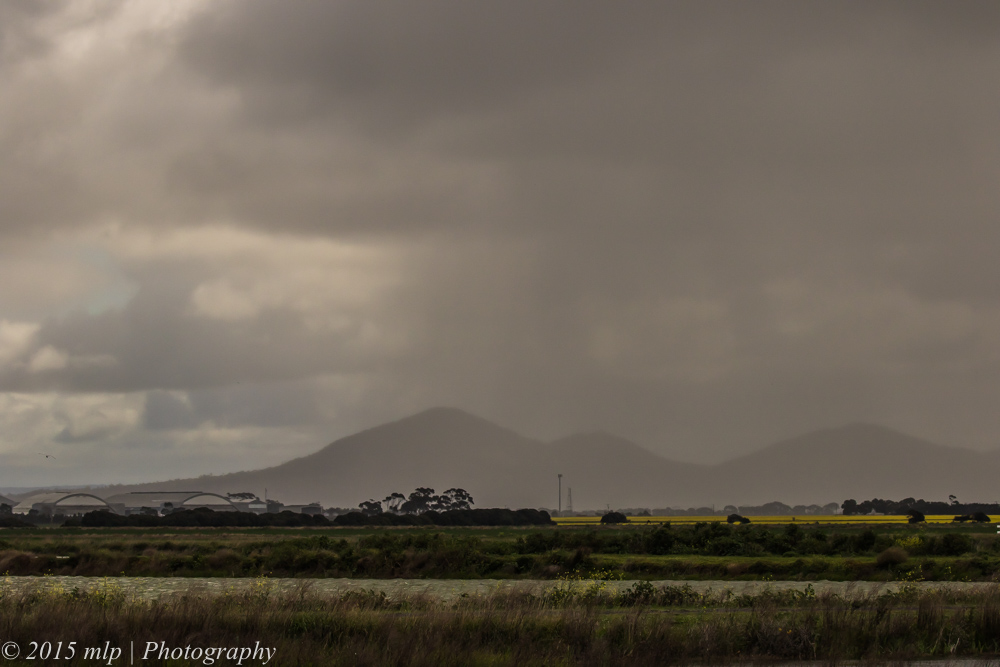
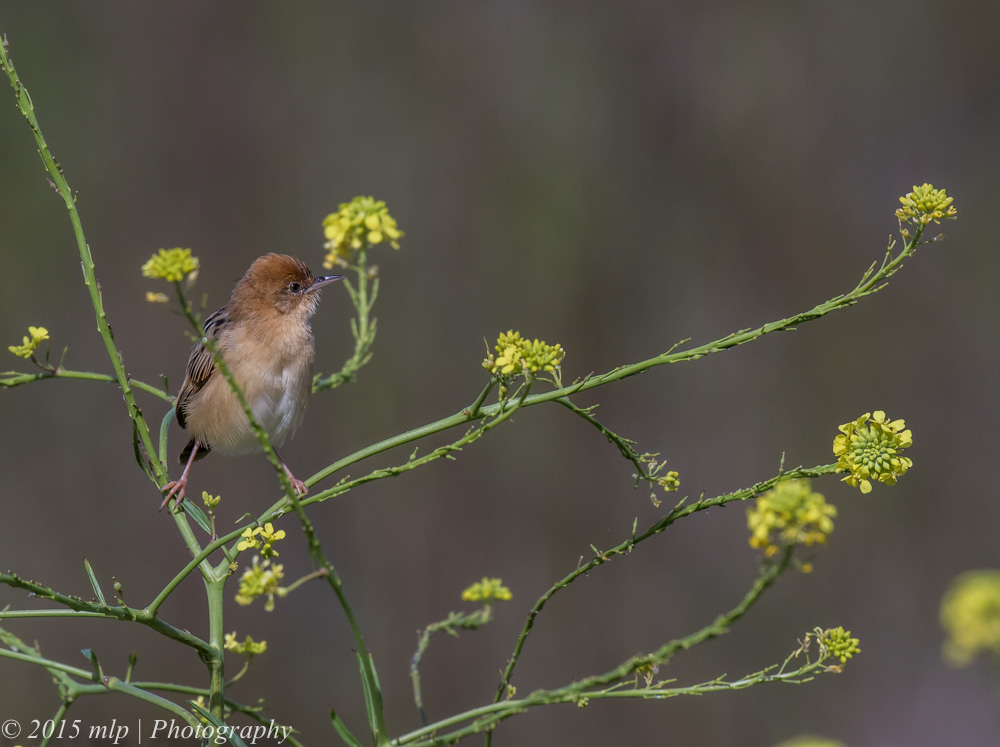
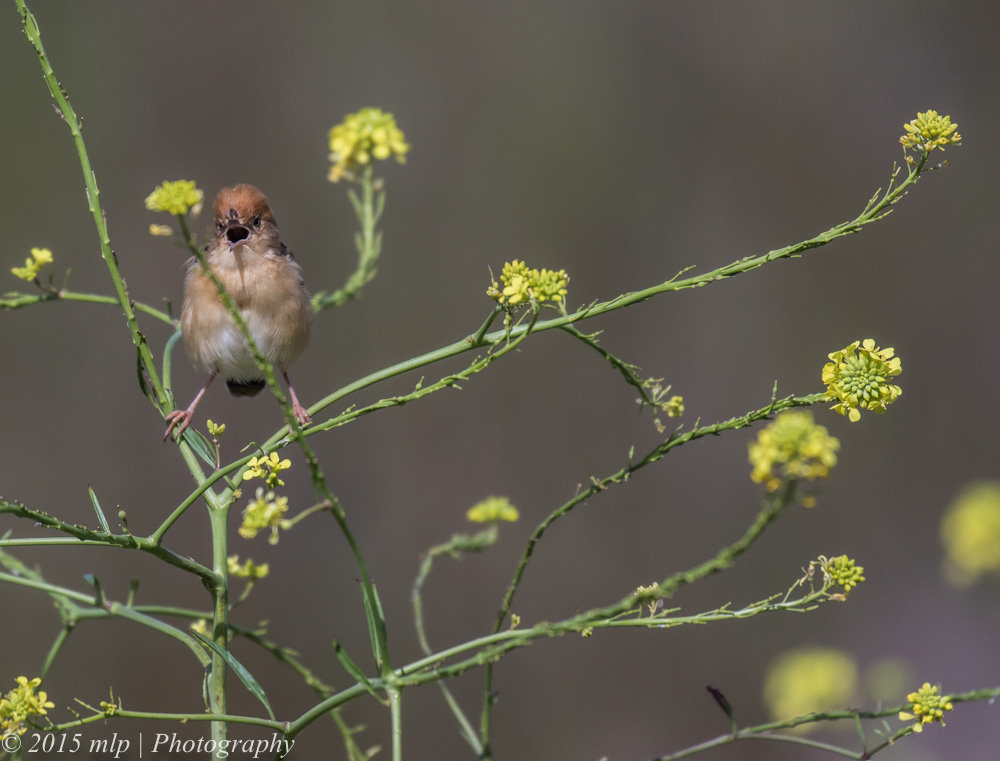
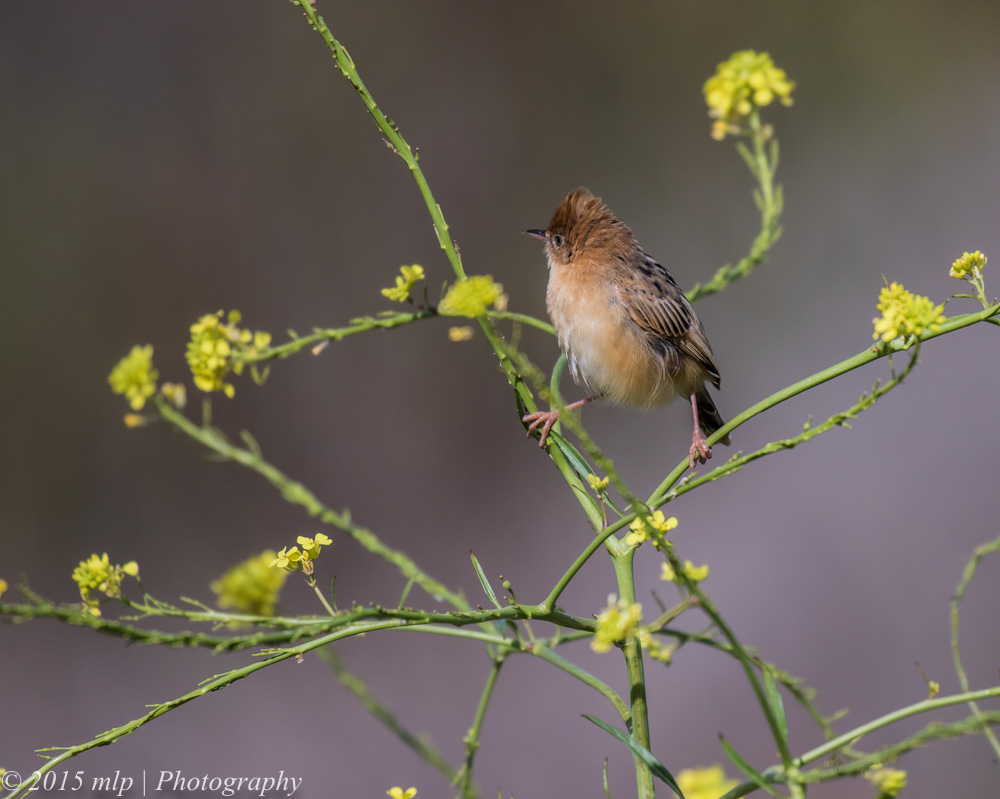
The day can be cold, wet and windy out at the Western Treatment Plant but when the sun comes out and the wind calms down, a little Golden Headed Cisticola comes out to sing and compete with his fellow Cisticolas for territories and mates.

You Yangs, Western Treatment Plant

You Yangs, Western Treatment Plant

Golden Headed Cisticola, Western Treatment Plant

Golden Headed Cisticola, Western Treatment Plant

Golden Headed Cisticola, Western Treatment Plant

My turn to sing

Golden Headed Cisticola, Western Treatment Plant

III

Hosier Lane Updates

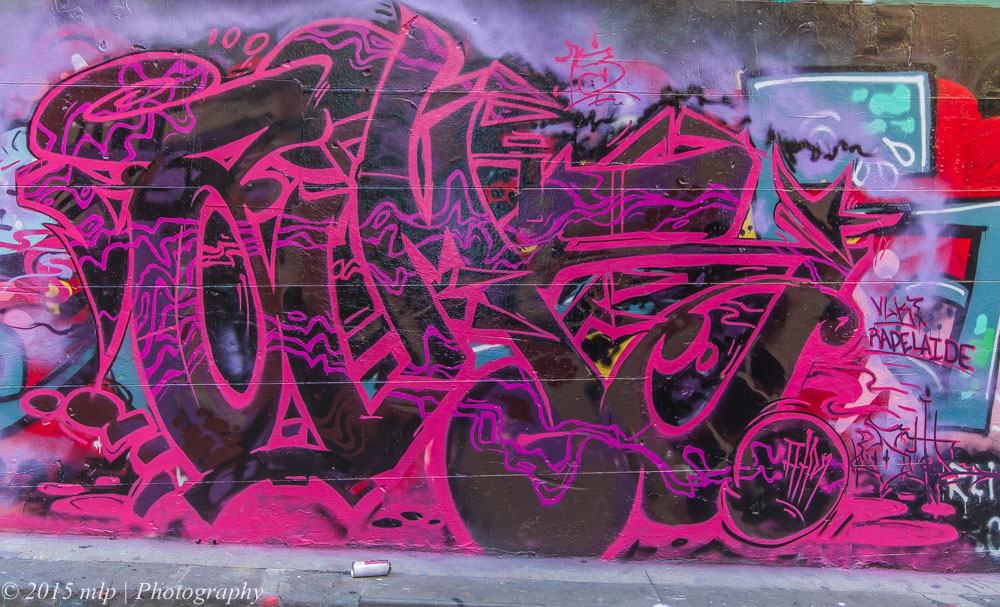
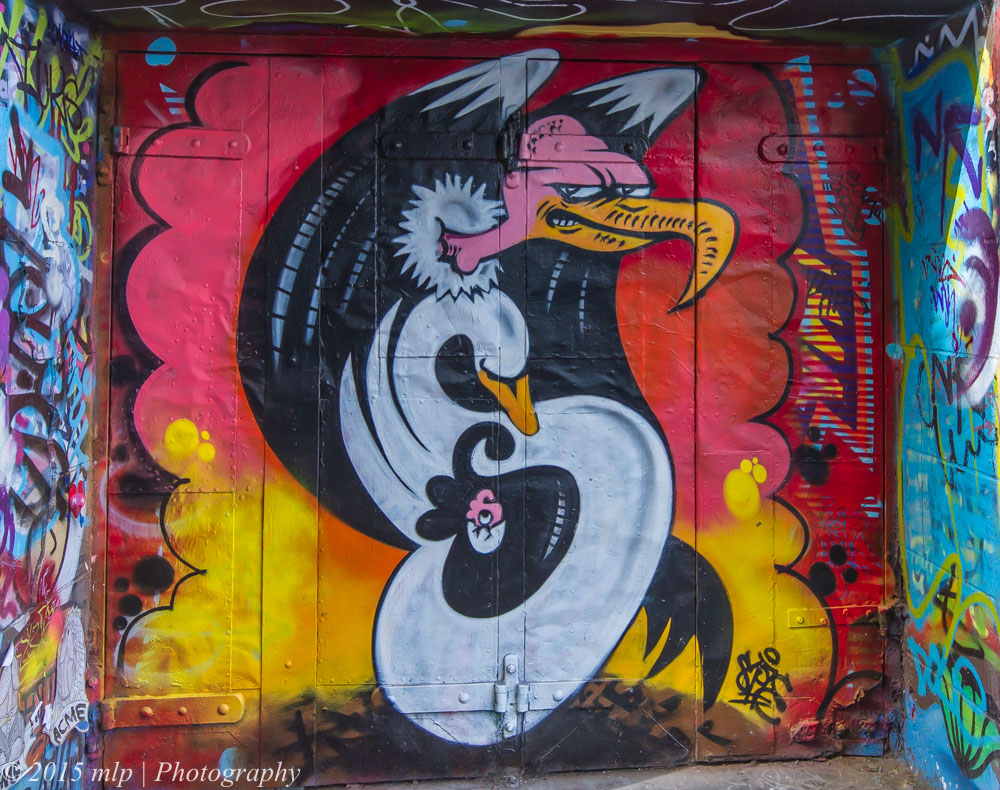
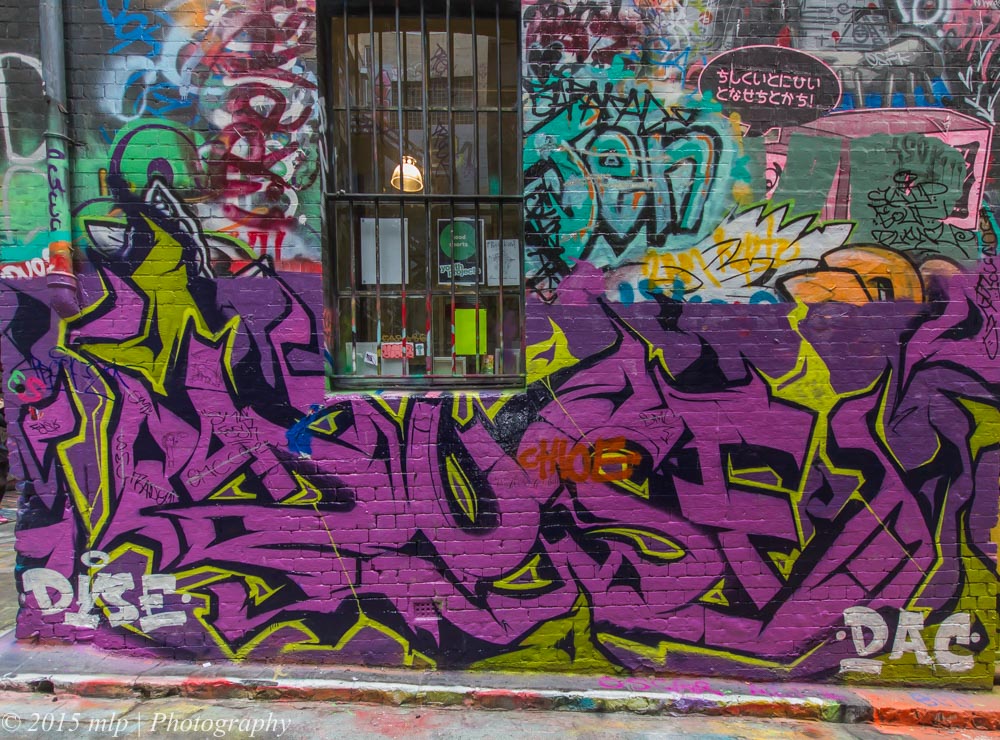
While my focus over Winter and Spring has been heading into the wilds for hours of serenity (and bird pics), I have still been visiting my usual city haunts and exploring for new sites. I walked down Hosier Lane, in Melbourne CBD, a while back and took a few shots of colourful and interesting works.

Hosier Lane Art, Melbourne CBD,

Hosier Lane Art, Melbourne CBD

Hosier Lane Art, Melbourne CBD,

II

Hosier Lane Art, Melbourne CBD,

III

Hosier Lane Art, Melbourne CBD,

IV

Hosier Lane Art, Melbourne CBD,

V

Hosier Lane Art, Melbourne CBD,

VII

Hosier Lane Art, Melbourne CBD,

Hosier Lane Art and Selfie Tourists

One that did not get away…

Eastern Spinebill perched waiting for snacks to come his way….

Eastern Spinebill, Langwarrin,

Eastern Spinebill, Langwarrin,

Eastern Spinebill, Langwarrin,

II

Eastern Spinebill, Langwarrin,

III

Eastern Spinebill, Langwarrin,

IV


Defending the Roost

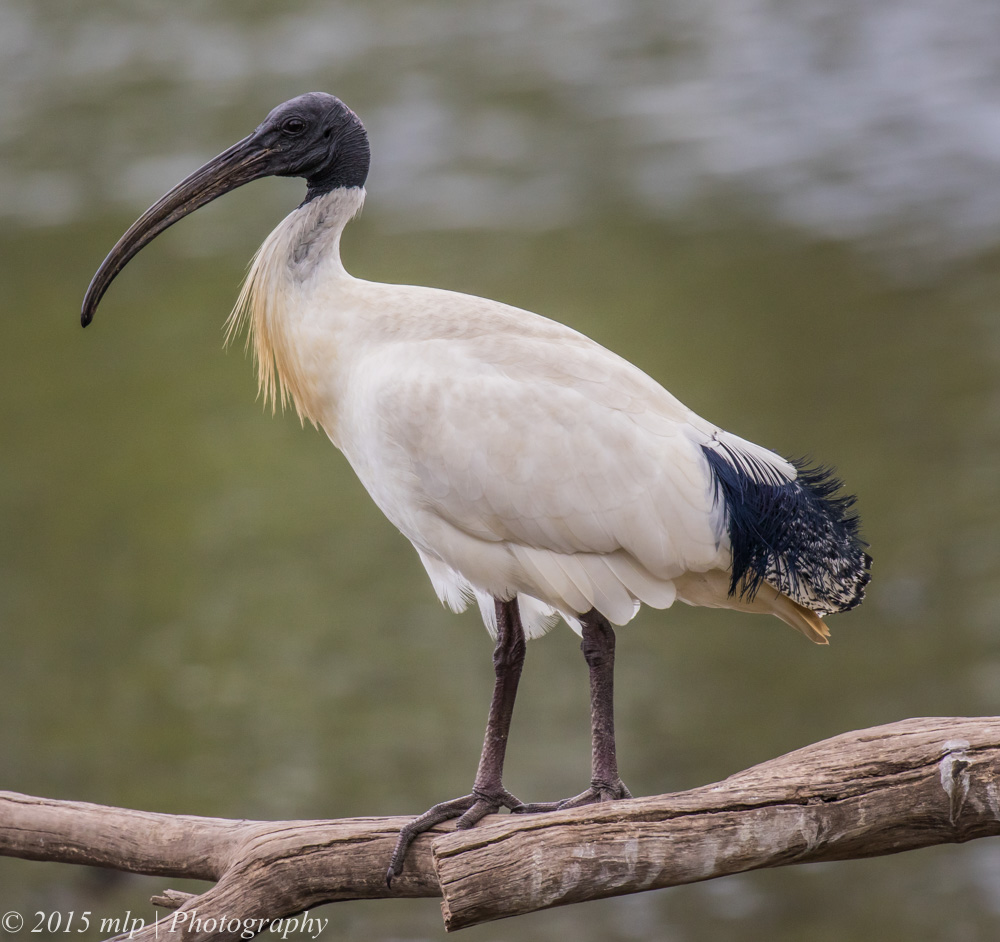
With Spring in full swing, everywhere I go at the moment I am seeing signs of the change of season and birds well into a new breeding season. I watched for a while as Australian White Ibis started to claim spots on the roosting platforms at the Coolart Wetlands. Ibis would claim a spot and then defend it against new fly-ins with much show and bravado, leaping at each other and snapping away with their long bills. While I was watching at the bird hide a curious Yellow-Faced Honeyeater popped onto a stump in front of my viewing spot to investigate the strange object poking out of the hide and making all the clicking noise.

White Ibis, Coolart Wetlands

White Ibis, Coolart Wetlands


White Ibis, Coolart Wetlands

II


White Ibis, Coolart Wetlands

White Ibis defending his patch against interlopers 


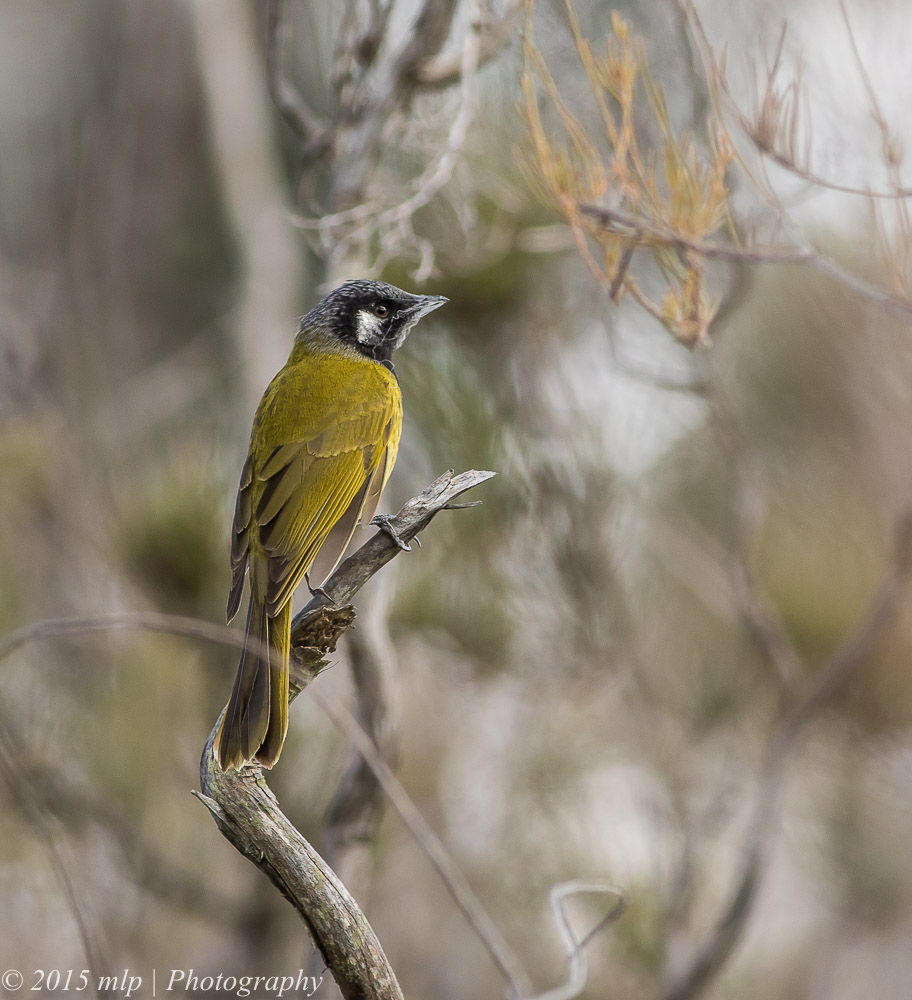
Yellow Faced Honeyeater Coolart Wetlands

Curious Yellow Faced Honeyeater, Coolart Wetlands


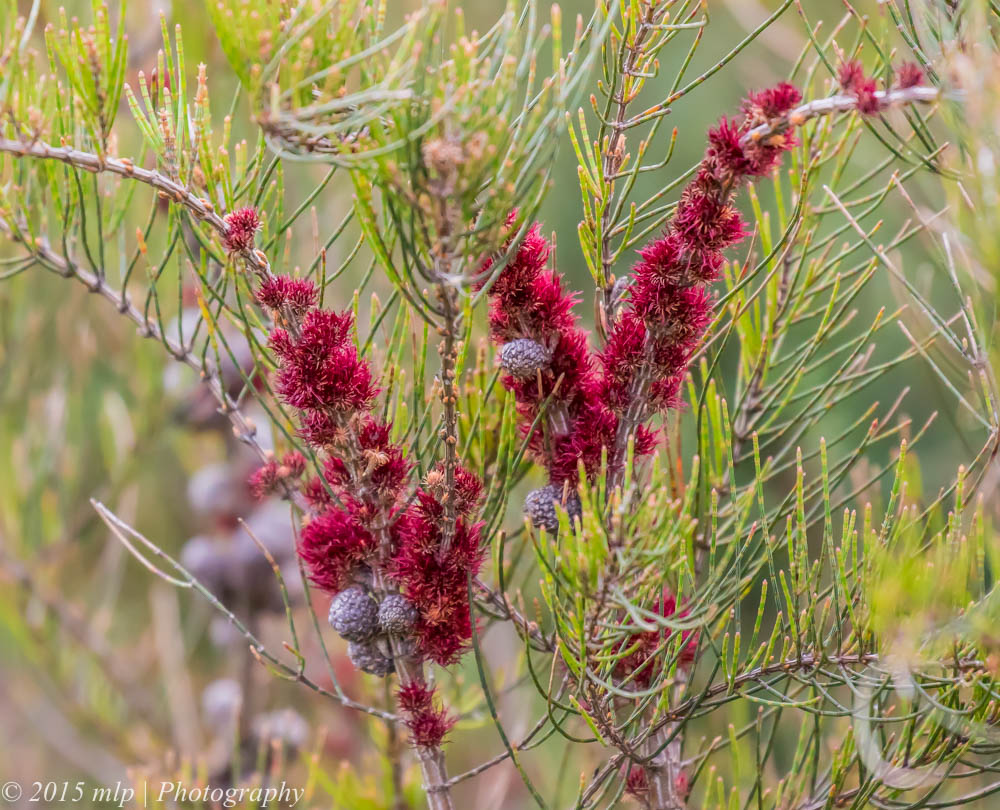
Flowering Green She-Oak, Coolart Wetlands

Flowering Green She-Oak, Coolart Wetlands

White Eared Honeyeater

At this time of year one of the predominate sounds of the woodlands behind the Australia Gardens at the Cranbourne Botanical Gardens comes from the White Eared Honeyeater. It has a variety of distinctive calls and can be quite photogenic when it stays still long enough. It makes a low level, deep, thick sided bowl type nest and lines it with animal fur and hair. We found the Honeyeater below collecting spider webs for its nest.

White Eared Honeyeater, Cranbourne Botanical Gardens

White Eared Honeyeater, Cranbourne Botanical Gardens

White Eared Honeyeater, Cranbourne Botanical Gardens

White Eared Honeyeater collecting spider webs for nesting material

White Eared Honeyeater, Cranbourne Botanical Gardens

II

With so many Honeyeaters it is little wonder that we also heard and saw Fan Tailed Cuckoos. The nests of White Eared Honeyeaters are parasitised by Fan Tailed Cuckoos.

Fan-Tailed Cuckoo, Cranbourne Botanical Gardens

Fan-Tailed Cuckoo, Cranbourne Botanical Gardens

Bathing in a puddle

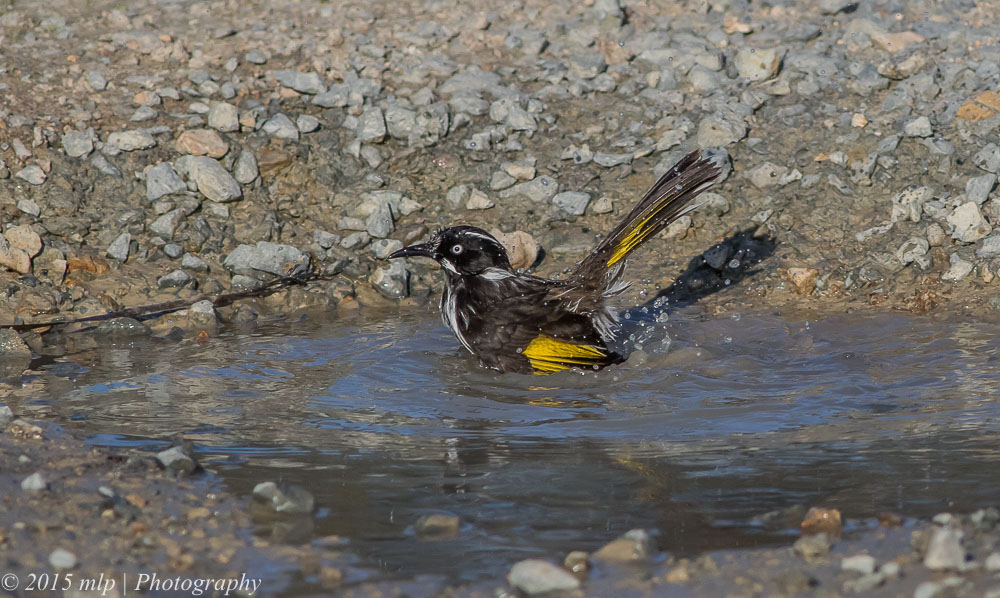
There is nothing like a nice afternoon bath in a small fresh puddle – perfect temperature, perfect depth. This New Holland Honeyeater was one of several birds that made quick flights into the water. After a quick dip and a splash around it would take off to a nearby branch to groom and then back into the water again. Bathing, grooming and keeping the feathers in good condition are extremely important to birds. It is fun and challenging to try and take decent images when the opportunity arises…

Bathing New Holland Honeyeater VI, Cranbourne Botanical Gardens,

Bathing New Holland Honeyeater, Cranbourne Botanical Gardens,

Bathing New Holland Honeyeater VI, Cranbourne Botanical Gardens,

II

Bathing New Holland Honeyeater VI, Cranbourne Botanical Gardens,

III

Bathing New Holland Honeyeater VI, Cranbourne Botanical Gardens,

IV

Bathing New Holland Honeyeater VI, Cranbourne Botanical Gardens,

V

Bathing New Holland Honeyeater VI, Cranbourne Botanical Gardens,

VII

Spotted a Pardalote or two

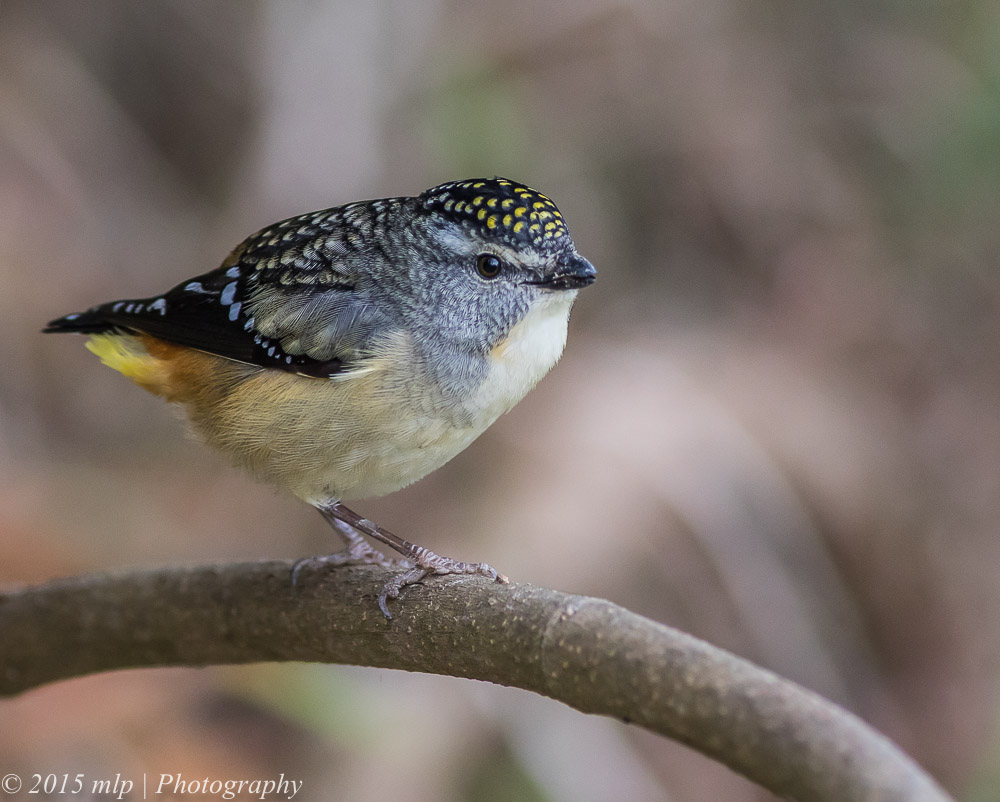
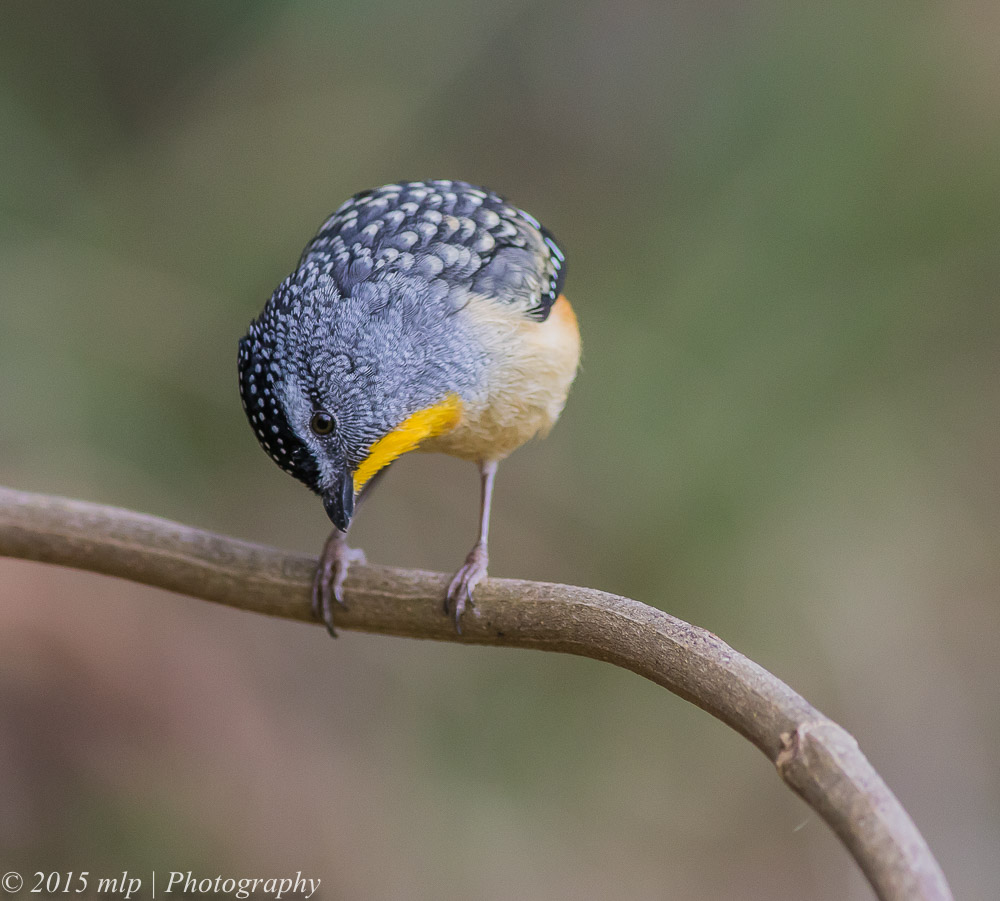
Spotted Pardalotes are tiny colourful birds that mostly feed in the tree canopy. They have quite a distinctive call but are not often seen. During the breeding season they come down from the trees and rather than build a nest in the branches they dig a small tunnel in a sandy bank – the tunnel has a small mouse sized opening but can be a metre long. I found this little family trying out a bank near where I happened to be photographing a family of nesting Yellow Robins. They had dug a few test holes and were looking at each others work. For such a shy bird they were very focussed on the potential nest holes and ignored my presence.

Female Pardalote, Moorooduc Quarry

Female Pardalote, Moorooduc Quarry

Female Pardalote, Moorooduc Quarry

II

Male Pardalote, Moorooduc Quarry

Male Pardalote, Moorooduc Quarry

Male Pardalote, Moorooduc Quarry

II

Male Pardalote, Moorooduc Quarry

III

Male Pardalote, Moorooduc Quarry

IV

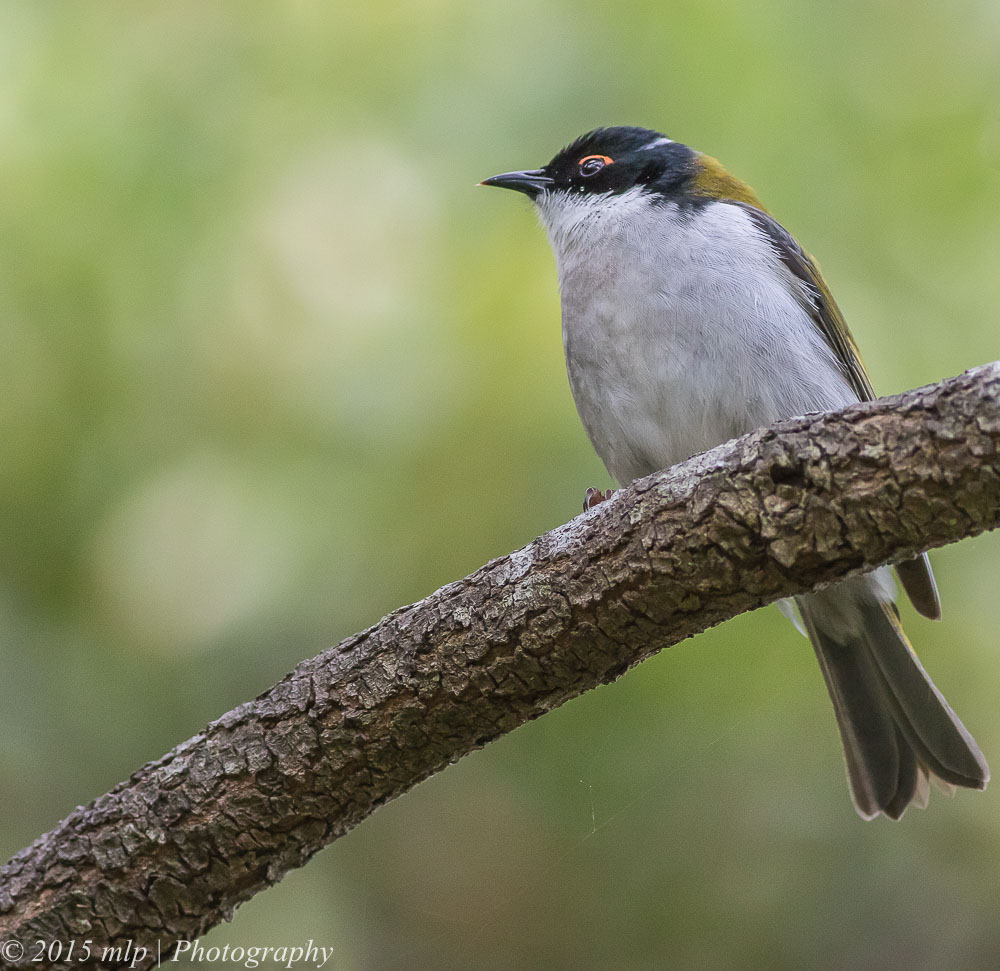
Above the Pardalotes were three White-naped Honeyeaters chasing each other. This one stopped and watched the Pardalotes for a while. The White-nape has a interesting call and bright Orange eye marking.

White Naped Honeyeater,  Moorooduc Quarry

White Naped Honeyeater, Moorooduc Quarry

The Falcon’s Roost

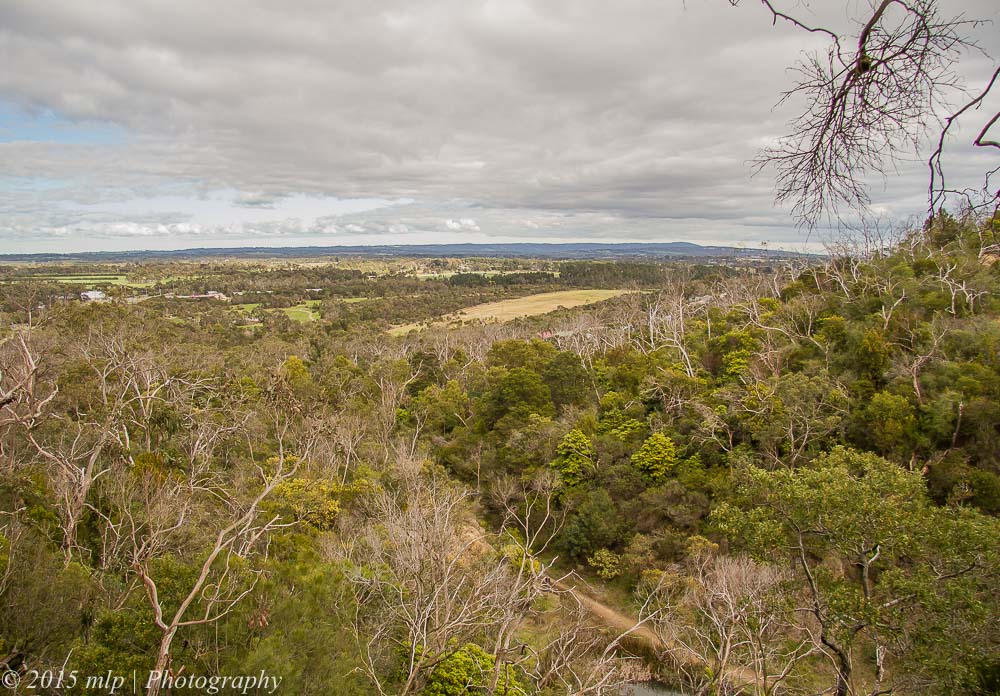
Moorooduc Quarry is a very good site for woodlands birds and for the Peregrine Falcon. The quarry is cut out from a hillside in Mt Eliza and from the top has vast views of the surrounding countryside. With such great views and an abundance of potential prey it is no wonder that the Peregrines can be found here all year round. They also breed at the site each year.

On a recent visit I walked into the quarry and looked for the Peregrines amongst the tall dead trees that overhang at the top of the cliffs. Spotting a Peregrine on a  tall tree near one of the tracks that circle the lip of the quarry I thought I would try my luck and sneak up for a photo. I am pretty sure he watched me all the way, gave me a bit of chance for a photo through the fringing bushes and then took off and flew to the other side of the quarry. When the Peregrine took off he just leaned forward and dropped straight down to build up speed, glided for a while and then flew up to the other side.

Top of the Quarry, Moorooduc Quarry Flora and Fauna Reserve

Near the top of the Quarry, Moorooduc Quarry Flora and Fauna Reserve

Top of the Quarry, Moorooduc Quarry Flora and Fauna Reserve

View into part of the lake at Moorooduc 

Peregrine Falcon, Moorooduc Quarry Flora and Fauna Reserve

Peregrine Falcon – a regular at the site, watching me puff my way up the steep track.

Peregrine Falcon, Moorooduc Quarry Flora and Fauna Reserve

Dropping straight down the cliff edge to build up speed. 

Winter to Spring along Elster Creek

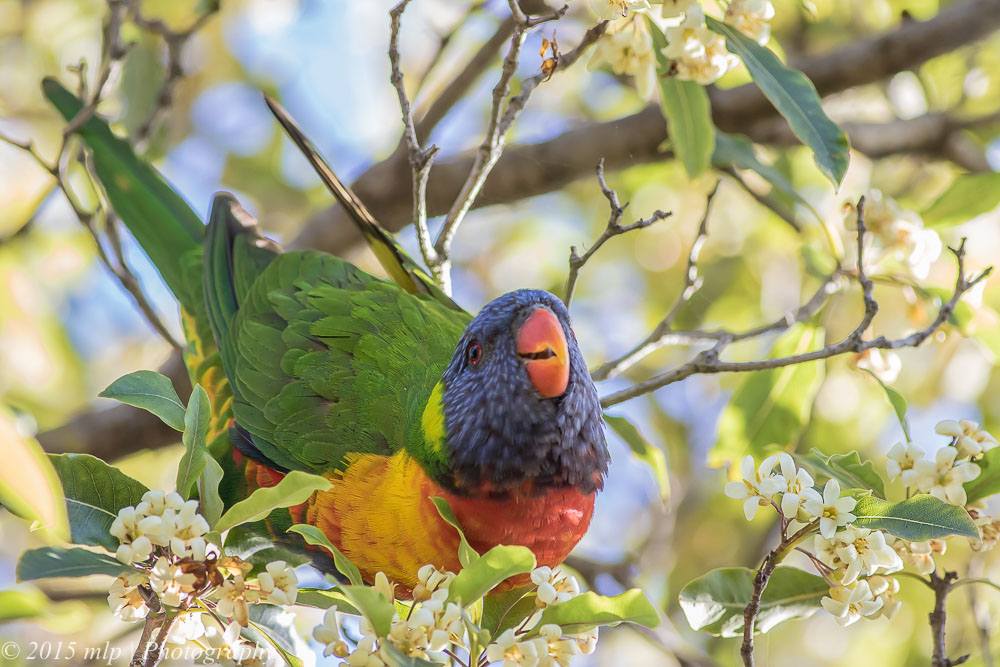
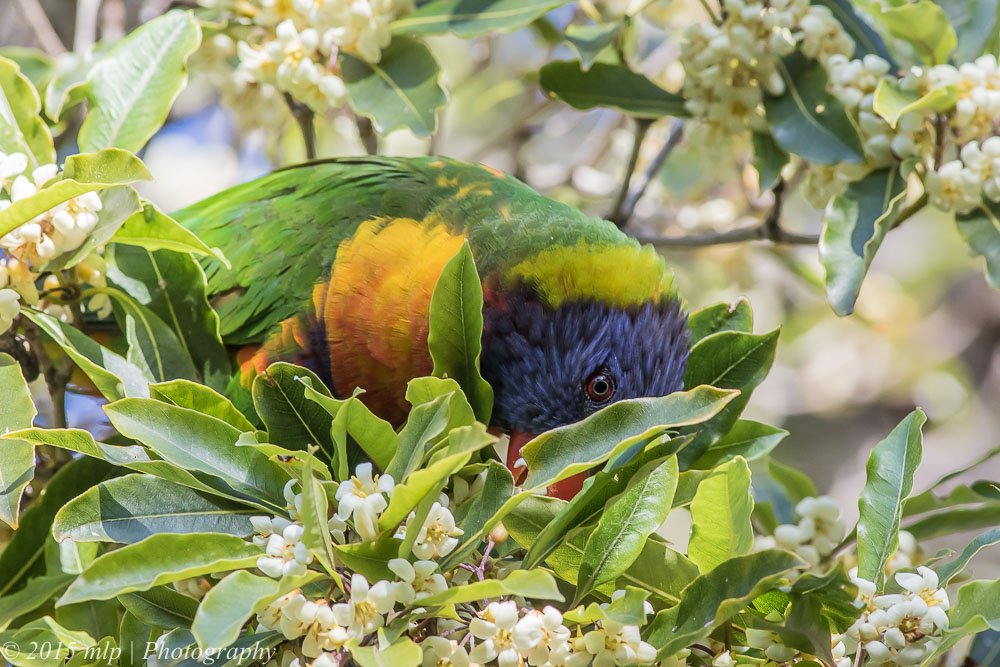
With only a few days to go until Spring officially starts, the local trees and Ducks are right on schedule. A late afternoon walk along Elster Creek to see what was about started with trying to find the Lorikeets I could hear in the flowering tree that hangs over the fence in my backyard into the creek. The Rainbow Lorikeets were feeding on the small white flowers and seemed to be enjoying the sun. They allowed me to get quite close before they flew onto the next flowering tree.

Rainbow Lorikeet, Elster Creek, Elwood

Rainbow Lorikeet, Elster Creek, Elwood

Rainbow Lorikeet, Elster Creek, Elwood

II

Rainbow Lorikeet, Elster Creek, Elwood

III

Rainbow Lorikeet, Elster Creek, Elwood

IV

Rainbow Lorikeet, Elster Creek, Elwood

V

Rainbow Lorikeet, Elster Creek, Elwood

VI

Rainbow Lorikeet, Elster Creek, Elwood

VII

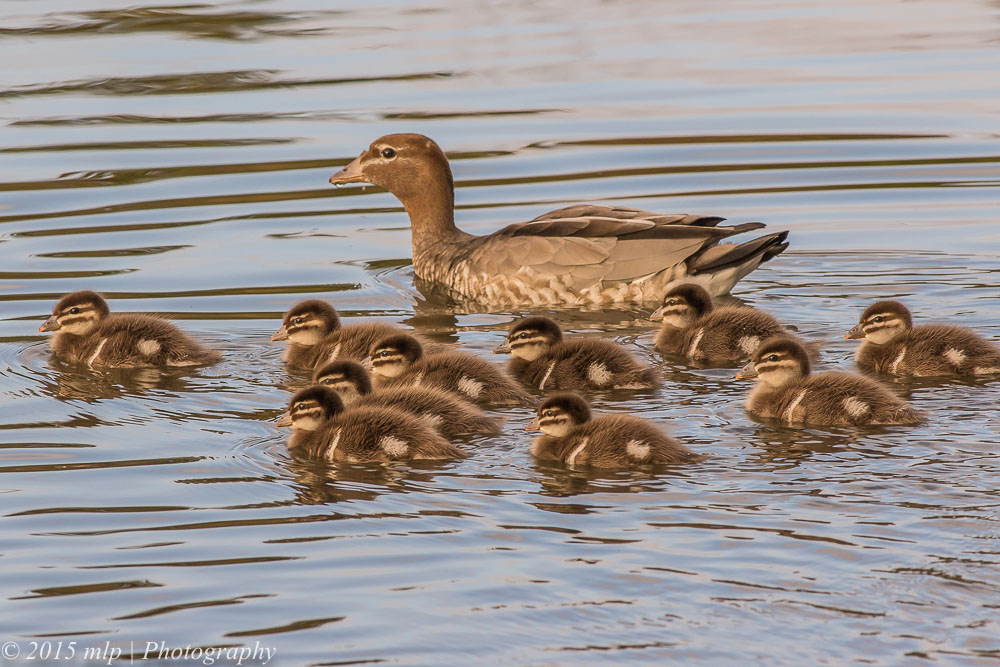
At the local wetlands lake I ran into a birding friend Gio, and we walked along the banks together planning our next day trip into the bush. We came across  a family of Wood Ducks that had nested nearby and were now raising 10 checks. Wood Ducks have quite large families and I think it is needed as quite a few chicks are taken by many predators. Wood Ducks are usually pretty calm around people and just wander back to the water if you approach but these adults were much more nervous of us and took to the water straight away.

Wood Duck and Chicks, Elster Creek, Elwood

Female Wood Duck and Chicks, Elster Creek

Wood Duck and Chicks, Elster Creek, Elwood

Is the male Wood Duck sticking his tongue out at me?